Two Parts Italy

Exploring Italy, travel, and living a flavorful life

  • Blog
  • About This Blog
  • Start Here
  • Recent Posts
  • Archives by Topic
  • Subscribe
  • Contact me
Enoteca Santa Cristina in Lucca has a great selection of summer drinks.

Enoteca Santa Cristina in Lucca has a great selection of summer drinks.

Summertime Eating and Drinking in Italy

September 02, 2019 by Judy Giannnettino

It’s hot! Writing this, it has been hovering around 100 degrees for four days. Fa caldo! We all have our strategies for keeping cool - fans pointing right at us, a handheld folding fan for outside (can you picture all of us Italian ladies fanning ourselves over an outdoor lunch?), lightweight dresses, and judicious use of air conditioning if we are lucky enough to have it. I laugh watching locals and tourists alike dash across Tuscany’s famous sun-drenched piazzas in search of a bit of shade or walking single file up a narrow strip of shade in the street. What we won’t do to keep cool!

The heat also necessitates a change in eating habits. While restaurants still serve pasta dishes, gone are the heaviest soups and stews. In their place are appetizers made with fresh fruits, cheeses, and thinly sliced meats, along with salads and lightly sauced pastas. At home, no one seems to want to cook. Salads, panini, and simple meat and cheese plates are about all I can manage on sweltering summer days. Cold drinks go a long way toward cooling us off too. In hot weather, eating and drinking cool are musts. Luckily, Italy provides no shortage of wonderful summer food choices.

A perfect summer meal - salumi (cold cuts), cheese, and marinated veggies

A perfect summer meal - salumi (cold cuts), cheese, and marinated veggies

One of my favorite summertime treats is an Iced coffee (called a caffe shakerato here in Lucca). They taste even better when sipped on a pretty Italian piazza. To make a delicious one at home, use a battery-operated whisk to froth cold milk and then add cold coffee, along with sweetener and a few ice cubes. Refreshing!

Caffè shakerato at Cafe Manon Lescaut, Piazza Cittadella, Lucca

Caffè shakerato at Cafe Manon Lescaut, Piazza Cittadella, Lucca

While we are on the subject of drinks, my go-to summer cocktail is the classic Aperol spritz. Brightly colored, a touch bitter, with a little bit of fizz from prosecco and topped off with a slice of orange. Tastes just like a summer evening in Italy.

Aperol spritz - a classic summer cocktail in Italy

Aperol spritz - a classic summer cocktail in Italy

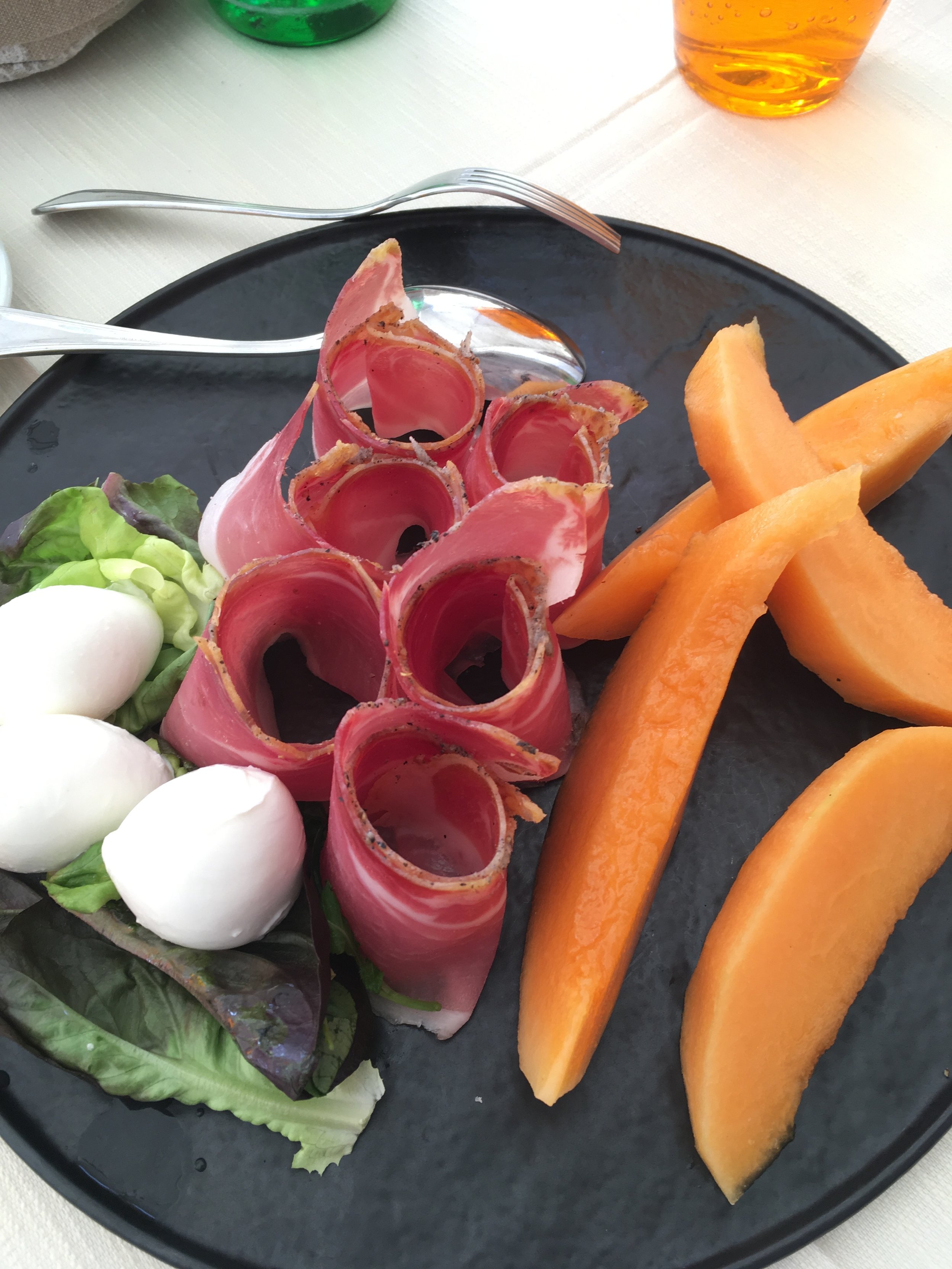
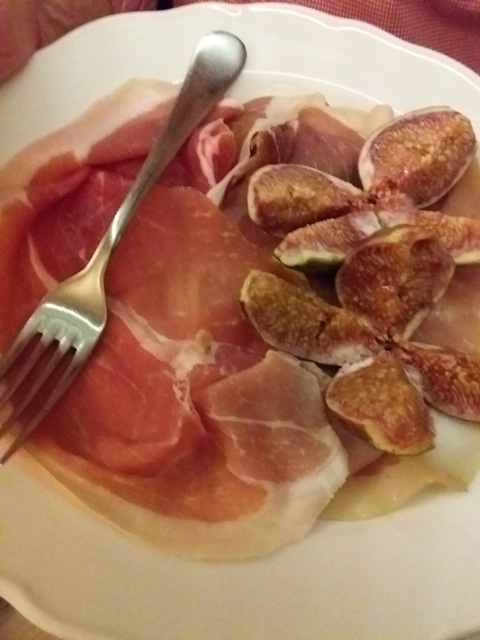
Summer food choices seem endless. Prosciutto stars in two hot weather appetizers - one with melon (a deliciously ripe cantaloupe) and the other with figs. I can’t decide which is my favorite. Either one becomes a main dish with the addition of a little mozzarella or burrata and a bit of focaccia.
IMG_2843.JPG
20190727_195801_resized.JPG

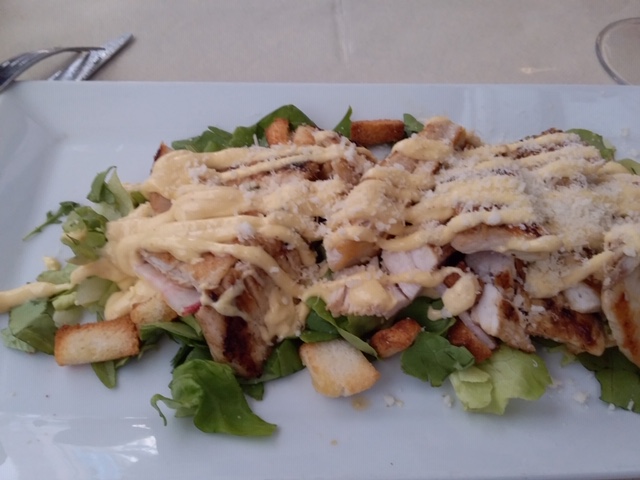
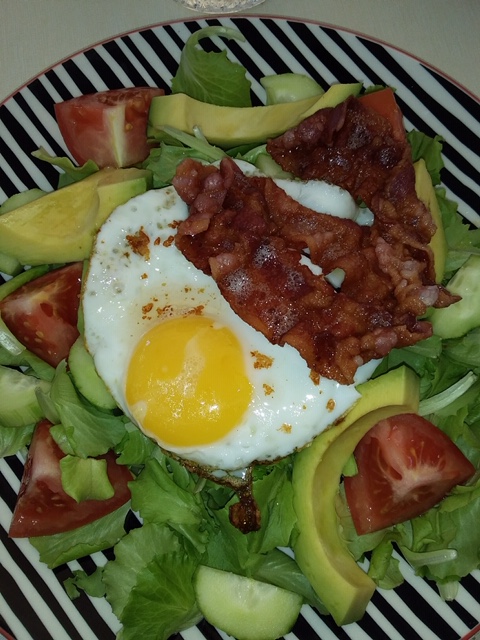
A big salad is the perfect hot weather meal and a summertime restaurant staple in Tuscany. My current favorite featuress big chunks of avocado, a bit of bacon, and a fried egg on top of a bowl of greens and veggies (at Cafe Manon Lescaut in Lucca). Delicious too is a Caesar salad - invented in Mexico (or California, depending on who you believe) by Italian immigrant Caesar Cardini. The one below is from Il Bernino, one of my favorite lunch spots in Lucca.
20190801_134336.JPG
20190725_131531_resized.JPG

No need to go out for a delicious summer meal. My go-to at home is a Nicoise salad. It has French origins but is definitely popular in Lucca where our largest piazza is named Napoleone after all.

Salad Nicoise - easy to make at home.

Salad Nicoise - easy to make at home.

Another classic Italian summer dish is Vitello Tonnato - cold veal slices with a sauce made of tuna. I admit that I thought this a strange combo at first, but after hearing several friends declare it wonderful, I decided to give it a try. It turns out it is delicious (how could I have doubted the tastiness of a classic Italian dish?) and the two seemingly disparate flavors blend beautifully.

Vitello Tonnato from Restaurant Il Bernino in Lucca - in this version the tuna sauce is wrapped inside the cold slices of veal. A spin on the classic presentation.

Vitello Tonnato from Restaurant Il Bernino in Lucca - in this version the tuna sauce is wrapped inside the cold slices of veal. A spin on the classic presentation.

As for hot weather desserts - look no further than gelato. It’s the perfect late afternoon treat, in a cone or a cup. Better yet, in Italy, it’s normal to get three flavors at once!

public.jpeg

-post by Joanne who gladly did the research for this one!

September 02, 2019 /Judy Giannnettino
Figs growing along the river Serchio, just outside of Lucca

Figs growing along the river Serchio, just outside of Lucca

When 90 Days Is Not Enough Part Three : The Permesso di Soggiorno

August 26, 2019 by Judy Giannnettino

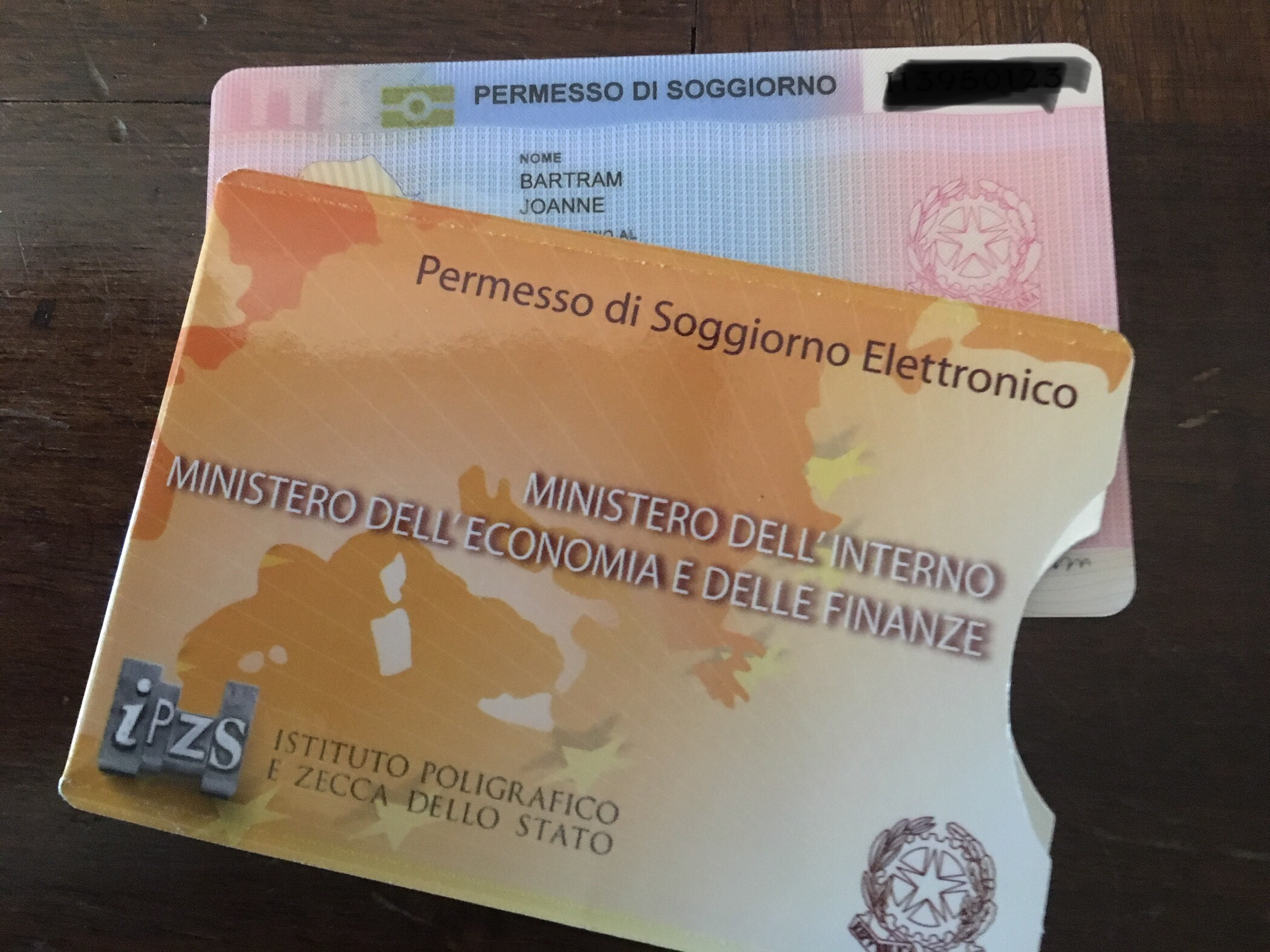
While getting an Italian Elective Residency Visa is an accomplishment and a cause for celebration for those who want to spend more than 90 days in Italy at a time, it isn’t the end of the process. Once a visa is approved, the Italian consulate adds it to the applicant’s passport and returns the passport. At that point, it’s time to breathe a big sigh of relief and prepare for the fun part - travel to Italy to claim the final prize: the permesso di soggiorno. Unlike the visa, which must be obtained in the home country, the permesso is obtained only in Italy. And once you’ve arrived in Italy, don’t delay - the application should be submitted within eight days of arrival and in the city where you’ve leased or purchased a place to live.

To get the application packet, go to a local Poste Italiane (post office) and look for a Sportello Amico (the window for all public administration issues) and ask for the “permesso di soggiorno kit.” You’ll receive a large white envelope with a yellow stripe. Inside are the application and instructions (in Italian). The application is fairly simple to fill out (samples and English instructions can be found online) but for non-Italian speakers, some help may be required. In many cities there is an office that helps with this type of paperwork. In Lucca, it is the INAC office (Institute Nazionale Assistenza Cittadini). Hiring a local lawyer is an option (but not a requirement) as one can provide advice and accompany clients to all appointments. This can be helpful to decrease the anxiety that comes with this process but is a more costly option.

One of two receipts I was given when filing my permesso “kit” at the Poste Italiane. Once you have yours, don’t lose it!

One of two receipts I was given when filing my permesso “kit” at the Poste Italiane. Once you have yours, don’t lose it!

The completed permesso application, along with copies of the same documents submitted for the visa (all pages of passport, financial documents, proof of insurance, housing contract, etc), require a tax stamp (about 16 euro) obtained in a tabbachi shop. The entire kit with the tax stamp and all documents is then submitted back to the post office (same Sportello Amico window), where the application is reviewed and entered into the computer system. Payment for the permesso is made at this time. Check online for current fees and be prepared to pay with cash. The post office clerk will then make an appointment at the questura (local police station).

The questura appointment date and time is non-negotiable (it’s automatically assigned) and will generally occur one to two months from the date of application. Be sure to keep the two receipts given at the post office as they are proof that a permesso application has been filed, contain the date of the appointment, and tracking information. These receipts will be needed for the next appointment at the Questura. Legally, the receipts should be carried, along with a passport, until the actual permesso e-card is received. At the very least, carry a picture of these documents on a smartphone.

Plan to be present in Italy for the questura appointment and for the time between the appointment and the arrival of the permesso itself (generally four to six weeks). Some sources say that it is possible to leave and re-enter Italy to and from one’s home country with just this receipt, but there may be problems when traveling through another EU country. The safest bet is to stay put and begin to enjoy living in Italy!

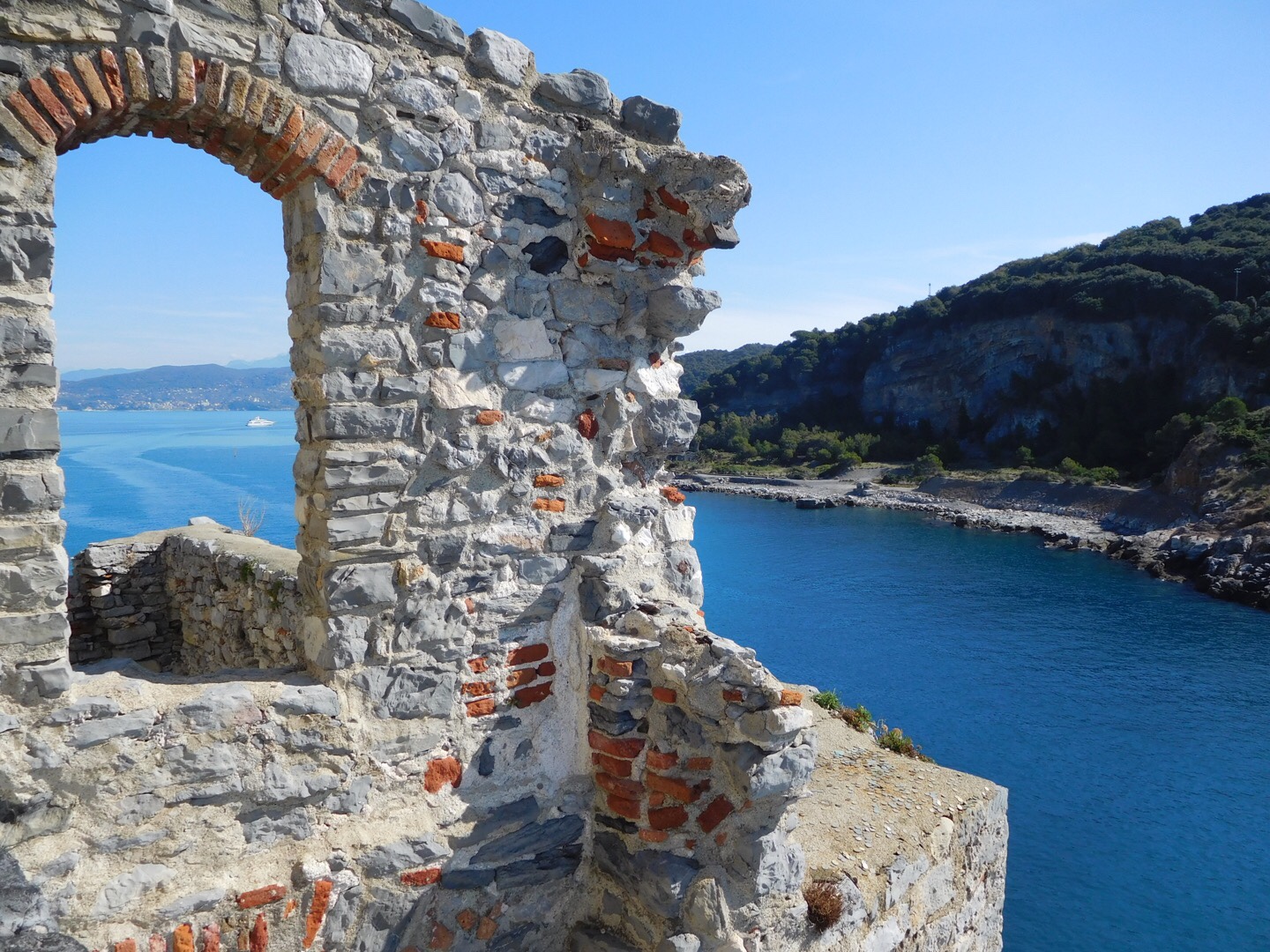
Porto Venere

Porto Venere

At the questura (arrive early, stand your ground to keep your place in line, and be prepared to wait) the applicant must present his or her passport, two passport-type photos (ideally taken in Italy as those from other countries can be the wrong size), and the receipts from the post office, and be fingerprinted. After that - more waiting.

In about a month the questura notifies the applicant that the permesso is ready and provides a date to pick it up. In my case, I submitted the permesso kit in mid-December, had a February 7 questura appointment, and in mid-March received my permesso card, about three months after my arrival in Italy.

The permesso is good for one year and can be renewed by submitting an application up to 90 days in advance of the expiration date. Note that the visa does not have to be renewed - once the first permesso di soggiorno is obtained, only it must be renewed to permit a continued stay in Italy (and travel within the EU). Be sure to carry the permesso card with you once it is received.

public.jpeg

A final step in the process - after the permesso is obtained - is to declare residency at the local anagrafe (registry) office. This process varies from town to town, but is the official declaration of your residence in your new hometown and makes certain services available to you (for example, one can enter the Italian health system after declaring residency). This often involves a visit to your home by a local police officer to verify that you actually live at the listed address.

This whole visa, permesso, residency journey is not for the fainthearted. It takes persistence, organization, planning, and a real determination to live in Italy. It helps to do your homework and understand all the steps, and potential tax consequences, before beginning the process. Follow the instructions to the letter. In the end - license to live in Italy in hand is well worth the journey!

Please note: most of this information will apply to citizens of the United States and Canada and is based on my own experience of obtaining a visa in the U.S. as well as information gleaned from multiple sources. See part one (The Schengen Zone) and part two (The Visa) of this series for further information. -post by Joanne

www,portaleimmigrazione.it (site in Italian language only)

An enoteca (wine bar) in Bellagio, Lago di Como

An enoteca (wine bar) in Bellagio, Lago di Como

August 26, 2019 /Judy Giannnettino
A graceful fountain in the botanic garden of Albuquerque, New Mexico

A graceful fountain in the botanic garden of Albuquerque, New Mexico

Tranquility in a Botanic Garden

August 19, 2019 by Judy Giannnettino

As I wrote this, Italy was suffering through a tremendous heat wave. Temperatures in Lucca reached 100 degrees, so it seems that I picked a good time to fly back to the United States for a visit with my family - New Mexico was relatively cool in late June and early July this year.

Although I know Albuquerque well, there are things that I wasn’t often able to do when I lived there and that I now enjoy doing as a visitor. One of those is a visit to the local botanic garden., something I enjoy in any city I visit. With cool morning temperatures, it seemed a perfect time to revisit this special place.

Shady paths offer a cool and tranquil place to walk.

Shady paths offer a cool and tranquil place to walk.

The botanic garden in Albuquerque has several unique areas, including a western-style farmhouse garden full of wildflowers.

Wildflower garden

Wildflower garden

There are also small pocket gardens with roses, Moroccan-style courtyards, lily ponds, and deeply shaded paths and ponds. There are also areas with tropical plants and places designed for weddings or for children to explore. Summer evenings bring concerts on the lawn and families picnicking.

One of many lovely floral gardens

One of many lovely floral gardens

I love wandering through all the different spaces, but my favorite area has to be the Japanese Garden, designed by noted garden designer Toru Tanaka. The garden honors Albuquerque’s sister city of Sasebo, Japan, and incorporates traditional Japanese architecture, design, and plants along with native local plants and materials.

public.jpeg

Though small, just four acres, the design captures the essence of a classic Japanese garden and provides a uniquely Japanese experience through the use of stone lanterns, pagodas, arched wooden bridges, sculpted stone gardens, and water features.

public.jpeg

The beautiful tall bell tower reminds me of one I saw decades ago at a Japanese temple in Hawaii. Such a simple structure, and yet majestic.

public.jpeg

The large pond with its spectacular waterfall is a delight for the senses - hear the rushing water, feel the cool spray, and see the lily pads in the calm waters near the edge. Enchanting! I will remember the sound of the waterfall long after my return to Italy. -post by Joanne

public.jpeg
August 19, 2019 /Judy Giannnettino
Lucca, Italy

Lucca, Italy

When 90 Days Is Not Enough Part Two: The ITALIAN Elective Residency Visa

August 12, 2019 by Judy Giannnettino

 Since Schengen Zone rules limit most non-EU visitors to 90 days in Italy out of any 181-day period (see Part One on this topic: “The Schengen Zone and Why it Matters:” twopartsitaly.com/blog/2019/2/25when-90-days-is-not-enough-a-long-term-stay, longer stays require the visitor to obtain a visa and a permesso di soggiorno. For those of us “of a certain age” (i.e.: retirees) the type of visa is an elective residency visa. Most of the information I am sharing about this visa applies to citizens of the United States and Canada and is based on my experience of obtaining a visa in the U.S. as well as information gleaned from multiple sources.

The first thing to know about obtaining a visa is that it must be obtained in one’s home country before departing for Italy. It is not possible to apply for or be granted a visa after arriving in Italy. For most of us planning elective residency, this means one trip to Italy to find an apartment, obtain a codice fiscale (the tax code required to sign a lease) and register the apartment contract, followed by a return to our home country to apply for the visa and await its arrival before returning to Italy. Not an easy (or inexpensive) process. The second thing to keep in mind is to make multiple copies of everything submitted for the visa - documents, application, passport pages. The electronic systems in Italy don’t seem to talk to each other and share information, so the application for the visa is separate from the later application for the permesso di soggiorno.

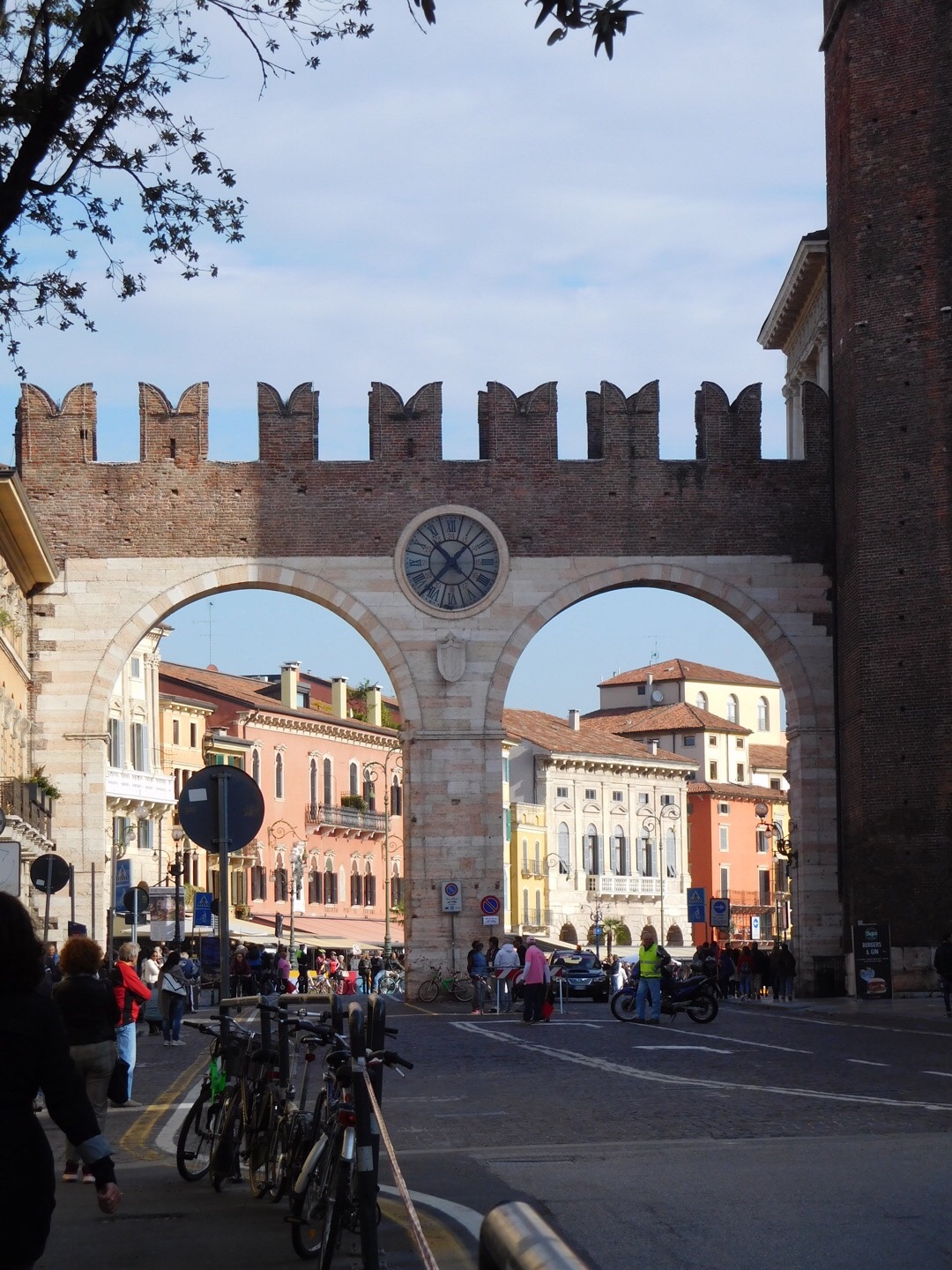
Piazza Bra,, Verona. Did Shakespeare need a visa?

Piazza Bra,, Verona. Did Shakespeare need a visa?

So, where to begin? First, determine which Italian Consulate is designated for your home region or state. As an example, in the United States, New Mexico residents apply through the Los Angeles consulate while residents of Colorado apply in Chicago. Residents of British Columbia and the Yukon in Canada apply in Vancouver. These regions are set in stone. You’ll have to prove that you live in the assigned consulate’s region as part of your application. Then, find the website for your specific consulate. It will list requirements for the visa and - just to make the process more interesting - the requirements may vary from one Italian Consulate to the next. Follow the list carefully as the documentation required is specific and none of it is optional.

Next, make an appointment at the consulate as soon as you decide you want a visa. There are often significant wait times for appointments and it is usually required that applicants appear in person. In some (lucky) cases, an Honorary Consulate who lives in a city within the consulate’s territory may be able to verify the documents and send them (along with the applicant’s passport) to the appropriate office. This worked for Judy and me. Instead of appearing in Los Angeles, the consular representative in New Mexico verified and signed each of our applications, which were then sent by Fed Ex to Los Angeles. Five days later, my passport with visa was returned. Judy’s took a little longer - about 2 weeks - and she was called by a lovely woman in the LA consulate office and asked a few questions first. Those short turnarounds were great - but aren’t guaranteed. Applications can be submitted up to three months prior to a planned departure for Italy; the safest bet is to submit as early as possible. Some consulates will require an interview, in person or by phone (if submitting documents by Fed Ex). Don’t be surprised if you are called, especially if your documentation is unclear or your situation unusual.

Stormy skies over Pisa

Stormy skies over Pisa

The elective residency visa is designed for people planning to remain in Italy long term and - this is key - who can support themselves without working. All forms of work are excluded with this type of visa - including online work, freelance, and self-employment (work visas are a different sort of visa altogether and are limited in number). Be sure to include adequate documentation of monthly non-work income as without clear proof of sufficient funds, the visa application will be denied.

Requirements for an elective residency visa include:

1.  A completed application form (which can be printed from the consultate website) submitted no more than 90 days before planned arrival in Italy. All required documents must be submitted with the application, including proof of living within that consulate’s territory (i.e.: a copy of a driver’s license or utility bill with a current address), a current passport (not a copy - the actual passport), and the required fee (currently about $134 U.S. dollars). The consulate will keep the passport while processing the application, so don’t plan on traveling outside of your home country during this time.

2. Proof of sufficient funds from non-work sources - pensions, Social Security, savings and investment accounts - to support living in Italy without working. Proof can include financial statements, bank records, pension and Social Security verification letters.

3. A signed contract for a place to live in Italy (rental or purchase) for at least the full term of the visa (one year minimum). This is a bit of a Catch 22 as it means signing a lease before a visa has been granted. A bit anxiety provoking! And the place to live must be a single place - multiple short-term contracts or hotel stays are generally not acceptable. Note that in order to sign a long-term lease, a codice fiscale (Italian tax identification number) is required. The codice fiscale can be obtained through your assigned Italian Consulate prior to making the visa application or in person when in Italy before signing a lease. An experienced rental agent can often help obtain this important document.

4. Proof of global health insurance that meets specific coverage requirements, including repatriation in case of serious illness or death. U.S. Medicare does not include this coverage and is not sufficient for obtaining a visa. This insurance tends to be expensive so definitely leave time to shop around.

5. Proof of civil status (i.e.: marriage license, divorce decrees). This is especially important for women with name changes related to marriage or divorce.

The more organized the documents are the better. A good strategy is to include a one-page cover letter with a brief introduction, passport number with dates of issue and expiration, codice fiscale number, address where you will live in Italy and date that the contract begins, international health insurance coverage, and brief overview of financial resources. Next, include a page that lists every document submitted, in order. Be sure all documents are originals or certified where required and that copies are clear and readable. The goal is to make this easy and very clear for the person reviewing the application. It is essential to keep at least two copies of all submitted documents as the exact same documents will be needed on arrival in Italy when applying for the permesso di soggiorno and again for a renewal.

Celle, di Pescaglia, Province of Lucca

Celle, di Pescaglia, Province of Lucca

Visa rejections for Italy hover at around 7 percent. Reasons for rejection include incomplete documentation, overstaying a previous visit in the Schengen Zone (remember, the passport must be provided and the stamps tell the story of previous visits), a criminal history, or - and this is probably the biggest reason - insufficient funds to support being in Italy without working.

Once the visa has been approved, the next step is to obtain a permesso di soggiorno. One way to think of this is that the visa is step one and gives you “ a ticket” to enter Italy with the intent of applying for permission to remain beyond the usual 90-day limit for a tourist. But it doesn’t actually finalize the process of obtaining permission to stay. To do that, you need to obtain a permesso di soggiorno upon arrival in Italy.

This post - like the whole process - is getting long. So we’ll continue in Part Three: “The Permesso di Soggiorno.” -post by Joanne

www.portaleimmigrazione.it (site in Italian language only)

August 12, 2019 /Judy Giannnettino
F16BE314-0970-4CC1-A7E9-56DEBBDEE5F5.JPG

Panzanella - A Quick and Tasty Summer Salad

August 05, 2019 by Joanne Bartram

July and August mean hot weather and cool food. After all, who wants to work in a hot kitchen in the heat of summer? One of the best summer salads is the classic Italian dish panzanella. This dish, based on tomatoes and left-over bread, has several variations. Italian cookbook author Marcella Hazan adds anchovies and capers; some versions add roasted pepper; in some, bread is toasted and cubed; and in Lucca, the bread is often soaked and quite mushy.  

I prefer a simple panzanella with four main ingredients - ripe tomatoes, cucumber, red onion, and cubes of toasted bread with a dressing of red wine vinegar and good olive oil, salt and pepper. If I have fresh basi, I will add some of that as well.  

FullSizeRender.jpg
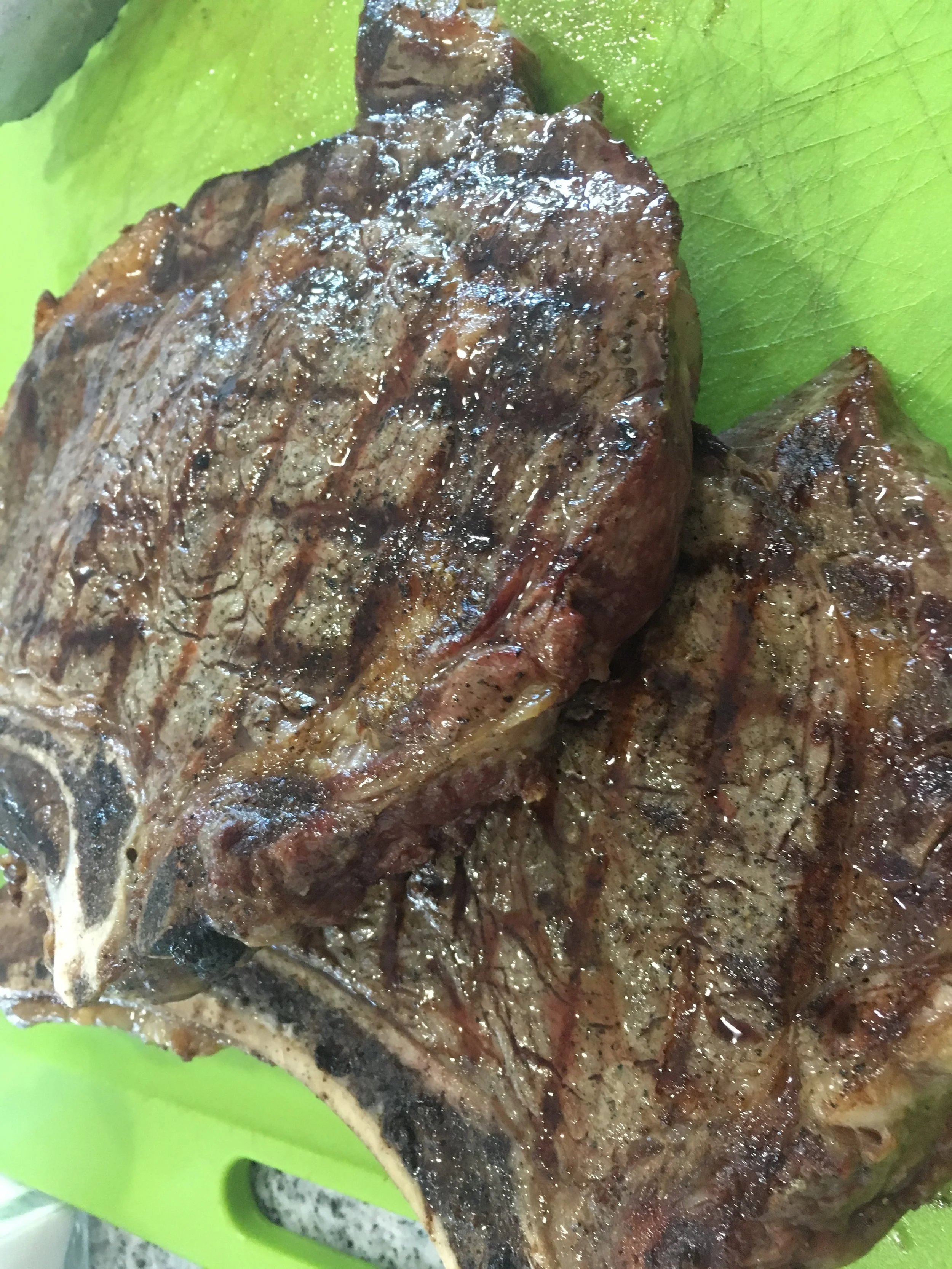
The panzanella goes well with grilled steaks.

The panzanella goes well with grilled steaks.

That’s it! Easy, fresh, tasty.  

When visiting my family in New Mexico, and missing Italian food, I decided to make a panzanella salad, along with an olive oil and herb-based potato salad (Ina Garten’s French potato salad) to serve alongside grilled steaks.  

A mash-up of Italian, French, and American dishes and great backyard barbecue food. 

To make the panzanella salad, you’ll need:: 

Ripe tomatoes, medium dice, to equal about 2 cups (save any juices that escape during chopping)

I English cucumber, seeded, small to medium dice

I/4 of a medium red onion, diced small

3 tablespoons good red wine vinegar

5 tablespoons good olive oil  (Italian is best!)

Salt and pepper to taste (I like French gray sea salt and coarse group pepper)

3 slices of firm rustic bread, toasted

1 large clove of fresh garlic, peeled and sliced in half

A few fresh basil leaves

Rubbing the hot toasted bread with fresh garlic really adds flavor.

Rubbing the hot toasted bread with fresh garlic really adds flavor.

Marinate the diced tomatoes (with any juices), cucumbers, and onion in the vinegar, olive oil, salt and pepper for 45 minutes to an hour. 

Toast the bread and rub with the cut edge of the garlic. Cut into medium cubes and add to the marinated tomatoes 10 to 15 minutes before serving. The bread will be soft, having absorbed some of the juices, but still a bit firm.  

If you prefer the bread a bit squishier, add it a little sooner. I prefer firmer bread, and yet find myself picking out those squishy bits when they are left in the bowl at the end of the meal.

-post by Joanne


August 05, 2019 /Joanne Bartram
Panzanella, #italian foods, #italian cooking, #italian salads, #foods Italy
  • Newer
  • Older

Powered by Squarespace