La Scuola Part Two: Students, Activities, Cooking

It was the second day of my very first week at Lucca Italian School (LIS). One of my classmates, an Englishman, invited me to join a group of students for lunch and to meet his friend from Denmark who he thought I would like. “Plus," he said, “at lunch we’ll get to hear your story.” I asked him what made him think I had “a story." "Oh," he replied, “everyone at LIS has a story."  And so it is.

Lucca Italian School

Lucca Italian School

I often think of us, the students at LIS, as a cast of characters in a novel or play. The Englishman bought a house in the country outside of Pisa on a whim; cistern for water and no electricity or heat. The most important language skill for him was learning the words that would allow him to order furniture from a local IKEA over the phone. The Danish woman, now a good friend, is fluent in more languages than I can count, rides her bike everywhere, and knows the back stories of some of the most interesting characters in Lucca. A student from Germany, also now a good friend, is an adventurer - recently she posted photos of herself skydiving. How I envy her ability to jump in her car and drive to Lucca as she did last January when we met for dinner. I’ve met teachers, businessmen, nurses, violin makers, young “techies” with jobs at Google, American expats who’ve retired to Lucca, a charming south American couple now living in the U.S., a young divorcee looking for her “lui” (him), widows making their first solo trip abroad, young Belgians traveling through Italy for a year in a camper, a young Australian taking six months to figure out his work/life balance, a psychologist, flight attendants, retirees, and lively Italian Americans looking for their roots.  No shortage of stories there!

Pausa on the terrace at LIS                   Photo courtesy of Lucca Italian School, used with permission

Pausa on the terrace at LIS                   Photo courtesy of Lucca Italian School, used with permission

With such diverse and interesting students, the time spent outside of the classroom is just as fascinating as the time spent in class. One of my favorite non-class activities is pausa, the LIS mid-morning break, when students from the various classes congregate and either head to a nearby bar for coffee or sit together on the school’s beautiful terrace. They swap stories, recount adventures, plan after school meet-ups, and, frequently, talk about when they might return to Lucca and LIS. Some of these students have become dear friends; all have enriched my life and I am thankful for Lucca Italian School for bringing us together.

At the very top of my list of favorite activities is the class called Speak and Cook Italian. This is a week-long course with language classes in the morning and culinary activities in the afternoons, including two days of meal preparation each followed by a big dinner. Eva is the cooking teacher at the school. How to describe Eva? She is a bundle of energy, fun, friendly, quirky in the best of ways, and a very, very good cook. With Eva at the helm you can count on hands-on participation in cooking, delicious flavors, and a wonderful meal.

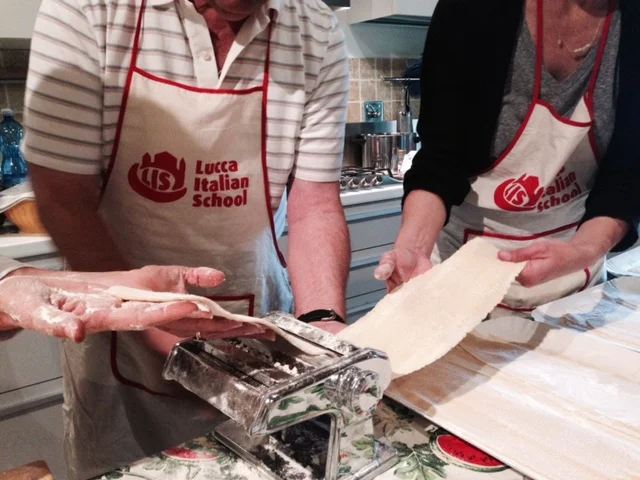
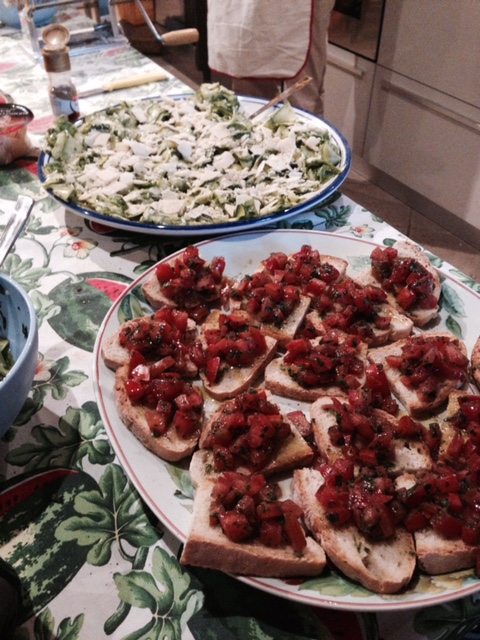
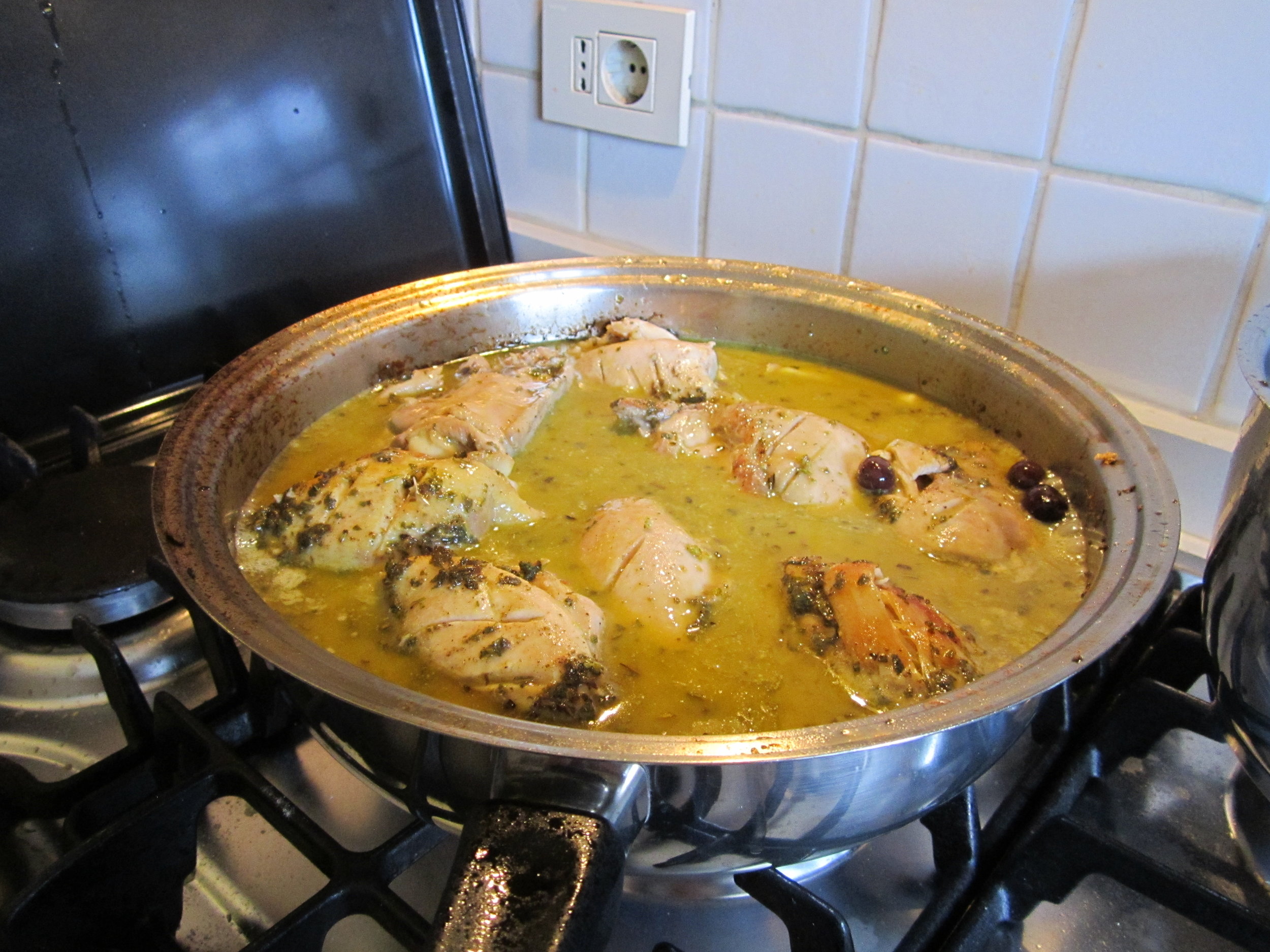
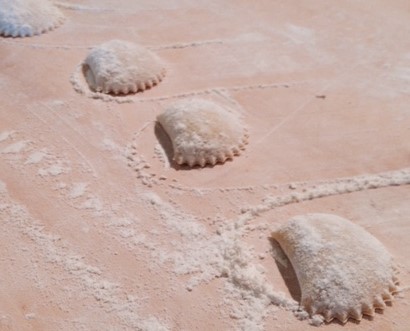
In cooking classes at LIS I’ve learned to make a rolled breast of tacchino (turkey) stuffed with carrot, prosciutto, and frittata; a fragrant lemon-scented chicken; ravioli fatto a mano (handmade) stuffed with ricotta and spinach and another with asparagus and shallots; panna cotta with frutti del bosco (are you getting hungry yet?); and biscotti (almond cantuccini and a chocolate chip cookie flavored with vin santo), among other delicious foods. All were created alongside congenial classmates in a fun, relaxed atmosphere.
And then there is the lasagna. Eva’s lasagna is nothing like the Italian–American lasagna with tomato sauce that I grew up eating. Her lasagna starts with fresh sheets of thin, silky pasta, a béchamel sauce, and a filling of chopped fresh artichokes sautéed with leeks. Picture our group of about 12 students, all in aprons, working around a large table in a farmhouse kitchen. Some are rolling sheets of pasta, others cleaning and chopping artichokes, one is stirring a thickening béchamel at the stove. Bottles of wine are opened. There is laughter, the sound of musical Italian mixed with the click of knives and mezzalunas. For me, this is foodie heaven. We socialize while the lasagna bakes and we continue making appetizers, salads, desserts. Then we eat – around a big table, delicious food, more laughter, a mix of Italian and other languages. A perfect evening, in a perfect place, with fabulous companions and wonderful food. What could be more Italian?
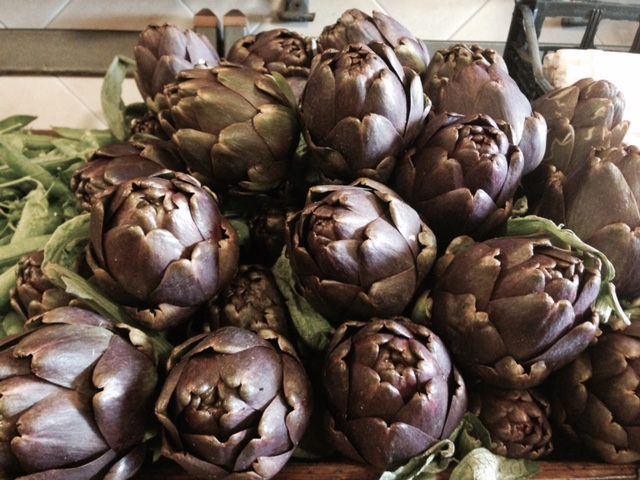
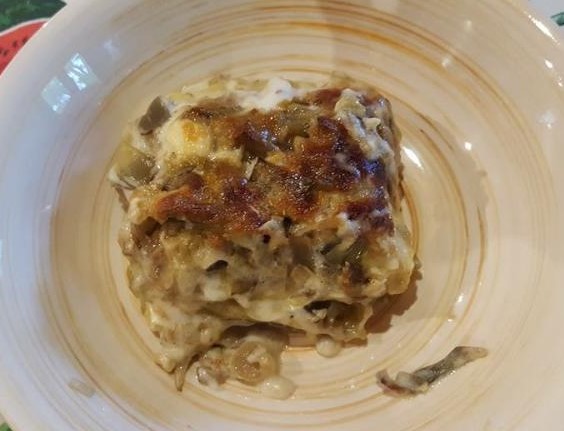
One last word about the lasagna – after this big, long, multicourse dinner we realized that all the men in the group had disappeared. We found every single one of them in the kitchen, forks in hand, polishing off the leftover lasagna. It was that good.                -post by JMB


La Scuola (the School) Part One : Language Classes at Lucca Italian School

My first Italian lesson, in a university night class in New Mexico, did not go so well. I learned that there were six different ways to say the word “the” in Italian, depending on number, gender, and first letter of a word. Il, lo, la, i, gli, le. Add in the contracted l’ before words that start with a vowel and you increase the count to seven. My dreams of rapid fluency evaporated. I did grasp just enough to allow me to speak a little Italian on my first trip – as long as I stuck to the present tense of 10 verbs, filled in with infinitives where necessary, used the 25 nouns I knew, and made good use of hand gestures and my Berlitz pocket guide. Luckily for me Italians are both patient with the language attempts of foreigners and, in the larger cities at least, much better with English than I was with Italian. It was a start.

Many years and several trips to Italy later, it was time to get more serious about learning the language. I wanted to be able to experience Italy in a way that only someone who understands the language can. I had no expectations of fluency, but a hope that I could at least expand my vocabulary, learn the past tense (little did I know that there are almost as many past tenses in Italian as there are ways to say “the”) and engage in simple conversations. I also wanted a reason to stay longer in Italy and attending language classes would give me a good excuse. So, I began a search for a place to study the Italian language in Italy.

Lucca Italian School is set in a beautiful liberty style villa in the historic center of Lucca, Italy. *  

Lucca Italian School is set in a beautiful liberty style villa in the historic center of Lucca, Italy. *  

My research led me to Lucca Italian School, LIS for short. I wasn’t at all sure what to expect before I arrived. Would I find the right level class for me – not a total beginner but not a strong speaker either? Would there be other students my age or would I be the one "mature" student in a sea of young faces? Would I find enough things to do outside of class or, with a month on my own, would I begin to feel isolated? If you get the sense I might be a bit of a worrier, well yes, it’s true. But I needn’t have worried at all because my experience at Lucca Italian School was meraviglioso (wonderful). So wonderful that I have returned every year since. Here are some of the things that make Lucca Italian School special:

The school directors, Daniela, Angelo, and Eva, are the warmest, most welcoming people. They love what they do and it shows in every aspect of the school and all of their interactions with students. They coordinate curriculum, classes, and cultural activities with both learning and enjoyment in mind.

Daniela (left), Angelo, and Eva. *                                 

Daniela (left), Angelo, and Eva. *                                 

The atmosphere for learning is immersive yet relaxed, with a focus on communicating. Grammar is gently woven in to lessons that are relevant and interesting. The multiple learning strategies – discussion, audio tapes, games, language activities, readings, music – keep students engaged and interested. This is active learning at its best.

Classes are small. Everyone has a chance to participate, to ask questions, to interact with the instructor and the other students. Classes are made up of students at similar levels of experience with Italian, so everyone learns and no one is left behind.

A class in session at Lucca Italian School. *                              

A class in session at Lucca Italian School. *                              

The teaching staff is outstanding. I’ve taken classes with many different LIS instructors, in both group and private lessons, and have always been impressed with their teaching, patience, ability to juggle students from different countries and cultures while keeping all engaged and enthusiastic, and their flexibility in meeting the needs of students. As a bonus, the teachers are invested in teaching more than just language skills – all share their love of Italian culture and traditions, as well as of their hometown, Lucca.

Some of the teaching staff at Lucca Italian School. Back row: Silvia, Eleonora, Laura, Susanna.  In front: Antonella and Eva. *

Some of the teaching staff at Lucca Italian School. Back row: Silvia, Eleonora, Laura, Susanna.  In front: Antonella and Eva. *

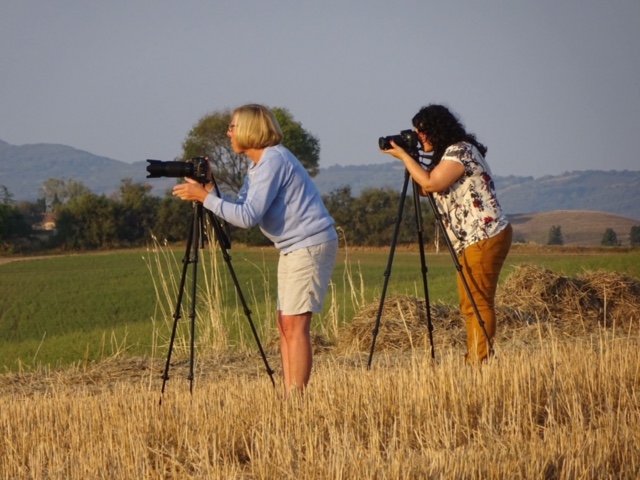
In addition to morning language study, there are special classes that include afternoons centered around cooking, the life and works of Puccini, drawing, art, photography, or walking in the countryside and hills around Lucca. The ability to expand the study of language to include these additional interest areas is a real plus.

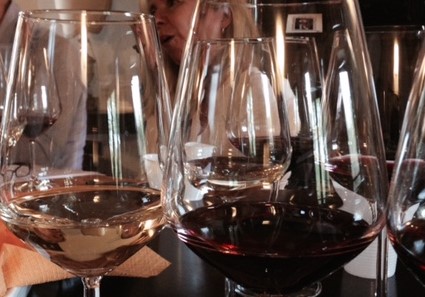
Learning the language is enhanced by the many cultural activities sponsored by the school, including cooking, wine tasting, explorations of the history of Lucca and the surrounding areas, walks in the city or countryside, trips to fascinating small villages or nearby cities, music performances, films, and shared meals.

The setting is beautiful. LIS is located within the walls of Lucca in a beautiful restored villa with a grand terrace. Lucca itself is also part of the fun. I can’t think of a better city for studying Italian or for spending the hours outside of class times.

The other students add to the experience. They are all ages, from 20-somethings to seniors, and come from around the world. I’ve met students from Europe, Great Britain, Asia, South America, Mexico, Canada, the U.S., and Australia. What an interesting, adventurous, well-traveled, friendly, inclusive group they are! A common interest in learning Italian forges connections that might otherwise never have been made. At LIS, prepare to make good friends!

post by JMB  

LIS students and staff on a visit to the 16th century Villa Torrigiani, spring 2016 - can you spot Judy and Joanne in this group?

LIS students and staff on a visit to the 16th century Villa Torrigiani, spring 2016 - can you spot Judy and Joanne in this group?

* these photos courtesy of Lucca Italian School, used with permission.  Grazie LIS !

Marching into an Italian Spring

How you feel about the month of March may depend on where you live. As a kid growing up in New York, I remember March as a month of dirty snow, lingering cold, and a spring that seemed an impossibly long way off. A “blah” month altogether. Here in New Mexico, March holds a strong hint of spring, with bright sunny days breaking up the colder stretches that still speak of winter. It’s an inspiring month – time to plant lettuce and spinach, to pack up the winter sweaters, and begin daydreaming about spring flowers.

Santa Zita Flower Market, Lucca, spring 2013

Santa Zita Flower Market, Lucca, spring 2013

But the best thing about the month of March is that it heralds last-minute preparations for my spring trip to Italy. I love arriving in late March, when it’s still cool and often rainy, and watching as spring unfolds. I look forward to the warming temperatures and seasonal events of spring in Lucca - the feast of Santa Zita with its wonderful flower market, the Good Friday procession, Easter, Liberation Day, the Verde Mura Gardening Show atop the walls. As spring progresses, the flowers bud and begin to bloom, the cafes set up their outdoor patios, which fill with lively conversations over meals and drinks, the musicians return to the piazzas, local spring produce begins to appear in the markets (asparagus!), and le mura (the walls) fill with people - walking, jogging, biking - turning the walls once again into the central park of Lucca. 

Vinca for sale at the Verde Mura Plant and Garden Show in Lucca, 2016.

Vinca for sale at the Verde Mura Plant and Garden Show in Lucca, 2016.

So today, while I’m finalizing the details for my upcoming trip, I’m thinking about Italy and the joy that awaits me there. In that spirit, here are some photos from past spring trips. I hope they will make you think of warm days, soft Italian spring nights, the sound of glasses clinking at an outdoor cafe, green hillsides, verdant gardens, the lyrical notes of the Italian language and maybe, just maybe, they will inspire you to begin planning your own Italian adventure.                                                                                        -post by JB

The green hillsides of the Garfagnana in spring as seen from the town of Sillico, 2012.

The green hillsides of the Garfagnana in spring as seen from the town of Sillico, 2012.

The rooftops of Lucca in spring, 2016.

The rooftops of Lucca in spring, 2016.

Colorful umbrellas protect tourists from a spring rain in Lucca, 2016.

Colorful umbrellas protect tourists from a spring rain in Lucca, 2016.

One of my all-time favorite photos - a groom on the way to his spring wedding, Lucca, 2012.

One of my all-time favorite photos - a groom on the way to his spring wedding, Lucca, 2012.

Medieval Festival, Spring 2015

Medieval Festival, Spring 2015

Seduced by Italian

It was always the language. There are many things to love about Italy, but when people ask me what I first fell in love with, the answer is: the language. Before I ever set foot in the country, I fell in love with Italian.

The Pantheon in Rome

The Pantheon in Rome

On my first trip to Italy, I visited what travel books call "The Big Three": Venice, Florence and Rome. Before I went, I wanted to learn a bit of the language. I bought the obligatory "traveler's Italian" tapes and a book from a bookstore (this was before you could download lessons on the Internet) and started studying one night after work. That night led to the next and the next and the next. Studying Italian became an obsession. For me, the full-bodied musicality of the Italian language is as seductive as the country's beautiful people, landscape and art.

The first city I visited in Italy was Venice. Staying at a small hotel near Piazza San Marco, I awoke the morning after my arrival and headed to the breakfast room. I greeted a young waiter with a hearty "Buon giorno. Com'e sta?" and actually saw the man's eyes light up when he heard me speak Italian - even though I only spoke four small words. I felt so proud, so worldly, so Italian. The waiter answered with a fast-paced string of several sentences that left me wide-eyed and stammering a somewhat embarrassed, "Oh, no, no, no, no - that's all I can say." Instead of being annoyed, he gave me a gracious smile and asked - in English - if I wanted a coffee or cappuccino. The conversation left me feeling a bit foolish. But it also gave me an idea of what a connection I would be able to make with people in Italy if I could speak their language.

Along with the architecture, history, music and food of Italy, the language seduces.

Along with the architecture, history, music and food of Italy, the language seduces.

The next morning, I awoke, opened the windows in my room and listened to two Italian men talk on the street below. I had no idea what they were saying, yet I could have listened to the melodic conversation all day. On every trip to Italy, part of what I enjoy is the Italian language soundtrack I get to hear. And as my ability to speak the language has improved, I find that just having a brief conversation in Italian with a train station clerk or waiter brings me sheer joy.

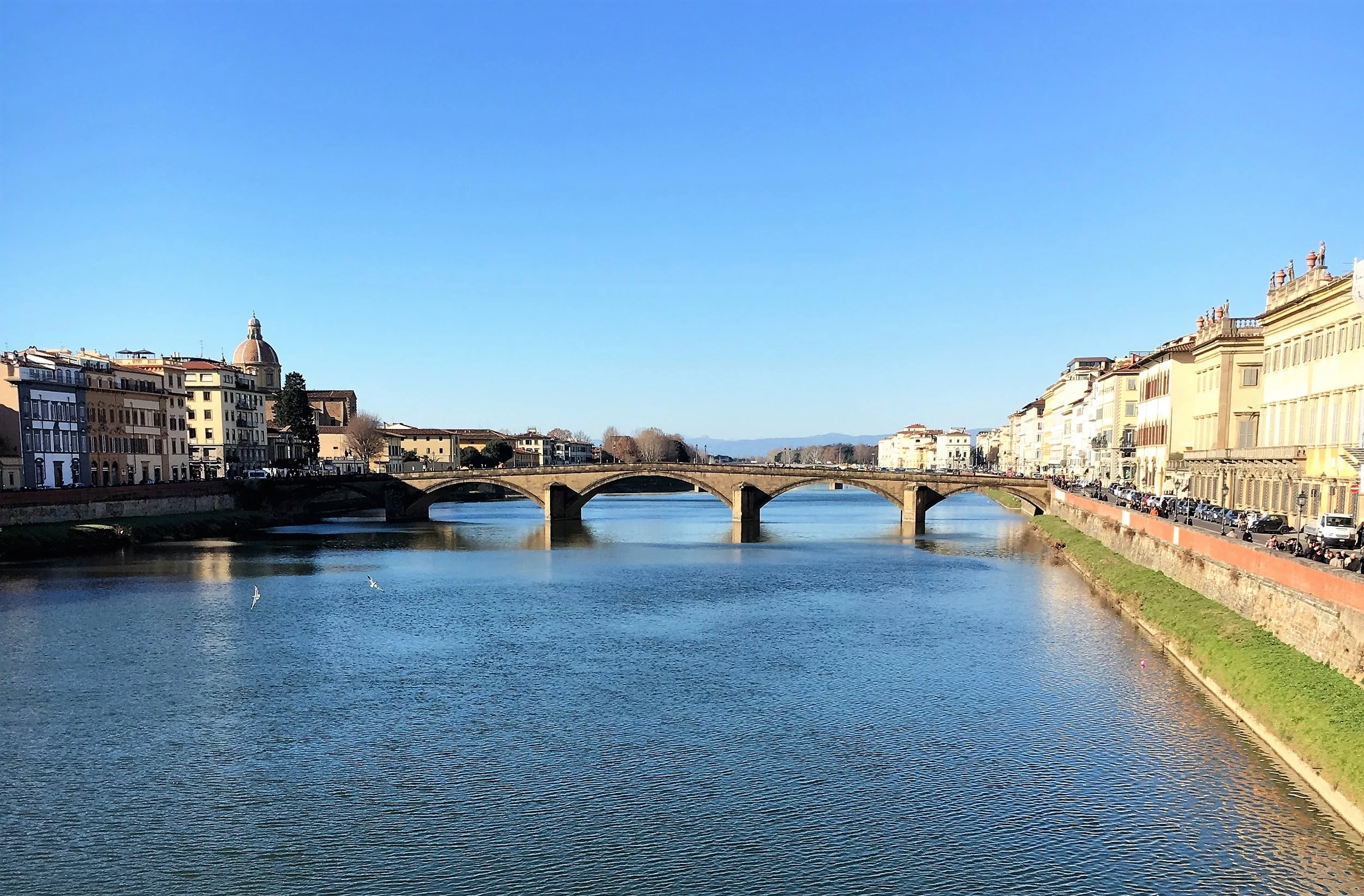
Florence was among the cities I visited on my first trip to Italy.

Florence was among the cities I visited on my first trip to Italy.

I have studied Italian on my own and with wonderful Italian tutors in New Mexico. Last year, I studied Italian in Italy for the first time. I went to the Lucca Italian School. What fun! What wonderful teachers! What interesting fellow students! (Look for blog posts about the school by Joanne in a few weeks.) I'm heading back this year and non vedo l'ora (I can't wait).

-post by JG

Between the Angels and Puccini

Via di Poggio is a small street, in width and length, but it provides an important connection between three of my favorite spots in Lucca - Piazza San Michele at one end, Piazza Cittadina at the other, and a wonderful hotel, the Piccolo Puccini, in the middle.

Piazza San Michele, Lucca

Piazza San Michele, Lucca

Piazza San Michele is a hub of activity and one of the best people-watching spots in Lucca. The piazza is ringed with cafes, bars, and shops of all kinds. It would be possible to have prima colazione (breakfast), pausa (coffee break), pranzo (lunch), an apperitivo (evening drink), cena (dinner) and an evening gelato without ever leaving this square. Here you can be entertained by musicians and street performers. It’s a definite stop on the evening passeggiata (stroll) through town. In the center of the piazza sits the basilica of San Michele in Foro, an imposing church topped with a very large statue of the Archangel Michael. I've been told that on a moonlit night, if you stand in just the right spot, you can see the glint of moonlight off his diamond ring. Expect to find lots of tourists here trying to get just the perfect photo of that angel. 

The Archangel Michael (Michele in Italian) high atop the basilica that bears his name.

The Archangel Michael (Michele in Italian) high atop the basilica that bears his name.

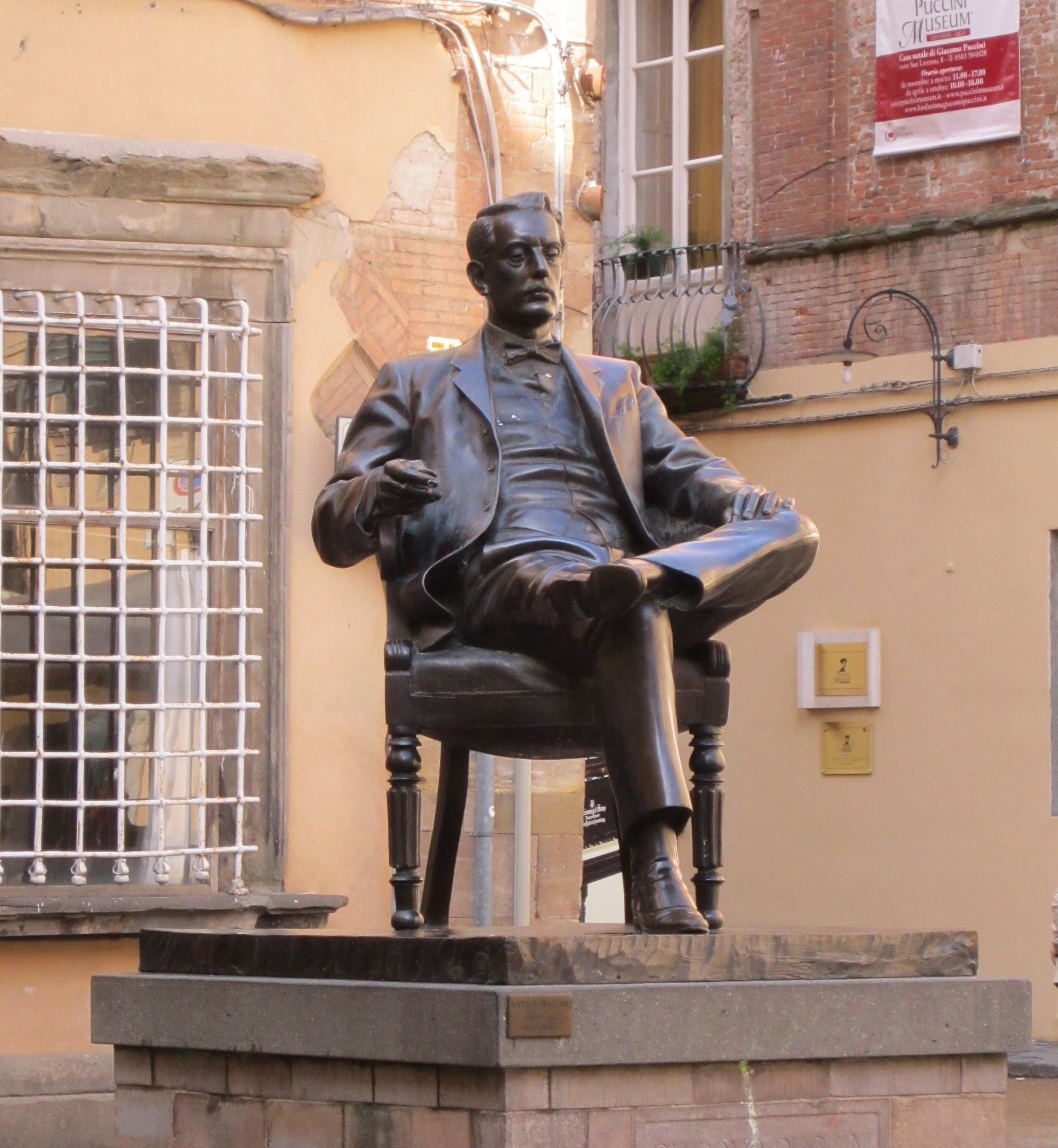
At the other end of Via di Poggio is the smaller Piazza Cittadella. This square is also filled with restaurants, a cinema, shops, and the Puccini museum but its most impressive occupant is the bronze statue of Giacomo Puccini himself. He sits slouched in his chair, jacket unbuttoned, rakishly handsome, casually dangling a cigarette from his hand. He doesn’t look like a serious composer. Instead, he has the air of a bad boy about him, a touch of scoundrel even. At least this is what the sculptor captured and I suspect that it’s right on target. Would you think me crazy if I confess that I greet him with a "Buongiorno maestro" each morning as I walk by and that I swear he hums back to me in response? A bit of "Nessun Dorma" one day, a little "O! mio babbino caro" the next. I sense he is a bit annoyed at the constant crowds that approach him. Tour groups, with guides speaking in Italian, German or English, explaining his life to tourists toting cameras and backpacks and who, on rainy days, stand with umbrellas unfurled. Small children climb around him; I suspect he would swat them like the zanzare (mosquitoes) that swarm around his lake home at Torre del Lago, if only he could. But, there’s a hint of a smile for the pretty young woman I’ve just watched climb up into his lap. Ah yes. That he likes. 

Statue of Giacomo Puccini in Piazza Cittadella, Lucca.

Statue of Giacomo Puccini in Piazza Cittadella, Lucca.

In an enviable position along this small street, between the two piazze, lies the hotel Piccolo Puccini.  I first stayed here six years ago on the recommendation of a friend and have returned many times since. It’s a small inn with 14 cozy rooms, a perfect central location, very reasonable prices, and charming owners (Paolo and Franco) who go out of their way to make their guests feel like family. On that first visit, Paolo (dare I say he reminds me just the tiniest bit of Puccini?) quickly became a friend and provided my first window into the people, culture, politics and daily life of Lucca. On my most recent stay last fall, Franco was the most patient of language coaches over breakfast every morning - not to mention they both brew a great cappuccino! I always feel spoiled when I stay here.

For me, there is simply something magical about knowing that when I stay at the Piccolo Puccini I slumber between the angels and Puccini. What could be better than that?                    -post by JB

The Hotel Piccolo Puccini, with a view toward Piazza San Michele. Photo courtesy of the hotel, used with permission.

The Hotel Piccolo Puccini, with a view toward Piazza San Michele. Photo courtesy of the hotel, used with permission.

The lobby at the hotel Piccolo Puccini and Paolo at the desk - a welcome sight after an overnight flight from the US to Italy.

The lobby at the hotel Piccolo Puccini and Paolo at the desk - a welcome sight after an overnight flight from the US to Italy.

 Contacts:   Hotel Piccolo Puccini   Via di Poggio 9              info@hotelpuccini.com