Two Parts Italy

Exploring Italy, travel, and living a flavorful life

  • Blog
  • About This Blog
  • Start Here
  • Recent Posts
  • Archives by Topic
  • Subscribe
  • Contact me
The small harbor in Lenno, on the western shore of Lake Como

The small harbor in Lenno, on the western shore of Lake Como

Lenno and Varenna: Two Towns and Two Shores on Lake Como

August 31, 2020 by Judy Giannnettino in #italytravel, Italian Lakes, Italy, Lake Como

One of the things I’ve most missed during the nearly six months that we’ve lived with COVID-19 is the ability to travel freely and explore Italy and beyond. After all, the ability to see more of Italy (and of Europe) was part of the reason I moved to Lucca nearly two years ago. Because travel has been limited, I find myself thinking back to trips I took in the months before our lives changed so dramatically. Remembering these adventures helps keep me focused on the positive rather than the negatives associated with the virus. One of the trips I like to remember was one I made last fall, when my sister came to visit.

With only a short (three-day) stay at Lake Como, we had to make some tough choices about how to spend our time. Because my sister, Patty, was a first-time visitor to this region, I wanted to show her some highlights, a few “must-sees,” and one of my favorite spots, Villa del Balbianello. And because on-and-off rain was predicted throughout our stay, it was important to take advantage of every bit of clear weather.
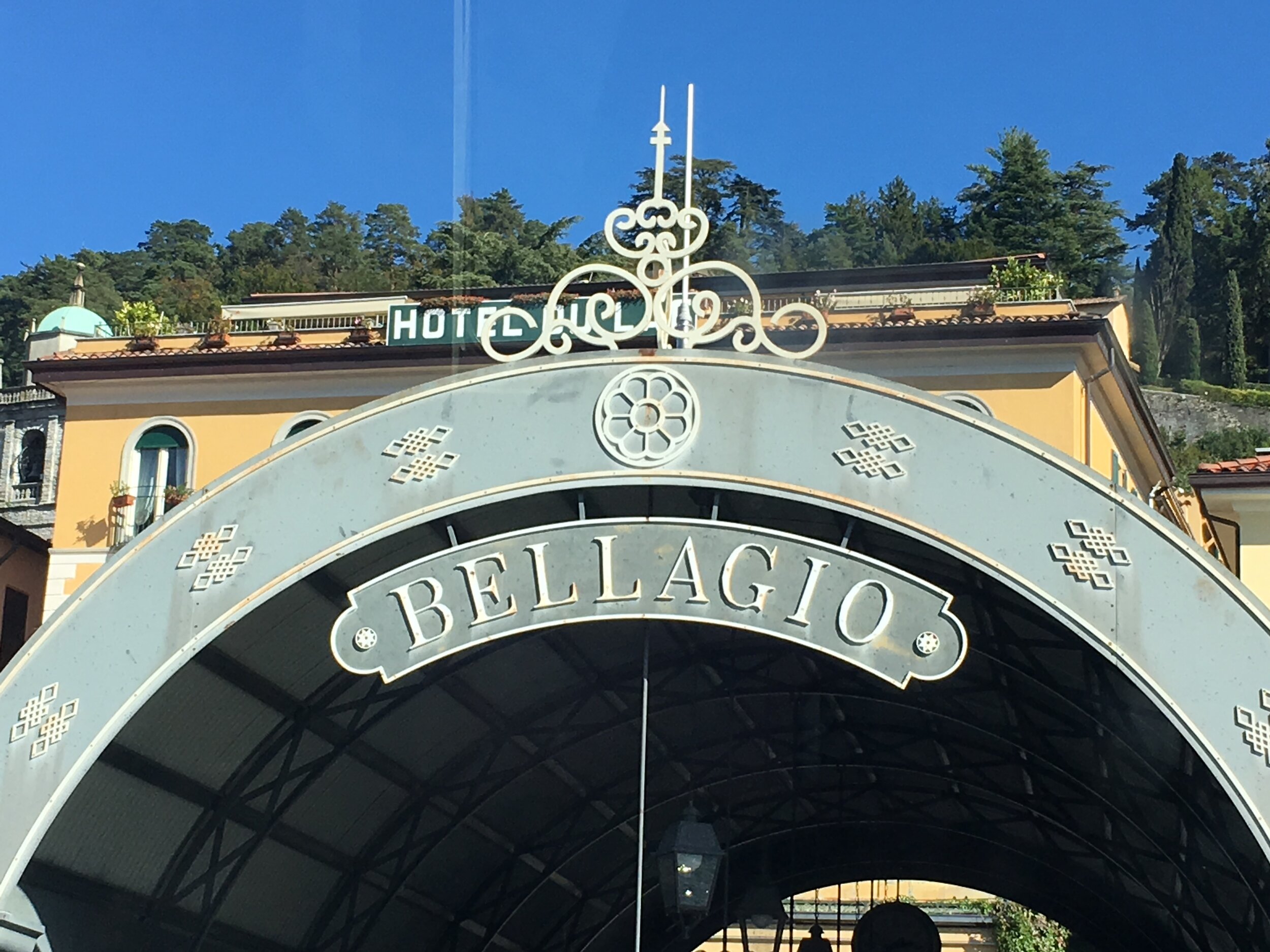
The boat landing in Bellagio, under blue skies just before the rain set in

The boat landing in Bellagio, under blue skies just before the rain set in

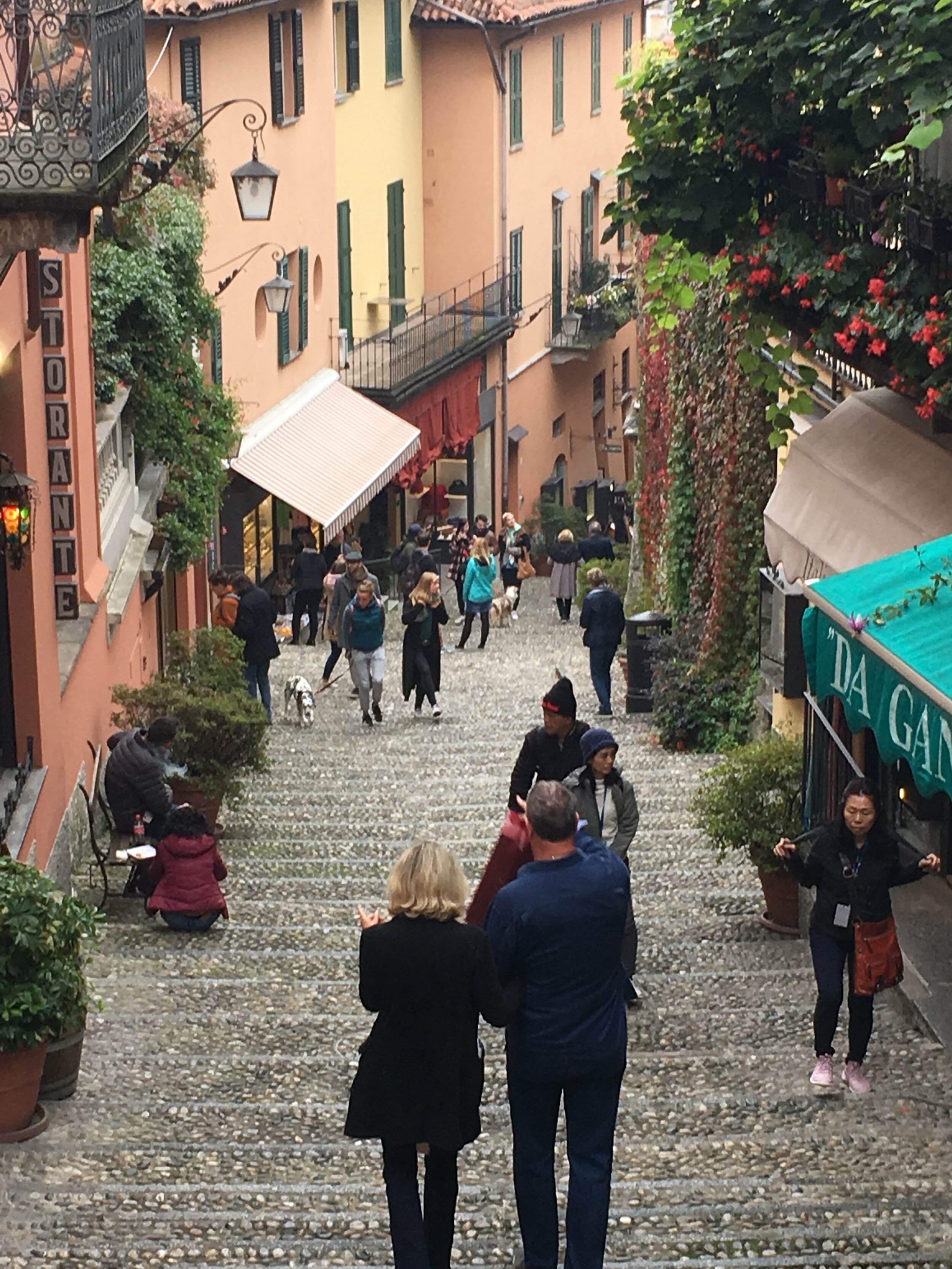
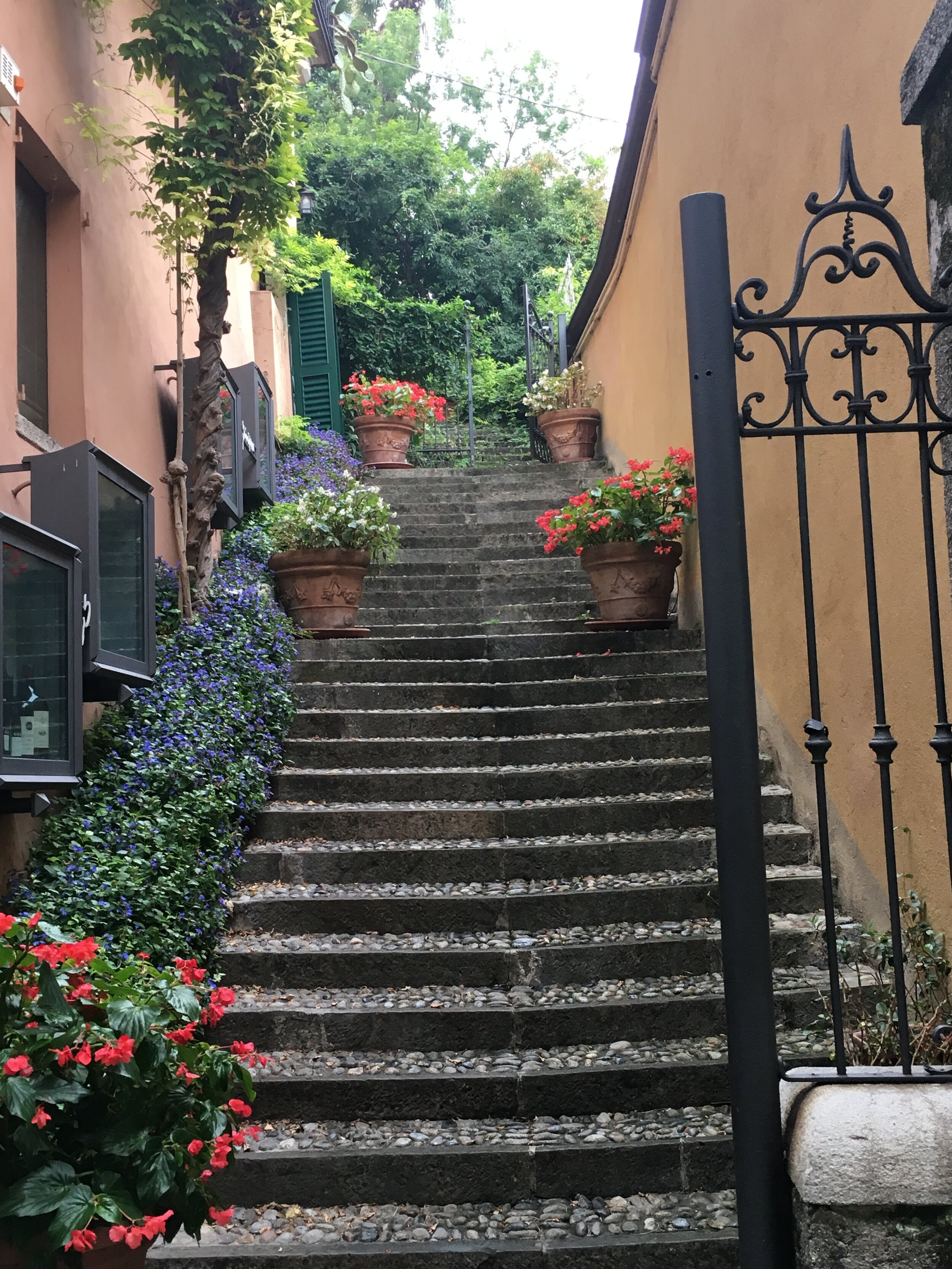
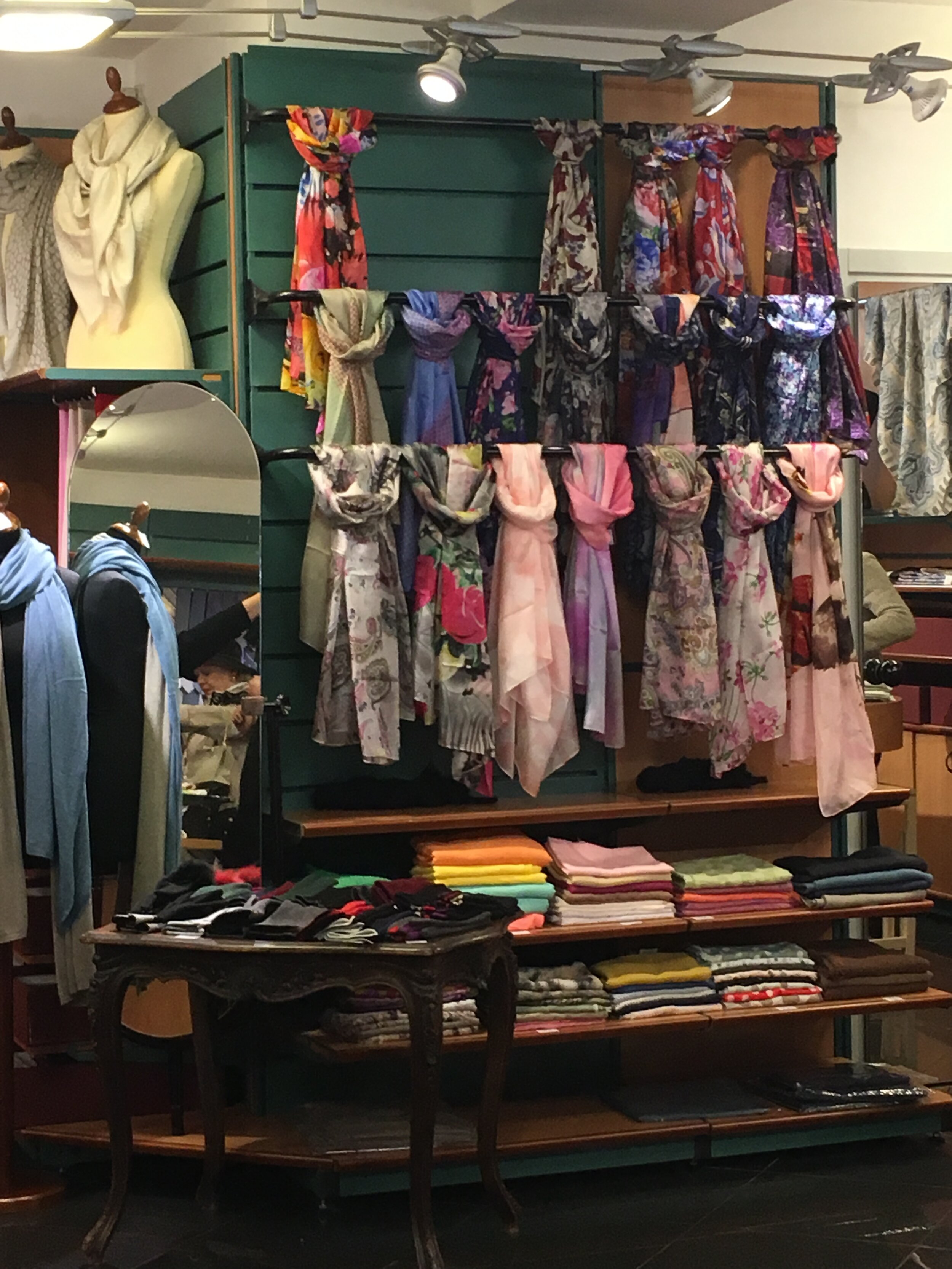
We spent the better part of our first day in Bellagio (a “can’t miss”), which was beautiful despite the misty, rainy weather that descended soon after we arrived. Bellagio, with its narrow staircase “streets,” is the place for shopping on the lake and the many shops provided a great way to escape the drizzle.
IMG_9258.JPG
IMG_9255.JPG
IMG_9245.JPG

The day in Bellagio was wonderful, but hands down my favorite day was the one we spent exploring two towns on opposite shores of the lake - Lenno and Varenna.

Wandering through the back streets of Lenno on a foggy morning

Wandering through the back streets of Lenno on a foggy morning

We started off the day in Lenno, on the western shore, just a short bus ride from our hotel down the road in Argegno. Lenno is a small village (fewer than 2,000 residents), which sits at the base of a short peninsula that juts into Lake Como. A walk through town and along the seaside promenade affords wonderful views of narrow lanes, the wooded peninsula, the town’s small harbor, and long views across mid-lake to Bellagio. There is a pretty village church (Santo Stefano), shore-front restaurants, and many peaceful spots to pause and enjoy the view.

Lake Como as seen from a terrace at Villa del Balbionello in Lenno

Lake Como as seen from a terrace at Villa del Balbionello in Lenno

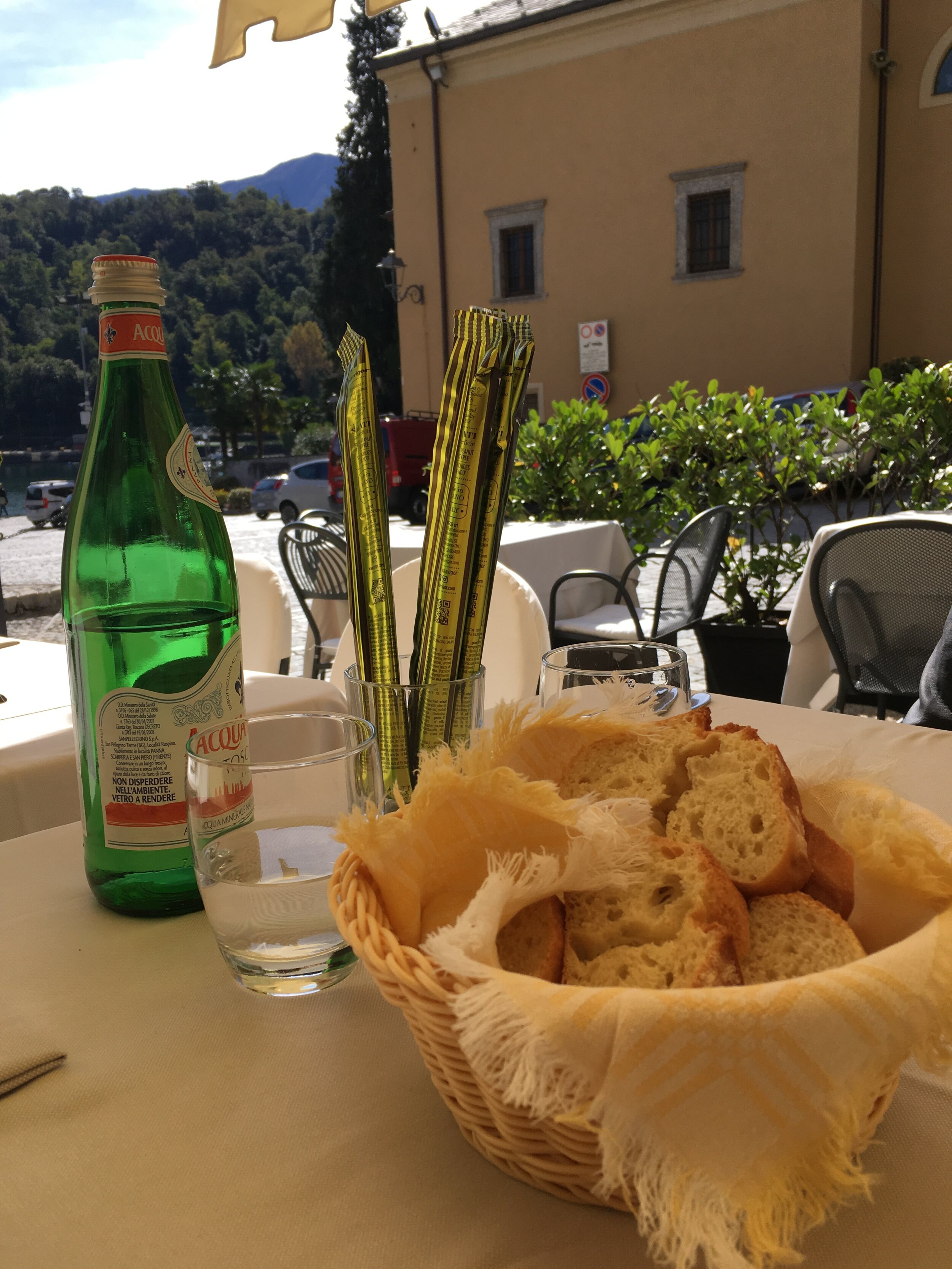
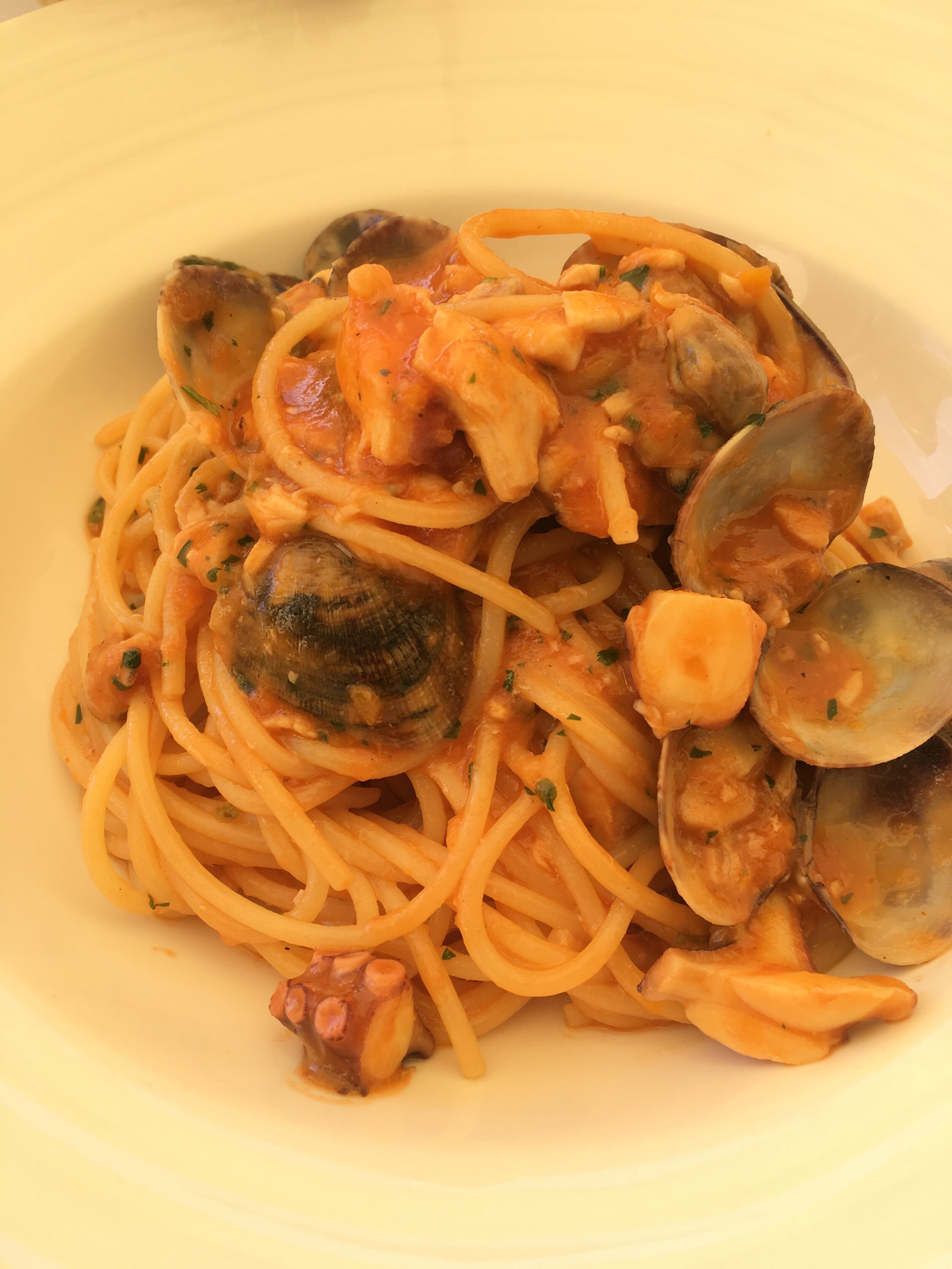
Most visitors to Lenno are on the way to visit Villa del Balbionello and that’s where we headed too. The villa, which sits at the end of the peninsula, can be reached by a hike through the wooded landscape or by my preferred method - motorboat. The villa and its surrounding gardens are breathtaking (mozzafiato in Italian) and definitely on the list of must-sees for any visit to Lake Como. (For more on the villa, see Two Parts Italy Villa del Balbianello, March 23, 2017). After visiting the villa, we had a wonderful lunch in Lenno at Trattoria Santo Stefano (fresh fish expertly prepared, photos below).
IMG_9366.JPG
IMG_9377.JPG

After lunch it was a short walk along the harbor to the ferry dock where we caught the boat over to Varenna on the lake’s eastern shore.
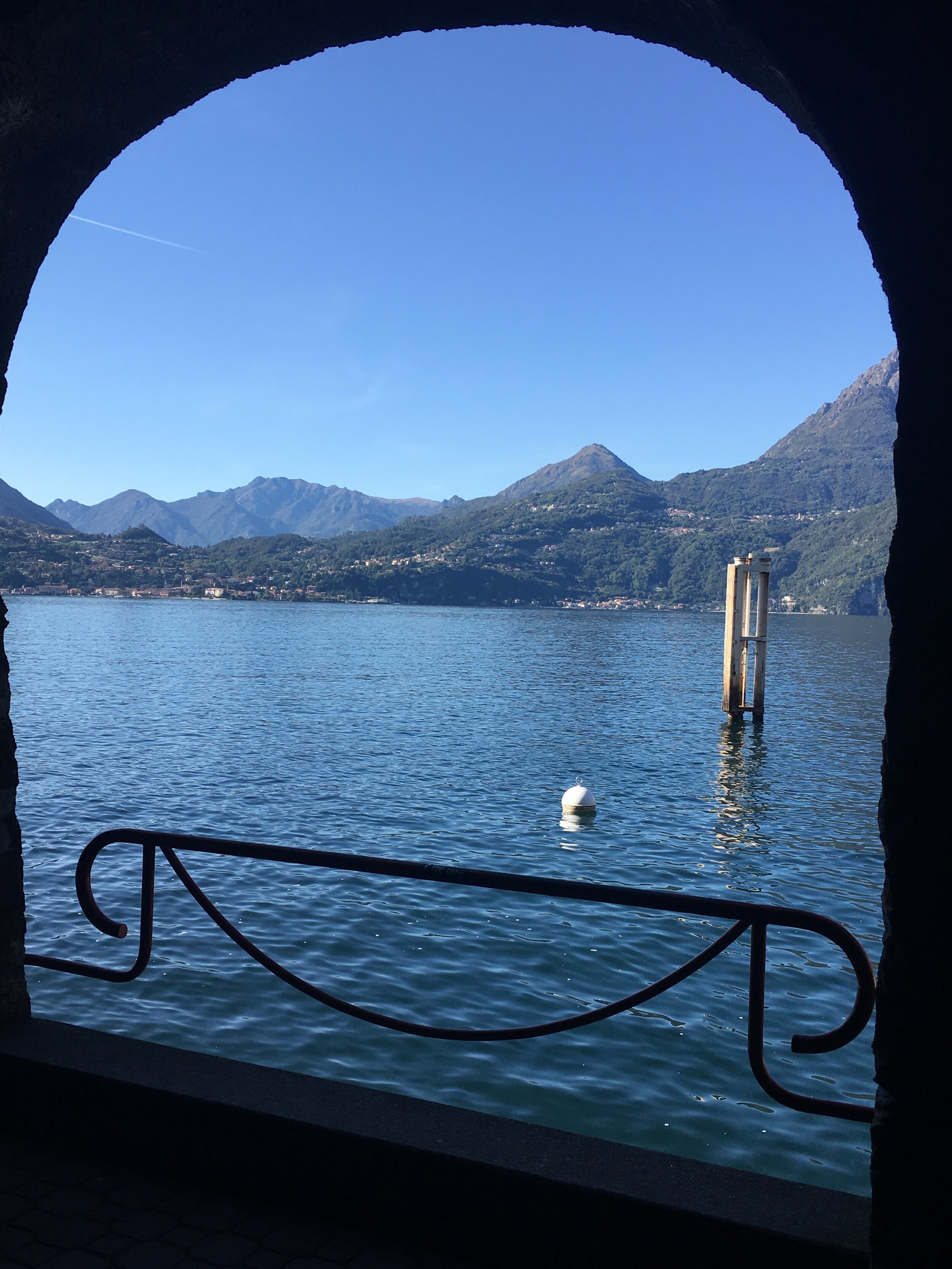
One of the endless views of the lake to be found in Varenna

One of the endless views of the lake to be found in Varenna

Varenna has its own special character. It is small and laid-back, with fewer tourists, though it’s still plenty lively with lots to enjoy. There are gardens (including a botanical garden), villas, a small harbor, a ferry stop, and a charming old town.
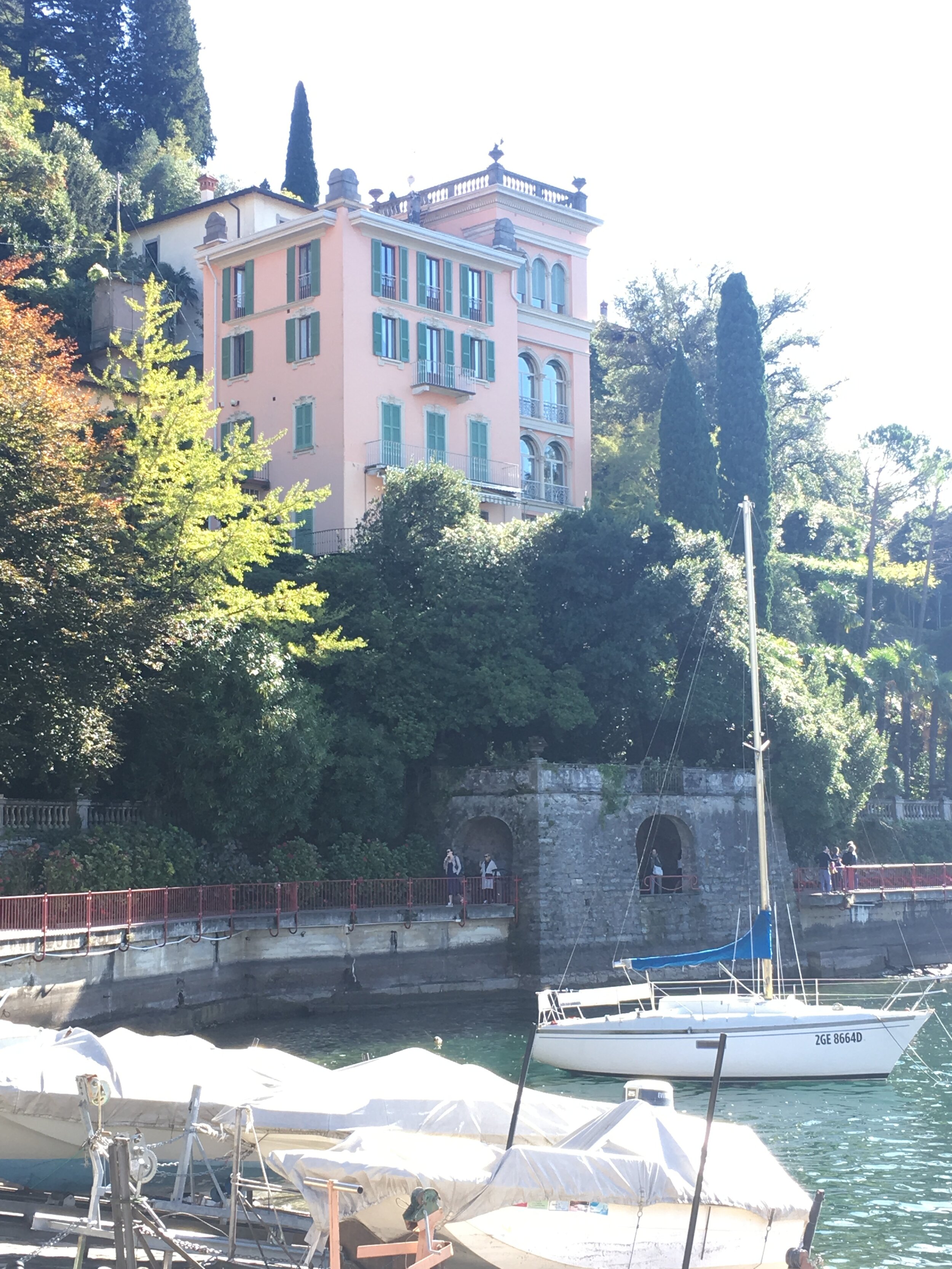
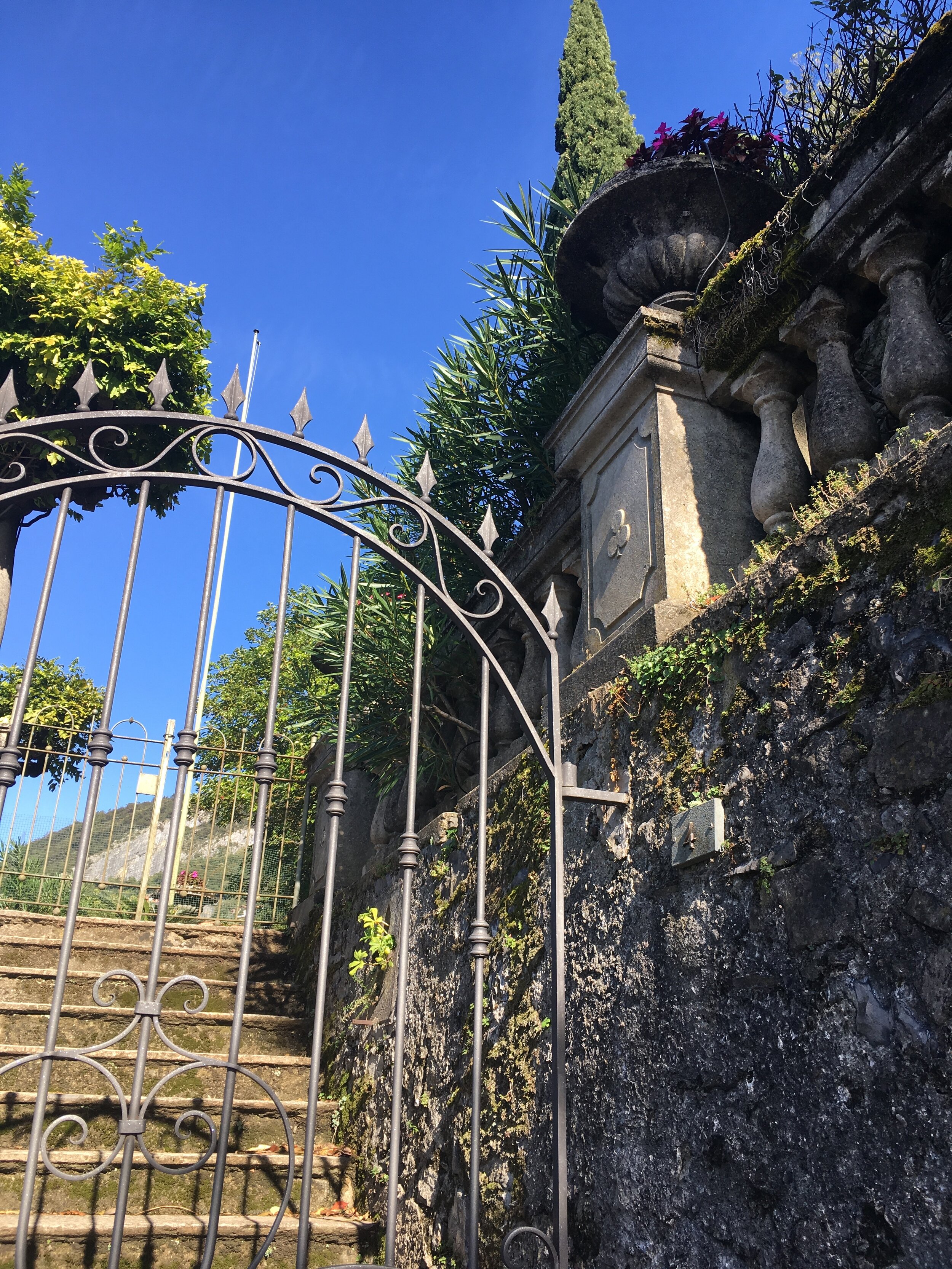
IMG_9413.JPG
IMG_9434.JPG
IMG_9420.JPG
IMG_9421.JPG

The most unique feature in Varenna is the passerella, a bridge-like walkway that skirts along the shore above the water. It is also called the “passeggiata degli inamorata” (loosely translated as lover’s lane). You’ll know it by its red railing - all that separates you from the lake - and views that are incomparable. You may even hear accordion music as you walk along, the perfect Lake Como soundtrack. This walk is a must when visiting Varenna. It takes you from the ferry stop, along the lake front, and through the old town. Even better is stopping for lunch or a gelato along the way. Keep going past the famous Hotel du Lac with its view terrace (perhaps it is time for an aperitivo with a view?) and then up away from the lake into the center of the old town, ending at the church of San Georgio.
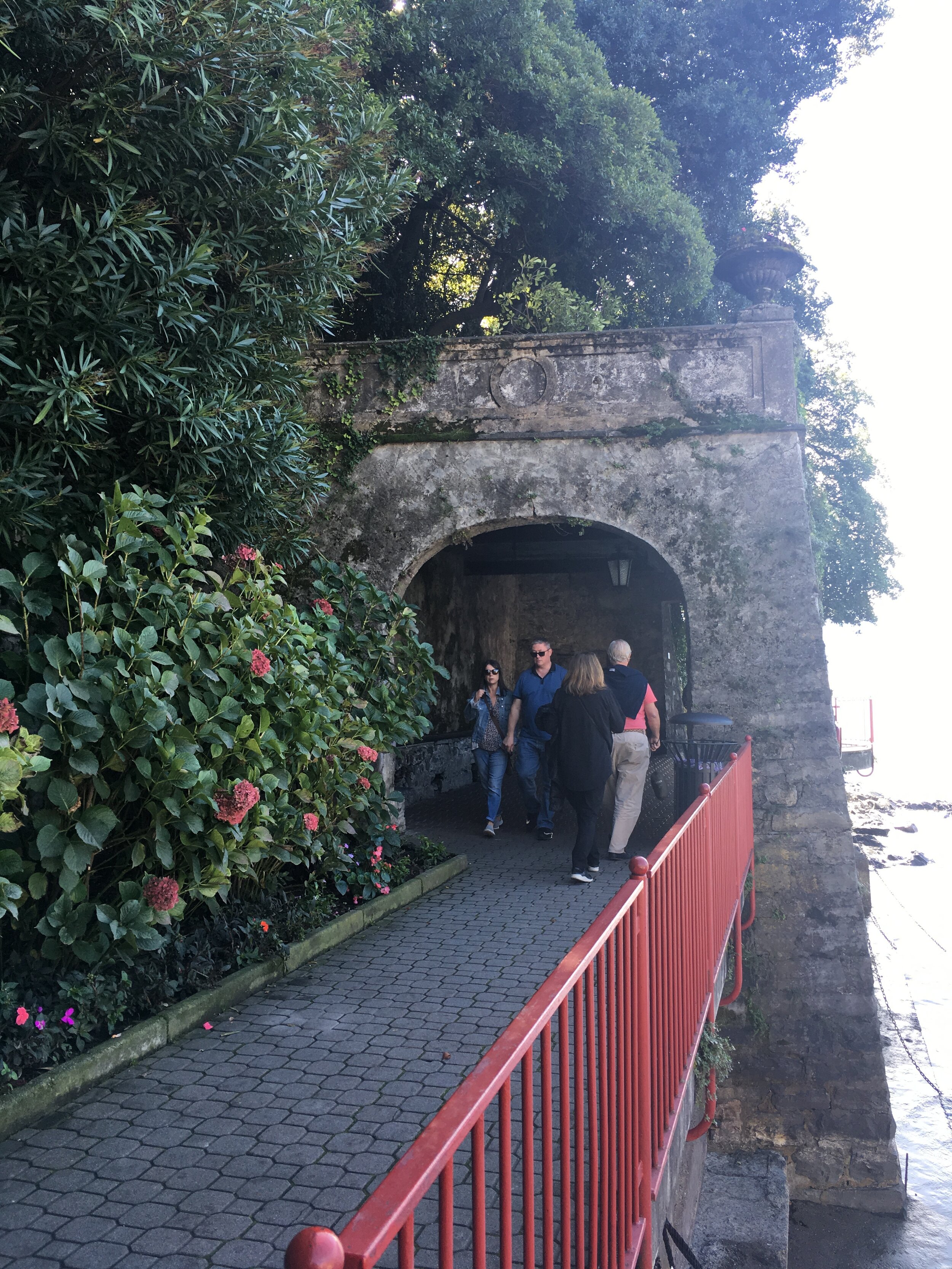
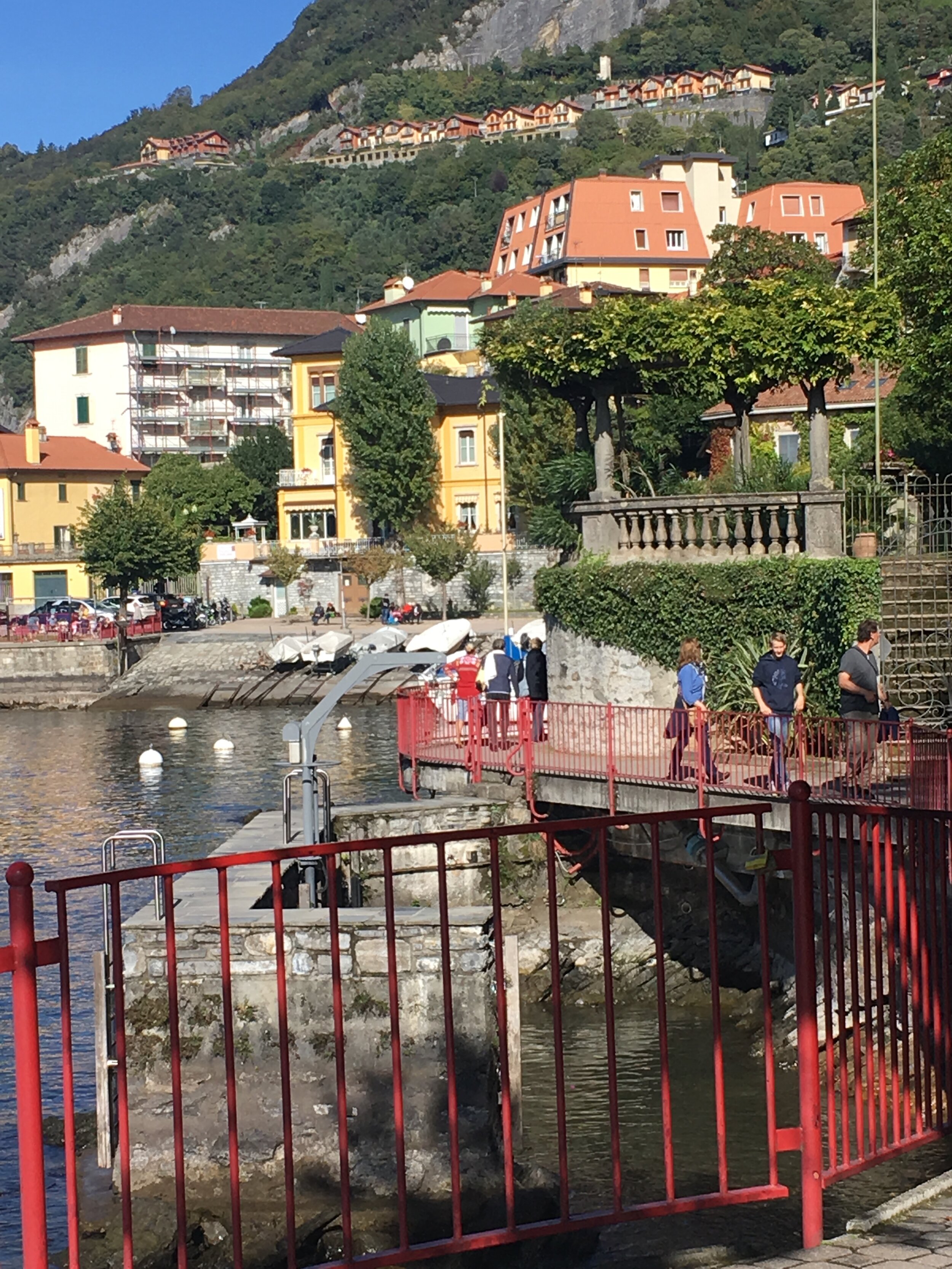
IMG_9425.JPG
IMG_9440.JPG

A morning in Lenno and an afternoon in Varenna made for a busy but fabulous day, especially shared with my sister. But next time we have to stay longer! - post by Joanne

August 31, 2020 /Judy Giannnettino
Lake Como, Italian Lakes, Varenna Italy, Lenno Italy, Villa Balbianello, #lakecomo, #lenno, #varenna
#italytravel, Italian Lakes, Italy, Lake Como
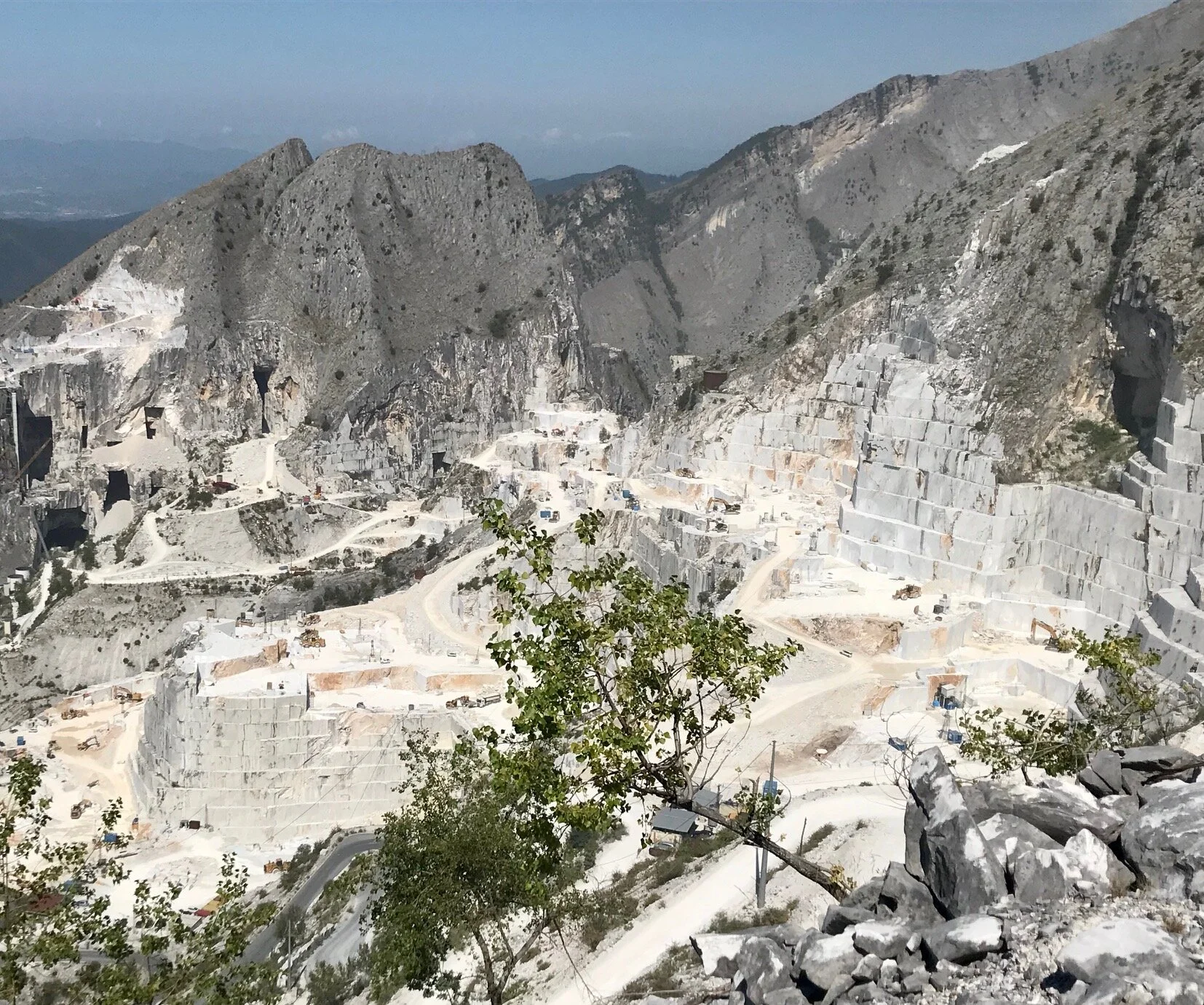
The side of a mountain where marble is being excavated

The side of a mountain where marble is being excavated

Making Marble in Carrara, Italy

August 24, 2020 by Judy Giannnettino

What could Michelangelo and James Bond possibly have in common? Carrara, Italy, the city known worldwide for the marble produced there. White gold, some of it is called.

IMG_5786.jpg

Michelangelo traveled to the area to choose marble (marmo in Italian) for many of his sculptures, including his incredible Pieta. And the James Bond movie, “Quantum of Solace,” was filmed among some of the Carrara marble basins in 2008. Being a fan of both Michelangelo and James Bond, a trip to Carrara has been on my travel wish list for quite some time. I recently took a day trip there with a couple of friends.

IMG_5800.jpg

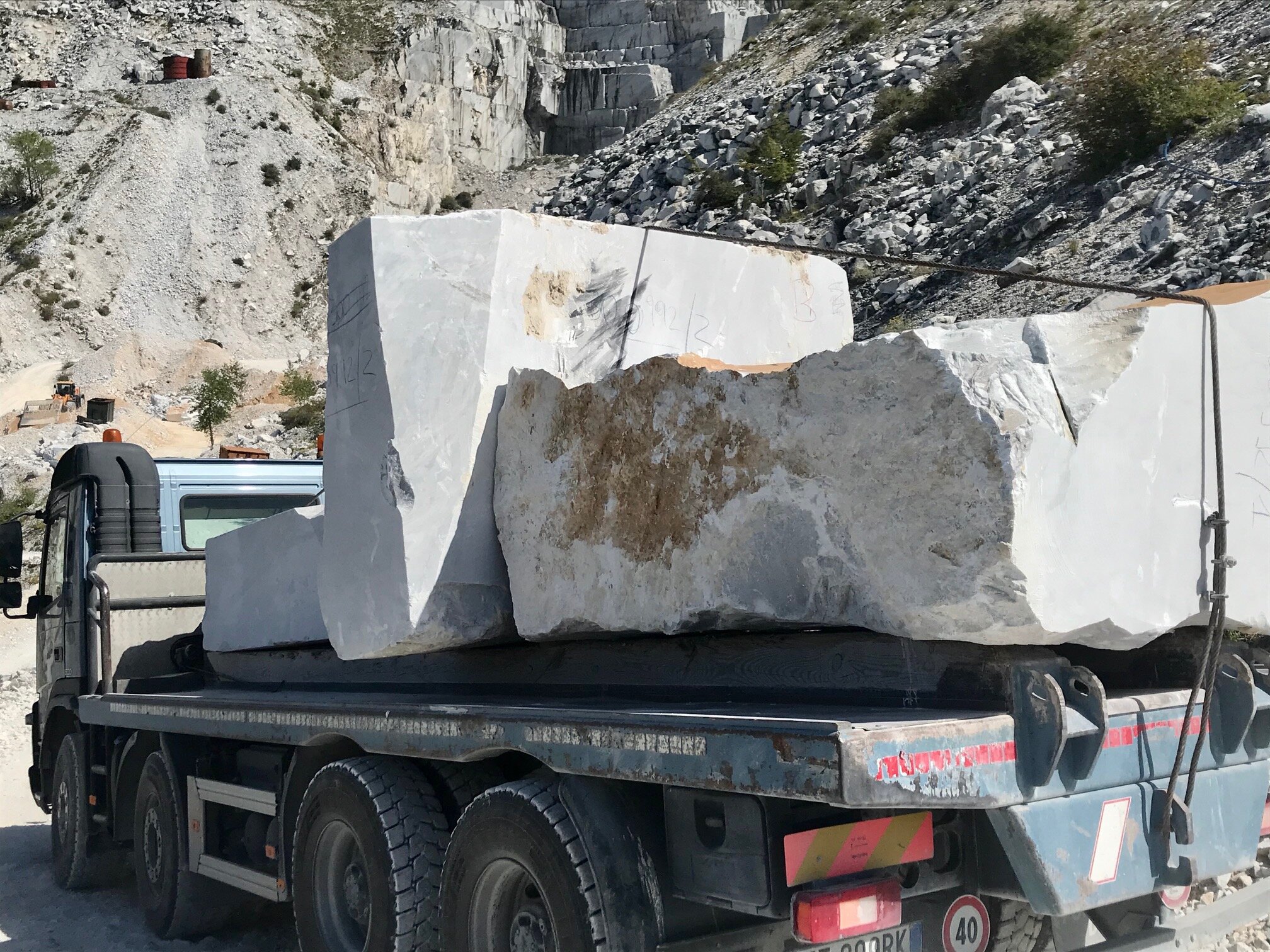
The famous Carrara marble is, of course, excavated from within the mountains of the area. In Michelangelo’s time, it was a months-long process - borne by man and beast - to break a slab of marble free from the mountain and maneuver it to the sea for transport to Rome or another destination. (Just think how hard it would be to get your marble kitchen counter top down the side of a mountain in the days before trucks and trains!) Today, it is a days-long process – carried out by man and machine. Until 1965 (!) it was done largely as it was centuries ago. Now, even with technological advancements, it remains a dangerous and difficult job, the details of which we learned during an off-road 4x4 tour.

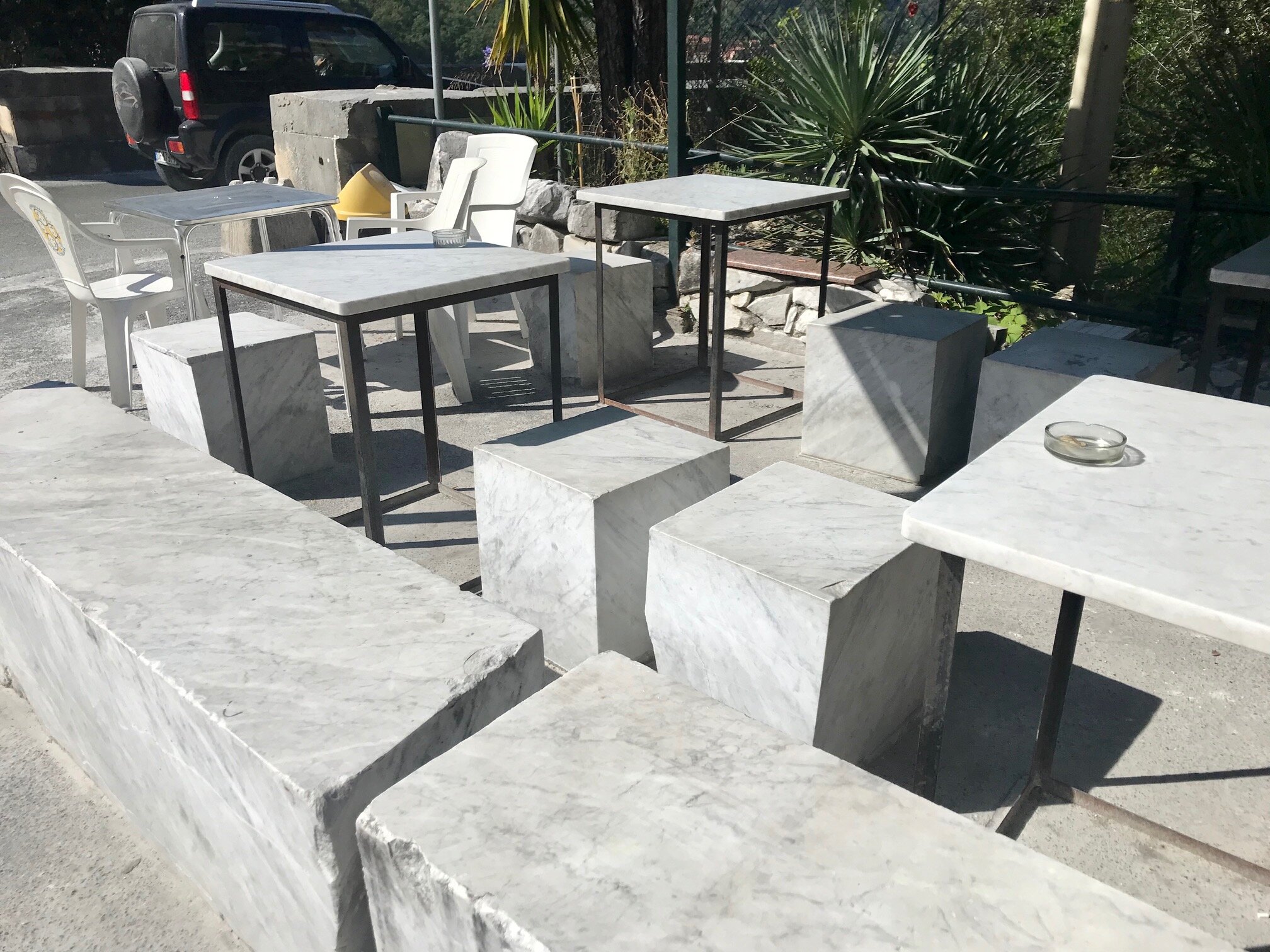
Near the quarry, almost everything is made of marble
Tons of marble are carried down the mountain by truck

We traveled 1,000 meters above sea level on a winding road before stopping and surveying the surrounding ridges, cut into to form massive marble “staircases.” In the distance was the Mediterranean Sea, where a sizable port serves as a launching pad for long-distance deliveries of the marble. Closer to us, heavy-duty equipment was expertly managed by quarry workers on some of the “steps” of the mountainside. There are more than 100 quarries and more than 800 people employed by them.

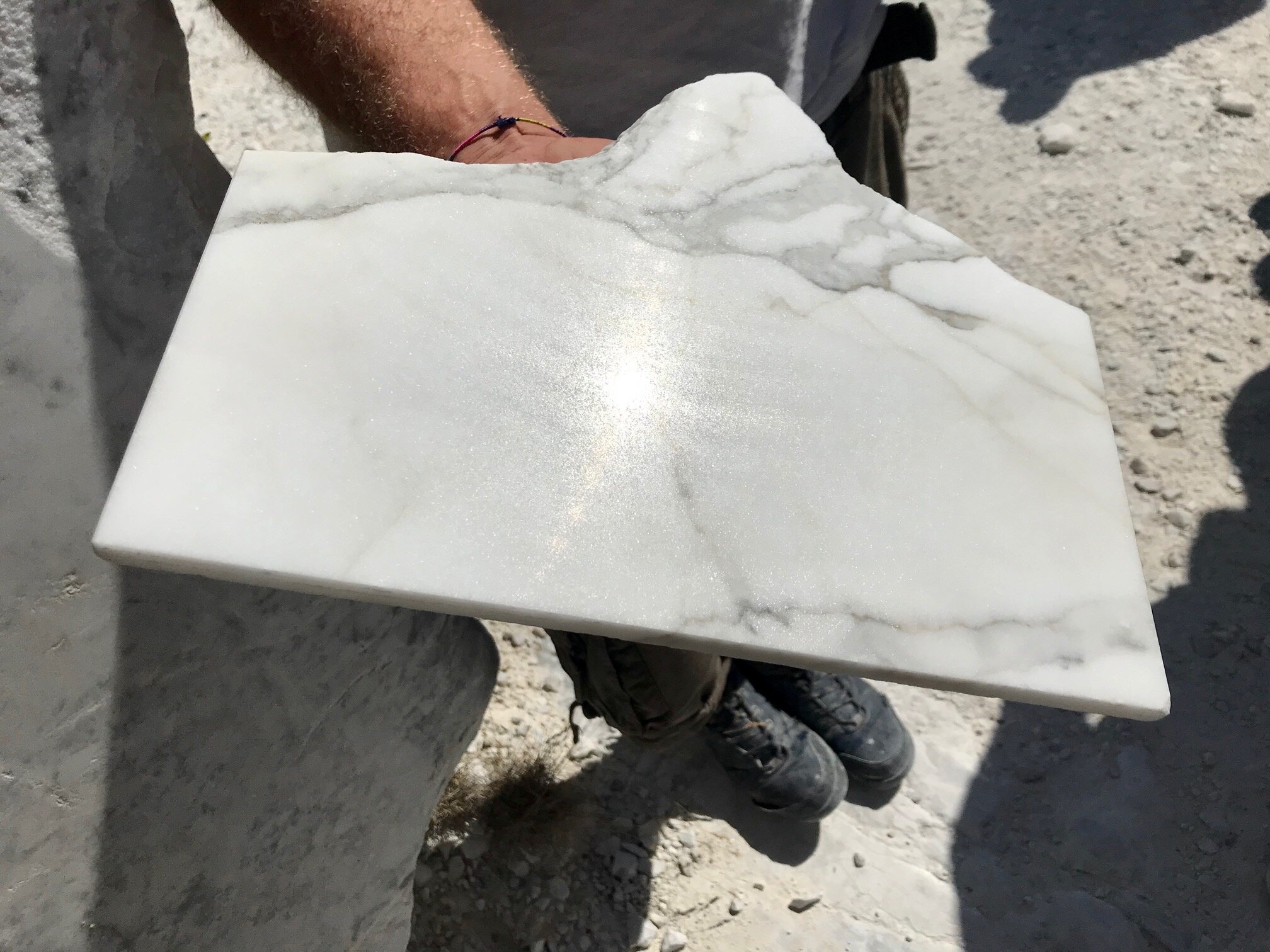
Almost translucent
Almost translucent
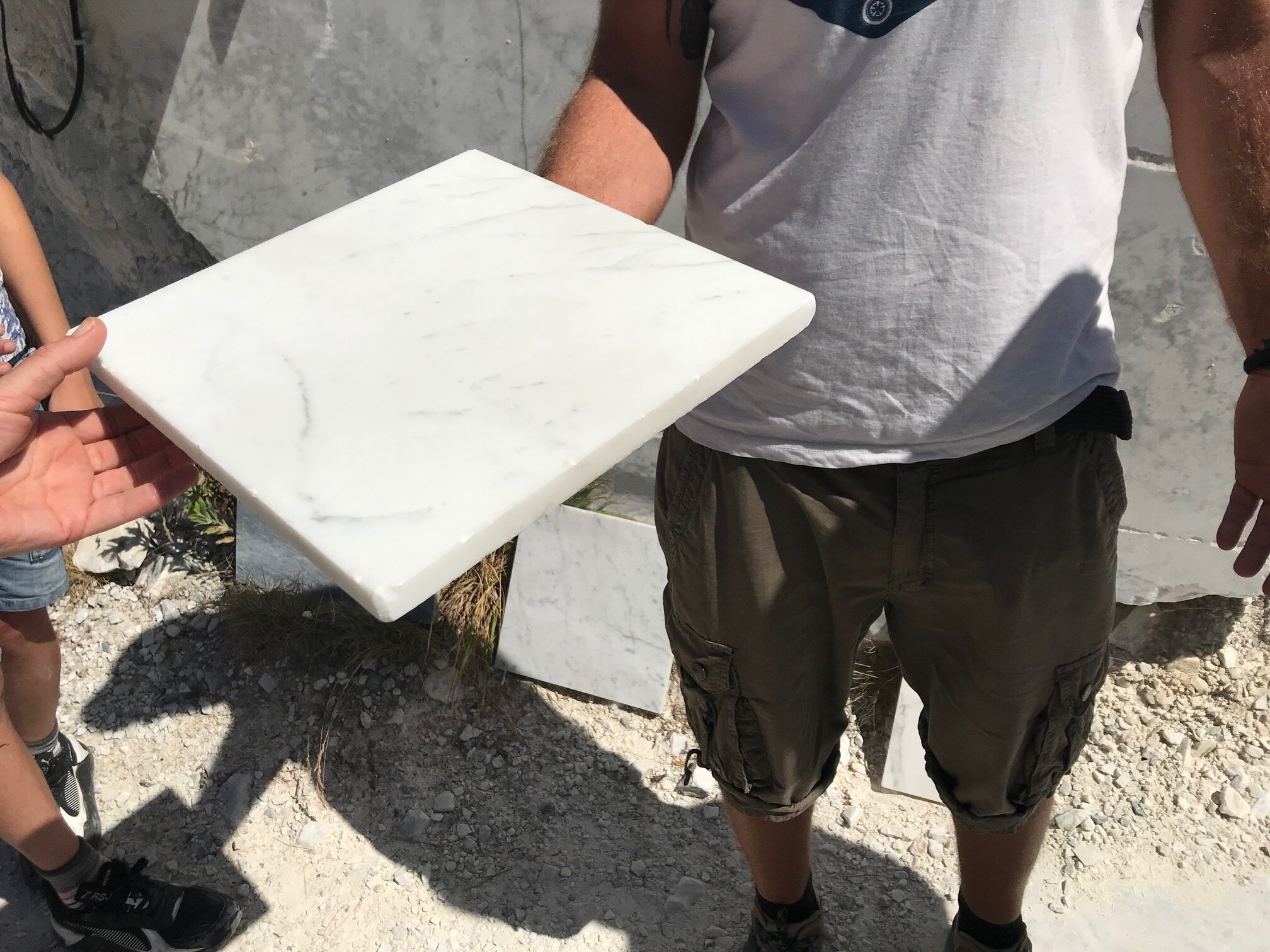
Heavier white marble
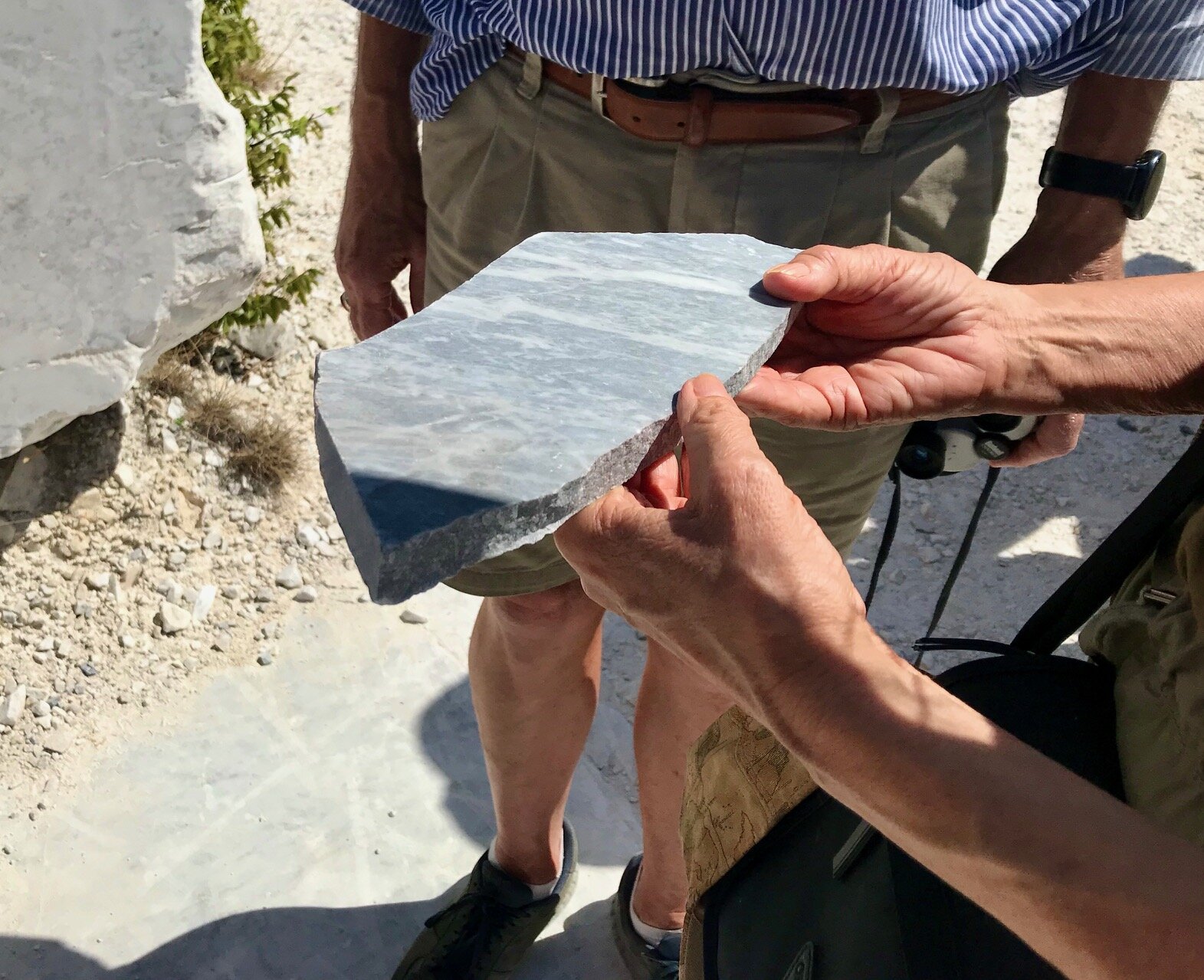
Blue-grey marble
Blue-grey marble

Back down the mountain is the city of Carrara, long ago established as a place to house the quarry workers, and where many of the sidewalks are made of marble. The “white gold” marble is labeled so because of the gold veins that traverse it. A piece held up to the sun by our tour guide revealed the transparency of the marble. Blue-grey marble quarried here is more dense but also beautiful.

The yellow line above carries electricity to the quarry site; the blue line carries water, a key component in the quarry efforts. Rainwater is used today.

The yellow line above carries electricity to the quarry site; the blue line carries water, a key component in the quarry efforts. Rainwater is used today.

Carrara is an easy drive from Lucca (about 50 minutes or so) and a tour of the quarries is fascinating. I recommend it to anyone in the area (except those who get car sick on winding roads).   -post by Judy

Signs denote the different quarries.

Signs denote the different quarries.

August 24, 2020 /Judy Giannnettino
The colors of early summer along the Arno river in Florence

The colors of early summer along the Arno river in Florence

The Colors of an Italian Summer

August 17, 2020 by Judy Giannnettino

When I think of summer in Italy, a number of things spring to mind. In a “normal” summer, I would picture tourists from around the world, music festivals, sagras (community-based celebrations of local foods), large gatherings with friends, and holiday visits from family. Sadly, most of these activities are not possible this summer. But that doesn’t mean summer is a lost season. There are still many things to enjoy, starting with the colors of the Italian summer. Looking around, I see color everywhere - and that color sends my spirits soaring.

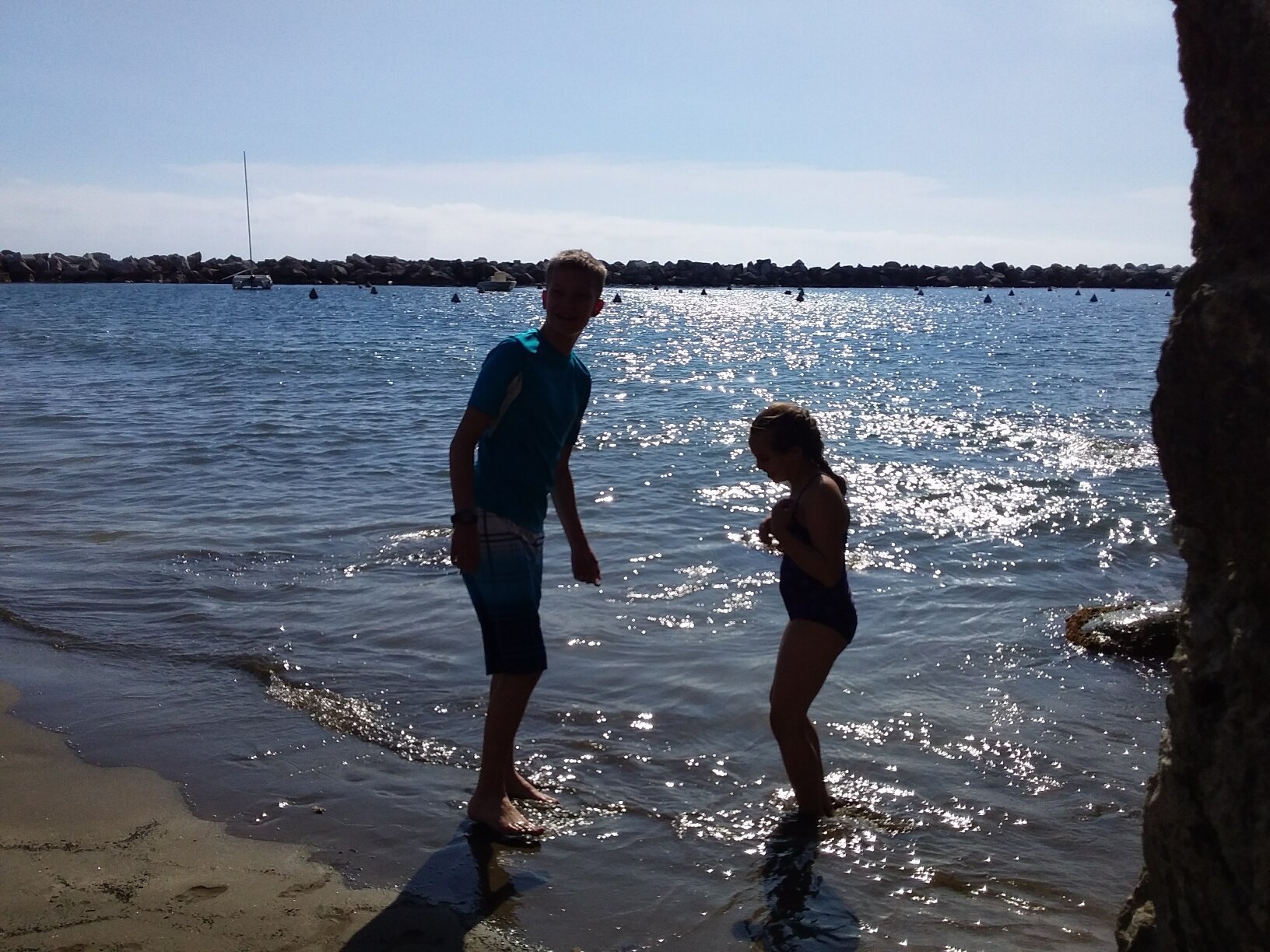
How the water sparkles on this beach in the seaside town of Levanto, just north of the Cinque Terre . If you are in Italy this summer you will find it relatively uncrowded.

How the water sparkles on this beach in the seaside town of Levanto, just north of the Cinque Terre . If you are in Italy this summer you will find it relatively uncrowded.

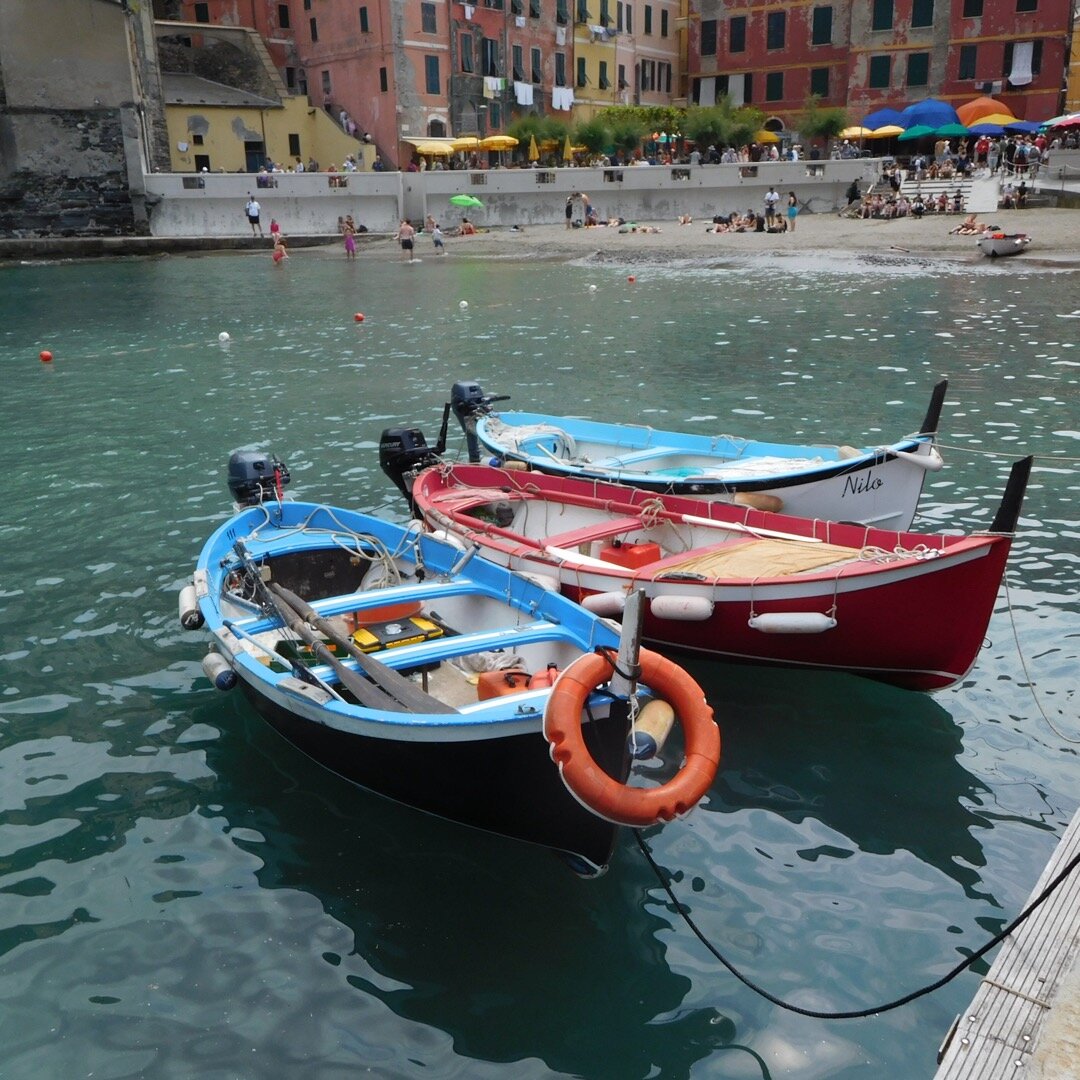
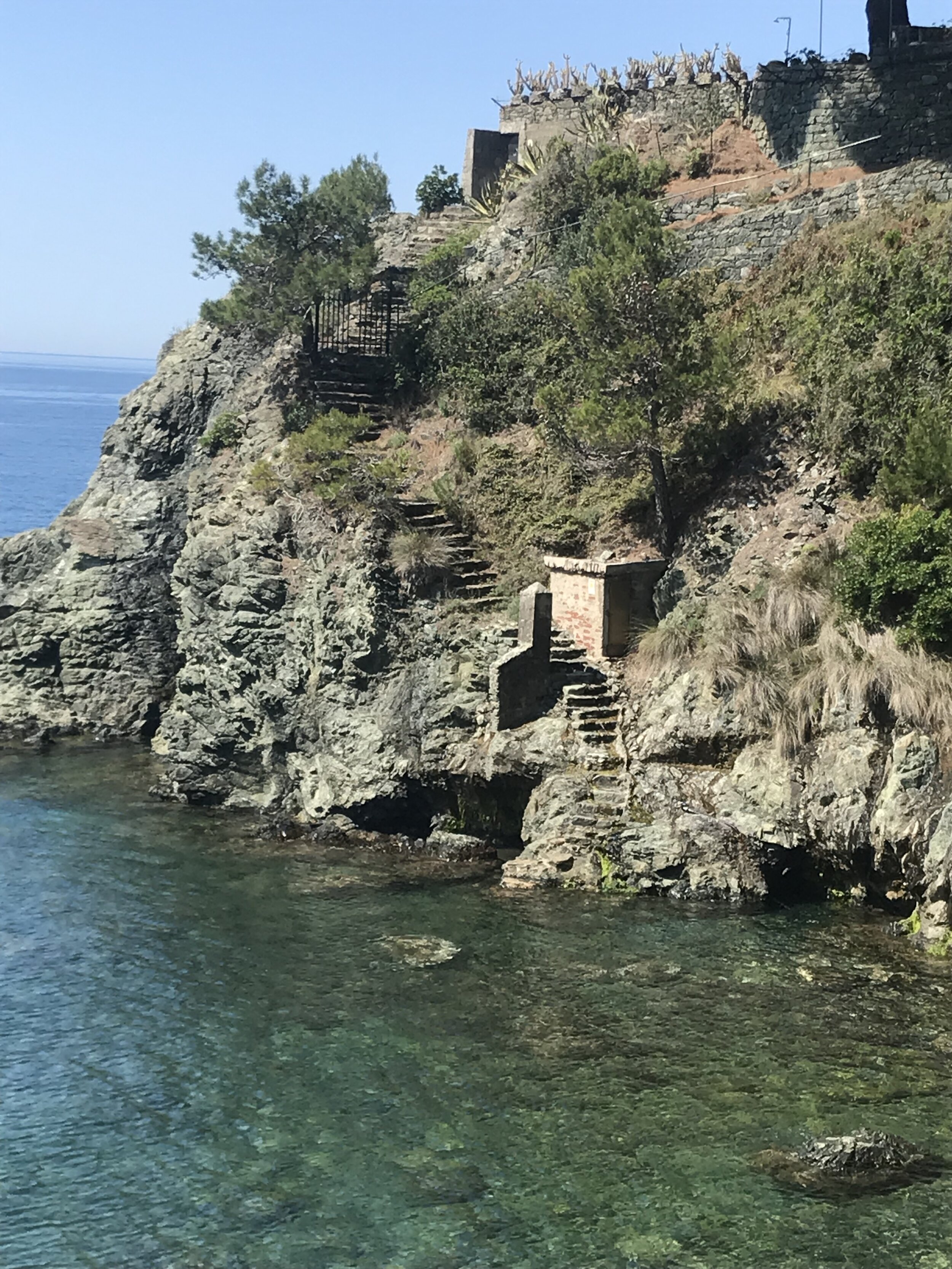
Summer is the time to enjoy the colors of nature, starting with the blue of the ocean, experienced on a beach or from high above on a rocky coast (near Levanto, below). These natural colors are complemented by brightly colored boats like these in the harbor at Vernazza in the Cinque Terre..

IMG_0484.JPG
IMG_7255.JPG

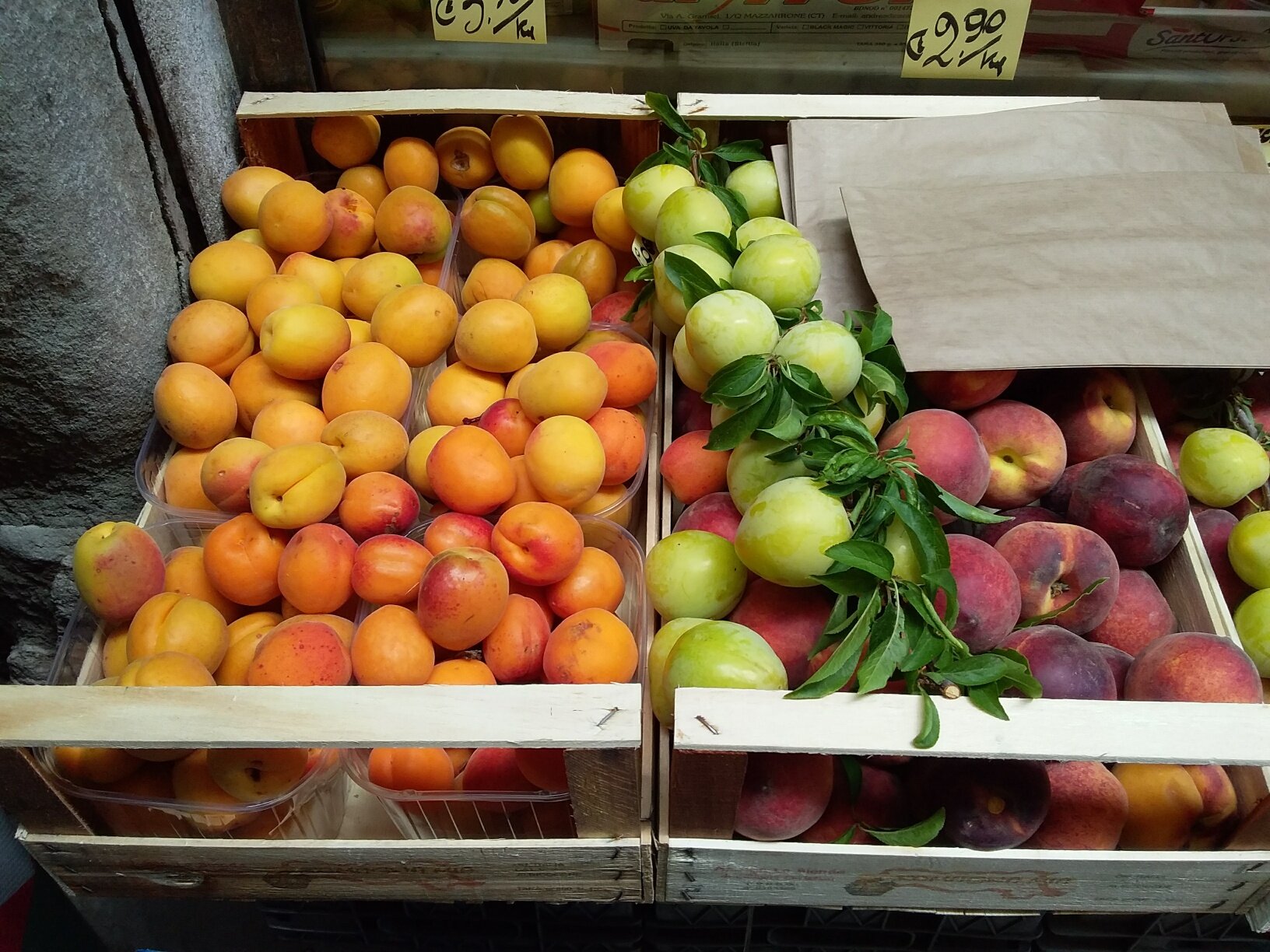
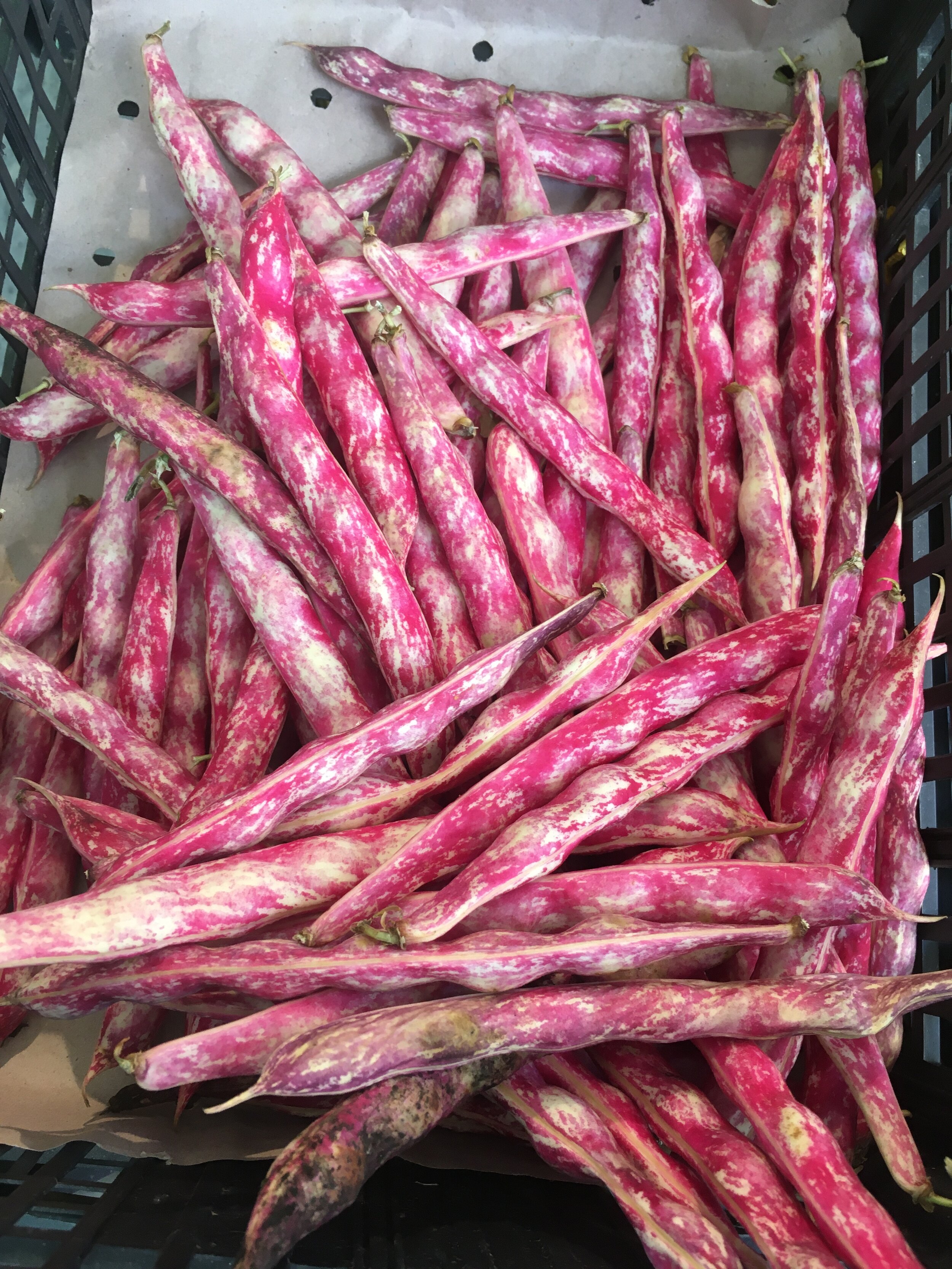
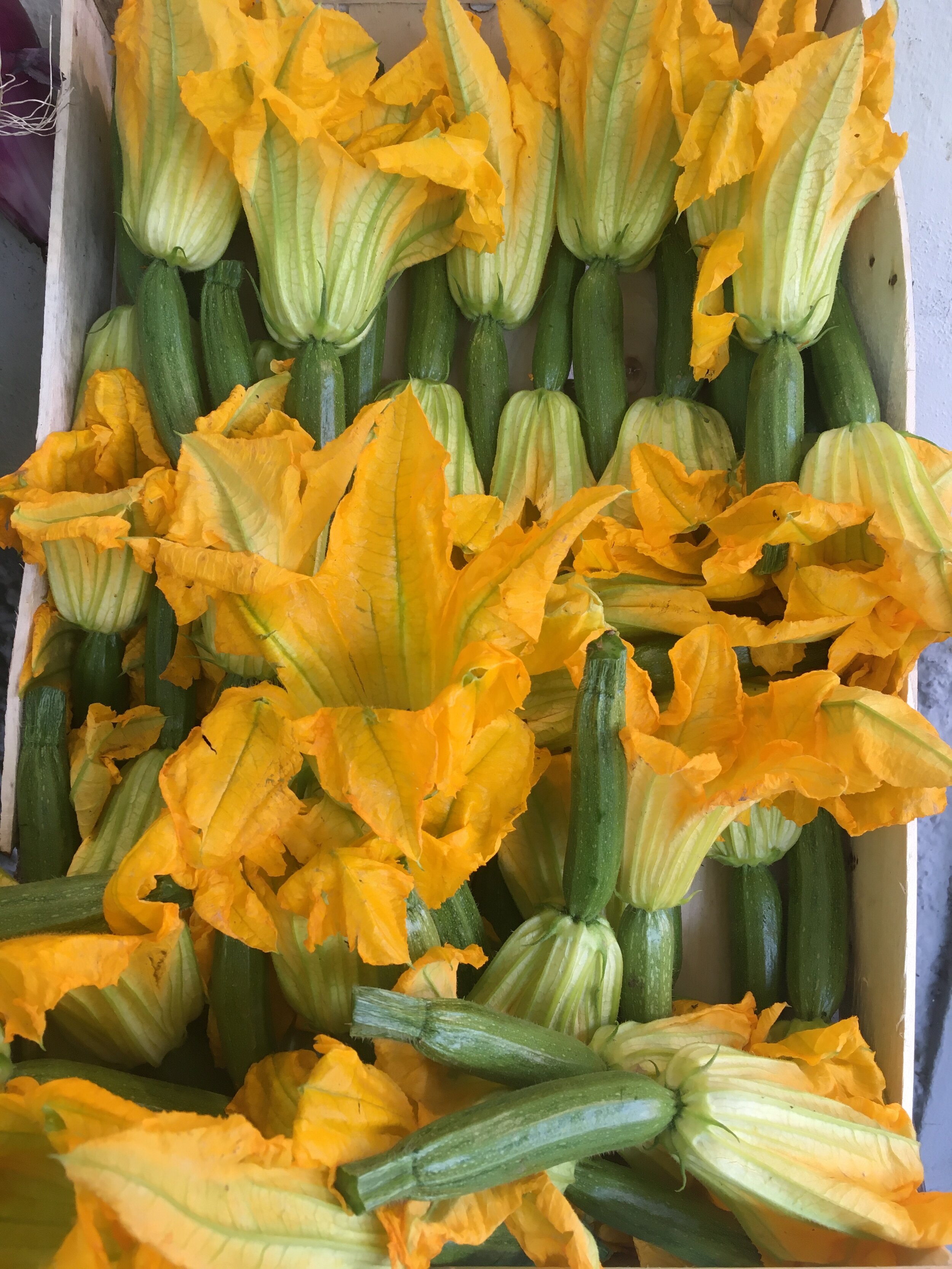
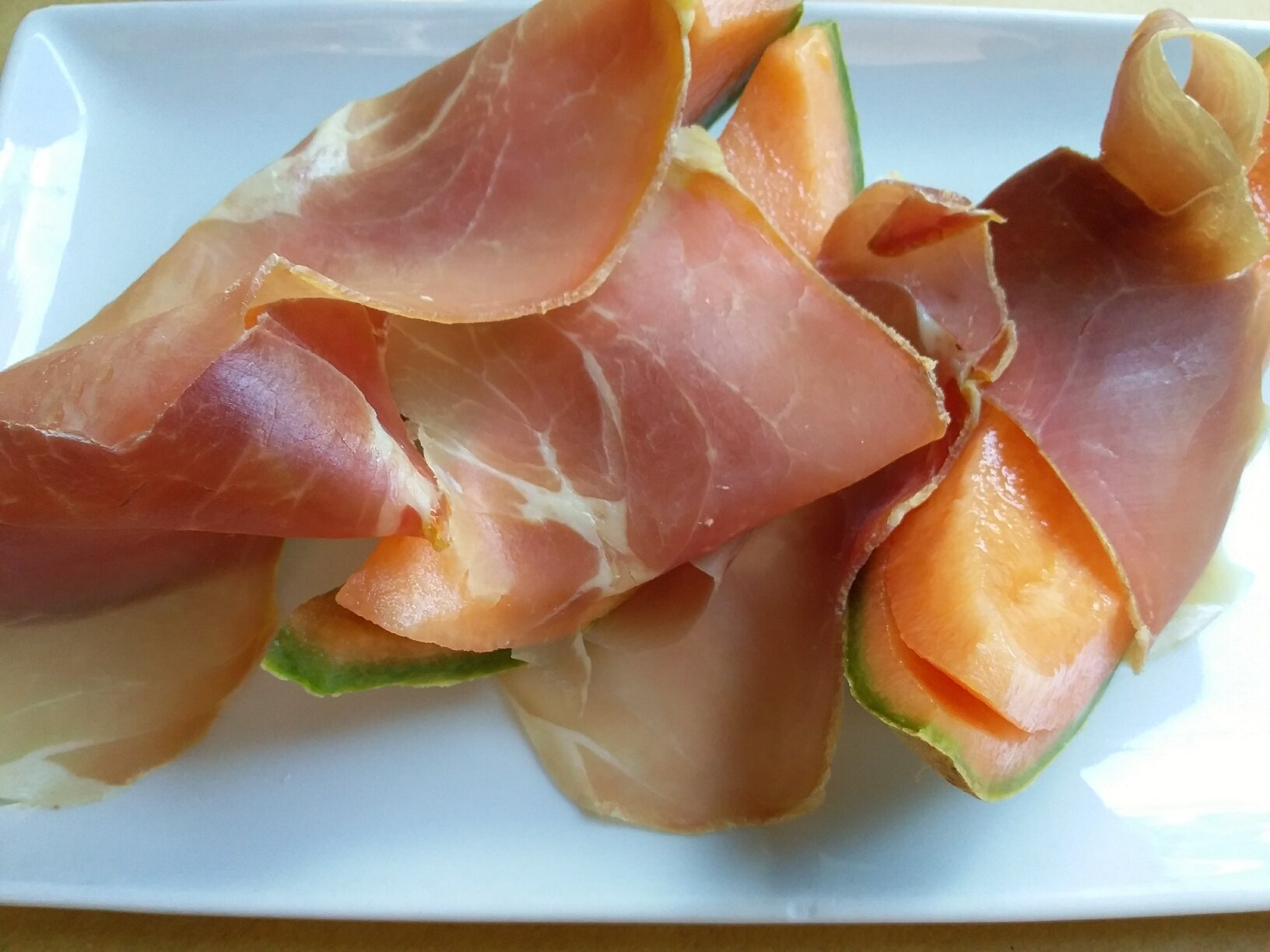
Summer also brings the varied colors of seasonal produce. Food that is this colorful and beautifully displayed is its own form of art. Doesn’t it make you want to get into the kitchen and create something tasty?

20200619_113438_resized.jpg
IMG_2700.JPG
IMG_2698.JPG
20200618_131100_resized.jpg

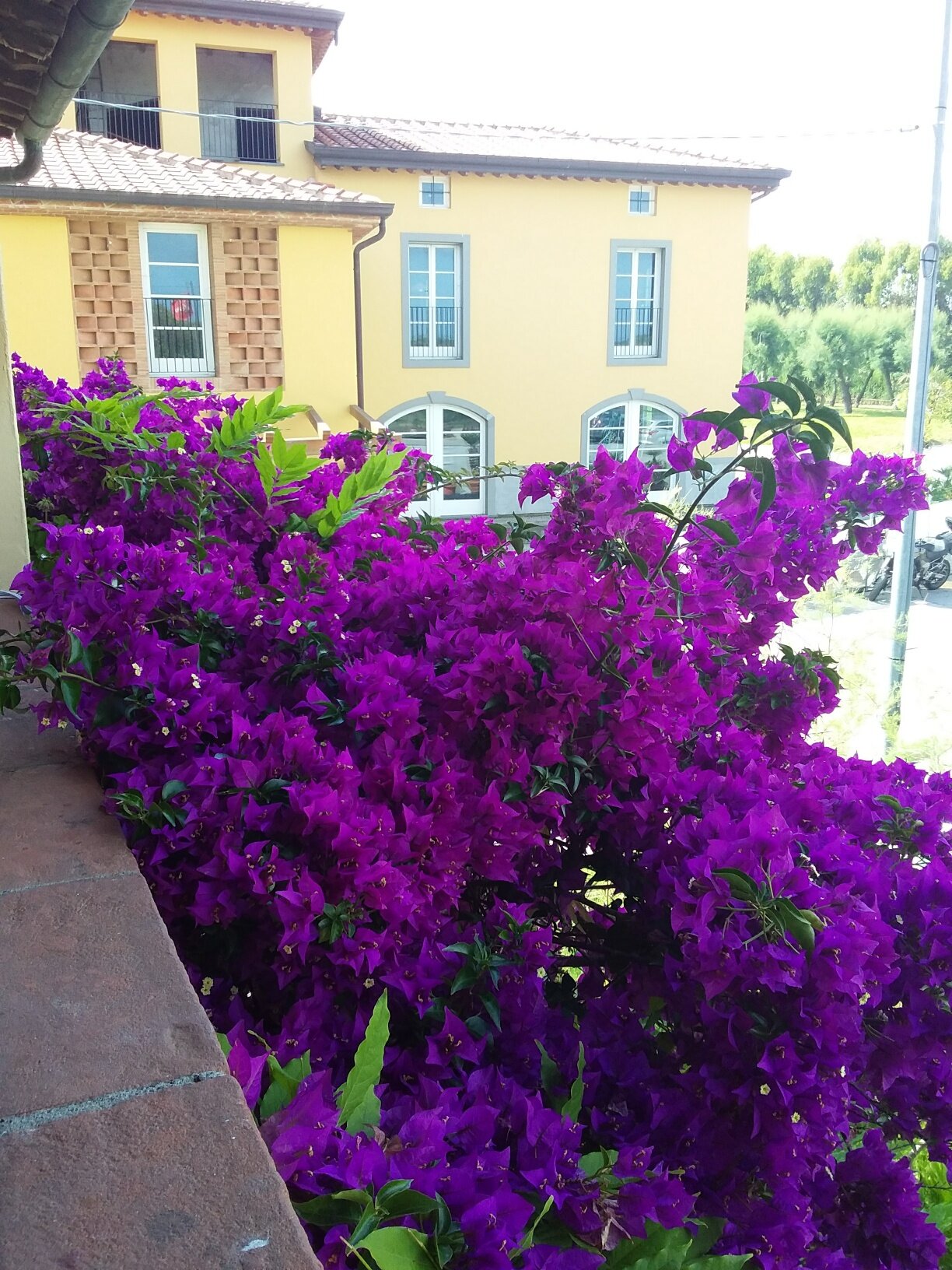
And then there are the flowers of summer. They spill from pretty window boxes, climb above archways, fill gardens, and grow wild along back roads and coastlines. Nature’s blossoms delight throughout the season.

20200621_102737_resized.jpeg

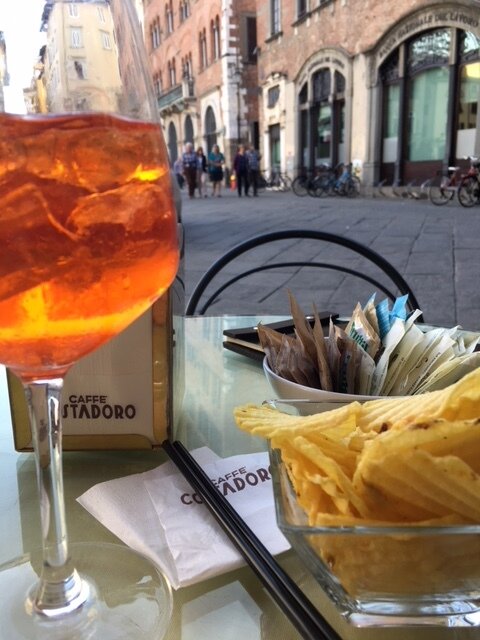
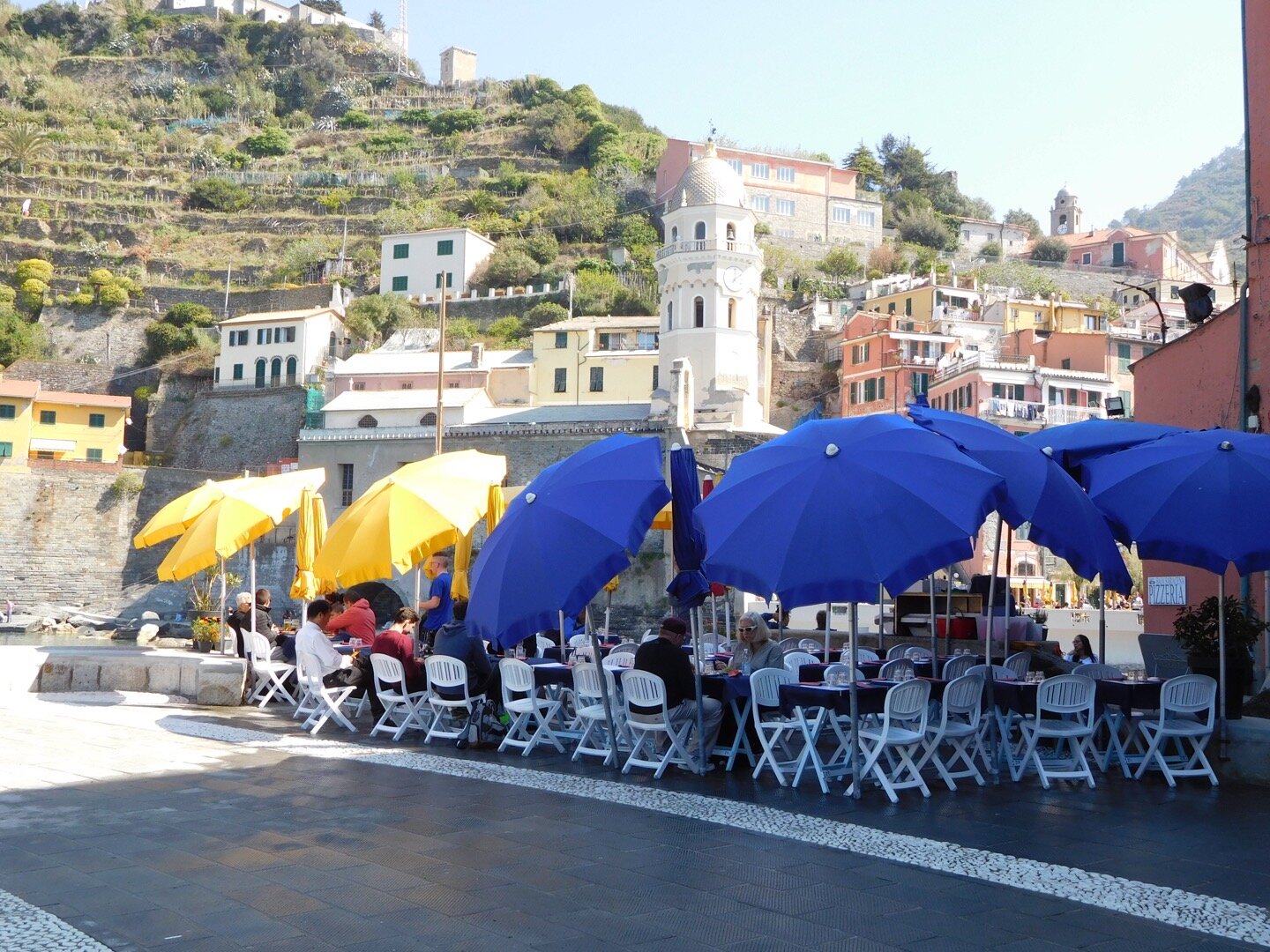
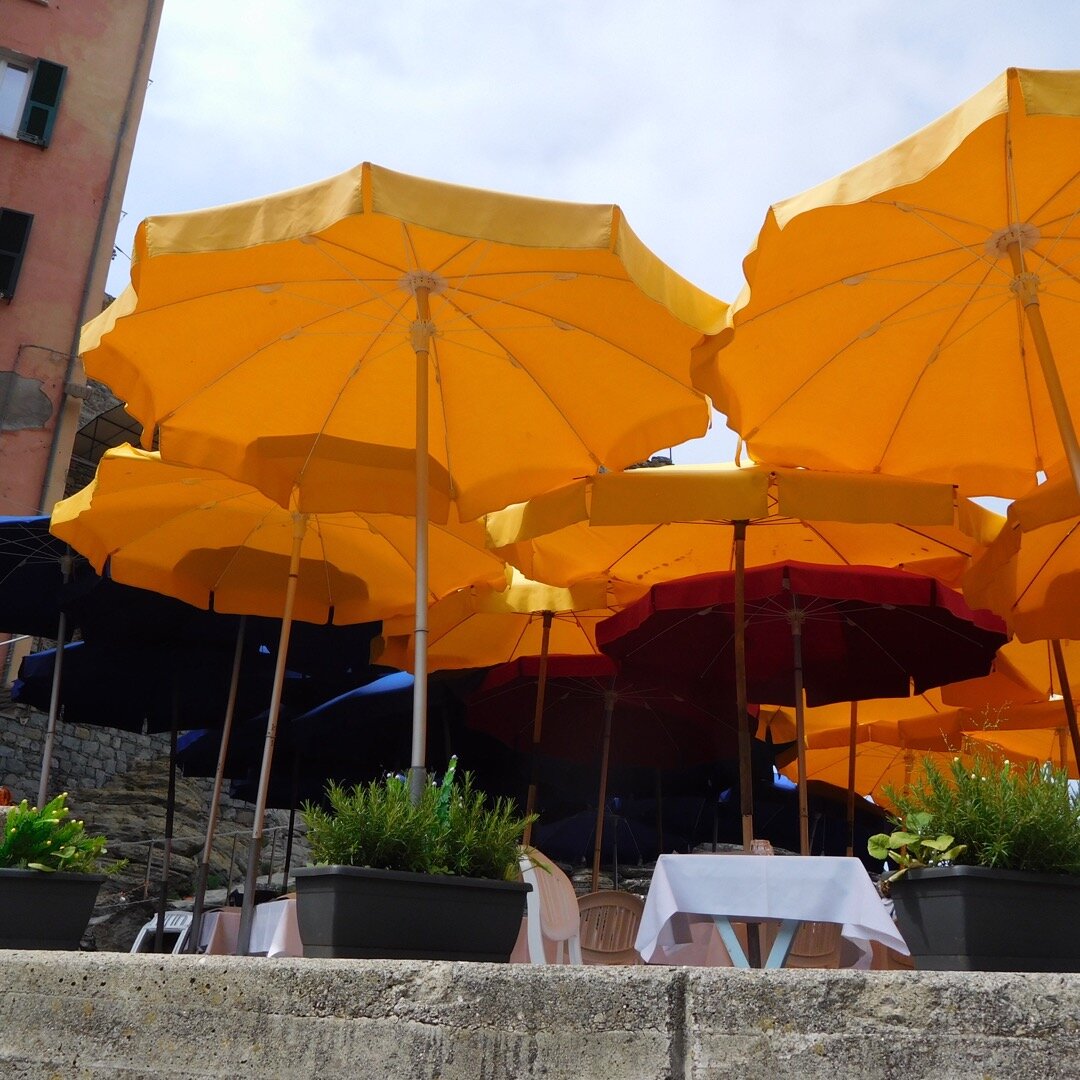
In summer, there are sure to be colorful umbrellas in piazzas and harbor-side cafes. Sitting under one you just might enjoy the bright orange of an Aperol spritz, a favorite summertime cocktail.

IMG_1546.JPG
IMG_2300.JPG
IMG_0477.JPG

Do you have a favorite color of the Italian summer photo from this summer or years past? We’d love to see them posted on the Two Parts Italy Facebook page. -post by Joanne

August 17, 2020 /Judy Giannnettino
The Santuario Basilica di Montallegro in Rapallo

The Santuario Basilica di Montallegro in Rapallo

Rapallo's Church on the Hill

August 10, 2020 by Judy Giannnettino

The Italian Riviera, home to Sanremo (you might know it if for its annual music festival), the port city of Genova and the incomparable Cinque Terre, is a nature-lover’s paradise. The Ligurian Sea lies to the west, the Alpi and Apennine mountains to the east. In between are cities, towns and villages with history, charm and beauty. One of those is Rapallo.

The sea as seen from the waterfront walk in Rapallo

The sea as seen from the waterfront walk in Rapallo

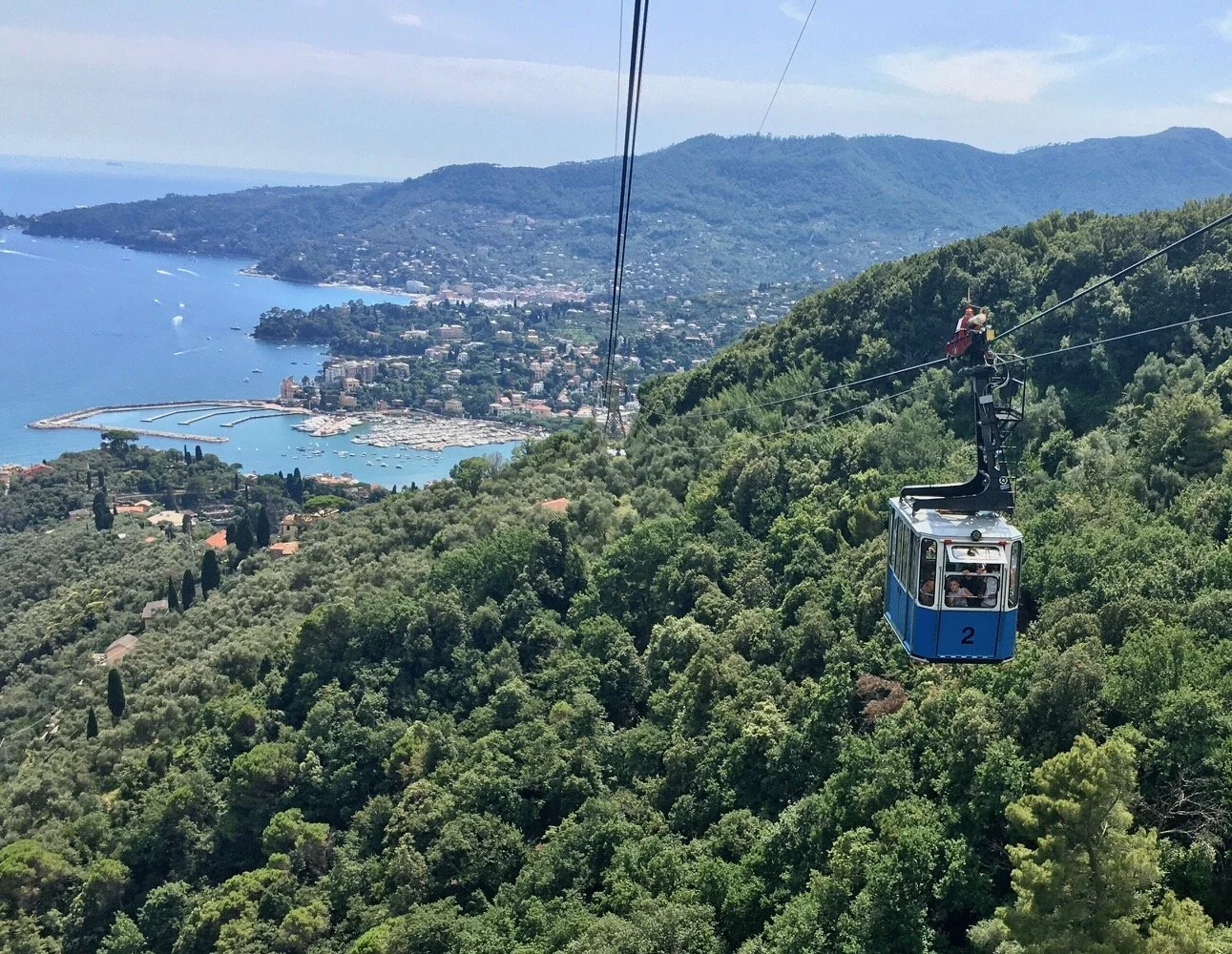
South of Genova (about 30 minutes by car; 55 by train), Rapallo has the added attraction of a funivia (cable car) that carries passengers to the top of a hill not just with panoramic views of the sea and countryside but also with a beautiful and impressive church, the Santuario Basilica di Montallegro. The tram, opened in 1934, is an eight-minute ride with an elevation gain of about 600 meters (1,968 feet). During a recent day trip to Rapallo from Lucca (about a 90-minute drive), a friend and I took the tram after lunch for 8 euros each. I stared with wonder at the intense blue of the sea as we slowly rose over the city, the tiered gardens of residents fortunate enough to have some land and a house (or small villa) on the hillside, and then the lush green treetops as we reached the end of the line.

The altar of the Santuario Basilica di Montallegro

The altar of the Santuario Basilica di Montallegro

At the top, a short uphill walk led us to the church, which rose before us almost like an apparition. It is at the top of a wide stone stairway and its handful of spires jut into the cloudless blue sky. It is a remarkable sight, this massive almost-white church in the middle of a forest, towering above a sea.

Tiered gardens
Tiered gardens
Tram tower
Tram tower
Another tram car
Another tram car
Rising over Rapallo
Rising over Rapallo

The Santuario Basilica di Montallegro, along with an accompanying shelter for pilgrims, was built in 1558. (Can you imagine hauling the materials needed to construct it up the hill way back then?) The marble façade that we see today was added in 1896. Inside, the altar sits under a frescoed dome. Massive stained-glass windows portray biblical scenes, and around the church are memorials to loved ones. A side chapel hosts a large presepe that includes an entire village with figurines of workers and others, each with an amazing life-like facial expression.

Memorials
Memorials
Presepe
Presepe
Presepe figurines
Presepe figurines
Stained-glass window

Outside the church are vistas in every direction – the city of Rapallo, where about 29,000 people live; the sea and its coves; the tree-covered hills; hiking paths. There are a couple of restaurants and a hotel atop the hill, and while I purchased round-trip tram tickets, you can ride to the top and hike your way down if you prefer.

A walking path outside the church

A walking path outside the church

The tram isn’t the only attraction in Rapallo – there is a castle, other interesting churches, lidos to explore, boat rides to take (perhaps to Portofino or another coastal town), and museums to visit. Those will be for another day – and another blog post.   -post by Judy

A gazebo in Rapallo with a spectacular ceiling and spectacular views

A gazebo in Rapallo with a spectacular ceiling and spectacular views

August 10, 2020 /Judy Giannnettino
Toto, we’re not in Italy anymore. The anything-but-green landscape approaching New Mexico

Toto, we’re not in Italy anymore. The anything-but-green landscape approaching New Mexico

Air Travel in the Age of COVID-19

August 03, 2020 by Judy Giannnettino

I’m writing this post from New Mexico, where I am spending two weeks of self-isolation after arriving from Italy in early July. My travel from Italy to the U.S. took me from Firenze (Florence) to Frankfurt on Air Dolomiti, a regional airline owned by Lufthansa. From Frankfurt it was on to Washington, D.C., on United Airlines. After an overnight stay in Washington, I flew first to Houston and then, finally, to Albuquerque, where my family lives.

Four flights, four airports, two days. Nothing compared to the transatlantic crossing my great-grandfather took from Naples to New York in the late 1800s, but still a stressful journey in the age of COVID-19. So, what is it like traveling by plane these days? Definitely different than previous travel; more stressful, more uncertain. The key words are patience, flexibility, and caution.

Social distancing markers in the Florence, Italy, airport July 2020

Social distancing markers in the Florence, Italy, airport July 2020

First, patience. Everyone’s travel plans have been upended by the COVID-19 emergency. A number of people living, or visiting for an extended period, in Lucca (where I live) decided to head home for the duration of the problem (little did we know at that time how long a period that would be). Canadians, Americans, Australians, Brits. They left early on, in March. Understandable. I considered a return then but decided to stay in Italy for a number of reasons. One being that I actually felt safest staying put. The government and public response were impressive, the health care in Italy is good, I have lots of support there, and it seemed the safest course to simply shelter in place. Also, hearing about the challenges of travel, with large numbers of people trying to return to their home countries creating long lines and chaos at airports, I definitely did not want to fly when planes were packed and the lines in airports created perfect breeding grounds for the virus. I also feared bringing the virus with me, as there was little in the United States at that point. Little did I know how that would change! Patience became necessary because after that first wave of people left Italy for their home countries, the flights stopped and the opportunity to fly to the U.S. evaporated. Not knowing when (or if) I would be able to return to the U.S. meant developing a lot of patience - not my strength at all!

A nearly deserted Frankfurt airport felt very eerie.

A nearly deserted Frankfurt airport felt very eerie.

Patience was even more important when my first three flight reservations were canceled. The cancellations were due to the lack of flights within Europe. Because there were no direct flights from Italy to the U.S. at that time, I had to first get to Frankfurt and until early July those flights weren’t happening. In fact the airports in Pisa and Firenze were mostly closed until mid-June. My final reservation, on July 2, coincided with the resumption of many flights within Europe and provided the first opportunity to fly. Patience is also needed to adapt to the changes in boarding procedures and limitations on carry-on items. As of July1, Italy had banned all use of the overhead compartments so as to reduce people standing in the aisles and make boarding safer and faster. This meant being limited to only one item that has to fit under the seat. And nothing with wheels! Even my small “underseater” suitcase was not allowed. There was a lot of anxiety in checking items that I’d normally carry aboard and having just the absolute essentials in my shoulder bag (computer, medications, etc) - and it sure made for a heavy shoulder bag! (this ban is set to end by late July according to the most recent decisions). And while Germany has not banned the use of overheads, they also would allow only one carry-on item per passenger. Luckily, my checked luggage arrived without any delays.

Next, flexibility. The normal routes for travel don’t exist at this time. This is especially true to the U.S. where only about 10 airports nationwide are accepting flights arriving from overseas and where many domestic flights have also been suspended. Forget about preferred cities for layovers, efficient flights that get you home in the shortest time possible, lots of choices about routes, and sometimes even your preferred airline. Each of my three canceled itineraries had different routes, included different partner airlines, and had long travel times. In all, it took double my usual travel time to get to New Mexico. Prepare to be patient when landing too - there are extra health forms to be filled out (handed out in fight), temperatures to be taken, and questions answered on arrival. I was impressed with the patience of the passengers and airport staff.

Restaurants with sit-down dining remain mostly closed, this one in Houston.

Restaurants with sit-down dining remain mostly closed, this one in Houston.

Flexibility and patience together help to deal with the realities of current travel in terms of airport and onboard services. Leaving Florence on an early flight, there were few services open in the airport. If you see an open coffee shop, don’t pass it up - there likely isn’t another one! And you may not find an open one at all. I was glad I had a protein bar with me. In Frankfurt, the airport felt nearly deserted until I got to the gate. There were a few more places open, all for take away, no tables available. Once on board, service was also limited. Early in the flight everyone was given a bottle of water. There was no coffee or tea served, no alcohol (that may have changed by the time you read this as the flight attendants said they expected both to return “any time now'“). Meal service was fairly normal.

Caution.There are clearly risks associated with flying but with care they can be minimized. Departing Florence, temperatures were measured and we passed through what looked like a scanner but hit us with a mist. I’m assuming this was a disinfectant of some sort. Masks must be worn and changed every four hours. Never have I seen so many people wiping down their seats, tray tables, arm rests, TV monitors, seat belts - a good strategy. Disinfectant wipes were handed out as we boarded each flight. Social distancing is a goal, but not an in-flight reality, unfortunately. My flight from Florence to Frankfurt was only half full and nearly everyone had an empty seat next to them, which felt reassuring. Not so on the transatlantic leg, which was quite full. But everyone wore their masks except when eating. The biggest caution is about personal responsibility - no one with even the slightest hint of illness, or with a known exposure, should board an airplane.

One week into my self-quarantine I am feeling well, keeping busy, and getting anxious to be able to hug my grandkids (with masks on!). Now, I hope I am able to return to Italy as planned in September! -post by Joanne

Come September, I hope to be back home in Lucca!  Meanwhile, I will stay vigilant while enjoying my family and friends in New Mexico.

Come September, I hope to be back home in Lucca! Meanwhile, I will stay vigilant while enjoying my family and friends in New Mexico.

August 03, 2020 /Judy Giannnettino
  • Newer
  • Older

Powered by Squarespace