Seduced by Italian

It was always the language. There are many things to love about Italy, but when people ask me what I first fell in love with, the answer is: the language. Before I ever set foot in the country, I fell in love with Italian.

The Pantheon in Rome

The Pantheon in Rome

On my first trip to Italy, I visited what travel books call "The Big Three": Venice, Florence and Rome. Before I went, I wanted to learn a bit of the language. I bought the obligatory "traveler's Italian" tapes and a book from a bookstore (this was before you could download lessons on the Internet) and started studying one night after work. That night led to the next and the next and the next. Studying Italian became an obsession. For me, the full-bodied musicality of the Italian language is as seductive as the country's beautiful people, landscape and art.

The first city I visited in Italy was Venice. Staying at a small hotel near Piazza San Marco, I awoke the morning after my arrival and headed to the breakfast room. I greeted a young waiter with a hearty "Buon giorno. Com'e sta?" and actually saw the man's eyes light up when he heard me speak Italian - even though I only spoke four small words. I felt so proud, so worldly, so Italian. The waiter answered with a fast-paced string of several sentences that left me wide-eyed and stammering a somewhat embarrassed, "Oh, no, no, no, no - that's all I can say." Instead of being annoyed, he gave me a gracious smile and asked - in English - if I wanted a coffee or cappuccino. The conversation left me feeling a bit foolish. But it also gave me an idea of what a connection I would be able to make with people in Italy if I could speak their language.

Along with the architecture, history, music and food of Italy, the language seduces.

Along with the architecture, history, music and food of Italy, the language seduces.

The next morning, I awoke, opened the windows in my room and listened to two Italian men talk on the street below. I had no idea what they were saying, yet I could have listened to the melodic conversation all day. On every trip to Italy, part of what I enjoy is the Italian language soundtrack I get to hear. And as my ability to speak the language has improved, I find that just having a brief conversation in Italian with a train station clerk or waiter brings me sheer joy.
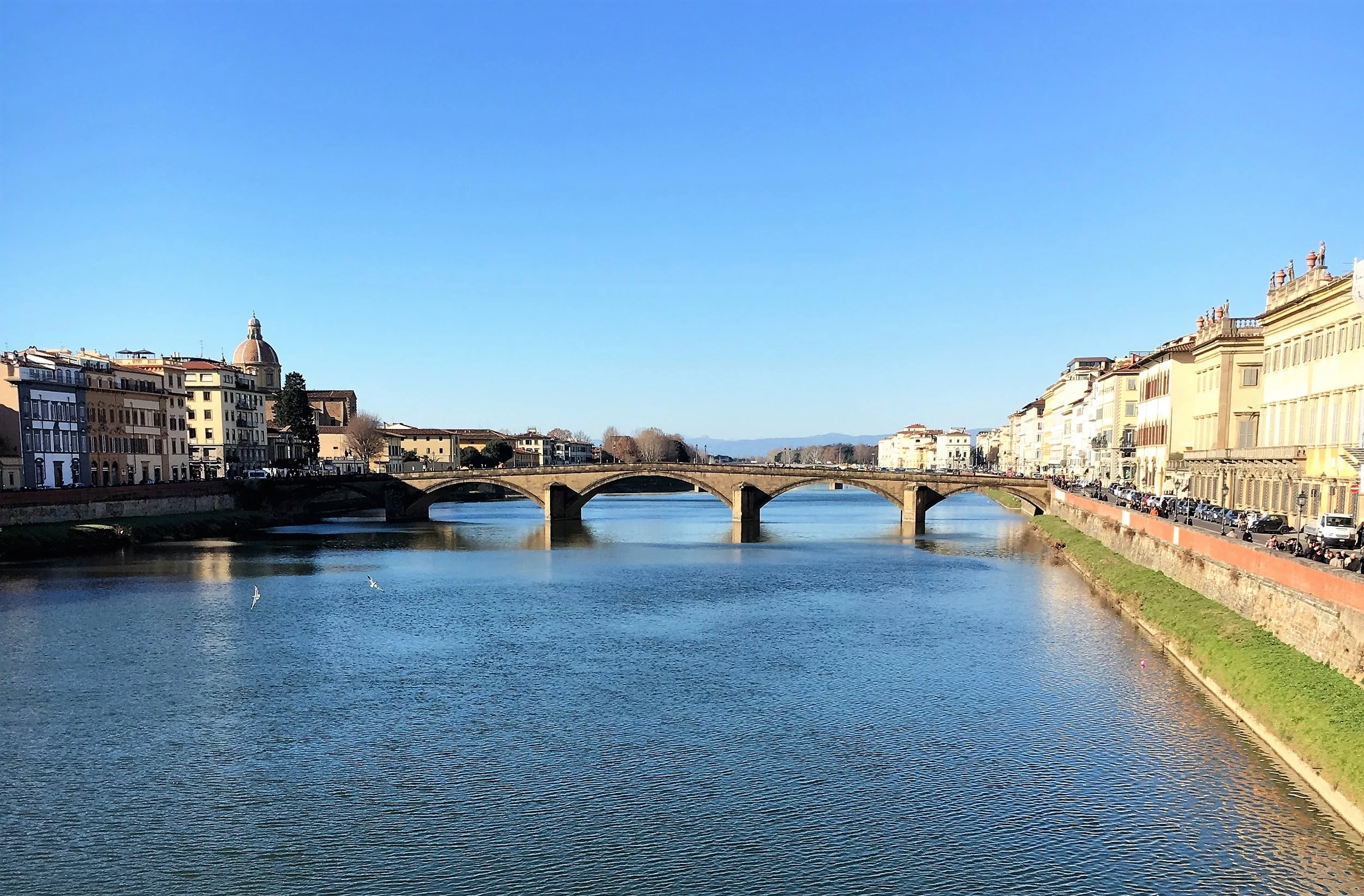
Florence was among the cities I visited on my first trip to Italy.

Florence was among the cities I visited on my first trip to Italy.

I have studied Italian on my own and with wonderful Italian tutors in New Mexico. Last year, I studied Italian in Italy for the first time. I went to the Lucca Italian School. What fun! What wonderful teachers! What interesting fellow students! (Look for blog posts about the school by Joanne in a few weeks.) I'm heading back this year and non vedo l'ora (I can't wait).

-post by JG

Between the Angels and Puccini

Via di Poggio is a small street, in width and length, but it provides an important connection between three of my favorite spots in Lucca - Piazza San Michele at one end, Piazza Cittadina at the other, and a wonderful hotel, the Piccolo Puccini, in the middle.

Piazza San Michele, Lucca

Piazza San Michele, Lucca

Piazza San Michele is a hub of activity and one of the best people-watching spots in Lucca. The piazza is ringed with cafes, bars, and shops of all kinds. It would be possible to have prima colazione (breakfast), pausa (coffee break), pranzo (lunch), an apperitivo (evening drink), cena (dinner) and an evening gelato without ever leaving this square. Here you can be entertained by musicians and street performers. It’s a definite stop on the evening passeggiata (stroll) through town. In the center of the piazza sits the basilica of San Michele in Foro, an imposing church topped with a very large statue of the Archangel Michael. I've been told that on a moonlit night, if you stand in just the right spot, you can see the glint of moonlight off his diamond ring. Expect to find lots of tourists here trying to get just the perfect photo of that angel. 

The Archangel Michael (Michele in Italian) high atop the basilica that bears his name.

The Archangel Michael (Michele in Italian) high atop the basilica that bears his name.

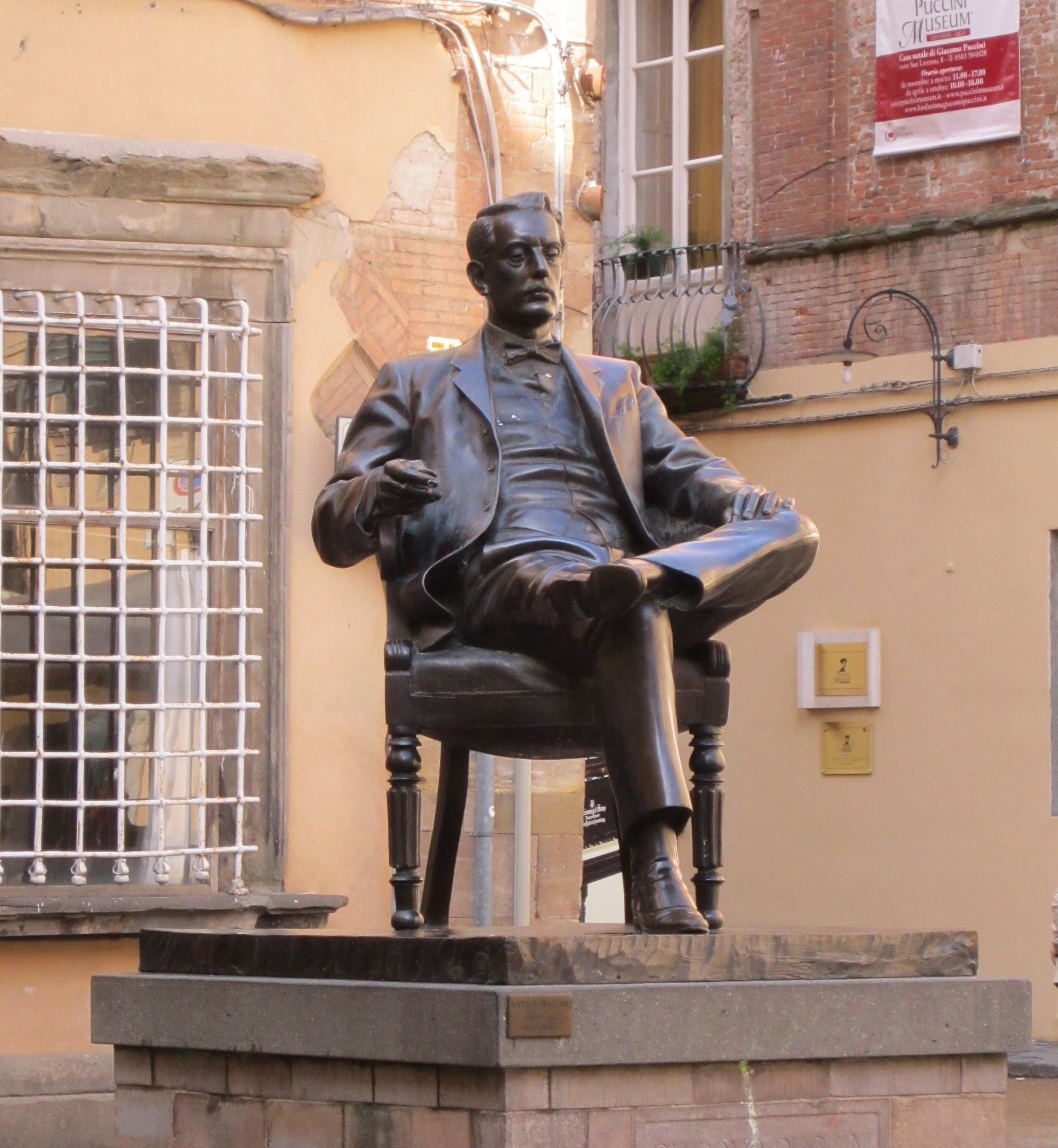
At the other end of Via di Poggio is the smaller Piazza Cittadella. This square is also filled with restaurants, a cinema, shops, and the Puccini museum but its most impressive occupant is the bronze statue of Giacomo Puccini himself. He sits slouched in his chair, jacket unbuttoned, rakishly handsome, casually dangling a cigarette from his hand. He doesn’t look like a serious composer. Instead, he has the air of a bad boy about him, a touch of scoundrel even. At least this is what the sculptor captured and I suspect that it’s right on target. Would you think me crazy if I confess that I greet him with a "Buongiorno maestro" each morning as I walk by and that I swear he hums back to me in response? A bit of "Nessun Dorma" one day, a little "O! mio babbino caro" the next. I sense he is a bit annoyed at the constant crowds that approach him. Tour groups, with guides speaking in Italian, German or English, explaining his life to tourists toting cameras and backpacks and who, on rainy days, stand with umbrellas unfurled. Small children climb around him; I suspect he would swat them like the zanzare (mosquitoes) that swarm around his lake home at Torre del Lago, if only he could. But, there’s a hint of a smile for the pretty young woman I’ve just watched climb up into his lap. Ah yes. That he likes. 

Statue of Giacomo Puccini in Piazza Cittadella, Lucca.

Statue of Giacomo Puccini in Piazza Cittadella, Lucca.

In an enviable position along this small street, between the two piazze, lies the hotel Piccolo Puccini.  I first stayed here six years ago on the recommendation of a friend and have returned many times since. It’s a small inn with 14 cozy rooms, a perfect central location, very reasonable prices, and charming owners (Paolo and Franco) who go out of their way to make their guests feel like family. On that first visit, Paolo (dare I say he reminds me just the tiniest bit of Puccini?) quickly became a friend and provided my first window into the people, culture, politics and daily life of Lucca. On my most recent stay last fall, Franco was the most patient of language coaches over breakfast every morning - not to mention they both brew a great cappuccino! I always feel spoiled when I stay here.

For me, there is simply something magical about knowing that when I stay at the Piccolo Puccini I slumber between the angels and Puccini. What could be better than that?                    -post by JB

The Hotel Piccolo Puccini, with a view toward Piazza San Michele. Photo courtesy of the hotel, used with permission.

The Hotel Piccolo Puccini, with a view toward Piazza San Michele. Photo courtesy of the hotel, used with permission.

The lobby at the hotel Piccolo Puccini and Paolo at the desk - a welcome sight after an overnight flight from the US to Italy.

The lobby at the hotel Piccolo Puccini and Paolo at the desk - a welcome sight after an overnight flight from the US to Italy.

 Contacts:   Hotel Piccolo Puccini   Via di Poggio 9              info@hotelpuccini.com


Minestrone - a Big Pot of Italy

One of the things I love about the Italian language is the many unique words that describe similar, yet subtly different, things. Take soup for example. Zuppa. Minestra. Minestrina. Minestrone. And those are just the common words for soup. So what is the difference? 

A bowl of ribollita, a zuppa that makes good use of leftover bread, from the restaurant Antica Drogheria in Lucca, Italy

A bowl of ribollita, a zuppa that makes good use of leftover bread, from the restaurant Antica Drogheria in Lucca, Italy

Zuppa is often used as a generic word for soup and because it sounds like the English word, it's what many of us remember. To be more precise, a zuppa is a broth-based soup often served over bread. Think zuppa di pomodoro (the best tomato soup you will ever eat) or zuppa di pesce (a fragrant fisherman's soup).  Zuppa is not thickened except by the bread, so no beans or pasta here.

Minestra is a more important soup and the word has deeper cultural significance. Marcella Hazan, in her book "Marcella Cucina," describes minestra in this way: "When Italy was a poor country, minestra signified more than a dish - it was, for most of its people, the whole meal. Minestra was synonymous with survival." There are two common variations on the word minestra. In Italian, the ending "ina" is a diminutive, so a minestrina is a "little" or light soup. Minestrone on the other hand is a big soup ("one" = big in Italian), thick and hearty and chock full of veggies, beans and pasta. When I was in Italy in January of this year I made a minestrone that chased away the cold weather and enticed me all afternoon with it's wonderful aroma. Because today is a cold day here in New Mexico, and I'm thinking of how good that pot of soup was on a similarly cold day in Italy, I've decided to make a minestrone for dinner and thought I'd share my recipe. This recipe makes a really big pot of soup (6-8 servings). The recipe can easily be cut in half and you can experiment with the ingredients - if there is something you don't like, omit it or replace it with something different, substitute chicken or vegetable broth for the beef stock, omit the pancetta for a vegetarian minestrone, and if you like a thinner soup, just add more water. Make it your own!   

Minestrone

  • 2 tablespoons olive oil
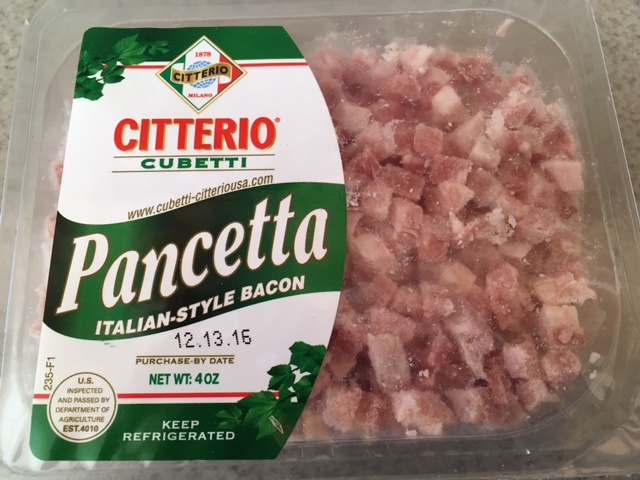
  • 4 ounces pancetta “cubetti”  (cubed pieces of pancetta; I can usually find it at Trader Joe's)
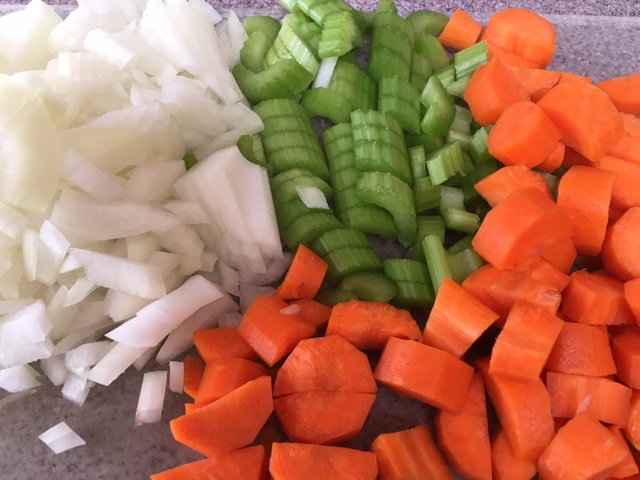
  • 1 large onion, diced
  •  1 tablespoon garlic, chopped
  • 3 carrots, chopped
  • 3 stalks celery, chopped
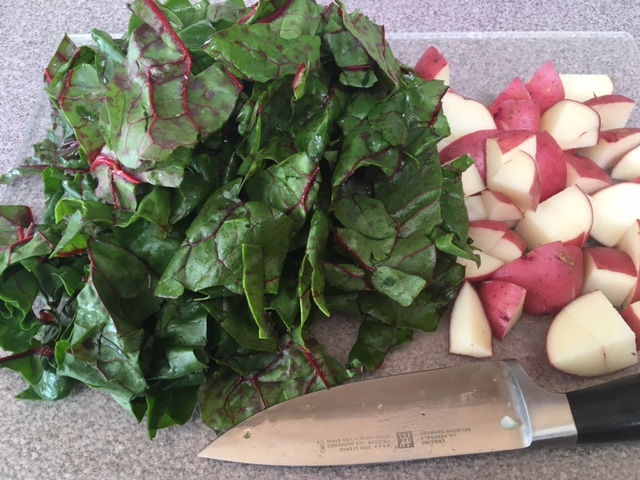
  • 1 bunch chard, big stems removed and leaves roughly chopped
  • 3 red potatoes (about ¾ pound), cubed
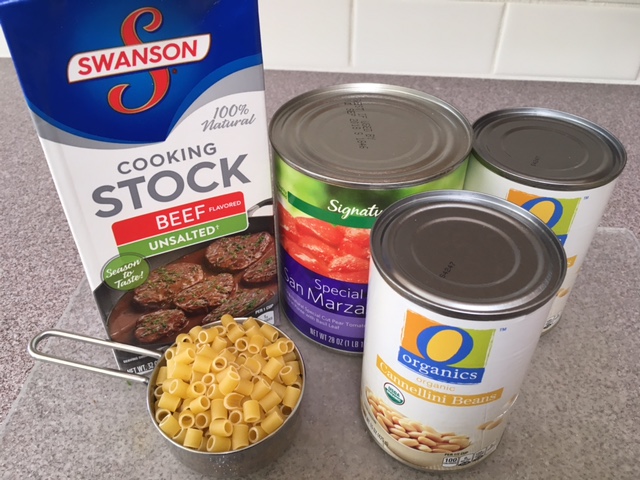
  • 28-ounce can of tomatoes (plum or fine diced), drained
  • 6-7 cups beef stock (I cheat and use store-bought rather than homemade stock)
  • leaves from 4 sprigs of thyme
  • 1 teaspoon sea salt or more to taste and 1 teaspoon coarsely ground black pepper
  • 1 bay leaf
  • 1 Parmesan rind (optional)
  • ½ head of savory cabbage, sliced thin
  • 2 15-ounce cans of cannellini beans, drained and rinsed
  • ½ cup ditalini pasta (optional)

Heat olive oil in a large heavy-bottomed soup pan. Add pancetta and stir until it begins to look cooked but do not let it get crisp. Add onions and garlic; sauté on medium low heat until onions are translucent. Add carrots and celery; sauté for another 10 minutes. Stir every few minutes.

Add chard, red potatoes, tomatoes, beef stock, thyme, salt, pepper, bay leaf, and Parmesan rind. Bring to a good simmer. Reduce heat, cover loosely and simmer on low for 1 hour, stirring occasionally.

Add cabbage and beans, cover loosely and return to simmer on low for 1 hour. If adding ditalini, add in the last 20 minutes to avoid overcooking the pasta.

Add more water as needed as this soup gets very thick. To maintain flavor, you can add 1 beef bouillon cube for every additional cup of water.  

To serve: drizzle each bowl with some good quality extra virgin olive oil and a few grinds of black pepper. Top with grated Parmesan and a piece of toasted bread if desired.


The finished minestrone - delizioso!

The finished minestrone - delizioso!

An Italian Deli in Albuquerque

Sometimes I crave Italian foods when I'm home in Albuquerque - chief among them good pizza and tasty salumi (Italian cold cuts). Here in New Mexico we don't have the large Italian communities found on the east and west coasts of the U.S., nor do we have a "Little Italy" neighborhood, but that doesn't mean that good Italian food is not to be found. It just takes a little research! And who could complain about doing some food research when it involves taste testing and good friends?

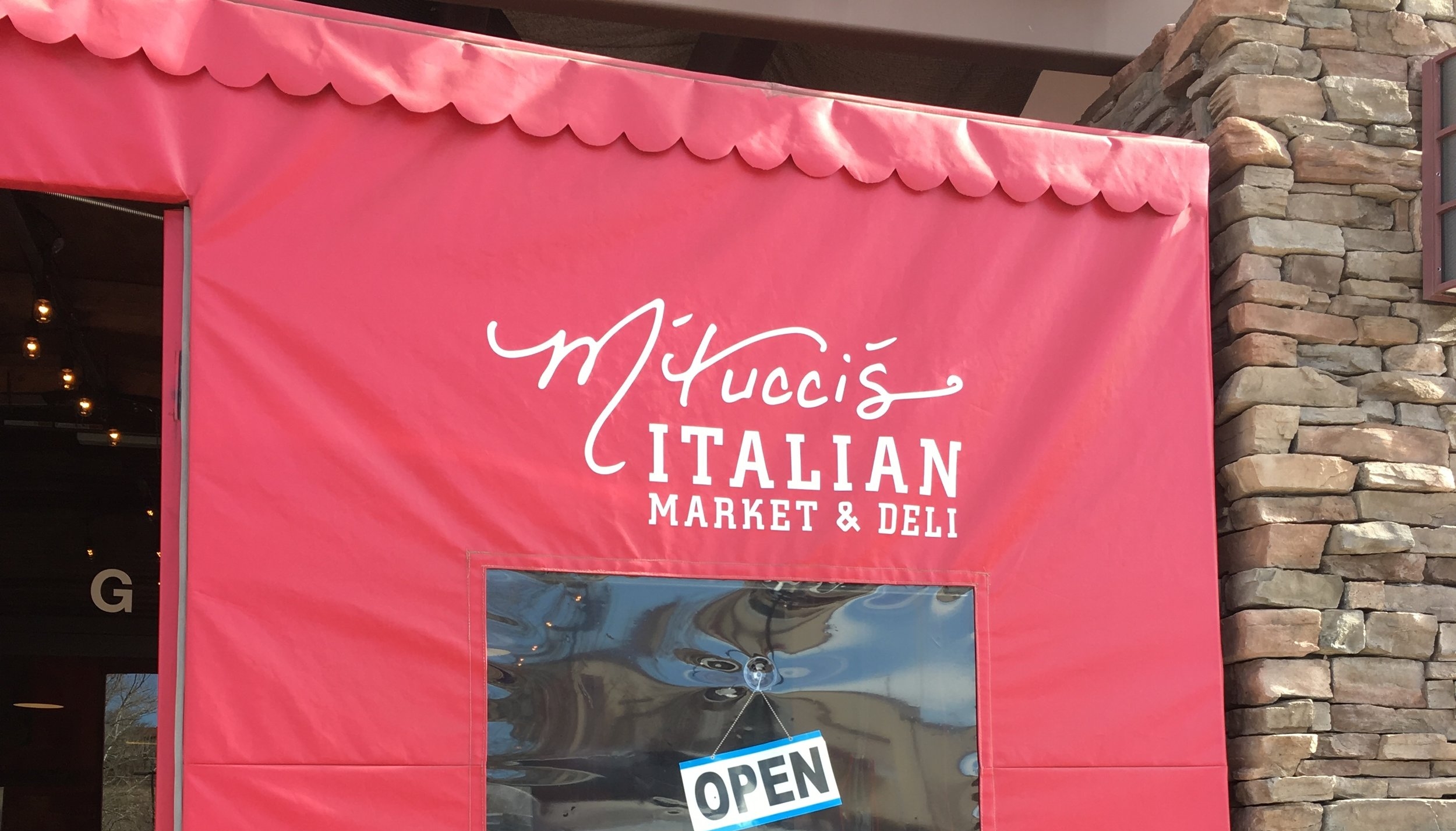
M'tucci's Italian Market & Deli Albuquerque, N.M.

M'tucci's Italian Market & Deli Albuquerque, N.M.

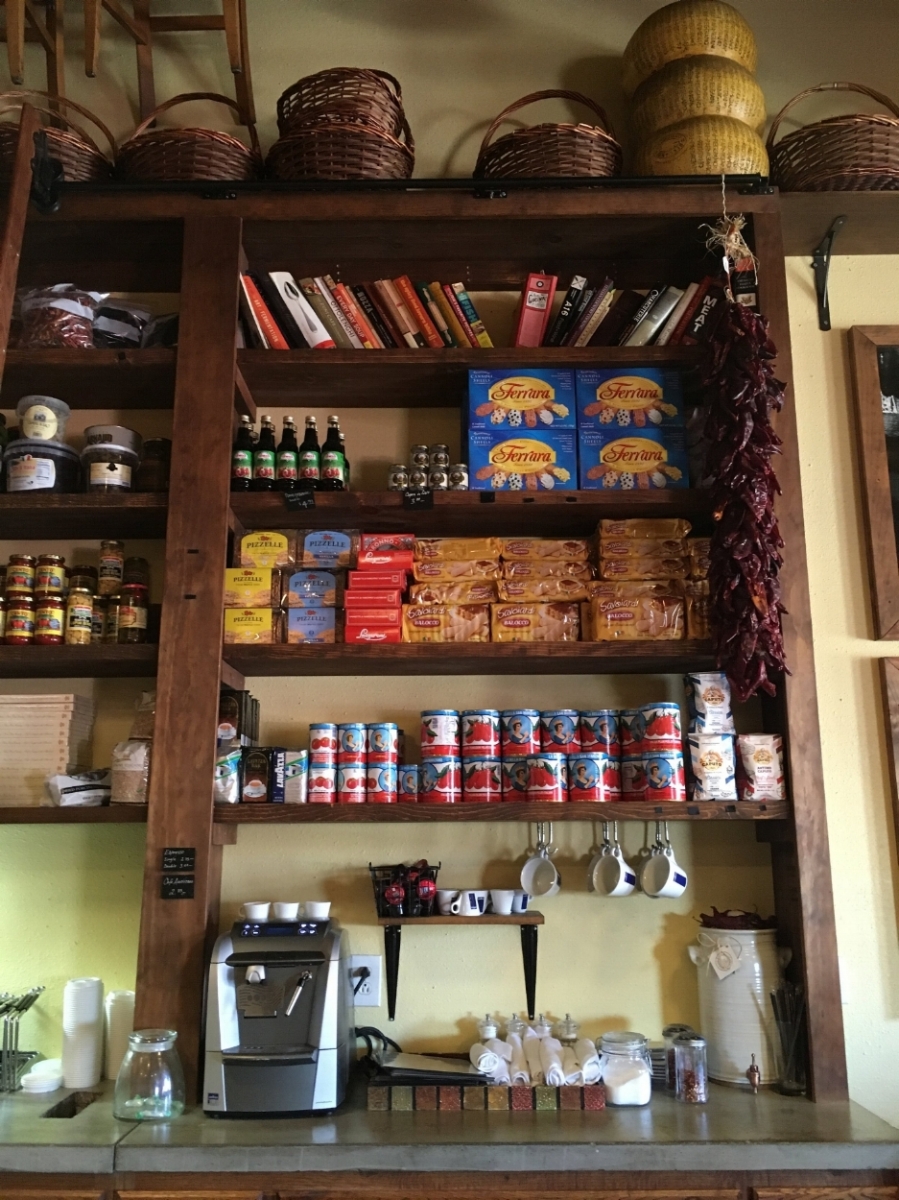
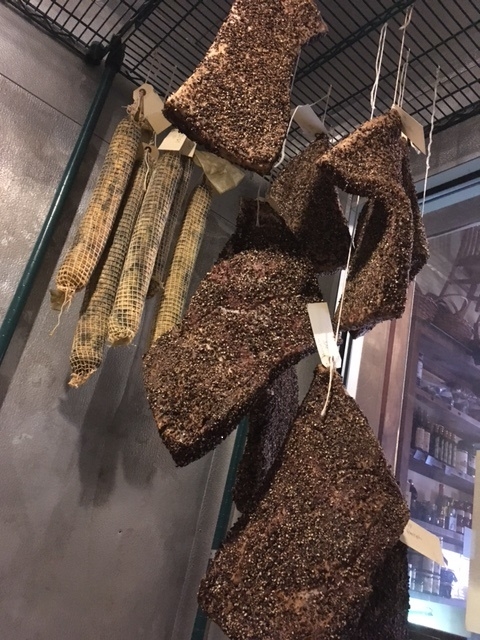
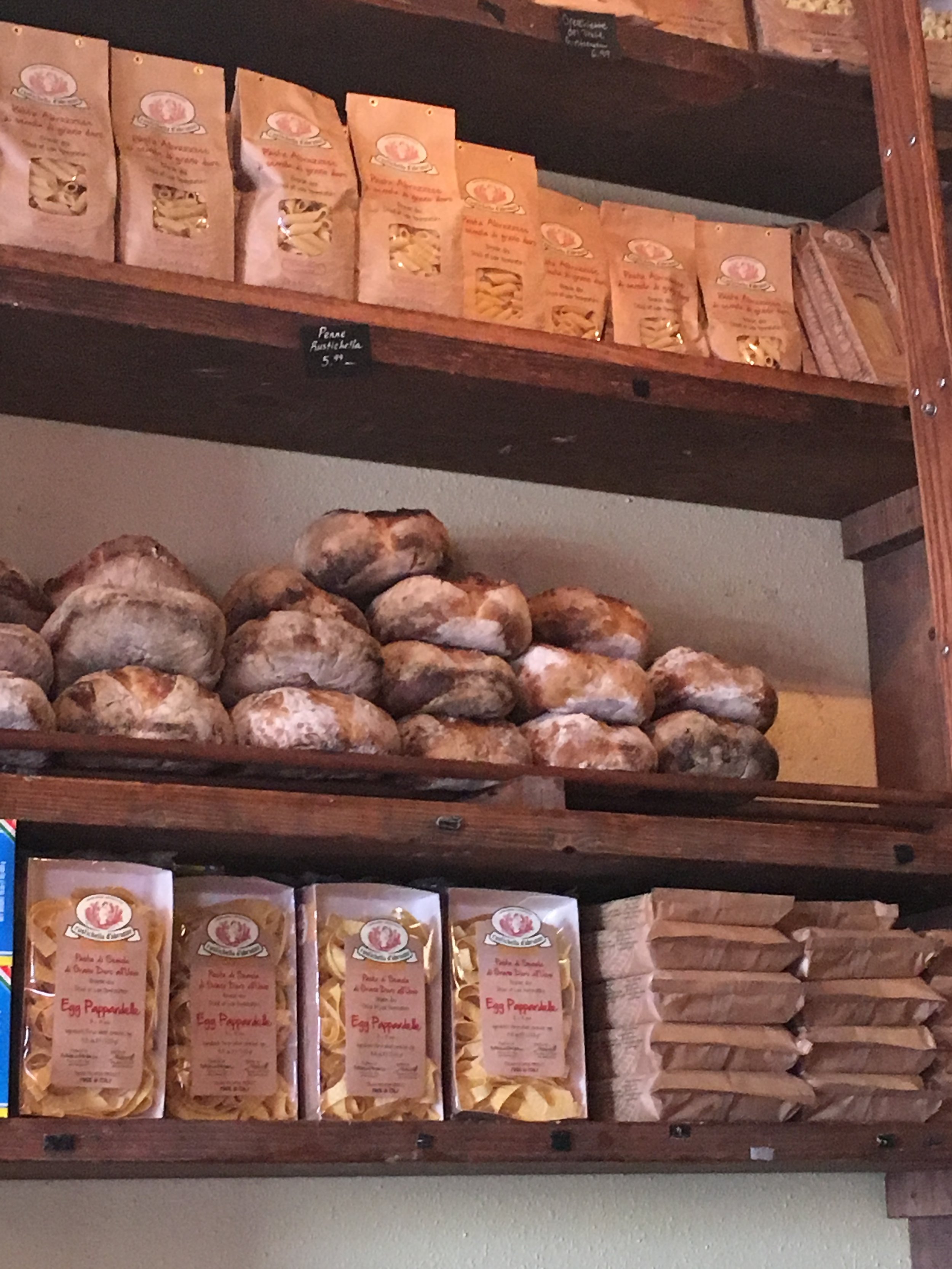
My favorite place to buy Italian foods in Albuquerque is a small spot called M'tucci's Italian Market & Deli. It is unique in that they cure their own meats in-house, make their own sausages and pastas, and bake their own breads. They also have a tempting array of imported cheeses, olives, marinated artichokes and peppers, along with imported Italian staples like canned tomatoes and flour. All this in a small but charming storefront that feels remarkably like an Italian mercato. Their slogan is "little place, huge flavors" and that is a good reflection of the quality of their products.

House-curing in process at M'tucci's

House-curing in process at M'tucci's

Fresh baked bread and dried pastas

Fresh baked bread and dried pastas

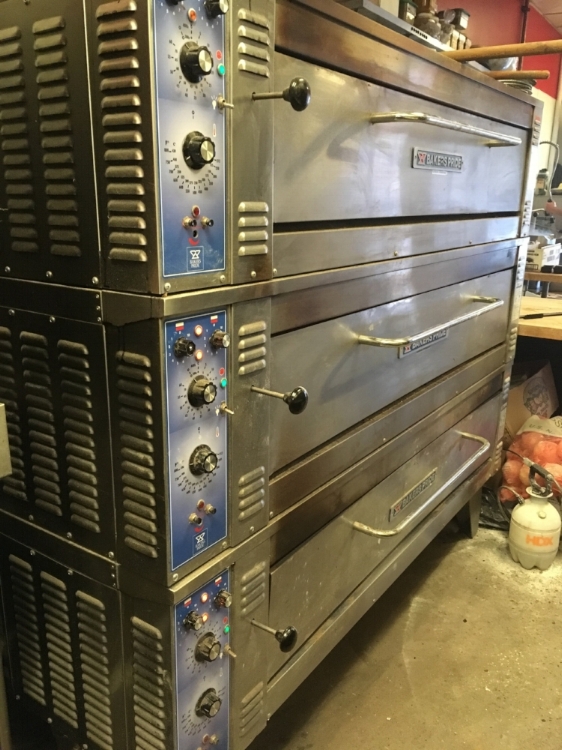
I recently heard that M'ucci's installed a new pizza oven - a huge, stainless mammoth of an oven. And since February 9 was National Pizza Day, what better time to take that new pizza oven for a spin? With that in mind, I met a couple of friends for lunch and had one of the best pizzas this side of Italy.

The new pizza oven at M'tucci's Market and Deli

The new pizza oven at M'tucci's Market and Deli

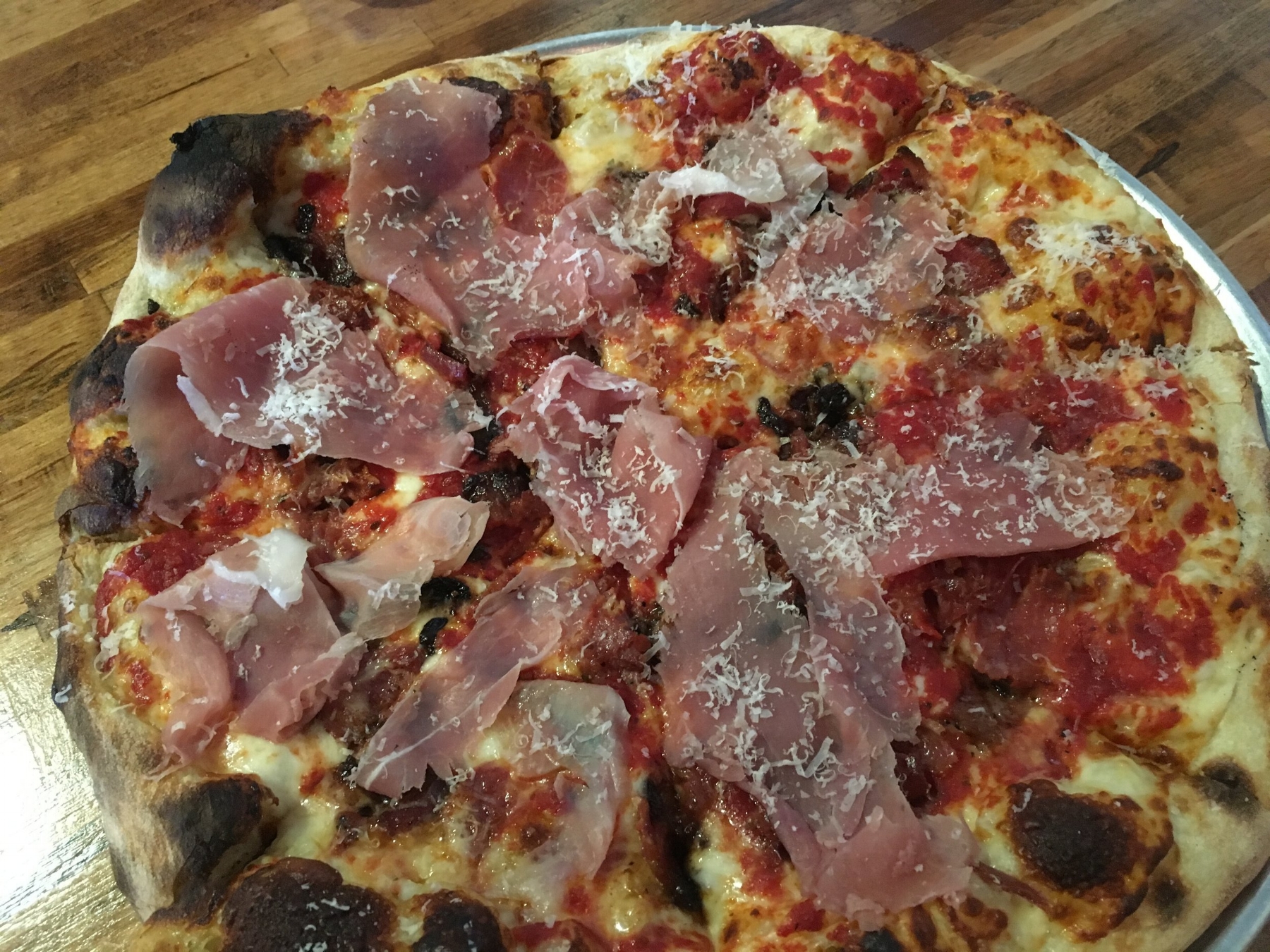
All of the pizza varieties sounded good but we settled on the "artisan" pizza. Pizza at M'tucci's starts with their own tangy sourdough based pizza crust. This was hands down the best pizza crust I've had since my last trip to Italy. It was topped with a light coating of a flavorful San Marzano tomato sauce, just the right amount of mozzarella, crispy house-cured pancetta, capicola and thin slices of proscuitto di Parma. Talk about love at first bite. Happy National Pizza day to me!

IMG_0990.JPG

In addition to pizza, the menu includes soups, salads, charcuterie plates, sandwiches, pastas and desserts; I've enjoyed several of these dishes on earlier visits - all tasty. For a more extensive menu, M'tucci's Italian Restaurant is just a few steps away. I'll save that review for another time (hint: it's delicious).

Lunch was delightful and I couldn't leave without taking home some salami (soppressata and finocchiona), cheese (calciocavallo), and marinated artichokes. That just might hold me for while.       -post by JB                                                                                                                      

Contacts: M'tucci's Italian Market & Deli, 6001 Winter Haven Road NW, Albuquerque, NM           (505) 503-7327   website: mtuccis.com

IMG_1004.JPG

Wandering among the Ancients in Agrigento, Sicily

Under the Mediterranean sun in Sicily, not far from the sea, is the city of Agrigento. It has a lot of modern buildings, elevated roadways teeming with traffic and a population of about 60,000 people.

The Temple of Concordia in the Valley of the Temples from afar, September 2016.

The Temple of Concordia in the Valley of the Temples from afar, September 2016.

Just down the hill is one of the most popular tourist attractions in Sicily, a UNESCO World Heritage site and one of the best-preserved Greek temples in the world. The juxtaposition is typical of what is often found in Italy: yesterday and today standing side by side, the past often overshadowing the present. I once heard the former premier of Italy, Matteo Renzi, say that Italy is more than a museum. And while that is true, the museum aspect of Italy is the best there is.

Fragments of Doric columns at Greek temples in the Valley of the Temples, Agrigento, Sicily.

Fragments of Doric columns at Greek temples in the Valley of the Temples, Agrigento, Sicily.

The reason so many people travel to Agrigento is the nearby Valley of the Temples. The area was home to the ancient Greek city of Akragas, which was estimated to have a population of more than 200,000 before 406 B.C. Much of the ancient Akragas is unexcavated. But at the Valley of the Temples are seven Greek temples in the Doric style that were built in the 6th and 5th centuries.

The sun starts to set behind the Temple of Concordia, September 2016.

The sun starts to set behind the Temple of Concordia, September 2016.

Most of the temples have only pieces still standing but the Temple of Concordia is nearly intact. I was told that's because it was converted to a Christian church at some point, which spared its stones from being quarried for other uses. Even the temple fragments are impressive. On a recent visit to Sicily, I walked among them in awe. Visitors are allowed to be within feet of the massive structures that rise majestically from the ridge on which they were constructed. (That's right - the temples really are not in a valley despite being called the Valley of the Temples.)

The Mediterranean Sea can be seen in the distance from the Valley of the Temples.

The Mediterranean Sea can be seen in the distance from the Valley of the Temples.

Because of how well preserved the Temple of Concordia is, it was easy to imagine life all those centuries ago. I'm sure my vision was more glamorous than life actually was then. But with the sea in the distance and the sun starting to set in the west behind the temple,  it was hard to see it any other way. I also understood, again, how grateful I am to Italy for preserving all this history. Italy is, indeed, more than a museum but the museum aspect of it is such an important part of our world.
-post by JG