Two Parts Italy

Exploring Italy, travel, and living a flavorful life

  • Blog
  • About This Blog
  • Start Here
  • Recent Posts
  • Archives by Topic
  • Subscribe
  • Contact me

Wandering Through the Center of Torino (Turin) Italy

November 01, 2021 by Joanne Bartram in #italytravel, Italian art architecture, Italian culture, Italy travel, Northern Italy Regions

I had few preconceived notions about the city of Torino. I’d heard about the famous Shroud of Turin (something my mother and grandmother longed to see), knew that the Winter Olympics had been held in and around the city in 2006, and had been told that there was great shopping. Despite knowing nothing more than that, I was curious to visit a northern Italian city that promised to be quite different from the part of Tuscany in which I live.

A train trip with wonderful views of the Ligurian coastline

When a visiting friend proposed a long weekend trip, I quickly agreed. We left Lucca by train on a Friday morning to spend 4 days exploring Torino. The train trip itself was wonderful, zipping along the coastline from Viareggio to Genoa and then turning abruptly inland towards Torino. The trip took about 4 hours during which time we read, had an on-board picnic, and admired the passing views of the Ligurian coastline. A good start to a long weekend in a new city !

We arrived to the Porta Nuova train station, a busy transportation hub in an impressive 1860’s building. It is right in the city center and a short walk to our base in Torino, the Hotel Astoria (three stars, small clean rooms, good breakfast, friendly service, and a convenient location). The first afternoon was spent settling in to the hotel and setting out on an orientation walk in the center of town.

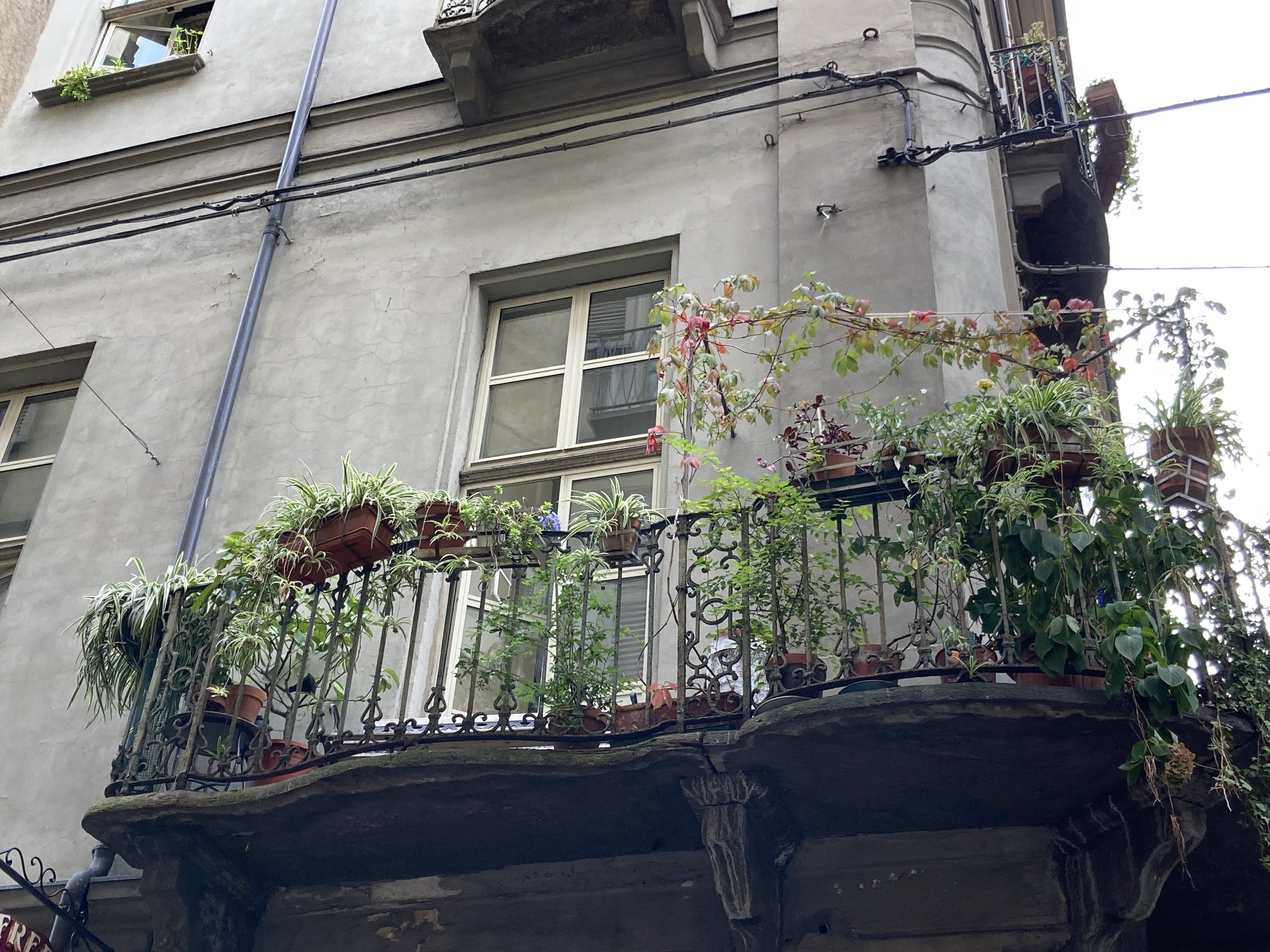
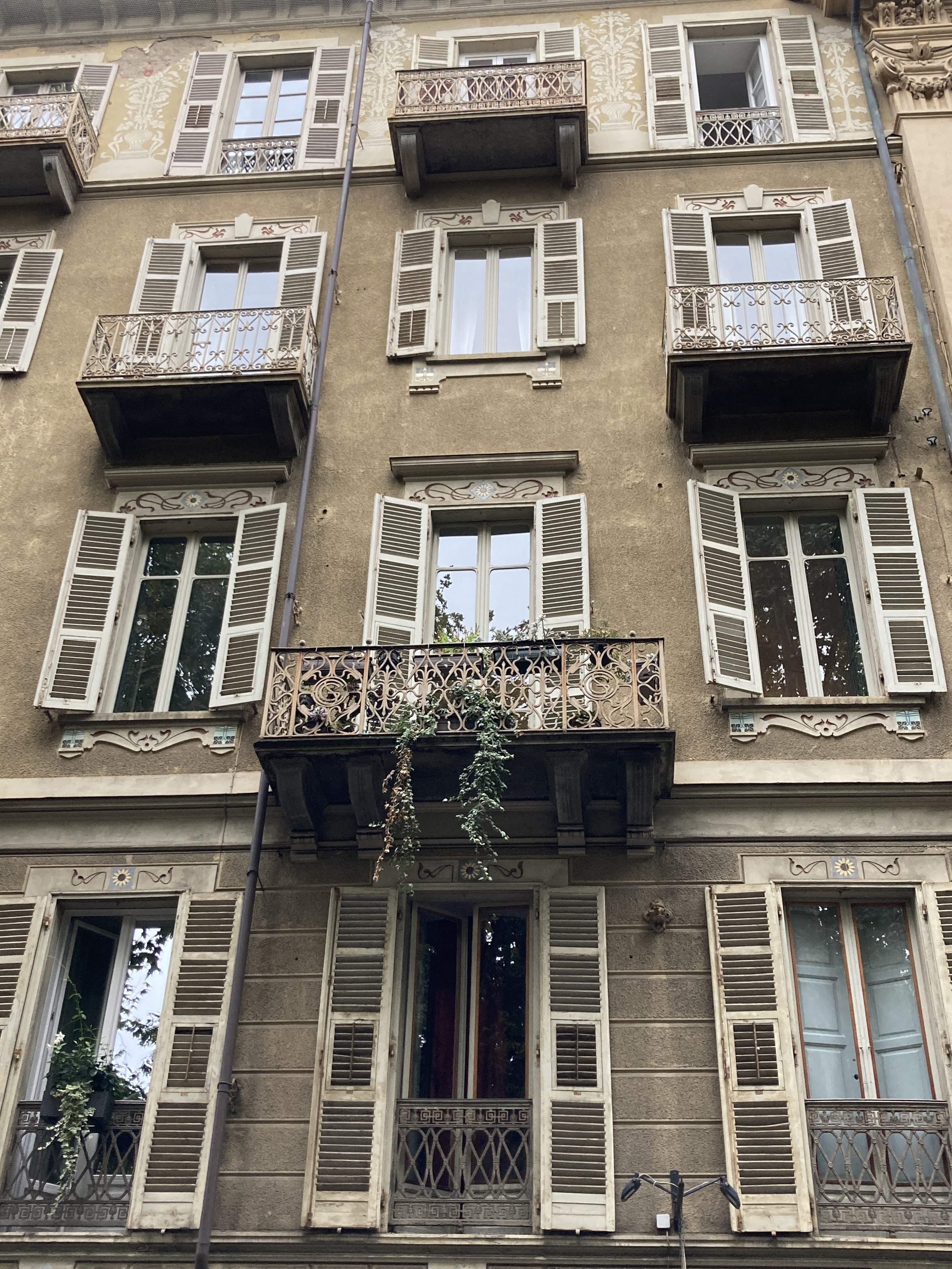
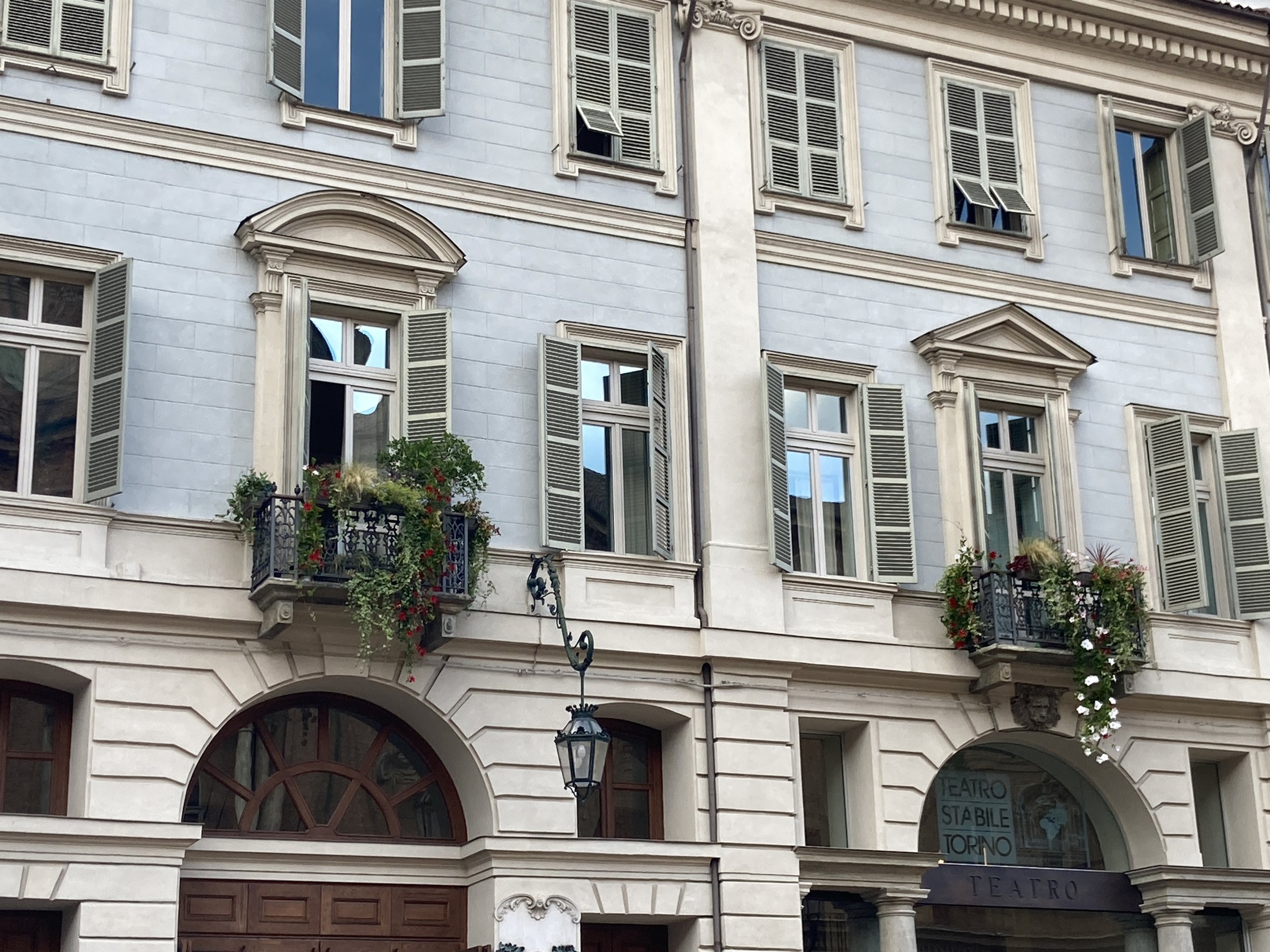
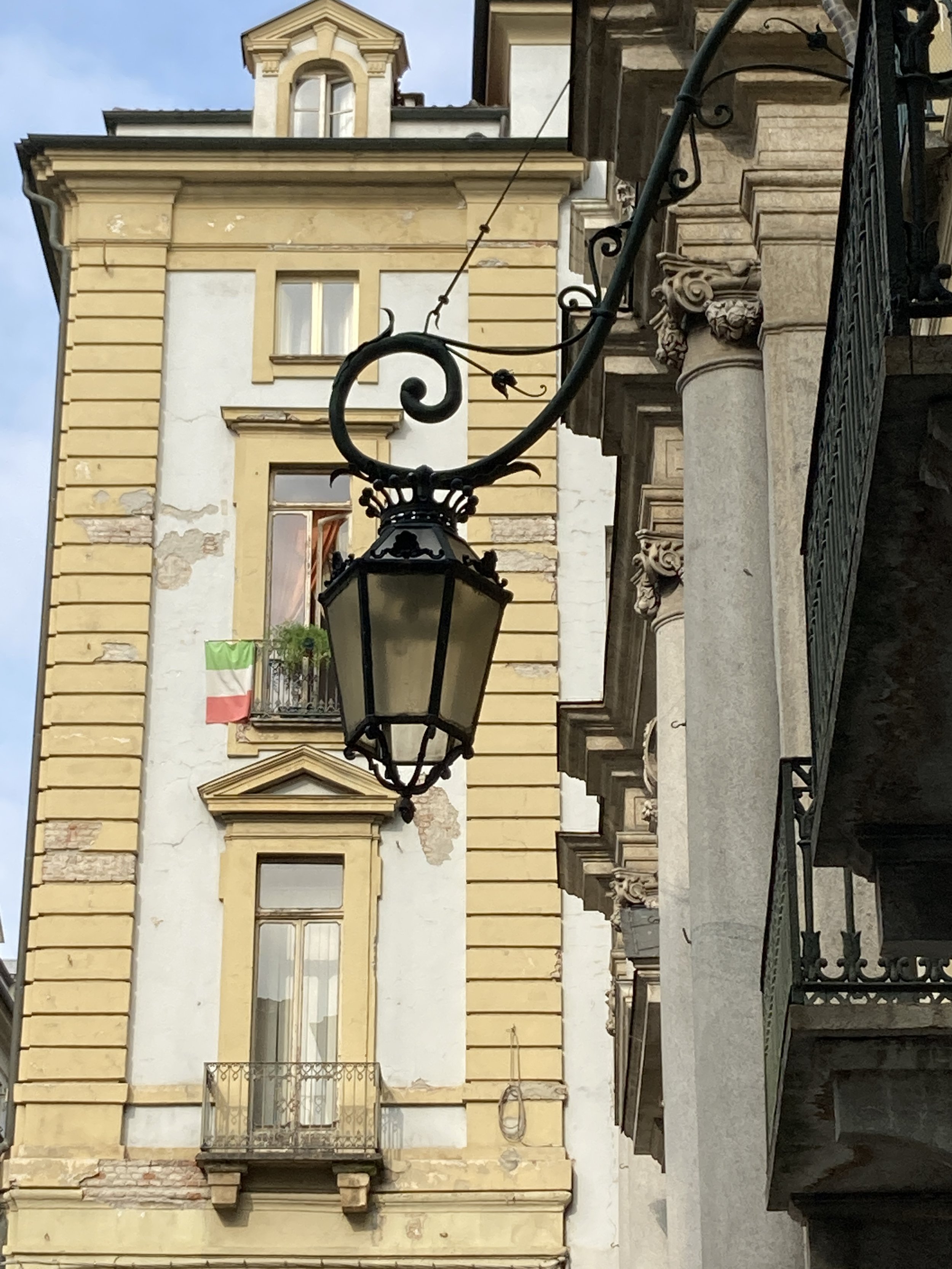
Some First impressions: Torino has a large, busy but very walkable city center. The vibe is quite different from the Roman to Medieval feel of Florence, Rome, or the small hilltop towns of Tuscany. There is a sense of history but an even bigger sense that the city is modern, northern, and “happening”. With its long blocks of graceful apartments and large squares ringed with cafes and shops, it reminded me a bit of Prague or Paris, but with a somewhat grittier more hectic Italian flair.
3EB9D9C1-8E7E-4DF2-B2BB-E75CEBAC91F3.jpeg
ABA44425-A5CA-4C2B-B688-40B503F1A15F.jpeg
3337233F-BA7F-4696-835E-D850FEA69A37.jpeg
AD787FD9-ACB3-4351-A95C-8EDD36D28F69.jpeg

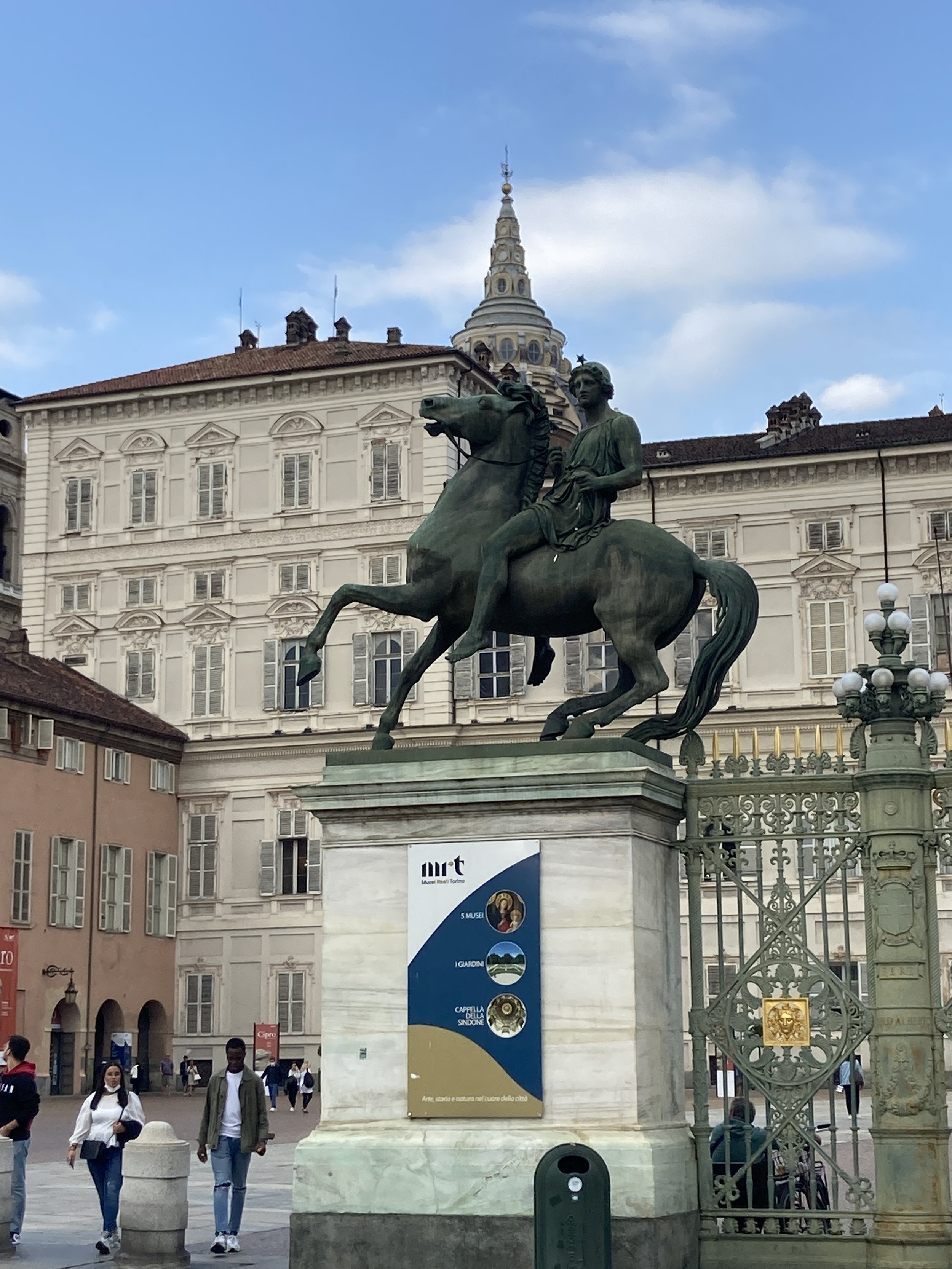
There is a definite French influence in Torino, starting with the local dialect - locals say brioche instead of cornetto for a breakfast pastry, dehors instead of fuori to mean outside. Torino was home to the Savoia (Savoy) family, with their French roots. Their influence is everywhere - palaces, museums, architecture, monuments, and in the local history. After all, it was the House of Savoy which provided Italy with kings and also played a key role in Italian unification, establishing Torino as the first capital of the newly unified nation.

I always find that the best way to get oriented to a new place is by wandering around, taking in the city and stumbling into interesting squares, monuments, bits of history, unique neighborhoods and hidden gems. Torino is perfect for that and my orientation walk in Torino began in the very center of town .

Piazza San Carlo, Torino

The Via Roma Piazzas. A pair of lovely squares are to be found along Via Roma. Piazza San Carlo is a good place to start. In the center is a large statue of Duke Emanuele Filiberto on horseback (the first of many monuments to members of the Savoy clan).

The Church of Santa Cristina (left) and San Carlo Borromeo (right) in Piazza San Carlo

Stratta - a good spot for a snack or aperitivo in Piazza San Carlo.

At the southern entrance to the piazza stand two small churches - Santa Cristina and San Carlo Borromeo. Small and intimate, they are definitely worth a stop. Around the rest of this large, graceful piazza are a series of cafes and shops stretched out under long arcades. This is a good spot for a light lunch, coffee, or an aperitivo (a just reward for an afternoon of wandering). The people watching is great too - performers, shoppers, wedding parties, daily life.

To the north is another large square, the Piazza Castello. Here 4 modern fountains bubble and spray in front of the Palazzo Madama. Yes, you guessed it, a member of the Savoy family once lived in this stately palazzo which anchors the east side of the square. Those Savoys certainly had exquisite taste in housing! Today the palazzo houses the museum of ancient art.

Piazza Castello

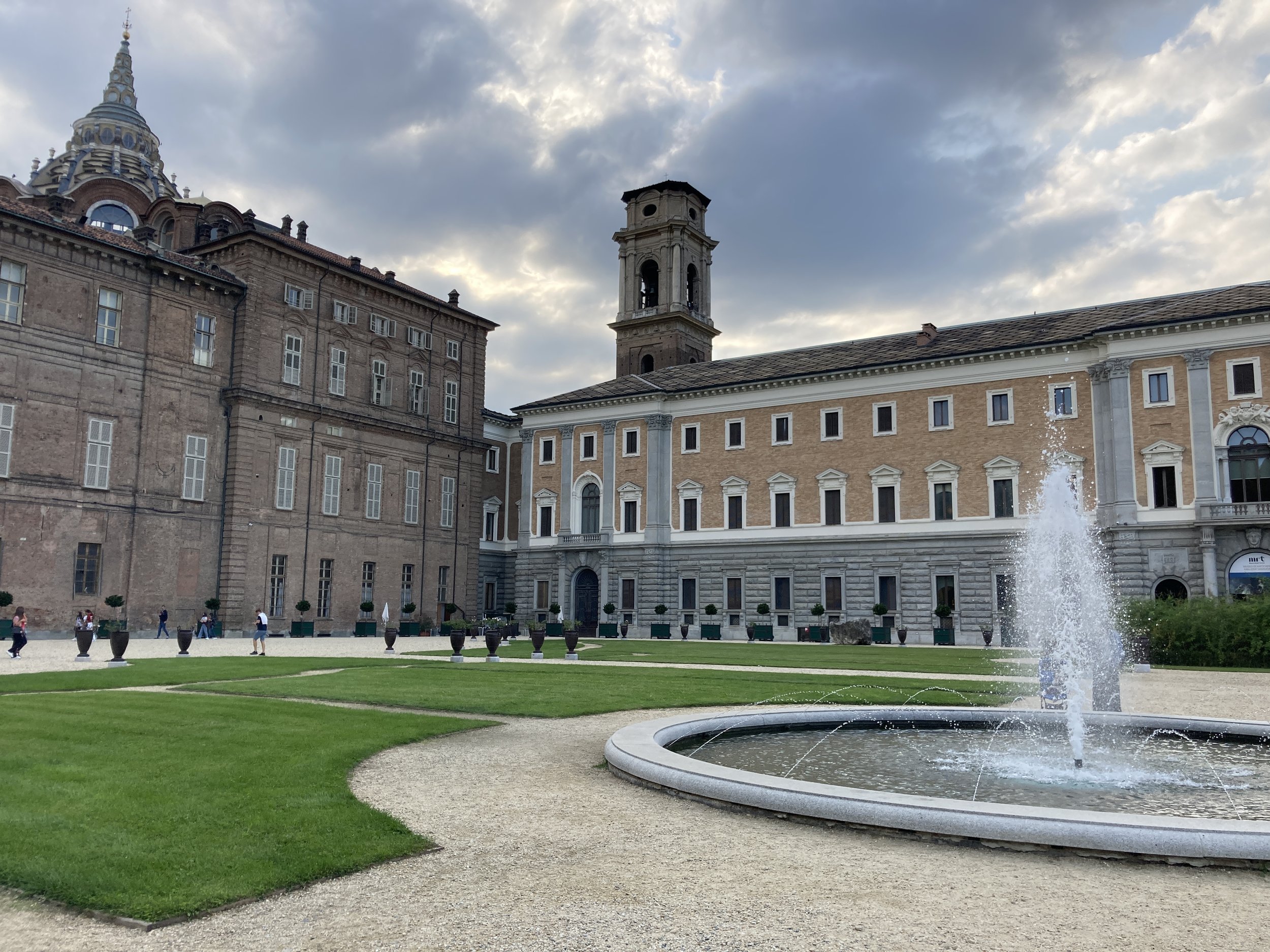
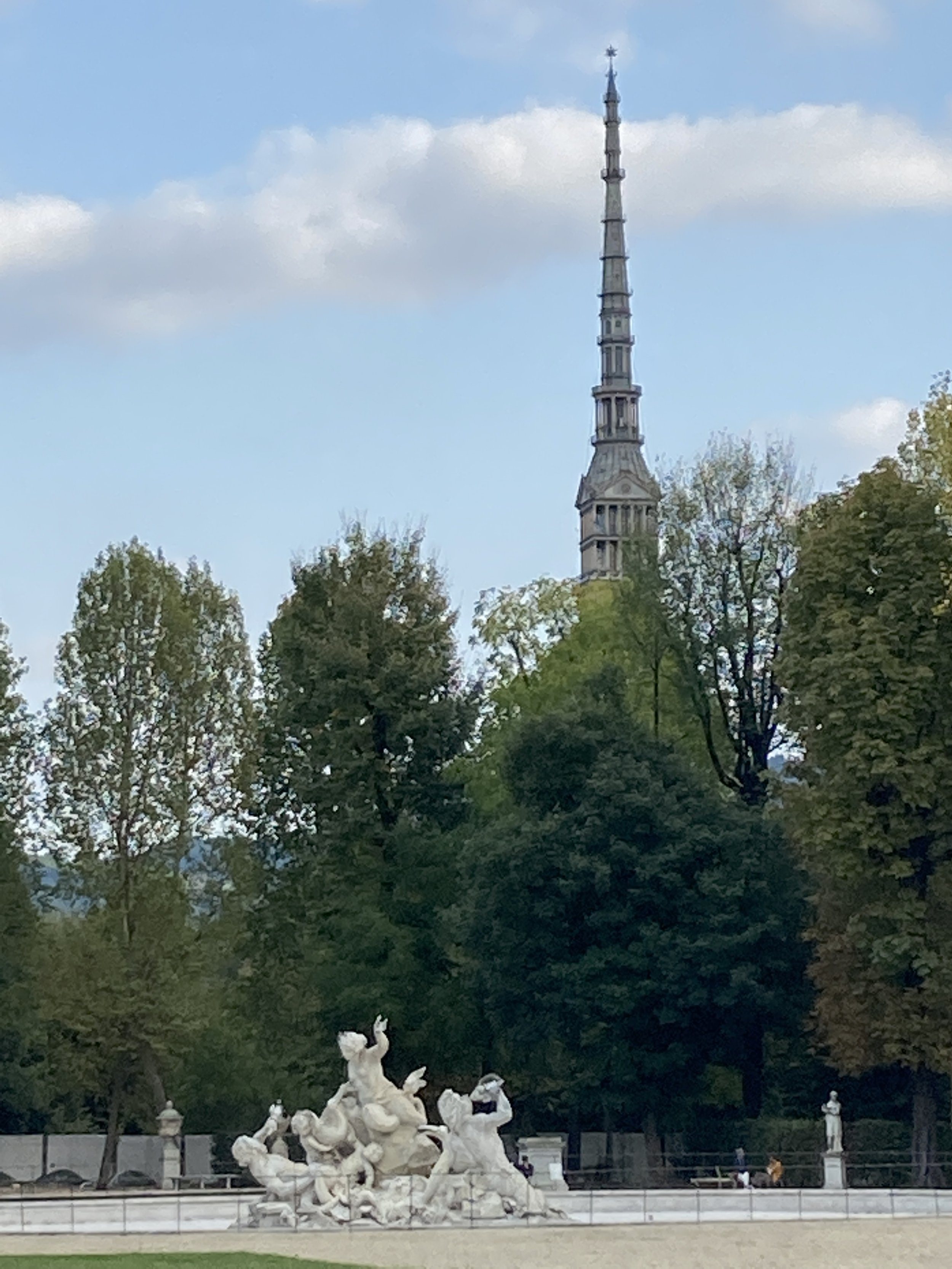
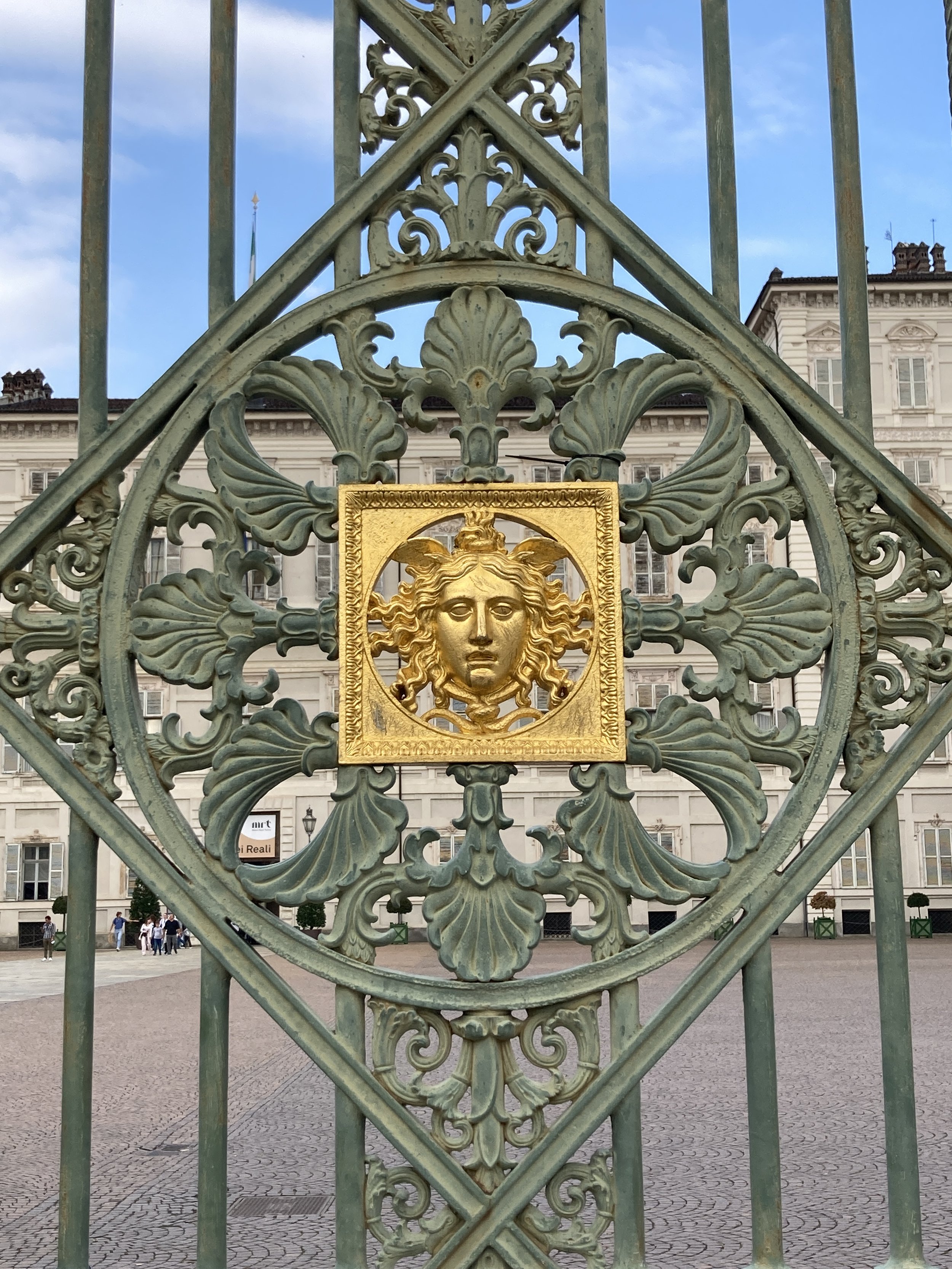
To the north end are the large iron gates which mark the entrance to the Musei Reali (Royal Museums). This is the former palace of the Savoy family, a complex which also includes the Chapel of the Sacred Shroud. Entry to the museum requires a ticket but there is no cost to walk through the courtyard and into the beautiful Giardini Reali (the palazzo gardens). The museum itself is a must see sight, but for the first afternoon of wandering I stuck to the courtyard and gardens.
D496798F-F080-4E18-B058-7A65FBA0EFC4.jpeg
BB00F056-8607-45BB-A1C0-6600732EAC9E.jpeg
B5991128-CA4D-4775-B61C-15EBD8AB8D7B.jpeg
70506BE0-81E2-4600-990A-A7D5CE8752E0.jpeg

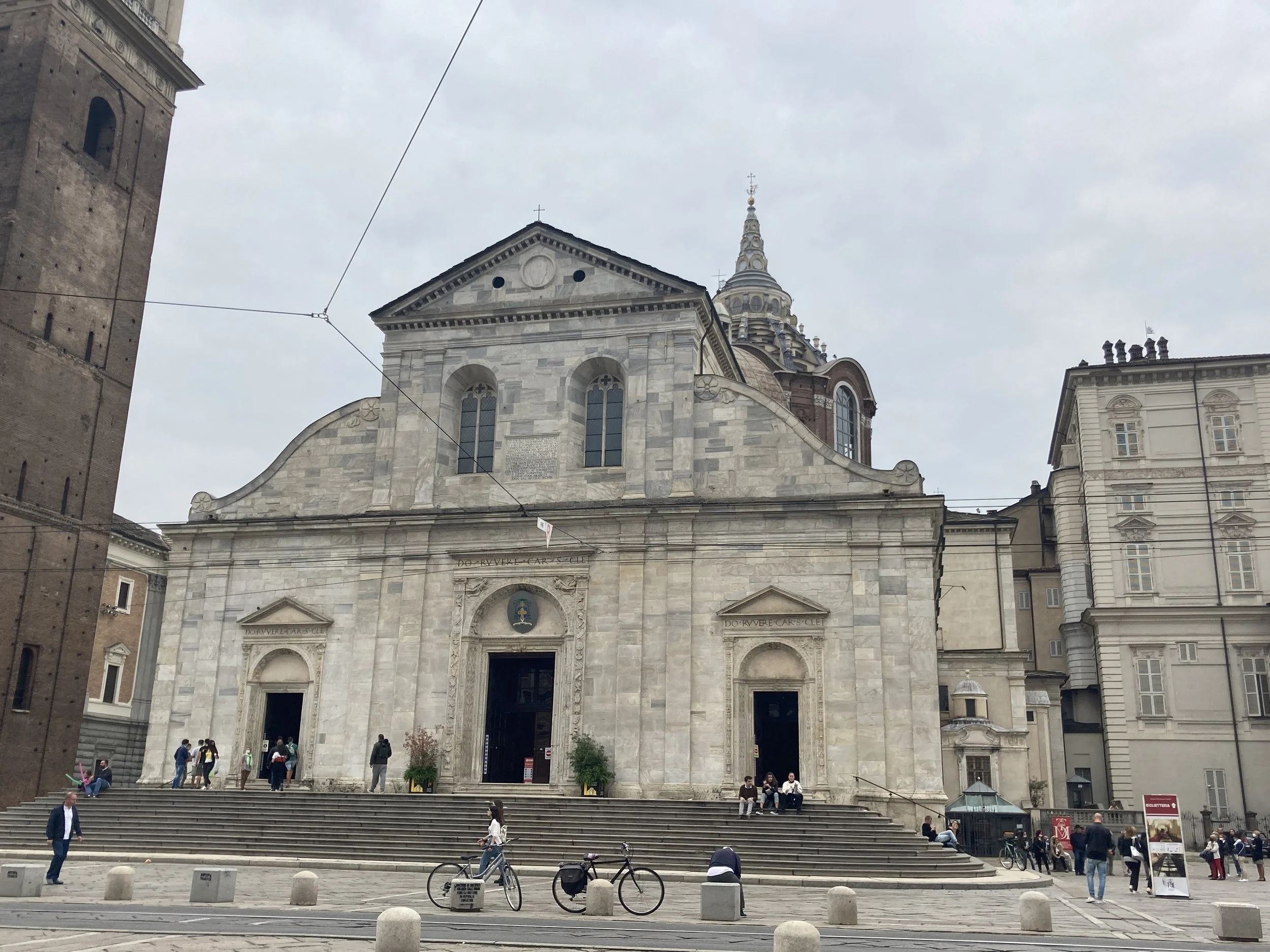
The Duomo, officially the Church of San Giovanni. The ornate dome and spire behind houses the Chapel of the Holy Shroud, not accessible through the church but only through the Musei Reali.

Around the corner from the Musei Reali is the Duomo of San Giovanni with its quite plain facade and video presentation on the Shroud of Turin (though the shroud itself is not displayed).

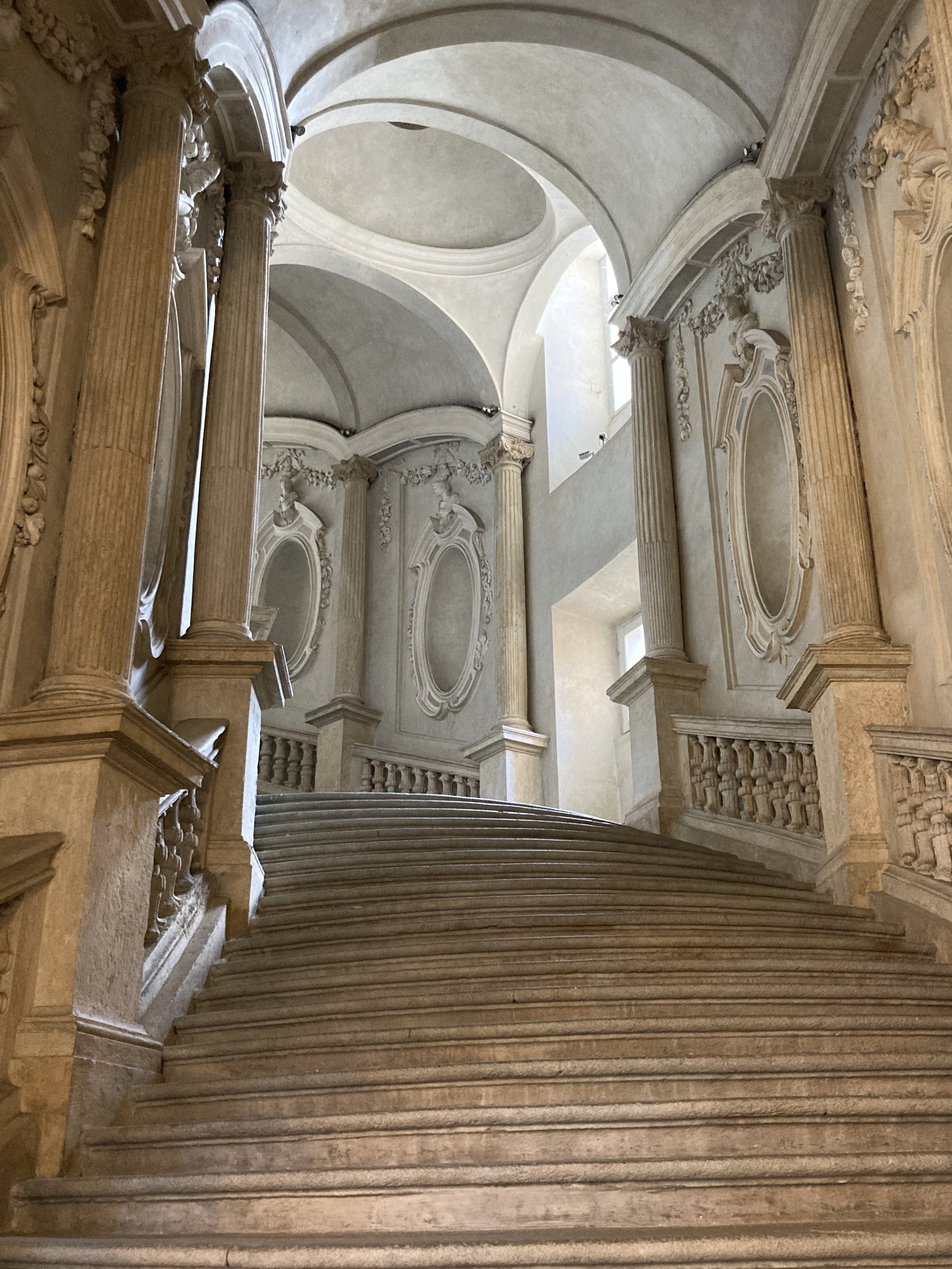
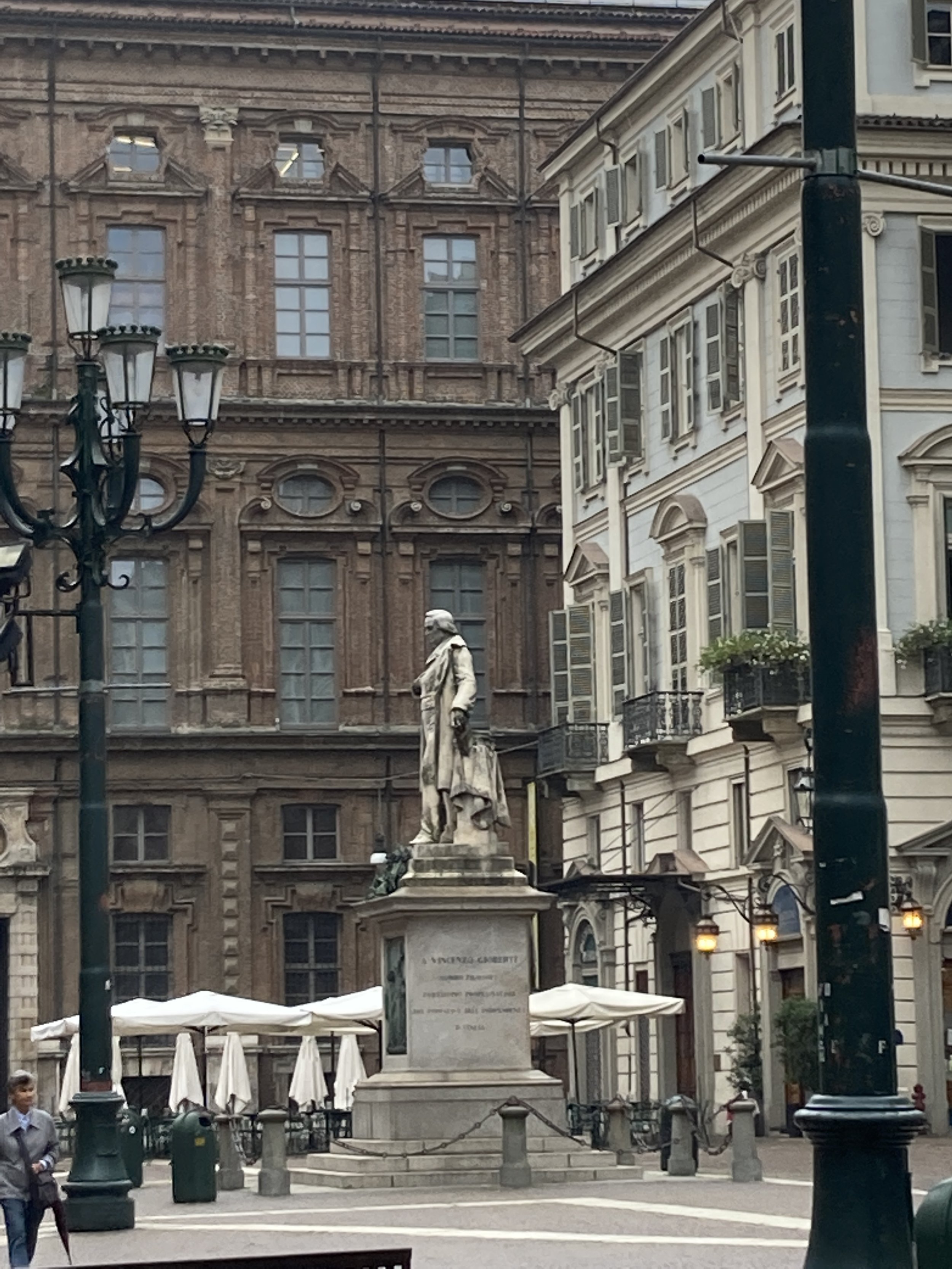
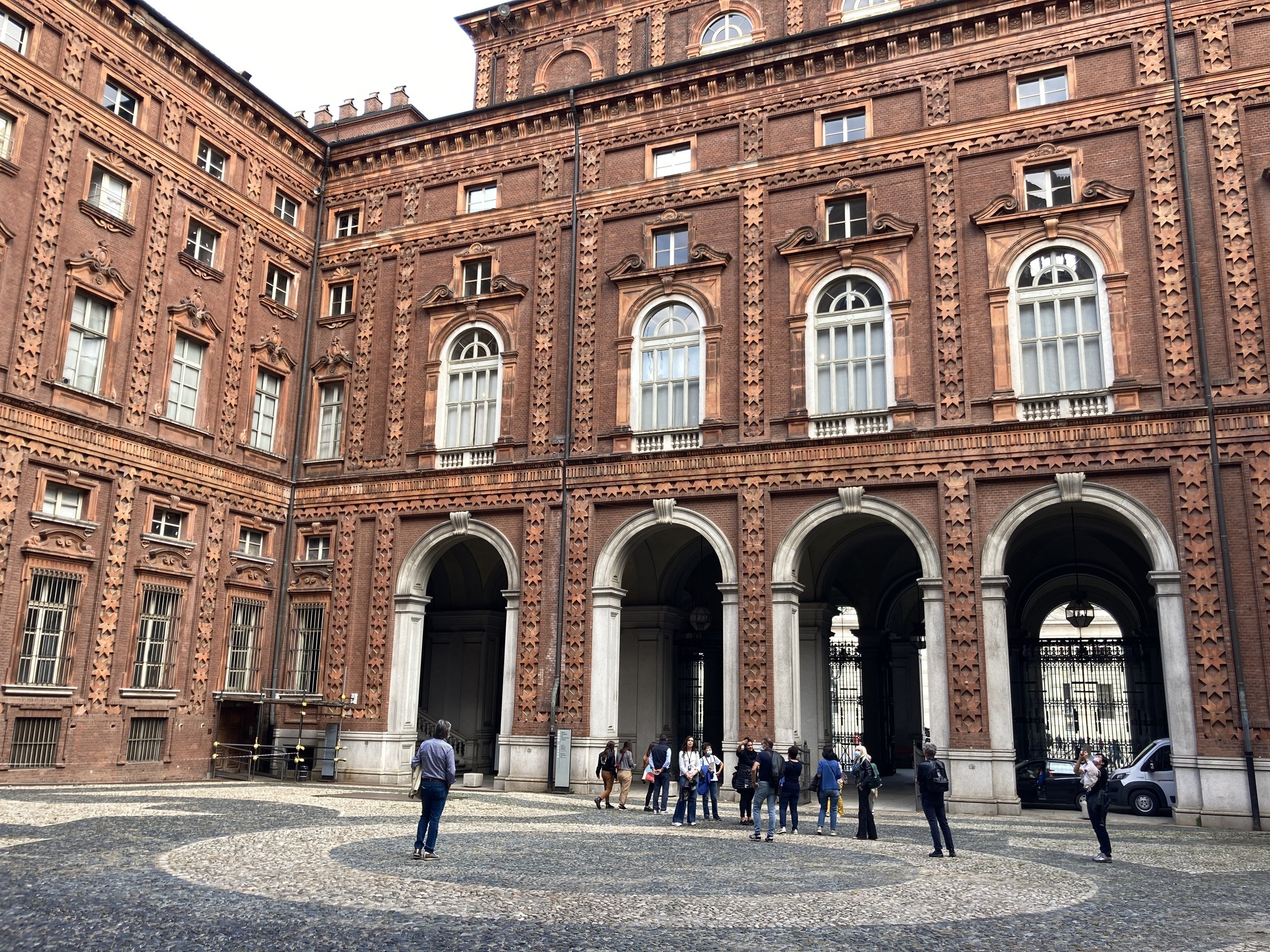
Nearby Piazzas. Just a block or so to the east is one of the prettiest squares - the Piazza Carignano, home to the Museo Nazionale del Risorgimento (Unification Museum). A pop into the entry of the museum gives a quick peek at this fabulous building (below). No time for a tour this time, but my next visit to Torino will surely include a tour of this museum both to explore the gorgeous architecture and for the history lesson.
BDEF676F-275B-4601-B40D-18E296D04AEC.jpeg
C77964D0-0950-4A74-80D8-9BCEB882ABD7.jpeg
55F0CA1B-DC16-4BC3-BCA3-1AD8BA74C0FE.jpeg
26300453-DFB8-405A-ABF5-5E6D04D07B9B.jpeg

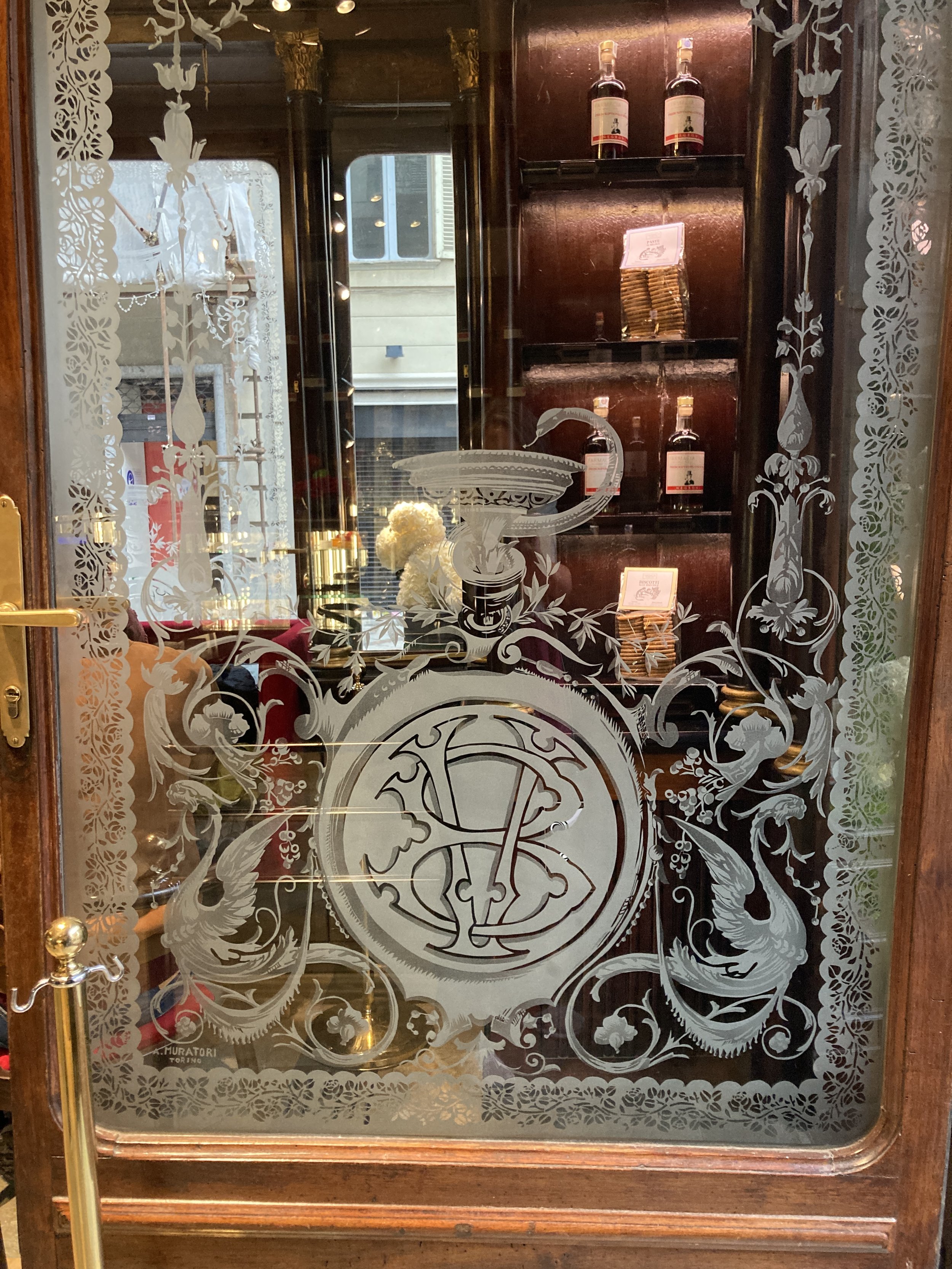
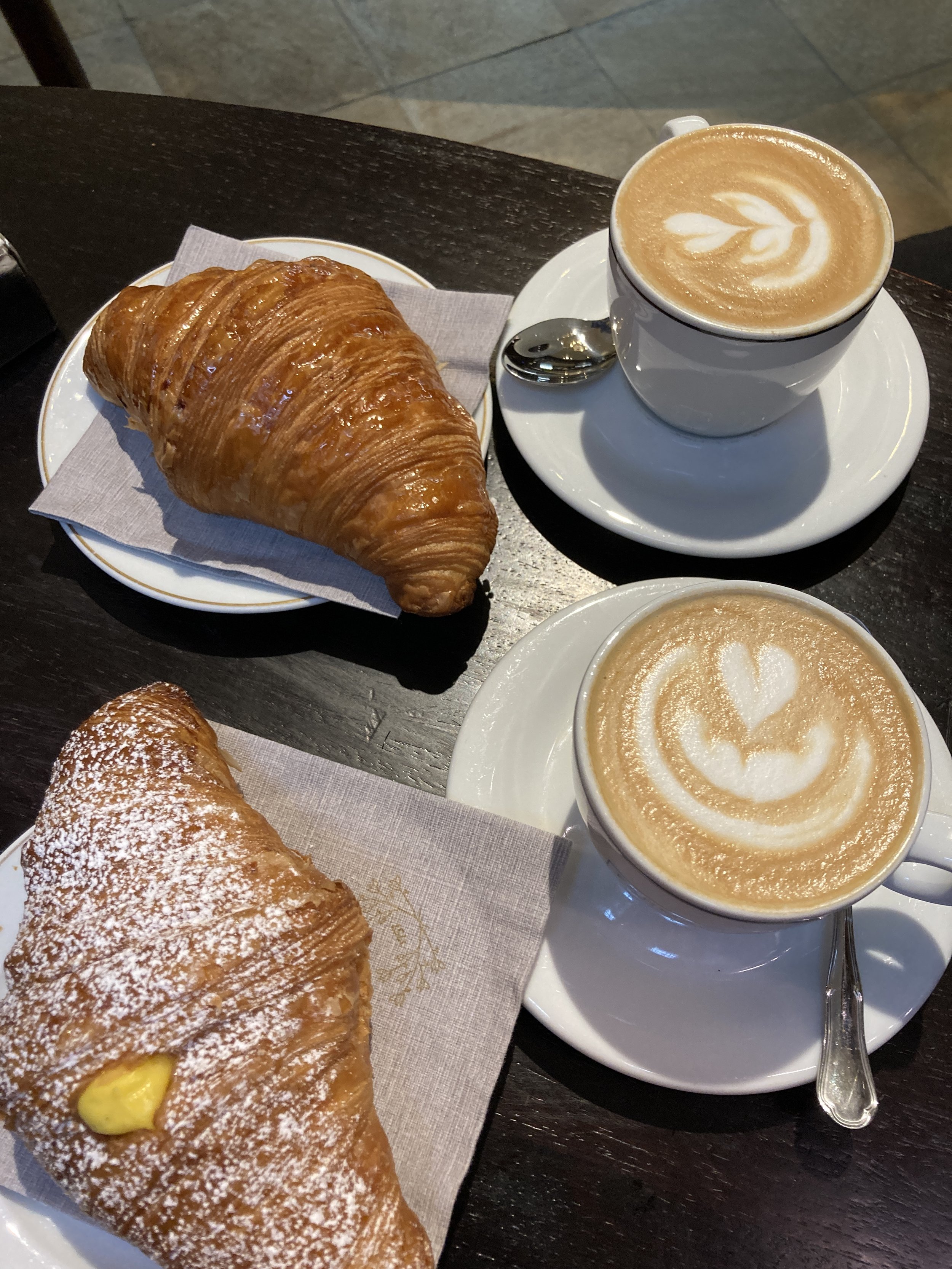
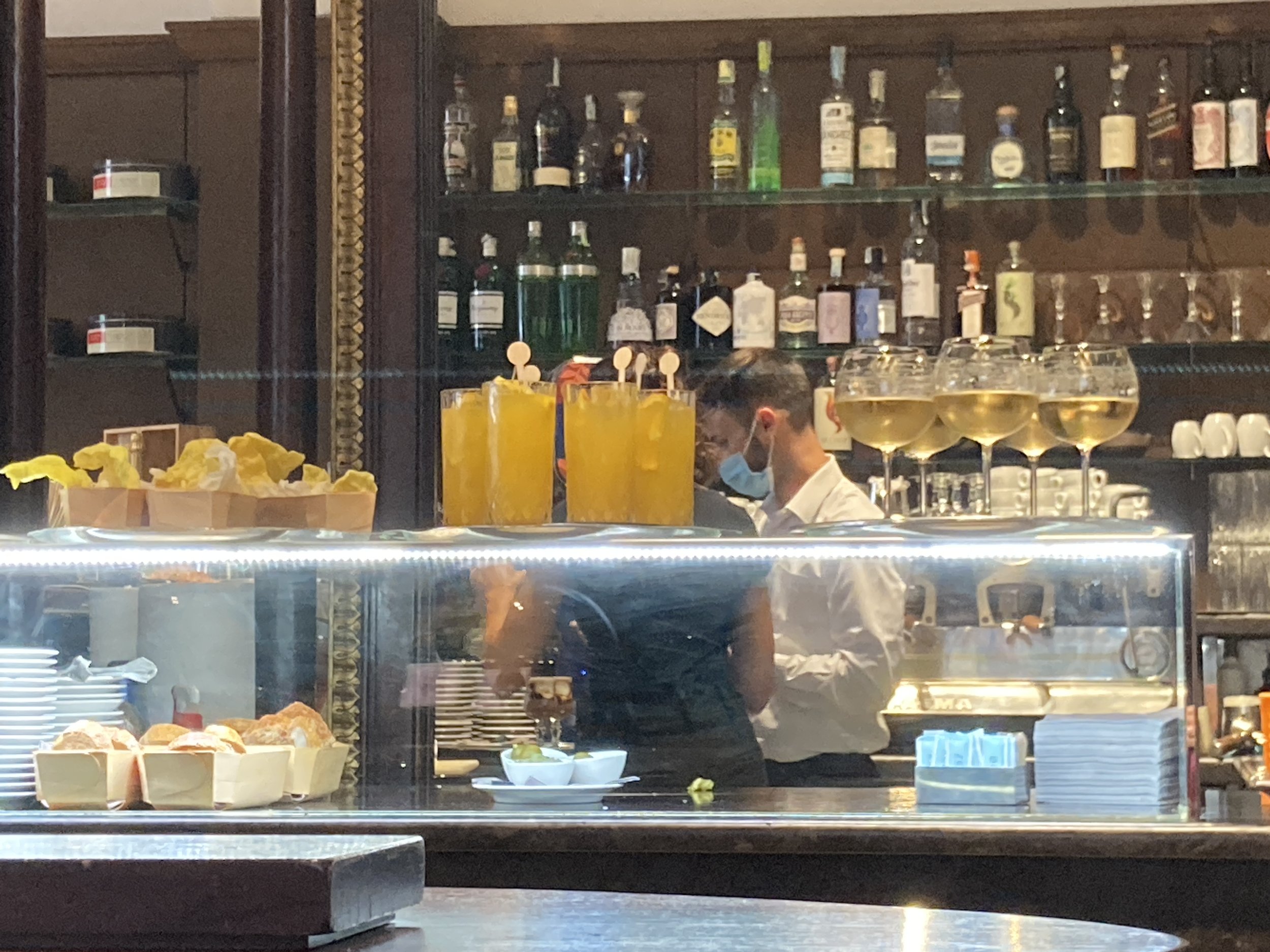
Need a coffee stop? The piazza Carignano is home to the Farmacia del Cambio, an antique pharmacy reborn as an elegant eatery. Coffee, pastry, lunch, aperitivo - this is a great choice. The interior oozes old world elegance and the outdoor seating area provides great views of this very beautiful piazza.
B5A1E8E3-F2FB-4E5D-9C66-3C6CAB1A5282.jpeg
484852CC-4D88-4F1A-93EB-23A3BB9D6749.jpeg
44040F31-835A-4719-A42F-099CF8808365.jpeg

One street to the east is Piazza Carlo Alberto, a pedestrian square with a larger than life monument of the former Savoy king of Sardinia. The square is flanked by one side of Palazzo Carignano (which was built for the king) with the beautiful National Library building across the piazza.

The monument to Carlo Alberto of the House of Savoy

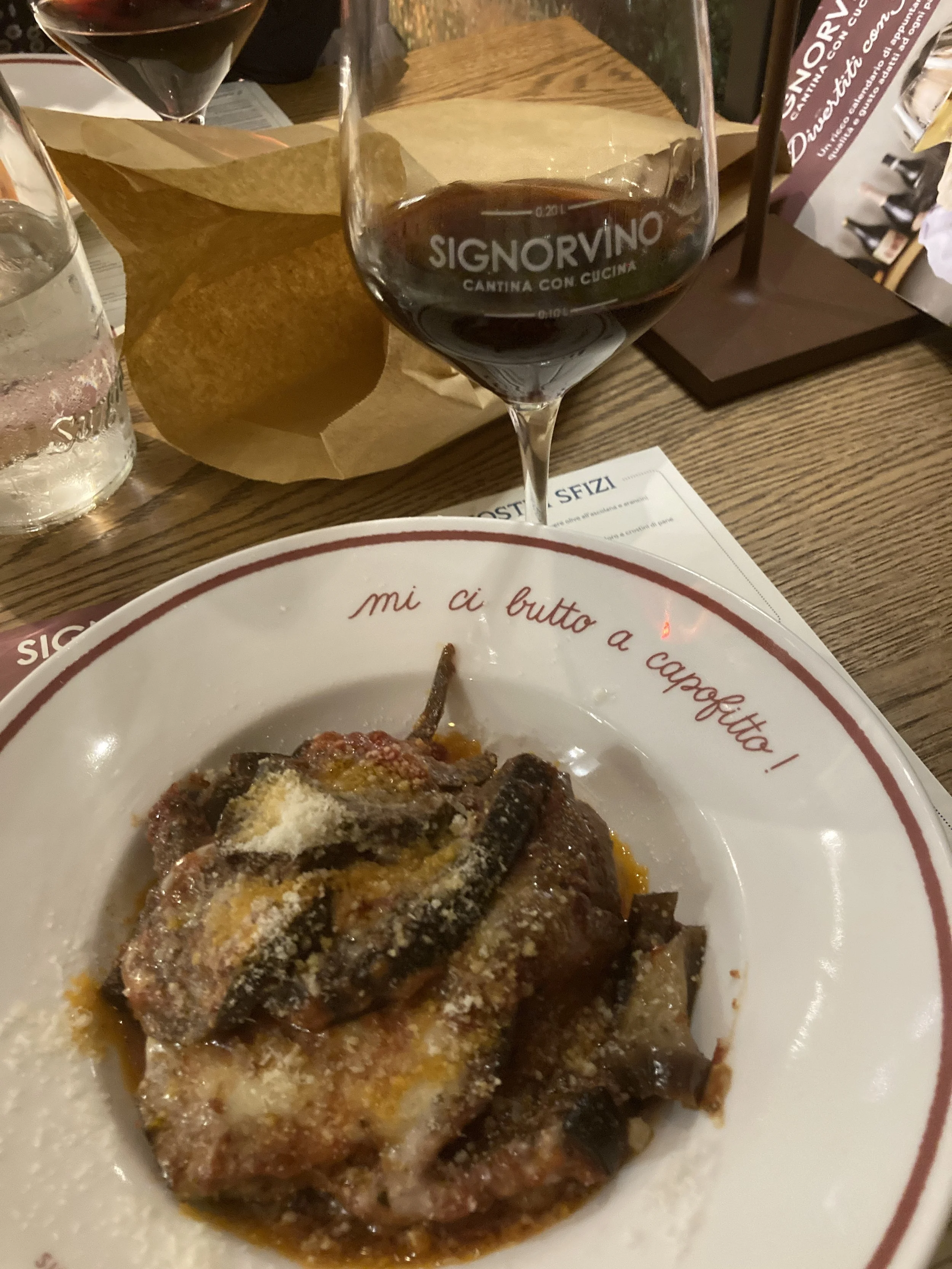
After an afternoon of wandering, it was time to think about dinner. A walk down Via LaGrange presented some good choices. From small, very casual student hang-out spots to a small Eataly and a lively Signor Vino, it is easy to find good and moderately priced food along this street.
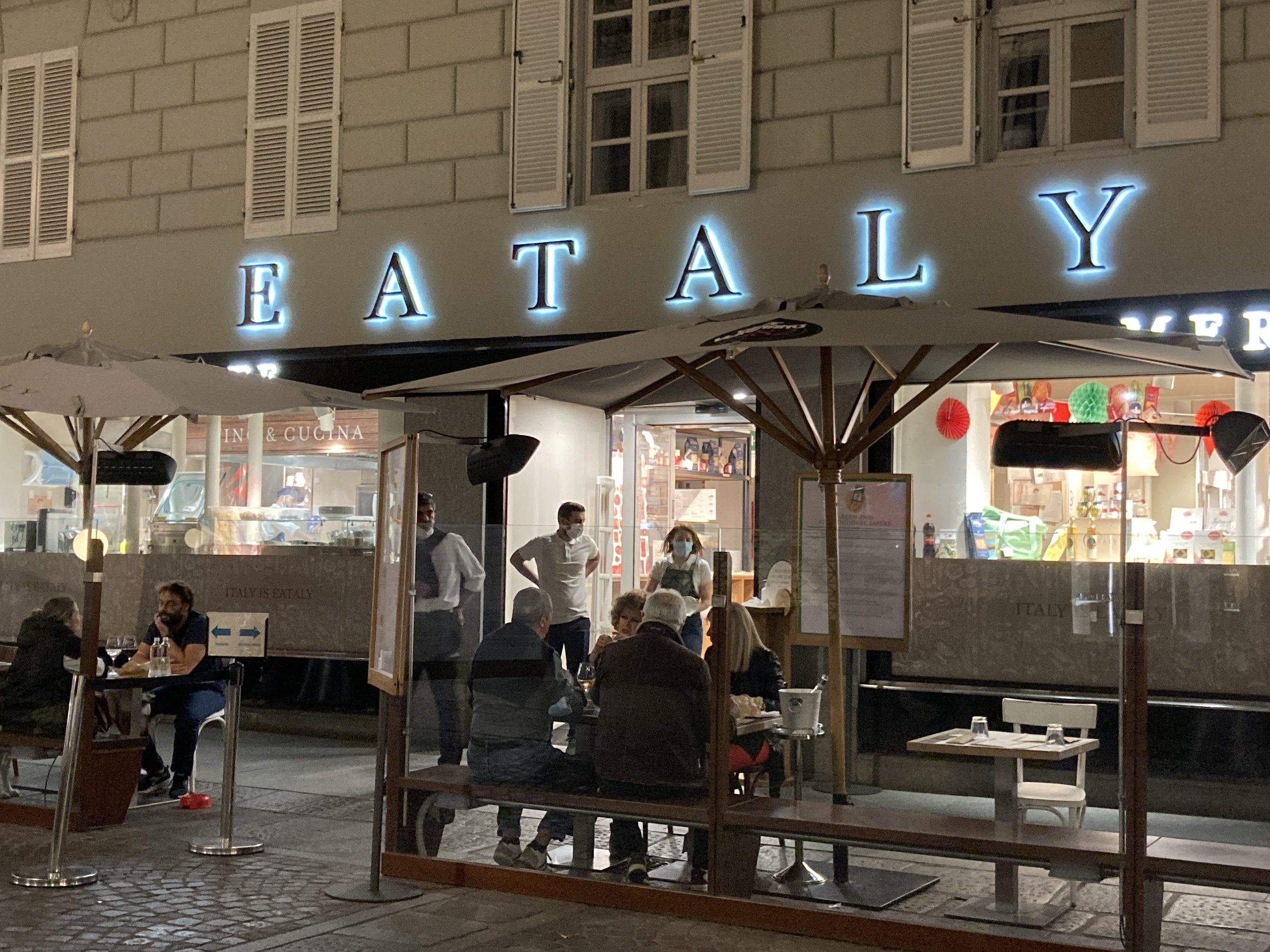
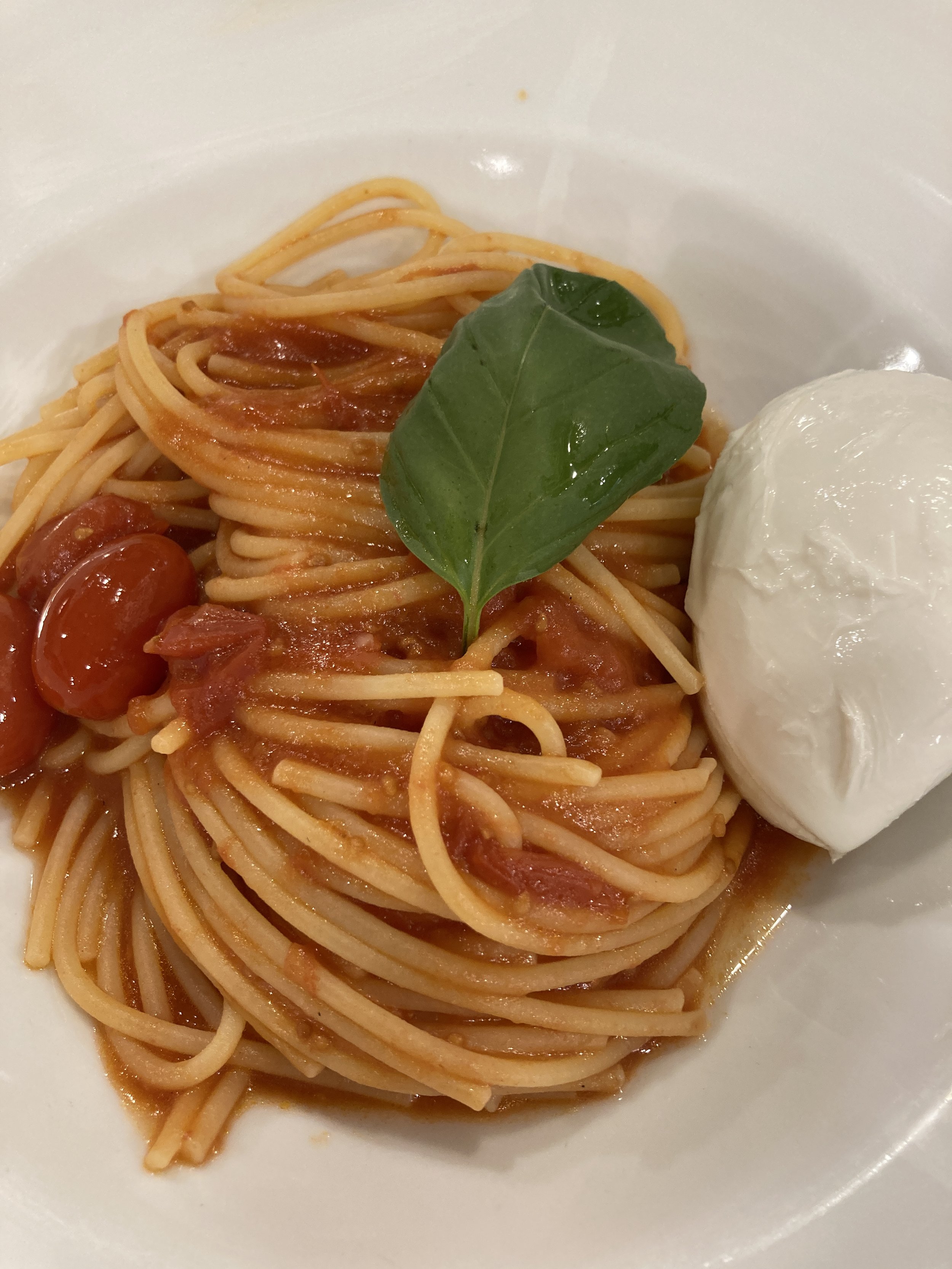
A32B5817-C7A8-4AD0-B284-BB7020647A34.jpeg
D041F9E3-3436-48FB-B0D1-5B90F04EE4B9.jpeg
81671075-E991-4DCF-9CFB-63D5658301C6.jpeg

My first afternoon and evening of wandering around the center of Torino was a great way to get oriented to this intriguing city. The next days held even more adventure - the Quadrilatero Romano, the search for an authentic Bicerin, beautiful churches, fascinating museums, more wandering. But this post is getting long, so more on Torino next week.

November 01, 2021 /Joanne Bartram
Torino, Turin, Piedmont, #turin, #tornino
#italytravel, Italian art architecture, Italian culture, Italy travel, Northern Italy Regions
Views of the Chianti region from the tiny village of Volpaia

Views of the Chianti region from the tiny village of Volpaia

1000 Years of Wine: Radda in Chianti and Volpaia

October 25, 2021 by Joanne Bartram
This Gallo Nero overlooks a valley on the road between Panzano and Radda

This Gallo Nero overlooks a valley on the road between Panzano and Radda

The region of Italy known as Chianti covers a large portion of Tuscany, from south of Florence down to Siena. Wine has been produced in this area for the last 1000 years. Many towns fall within this region, but at its heart is a small section which includes the original Chianti villages of Radda, Gaiole, and Castellina plus the town of Greve (all four villages have since added the qualifier “in Chianti” to their official town names). The wines from this small area are the ones designated as Chianti Classico. They use the Gallo Nero (Black Rooster) symbol that is the mark of the highest quality DOCG Chianti wines.

I’ve visited the Chianti region on day trips over the past few years, each time exploring one or two of the villages and wineries of the Chianti Classico region and enjoying the remarkable scenery of the area. Recently, some friends and I went for a day-long drive that included the village of Radda in Chianti and its small “suburb” of Volpaia.

Radda sits high on a hilltop with valleys on either side, giving it panoramic views in nearly all directions. A historically important place, Radda was once the capital of the Chianti region and the seat of the Lega del Chianti (Chianti League). Its fortifications provided a defense during the ongoing conflicts between Florence and Siena. Despite those defenses, much of the town was destroyed during a battle in 1478. It was rebuilt in a medieval plan and today it retains that historic character with winding streets, small piazzas, a church on high, and parts of the fortified wall still visible. The central piazza faces the Palazzo de Podestà (Municipal Building) with its small logia and facade covered with family shields.

Palazzo de Podestà, Radda

Palazzo de Podestà, Radda

Across the piazza is a lion-head fountain with townhouses and the church of San Niccolo up above.

15487897-67DC-421C-BE79-59F6E7B5D8D5.jpeg

More modern touches include a variety of shops, wine bars (an ideal place to savor a glass of Chianti Classico wine), restaurants and gelato spots. It’s a good place to wander, following wherever the streets take you. Outside the historic center are scenic overlooks and a pretty city park.

An old watchtower, Radda

An old watchtower, Radda

From Radda it is only a short drive to the 11th century hamlet of Volpaia. This is a tiny town with only about 50 permanent residents. As part of the commune of Radda, Volpaia also produces Chianti Classico wine. In fact, the family owned Castello di Volpaia Winery is the major presence here, with over 900 acres of land producing wine, olive oil, and vinegar. I didn’t have a chance to visit the winery or its shop on this day - I’ll save that for a future visit.

Volpaia’s ancient buildings support modern wine making

Volpaia’s ancient buildings support modern wine making

The village itself is a medieval jewel box. Like many other small villages in Tuscany there are defensive walls, watch towers, and a castle but somehow the town has a character all its own. Quiet, pretty, meandering, historic, a bit mysterious. What lies behind those old wooden doors and windows? What echos of history are to be found inside the castle walls? Who tends that pretty garden? I found a photo opportunity around every corner in Volpaia. Some of my favorites are below.

After such a long period without travel in the age of the virus, the simple joy of a day trip to a beautiful area, the chance to wander through these small villages, a good meal (with a glass of Chianti of course), a mild fall day shared with visiting friends - these things feel like a gift and a blessing.

E033DE00-60EA-4F42-94D6-098472AC612E.jpeg
9511811E-C849-41D0-8CC6-3C7719AD1287.jpeg
0D7882D3-FCA2-46B2-B68C-D8591C94D048.jpeg
7B33EA70-65E7-48FC-8808-19DA14222888.jpeg
October 25, 2021 /Joanne Bartram
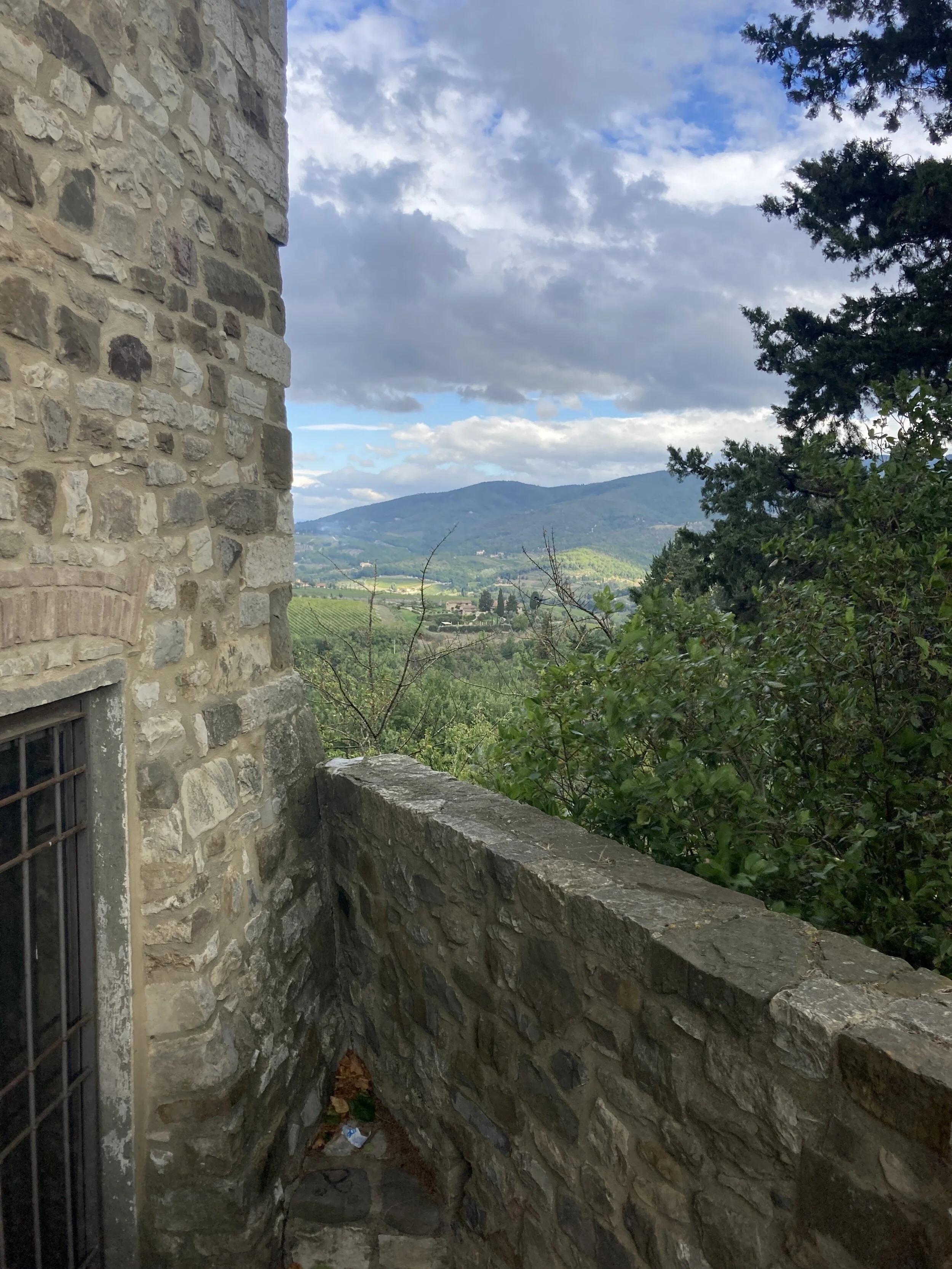
A classic Tuscan landscape as seen from the town wall in Montefioralle

A classic Tuscan landscape as seen from the town wall in Montefioralle

Montefioralle : A Medieval Hamlet in the Chianti Region

October 18, 2021 by Joanne Bartram

Chianti is a region of green hillsides covered in vines and olive trees and dotted with tall cypress trees. There are farmhouses and wineries (producing the famous Chianti wine) and a series of small hamlets high up on hilltops. These little villages recall a medieval past and ancient rivalries between the city states of Siena and Florence. Best of all, they offer amazing views over the Tuscan landscape.

A view of a hillside in the Chianti Region from the village of Montefioralle

A view of a hillside in the Chianti Region from the village of Montefioralle

One such village is the tiny hamlet of Montefioralle (population about 100) just west of, and high above, the town of Greve in Chianti. The road to Montefioralle begins just before entering Greve with a steep climb up a winding, narrow road. The climb is a bit intimidating (I was glad I wasn’t the driver!) but it doesn’t take long to reach the village.

The medieval streets of Montefioralle

The medieval streets of Montefioralle

It is quickly evident why the town is included in the list of I Borghi Più Belli d’Italia (The Most Beautiful Villages in Italy). Picture narrow cobblestone streets lined with small stone dwellings, graceful arches of stone and brick, tiny alleyways that surprise with spectacular views, a central castle, and remnants of the wall and towers which once surrounded the village. This is medieval history come to life.

Now, add in pretty window boxes and doorways filled with flowers (still vibrant even on a very chilly October day), beautiful wooden doors, green vines growing over doorways and arches, fig and apple trees in gardens along the road, and a church sitting up high in the town.

It might have been a cold and windy fall day, but there were plenty of pretty flowers still to be seen by the houses in Montefioralle

It might have been a cold and windy fall day, but there were plenty of pretty flowers still to be seen by the houses in Montefioralle

On the edge of town, beyond the streets that wrap around the castle, are far-reaching views of the Chianti countryside. The orderly groves of olive trees and the long rows of grapevines, with just a hint of early fall color, paint a classically Tuscan picture.

Montefioralle is an enchanting town and makes a perfect detour when driving through this region. It pairs well with a visit to Greve and the nearby town of Panzano. A most beautiful village indeed!

October 18, 2021 /Joanne Bartram
1777A42E-F722-4753-9DA0-39D391B25A7A.jpeg

The Duomo of Siena: A Masterpiece from Floor to Ceiling

October 11, 2021 by Judy Giannnettino

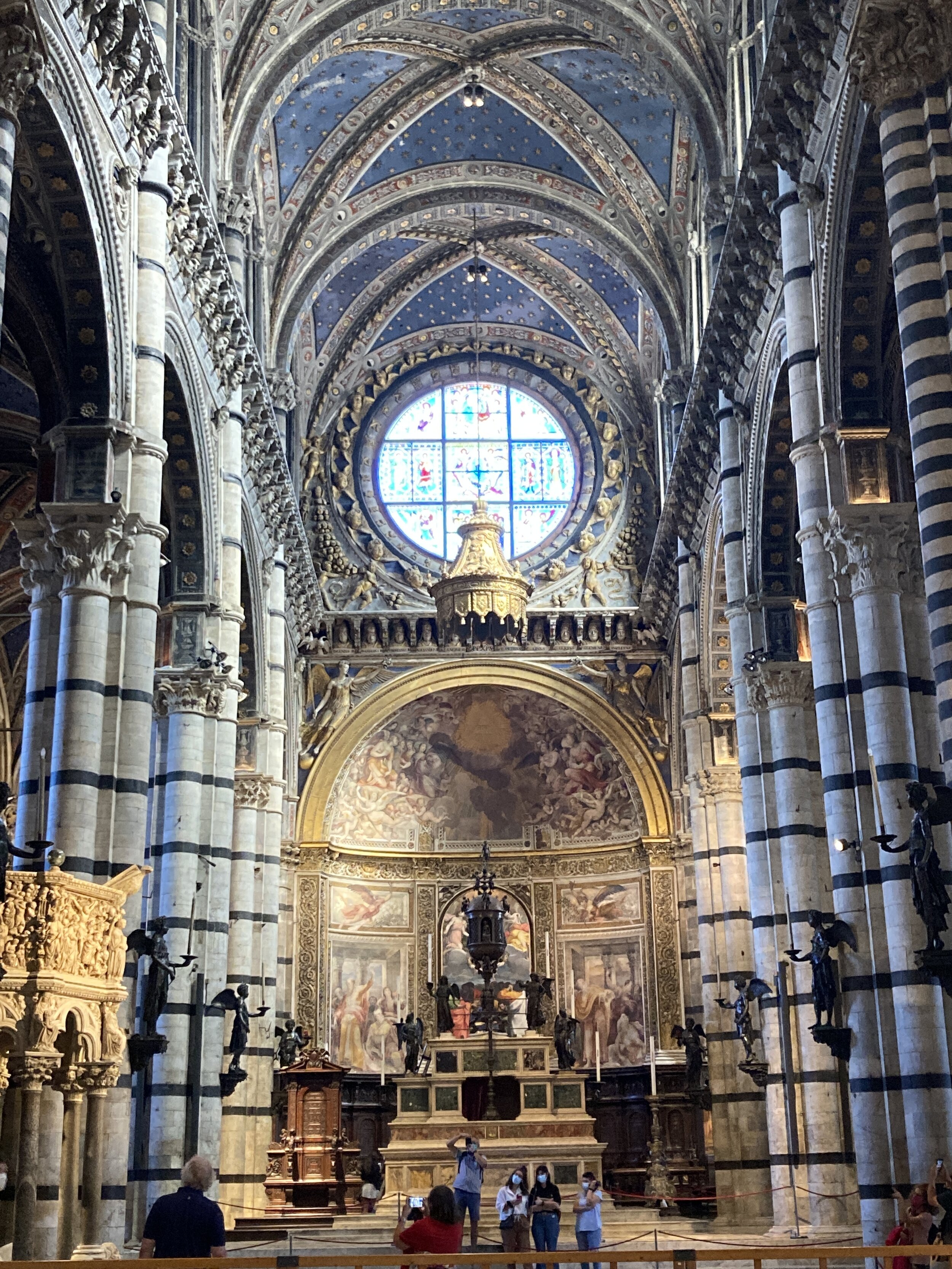
To say that the Duomo of Siena is a masterpiece is an understatement of great magnitude. The building itself is a 13th - 14th century architectural wonder. The exterior captivates with its multicolored marble facade, statues, gargoyles, detailed carvings, and stripes. High above the central door, above the round window, is a beautiful gold backed mosaic, the Coronation of the Virgin. This panel sets the tone for the cathedral which is officially the Cattedrale di Santa Maria Assunta - dedicated to the Assumption of Mary.

93832012-7E12-49A4-8FF9-C0844FDF28B7.jpeg
3241E2E6-D020-45F5-BA72-99A5B66B3F69.jpeg
0141F28E-4C57-4A62-AE99-CDA04FCD9108.jpeg

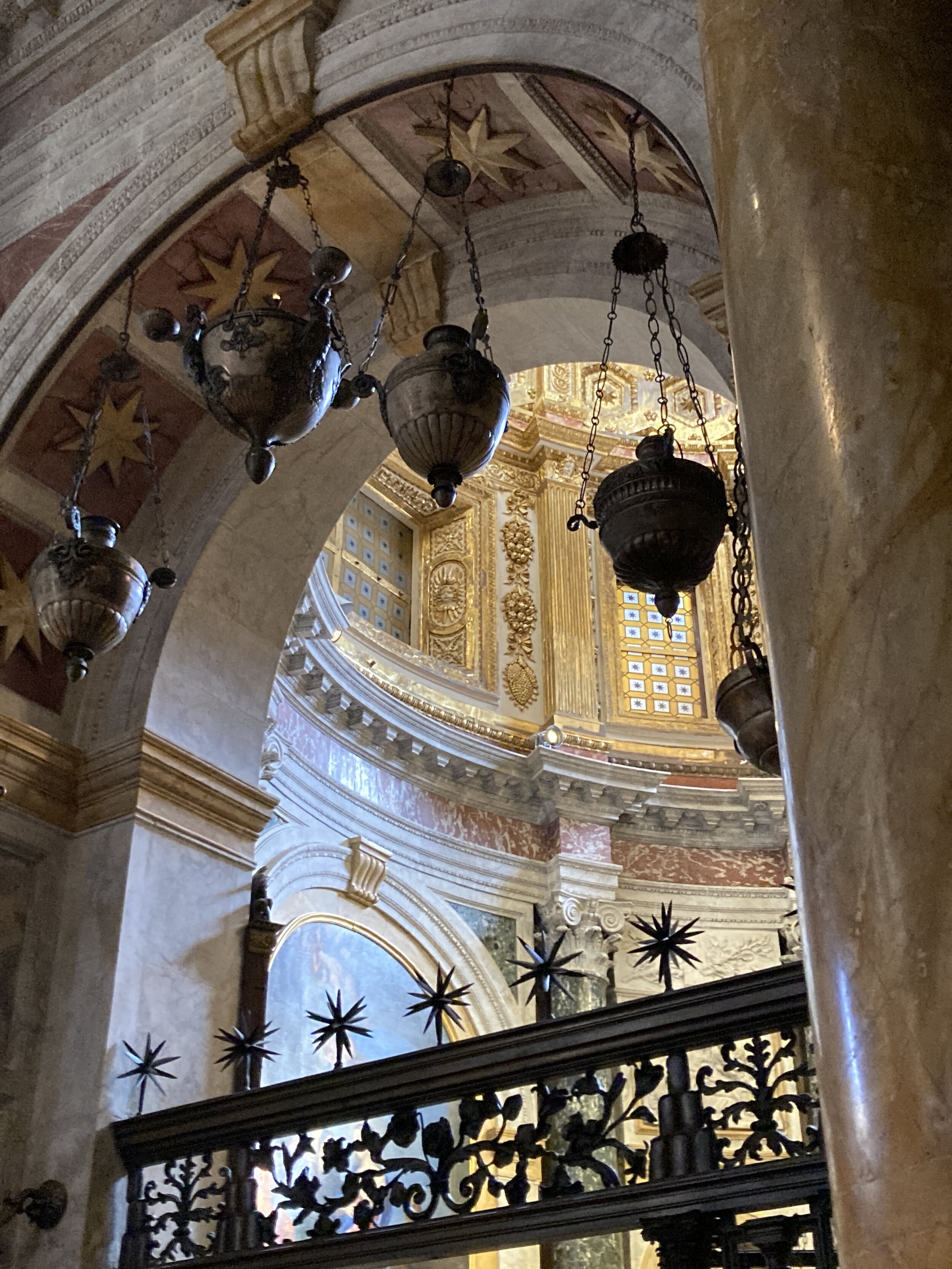
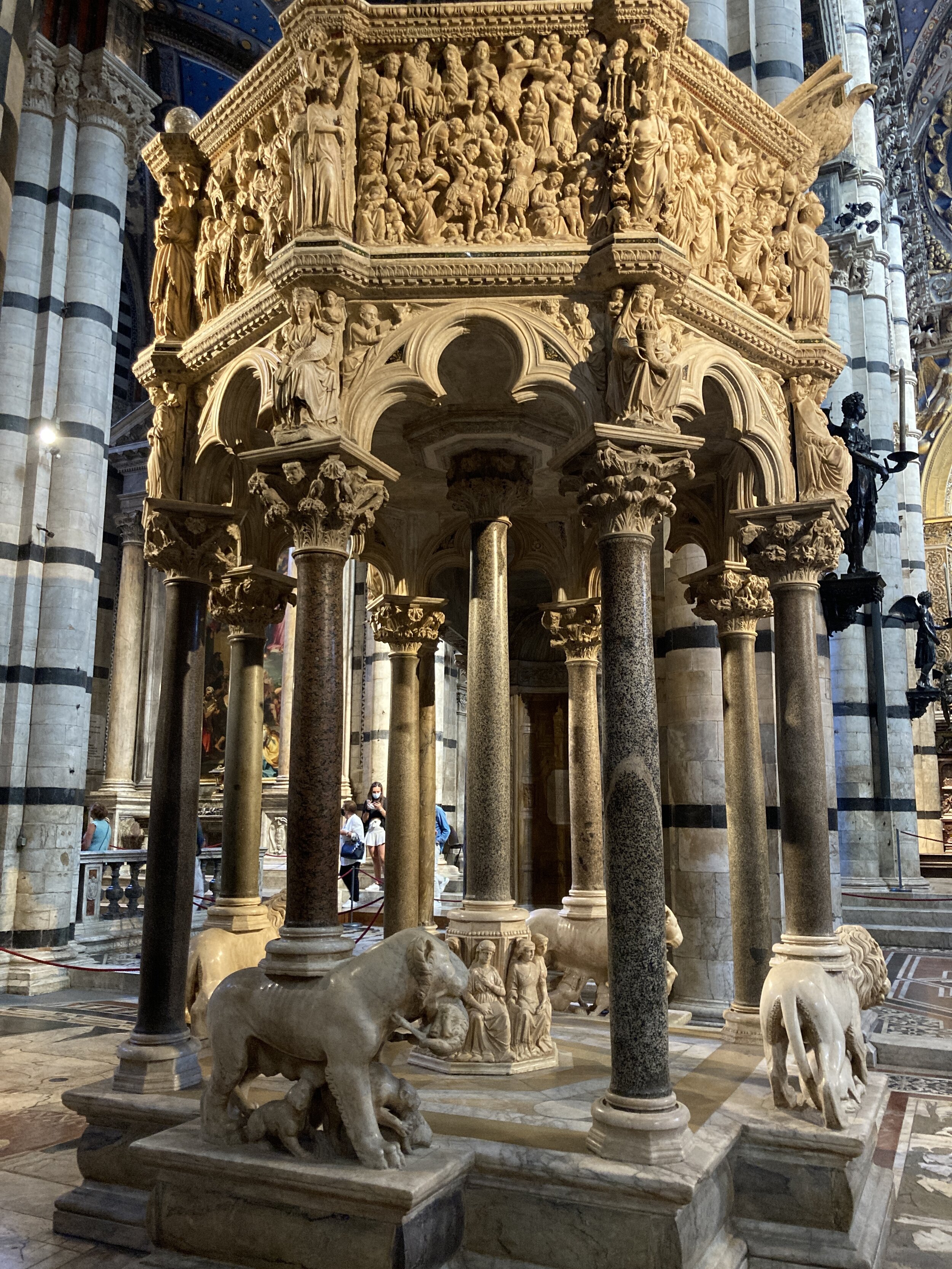
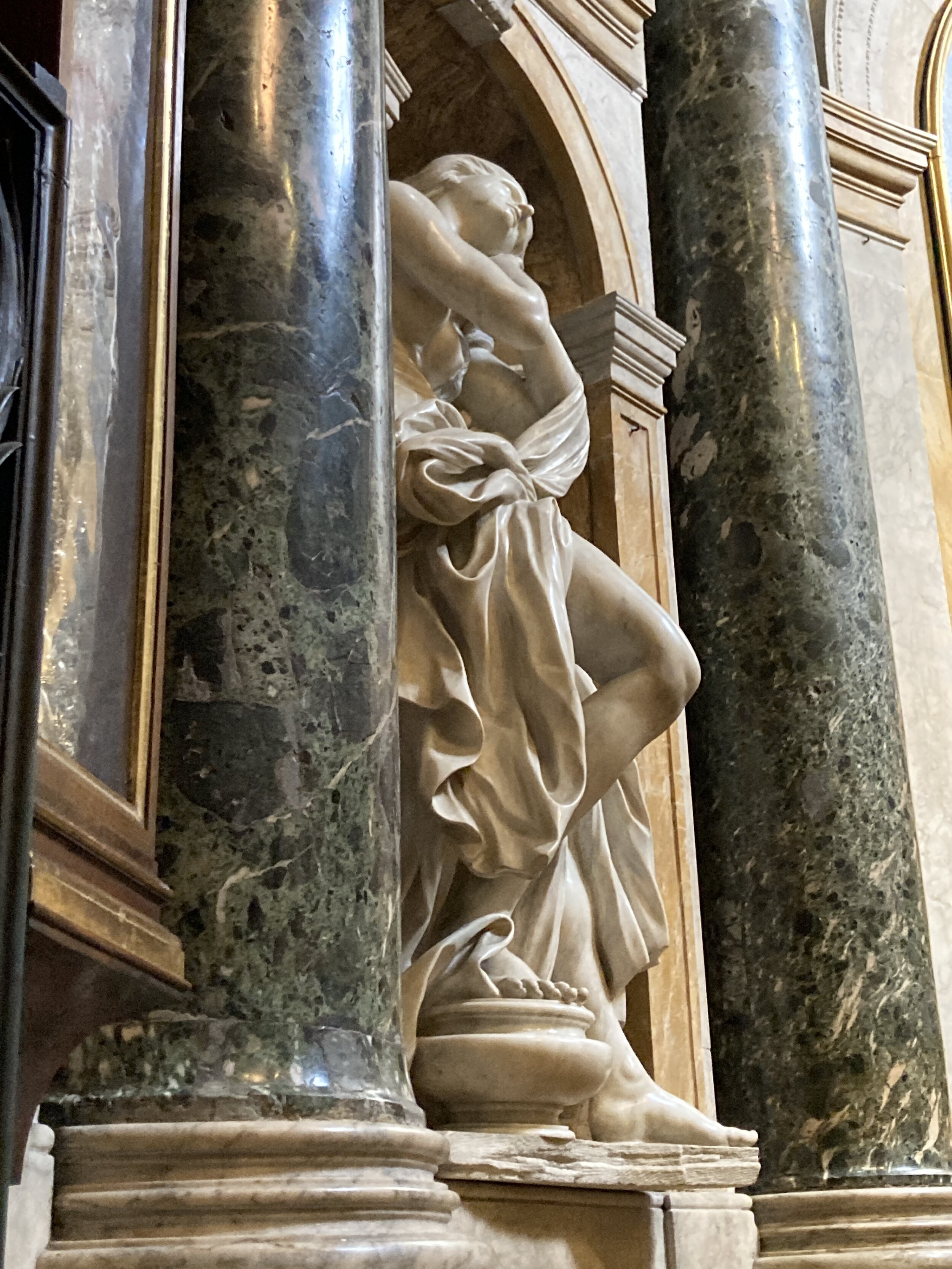
The ornate interior is gasp worthy - from the soaring black and white columns to the colorful almost delicate ceiling, to the ring of popes (172 of them) high up on the walls. Where to look next? To the dome, the altar, the elaborately carved marble pulpit, the stained glass? There is a treasure of famous sculptures within the church including a sculpture of Saint Paul by Michelangelo on the altar just outside and to the left of the Piccolomini Library. A Bernini sculpture of Mary Magdalene, tucked away near the entrance to the Capella della Madonna del Voto, is graceful and sensuous - I think this is my favorite of all the stunning sculptures in the cathedral.

Bernini’s Mary Magdalene

Bernini’s Mary Magdalene

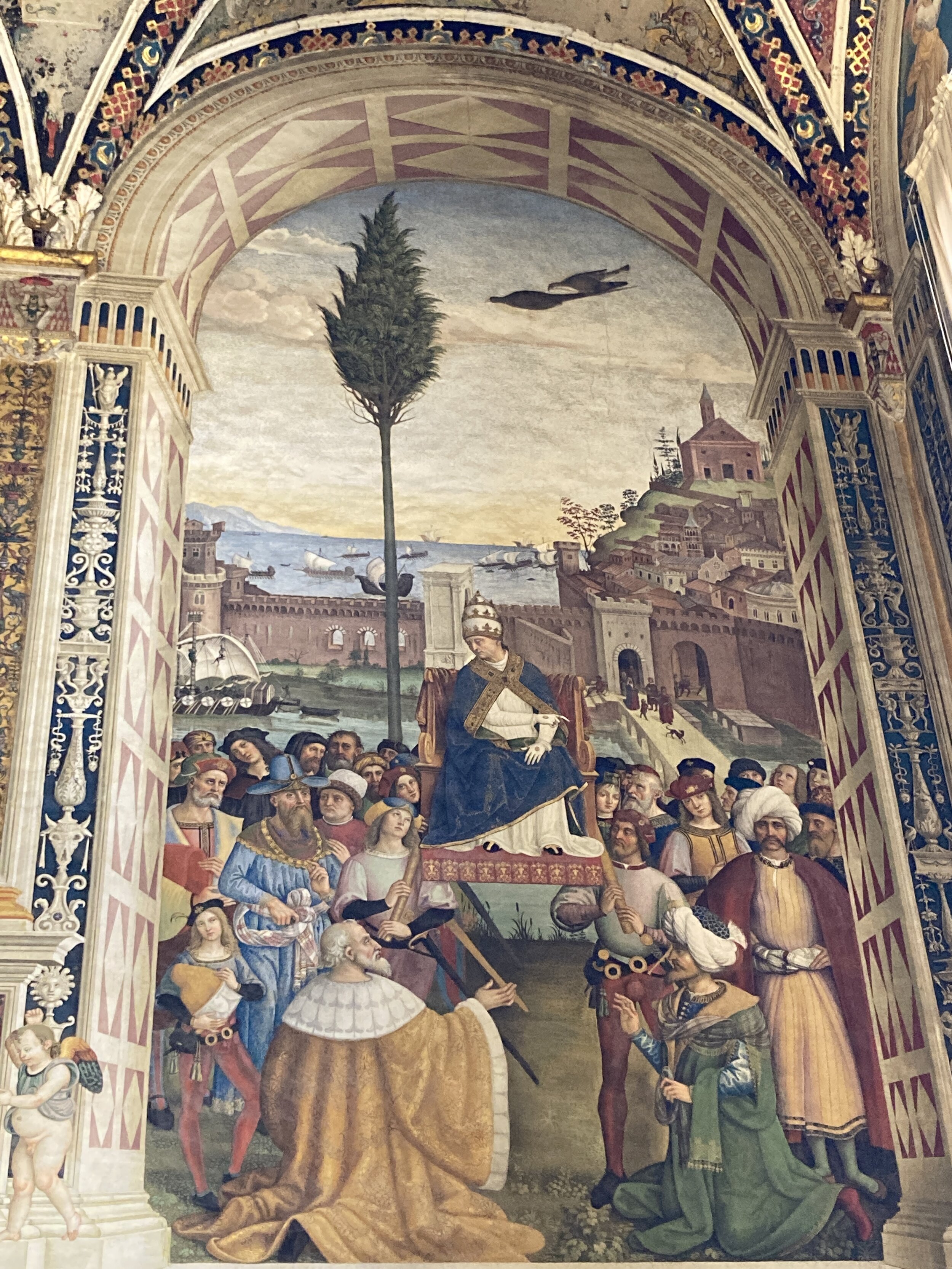
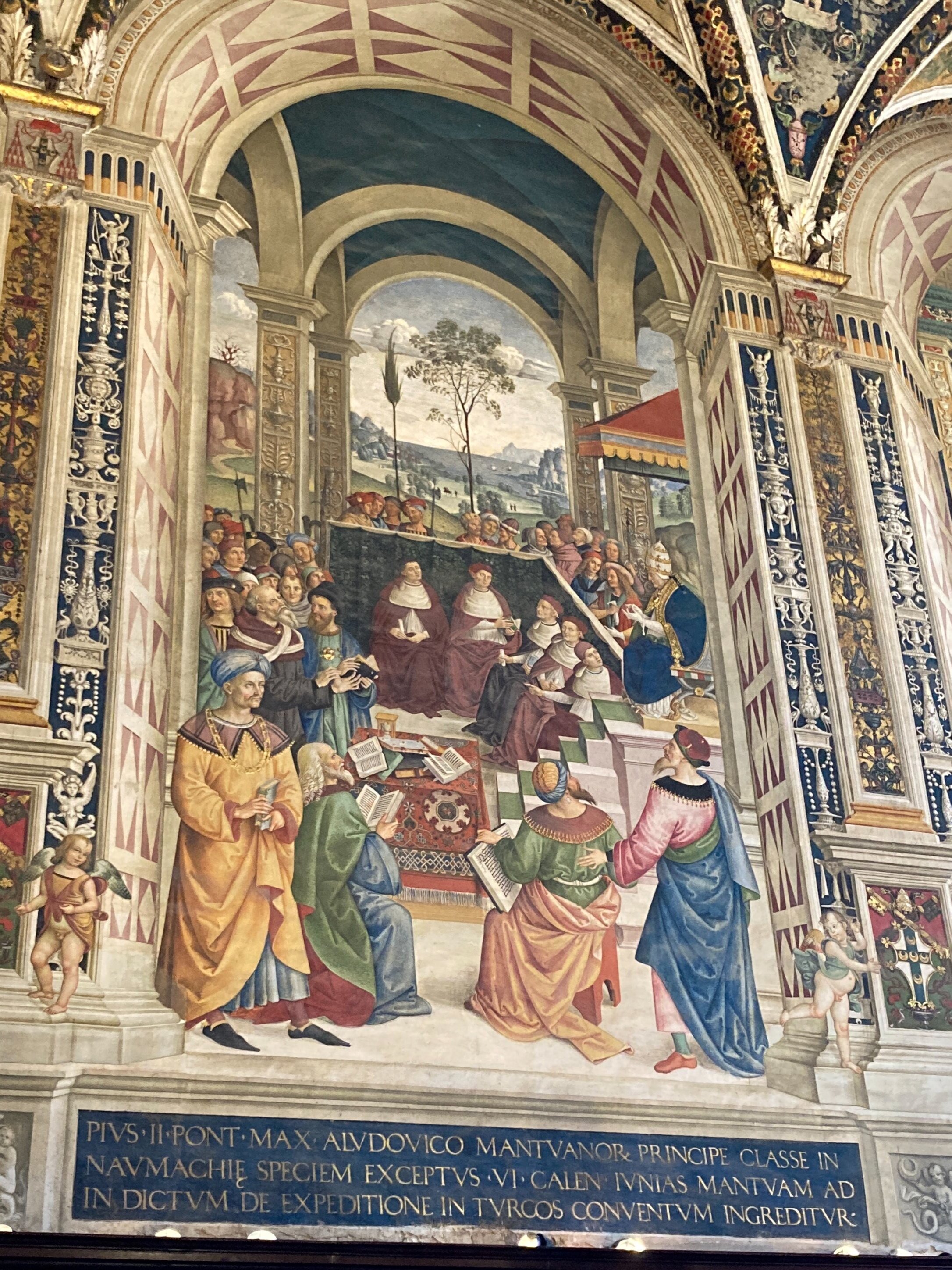
The Piccolomini Library, along one side of the cathedral, is awash in colorful frescoes (by the artist Pinturicchio) telling the life story of Pope Pius II. That these vibrant colors have endured for some 500 years is a small miracle.

EFC87522-5BEF-43B6-851B-5B5A4C211DAA.jpeg
0752B1D9-5218-4D00-BD4D-48508E378D56.jpeg

There is something enchanting about the triangular blue and gold floor tiles in the library, scattered with half moons (a symbol of the Piccolomini family). The oversized choral books that line the walls are beautifully hand-illustrated. And that ceiling !

Piccolomini Library, Duomo of Siena

Piccolomini Library, Duomo of Siena

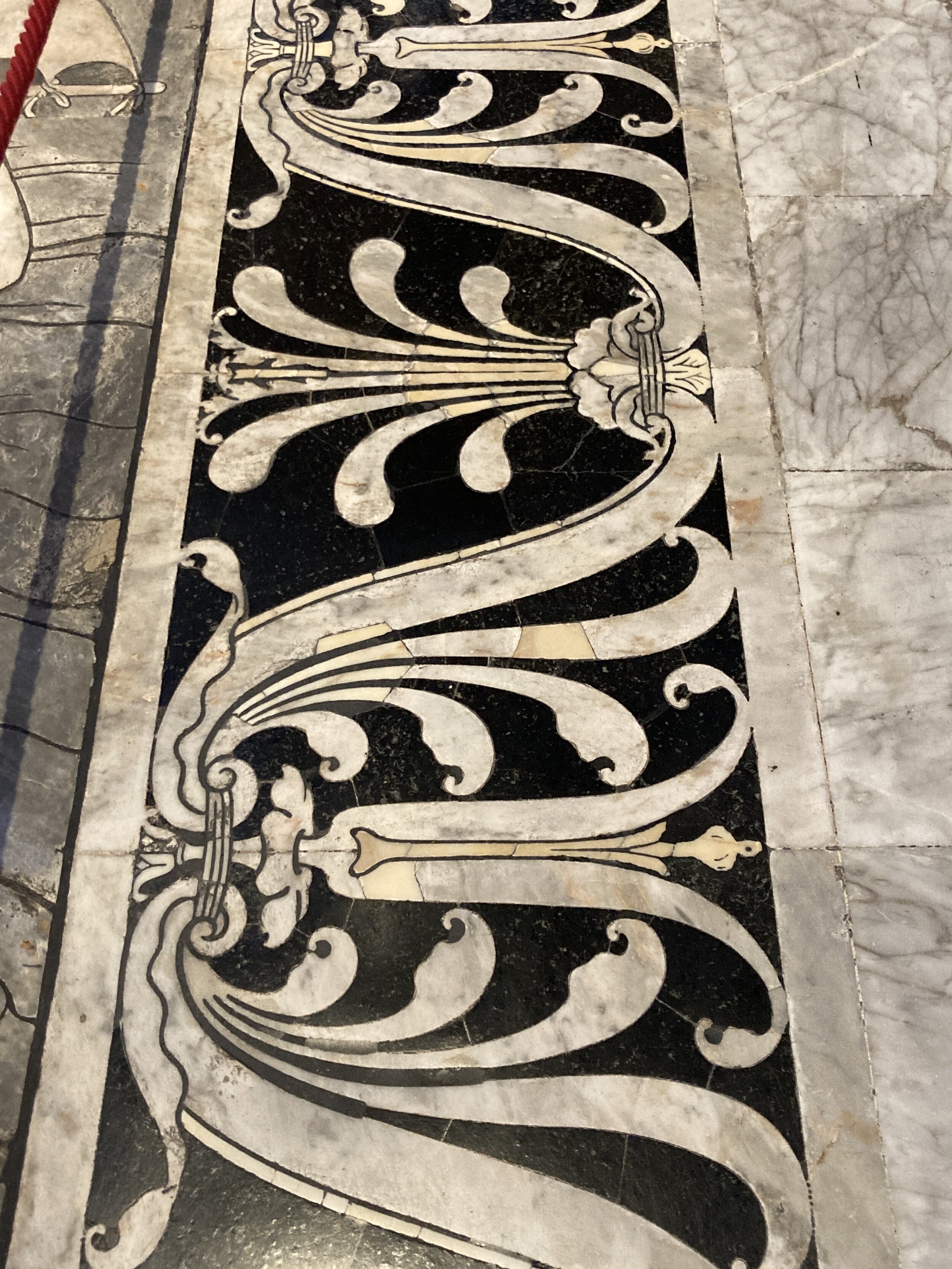
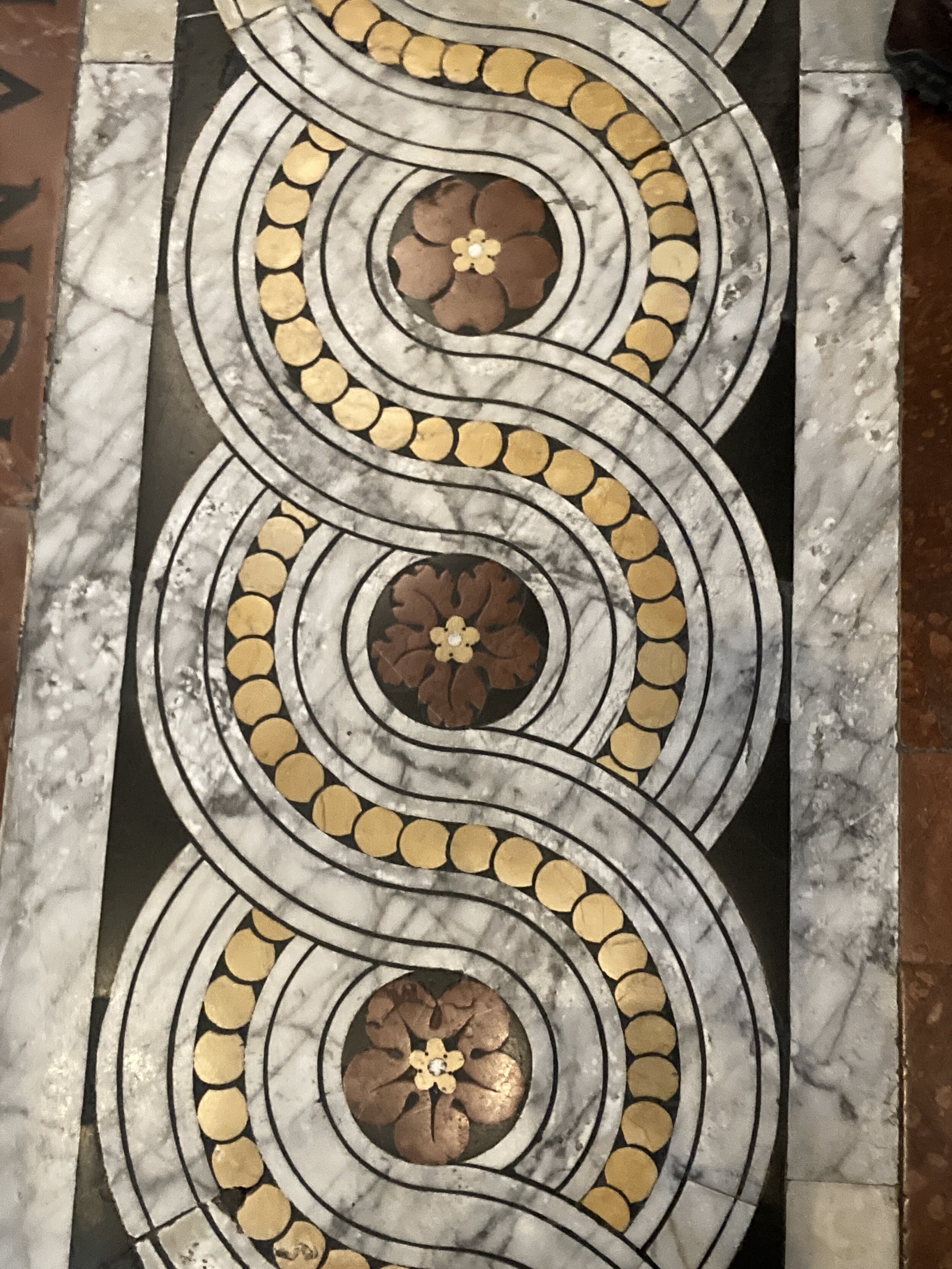
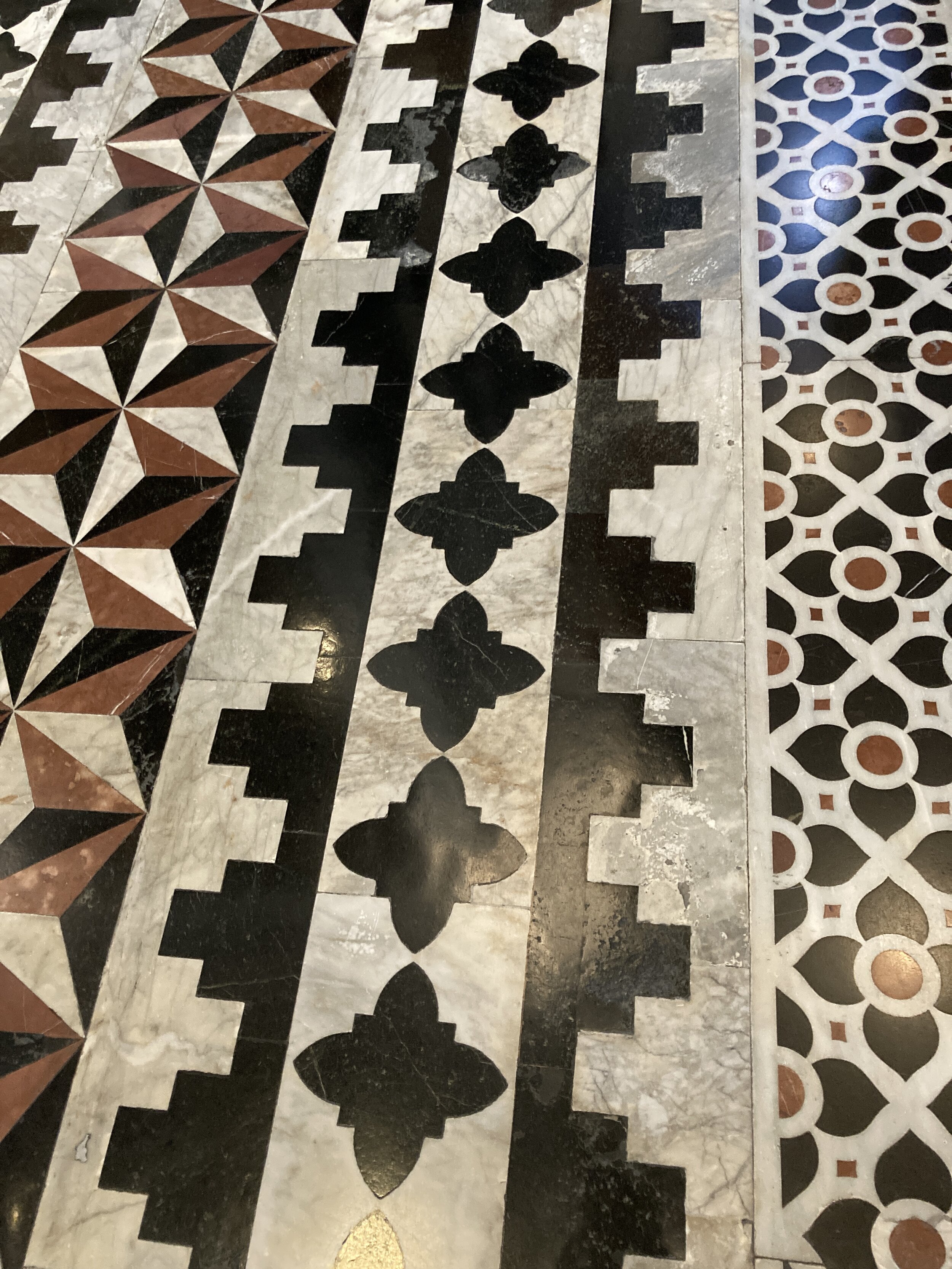
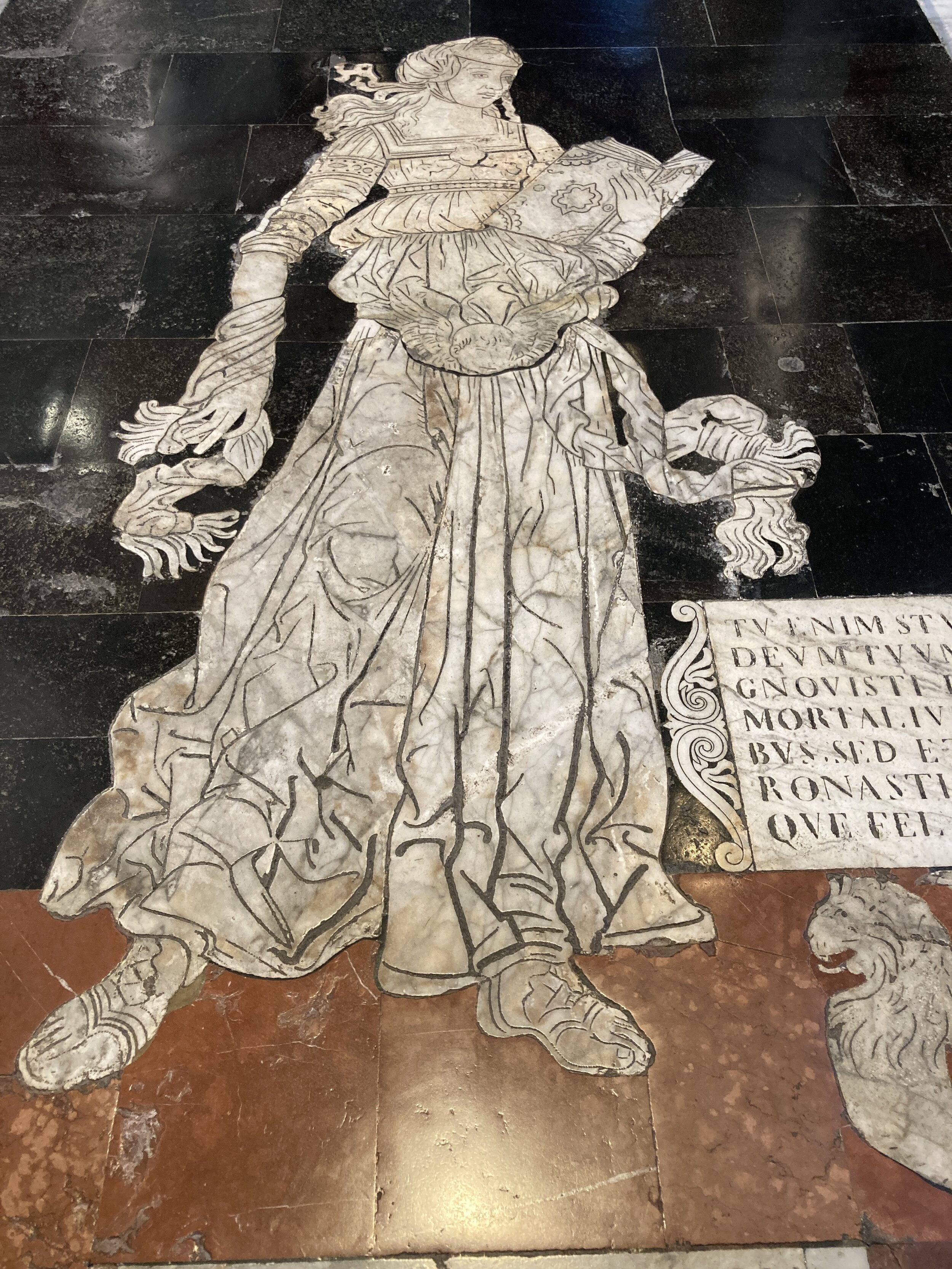
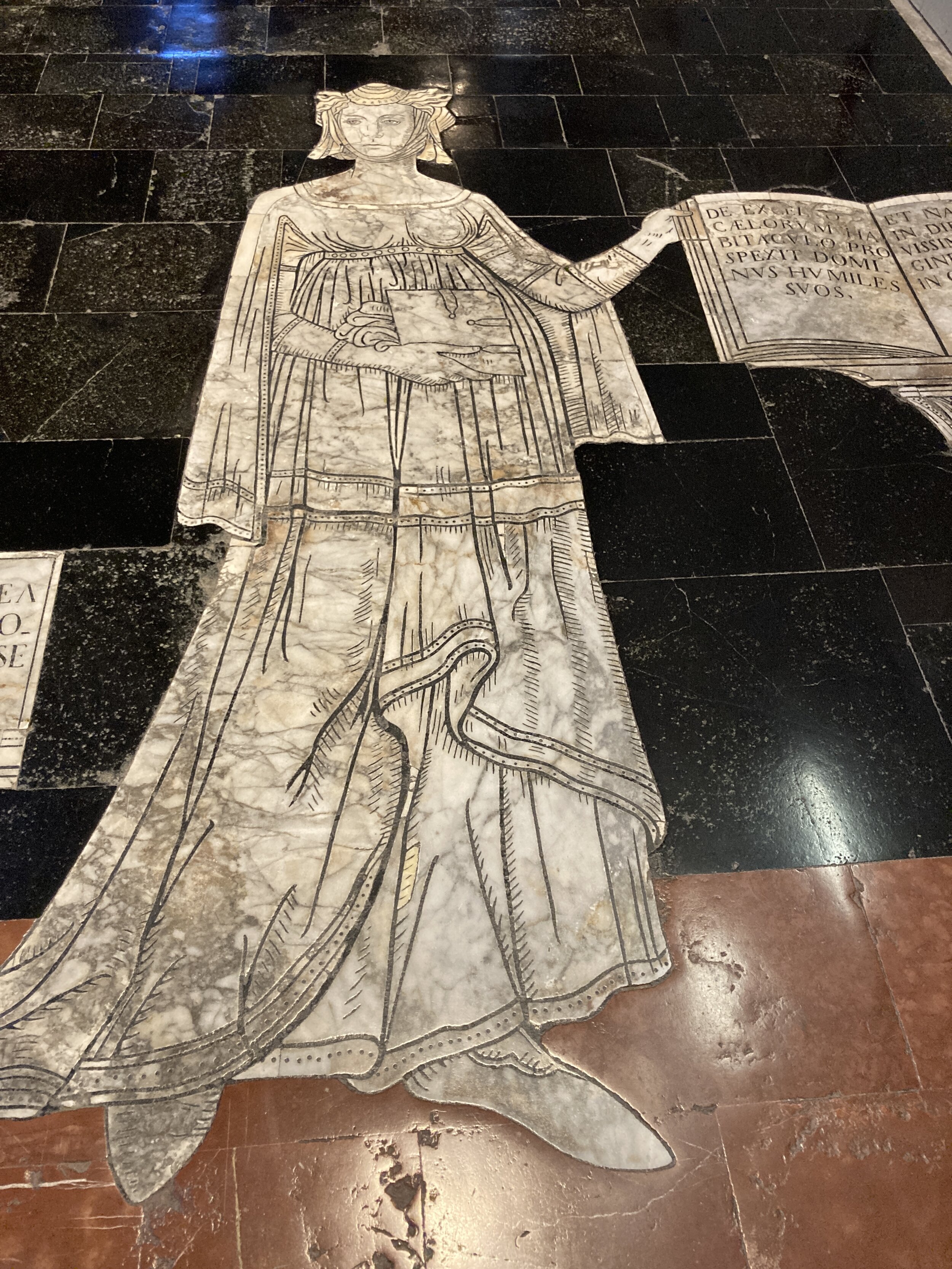
But, as spectacular as all that is, what recently drew me to Siena was the chance to see the floor. The floor, with its centuries old mosaics, is usually covered to protect it from wear but also hiding much of it from view. But September and part of October are the months of the pavimento scoperto (the uncovered floor); there is no better time to visit the Duomo. Within the floor are runs of border decoration in a variety of engaging patterns. In many other churches these would be the main attraction in a mosaic floor. Not so in Siena where they are just a compliment to the more elaborate works.

BC510B01-1EB7-43A3-A4BC-6F6761A852F2.jpeg
F6284235-4EC1-4100-A380-AE313146186D.jpeg
F7D4A872-77FD-41F5-BF89-9989D8EF75EA.jpeg

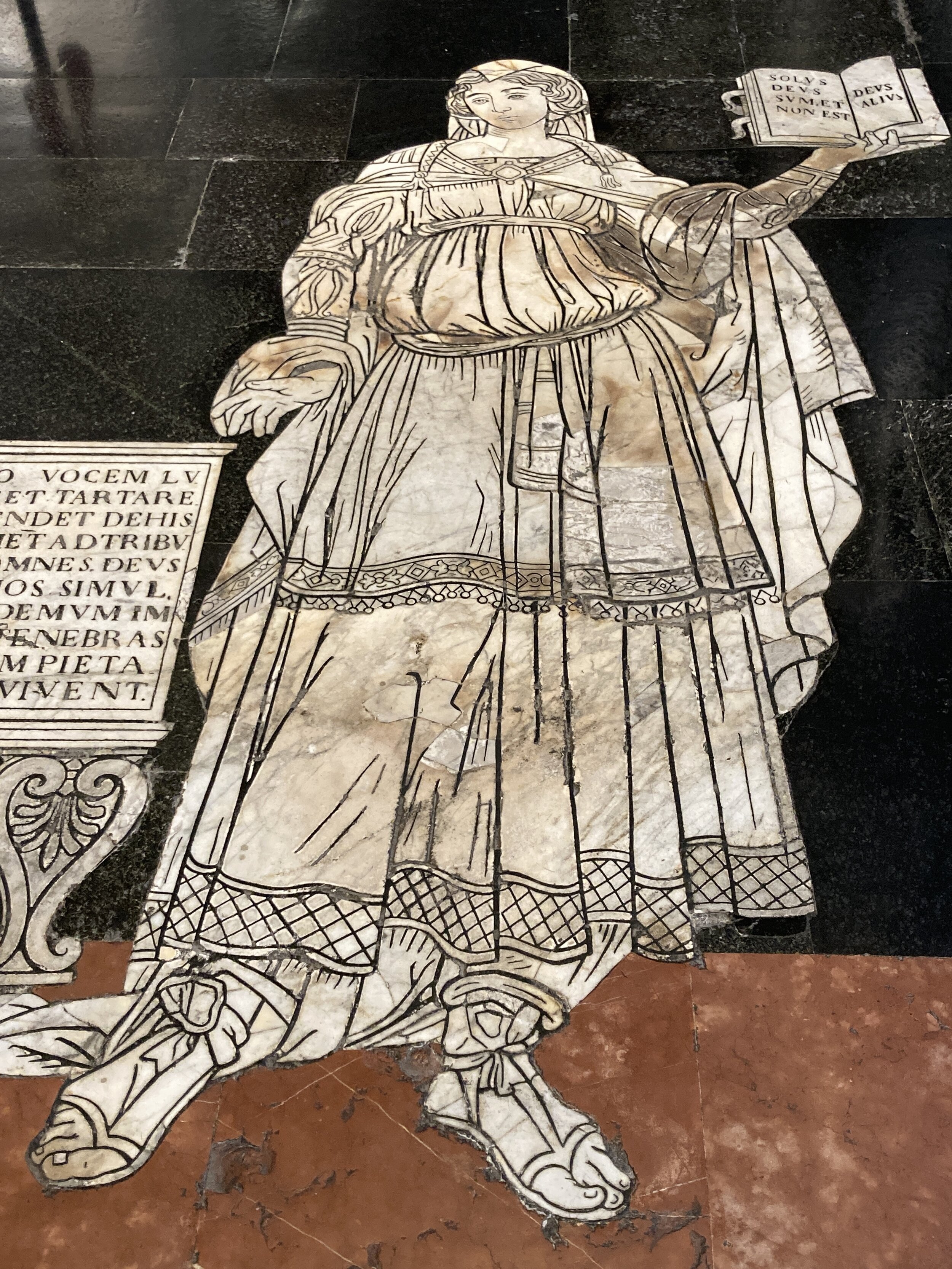
The huge expanse of floor contains more than 50 individual works completed over time in the 14th and 15th centuries. Different artisans (most local to Siena) crafted the floor using marble inlay or marble graffiti (a technique that adds color by scratching the light colored marble surface and adding in black color). The scenes tell of bible stories, historical events, and allegories. There are beautiful female oracles, the Sibyls, along the sides of the nave.

E972BEF3-BF5D-4375-9016-D9C56B89C748.jpeg
B1578C4F-E83C-4C35-AA26-77A0AFA5A774.jpeg
2472894E-7727-475A-921B-B0169451390B.jpeg

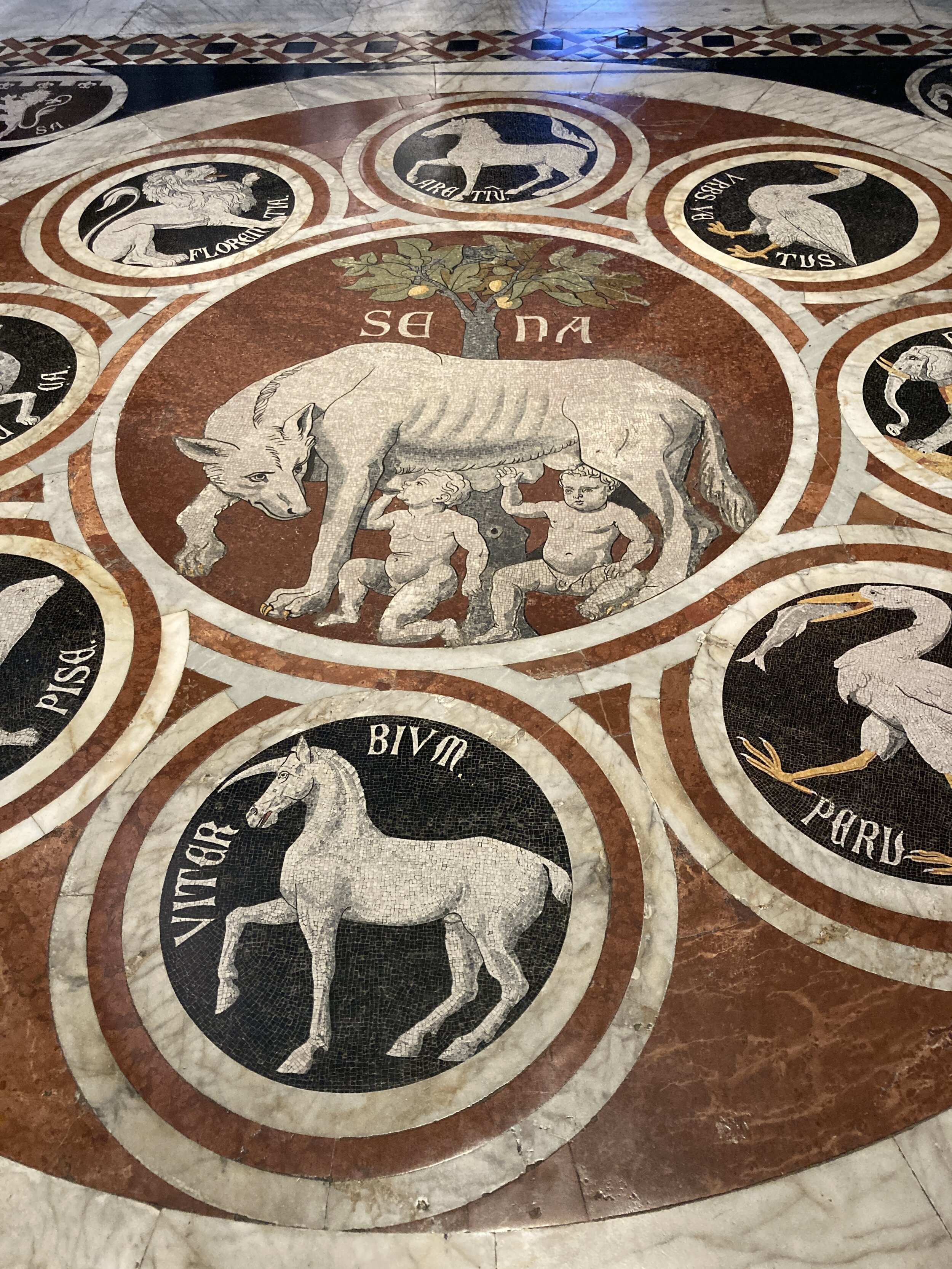
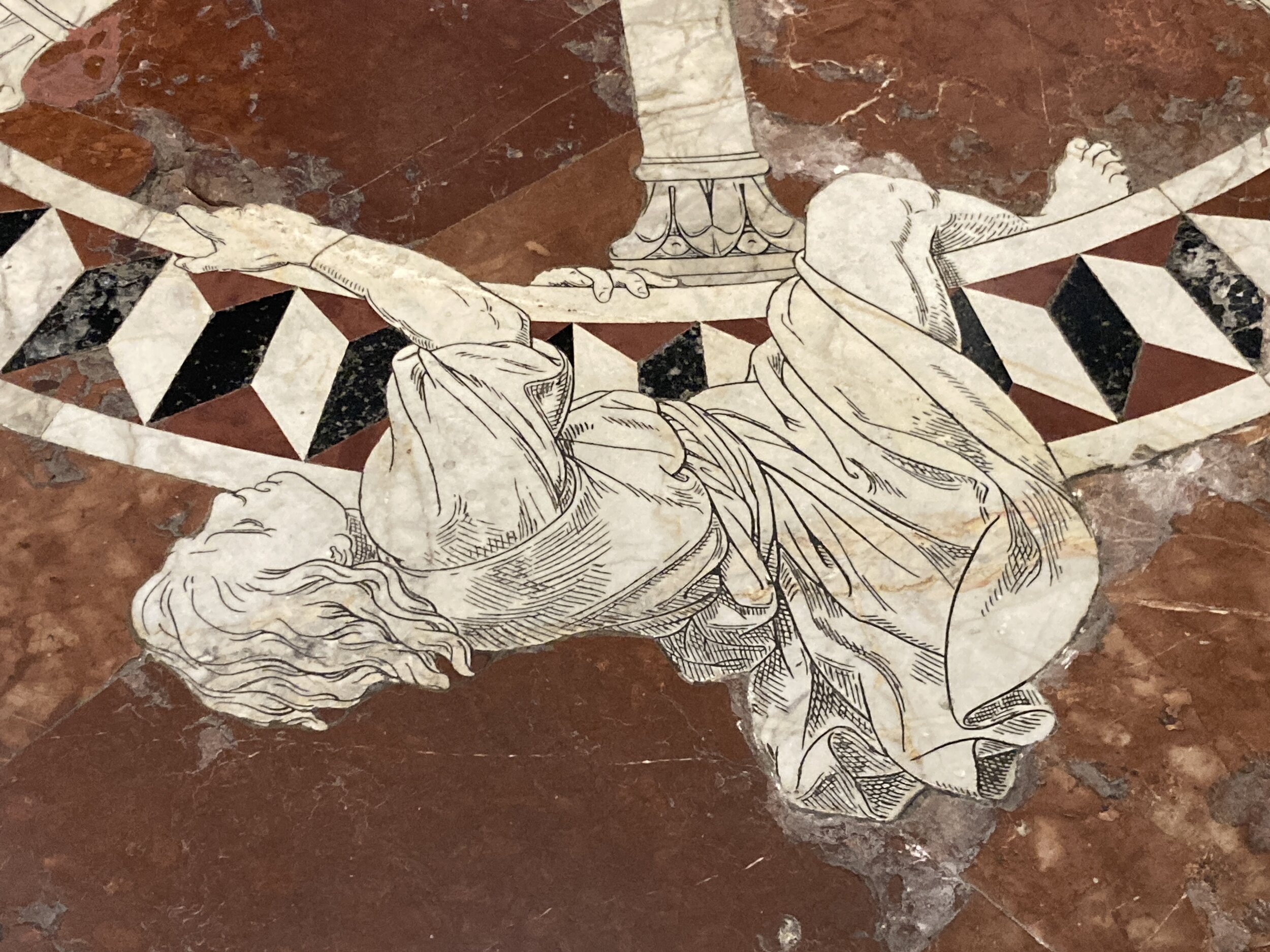
In the center of the nave are larger works, for example the round inlay with the She-Wolf, symbol of Siena, at its center (left, below) and the thought provoking Ruota della Fortuna (Wheel of Fortune, detail below right).

A13F2B51-A529-42BB-82B7-F3FE73C2D7C2.jpeg
43ECE45C-6E09-4FBF-8D8A-6D2C8669CF61_1_201_a.jpeg

Closer to the altar are elaborate scenes of bible stories. It is difficult to comprehend the artistic skill that created these intricate and captivating works of art. Even the “simple” border pieces are stunning in design and detail. The more elaborate scenes have an amazing sense of color, texture, depth and light.

08988A1B-E0B0-4558-9325-BF4AF1DDF182.jpeg

I could spend hours, days, years inside the cathedral and still find surprises at every turn. Siena will surely call me back again and again to sit in this stunning church and marvel at its treasures.

October 11, 2021 /Judy Giannnettino
Inside the Porta Reale, at the entrance to the historic center of Barga

Inside the Porta Reale, at the entrance to the historic center of Barga

An Afternoon in Barga

October 04, 2021 by Joanne Bartram

Up in the Garfagnana, about an hour from Lucca, lies the village of Barga.  Tucked away on a hilltop, far from the typical tourist route, Barga is a quiet corner of Tuscany that maintains much of its medieval character.  Barga is so picturesque that it has been included on the list of Borghi Piu Belli d’Italia (Most Beautiful Villages in Italy list).  I have to agree!

 The winding, narrow lanes are lovely and, due to its position high on a hilltop, Barga also serves up an expansive landscape. The town is surrounded by forests, the Serchio River valley, and the not-too-distant peaks of the Apuan Alps.  The views over the countryside are best enjoyed from the terrace in front of the Duomo (Church of San Cristofero).  Such a wonderful reward after walking up to the church at the top of the hill.

The view from the terrace in front of the Duomo in Barga

The view from the terrace in front of the Duomo in Barga

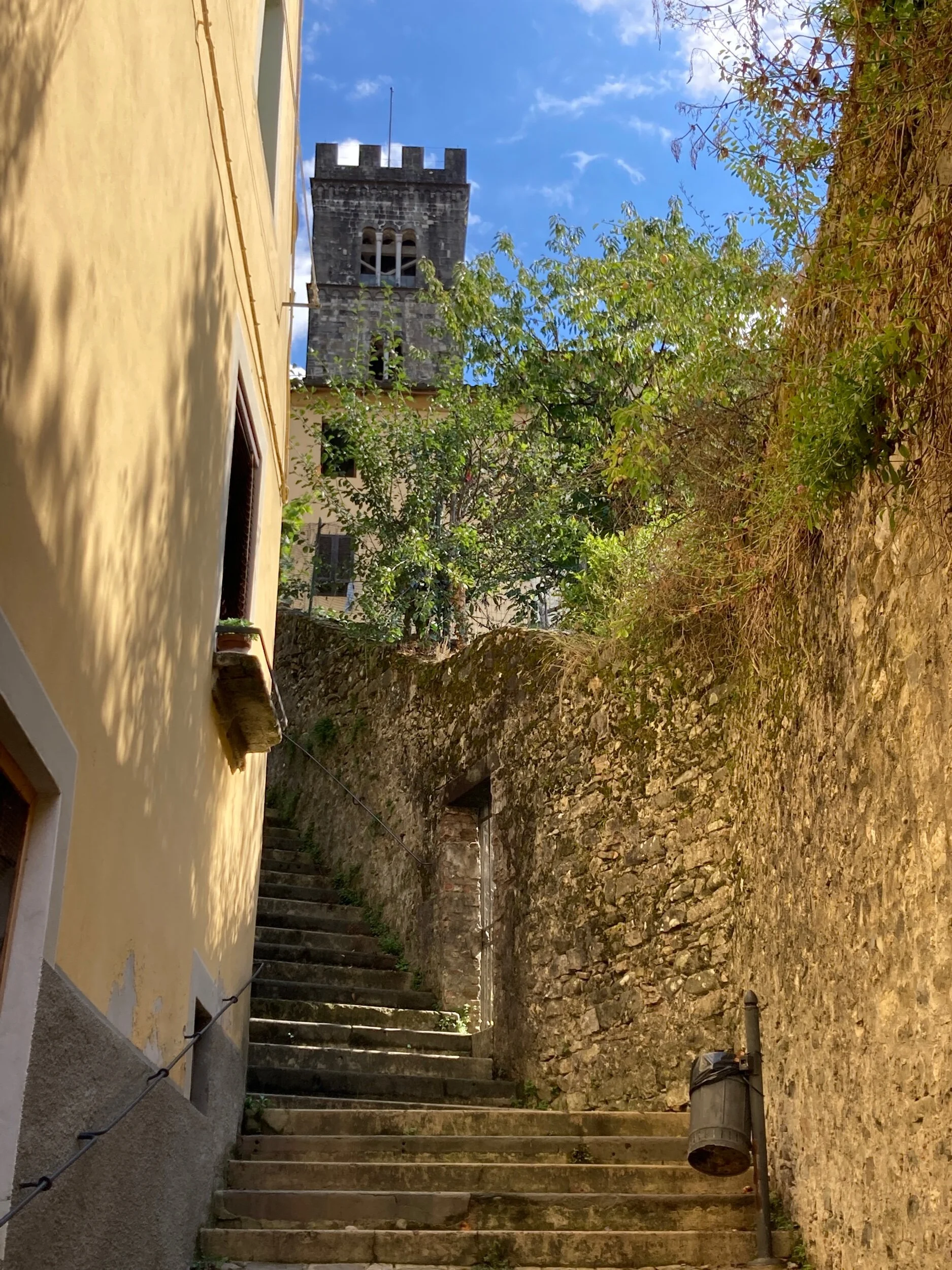
 Barga began as a walled castle town and some of the original gates to the city remain.  Entering through one of those gates, the Porta Reale, the journey through town meanders past small squares, steep medieval streets, fascinating architecture, small vicoli (alleys) with surprising views, and interesting landmarks.  All this and the sound of churchbells ringing!  

 In an interesting twist, Barga is also a town with strong links to Scotland.  This connection developed in the early 20th century when many families from Barga emigrated to Scotland in search of work.  In the years that followed there was a reverse flow of their descendants back to Barga either to live or to establish second homes. It is not unusual to hear Scottish accents and even bagpipes in Barga.  Each summer Barga puts on the Sagra del Pesce e Patate (loosely translated as the Festival of Fish and Chips).  Definitely a Scottish twist there! I’ll have to include that in my plans next year.

 Of course Barga also has a foot in the modern world, so there is art to be appreciated, summertime music festivals (Jazz and Opera) and plenty of shops and cafes.  These more modern amenities served my friends (visitors from New Mexico Anita and Leonard) and I well when looking for a lunch spot.  We found good food with a spectacular view on the terrace of Caffè Capretz in Piazza Salvo Salvi.

The view from the terrace at Caffè Capretz

The view from the terrace at Caffè Capretz

After lunch we were ready for the uphill climb up to the Duomo.  

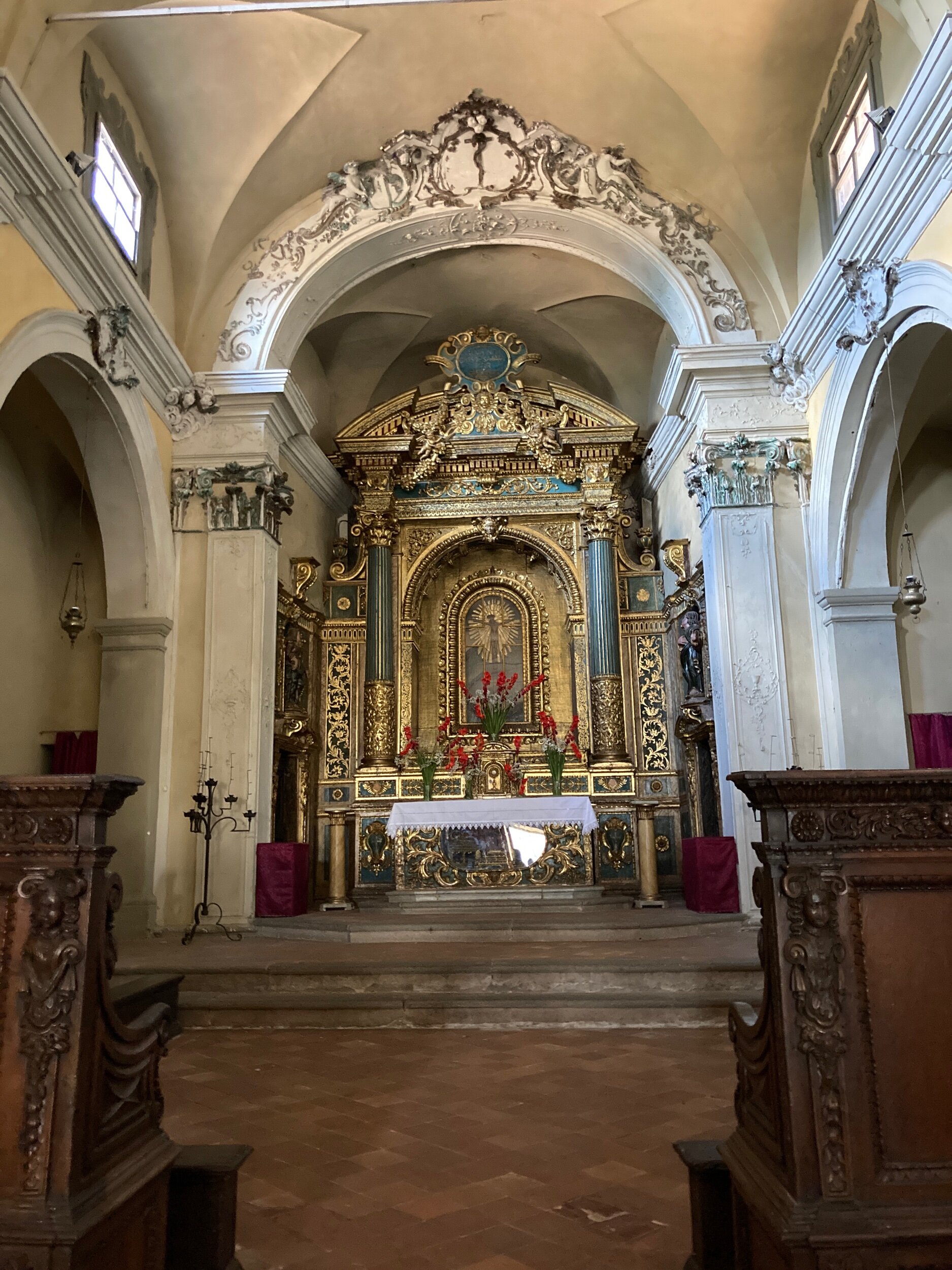
Along the way is the small church of Santissimo Crocifisso. A stop here provides a welcome break in the climb to the Duomo. It is serene and beautiful with its golden altar, graceful arches, and beautiful statuary. 

IMG_2543.jpeg
IMG_2546.jpeg
IMG_2547.jpeg

Continuing uphill (via a steep stairway or a more gently winding ramp) is the main attraction in Barga – the Romanesque Church of San Cristofero (Saint Christopher).  This is the Duomo, the largest and most important church in town.  

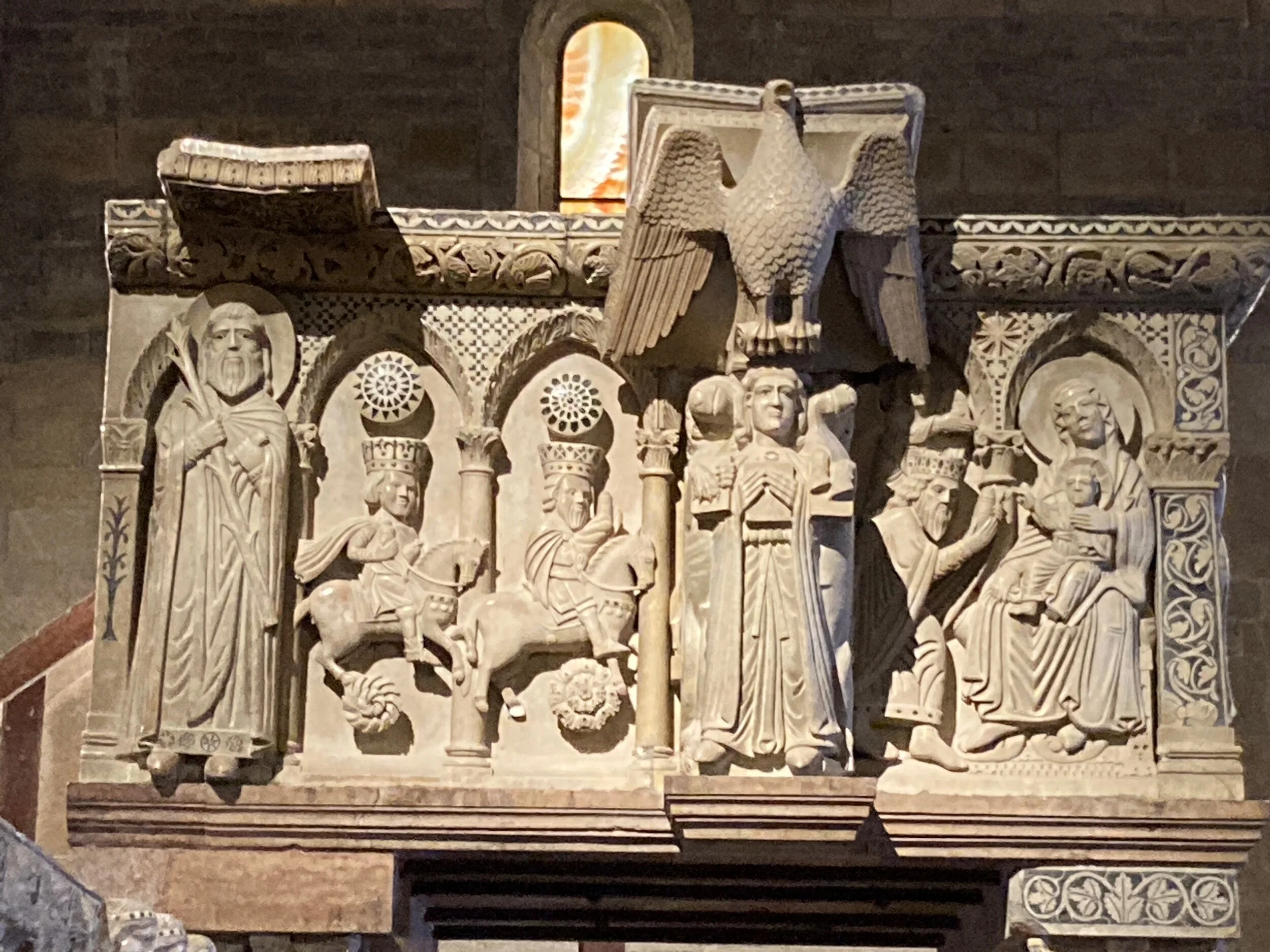
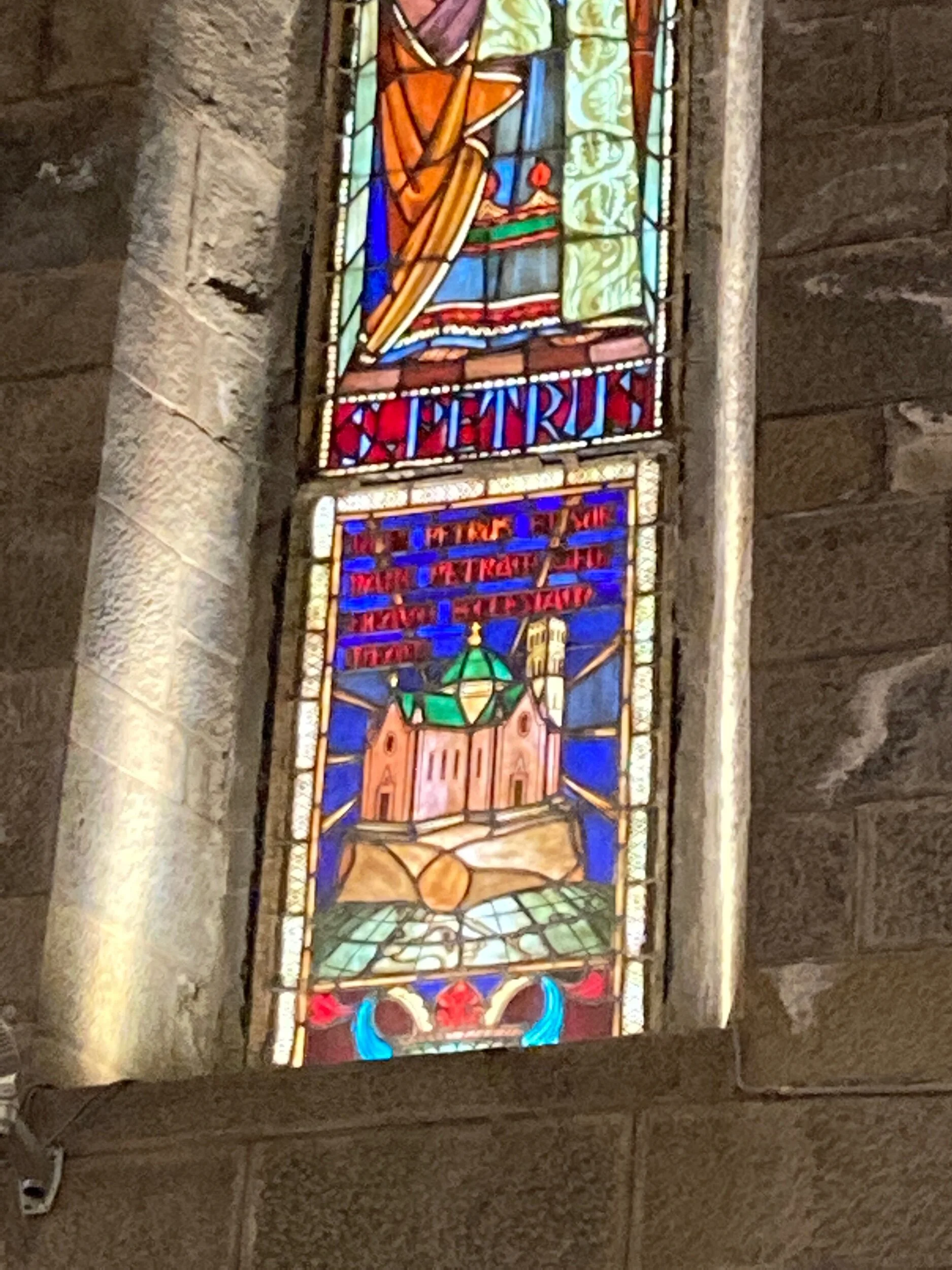
Built beginning around the 11th century, it suffered significant earthquake damage in the 1920’s. At first glance the interior seems stark and empty.  But with a further look (and a euro coin in the box to turn on the lights) a few remaining fragments of fresco and some beautiful marble panels can be appreciated. There are graceful arches, an intricately carved marble pulpit raised above the floor by stone lions, and wonderful stained glass window panels.  The main and two side altars have interesting statues, sculptures, and paintings.   

IMG_2584.jpeg
IMG_2571.jpeg
IMG_2580.jpeg
IMG_2583.jpeg
IMG_2574.jpeg
IMG_2575.jpeg

In front of the church is a large paved terrace with amazing views over the rooftops of Barga and the distant hills.  There was something special in the way the sky, clouds, hills and buildings came together on the day I visited– it’s definitely a place to linger.

One afternoon was hardly enough to get to know this enticing village, but it gave me a chance to explore a little, visit a few key places, and decide that I definitely want to return. 

Barga can be reached by car or bus from Lucca in about an hour.  The convenient Vai bus stops just outside Porta Reale.  It is also possible to arrive by train from Lucca or Pisa to the Barga-Gallicano station and then catch a bus from the train station to the historic center (much too far to walk).  

October 04, 2021 /Joanne Bartram
  • Newer
  • Older

Powered by Squarespace