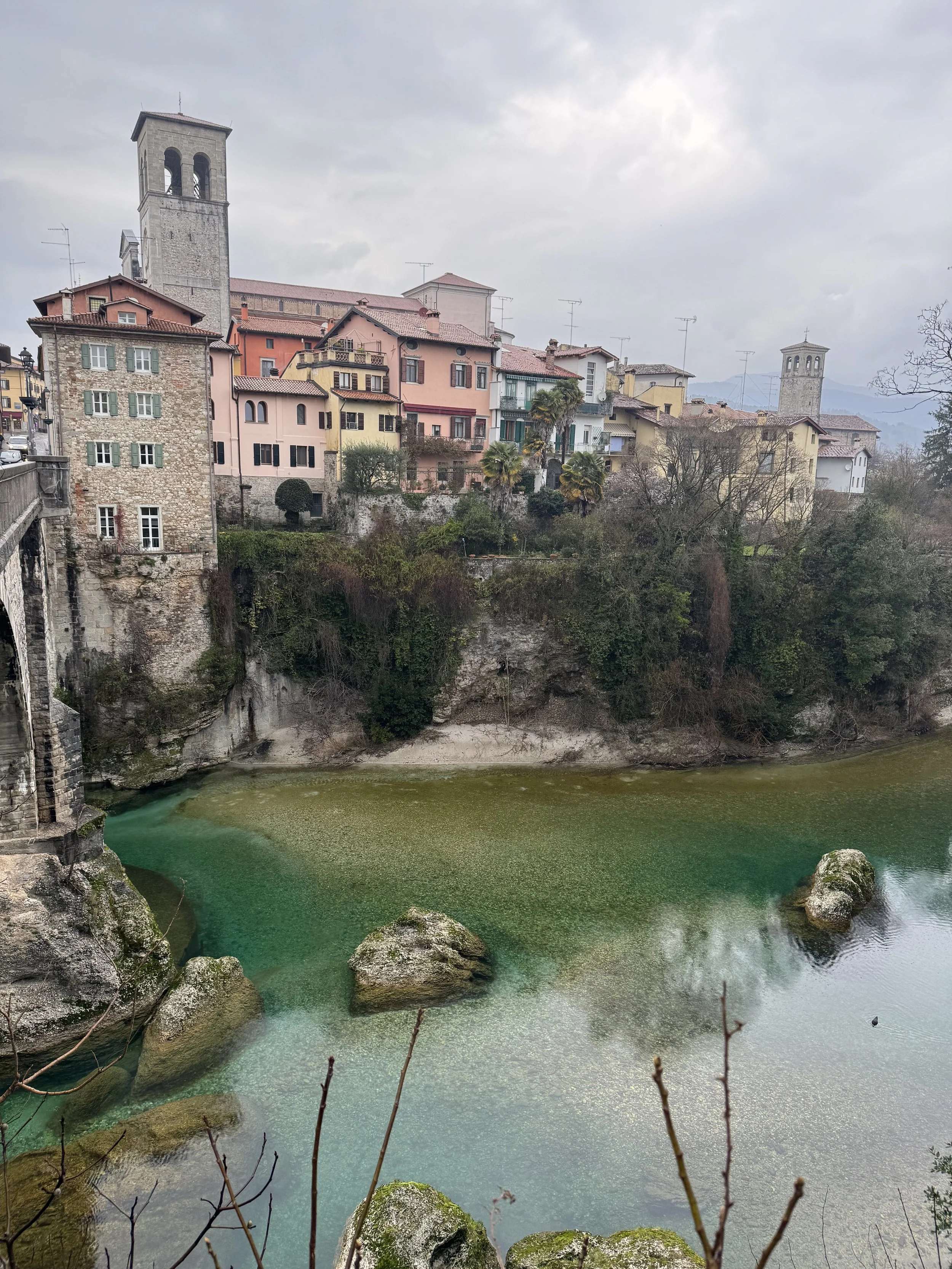
Cividale del Friuli
To enter the hamlet of Cividale del Friuli is to walk into a long ago era. Even more so when the day is misty, overcast, and feels a bit eerie. About an hour by car from busy Trieste, it feels a world (and centuries) away.
I went to Cividale, along with a small group of students from The Piccola Università Italiana in Trieste, on an afternoon excursion arranged by the school. We arrived to a spot overlooking the Natisone river which seemed to glow with an unusual iridescent green color. Not to worry though - the color is not due to pollution but is naturally occurring because of the minerals deposited by the water flowing down from the nearby mountains.
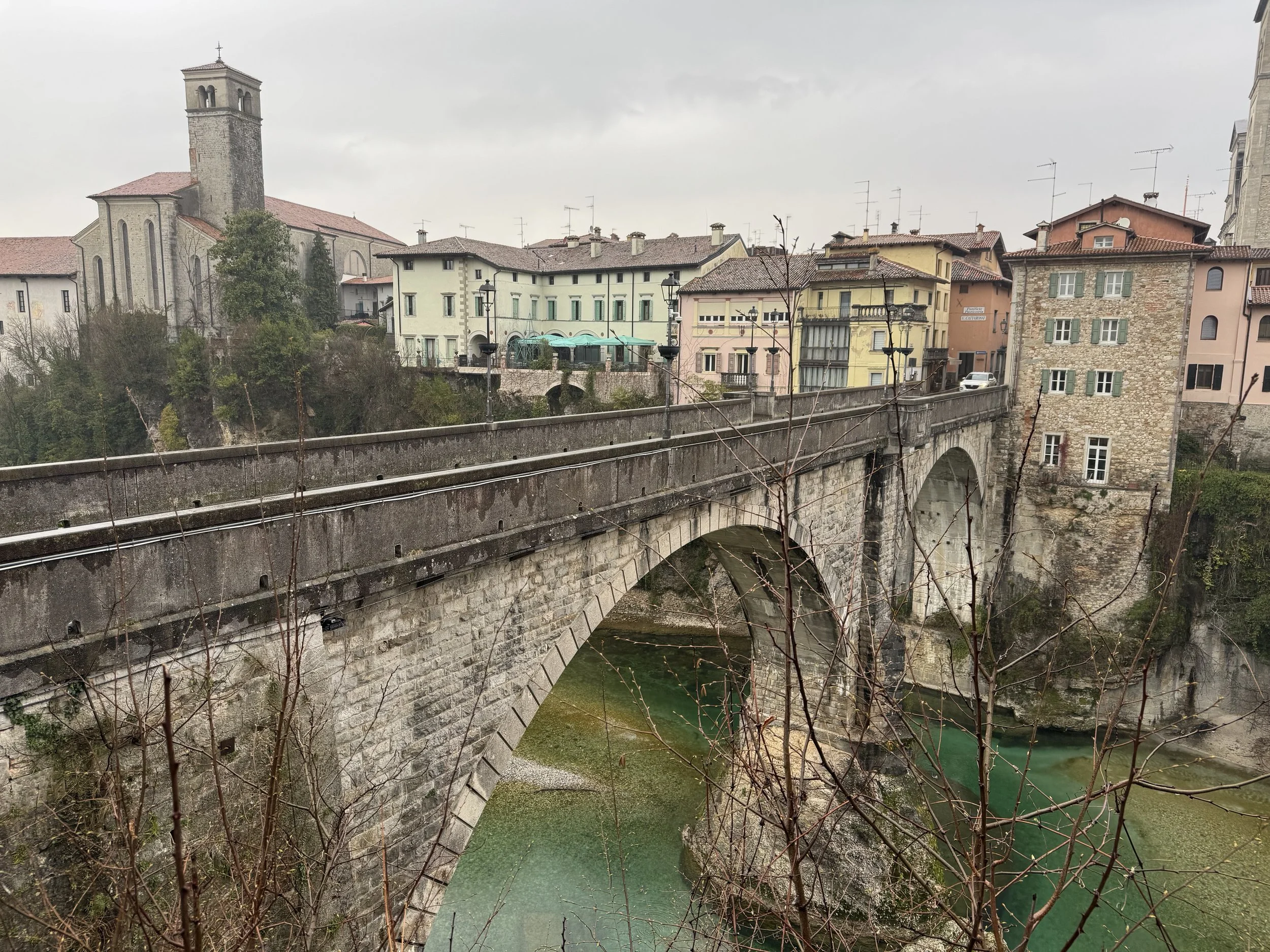
Il Ponte del Diavolo (Devil’s Bridge)
The bridge across the river is known locally as the Il Ponte del Diavolo (the Devil’s Bridge) and of course there is a legend that goes with the name. Does any village in Italy not have its own legends and myths? Oddly, the story in Cividale is identical to the one told at the bridge built by the same devil just outside of Lucca. Must have been one busy devil!
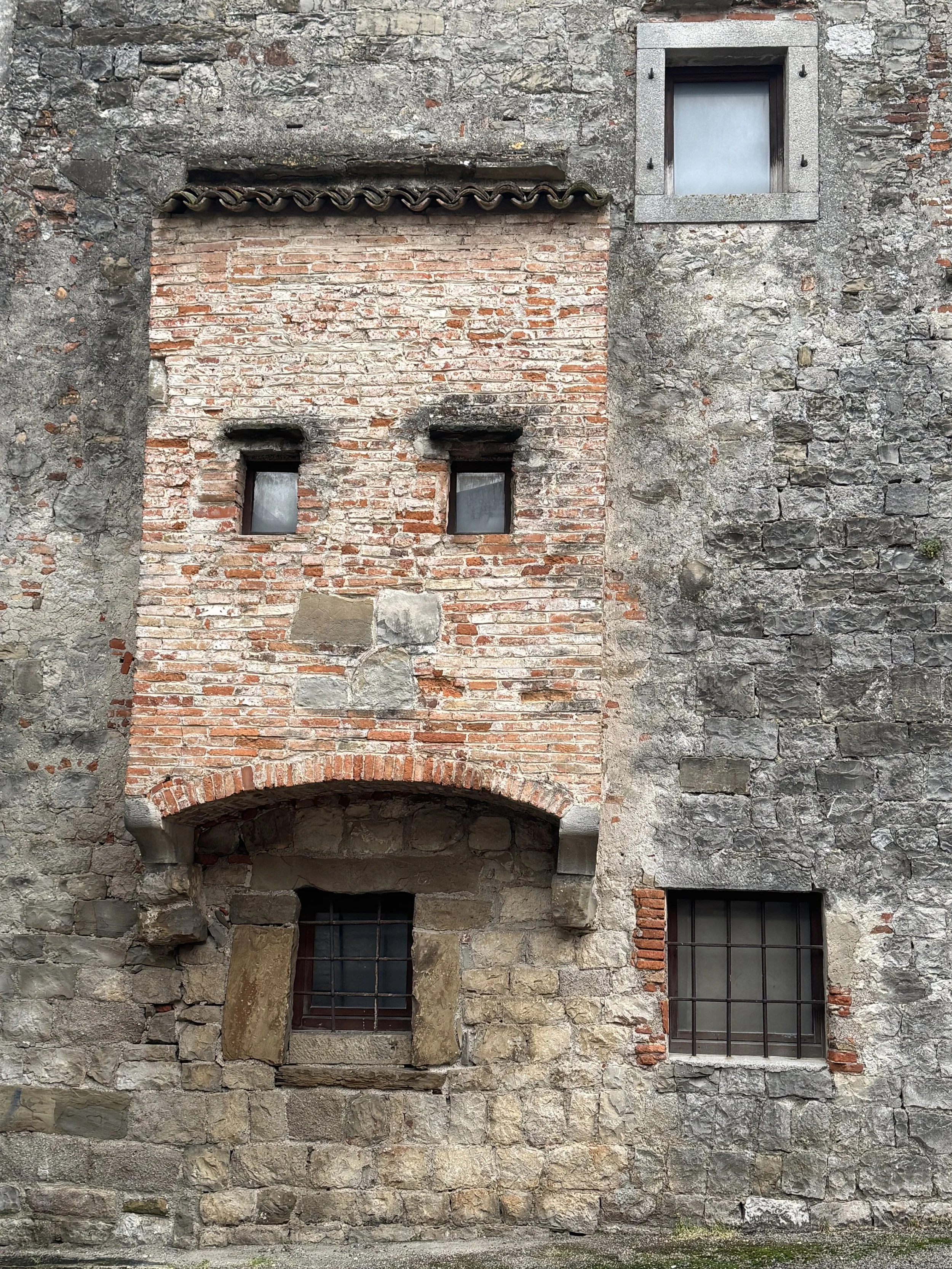
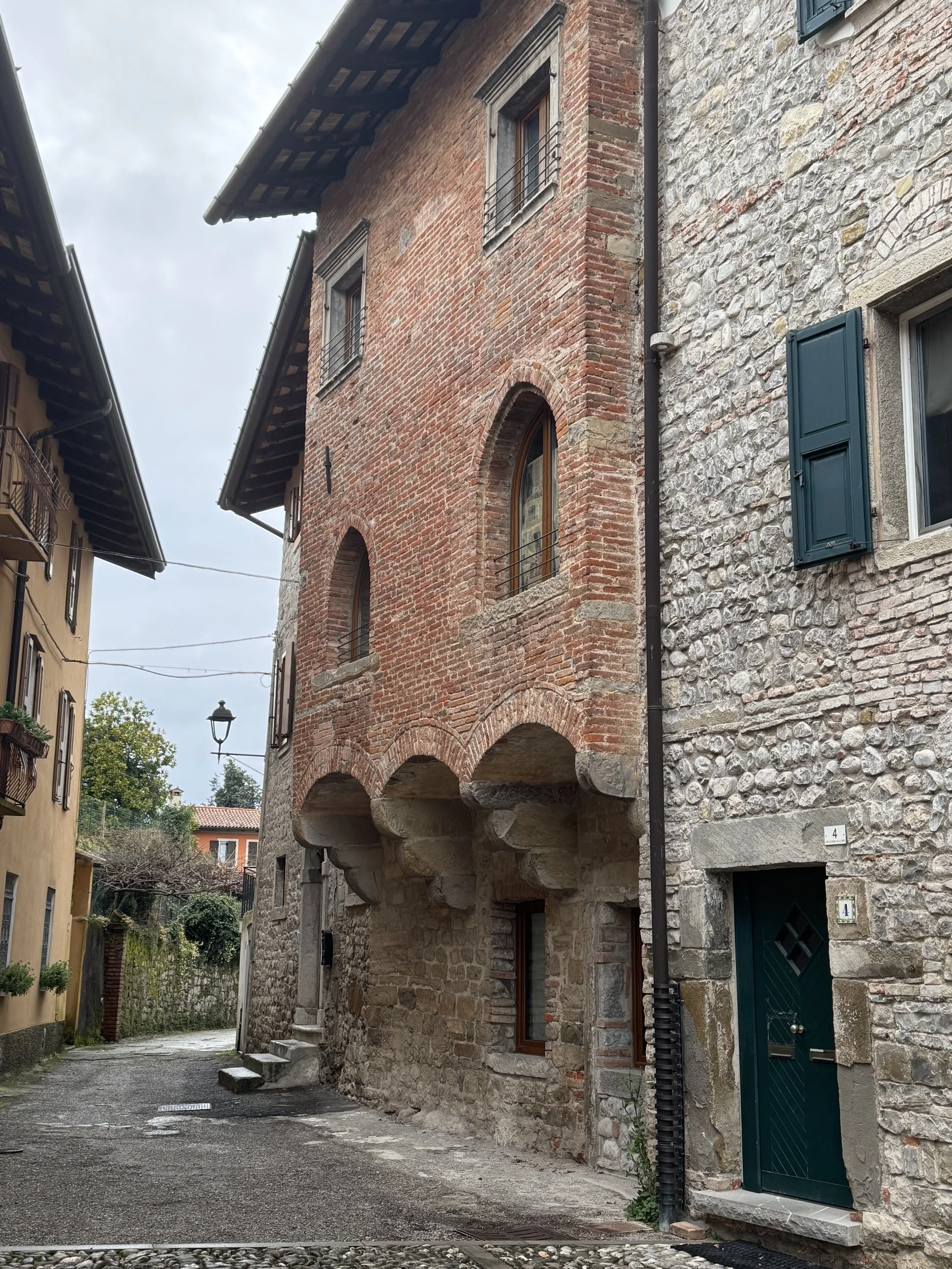
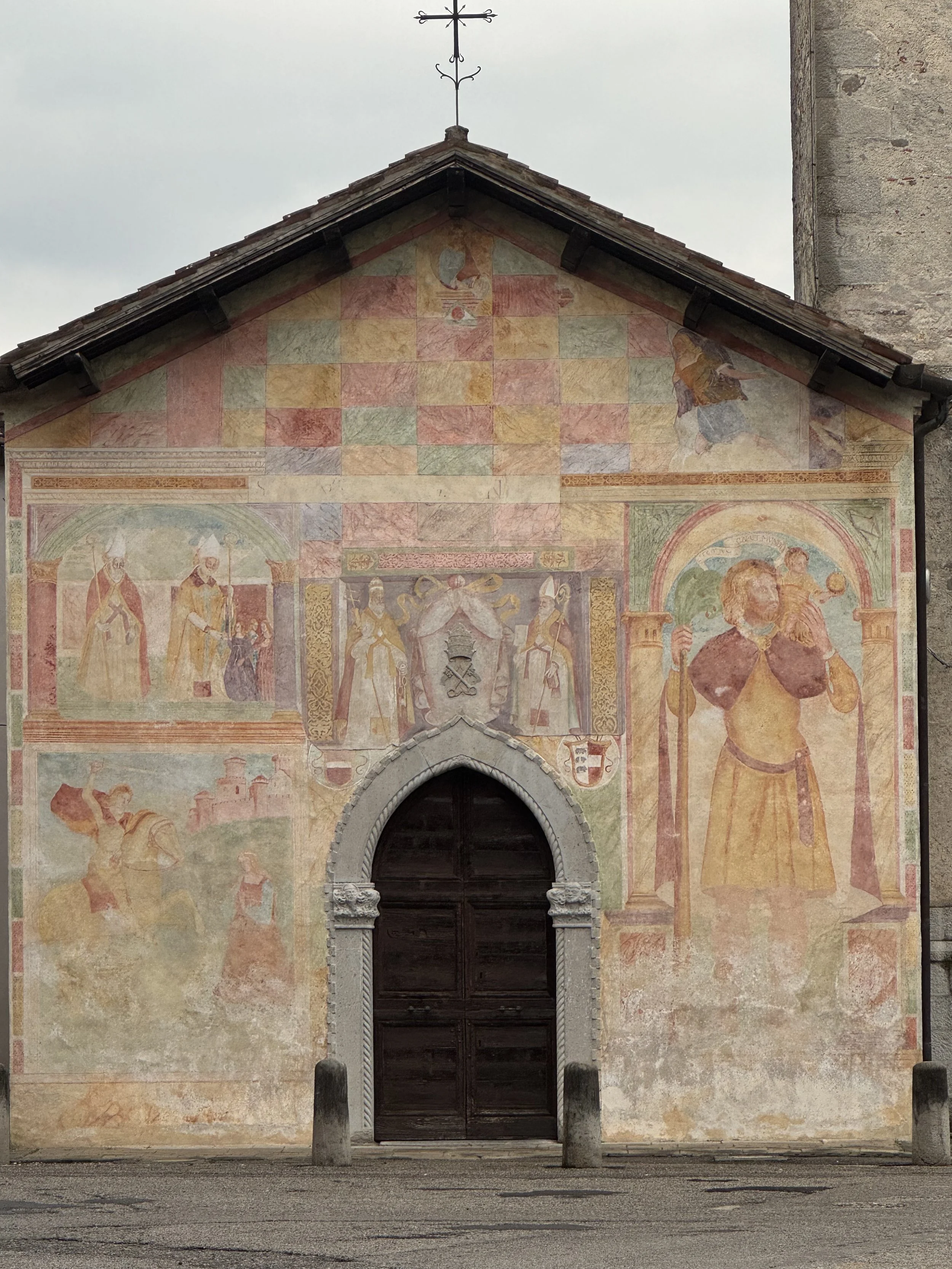
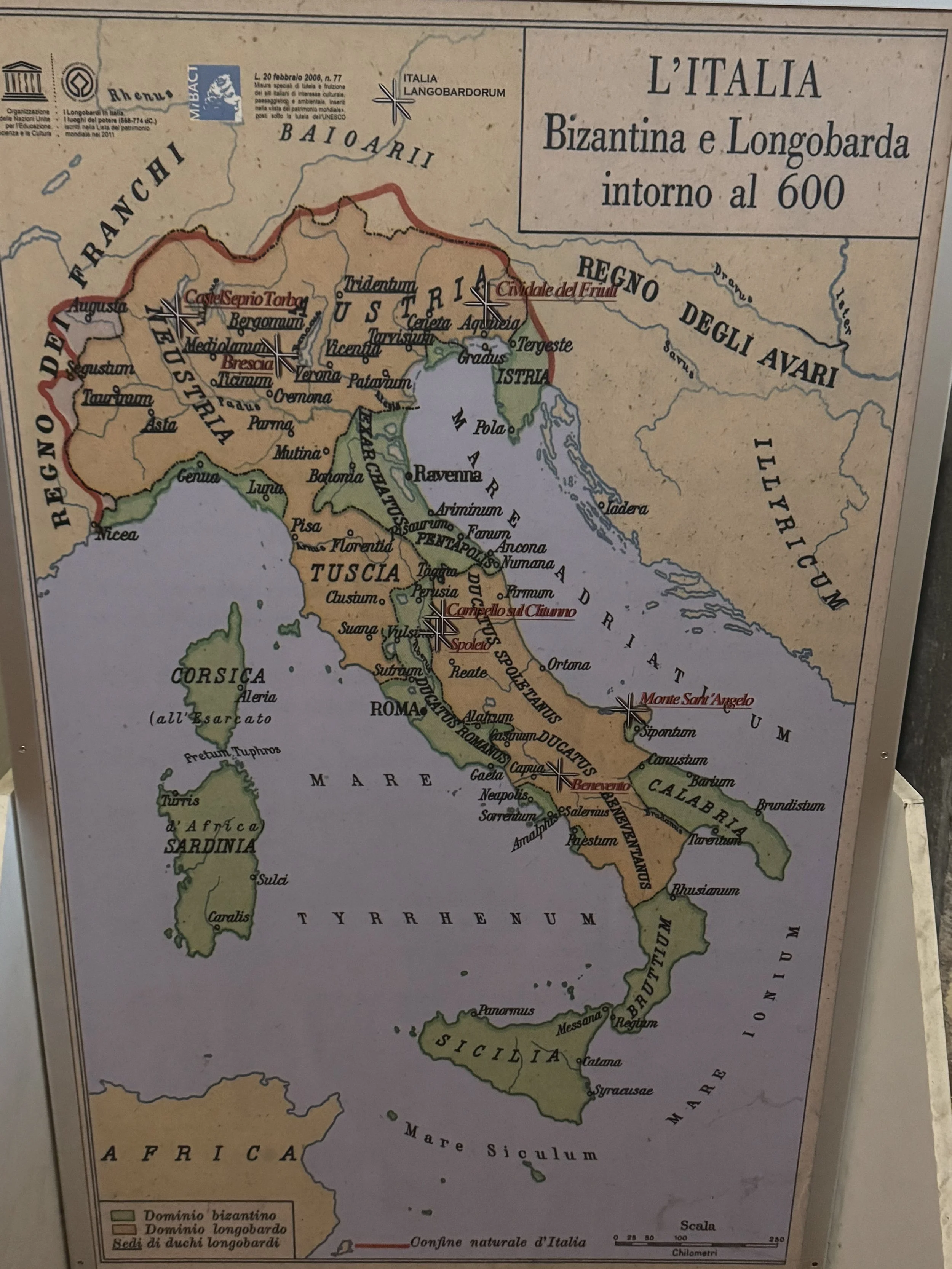
Most of Italy was once inhabited by the Longobards
Much of the Cividale feels medieval but there are traces of earlier civilations too. The most intriguing part of Cividale’s history involves the Longobards. A bit of a history lesson is required here. After the Roman empire fell in the 5th Century AD, this part of Italy was ruled by the Byzantines until it was conquered by the Longobards. The Longobards had slowly moved from the north into Germany, Austria, Hungary, and Slovenia. In the last half of the 6th century they arrived in what is now northern Italy. Cividale del Friuli was the first Longobard Duchy. Eventually most of Italy, 35 Duchys in all, were part of Longobardo Italy.
Their empire fell with the arrival of Charlemagne, but traces remain in both the landscape and the language of Italy. Today, the group of Longobard sites scattered across Italy are a UNESCO site, with Cividale being the perfect place to begin exploring this lesser known chapter in Italy’s history.
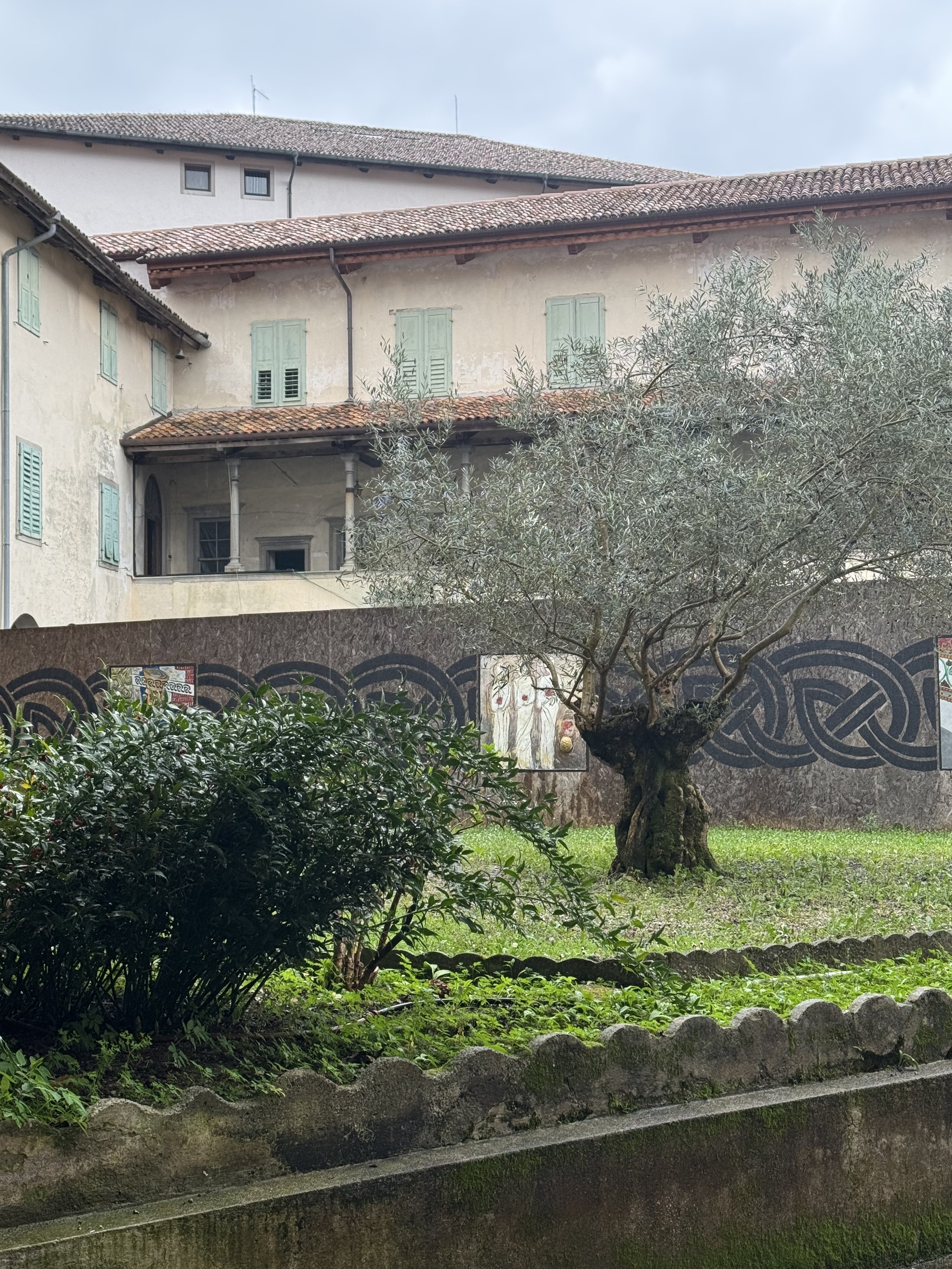
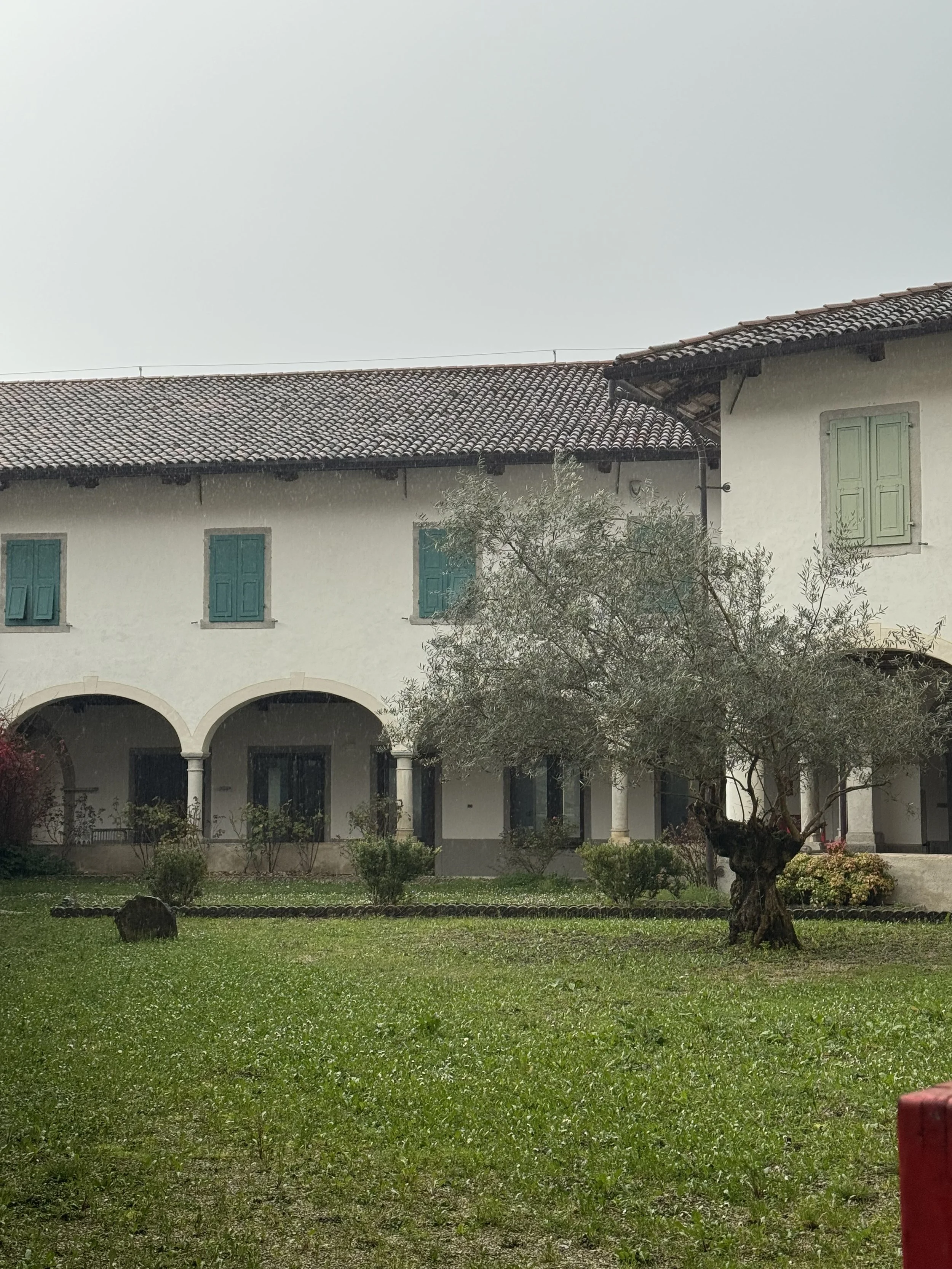
My visit to Cividale was just one afternoon in a light rain that quickly became a torrential downpour, so I was only able to get a taste of all that the village had to offer. The rain drove us mostly indoors to two museum complexes. The first was the Oratorio di Santa Maria in Valle. Once an 8th century convent, where the daughters of noble Longobards might have lived, it remained a place for nuns through the 1800’s and continued as a convent and girl’s boarding school right up to the year 1999. Today it is a museum with a small chapel and beautifully displayed frescos remnants.
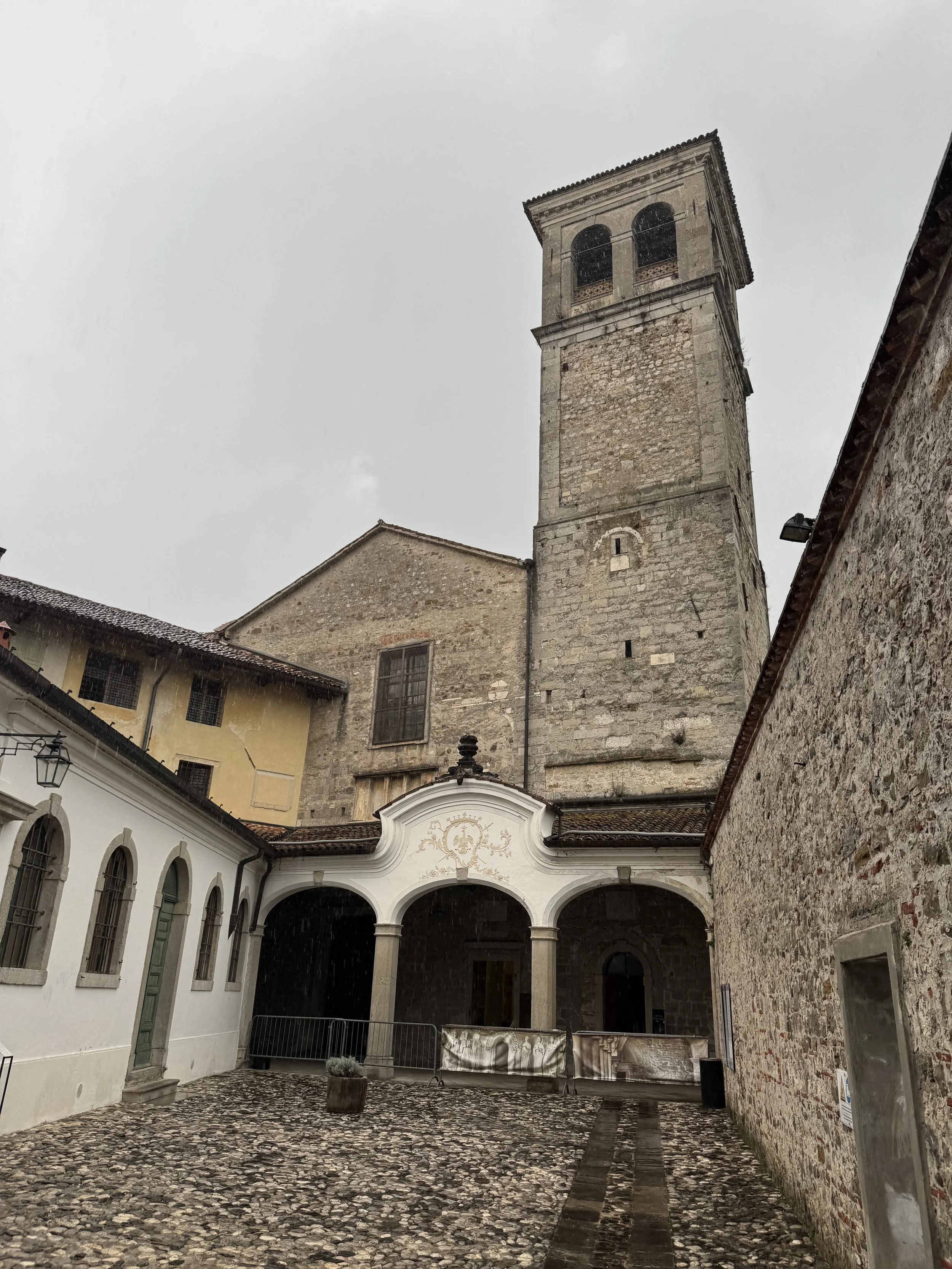
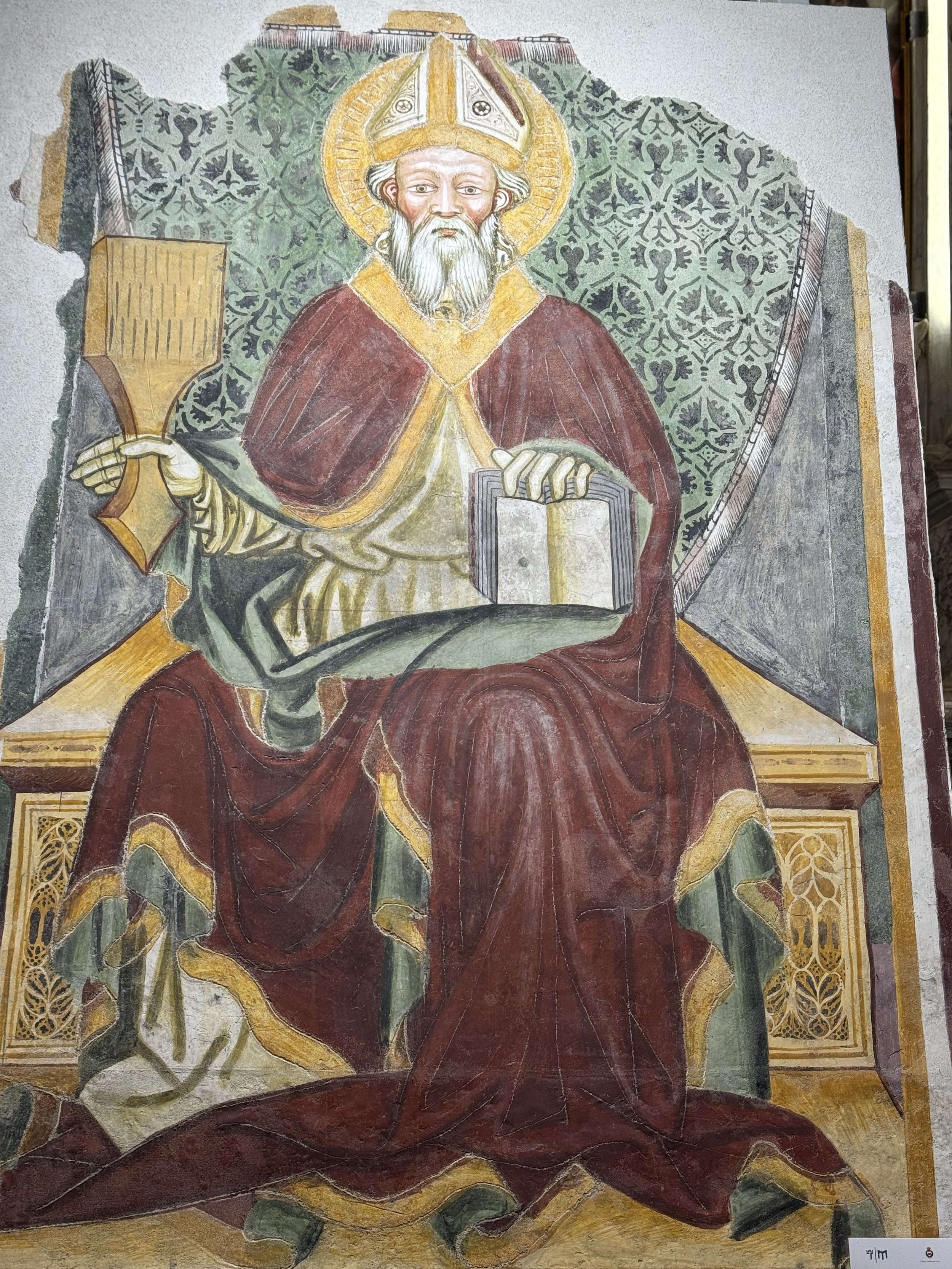
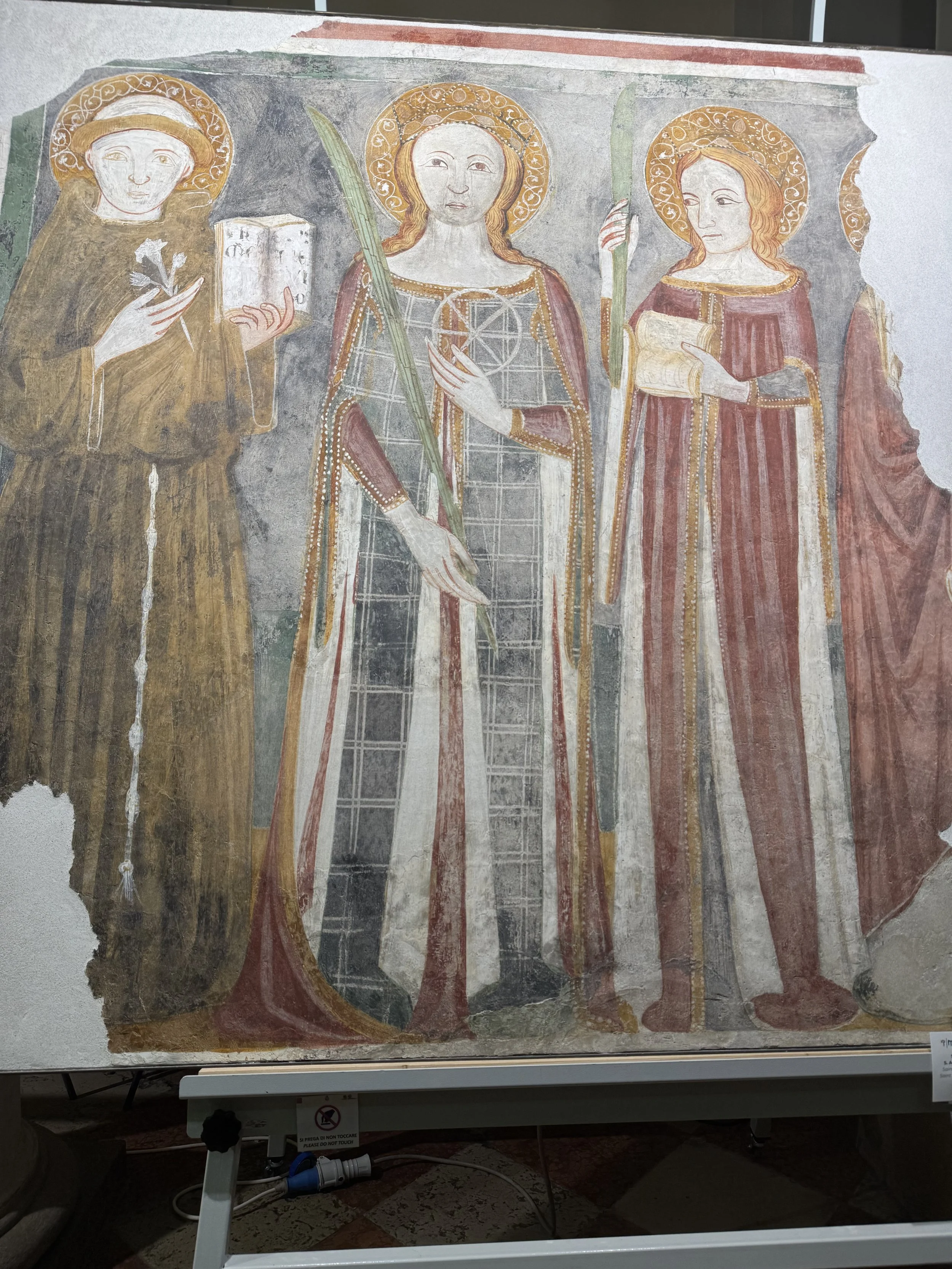
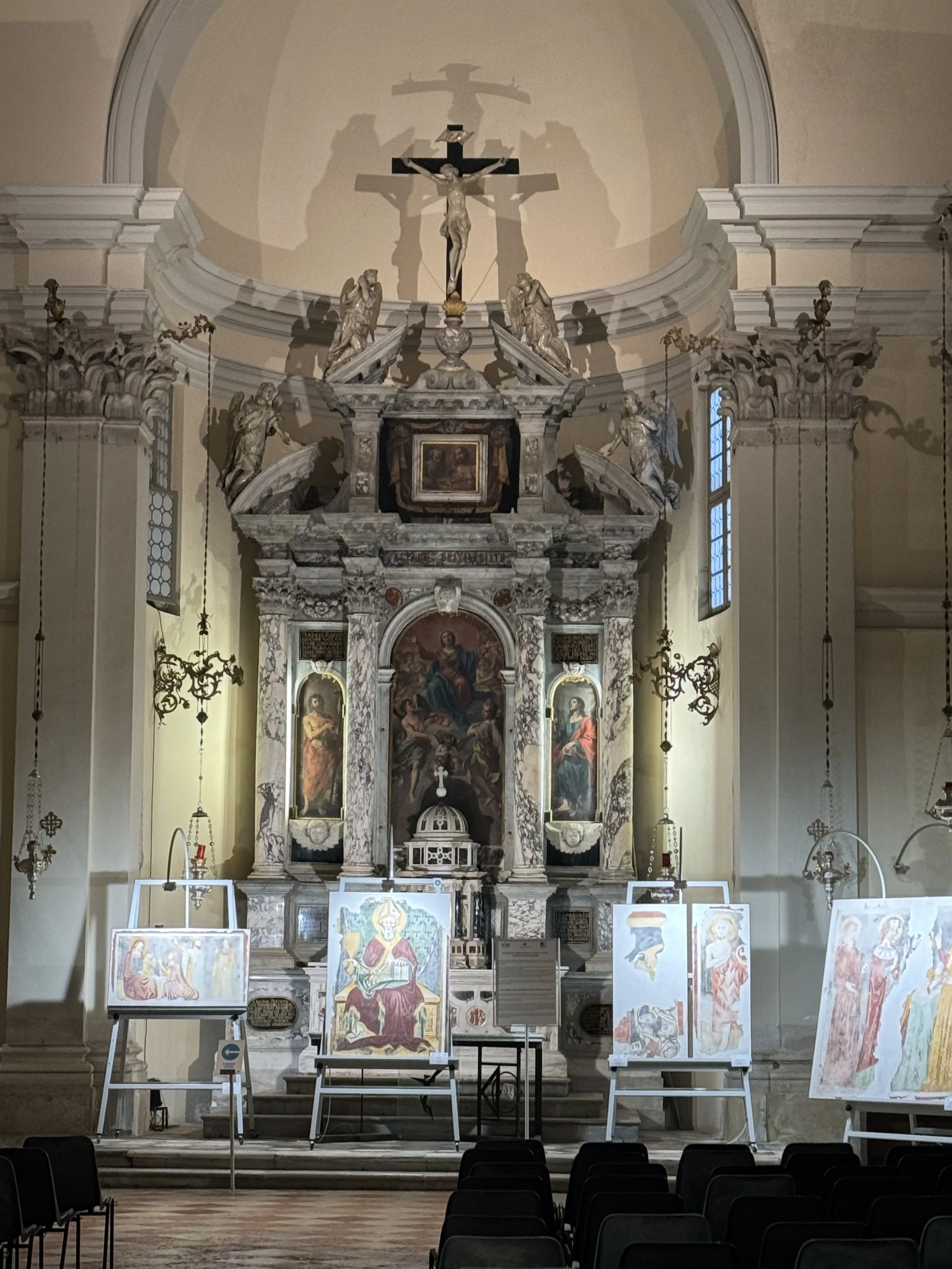
It also has something unique inside - the Tempietto Longobardo (Lombard Temple) . This very small temple, which dates to the 8th century, is a wonder. Small but soaring, the space seems perfectly designed for quiet contemplation and divine inspiration.
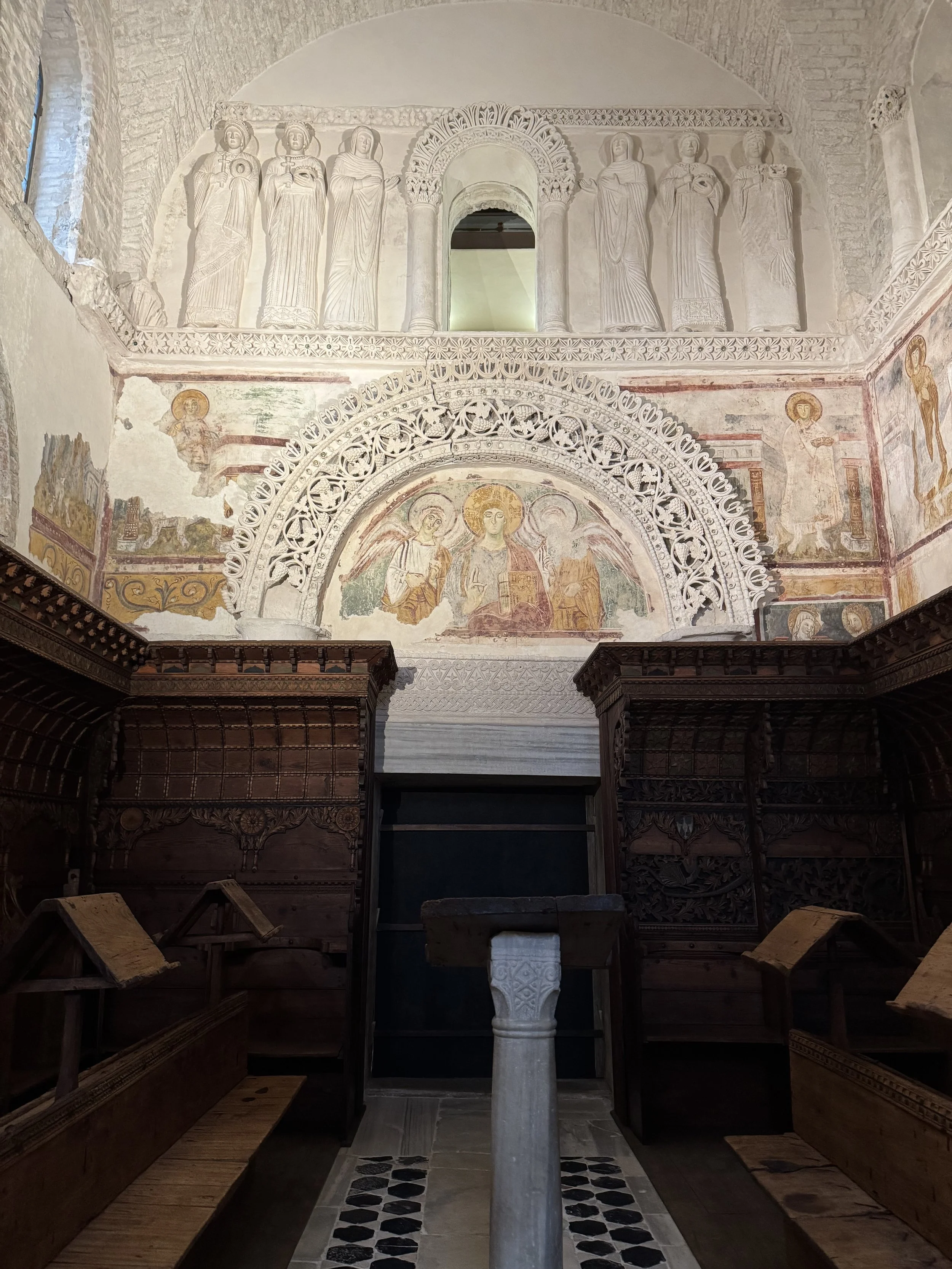
Tempietto Longobardo
Lined with carved wooden benches on both sides, it rises quite high with intricately carved lunettes, frescoes, and relief sculptures of saints. Large columns support 3 barrel vaulted arches with only fragments of the original frescoes remaining. But look up - the ceiling still has some beautiful intact artwork.
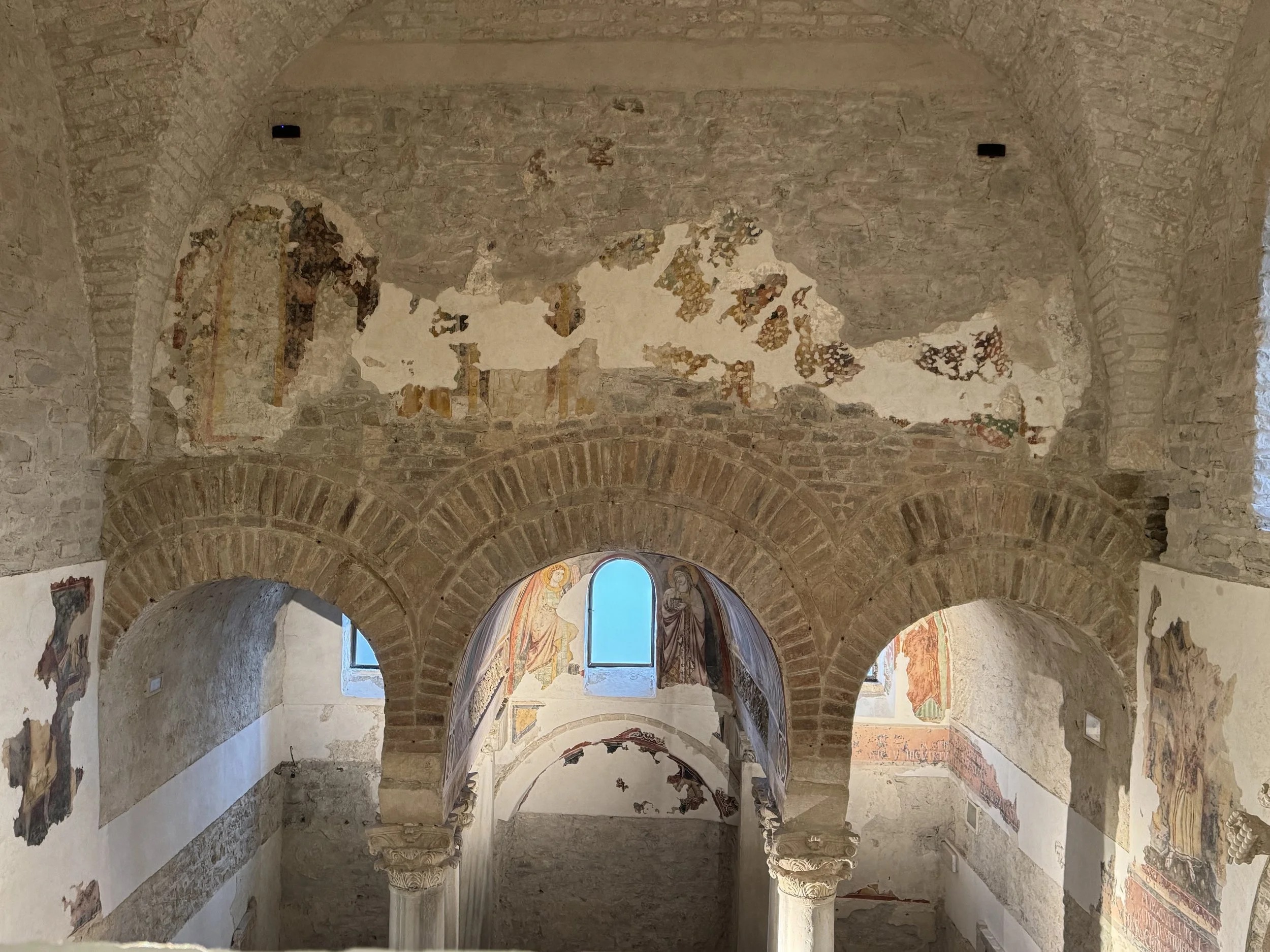
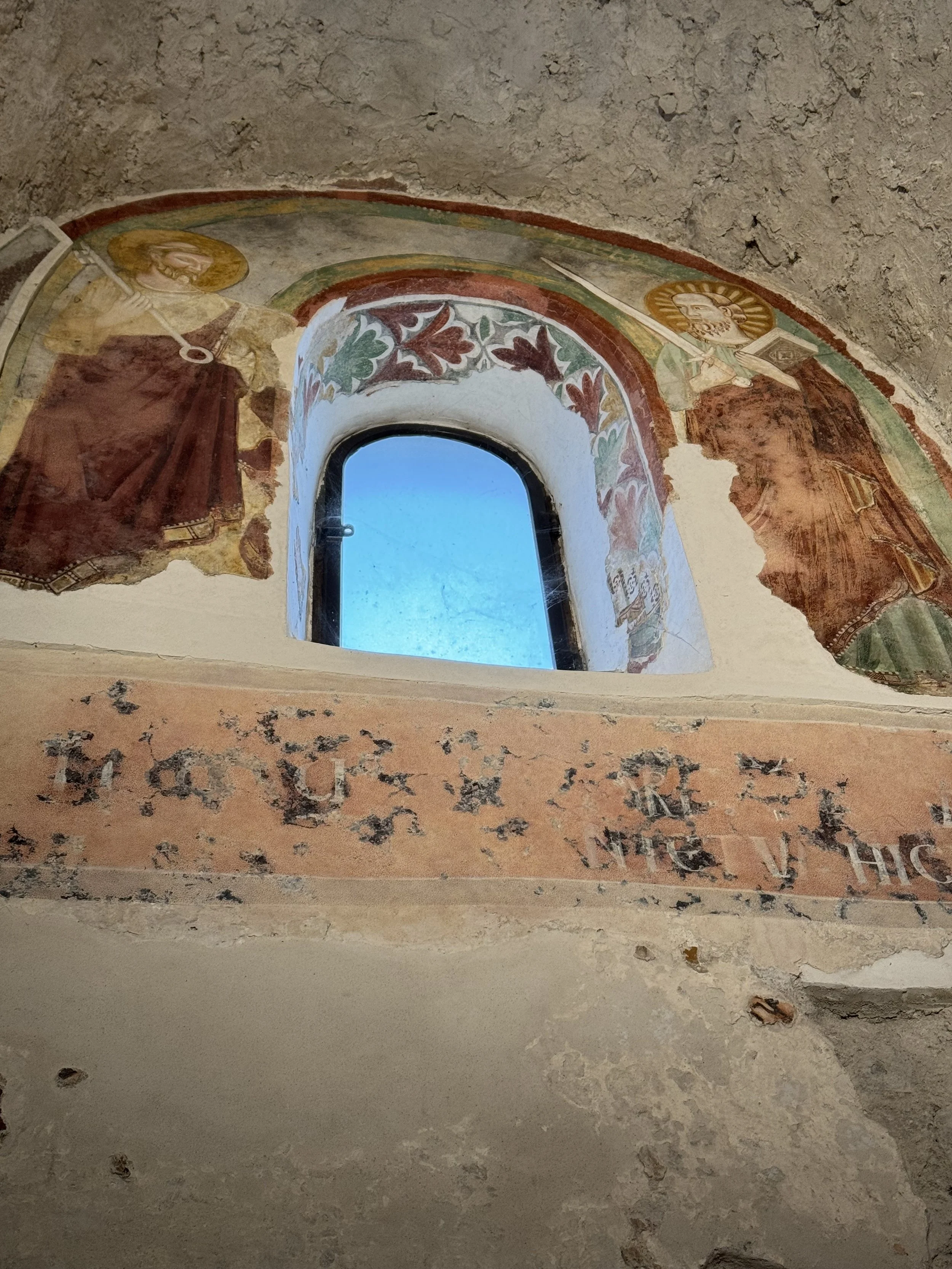
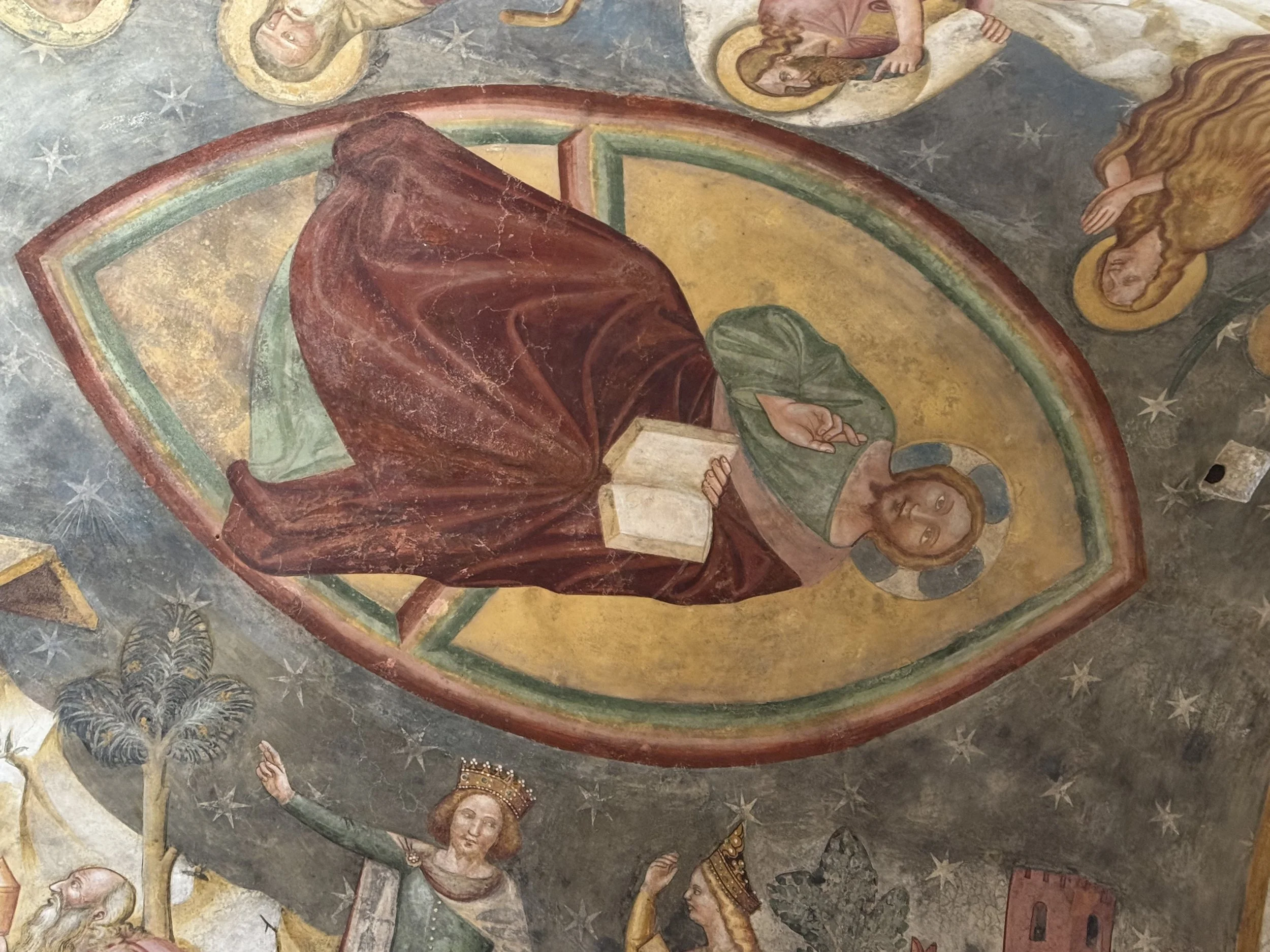
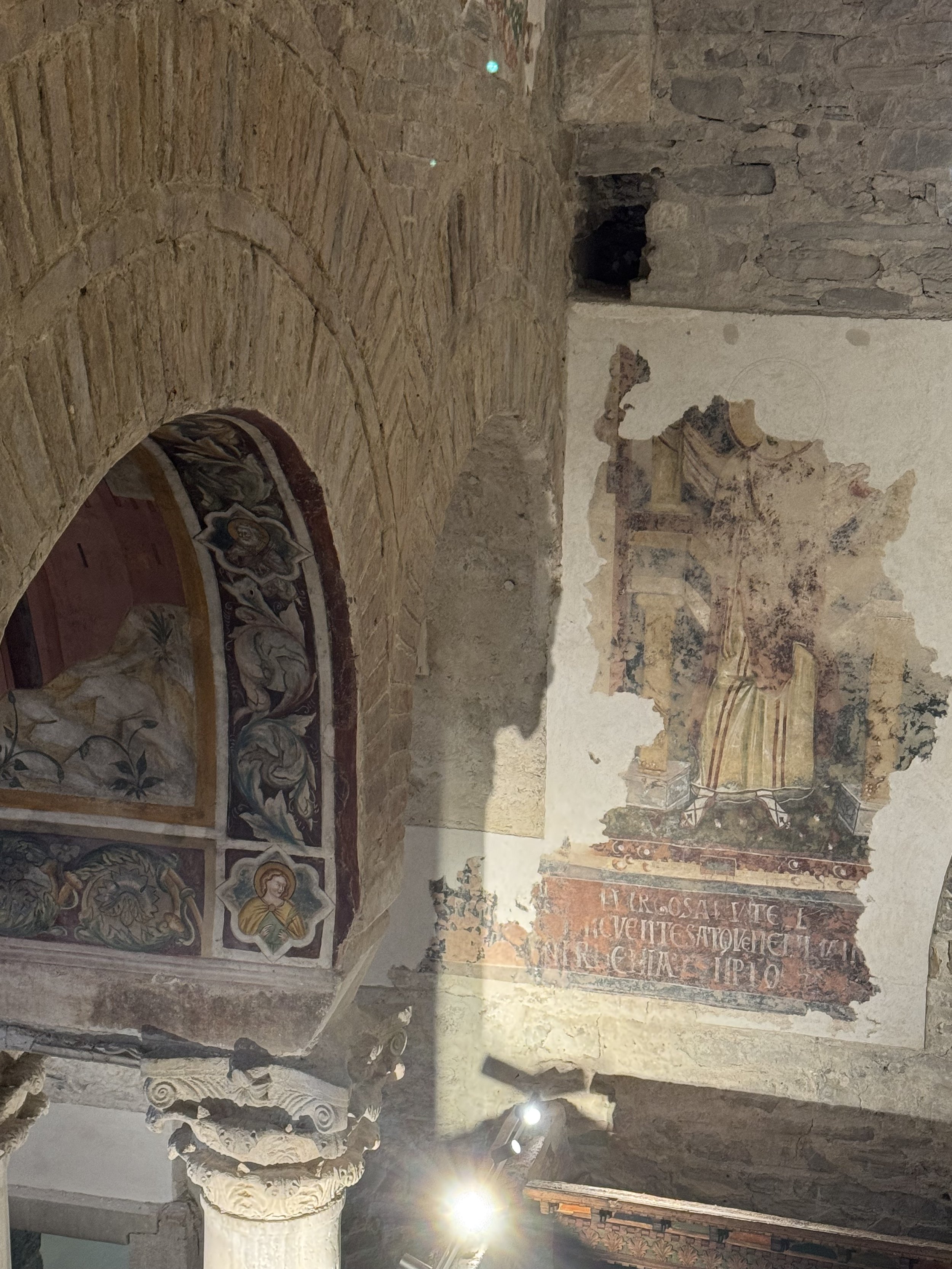
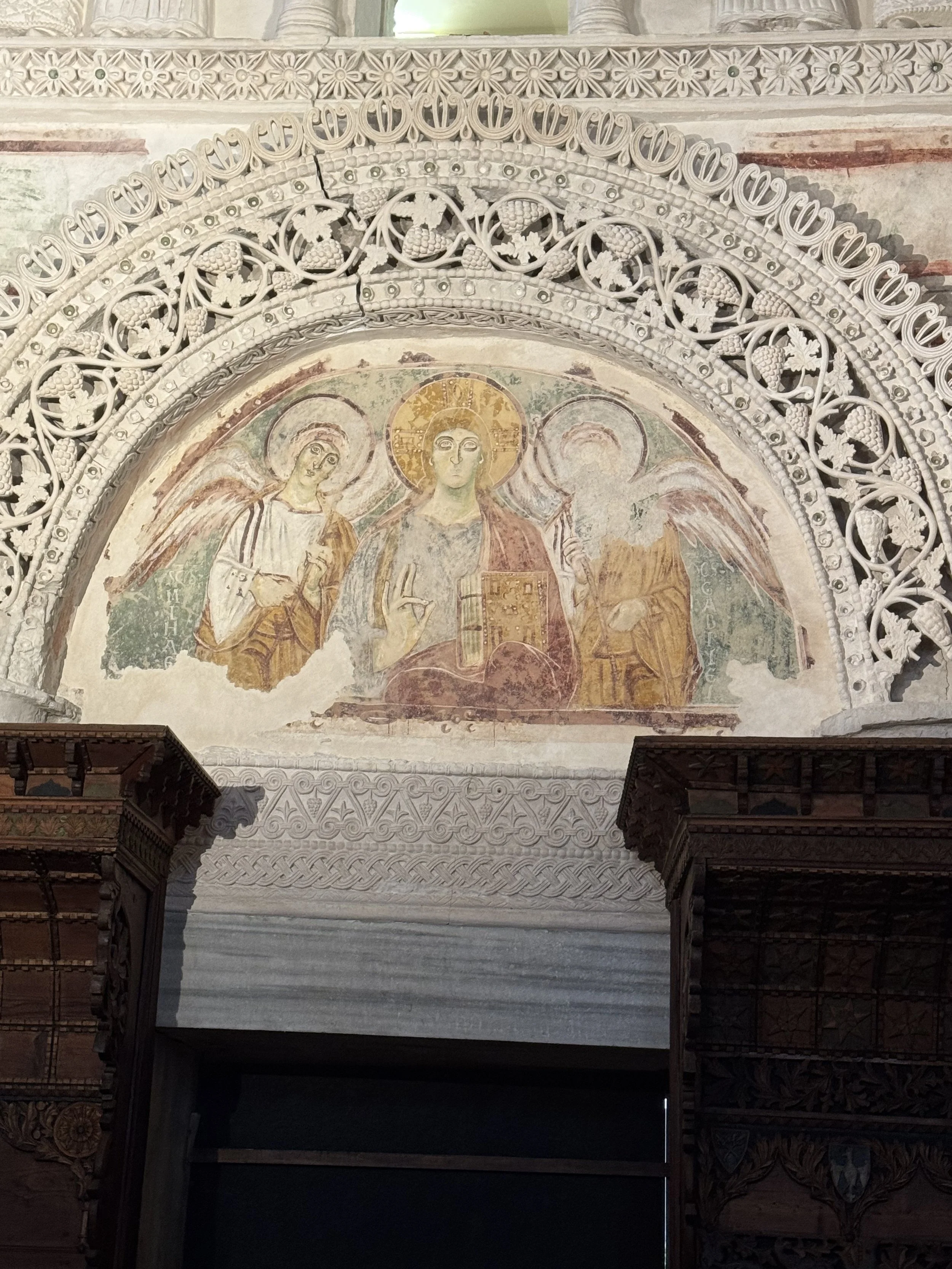
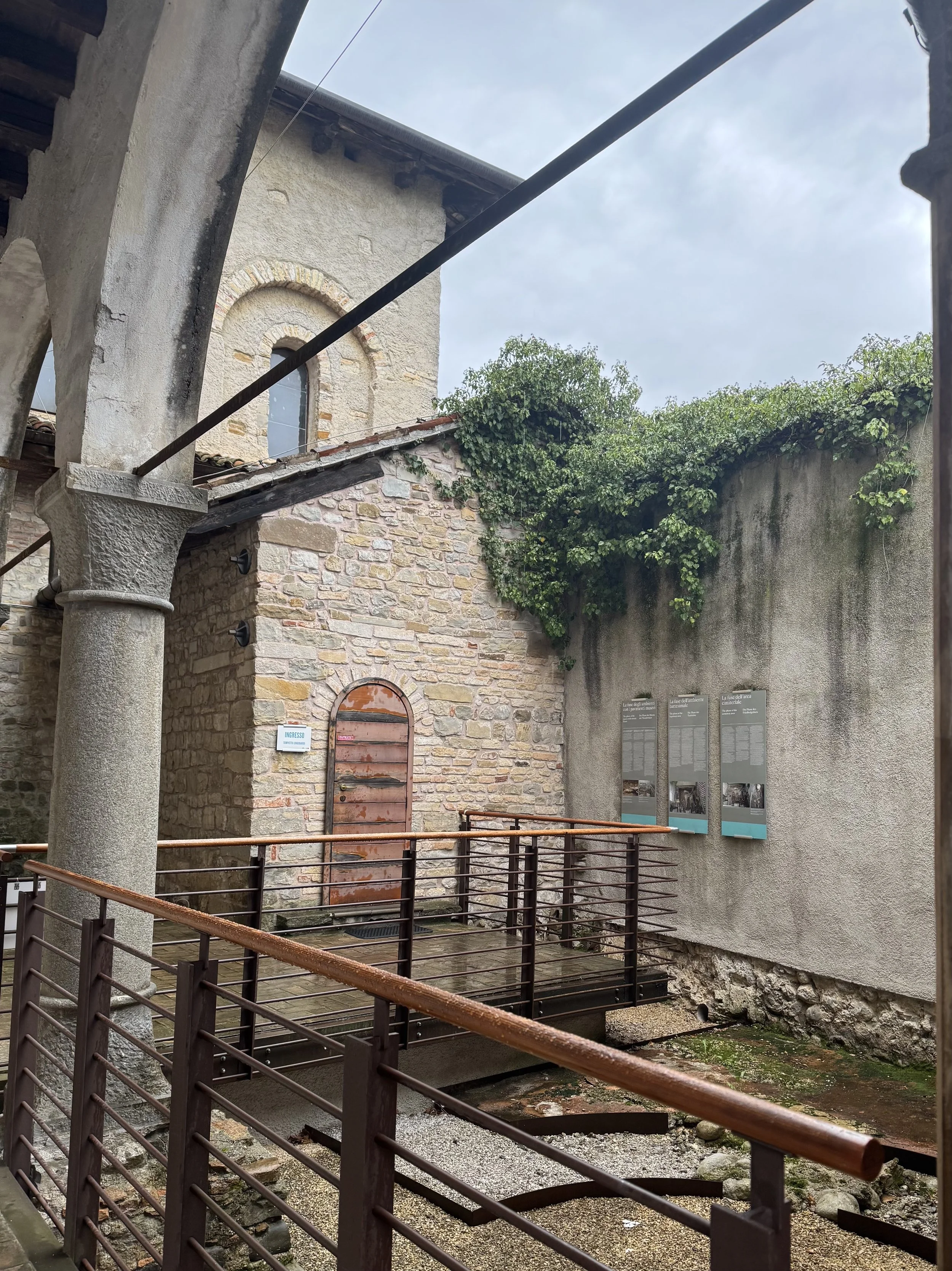
The Tempietto is unlike any other temple or chapel I’ve seen. The interior can be viewed through small windows from above on the upper floor of the museum. Small groups are admitted into the Tempietto itself, via a small and easy to miss door near the complexes exit / viewpoint over the river. If you can only do one thing on a rainy day in Cividale - make it this.
Our group also made a stop at the Archeological Museum. This is the place to get a sense of Cividale’s Roman history along with information about the various archeological digs in and around Cividale.
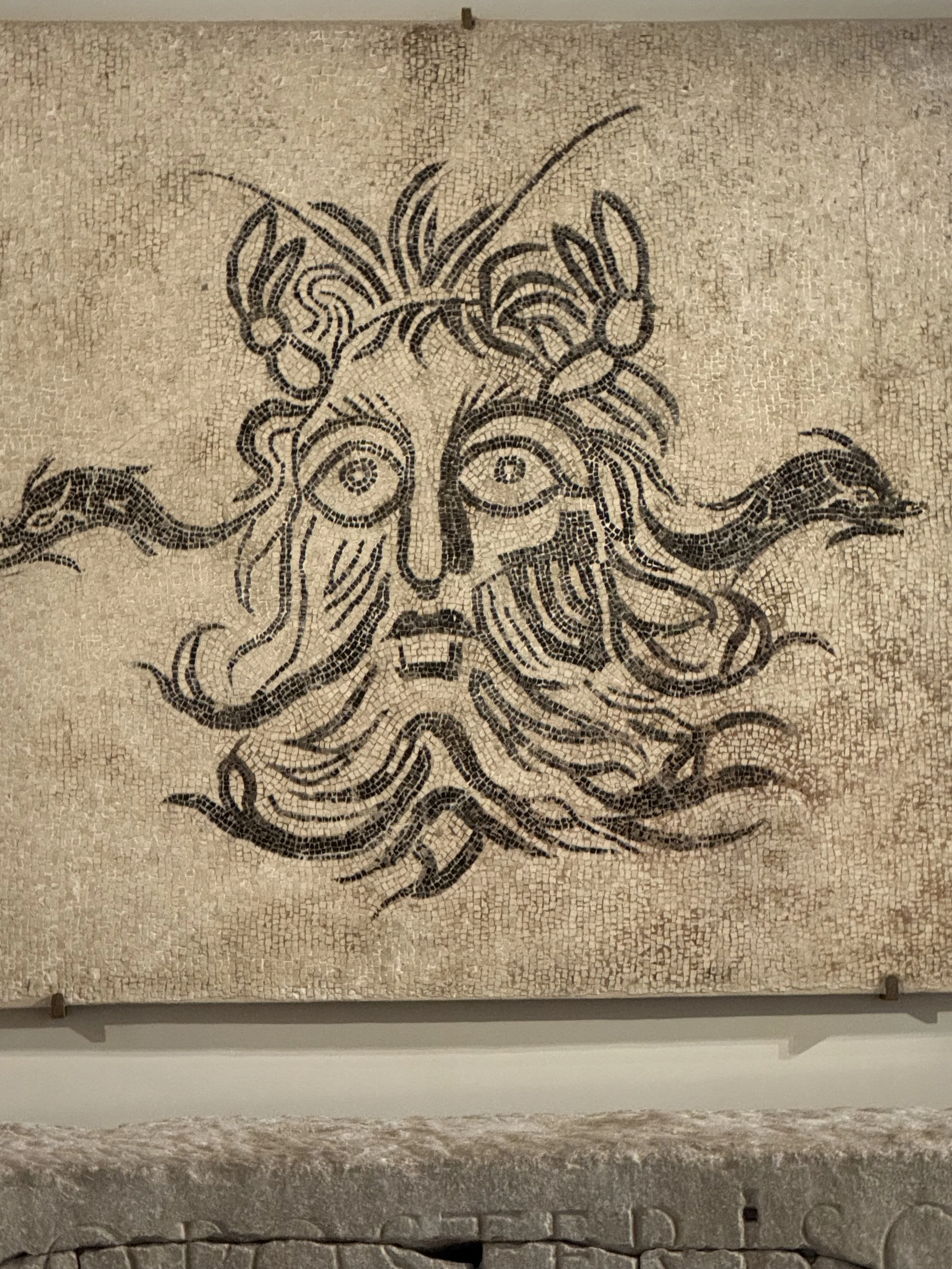
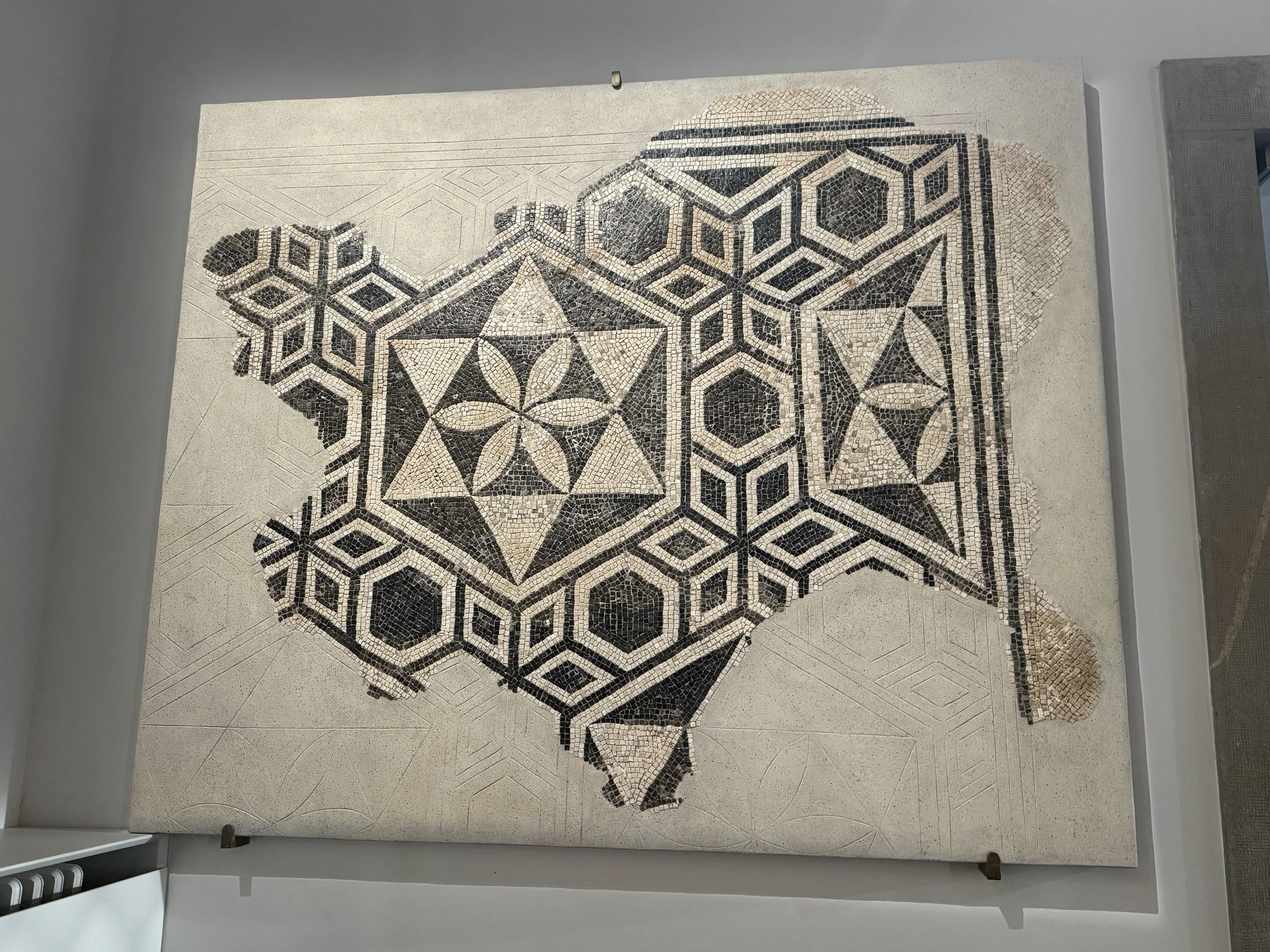
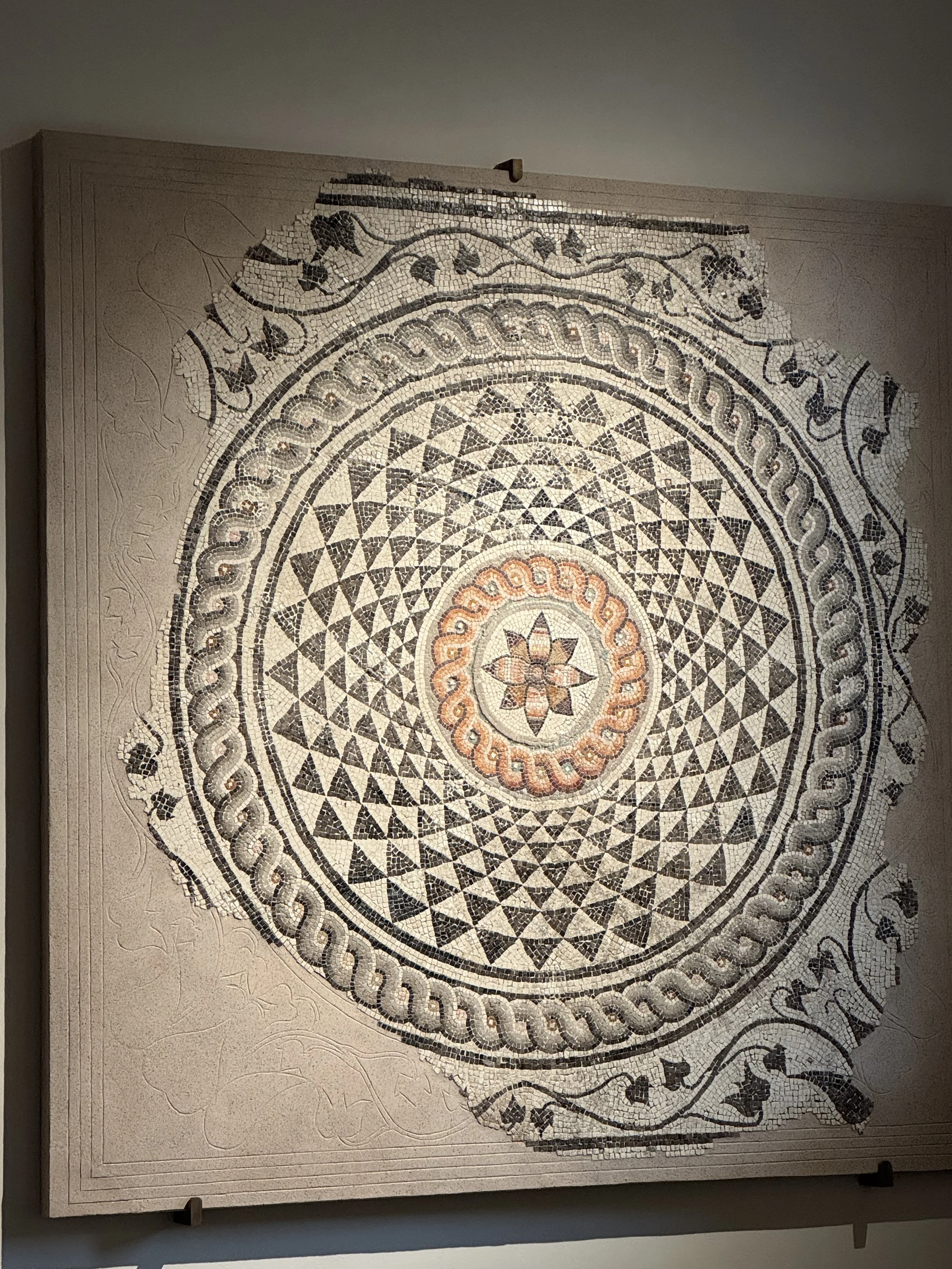
Roman era mosaics are always fascinating and the artifacts found in the various digs and gravesites were interesting too.
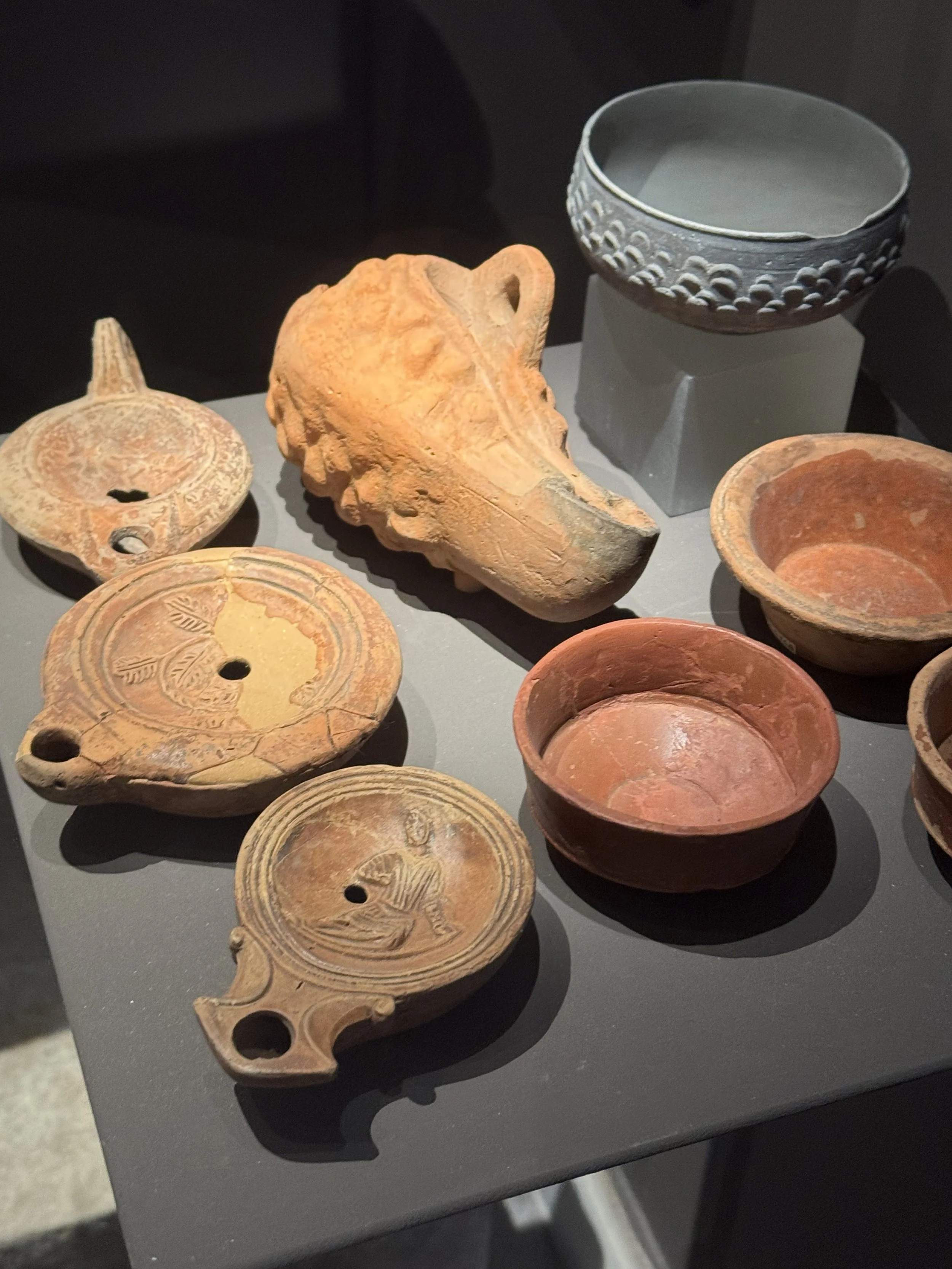
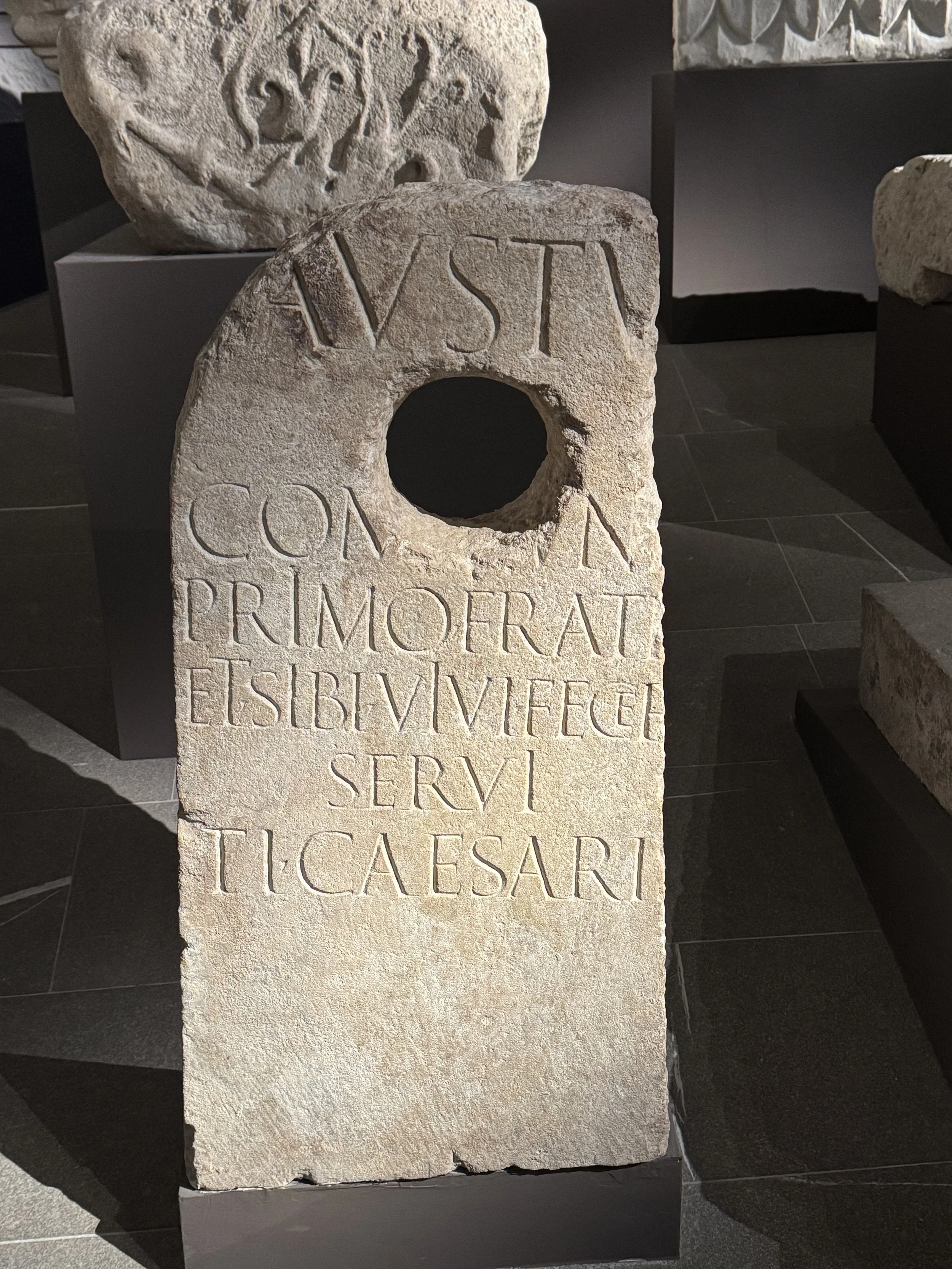
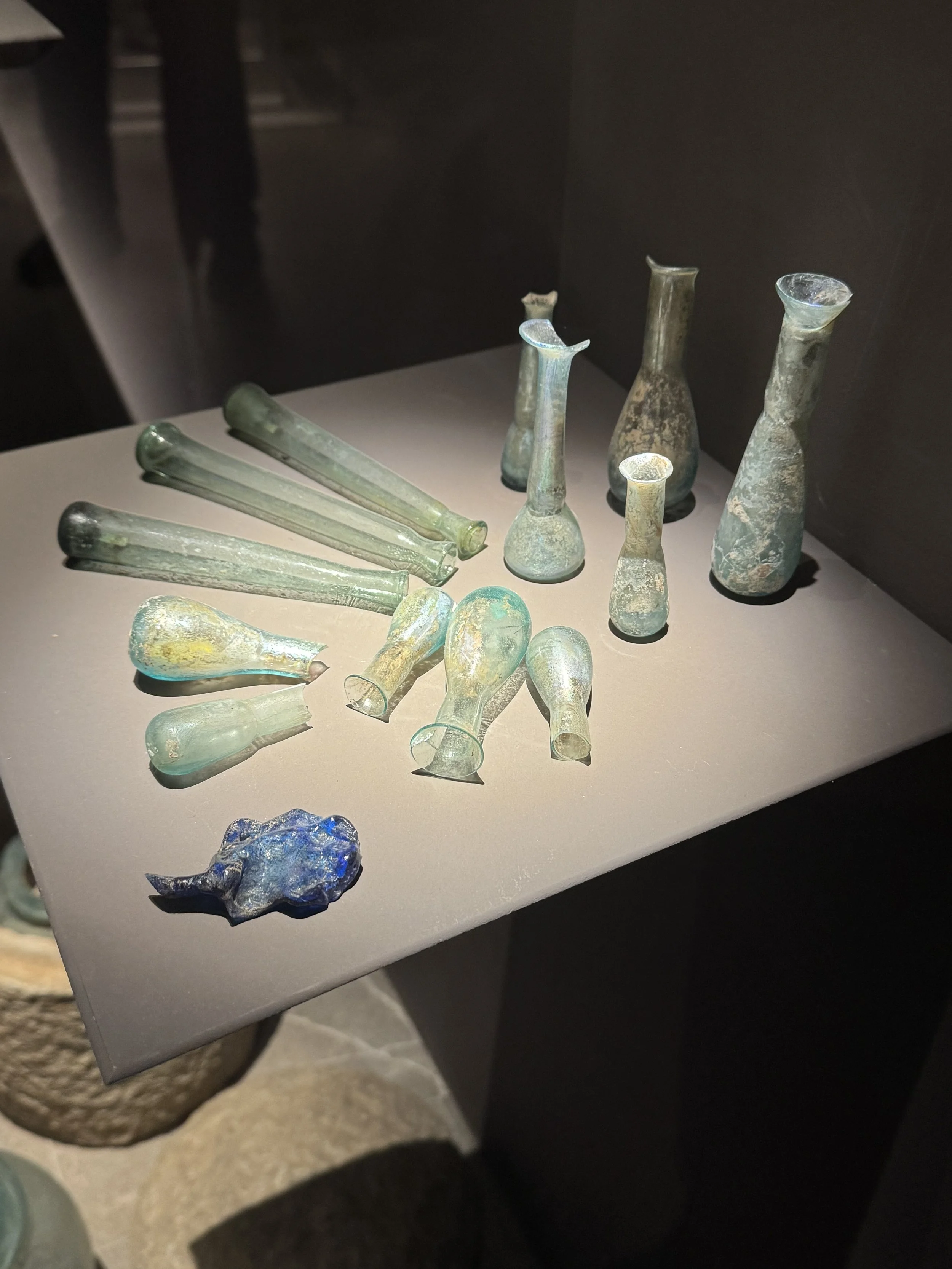
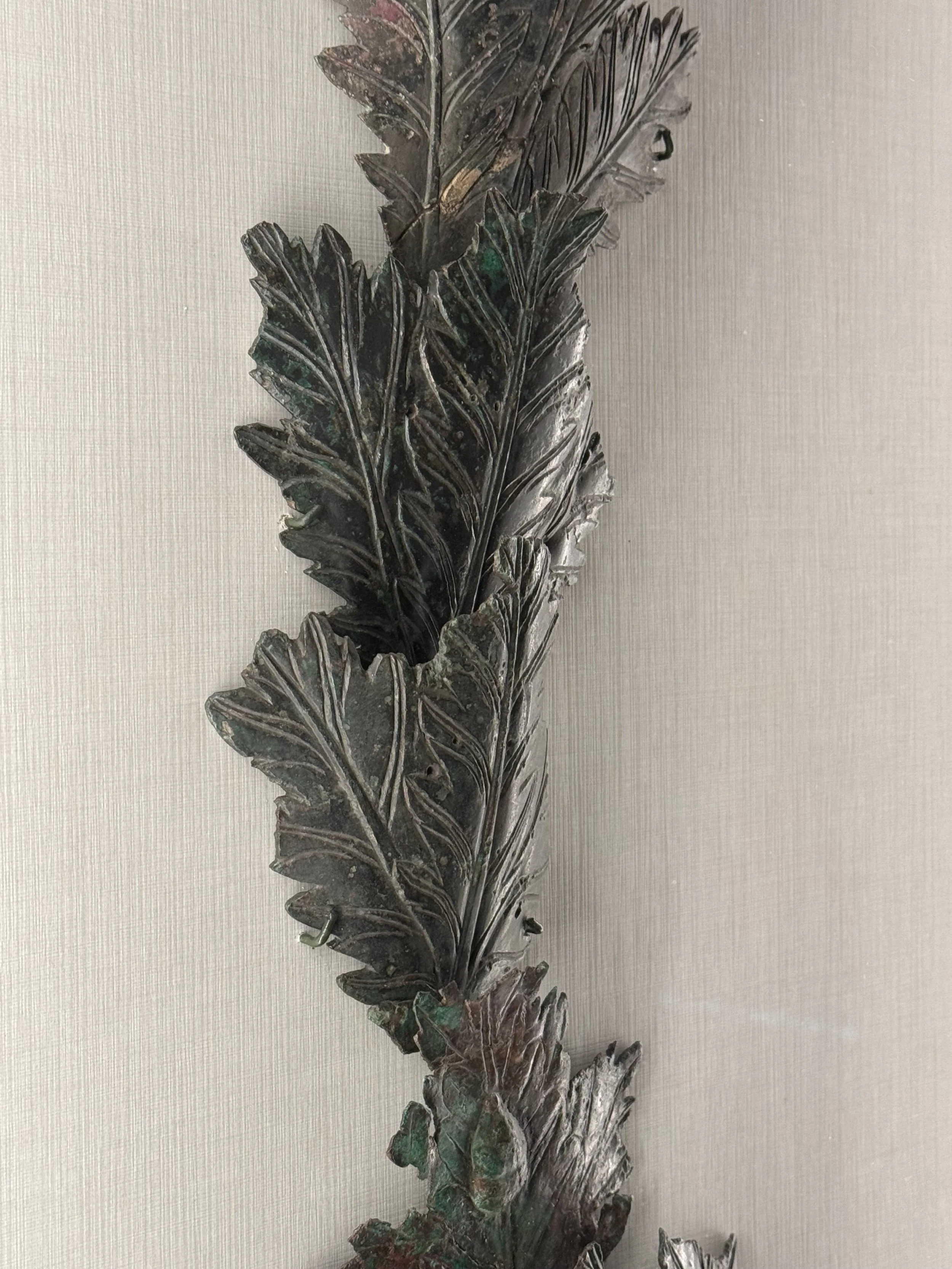
Cividale provides a great introduction to Longobard history and provides gorgeous views along the river. It’s a must-see place when visiting the Friuli area. Next time I will order a day without rain to be better able to explore the city center.
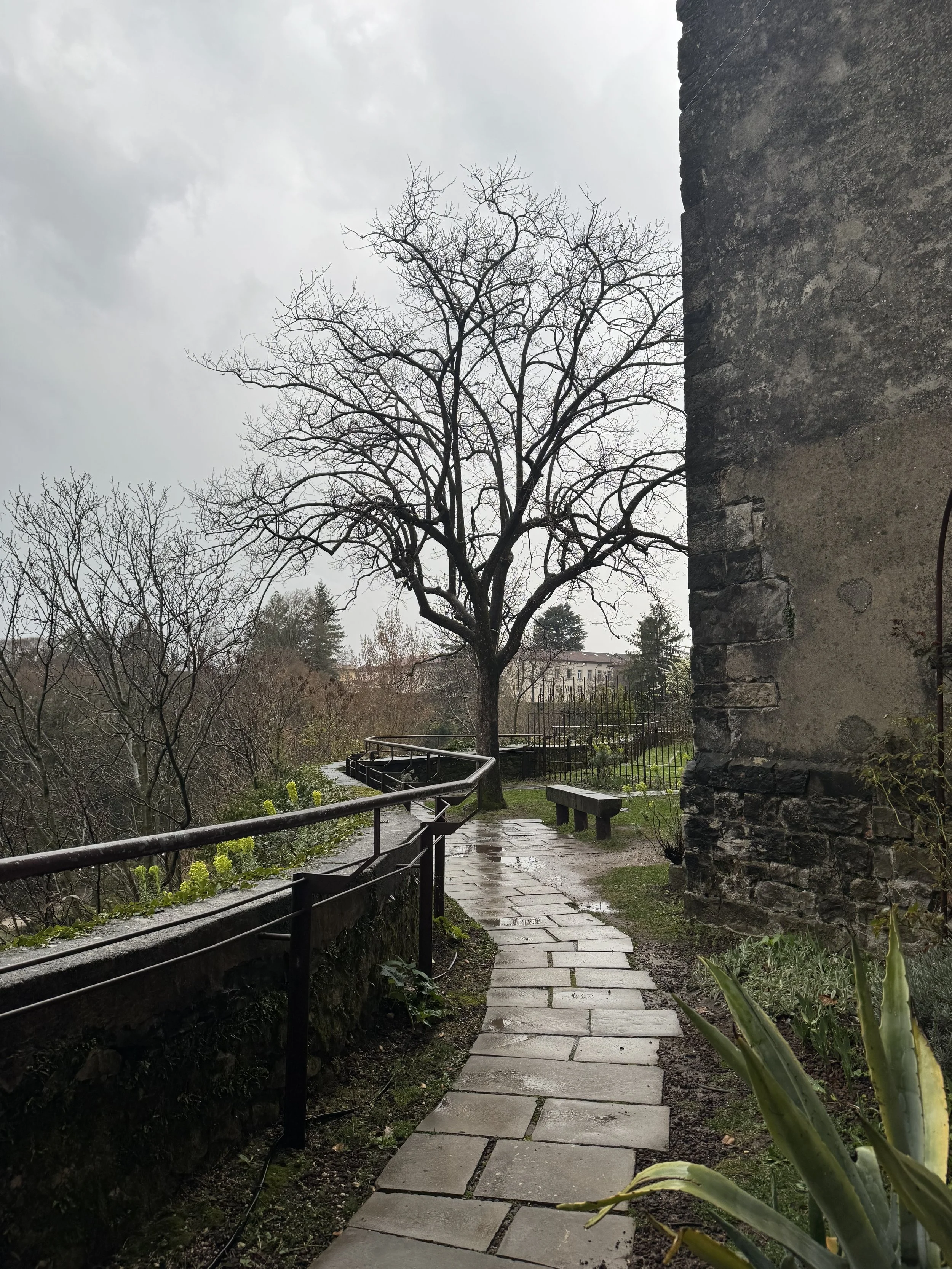
This path leads from the Oratorio di Santa Maria in Valle to a viewpoint above the river. How many young nuns may have walked this path?