Two Parts Italy

Exploring Italy, travel, and living a flavorful life

  • Blog
  • About This Blog
  • Start Here
  • Recent Posts
  • Archives by Topic
  • Subscribe
  • Contact me

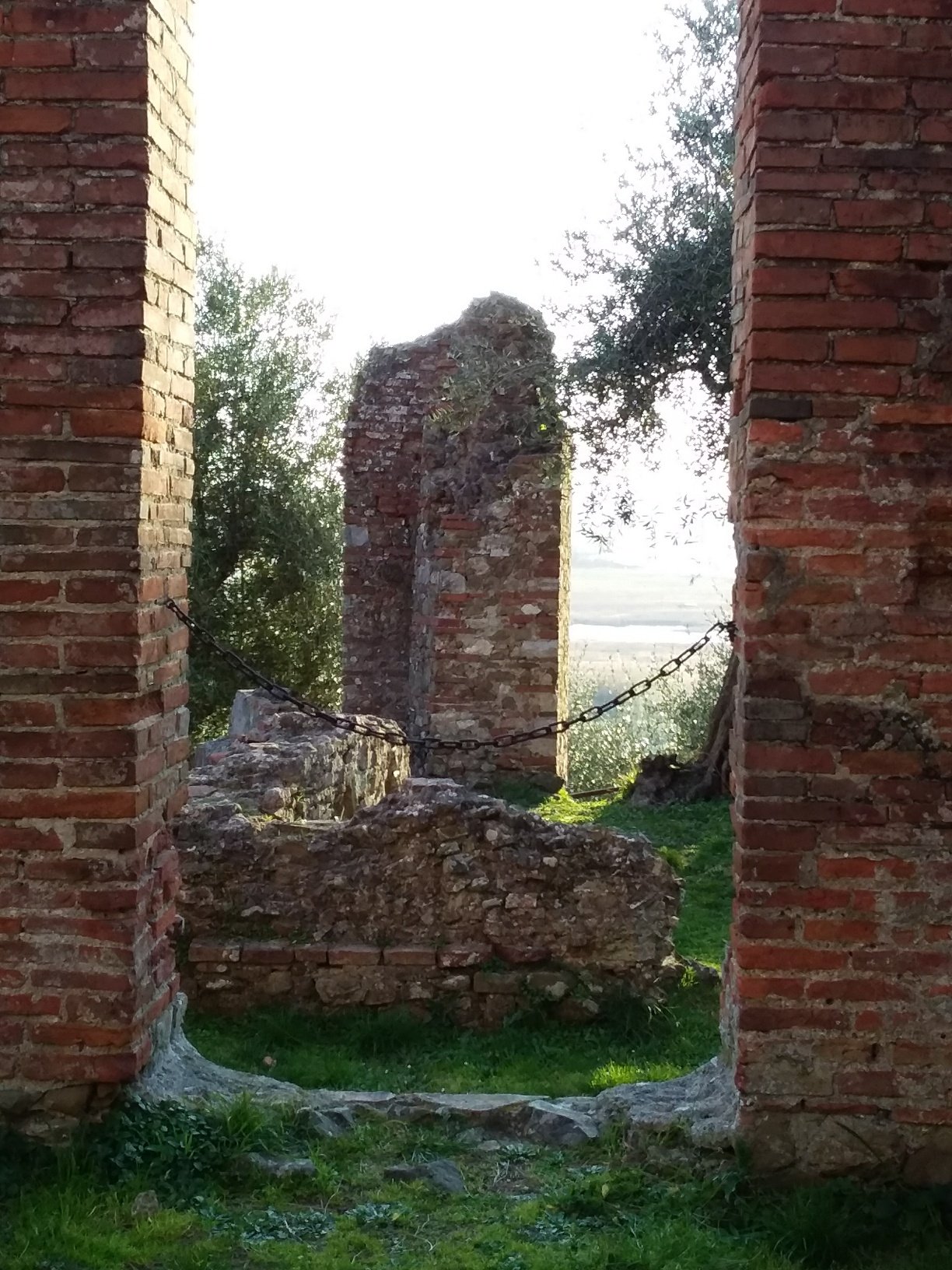
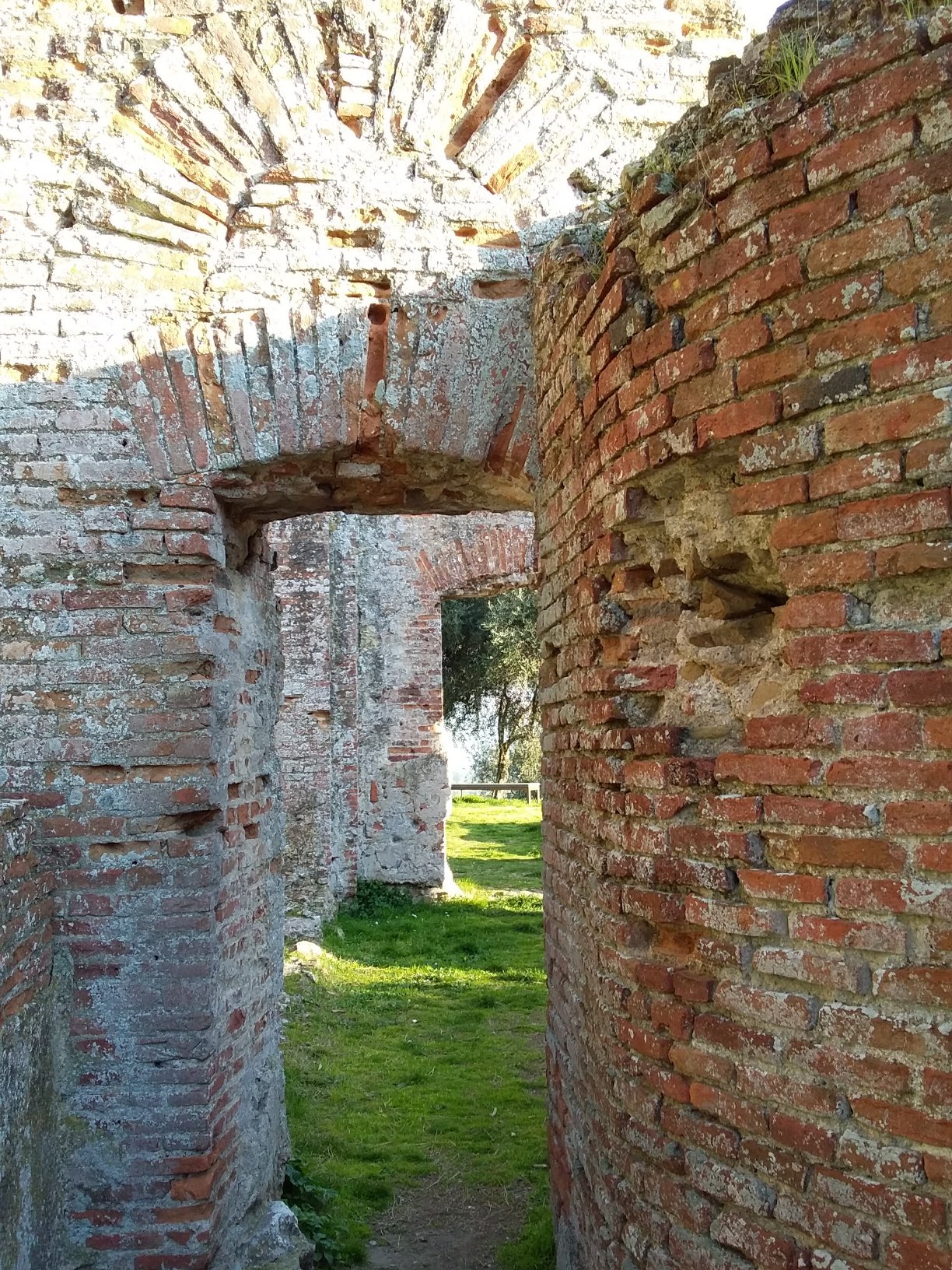
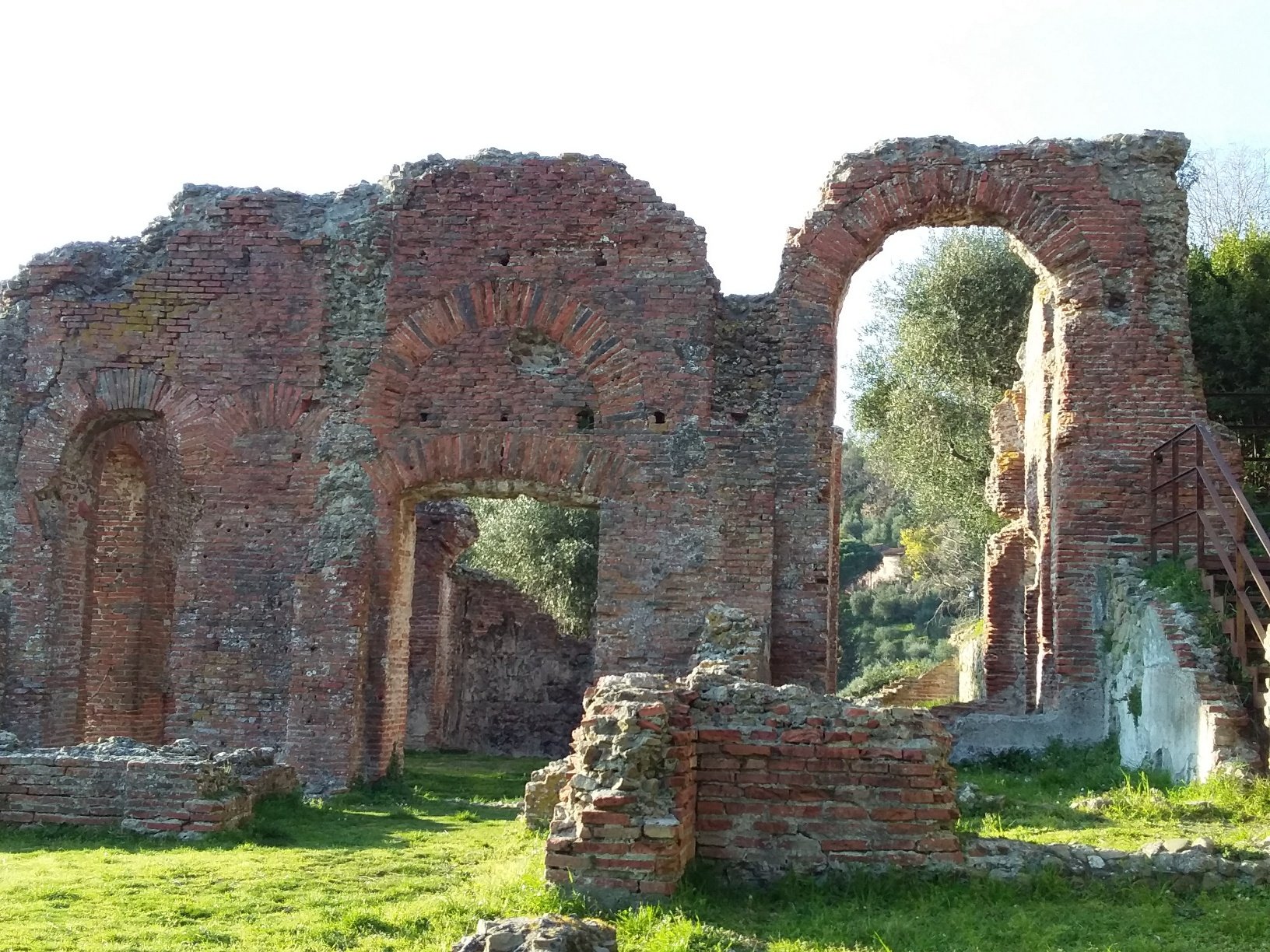
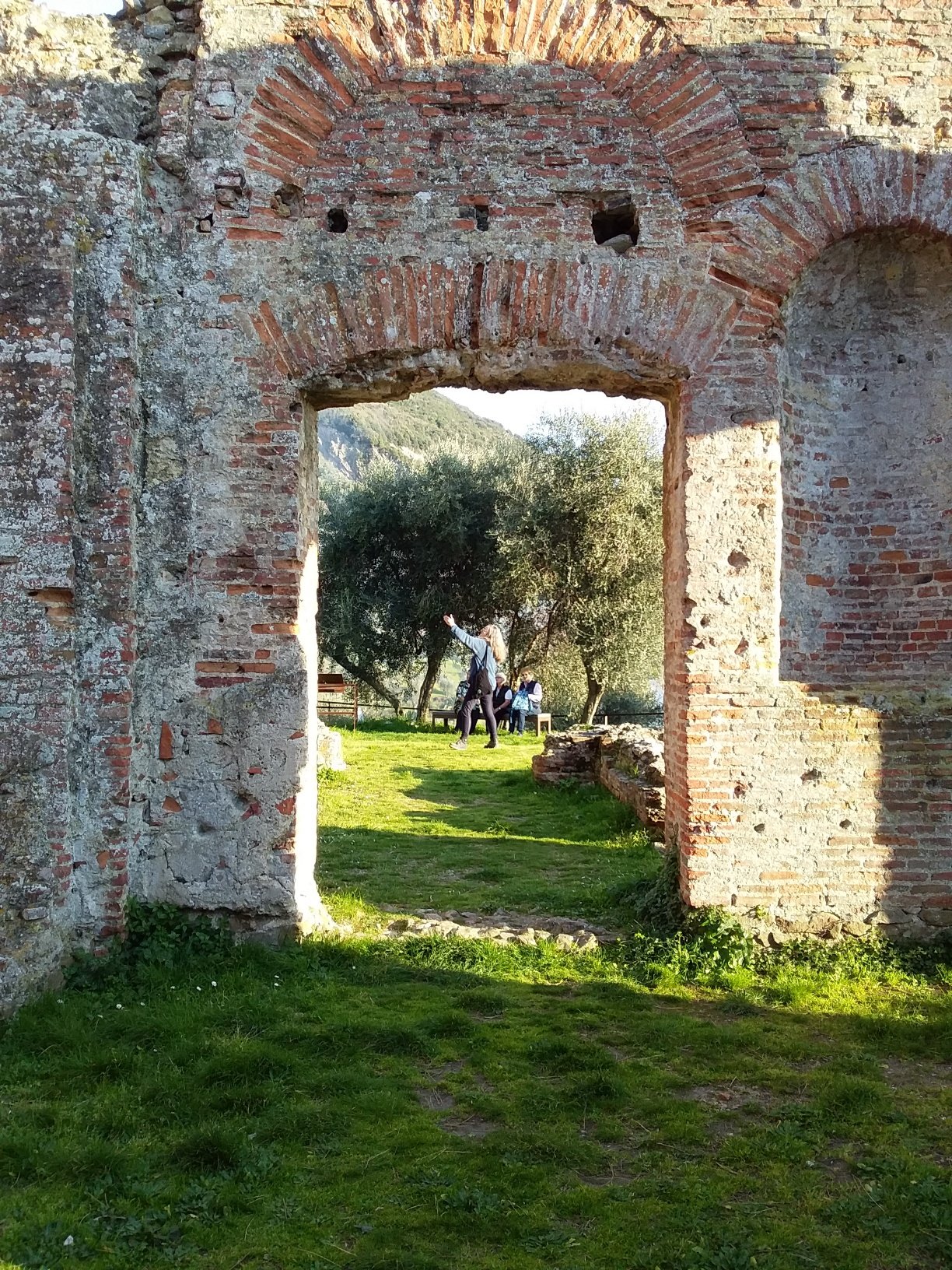
Walking around the ruins of a Roman Villa near Lake Massaciuccoli, not far from Lucca

Traces of Ancient Rome
August 03, 2026 by Joanne Bartram in #italytravel, #lucca, european travel, Friuli-Venezia Giulia, History, Italy, Italy travel, Lucca, Roman Architecture, Trieste, Tuscany, Umbria, Verona

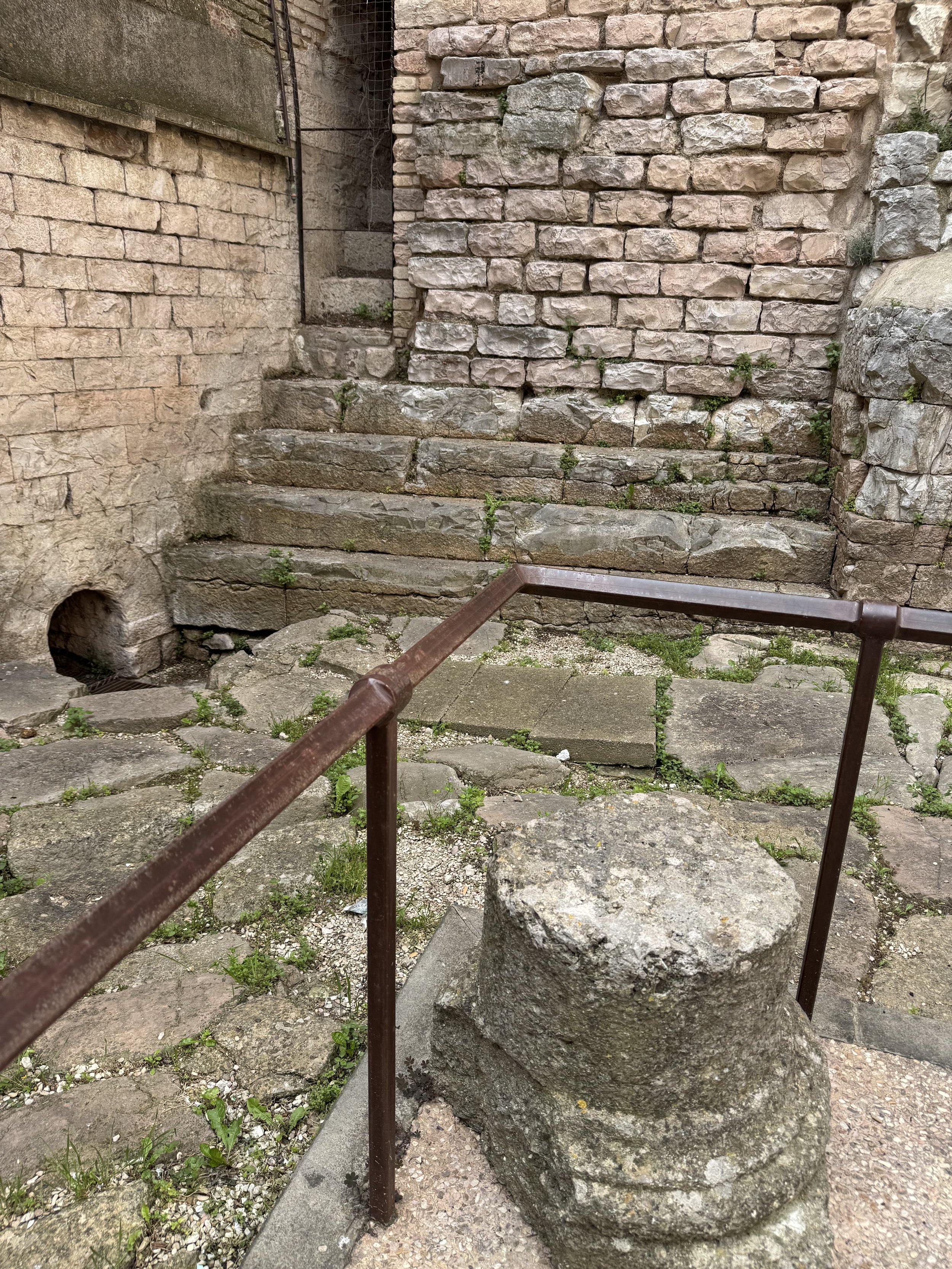
A little bit of Ancient Rome in Spello

Modern day Italy is built over and around the remains of ancient Rome. There are countless examples, many of which are buried well below ground. They become visible only when a construction project unearths them. Often digging, whether for a big construction project (like a new metro line in Roma) or a simple home renovation, exposes stunning mosaic floors, the outlines of ancient homes, or the base of a Roman column. Many a construction project has been delayed when ruins are discovered and the archeologists arrive.

Some of the buried traces of Roman life have been carefully excavated and are opened to visitors as museums. 

In a bit of urban drama, some Roman structures sit proudly right in the middle of a city, absorbed into every day Italian life.  Rome’s Forum and Colosseum are no doubt the most well-known examples, but there are many others.  And some remnants of the Roman era aren’t ruins at all, but intact buildings still in use today. 
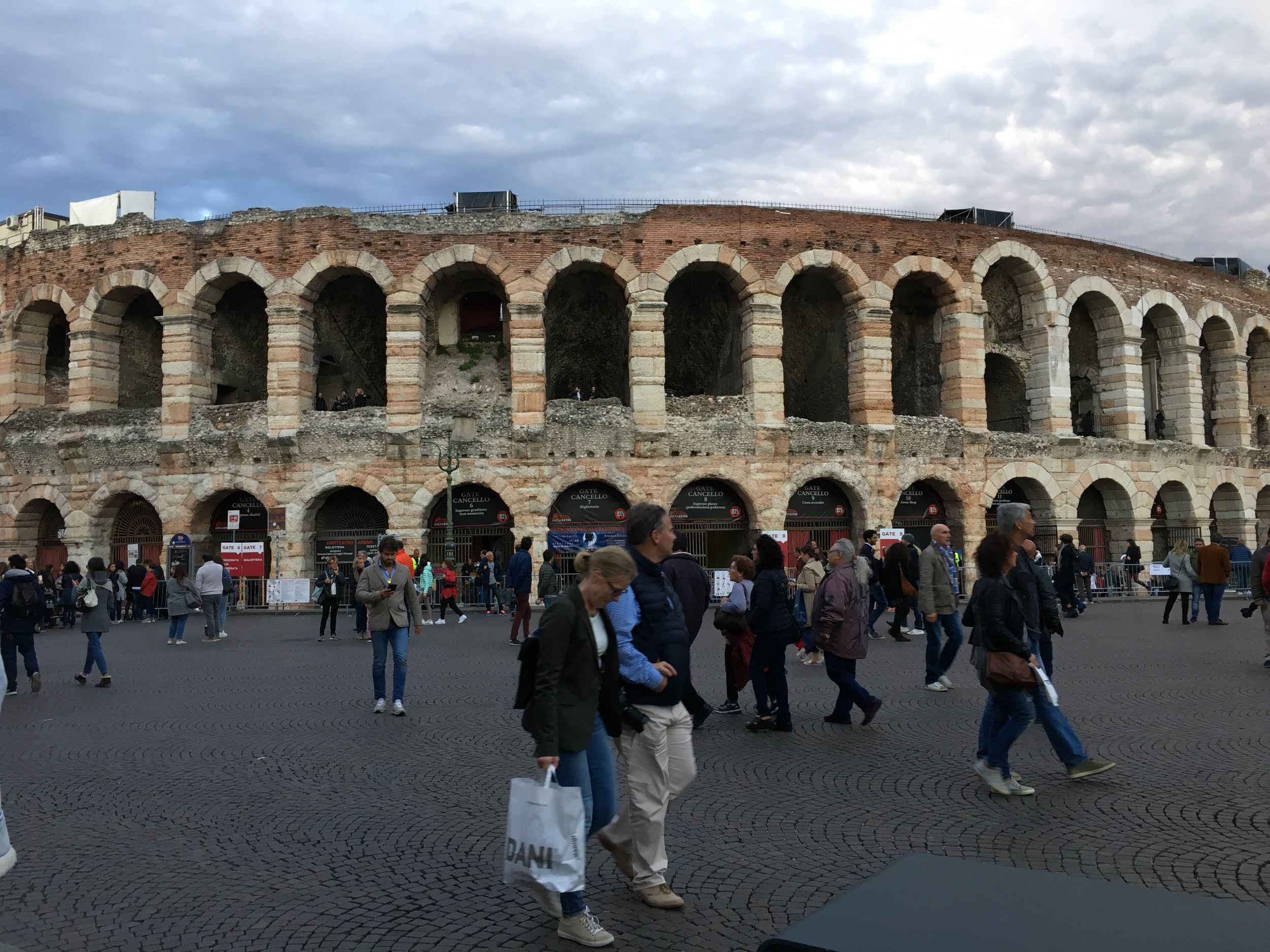
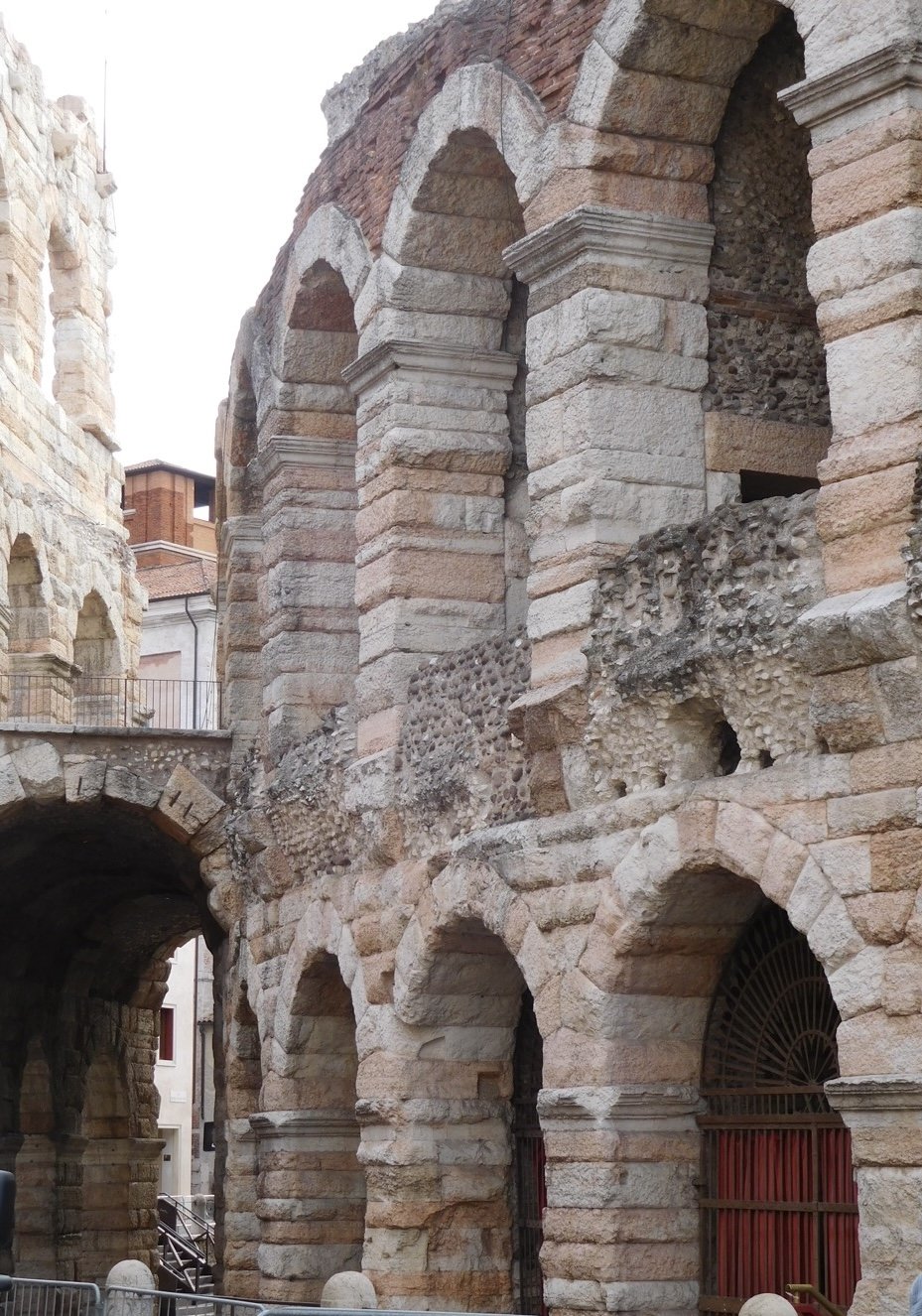
This 1st century amphitheater sits right in the middle of Verona, just off Piazza Bra

In Lucca, the Roman bits are mostly hidden.  But look closely and they reveal themselves. Within the church of Santa Maria della Rosa is a segment of the Roman era city walls which form one wall of the church.  More Roman history lies under the Church of San Giovanni (including Roman baths) and under Via Cesare Battisti in the Domus Romana (Roman House).  Traces of Rome in Lucca persist in the shape of Piazza Anfiteatro and in Piazza Santa Maria Forisportam which marks the border of the old Roman city. Piazza San Michele, today the best people watching spot in town, was once the site of the ancient Roman Forum. 
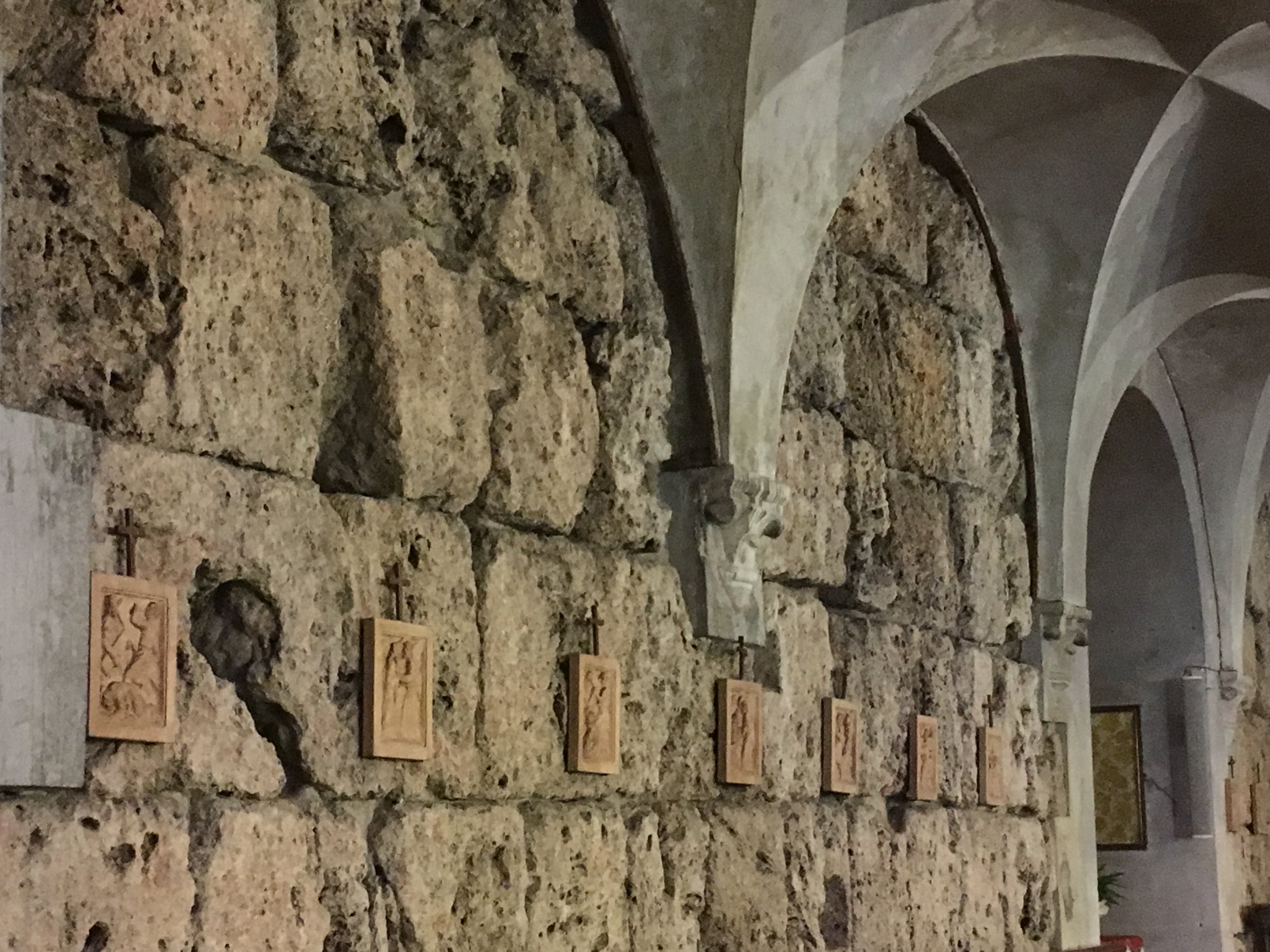
The Church of Santa Maria della Rosa is the best place to see the remains of the Roman era wall that once enclosed the city

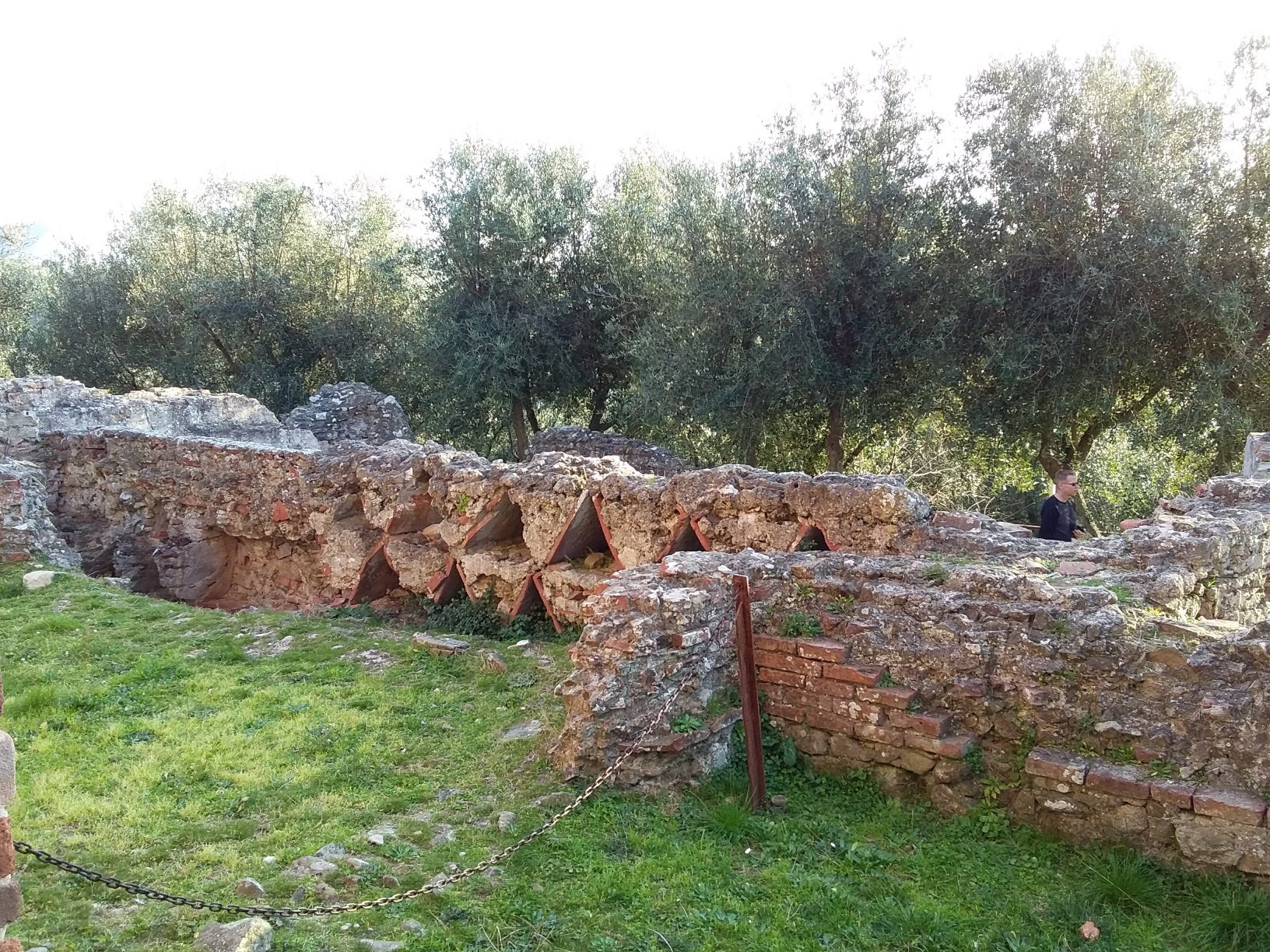
Not far from Lucca, the ruins of a Roman villa sits a short distance from the shores of Lake Massaciuccoli.  Amazingly, it is possible to wander through the completely open site!
IMG_2620.JPG
IMG_2612.JPG
IMG_2617.JPG
IMG_2622.JPG

In the Friuli-Venezia Giulia region, in and around the city of Trieste, the ghosts of ancient Rome seem to be everywhere.  Most dramatic are the remnants of a Roman theater that sit right in the middle of Trieste.  A large section of the seating is intact making it easy to picture the events that took place there.
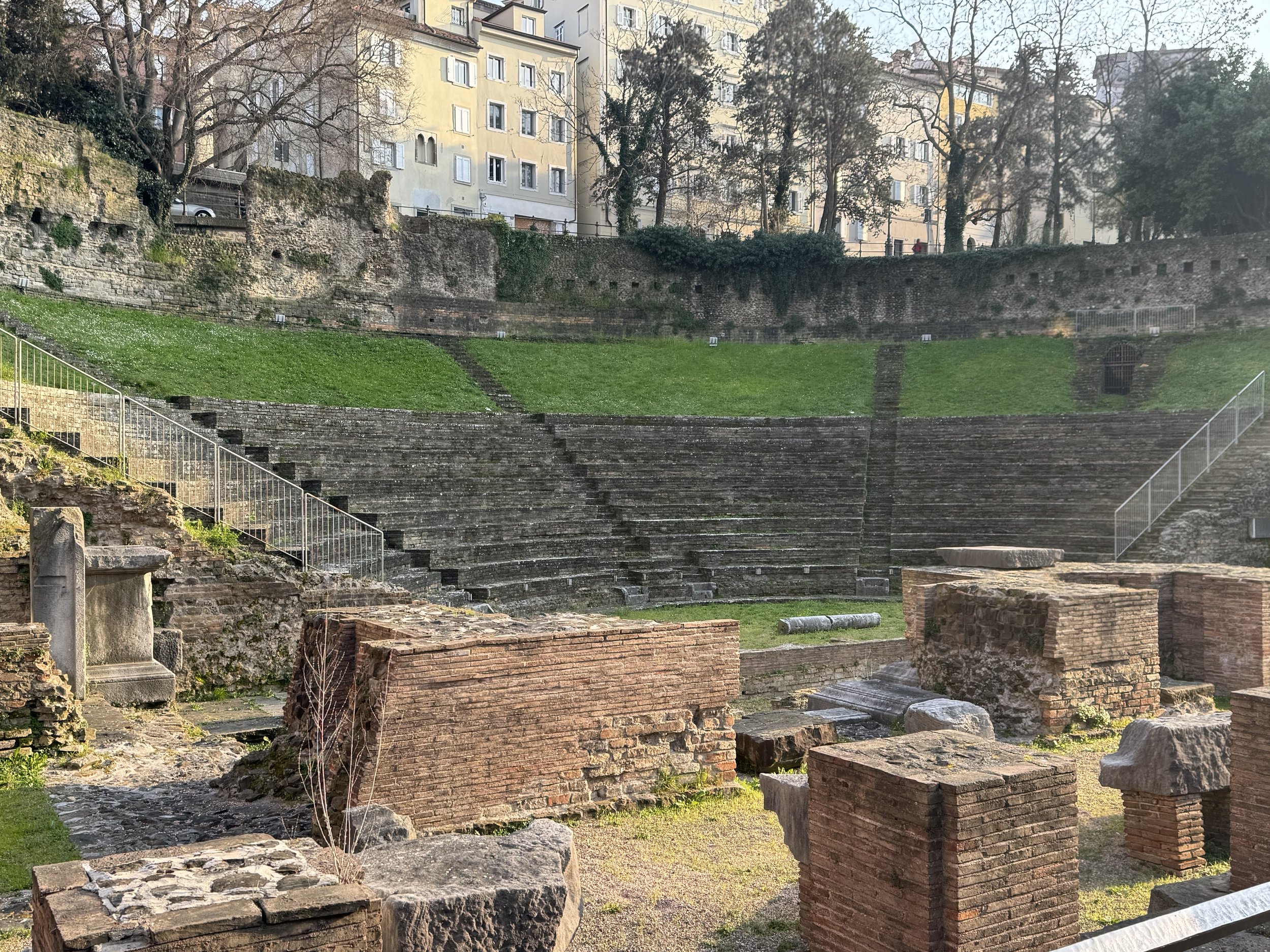
An ancient Roman theater in Trieste, right in the heart of the city

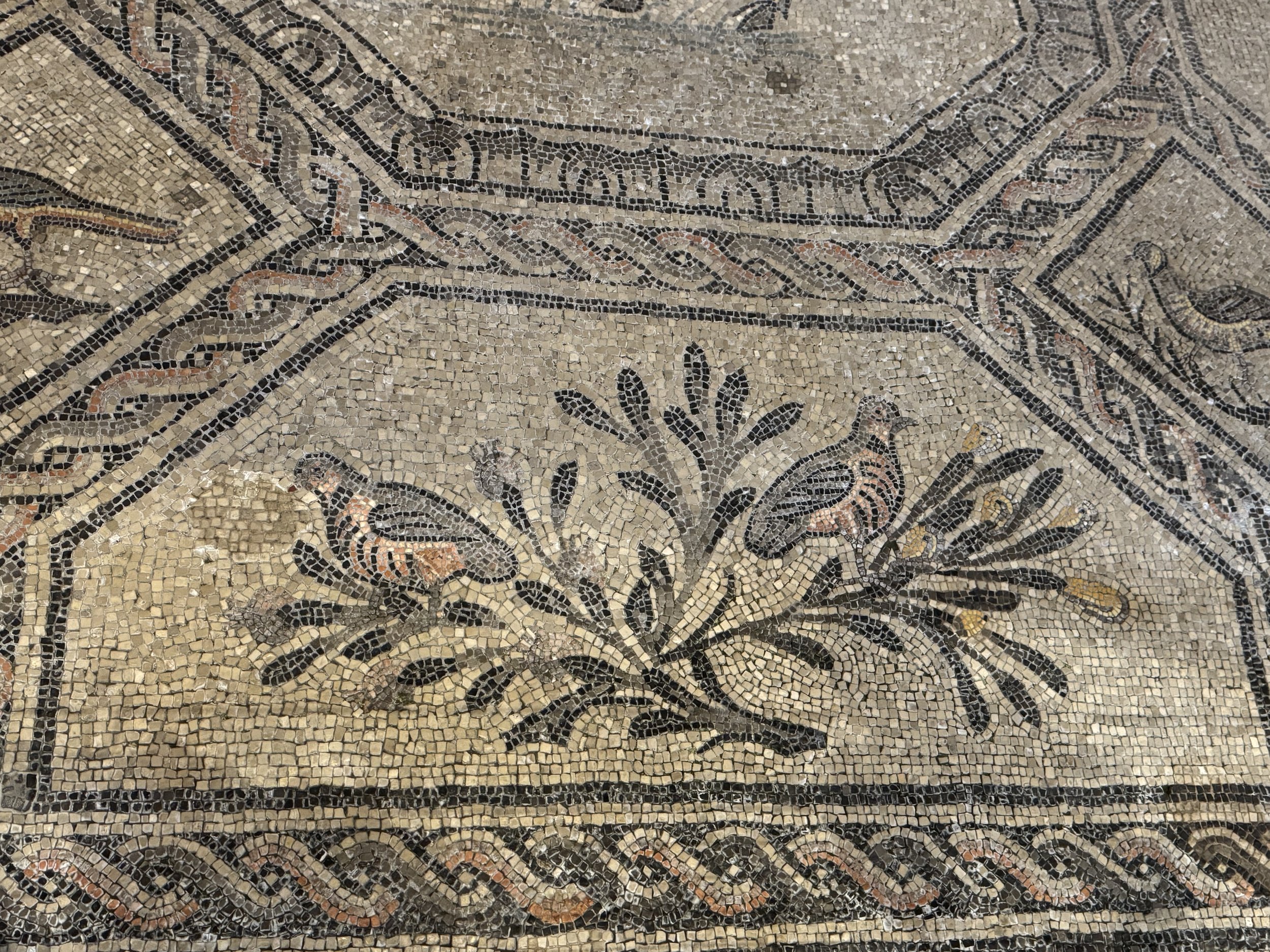
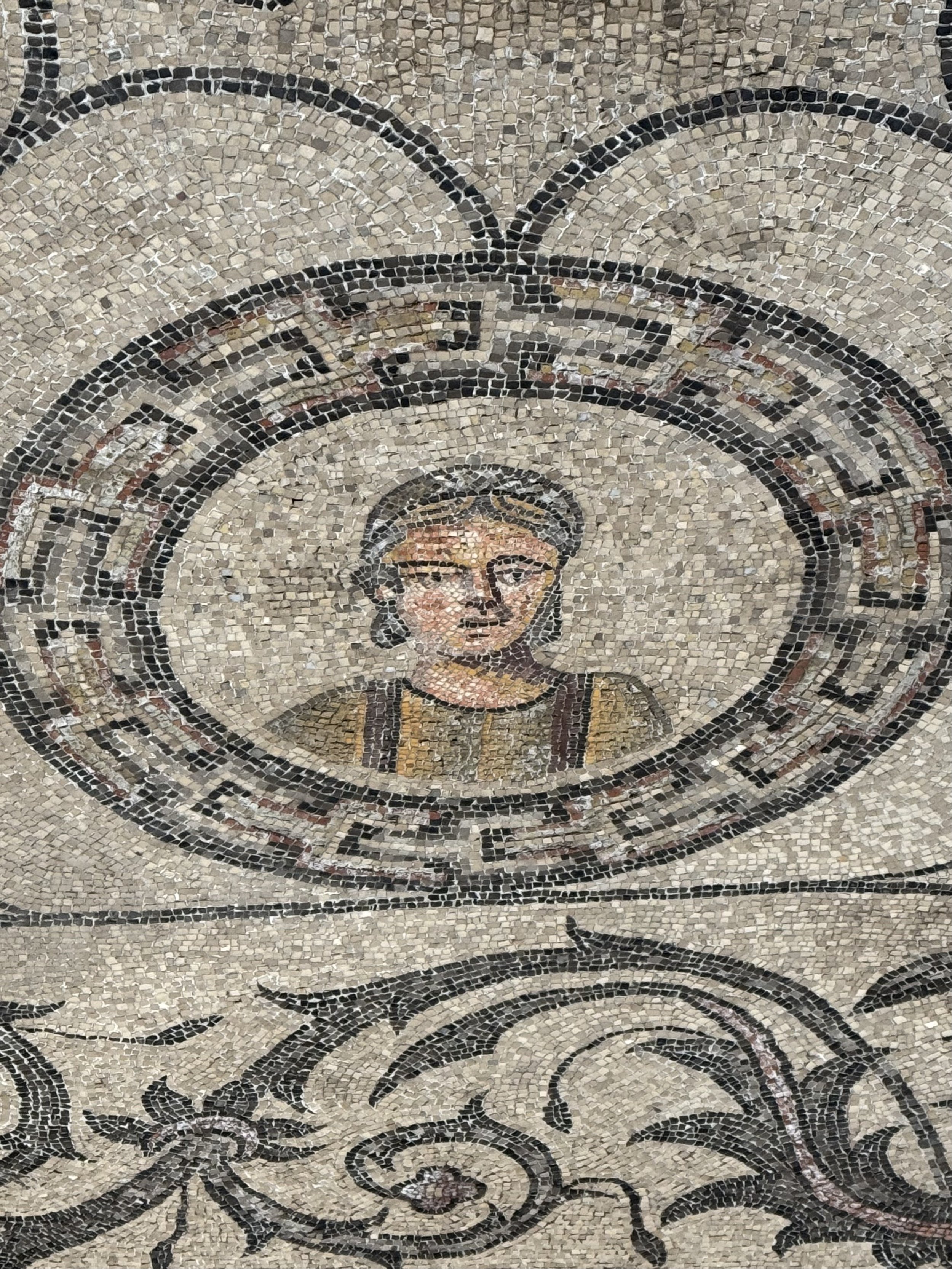
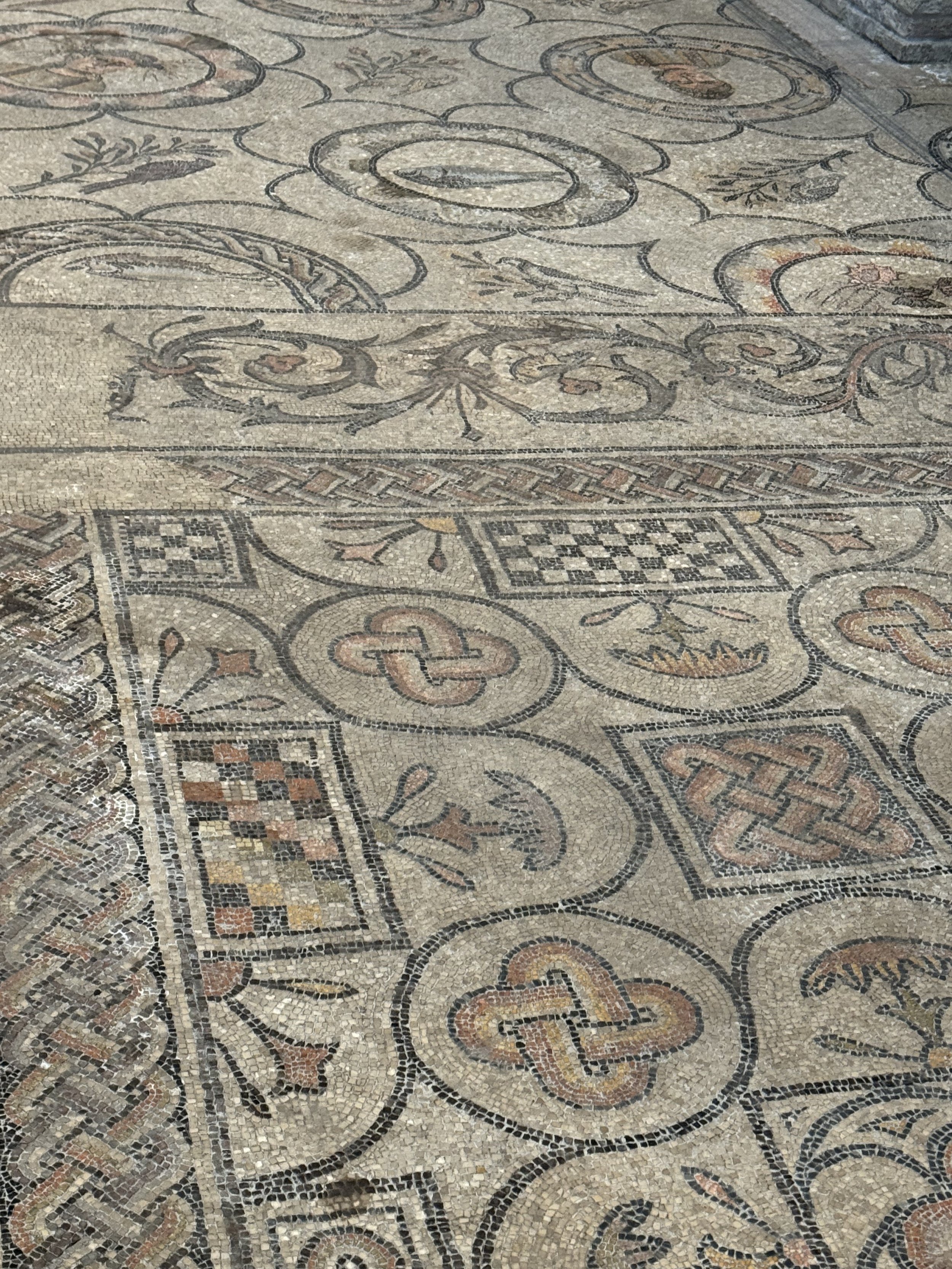
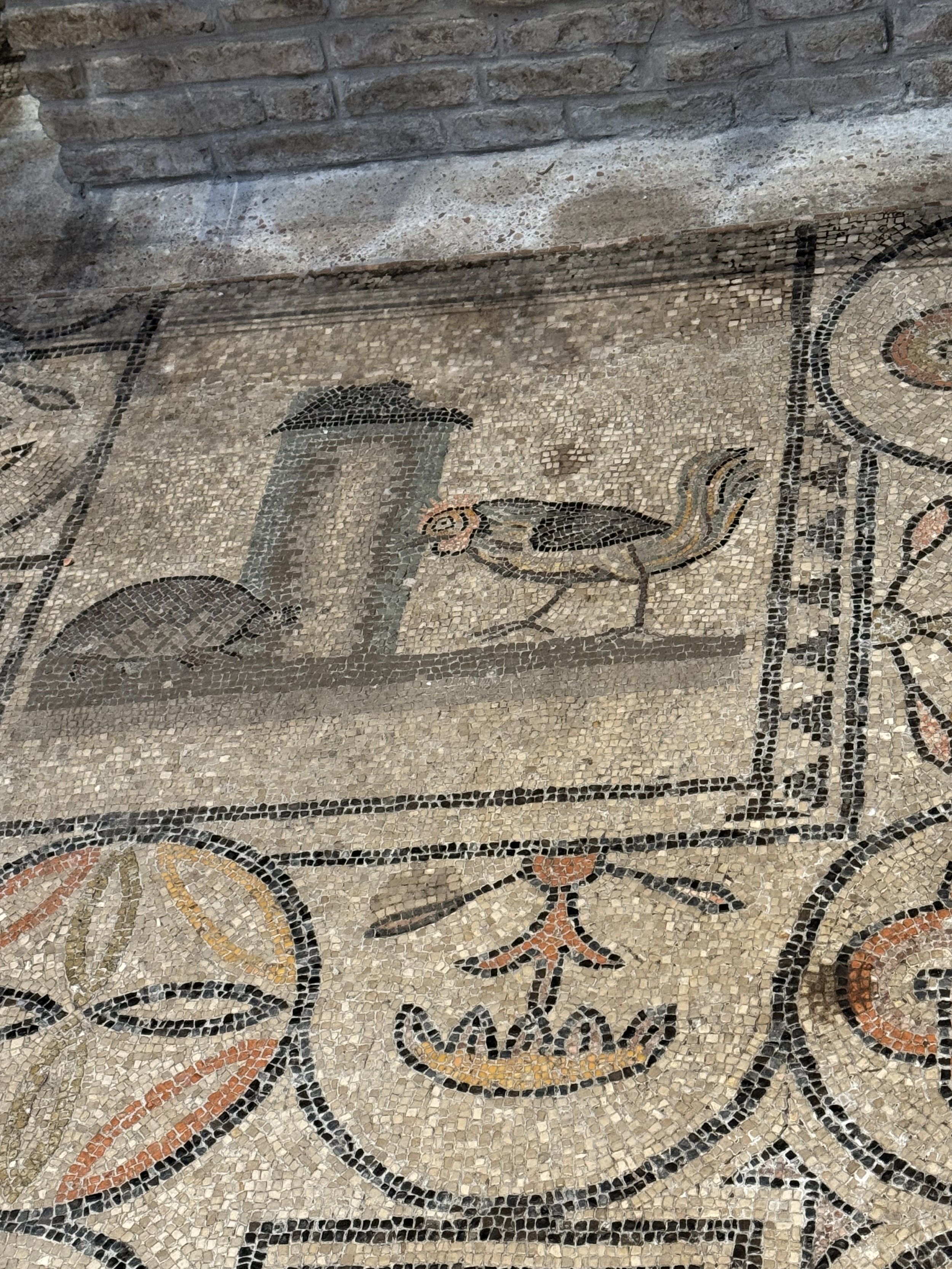
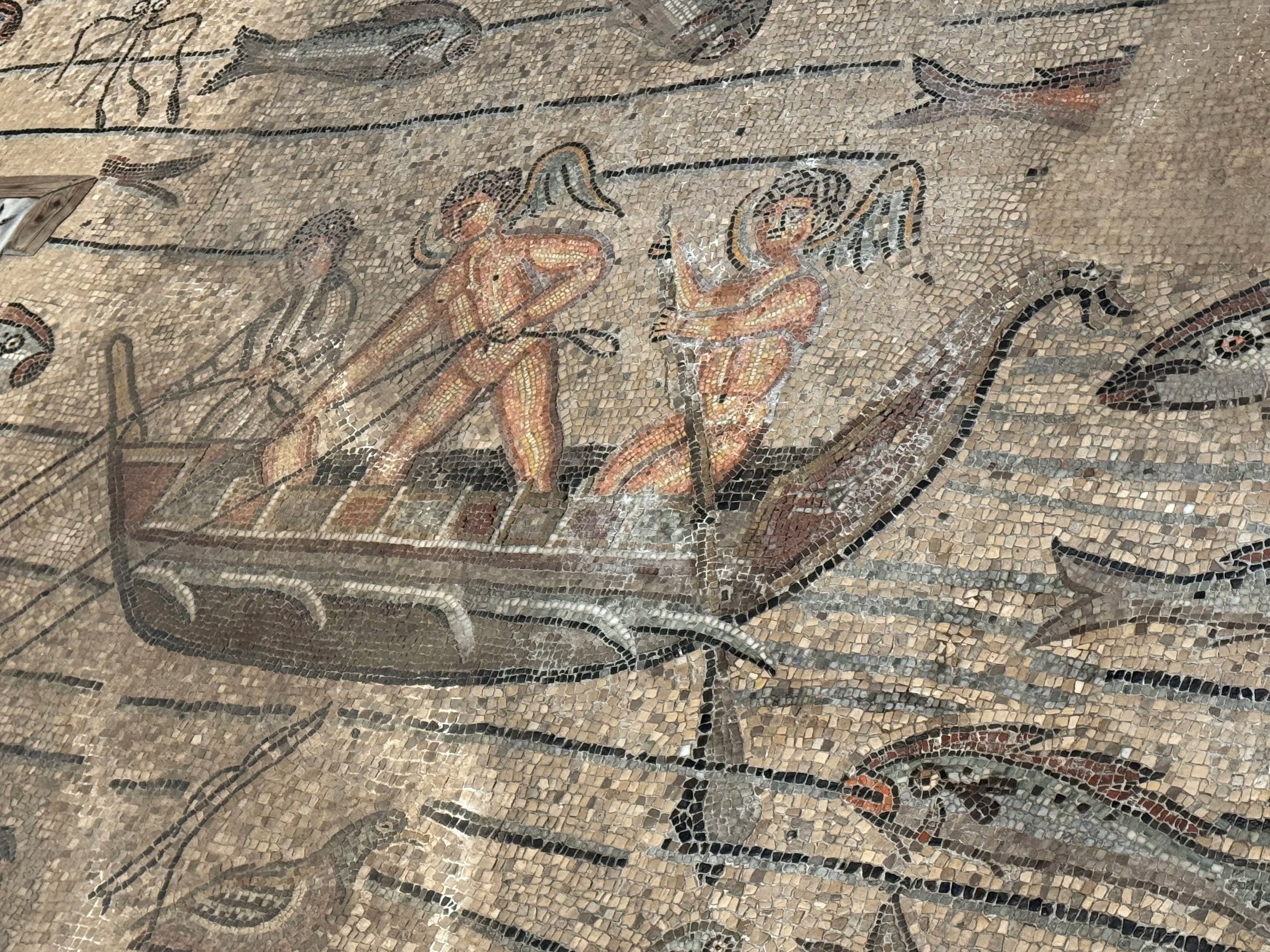
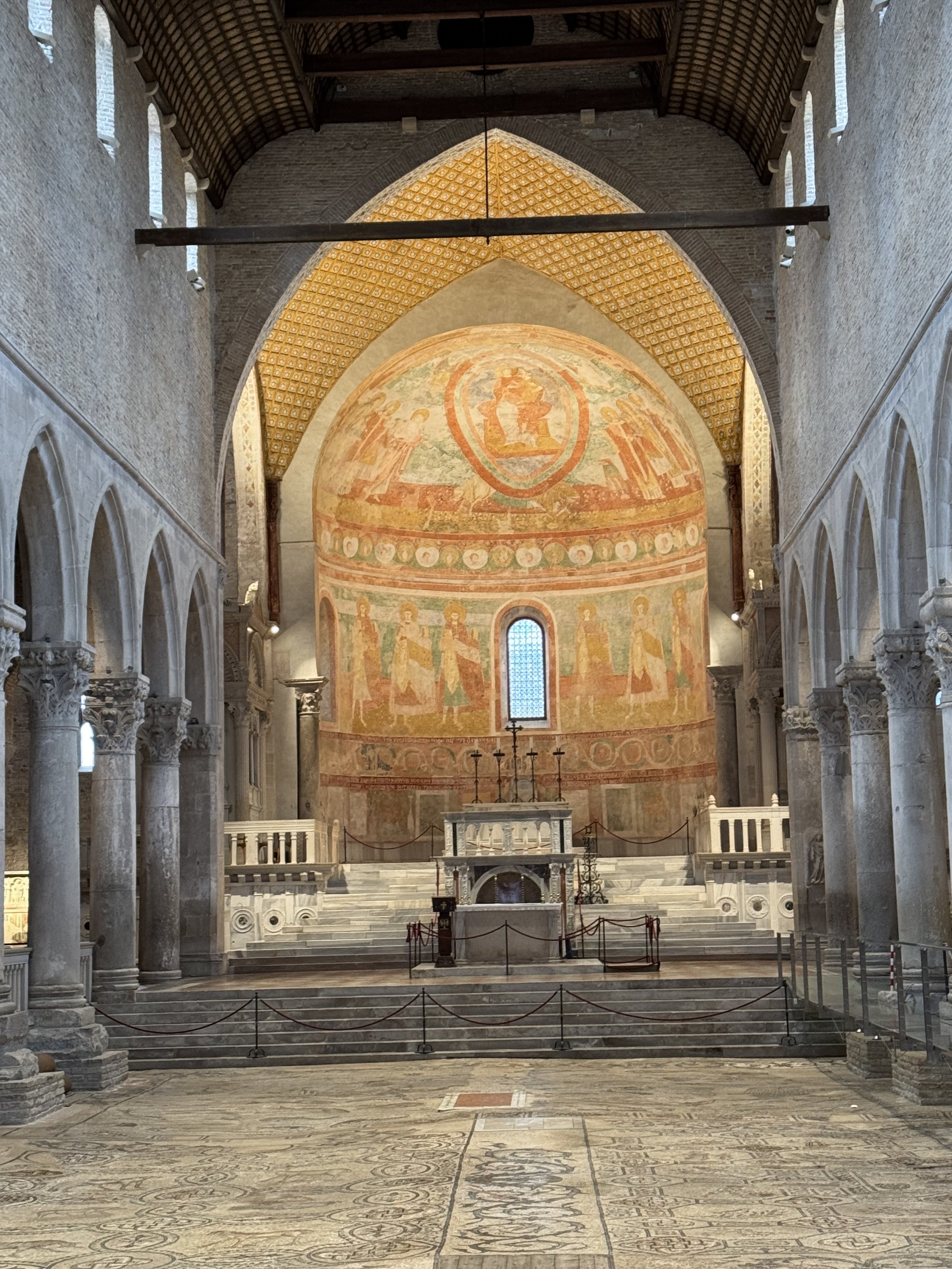
Not far from Trieste, the town of Aquileia is a UNESCO World Heritage Site.  Once a Roman military post, the town has a large archeological area and a host of historical finds.  The Basilica of Santa Maria Assunta was built over layers of much earlier structures.  Its Medieval floor was removed to reveal Roman era mosaics underneath.  These can be seen up close from a clear walkway that sits just above the mosaic floor.  The detailed mosaics, rich in color and imagery, make up the largest Roman mosaic floor in this region.   
IMG_9514.jpeg
IMG_9525.jpeg
IMG_9526.jpeg
IMG_9515.jpeg
IMG_9521.jpeg
IMG_9533.jpg

Verona

In Verona, a Roman arena sits just off Piazza Bra.  Not just a historic relic, today the arena hosts opera performances and other special events.  Climb the stone steps to where Romans once sat and feel the shadows of the past.

In Spello a Roman Gate to the city still stands.  The Porta Consolare, with its three arches, was the main entrance to Roman Spello. 

The three arches allowed carts and people to pass through. The attached tower was a Medieval addition. Like so many Italian cities, Spello clearly shows its evolution over various eras.
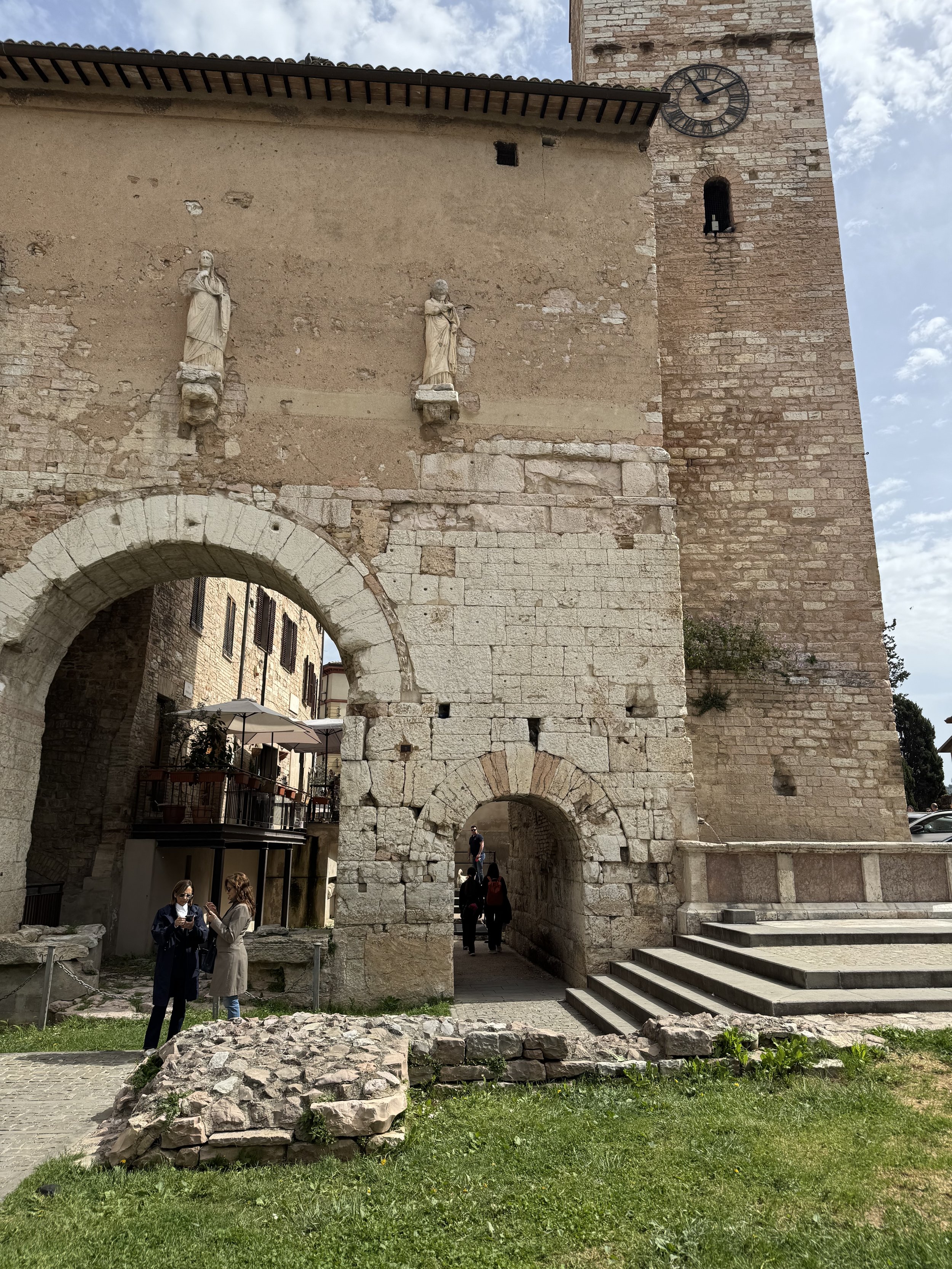
Porta Consolare, Spello

Next stop, Torino (Turin) where another Roman gate awaits.  This one, the Porta Palatina, has a segment with 3 arches at ground level topped with a tall two row high series of “windows” and flanked by two towers.  Statues of Julius and Augustus Caesar, reproductions of the original bronzes, stand just inside the gates. Ruts left by carts can still be seen approaching the gates.
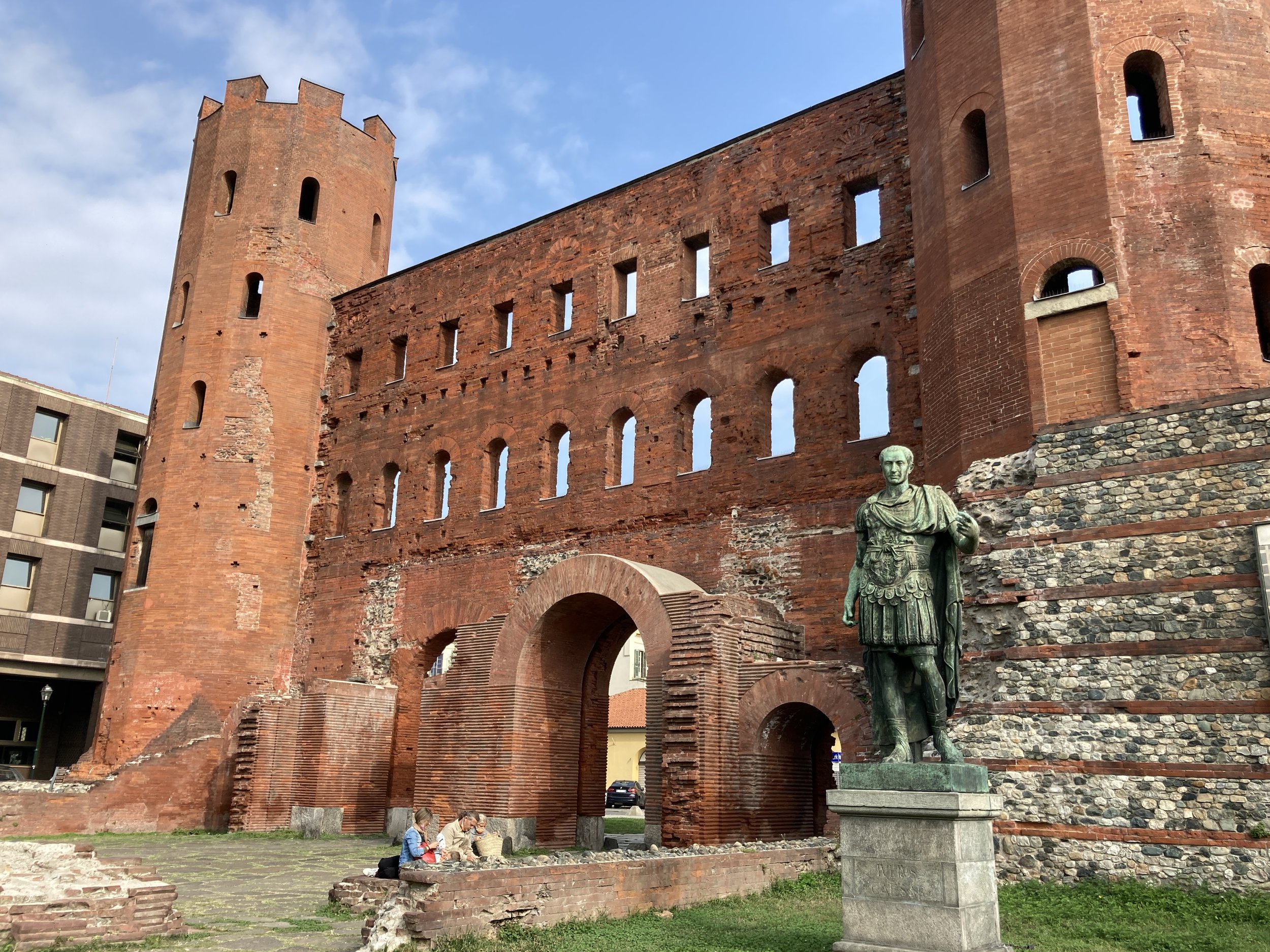
Porta Palatina, Torino

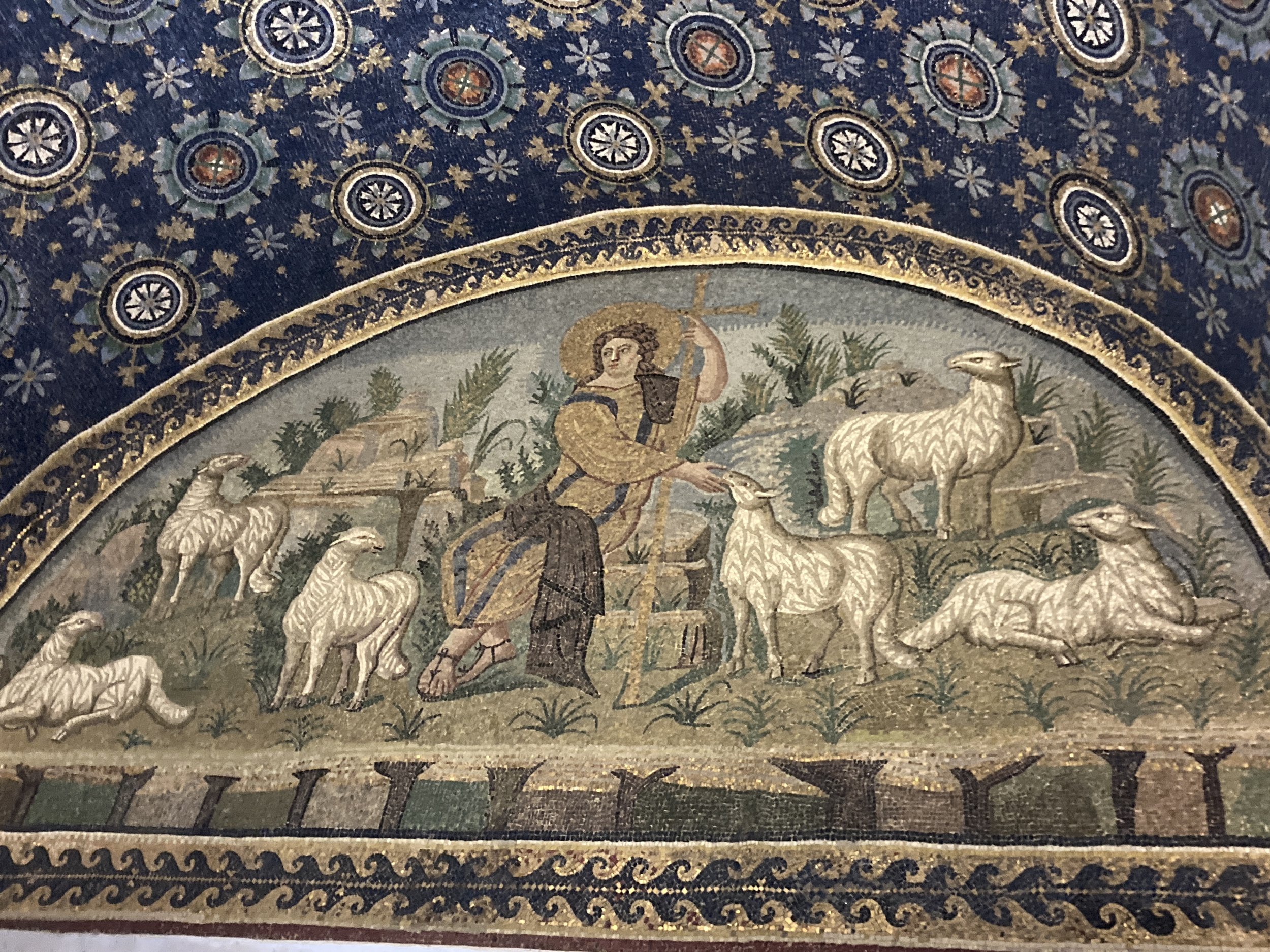
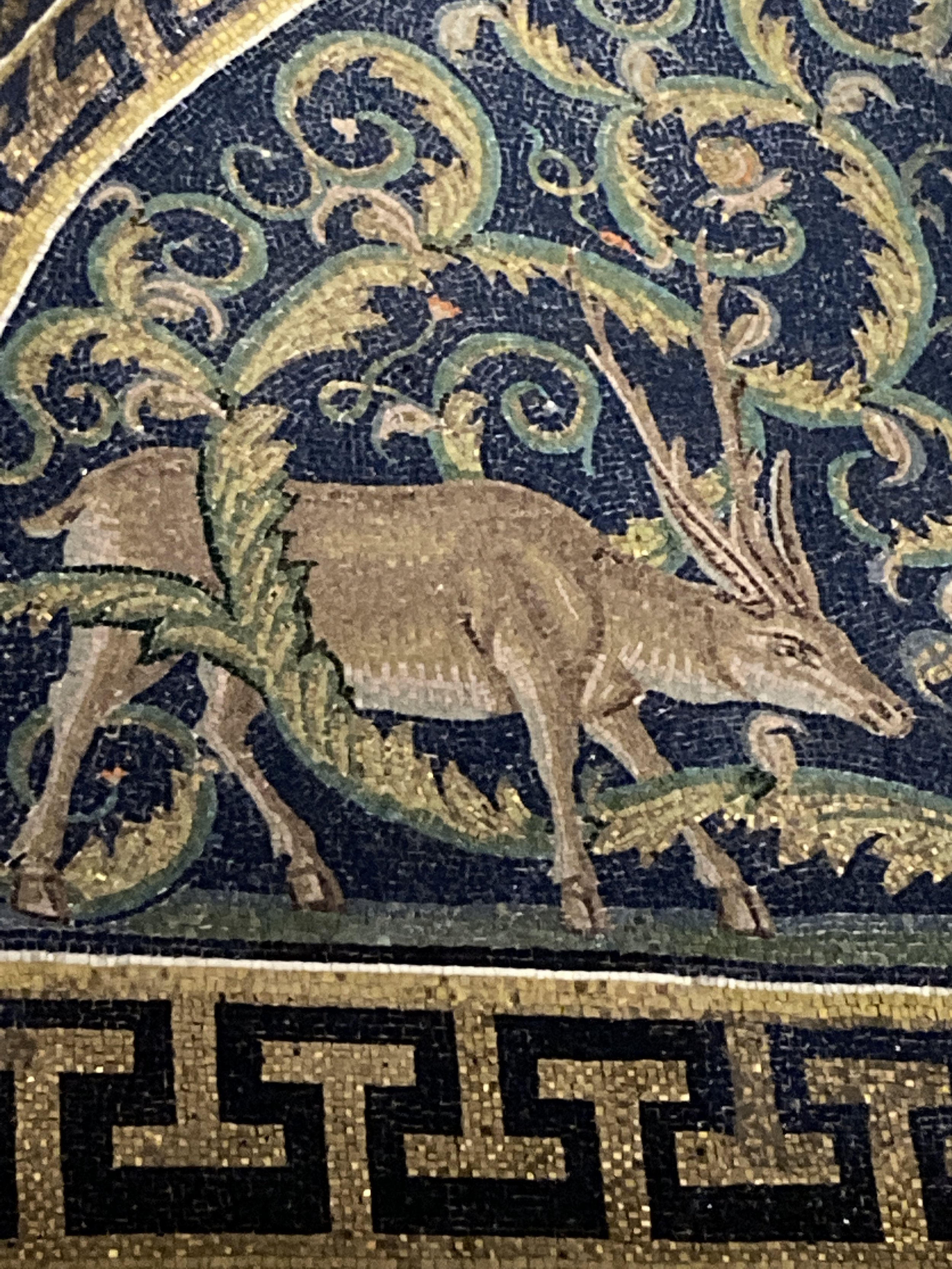
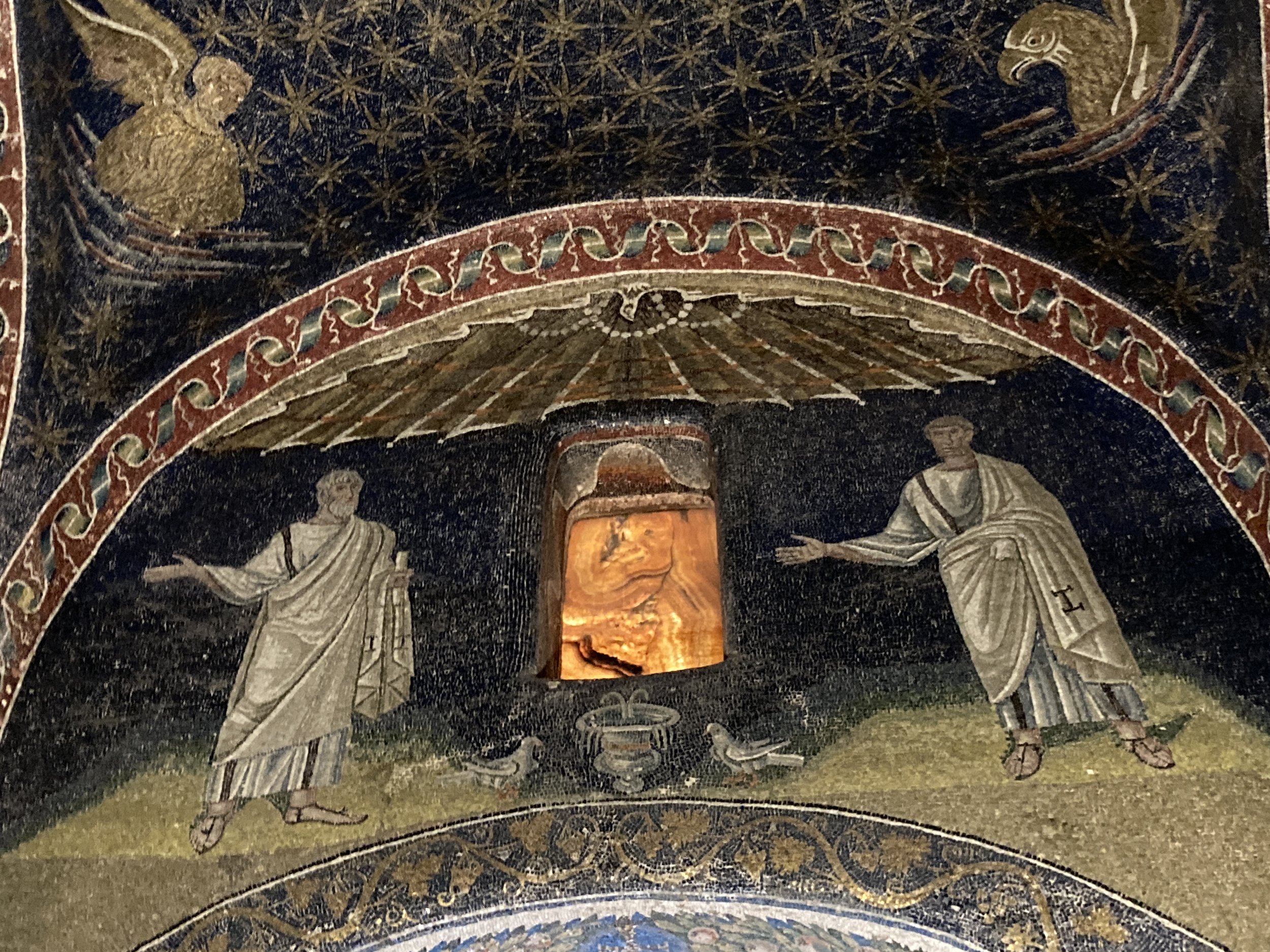
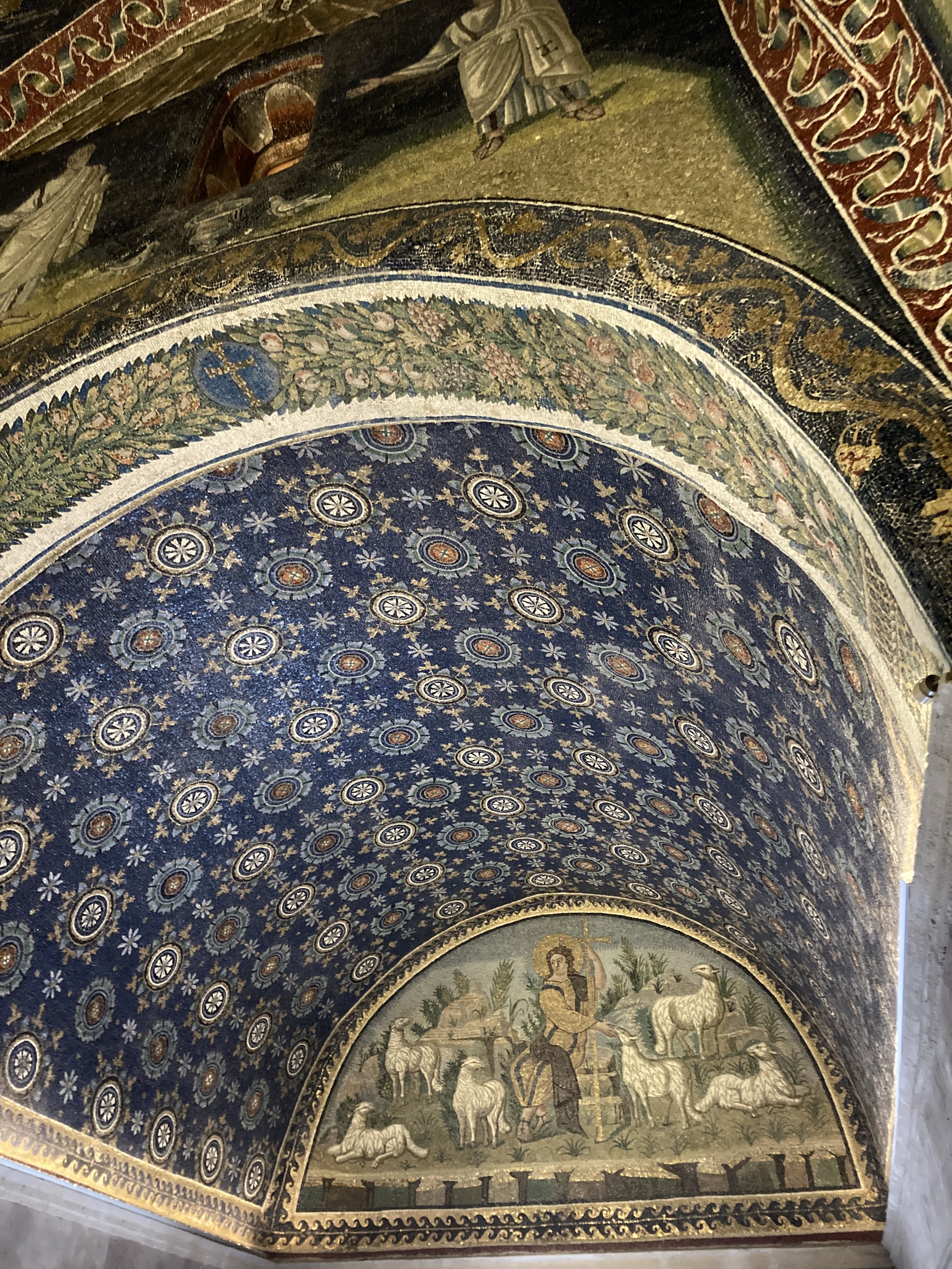
One of the most fascinating examples of the late Roman / early Christian period in northern Italy is in the city of Ravenna. The Mausoleum of Galla Palicidia (another UNESCO World Heritage site) is deceptively plain on the exterior but breathtakingly beautiful inside. The building never fulfilled its original purpose - as the final resting place of Galla Palicidia, the powerful last Empress of the Roman Empire - but instead most likely functioned as a chapel. Small in size, but huge in impact, it is filled with ornate mosaics from floor to ceiling, in alcoves, around arches, on lunettes, and up to a blue and star filled ceiling. The interior is hushed and softly lit by light filtered through small alabaster windows. The mosaics reflect Christian religious themes through detailed and colorful mosaic figures, which include humans, animals, and plants. It is one of those places that require reverence.
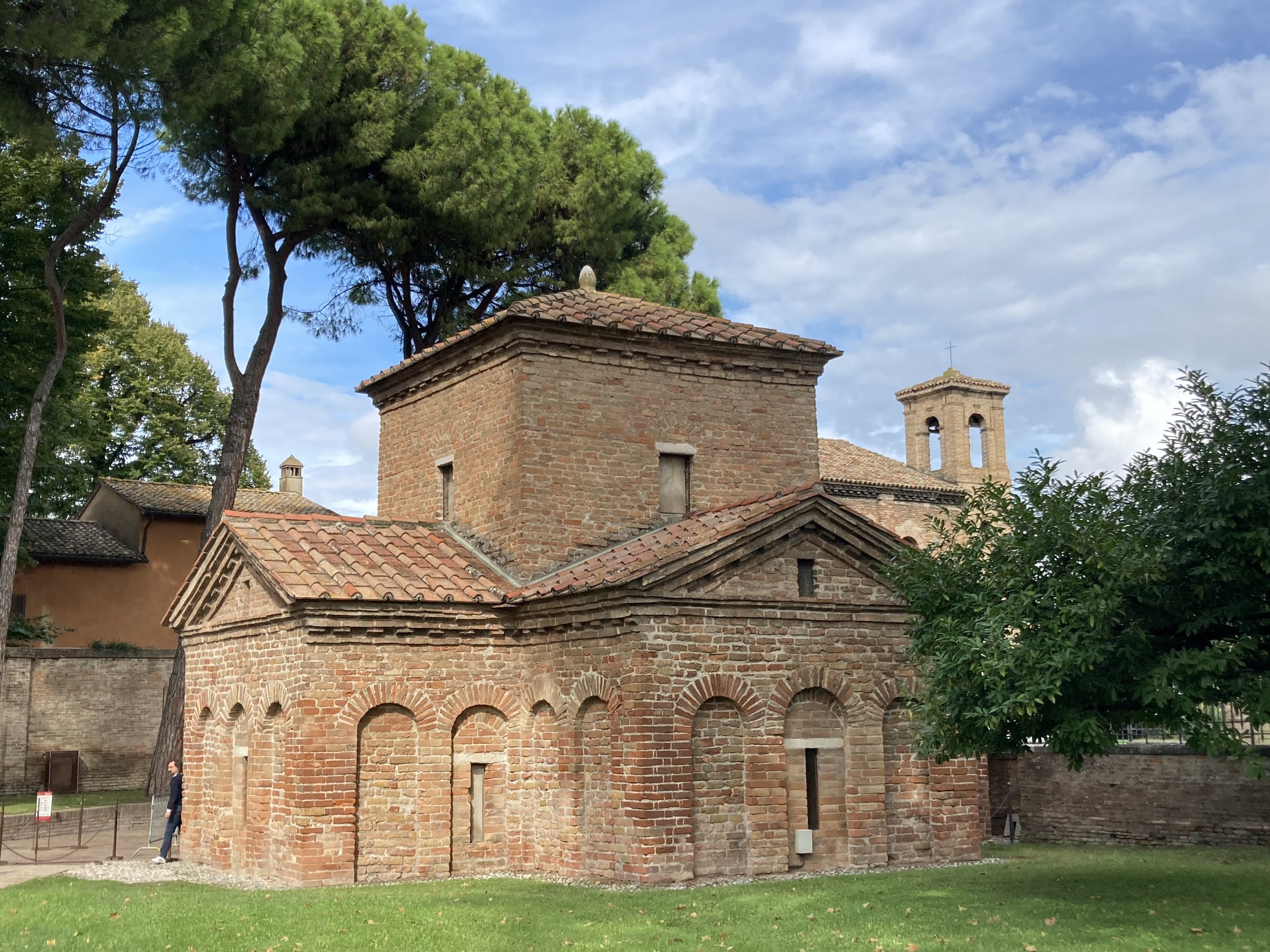
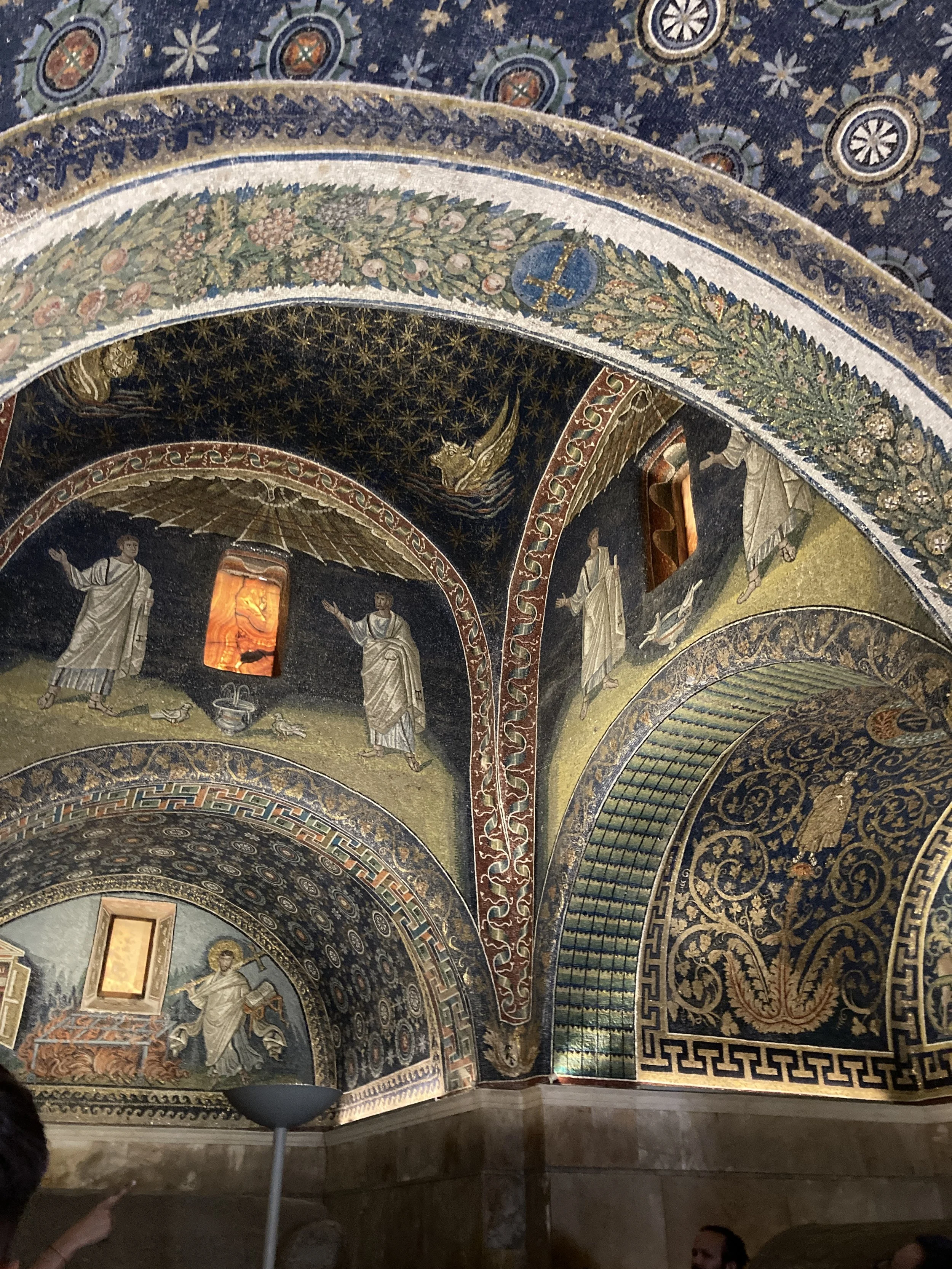
IMG_8888.JPG
IMG_8892.JPG
IMG_8893.JPG
IMG_8900.JPG
IMG_8899.JPG
IMG_8911.JPG

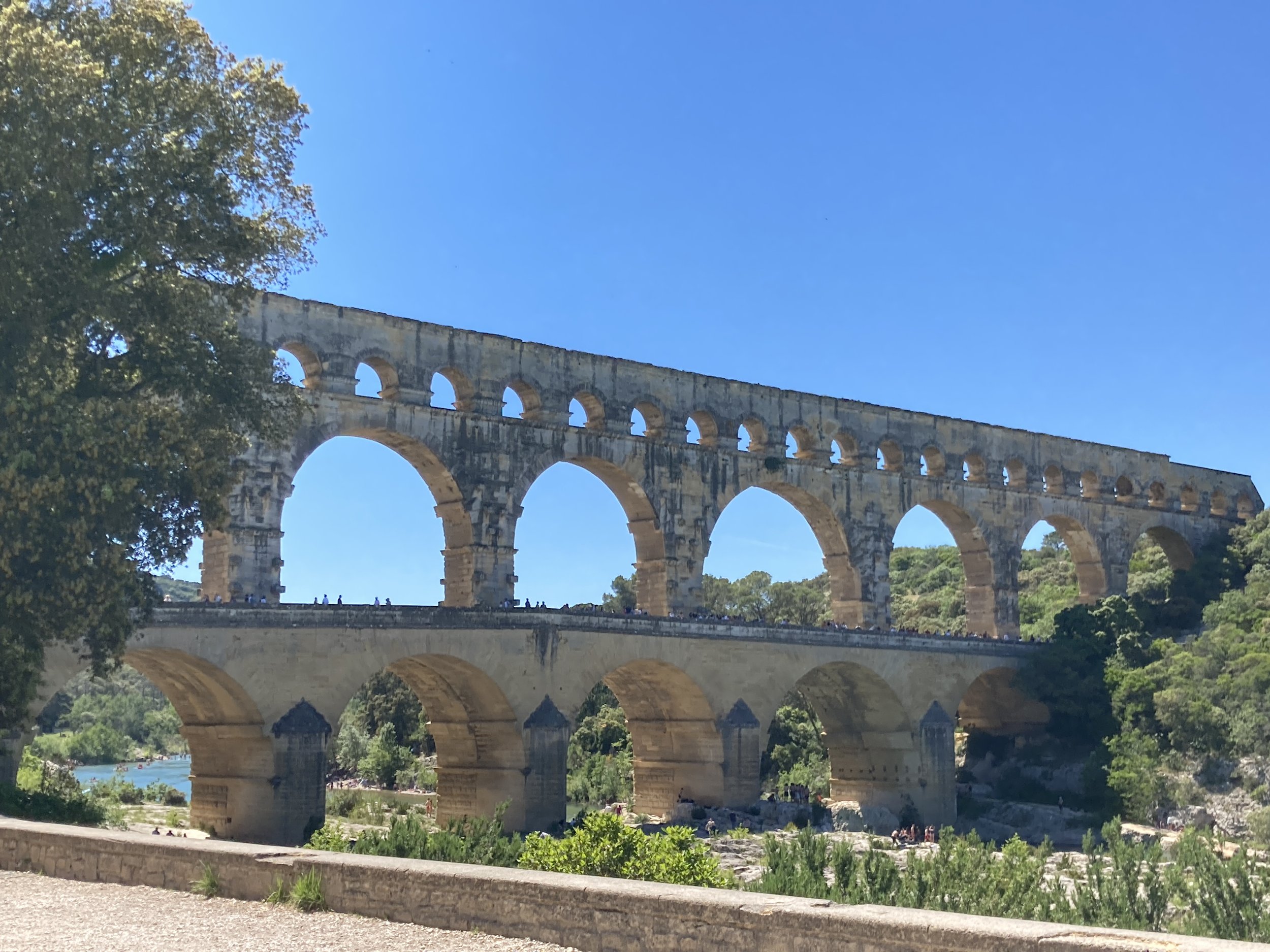
One of the best Roman era aqueducts is the Post du Gard in France

These are just a sampling of Roman historical sites in Northern Italy.  Of course Roman artifacts can be found in modern day Rome, throughout Italy, and in nearby countries. Some outstanding examples are in England and France - which means I need to plan more travel!

I’ve skipped the most well-known relics of the ancient Romans in favor of some of the perhaps less famous in northern Italy. A whole lifetime would be needed to explore them all!
August 03, 2026 /Joanne Bartram
Roman artifacts, Roman sites Italy, History of Italy, Roman villas and ruins
#italytravel, #lucca, european travel, Friuli-Venezia Giulia, History, Italy, Italy travel, Lucca, Roman Architecture, Trieste, Tuscany, Umbria, Verona

The Castello di Duino

Castello di Duino

May 11, 2026 by Joanne Bartram in Friuli-Venezia Giulia, Friuli Venezia Giulia, Italian art architecture, Italian culture, Italian gardens, Trieste

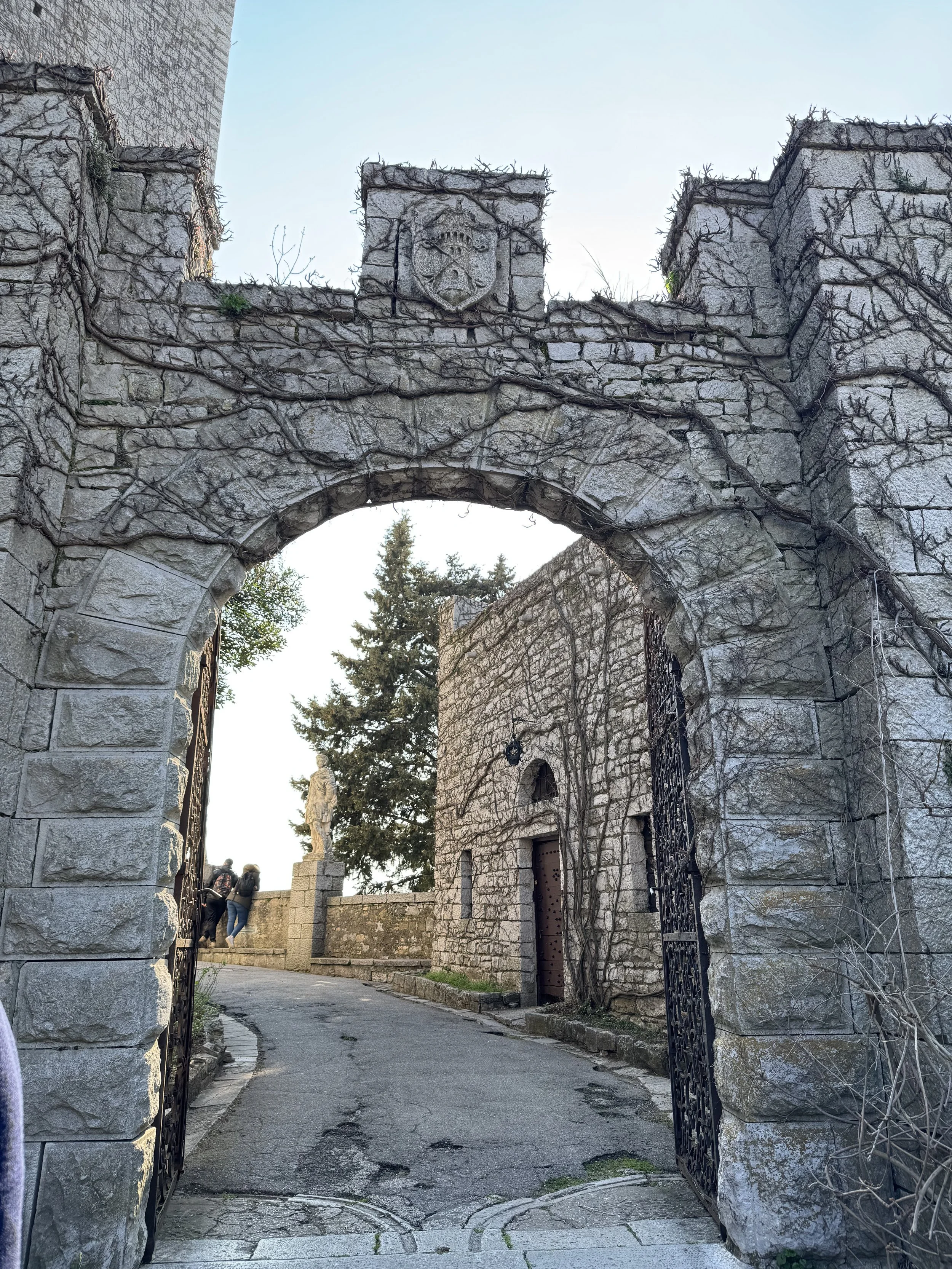
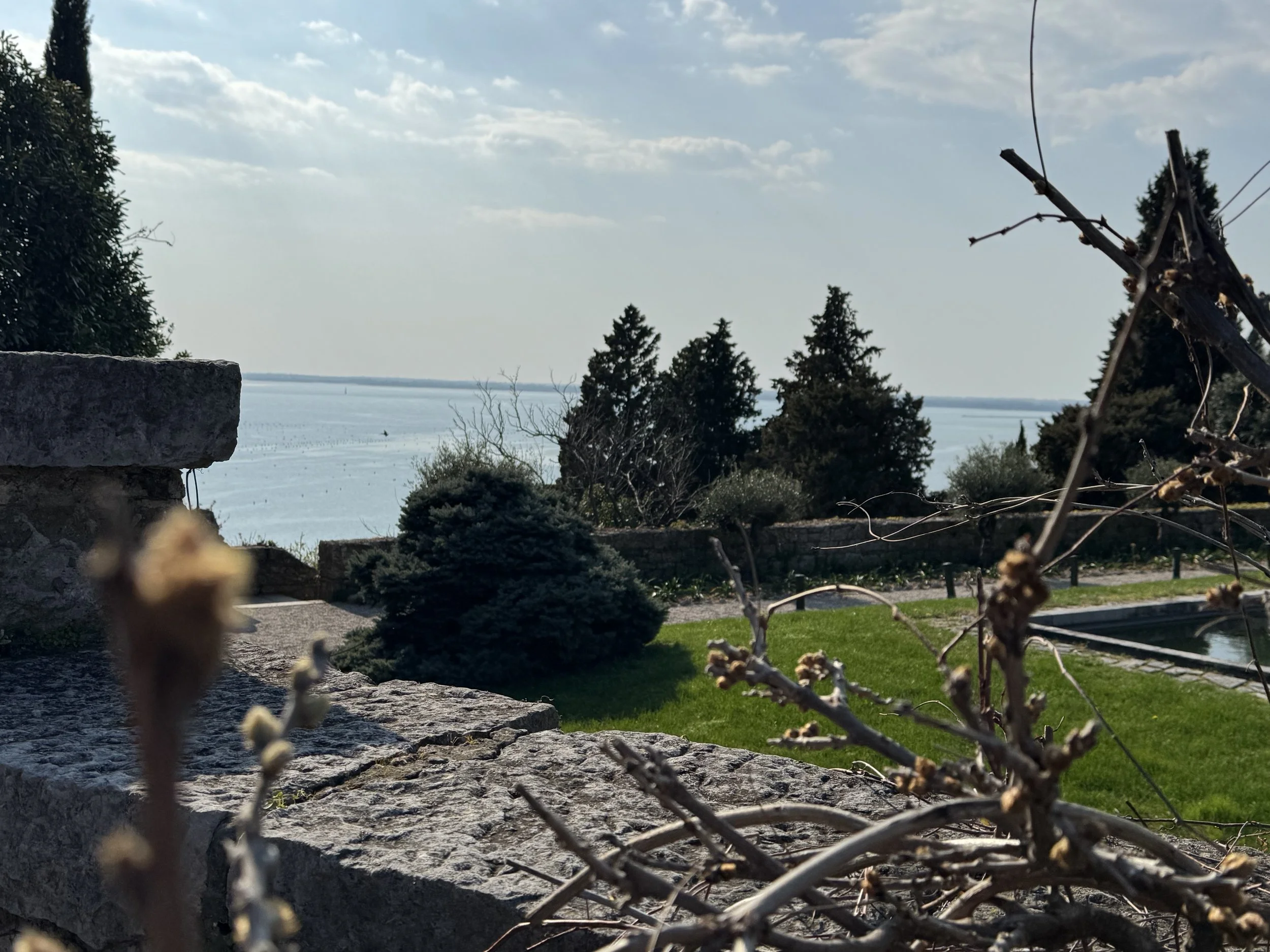
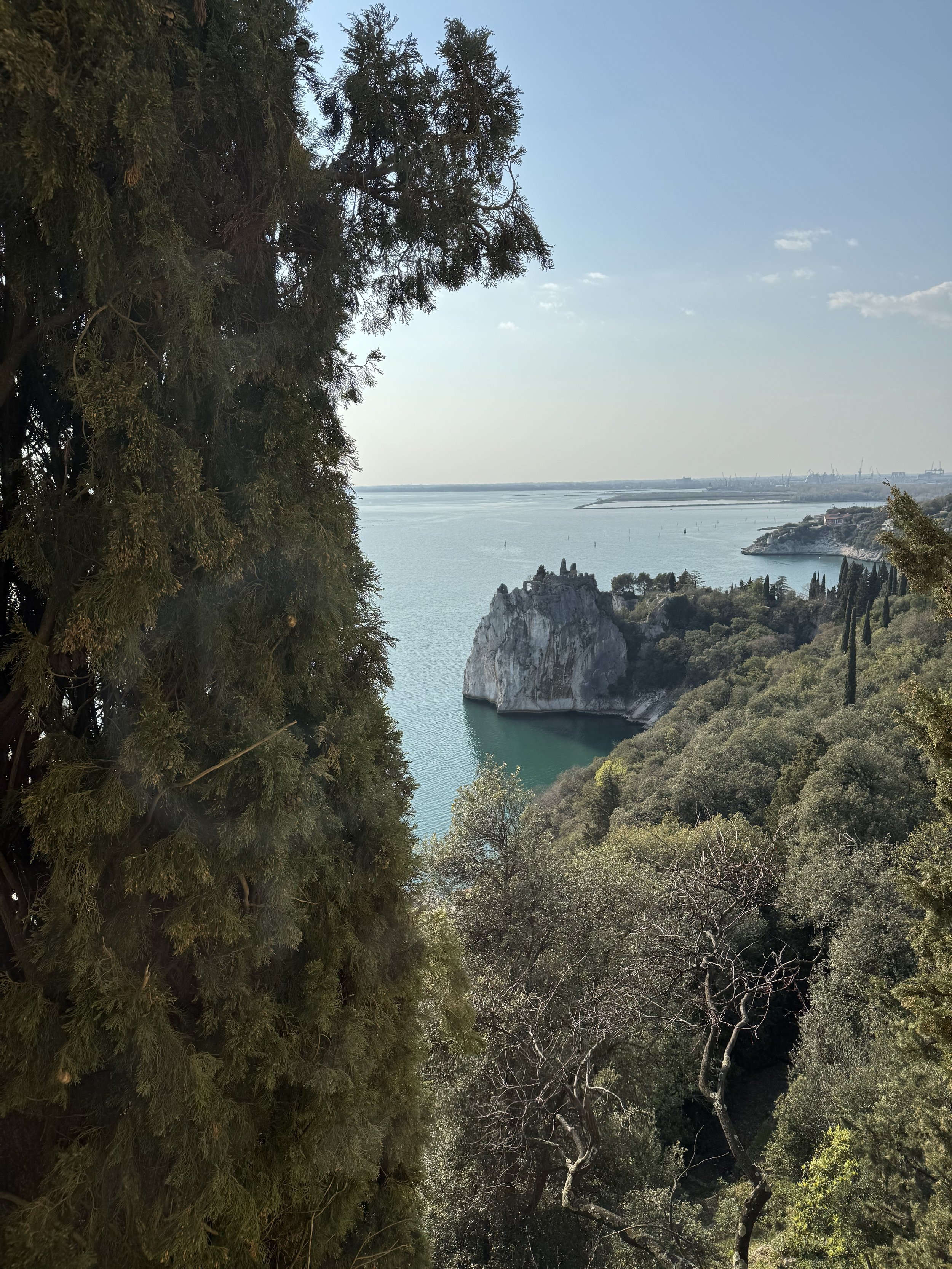
If I were to buy a castle in Italy, the Castello di Duino would do very nicely.  Unfortunately, the current owner, Prince Carlo Alessandro della Torre e Tasso, Duke of Castel Duino, seems unlikely to sell it to me, especially at a price I could afford.  Yet, after visiting, it is easy to daydream about living in this castle with its beautiful interior and views of the coastline over the Gulf of Trieste. 

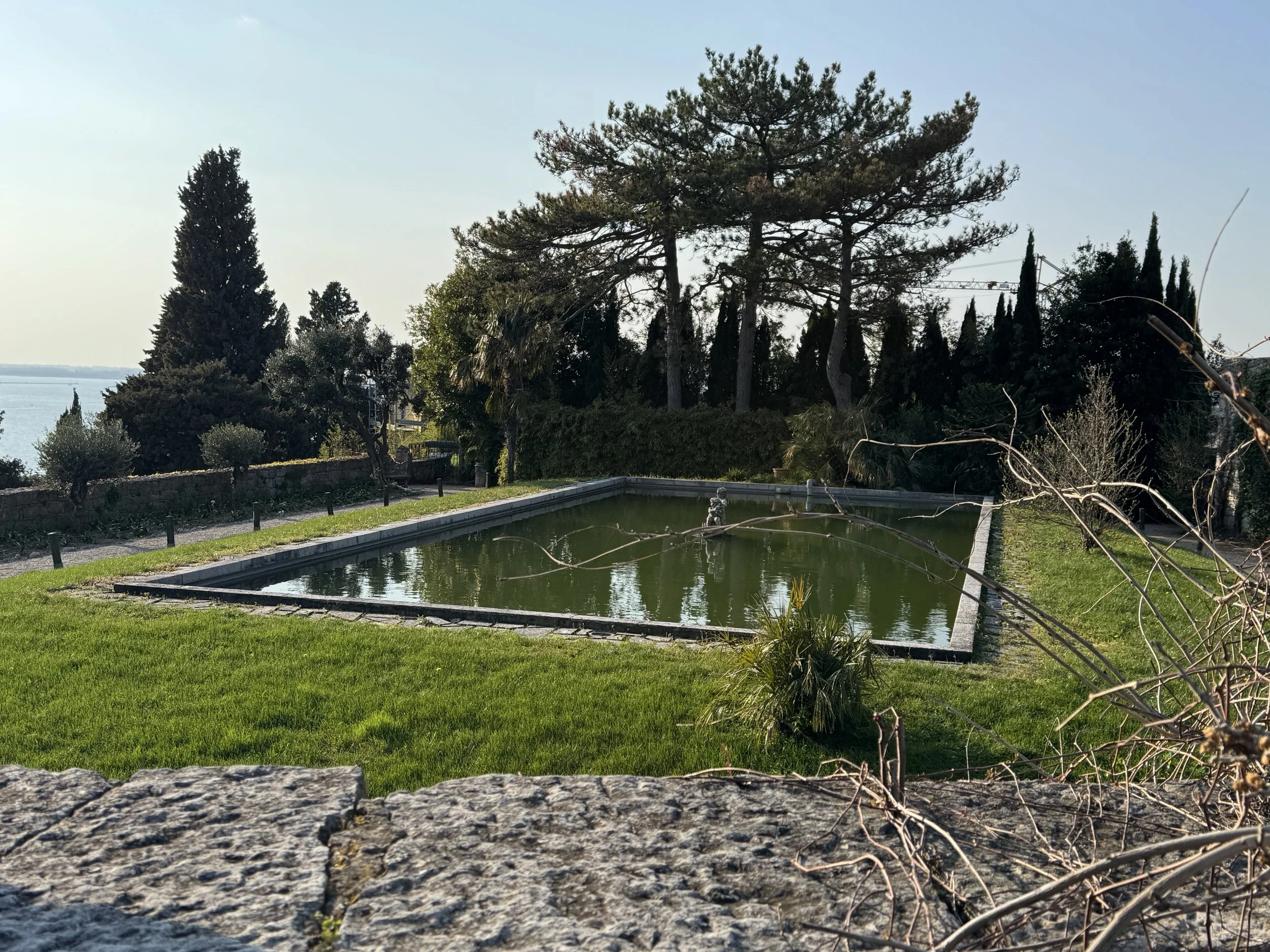
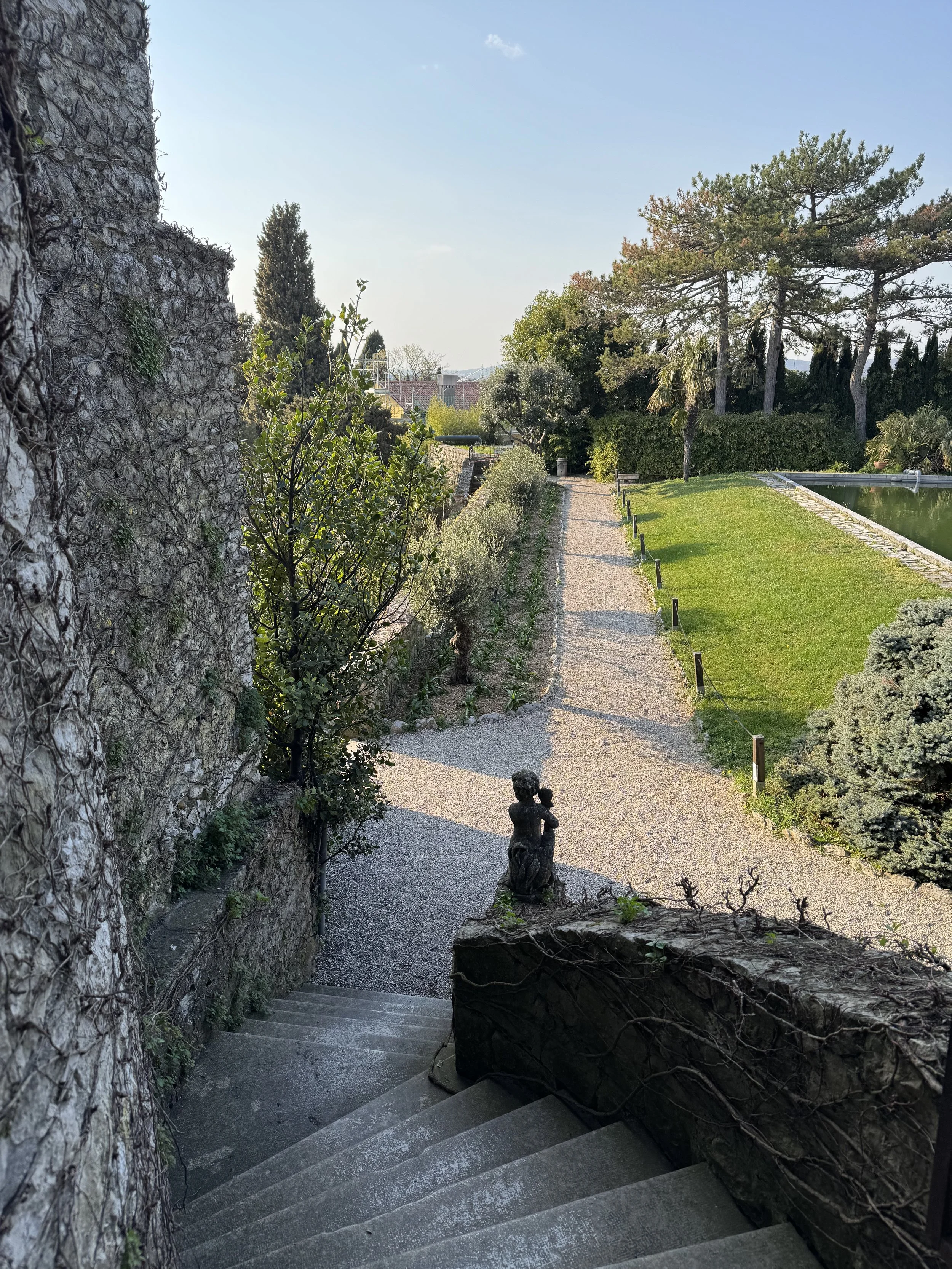
Breakfast on one terrace and wine on another, a stroll near the lower garden with the pretty pool, gazing over to the ruins of the 11th century Castello Vecchio - yes, it would be easy to spend my days here. 

IMG_9683.jpeg
IMG_9652.jpeg

 The castle was built in the 14th century and acquired in the 19th by Prince Alexander von Thurn und Taxis and his wife Princess Marie, one branch of a German noble family.  After moving to the Italian castle, they changed their name to a more Italian form, becoming the della Torre e Tasso family.  They were great patrons of the arts and hosted both musical and literary guests, including Liszt, Strauss, Twain, and Rilke.

The castle has remained in their family, passed down from generation to generation. Today it is open as a museum, presented very much like the home it once was. 

IMG_9607.jpeg
IMG_9600.jpeg
IMG_9682.jpeg
IMG_9678.jpeg

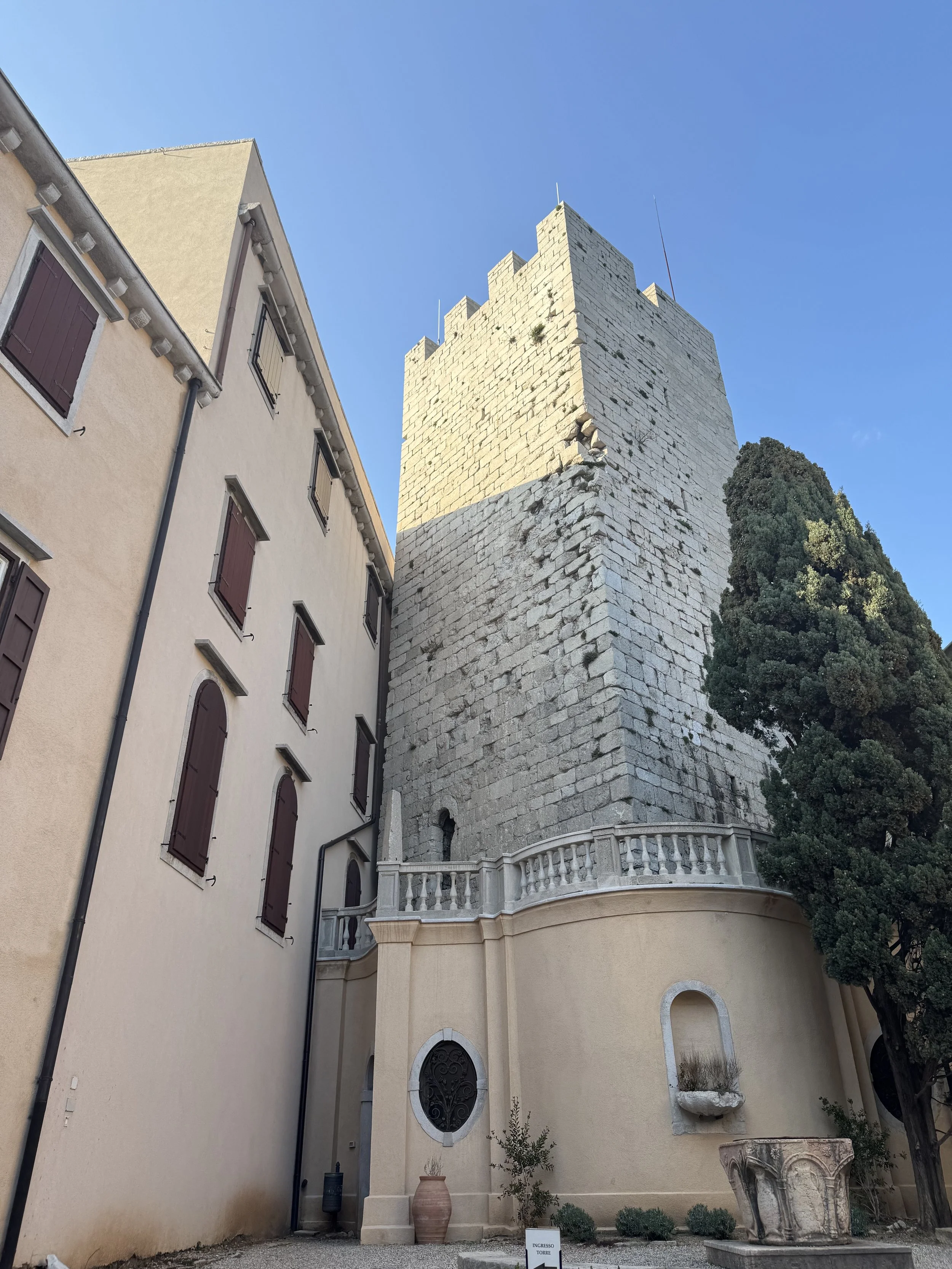
It is possible to climb to the top of this tower to take in the view

If the exterior of the castle looks familiar to you - it might be because it was used in filming Monty Python and the Holy Grail.

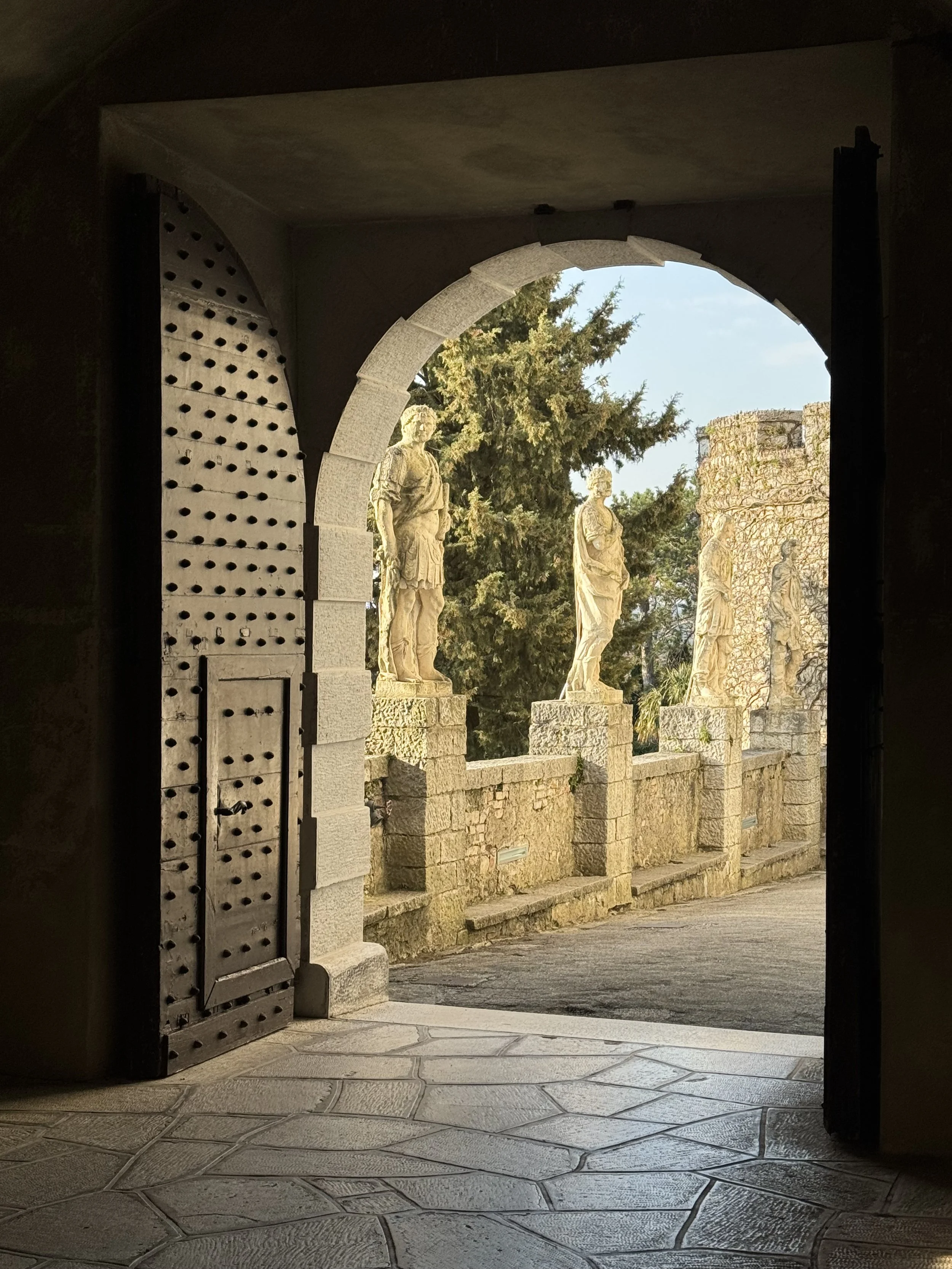
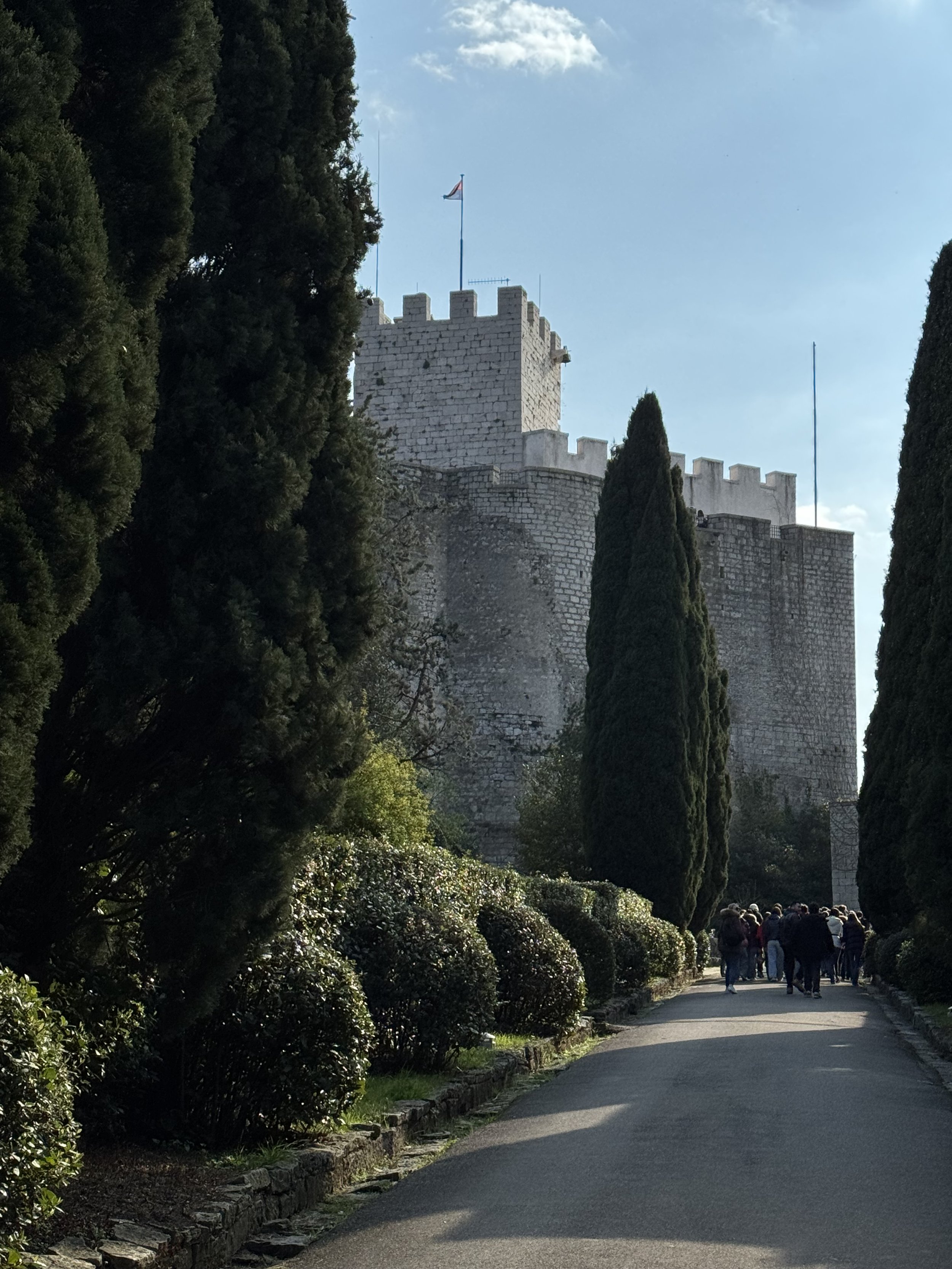
The approach to the castle is along a path lined with statues and with views down to both the garden area and out to the sea.

Inside the castle grounds, a courtyard leads to an imposing tower. A climb will reward you with 360 degree views.

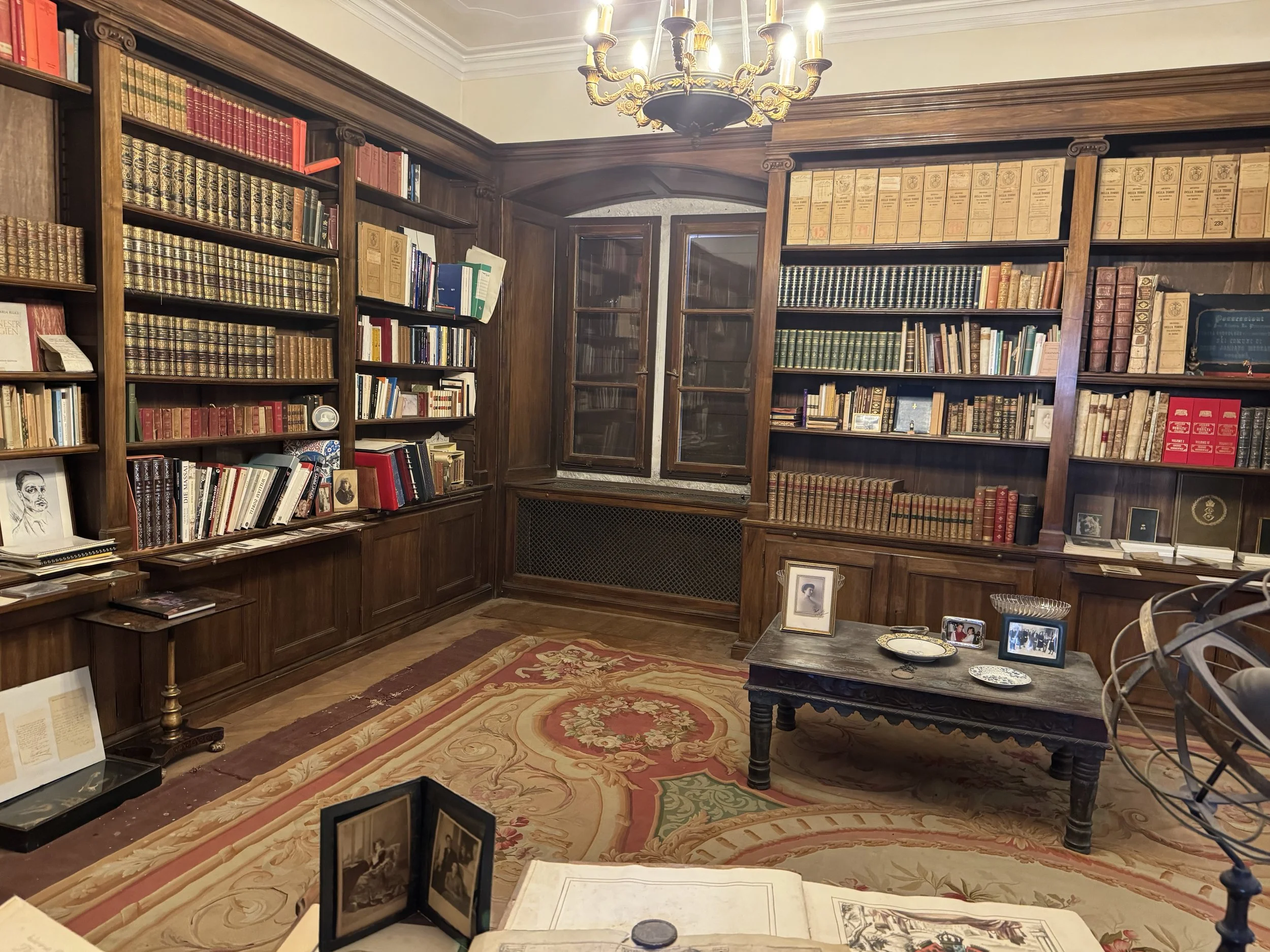
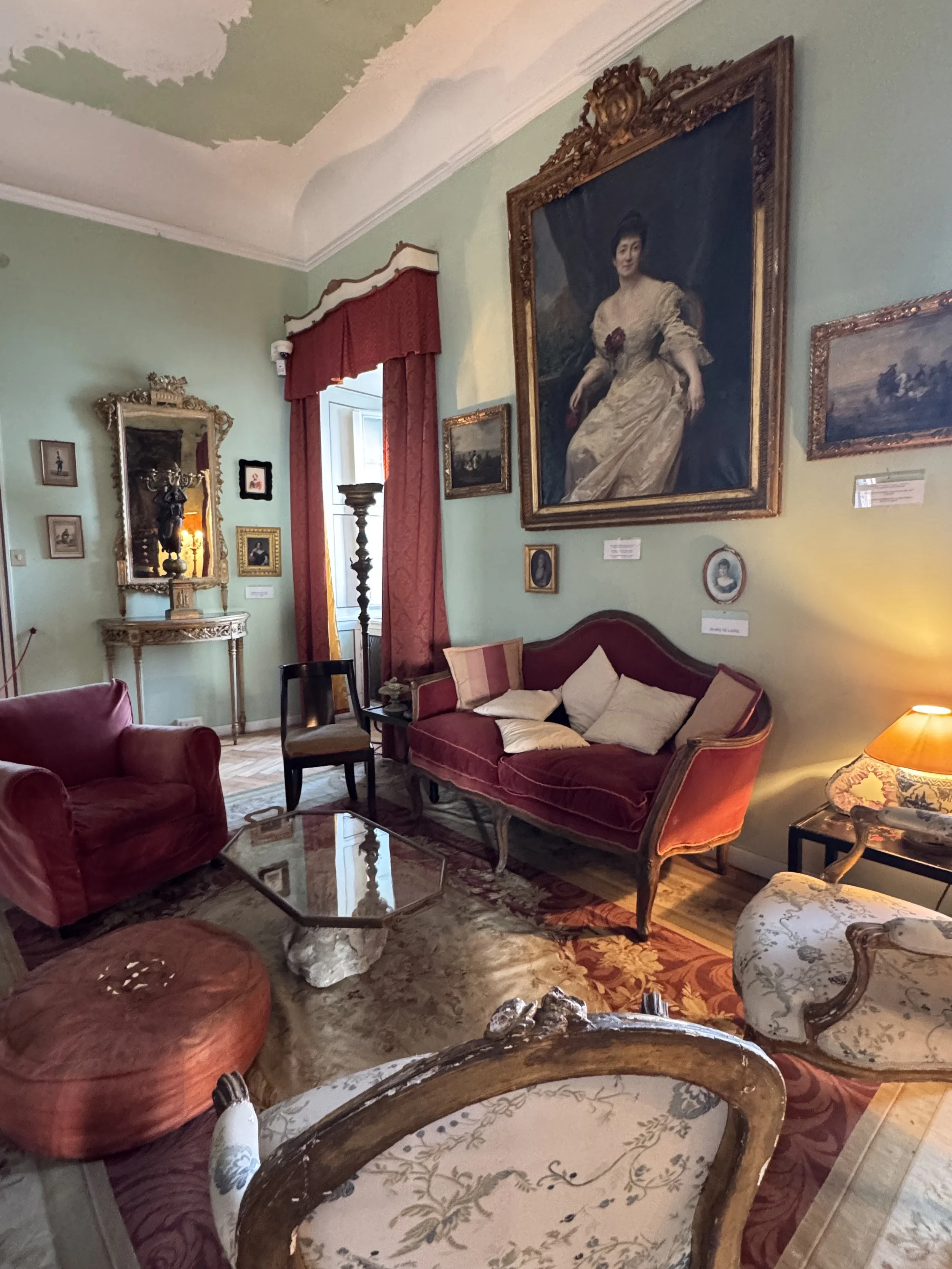
The castle’s interior is elegant, detailed, and beautifully furnished. 

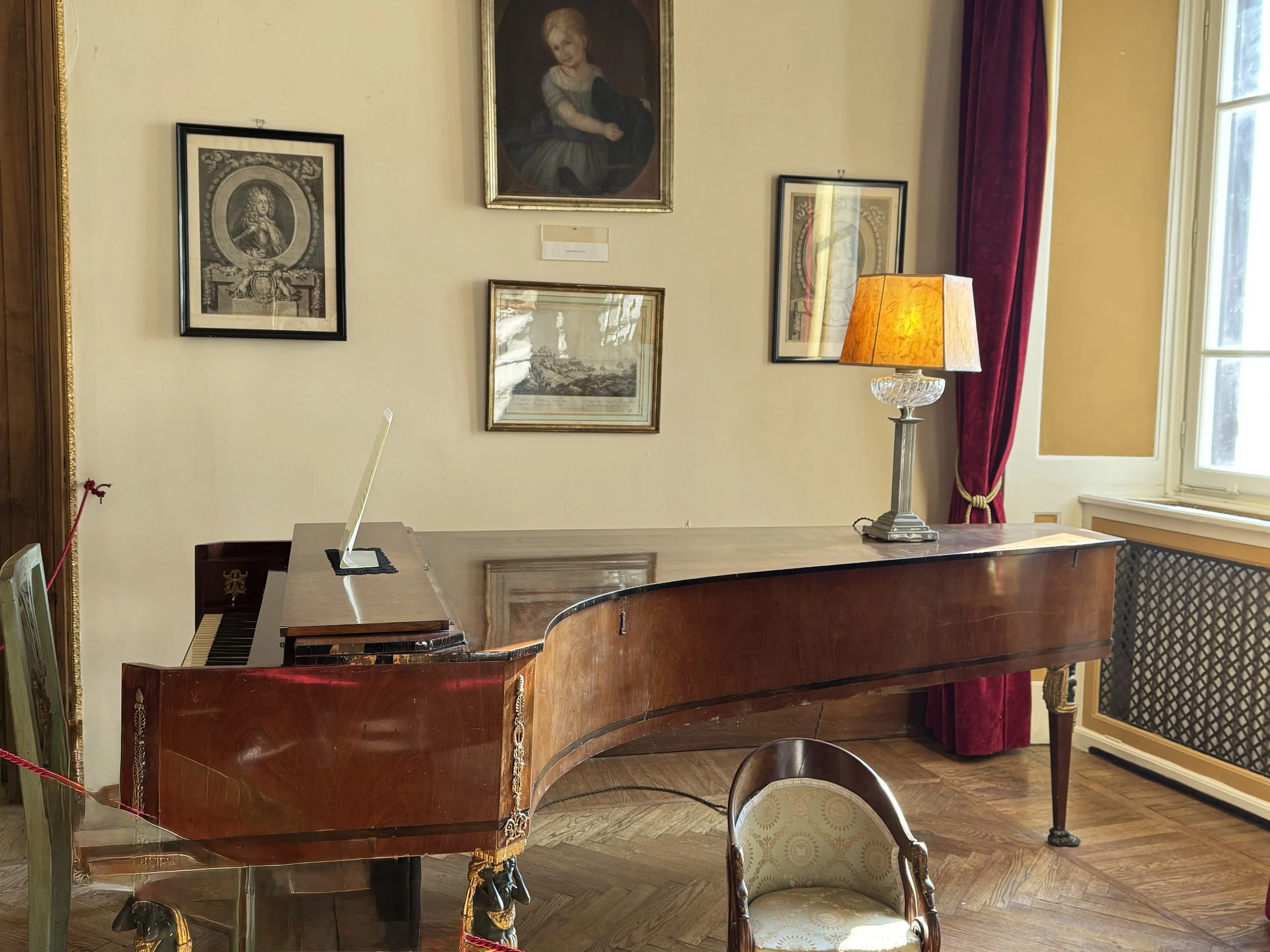
There is a wood paneled library and several drawing rooms one of which has a piano that Liszt once played.


IMG_9653.jpeg
IMG_9662.jpeg
IMG_9647.jpeg

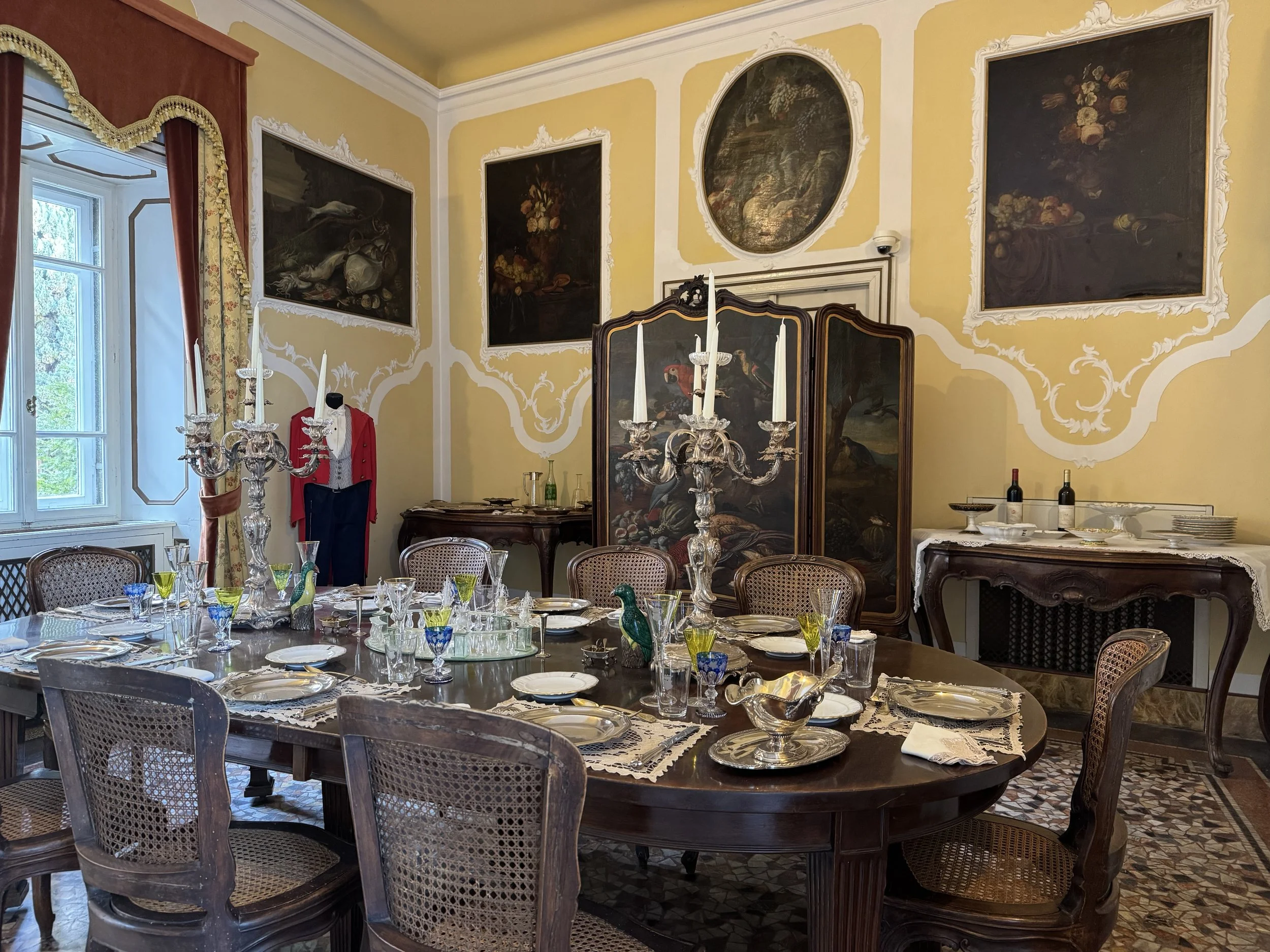
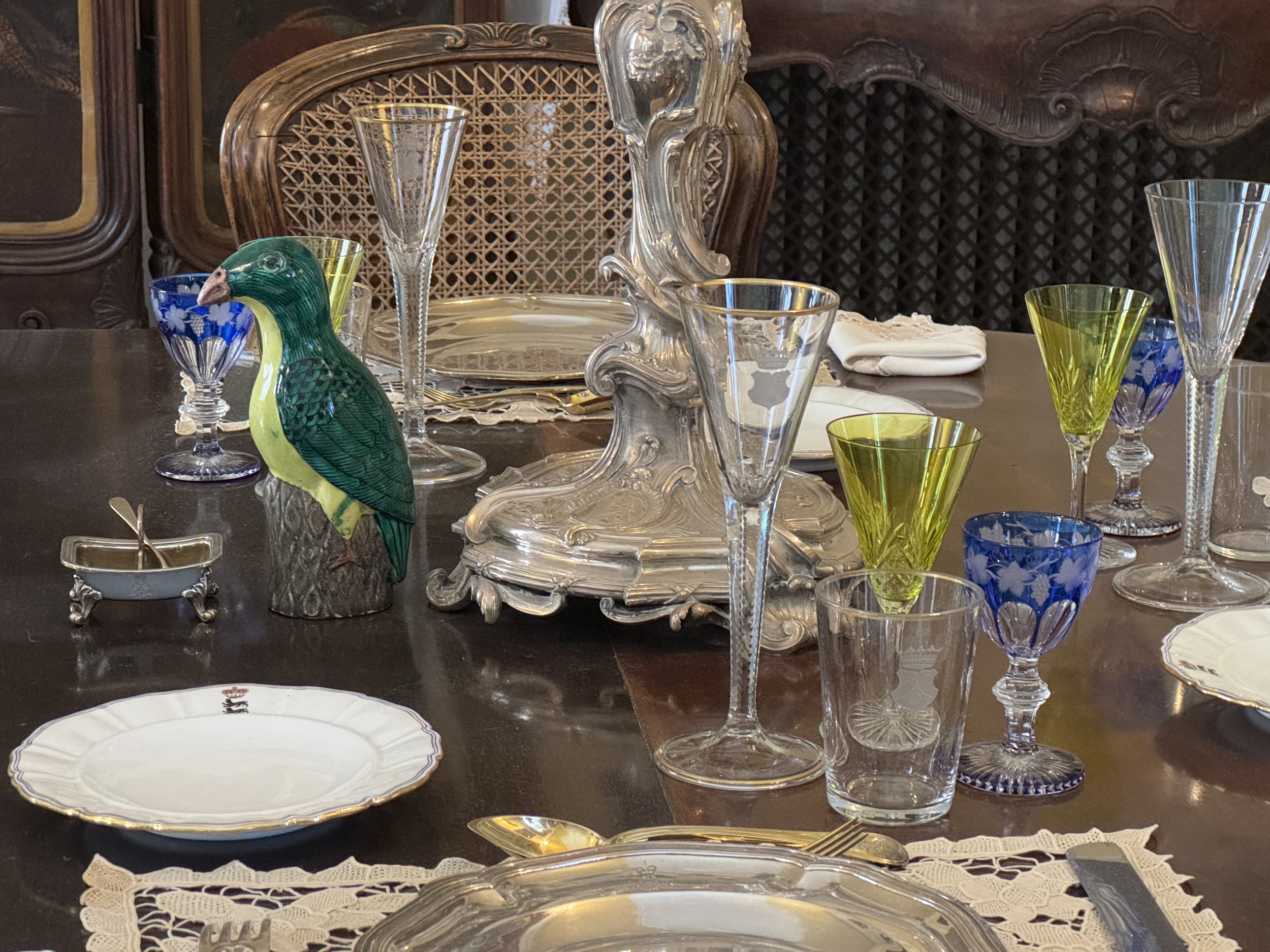
The dining room, with a table set as if guests were expected any minute, was especially lovely. It was so easy to imagine the fascinating guests that once gathered here. I can just imagine the sound of their conversations and clinking wine glasses; perhaps stepping out onto the balcony for a smoke, the views, and a whispered conversation.

IMG_9666.jpeg
IMG_9671.jpeg

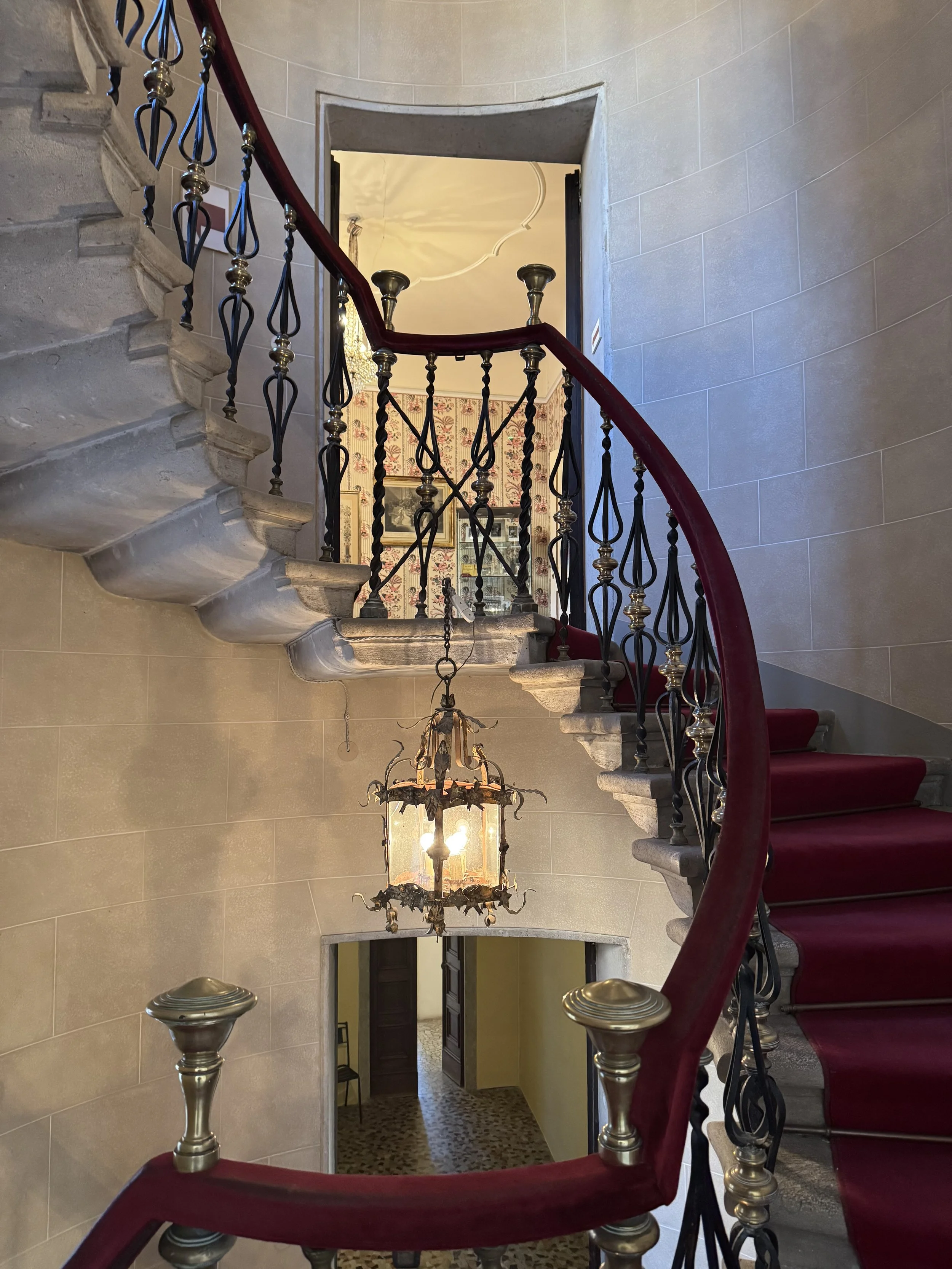
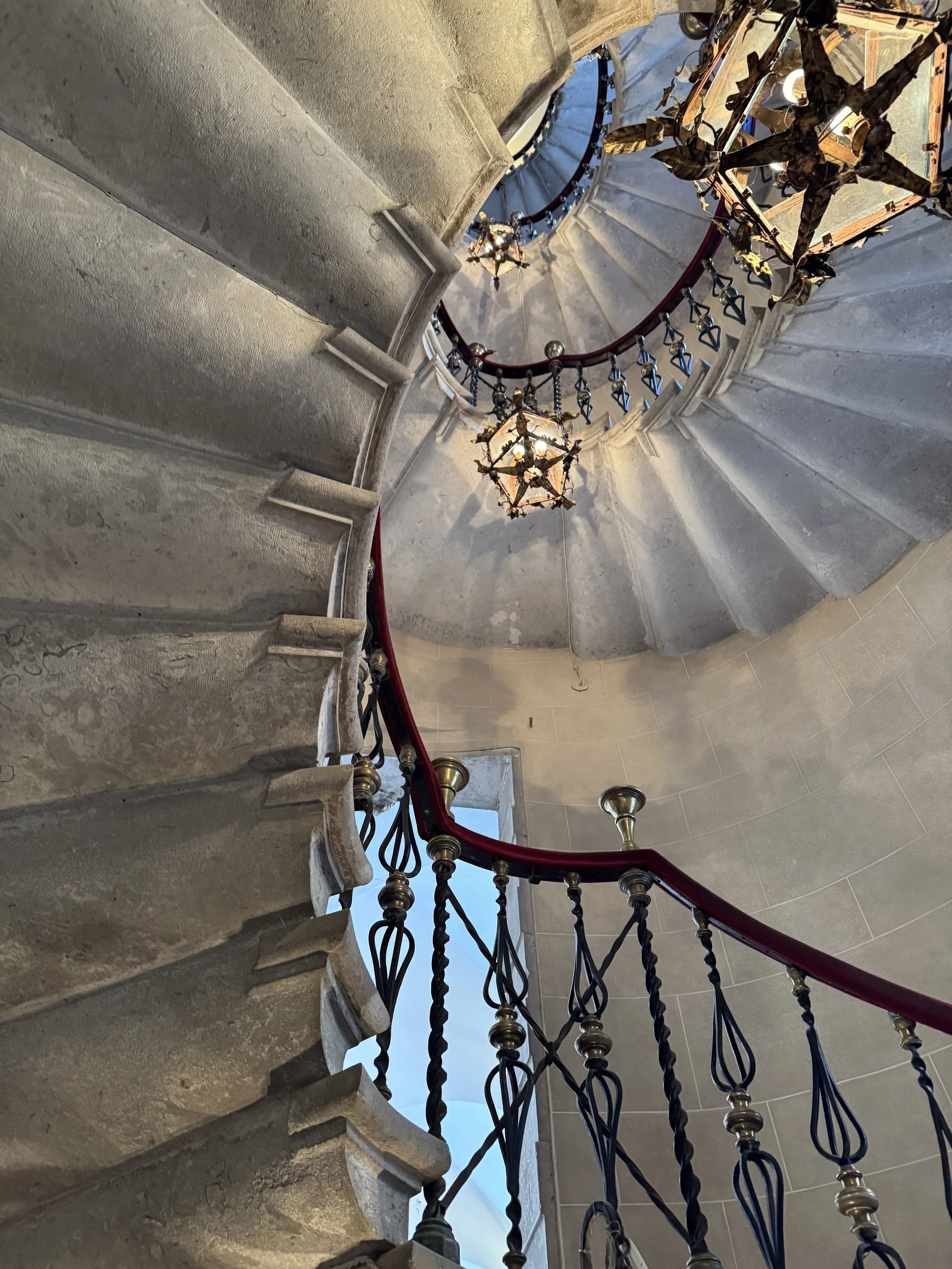
Another fascinating detail was the elegant spiral staircase which connects several floors. Designed by Palladio, with pretty bannisters and gorgeous light fixtures, it is functional art.

IMG_9675.jpeg
IMG_9625.jpeg

The visit to Duino, arranged by the Piccola Università language school in Trieste, was a highlight of my visit to this region. Oh to time travel and visit in past centuries.

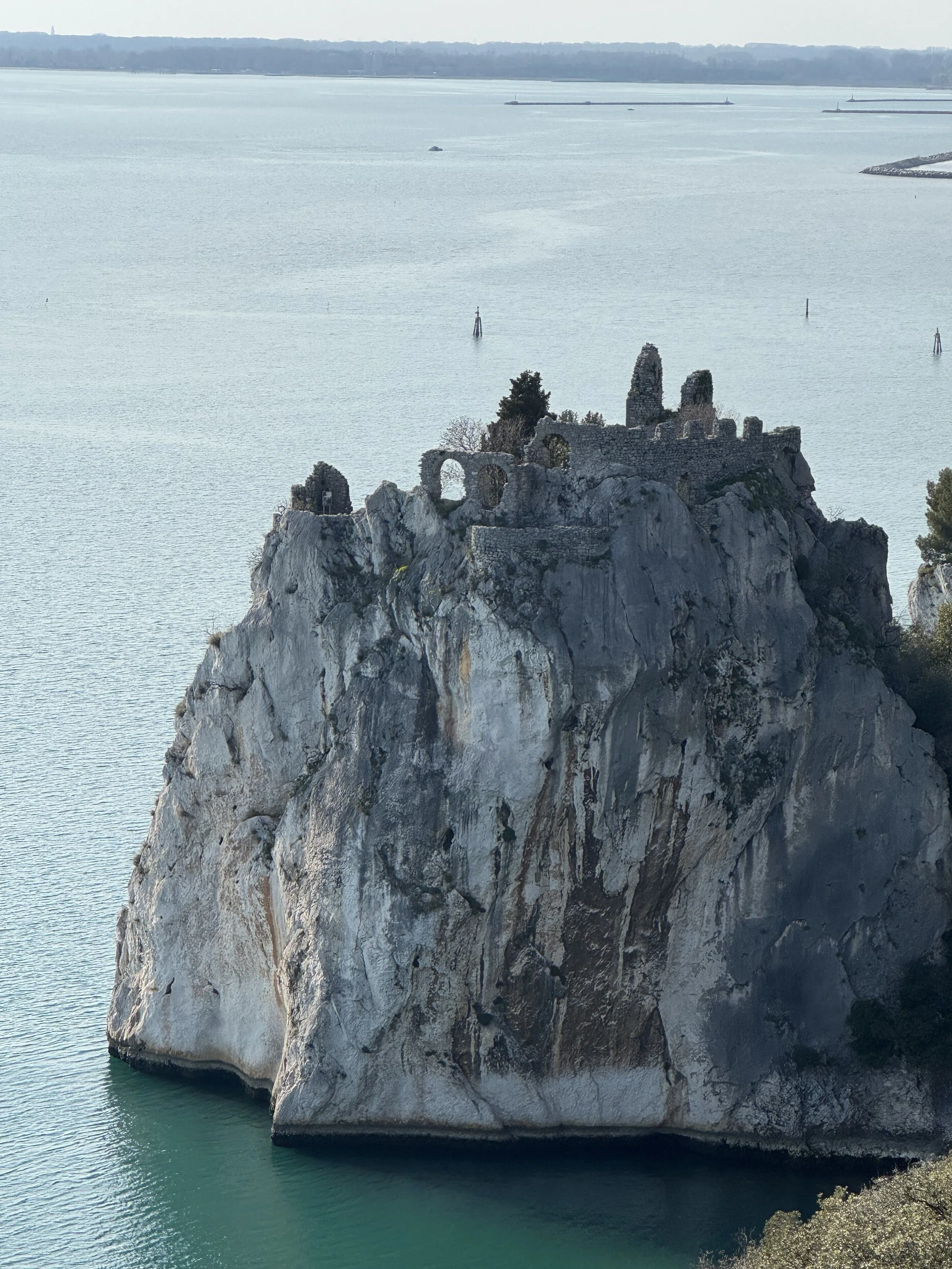
The ruins of the 11th century castle

May 11, 2026 /Joanne Bartram
Duino, Castello di Duino
Friuli-Venezia Giulia, Friuli Venezia Giulia, Italian art architecture, Italian culture, Italian gardens, Trieste

Cividale del Friuli

April 13, 2026 by Joanne Bartram in #italytravel, #medievalitaly, Friuli Venezia Giulia, Trieste

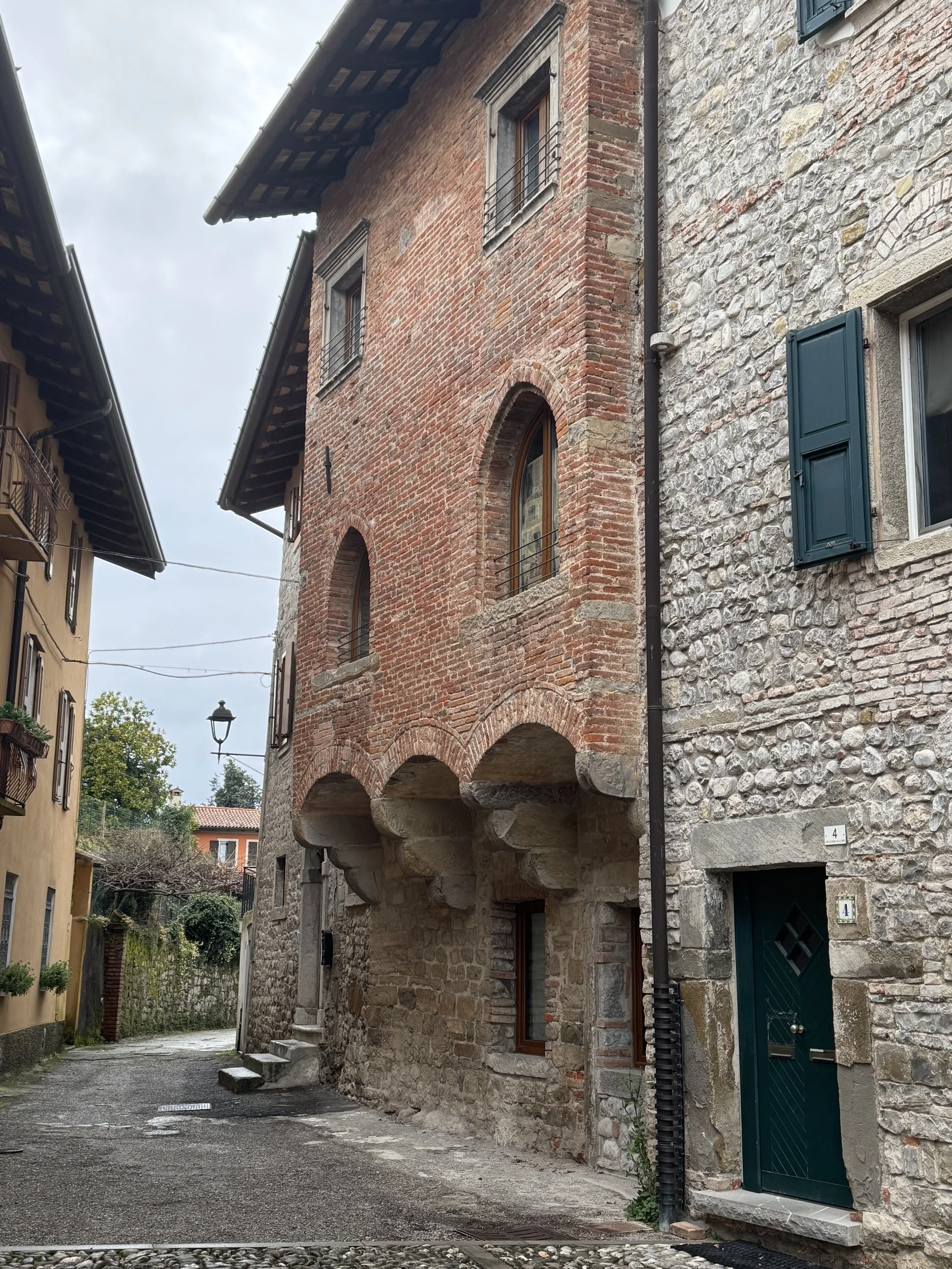
To enter the hamlet of Cividale del Friuli is to walk into a long ago era. Even more so when the day is misty, overcast, and feels a bit eerie. About an hour by car from busy Trieste, it feels a world (and centuries) away.

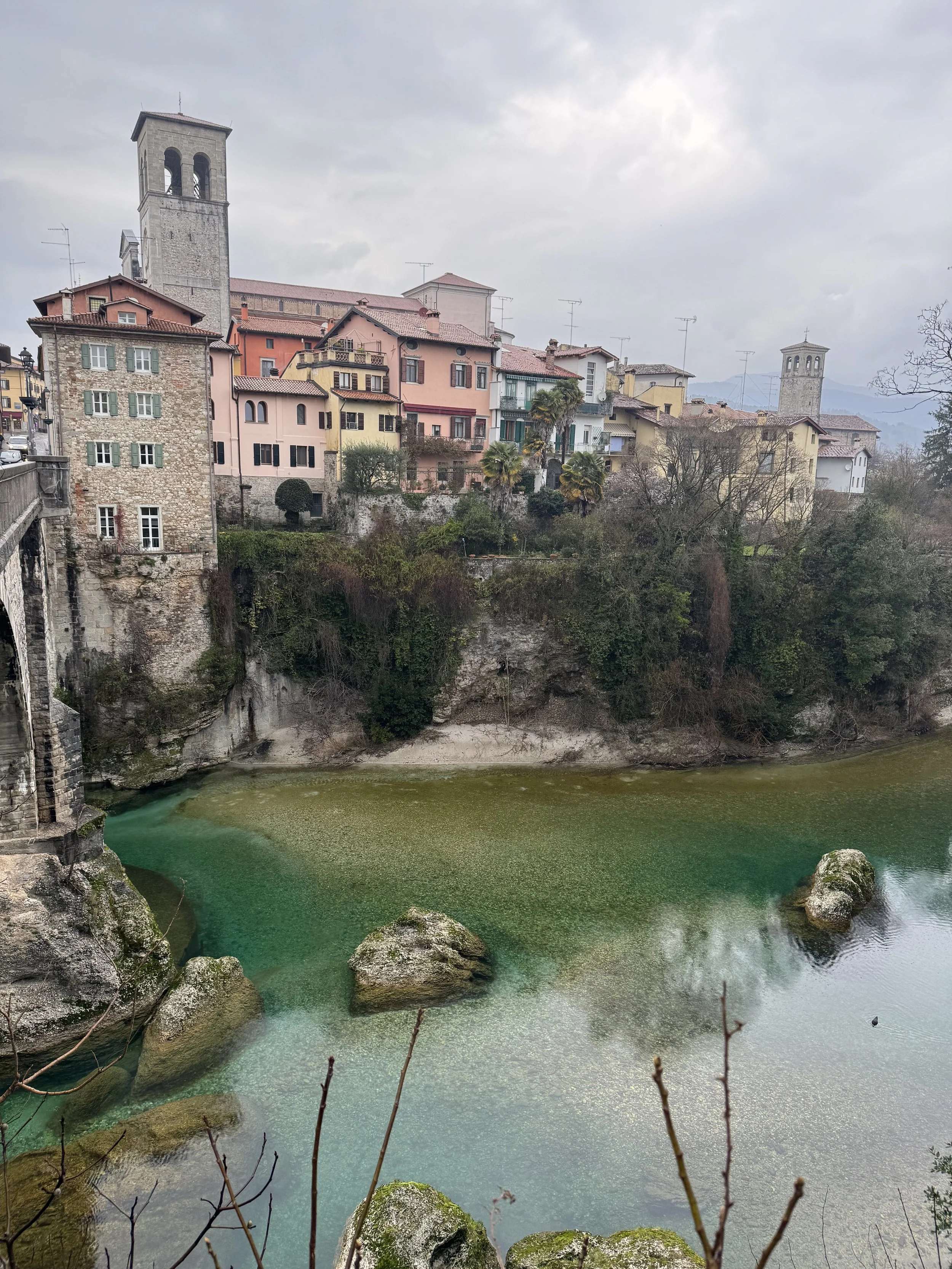
I went to Cividale, along with a small group of students from The Piccola Università Italiana in Trieste, on an afternoon excursion arranged by the school. We arrived to a spot overlooking the Natisone river which seemed to glow with an unusual iridescent green color. Not to worry though - the color is not due to pollution but is naturally occurring because of the minerals deposited by the water flowing down from the nearby mountains.

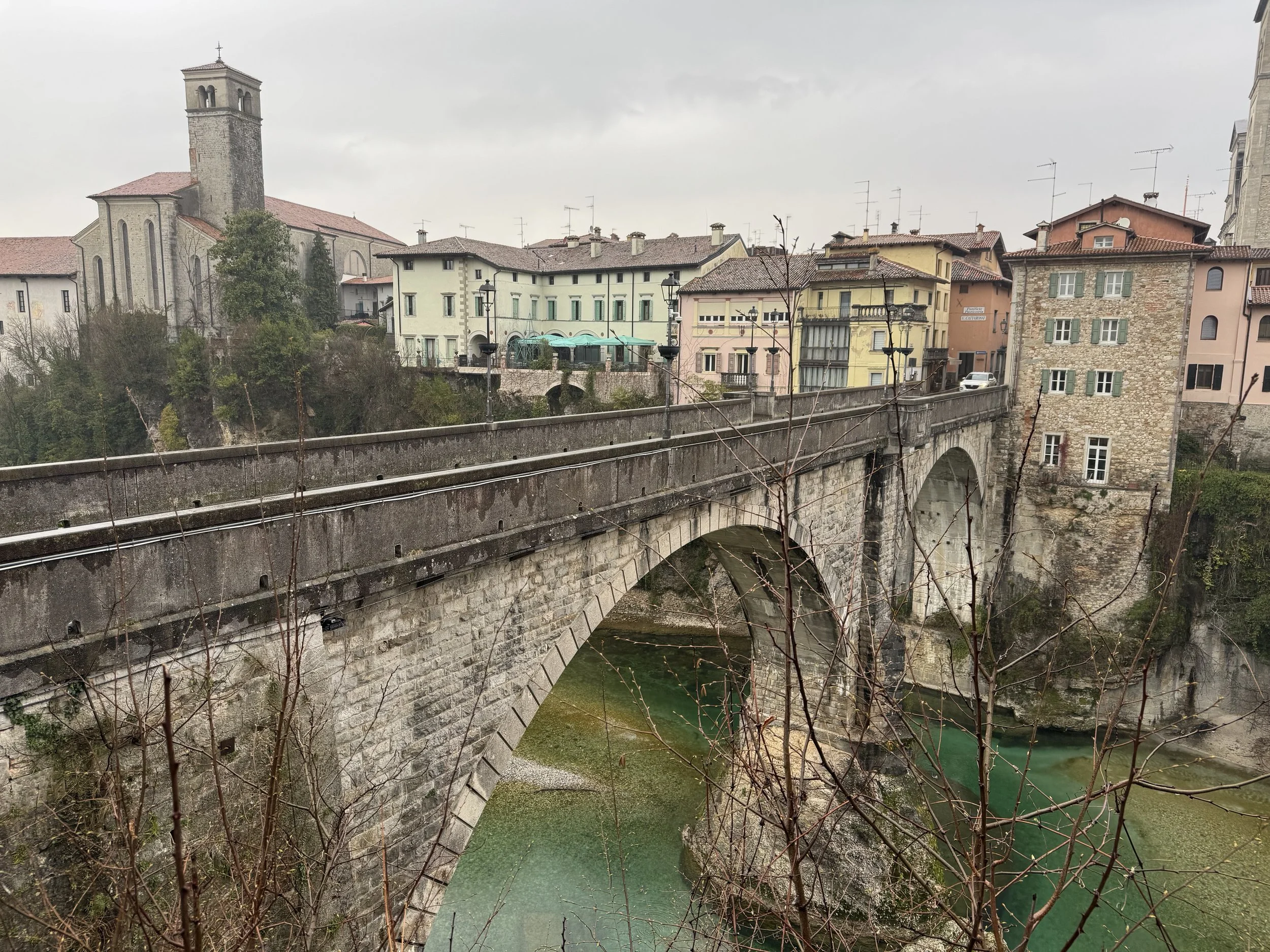
Il Ponte del Diavolo (Devil’s Bridge)

The bridge across the river is known locally as the Il Ponte del Diavolo (the Devil’s Bridge) and of course there is a legend that goes with the name. Does any village in Italy not have its own legends and myths? Oddly, the story in Cividale is identical to the one told at the bridge built by the same devil just outside of Lucca. Must have been one busy devil!
IMG_8944.jpeg
IMG_8947.jpeg
IMG_8938.jpeg

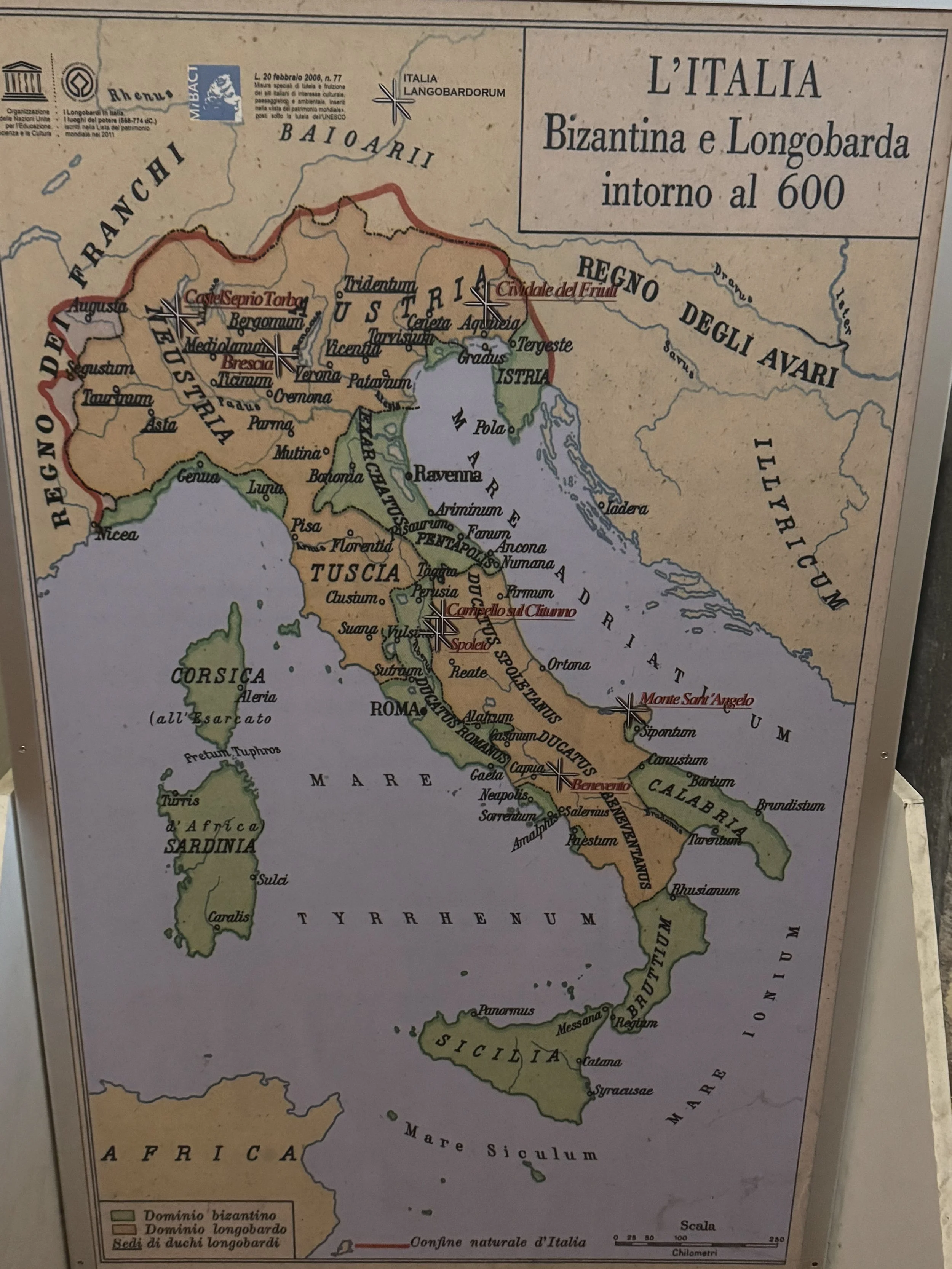
Most of Italy was once inhabited by the Longobards

Much of the Cividale feels medieval but there are traces of earlier civilations too. The most intriguing part of Cividale’s history involves the Longobards. A bit of a history lesson is required here. After the Roman empire fell in the 5th Century AD, this part of Italy was ruled by the Byzantines until it was conquered by the Longobards. The Longobards had slowly moved from the north into Germany, Austria, Hungary, and Slovenia. In the last half of the 6th century they arrived in what is now northern Italy. Cividale del Friuli was the first Longobard Duchy. Eventually most of Italy, 35 Duchys in all, were part of Longobardo Italy.

Their empire fell with the arrival of Charlemagne, but traces remain in both the landscape and the language of Italy. Today, the group of Longobard sites scattered across Italy are a UNESCO site, with Cividale being the perfect place to begin exploring this lesser known chapter in Italy’s history.

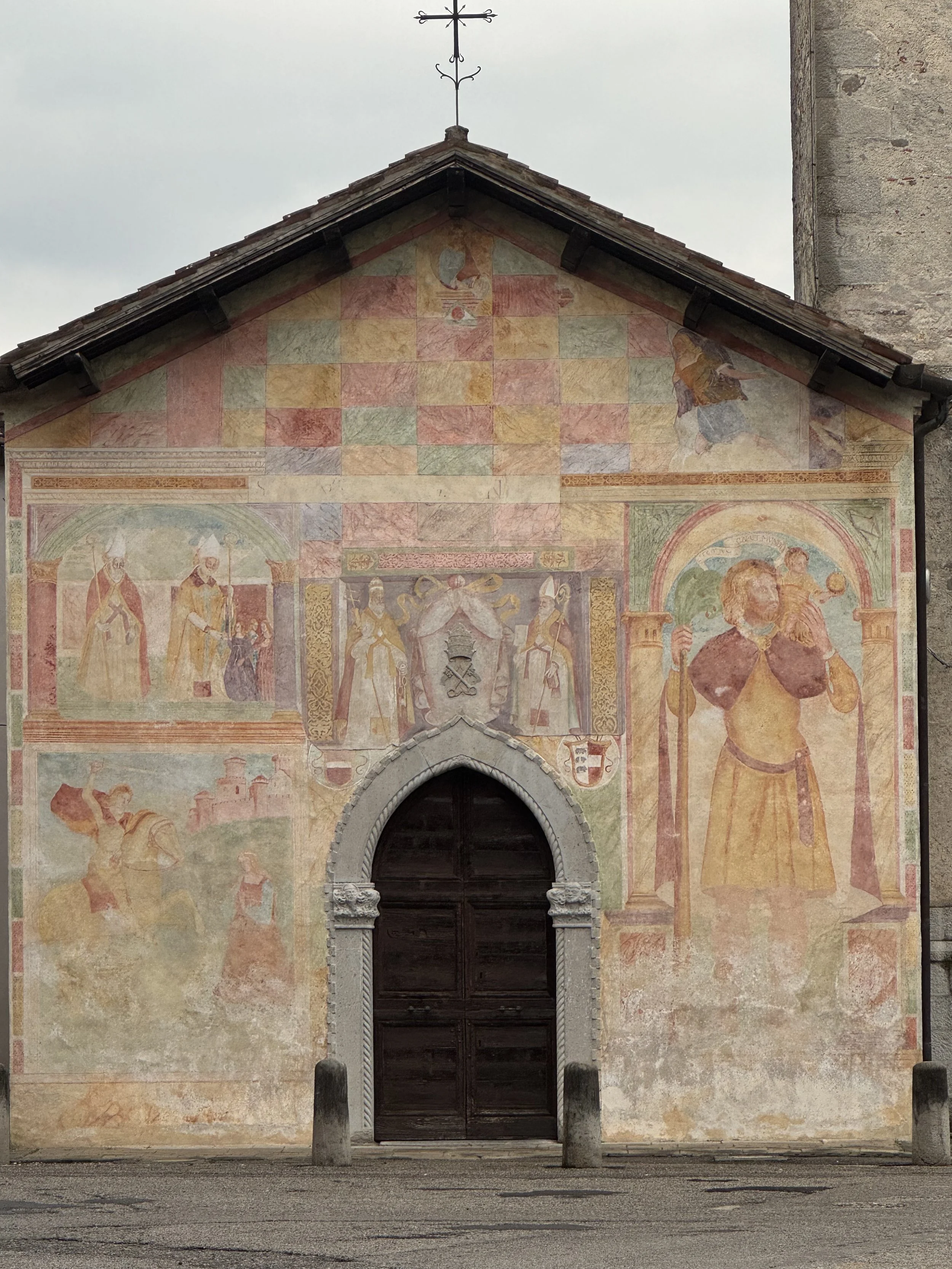
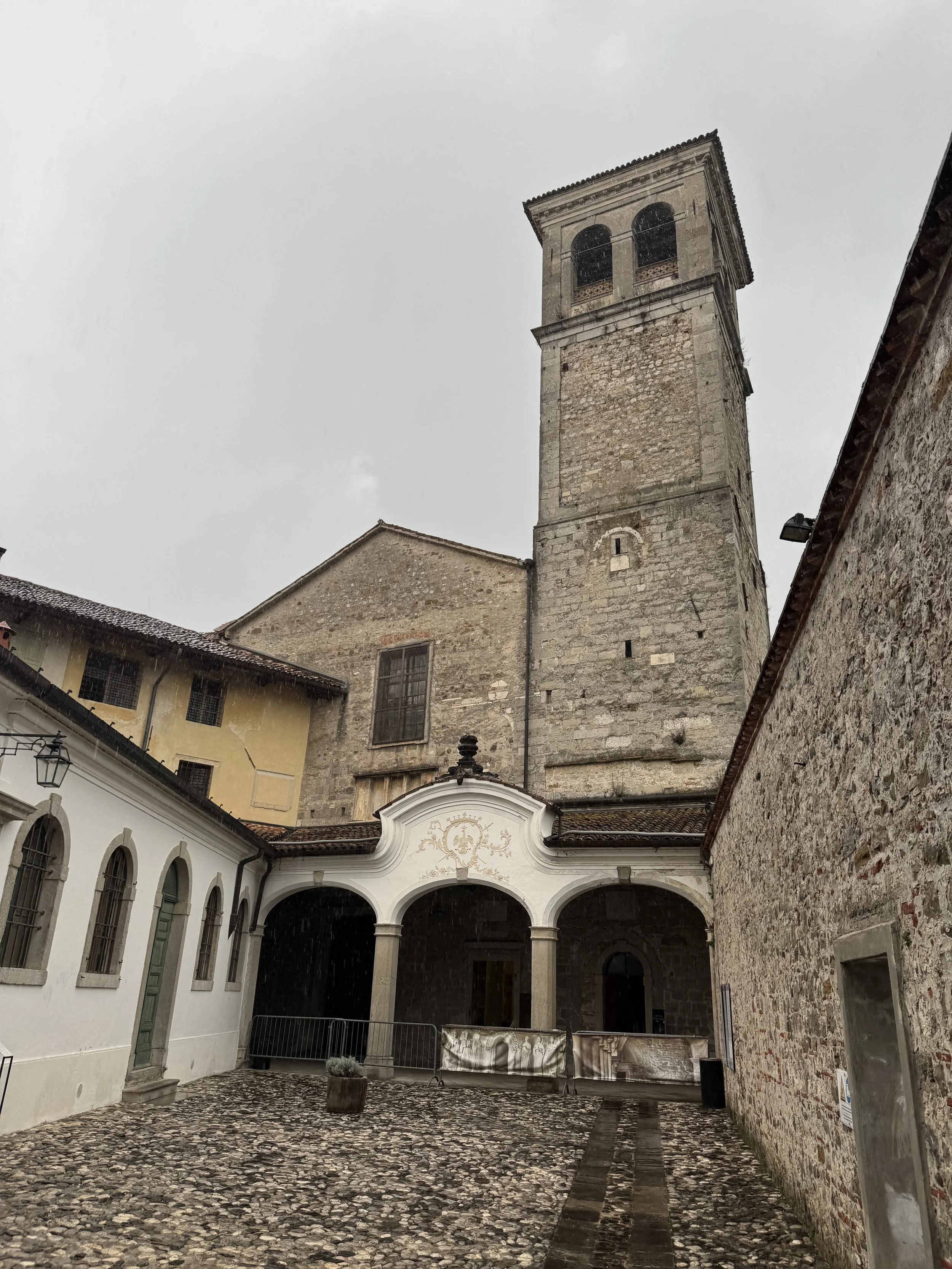
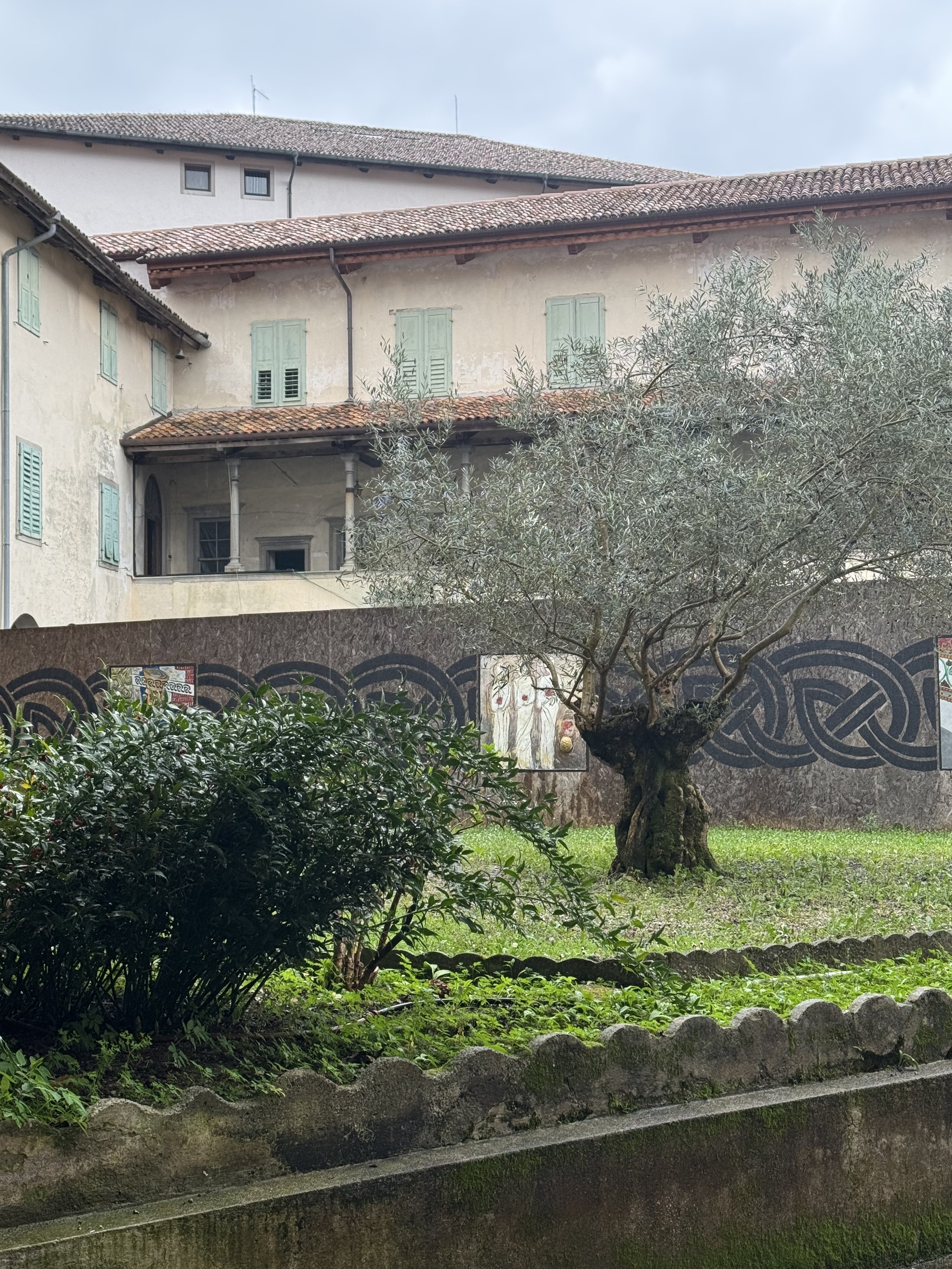
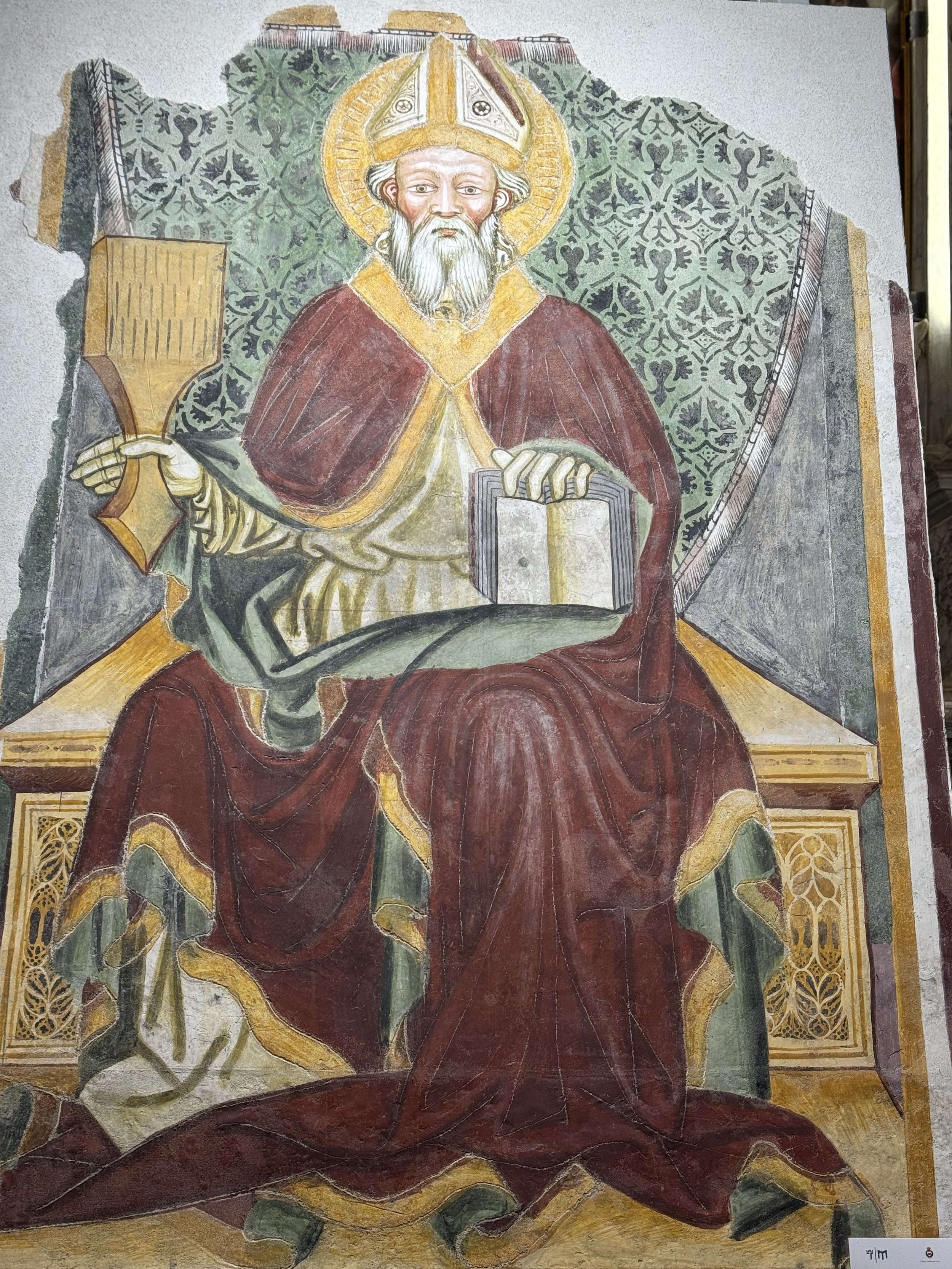
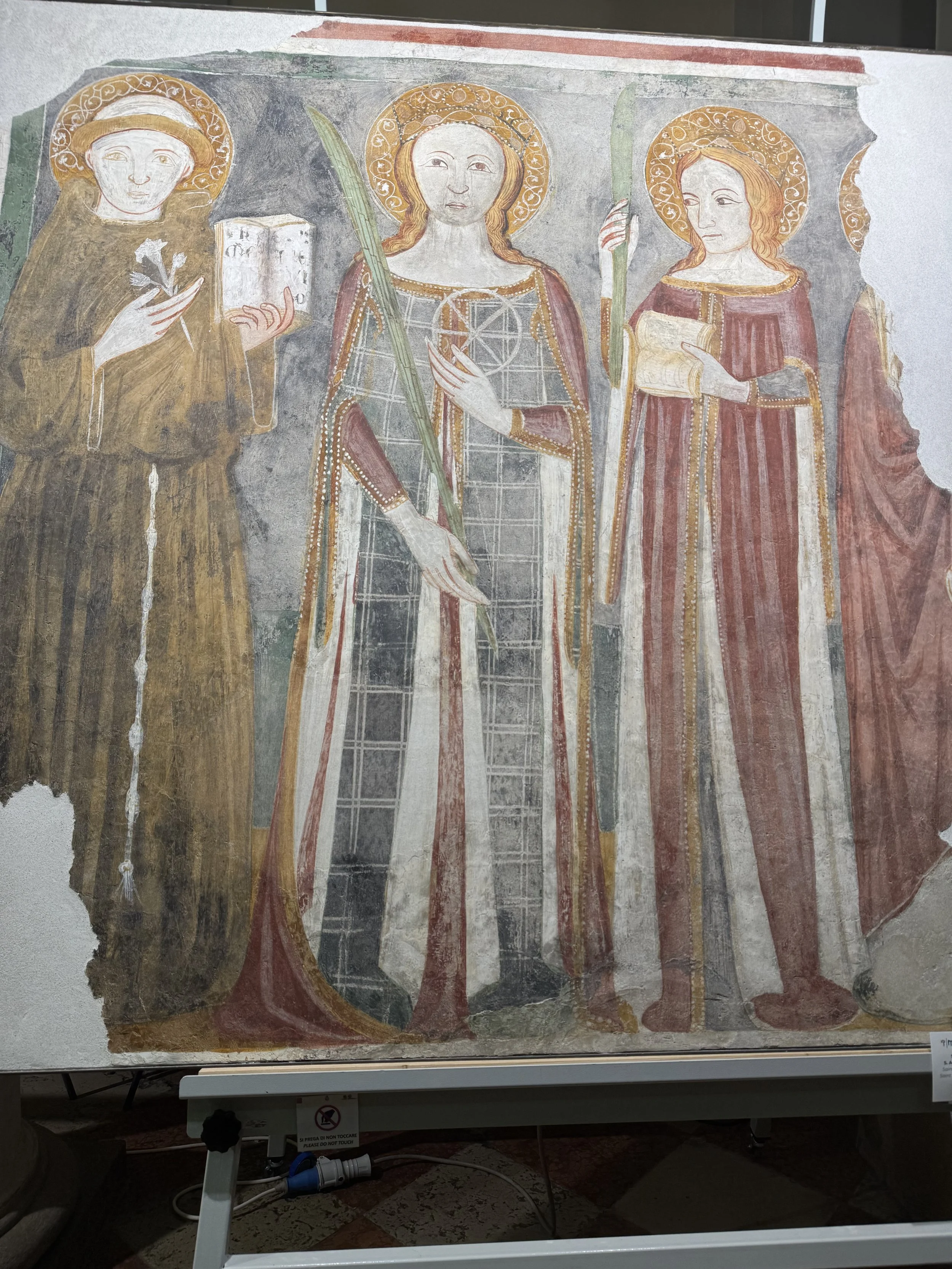
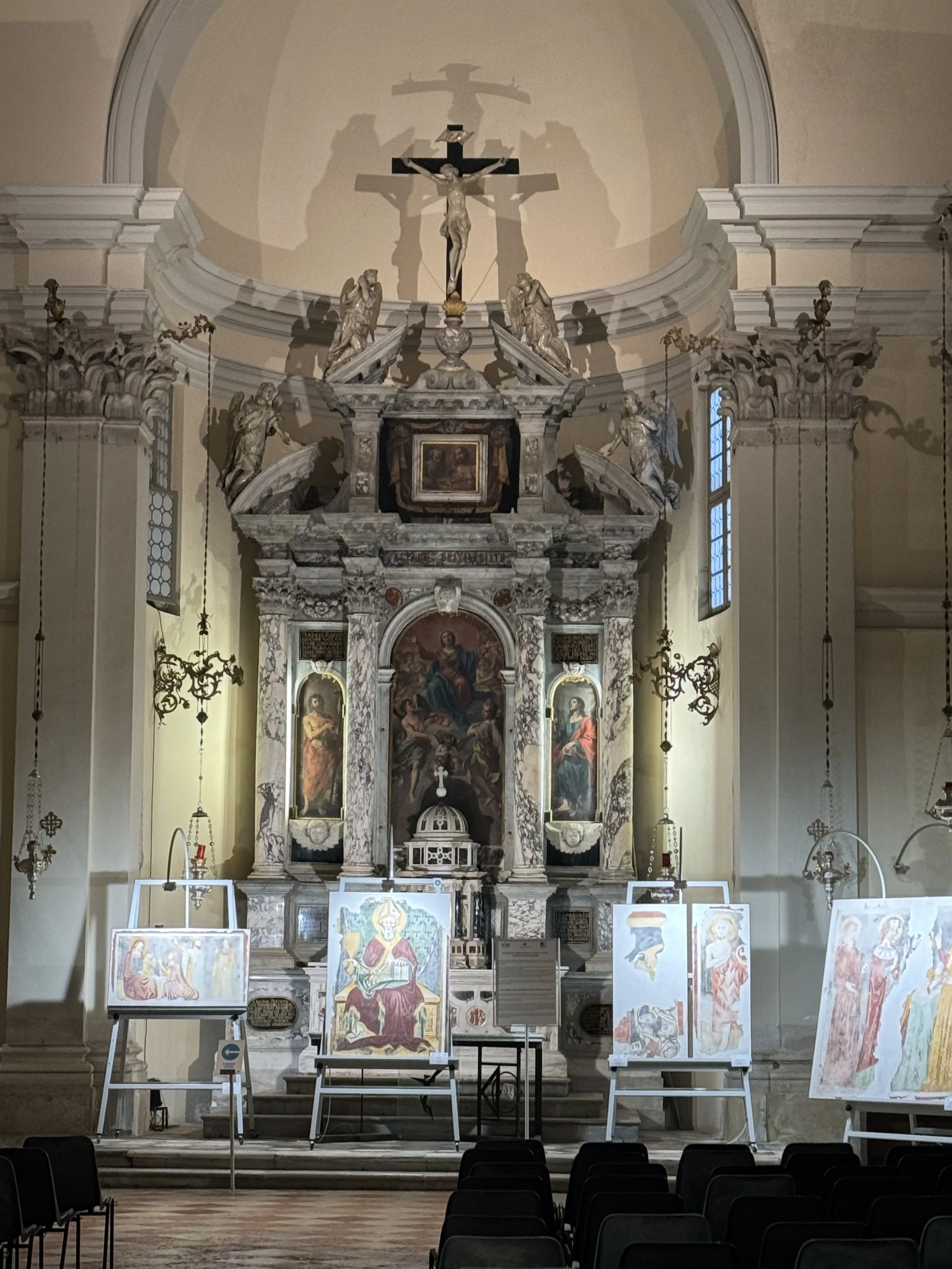
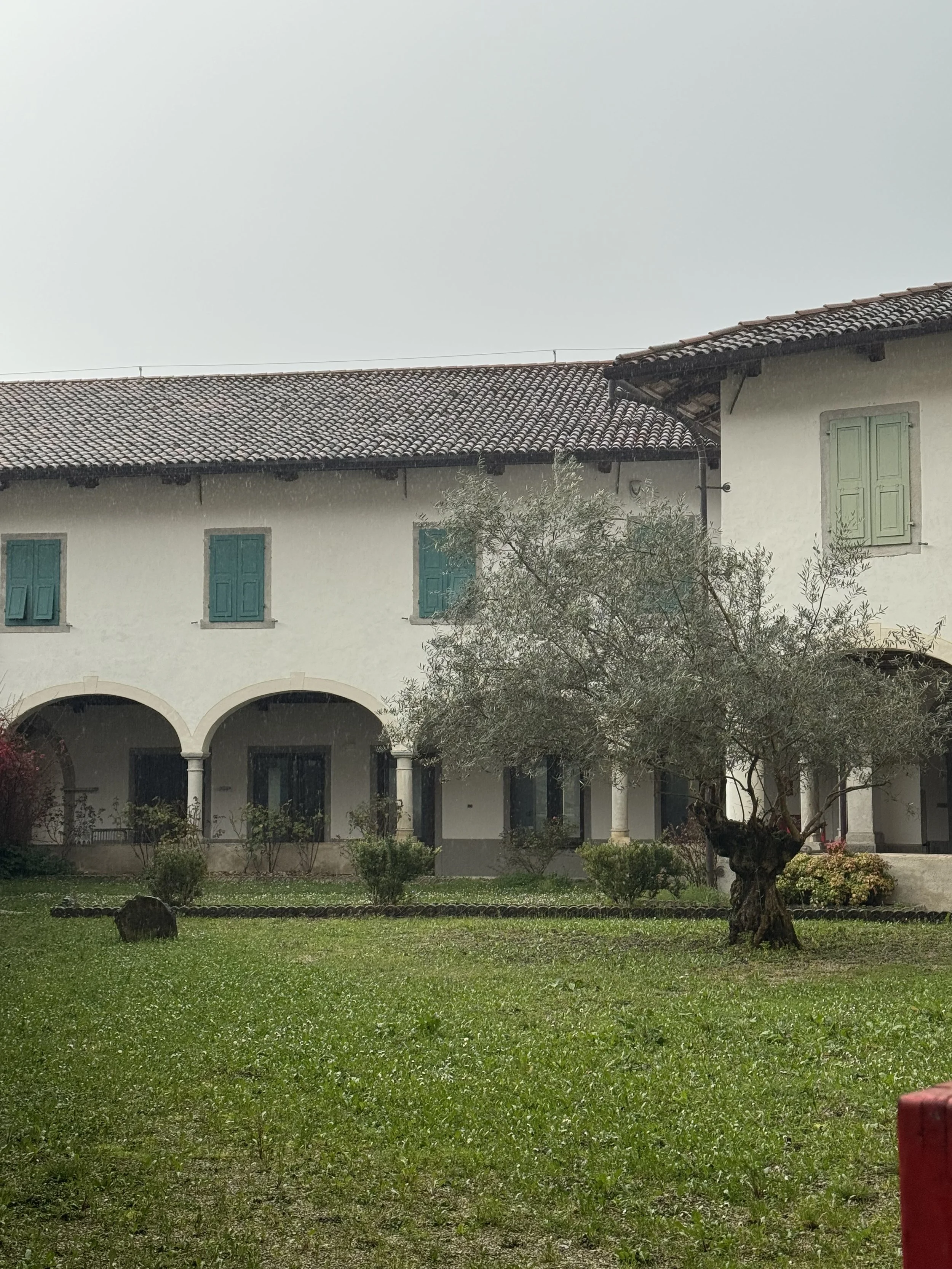
My visit to Cividale was just one afternoon in a light rain that quickly became a torrential downpour, so I was only able to get a taste of all that the village had to offer. The rain drove us mostly indoors to two museum complexes. The first was the Oratorio di Santa Maria in Valle. Once an 8th century convent, where the daughters of noble Longobards might have lived, it remained a place for nuns through the 1800’s and continued as a convent and girl’s boarding school right up to the year 1999. Today it is a museum with a small chapel and beautifully displayed frescos remnants.

IMG_8880.jpeg
IMG_8900.jpeg
IMG_8896.jpeg
IMG_8894.jpeg
IMG_8889.jpeg
IMG_8887.jpeg

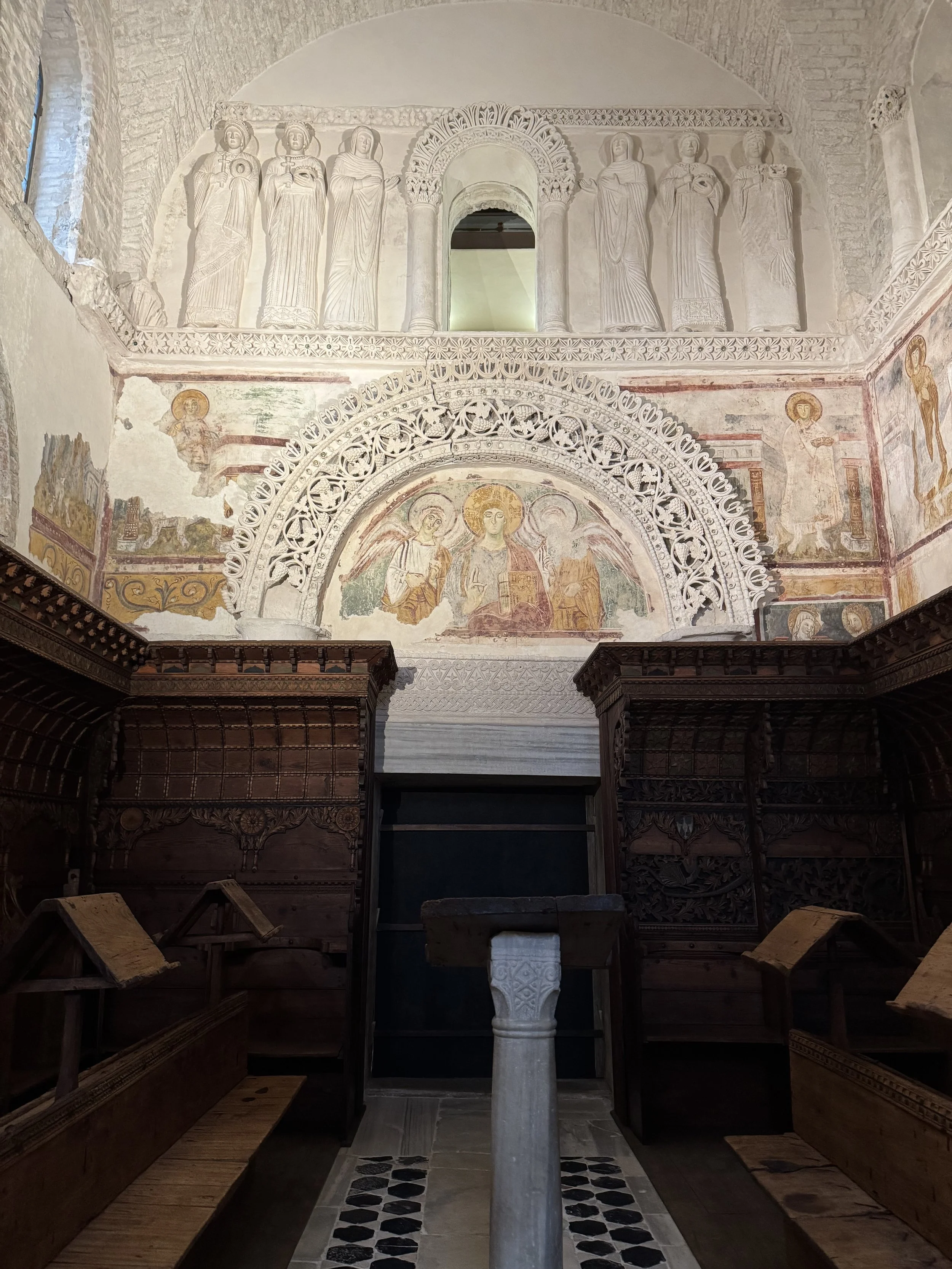
It also has something unique inside - the Tempietto Longobardo (Lombard Temple) . This very small temple, which dates to the 8th century, is a wonder. Small but soaring, the space seems perfectly designed for quiet contemplation and divine inspiration.

Tempietto Longobardo

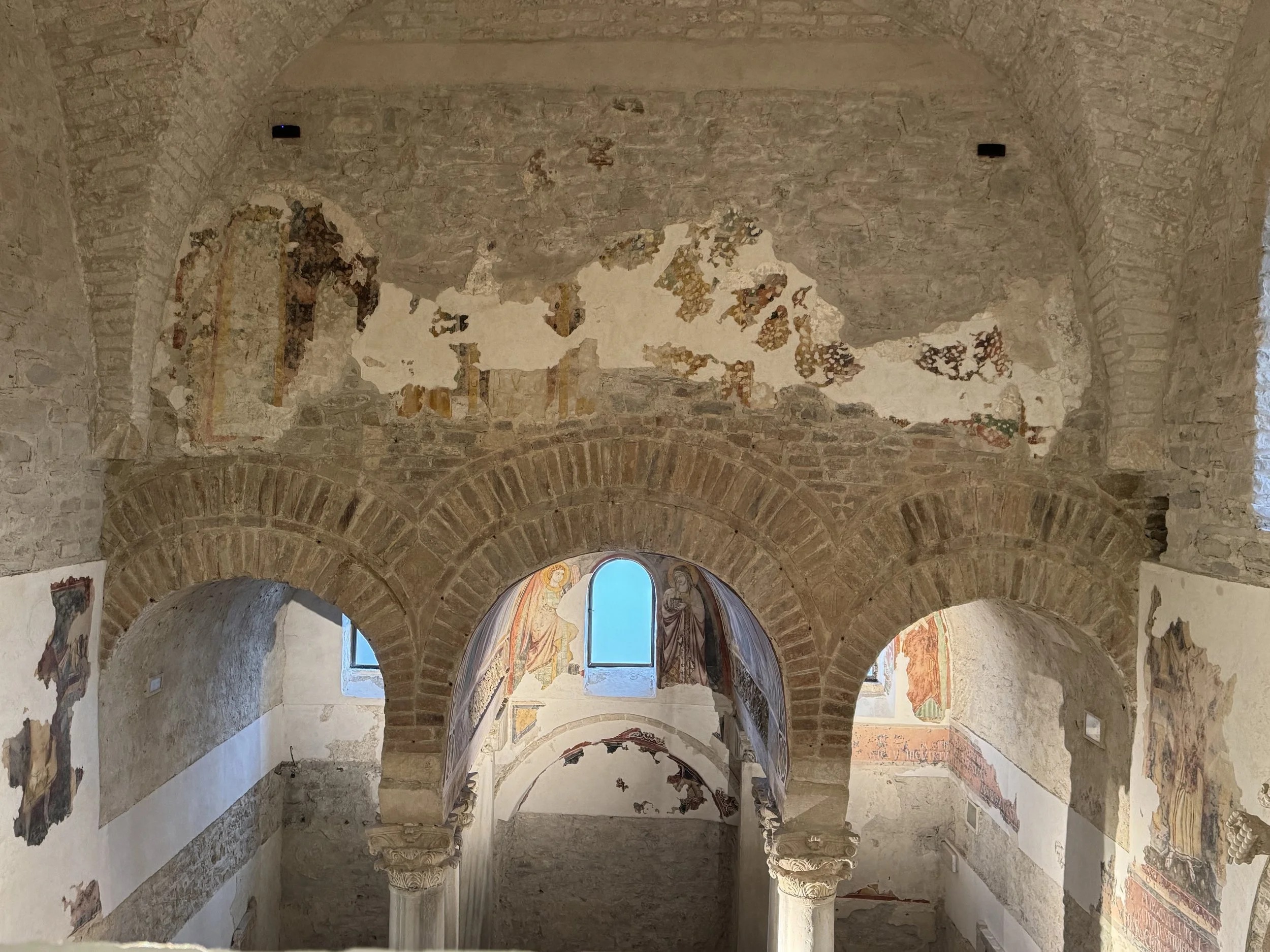
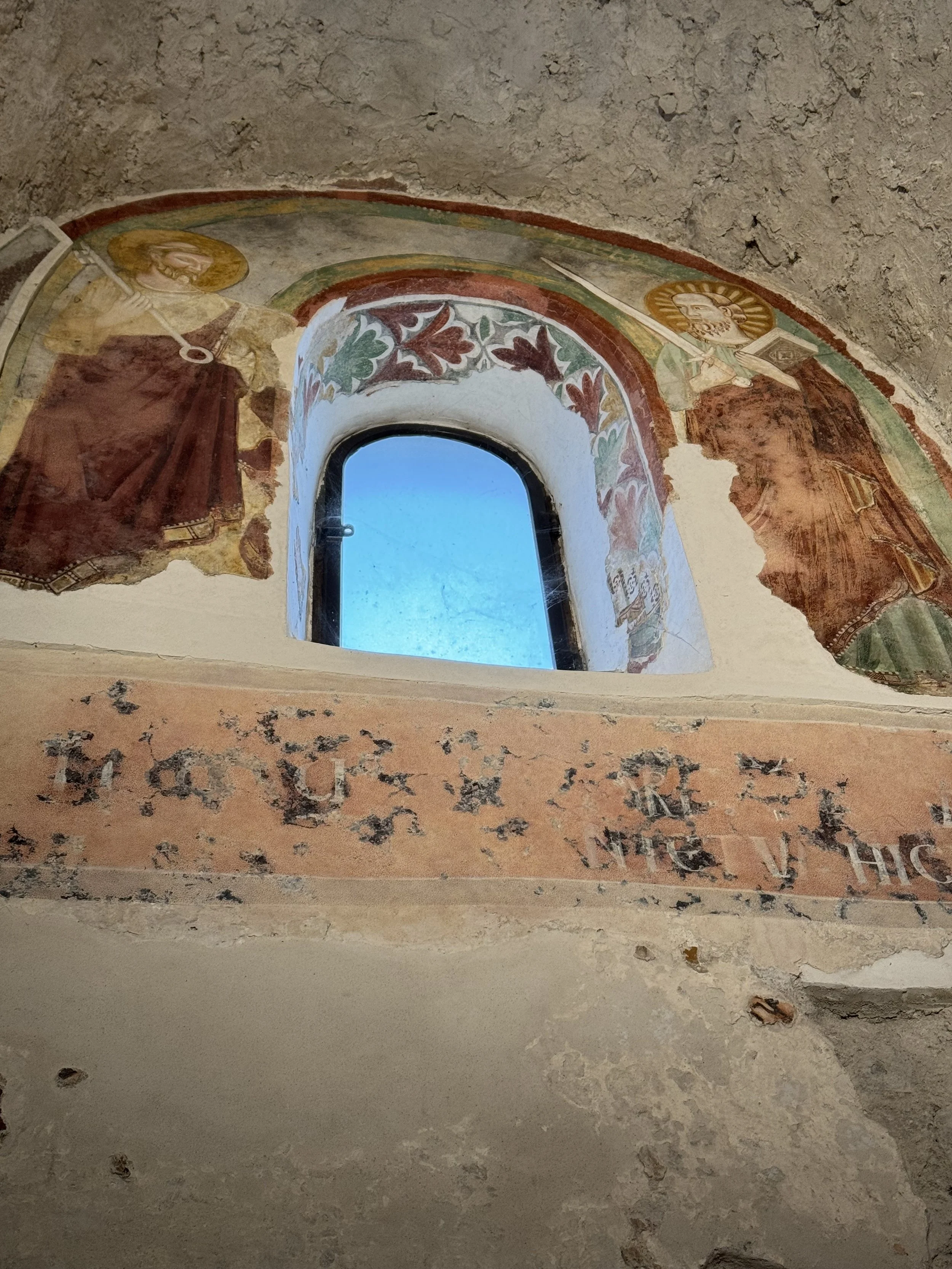
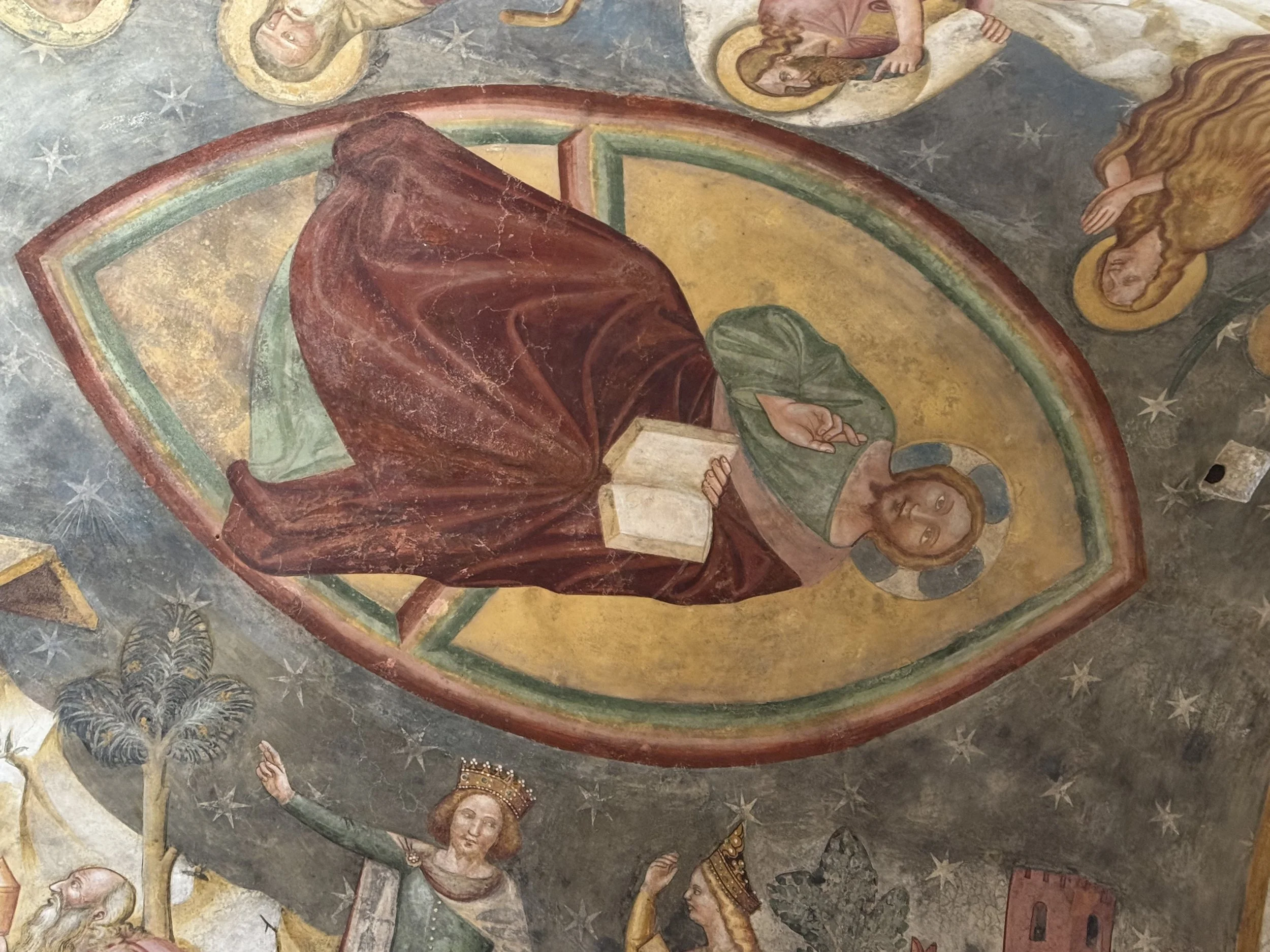
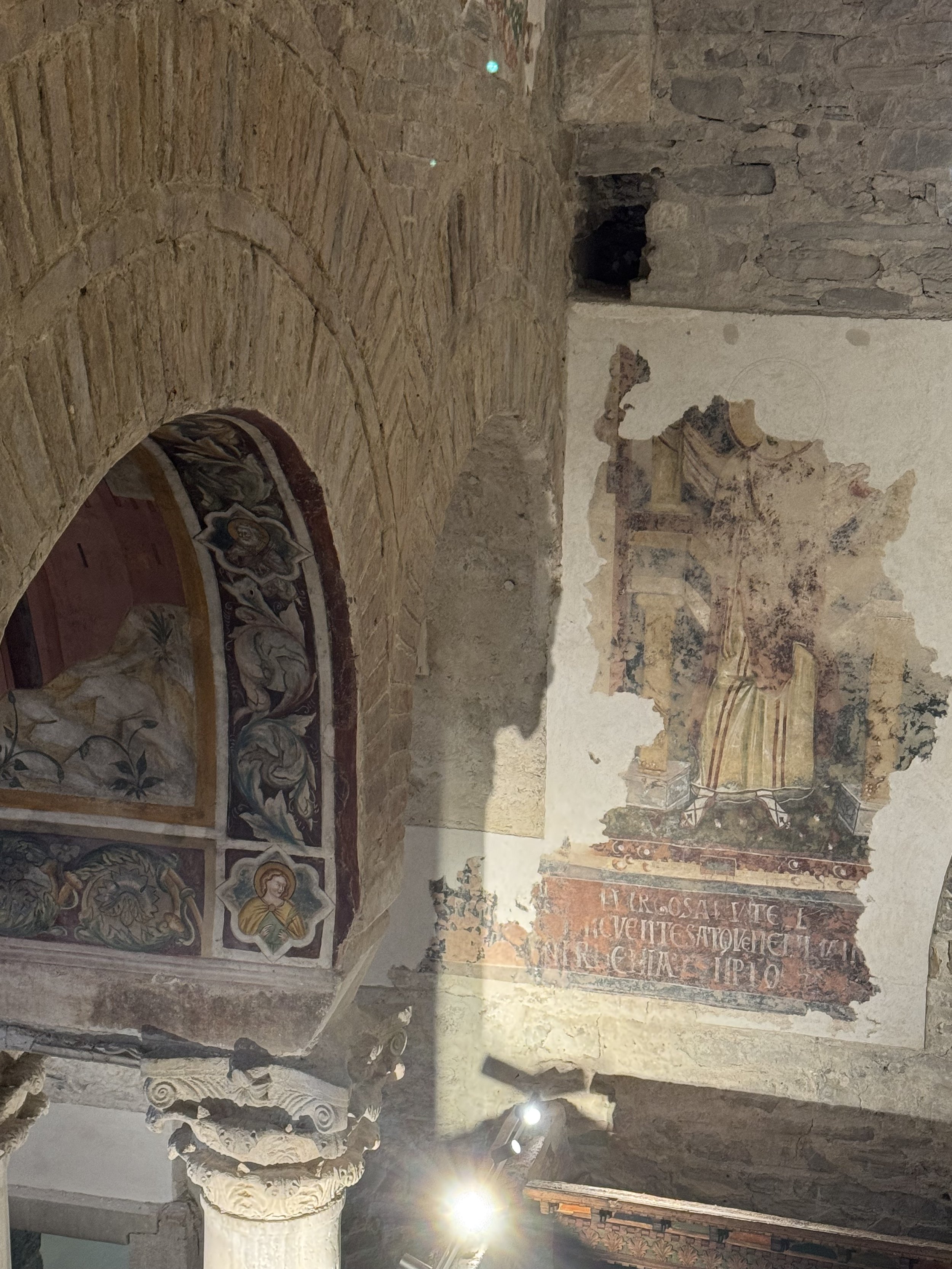
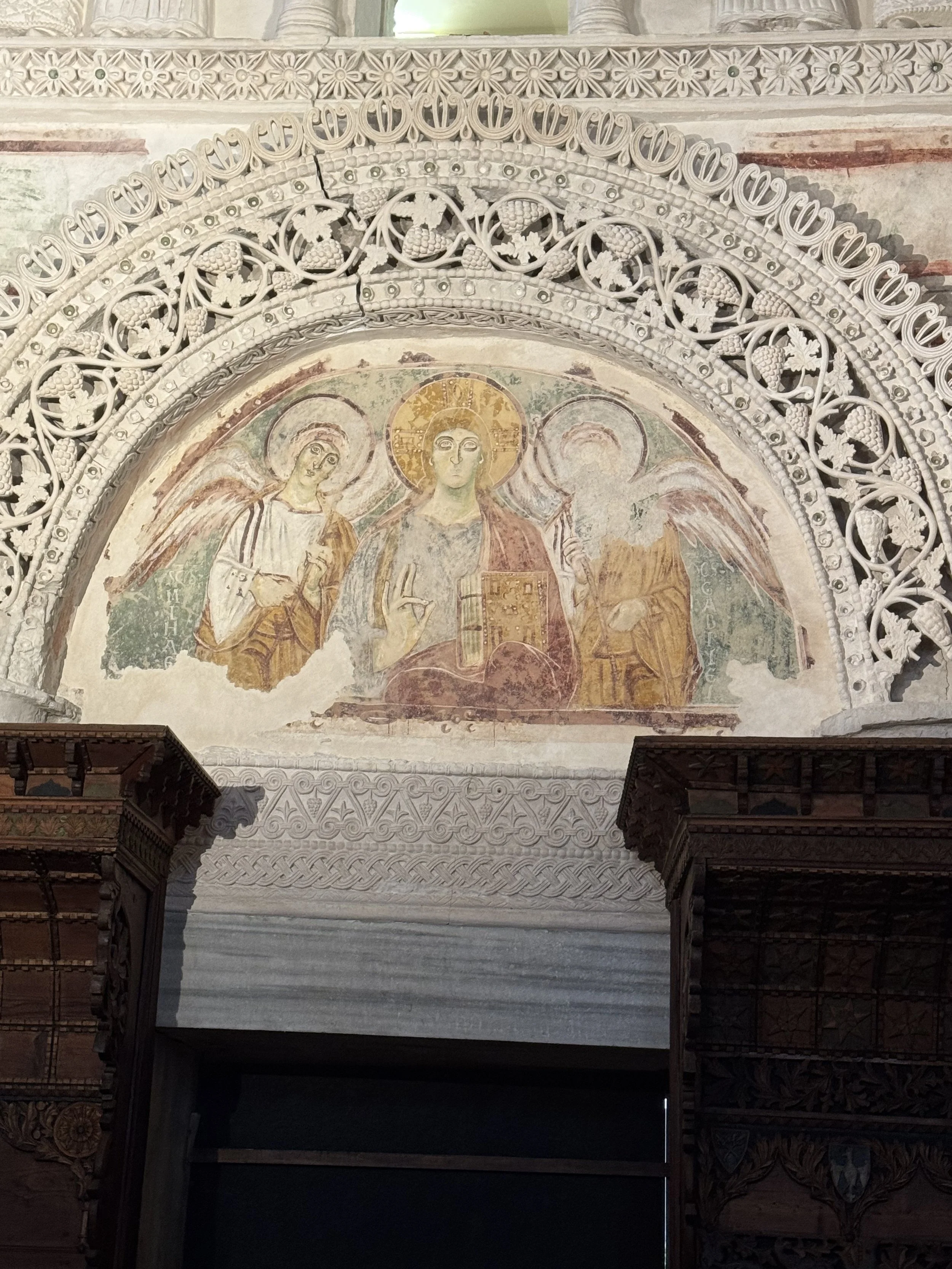
Lined with carved wooden benches on both sides, it rises quite high with intricately carved lunettes, frescoes, and relief sculptures of saints. Large columns support 3 barrel vaulted arches with only fragments of the original frescoes remaining. But look up - the ceiling still has some beautiful intact artwork.

IMG_8909.jpeg
IMG_8921.jpeg
IMG_8918.jpeg
IMG_8906.jpeg
IMG_8914.jpeg
IMG_8903.jpeg

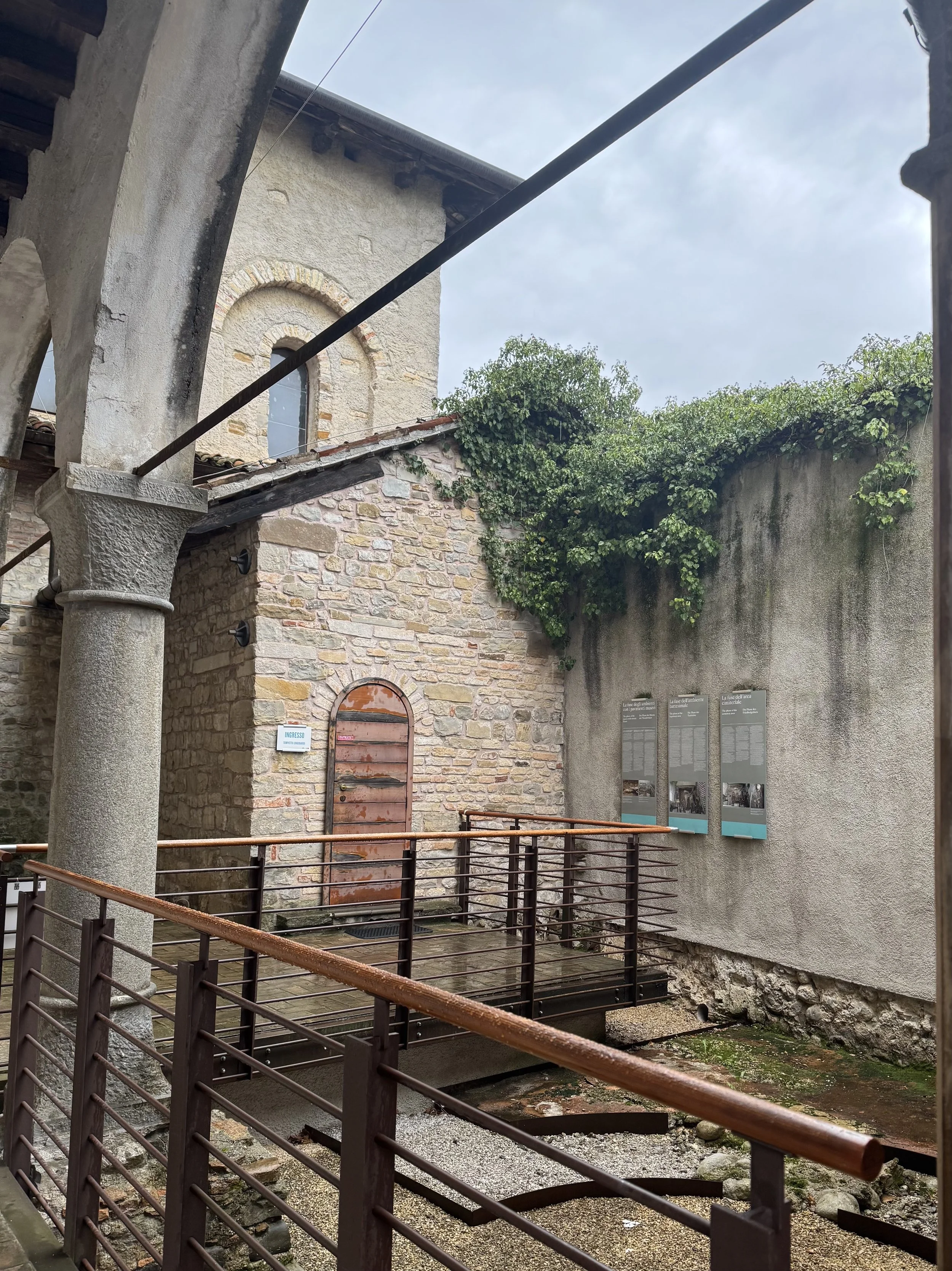
The Tempietto is unlike any other temple or chapel I’ve seen. The interior can be viewed through small windows from above on the upper floor of the museum. Small groups are admitted into the Tempietto itself, via a small and easy to miss door near the complexes exit / viewpoint over the river. If you can only do one thing on a rainy day in Cividale - make it this.

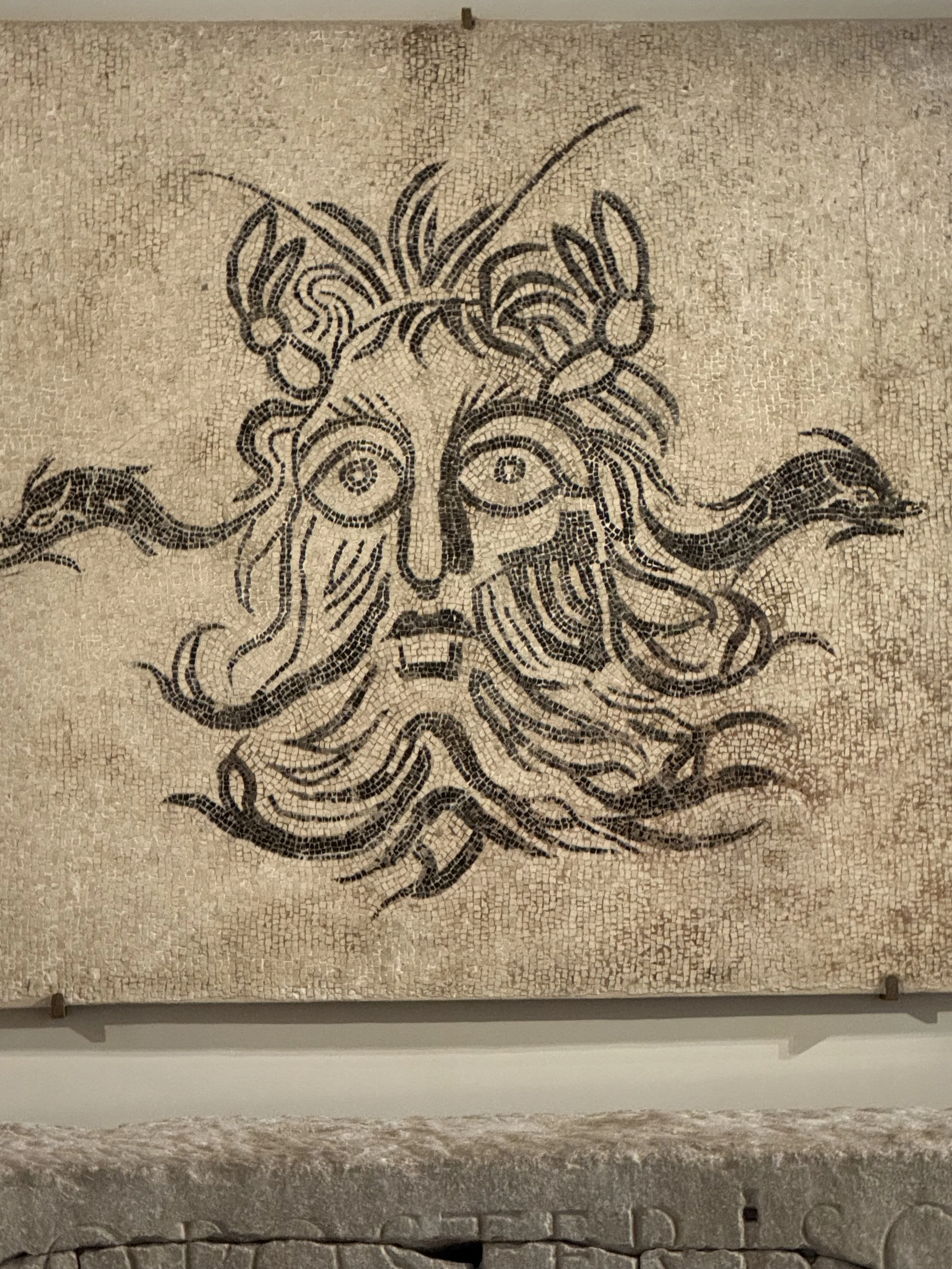
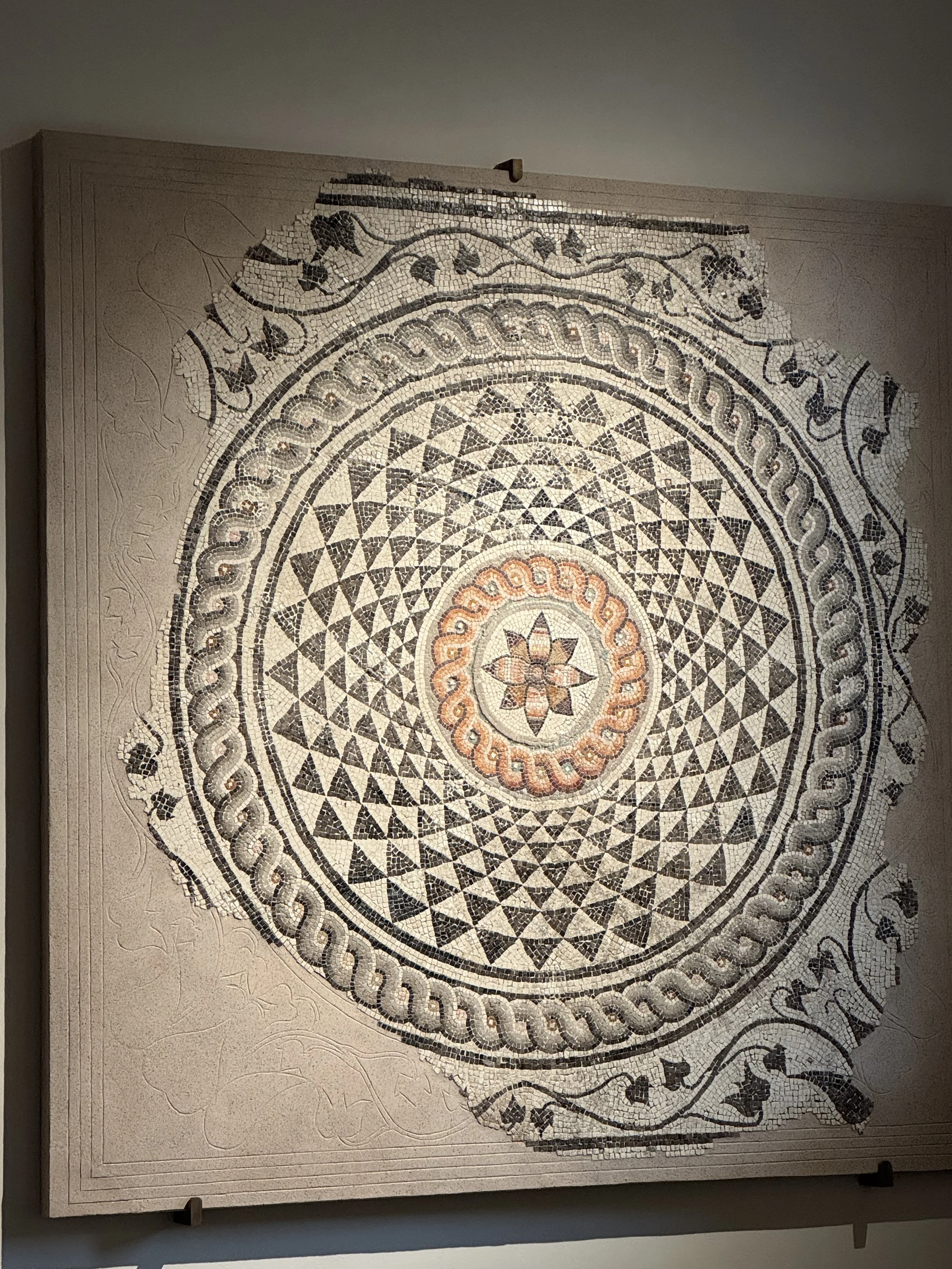
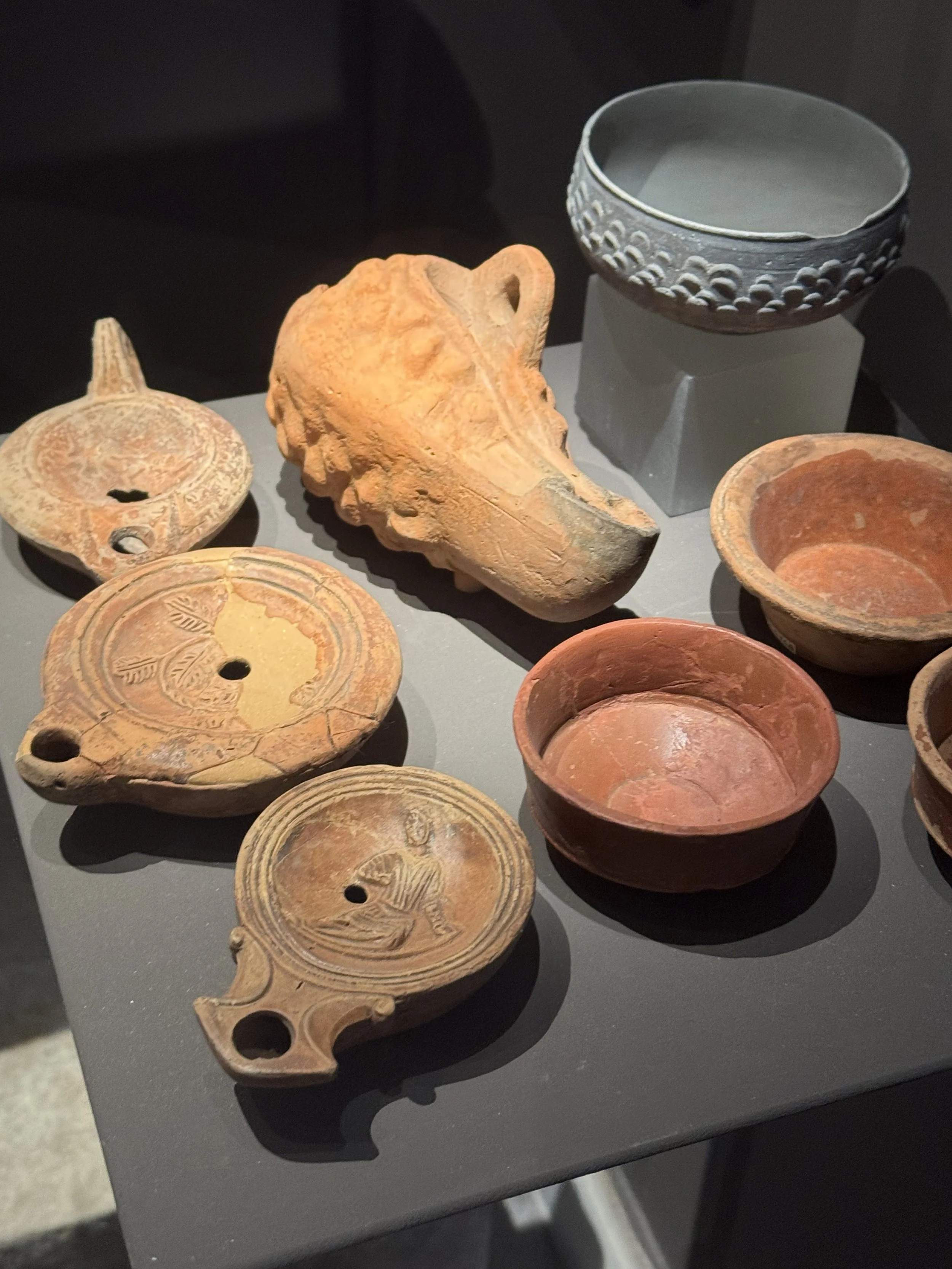
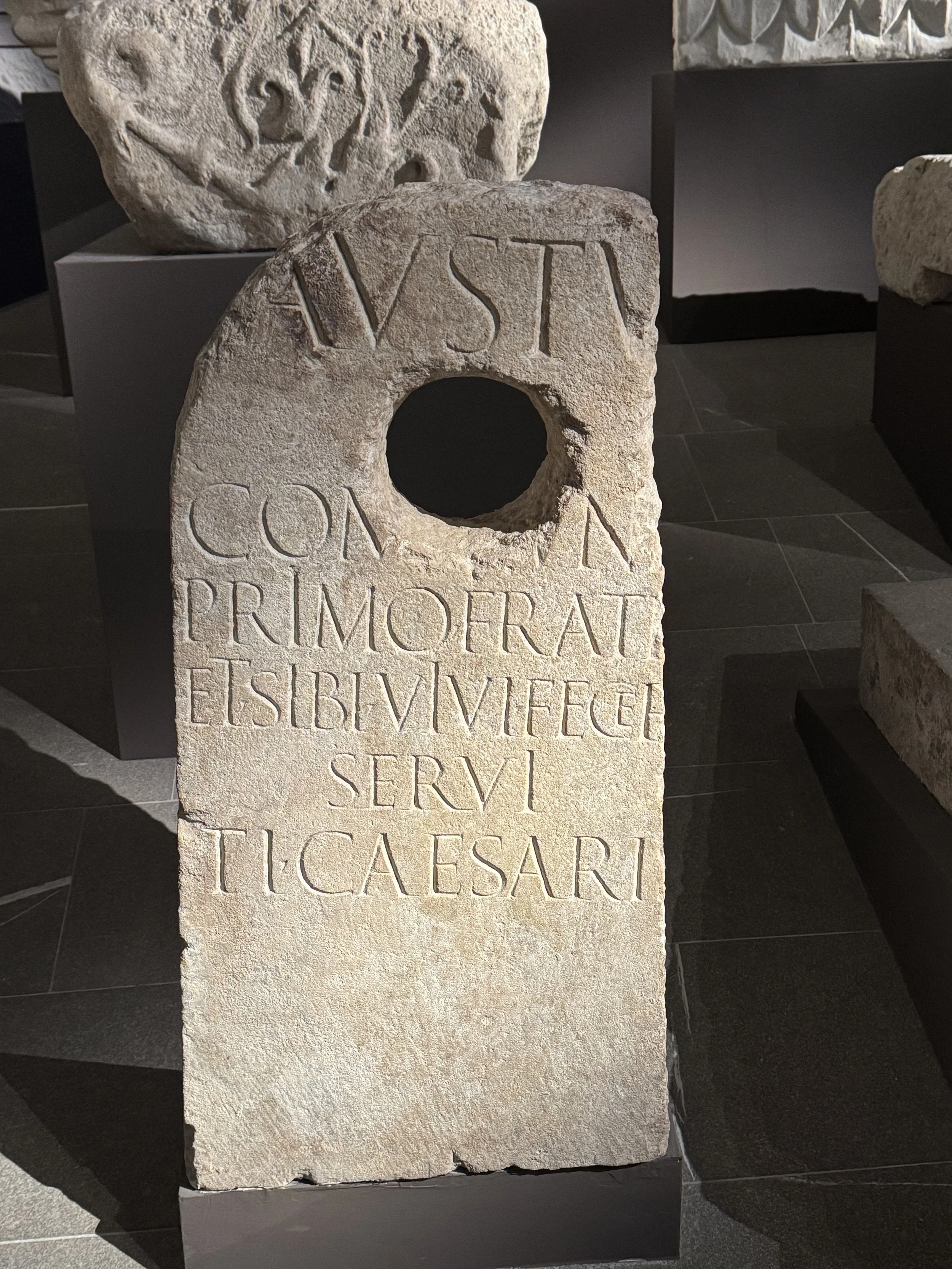
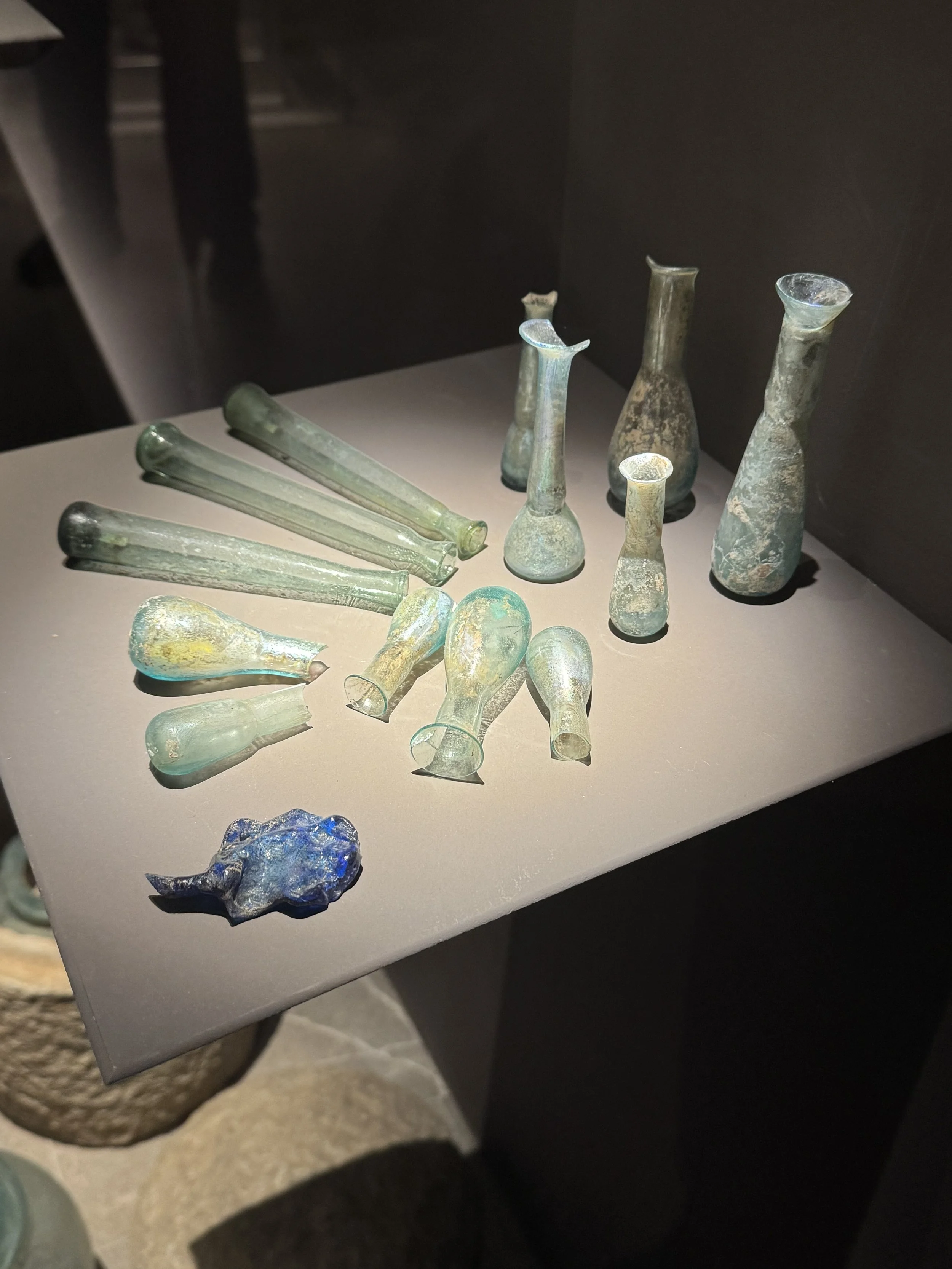
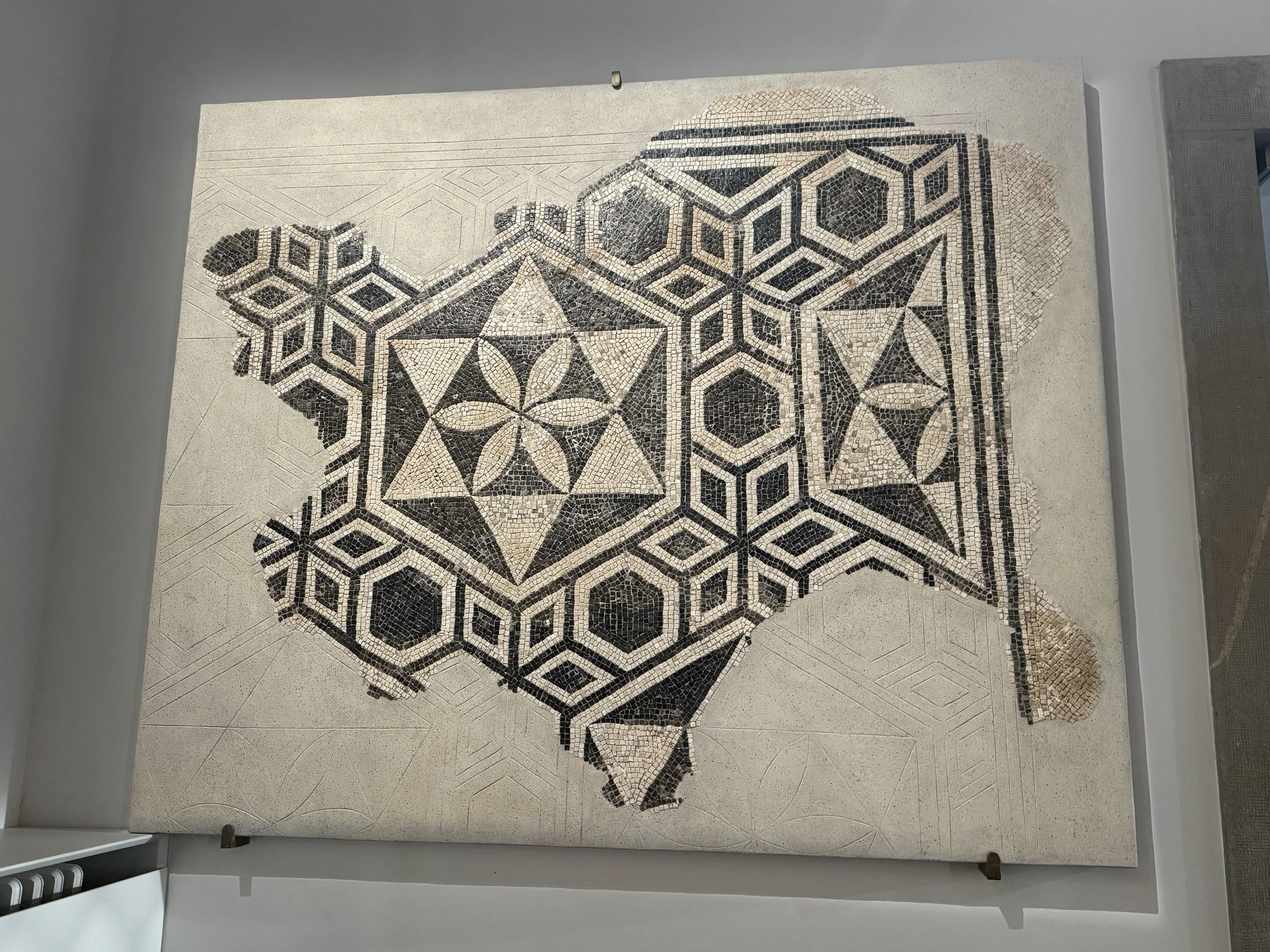
Our group also made a stop at the Archeological Museum. This is the place to get a sense of Cividale’s Roman history along with information about the various archeological digs in and around Cividale.

IMG_8953.jpeg
IMG_8955.jpeg
IMG_8954.jpeg

Roman era mosaics are always fascinating and the artifacts found in the various digs and gravesites were interesting too.

IMG_8967.jpeg
IMG_8962.jpeg
IMG_8968.jpeg
IMG_8969.jpeg

Cividale provides a great introduction to Longobard history and provides gorgeous views along the river. It’s a must-see place when visiting the Friuli area. Next time I will order a day without rain to be better able to explore the city center.

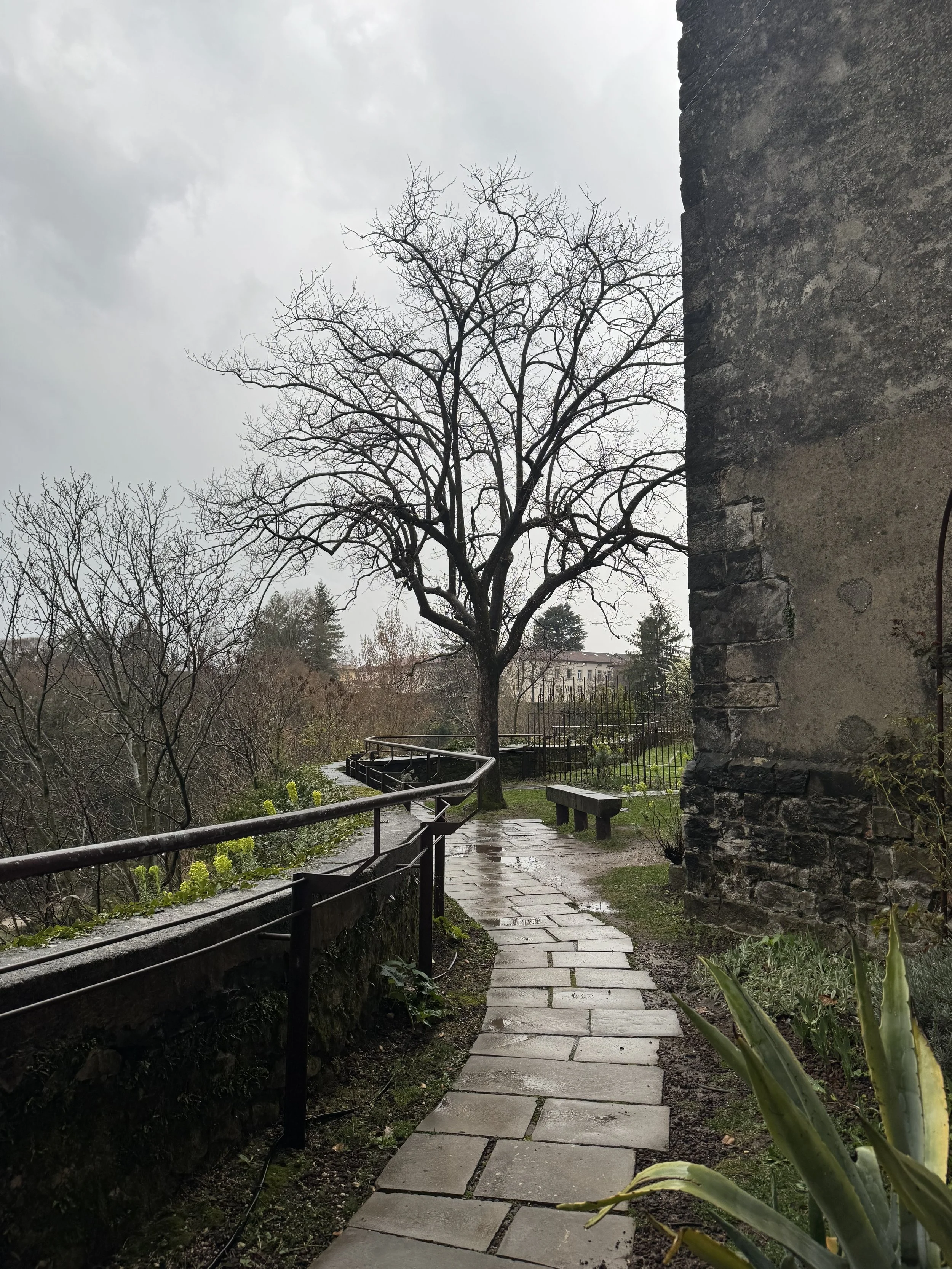
This path leads from the Oratorio di Santa Maria in Valle to a viewpoint above the river. How many young nuns may have walked this path?


April 13, 2026 /Joanne Bartram
Cividale del Friuli, Cividale Italy, Tempietto Longobardo, Longobard Temple, Longobards is Italy, Trieste region
#italytravel, #medievalitaly, Friuli Venezia Giulia, Trieste

Piazza Unita d’Italia, Trieste

Città Vecchia, Trieste

March 30, 2026 by Joanne Bartram in #italytravel, Friuli Venezia Giulia, Friuli-Venezia Giulia, Italian art architecture, Italian culture, Italy travel, Trieste

When I mentioned to friends that I was headed to Trieste, I inevitably got two reactions.   First was that it is a wonderful city with really good coffee.  Second was to watch out for La Bora, Trieste’s famously frigid wind which creates havoc as it roars down from the northeast.   During my stay I experienced both. 

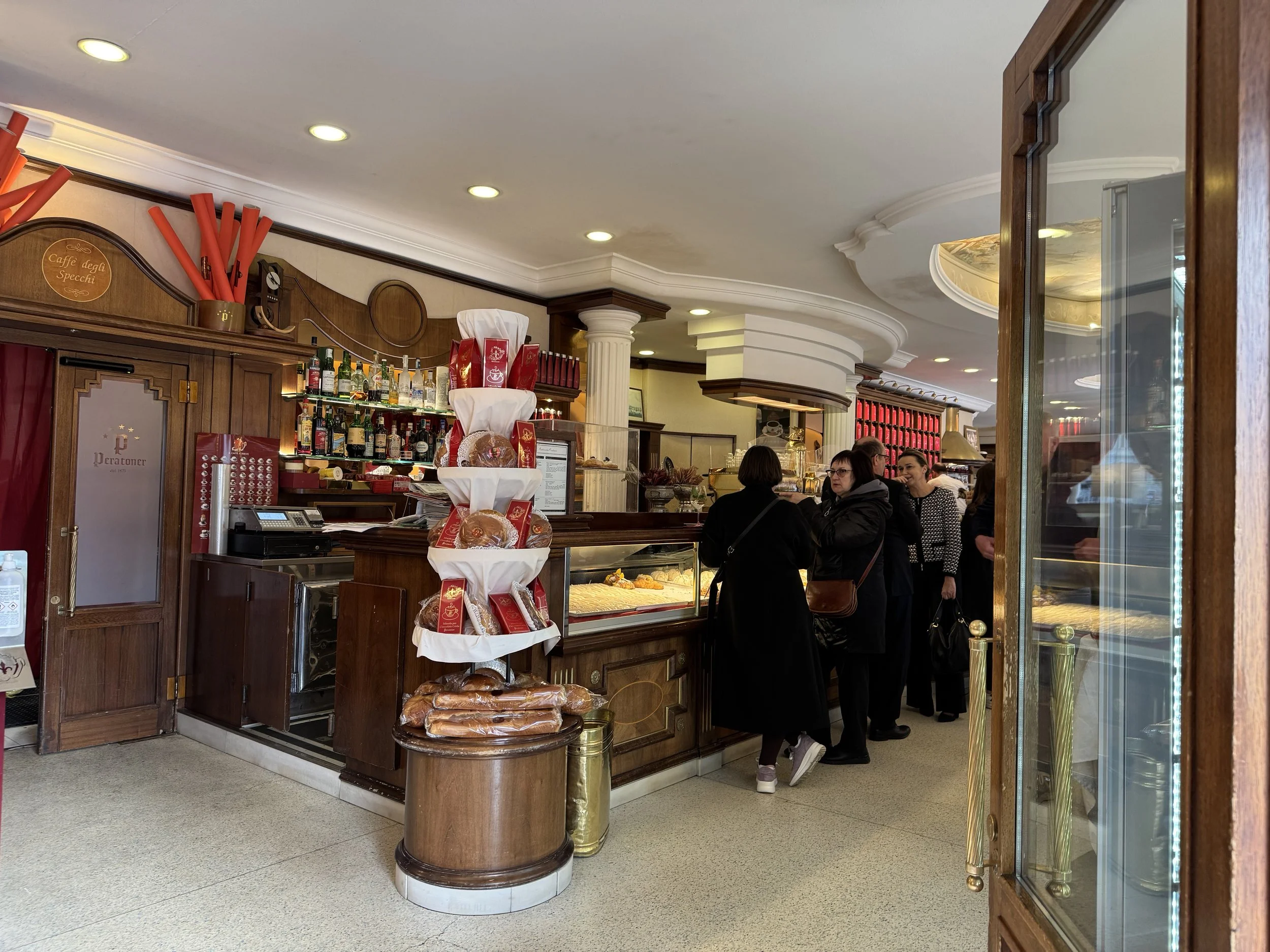
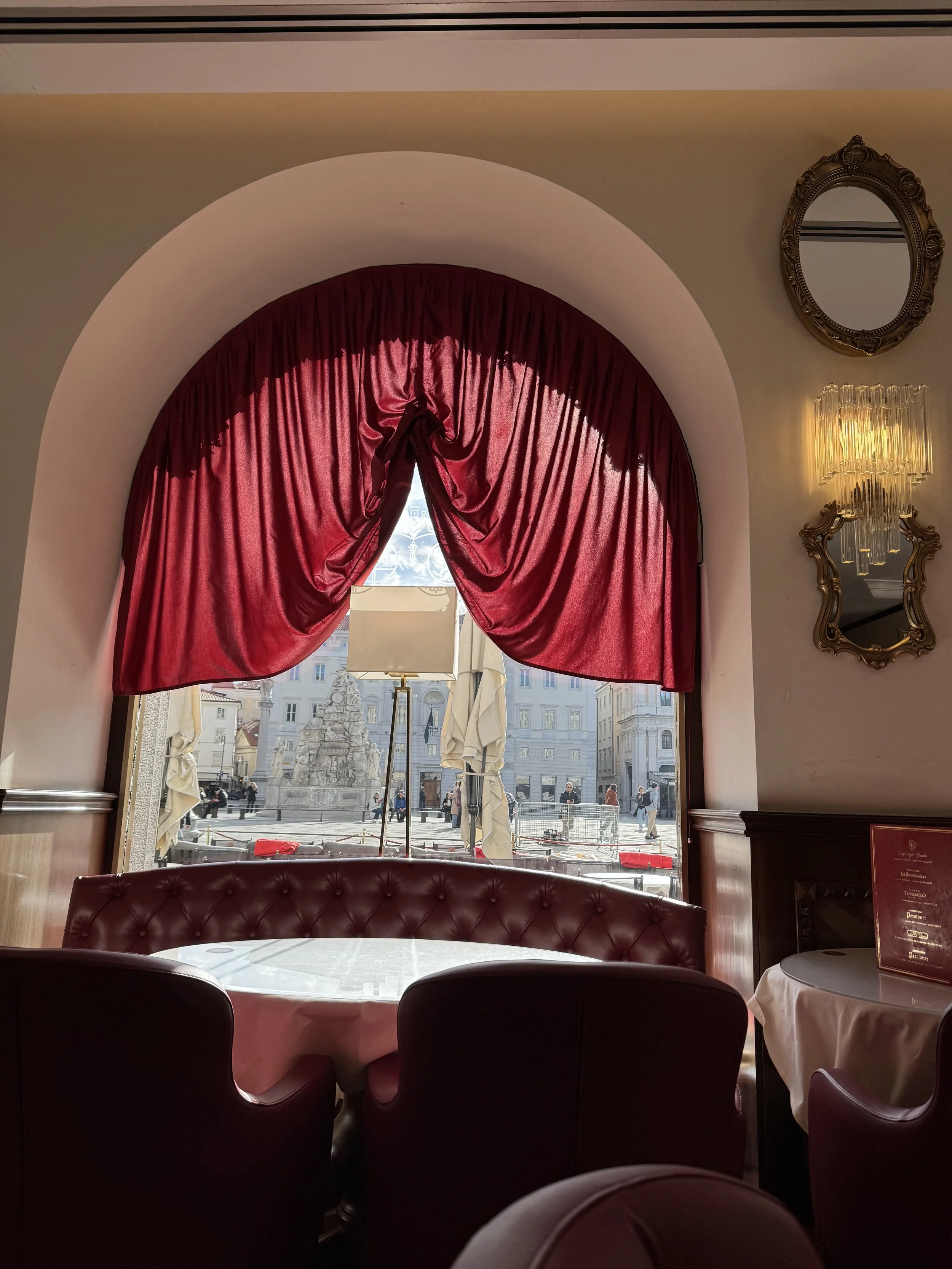
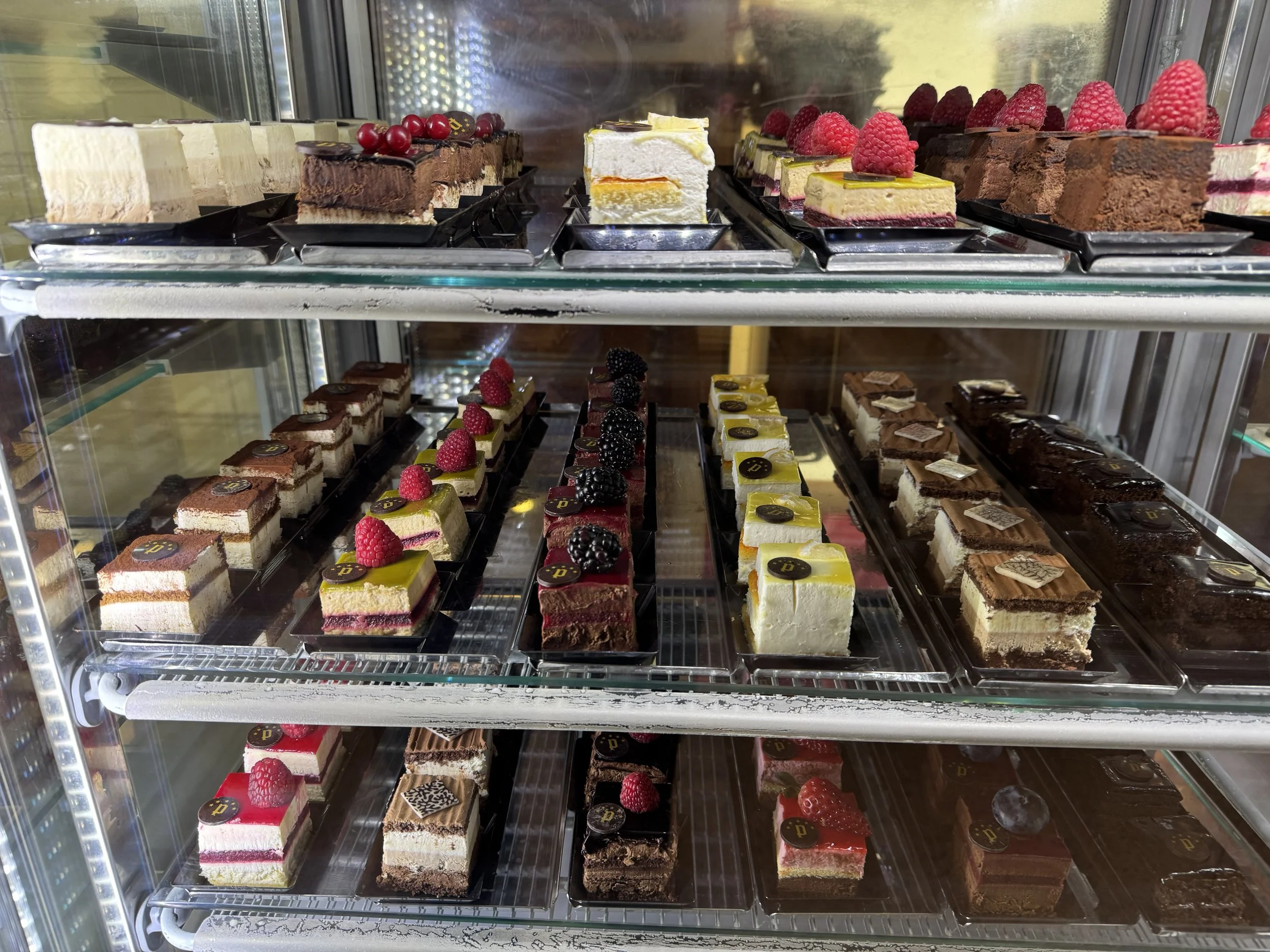
The coffee was great, especially when sipped inside one of the city’s historic cafes.  Their elegant settings reminded me of Vienna, which is no surprise since Trieste was part of the Austro-Hungarian empire for centuries.  That influence can be seen throughout Trieste in the grand architecture, large squares, statues, cafes, and even in its culinary traditions.  Triest is a blend of Italy and those Habsburg roots which makes it a unique place to visit. (below, Caffè degli Specchi)

IMG_9463.jpeg
IMG_9456.jpeg
IMG_9459.jpeg

As for the Bora, it struck one day after a week of pleasant weather.  And when I say it struck, that is not an exaggeration.  The cold (with a wind chill down to about 30 degrees) and wind together just about knock you over.  I was very glad to have brought a winter sweater, heavy scarf, gloves, and a warm hat that covered my ears.  Fortunately, the Bora lasted only one day and then we were back to mild weather.

Piazza Venezia

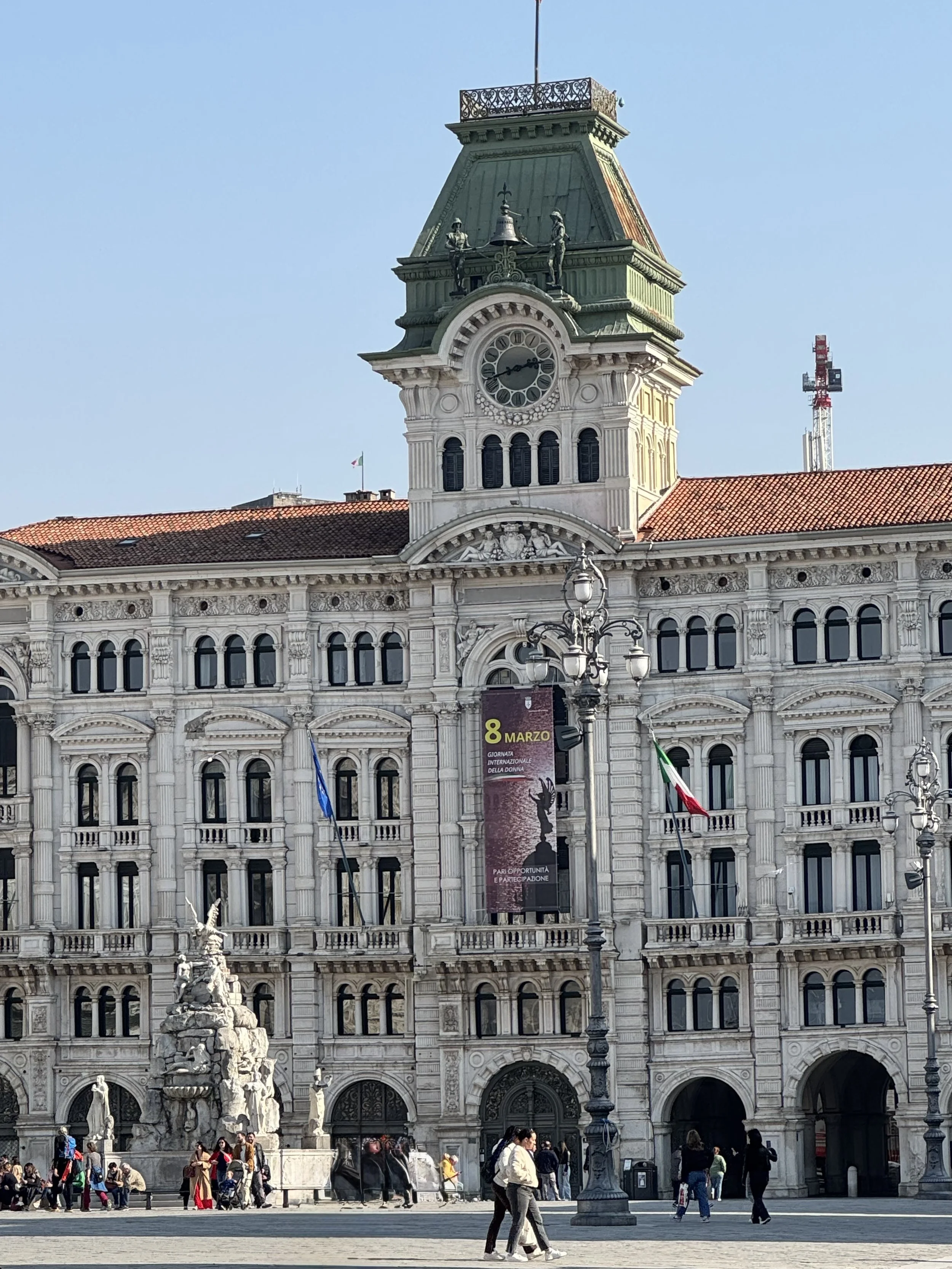
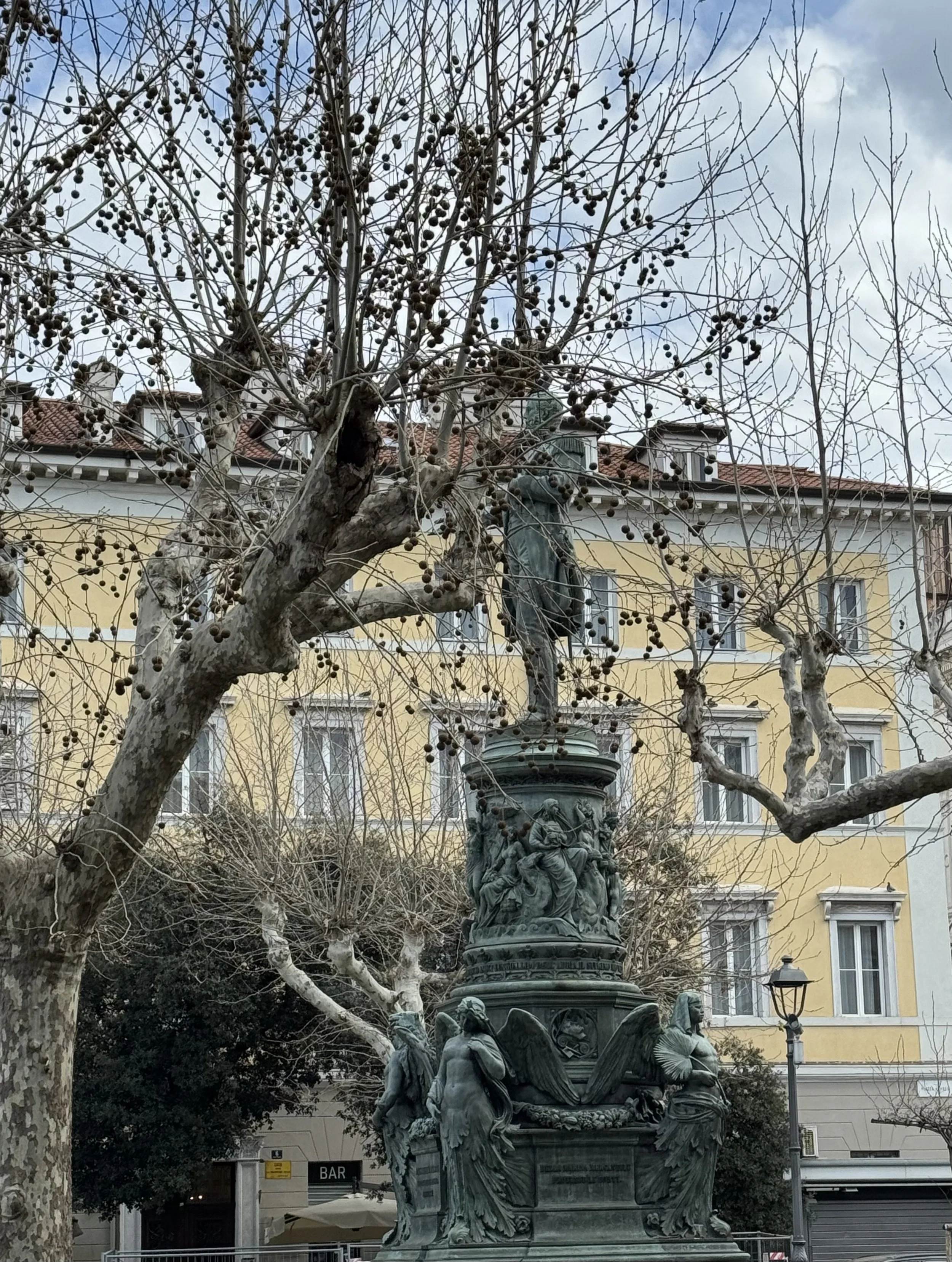
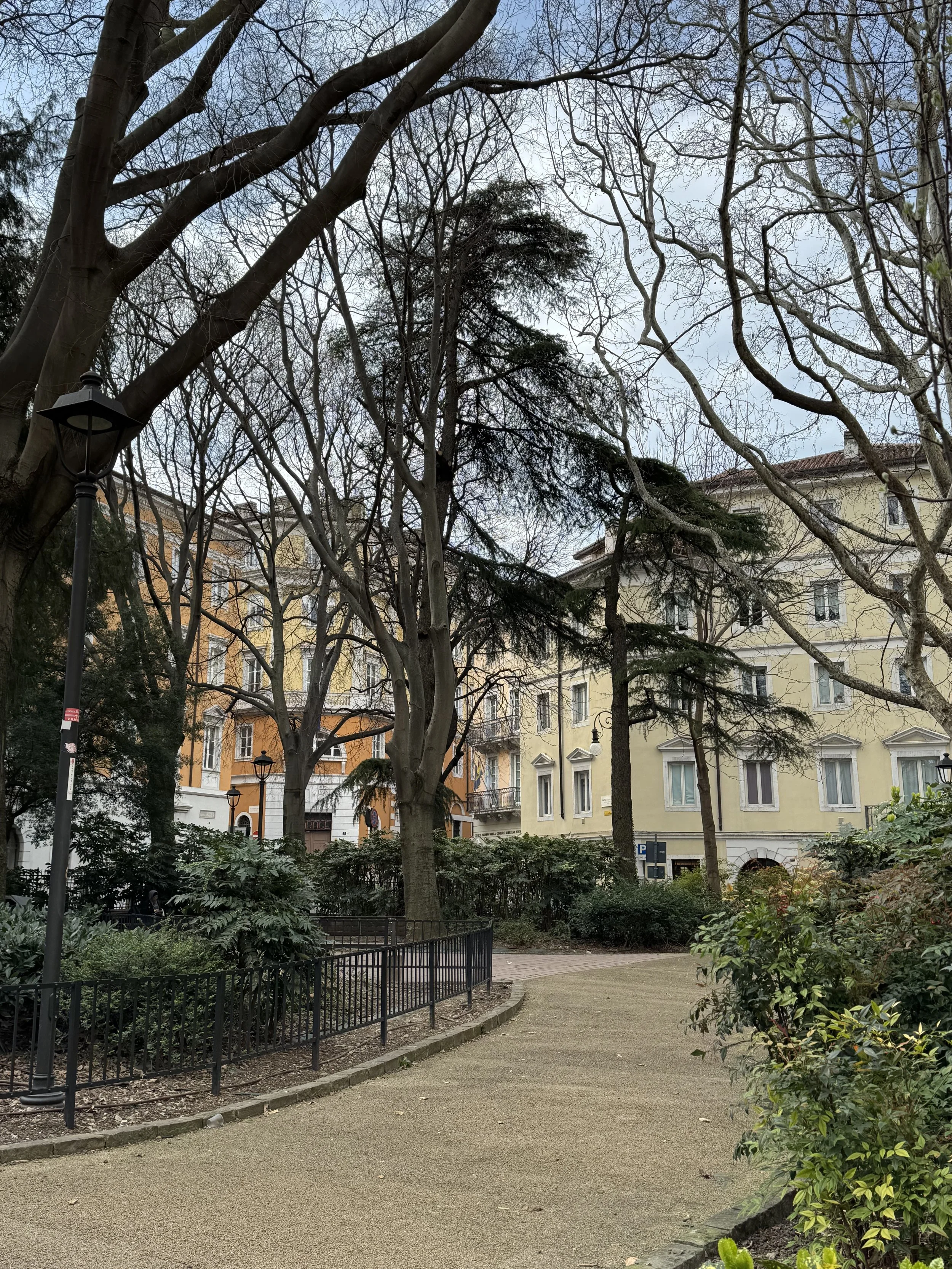
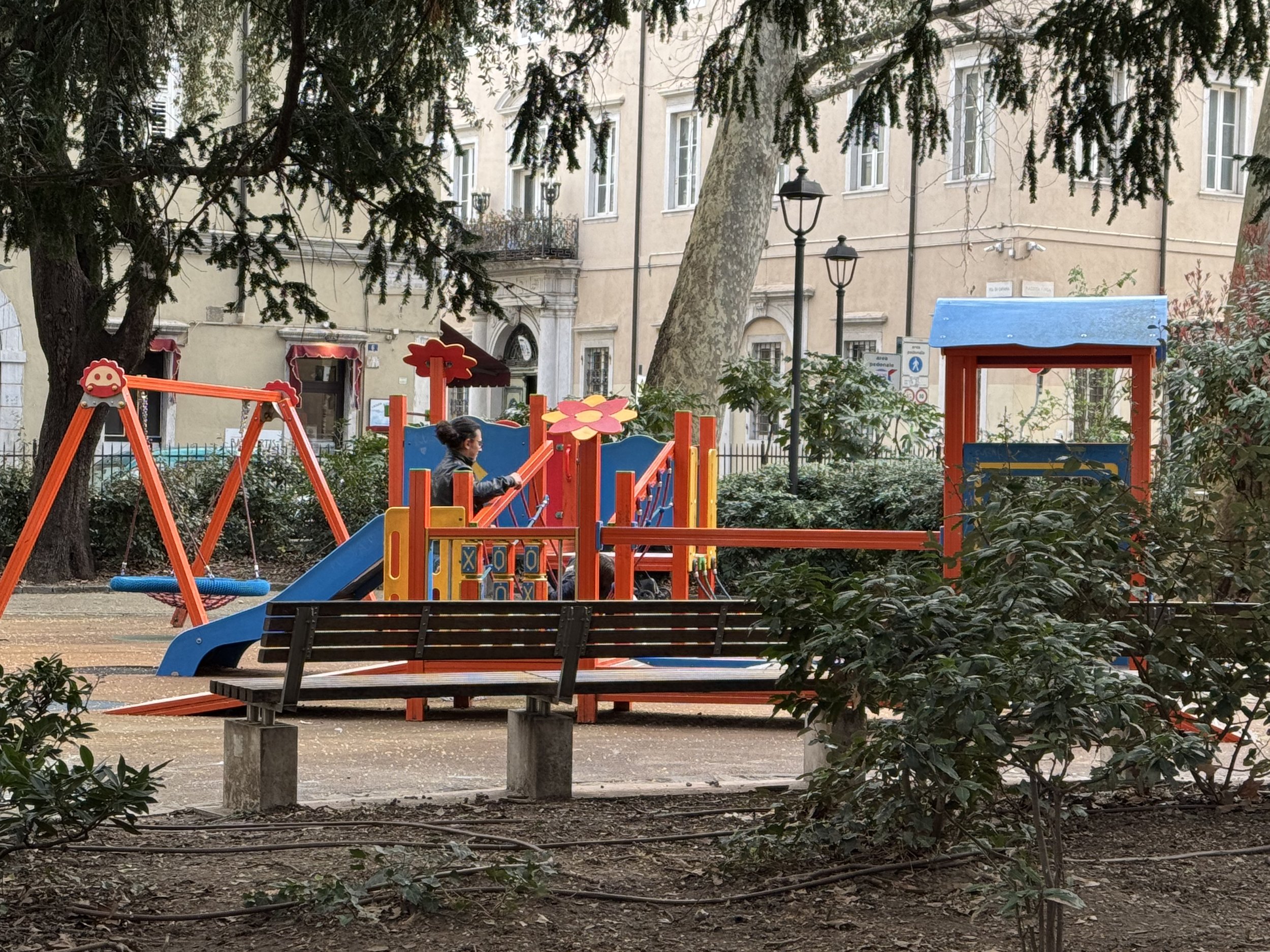
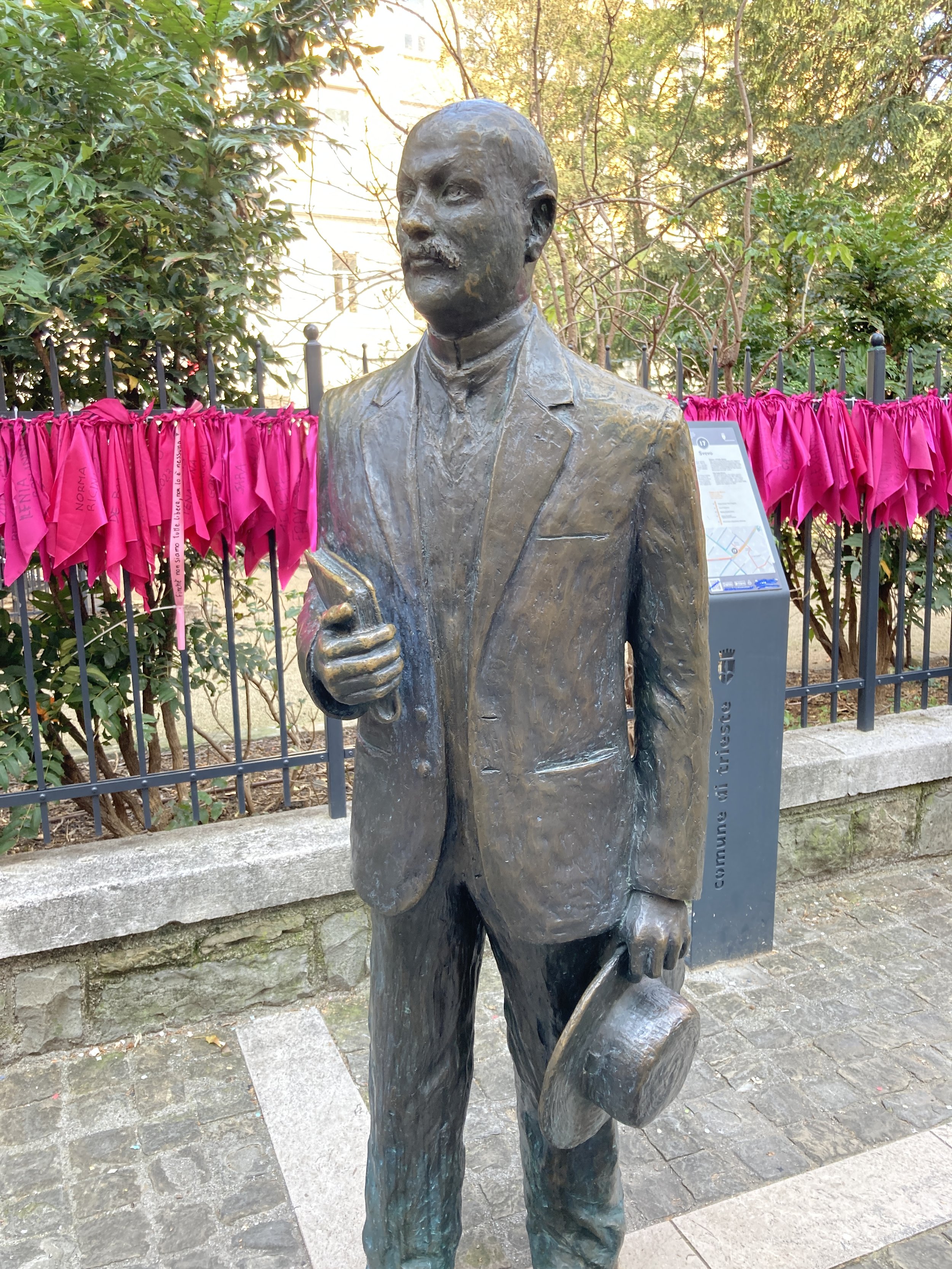
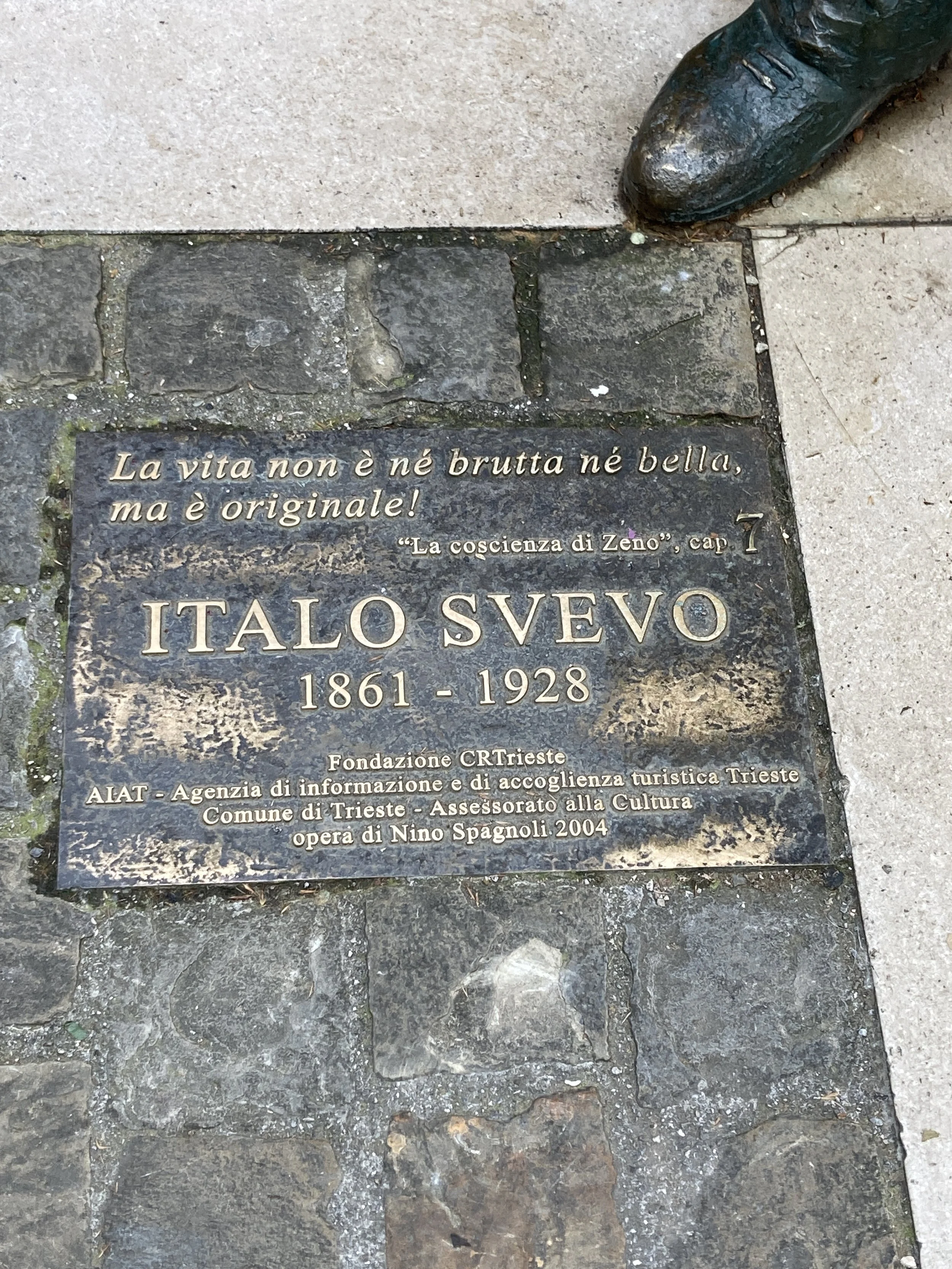
But Trieste is much more than coffee and wind.  The Citta Vecchia runs along the part of Trieste that follows the coastline and is flat before the city heads uphill to Castello San Giusto.  Better still is its long stretch of pedestrian only streets that run from Piazza Venezia through the pretty garden of Piazza Hortis with the statue of Italo Svevo, and to the Piazza Unita d’ Italia which is Trieste’s grand public square (top photo).  Along the way are shops, bars, restaurants, pastry shops, and some interesting meandering side streets.

IMG_9233.jpeg
IMG_9236.jpeg
IMG_8147.jpeg
IMG_8146.jpeg

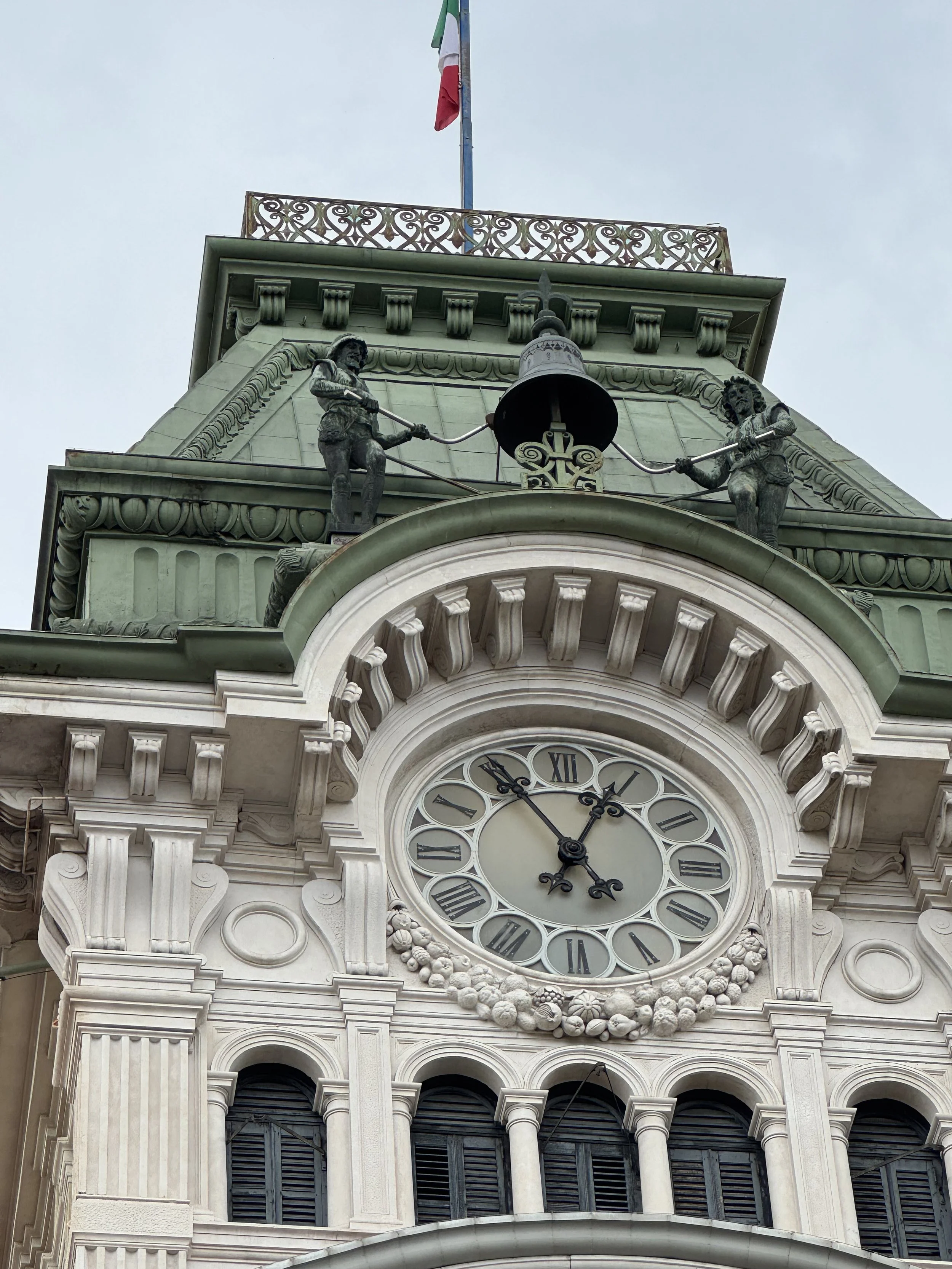
Locals call the 2 Moors who ring the bell atop the clock tower Michez and Jachez

The centerpiece of the Piazza Unita d’Italia is the 1870’s City Hall with its tall clock tower. Up at the top, two bronze Moors strike the bell to mark time. 

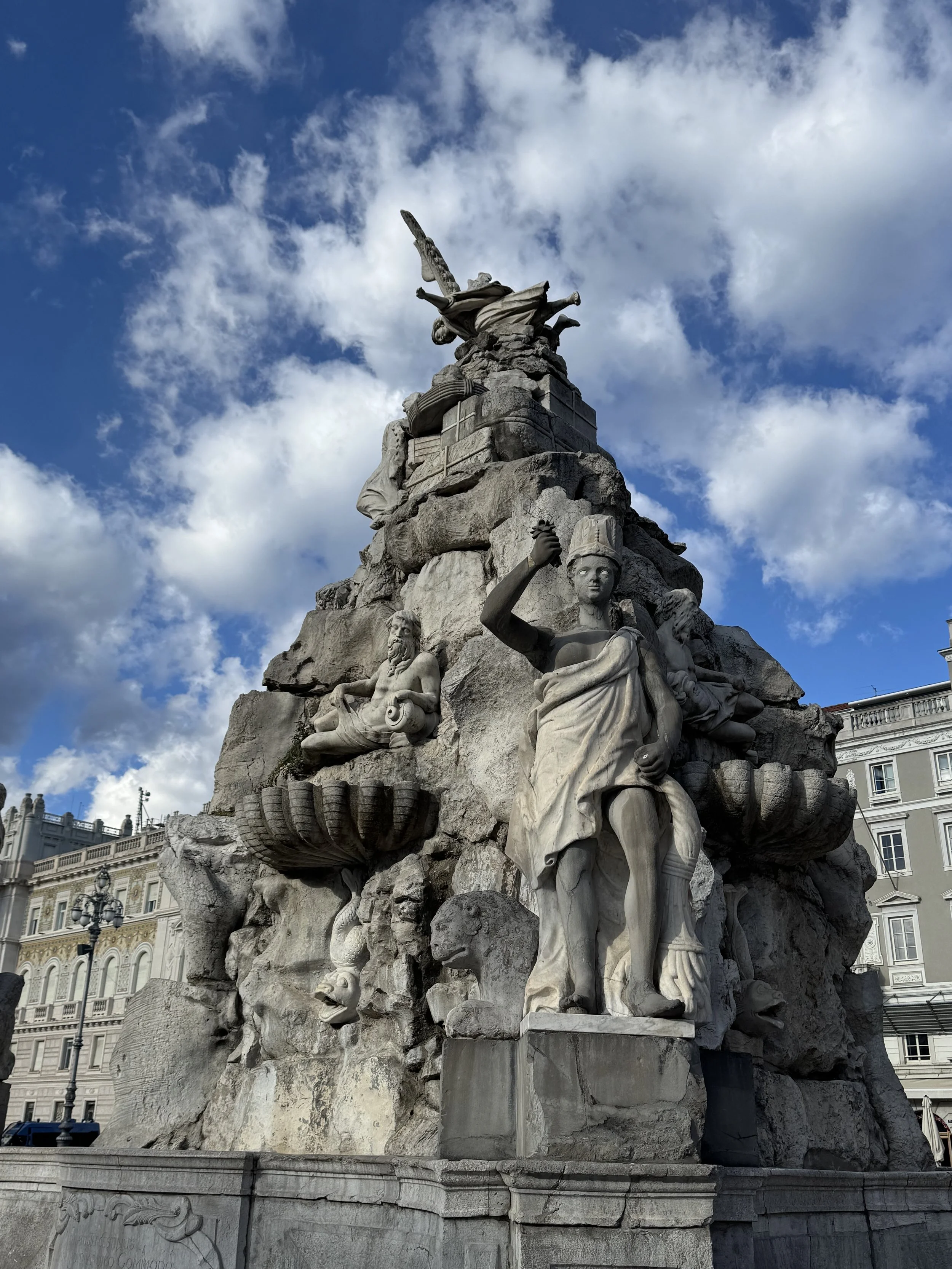
In front of the city hall is the Fontana dei Quatro Continenti (4 Continents Fountain).  Designed in the 1700’s when only 4 continents were known (Europe, Asia, Africa, the Americas), each is represented by sculptures at the corners of the fountain.  On top is a winged female figure, facing the sea, who represents Trieste.   

Removed from the piazza in the 1930’s (our guide said that Mussolini ordered it removed because he didn’t like the non-Italian cultures depicted), it was restored and put back in place only about 25 years ago.  Today it is a fountain without water, in part because when the Bora blows the spray of water would turn the piazza into an icy hazard.


Fontana dei Quatro Continenti, the African corner

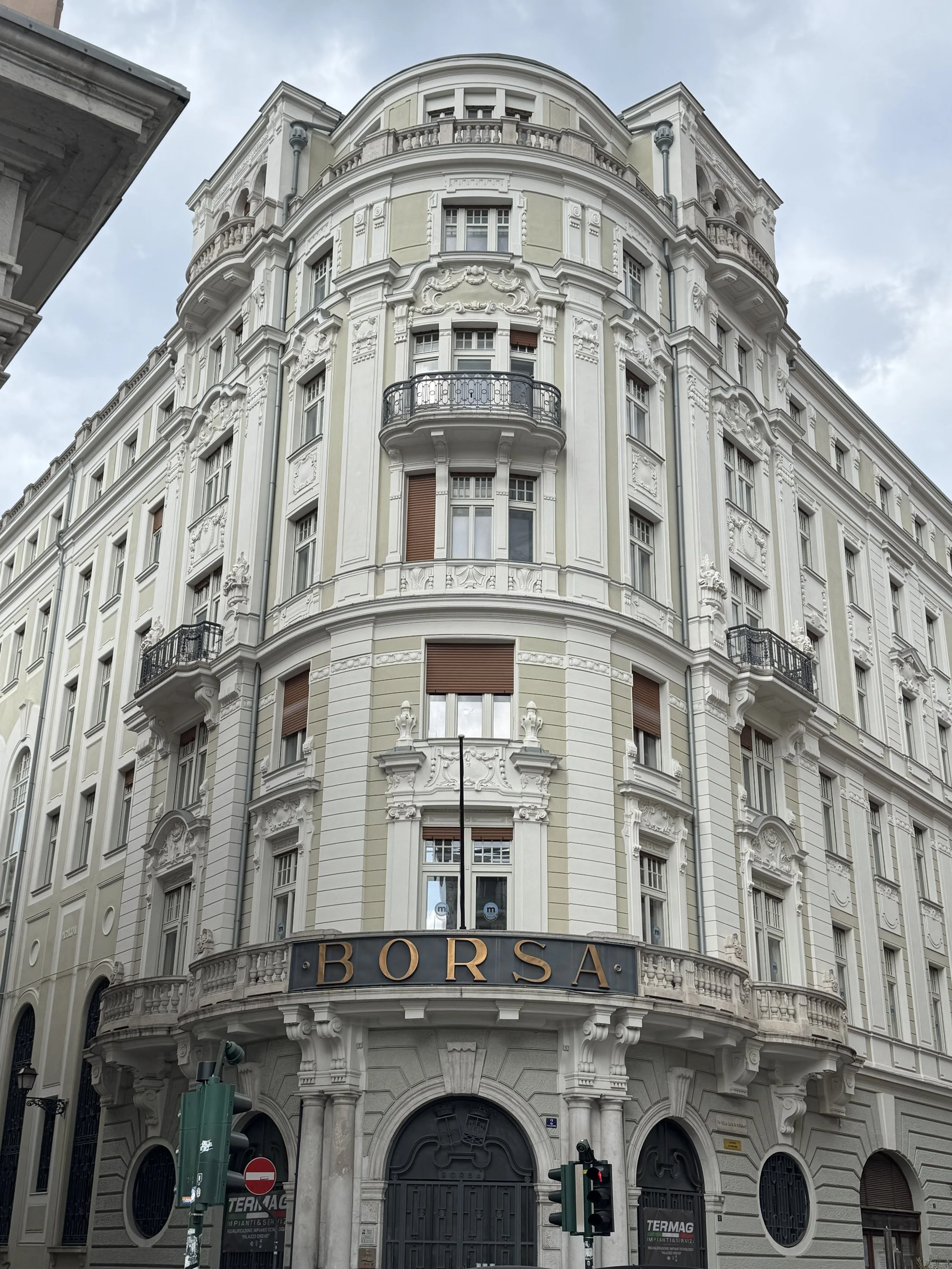
From Piazza Unita d’Italia the pedestrian path continues through Piazza della Borsa (site of the old Stock Exchange, below).

IMG_9259.jpeg
IMG_9269.jpeg
IMG_9266.jpeg

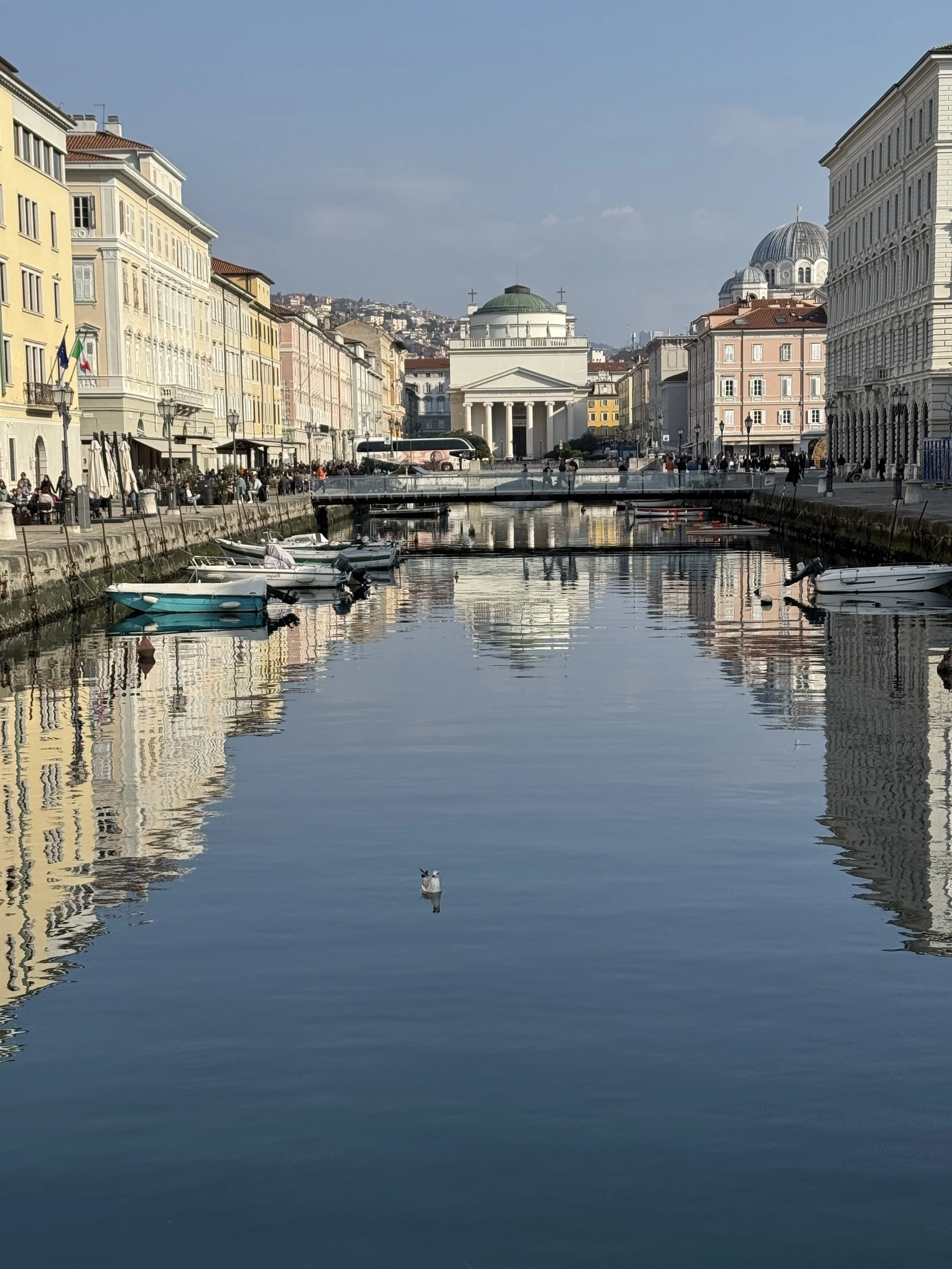
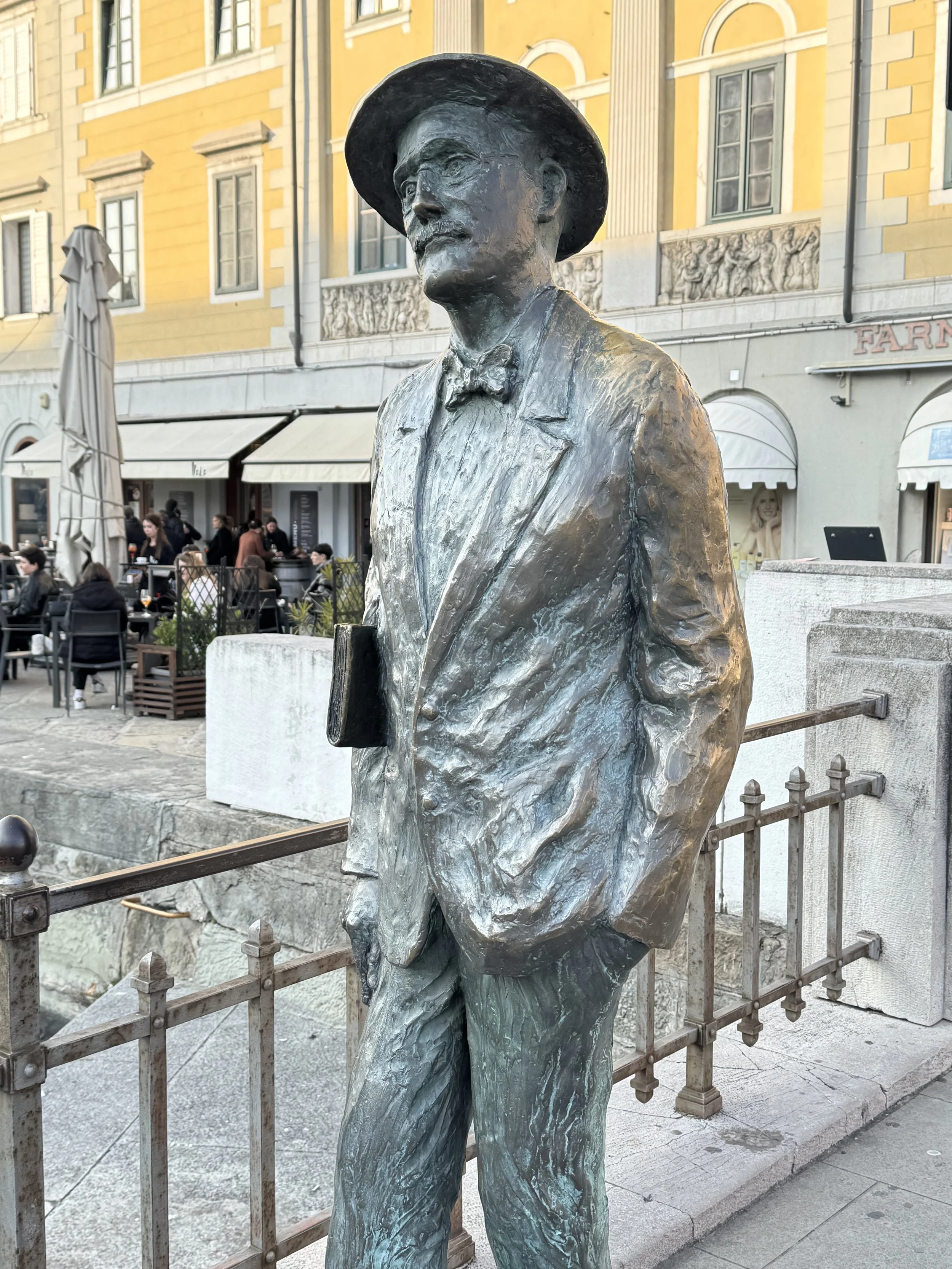
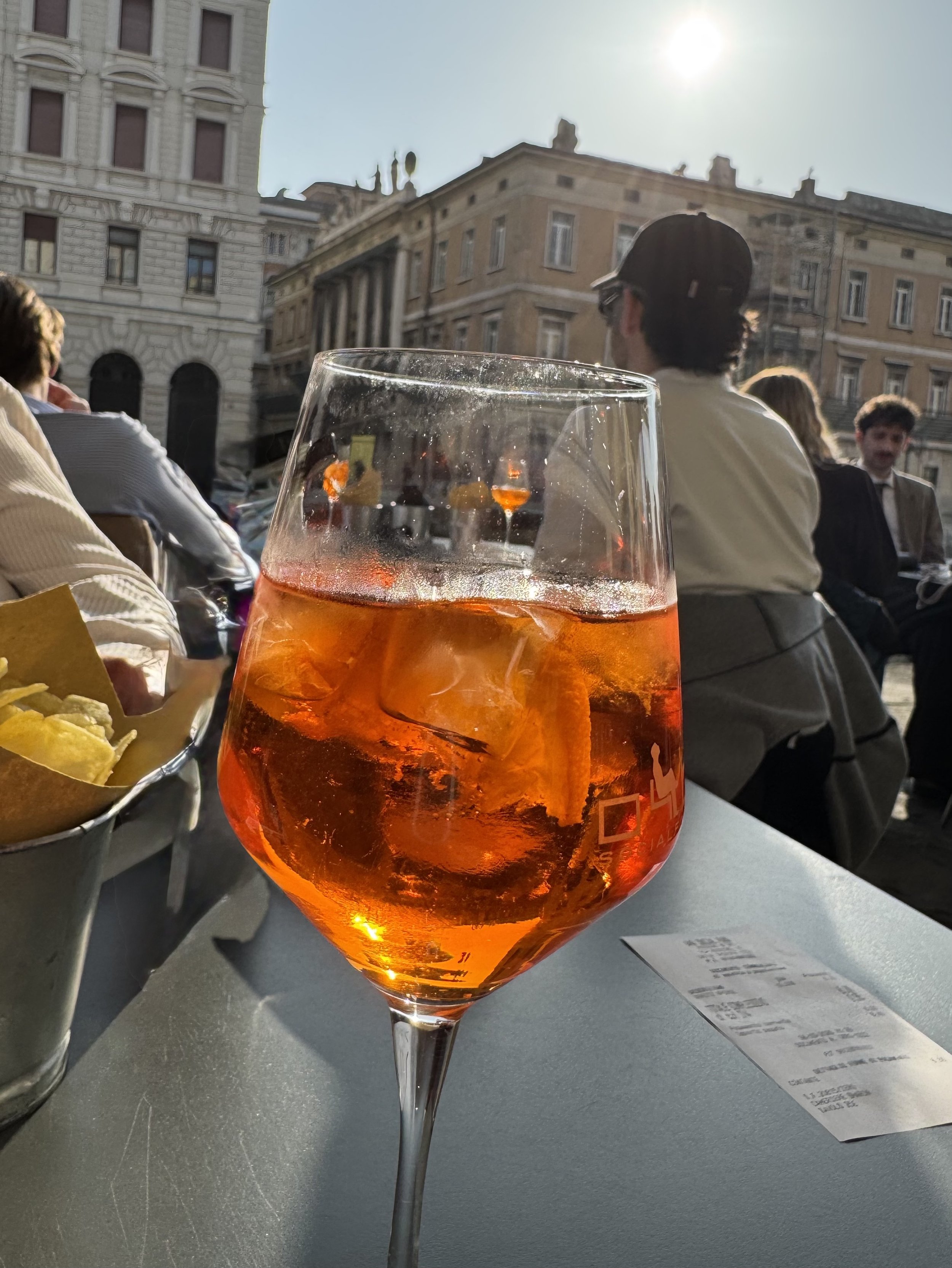
Then it is on to the Grand Canal and Piazza del Ponterosso (look for the famous statue of James Joyce).  This is the perfect place to end a walk through town with a spritz.

IMG_8836.jpeg
IMG_8844.jpeg
IMG_8838.jpeg
IMG_9282.jpeg

 Further inland from the Gulf, Trieste becomes hilly with a steep climb up to its high point and the Castello San Giusto.   More on that coming up in future posts along with some of Trieste’s Roman History. 

March 30, 2026 /Joanne Bartram
Trieste, Old Town Trieste, Citta Vecchia Trieste
#italytravel, Friuli Venezia Giulia, Friuli-Venezia Giulia, Italian art architecture, Italian culture, Italy travel, Trieste

Powered by Squarespace