Two Parts Italy

Exploring Italy, travel, and living a flavorful life

  • Blog
  • About This Blog
  • Start Here
  • Recent Posts
  • Archives by Topic
  • Subscribe
  • Contact me

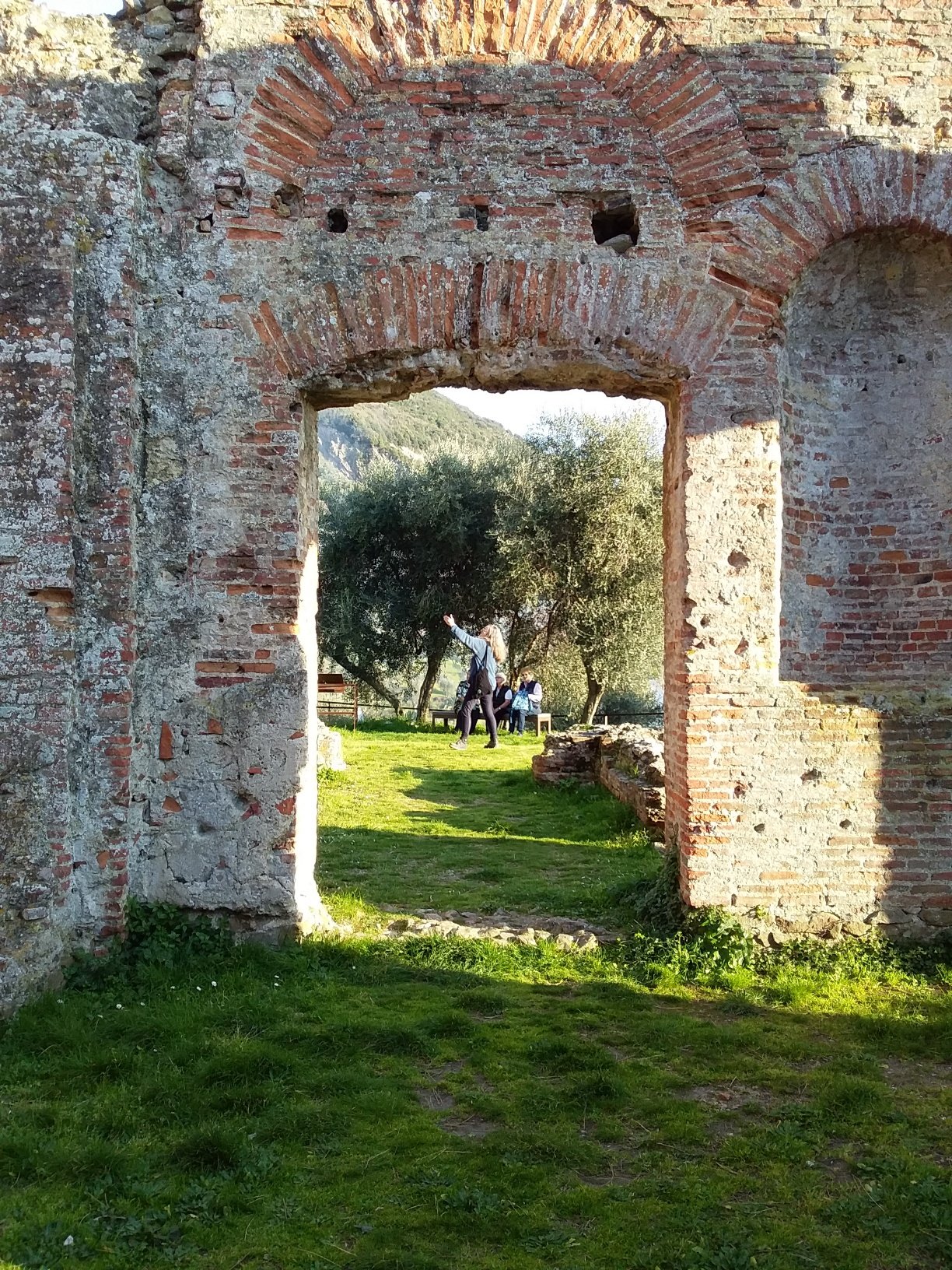
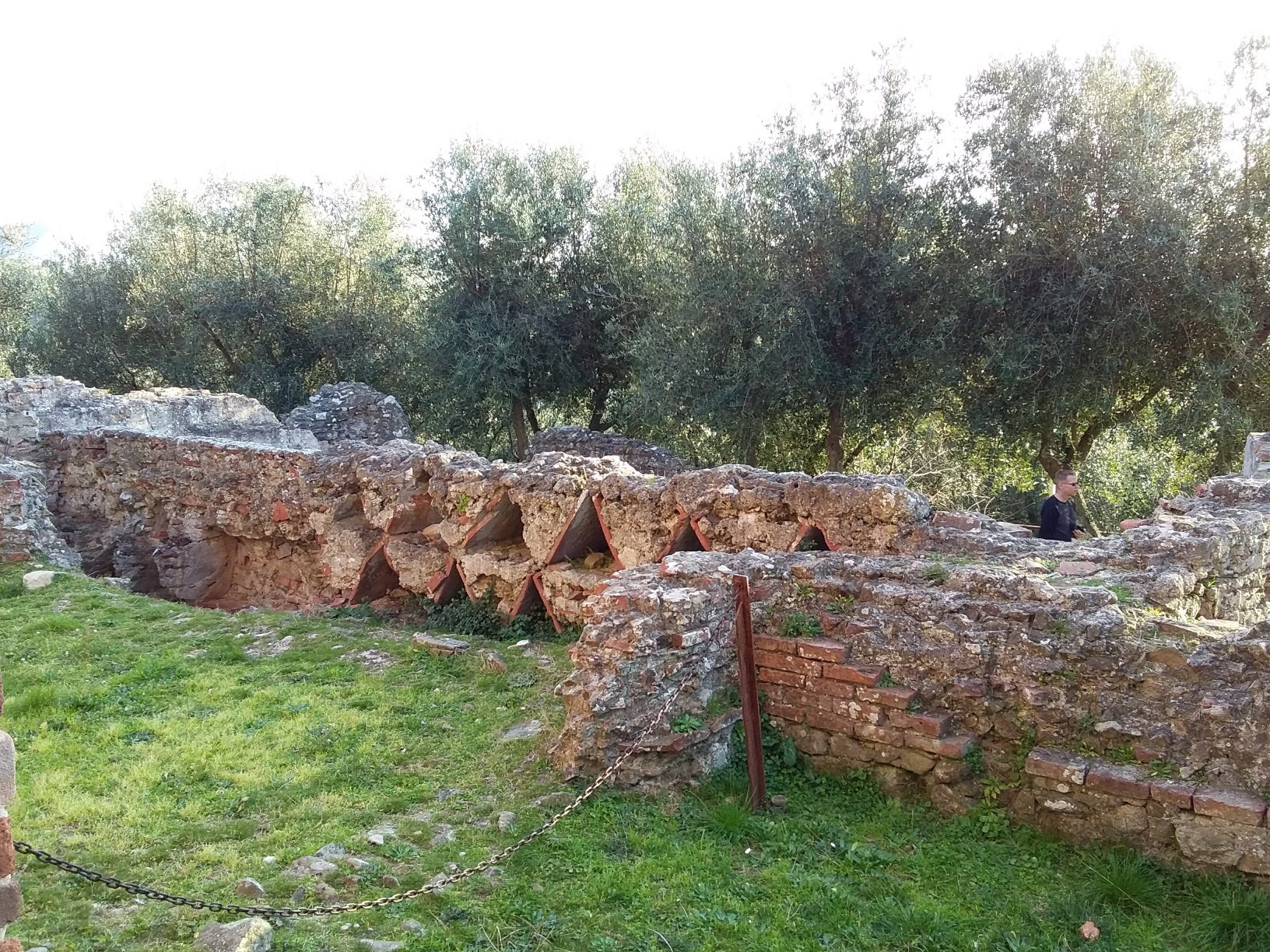
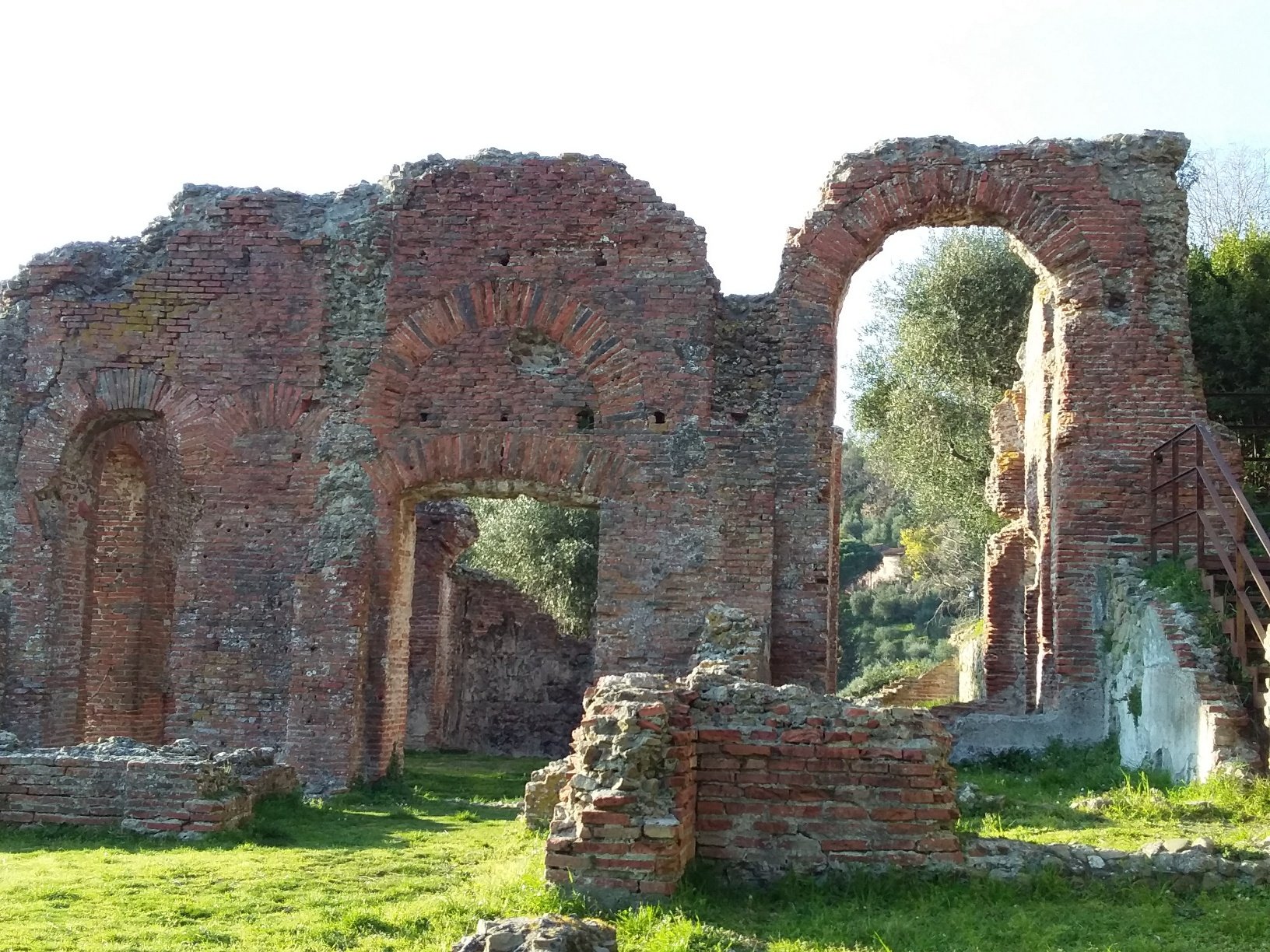
Walking around the ruins of a Roman Villa near Lake Massaciuccoli, not far from Lucca

Traces of Ancient Rome

August 03, 2026 by Joanne Bartram in #italytravel, #lucca, european travel, Friuli-Venezia Giulia, History, Italy, Italy travel, Lucca, Roman Architecture, Trieste, Tuscany, Umbria, Verona

A little bit of Ancient Rome in Spello

Modern day Italy is built over and around the remains of ancient Rome. There are countless examples, many of which are buried well below ground. They become visible only when a construction project unearths them. Often digging, whether for a big construction project (like a new metro line in Roma) or a simple home renovation, exposes stunning mosaic floors, the outlines of ancient homes, or the base of a Roman column. Many a construction project has been delayed when ruins are discovered and the archeologists arrive.

Some of the buried traces of Roman life have been carefully excavated and are opened to visitors as museums. 

In a bit of urban drama, some Roman structures sit proudly right in the middle of a city, absorbed into every day Italian life.  Rome’s Forum and Colosseum are no doubt the most well-known examples, but there are many others.  And some remnants of the Roman era aren’t ruins at all, but intact buildings still in use today. 

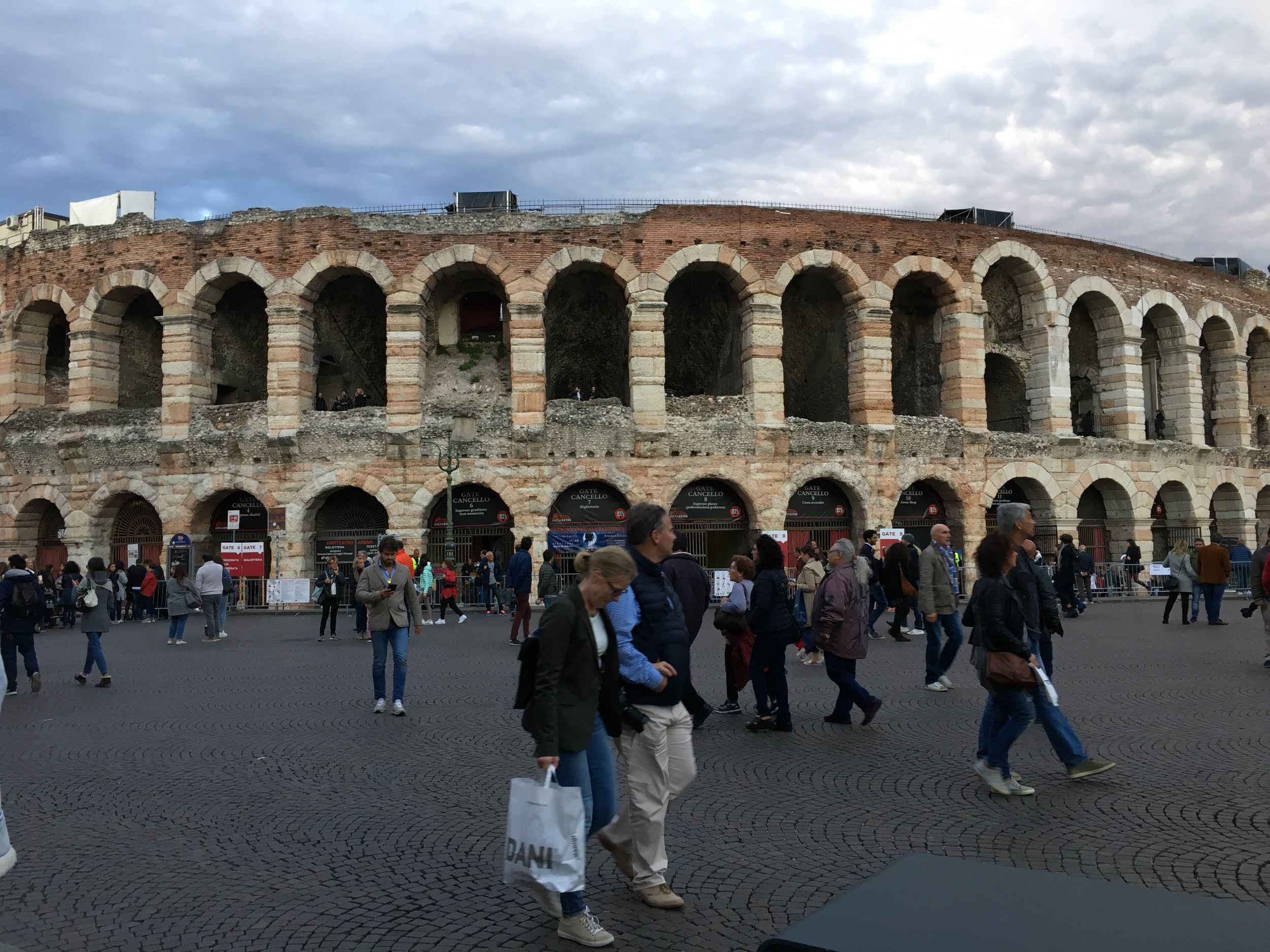
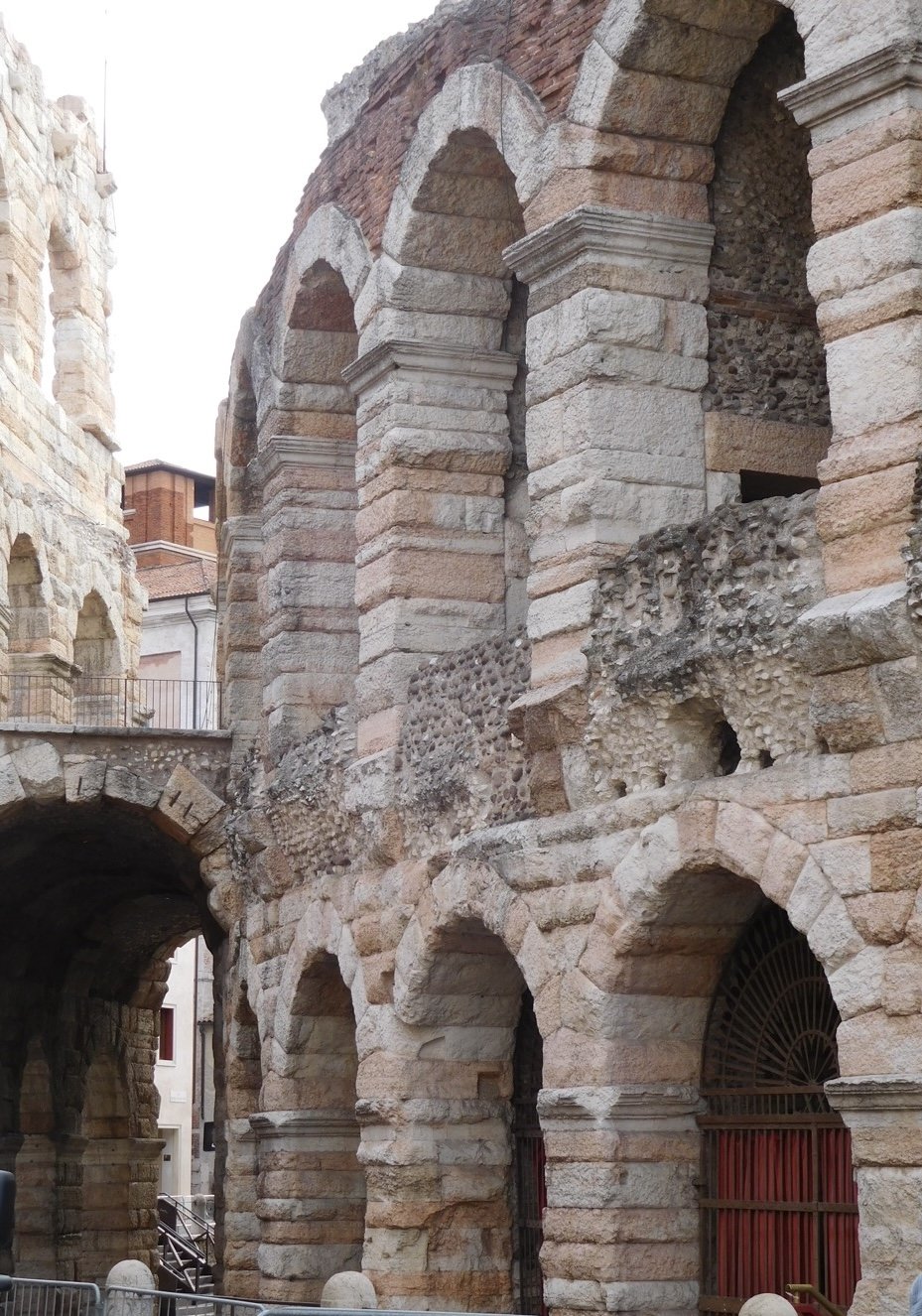
This 1st century amphitheater sits right in the middle of Verona, just off Piazza Bra

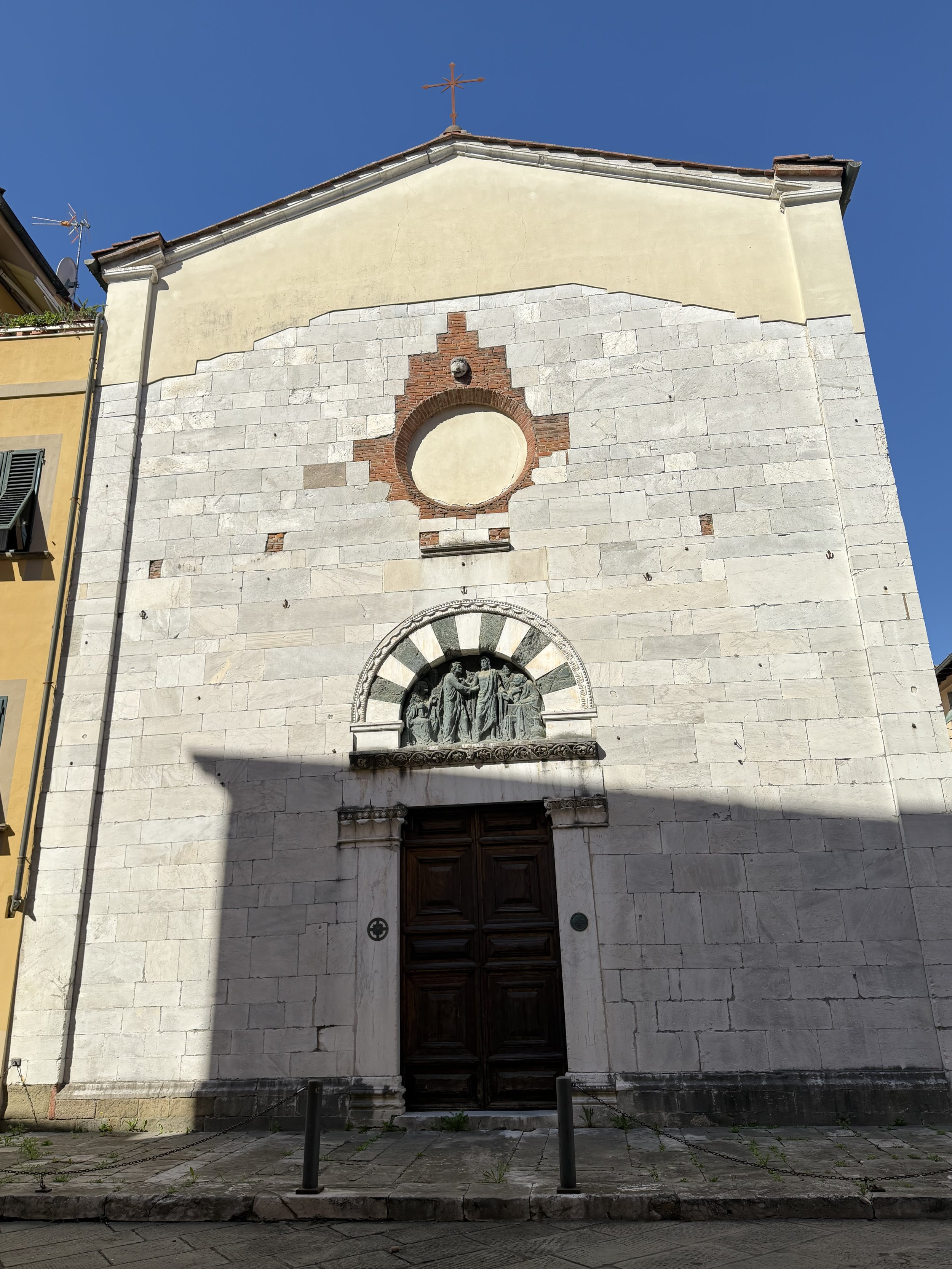
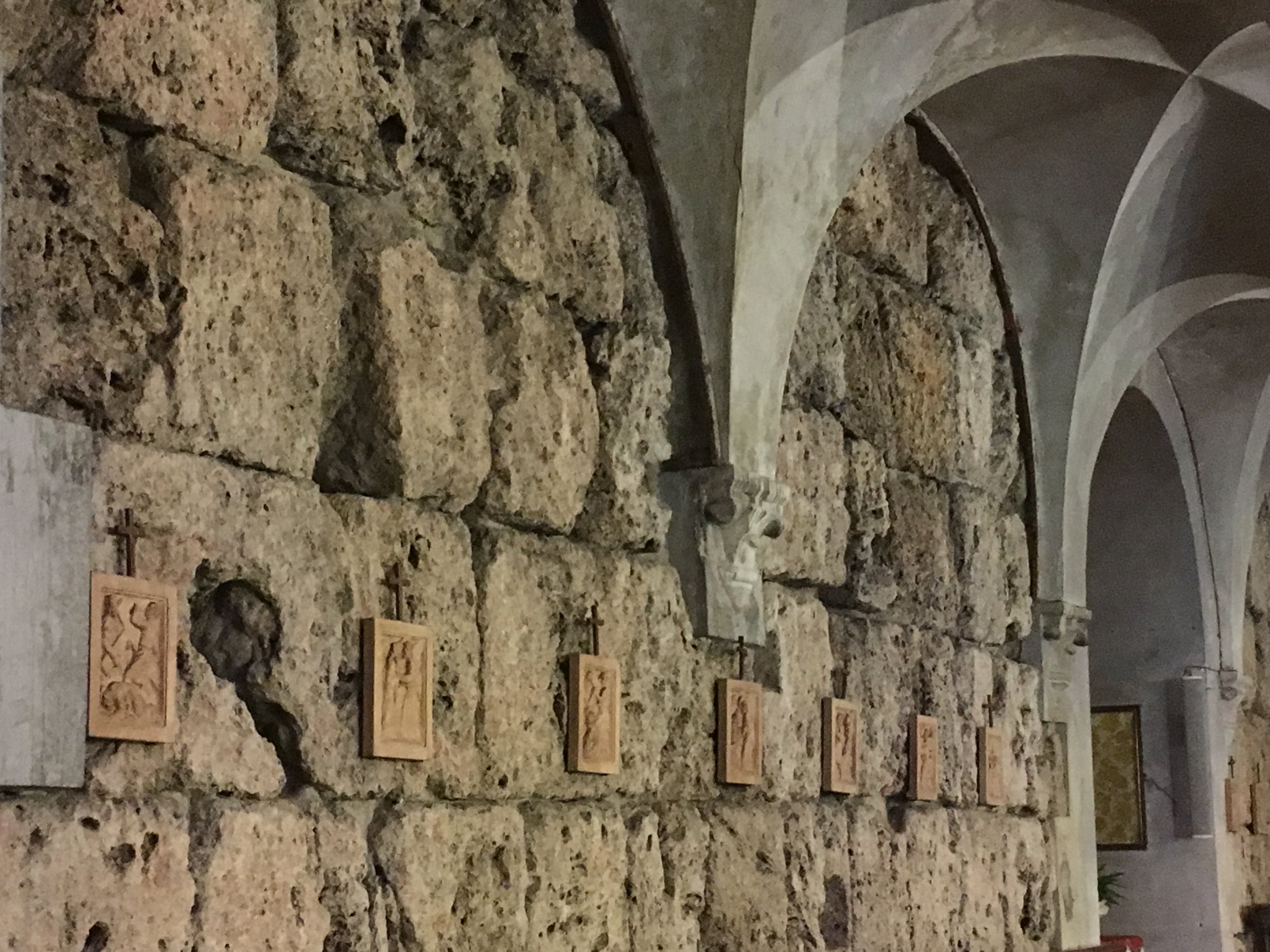
In Lucca, the Roman bits are mostly hidden.  But look closely and they reveal themselves. Within the church of Santa Maria della Rosa is a segment of the Roman era city walls which form one wall of the church.  More Roman history lies under the Church of San Giovanni (including Roman baths) and under Via Cesare Battisti in the Domus Romana (Roman House).  Traces of Rome in Lucca persist in the shape of Piazza Anfiteatro and in Piazza Santa Maria Forisportam which marks the border of the old Roman city. Piazza San Michele, today the best people watching spot in town, was once the site of the ancient Roman Forum. 

The Church of Santa Maria della Rosa is the best place to see the remains of the Roman era wall that once enclosed the city

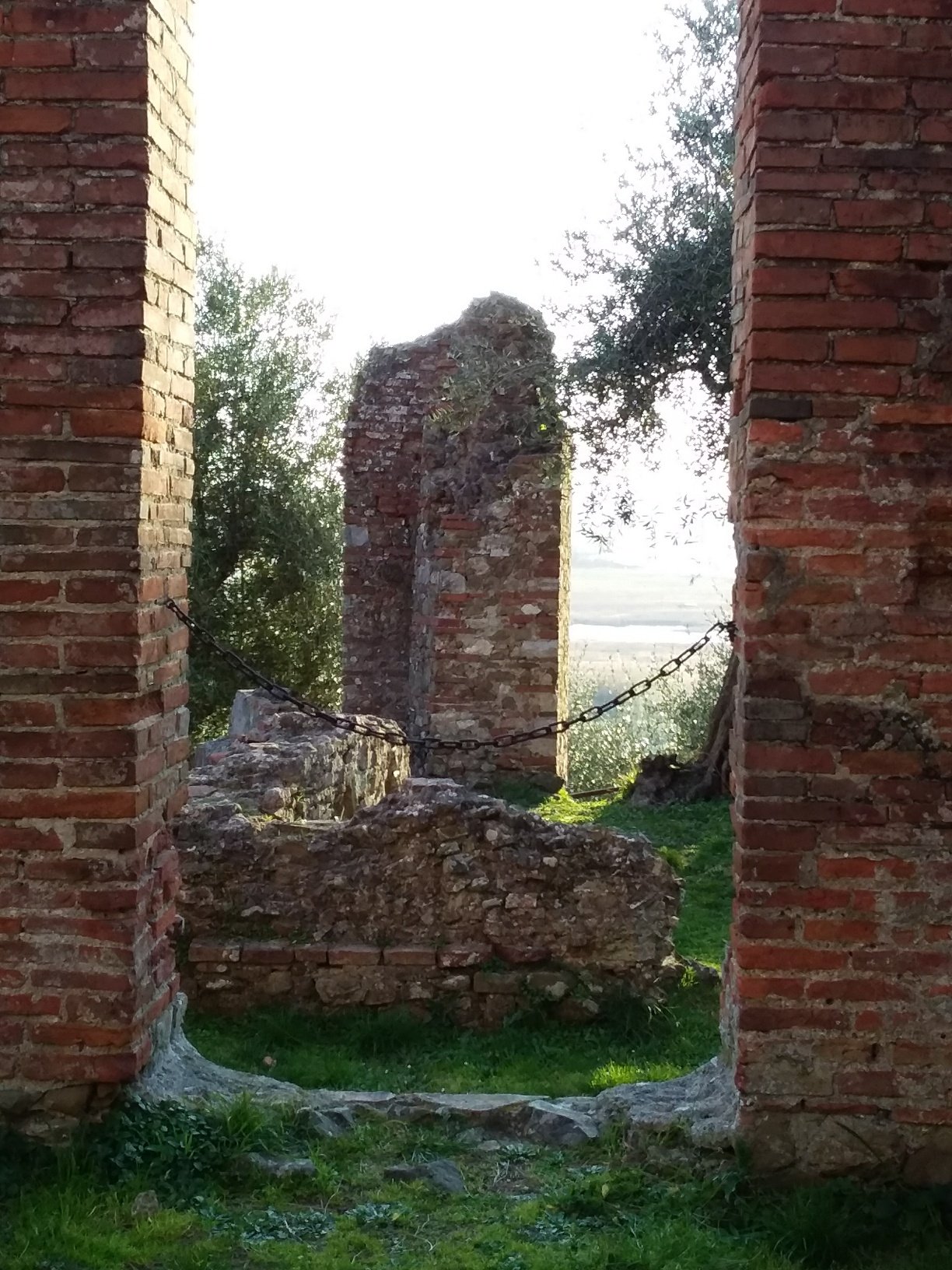
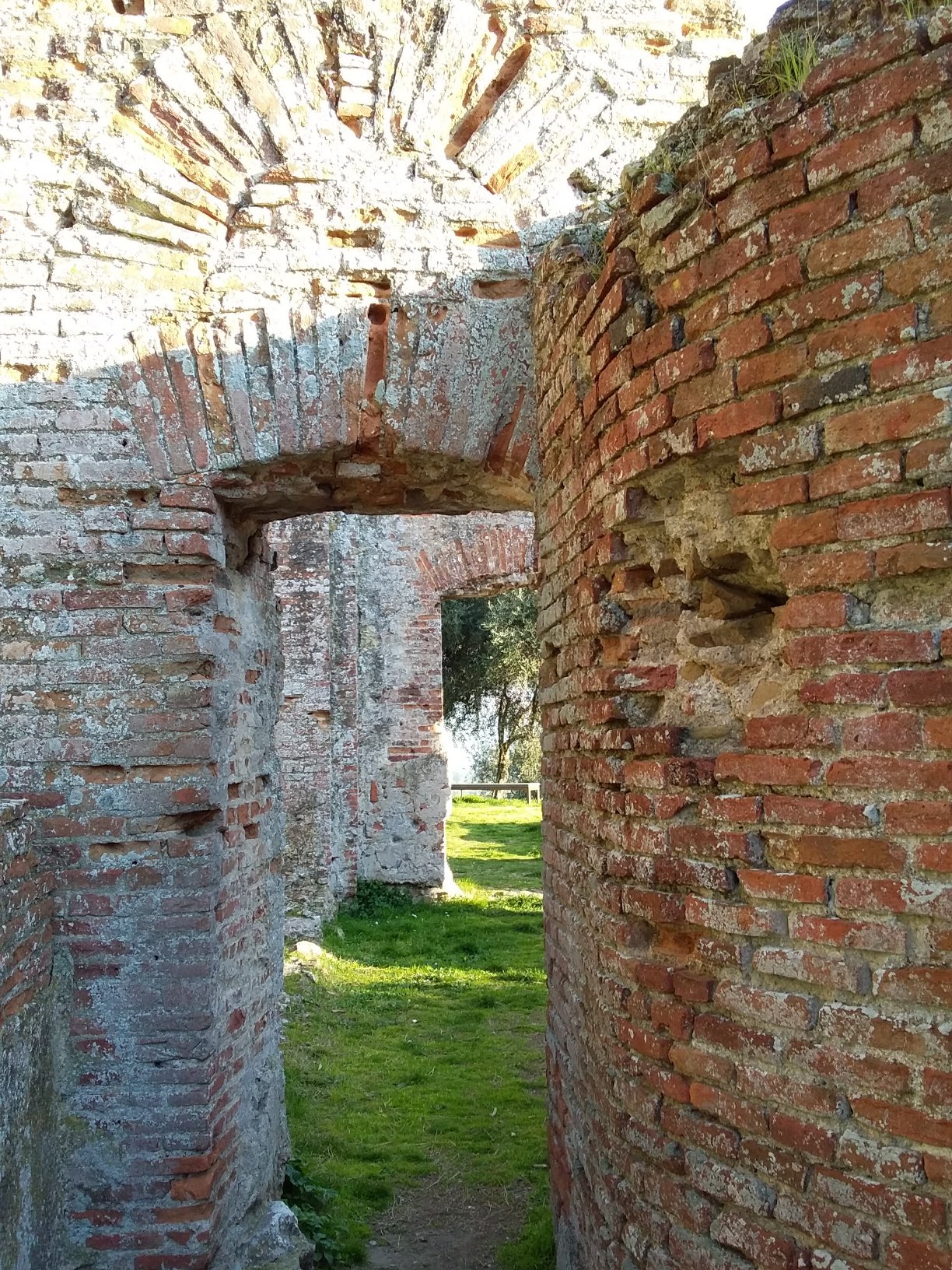
Not far from Lucca, the ruins of a Roman villa sits a short distance from the shores of Lake Massaciuccoli.  Amazingly, it is possible to wander through the completely open site!

IMG_2620.JPG
IMG_2612.JPG
IMG_2617.JPG
IMG_2622.JPG

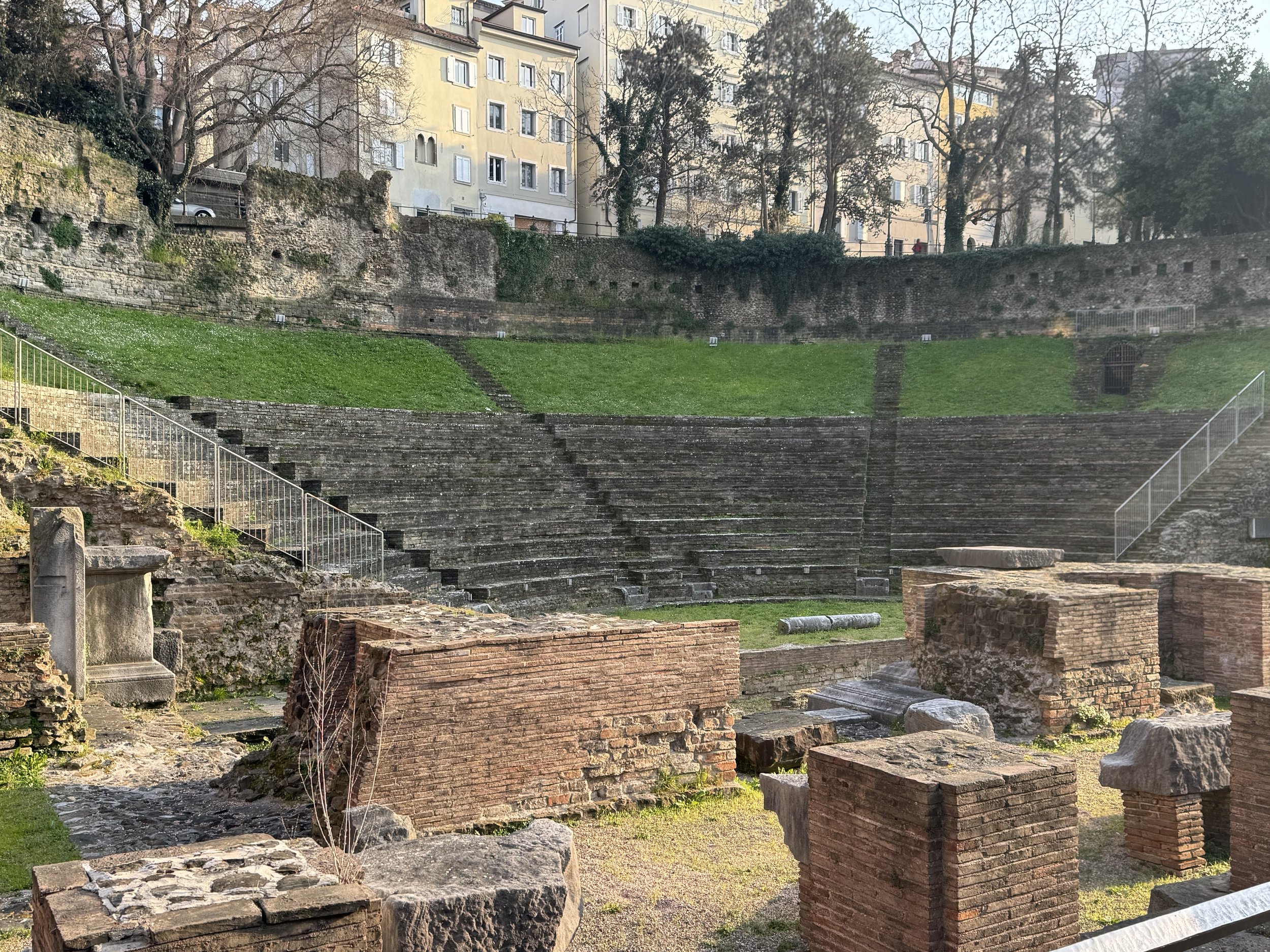
In the Friuli-Venezia Giulia region, in and around the city of Trieste, the ghosts of ancient Rome seem to be everywhere.  Most dramatic are the remnants of a Roman theater that sit right in the middle of Trieste.  A large section of the seating is intact making it easy to picture the events that took place there.

An ancient Roman theater in Trieste, right in the heart of the city

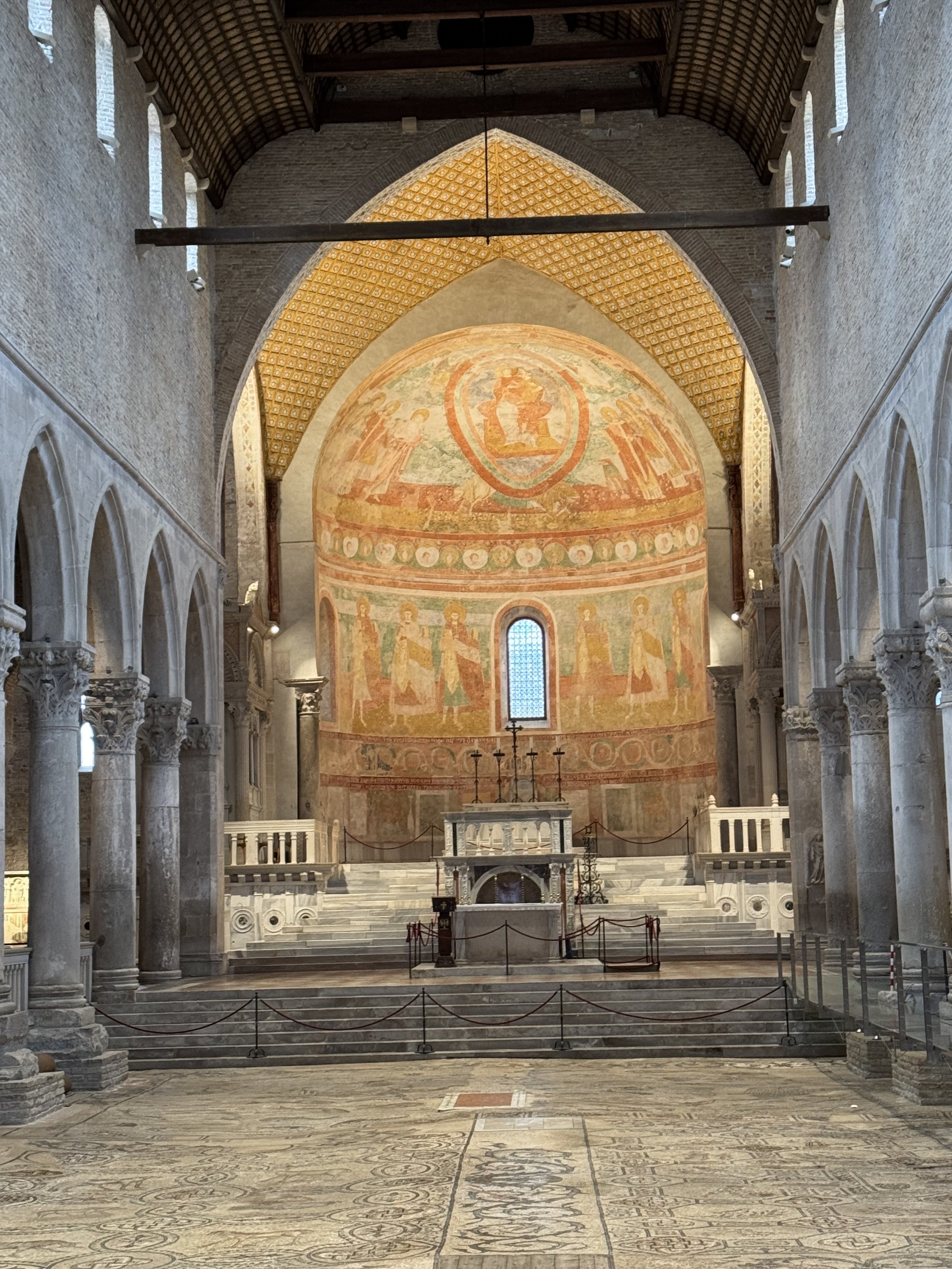
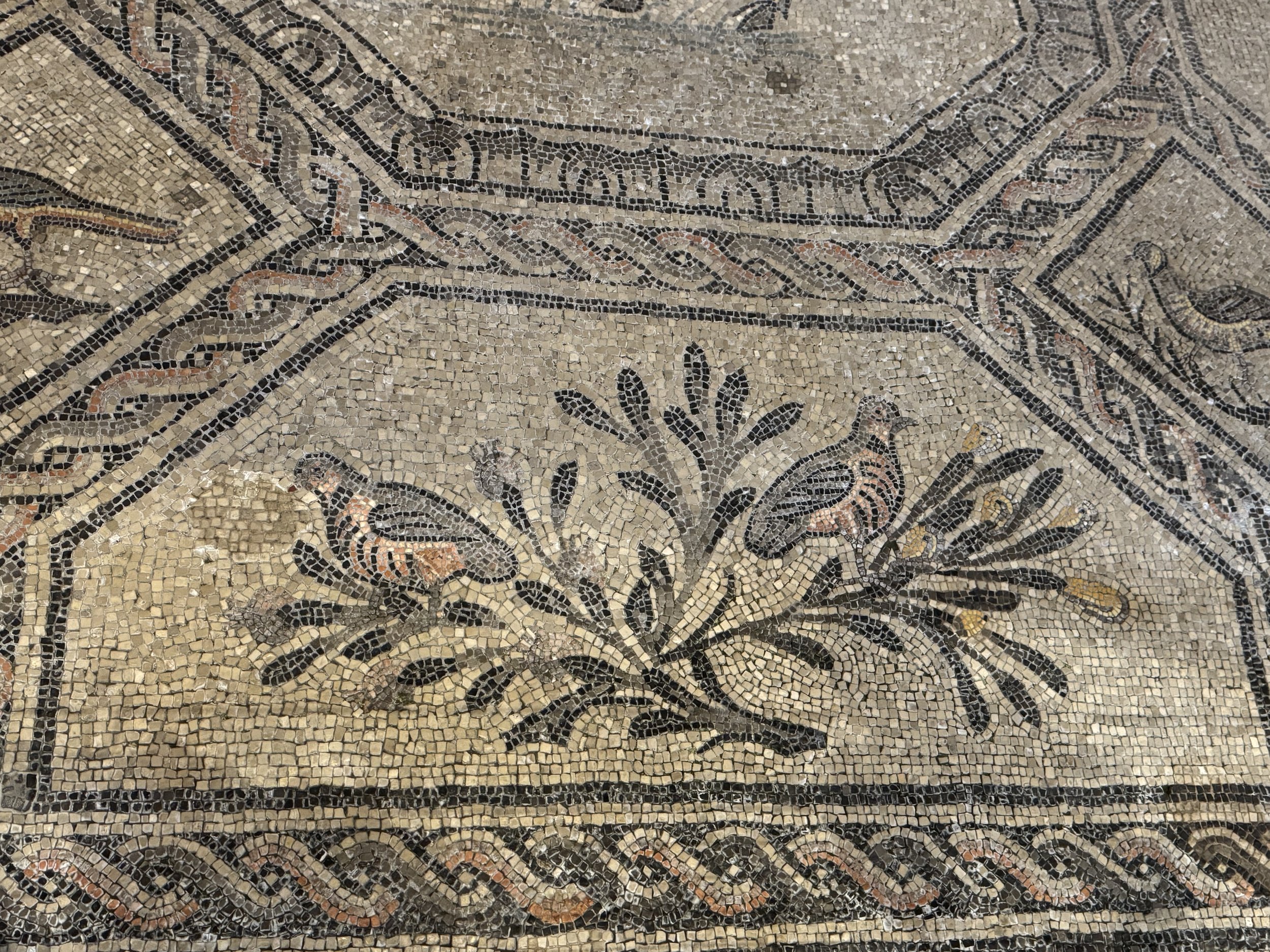
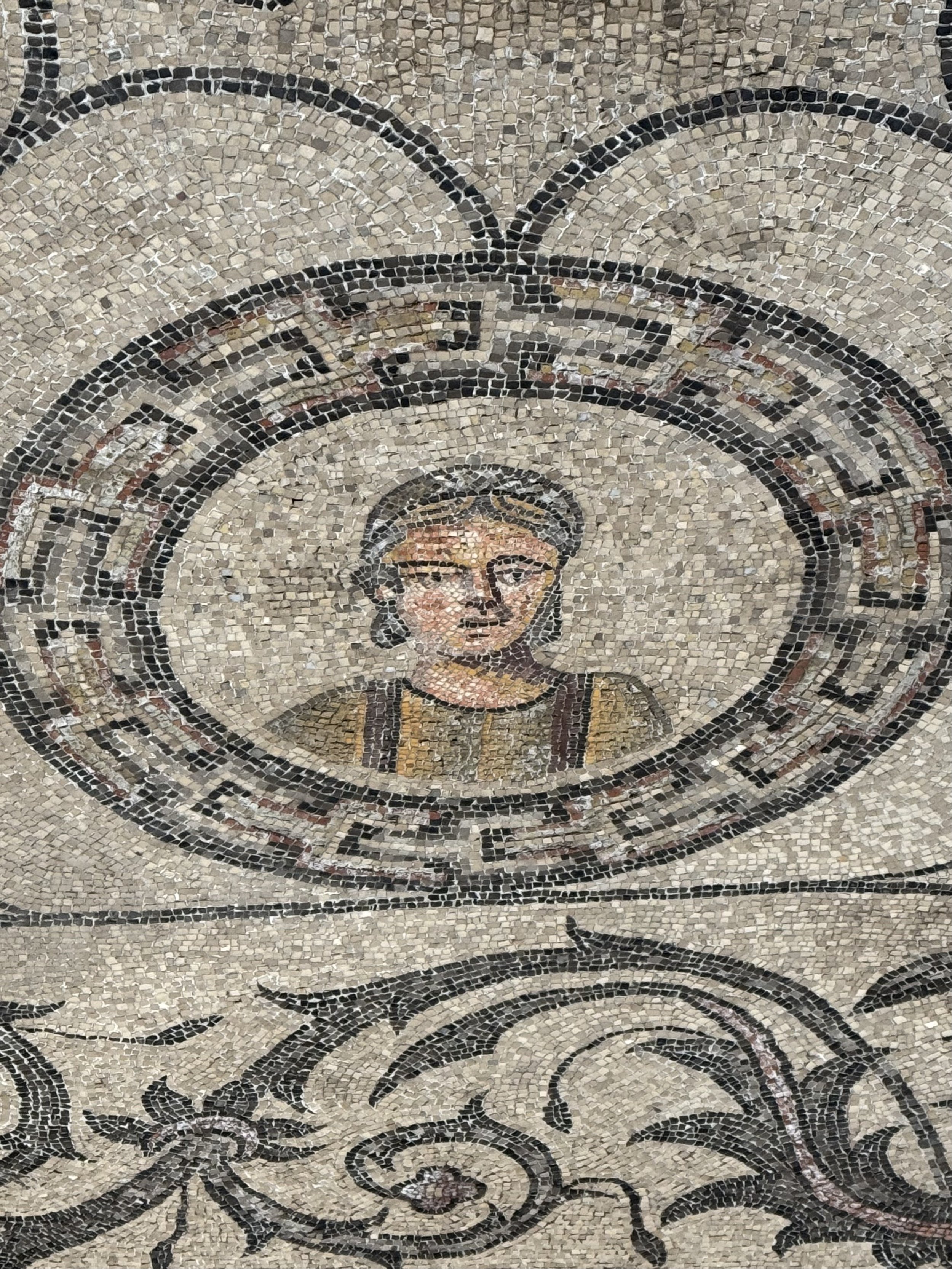
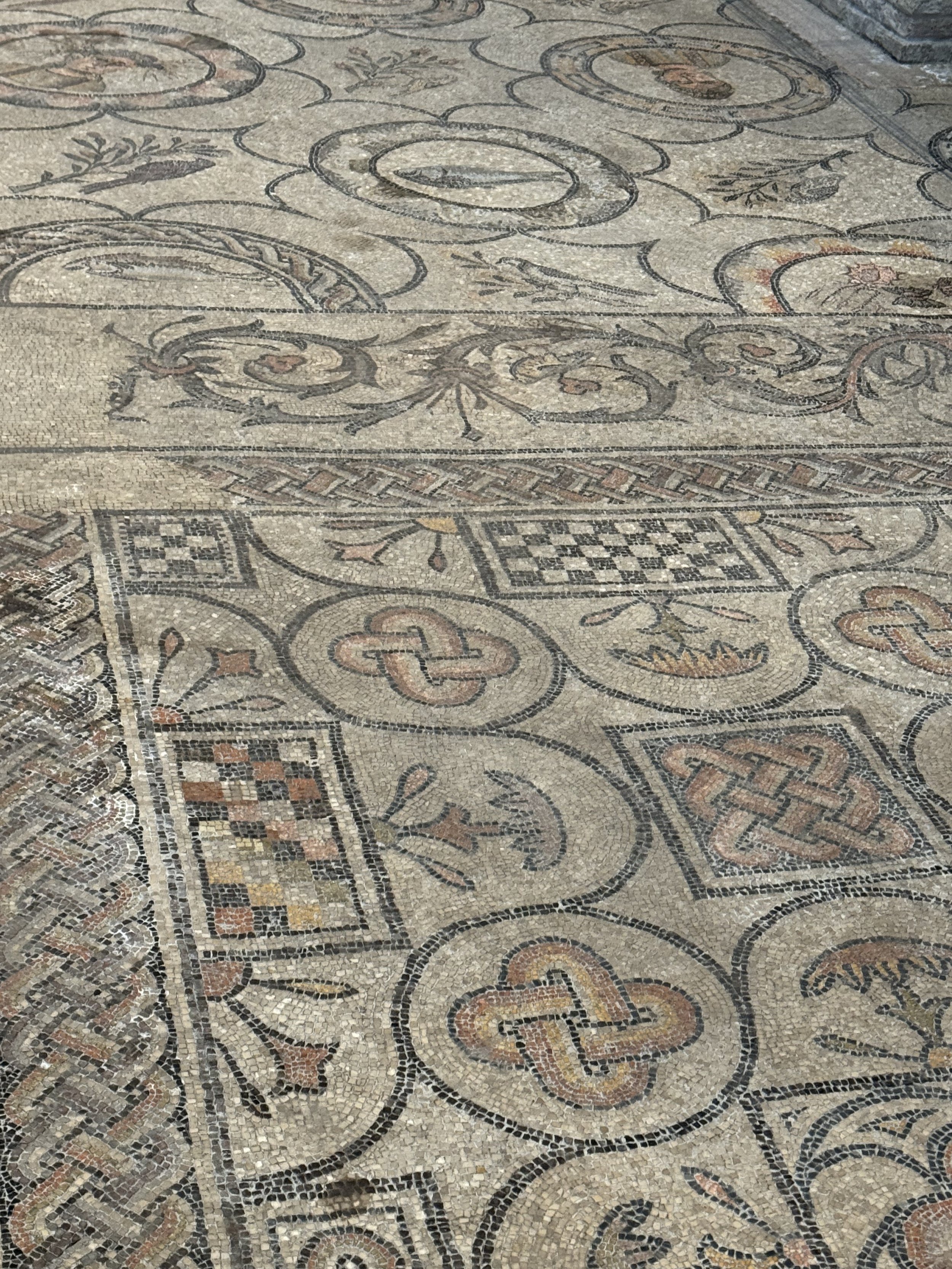
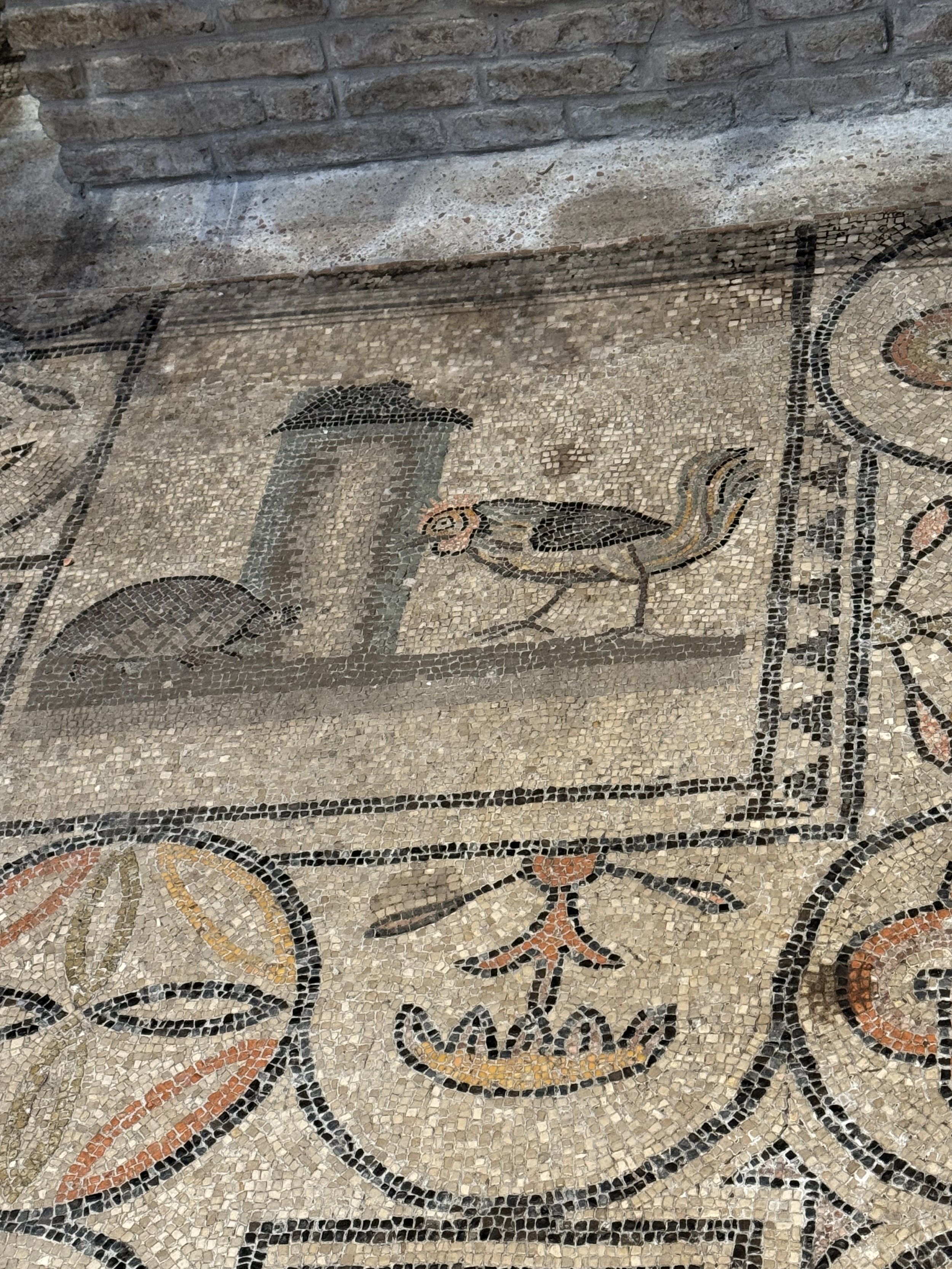
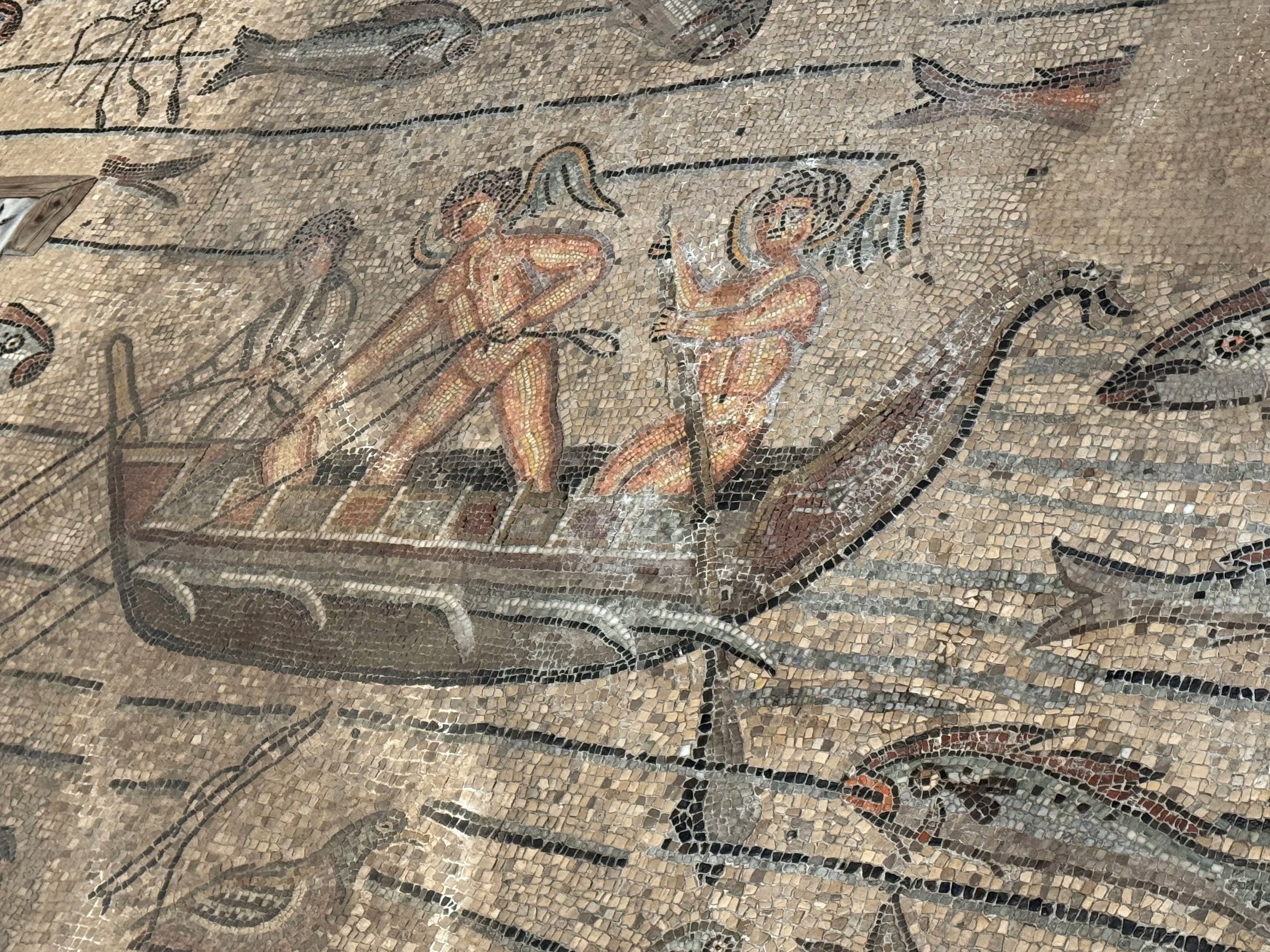
Not far from Trieste, the town of Aquileia is a UNESCO World Heritage Site.  Once a Roman military post, the town has a large archeological area and a host of historical finds.  The Basilica of Santa Maria Assunta was built over layers of much earlier structures.  Its Medieval floor was removed to reveal Roman era mosaics underneath.  These can be seen up close from a clear walkway that sits just above the mosaic floor.  The detailed mosaics, rich in color and imagery, make up the largest Roman mosaic floor in this region.   

IMG_9514.jpeg
IMG_9525.jpeg
IMG_9526.jpeg
IMG_9515.jpeg
IMG_9521.jpeg
IMG_9533.jpg

Verona

In Verona, a Roman arena sits just off Piazza Bra.  Not just a historic relic, today the arena hosts opera performances and other special events.  Climb the stone steps to where Romans once sat and feel the shadows of the past.

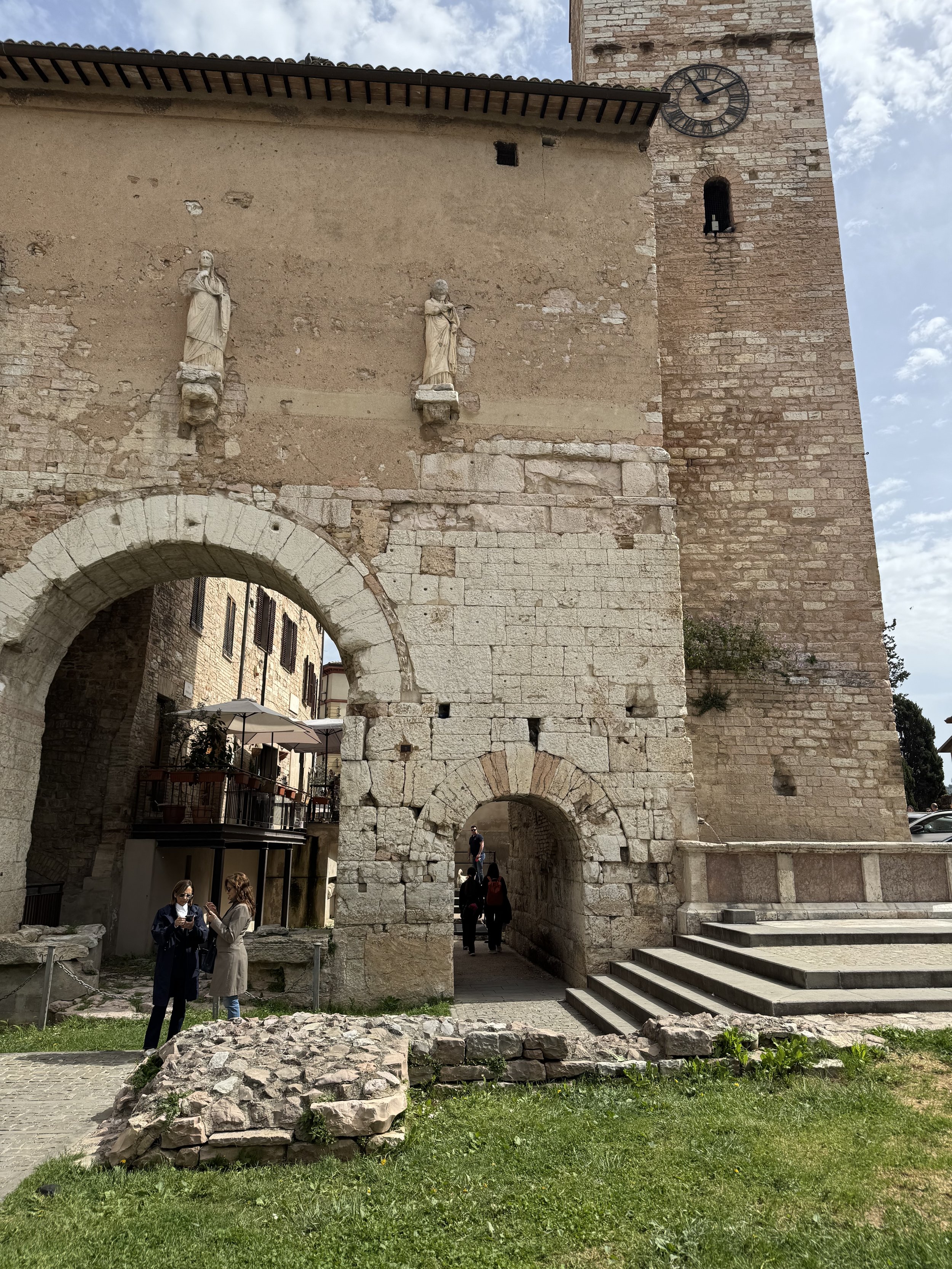
In Spello a Roman Gate to the city still stands.  The Porta Consolare, with its three arches, was the main entrance to Roman Spello. 

The three arches allowed carts and people to pass through. The attached tower was a Medieval addition. Like so many Italian cities, Spello clearly shows its evolution over various eras.

Porta Consolare, Spello

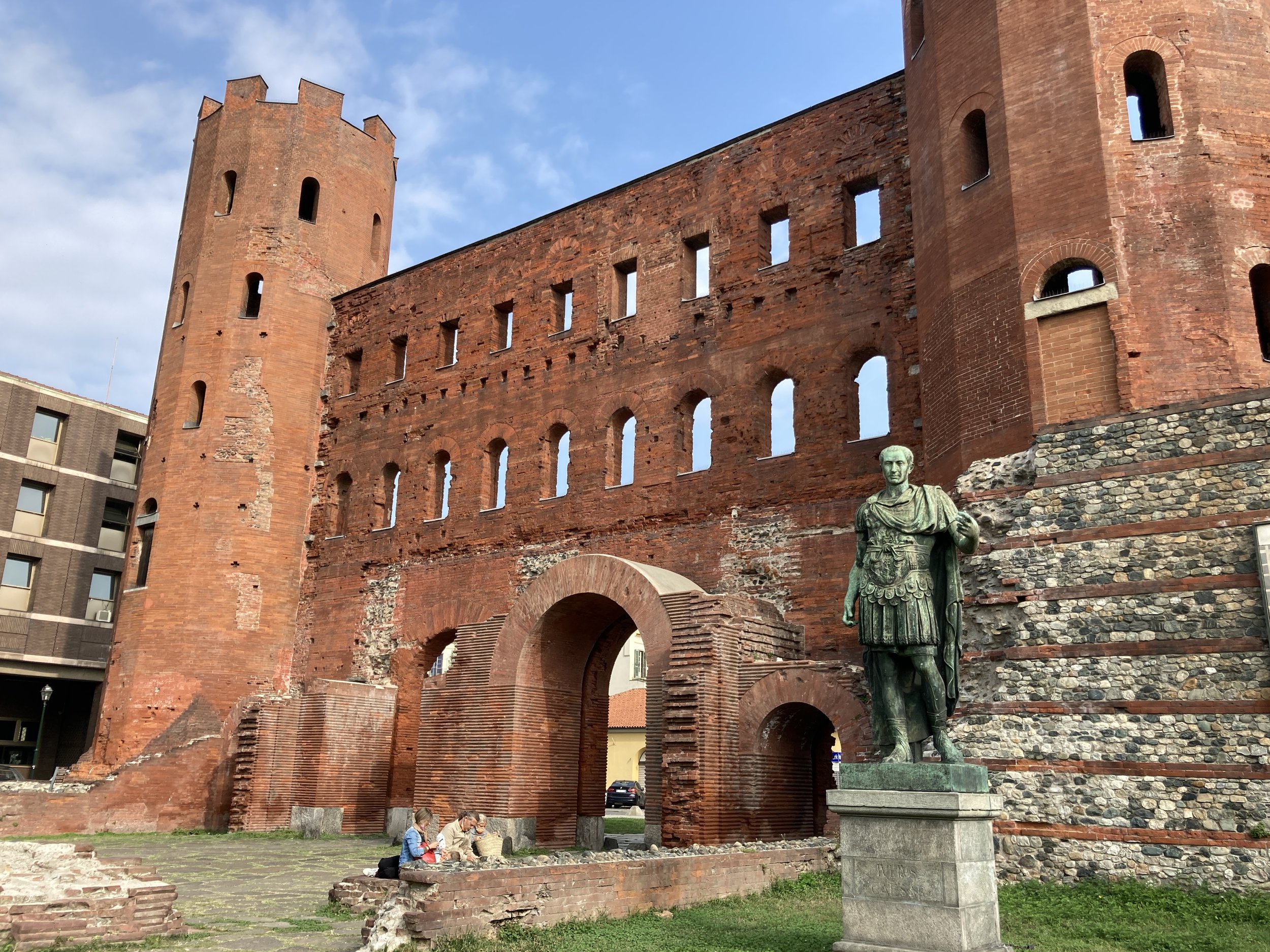
Next stop, Torino (Turin) where another Roman gate awaits.  This one, the Porta Palatina, has a segment with 3 arches at ground level topped with a tall two row high series of “windows” and flanked by two towers.  Statues of Julius and Augustus Caesar, reproductions of the original bronzes, stand just inside the gates. Ruts left by carts can still be seen approaching the gates.

Porta Palatina, Torino

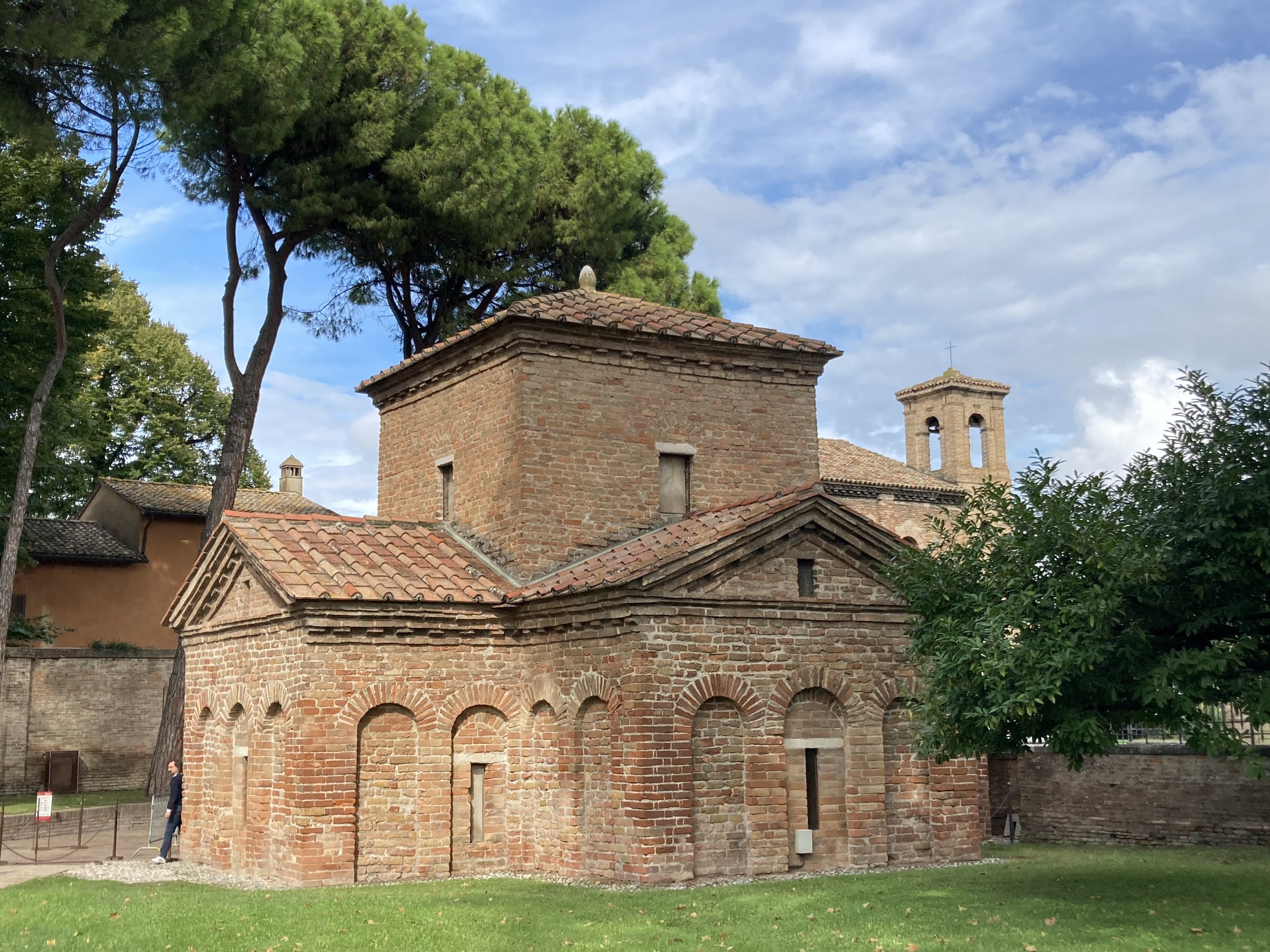
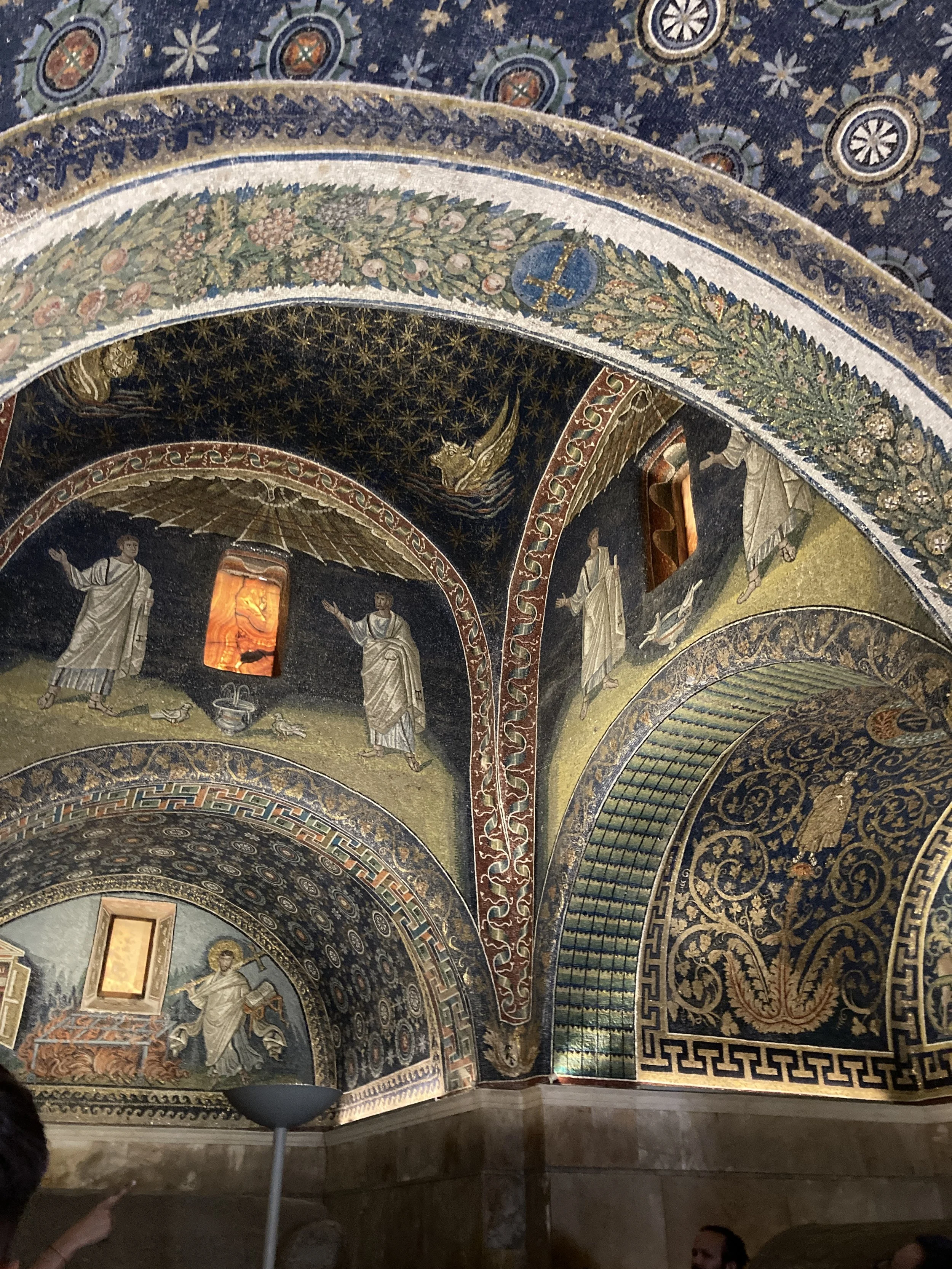
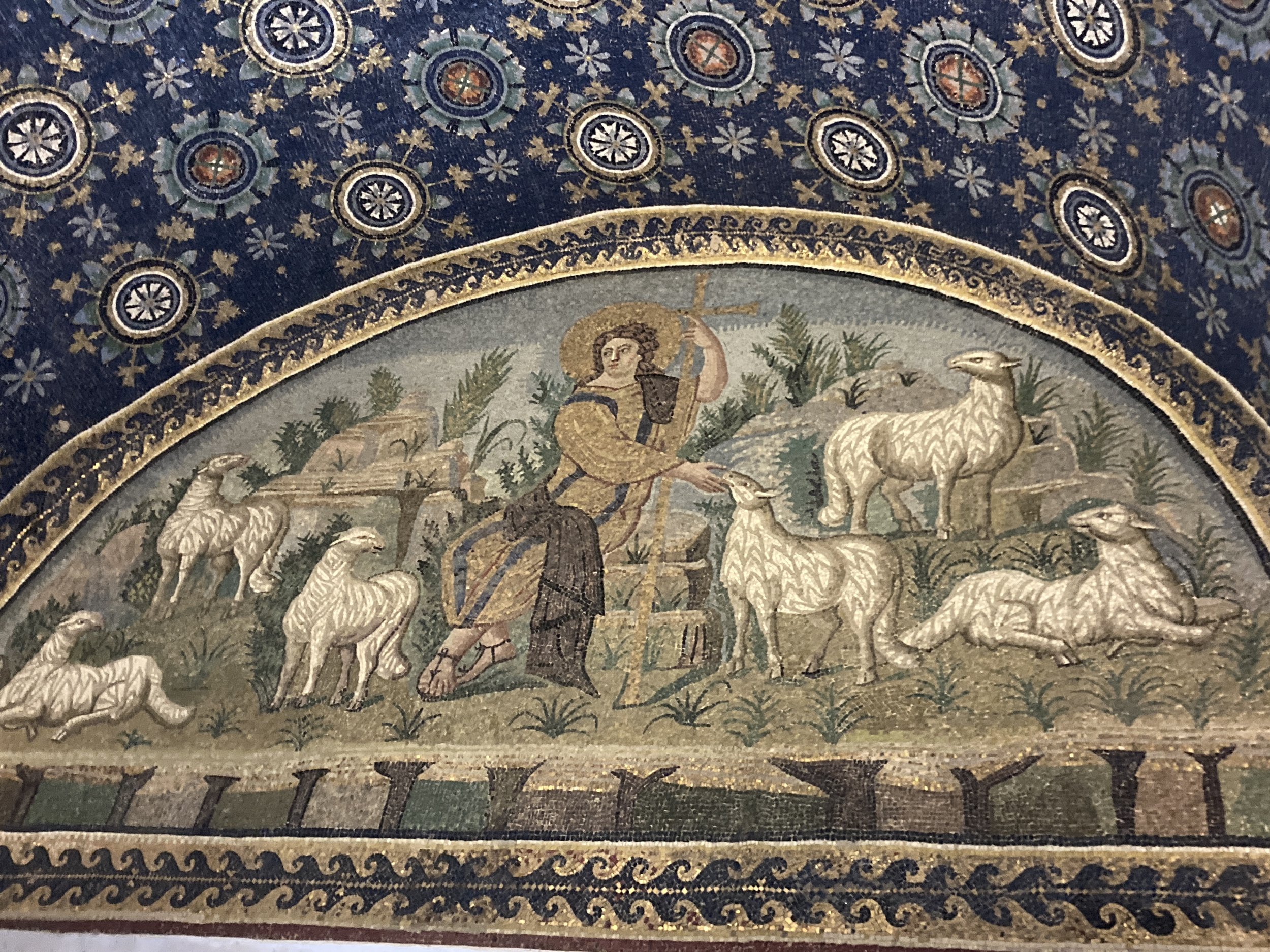
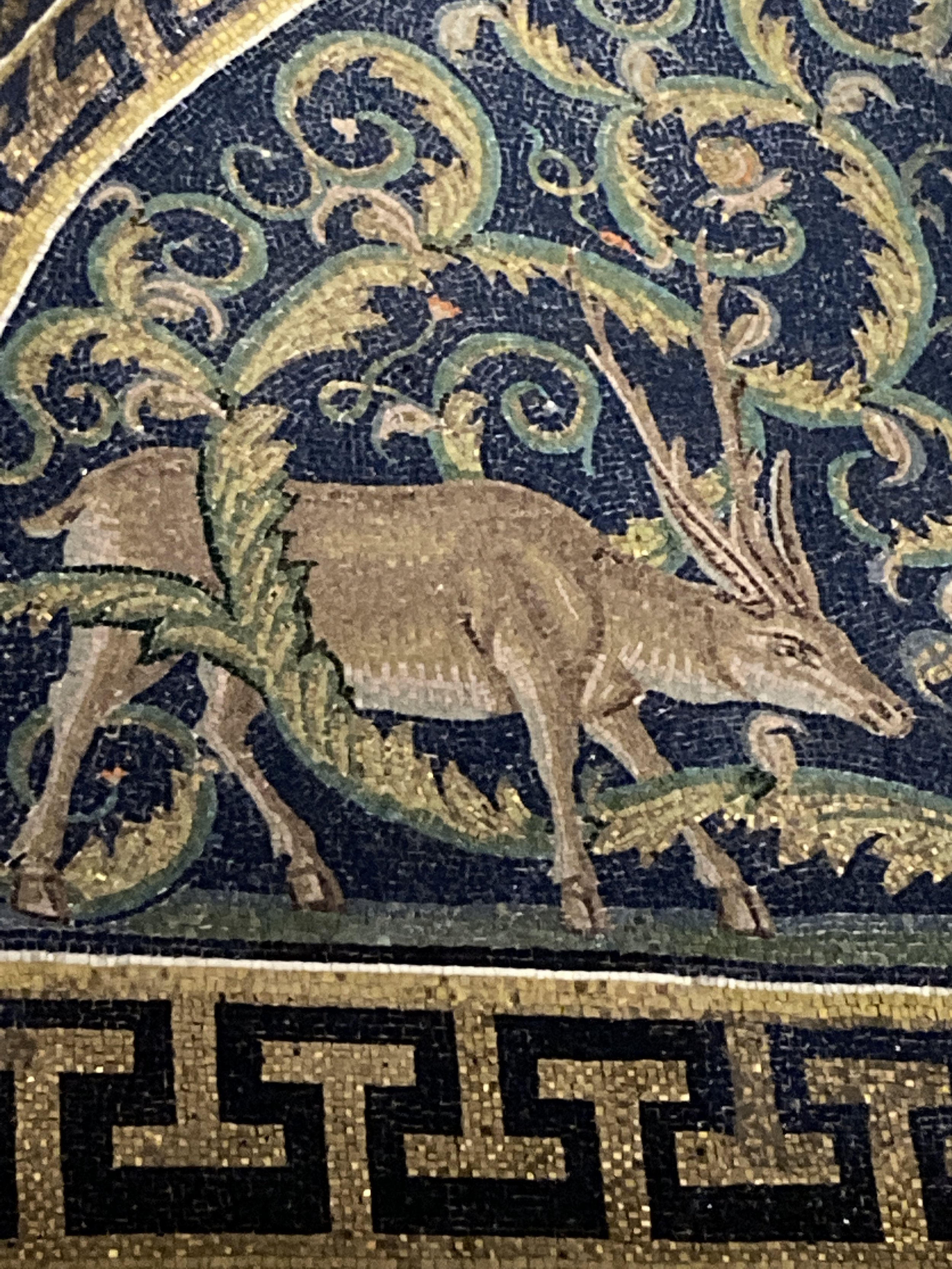
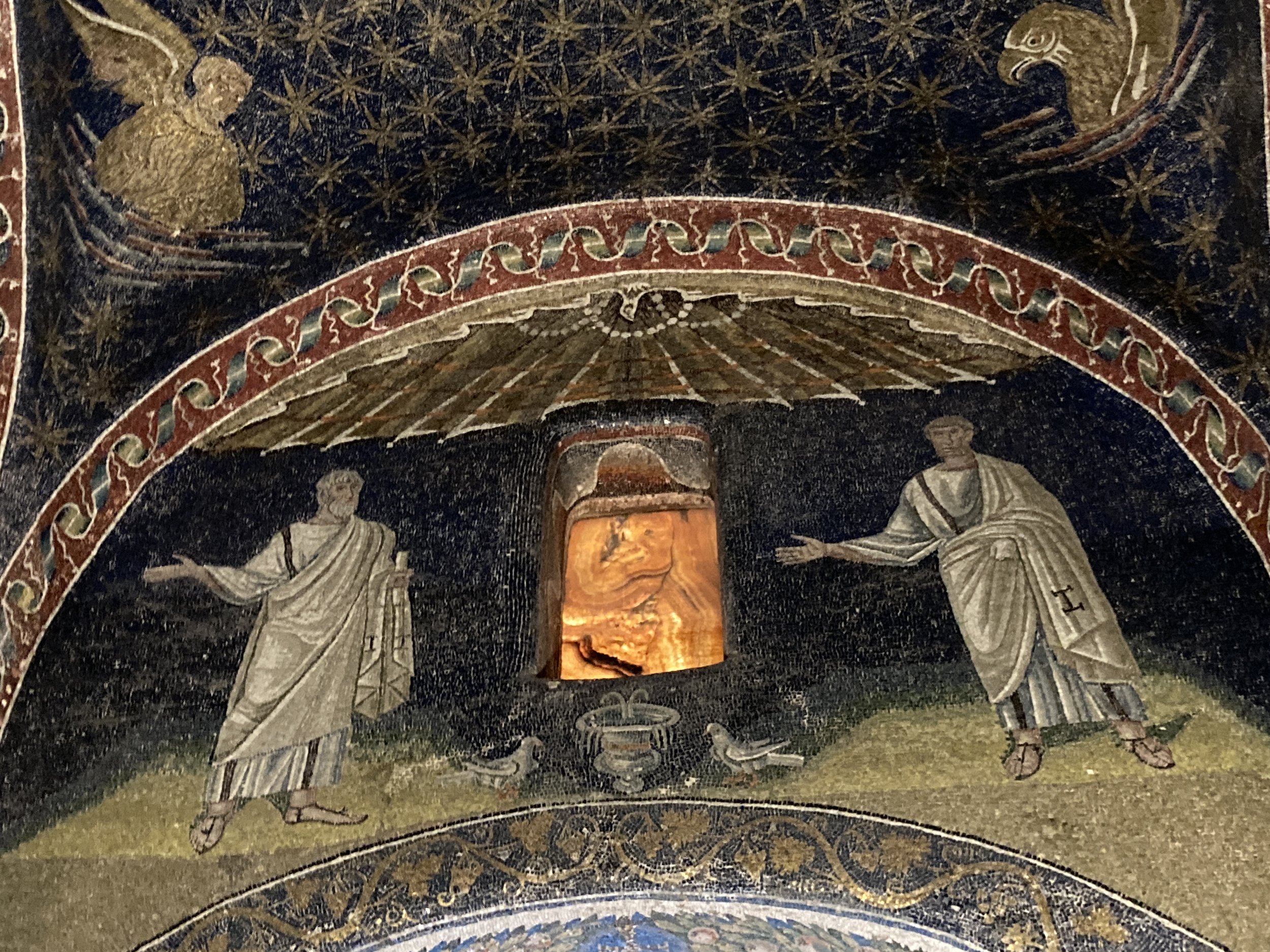
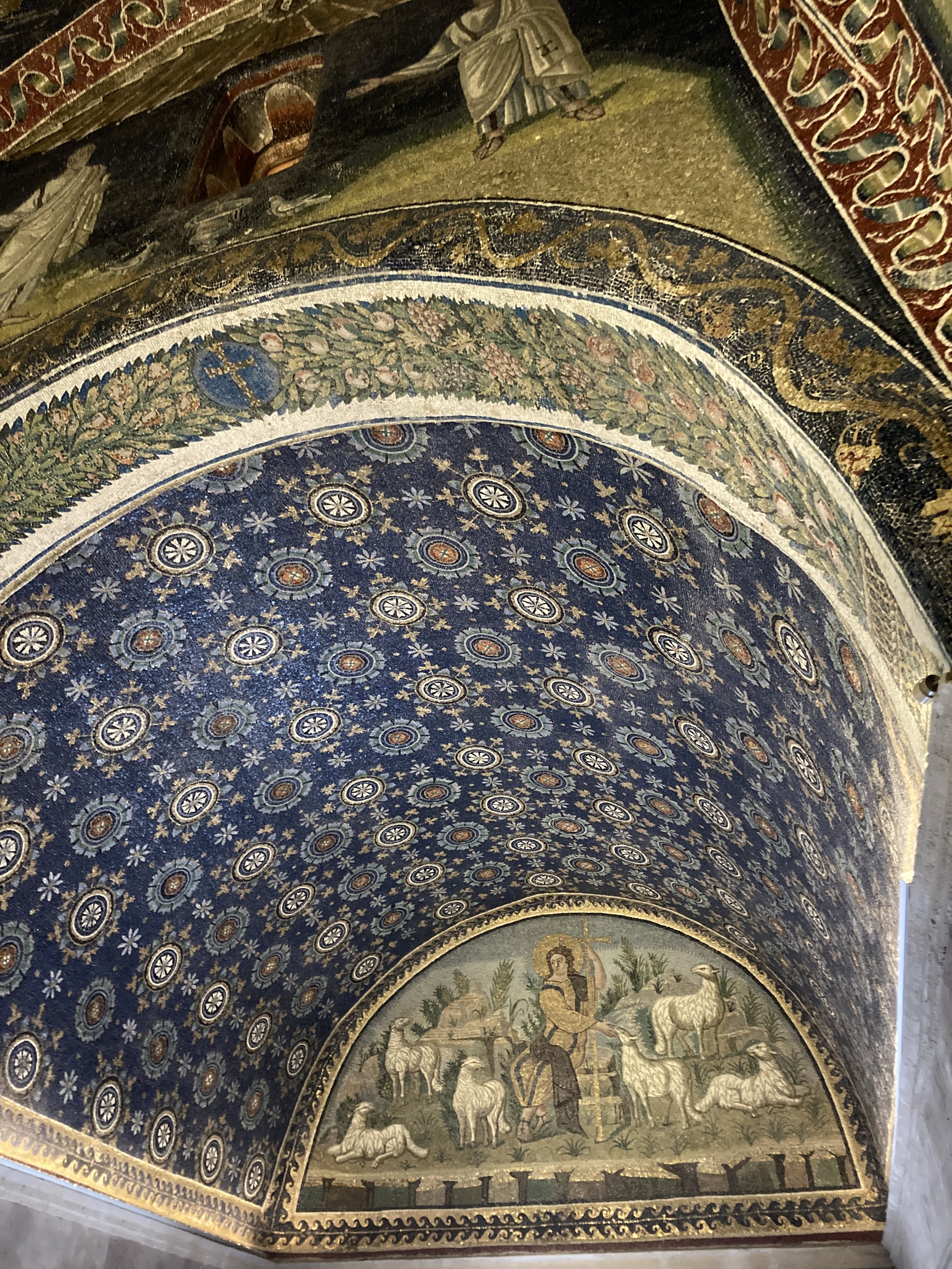
One of the most fascinating examples of the late Roman / early Christian period in northern Italy is in the city of Ravenna. The Mausoleum of Galla Palicidia (another UNESCO World Heritage site) is deceptively plain on the exterior but breathtakingly beautiful inside. The building never fulfilled its original purpose - as the final resting place of Galla Palicidia, the powerful last Empress of the Roman Empire - but instead most likely functioned as a chapel. Small in size, but huge in impact, it is filled with ornate mosaics from floor to ceiling, in alcoves, around arches, on lunettes, and up to a blue and star filled ceiling. The interior is hushed and softly lit by light filtered through small alabaster windows. The mosaics reflect Christian religious themes through detailed and colorful mosaic figures, which include humans, animals, and plants. It is one of those places that require reverence.

IMG_8888.JPG
IMG_8892.JPG
IMG_8893.JPG
IMG_8900.JPG
IMG_8899.JPG
IMG_8911.JPG

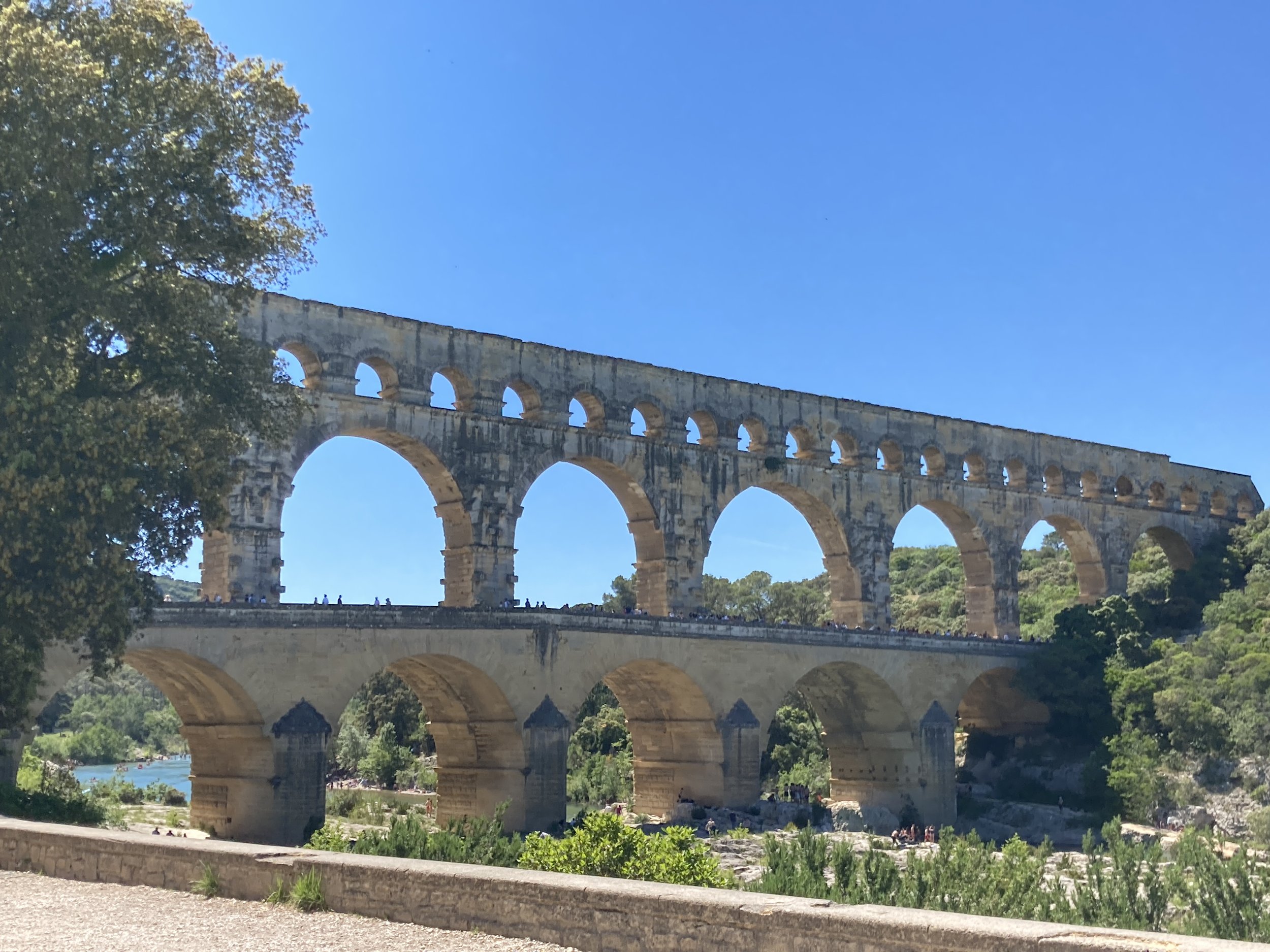
One of the best Roman era aqueducts is the Post du Gard in France

These are just a sampling of Roman historical sites in Northern Italy.  Of course Roman artifacts can be found in modern day Rome, throughout Italy, and in nearby countries. Some outstanding examples are in England and France - which means I need to plan more travel!

I’ve skipped the most well-known relics of the ancient Romans in favor of some of the perhaps less famous in northern Italy. A whole lifetime would be needed to explore them all!

August 03, 2026 /Joanne Bartram
Roman artifacts, Roman sites Italy, History of Italy, Roman villas and ruins
#italytravel, #lucca, european travel, Friuli-Venezia Giulia, History, Italy, Italy travel, Lucca, Roman Architecture, Trieste, Tuscany, Umbria, Verona

The garden of Palazzo Pfanner, Lucca

The Colorful Month of June

June 22, 2026 by Joanne Bartram in #italiangardens, #italiansummer, #italytravel, #lucca, Italian gardens, Italy travel, Living in Italy, Lucca, Tuscany, Umbria

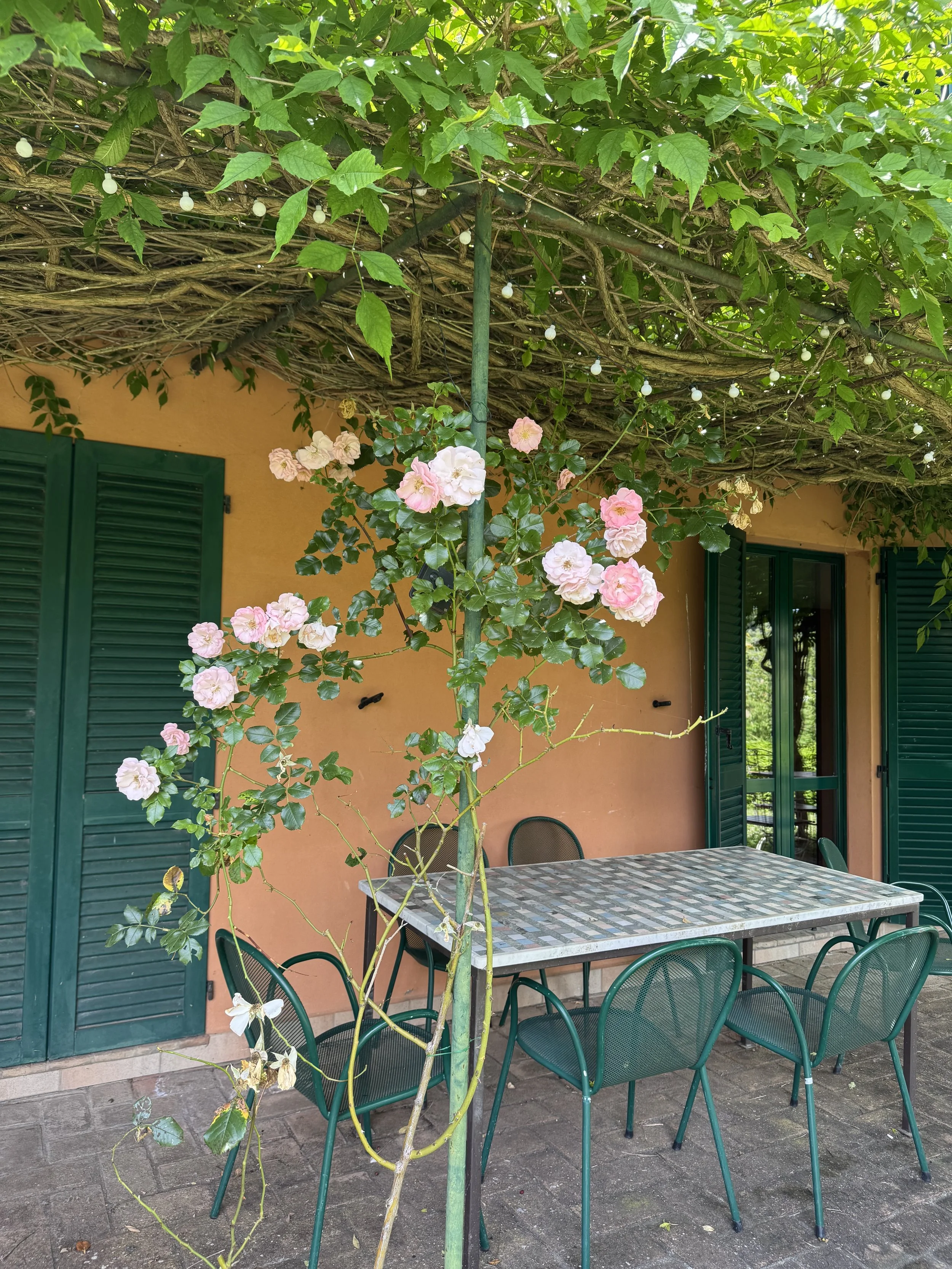
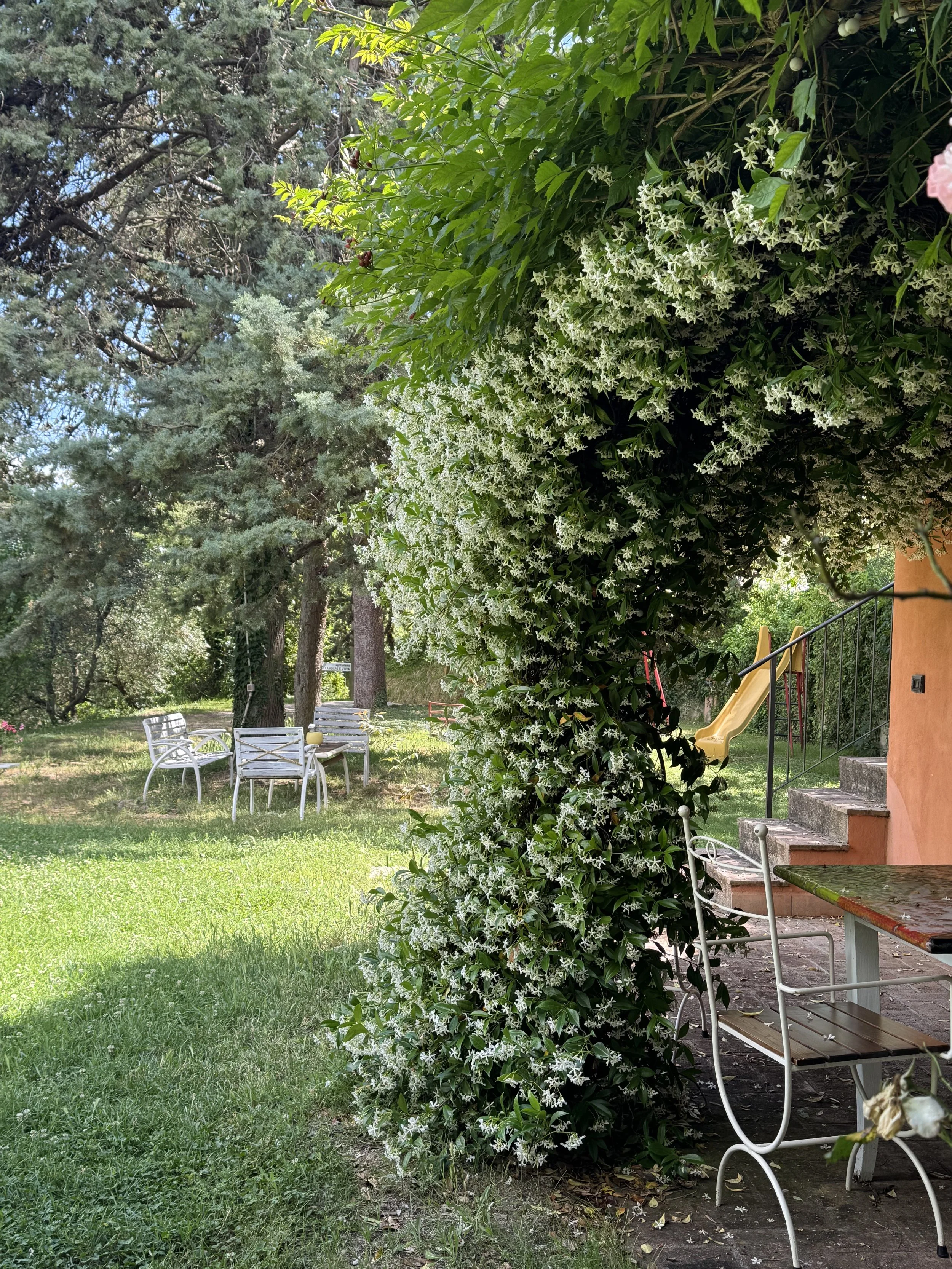
Agriturismo La Volpe e l’Uva, near Perugia. I sure enjoyed my morning coffee on this patio.

I’ve spent time the past couple of weeks in both Tuscany and Umbria, enjoying the late spring / early summer that is one of the loveliest of seasons in Italy.  Temperatures are quite warm (but not yet uncomfortably hot) during the day, with cool mornings and evenings.  A perfect beginning to “aperitivo season” when the evenings are ideal for enjoying a get together with friends sitting outside on a lively piazza.  Bright orange Aperol Spritzes are now dotting tables everywhere, adding a definite burst of summer color.

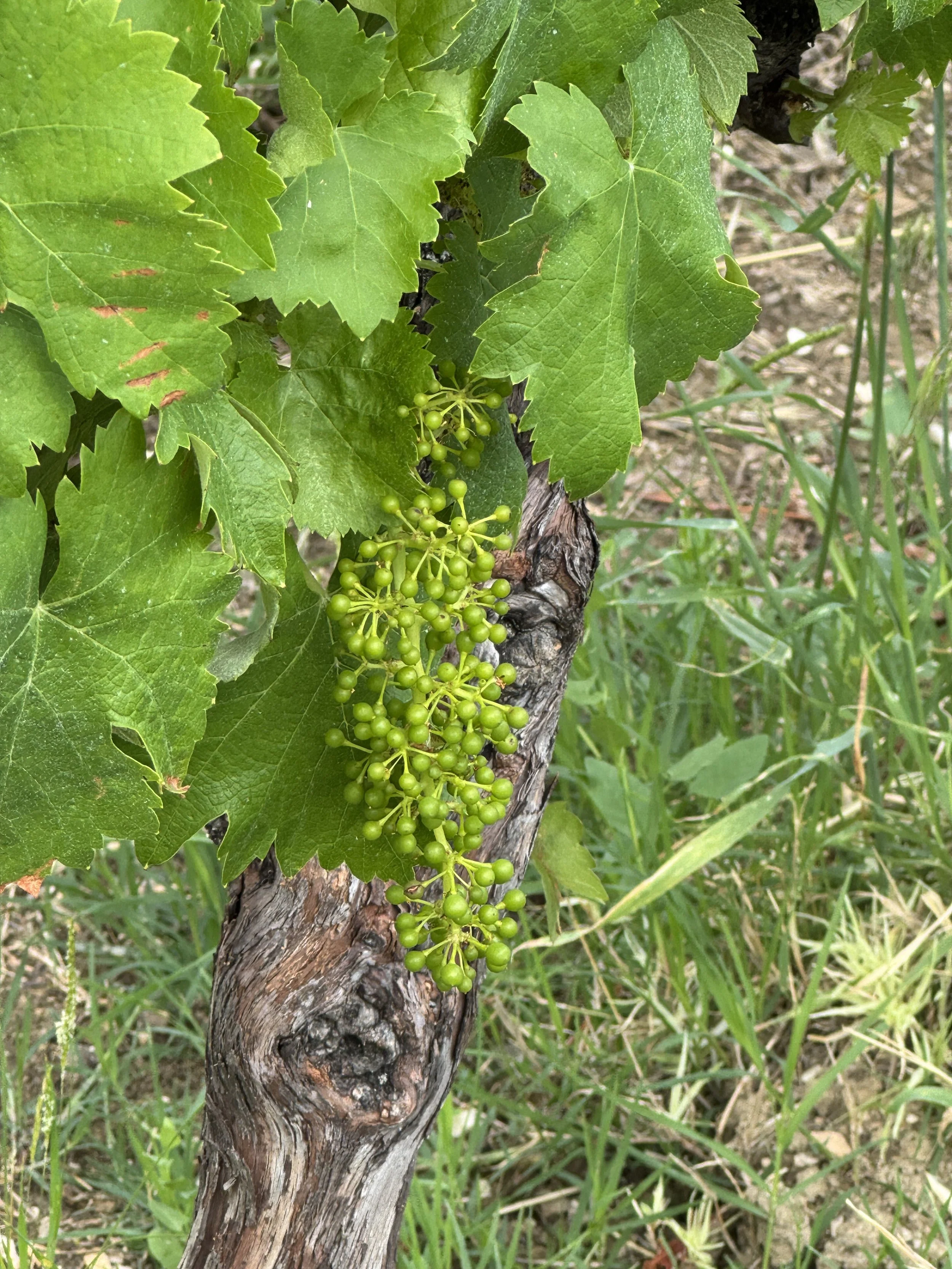
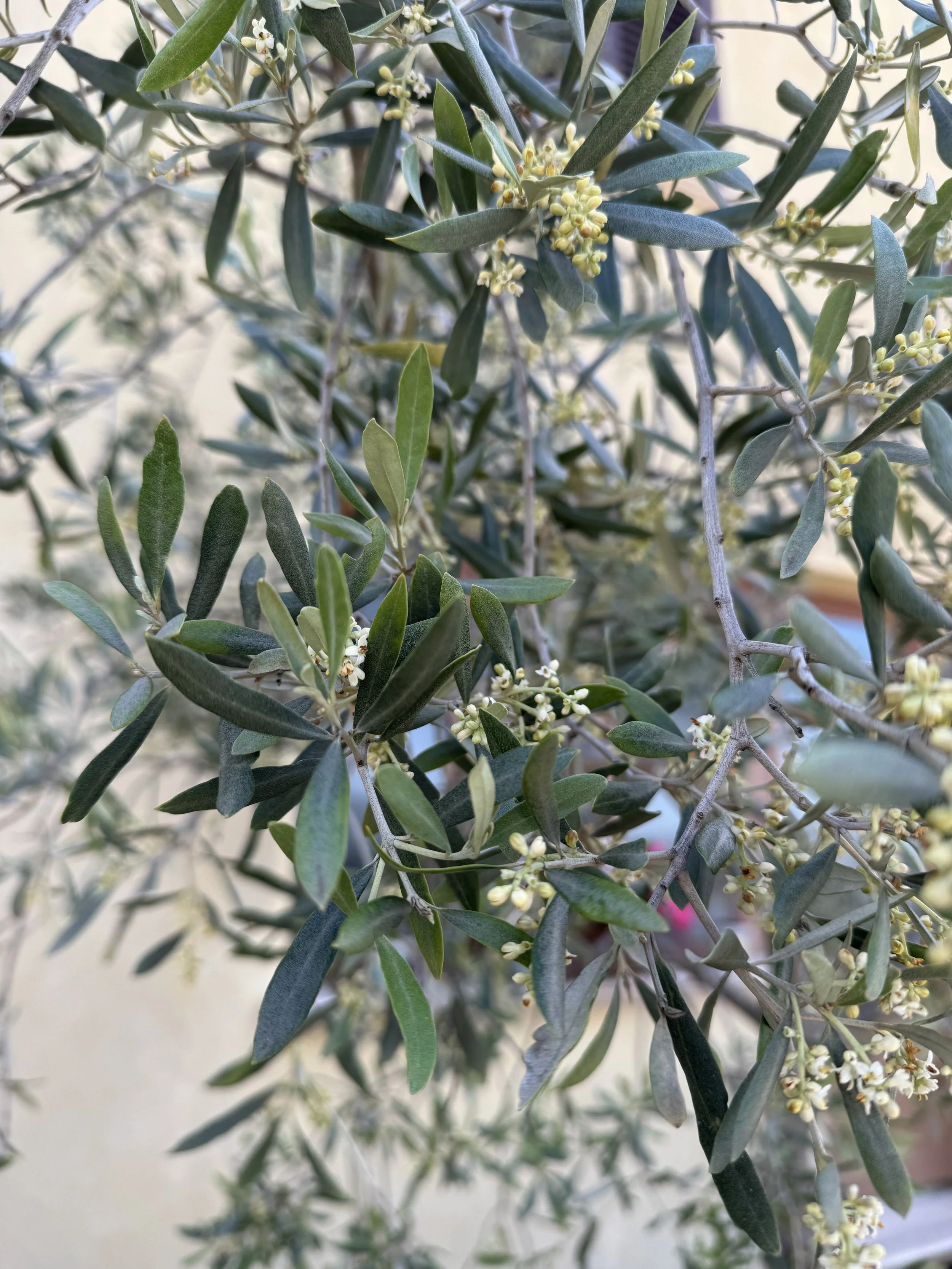
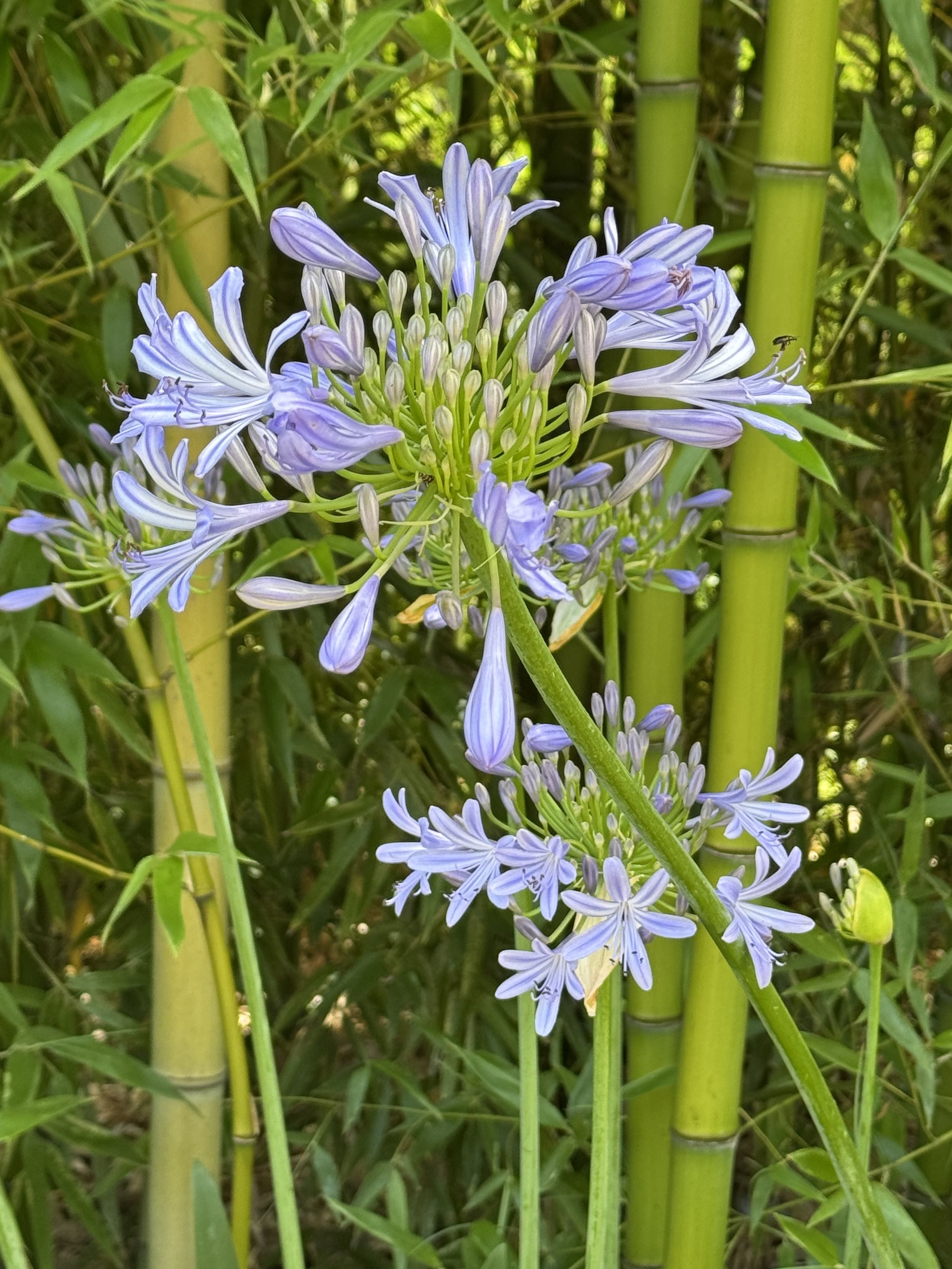
One of the best things about June in Italy is the range of colors painted by nature as the trees and vines get their leaves and the flowers bloom.  Look closely and you can find small clusters of grapes forming, the earliest hints of olives, and tiny figs that hold the promise of August sweetness.  The scent of Jasmine in bloom is the best sort of perfume.

IMG_0742.jpeg
IMG_0453.jpeg
IMG_0895.jpeg

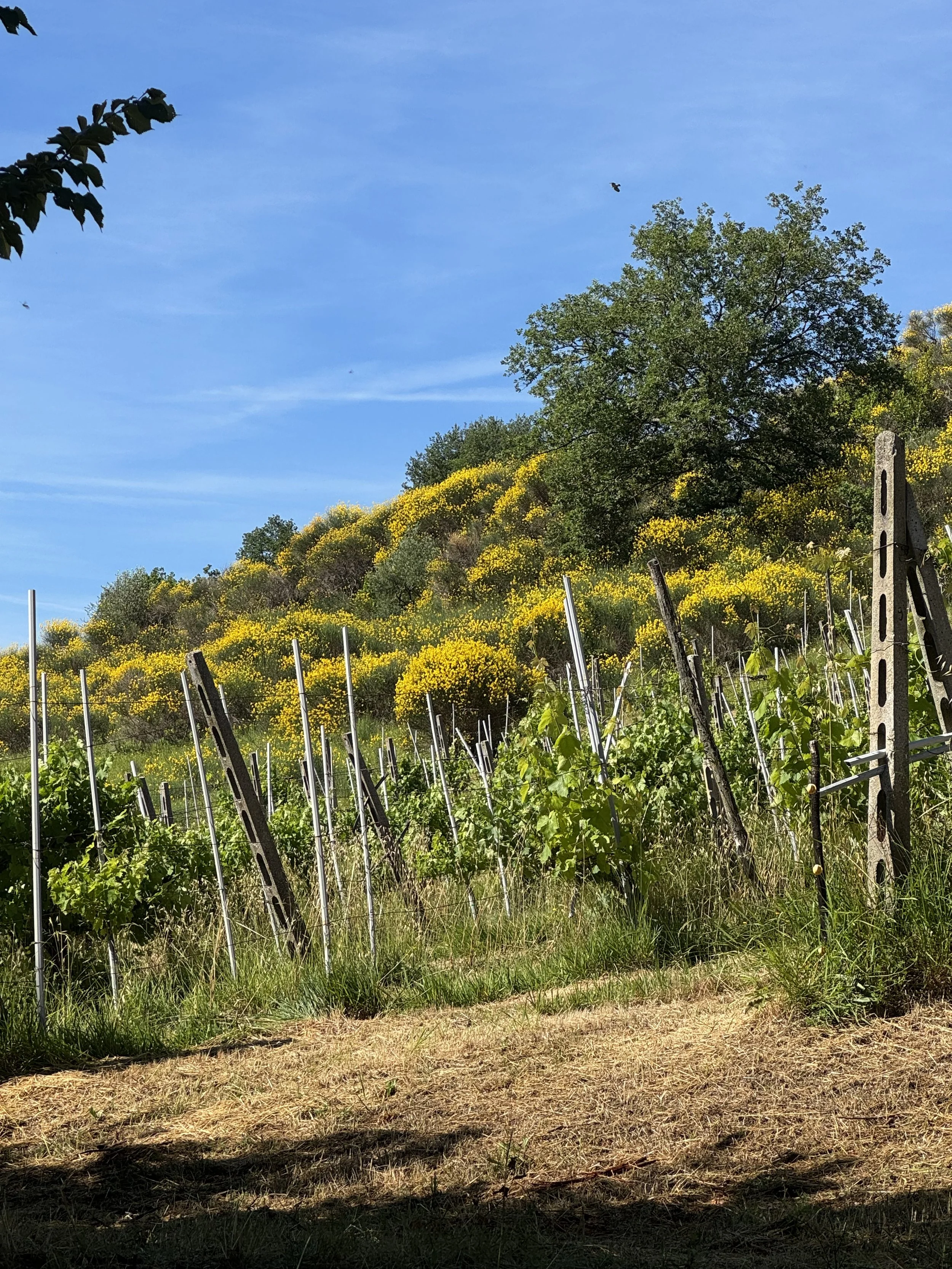
 The countryside is stunning as the bright yellow blooms of Ginestra (in English we would call it Scottish or Spanish Broom) mingle with the greens of the vines and olive trees.

The beautiful countryside near Perugia in Umbria filled with Ginestra in bloom

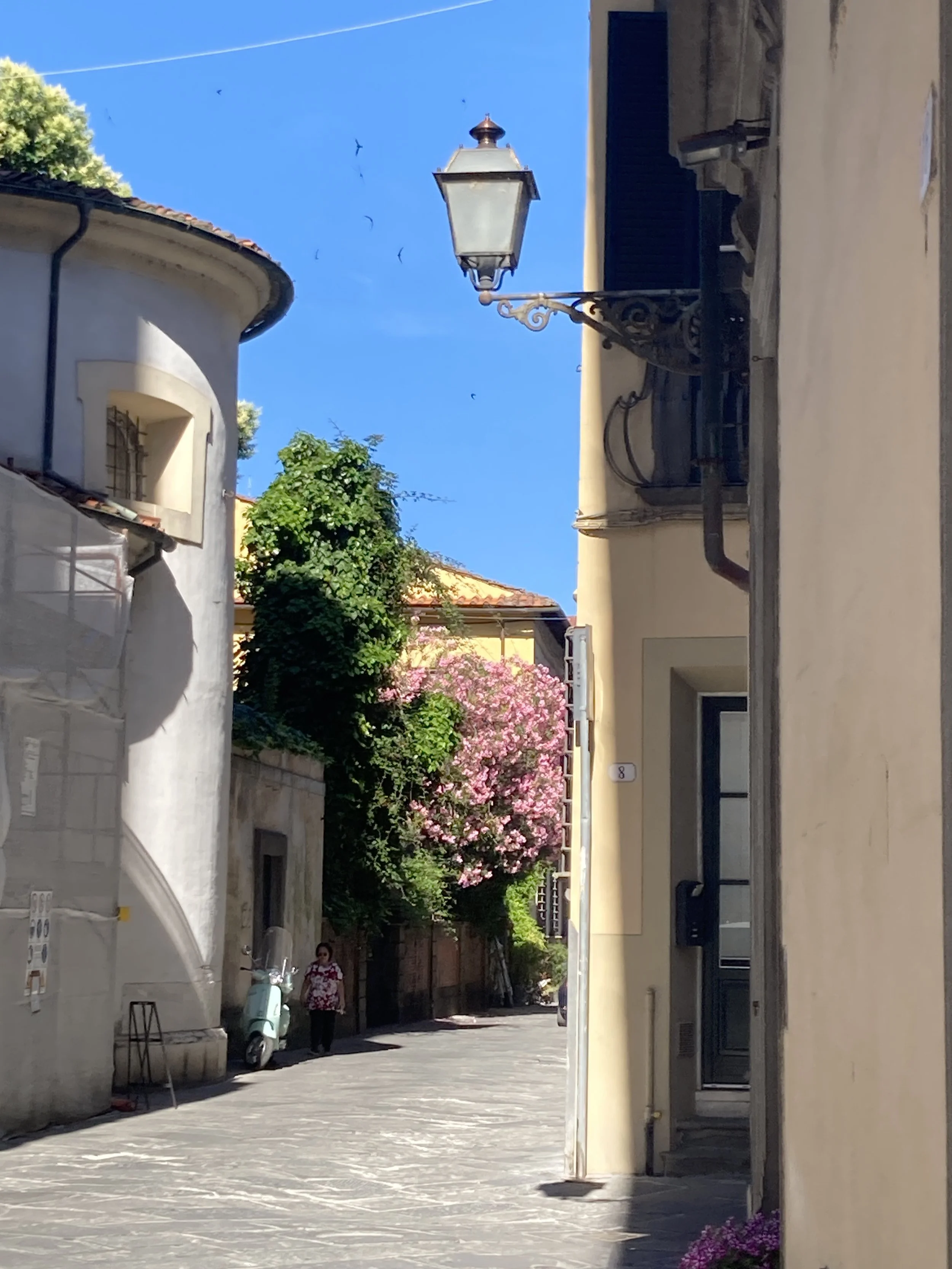
 In towns, flowers fill window boxes and pots.  They spill over walls, sneak into crevices, and take over abandoned doorways.

Lucca in June

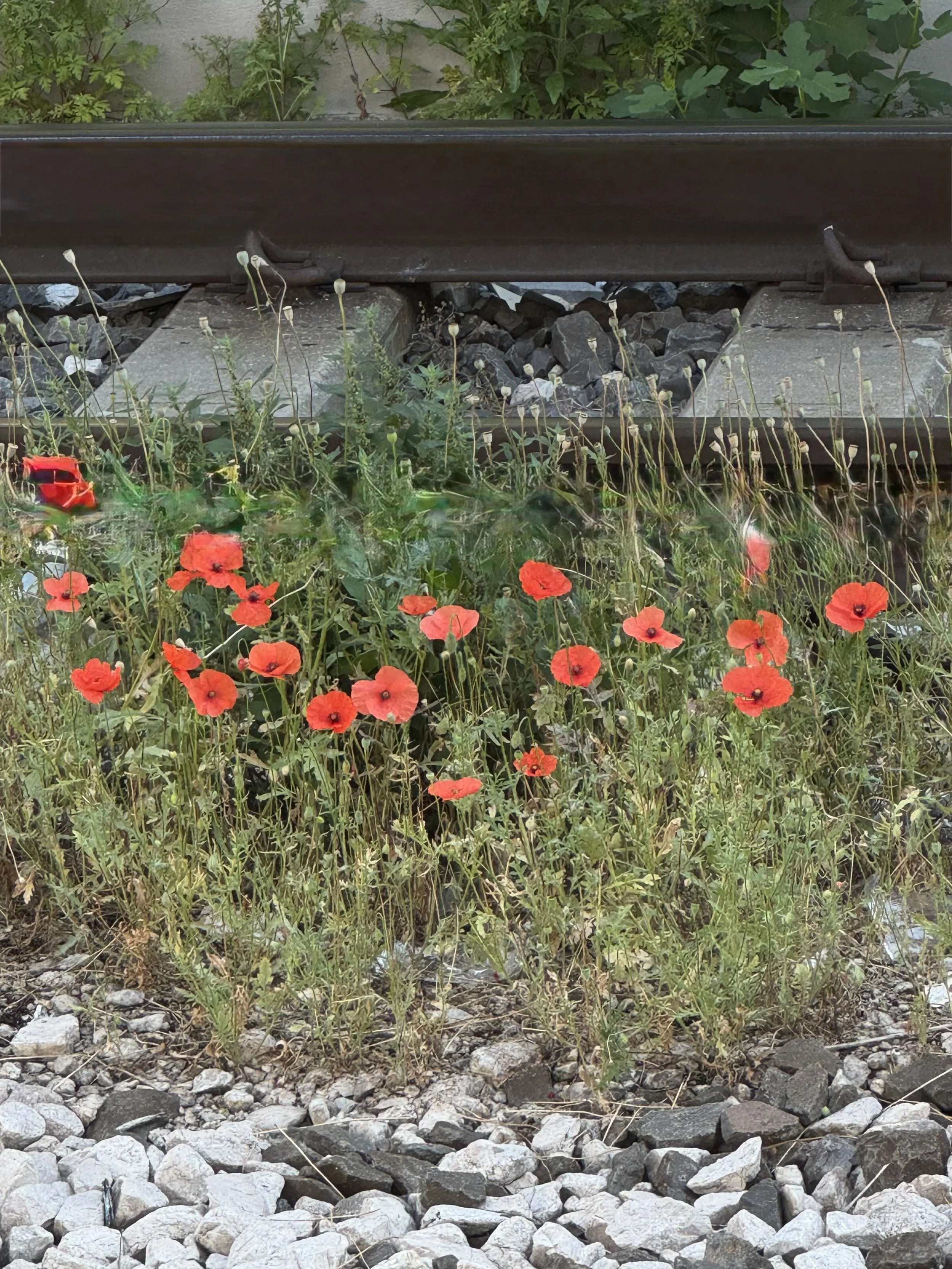
 Even the railroad tracks are dressed up by the last of the spring poppies.

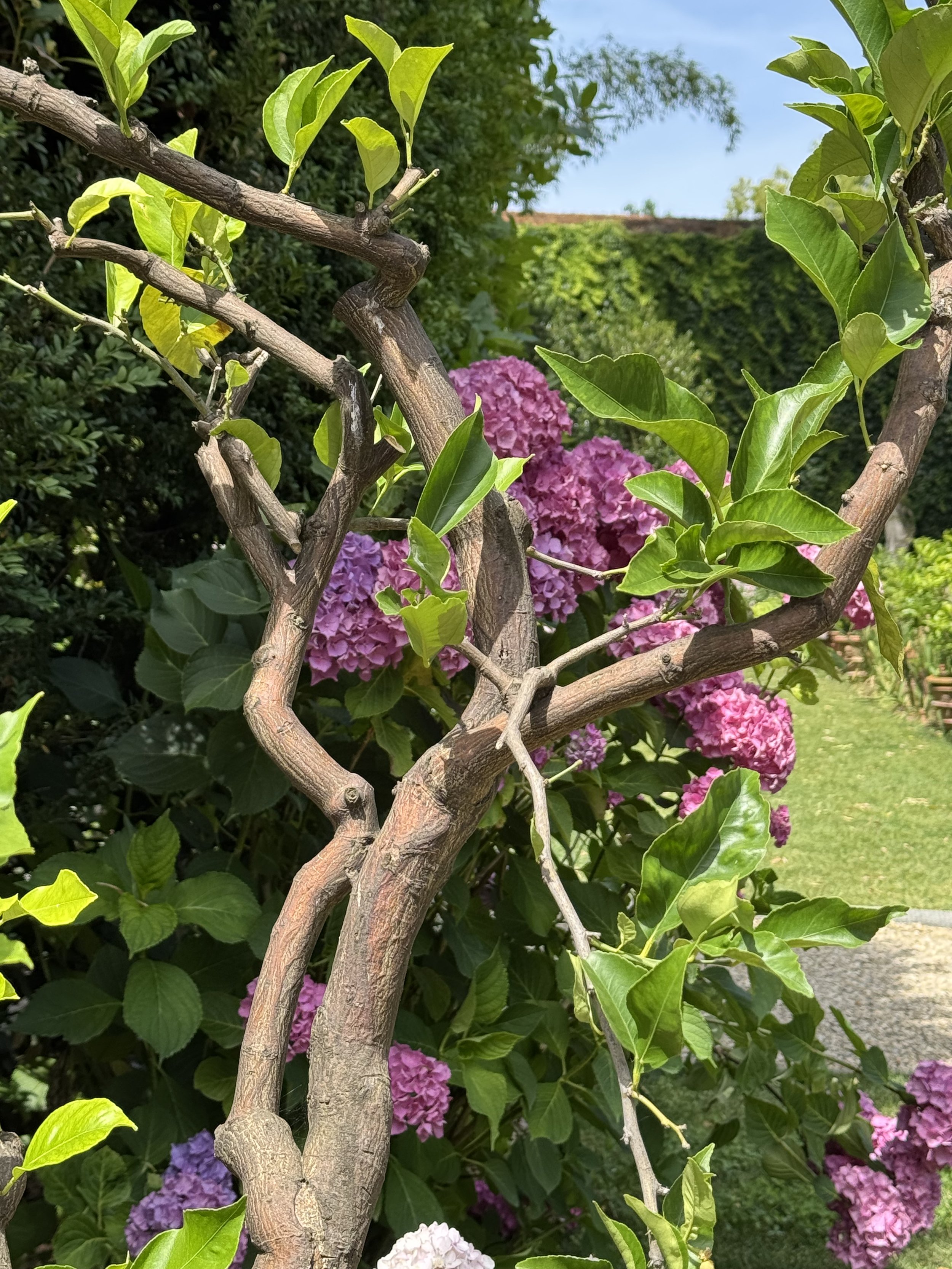
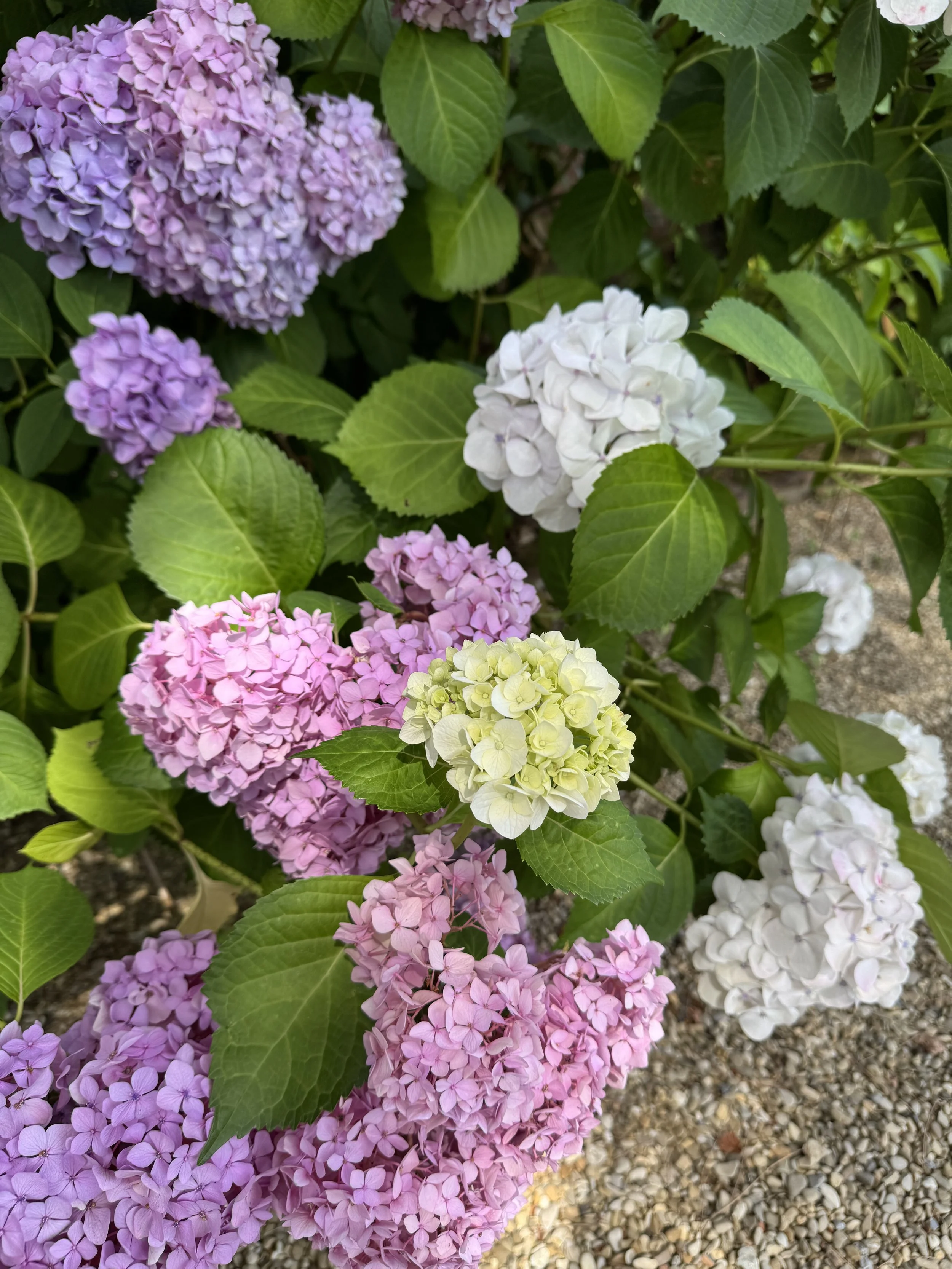
 In Lucca, the garden of Palazzo Pfanner is the place to go for the best variety of colors and flower varieties.  Especially stunning are the rows of hortensia (hydrangea) in white, pink, blue, and purple.

IMG_1161.jpeg
IMG_1176.jpeg
IMG_1170.jpeg
IMG_1181.jpeg

 I enjoyed seeing June burst into color in Italy.  Next up for me will be the desert blooms of New Mexico; I’ll enjoy those until I return to Lucca in a few weeks.

June 22, 2026 /Joanne Bartram
June in Itay, Umbria, Tuscany, Italy gardens
#italiangardens, #italiansummer, #italytravel, #lucca, Italian gardens, Italy travel, Living in Italy, Lucca, Tuscany, Umbria

During the time when Napoleon was in charge, we might have seen a soldier like this with his companion

Walking Through Lucca’s History

June 08, 2026 by Joanne Bartram in #italytravel, #lucca, #medievalitaly, Festivals Italy, History, Italian culture, Italy travel, Lucca, Tuscany

In Italian, the verb rievocare means to recall, commemorate, or evoke.   Lucca is, for the most part, a Medieval city.  That history can be recalled easily in the current street plan, Medieval towers, and the many churches from that era that can be found throughout town.  To “rievocare” that Medieval history is easy. 

There are of course vestiges of earlier eras, the outline of a Roman amphitheater, remnants of the Roman wall, and some remarkable Roman ruins lying under churches and houses.  The later Renaissance history can also be spotted, most clearly in the walls that surround the historic city center.   But when it comes to celebrating historical events, it is usually the Medieval period that is recreated through costumes, processions, music, and competitions.

How would one even go about planning an event that would recall the broader scope of Lucca’s history?  From before the Roman era and through the period at the end of World War II?   Well, fortunately, someone decided to do just that, and in late May a festival took place – Rievocando Lucca, A Festival of History.
A call to arms for Roman soldiers

 The event took place on the city walls, a perfect way to present, in chronological order, a series of vignettes tracing Lucca’s history from pre-Roman/Etruscan times through the city’s liberation at the end of WWII.  Each stop along the walls featured costumed actors, period specific crafts and weapons, and representations of daily life during the time period.  The actors were a wealth of information, explaining the displays, answering questions, and demonstrating the use of tools and weapons.

IMG_0427.jpeg
IMG_0423.jpeg
IMG_0247.jpeg
IMG_0288.jpeg

 Some highlights:

The Roman Legionaires made camp along one section of the wall and they were fierce!  Dressed for battle, armed, and bearing shields, they made an impressive sight during the commander’s morning call to arms.  Marching through town one evening, they caused quite a stir with their chants and battle cries. 

IMG_0319.jpeg
IMG_0317.jpeg
IMG_0306.jpeg

 In the Medieval village, a candlemaker described the process and coloring agents used in making her candles. Nearby, a woodcarver demonstrated his skills.   The Medieval costumes were beautiful too.

IMG_0330.jpeg
IMG_0332.jpeg
IMG_0333.jpeg

Piazza Napoleone and the Ducal Palace, both created by Elisa Bonaparte.

 Napoleon also left a mark on Lucca’s history – gifting the city to his sister Elisa who ruled as the Princess of Lucca and Piombino in the early years of the 1800’s.  Her influence can still be seen in Lucca -  the largest piazza is the Piazza Napoleone and it sits in front of the Palazzo Ducale, the palace Elisa Bonaparte built.

 For the Rievocando festival, a Napoleonic camp was filled with French soldiers in their colorful uniforms.   Alongside were a group of French ladies taking tea, as they might have done once upon a time in the Palazzo Ducale.

IMG_0404.jpeg
IMG_0395.jpeg
IMG_0393.jpeg

 The final vignette was of WWII, during a time when American and Brazilian troops played an important role in and around Lucca.  It was American Buffalo soldiers who entered Lucca in September 1944, ending the occupation by Nazi forces.   

IMG_0367.jpeg
IMG_0370.jpeg
IMG_0371.jpeg
IMG_0374.jpeg

 Also fun was walking around town and seeing the many costumed participants having lunch or strolling the walls.  The weekend event provided little glimpses of Lucca as it once was. 

IMG_0414.jpeg
IMG_0413.jpeg
IMG_0250.jpeg
IMG_0252.jpeg
June 08, 2026 /Joanne Bartram
Lucca History, Rievocando Lucca, Napoleon in Lucca, Romans in Lucca
#italytravel, #lucca, #medievalitaly, Festivals Italy, History, Italian culture, Italy travel, Lucca, Tuscany

Piazza San Frediano, all dressed up for the Santa Zita Festival

3 Days of Music and Flowers in Lucca

April 27, 2026 by Joanne Bartram in #lucca, Festivals Italy, Italian culture, Italy, Living in Italy, Lucca, Tuscany, Italian Opera

The last weekend in April was a busy one here in Lucca. The weekend began on Friday evening with the smallest of the weekend events – a performance by two choral groups in the Oratorio San Giuseppe, a small chapel built in the early 1500’s.  Napoleon once used it as a warehouse, but today it is a small performance space with a historic interior and great acoustics.  Better still, my favorite local a cappella group, Coro Puntaccapo, performed.  Their style is swing, classic and modern pieces, in both English and Italian.  I never miss a chance to see them perform. 

IMG_8446.jpeg
IMG_8444.jpeg
IMG_8452.jpeg

For this evening, they were joined by Coro Melisma, a large chorus from Göteborg, Sweden.  They came to Lucca with wonderful harmonies, full sound, vocal runs, and their dry, Swedish sense of humor.   Each group performed individually at first but later as an ensemble singing everything from swing to pop to something you might expect from a Swedish group – a three minute mash up of Abba songs.  A fun evening to kick off a busy weekend.  (video on IG two_parts_italy and on Facebook)

 Saturday, April 25th, was a national holiday in Italy, la Festa della Liberazione (Liberation Day), marking Italy’s liberation from Nazi Occupation at the end of WWII. 

There were local ceremonies to mark this important date in history, a wreath was placed at the war memorial, and, as a national holiday, many visitors came to celebrate.  

Another big event, the Santa Zita festival, was ongoing throughout the weekend.  An annual celebration for Lucca’s own very popular saint, the festival has two main components.  The first takes place inside the Basilica San Frediano where Santa Zita (yes, the actual saint’s body) is placed front and center so that people may pay homage to her.  

Santa Zita in the San Frediano Basilica

And because Santa Zita is known for the miracle of the flowers, the second event fills the Piazza in front of the church with a floral “island” and fills the nearby Piazza Anfiteatro with a flower market.  This is an event that I always look forward to, especially since my own superstition is that a visit to Santa Zita on this day guarantees that I will be in Lucca for the next year.  In my experience it is more effective than coins in the Trevi Fountain and I am not about to take a chance by skipping it!

IMG_8492.jpeg
IMG_8469.jpeg
IMG_8480.jpeg

Sunday afternoon brought more music, this time in Lucca’s Teatro del Giglio with a performance of Puccini’s opera Turandot, 100 years after it made its debut.

Turandot was Puccini’s final opera, as he died before its completion. The final scenes were completed by another Italian composer, Franco Alfano.

When the opera permiered, with Toscanini conducting, he stopped the performance at the point in the opera that marked the end of Puccini’s work, not performing those final scenes. The performance today chose to end in the same way, presenting the uncompleted work just as Puccini left it. The performance was wonderful with dramatic stage sets, unique costuming, tremendous voices, and of course a moving Nessun Dorma.

IMG_8513.jpeg
IMG_8511.jpeg
IMG_8510.jpeg
IMG_8501.jpeg

It seems there is always something happening in Lucca, especially at this time of year.

April 27, 2026 /Joanne Bartram
Turandot, Opera Lucca, Puccini opera
#lucca, Festivals Italy, Italian culture, Italy, Living in Italy, Lucca, Tuscany, Italian Opera

Wisteria in bloom means April in Lucca

One Spring Weekend in Lucca

April 20, 2026 by Joanne Bartram in #italytravel, #lucca, #springintuscany, Italian culture, Italy, Italy travel, Living in Italy, Lucca, spring in italy, Tuscany

Jazz at Caffè di Simo

Perfect spring weather has finally arrived!  Blue skies, temperatures in the mid to high 70’s, and slight breezes made for a wonderful weekend in Lucca. The weekend was full of activity and the city was filled with blossoms. There is no better time to be in Tuscany than spring.

On Friday, the first of a series of events took place at the Antico Caffè di Simo. The caffè has been closed since 2012, other than for a brief reopening for performances 2 years ago to mark the 100 years since Puccini’s death.  The historic café, with its elegant wood and glass interior, was a favorite “hang-out” for Puccini and his pals and looks untouched from his time.  It’s easy to imagine him sitting here, smoking (of course), and having great discussions with the literati of his time.  

This year a collaboration between the city government, a local cultural group, and the owners of the property will see the caffè opened for music, dance, and literary events on weekends from mid-April until mid-June.  This past Friday, the first performance was jazz with a lovely singer and an outstanding pianist.  At one point a man in the audience, who seemed to know the singer, got up and spontaneously began singing with her.  So much fun to watch!   No tickets needed, the free performances are limited only by the small number of seats in the caffè.  What a great way to start a weekend. Of course spring weather means outdoor aperitivi and the official start of Aperol Spritz season.  No one had to twist my arm to get me to enjoy a post-concert aperitivo on a pretty piazza.

The monthly antiques market is always fun to visit.

Saturday also brought the monthly antiques market, especially enjoyable with the spring weather.  The vendors are nearly always the same, but they bring some new and interesting items each time they set up their booths.  I still daydream about buying some of the bigger pieces of furniture (not practical with my small apartment) but have a hard time resisting other items - especially the vintage linens.

IMG_8393.jpeg
IMG_8388.jpeg
IMG_8386.jpeg
IMG_8387.jpeg
IMG_8390.jpeg
IMG_8382.jpeg

The local Misericordia (the ambulance service) hosted a Saturday fair in Piazza Napoleone. On display were some very old wooden “ambulances” alongside the more modern ones. Need to learn how to use a defibrillator? This was the place to go.

IMG_8398.jpeg
IMG_8399.jpeg

Sunday brought church bells and more great weather - a perfect morning for a coffee with a friend. We weren’t the only ones with that idea, as many of the pastry shops and cafes were filled with people enjoying the chance to sit outside, enjoying the weather and a simple breakfast.

Pasticerria Pinelli has a great spot under the arches on Via Beccheria

After coffee, a wander through town led to Piazza San Michele where the local Puccini Marching Band, complete with baton twirlers, was performing. The youngest twirlers were a delight. Always fun to watch, the music was lively and the crowd that gathered appreciative. (You can find a short video on IG two_parts_italy and on Facebook).

IMG_8427.jpeg
IMG_8419.jpeg
IMG_8421.jpeg

On a different side of the musical spectrum, a one-man band street musician entertained passersby on a street corner. From the look of his harmonipan, you might have expected some Ragtime music. Instead, he was playing a lovely Ave Maria.

IMG_8404.jpeg
IMG_8405.jpeg

It is hard to navigate around big tour groups

Spring weather also means an influx of visitors to Lucca.  Walking through town this weekend I’ve heard German, French, Japanese, and a variety of English accents spoken along with lots of Italian speaking visitors too. I enjoy meeting the visitors that spend some time here, especially blog readers who write me to say they are coming to Lucca.  I’ve met several of them in just the past week – all delightful.

The big tour groups however can be trying.  I admit to already having had a few moments of frustration with groups who take up an entire street, oblivious of people trying to get around them.  I am trying to remember to be patient, but I definitely do some mumbling about this.  An occasional Italian parolaccia (swear word) might creep in, sotto voce (under my breath).   If only I had a euro for each time I had to say “permesso” and squeeze by. Those euros just might overcome the worsening dollar to euro exchange rate!
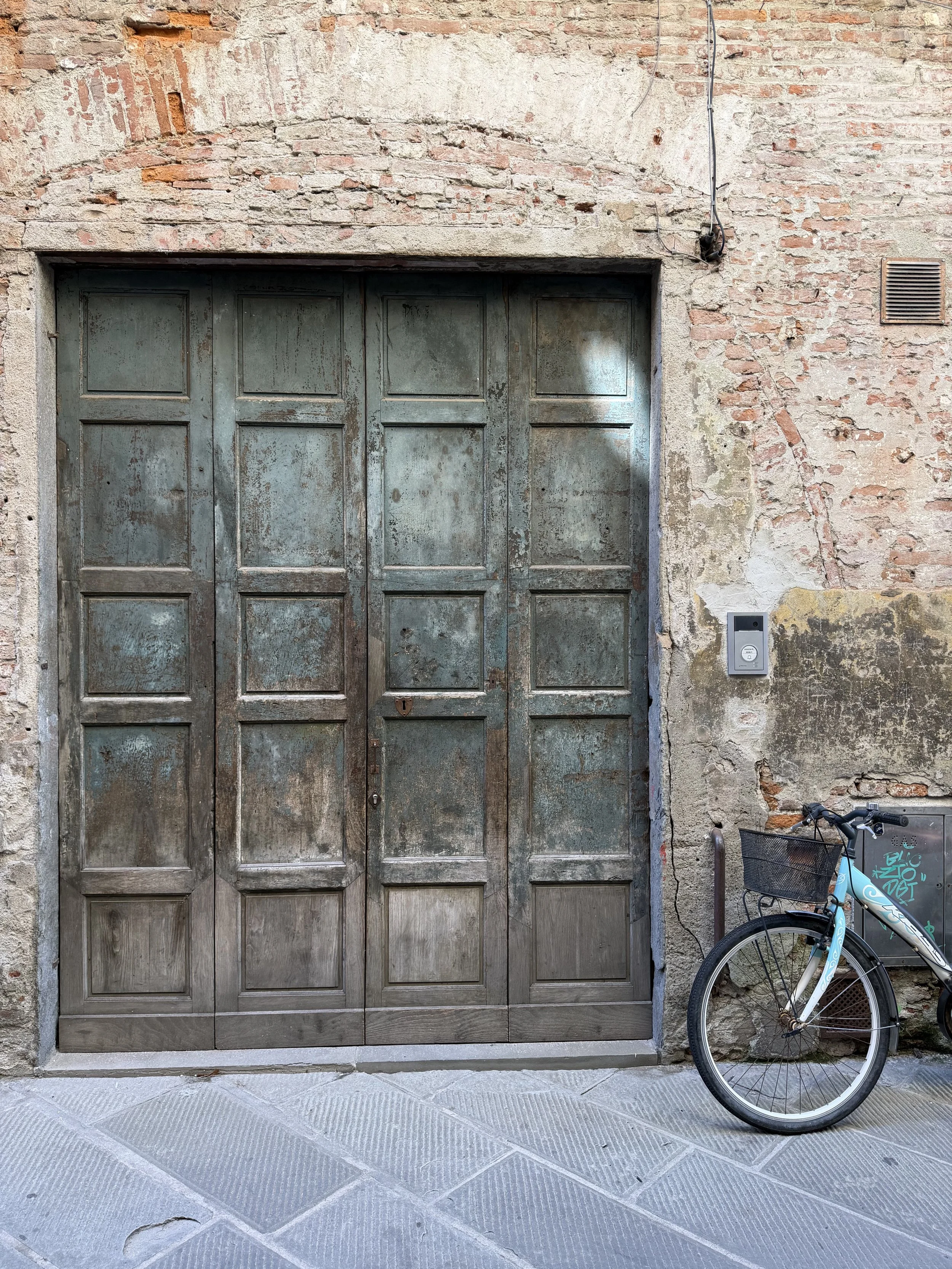
It’s hard to beat a spring weekend in Lucca. I can’t wait to see what next week brings!
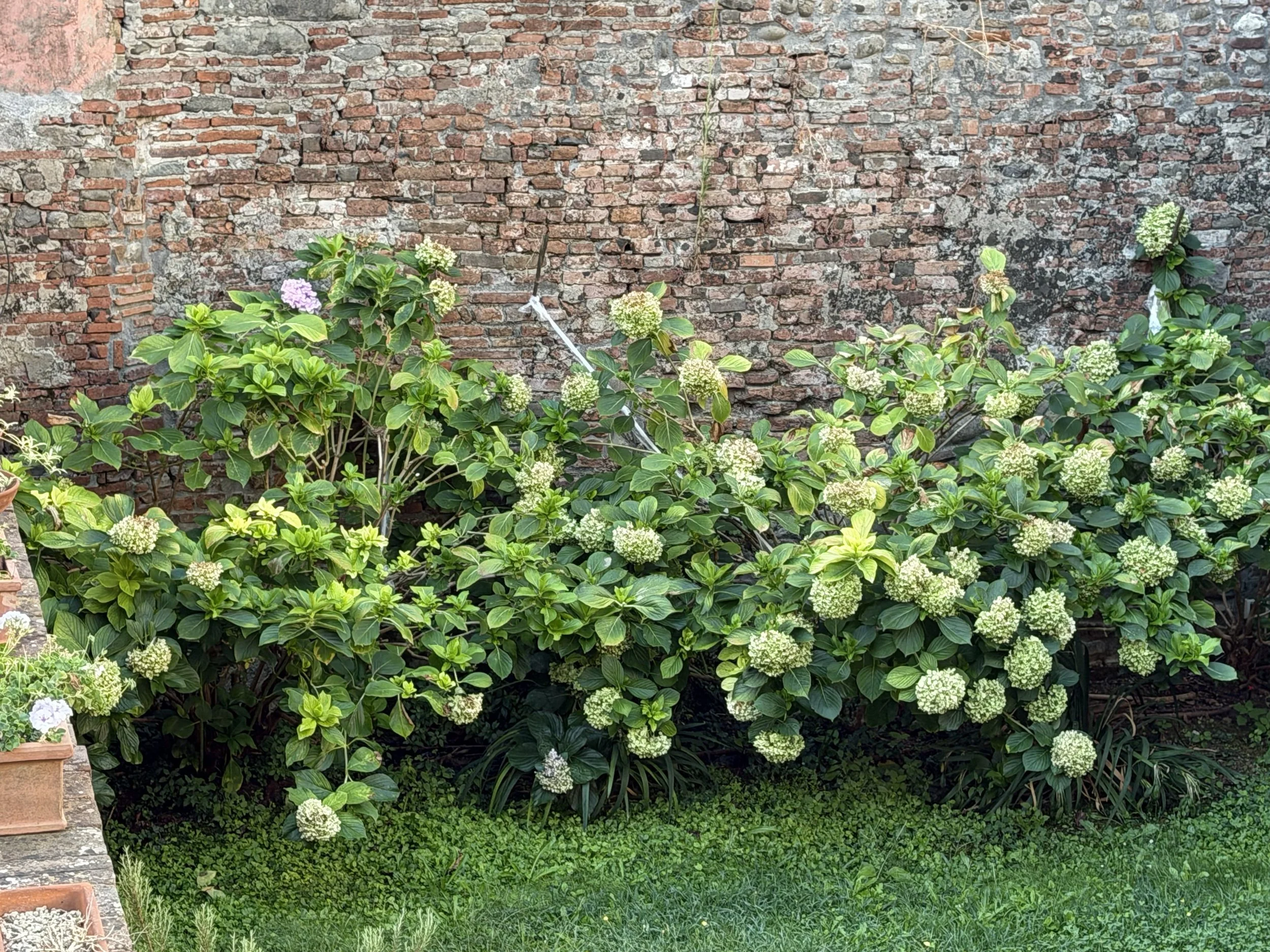
A tucked away garden in Lucca - a favorite spot to sit and read.

April 20, 2026 /Joanne Bartram
spring in italy, Lucca in spring, Puccini Marching Band
#italytravel, #lucca, #springintuscany, Italian culture, Italy, Italy travel, Living in Italy, Lucca, spring in italy, Tuscany
  • Newer
  • Older

Powered by Squarespace