Two Parts Italy

Exploring Italy, travel, and living a flavorful life

  • Blog
  • About This Blog
  • Start Here
  • Recent Posts
  • Archives by Topic
  • Subscribe
  • Contact me

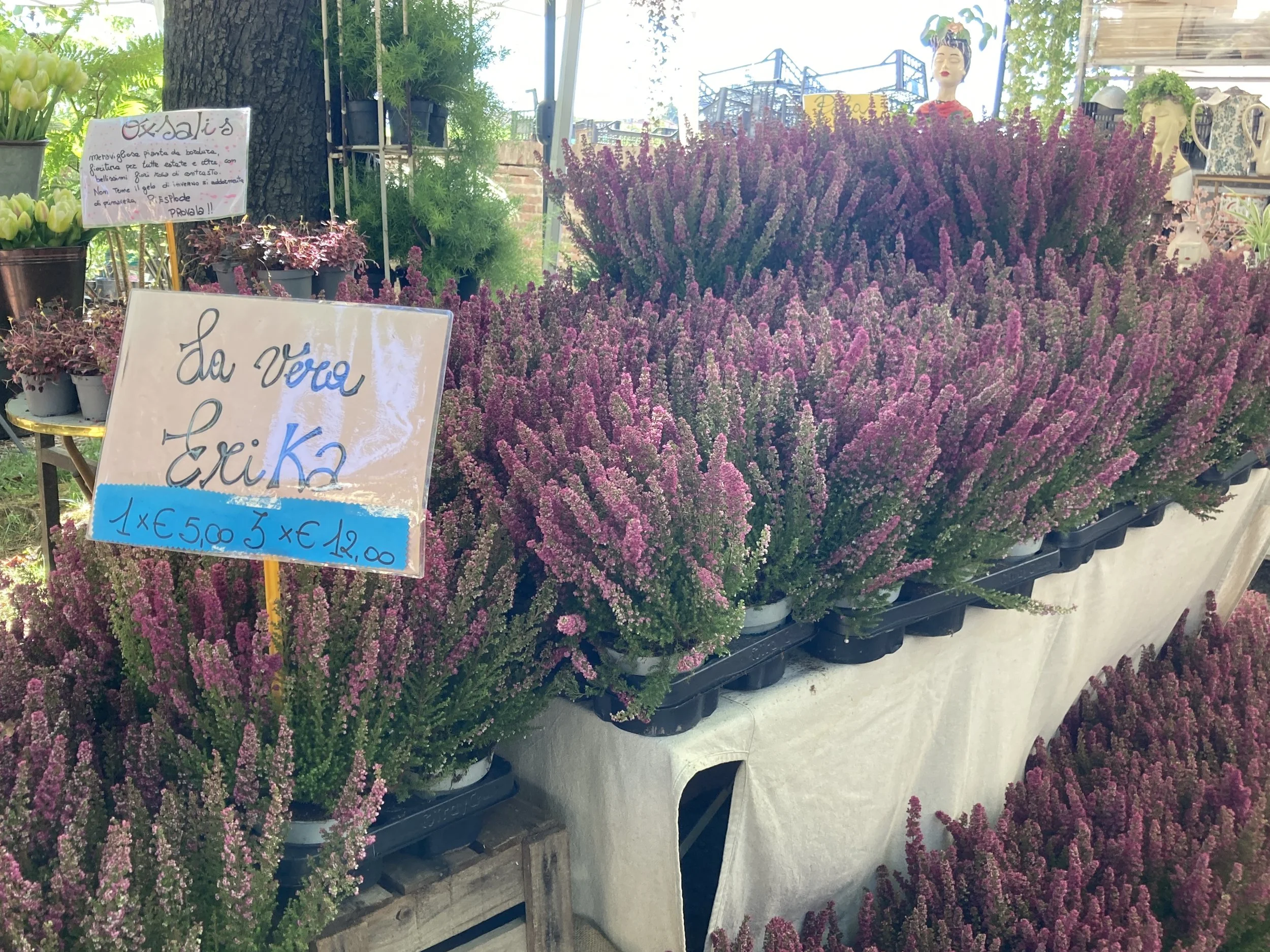
Heather on sale at Murabilia, Lucca’s fall garden event

25 Years of Murabilia in Lucca
September 07, 2026 by Joanne Bartram in #fallinitaly, #italiangardens, #lucca, Autumn in Italy, Fall in Italy, Festivals Italy, Italian culture, Italian gardens

Plants, art, crafts, vintage items - there is something for everyone at Murabilia

September is always a special month in Lucca, full of festivals and events.  One of the first in any September is Murabilia.  This year markets the 25th edition of the annual event which showcases all things needed for the fall garden, patio, terrace or home. 

I can’t claim to have attended all 25 of them (if only!), but since establishing a second home here in 2018 I have gone almost every year.  Murabilia offers the first promise of fall, and cooler weather, to come. 

The event has grown over the years from a small local garden show to a major event with exhibitors from throughout Italy and beyond.  While home gardening is still a major theme, horticultural preservation, conservation, education, and “green” culture have also become key components of the event.

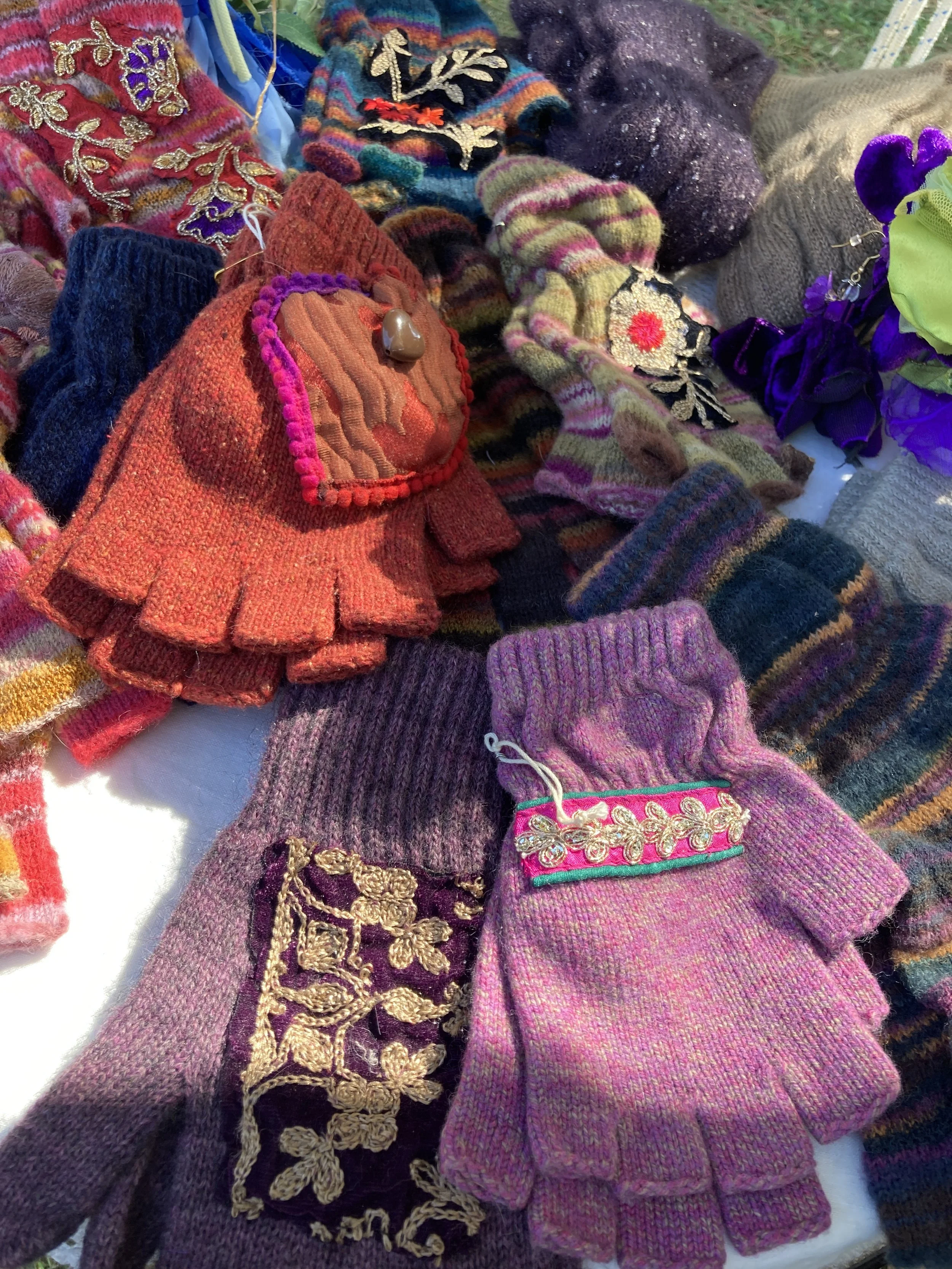
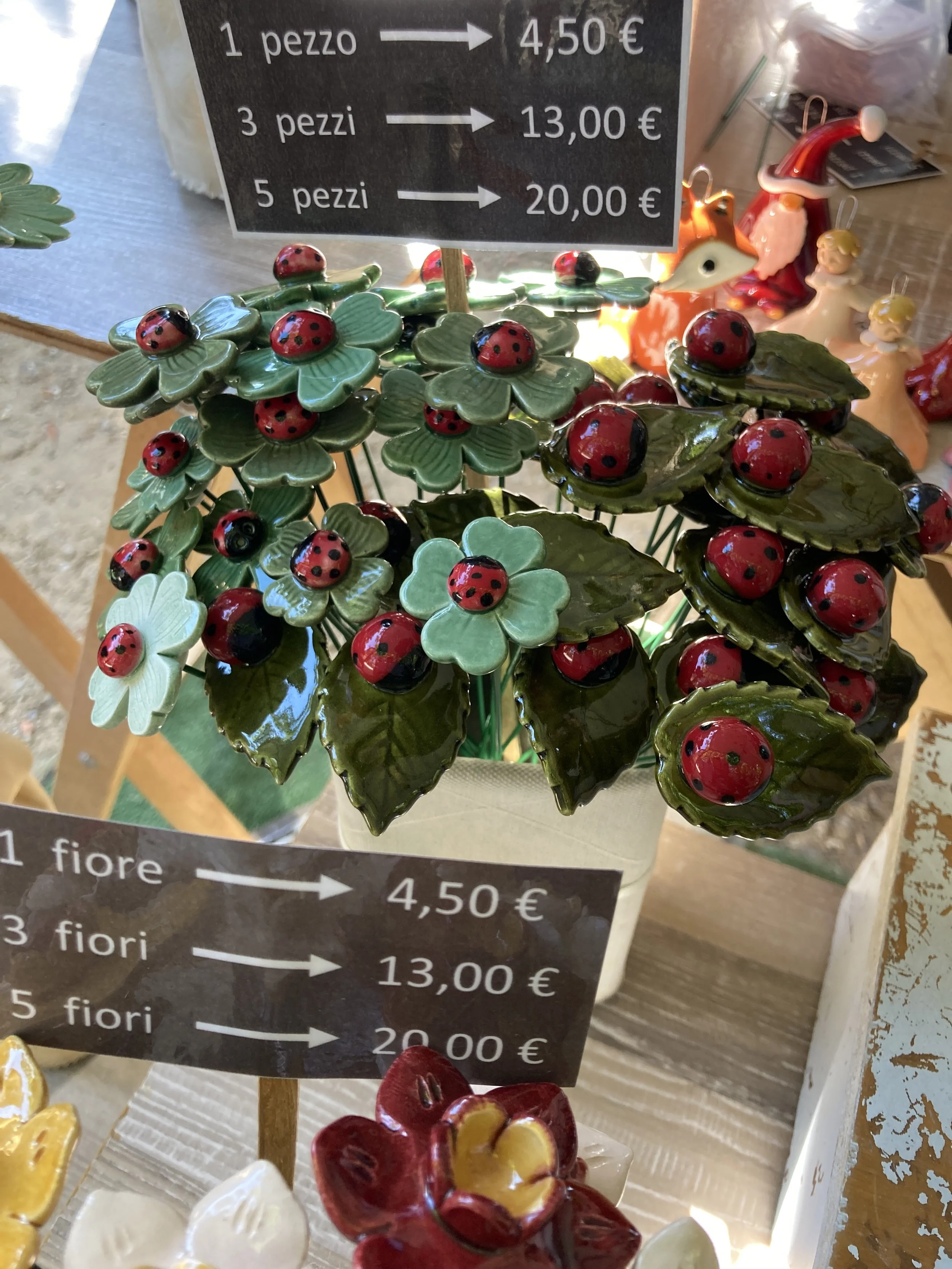
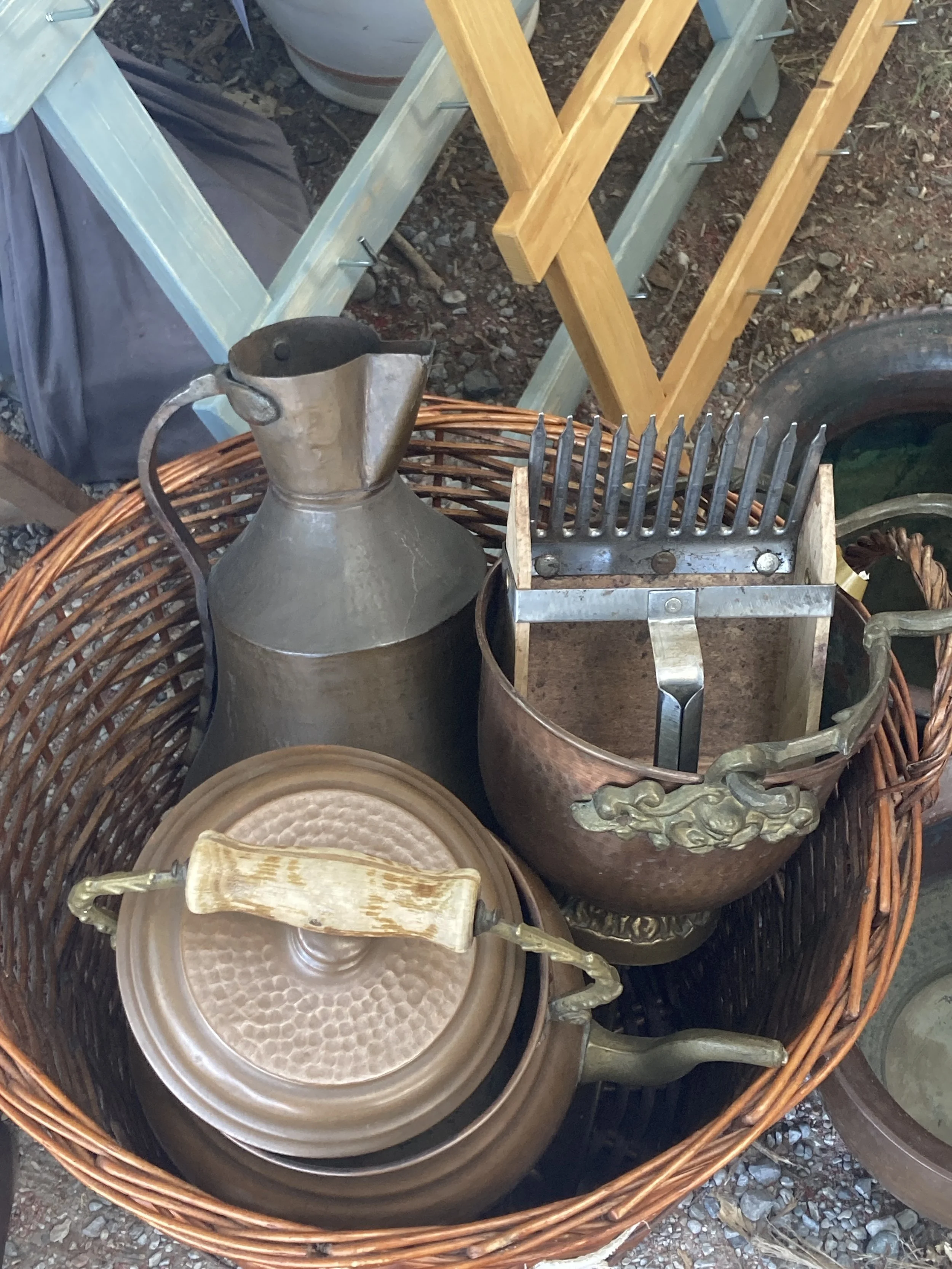
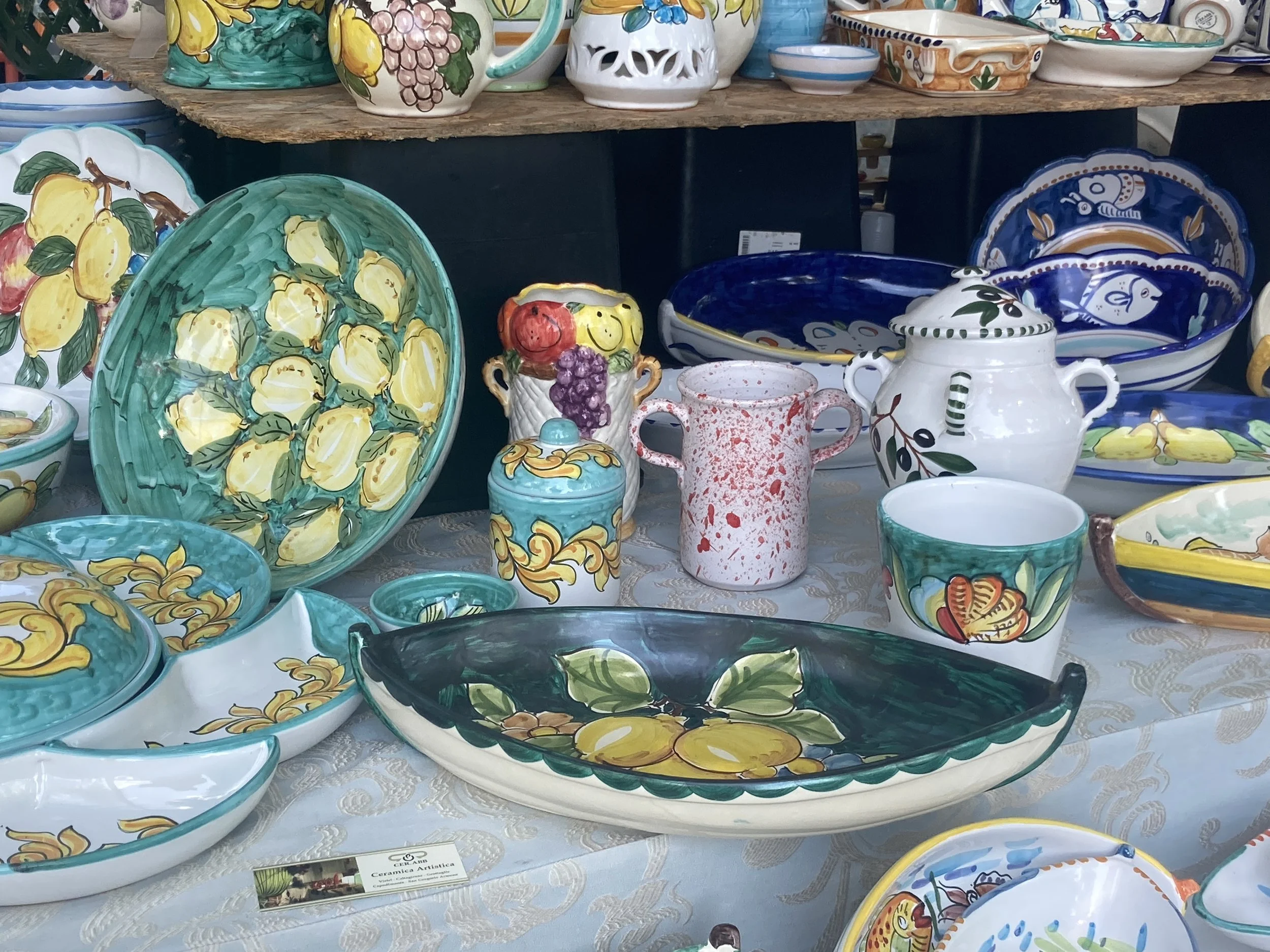
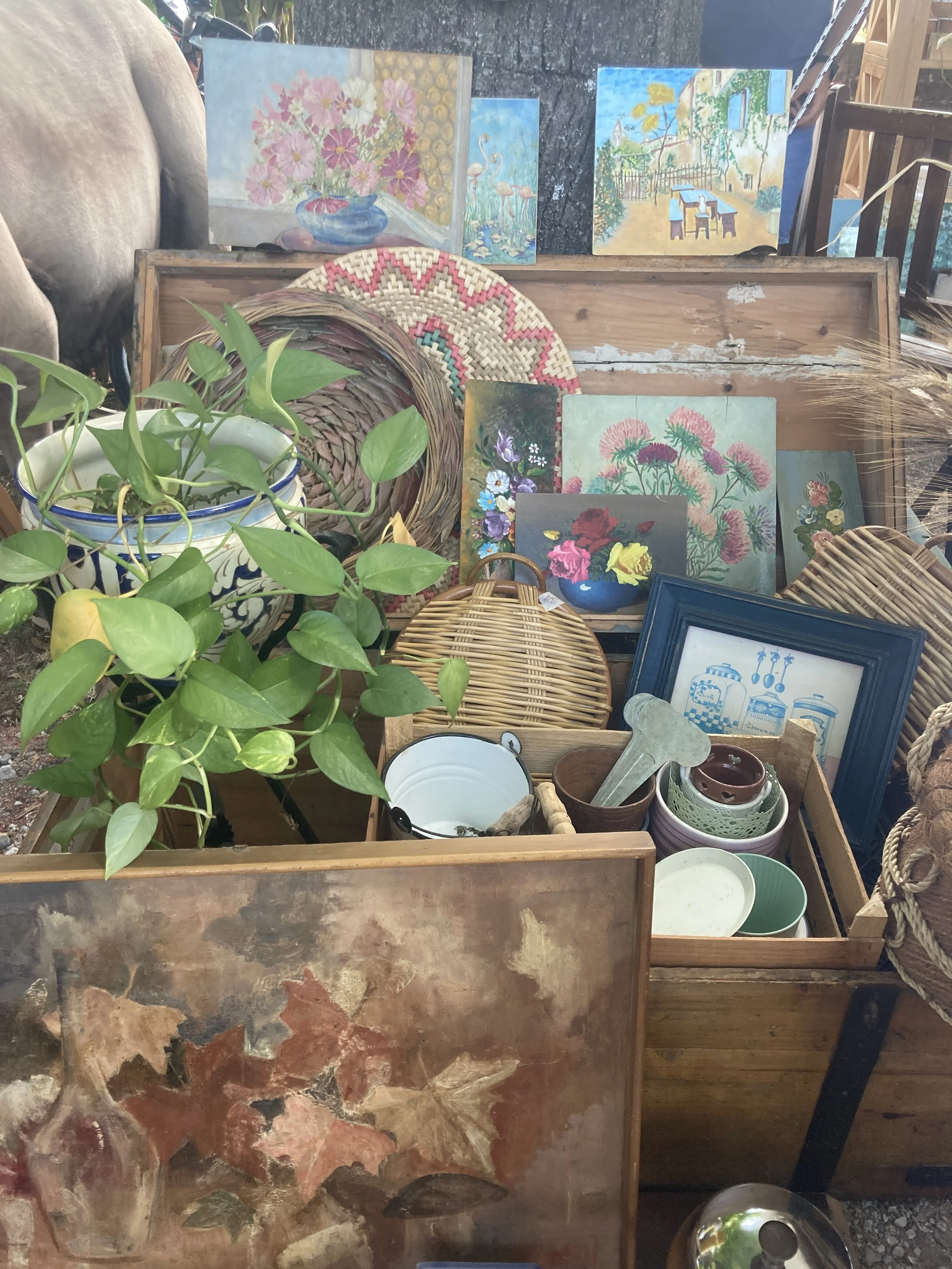
In addition to all the displays and educational presentations, there is a festive atmosphere with booths selling foods, crafts, home and garden art, textiles, and vintage items. 
IMG_8792.jpeg
IMG_8781.jpeg
IMG_8780.jpeg
IMG_8783.jpeg
IMG_8826.jpeg
IMG_8812.jpeg

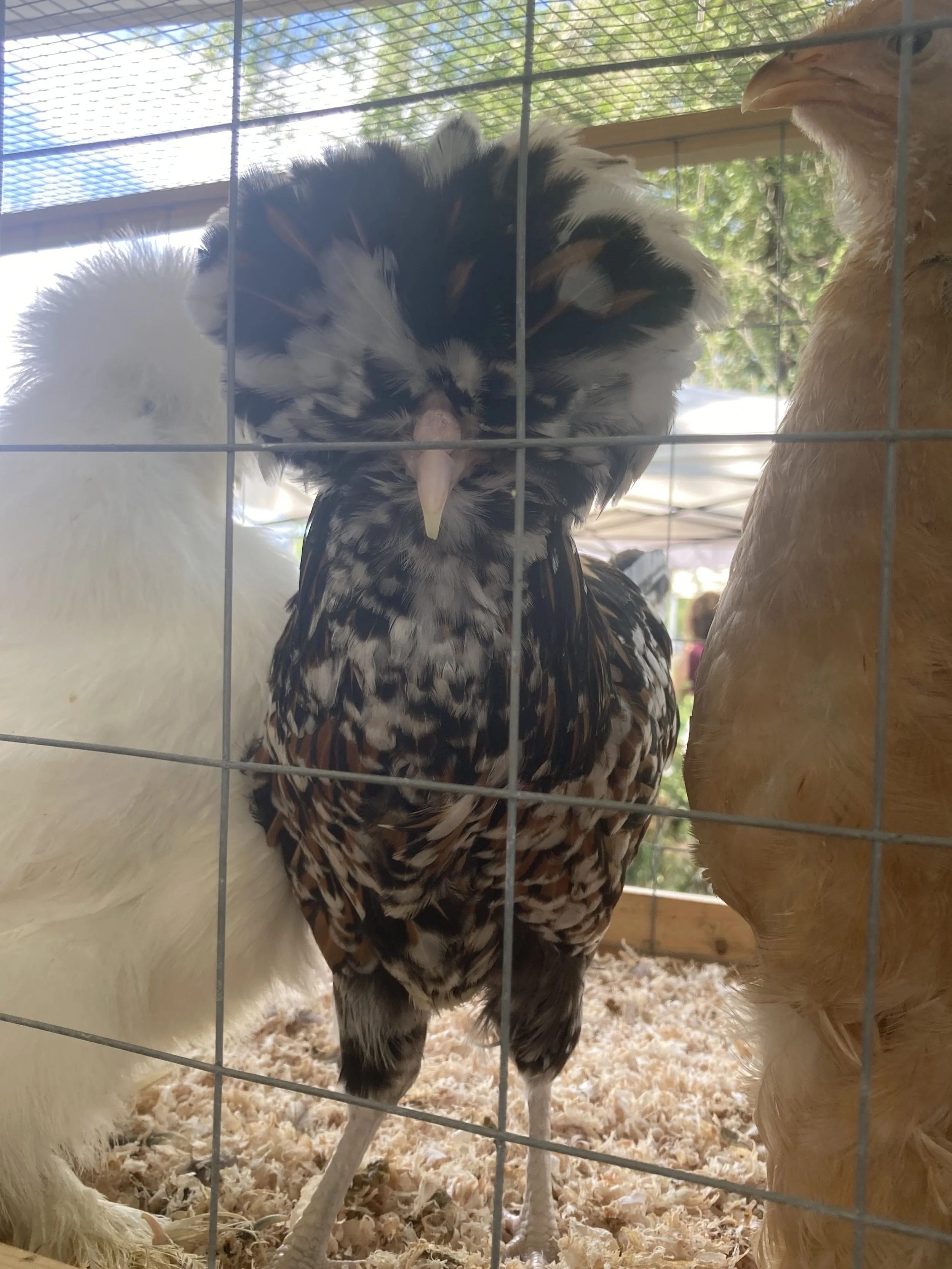
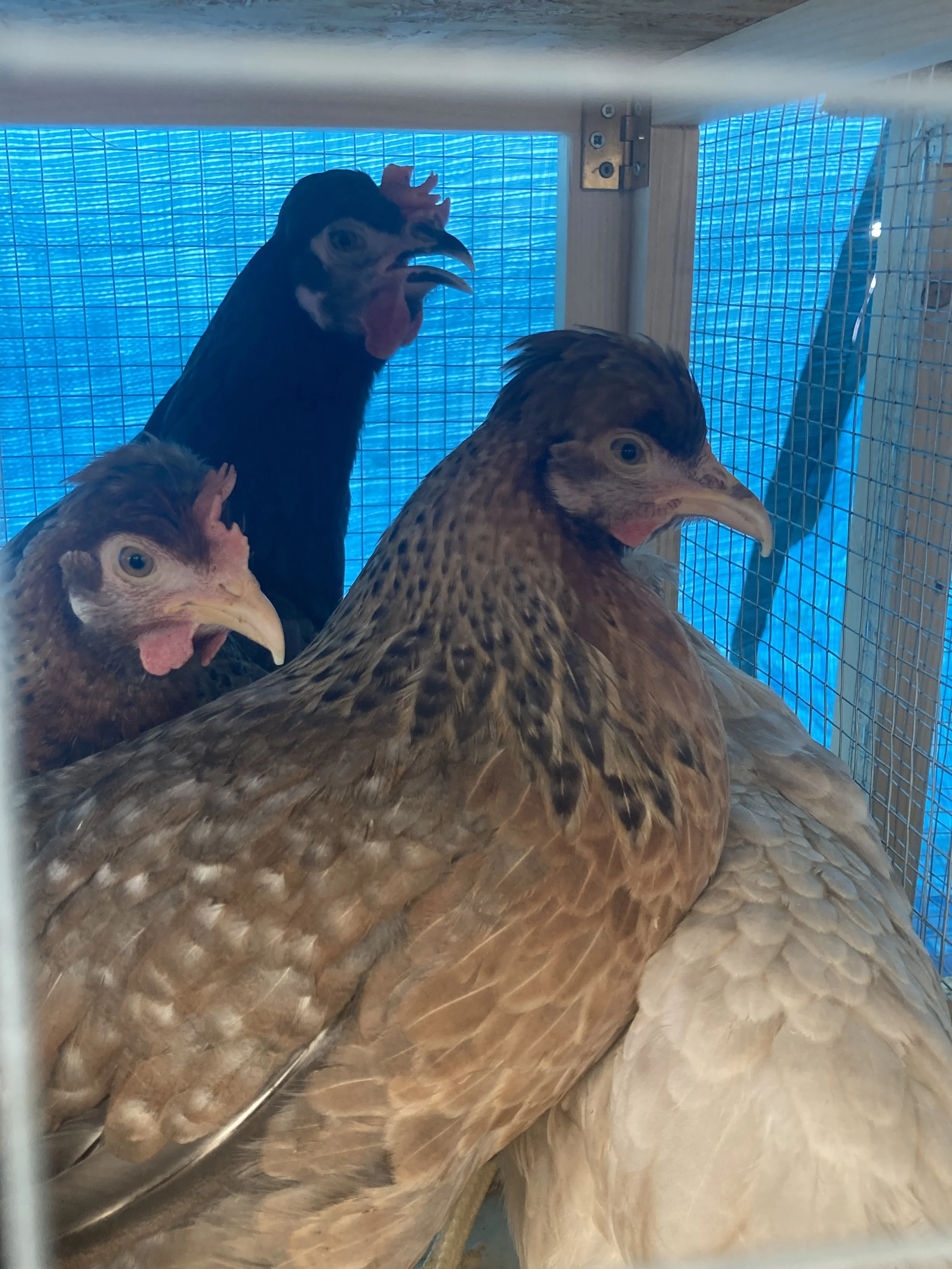
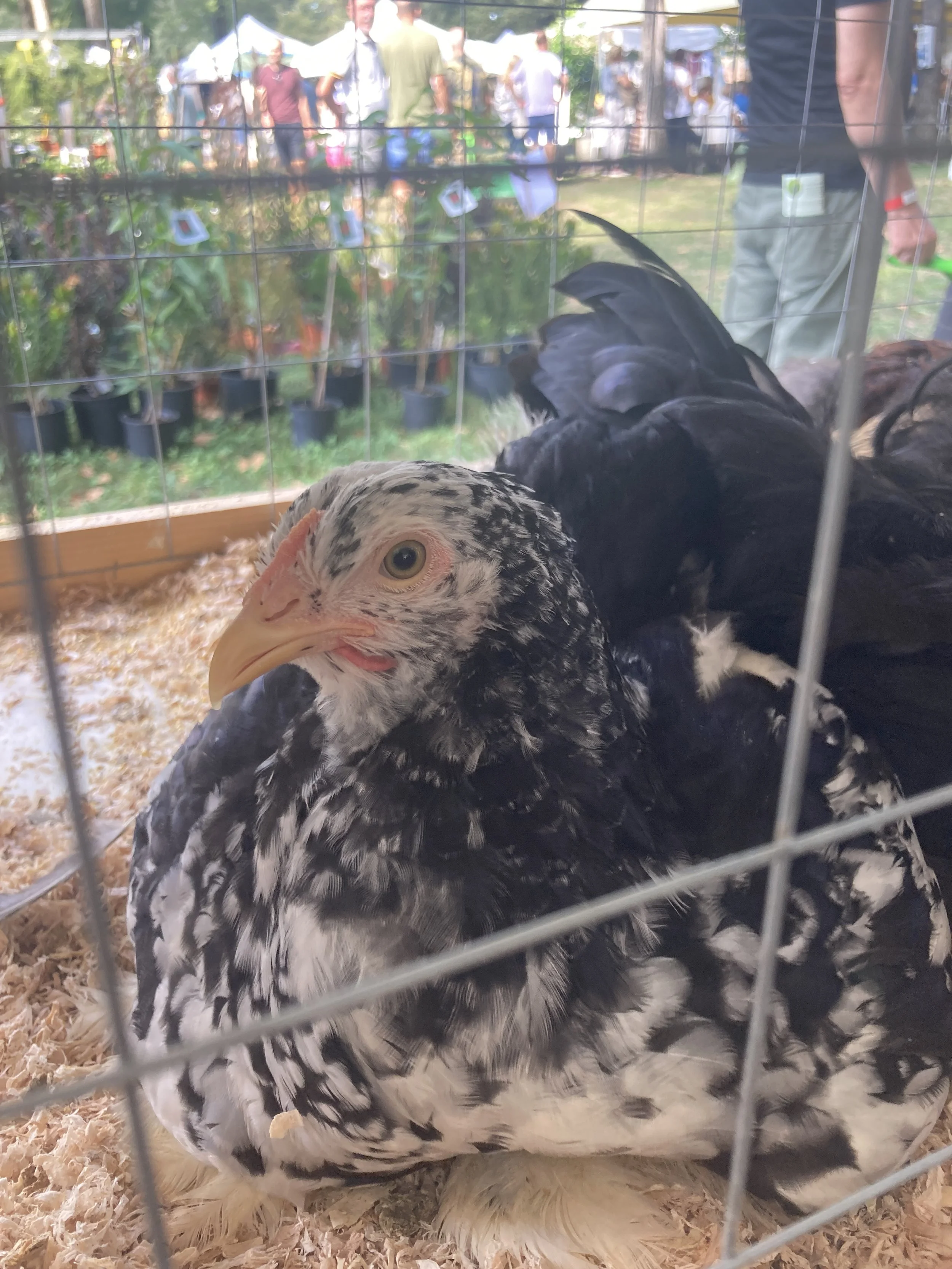
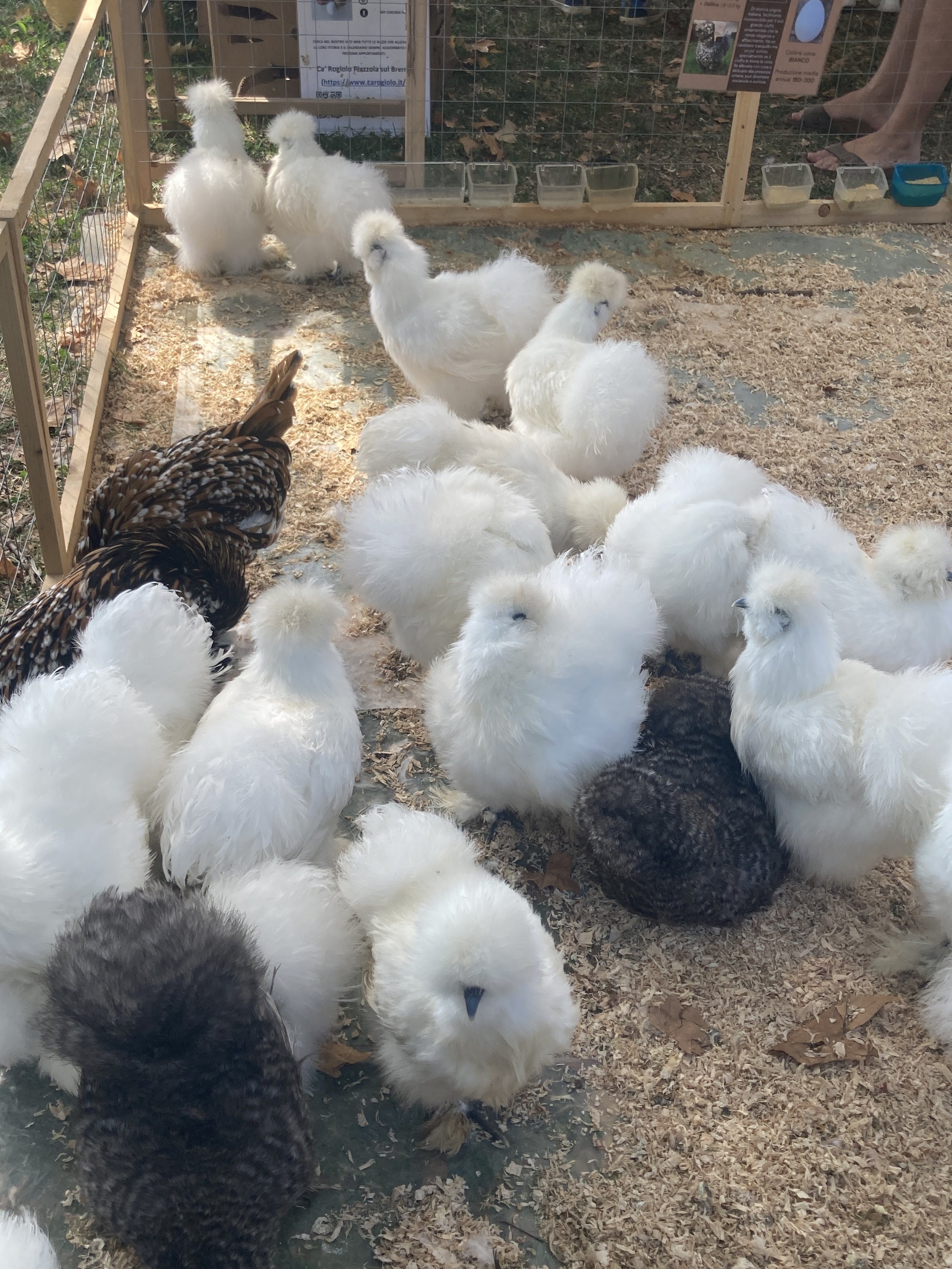
 And chickens!  Everyone seems to love the chickens which come in all colors, sizes, and degrees of fluffiness. Kids and adults alike linger by the chickens.
IMG_8821.jpeg
IMG_8817.jpeg
IMG_8818.jpeg
IMG_8820.jpeg

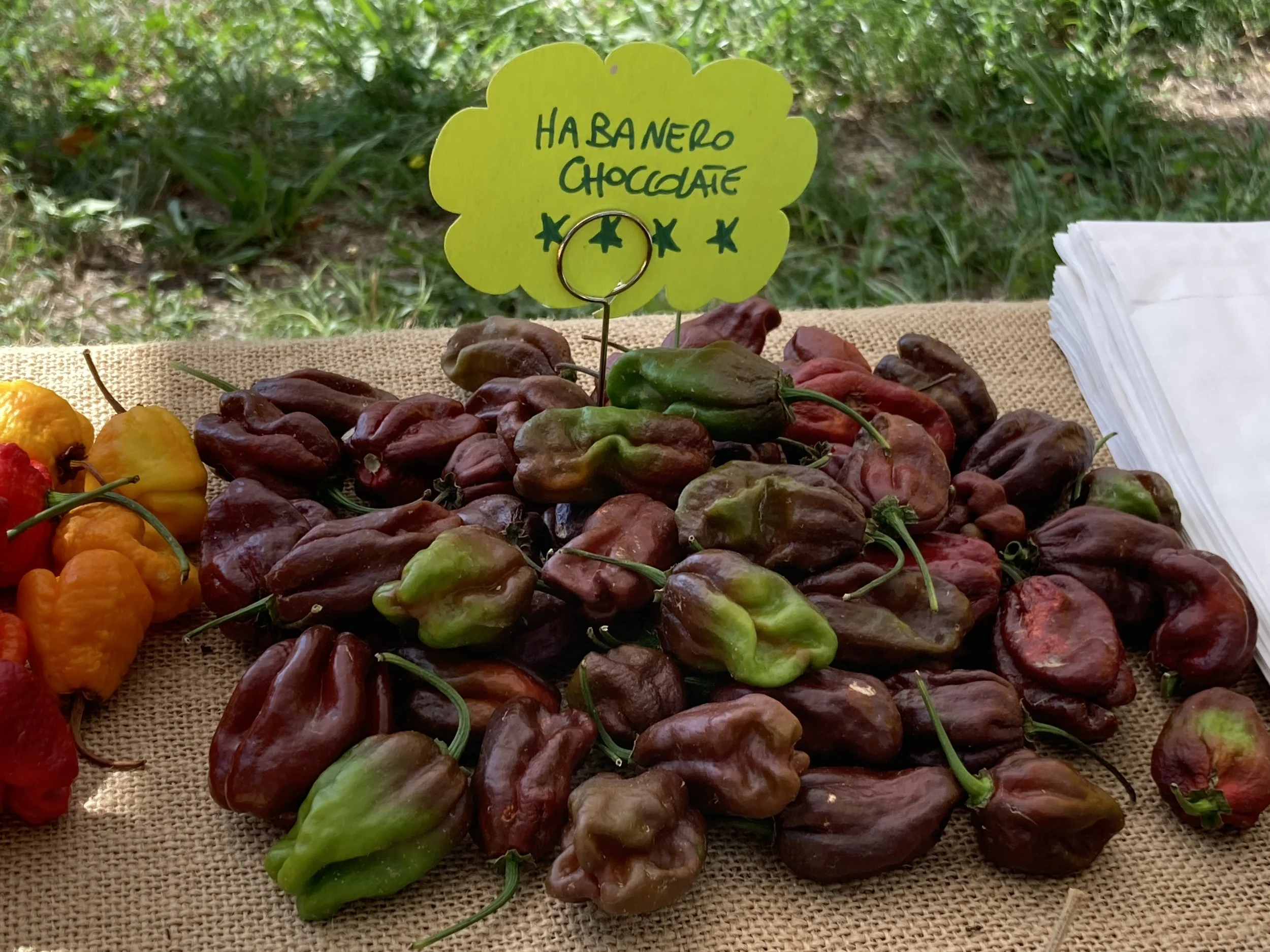
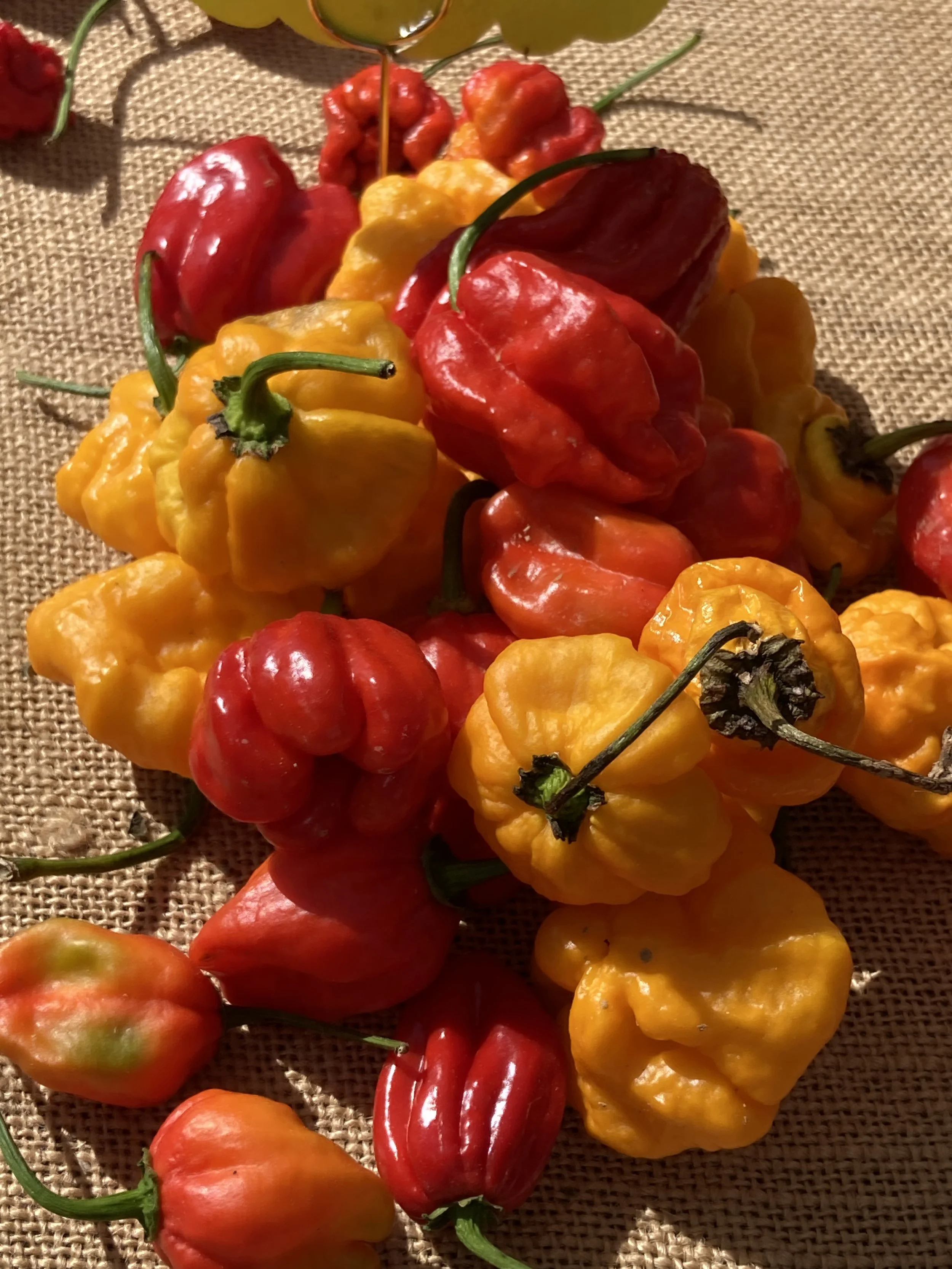
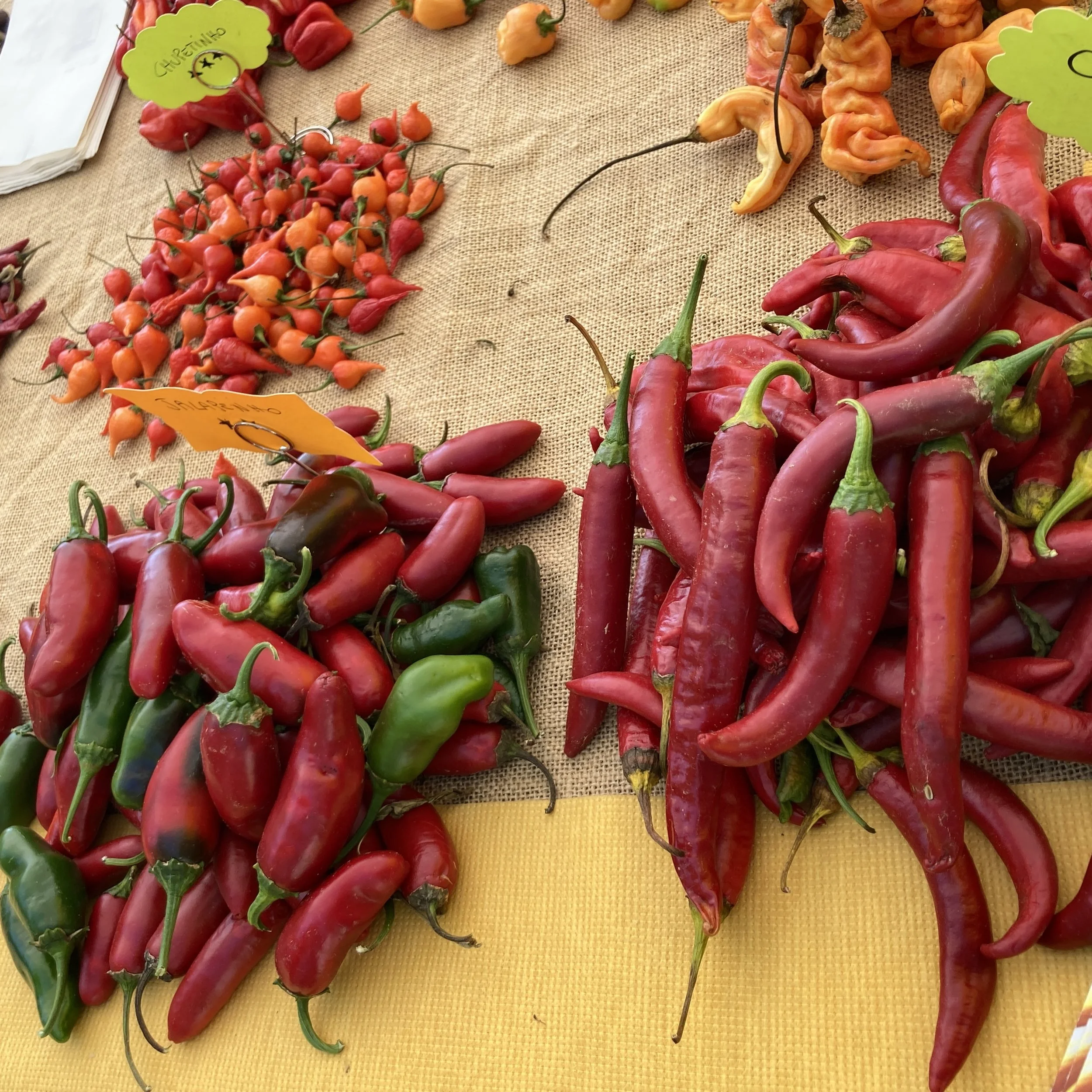
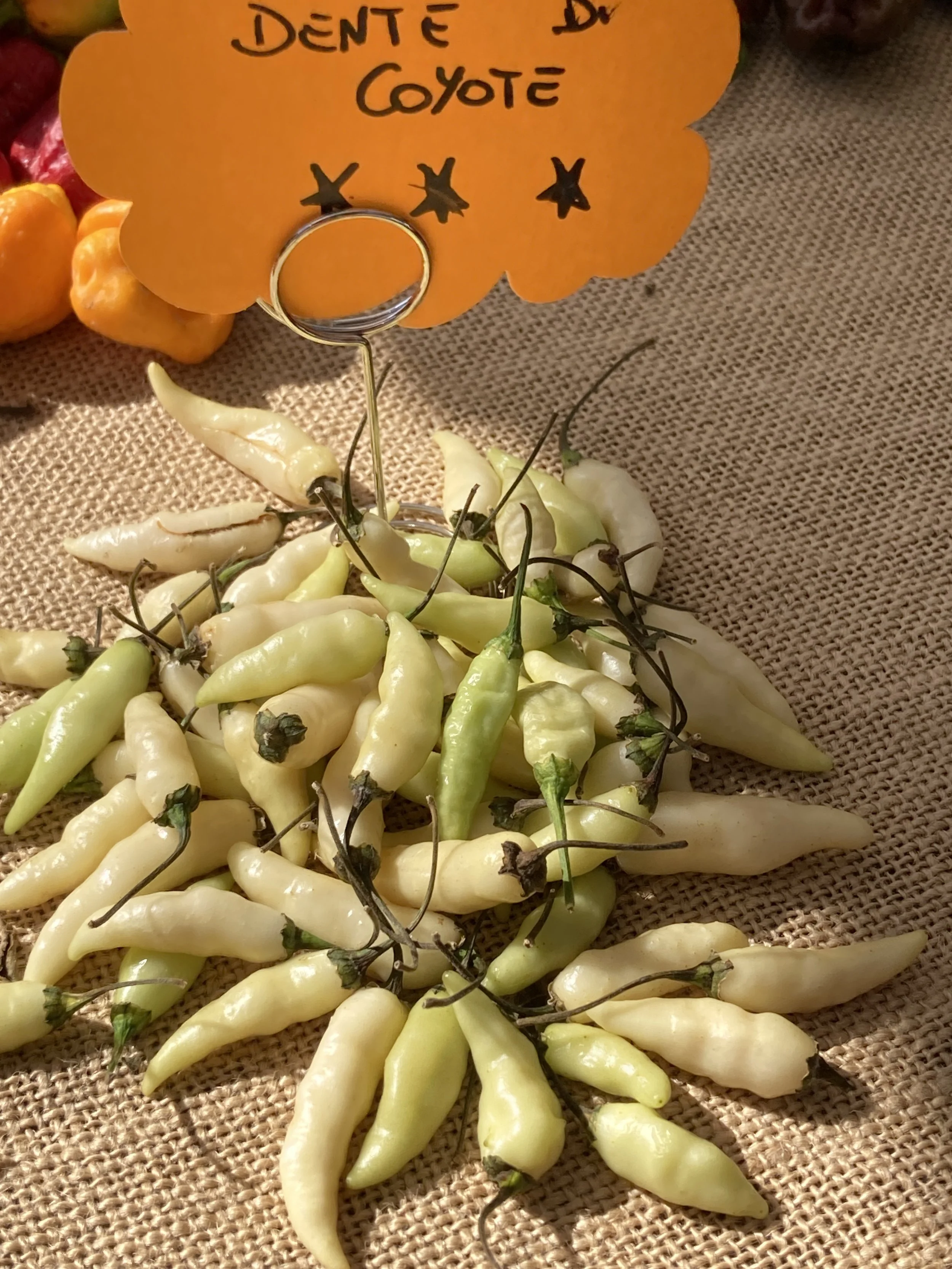
Being from New Mexico, I am always drawn to the peppers. And while they aren’t being roasted as they are right now back in New Mexico (I sure miss that aroma), there are some familiar sights like jalapenos and habaneros.  New to me were the little whitish-yellow ones called Dente di Coyote (Coyote teeth). Now if only I could find some Hatch style green chile to roast and dry.
IMG_8784.jpeg
IMG_8788.jpeg
IMG_8786.jpeg
IMG_8787.jpeg

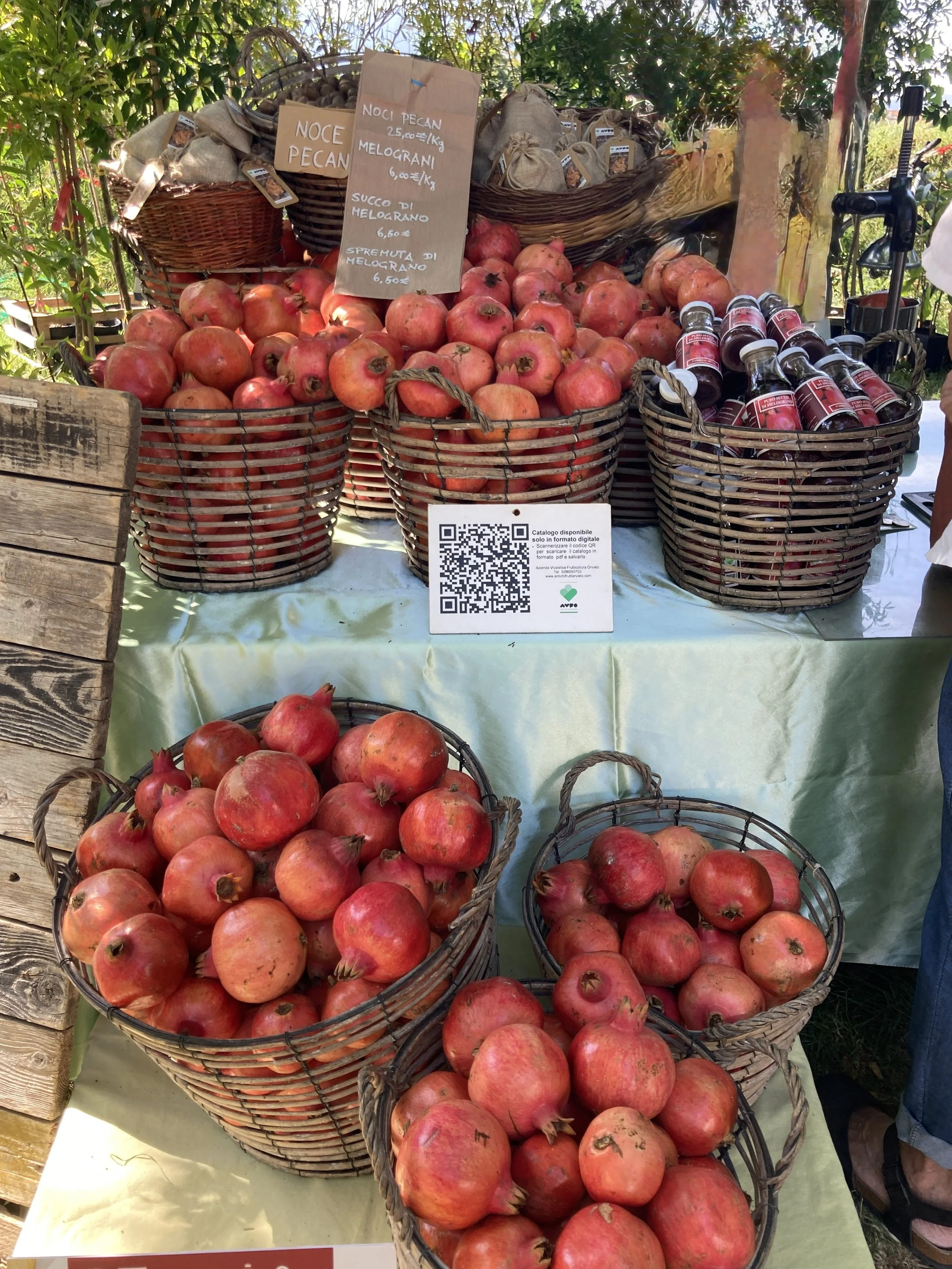
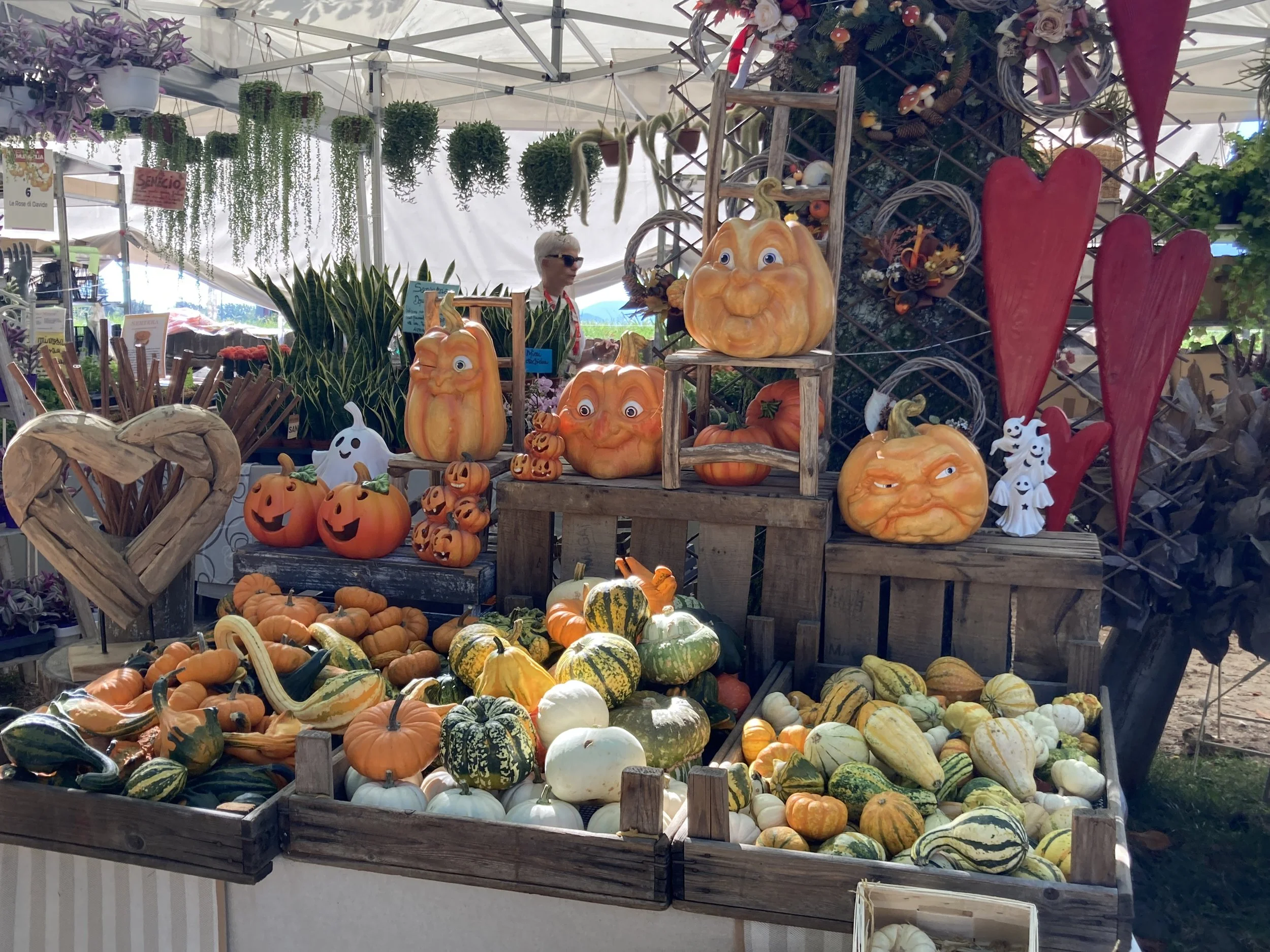
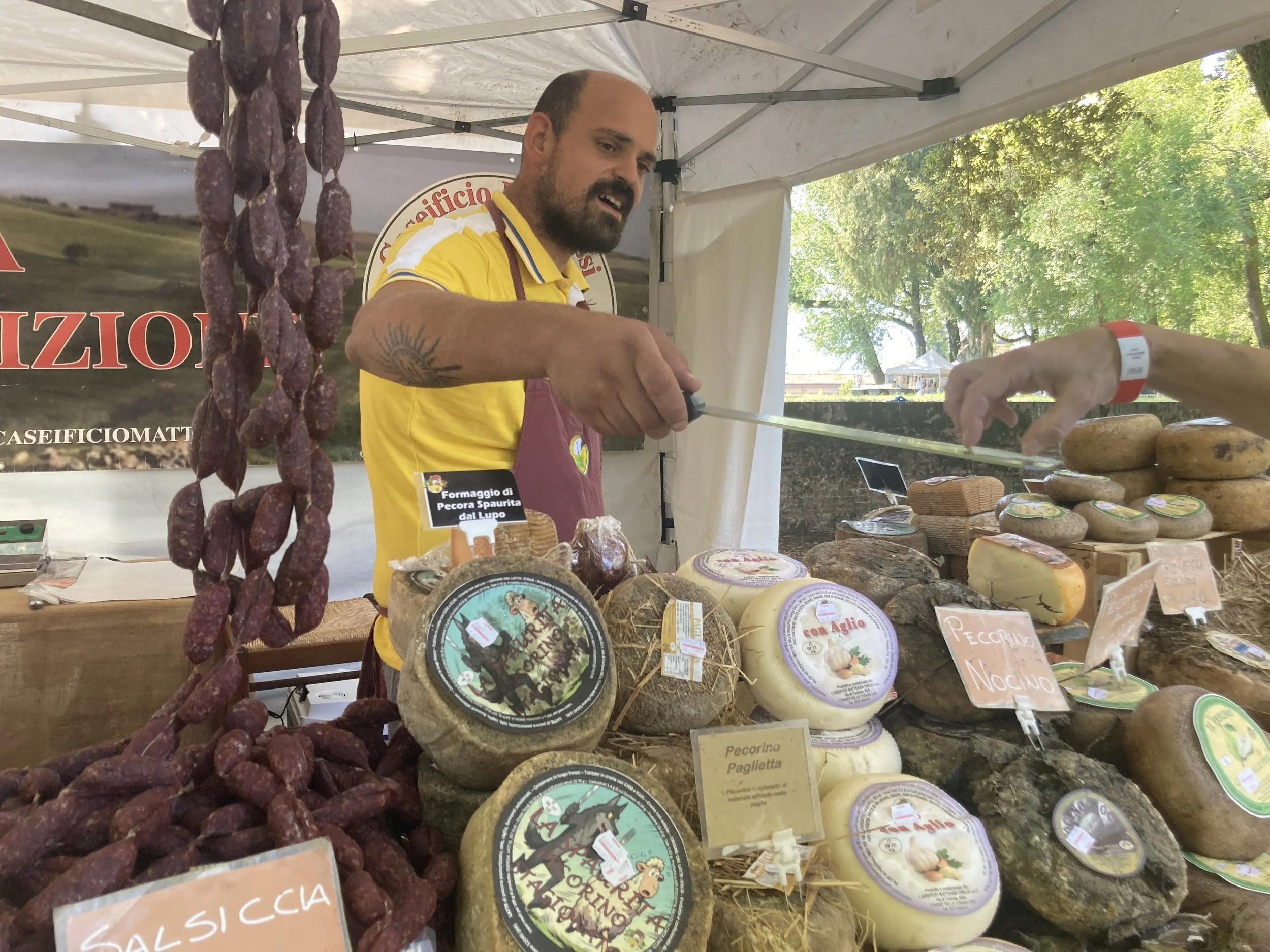
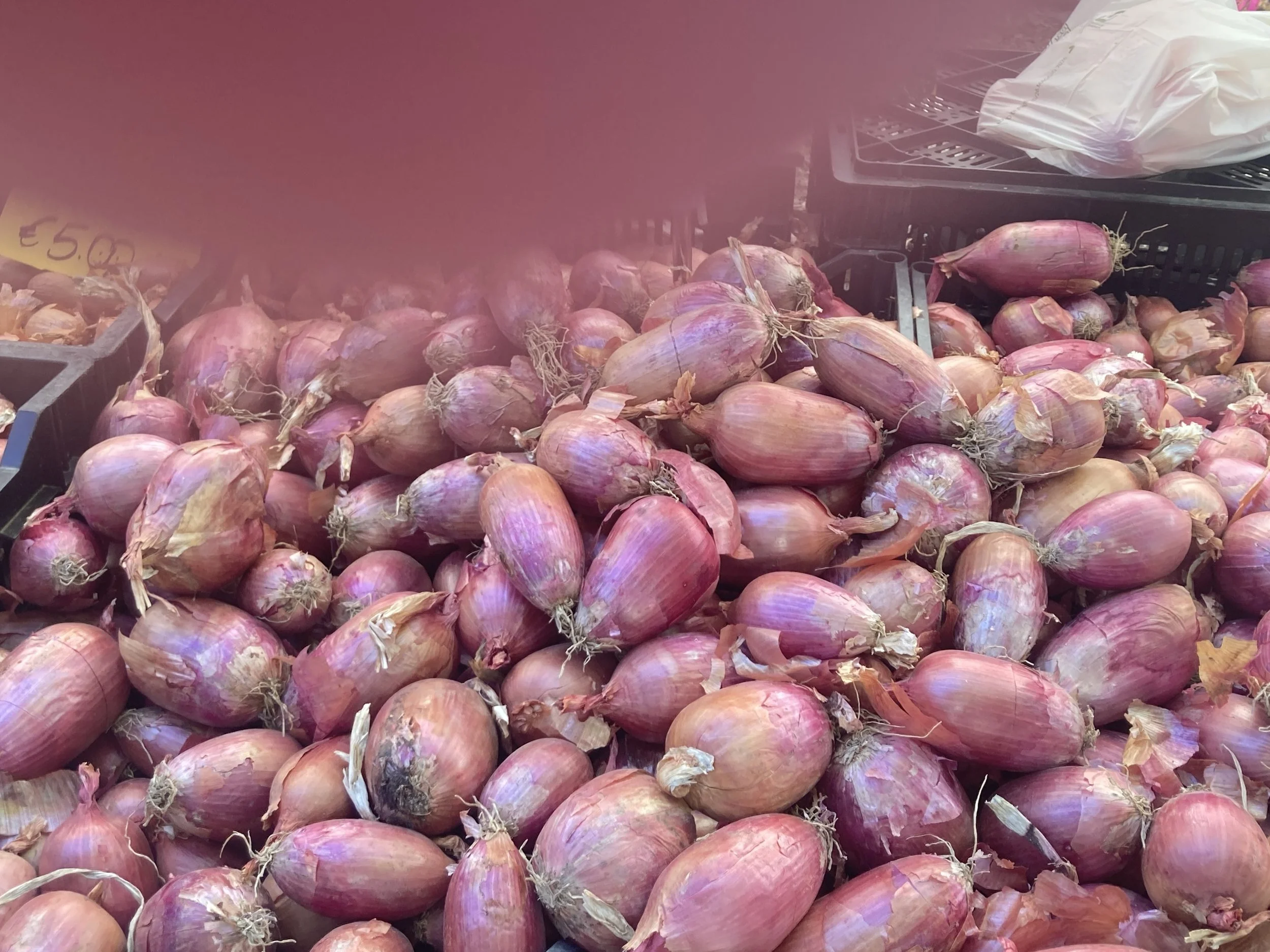
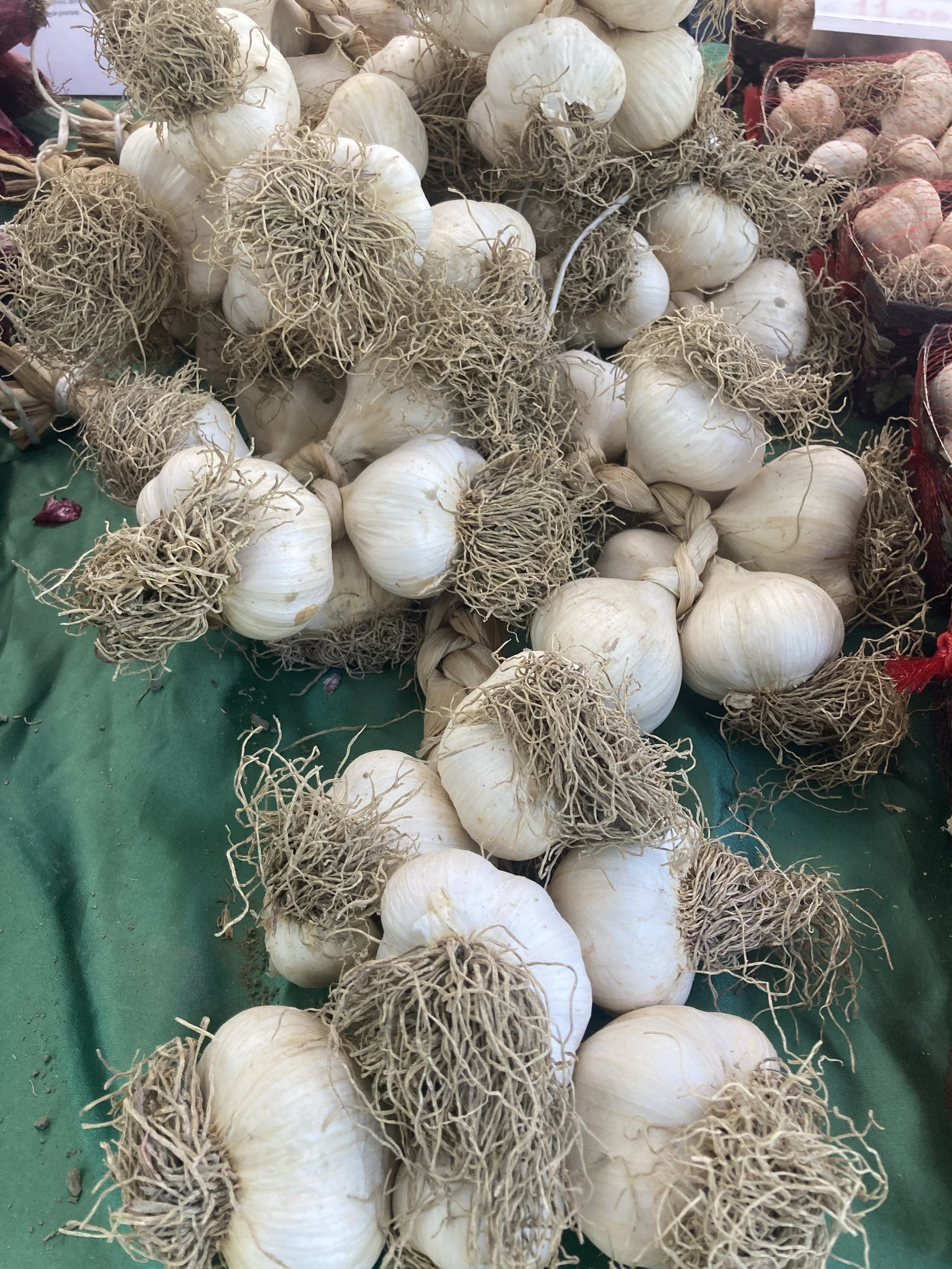
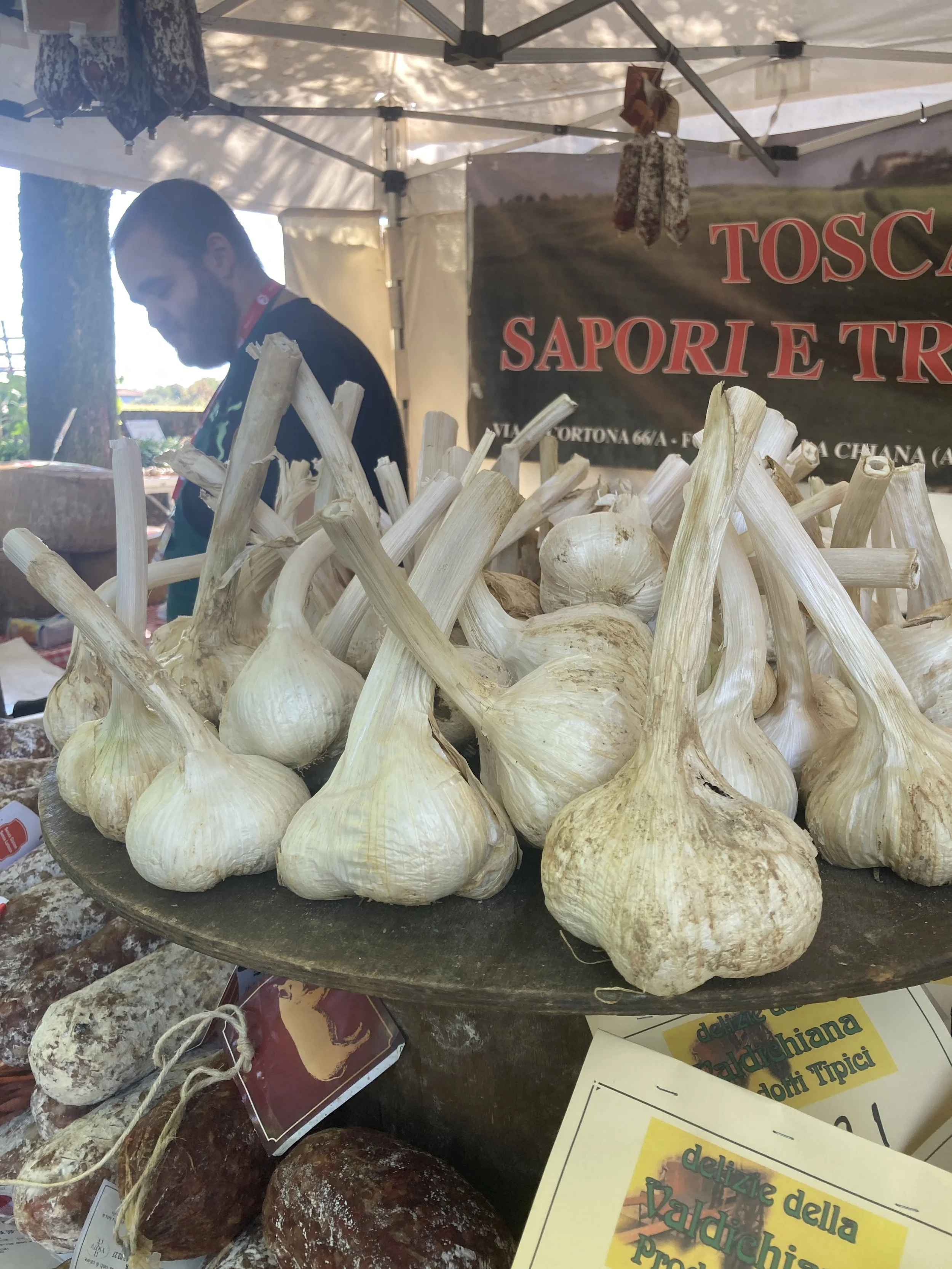
 Murabilia is a good place for stocking the kitchen too.  With stands of woven garlic, huge aglione (elephant garlic), red onions, cheese, salami and sausages it helps to bring a shopping bag.  For fall decorating, it is hard to beat the variety of pumpkins and gourds for sale.
IMG_8799.jpeg
IMG_8778.jpeg
IMG_8798.jpeg
IMG_8803.jpeg

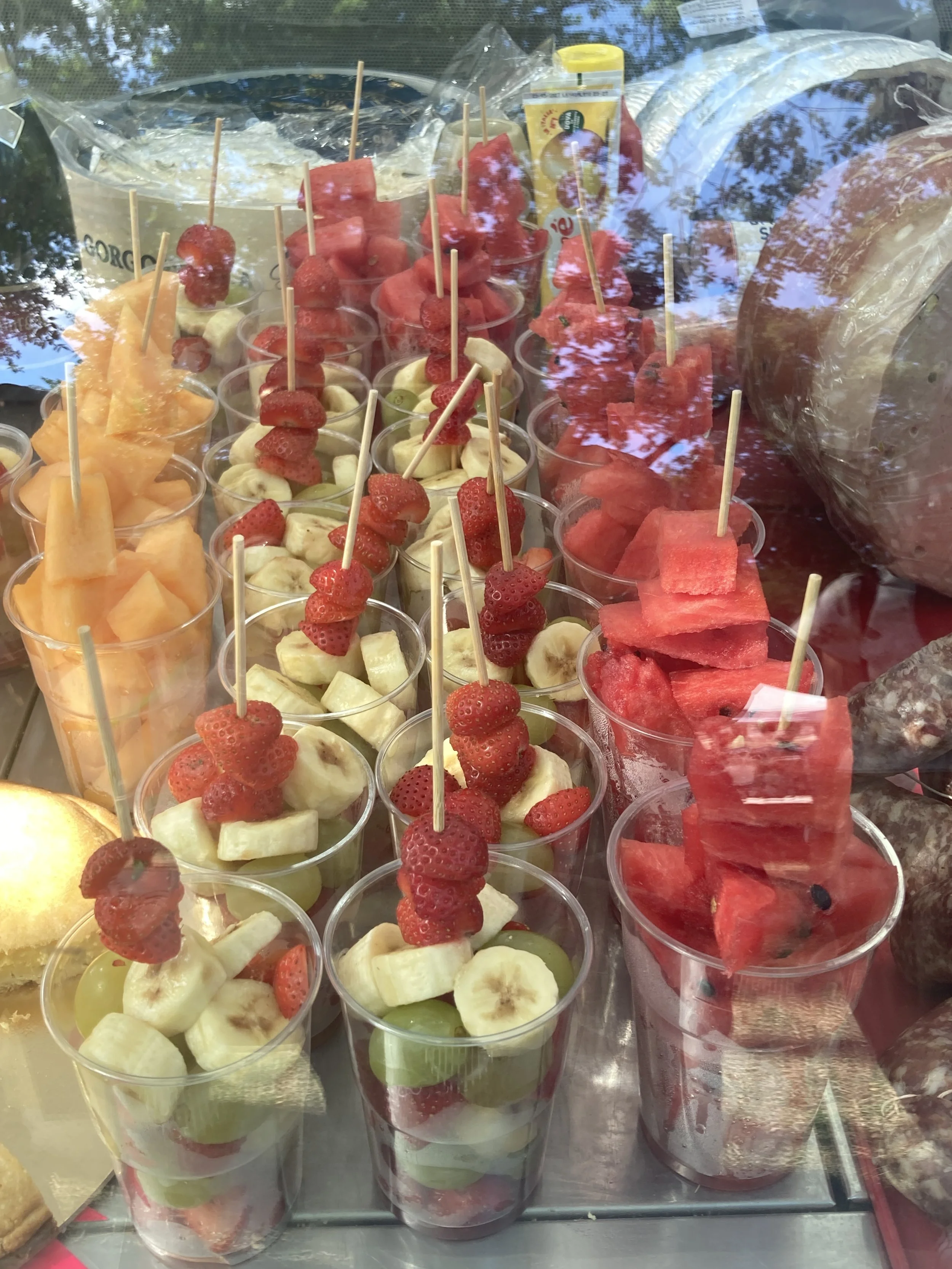
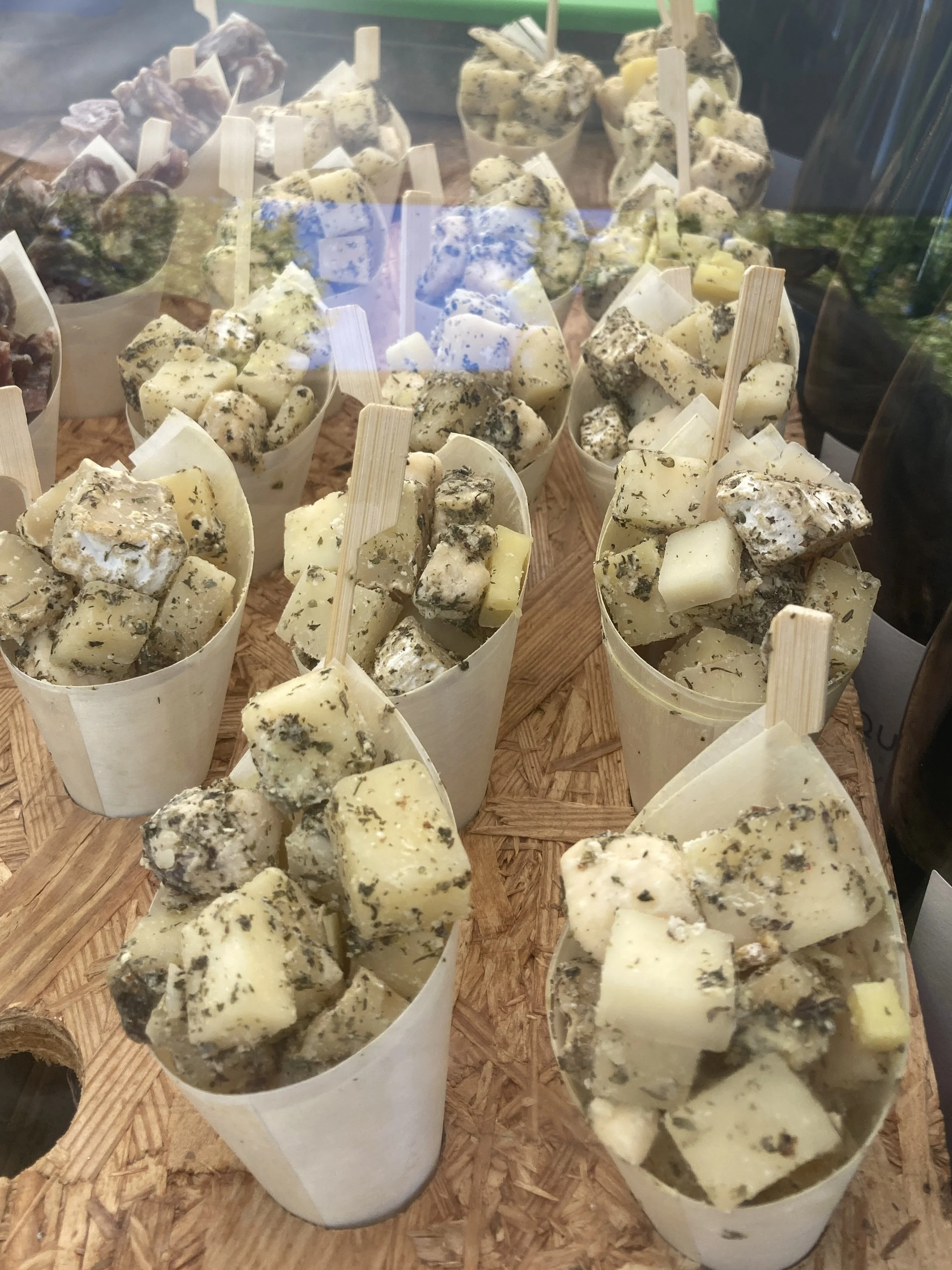
 The festival also has great take-away snacks.  Paper cones filled with cheese or salami cubes and fruit filled cups.  What could be more refreshing on a hot late summer day? And of course there is a gelato truck.
IMG_8802.jpeg
IMG_8822.jpeg

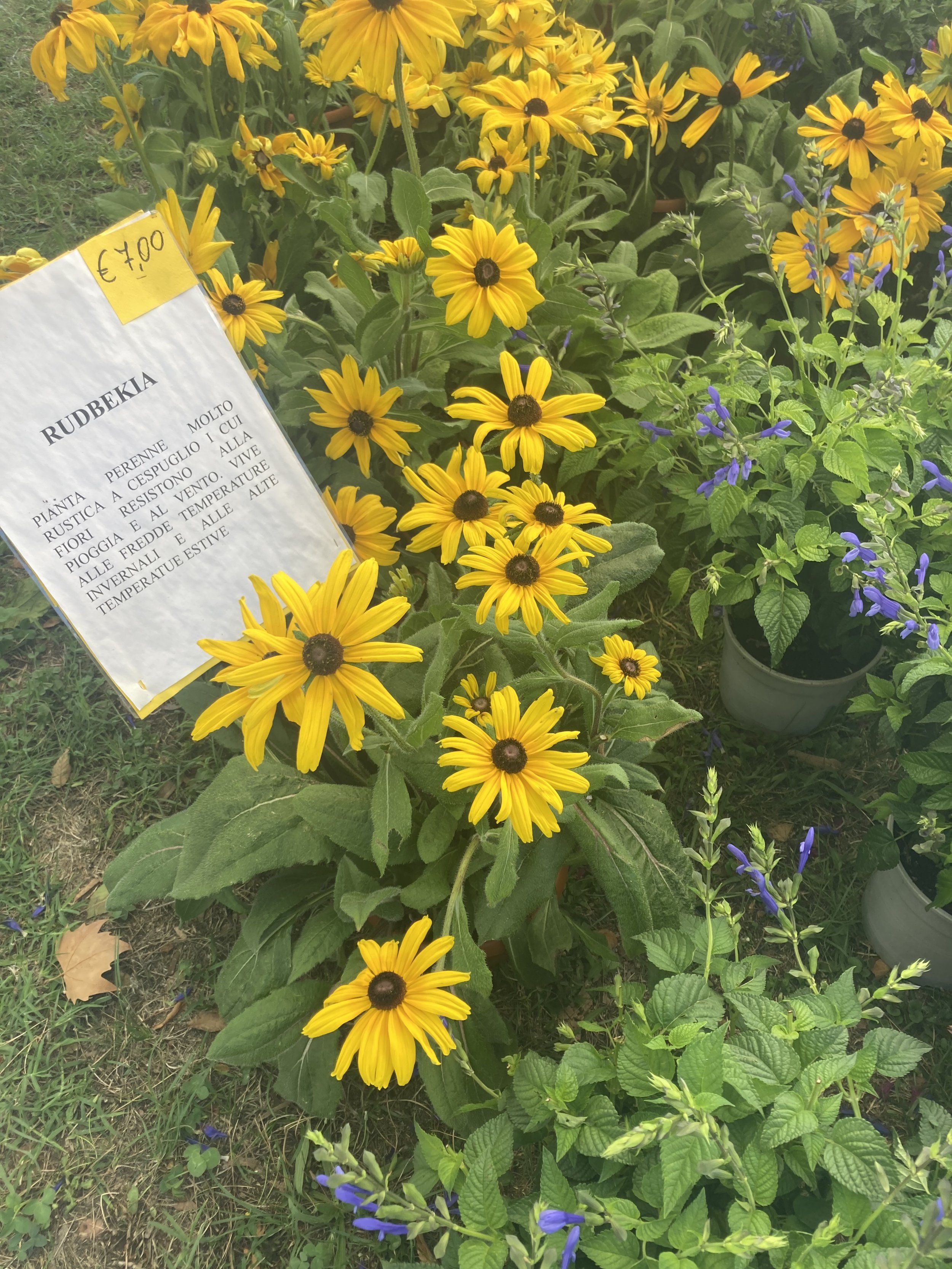
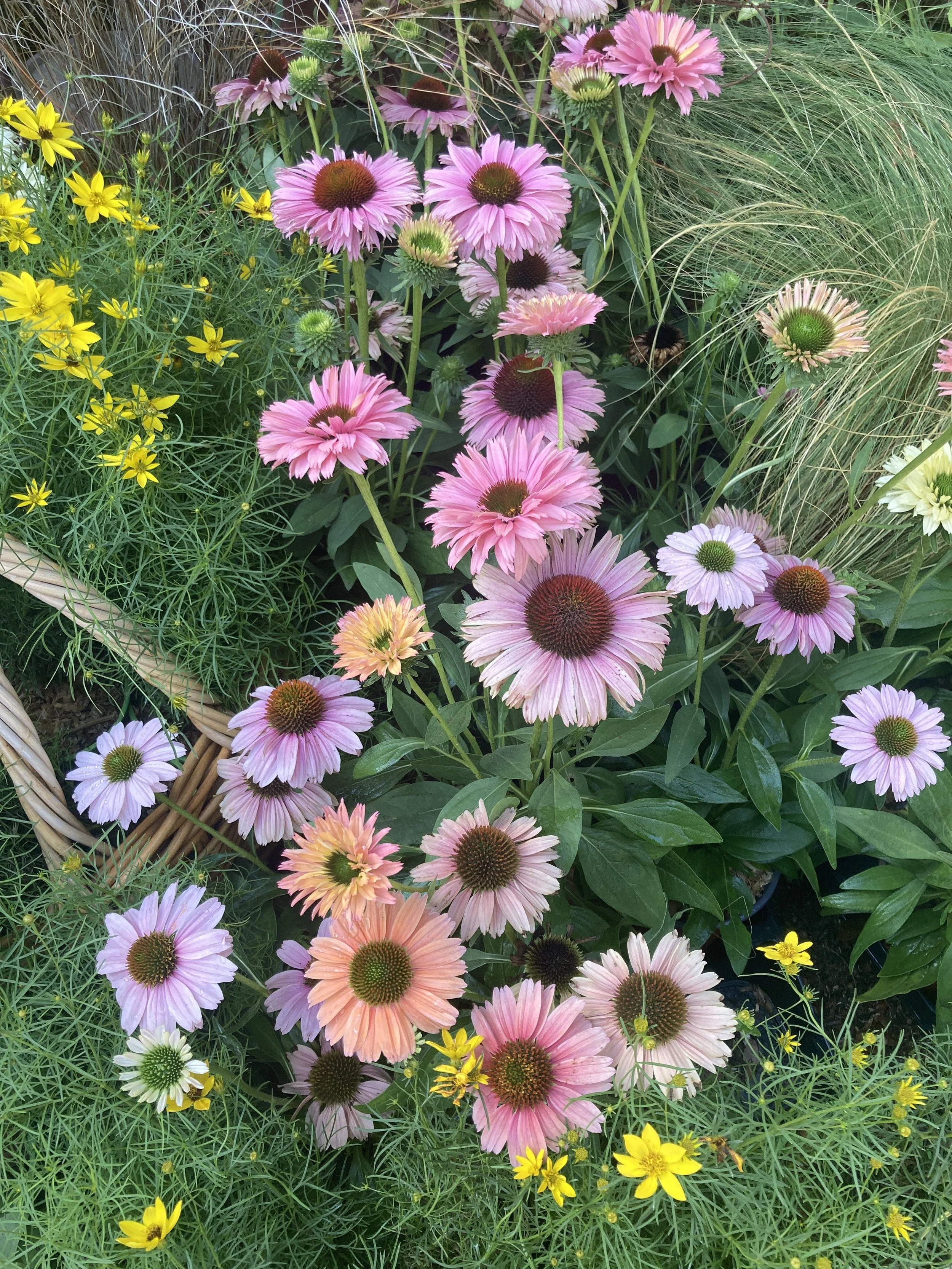
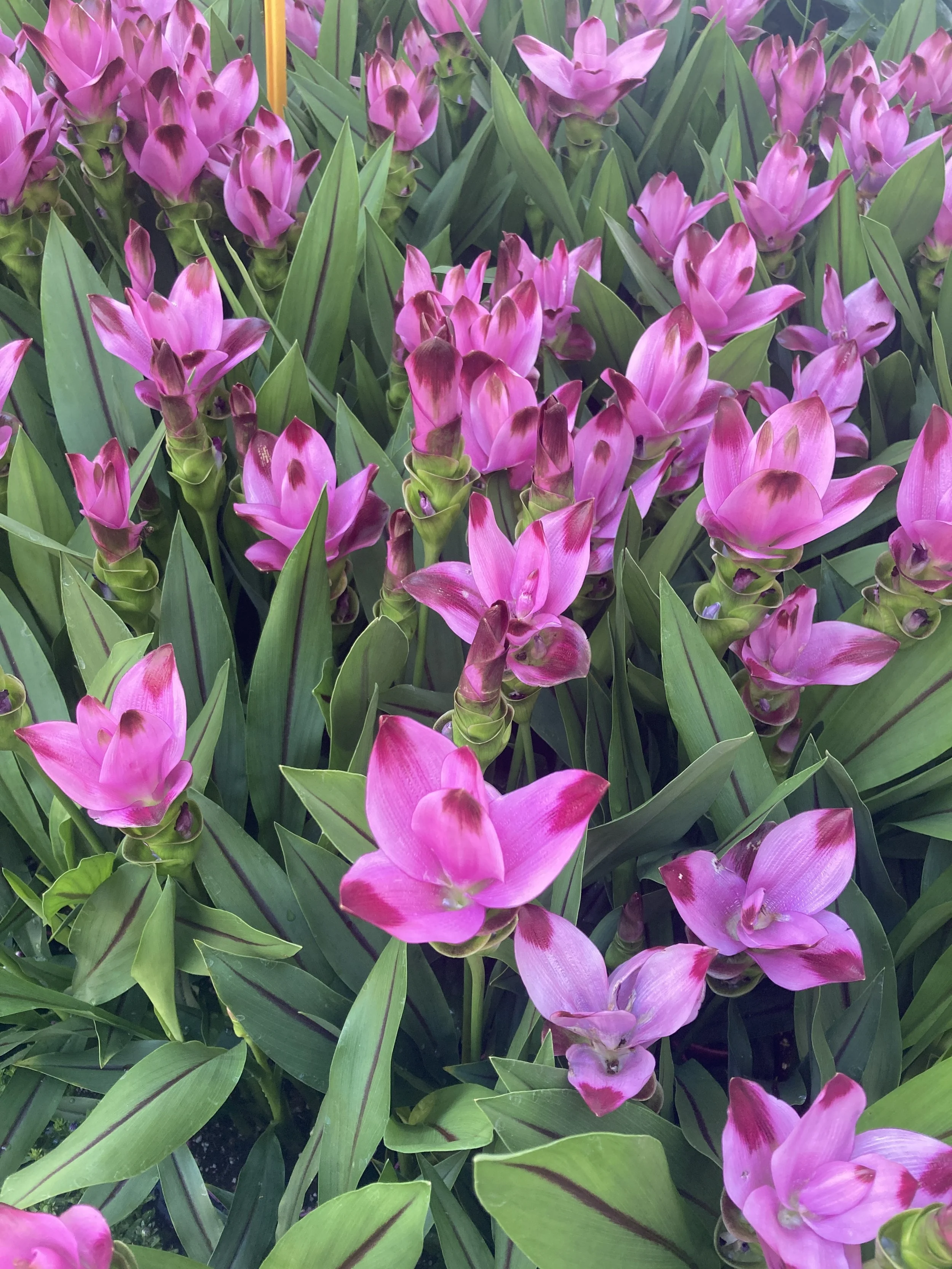
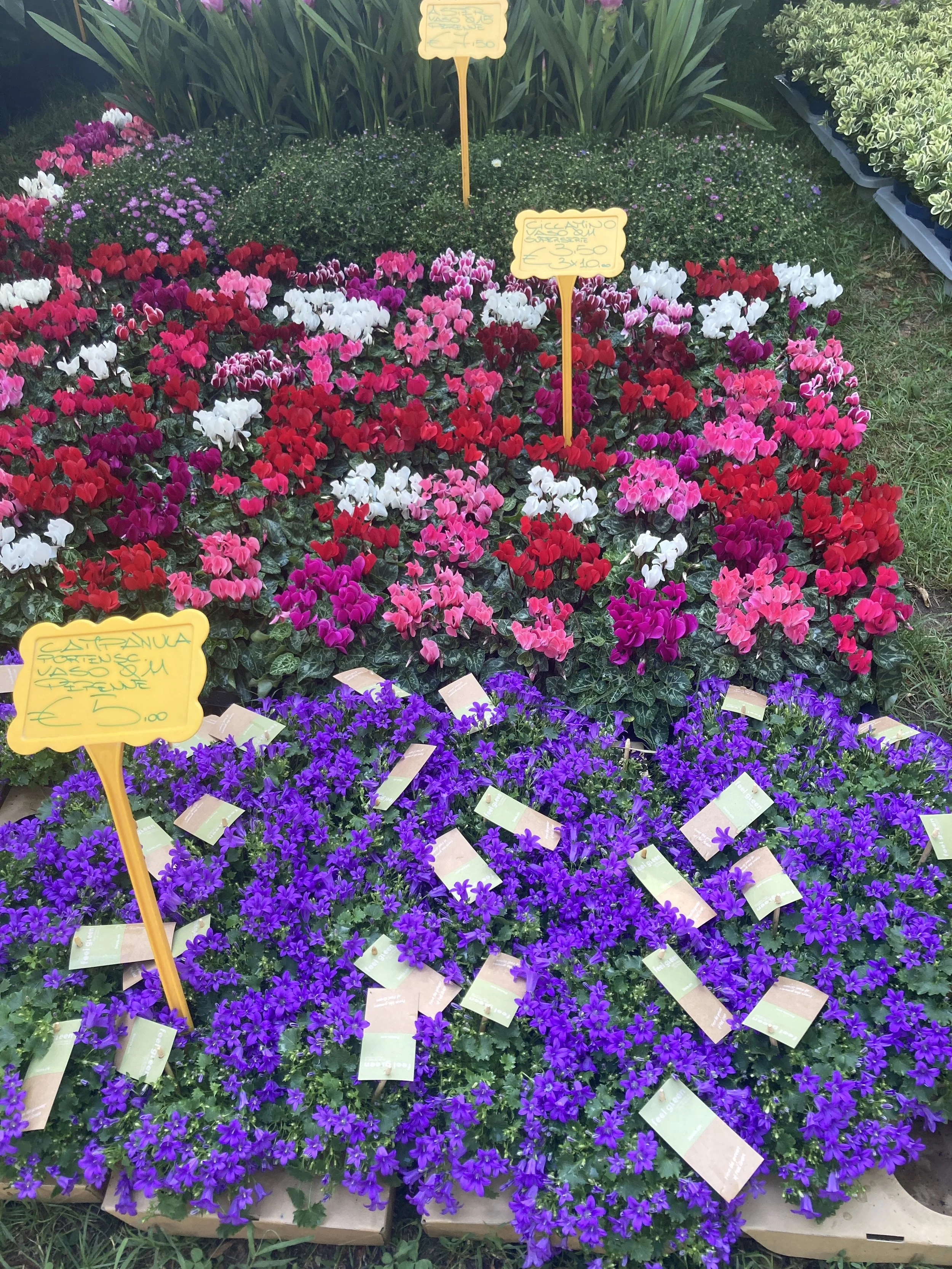
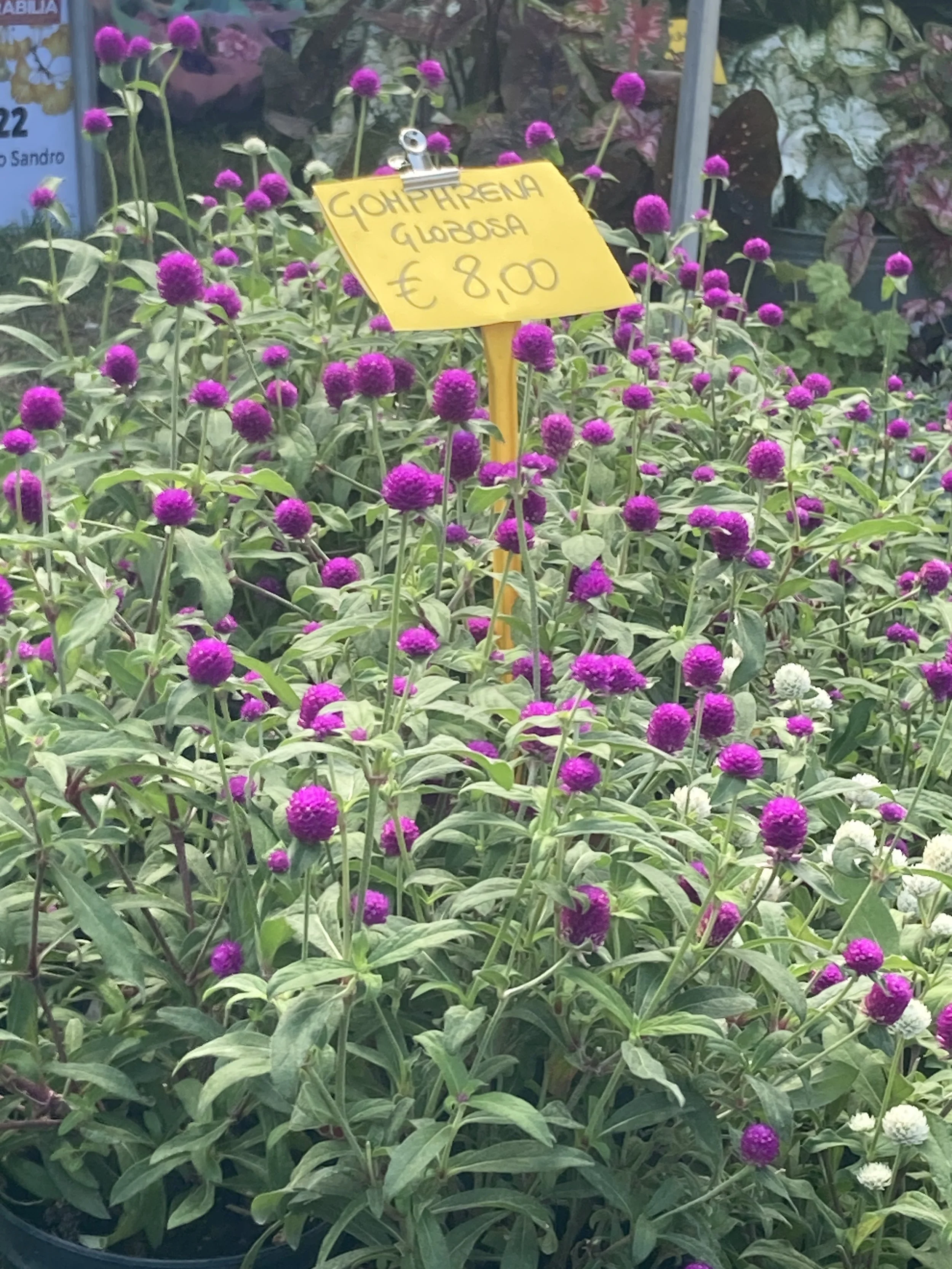
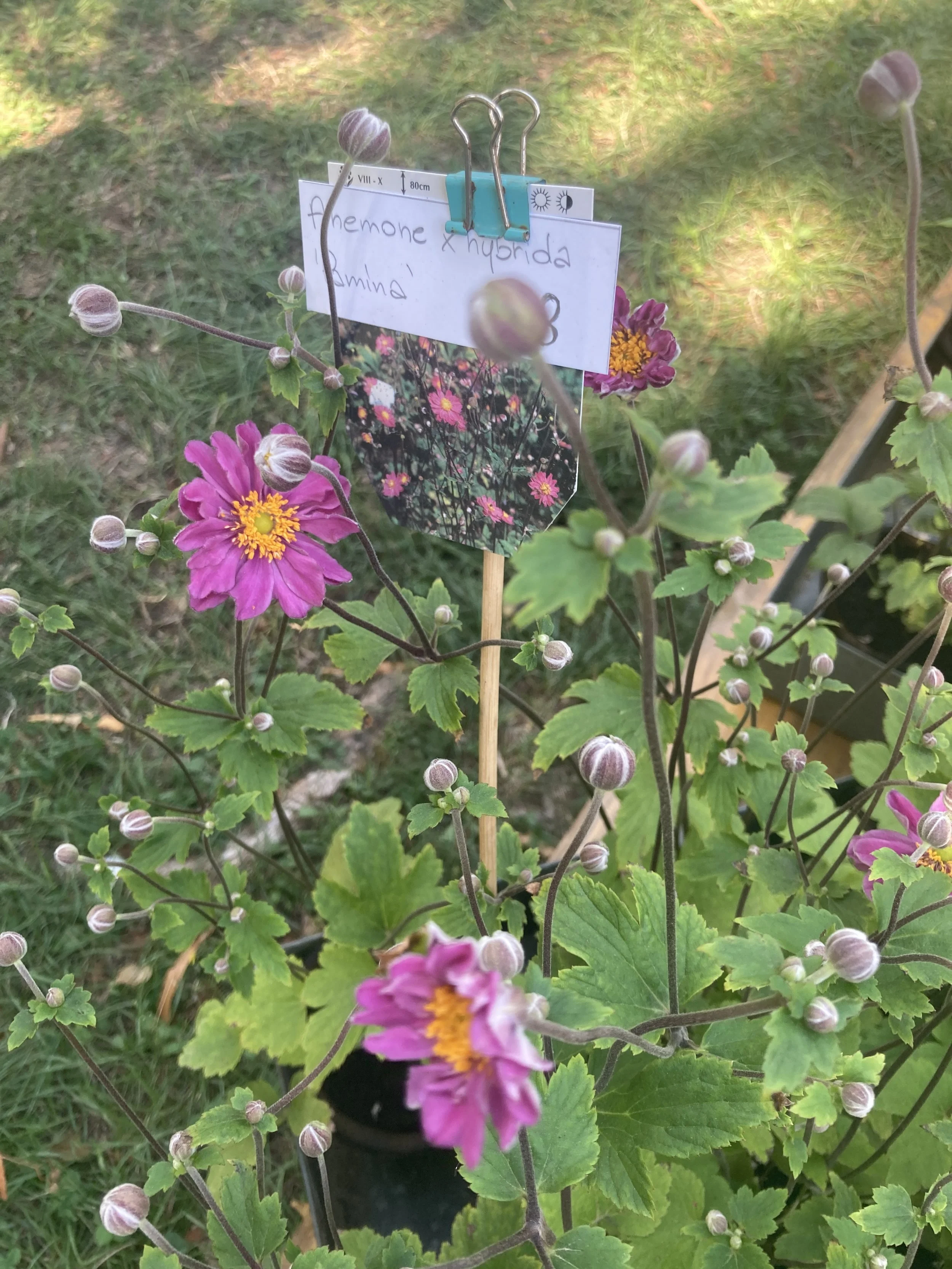
For me, the flowers remain the super stars of the event.  The variety in form, color, leaf shape, and texture makes wandering through the displays a joyful way to spend a morning.
IMG_8823.jpeg
IMG_8810.jpeg
IMG_8808.jpeg
IMG_8795.jpeg
IMG_8794.jpeg
IMG_8793.jpeg

September will hold many more special events: a month long carnival just outside the walls, a major religious procession, and several types of markets. 

Murabilia is the perfect way to kick off the month known here as Settembre Lucchese.
September 07, 2026 /Joanne Bartram
Murabilia, Fall Lucca, gardening italy
#fallinitaly, #italiangardens, #lucca, Autumn in Italy, Fall in Italy, Festivals Italy, Italian culture, Italian gardens

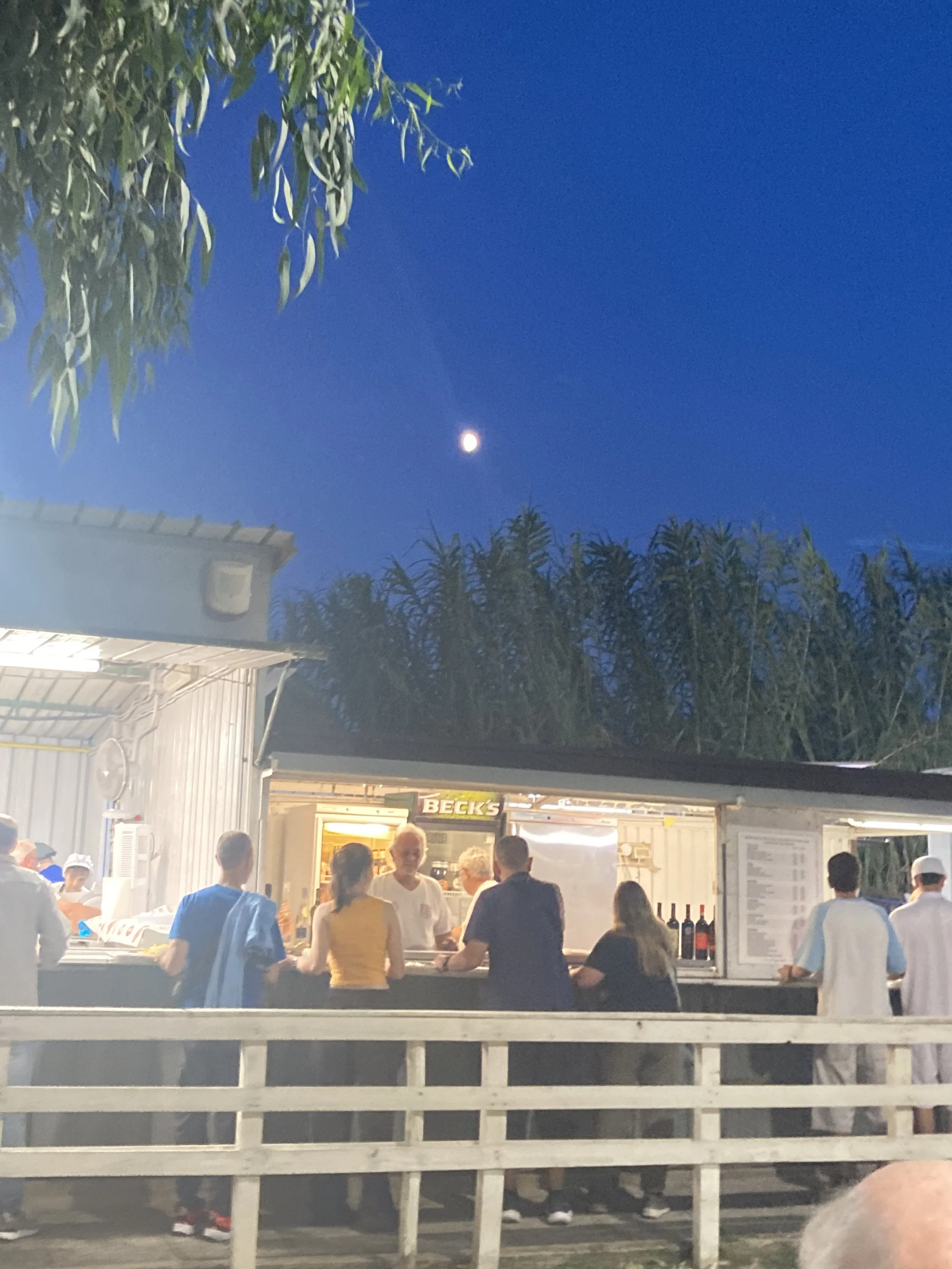
A late summer evening, a local sagra, under a bright moon in Italy. Perfection.

As Summer Winds Down

August 31, 2026 by Joanne Bartram in #italiansummer, #lucca, Festivals Italy, Italian culture, Italy, Italy travel, Lucca, summer in Italy

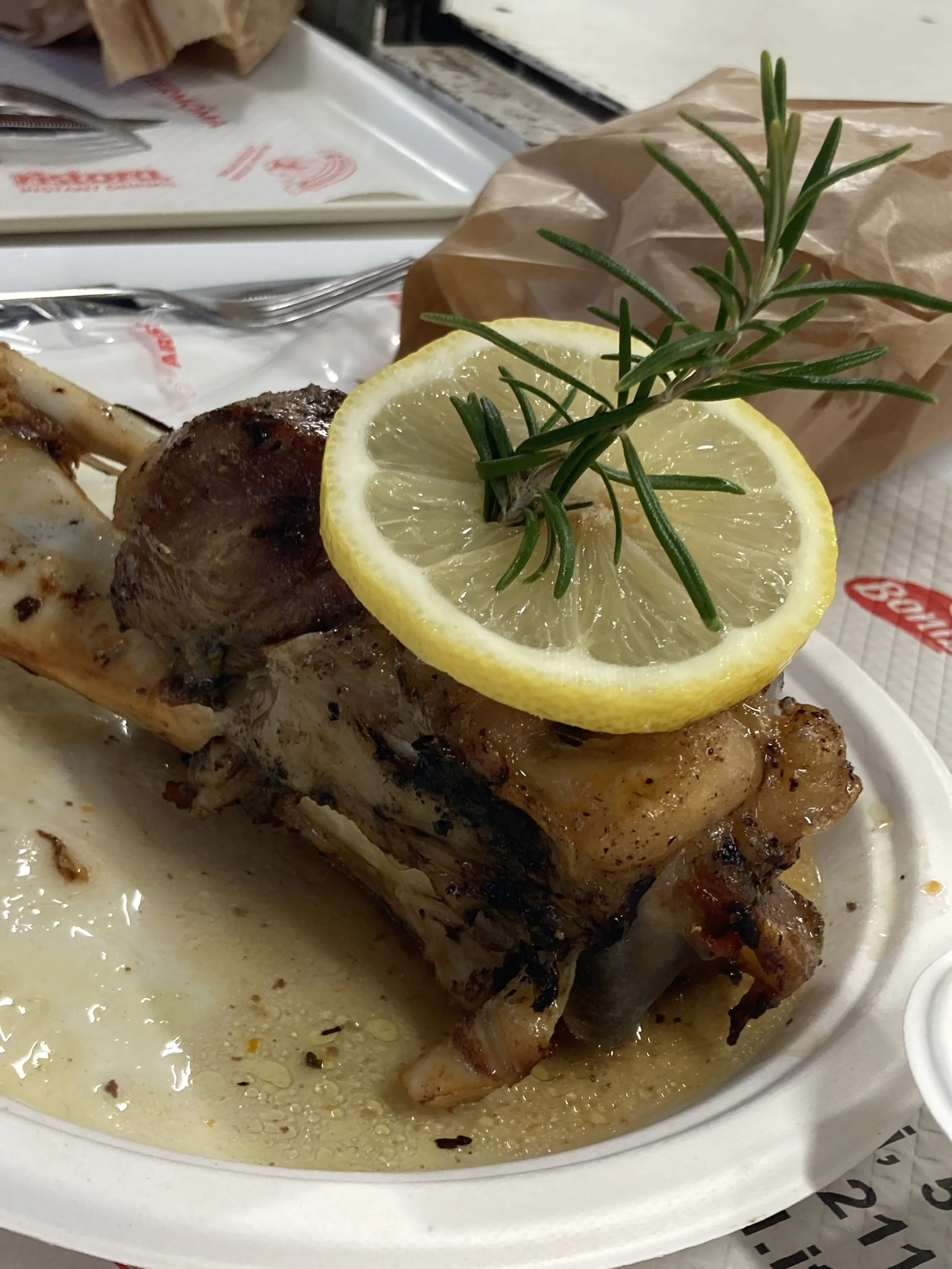
Stinco is a pork shank, tender and wonderful the meat falls off the bone

The calendar says that summer is almost over, though the weather has yet to provide any hints of fall. Temperatures are a little better than they were a couple of weeks ago, but still hot, humid, and sticky.  I’ve had a busy couple of weeks since my return to Lucca, including a move to a new apartment and carting more boxes than I can count to the recycle bins. Fortunately, those chores were balanced out by a couple of fun events.

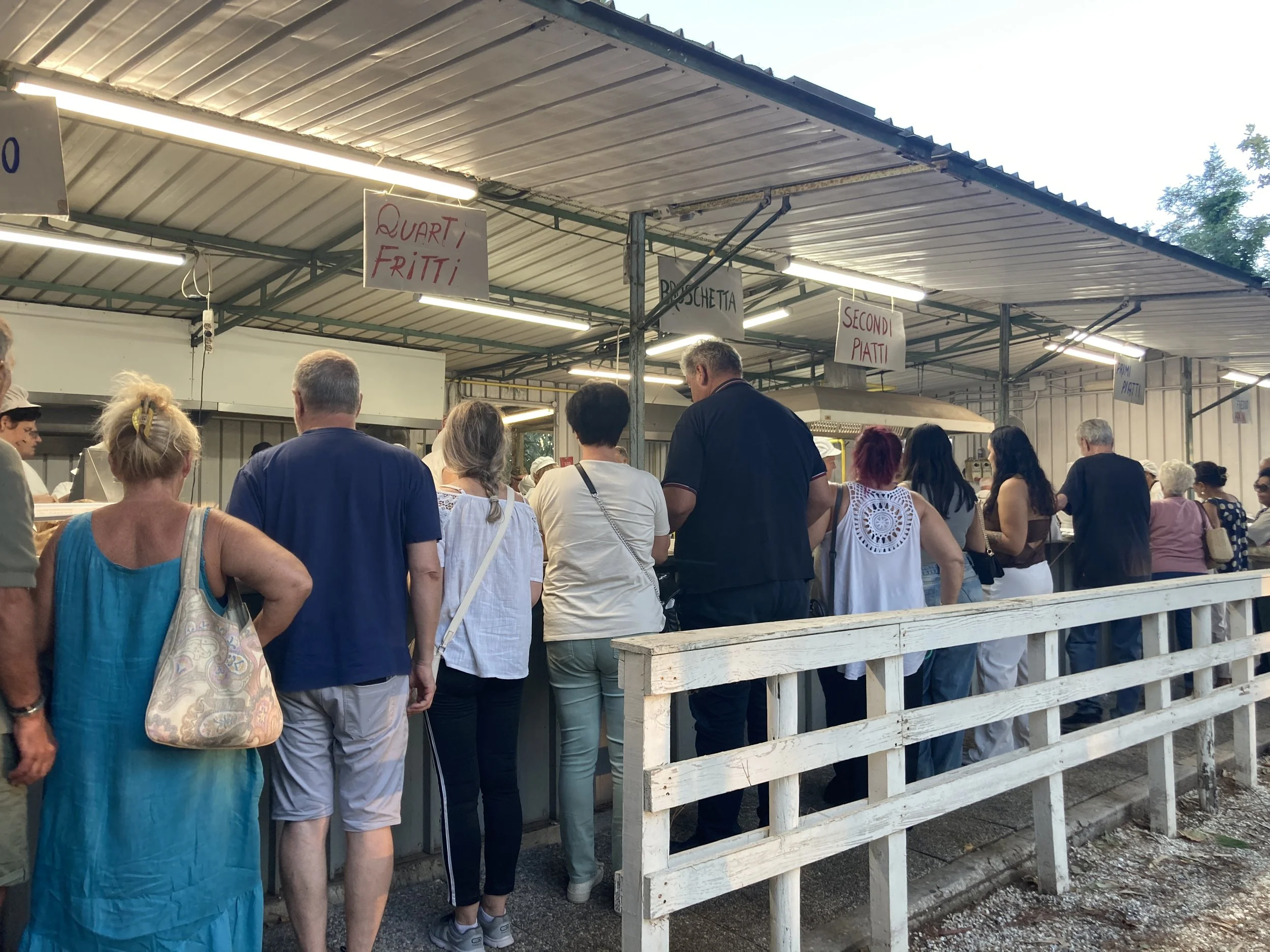
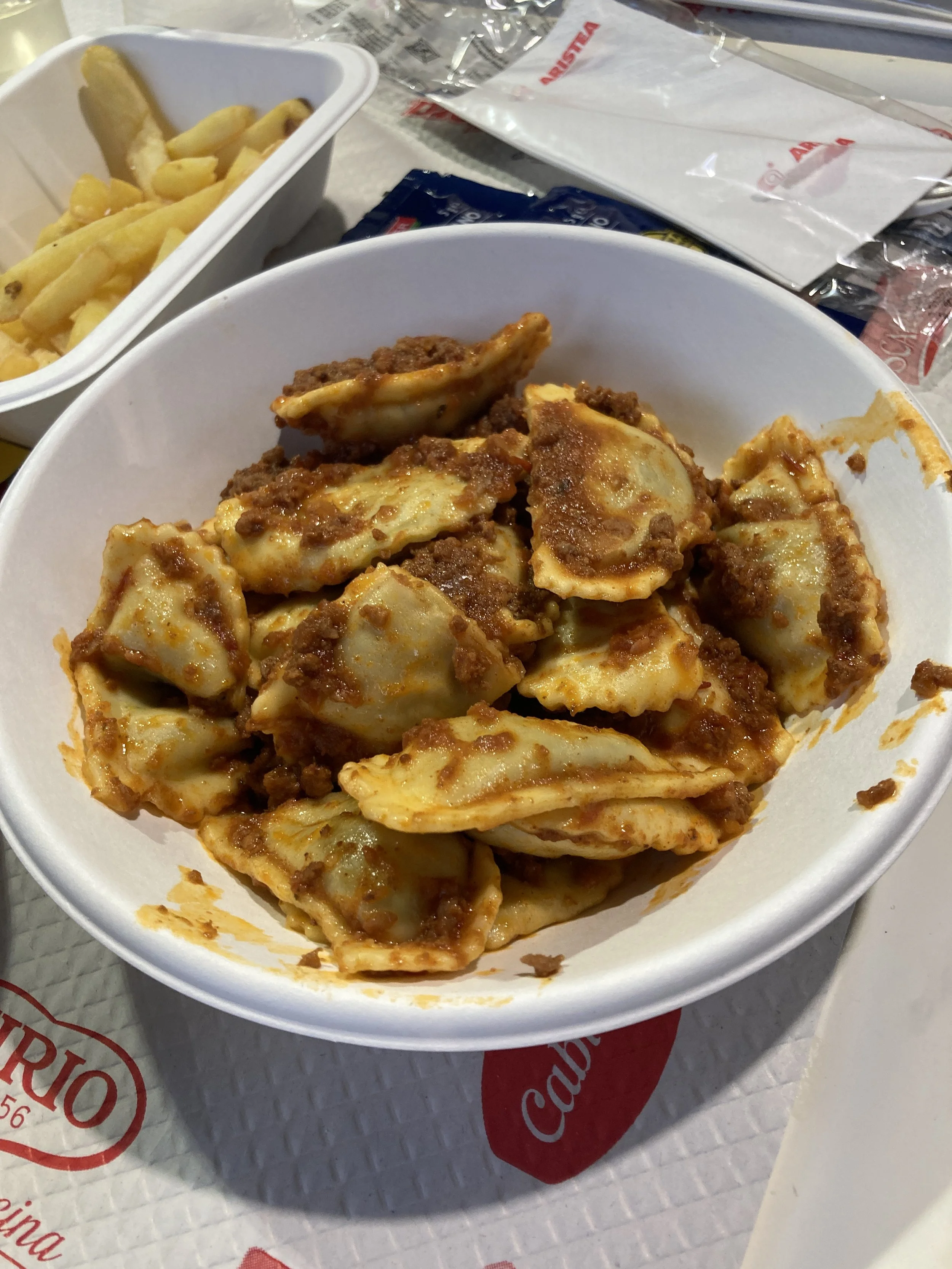
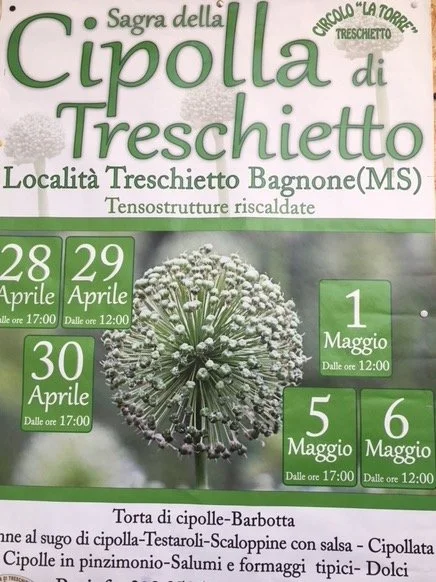
First, a sagra with a group of old and new friends.  A sagra is a community event, usually held in summer or fall, a festival built around a local specialty dish.  The cooking is done by volunteers (community or church groups, lots of nonne and nonni).  Dining is outdoors at long tables, and the food usually is served cafeteria style – get your tray, go through the line, pick what you’d like.  Sometimes you buy a ticket at the start, which covers everything, and other times you pay at the end based on what dishes you’ve chosen.  Don’t forget to stop by the booth selling wine!
IMG_8678.jpeg
IMG_8690.jpeg
IMG_8688.jpeg

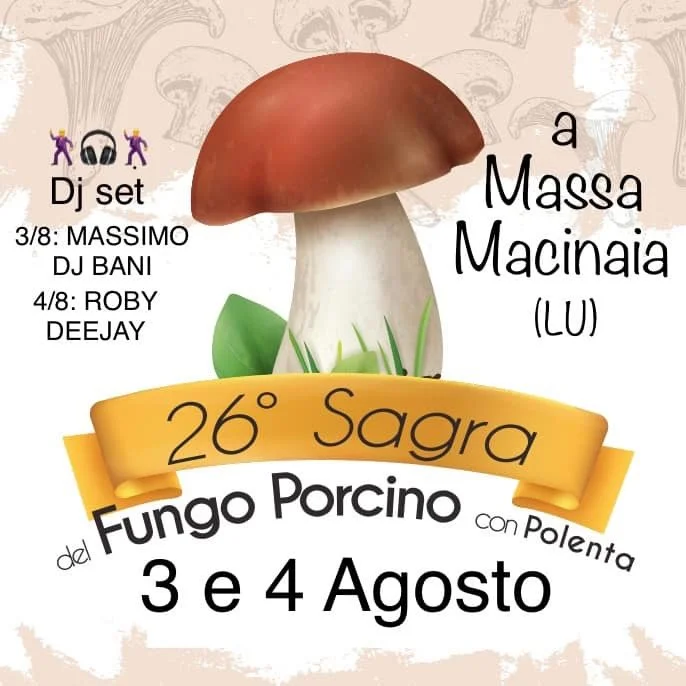
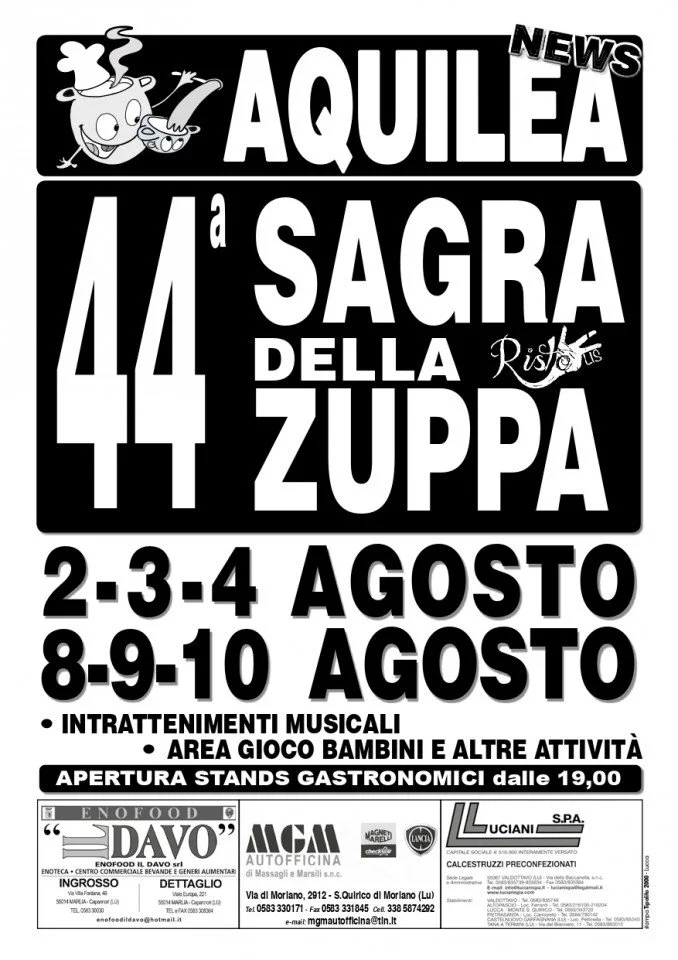
Over the years I’ve been to sagras that celebrate a special type of onion (the Treschietto from Bagnone), rigatoni, polenta, porcini, roasted meats, and soup.   Each one a local specialty and delicious.  Every sagra also served a variety of dishes beyond the featured one, plus wine and a dessert.  

IMG_0554.JPG
IMG_0558.JPG
IMG_2451.jpg

Stinco

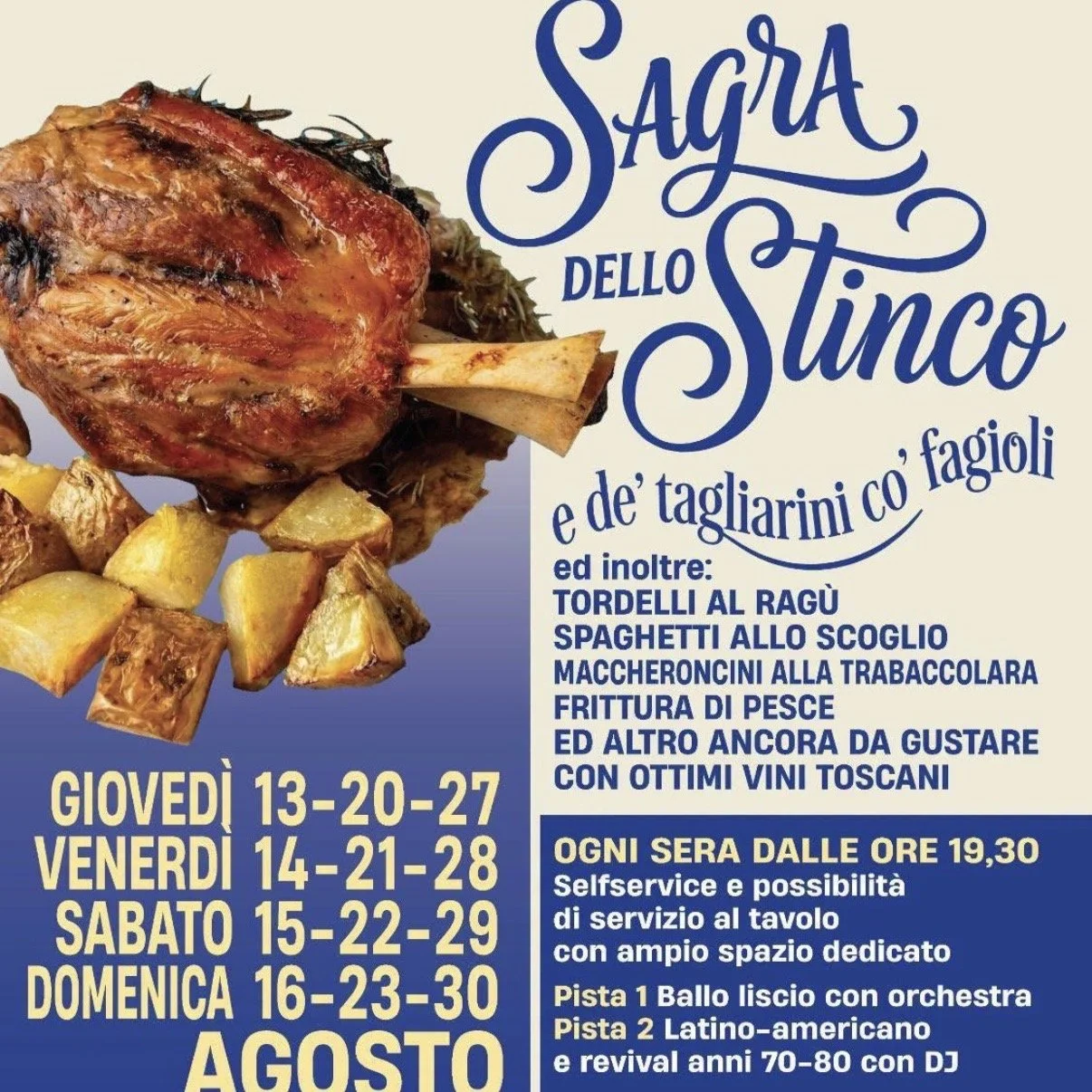
Last week’s sagra was in Massarosa, not far from Lucca.  The Sagra dello Stinco featured pork shank – a delicious big piece of pork so tender it nearly fell off the bone. 

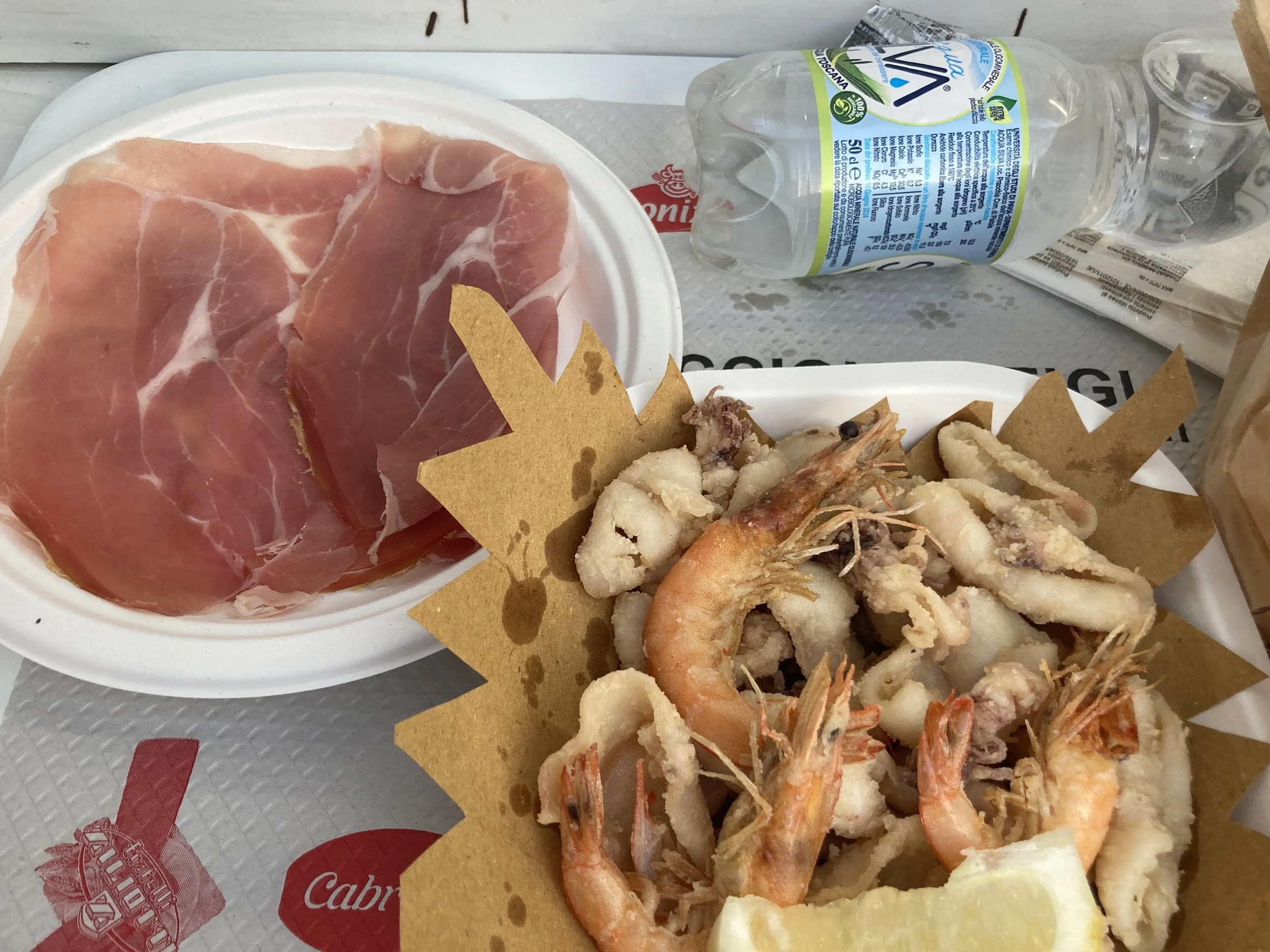
There were also a couple of different pasta dishes, grilled chicken, steak, fried fish, quarti fritti (lovely, salty fried dough pieces to layer with prosciutto), bruschetta with tomatoes.  Water, beer, wine.   Desserts, a cream filled torta di nonna or a chocolate filled torta di nonno, rounded out the menu.   Taking place in a not-too-hot summer evening with music, laughter, and friends and it added up to a perfect Italian summer night.

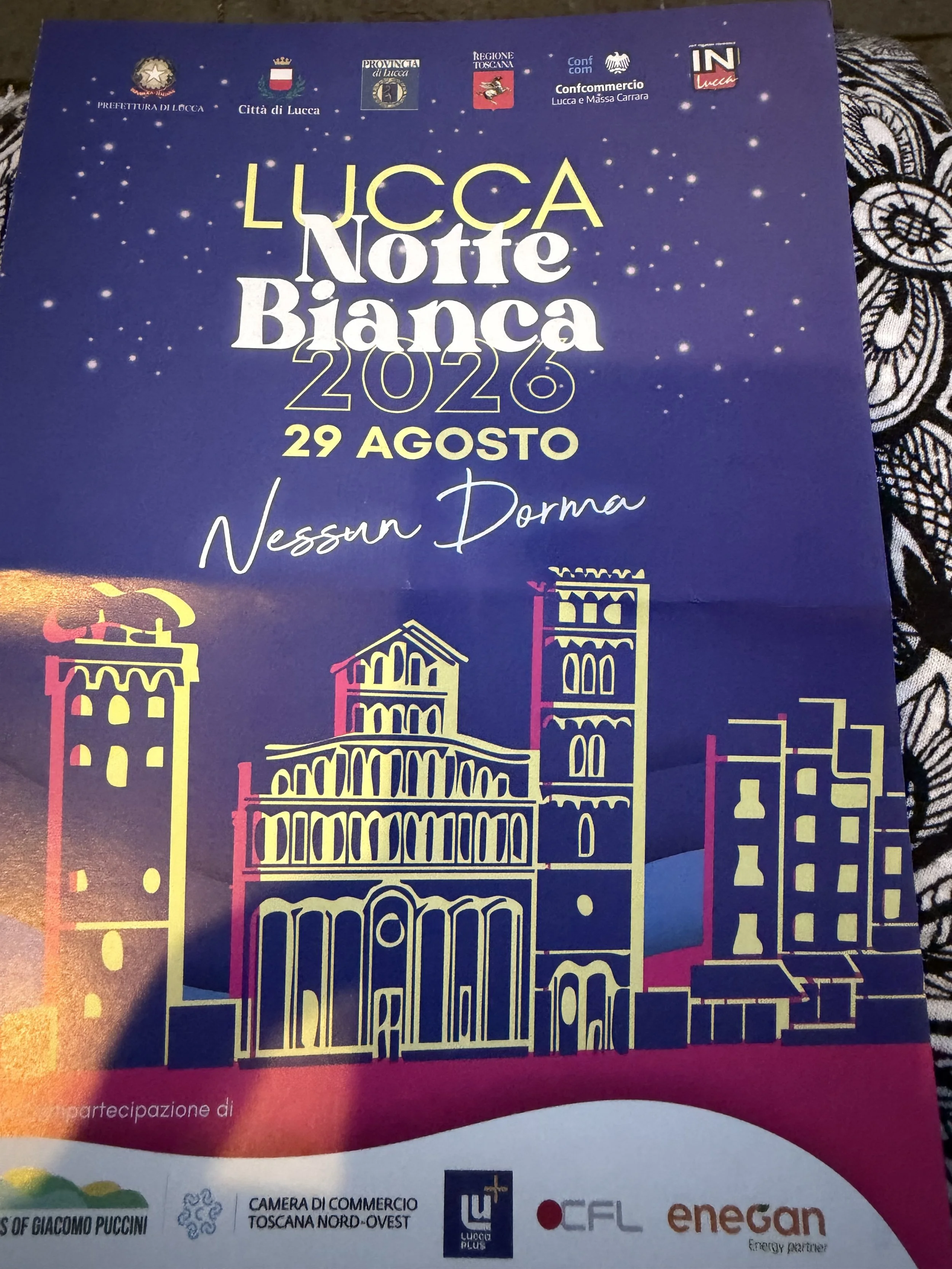
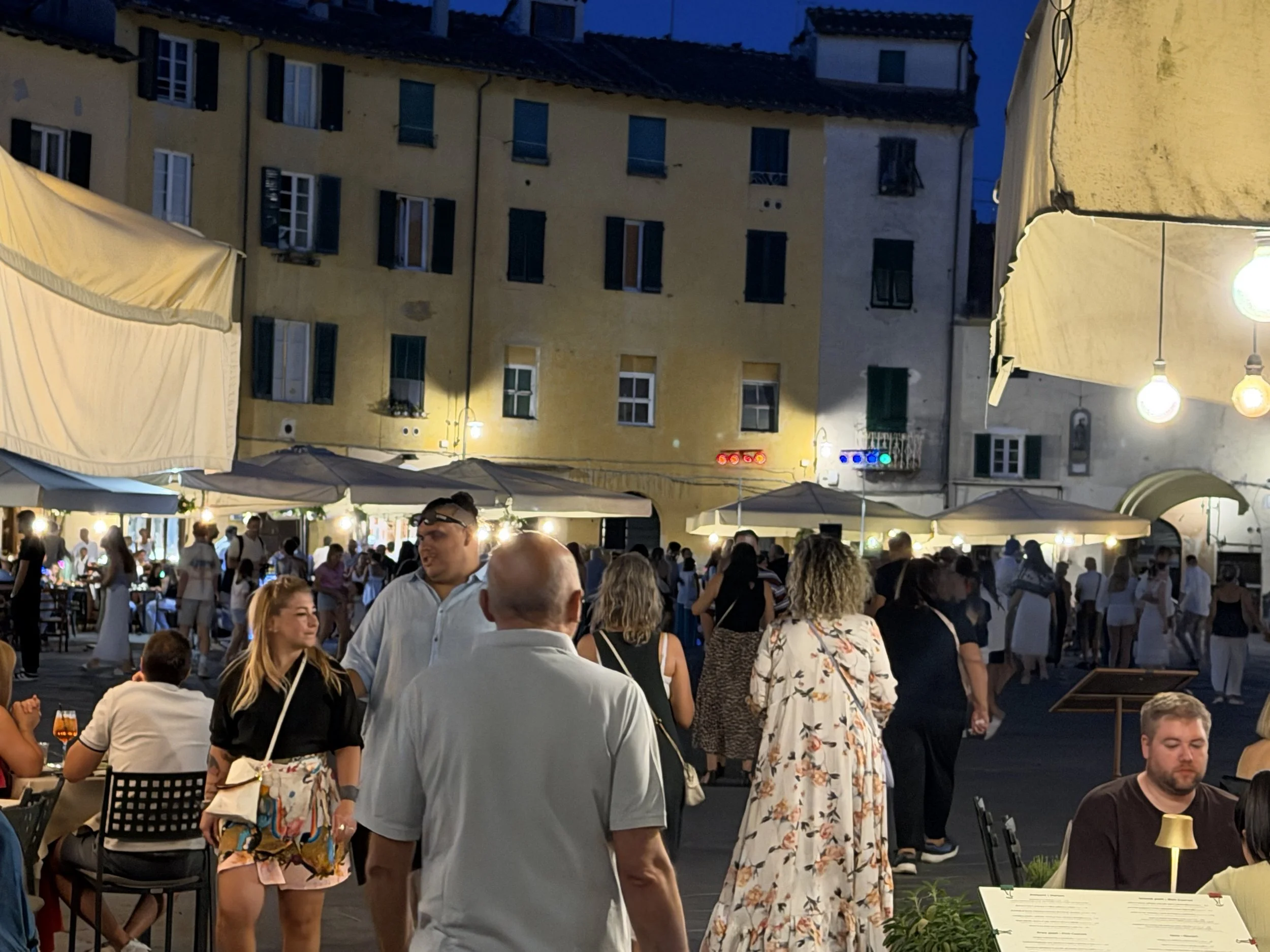
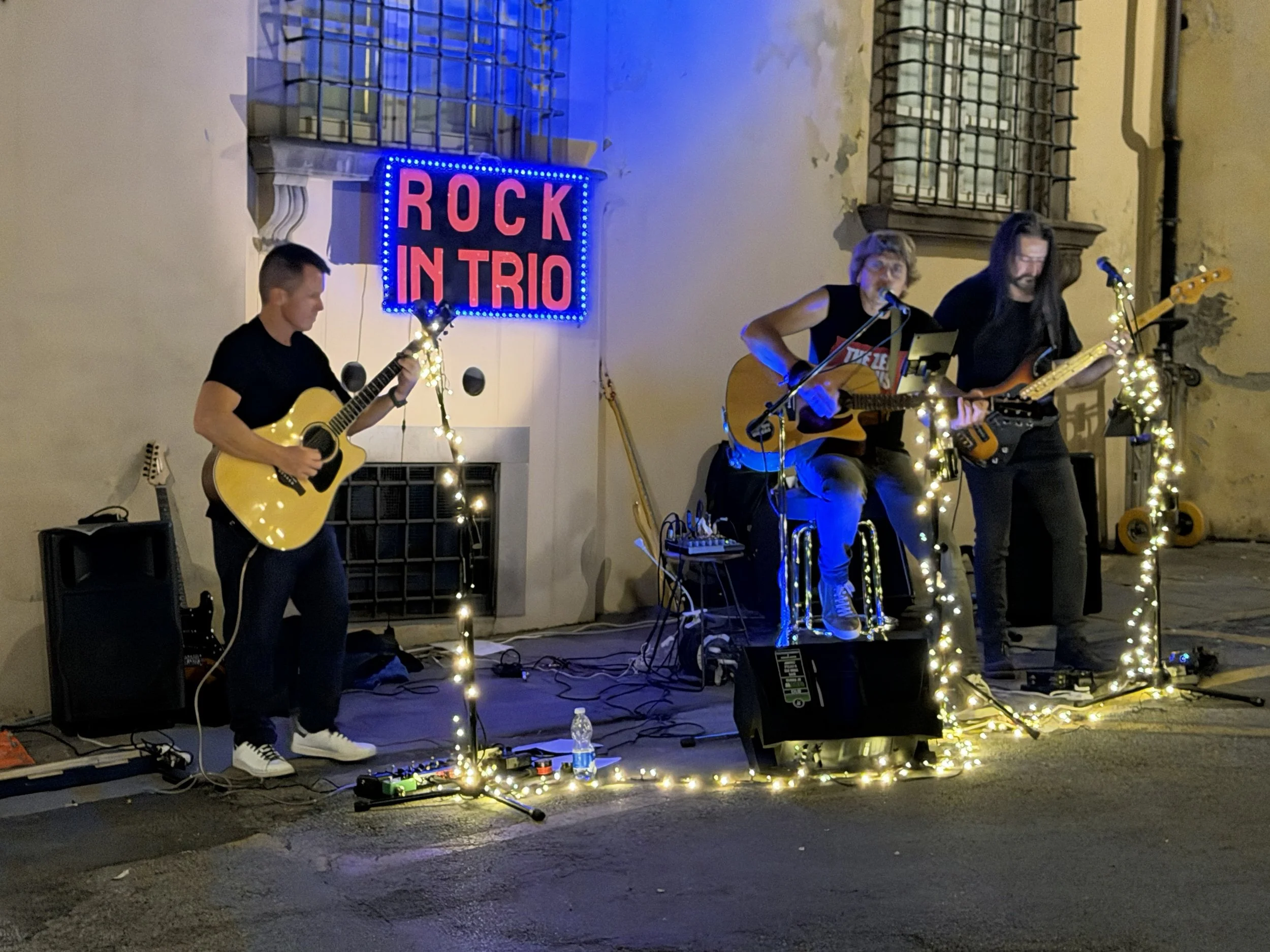
                                                                                                                                                                                                                                                  The last weekend in August also saw the 13th edition of the Notte Bianca (White Night) in Lucca.   This is an end of summer celebration in which most of the city’s museums, along with famous towers and palazzi, are open late (with free entry). Shops stay open well past normal closing times as well. 

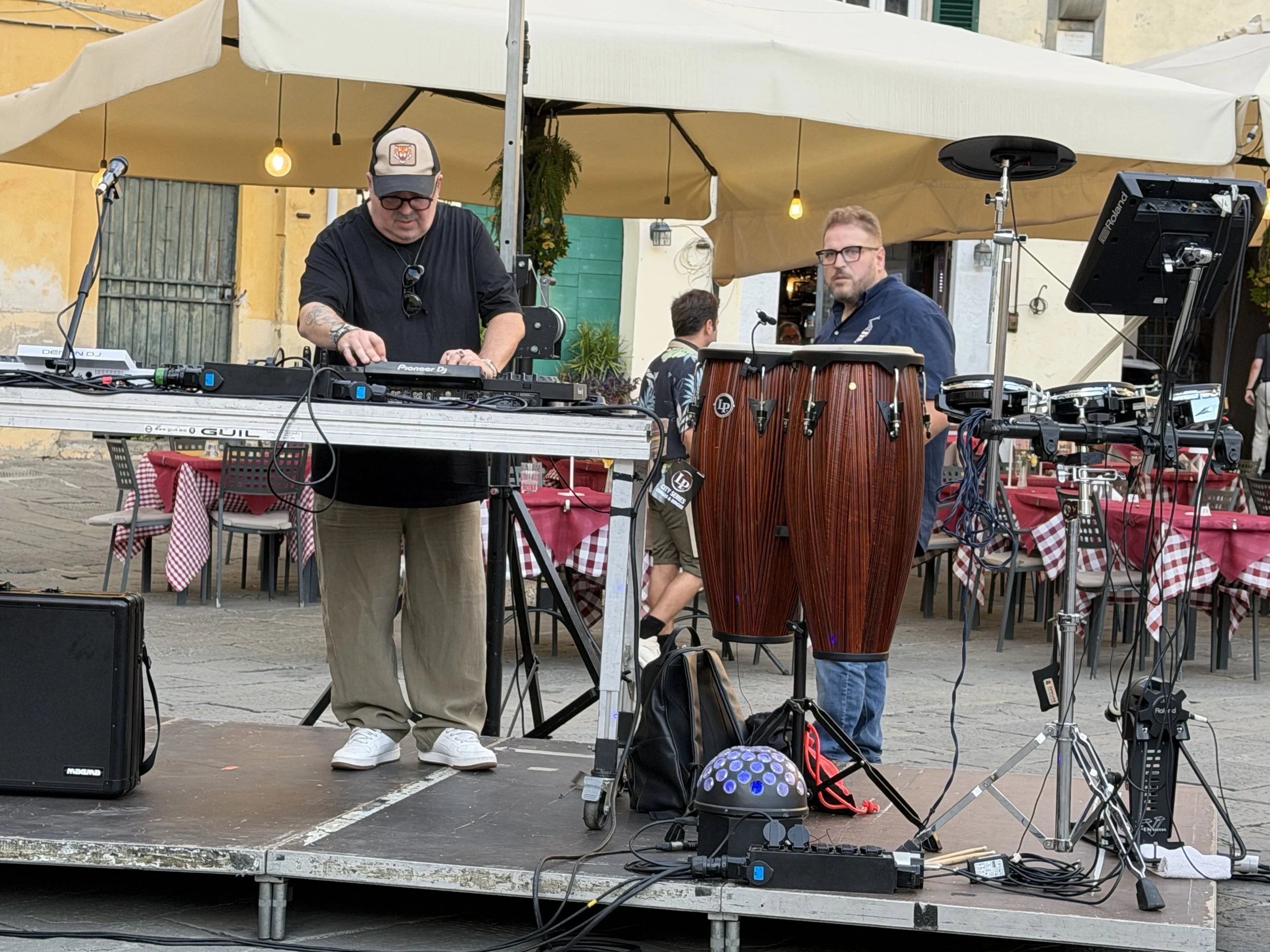
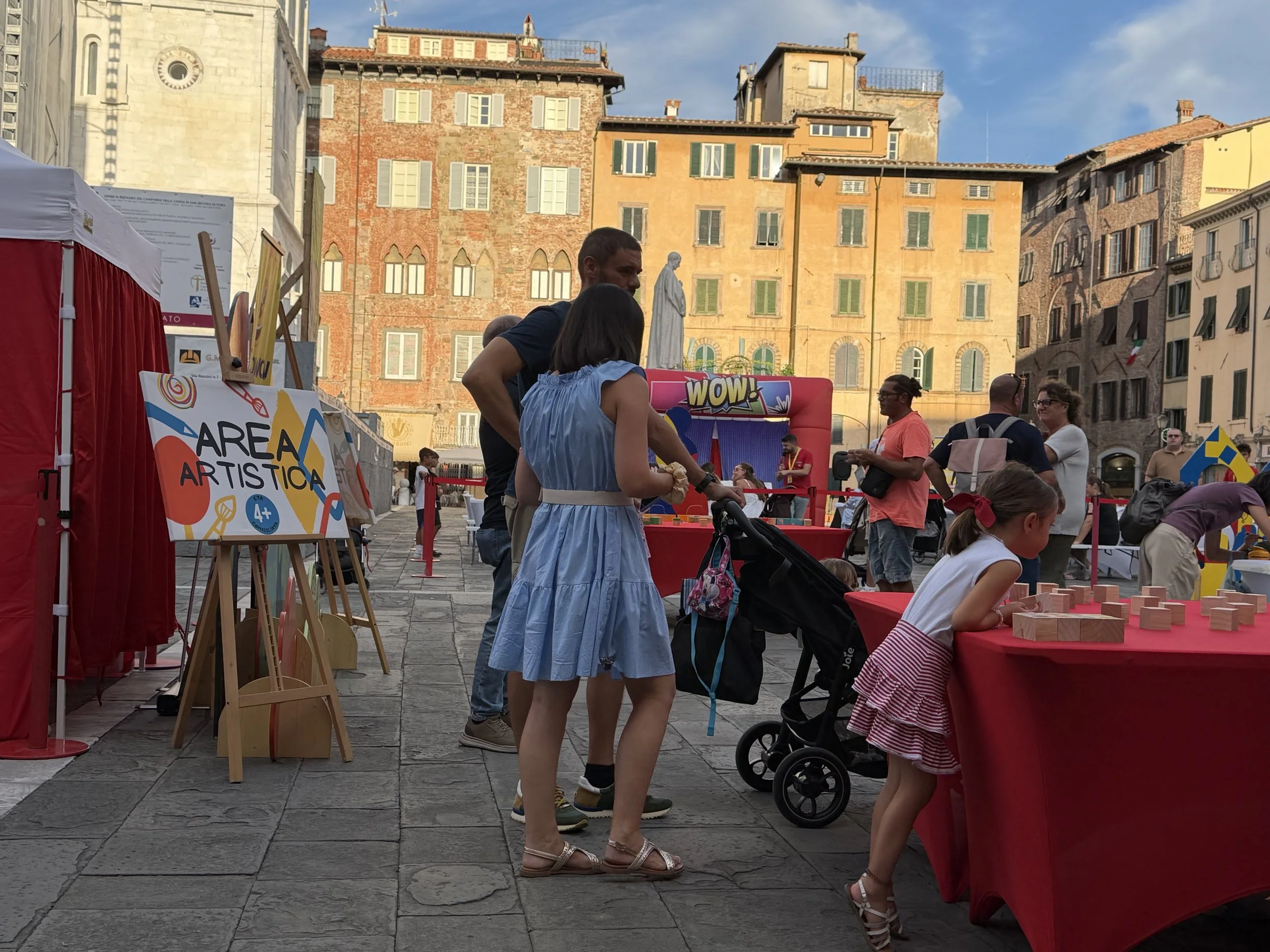
Early in the evening there was a creative activity for kids in Piazza San Michele.  As the night progressed, there were multiple sound stages with DJs in the large piazzas and smaller DJ stages or groups performing along many of the streets, a percussion group parading through the streets, and lots of interesting things to see and hear.

IMG_0341.jpeg
IMG_0330.jpeg
IMG_0317.jpeg

No small event - some 60,000 people participated. Perhaps not the thing for anyone who dislikes crowds and loud music, but definitely fun to experience for at least some of the evening.

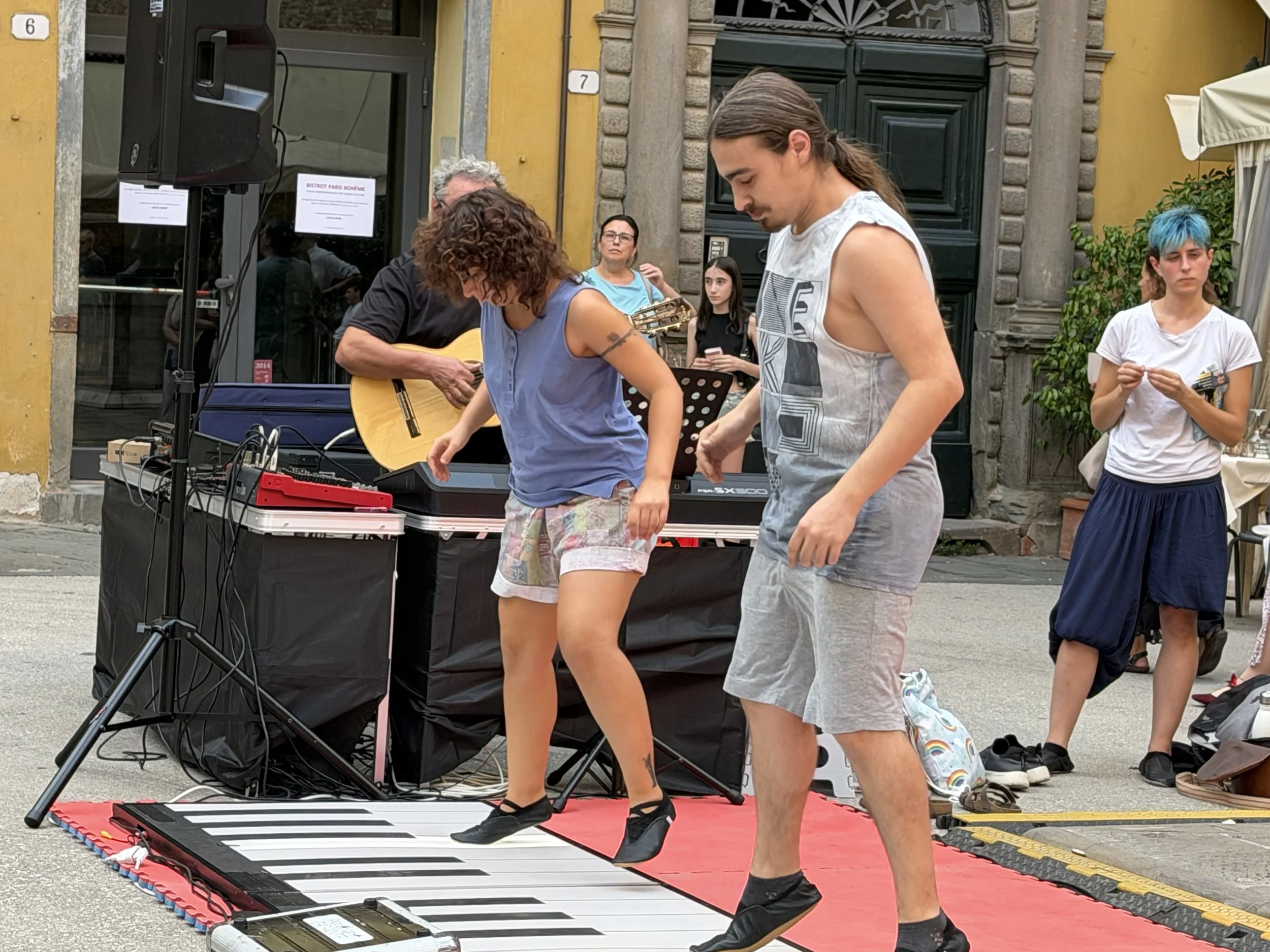
One favorite was the giant keyboard, played by two people dancing across the keys, in Piazza Cittadella. 

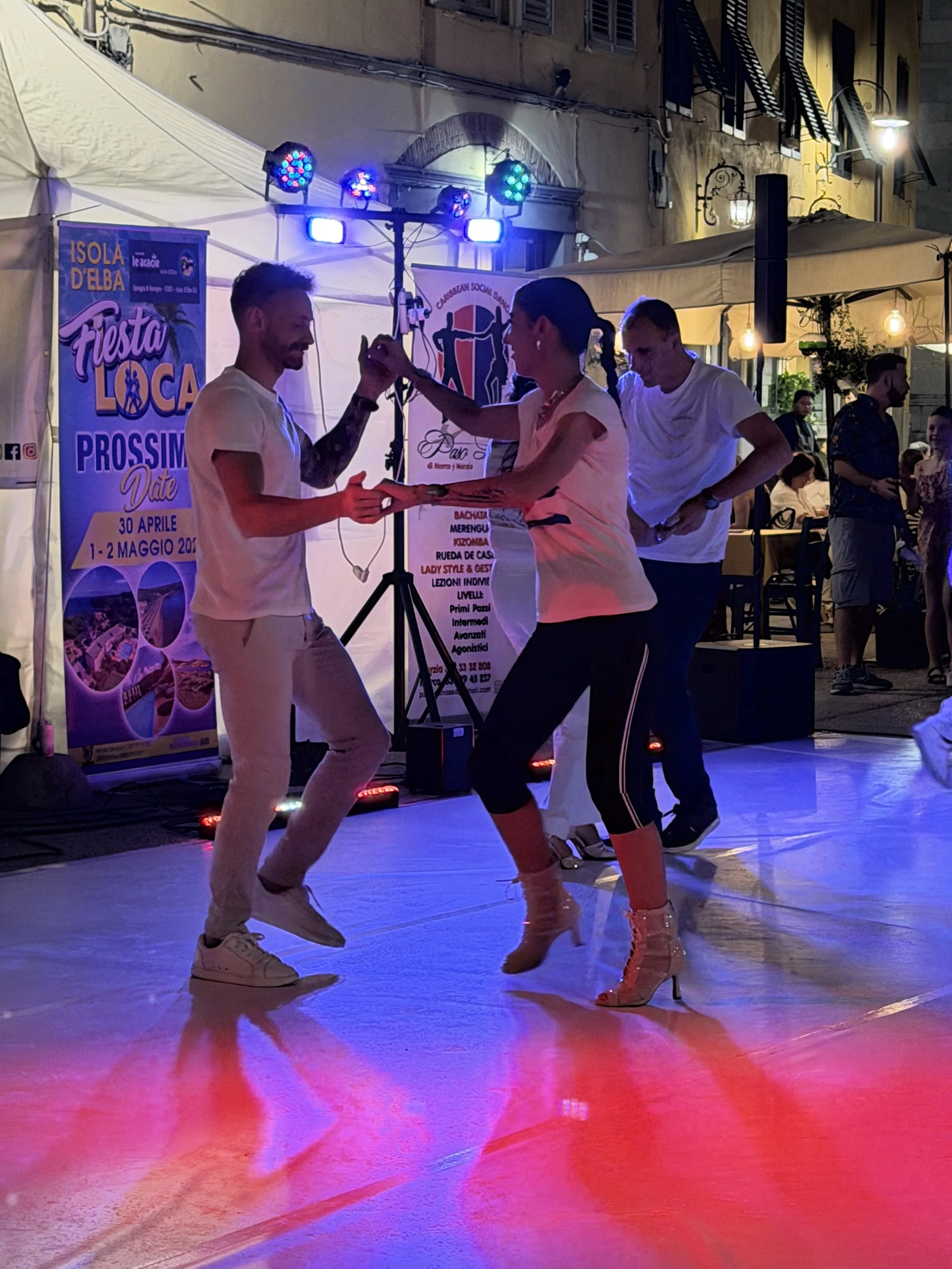
 Another favorite – the groups of dancers in several of the squares.  Everything from tango to zumba, it was not possible to see them all. I chose to watch the salsa dancers in Piazza San Frediano.  Impossible not to move to that beat!

The final event, at midnight, was an acrobatic troupe.  Too late for me – I was home by then but still could hear the music drifting through my windows.

Notte Bianca was a great way to wind down the summer season and begin to think about fall.

Now if only fall weather would make an appearance.

August 31, 2026 /Joanne Bartram
sagra, community events Italy, Summer festivals Italy
#italiansummer, #lucca, Festivals Italy, Italian culture, Italy, Italy travel, Lucca, summer in Italy

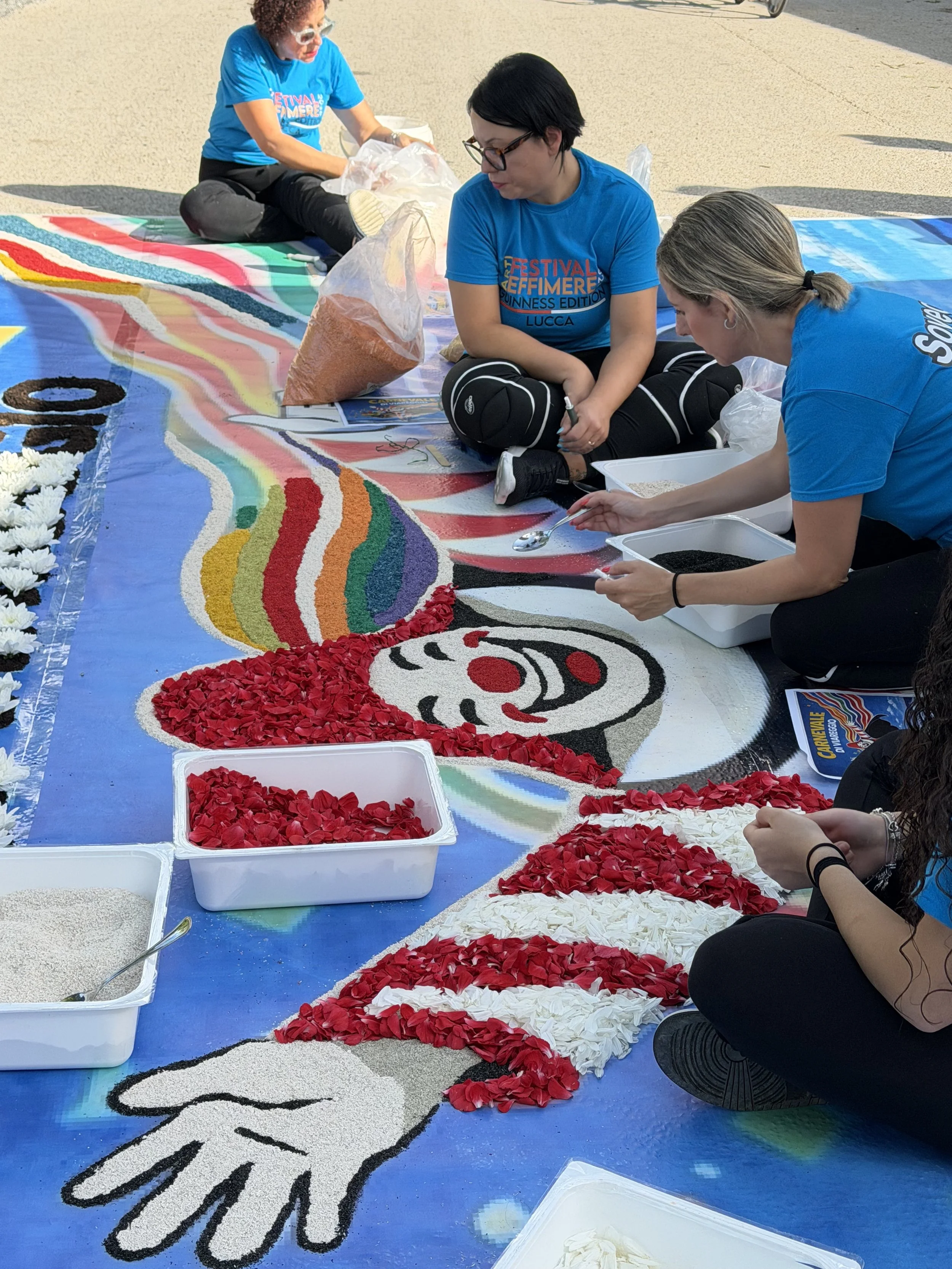
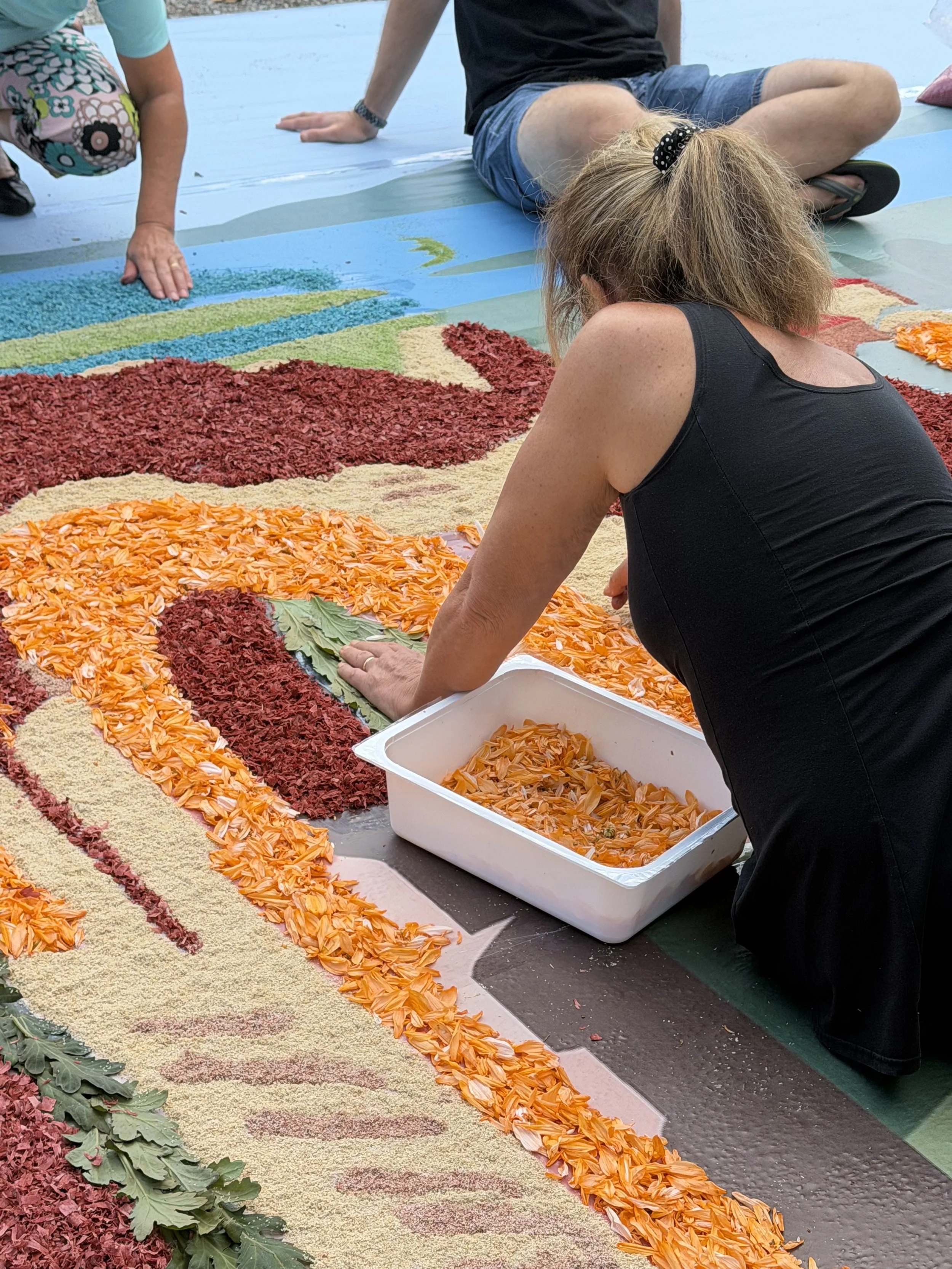
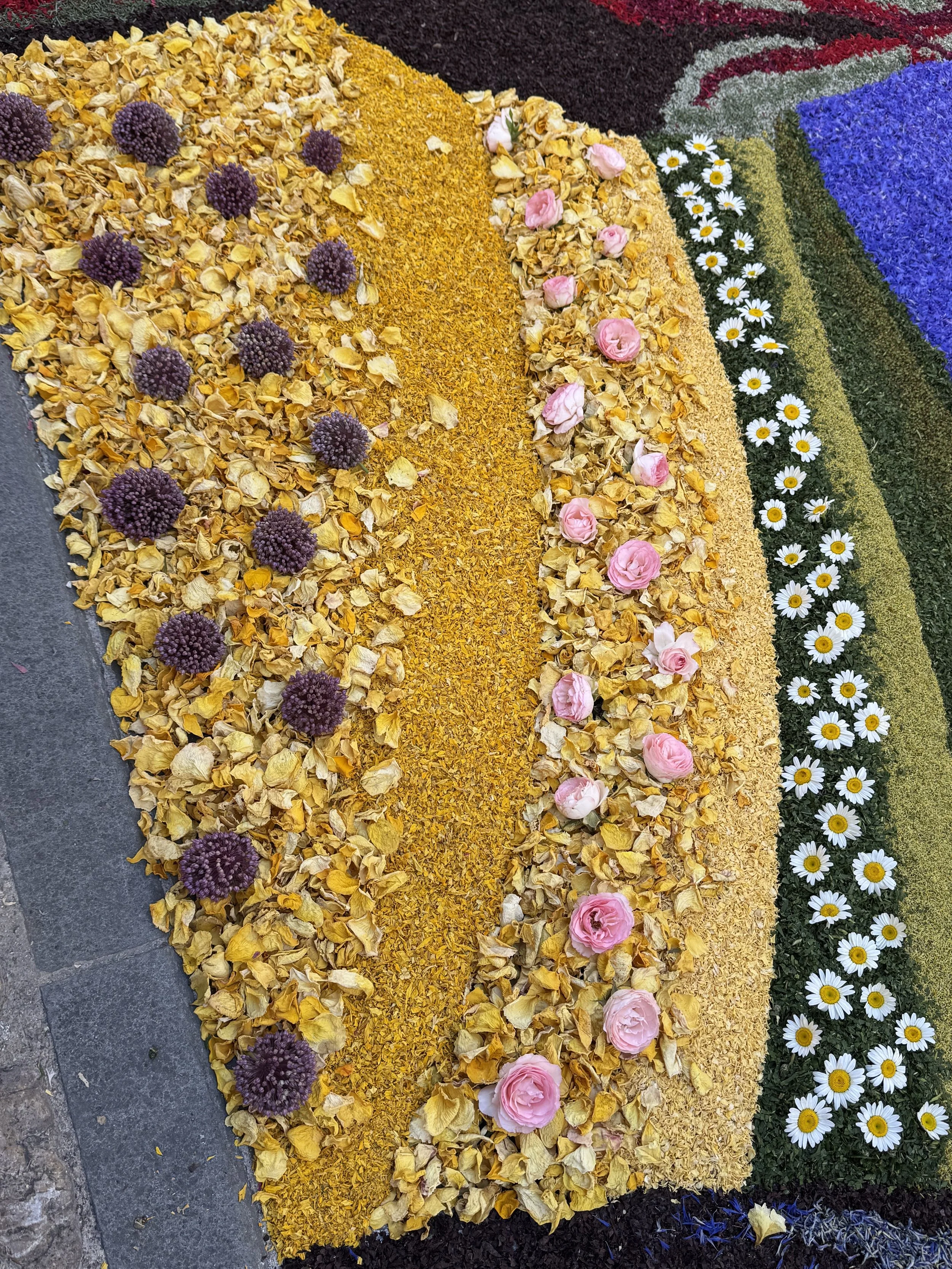
It is painstaking work to build the displays petal by petal. This work represented Viareggio’s big Carnevale event.

A Festival of Ephemeral Art

August 24, 2026 by Joanne Bartram in #italiansummer, #italytravel, #lucca, european travel, Festivals Italy, Italian art architecture, Italian culture, Living in Italy, Lucca

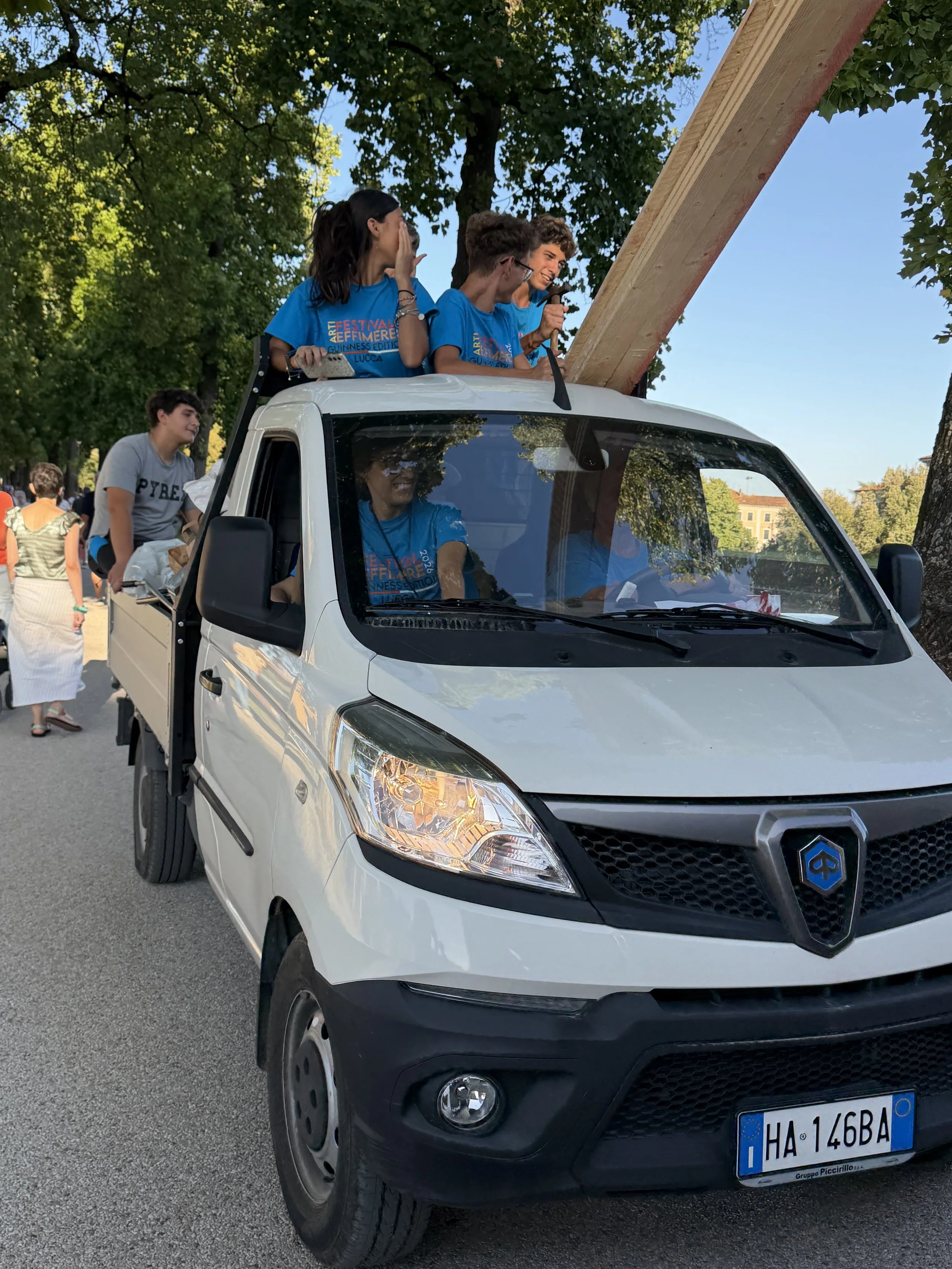
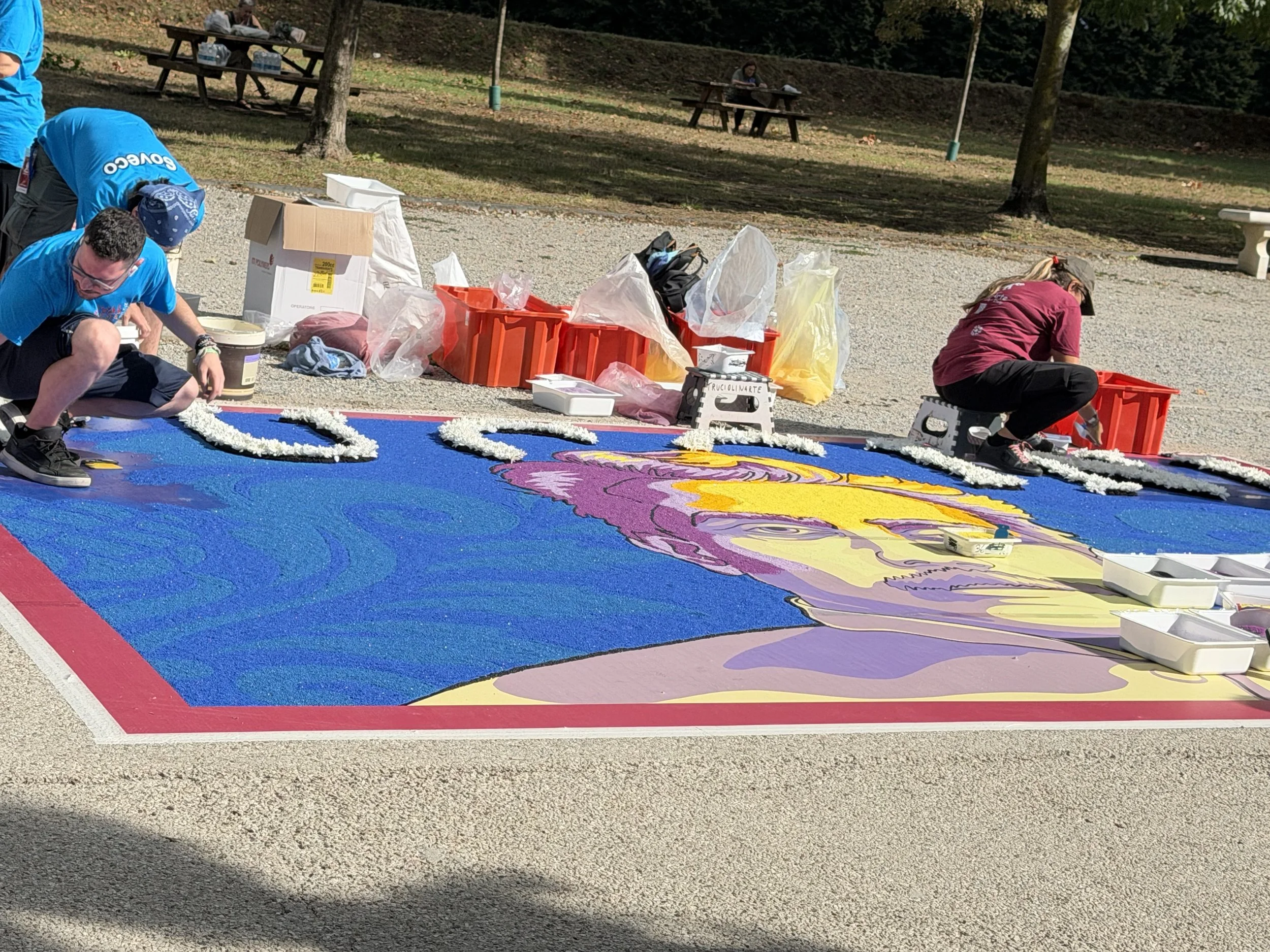
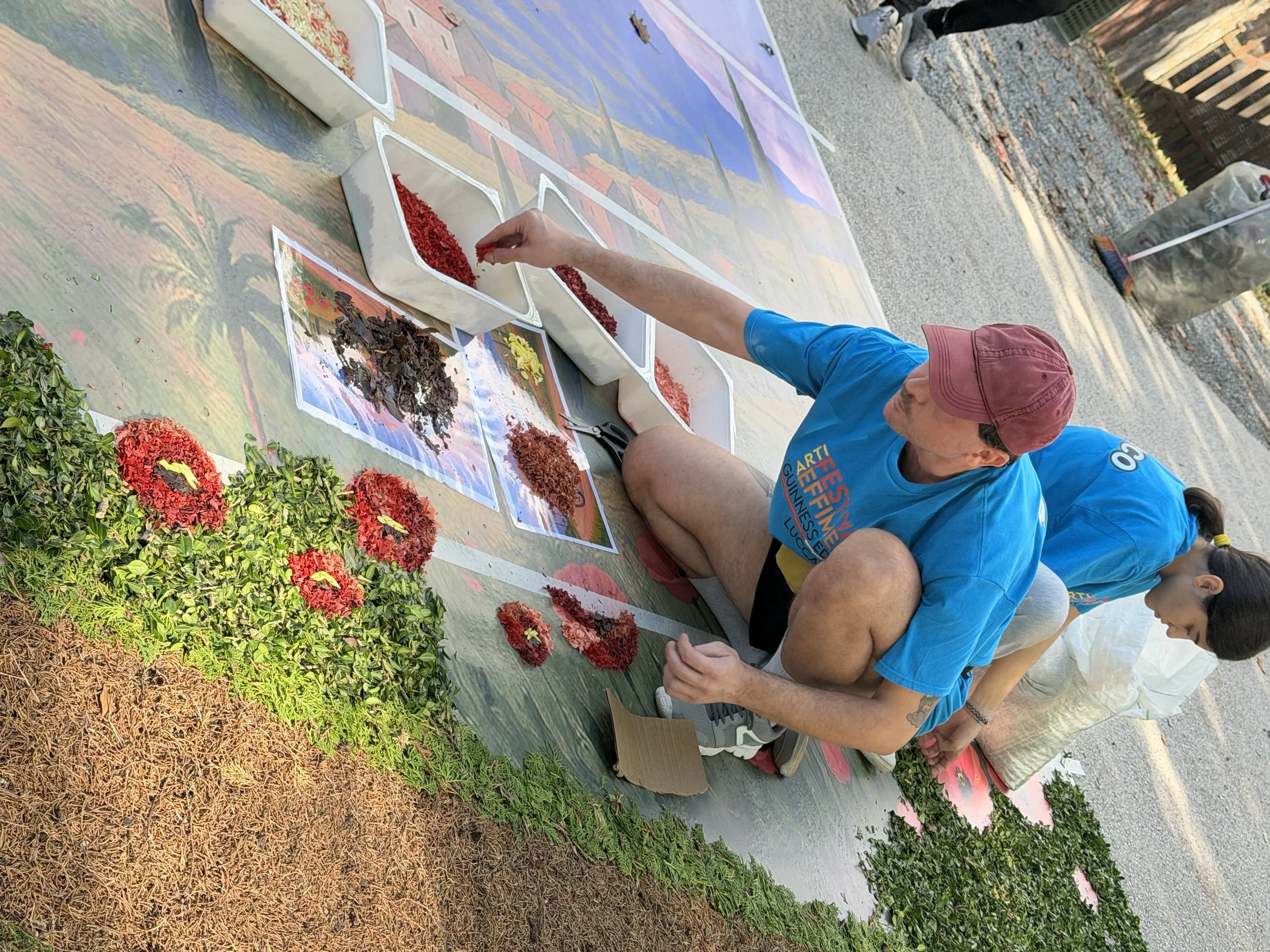
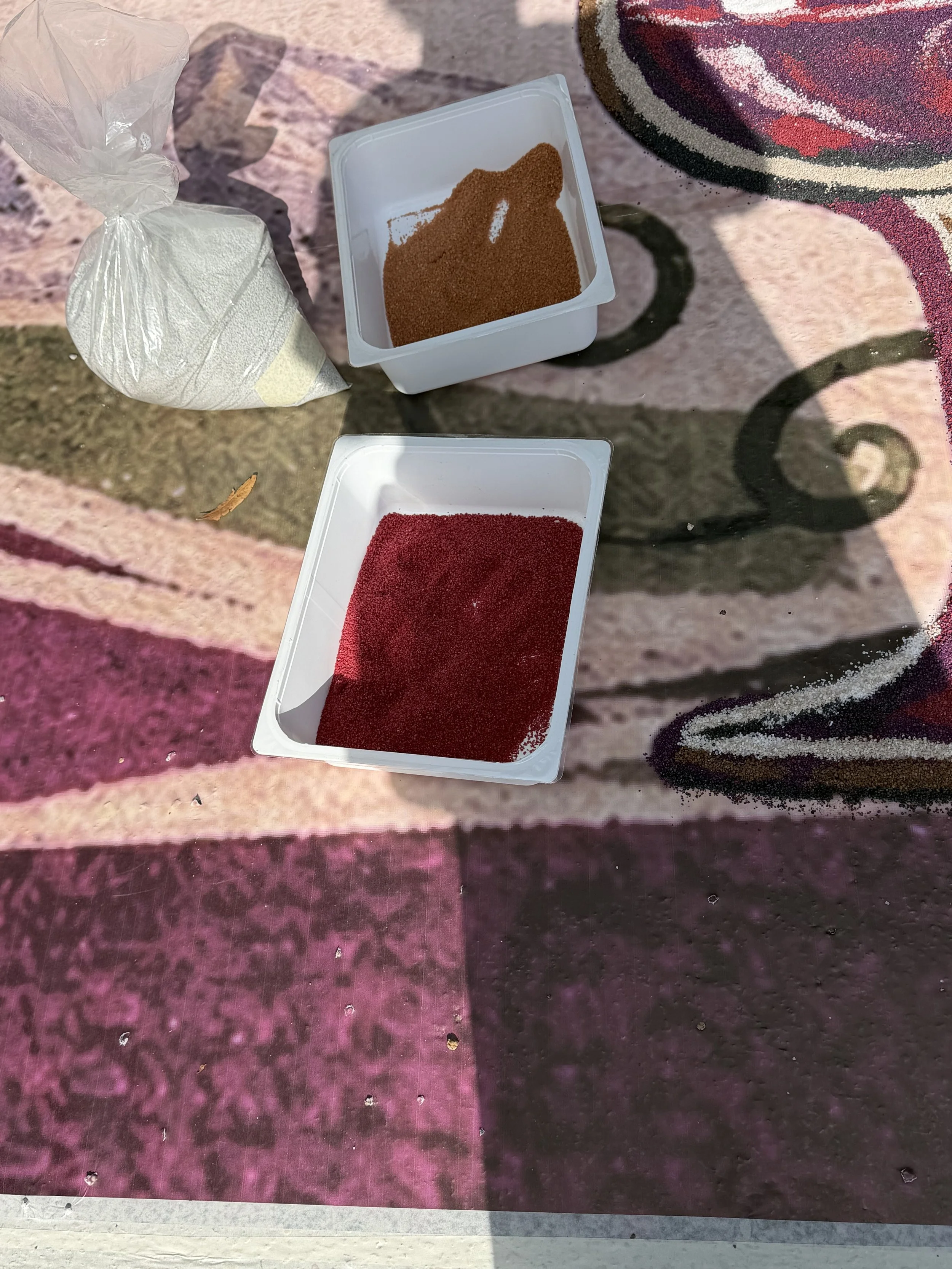
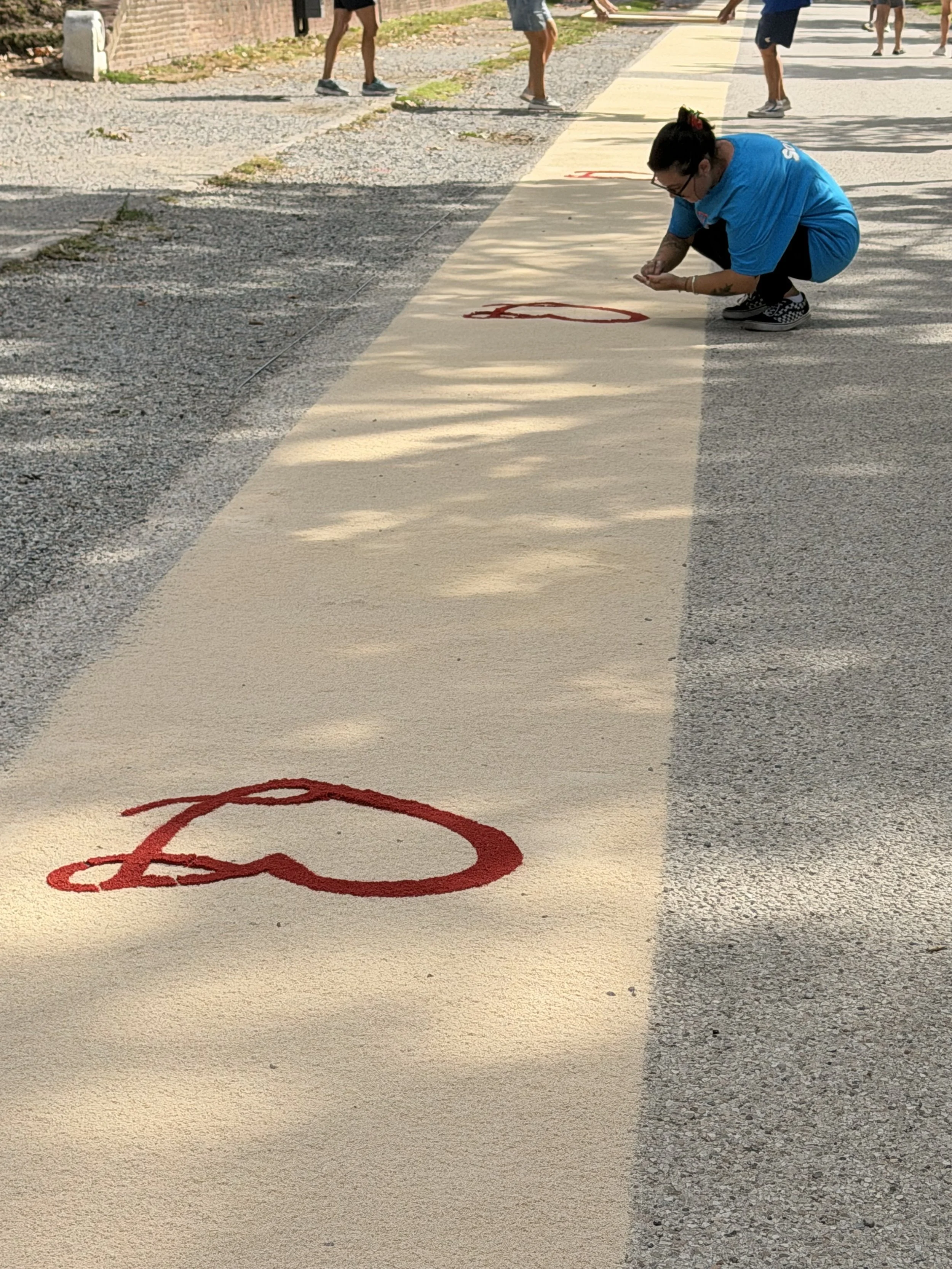
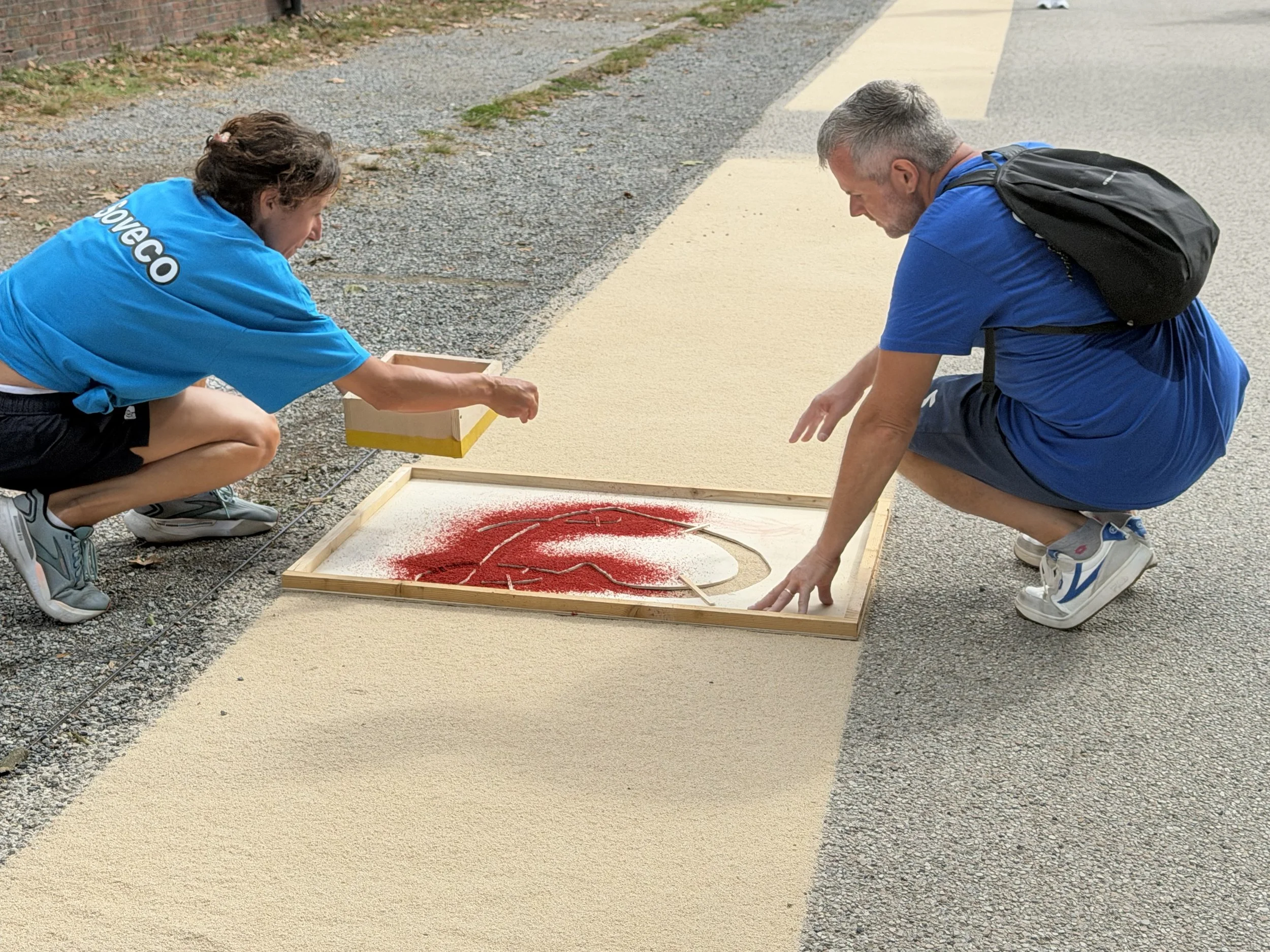
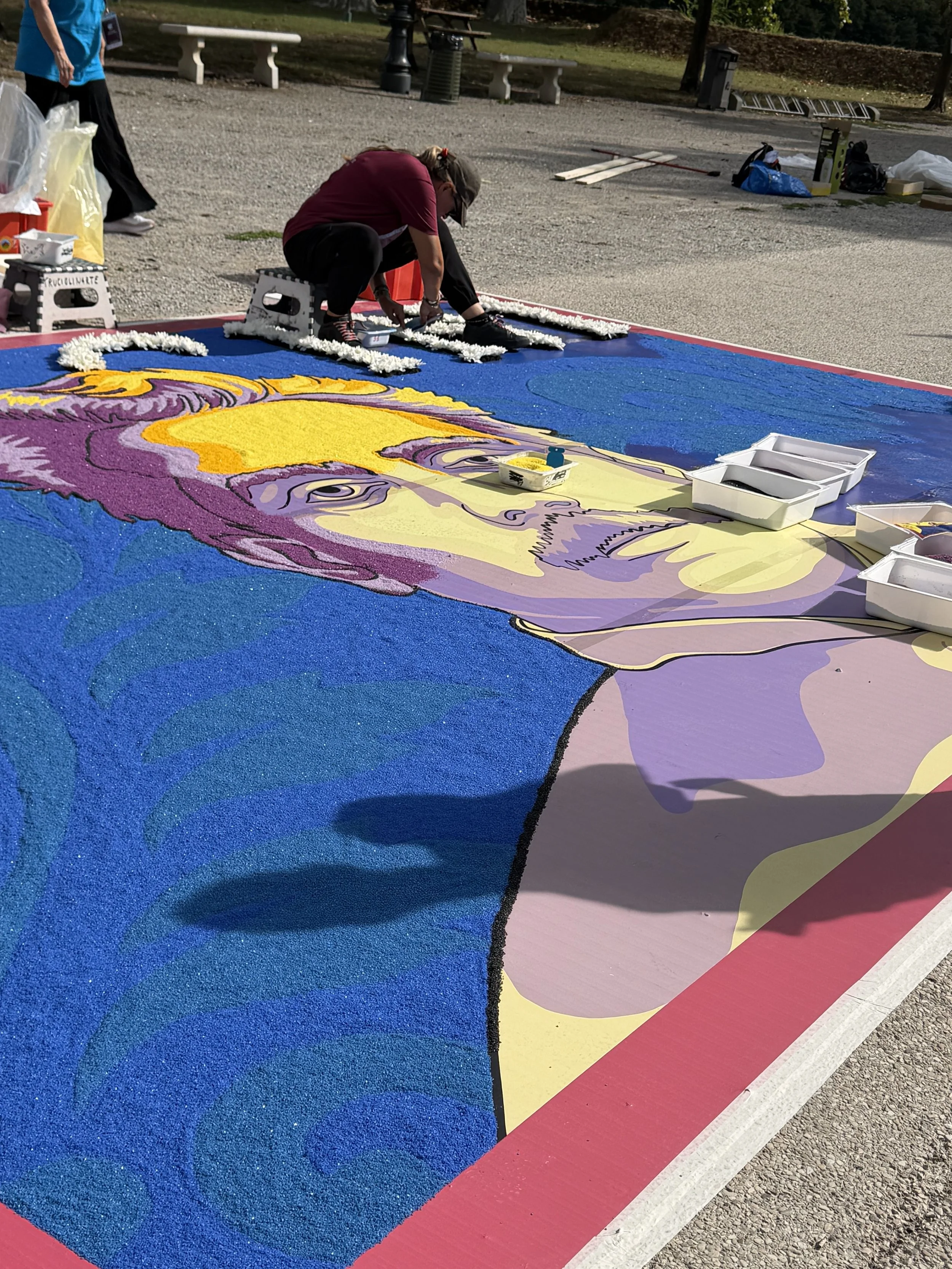
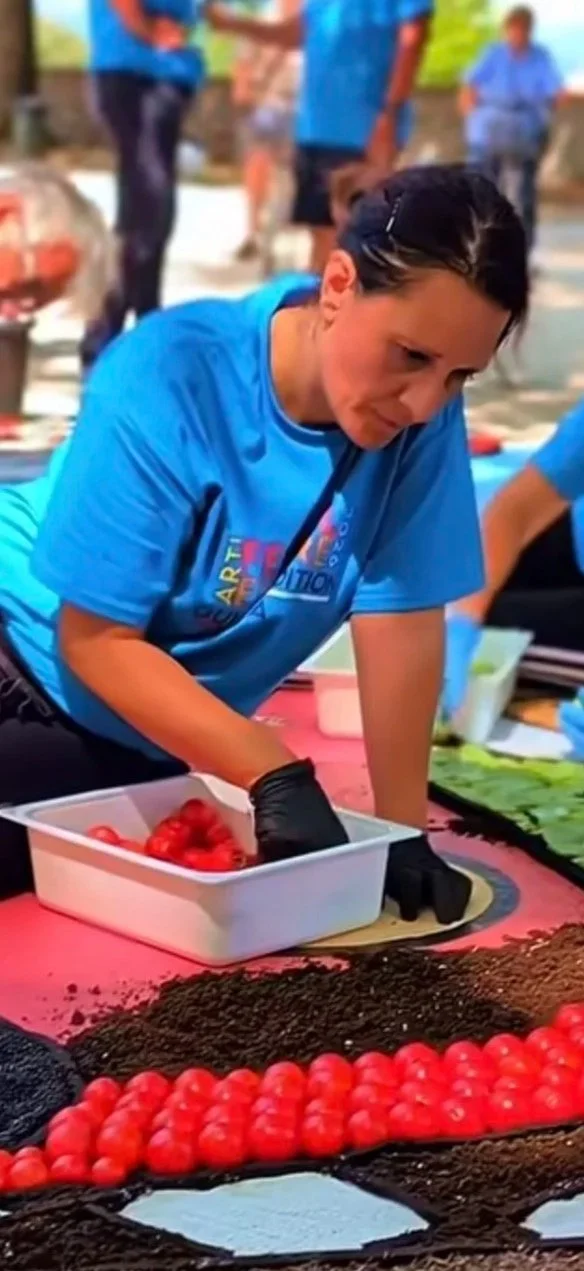
Teams of volunteers, often groups of young people, arrived early in the morning to work on creating the “carpet” along Lucca’s walls.

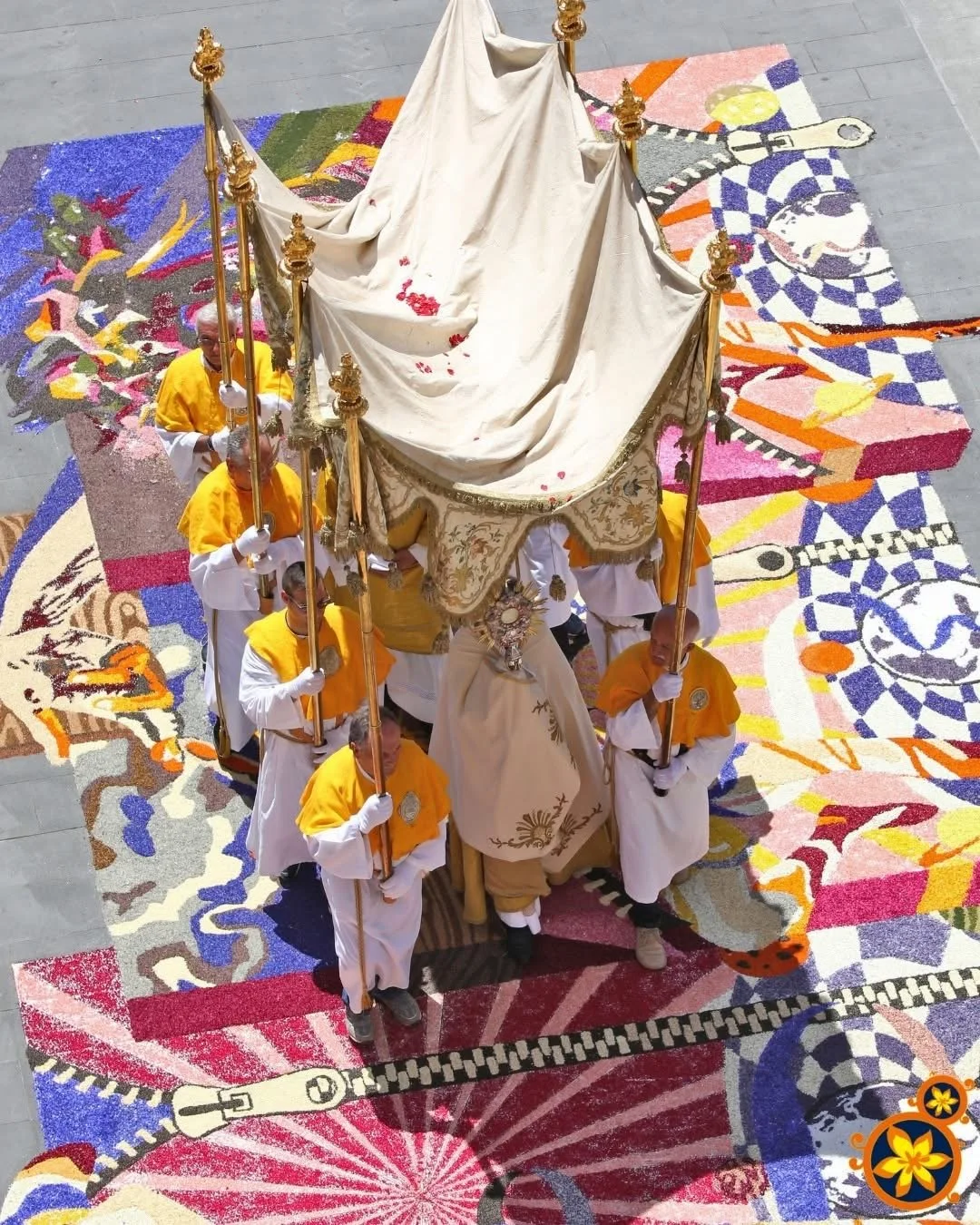
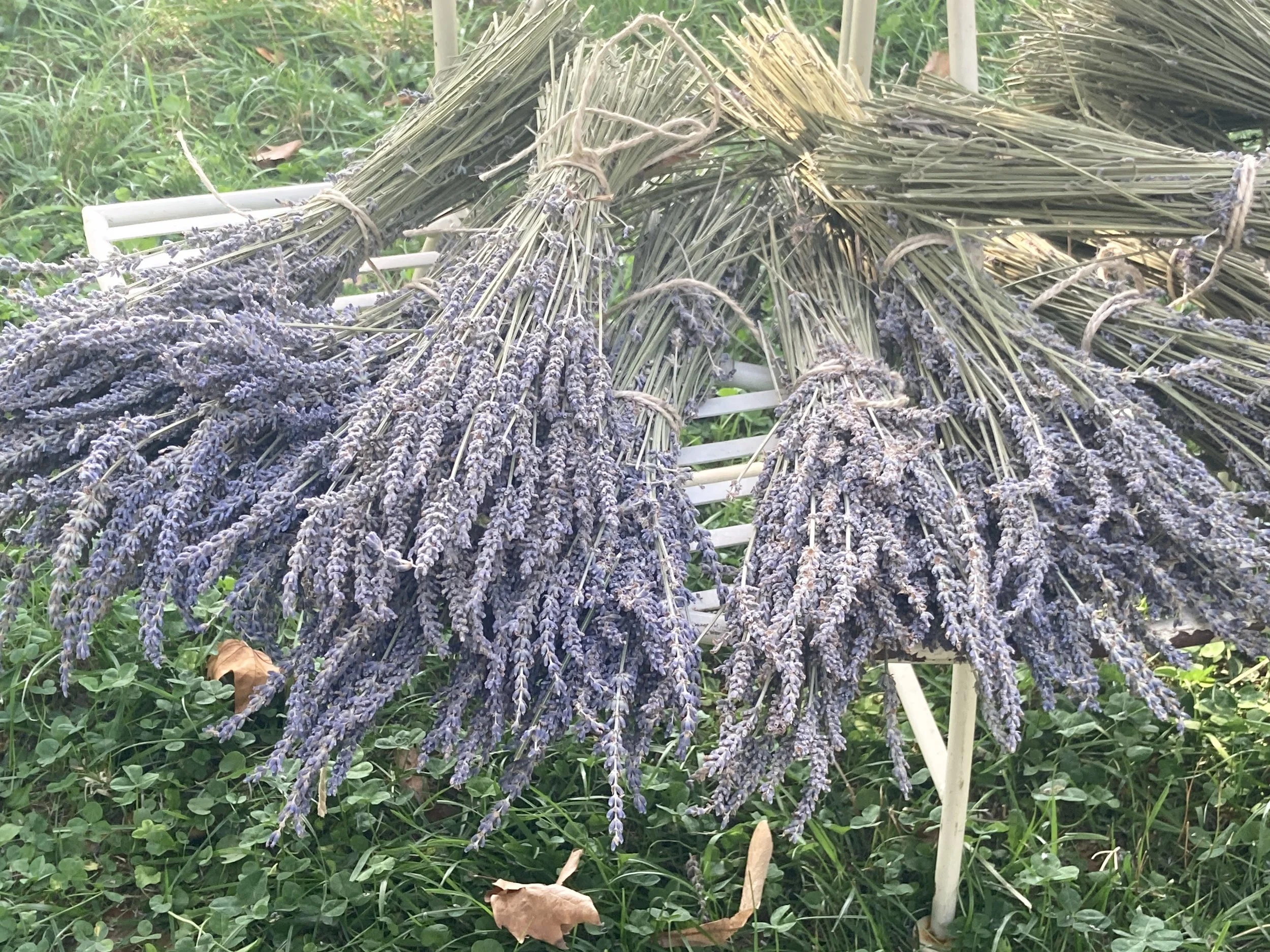
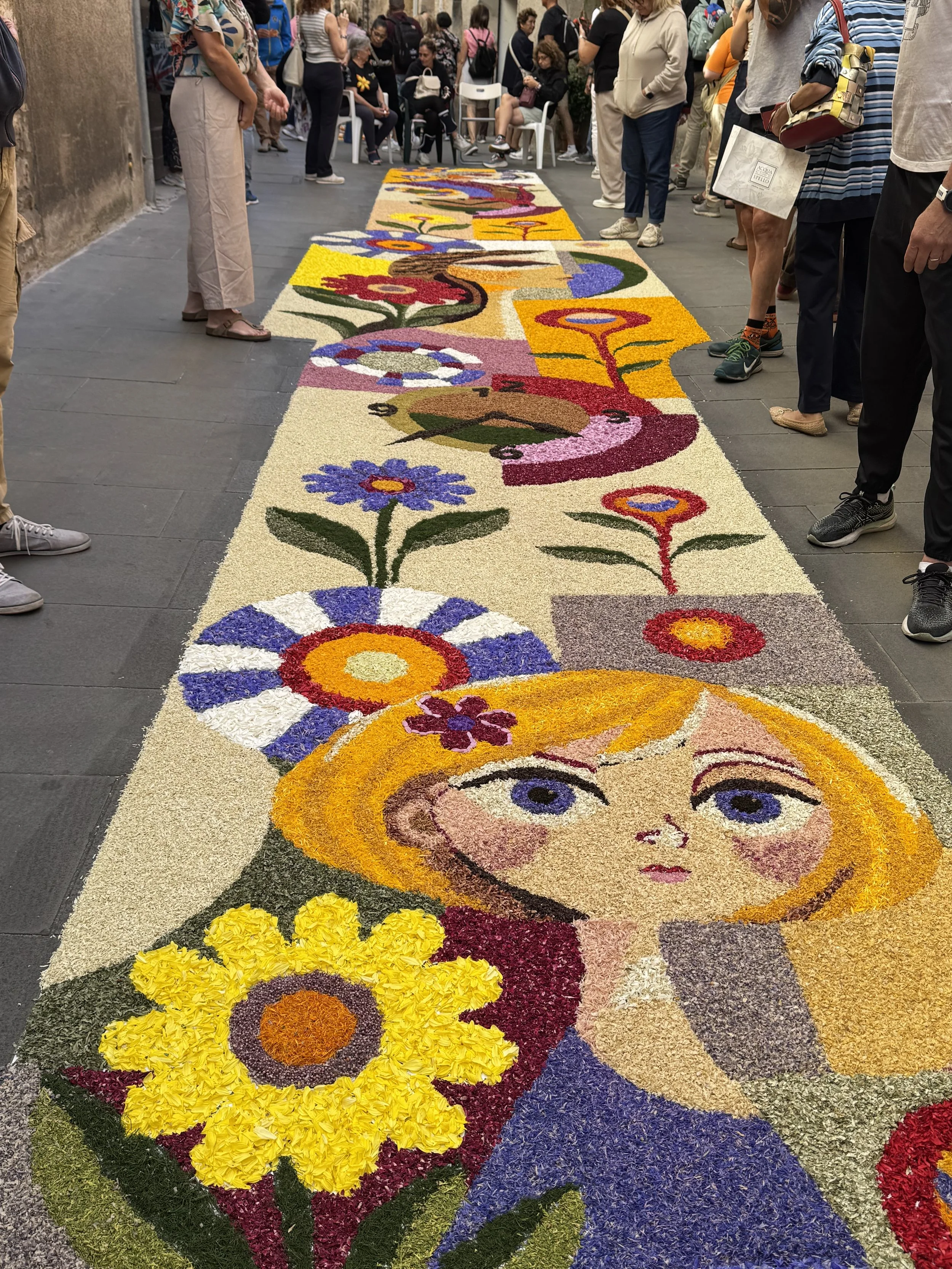
The word ephemeral comes from Greek and describes an object that isn’t meant to last, something that sticks around for just a day. Ephemeral art must be enjoyed as it is created because tomorrow it will be gone.  The largest display of ephemeral art is one I wrote about earlier this summer – the Infiorata in Spello. In that case the creations, made entirely of botanicals, were for the feast of Corpus Domini and included primarily religious themes. Lasting even less than a day, the work was trampled by a procession to the church after just a few hours.

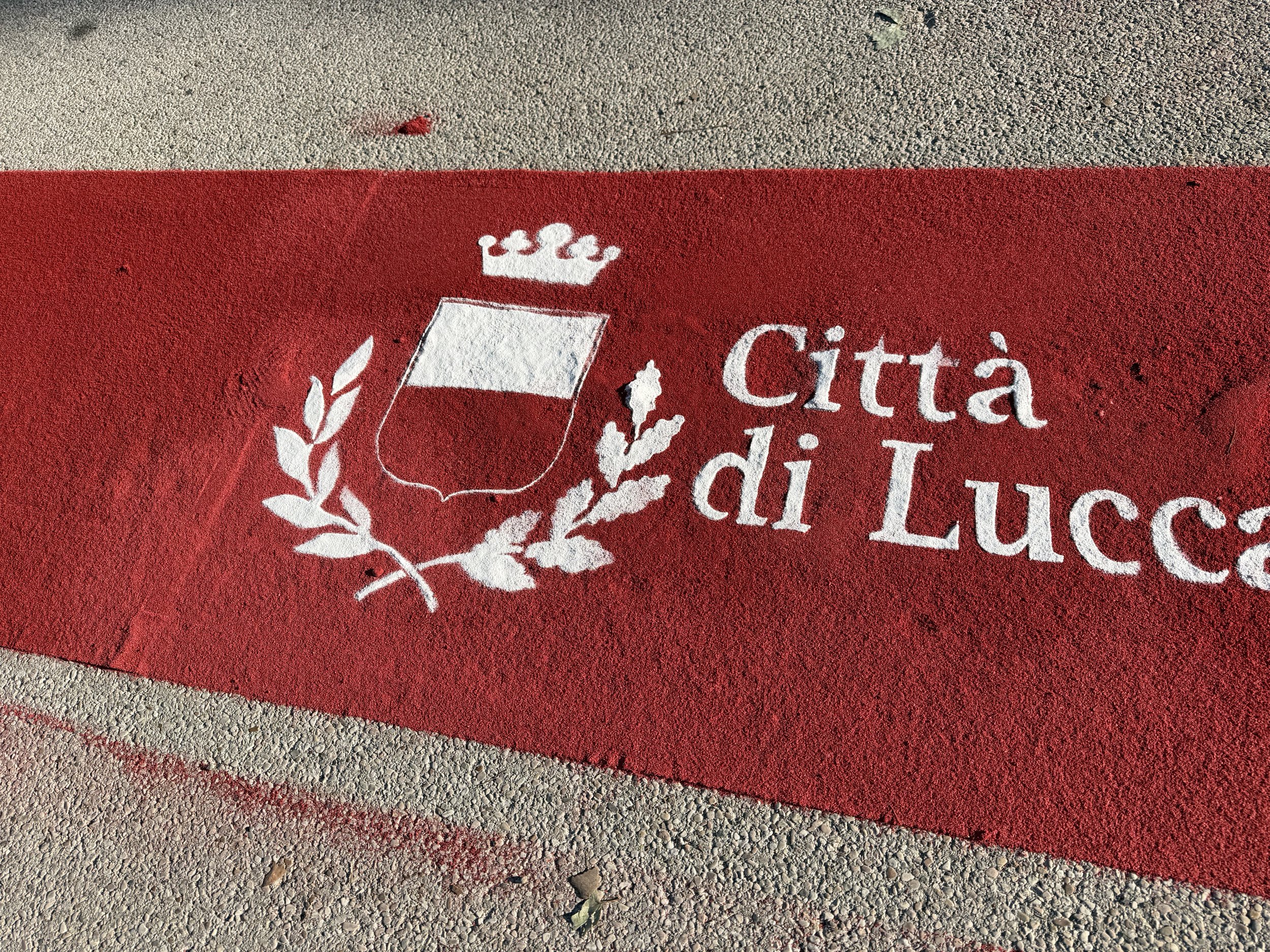
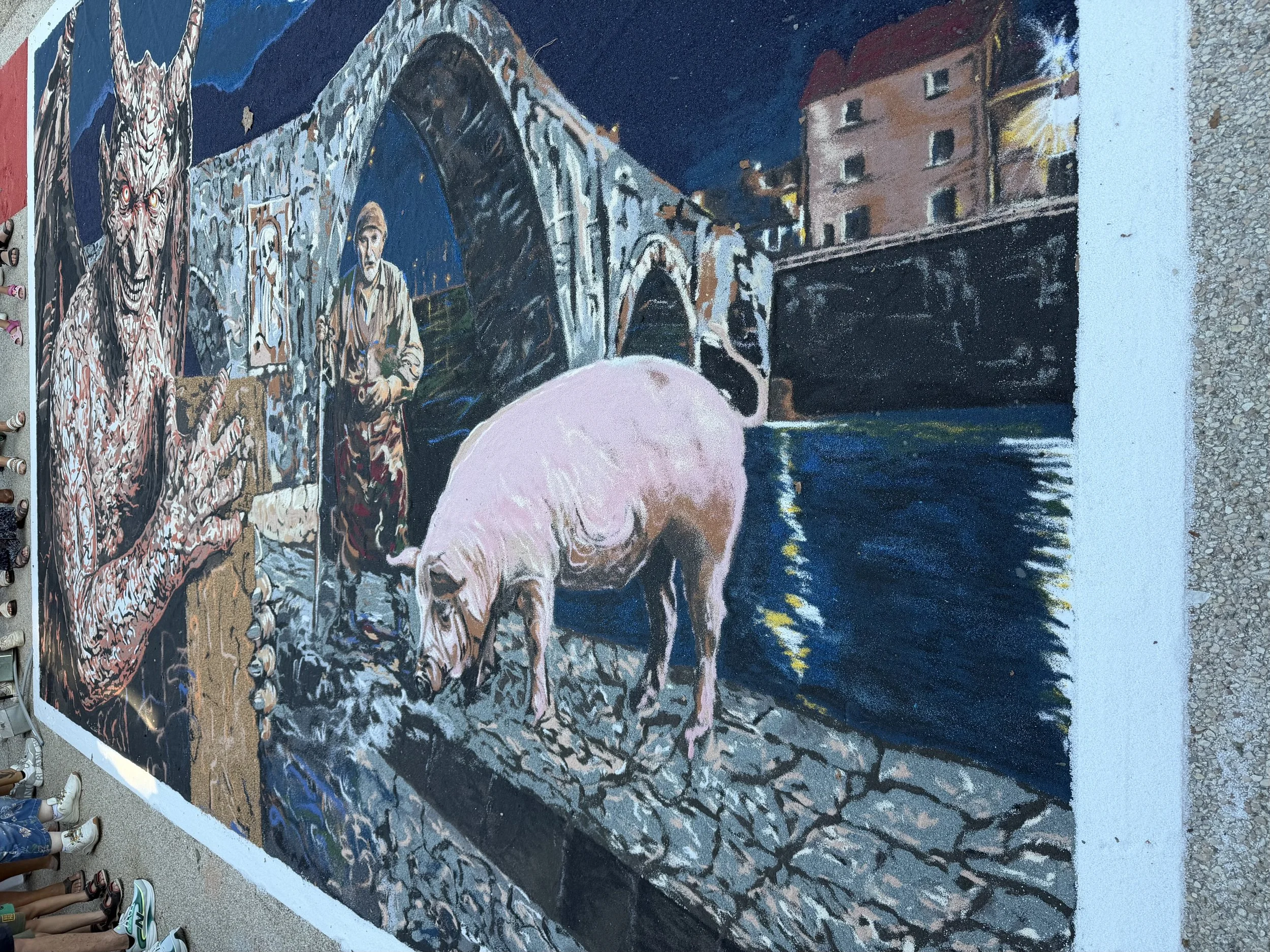
Lucca hosted a festival of Ephemeral Art, The Festival of Arte Effimere Guinness Edition 2026, this past weekend.  Lasting for just one day, it was an attempt to set a Guinness World Record for the longest “carpet” of flowers.  The previous record was held by the city of Huamantla in Mexico and stretched for 3,939.5 meters. Lucca had the perfect spot for this challenge, as the historic walls around the old city stretch for just over 4200 meters.  They also had the perfect organizer, The Association of Sawdust Carpets (Associazione Tappeti di Segatura) from Camaiore.  Game on!

IMG_0247.jpeg
IMG_0255.jpeg
IMG_0223.jpeg

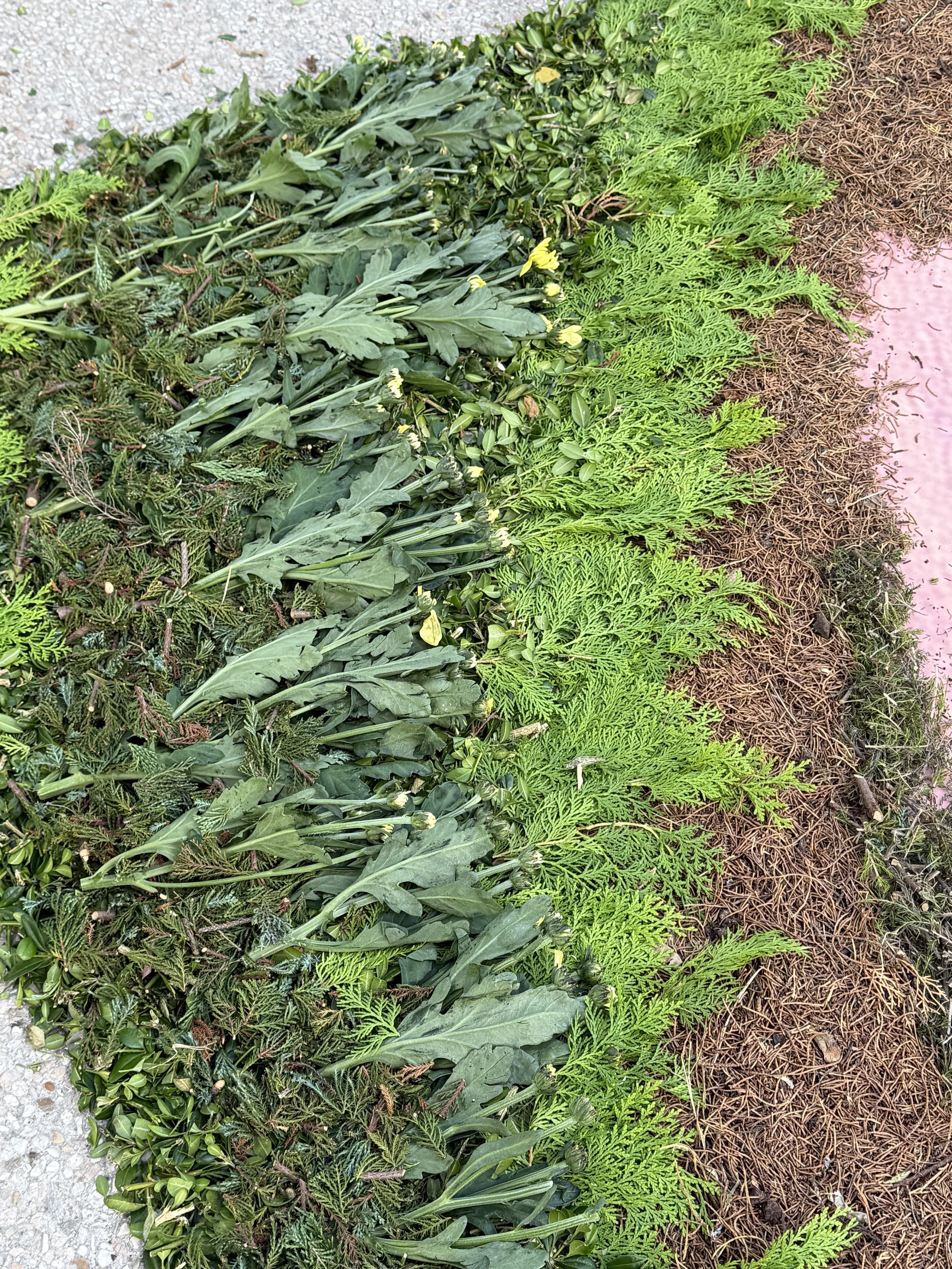
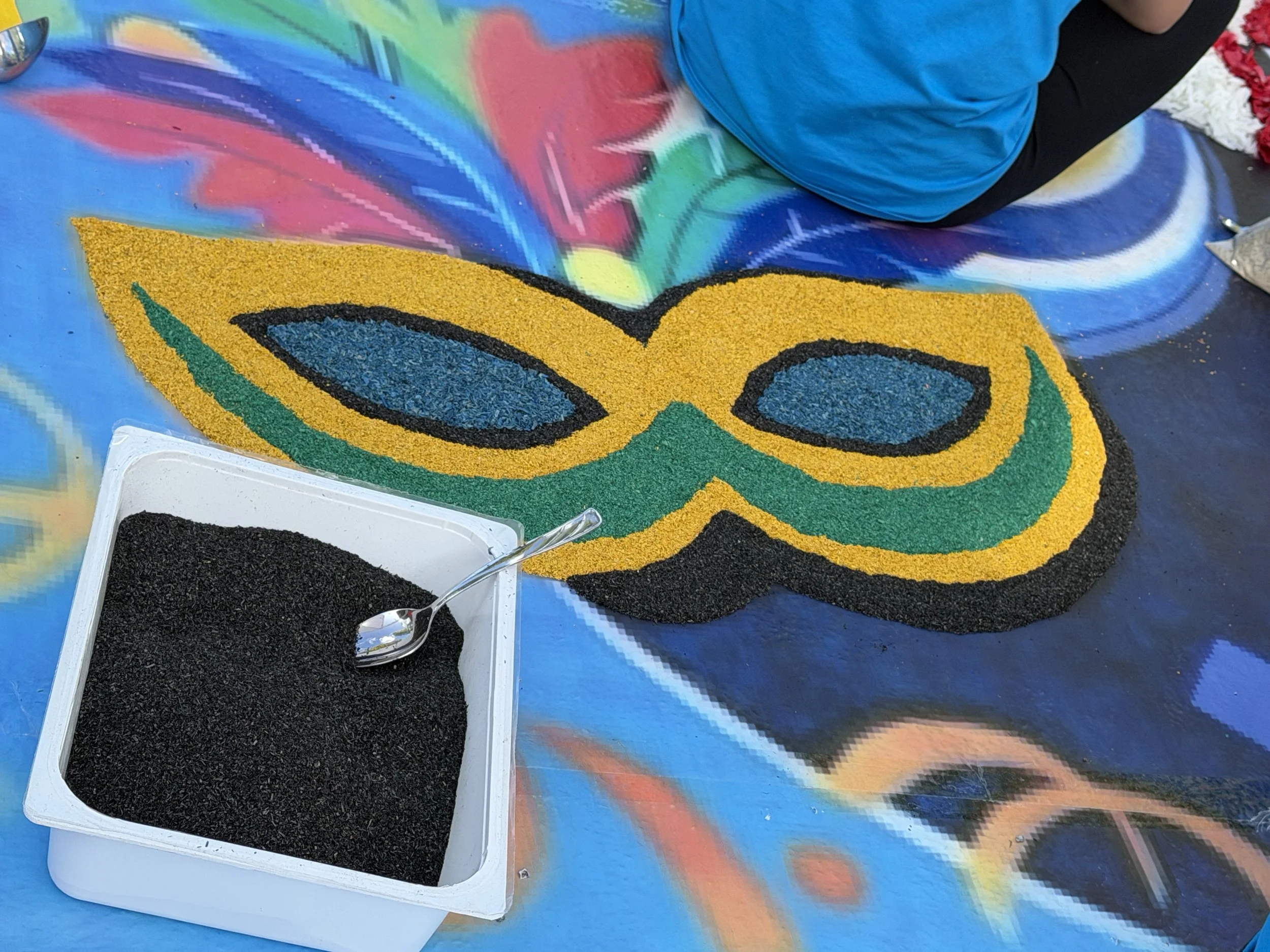
Starting at 6 am on Saturday, teams spread out all along the wall with two main objects. The first was to create a series of works of art using flowers as the main material but also incorporating leaves, sand, sawdust, wood shavings, even fruit and vegetables. 

IMG_0225.jpeg
IMG_0228.jpeg
IMG_0239.jpeg

The second objective was to link all the works with a continuous ribbon of tinted sand, creating the required length needed to achieve the Guinness World Record.   

IMG_0266.jpeg
IMG_0249.jpeg
IMG_0251.jpeg

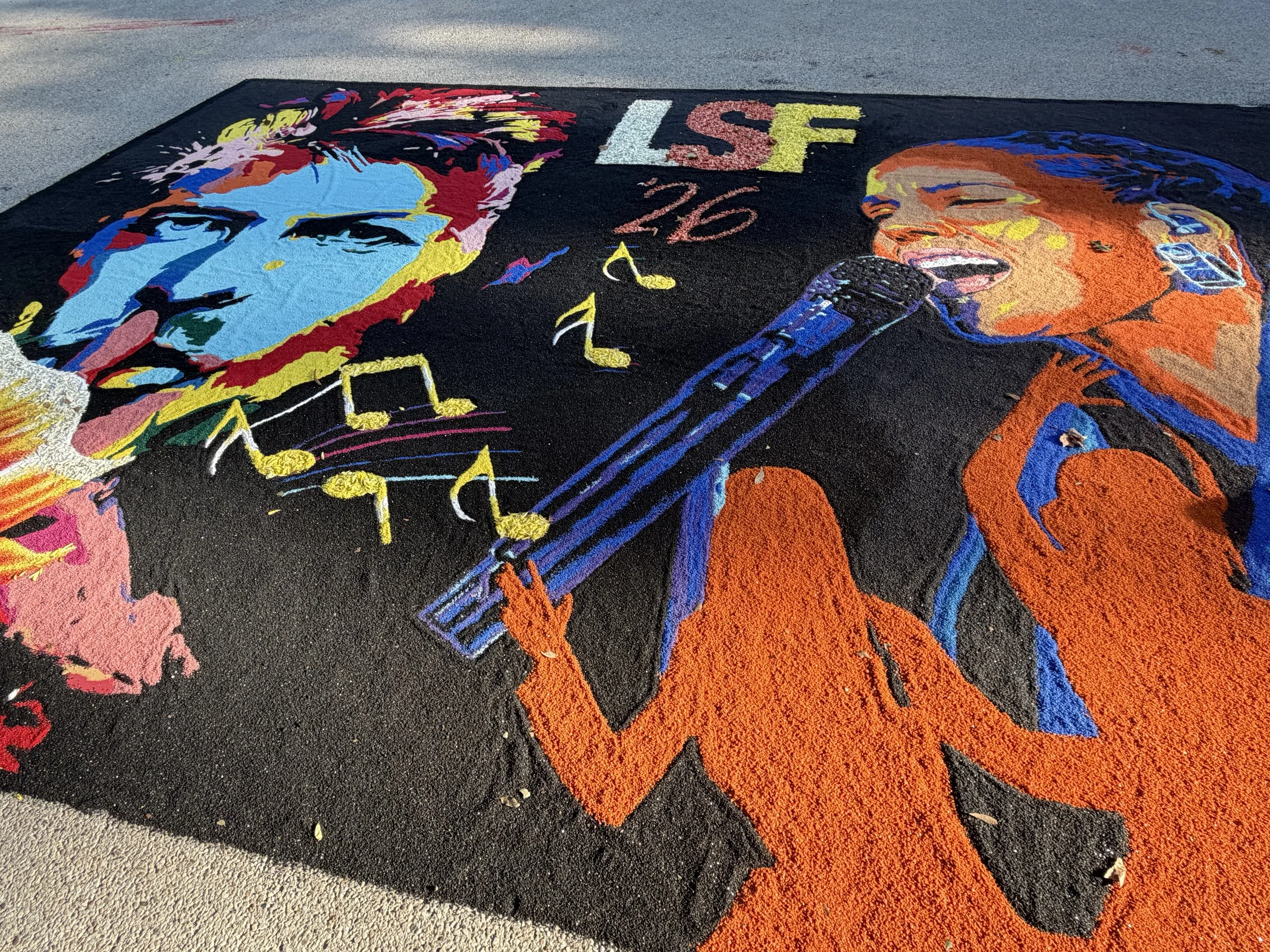
The art works were specific to the Province of Lucca, reflecting local traditions, history, and events.  The artists used templates on the ground and then slowly, bit by bit, filled them in to become some of the regions most famous things : The Devil’s Bridge, Lucca’s Summer Music Festival, the Roman ruins of Massaciuccoli, the Camelia Festival, the Enolia Wine event, Bike Races, Lucca Comics and Games, the composer Puccini.  In all, 15 separate works of ephemeral art were created.

IMG_0272.jpeg
IMG_0243.jpeg
IMG_0269.jpeg

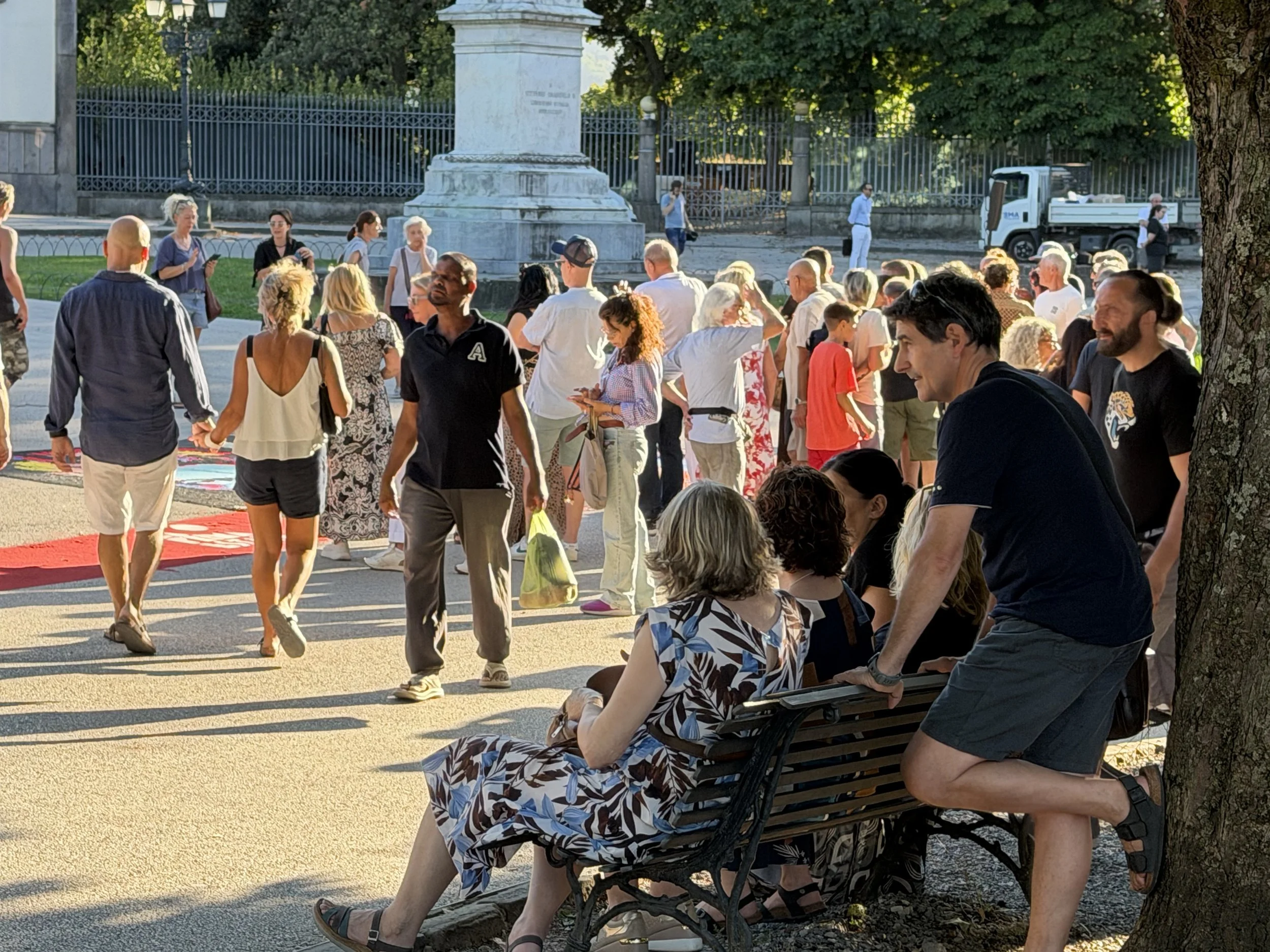
Throughout the day people walked along the walls to see the works as they took shape.  They were all quite careful not to step on the art or the ribbons of sand that connected them.  And most importantly, it was a day of sunshine and no wind.

The efforts continued until about 6 pm and then began the wait for results.  At 7pm, an official measurement was performed by a local notary and – drum roll – it measured 4,233 meters. A Guinness Record.  As for how long the record will stand, that is anyone’s guess because other cities were competing too. 

In any case, the hard work was appreciated by all who marveled at the creations.  It was a different kind of art in a city well-known for hosting unique art events.  But by the next day it began to disappear.

Even little tomatoes had a role in creating the ephemeral art (photo from internet)

August 24, 2026 /Joanne Bartram
ephemeral art, Festival of Arte Effimere, Guiness Competition Ephemeral Art, Flower Carpets Italy
#italiansummer, #italytravel, #lucca, european travel, Festivals Italy, Italian art architecture, Italian culture, Living in Italy, Lucca

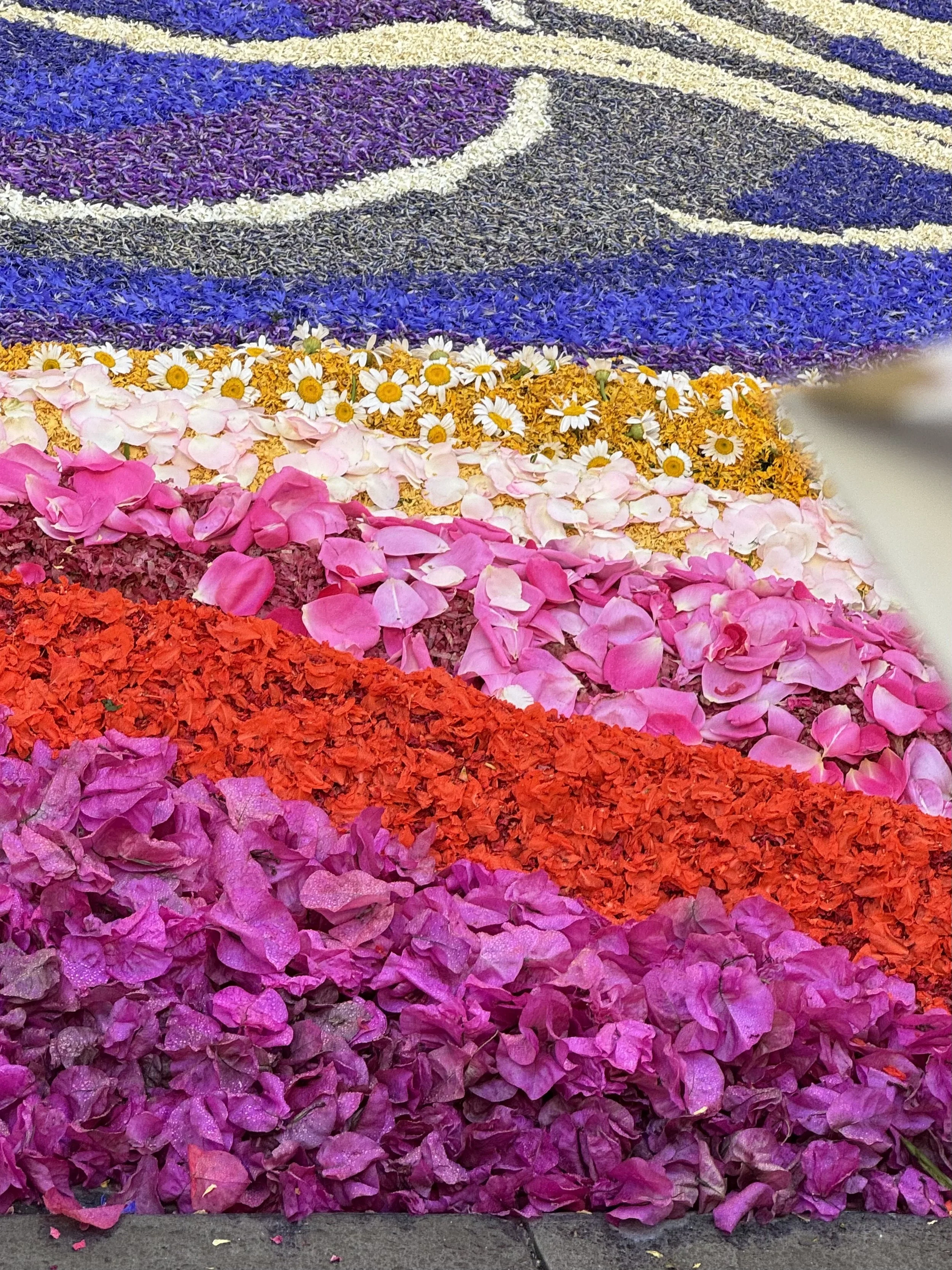
A close look at this display reveals that it is created 100% from flowers

The Infiorata of Spello

June 15, 2026 by Joanne Bartram in #italytravel, Festivals Italy, Italian art architecture, Italian Art, Italian culture, Umbria

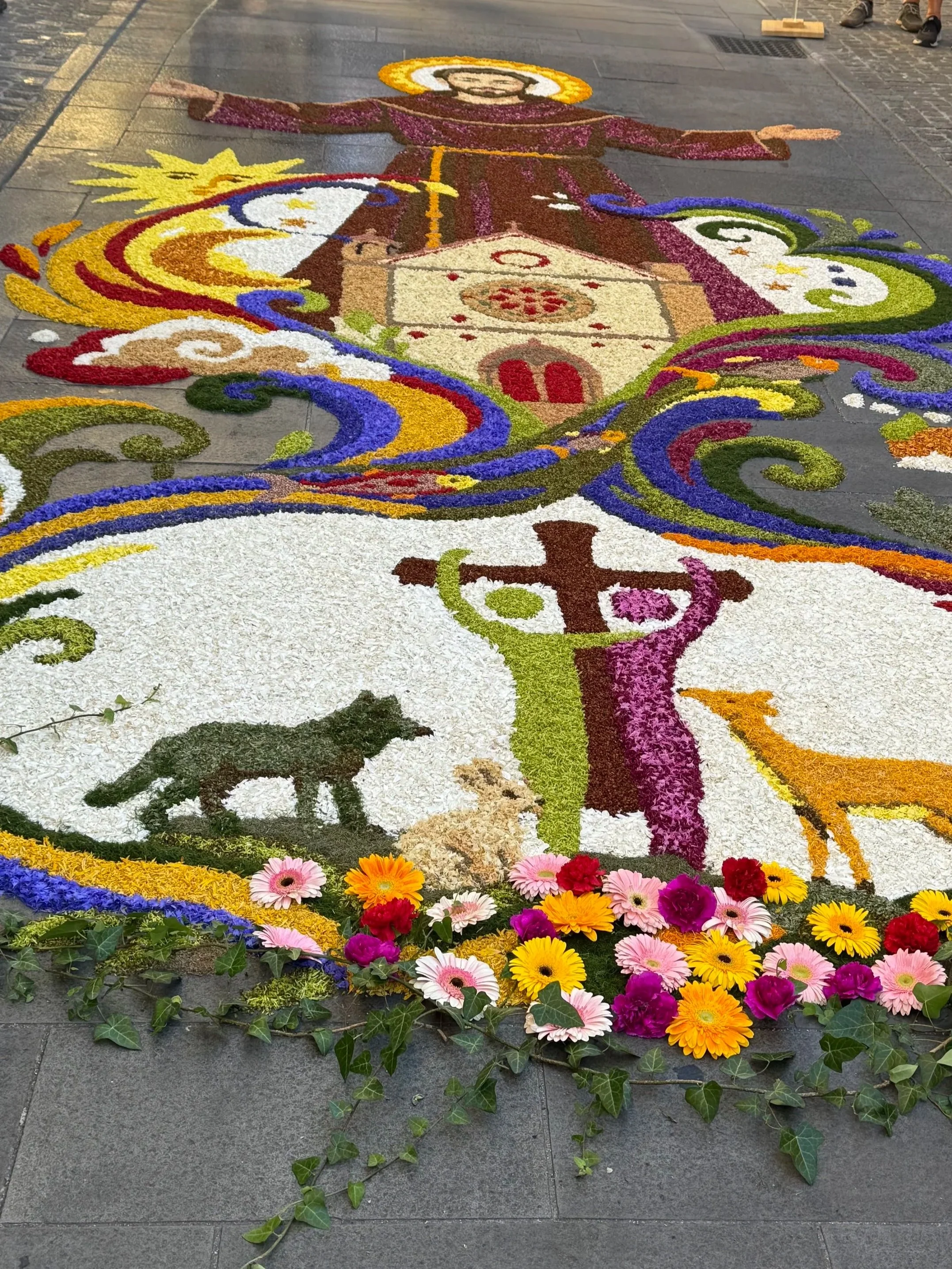
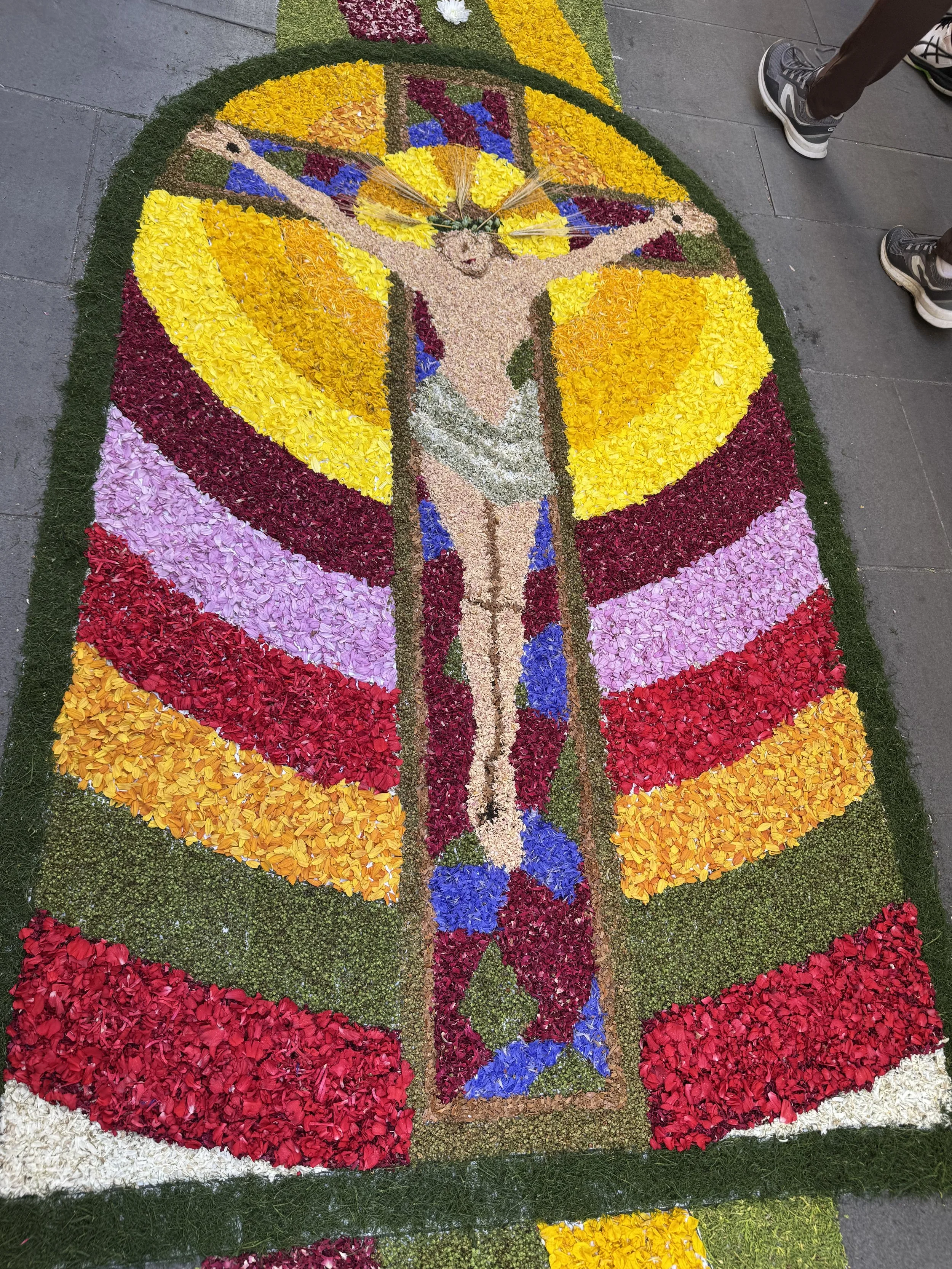
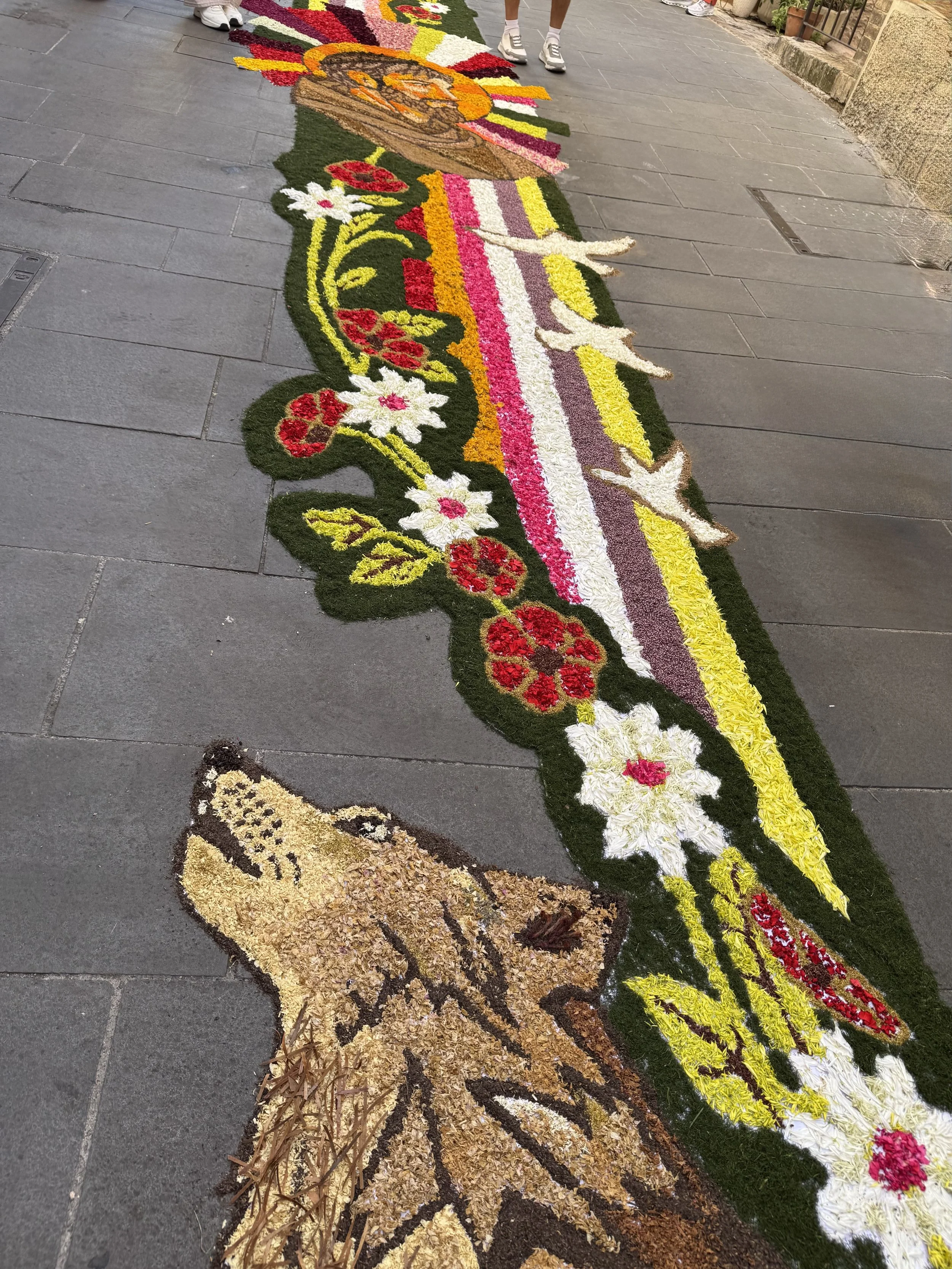
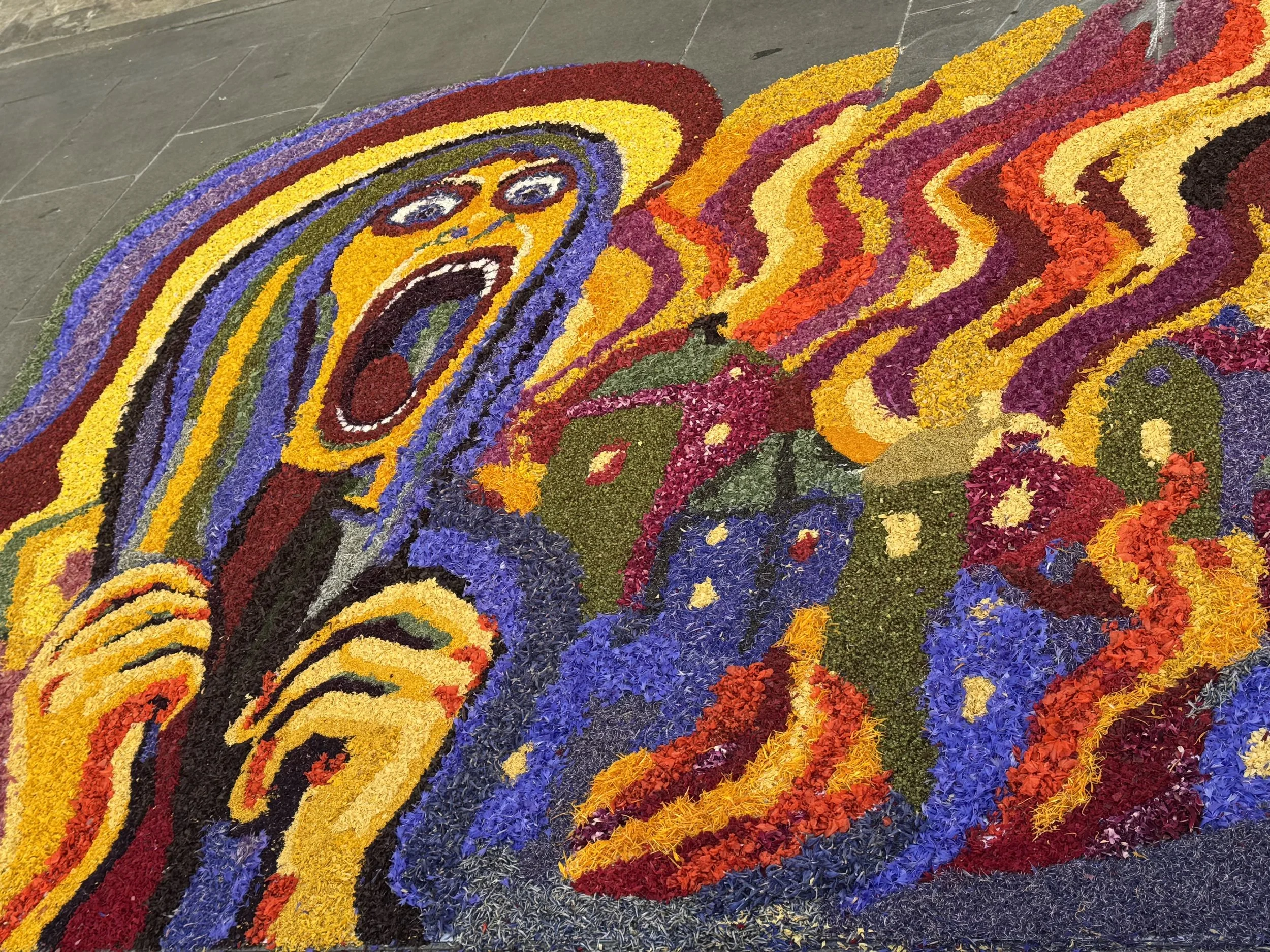
In Italian, the word fiore means flowers. An infiorata is a festival in which flowers are used to create stunning, but temporary, works of art.  A wonderful tradition in Italy is to celebrate the Feast of Corpus Domini, which falls about 60 days after Easter, with an infiorata.  Many towns participate in this tradition, some are small local celebrations, while others are large events which draw thousands of visitors.  The celebrations are not just about art or flowers – they are at heart religious celebrations in which the fleeting designs are offerings – and they guide people up the village streets to the church.

 On any normal day, the town of Spello is filled with flowers.  They spill from window boxes, fill pots in little alleys, and line the steps of buildings, creating one of Umbria’s most charming villages. But on the Sunday of the annual Infiorata, Spello takes flower displays to exponentially greater levels.  It is one of the most famous Infiorate in Italy, and something I have long wanted to experience.  This year I finally got my chance when a visit to the event was included as part of a 4-day cooking class in Umbria (more about that in upcoming posts).

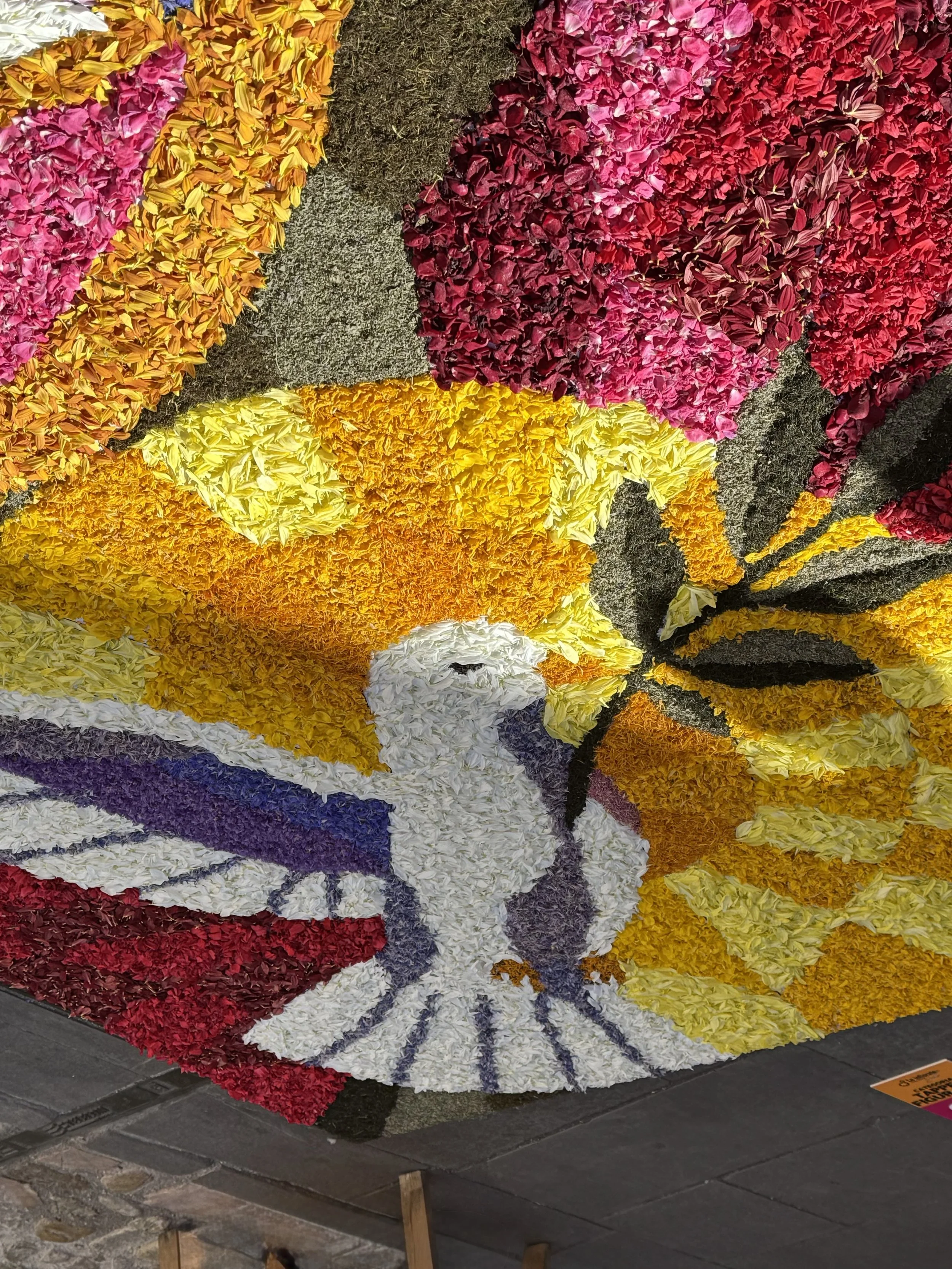
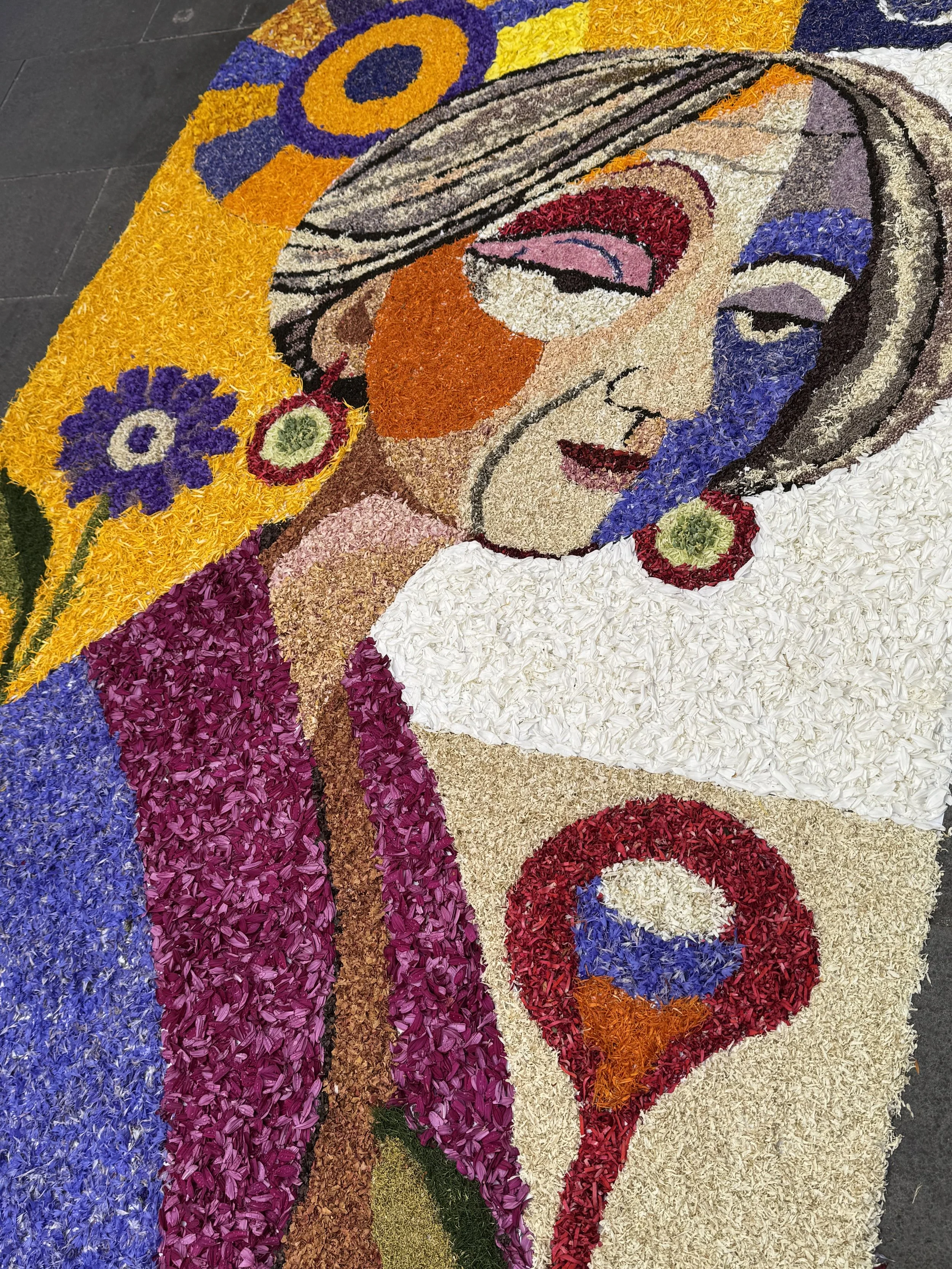
A detail from one of my favorite quadri

 The city of Spello closes to traffic on Saturday evening when tarp coverings are placed over the streets.  Teams work under the lighted tarps throughout the night, using only natural plant materials (petals, stems, leaves, herbs) to create detailed designs.  The materials can be fresh or naturally dried but no artificial colors or materials can be used. The labor is intensive, placing petals by hand, making a design come to life, keeping the petals moist, and staying up all night to do it!

IMG_0990.jpeg
IMG_0988.jpeg

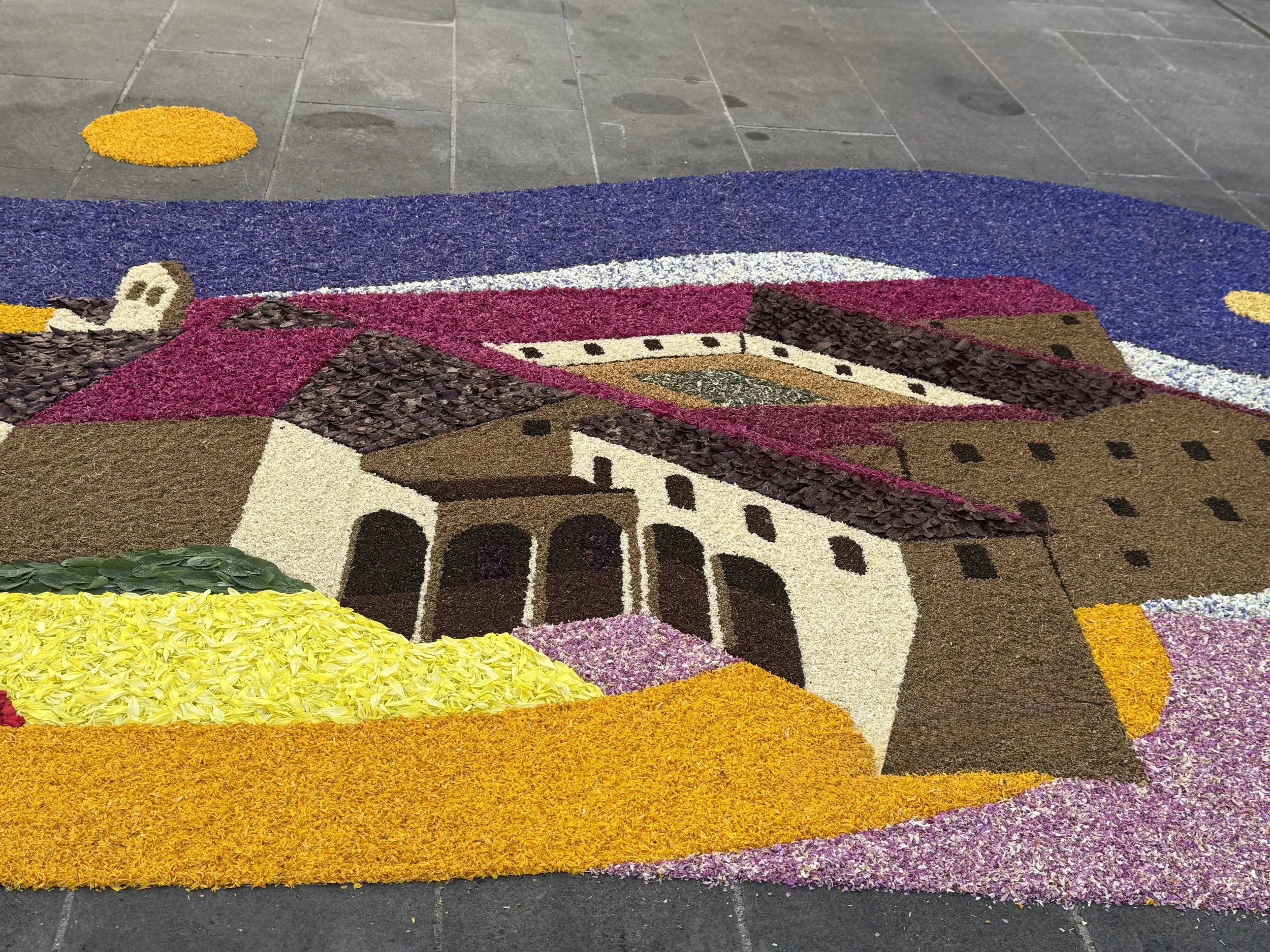
One of the most elaborate of the tappeti at this year’s Infiorata

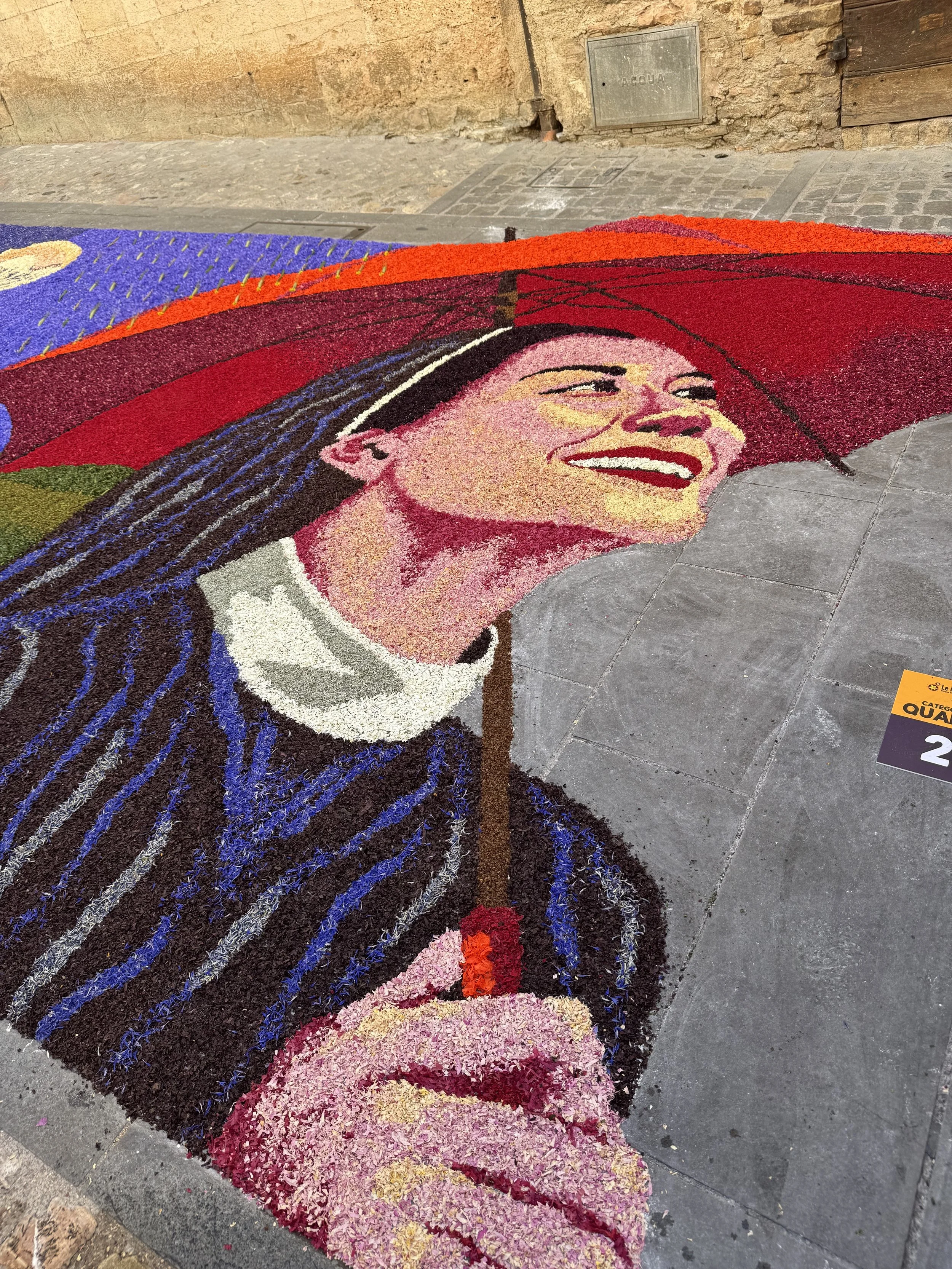
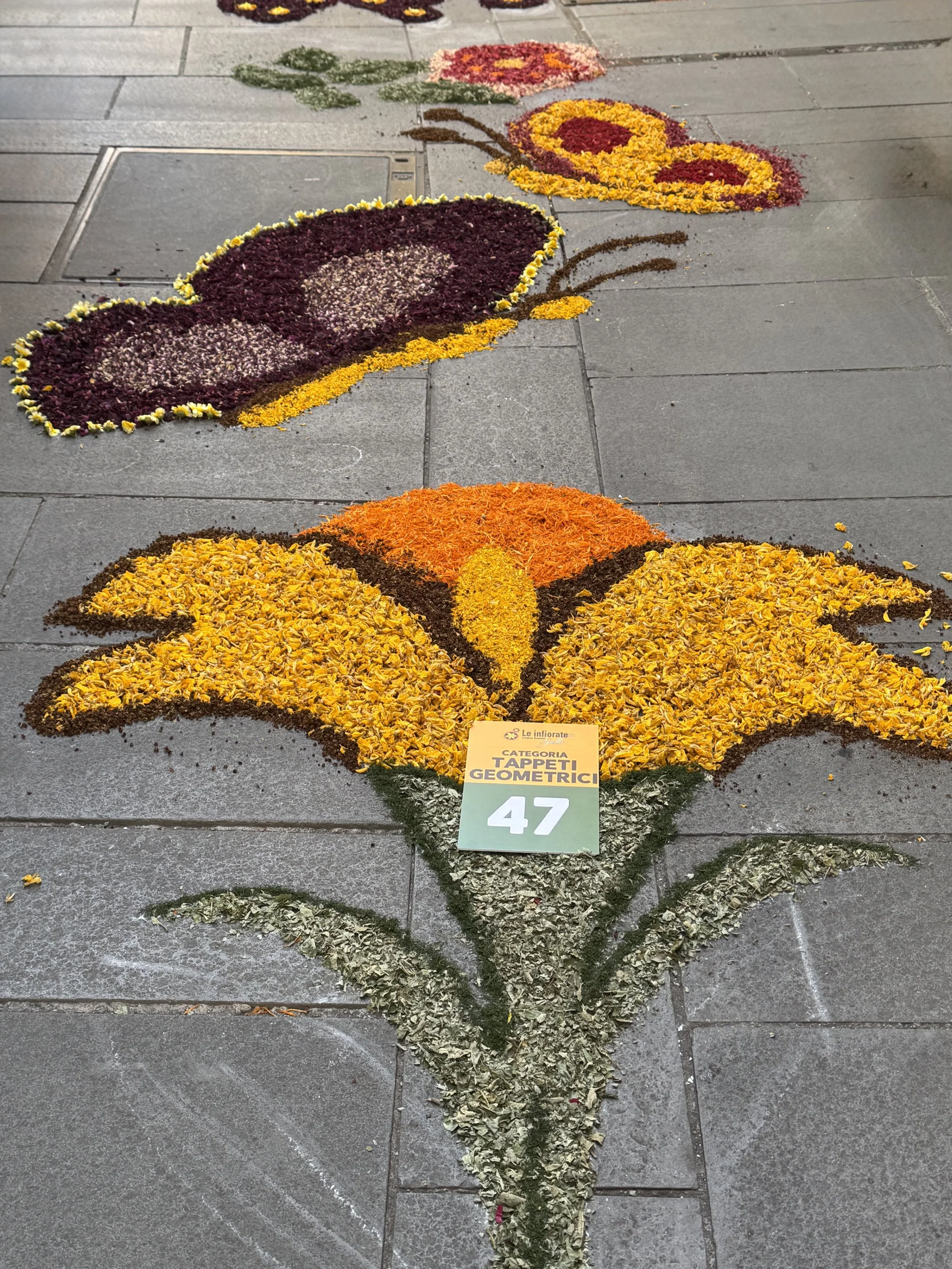
There are two main types of works –  quadri, which are large scale “paintings” and tappeti, long “carpets” of designs which are often geometric shapes.  Templates with the designs are worked on over time and then taped to the ground and used to create the displays.


It is hard to describe the scale of the Infiorata.  The designs wind up hill from the entrance to Spello near Porta Consolare, fill the Piazza della Republica, and continue up through the city up to its highest point.  The route is about a mile long in total.  Along the way are spectacular works of art, many reflecting religious themes (this is after all a celebration of a Catholic feast day), others have broader messages, and some are just pretty reflections of nature.  The event is also a competition, with winners in several categories announced at the end of the celebration.

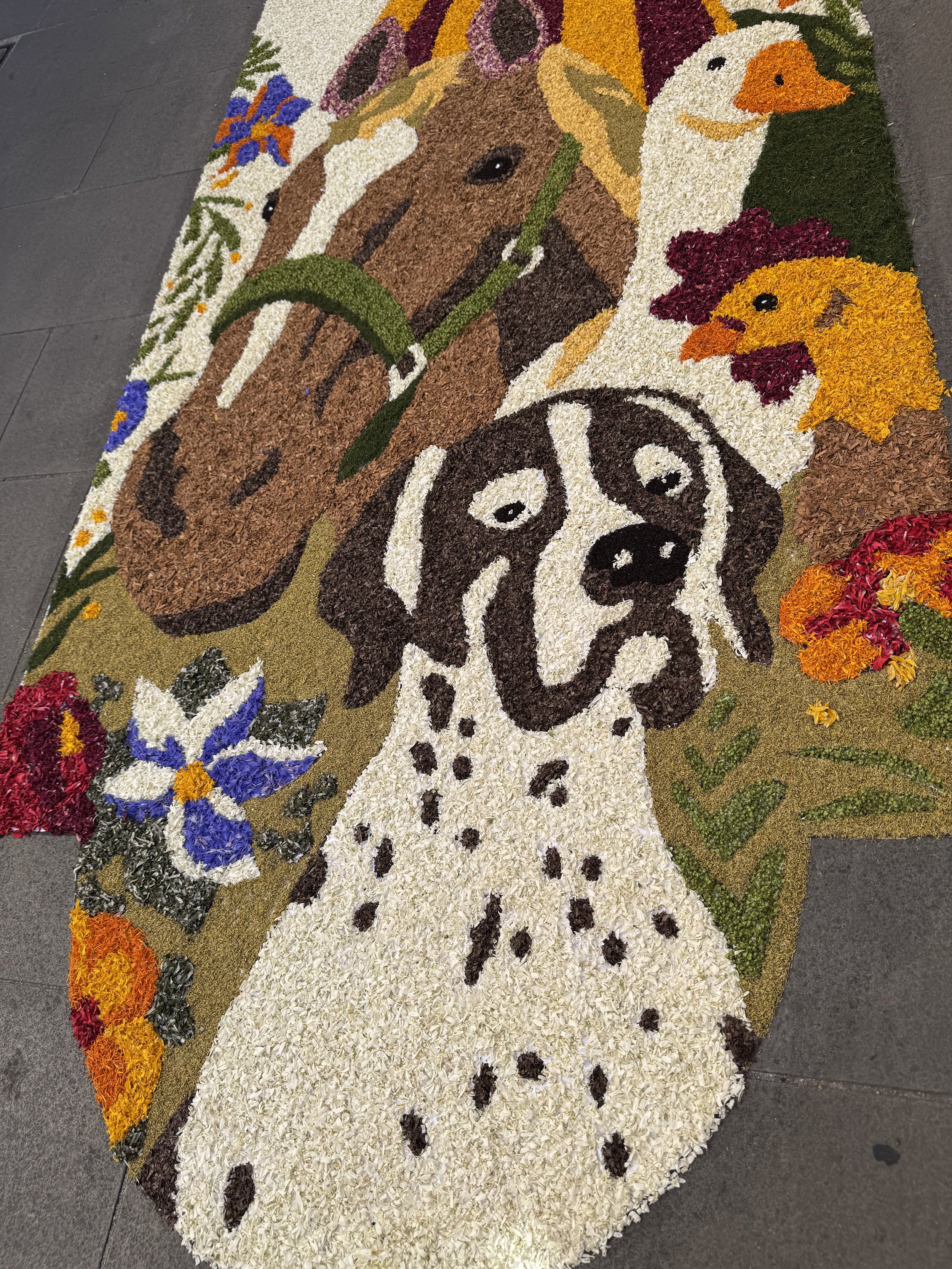
My favorite work featured these delightful animals

It is best to arrive early (or even stay in town the night before) as the tarps start to come down by 8:00 am, the crowds are waiting, and arriving later can mean a long wait to get in.  The climb can be strenuous if you happen to have a really hot day, so earlier is better.  Luckily our weather was perfect and not hot at all, and the way the displays wound gradually up hill made the walk easy.  One confession though, I did most of the route but skipped the steepest part at the end. It can be a challenge to get photos of the larger works as everyone is trying to get close enough and to find the right just the right angle. There are some scaffolds that can be climbed to get shots from above, and I bet the photos from drone that was flying overhead were amazing. Most of my photos have lots of feet in them! The best photos zoom in on details - are here are some of the most intriguing ones.

IMG_1052.jpeg
IMG_1070.jpeg
IMG_1044.jpeg
IMG_1026.jpeg
IMG_1001.jpeg
IMG_1016.jpeg

The procession moves through the flower art on the way to the church (photo from the Commune of Spello)

Come too late and you’ll miss the fun all together. The works provide a path for a procession led by the Bishop, who walks right over the beautiful creations.  The procession begins around 11 am.  By the end of the day, it will all be swept away.  But this is not sad – it is as it is meant to be.

And now begins the planning for next year’s Infiorata.  Easter comes early next year, on March 28th.  The Infiorata will be Sunday May 30, 2027.   Now’s the time to think about coming!


June 15, 2026 /Joanne Bartram
Infiorata, Infiorata Spello, Feast Corpus Domini Italy, Flower Festival Spello
#italytravel, Festivals Italy, Italian art architecture, Italian Art, Italian culture, Umbria

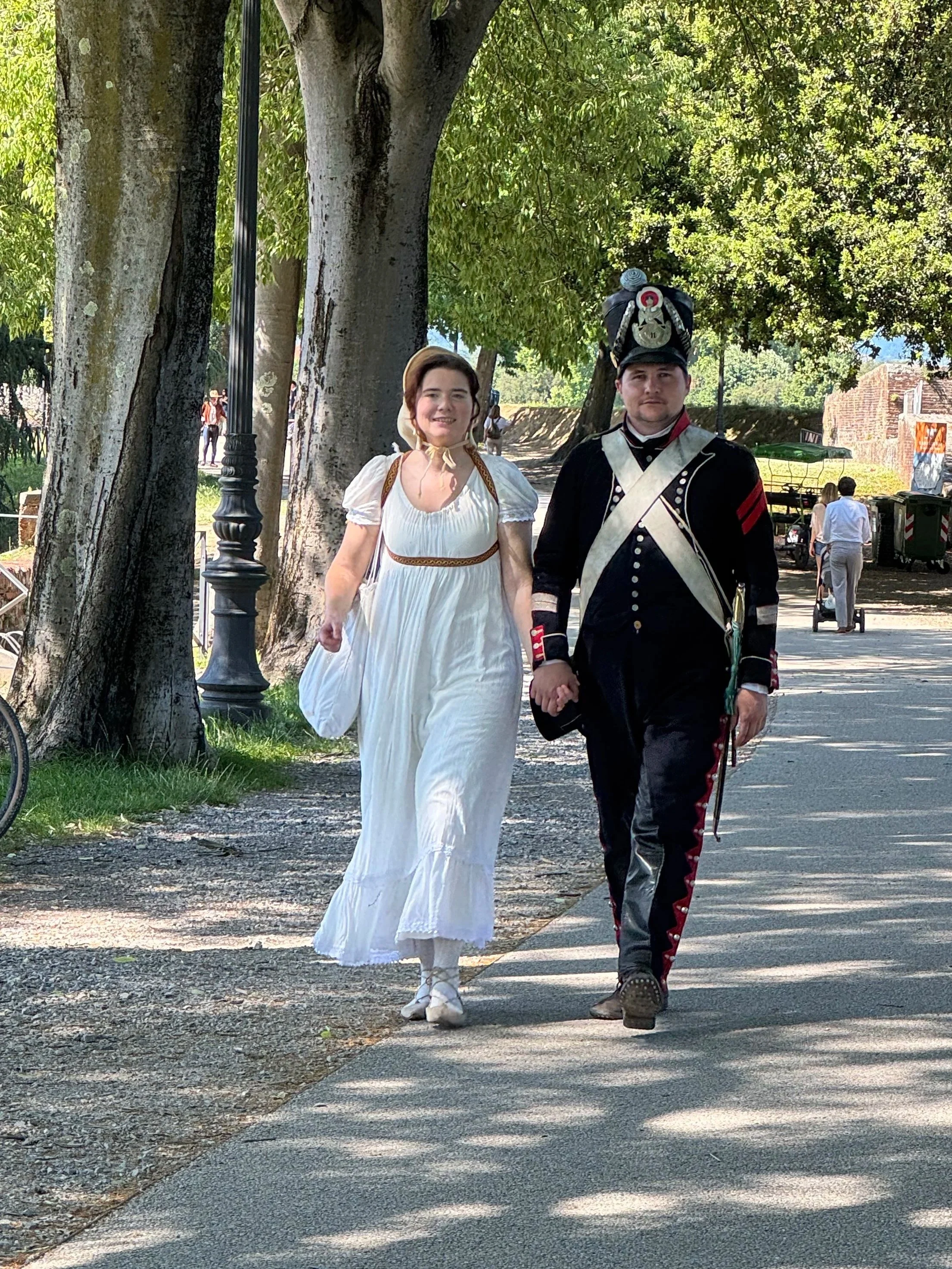
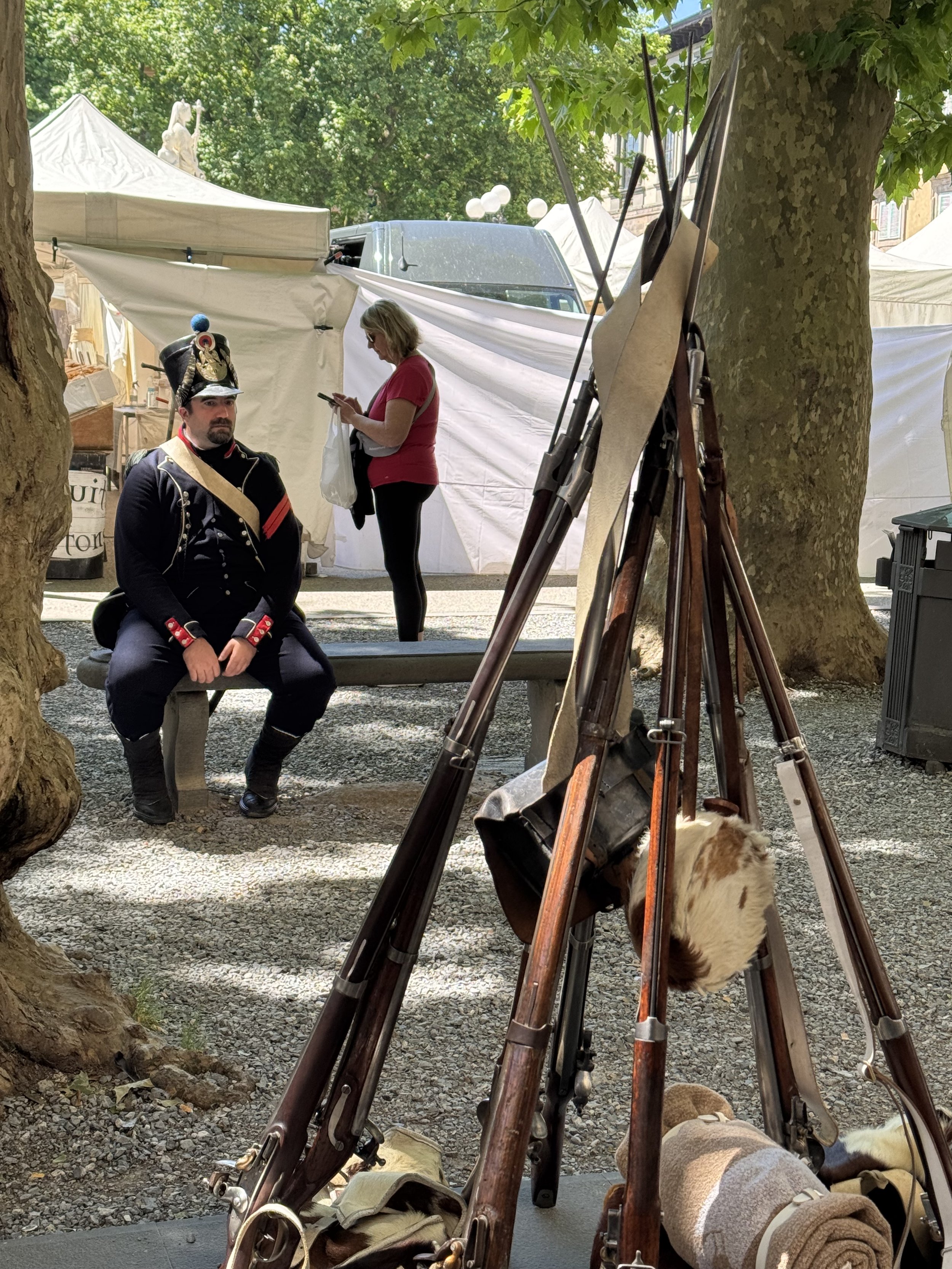
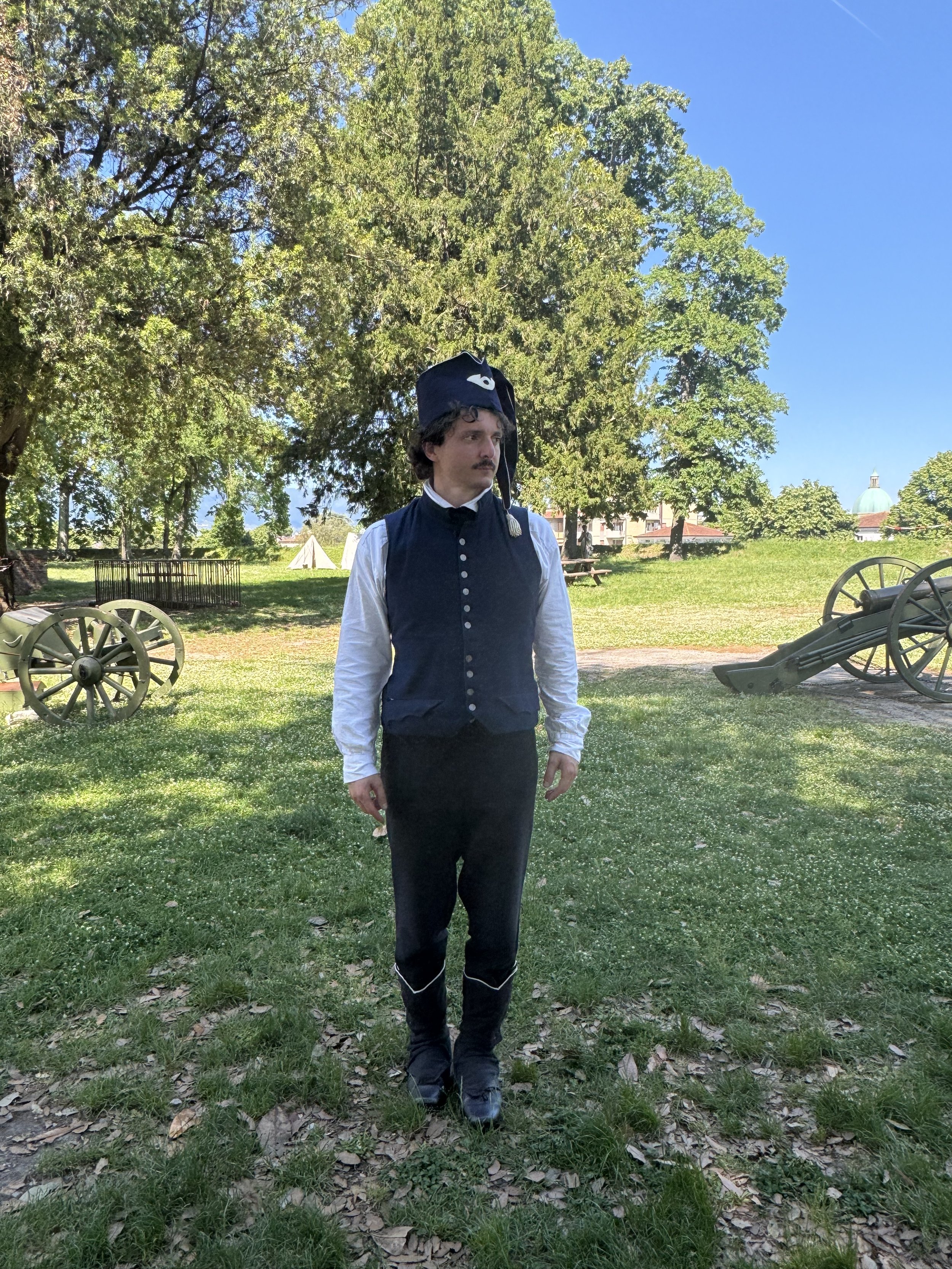
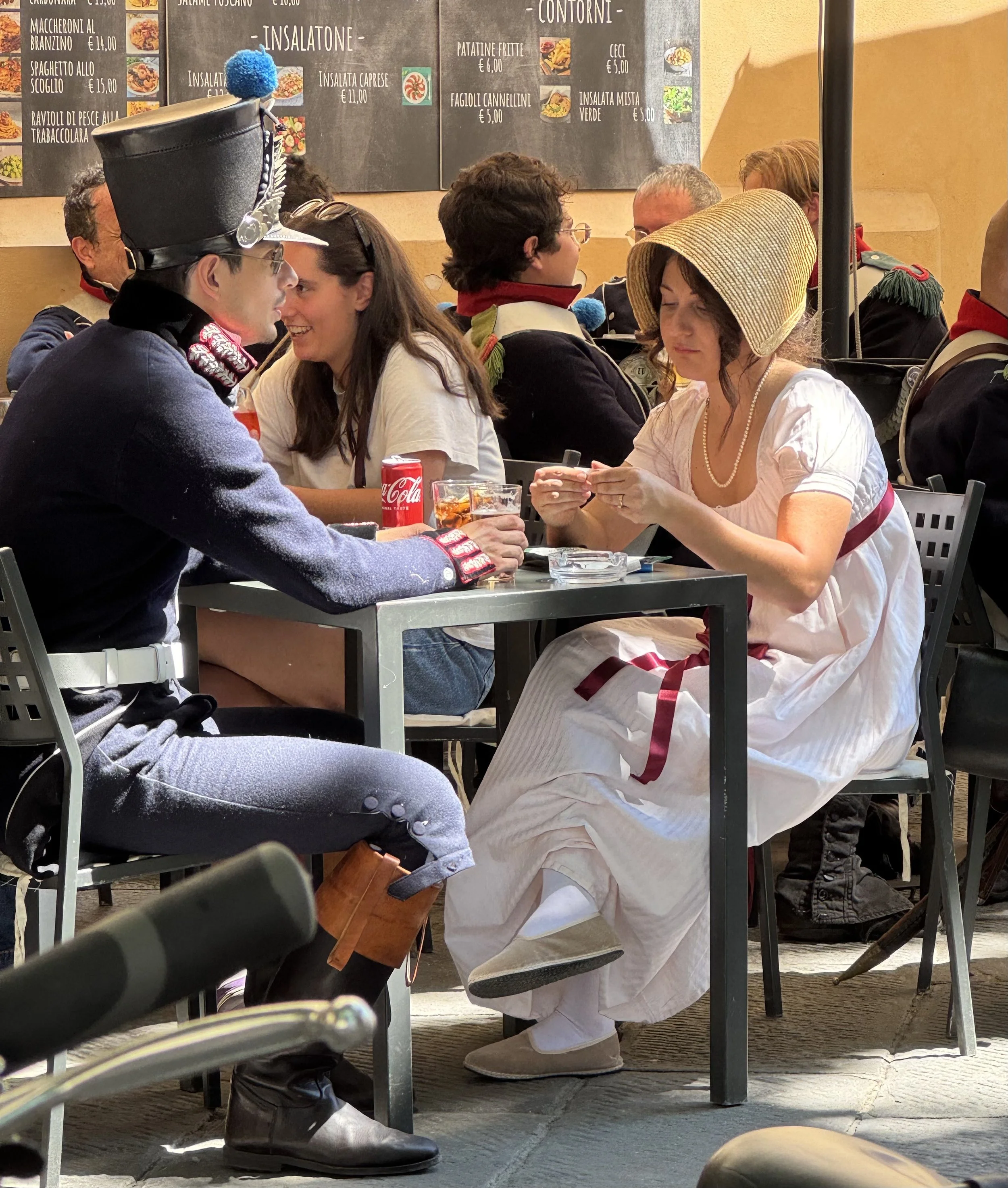
During the time when Napoleon was in charge, we might have seen a soldier like this with his companion

Walking Through Lucca’s History

June 08, 2026 by Joanne Bartram in #italytravel, #lucca, #medievalitaly, Festivals Italy, History, Italian culture, Italy travel, Lucca, Tuscany

In Italian, the verb rievocare means to recall, commemorate, or evoke.   Lucca is, for the most part, a Medieval city.  That history can be recalled easily in the current street plan, Medieval towers, and the many churches from that era that can be found throughout town.  To “rievocare” that Medieval history is easy. 

There are of course vestiges of earlier eras, the outline of a Roman amphitheater, remnants of the Roman wall, and some remarkable Roman ruins lying under churches and houses.  The later Renaissance history can also be spotted, most clearly in the walls that surround the historic city center.   But when it comes to celebrating historical events, it is usually the Medieval period that is recreated through costumes, processions, music, and competitions.

How would one even go about planning an event that would recall the broader scope of Lucca’s history?  From before the Roman era and through the period at the end of World War II?   Well, fortunately, someone decided to do just that, and in late May a festival took place – Rievocando Lucca, A Festival of History.

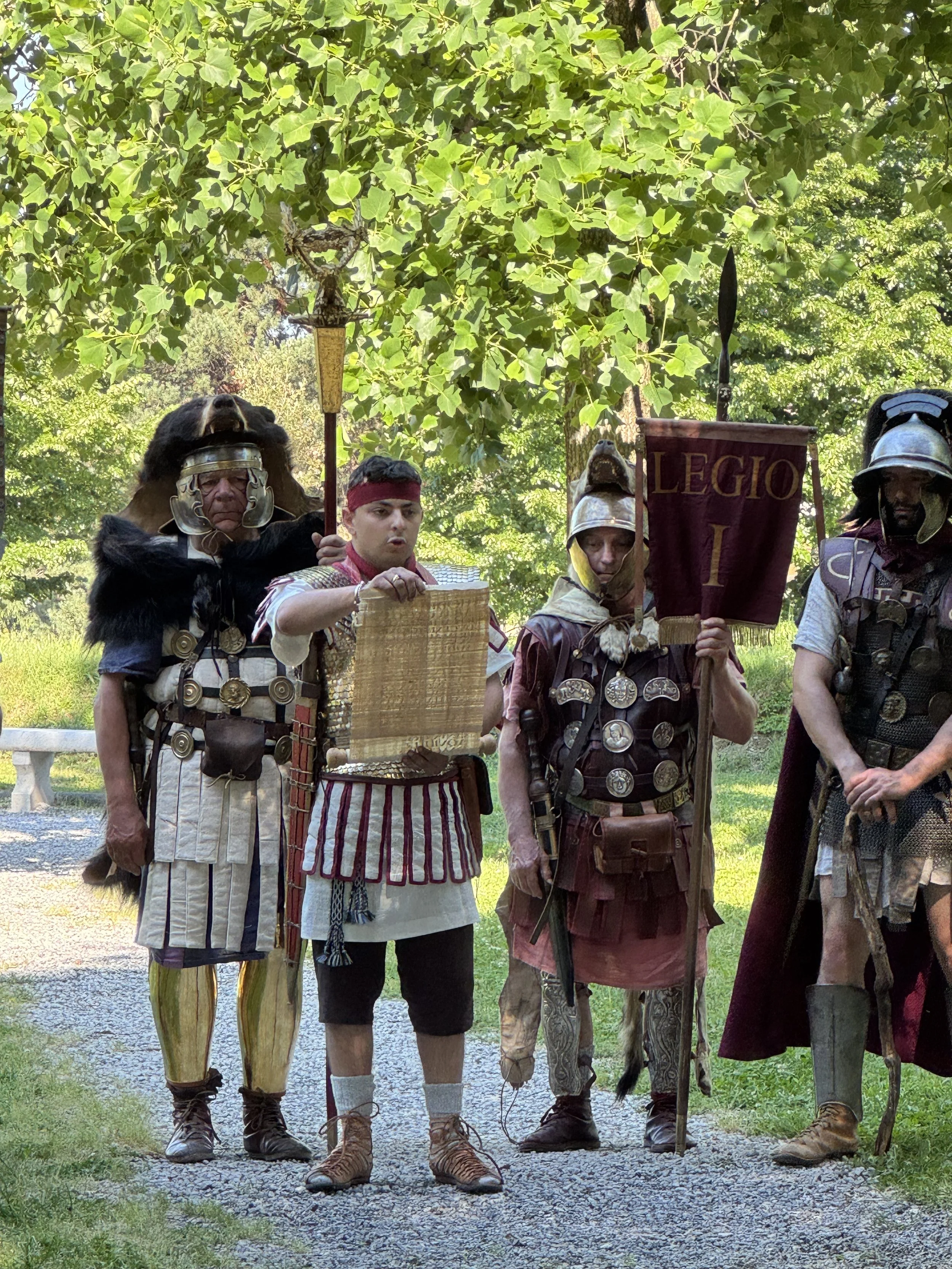
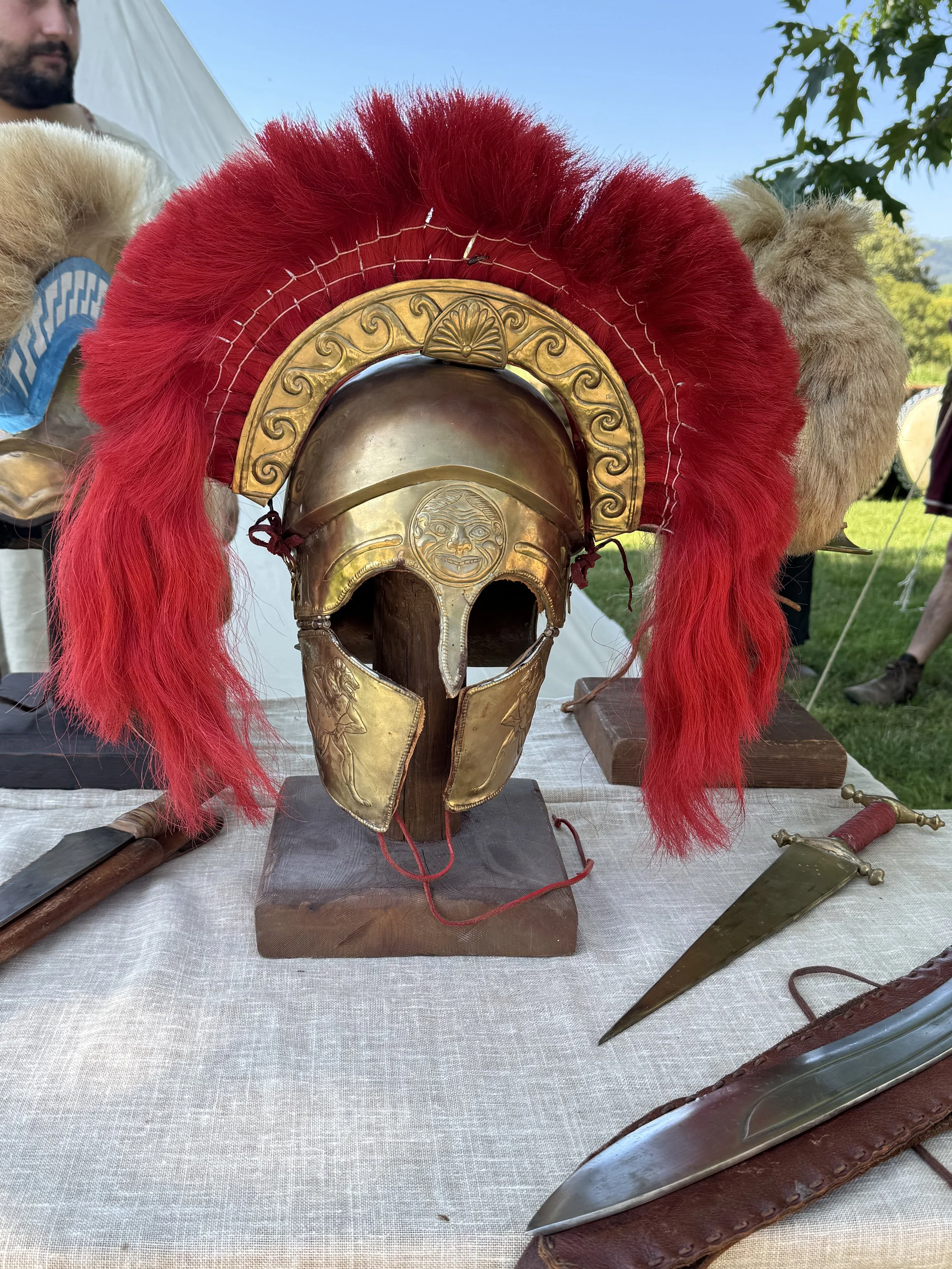
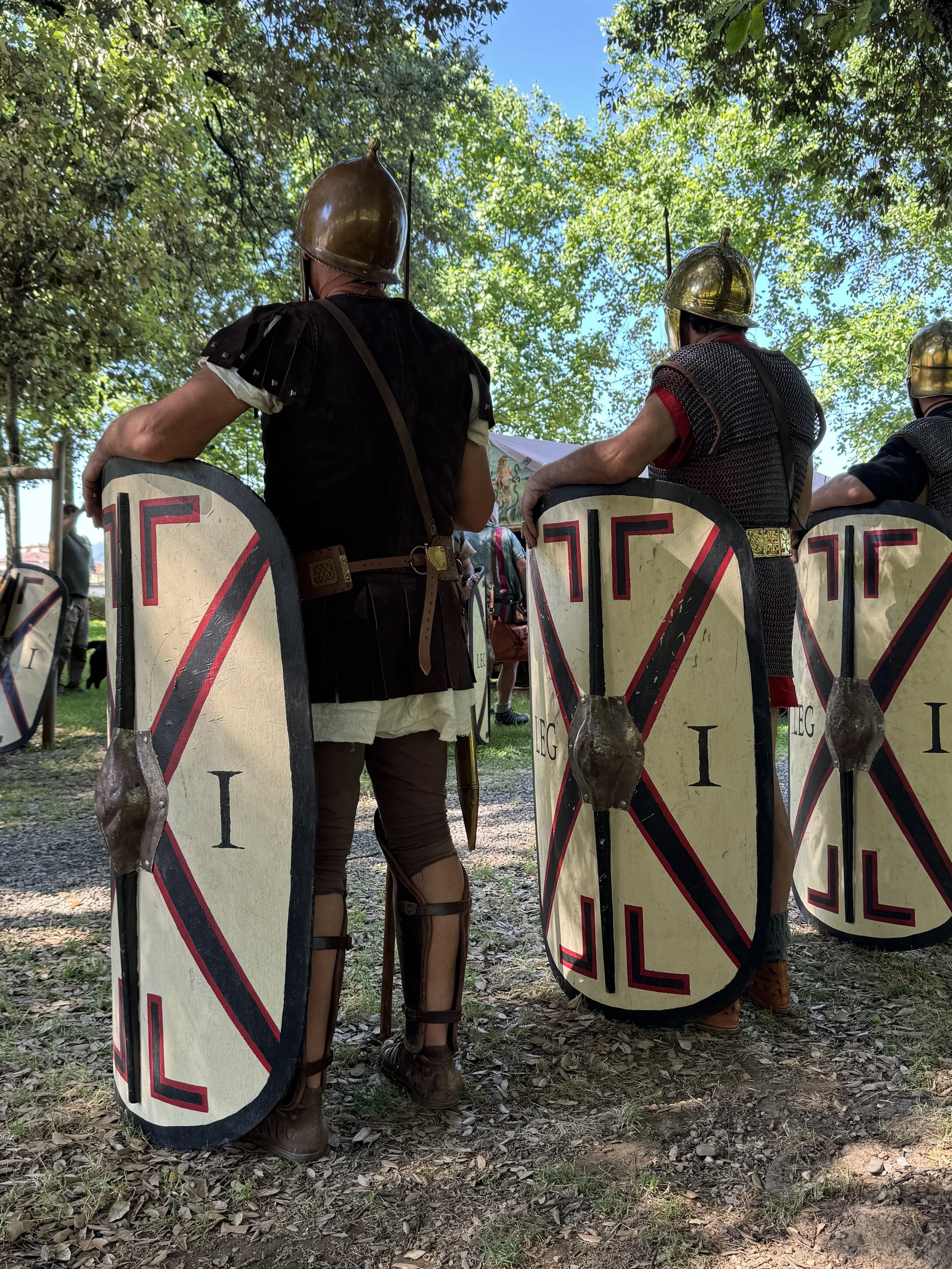
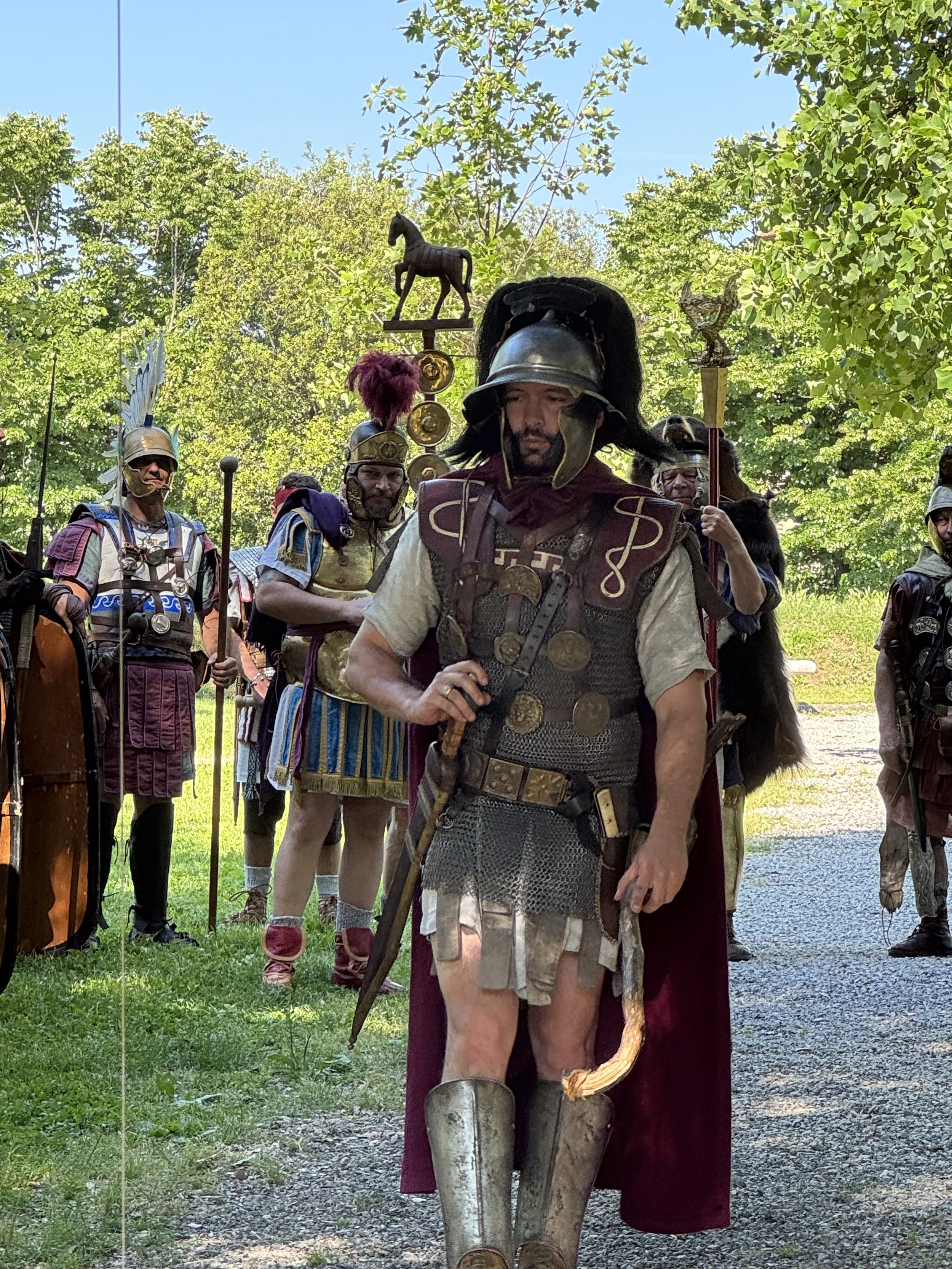
A call to arms for Roman soldiers

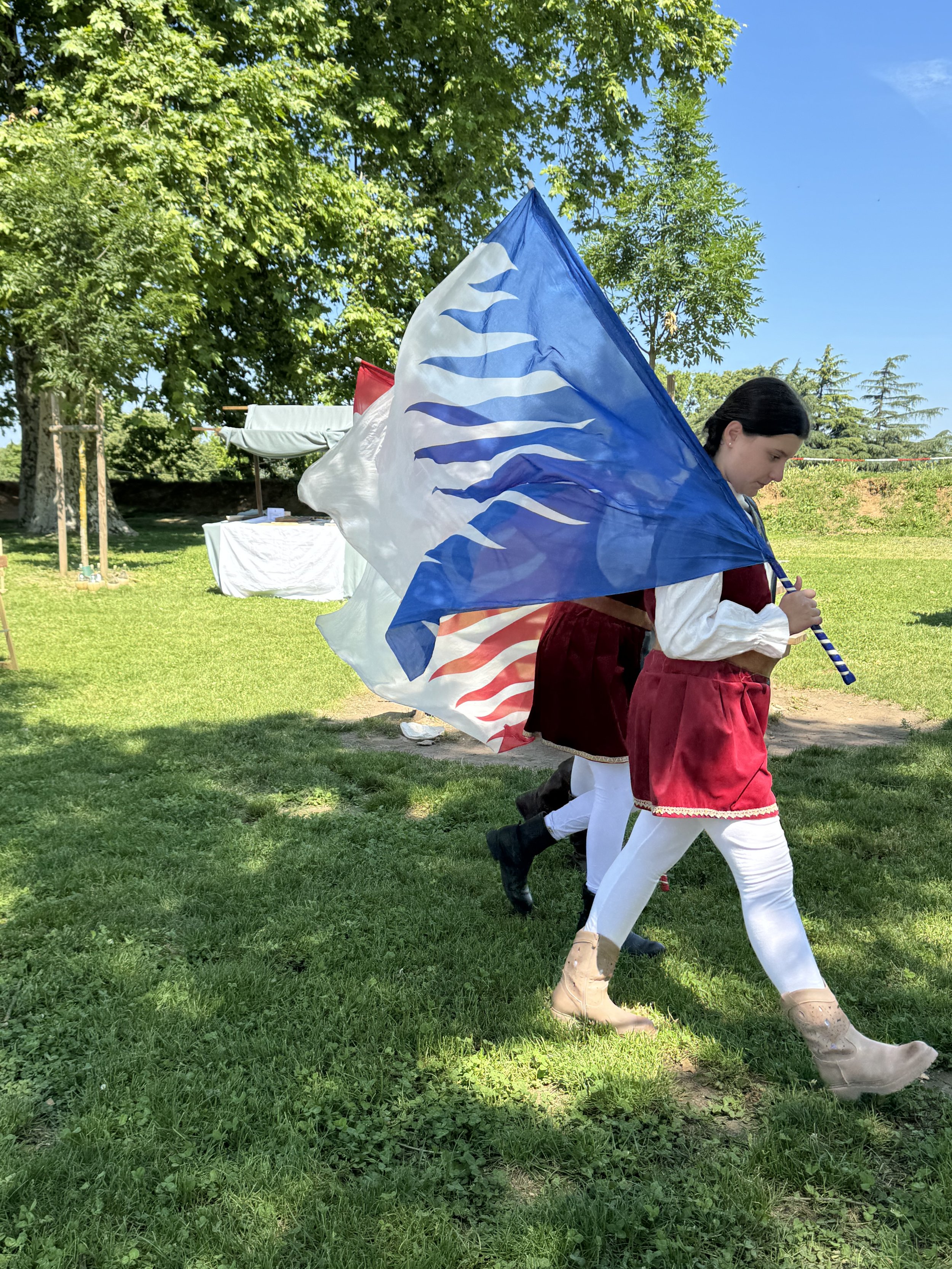
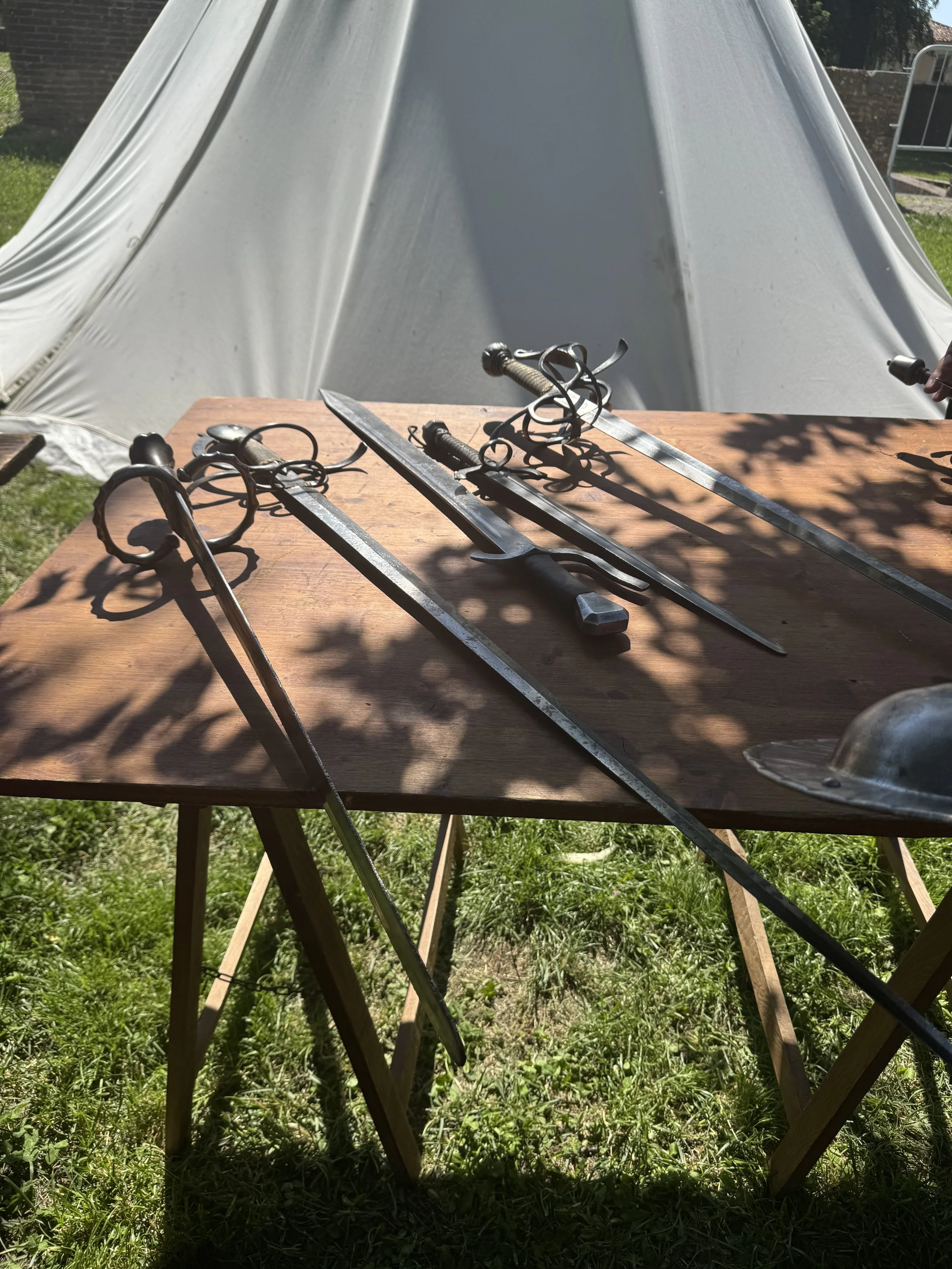
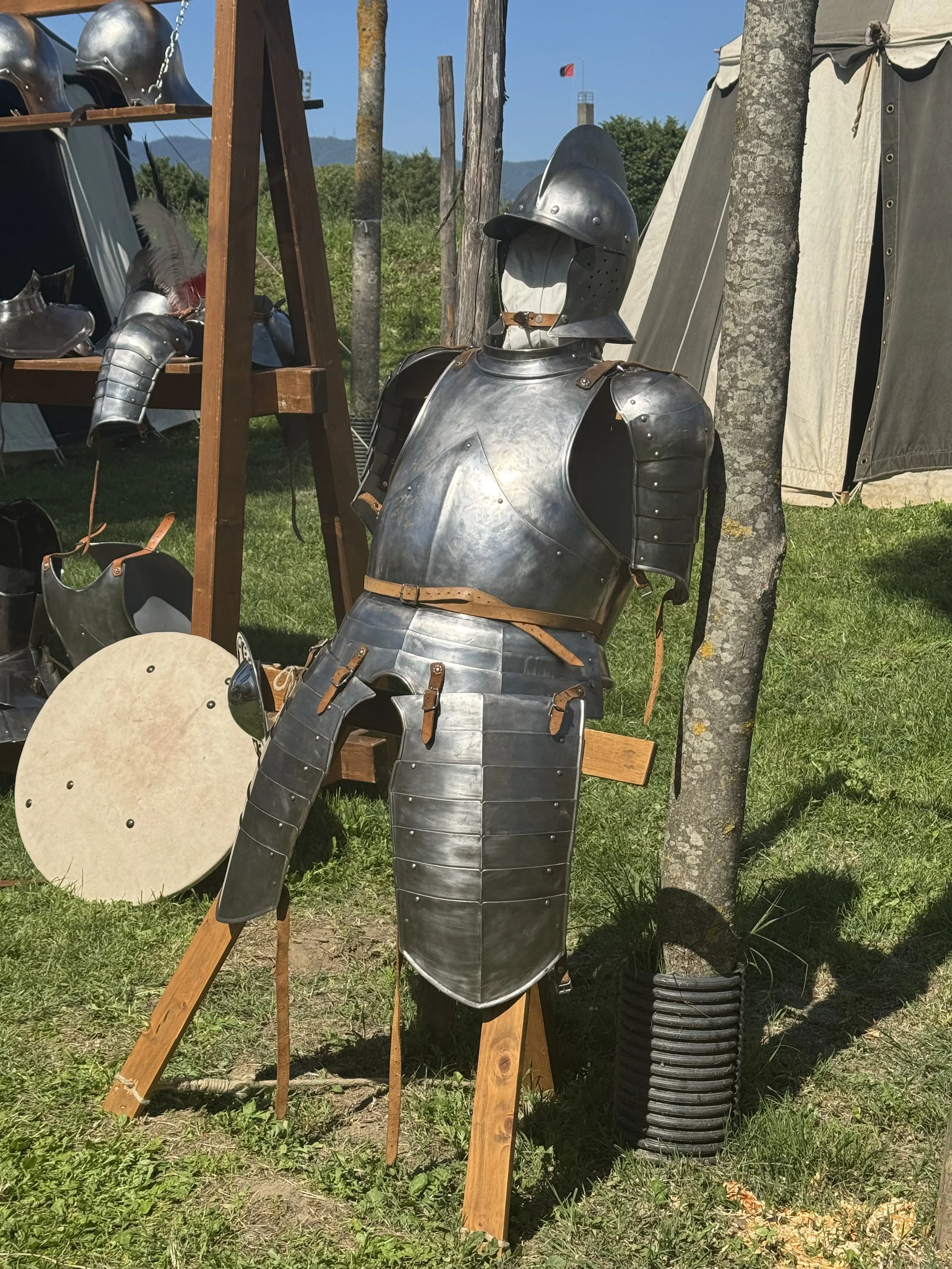
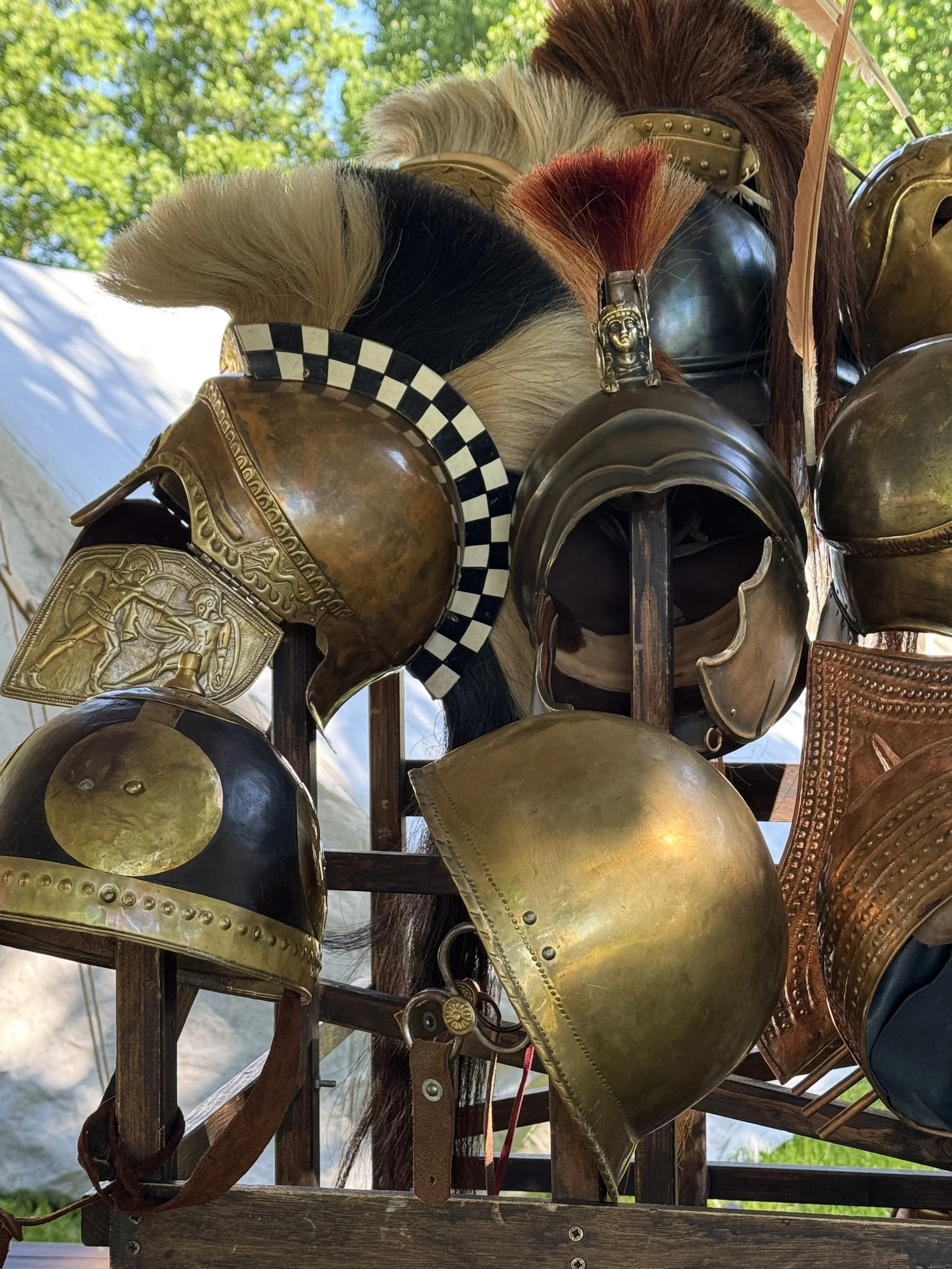
 The event took place on the city walls, a perfect way to present, in chronological order, a series of vignettes tracing Lucca’s history from pre-Roman/Etruscan times through the city’s liberation at the end of WWII.  Each stop along the walls featured costumed actors, period specific crafts and weapons, and representations of daily life during the time period.  The actors were a wealth of information, explaining the displays, answering questions, and demonstrating the use of tools and weapons.

IMG_0427.jpeg
IMG_0423.jpeg
IMG_0247.jpeg
IMG_0288.jpeg

 Some highlights:

The Roman Legionaires made camp along one section of the wall and they were fierce!  Dressed for battle, armed, and bearing shields, they made an impressive sight during the commander’s morning call to arms.  Marching through town one evening, they caused quite a stir with their chants and battle cries. 

IMG_0319.jpeg
IMG_0317.jpeg
IMG_0306.jpeg

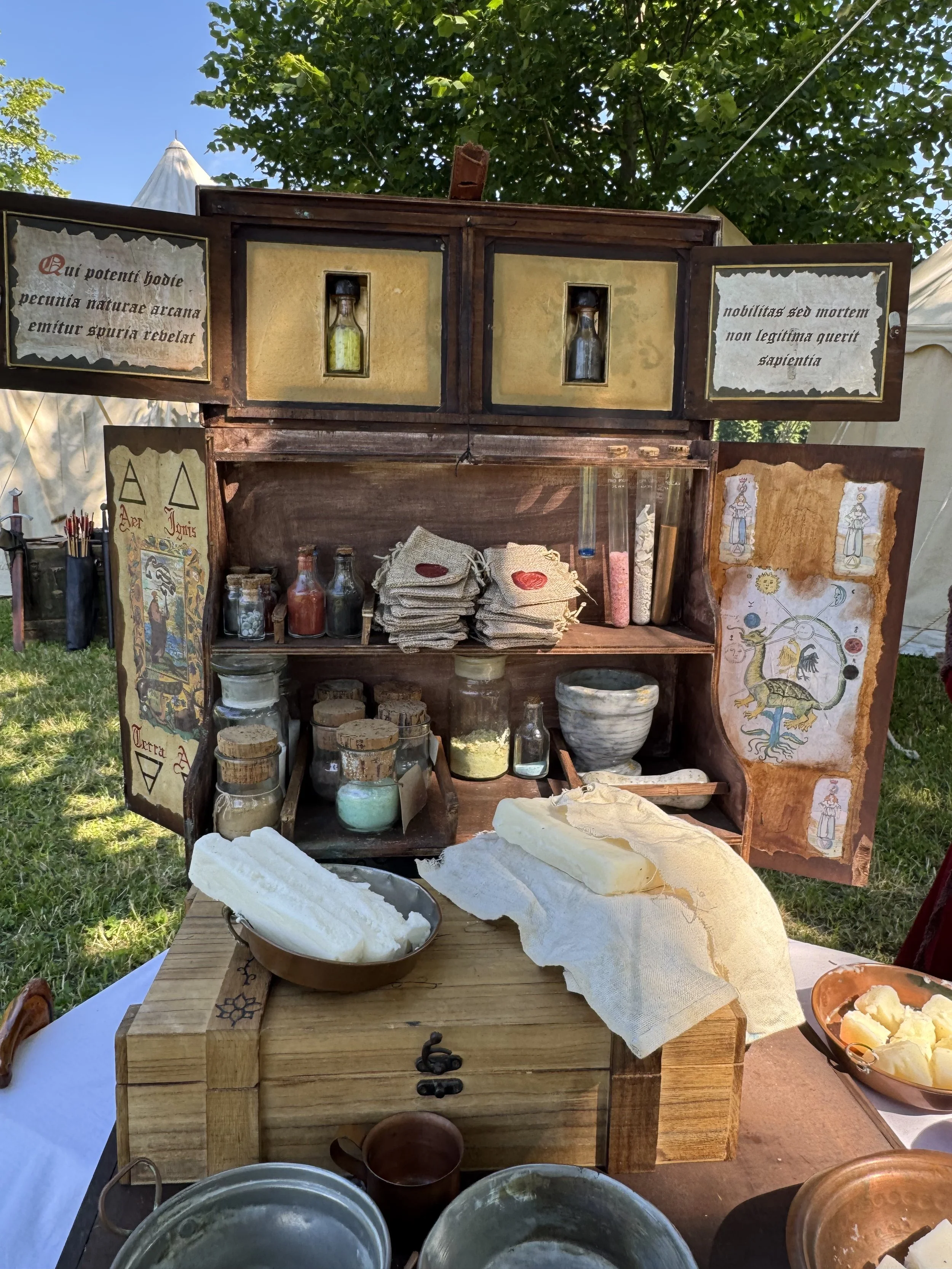
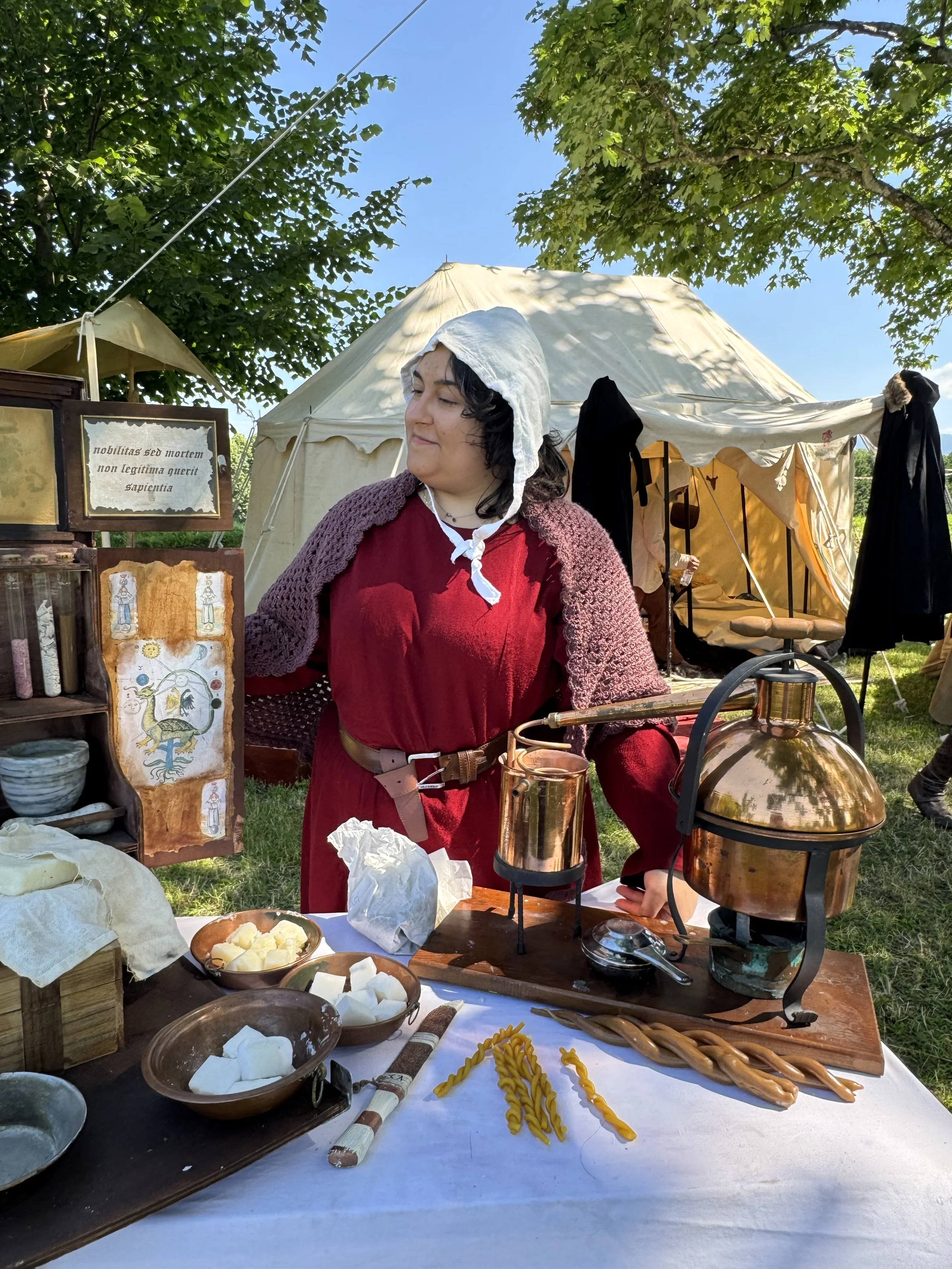
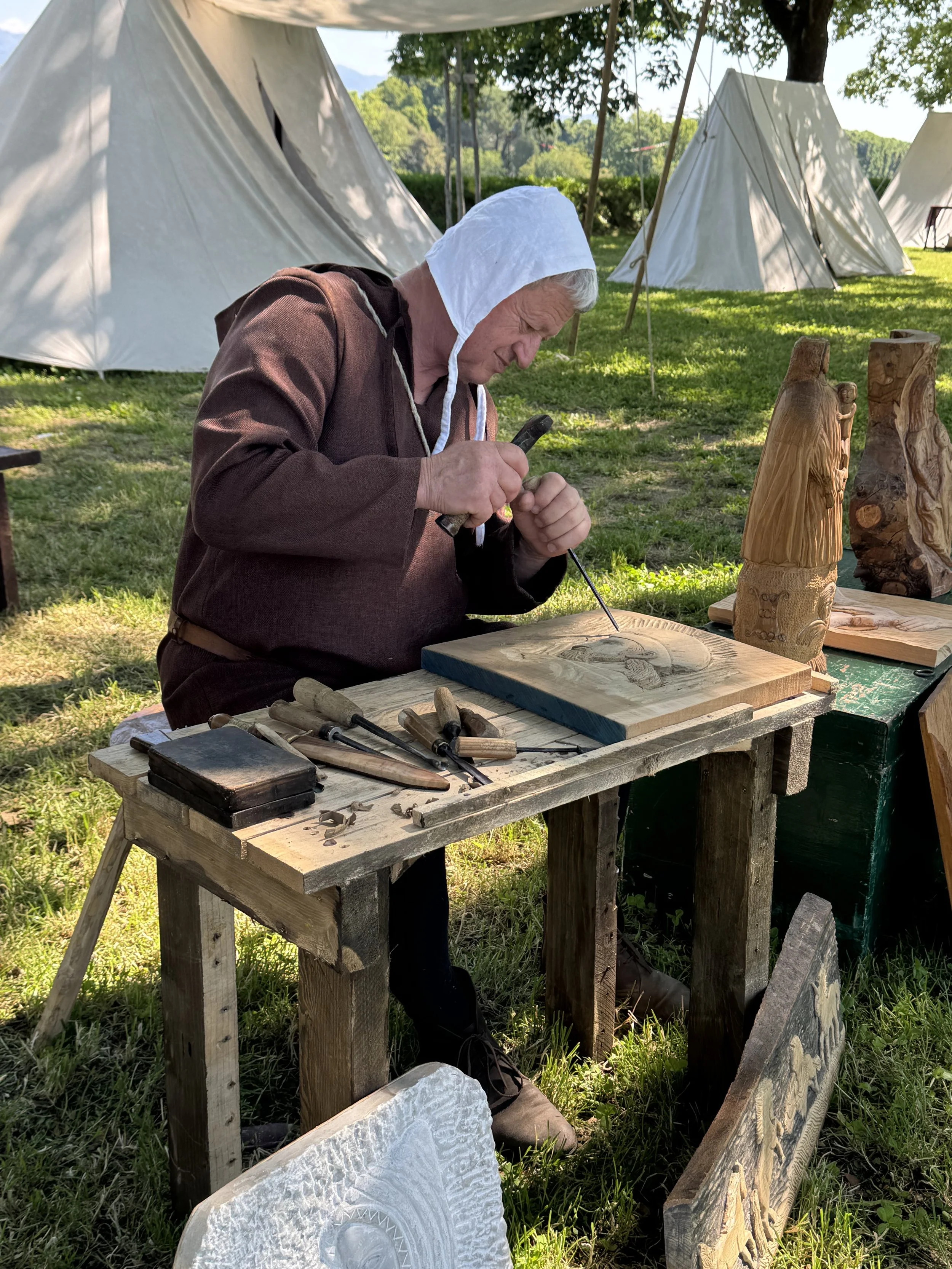
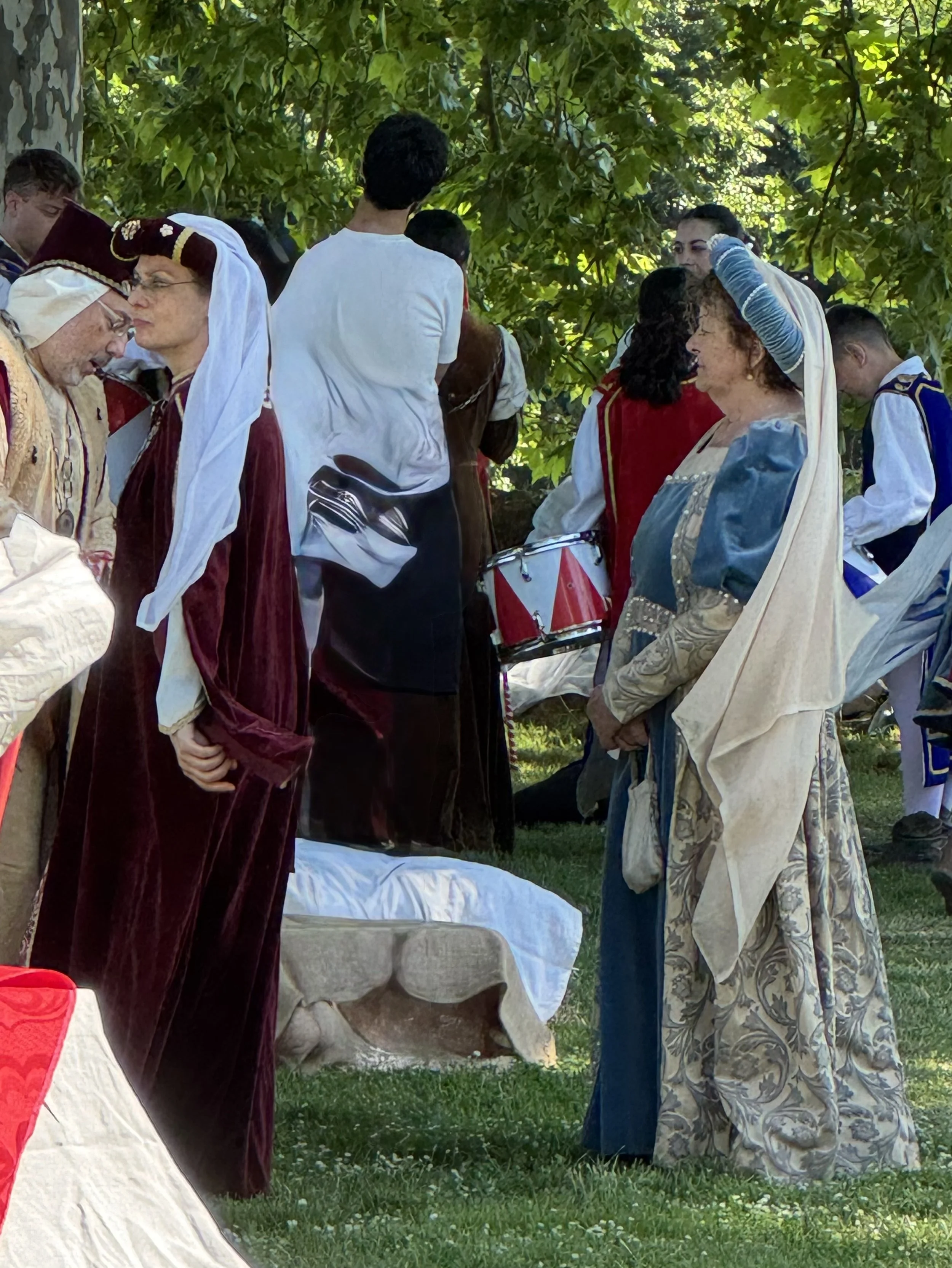
 In the Medieval village, a candlemaker described the process and coloring agents used in making her candles. Nearby, a woodcarver demonstrated his skills.   The Medieval costumes were beautiful too.

IMG_0330.jpeg
IMG_0332.jpeg
IMG_0333.jpeg

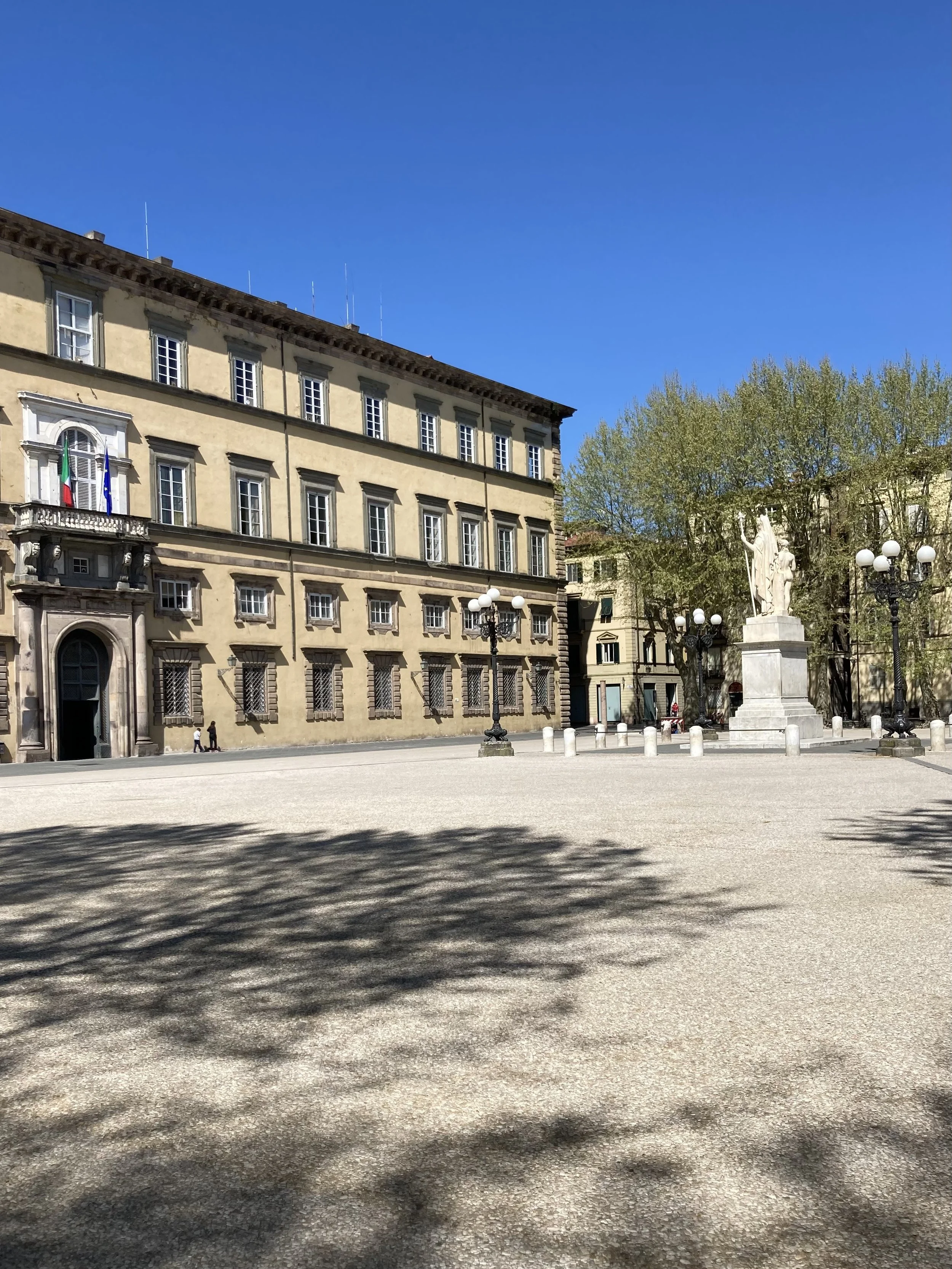
Piazza Napoleone and the Ducal Palace, both created by Elisa Bonaparte.

 Napoleon also left a mark on Lucca’s history – gifting the city to his sister Elisa who ruled as the Princess of Lucca and Piombino in the early years of the 1800’s.  Her influence can still be seen in Lucca -  the largest piazza is the Piazza Napoleone and it sits in front of the Palazzo Ducale, the palace Elisa Bonaparte built.

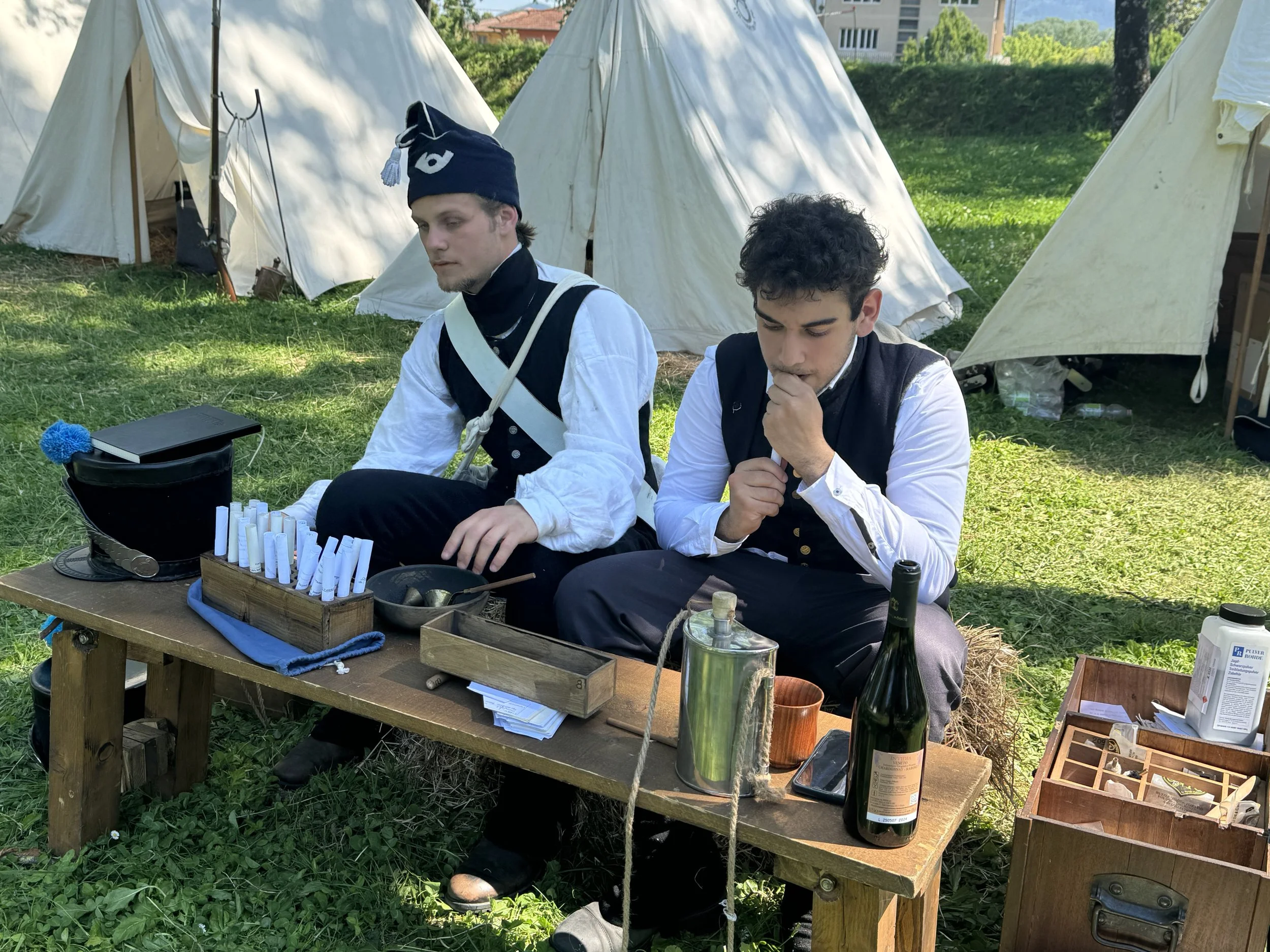
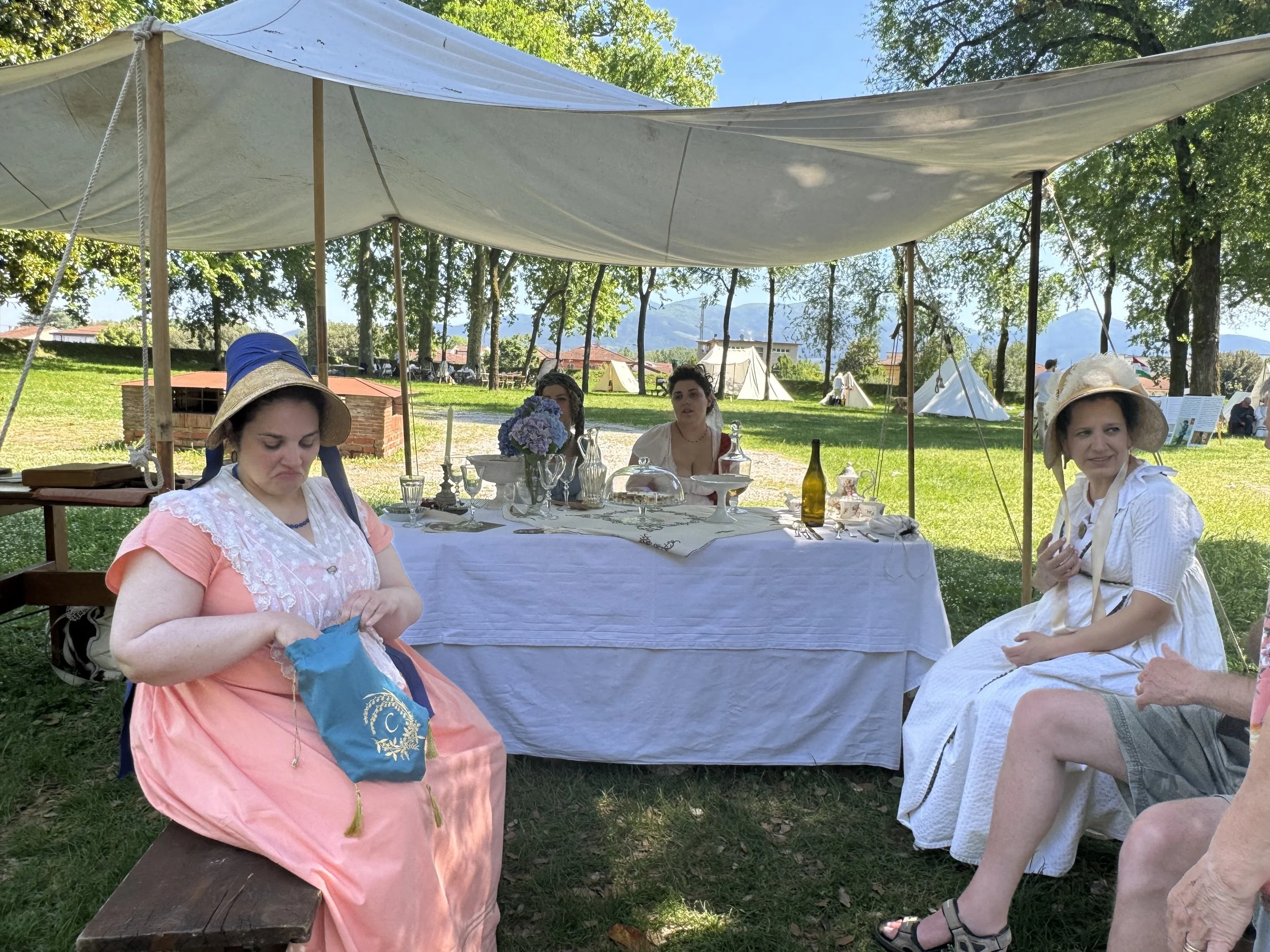
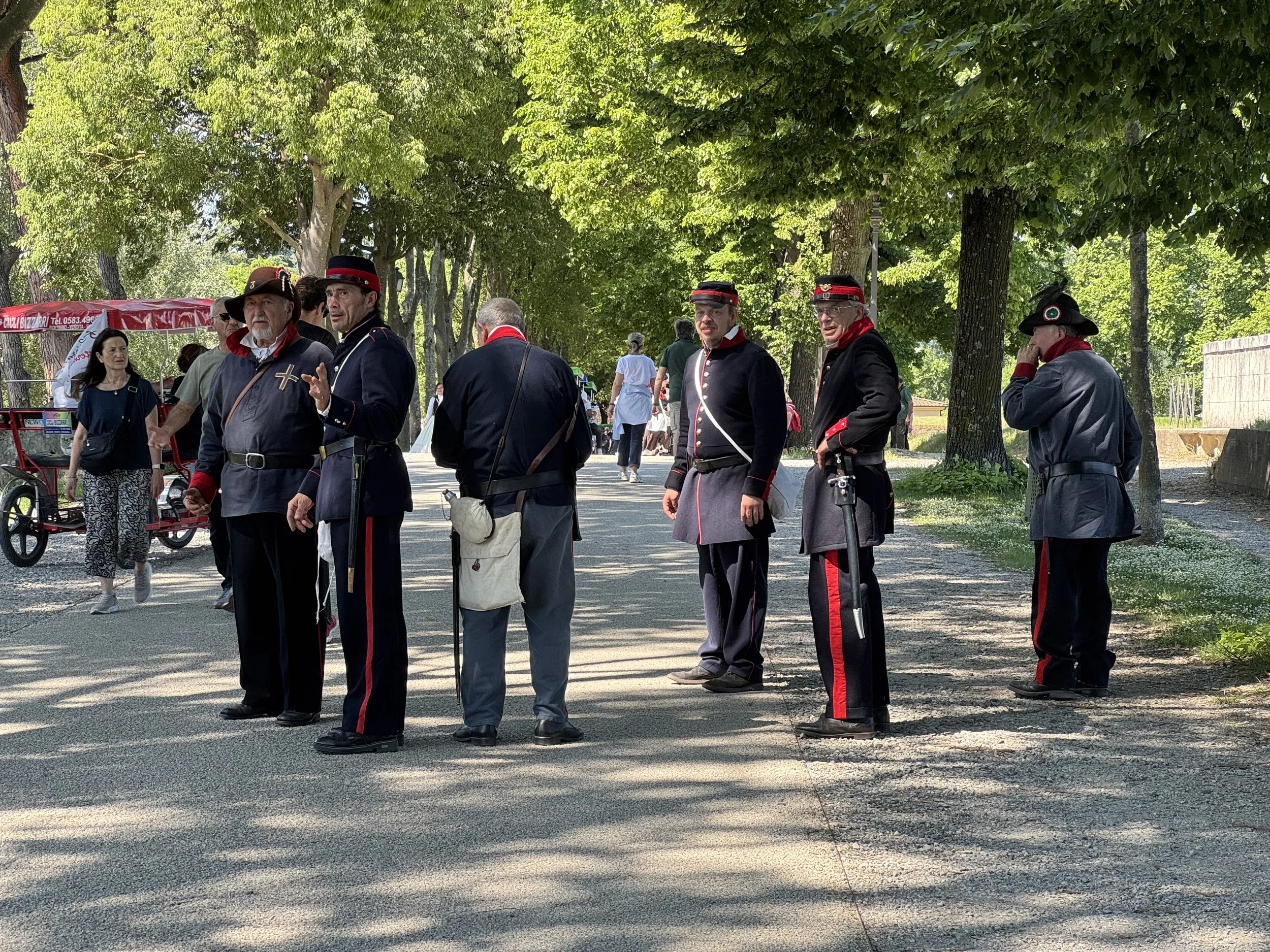
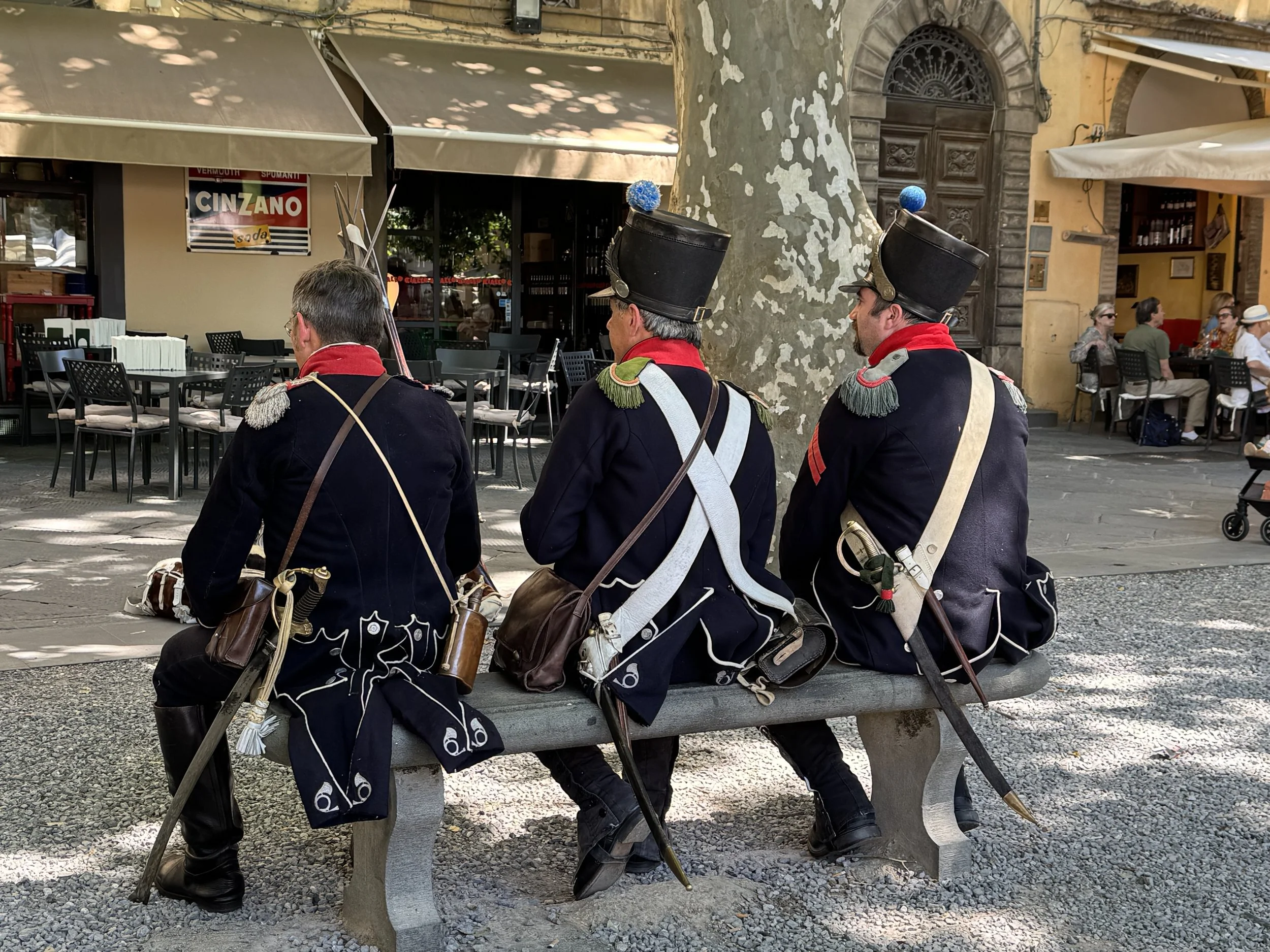
 For the Rievocando festival, a Napoleonic camp was filled with French soldiers in their colorful uniforms.   Alongside were a group of French ladies taking tea, as they might have done once upon a time in the Palazzo Ducale.

IMG_0404.jpeg
IMG_0395.jpeg
IMG_0393.jpeg

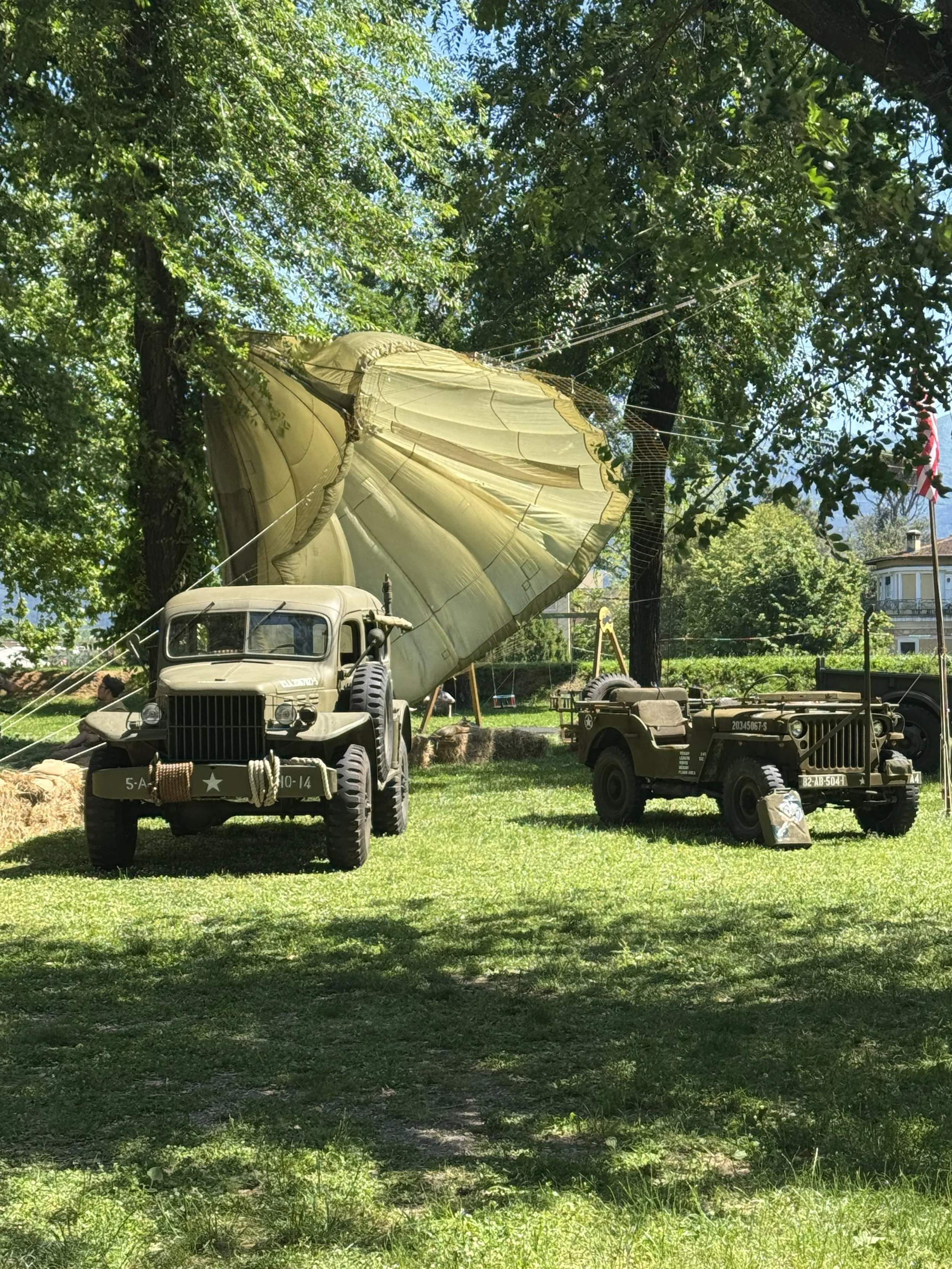
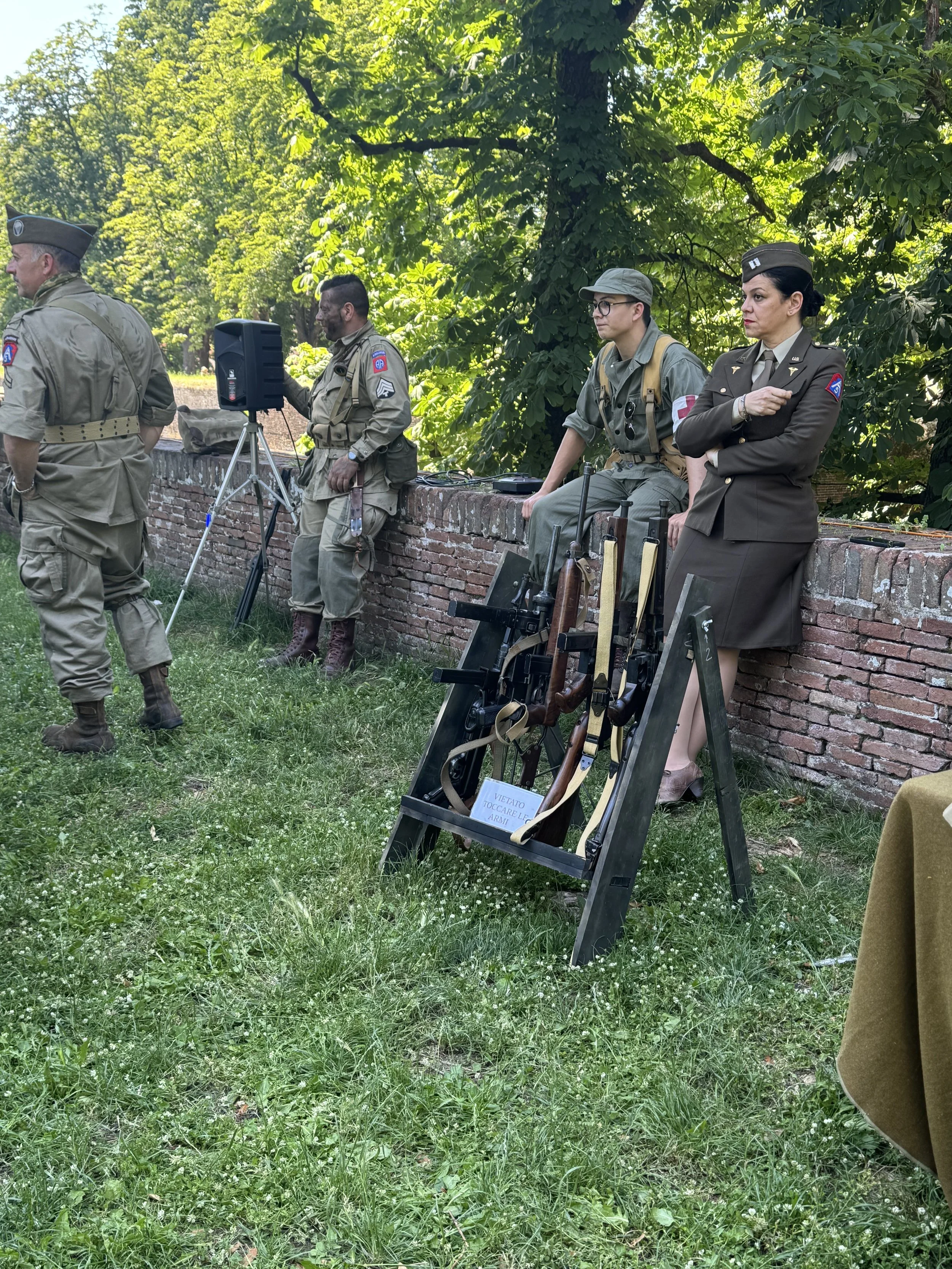
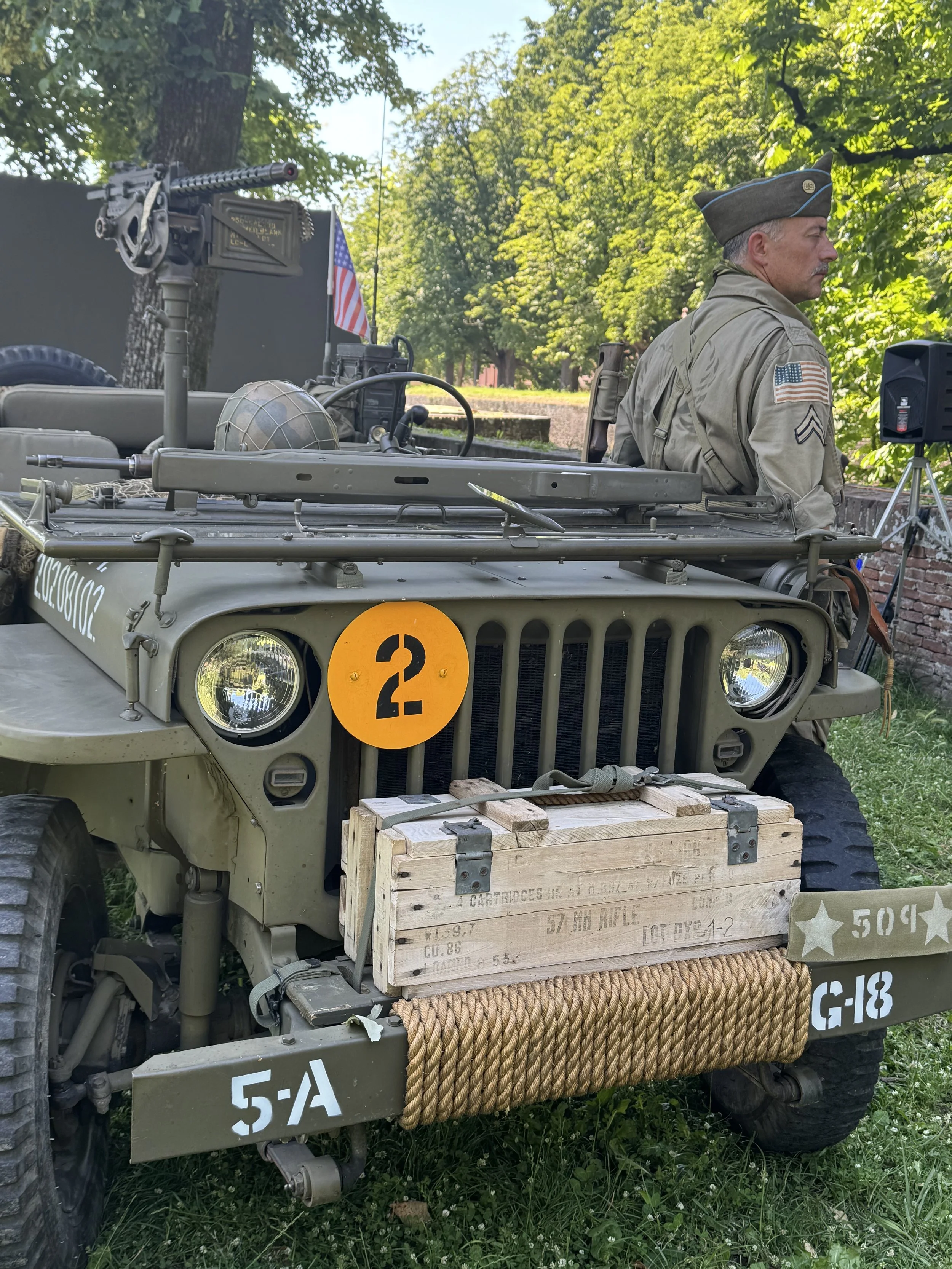
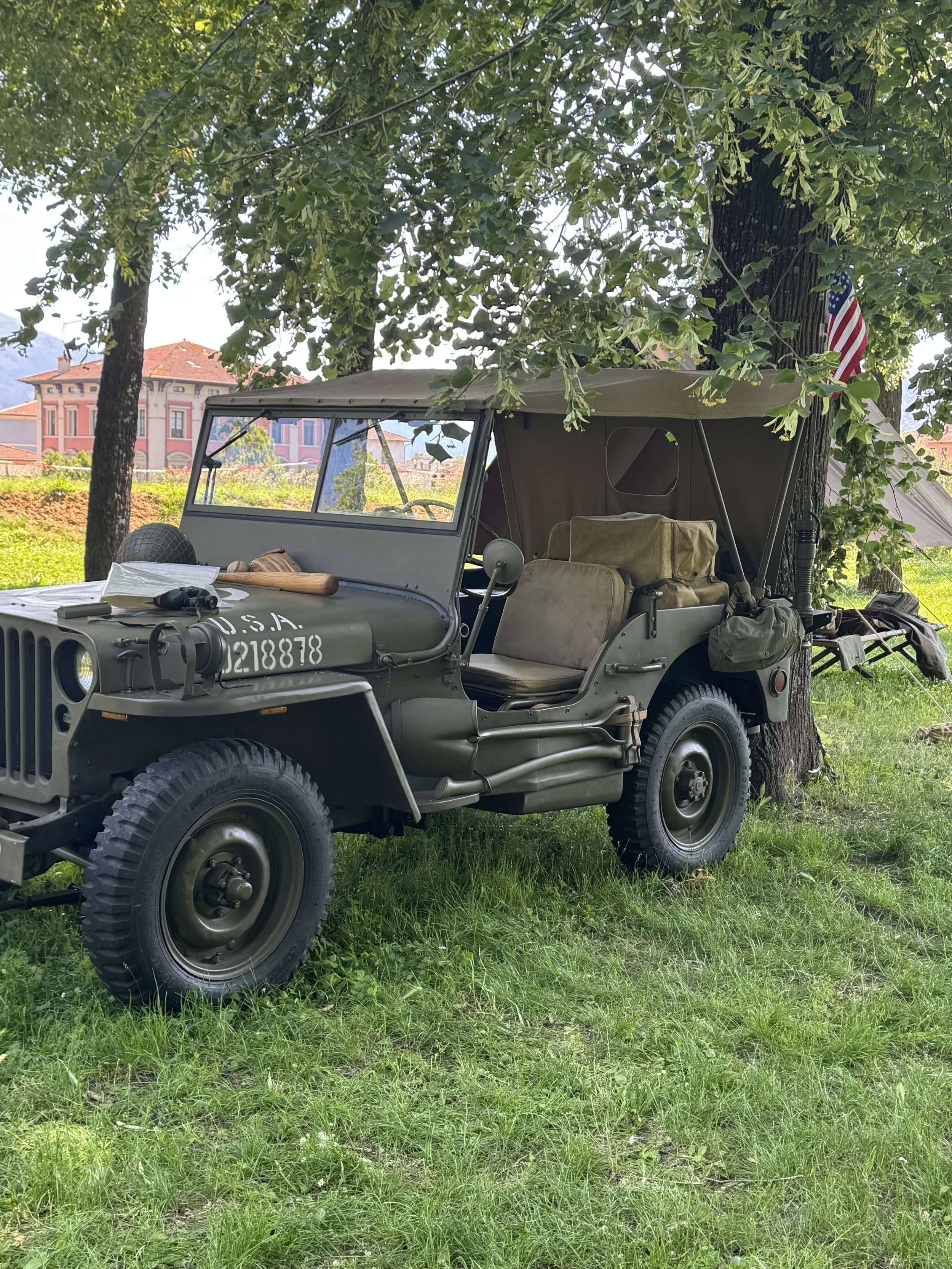
 The final vignette was of WWII, during a time when American and Brazilian troops played an important role in and around Lucca.  It was American Buffalo soldiers who entered Lucca in September 1944, ending the occupation by Nazi forces.   

IMG_0367.jpeg
IMG_0370.jpeg
IMG_0371.jpeg
IMG_0374.jpeg

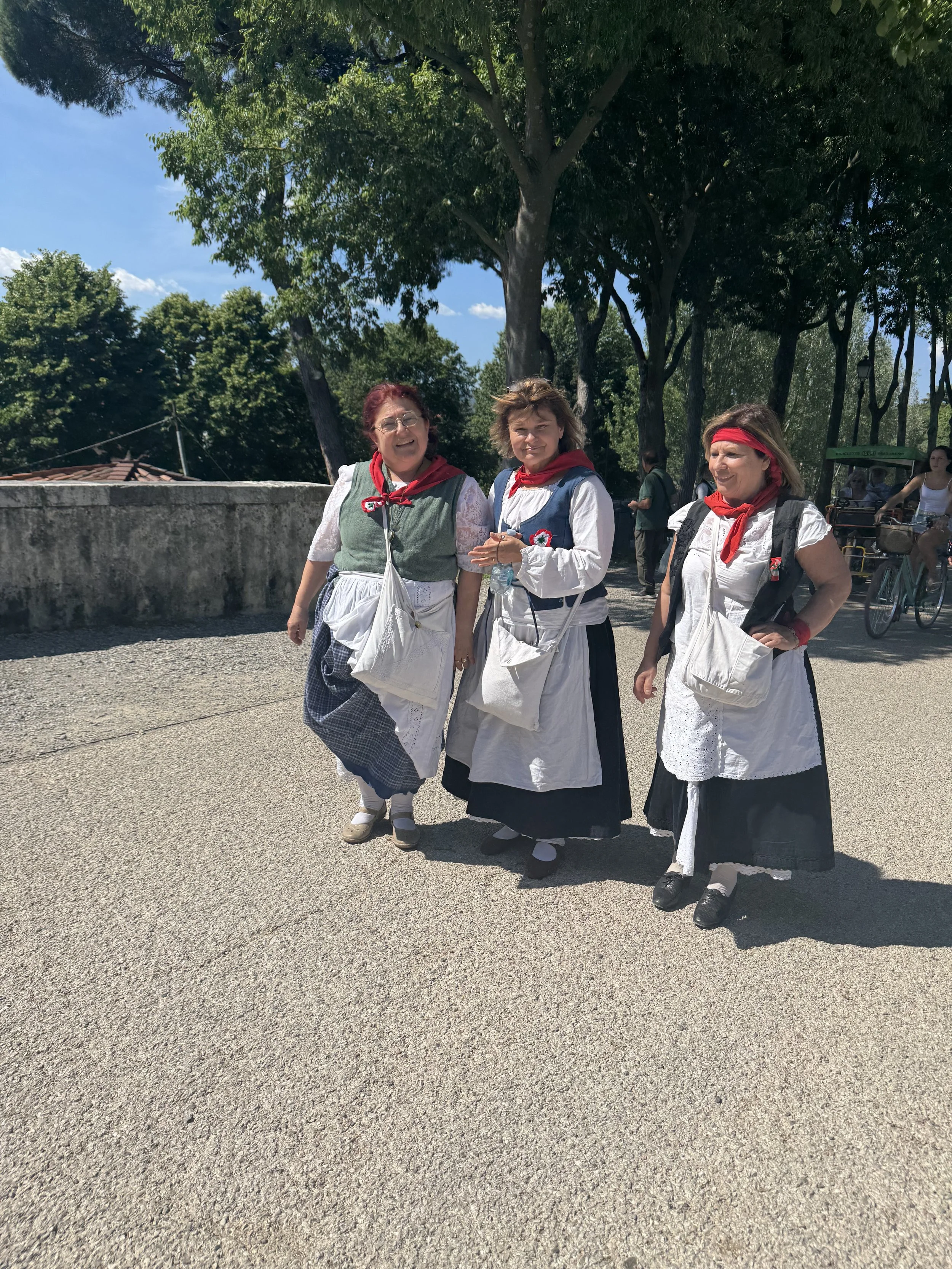
 Also fun was walking around town and seeing the many costumed participants having lunch or strolling the walls.  The weekend event provided little glimpses of Lucca as it once was. 

IMG_0414.jpeg
IMG_0413.jpeg
IMG_0250.jpeg
IMG_0252.jpeg
June 08, 2026 /Joanne Bartram
Lucca History, Rievocando Lucca, Napoleon in Lucca, Romans in Lucca
#italytravel, #lucca, #medievalitaly, Festivals Italy, History, Italian culture, Italy travel, Lucca, Tuscany
  • Newer
  • Older

Powered by Squarespace