Two Parts Italy

Exploring Italy, travel, and living a flavorful life

  • Blog
  • About This Blog
  • Start Here
  • Recent Posts
  • Archives by Topic
  • Subscribe
  • Contact me

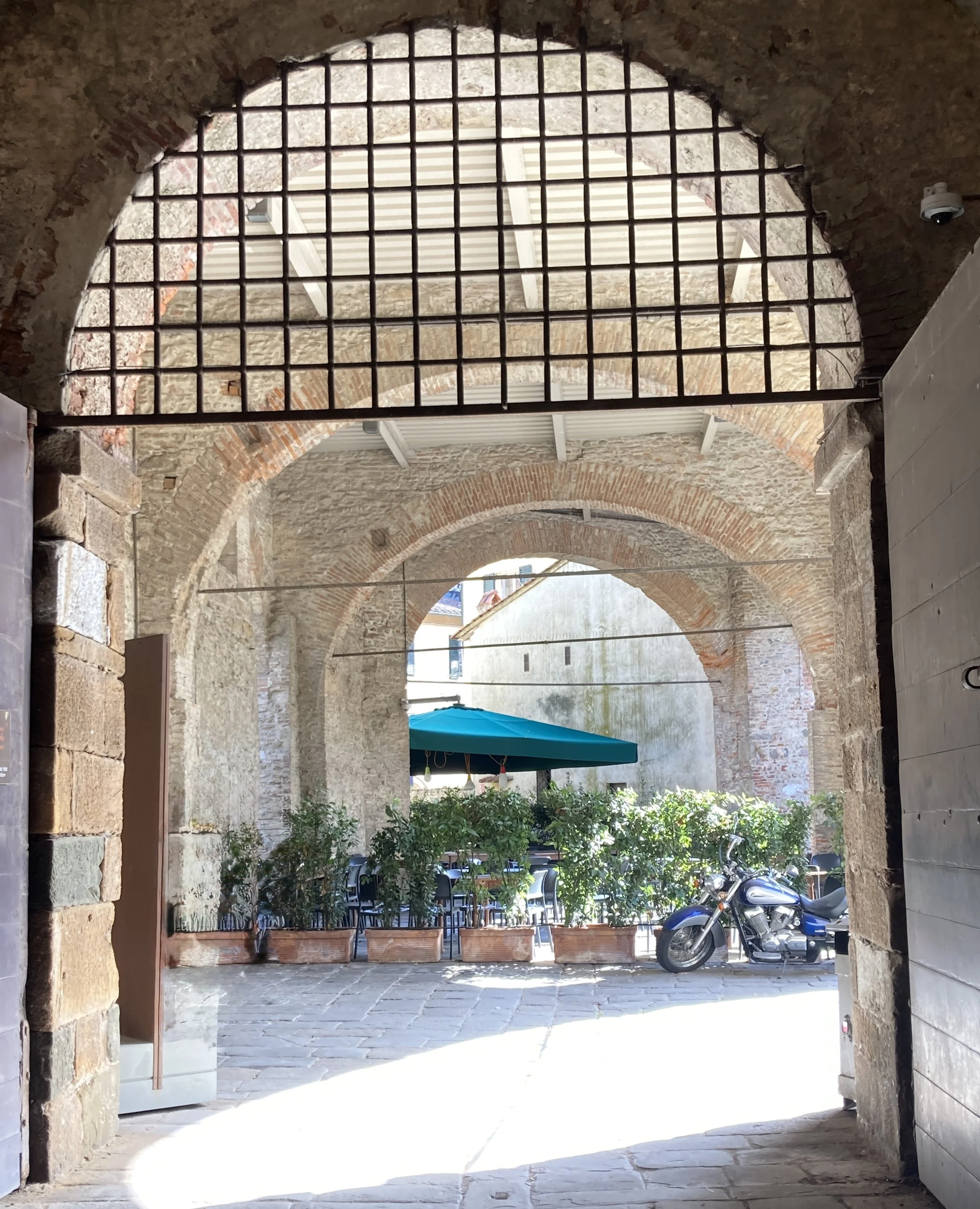
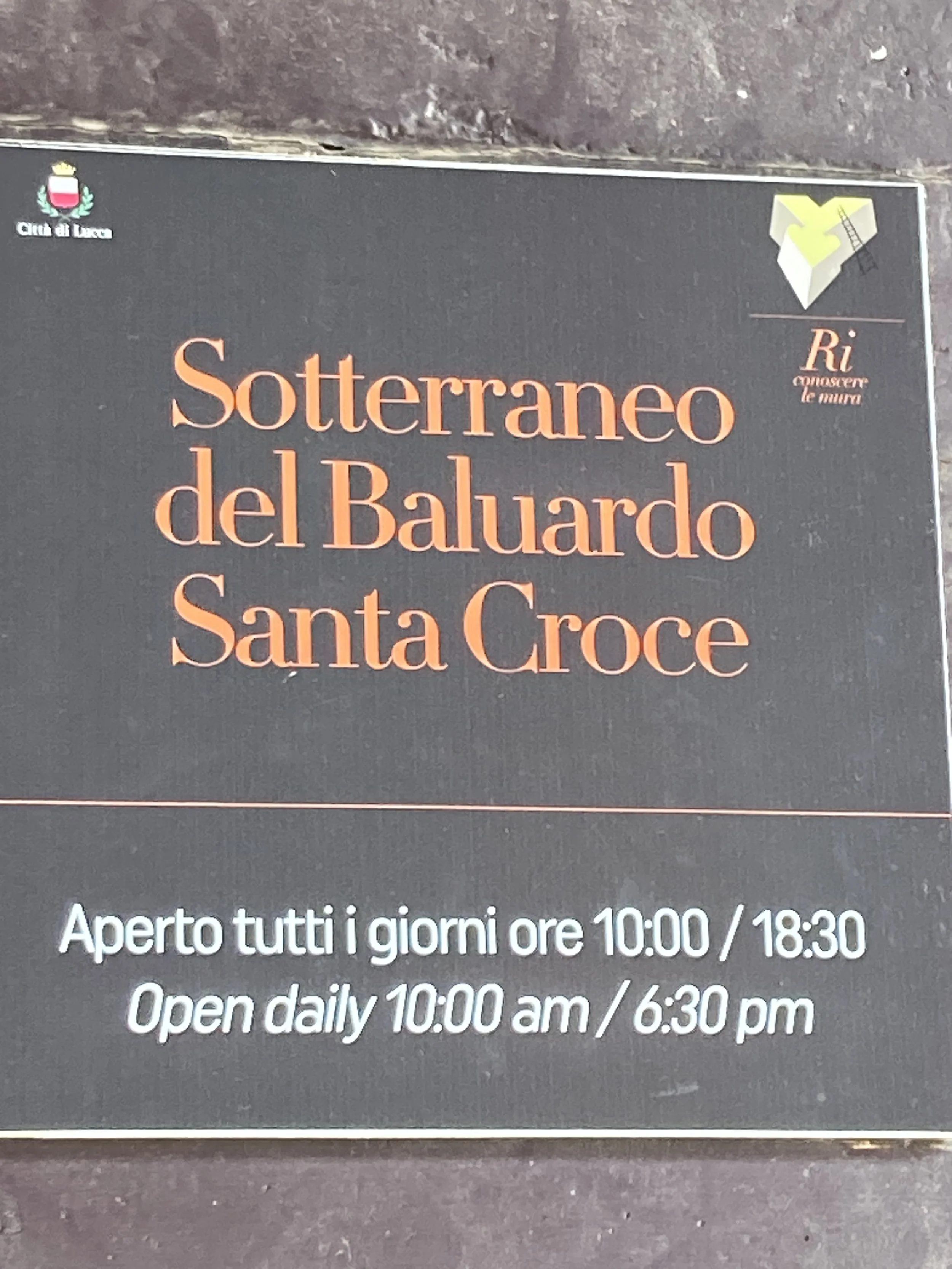
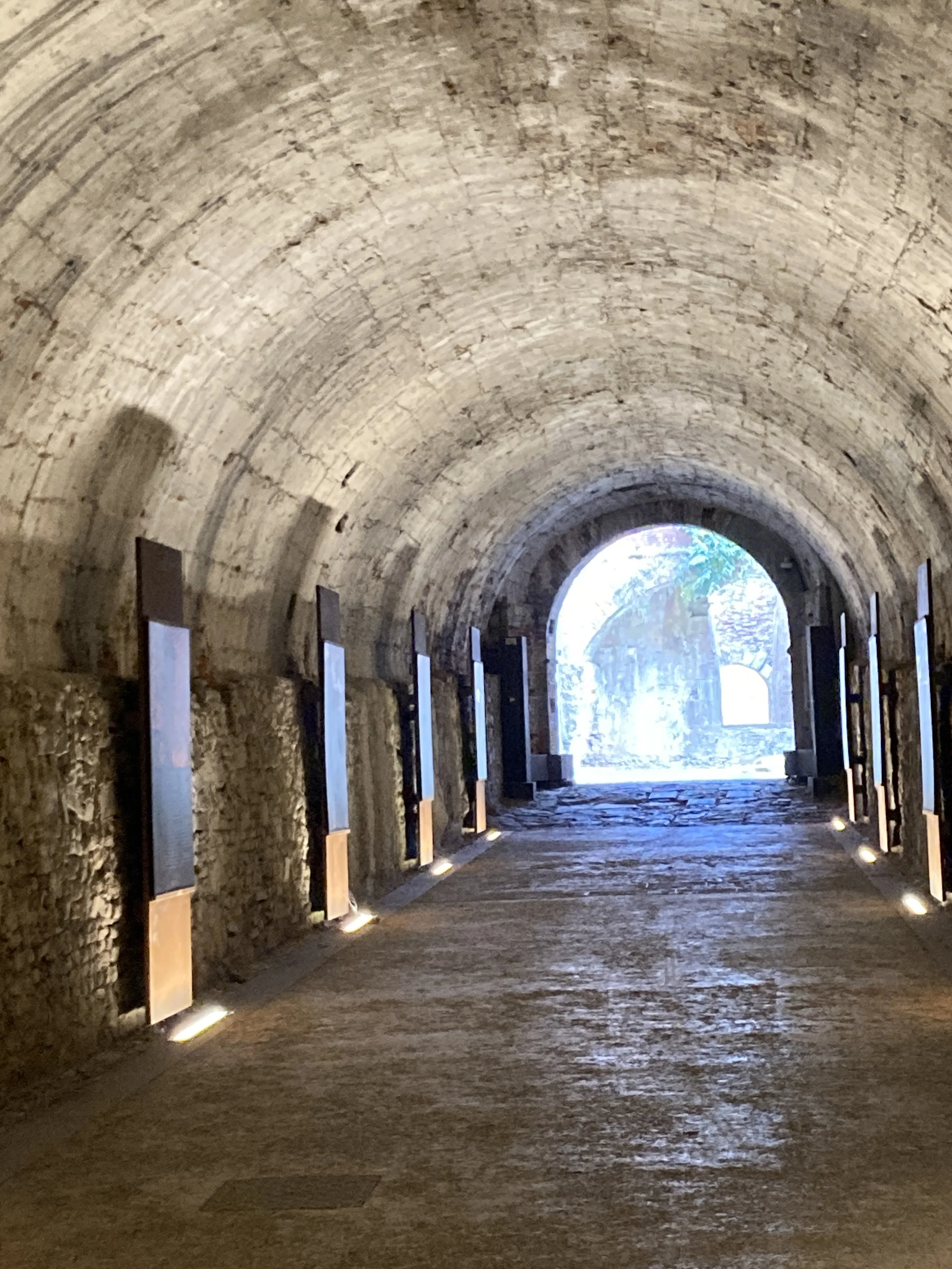
The entrance to the exhibit is just inside the gate to the passage underneath the walls a Sotterraneo del Baluardo Santa Croce

A Mini-Museum in Lucca

October 26, 2026 by Joanne Bartram in #italytravel, #lucca, #medievalitaly, renaissance Lucca, History, Italian art architecture, Italian culture, Italy, Italy travel, Lucca, Tuscany, museums italy

Lucca is not a big museum town.  There are several – Palazzo Mansi, The Paolo Cresci Emigration Museum, Villa Guinigi, the Barsanti and Matteucci, the Duomo Museum.  Most are small and many short-term visitors to Lucca are unaware that some of these even exist. Instead, they spend most of their time on the city walls, in the Medieval streets and squares, and visiting the many churches of Lucca.  Unlike nearby Florence, the museums are not what draw most people to Lucca. There is one newer and very small addition to Lucca’s collection of museums.  It is so small that it is more of a mini-museum.  But it is fascinating!  
IMG_8996.jpeg
IMG_8995.jpeg
IMG_8988.jpeg

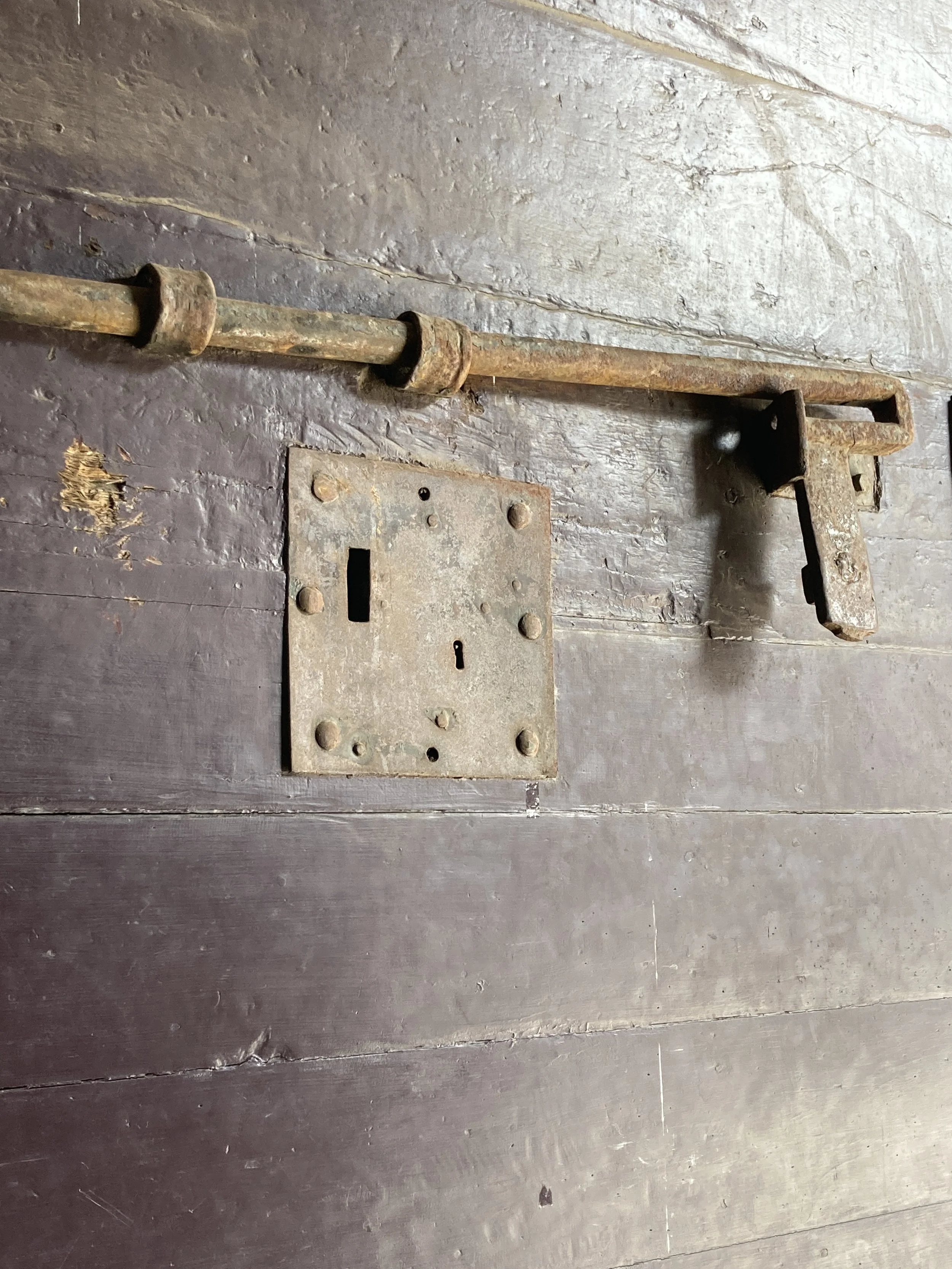
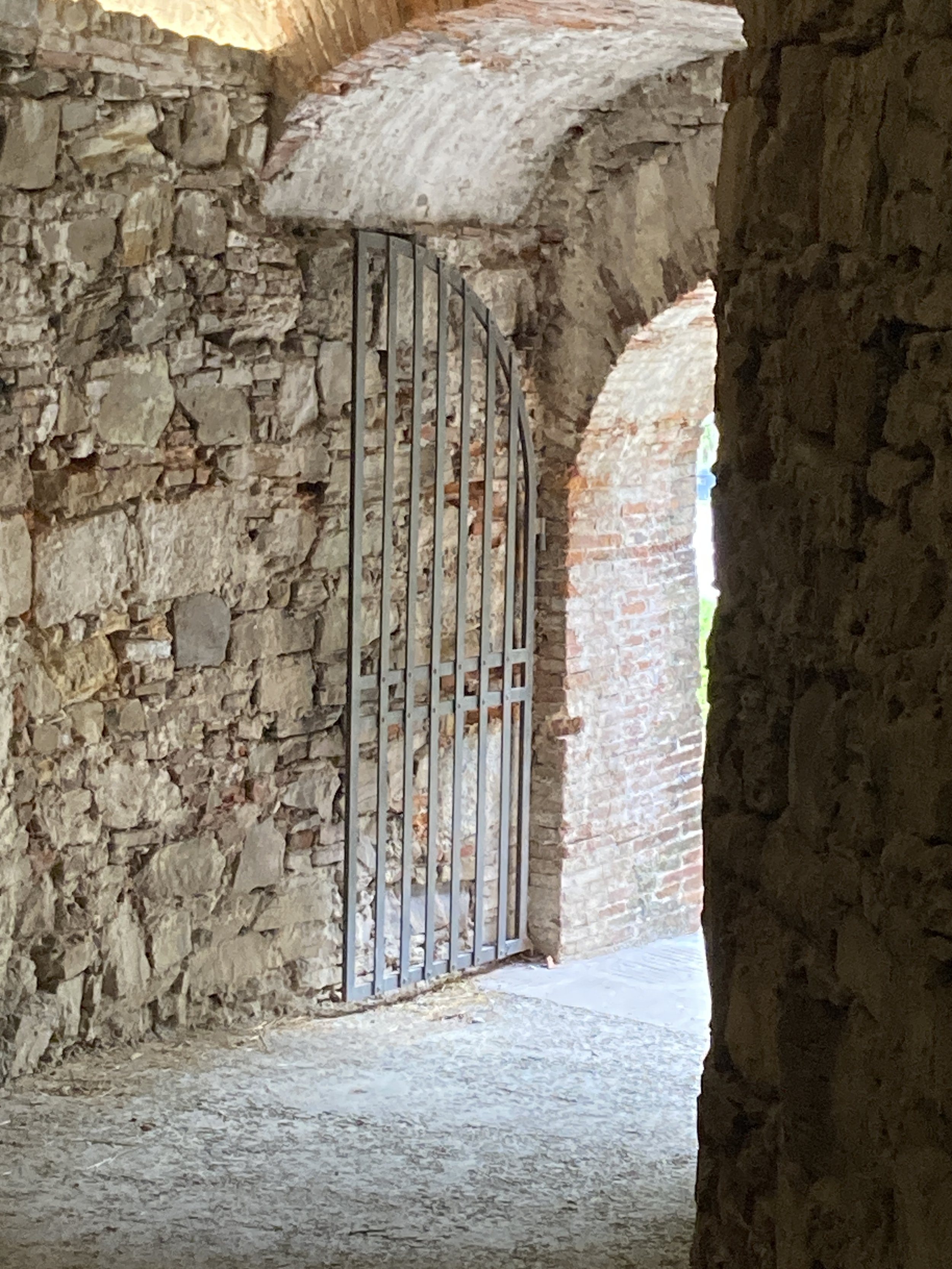
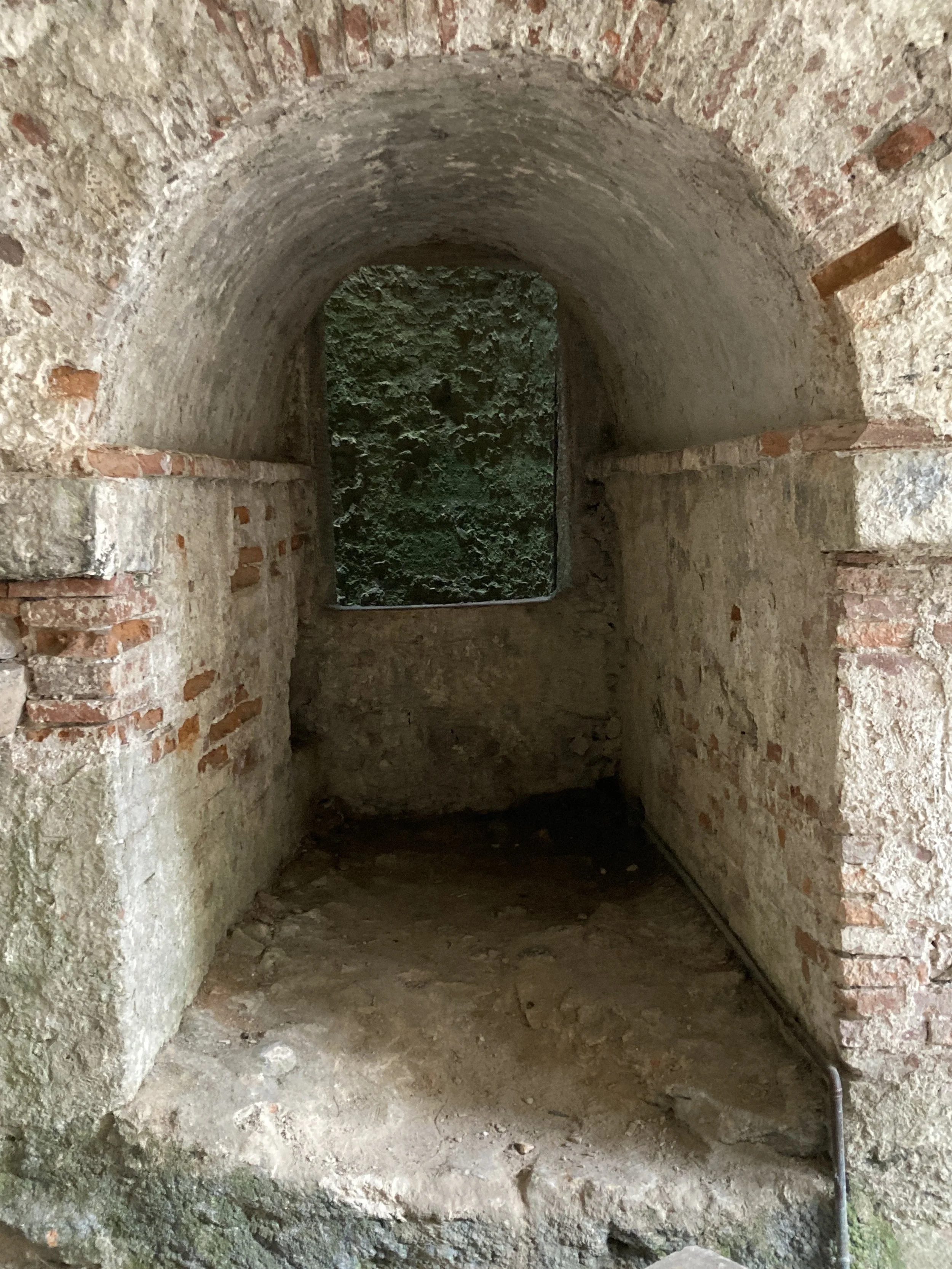
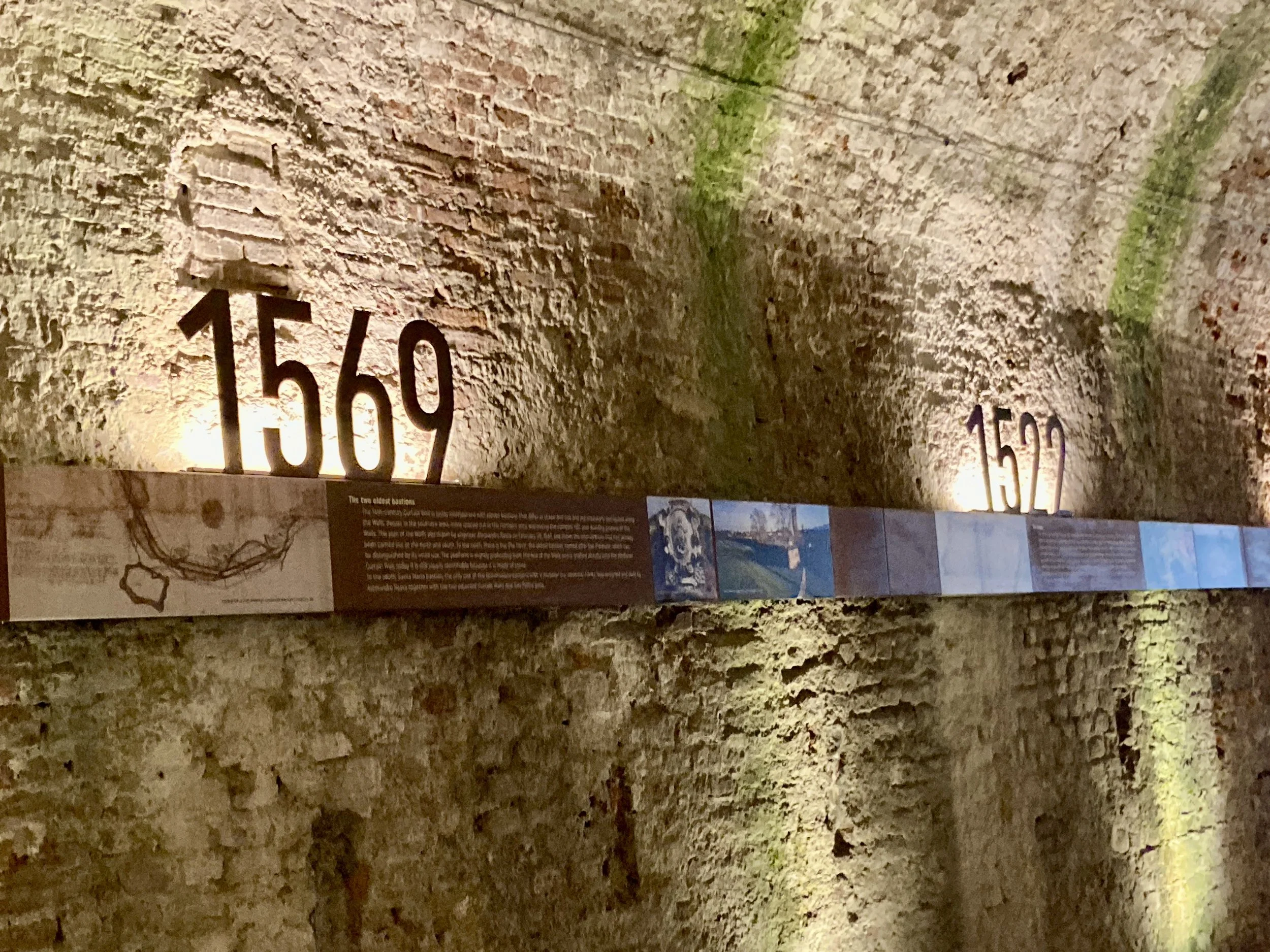
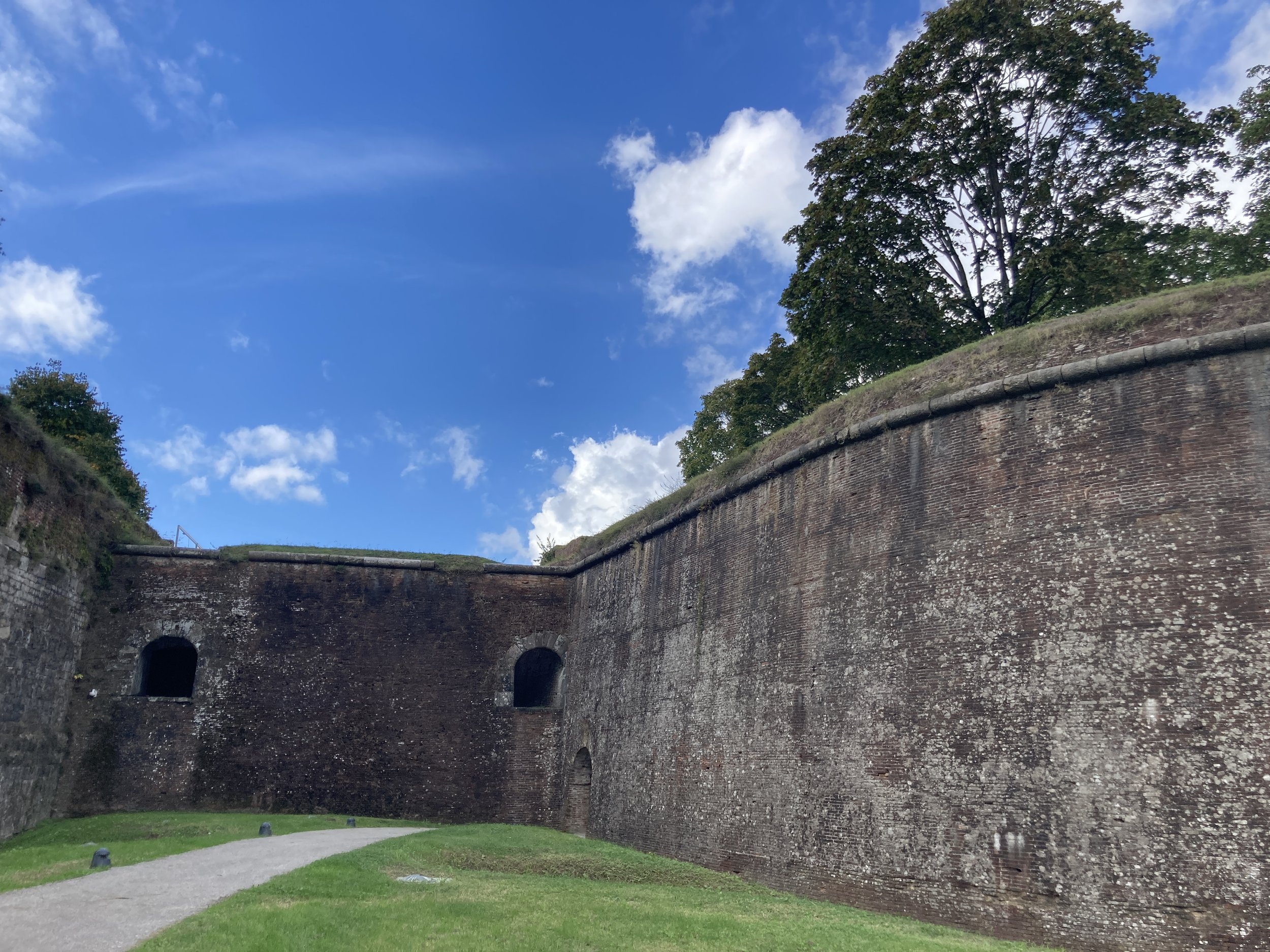
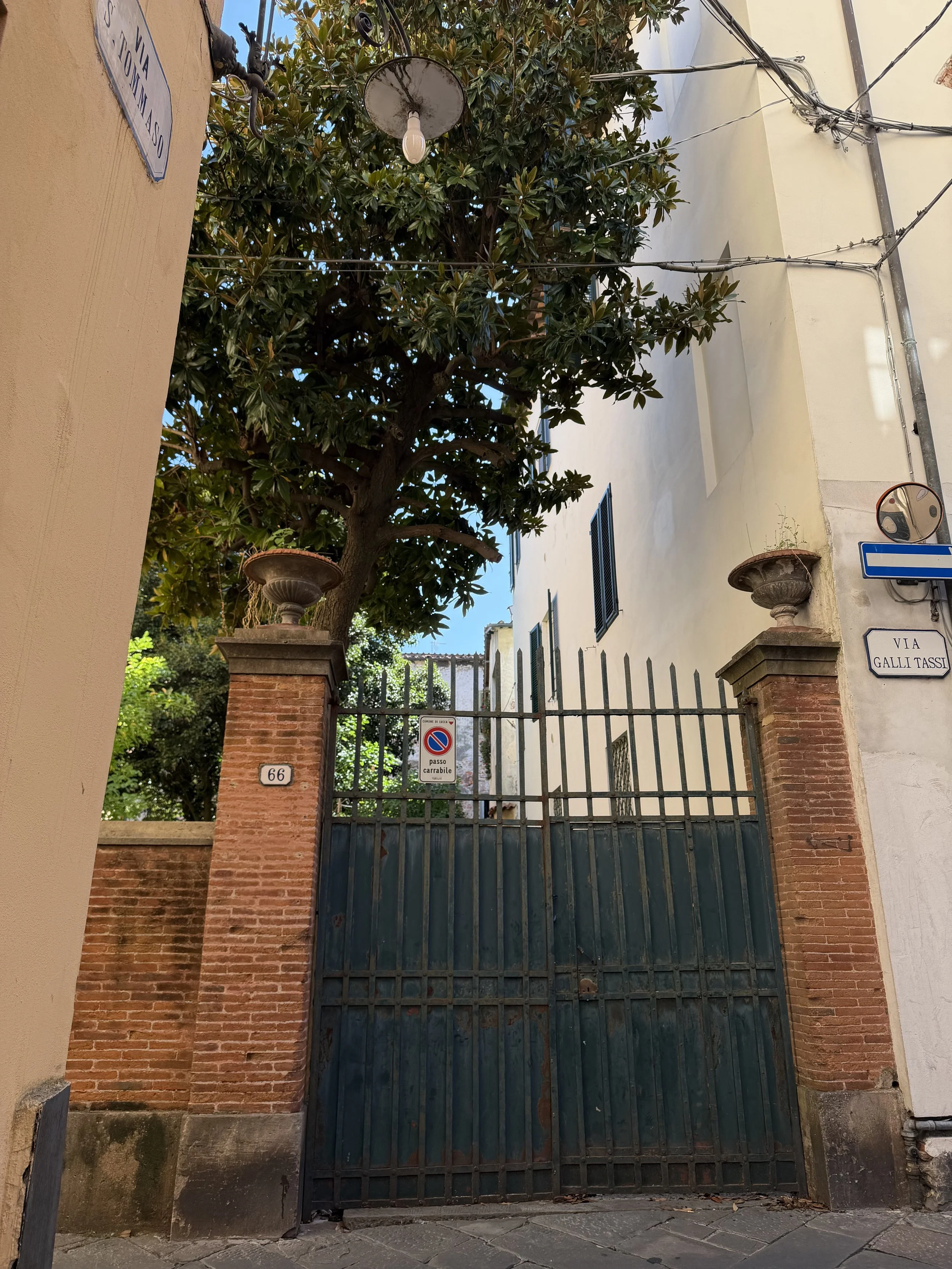
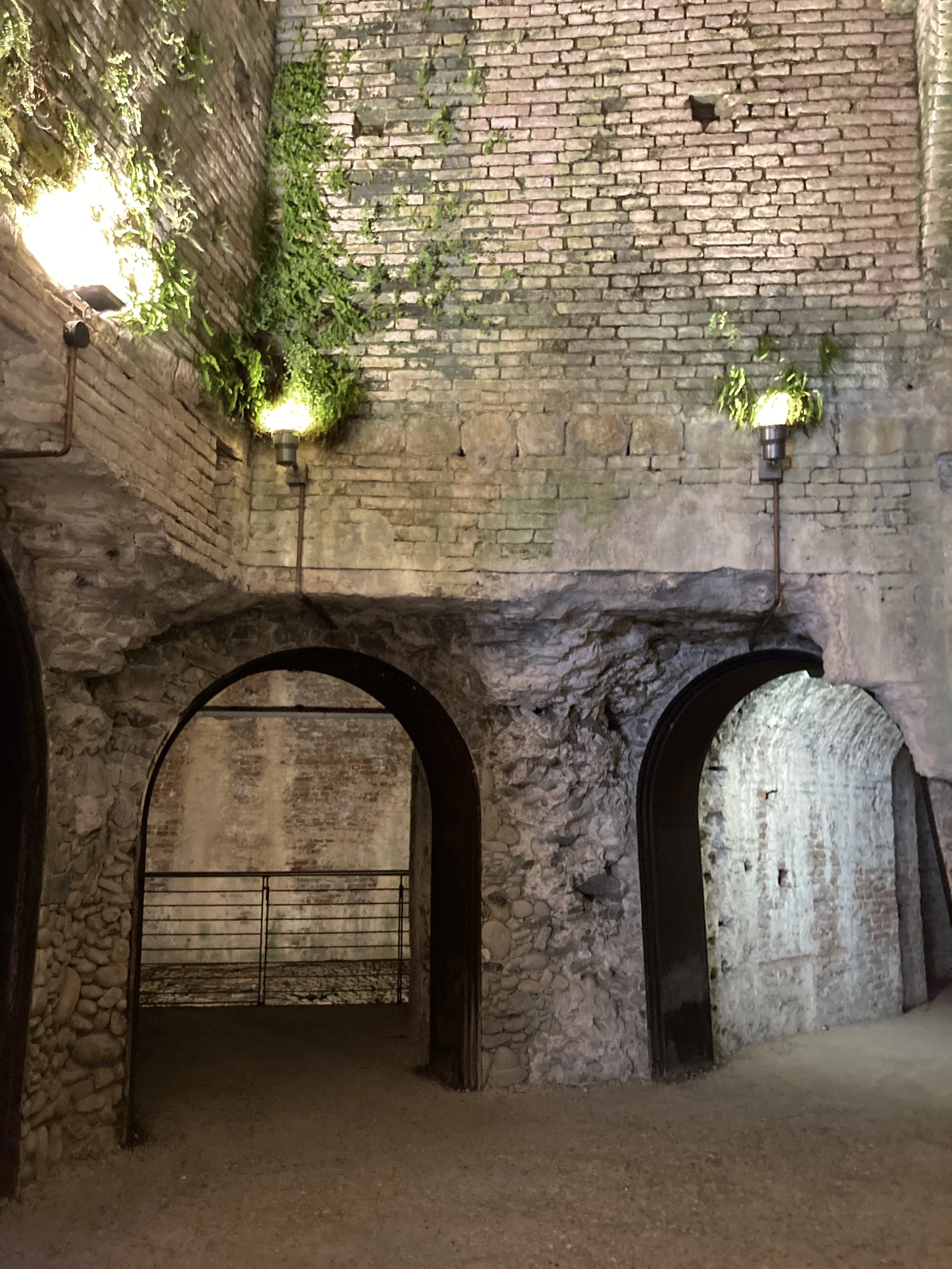
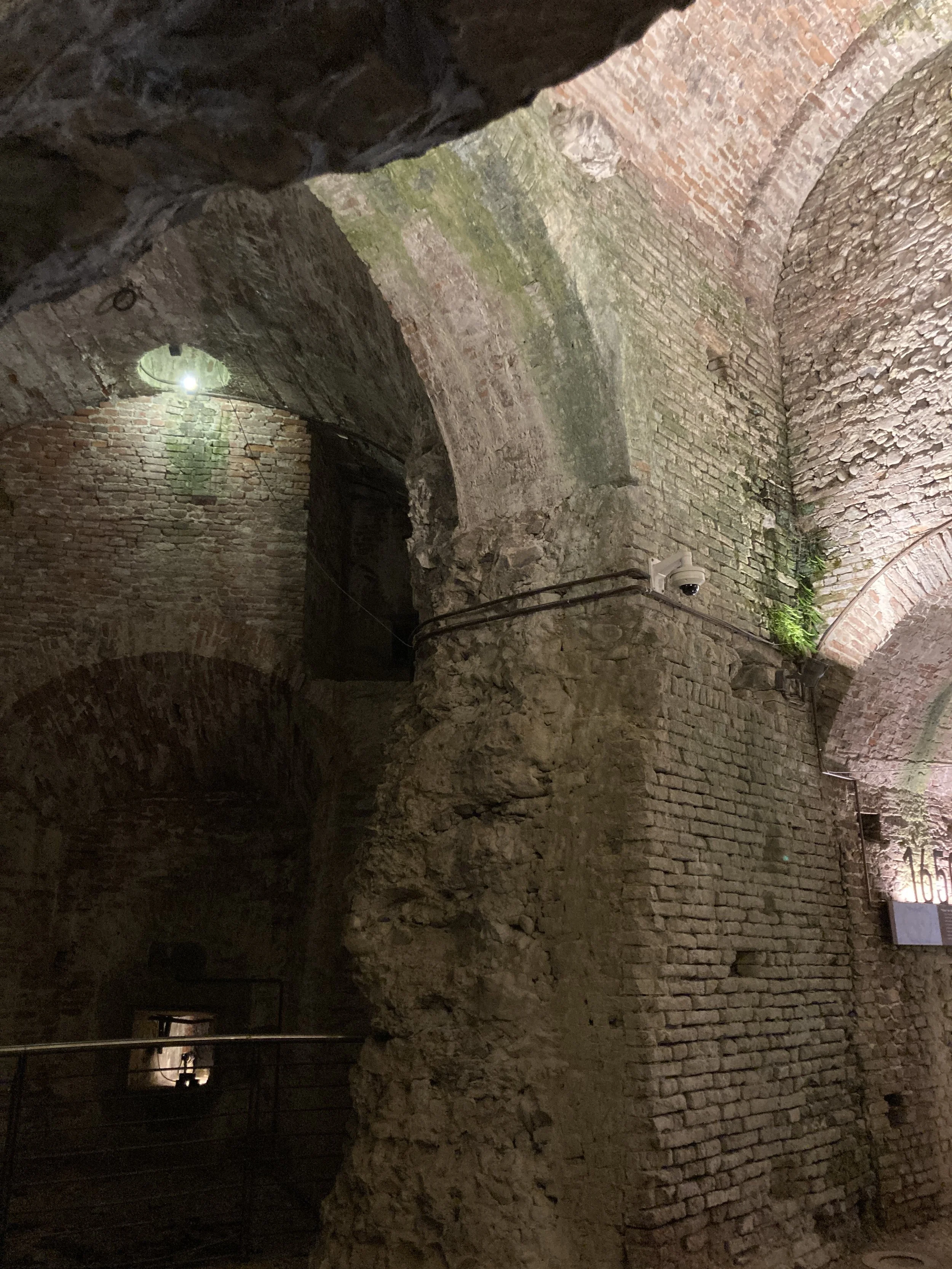
It is located underneath Lucca’s historic walls at the Sotterraneo del Baluardo Santa Croce, the under-the-wall passage located where Via delle Conce meets Via San Tommaso in the northwest corner of the city. The passage way itself is fascinating and makes a perfect backdrop to the exhibit.
IMG_8934.jpeg
IMG_8939.jpeg
IMG_8966.jpeg
IMG_8964.jpeg

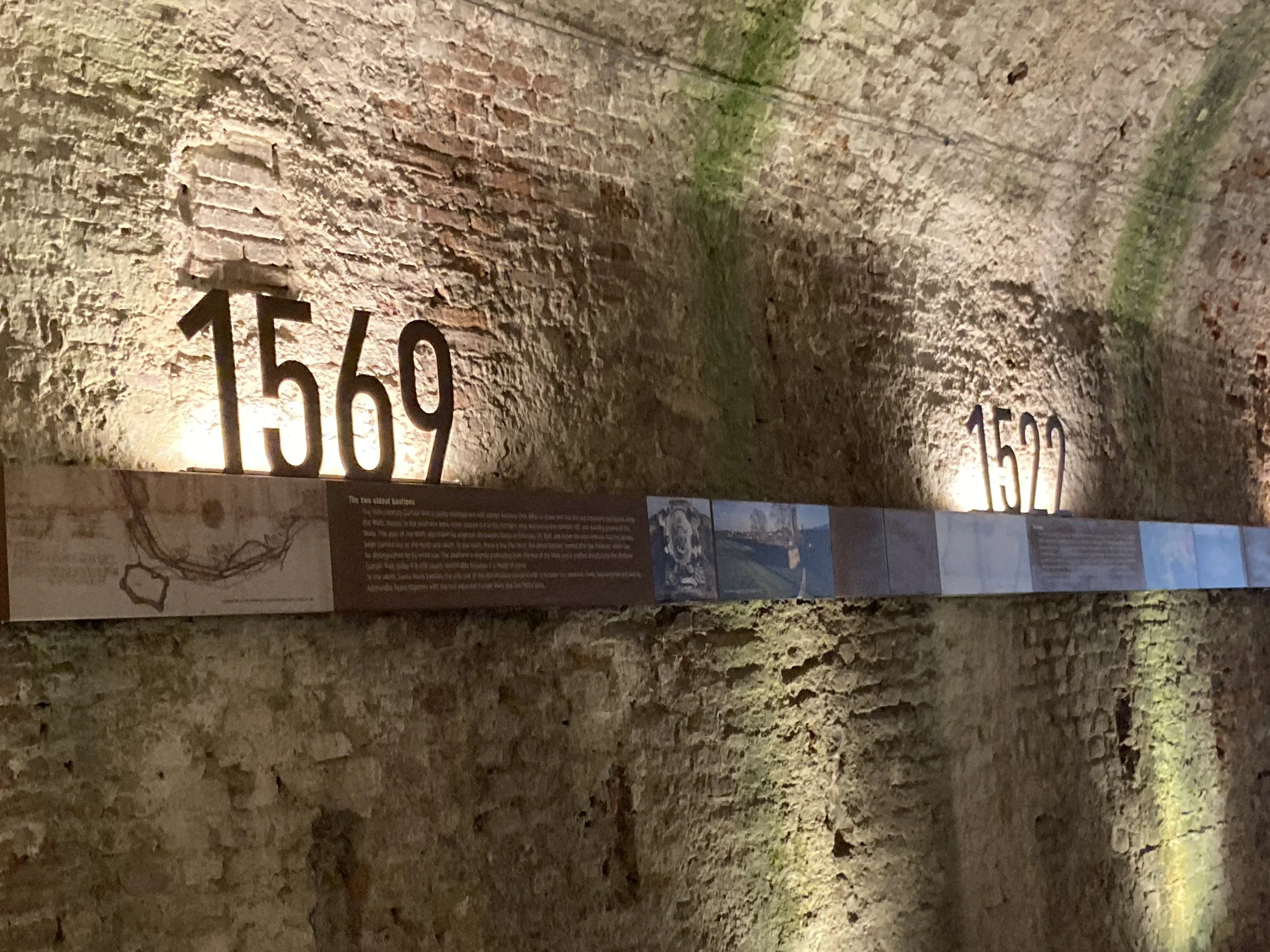
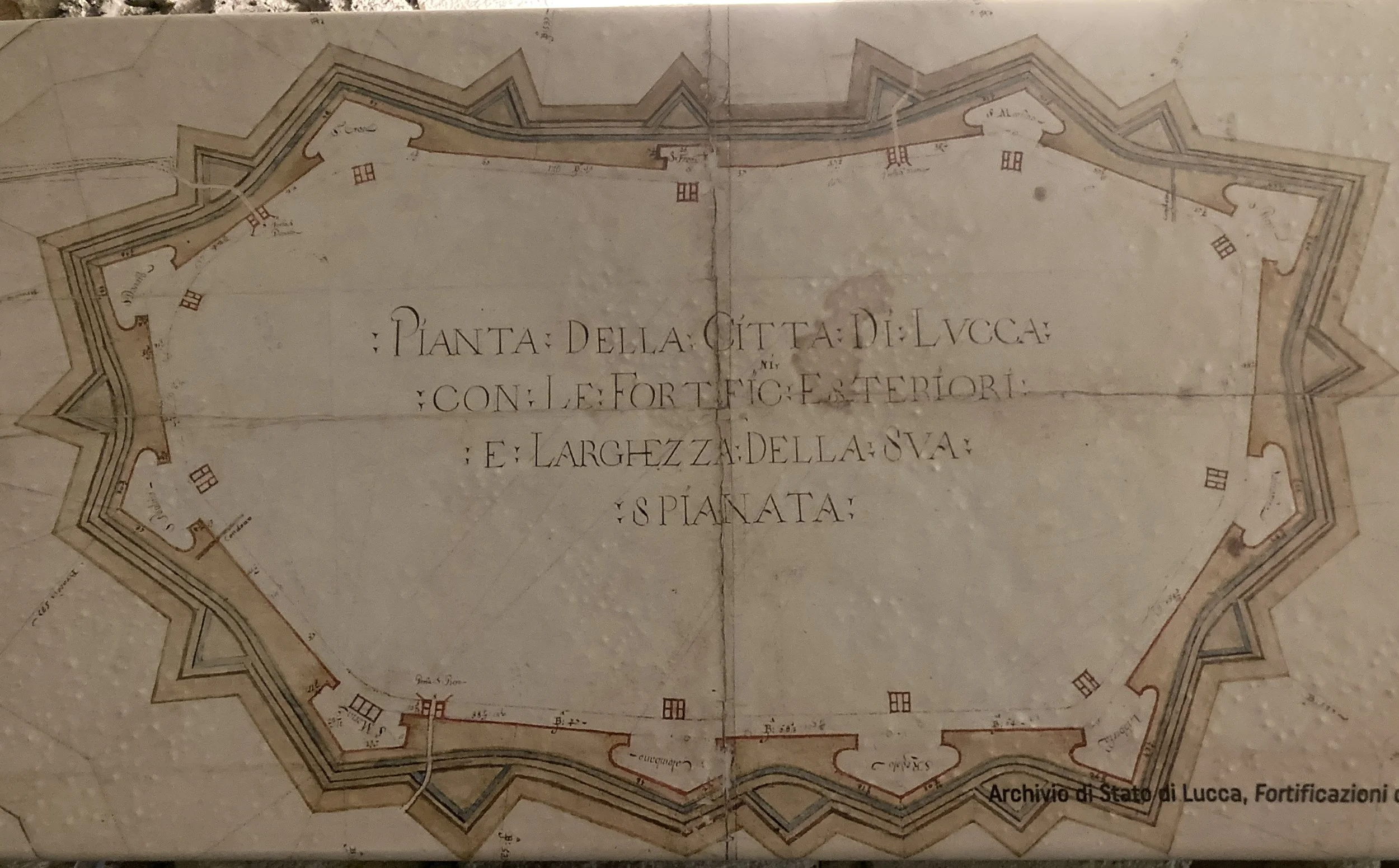
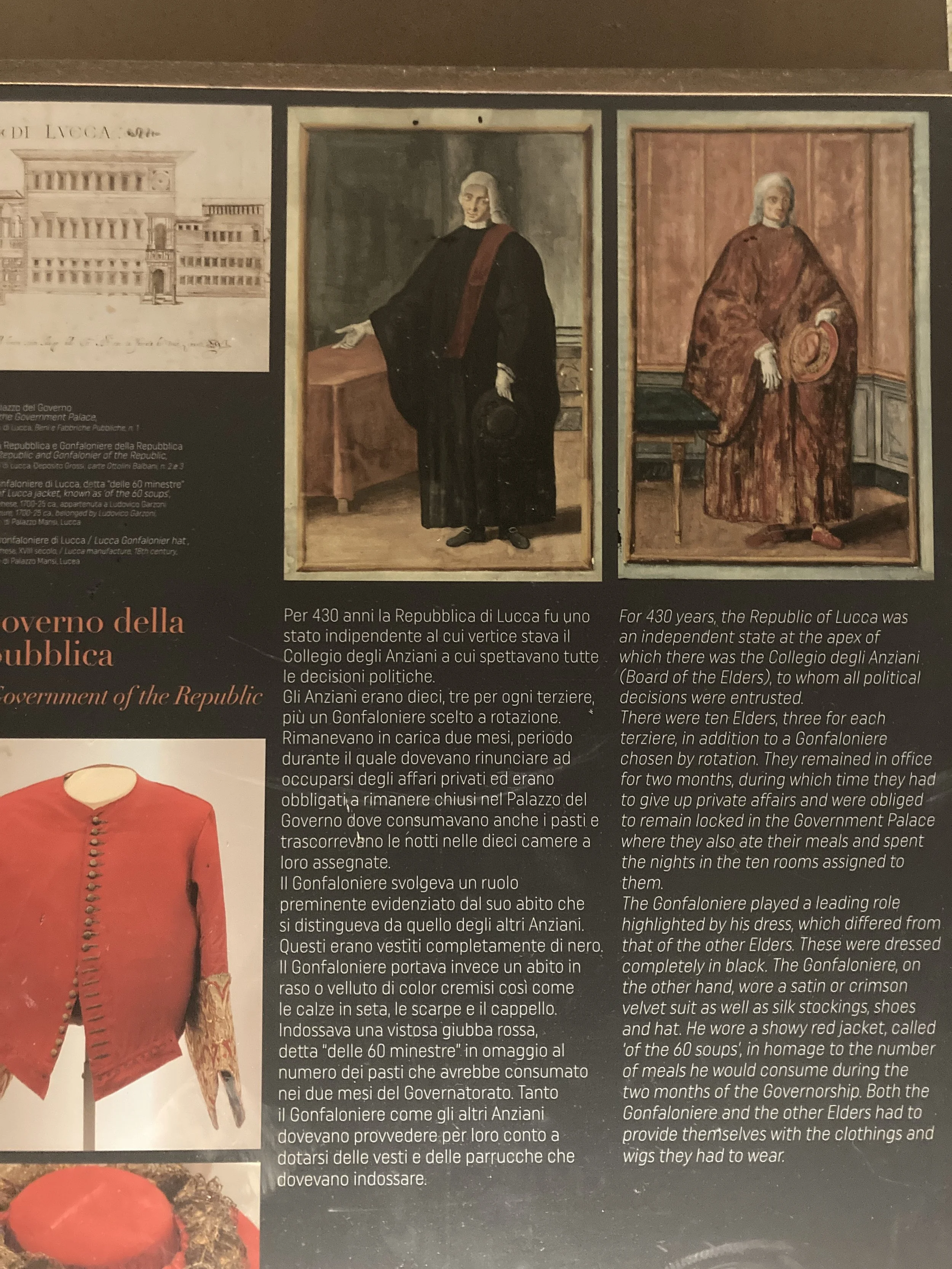
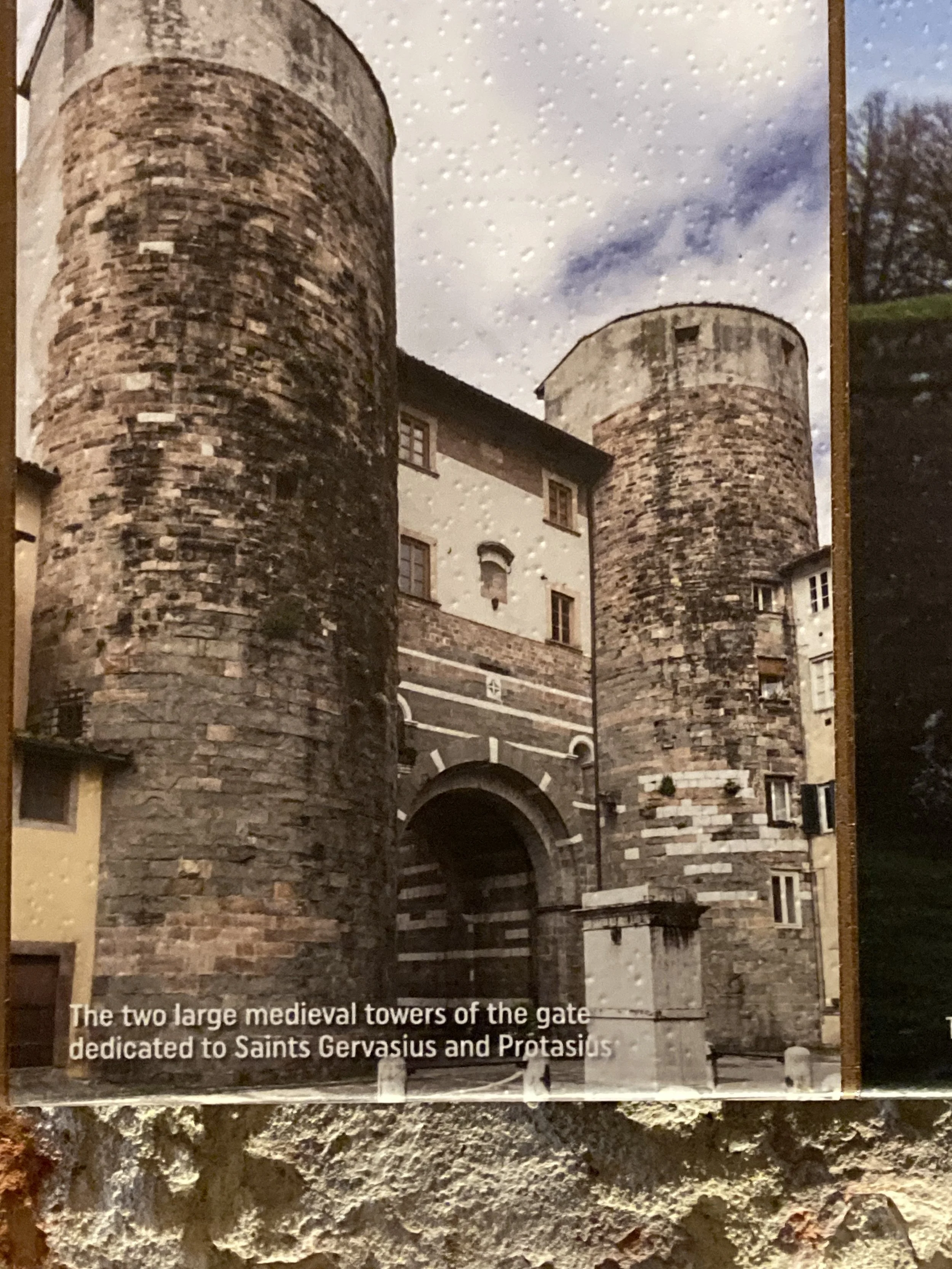
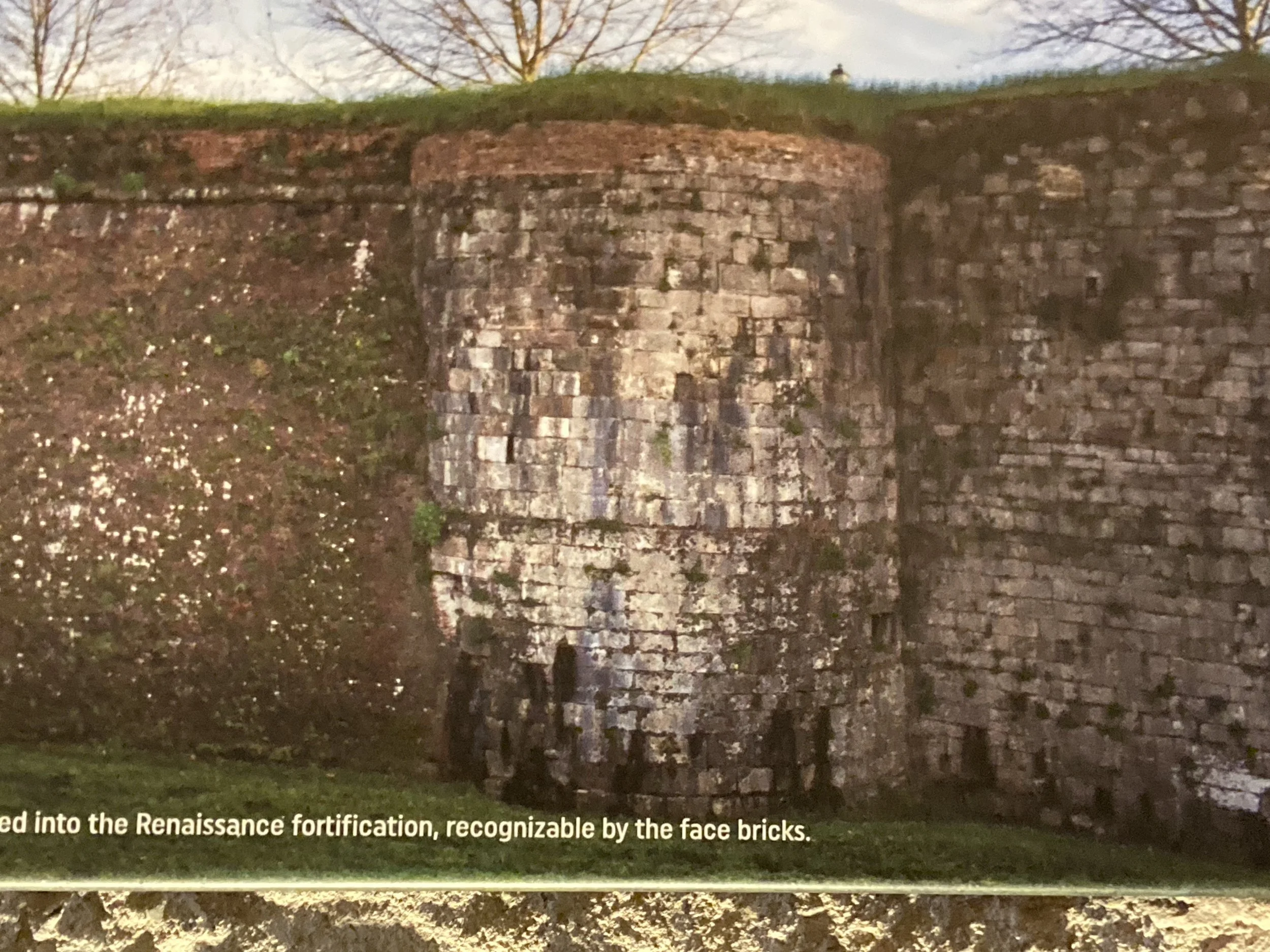
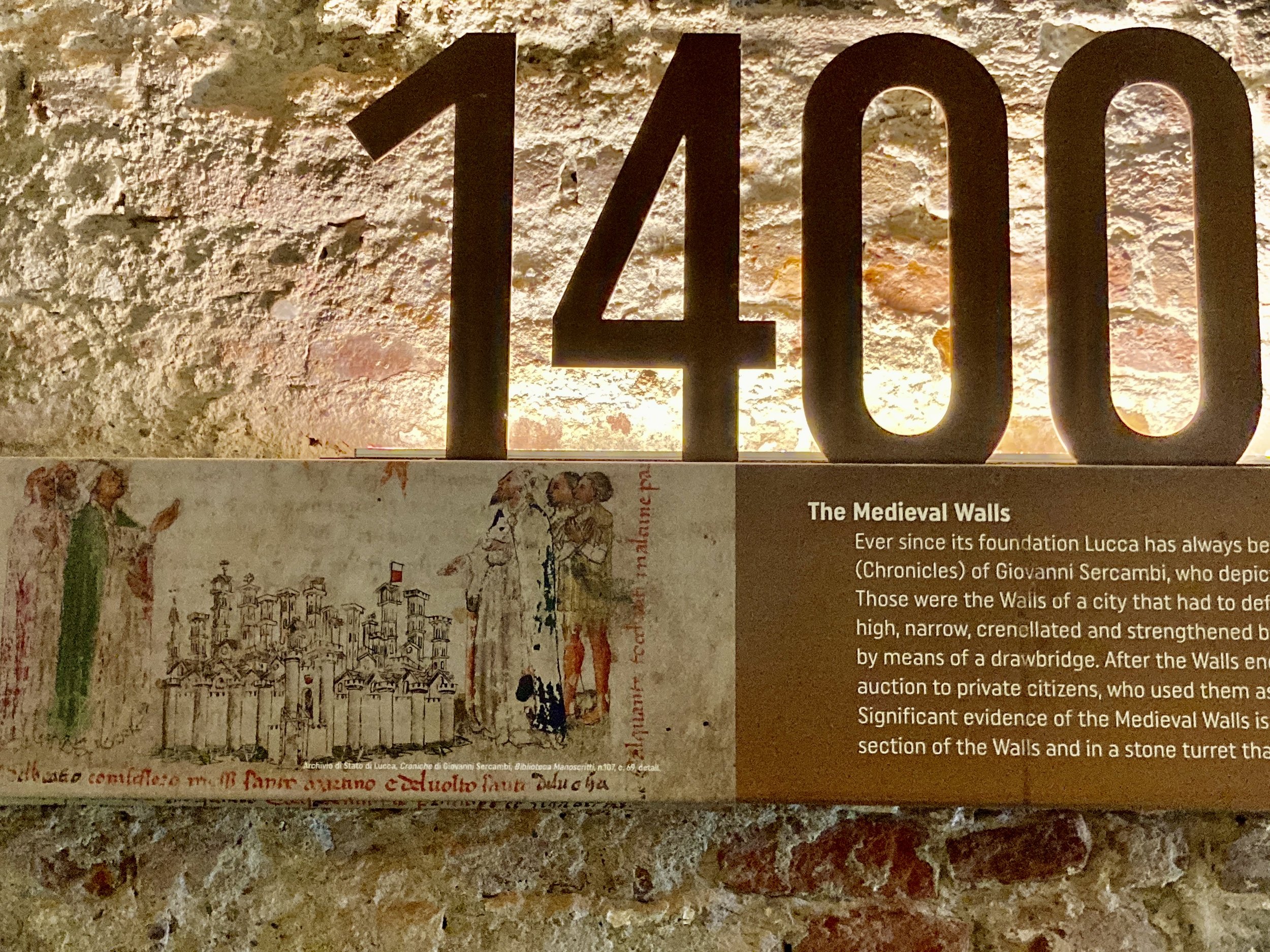
The content of the mini-museum, which tells the story of Lucca’s walls from the Medieval Period until the Renaissance and beyond, unfolds in a series of displays that line the passageway.  On the left wall is the Italian version, on the right is the story in English. 
IMG_8990.jpeg
IMG_8988.jpeg
IMG_8987.jpeg

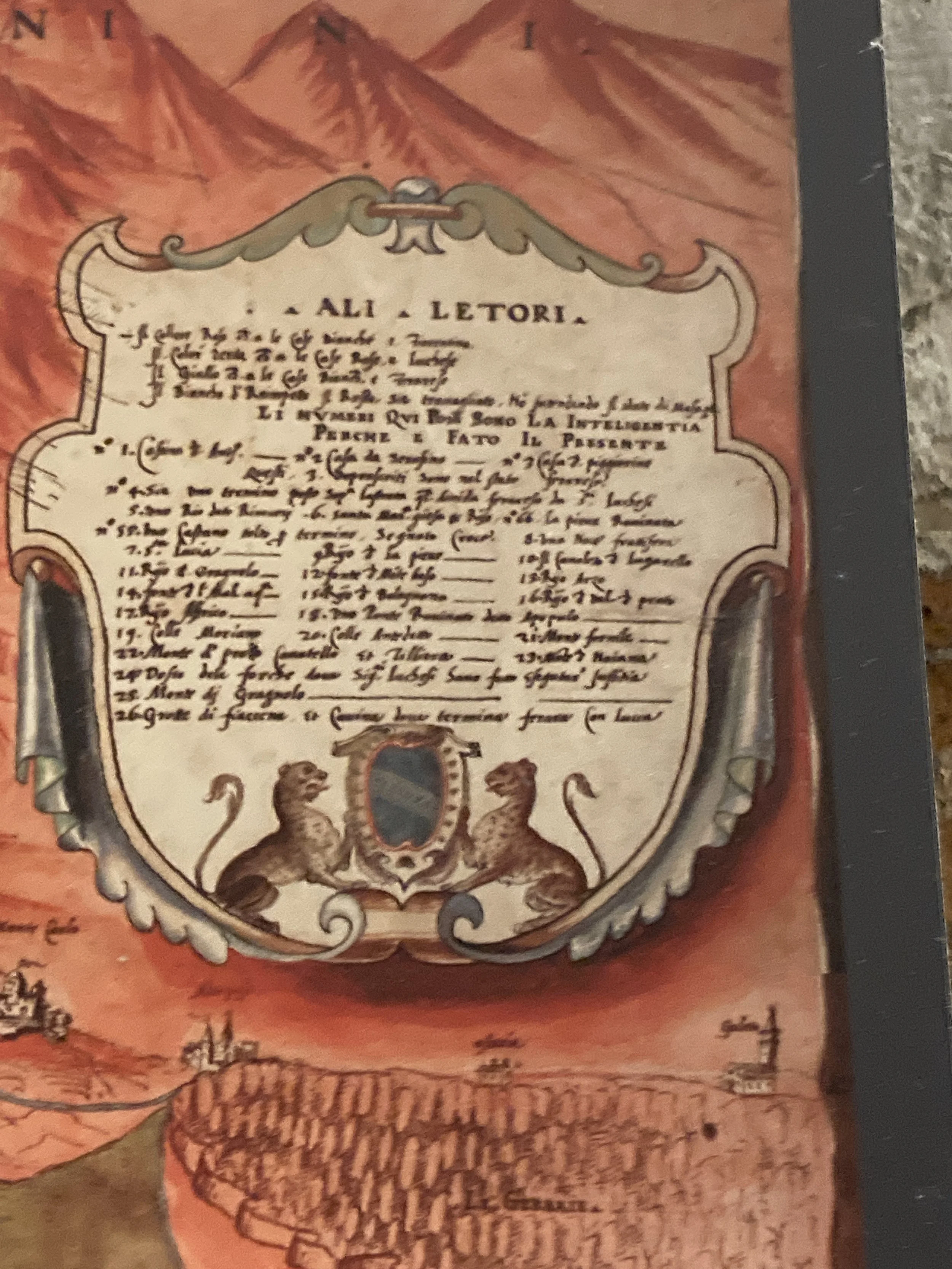
It is a unique display, one that begins in the very low light of the darkened passageway and ends in daylight outside the confines of the city walls.  In between, photos and written histories tell the story of the walls from the 1400’s on, the important historical figures, and some of Lucca’s cultural related to the walls and their construction and function.  
IMG_8952.jpeg
IMG_8949.jpeg
IMG_8928.jpeg
IMG_8927.jpeg

Maria Luisa of Bourbon

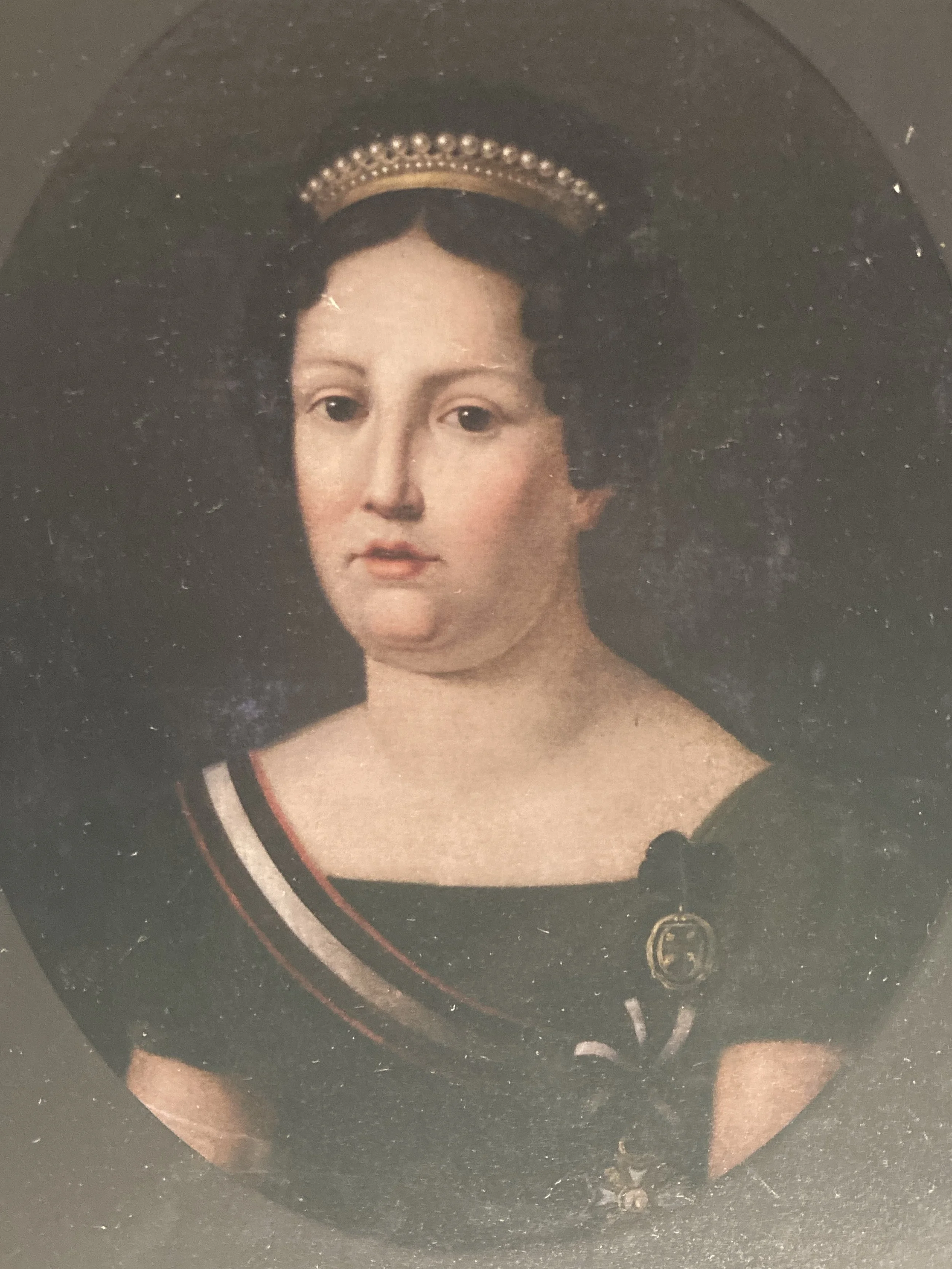
No history of Lucca’s walls would be complete without acknowledging the role of Maria Luisa of Bourbon, the Duchess of Lucca between 1805 and 1814. It is thanks to her that the walls became a city park, one that is still enjoyed today.

There is also a bit of 19th and 20th century history in the exhibit. Did you know that there was once a threat to knock down portions of the wall to better connect it with the growth of suburbs? Fortunately objections came from all over Italy, including from famous poets and composers (including Puccini) and the plan to disrupt the walls was abandoned.

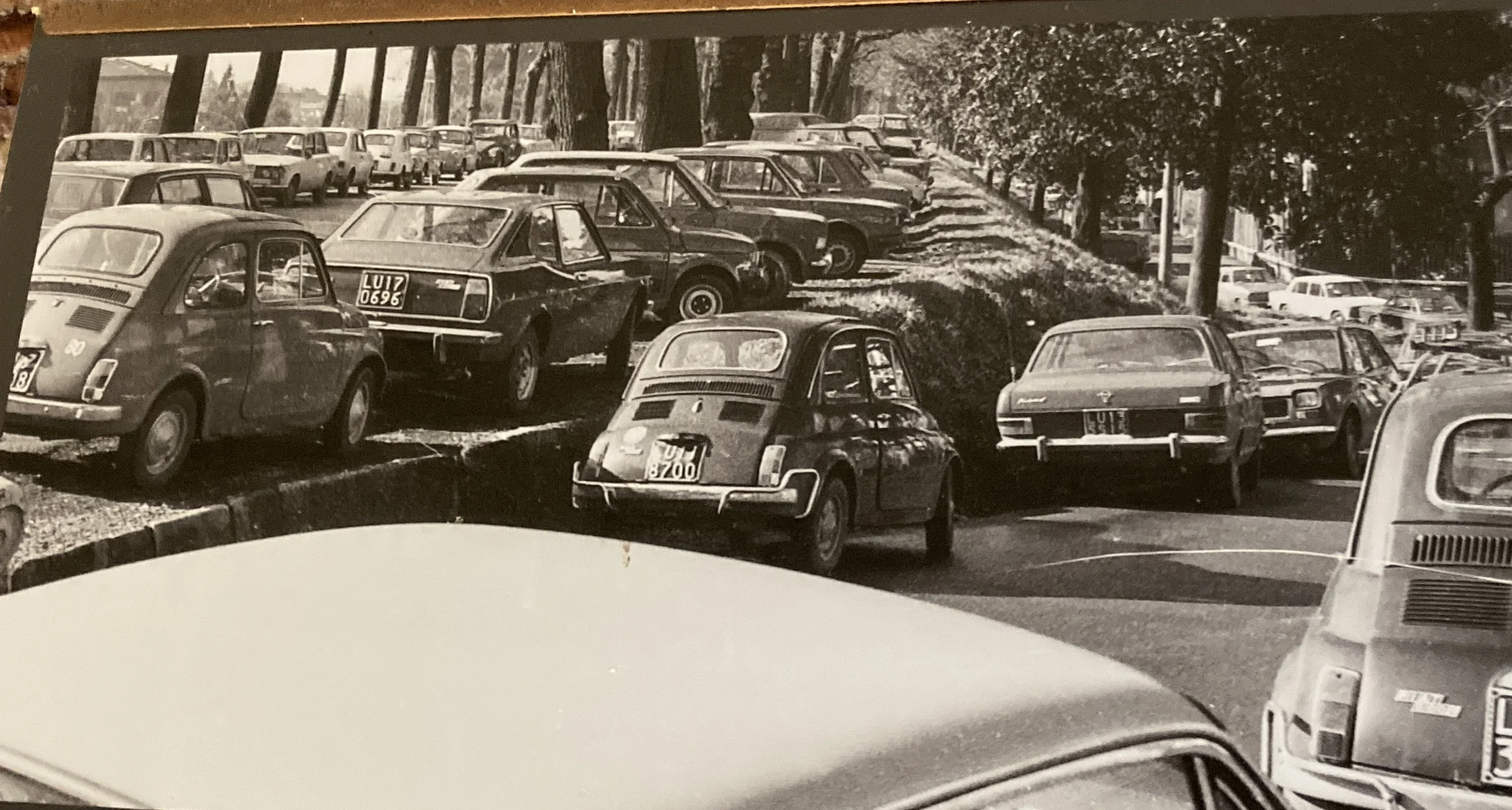
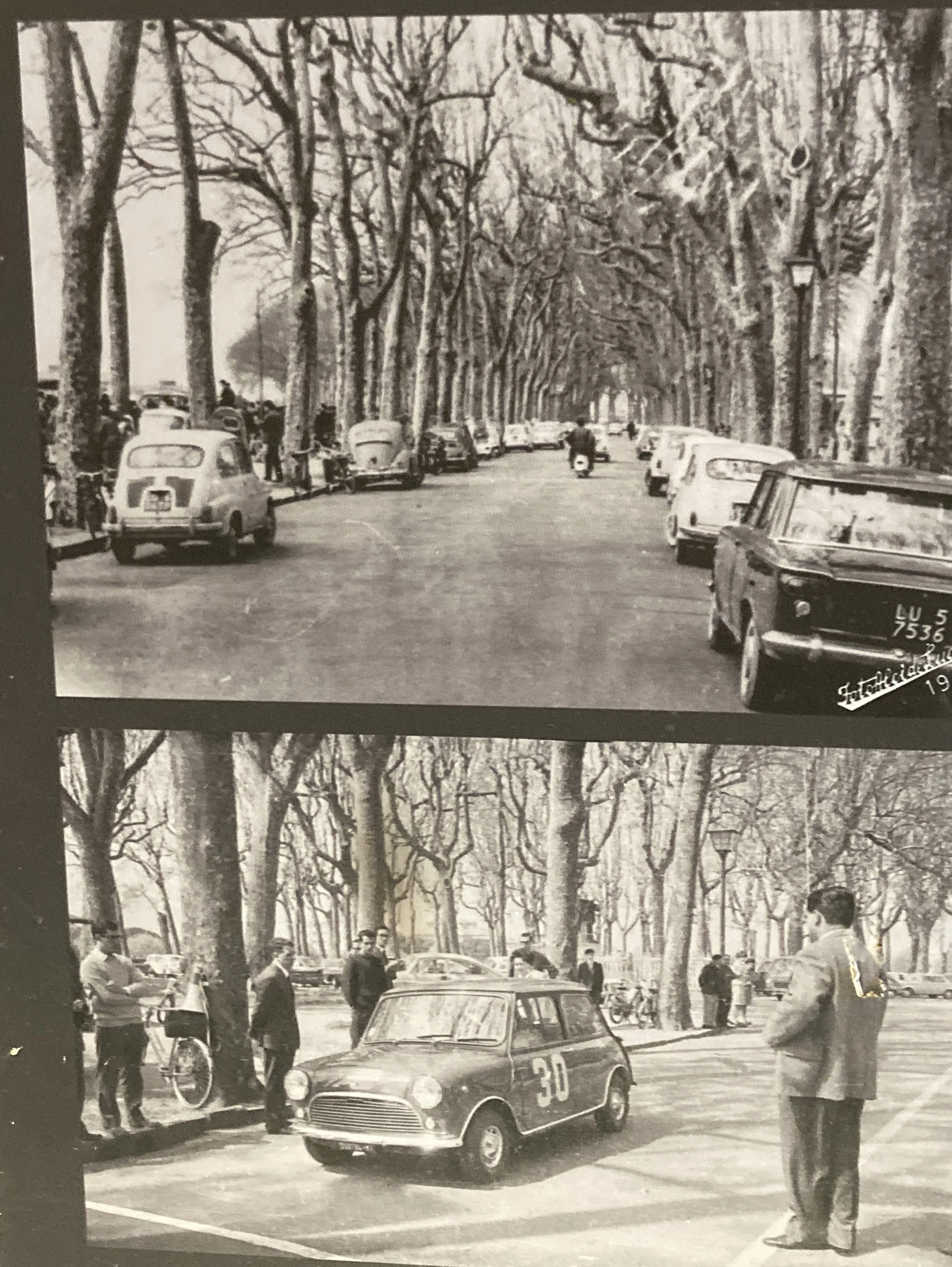
Later there came a period when the top of the walls became just a city street - filled with cars.  Many of Lucca’s youth learned to drive atop the circle of the walls. And many cars were parked there.  Hard to imagine today that up until the 1980’s the walls were filled with car traffic !
IMG_8962.jpeg
IMG_8961.jpeg

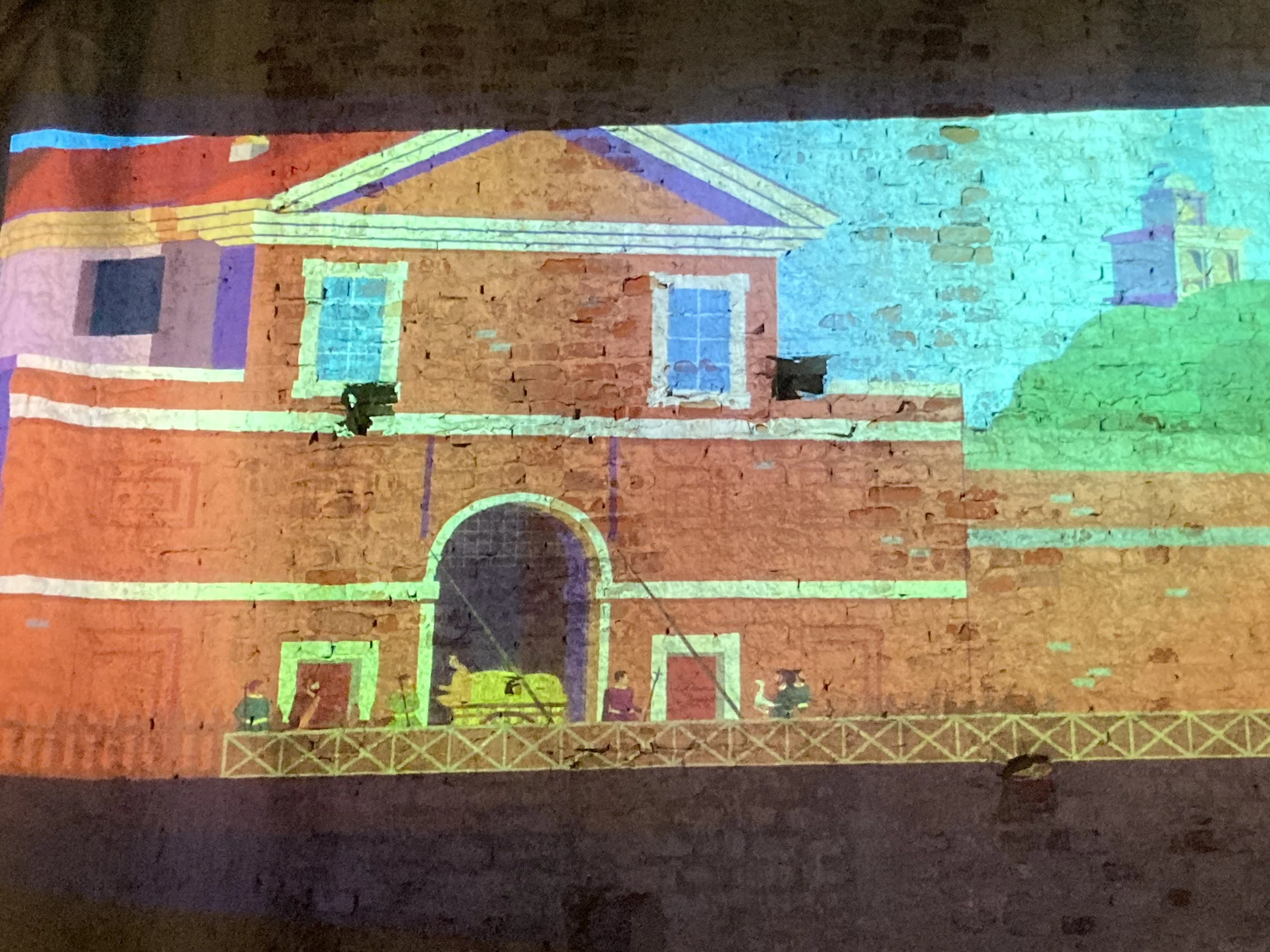
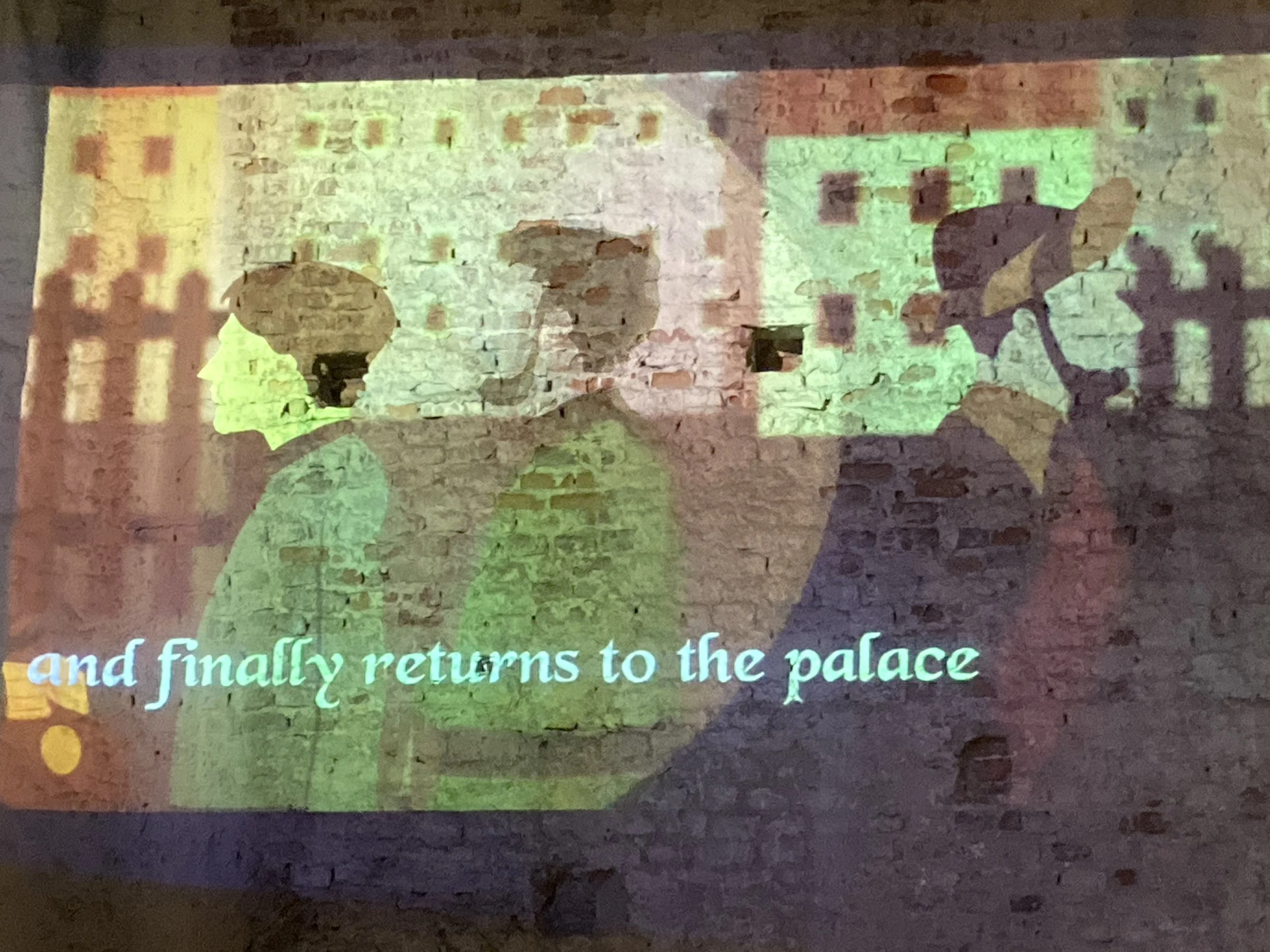
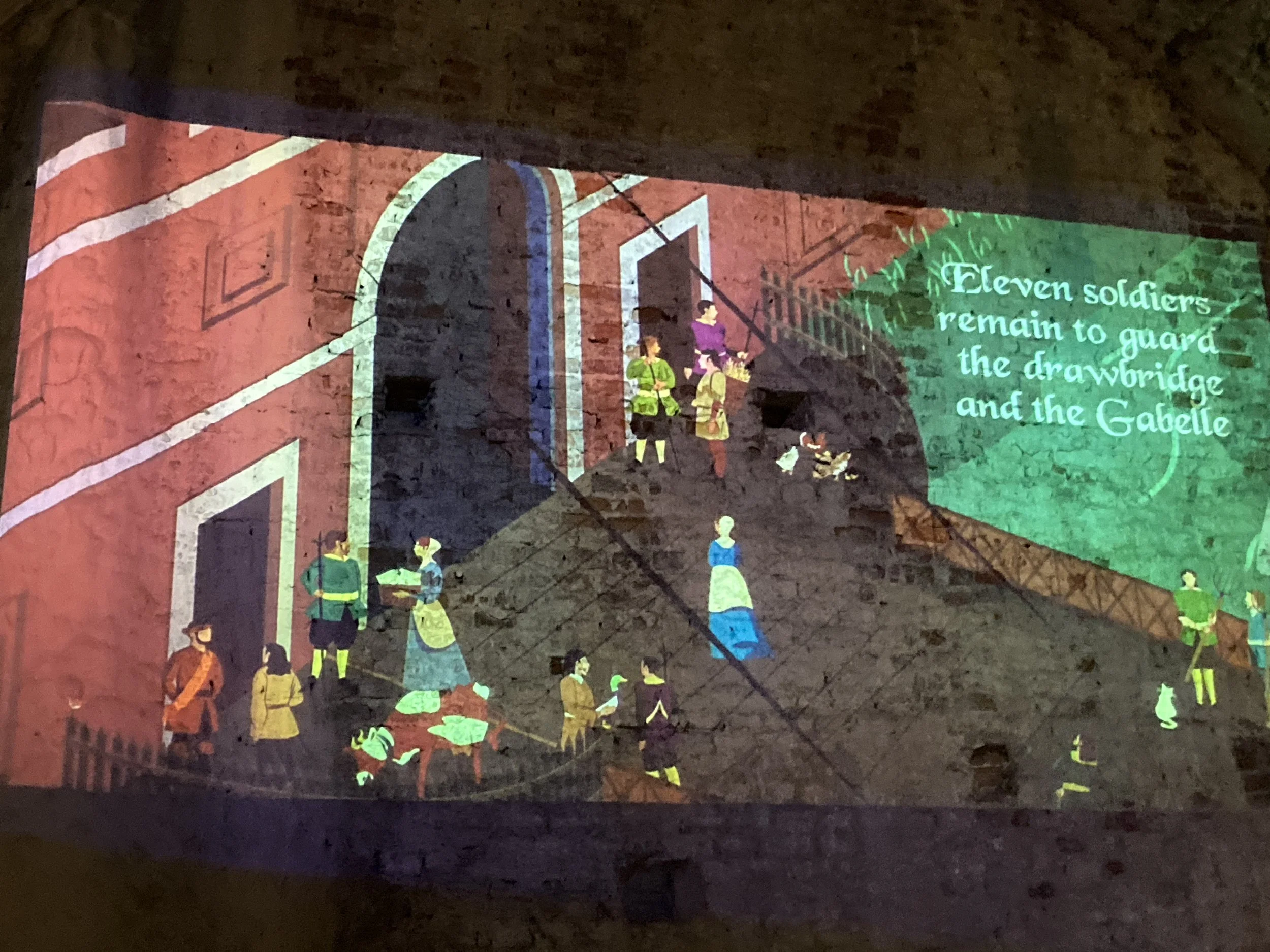
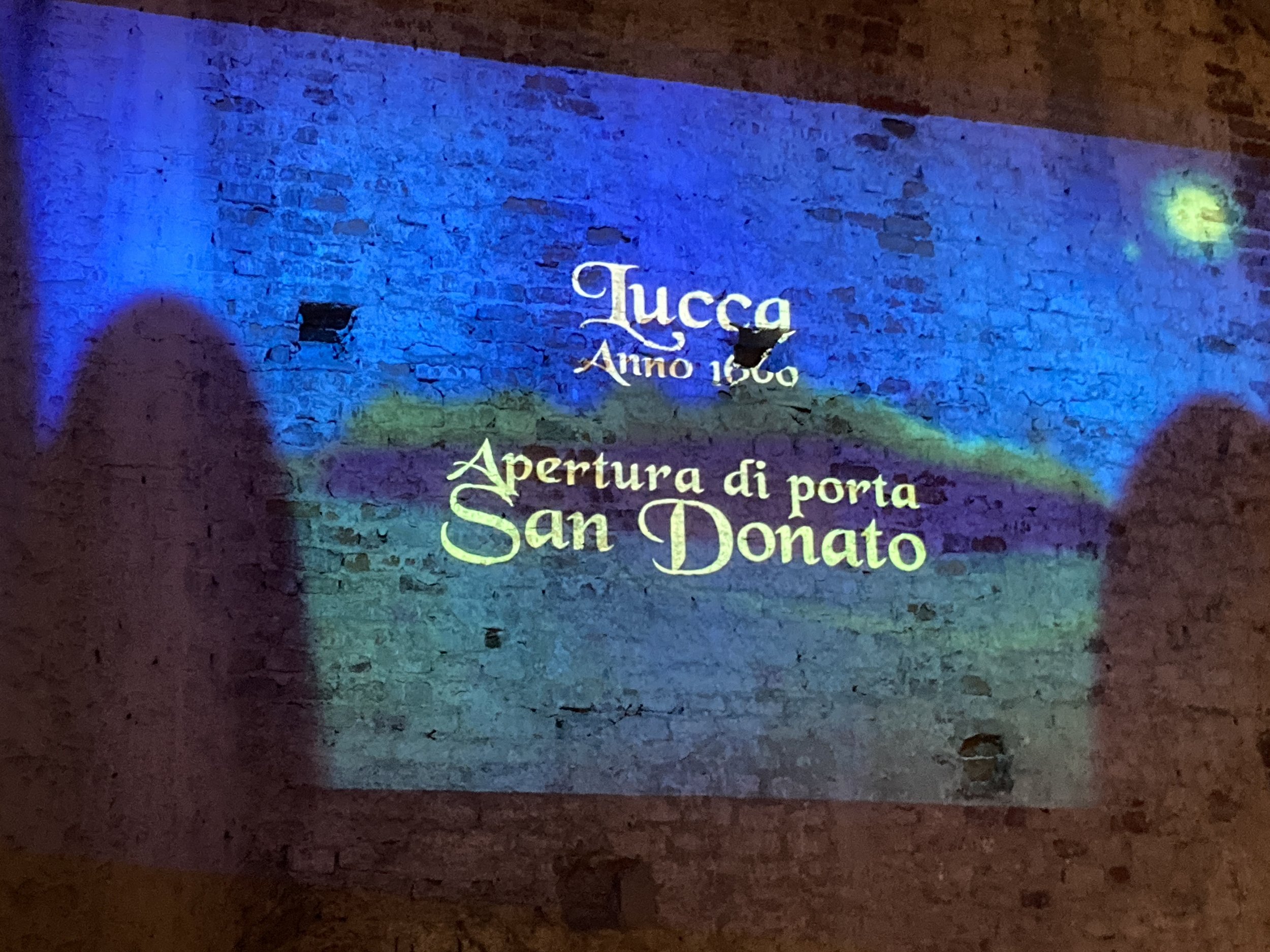
At the midway point of the sotterraneo passage, an interesting video projected on the stone walls tells the story the wall played in protecting Lucca, the times when it closed the city entirely overnight, and how dignitaries, residents and tradespeople entered the walls through Porta San Donato and Porta San Pietro.  The video plays first in Italian and then is repeated in English. It is a great addition to the exhibit.
IMG_8942.jpeg
IMG_8944.jpeg
IMG_8985.jpeg
IMG_8983.jpeg

It does not take long to visit this small space.  It provides a wonderful diversion to anyone using the passage as a way to exit the historic center on their way to the greater part of the city outside of the walls.  But it is also a good destination on its own. I am so glad that a friend pointed me to this fascinating bit of Lucca’s history.
IMG_8948.jpeg
IMG_8967.jpeg
IMG_8970.jpeg
October 26, 2026 /Joanne Bartram
Lucca museums, Lucca’s walls, Underwall passages Lucca
#italytravel, #lucca, #medievalitaly, renaissance Lucca, History, Italian art architecture, Italian culture, Italy, Italy travel, Lucca, Tuscany, museums italy

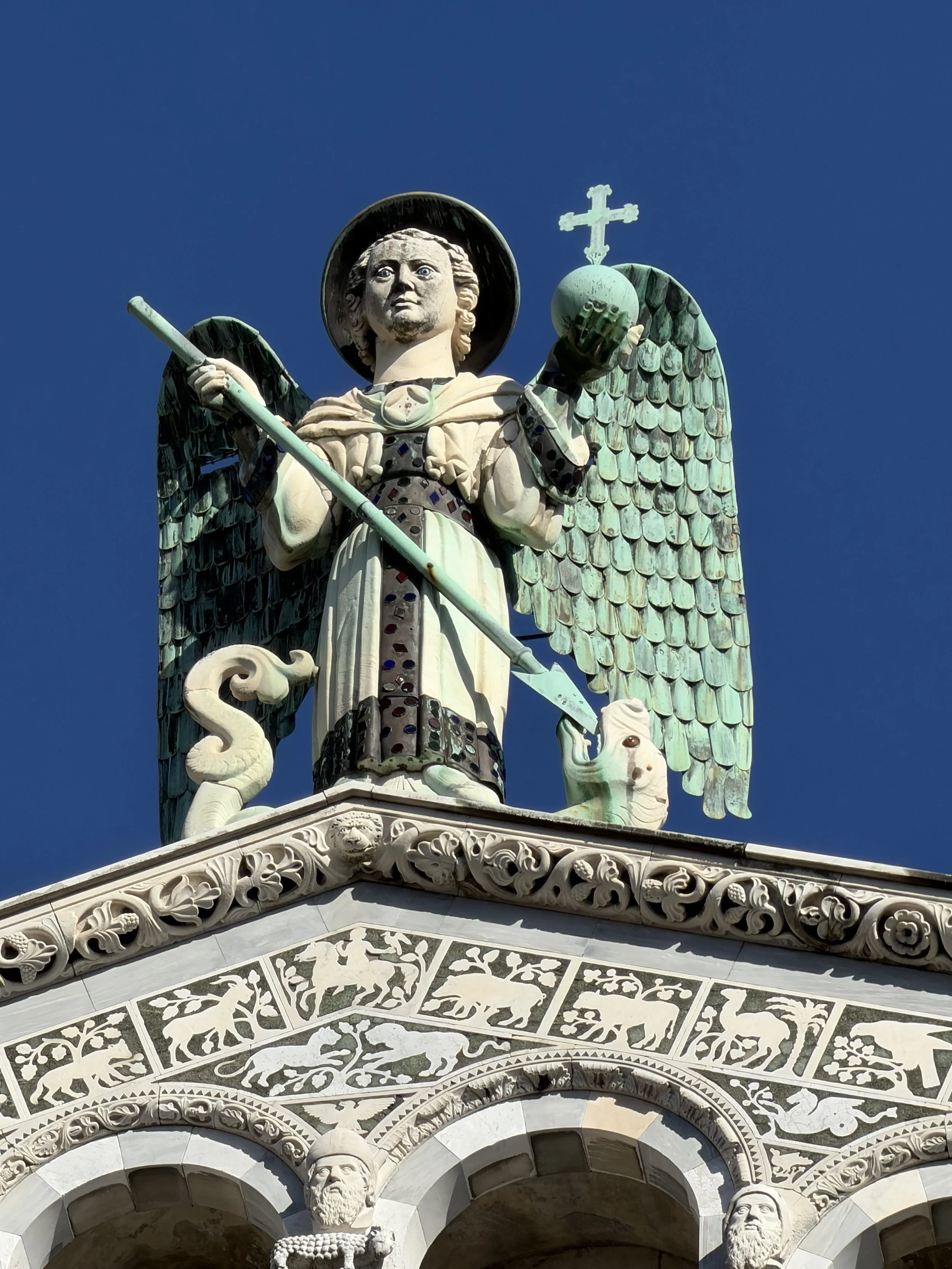
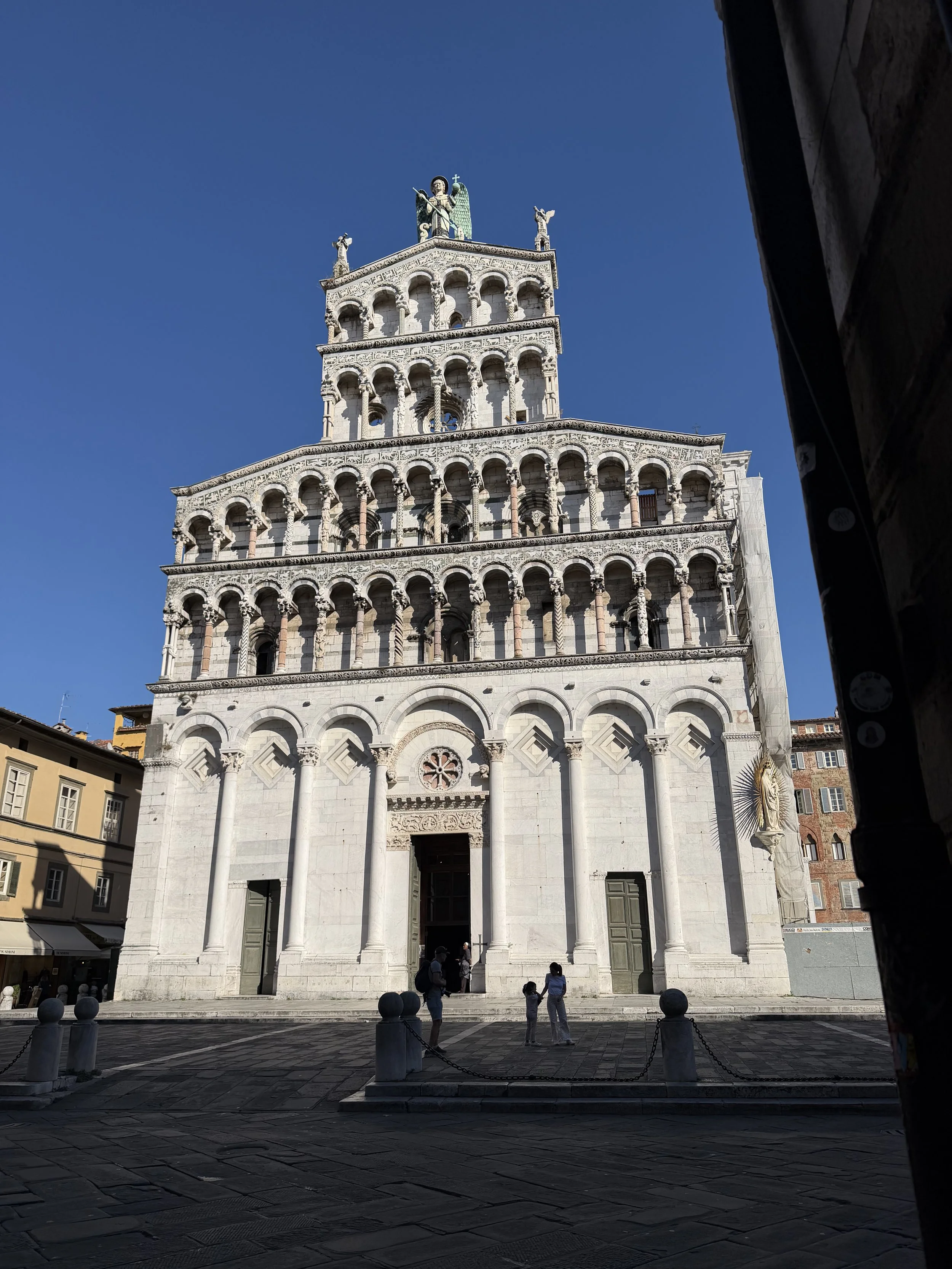
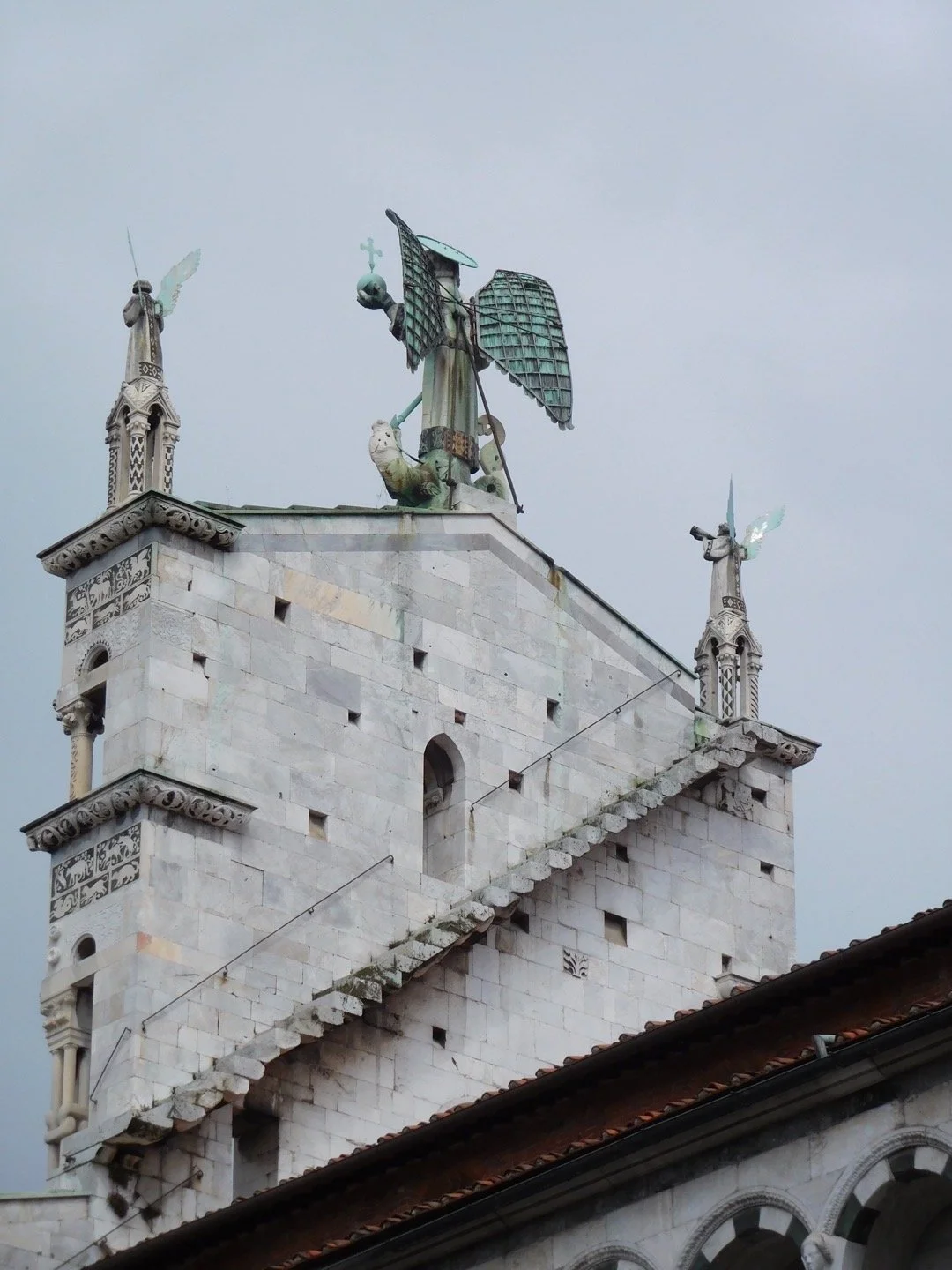
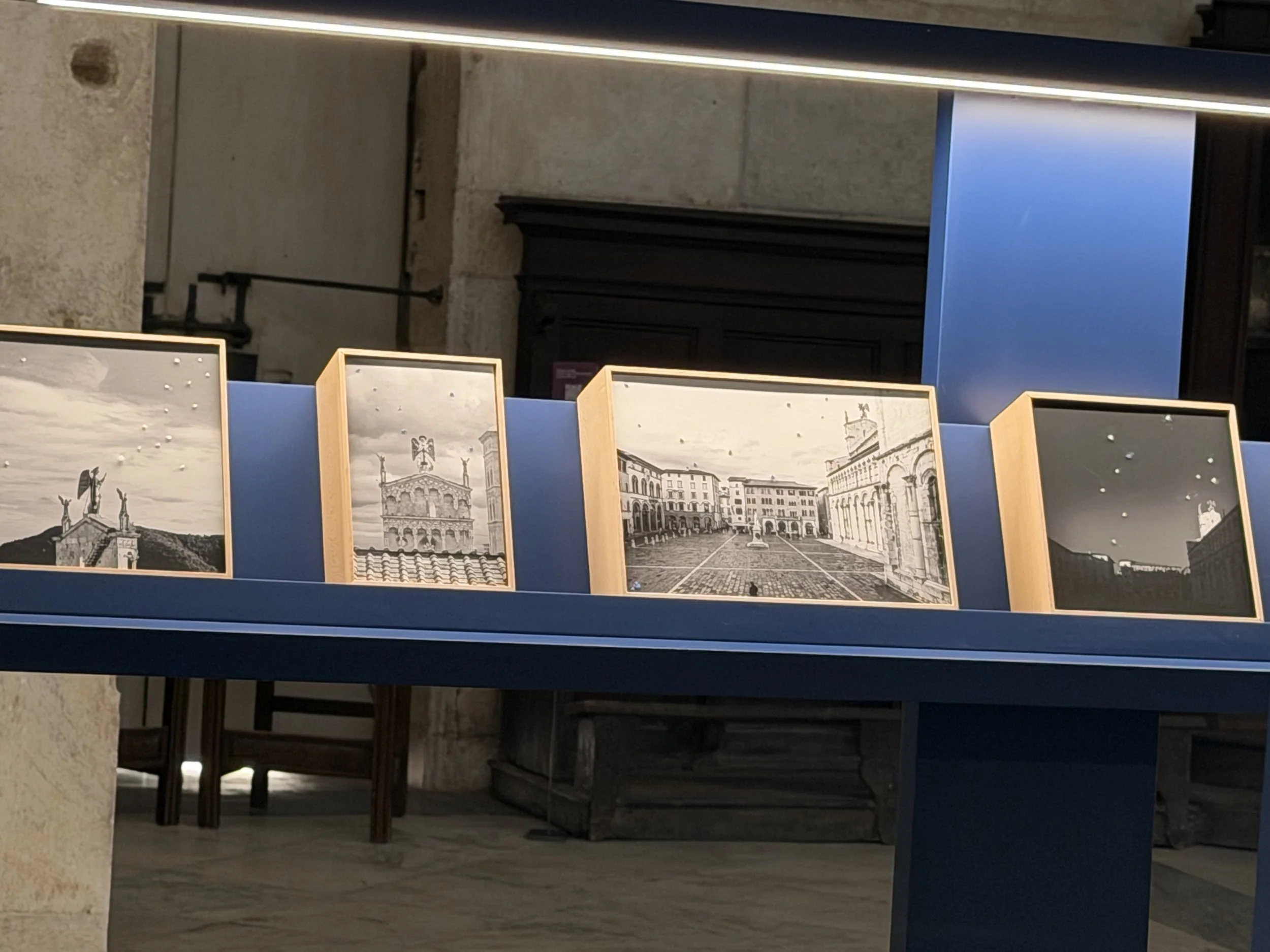
The Arcangelo Michele (Archangel Michael) sits atop the church which bears his name in Lucca. A recent photography exhibit presented the statue in black and white from many angles and in both light and shadow

An Ancient Church and an Archangel

October 12, 2026 by Joanne Bartram in #lucca, #medievalitaly, Churches Italy, Italian Art, Italian art architecture, Italian culture, Italy, Italy travel, Living in Italy, Lucca

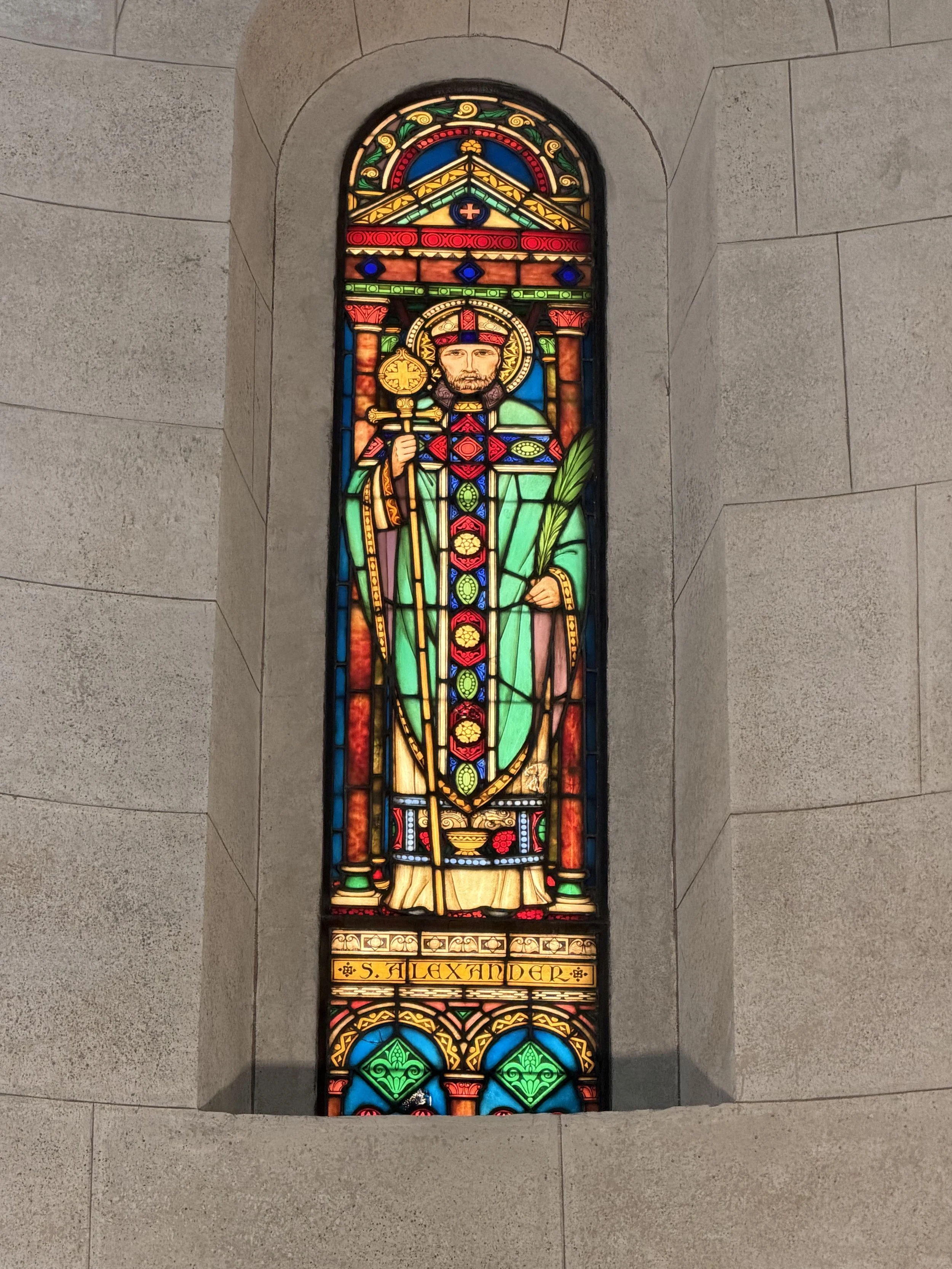
Chiesa Sant’Alessandro Maggiore

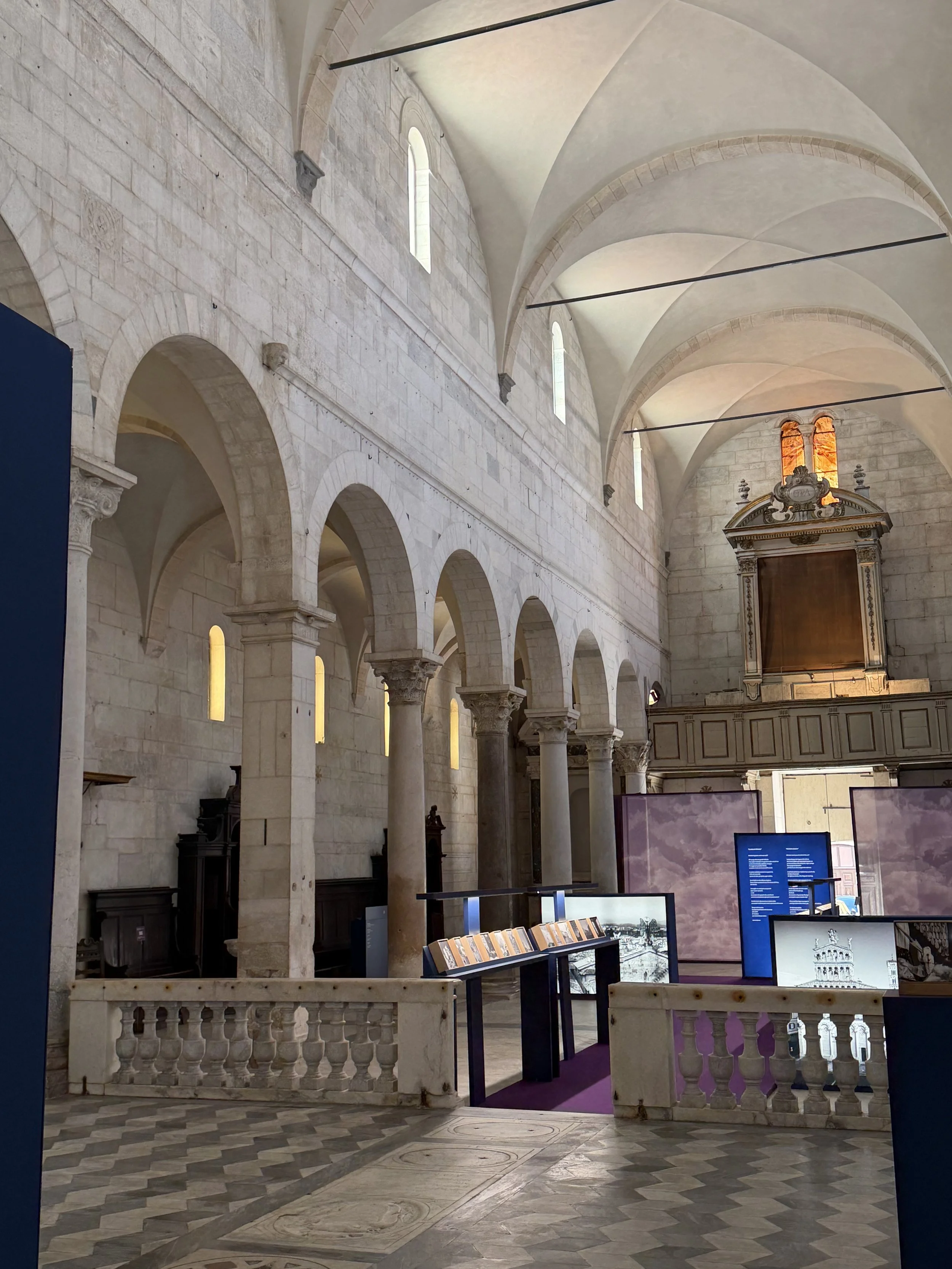
Lucca has been called the city of 100 Churches.  That number may be a bit of an exaggeration, but Lucca really does have a lot of churches.  Some of the oldest known churches no longer exist, having made way for the expansion of Lucca’s walls, clearing of spaces in front of palazzi, or for other building projects. Still others have been converted to non-religious uses, often performance spaces or art venues.  Others still stand but are no longer used, having been abandoned for many years.  The abandoned ones are the ones that intrigue me – if only I could get a peek inside!  On the rare occasion when one of the abandoned ones is opened for a special purpose, I make it a point to visit.

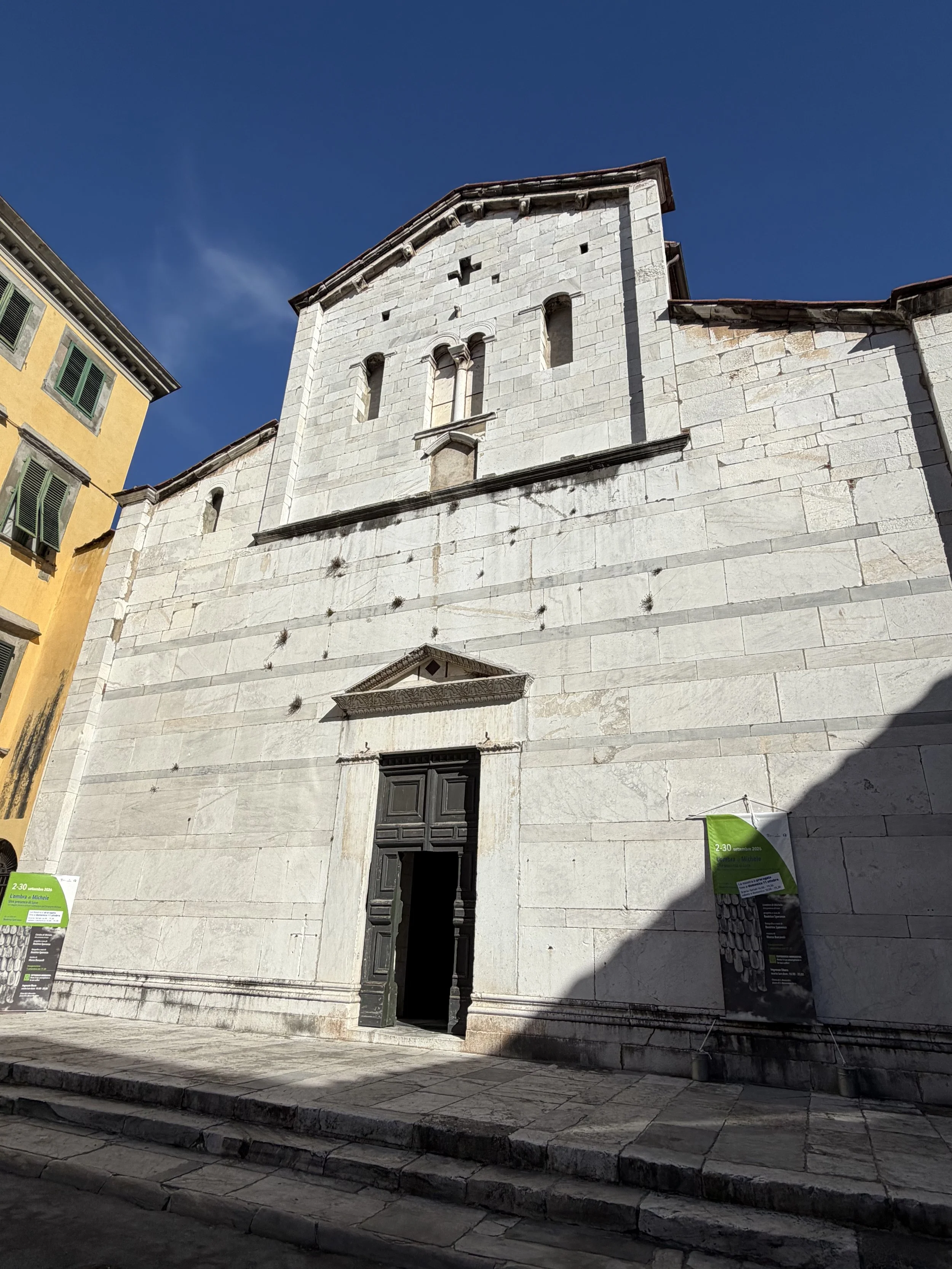
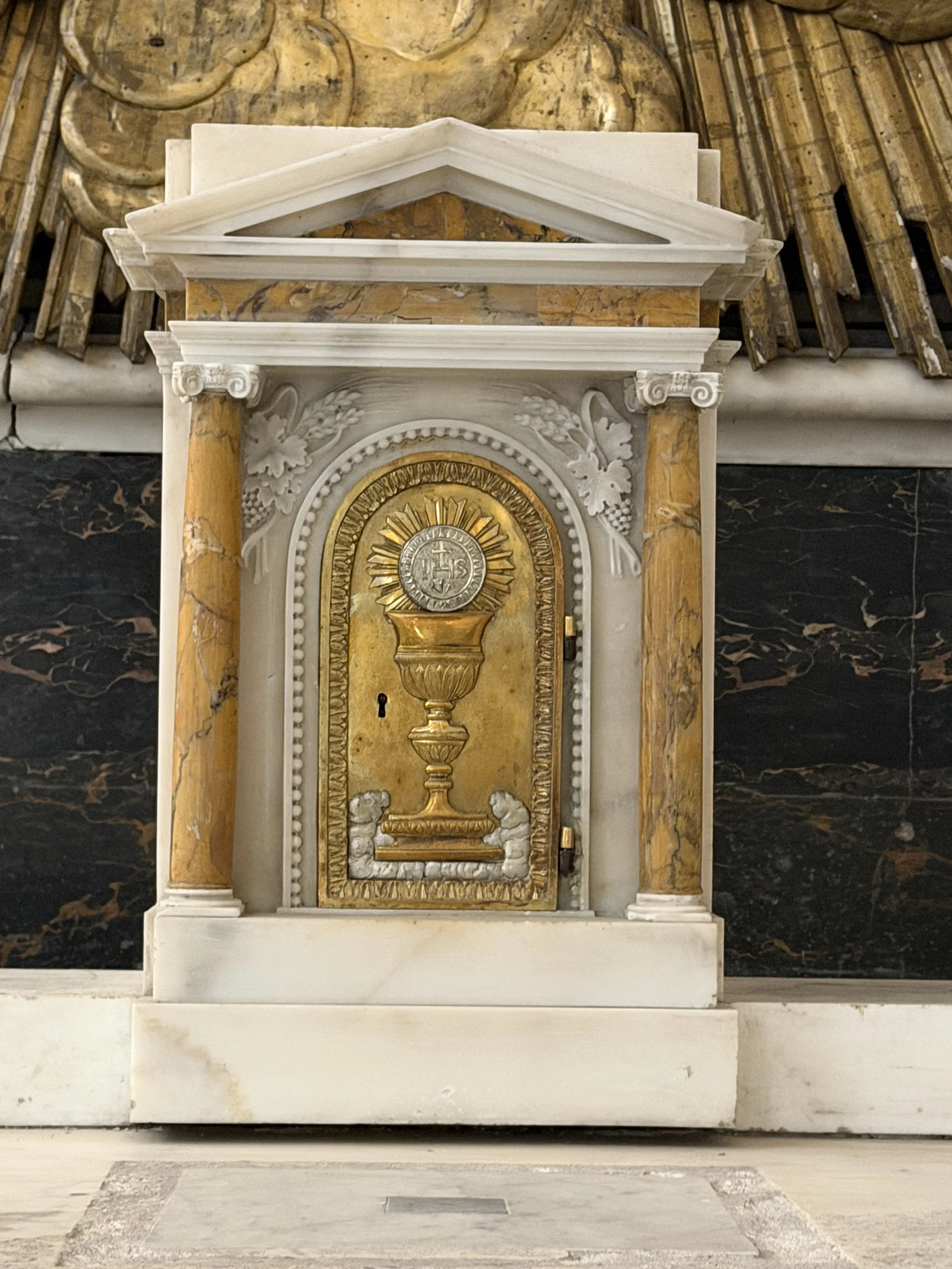
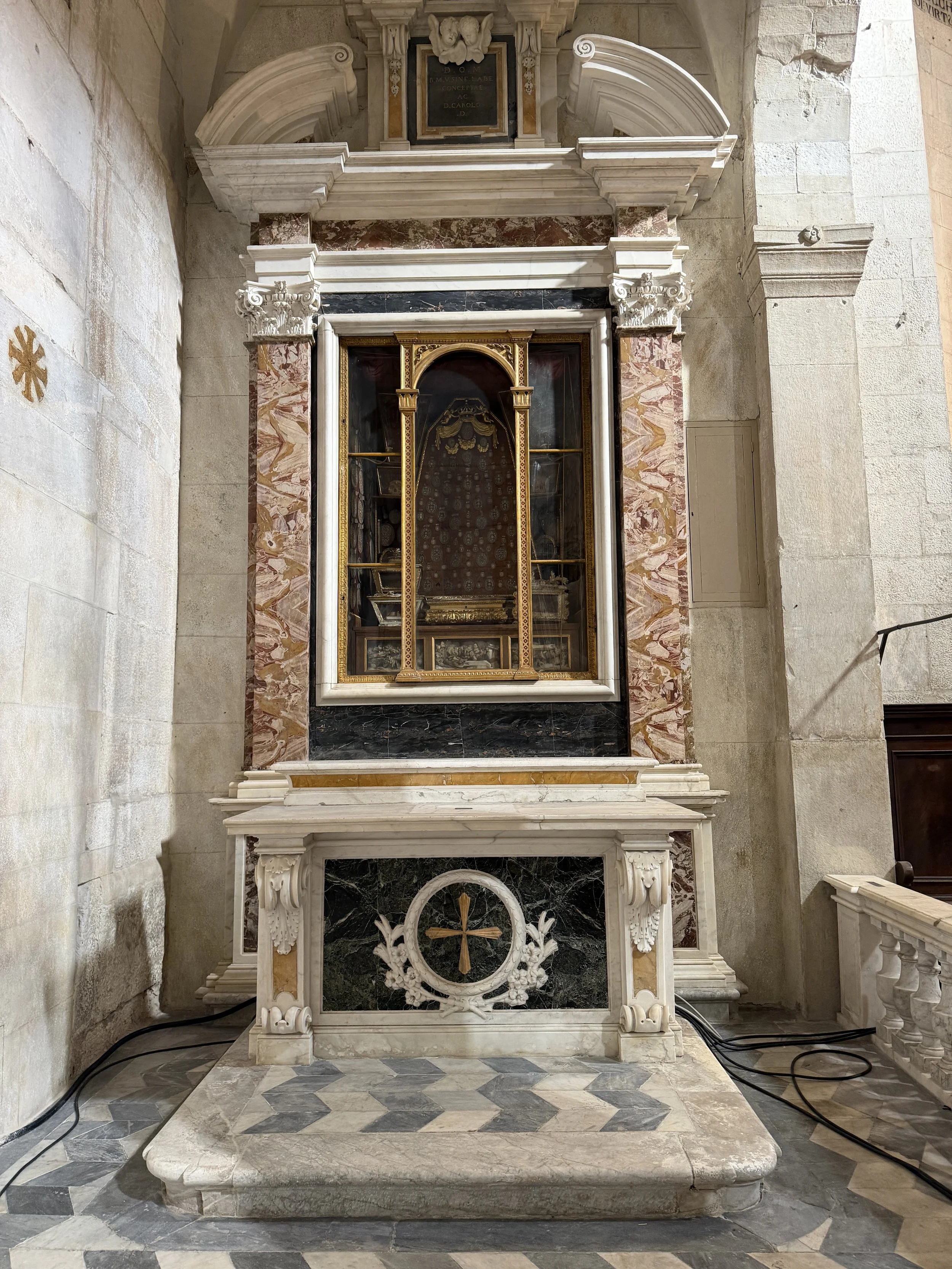
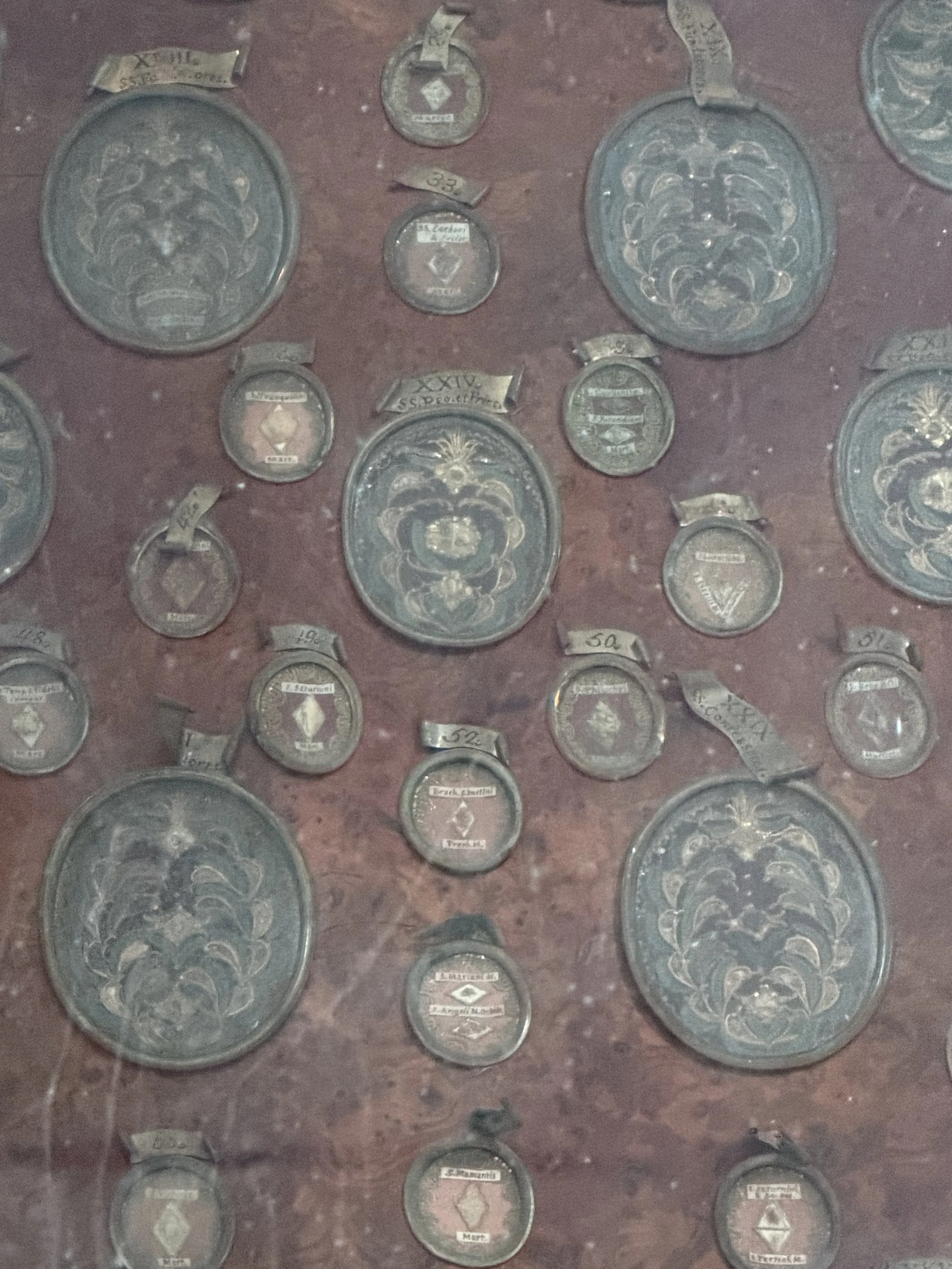
One such church is Chiesa di Sant’ Alessandro Maggiore.  This one is particularly special because it is the oldest church in Lucca, over 1000 years old, and a classic example of Romanesque architecture.  Modified over the centuries, it retains its plain structure, with a white limestone exterior and a simple three nave interior and small apse.  Relics of Saint Alessandro (Pope Alexander 1), originally placed in the church’s crypt, were later moved to the high altar. I believe they are still there. There are also relics (small bone fragments) on one of the side altars, but I could not find any information about those. A relic mystery !

IMG_1581.jpeg
IMG_1582.jpeg
IMG_1599.jpeg

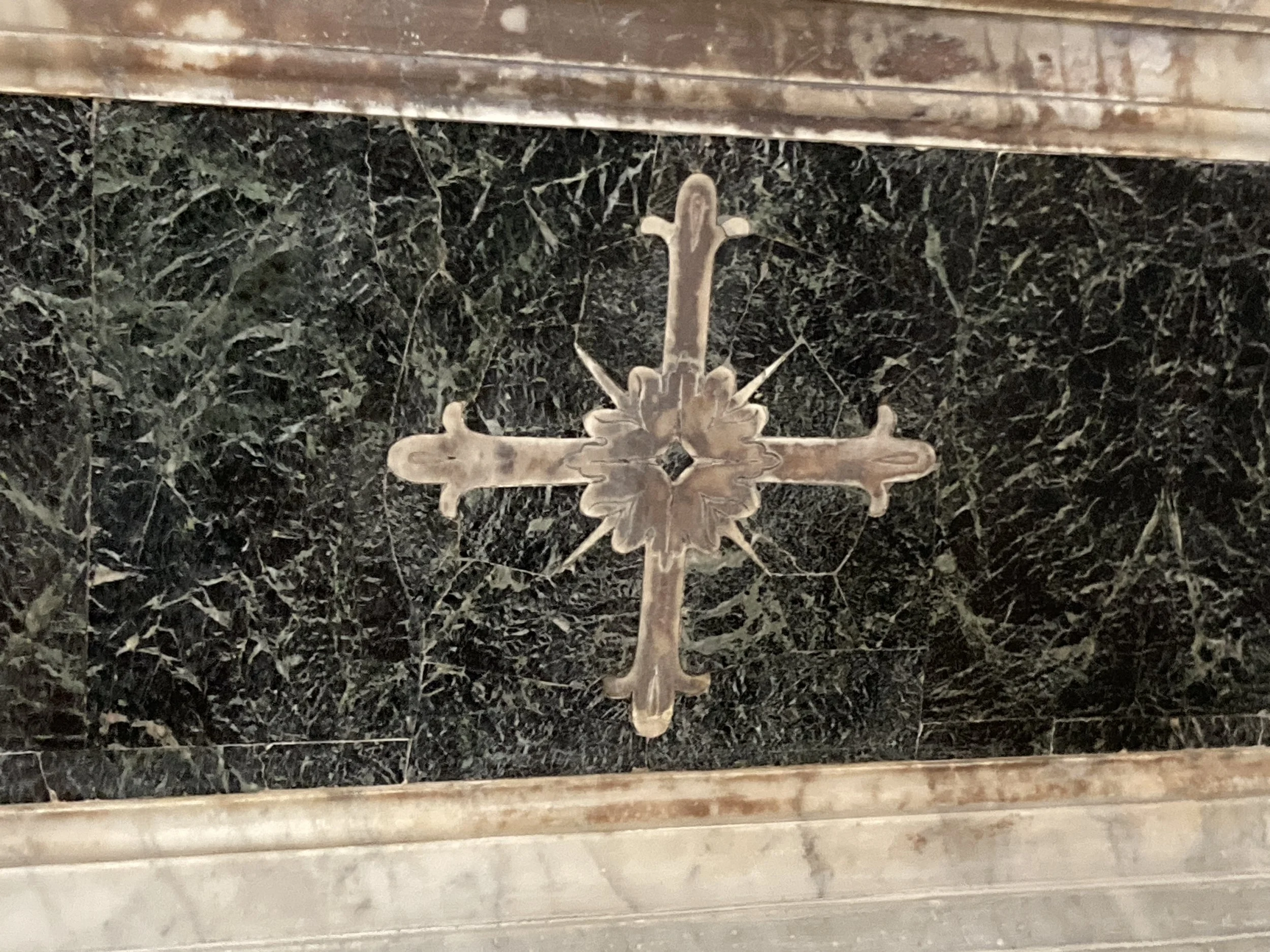
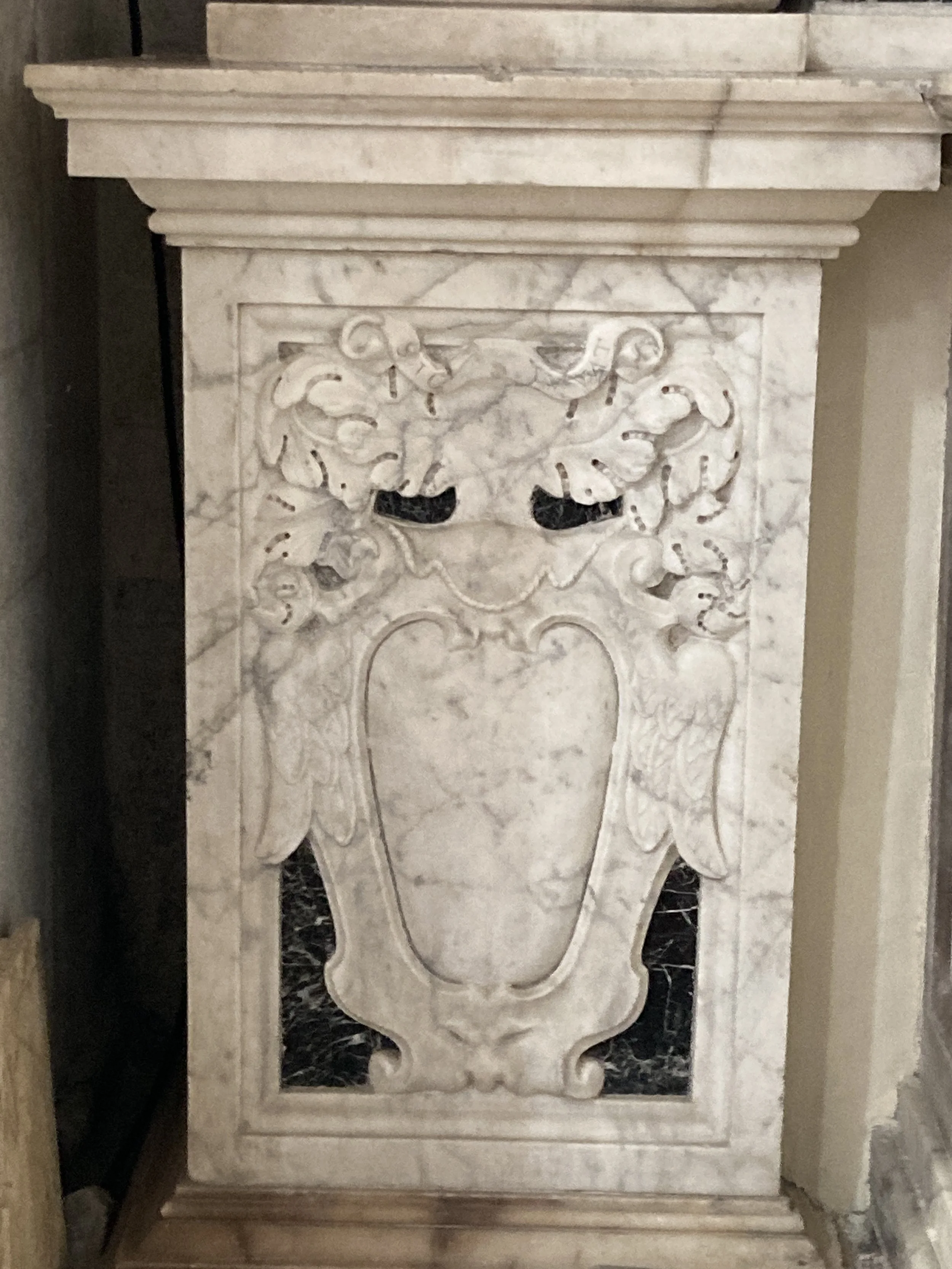
The church interior is well maintained. Unlike other abandoned churches, this one simply feels like it is having a brief pause.  The floors are black and white marble, arches line the three naves, beautifully carved interior altar rails and marble decorative panels fill the church. 

IMG_1611.jpeg
IMG_1600.jpeg
IMG_8906.jpeg
IMG_1567.jpeg
IMG_8905.jpeg
IMG_1617.jpeg

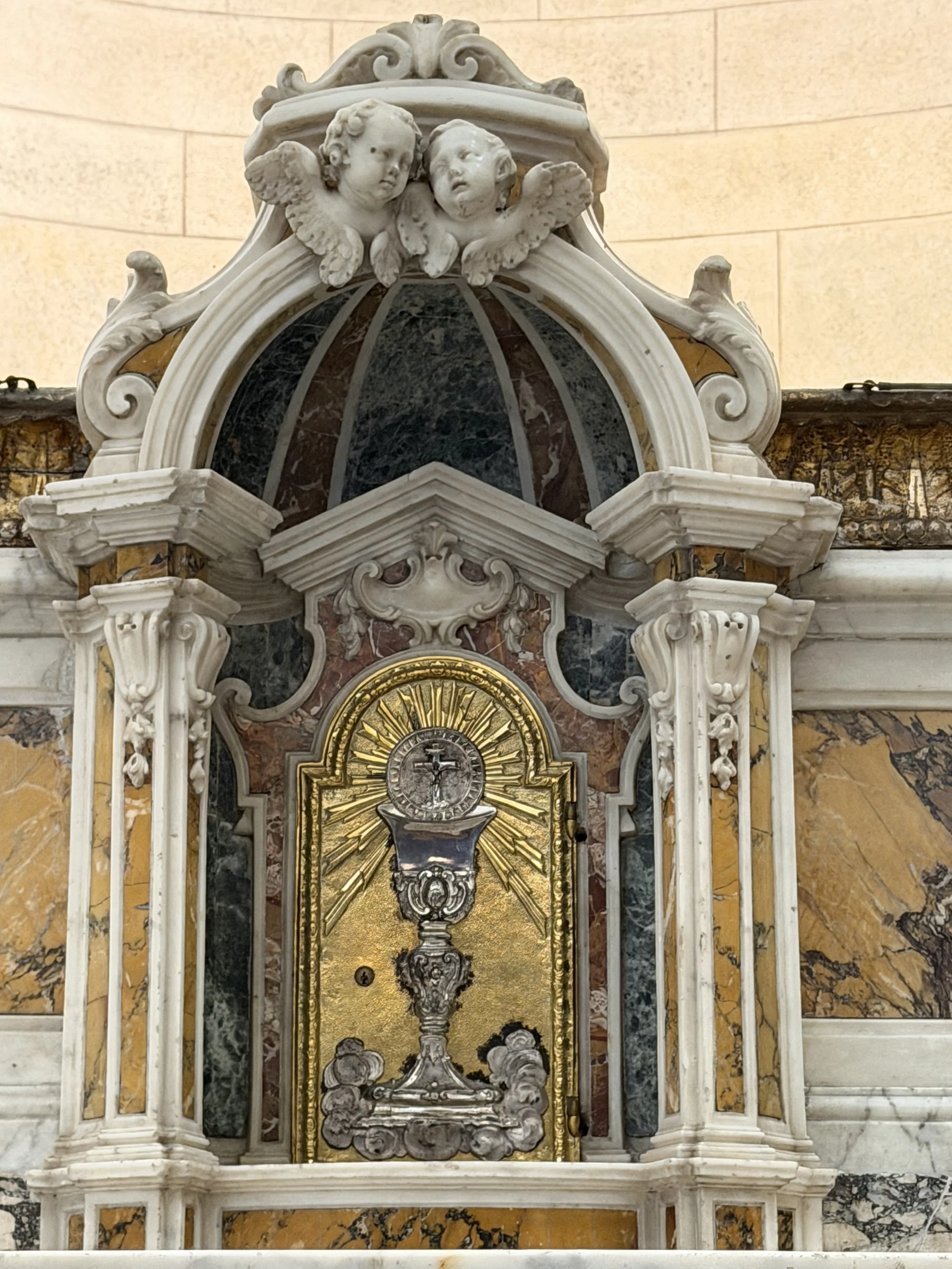
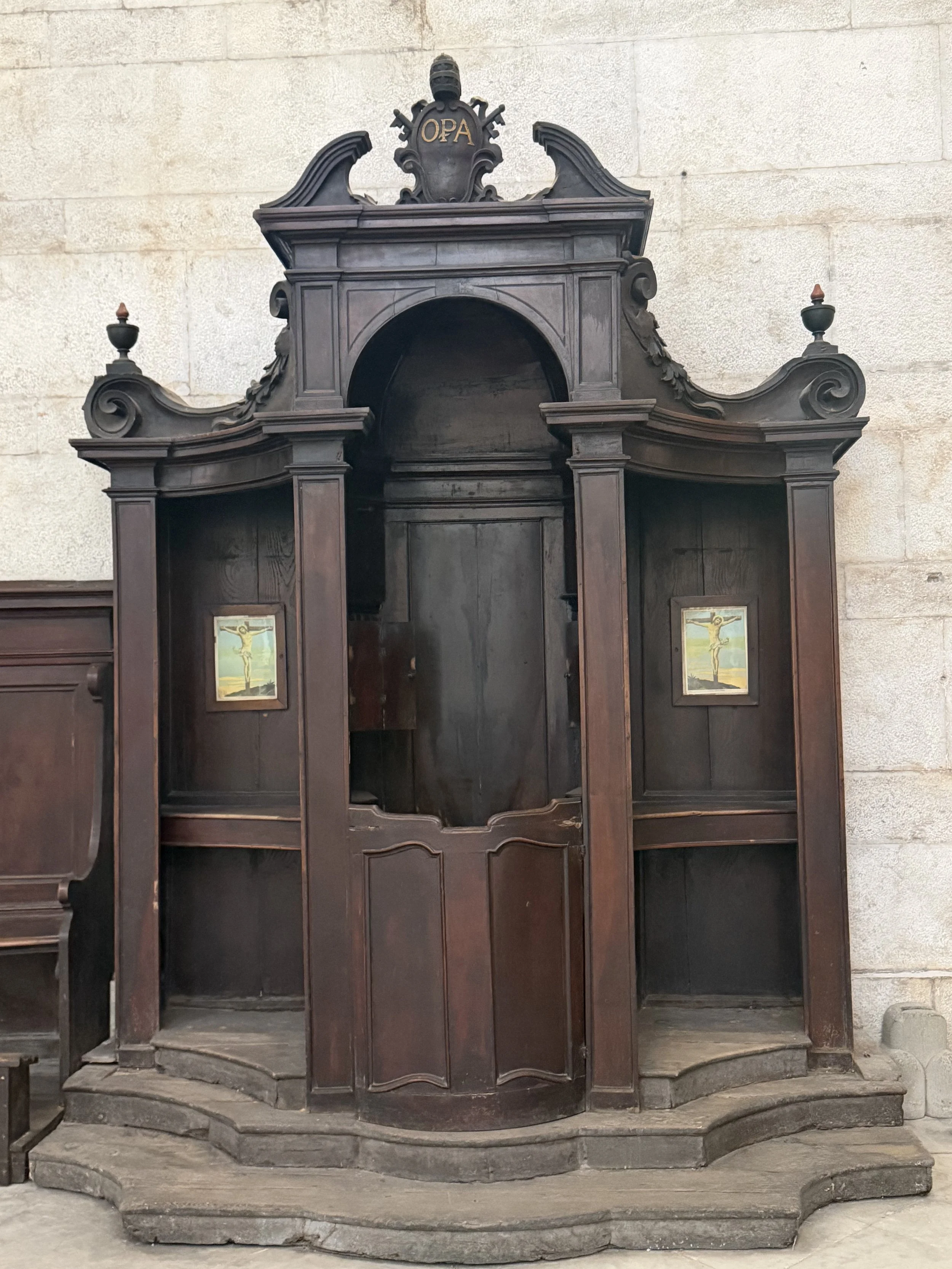
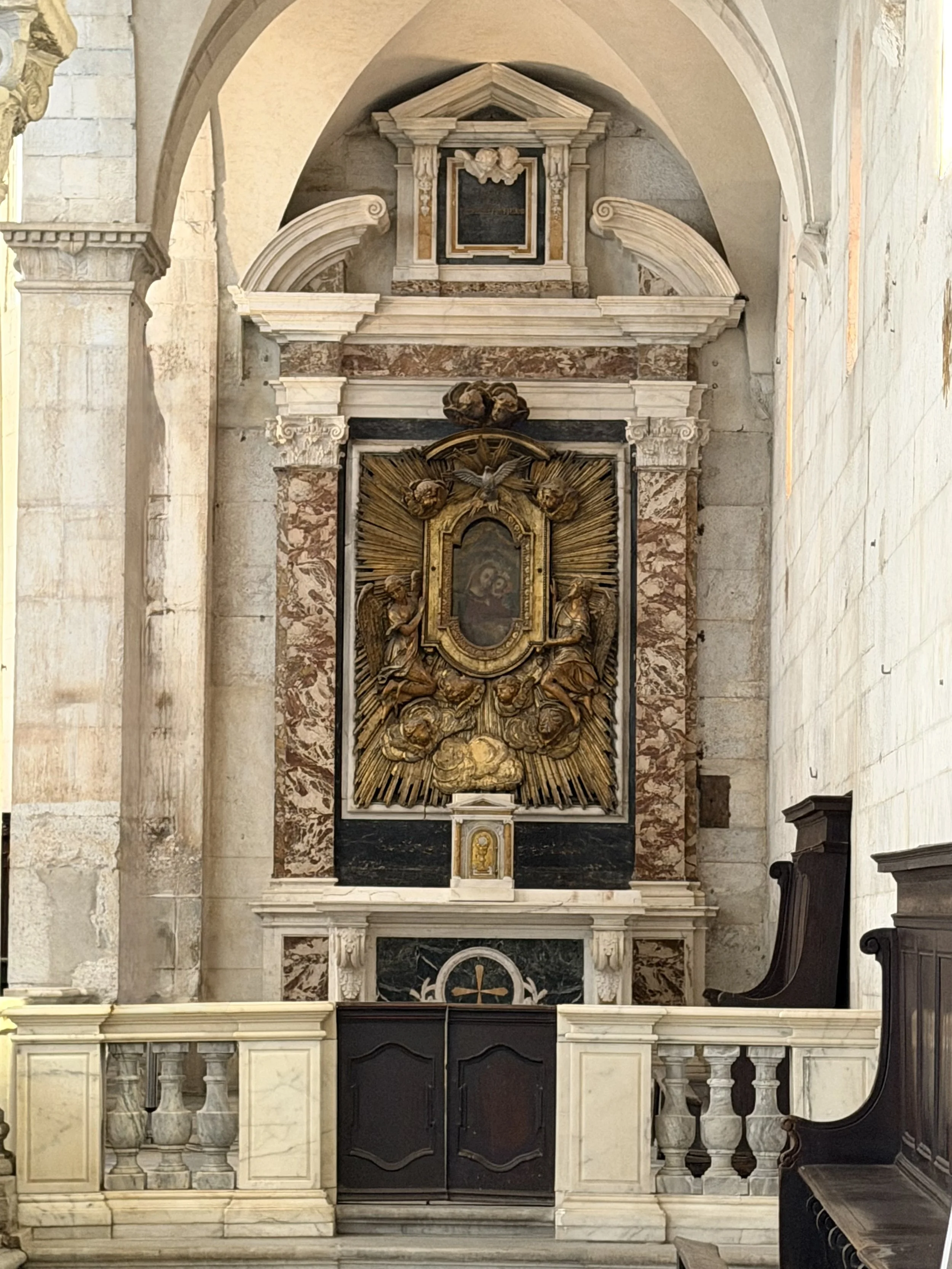
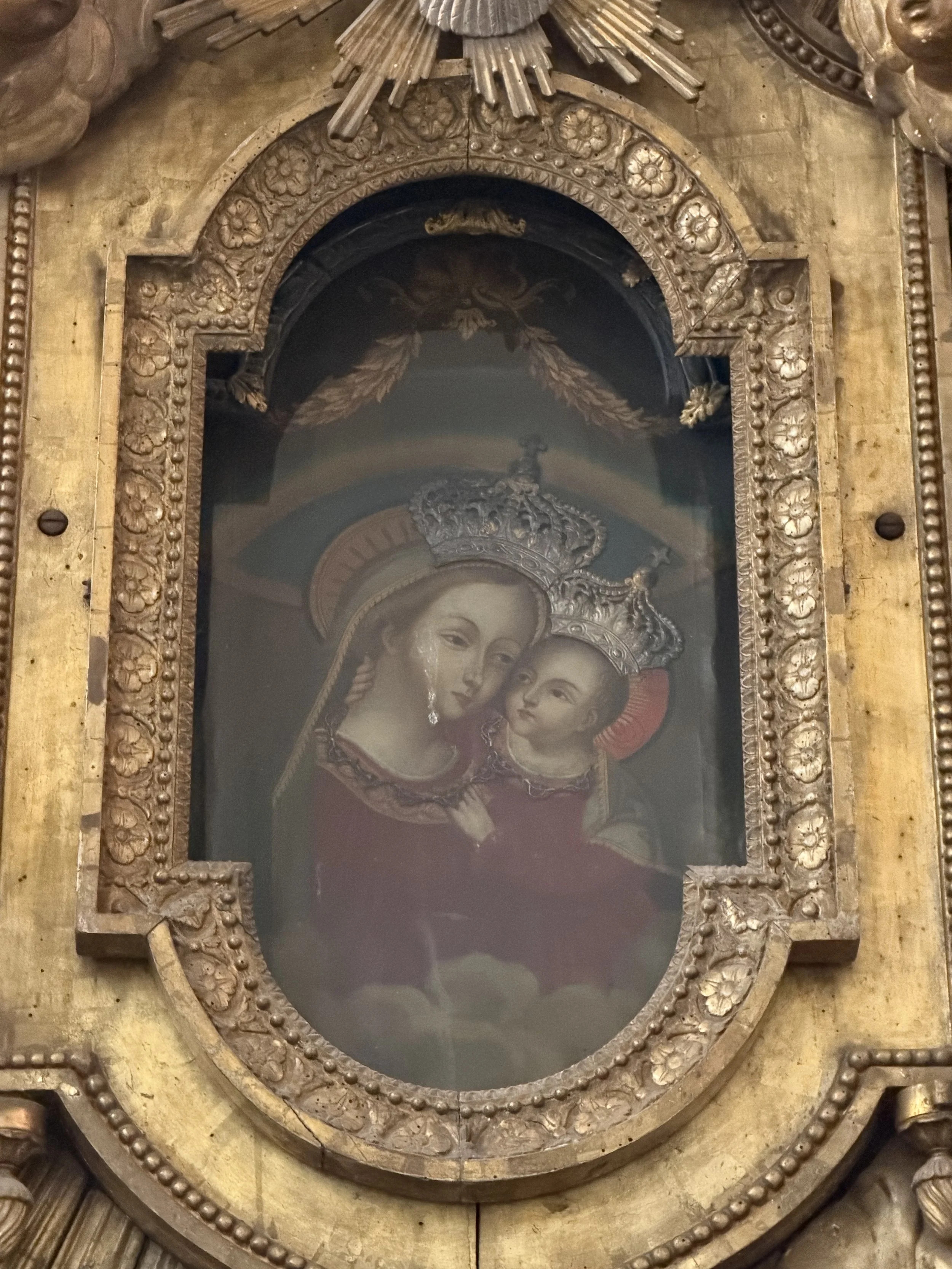
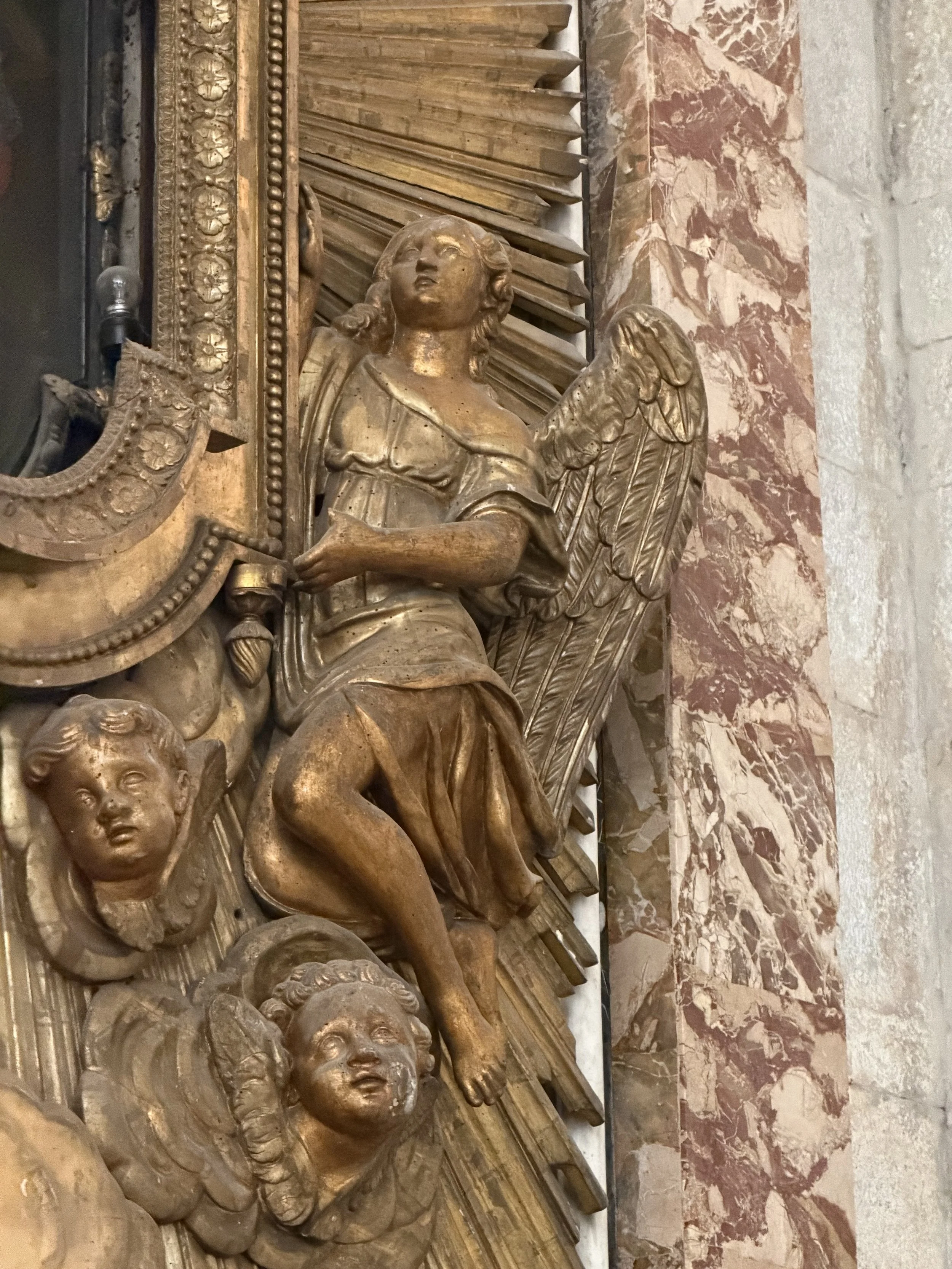
The main altar and side altars still have their decorative elements and tabernacles.  Polished wood benches and confessionals line the sides of the church and narrow stained glass windows let in just enough light.

IMG_1573.jpeg
IMG_1608.jpeg
IMG_1604.jpeg
IMG_1610.jpeg
IMG_1591.jpeg
IMG_1595.jpeg

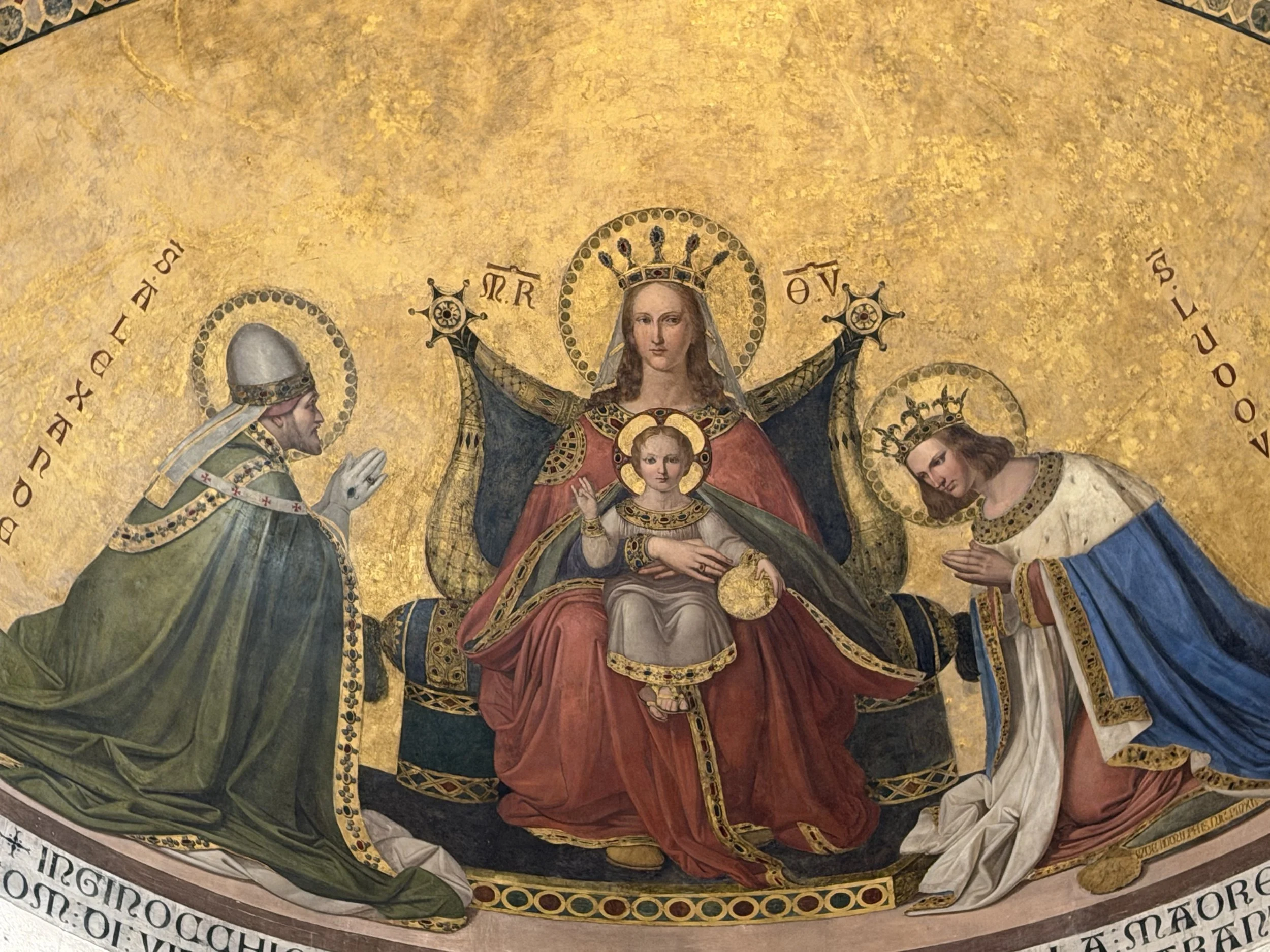
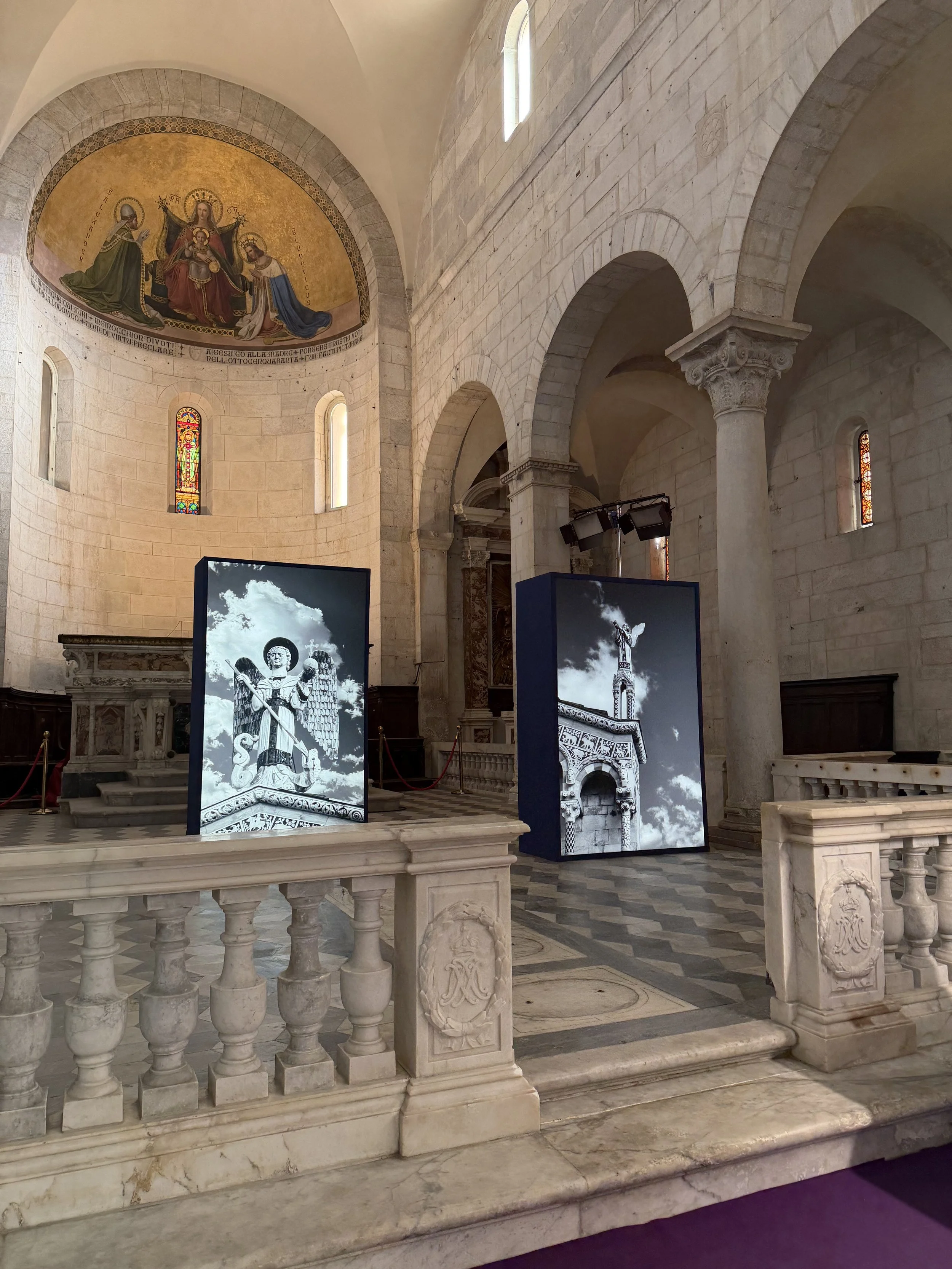
The art over the main altar is a fresco by Michele Ridolfi added in the 1800’s when the church underwent restoration.  It is a vibrant panel, with a gold background, showing Saints Alexander and Louis (Alessandro and Ludovico) beside the Madonna and child.  It seems a shame that it is hidden away in mostly unused church.

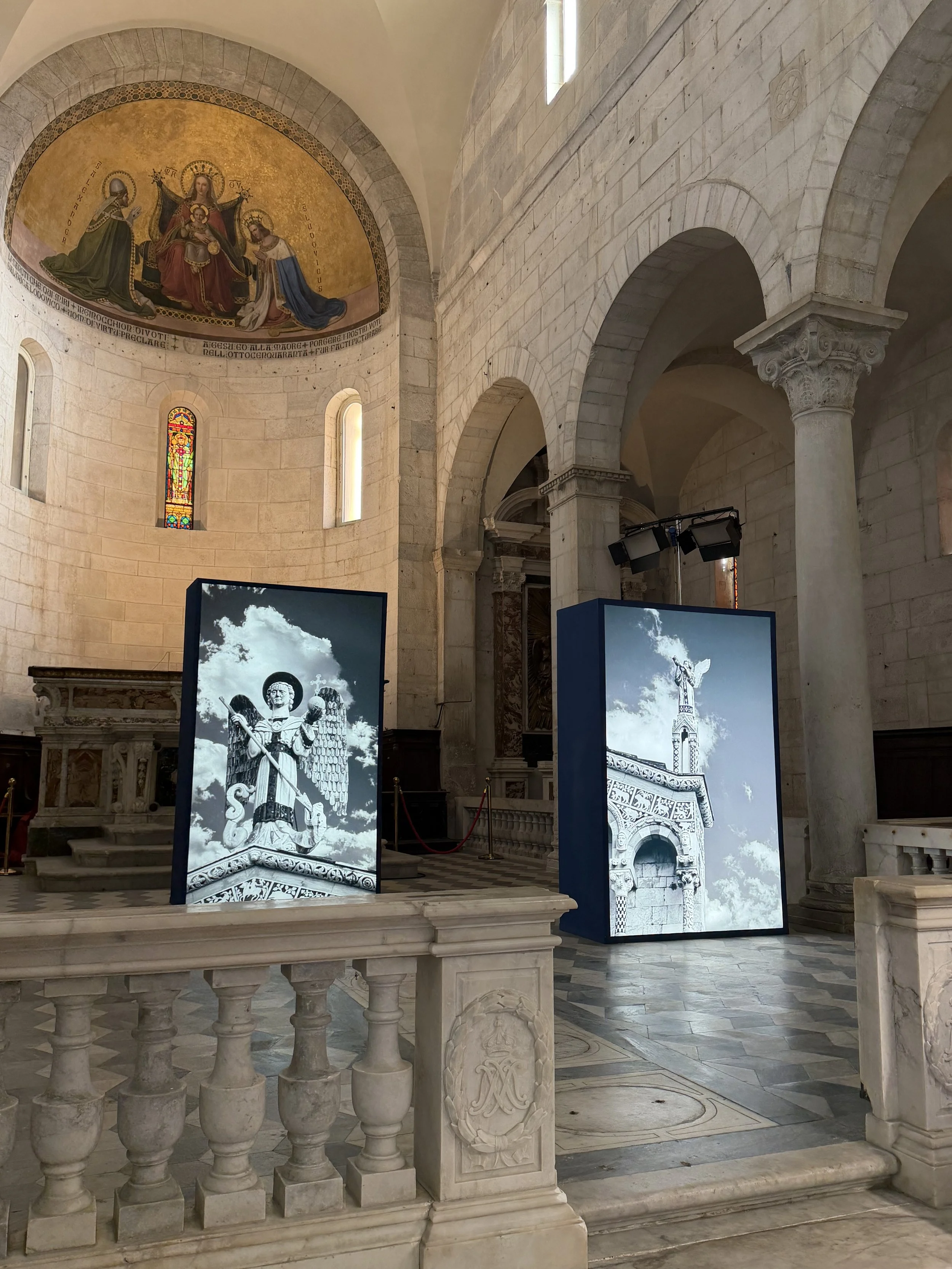
The church was recently opened to host a photographic exhibit by Lucchese artist Beatrice Speranza.  The exhibit, L’ombra di Michele (Michael’s Shadow), was a series of black and white photos, a perspective on the statue of the Archangel Michael which sits atop a different Lucchese church – the Basilica of San Michele in Foro.

The Archangel Michael is not just any old angel.  He is the highest-ranking angel, God’s warrior, who bested Satan and the band of fallen angels, and he is a saint.  And while he may be sitting atop a basilica here in Lucca, but he is not just a Catholic figure.  He is important in Judaism, Islam, and other Christian faiths – an ecumenical angel, uniting faiths. 

The hinged metal wings are seen here from the back of the statue

The statue in Lucca is nearly 4 meters (about 13 feet) tall, made of marble with metal wings that have aged to a blue green patina. He carries an orb in one hand and in the other a spear which he used to pin a dragon under his feet. That is a typical representation of the Archangel, conquering evil (satan) in the form of a dragon.   Created during the 13th century, the artist is unknown.   

The Ombra di Michele exhibit captures the statue in black and white photography from various angles and heights and also presents the shadows that the angel casts on the surrounding piazza. Many of the smaller photos also have points of embroidery placed on the photos by the artist.  These beg for personal interpretations.  She enhances the presentation with music and narration.  In her words “the Archangel and the dragon, for those who seek to get a glimpse of them amidst the blinding rays of sunlight or through the clouds, serve as a reminder to confront our fears, fragilities, disappointments, and anger.  It seems that St. Michael urges us to acknowledge and manage them, to weigh them carefully, and to cut away what needs to be released”.

IMG_1589.jpeg
IMG_1615.jpeg
IMG_1616.jpeg

The combination of the art, the music, the meaning of the artist’s words, and the ancient church setting created something truly inspiring. 

October 12, 2026 /Joanne Bartram
Sant’Alessandro Lucca, Photography Lucca, Beatrice Speranza artist, Saint Michael the Archangel in art
#lucca, #medievalitaly, Churches Italy, Italian Art, Italian art architecture, Italian culture, Italy, Italy travel, Living in Italy, Lucca

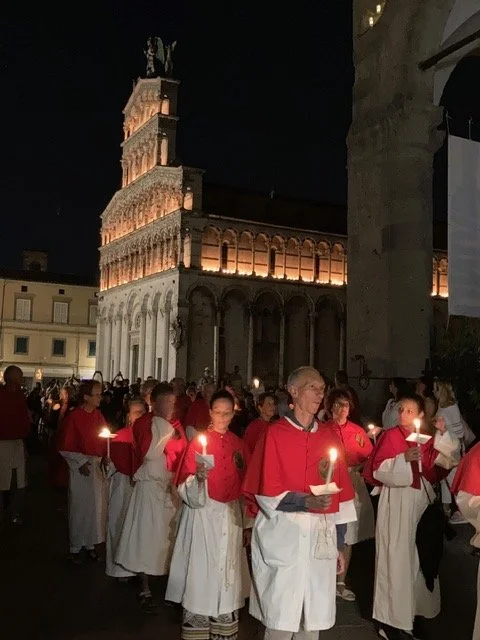
The Church of San Michele during the Luminaria procession, 2022

Lucca by Candlelight, The Luminaria of Santa Croce

September 21, 2026 by Joanne Bartram in #lucca, Autumn in Italy, Festivals Italy, Italian culture, Living in Italy, Lucca

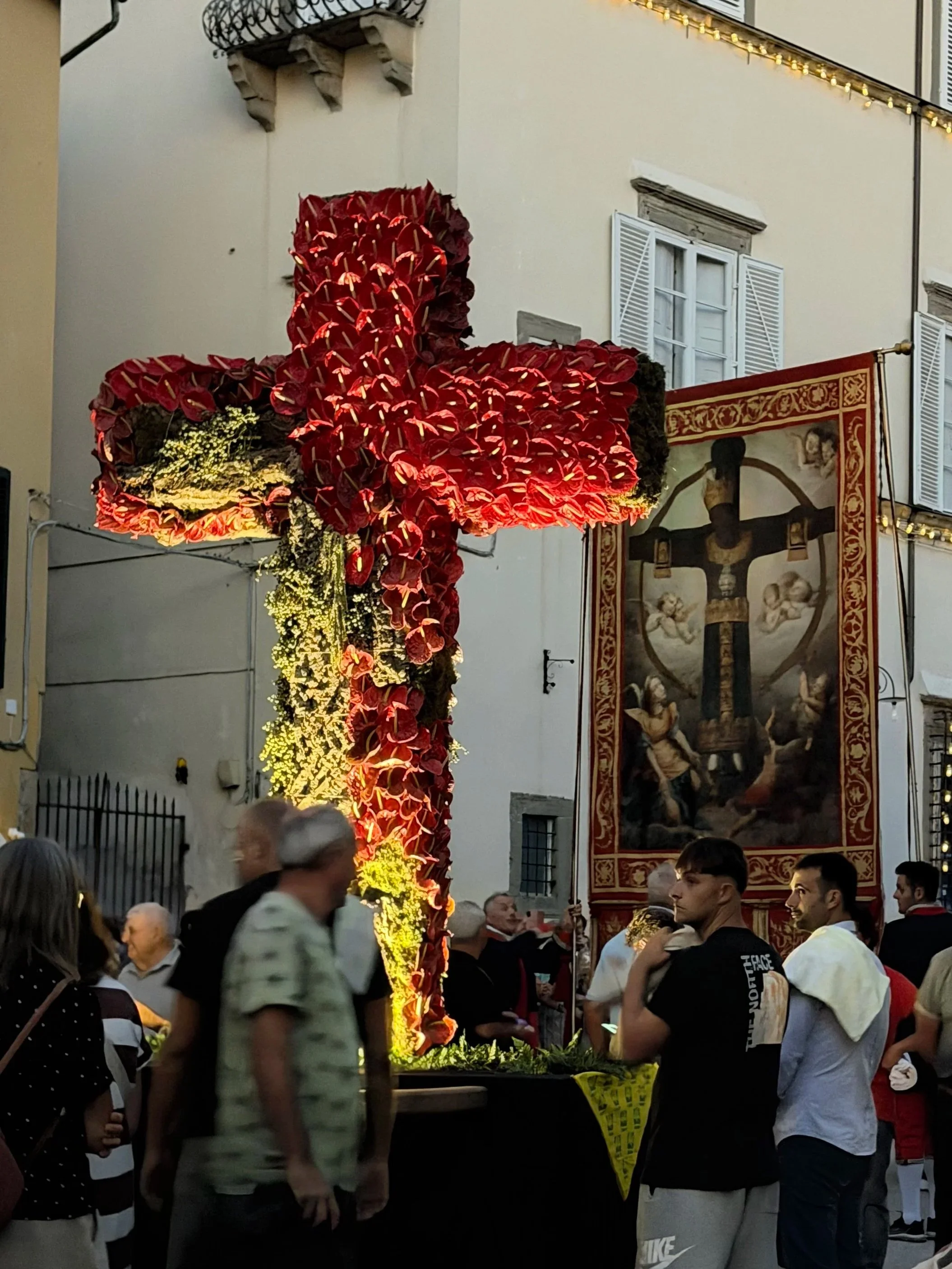
The start of theSanta Croce procession always includes a huge floral cross and the traditional banner with the image of the Volto Santo

It’s exciting to see a place or an event for the first time, and often just once is enough to satisfy a curiosity or longing for an experience. When I first moved to Lucca I believed that going “once around the sun” here would allow me to experience all the seasons, the traditional festivals, the holidays, and the special events that would take place throughout a year. And that a year would be enough to satisfy my living in Lucca experience.  Silly me.  I quickly realized that it would take much longer (and perhaps forever) for me get my fill of Lucca.

 Over time, I’ve learned that some of the best things are the events that are experienced on repeat - events and celebrations that I look forward to from year to year.  Whether it is the wisteria that bloom in spring, April’s Santa Zita Festival, a late summer Medieval event, the fall garden show, or the annual lighting of the Christmas tree, the anticipation of these familiar events never fails to excite me. They mark the rhythm of life in Lucca. 

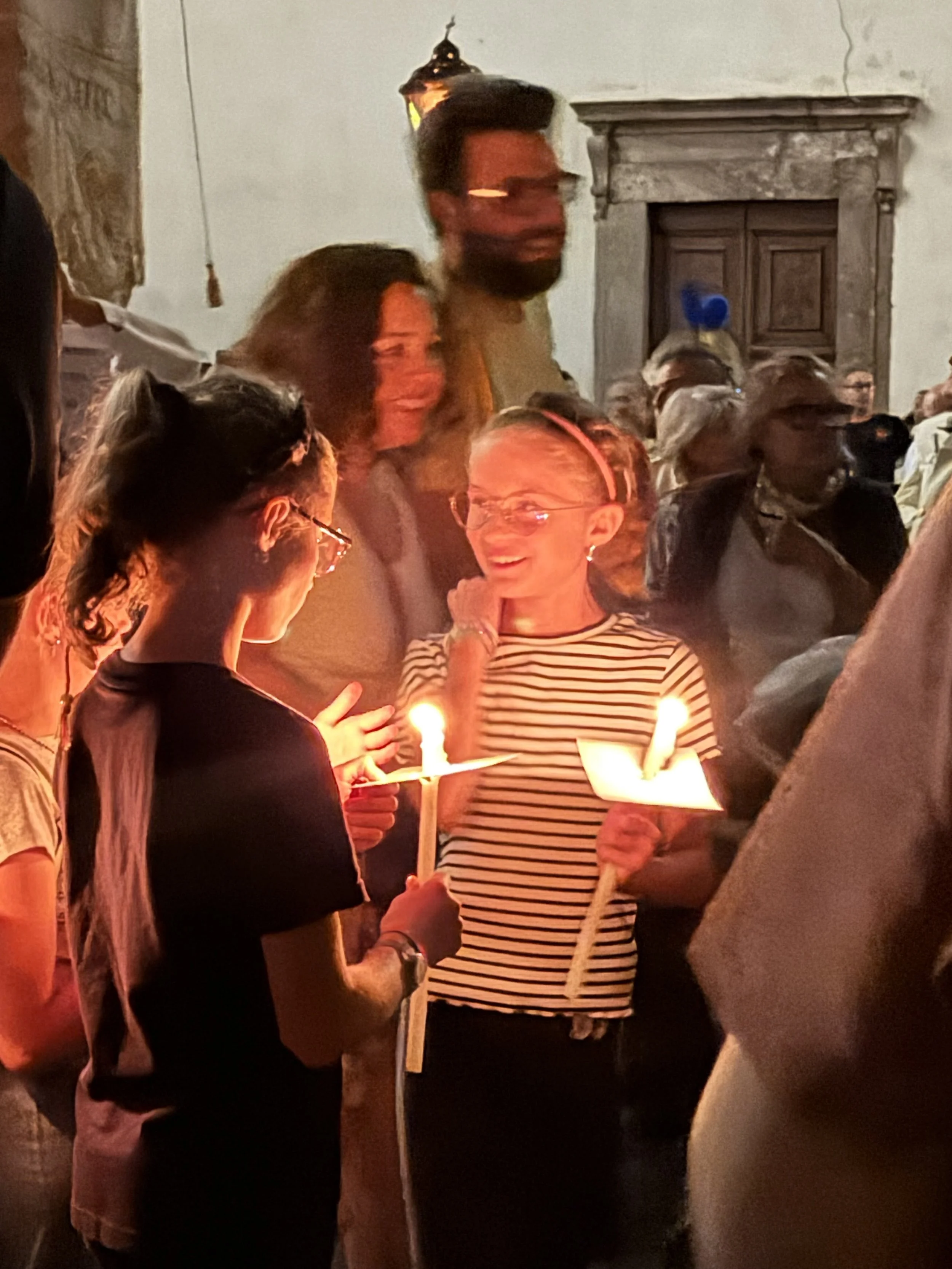
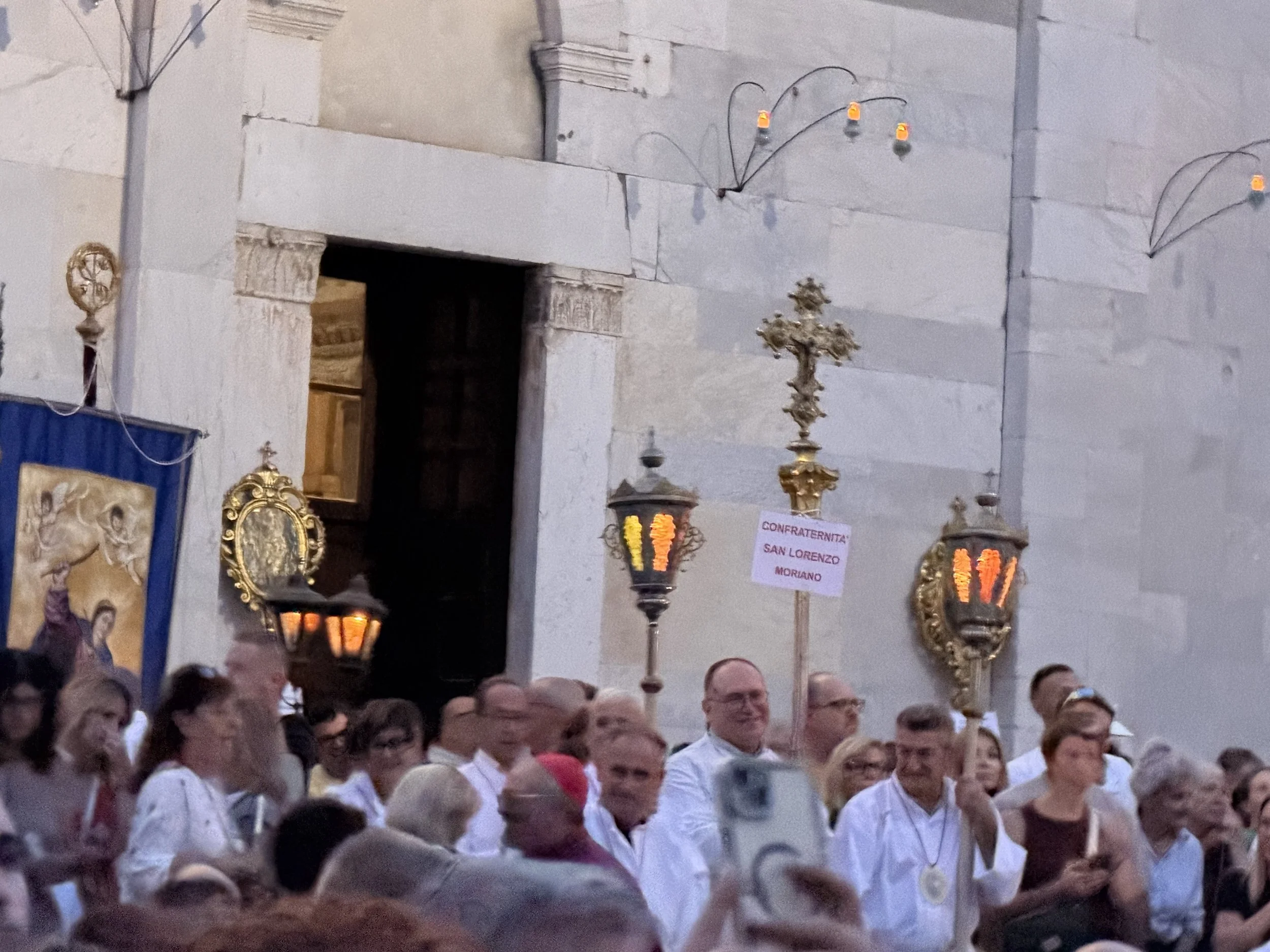
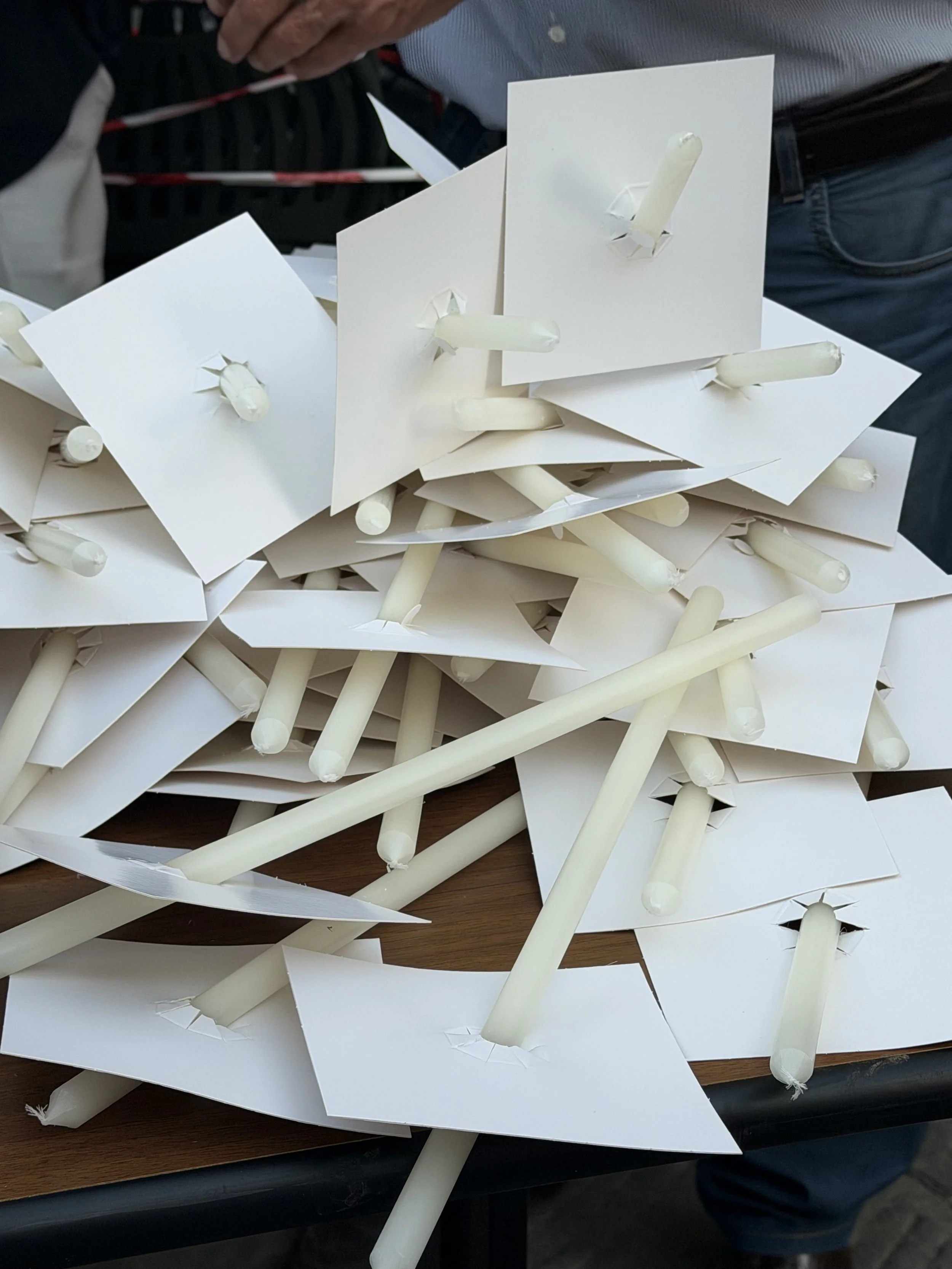
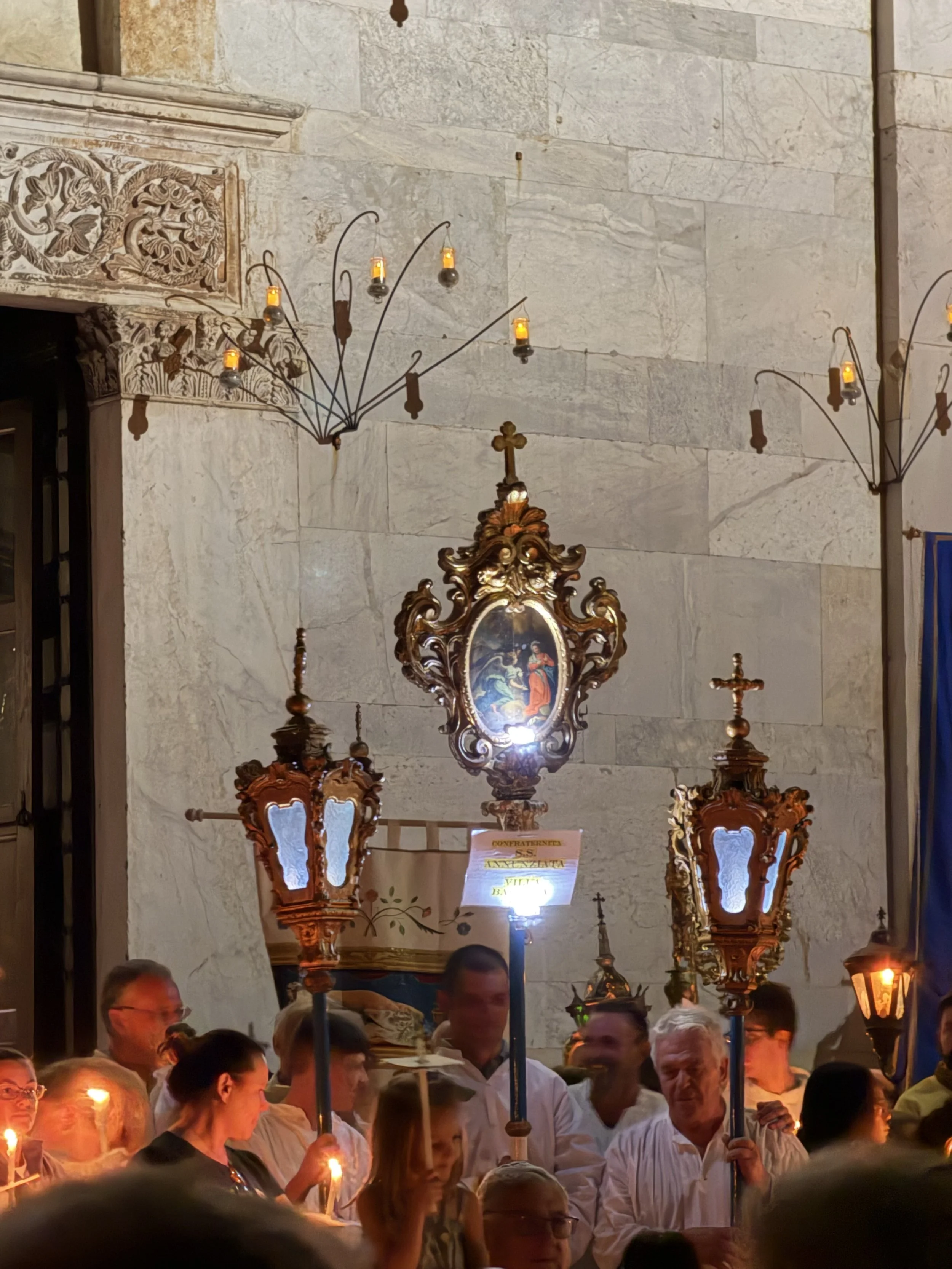
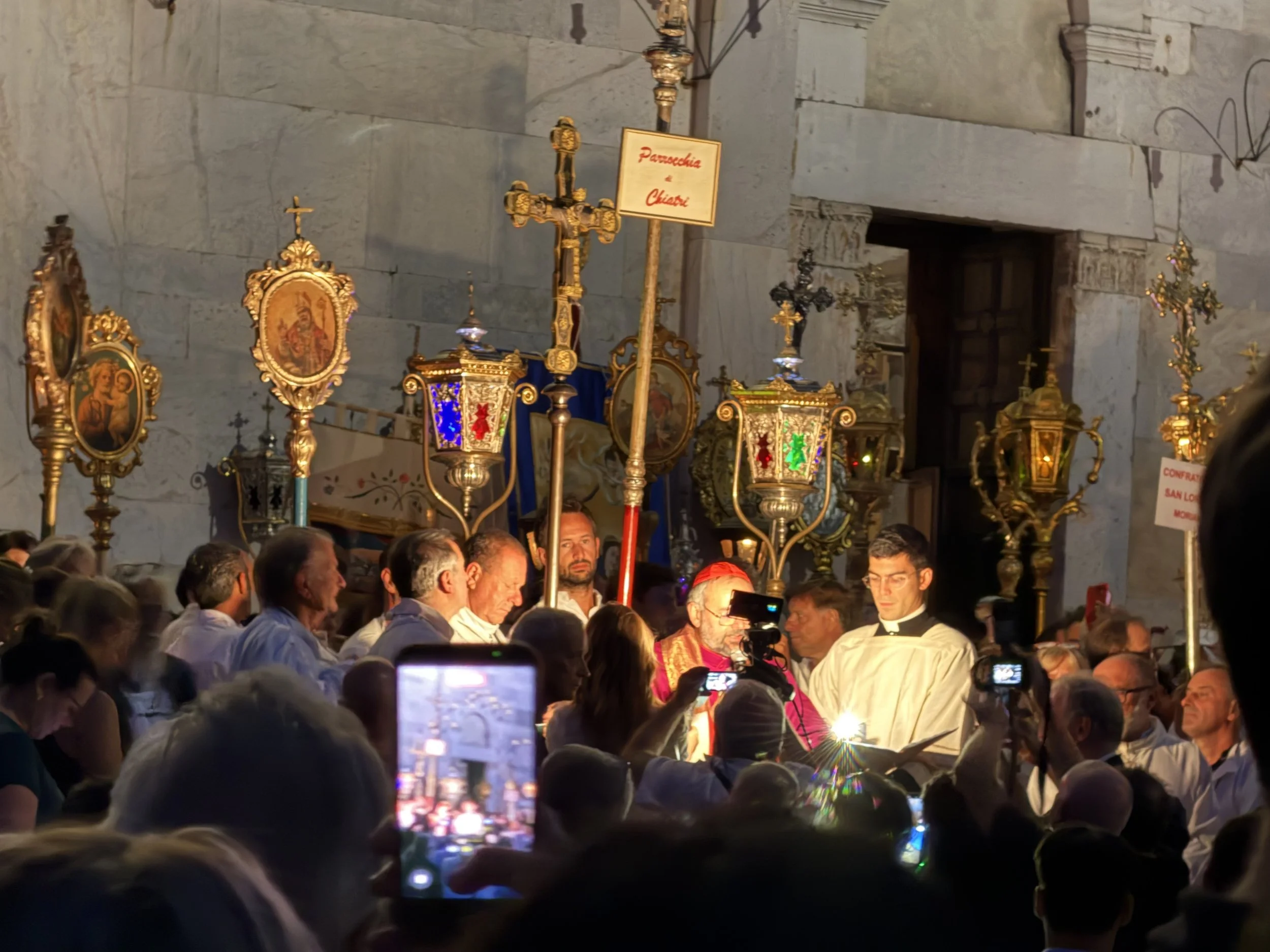
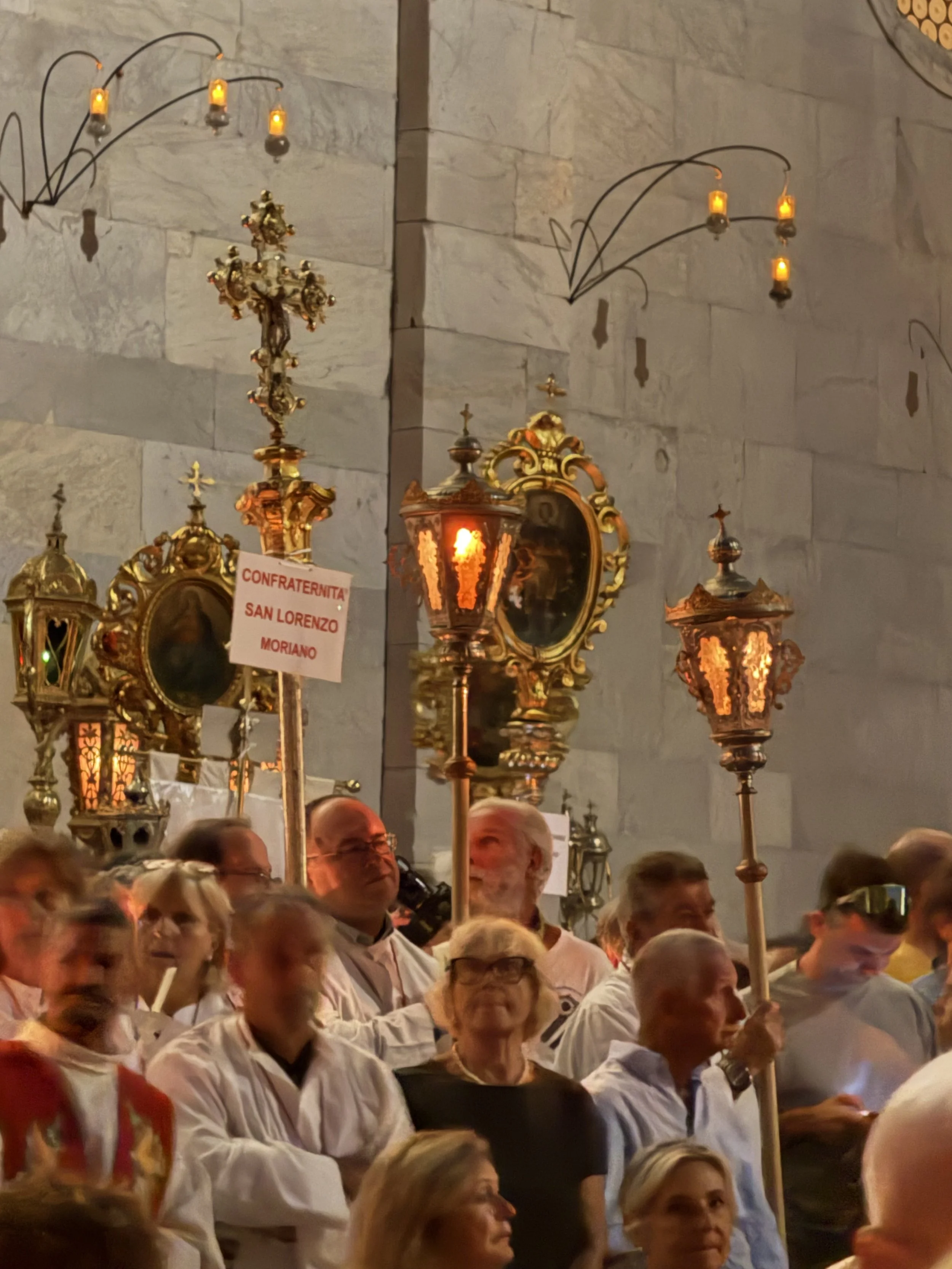
The month of September brings one of Lucca’s most important events, the Luminaria of Santa Croce.  There is something magical about seeing the Medieval streets of Lucca awash in candlelight, hearing the chanting of prayers, watching the large floral cross that is at the head of each year’s procession, and seeing the devotion of so many people holding candles are they walk the streets of Lucca. It is a moving and unique event. 

IMG_0543.jpeg
IMG_0471.jpeg
IMG_0447.jpeg

The people lining the procession taking photos on cell phones reminds me that this is a present-day celebration and yet the feel is ancient, historic.  For many people it is the most important religious ceremony of the year.  For others it is a tradition and a cultural event.

IMG_0541.jpeg
IMG_0536.jpeg
IMG_0490.jpeg
IMG_0507.jpeg

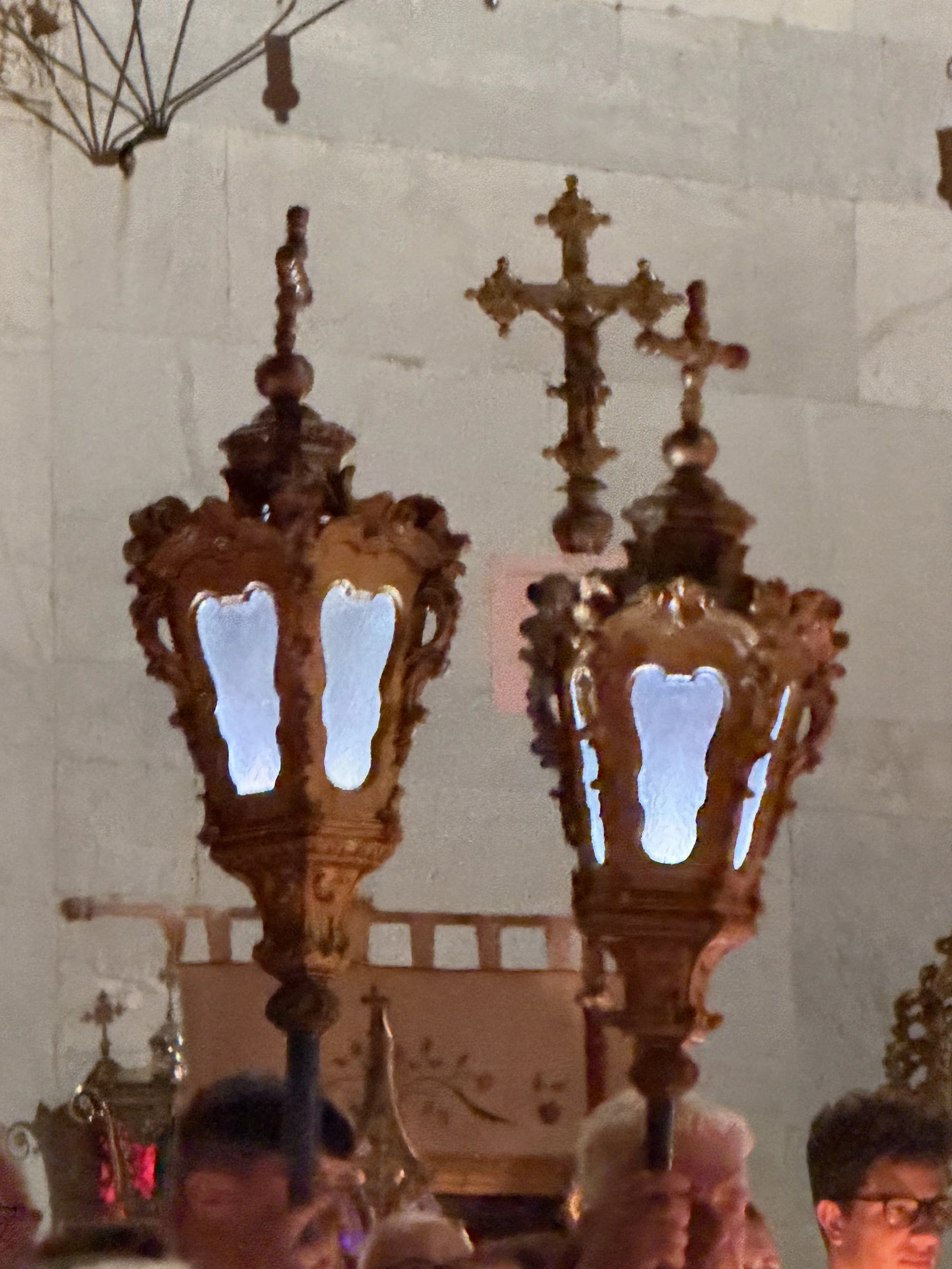
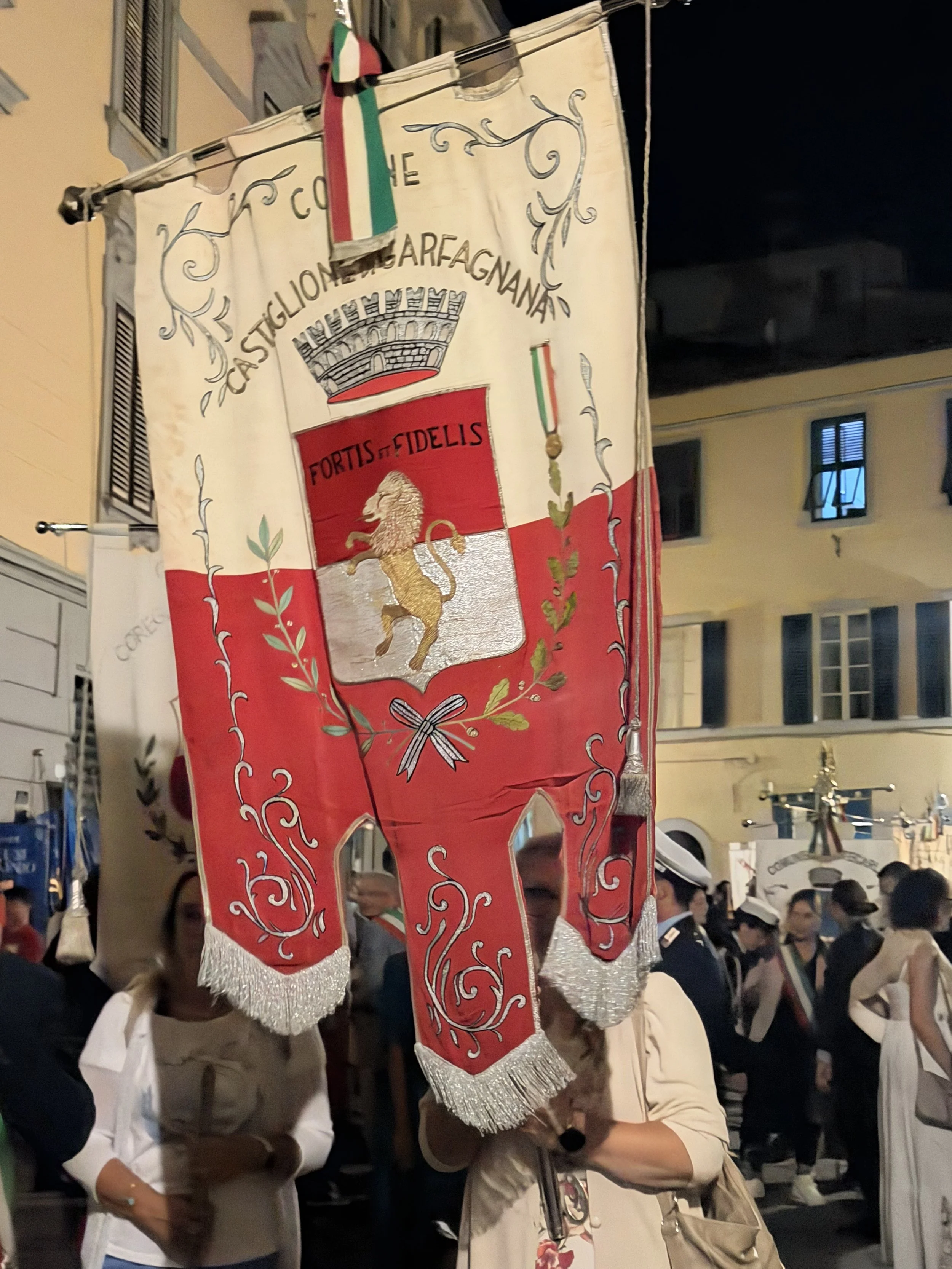
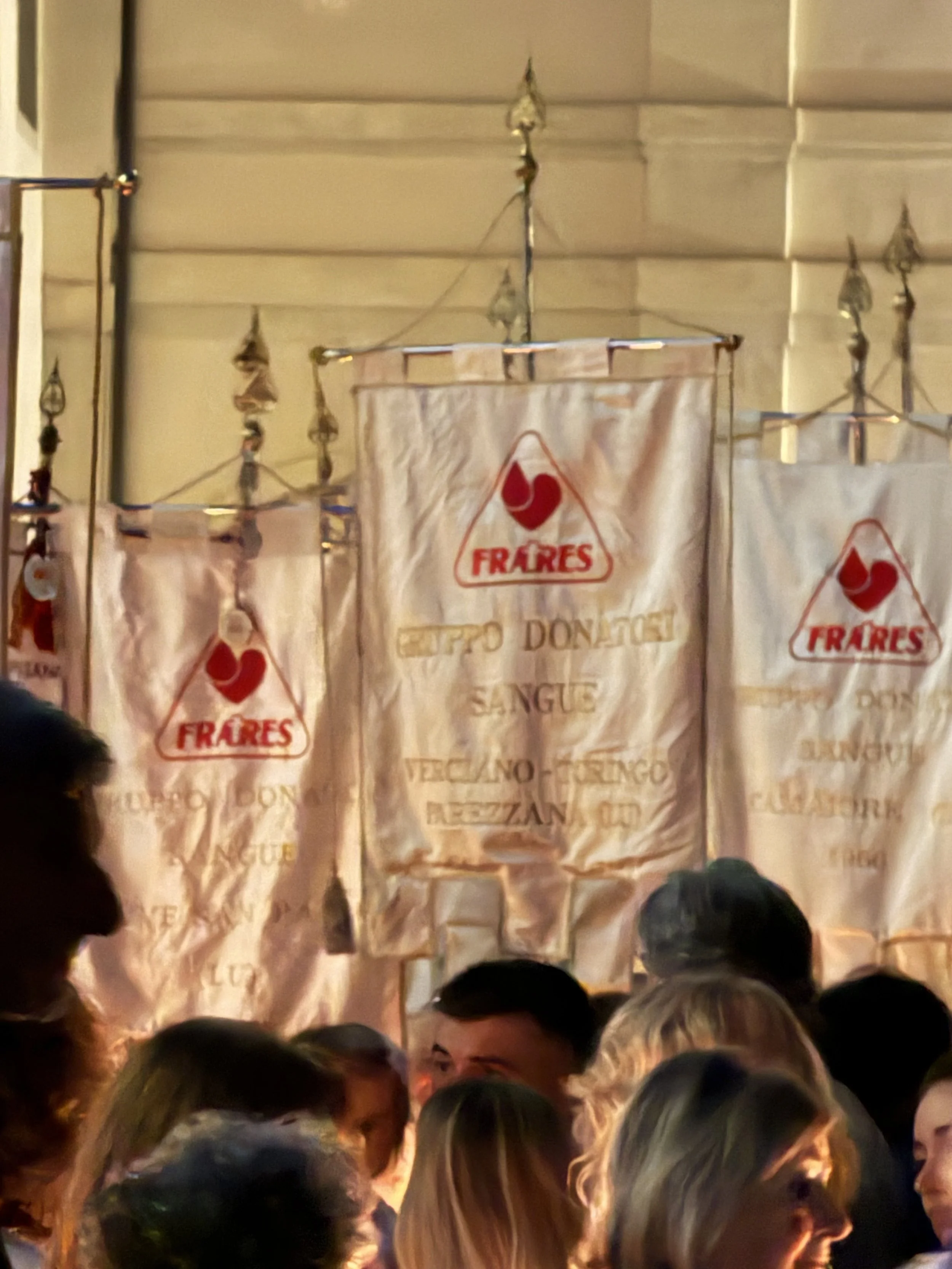
Dignitaries and priests carrying the processional lanterns first gather on the steps in front of the Cathedral of San Frediano, where prayers begin the solemn procession. A large cross, made entirely of flowers, and a banner with the image of the Volto Santo are at the head of the procession. A variety of civic groups participate in the procession, each carrying a banner to show where they are from.

IMG_0545.jpeg
IMG_0547.jpeg
IMG_0495.jpeg


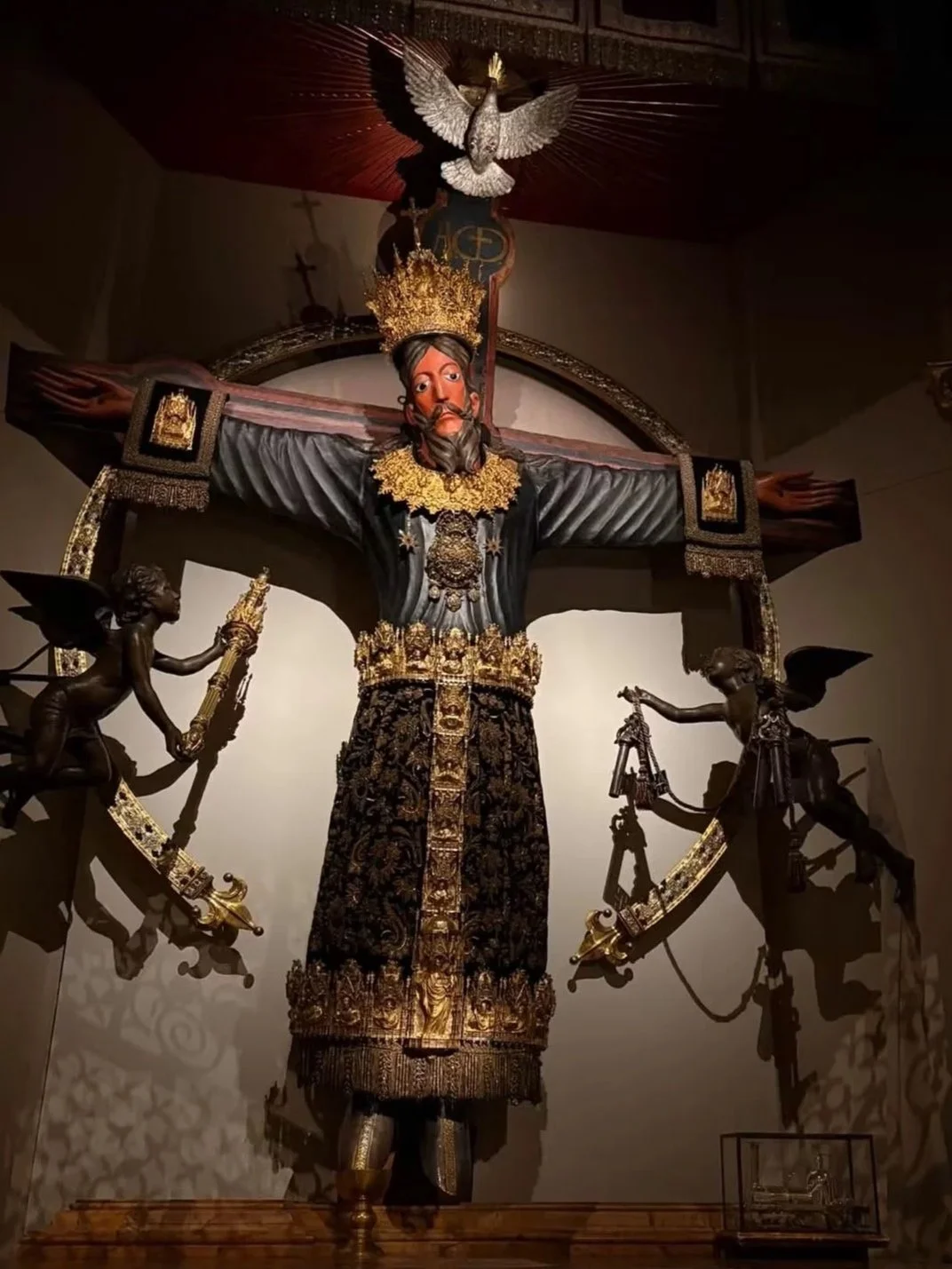
The restored Volto Santo (Holy Face) crucifix, with gold vestments only seen during the September event (photo from the internet)

This year was particularly important because after two years of restoration the Volto Santo crucifix, which is the reason for the festival, is finally back in place in the Cathedral of San Martino and dressed in his gold vestments.

Regardless of one’s beliefs, the luminaria procession is a hallmark of a Lucchese September.  And for me, it is one of my can’t-miss, go every year, take hundreds of photos, events.   Once was definitely not enough for me!  As September draws to a close, it is my hope that I will still be here in Lucca to see next year’s procession.  

For anyone who would like to come to Lucca for the 2027 version of the Santa Croce Festival, now is the time to begin planning.  It is not too early to reserve housing for this popular event.  And mid-September is a great time to visit Italy.

 For more on the history of this event see  https://www.twopartsitaly.com/blog/2017/9/16/the-legend-of-the-volto-santo-holy-face


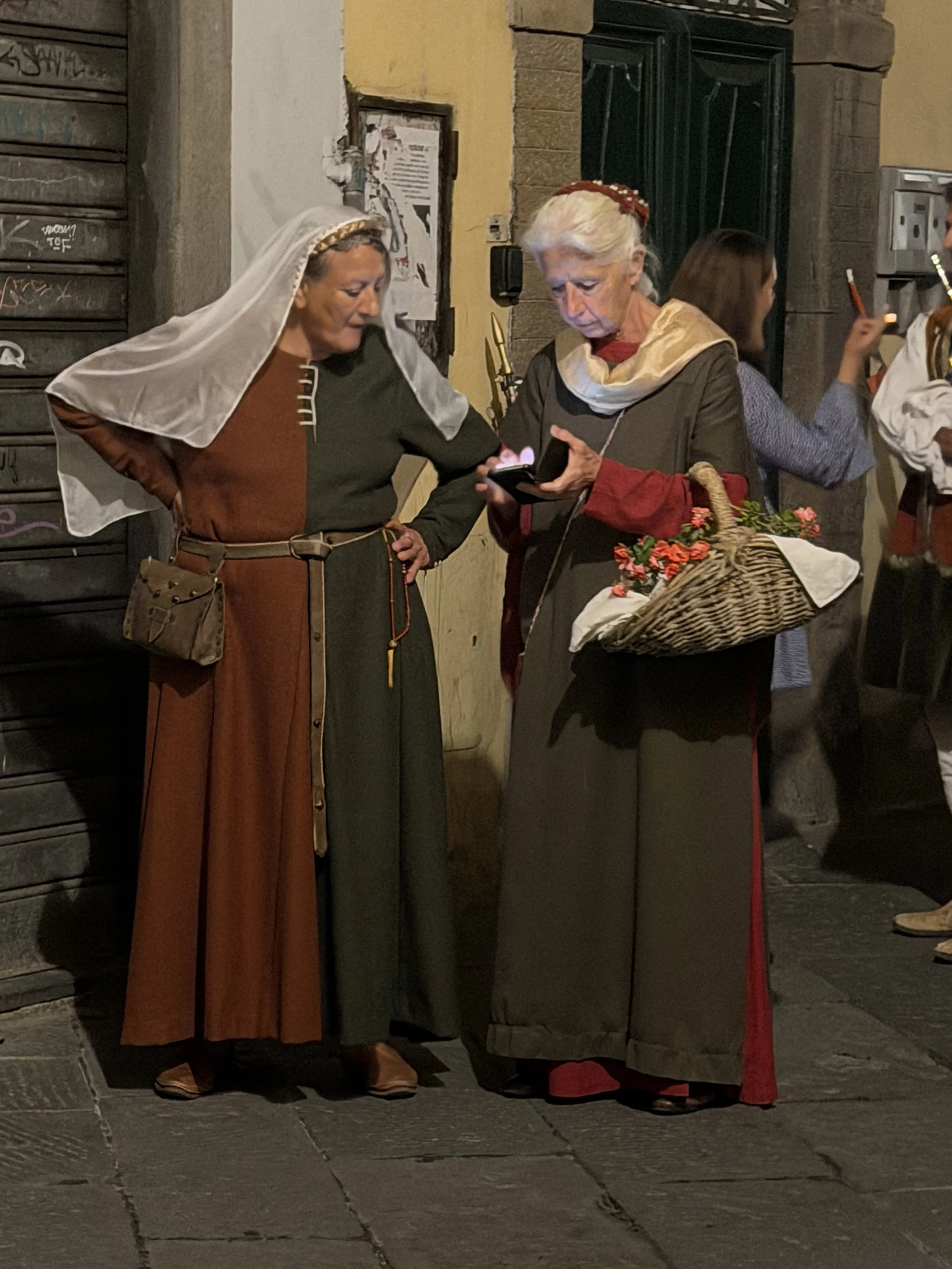
The procession always includes people in Medieval costumes.

September 21, 2026 /Joanne Bartram
Luminaria di Santa Croce, Lucca September, Volto Santo
#lucca, Autumn in Italy, Festivals Italy, Italian culture, Living in Italy, Lucca

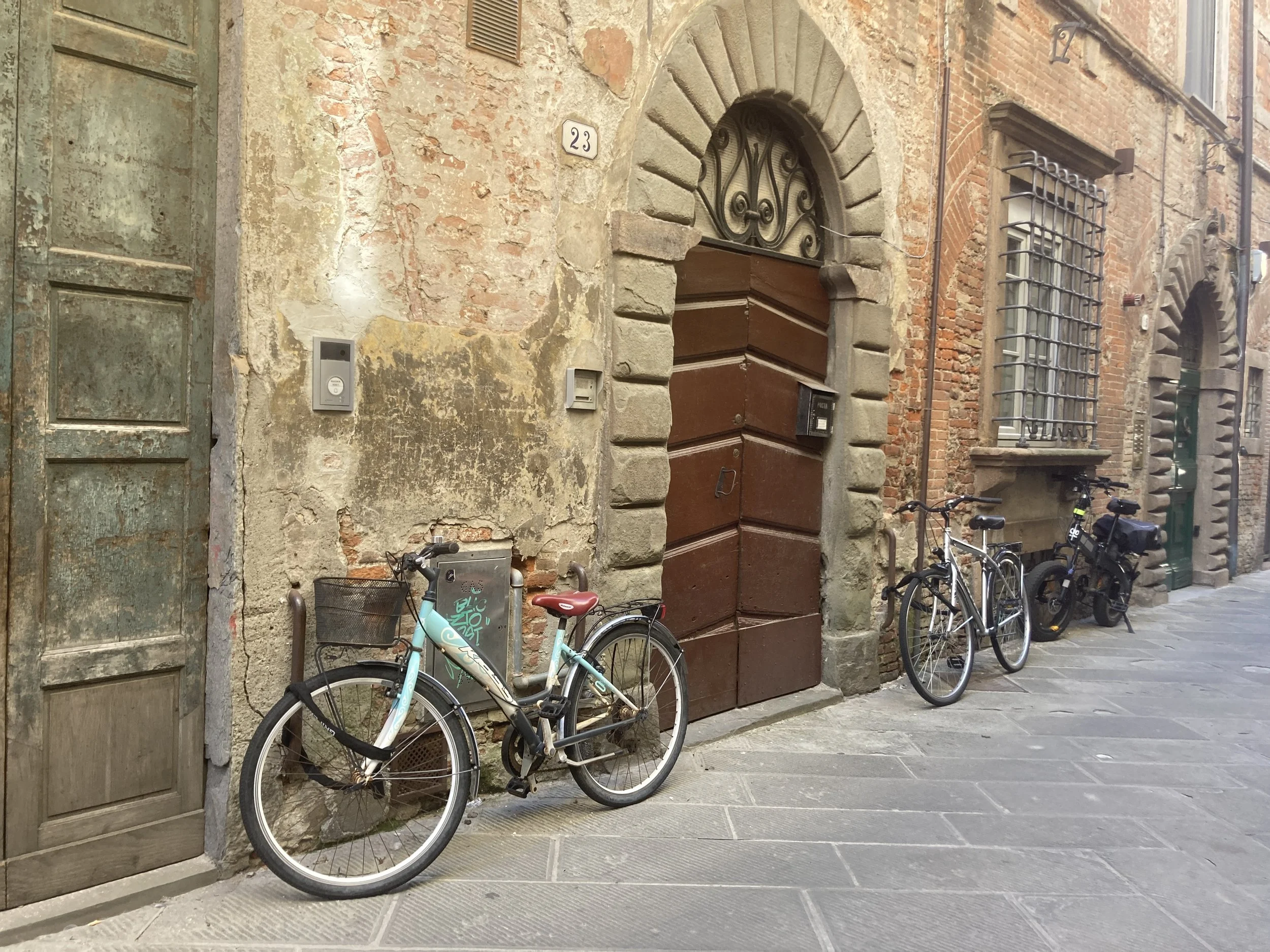
Via Pelleria, in the San Paolino neighborhood of Lucca

A New, Very Old Neighborhood

September 14, 2026 by Joanne Bartram in #lucca, Italian culture, Italian light, Italy, Living in Italy, Lucca, small spaces, Tuscany

The historic center of Lucca is small, lying within a 4.2 km (2.5 mile) surround of Renaissance era walls.  It is easy to walk from one side of town to the other in just 20 minutes. It might seem that such a small area would feel like one cohesive neighborhood, but nothing could be further from the truth.

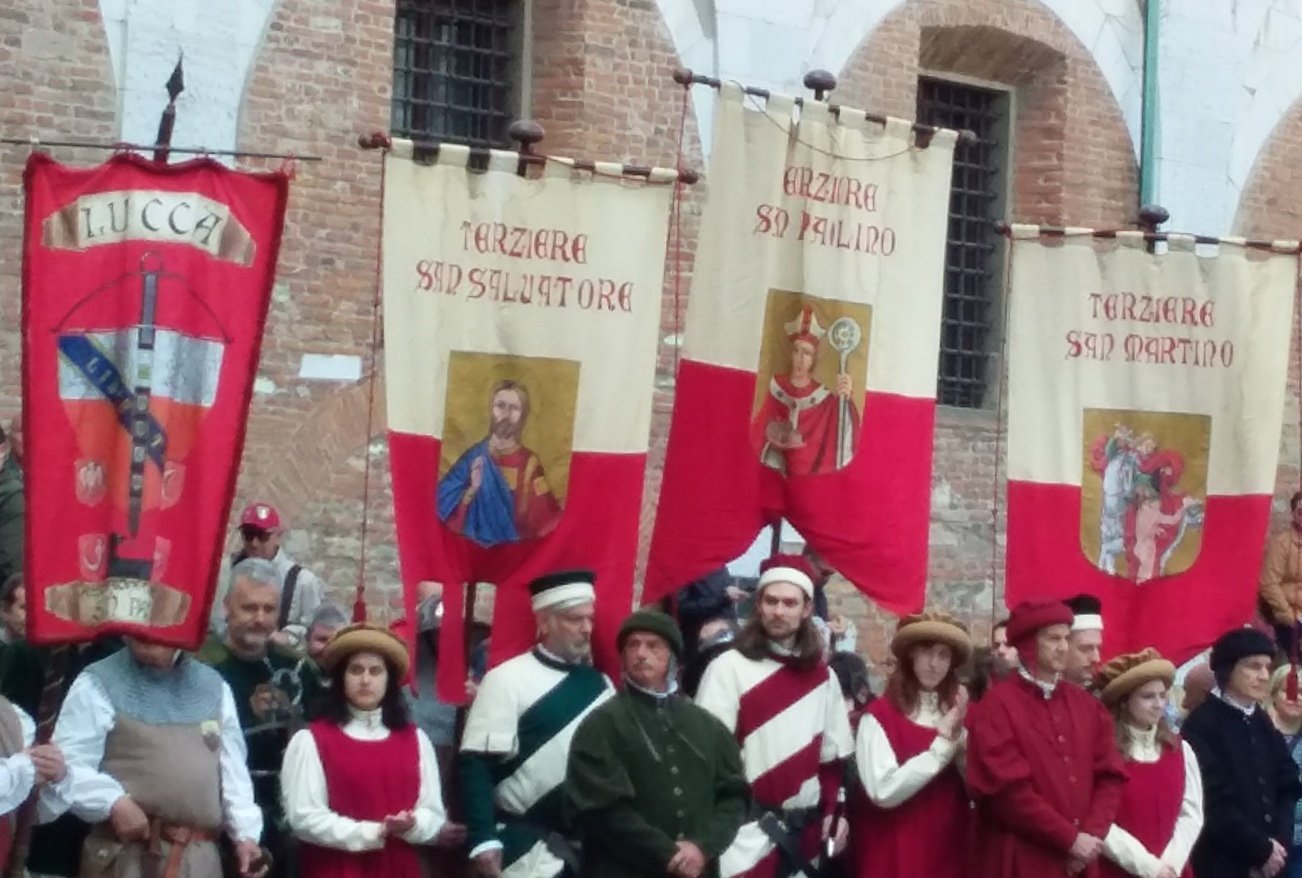
Historically, in the Medieval and in the Renaissance period, Lucca was divided into 3 terzieri (thirds of the town) each with its own administration.  The terzieri were further divided into 4 smaller sections called gonfaloni.  Each gonfalone (singular form of gonfaloni) had a unique name and symbol, which was carried on a banner.   

The 3 terzieri are represented in the many Medieval events held in Lucca

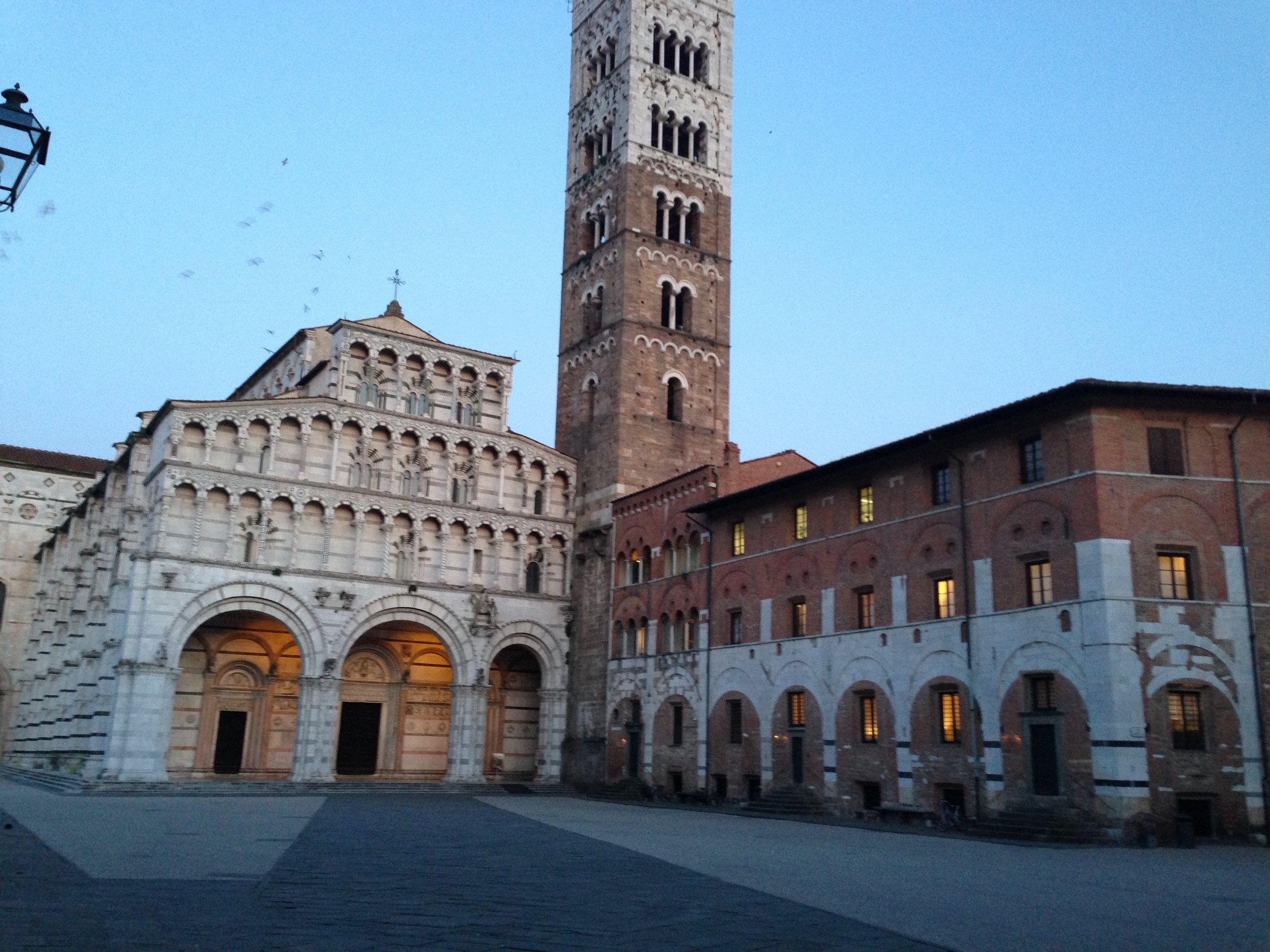
San Martino Cathedral lends its name to the terziere on Lucca’s eastern side

The terzieri in Lucca were the Terziere of San Martino, Terziere of San Salvatore, and Terziere of San Paolino.  San Martino was the largest of the three, though least populated, taking up much of the eastern and central part of the city, from north to south. 

Next, San Paolino, in the western section of Lucca, was the oldest terziere of the city. It had the largest population and held a position of importance within the historic city.

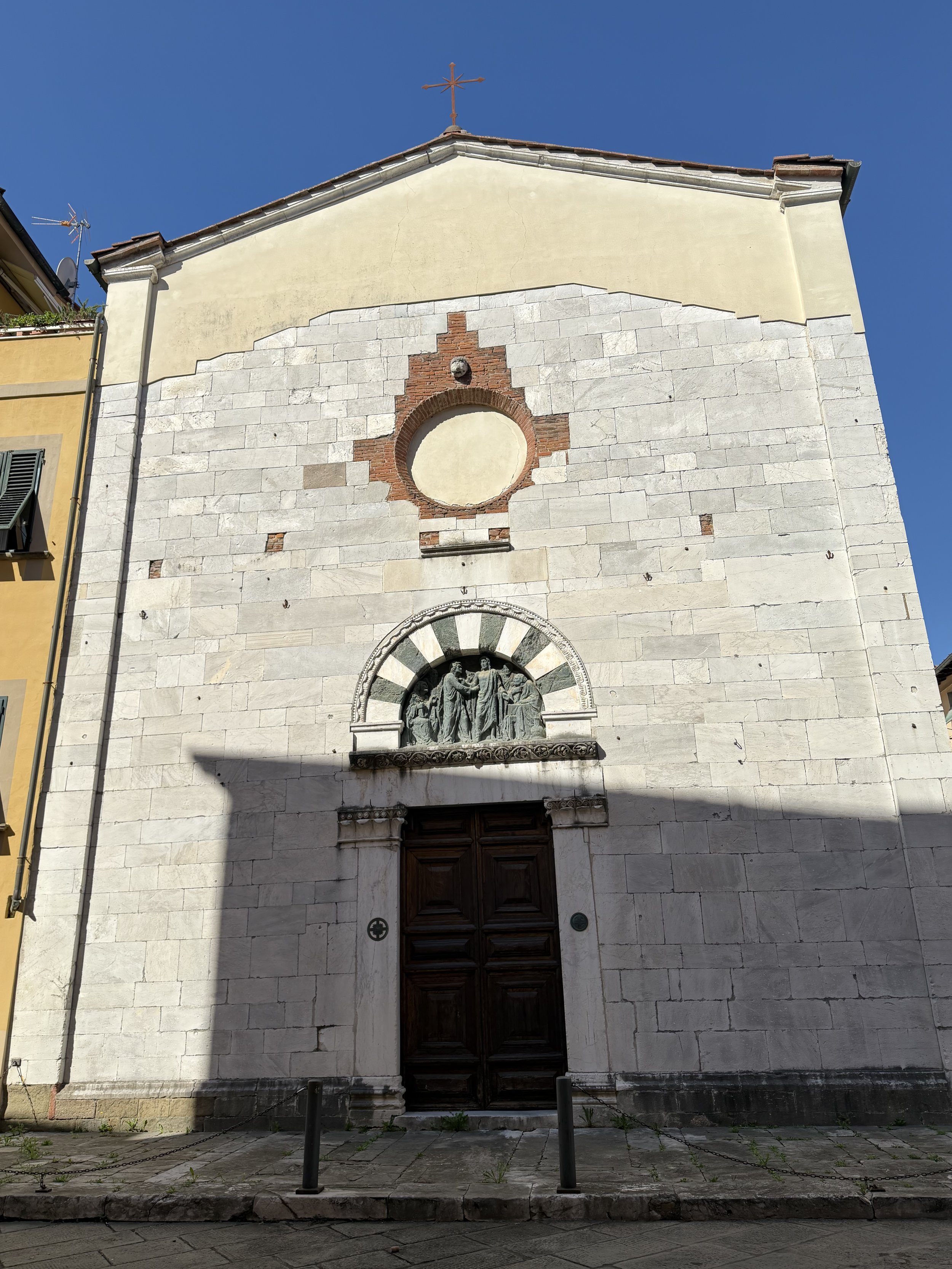
The Church of San Tommaso in the terziere of San Paolino, is one of Lucca’s oldest churches.

The smallest of the terziere was San Salvatore, in the north central part of Lucca. 

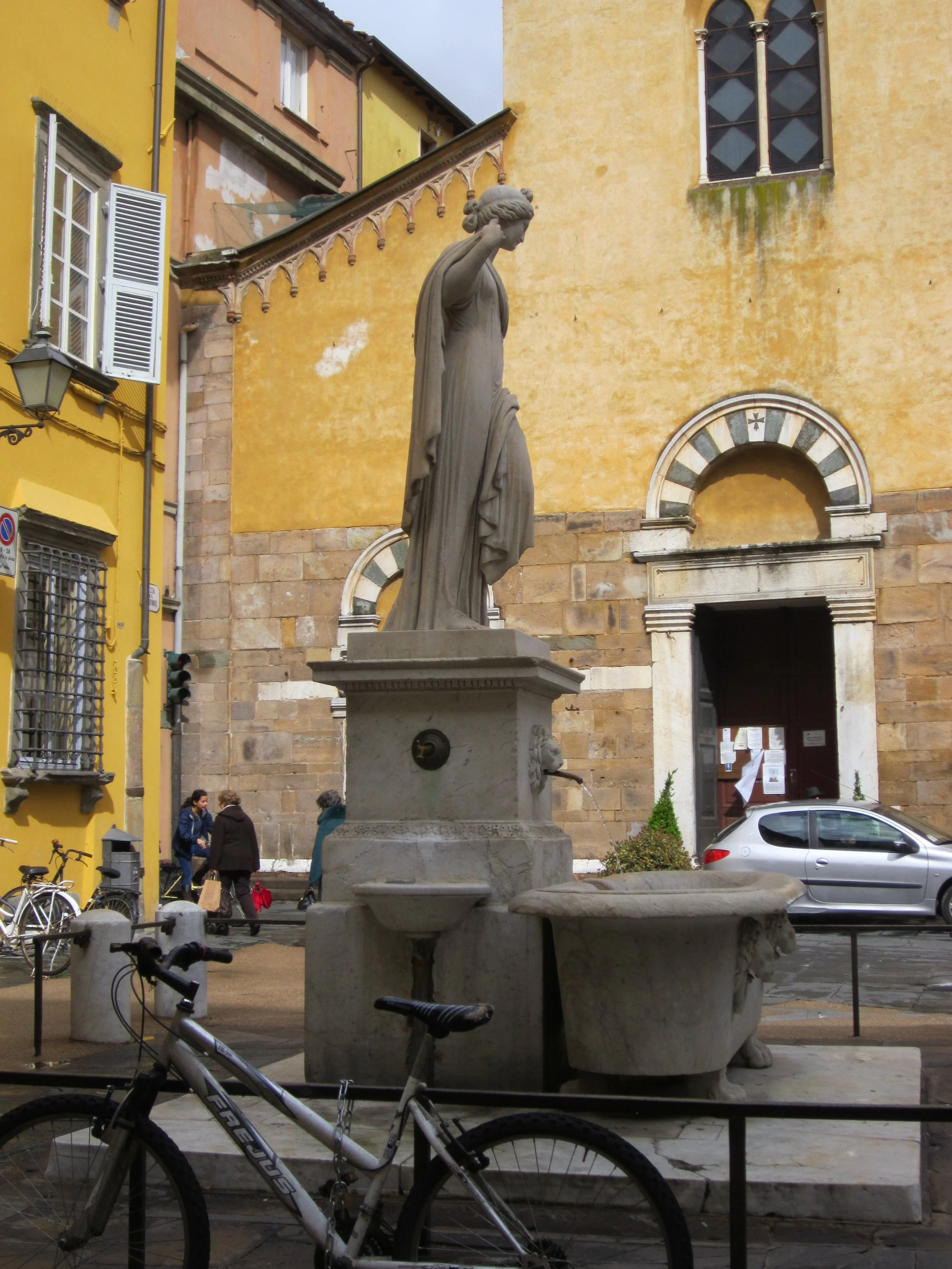
One of the most famous fountains in Lucca stands in Piazza San Salvatore in the terziere of the same name, the building behind is the Church of San Salvatore, another of Lucca’s oldest churches. It gave the terziere its name.

Today, there are many echoes of those long-ago neighborhoods in Lucca.   While the modern city has one unified city government, the names of the old terzieri persist, and the churches and piazzas that anchored them are still standing as the cornerstones of unique neighborhoods. 

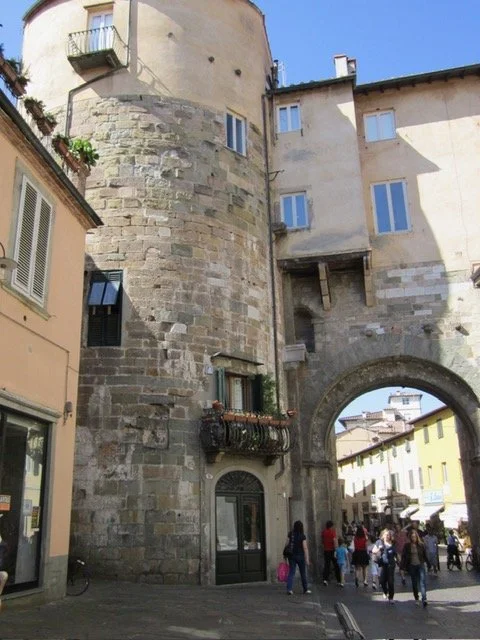
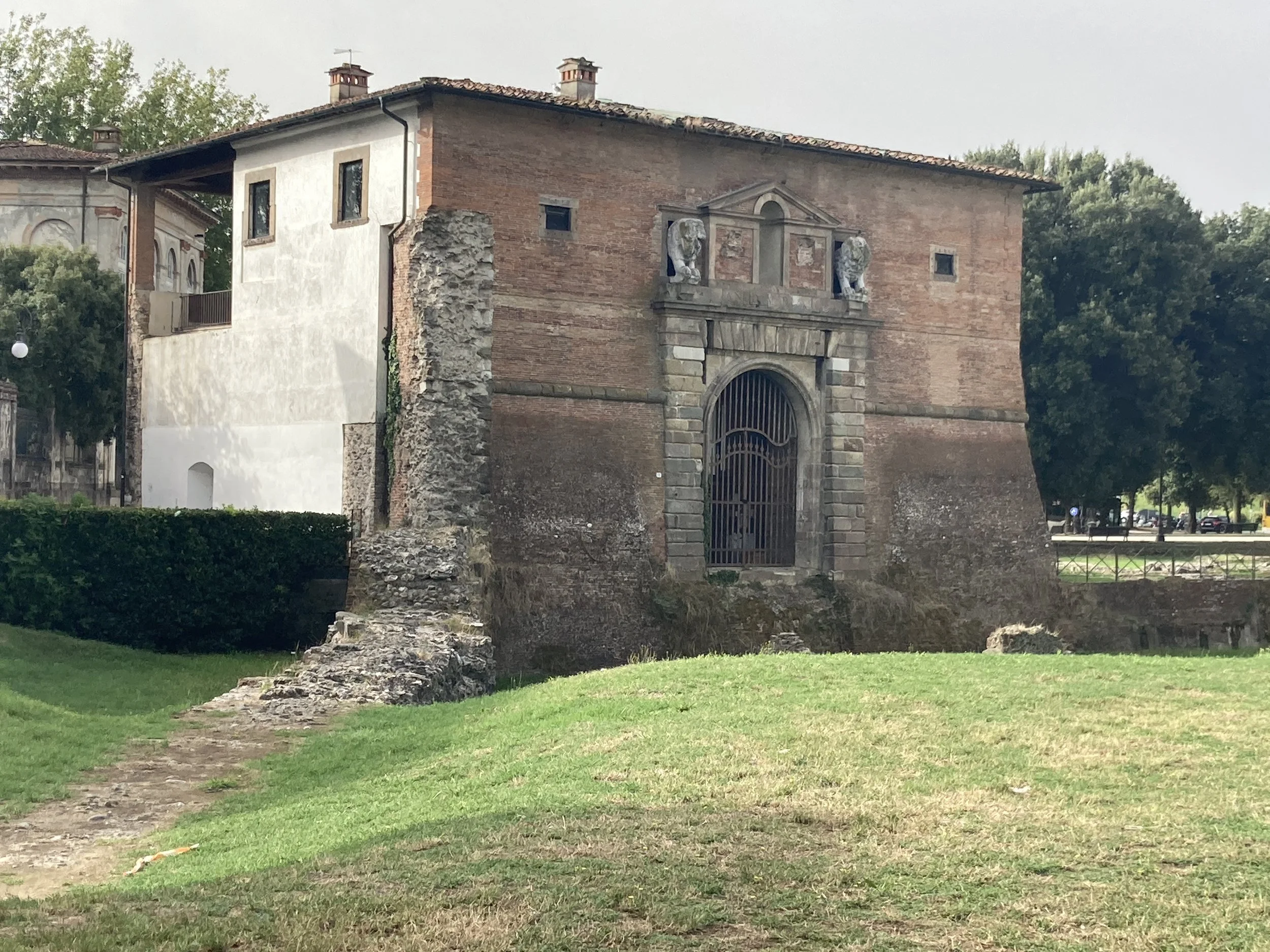
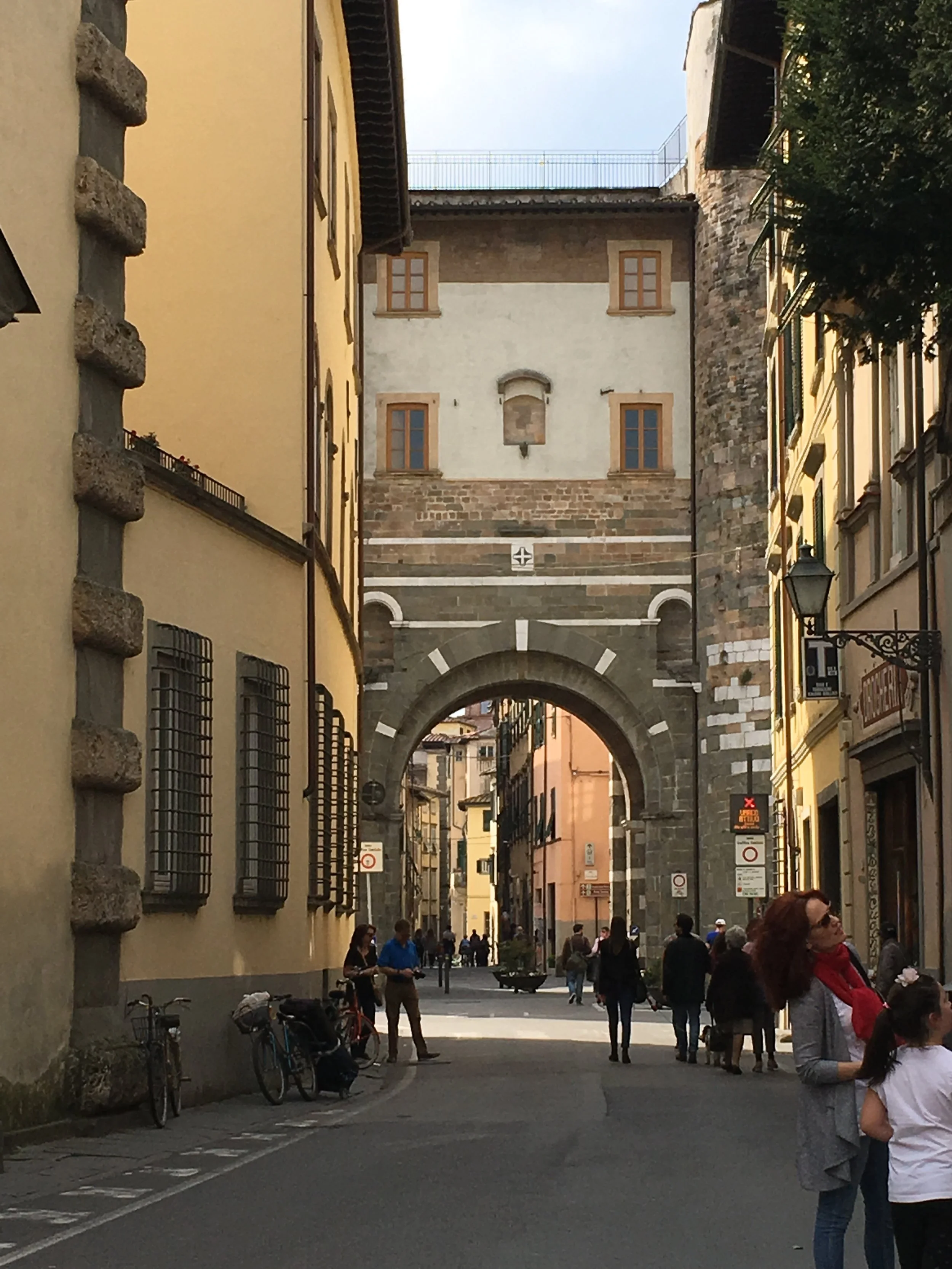
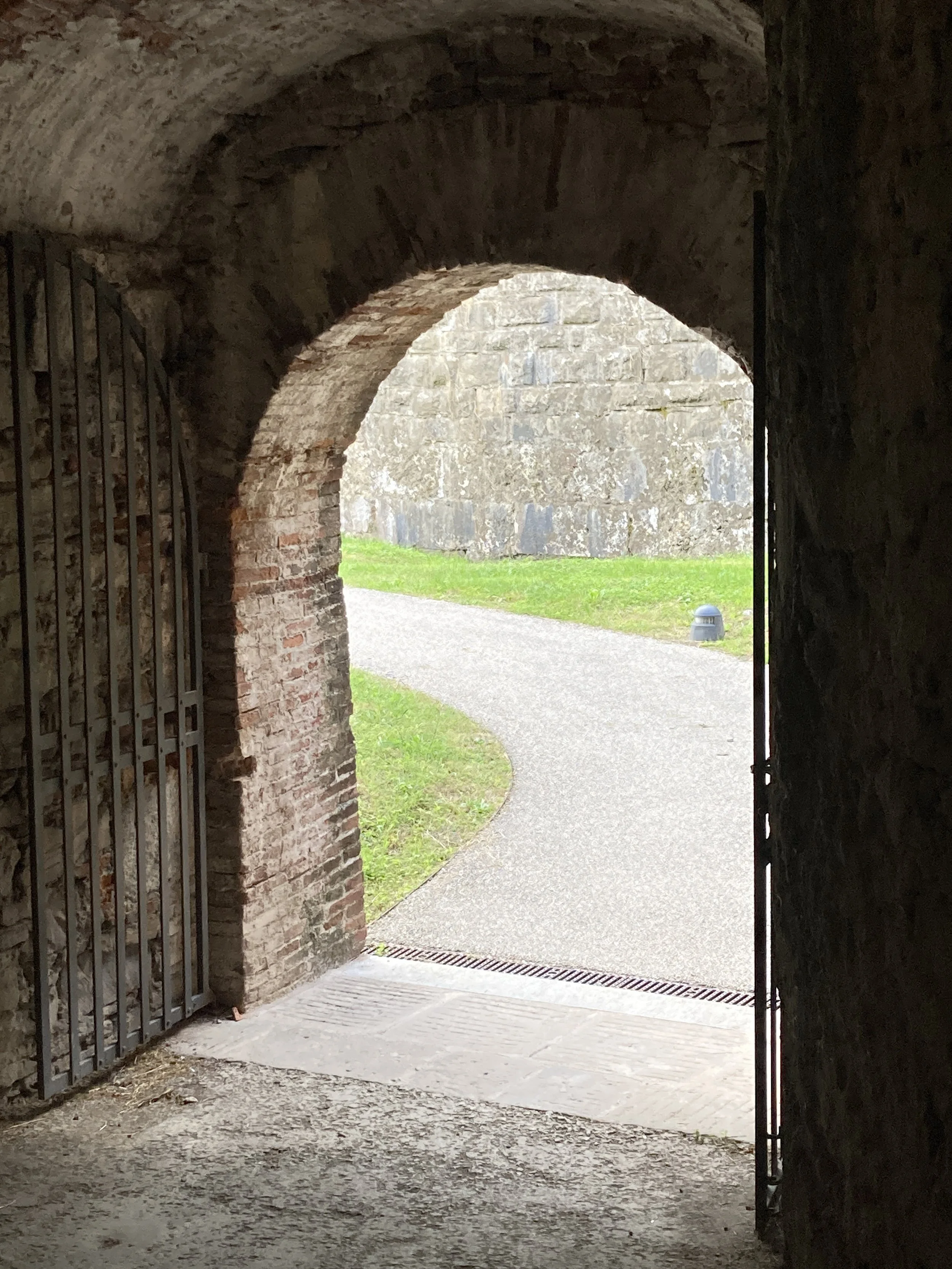
Two of the Medieval city gates are still used. Both sit within the San Martino terziere and mark the limits of what was the Medieval city. Today, locals and visitors alike walk under the arches each day as they head toward the center of town. A third gate, the Porta San Donato, has been replaced by a newer, larger entrance to the city in the Renaissance era wall.  However, part of the old gate (middle photo below) can still be seen nearby as part of the tourist information center.

IMG_0361.jpg
IMG_8741.JPG
IMG_1246.JPG

The historic divisions are perhaps best represented in Lucca’s frequent Medieval themed events which often involve competitions with costumed teams from each of the terzieri carrying their unique banners.  The Terzieri of San Paolino is still important - it often takes the prize in archery competitions.

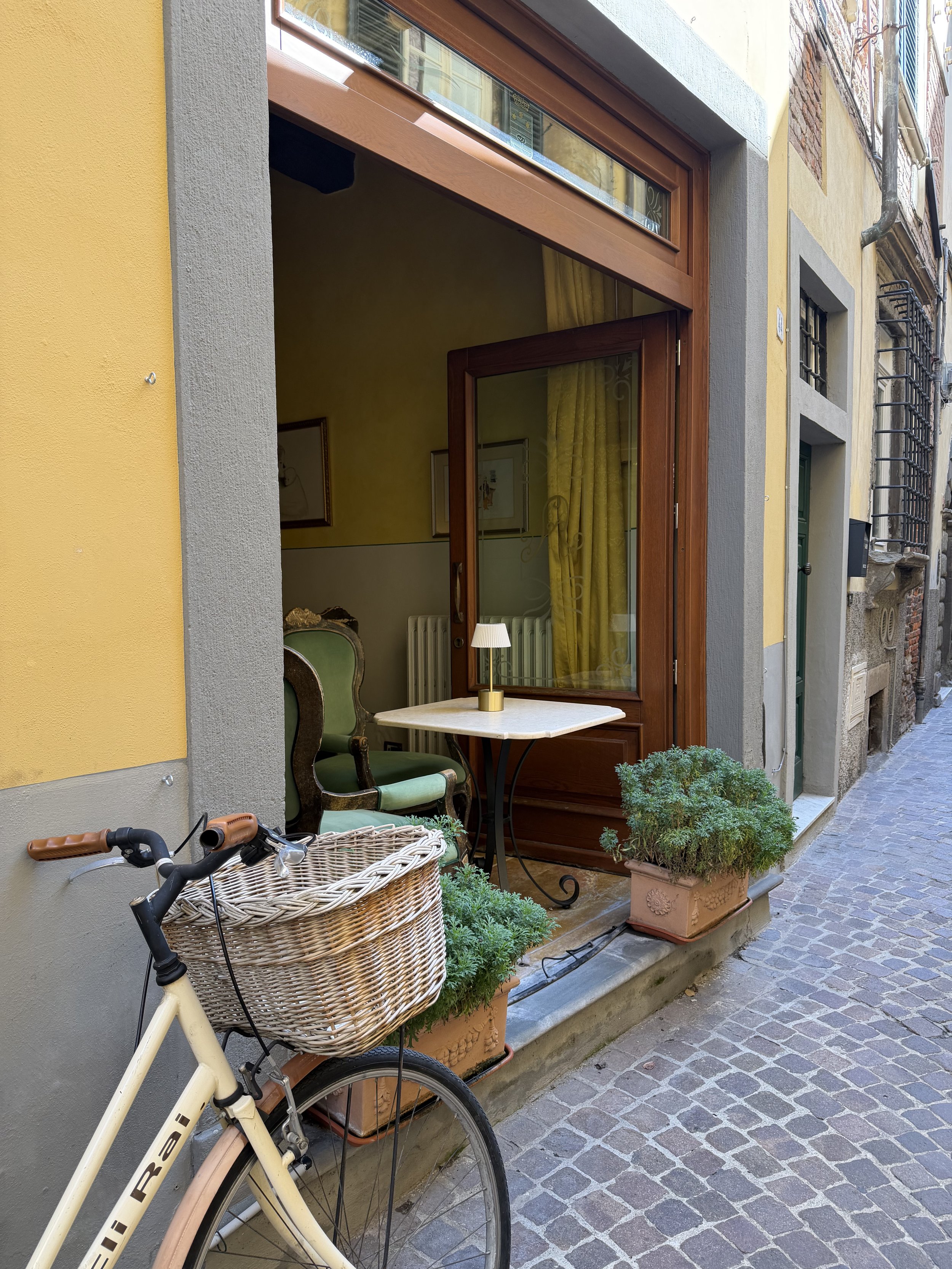
This history has been on my mind since I recently moved from an apartment in the San Martino neighborhood to one in the San Paolino area.  Historically speaking, my new apartment is in the Terzieri San Paolino, the Gonfalone della Serena (the subdivision of the Siren).  And even though I am just about a 10-minute walk to the west of my old apartment, this part of town has a very different vibe.  I would describe it as being off the beaten path, a slice of Lucca before the “spiffing up” for tourists.  It is definitely a residential area, not a souvenir shop to be found.  

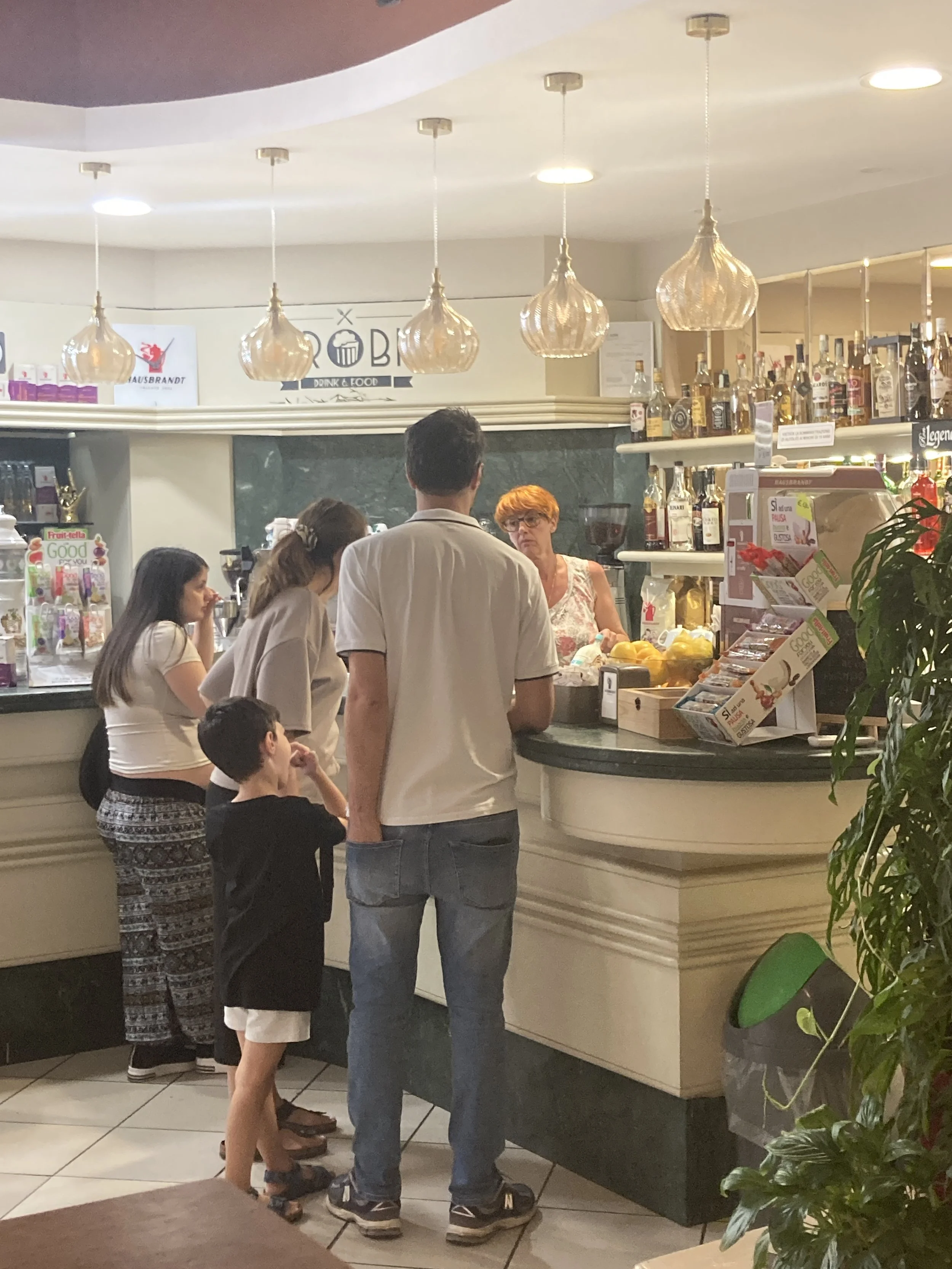
Bar Probi

I have been exploring the area for the last couple of weeks.  I’ve found one nearby bar for morning coffee, run by a pair of friendly sisters.  It sits just across from a court building and is very popular with the people working there. A cornetto and a cappuccino here costs €2.80. Definitely a taste of old Lucca and certainly not tourist prices.

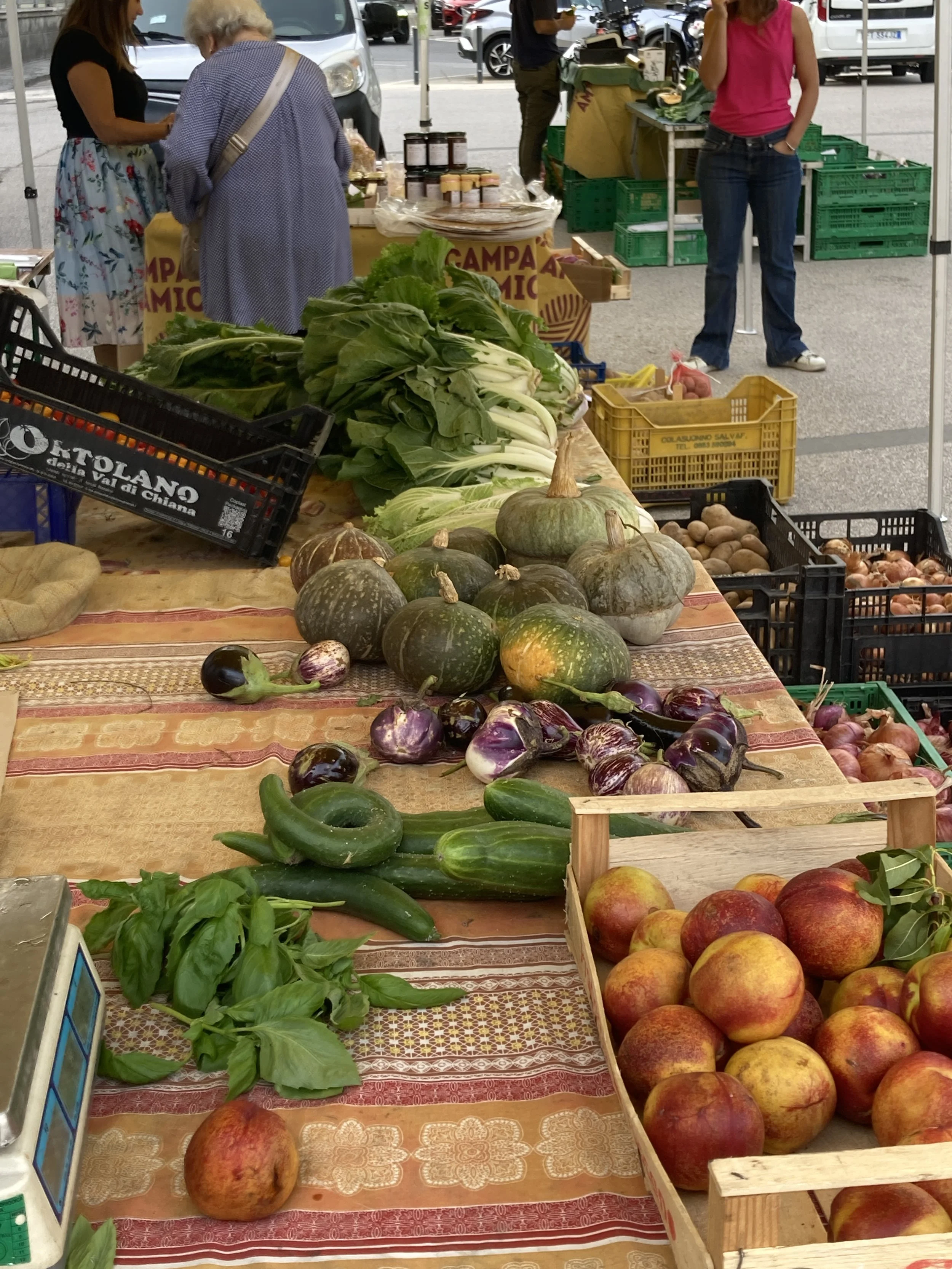
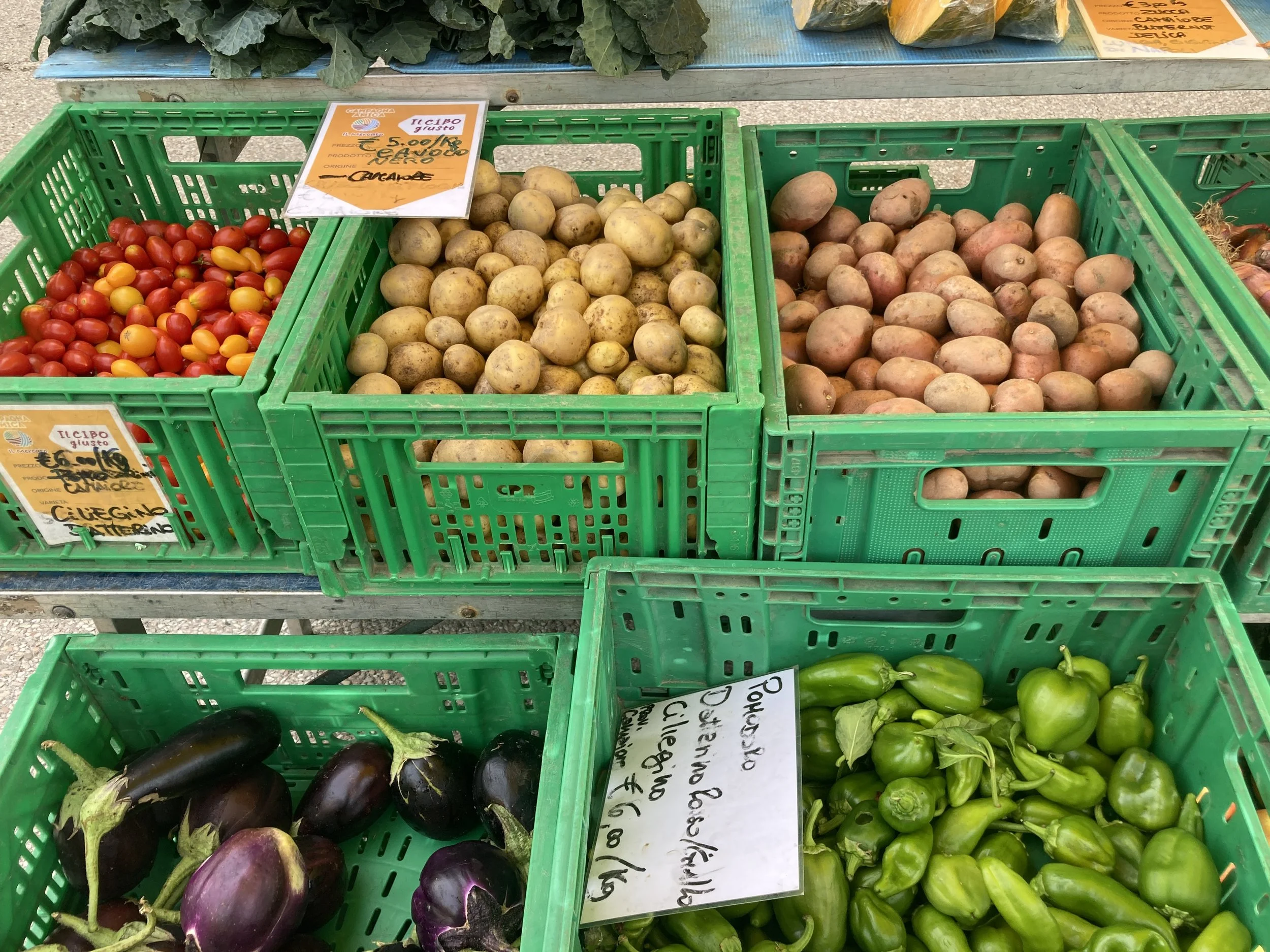
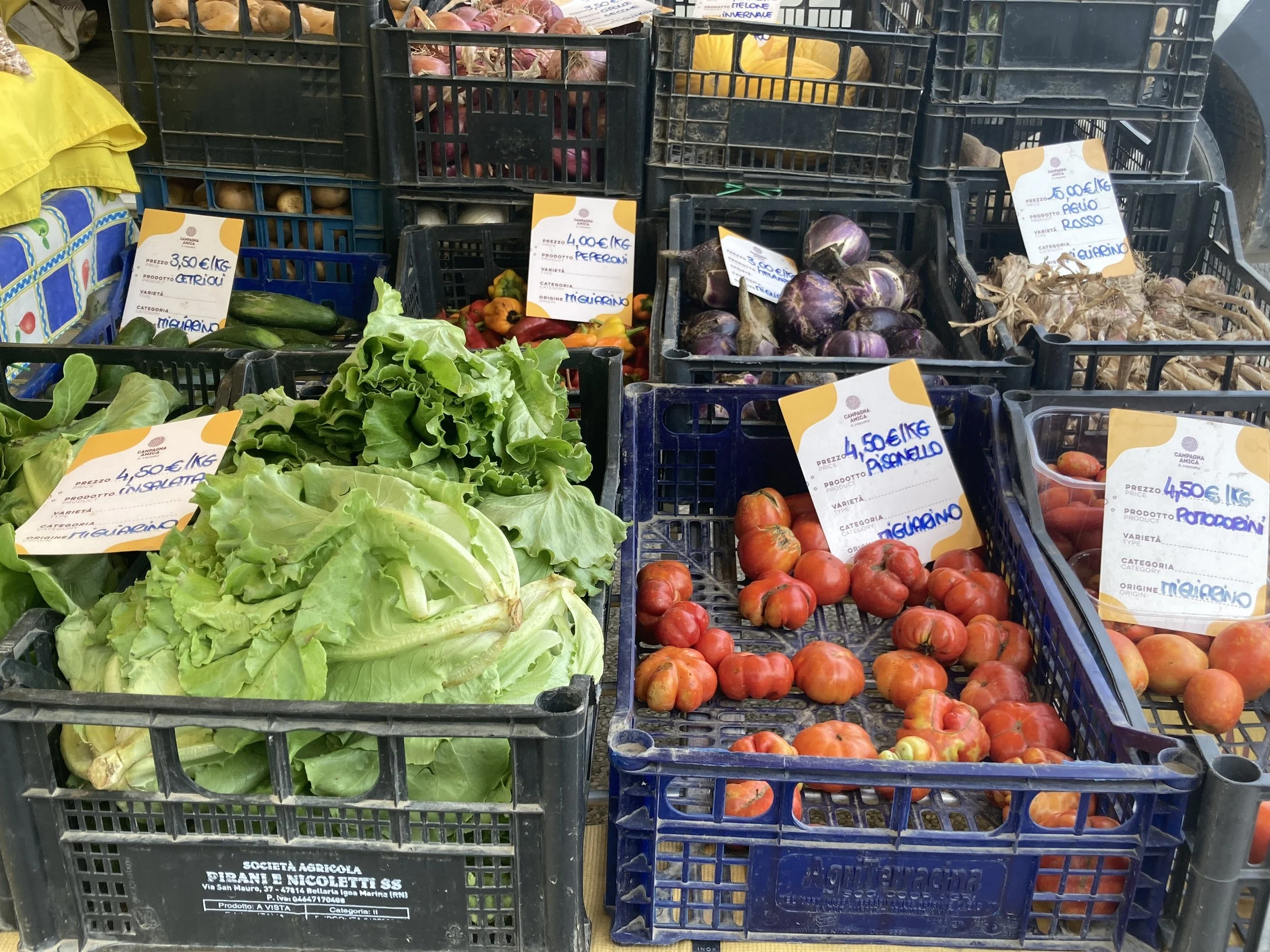
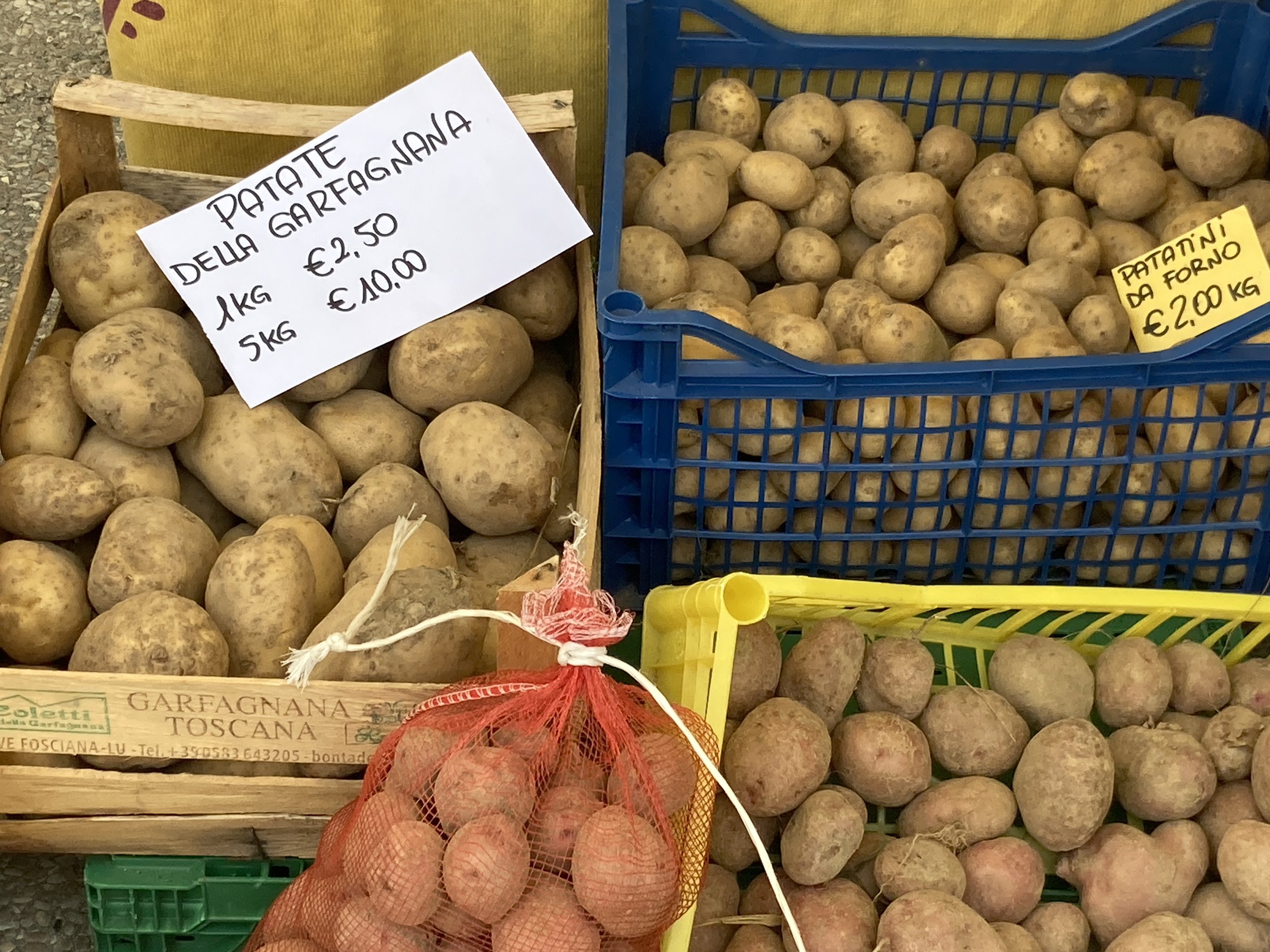
When I introduced myself to one of the owners, saying that I had just moved to this part of town, her response was “well, then this is your bar, see you tomorrow”.  A nice welcome!   A second bar, Bar Tiani, has welcomed Lucchese since the 1950’s. It is located right next to the neighborhood grocery store. Full of locals, it is a lively place full of the music of spoken Italian. And who doesn’t need a caffè before grocery shopping? A bonus is the small Thursday morning market, just a block or two from my new place. It has wonderful fruits and vegetables straight from area farms.

IMG_8745.JPG
IMG_8748.JPG
IMG_8746.JPG
IMG_8747.JPG

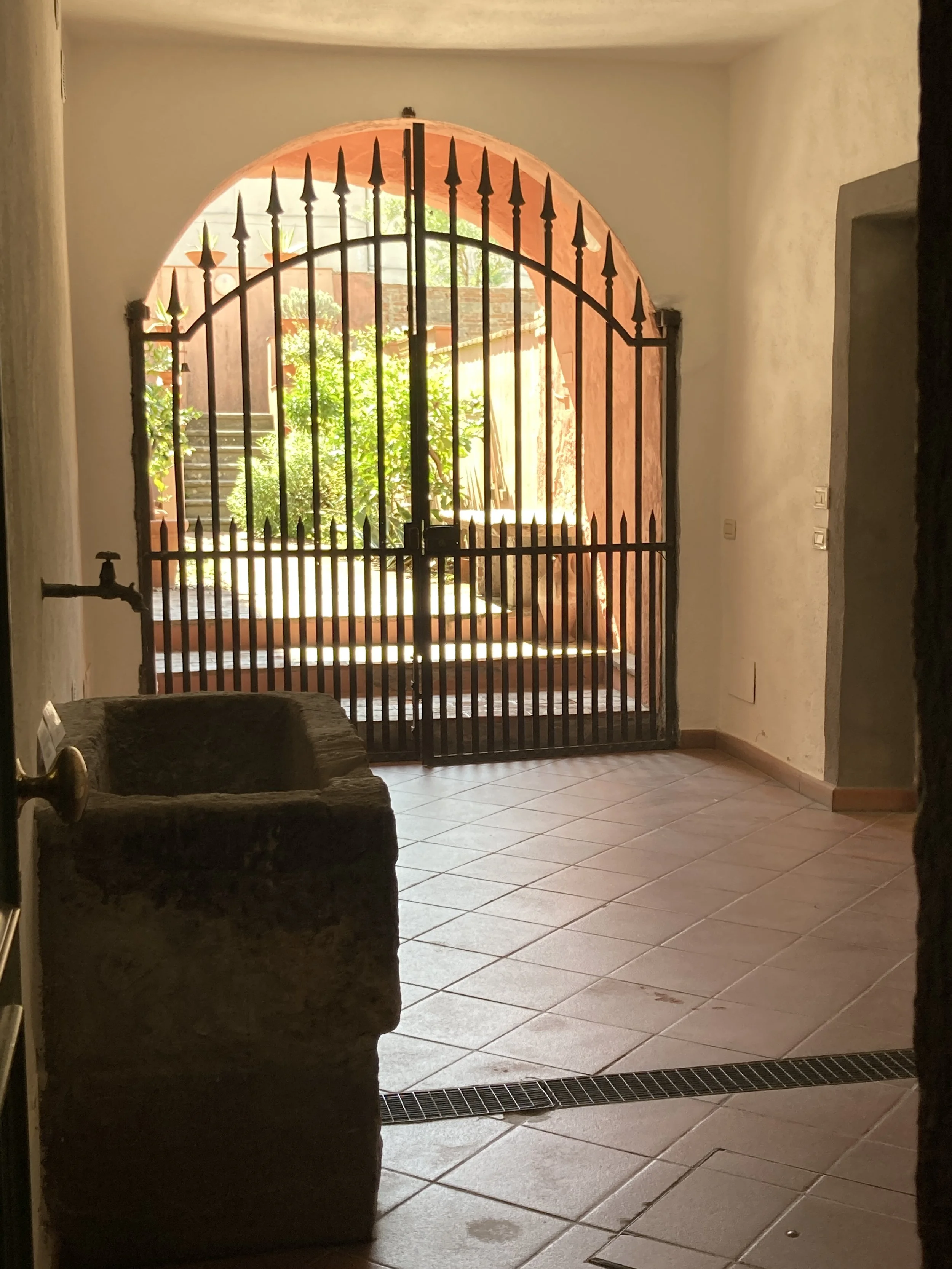
 I’ve mostly organized my new apartment, a small studio inside a former convent, the style of which is what I call “Ikea chic”.  I now know where the breakers are – an important detail after the power went out in a storm, not an unusual occurrence here in Italy.  I’ve explored the nearest way out of the walls through the very interesting Porta San Donato.  And I am finding new details in doors, windows, bricks, and streets each time I set out. 

IMG_0435.jpeg
IMG_0424.jpeg
IMG_0423.jpeg
IMG_8737.JPG
IMG_0417.jpeg
IMG_0416.jpeg
IMG_0420.jpeg
IMG_0421.jpeg

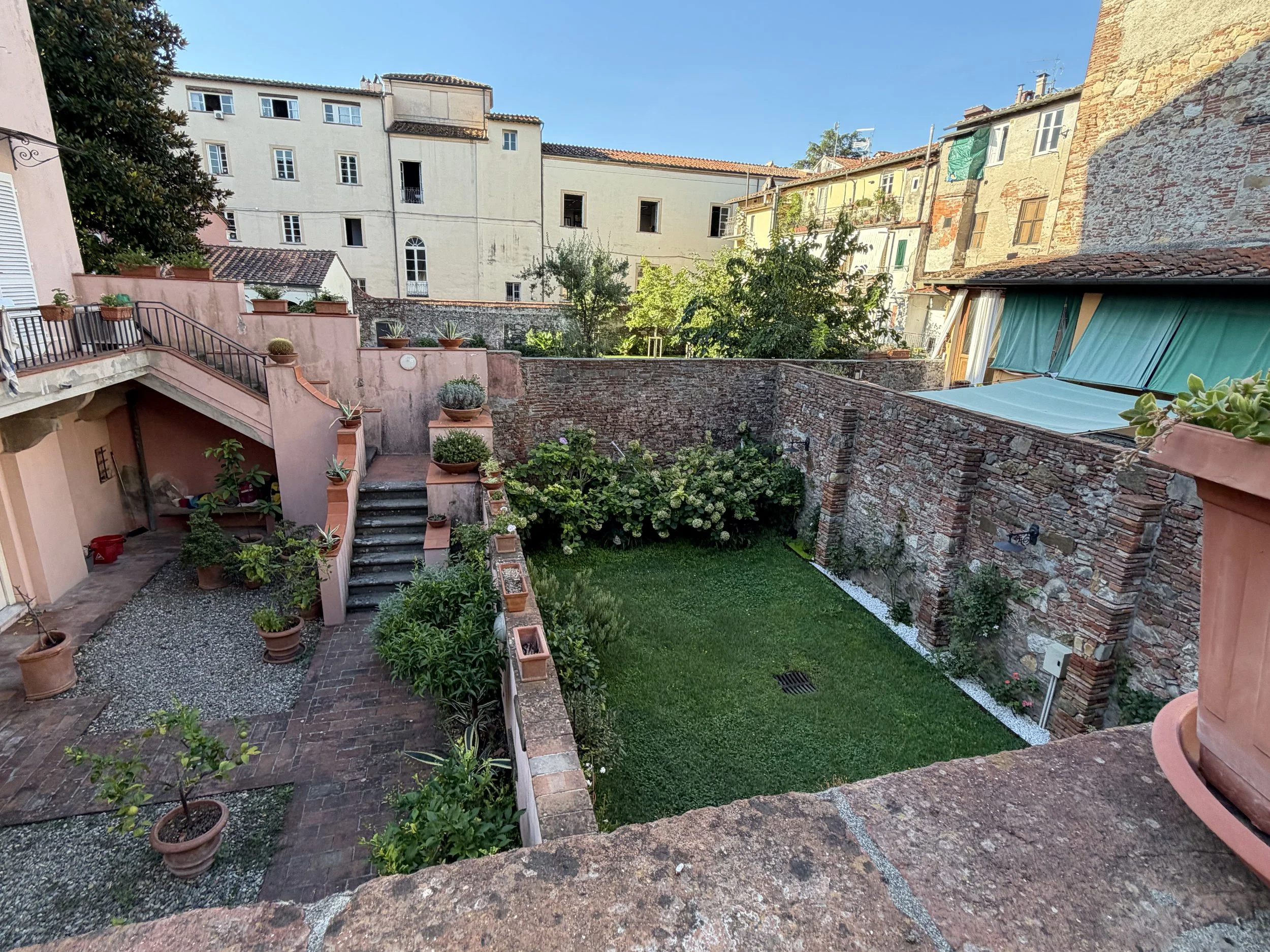
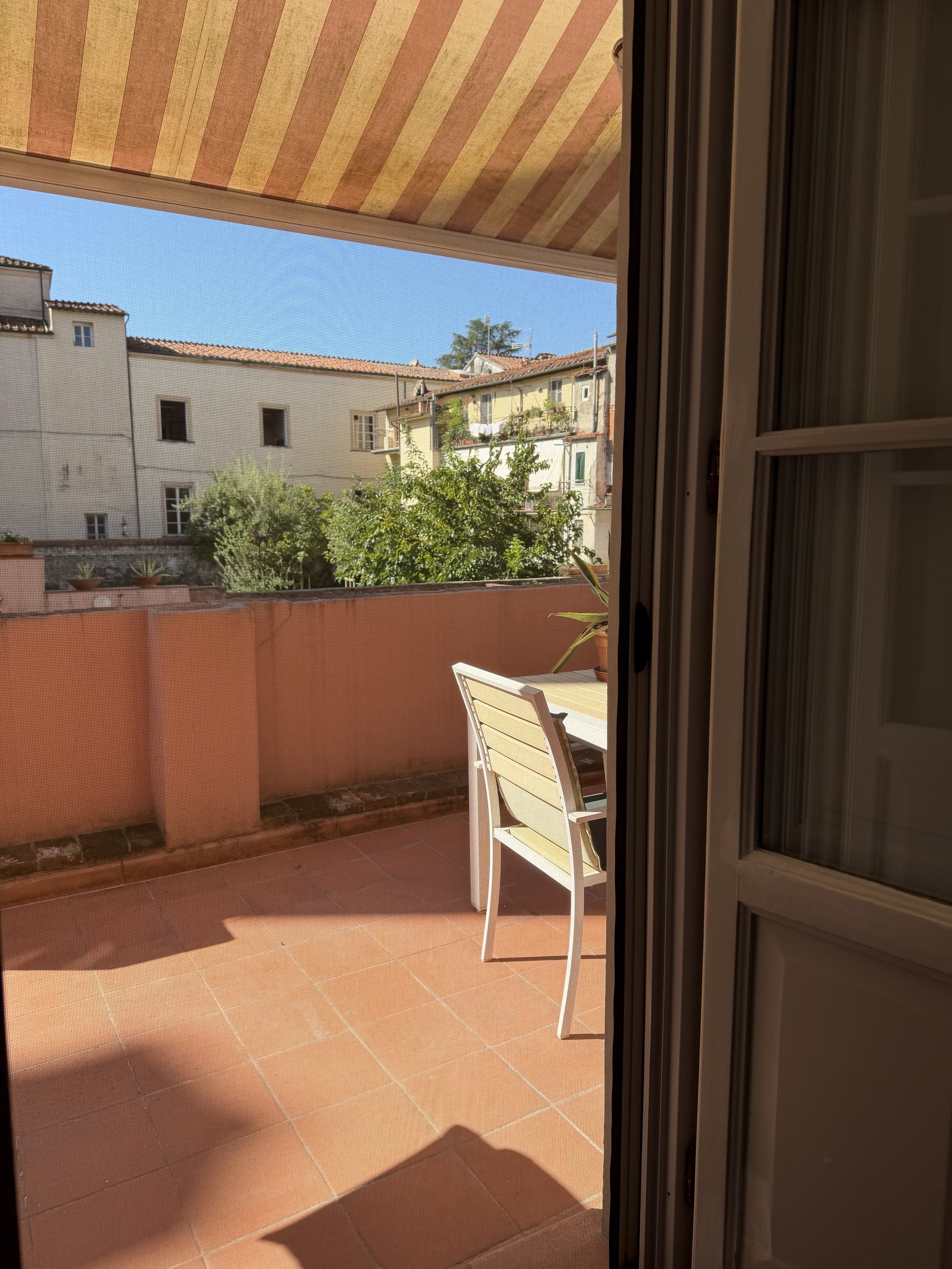
I am enjoying things that seem small but have a big impact of quality of life – a complete kitchen (no more Easy Bake oven for me!), good AC (critical in hot, hot August), and – best of all – a terrace which looks out at roof tops and gardens. Opening the doors to the terrace first thing each morning, with beautiful southern light, makes me smile.  That I found this small, affordable place feels like a miracle.

IMG_0374.jpeg
IMG_0407.jpeg
IMG_0375.jpeg
IMG_0405.jpeg

Living in Italy has taught me many things – the joys of a simple apartment, a good local bar for morning coffee, the sound of the Italian language drifting through my doors, church bells ringing, looking out over a hidden garden, and a community of nice people - these are the things of value.

And cool, rainy weather!  I vote for more of that.

The entry way to my building, once a convent.

September 14, 2026 /Joanne Bartram
lucca, terzieri lucca, neighborhoods lucca
#lucca, Italian culture, Italian light, Italy, Living in Italy, Lucca, small spaces, Tuscany

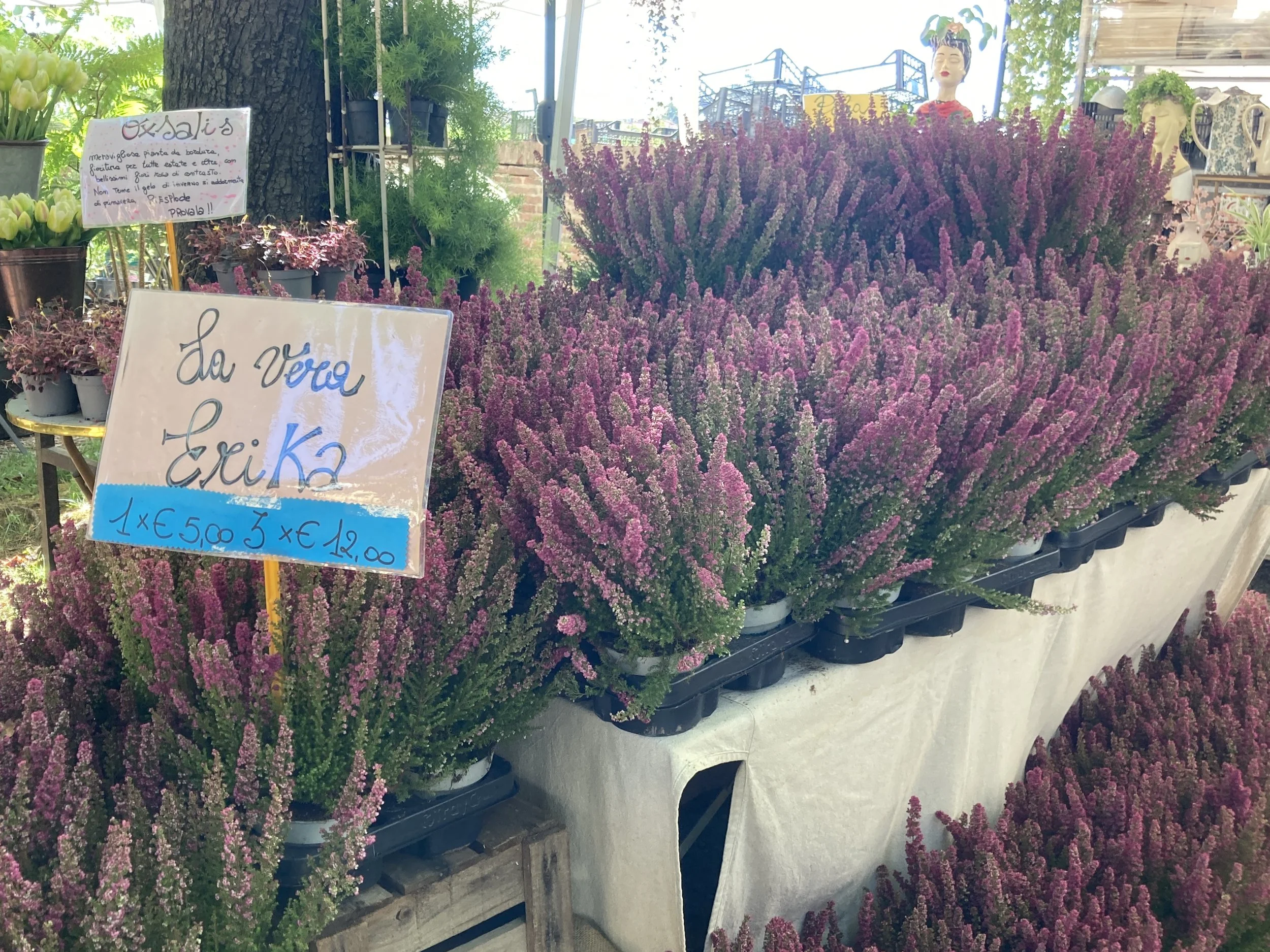
Heather on sale at Murabilia, Lucca’s fall garden event

25 Years of Murabilia in Lucca

September 07, 2026 by Joanne Bartram in #fallinitaly, #italiangardens, #lucca, Autumn in Italy, Fall in Italy, Festivals Italy, Italian culture, Italian gardens

Plants, art, crafts, vintage items - there is something for everyone at Murabilia

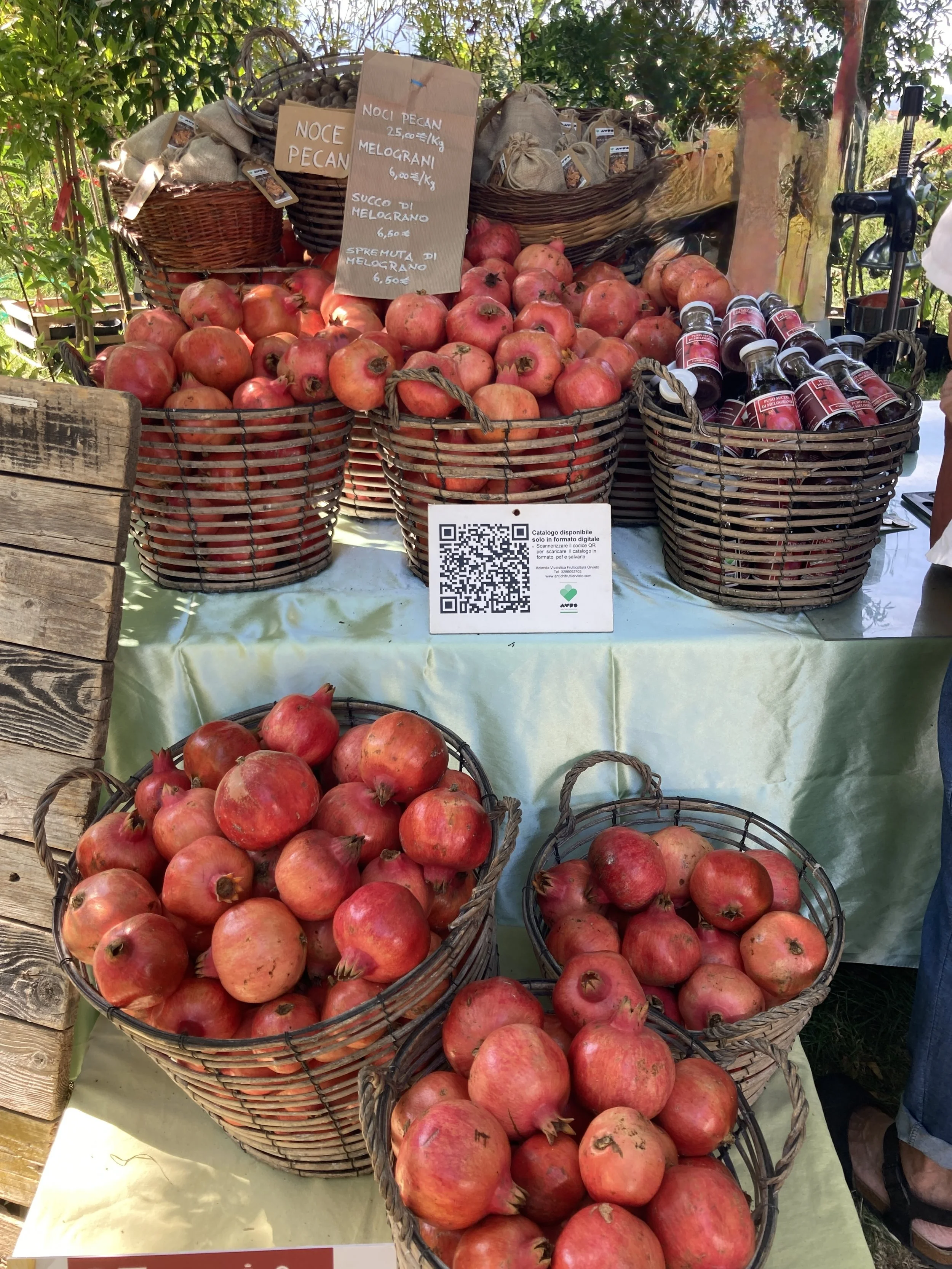
September is always a special month in Lucca, full of festivals and events.  One of the first in any September is Murabilia.  This year markets the 25th edition of the annual event which showcases all things needed for the fall garden, patio, terrace or home. 

I can’t claim to have attended all 25 of them (if only!), but since establishing a second home here in 2018 I have gone almost every year.  Murabilia offers the first promise of fall, and cooler weather, to come. 

The event has grown over the years from a small local garden show to a major event with exhibitors from throughout Italy and beyond.  While home gardening is still a major theme, horticultural preservation, conservation, education, and “green” culture have also become key components of the event.

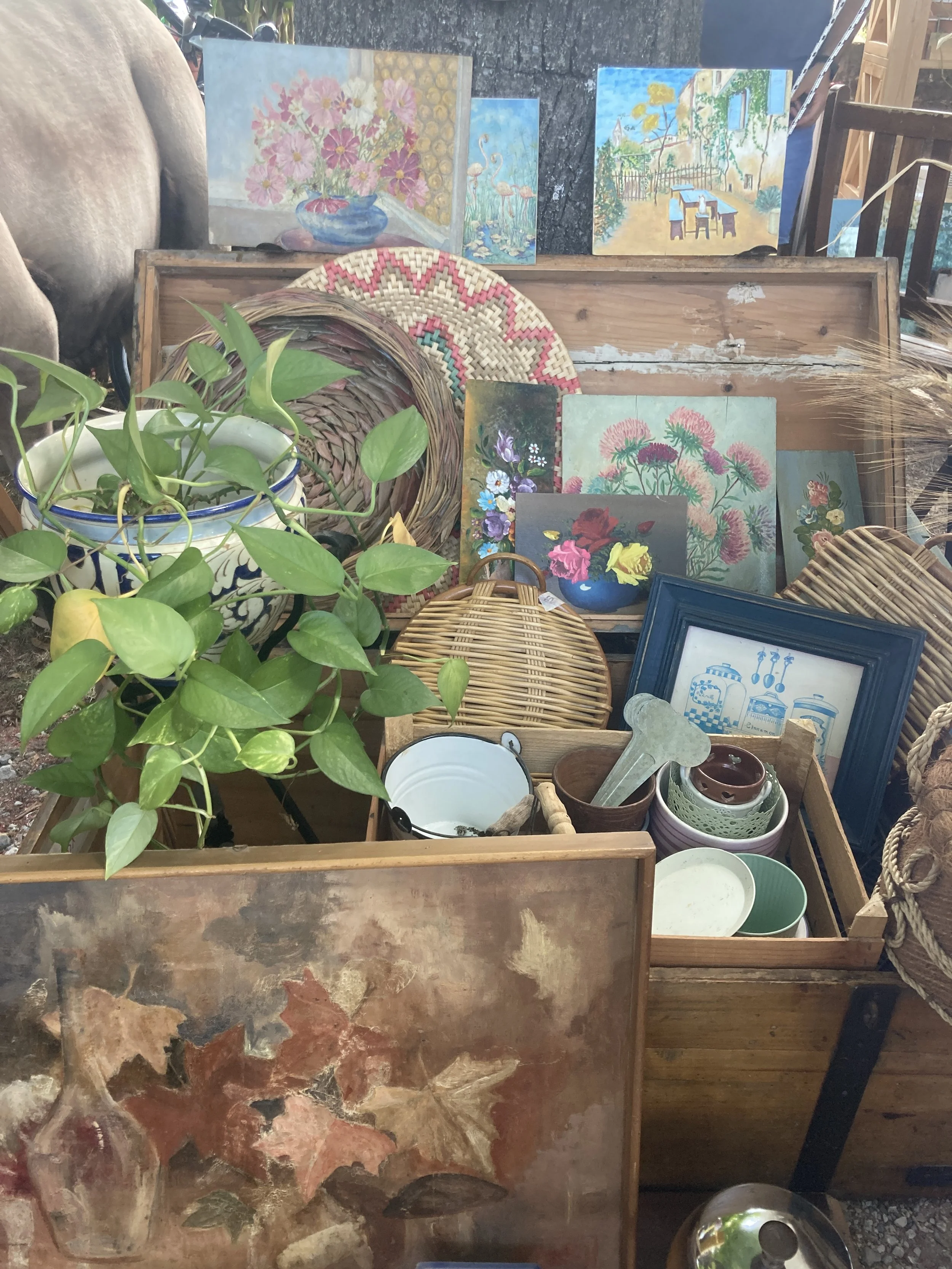
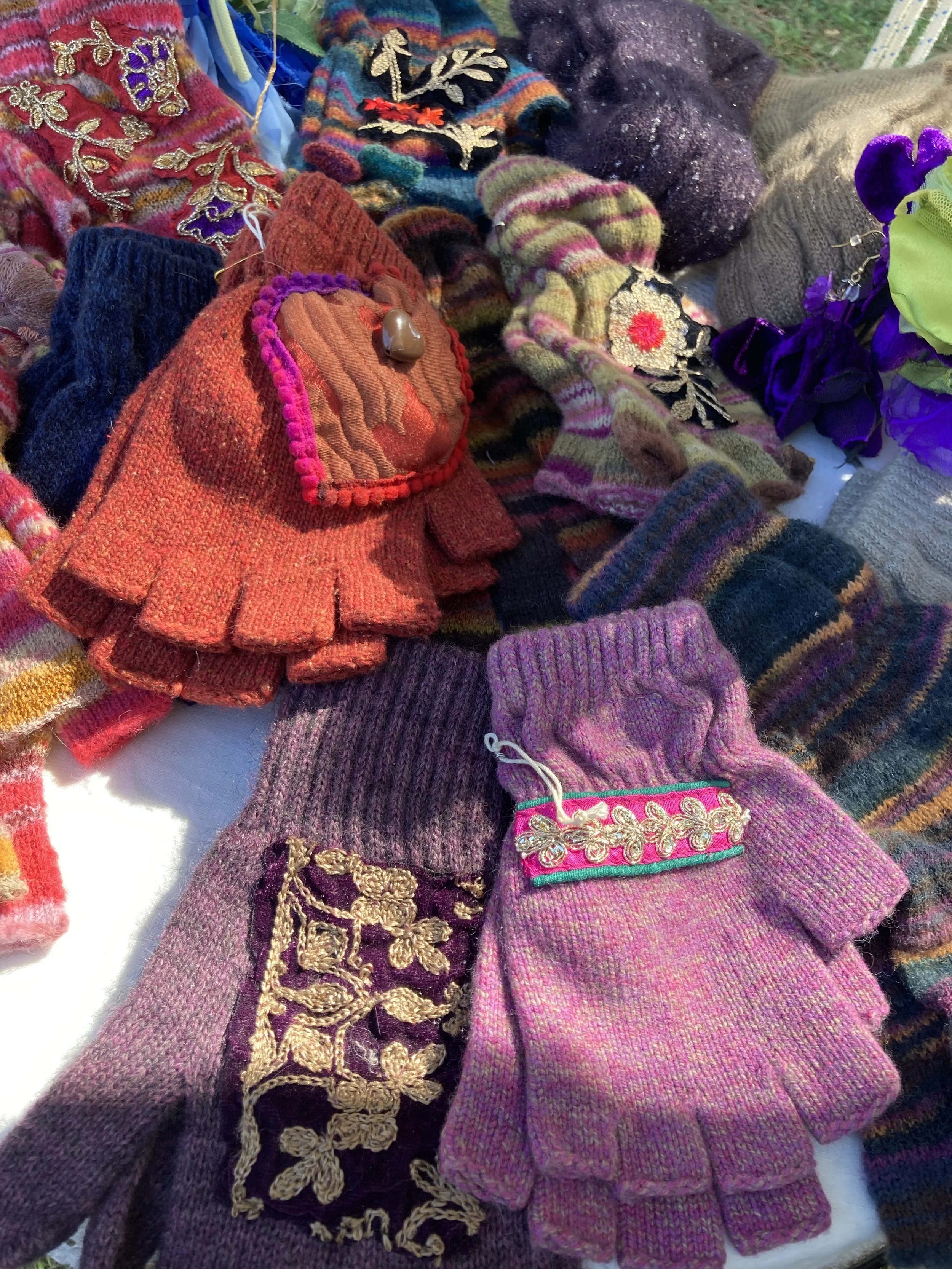
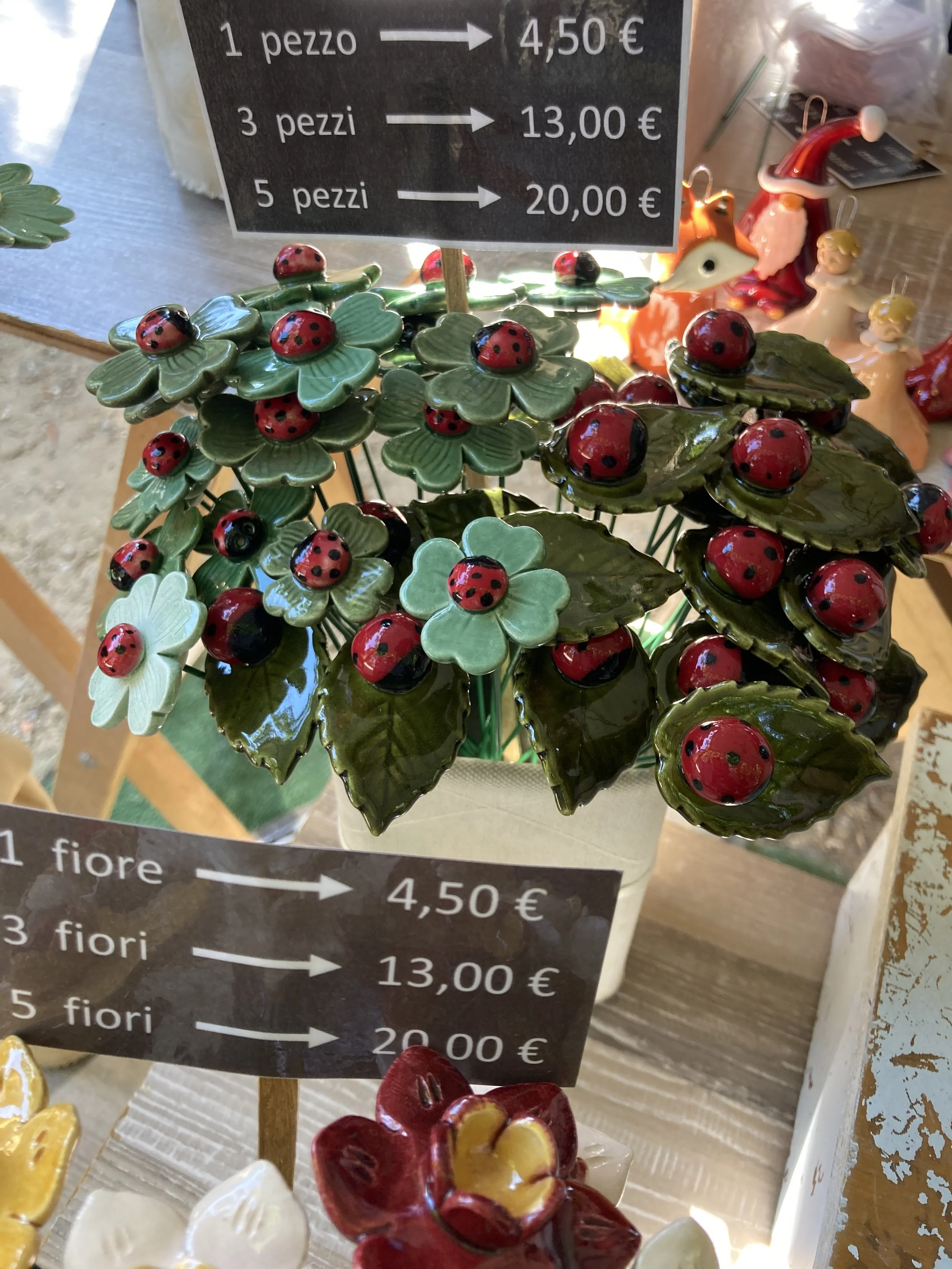
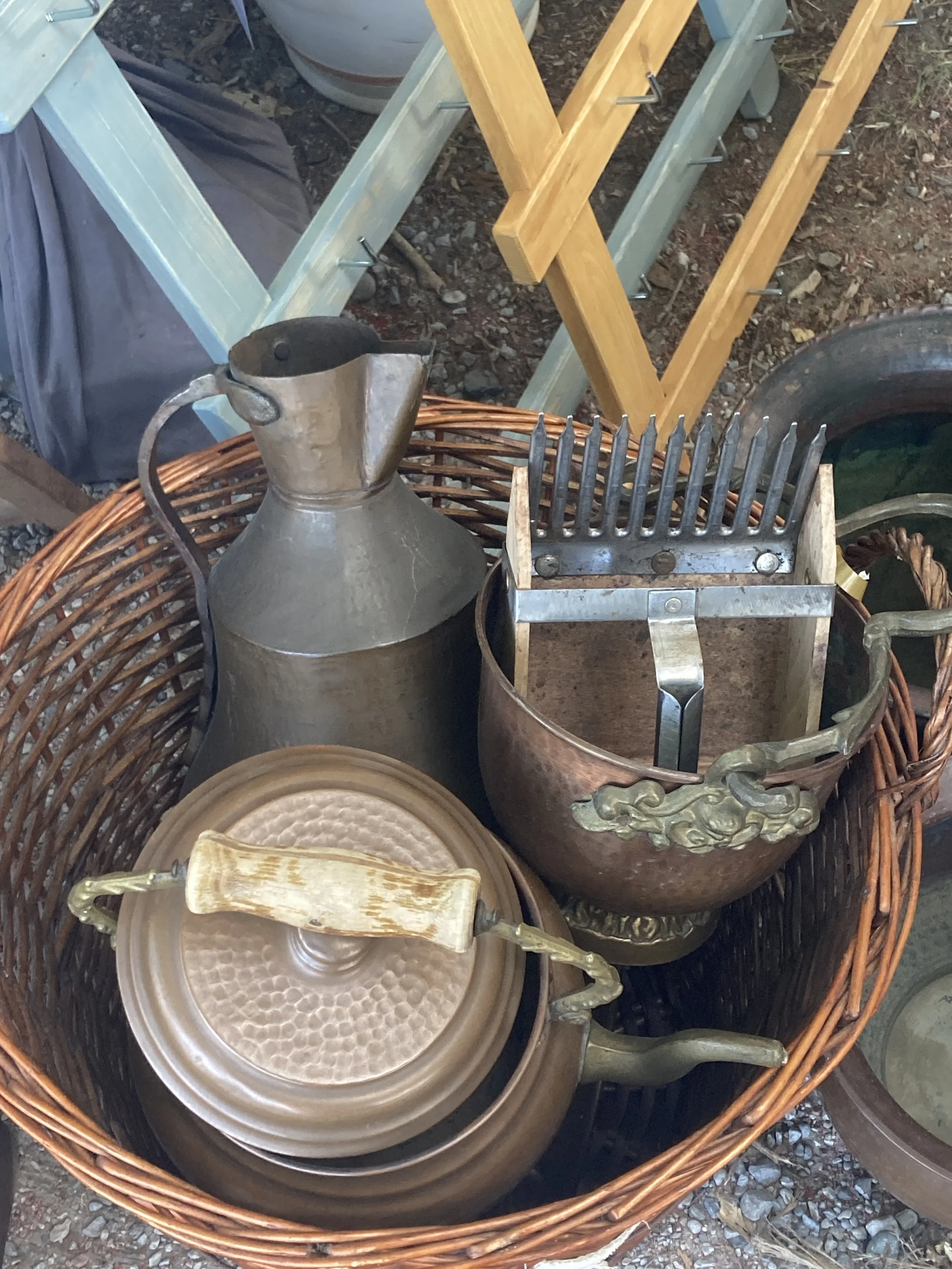
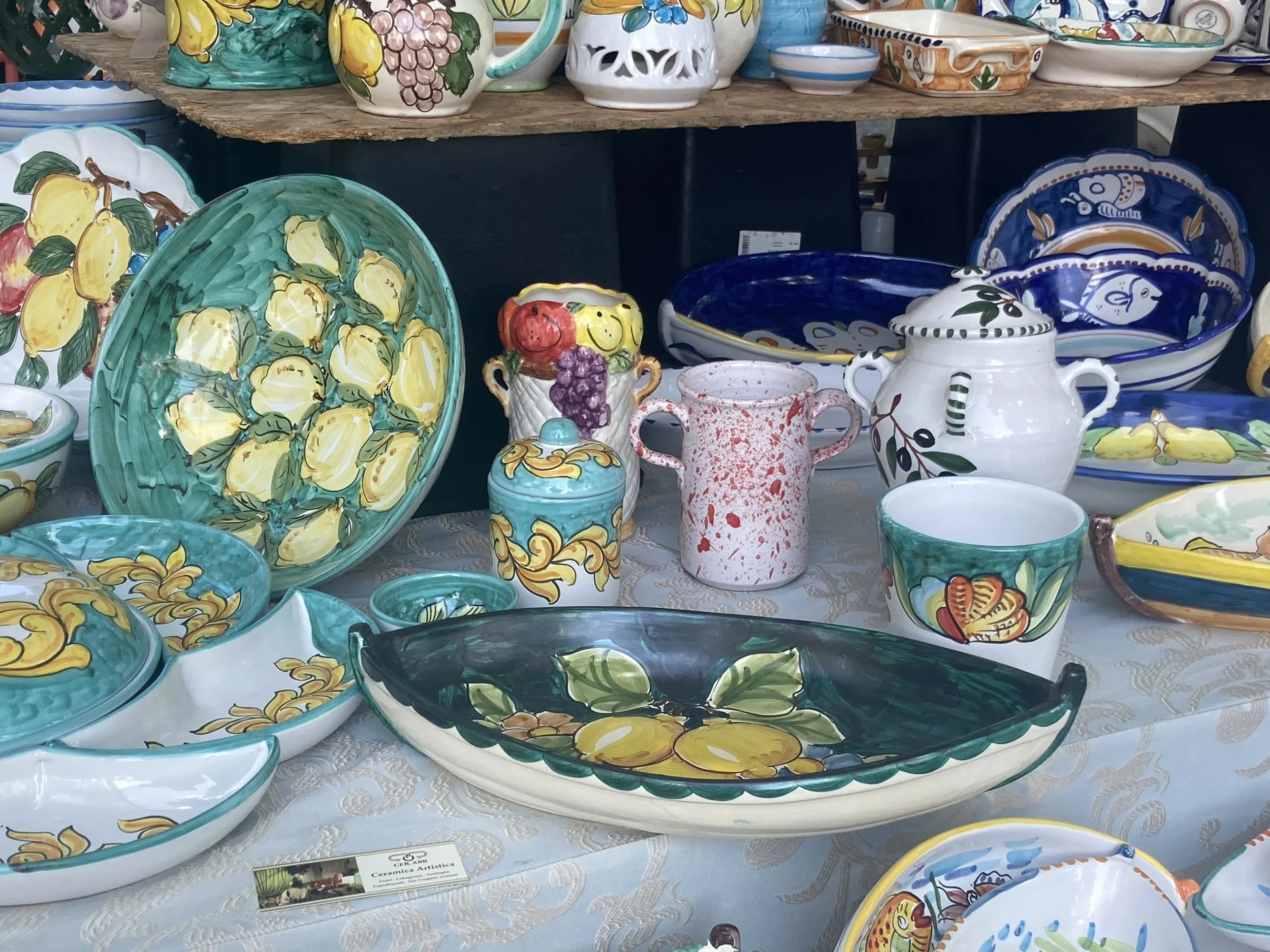
In addition to all the displays and educational presentations, there is a festive atmosphere with booths selling foods, crafts, home and garden art, textiles, and vintage items. 

IMG_8792.jpeg
IMG_8781.jpeg
IMG_8780.jpeg
IMG_8783.jpeg
IMG_8826.jpeg
IMG_8812.jpeg

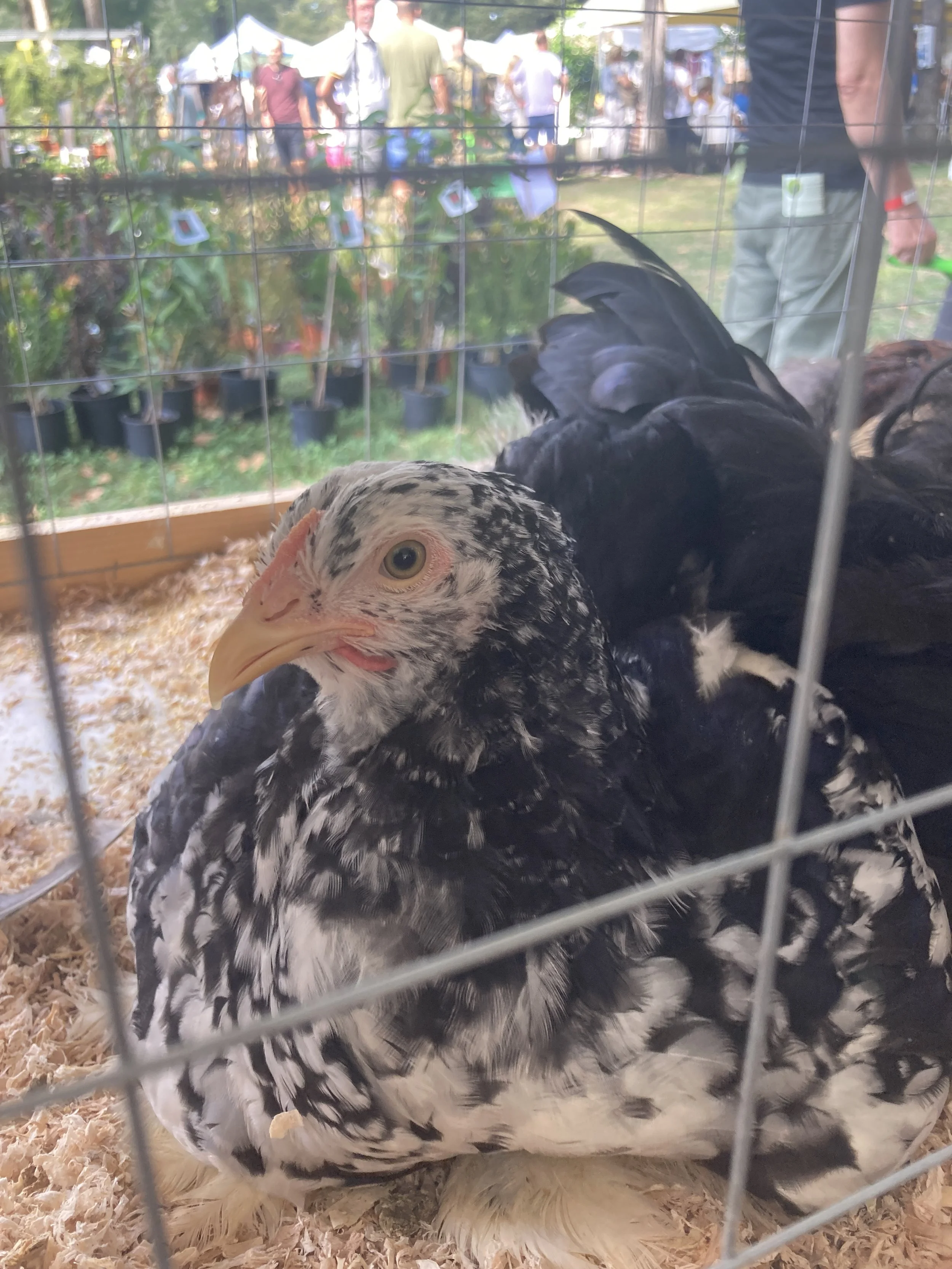
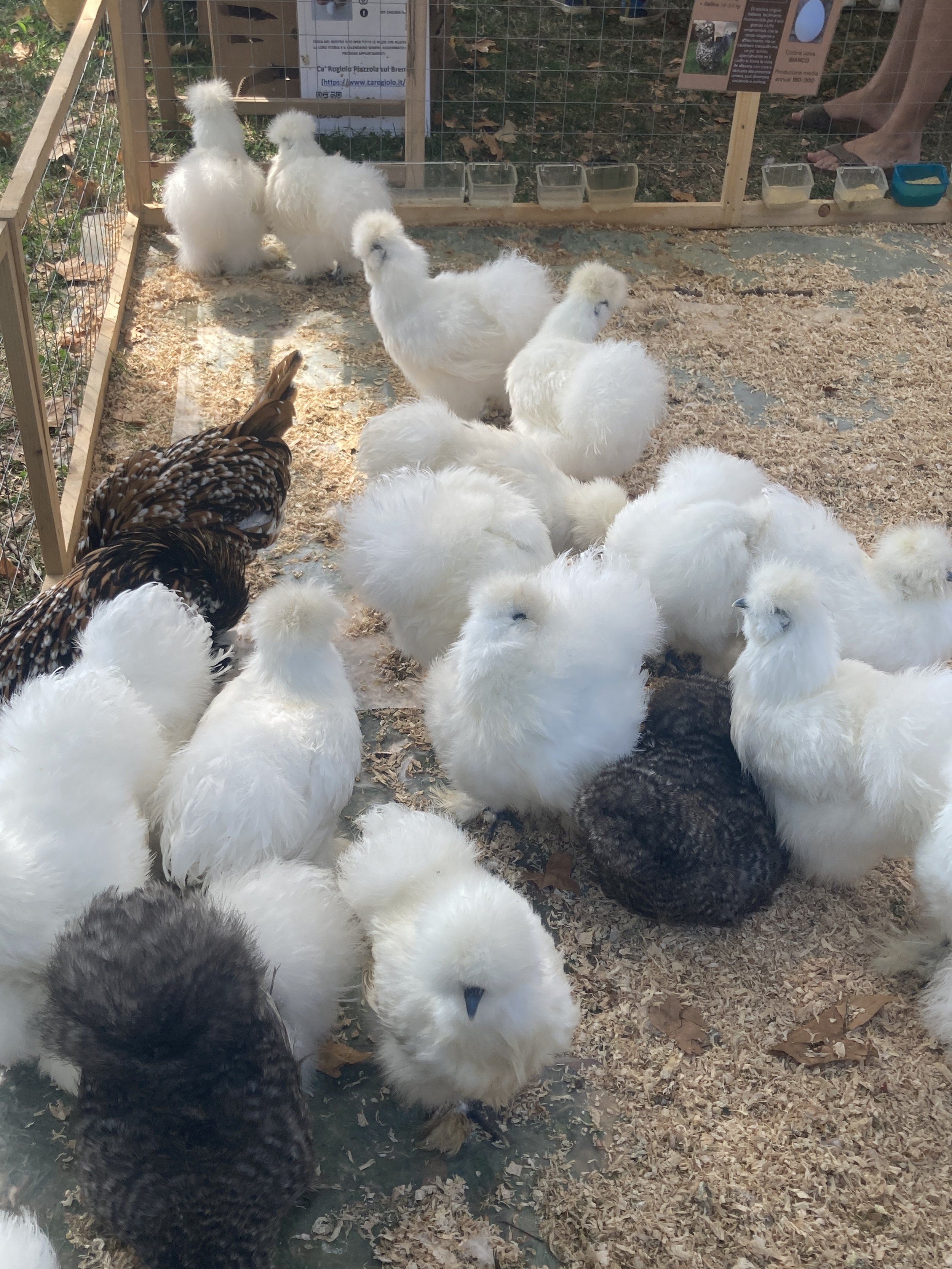
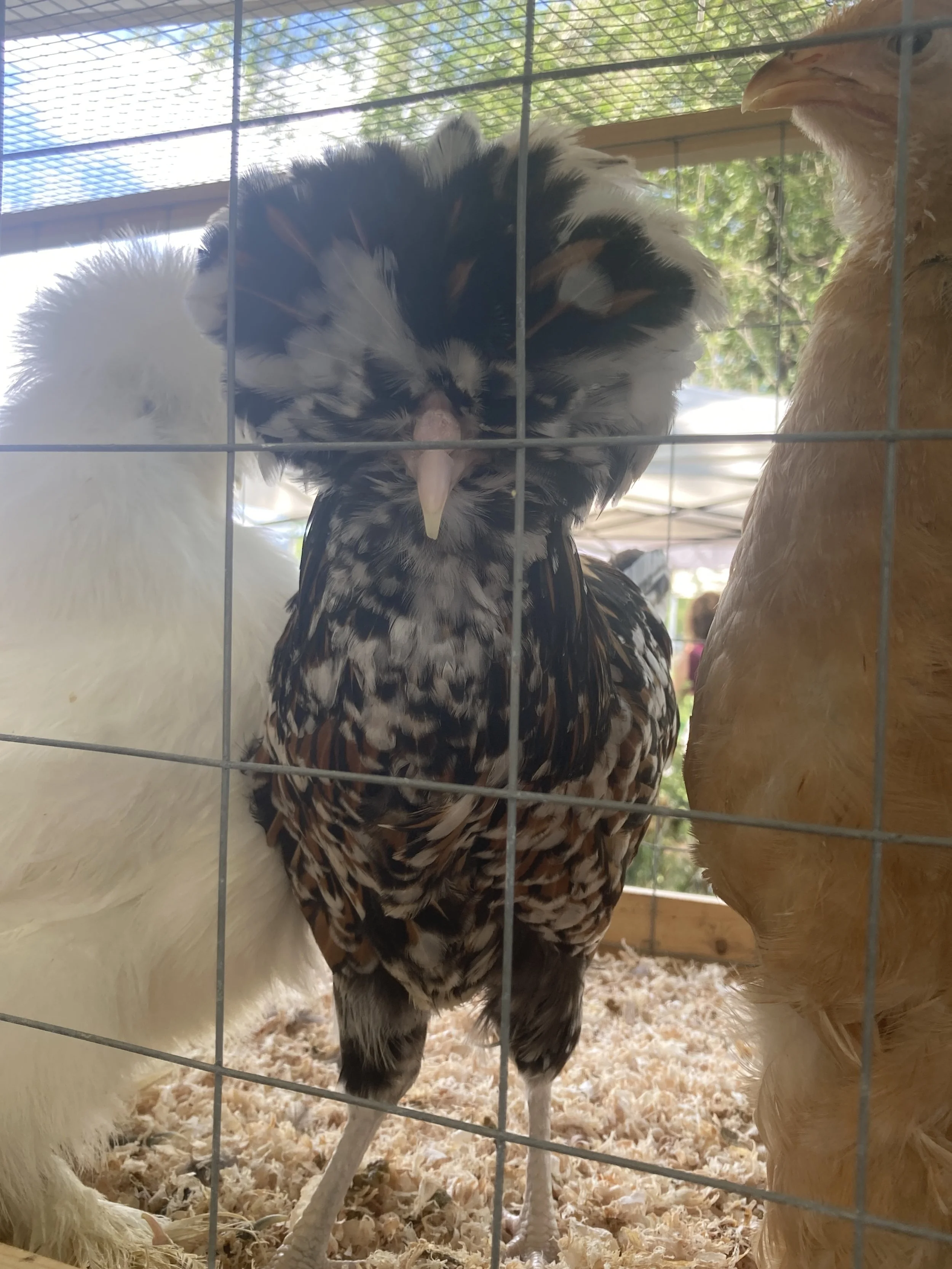
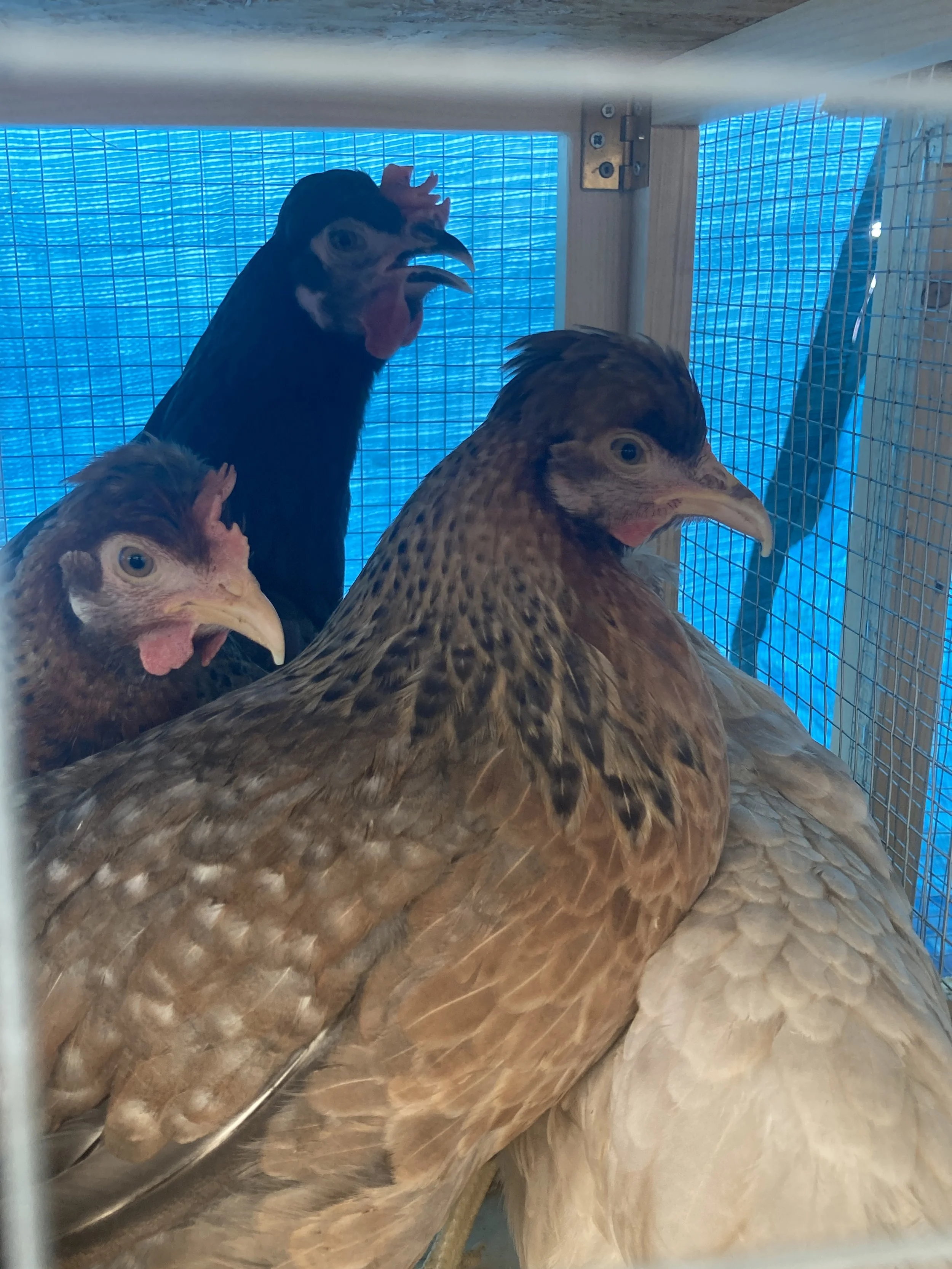
 And chickens!  Everyone seems to love the chickens which come in all colors, sizes, and degrees of fluffiness. Kids and adults alike linger by the chickens.

IMG_8821.jpeg
IMG_8817.jpeg
IMG_8818.jpeg
IMG_8820.jpeg

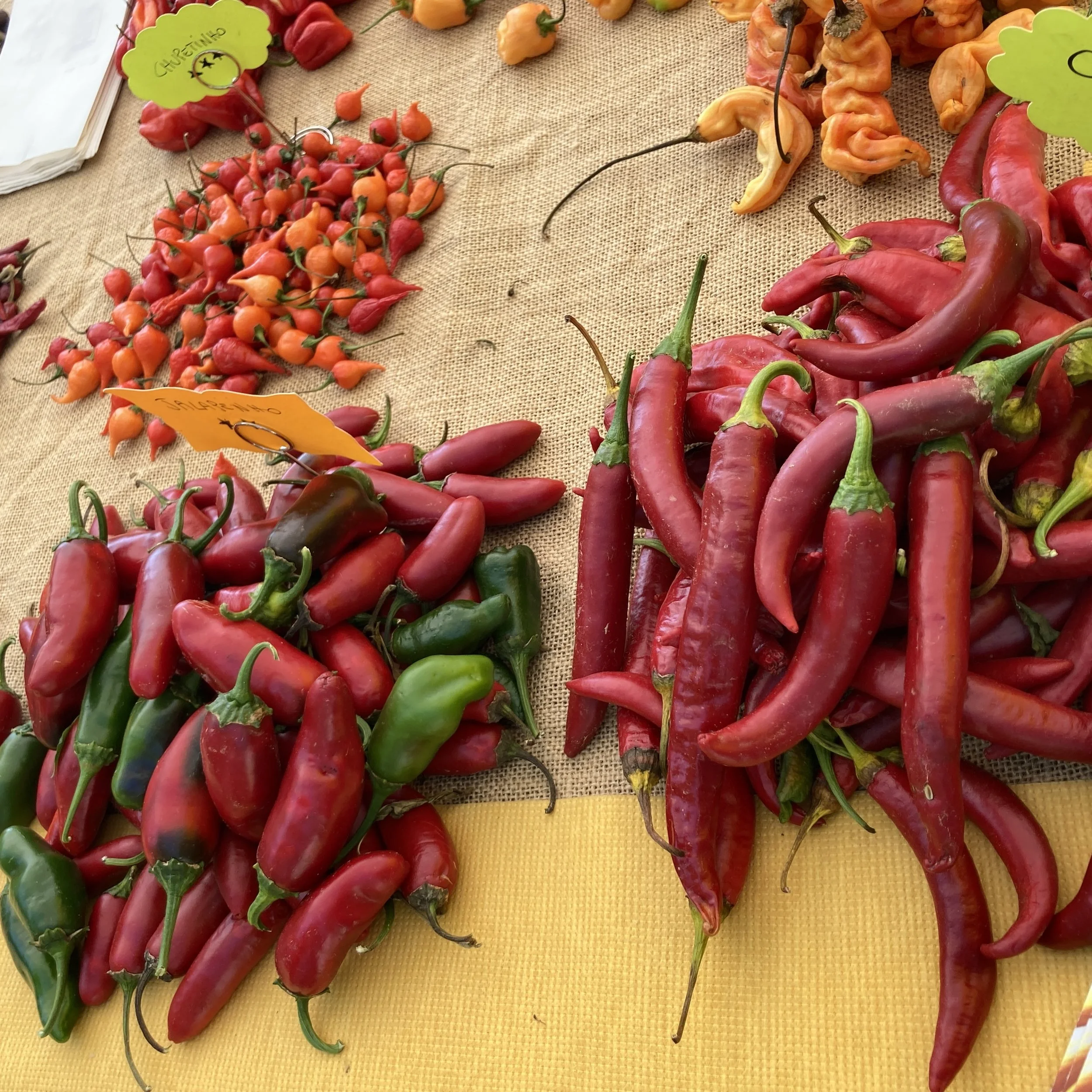
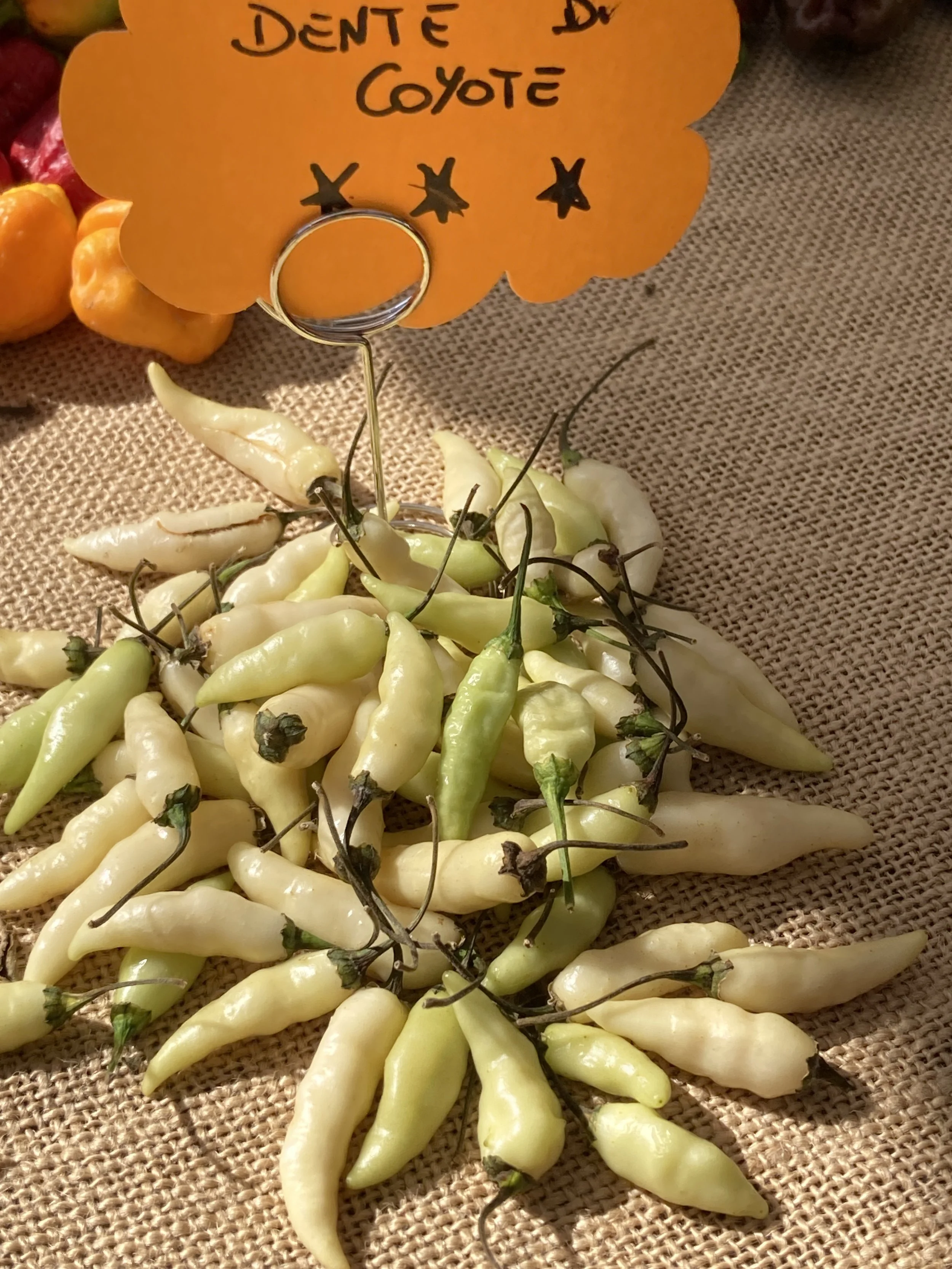
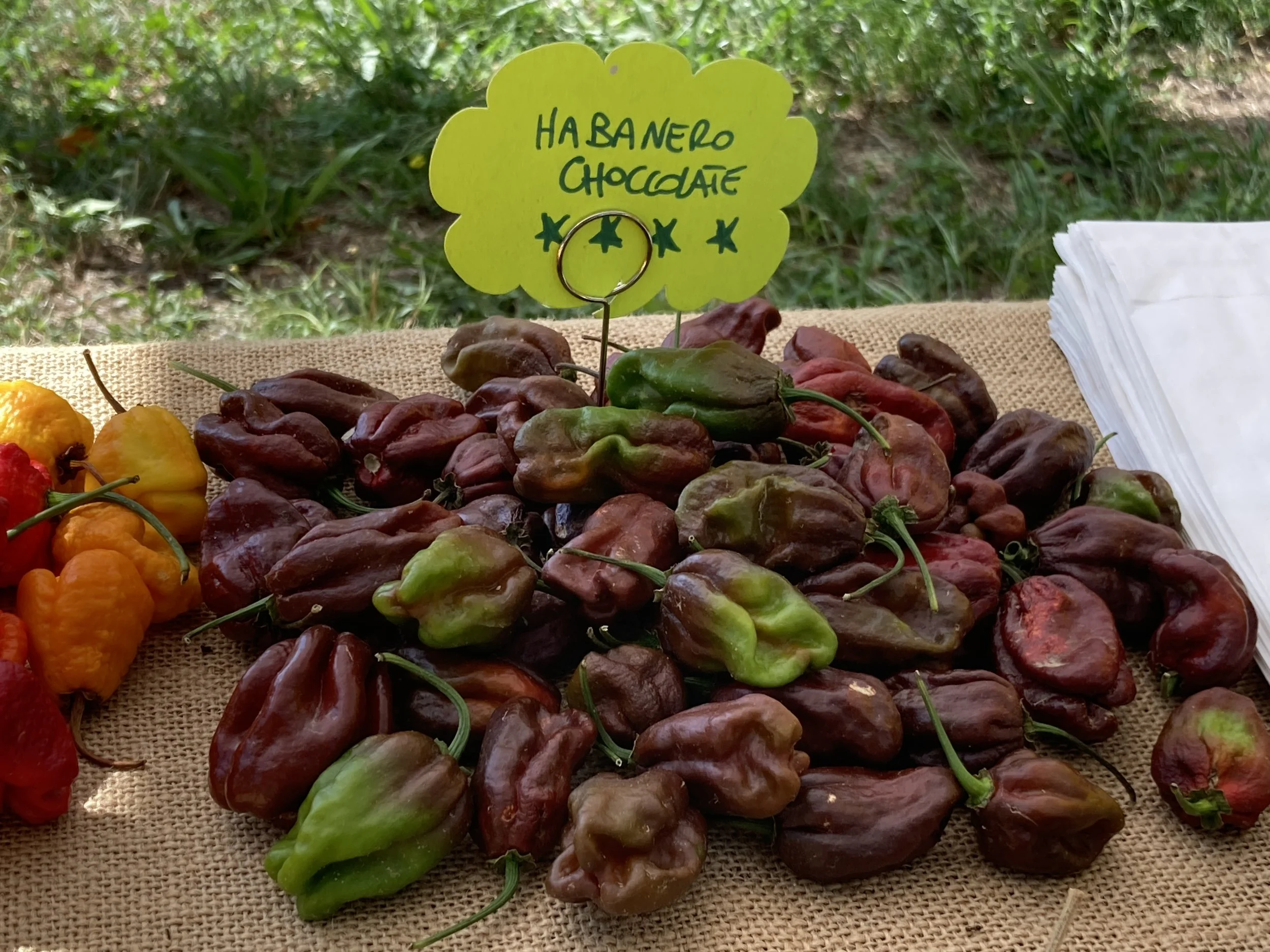
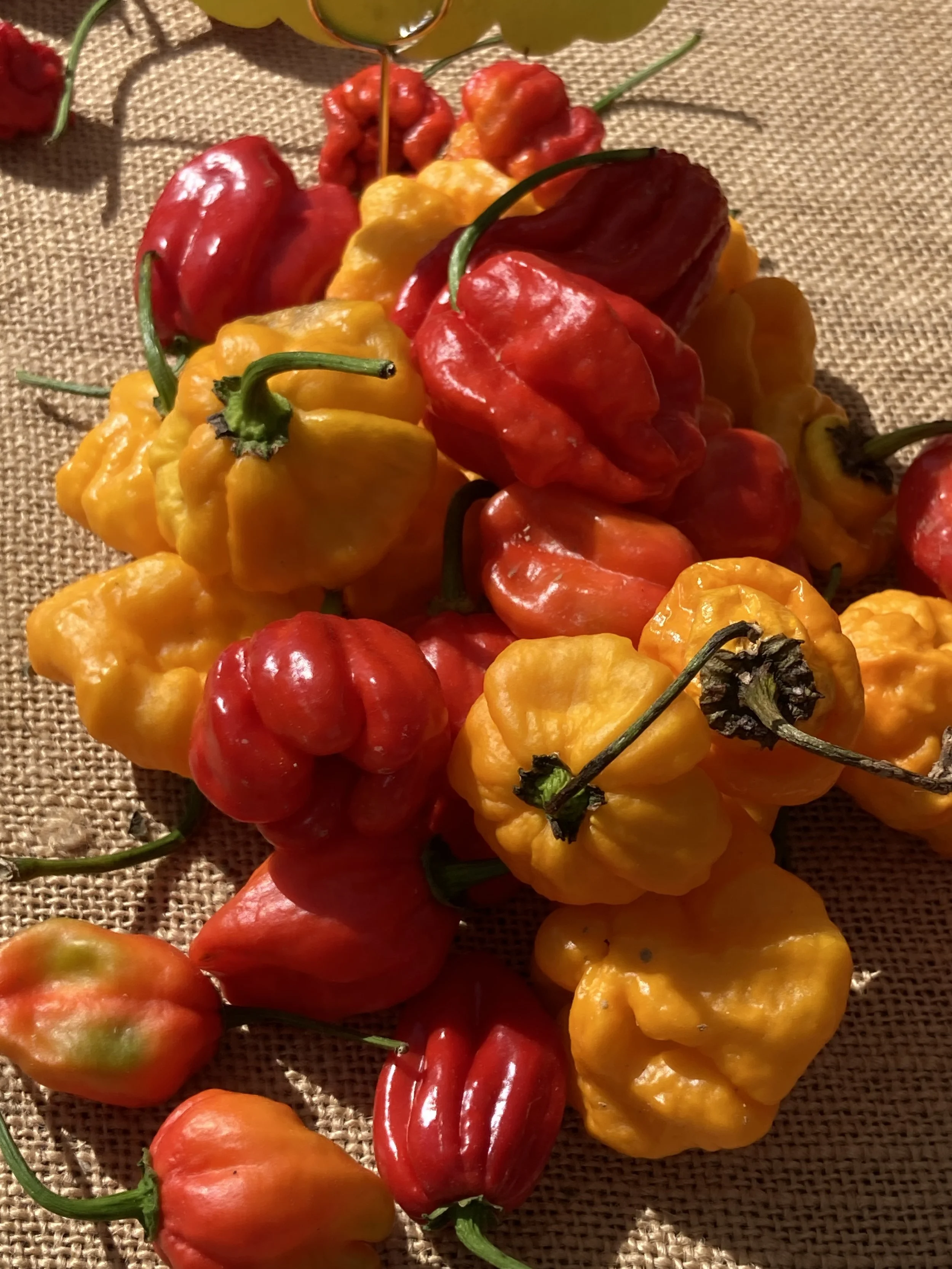
Being from New Mexico, I am always drawn to the peppers. And while they aren’t being roasted as they are right now back in New Mexico (I sure miss that aroma), there are some familiar sights like jalapenos and habaneros.  New to me were the little whitish-yellow ones called Dente di Coyote (Coyote teeth). Now if only I could find some Hatch style green chile to roast and dry.
IMG_8784.jpeg
IMG_8788.jpeg
IMG_8786.jpeg
IMG_8787.jpeg

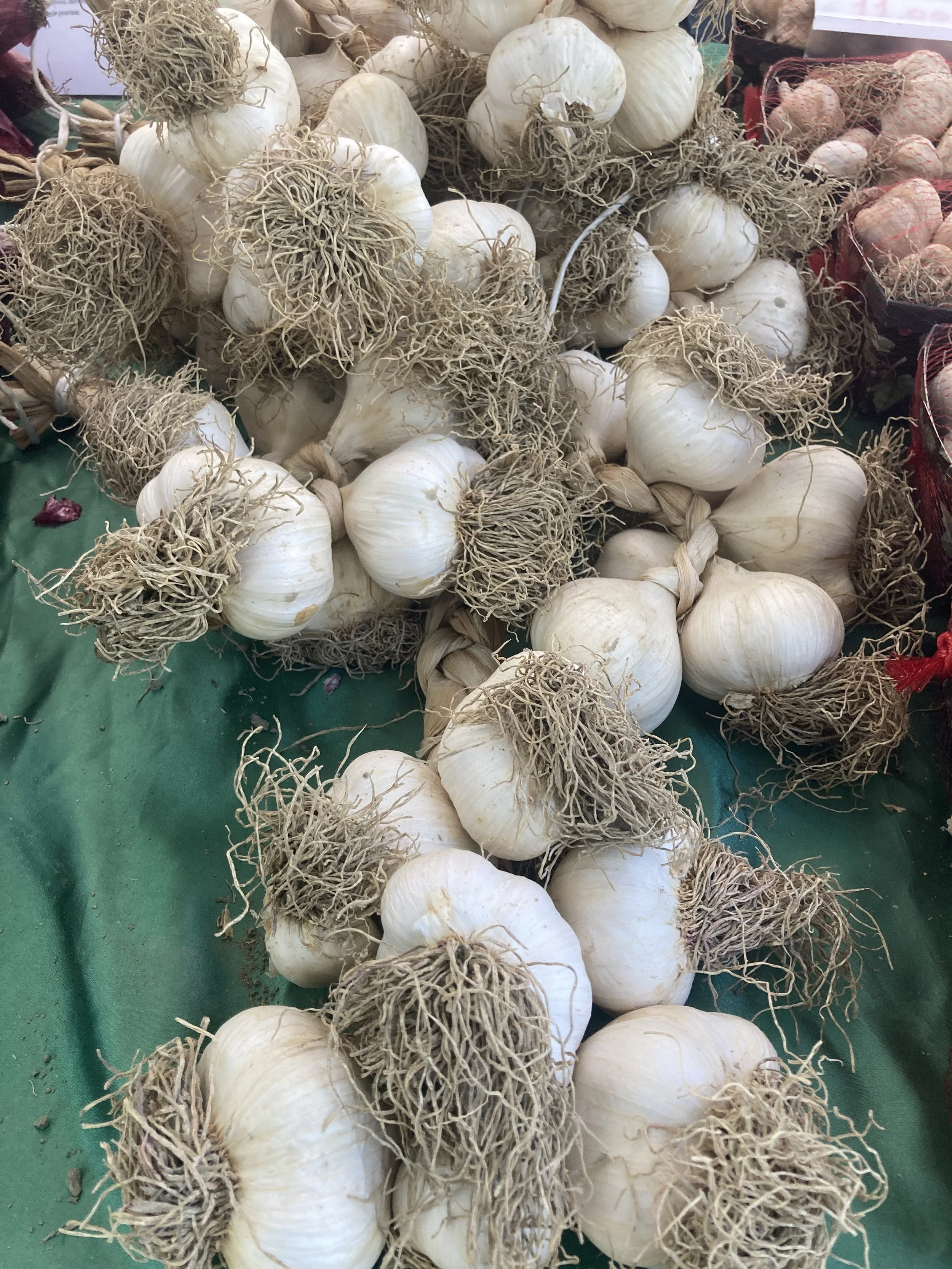
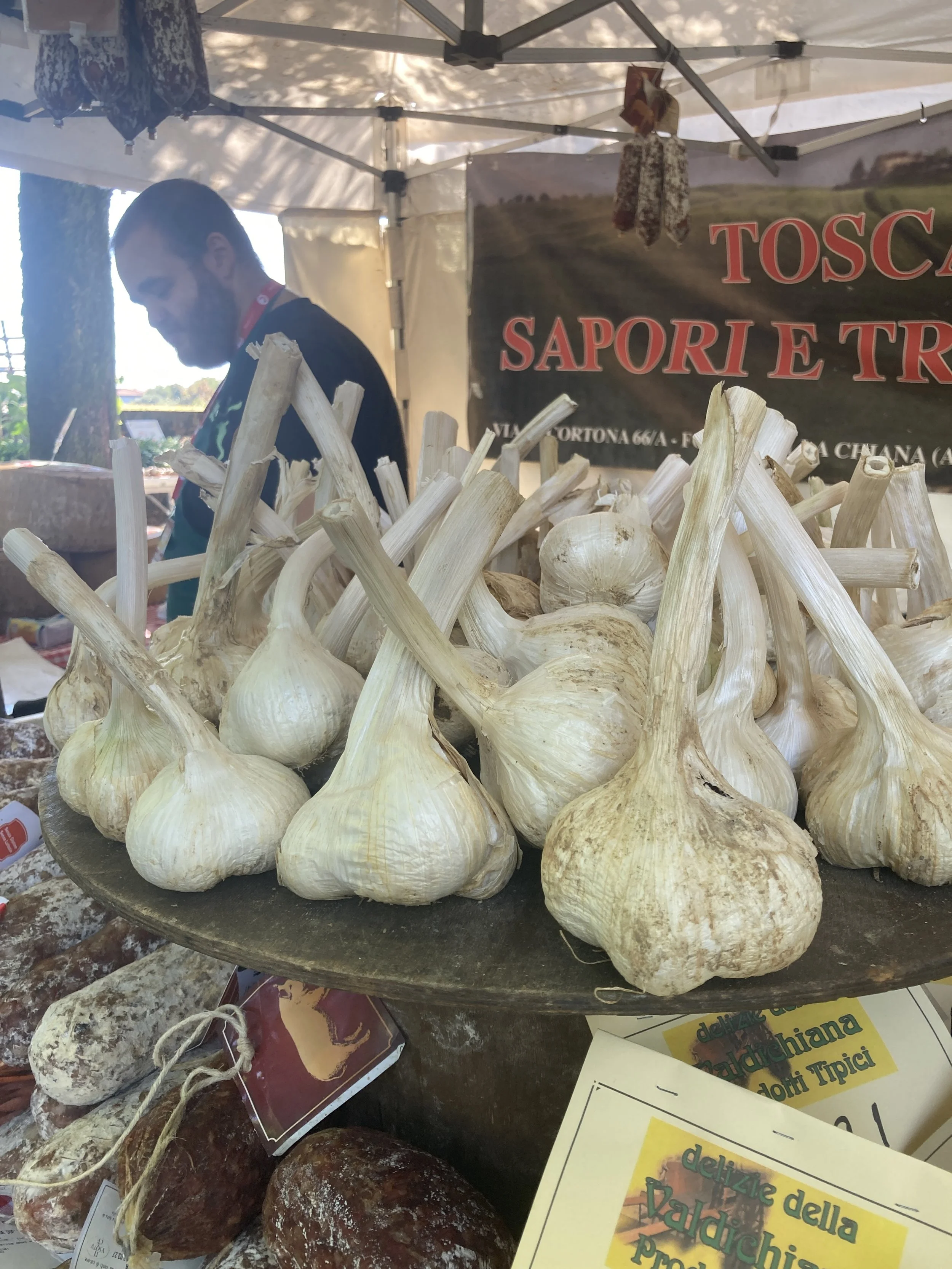
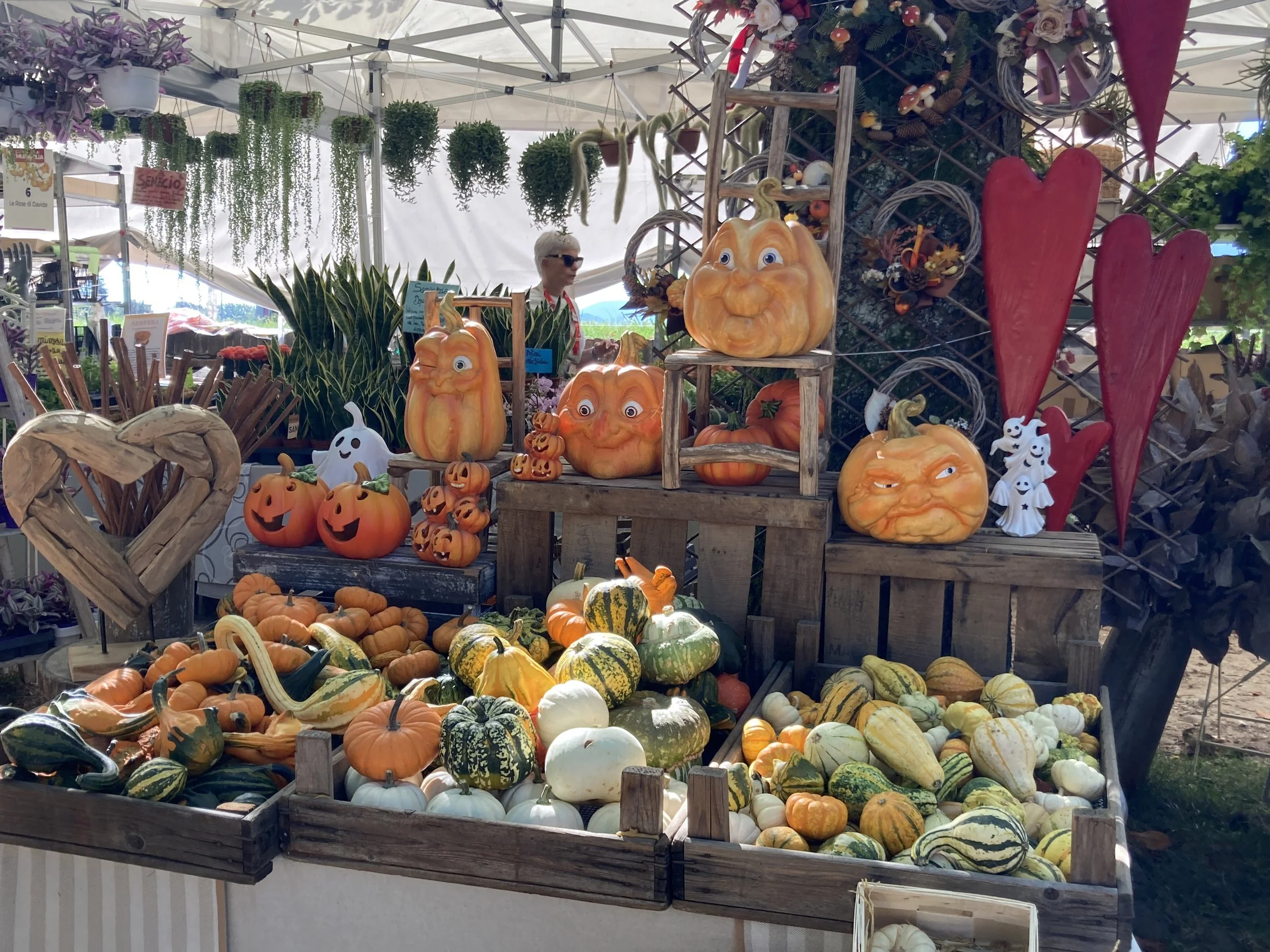
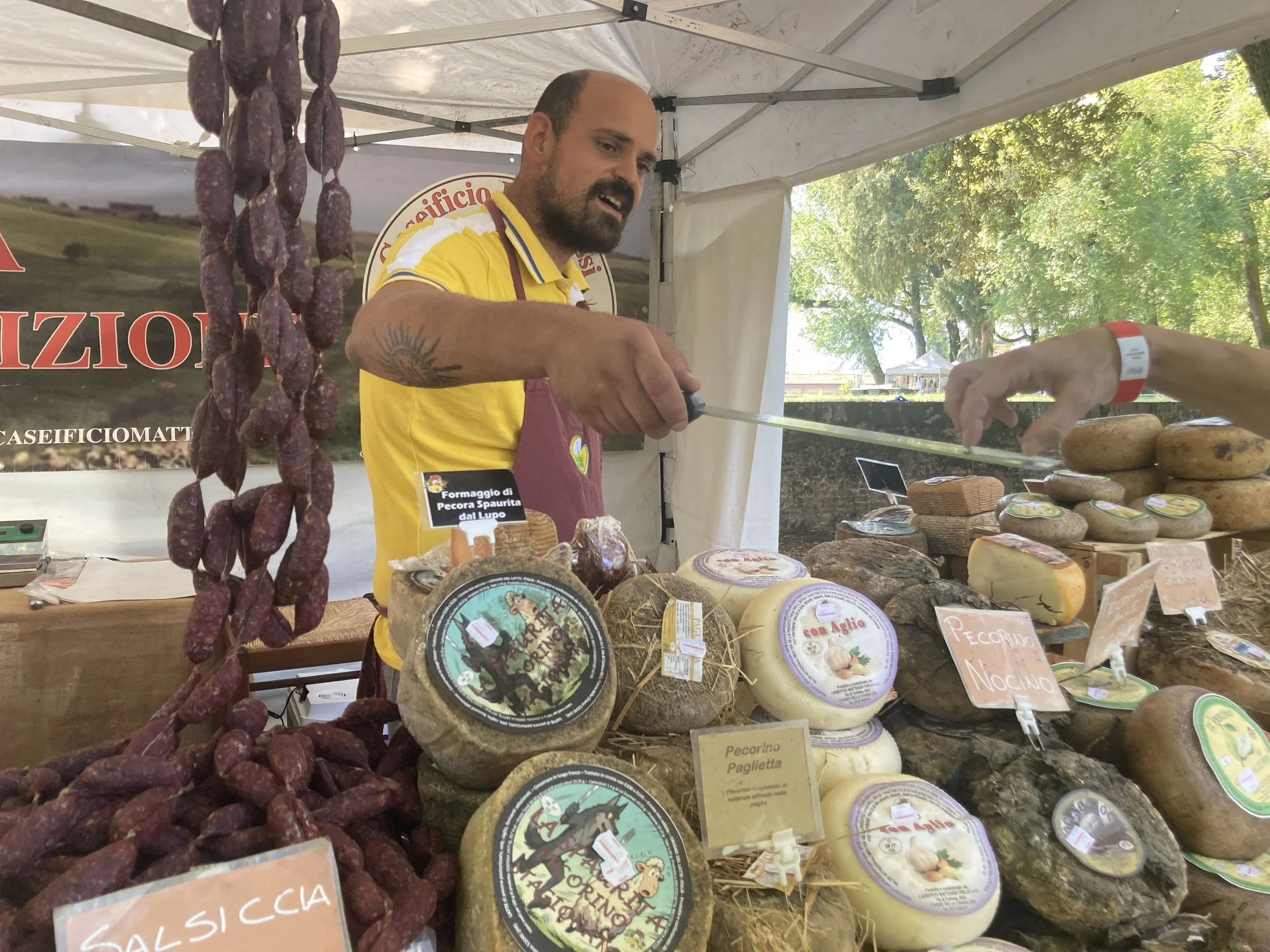
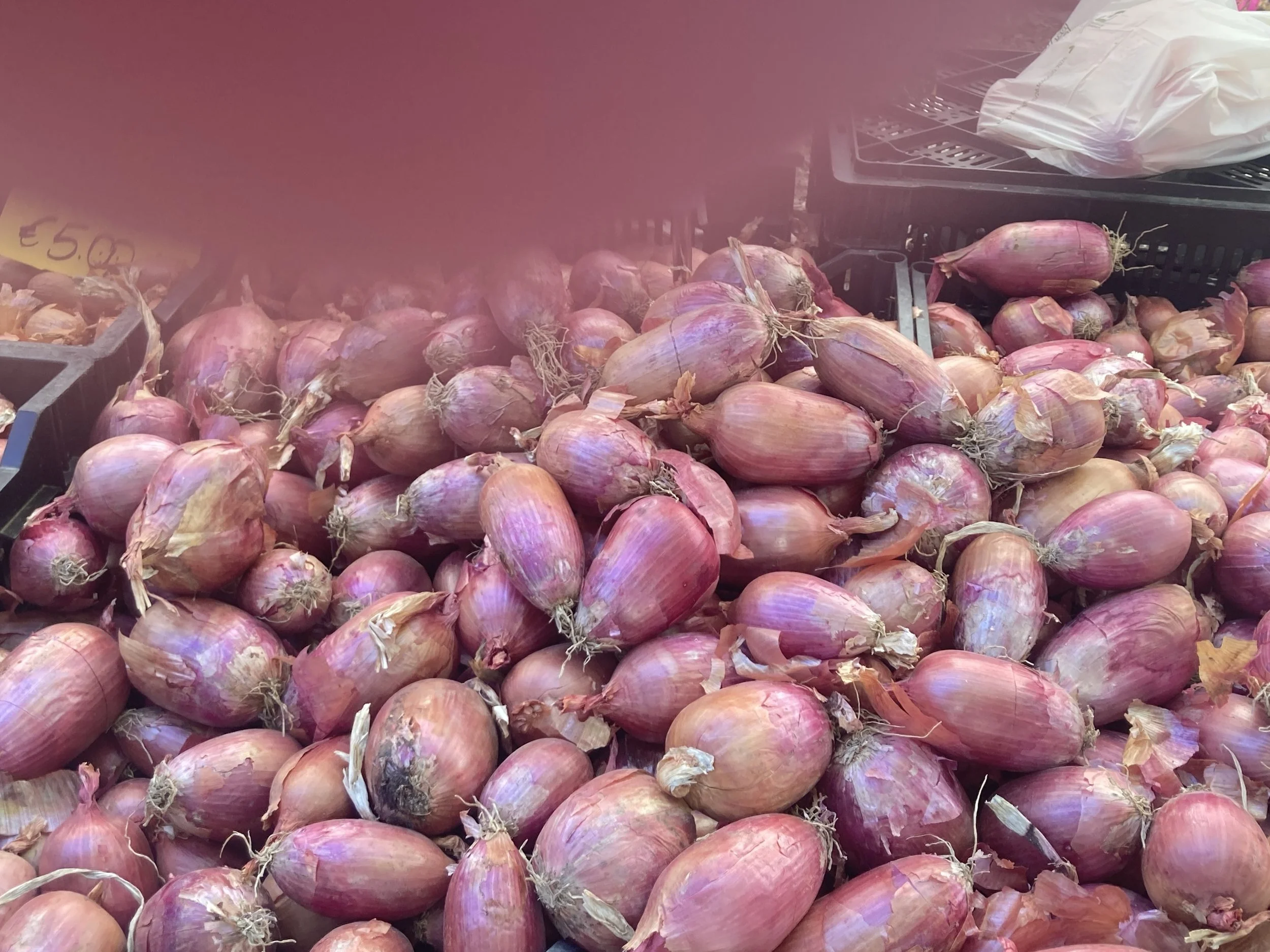
 Murabilia is a good place for stocking the kitchen too.  With stands of woven garlic, huge aglione (elephant garlic), red onions, cheese, salami and sausages it helps to bring a shopping bag.  For fall decorating, it is hard to beat the variety of pumpkins and gourds for sale.
IMG_8799.jpeg
IMG_8778.jpeg
IMG_8798.jpeg
IMG_8803.jpeg

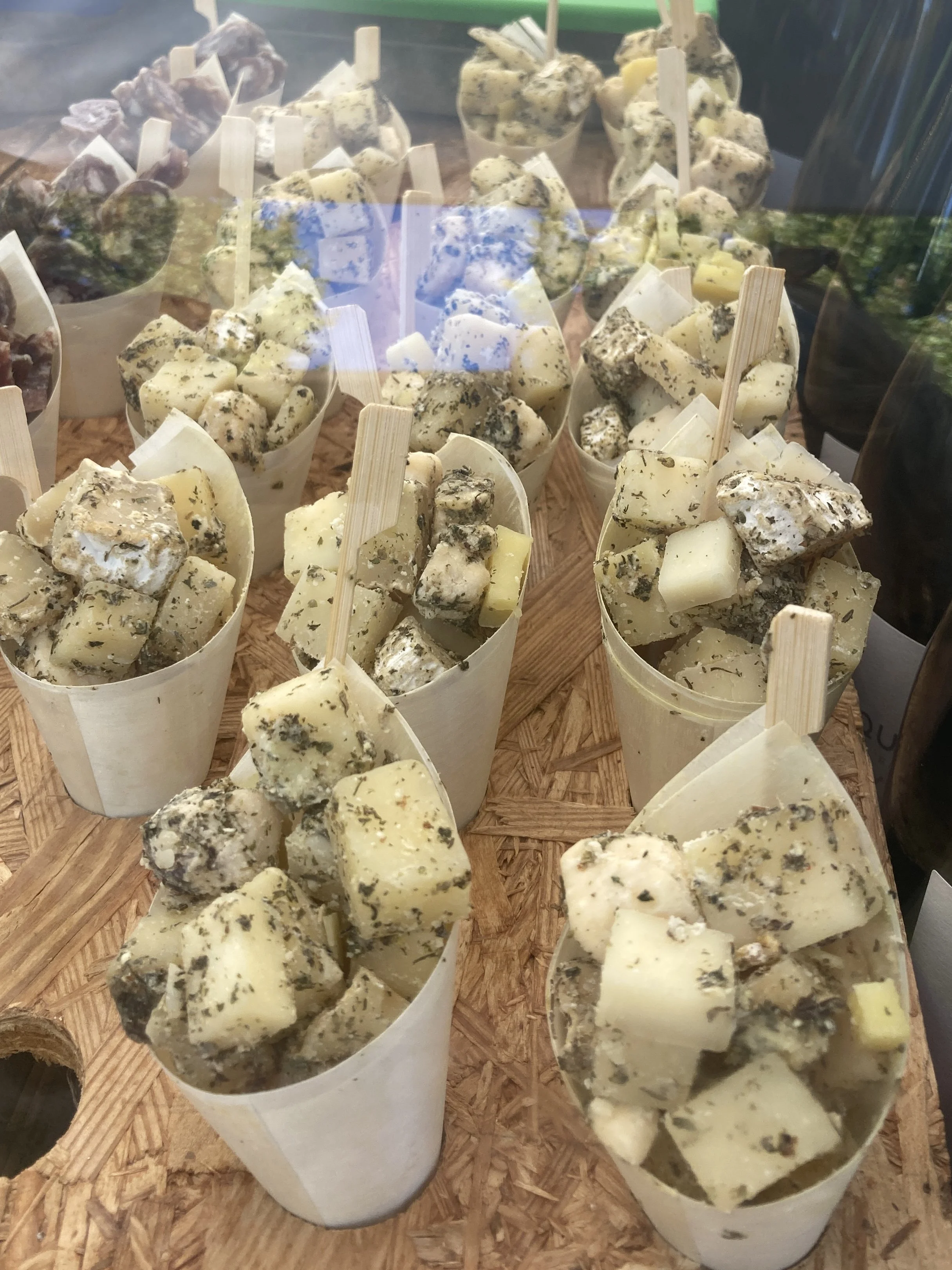
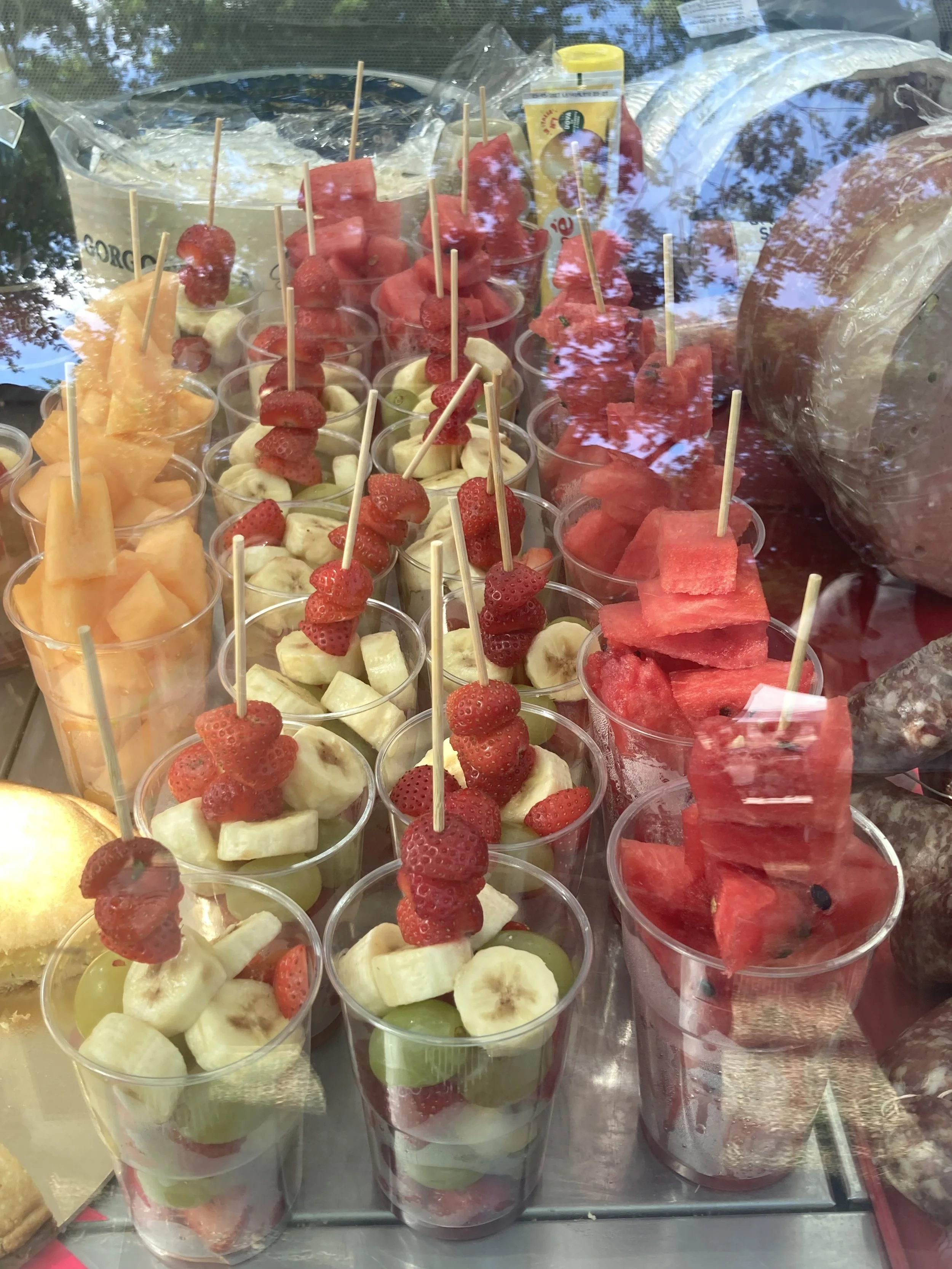
 The festival also has great take-away snacks.  Paper cones filled with cheese or salami cubes and fruit filled cups.  What could be more refreshing on a hot late summer day? And of course there is a gelato truck.

IMG_8802.jpeg
IMG_8822.jpeg

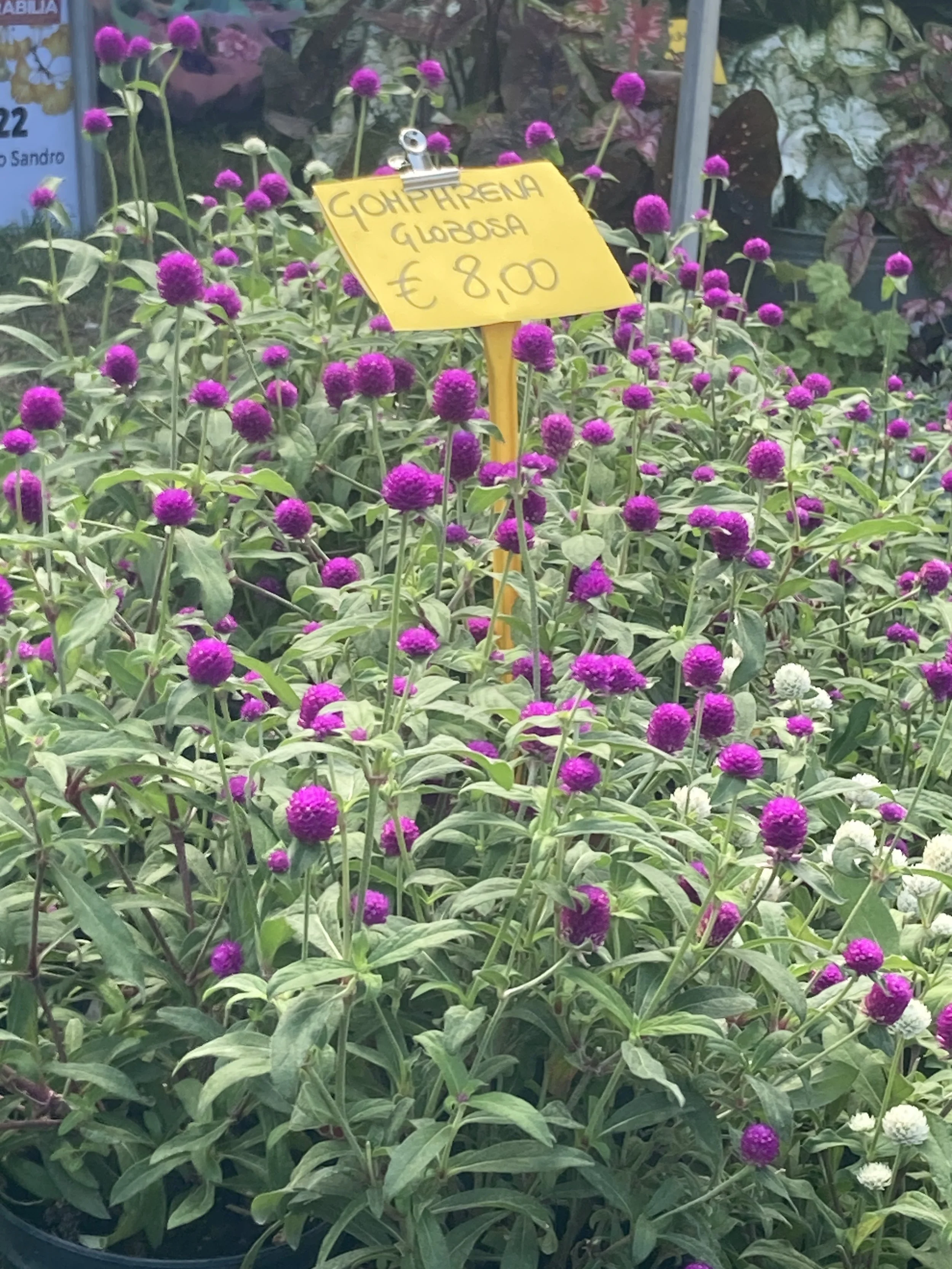
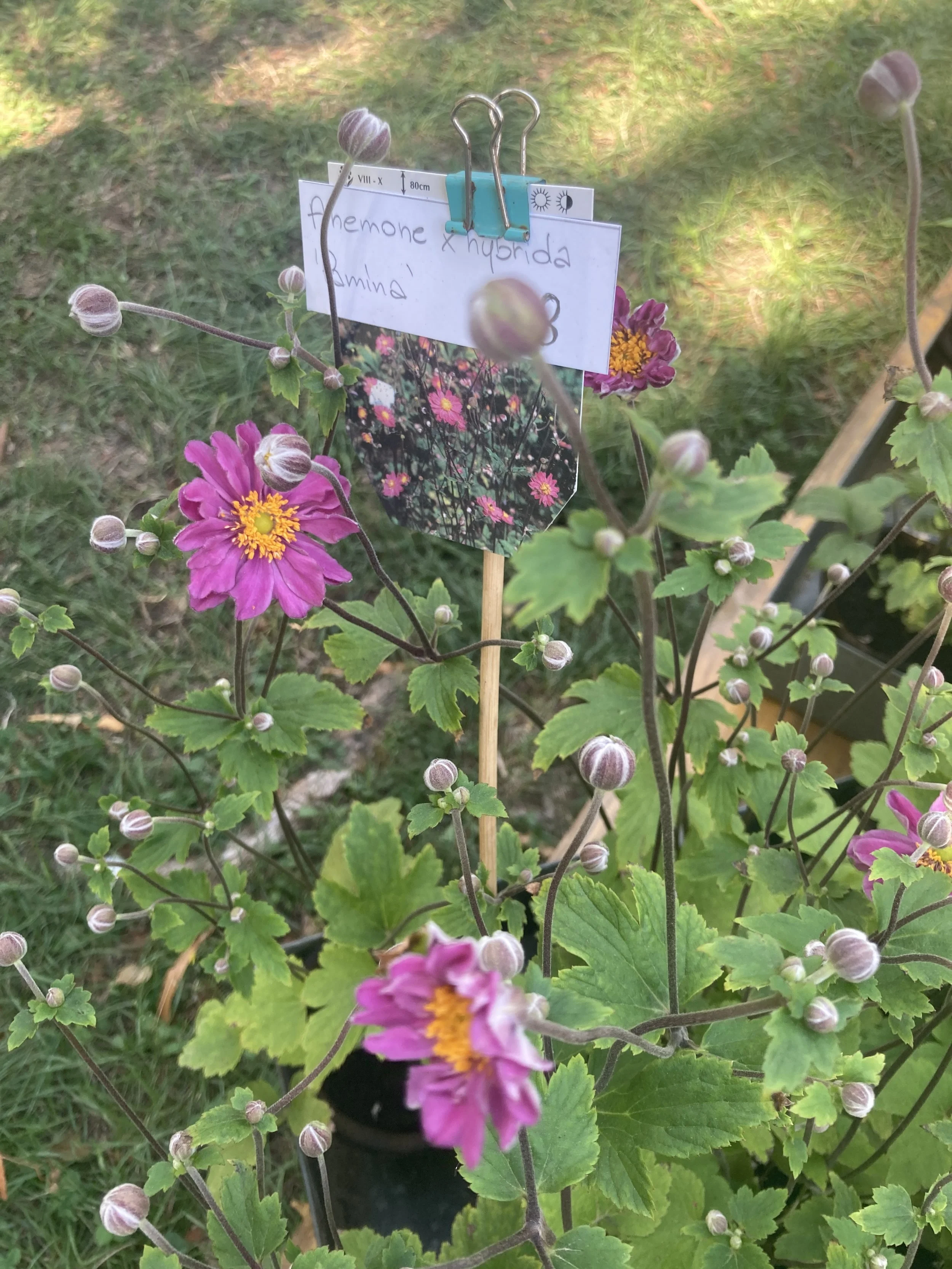
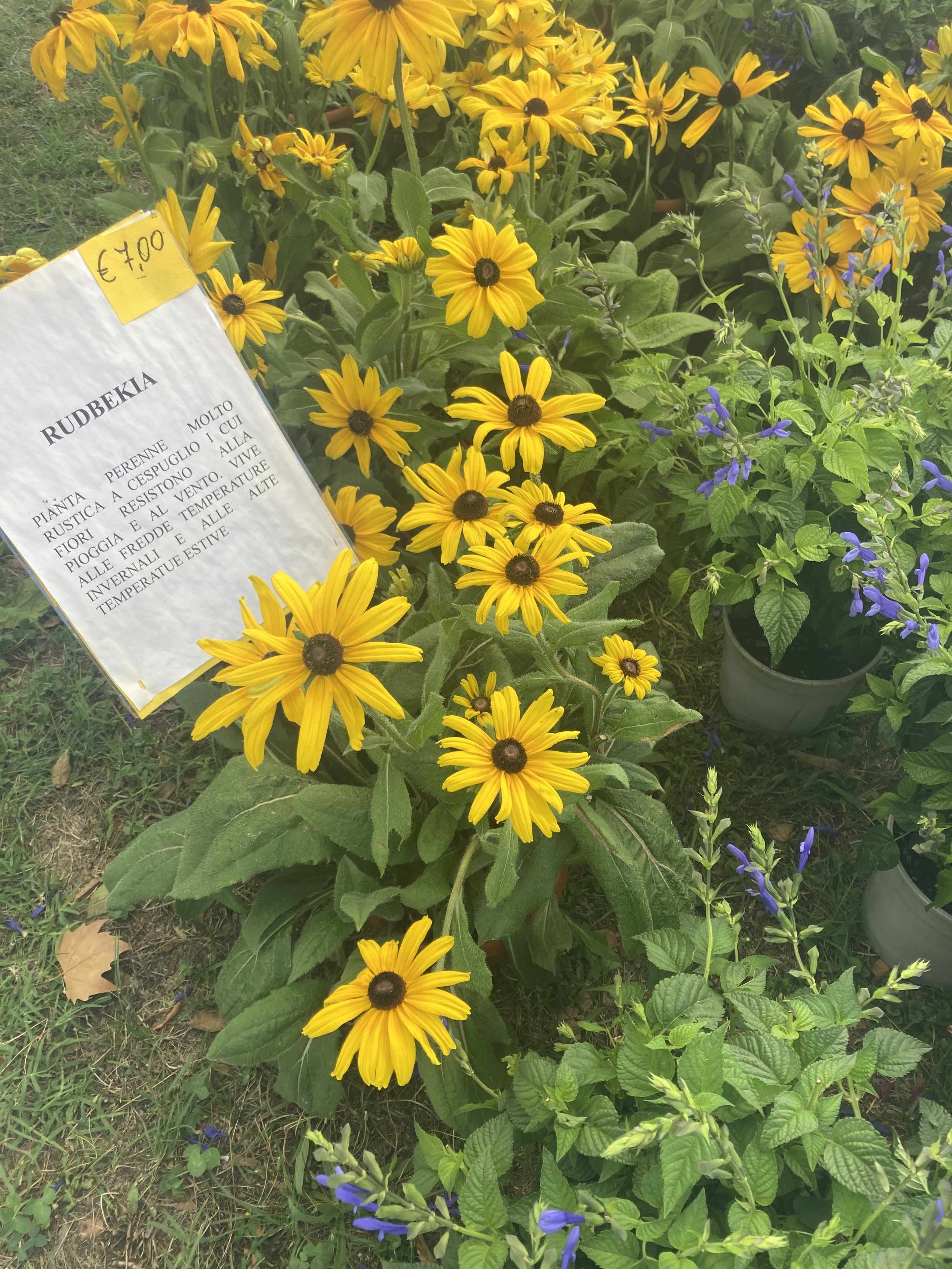
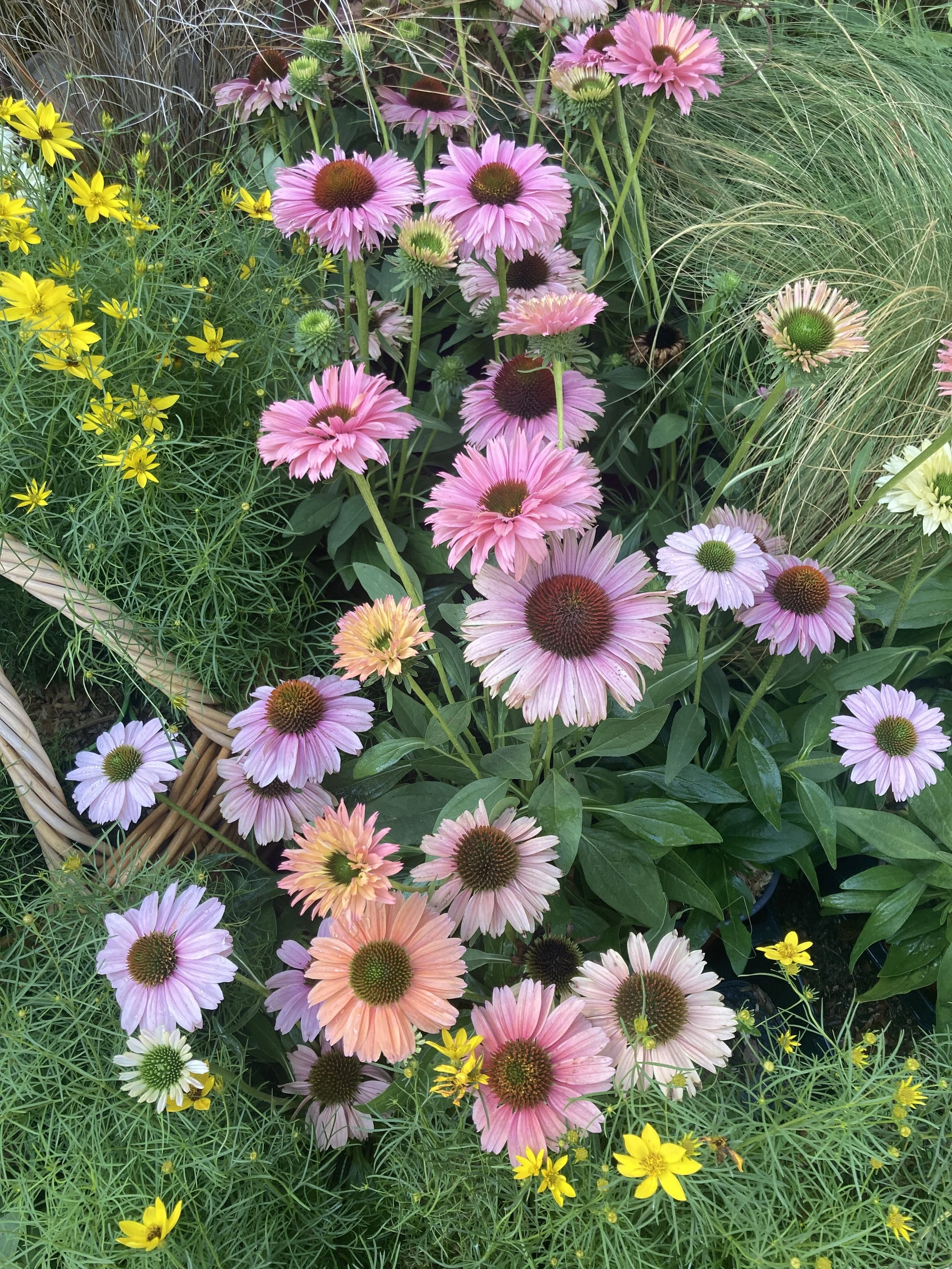
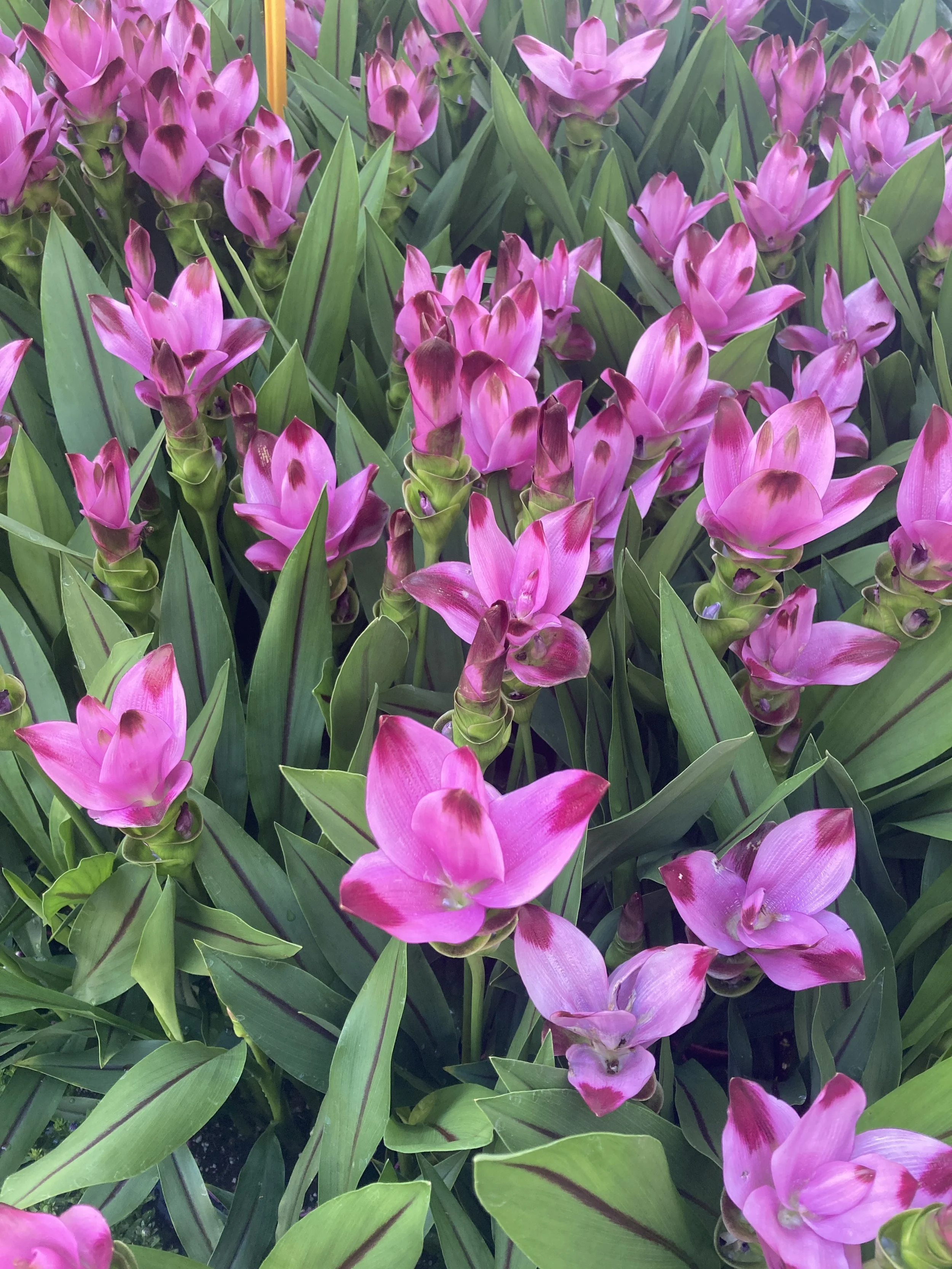
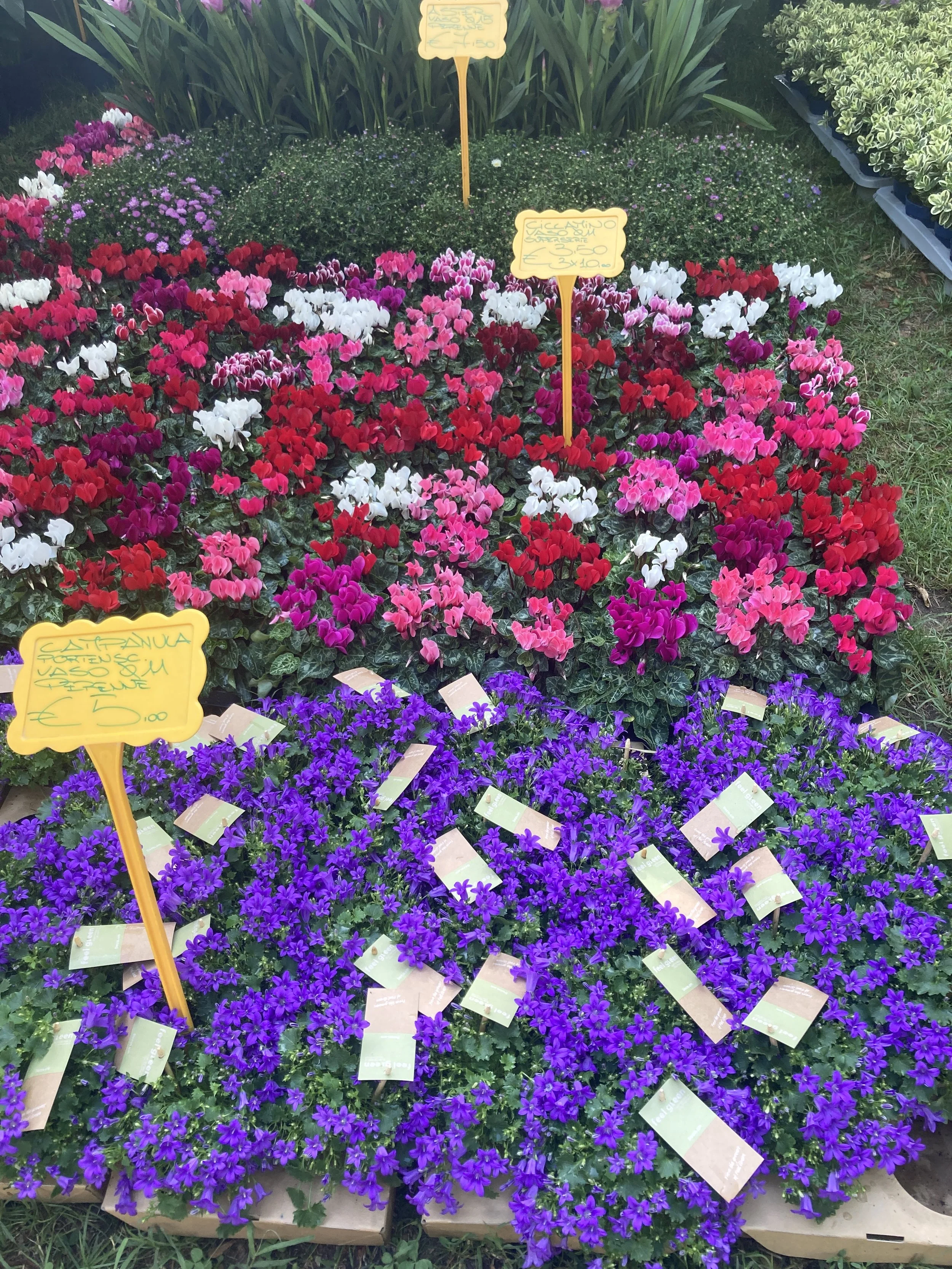
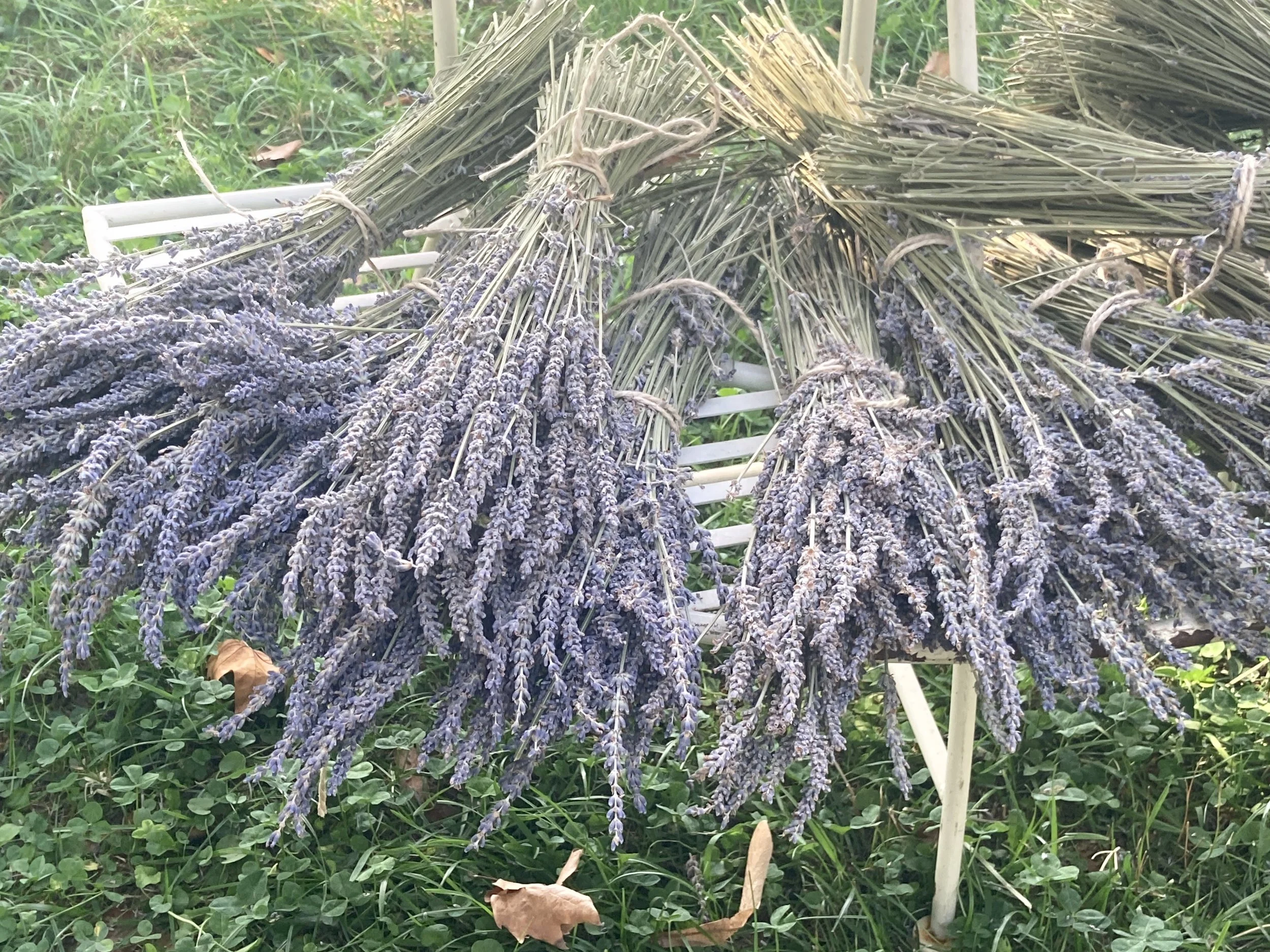
For me, the flowers remain the super stars of the event.  The variety in form, color, leaf shape, and texture makes wandering through the displays a joyful way to spend a morning.

IMG_8823.jpeg
IMG_8810.jpeg
IMG_8808.jpeg
IMG_8795.jpeg
IMG_8794.jpeg
IMG_8793.jpeg

September will hold many more special events: a month long carnival just outside the walls, a major religious procession, and several types of markets. 

Murabilia is the perfect way to kick off the month known here as Settembre Lucchese.

September 07, 2026 /Joanne Bartram
Murabilia, Fall Lucca, gardening italy
#fallinitaly, #italiangardens, #lucca, Autumn in Italy, Fall in Italy, Festivals Italy, Italian culture, Italian gardens
  • Newer
  • Older

Powered by Squarespace