Two Parts Italy

Exploring Italy, travel, and living a flavorful life

  • Blog
  • About This Blog
  • Start Here
  • Recent Posts
  • Archives by Topic
  • Subscribe
  • Contact me

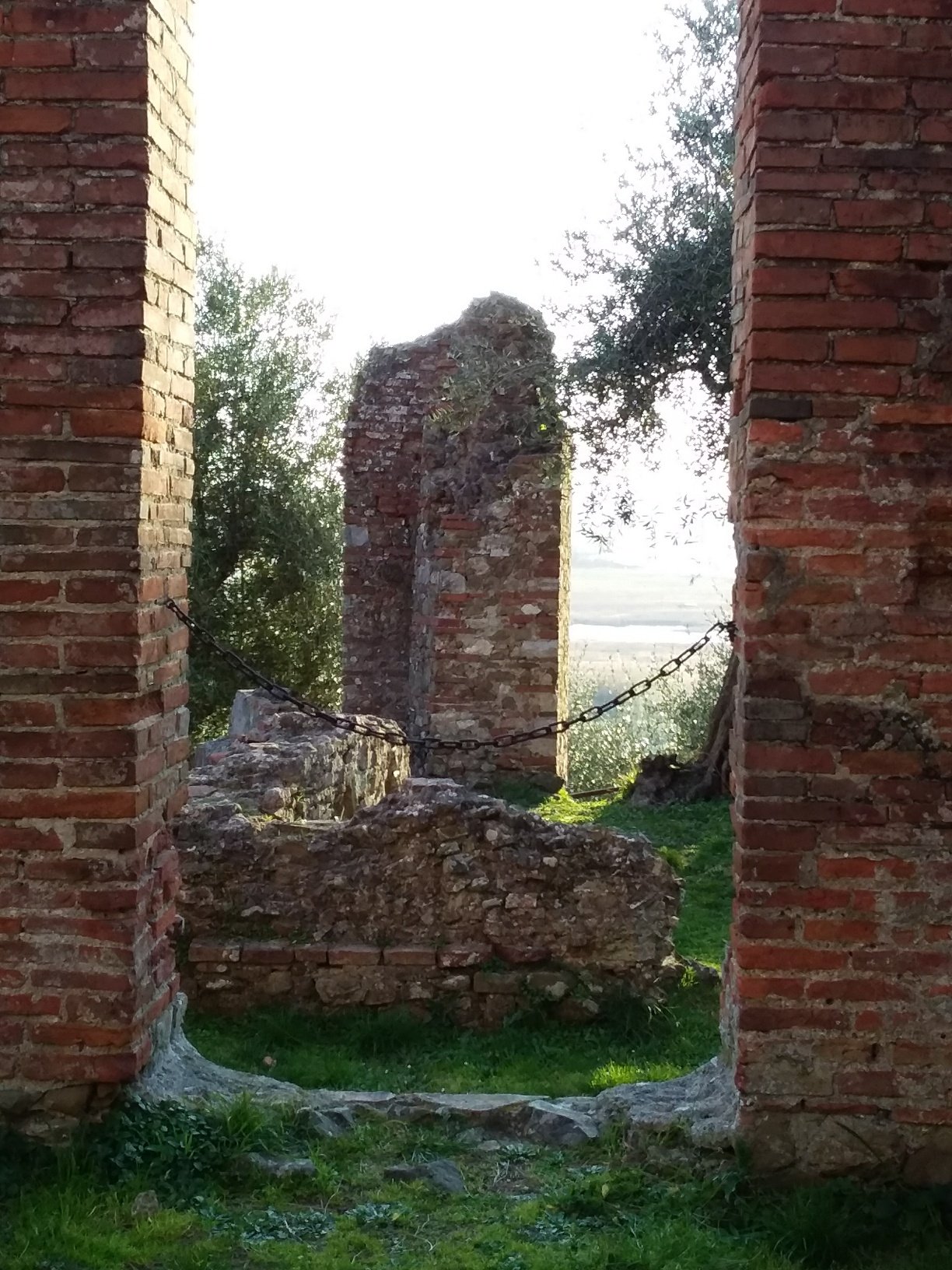
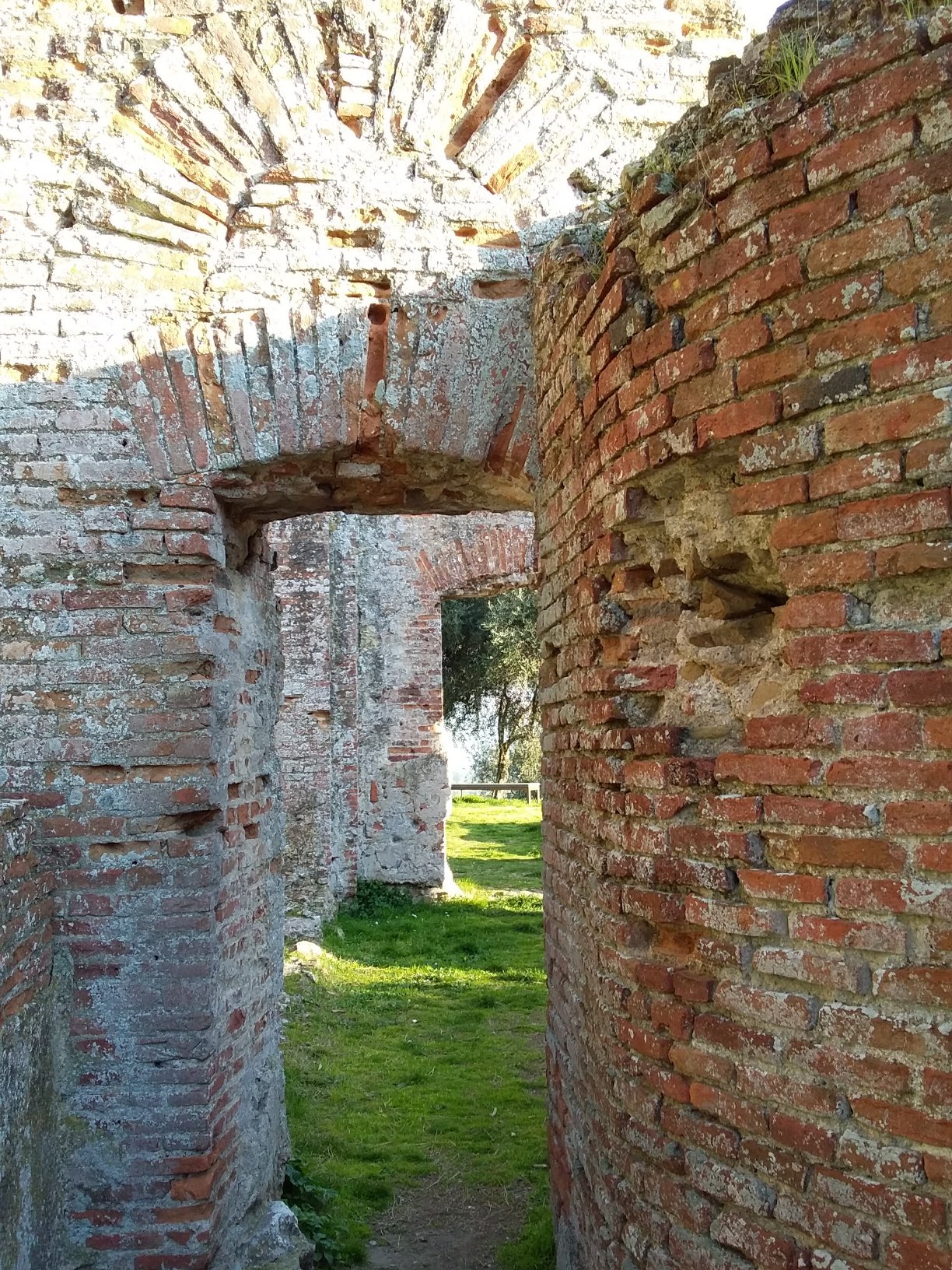
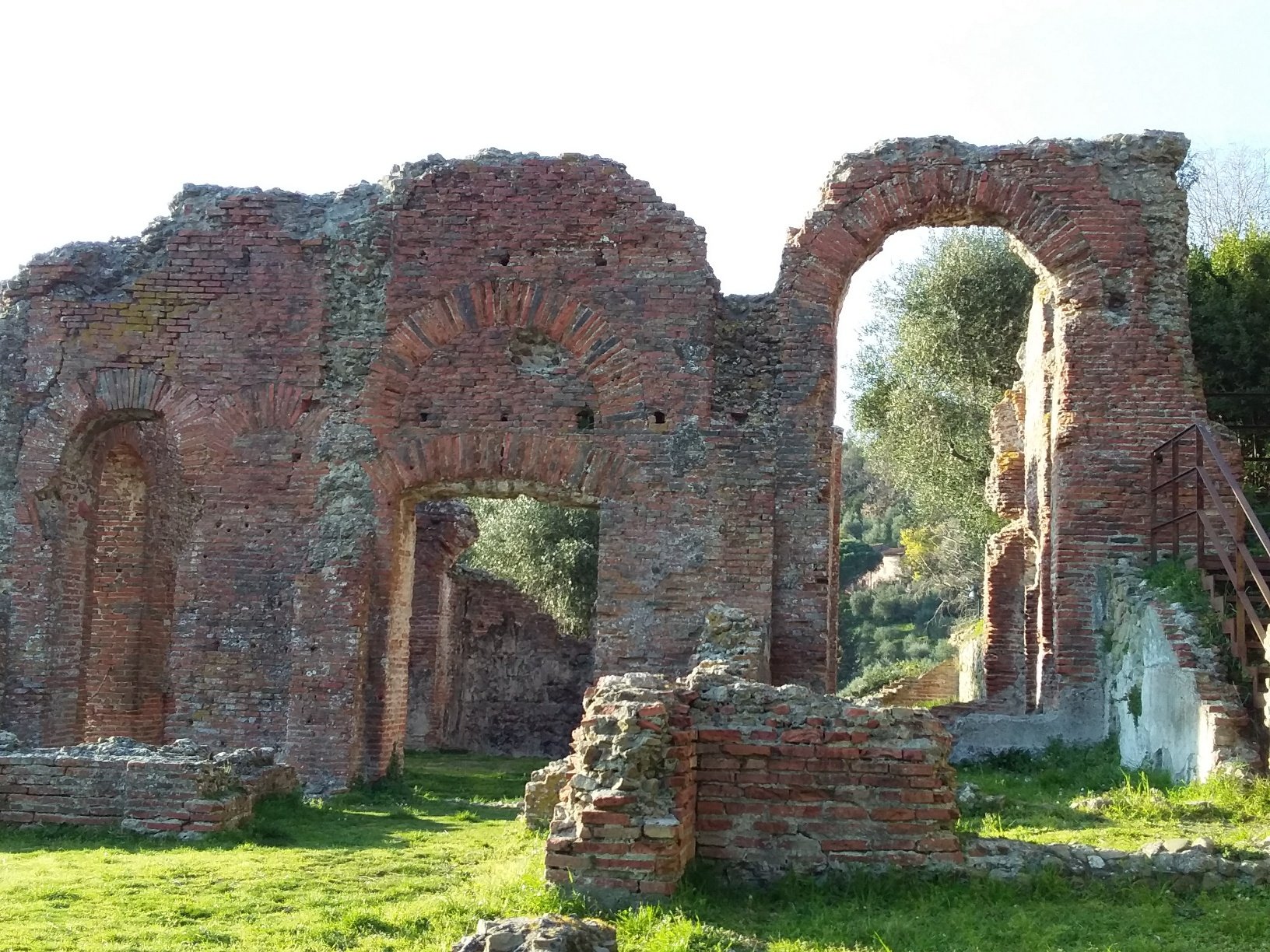
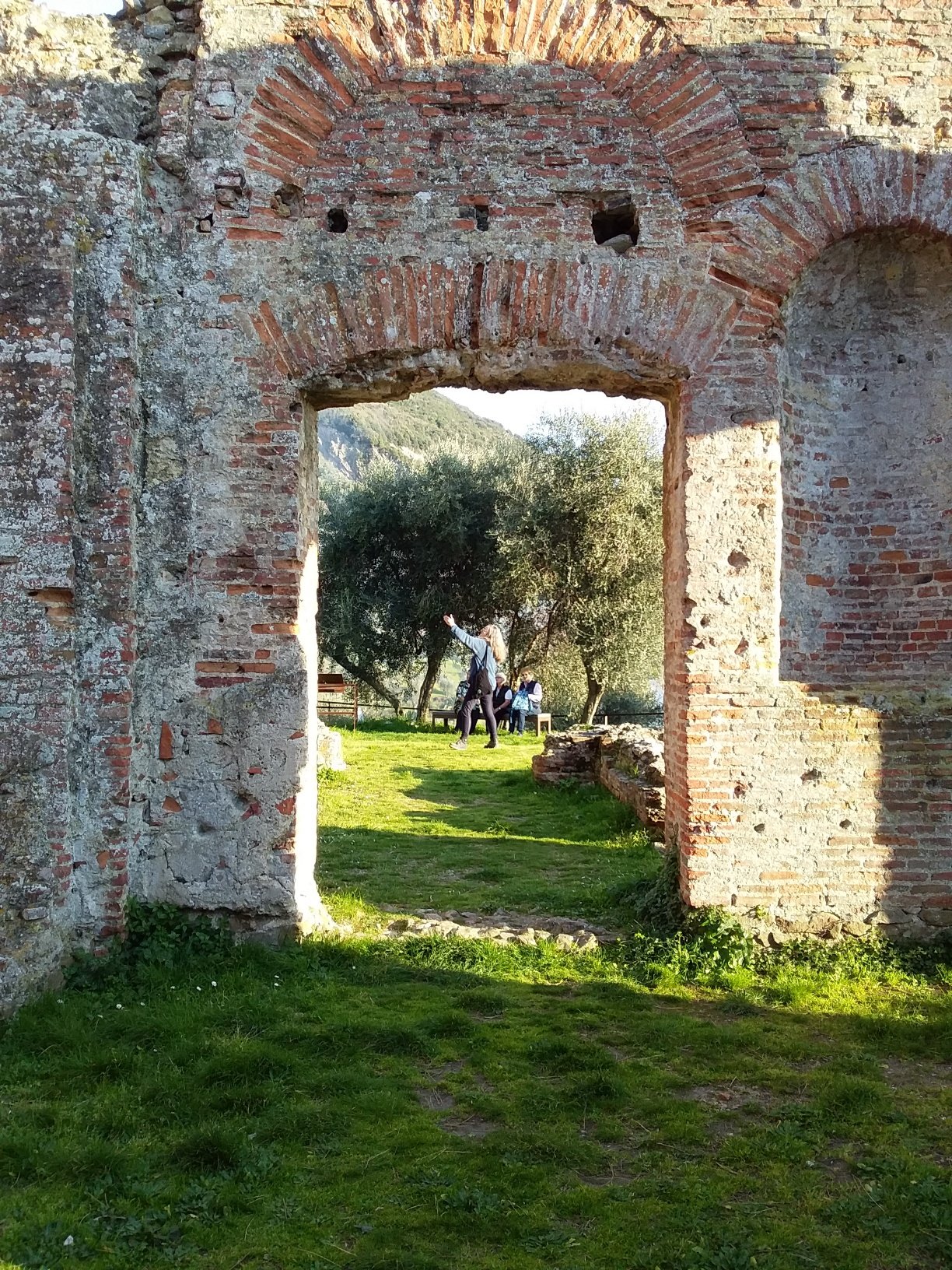
Walking around the ruins of a Roman Villa near Lake Massaciuccoli, not far from Lucca

Traces of Ancient Rome
August 03, 2026 by Joanne Bartram in #italytravel, #lucca, european travel, Friuli-Venezia Giulia, History, Italy, Italy travel, Lucca, Roman Architecture, Trieste, Tuscany, Umbria, Verona

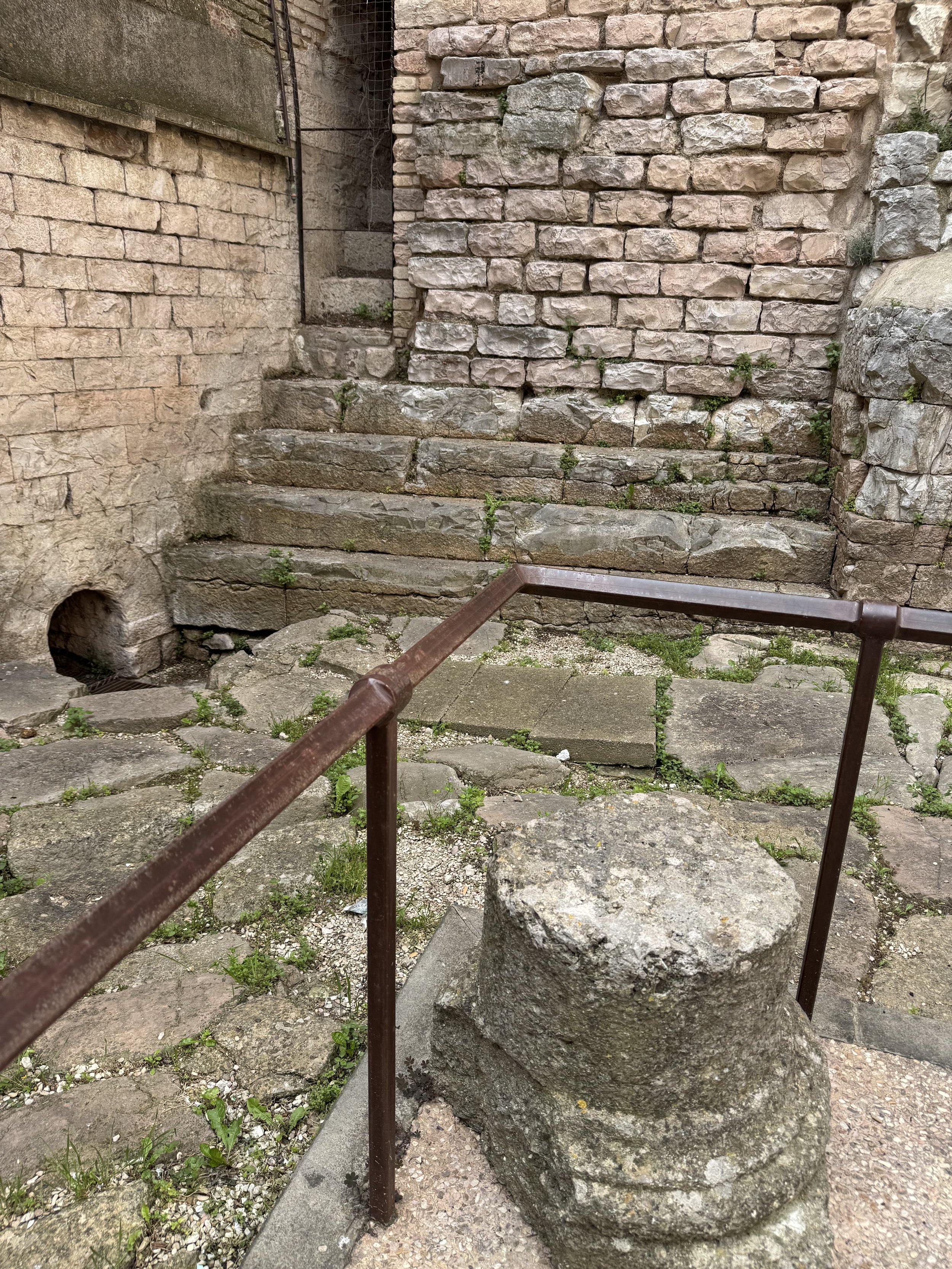
A little bit of Ancient Rome in Spello

Modern day Italy is built over and around the remains of ancient Rome. There are countless examples, many of which are buried well below ground. They become visible only when a construction project unearths them. Often digging, whether for a big construction project (like a new metro line in Roma) or a simple home renovation, exposes stunning mosaic floors, the outlines of ancient homes, or the base of a Roman column. Many a construction project has been delayed when ruins are discovered and the archeologists arrive.

Some of the buried traces of Roman life have been carefully excavated and are opened to visitors as museums. 

In a bit of urban drama, some Roman structures sit proudly right in the middle of a city, absorbed into every day Italian life.  Rome’s Forum and Colosseum are no doubt the most well-known examples, but there are many others.  And some remnants of the Roman era aren’t ruins at all, but intact buildings still in use today. 
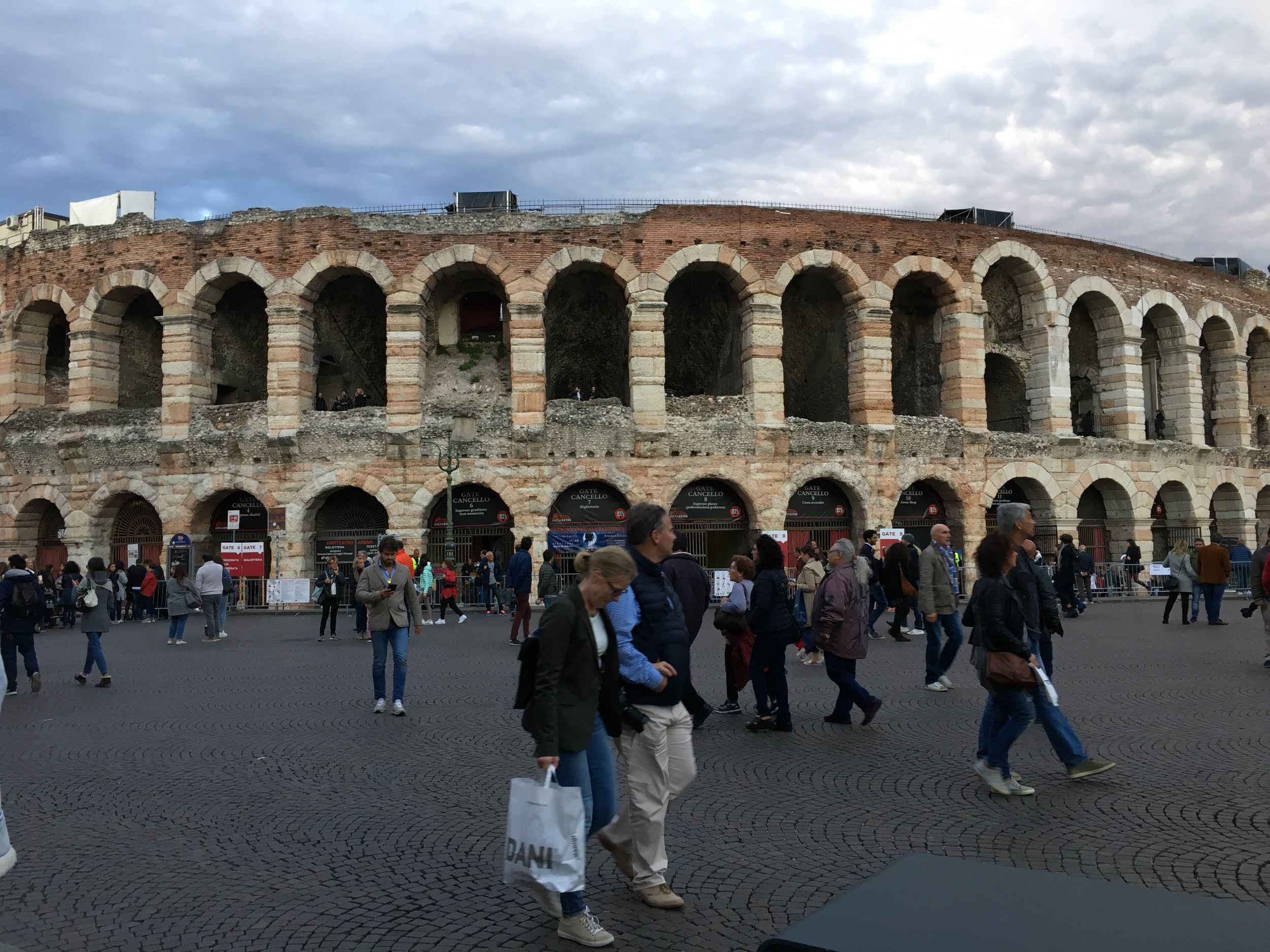
This 1st century amphitheater sits right in the middle of Verona, just off Piazza Bra

In Lucca, the Roman bits are mostly hidden.  But look closely and they reveal themselves. Within the church of Santa Maria della Rosa is a segment of the Roman era city walls which form one wall of the church.  More Roman history lies under the Church of San Giovanni (including Roman baths) and under Via Cesare Battisti in the Domus Romana (Roman House).  Traces of Rome in Lucca persist in the shape of Piazza Anfiteatro and in Piazza Santa Maria Forisportam which marks the border of the old Roman city. Piazza San Michele, today the best people watching spot in town, was once the site of the ancient Roman Forum. 
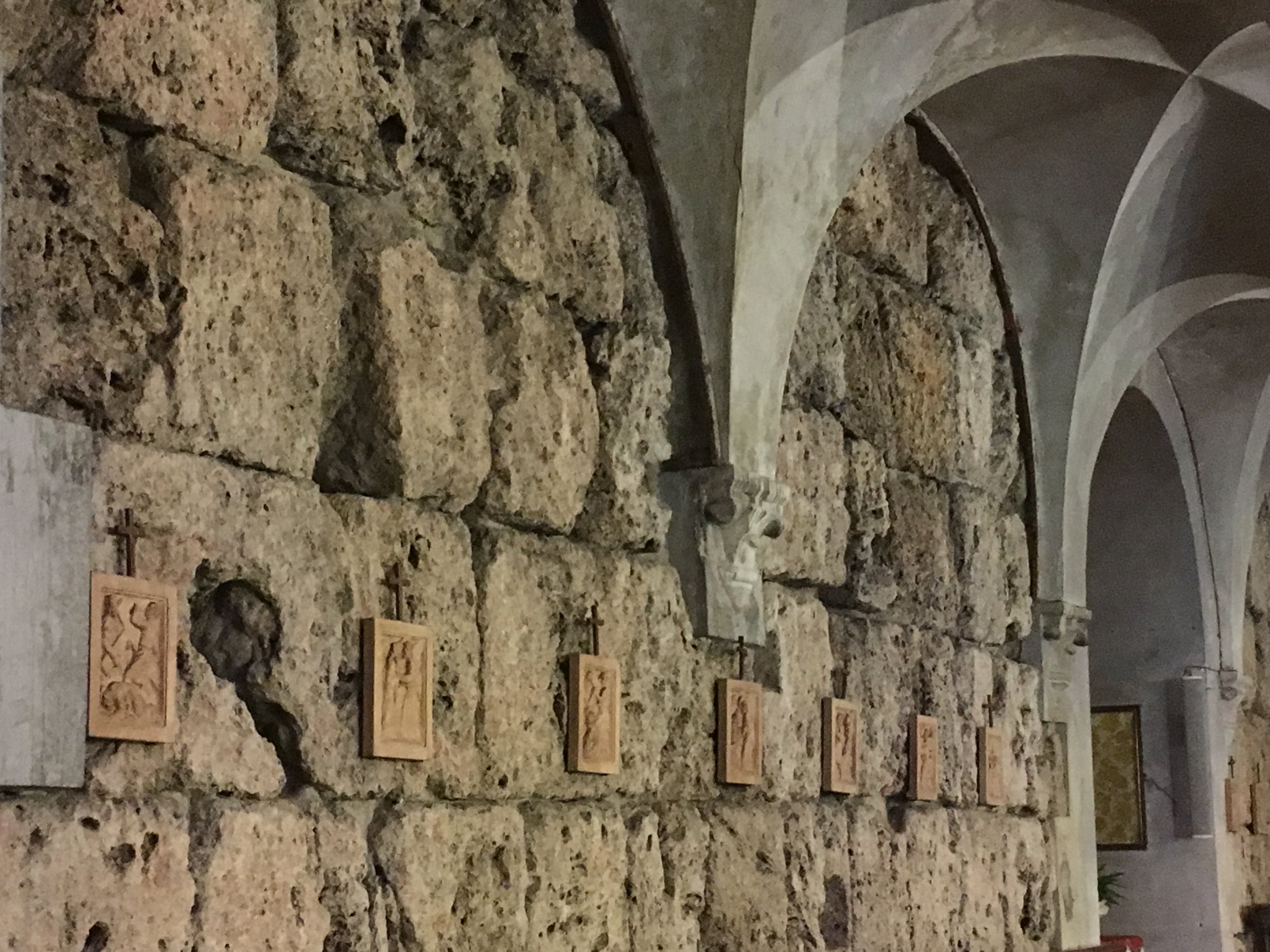
The Church of Santa Maria della Rosa is the best place to see the remains of the Roman era wall that once enclosed the city

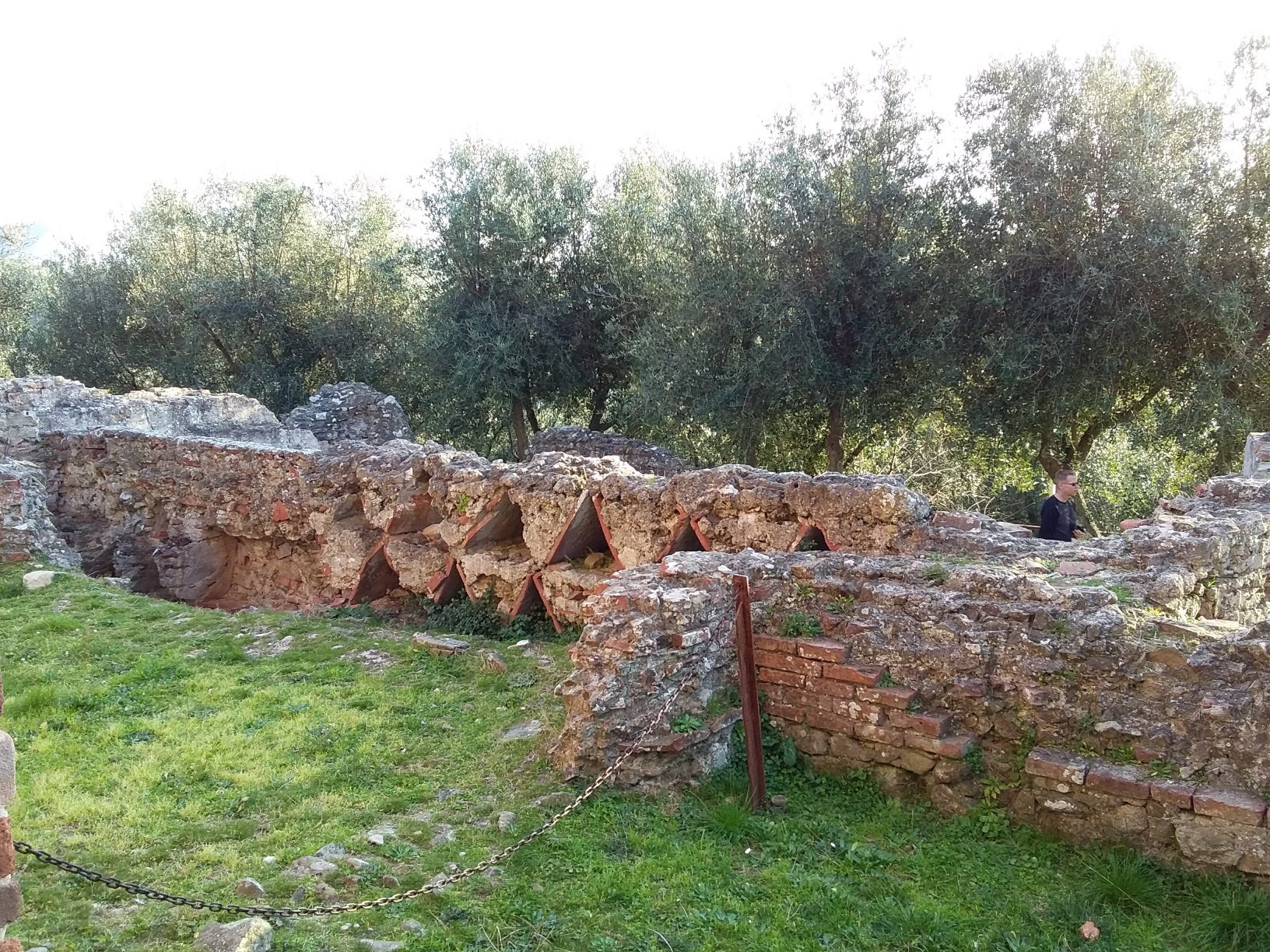
Not far from Lucca, the ruins of a Roman villa sits a short distance from the shores of Lake Massaciuccoli.  Amazingly, it is possible to wander through the completely open site!
IMG_2620.JPG
IMG_2612.JPG
IMG_2617.JPG
IMG_2622.JPG

In the Friuli-Venezia Giulia region, in and around the city of Trieste, the ghosts of ancient Rome seem to be everywhere.  Most dramatic are the remnants of a Roman theater that sit right in the middle of Trieste.  A large section of the seating is intact making it easy to picture the events that took place there.
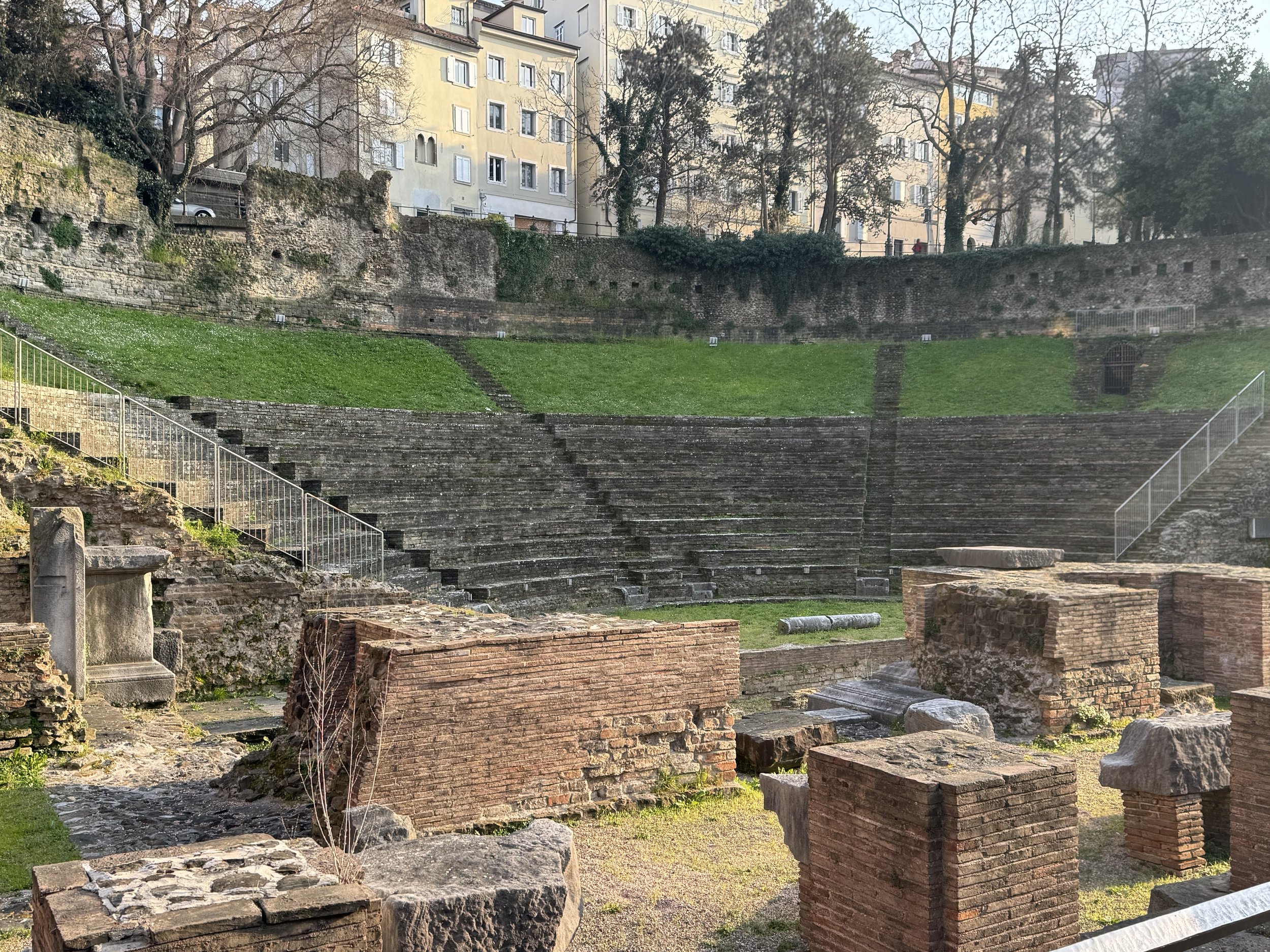
An ancient Roman theater in Trieste, right in the heart of the city

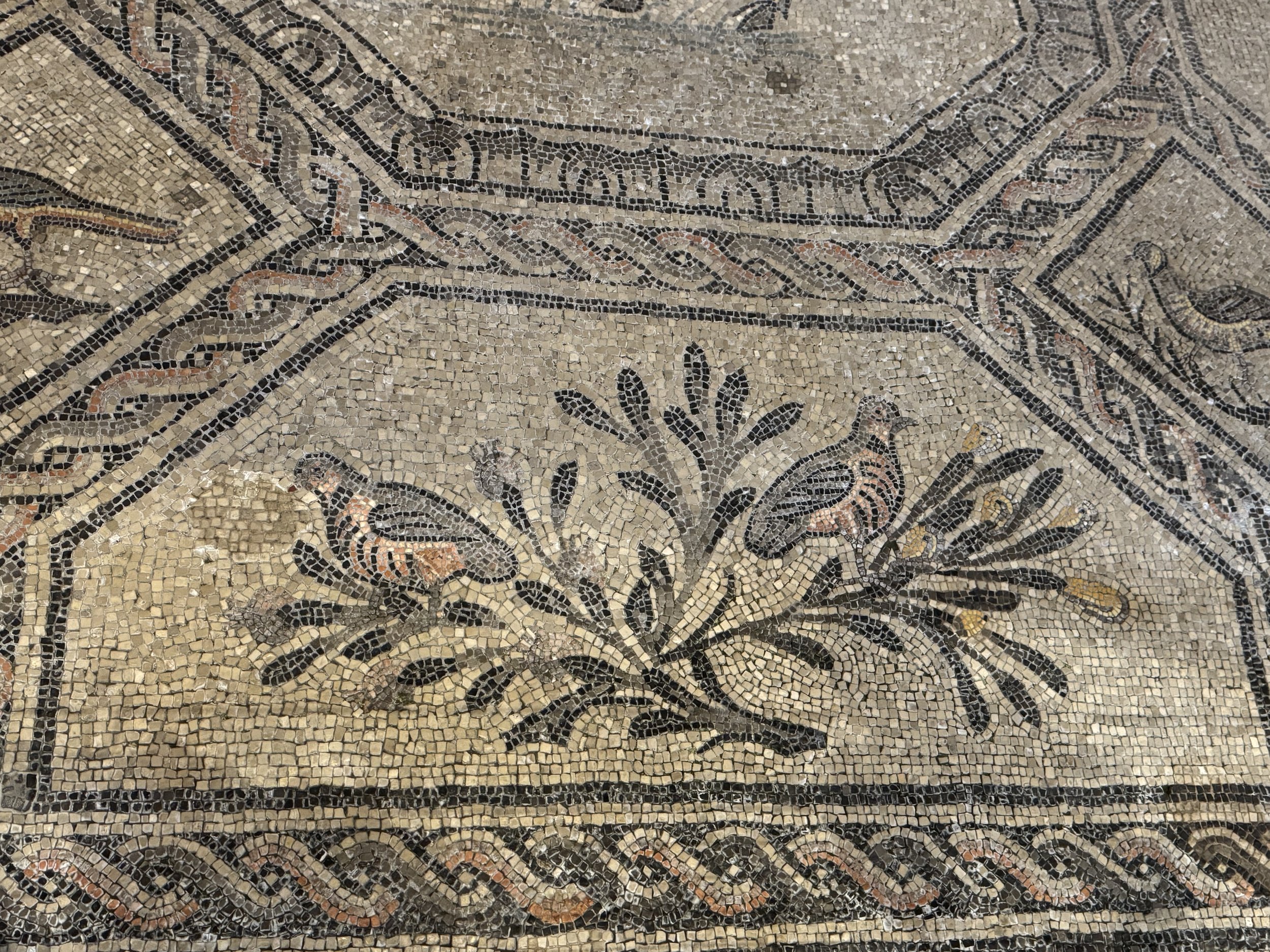
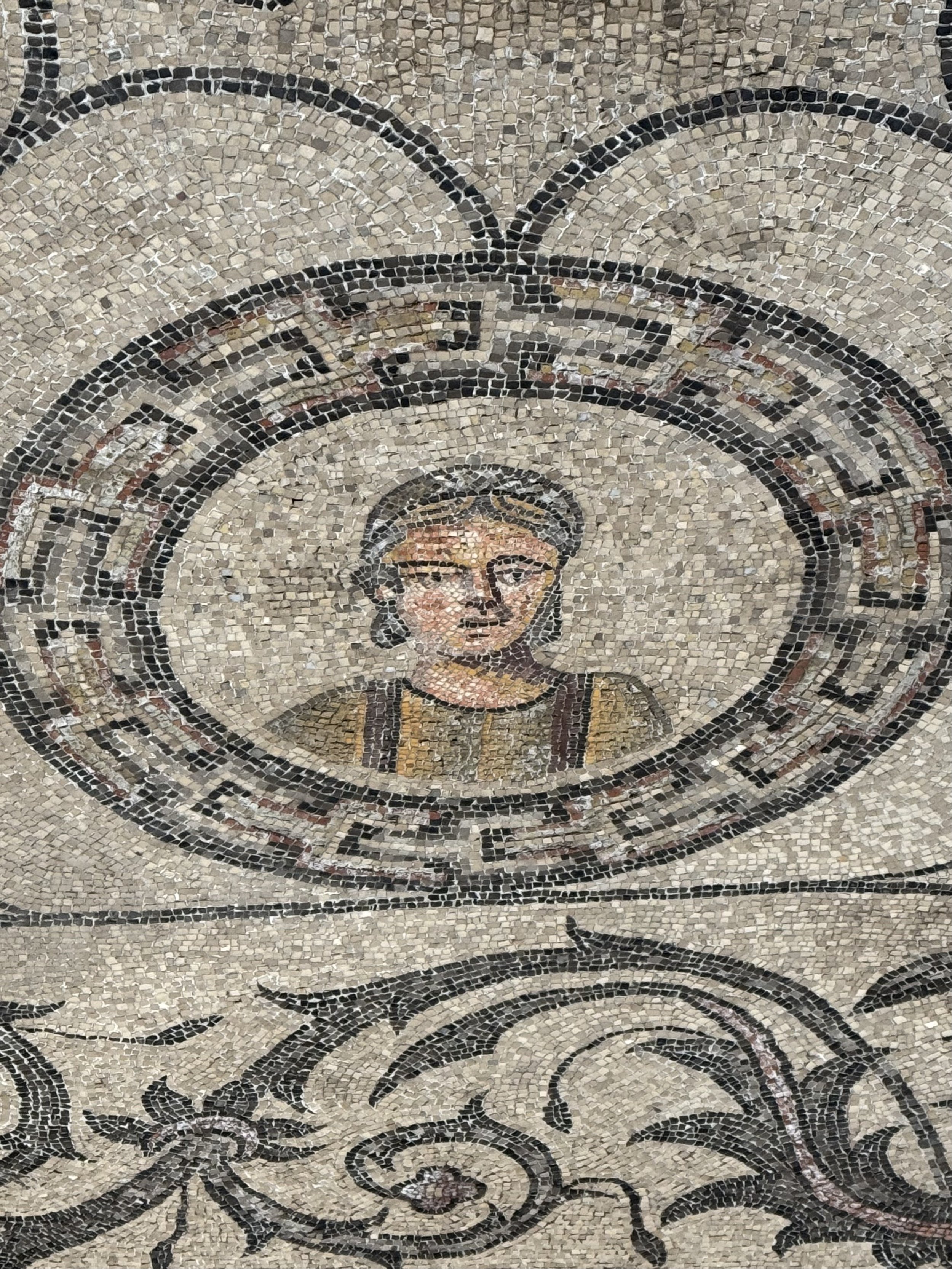
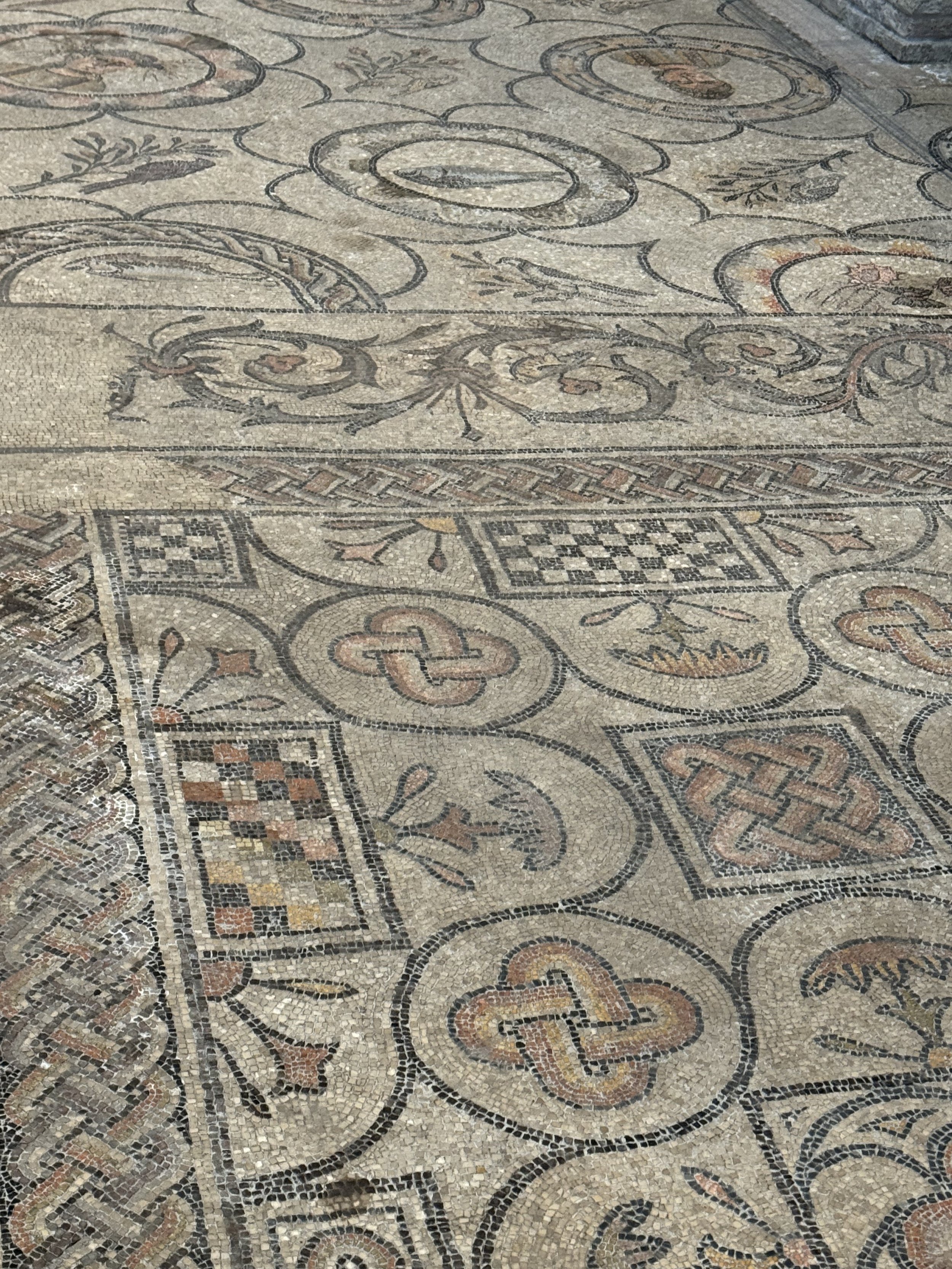
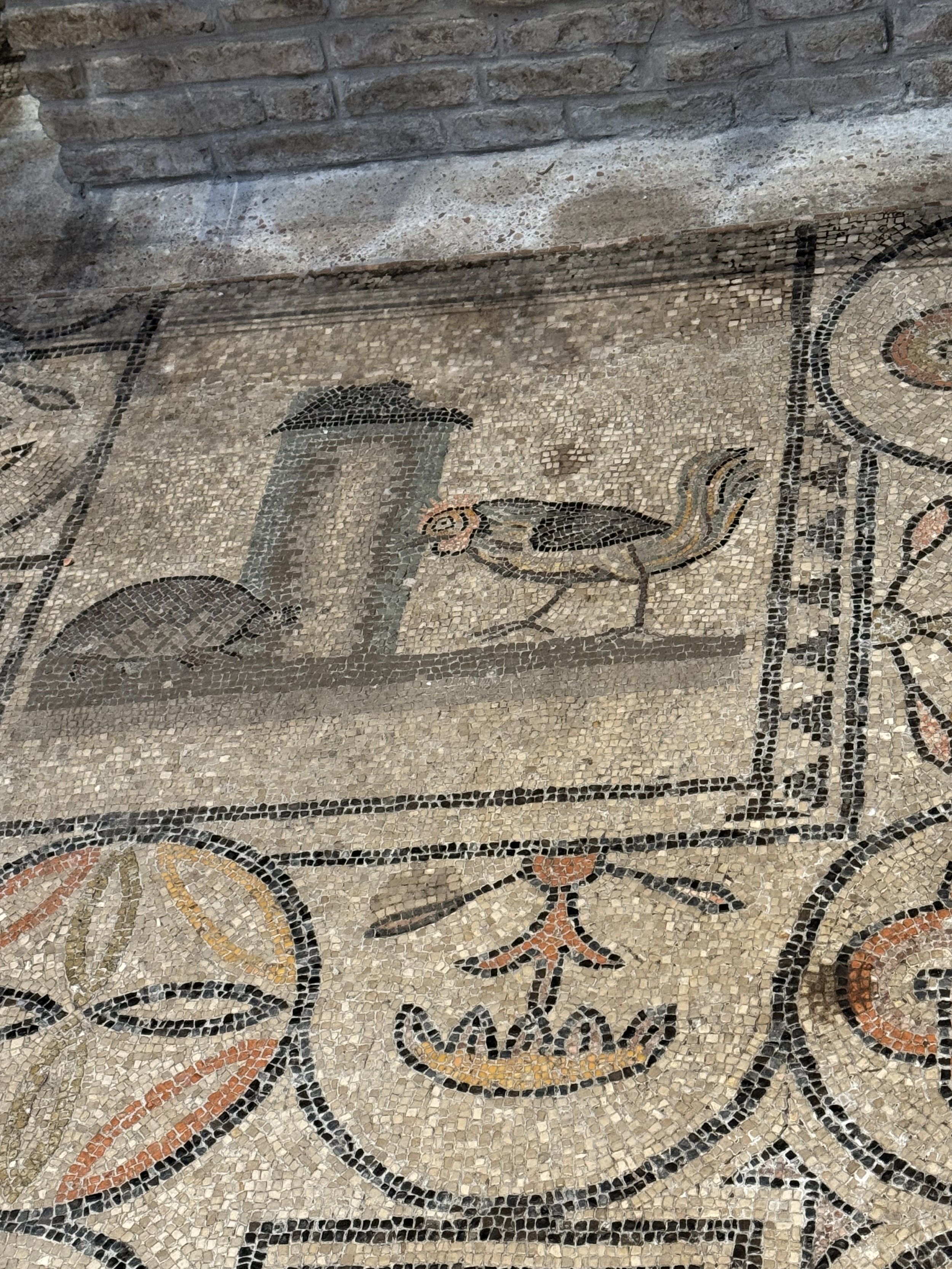
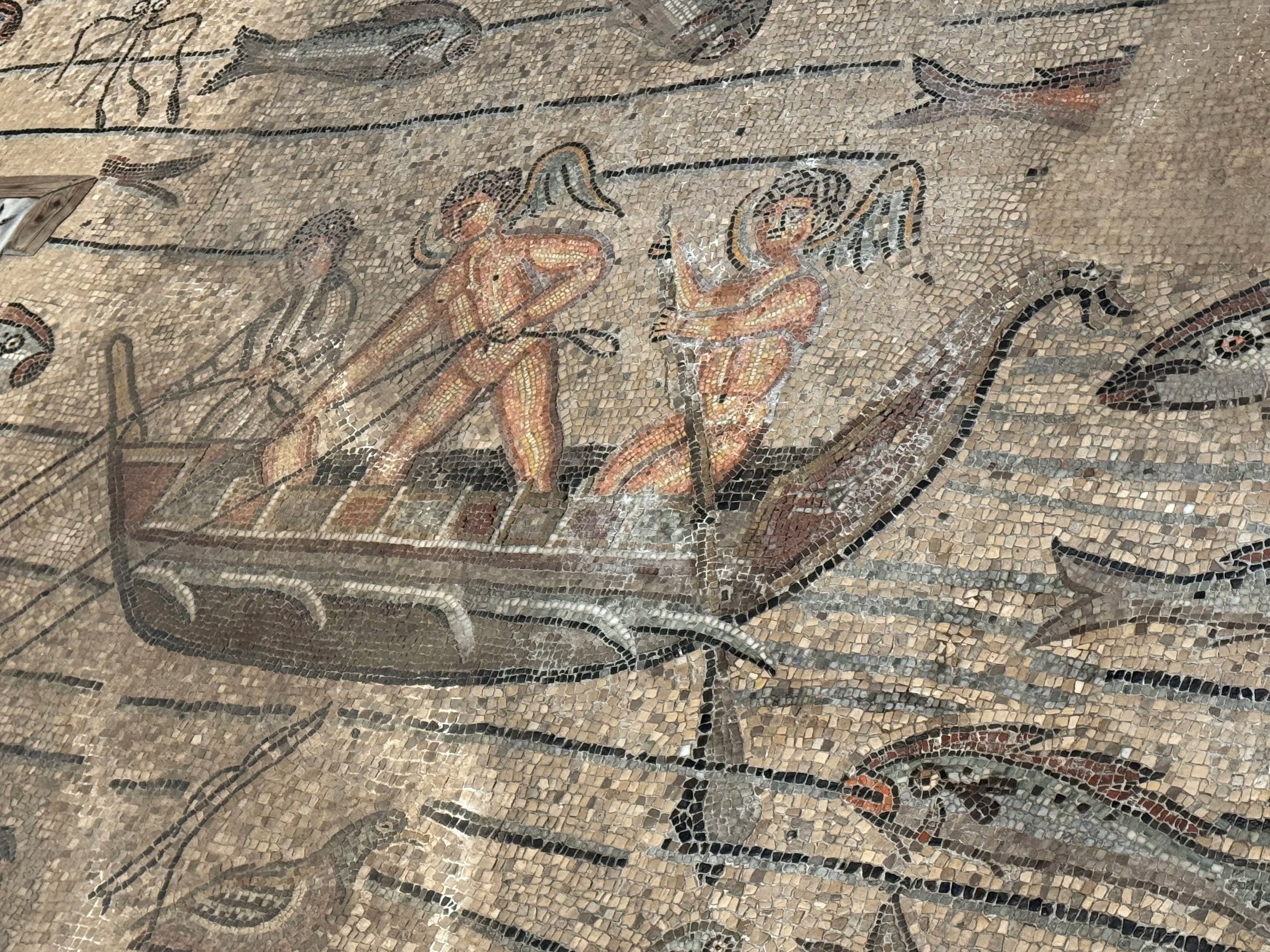
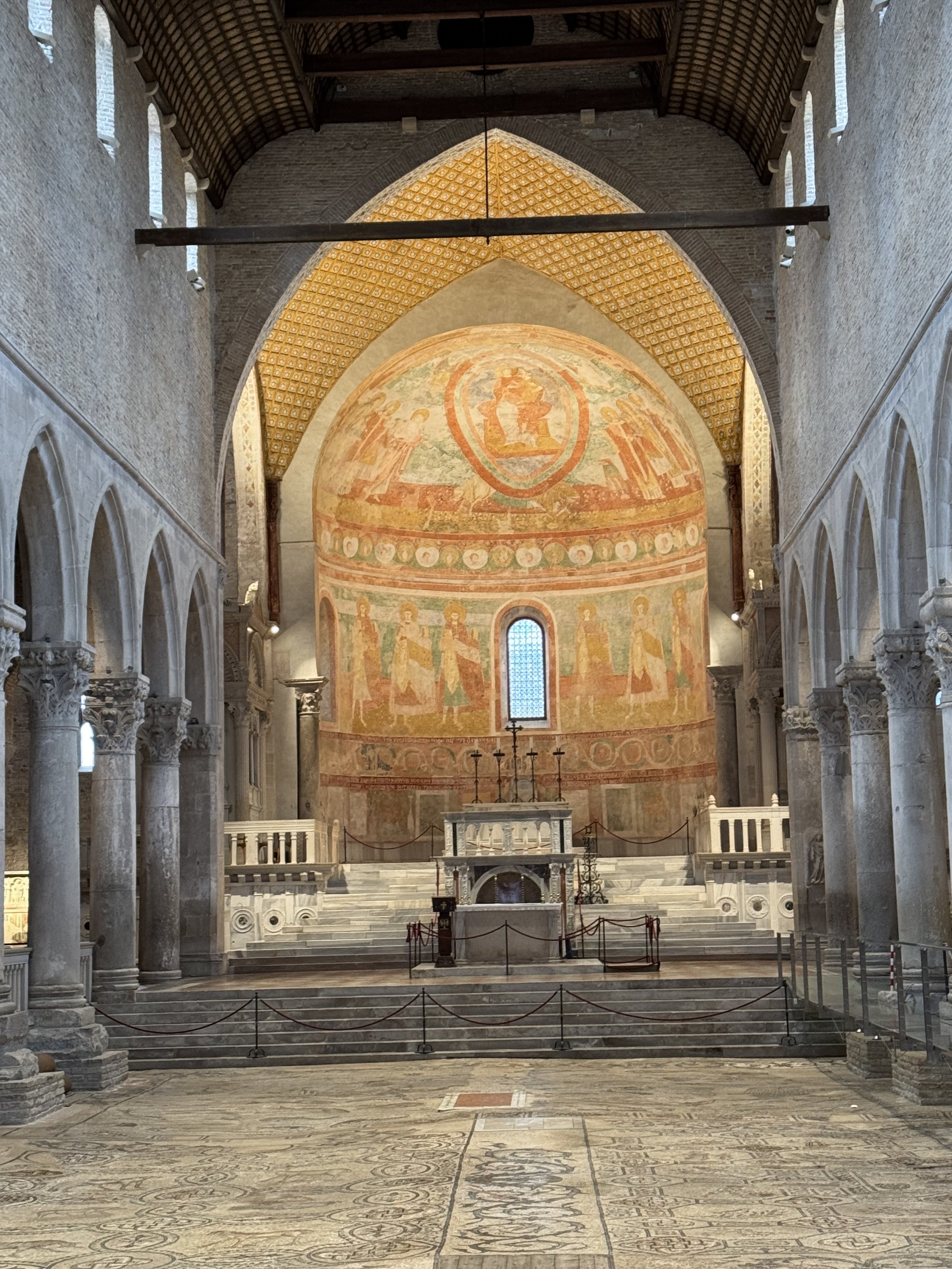
Not far from Trieste, the town of Aquileia is a UNESCO World Heritage Site.  Once a Roman military post, the town has a large archeological area and a host of historical finds.  The Basilica of Santa Maria Assunta was built over layers of much earlier structures.  Its Medieval floor was removed to reveal Roman era mosaics underneath.  These can be seen up close from a clear walkway that sits just above the mosaic floor.  The detailed mosaics, rich in color and imagery, make up the largest Roman mosaic floor in this region.   
IMG_9514.jpeg
IMG_9525.jpeg
IMG_9526.jpeg
IMG_9515.jpeg
IMG_9521.jpeg
IMG_9533.jpg

Verona

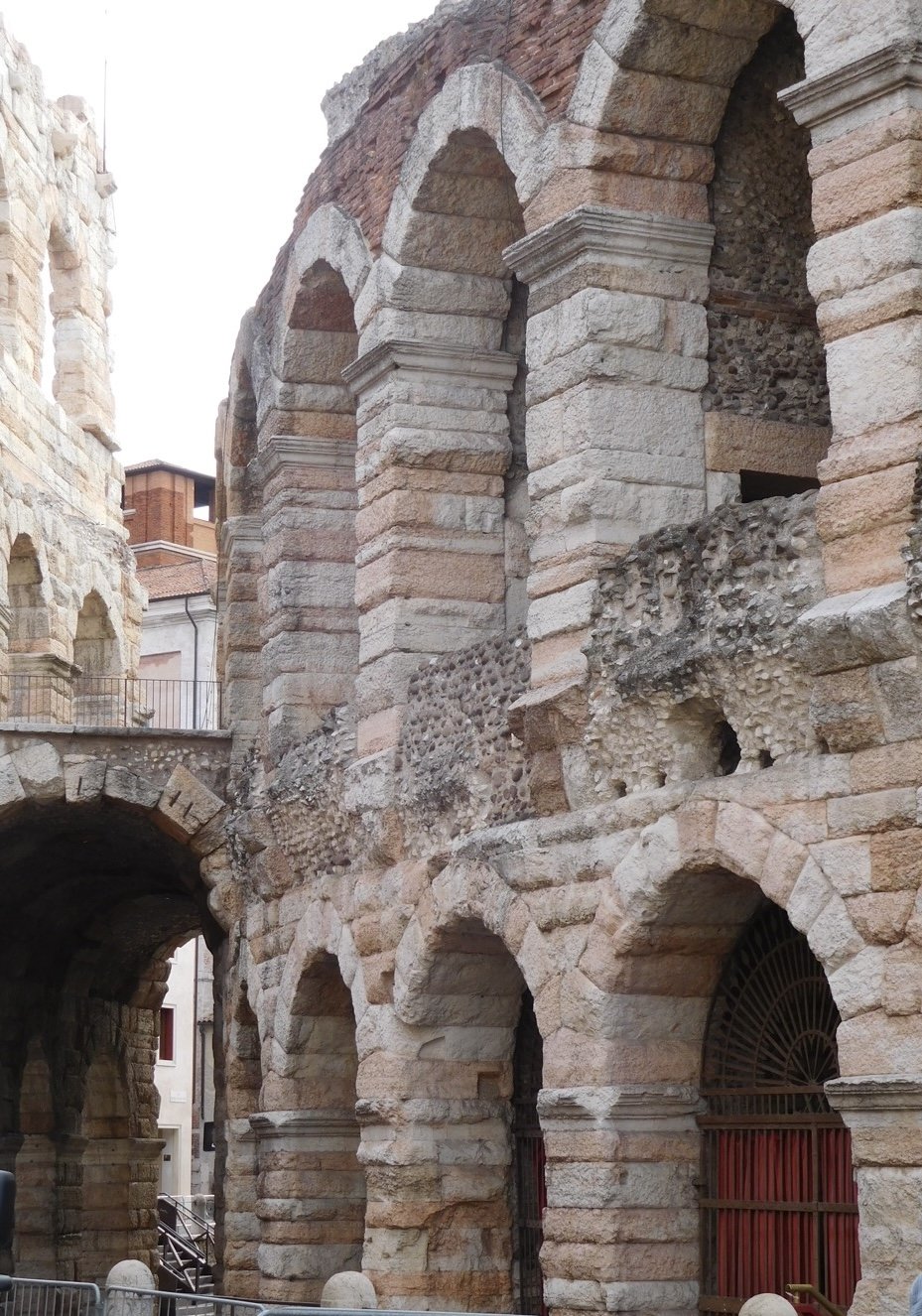
In Verona, a Roman arena sits just off Piazza Bra.  Not just a historic relic, today the arena hosts opera performances and other special events.  Climb the stone steps to where Romans once sat and feel the shadows of the past.

In Spello a Roman Gate to the city still stands.  The Porta Consolare, with its three arches, was the main entrance to Roman Spello. 

The three arches allowed carts and people to pass through. The attached tower was a Medieval addition. Like so many Italian cities, Spello clearly shows its evolution over various eras.
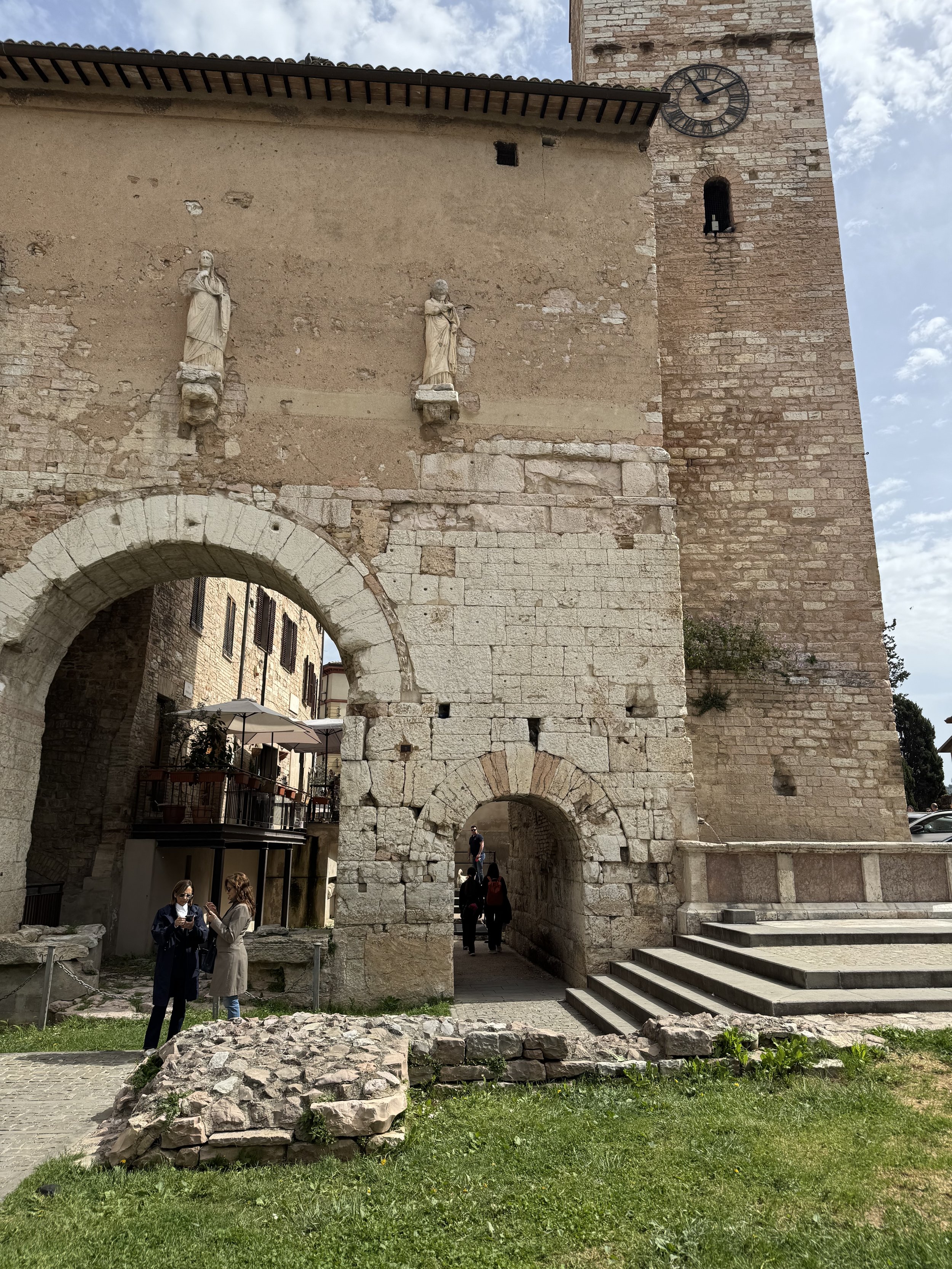
Porta Consolare, Spello

Next stop, Torino (Turin) where another Roman gate awaits.  This one, the Porta Palatina, has a segment with 3 arches at ground level topped with a tall two row high series of “windows” and flanked by two towers.  Statues of Julius and Augustus Caesar, reproductions of the original bronzes, stand just inside the gates. Ruts left by carts can still be seen approaching the gates.
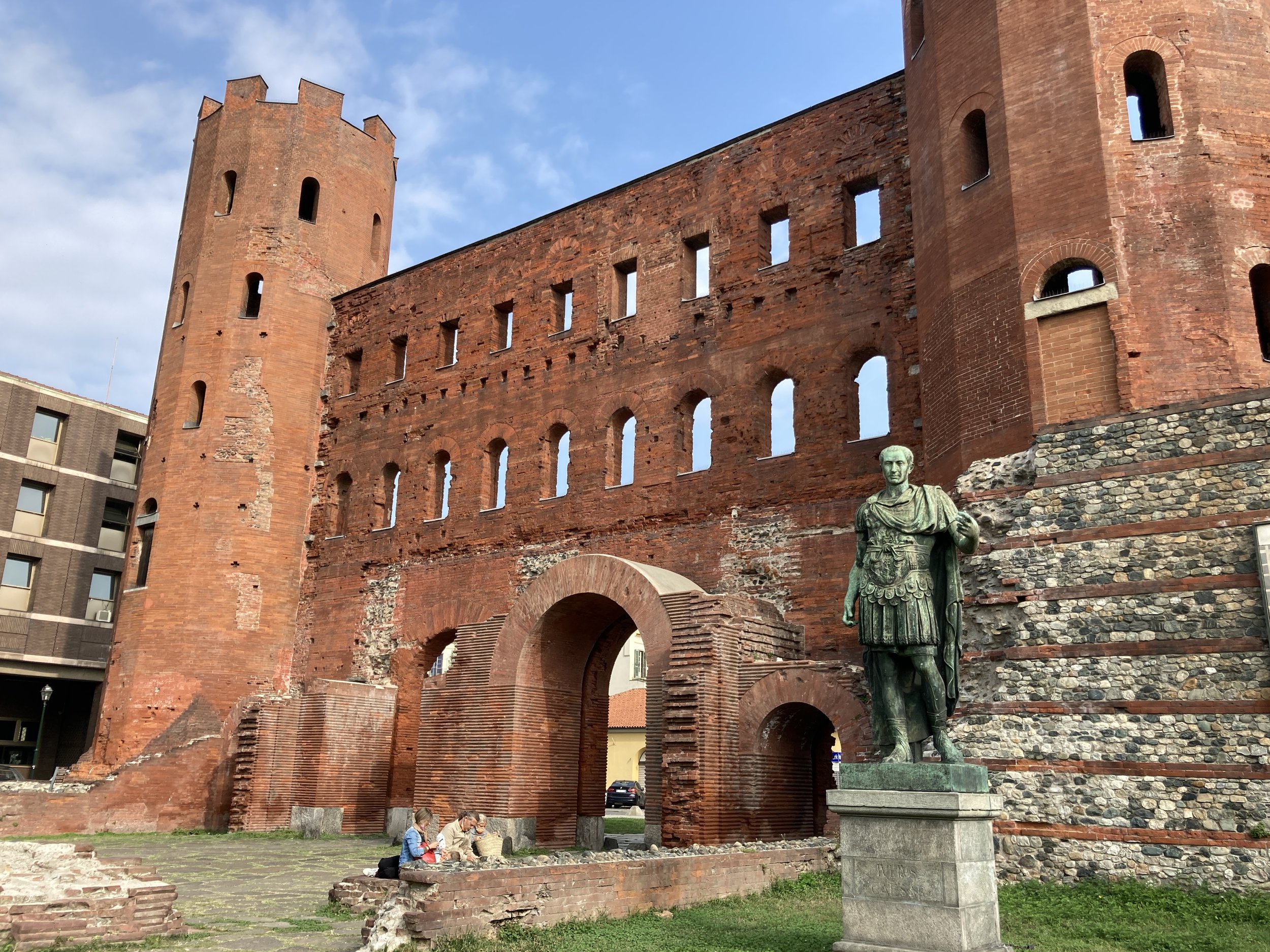
Porta Palatina, Torino

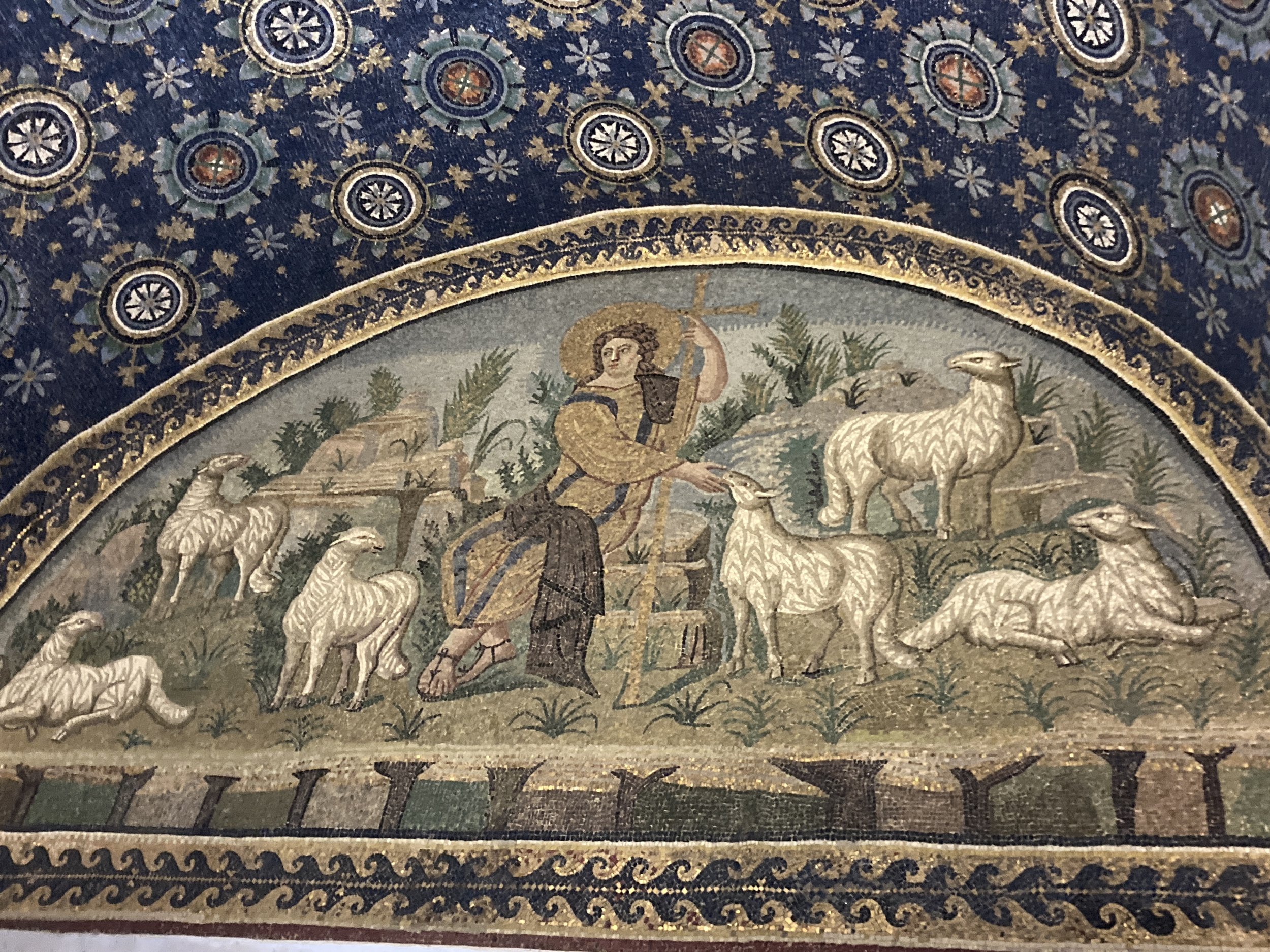
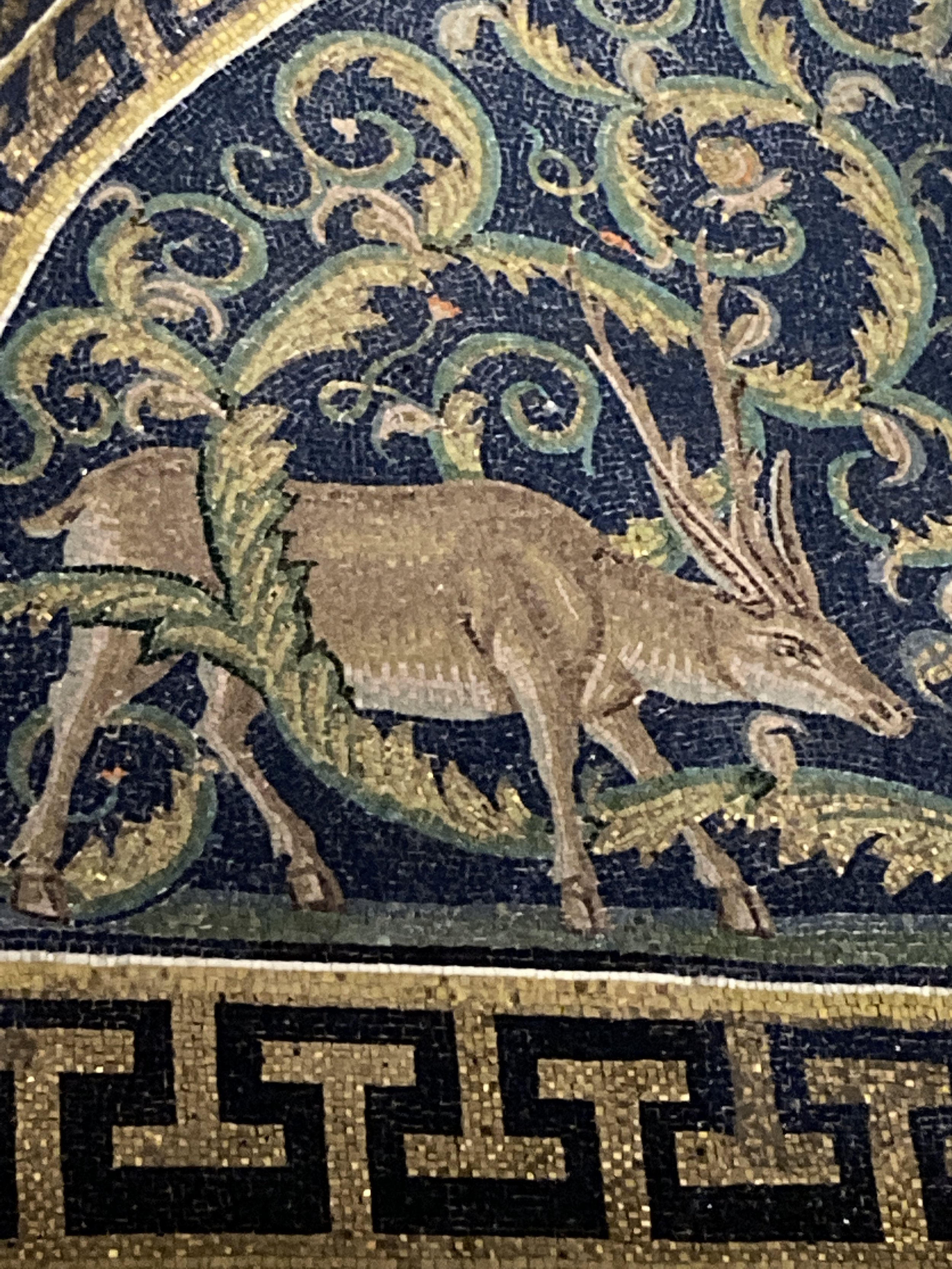
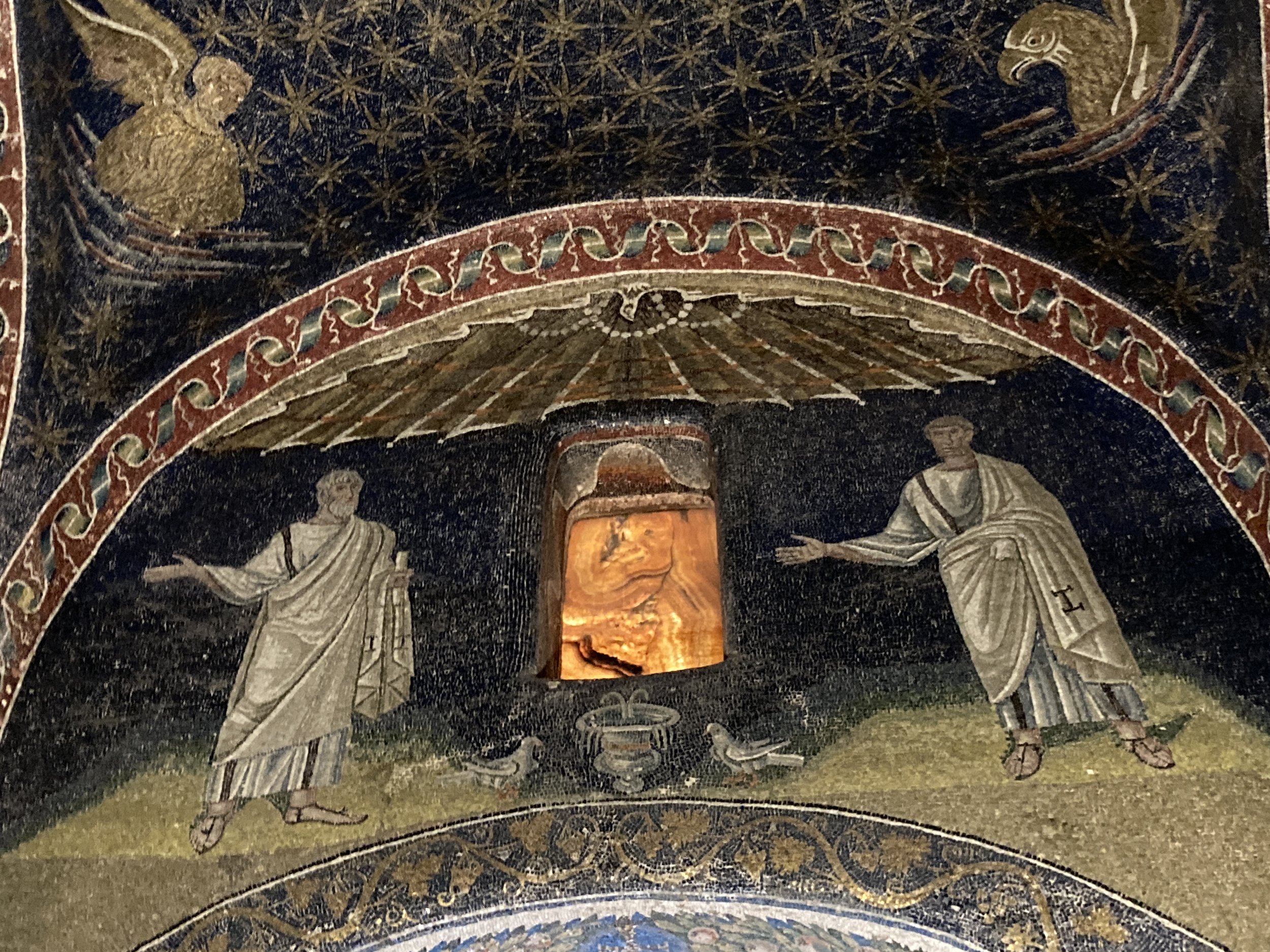
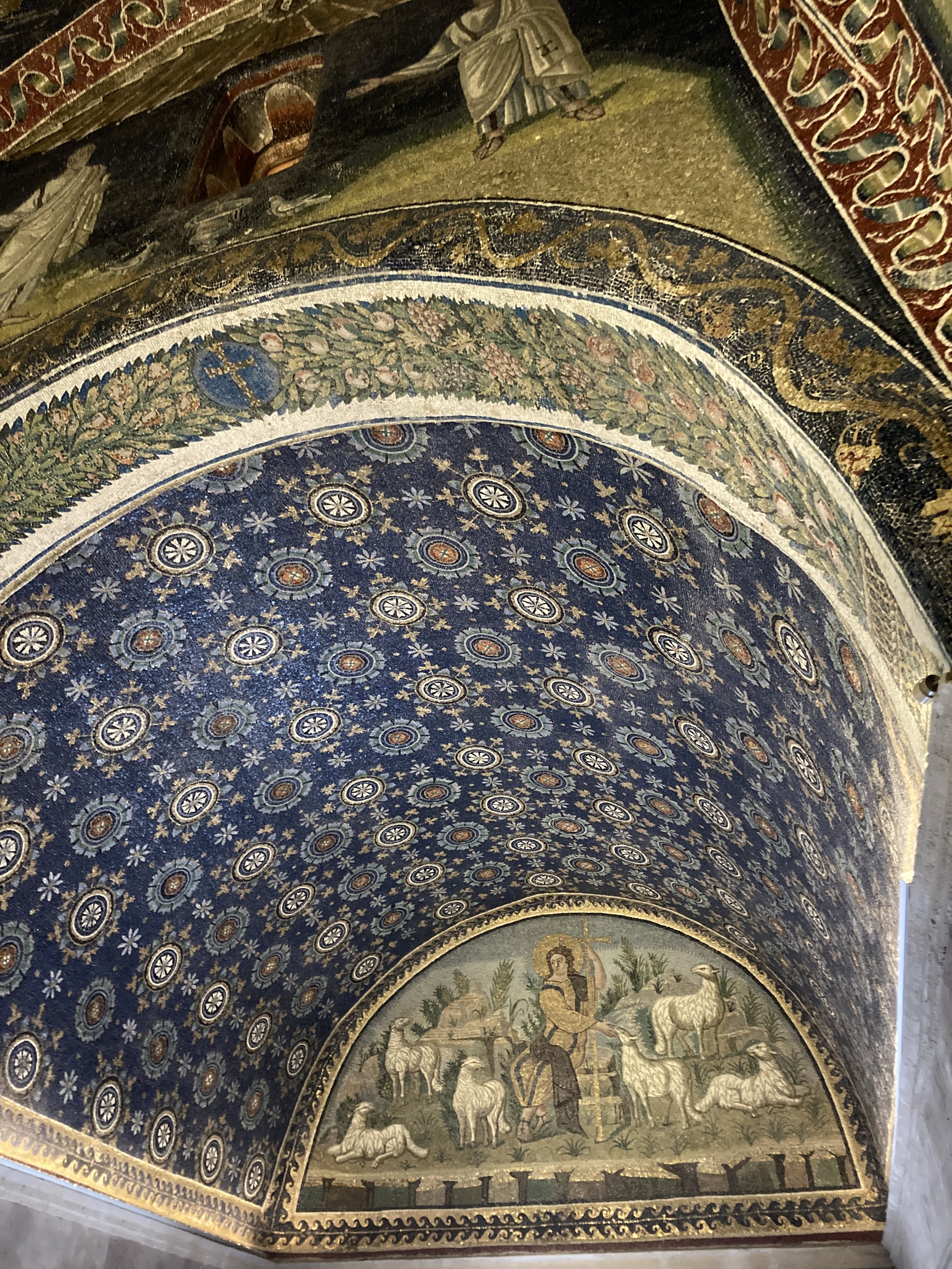
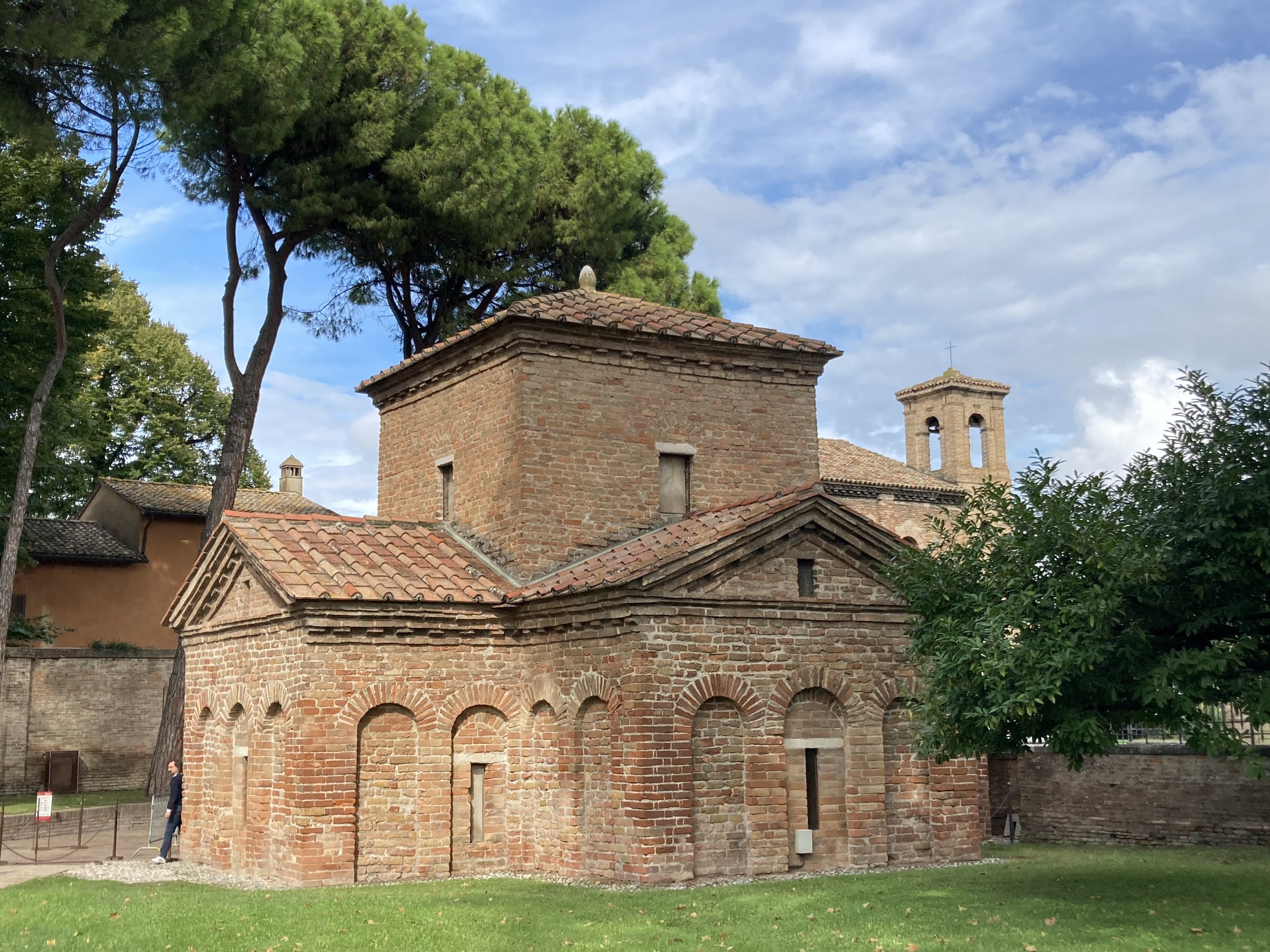
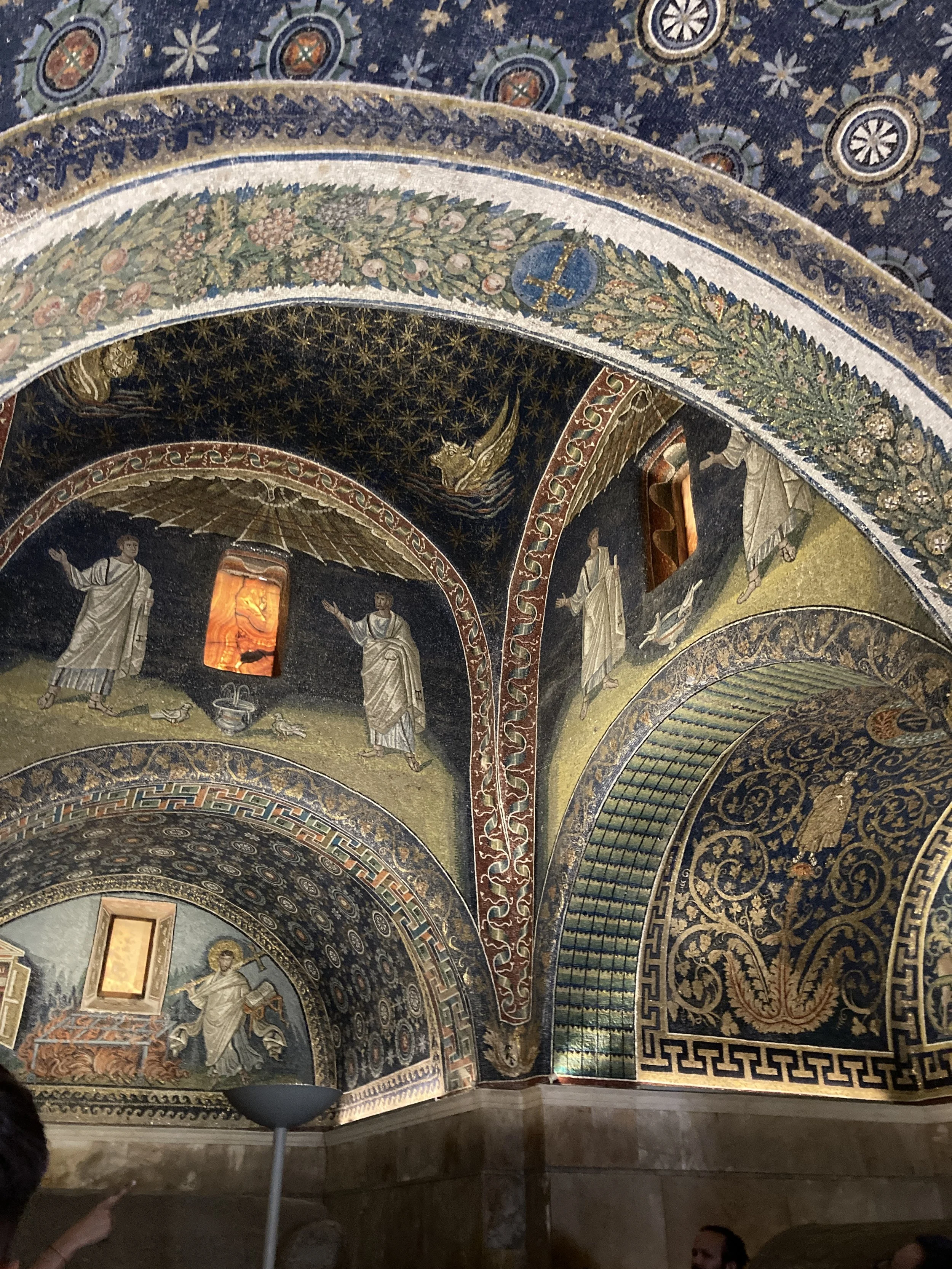
One of the most fascinating examples of the late Roman / early Christian period in northern Italy is in the city of Ravenna. The Mausoleum of Galla Palicidia (another UNESCO World Heritage site) is deceptively plain on the exterior but breathtakingly beautiful inside. The building never fulfilled its original purpose - as the final resting place of Galla Palicidia, the powerful last Empress of the Roman Empire - but instead most likely functioned as a chapel. Small in size, but huge in impact, it is filled with ornate mosaics from floor to ceiling, in alcoves, around arches, on lunettes, and up to a blue and star filled ceiling. The interior is hushed and softly lit by light filtered through small alabaster windows. The mosaics reflect Christian religious themes through detailed and colorful mosaic figures, which include humans, animals, and plants. It is one of those places that require reverence.
IMG_8888.JPG
IMG_8892.JPG
IMG_8893.JPG
IMG_8900.JPG
IMG_8899.JPG
IMG_8911.JPG

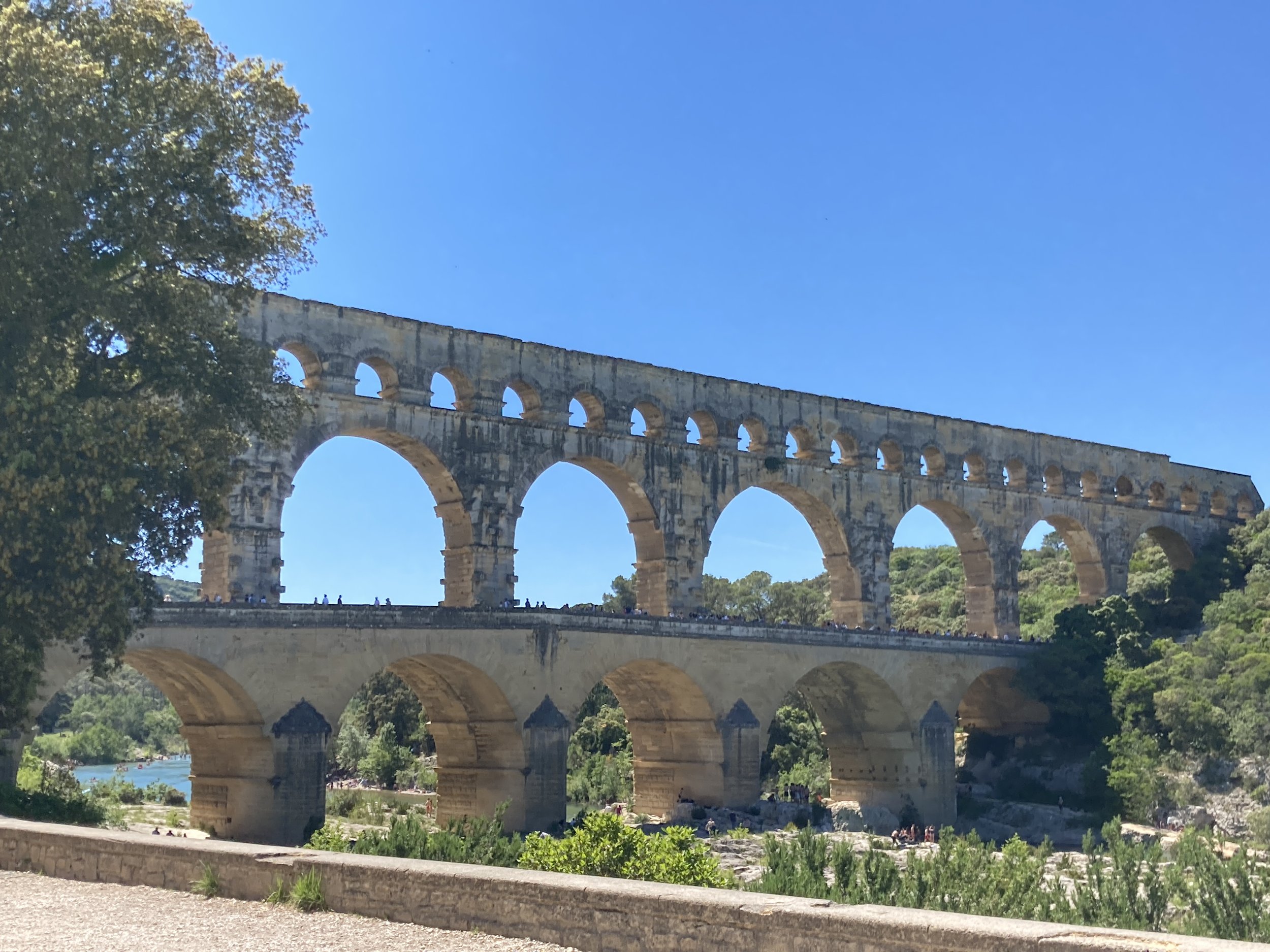
One of the best Roman era aqueducts is the Post du Gard in France

These are just a sampling of Roman historical sites in Northern Italy.  Of course Roman artifacts can be found in modern day Rome, throughout Italy, and in nearby countries. Some outstanding examples are in England and France - which means I need to plan more travel!

I’ve skipped the most well-known relics of the ancient Romans in favor of some of the perhaps less famous in northern Italy. A whole lifetime would be needed to explore them all!
August 03, 2026 /Joanne Bartram
Roman artifacts, Roman sites Italy, History of Italy, Roman villas and ruins
#italytravel, #lucca, european travel, Friuli-Venezia Giulia, History, Italy, Italy travel, Lucca, Roman Architecture, Trieste, Tuscany, Umbria, Verona

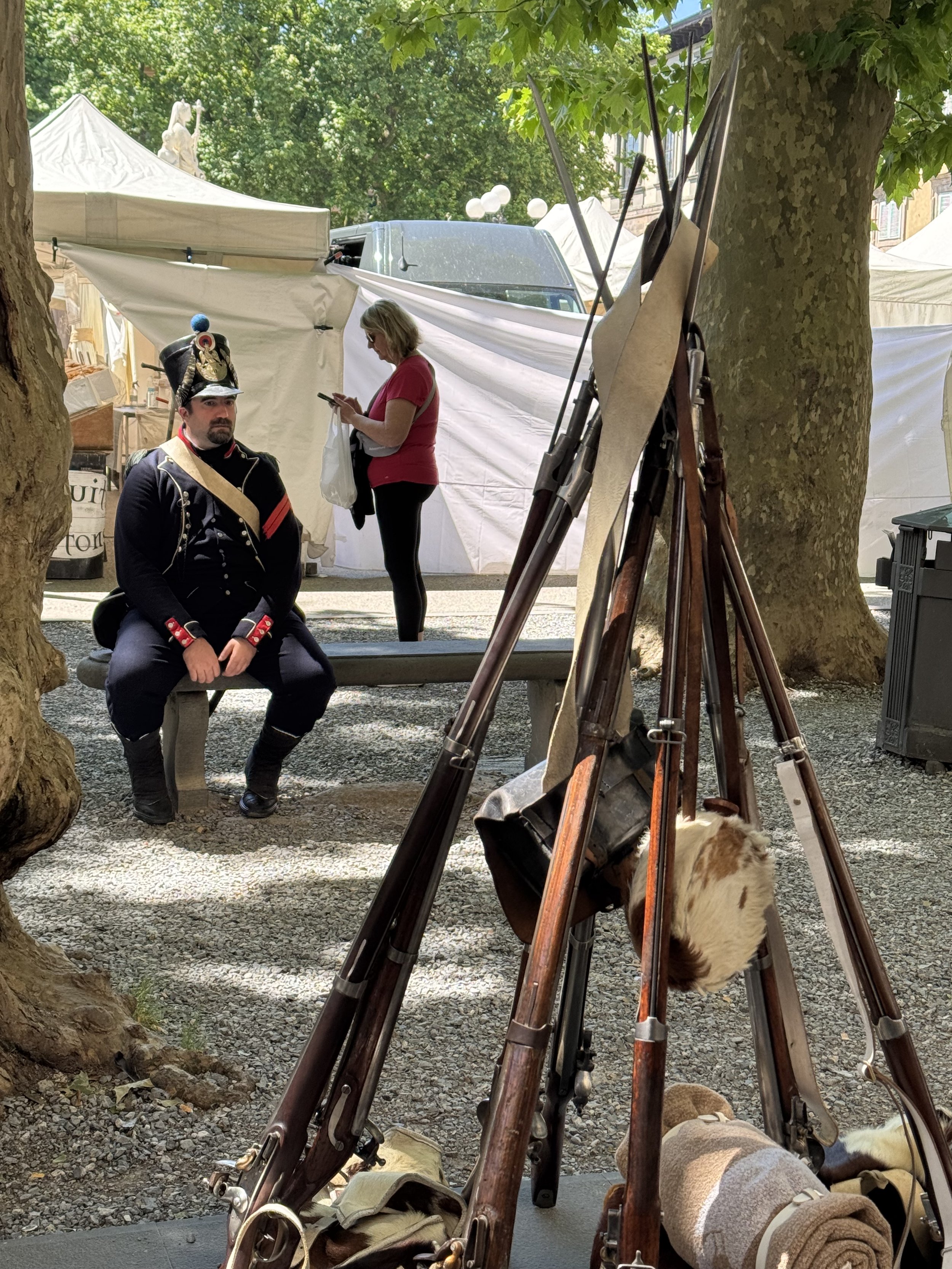
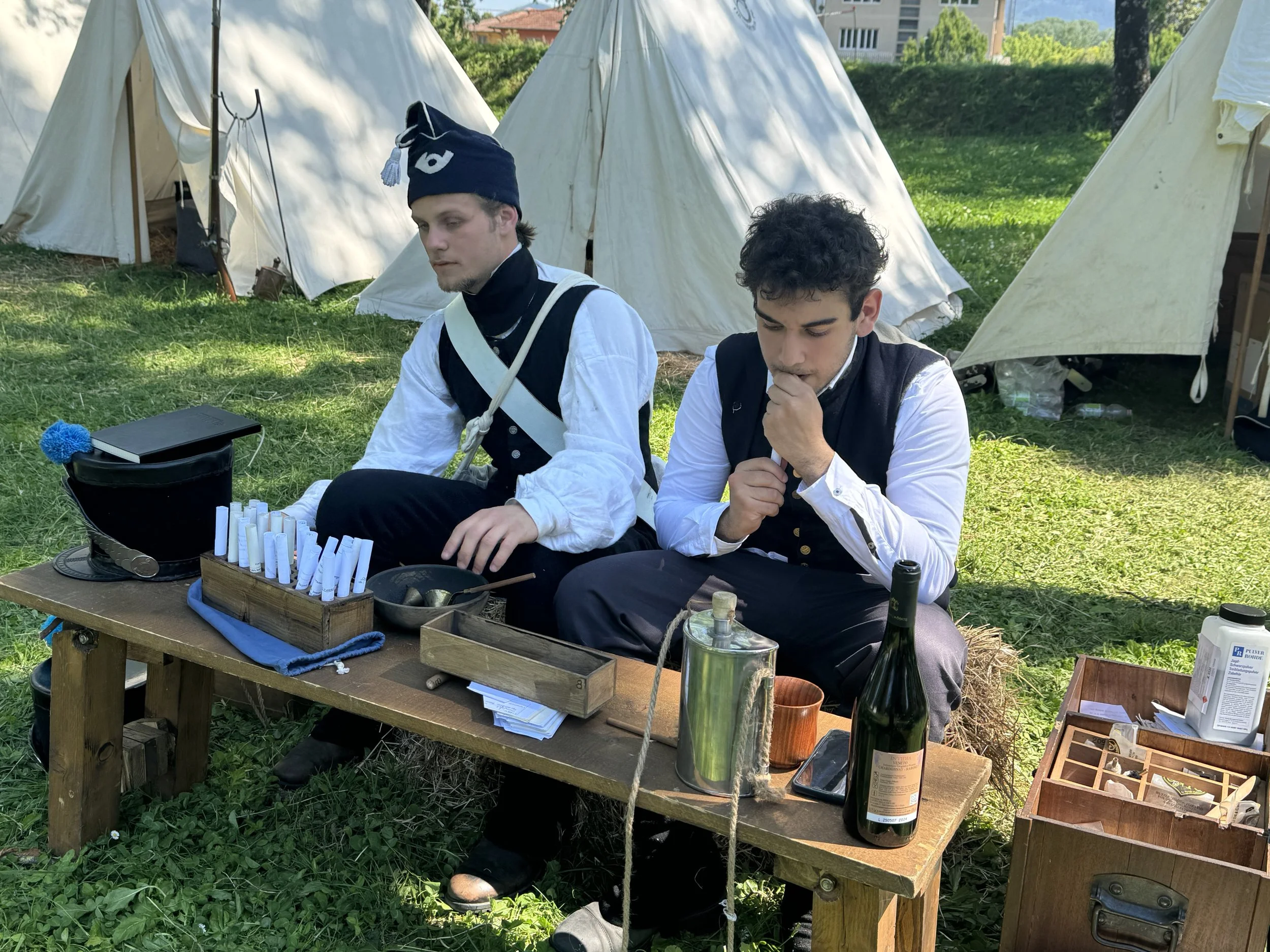
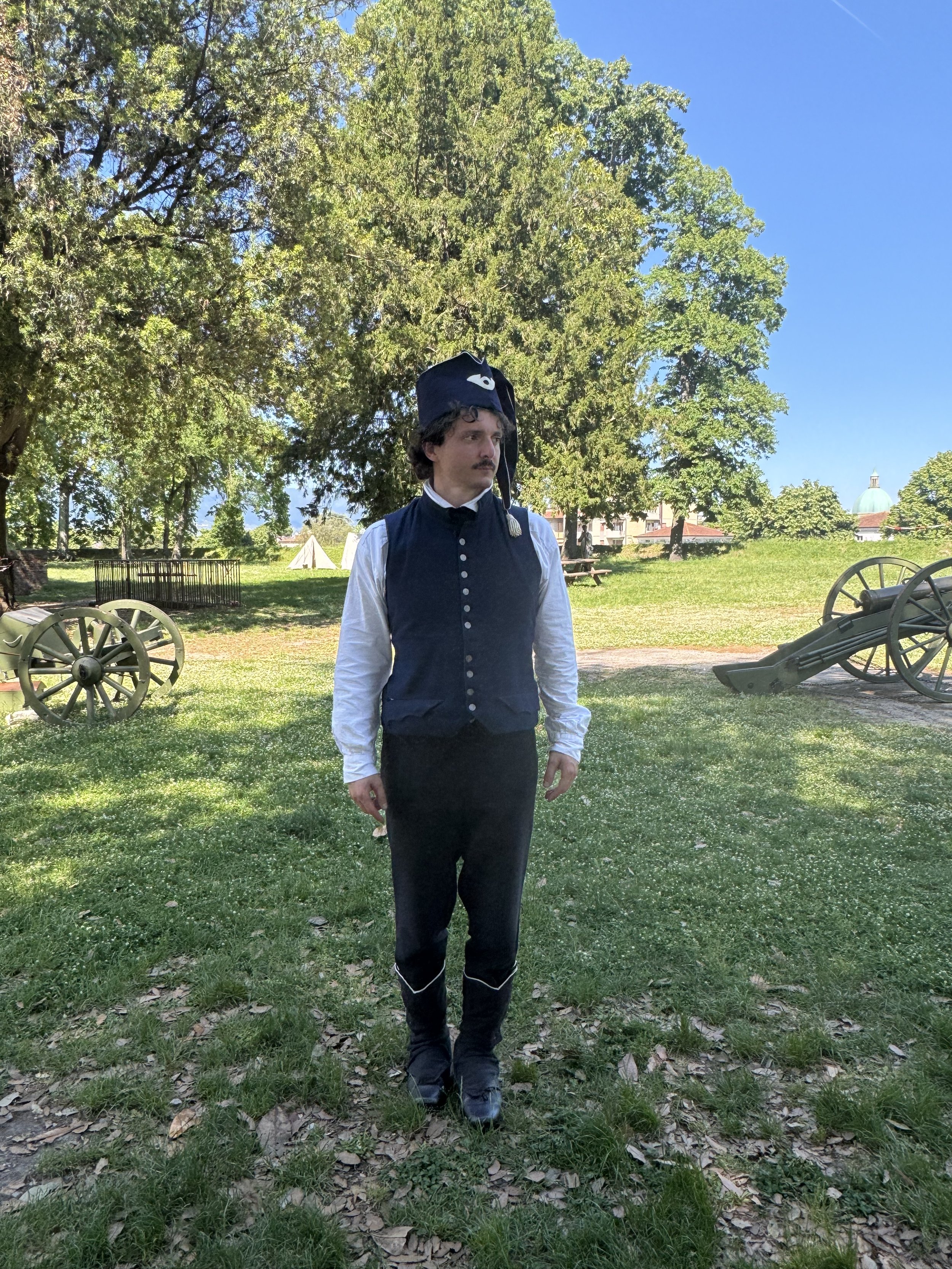
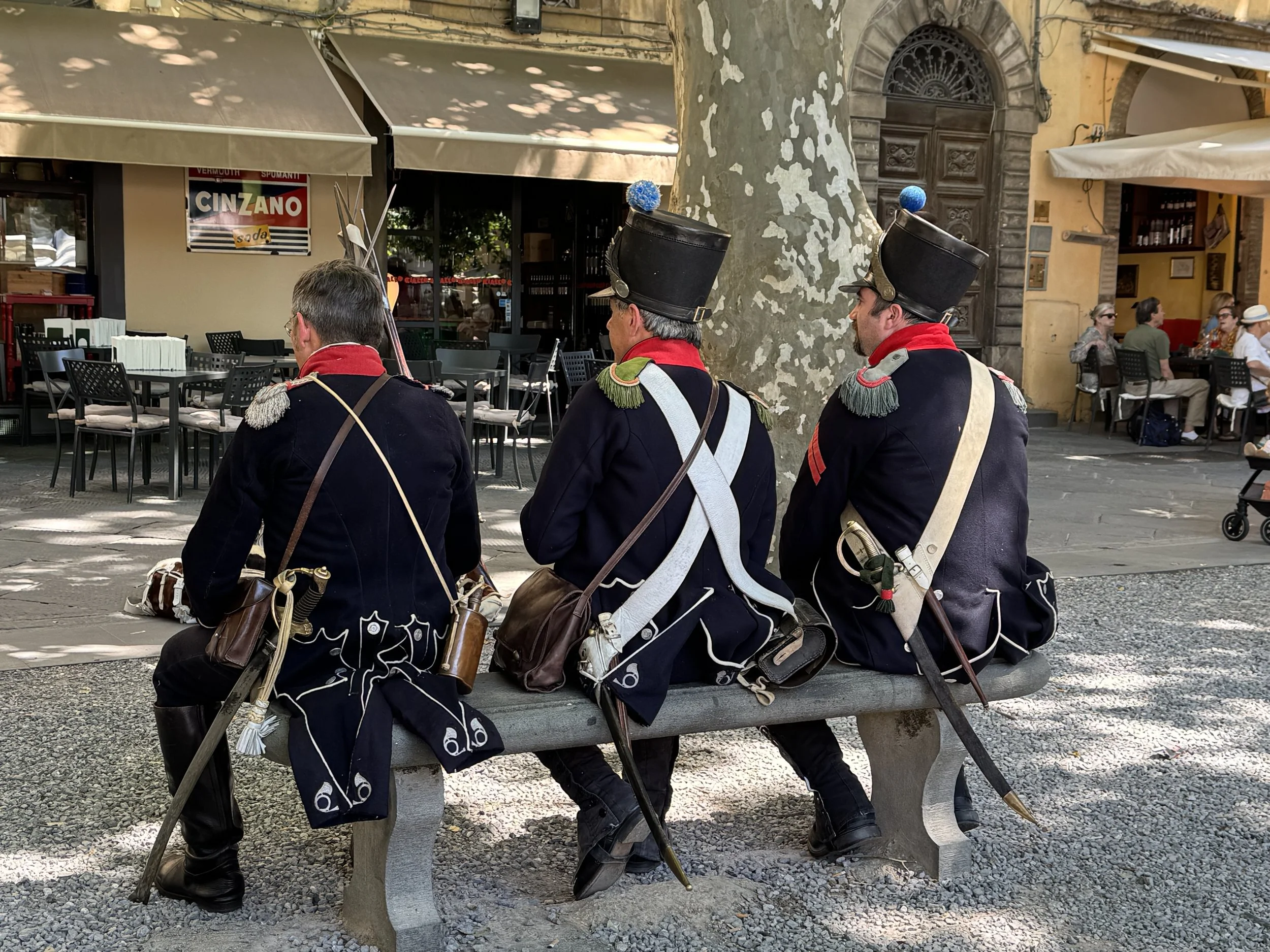
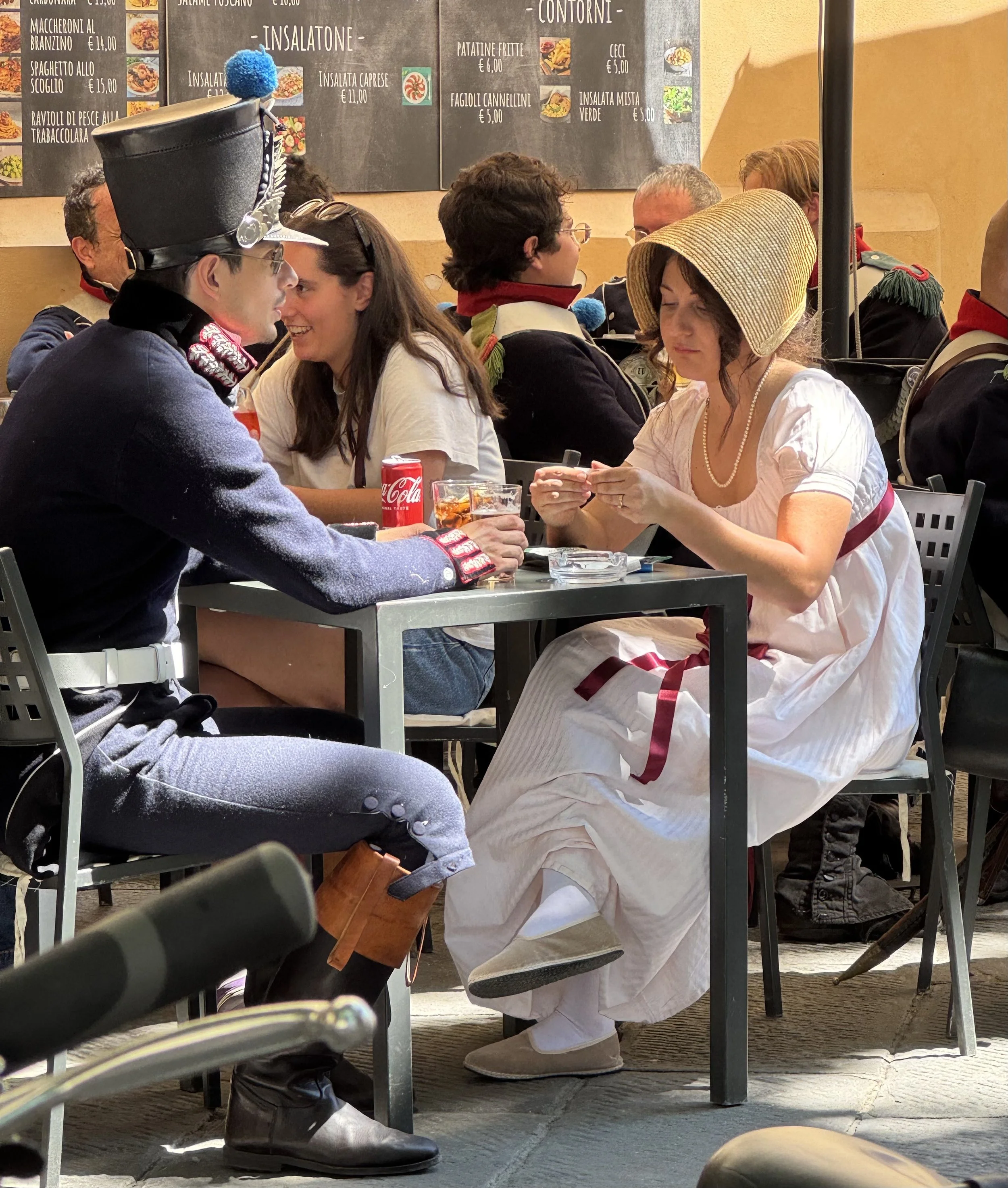
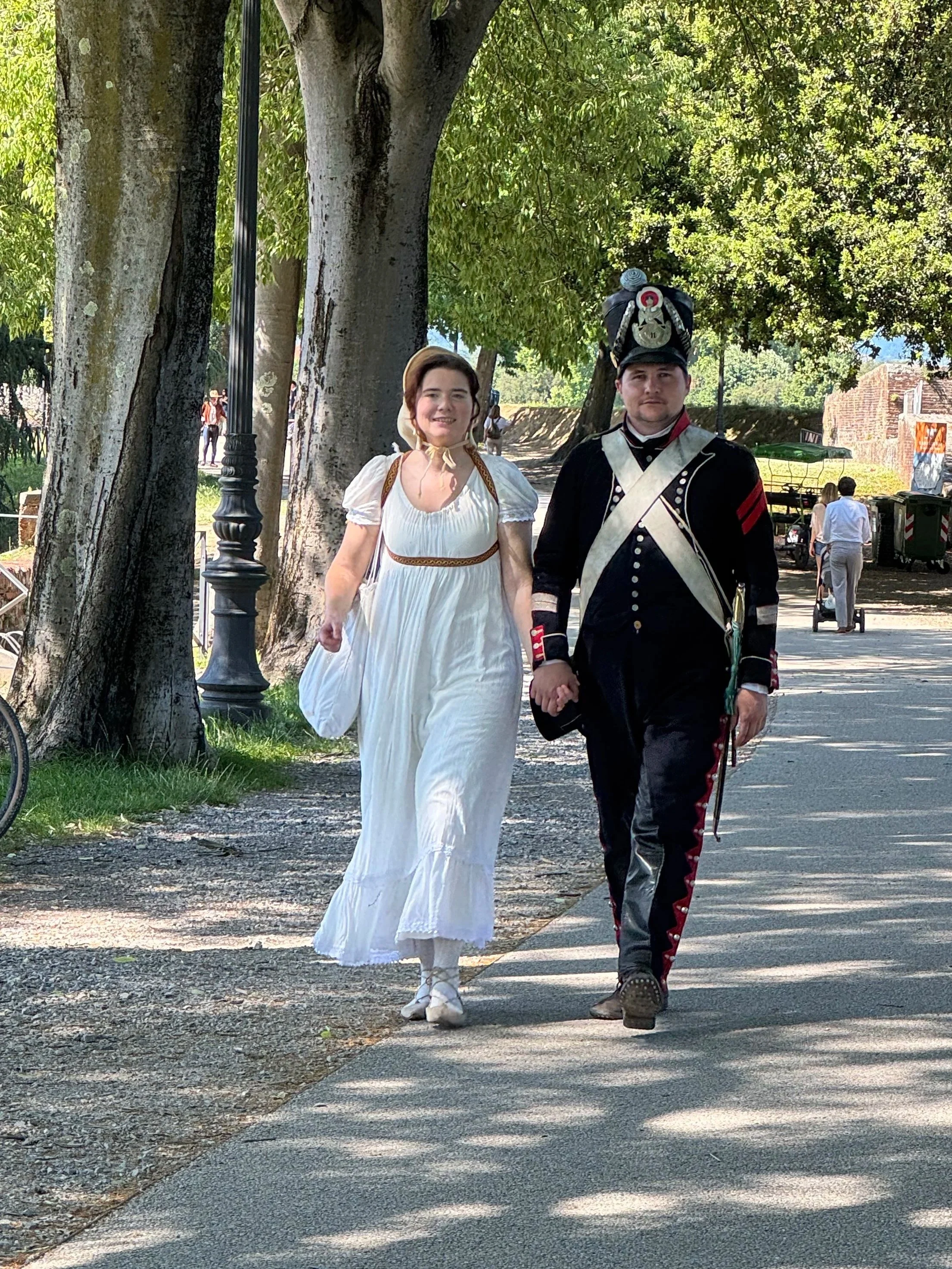
During the time when Napoleon was in charge, we might have seen a soldier like this with his companion

Walking Through Lucca’s History

June 08, 2026 by Joanne Bartram in #italytravel, #lucca, #medievalitaly, Festivals Italy, History, Italian culture, Italy travel, Lucca, Tuscany

In Italian, the verb rievocare means to recall, commemorate, or evoke.   Lucca is, for the most part, a Medieval city.  That history can be recalled easily in the current street plan, Medieval towers, and the many churches from that era that can be found throughout town.  To “rievocare” that Medieval history is easy. 

There are of course vestiges of earlier eras, the outline of a Roman amphitheater, remnants of the Roman wall, and some remarkable Roman ruins lying under churches and houses.  The later Renaissance history can also be spotted, most clearly in the walls that surround the historic city center.   But when it comes to celebrating historical events, it is usually the Medieval period that is recreated through costumes, processions, music, and competitions.

How would one even go about planning an event that would recall the broader scope of Lucca’s history?  From before the Roman era and through the period at the end of World War II?   Well, fortunately, someone decided to do just that, and in late May a festival took place – Rievocando Lucca, A Festival of History.

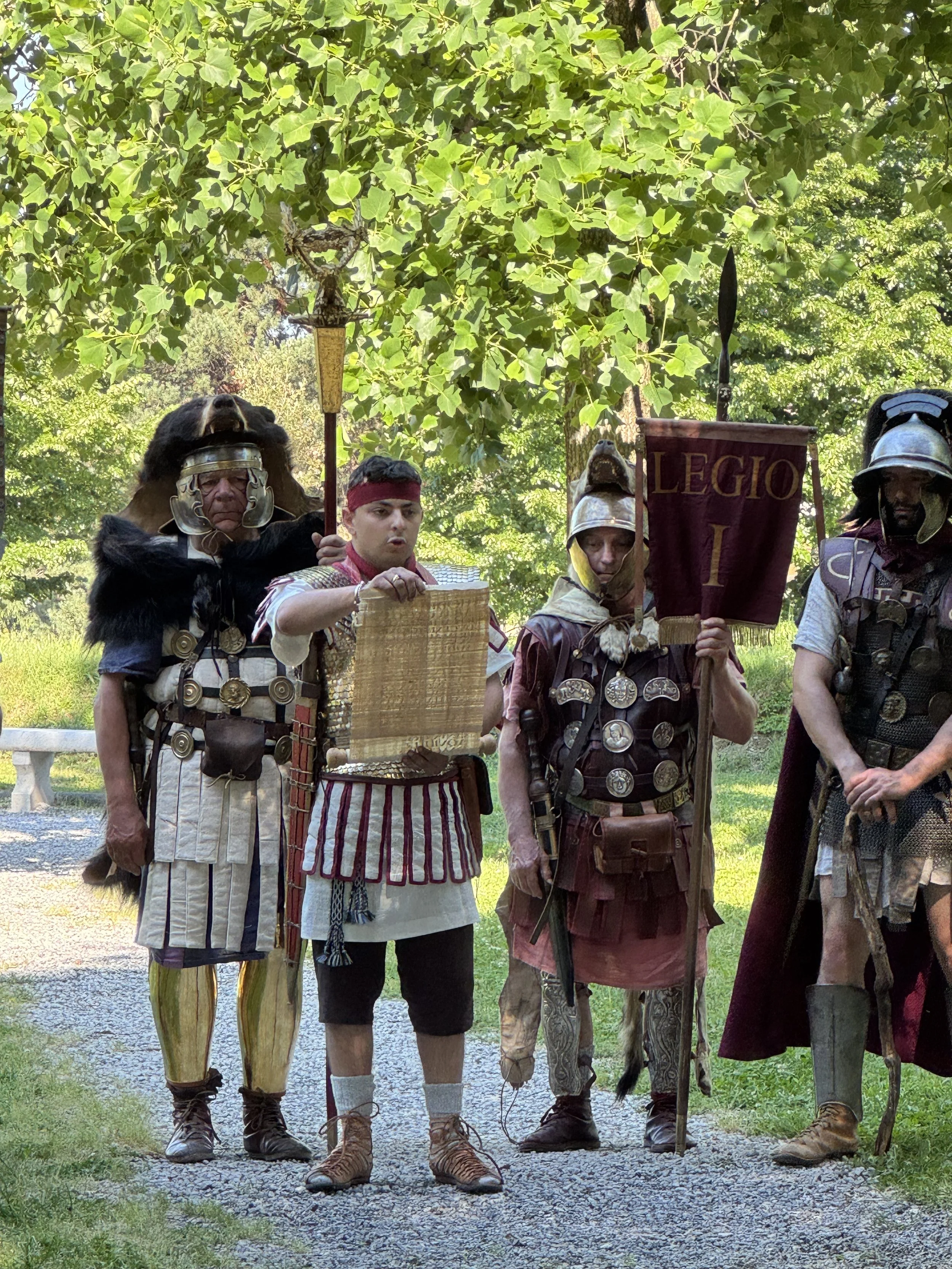
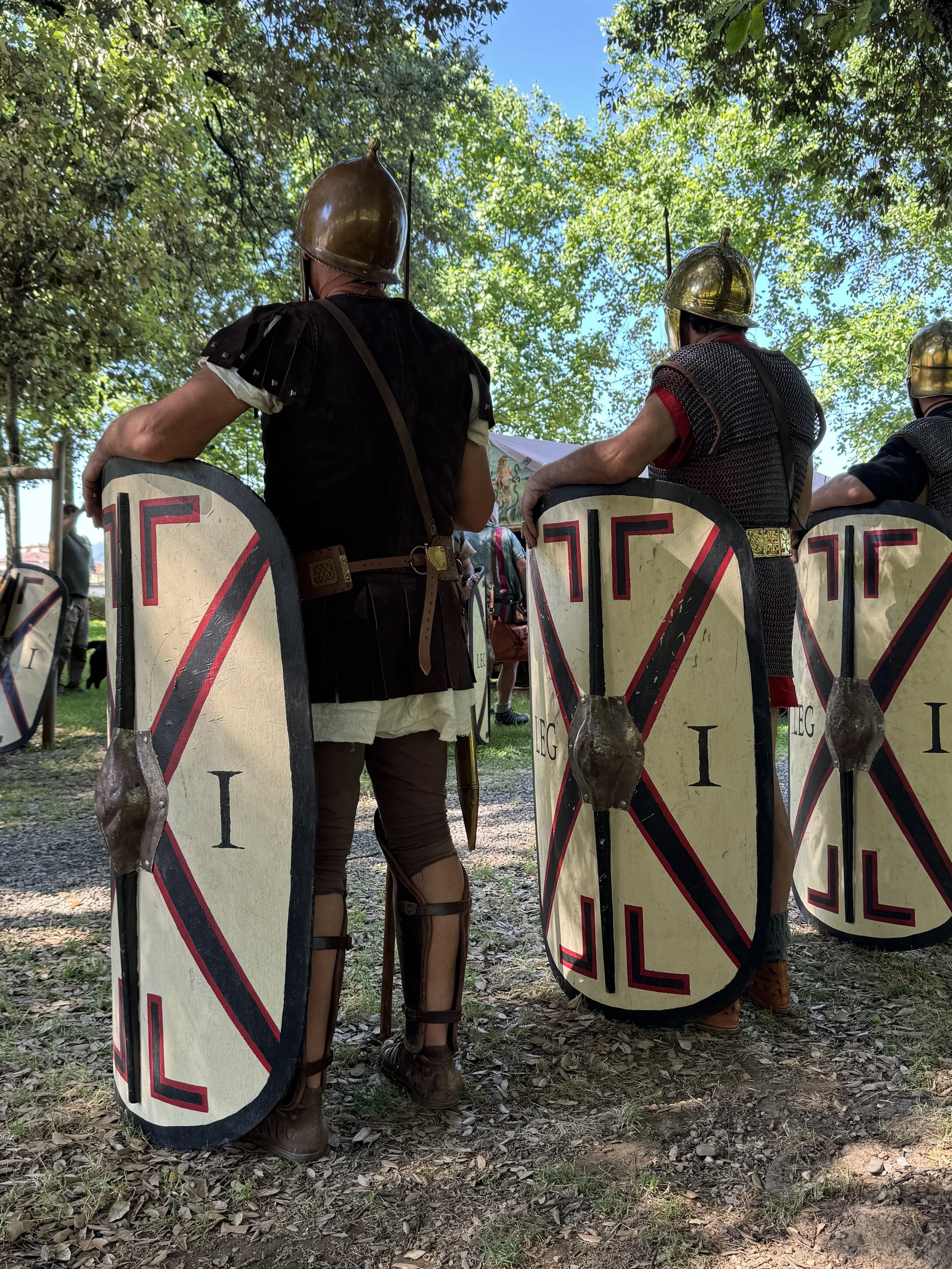
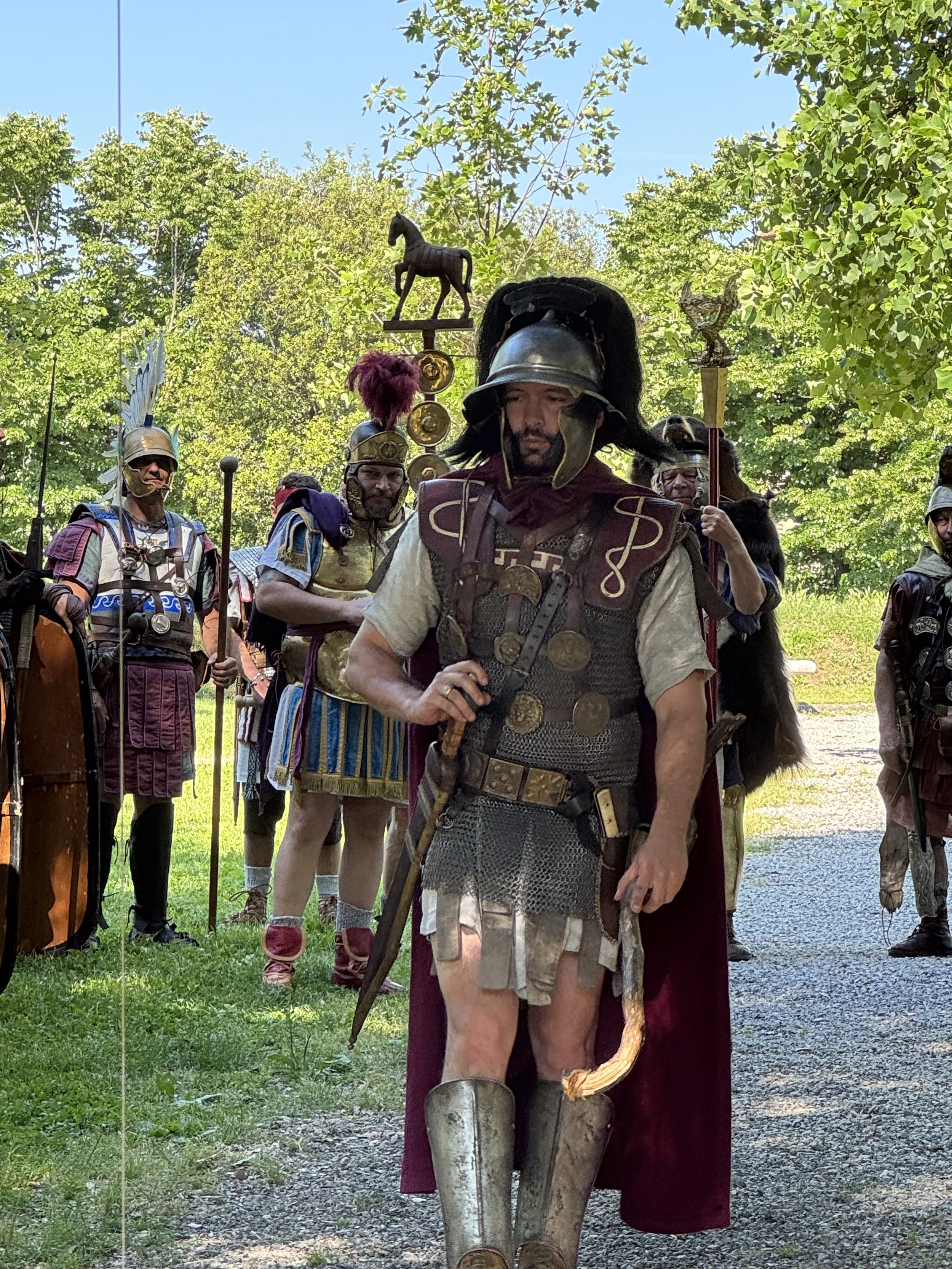
A call to arms for Roman soldiers

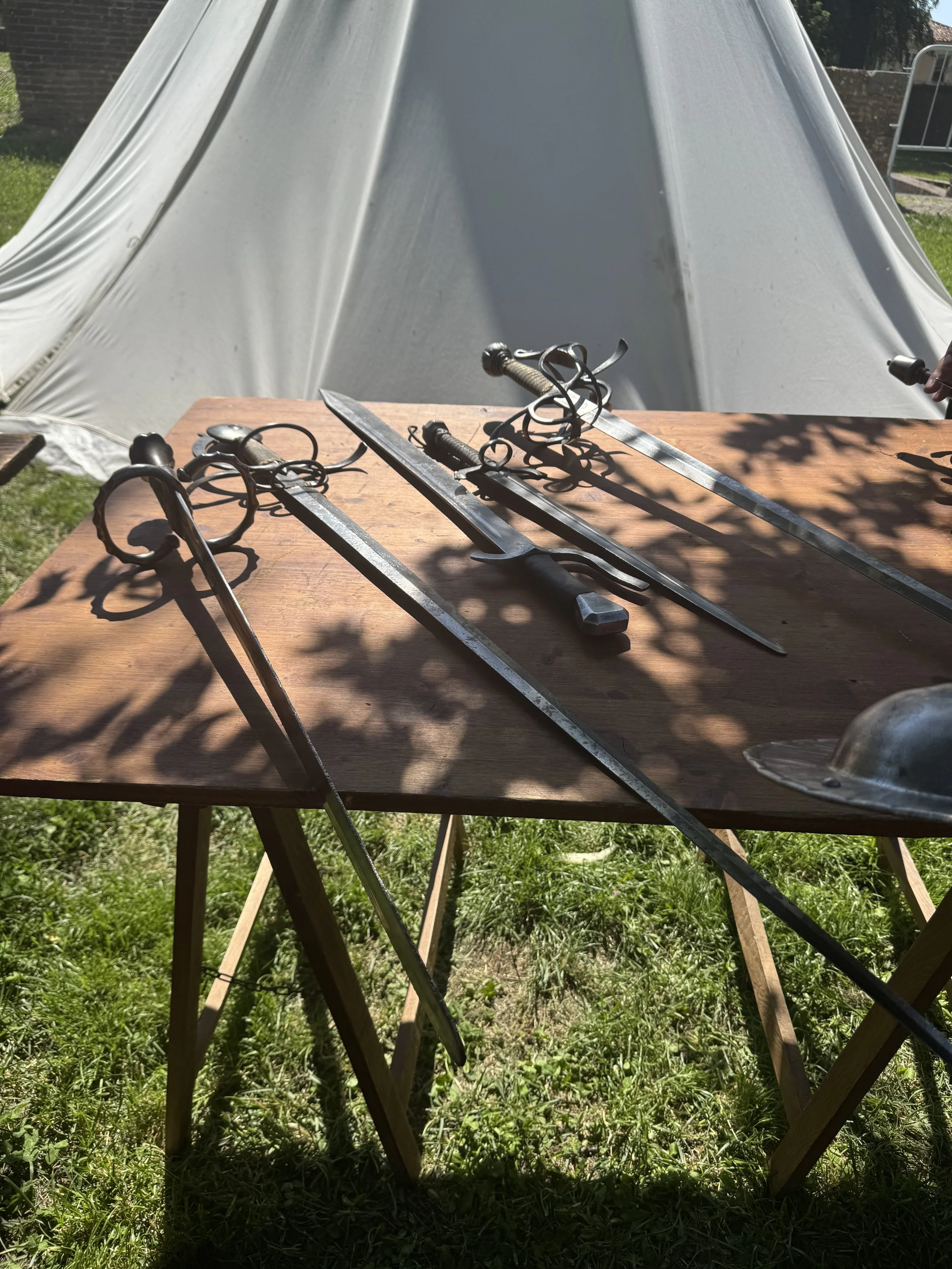
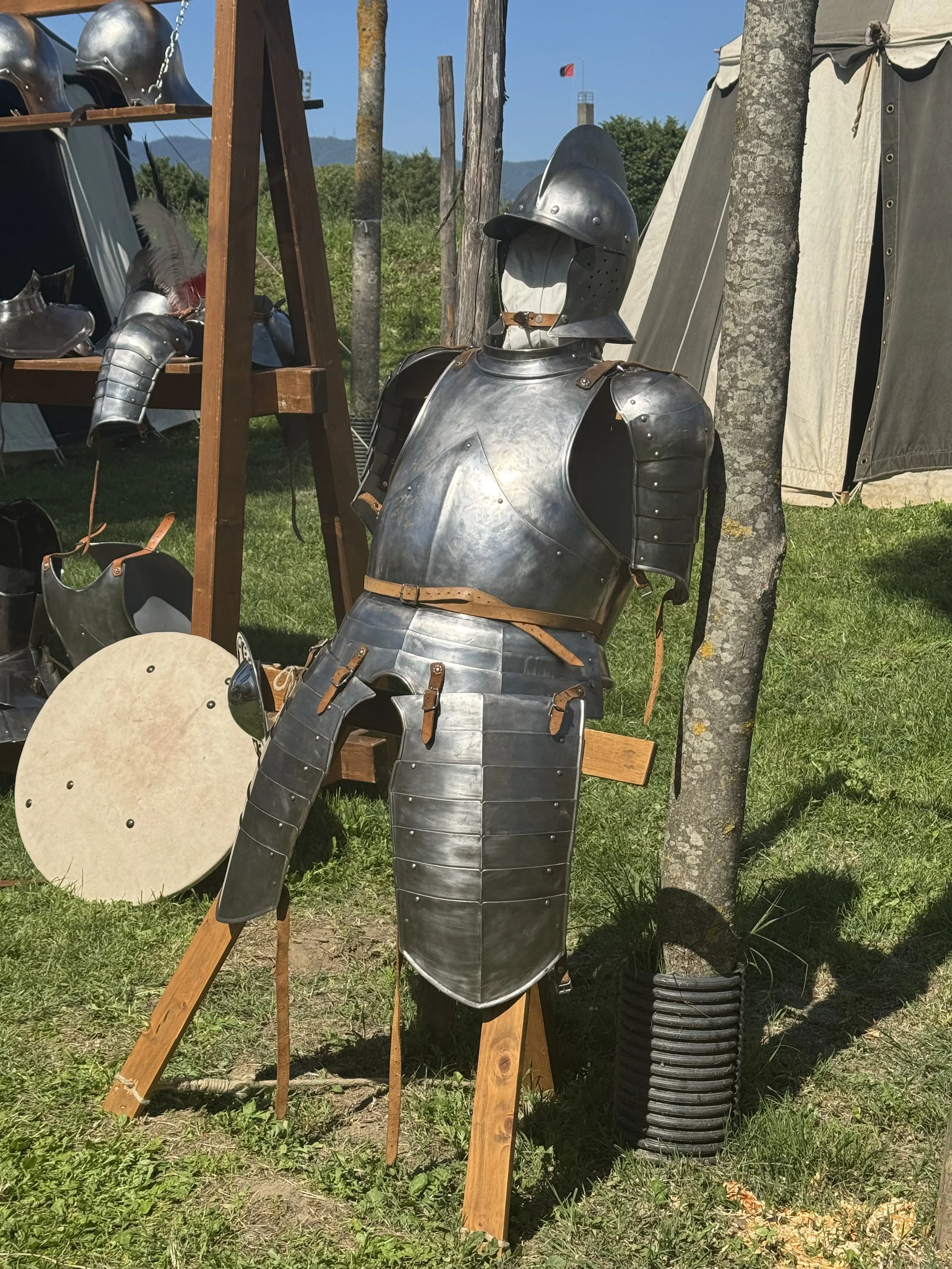
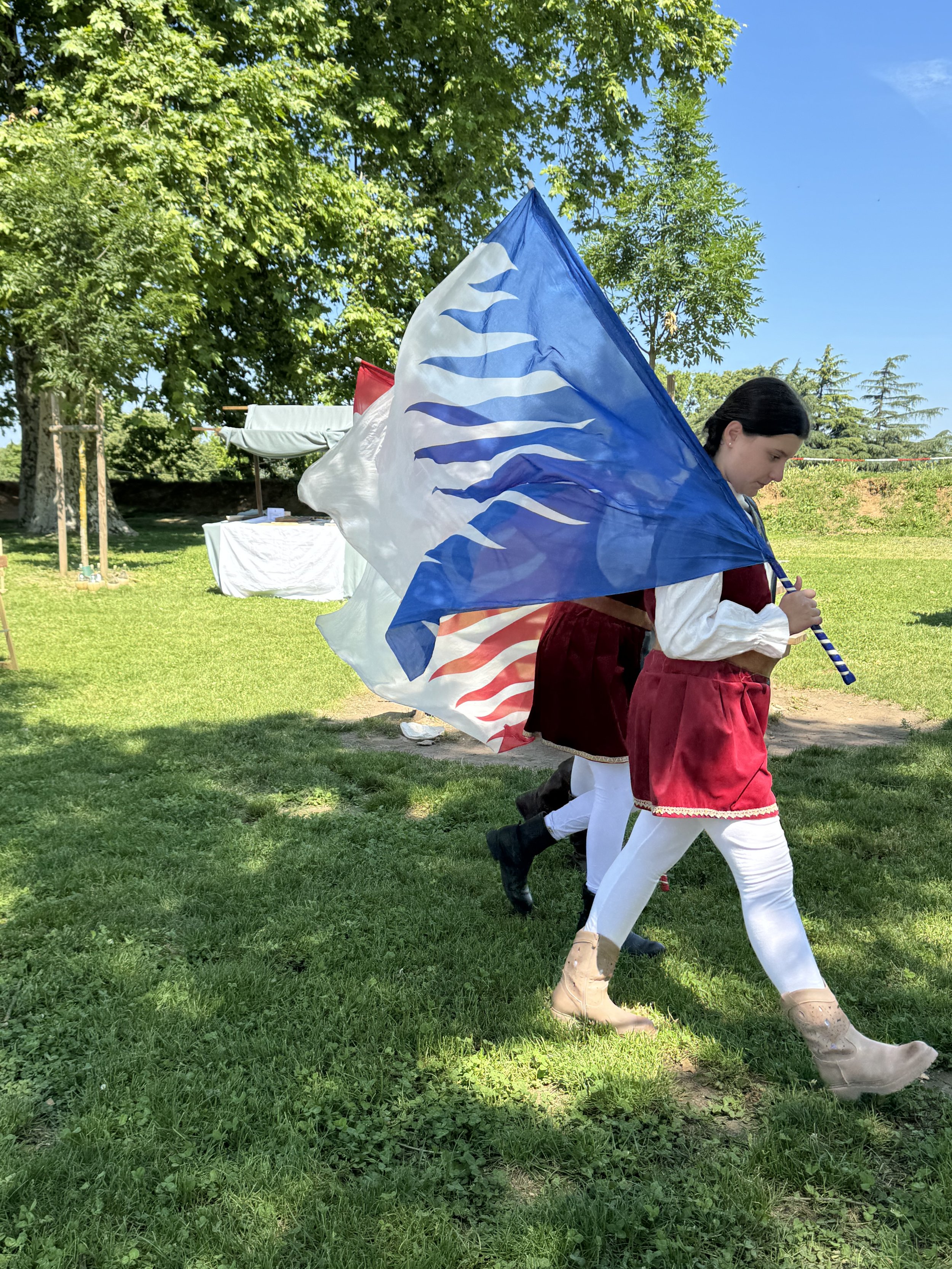
 The event took place on the city walls, a perfect way to present, in chronological order, a series of vignettes tracing Lucca’s history from pre-Roman/Etruscan times through the city’s liberation at the end of WWII.  Each stop along the walls featured costumed actors, period specific crafts and weapons, and representations of daily life during the time period.  The actors were a wealth of information, explaining the displays, answering questions, and demonstrating the use of tools and weapons.

IMG_0427.jpeg
IMG_0423.jpeg
IMG_0247.jpeg
IMG_0288.jpeg

 Some highlights:

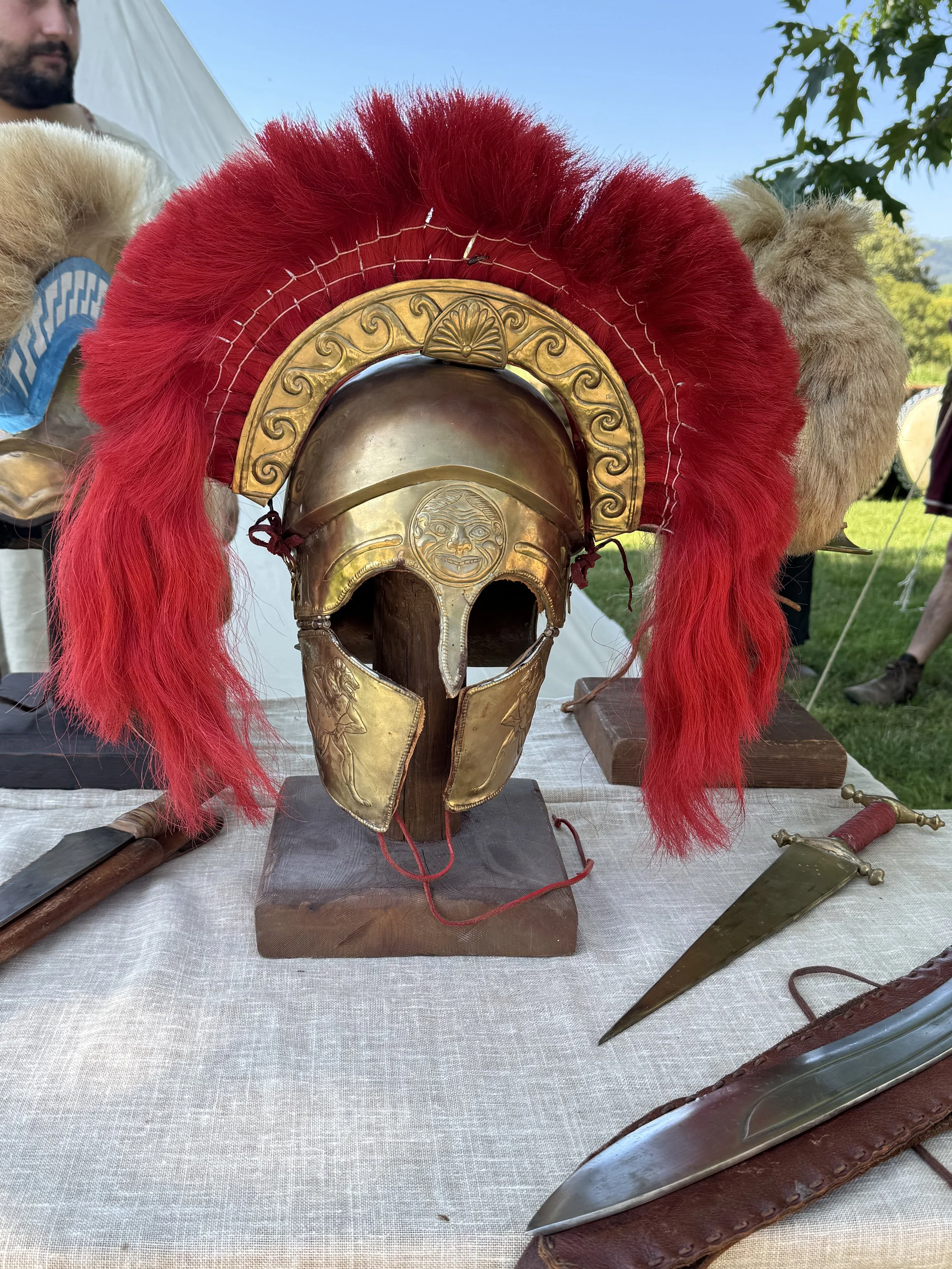
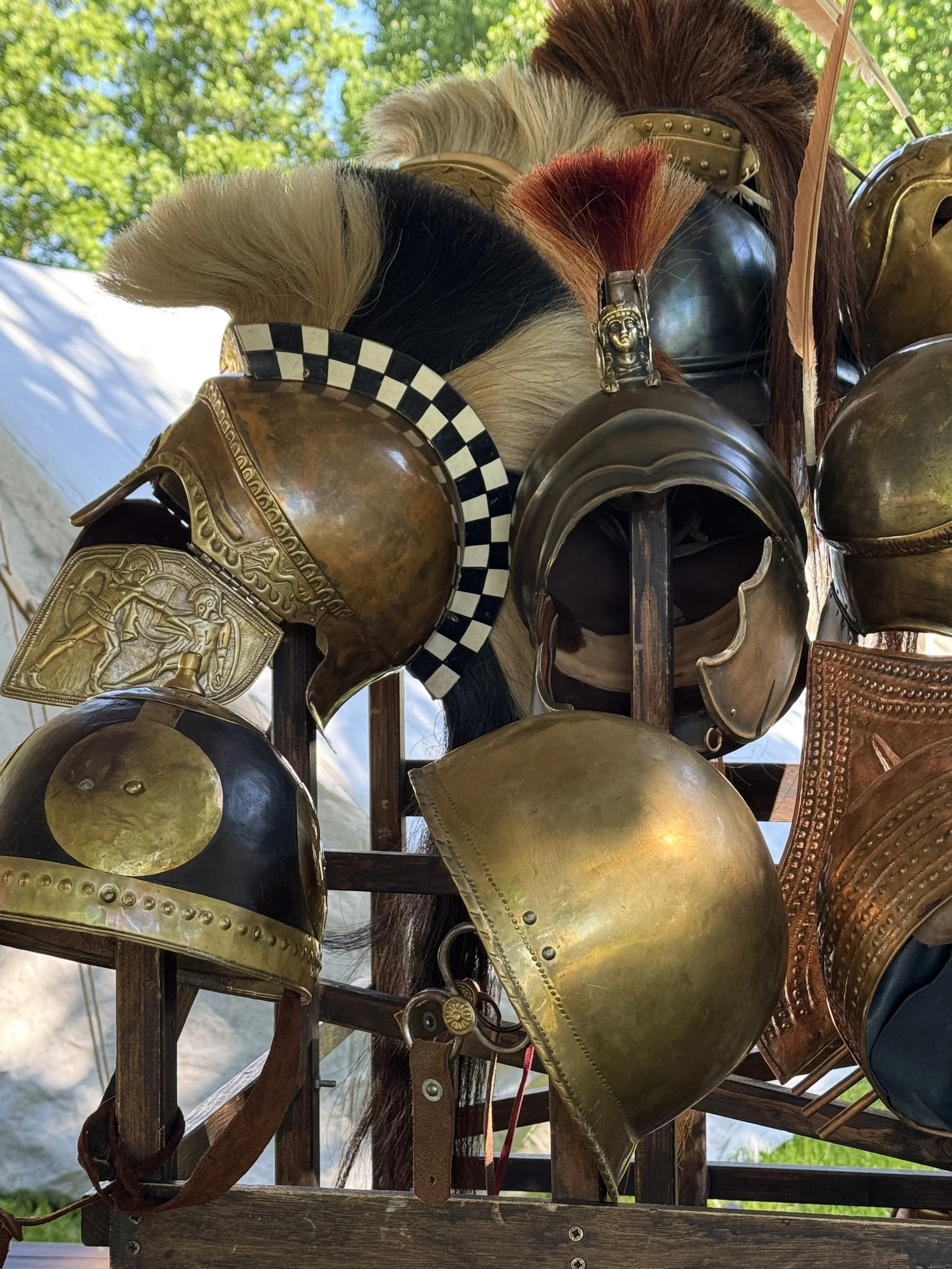
The Roman Legionaires made camp along one section of the wall and they were fierce!  Dressed for battle, armed, and bearing shields, they made an impressive sight during the commander’s morning call to arms.  Marching through town one evening, they caused quite a stir with their chants and battle cries. 
IMG_0319.jpeg
IMG_0317.jpeg
IMG_0306.jpeg

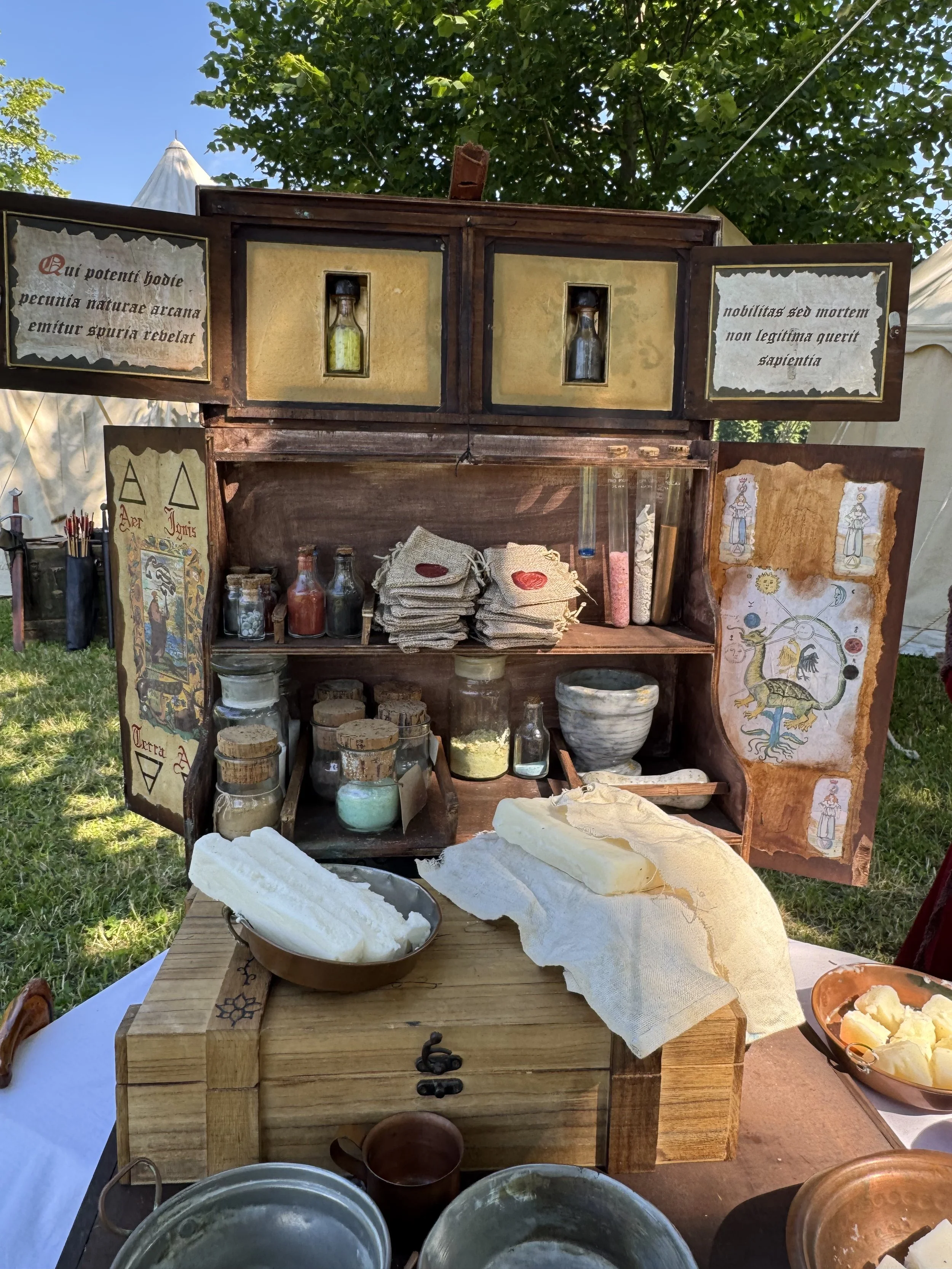
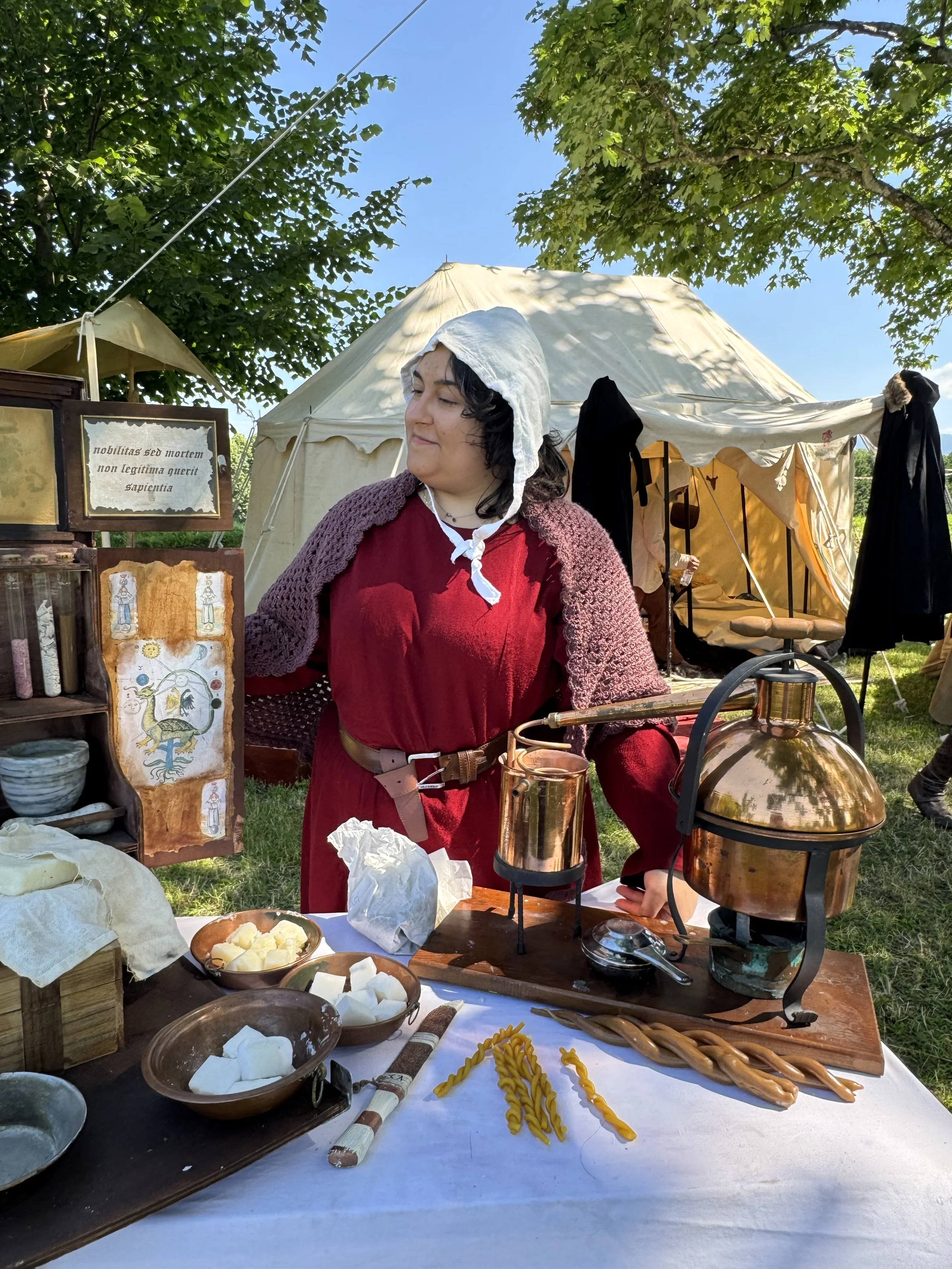
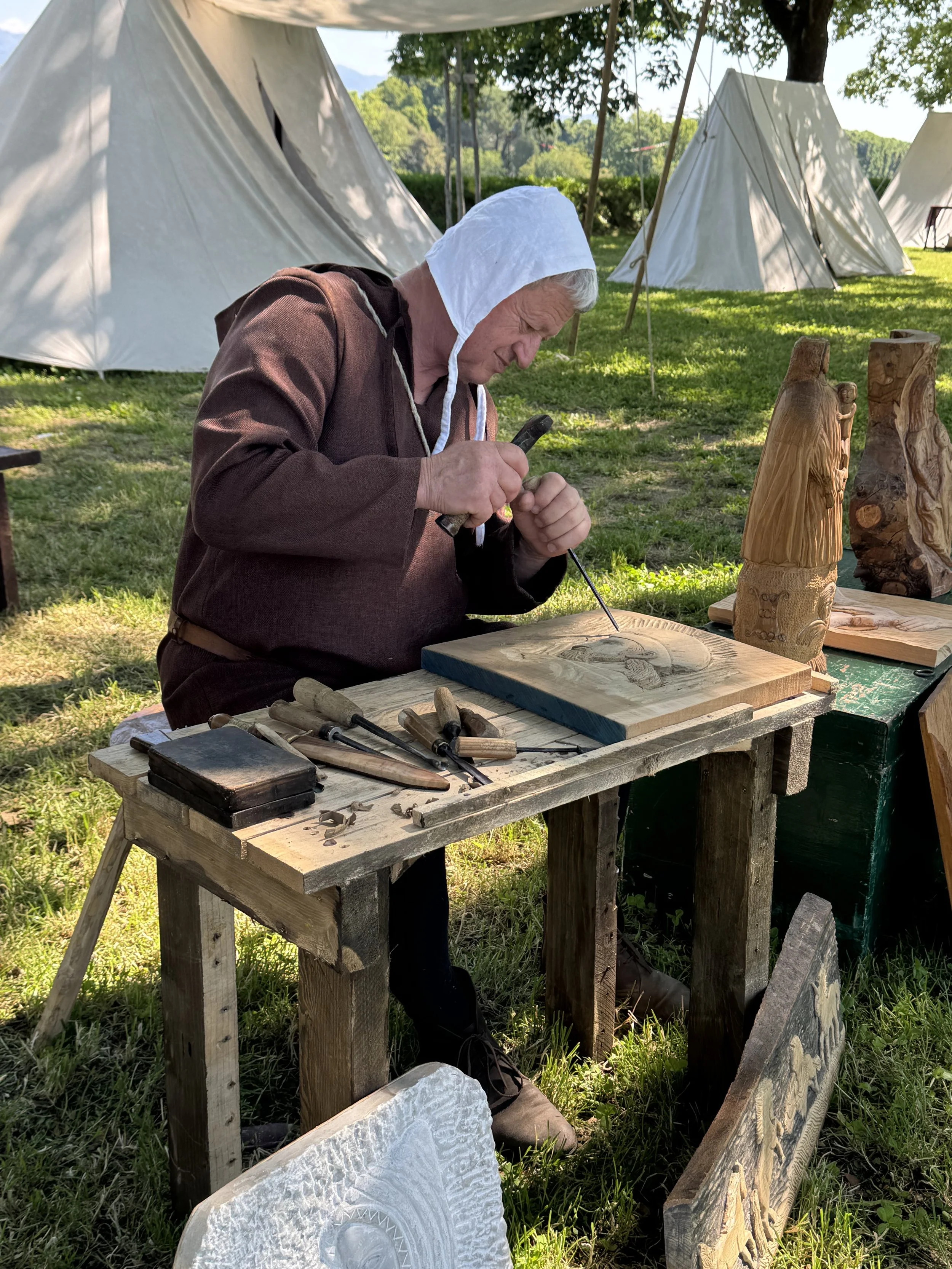
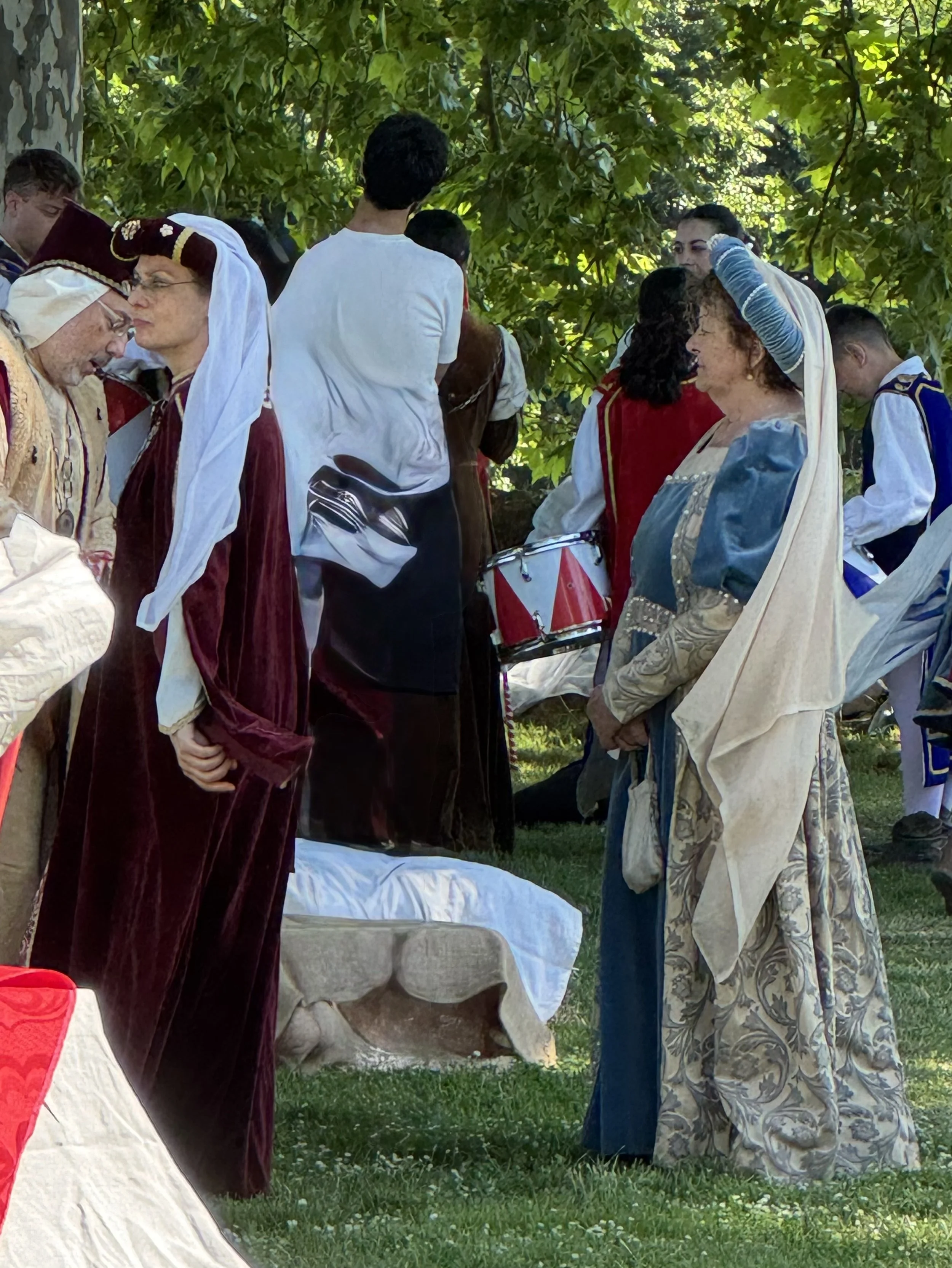
 In the Medieval village, a candlemaker described the process and coloring agents used in making her candles. Nearby, a woodcarver demonstrated his skills.   The Medieval costumes were beautiful too.

IMG_0330.jpeg
IMG_0332.jpeg
IMG_0333.jpeg

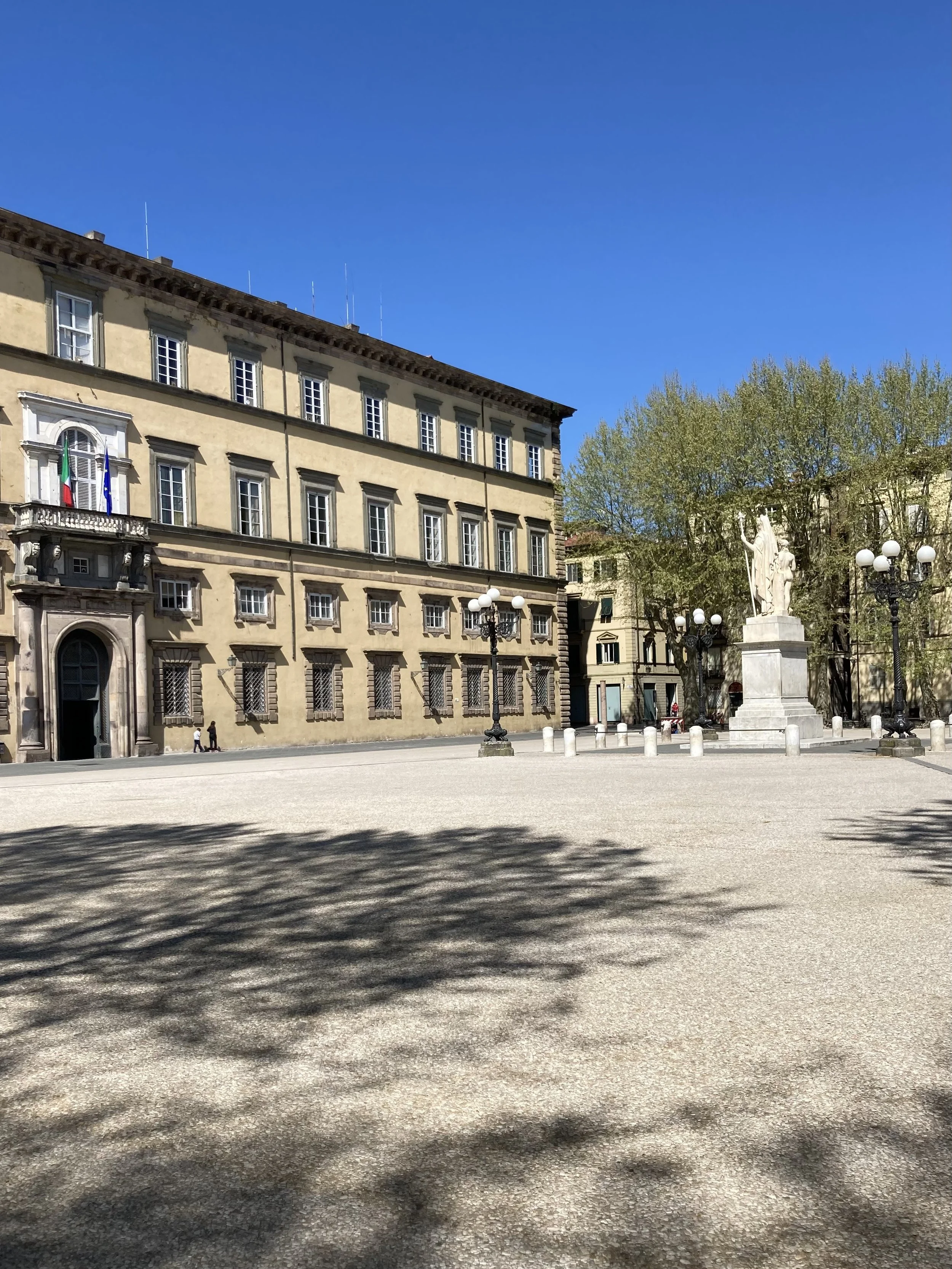
Piazza Napoleone and the Ducal Palace, both created by Elisa Bonaparte.

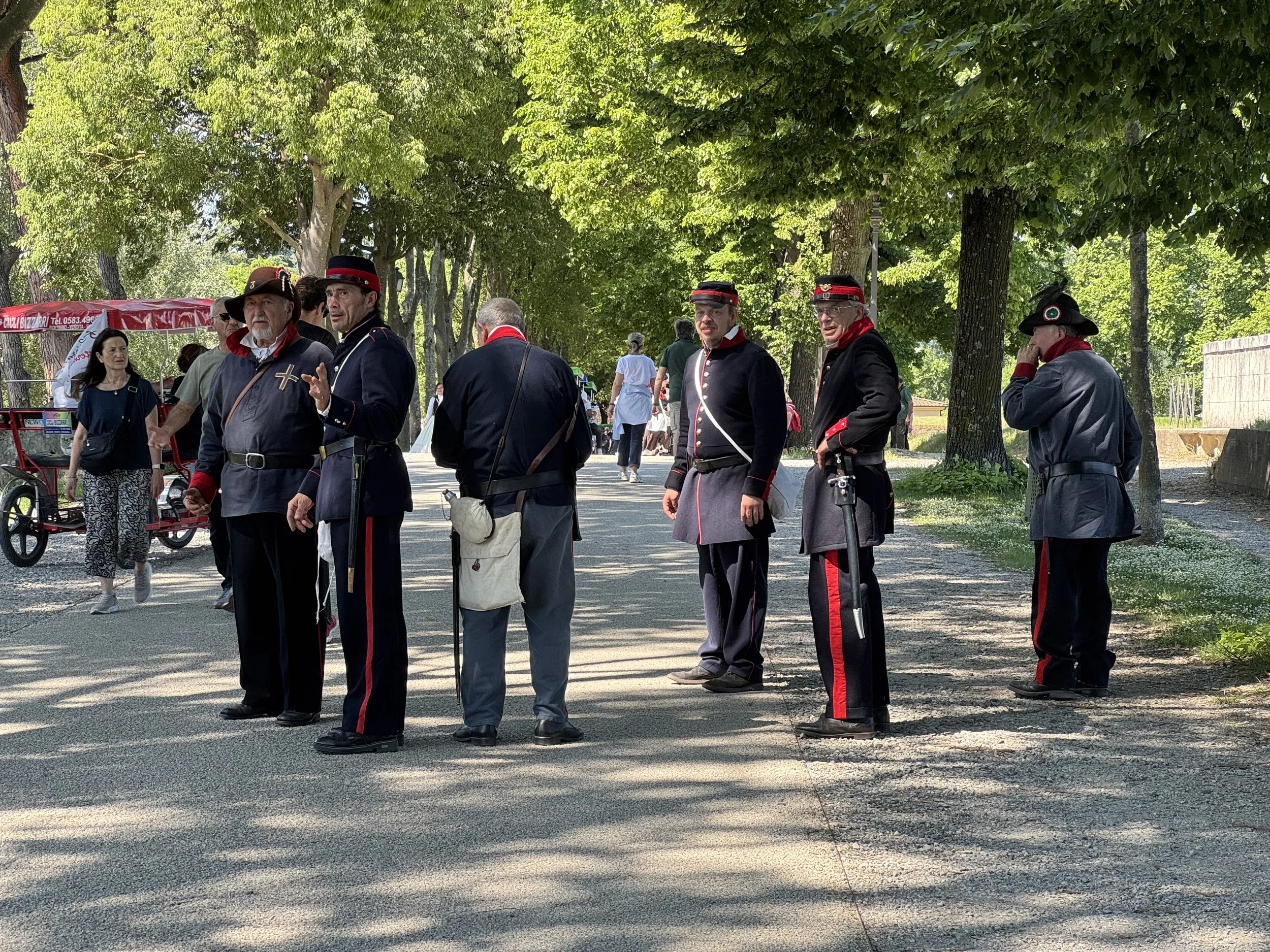
 Napoleon also left a mark on Lucca’s history – gifting the city to his sister Elisa who ruled as the Princess of Lucca and Piombino in the early years of the 1800’s.  Her influence can still be seen in Lucca -  the largest piazza is the Piazza Napoleone and it sits in front of the Palazzo Ducale, the palace Elisa Bonaparte built.

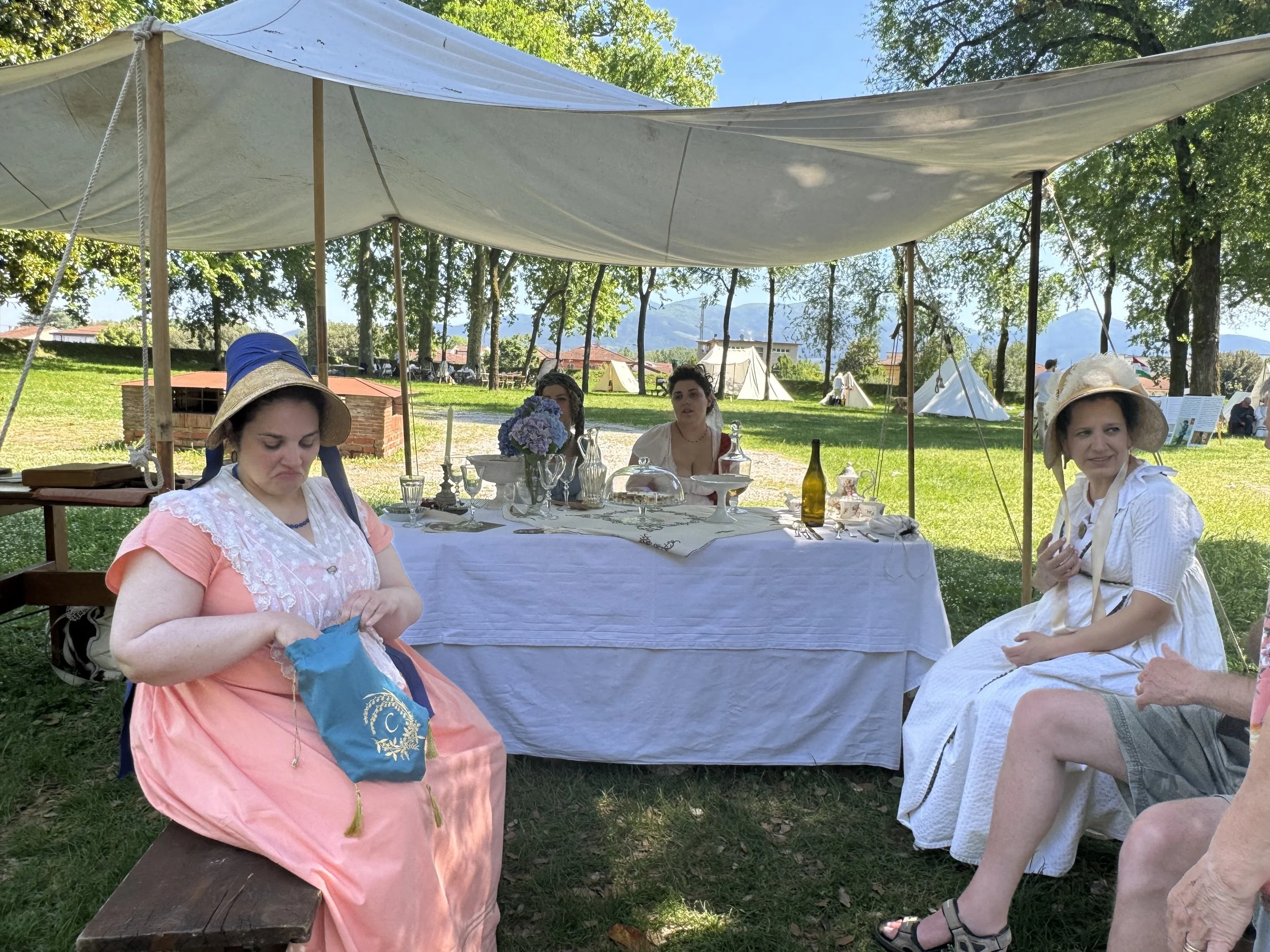
 For the Rievocando festival, a Napoleonic camp was filled with French soldiers in their colorful uniforms.   Alongside were a group of French ladies taking tea, as they might have done once upon a time in the Palazzo Ducale.

IMG_0404.jpeg
IMG_0395.jpeg
IMG_0393.jpeg

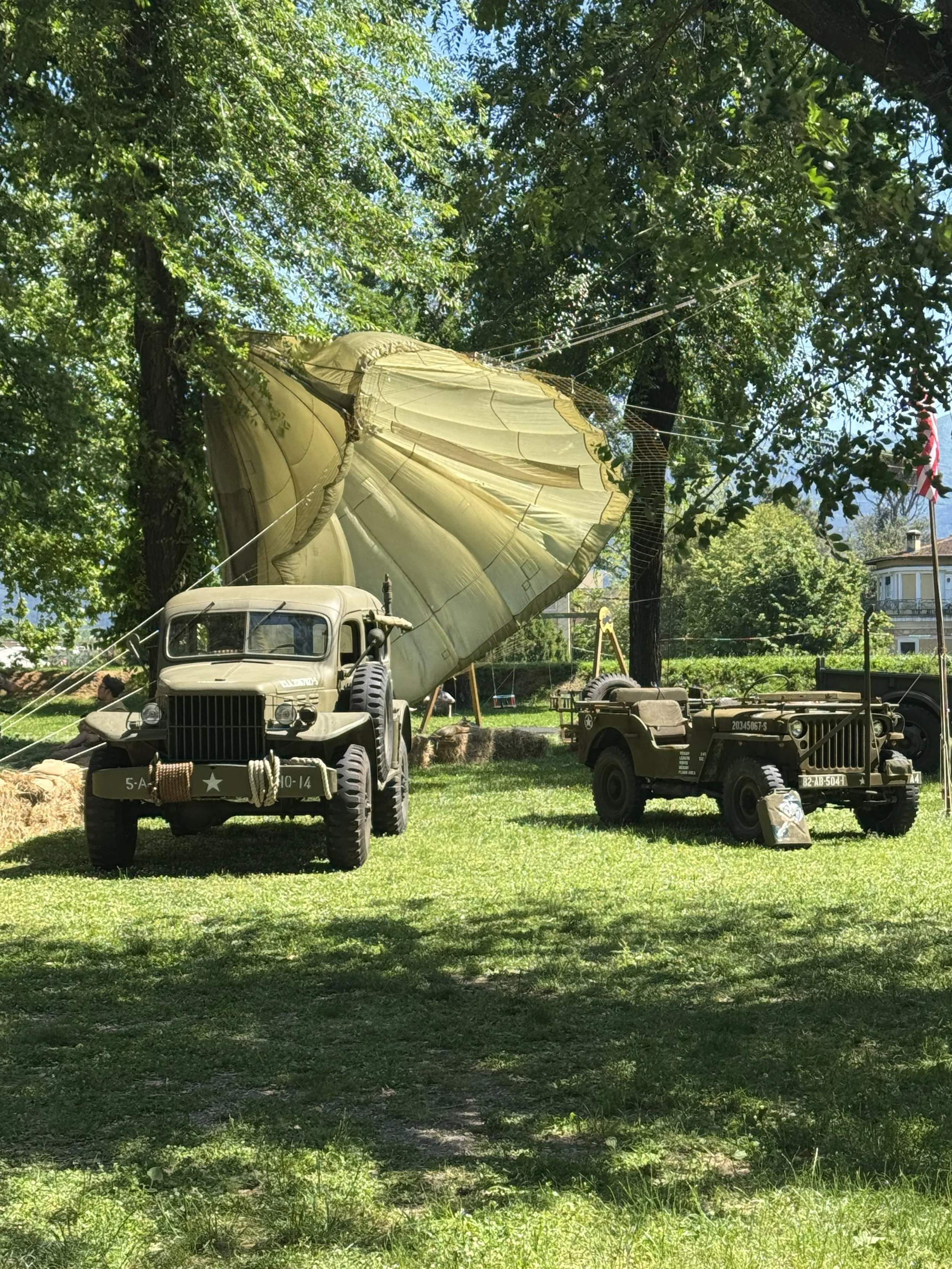
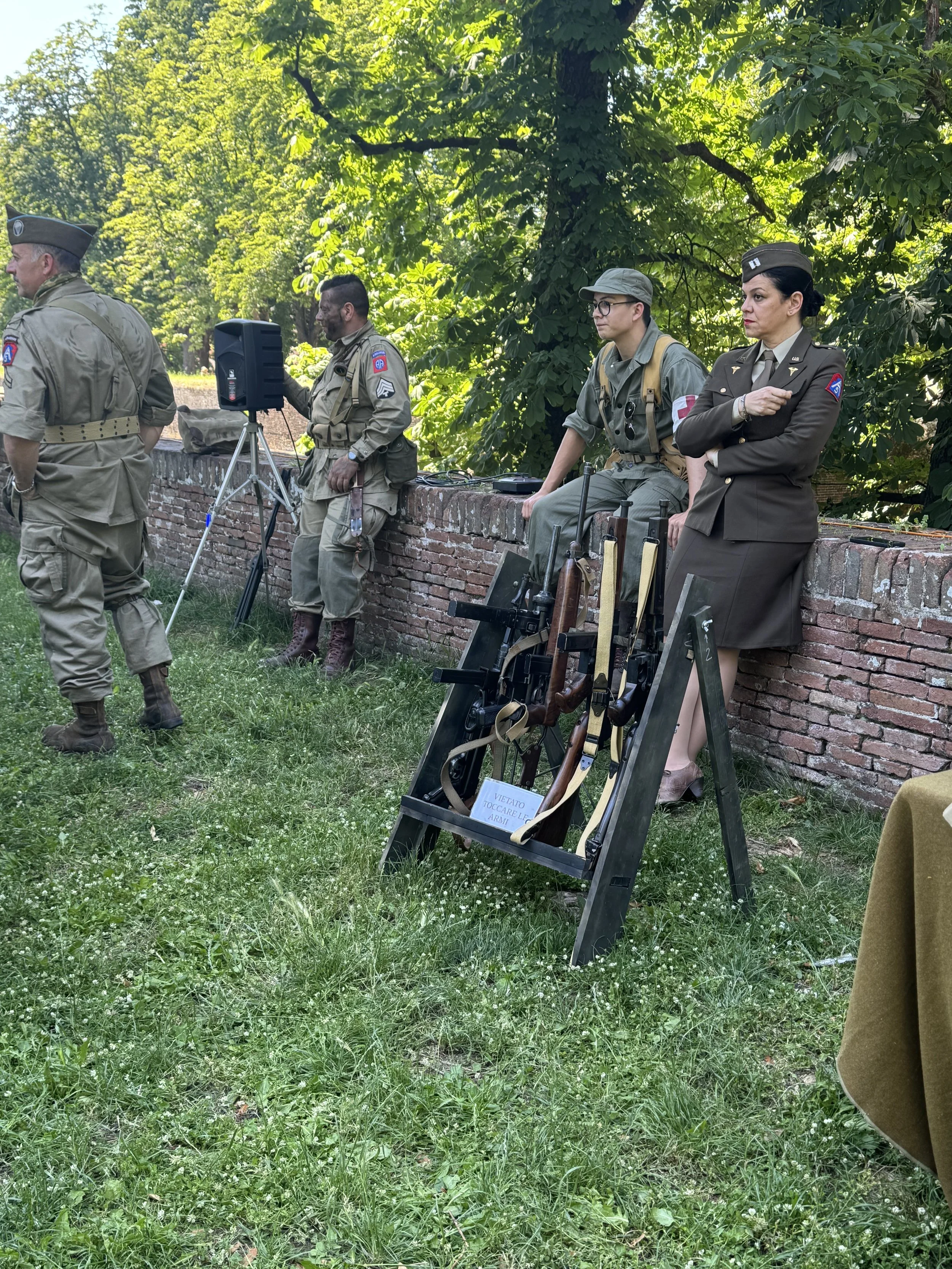
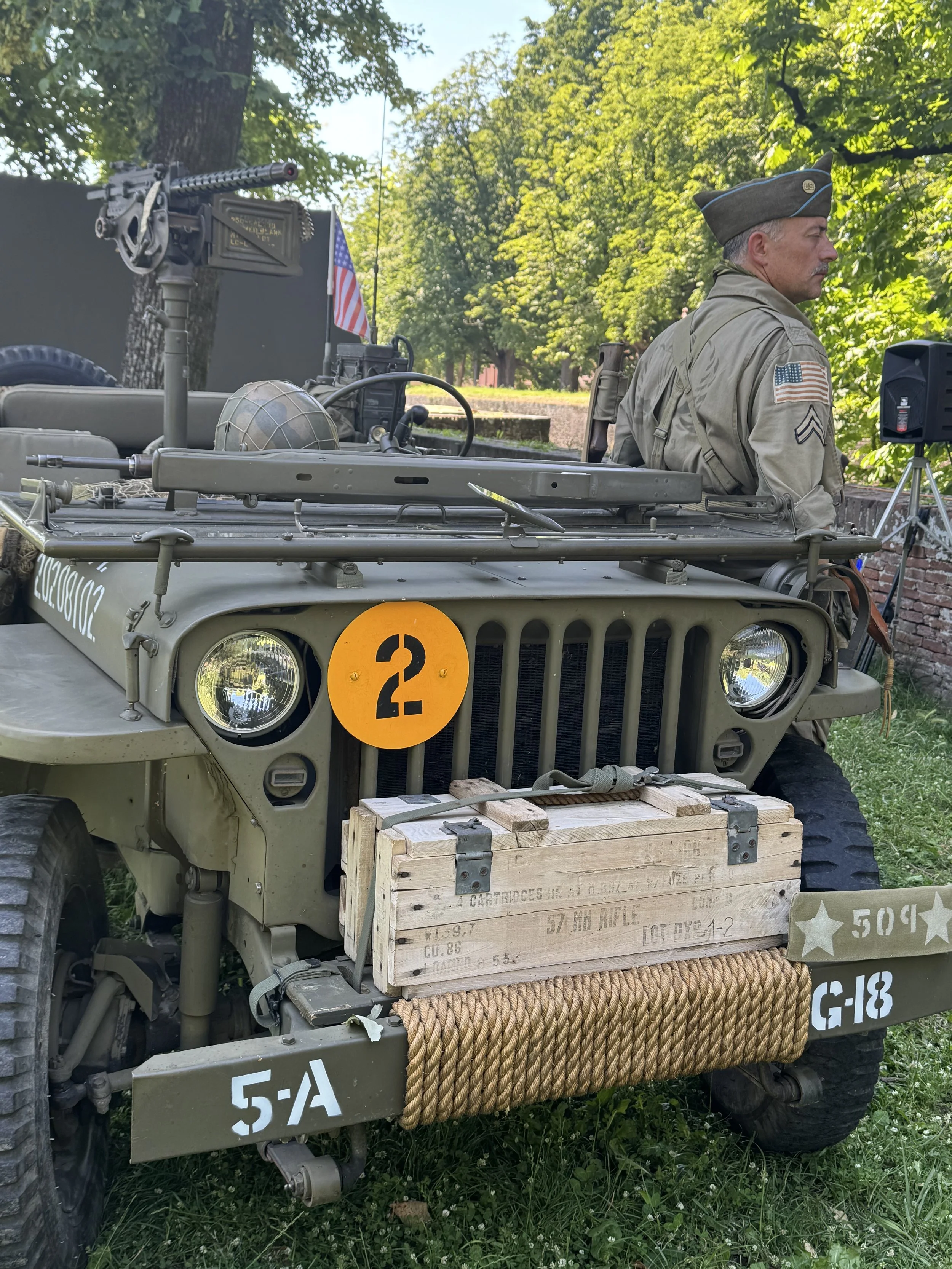
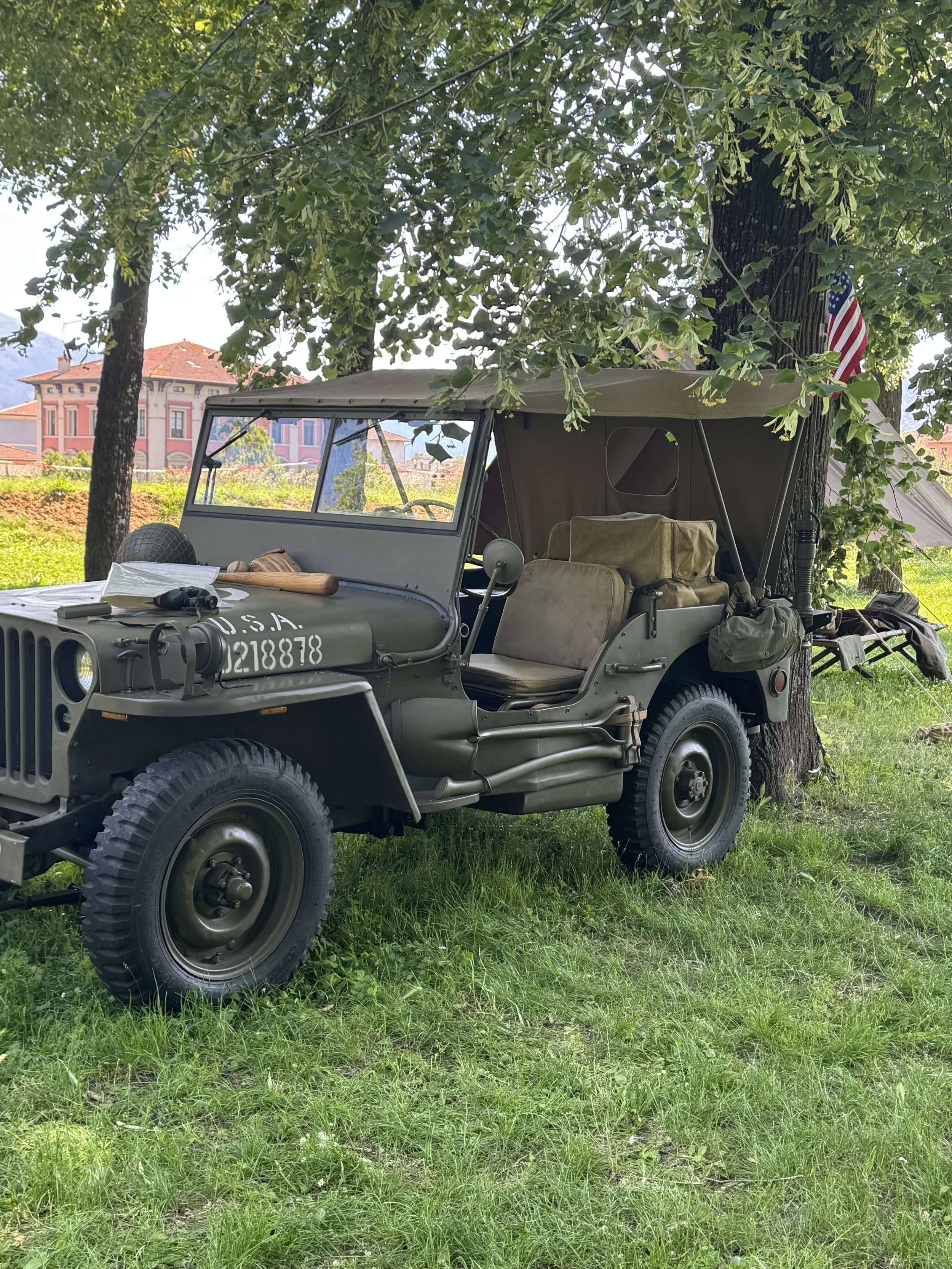
 The final vignette was of WWII, during a time when American and Brazilian troops played an important role in and around Lucca.  It was American Buffalo soldiers who entered Lucca in September 1944, ending the occupation by Nazi forces.   

IMG_0367.jpeg
IMG_0370.jpeg
IMG_0371.jpeg
IMG_0374.jpeg

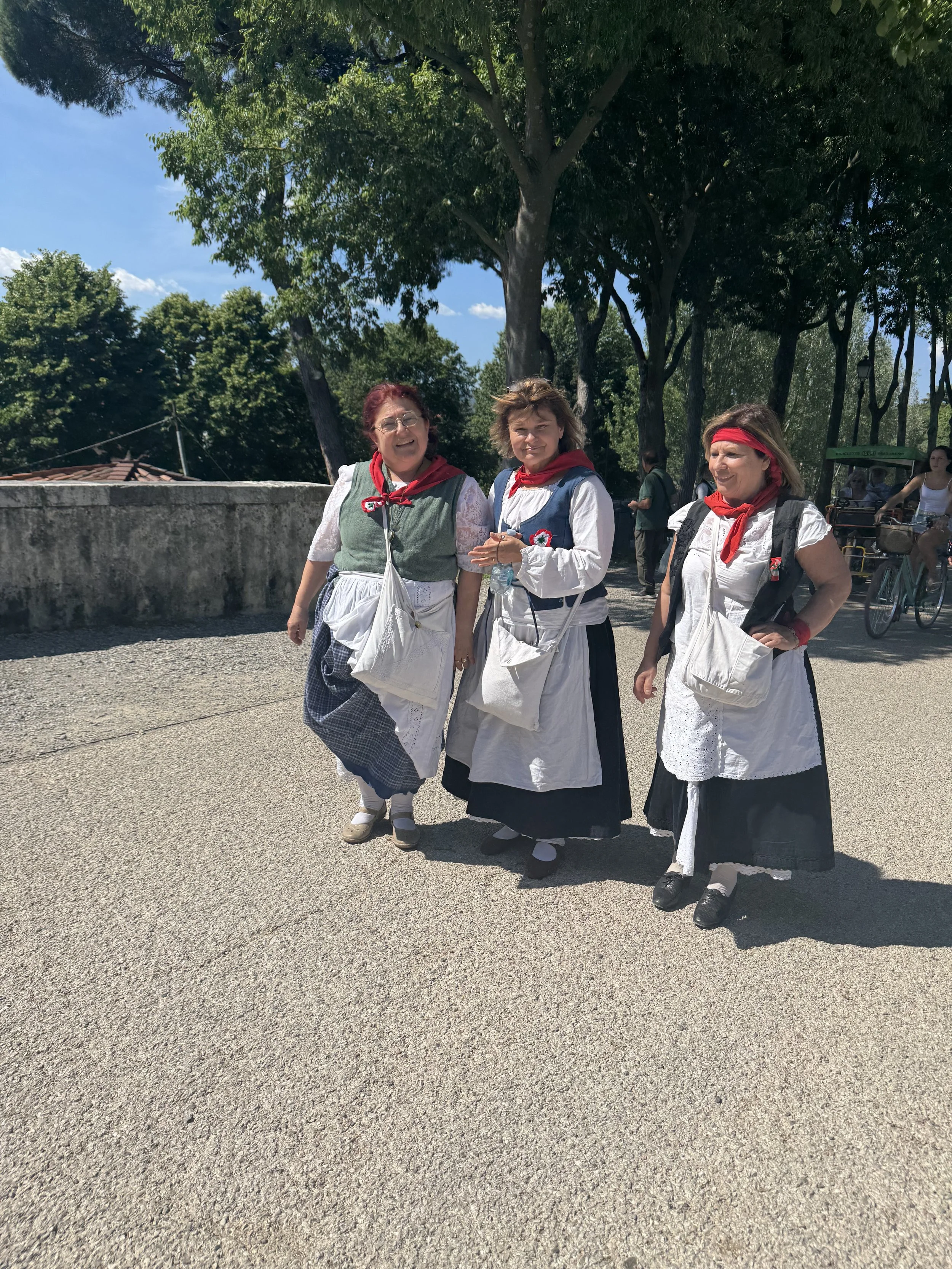
 Also fun was walking around town and seeing the many costumed participants having lunch or strolling the walls.  The weekend event provided little glimpses of Lucca as it once was. 

IMG_0414.jpeg
IMG_0413.jpeg
IMG_0250.jpeg
IMG_0252.jpeg
June 08, 2026 /Joanne Bartram
Lucca History, Rievocando Lucca, Napoleon in Lucca, Romans in Lucca
#italytravel, #lucca, #medievalitaly, Festivals Italy, History, Italian culture, Italy travel, Lucca, Tuscany

Assisi

The Windows of Umbria

August 25, 2025 by Joanne Bartram in Hill Towns Italy, History, Italian art architecture, Italy, Italy travel, Umbria

It’s August, it is hot, and I am feeling pigra (that’s Italian for lazy). To escape the heat I am inside, daydreaming about the cool April week I spent in Umbria this past spring.

Panicale

I must have taken 1,000 photos on that trip, mostly of the beautiful architecture, stunning views over the Umbrian hillsides, and spring flowers

Assisi

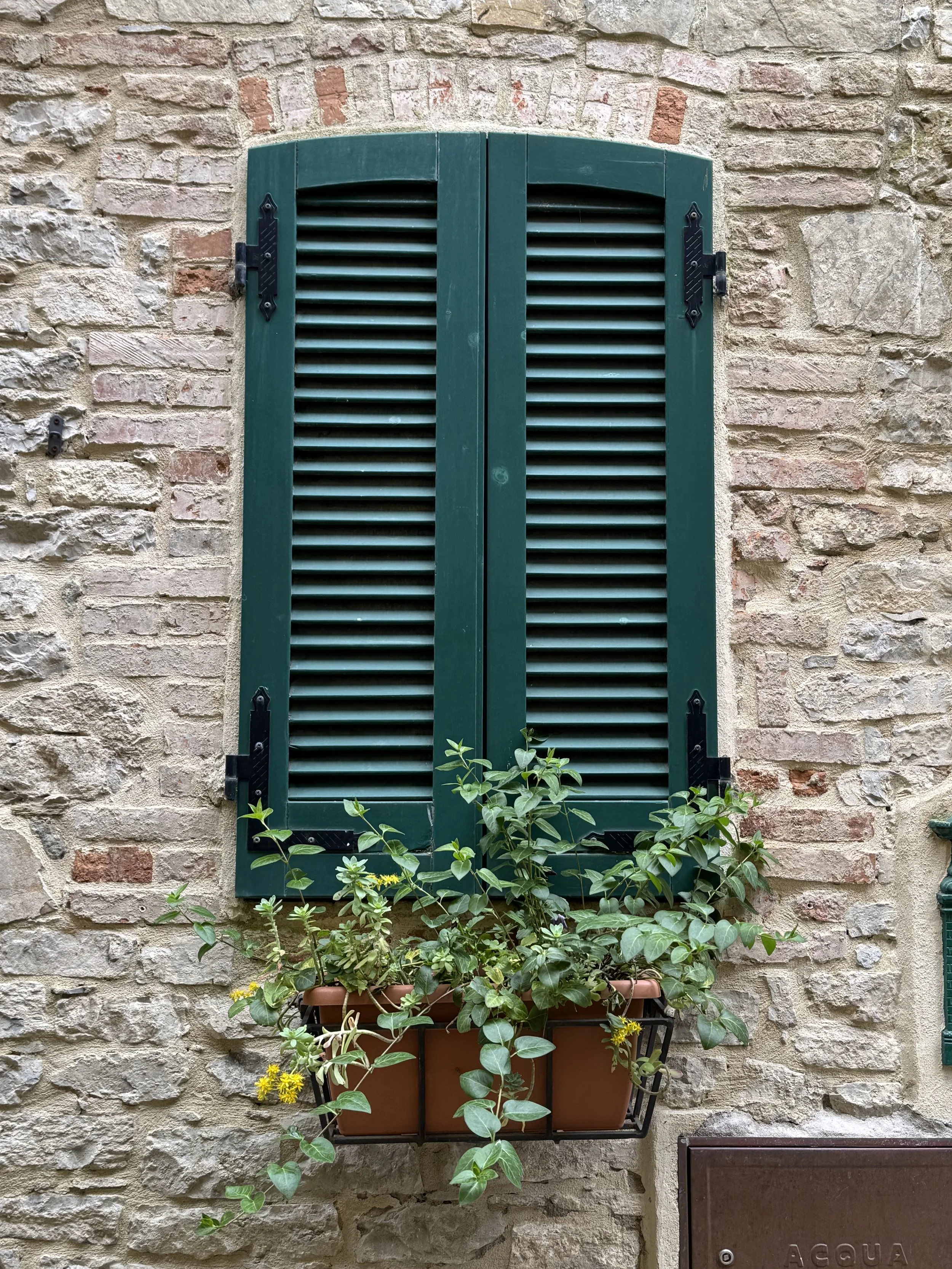
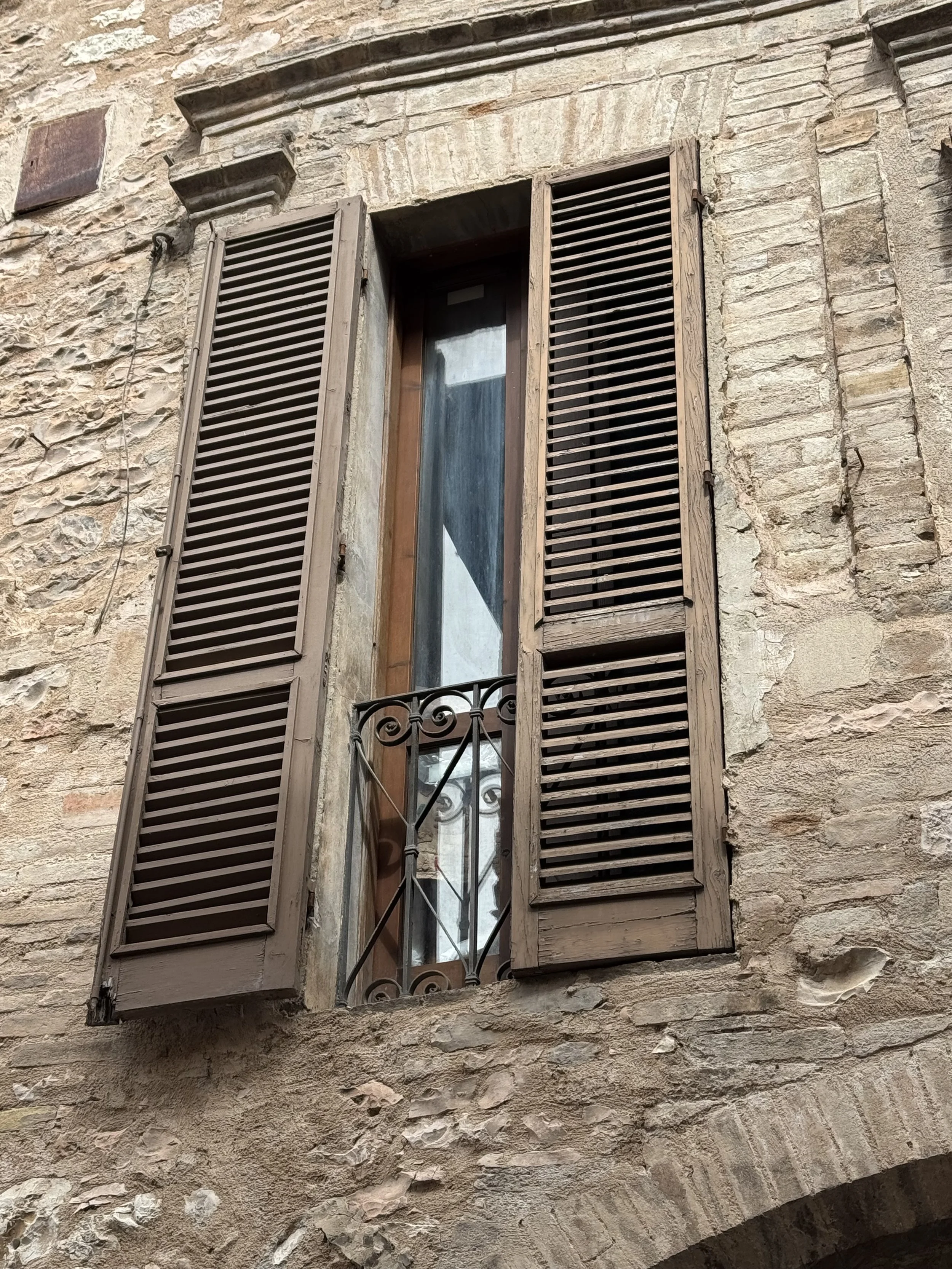
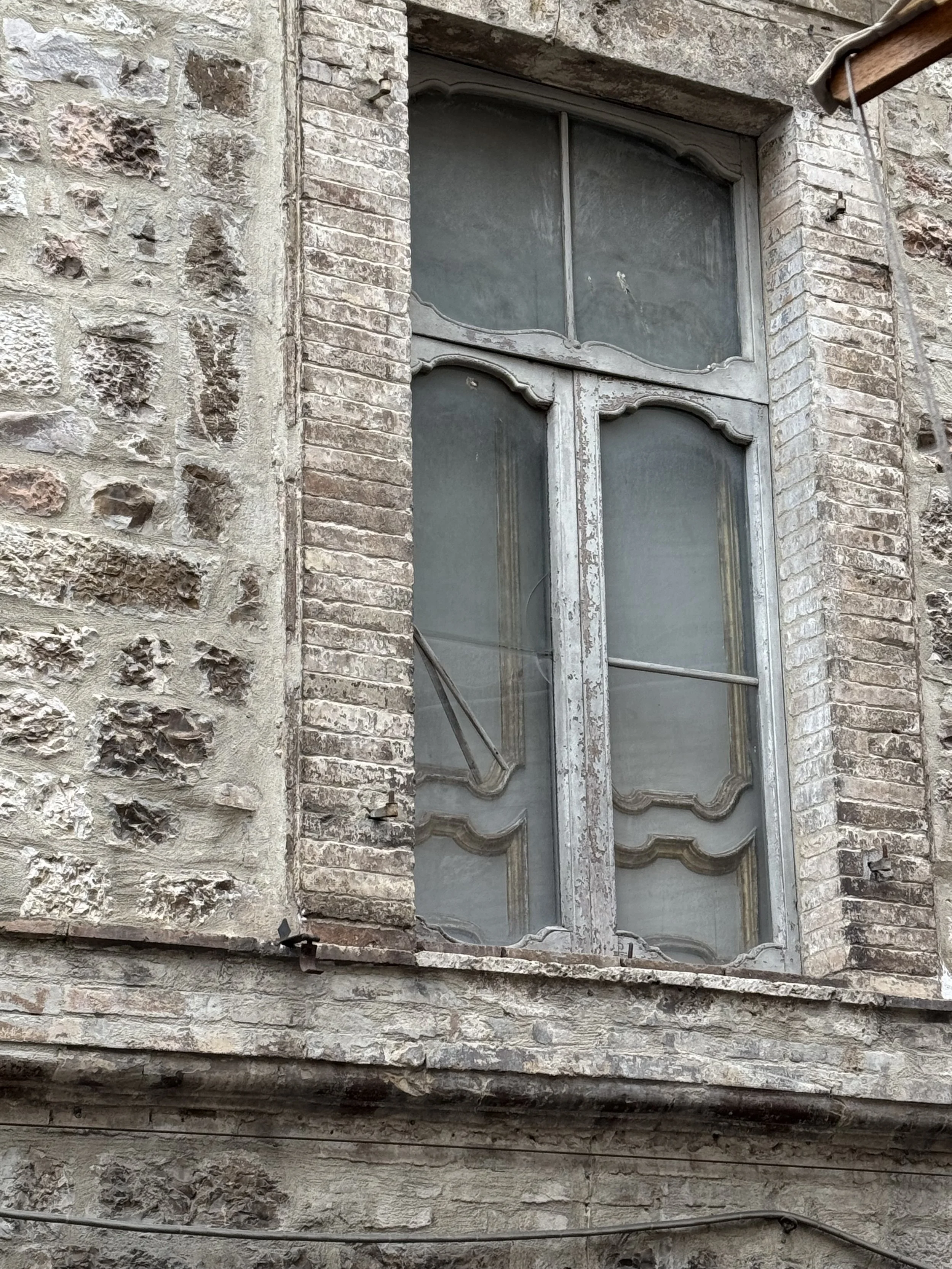
Looking back at my photos, many feature beautiful doors and windows. I posted some door photos last week, so today it is windows.

Panicale

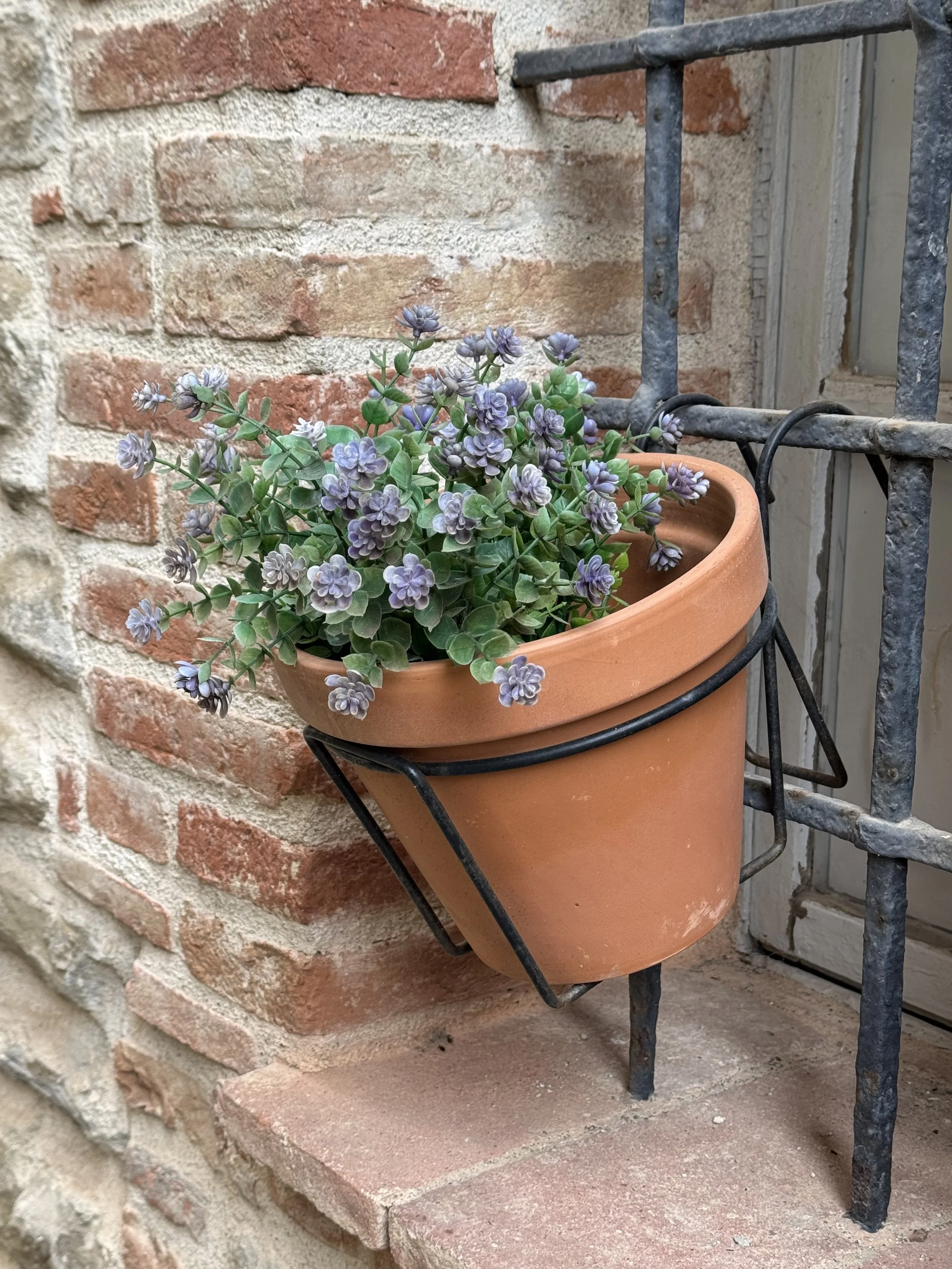
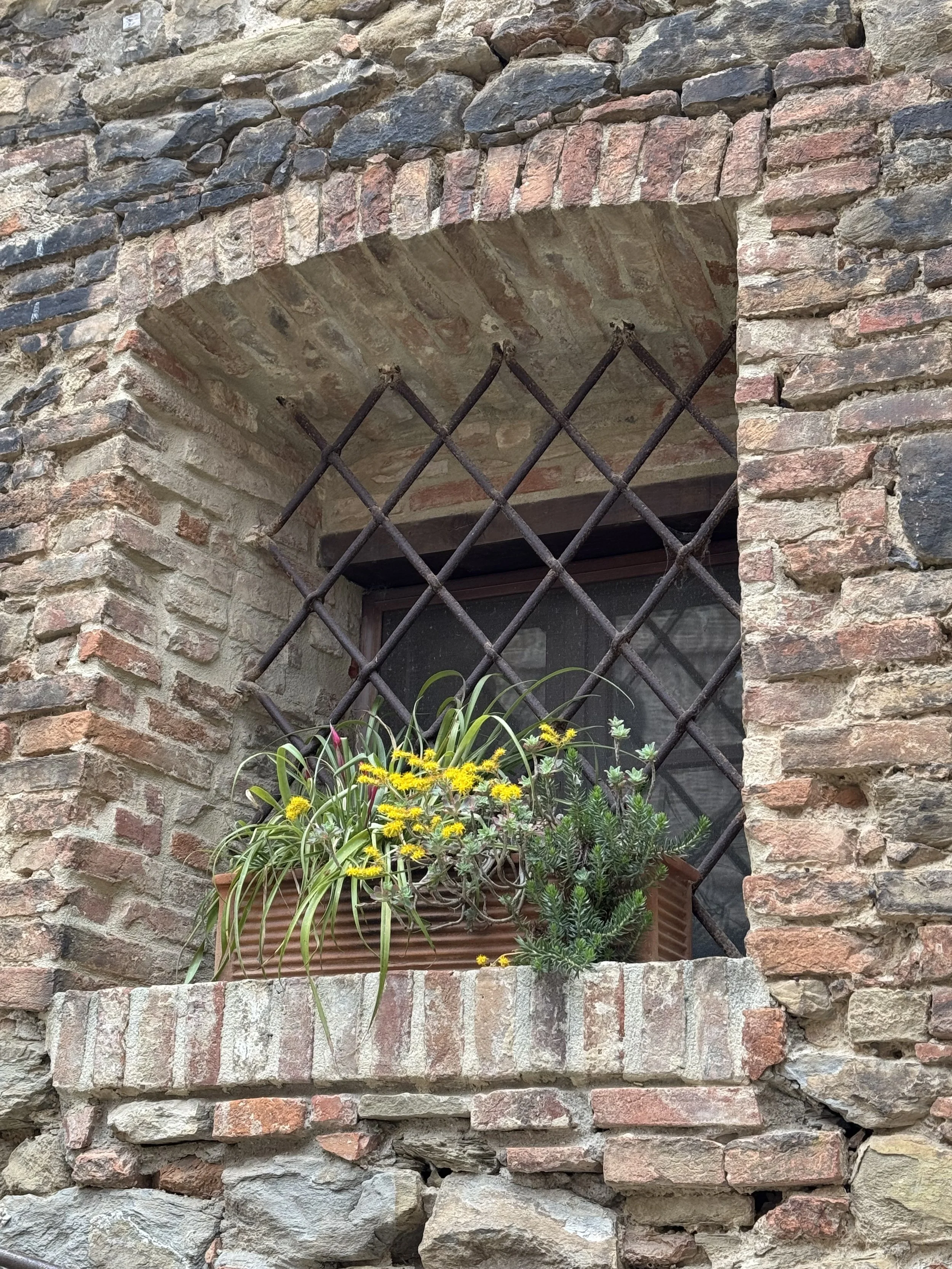
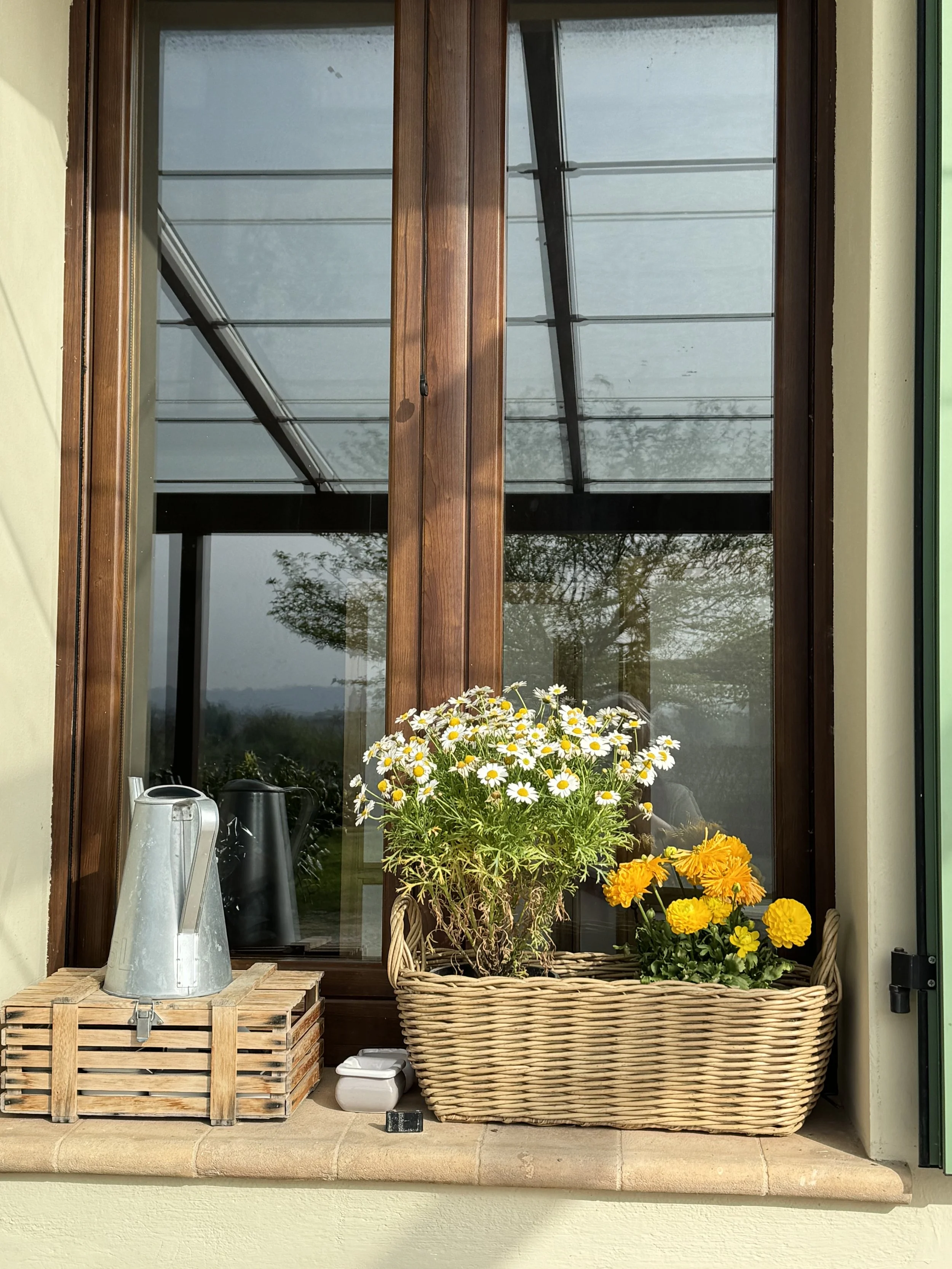
Many of the windows were filled with flowers, others were shuttered and bare. Most were set into Medieval stone or brick walls. All made me wonder about all the stories they might tell.

IMG_4221.jpeg
IMG_3997.jpeg
IMG_3680.jpeg

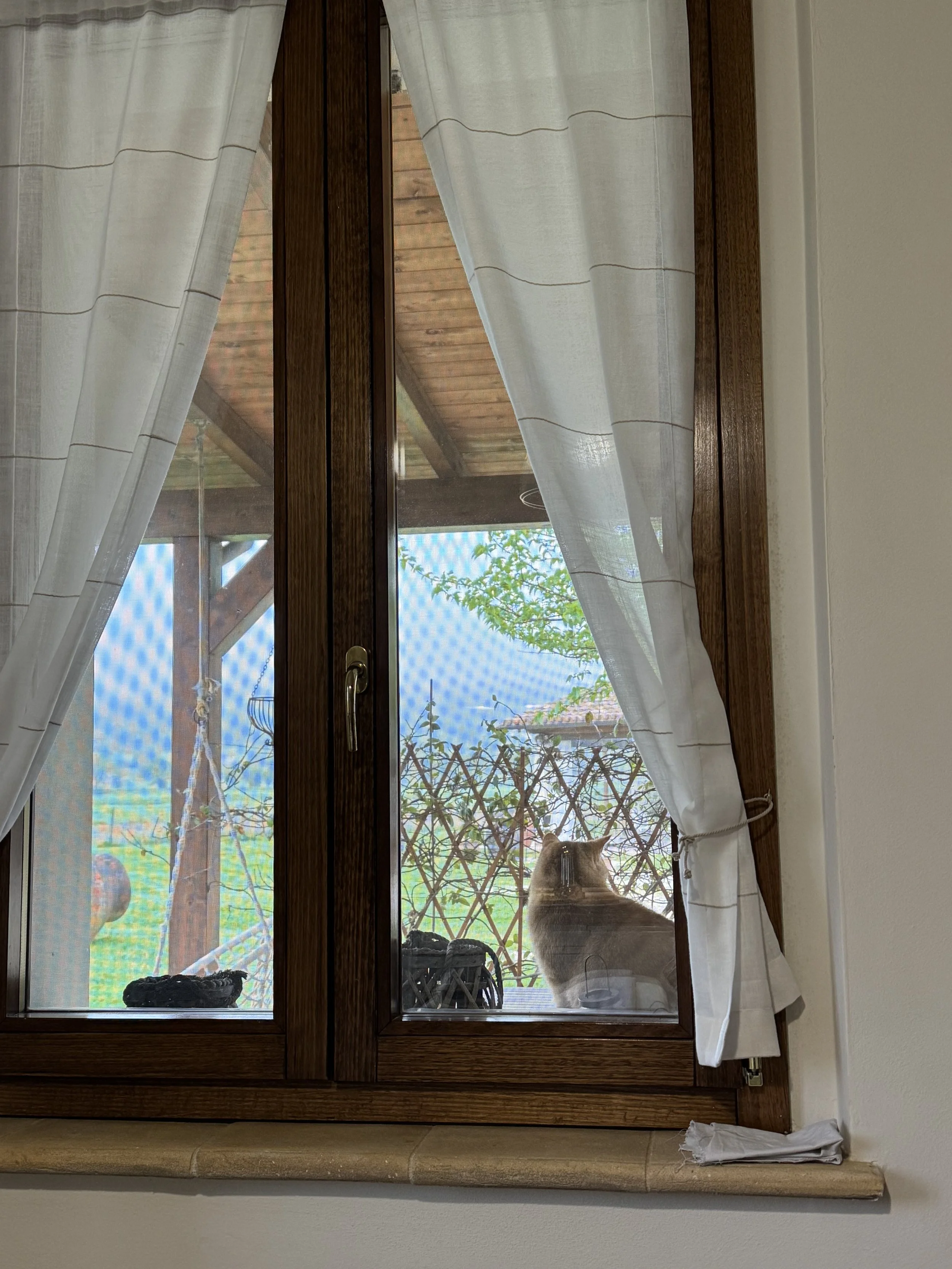
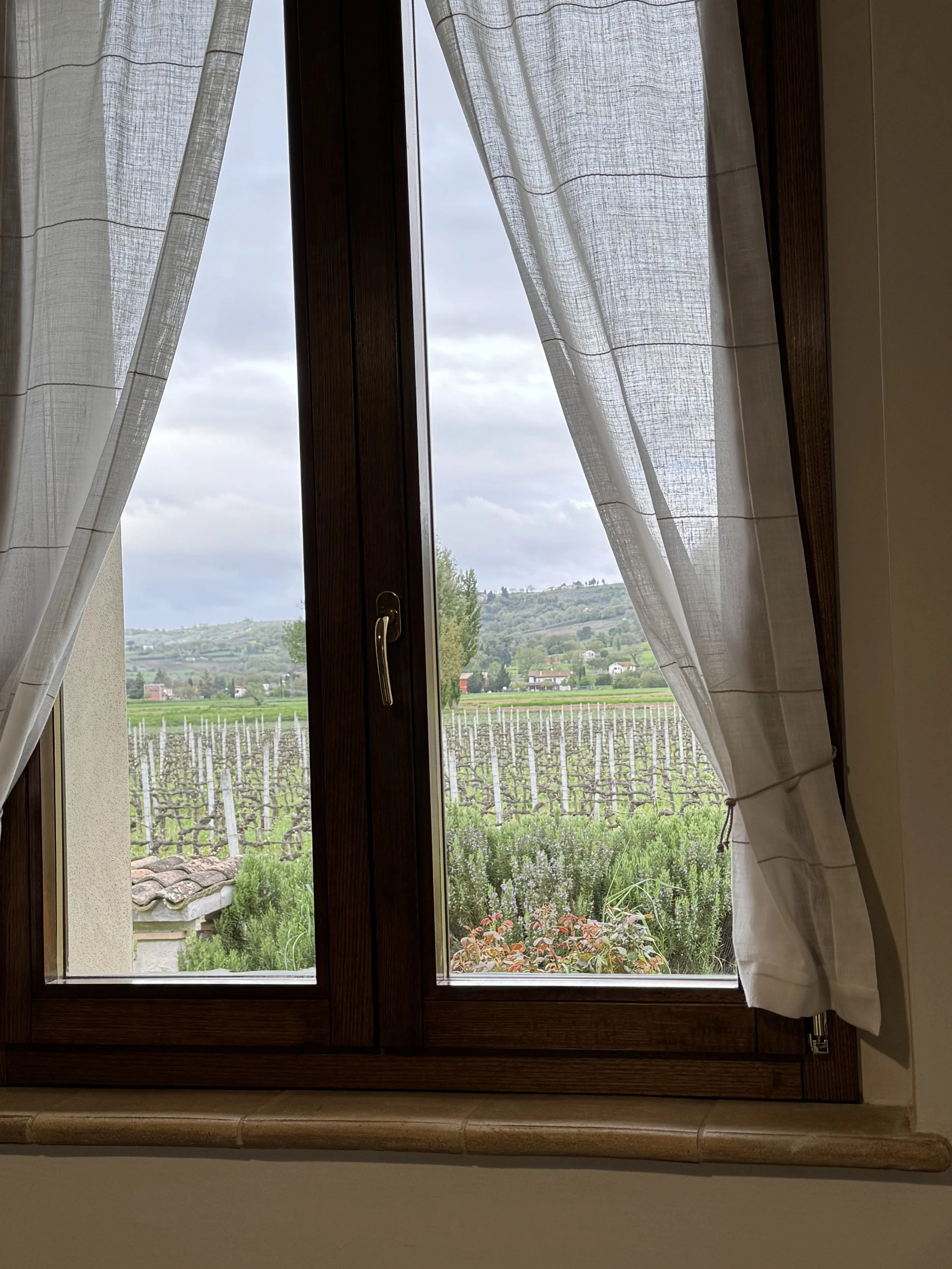
A few of the windows were more modern, set in a vineyard in Bevagna. They provided me with a view of vines, sunsets, cats, and an occasional rabbit.

IMG_4705.jpeg
IMG_4158.jpeg
IMG_3548.jpeg

Old or new, all invited me to take their photo.

Orvieto

This week is also my birthday week and I am thinking that a perfect gift to give myself would be a return to Umbria for the Infiorata (Spello’s famous event where the streets are paved with flowers) as part of a cooking class week next June. Anyone want to join me?

Assisi

August 25, 2025 /Joanne Bartram
umbria, old windows, italian windows, italian architecture
Hill Towns Italy, History, Italian art architecture, Italy, Italy travel, Umbria

Prato’s Museo del Tessuto (Textile Museum)

May 12, 2025 by Joanne Bartram in #italytravel, #medievalitaly, History, Italian Art, Italian art architecture, Italian culture, Italy travel, Living in Italy, Museums Italy, Tuscany

Tuscany is not all rolling hills, art, vineyards, olive groves, and Medieval streetscapes.  A different Tuscany presents itself in the city of Prato. While Prato does have a historic center worth exploring, it is better known as the center of a thiving textile and fashion industry. 

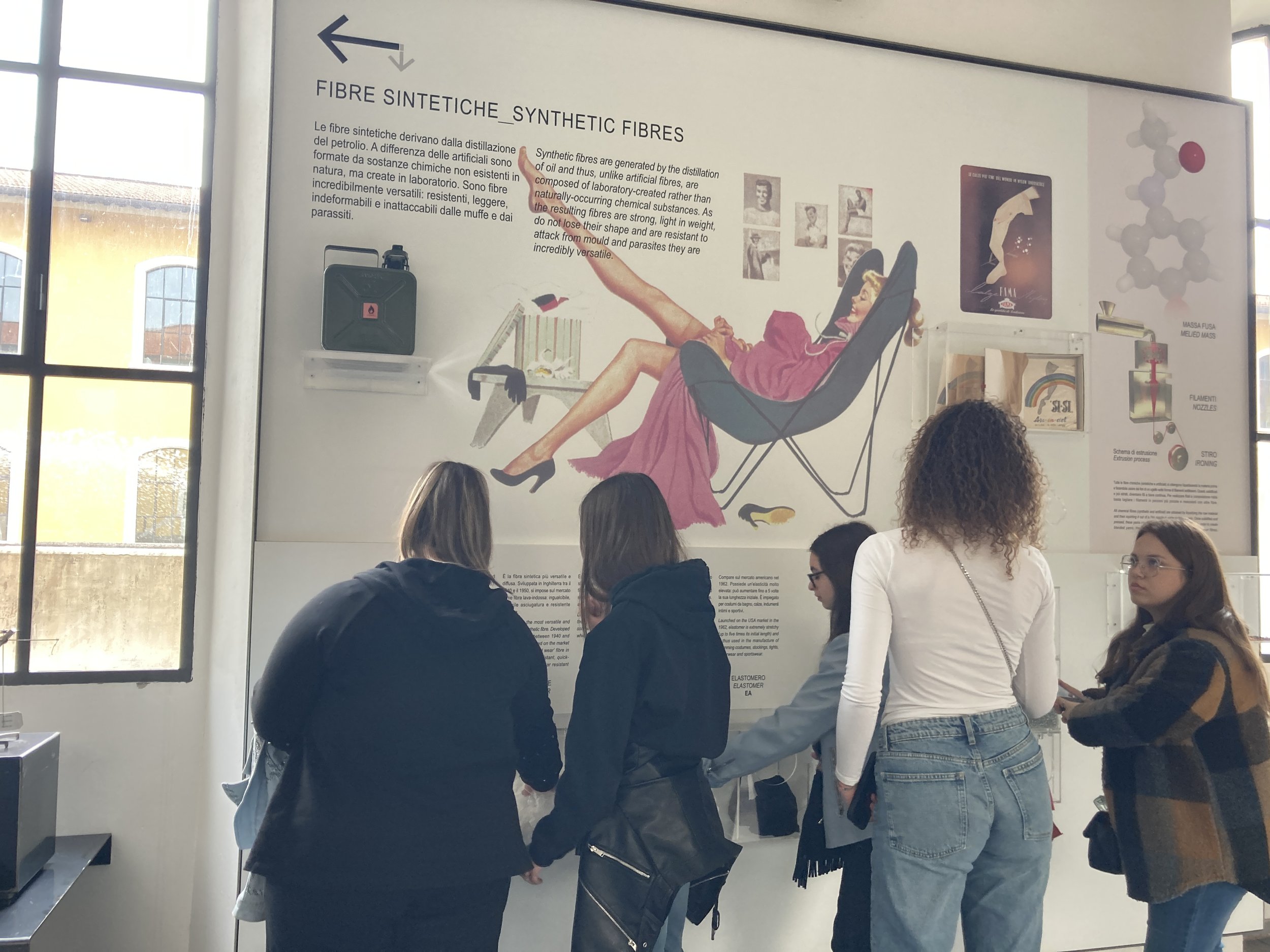
Displays in the Textile Museum recount the history of cloth making and the fashion industry in Prato, including the role of Chinese immigrants.

The creation of textiles in Prato goes back to the 12th century, but it was the industrial revolution of the late 1800’s which fostered the growth of the industry.  Another boom period came with the end of World War II when Prato became one of Europe’s largest districts for textile and clothing manufacturing. Prato’s role in textiles and fashion continues today, in large part supported by the Chinese immigrants who began arriving in the early 1990’s. 

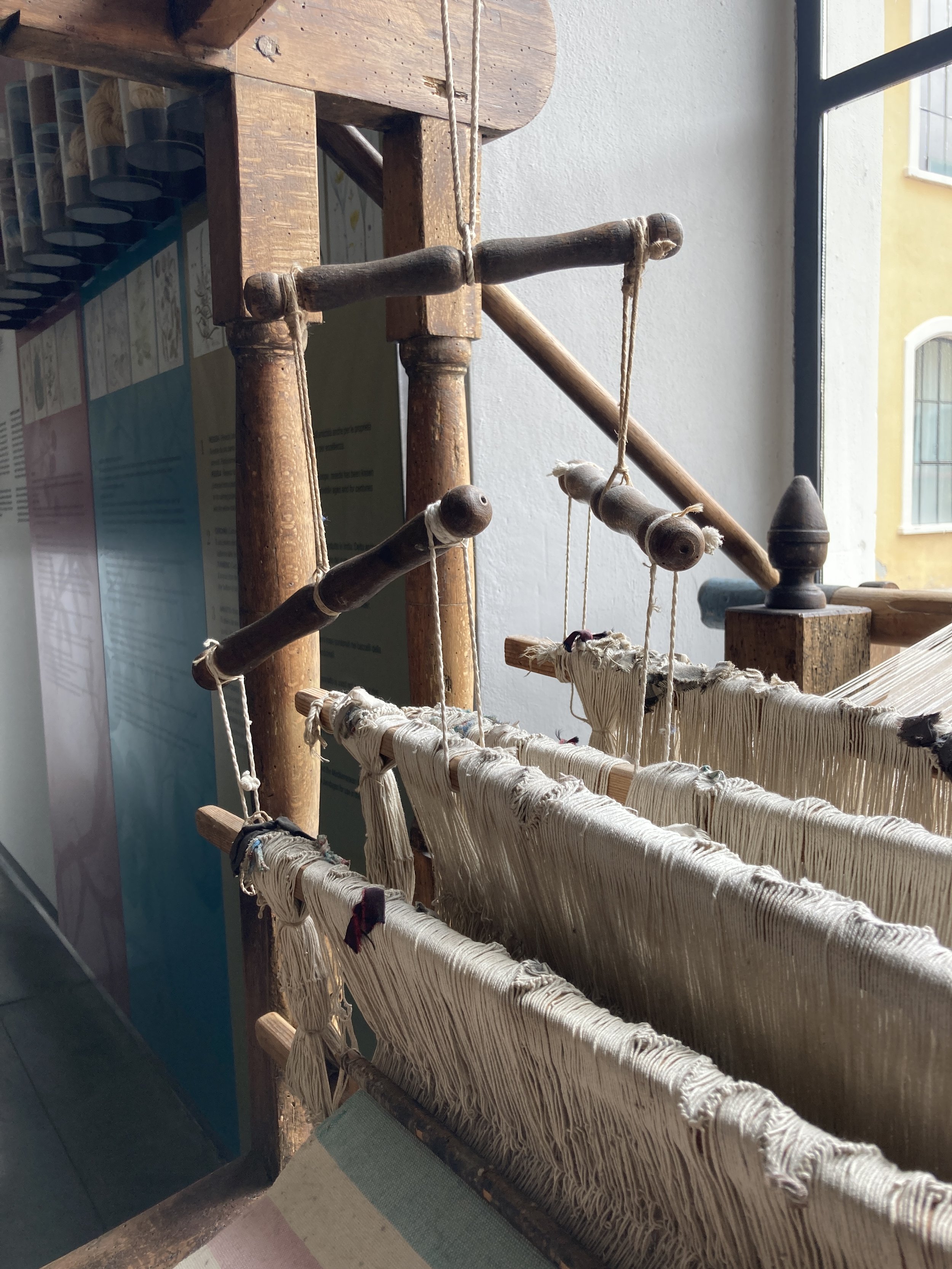
The history of textiles in Prato is celebrated in a small but fascinating and well-curated museum, The Museo del Tessuto. Established 50 years ago, the museum is now housed in a historic building – the former Compolmi textile factory. The factory was opened in 1863 by Vicenzo and Leopoldo Compolmi in a building that formerly housed a mill (and before that a convent). One of the fascinating aspects of the museum is seeing the former factory’s collection of machinery used in the manufacturing process along with implements used during different periods of manufacturing. 

IMG_7078.jpeg
IMG_7082.jpeg
IMG_7145.jpeg

Displays throughout the museum explain the evolution of fashion and style as well as materials used during different time periods. There are displays on types of fabrics, materials used to spin thread, and agents for coloring fabric. Many of the educational displays are hands on, giving visitors the ability to feel how different raw materials are to the touch. I owe these displays a big thank you for most of the info contained in this post.

IMG_7124.jpeg
IMG_7121.jpeg
IMG_7114.jpeg
IMG_7163.jpeg
IMG_7116.jpeg
IMG_7160.jpeg

Recently, I had a chance to visit the museum and see two special exhibits.  One, Silk Treasures, showcases fabric, small remnants, larger pieces, and intact garments, from the 15th – 18th centuries. Many were originally designed for Europe’s wealthy class and later recycled into garments worn by the clergy. The fabrics are woven with gold and silver threads as well as intense blues and reds, forming intricate and beautiful patterns. That they have survived for centuries seems like a miracle. The Silk Treasures exhibit will be on display until December 21, 2025.

IMG_7098.jpeg
IMG_7099.jpeg
IMG_7101.jpeg
IMG_7102.jpeg
IMG_7107.jpeg
IMG_7110.jpeg

The second special exhibit is quite different.  It is a contemporary and futuristic display of clothing crafted from velvet fabrics.  Entitled Velvet Mi Amor, it was created by father and daughter designers Stefano and Corinna Chiassai.

The Velvet Mi Amor exhibit has an eye-catching group of patterns, colors, and textures.

The exhibit, which runs through June 8th, includes 24 otherworldly figures clothed in a diverse range of velvets – prints, patterns, inlays, and laser cuts all have a place.  The oversize pants, jackets, shoes and hats, all in velvet, pull you in to take a closer look. You may even find some hidden messages in the patterns.   

IMG_7215.jpeg
IMG_7209.jpeg
IMG_7224.jpeg
IMG_7225.jpeg
IMG_7205.jpeg
IMG_7226.jpeg

Prato is easily reached by train in about 30 minutes from Florence or 60 minutes from Lucca.  The museum, including its well-stocked gift shop, is definitely worth a visit. And Prato, which hosts Italy’s second largest Chinese population, is just the place for a post-museum Chinese food lunch.

The gift shop at Museo del Tessuto

May 12, 2025 /Joanne Bartram
Prato, Museo dell Tessutto, Fabric Museum, Fashion, Italian Fashion, Historic garments
#italytravel, #medievalitaly, History, Italian Art, Italian art architecture, Italian culture, Italy travel, Living in Italy, Museums Italy, Tuscany

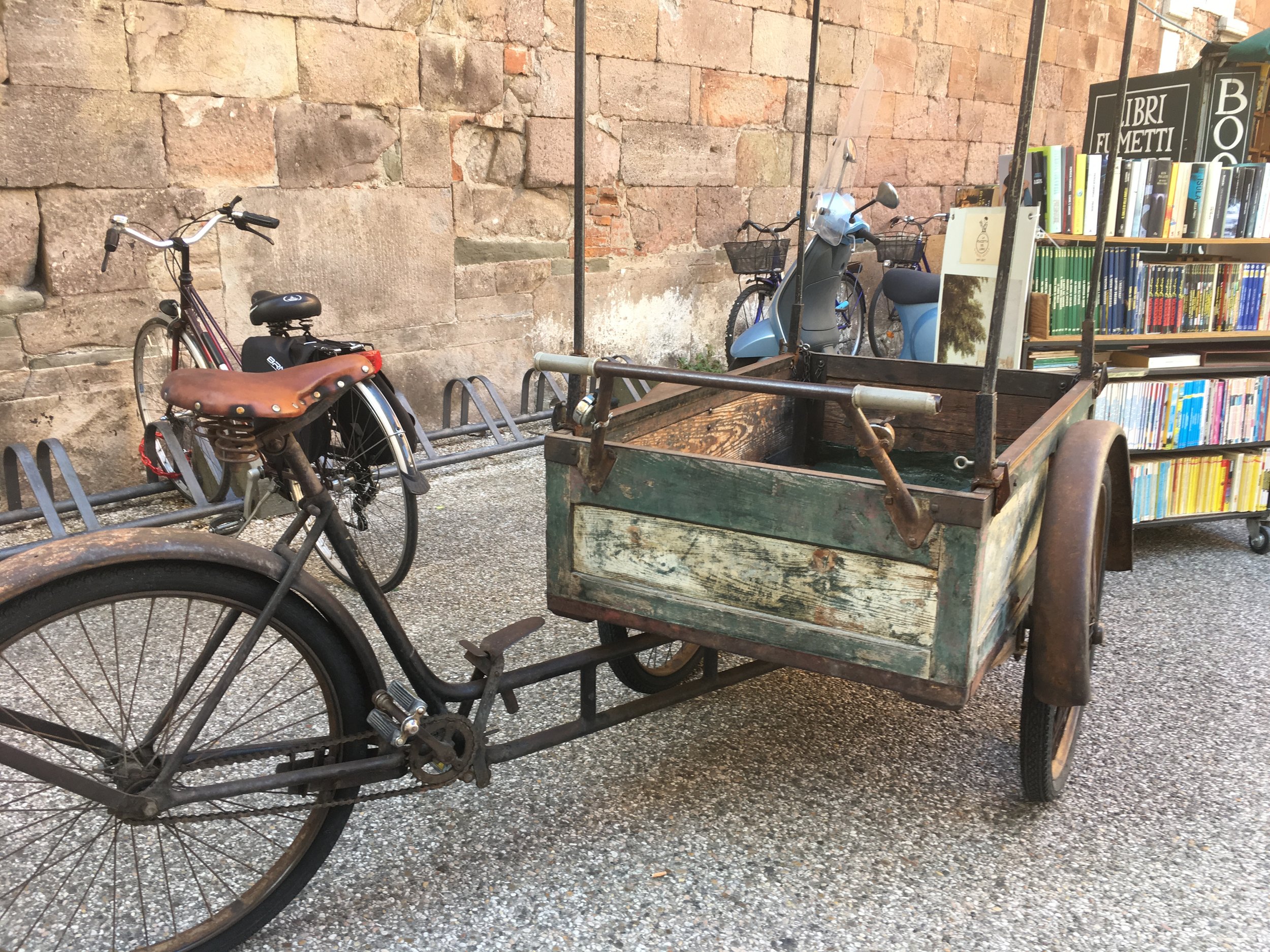
A booksellers stall, Lucca

Winter Reading, Italian Stories

February 05, 2024 by Joanne Bartram in #florence, Florence, History, Italian Art, Italian art architecture

January has finally dragged itself into February on its slow crawl out of winter.  Is it just me or did last month seem unusually dreary?  And long.  I spent all of January in New Mexico so I can’t speak for the weather anywhere else, but in New Mexico it was cloudy, gray, and drizzly for days on end which is quite unusual here in the land of sunshine.  Two light snowfalls were pretty but cold.   

Pontremoli, a city where books are everywhere.

Dreary winter days are perfect for sitting with a cup of coffee and reading a good book.  When I am away from Italy, as I have been for the last 6 weeks or so, I find myself drawn to books set in Italy. There are endless choices – memoirs, travel diaries, historical pieces. 

There are Donna Leon mysteries and Camilleri’s Inspector Montalbano.  Who hasn’t fallen under the spell of A Room With a View or Enchanted April? More recent books have been best sellers - Under the Tuscan Sun and My Brilliant Friend (though I admit I struggled a bit through that one) - come to mind.  Perhaps Umberto Eco’s Name of the Rose or Giovanni Boccaccio’s Decameron (which I found my grandson reading recently) is on your reading list.  The list could go on and on.

 I am currently enjoying two series that may not be as universally known. Both are by contemporary authors.  The two series are quite different, but if you love Italy, and especially Tuscany, then I recommend them as perfect for winter reading.

Don’t you love it when a novel takes you to a familiar location in Tuscany ?

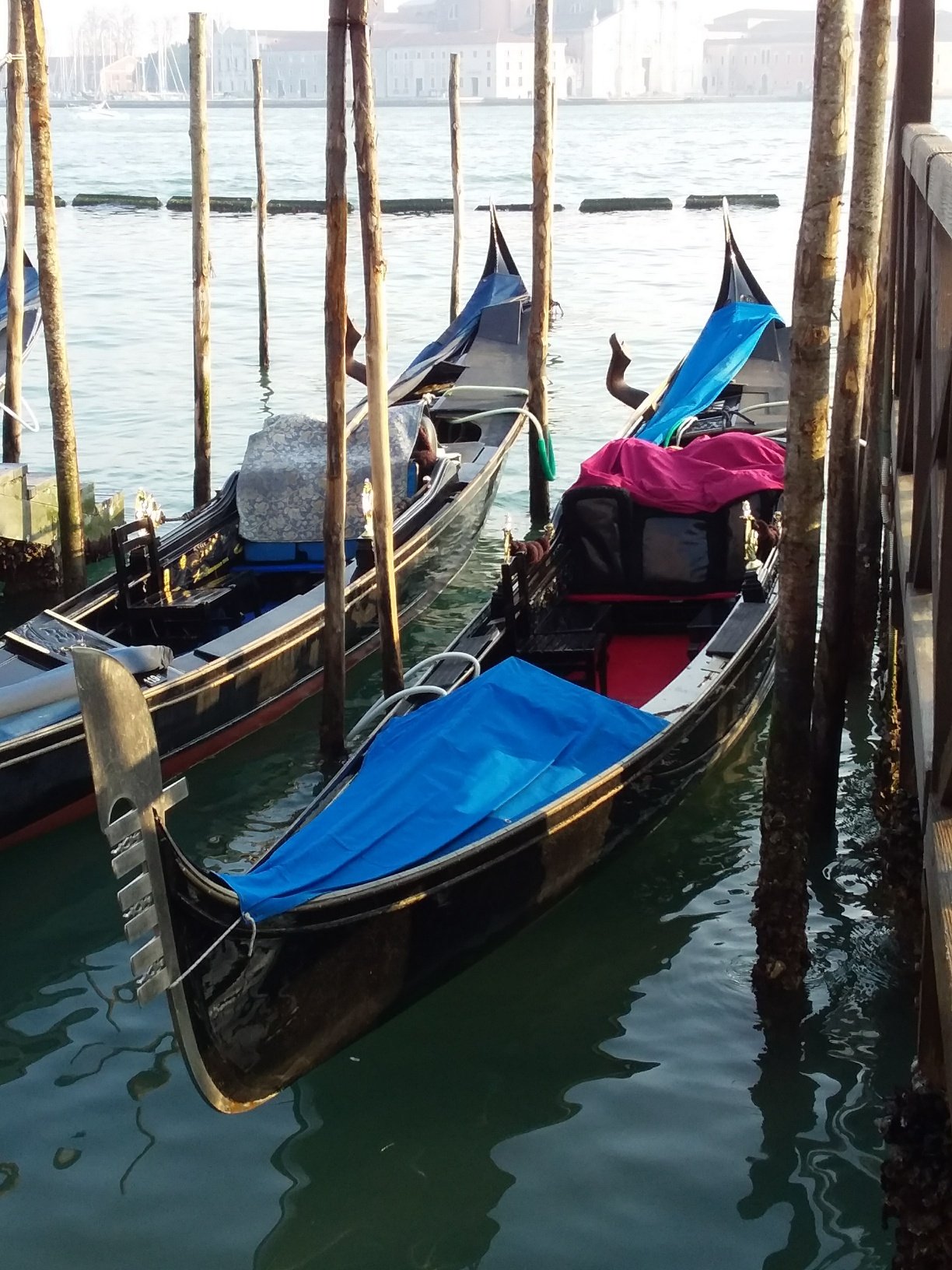
The first is a series of historical novels by the art historian Laura Morelli.  Her well-researched novels intertwine Italian art, craftsmanship, long-ago artists, and history in compelling reads.  Through her writing I have sat by Da Vinci’s side as he painted, walked with Lisa Gheradini through Florence, hid vanities from Savonarola, and worked alongside a gondola craftsman in Venice.  Parts of her novels are set in 15th and 16th century Italy, but the stories often move between time periods - from Renaissance era Italy to World War II when Italian masterpieces were being hidden from, or acquired by, the Nazis. If not familiar with her books, The Stolen Lady, which revolves around the painting of the Mona Lisa and life in Florence during that time period, and how the painting was hidden during WWII, is a great place to start.   If Venice calls to you, then The Gondola Maker will transport you to the 16th century workshop of a family of gondola craftsman.   

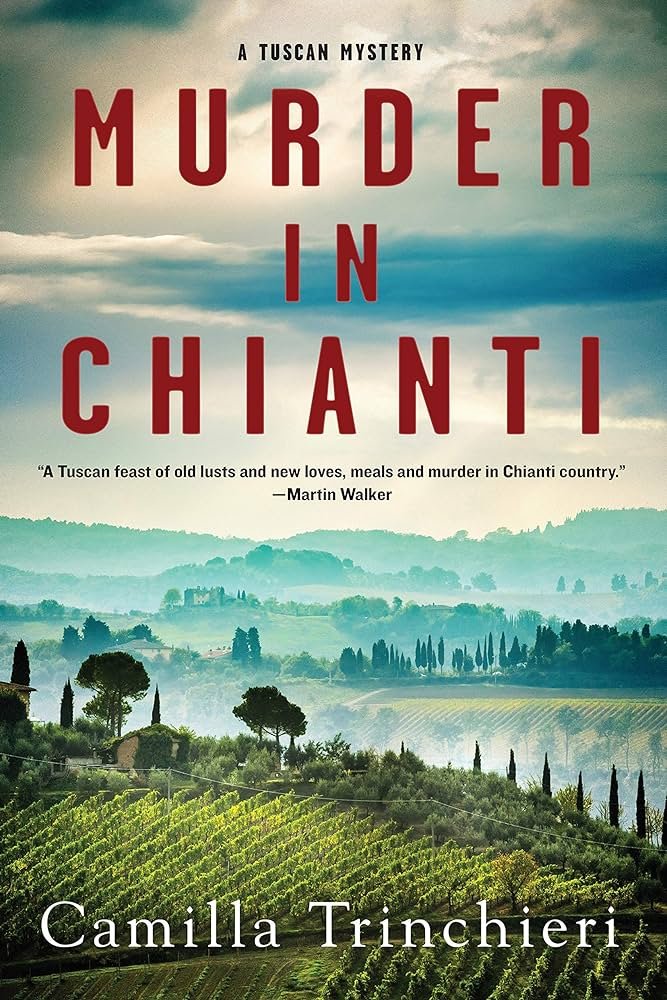
A very different series is written by Camilla Trinchieri.  Set in the present day, her 3 novels are what the Italians call gialli.  The word giallo literally means “yellow” (the plural is gialli), so called for the yellow covers that were traditionally used for Italian mysteries. 

Trinchieri’s protagonist is a very likable retired American cop, widowed and living in the Chianti region.  There is an appealing Italian maresciallo (a type of local policeman) stationed in Greve, his endearing young second in command, and a host of interesting Italian characters.   Reading these novels are like taking a vacation in Chianti, one where you recognize the towns immediately and feel right at home.   Best to read these in order, starting with Murder in Chianti.   A 4th book in the series is due out this year, so I am rereading the series this winter in preparation.

What’s next on my reading list?   I have just started The Sixteen Pleasures, set in Florence after the big flood of 1966. So far I’ve learned quite a bit about the restoration of water damaged books and an American book conservator volunteering in a convent library. A scandal is just unfolding - a book of erotic drawings hidden away in the convent’s library. I wonder where that will lead?

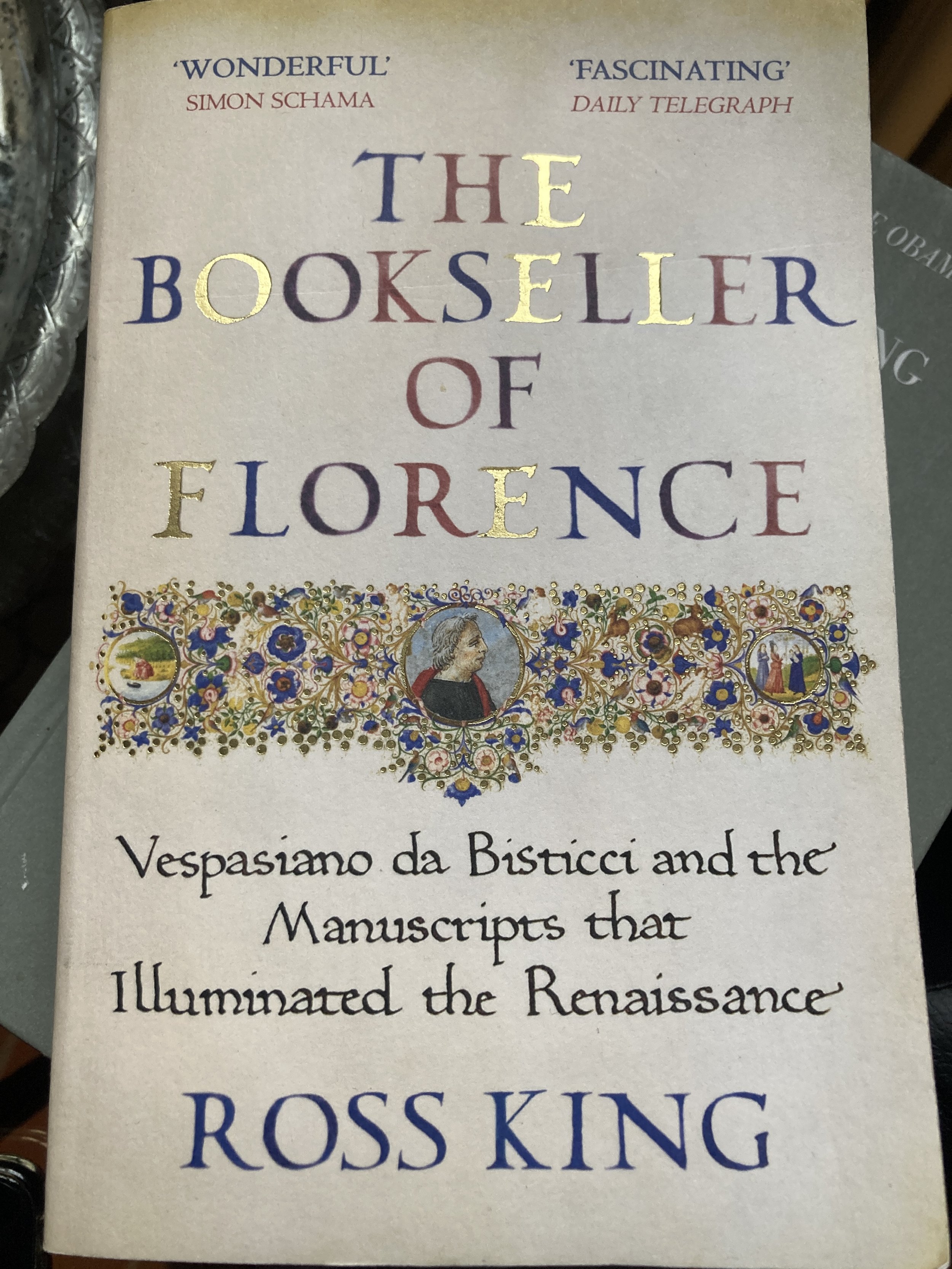
I head back to Italy soon and there will still be a month of winter ahead. I am looking forward to starting the Bookseller of Florence by Ross King.  It is sitting by the reading chair in my Lucca apartment just waiting for me.

Do you have favorite books set in Italy?   Please share your favorites on the Two Parts Italy Facebook page.   Happy winter reading!


February 05, 2024 /Joanne Bartram
set in italy, books set in italy, novels set in italy
#florence, Florence, History, Italian Art, Italian art architecture
  • Newer
  • Older

Powered by Squarespace