Traces of Ancient Rome
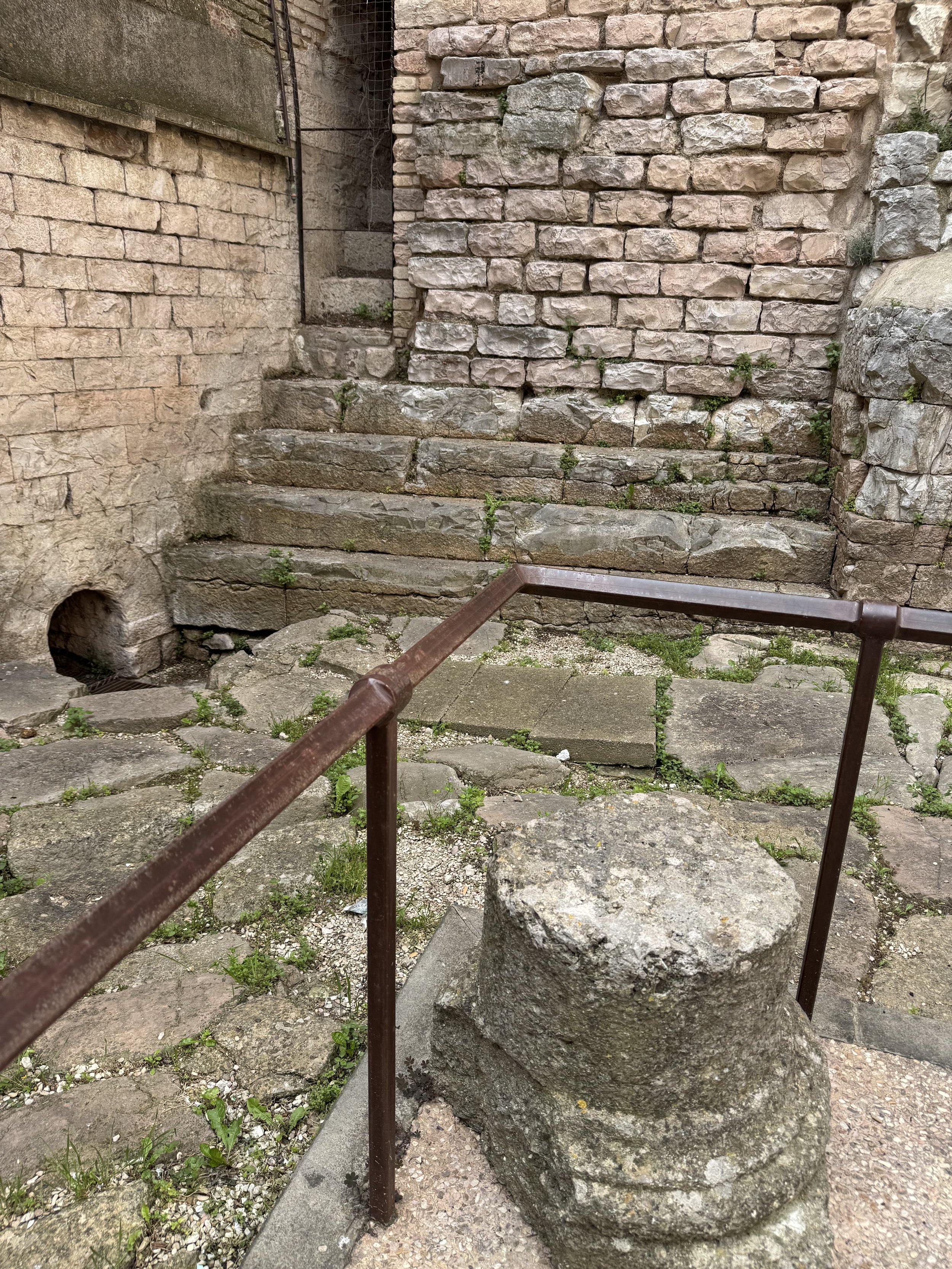
A little bit of Ancient Rome in Spello
Modern day Italy is built over and around the remains of ancient Rome. There are countless examples, many of which are buried well below ground. They become visible only when a construction project unearths them. Often digging, whether for a big construction project (like a new metro line in Roma) or a simple home renovation, exposes stunning mosaic floors, the outlines of ancient homes, or the base of a Roman column. Many a construction project has been delayed when ruins are discovered and the archeologists arrive.
Some of the buried traces of Roman life have been carefully excavated and are opened to visitors as museums.
In a bit of urban drama, some Roman structures sit proudly right in the middle of a city, absorbed into every day Italian life. Rome’s Forum and Colosseum are no doubt the most well-known examples, but there are many others. And some remnants of the Roman era aren’t ruins at all, but intact buildings still in use today.
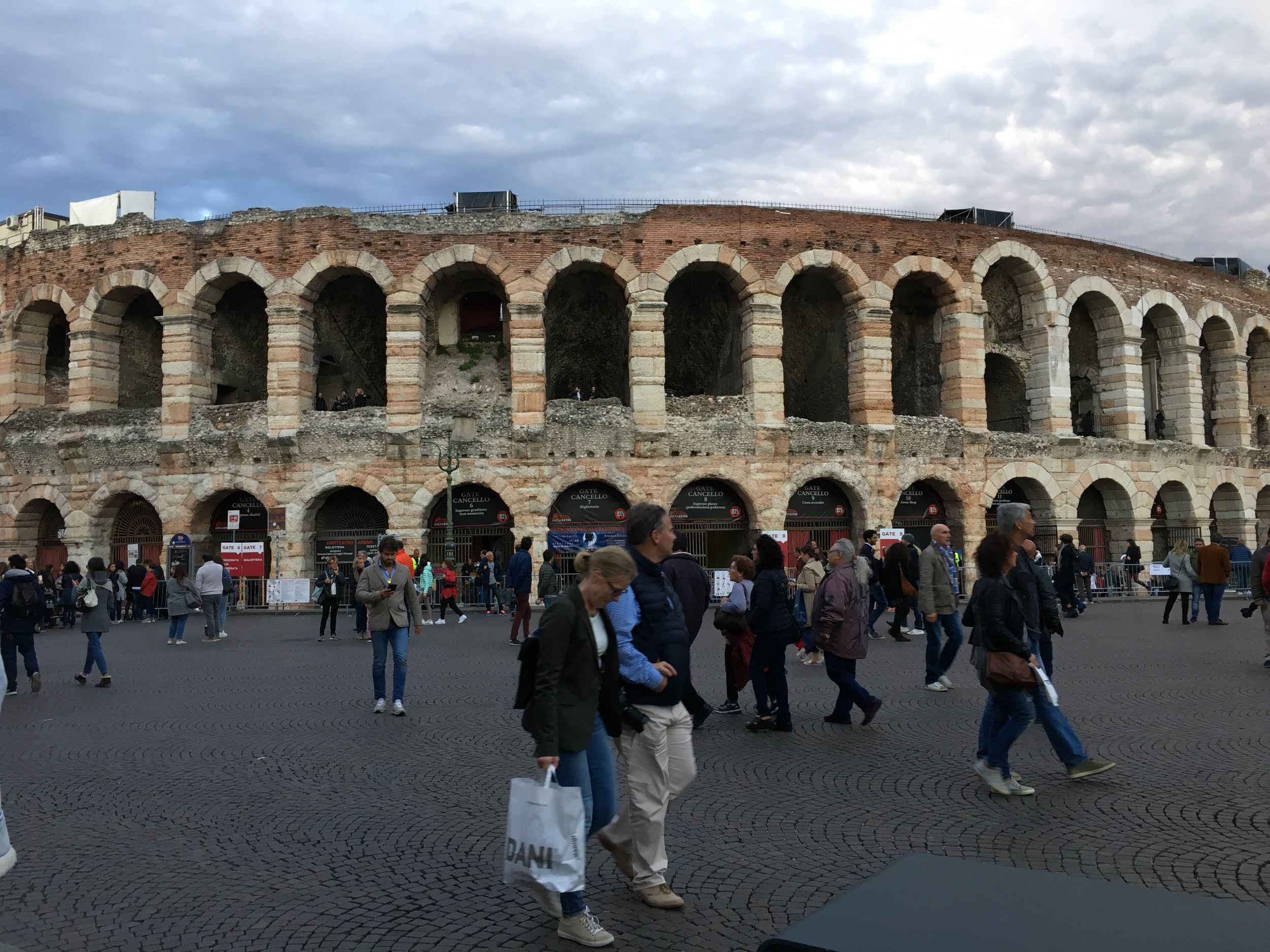
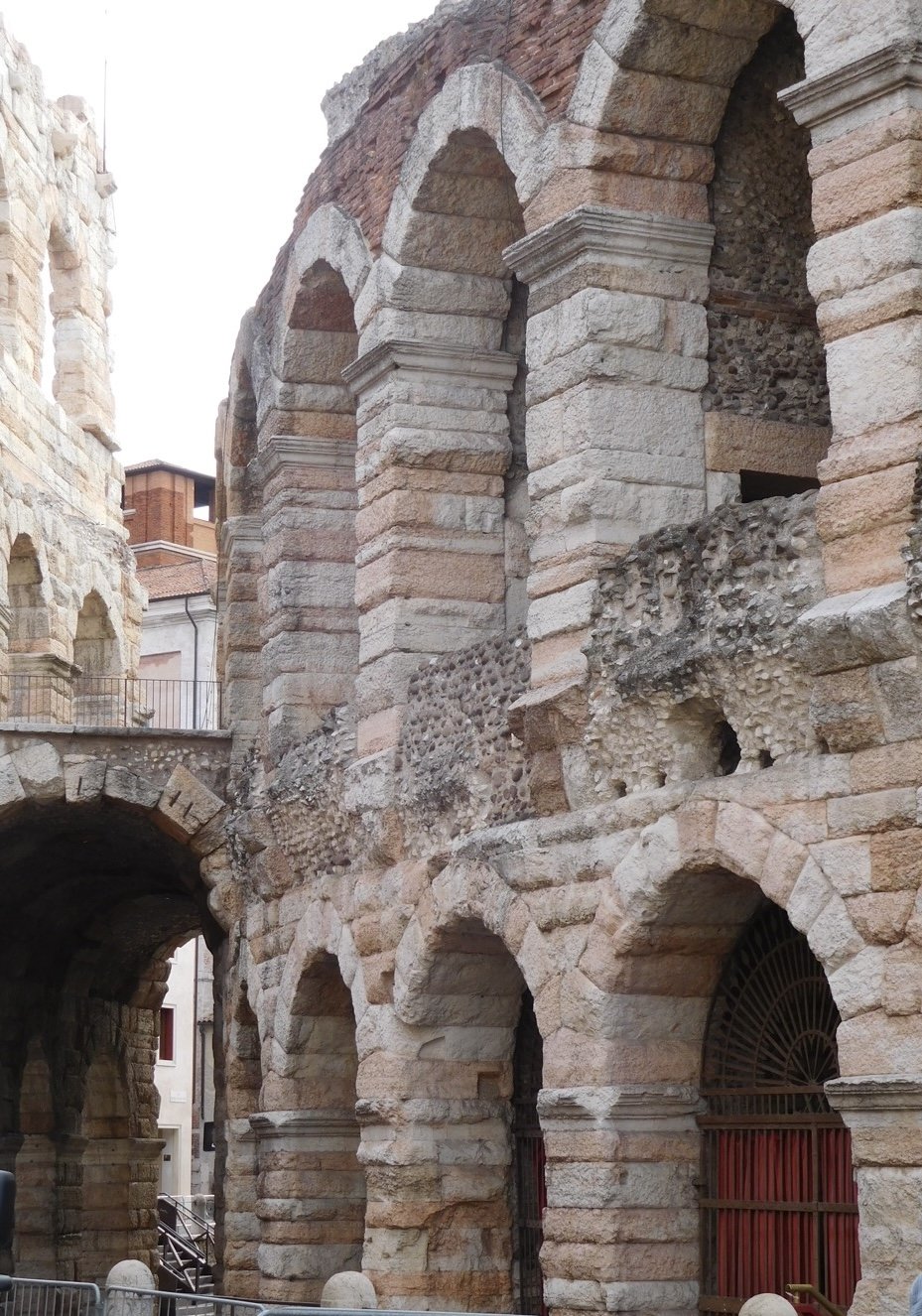
This 1st century amphitheater sits right in the middle of Verona, just off Piazza Bra
In Lucca, the Roman bits are mostly hidden. But look closely and they reveal themselves. Within the church of Santa Maria della Rosa is a segment of the Roman era city walls which form one wall of the church. More Roman history lies under the Church of San Giovanni (including Roman baths) and under Via Cesare Battisti in the Domus Romana (Roman House). Traces of Rome in Lucca persist in the shape of Piazza Anfiteatro and in Piazza Santa Maria Forisportam which marks the border of the old Roman city. Piazza San Michele, today the best people watching spot in town, was once the site of the ancient Roman Forum.
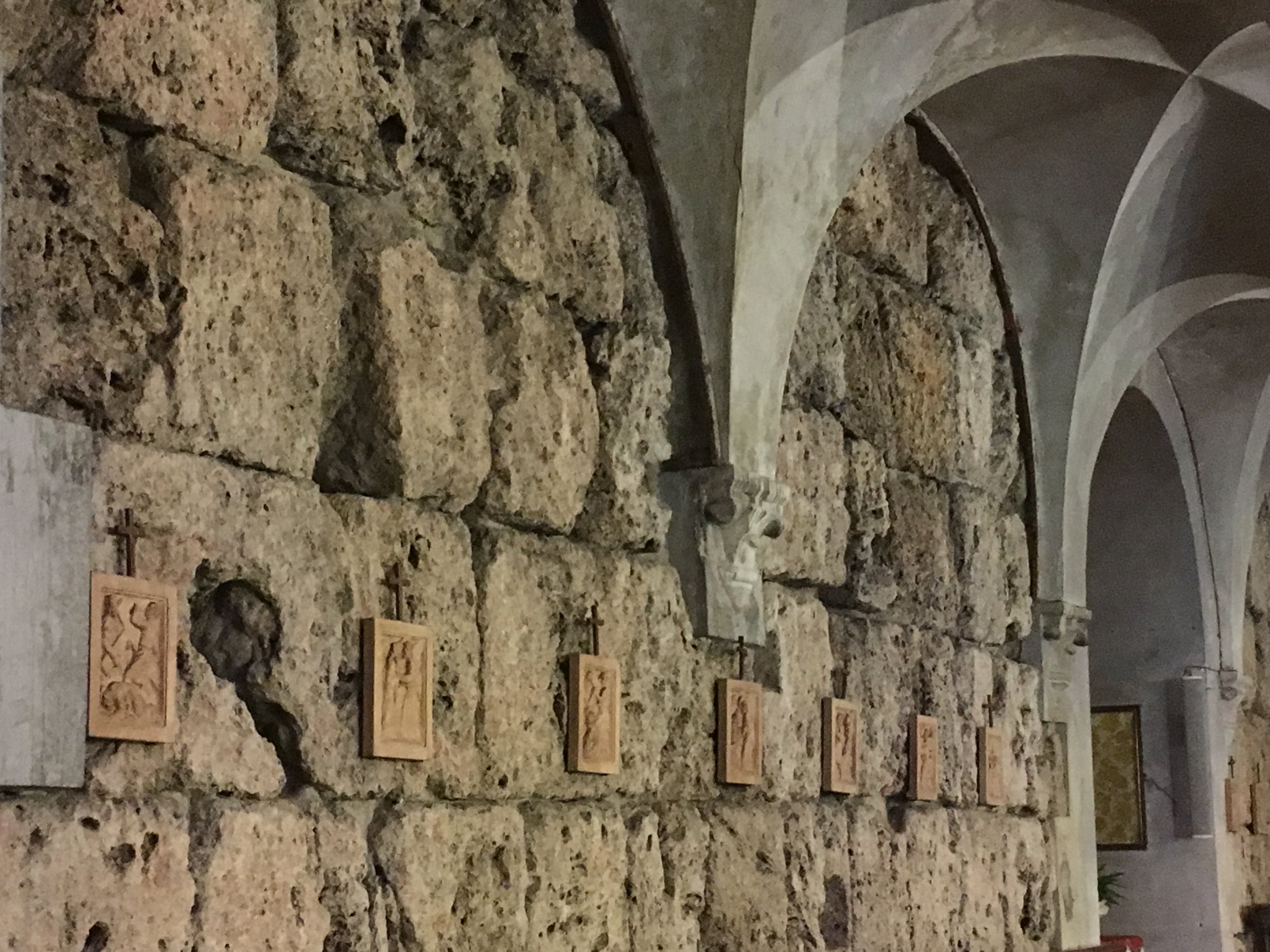
The Church of Santa Maria della Rosa is the best place to see the remains of the Roman era wall that once enclosed the city
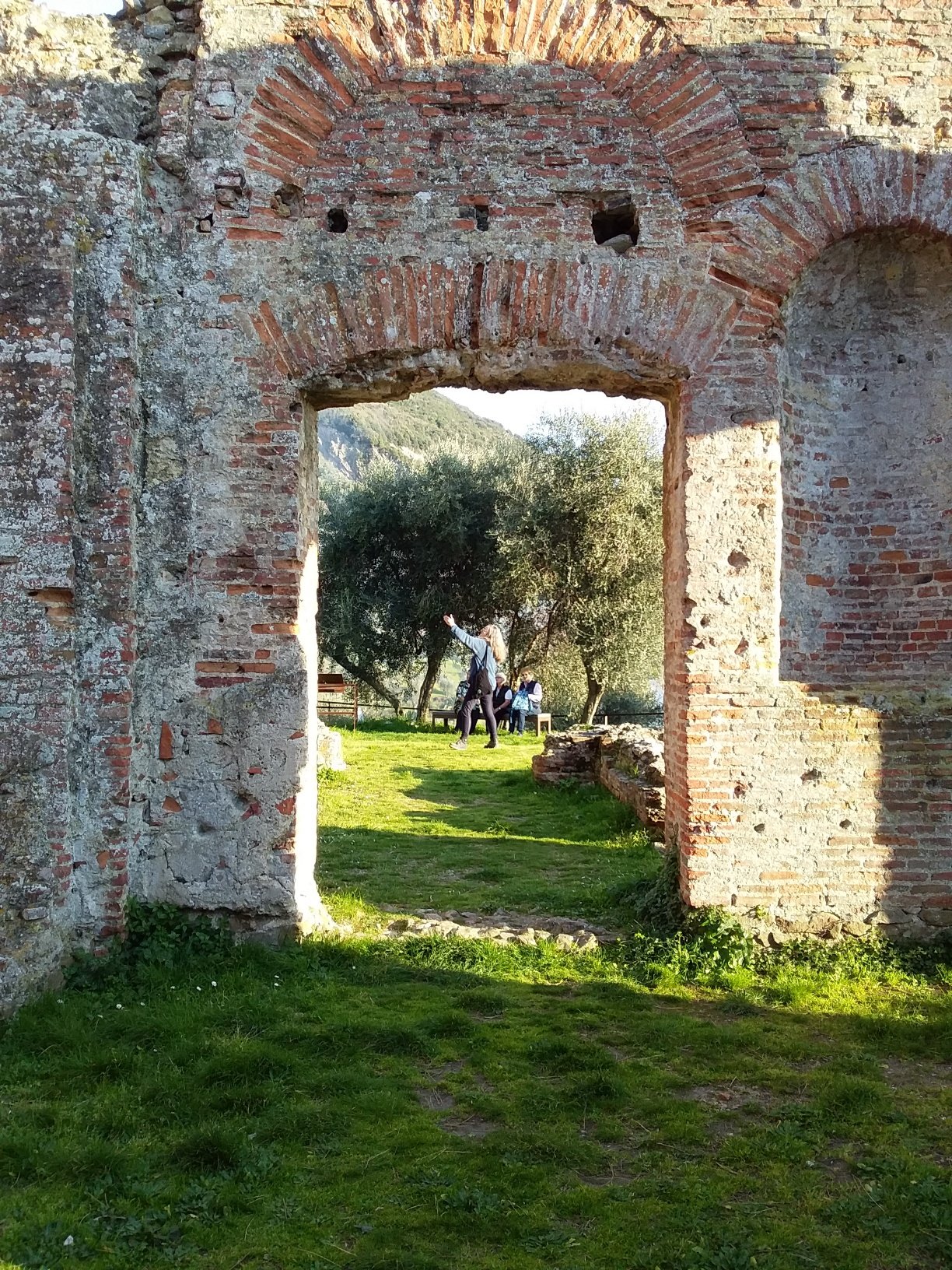
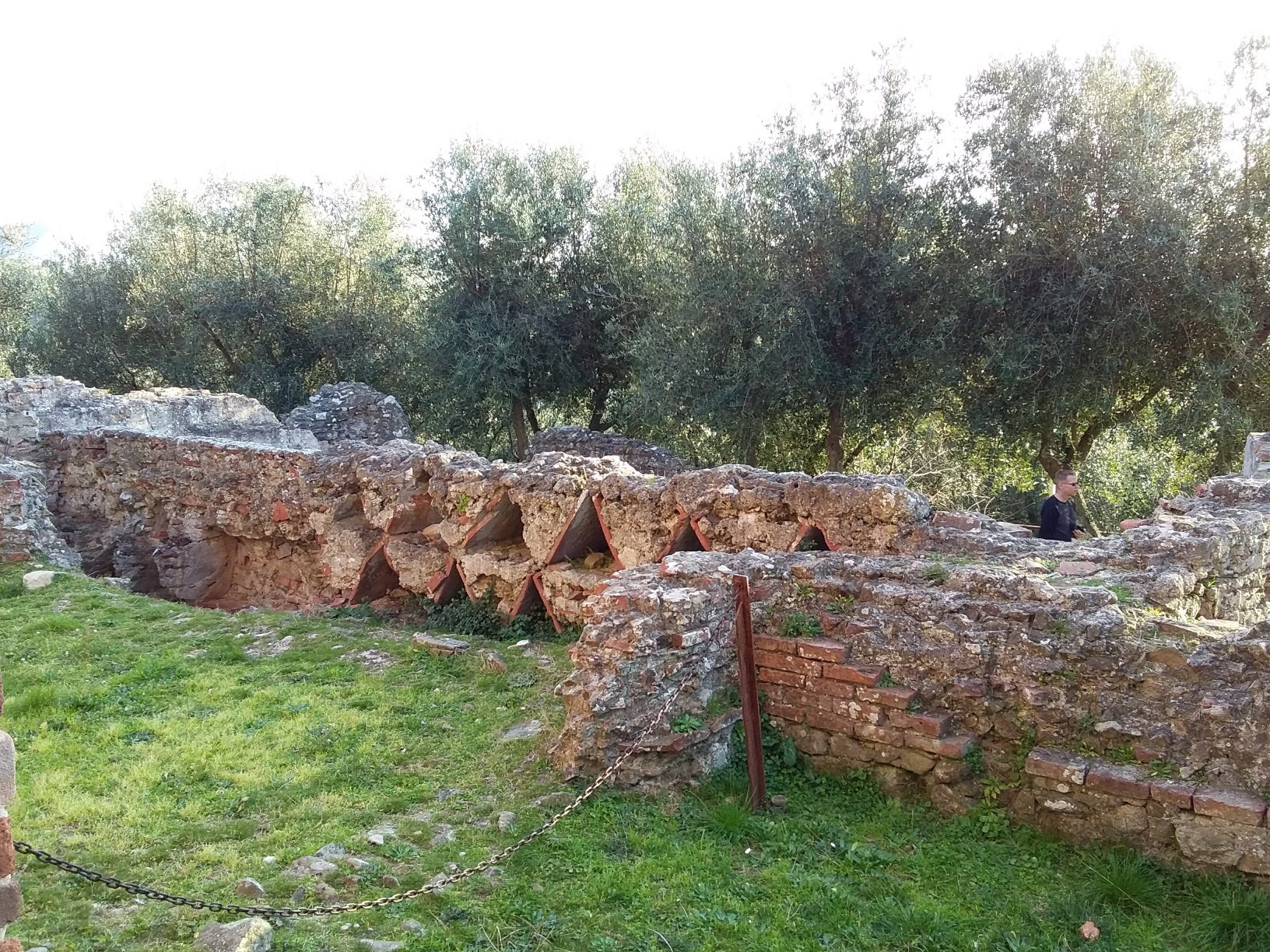
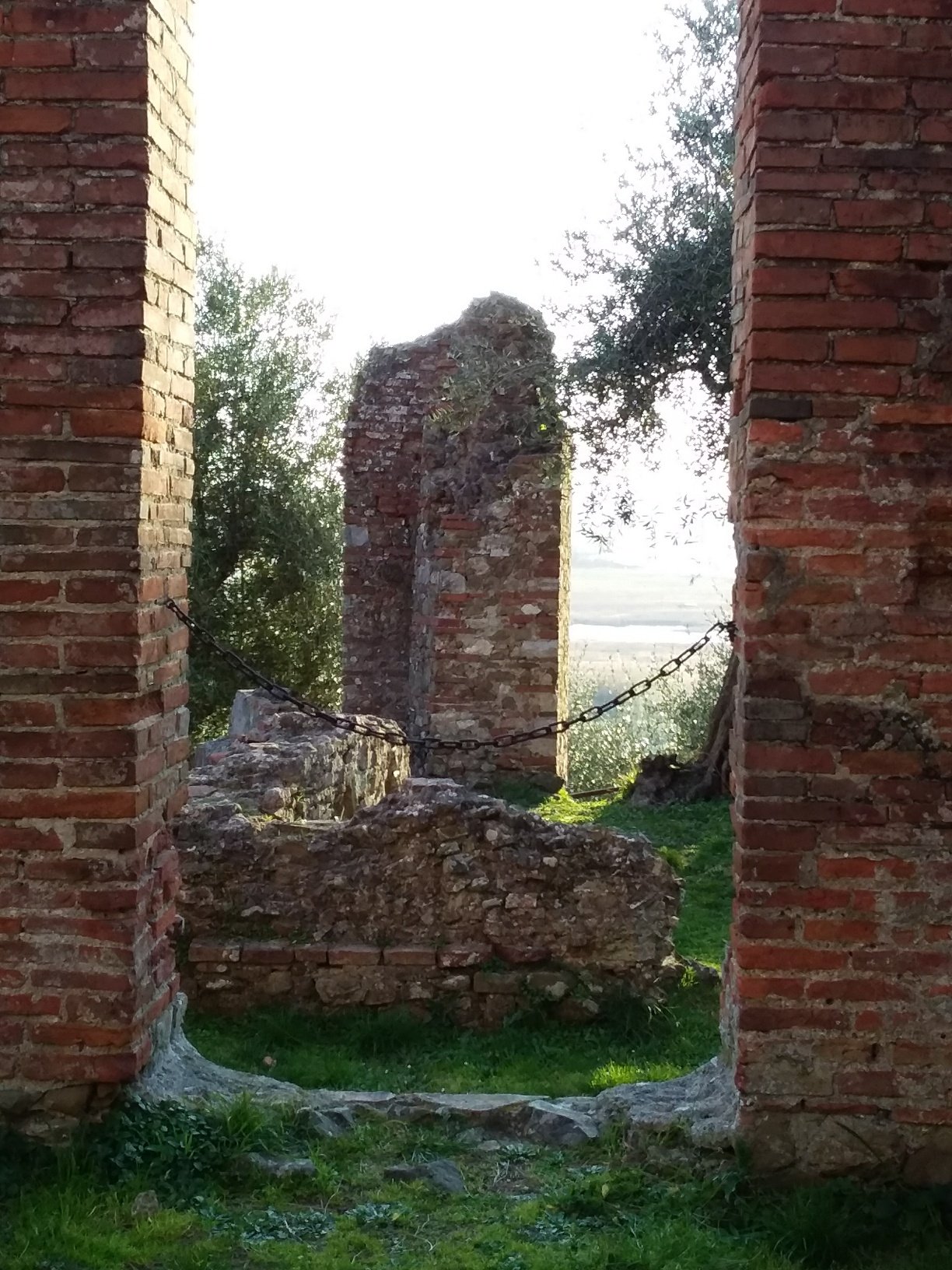
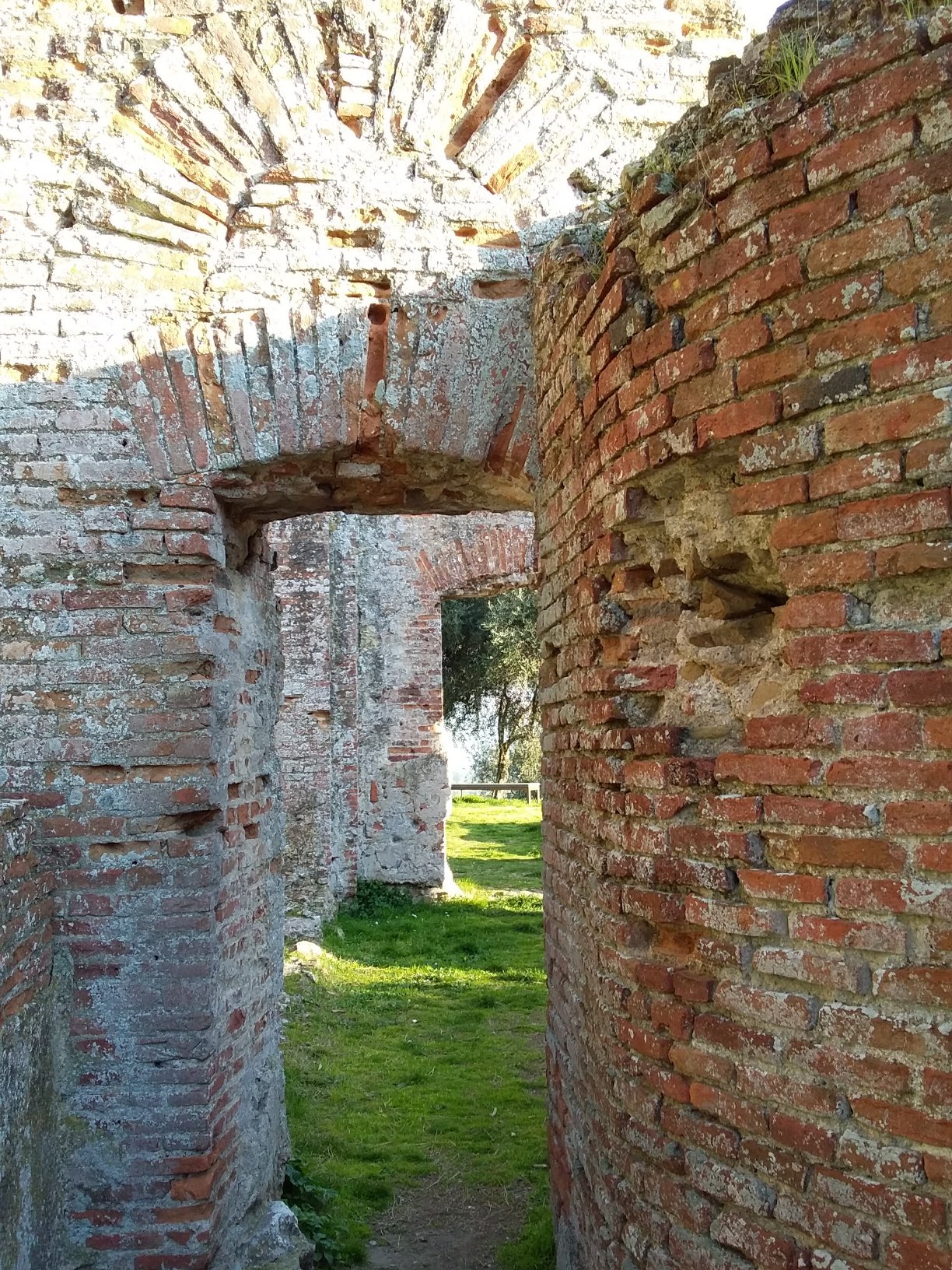
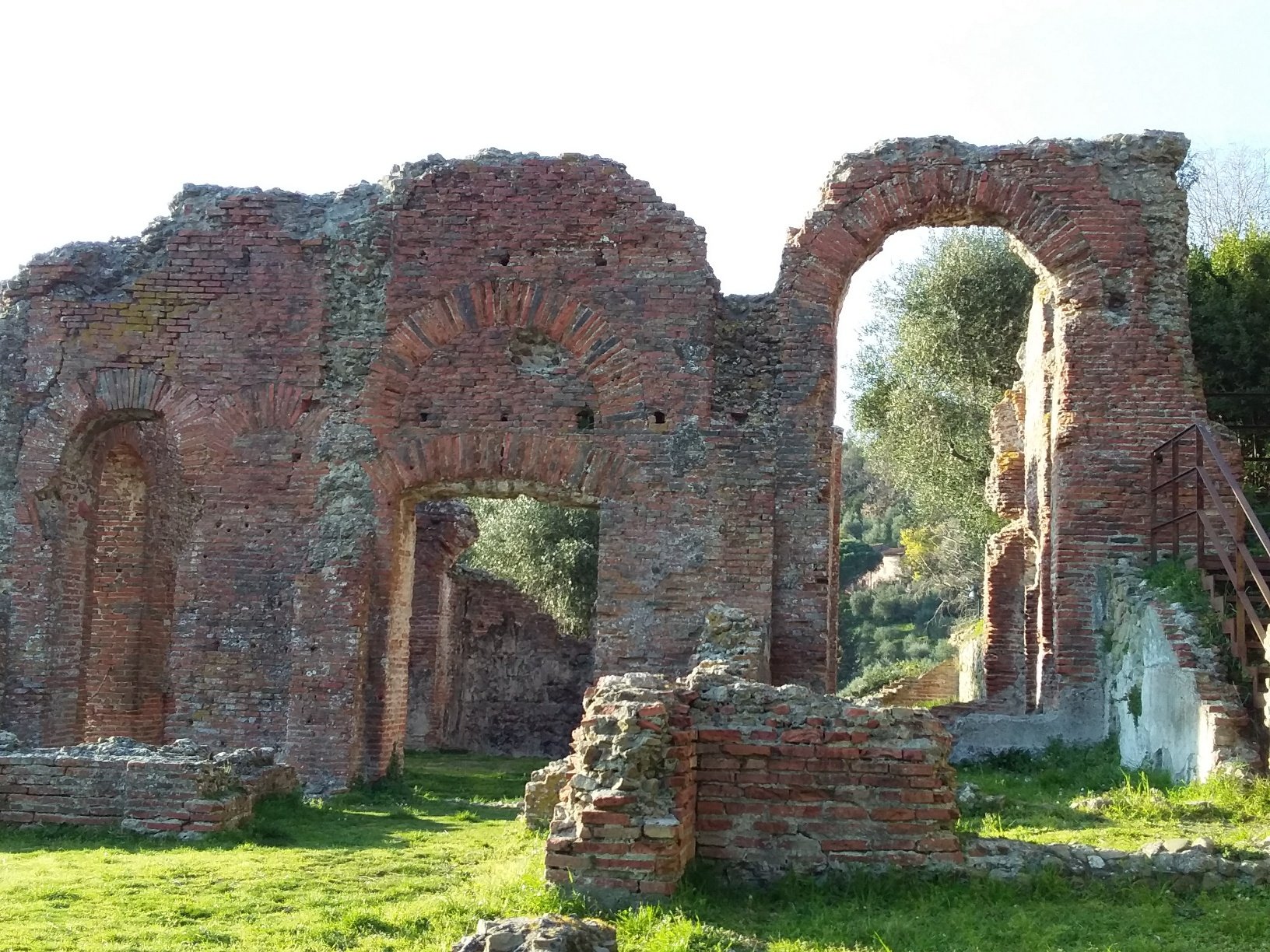
Not far from Lucca, the ruins of a Roman villa sits a short distance from the shores of Lake Massaciuccoli. Amazingly, it is possible to wander through the completely open site!
In the Friuli-Venezia Giulia region, in and around the city of Trieste, the ghosts of ancient Rome seem to be everywhere. Most dramatic are the remnants of a Roman theater that sit right in the middle of Trieste. A large section of the seating is intact making it easy to picture the events that took place there.
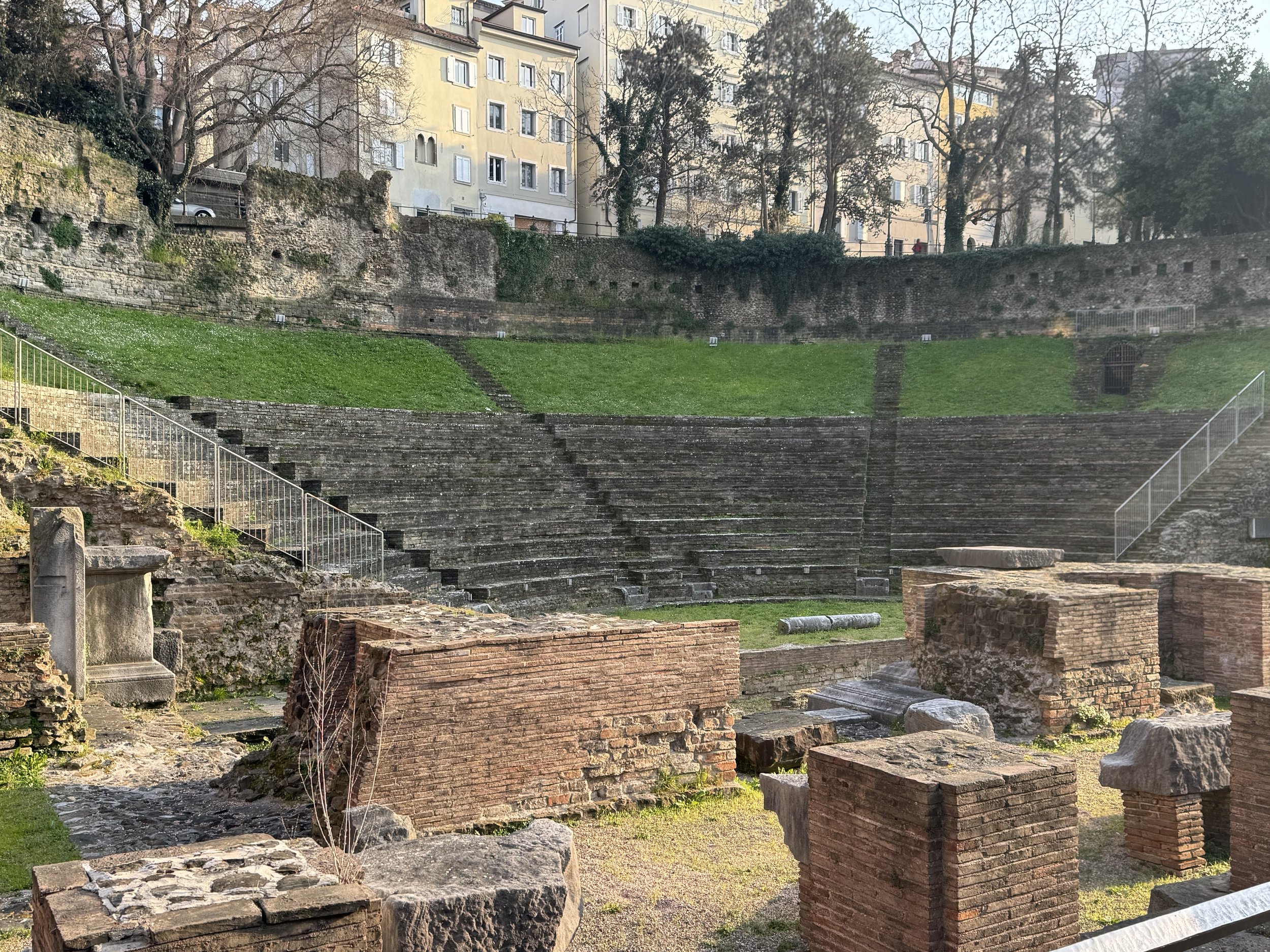
An ancient Roman theater in Trieste, right in the heart of the city
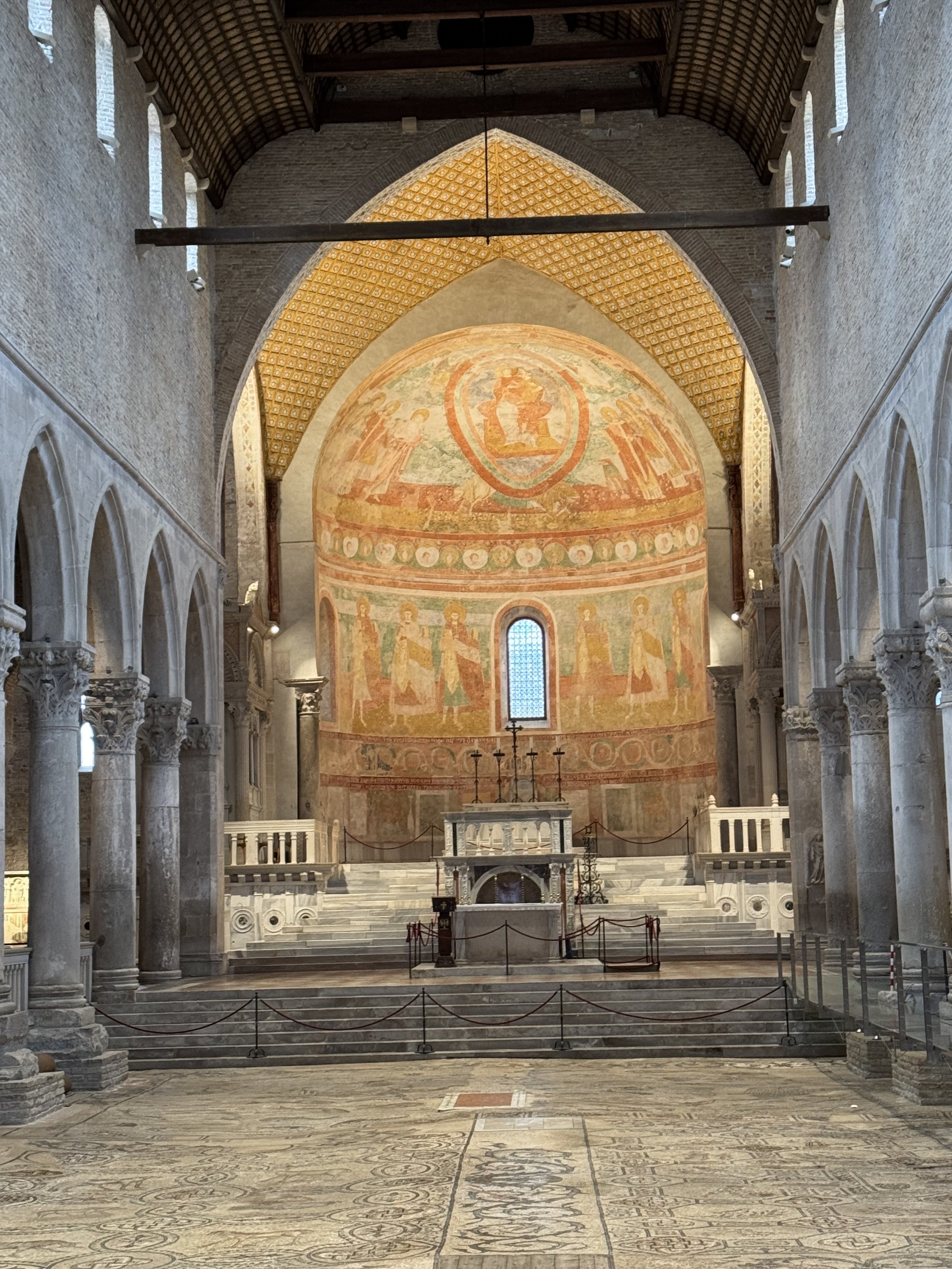
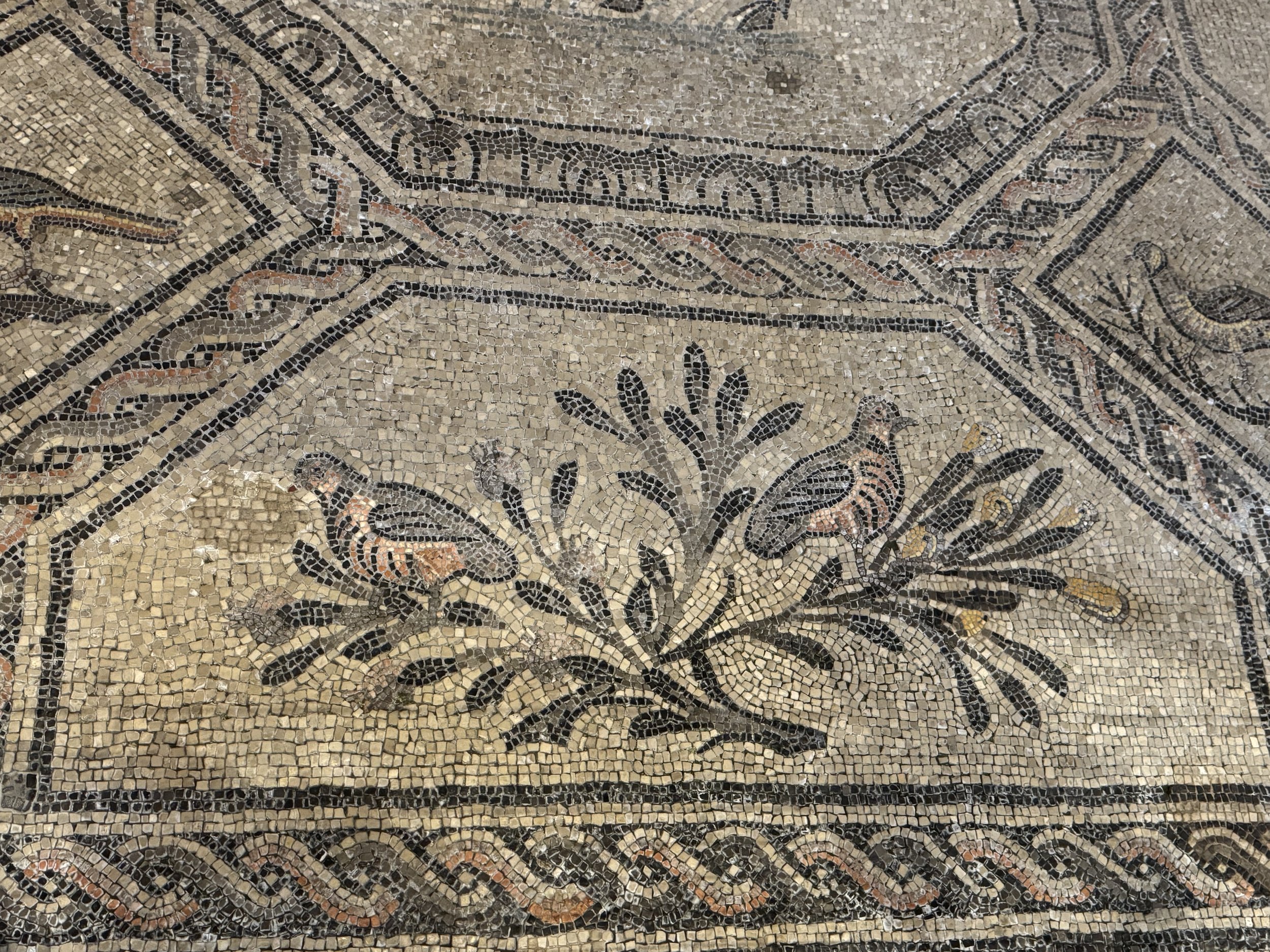
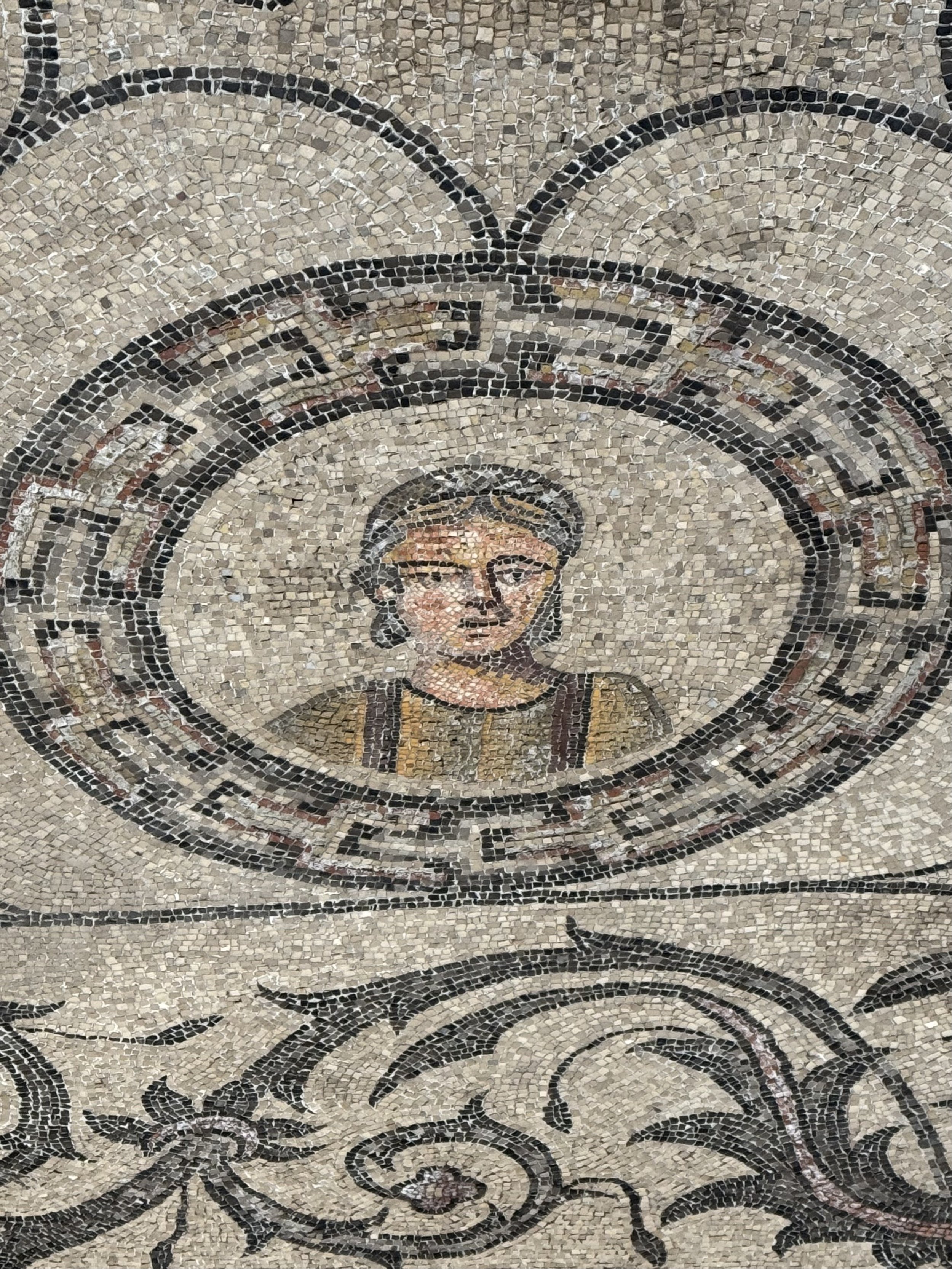
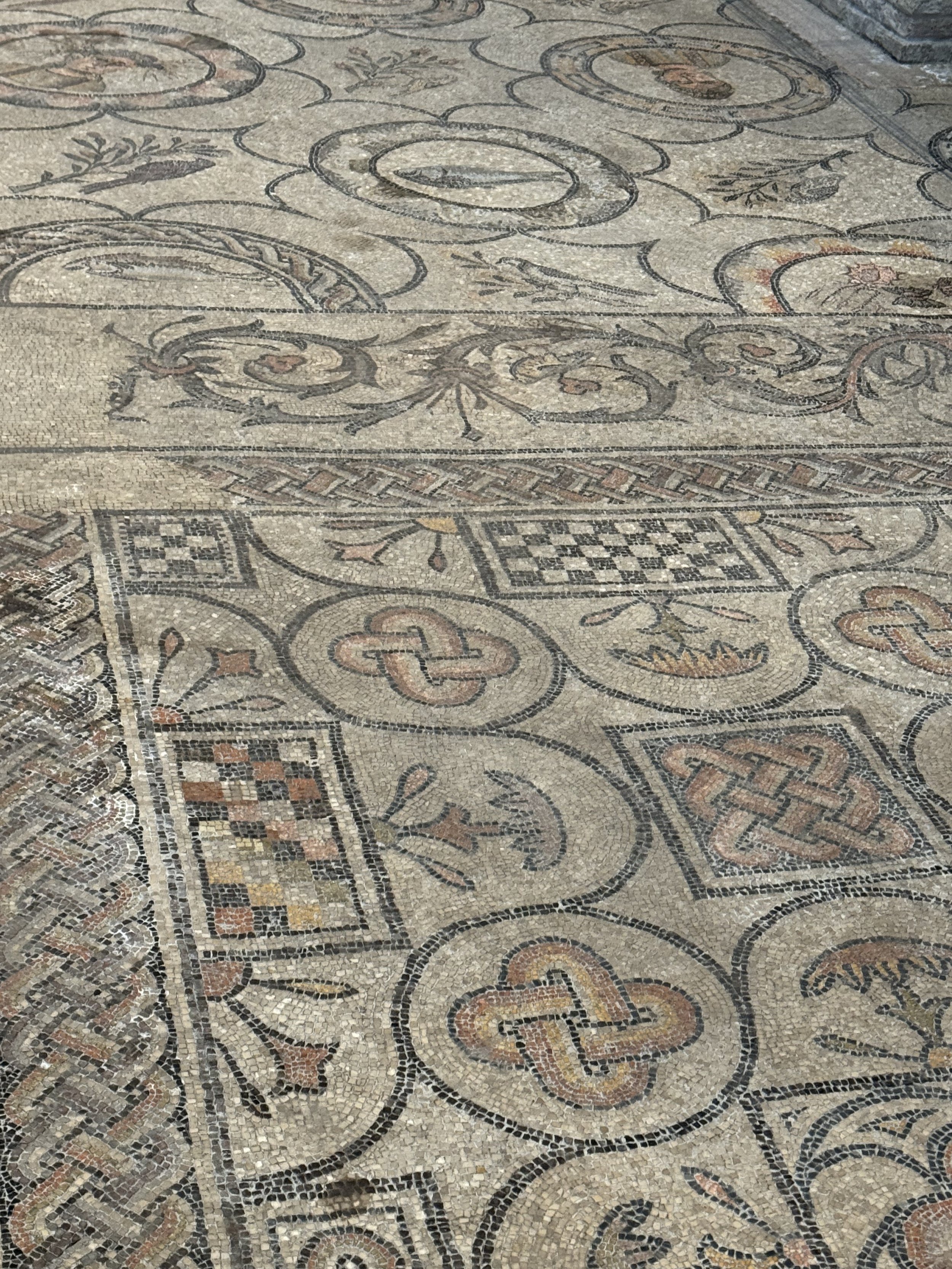
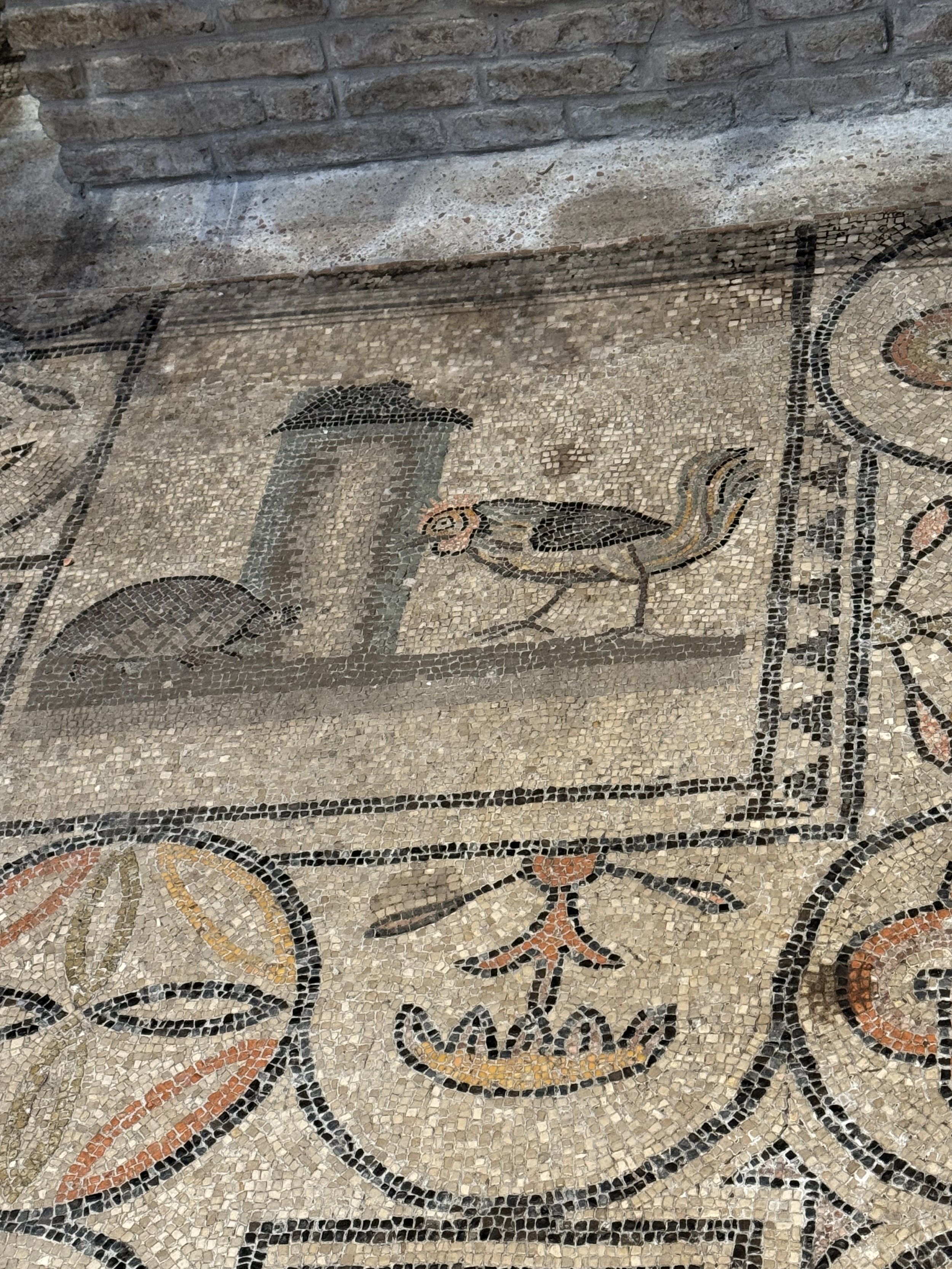
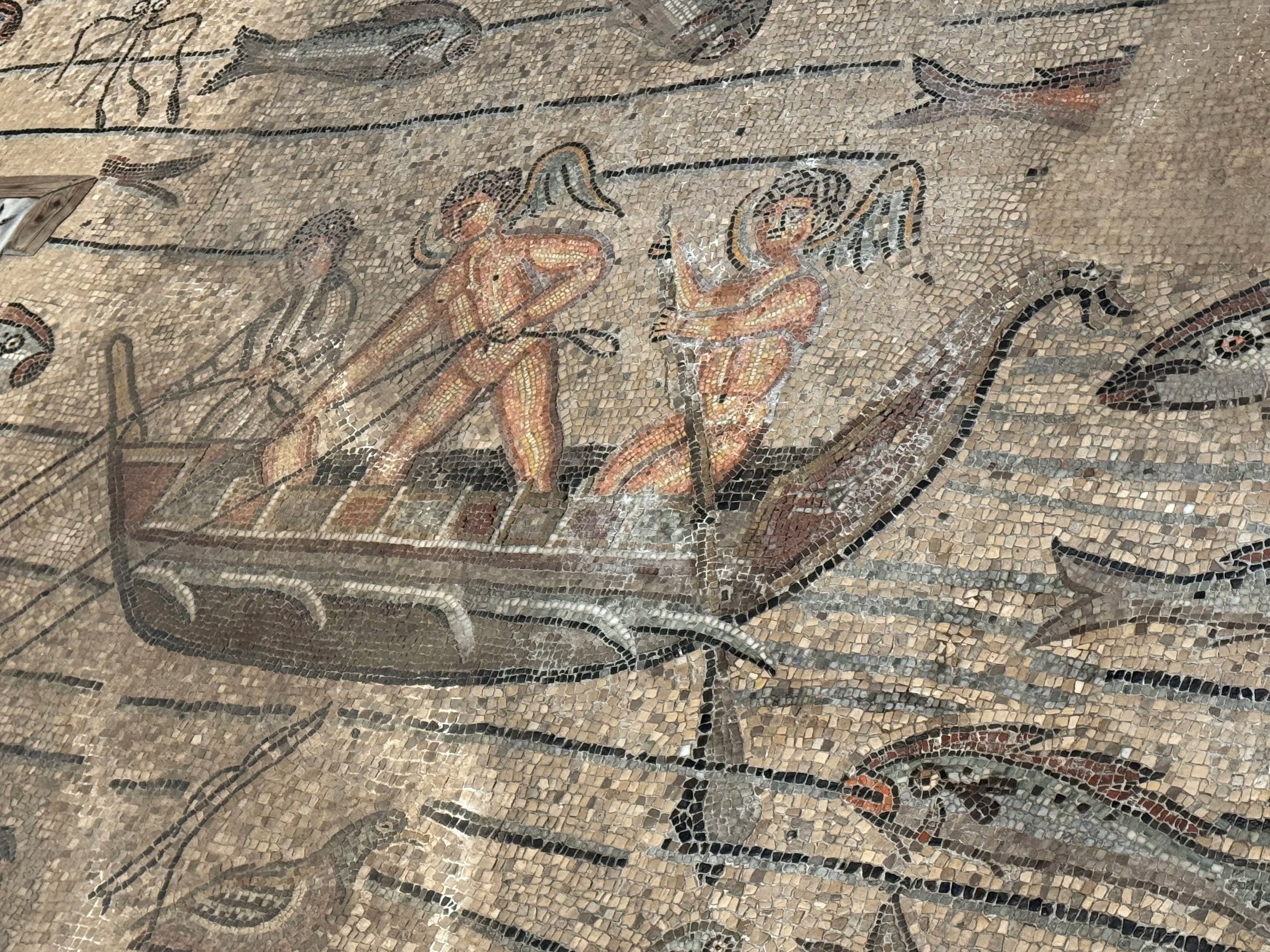
Not far from Trieste, the town of Aquileia is a UNESCO World Heritage Site. Once a Roman military post, the town has a large archeological area and a host of historical finds. The Basilica of Santa Maria Assunta was built over layers of much earlier structures. Its Medieval floor was removed to reveal Roman era mosaics underneath. These can be seen up close from a clear walkway that sits just above the mosaic floor. The detailed mosaics, rich in color and imagery, make up the largest Roman mosaic floor in this region.
Verona
In Verona, a Roman arena sits just off Piazza Bra. Not just a historic relic, today the arena hosts opera performances and other special events. Climb the stone steps to where Romans once sat and feel the shadows of the past.
In Spello a Roman Gate to the city still stands. The Porta Consolare, with its three arches, was the main entrance to Roman Spello.
The three arches allowed carts and people to pass through. The attached tower was a Medieval addition. Like so many Italian cities, Spello clearly shows its evolution over various eras.
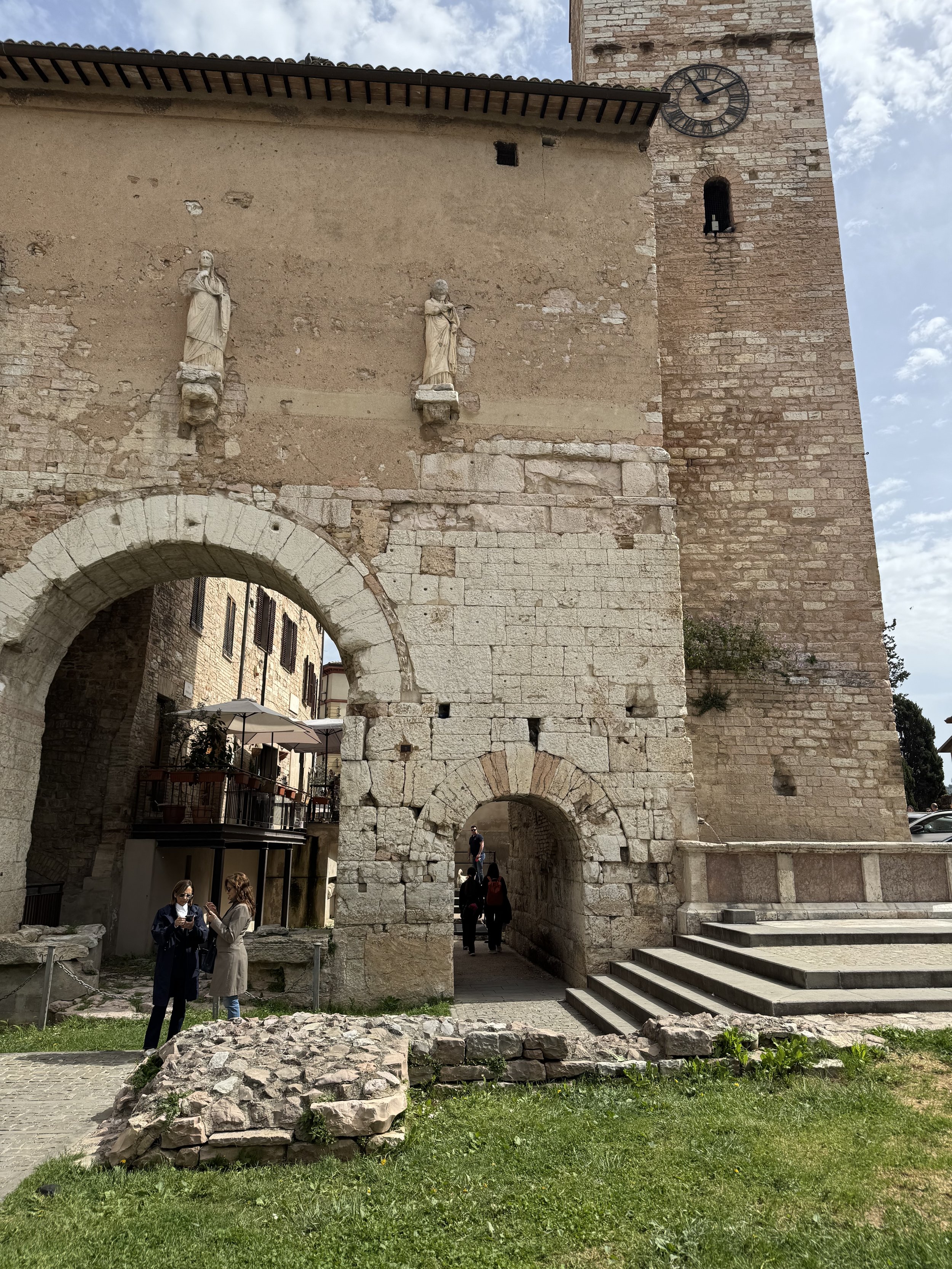
Porta Consolare, Spello
Next stop, Torino (Turin) where another Roman gate awaits. This one, the Porta Palatina, has a segment with 3 arches at ground level topped with a tall two row high series of “windows” and flanked by two towers. Statues of Julius and Augustus Caesar, reproductions of the original bronzes, stand just inside the gates. Ruts left by carts can still be seen approaching the gates.
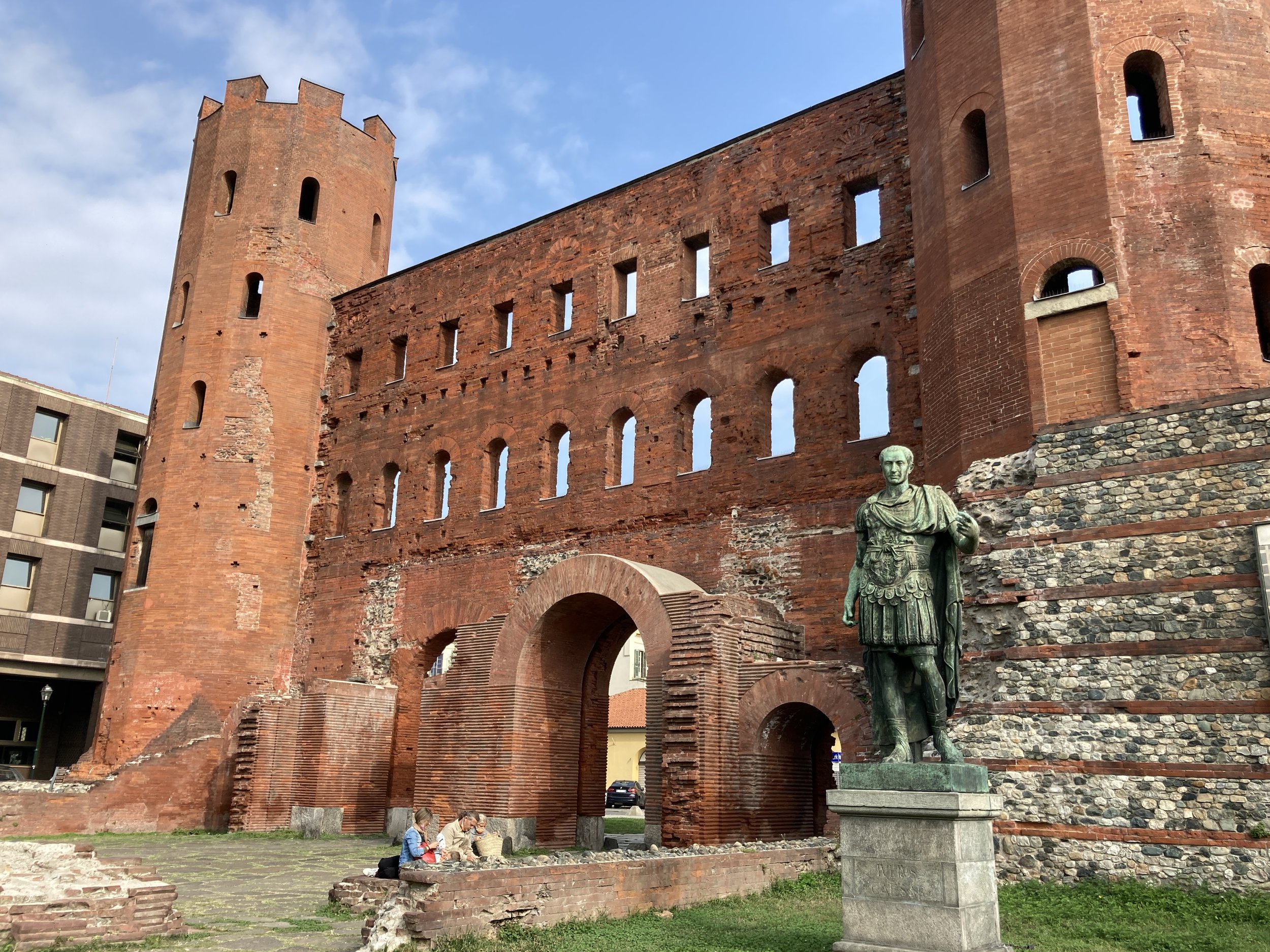
Porta Palatina, Torino
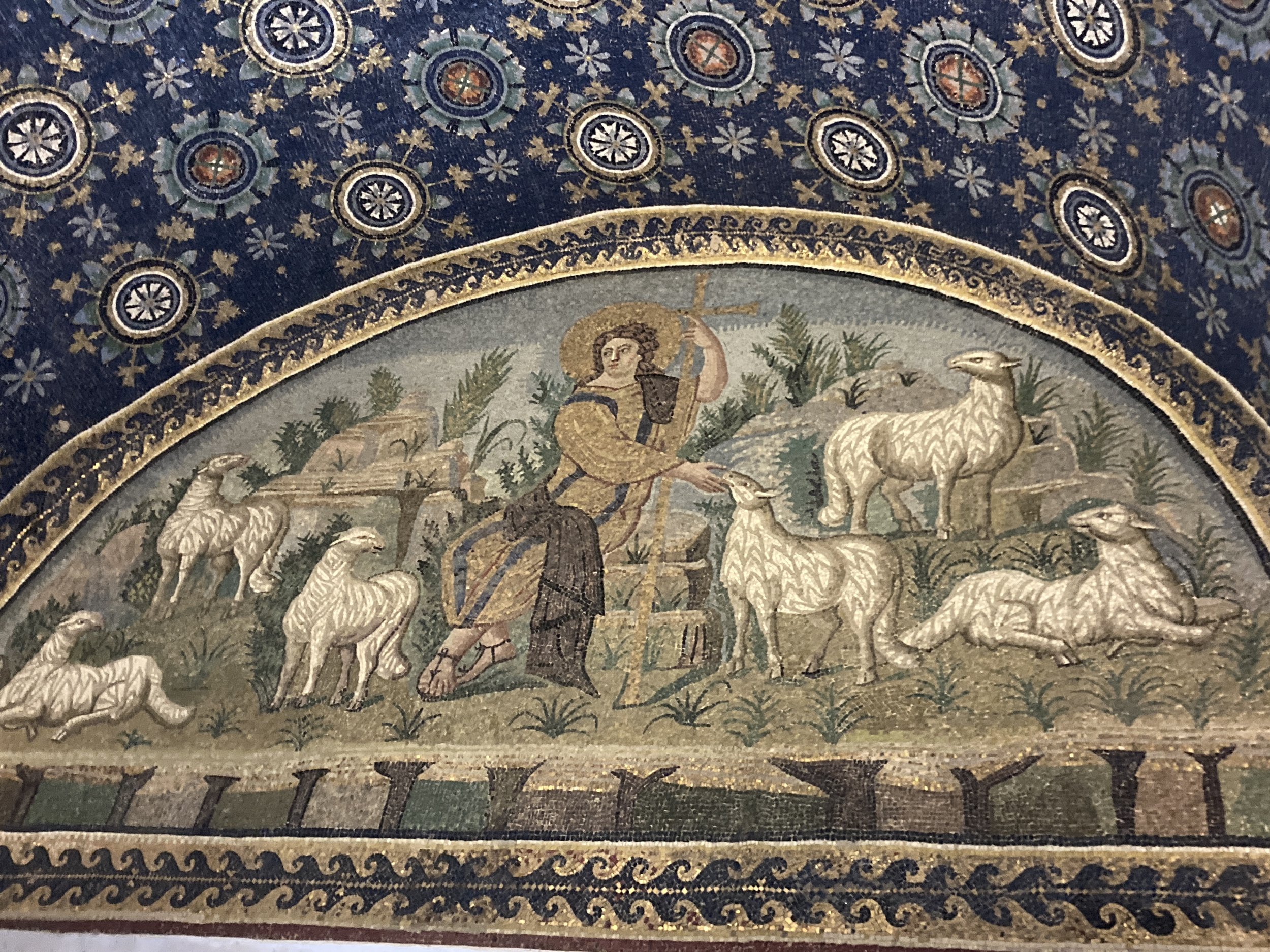
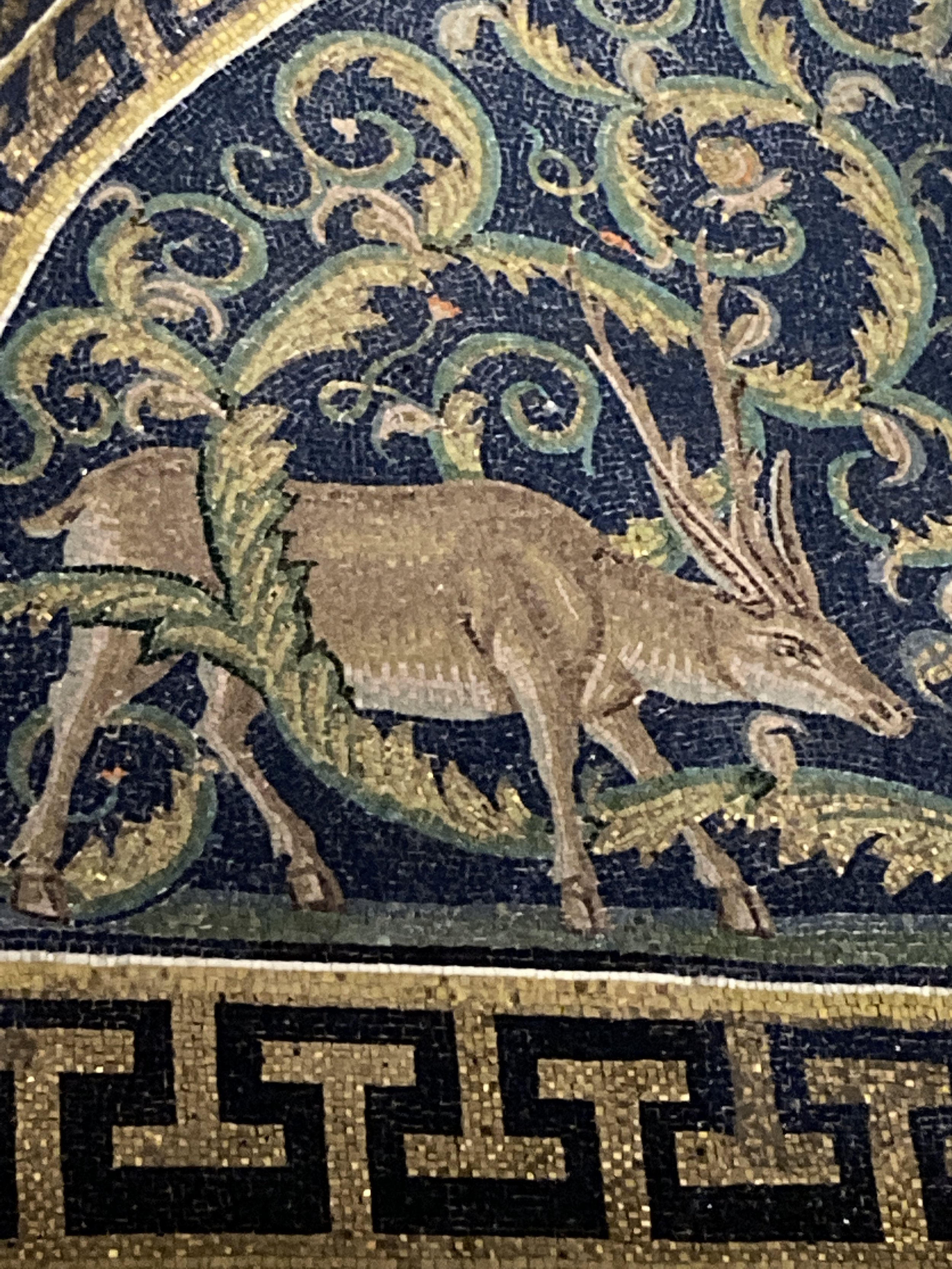
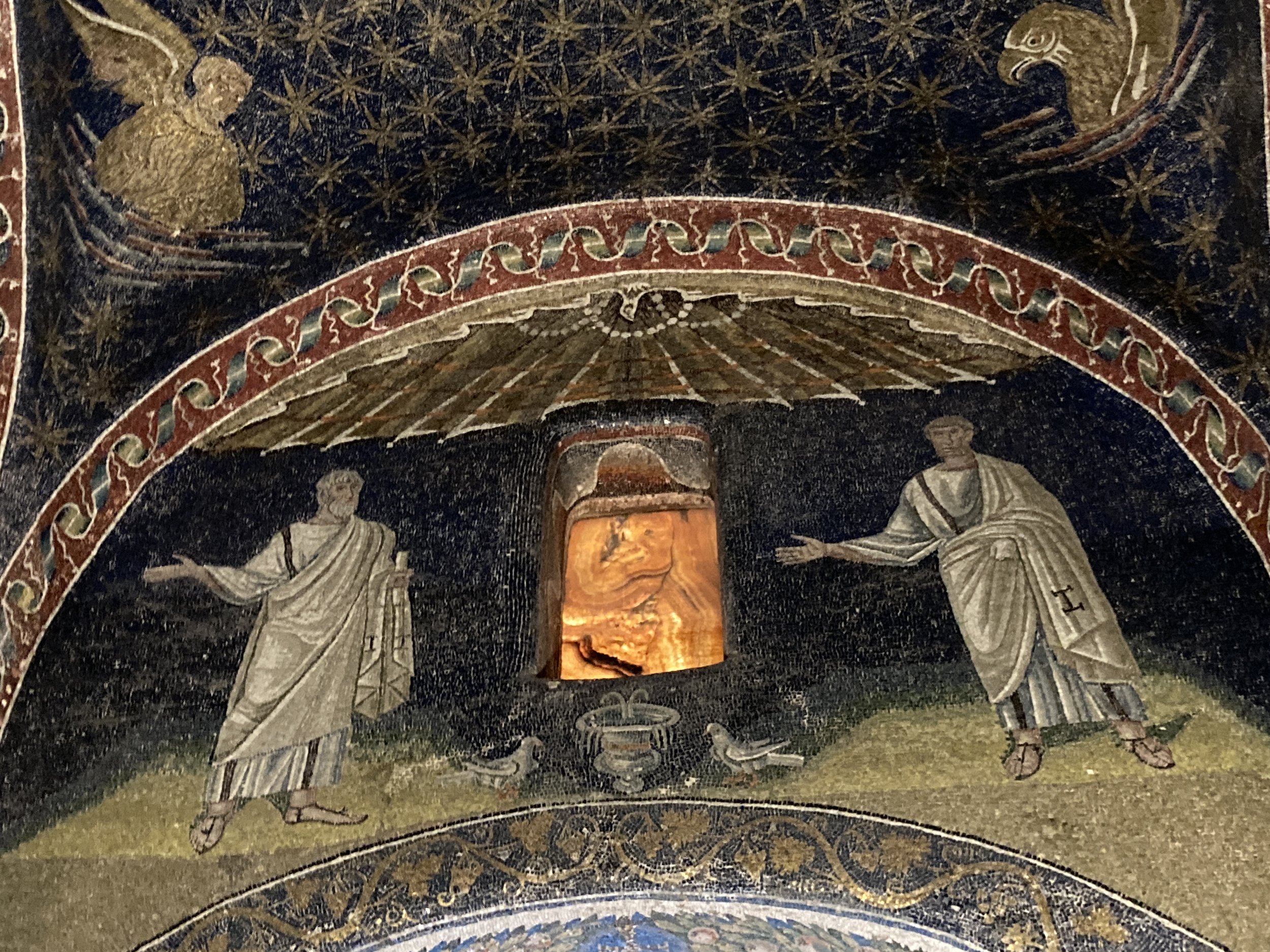
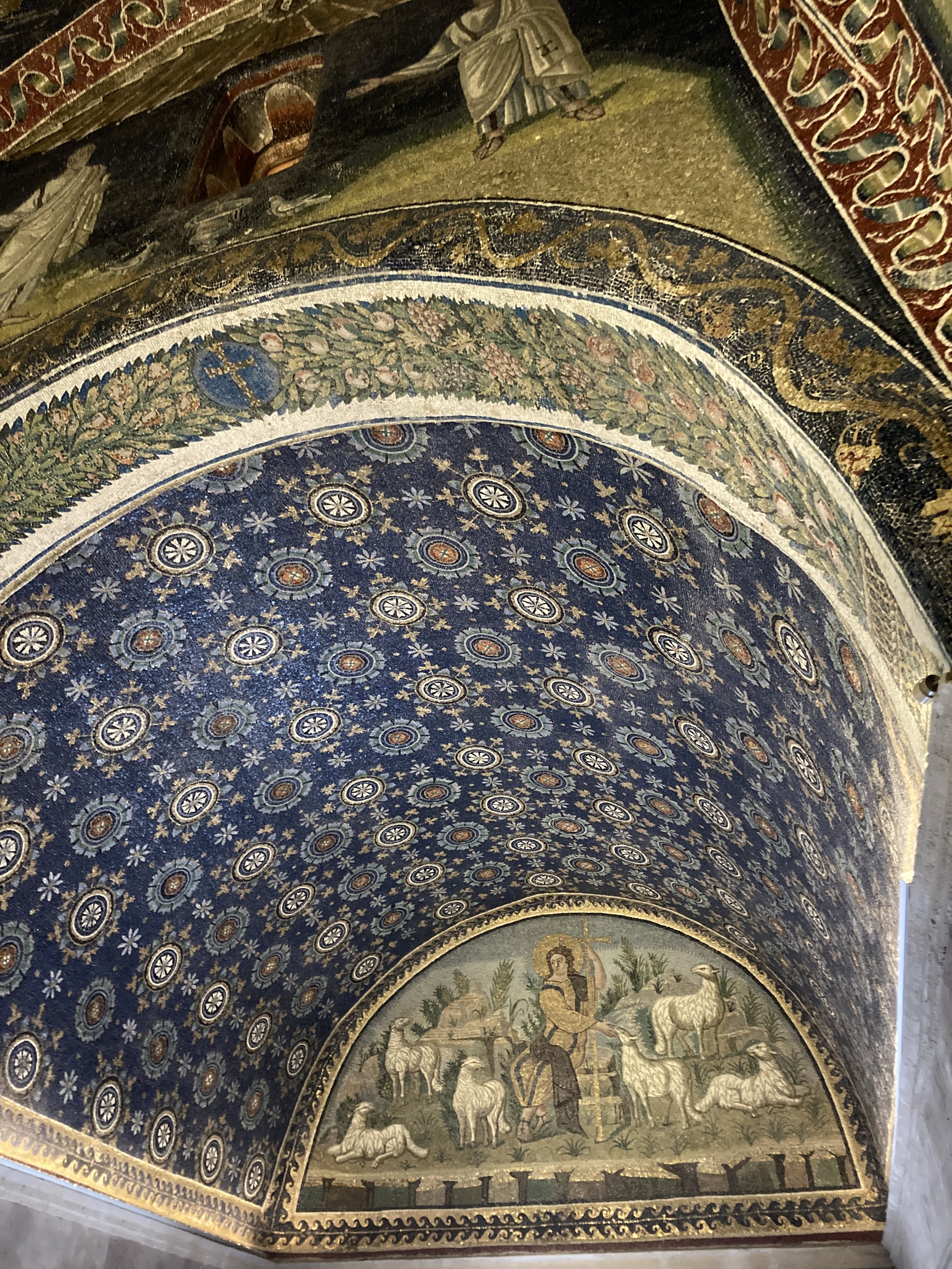
One of the most fascinating examples of the late Roman / early Christian period in northern Italy is in the city of Ravenna. The Mausoleum of Galla Palicidia (another UNESCO World Heritage site) is deceptively plain on the exterior but breathtakingly beautiful inside. The building never fulfilled its original purpose - as the final resting place of Galla Palicidia, the powerful last Empress of the Roman Empire - but instead most likely functioned as a chapel. Small in size, but huge in impact, it is filled with ornate mosaics from floor to ceiling, in alcoves, around arches, on lunettes, and up to a blue and star filled ceiling. The interior is hushed and softly lit by light filtered through small alabaster windows. The mosaics reflect Christian religious themes through detailed and colorful mosaic figures, which include humans, animals, and plants. It is one of those places that require reverence.
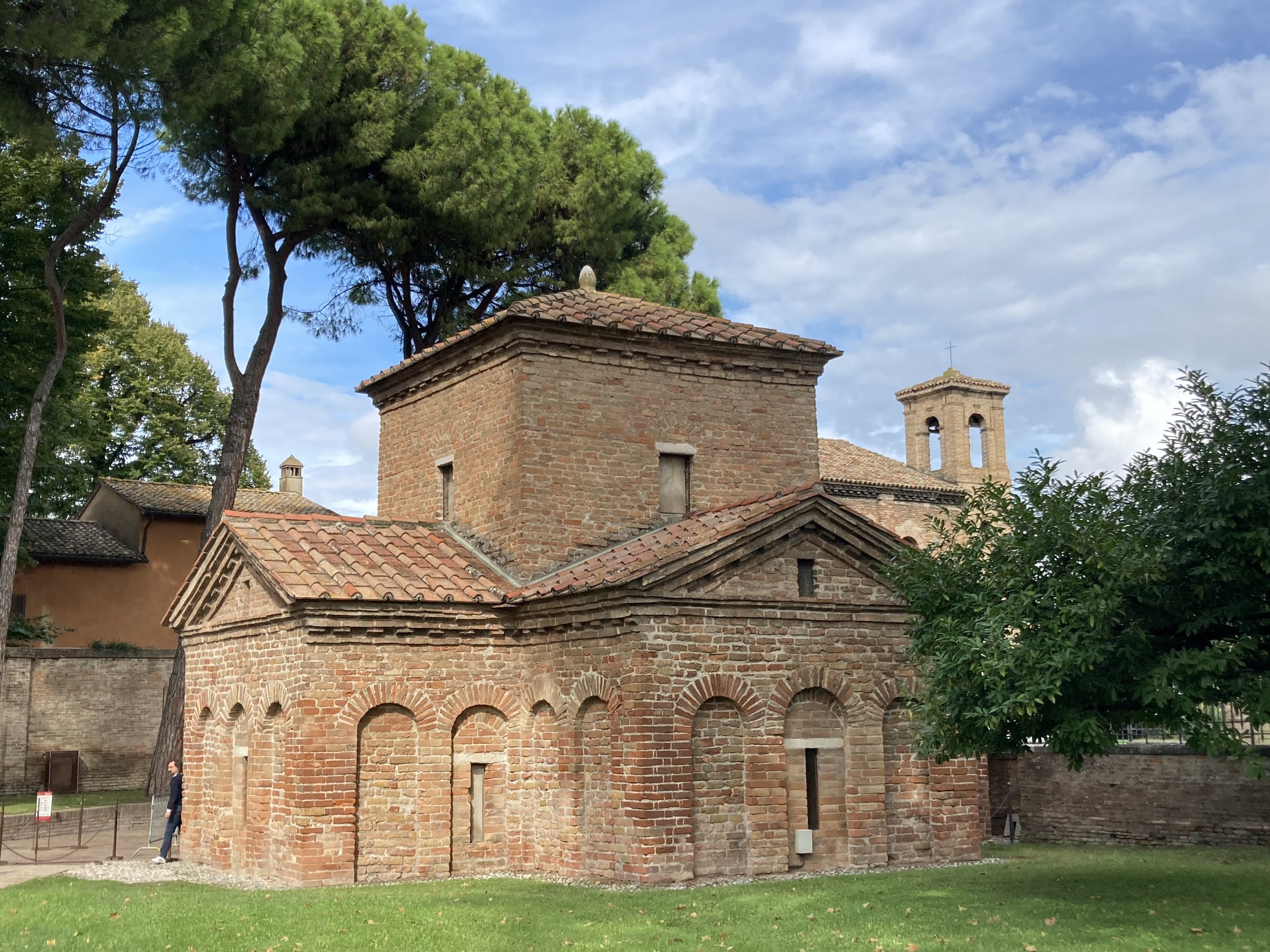
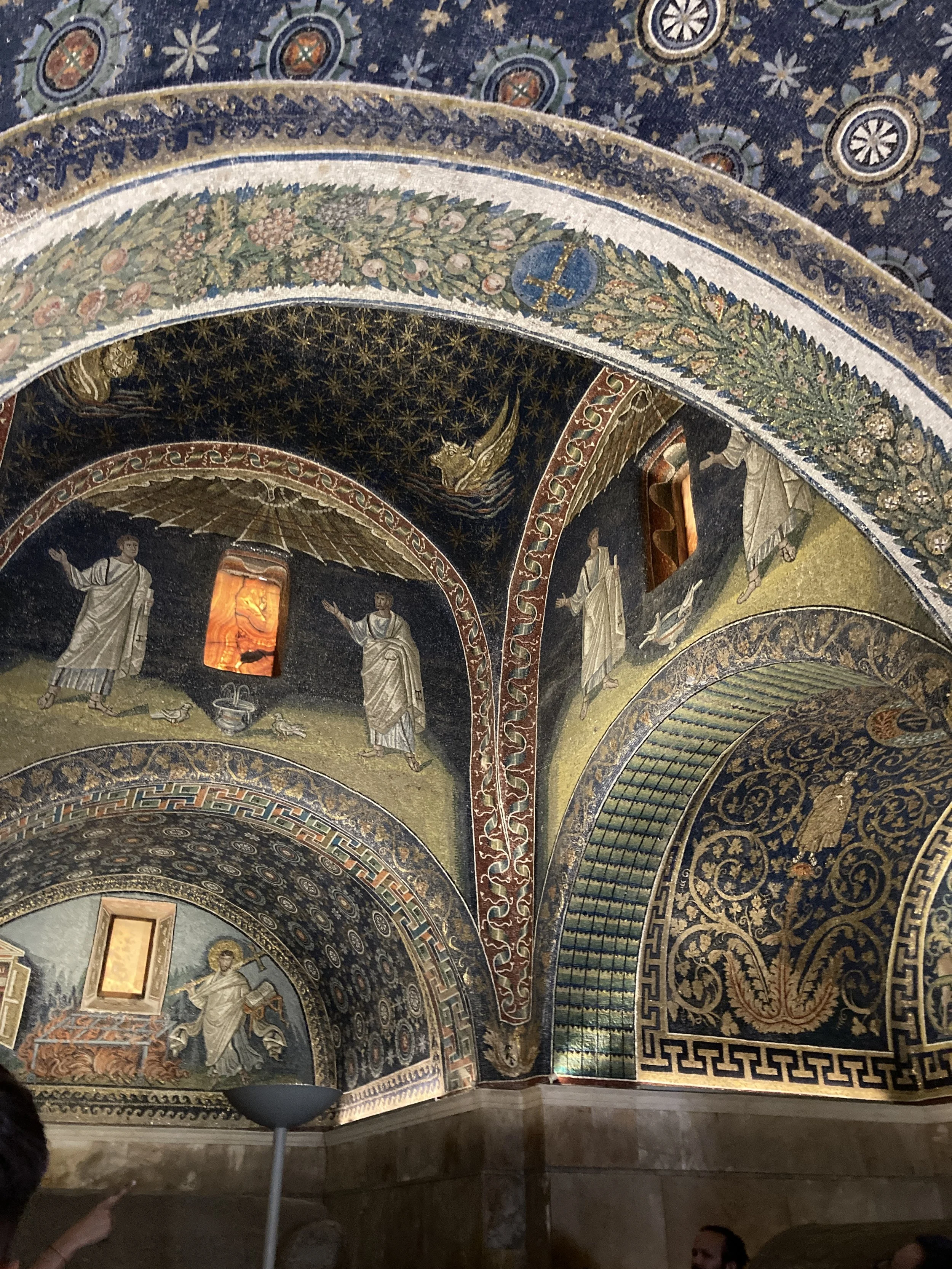
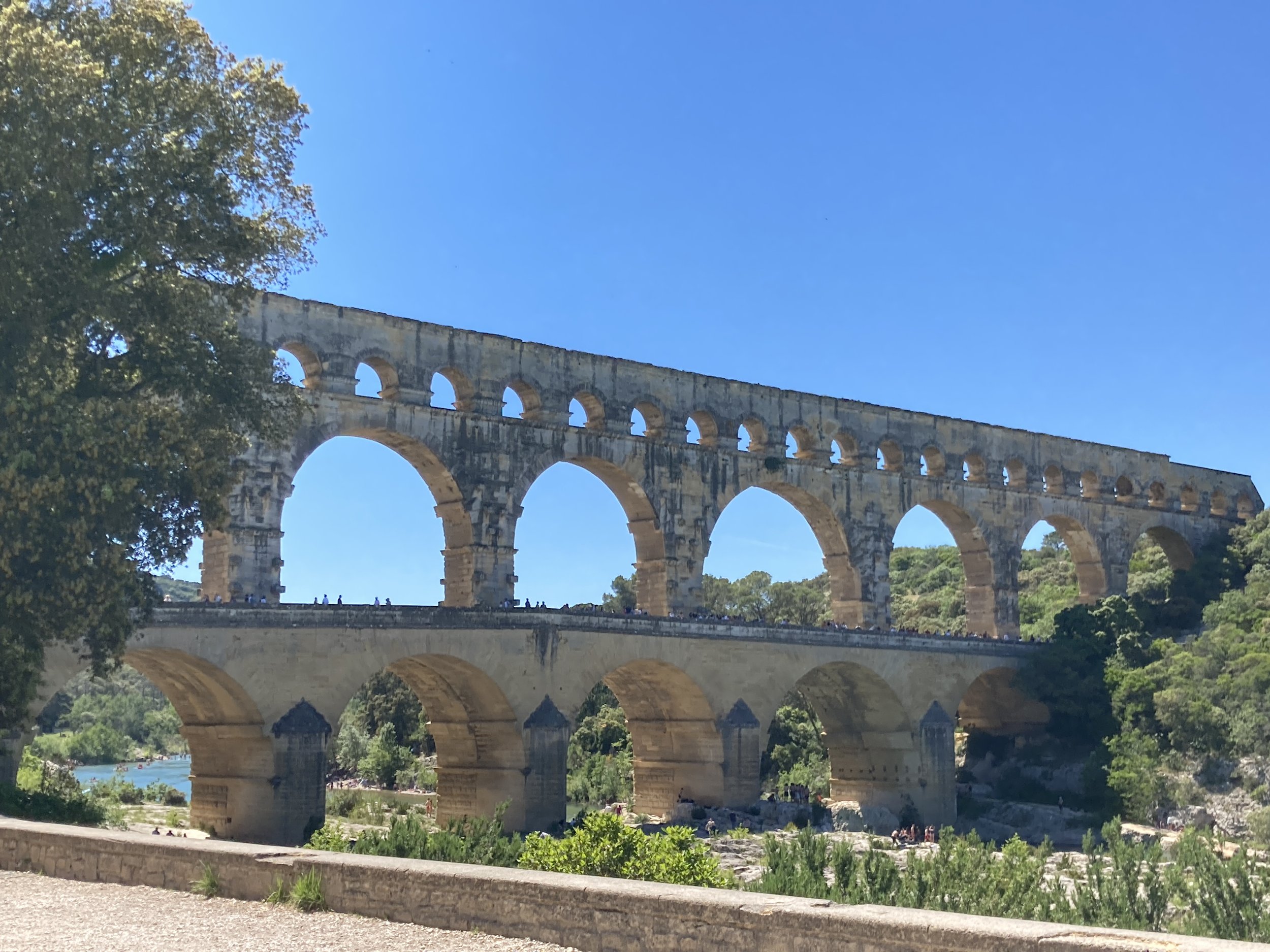
One of the best Roman era aqueducts is the Post du Gard in France
These are just a sampling of Roman historical sites in Northern Italy. Of course Roman artifacts can be found in modern day Rome, throughout Italy, and in nearby countries. Some outstanding examples are in England and France - which means I need to plan more travel!
I’ve skipped the most well-known relics of the ancient Romans in favor of some of the perhaps less famous in northern Italy. A whole lifetime would be needed to explore them all!