Two Parts Italy

Exploring Italy, travel, and living a flavorful life

  • Blog
  • About This Blog
  • Start Here
  • Recent Posts
  • Archives by Topic
  • Subscribe
  • Contact me
87149CC1-FA2A-4C43-8DDA-E8C675BA6E4A.jpeg

A Spring Brunch at Home in Italy

April 12, 2021 by Joanne Bartram in #springintuscany, Cooking, food, Living in Italy

Warning: this post may make you hungry !

The very small size of my Italian apartment, not to mention the lack of a real oven in the minuscule kitchen, makes entertaining a challenge. I’ve managed as many as 6 for a dinner but that took a lot of juggling and some very cozy seating around the table. And now, when social distancing is the norm, even 6 is way too many. But it’s spring, the weather is gorgeous, the markets are full of beautiful strawberries and asparagus, and I’ve been itching to prepare a meal for friends. When the pandemic rules limiting visitors were relaxed over Easter weekend I was able to invite 2 friends to my home for a meal. With that in mind, I happily started planning a brunch menu. Sometimes it’s fun to get a little fancy and this was one of those times. When you find me ironing a vintage table cloth, you know I’m about to get fancy! Pretty flowers, a nicely set table, the good dishes, and soft music set the stage.
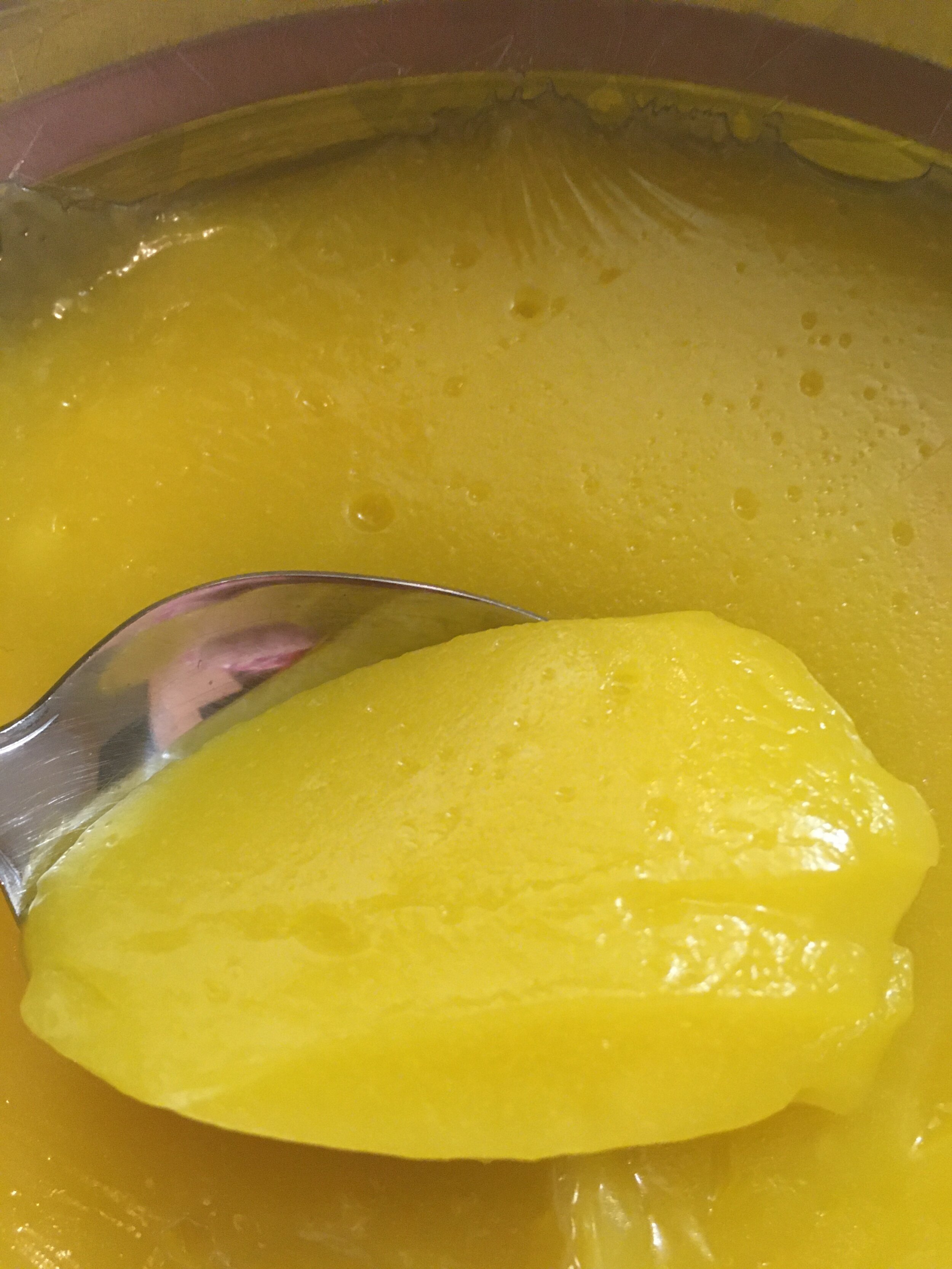
Homemade lemon curd - nice and tart with a smooth as silk texture.

Homemade lemon curd - nice and tart with a smooth as silk texture.

The brunch menu combined some wonderful Italian ingredients with some of my American standards and gave me chance to fix some of my favorite dishes.

Preparations started a couple of days beforehand with the making of lemon curd. This no-fail recipe from Fine Cooking magazine is better than any lemon curd I have ever purchased. (https://finecooking.com/recipe/classic-lemon-curd). It’s my go to recipe for a fancy brunch or tea menu. Using juicy Italian lemons makes it even better. The hardest part was setting it aside until the day of the brunch. I may have sampled just a taste (or two) beforehand.

Of course where there is lemon curd there must be scones. I prepped the dry ingredients a couple of days before; it was easy to finish the dough and bake them on the morning of the brunch. The scones and lemon curd paired nicely alongside a bowl of bright red strawberries.

EDAB3A6D-785C-4387-9814-84B45C86A2C1.jpeg

The main dish was a crustless quiche, another Fine Cooking recipe (https://finecooking.com/recipe/crustless-quiche-with-red-peppers-goat-cheese).

These small  tin foil baking dishes aren’t very elegant, but they fit nicely in my little countertop oven.

These small tin foil baking dishes aren’t very elegant, but they fit nicely in my little countertop oven.

This is a versatile recipe because it is so easy to vary the ingredients. I have only a small countertop electric oven (two steps above the Easy Bake oven I had as a kid), so I divided the quiche base into two smaller pans. In one, I used the red peppers and goat cheese from the original recipe. In the second pan, I crumbled crisp pancetta, sautéed mushrooms, and fontina cheese. My tiny oven only baked one pan at a time but, covered with foil and set on top of the oven while the second one baked, the first one stayed nice and warm. And they were delicious - soft and light as clouds. All the credit goes to this fantastic recipe - it’s a snap to make and always a hit.

I couldn’t resist the fat stalks of asparagus I found in the market. Cooked quickly and drizzled with a lemony vinaigrette they made a simple and tasty addition to the menu. Both asparagus and the quiche go well with some slightly salty prosciutto, so I added a small platter of that and the meal was complete.

Is there a better combination than fresh spring asparagus and prosciutto?   Well, maybe a summertime prosciutto with melon, but that’s a few months off yet.

Is there a better combination than fresh spring asparagus and prosciutto? Well, maybe a summertime prosciutto with melon, but that’s a few months off yet.

Well, almost complete. We were celebrating spring so mimosas made with Prosecco and orange juice made brunch even more festive.

Good company, good food, and lots of laughter. A good way to welcome spring !

April 12, 2021 /Joanne Bartram
italian food, brunch, easter italy
#springintuscany, Cooking, food, Living in Italy
This daily special at restaurant Nonna Clara caught my eye.  Cacciucco is not a common dish here in Lucca.

This daily special at restaurant Nonna Clara caught my eye. Cacciucco is not a common dish here in Lucca.

Cacciucco: An Italian Fisherman's Stew

March 29, 2021 by Joanne Bartram in Cooking, food, Italian recipes, Living in Italy

One of the things that most surprised me when I first started visiting Lucca is that, while we are only about 30 minutes from the sea, the traditional cuisine here is very meat-based. There is not a seafood market to be found within the centro storico (the historic center of town) and restaurants serve far more meat than fish. I’m not complaining, the meats are fabulous - porchetta (spit roasted pork), tender tagliata (slices) of beef, huge grilled Tuscan steaks, thin but oh-so-flavorful lamb chops, perfectly roasted chicken, cinghiale (wild boar). Even the traditional pasta of Lucca, Tordelli Lucchese, is a meat filled pasta topped with a meat sauce.

IMG_0551.JPG
IMG_6050.JPG
IMG_1347.JPG
A shellfish carbonara at Osteria Via San Giorgio, Lucca

A shellfish carbonara at Osteria Via San Giorgio, Lucca

There are some fish dishes to be found. The seafood carbonara at one local osteria is a particular favorite of mine, but these dishes are definitely in the minority.

I’ve searched for why this meat preference is so strong and the only answer I’ve found is that in times past wealthy people ate meat and poor people fished, cooking with whatever they caught. Lucca was historically a very wealthy town, so meat was plentiful and nobody fished.

That fish is less common here made it all the better when, on a recent chilly and windy March day, I walked past a restaurant take-out window advertising a daily special of cacciucco. Cacciucco is a fisherman’s stew with origins in the areas along the coastline of Tuscany which includes the port towns of Viareggio and Livorno. It is a bit like cioppino, the fish stew brought to San Francisco by Italian immigrants. However, cacciucco’s ingredients are more of a poor fisherman’s mix compared to the more expensive ingredients found in cioppino (crab, shrimp, scallops).

Cacciucco - thick with seafood and covered in a fragrant broth

Cacciucco - thick with seafood and covered in a fragrant broth

Of course there are legends surrounding the beginnings of cacciucco. It is said that the widow of a drowned fisherman made the first cacciucco from odds and ends of fish collected by her children from local fisherman. They took the mix of fish home and the mother cooked them (the fish, not the children) in a broth which she then spooned over day old bread. The neighbors caught the delicious scent and before long the dish became a local favorite. One whiff of a good cacciucco made me a believer in this legend! Another legend about cacciucco is that, to be authentic, it must contain 5 different types of fish - one for each C in the word cacciucco.

The recipe begins with a broth made from fish parts and white wine. To that base are added spices, tomatoes, and a mix of fish. The fish can include white fish along with octopus, mussels, cuttlefish, calamari, red fish, and scampi (or whatever else is available).

A mix of local seafood makes cacciucco a type of cucina povera (poor man’s food)

A mix of local seafood makes cacciucco a type of cucina povera (poor man’s food)

The ingredients vary from city to city and there is of course disagreement about which city makes the best version. According to one article I read (La Repubblica, 2010) the differences between a cacciucco in Viareggio versus one made in Livorno is that the Viareggio version is lighter and a bit more refined. There is no garlic and the fish is boned and filleted. In Livorno the dish is more rustic, including garlic and a soffritto (a sauté of onion, celery, carrot). Also, in the Livornese version, the fish is in chunks, including some pieces with bones.

If the sight of tentacles, scampi with heads, and fish bones bothers you then this may not be the dish for you. As for me, those little tentacles are tender and tasty and all the bits of fish are wonderful. Even better is mopping up the broth with a good piece of rustic bread.

If you’ve been watching the CNN program “Stanley Tucci Searching for Italy”, you may have seen him eating a cacciucco in Livorno during the Tuscany episode. That was definitely an upscale version, with the addition of lobster. Rather than mopping up the sauce with bread they tossed the leftover sauce with some pasta. Something to try!

This is not a dish I’d ever attempt to make at home. But I think I am going to have to make a pilgrimage to both Livorno and Viareggio as soon as possible to compare the two versions, all in the name of culinary research of course.

With restaurants closed to seating due to COVID restrictions, these take out windows are becoming more popular.  This one is in front of the restaurant Nonna Clara in Lucca.  Along with the street food some items from the regular menu are available …

With restaurants closed to seating due to COVID restrictions, these take out windows are becoming more popular. This one is in front of the restaurant Nonna Clara in Lucca. Along with the street food some items from the regular menu are available to go, including this day’s special of cacciucco .

March 29, 2021 /Joanne Bartram
italian seafood, cacciucco, italian food
Cooking, food, Italian recipes, Living in Italy
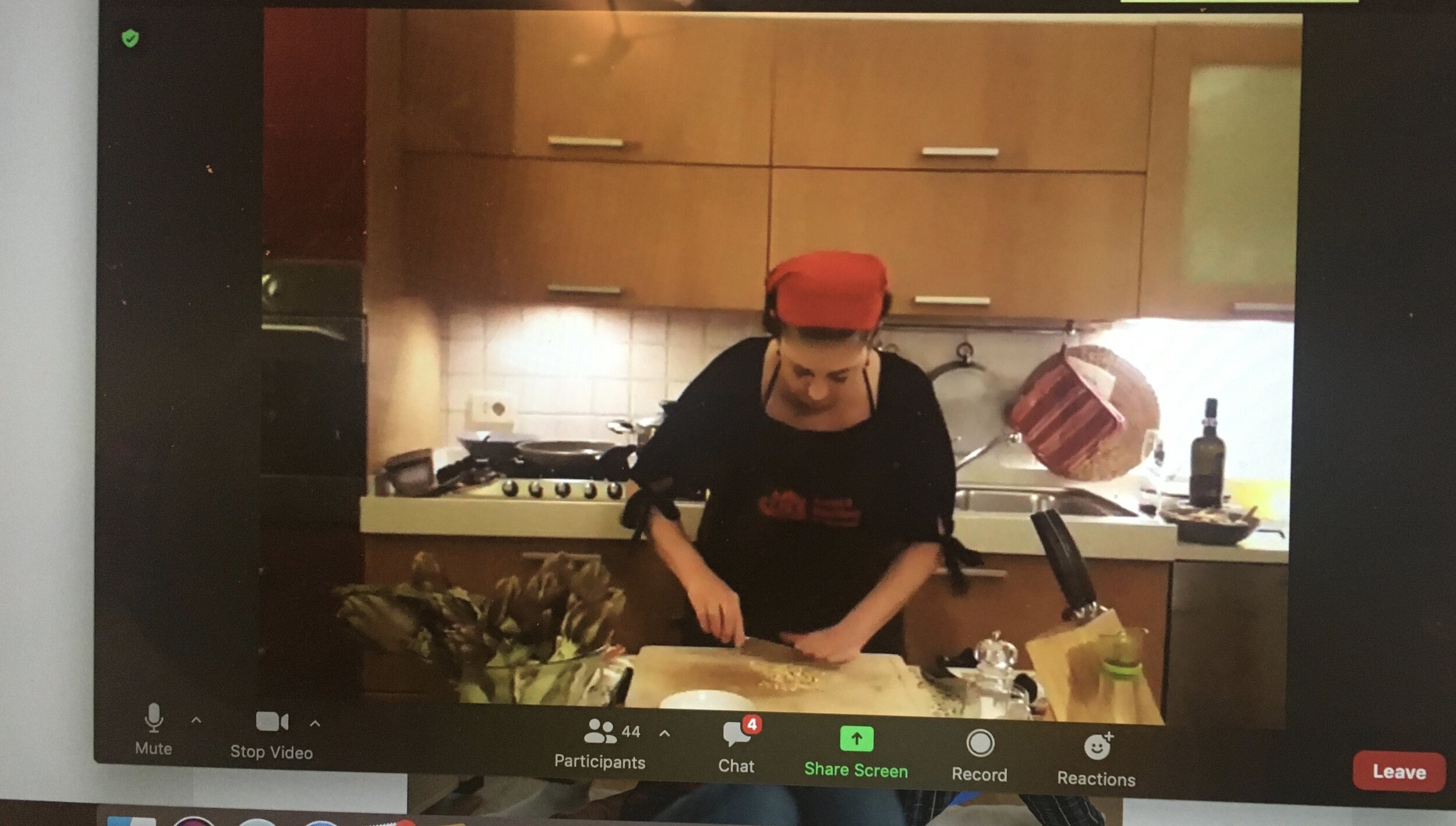
Cooking Class via Zoom.  Here Eva, from Lucca Italian School, chops shallots for an artichoke risotto

Cooking Class via Zoom. Here Eva, from Lucca Italian School, chops shallots for an artichoke risotto

Cooking in Italian

January 18, 2021 by Joanne Bartram in #lucca, Cooking, Italian culture, Italian recipes, Lucca

I love Italian cooking and, even better, I like cooking in Italian.  For me that may mean using a recipe written in Italian, listening to Italian music while I cook or - best of all - taking a cooking class presented entirely in Italian.  Over the past several years I have taken many classes that combine language learning and cooking at Lucca Italian School (LIS).  Some classes were held in the kitchen at LIS while others were held in a fattoria (farm) kitchen in the hills outside of Lucca. These were peak experiences for me, combining language, hands-on cooking lessons, learning about local dishes and ingredients, wine tasting, lots of laughter, and the opportunity to socialize with students from around the world.

A pre-COVID cooking class with Lucca Italian School - so much fun!

A pre-COVID cooking class with Lucca Italian School

 And then, along came the pandemic and it became impossible for LIS to offer in-person classes.  In response to the mandatory restrictions, the staff at LIS began offering on-line language classes, both group and individual.  More recently, they have developed a variety of classes on special topics (art, music, history, local legends) which allow us to continue practicing the language while also learning about Italian culture. Last week they introduced an on-line cooking class, taught by LIS’s fantastic culinary star Eva Dal Porto. Sign me up!
I have to admit I had some reservations about on-line learning at first (having experienced some really dry continuing education classes in my prior professional life), but I have really enjoyed my weekly at-a-distance language classes with LIS, along with some of the specialty classes, and have found them to be both effective and fun.  And now that I’ve just completed my first on-line cooking class, along with 40+ other students from around the world, I can honestly say that I can’t wait to do this again!

IMG_1768.JPG

The class was all about carciofi (artichokes) and was delivered via Zoom straight from Eva’s kitchen.  A few days before hand we received a link to the Zoom session along with 3 recipes – a marinated raw artichoke dish, a carciofi fritti (fried artichoke) appetizer, and an artichoke risotto.  

Also included was a shopping list for the ingredients.  Shopping for the ingredients was fun – especially picking out those beautiful purple Italian artichokes.  

And I learned some new words, like scalogno (shallot). With my ingredients on hand I was ready to start cooking. 

Ingredients ready to begin preparation of the risotto

Ingredients ready to begin preparation of the risotto

Participants had the option to just watch the demonstration or to cook along with Eva.  I knew that my tiny Italian kitchen would not have enough prep space to manage all 3 dishes, so I only watched during the preparation of the salad and the fried artichokes.  But the risotto I cooked during the class.  What fun!  

The easy to follow lesson, in Italian, began with how to clean and trim the artichokes and then soak them in lemon water to prevent discoloration.  

Next came step by step instruction and demonstration of the preparation of each dish.

And if you aren’t confident using a mezzaluna, well Eva demonstrated that too. 

The on-line instructions and demonstration was easy to follow

The on-line instructions and demonstration was easy to follow

 By the end of the lesson my kitchen smelled wonderful and I was hungry!  Luckily, my artichoke risotto was ready to eat.  A delicious ending to a fun lesson.

The finished risotto.  The grains of rice remain separate and are never mushy

The finished risotto. The grains of rice remain separate and are never mushy

Artichoke Risotto  (In the class we used half of these amounts to make 2 servings)

e2ot0D3JT7S4BAuF8NYB4w.jpg

 8 artichokes (the small purple ones are best)

1 lemon, juiced

5 tablespoons extra virgin olive oil

2 shallots, chopped

2 cloves of garlic, chopped fine

320 grams of risotto rice (about 1 ¾ cups)

1 cup dry white wine

1 liter vegetable broth (about 4 ¼ cups)

Salt and pepper to taste

2 Tablespoons butter

Grated parmesan cheese, to sprinkle on top of the finished risotto

 Clean and trim the artichokes (remove tough outer leaves, cut away top half of remaining bulb to leave the heart and tender inner leaves).

Cut each trimmed artichoke lengthwise into 8 pieces and remove the fuzzy “choke” (leaving the tender inner leaves just above it).

Immerse the cut artichokes into a bowl of lemon water until ready to cook.

Dice the garlic and the shallots and saute in the olive oil until softened.  Add the artichoke pieces, stir, and cook for another 5 minutes or so.  Add the rice and stir to coat with oil. 

Add the wine and allow it to evaporate fairly quickly over moderately high heat.  Keep stirring!

 Lower the heat, add the salt, pepper, and about 1/3 of the broth.  Stir and cook until broth is absorbed.

 Continue to add broth 1 ladle full at a time, stirring until each is absorbed.  Rice should be cooked by the end but still a bit al dente and not sticky or mushy.

Add the butter and stir well.   Serve right away sprinkled with parmesan cheese.

January 18, 2021 /Joanne Bartram
risotto, italian cooking, artichoke risotto, carciofi
#lucca, Cooking, Italian culture, Italian recipes, Lucca
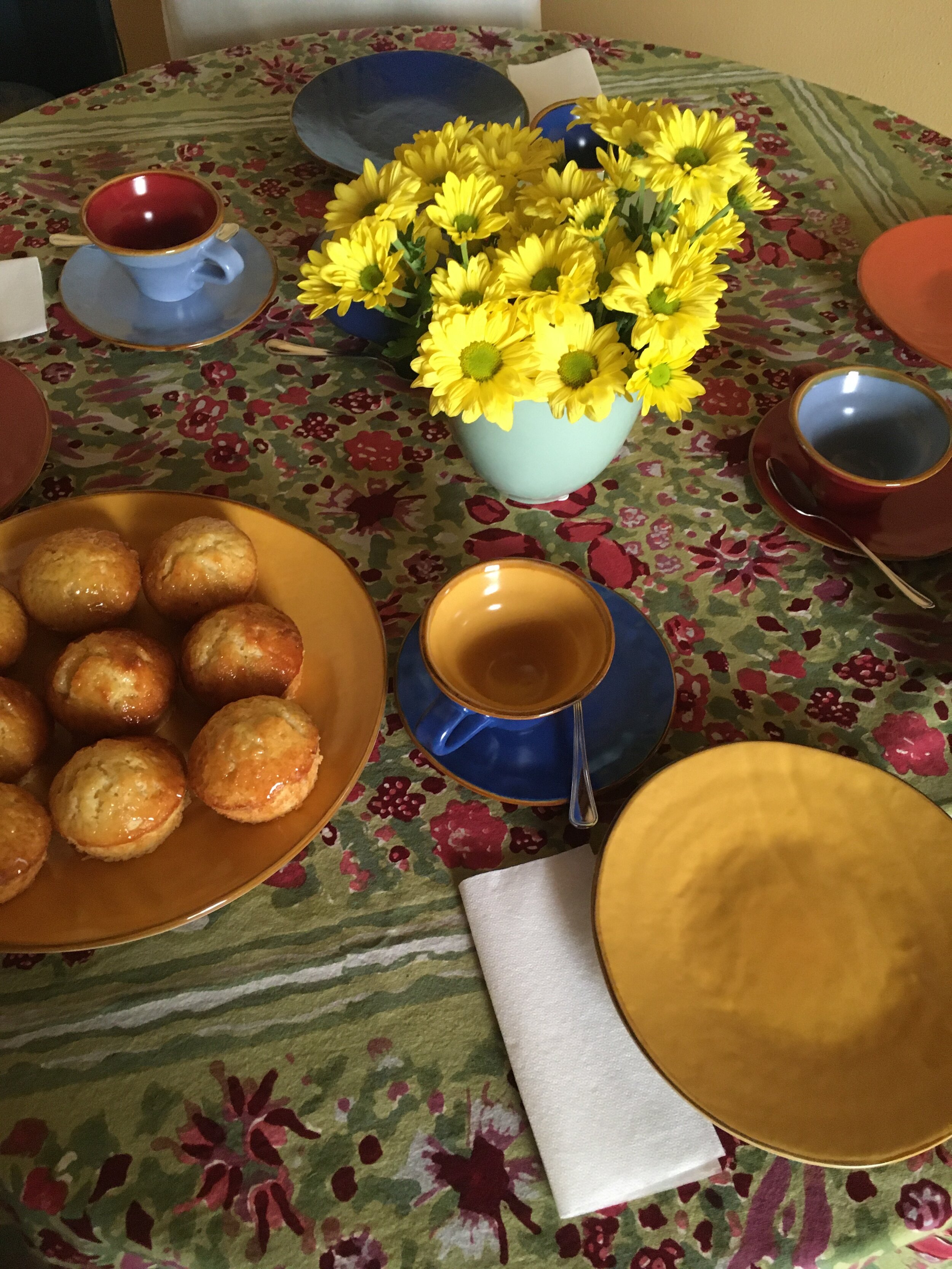
The table is set in Italy for a morning coffee with a pretty tablecloth, flowers, and the colorful handmade Italian stoneware dishes that came with my furnished apartment.

The table is set in Italy for a morning coffee with a pretty tablecloth, flowers, and the colorful handmade Italian stoneware dishes that came with my furnished apartment.

From My Italian Kitchen: Muffins

September 21, 2020 by Joanne Bartram in Cooking, food, recipes

We’ve all missed things during the last challenging months – family, travel, hugs (that’s a big one!), and getting together with friends to name a few.   One of the things I’ve missed most is entertaining. Having friends over to my home, gathering interesting people around my table, is one of my favorite things to do. I take great pleasure in the preparations - working in the kitchen (baking, chopping, stirring = culinary therapy). I also enjoy picking out just the right dishes, arranging flowers, and setting a pretty table in anticipation of guests arriving.  How I’ve missed this during the months when we were not allowed to have people over to our homes! Luckily, those times are past and now we can open our homes to friends – as long as the groups are small and everyone is well.  Social distancing means I can fit only 2 or 3 guests around my table. That size group is perfect for one of my favorite ways to entertain – the morning coffee or brunch.  

For me, morning gatherings always call for muffins, whether I’m baking in my tiny Italian kitchen or my slightly larger one in New Mexico.  

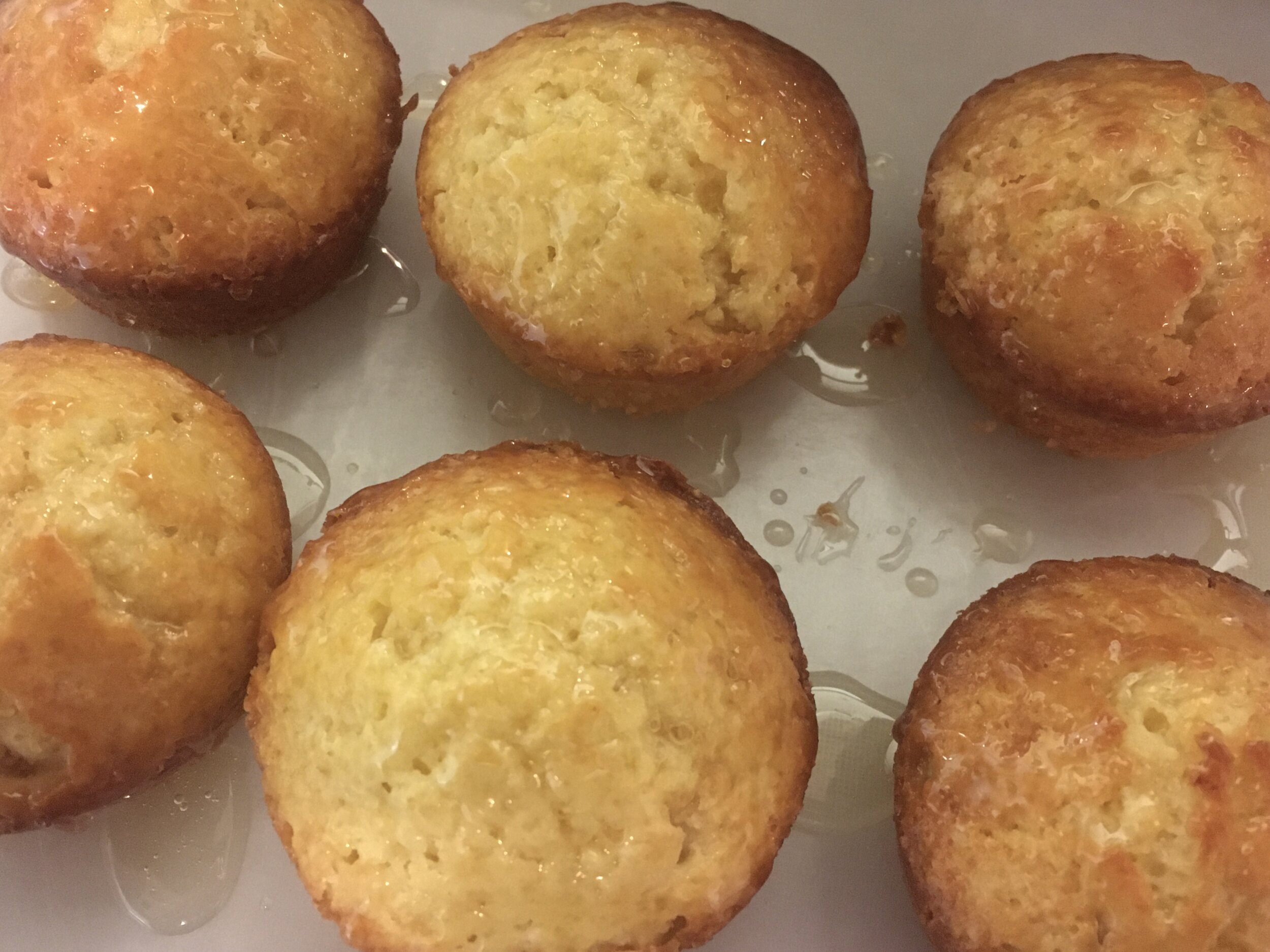
Lemon glazed muffins - my favorite.

Lemon glazed muffins - my favorite.

I almost always start the menu with muffins, add a pretty bowl of fruit, perhaps some yogurt or an egg dish.  Combine with coffee, tea (perhaps a mimosa), plus a couple of good friends and you’ve got the perfect socially distanced morning get together.  Since I’ve hosted brunches in both Italy and New Mexico this summer, both featuring muffins, I thought I would share some of my favorite recipes. 

Summer ripe strawberries with a little sweetened cream cheese go well with the lemon glazed muffins

Summer ripe strawberries with a little sweetened cream cheese go well with lemon glazed muffins

 First up, Lemon Glazed Muffins. I think of these as Italian muffins, both because the bright lemony flavor reminds me of summer in Italy and because I made them for the first time in the toaster oven in my tiny Italian kitchen. The recipe is adapted from a lemon quick bread; with some small changes it became muffins. The recipe makes a dozen, but is easily halved to make 6. It is hands down my favorite muffin!

 1 medium lemon (pick a juicy one!)  You’ll need the grated zest and 4 ½ teaspoons of juice.

1 ½ cups flour

1 teaspoon baking powder

½ teaspoon salt

1 cup sugar (plus another 2 tablespoons for the glaze)

½ cup butter

2 eggs, slightly beaten

½ cup whole milk + 1 -2 tablespoons

 Preheat oven to 350 degrees. Prepare a muffin pan (don’t use paper cups  – they don’t work well with the sticky lemon glaze)

Grate the peel from the lemon and squeeze for juice, set both aside for now.

Combine flour, baking powder, salt, and sugar in a medium size mixing bowl.

Cut in the butter to make coarse crumbs and then stir in the grated lemon zest.

 Beat the eggs slightly and add the milk. Stir the egg/milk mixture into the dry ingredients to moisten. (if too dry, add another tablespoon or two of milk).

Spoon batter into a prepared muffin pan and bake for about 25 minutes until tops are just golden.   Cool 5-10 minutes on a rack and then carefully remove from the muffin tin.

 Mix the reserved lemon juice with 2 Tablespoons sugar.  Bring to a slow boil, cook and stir until slightly thickened, about 5 minutes.  Brush the tops of each muffin generously with the lemon glaze.   These are good while still warm or when cooled to room temp. 

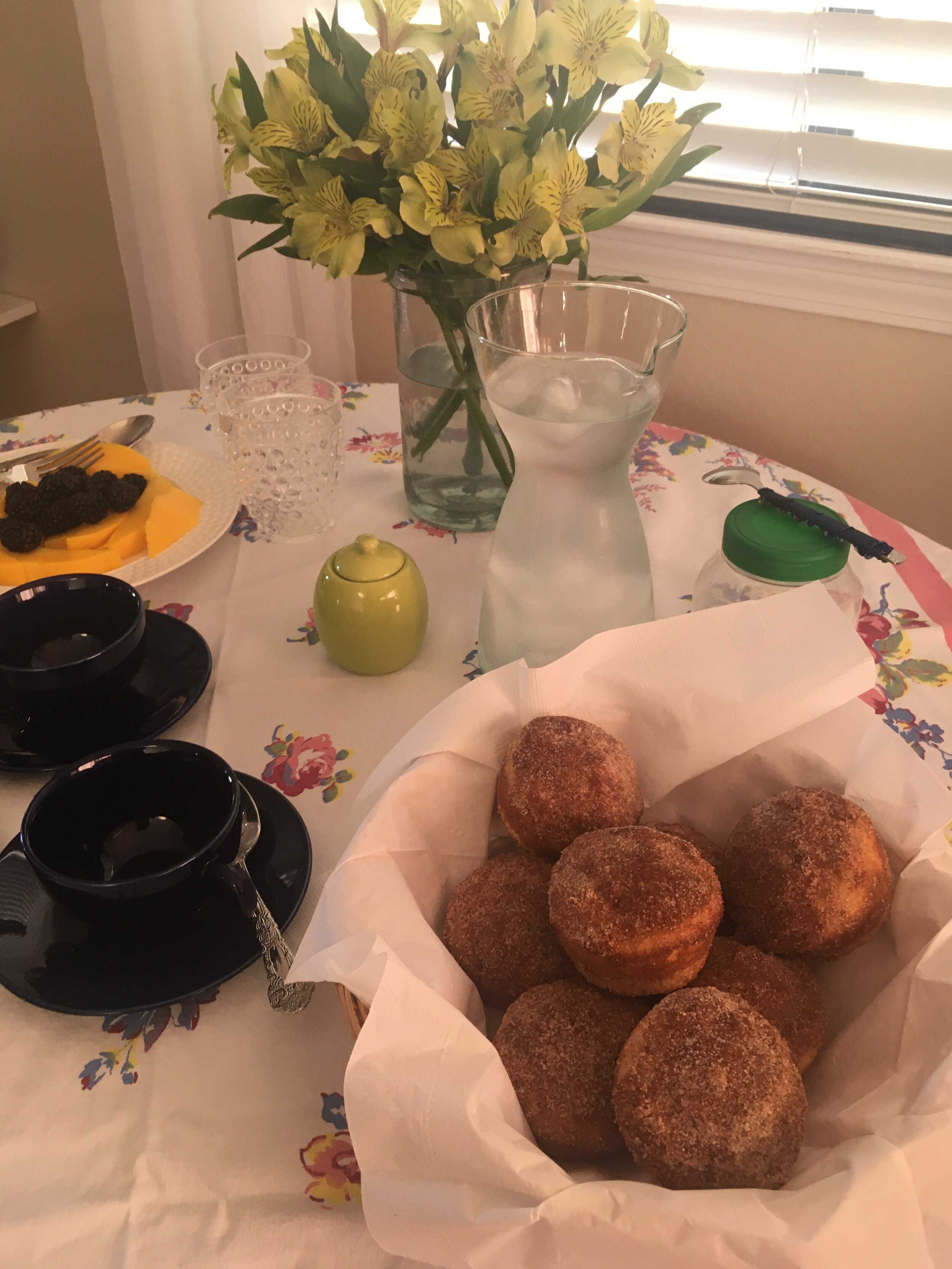
Another coffee get together - this time in New Mexico - with sugar crusted muffins and a plate of mango with blackberries. Yum!

Another coffee get together - this time in New Mexico - with sugar crusted muffins and a plate of mango with blackberries. Yum!

 Next, Sugar Crusted Muffins. I’ve been baking these muffins for over 50 years.  Really!  The recipe dates back to my 8th grade home economics class.  Since then I’ve made them countless times and have adapted the recipe to make blueberry muffins as well. If only my 8th grade teacher could see me now!    The recipe makes 9 generous or 12 smaller muffins.

1 ½ cups flour

2 teaspoons baking powder

½ tsp salt

½ cup sugar

¼ cup butter, melted.  (plus another ¼ cup melted butter for dipping the baked muffins)

½ cup whole milk + 2 tablespoons

1 egg, slightly beaten

additional sugar and cinnamon for topping

Preheat oven to 400 degrees.  

 Sift flour, add baking powder and salt; resift and add sugar.

Combine melted butter with milk and beaten egg, beat slightly and add to dry ingredients. Mix just to moisten.

Spoon batter into prepared muffin tin.  Bake for 15-20 minutes until the tops are firm and golden brown.

When cool enough to remove from pan, dip the top of each muffin into the melted butter (1/4 cup) and then into a small bowel with a sugar – cinnamon mixture (½ cup sugar and 1 tablespoon cinnamon).  


The cinnamon and sugar topping make these muffins the perfect treat for morning coffee.

The cinnamon and sugar topping make these muffins the perfect treat for morning coffee.

Blueberry Muffin Variation:  Use ¾ cup buttermilk, cut in the butter rather than using melted butter, add a big scoop of blueberries.  After spooning into the muffin tin (and before baking) sprinkle the tops with a little demerara sugar for extra sparkle and crunch. Doubling the recipe makes 1 and 1/2 dozen muffins.

Blueberry muffins were the star, alongside strawberries, for a brunch in New Mexico just before I left to return to Italy.

Blueberry muffins were the star, alongside strawberries, for a brunch in New Mexico just before I left to return to Italy.

 With fall quickly approaching, it’s the perfect time to fire up the oven and do some baking.  I’m looking forward to sharing my next batch of muffins with friends, especially now that I am back in Lucca after a couple of months in the United States.  And remember, in Italian the word for muffin is … muffin!


September 21, 2020 /Joanne Bartram
recipes, muffins, #muffins
Cooking, food, recipes
FullSizeRender.jpg

From My Italian Kitchen: A Simple Dessert

February 11, 2019 by Joanne Bartram in Cooking, food, Italian recipes, recipes

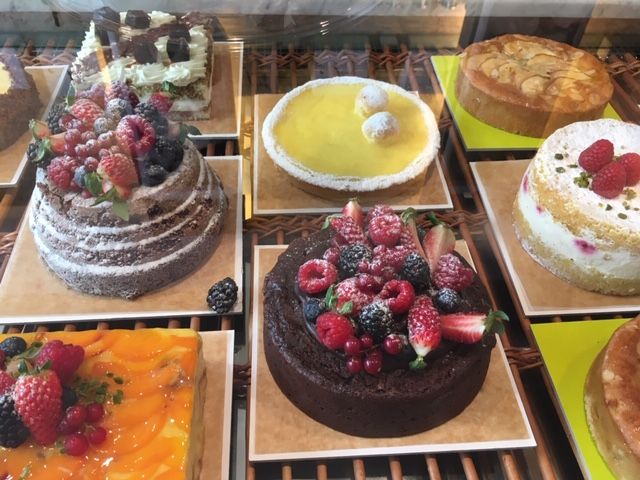
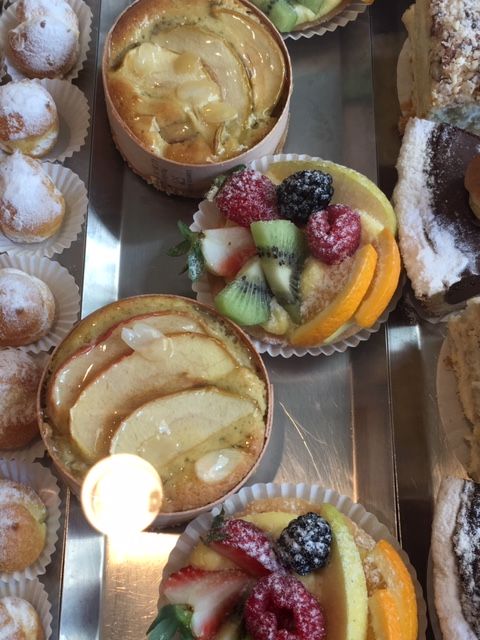
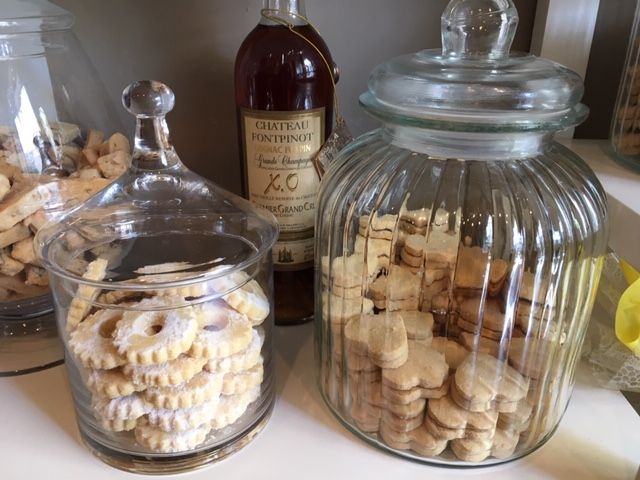
It’s easy to find good (and decadent) desserts in Italy - it seems as though there is a pasticceria on every corner. Their windows and display cases are filled with tarts, cakes, sweet breads, and cookies - all of which are sure to taste delicious. Think rich ricotta, pastry cream, chocolate, and jam-filled delicacies (the ones pictured below are from the wonderful Pasticceria Sandra L’Angolo Dolce in Lucca)..

cakes sandra.JPG
tarts sandra.JPG
cookies sandra.JPG

As wonderful as these are, sometimes I want to serve a dessert that is homemade and a little less rich. That was certainly true the first time I entertained friends after the hubbub (and feasting) of the holidays. The lunch I served was simple - a pasta with spinach and ricotta and oven-roasted chicken.  For dessert I wanted to continue the simplicity of the meal but also wanted something really tasty to brighten up the cold winter afternoon. I think berry desserts are perfect in any season and so that is what I made.

No fancy ingredients needed for this dessert, just berries, cream, mascarpone, powered sugar. and a balsamic glaze.

No fancy ingredients needed for this dessert, just berries, cream, mascarpone, powered sugar. and a balsamic glaze.

My first task was shopping for the ingredients - zucchero al velo (powdered sugar), panna fresca (not quite whipping cream, but a close substitute) and crema all’aceto balsamico (a thick glaze made of balsamic vinegar). I had to search for the powdered sugar as not every store carries it (and some comes flavored with added vanilla, which wasn’t what I needed). Grocery shopping here is still an adventure for me and part of the joy of learning to live in Italy. I didn’t even mind going to three grocery stores to gather the ingredients.

To prepare this dessert, start by making the topping. Once prepared it will hold in the fridge for about 12 hours (after that it begins to separate). It works best when made with a metal bowl and whisk (or beaters from an electric mixer) that are really cold - a couple of hours in the fridge is perfect. There are just three ingredients:

whipped.JPG

250 gms mascarpone (about 4.5 oz)

125 ml (1/2 cup) of panna fresca (whipping cream)

2 Tablespoons of zucchero al velo (powered sugar)

Let the mascarpone sit out for about 15 minutes and then soften with a spoon.

Place mascarpone in the chilled bowl along with the panna fresca and the powdered sugar.

Whip until thickened (thick, creamy, and very soft peaks).  I used a whisk, but an electric mixer works well too. Don’t over beat it though.

Cover with plastic wrap and refrigerate until just before serving.  This mixture would be plenty for six servings.

Next, prepare the berries, which are the base of this dessert.  You will need:

A mixture of berries ( any combination will work or use a single type of berry); adjust quantities as needed for the amount of servings you’d like to make, one half to three quarters of a cup per serving.

Crema all’aceto Balsamico (Balsamic Glaze)

Slice strawberries and combine with whole blackberries and raspberries (I used about 10 large strawberries, a large handful of blackberries, and a large handful of raspberries to make 3 servings).

Since off-season berries are not the most flavorful, about an hour before serving, put the berries in small serving bowls and drizzle them with the balsamic glaze. A little drizzle is all that is needed. Were I more ambitious, I would have made the glaze by reducing balsamic vinegar and adding a bit of sugar and lemon juice, but in the name of keeping things simple, I just picked up a store-bought ready-made glaze. Shh. Don’t tell Martha Stewart. The balsamic glaze really adds a flavor punch to less than perfect berries.

Berries drizzled with the balsamic glaze

Berries drizzled with the balsamic glaze

Let the berries sit for an hour (either at room temperature or in the fridge) before topping them with a generous spoonful of the whipped topping. Serve right away after adding the topping.

served.JPG

This dessert is easy to make, looks pretty in clear glass bowls or wine glasses, and tastes delicious. My guests gave it a big thumbs up! - post by JMB

February 11, 2019 /Joanne Bartram
dessert, berry recipes, mascarpone topping, italian desserts
Cooking, food, Italian recipes, recipes
  • Newer
  • Older

Powered by Squarespace