Aperitivo

Aperitivo - one of my favorite Italian words. There really isn't a perfect English equivalent because aperitivo is more than just a drink, less than a meal, and fundamentally different than the American happy hour. Aperitivo is a wonderful part of the Italian culture - a social interlude between late afternoon and the evening meal (which typically isn't eaten until around 8 or 9 p.m.). 


Aperitivo at Bar San Michele, Lucca

Aperitivo at Bar San Michele, Lucca

Aperitivo time is around 6:30 or 7 p.m. and serves as a transition - a relaxing end to the day, a chance to connect with friends, and a slow meander toward dinner. We are not talking about a drink ordered at dinner and sipped while waiting for the meal to arrive. The aperitivo is an event all its own that most often occurs al bar (at the bar) before going to a restaurant to eat or before heading home for dinnerItalian bars are chameleons - the same bar that serves morning coffee becomes the perfect place for the evening aperitivo. How practical!
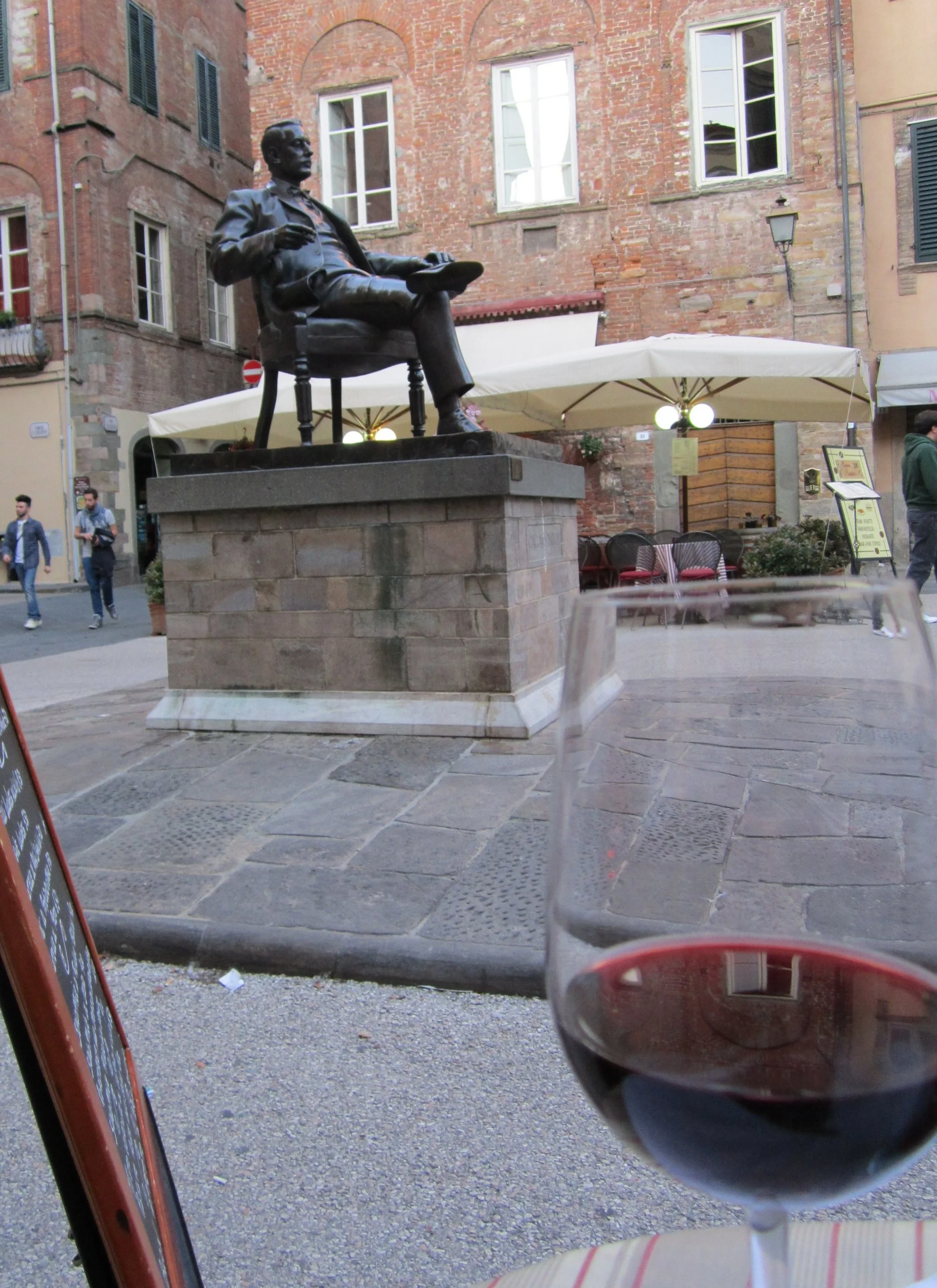
Piazza Cittadella, Lucca.

Piazza Cittadella, Lucca.

The Italian aperitivo consists of a glass of wine or a mixed drink plus a small appetizer. Traditional aperitivo drinks are on the lighter side - a prosecco or a glass of wine, a negroni (campari, vermouth, soda) or an aperol spritz. Most of the time small snacks arrive alongside the drinks. These may be as simple as a dish of peanuts or potato chips or may be as complex as a small buffet with bruschetta, miniature panini, or other savories. I've noticed the heartier offerings tend to start later in the evening, though this varies from bar to bar. 

 The bright orange drinks that everyone seems to be sipping on warm summer evenings in Italy are called aperol spritz. Aperol is a bitter made from oranges, herbs, and roots. It has a relatively low alcohol content (11 percent) which makes it perfect as an early evening drink. While the recipe for aperol itself is a secret, the spritz recipe is well known - mix 2 parts aperol with 3 parts prosecco and a splash of soda. Pour over ice and add a slice of orange. Simple! The slight bitterness may take a bit of getting used to, but after the first sip a spritz has a pleasing and refreshing taste. It's a typical aperitivo drink, made even better when sitting outside in a beautiful Italian piazza, with the sound of Italian chatter in the background, talking with friends or watching the theater of daily life in Italy.

Aperitivo in Piazza San Francesco, Lucca.

Aperitivo in Piazza San Francesco, Lucca.

Luckily, aperitivo is an Italian tradition that can easily be recreated at home. If you come to my house on a summer evening I'll be serving aperol spritz on the back patio, along with my favorite marinated cheese. There may even be Italian music playing in the background. Head on over - let's have an aperitivo insieme (together).                                -post by JMB

I Portici di Bologna

IMG_6099.JPG

Portico - the word is the same in Italian and English; portici is the Italian plural. The dictionary definition, "a porch or walkway with a roof supported by columns" (thefreedictionary.com), does not begin to describe the grandeur of Bologna's portico-lined walkways.

Bologna's earliest porticos date to the 11th century (with modifications and additions in later centuries) and are found throughout the historic center of town. They are as practical as they are beautiful. Originally, they allowed for additional living space to be built on upper floors, an important housing consideration in a town with a large student population. This was accomplished by extending living space above the areas used by the people passing underneath, creating both living space and covered walkways. The ceilings of the porticos are quite high - legend has it that they are a standard height, designed to accommodate a man on horseback.


The porticos open to the streets through a series of arches. 

The porticos open to the streets through a series of arches. 

Some of the earliest porticos were made of wooden beams and coverings, later banned and mostly removed. Today the porticos have brick or stone columns, arched openings, vaulted ceilings, and stone or marble pavements. As an additional practicality, the porticos offer protection from both rain and direct sun, making the streets of Bologna perhaps the most pleasant place to stroll in all of Europe.

This length of portico has beautiful columns and ceilings as well as marble flooring. 

This length of portico has beautiful columns and ceilings as well as marble flooring. 

​There are 38 kilometers (nearly 24 miles) of porticos in the historic center of Bologna, beneath which are a variety of shops, markets, cafes, and restaurants.

Under the portico along Via Ugo Bassi. 

Under the portico along Via Ugo Bassi. 

A pretty flower market under the portico. 

A pretty flower market under the portico. 

The charming cafe Gamerini sits under a pretty stretch of portico along Via Ugo Bassi and Via S. Gervasio

The charming cafe Gamerini sits under a pretty stretch of portico along Via Ugo Bassi and Via S. Gervasio

A morning coffee or an afternoon tea at a cafe sotto il portico (beneath the portico) is a real treat!

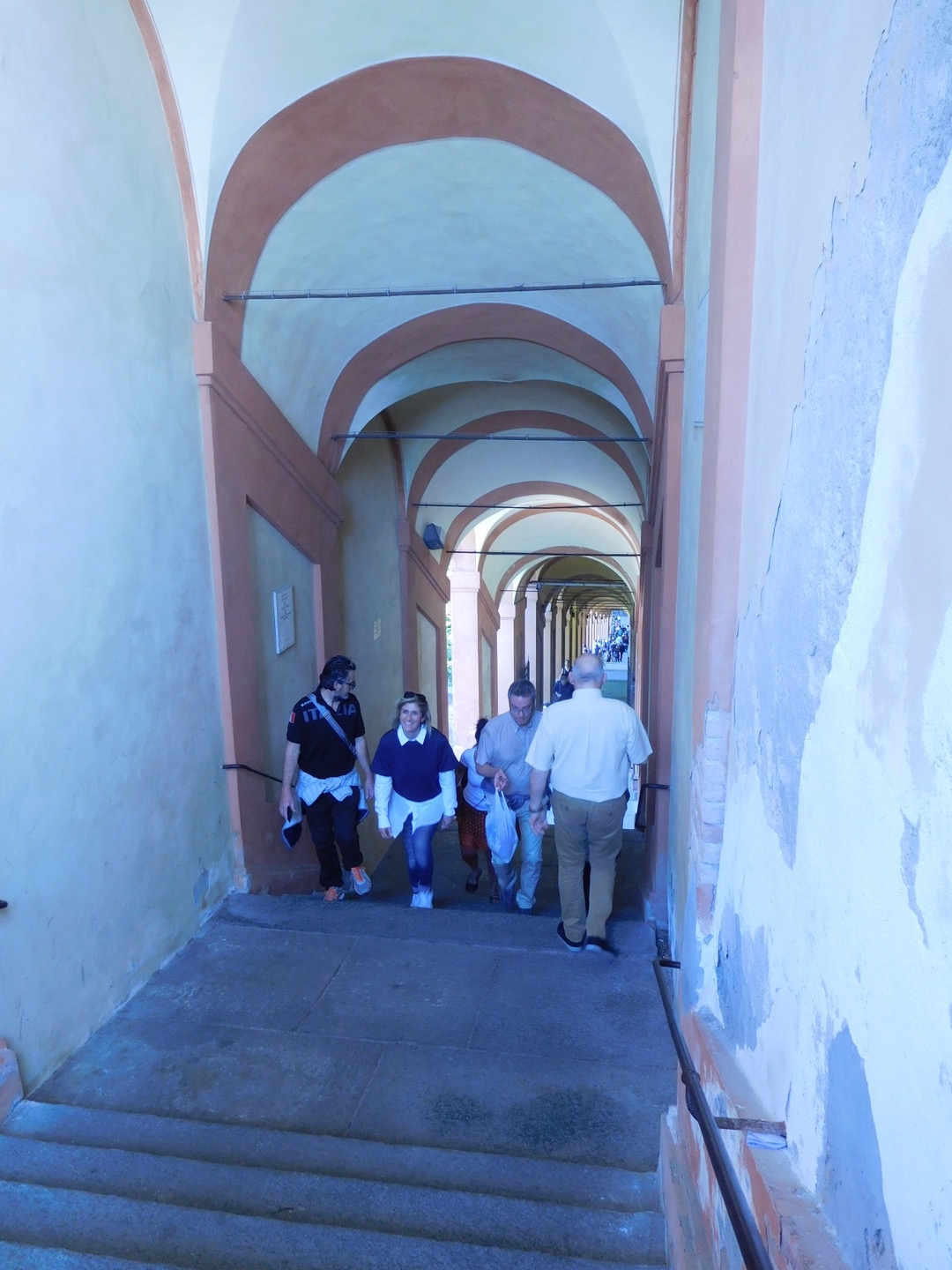
Outside of the historic center is perhaps the most remarkable of all the porticos - the world's longest covered walkway, which leads to the Santuario di San Luca. This four-kilometer (roughly 2.5 miles) uphill portico has a total of 666 arches. It begins with a gentle rise from the Porta Saragozza and becomes progressively steeper as it climbs the hill toward the church. A massive and costly undertaking when it was built (late 1600s - mid 1700s), the arches were funded privately, many by families who built small shrines or chapels along the walkway (most now destroyed, only a few remain). Completing this walk really is a pilgrimage - and beautiful views and a lovely church await at the top (it's also possible to drive to the Santuario or take a tourist bus).

The all uphill portico leading to the Santuario di San Luca, Bologna. 

The all uphill portico leading to the Santuario di San Luca, Bologna. 

IMG_5938.JPG

The Santuario end of the portal is un'ascesa ripida (a steep climb)!  

IMG_6023.JPG

Bologna is a beautiful city, full of architectural, cultural, historic, and artistic interest. It's also a very walkable city - made all the more pleasant when strolling underneath i portici di Bologna.

                                                          -post by JMB
Italian Emigration

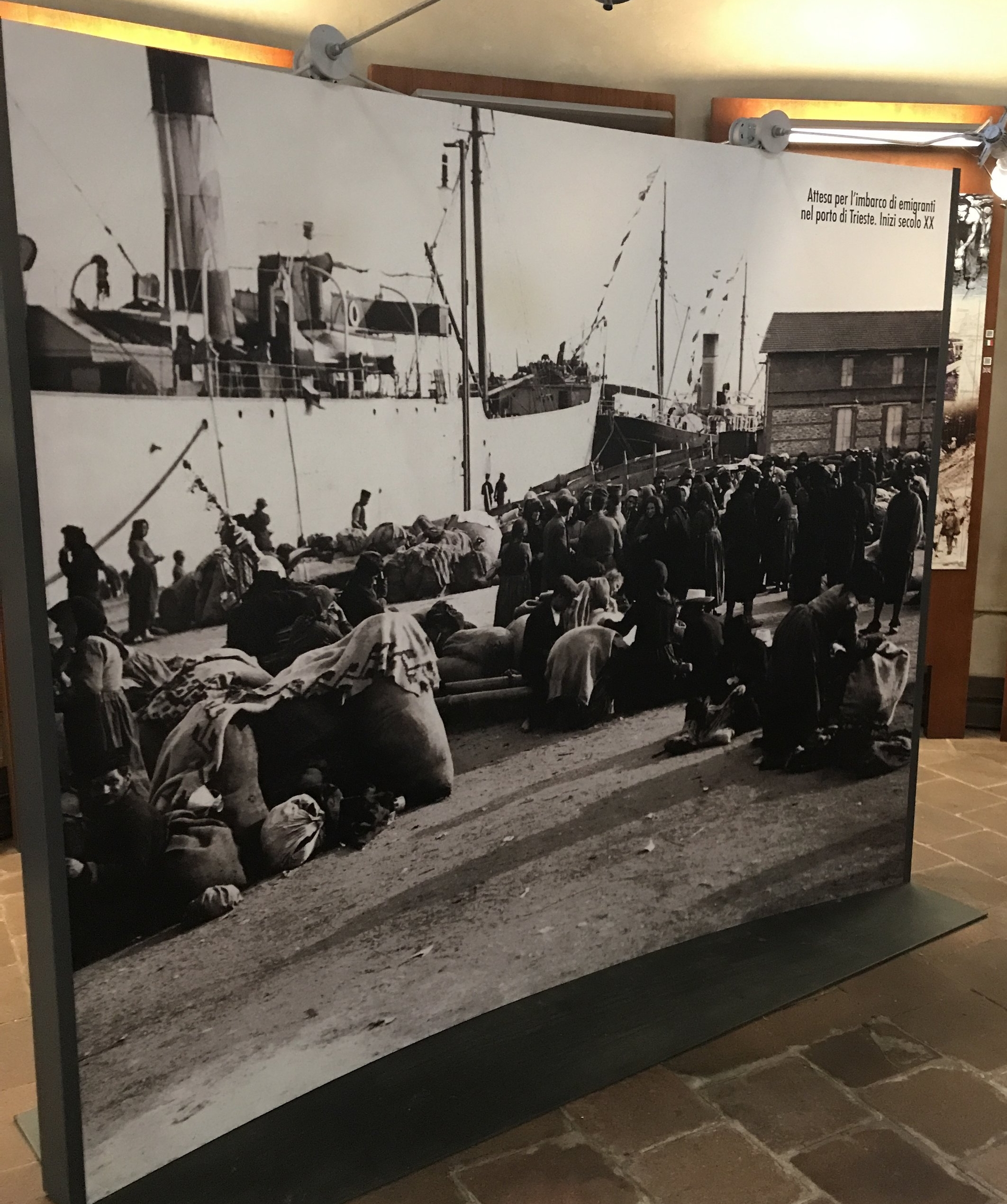
As a granddaughter of Italian immigrants, I was intrigued to recently visit a small museum in Lucca dedicated to telling the story of Italian emigration. It was in the late 1800s and early 1900s when the greatest number of Italians left their homeland in search of better lives. The majority – like my grandparents – came from southern Italy. That part of the country was mostly agricultural and impoverished. Italians from the south headed west – to North and South America - and to other parts of Europe as well.

The Museo Paolo Cresci in Lucca tells the story of Italian immigration from 1860 to 1960.

The Museo Paolo Cresci in Lucca tells the story of Italian immigration from 1860 to 1960.

Italian emigration is like that of many other ethnic groups – in their new countries, immigrants largely had to take on jobs involving manual labor. Many traveled across the Atlantic by themselves, with few possessions other than their hopes for a better life. Once settled, they would send money home to help the family left behind.

The Museo Paolo Cresci in Lucca hosts photos and documents from some of those who made the transition. The items on display are taken from some 15,000 photographs and documents that Cresci collected from the families of those who emigrated.

Paolo Cresci collected more than 15,000 photos and documents from the families of Italians who emigrated.

Paolo Cresci collected more than 15,000 photos and documents from the families of Italians who emigrated.

Passports, transportation invoices and guides to new countries are among the items, as are black and white photos that starkly show the strain of the journey on the faces of those traveling. I found myself awed and humbled by their courage. People laden with all their belongings crowded onto ships for the voyage. Once they arrived, those who came to America sent postcards of the Statue of Liberty home to their families; it is fascinating to read the ones on display at the museum.

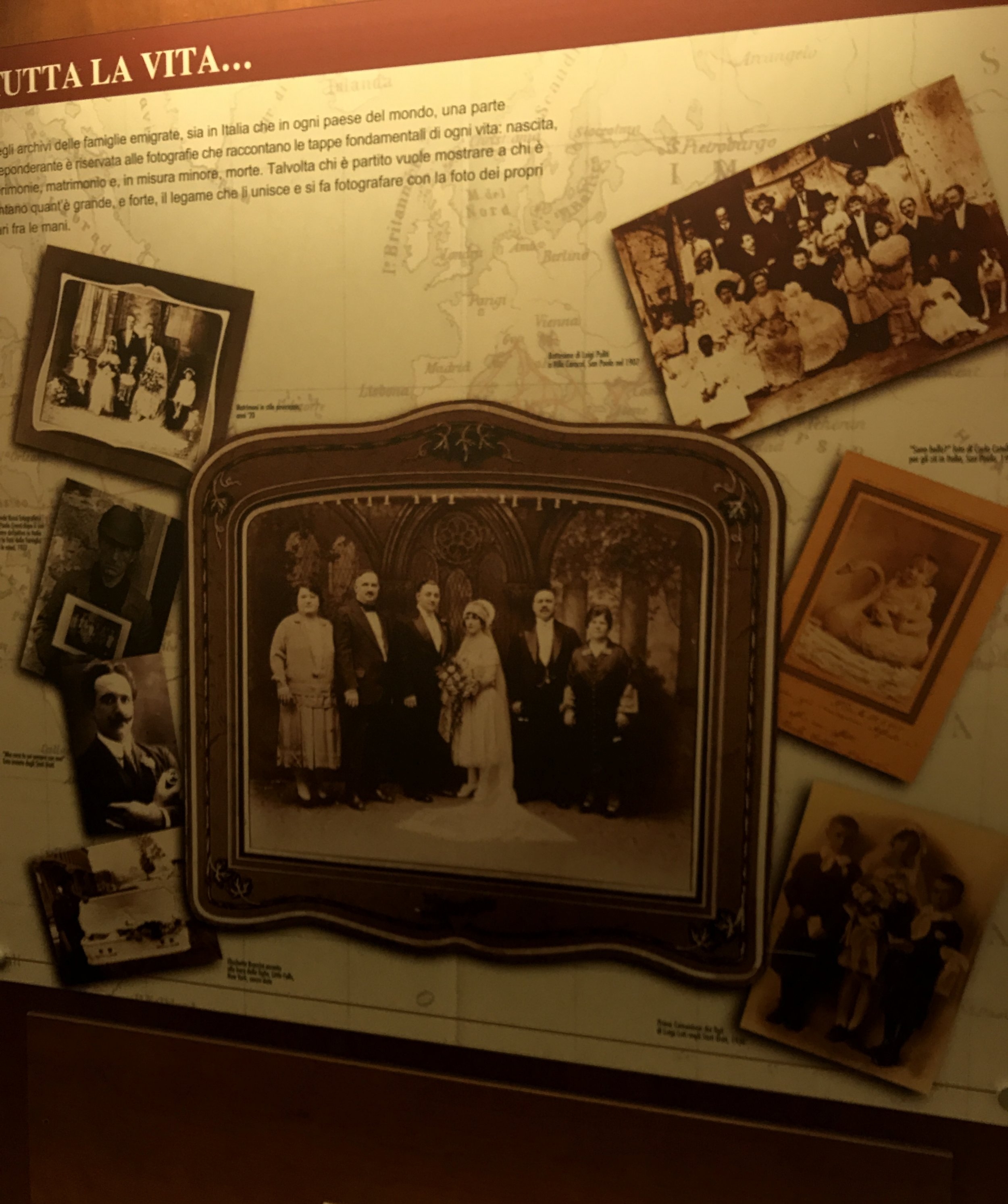
Family photos taken in the new country

Family photos taken in the new country

The photos taken of these Italians after they resettled resemble many of my family’s old photos: children dressed for their First Holy Communion, families standing in their own homes. This time, the faces show pride for having “made it.” Wandering around the museum gave me time to think about what my forefathers sacrificed for their families. And it made me wish I had asked a lot more questions about the “old country” when I had the chance. I’m grateful that Lucca has this museum to help me find some answers.

The ceiling of Museo Paolo Cresci

The ceiling of Museo Paolo Cresci

The Museo Paolo Cresci looks at Italian emigration from 1860 to 1960 and admission is free. The building that houses the museum is worth a look all its own: it is a former chapel with a beautifully frescoed ceiling.

-post by JG

Fondazionepaolocresci.it

An Antiques Market in Tuscany

Market days are part of the culture in cities and small towns throughout Tuscany. The general markets, featuring a variety of foods and household goods, travel from town to town visiting each on a rotating schedule. There are also arts and crafts markets filled with work by local artisans (read more about this type of market in the post Sunday in Lucca) and specialty markets associated with holidays, including the famous Christmas markets.

Mercato Antiquario, Lucca

Mercato Antiquario, Lucca

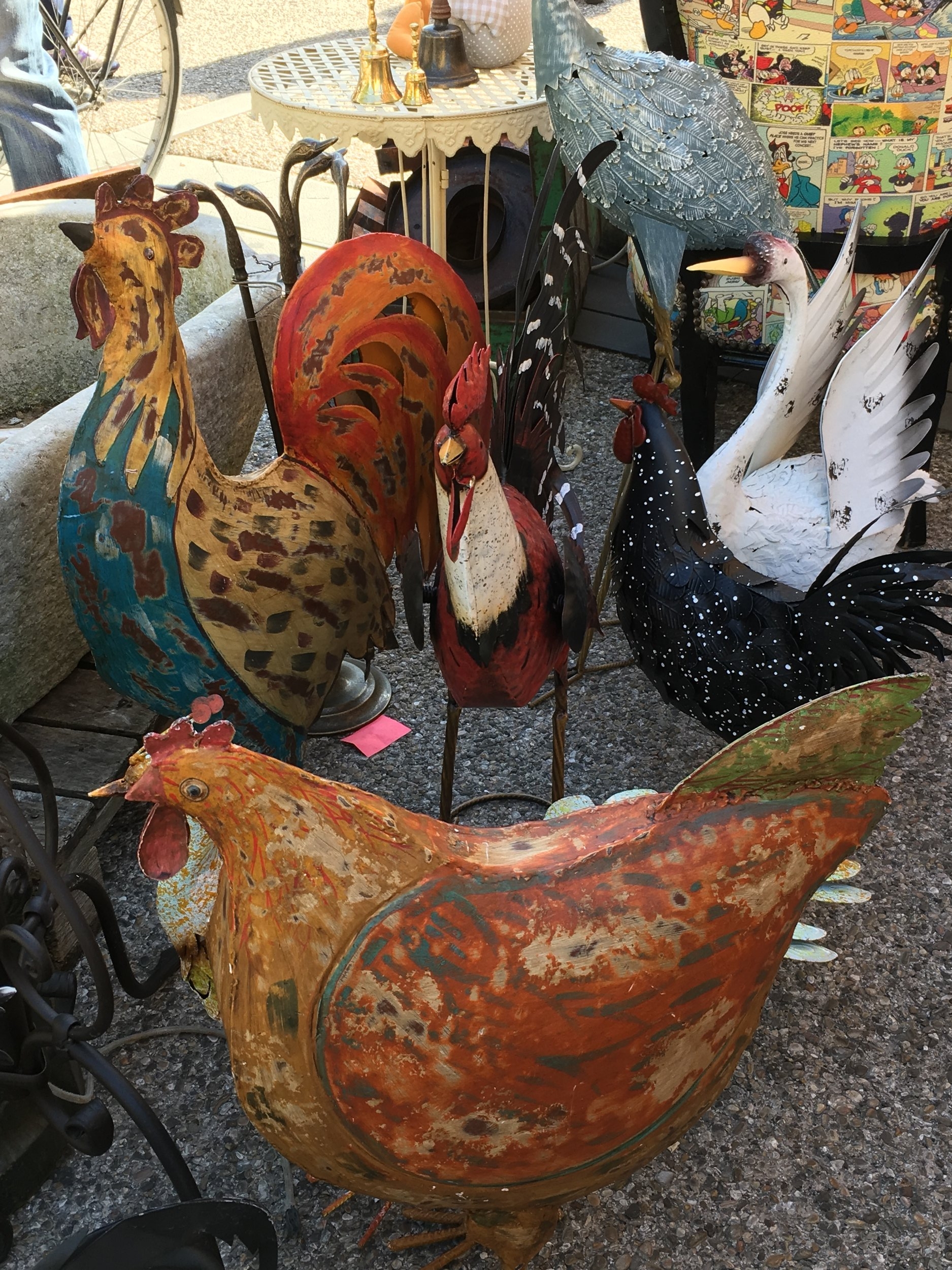
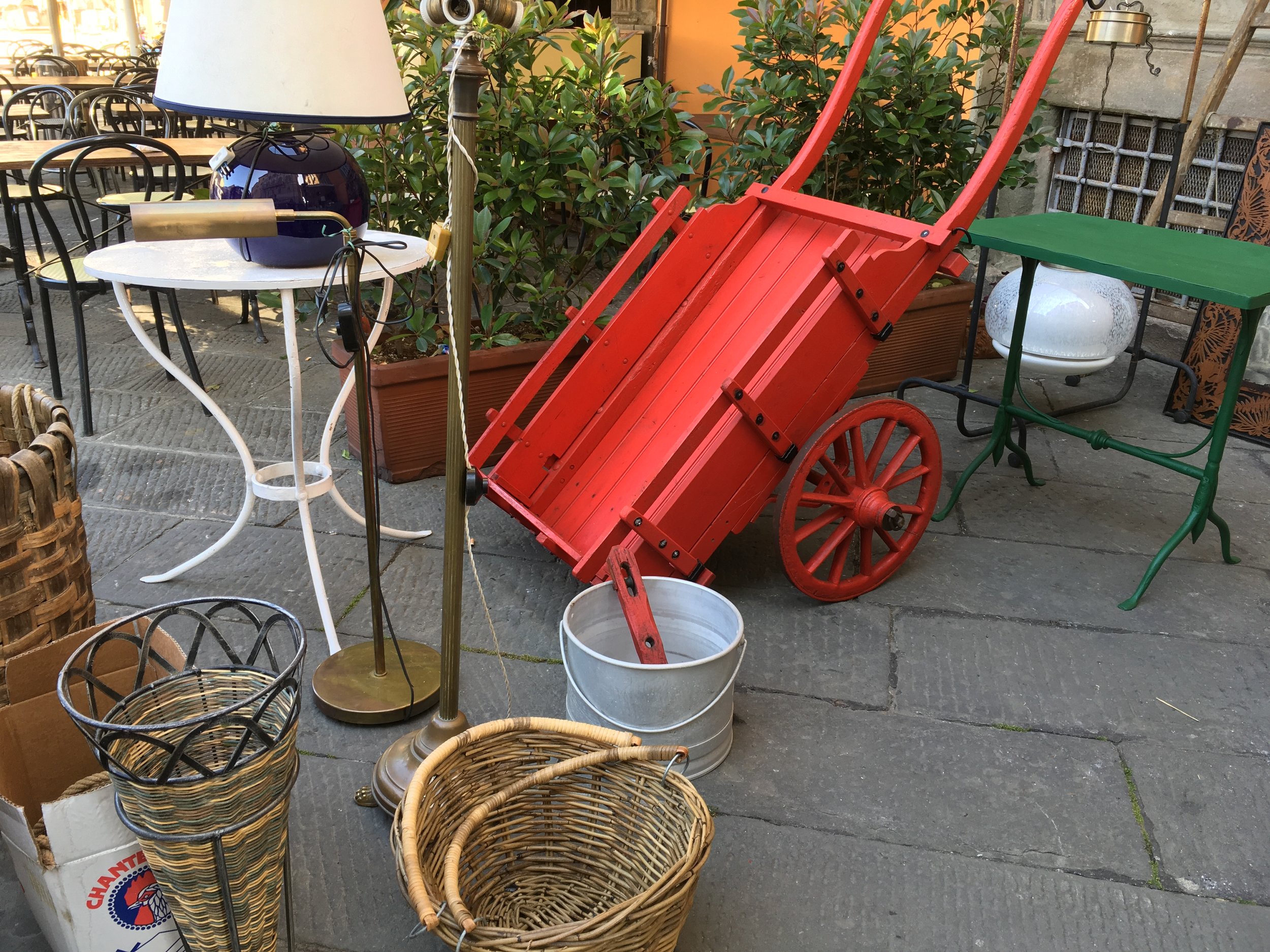
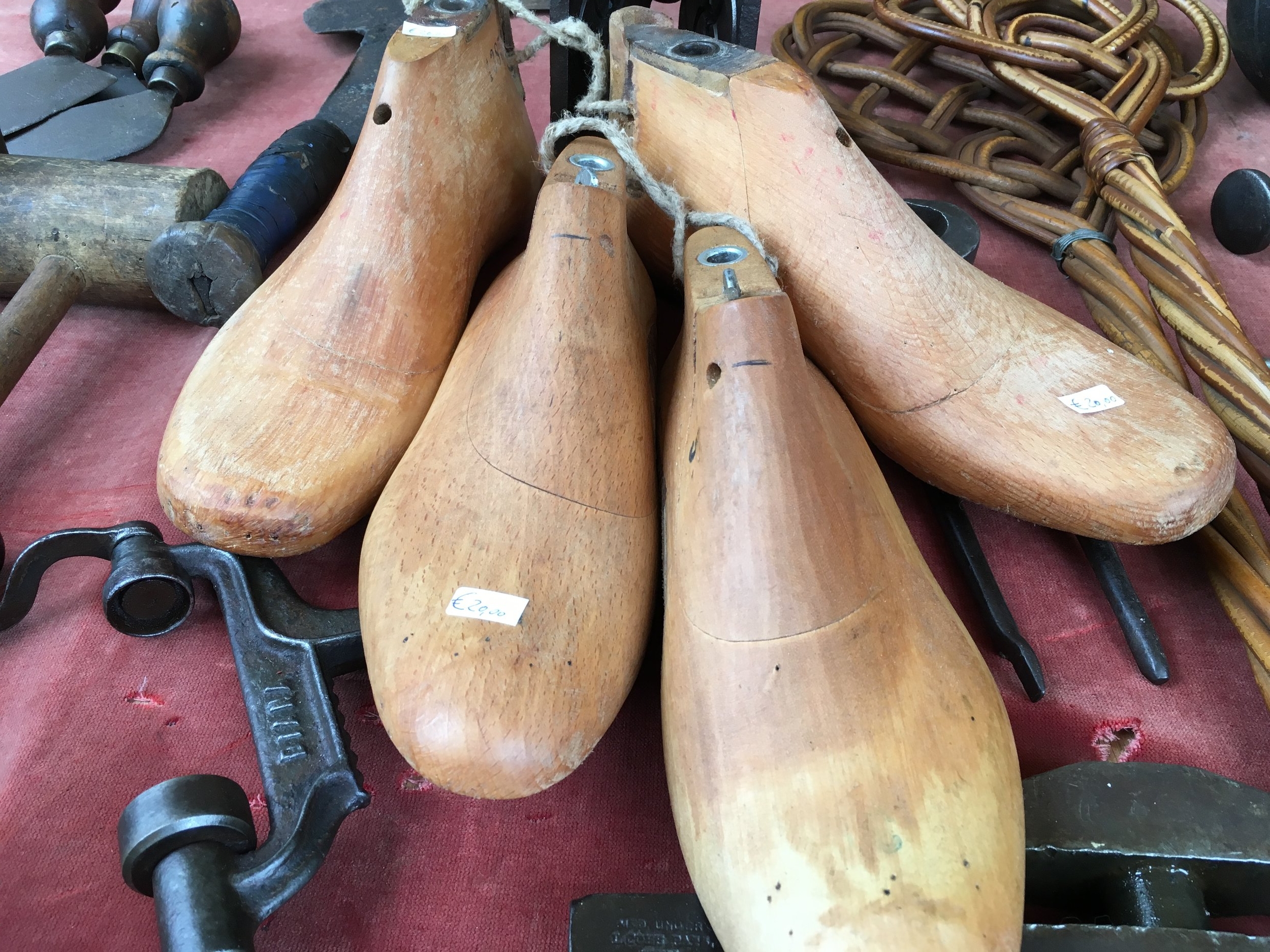
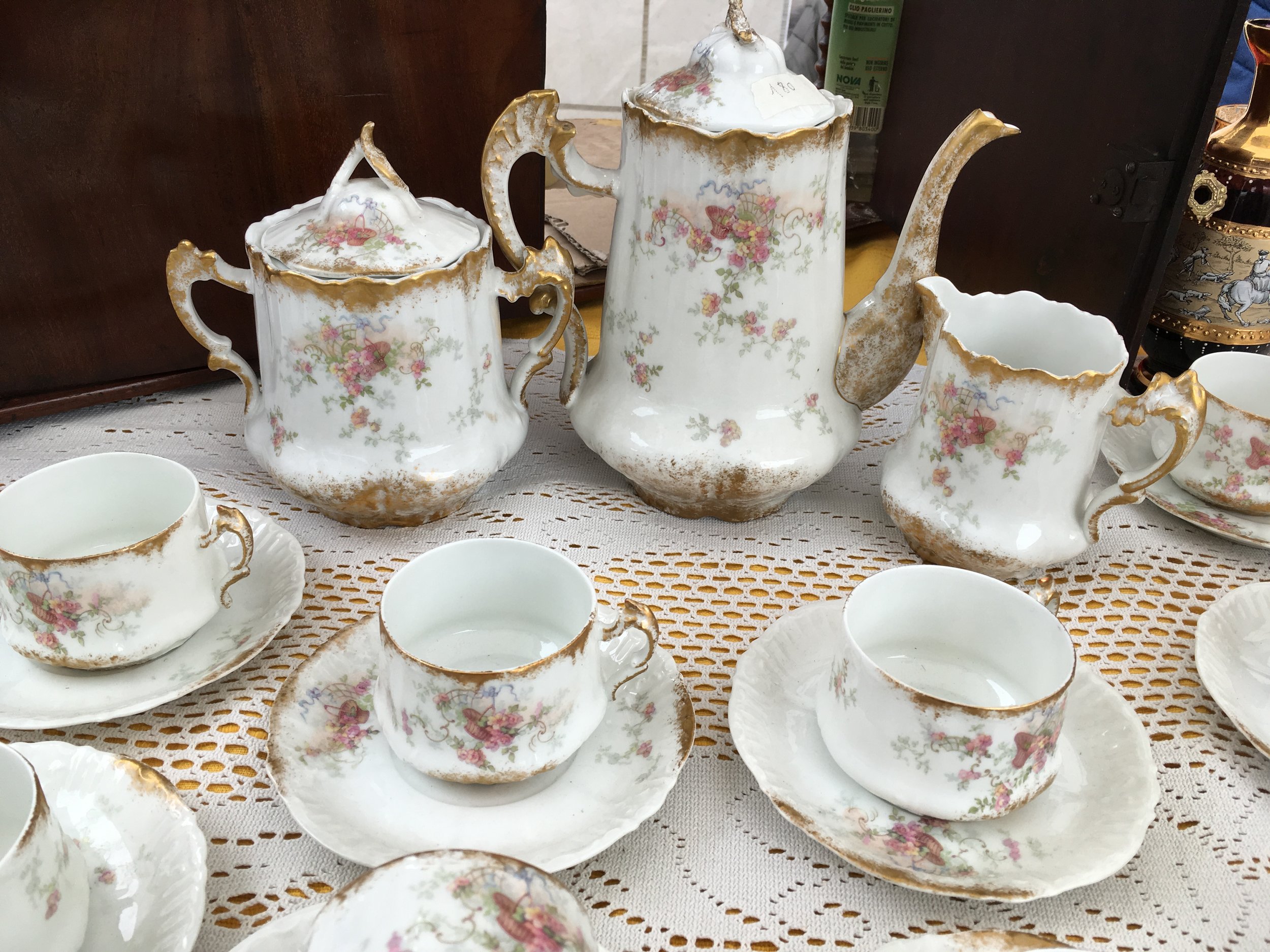
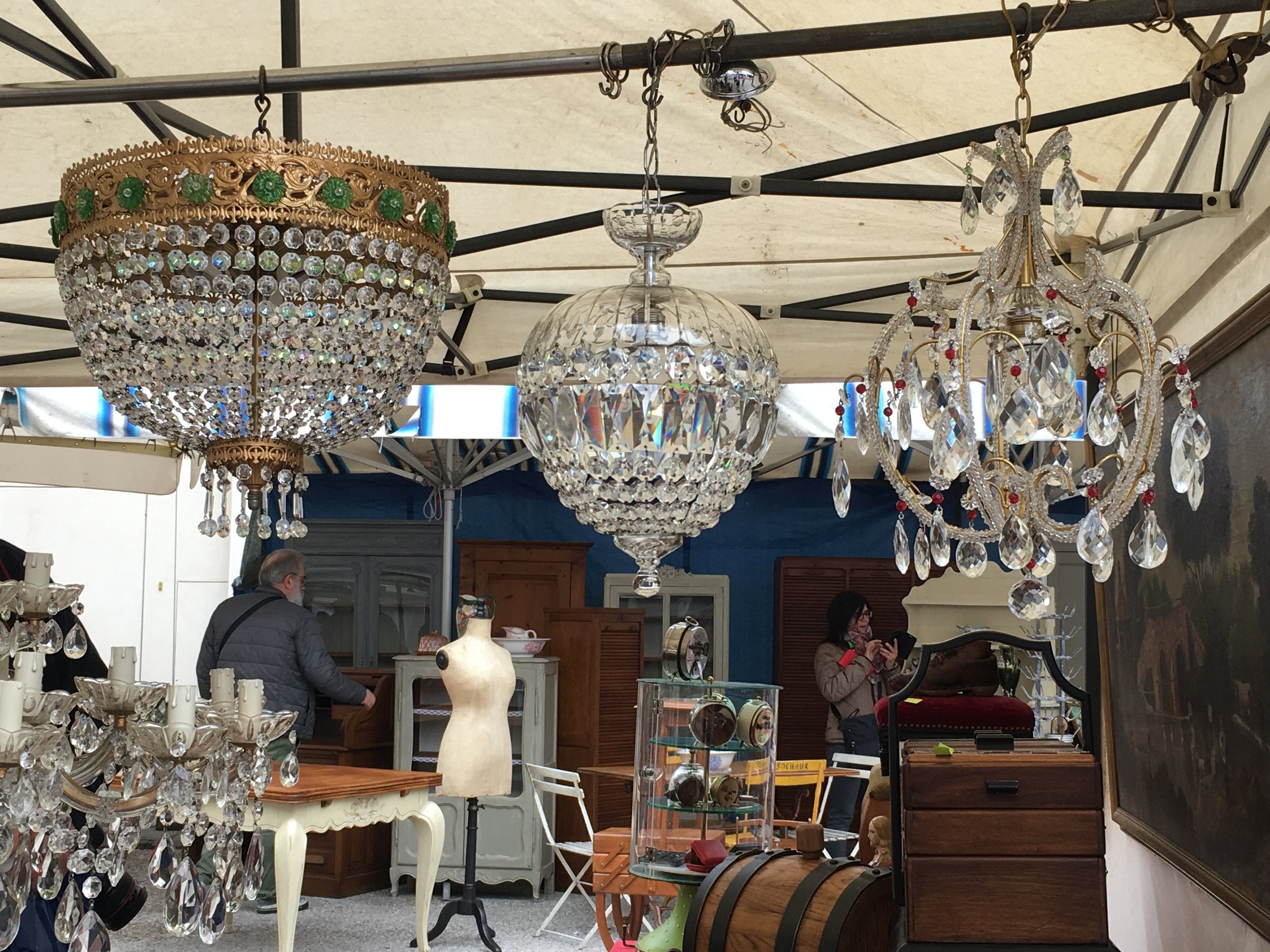
My favorite of all the specialty markets is the Mercato Antiquario (Antiques Market), which comes to Lucca once a month on the weekend that includes the third Sunday. This market is huge, with more than 250 bancarelle (booths), which seem to spill from one pretty square to the next in and around the Piazze San Martino, San Giovanni, and San Giusto. Wandering the markets is a treat that combines the beauty of the squares, the sounds of spoken Italian, an amazing variety of antiques and collectibles, and ample opportunities to stop for a mid-morning cappuccino, people watch, and to soak in all the activity. 

Wouldn't these pieces look great in my (imaginary) apartment?

Wouldn't these pieces look great in my (imaginary) apartment?

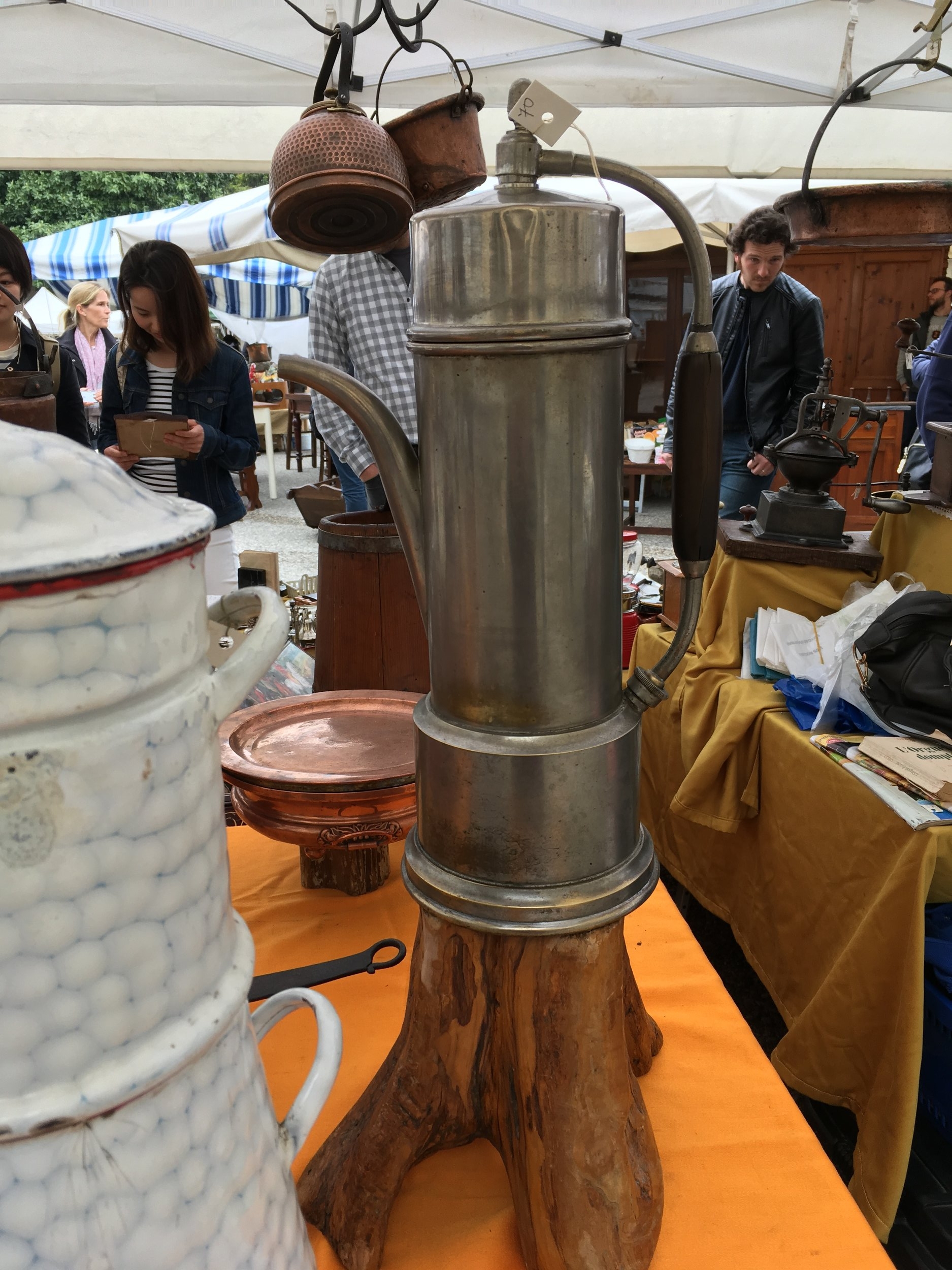
The mercato in Lucca is especially known for its beautiful furniture, ranging from rustic to elegant and polished. I wander these booths, mentally furnishing my Lucca apartment. As I wander, I pick out kitchen tables and china cabinets, bookshelves and reading chairs, and the perfect outdoor furniture for my imaginary terrace.

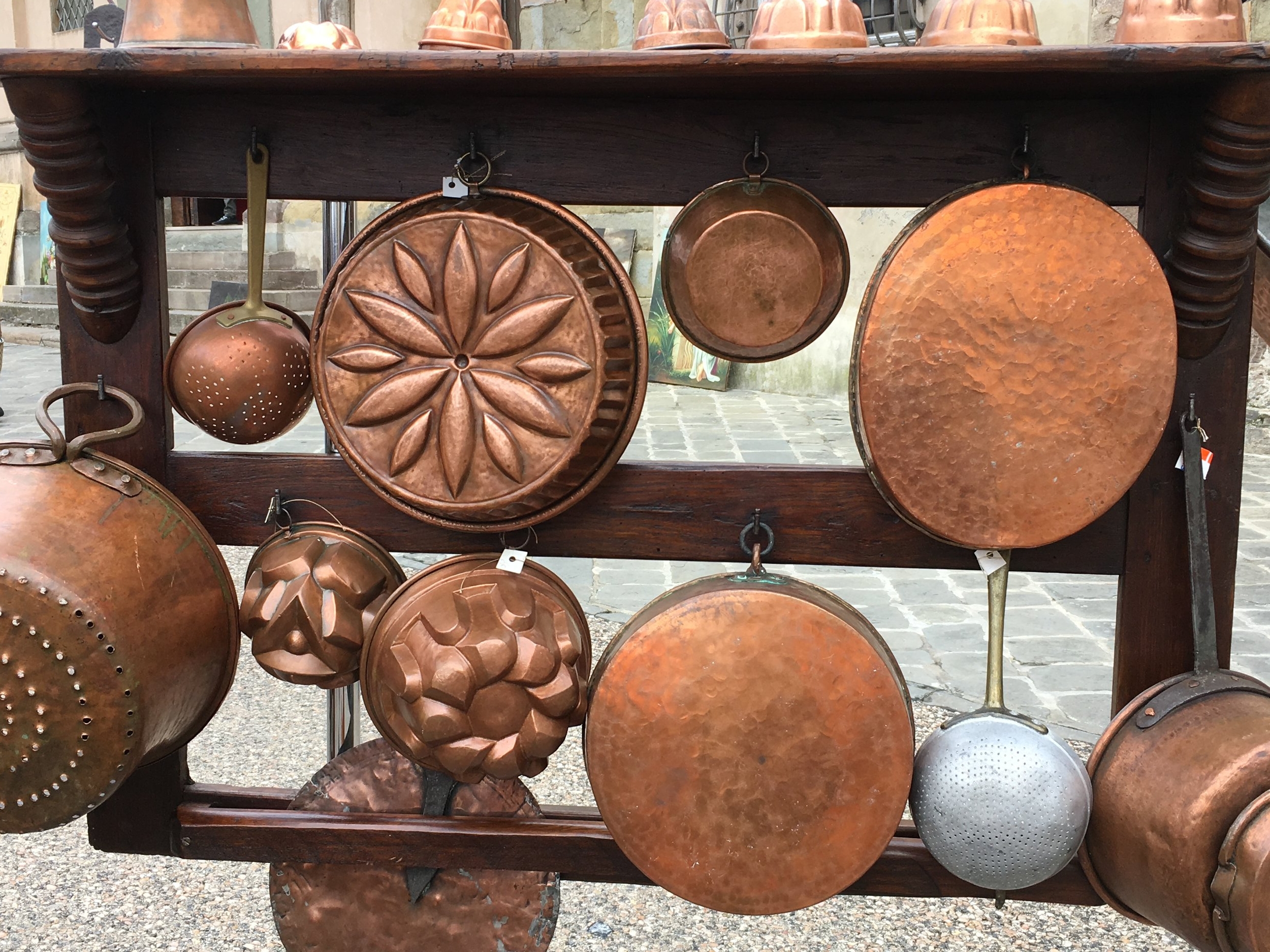
My apartment also needs dishware, lighting fixtures, art, and decorative items, all of which are found in abundance at this market. Sadly, my apartment is just imaginary and I can't buy any of these wonderful finds. But it's still fun to pick out the treasures I would like to have.

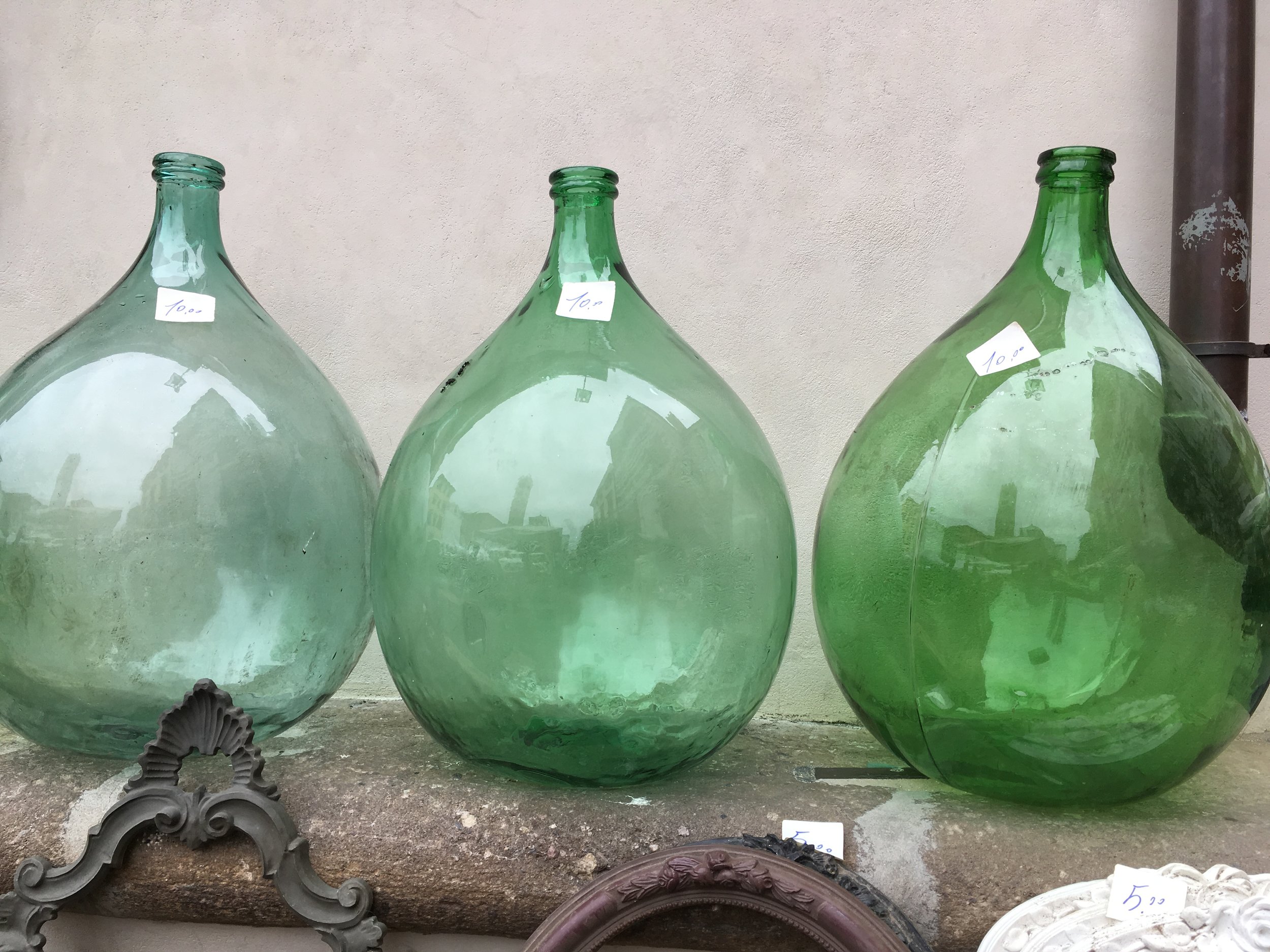
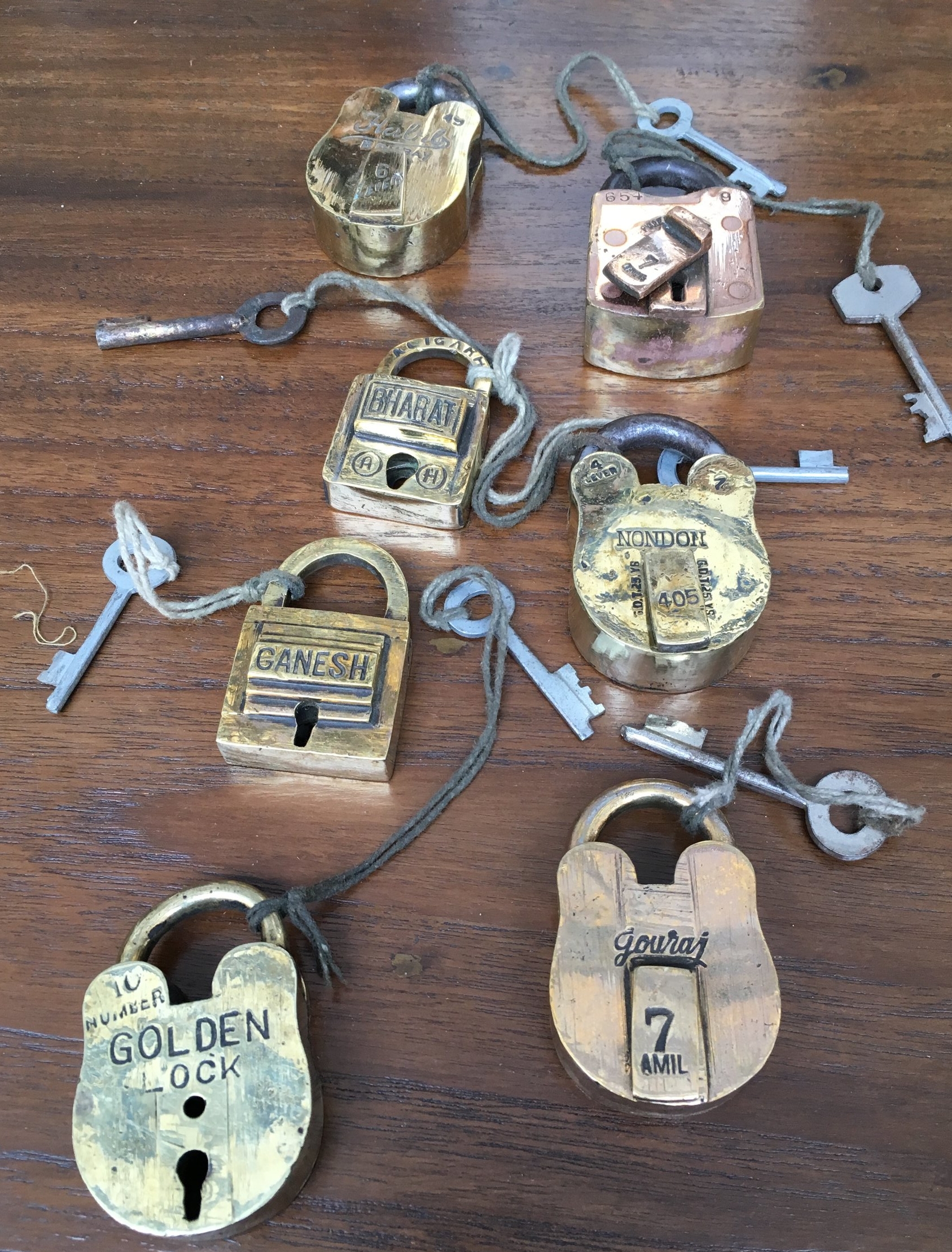
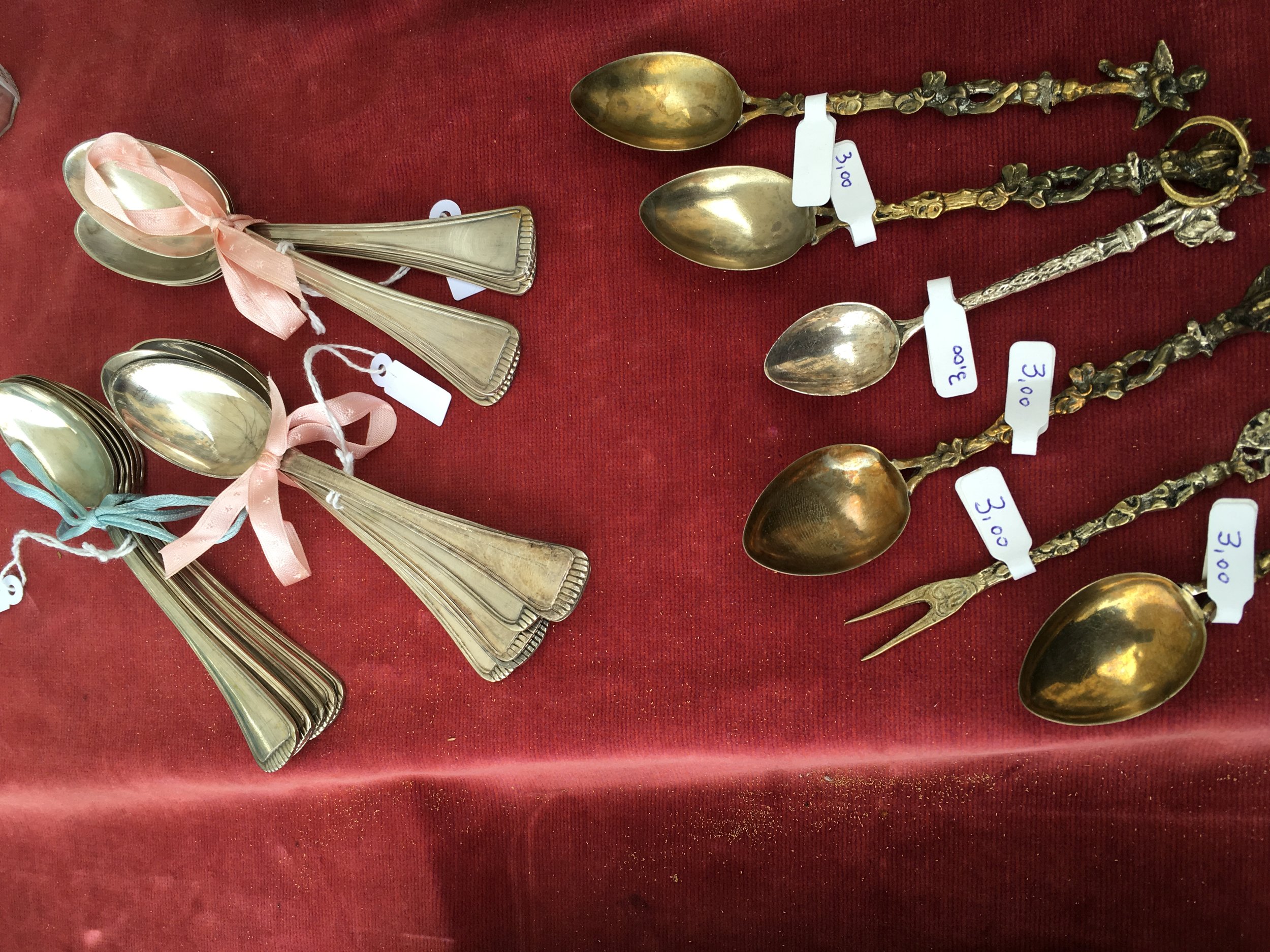
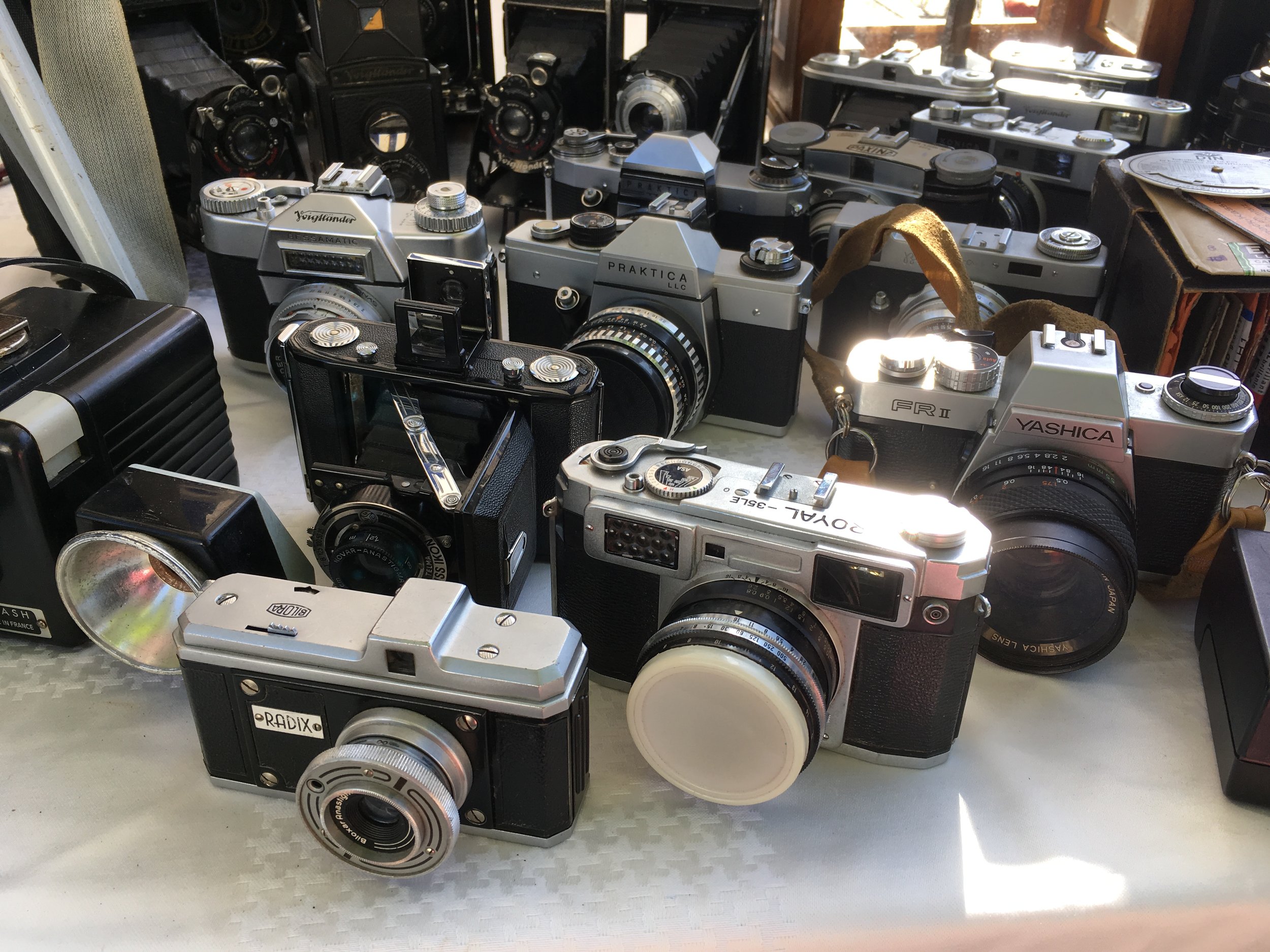
There are also booths selling interesting collectibles, everything from antique lock and key sets, to medical instruments, silverware, war memorabilia, vintage cameras, glassware, and linens. It's tempting to take some of these smaller items home with me, but there is simply no room in my suitcase. So I must leave these lovely things behind and plan to "shop" again on my next trip.                       -post by JB
Bologna for Beginners: The Historic Center

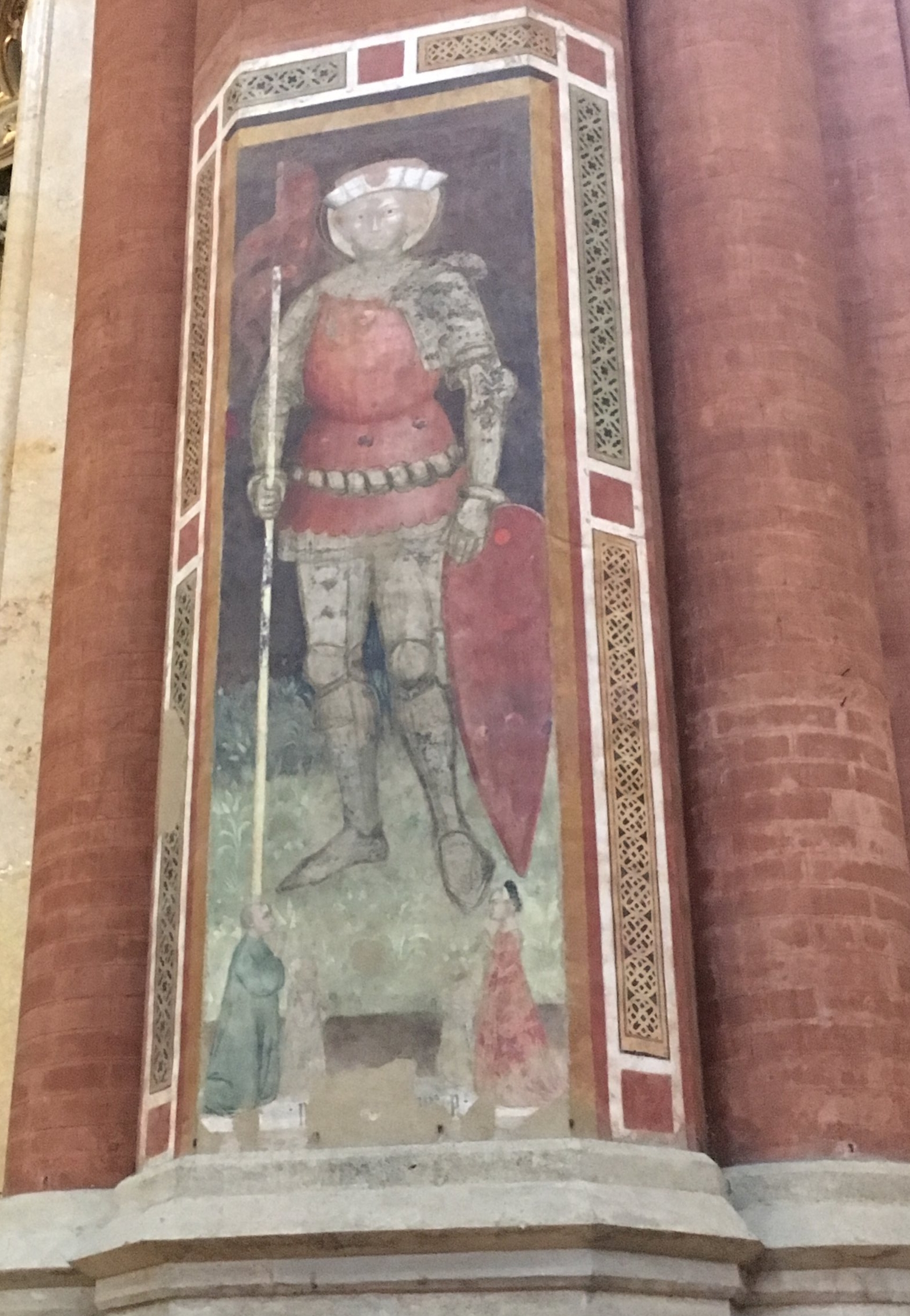
Fresco, Church of the Crucifix, Santo Stefano

Fresco, Church of the Crucifix, Santo Stefano

Bologna is not one of the major tourist destinations in Italy, at least not for Americans, which is both a shame (because it's fabulous) and a blessing (because it remains less crowded than Rome, Florence, and Venice and moves at a decidedly slower pace). Many of the guide books skip over it or give it barely a mention and yet my Italian friends love this city and visit often. Add to that the region's reputation as la pancia (the stomach) of Italy with a unique and fabulous cuisine and I had to check it out for myself. And so, with a long weekend to spend, I headed to Bologna with few expectations other than exploring, wandering, and sampling good food.

It didn't take long for me to become enamored with this city - the beautiful pale red hues of the buildings and roof tops, the large medieval plazas ringed with architectural masterpieces, the cafe/bars offering perfect seats for watching the action, the bustling markets, those unique and stunning porticos, the churches, the art, and - oh yes, the food. In short, what is there to like about Bologna? Everything!

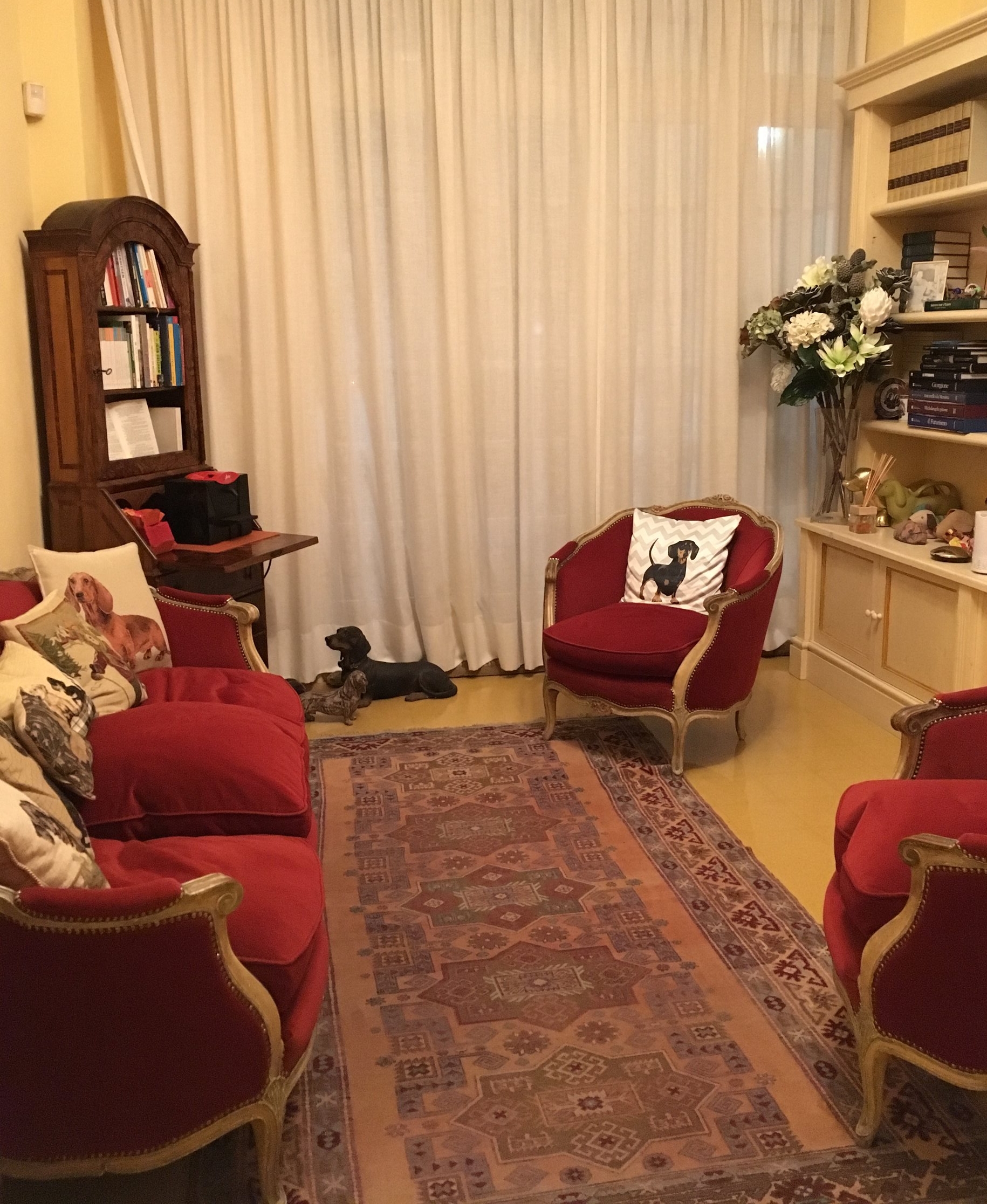
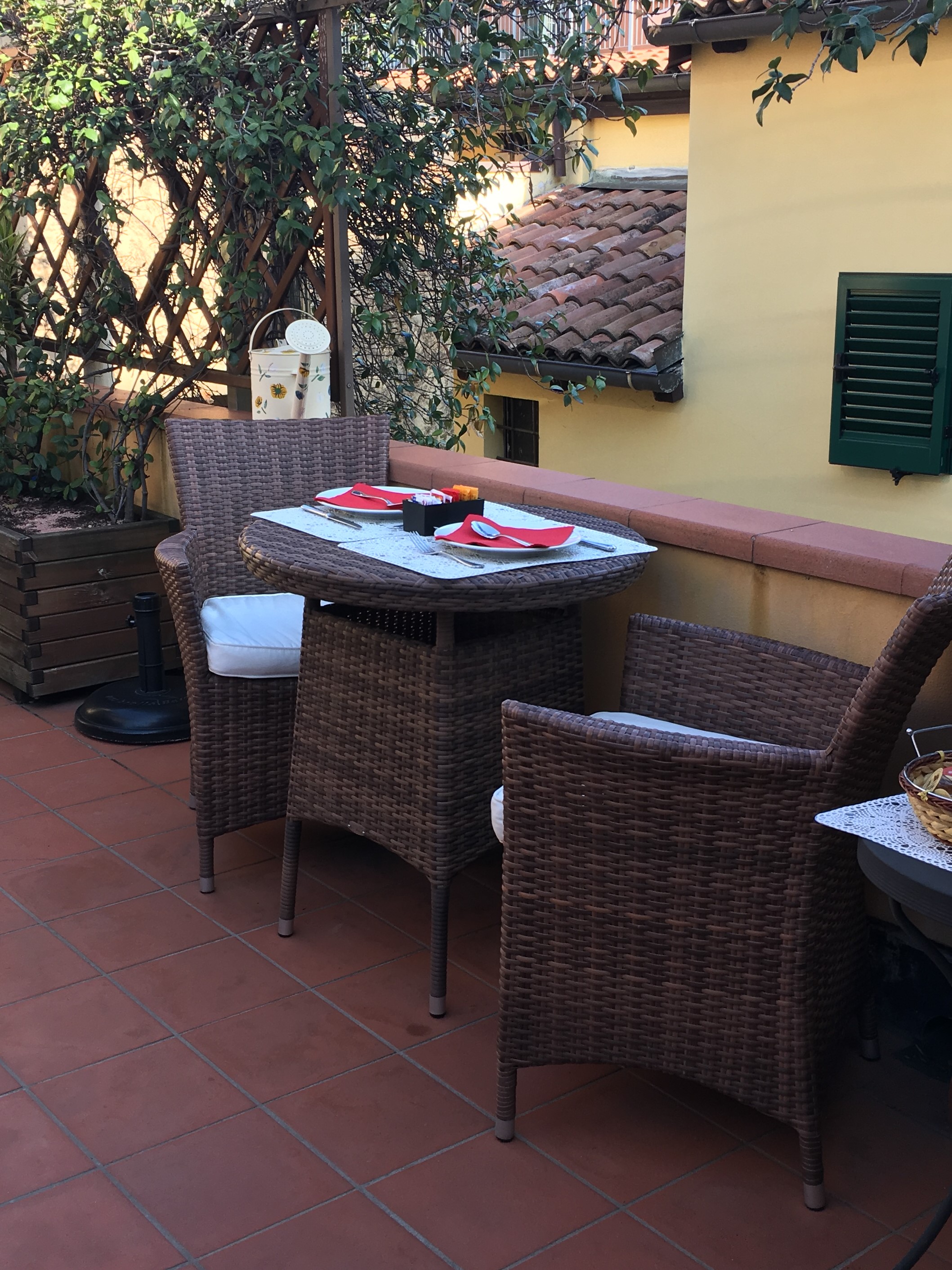
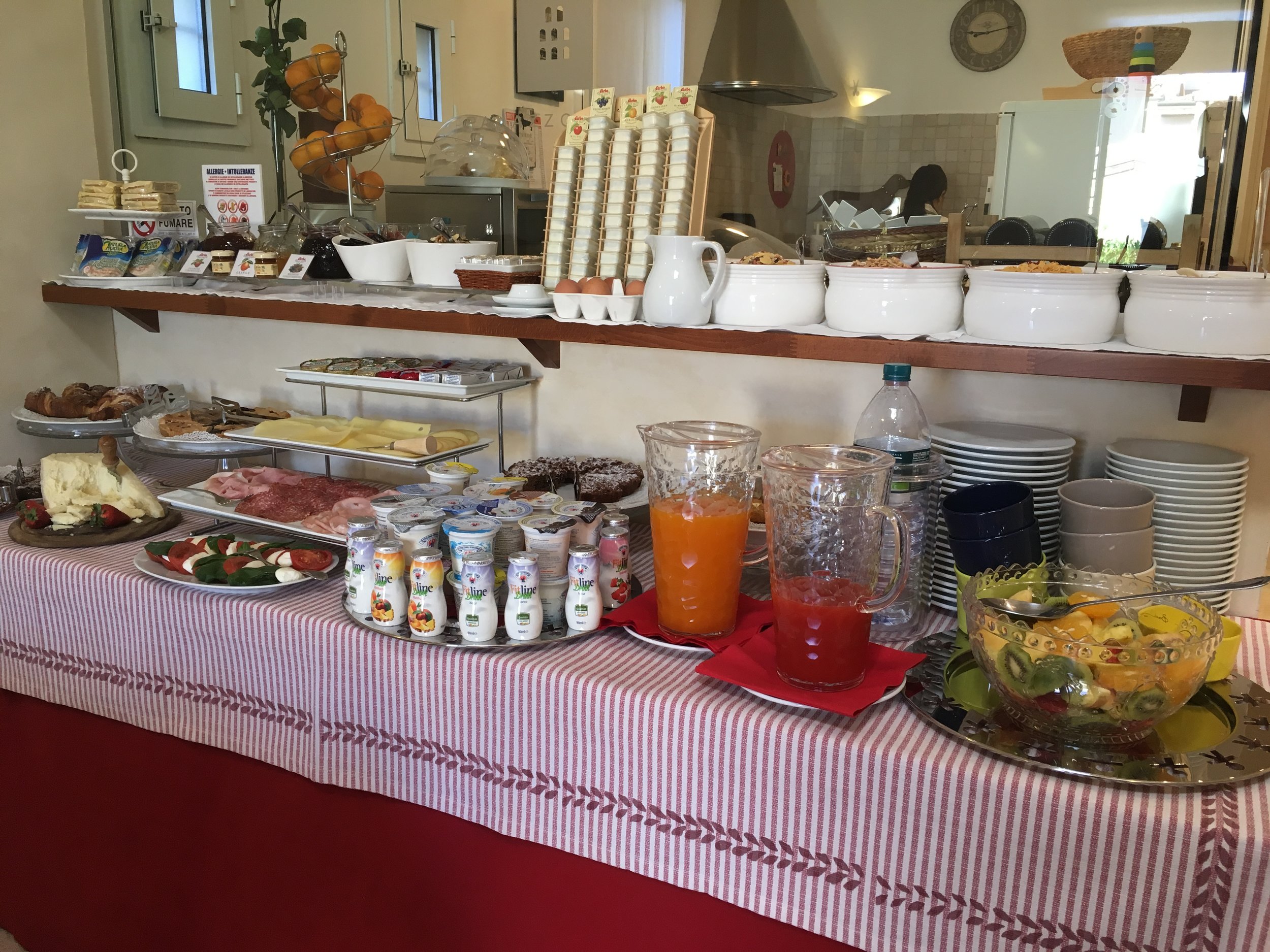
Bologna is just 35 minutes from Florence by train, but don't be tempted to "do" Bologna as a day trip. It is well worth spending several days in this beautiful city, so find a good B&B and settle in to explore. I was delighted with my stay at the B&B Palazzo Trevi on Via Frassinago. This is a warm and friendly place gracefully run by owners Consuela and Francesco. The rooms are comfortable and pretty, the breakfasts bountiful, and the location superb. Ask the owners for restaurant recommendations - they know the best spots in this neighborhood!

It's impossible to see everything Bologna has to offer in a few short days. It's best to map out top priorities and then schedule in lots of time for strolling the arcaded streets, sipping a morning cappuccino or an afternoon drink on a pretty piazza, and just watching and wandering.

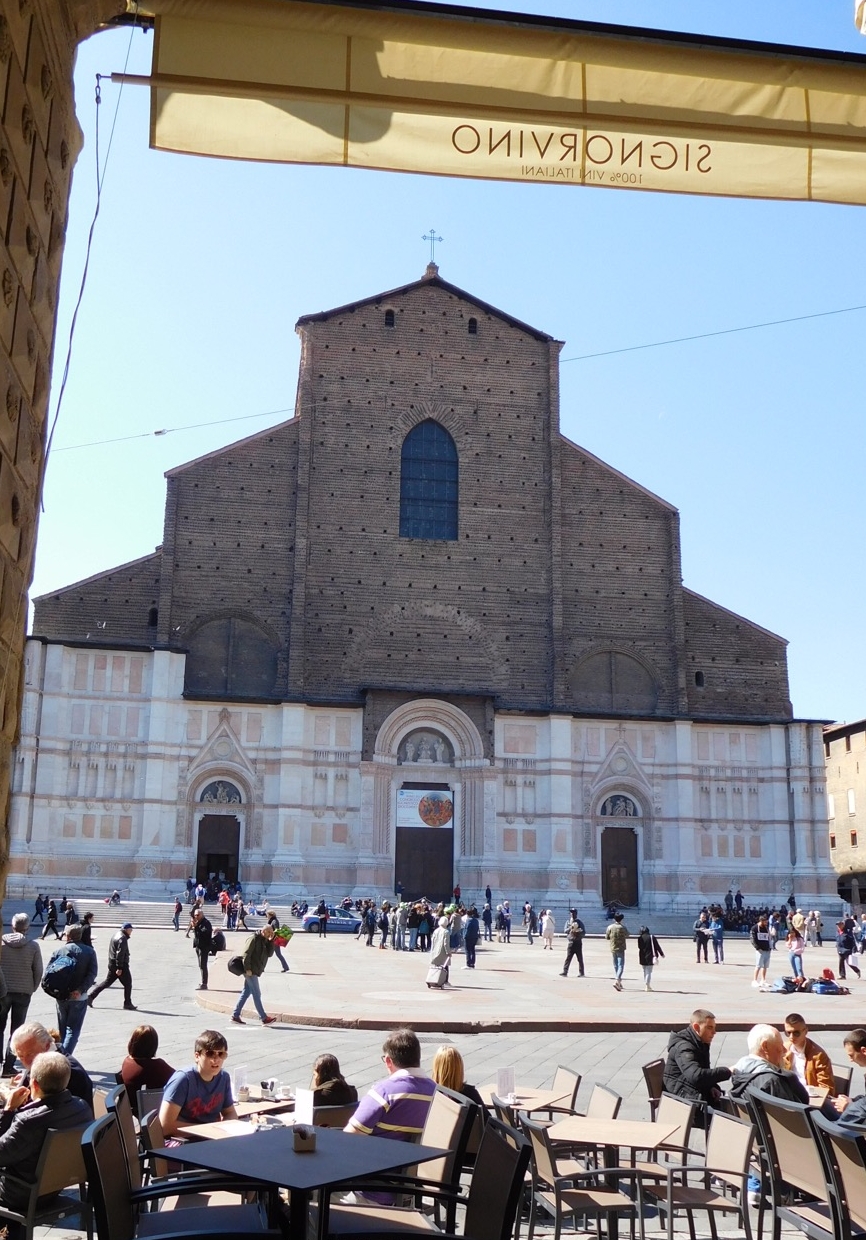
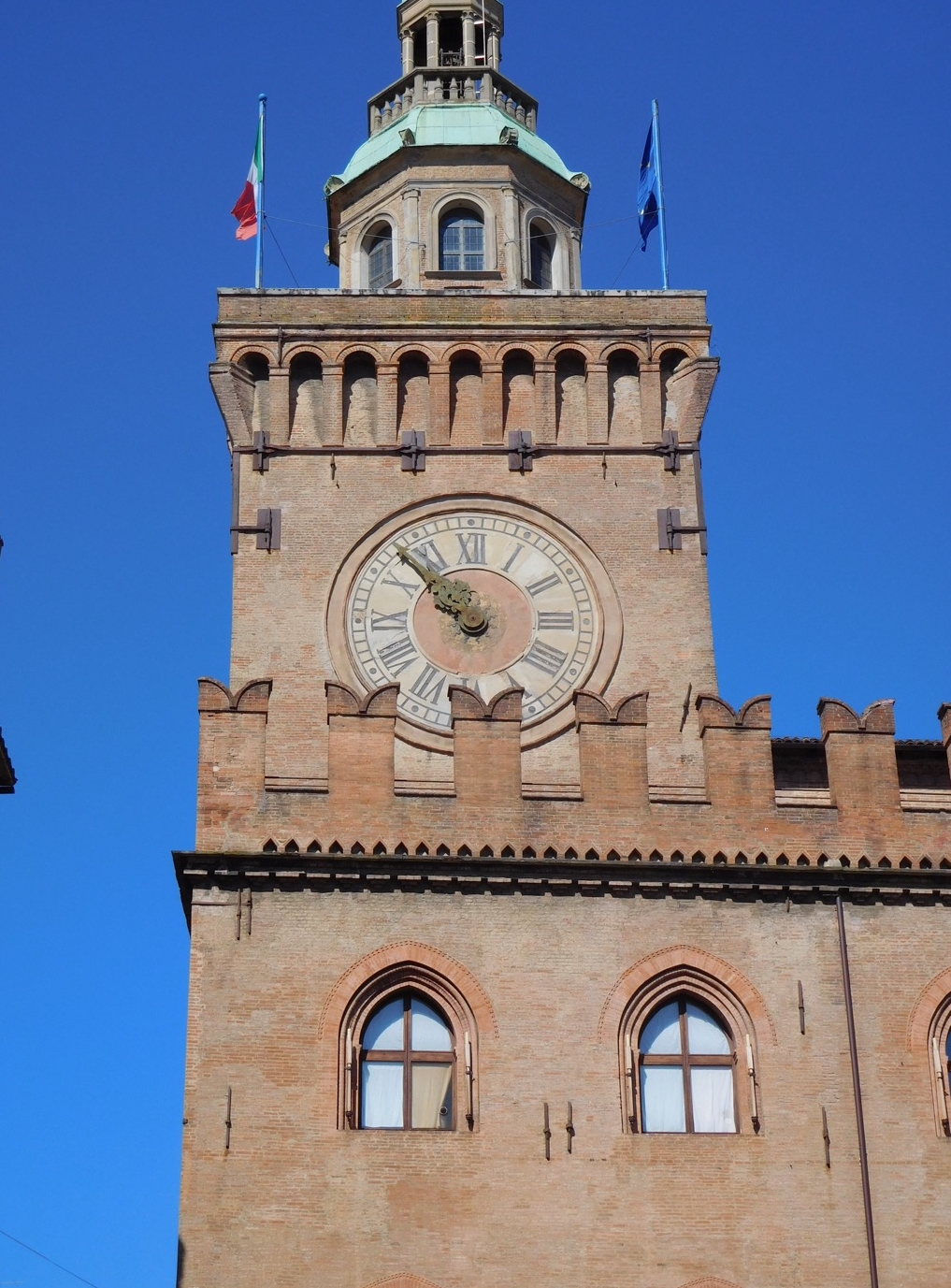
A good starting point is a walk around the historic center, which is full of medieval buildings, towers, and piazzas. A pausa (break) for coffee at Bar Vittorio on Piazza Maggiore provides a view across across the piazza to the Basilica of San Petronio with its incomplete facade (bottom half marble, top half rough brick). Across the way is Palazzo d'Accursio and the clock tower. Built in the 1300s, this building now serves as the town hall.

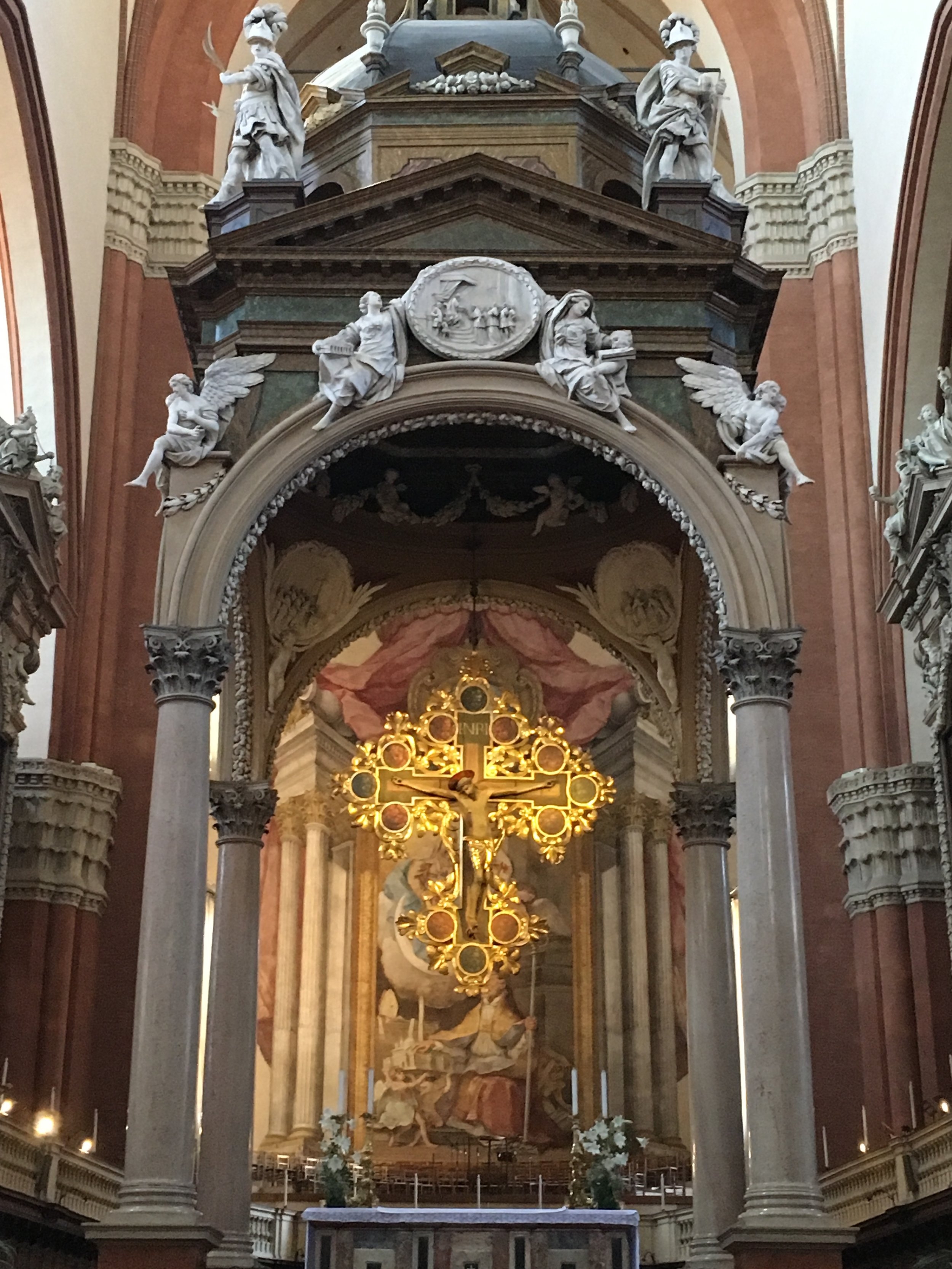
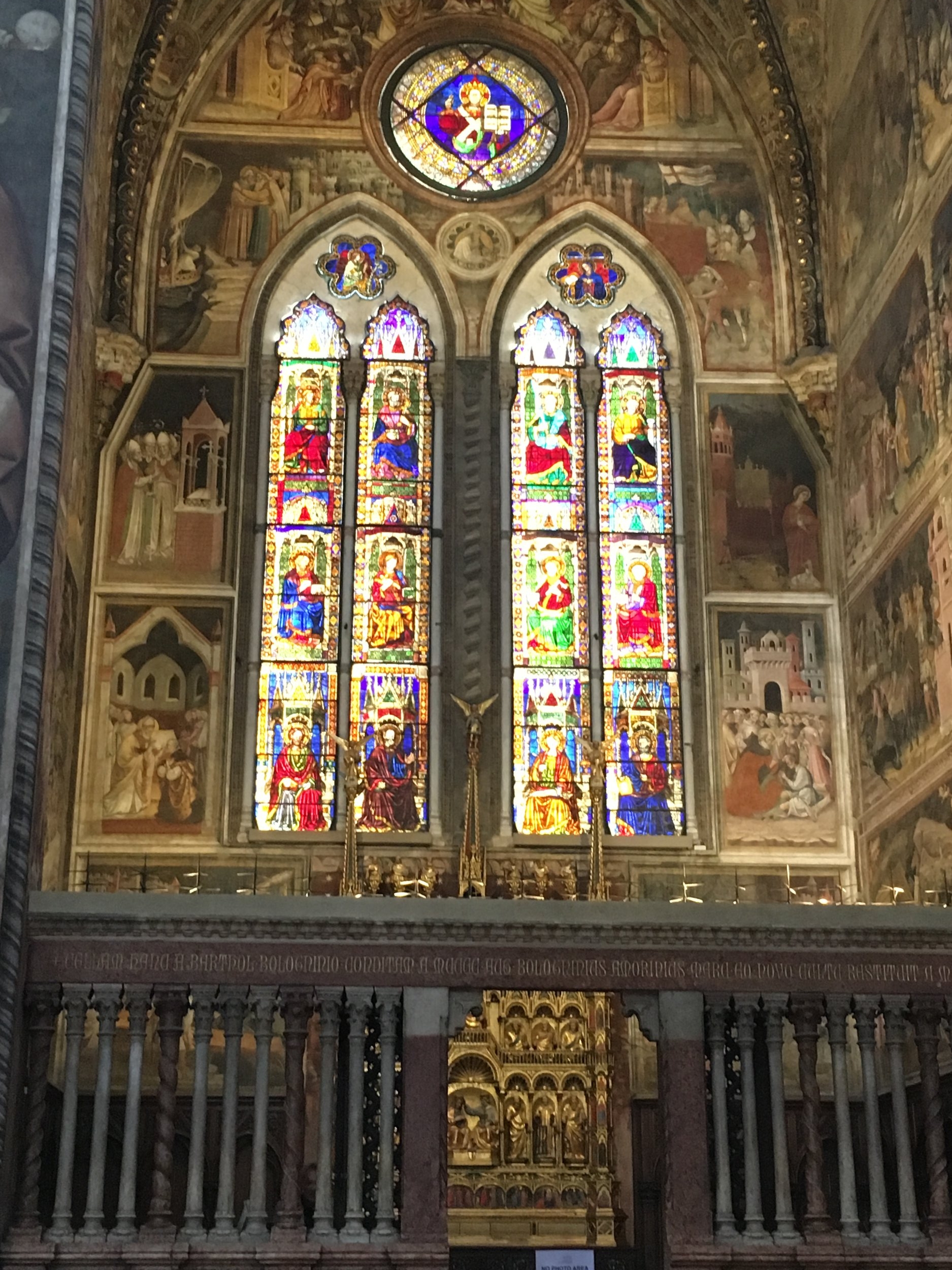
After pausa, it's just a few steps across the piazza into the courtyard of the Palazzo d'Accursio and a few more to visit the interior of the Basilica of San Petronio with its richly decorated side chapels, beautiful stained glass windows, canopied altar with ornate crucifix, and lovely artwork. There is also an interesting meridian line from the 1600s set into the floor, which provides an accurate way of marking the days of the year. There is a 2-euro photography fee in this church - pay the fee and get a colored armband or risk getting scolded for taking photos without one. At the end of the afternoon, a return to Piazza Maggiore is perfect for a glass of wine or an aperol spritz and more people watching.

Just around the corner is Piazza Nettuno, with the famous Fountain of Neptune. The fountain is currently being restored and is hidden by scaffolding. It is possible to schedule an appointment to go inside the scaffolding for a peek but this must be arranged ahead of time. Two fascinating buildings enclose this piazza. First is the Palazzo Re Enzo, built in the 1200s. It has a gorgeous central courtyard, impressive stairways, an arcaded upper floor and an interesting history.

Courtyard, Palazzo Re Enzo, Bologna.

Courtyard, Palazzo Re Enzo, Bologna.

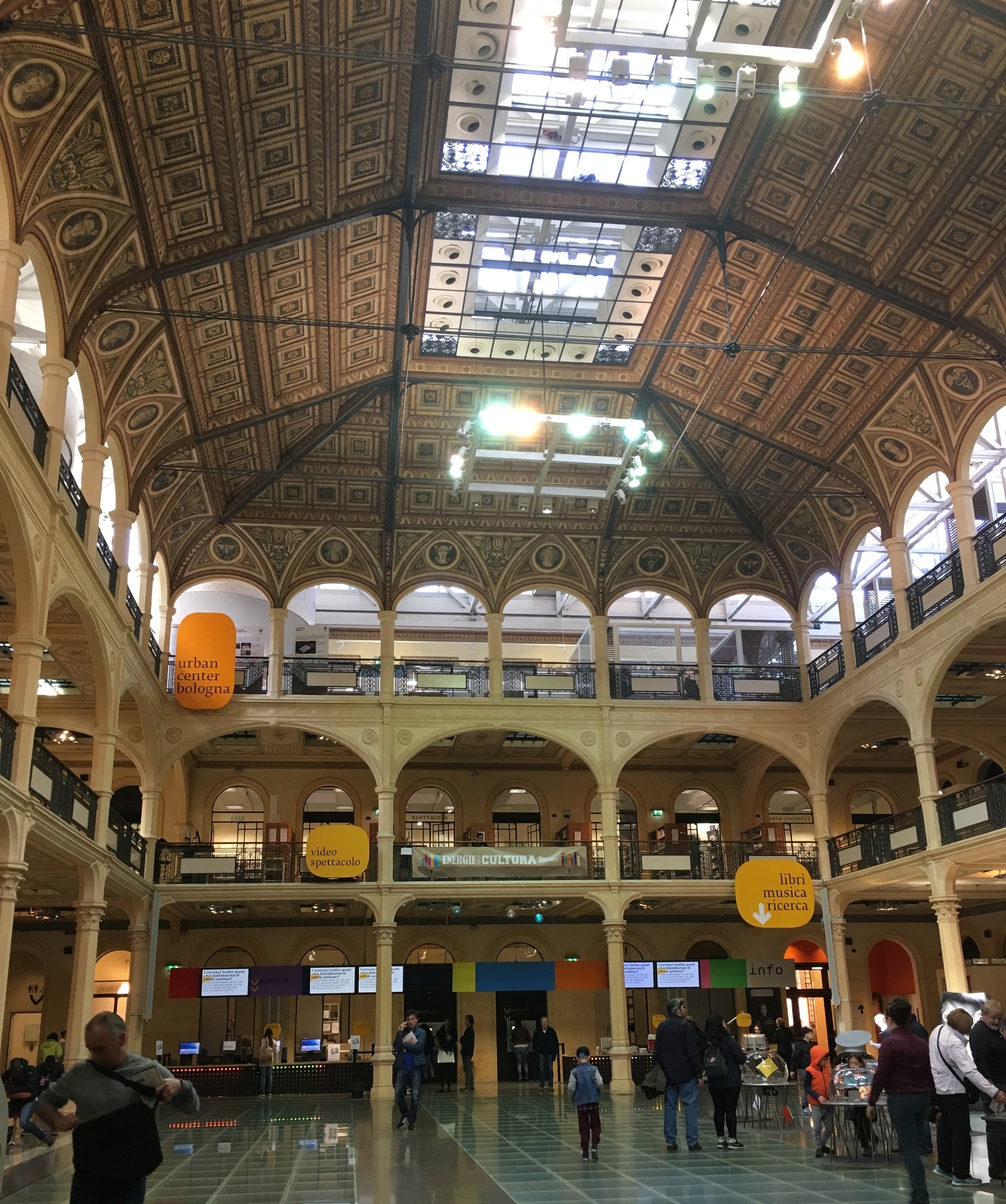
The second is the Bibliotecca Salaborsa, another medieval building, now the main public library and community center. It's worth stepping inside to see the unique architecture and ceiling and to get a sense of the vibrant community feel of this building, which is used by locals of all ages as a place to work, study, read, and meet. The basement houses a timeline showing the uses of the building over it's long history, as well as some Roman ruins.

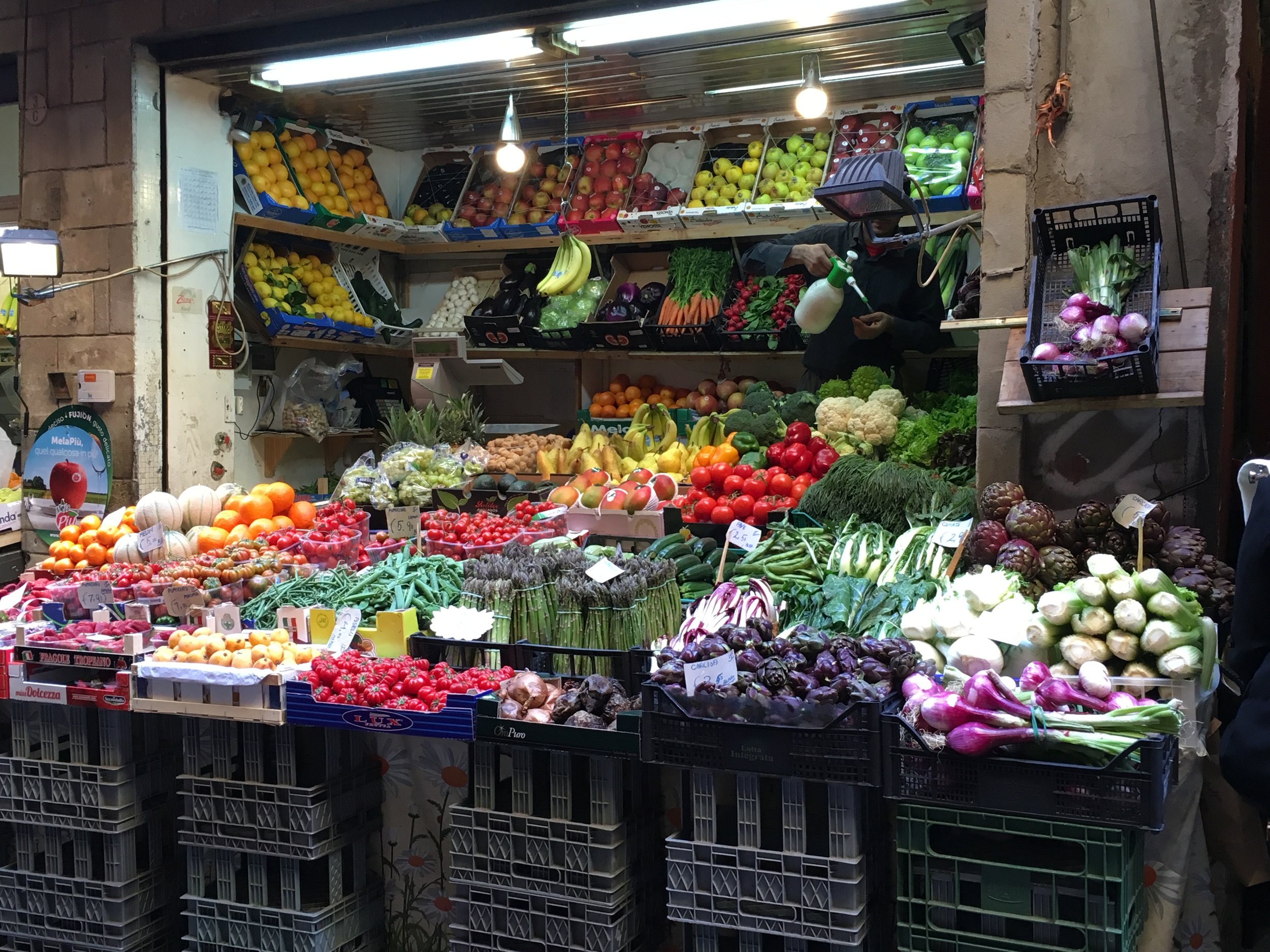
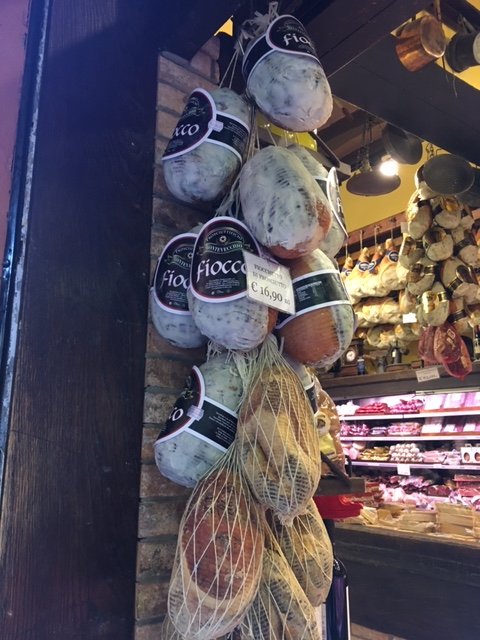
Piazza Maggiore leads right into Via Pescherie, the heart of the Quadrilatero, or old market. The street is narrow, crowded, and filled with salumeria (delis)fruit and vegetable stands, cheese shops, fish stalls, and lots of opportunities to dine on local specialties. 

The two towers portrayed by Pio Panfili, 1767.

The two towers portrayed by Pio Panfili, 1767.

Fanning out from Piazza Maggiore at the center, it's easy to spot the two towers that are the symbol of Bologna. Torre degli Asinelli (highest of the two and higher than the more famous leaning tower in Pisa) and the shorter Torre Garisenda, which has a more dramatic lean. The Asinelli's wooden interior steps are currently closed for restoration, scheduled to reopen in summer 2017.  

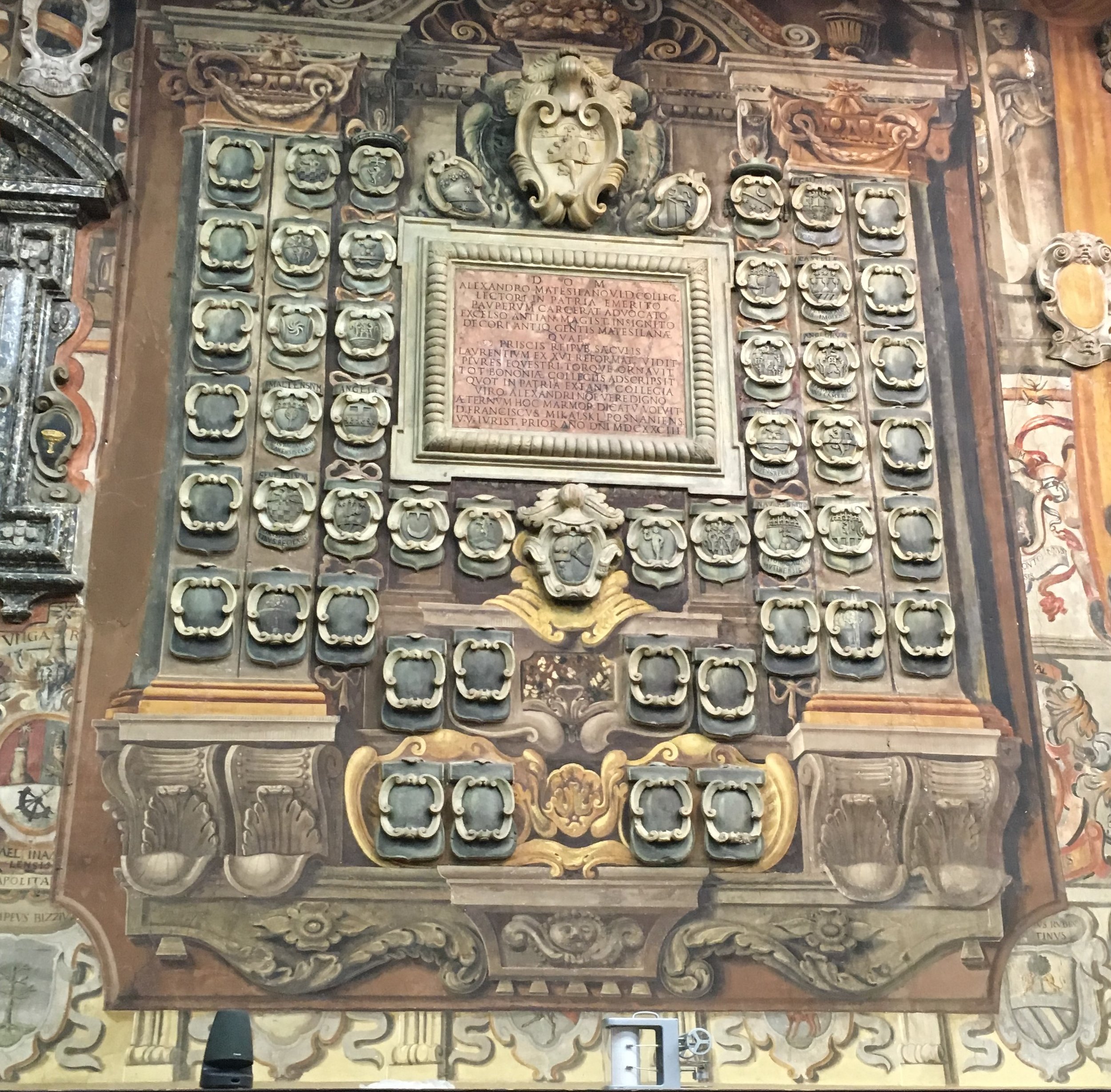
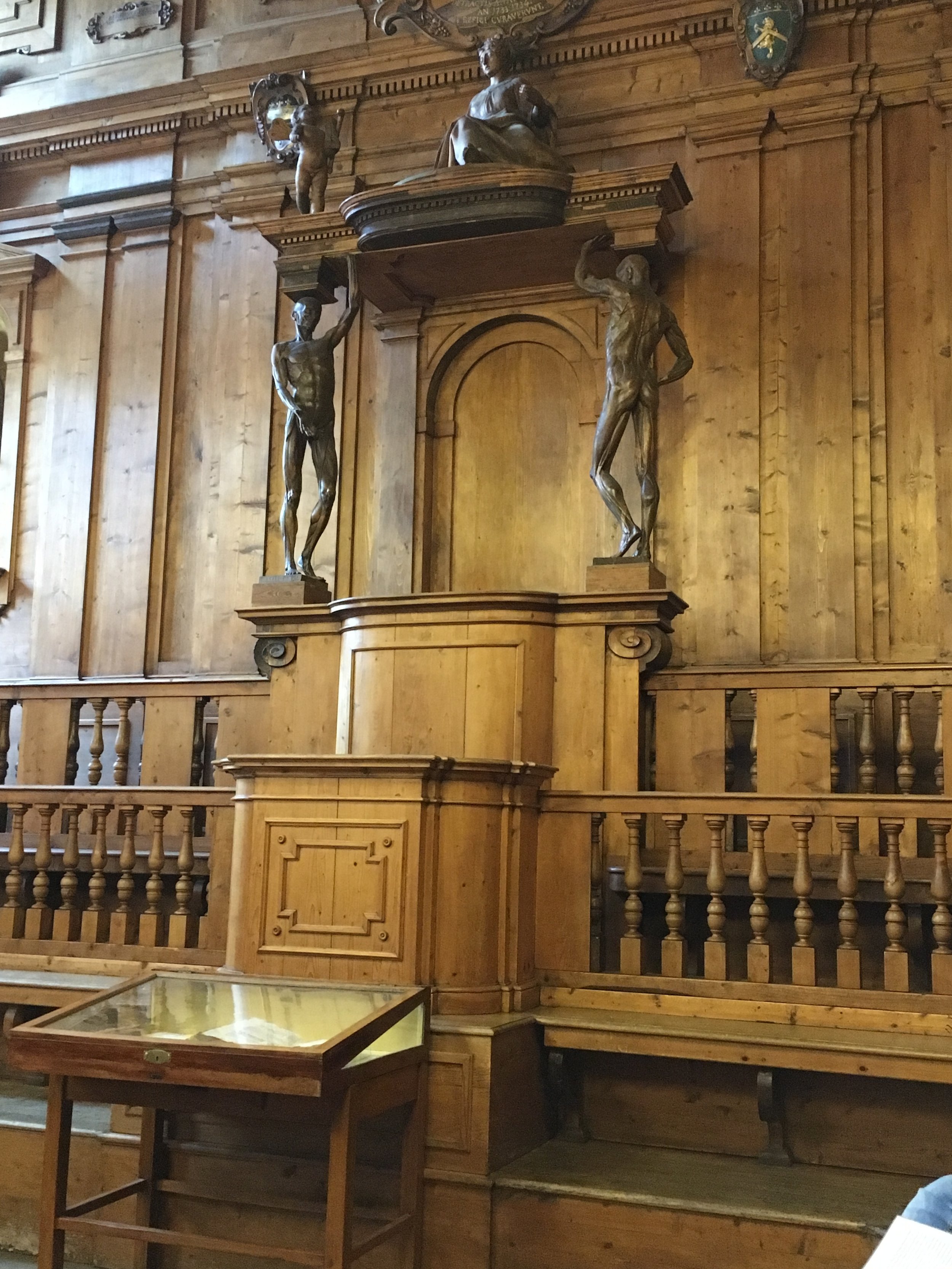
The Biblioteca dell'Archiginnasio is just a bit behind the Basilica San Petronio in Piazza Galvani. This building was the first central seat of the University of Bologna, in the 1500s. It housed the study of medicine, law, and arts. The building is set around a central courtyard, has broad staircases to the classrooms on the upper floors, and contains a famous anatomy classroom. The family crests of students, with names and countries of origin, line the walls. With a building this imposing, the students were bound to take their studies seriously. If only the university where I taught for many years were this beautiful!

No beginner's guide to Bologna is complete without some dining recommendations. After just four days I'm hardly an expert in Bolognese dining, but I did find some favorites:

Osteria Santa Caterina is known for it's salumi platters.

Osteria Santa Caterina is known for it's salumi platters.

Osteria Santa Caterina is a bit out of the center in the area around the Porta Saragozza, located near, and recommended by, the innkeepers at B&B Palazzo Trevi. This is a small, cozy neighborhood place with outstanding food and wine. They have a variety of salumi platters, delicious soups, tortellini in a rich brodo (broth), terrific lasagna, and the absolute best eggplant parmesan I have ever tasted. 

A morning cappuccino and a torta di mele (apple tart) at Pasticceria Gamberini.

A morning cappuccino and a torta di mele (apple tart) at Pasticceria Gamberini.


Pasticceria Gamberini sits under a portico on Via Ugo Bassi and has lovely pastries and cakes. It's a pleasant place to have a morning coffee and a pezzo dolce (sweet pastry). They have a beautiful array of pastries, cannoli, miniature tarts and sweets, and bite-size savories. They also have takeout panini and tremezzini (those triangular sandwiches) to go - perfect for a picnic lunch. 


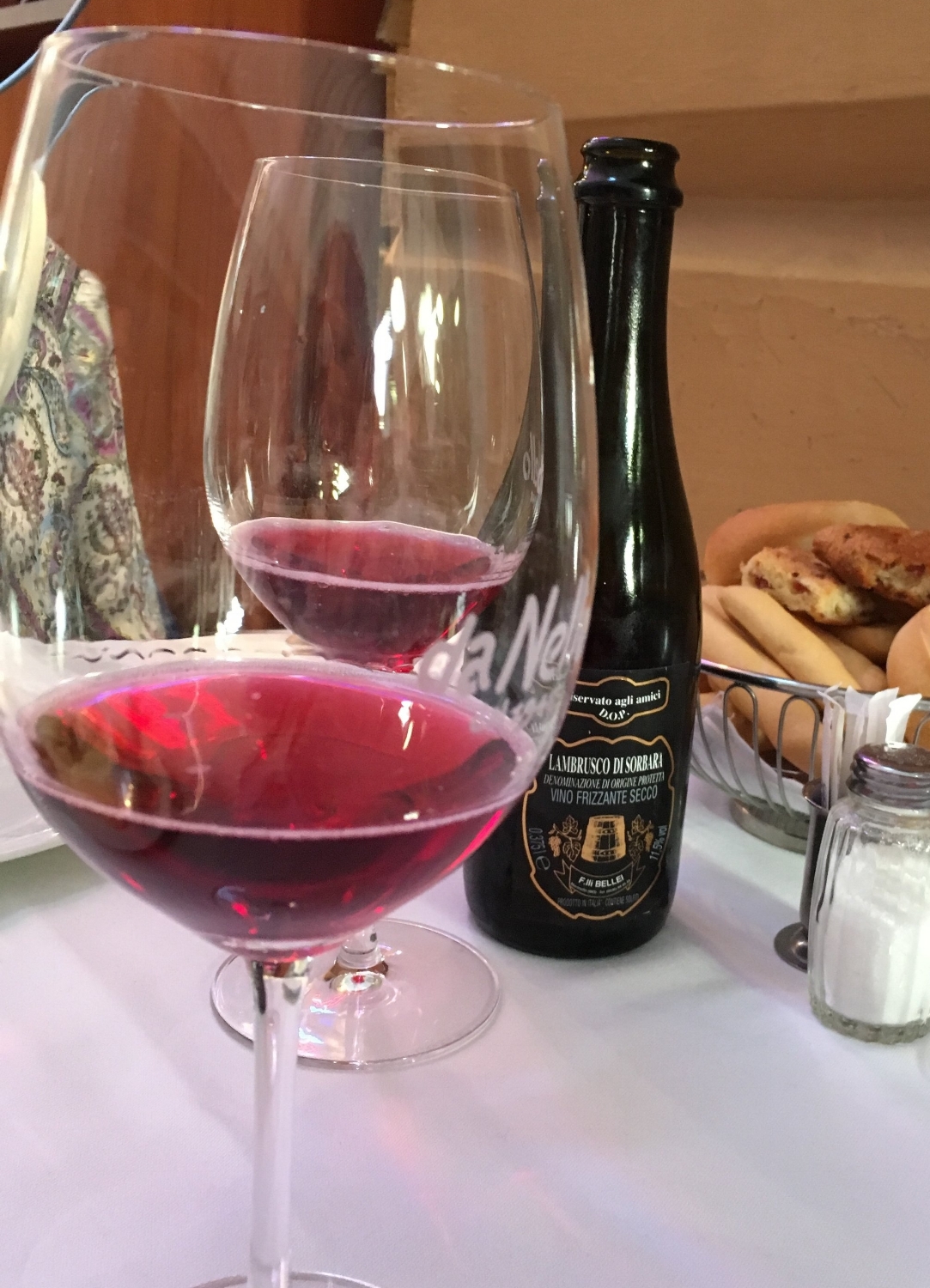
A local Lambrusco wine at Ristorante "da Nello"

A local Lambrusco wine at Ristorante "da Nello"

Ristorante "da Nello" is just off Piazza Nettuno, on Via Montegrappa. The food here is traditional, including pastas, fish, and meats. The flavors are authentic and delicious, the menu varied, the wine list good, and the waiters friendly. On a warm night, the outside dining area is delightful. 

In four days I've barely scratched the surface of Bologna. I am already looking forward to a return trip in the near future!                       -post by JB

Contacts:  

B&B Palazzo Trevi Via Frassinago, 32.   www.palazzotrevi.it