Two Parts Italy

Exploring Italy, travel, and living a flavorful life

  • Blog
  • About This Blog
  • Start Here
  • Recent Posts
  • Archives by Topic
  • Subscribe
  • Contact me
Tuscan hills, in late August

Tuscan hills, in late August

Tuscany in the Days Between Summer and Fall

September 30, 2019 by Judy Giannnettino

In the last week of August and first few days of September, it seemed everyone in Lucca was complaining about the heat. And the humidity. Wondering when (if?) this long, hot, muggy Tuscan summer would ever end. It was too hot to exercise, too hot at lunch to drink a glass of wine (that tells you it was really, really hot), too hot between 1 p.m. and 5 p.m. to do anything outdoors, and definitely too hot to study - the Italian lessons would have to wait until cooler weather set in. Just when the evenings began to cool off a bit, well, then came the zanzare (mosquitoes). Yes, as lovely as Italy is, we who live here still complain sometimes.

But at the end of the first week of September, the miracle happened - all of a sudden the mornings were cooler, the air conditioner stayed off until late in the afternoon, lunch outside was again possible (with wine!), and, well, who cares about mosquitoes when the evenings are cool and breezy (and you’ve remembered to pack the mosquito wipes)? By the eighth day of September, I was carrying a shawl for a late dinner on a piazza. By the 20th, I needed a light scarf and jacket in the mornings. Mid- to late-September, between the end of summer and the beginning of fall, really is glorious here.
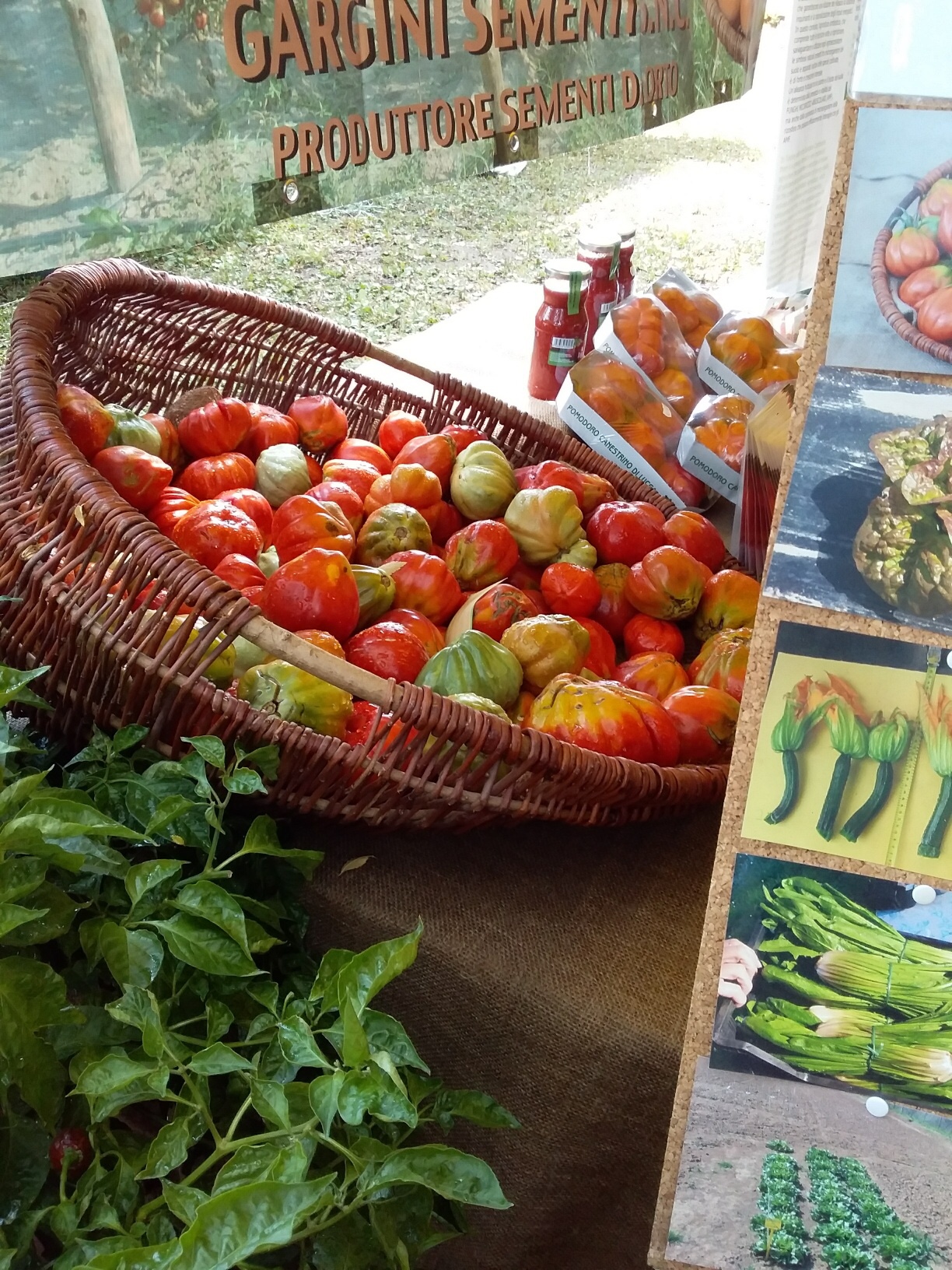
Early September tomatoes

Early September tomatoes

In Lucca, this time of year means that we have delicious peaches and figs and perfect tomatoes. It is also the time of “Settembre Lucchese,” a month filled with festivals, concerts, and markets.
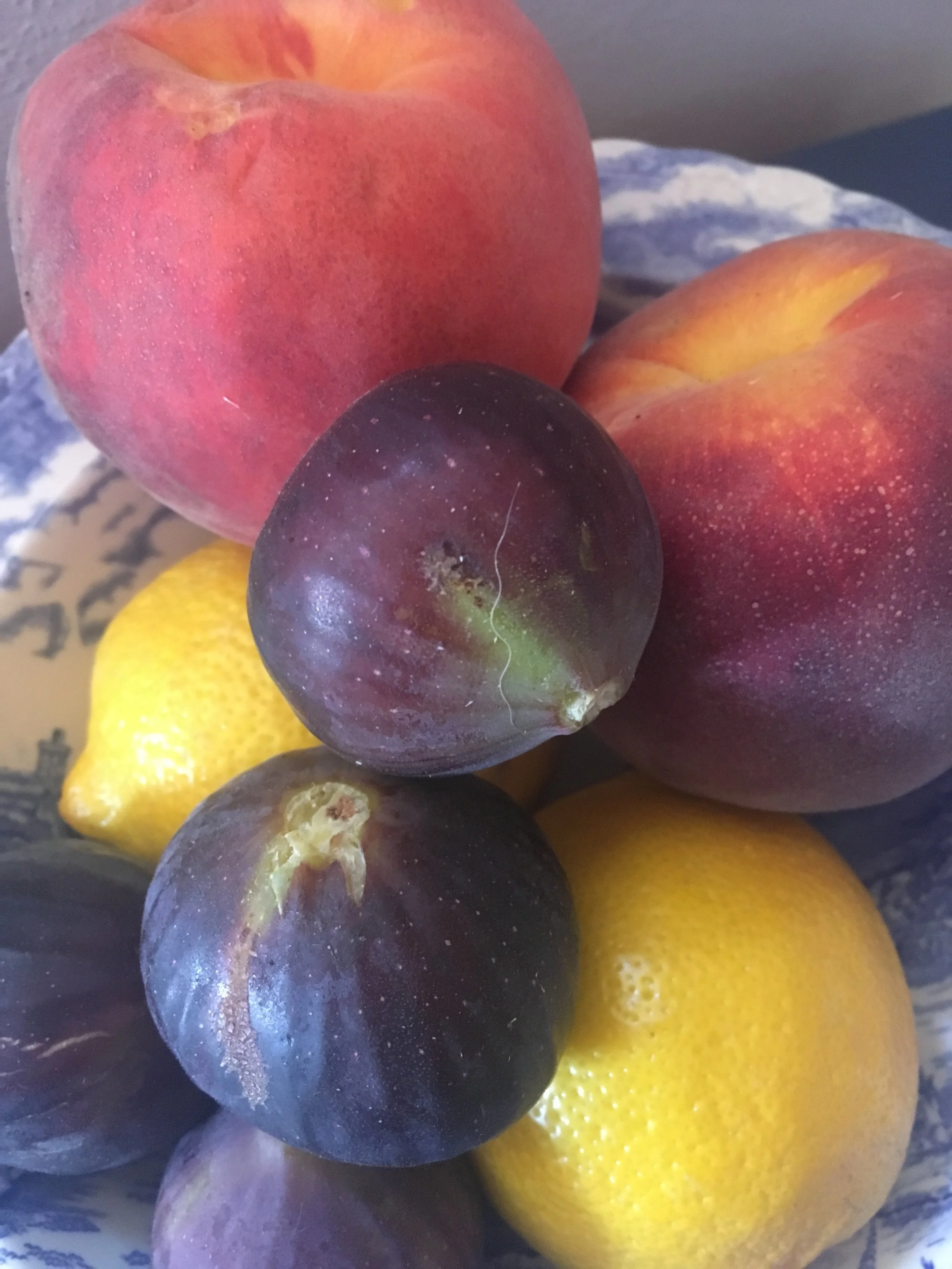
Late summer means ripe figs and juicy peaches.

Late summer means ripe figs and juicy peaches.

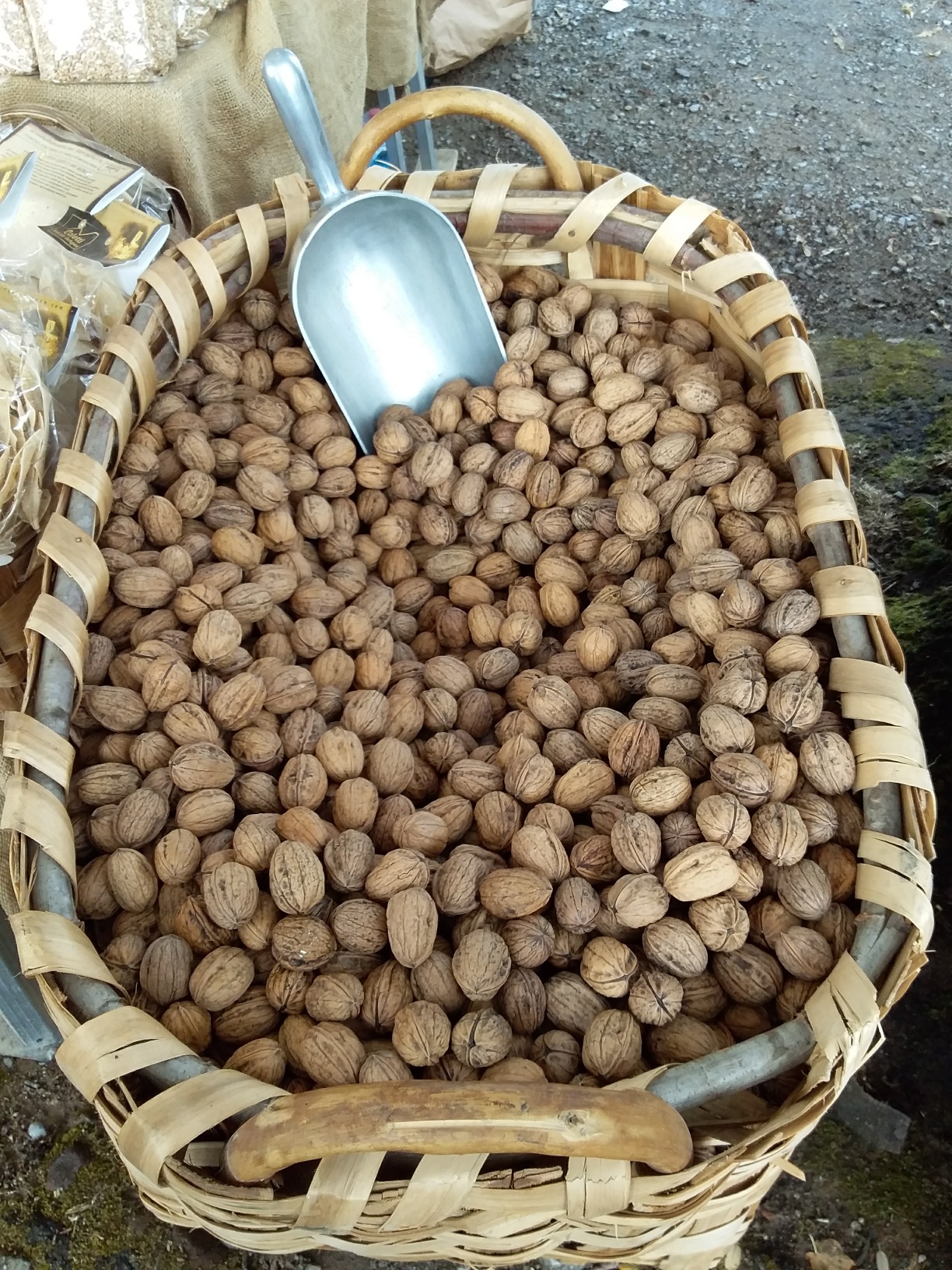
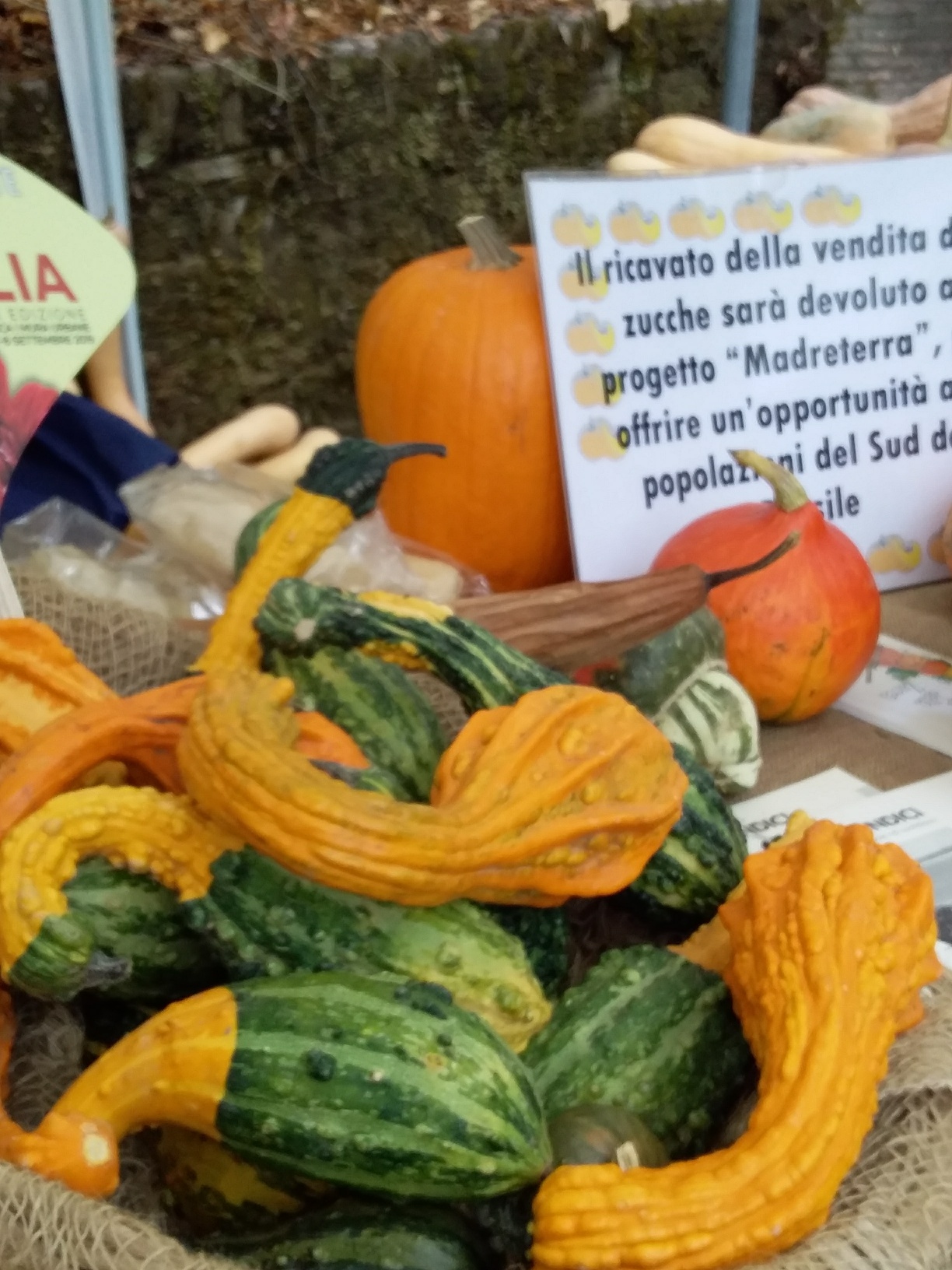
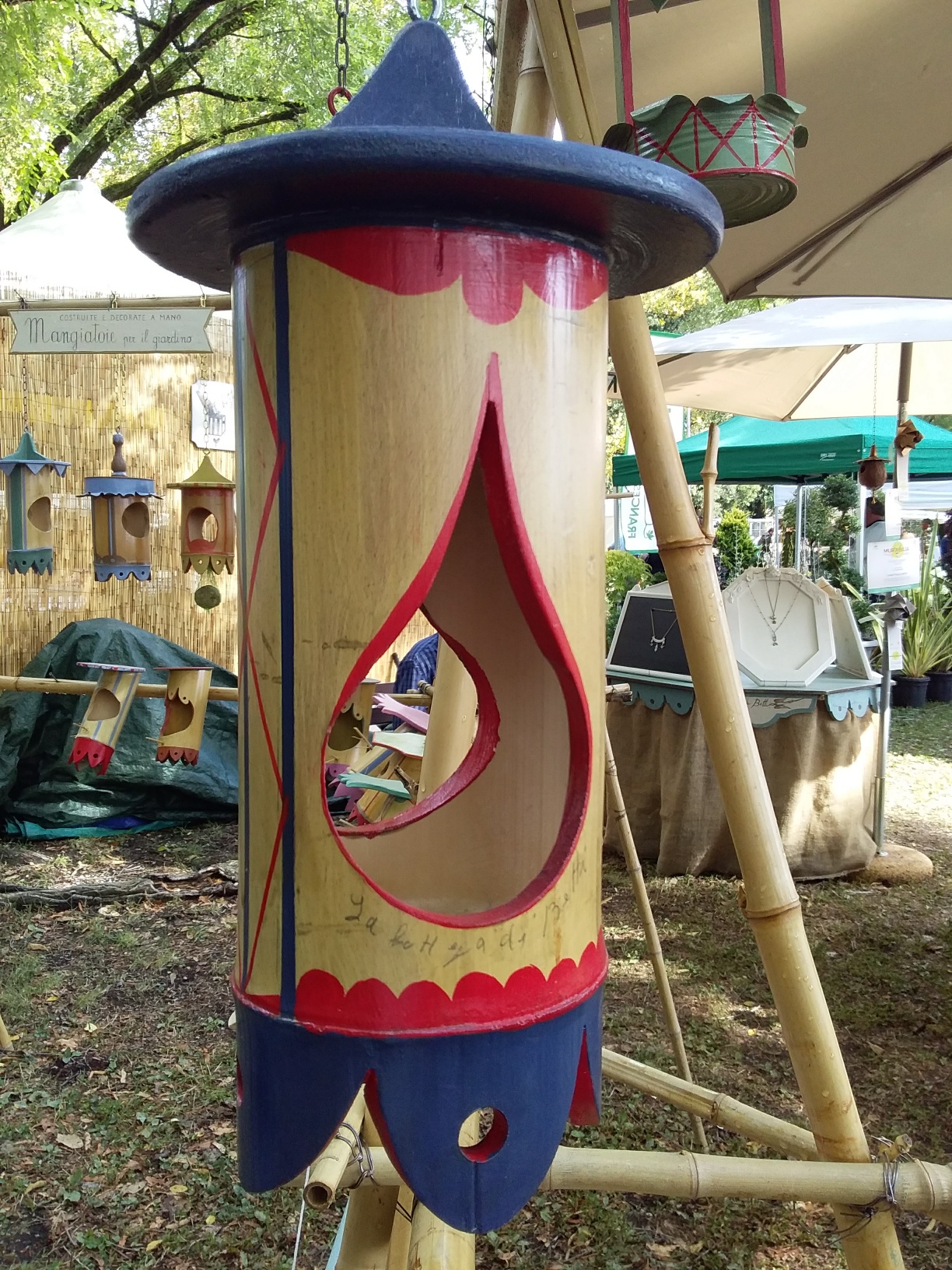
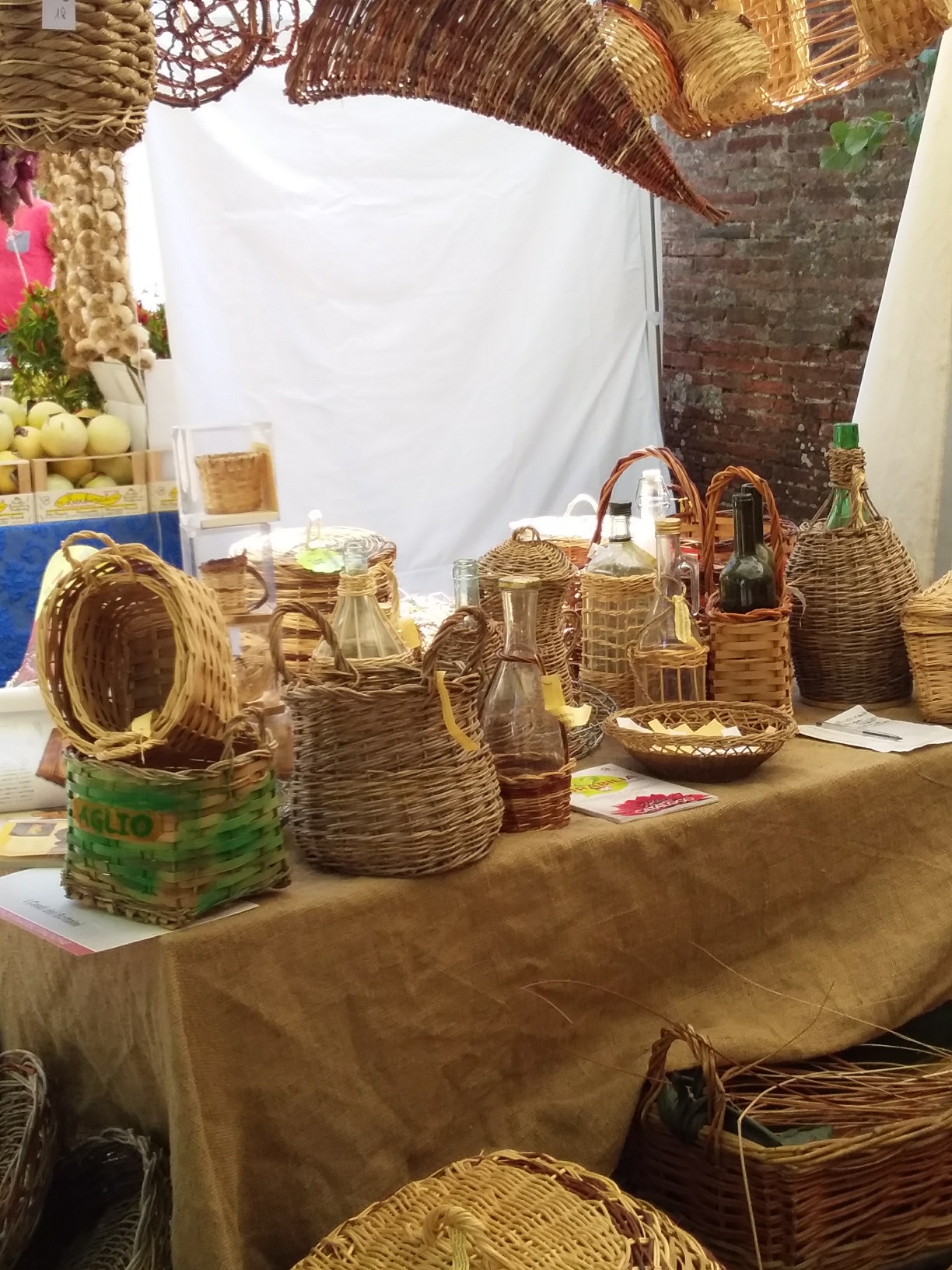
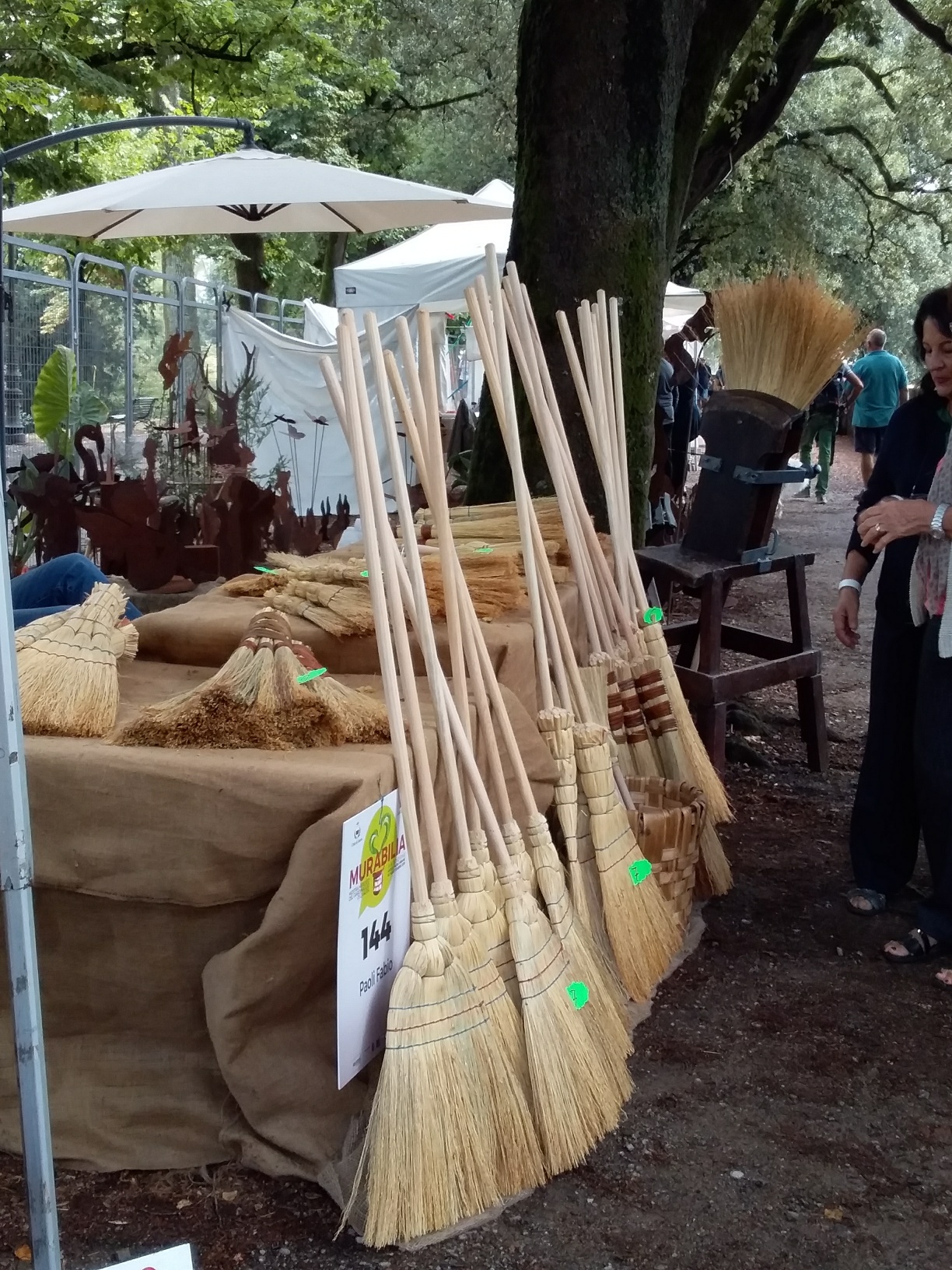
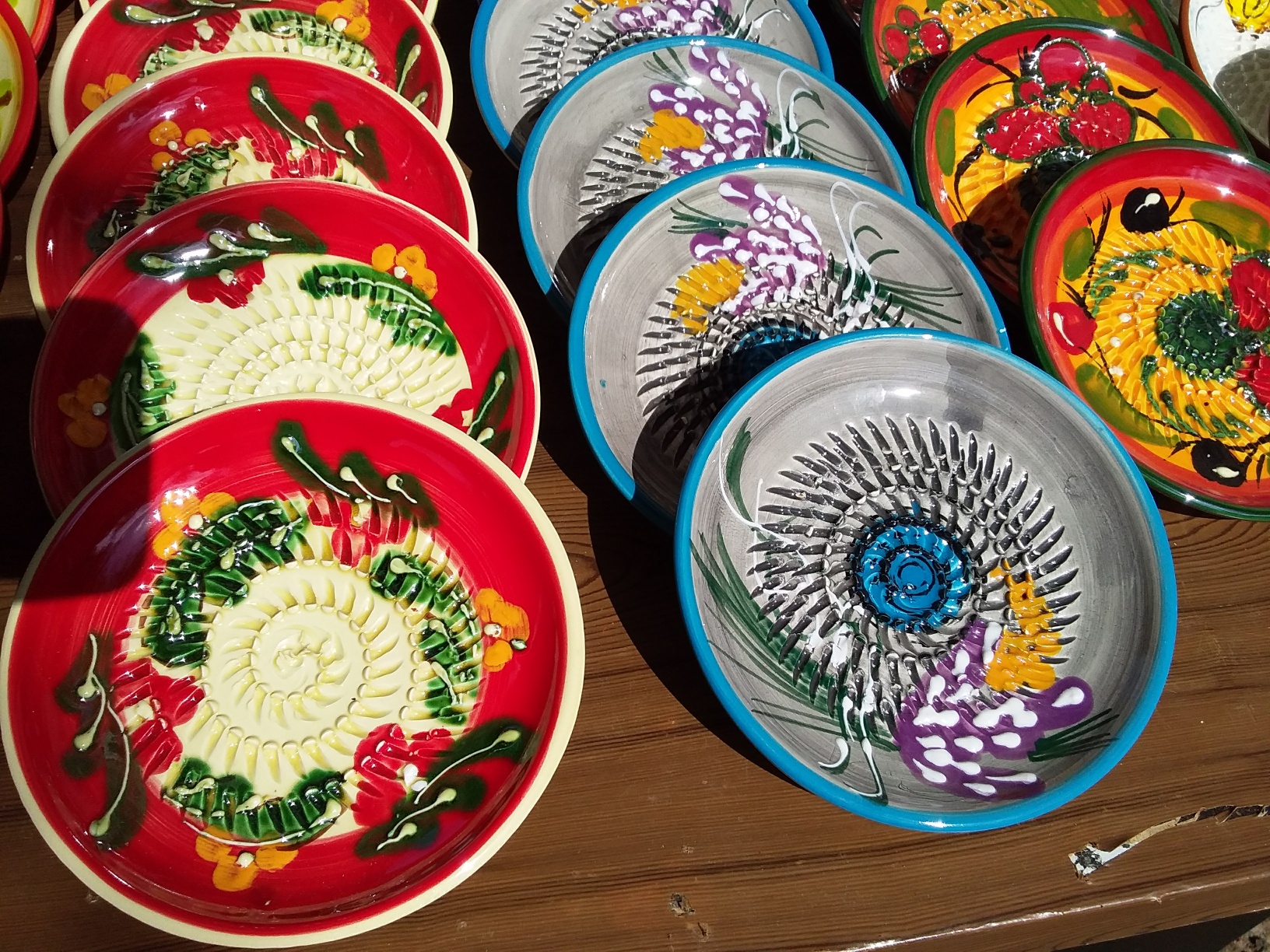
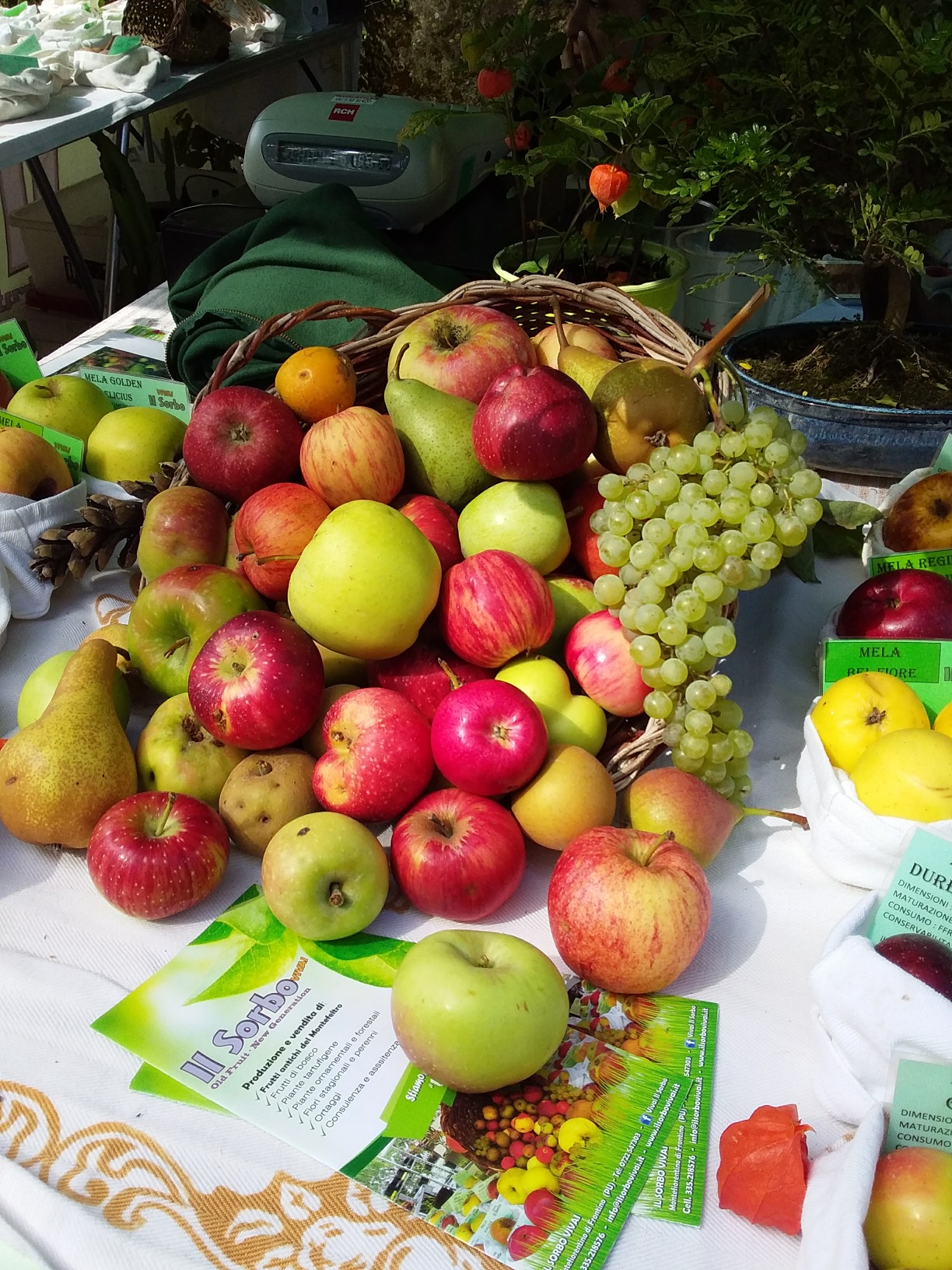
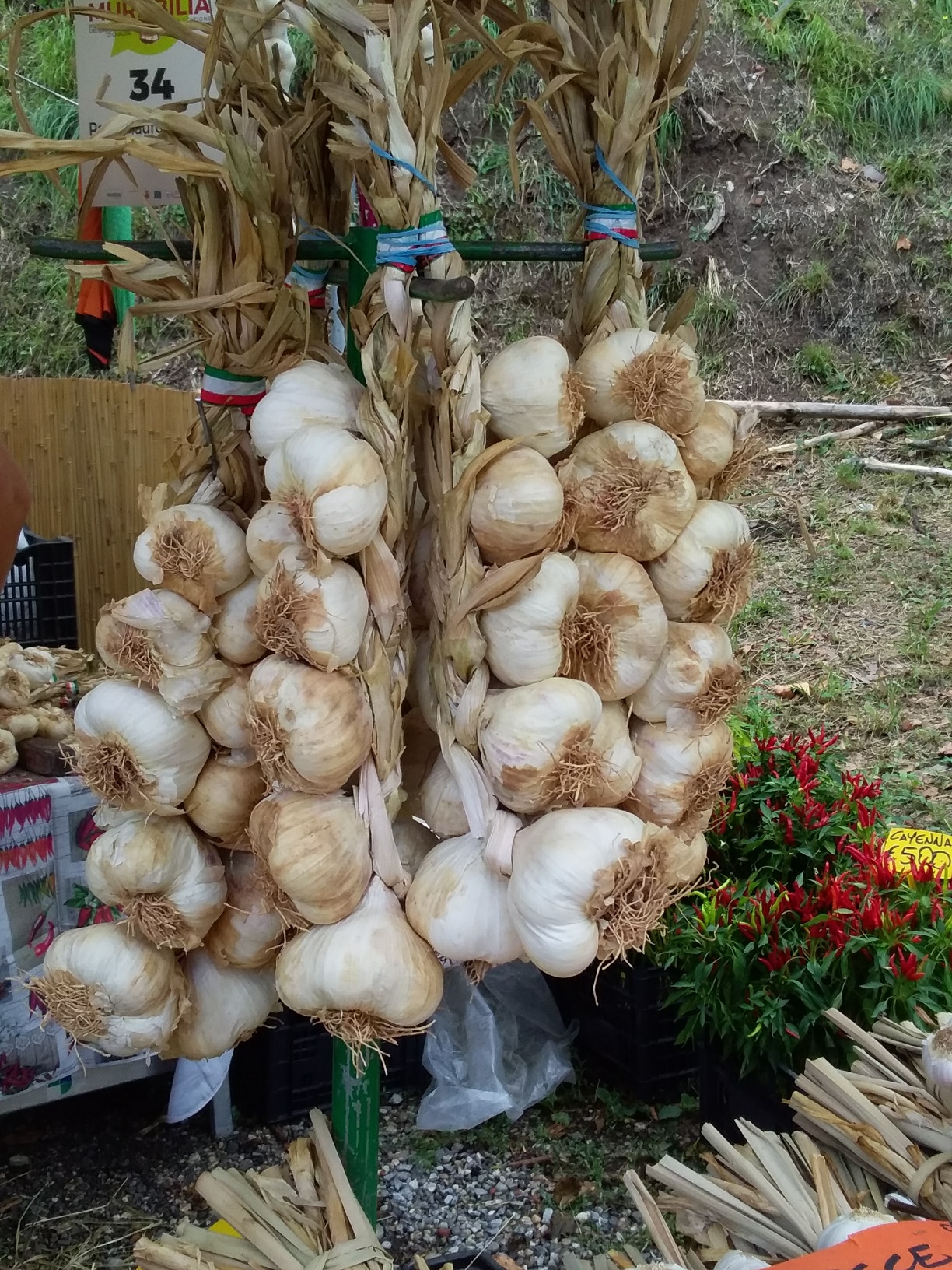
The weekend of September 6-8 brought Murabilia, the annual fall garden show and market, always a popular event. There you can buy plants for the fall garden, whimsical garden decorations, indoor plants, colorful gourds and pumpkins, wonderful food (garlic, nuts, cheeses, meats, breads, nut butters, jams, fruit, onions) and a host of artisan-made crafts for home and garden (baskets, straw brooms, lavender-scented oils and soaps, birdhouses).
20190908_113451_resized.jpg
20190908_114248_resized.jpg
20190908_111740_resized.jpg
20190908_114438_resized.jpg
20190908_110033_resized.jpg
20190908_112455_resized.jpg
20190908_110813_resized.jpg
20190908_111926_resized.jpg

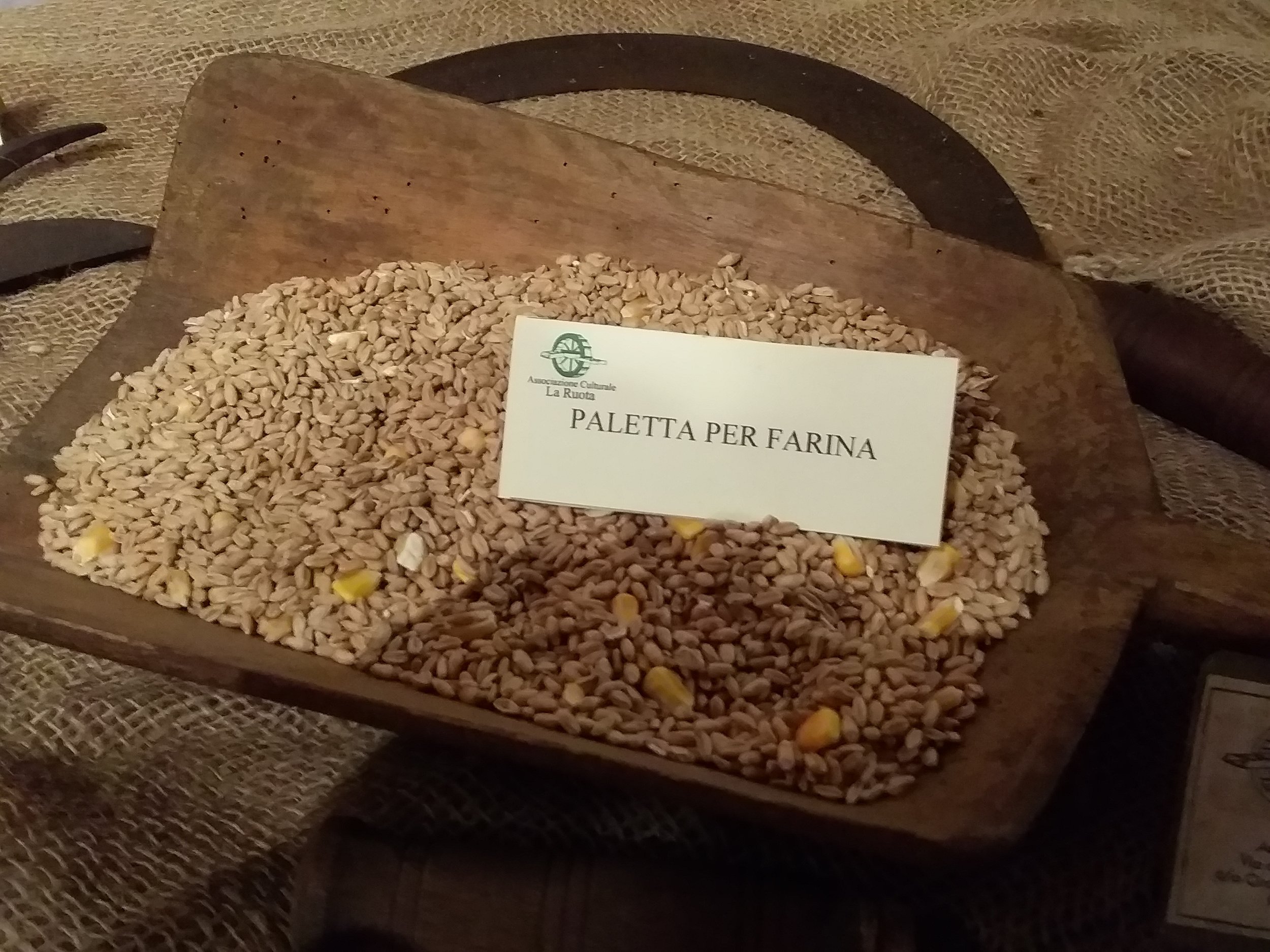
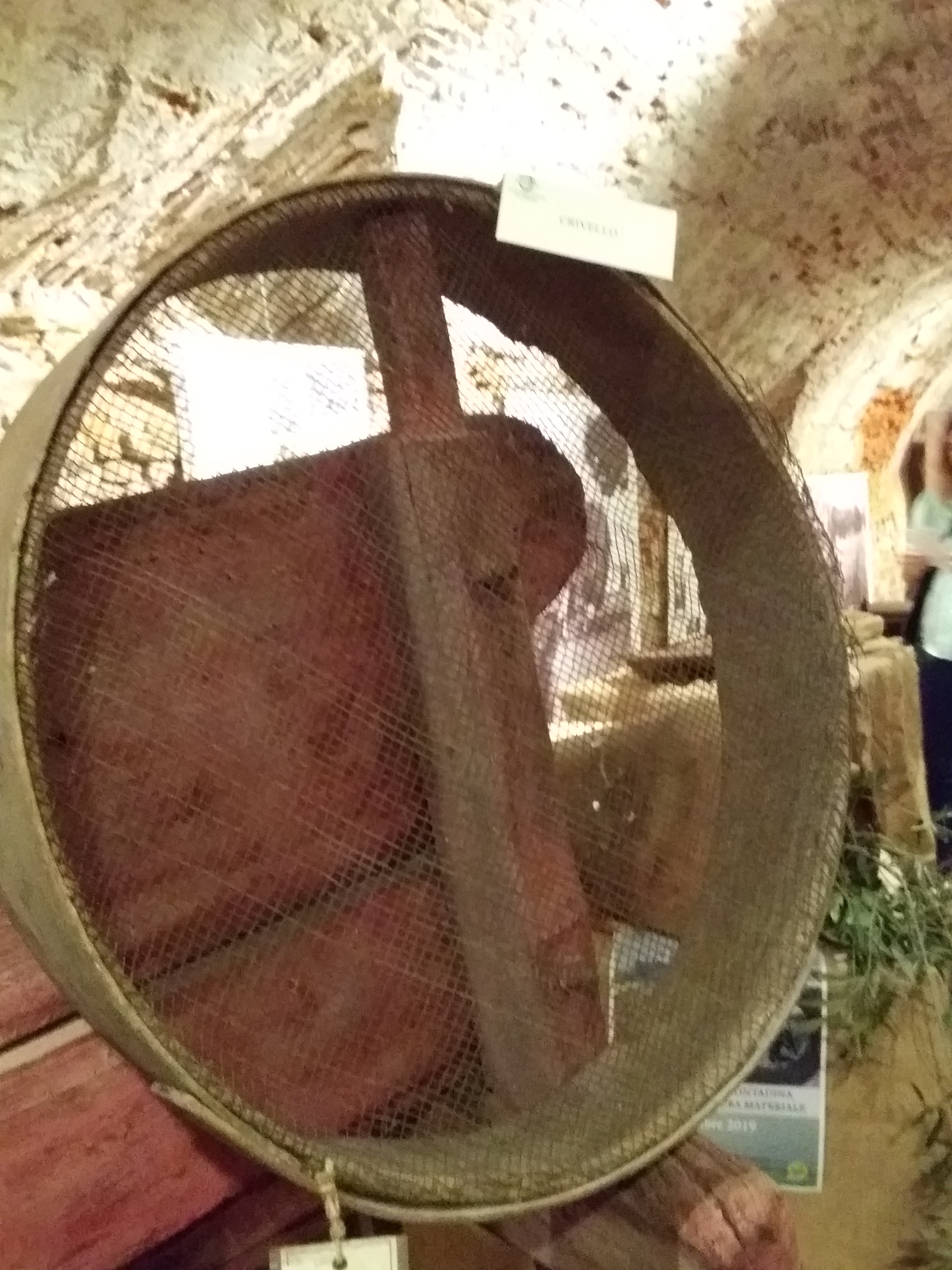
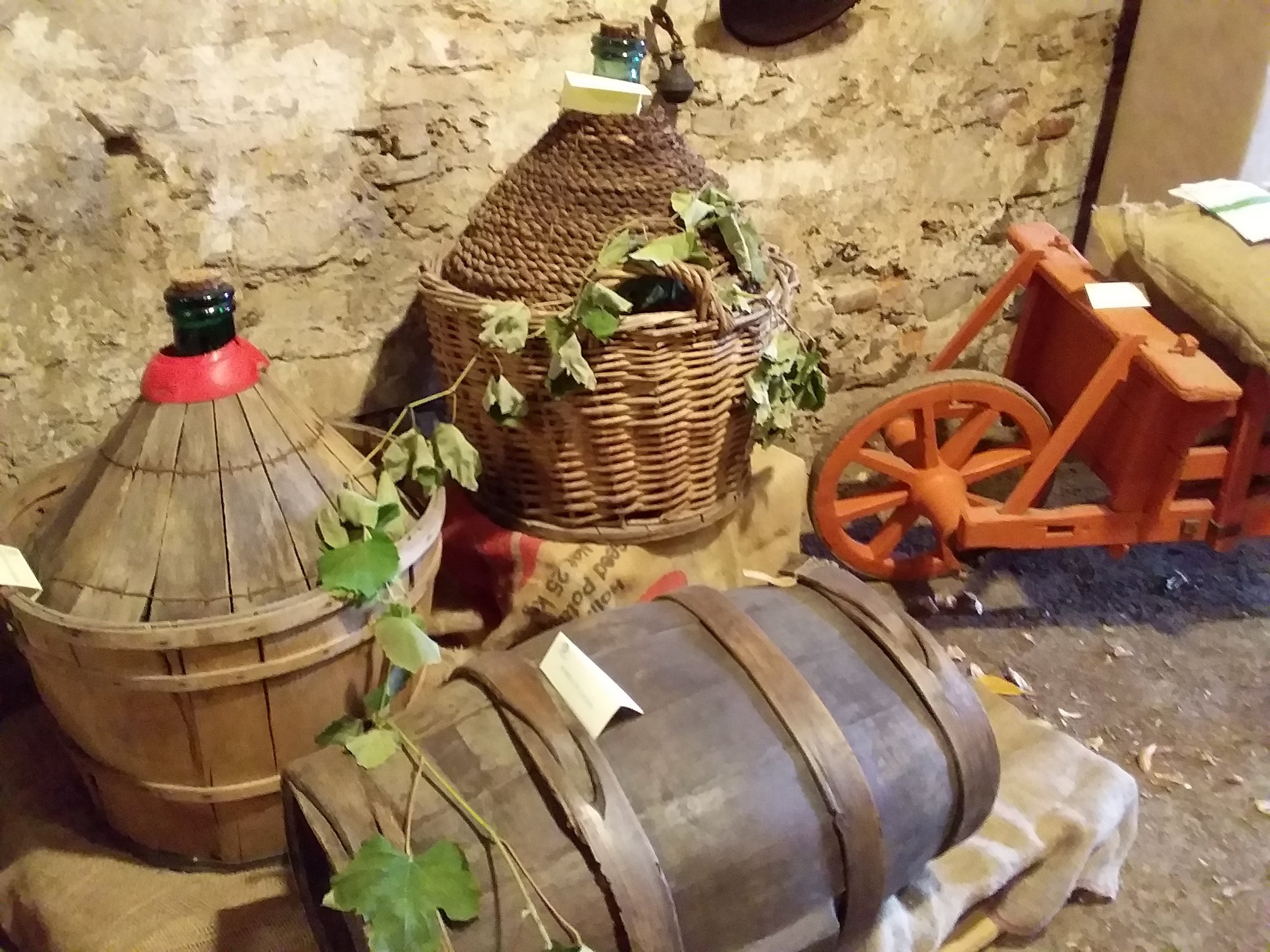
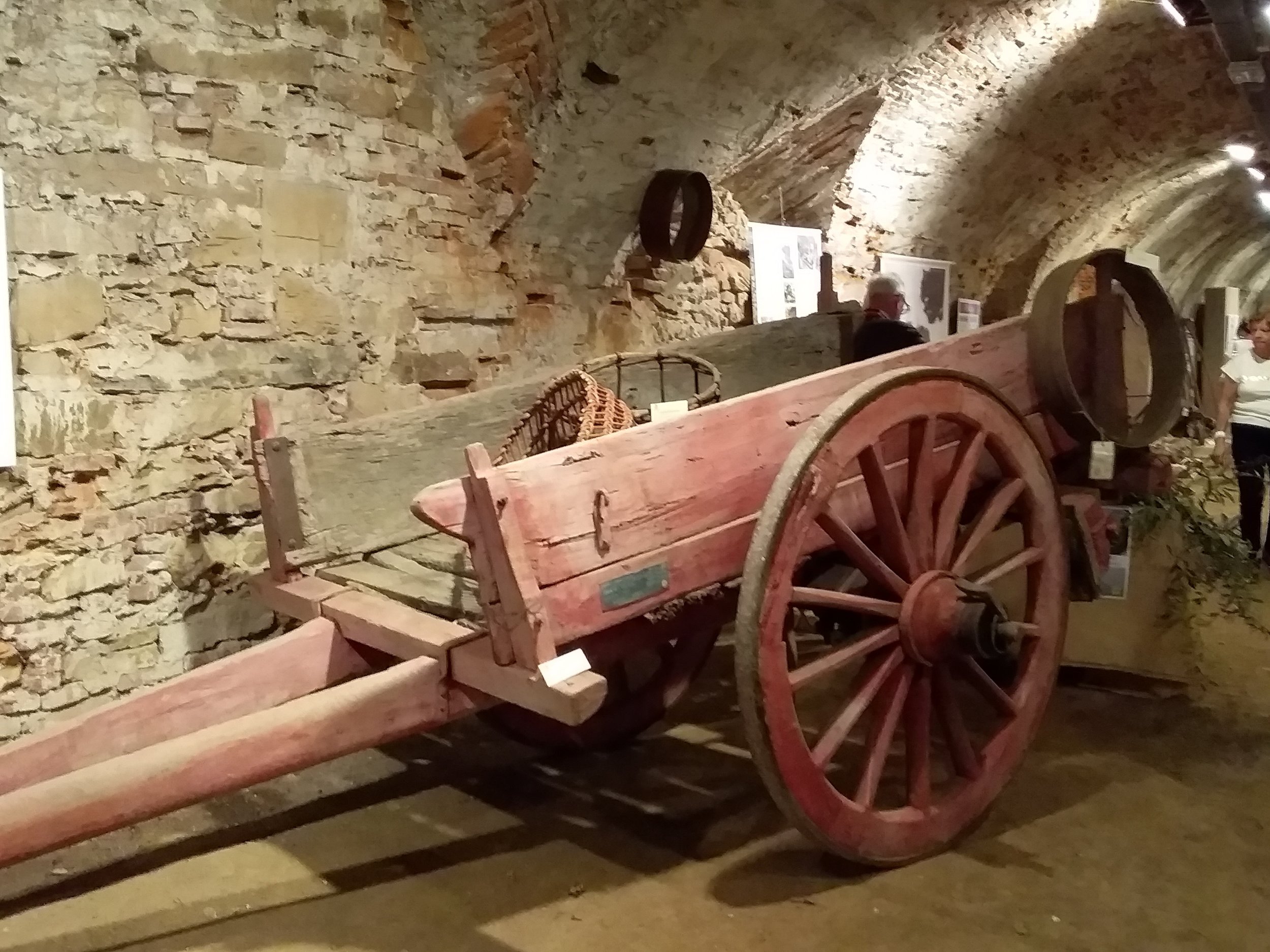
There was also a fascinating display of old farming equipment set up in the stone caverns underneath Lucca’s walls. Strolling through the booths and displays, some of which meandered through the Botanic Gardens, made for a wonderful Sunday morning.
20190908_120241.jpg
20190908_120006.jpg
20190908_120102.jpg
20190908_120041.jpg

September 13 was the annual Santa Croce festival. This is the most important religious event of the year in Lucca, celebrated with luminaria-illuminated buildings and a candlelit procession. It’s a time when many people with Lucchese roots, no matter where they live in the world, return to Lucca. There is an air of mystery, of times long past, about this celebration. A bit of magic that is uniquely Lucchese.
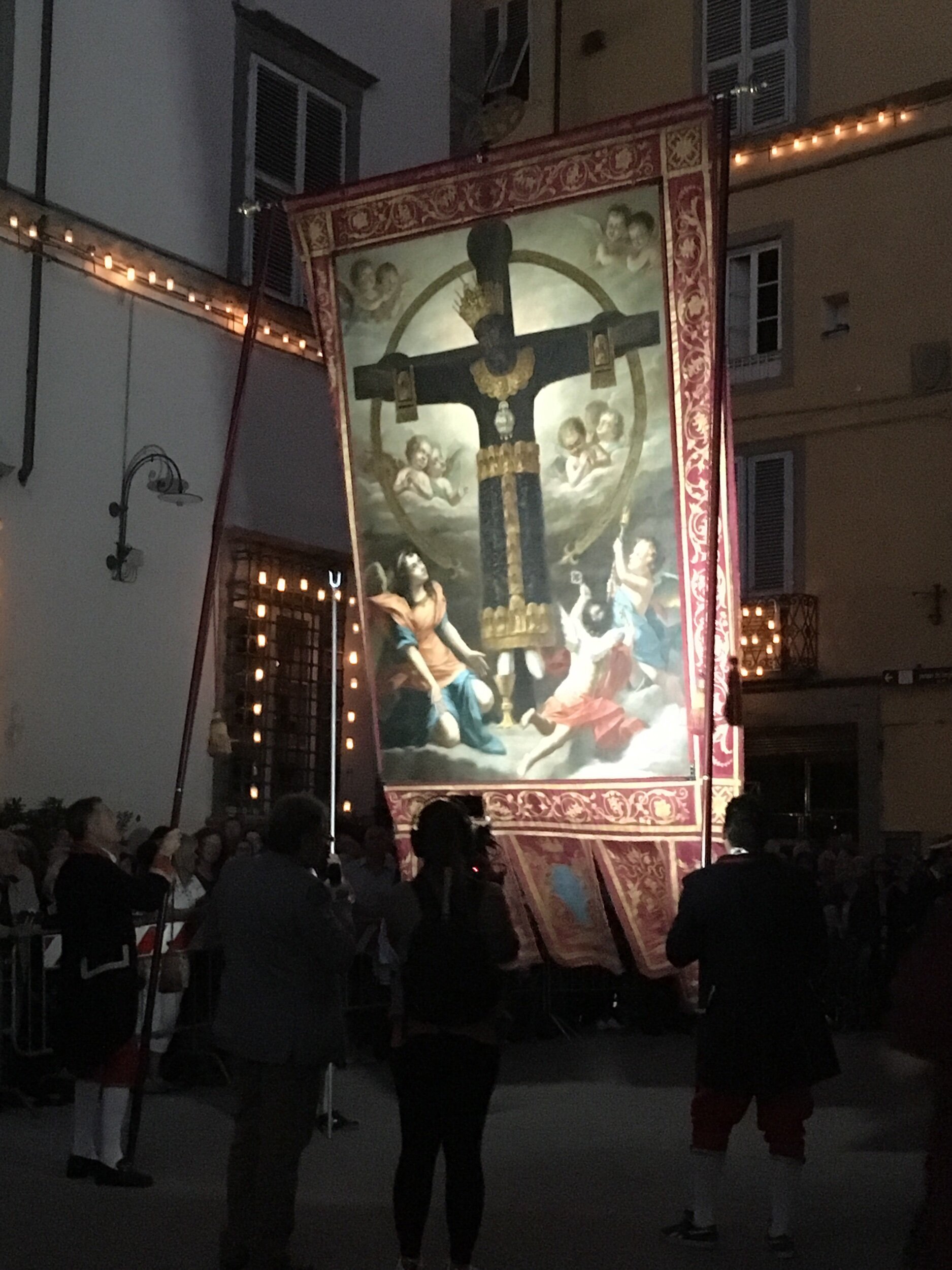
The Santa Croce (Holy Cross) procession, by candlelight, takes place on September 13 each year.

The Santa Croce (Holy Cross) procession, by candlelight, takes place on September 13 each year.

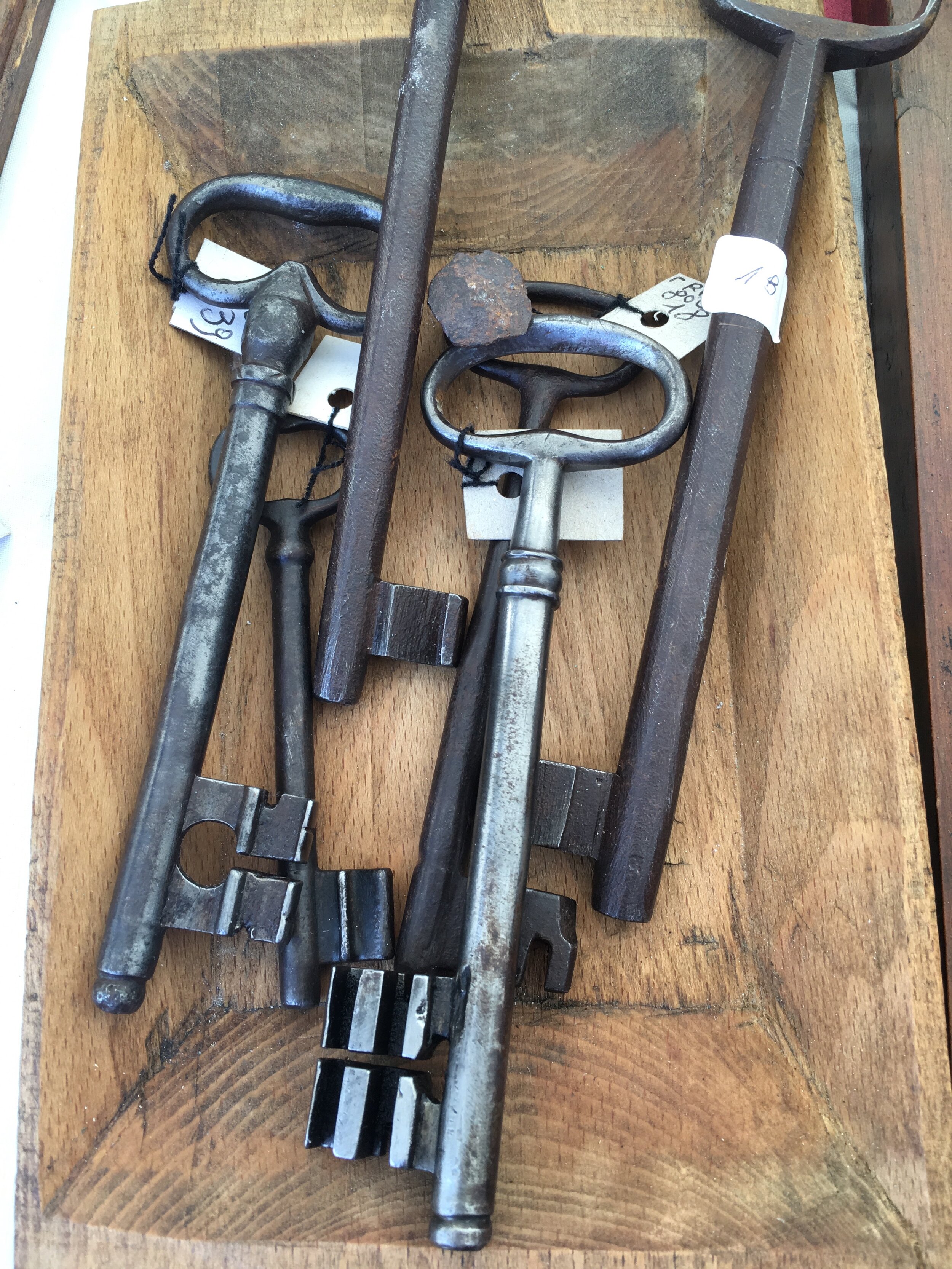
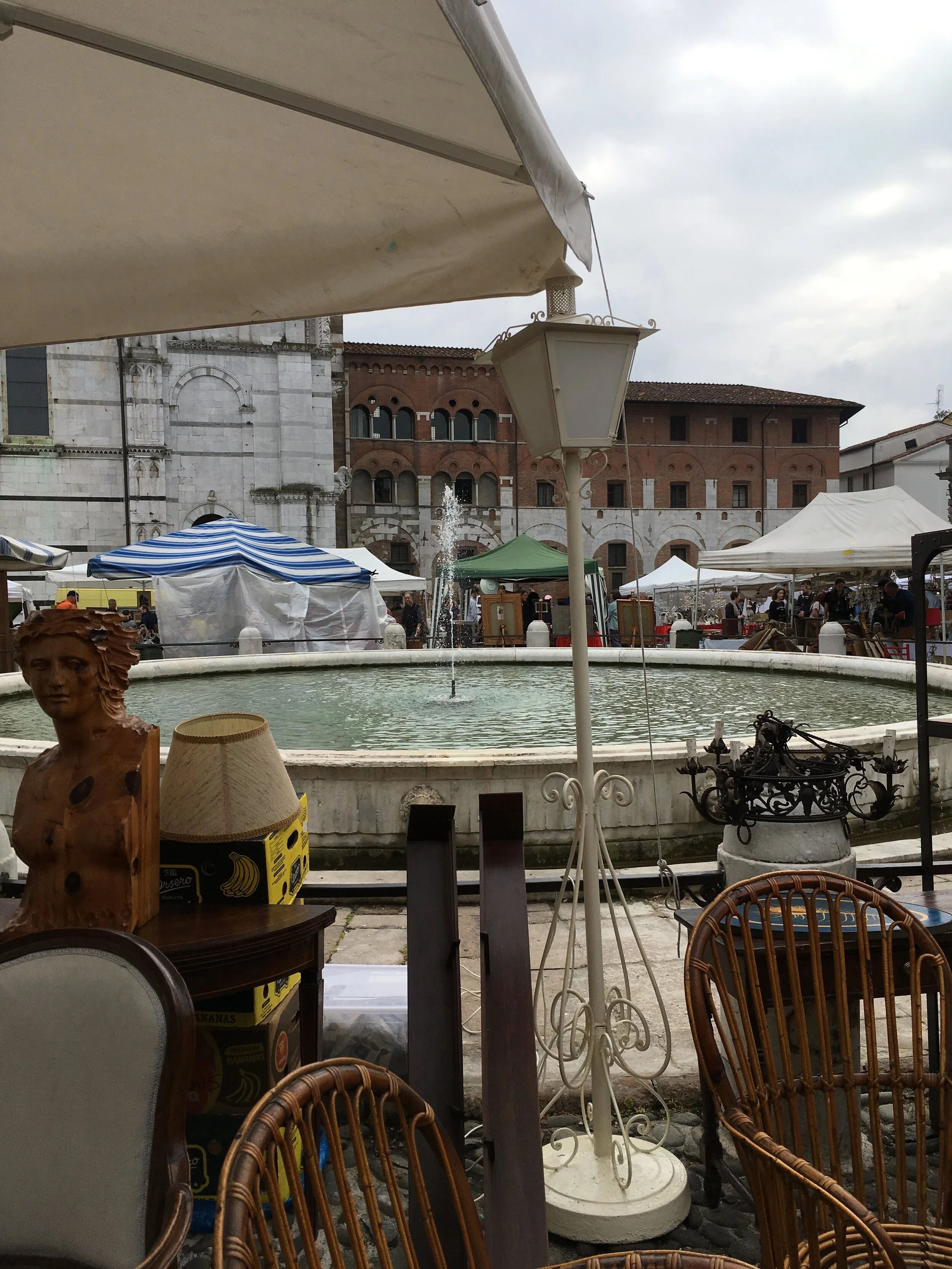
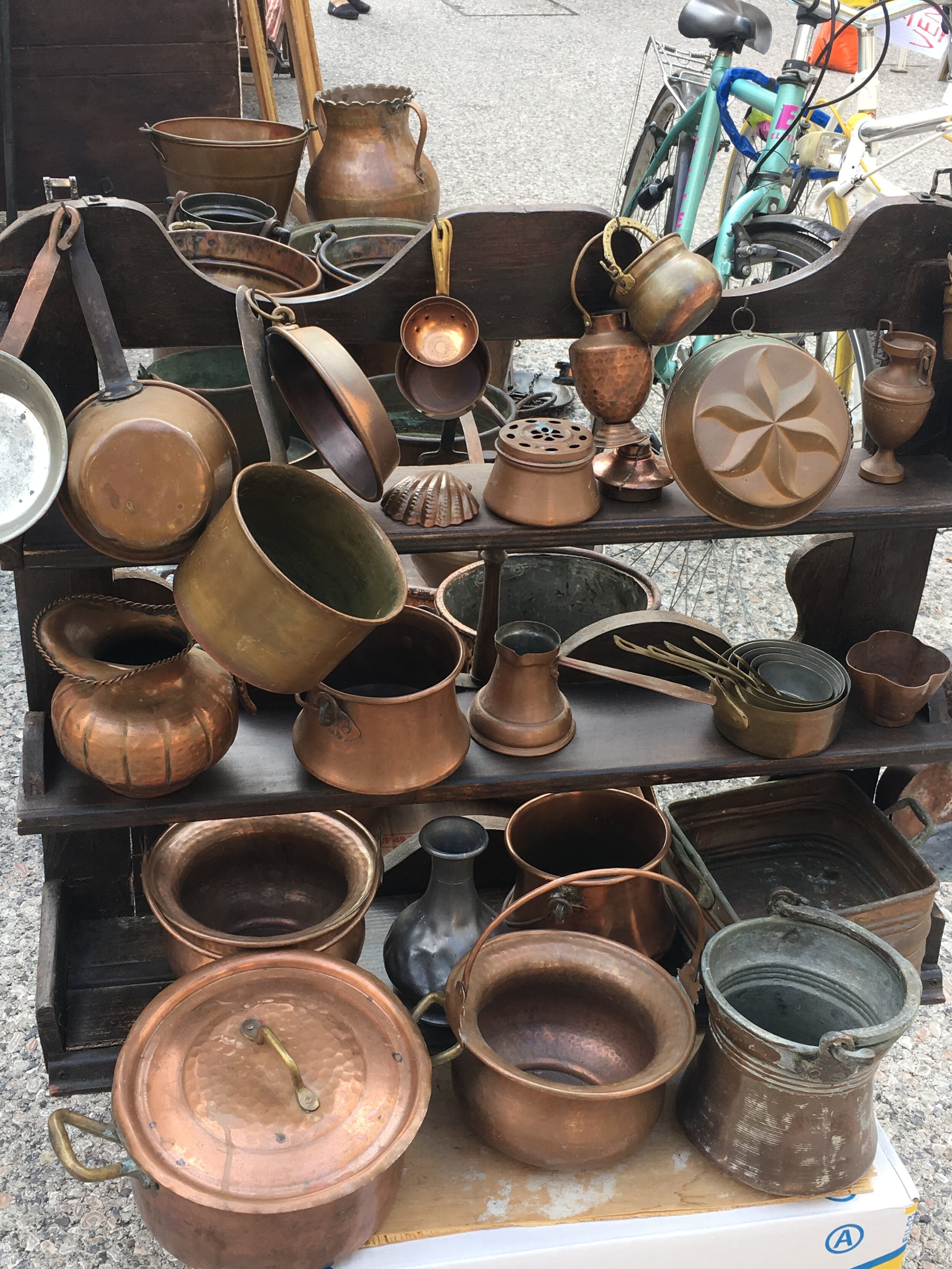
The weekend of September 14-15 was the monthly antiques market (always the third Sunday of the month and the Saturday just before). Many of us missed the market during our summer travels or skipped it during the heatwave when we were just too hot (and pigra - lazy) to attend. With all the visitors in town for the luminaria procession a couple of days earlier, this month’s market was lively and well-attended.
IMG_2740.JPG
IMG_8506.JPG
fullsizeoutput_6f6.jpeg

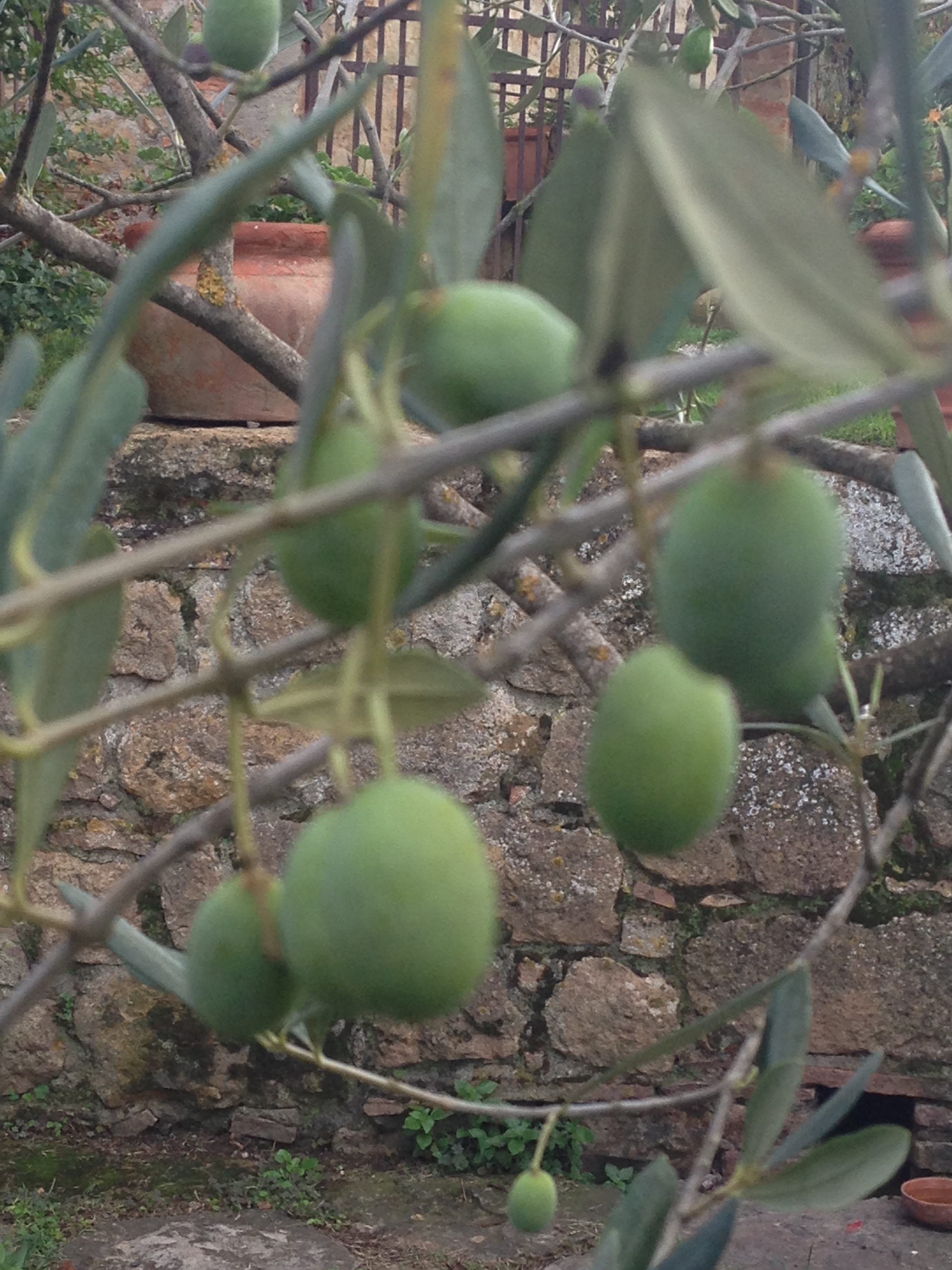
At this time of year, throughout the countryside, the grapes are ripening. The vendemmia (harvest) will take place in a few weeks. The olive harvest won’t be far behind and I’ve already registered for a weeklong olive oil class at Lucca Italian School in early November. This class is centered around olive cultivation, harvest, and the production of olive oil. It will include a visit to a frantoio (olive mill) as well as several cooking classes and, of course, language instruction. If you happen to be in Lucca in November, this is a fun experience.
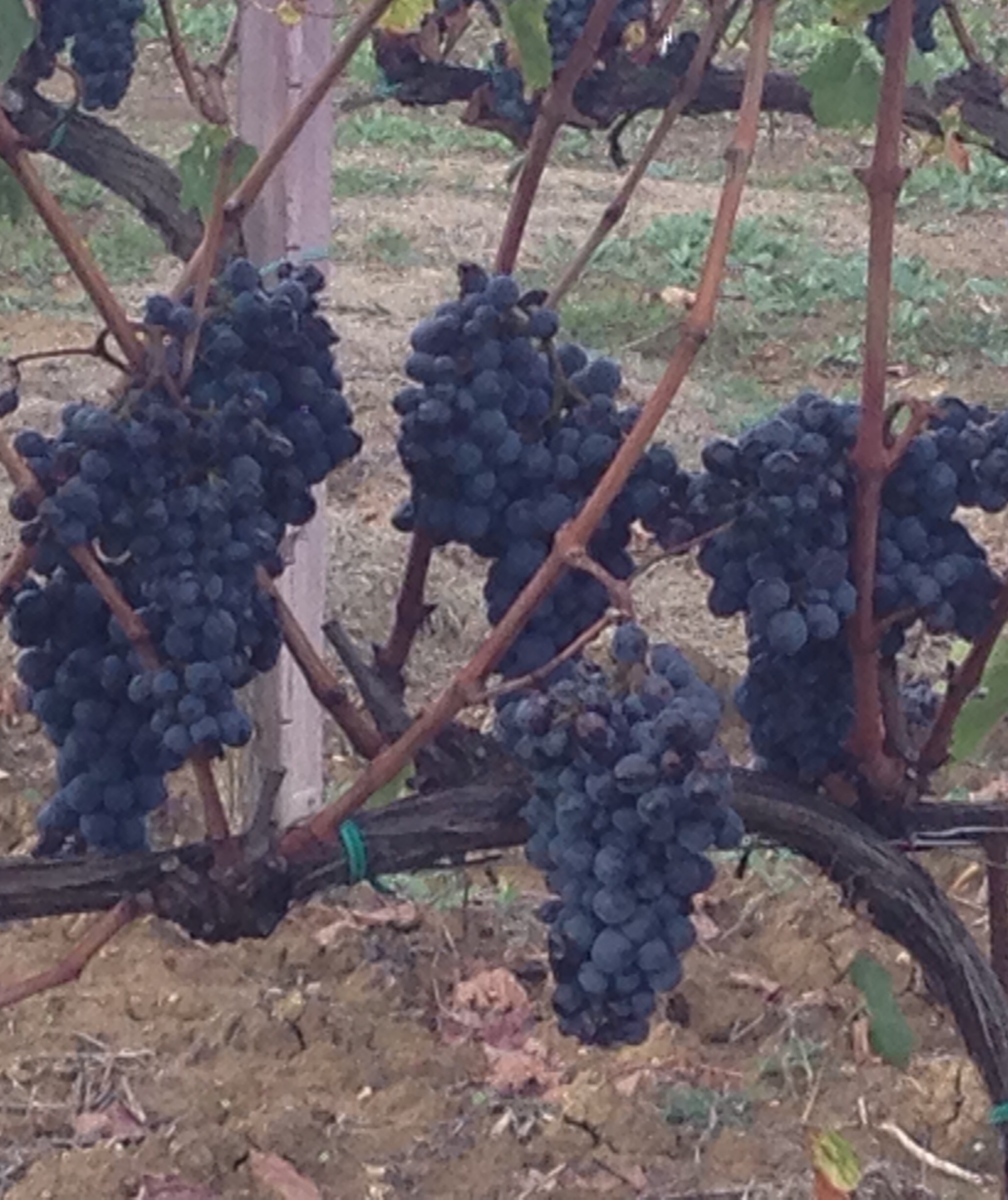
Grapes just about ready to pick
Olives not quite ready to harvest

This year, none of these late summer/early fall events are firsts for me - I’ve been in Lucca pretty much full time since last September. But there is something special about knowing what is upcoming and taking joy in the anticipation of familiar events and celebrations. This year I will have friends visiting from the U.S. for many of these events. It’s wonderful to be able to share my new home in Italy with good friends and help them discover all the things I love about living here. I’m looking forward to autumn in Italy. -post by Joanne

Contact info: Lucca Italian School (November Olive Oil Cooking Week) Nov 11 - 15, 2019

Via dei Bacchettoni, 25. 55100 Lucca (LU). +39 0583 490902. website: luccaitalianschool.com.

September 30, 2019 /Judy Giannnettino
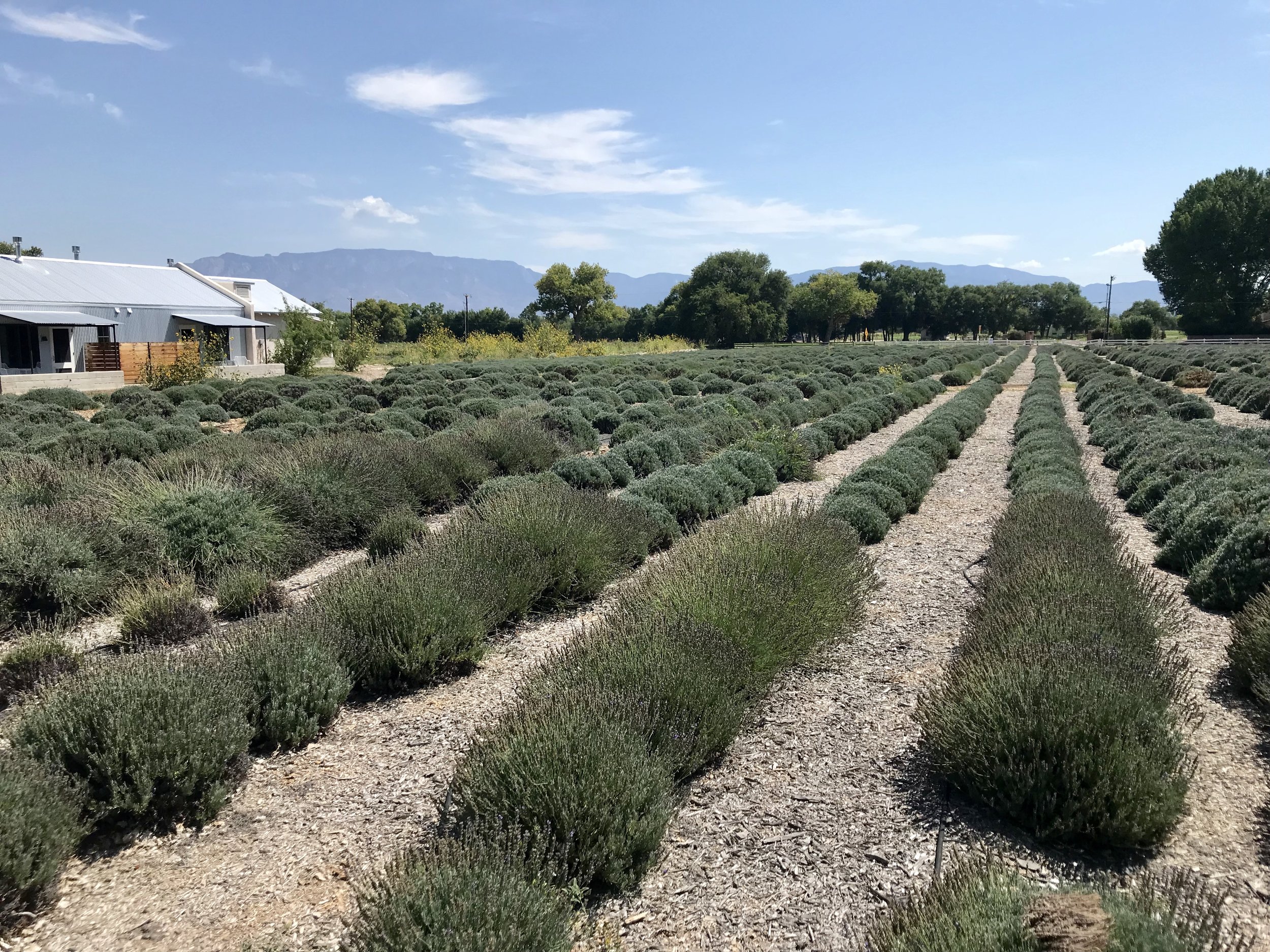
The Sandia Mountain on the east side of Albuquerque, as seen from Los Poblanos

The Sandia Mountain on the east side of Albuquerque, as seen from Los Poblanos

Beauty and Simplicity in Albuquerque's North Valley

September 23, 2019 by Judy Giannnettino

In the days before I moved to Italy, I wanted to make sure to enjoy the city I was leaving as much as possible. Fortunately for me, friends wanting to wish me well supplied many a meal. And one dear friend did so in one of Albuquerque’s loveliest spots: its North Valley, which is more rural than city, more green than brown, and even more laidback than the rest of New Mexico’s largest city.

Trees line the entrance to Los Poblanos.

Trees line the entrance to Los Poblanos.

Albuquerque’s North Valley is the lush part of the city – close to the Rio Grande that bisects the city and home to farms, horse properties, 25-mph speed limits, and a very special place called Los Poblanos.

The patio at Los Poblanos’ restaurant

The patio at Los Poblanos’ restaurant

Designed by John Gaw Meem, the architect known for developing Pueblo Revival Style in the 20th century, Los Poblanos is comprised of an inn, an organic farm, a restaurant, a special events space and a farm shop. The restaurant, where my friend and I dined on a warm September evening, offers unique, seasonal farm-to-table offerings. Its meals are made with ingredients from the farm fields of Los Poblanos, as well as from crops harvested from other local farmers.

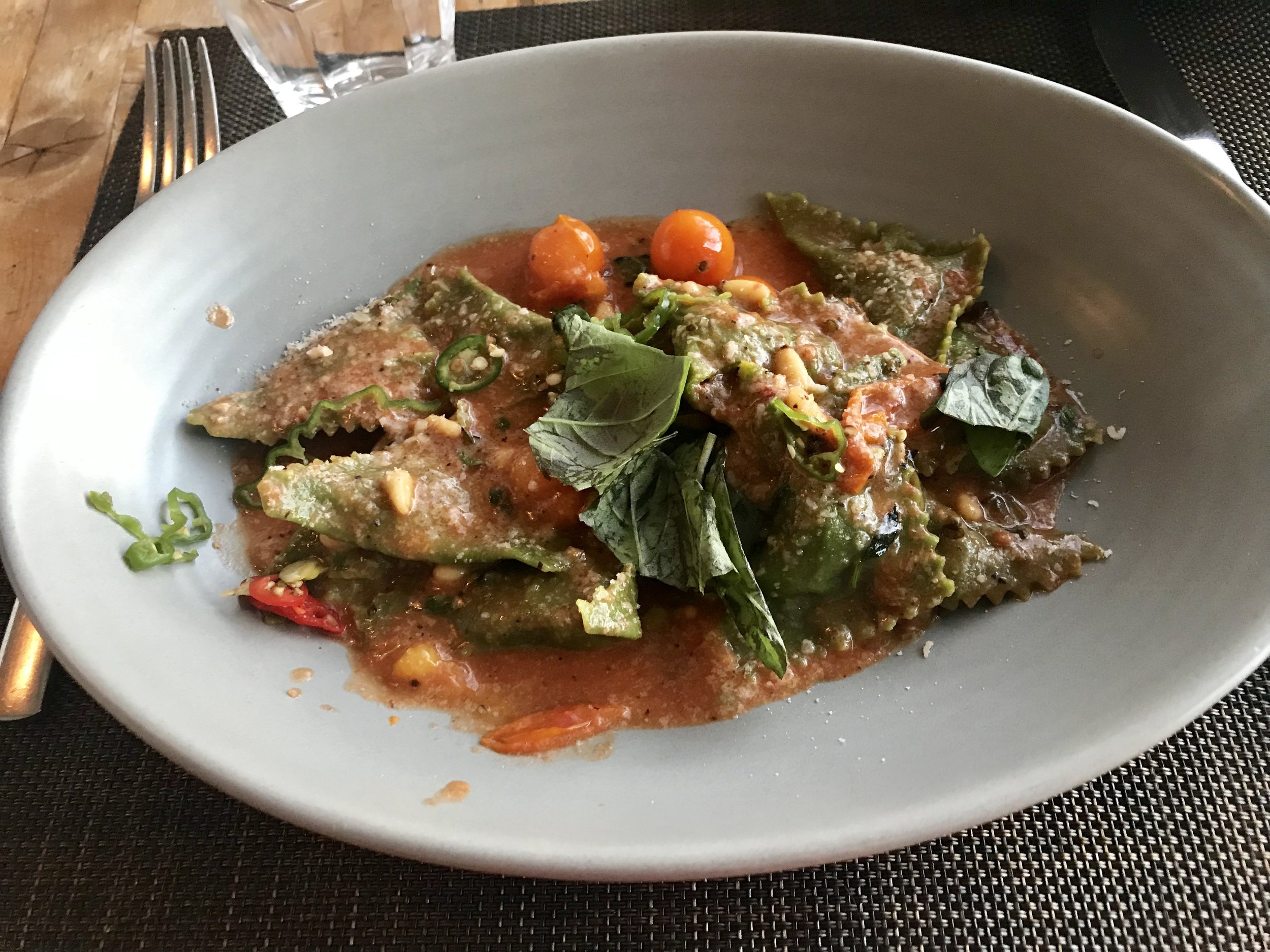
Seated outside on the patio, we shared a starter of seafood corn chowder infused with green chile (it was chile-roasting time in New Mexico!) and bits of bacon. We each chose a main course of pasta – a triangle-shaped tomato leaf ravioli. I would have sworn I was in Italy the pasta was so good! While dining, we had beautiful views of the Sandia Mountains to the east, and two flocks of Canada geese flew overhead and honked greetings to us and the other diners as the sun was setting.

IMG_E4694.JPG
IMG_E4690.JPG
IMG_E4697.JPG
IMG_E4695.JPG

I have lived in Albuquerque for much of my life but never among the cottonwood trees of the North Valley. So every time I find myself driving the roads that stretch between pastures and cornfields and wineries, I feel like I’m being given a little gift of beauty and simplicity – much like what Italy offers me. Dinner at Los Poblanos and the evening in the North Valley were just what I needed to help me transition from Albuquerque to Lucca.    -post by Judy

September 23, 2019 /Judy Giannnettino
Piazza Cittadella, Lucca

Piazza Cittadella, Lucca

A Little News from Two Parts Italy

September 22, 2019 by Judy Giannnettino

Our regular Monday post will appear tomorrow, but today we would like to share some news.

When we first began writing this blog, in January 2017, we introduced ourselves by saying, in part, the following:

Neither one of us is Frances Mayes. We don’t have a restored house in Tuscany, nor the resources to believe we ever will. A small apartment there remains an elusive dream. Neither of us has quit a job, waved goodbye to family and friends, and moved full time to Italy. We aren’t wealthy; our travel style is budget-friendly. But spending time in Italy, exploring cities and countrysides, lakes and villas, vineyards and olive groves, volcanoes and towers, has become a passion and an important ingredient in each of our recipes for happiness. If you want to see me (Joanne) happy, give me a small apartment in Lucca, some time in the market buying picture-perfect produce, some freshly baked focaccia, and an hour to cook up a meal for friends. For Judy, just give her spaghetti con vongole and some music in a piazza anywhere in Italy.

Well - some things have changed since we wrote that. We still aren’t Frances Mayes, wealthy, or buying and restoring homes in Italy. But in late 2018, Joanne, who had already retired after years of university teaching, sold her home in New Mexico, packed up, waved goodbye to children, grandchildren, and friends and moved full time to Italy. An apartment in Italy is now a reality and she does indeed shop the markets, buy focaccia, and cook for friends and visitors. She is still pinching herself and saying, “I did it - I moved to Italy!”

Judy, on the other hand, waved goodbye to Joanne back then and remained in Albuquerque working. She still traveled to Italy often, as well as on more exotic adventures like her recent African safari. But that recently changed too. Judy decided to retire early from her job in healthcare government relations, and sold her house - and most of her belongings - to make a move to Italy. She has an apartment in Lucca that she shares with her much-loved companion, Bodhi, a yellow Labrador retriever who also made the trip from New Mexico to Tuscany. She still loves spaghetti con vongole and still finds joy and wonder in the beauty of all things Italian.

We are both excited to be living in Italy and look forward to continuing to share our adventures in Italy and beyond. We love hearing from you, our readers, and appreciate your support and interest in our recipe for happiness: Two Parts Italy.

September 22, 2019 /Judy Giannnettino
The vineyards of the Chianti Classico Region, as seen from the bell tower at Canonica a Cerreto Winery

The vineyards of the Chianti Classico Region, as seen from the bell tower at Canonica a Cerreto Winery

Wine Tasting in Tuscany

September 16, 2019 by Judy Giannnettino in #italytravel, Chianti Region, Italy travel, Tuscany, Wine
20190828_165445_resized.jpg

In fall 2018, I spent a day driving through the Chianti region with friends (see A Taste of Chianti, October 2018). I’d been itching to get back to that area ever since, for its beauty and for the opportunity to do some wine tasting. The regional wine is Chianti Classico - a medium-bodied, dry red wine made mostly from Sangiovese grapes, grown and produced in the limited geographic area of the original five Chianti villages (outside of this small region the wine might be called Chianti, but it can not be labeled Chianti Classico nor can it carry the Gallo Nero (black rooster) symbol). And while I appreciate good wine, and loved my first experience with genuine Chianti Classico last year, I am definitely not a wine expert. And that’s where Mirko Gosgnach and Frontier Wine Tours enter the picture.

20190828_122945.jpg

Mirko is an Italian/Canadian who knows a lot about wine, especially Chianti Classico.

He works with a small group of wine experts to help support smaller vineyards in the Chianti Classico region, to market their wines and to teach people like me about vines, grapes, wine production and the beauty of the Chianti region.

And since you can’t properly learn about wine without visiting the vineyards and tasting, Mirko leads wine-tasting tours, which is how I came to join a group of friends for a day with Mirko exploring the wines of the Chianti Classico region.

The day began in Italian style with a cappuccino at a local bar in Lucca where our group gathered to meet Mirko. We settled into his big, comfy SUV and quickly learned that we were in for a fun day visiting two wineries, one of which was on the grounds of a historic villa. The villa was not open to the public but, lucky us, Mirko had the keys! We also discovered that he not only speaks perfect English (along with fluent Italian) but he is charming, funny, knowledgeable, and flexible. And, he is prone to breaking into song as he drives through beautiful Tuscan landscapes.

Canonica a Cerato (the chapel)

Canonica a Cerato (the chapel)

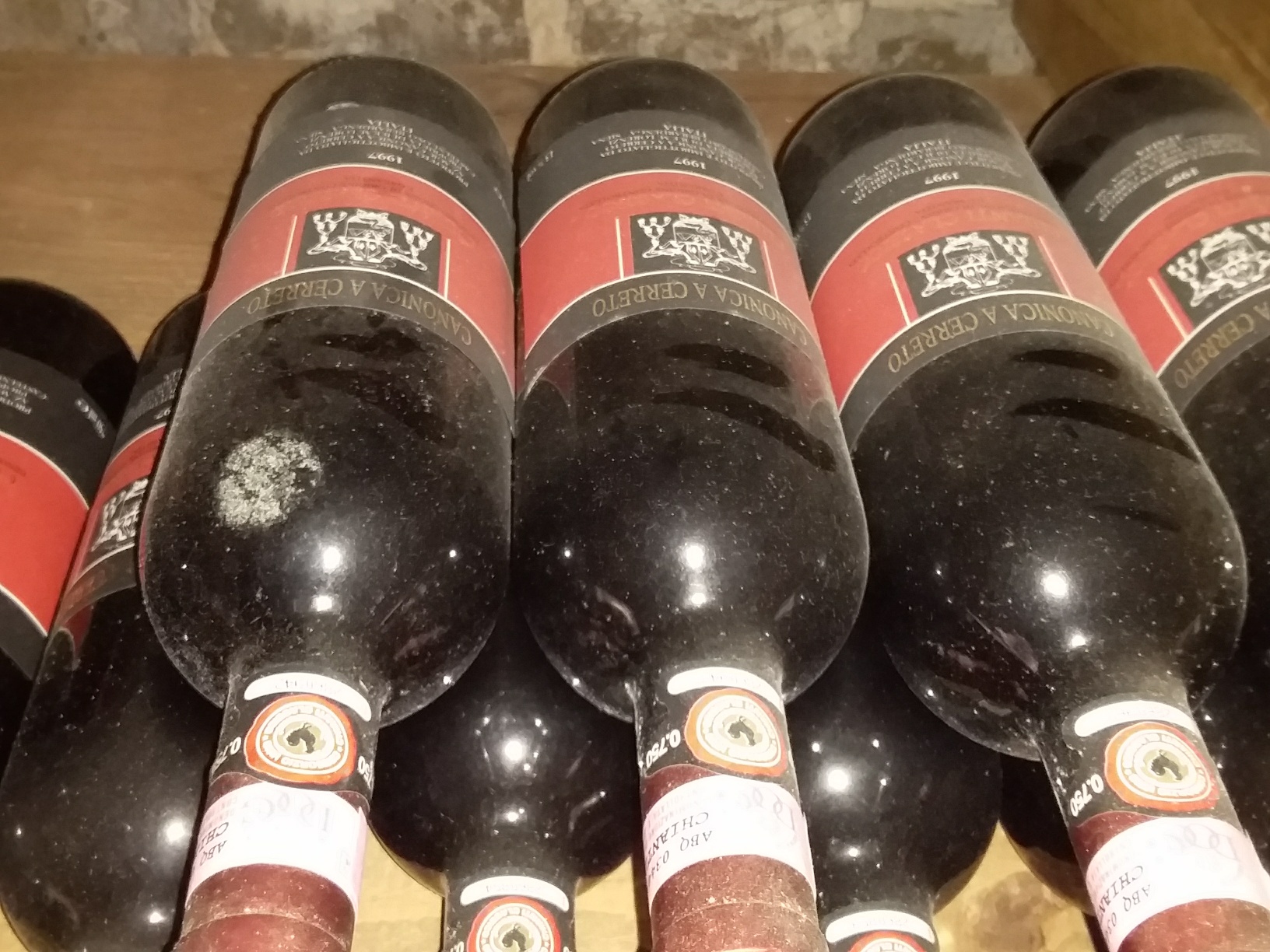
Our first stop was at Canonica a Cerreto, just east of Siena in the comune of Castelnuovo Berardenga, part of the Chianti Classico region. The first wines were produced here a thousand years ago for the monks of Siena. The name, Canonica, reflects its origins as a summer rectory for the monks, and Cerreto, the name of the oak trees in the surrounding woods. Loosely translated: Little Chapel in the Oak Woods.

Today the vines cover gentle hills and the grapes are harvested by hand and aged in oak barrels. Around 120,000 bottles are produced each year, some of which are exported to the United States but many of which remain in local wine shops. And while the modern area for processing and bottling the wine is new, the older cellar is where we tasted the wines.

The old wine cellar and tasting room at Canonica a Cerreto

The old wine cellar and tasting room at Canonica a Cerreto

What lovely wines they were! Some were DOCG wines (this designates a wine of highest quality under Italian standards, with strict requirements for production and taste), including a wonderful Chianti Classico Riserva.

20190828_142242.jpg
20190828_122549_resized.jpg
20190828_122540_resized.jpg

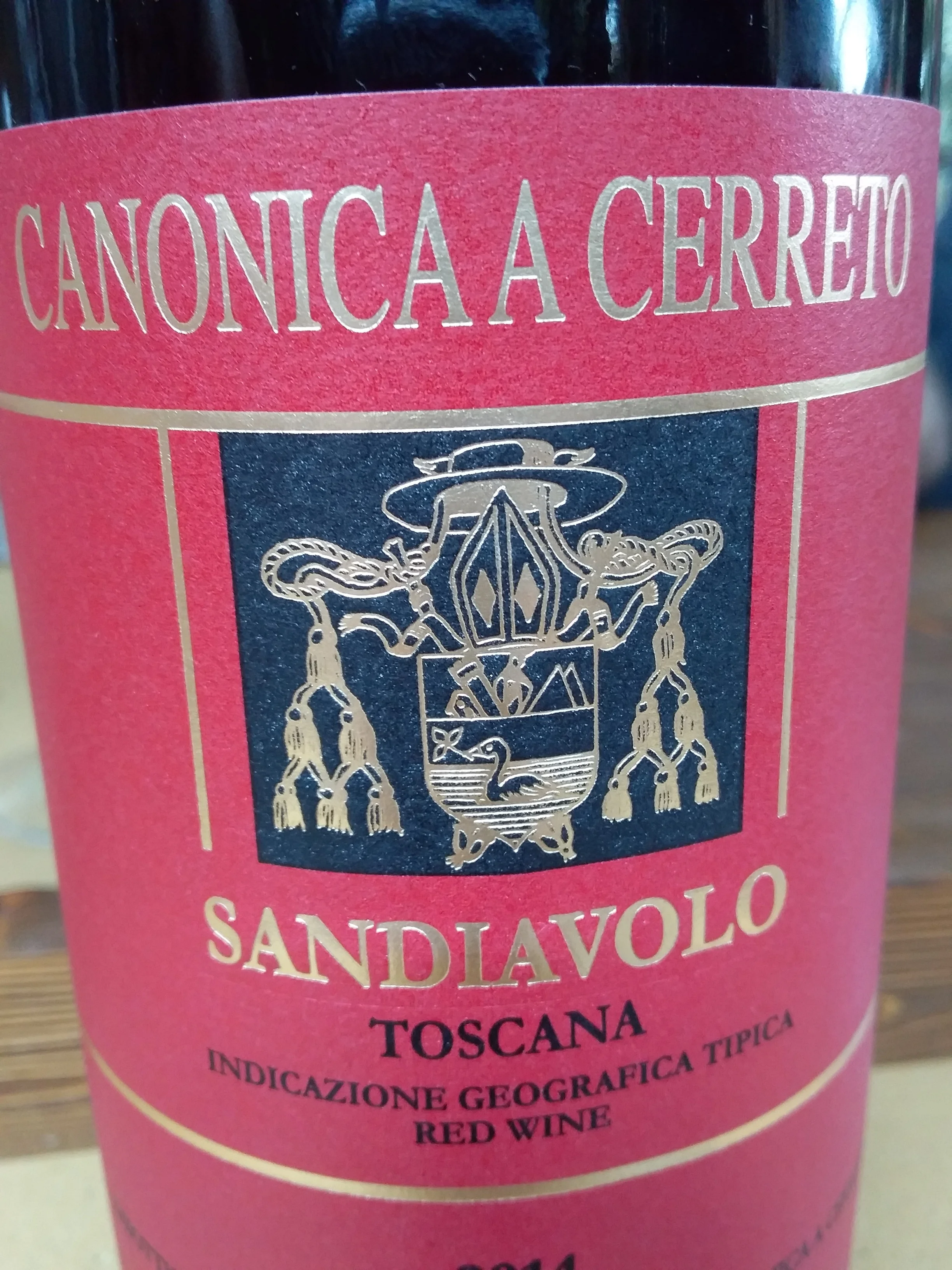
My favorite wine was the Sandiavolo (a bit of an oxymoron, which translates to Saint Devil). Sandiavolo carries an IGT (Indicazione Geografica Tipica) label. Restrictions for IGT wines are less strict and allow producers more flexibility in the blends of grapes used, though the grapes still come from a single region. This type of wine is often called “Super Tuscan.” And the Sandiavolo really was super! A blend of Sangiovese, Merlot and Cabernet Sauvignon grapes, it was … well, I can only say it was smooth, dry yet fruity, with not too much tannin. I am not nearly wine savvy enough to say things like “notes of blackberry, a hint of mineral” but Wine Spector gave the 2006 vintage this review: “generous, complex, elegant, and sweet. Small red and blackberries are in perfect equilibrium with a hint of forest floor, mineral notes, and sweet balsamic spice.” Uh huh … that’s just what I meant.

View from the terrace at Canonica a Cerreto

View from the terrace at Canonica a Cerreto

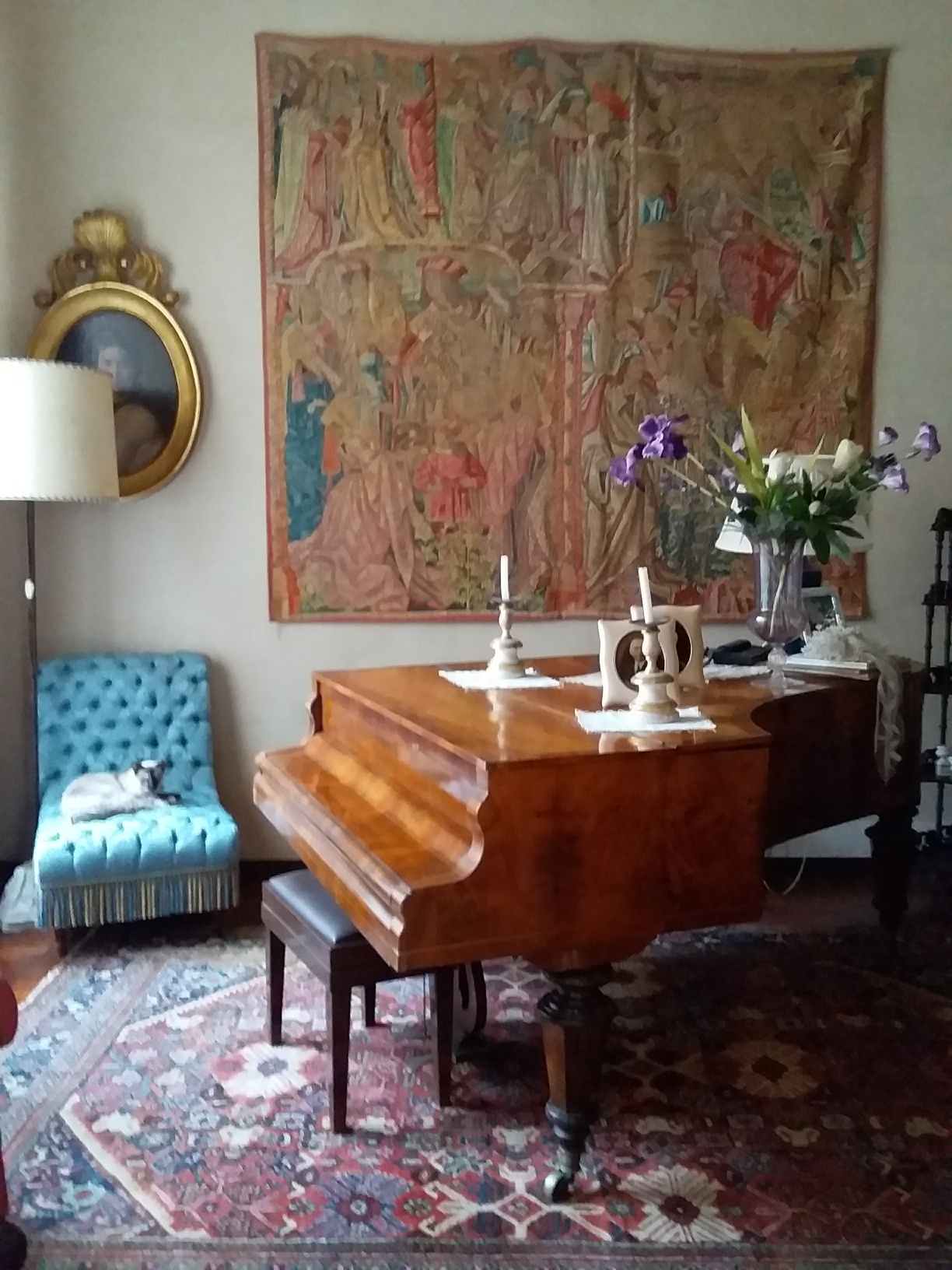
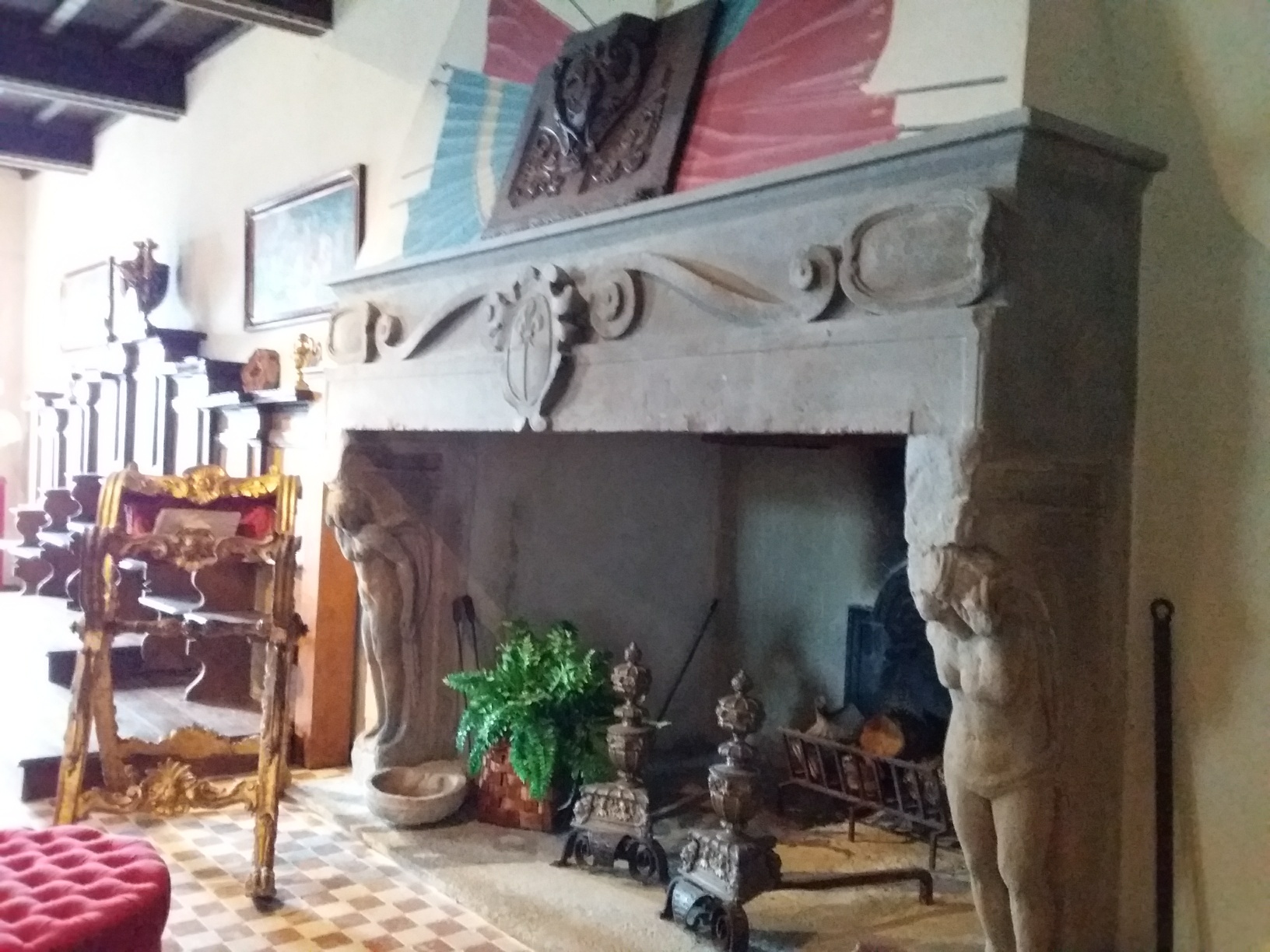
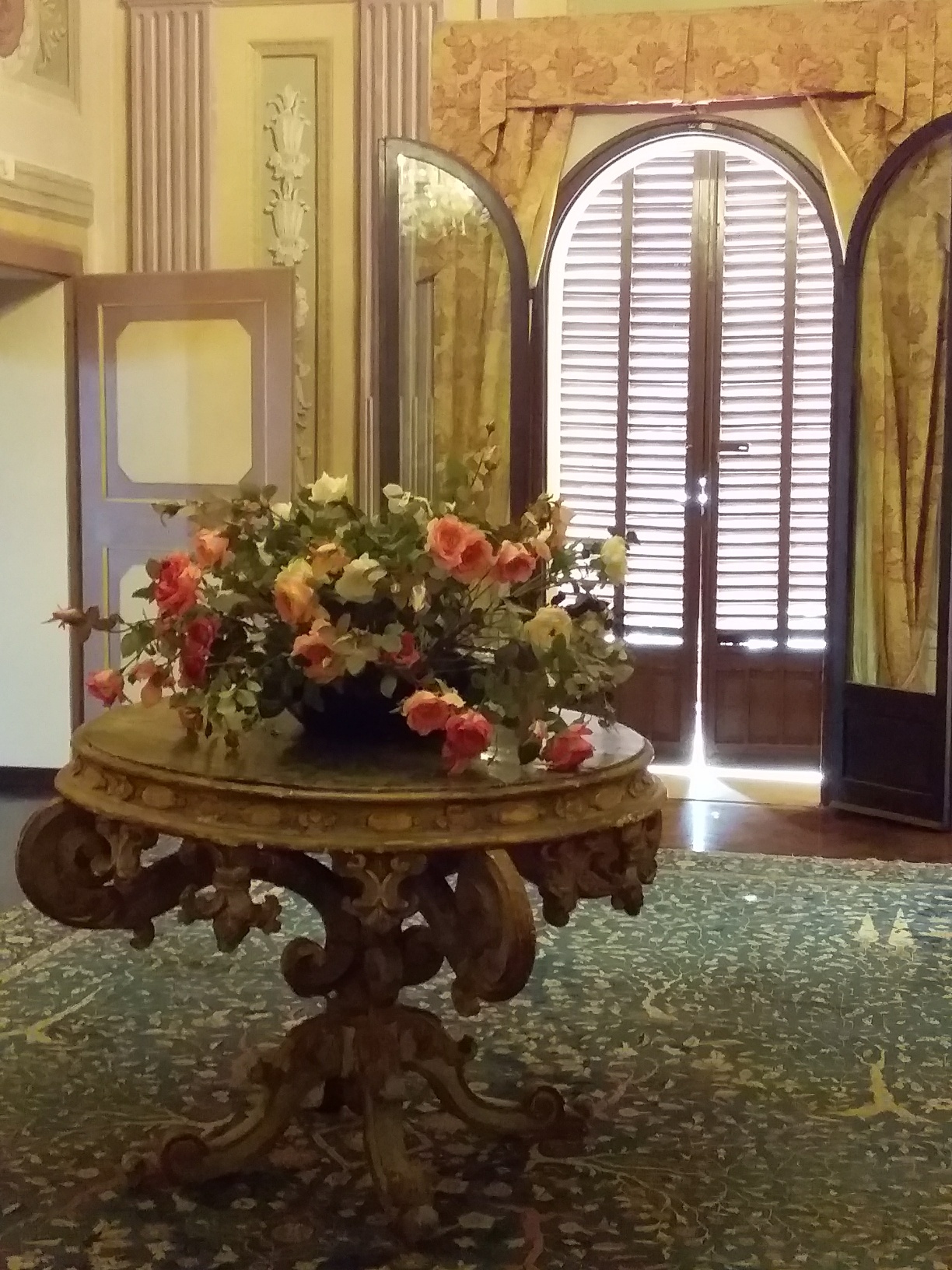
Canonica a Cerreto is also a stunning villa. Initially built as a retreat for clergy from Siena, remodeled by the Bishop of Siena in the 1700s. It passed into private hands in the early 1900s and sat abandoned from about 1930 until 1978. Since then it has been owned by the same Italian family who have restored the property, maintaining original character wherever possible. The results are a home elegant and comfortable filled with art and unique furnishings. And views to the Tuscan countryside!

20190828_111501_resized.jpg
20190828_115417_resized.jpg
20190828_113538_resized.jpg
20190828_113340_resized.jpg
20190828_115108_resized.jpg
20190828_115120_resized.jpg

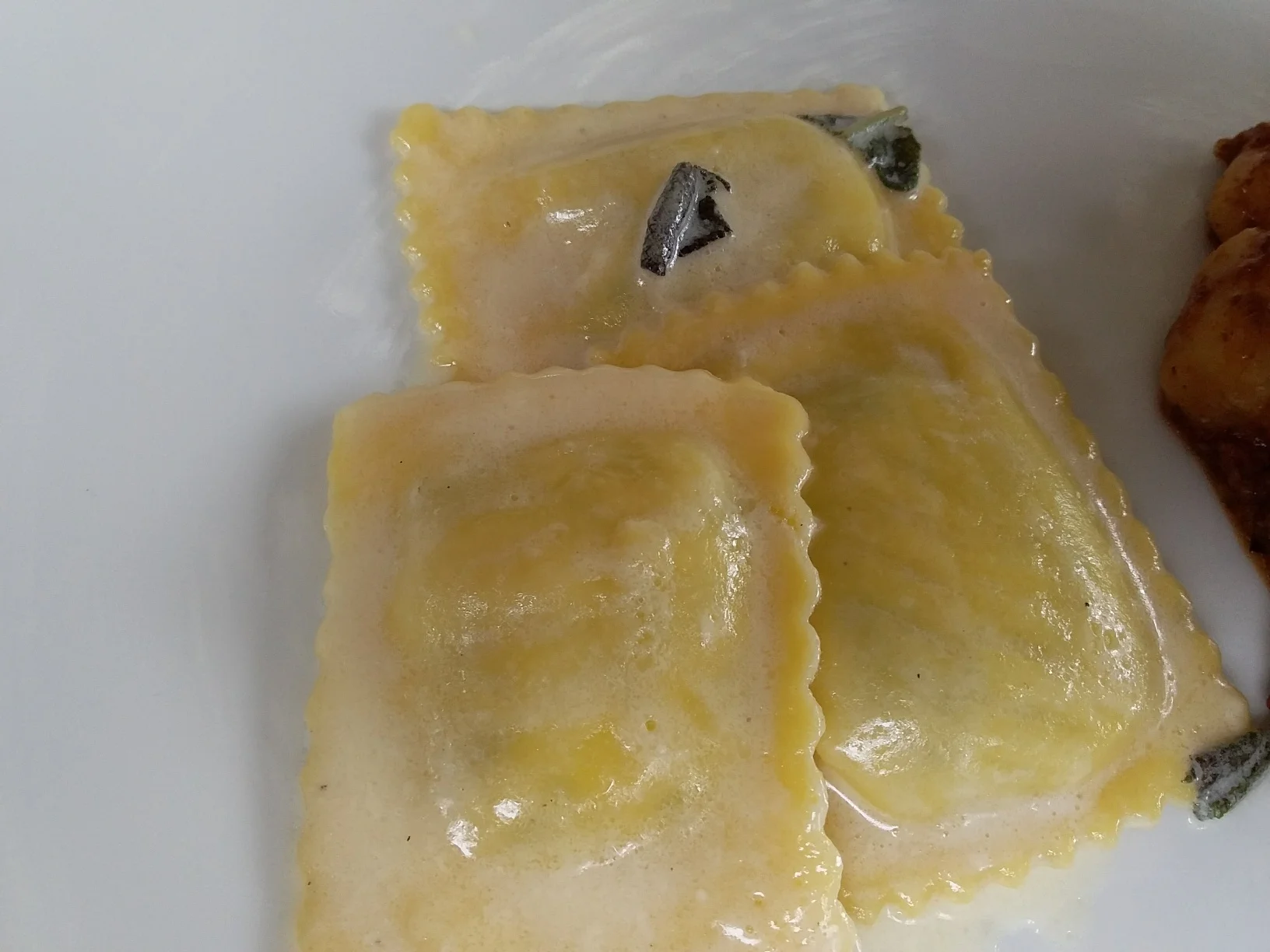
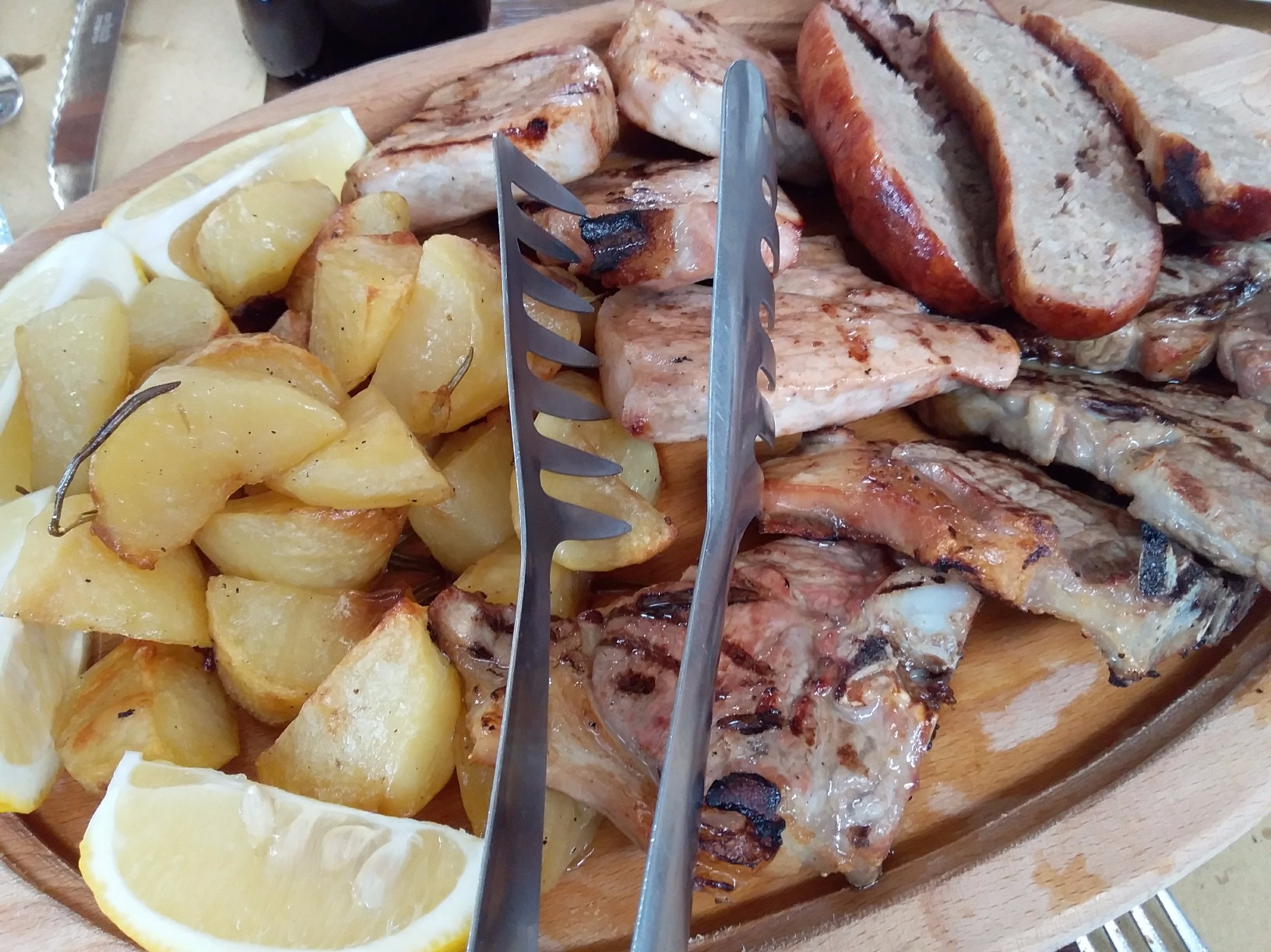
Armed with several bottles of Canonica wine, we headed to lunch at restaurant Peposo in the nearby village of Pianella. Lunch featured regional Tuscan food - a starter of several types of cold cuts, cheese, a bruschetta with sausage and stracchino cheese, and some stuffed zucchini blossoms. Next came a primi (first course) of two types of pasta (light as a feather gnocchi with Bolognese sauce and a ricotta-filled ravioli with sage and butter) followed by a second course of roast meats (sausage, pork, and lamb). All were delicious and the setting, a long table on a pretty outdoor patio, made for a relaxed lunch with good conversation. The meal ended with coffee and a desert of a grilled peach topped with amaretti crumbles. If you find yourself driving through the hills of Chianti, it’s worth a stop here for lunch or dinner. The day was already perfect, and we had one more winery to visit after lunch.

20190828_135227_resized.jpg
20190828_142607_resized.jpg
20190828_145306_resized.jpg

The second winery, Fattoria Lornano, also operates as an agriturismo, hosting visitors who can enjoy their lovely gardens, pool, and Tuscan views. Here we tasted light summery rosato (rose) wines, a couple of Chianti Classicos (one a Reserva and one their most special Gran Selezione - a limited production of a fantastic wine).

Fattoria and Agriturismo Lornano

Fattoria and Agriturismo Lornano

We ended with tasting a Vin Santo that one of our party called “nectar of the Gods.” It was simply the best Vin Santo I have ever tasted.

The wines of Fattoria Lornano

The wines of Fattoria Lornano

The day was one of those peak experiences - good company, great wines, wonderful food, and Tuscany. It doesn’t get much better. . There might even have been singing on the drive home. -post by Joanne

Contact information : www.Frontierwinetours.com

Mirko Gosgnach email: contact@frontierwinetours.com +39 338 608 5634

September 16, 2019 /Judy Giannnettino
Chianti Wine Tours, Chianti Wine, Tuscan Wine Tours, Tuscany, Wine tasting italy, #tuscanwinetour, #frontierwinetours
#italytravel, Chianti Region, Italy travel, Tuscany, Wine
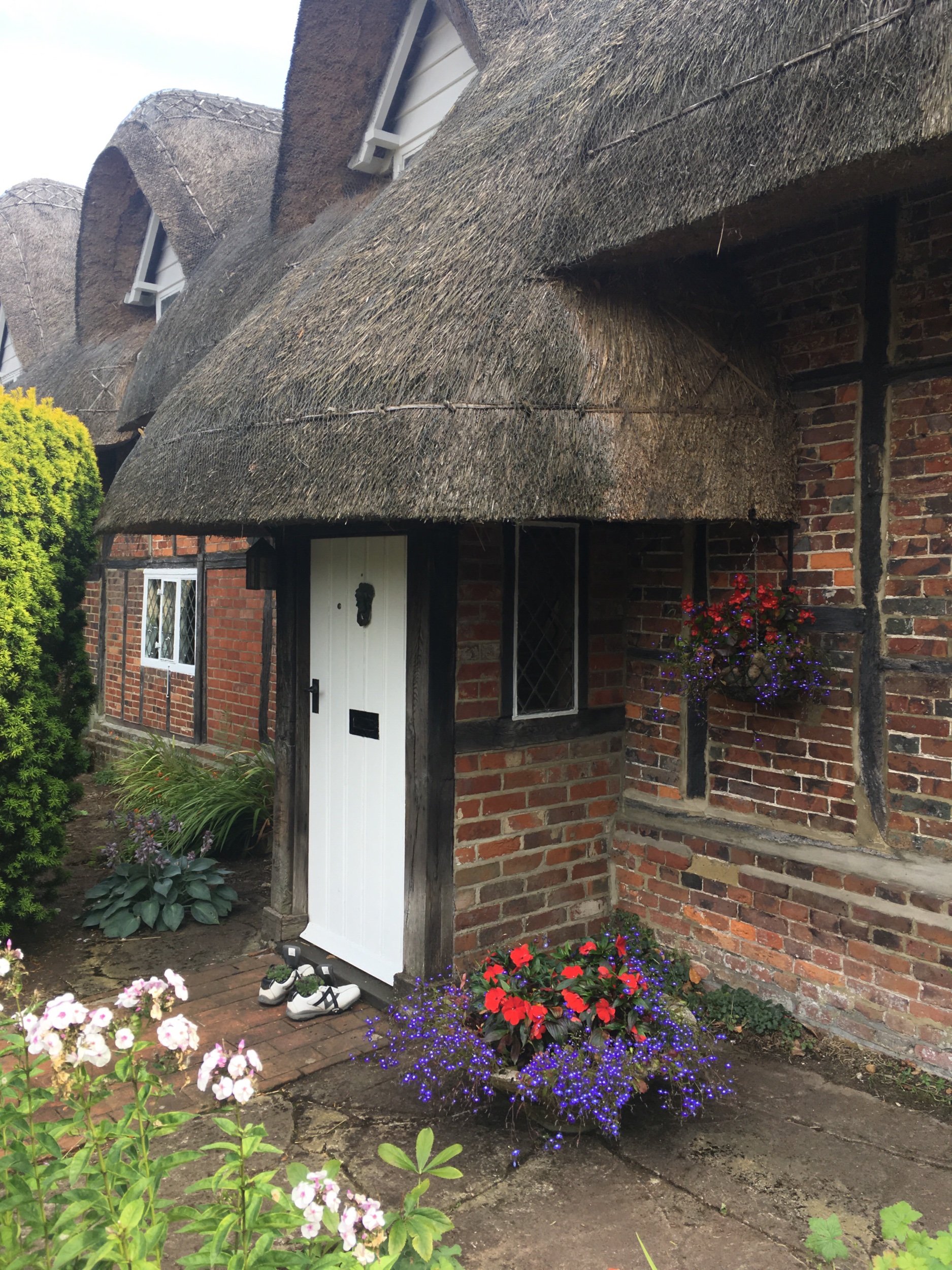
A thatched roof cottage in Chawton, Hampshire

A thatched roof cottage in Chawton, Hampshire

Jane Austen and the Vicar’s Chickens: A Few Days in Hampshire, England

September 09, 2019 by Judy Giannnettino

It used to be that, for me, going on vacation almost always meant going to Italy. But now that I live in Tuscany, vacations can mean traveling to another country in Europe. The proximity to Italy is a great advantage, making travel by air or train relatively inexpensive and quick. I love having the opportunity to explore many new (to me) places. Even better is visiting a place that has lived in my mind through literature or film and where I have a friend who can give me an insider’s perspective.

The historic St. Lawrence Church is a landmark in Alton. An English Civil War battle was fought there in 1643.

The historic St. Lawrence Church is a landmark in Alton. An English Civil War battle was fought there in 1643.

On a brief respite from Italy’s summer heatwave, I recently spent a few days in the town of Alton, England, which is in Hampshire (about an hour from London by train). I was invited to visit my friend Judy (not my co-blogger Judy but a different Judy altogether). I could not have asked for a more knowledgeable hostess for exploring Alton and the surrounding areas of Hampshire. How lucky to have my own personal tour guide!

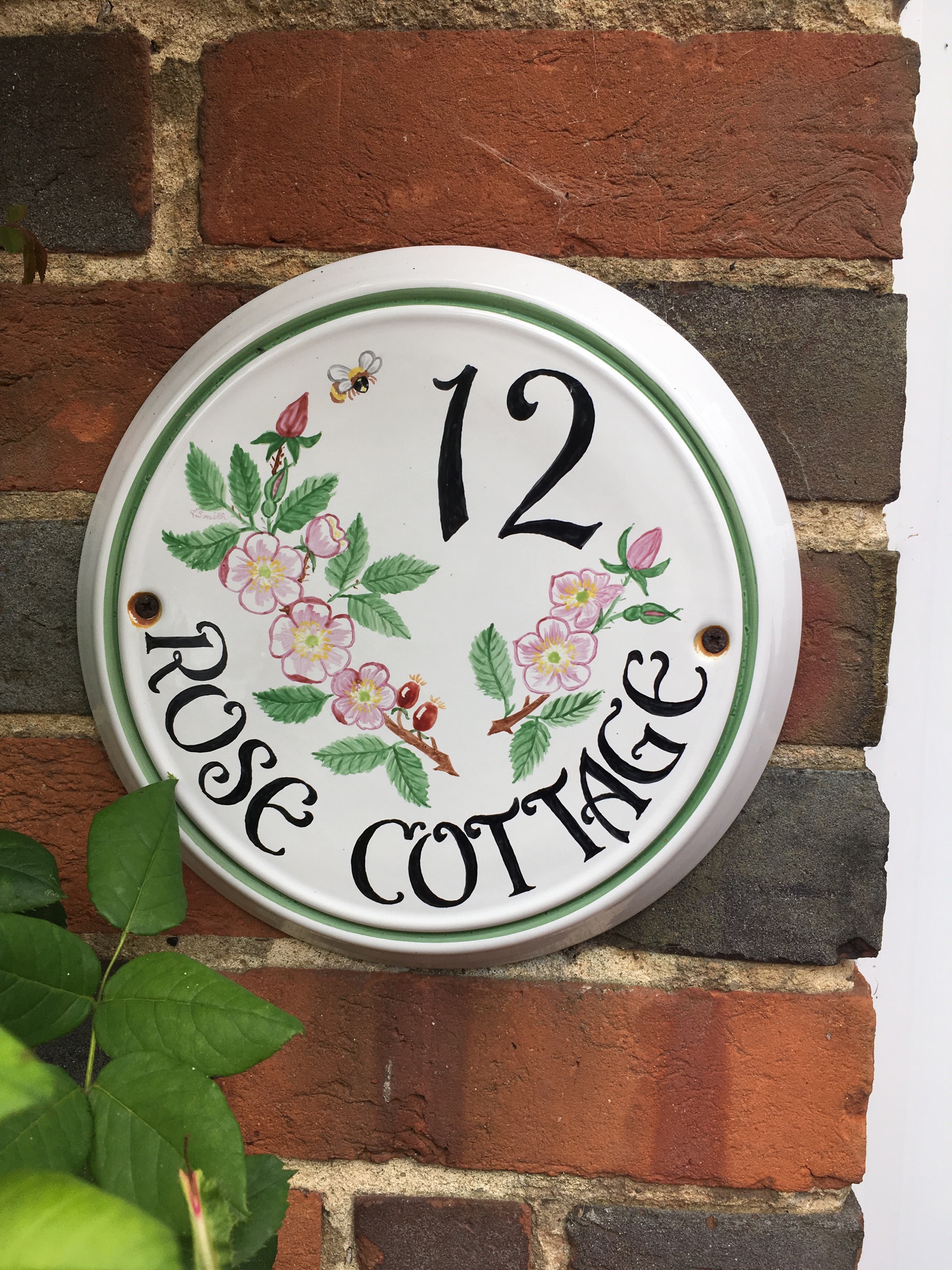
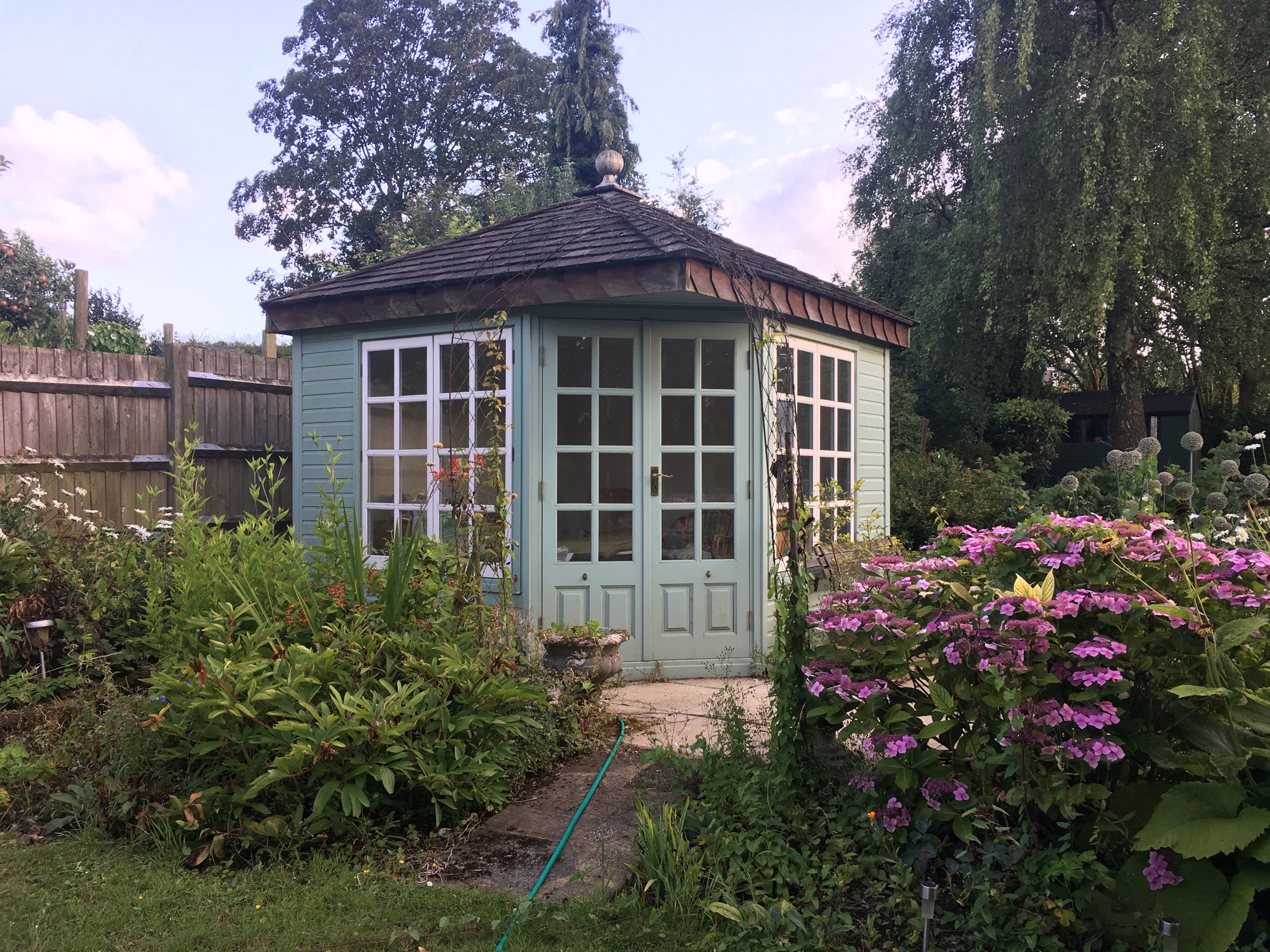
Rose Cottage - how lovely!

Rose Cottage - how lovely!

Judy’s home is a cozy English cottage and has, like many of the homes I visited in Alton, the three essential components of a British house - its very own name, a conservatory, and a pretty English garden.  

It seemed that everyone in Alton had a green thumb, as all through town were pretty and colorful window boxes, planters, and gardens. Whether small or large, is there any place more lovely than an English garden? 

This pretty English garden in Hampshire belongs to my friend Sarah.

This pretty English garden in Hampshire belongs to my friend Sarah.

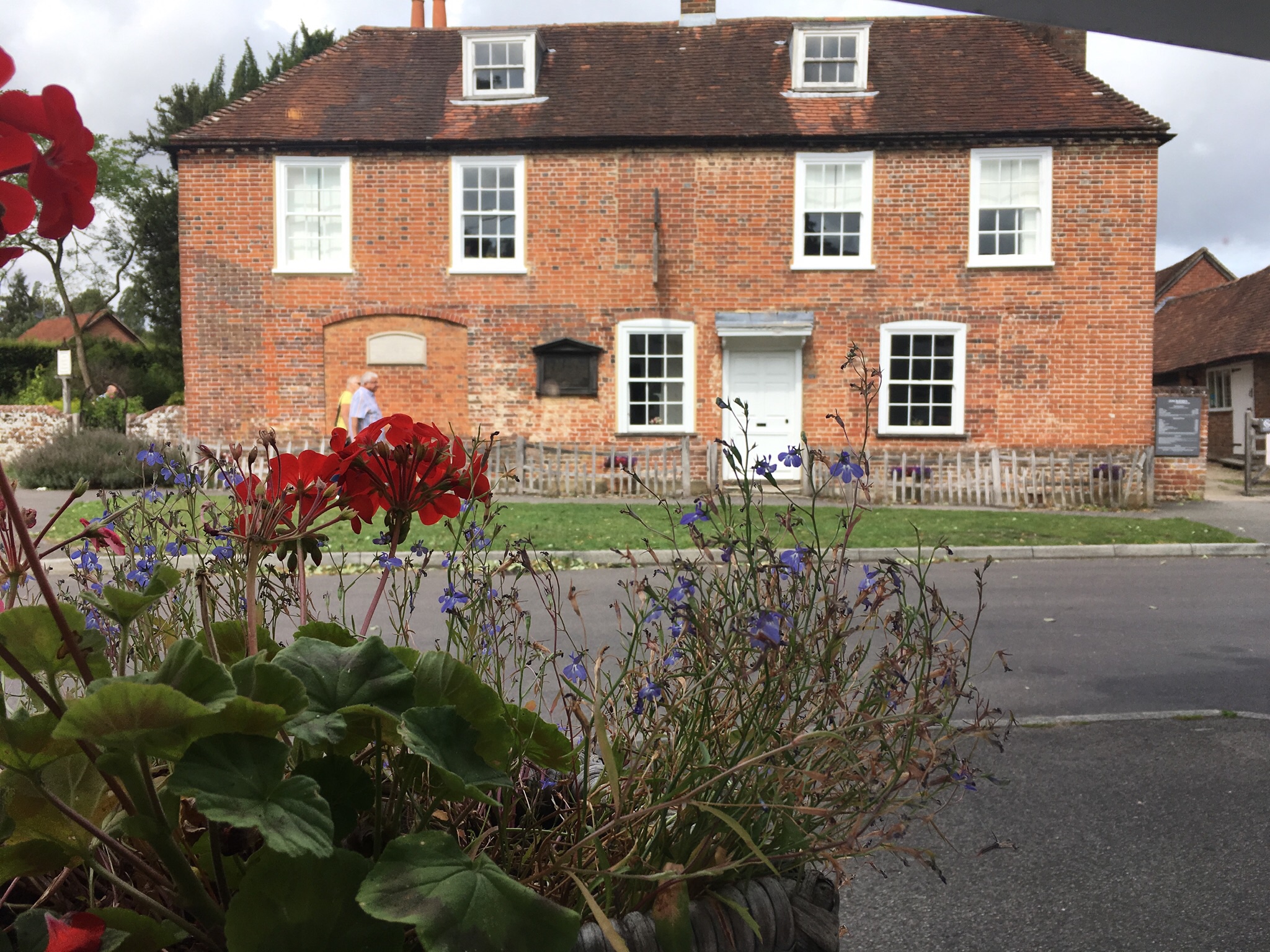
Hampshire is Jane Austen country. The small village of Chawton, just a few minutes from Alton, is home to Jane Austen’s House Museum, where the author lived as she wrote and published her famous novels. The names are familiar - Pride and Prejudice, Sense and Sensibility, Persuasion, Emma, Mansfield Park, and Northanger Abbey. The stories spring to life when walking through the author’s home and gardens. A stop for tea and scones at Cassandra’s Cup, just across from the museum and named for the author’s sister, was just the thing to complete our visit on a chilly morning.

Jane Austen’s House Museum, Chawton, Hampshire, England

Jane Austen’s House Museum, Chawton, Hampshire, England

The day before visiting the museum, I was fortunate to be invited to a wonderful lecture by Sue Dell, titled “Reimagining Jane Austen’s Quilt,”  which gave the history behind the family quilt (displayed in the museum), as well as the story of the community quilt (also on display at the museum) made to mark the 200-year anniversary of the author’s death. Sue is an expert on both quilts, a volunteer at the museum, and a fantastic storyteller. Her talk made the displays at the museum a much richer experience. For fans of the novelist, or aficionados of vintage quilts, a visit to this museum is a fantastic experience.

Close-up of the Austen family quilt (actually a coverlet rather than a quilt as it has no batting). The border alone contains 2,500 symmetrical diamond-shaped pieces, all hand-stitched.

Close-up of the Austen family quilt (actually a coverlet rather than a quilt as it has no batting). The border alone contains 2,500 symmetrical diamond-shaped pieces, all hand-stitched.

Just up the road from the museum is Chawton House. For those familiar with Austen’s novels, this is the model for the “great house” and the place where she often visited her brother who, adopted by the childless owners, had inherited the mansion. That story in itself sounds like a Jane Austen novel.

Chawton House

Chawton House

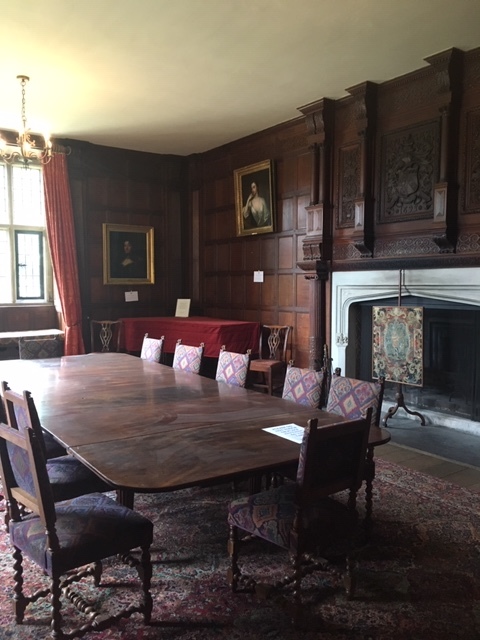
Where Jane’s cottage is quaint and small, Chawton House is grand, with rich wood paneling and furnishings, ornate ironwork and windows, and multiple sitting rooms and grand staircases. The library is astonishing (and houses information on women writers) and the old kitchen is now an inviting tea room.
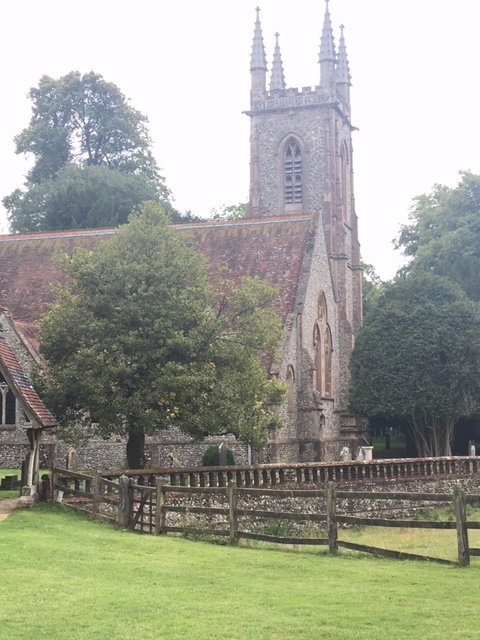
St. Nicholas Church
St. Nicholas Church
Chawton House Dining Room
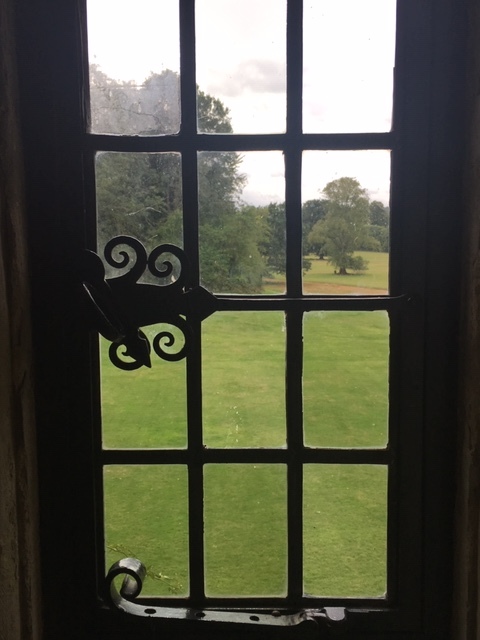
A Window to the Grounds

The surrounding gardens and rolling hills are evocative of so many scenes in the novels. The small church on the estate, St. Nicholas, is where the Austen family attended services and where Jane’s mother and sister are buried. Jane Austen herself is buried in nearby Winchester at the cathedral - another fascinating place to visit.

The walled garden at Chawton House

The walled garden at Chawton House

A frequent character in any Austen novel is the village Vicar (her father was one). But vicars aren’t just literary figures. They are still an important part of life in Hampshire. During my visit, the local vicar happened to be on vacation, leaving Judy to look after his cats while another friend tended to his chickens. A side benefit of their visits to the vicarage meant that there were fresh eggs to be gathered. I got a kick out of eating eggs from the vicar’s chickens for my morning breakfasts - making me feel rather like a character in a Jane Austen novel. And while I don’t actually recall any chickens in Austen’s novels, I’d like to believe that somewhere, there is an unfinished manuscript in which a woman of a certain age, visiting from Italy, collects eggs from the vicar’s chickens. In the movie, she’d look just like me. -post by Joanne

public.jpeg
September 09, 2019 /Judy Giannnettino
  • Newer
  • Older

Powered by Squarespace