Rothko in Florence
As if the beauty, pageantry, history, art, and architecture that is Florence every single day were not enough, the city also frequently hosts special art exhibits. There are many exhibit venues in Florence; one of the best is the Palazzo Strozzi. Built around 1500, the palazzo is a stunning example of Renaissance architecture. The building is a wonder, especially its central courtyard with its columns and arches, open to the windows and loggia of the upper floors. After centuries of ownership by the Strozzi family, today the palazzo is the property of the city of Florence. The courtyard often hosts small art installations, with the major exhibits displayed on the floor above, the piano nobile.
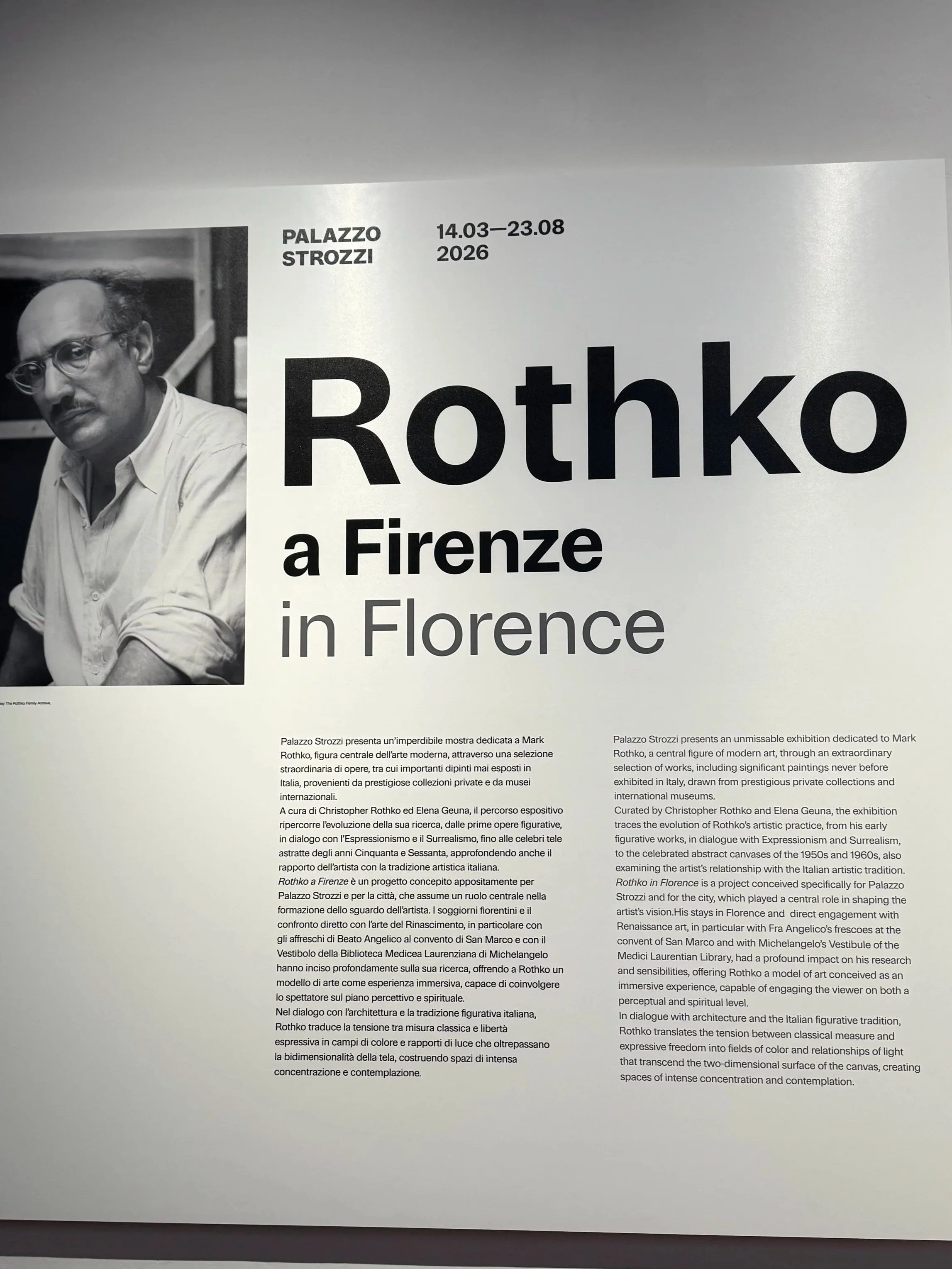
This month, and through August 23, the Strozzi is host to a presentation of works by Mark Rothko, one of modern art’s most well known painters. The exhibit, curated by Christopher Rothko and Elena Geuna, spans Rothko’s career and includes works gathered from both private collections and museums from around the globe.
Rothko, born Marcus Rothkowitz in what is now Latvia, emigrated as a child, arriving in the US with his family in 1913. His art career began in New York in the 1920s and over the course of his lifetime was shaped by many influences – surrealism, impressionism, war, religion, Greek mythology, spirituality, Italian classical art (especially that of Fra Angelico and Michelangelo), and his own, sometimes turbulent, life.
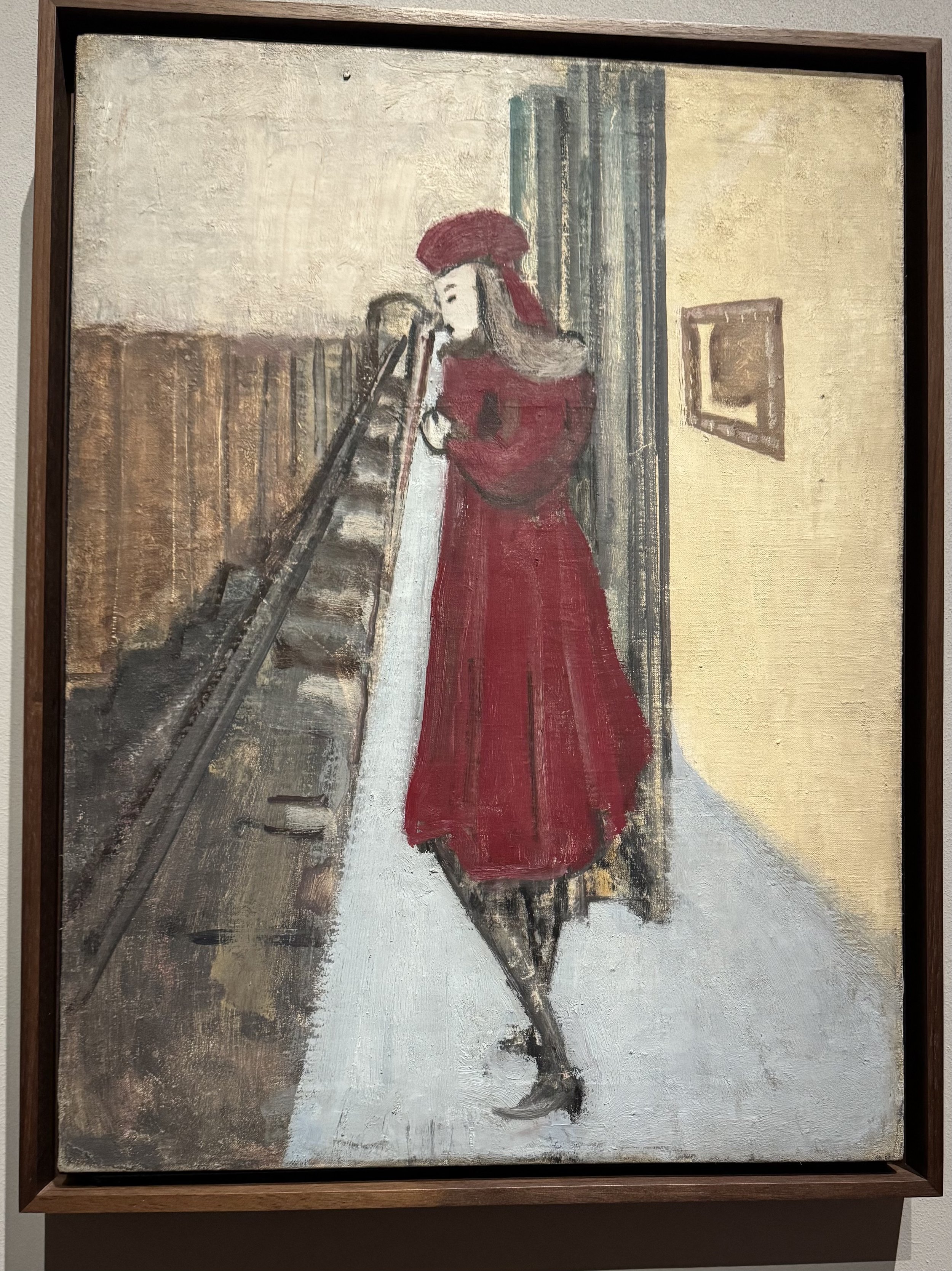
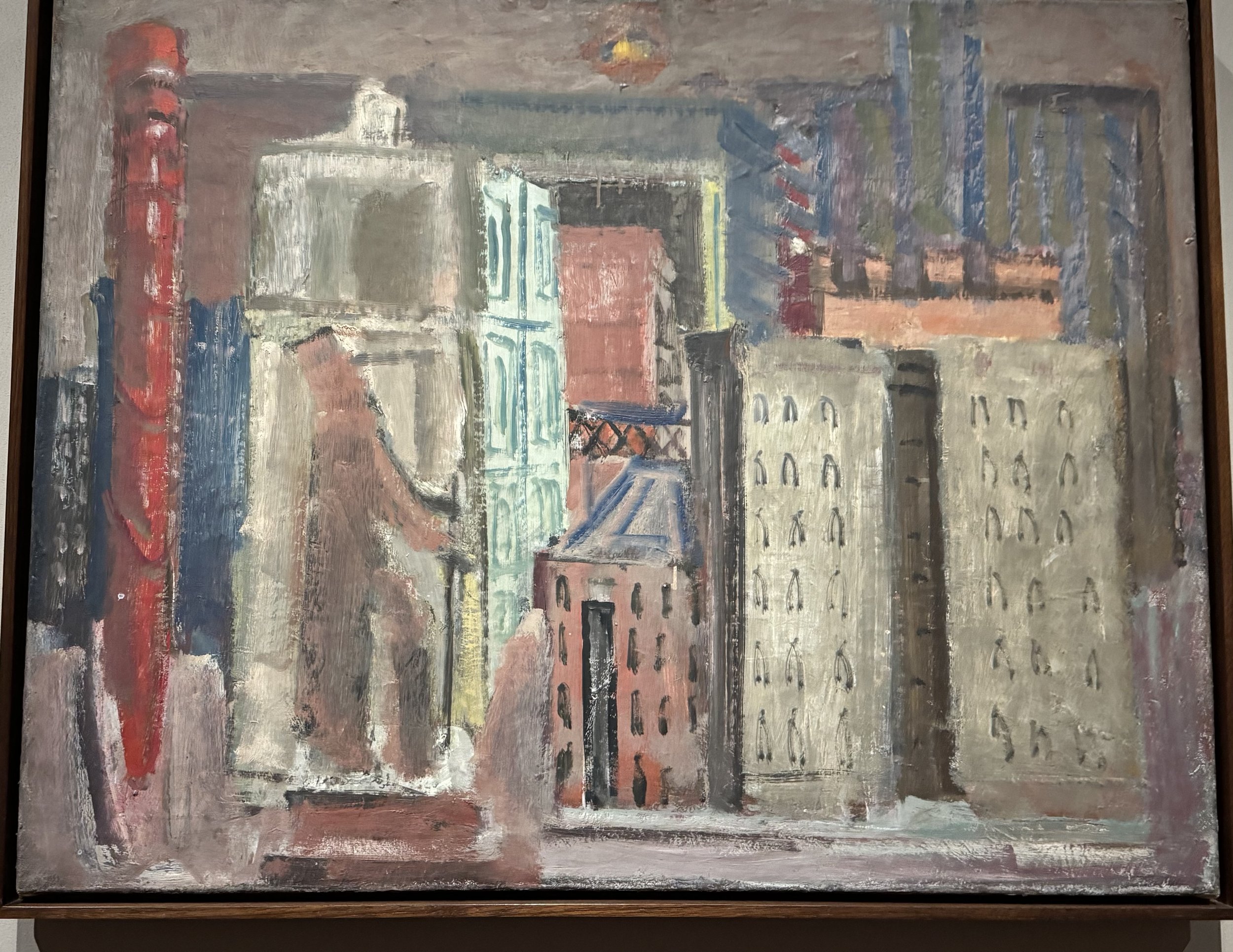
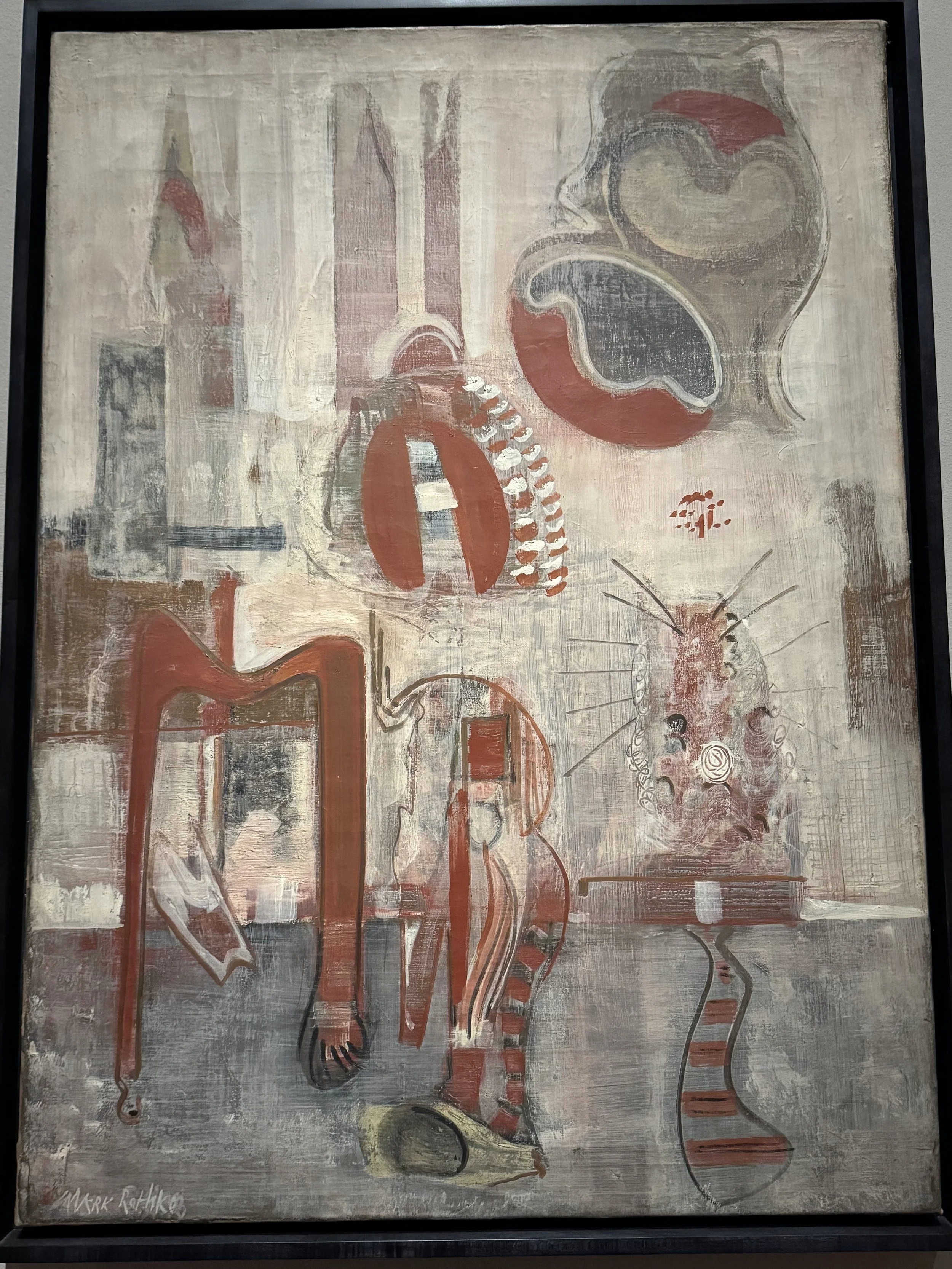
I was not familiar with Rothko’s early works which include portraits, city scenes, watercolors, and drawings. I was drawn to them in a different way than to his later works. Above: Untitled (Woman in Subway, 1938; Untitled (Cityscape) 1936, and Room in Karnak, 1946)
I have a friend who, when visiting a gallery or museum, often asks “If you could take home one piece, which one would it be?”. For me, it would be the one below, an untitled watercolor, ink, and graphite piece from 1945.
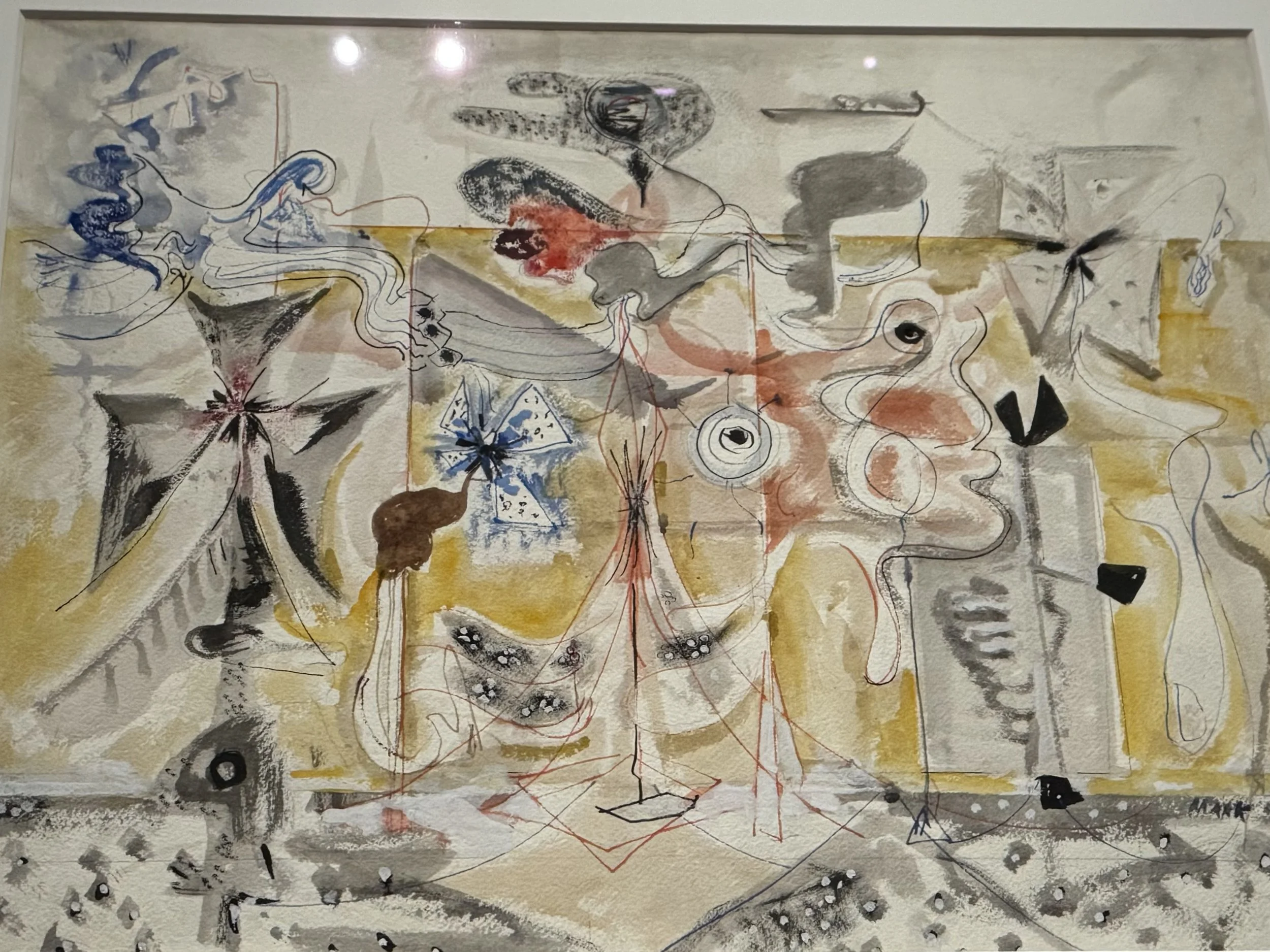
This piece seems to dance across the paper; it is the one I would take home and be enchanted by every day.
As with many artists, Rothko’s style evolved over time. His later works are quite different from his early pieces. The one constant seems to be his use of color as a form of expression.
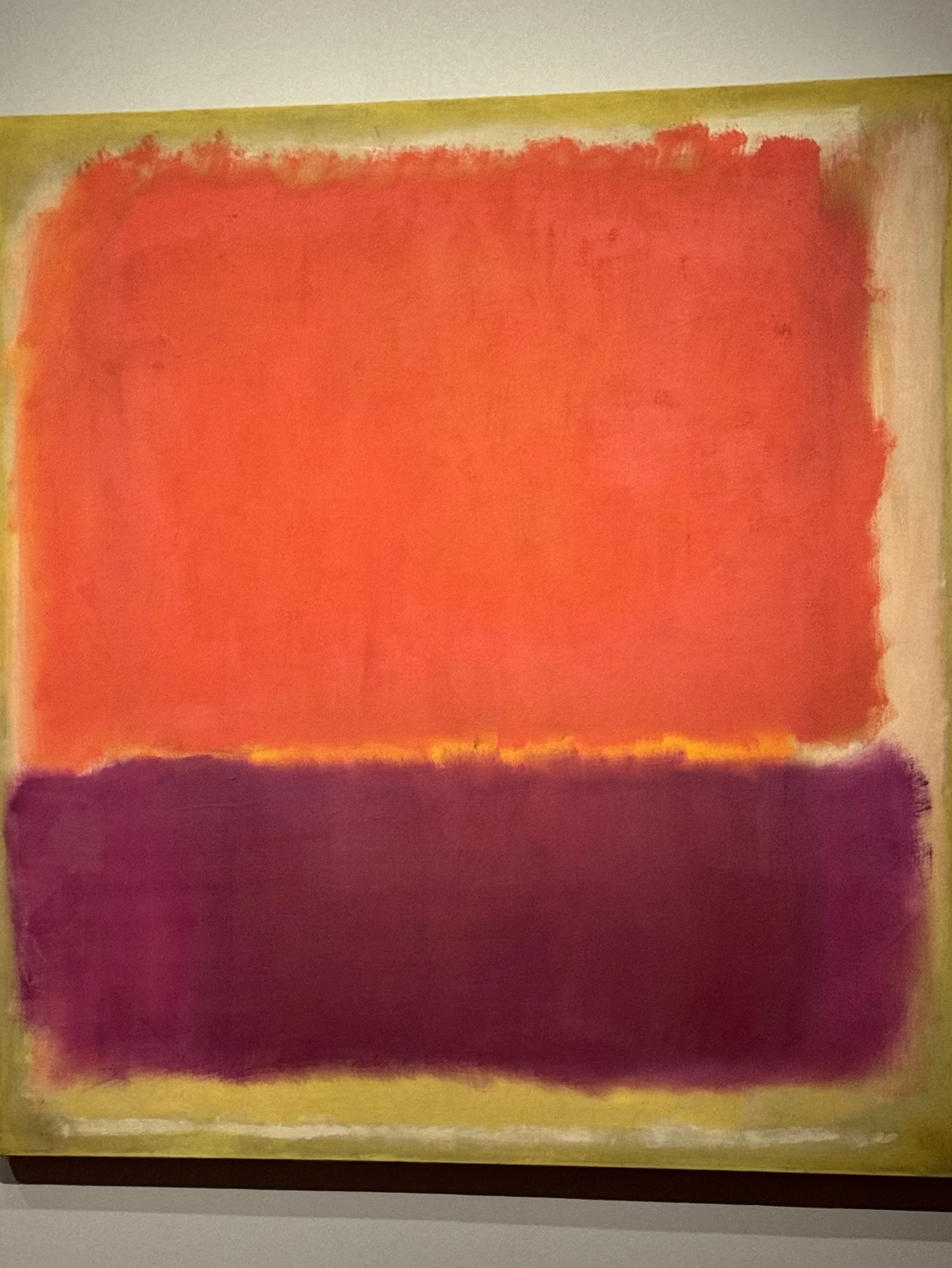
It is his abstract art, known as Multiforms, which began in the late 1940’s, that was a later step in his evolution and which produced the works for which he is best known. These are large pieces which feature dramatic blocks of color. Gone are the people, buildings, or indeed any figures at all. Below from left to right are works from 1951 (#12), 1953 (untitled), and another from 1953 (#2). Interestingly, Rothko did not name his paintings, leaving each person viewing the work to have his own reaction, without the influence of a name.
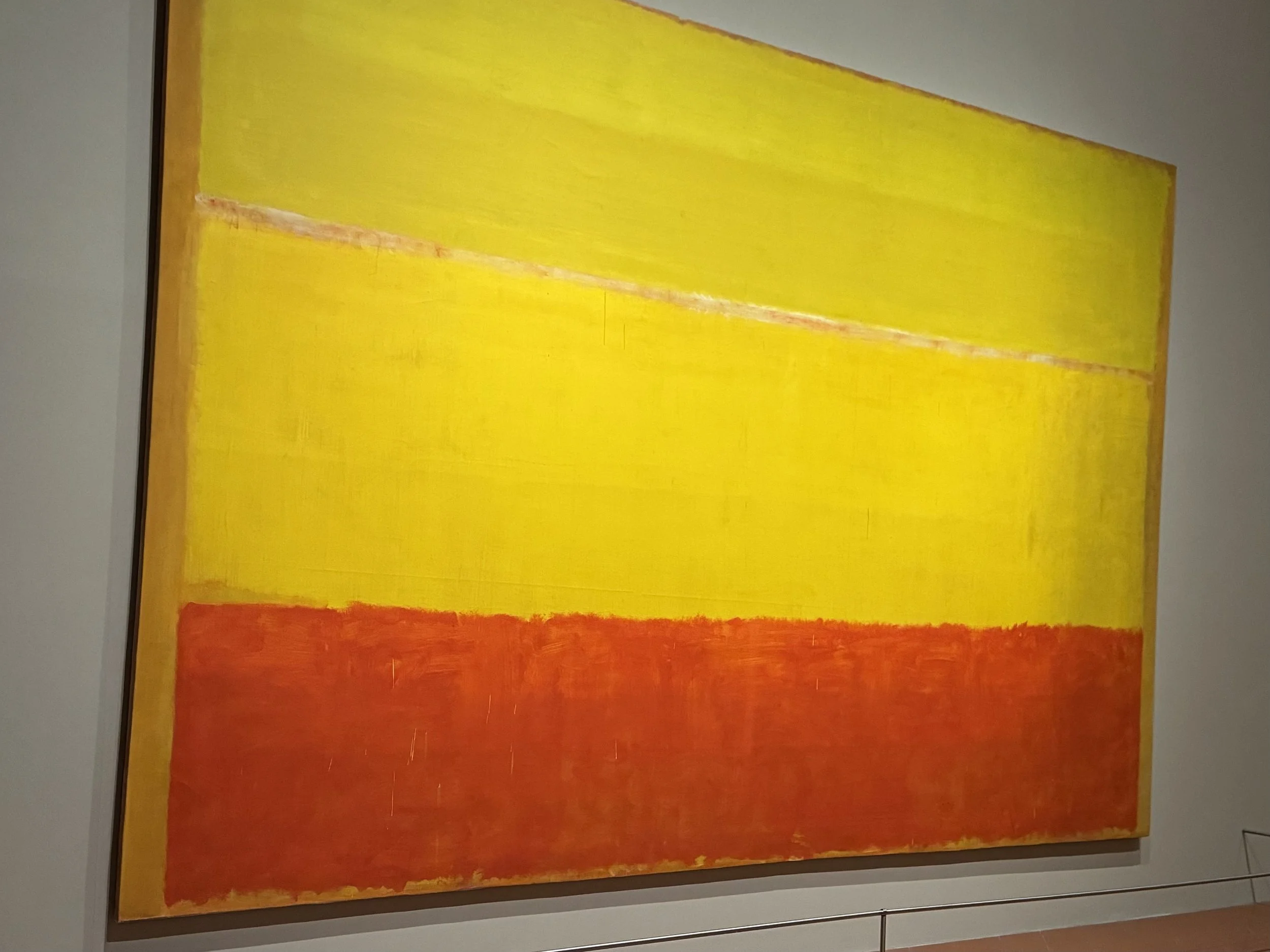
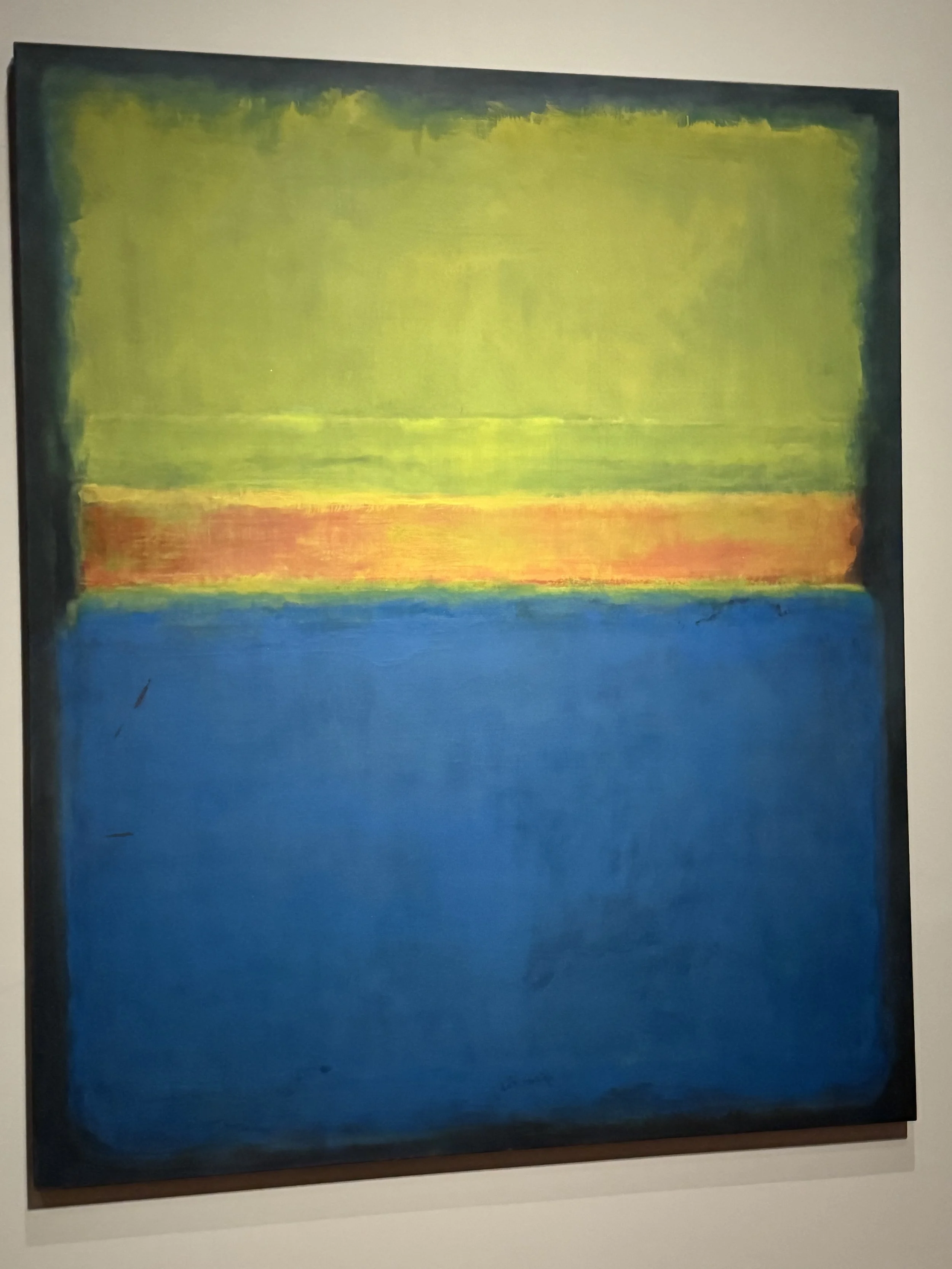
In the 1950’s and 60’s Rothko worked on several commissions, including a series of murals for a chapel in Texas (named the Rothko Chapel after the artist’s death). He also painted the Seagram Murals, a series originally intended for a restaurant in New York’s Seagram building. Realizing that a restaurant was not the appropriate setting for his work, he instead donated several of the pieces to London’s Tate museum. Sadly, they arrived on the same day that Rothko took his own life. None are included in the Strozzi exhibit as they are a permanent exhibit in the Tate Museum and only displayed as a group. Some sketches for them can be seen in the Laurentian Library as part of the exhibit in Florence. There are also some additional small works in Museum of San Marco, a link to Rothko’s appreciation of Fra Angelico.
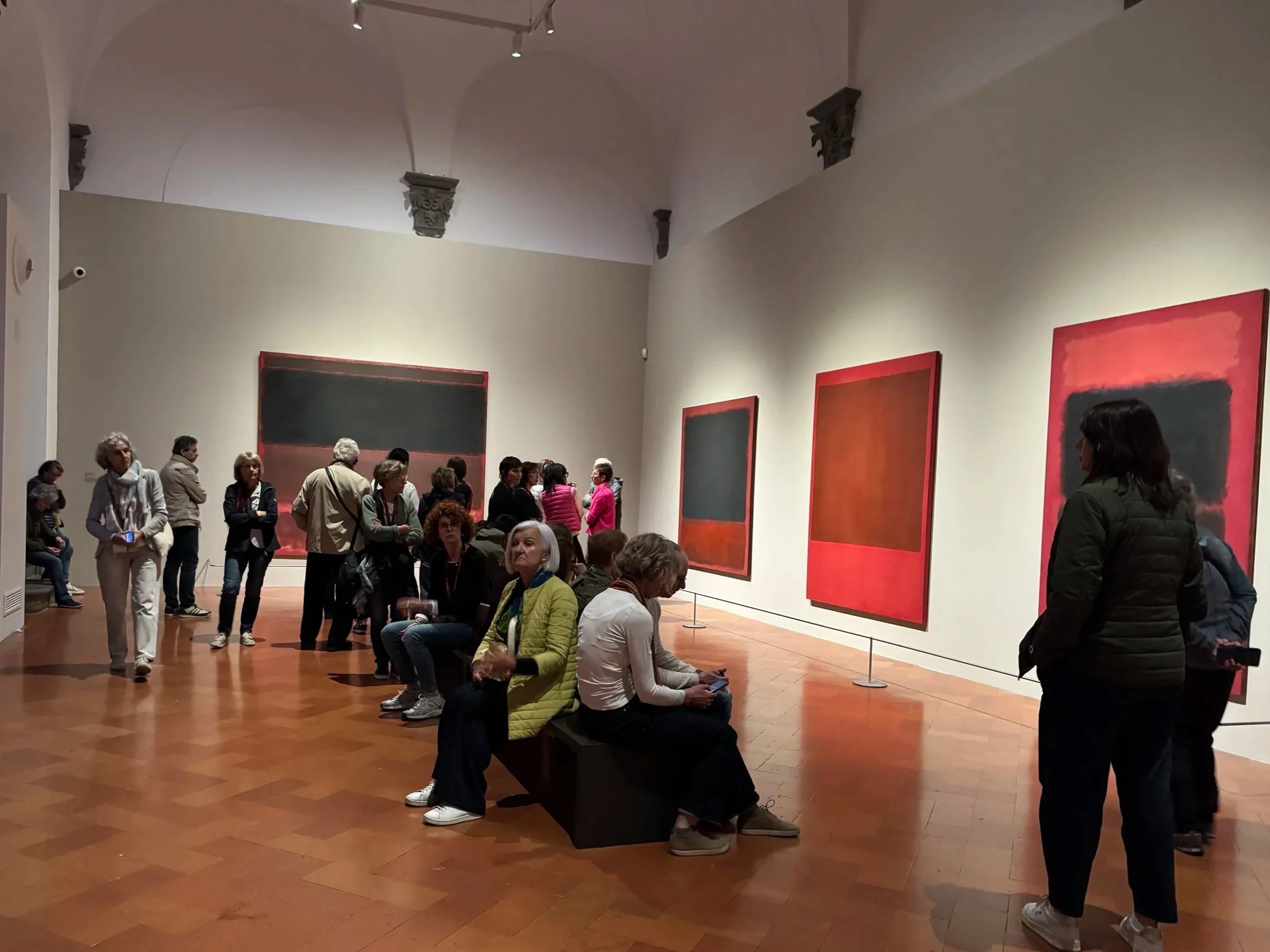
Below are pieces from 1955, 1958, 1964, about the same time as the Seagram works.
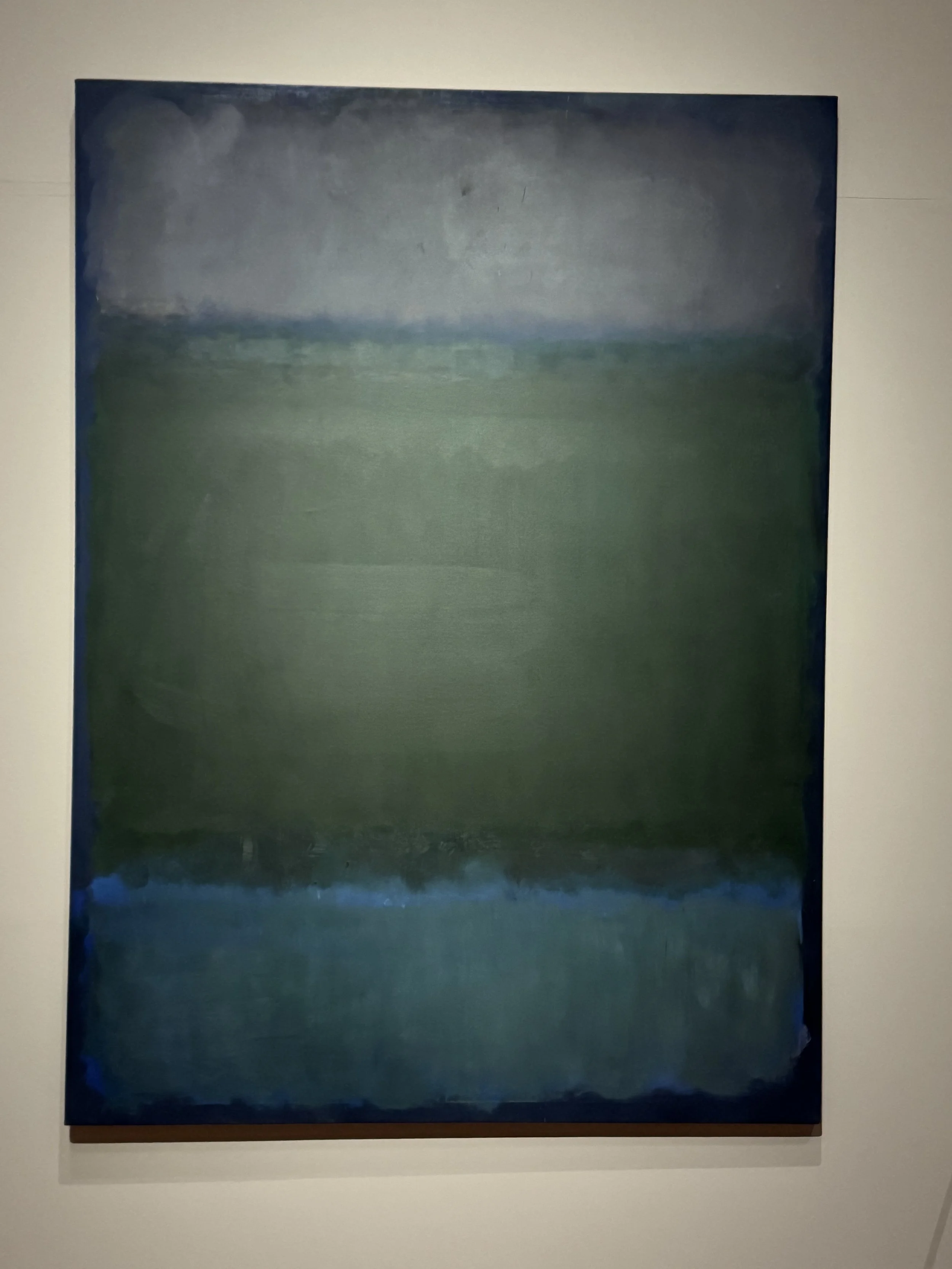
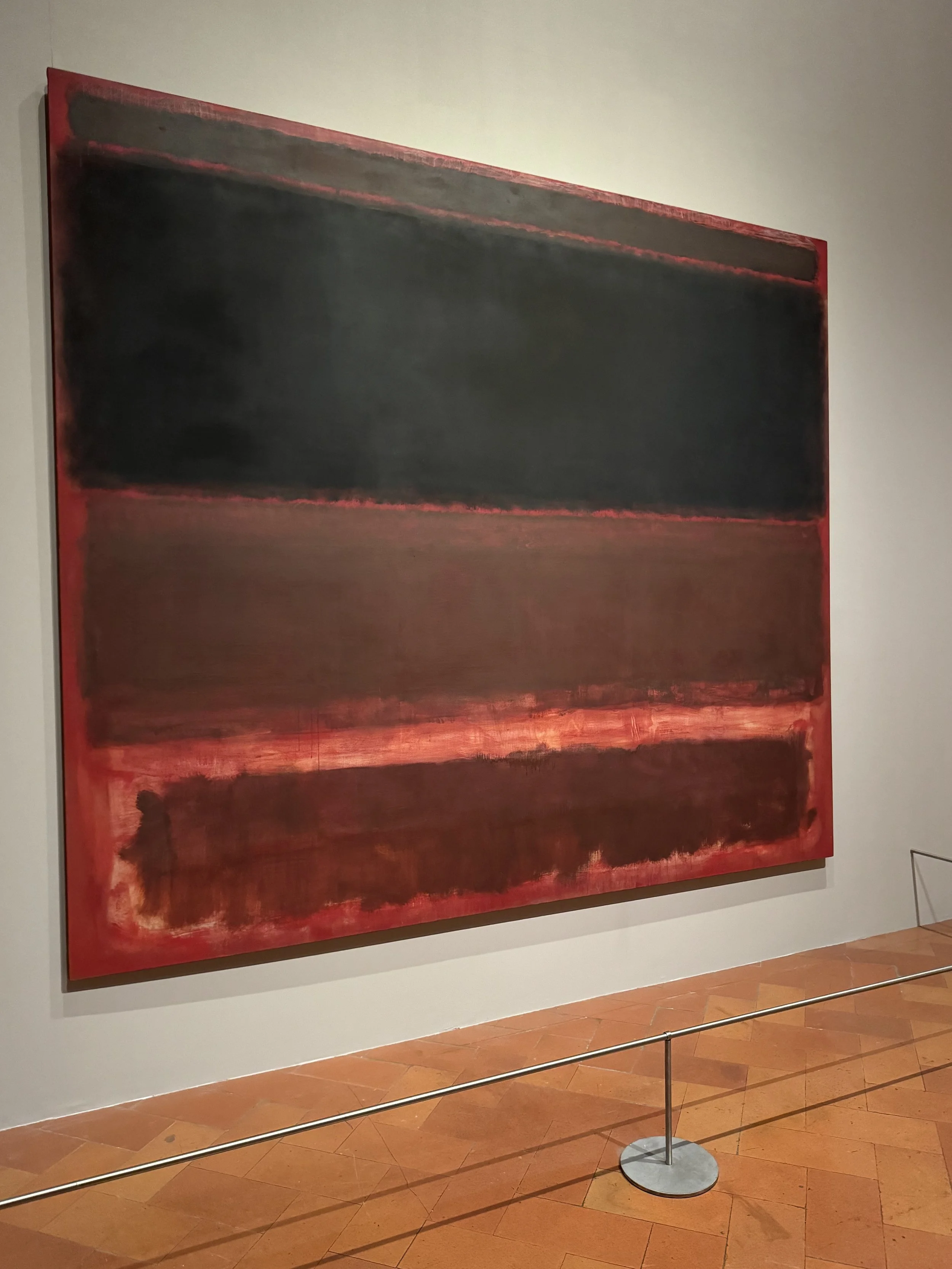
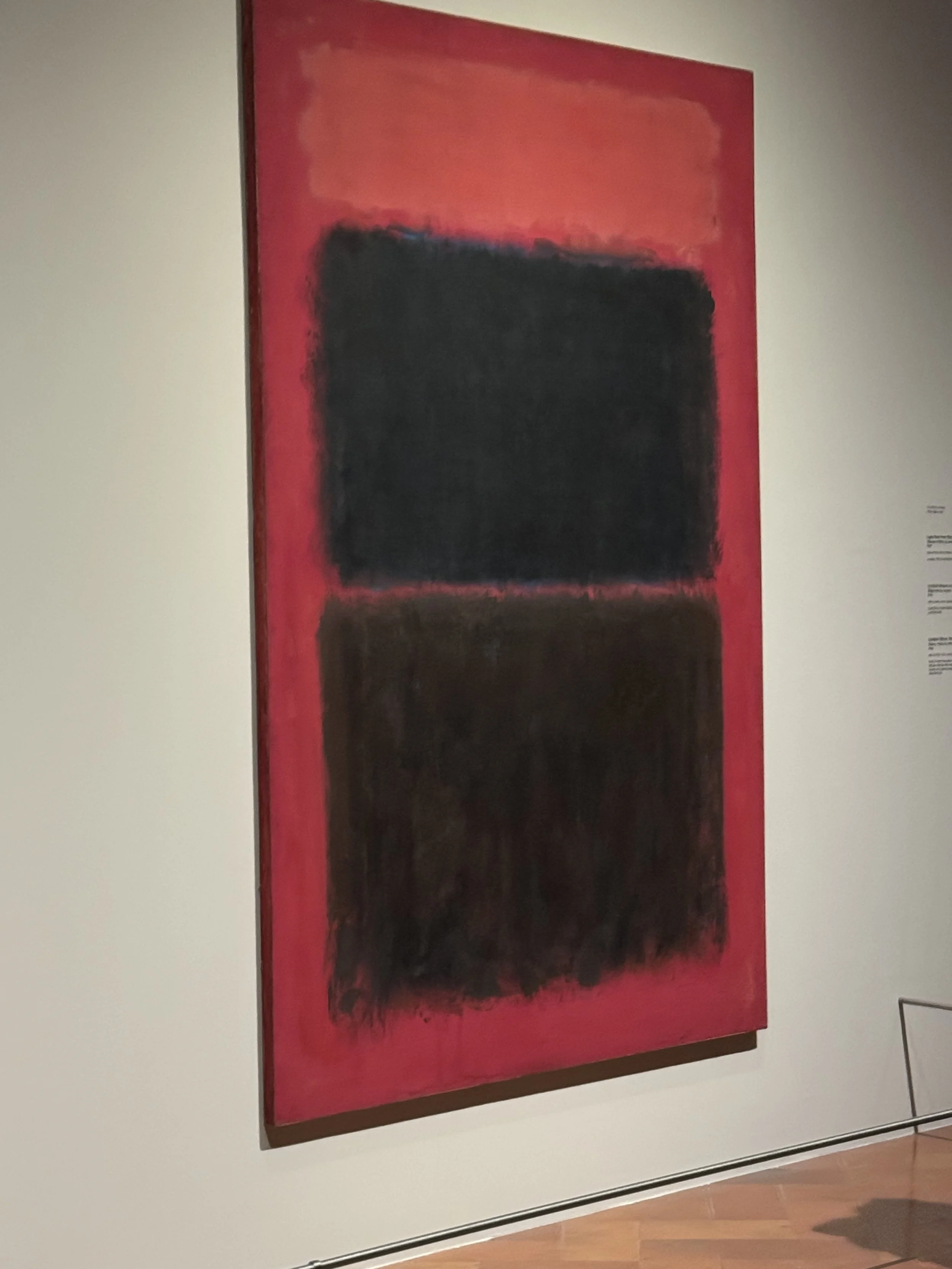
The chronological presentation of Rothko’s paintings at the Strozzi allow the observer to follow Rothko’s evolution as an artist, being drawn in to what seems to be an increasingly dark mood as his colors change from bright yellows, vibrant greens and blues, to more somber dark reds and browns and finally to gray and black. The two below are from 1969.
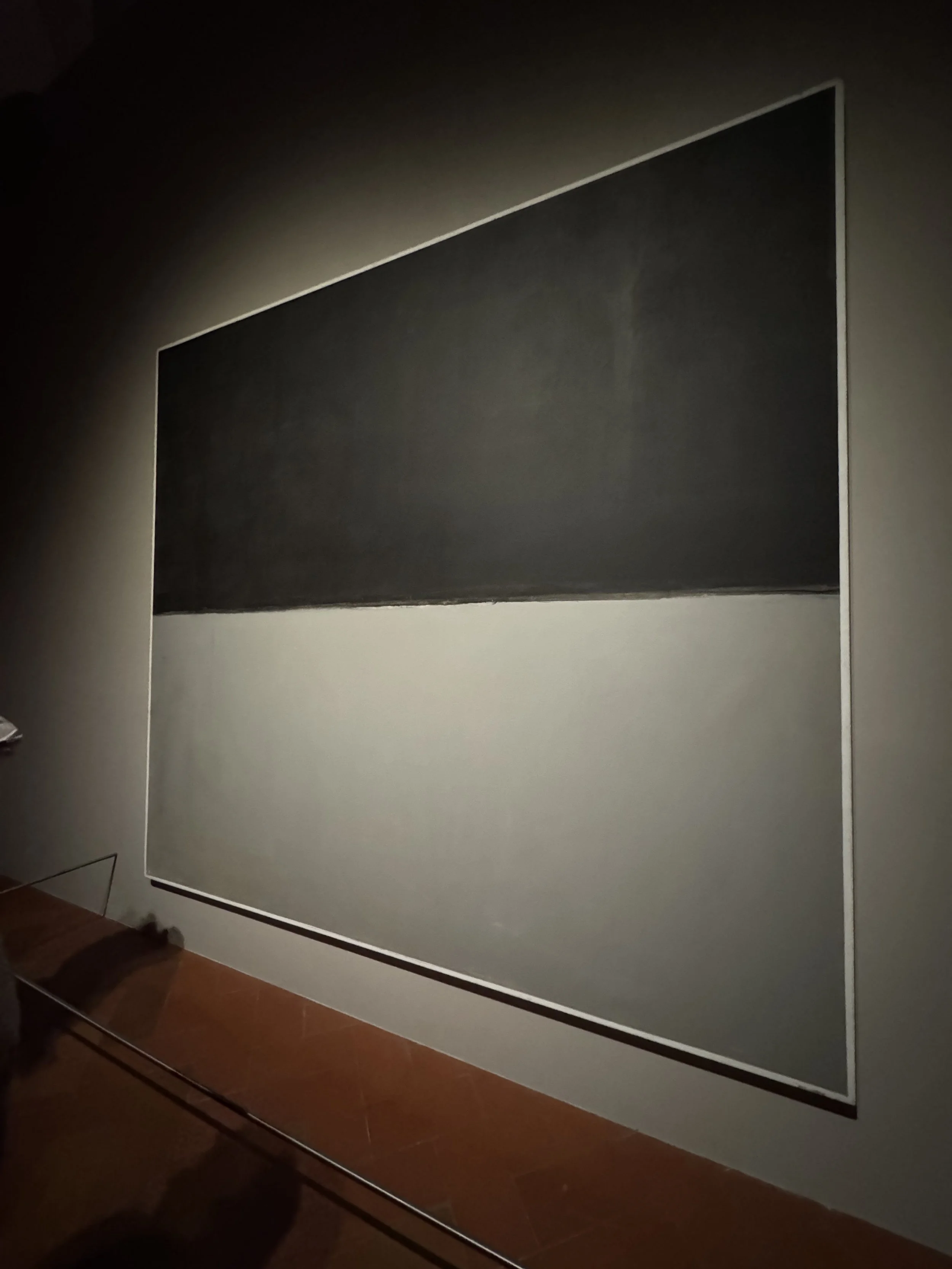
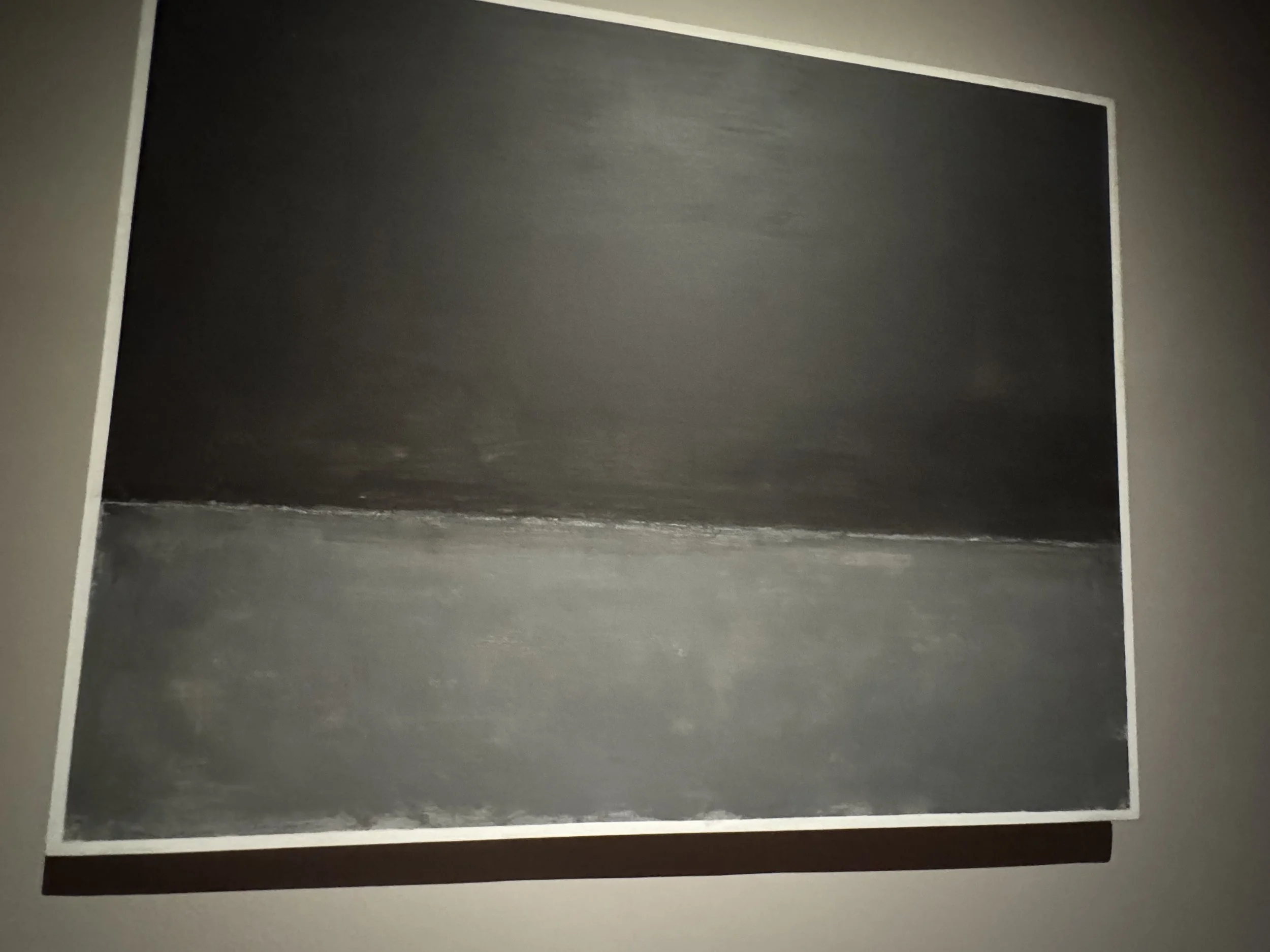
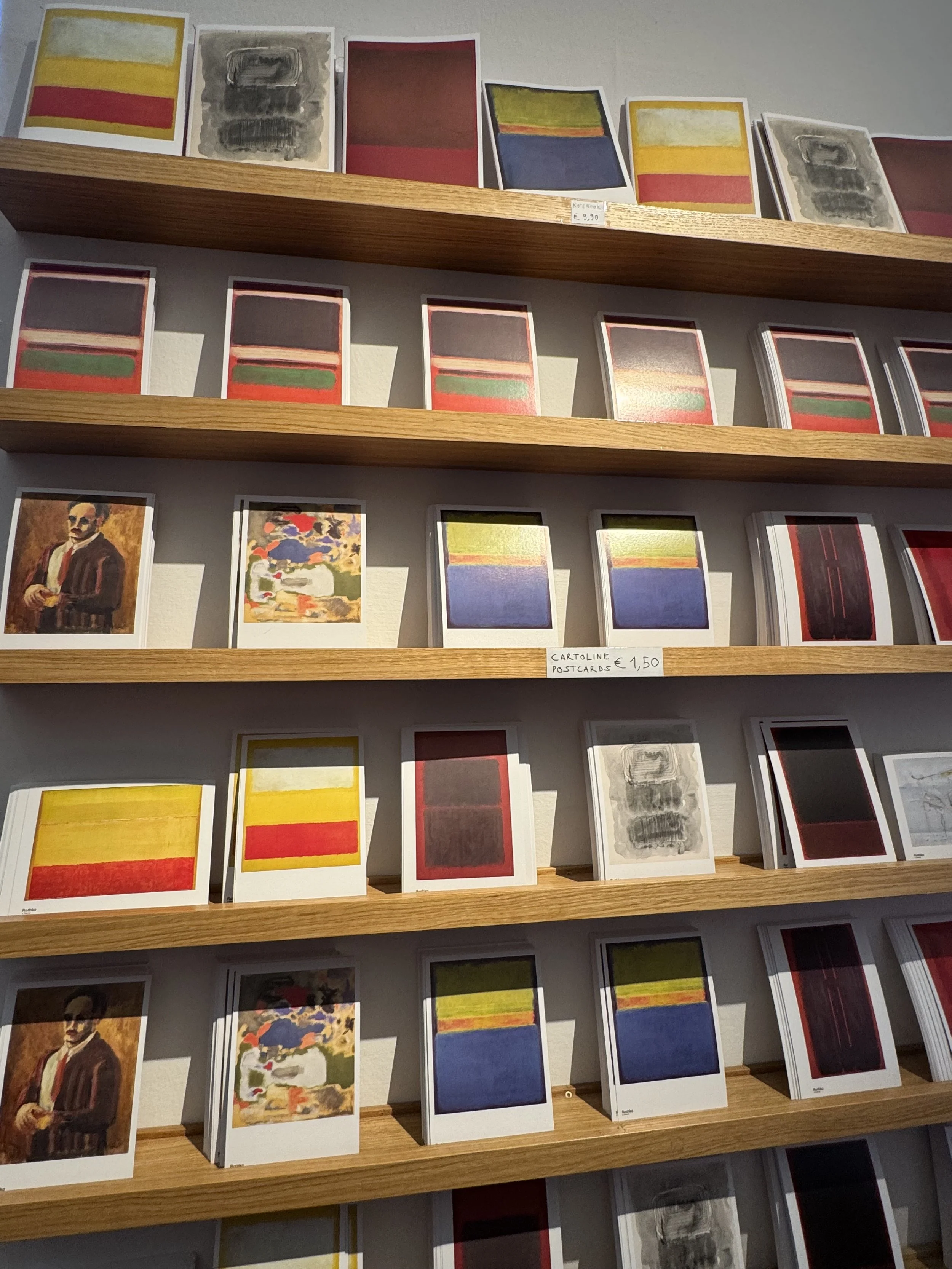
Rothko a Firenze is a well curated exhibit, with detailed information in both Italian and English, and a must see for those with an interest in modern art. The gift shop has posters and cards with many of the paintings as well as books about the artist.