Two Parts Italy

Exploring Italy, travel, and living a flavorful life

  • Blog
  • About This Blog
  • Start Here
  • Recent Posts
  • Archives by Topic
  • Subscribe
  • Contact me

Blue Skies and a Perfect day in Sant’Andrea di Compito

March 27, 2023 by Joanne Bartram in #italiangardens, #springintuscany, Camellia Festival Italy, Festivals Italy, Garden Festivals Italy, Hill Towns Italy, Italian gardens

The countryside around Lucca, Italy is dotted with beautiful villas and interesting small towns. One inviting place to visit is the medieval borgo (village) of Sant’Andrea di Compito which sits along a small stream and up a gentle hill, about 10 km (about 6 miles) outside of Lucca.
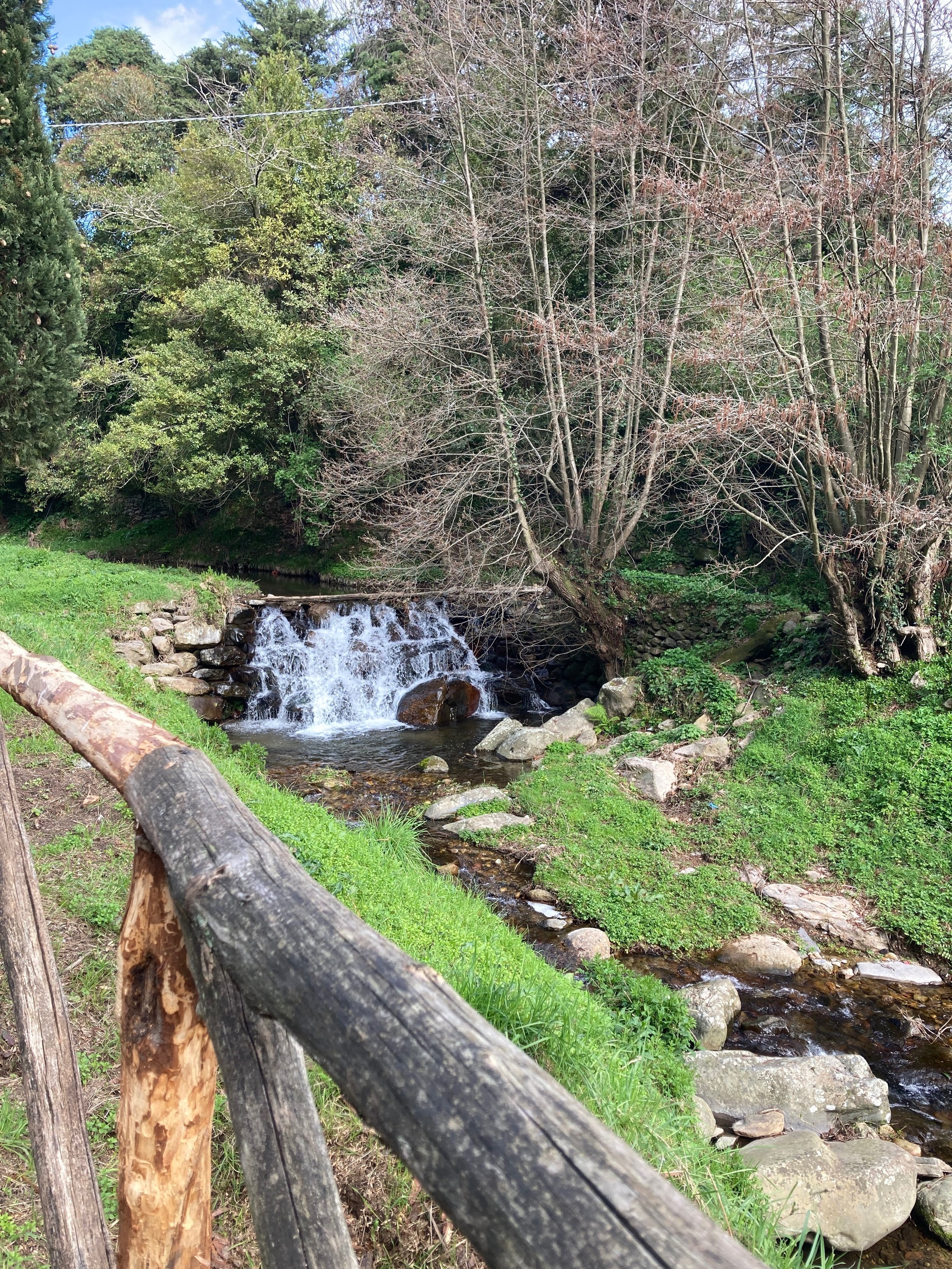
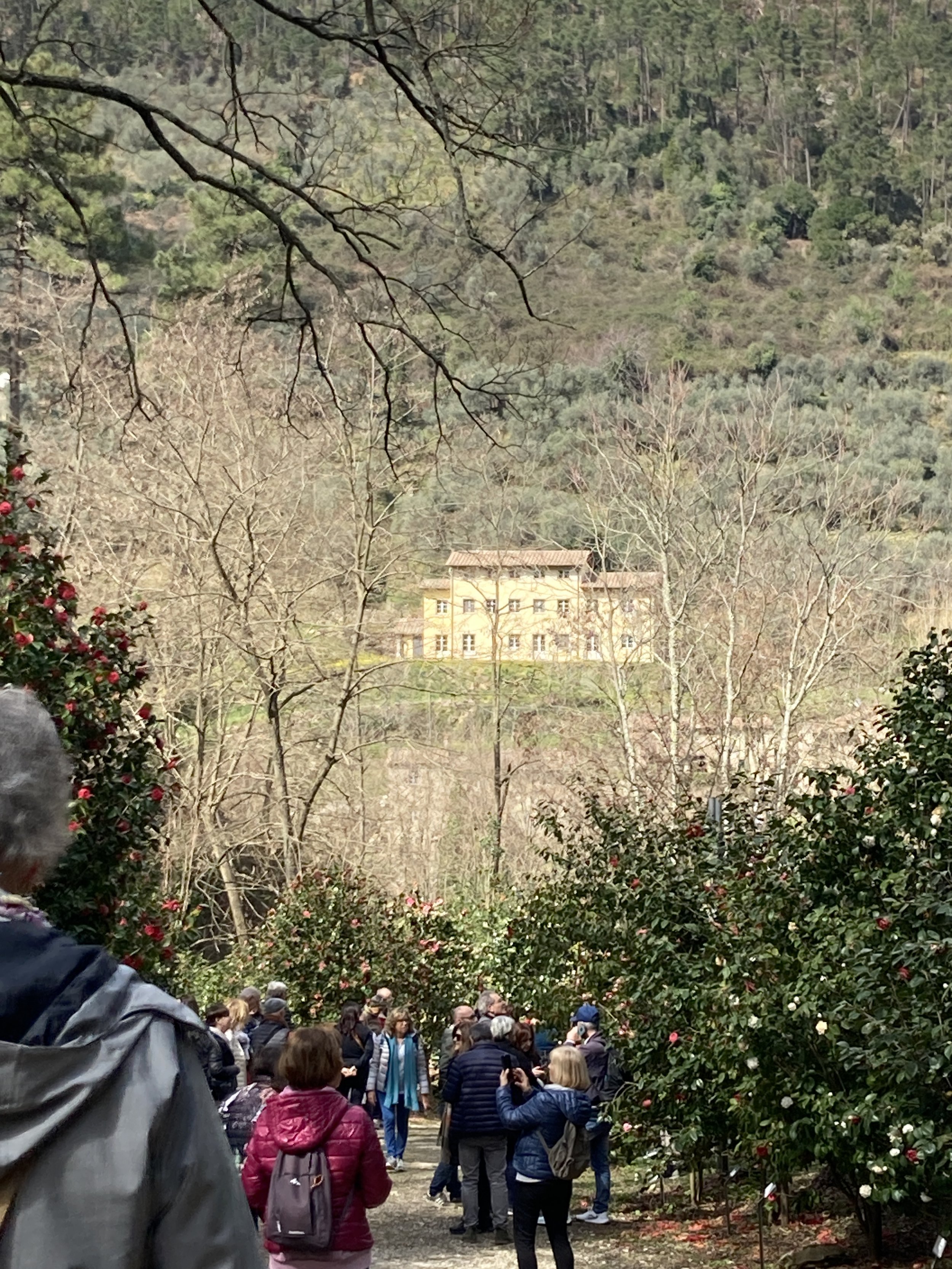
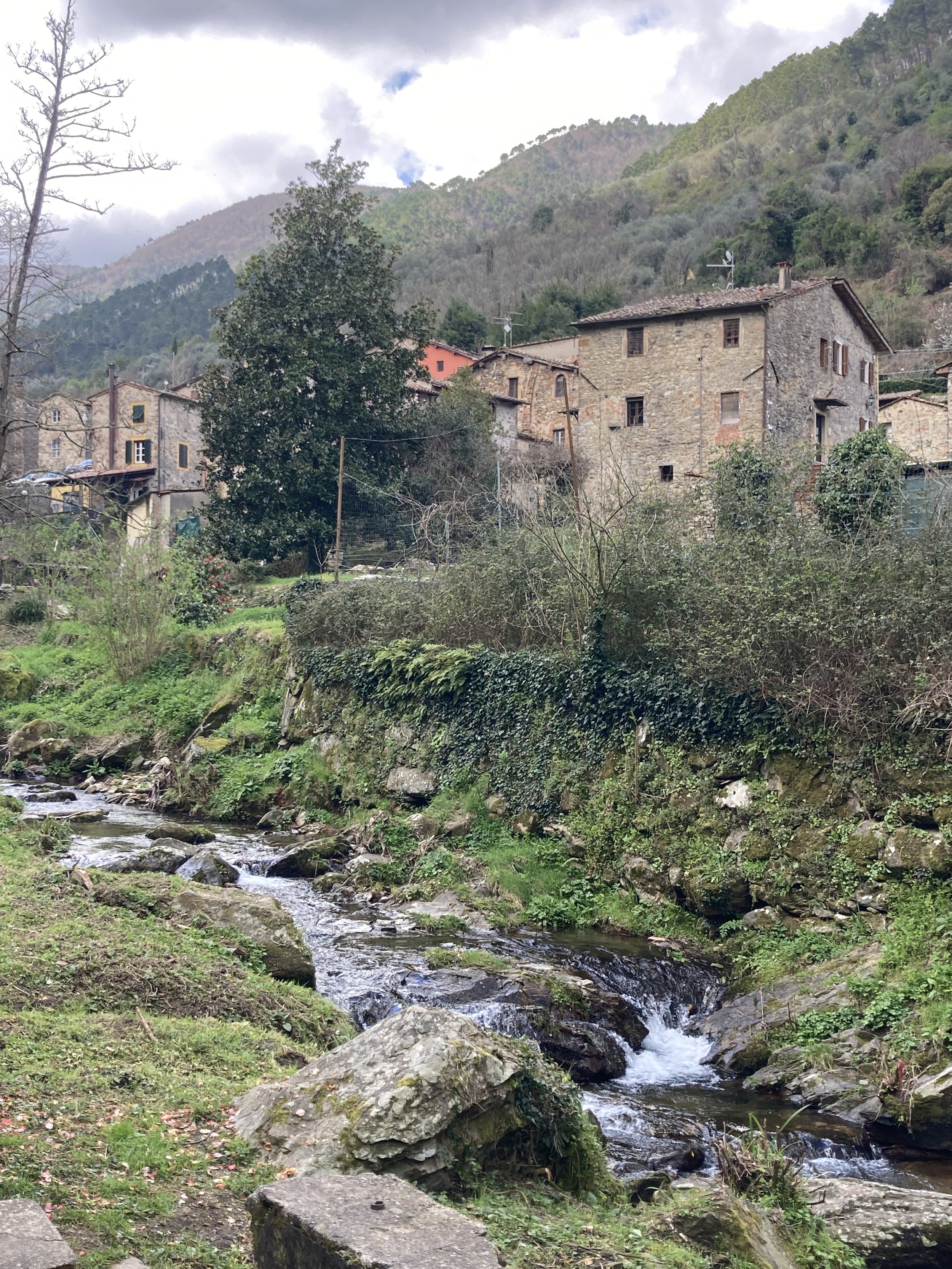
Sunny skies, the sound of water in the stream, and birds singing all contributed to a perfect March day in Sant’Andrea di Compito

Known as the Borgo delle Camelie, Sant’Andrea di Compito plays host each March to a festival showcasing an astounding collection of ancient camellia bushes, both the ornamental variety and the variety used for making tea. In fact, Italy’s only tea field (actually a walled garden, the Antico Chiusa Borrini) can be found here.

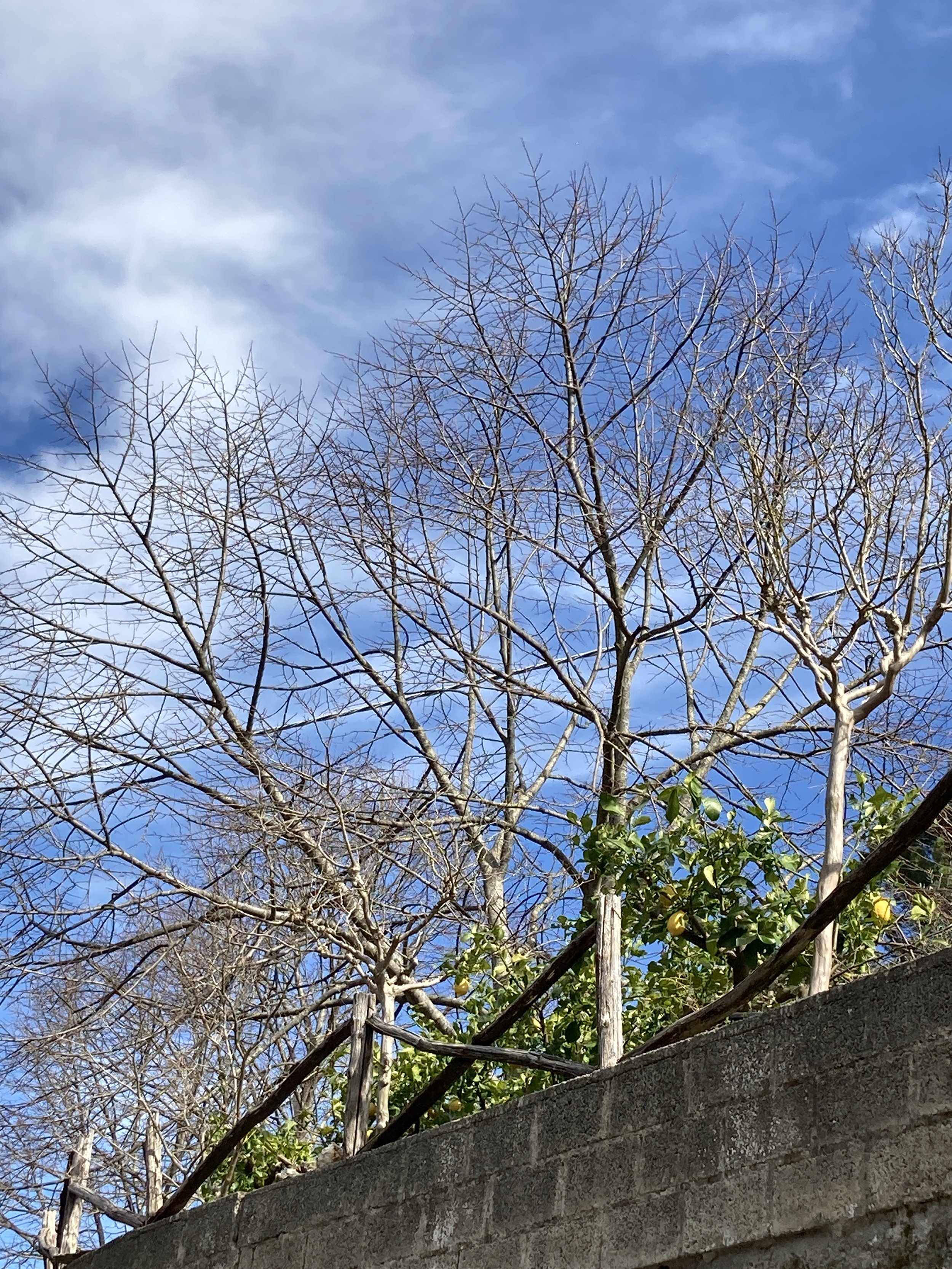
I visited Sant’Andrea during the annual Camellia Festival in 2018 and again in 2019 but had not returned since the lifting of pandemic restrictions. It was definitely past time for a return visit! So, along with a few friends, I set off for Sant’Andrea di Compito on a sunny spring-like morning. The village was just as charming as I remembered and the bright blue skies provided the perfect backdrop for wandering through the winding medieval streets.

Two previous blog posts tell the story of the Camellias (see links at bottom of page) so today I will use few words but lots of photos to describe this enchanting medieval village.

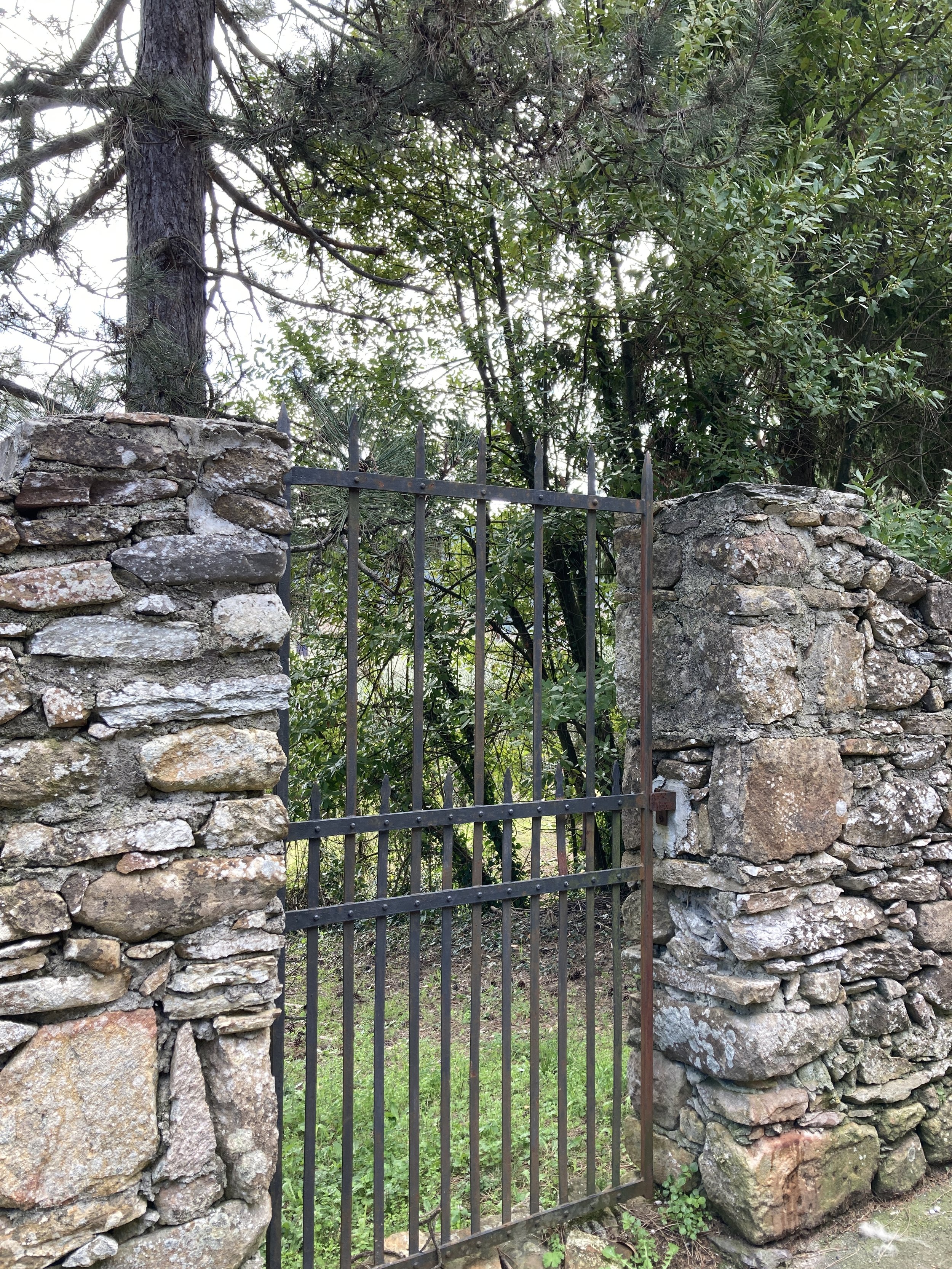
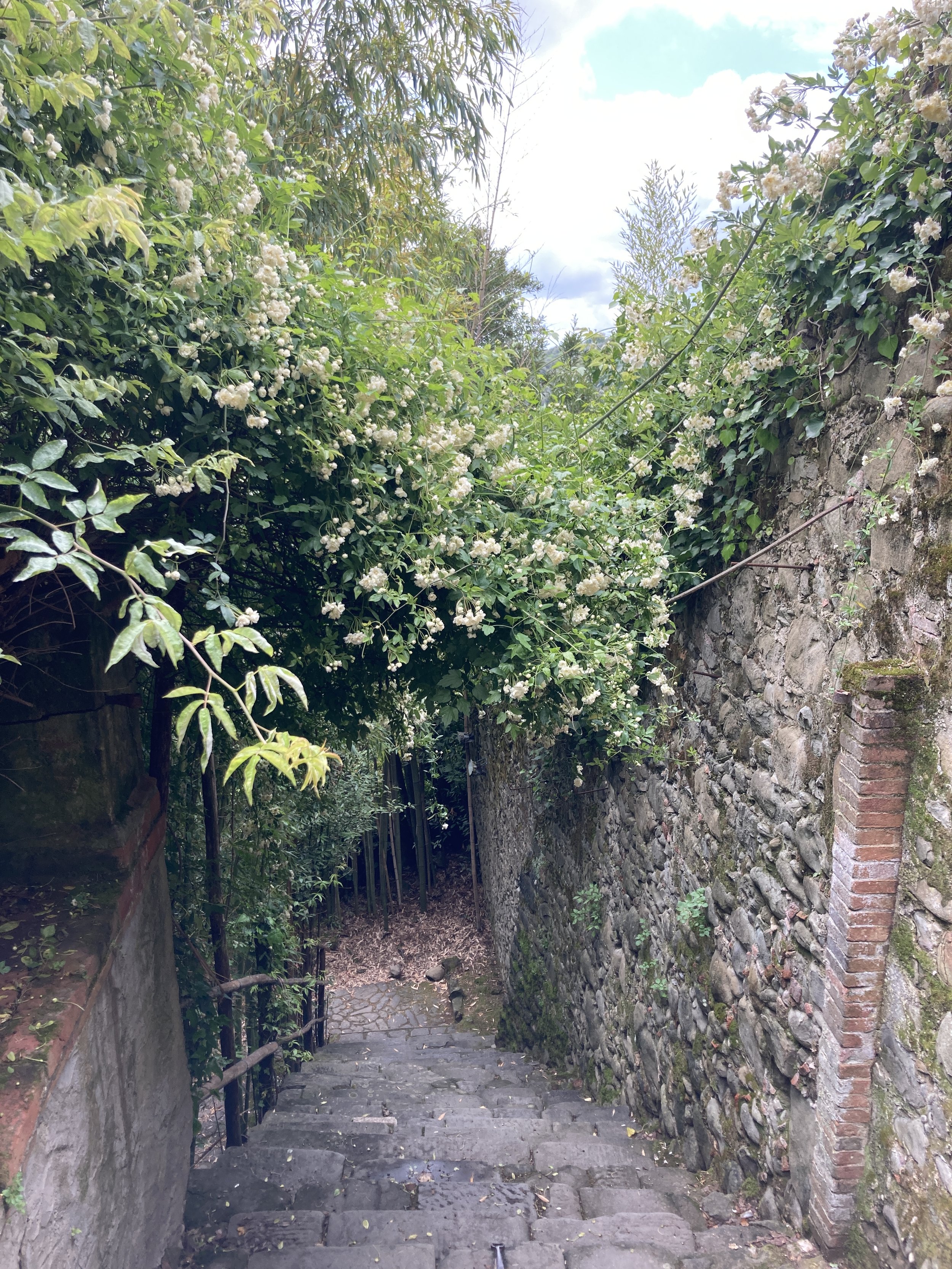
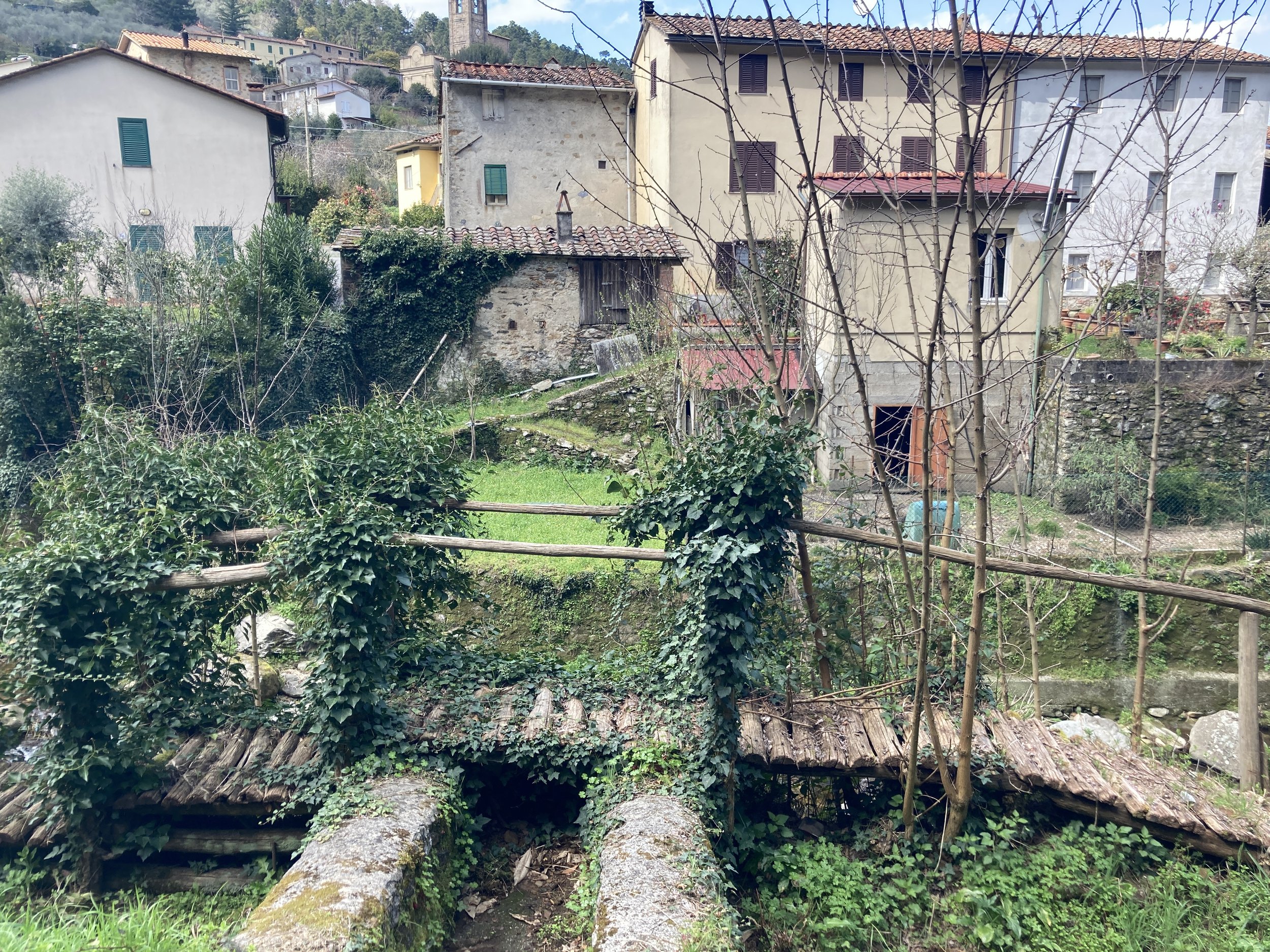
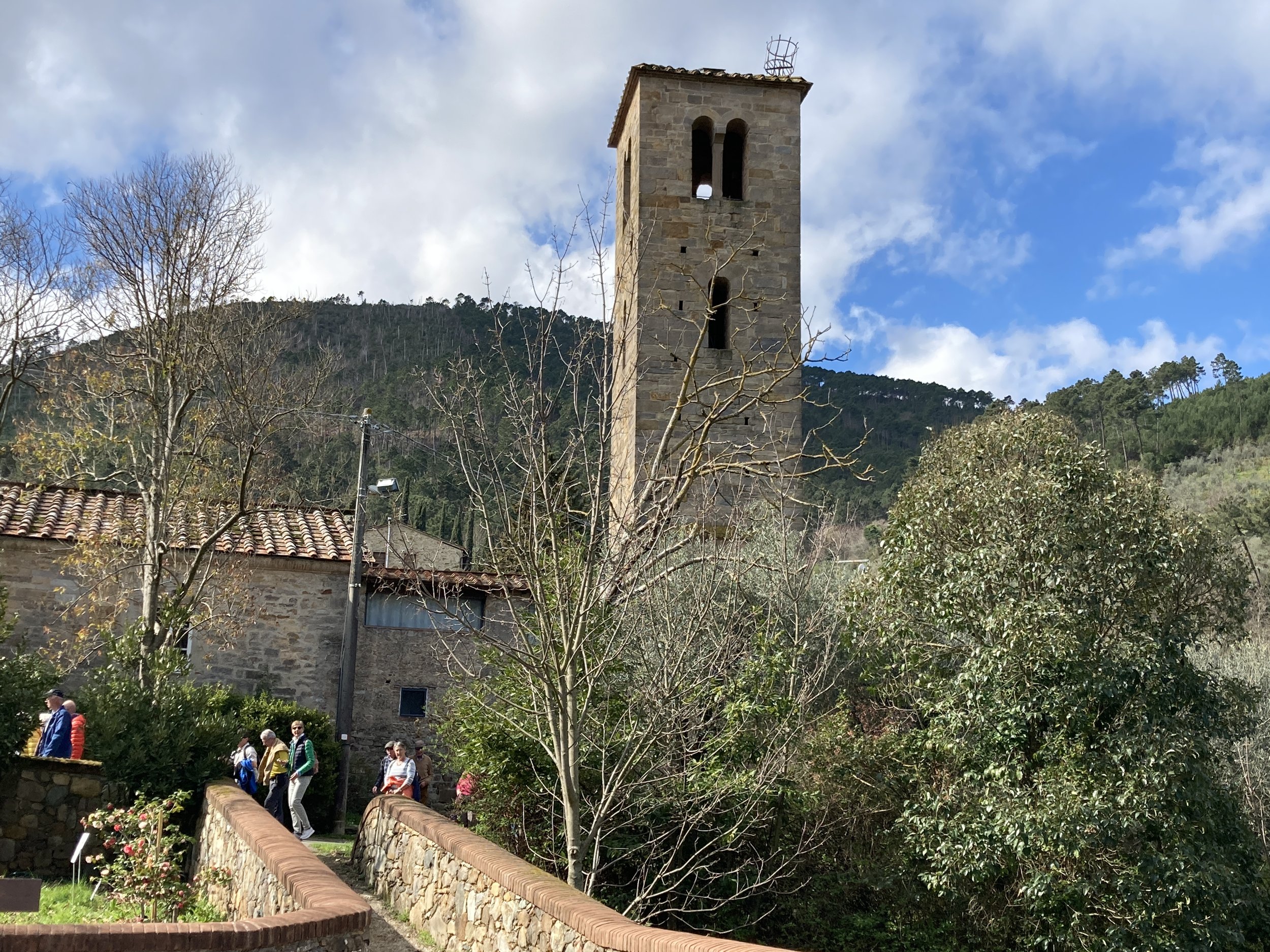
The streets of Sant’Andrea are lined with stone walls, rustic wood fences, lovely homes, historical towers, churches and, of course, flowers.
263342AD-E5E9-4647-9371-853DB22AE87B.jpeg
DB2189CB-F361-4AAA-B25B-F3343611A610.jpeg
DC9C00D4-EE56-46BE-97EA-3ECC0DF9DC87.jpeg

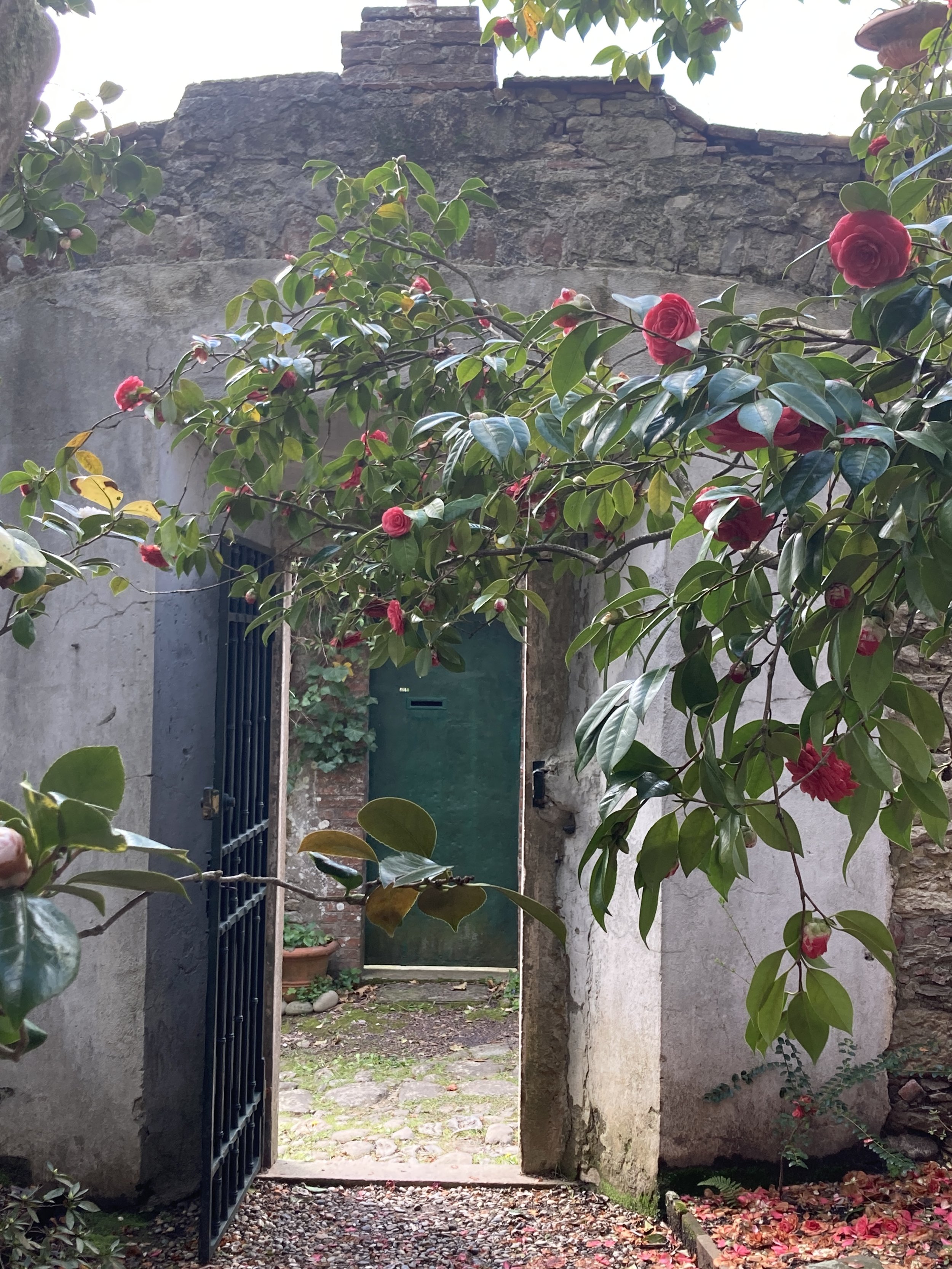
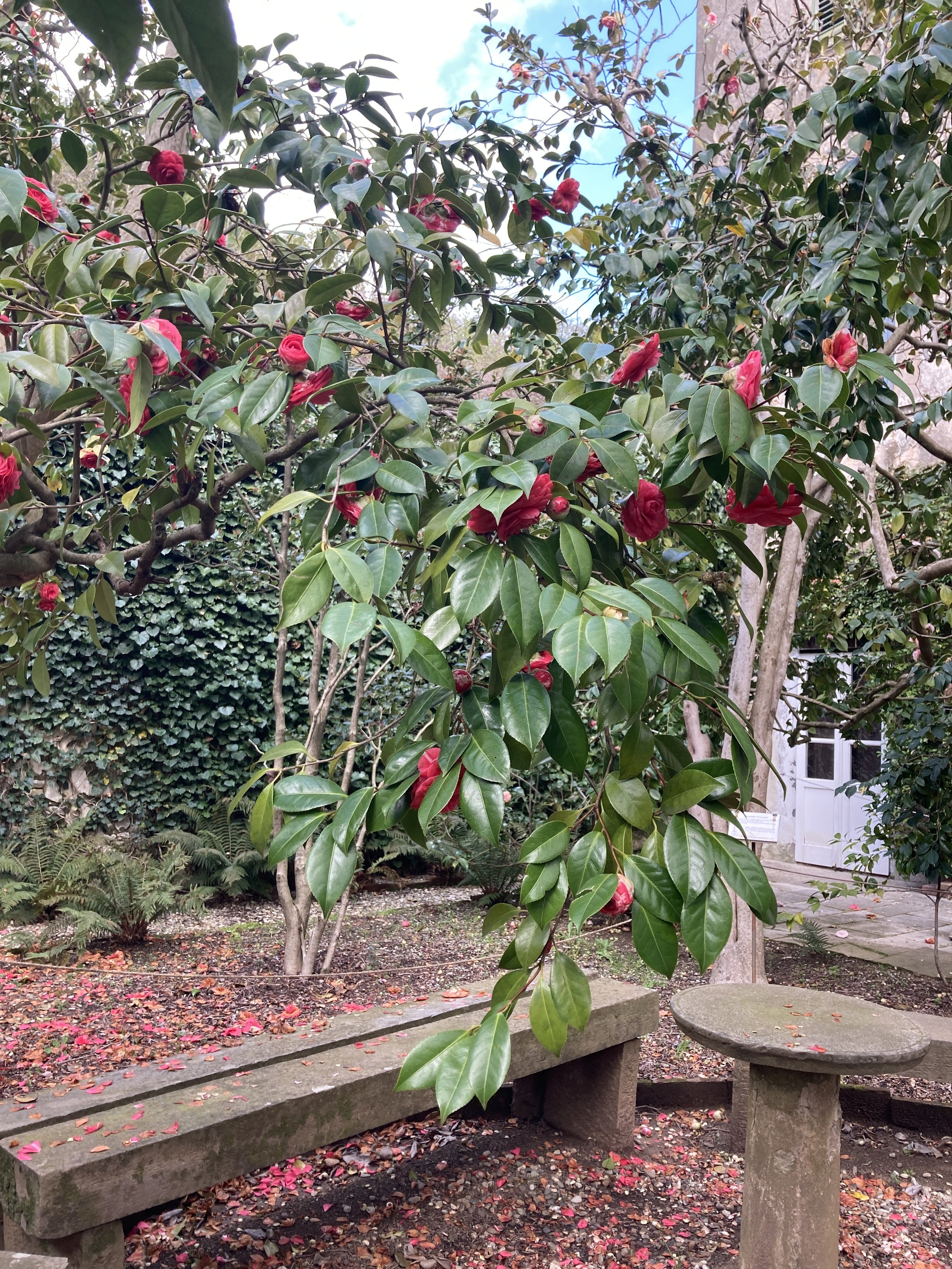
The walled garden of the Villa Borrini is an intimate, serene space. The Borrini family planted these Camellias nearly 200 years ago. Signage, in Italian and English, gives the name and description of each variety along with the date planted.
CE3A5EF1-B70D-4B24-B5AF-5B0BFA1935D2.jpeg
1FEDE63C-FC48-460C-B898-00AA900B5871.jpeg
76A86E15-B416-4770-8D6D-4B8FC2AFCAE0.jpeg
37027D95-41DB-4AD5-B076-916CCAD71031.jpeg
A822B7B7-DEC2-4FD2-865B-157CE7AB1FBE.jpeg
17BDEB66-1FEF-488A-A024-6D06B98722C3.jpeg

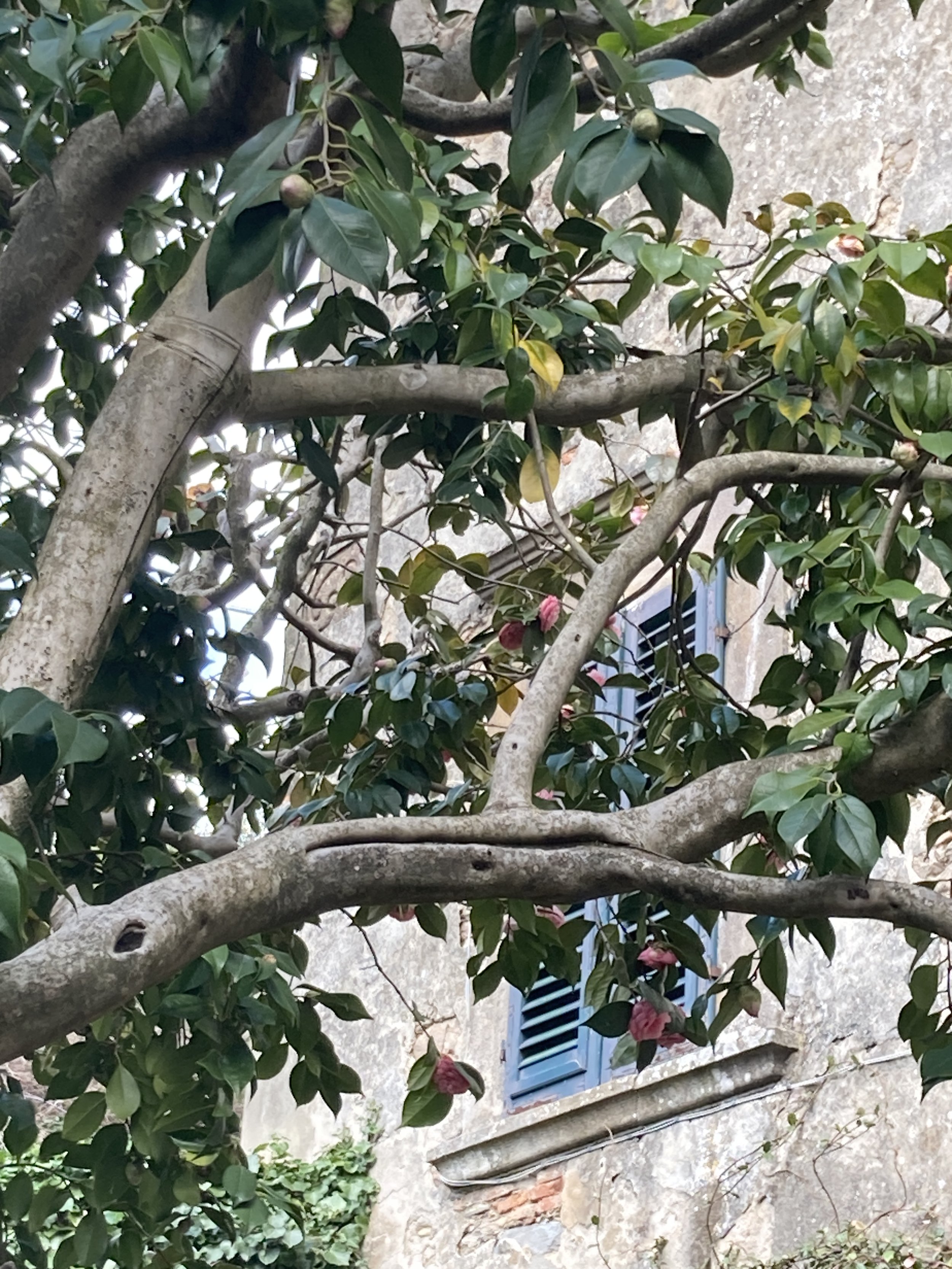
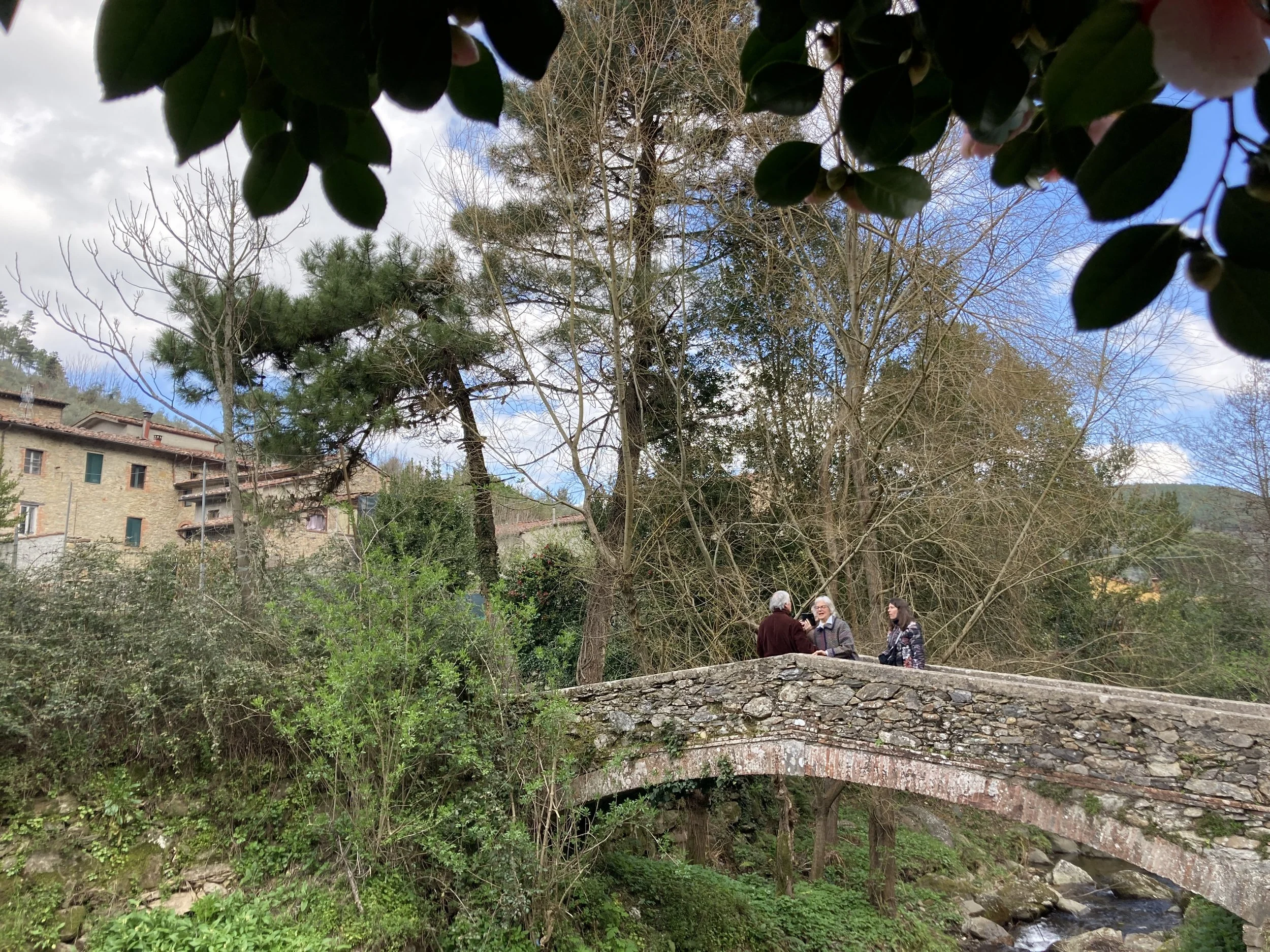
As if all of this floral beauty were not enough, near the entrance to town runs a small stream, crossed by a stone bridge, and tumbling down the hillside. Follow it along to the Camellietum Compitese - a virtual forest of Camellia trees. Somehow I had missed the Camellietum on my previous visits, so finding it on this visit was a delightful surprise.
D0415E02-4E26-4127-B7A0-080C9D2CFFD7.jpeg
02EF4665-2B7C-49B2-BEB6-5C8C83751BD9.jpeg

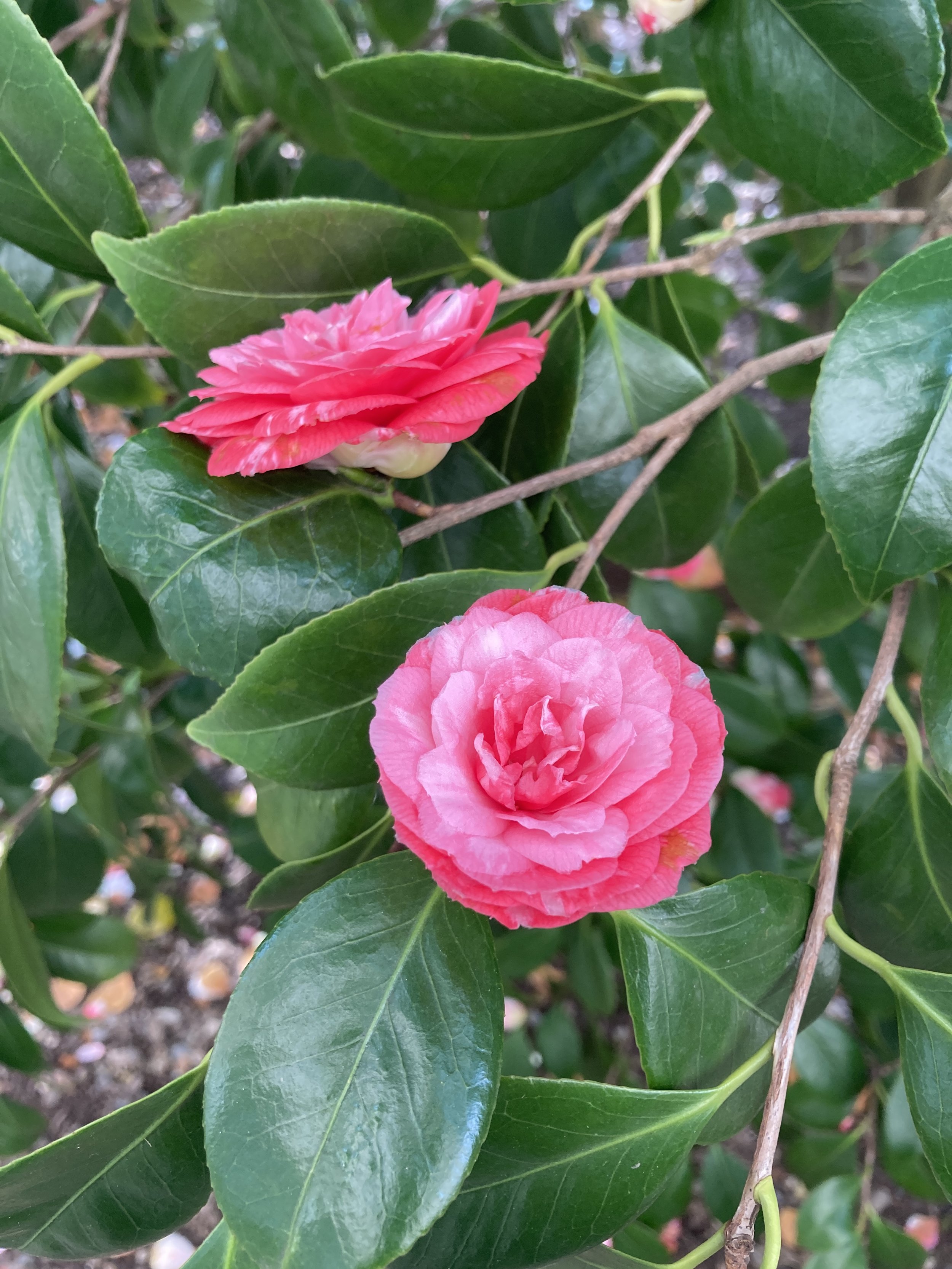
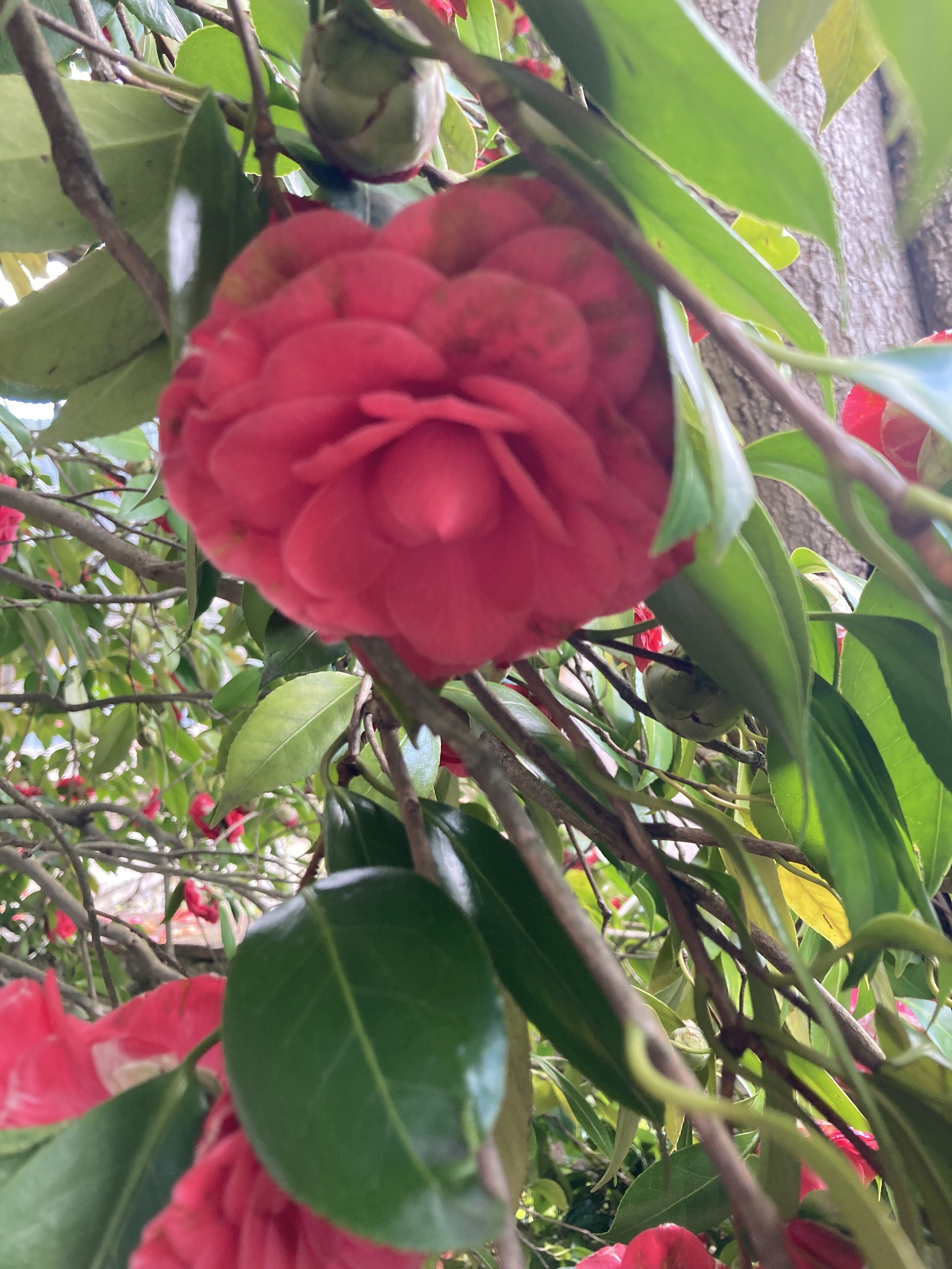
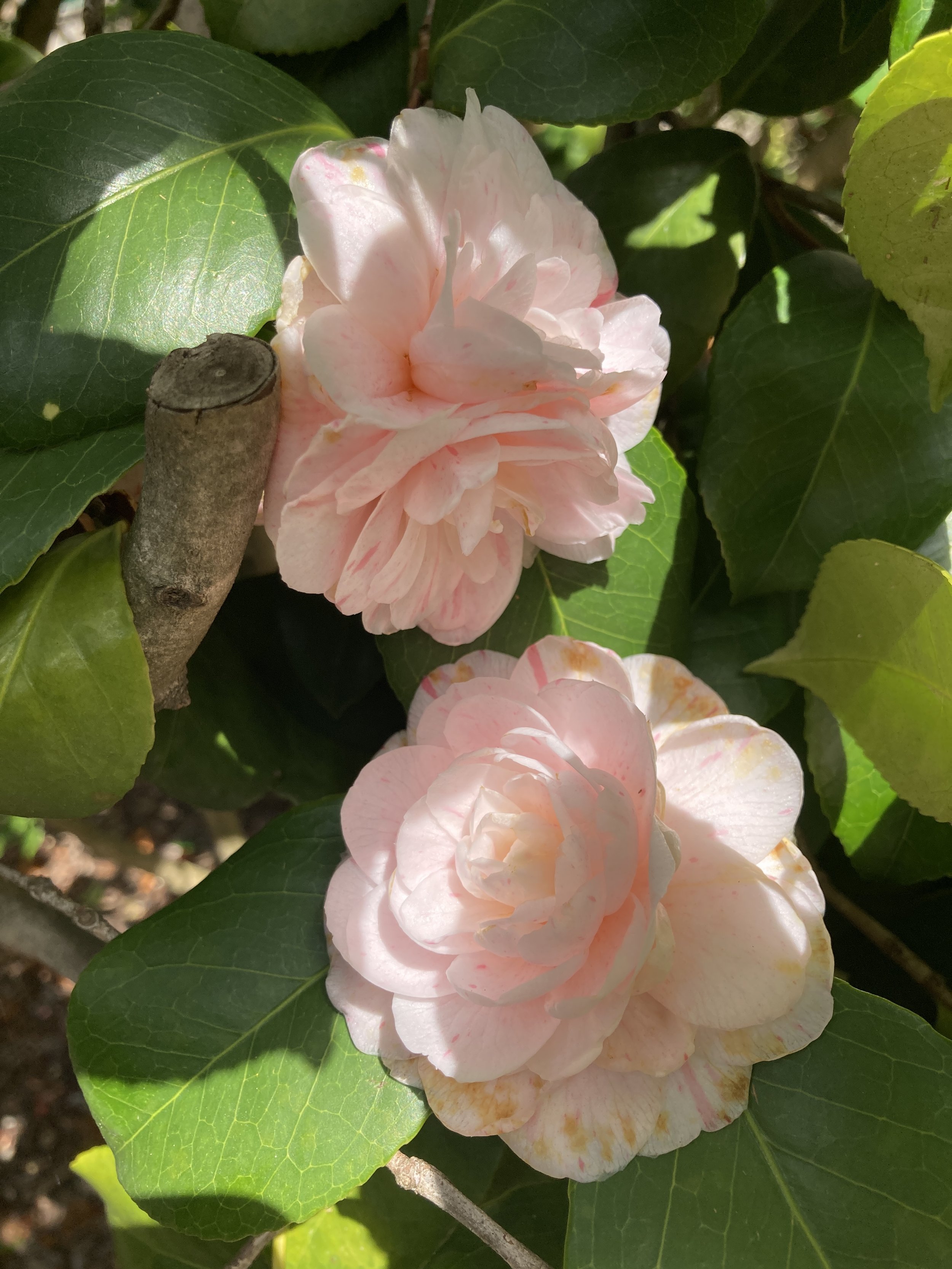
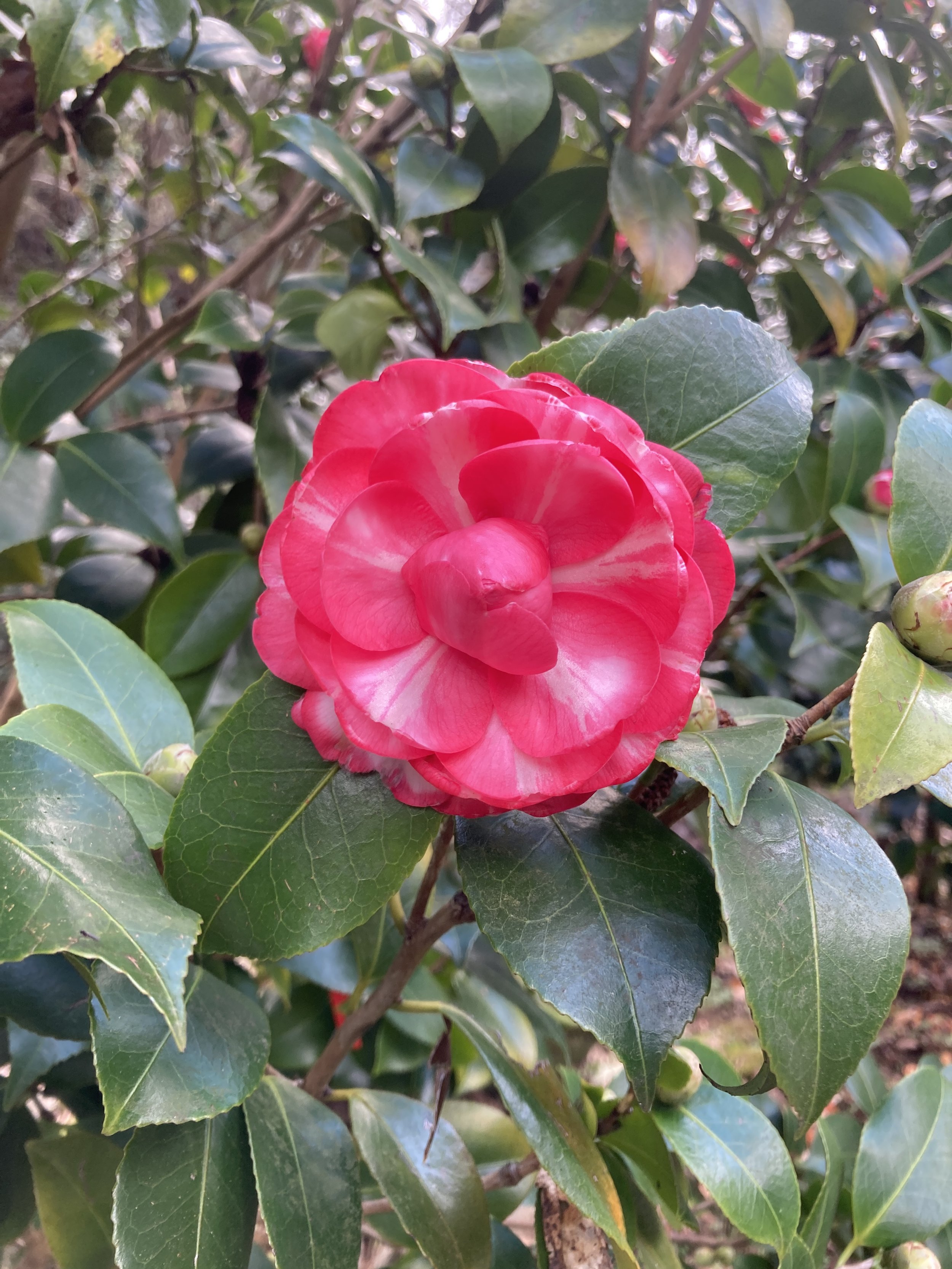
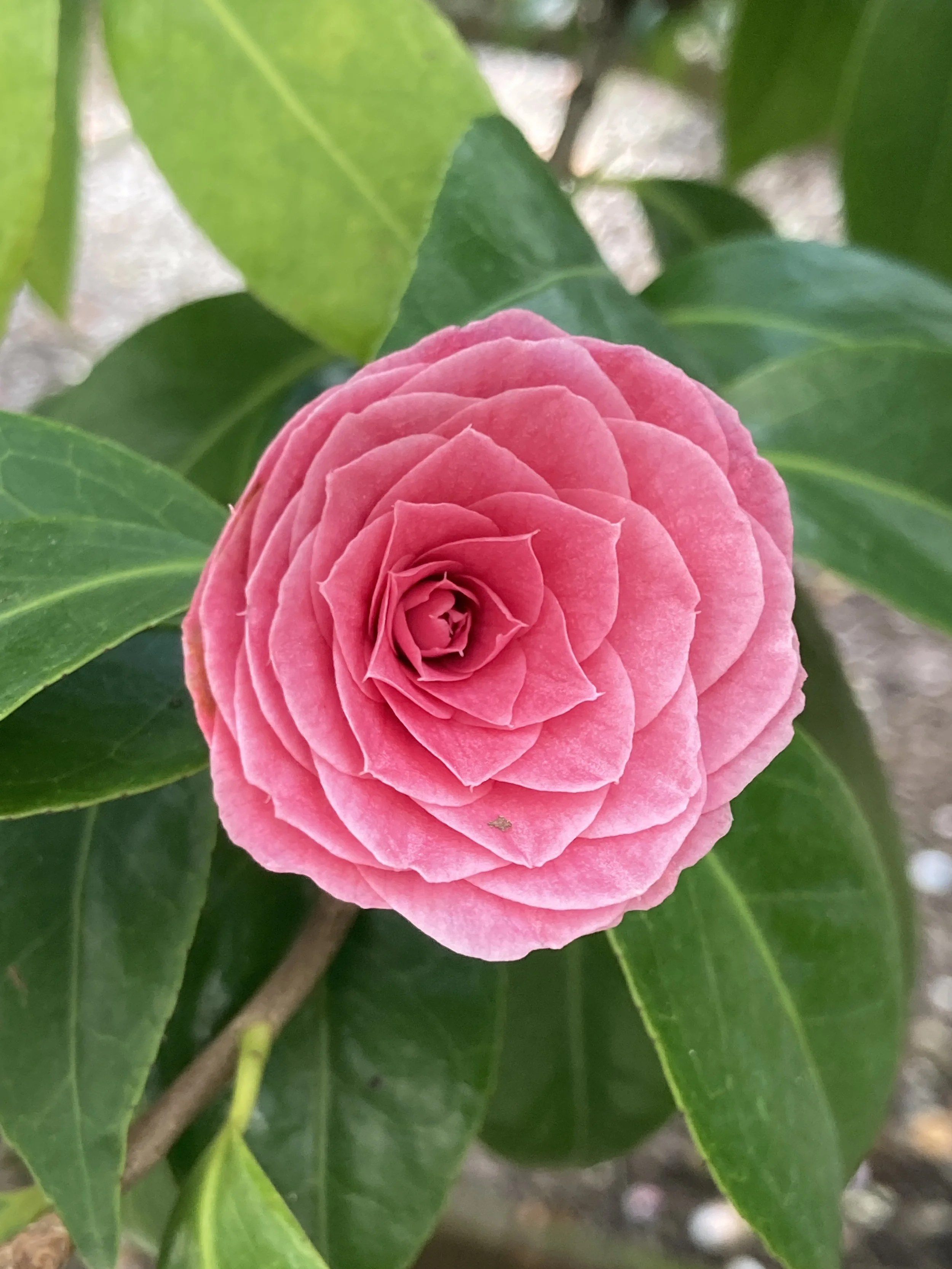
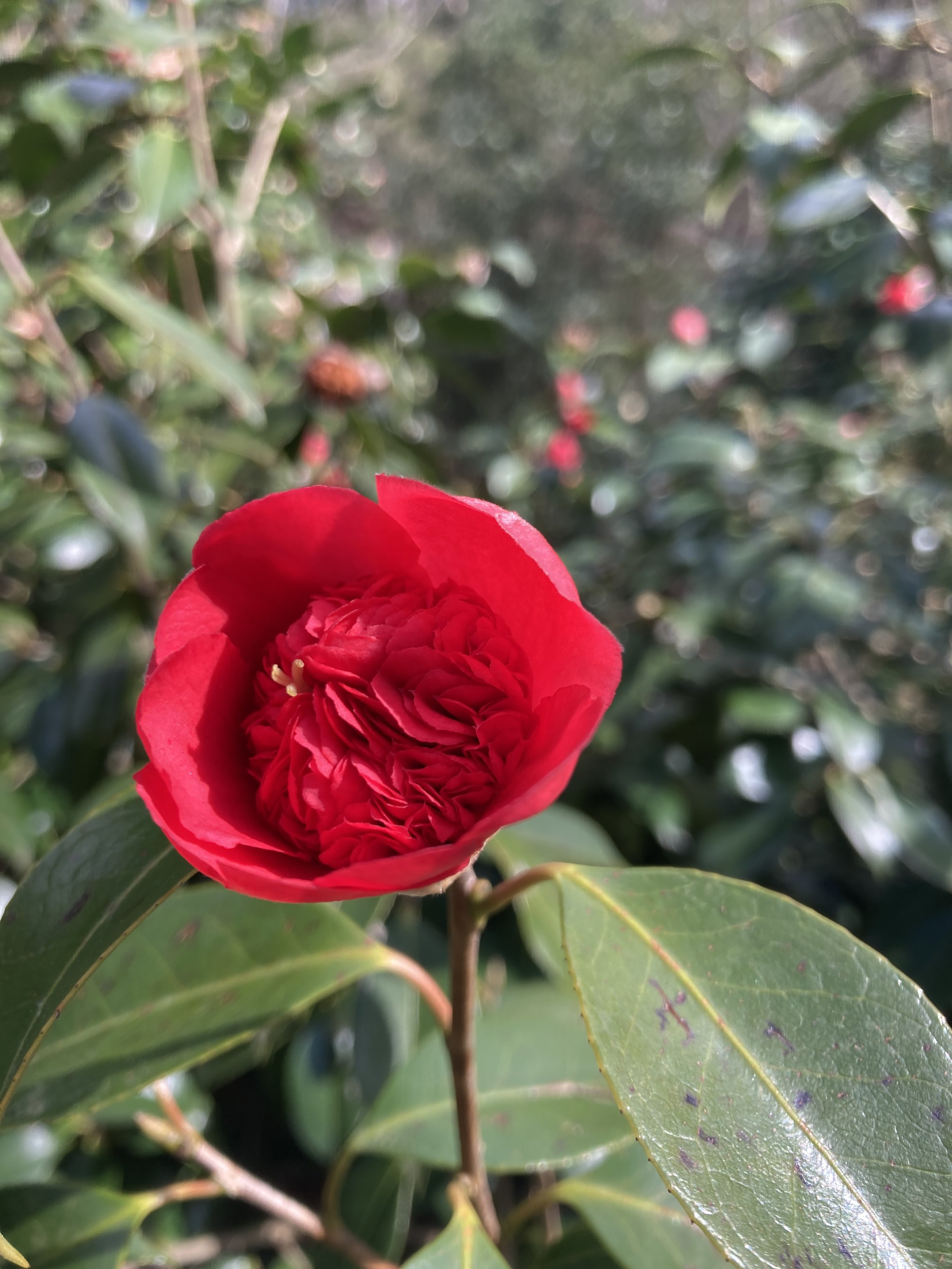
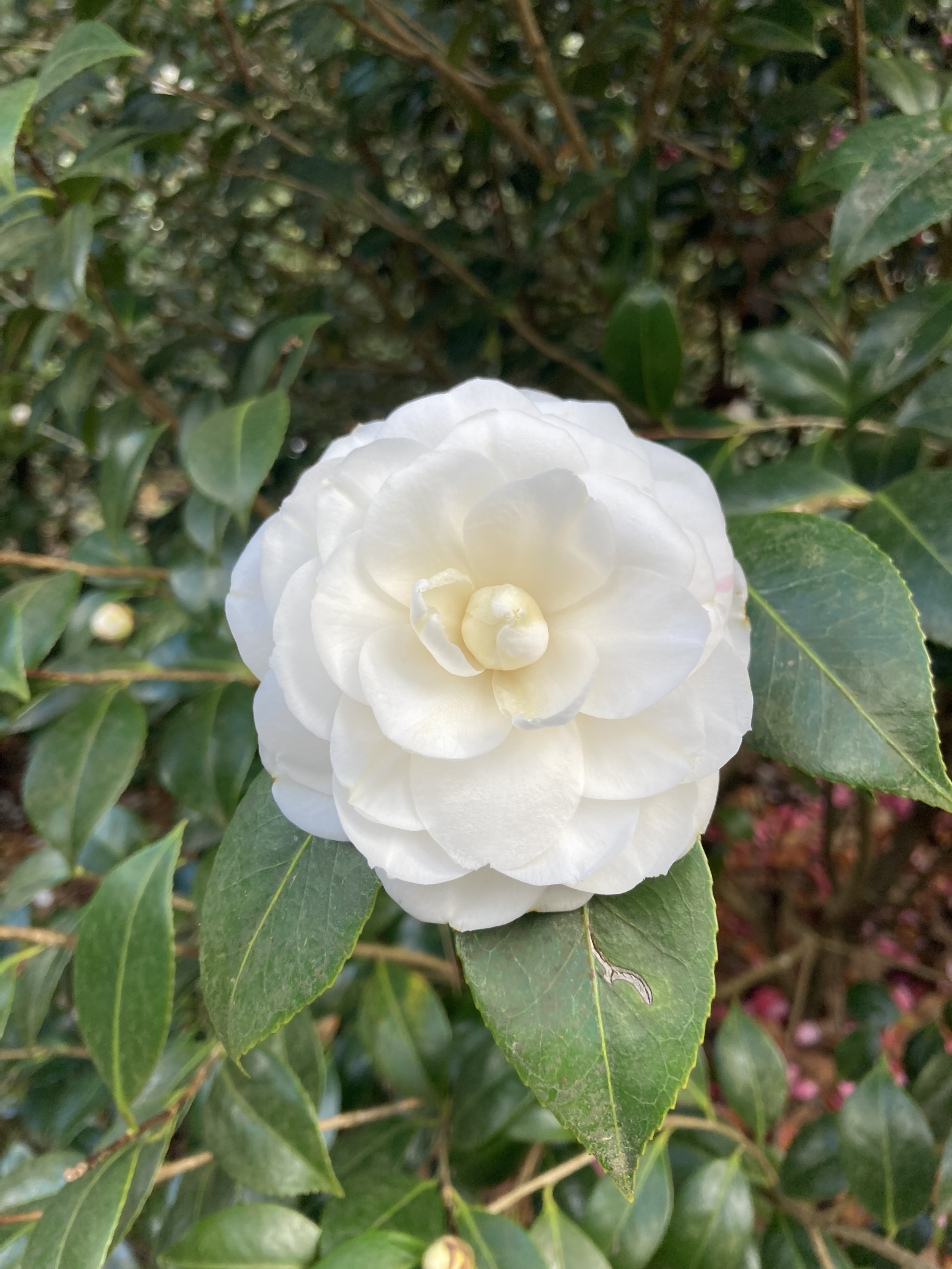
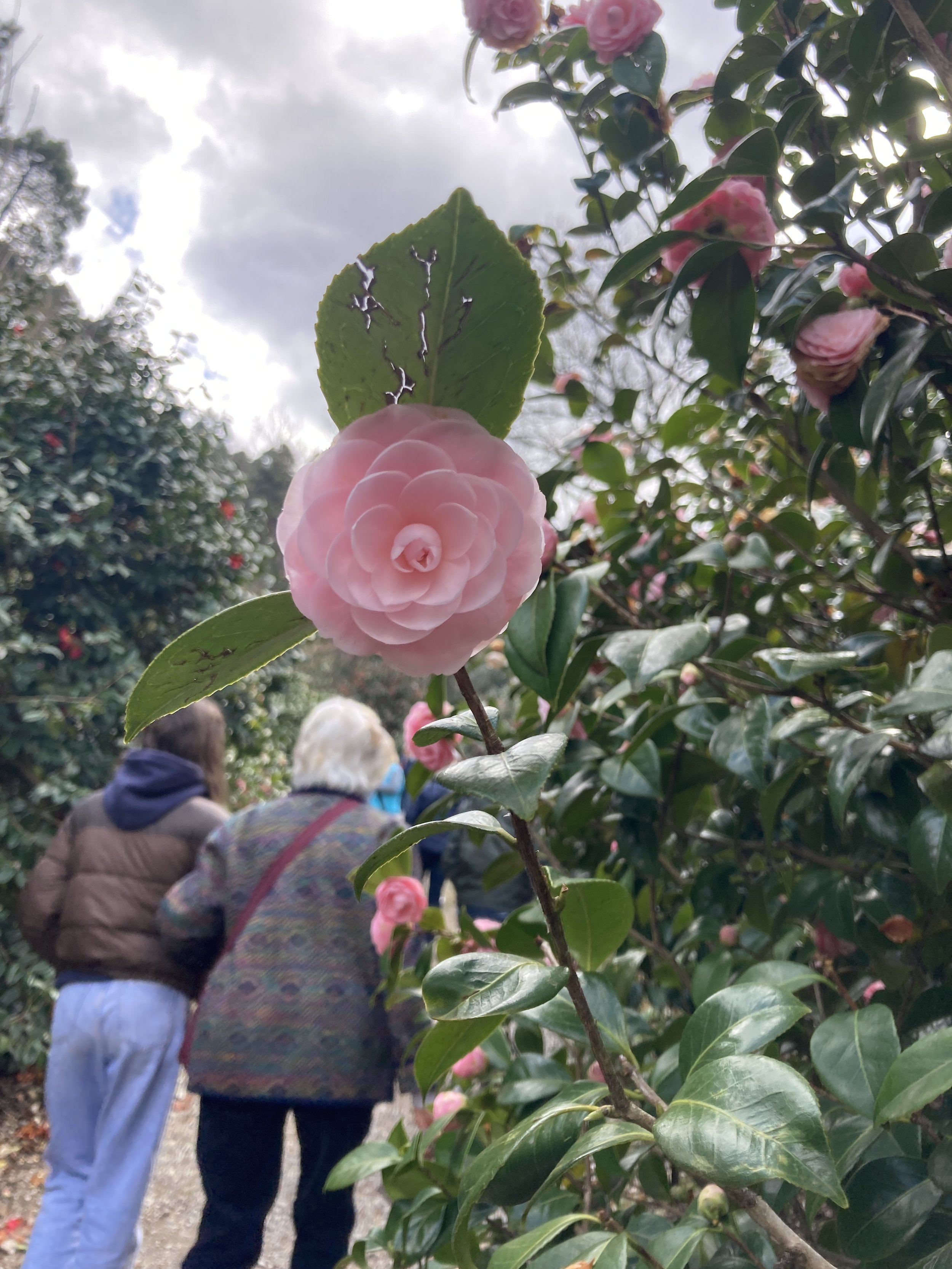
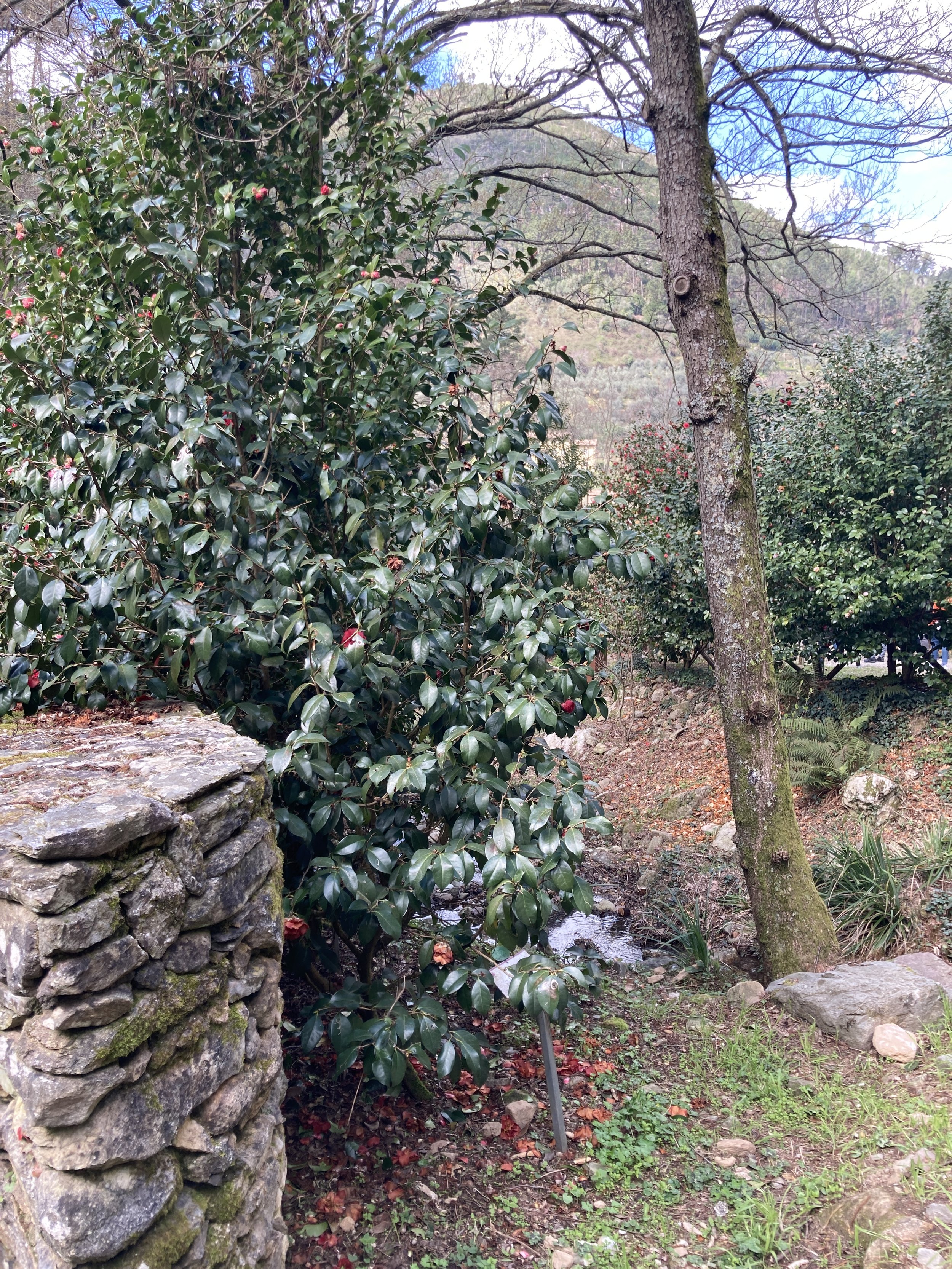
The Camellietum is home to flowering Camellias in a spectrum of colors from the palest white to the deepest red and all shades in between. There are solid colors, variegated ones, even flowers that seem to have brushstrokes of color. The petal shapes vary as do the central colors and sizes. It was hard to choose a favorite, although I was most drawn to the endless shades of pink.
69EB4C2B-7F02-41C0-BC6D-AE14F936BCD0.jpeg
BE769926-3CB1-4668-9BD9-68B99064D426.jpeg
C3AB277B-8EDC-4579-9F76-83787A383A64.jpeg
CB49C6C0-2965-427E-95C2-28F949BD3608.jpeg

The large bushes meander along paths up the hillside and along the stream. There is even a market where the plants are sold (or, as their signage says, adopted).
EFA20285-2B46-45DE-AF26-139AC20DF1FA.jpeg
53F2ABAA-3F4A-4664-B5F4-3663FA0CC112.jpeg
54EFB3D2-0F8E-4945-8C1C-4850CC4E3FF2.jpeg

The only problem - neither myself nor any of my friends have gardens here in Lucca, so our longing to buy some plants went unrealized. No matter, we enjoyed “shopping” for our favorite varieties and imagining that we might someday have a spot to plant them.

Gardeners and flower lovers flock to town during the Camellia Festival. For me the flowers are a bonus, a beautiful bonus, but the real star is the village itself.

For further information about the village of Sant’Andrea di Compito and the Camellia Festival:

https://www.twopartsitaly.com/blog/2018/3/25/santandrea-di-compito-borgo-delle-camelie and https://www.twopartsitaly.com/blog/2019/3/24/tea-and-camillias-in-tuscany


March 27, 2023 /Joanne Bartram
Sant'Andrea di Compito, Camellias, Camellia Festival Lucca
#italiangardens, #springintuscany, Camellia Festival Italy, Festivals Italy, Garden Festivals Italy, Hill Towns Italy, Italian gardens

A Historic Garden In Collodi, Italy

June 20, 2022 by Joanne Bartram in #italytravel, #lucca, Italian art architecture, Italian gardens, #italiangardens

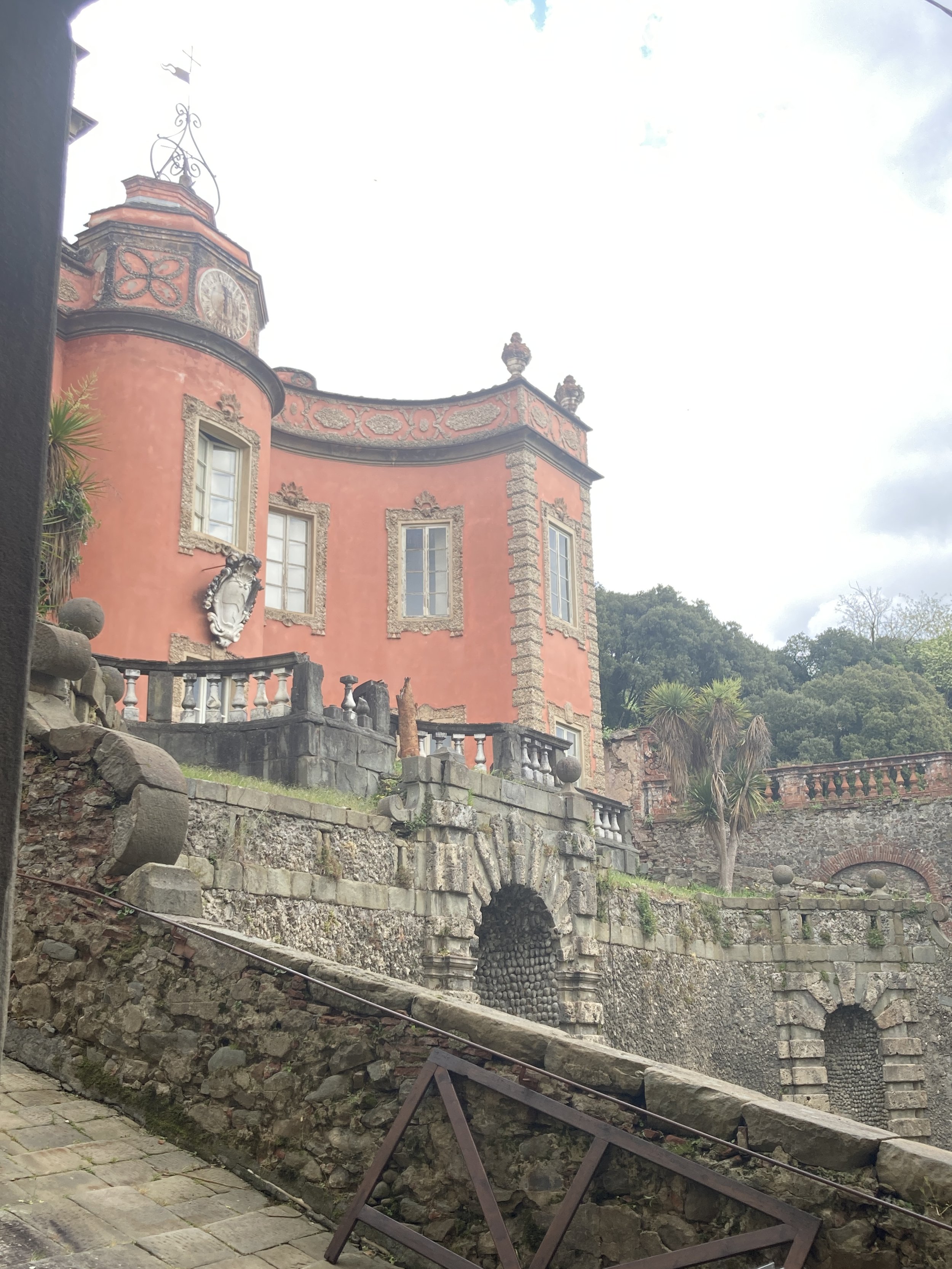
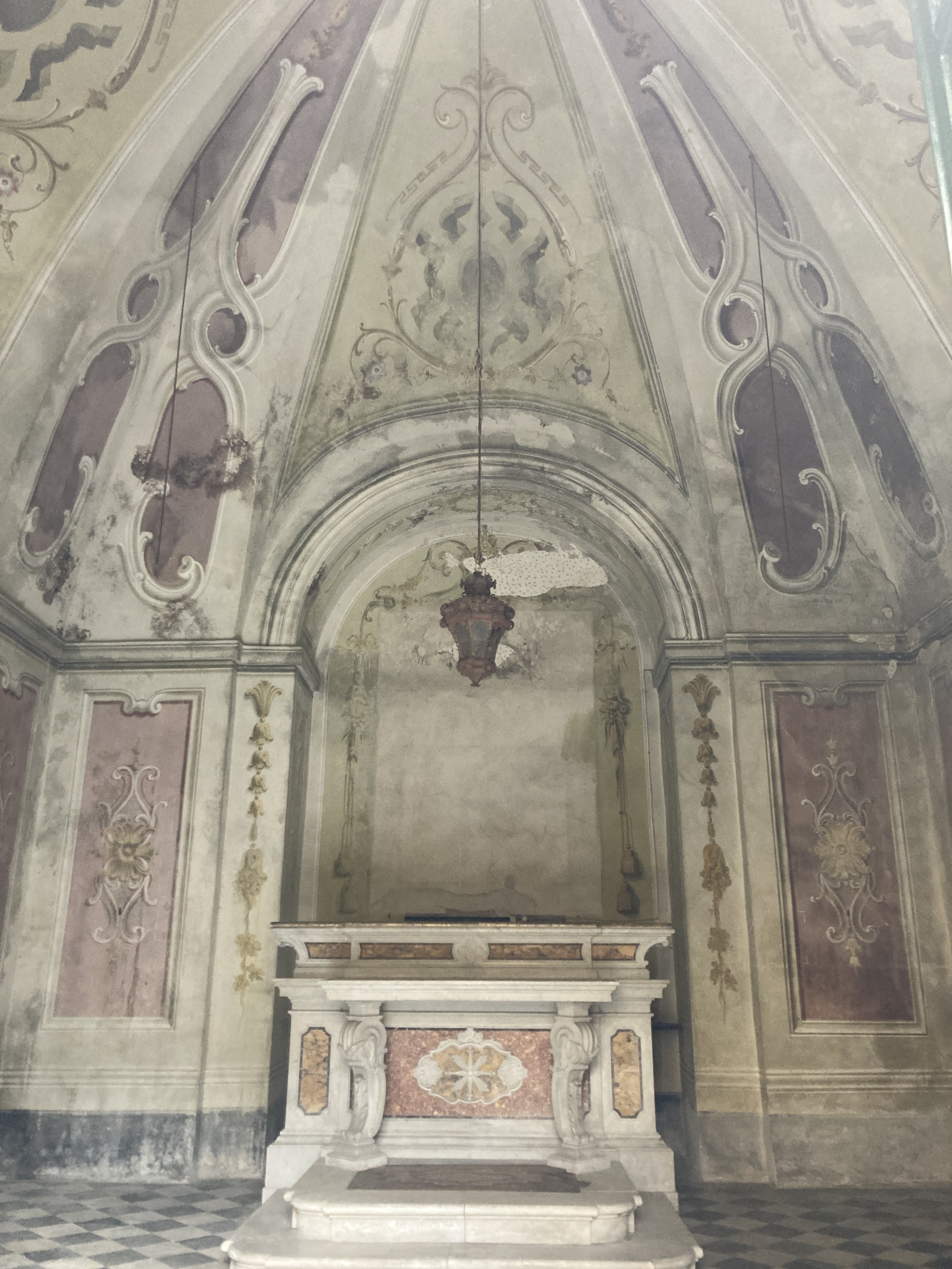
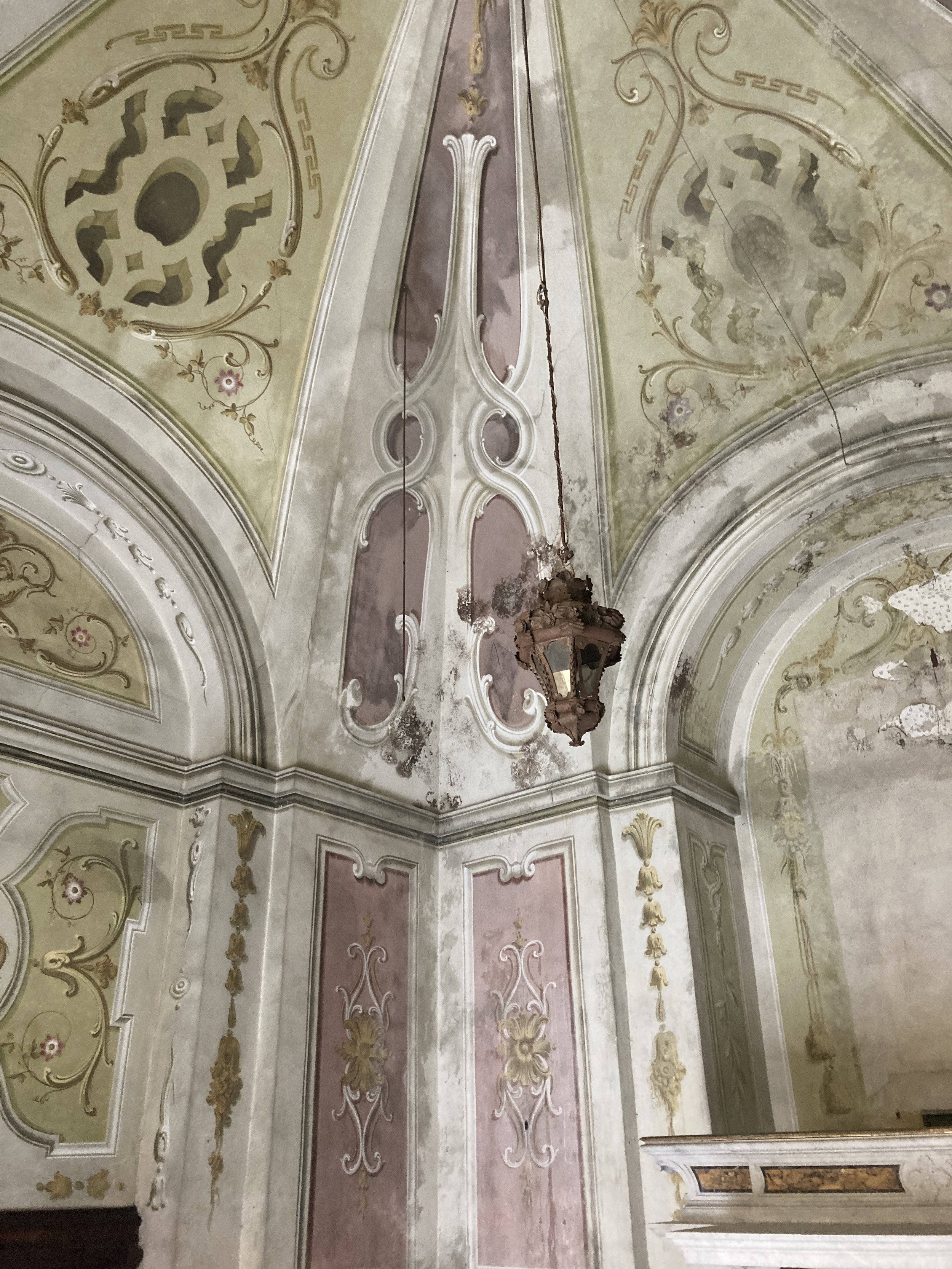
Collodi is a fairy tale place. It is not the Tuscany of rolling hills, carefully tended vines and olive trees that most people picture when they think of this region. Instead, the small village of Collodi seems to climb straight up a mountainside in the middle of a forest, hanging precariously on the slope. At the top is the medieval fortress La Rocca and a small church. At the bottom is the Villa Garzoni, built on the ruins of a Medieval Castle. An imposing structure, with its yellow color and 100 windows, the villa sits at the entrance to the town of Collodi. The villa itself is not open to the public, nor is the colorful Palazzina d’Estate (Summer Palace) which sits directly behind it. The only part of either that it is possible to enter is the Palazzina’s chapel, pictured below.

9DFA9511-6FEF-4380-A2BF-4261B0A85370.jpeg
DF584B98-13D0-4F46-852F-65D999BAA00B.jpeg
2BDA4BB3-4EB6-48BA-A65E-B3142501FCDD.jpeg

And then of course there is Pinocchio. Carlo Lorenzini, the author of Pinocchio, used the pen name Collodi as an homage to this village where his mother once worked. Many families come to Collodi to visit the Parco di Pinocchio (Pinocchio Park), a children’s adventure theme park based on the storybook character. But it was not the Pinocchio story that drew me to Collodi. Instead, I went with friends who were in Italy to visit classic gardens. The historic Giardino Garzoni, dating from the mid-1600’s and completed by the Lucchese architect Ottaviano Diodati in the 17th century, was on their “must see” list. I was delighted to join them for a day of visiting gardens near my home in Lucca.

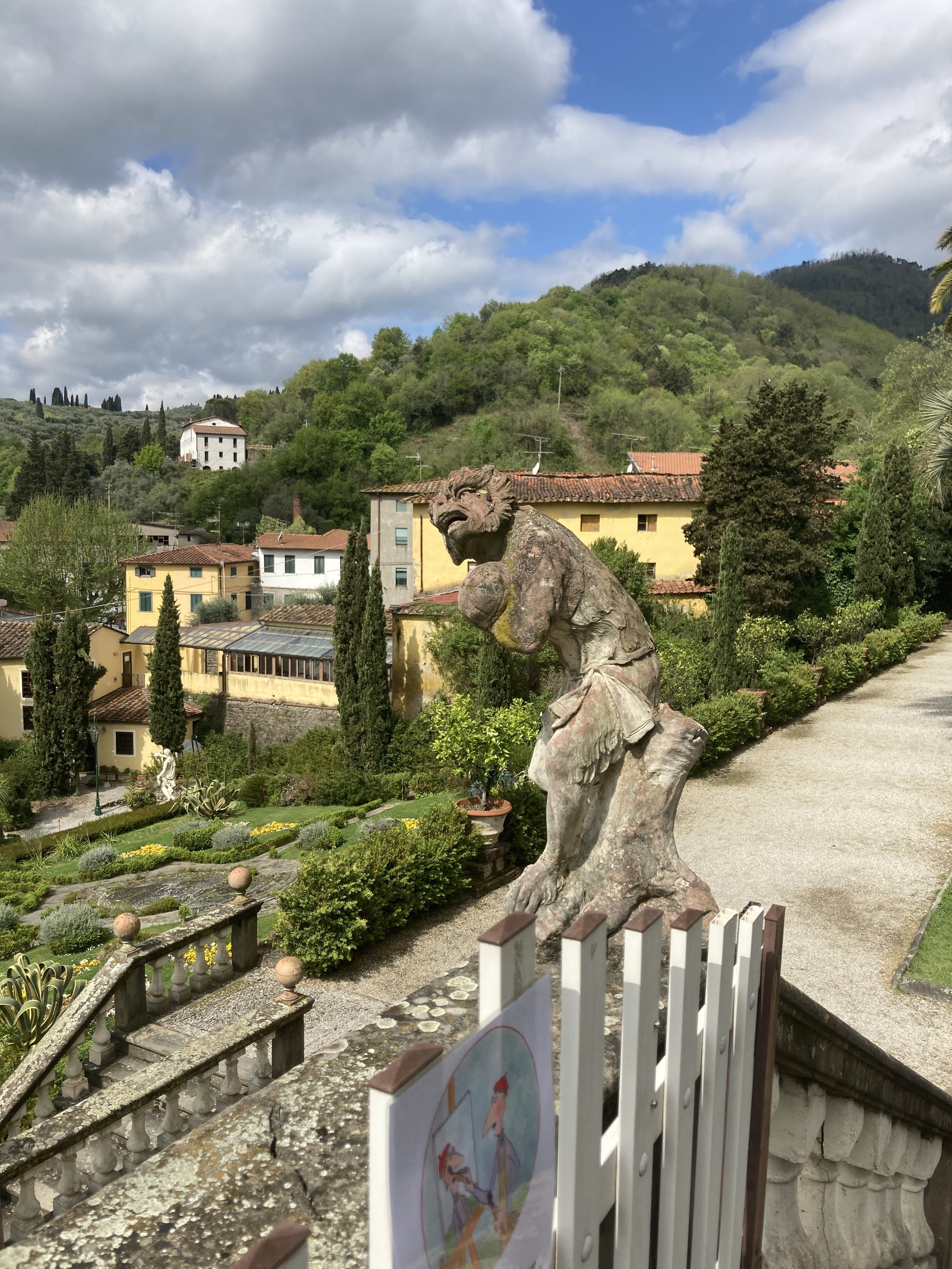
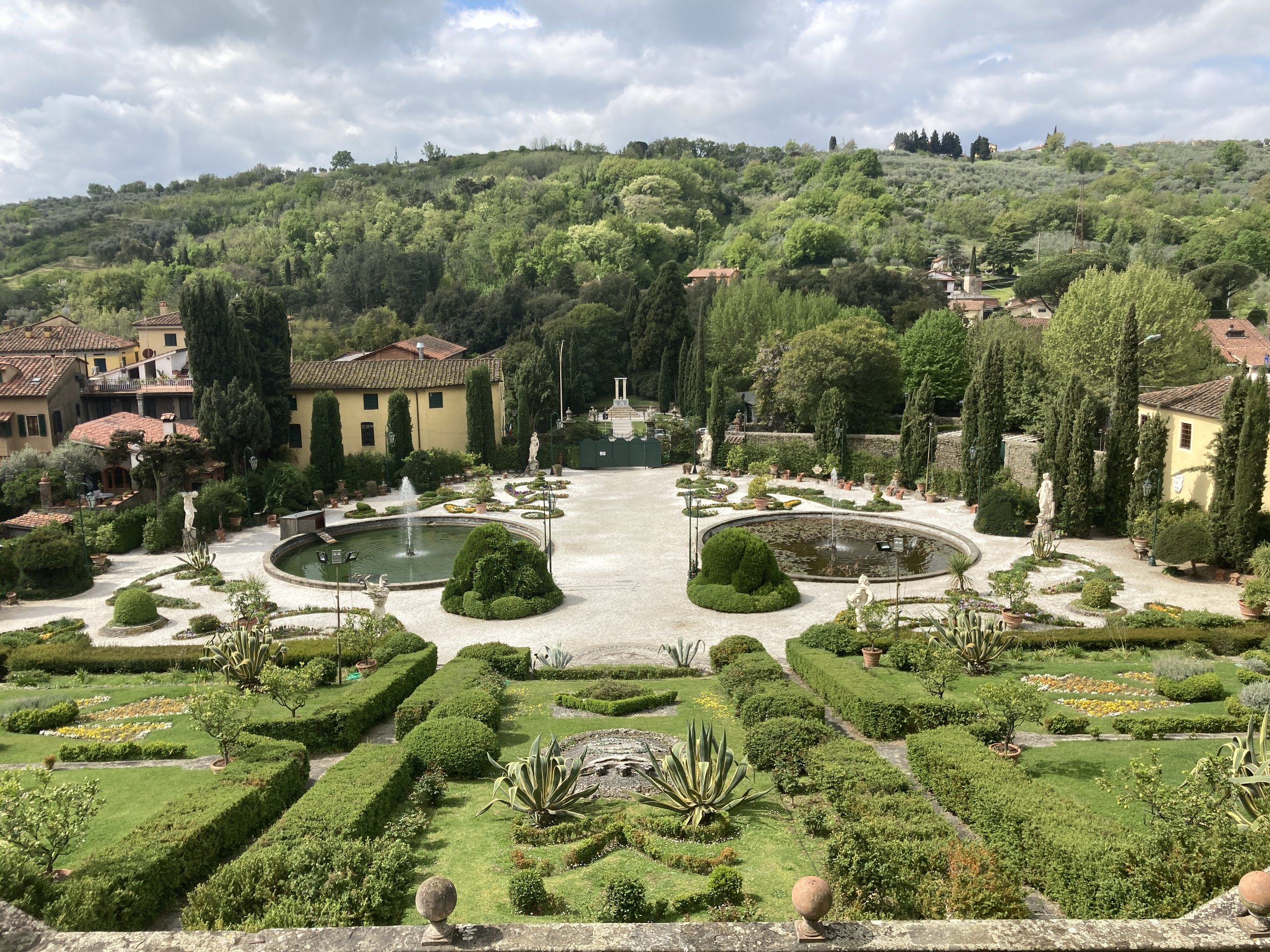
Looking down on the lowest part of the garden, from an upper terrace

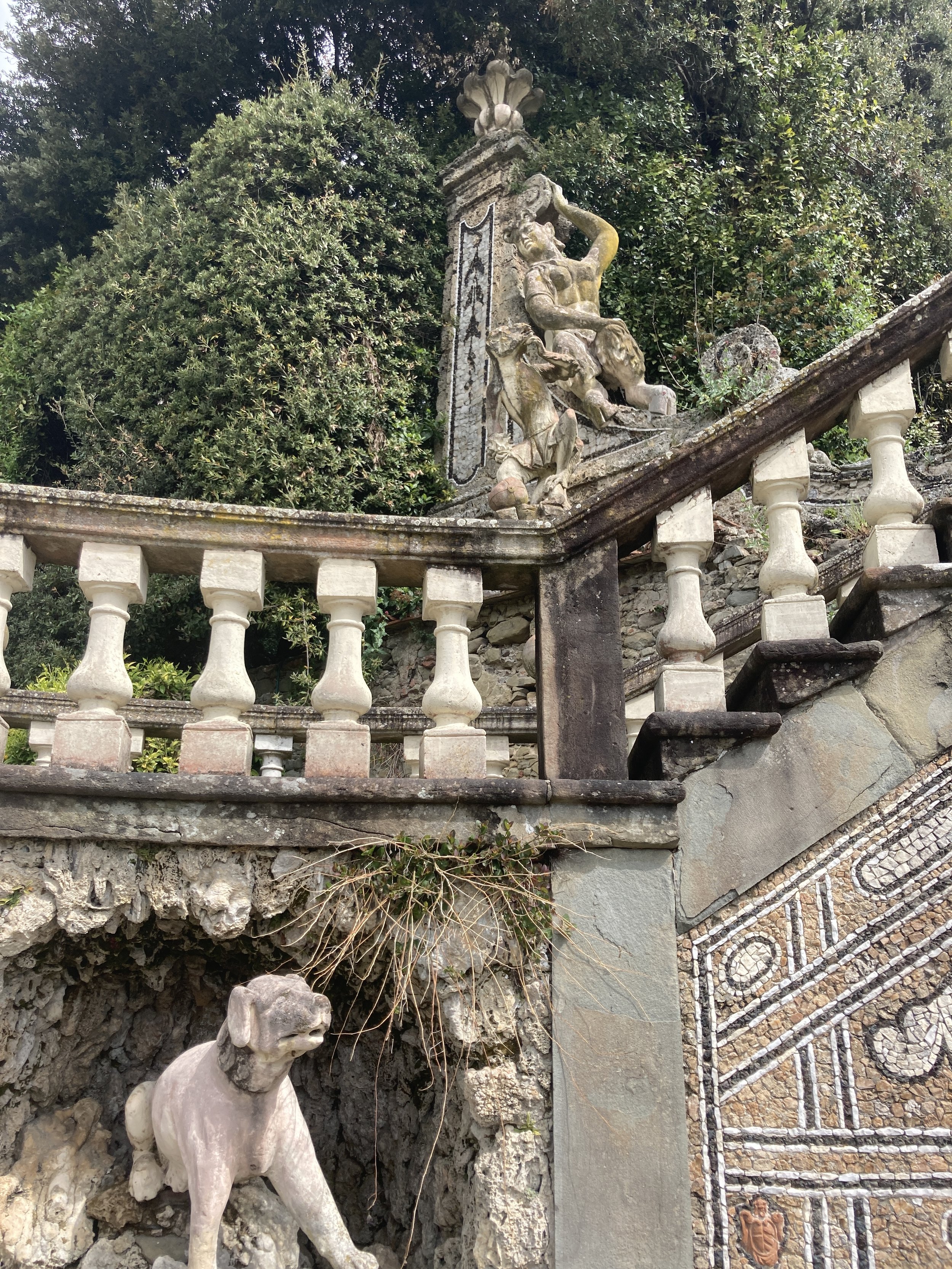
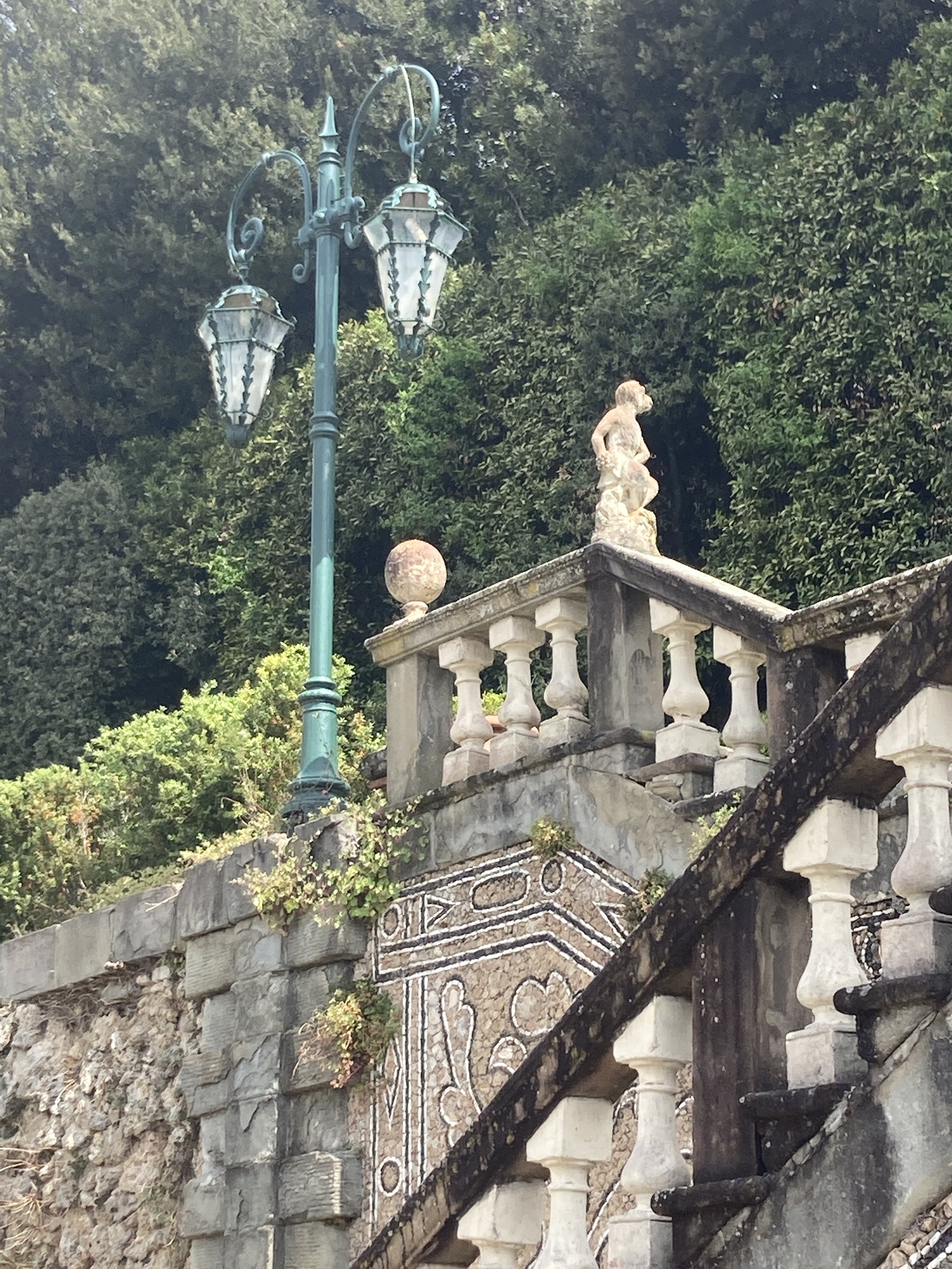
The Garzoni garden is a wonder, with something enchanting to see at every turn as it climbs the steep slope beside the villa. Like many Italian Renaissance gardens there is amazing architectural detail including a dramatic twin staircase (which contains a hidden grotto)

The twin staircases to the upper terraces

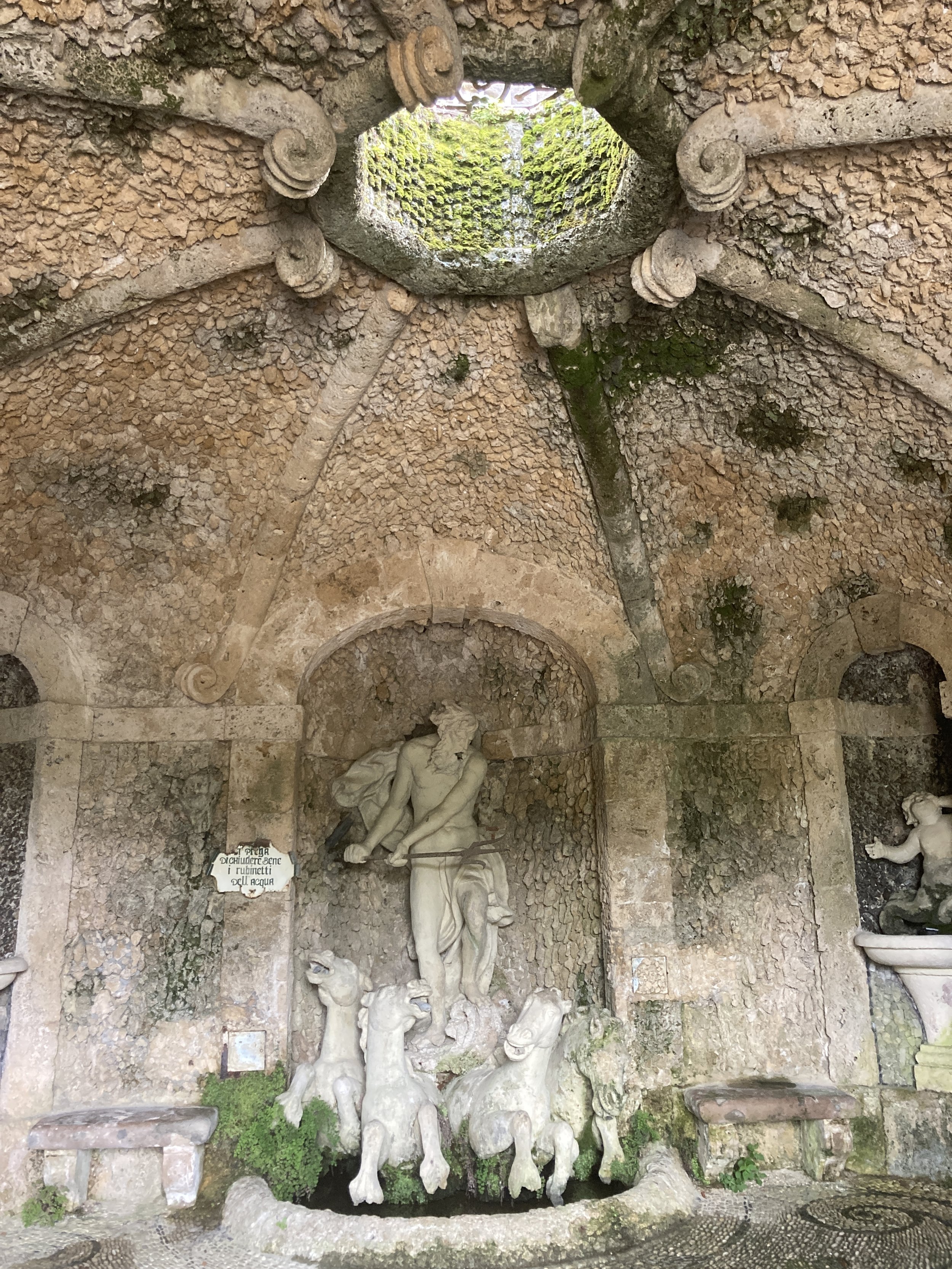
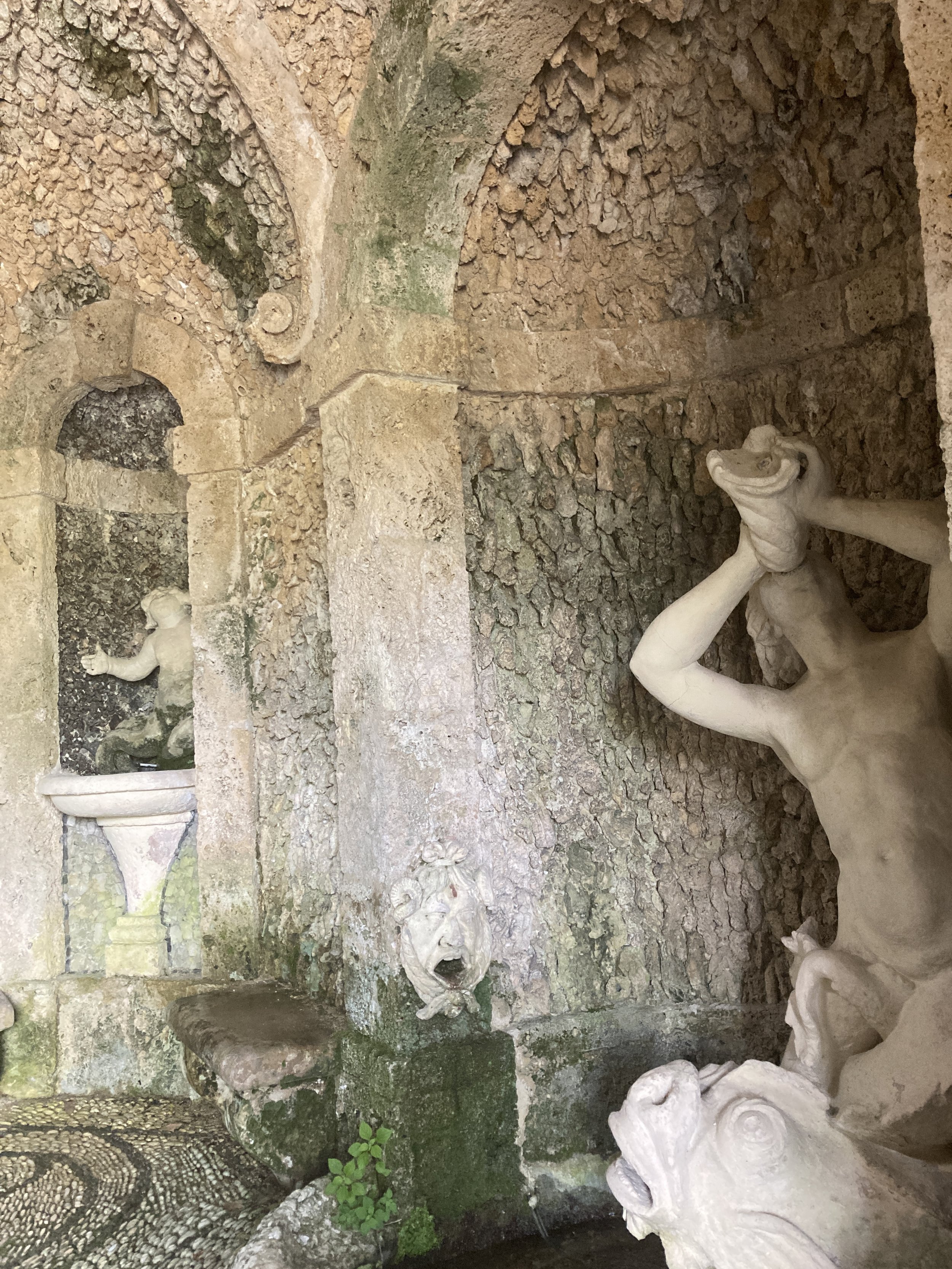
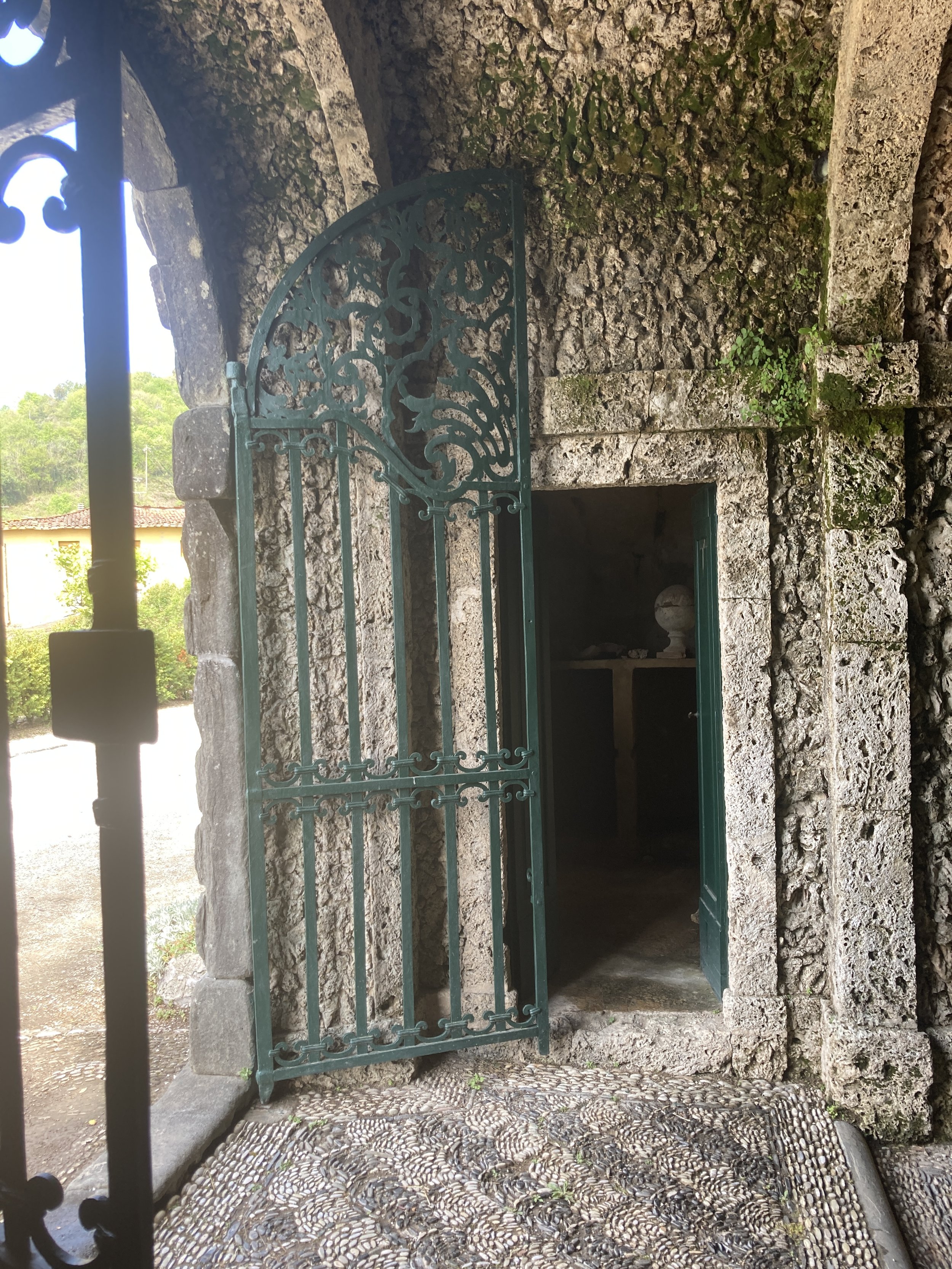
Water also plays a starring role in the garden, with a series of fountains and cascades of water tumbling down the slope. Tucked under the stairs is the Grotto of Neptune, another watery feature.

54918553-507D-437A-9CF9-106DD7D72F0F.jpeg
31FF995C-A5D0-4F05-B5EE-5BA7E8DBEADF.jpeg
F88BEB8E-BA6C-4C11-875F-7FF1162CA8DE.jpeg

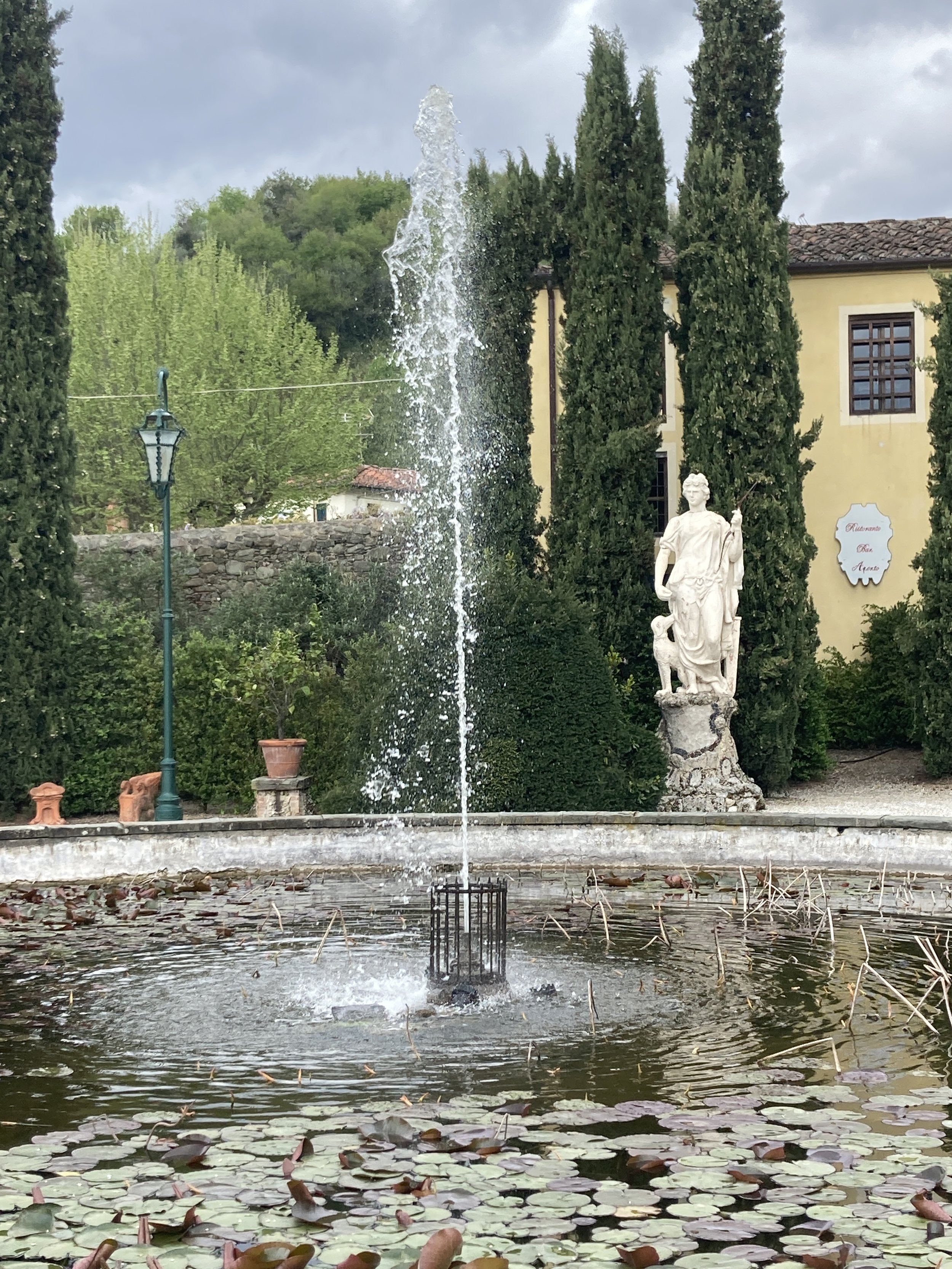
Two round pools lie at the bottom of the garden, just below a parterre full of greenery and flowers. Above that lies the staircase which begins the upward climb through several levels of terrace.

5959F94E-8F8E-4AF7-B080-CEE61A1FE216.jpeg
80E83EC6-70D4-49ED-BD15-01CE7D7006AD.jpeg
08A3977C-664F-4375-8134-0D265B098A70.jpeg

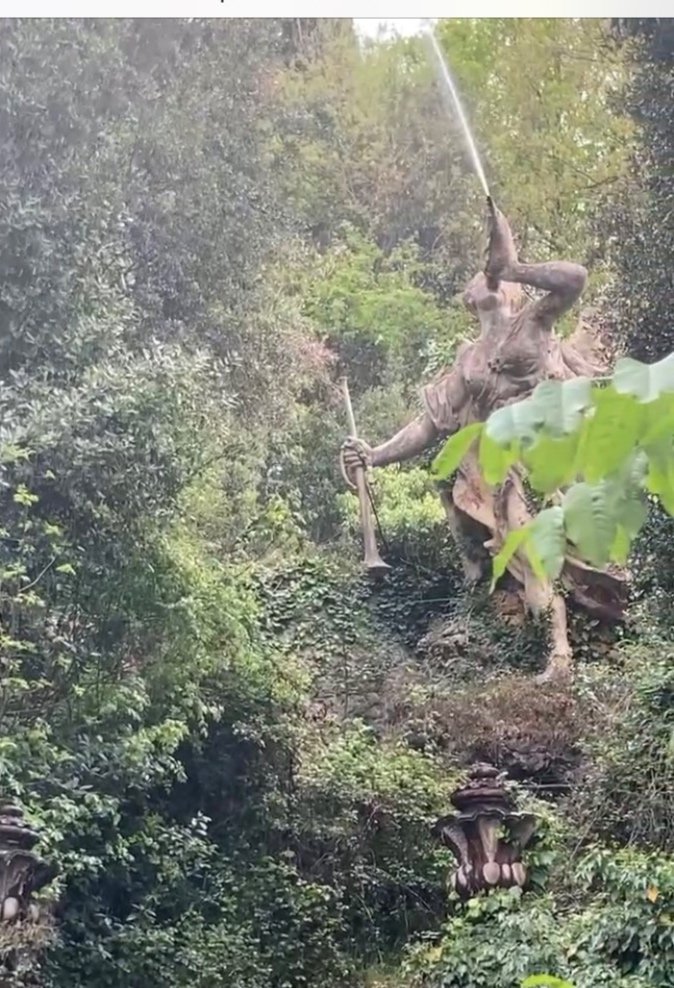
Keep climbing to the water stairs which flank the cascade that runs down to the lower garden. At the top of the climb lies a pool with a statue of Fame, who blows jets of water from a horn in dramatic fashion.

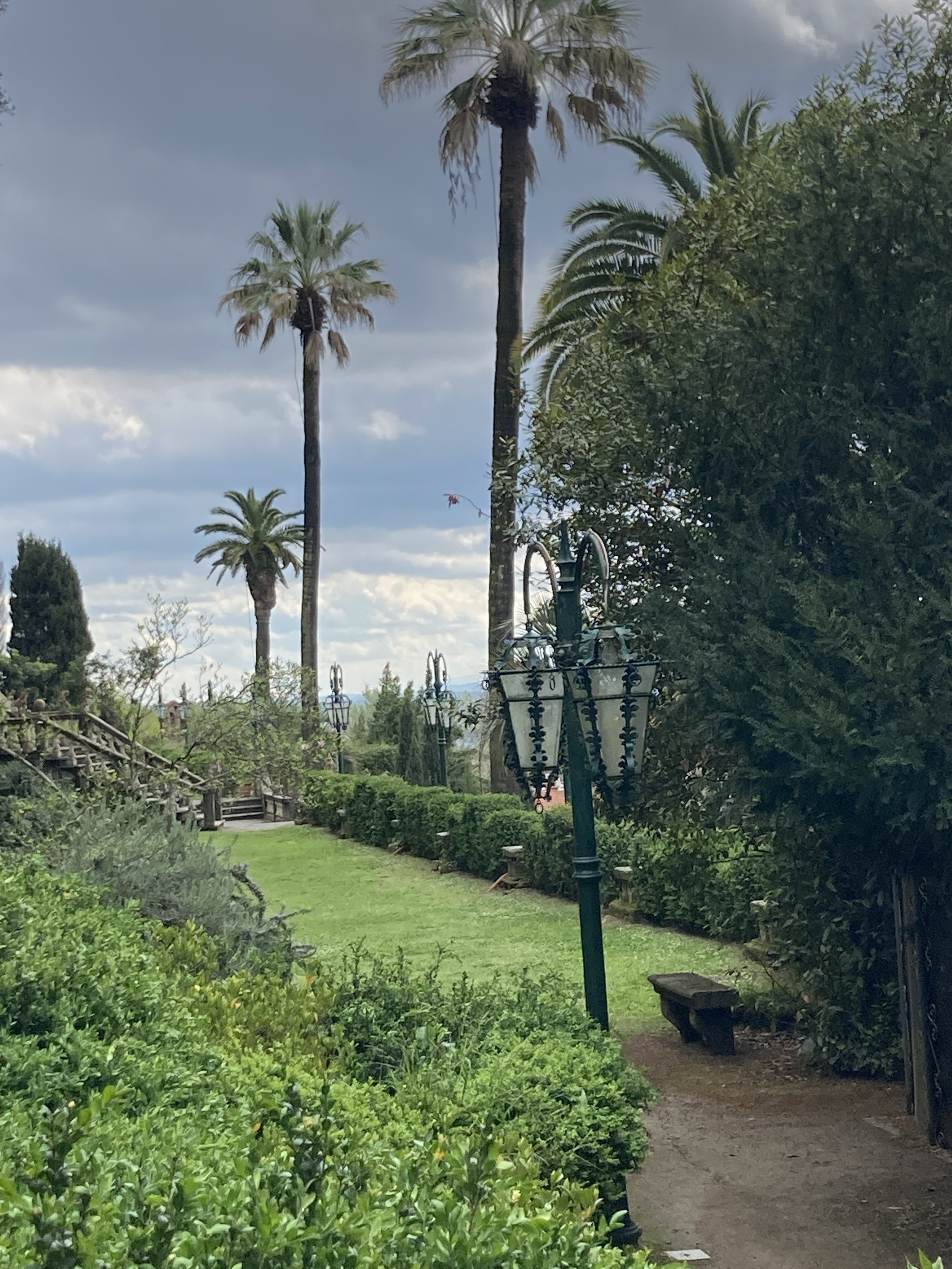
From the top of the water stairs lies a path, lined with camellias, which leads to the villa and the summer palace. This path too is lined with statues and interesting architectural details.

E6D24FC7-13D3-43FB-9B3E-80F803AA8BF3.jpeg
561F8C24-B9B2-4494-8E8E-707C32D5B359.jpeg
375B7A9E-1693-4824-943F-7E1F0DF5ADE7.jpeg

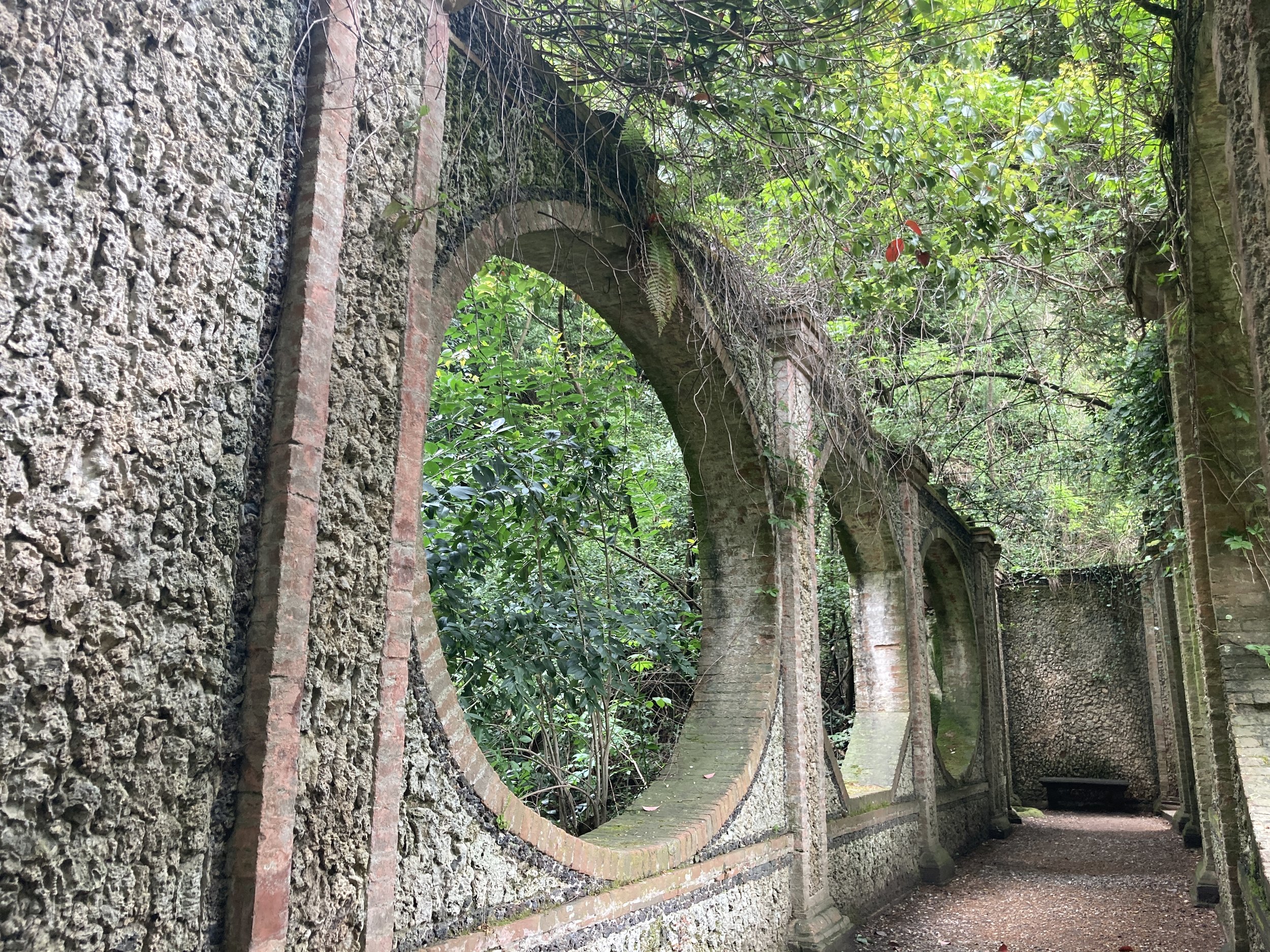
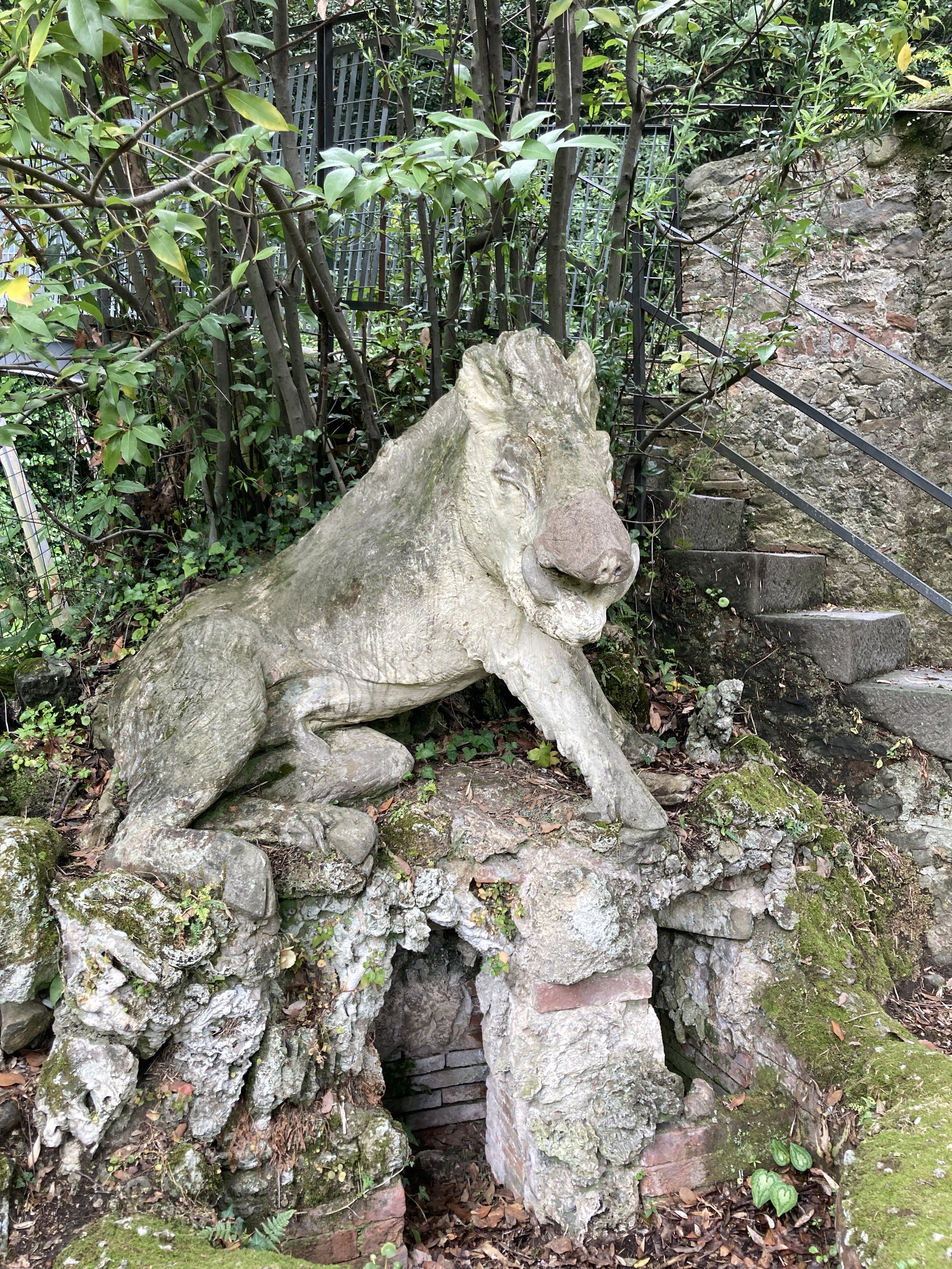
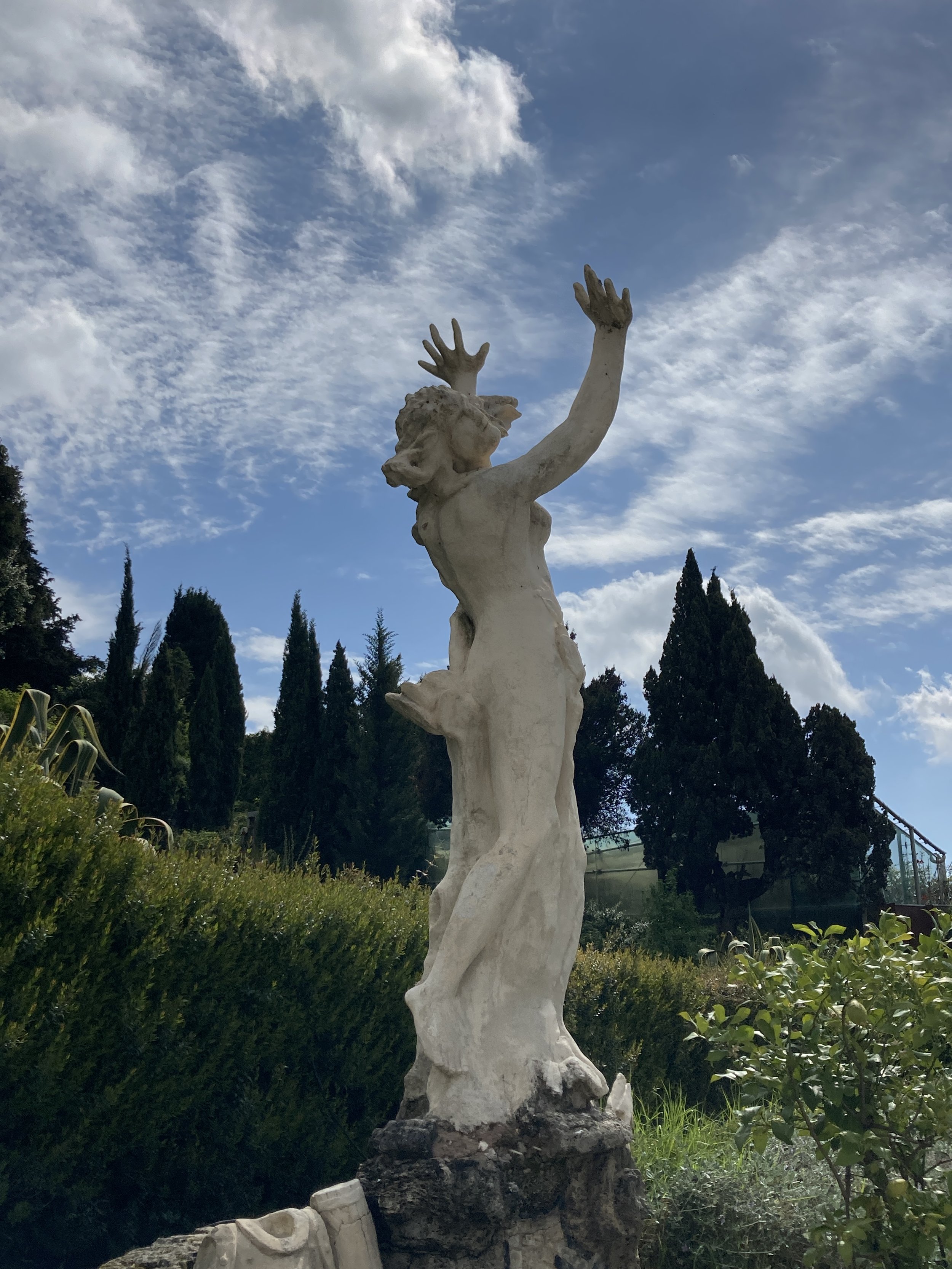
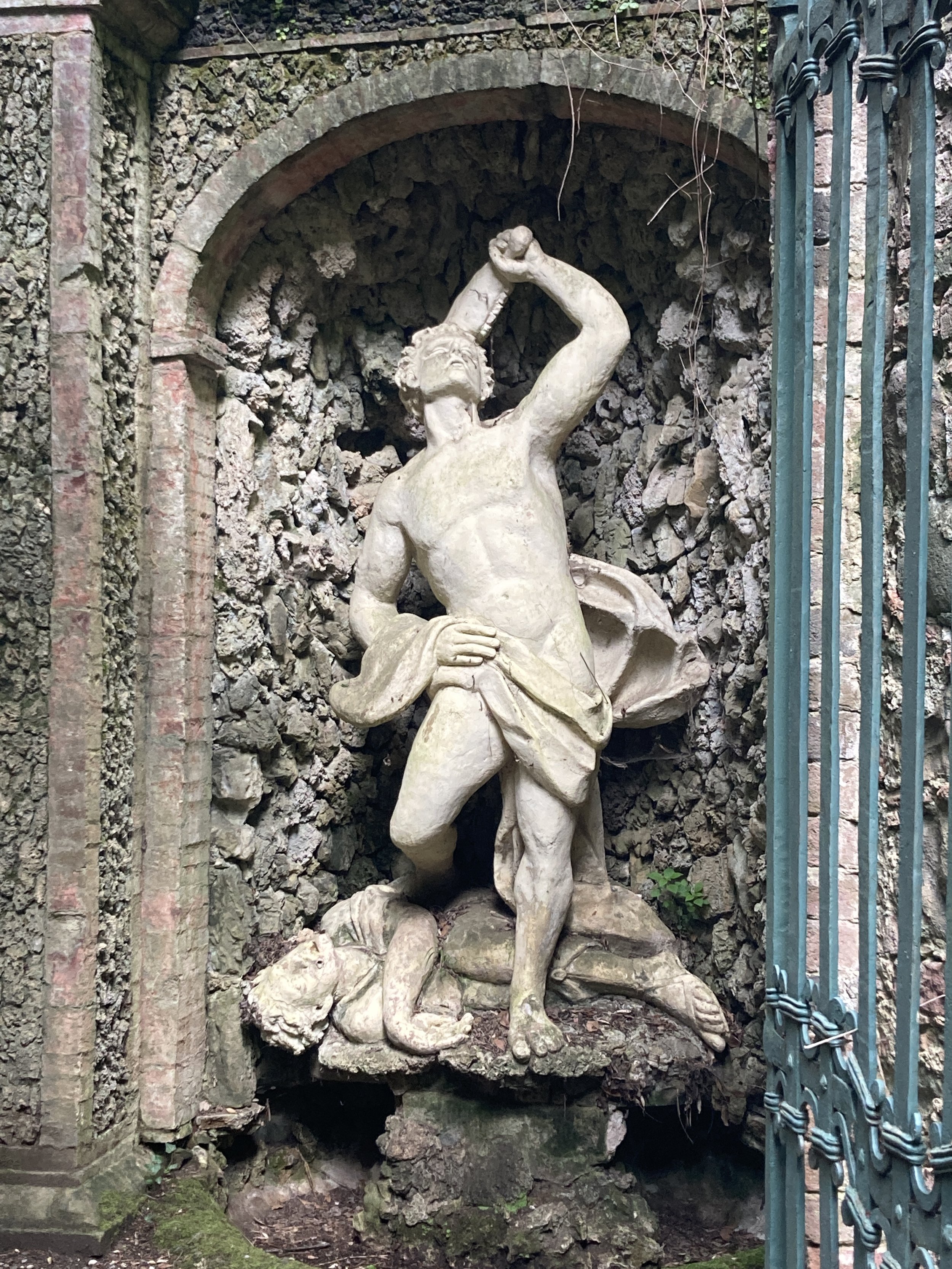
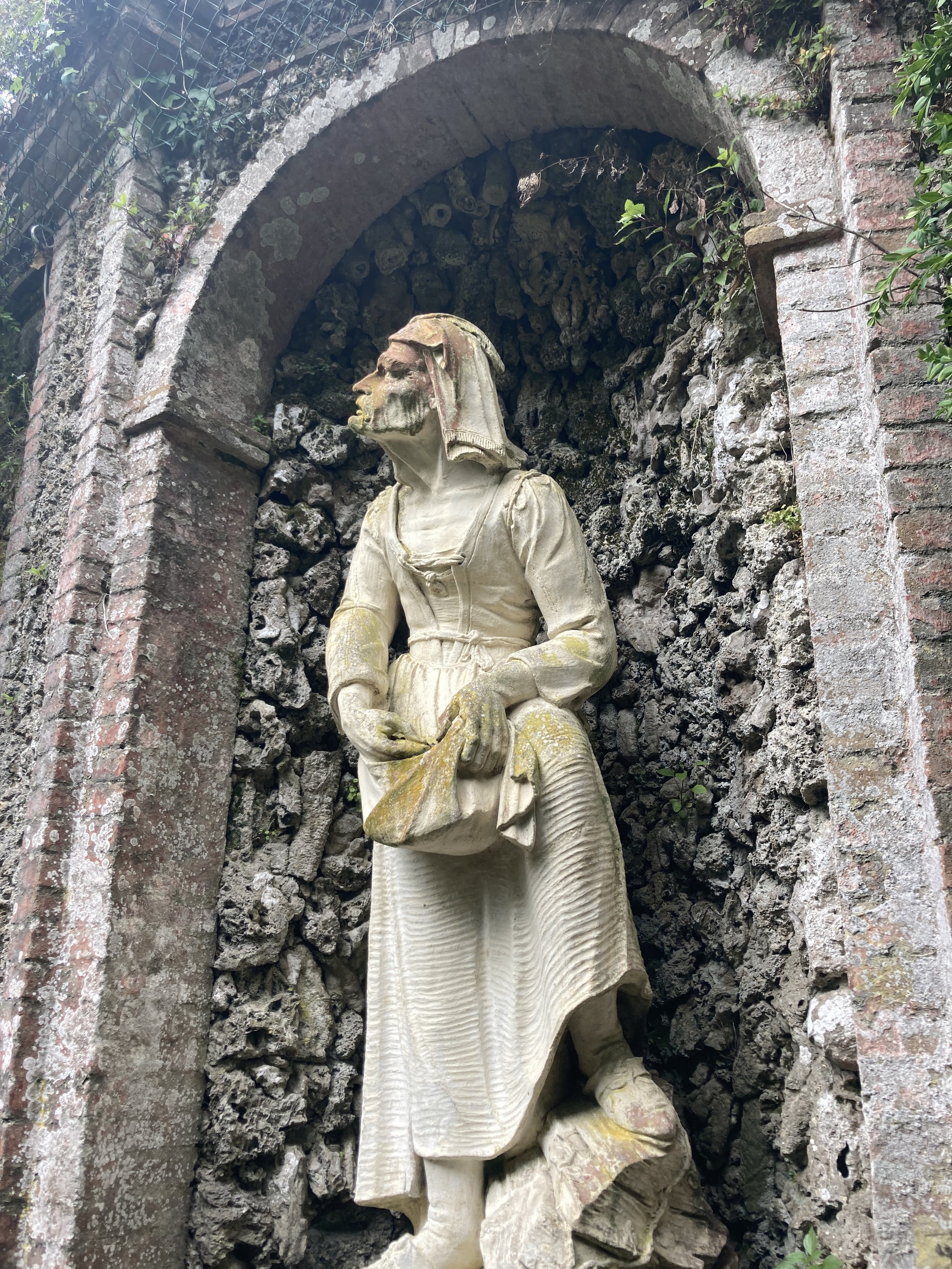
The fantastical nature of the garden reveals itself in places like in Neptune’s grotto, secret pathways and hidden spots, a labyrinth, and statues of mythical creatures and assorted ancient gods, goddesses, and legendary figures.

66559127-1DF6-4101-A6FD-8968B36D355B.jpeg
2B651C3B-A1D0-465E-A3C7-7317DE9ADC79.jpeg
21E19A7D-5460-45DE-9C0D-F6BEF54CBF21.jpeg
2E008148-4D9A-45B3-9536-9CC61212527D.jpeg

A visit to the gardens of Villa Garzoni provides a glimpse into leisure activities of a powerful family during the Renaissance. It is one of the finest examples of an Italian Renaissance garden and a lovely destination for anyone interested in classic gardens. A perfect way to spend a spring morning in the Tuscan countryside.

June 20, 2022 /Joanne Bartram
Giardino Garzoni, Italian Gardens, Garzoni Garden, Tuscan Gardens
#italytravel, #lucca, Italian art architecture, Italian gardens, #italiangardens
  • Newer
  • Older

Powered by Squarespace