Two Parts Italy

Exploring Italy, travel, and living a flavorful life

  • Blog
  • About This Blog
  • Start Here
  • Recent Posts
  • Archives by Topic
  • Subscribe
  • Contact me

From My Italian Kitchen: Pasta Primavera

July 03, 2023 by Joanne Bartram in Italian markets, Italian recipes, summer Italian food

“Piselli pigri” fresh from the market, with Tropea onions, mushrooms and asparagus

When the warmer weather of spring and early summer arrives, it is time to put away winter recipes and start cooking with the best produce the season has to offer. Later in summer, ripe tomatoes will take center stage as the basis for Caprese and Panzanella salads, but right now fresh peas and bright green asparagus are at the top of my list.

For the past couple of months both have been available at the markets in Italy.  Even better for me, I can buy piselli pigri (lazy peas) at the Ortofrutta (vegetable and fruit market) in Lucca. I call them lazy peas, but it is really the cook (me) who is pigra (lazy).  Piselli pigri are fresh peas already shelled at the Ortofrutta and placed in bags, eliminating all the work but none of the flavor. A lazy cook’s dream!

 The combination of fresh peas and asparagus, along with some onion (I like to use Tropea but yellow onion works just fine too), a lot of mushrooms, and a bit of diced prosciutto cotto (cooked ham) comes together to make a tasty Pasta Primavera (a spring style pasta). This is the perfect warm weather pasta dish, chock full of veggies and with very light on the sauce. 

 The little bit of sauce it does have, just enough to slightly moisten the pasta, comes from cooking the onion, peas, and asparagus in butter, allowing the veggie juices to mingle with the butter flavor. More flavor comes from quick cooking the mushrooms in hot butter in a separate pan. These ingredients are then combined with cooked linguine tossed in, yes, more butter. The last step is to sprinkle the pasta with parmesan cheese. The simple fresh flavors taste just like spring.
8B22A808-A080-49A0-B572-1D9742A791A4.jpeg
76E00046-AE59-4DDD-9F7C-180DB3E3F017.jpeg
A9586961-C736-485A-9500-D1BCA01AEA57.jpeg

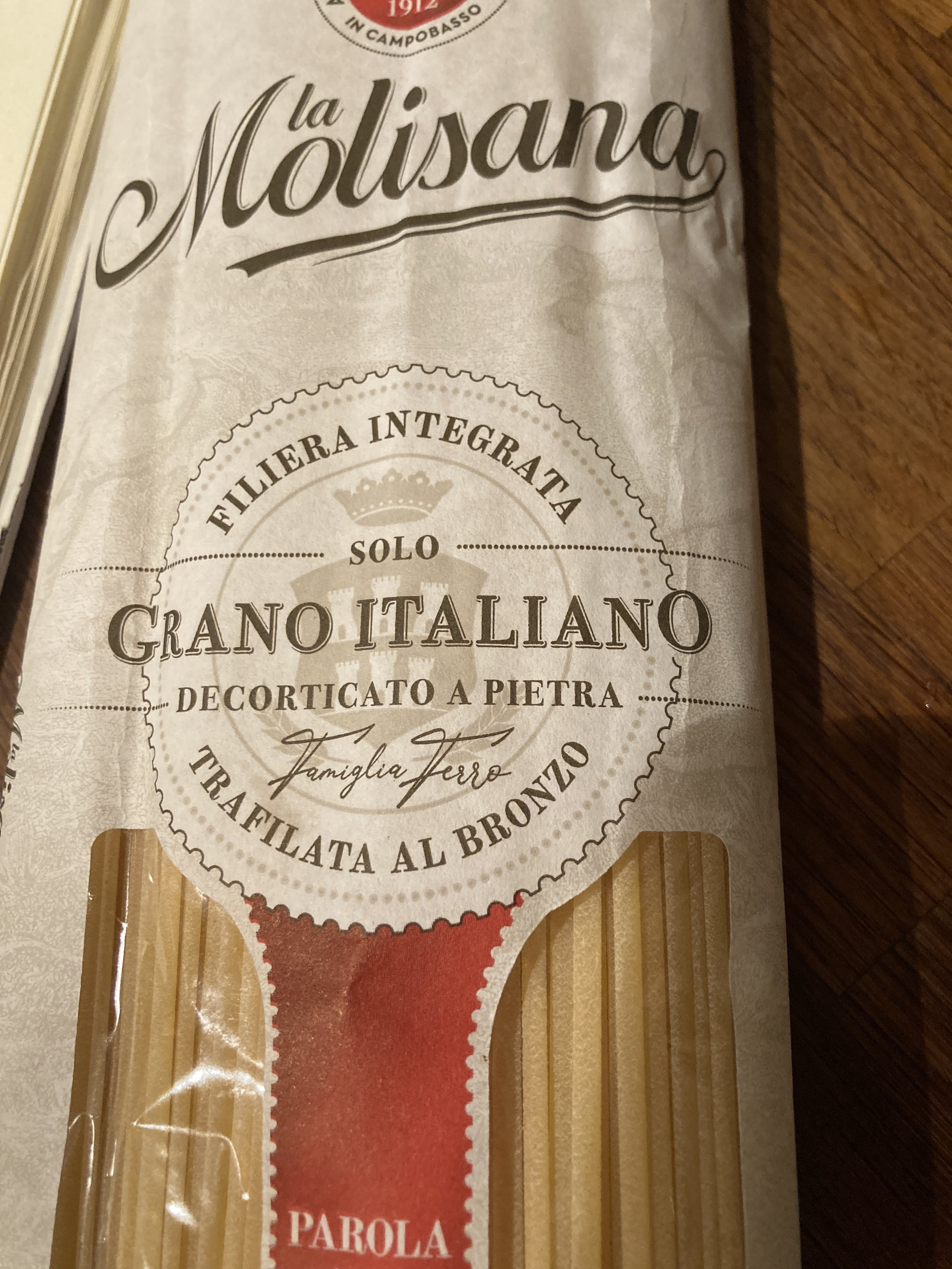
Notice the rough surface of this pasta - perfect for making the very light sauce cling to the pasta.

The recipe is quite flexible.  When fresh asparagus isn’t available I simply leave that out and increase the amounts of the other veggies.  No fresh peas?  Frozen ones will work too.  In the United States I use a thick slice of Virginia ham in place of the prosciutto cotto.  And sometimes, just for fun, I use cubes of crisp pancetta in place of the ham. This is a dish that lends itself to experimentation.  To get the best results, use the best pasta available. The one pictured here, La Molisana brand, uses a bronze extruder to form the pasta, leaving it just a bit rough and able to cling to the light sauce of this pasta dish. It also helps to use a good quality parmesan. Freshly grated is always best, though I am not above buying some already grated (another shortcut for the pigra cook). 

 The basic recipe serves 3 as a main dish, 4 as a side.

¾# linquine

8 tablespoons butter

¾ cup fresh peas, blanched for about 5 min (or use frozen peas straight from the freezer without blanching)

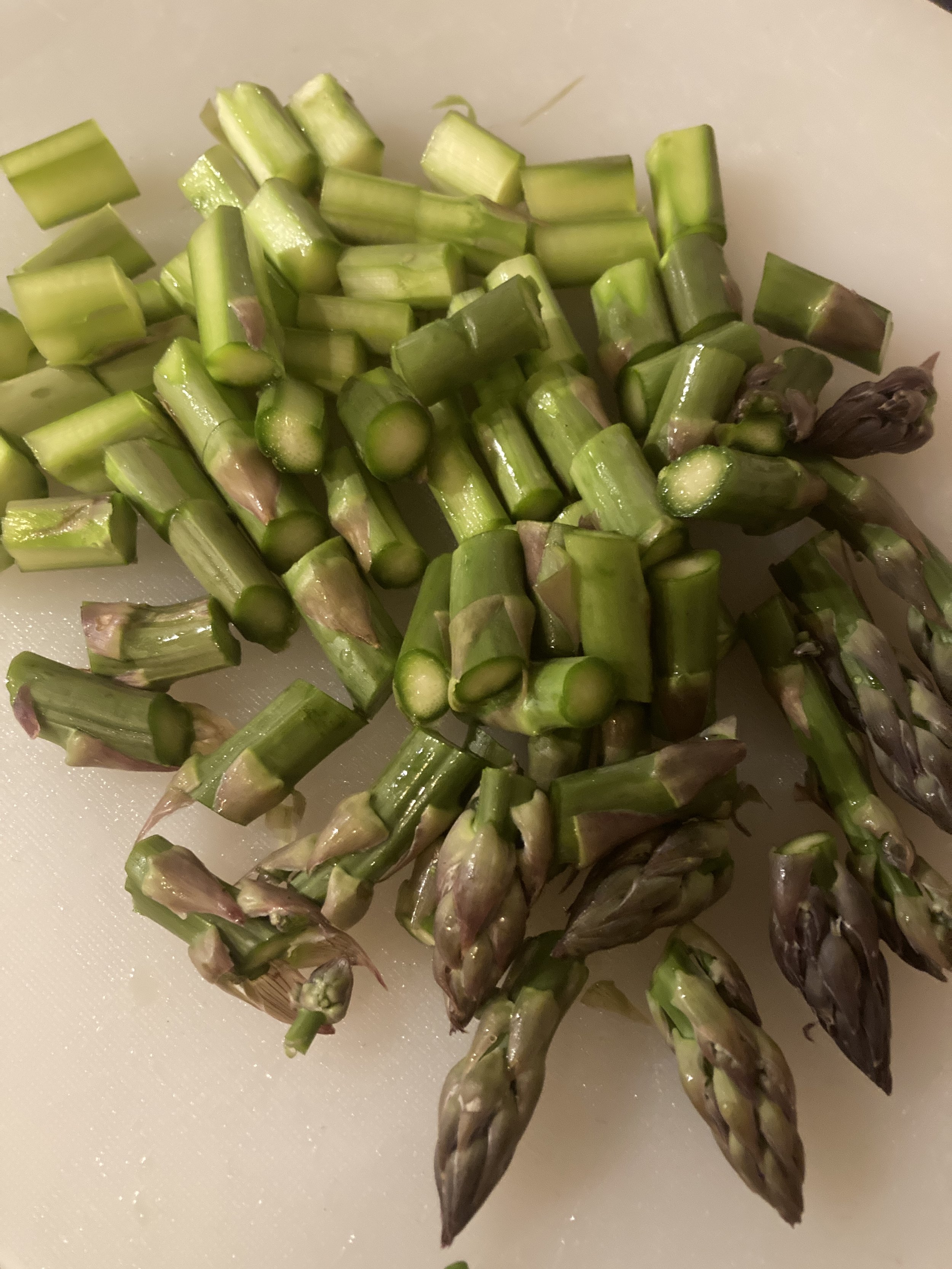
¾ cup fresh asparagus, cut into 1” pieces and blanched for 3-4 minutes. Medium size asparagus, a little larger than the width of a pencil work best.  If using really thin ones you may skip the blanching, if using really fat ones it is best to trim the thickest part of the stalk with a vegetable peeler before using.
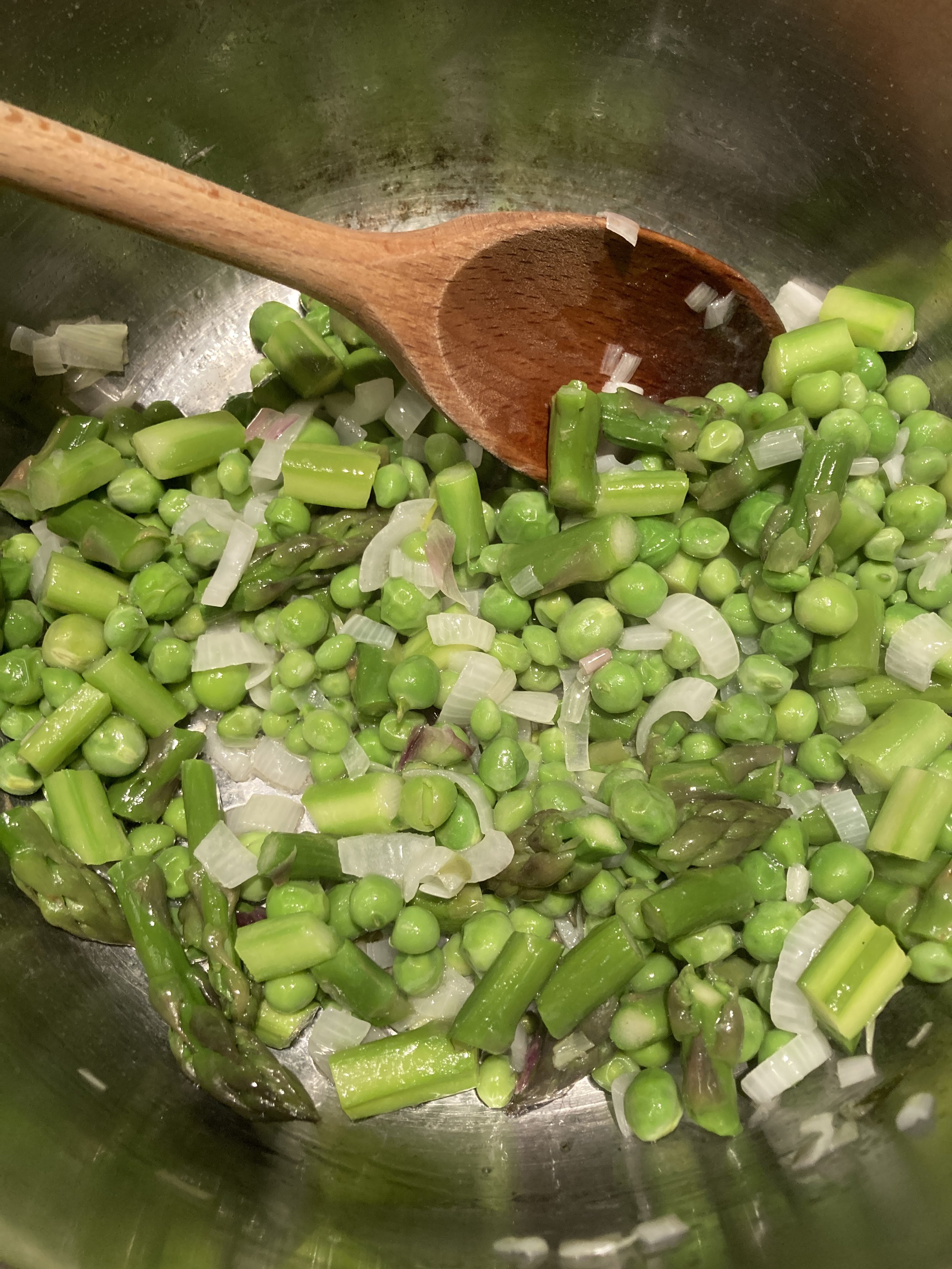
The bright green peas and asparagus look just like spring.

¼ of a yellow onion, sliced thin

½ cup cubed ham

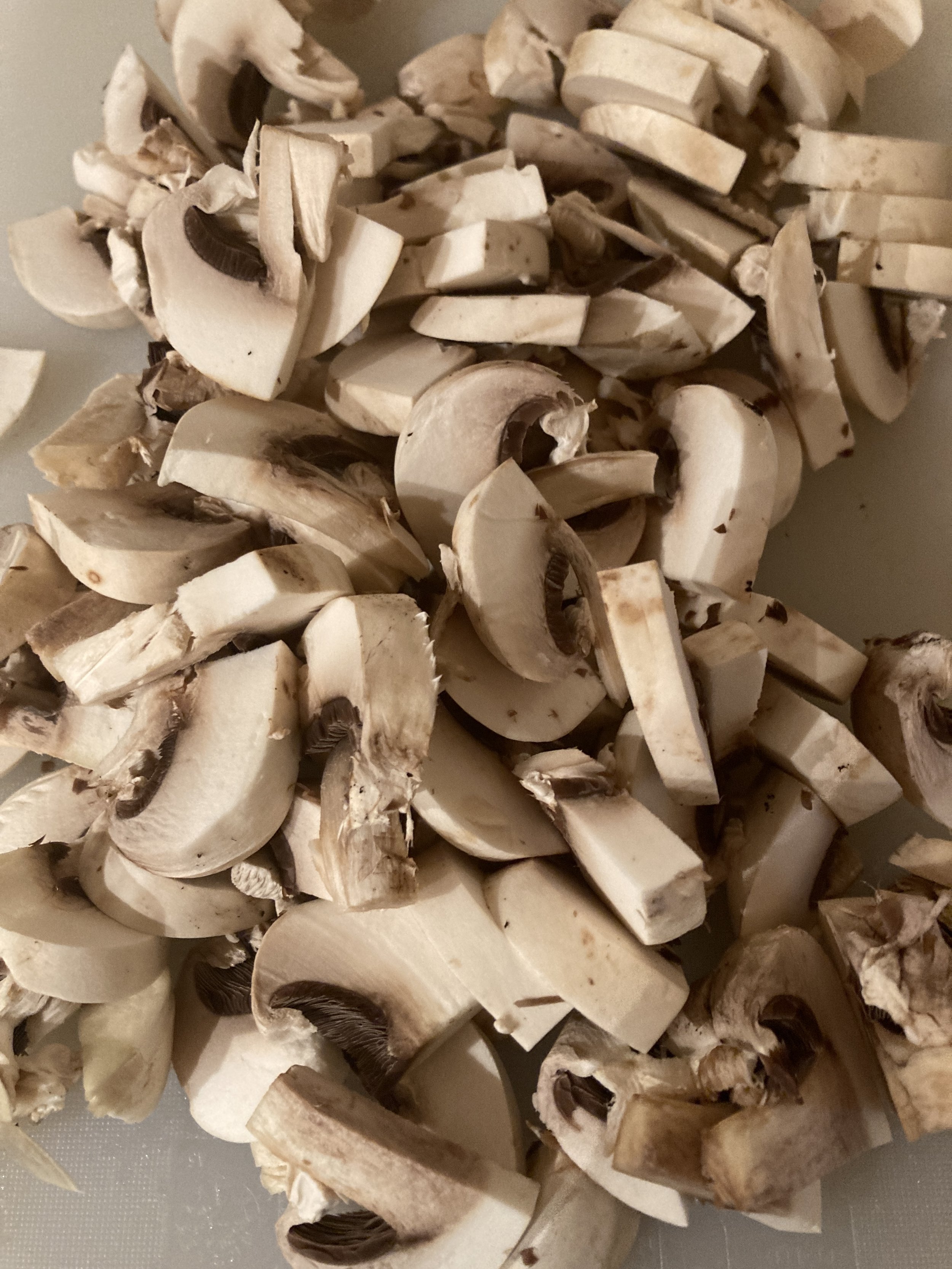
8 oz mushrooms (white or small portobellas) ,sliced thin. Love mushrooms? Use more!

¼ cup parmesan cheese, grated

Sea salt and coarse ground pepper to taste

Melt 4 tablespoons butter in a heavy pan. Add the peas, onion, and asparagus.  Sauté for about 10 minutes until the veggies are almost tender.  Add the cubed ham and cook to heat through.
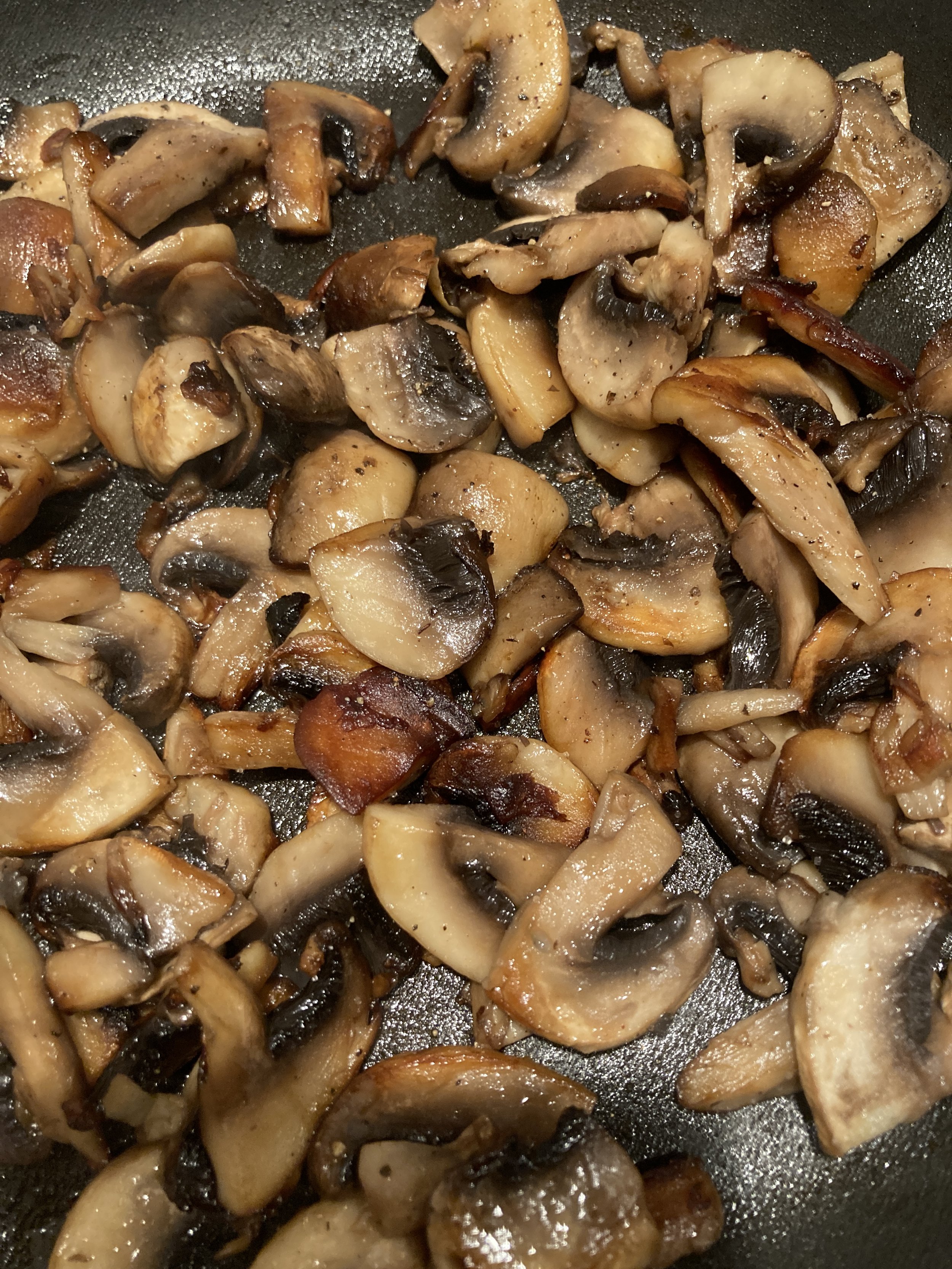
 In a separate frying pan, heat 2 tablespoons of butter.  Add the mushrooms to the hot butter and cook over a medium high heat.  The mushrooms should cook quick enough that they hold their juices in and brown rather than simmer. 

While the vegetables are cooking, cook the pasta.   Toss the al dente pasta with 2 tablespoons of butter and toss with the grated parmesan cheese.  Add the cooked veggies and ham with all of the accumulated juices. Add salt and pepper to taste.  Top with the mushrooms and a sprinkle of cheese.. Serve with some extra grated parmesan.

A crisp white wine goes really well with this pasta. Perhaps a Gavi, a Grillo, or a Catarratto. Enjoy!

Pasta Primavera


July 03, 2023 /Joanne Bartram
Pasta Primavera, Spring Pasta, pasta
Italian markets, Italian recipes, summer Italian food

Inspiration from an Italian Spice Market: Chai

January 09, 2023 by Joanne Bartram in European Christmas, food, Italian markets, Living in Italy

Does anything taste better on a cold winter afternoon than a cup of chai? Hot, peppery, spicy, sweet, milky - it is the perfect winter warm up. Brewed Chai is not a typical offering in Italy, and the available Chai tea bags just don’t approach the taste of the real thing. There was only one solution, I needed to learn to brew it myself !

A trip to an outdoor holiday market in December gave me just the inspiration I needed to work on my chai brewing skills. A big basket of star anise and another of tiny cubes of candied ginger first caught my eye. There were also displays of cinnamon sticks, whole black peppercorns, cloves, and cardamom pods. It was impossible to see all of these spices and not think of chai!


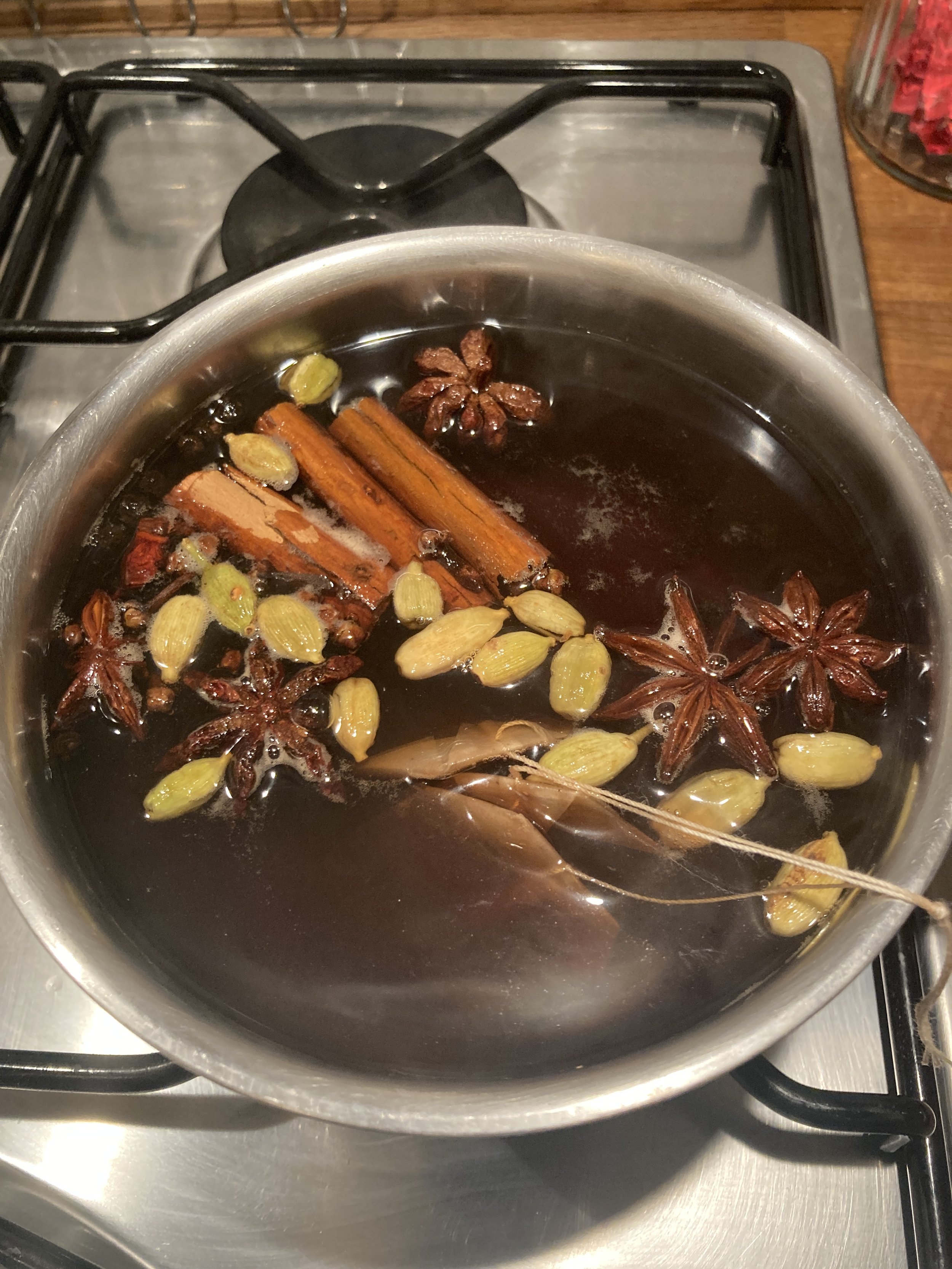
I have experimented with several different ways of brewing chai. I’ve used whole, ground, and crushed spices. I’ve tried making batches of spice mix ahead of time to keep on hand. In the end I have found that the easiest method, and the one that achieves the flavor I crave, is to brew individual small batches of chai using whole spices, pieces of crystallized ginger, and a good strong base of black tea. Whole milk is perfect for chai, though 2% works pretty well too. There are lots of possibilities for sweeteners - I tend to use stevia.

The brewed chai will keep in the refrigerator for a few days, just reheat as needed.

The recipe is flexible. Like more pepper? Just increase the amount to taste. More cinnamon? Throw in another stick. Don’t like cloves? They can be eliminated all together. No cardamom on hand? It will still taste great without it. The ginger, cinnamon, and some black pepper are essentials though. And a good, strong black tea. And while I have tried powdered spices, they just don’t work as well.

As I write this I have a batch brewing and my apartment is filled with the wonderful aroma of chai spices.

Simple Chai Recipe (makes 3 cups)

In a saucepan, cover 3 black tea bags (or an equivalent amount of loose black tea) with 3 cups of boiling water.

Add the following:

3 cinnamon sticks

1 ounce of crystallized ginger, either thin flakes or cut into small bits (note: ginger varies a lot in intensity - this is a starting point, adjust to taste)

3/4 teaspoon whole black peppercorns

12 whole cloves

15 cardamom pods, cracked

4 whole star anise pods

Steep over lowest flame x 45 minutes and then strain to remove the whole spices.

Add sweetener and milk to taste (4 ounces of milk is about right)

Bring to a simmer and enjoy!

A hot cup of chai provides inspiration for writing too!


January 09, 2023 /Joanne Bartram
italian market, spice market italy, chai, winter drinks
European Christmas, food, Italian markets, Living in Italy

The daily market in Padova

A Morning in Padova's Market

March 21, 2022 by Joanne Bartram in #italytravel, Italian culture, Italian markets, Italy travel, #padua

When I first visited Italy, nearly 30 years ago, I hoped to attend a cooking class.  I had been studying Italian cookbooks (especially those by Marcella Hazan) and wanted more than anything to cook in Italy, using local ingredients, with a teacher who could show me how to make authentic Italian dishes.  Unfortunately, the cost of the week-long classes just did not fit my budget.  Instead, I came to Italy determined to taste regional dishes, shop local markets, and take lots of notes.  Or, as someone said to me, “So, you’re going to Italy to eat?”  Well, yes.  That pretty much summed up my intention.

My first bite of prosciutto with melon was a revelation!

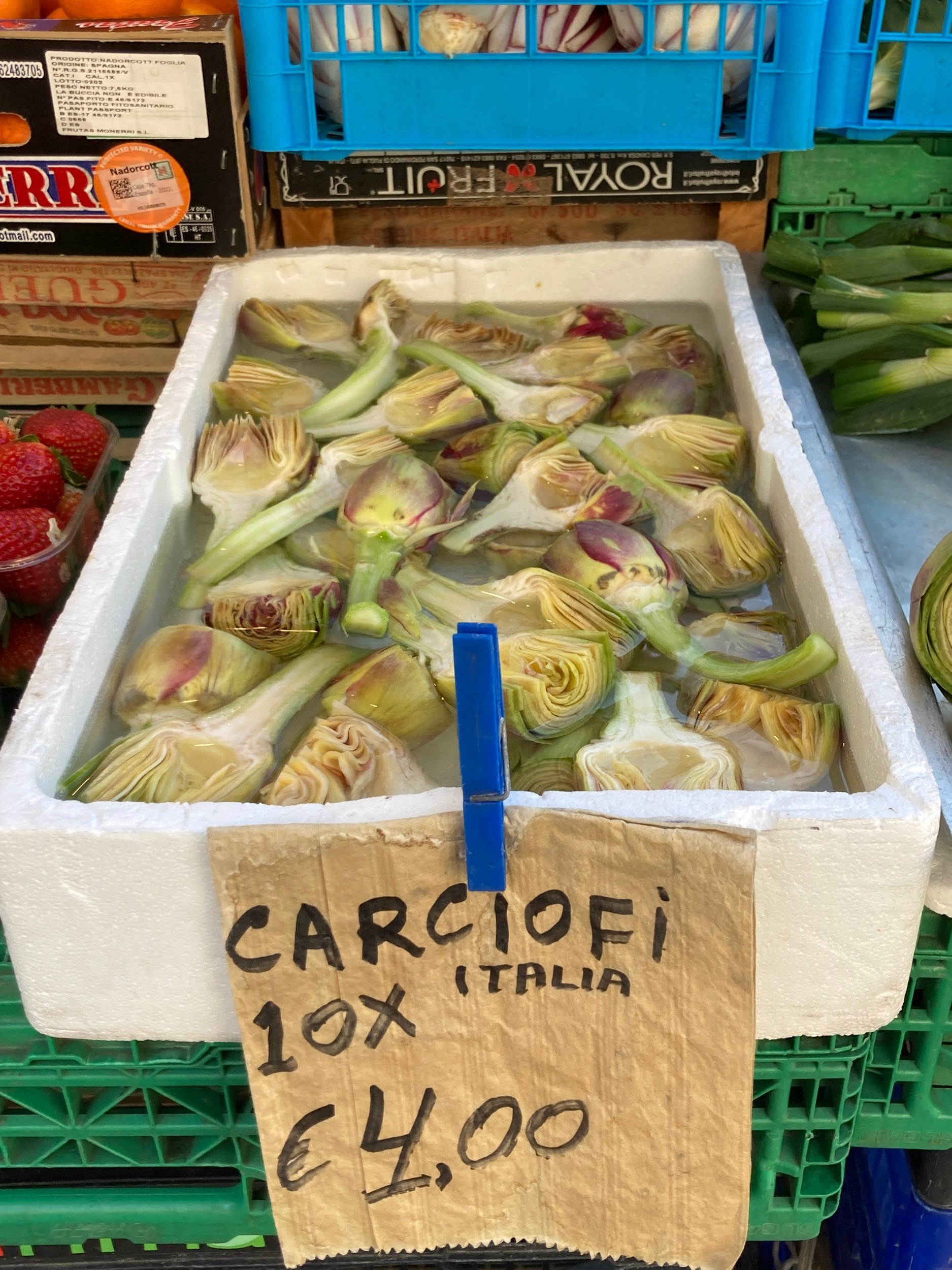
 I learned so much on that trip, in large part through food experiences.  Restaurant dining introduced me to many dishes – sweet melon wrapped in salty proscuitto, a delicate risotto with saffron, fish straight from the lake, tiny wild blueberries atop gelato, pasta fatto a mano (homemade). The flavors and preparation methods were enlightening.  As good as the restaurant meals were, it was the Italian markets which really enchanted me.  Fresh produce artfully displayed, pan-ready trimmed artichokes floating in lemon water, perfectly ripe melons.  I marveled at the fishmongers in Venice who arranged their products in photo-worthy displays and at the shops in Florence filled with hanging legs of prosciutto, a vast array of cheeses, and cases of colorful filled pastas.  How I longed for a kitchen on that trip!

Fresh pasta at the Sant’Ambrogio market in Florence

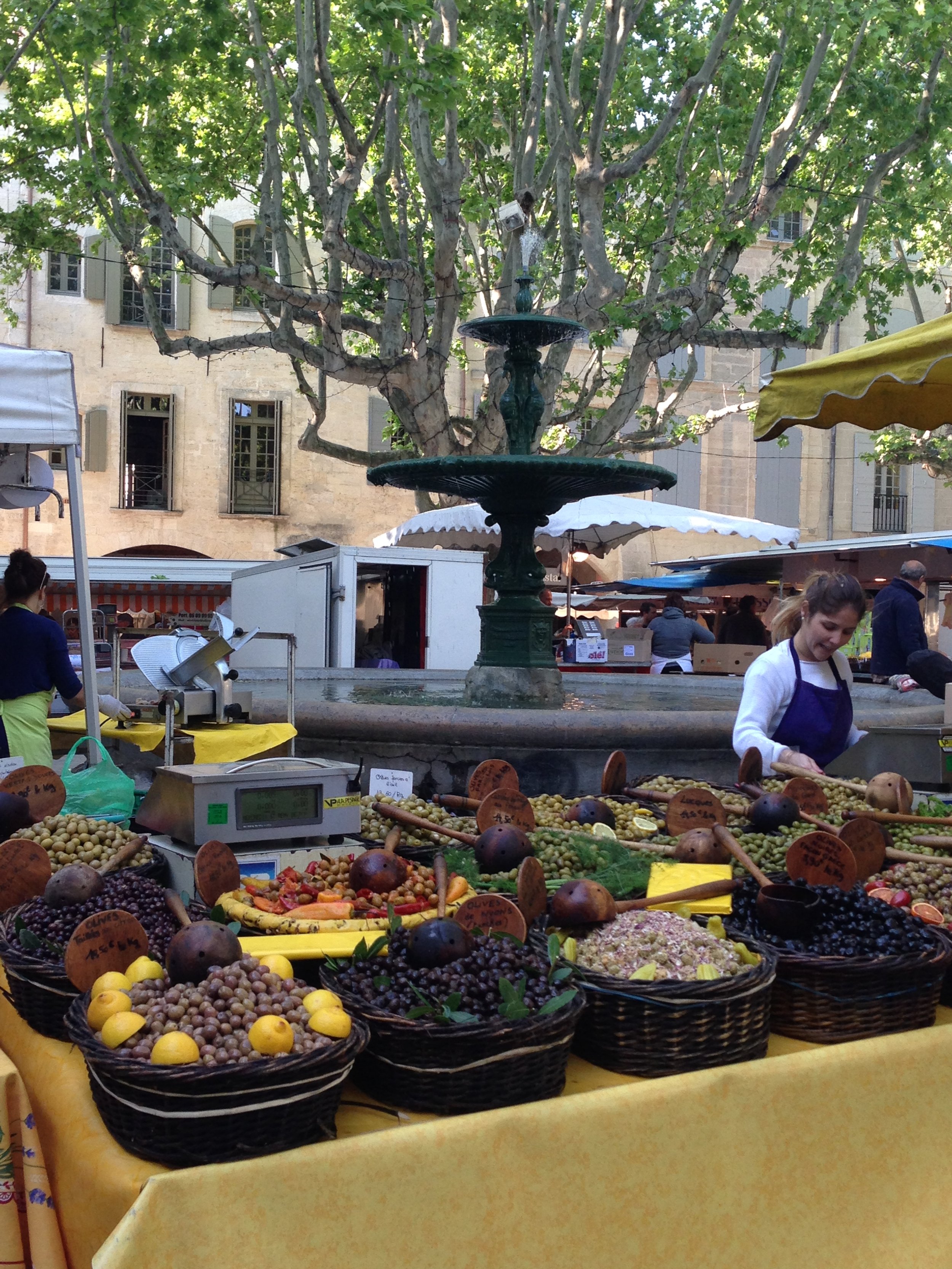
 Since that time I have sought out markets whenever, and wherever, I’ve traveled.  They form some of my most vivid travel memories.  The best ones are the “mamma’s markets”, catering to locals rather than tourists.  Two of my favorites over years of travel are the weekly market in Uzes France (oh those olives!) and the Sant’Ambrogio market in Florence.   

Italy is not the only country with fabulous markets. This one in Uzes, France is among my favorites.

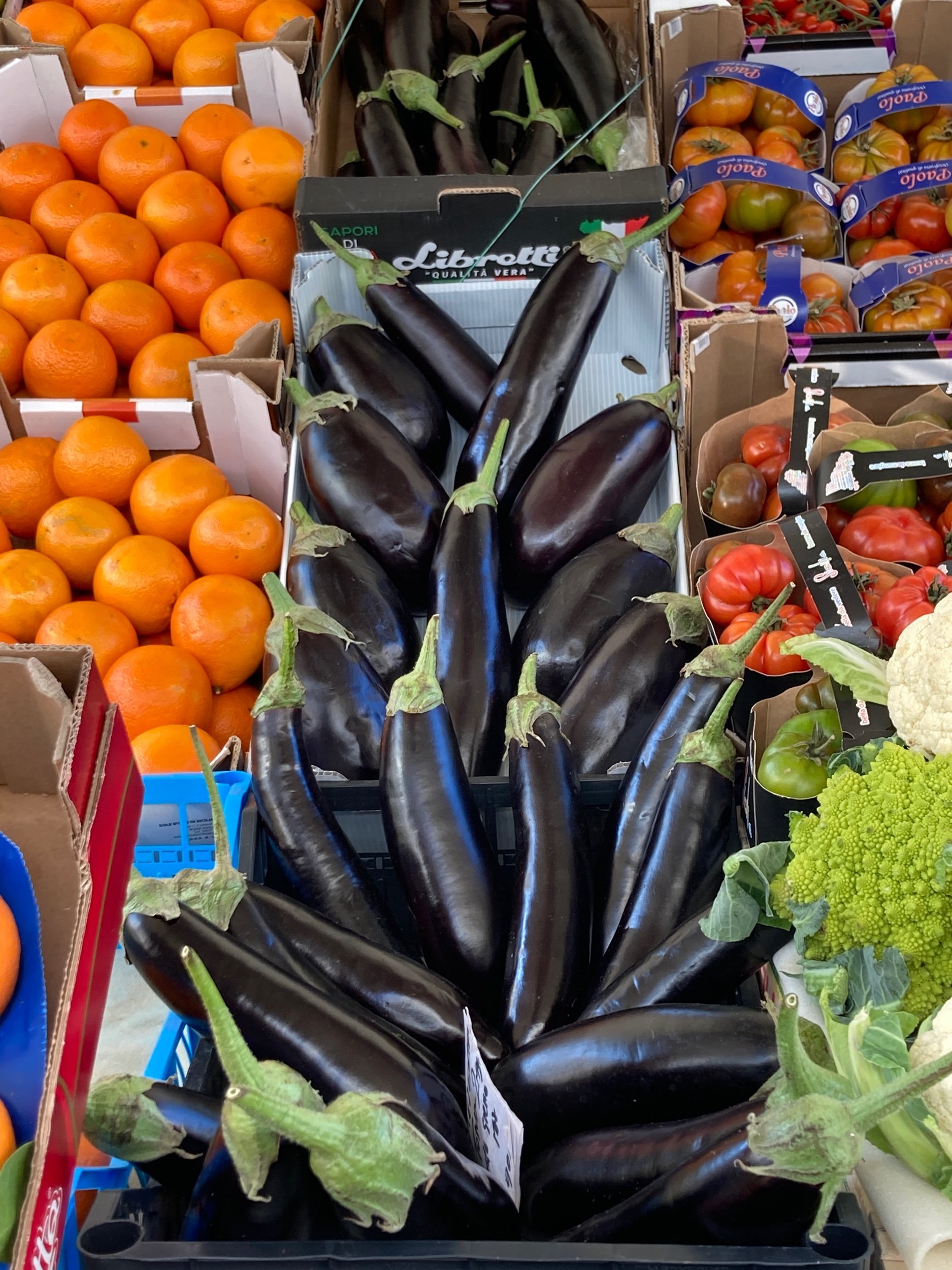
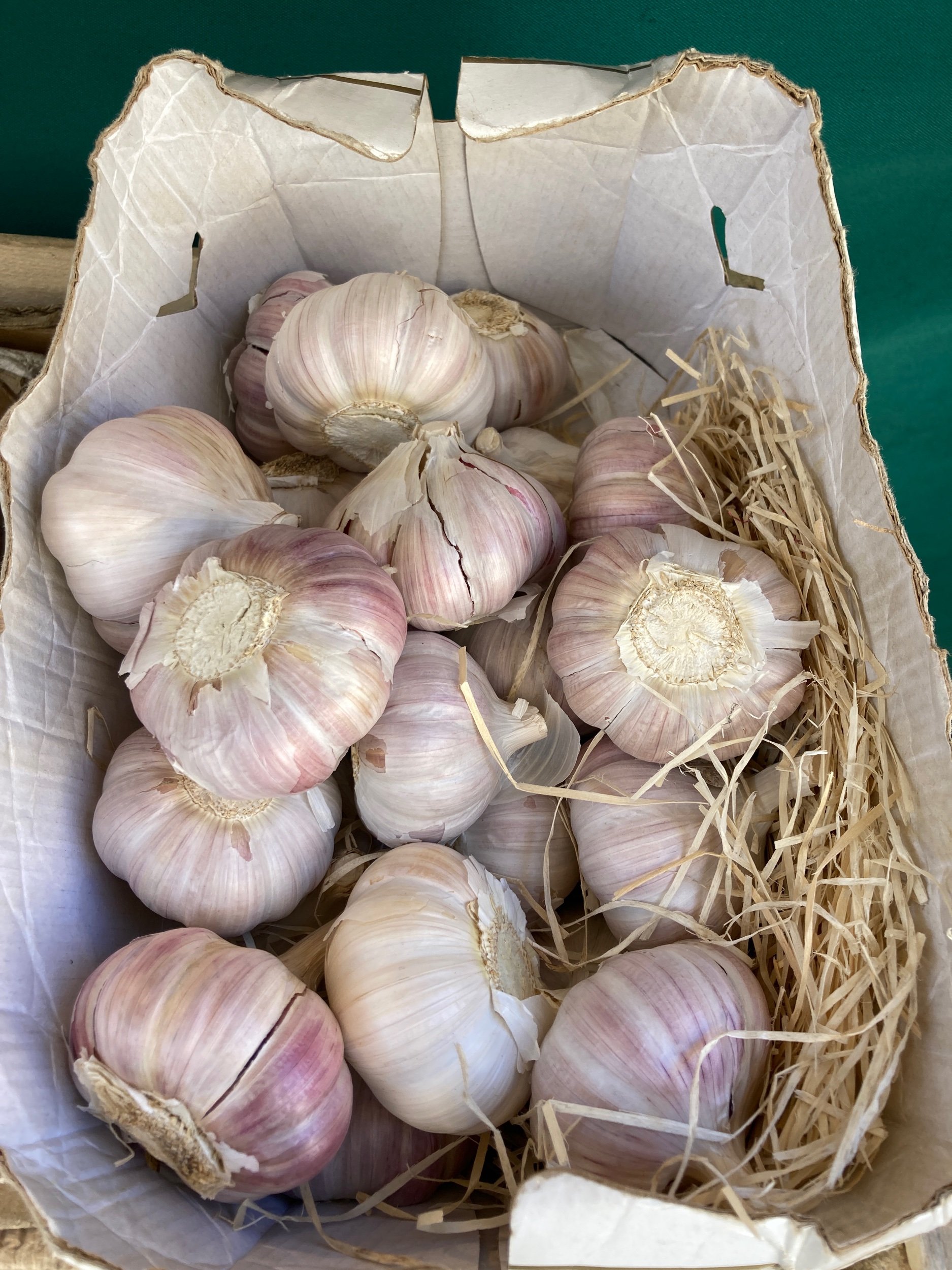
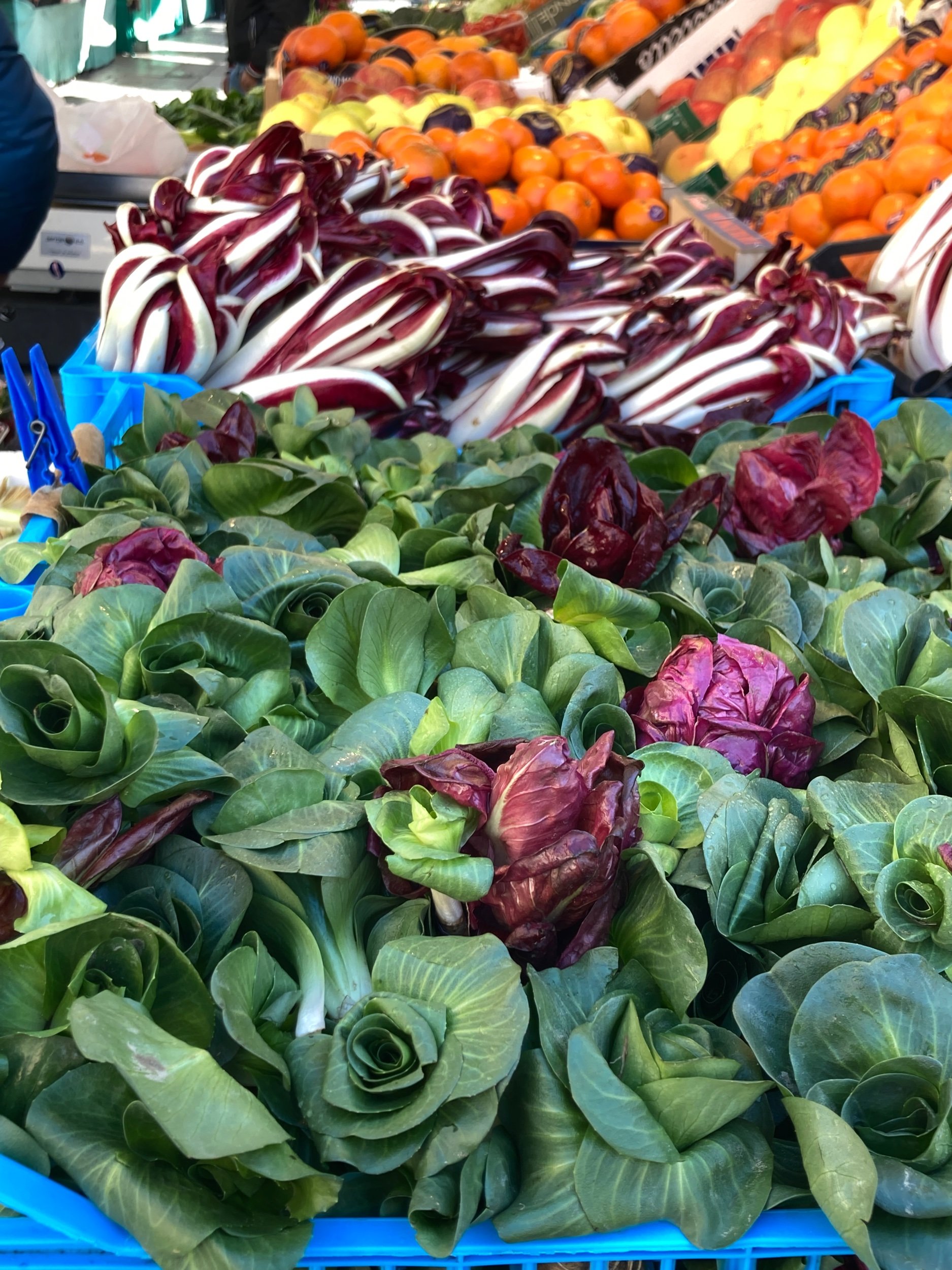
 My most recent market experience was in Padova (Padua) where I was delighted to find a fabulous daily market.  The outdoor market, centrally located in Piazze delle Erbe and Piazza della Frutta, was a wonderland of fresh fruits and vegetables.  Multiple vendors set up stalls each morning filled with just about everything a cook could desire -  baskets of bright lettuces, mounds of greenish-purple artichokes, piles of vibrant oranges, rows of tomatoes in different shapes and sizes, fat stalks of asparagus, dark purple eggplants, dried beans, herbs, and even flowers.  

IMG_5027.jpeg
IMG_5036.jpeg
IMG_5043.jpeg
IMG_5030.jpeg

Spending a morning there was a joy.  In the afternoon the market stalls disappeared and the piazza became a social hub of cafes, bars and casual restaurants. 

Beautiful blossoms in the Padova market

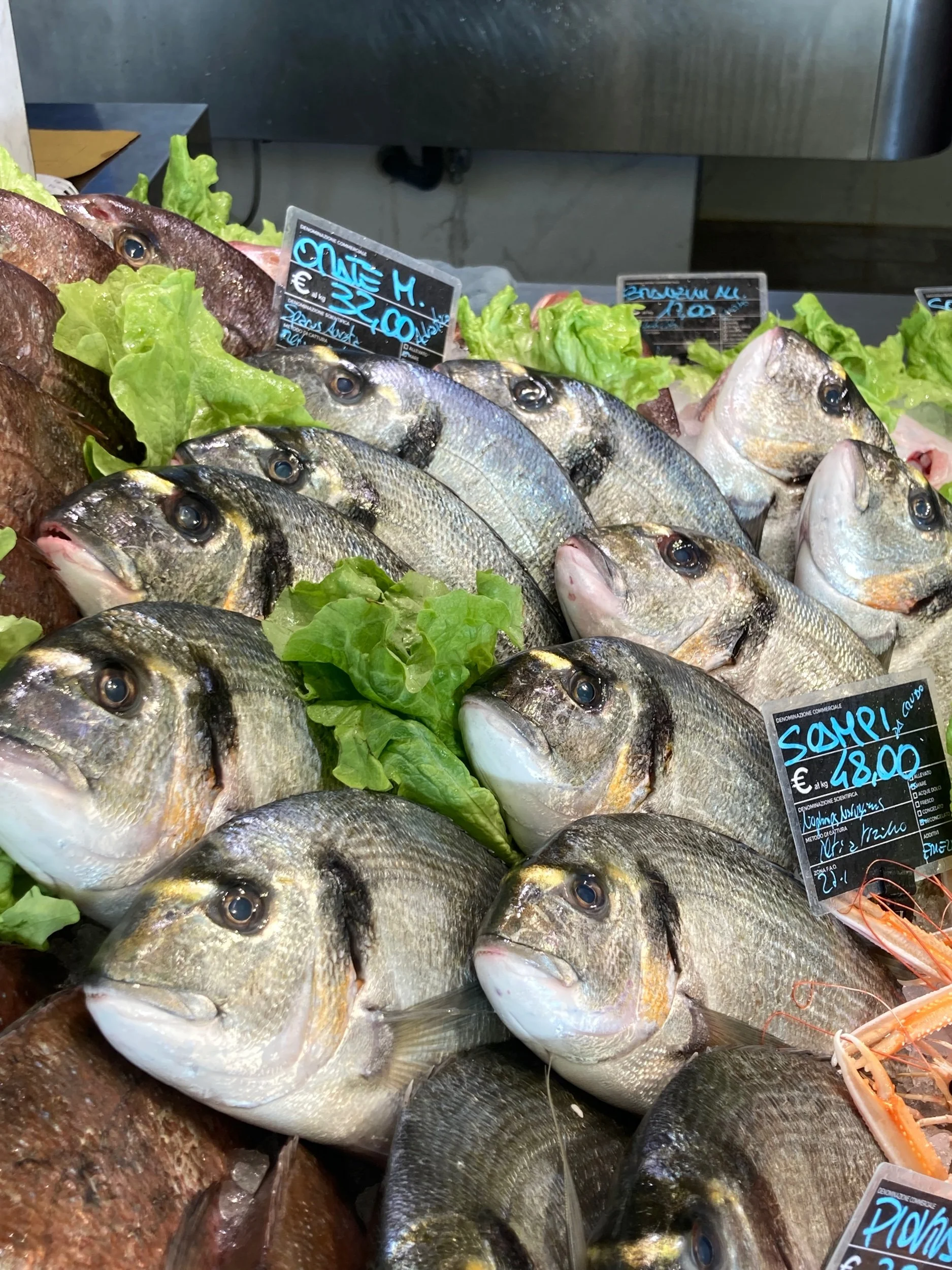
 In addition to the outdoor market stalls, an adjoining indoor market lies beneath the Palazzo della Ragione.  The culinary fun continued here with a host of shops selling fish, meats, prosciutto, bread, pastries, cheeses, and a variety of prepared foods.  There was even a rare sight in Italy – a “to go” coffee bar.   

IMG_5047.jpeg
IMG_5064.jpeg
IMG_5075.jpeg
IMG_5079.jpeg
IMG_5082.jpeg
IMG_5071.jpeg

There is so much to appreciate in Padova – stunning frescoes, historic churches, architecture, historical buildings, parks (I will get to all of these in another post) but never underestimate the power of a good market to add a fun experience when exploring a new city. 

March 21, 2022 /Joanne Bartram
Padova, Padua
#italytravel, Italian culture, Italian markets, Italy travel, #padua

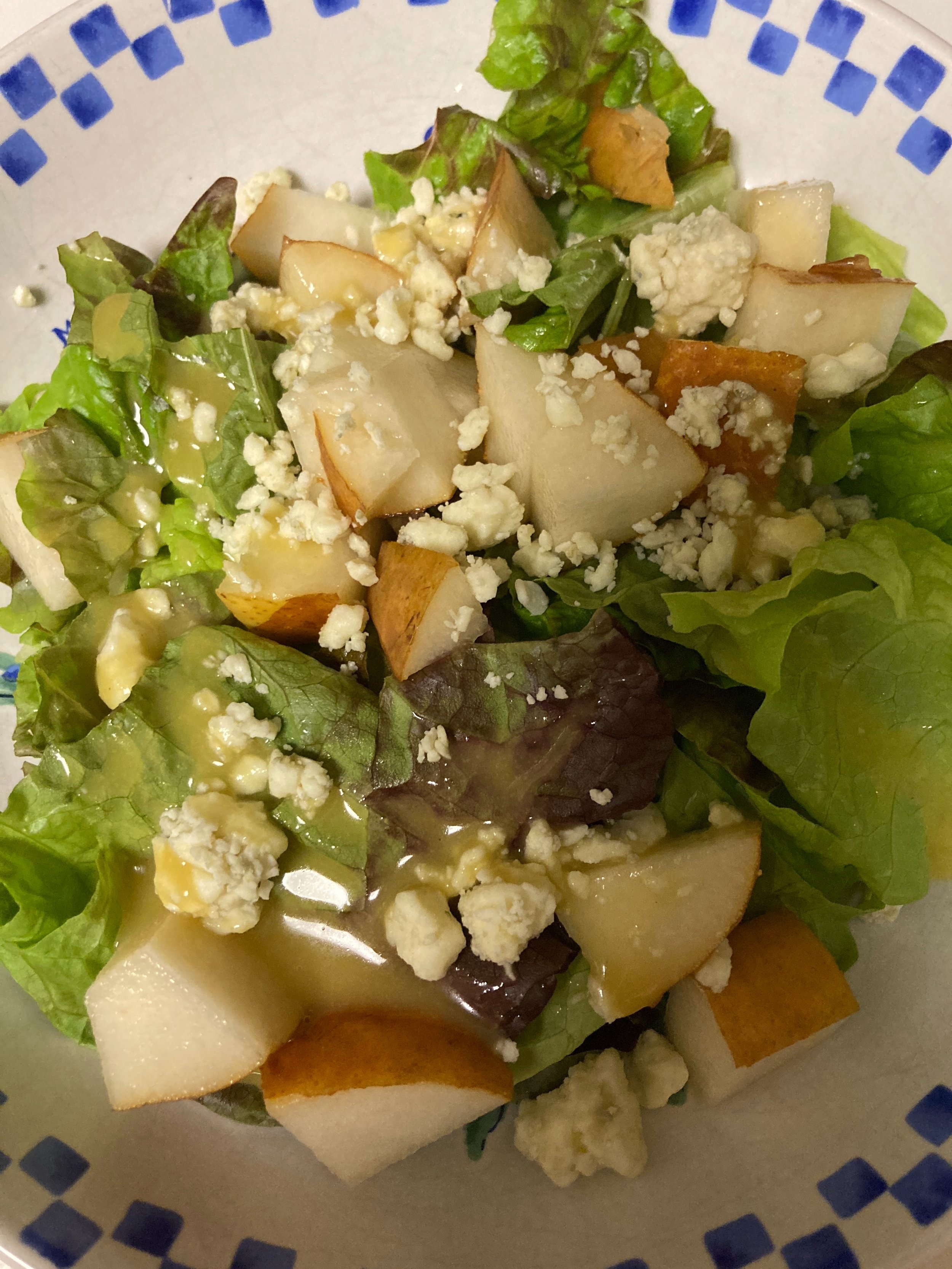
Nothing beats a perfectly ripe pear combined with gorgonzola in a salad!

From My Italian Kitchen: Winter Salads

March 07, 2022 by Joanne Bartram in Italian markets, Living in Italy, recipes

A caprese salad, drizzled with balsamic glaze.

Growing up in my family, salads were strictly summertime fare. There wasn’t much variety in the salads we ate, in fact there was no variety at all. Salad meant one thing - iceberg lettuce, tomato (luckily, living on Long Island we had really good locally grown tomatoes), and cucumber. The dressing was always the same, a combination of olive oil (at least it was labeled olive oil, I have my doubts), vinegar, and a packet of Good Season Italian Dressing mix. Toss it all together and serve alongside everything from spaghetti to hotdogs to grilled steaks. When I moved from New York to Colorado, I got my first taste of avocado in a salad. A definite improvement. I think the first major variation on the familiar salad theme that I tasted was a Caesar salad - romaine lettuce, salty anchovies, cheese, and a flavorful dressing. And garlic croutons! My eyes were opened to new possibilities.

And then I started traveling to Italy. I remember with clarity the first time I tasted an Italian caprese salad with creamy mozzarella, perfectly ripe tomato, fresh basil, and really flavorful olive oil. Equally joyous was my first panzanella. The ingredients were familiar (cucumber, tomato, red onion, olive oil, red wine vinegar, bread) but they came together in a new and exciting way, one that made my taste buds explode. In Lucca, I tasted my first shaved raw artichoke salad topped with pear and pecorino cheese. I also discovered an arugula salad topped with big shaves of parmesan and carpaccio of beef. What a revelation!

Salad never looked like this when I was growing up!

Now it is mid-winter and the weather is cold and windy. The sun warmed tomatoes of summer are long gone. How I miss those summer salads! I had almost forgotten about winter salads, usually opting to put my cold season veggies in warming soups and stews. But then I had lunch with some friends who served the most delicious salad alongside soup on a chilly day. What a great reminder that winter salads can be just as tasty as the summer ones!

At this time of year the markets are full of beautiful winter veggies, many of which go well in salads. Spinach, beets, fennel, broccoli, and cauliflower are all good raw and can be added to a bowl of greens for a simple, and healthy, salad. Roasted veggies, such as red peppers and Brussel sprouts, also make great additions to a winter-time salad. The same goes for winter fruits, especially pears, apples, and clementines. Nuts, plentiful in Italy during the winter, add the perfect crunch. Combined with good leafy greens (thankfully available year round), some local cheese and a flavorful dressing, the result is a cold weather salad every bit as wonderful as a summer one. Hearty enough to be a lunch-time meal on their own, winter salads also pair well alongside a soup, pasta or roasted meat.

Starting with a base of leafy greens, these combinations are my winter favorites:

Pear with gorgonzola and chopped roasted pecans

Toasting the pecans makes them even better in this salad. A gorgonzola dolce is perfect paired with the nuts and pears.

Beets with shaved parmesan, pecans and tiny bits of preserved lemon peel. Pecorino works well too in place of parmesan. No time to roast beets? Many markets sell them packaged and already cooked.

A friend brought me a jar of candied lemon peel from Poland. It adds a perfect zing to a beet salad.

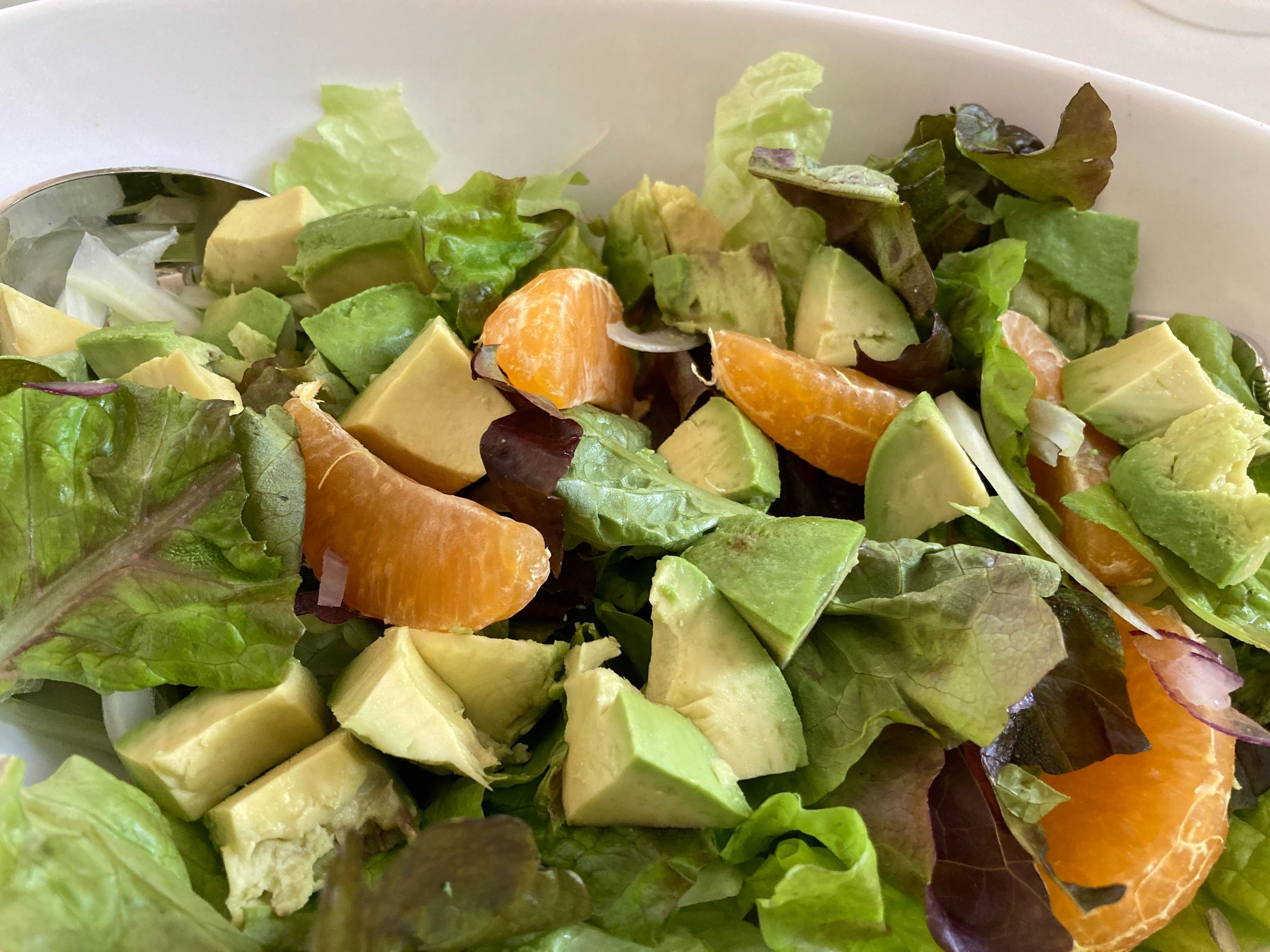
Shaved fennel, avocado, red onion and clementines

Red leaf lettuce with pear, pecorino fresca, and walnuts. Apple works well in this combination too.

Look for perfectly ripe pears and a good fresh pecorino for this salad. The better the cheese, the better the salad!

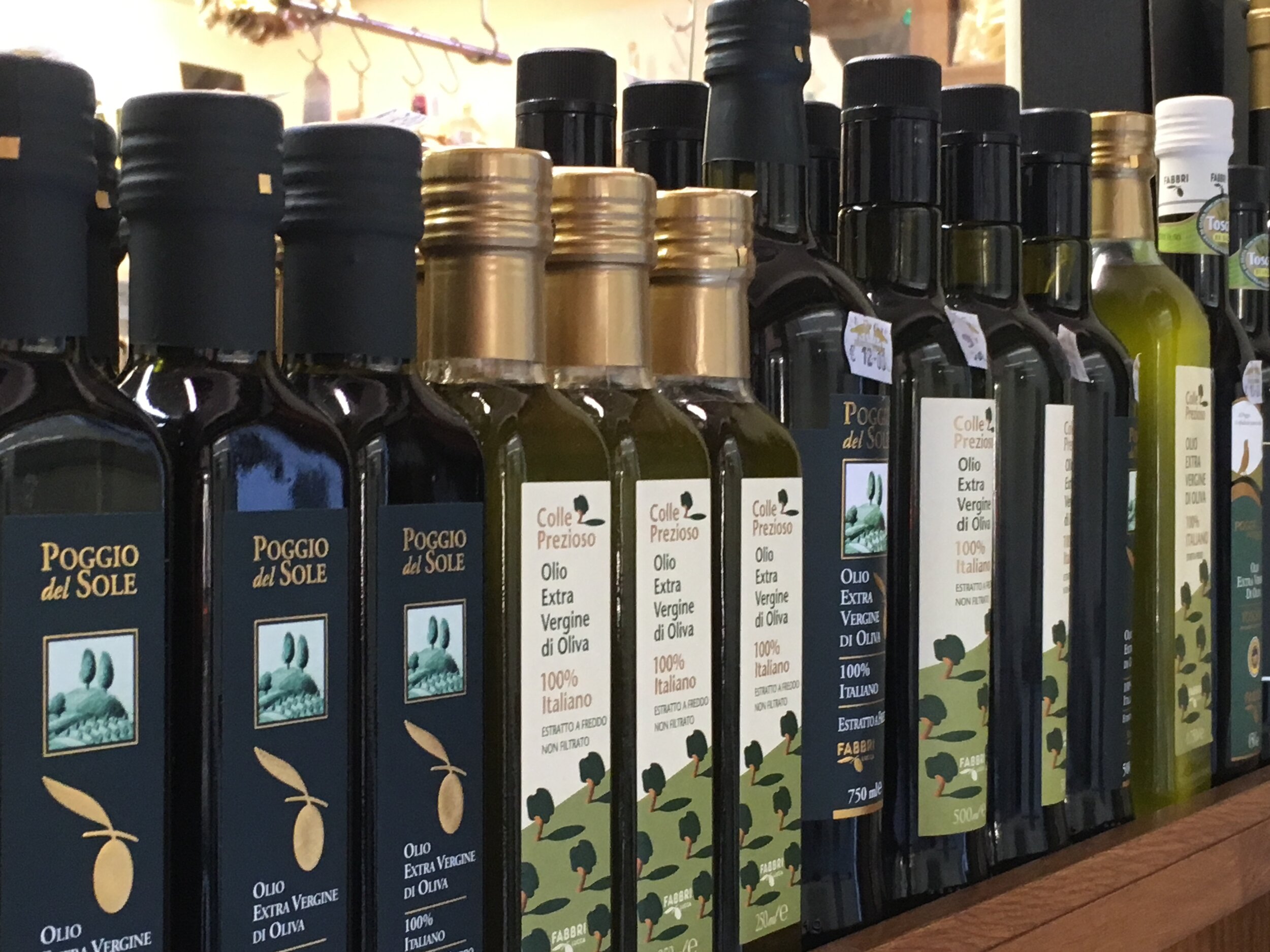
As for dressing, something with a bit of sweetness goes well with winter salads, especially those with fruit or beets. I like to mix equal parts of Dijon mustard, honey, my favorite olive oil, and either lemon juice or white wine vinegar plus a touch of salt and coarse ground pepper. This mixture goes well with any of the above combinations.

Thanks to my friend Susan for reminding me how tasty a winter salad can be!

Ending with this image - keeping the Ukrainian people in my thoughts and in my heart

March 07, 2022 /Joanne Bartram
winter salads
Italian markets, Living in Italy, recipes
Polleria Volpe (all decorated for Valentine’s Day)

Polleria Volpe (all decorated for Valentine’s Day)

La Polleria (The Poultry Shop)

May 24, 2021 by Joanne Bartram in #lucca, Cooking, food, Italian culture, Italian markets, Living in Italy, Lucca

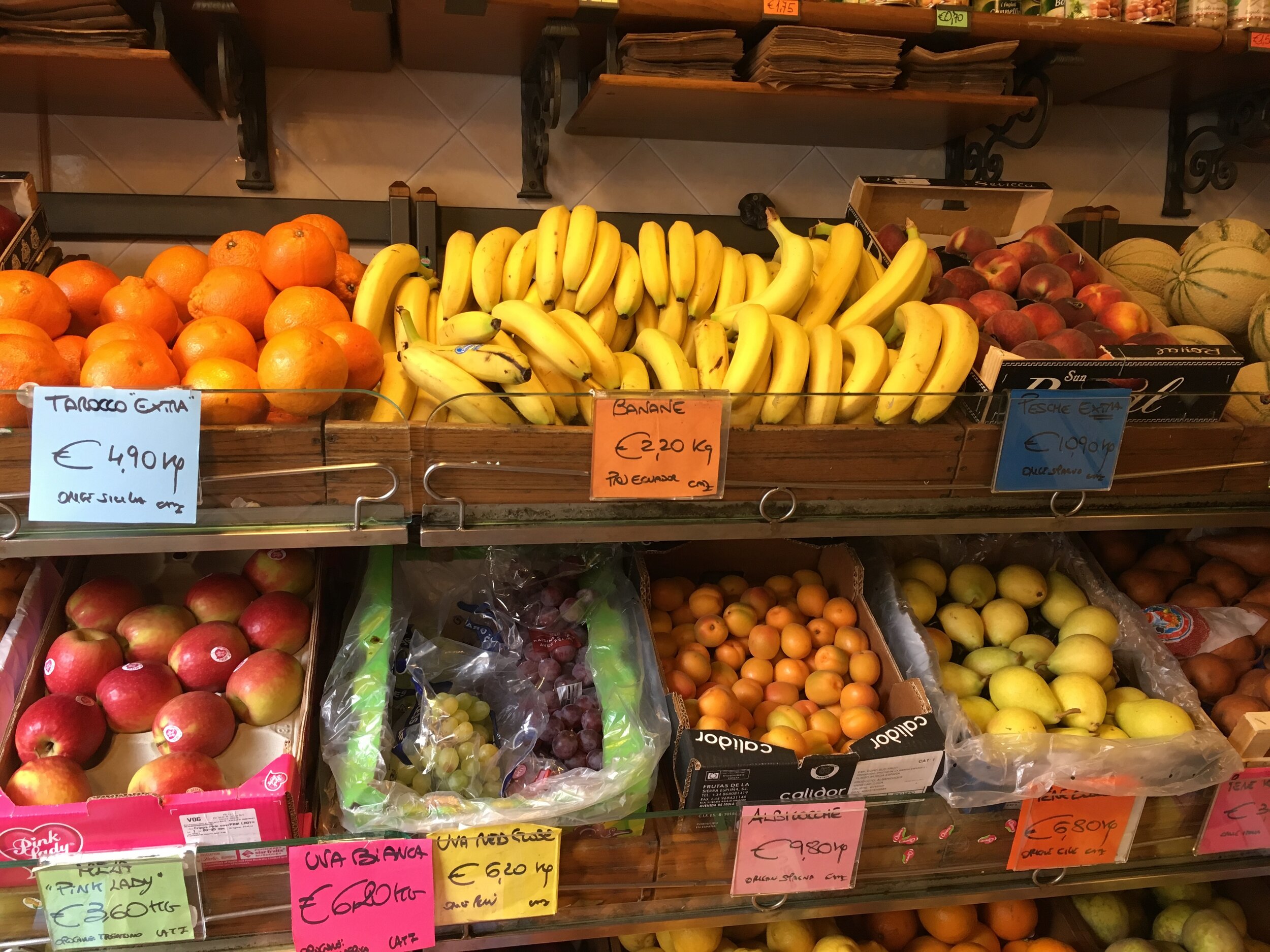
Shopping for groceries (fare la spessa in Italian) is one of the great cultural experiences for stranieri (foreigners) living in Italy. Food, and the process of obtaining it, helps to define a culture. And the act of shopping itself provides a language lesson as it requires use of a specialized vocabulary - after all one wouldn’t want to request uva (grapes) when needing uova (eggs) or pesche (peaches) instead of pesce (fish). I look forward to grocery shopping in Lucca with an enthusiasm that I lack when in the United States.

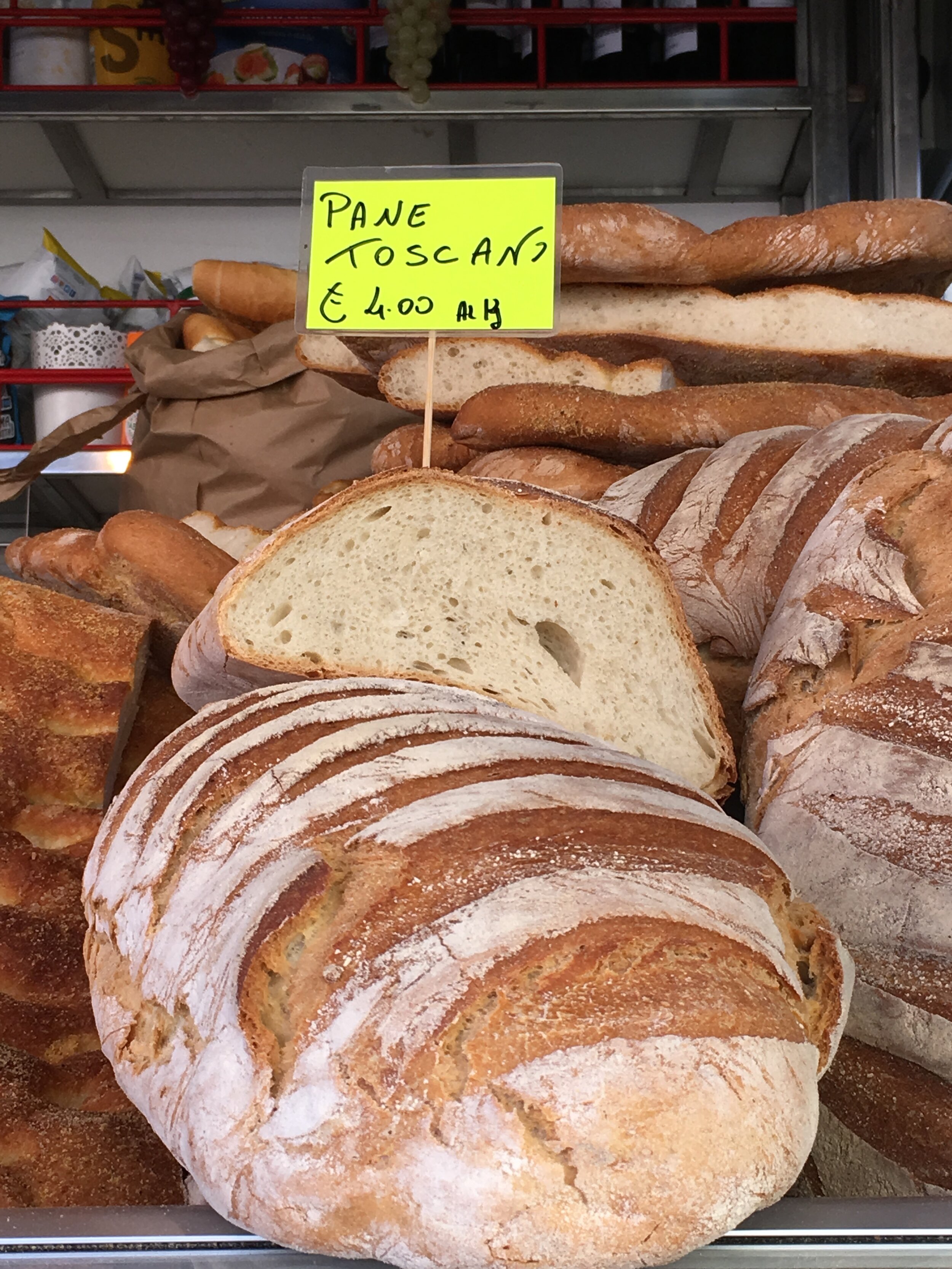
While there are some big grocery stores here (true supermarkets), they are outside of the historic center of the town where I live. I do use one of the small grocery stores inside Lucca’s walls for essentials - pasta, rice, coffee, sugar, etc. But for other items it remains common in Lucca to visit a number of small specialty shops, something I love to do. Two years of living here has made me a bit fussy about foods. I prefer milk from the region of the Maremma, available at a nearby latteria (dairy store). It just tastes better than what I can buy at the grocery store, plus that same latteria sells the nicest cheeses and lovely little slices of frittata and vegetable tartlets. I buy only local olive oil, freshly pressed each fall. I have a couple of favorite meat markets, delis, and vegetable markets. As for bread - well it seems everyone has their favorite panificio (bread bakery). I will gladly walk across town for the best focaccia.

IMG_8425.JPG
IMG_4137.JPG
IMG_4817.JPG
IMG_6444.JPG

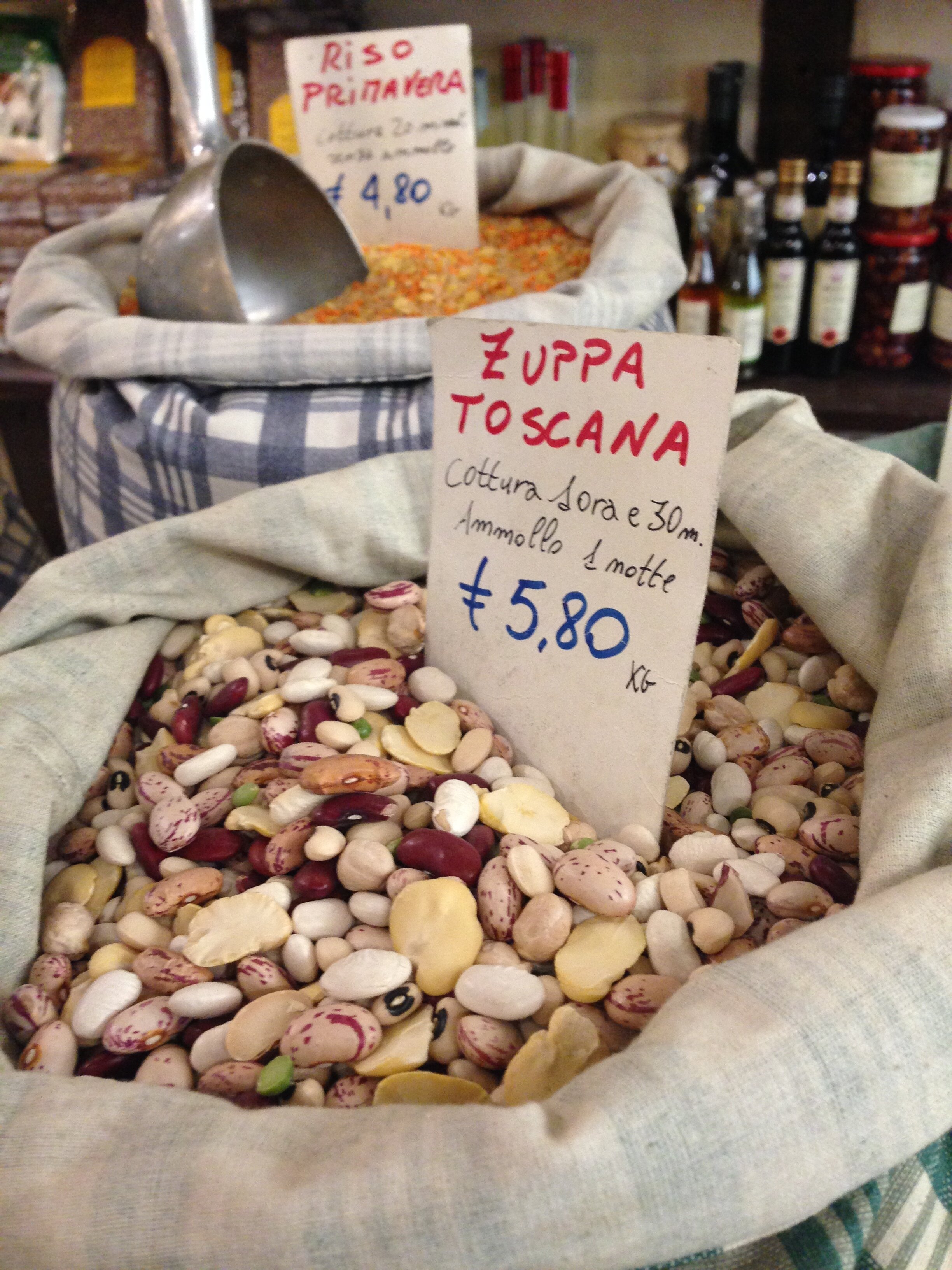
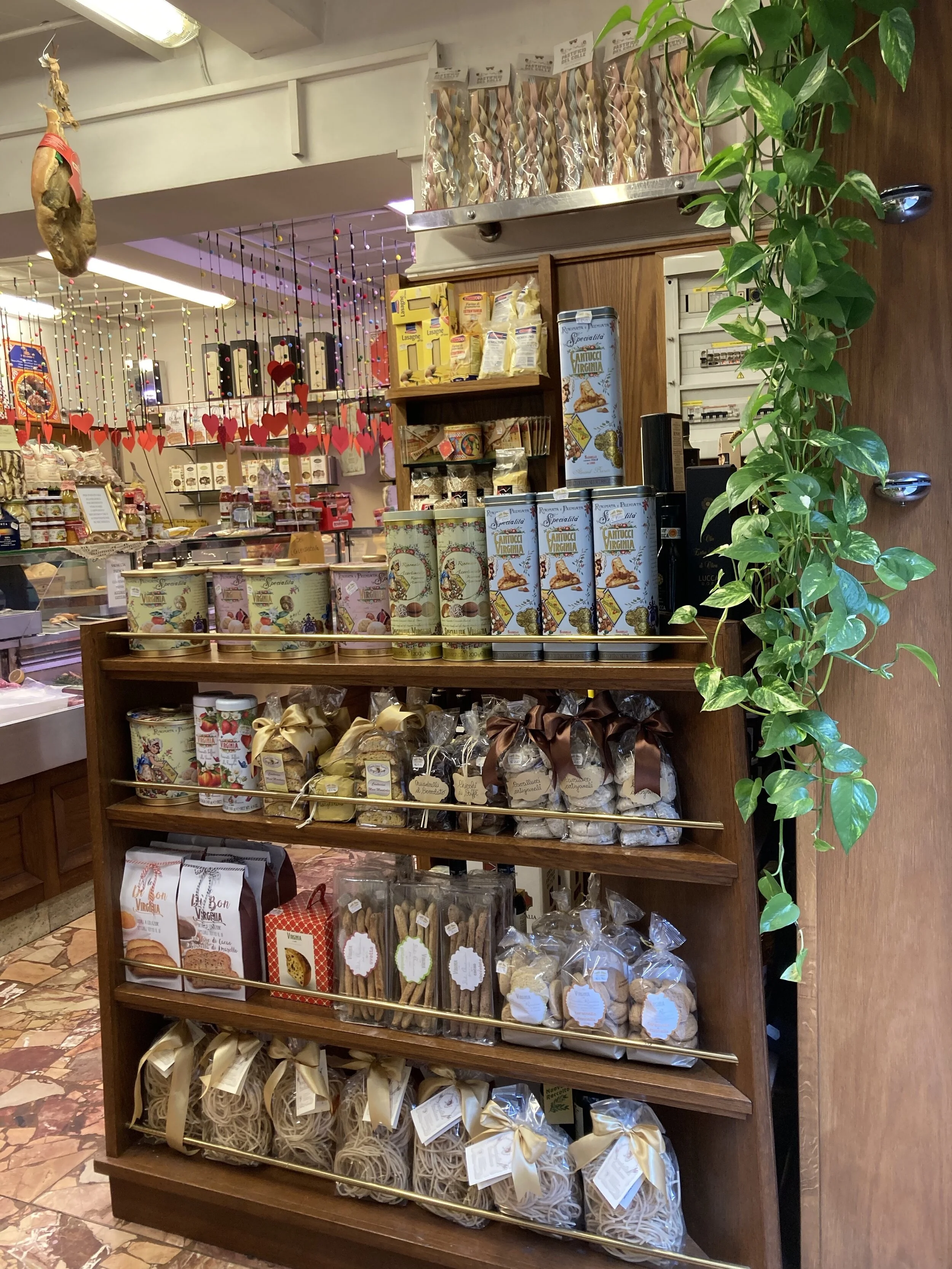
One of my favorite shopping experiences is to venture to the local polleria (poultry shop) where they specialize in the freshest, tastiest chicken. In Lucca that’s the Polleria Volpe on Via San Paolino. In addition to wonderful chicken they also have a variety of other meats and shelves full of pasta, beans, olive oils, and other staples.

Just some of the ready-to-cook meats available at Polleria Volpe

Just some of the ready-to-cook meats available at Polleria Volpe

The yellowish color is typical of chicken found in Italy (apologies to my vegetarian friends, but these birds are tasty!)

The yellowish color is typical of chicken found in Italy (apologies to my vegetarian friends, but these birds are tasty!)

As someone who was used to purchasing chicken on a white styrofoam tray wrapped in plastic, my first visit to Polleria Volpe was an eye-opener. I did not see what I wanted in the display case, so I asked if they had chicken thighs of the bone-in and skin-on variety. They did, but would need to cut them for me. The macellaio (butcher) then proceeded to remove a large chicken from a huge box full of chickens. Next, out came a big cleaver which she used to expertly removed the thigh / leg quarters from the chickens. Then she separated the thighs from the lower legs with a slightly smaller knife. They way she did it made it look more like an art form, or an ancient weaponry display, then butchering. Along the way she taught me the difference between cosce (which my dictionary said was a thigh but actually means the thigh / leg combination) and anca (hip - meaning just the upper thigh).

As if that weren’t enough, she then asked me “bruciate?”. HUH? Burned? Why would I want my chicken thighs burned? As it turned out, she was asking if I wanted her to singe the bits of remaining feathers, something no American butcher has ever asked me. That process leaves little brown singe marks on the skin and I swear it adds to the flavor once those thighs are roasted. That first visit to the polleria was a valuable cultural, language, and culinary, experience!

Who knew a butcher shop could be this colorful and interesting ?

Who knew a butcher shop could be this colorful and interesting ?

Over time, I’ve come to know the butchers at Volpe and depend on their recommendations. They were most helpful in picking out a large roasting chicken to do stand-in for a Thanksgiving turkey last year. I was only a bit surprised when the chicken they pulled out for me had both its head and two very, very long legs. Thankfully the butcher removed both before wrapping it up in paper for me to take home. The bird also came with their best wishes for a Happy Thanksgiving, which they called the “American holiday”.

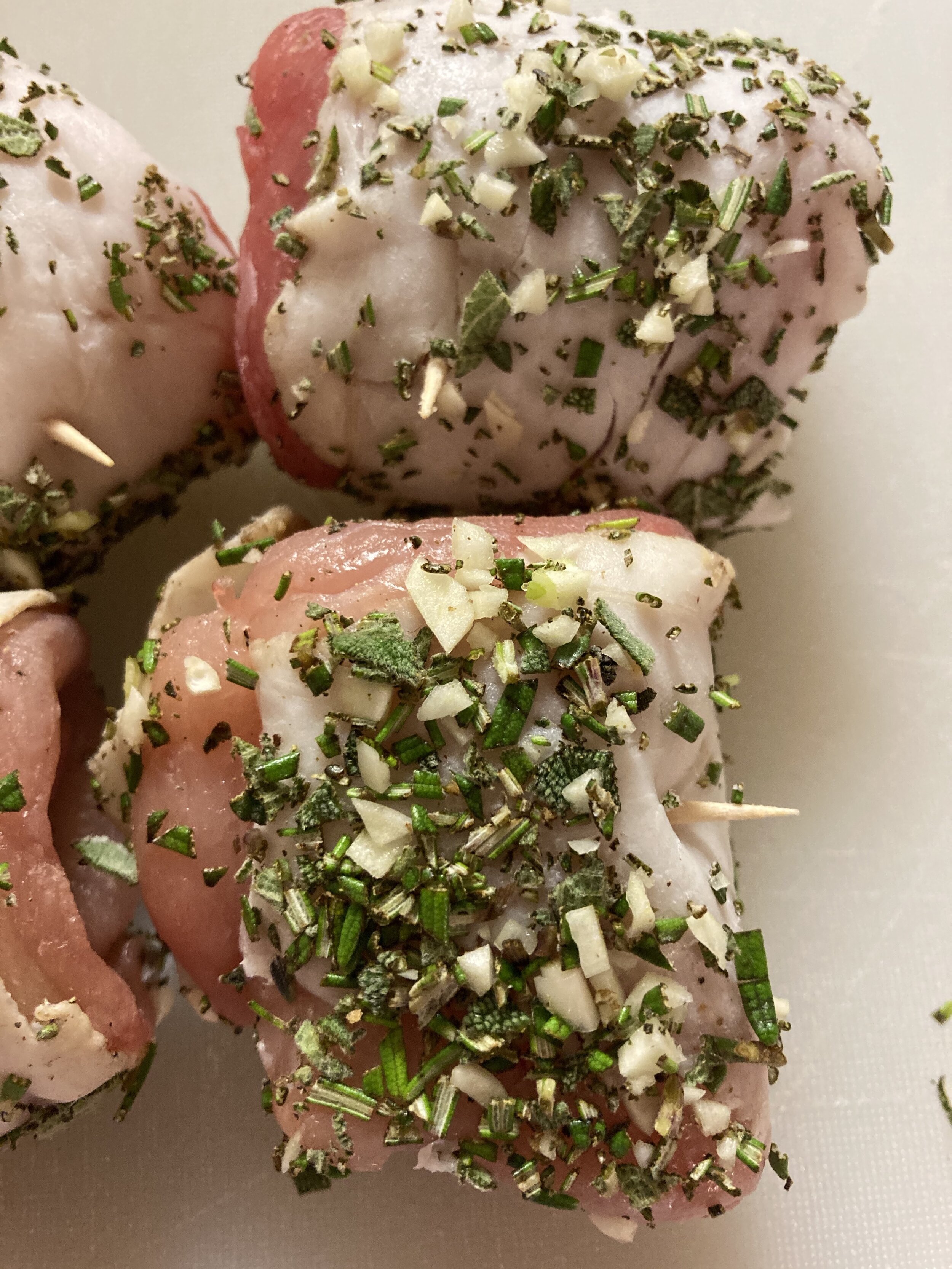
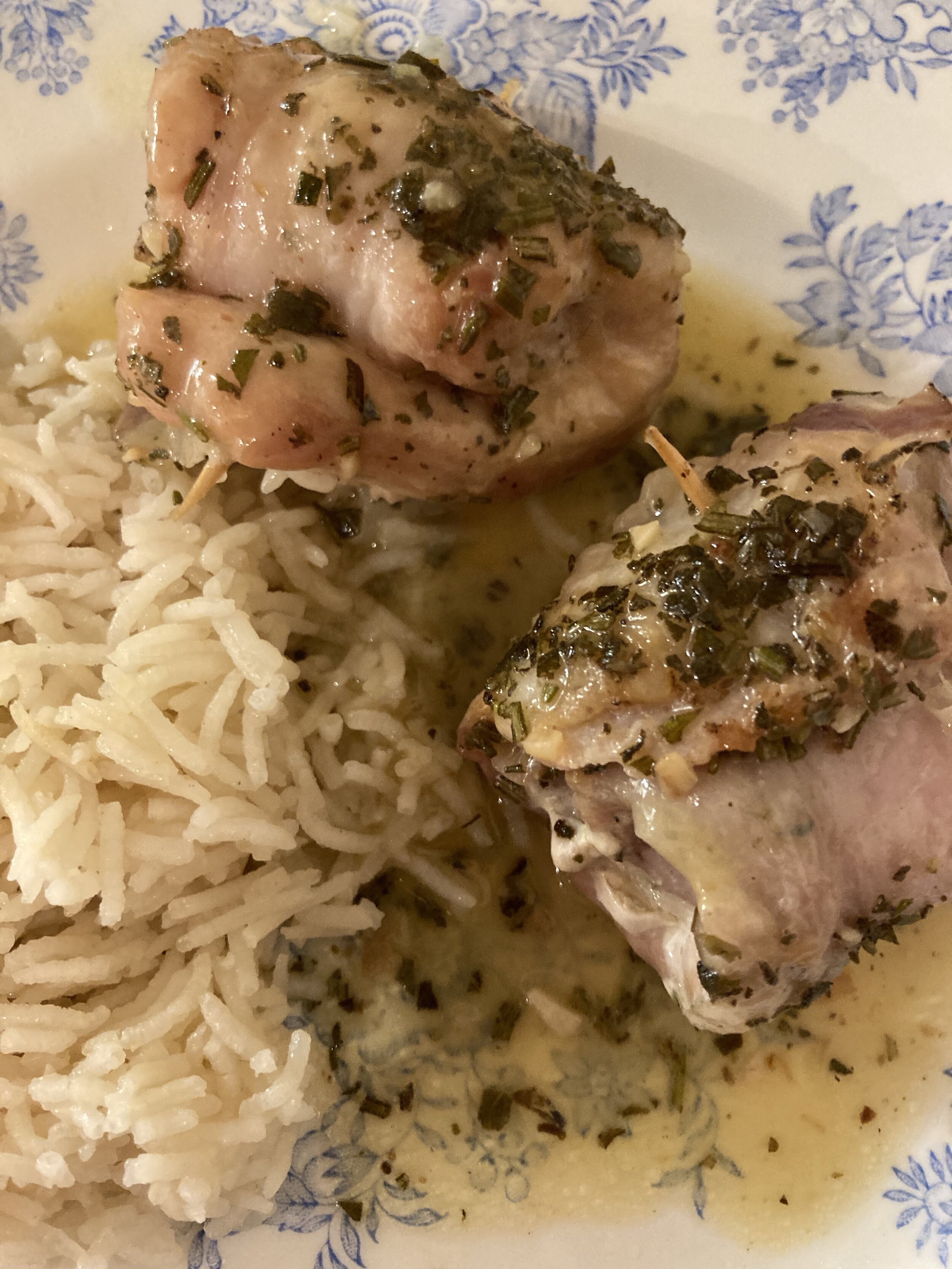
A while back I saw small involtini (little rolled pieces of meat) in their display case. At first I thought they were chicken but they were actually strips of rabbit (coniglio) laid on top of thin strips of lardo (pork fat), rolled up and secured with a toothpick. I was intrigued, but since I had never cooked rabbit I asked the butcher how to prepare it - in the forno (oven) or in a padella (frying pan)? Her recommendation: frying pan with a bit of olive oil and some white wine. I followed those instructions, but first I rolled them in finely chopped herbs (sage and rosemary) along with salt & some garlic. Then I seared them, added the white wine, squeezed in a bit of lemon juice, and let them cook for about 30 minutes. I finished the sauce with a little knob of butter and served the finished involtini over rice. The flavor was heavenly!

bBc2Tv7XTbOBLctUByoXpQ.jpg
DN7qFBKsT8GO+zGOAUFW+w.jpg

Pre-packed chicken wrapped in plastic just can’t compete, either for flavor or for the sheer delight of shopping at the polleria. And trying new dishes, like the rabbit involtini, adds to the fun! I wonder what I’ll find on my next visit ?

May 24, 2021 /Joanne Bartram
farelaspesa, groceries Italy, italian foods, polleria, Italian cooking
#lucca, Cooking, food, Italian culture, Italian markets, Living in Italy, Lucca
  • Newer
  • Older

Powered by Squarespace