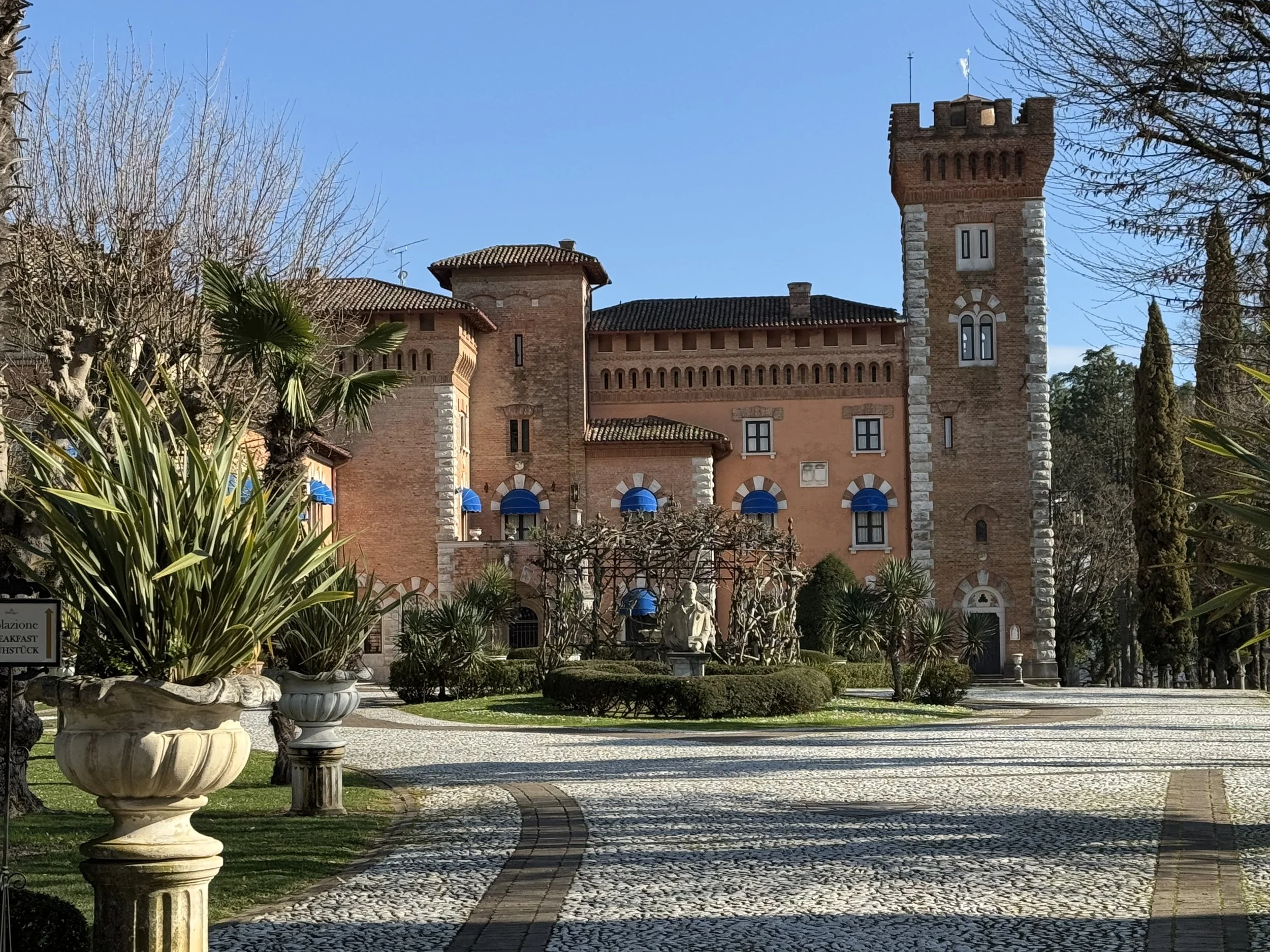
Wine Tasting in a Friulian Castle
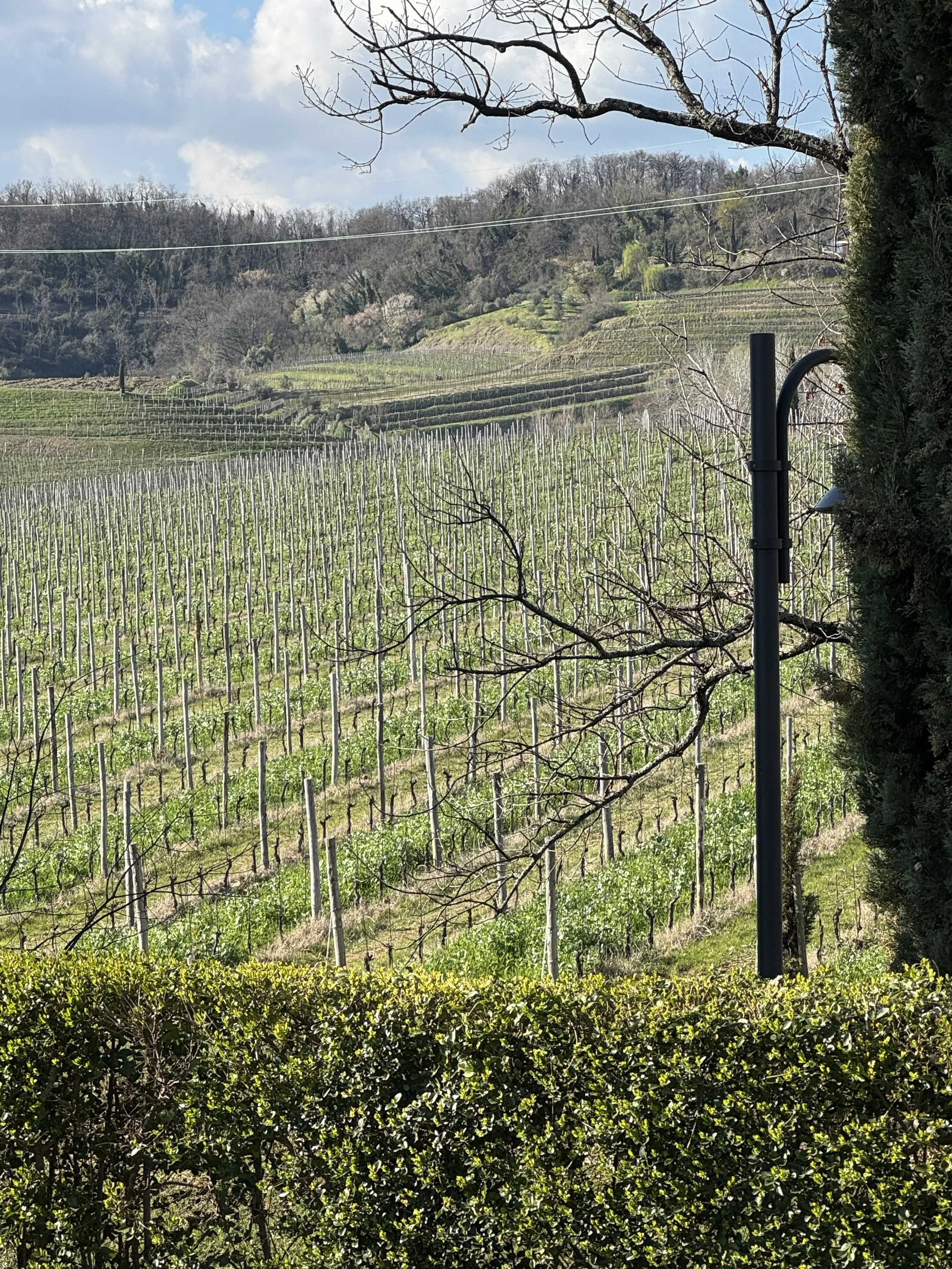
Italy has 20 regions, 5 of which are semi-autonomous based on their history, unique culture, and diversity of language. This designation provides them with a greater ability to manage their own governance, finances, and education. One of these 5 regions is Venezia-Friuli Giulia, in the northeastern most part of Italy, bordering on Slovenia and Austria. Local identity runs deep in this area (as in all of Italy), and the Friuli sub-region is no exception. With a history that moves from the Romans to the Longobards to the Austro-Hungarian Empire, and finally to its inclusion in the Italian Empire, and with its own Friulian language, Friuli is a unique medley of influences.
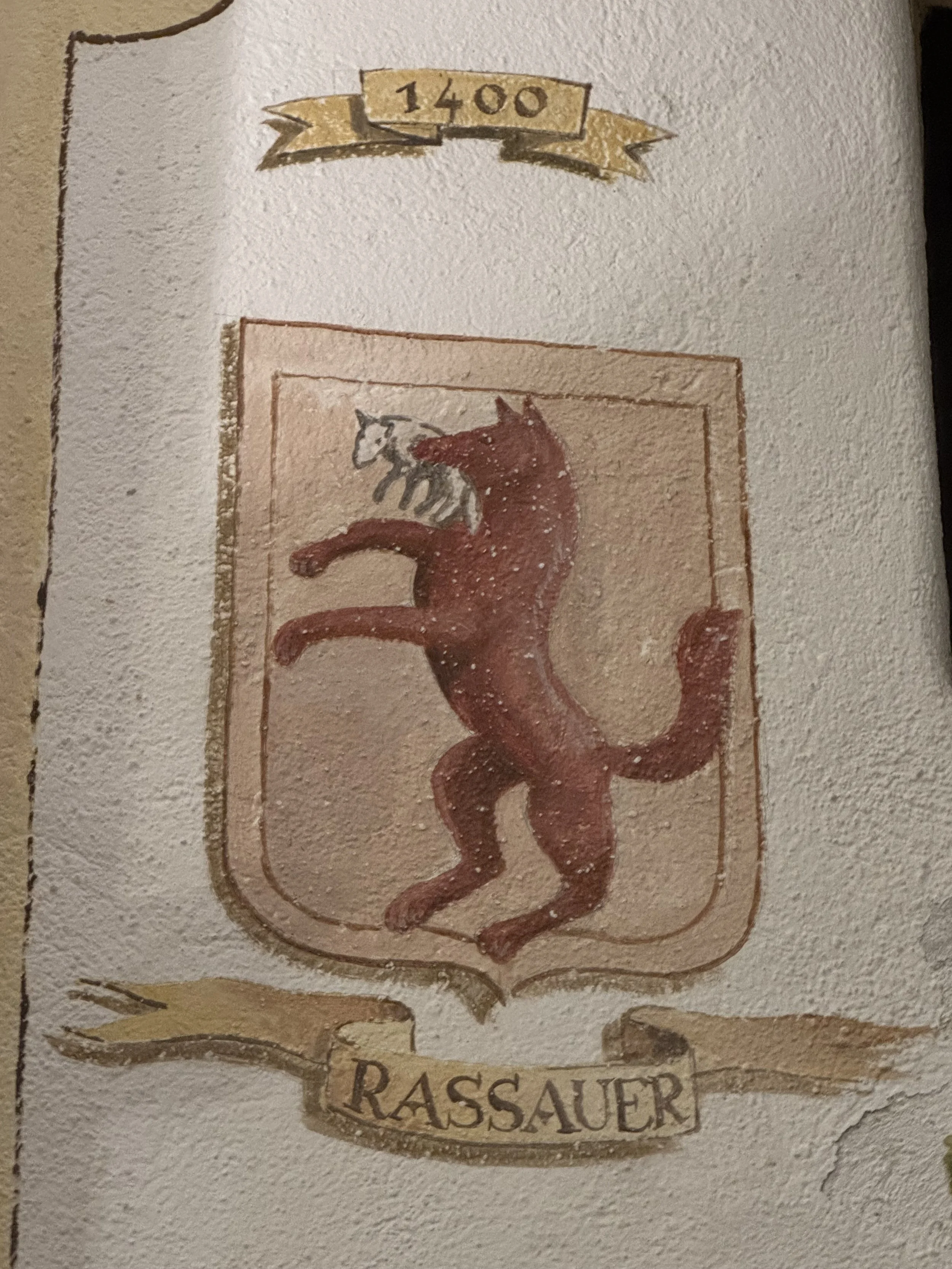
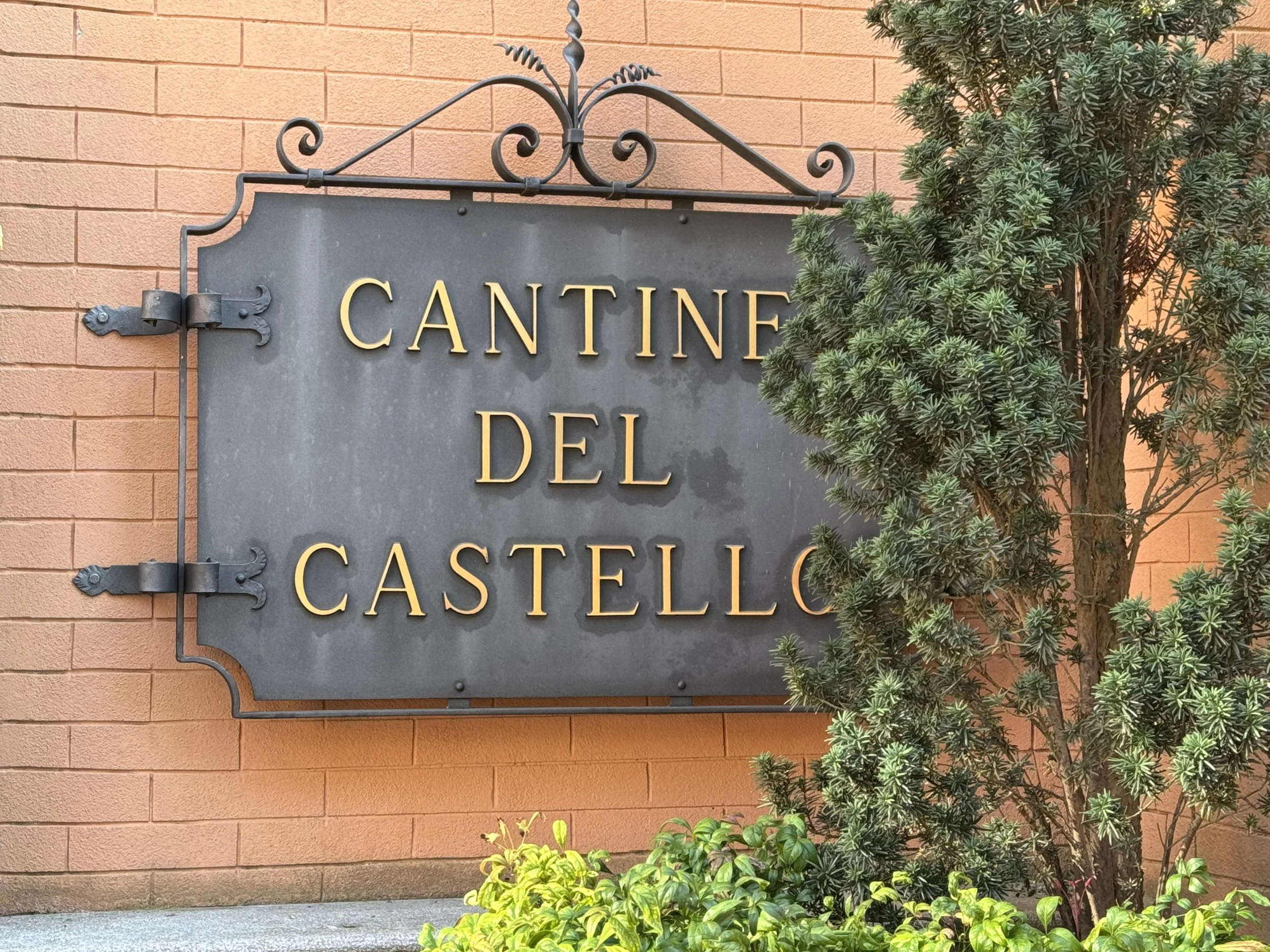
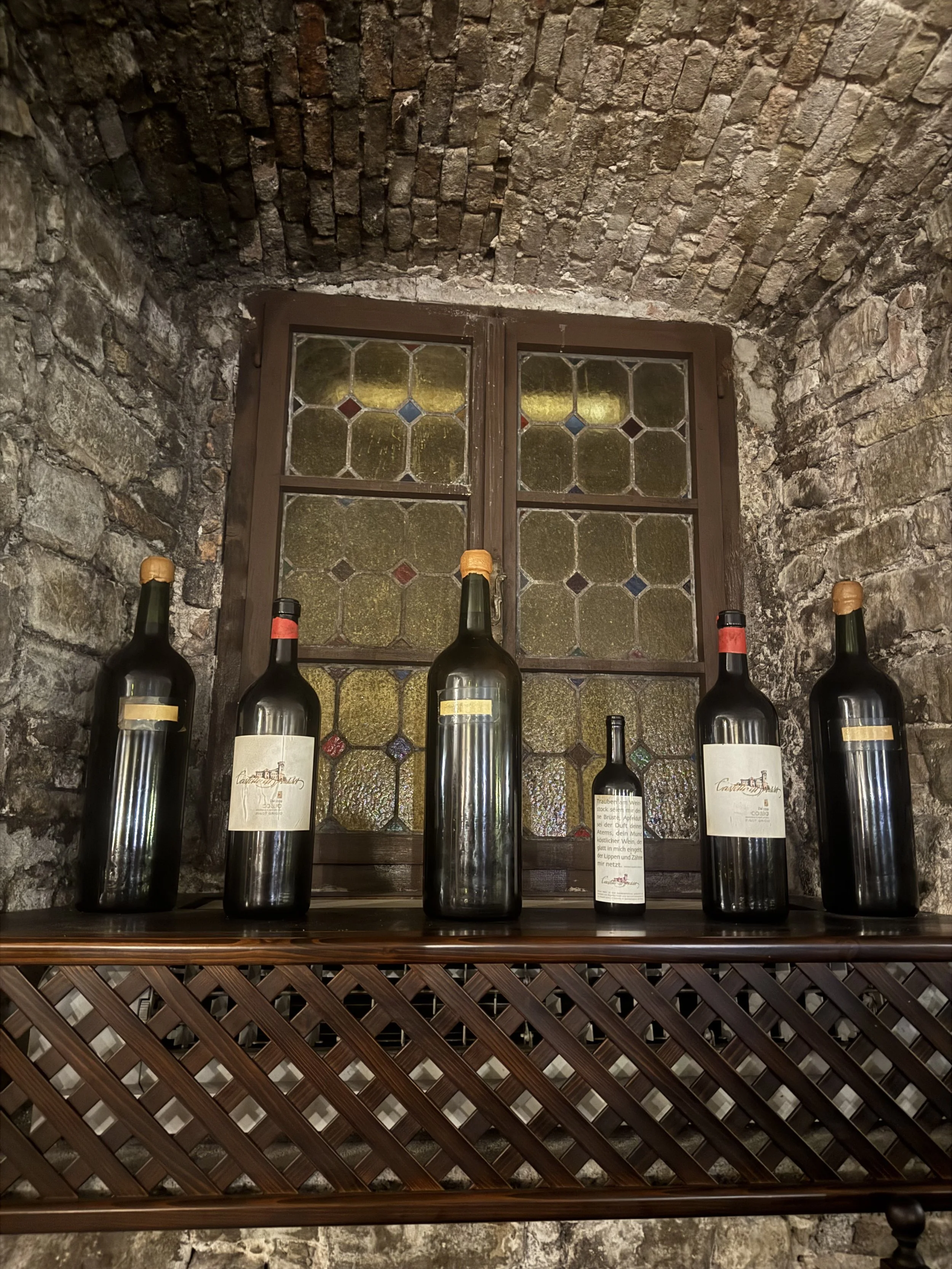
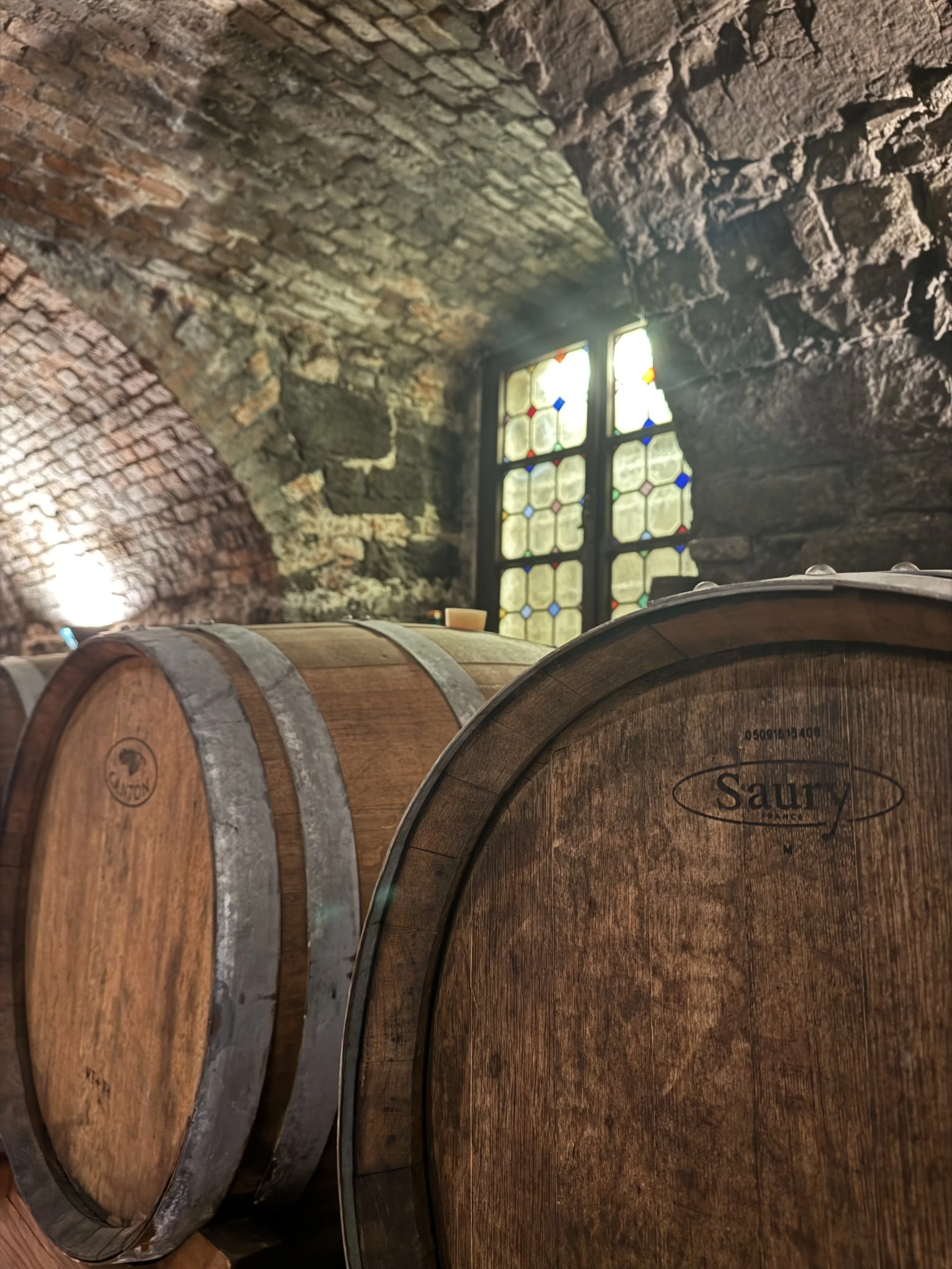
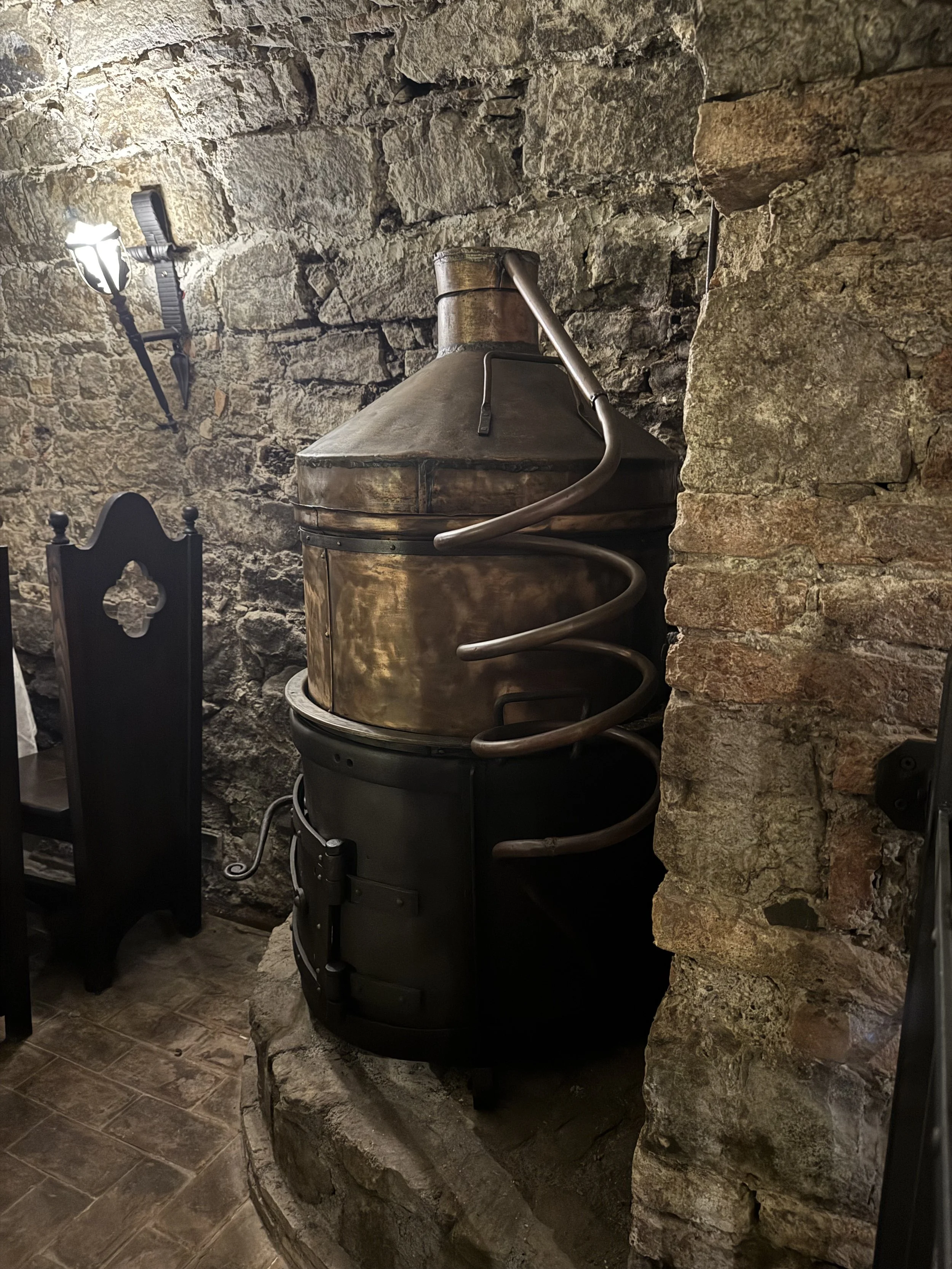
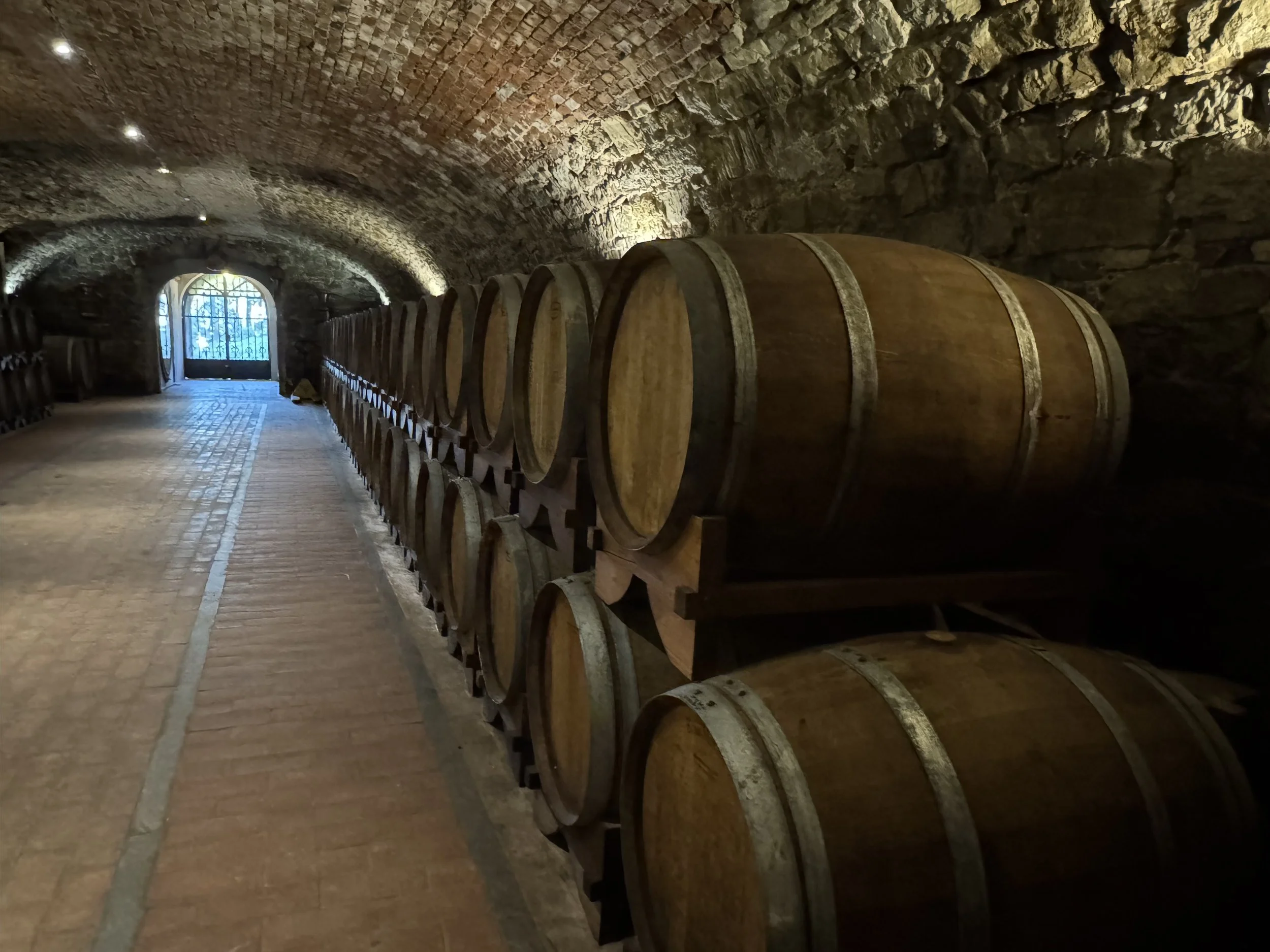
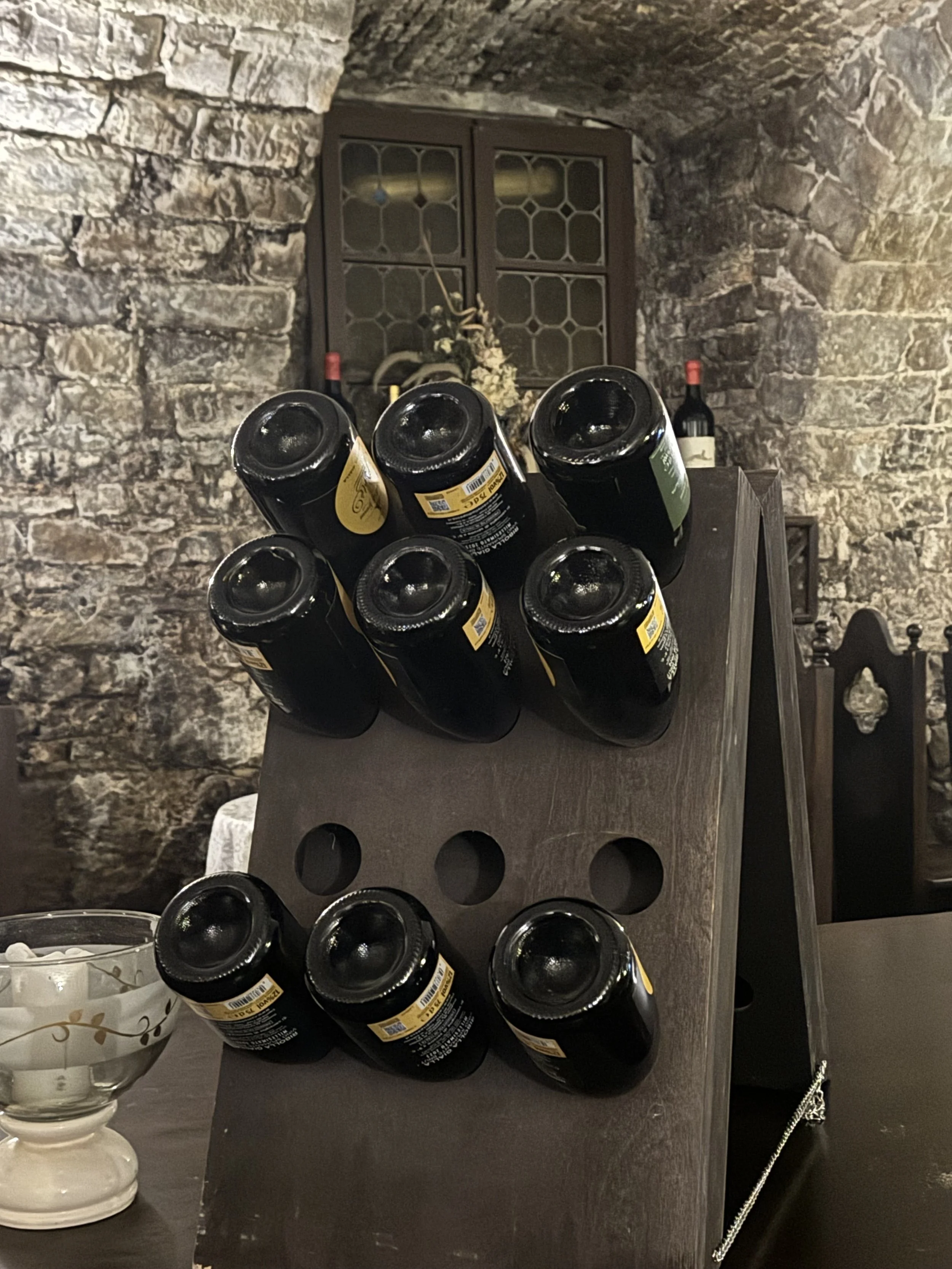
The wine cellar still has traces of previous owners
Mostly an agricultural area, Friuli is best known for its white wines. A variety of grapes are grown in the region, with several DOCG and DOC designations. The whites include Fruilano, Ribolla Gialla, Malvasia, Pinot Grigio, and Sauvignon Blanc. Some reds also are produced, Merlot, Cabernet Franc, Pignolo, and Ribolla Nera, though they make up a much smaller percentage of the local wines.
I spend most of my time in Tuscany, and the Lucchese wine shops tend to stock mostly Tuscan wines, so the Friulian varieties are not very familiar to me. At least they weren’t until a recent wine tasting at the Castello di Spessa in the village of Capriva del Friuli, 25 miles and a world away from busy Trieste.
The Castello has a fascinating history beginning with its construction in the 13th century. Passed down as part of a 15th century dowry, it remained in one family for the next 300 years. During that time it played host to several famous visitors including Lorenzo da Ponte, who wrote the libretti for some of Mozart’s most famous operas (including my personal favorite, Cosi Fan Tutte). The scandalous Casanova came to visit too but was banished after a romantic liaison during his stay (with a maid or the owner’s daughter – we can’t be sure).
Ownership changed several times in the late 1800’s and into the 1900’s. Wine production began sometime in the years between 1925 and 1940. During WWII an underground bunker was built on the property, used first by Germans and later by Americans. Long forgotten, it was rediscovered by the current owners who found it to be the perfect temperature for storing grappa.
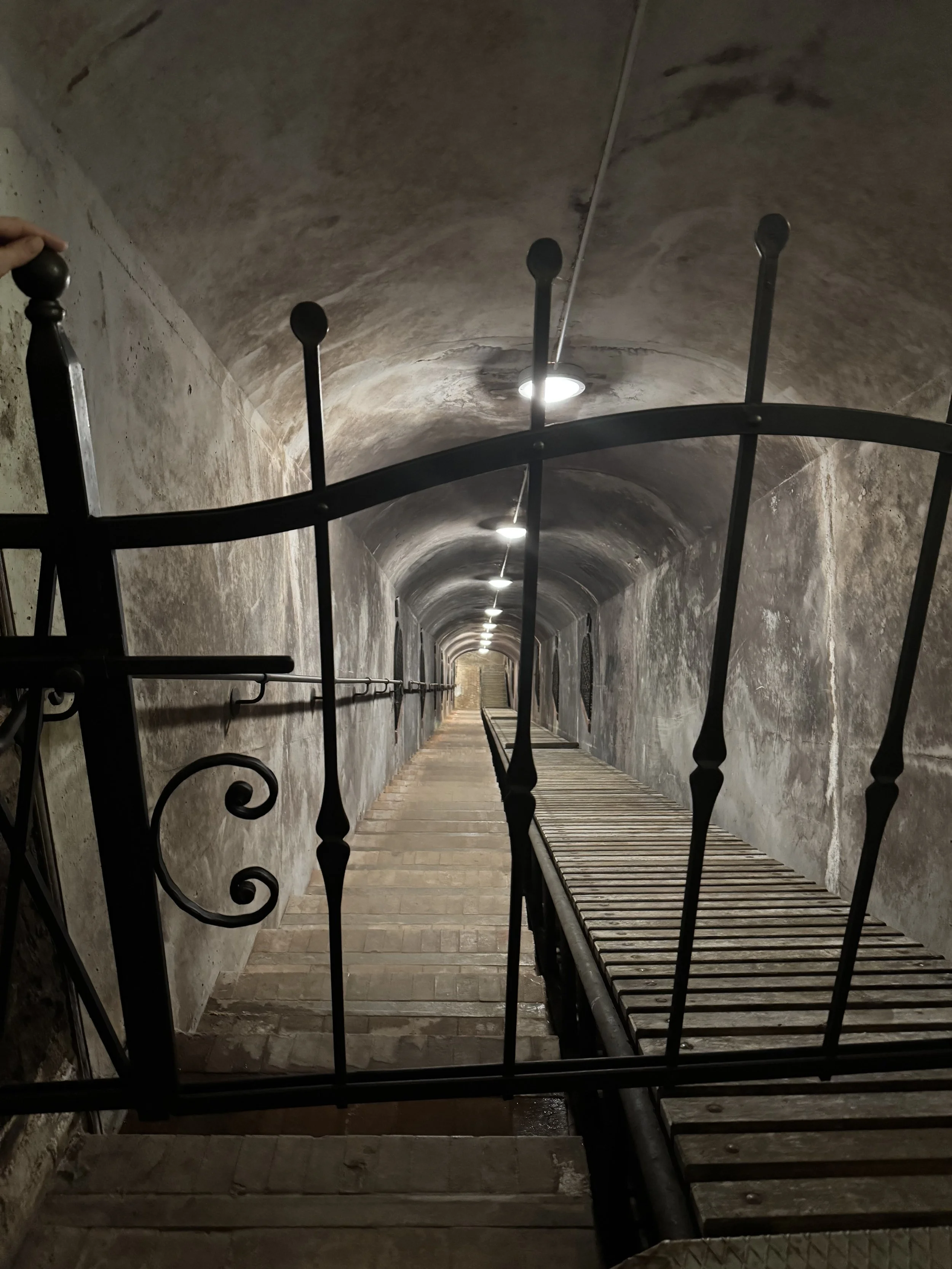
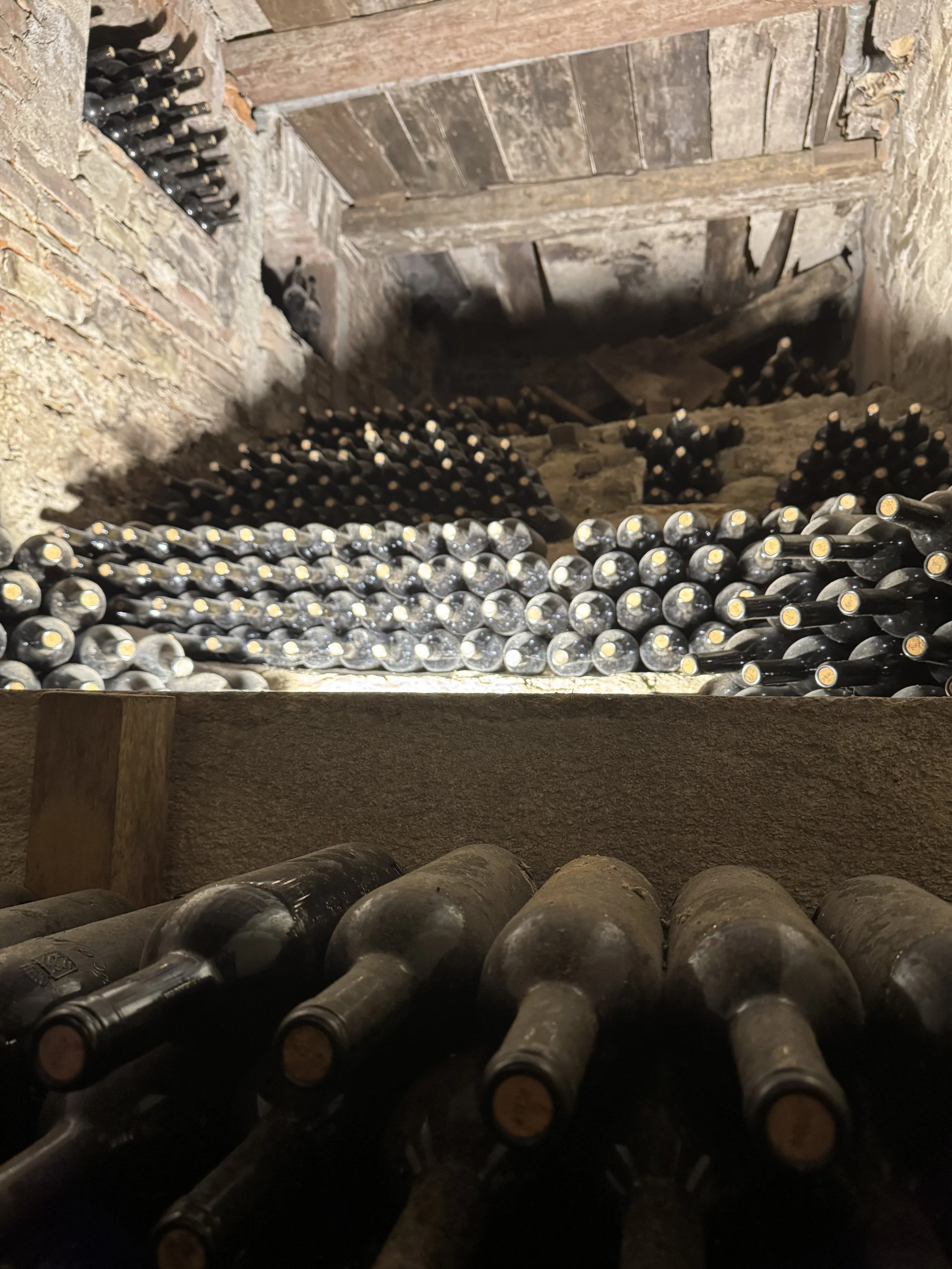
Down, down, down to the once abandoned WWII bunker. Today it is where the grappa is stored.
In 1987 the Castello was purchased by the Pali family. They renovated the property, expanded the vineyard, and developed the surrounding land into a spa and golf resort. Today they host events, weddings, vacationers, and wine tastings at the Castelllo. Several of their wines bear the names of those earlier owners and visitors to the castello - there is a Casanova Pinot Noir, a Rassaurer Fruliano, and even an Amadeus Brut.
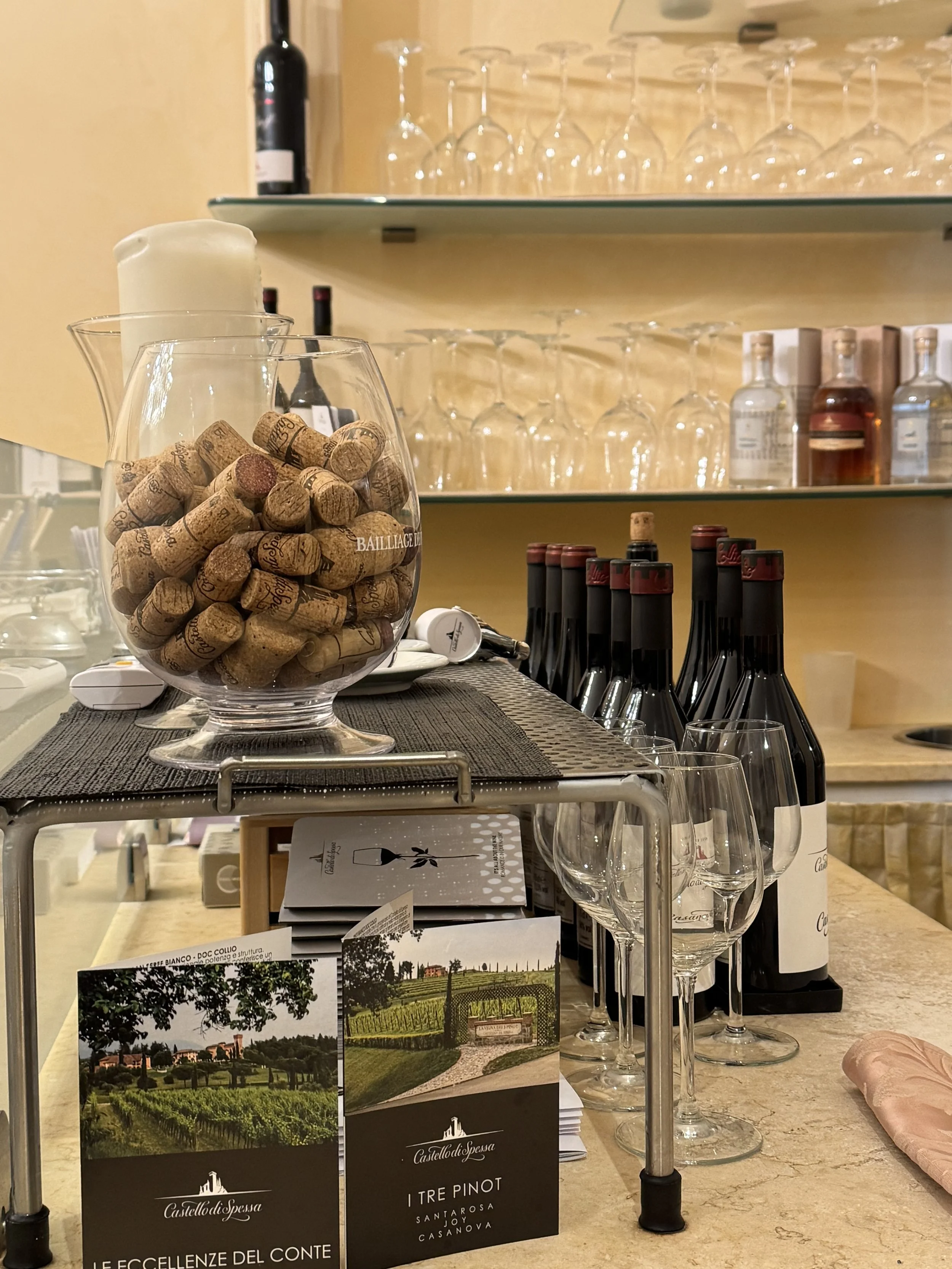
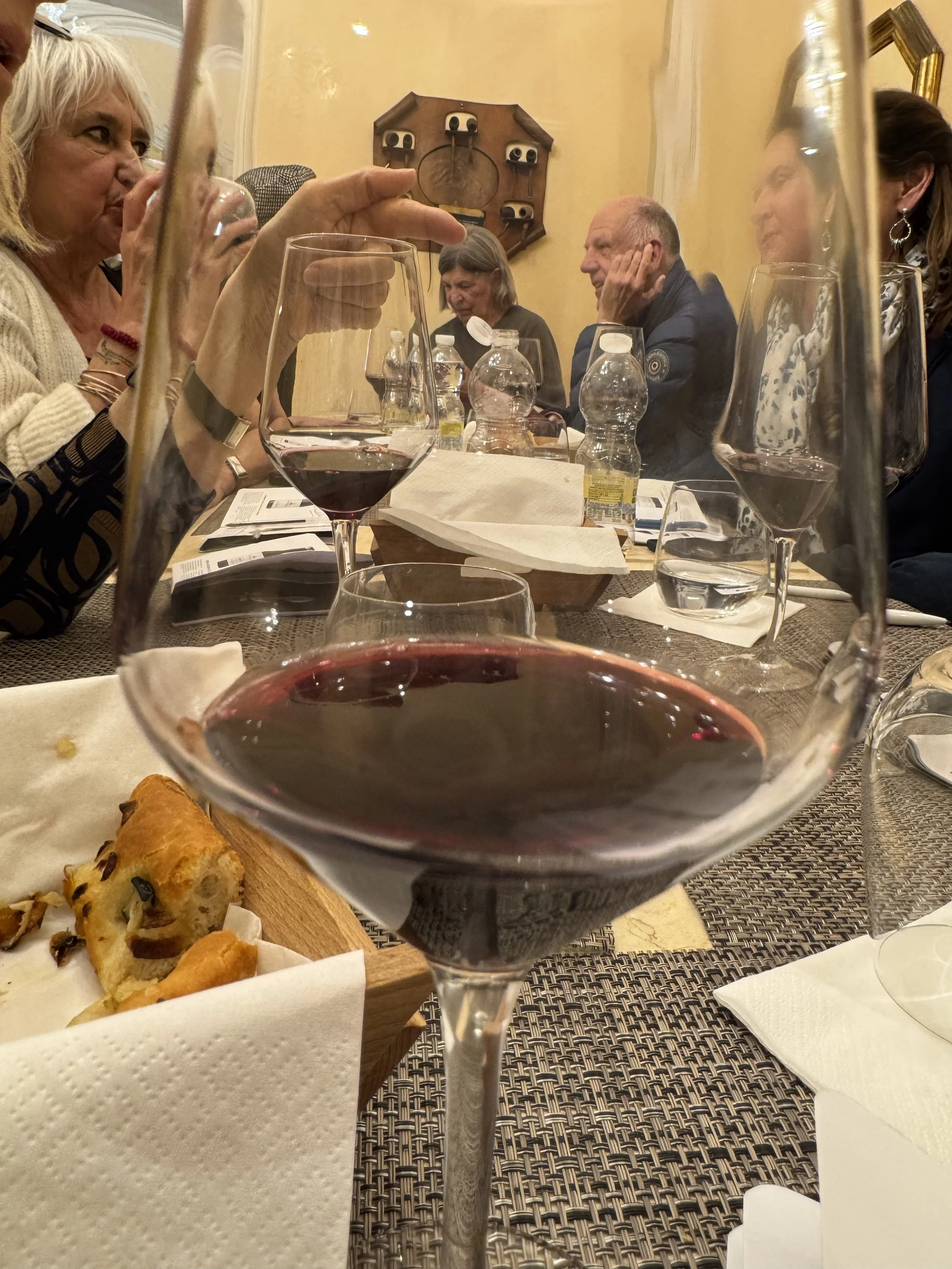
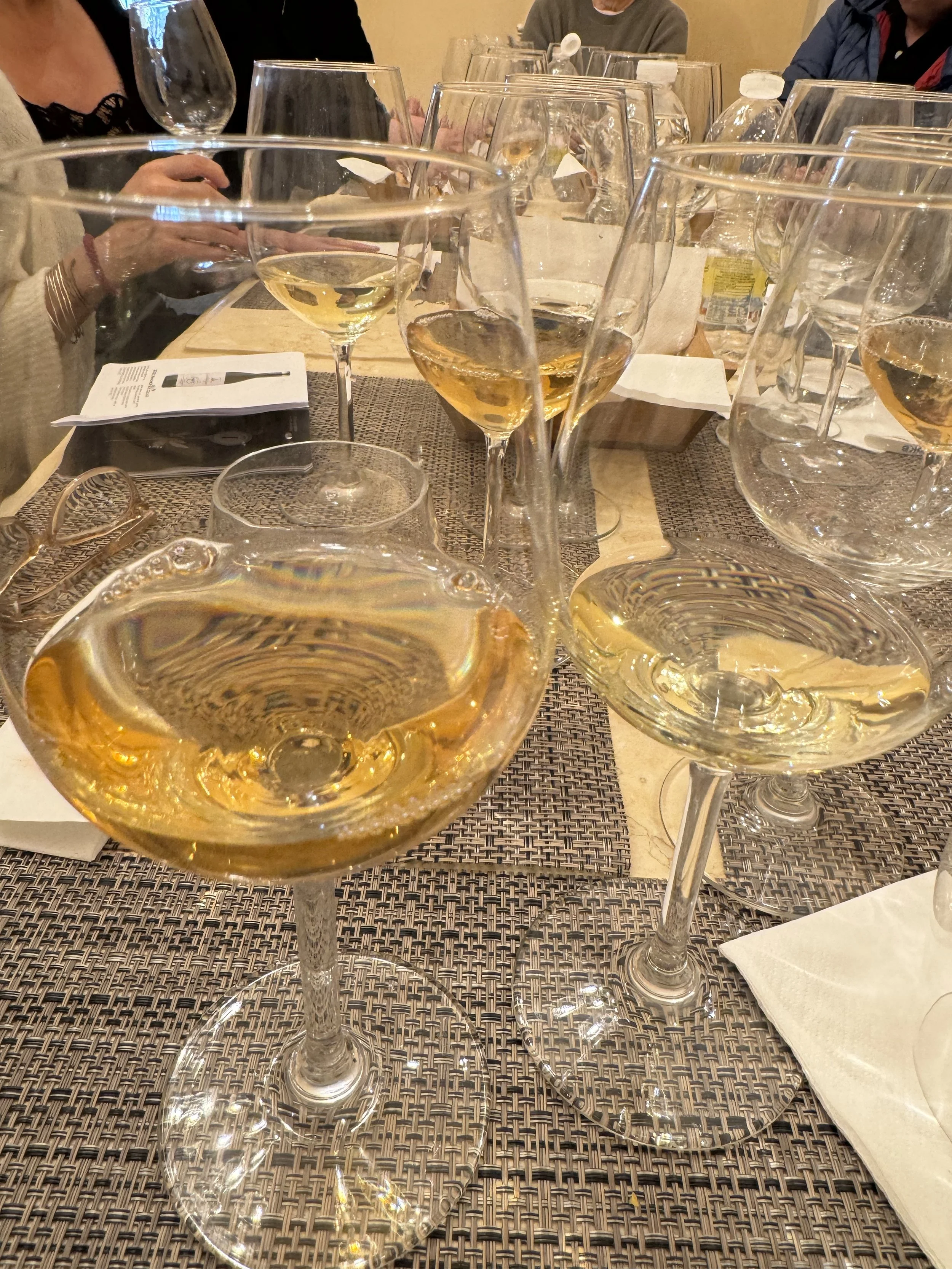
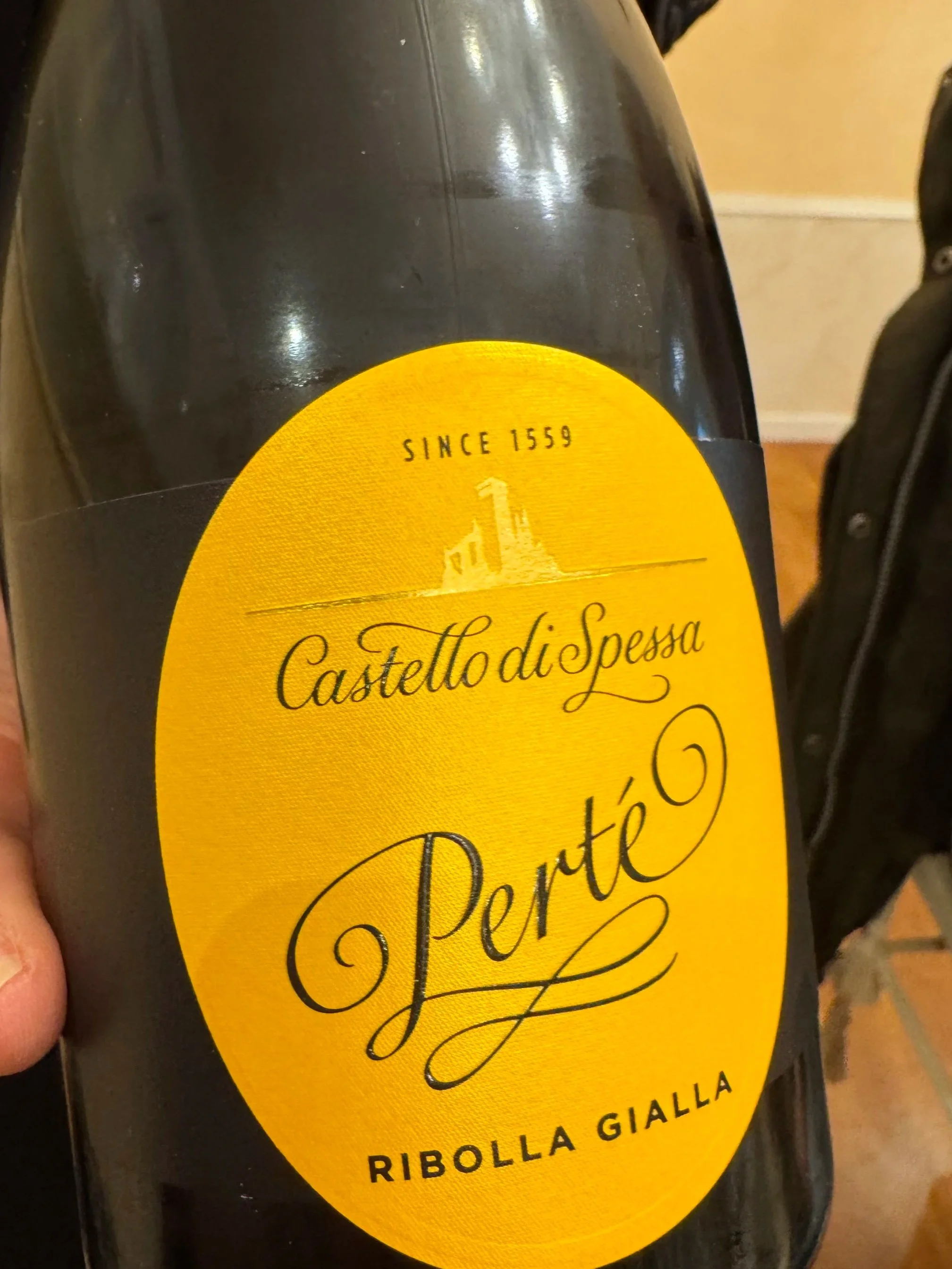
Delicate and sparkling, this was my favorite of the wines we tasted
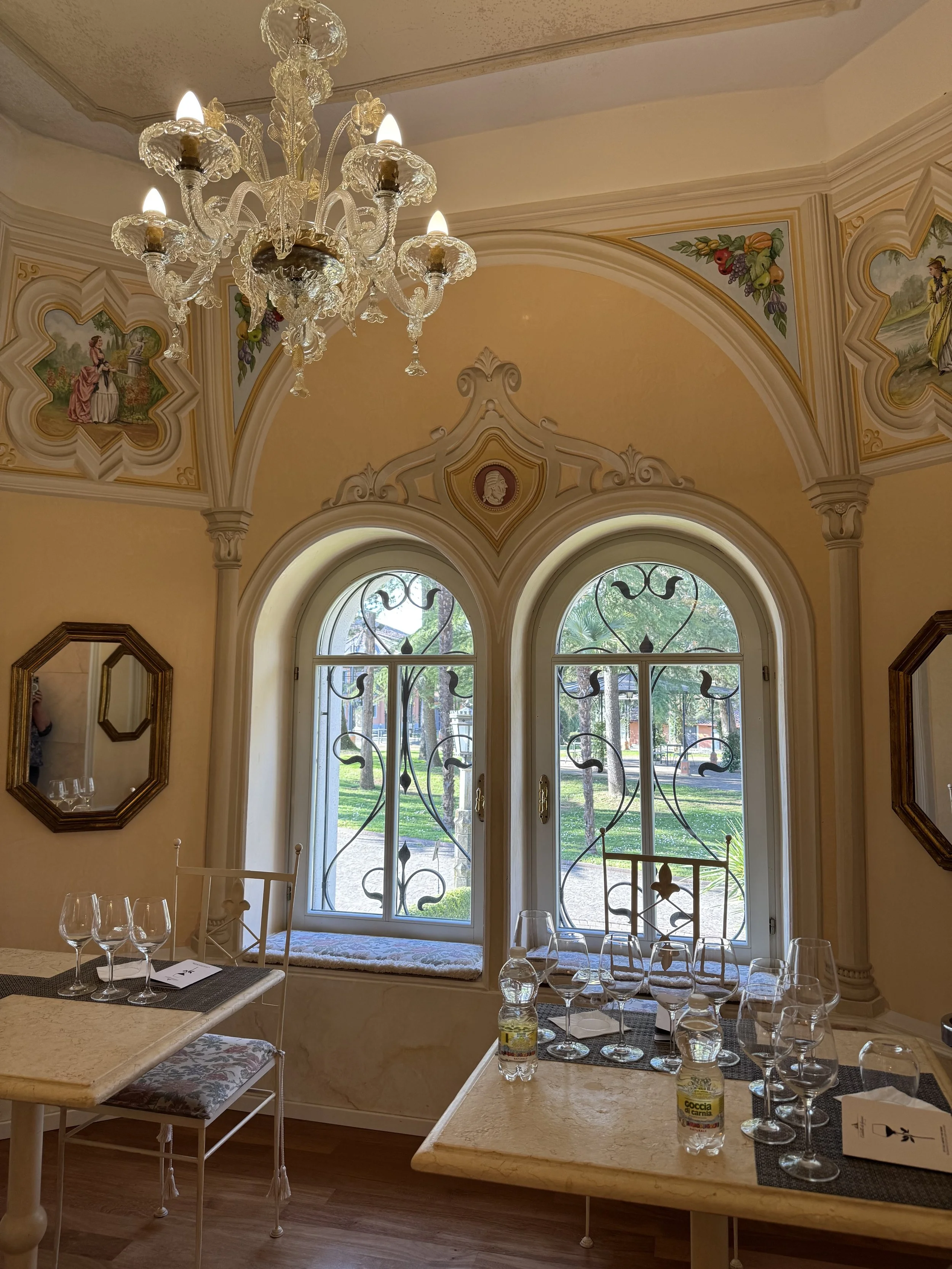
Our group (all students at the Piccola Università language school in Trieste) enjoyed a wine tasting in the Castello’s tasting room. We sampled primarily whites (still and sparkling) and one red (a Cabernet Sauvignon / Merlot blend). Along with each glass our hostess provided information about the vines, grapes, and production methods.
All the wines we tasted were very good but I had a definite favorite – the Pertè Ribolla Gialla Spumante, a sparkling wine made by the classic method (unlike Prosecco which is made by the Charmat method) with Chardonnay and Pinot Noir grapes. It was dry with perfect soft bubbles. A delightful wine which had me wondering how I could possibly get several bottles home to Lucca on the train. Unfortunately, that was impossible.
A tour of the wine cellar followed our tasting. The cellars have a variety of rooms which contain not only wine but bits of the history of the Castello and some old winemaking equipment. What is it that makes dusty old wine bottles so fascinating?
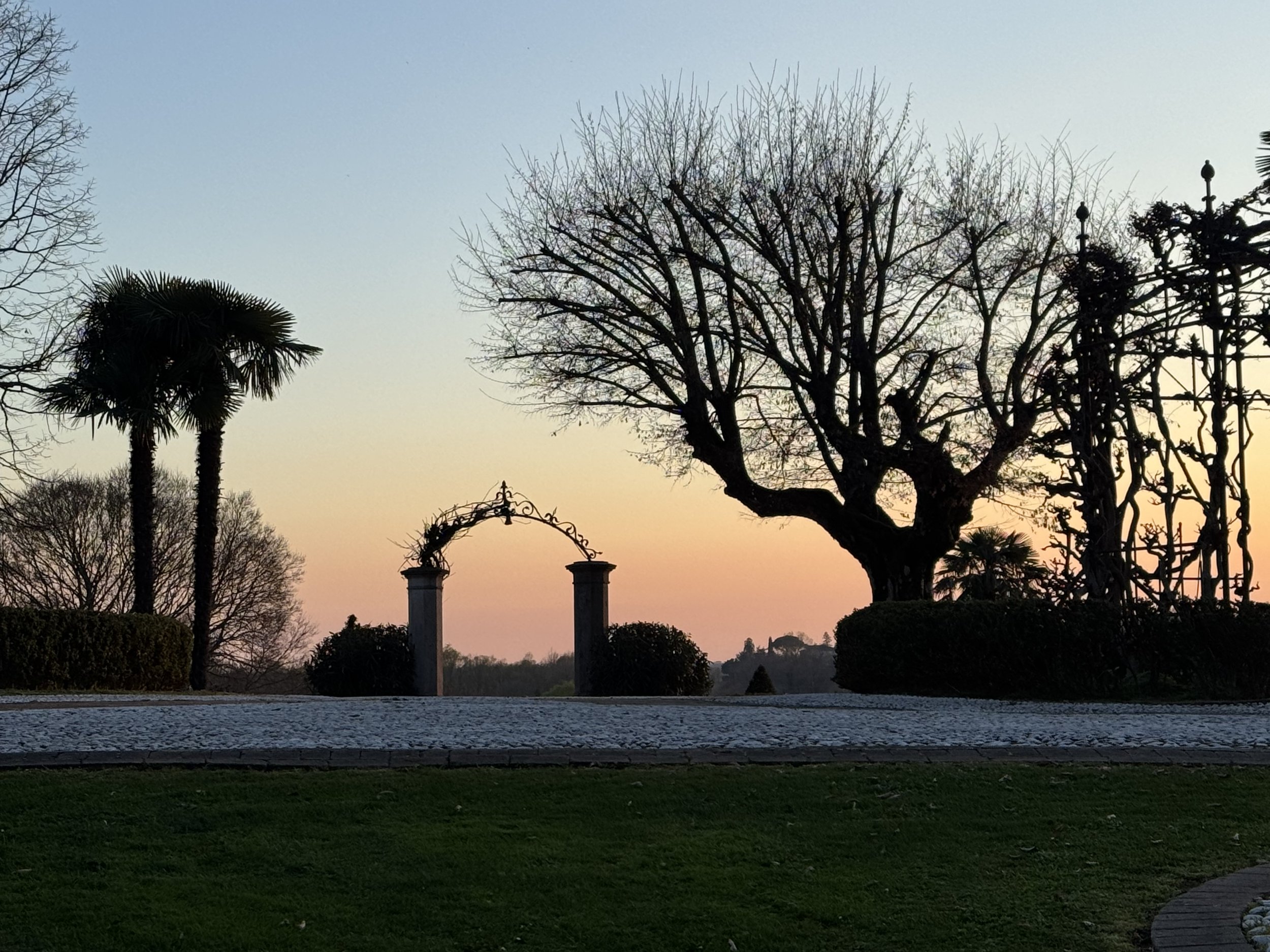
As we left the Castello, our parting gift was a gorgeous tramonto (sunset). A perfect ending to a wonderful afternoon of wine tasting.
contact info: Castello di Spessa Golf Wine Resort and Spa. Via Spessa 1. Capriva del Friuli GO 34070 email: info@castellodispessa.it