Ragu Bolognese
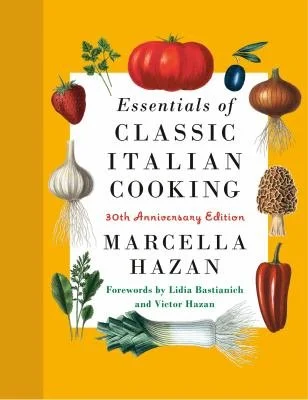
One of the best known recipes for Bolognese comes from Marcella Hazan’s book. Her recipe includes the essential ingredients, but is a little different than the one I just learned.
There must be a million recipes for ragu. They can be found in cookbooks, on-line, or as handwritten recipe books passed down through generations. Ragu is in fact a very generic term, simply meaning a meat sauce. No wonder there are so many variations! In addition to classic Italian versions, changes were made over time and also as Italians emigrated, bringing traditional recipes but adapting them to new lands.
In my family we called ragu “spaghetti sauce” and it had some definite American modifications. First, it was a tomato sauce, with an acidic taste, and, other than onion, no vegetables at all. It was also heavy on the spices – garlic, rosemary, oregano. Then there were the meatballs, cooked and served in the sauce with both then spooned over bowls of spaghetti. This was our typical Sunday dinner of “Italian” food. Imagine my surprise when I learned that, in Italy, meatballs (polpette) were not typically served in a sauce, much less on top of pasta. And that spaghetti was not the traditional type of pasta for a ragu. As for finding that there were carrots and celery in a ragu sauce – shocking!
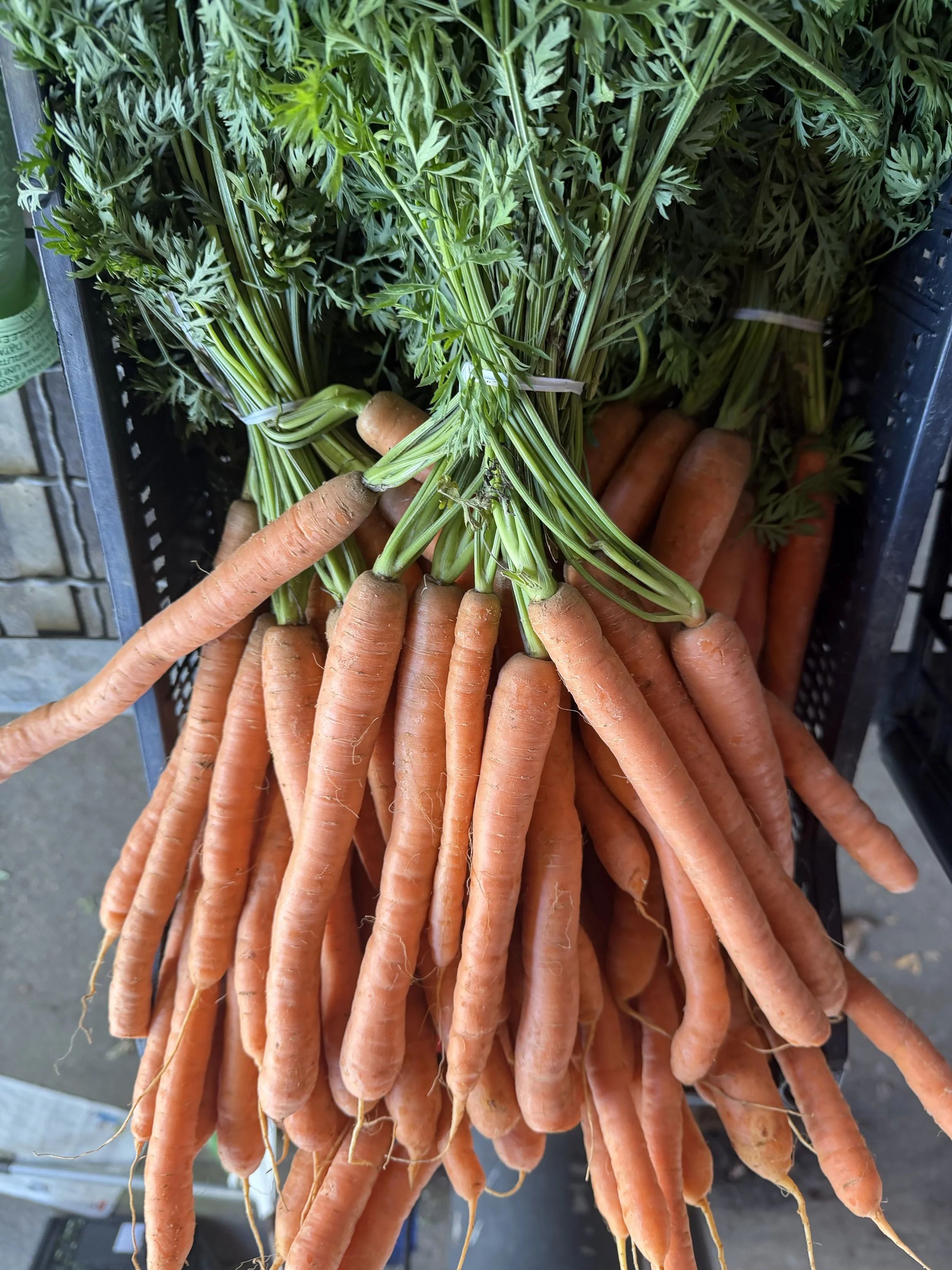
A Bolognese ragu begins at the market with carrots, celery, onion
In Italy I’ve tasted many types of ragu. They vary by the region of Italy where they originated. And if you want to get someone from Bologna upset, call a Tuscan ragu, which is typically made with sausage, garlic, and rosemary, a Bolognese. Not a mistake you want to make!
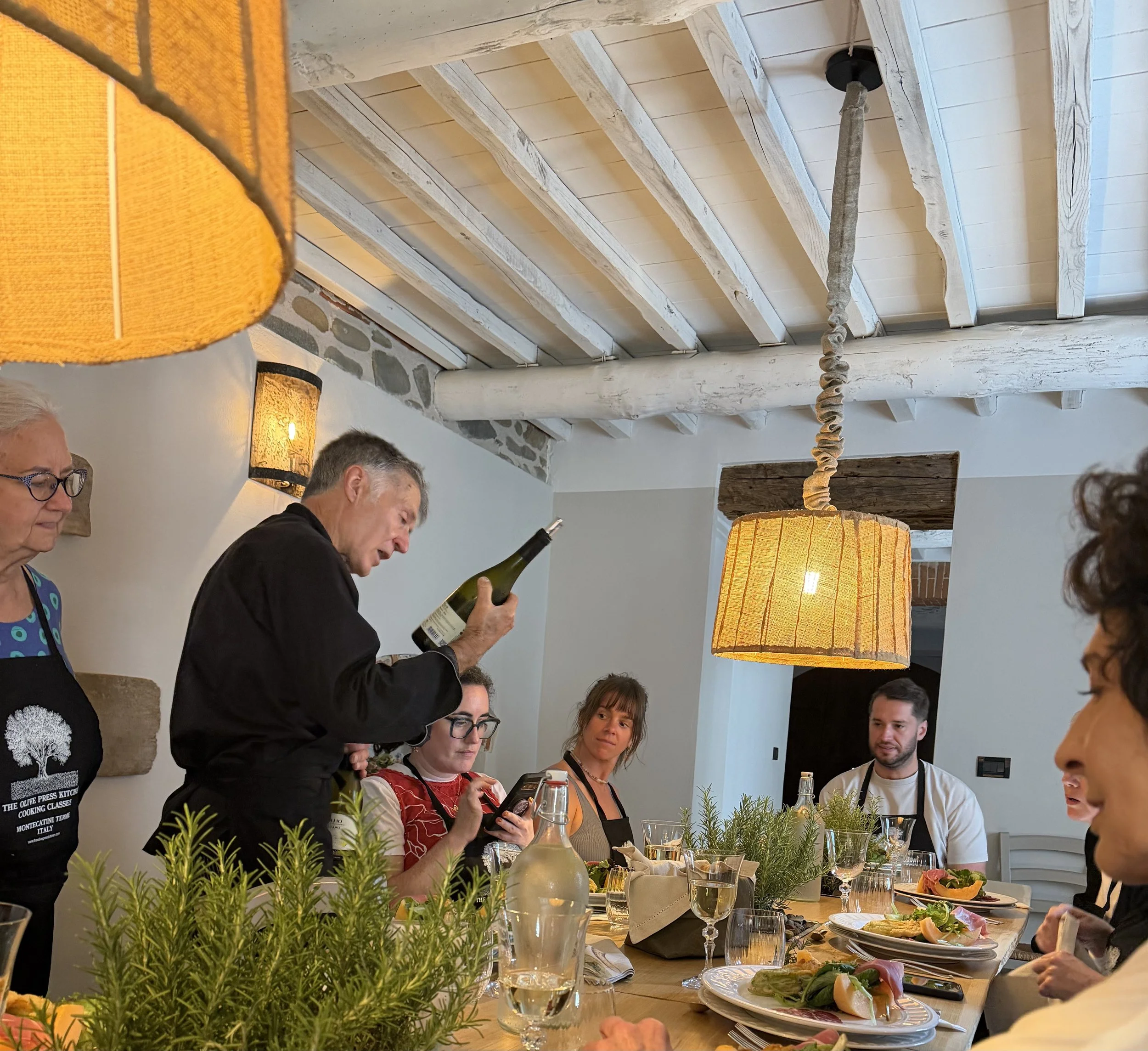
This past week I had the opportunity to learn to make an authentic Bolognese in a cooking class. The chef, Giuseppe, used a recipe from his Bolognese father’s family and his version has all the elements of an authentic Bolognese ragu.
Bolognese is a sauce with rules. So much so that the Bologna Chamber of Commerce publishes an official recipe. They updated their recipe in 2023 (which seems a bit unusual to me, updating a classic). The current official version has a bit more meat and a little more tomato than the older version which was published in 1982.
Our chef, Giuseppe, is sticking with his grandmothers version which predates both and so that is what we made in the class.
So, just what are those rules?
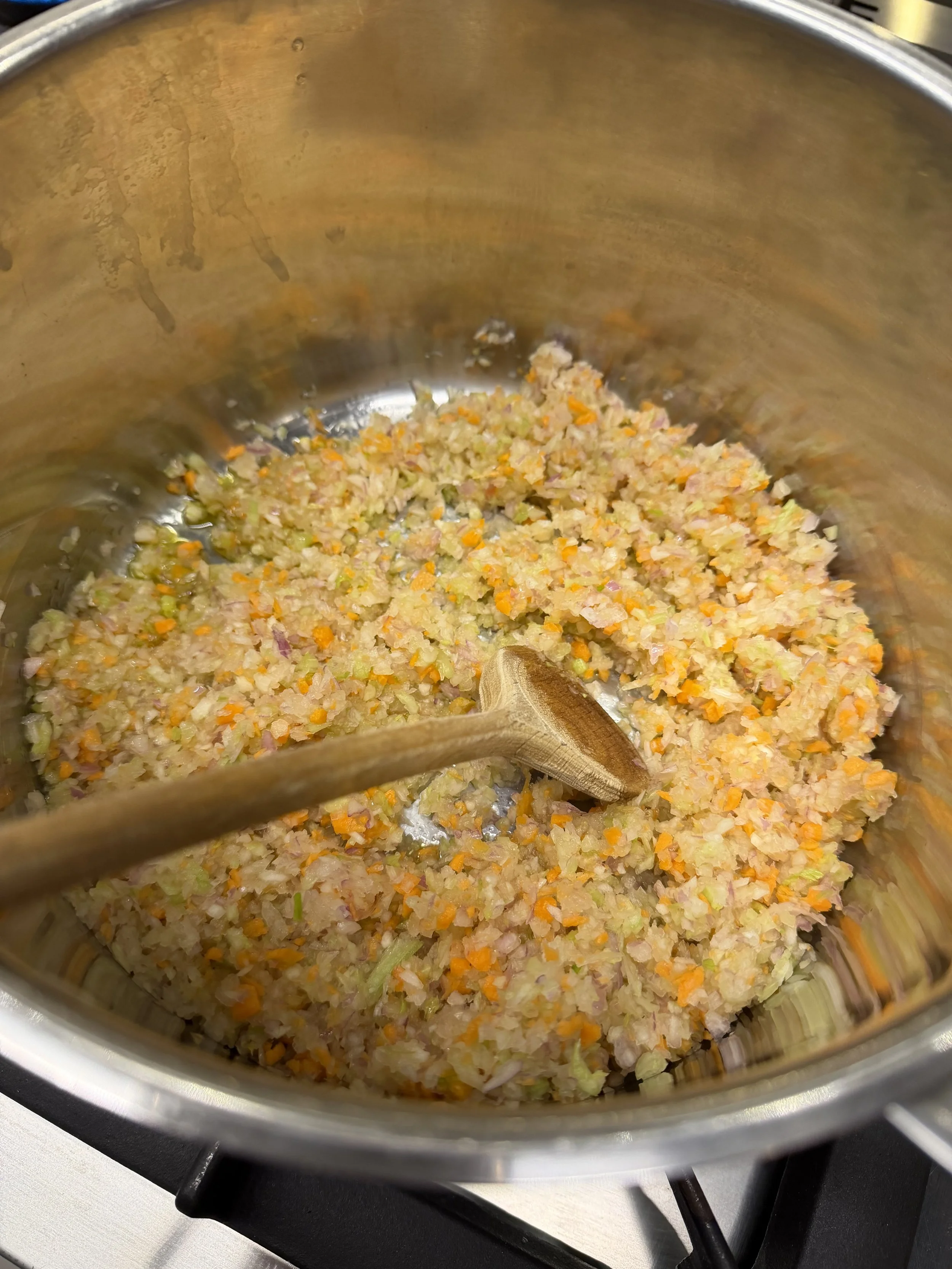
The finely chopped soffritto is sautéed in EVOO and allowed to caramelize
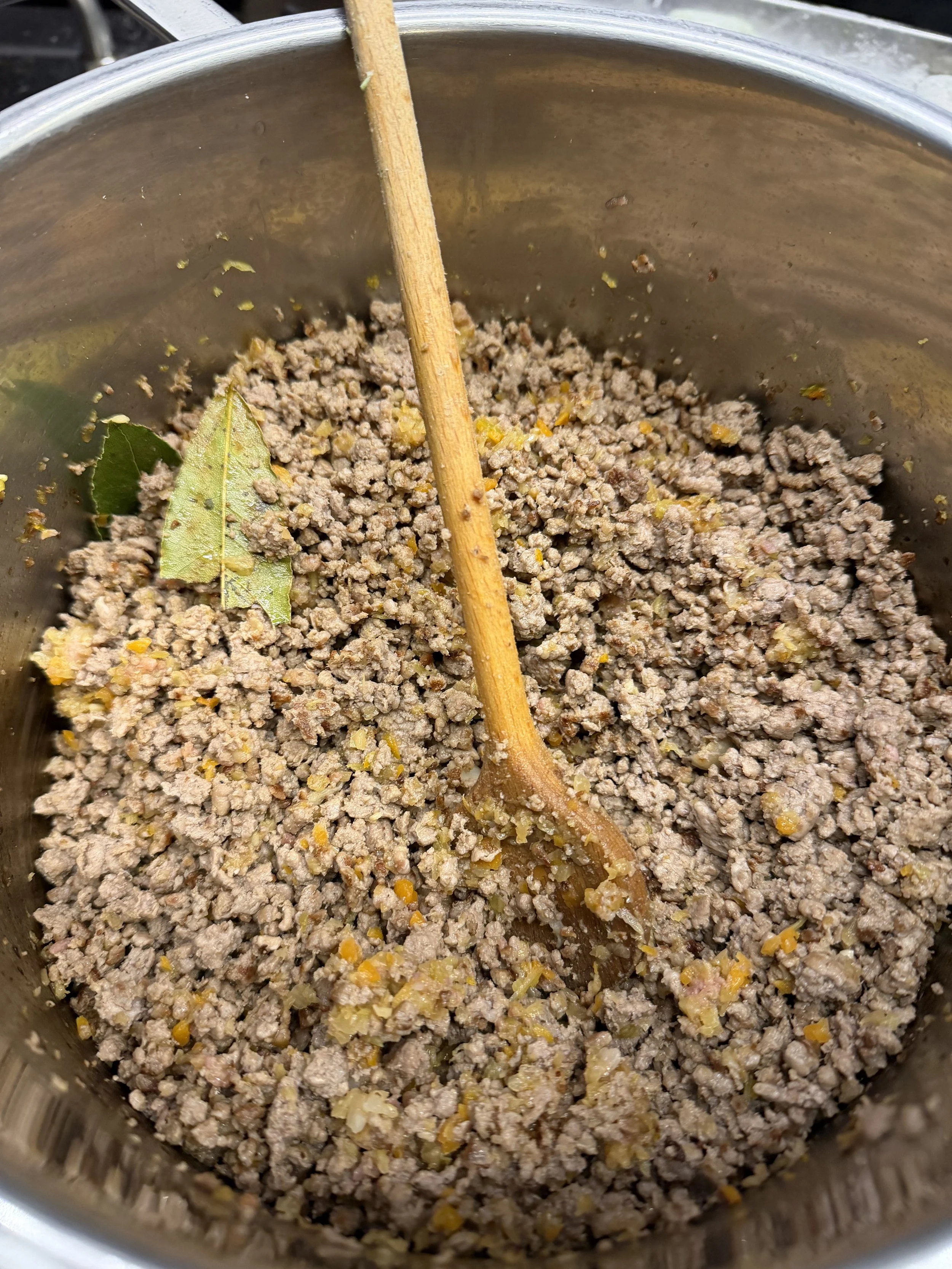
First, a true Bolognese is a sauce that is more meat than tomato. A combination of good beef (we used ground Chianina beef) and ground pancetta. The pancetta for Bolognese can be fresh or cured but never, ever smoked. The pancetta adds both flavor and fat to the ragu, especially since the beef is fairly lean.
Next, a soffritto of finely chopped onion, carrot, and celery, sauteed in extra virgin olive oil until caramelized. Adding the pancetta to the soffritto keeps it moist. A little vegetable broth can be added too if the mixture begins to look dry.
The ground beef is cooked in a separate pan over a fairly high heat to reduce its moisture content and become well browned – another important step in adding flavor. The browned beef is then added to the soffritto / pancetta base. The pan is deglazed with white wine which is added to the developing ragu, building layers of flavor with each added ingredient.
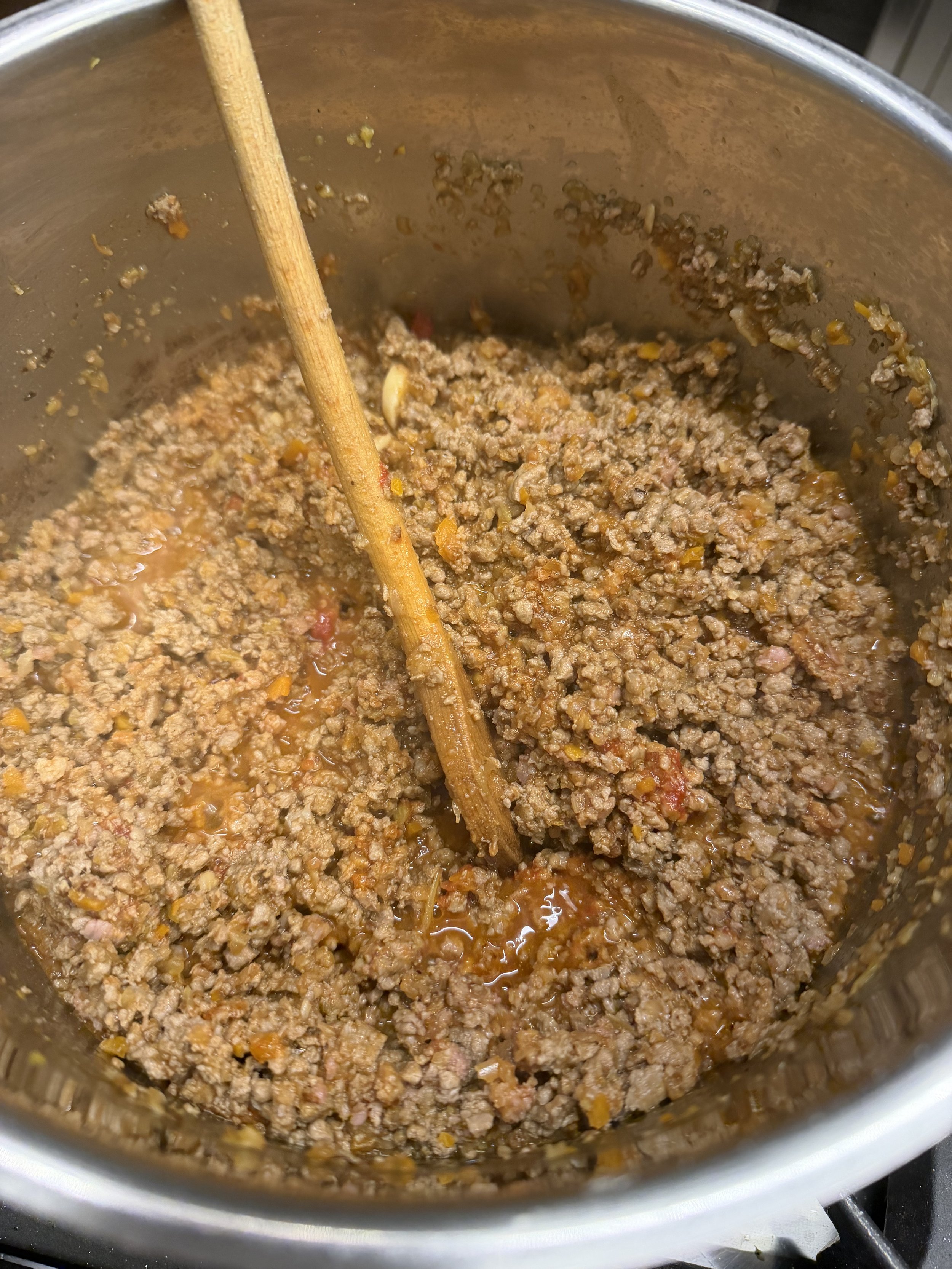
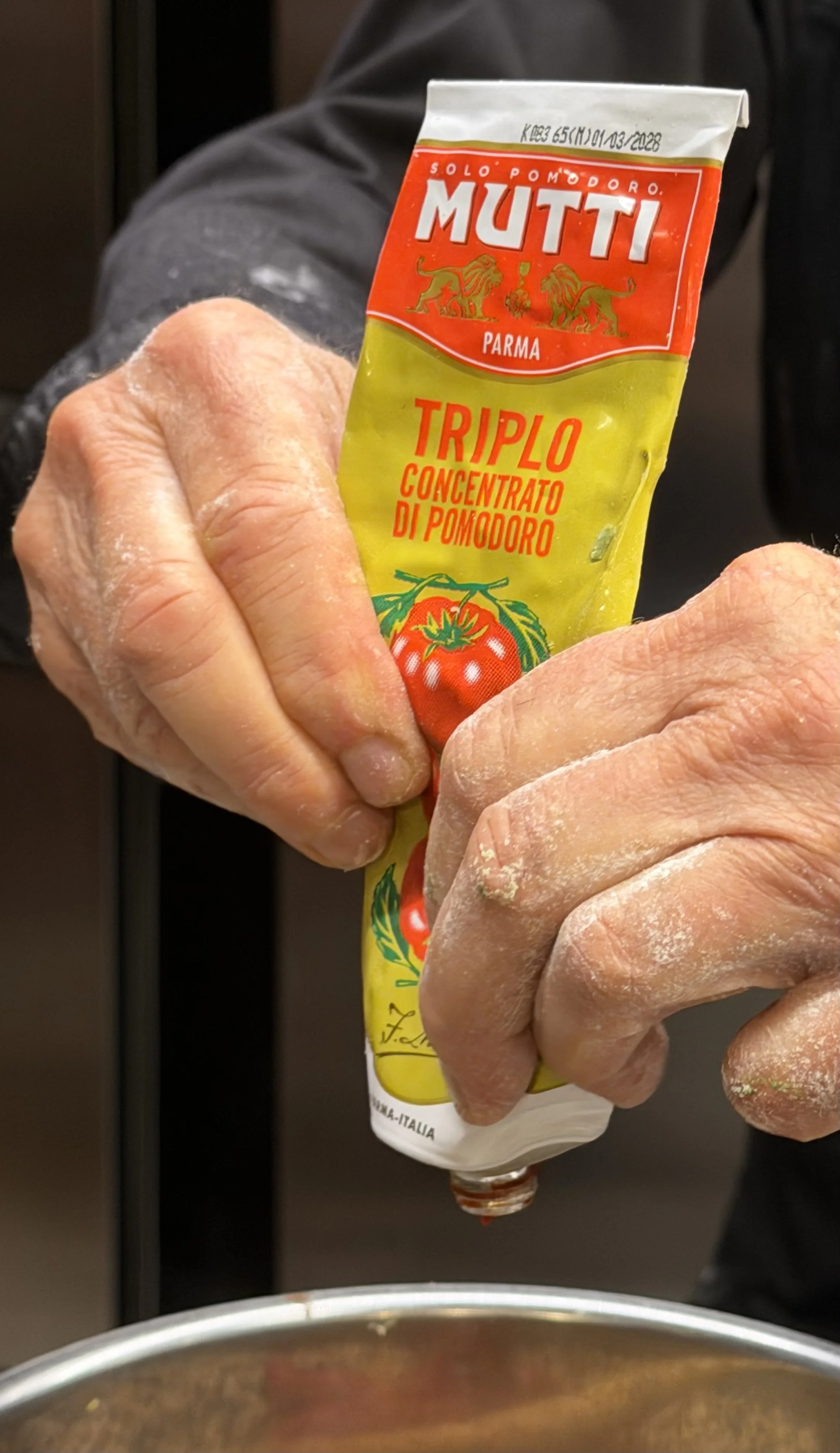
These tubes of Mutti brand double concentrated tomato paste are a kitchen staple in Italy. Here they add just the right touch of tomato in a Bolognese ragu
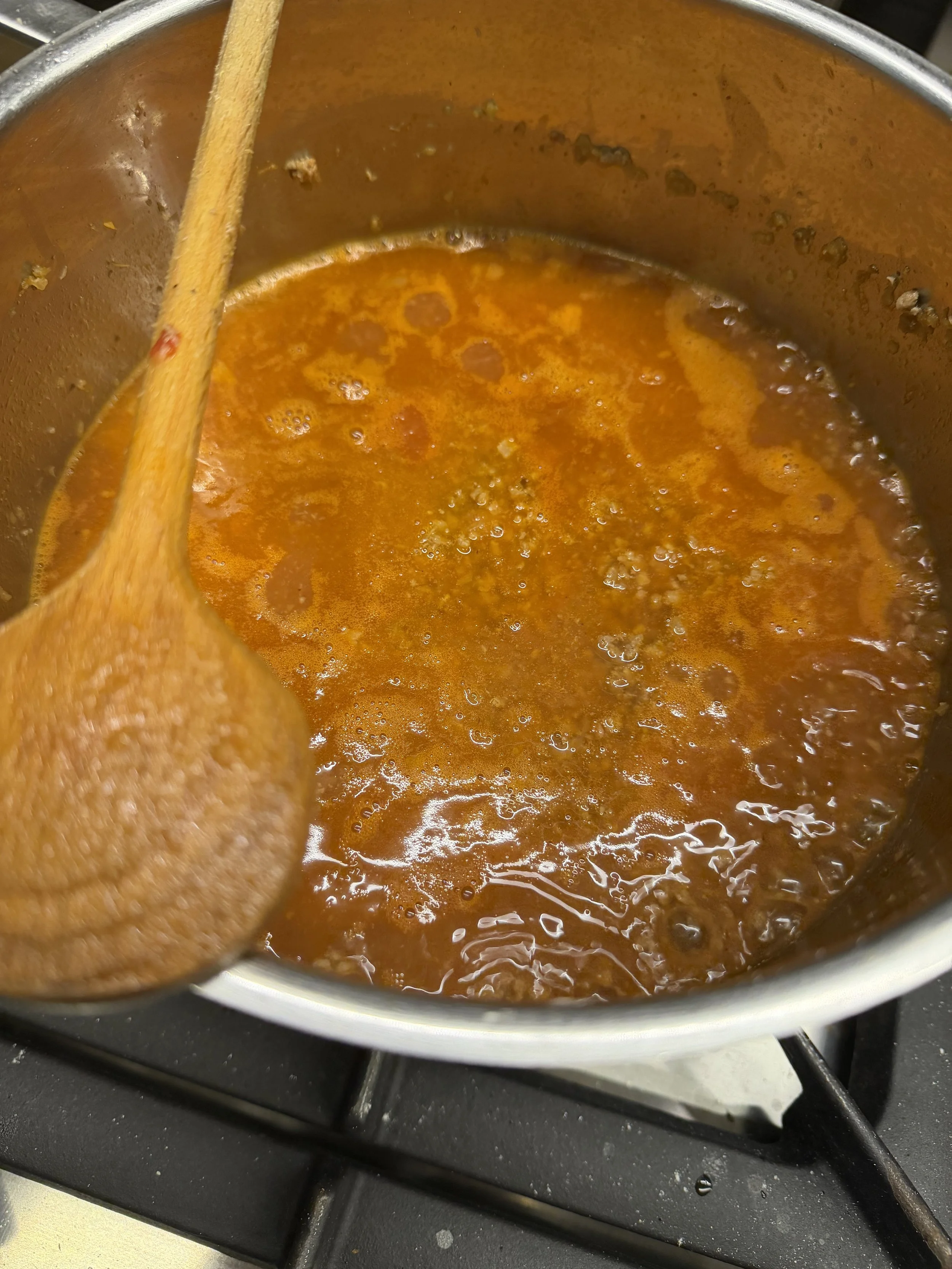
Next up is the touch of tomato. In our class we used only double concentrated tomato paste, probably a couple of ounces (we didn’t measure). This is the older classic method which keeps the tomato flavor as an accent, not a feature. The revised official recipe uses less tomato paste and some crushed tomato, but not too much! Some more broth can be added to thin the sauce which is then allowed to simmer for about 2 hours.
Lastly – the secret ingredient in Bolognese is milk. About ½ cup of whole milk is added to the ragu near the end of the 2 hours. It should melt into the sauce and disappear. This is an important ingredient as it cuts any acidity from the tomato paste, helps keep the meat tender, and adds a smooth, rich texture to the sauce.
Last rule - A Bolognese sauce is never served over spaghetti! Those thin strands just don’t hold onto to sauce. An egg-based, flat, wide pasta is typically used. Tagliatelle is classic; pappardelle is also appropriate. Just don’t ask for Spaghetti Bolognese!
In a twist, we used our classic Bolognese ragu (which was delicious) as a sauce for gnudi, a type of “naked” ravioli – in other words the ricotta & chard (or spinach) filling without a pasta shell. I am not entirely sure that the Chamber of Commerce would approve of that change, but our group gave it a big thumbs up.
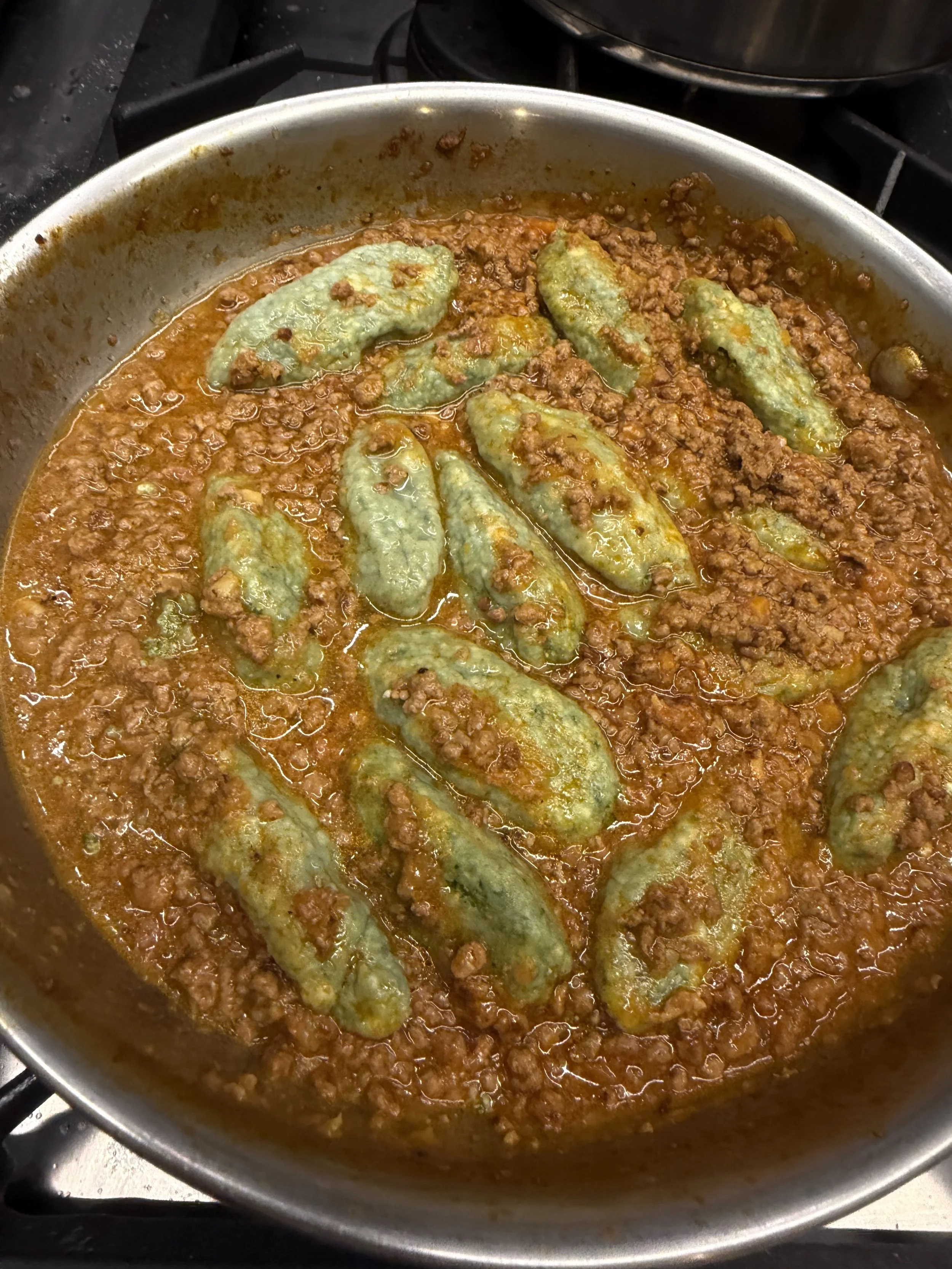
Gnudi with a classic Bolognese ragu
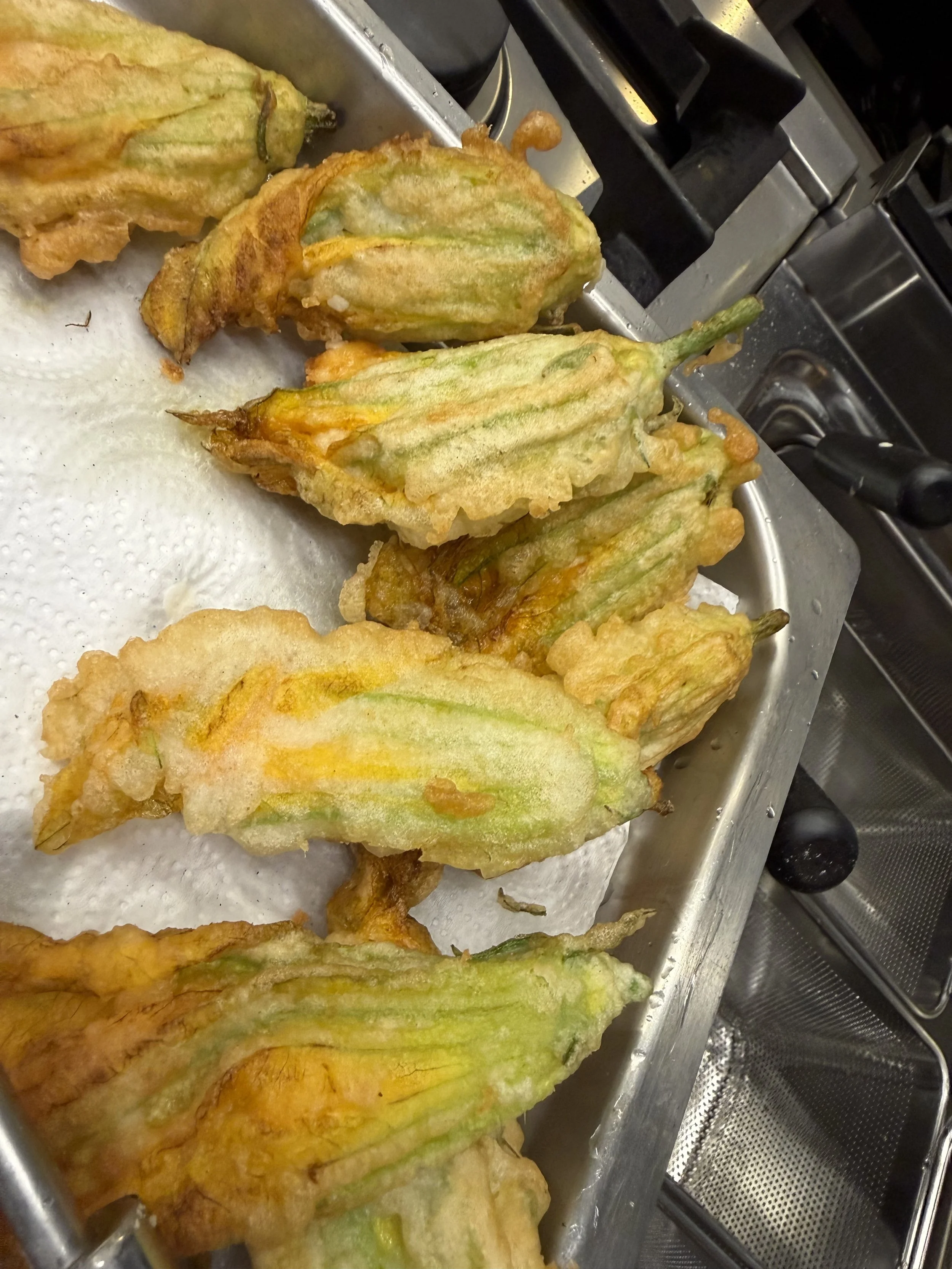
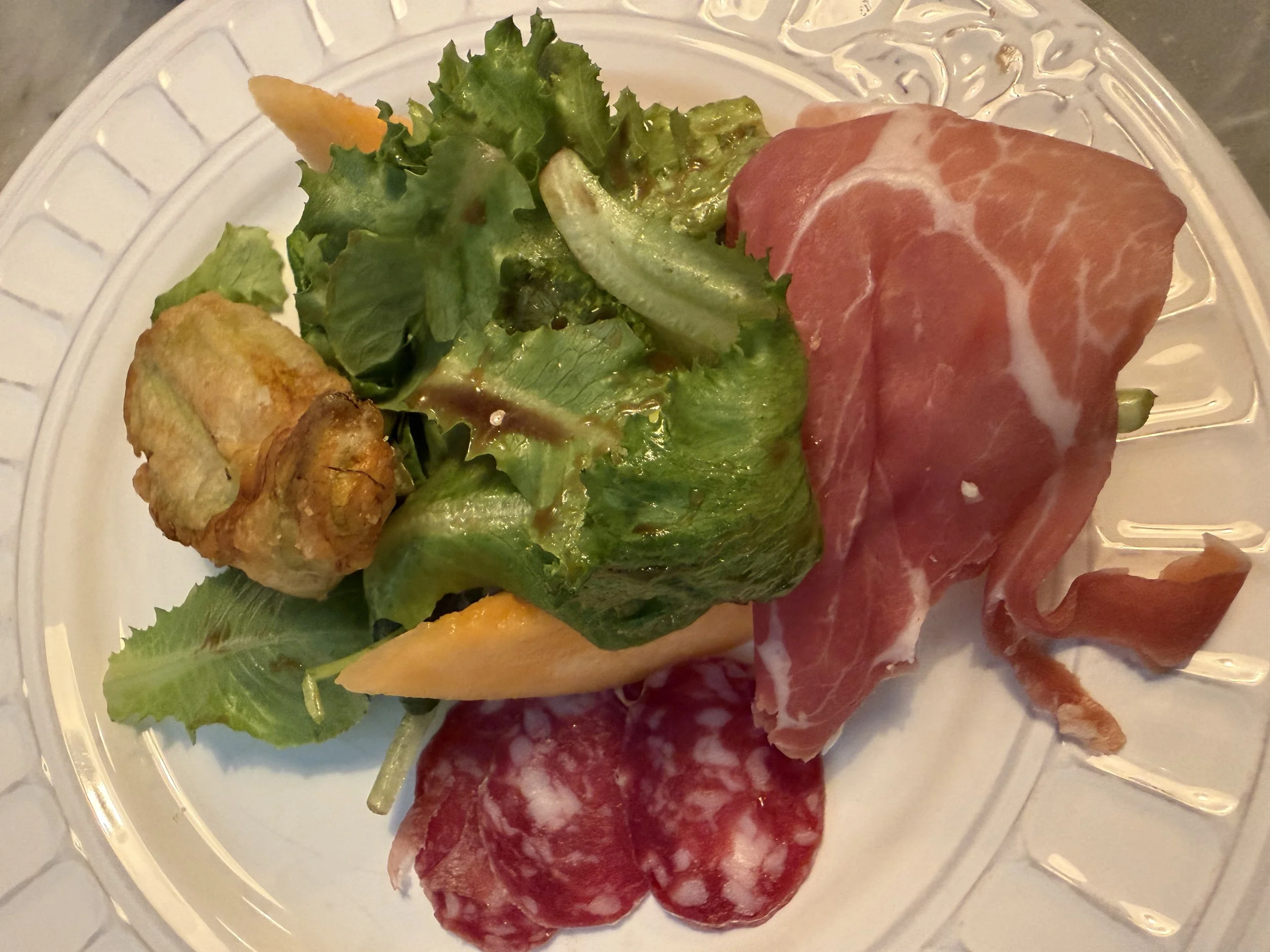
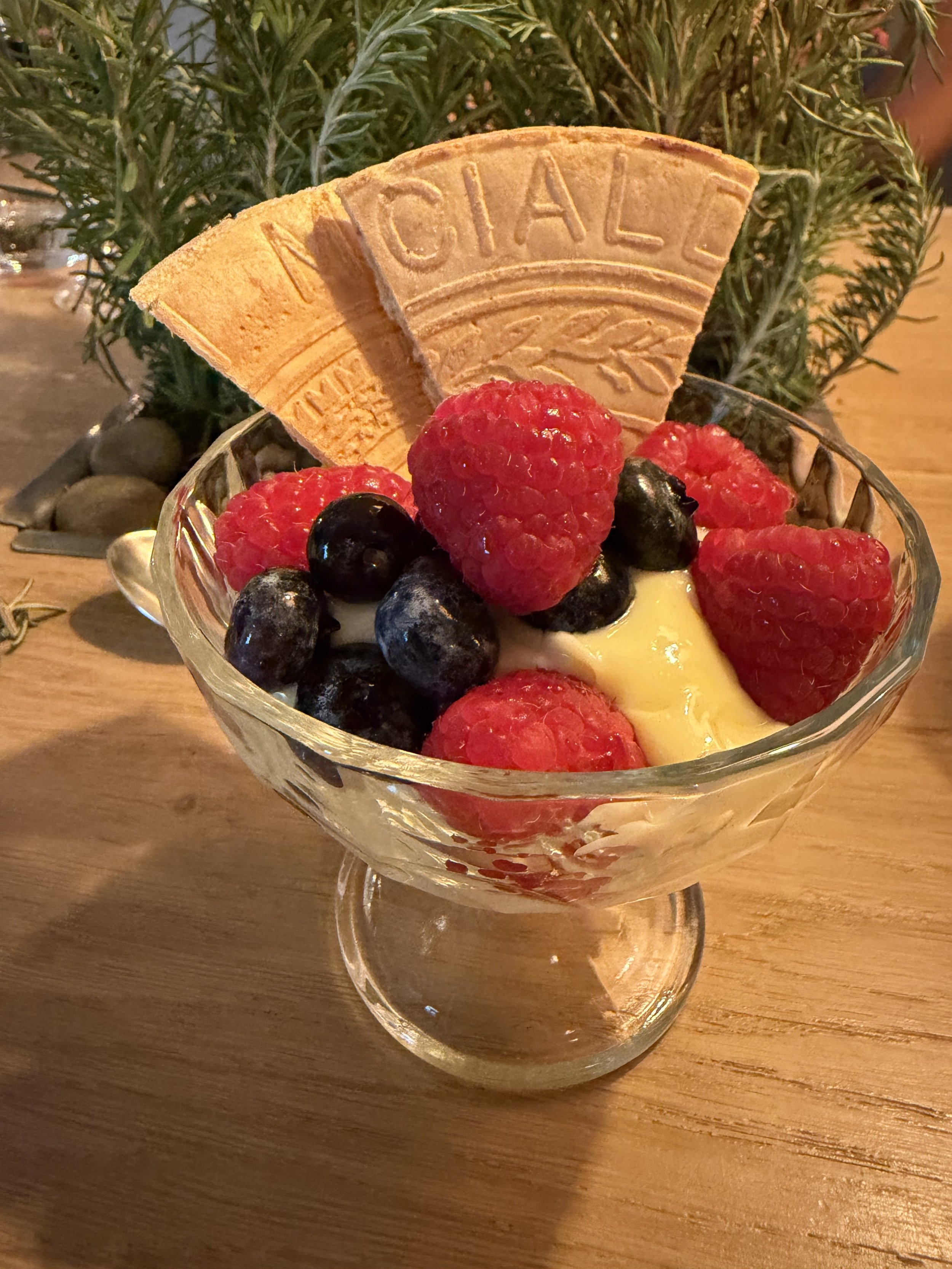
You may wonder what we did in the two hours while our Bolognese was simmering. We used that time to make a wonderful risotto, some incredible stuffed and fried zucchini blossoms, build an appetizer plate, and make a citrus flavored custard dessert topped with fruit. Not a bad way to spend the day. Better still, it made for a fabulous lunch.
Giuseppe Mazzocchi is the Chef / Owner at the Olive Press Kitchen, near Montecatini between Florence and Lucca. For more information contact Giuseppe at: info@ theolivepresskitchen.com. or by phone / Whatsapp at +39 329 743 3364