Two Parts Italy

Exploring Italy, travel, and living a flavorful life

  • Blog
  • About This Blog
  • Start Here
  • Recent Posts
  • Archives by Topic
  • Subscribe
  • Contact me

Monks and Apricots

May 25, 2026 by Joanne Bartram in Danube Cruise, Europe Cruises, european travel, travel Austria, travel europe

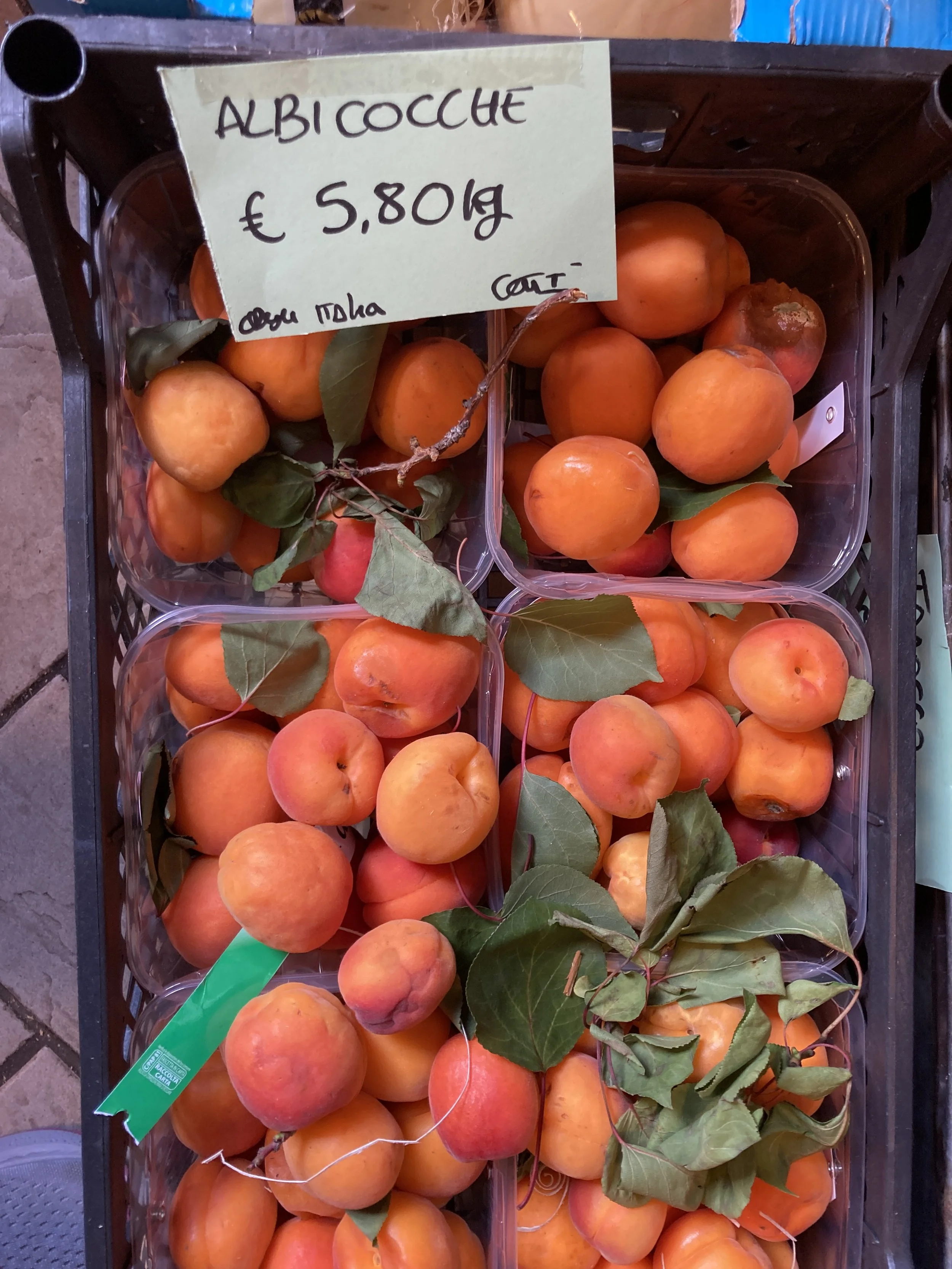
The Ortofrutta (green grocery) in Lucca is full of apricots right now.  Colorful and sweet, they’ve been perfect in my morning yoghurt or eaten out of hand. Not only are they delicious, but seeing them has reminded me of an experience I had last fall when visiting Göttweig Abbey near the town of Krems in Austria - monks and apricots!
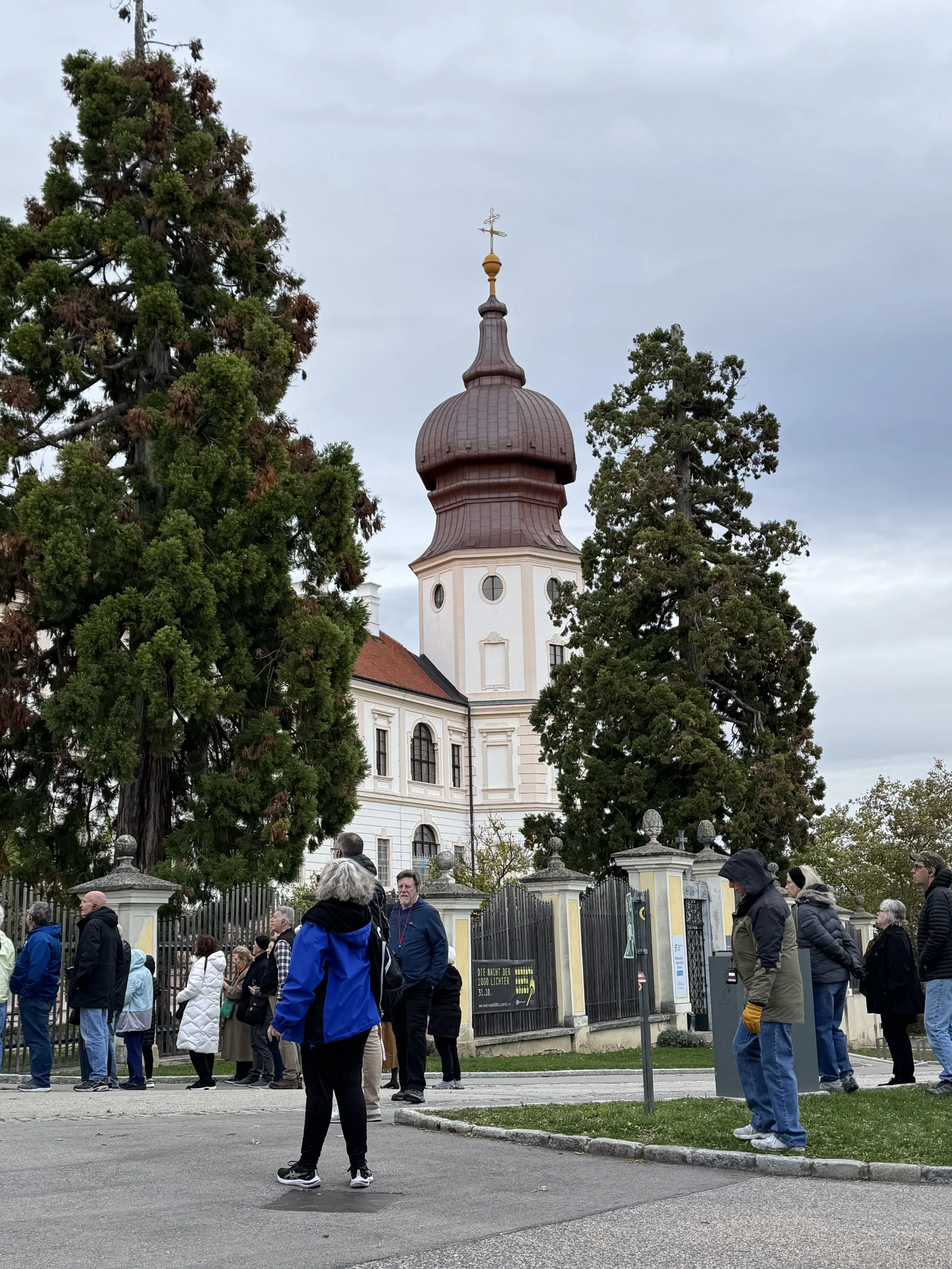
Göttweig Abbey

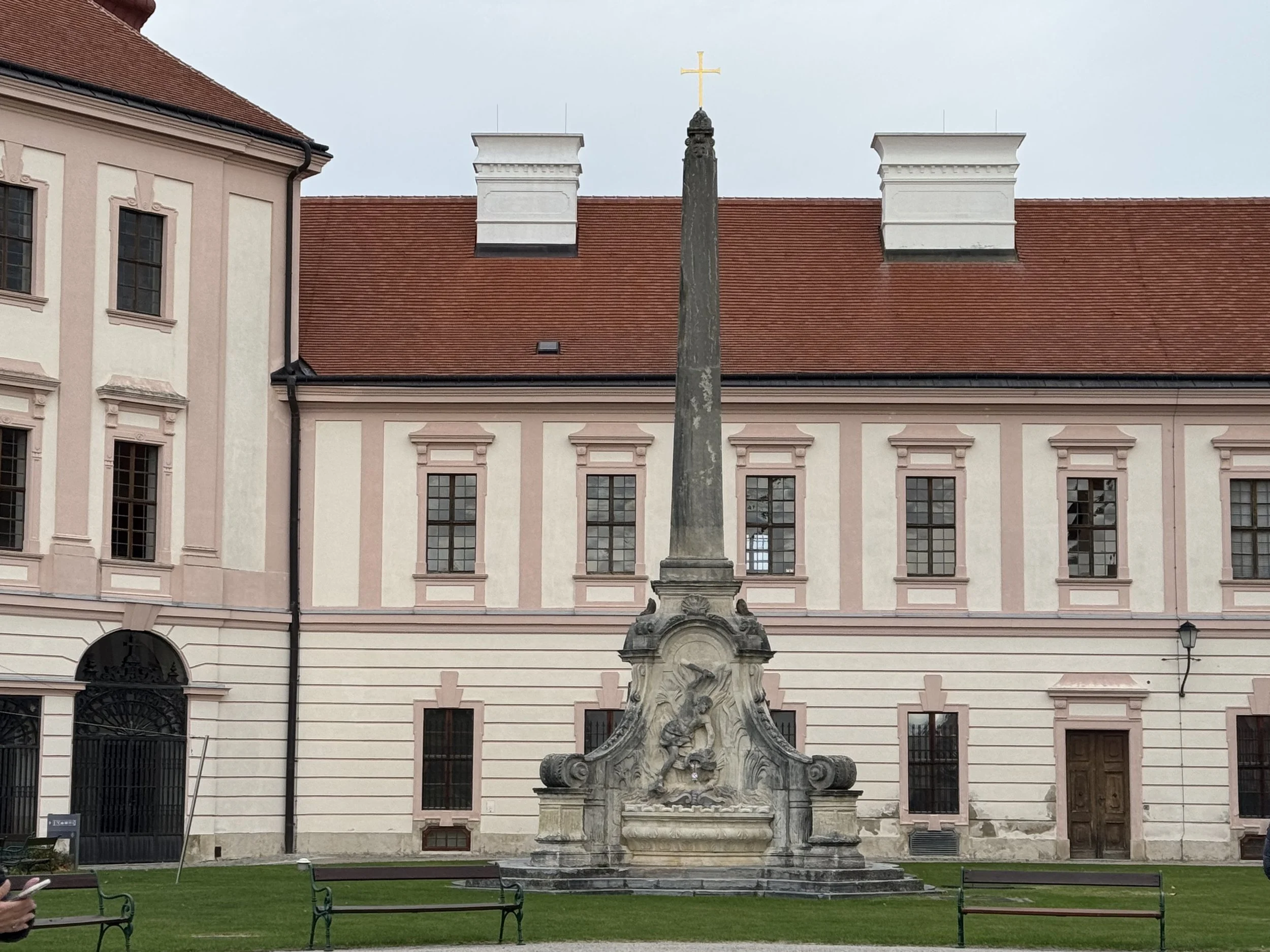
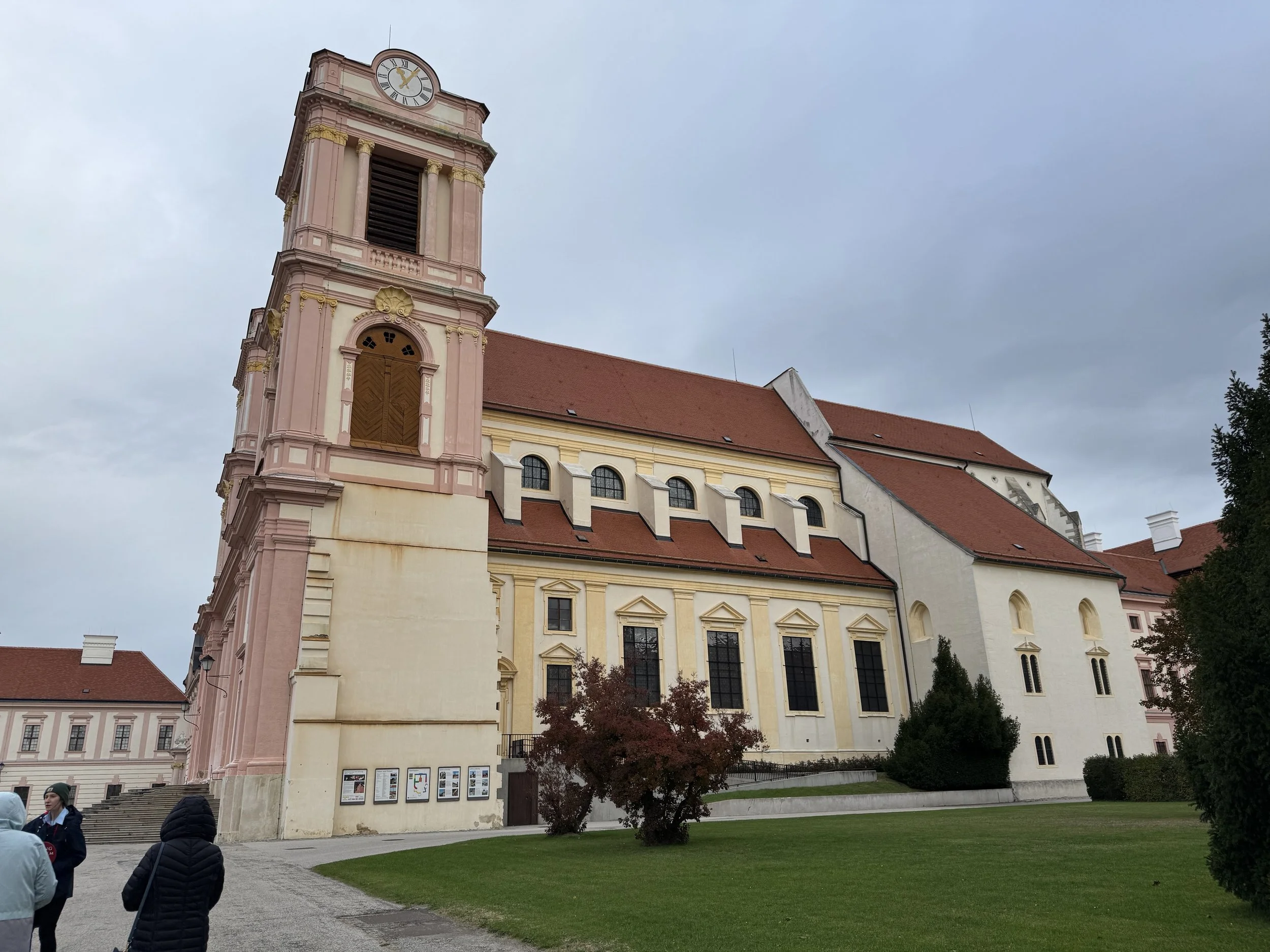
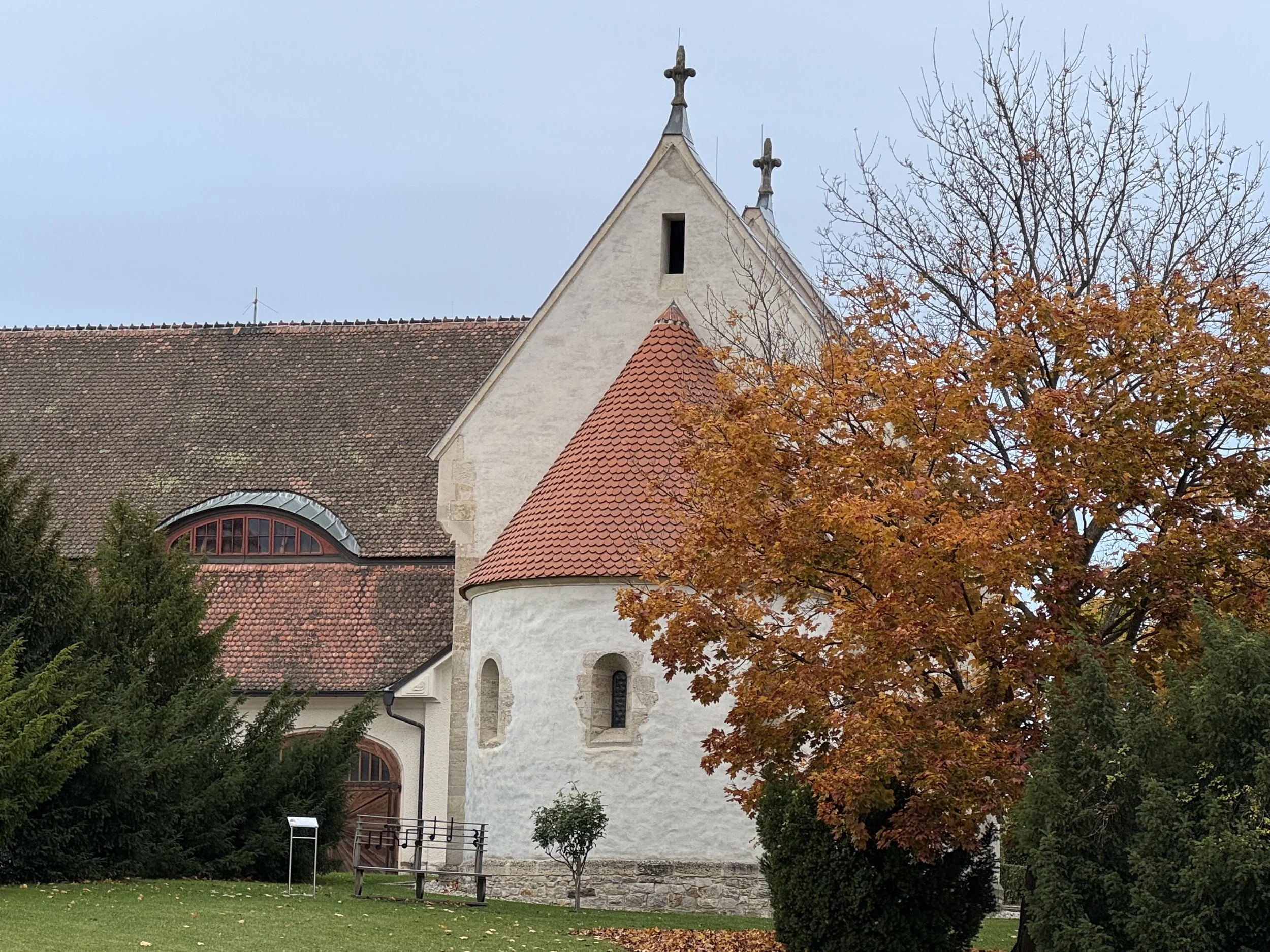
The Abbey, built in the 11th century and rebuilt in 1580 and again in 1718, each time following a fire, is a UNESCO World Heritage site.  Still a working monastery, the grounds and public areas are well worth a visit. 
IMG_6769.jpeg
IMG_6770.jpeg
IMG_6766.jpeg

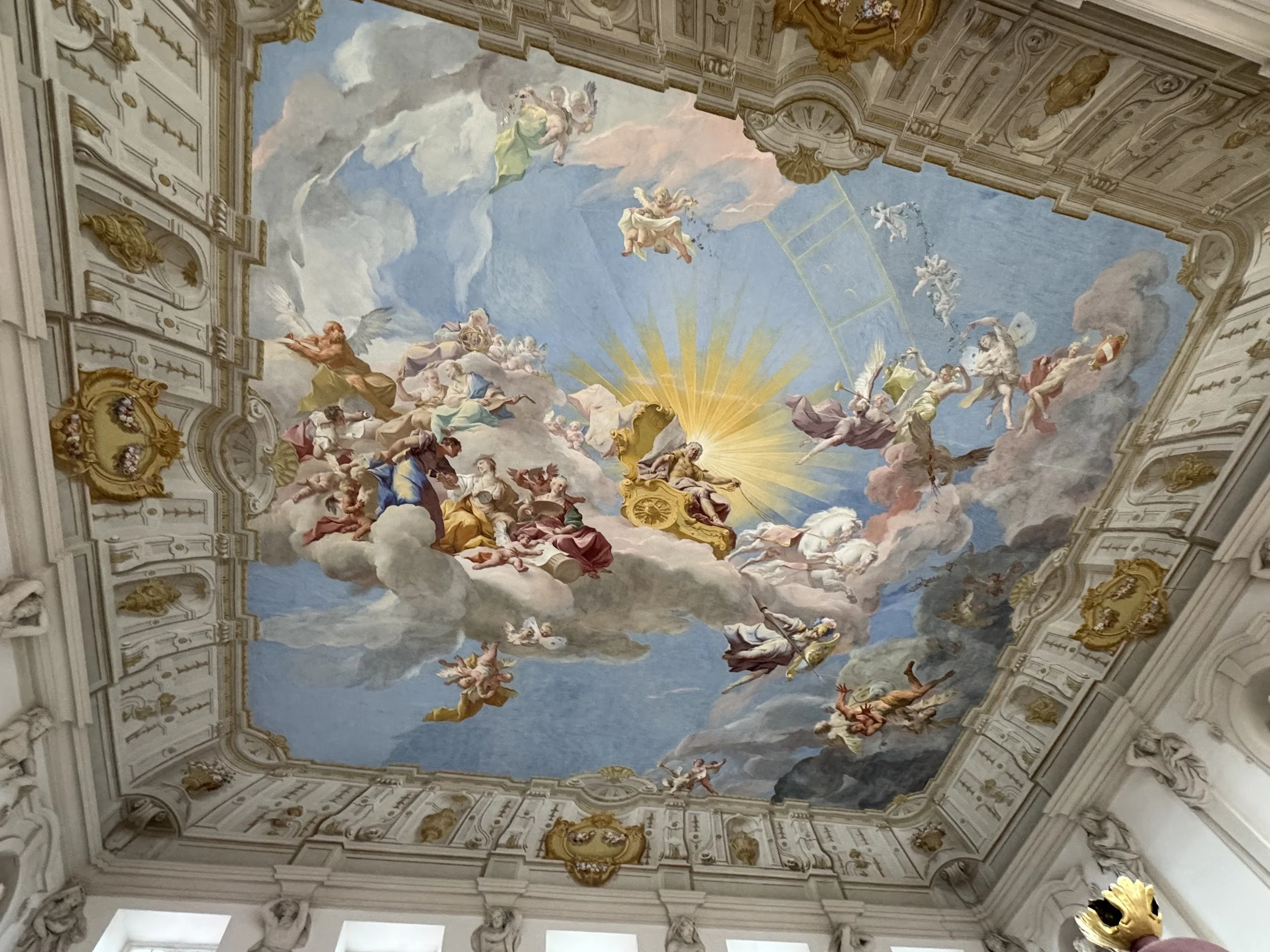
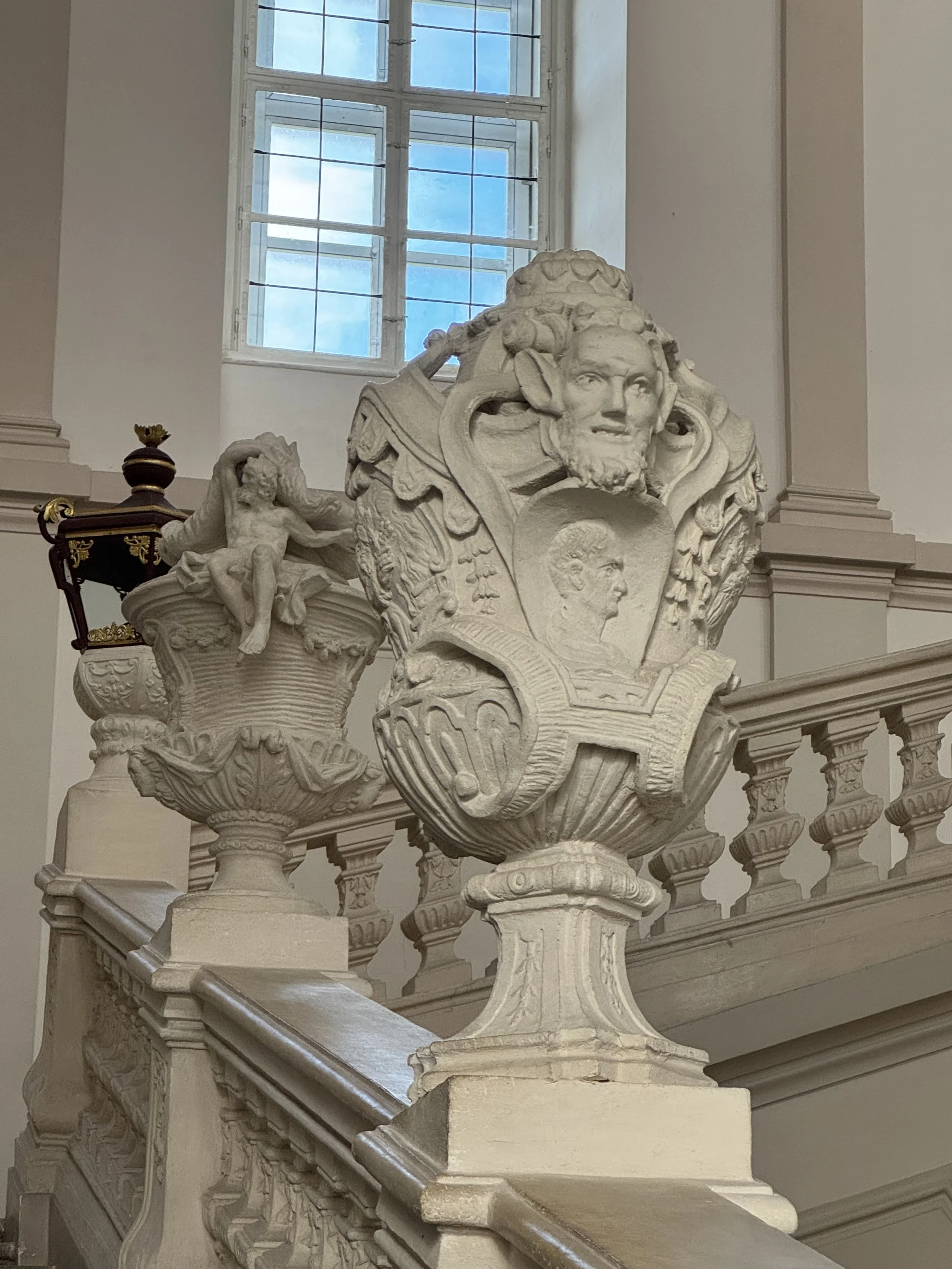
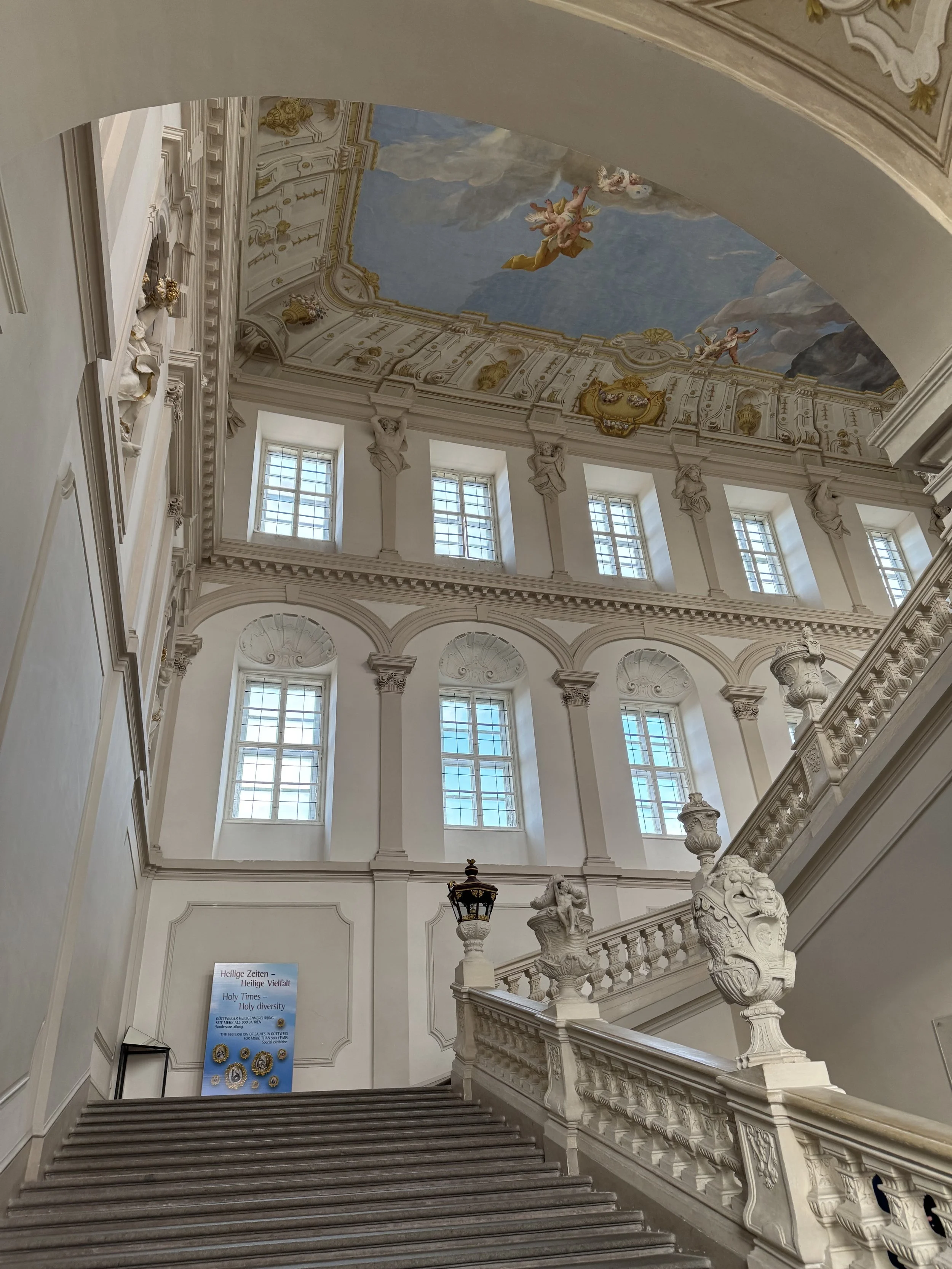
The large monastery complex includes several areas open to the public, including the park like grounds and a museum with a stunning Baroque staircase and beautiful interiors. 
IMG_6796.jpeg
IMG_6801.jpeg
IMG_6799.jpeg

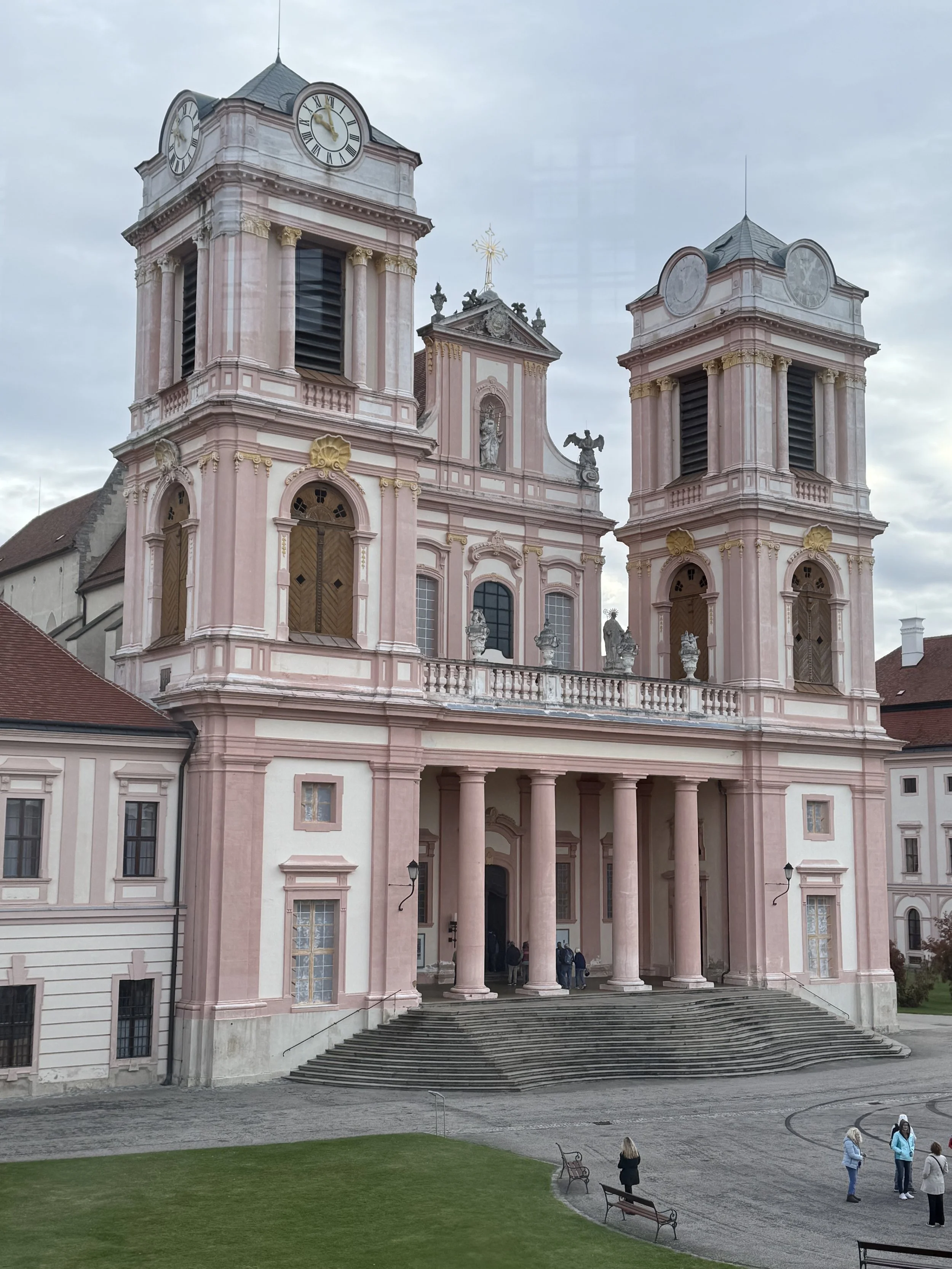
The church, parts of which date back the earliest construction of the abbey, has a dusty pink exterior, twin bell towers, and an ornate interior filled with beautiful frescoes. 
IMG_6793.jpeg
IMG_6788.jpeg
IMG_6787.jpeg

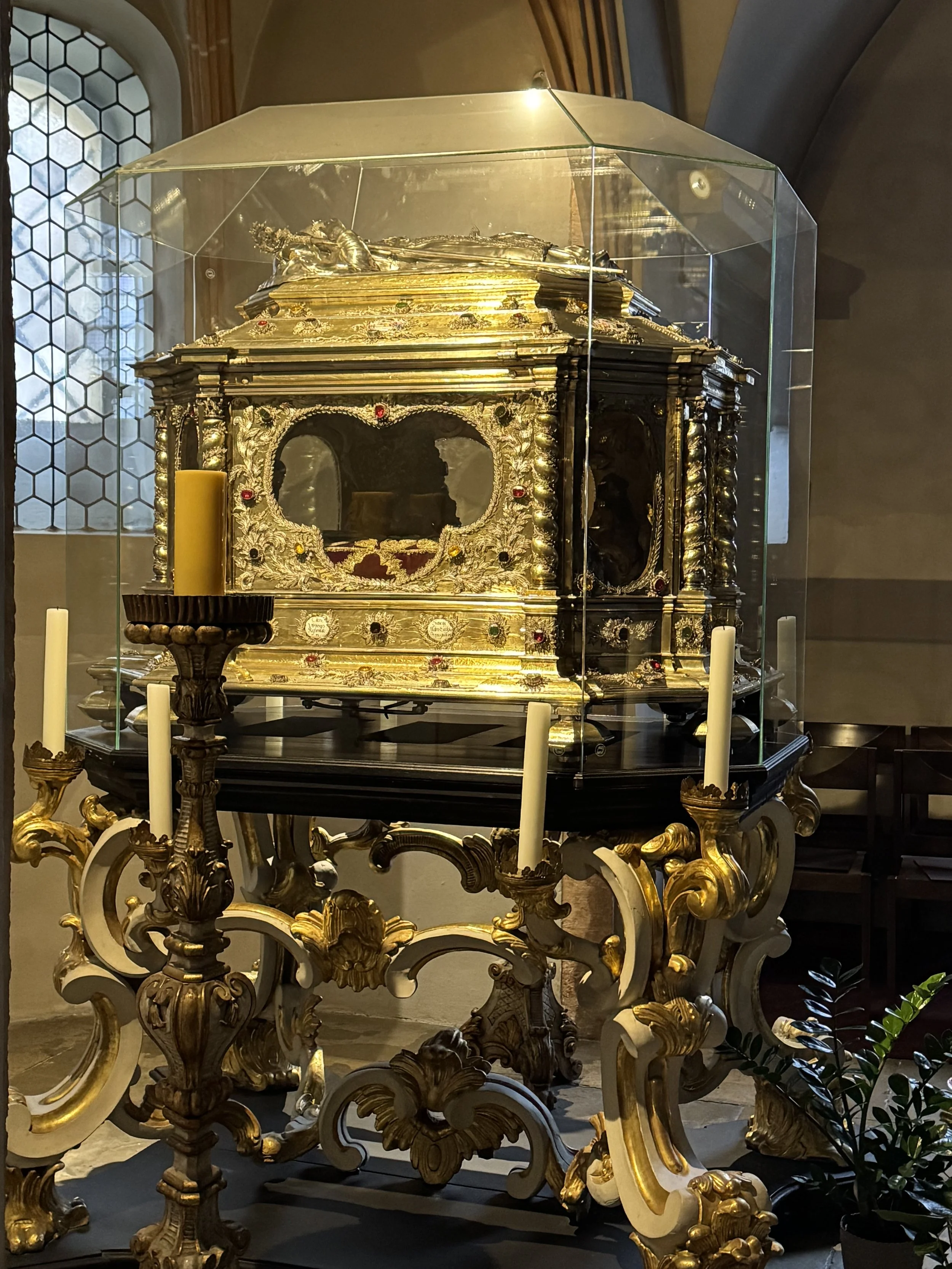
Below the church is a crypt which contains one of the abbey’s most important artifacts - a shrine containing the relics of the abbey’s founder, Bishop Altmann.

IMG_6784.jpeg
IMG_6786.jpeg

The abbey is surrounded by forest, vines, and orchards. It is especially gorgeous in fall.

 Göttweig Abbey sits on a hill above vineyards, orchards, and forest.  Run by a small group of Benedictine monks, today it is known for its vines, which provide the grapes used to produce the abbey’s wines, and for its apricots which are used to make apricot liqueurs, jams, and nectars – all available for purchase in the gift shop. 

I visited Göttweig Abbey on an excursion offered as part of a Viking Danube River cruise which included the opportunity to learn to make (and of course, to taste) the famous Marillenknödel or Apricot Dumpling that is one of the abbey’s specialties. 

After a tour of the grounds, museum, and church we were offered a taste of apricot nectar and apricot wine – and then if was off to the restaurant for a dumpling lesson from the pastry chef.
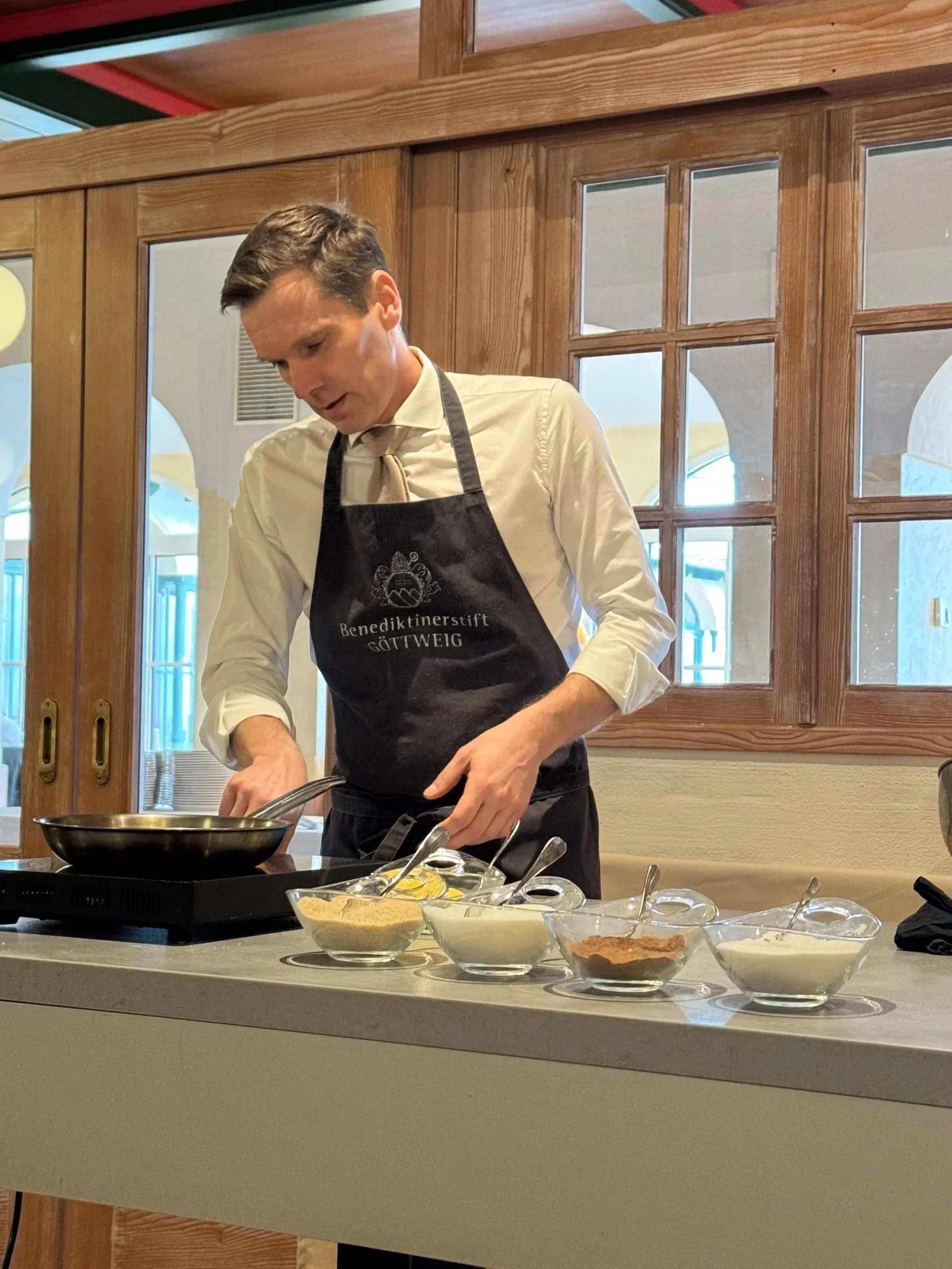
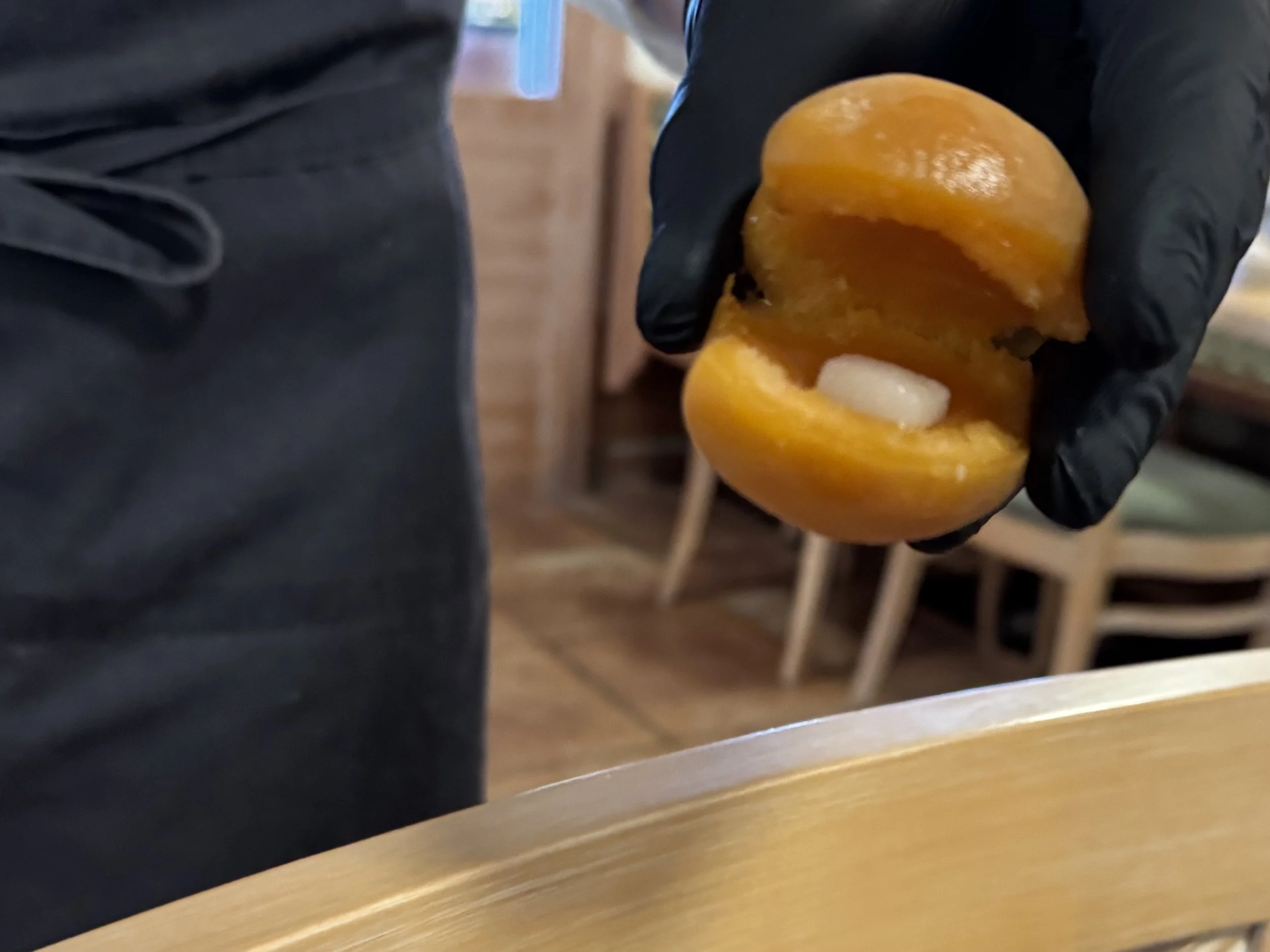
 The apricots used in the dumplings are grown in the abbey’s orchard. Harvested when ripe, the pit is removed and replaced with a sugar cube. Next, they are frozen to be used for future dumpling making year round.  In season they can also be used fresh.

The pastry chef had all of the ingredients ready and demonstrated the process of making the dough, wrapping the apricots, boiling them, and preparing the sweetened bread crumb topping. After the demo we each had a cup of coffee and a dumpling. Delicious, and not too sweet, they were wonderful.

A copy of the recipe was given to each of us and I think the monks won’t mind me sharing!
IMG_6822.jpeg
IMG_6827.jpeg
IMG_6831.jpeg
IMG_6832.jpeg

To make the dumplings, a dough is made from 1 cup farmer’s cheese (a substitute would be ½ ricotta and ½ Greek yoghurt – both full fat),  1 cup flour, 2 Tablespoons semolina flour, 1 egg, 3 ½ tablespoons butter, and a pinch of salt.  Mixed and chilled in the fridge for at least 12 hours.
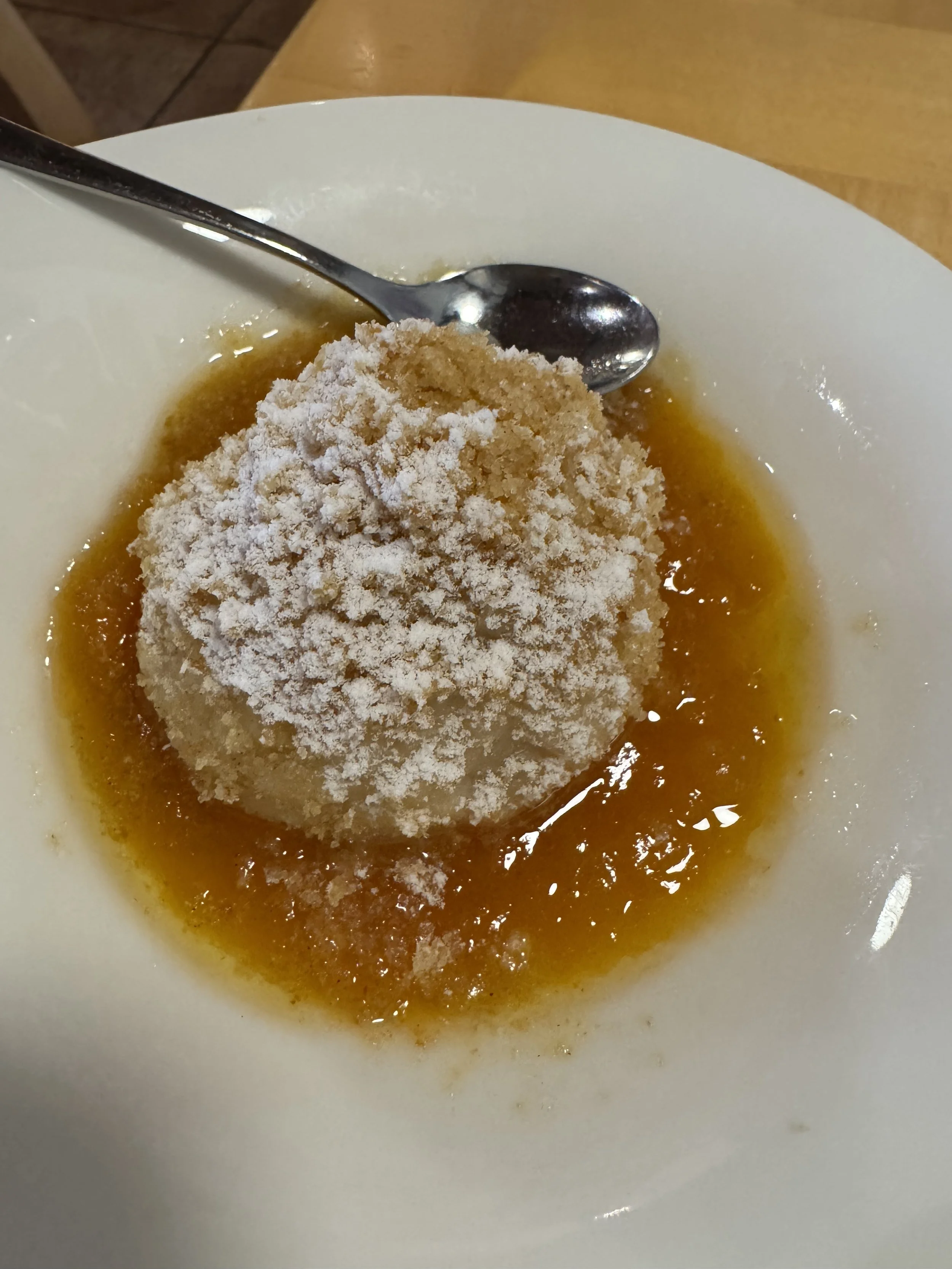
The dumplings were served in a puddle of apricot jam - delicious !

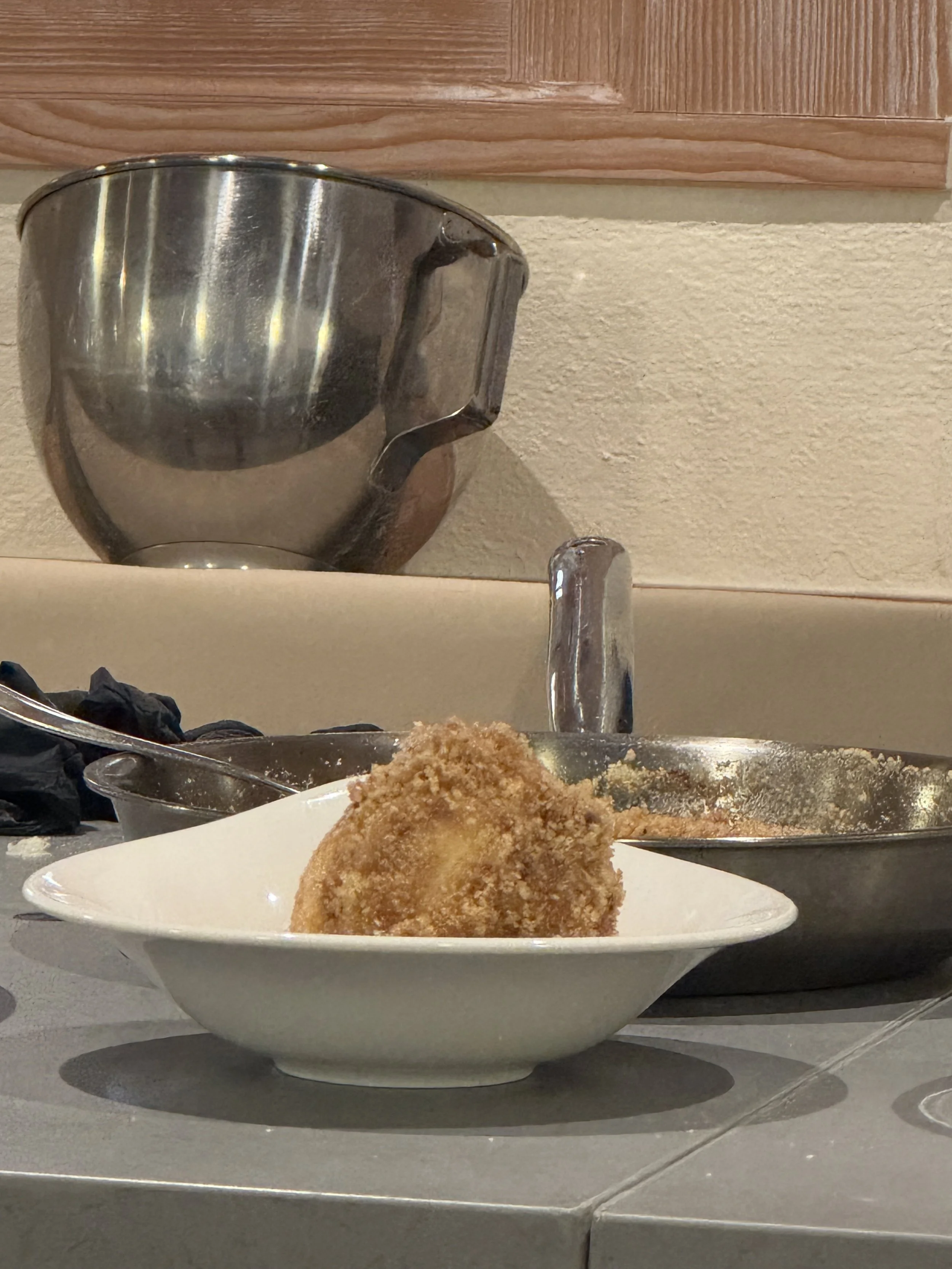
Pieces of the dough are used to wrap around each apricot, forming a round dumpling.  The dumplings are then dropped gently in boiling lightly salted water.  When they float, they are ready (15-20 minutes).  

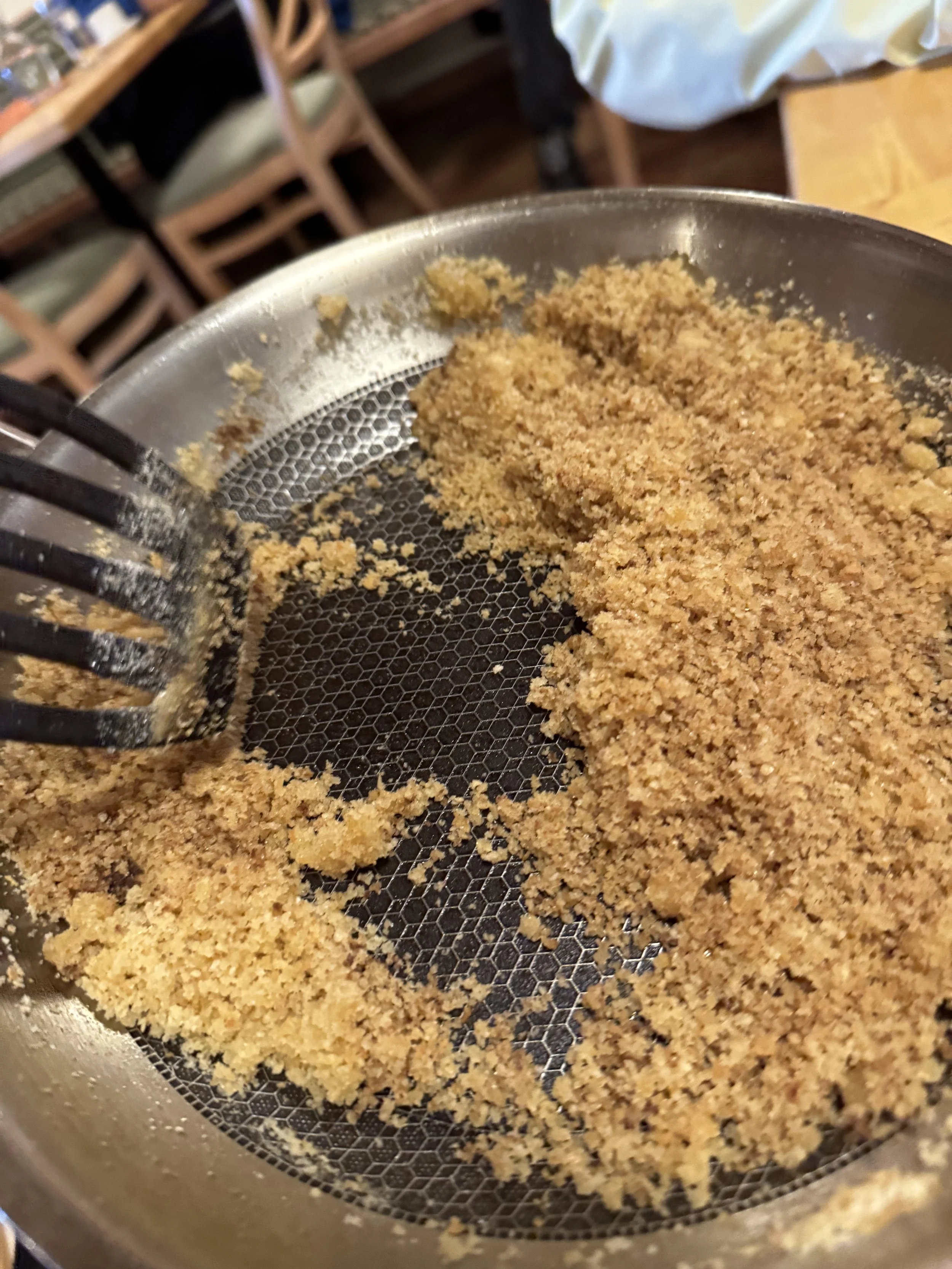
While the dumplings cook, a topping is made from 1 cup bread crumbs, 1 tablespoon sugar, 1 teaspoon vanilla sugar, and 3 tablespoons butter.  Mix and toast in a pan until golden and then add 1 teaspoon cinnamon.   Roll the boiled dumplings in the crumbs and serve while warm.  Toppings can vary – ours were served in pool of thin apricot jam and sprinkled with powdered sugar.  They can also be drizzled with honey, topped with vanilla sauce, whipped cream, or even ice cream. 

Learning to make them was fun – tasting them was even better.   I’ve yet to try making them at home, but will all the ripe apricots in the Italian markets right now I just might give it a try!
May 25, 2026 /Joanne Bartram
Göttweig Abbey, Apricot Dumplings, marillenknödel
Danube Cruise, Europe Cruises, european travel, travel Austria, travel europe

Bratislava, Slovakia

History and Whimsy in Bratislava

March 09, 2026 by Joanne Bartram in Slovakia, Viking River Cruise, river cruises europe, Danube Cruise, Bratislava

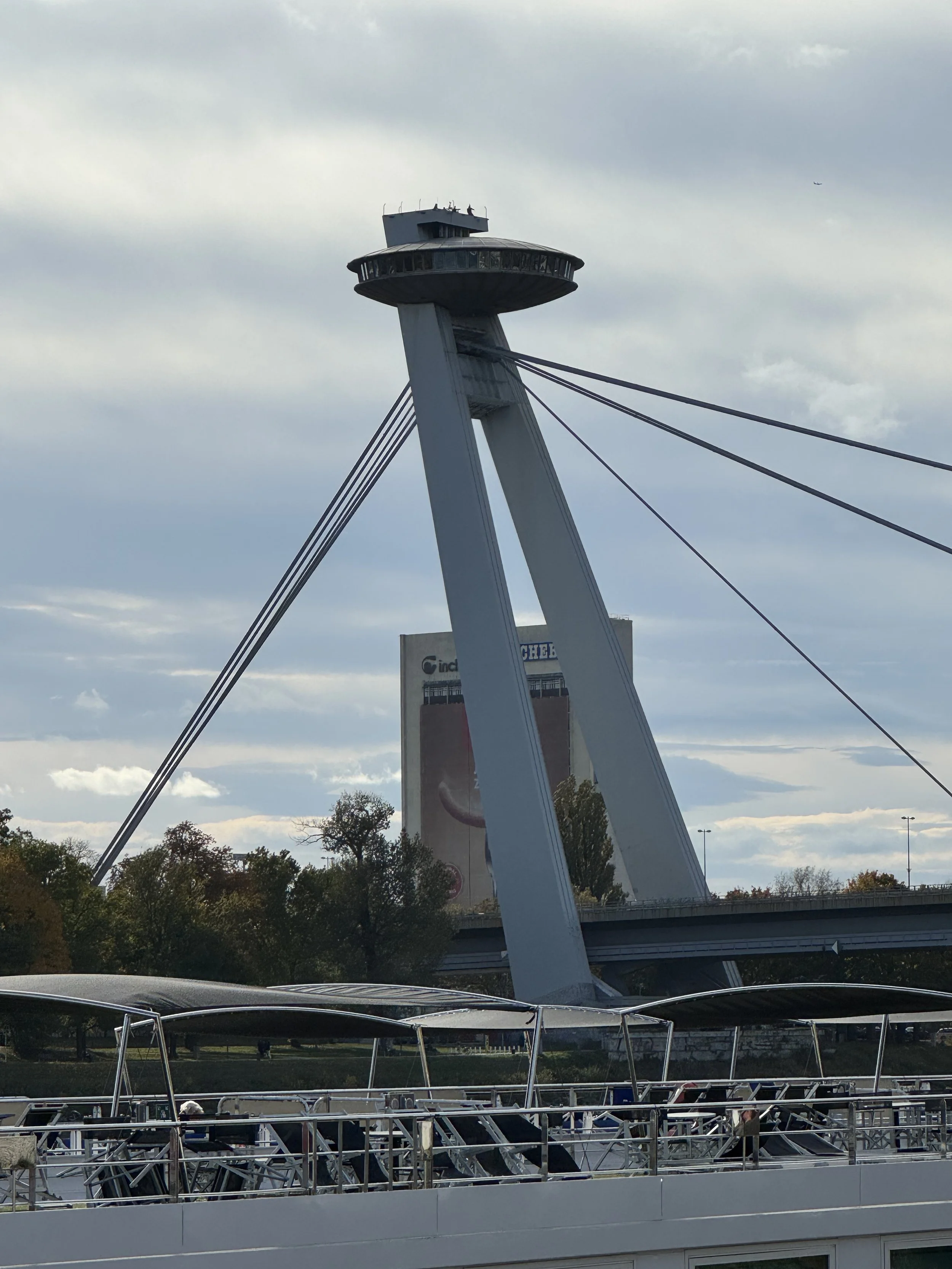
The “UFO” Bridge, Bratislava (from the the Viking Vilhjalm docked nearby)

The city of Bratislavia was just a one day stop on the Danube river cruise I took last fall.  There were interesting cities all along the way – Budapest, Vienna, Krems, Linz, Passau – but perhaps the most delightful was Bratislavia.  And though we only spent one day there (well, just 10 hours to be exact), it was one of my favorite stops.

 You know you have arrived in Bratislava when you spot the “UFO bridge”. This modern bridge spans the Danube and is one of the city’s famous landmarks because of its distinctive asymmetric style with a single pylon topped by a flying saucer-style observation room.   The contrast between the modern bridge and the historic old town is one of the things that makes Bratislava so intriguing. 

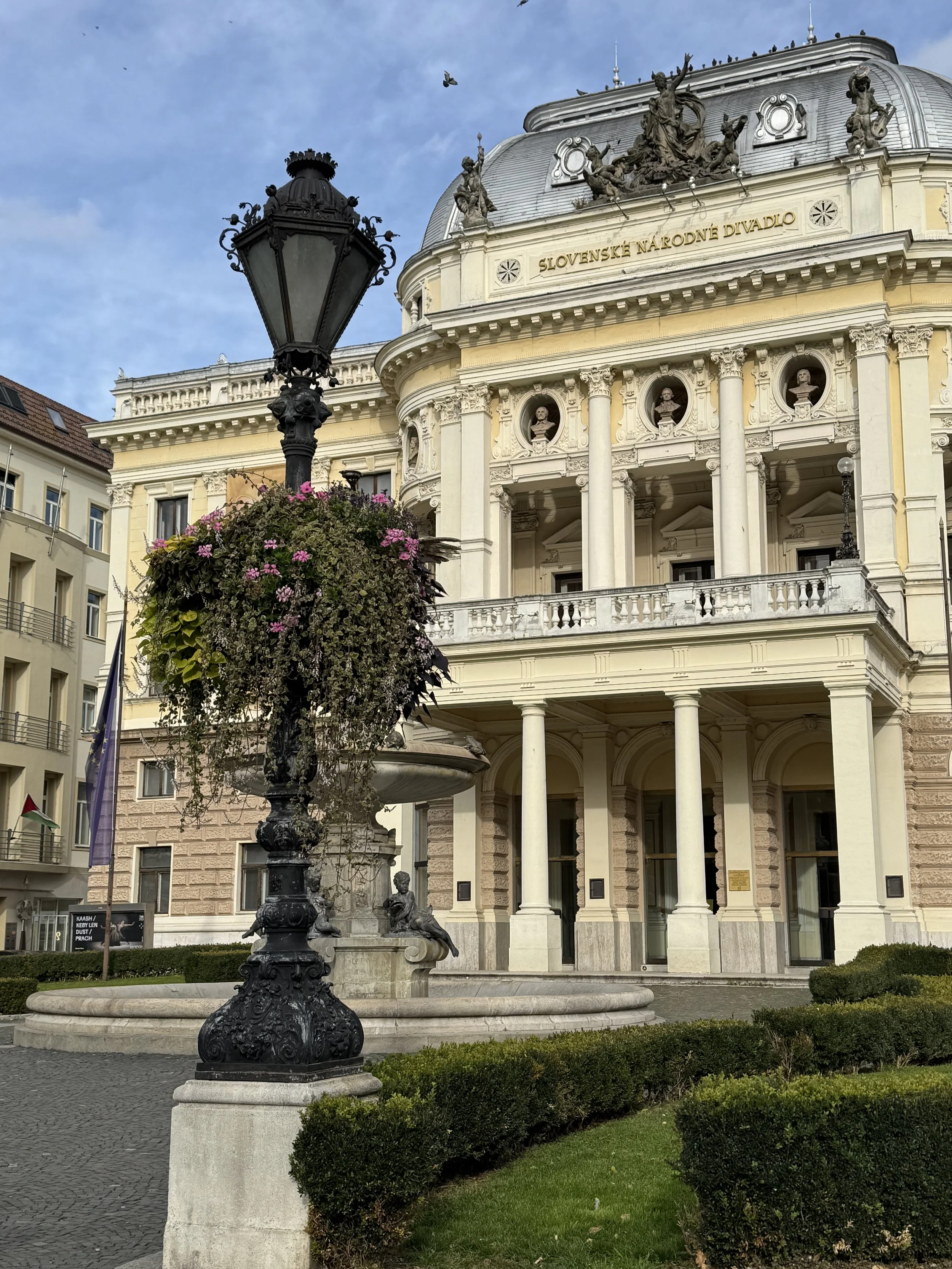
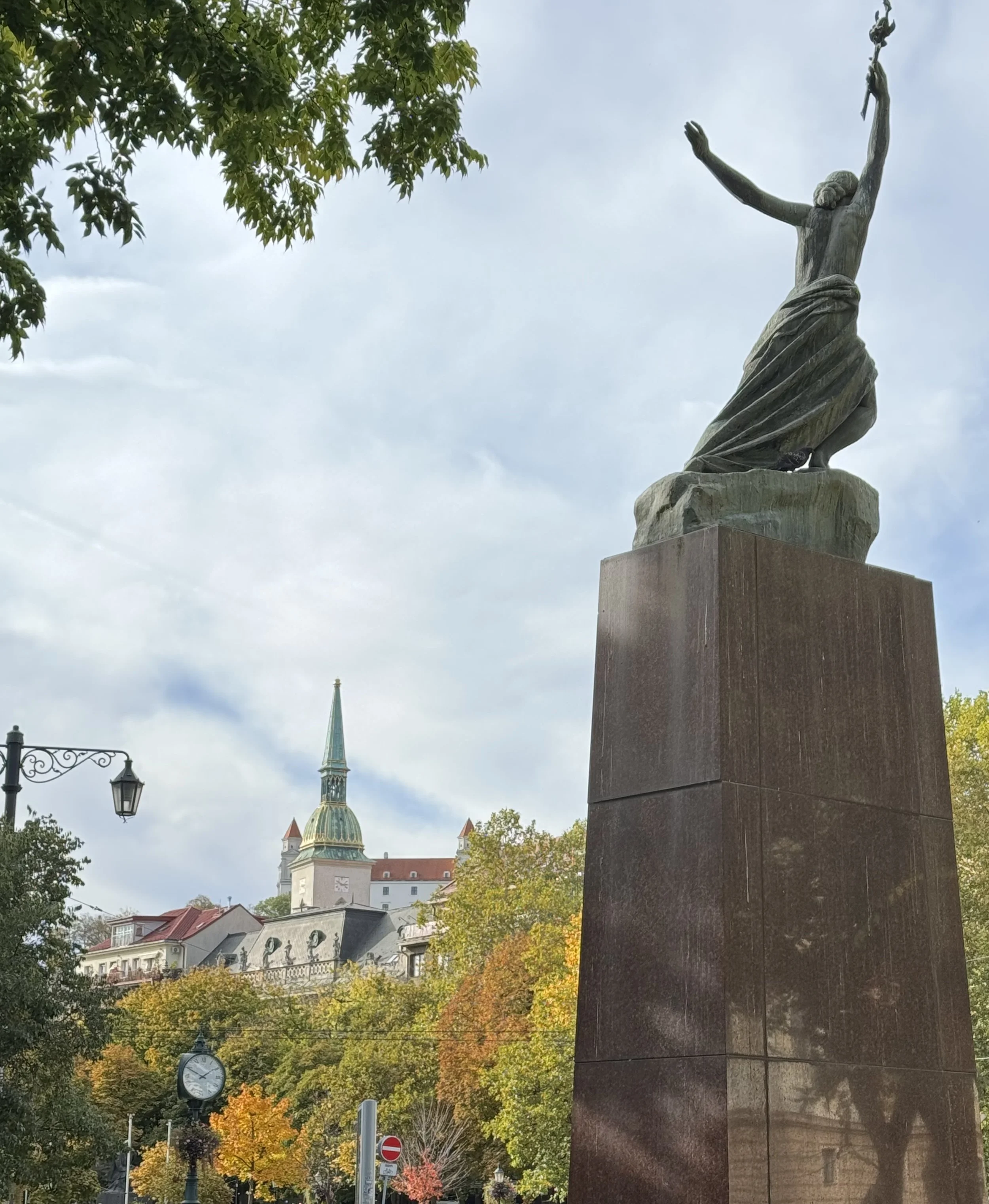
Slovak National Theater, Bratislava, opened in 1886, with the Ganymede’s Fountain in front of the entrance.

As with most cities visited on a Viking River Cruise, we had a friendly and knowledgeable local guide.  He provided a great overview of the history of Slovakia, and the capital city of Bratislava.  And what a complex history it is! Long part of Hungary, Bratislava would later be part of the Austro-Hungarian empire, Czechoslovakia after WW I, then briefly independent.  The darkest period came with Nazi occupation.

After WWII, the area merged again with the Czech Republic to form the combined state of Czechoslovakia. A period of Communist rule followed, then occupation by Warsaw Pact troops.  Communist rule ended in 1988-89.  Shortly after that, Czechoslovakia peacefully split into two countries in what is known at the “Velvet Divorce”.  No fighting or bloodshed involved!  Today, Bratislava is the capital city of Slovakia (not to be confused with Slovenia which is a different country all together).  Whew! The guide communicated this history along with a great pride in the country which today is independent with a parliamentary system of government and EU membership.

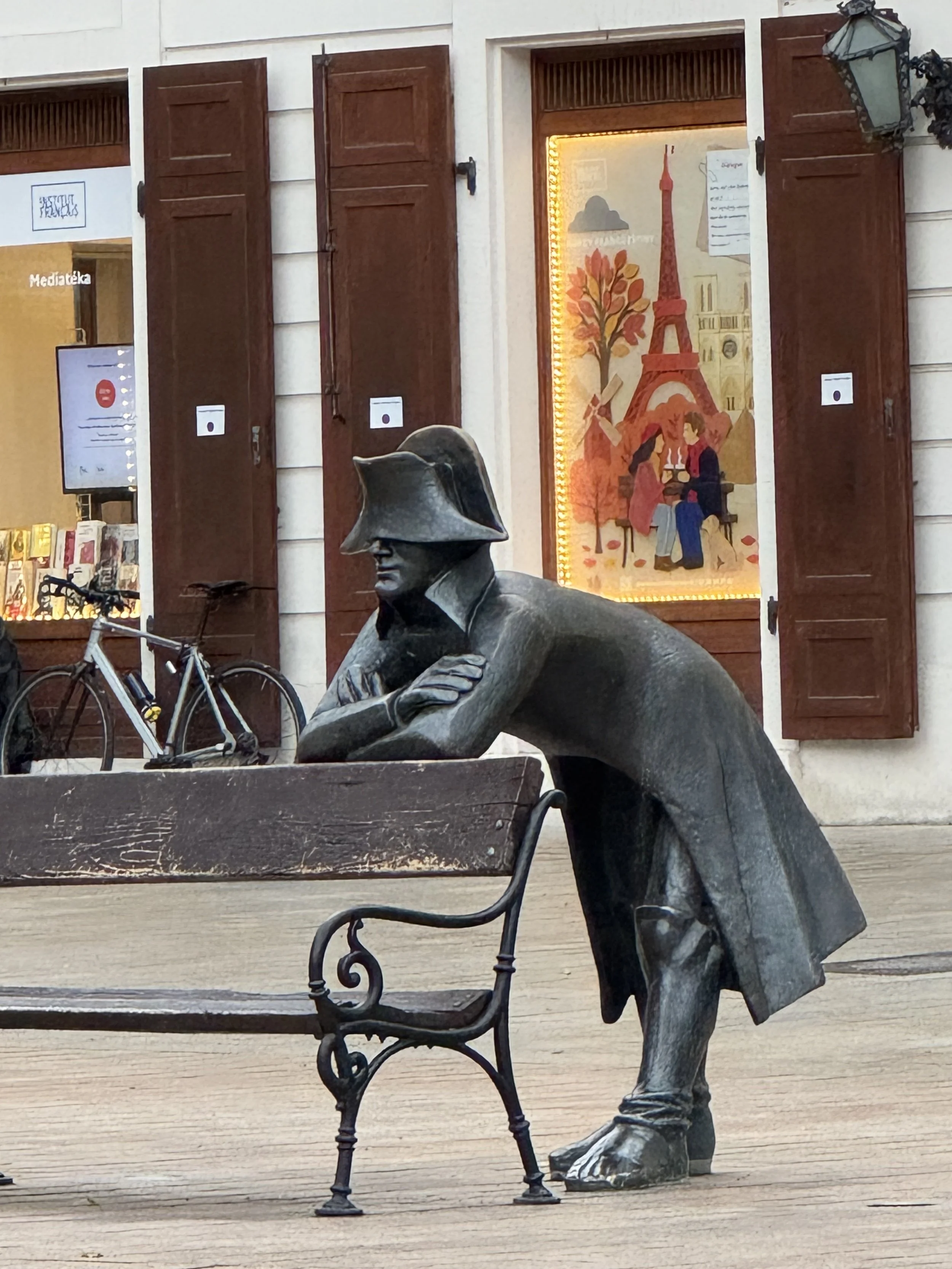
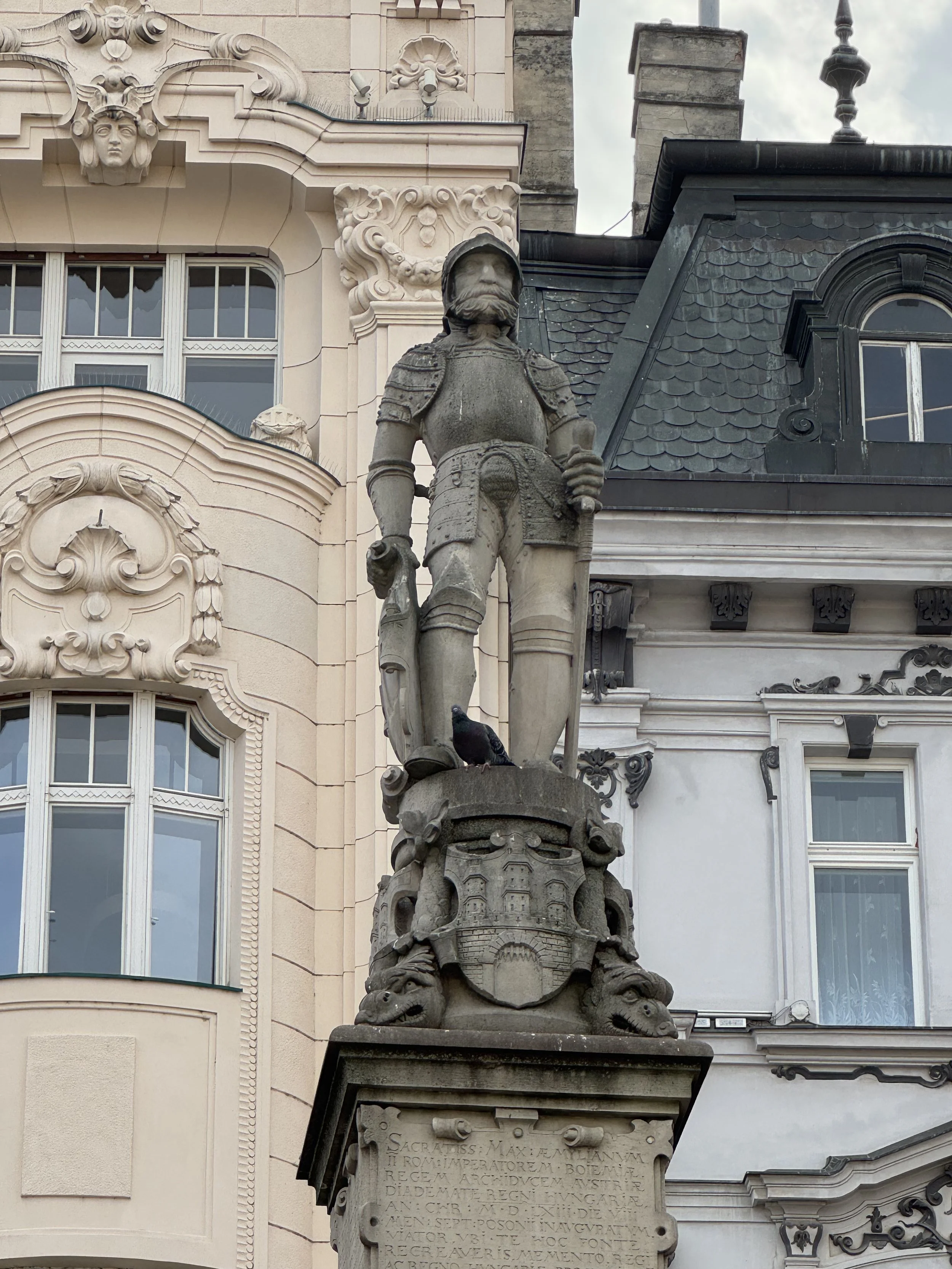
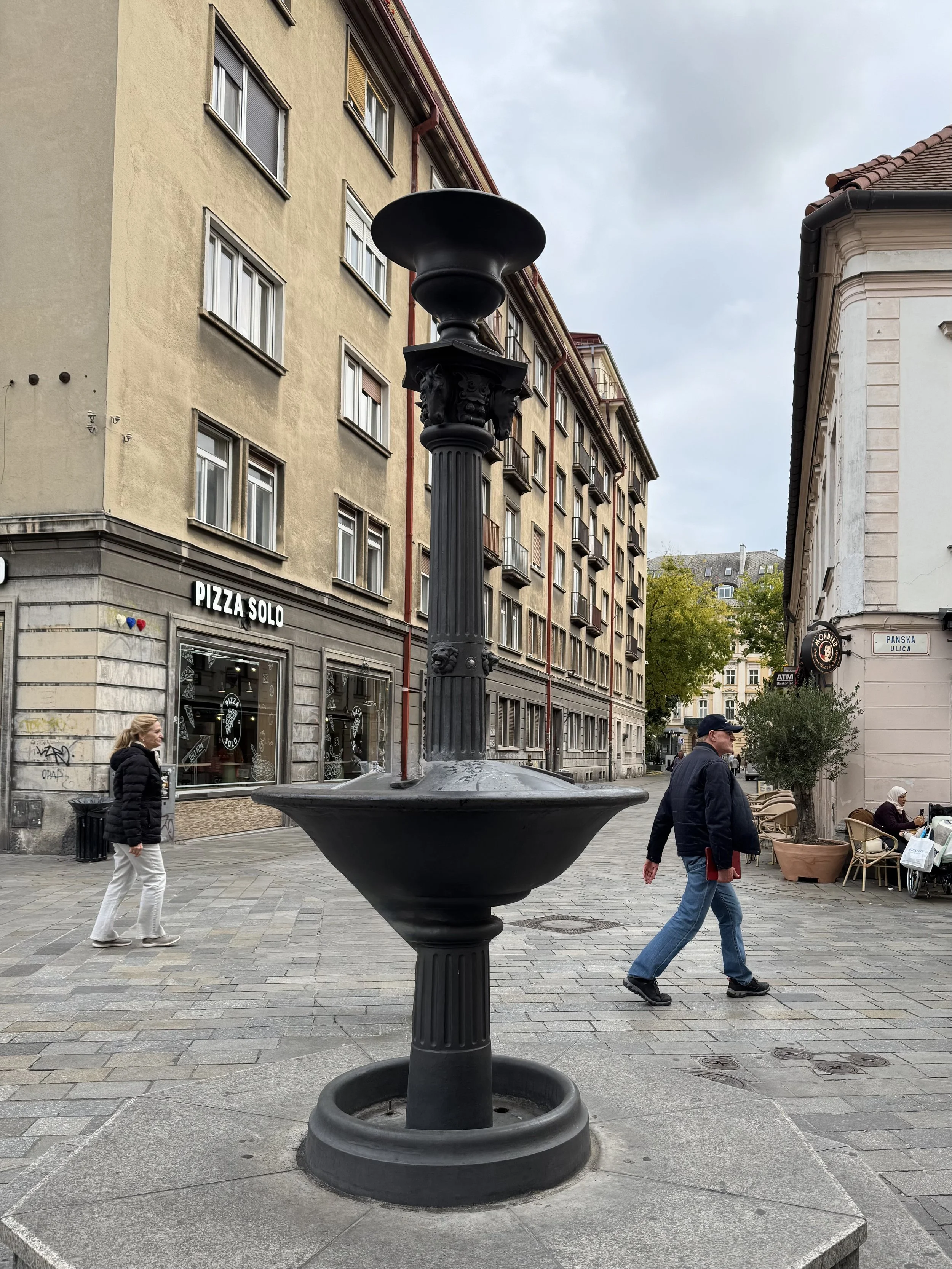
One day was not nearly enough to really explore Bratislava.  But even this short visit left lasting impressions.  Some highlights: One of my favorite memories of Bratislava is the series of statues found throughout the old town.  These are not statues of historic figures or political leaders (although there are plenty of those too), but rather whimsical and fun statues that just make you smile.  They can be found on street corners and in some of the squares, lending a lightness to the historic town center.

IMG_6605.jpeg
IMG_6492.jpeg
IMG_6495.jpeg

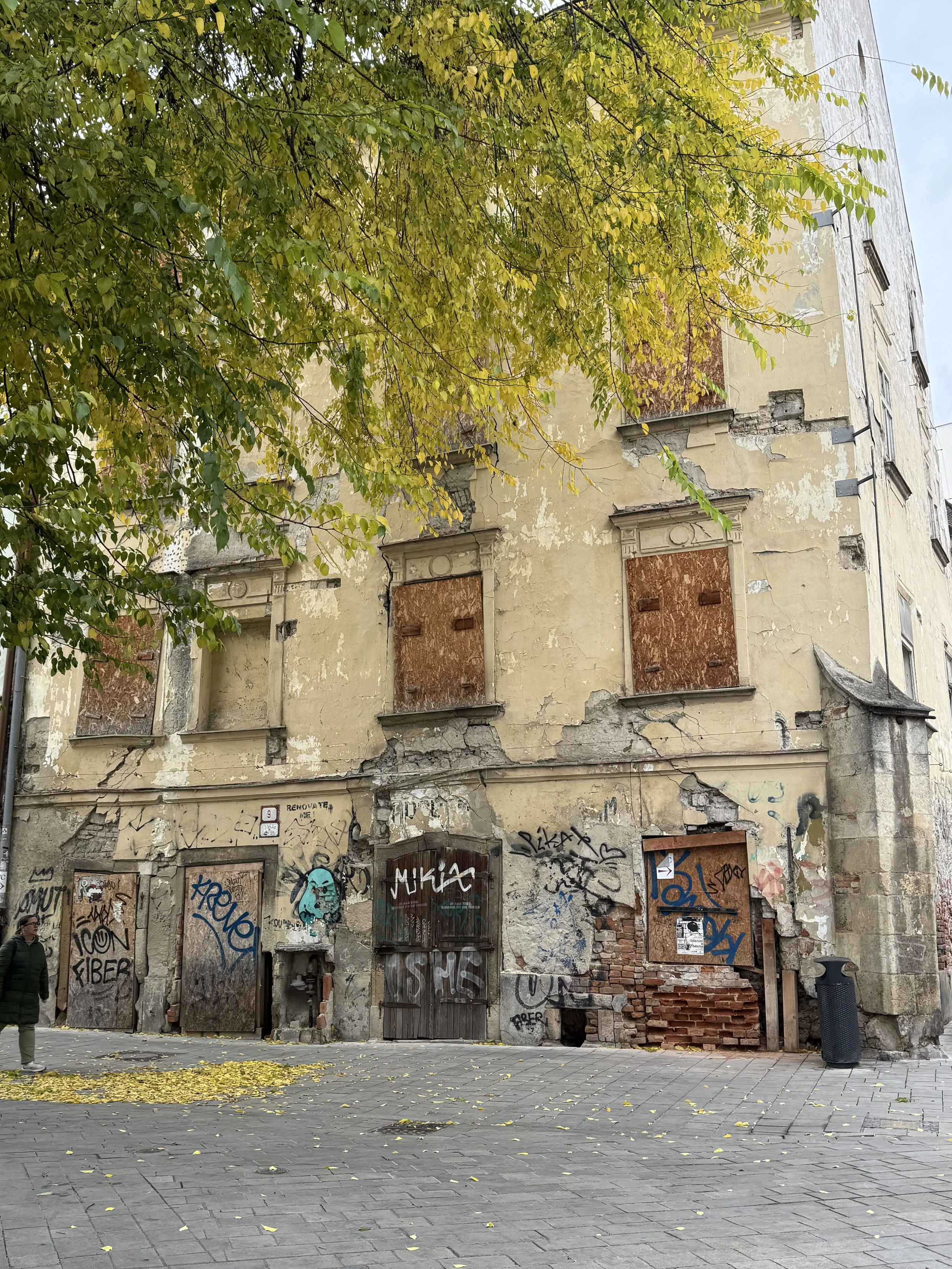
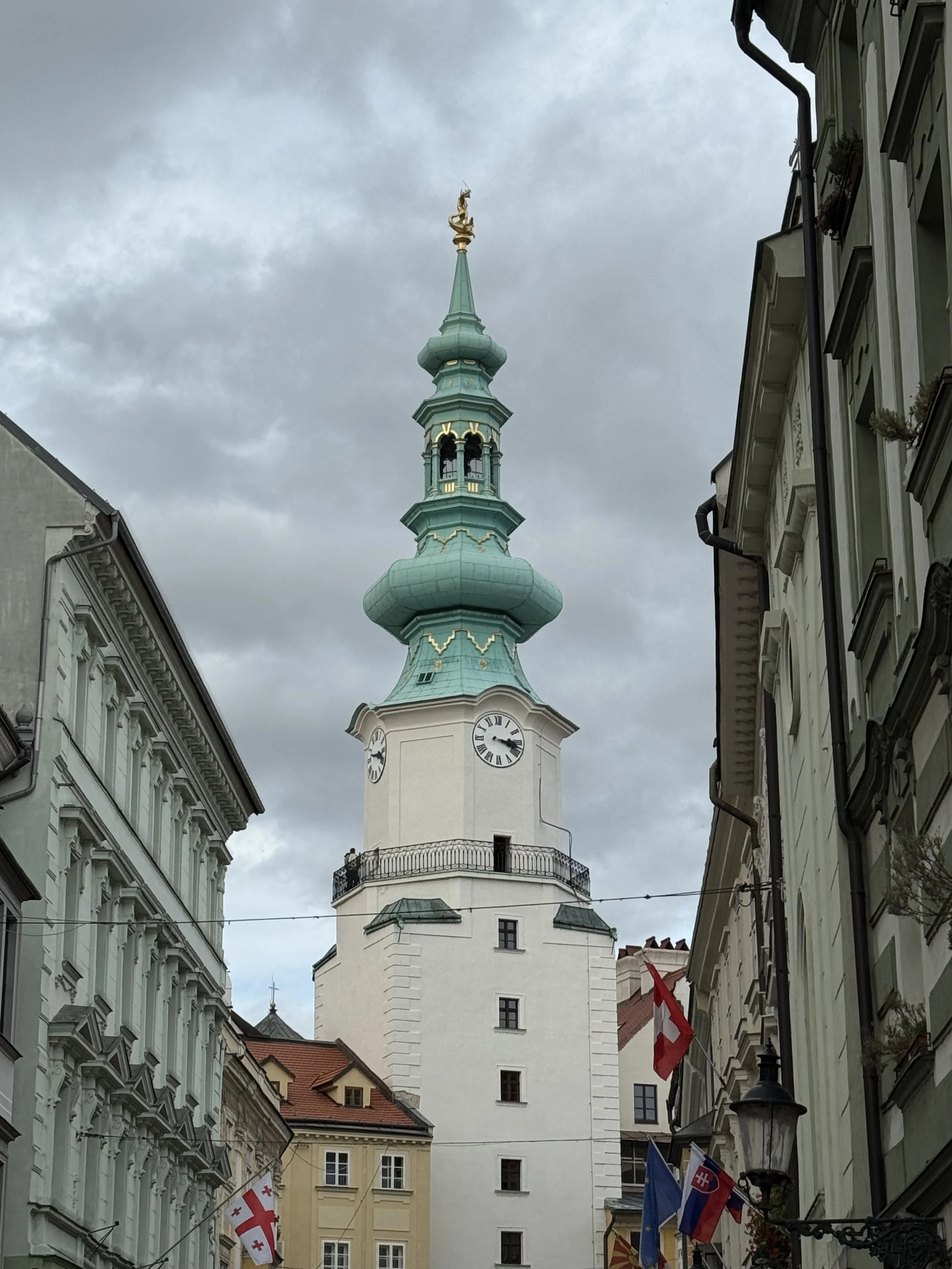
The architecture, with ornate facades and graceful buildings, is also remarkable.  At one time the old part of the city was quite rundown, as can be seen in the one building below that has been left unrestored.  By contract, today the old town is filled with pretty buildings, elegant churches with domed steeples, colorful squares, fountains, and meandering cobbled streets.

IMG_6467.jpeg
IMG_6508.jpeg
IMG_6505.jpeg
IMG_6535.jpeg
IMG_6546.jpeg
IMG_6538.jpeg

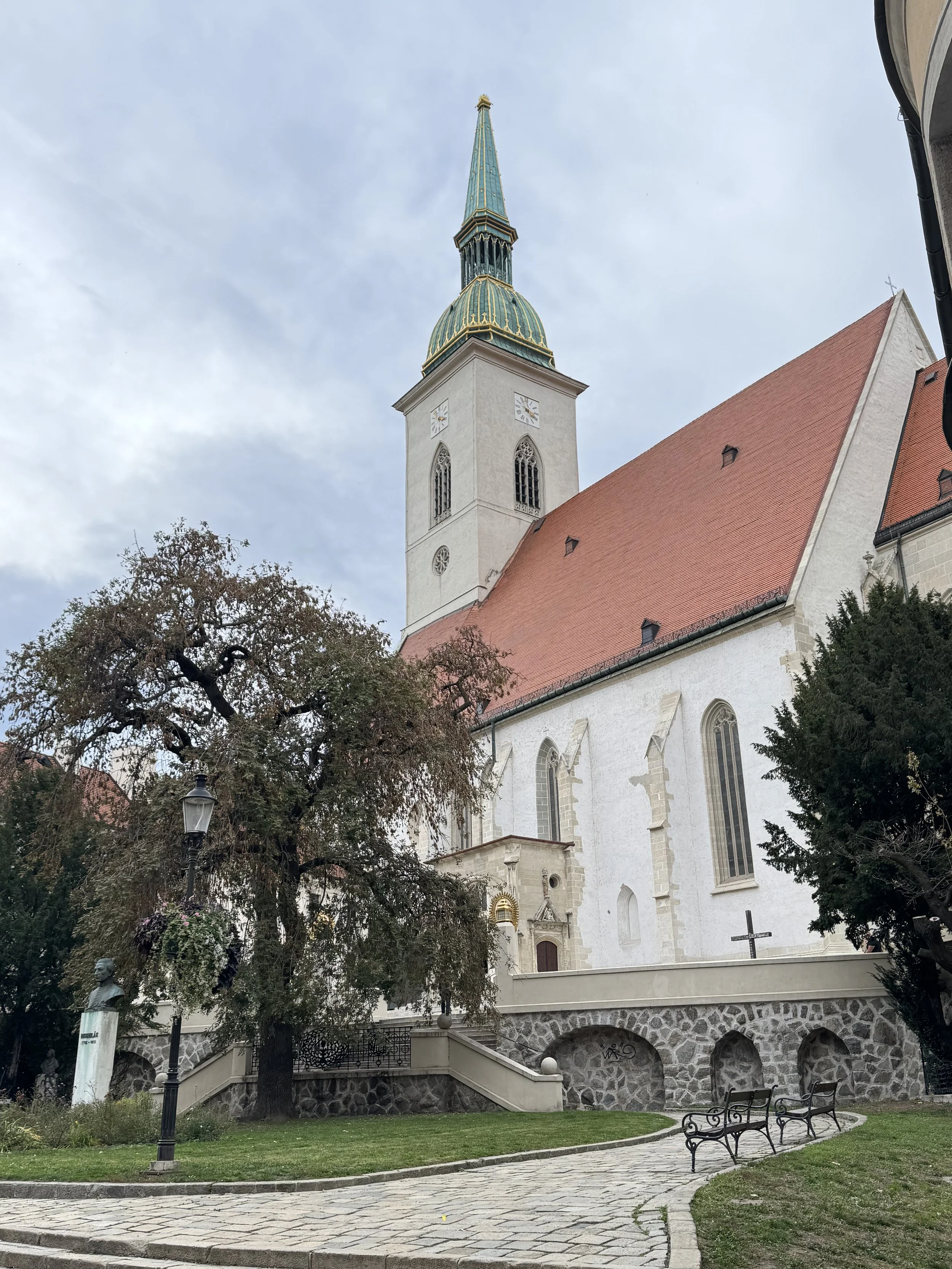
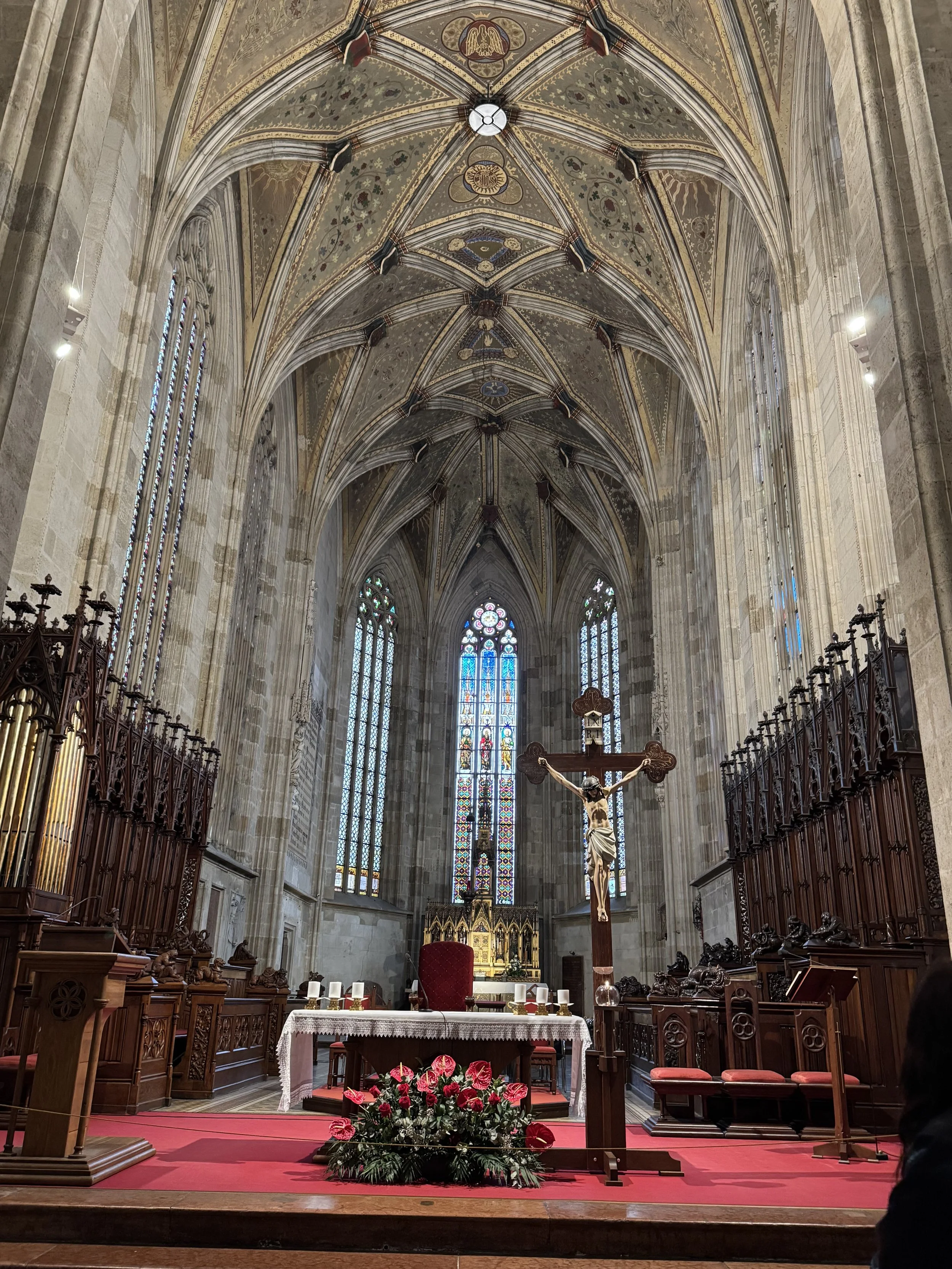
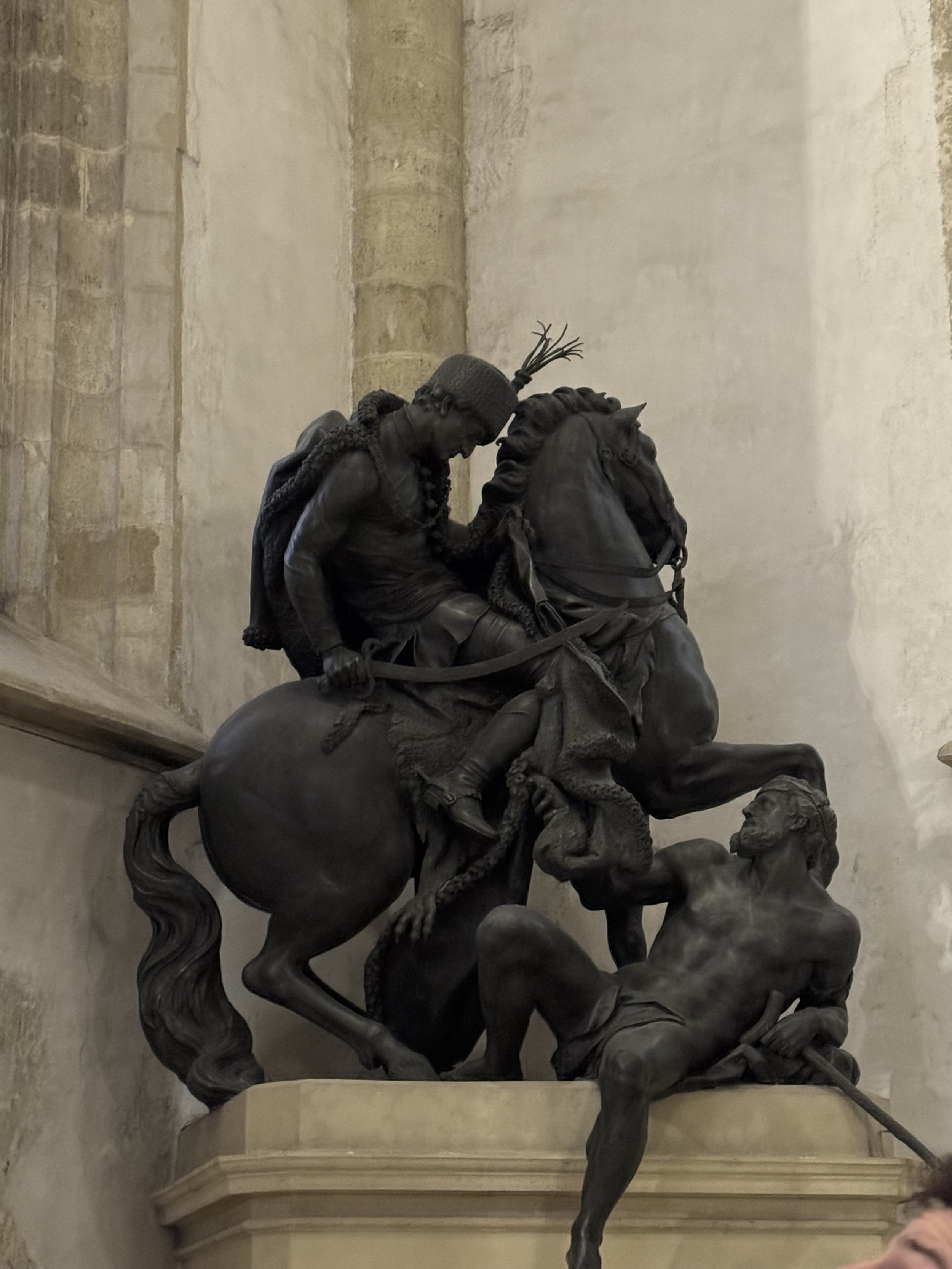
St. Martin’s Cathedral is tucked away on a side street, not far from the Danube and just below the castle, in Bratislava’s historic district.  The Gothic cathedral, with its tall steeple clad in green with gold trim, dates to the 1400’s.  For centuries, this is where Hungarian Kings and Queens were crowned. 

St. Martin’s Cathedral

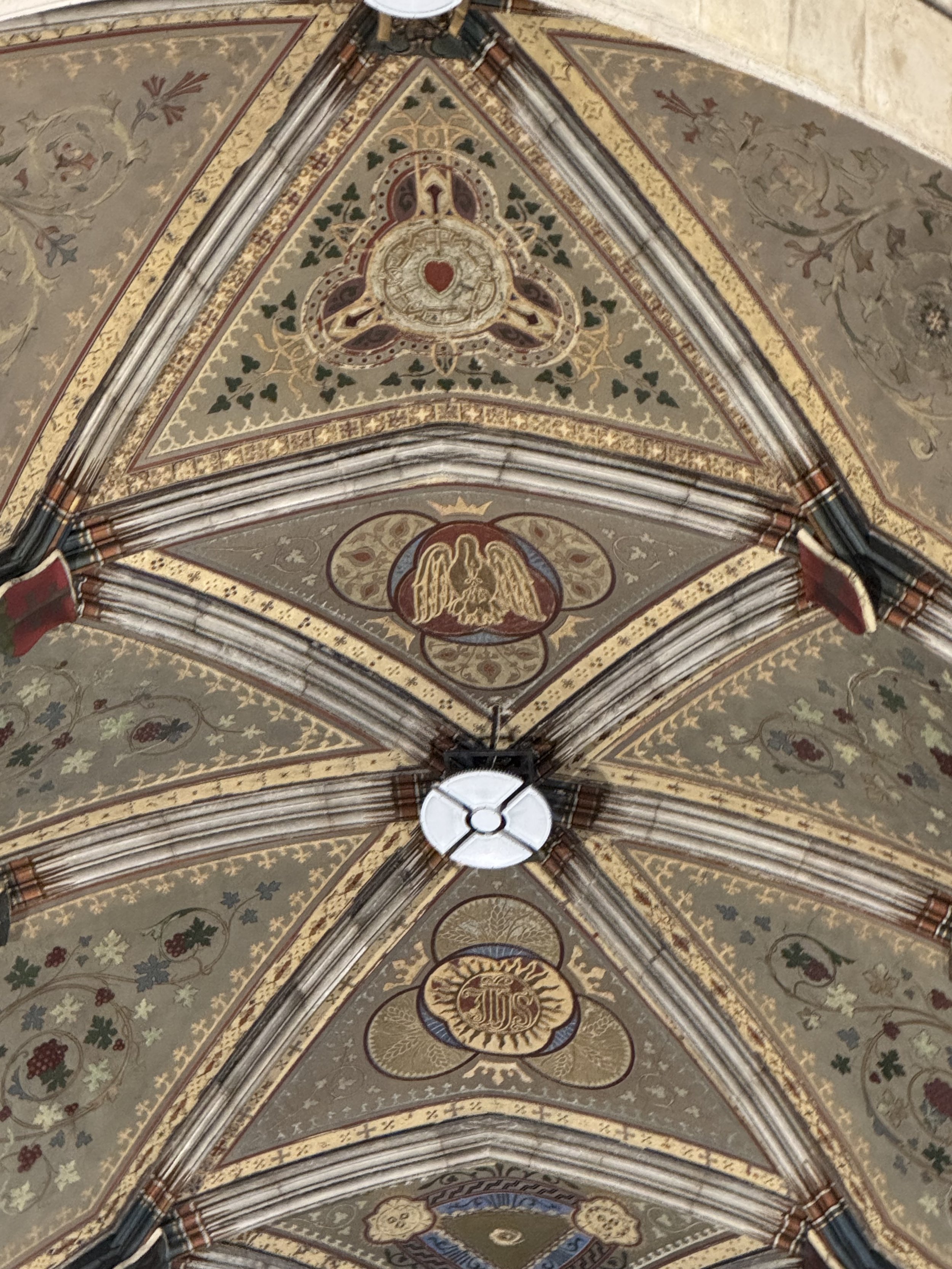
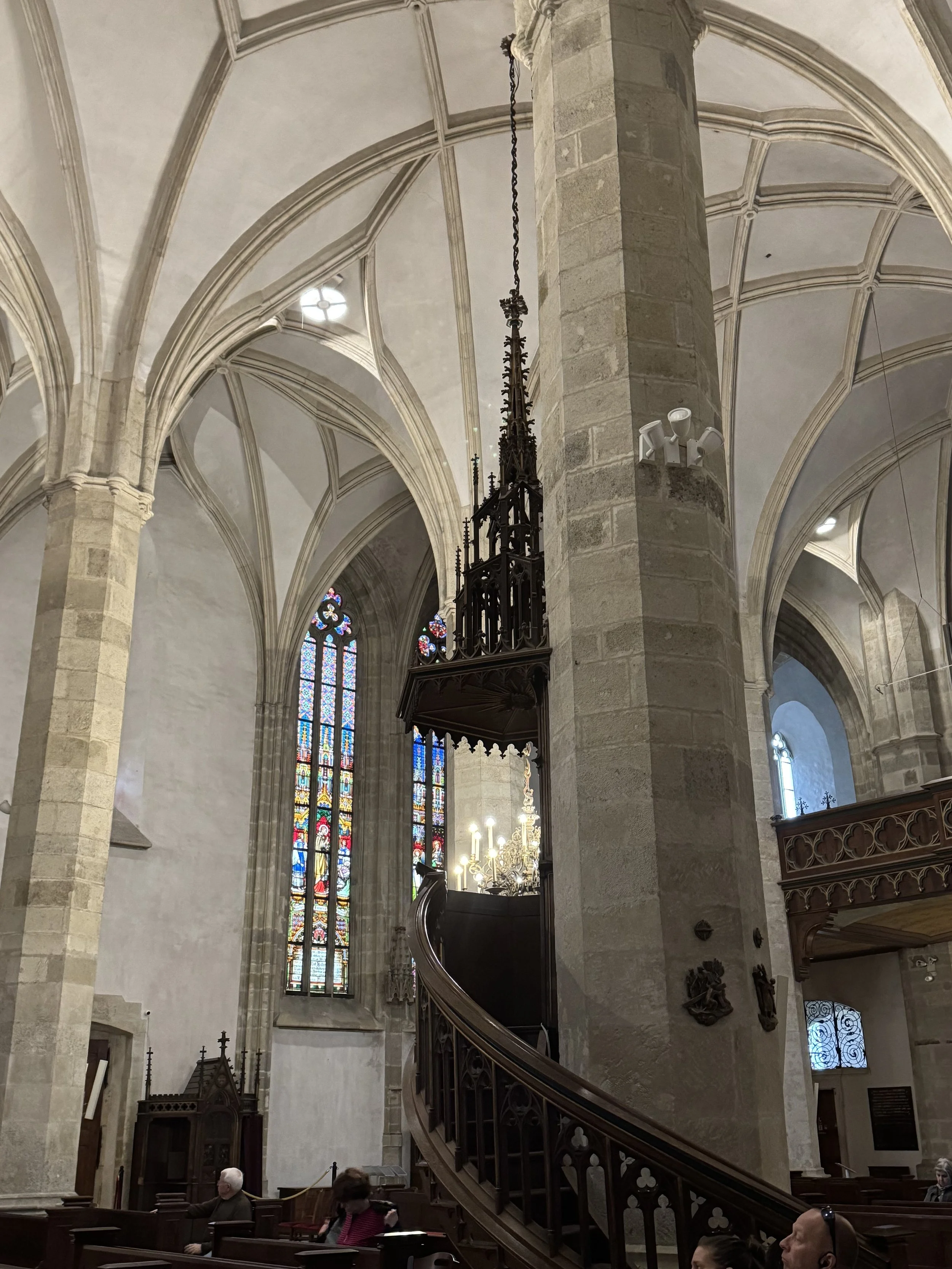
A close look at the tall steeple reveals a golden replica of the crown of Hungary way up at the top.  The interior of the cathedral feels serene, with muted colors, stone columns, wooden accents, and a high ribbed ceiling.   The ceiling was especially intriguing – very different from the bright blue, star filled ceilings often found in Italian churches.  I found its colors and patterns simple and beautiful.

IMG_6582.jpeg
IMG_6586.jpeg
IMG_6589.jpeg
IMG_6583.jpeg

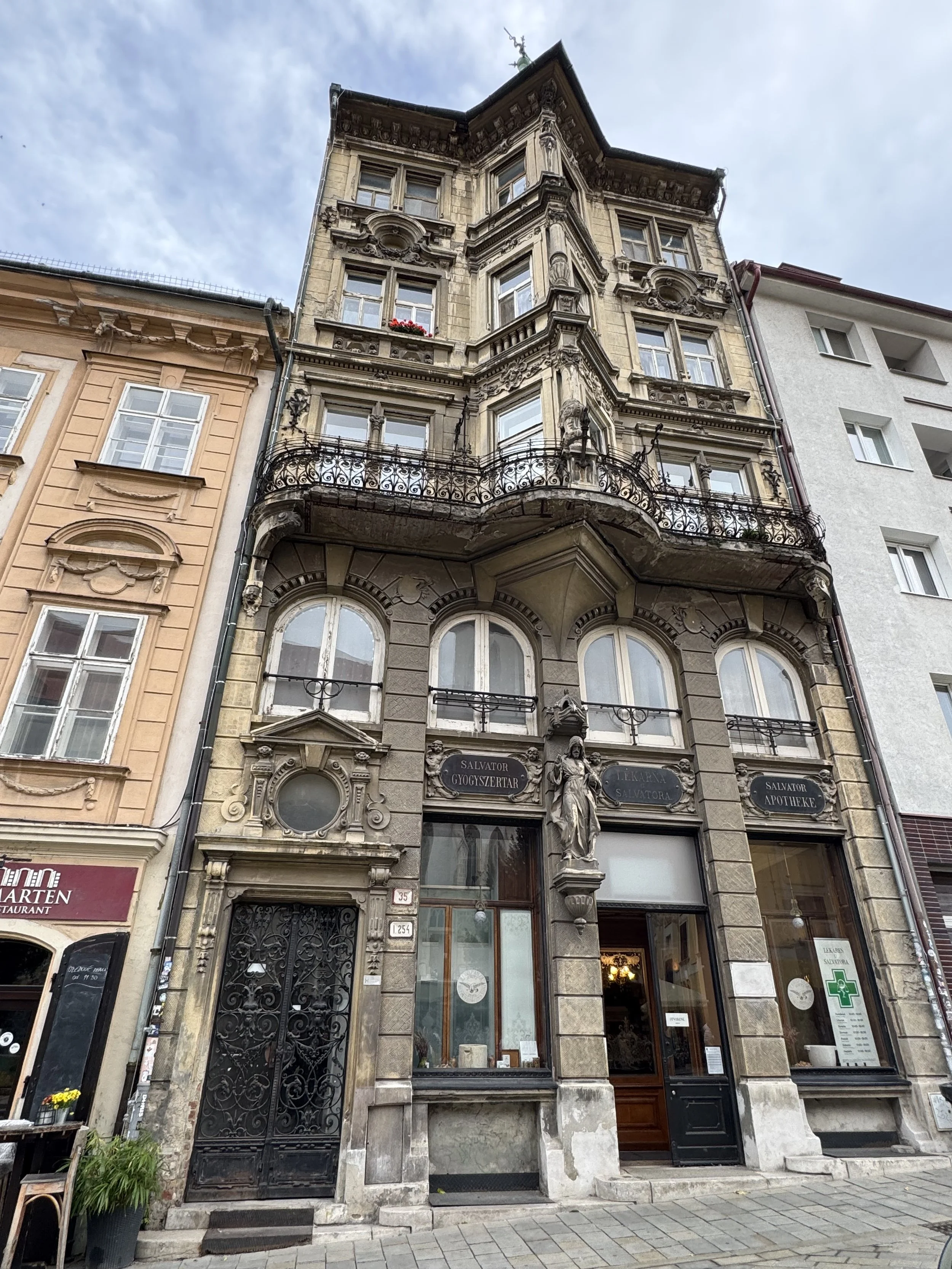
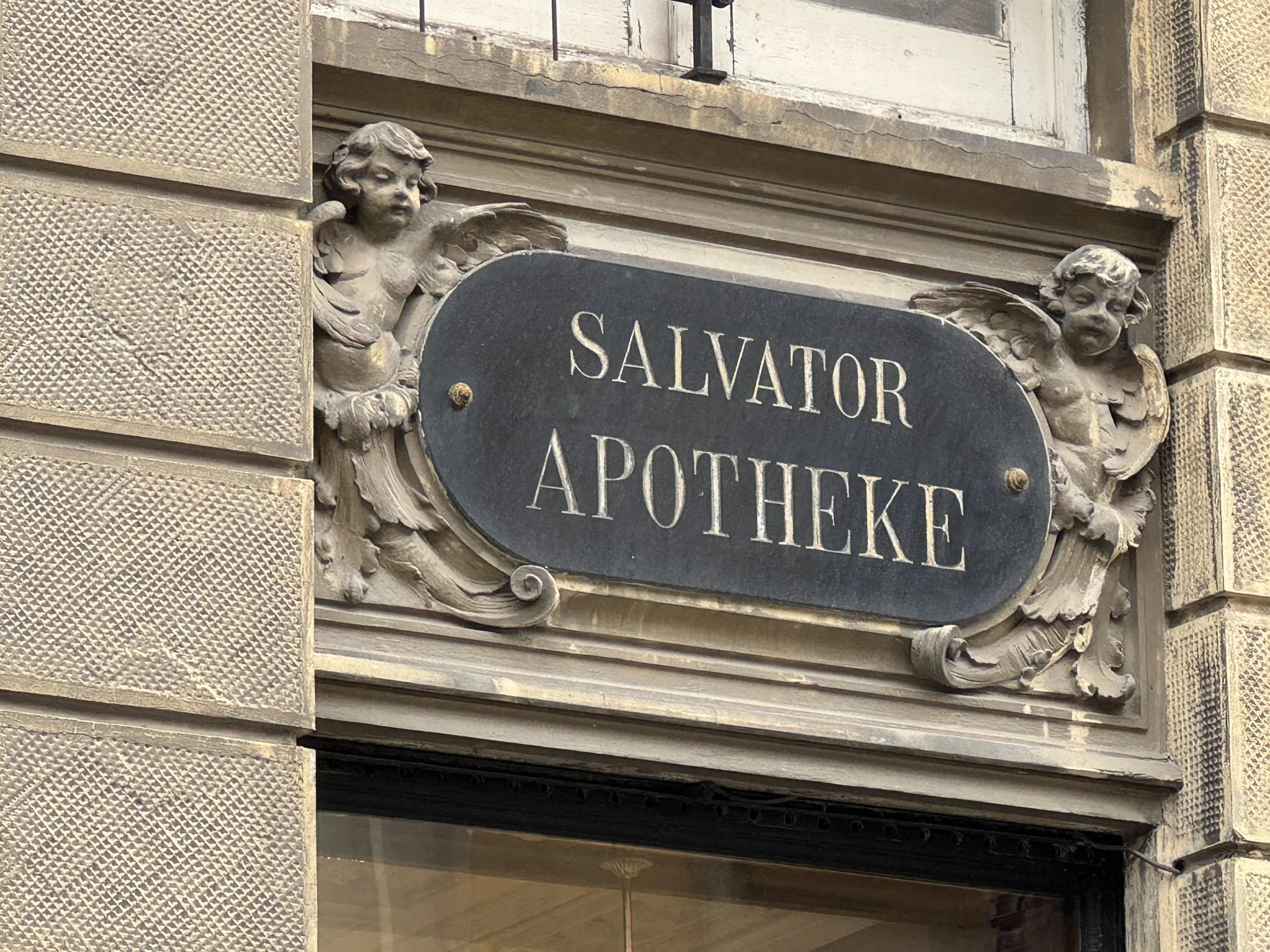
Pharmacy Salvator, Bratislave

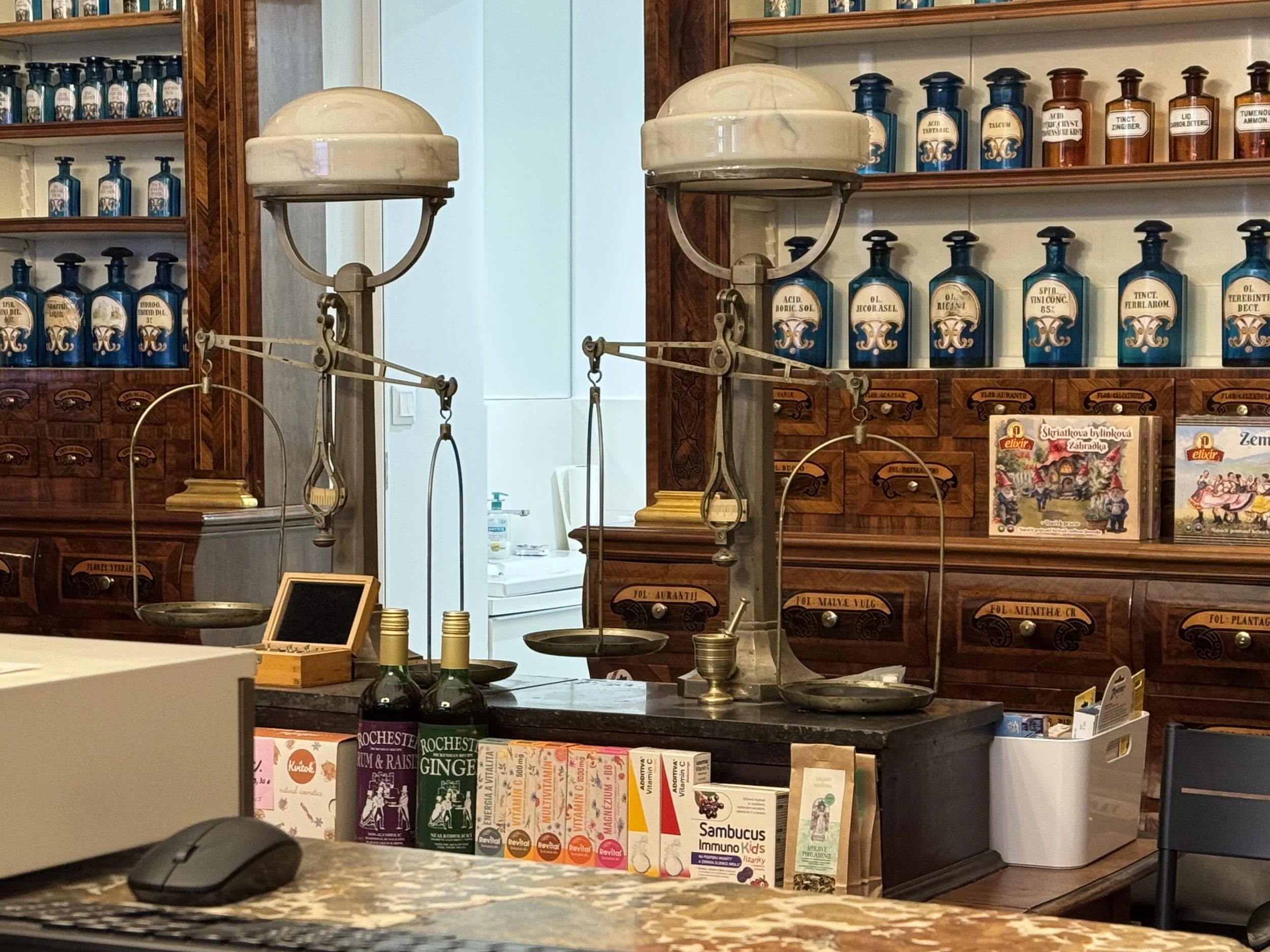
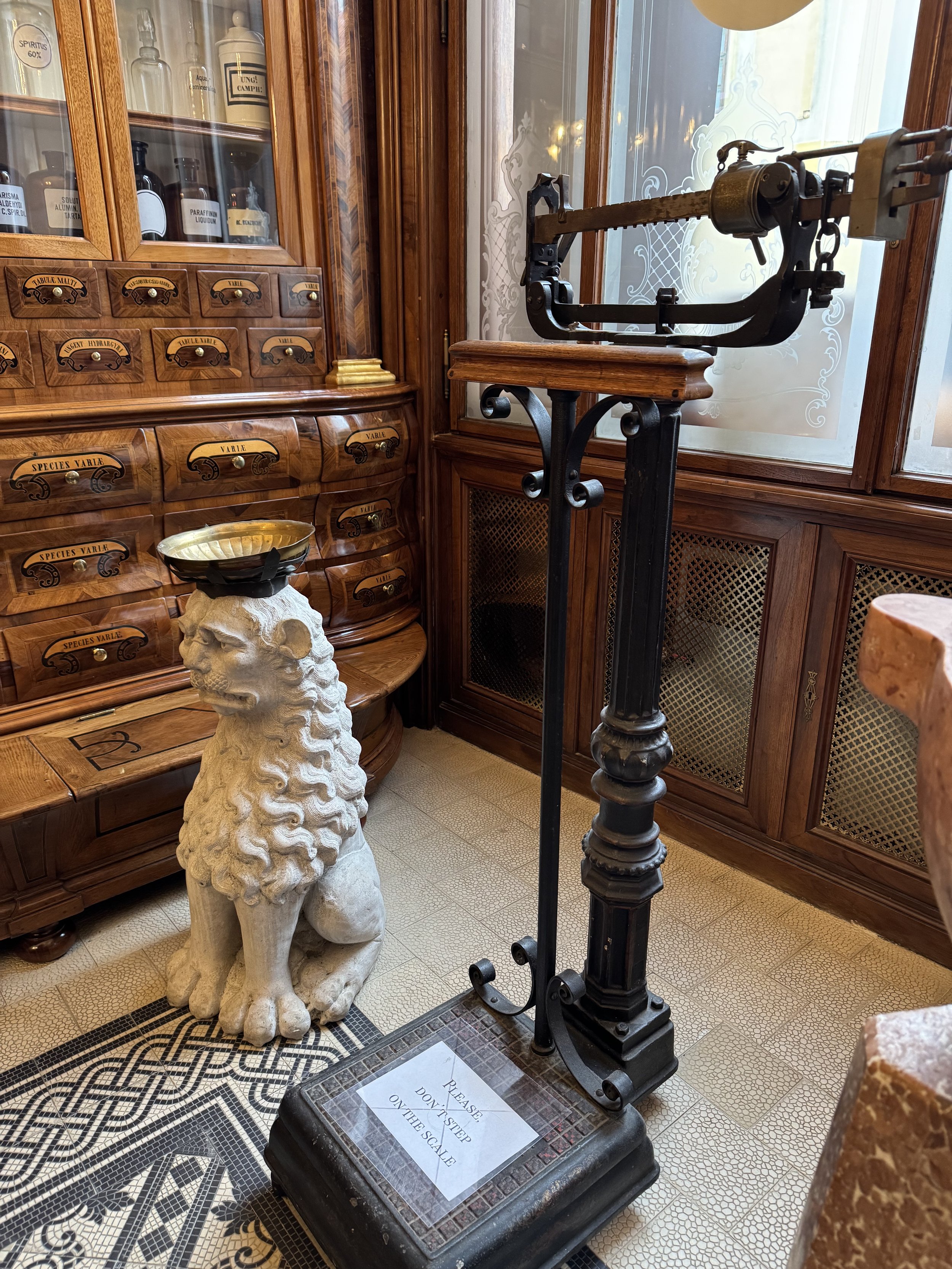
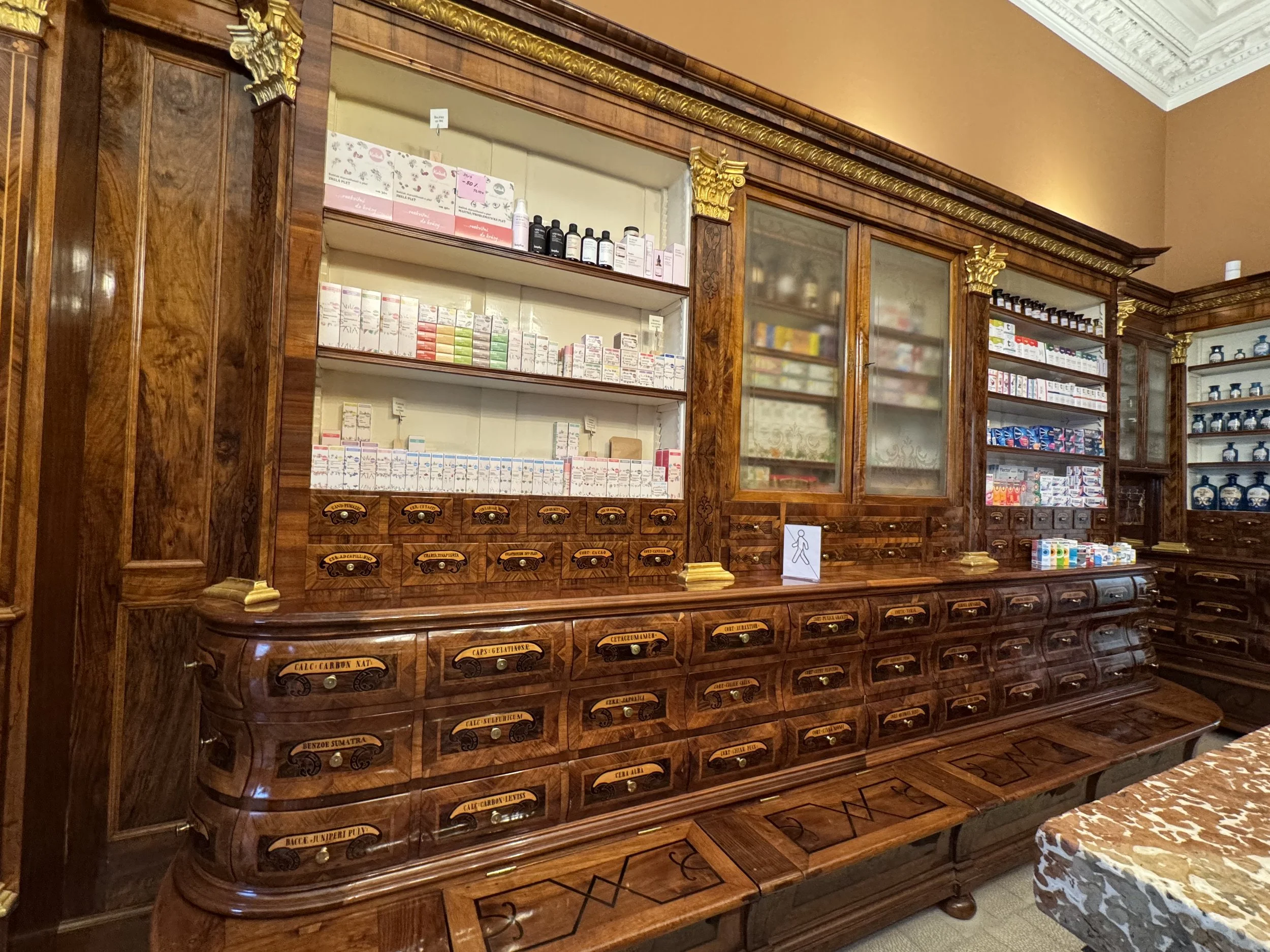
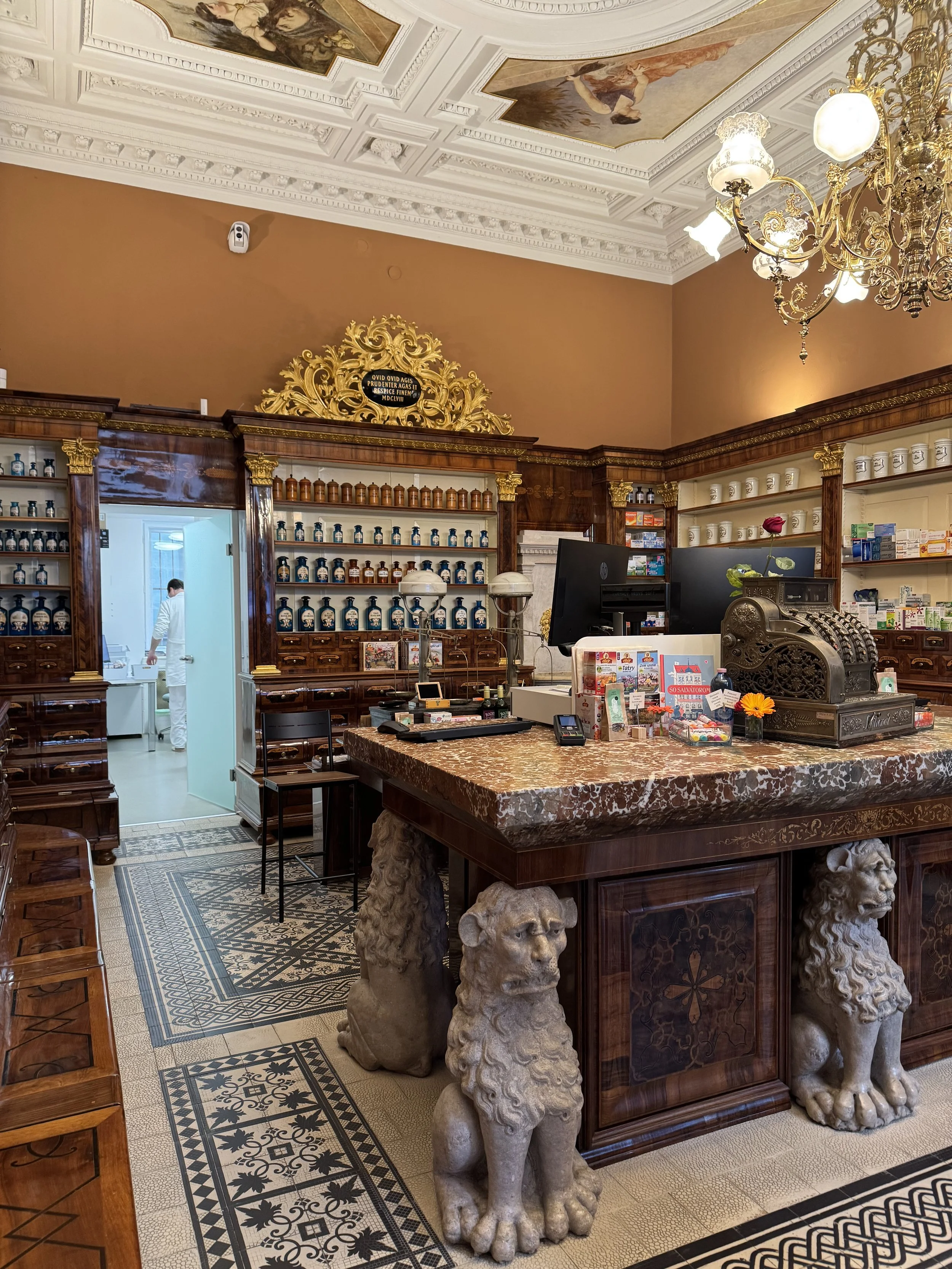
Across from the cathedral is The Old Apothecary (Pharmacy Salvator).  The building, from 1904, has a unique angular façade and a well-known statue of Christ the Saviour on the exterior (hence the name Salvator for the Pharmacy). 

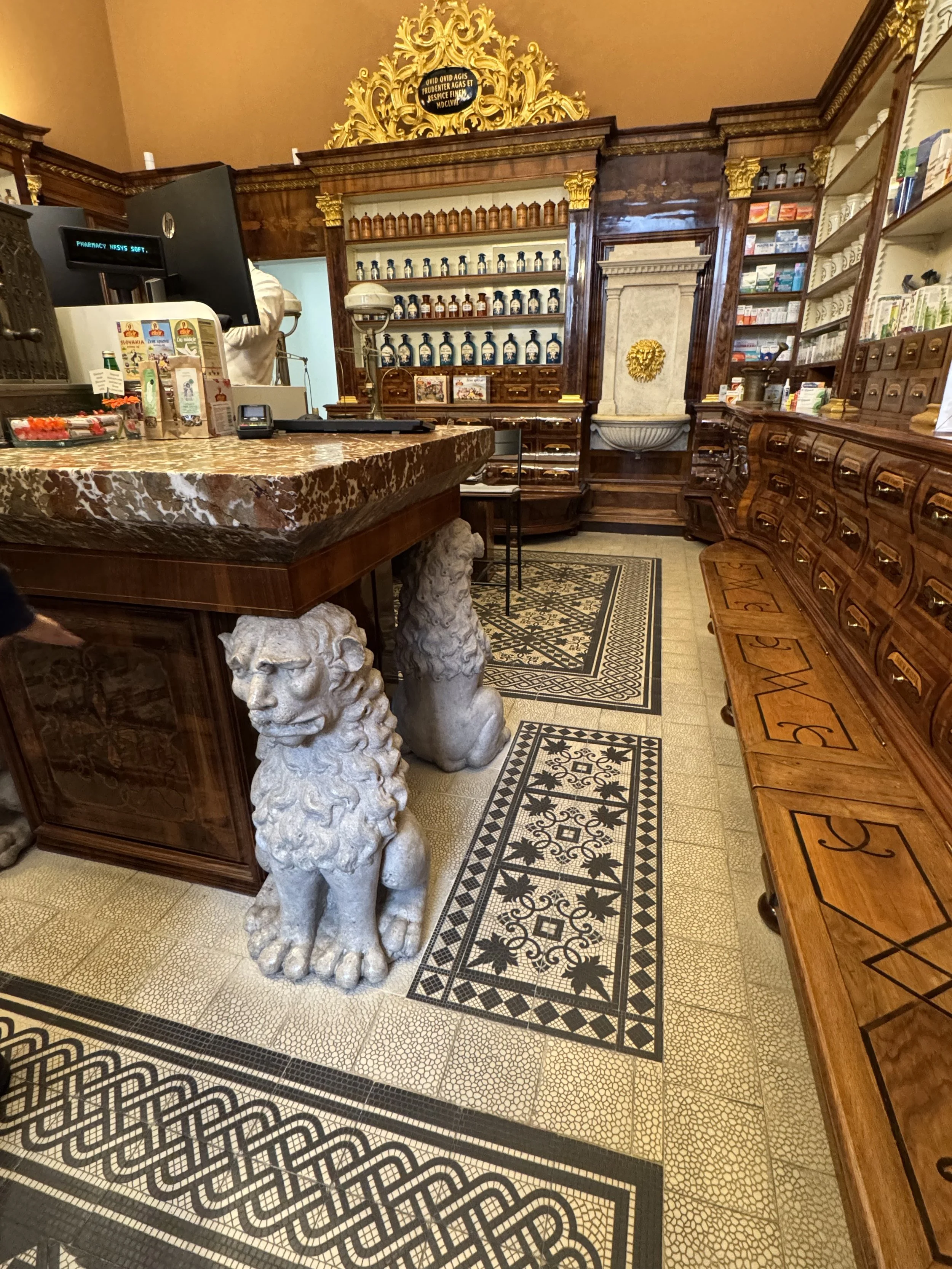
The restored pharmacy is filled with objects from both the 1904 pharmacy and an earlier Jesuit pharmacy associated with St. Martins cathedral – including the polished wood cabinetry that lines the space.

The cabinets are filled with antique apothecary jars.  The elaborate ceiling is a recreation of the 1904 pharmacy’s ceiling. The intricately designed mosaic floors are beautiful. In the center of the room sits a large marble topped table perched on 6 stone lions.  It is a historic and beautiful space with echos of past transactions and ancient cures.

IMG_6567.jpeg
IMG_6574.jpeg
IMG_6577.jpeg
IMG_6578.jpeg
IMG_6570.jpeg
IMG_6568.jpeg

My visit to Bratislava may have been short, but it left me with wonderful lasting impressions of this fascinating city.


March 09, 2026 /Joanne Bartram
Bratislava, Antique Pharmacy Bratislava, Pharmacy Salvator Bratislava, St. Martin's Bratislava, Sculptures Bratislava
Slovakia, Viking River Cruise, river cruises europe, Danube Cruise, Bratislava

Powered by Squarespace