Crossing Borders, Italy to Slovenia Part 2
After spending the morning at Lake Bled, my tour moved about an hour southeast to Ljubljana, the capital of Slovenia. Because my 1-day visit to Slovenia was a bit of an afterthought to a longer trip, I did very little research beforehand. A friend had told me “go, you’ll love it” and so I went. A great recommendation, because Ljubljana was a wonderful surprise!
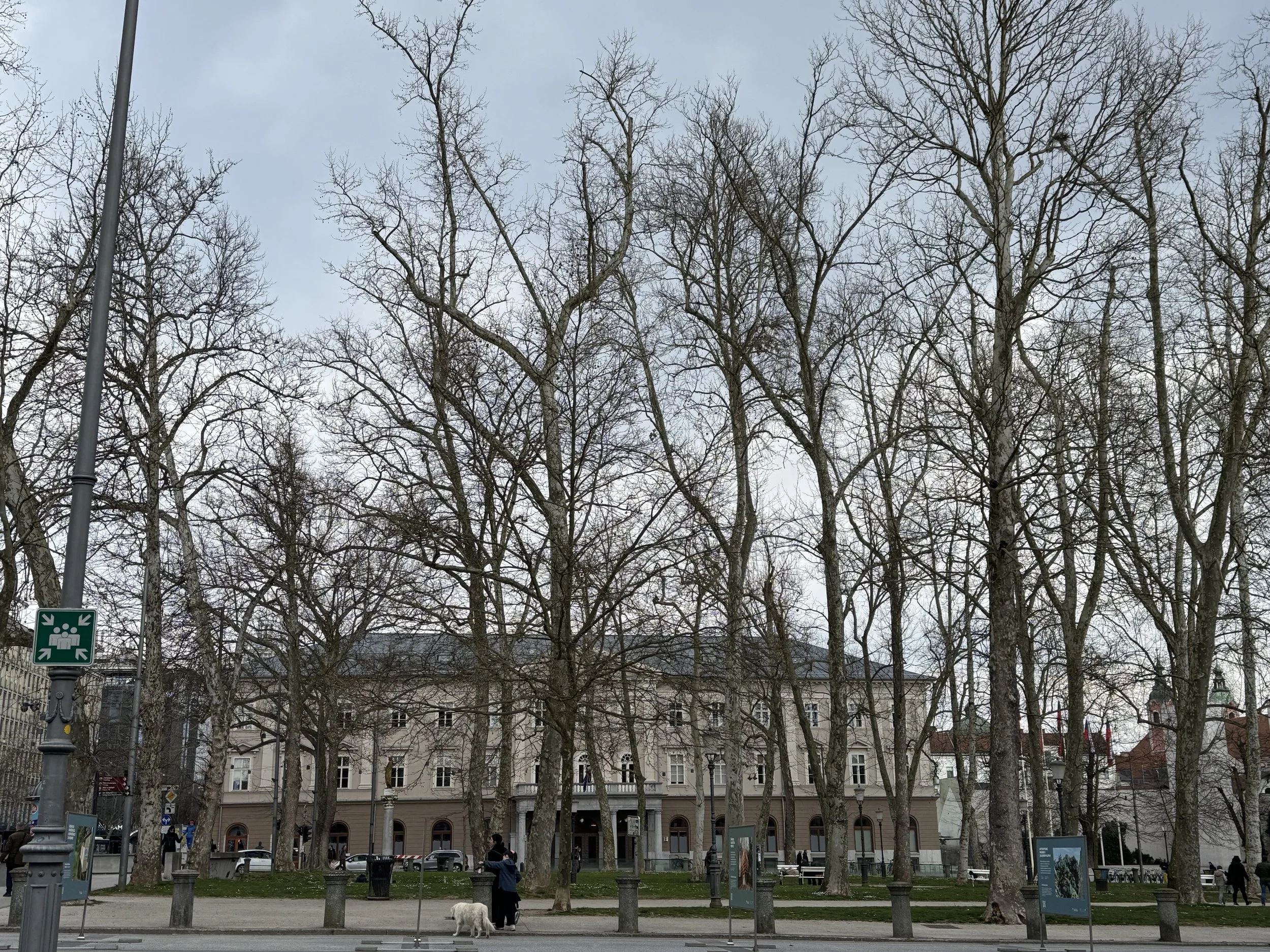
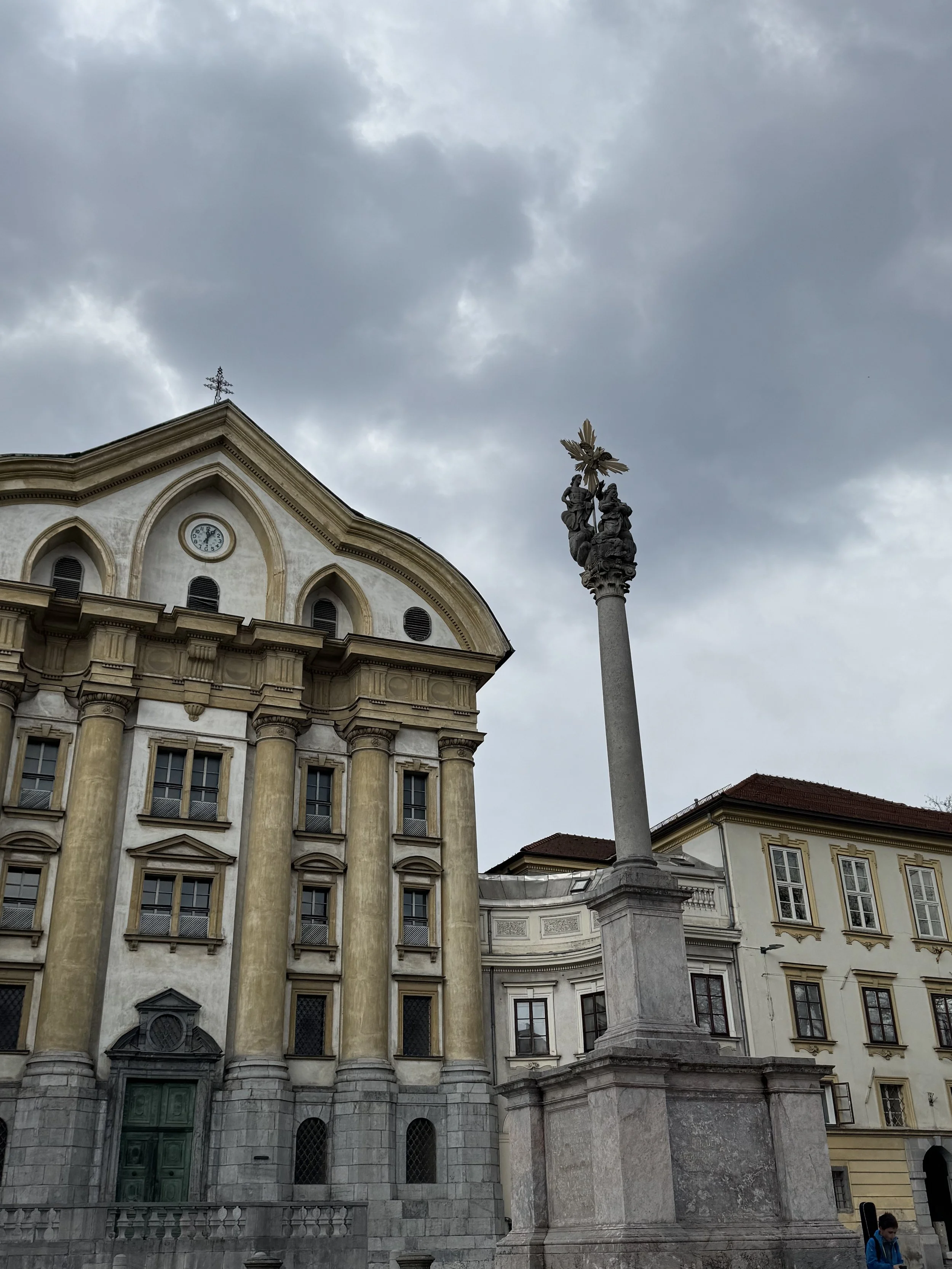
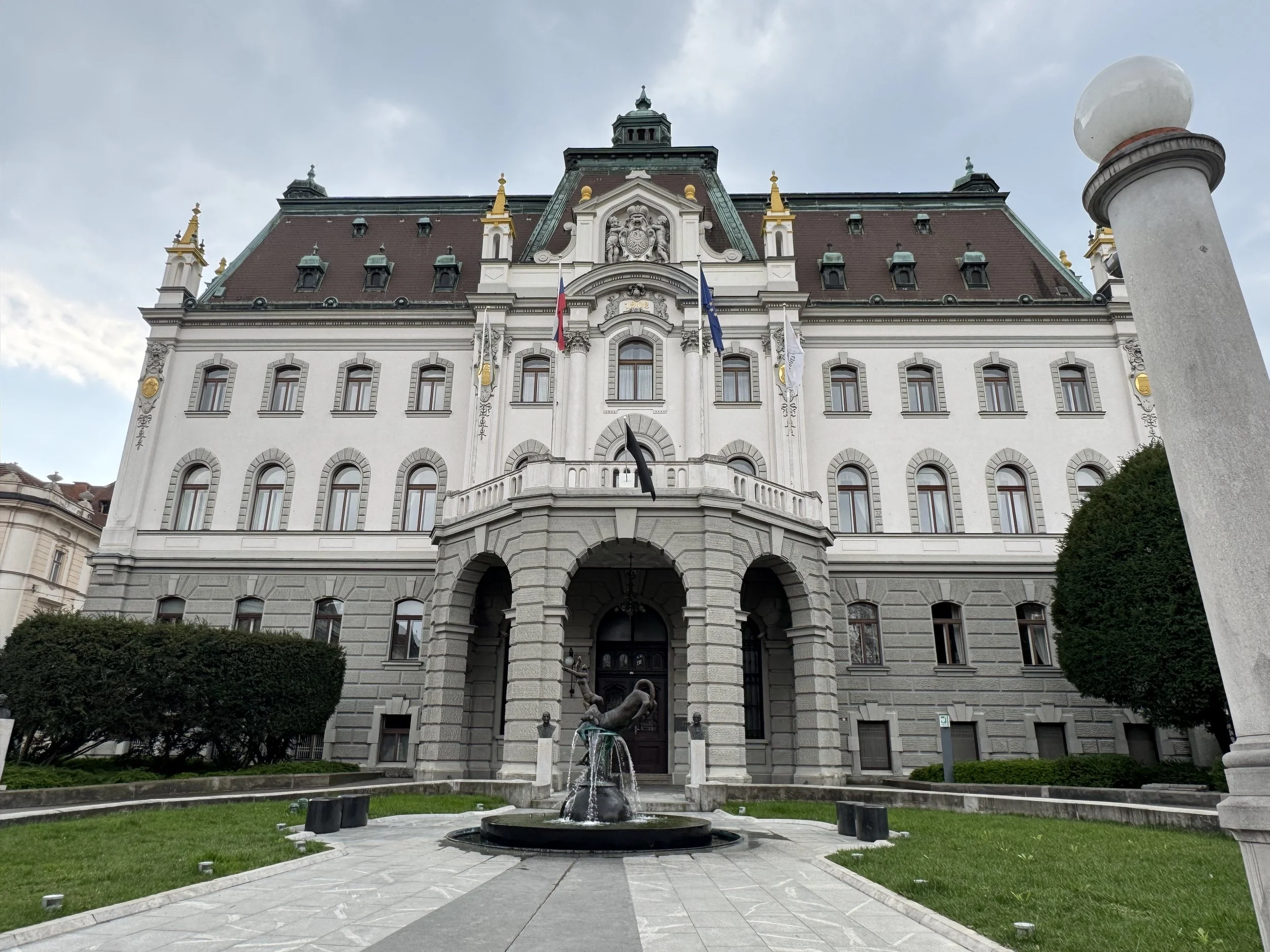
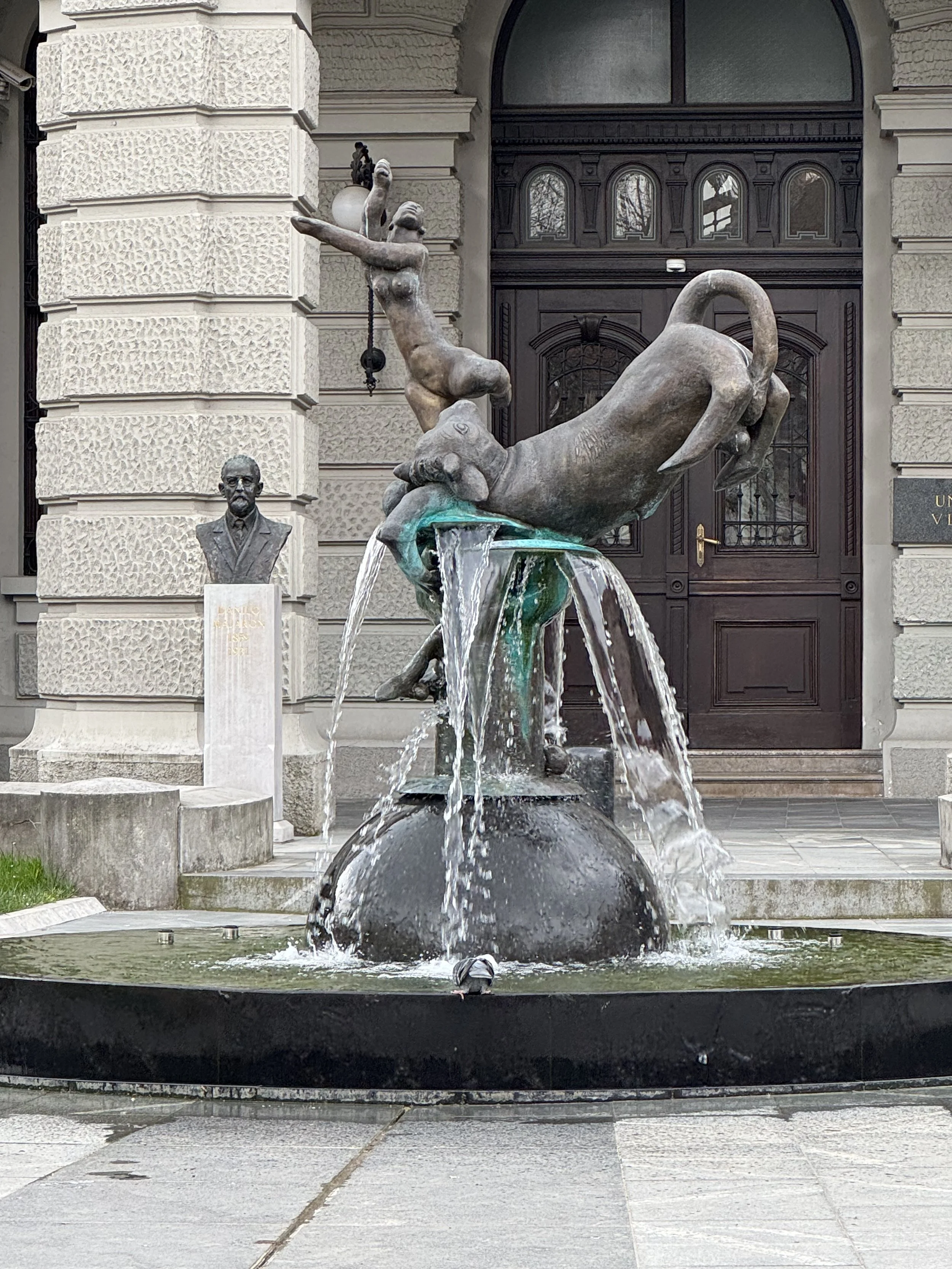
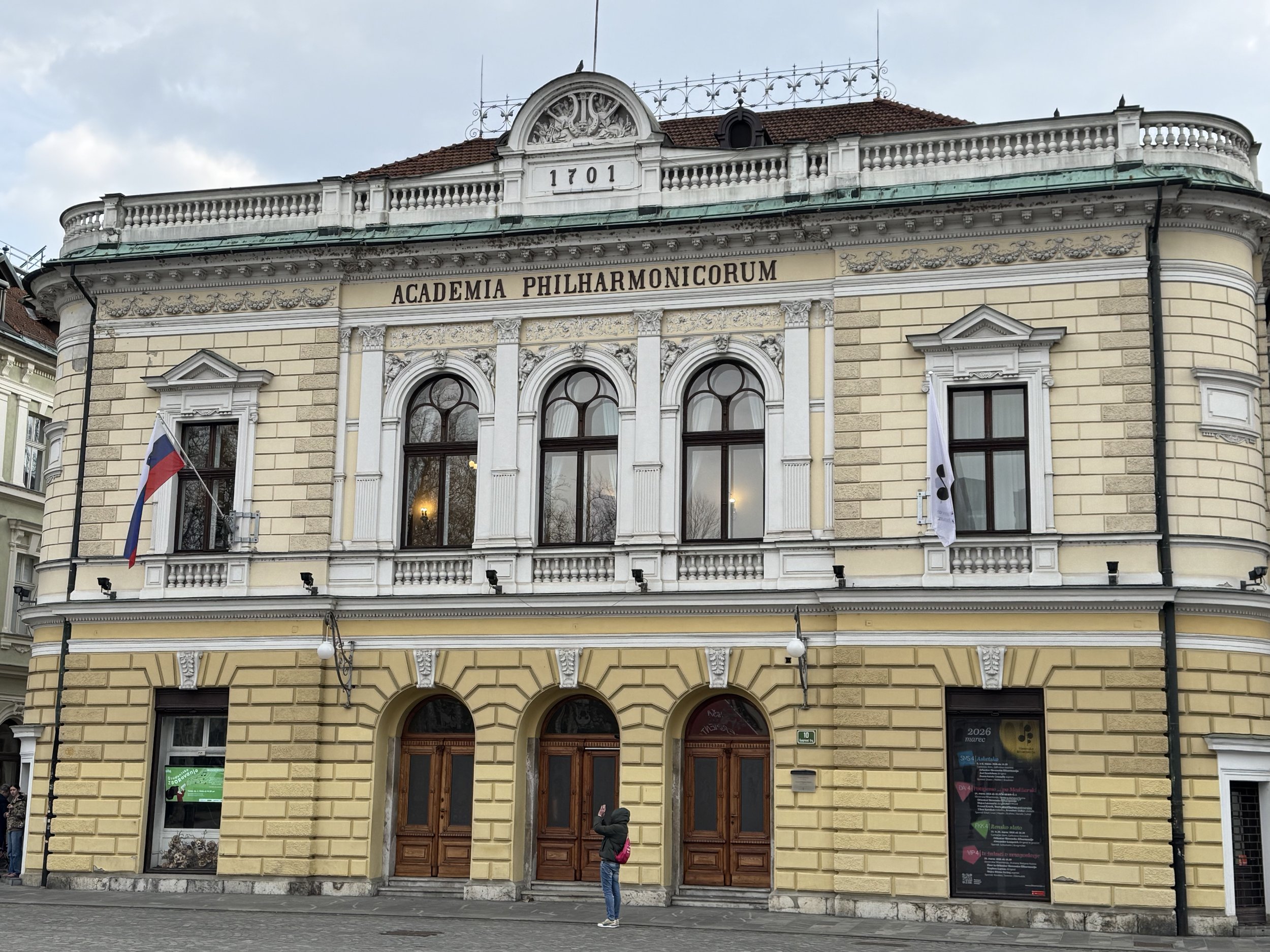
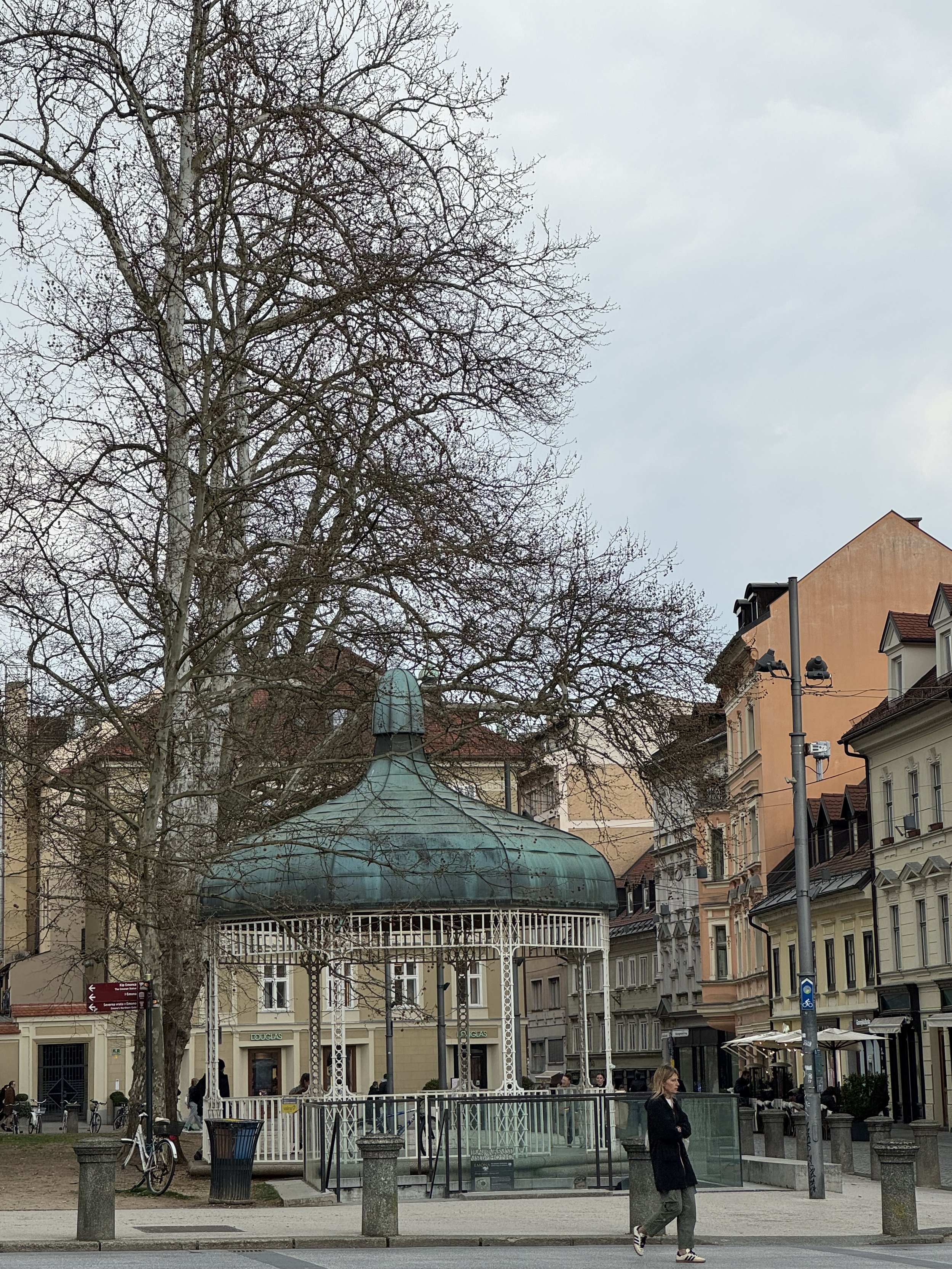
Relatively small for a European capital city, entering Ljubljana near Congress Square (Kongresni Tag, above) immediately felt friendly and welcoming. A tree lined square with University of Ljubljana buildings and the beautiful Ursuline Church of the Holy Trinity, it provided a good cross section of the city’s diverse architecture.
The city is made for walking, with much of the center pedestrian friendly with only small golf-cart like vehicles, free and designed to help locals reach homes in the car-free zones, as the few vehicles around.
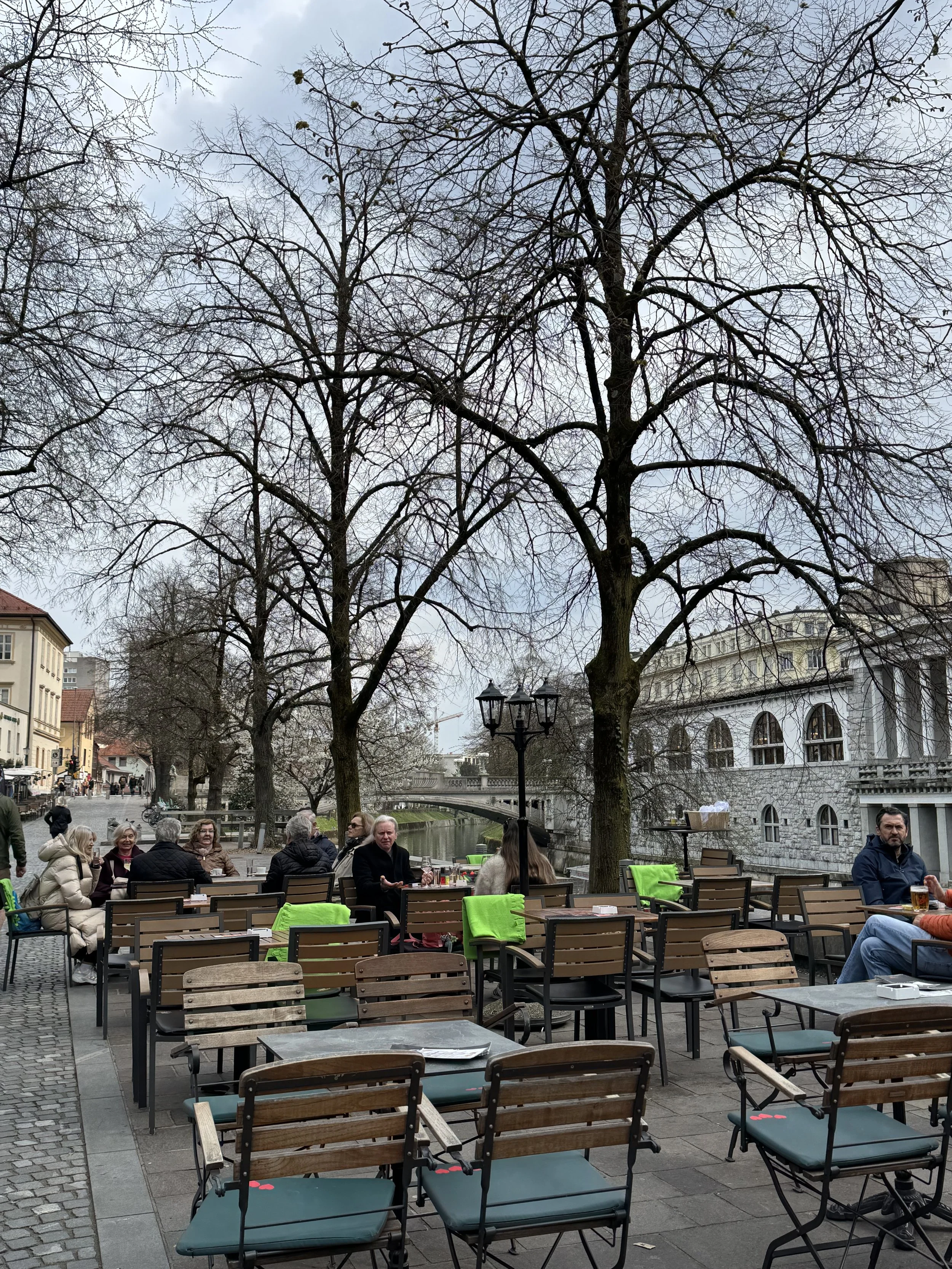
My afternoon was agonizingly brief – we had a great walk to see the main parts of the city, a quick lunch, but no time to linger. A shame because Ljubljana seems tailor made for lingering. How I wanted to spend hours sitting in one of its many riverside cafes, sipping a coffee, and soaking in the city.
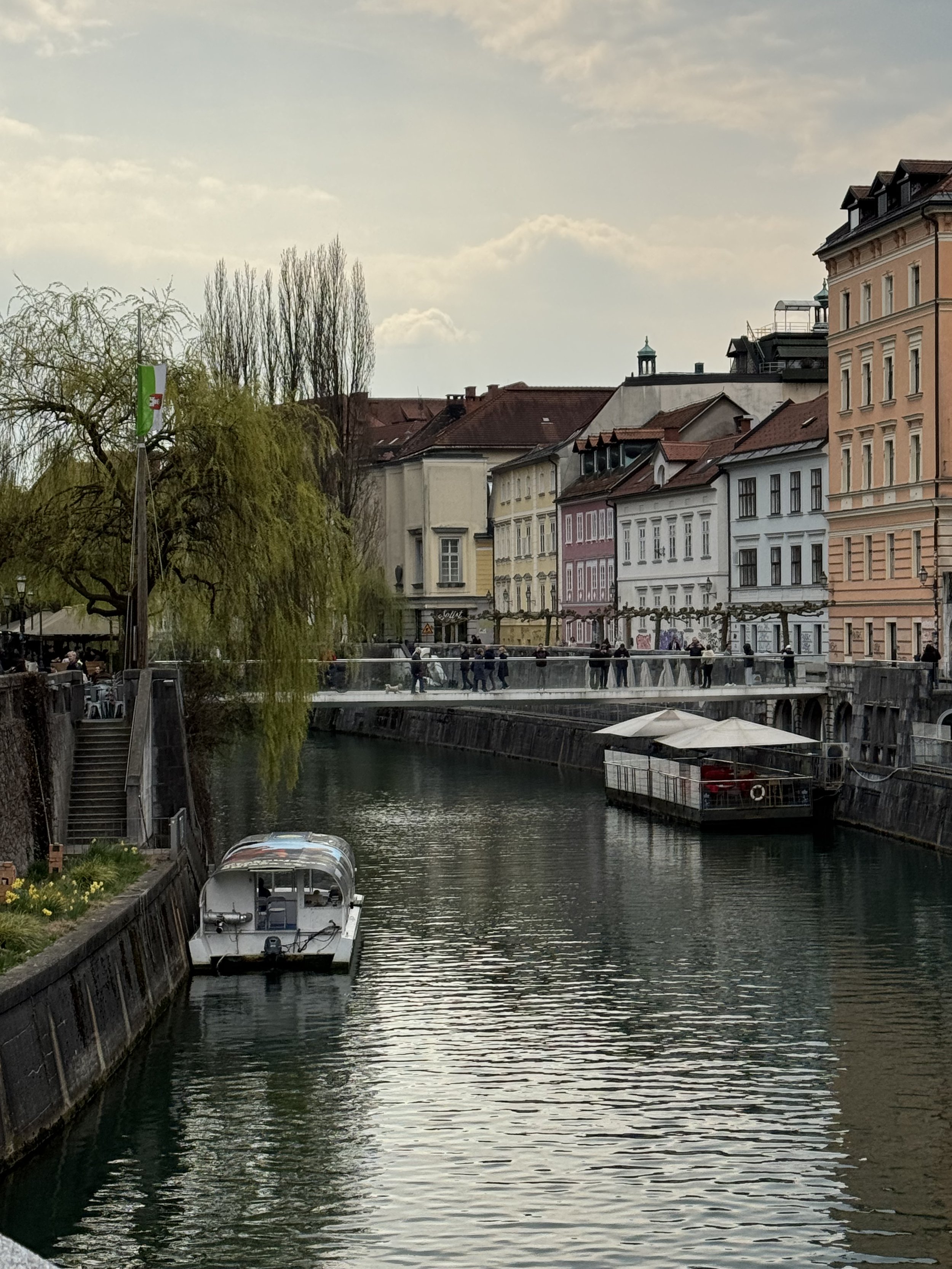
So many things make Ljubljana an appealing destination. The city is defined by the Ljubljanica River which flows through the city and under its many bridges. The river is lined with cobblestoned streets, beautiful squares, cafes, restaurants, shops, markets, and centuries of history. It hums with activity, but in a relaxed, contented way.
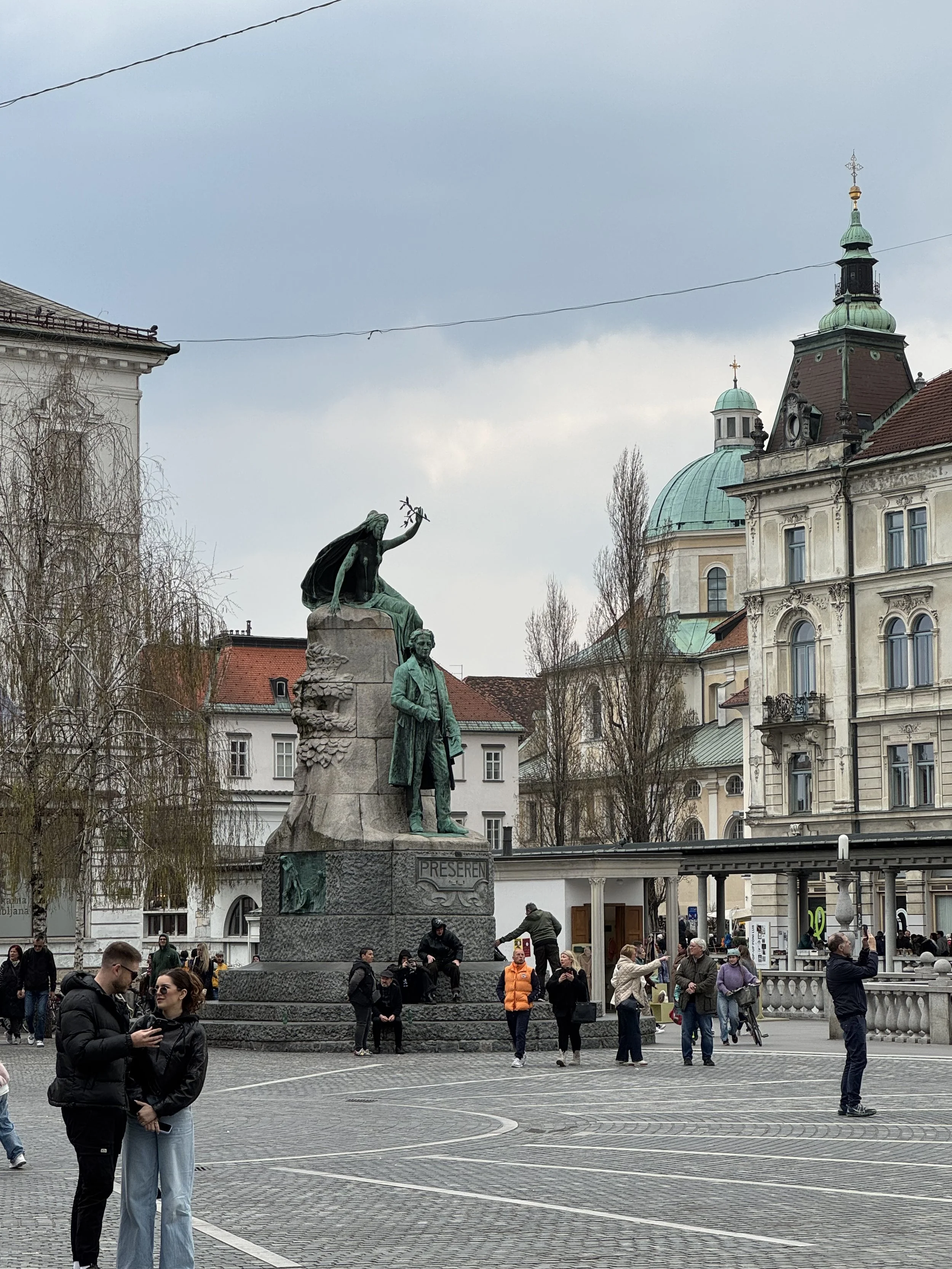
Prešeren Square with the monument to the famous poet
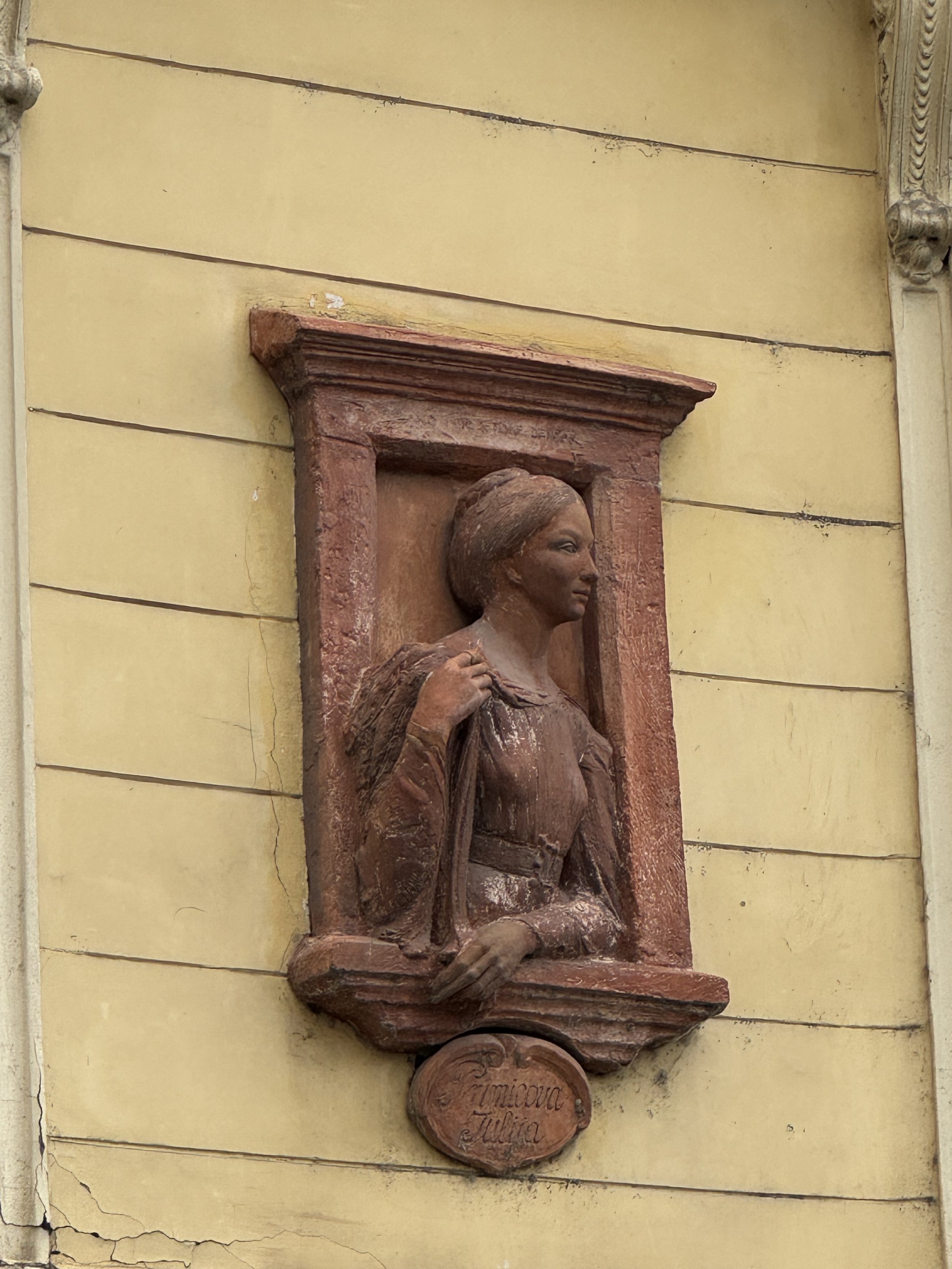
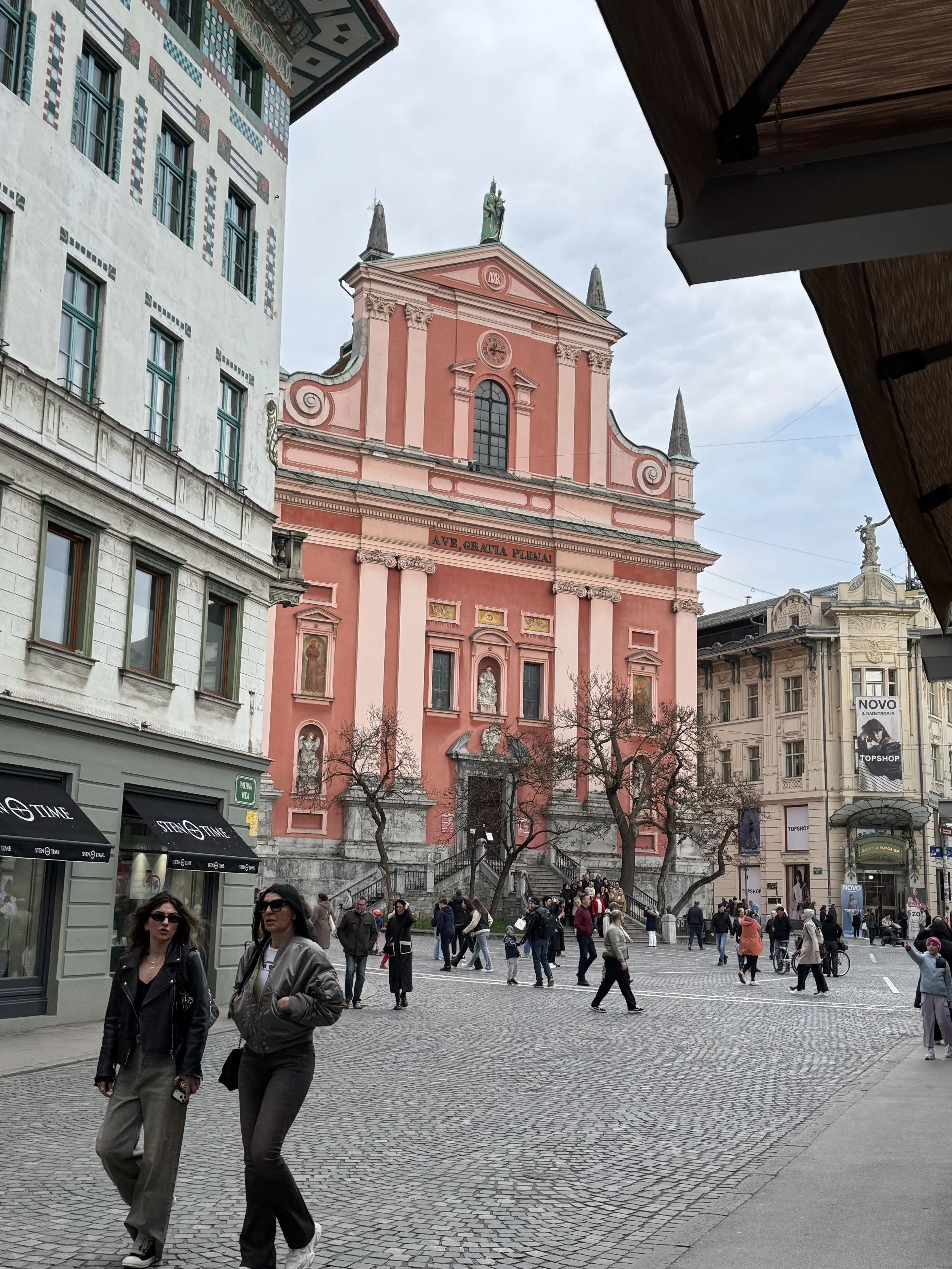
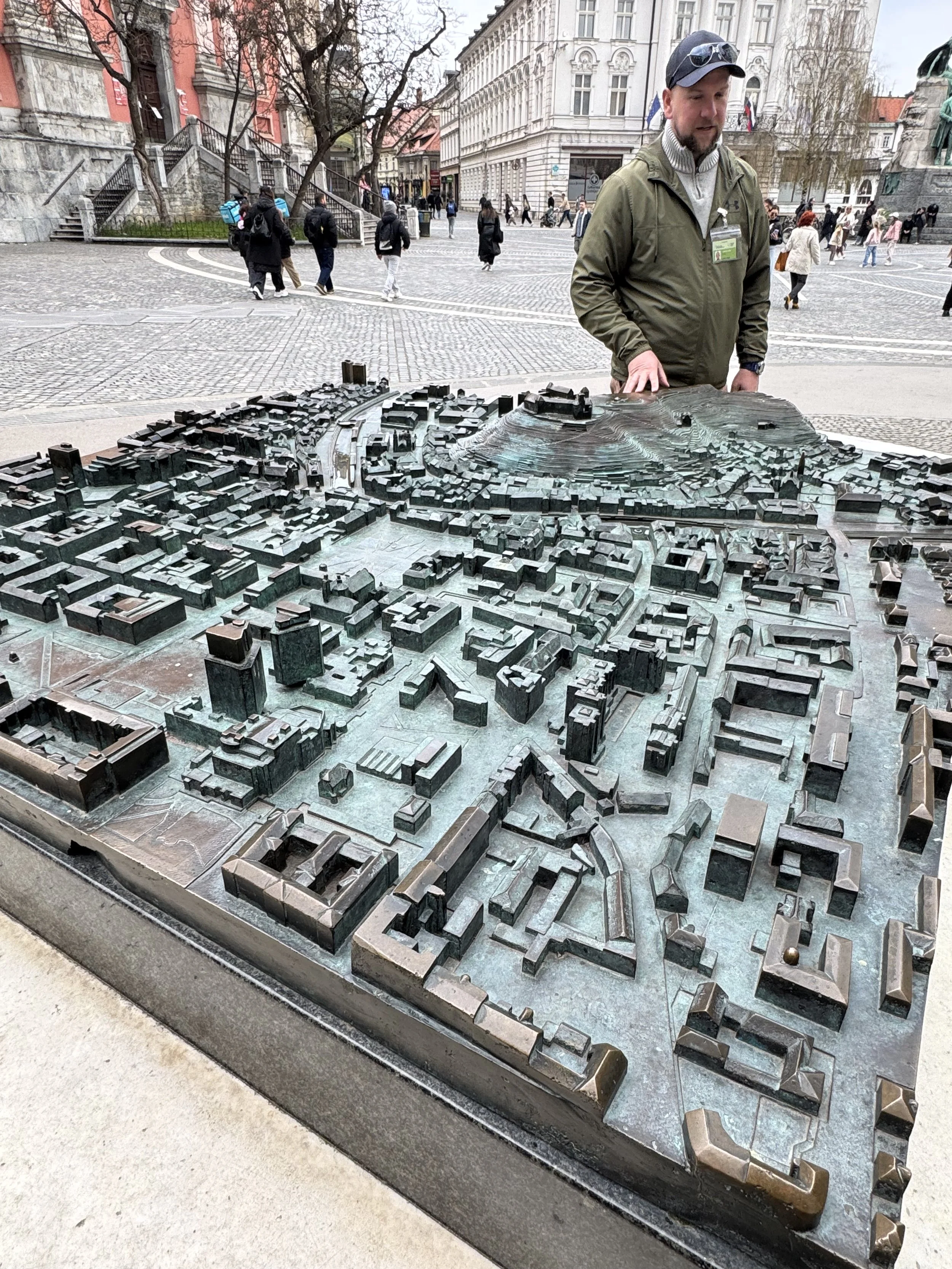
The squares are filled with a mix of architectural styles and often feature historically significant monuments and fountains. Prešeren Square is the main square, named after Slovenian poet France Prešeren. A monument to the poet sits in the center of the square; across is a small bust of a women in a window. She is Julija Primic, his sadly unavailable love interest. Was his early death perhaps due to a broken heart? Some would say so. Also in the square is the brightly colored Franciscan Church of the Annuniciation and a bronze scale model of the city.
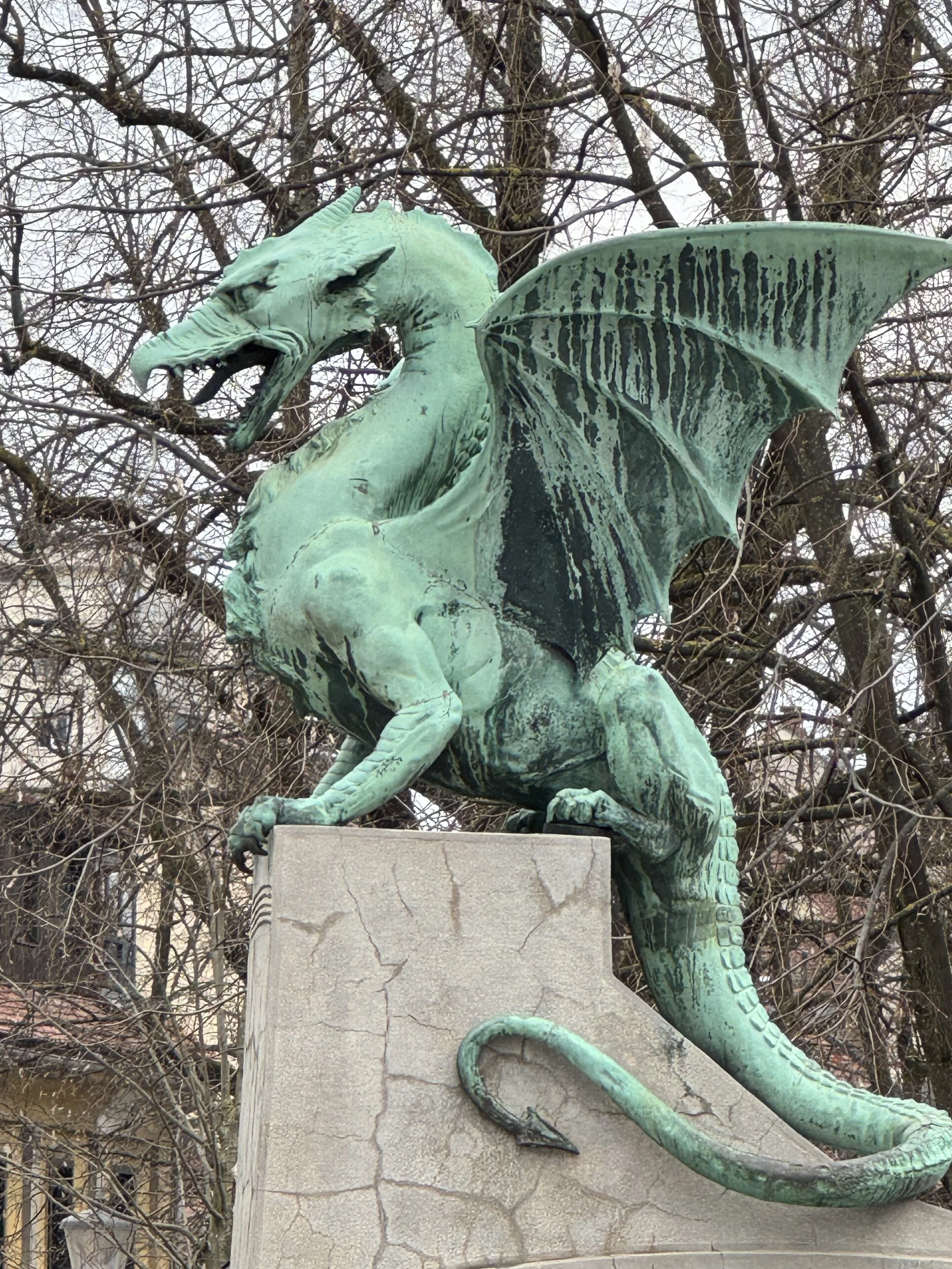
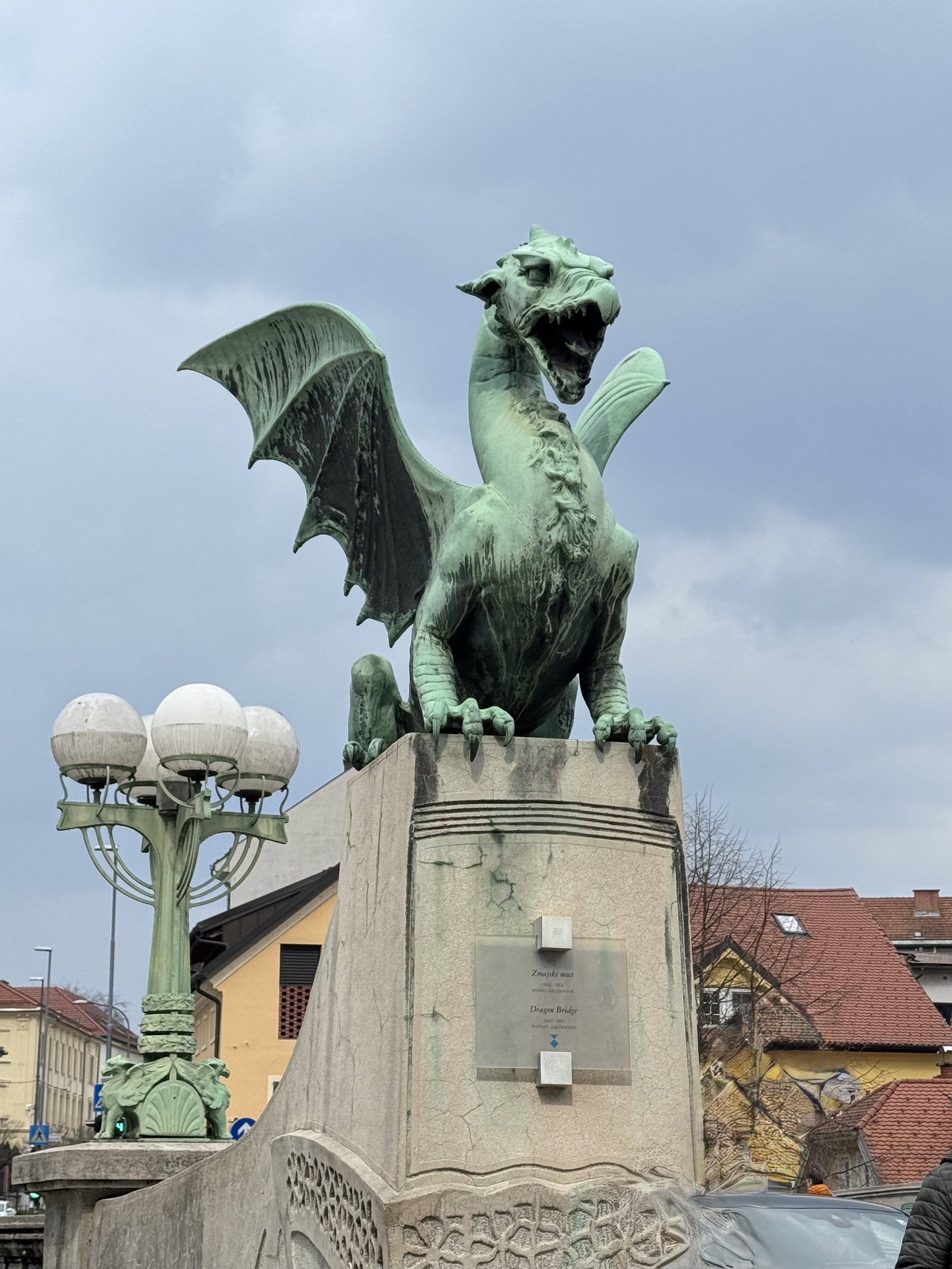
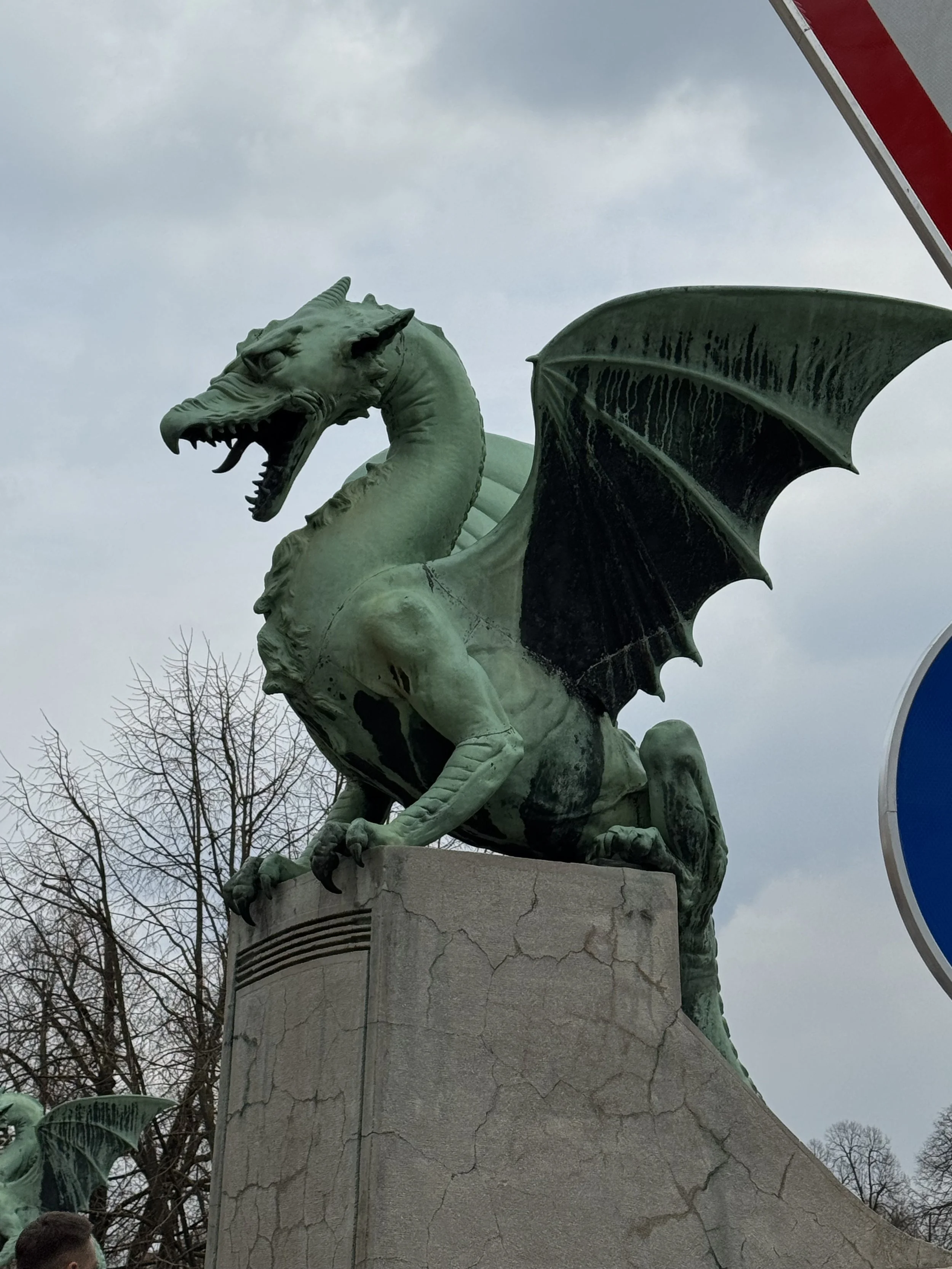
One of the Dragon Bridge’s fierce dragons
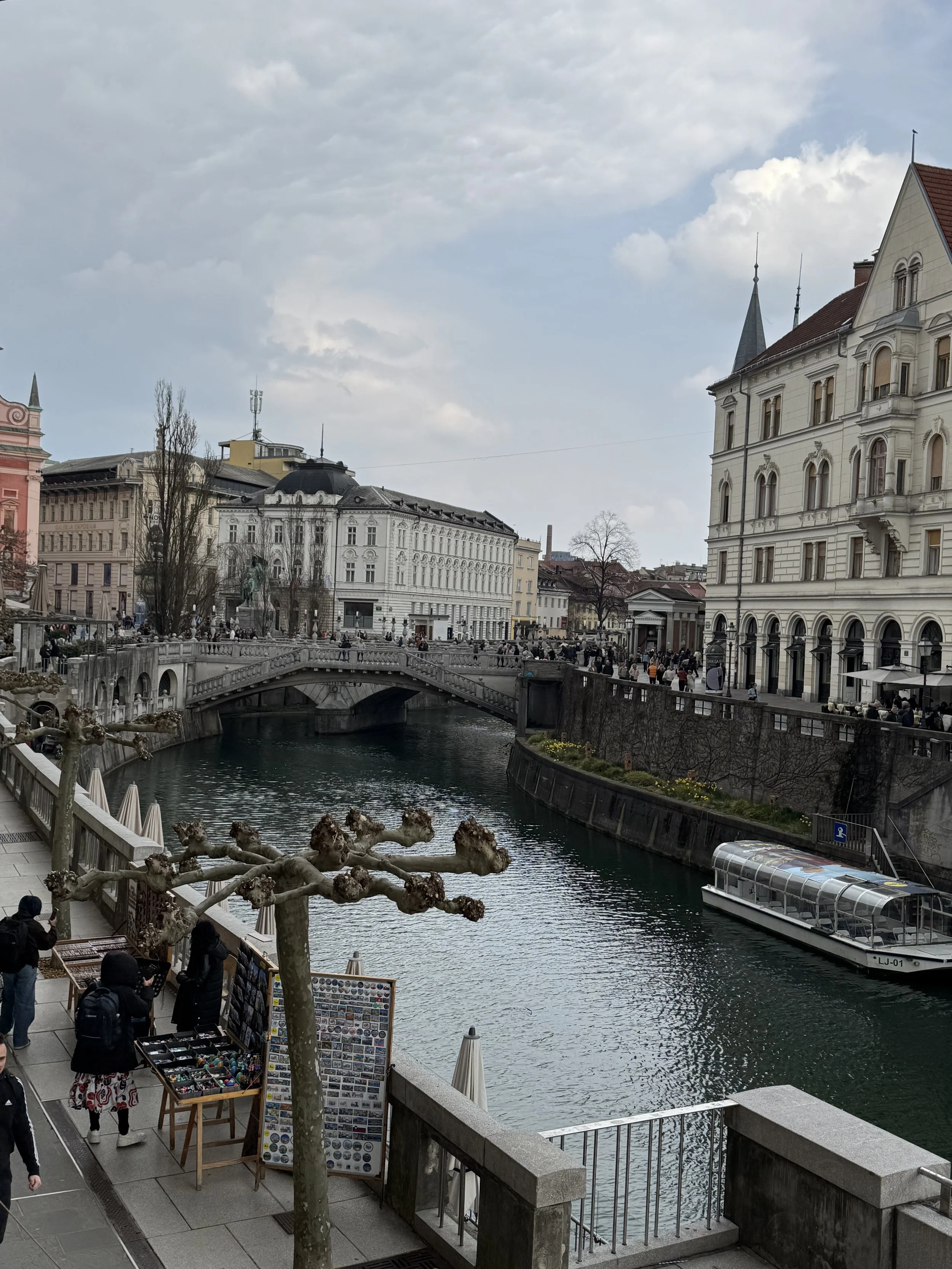
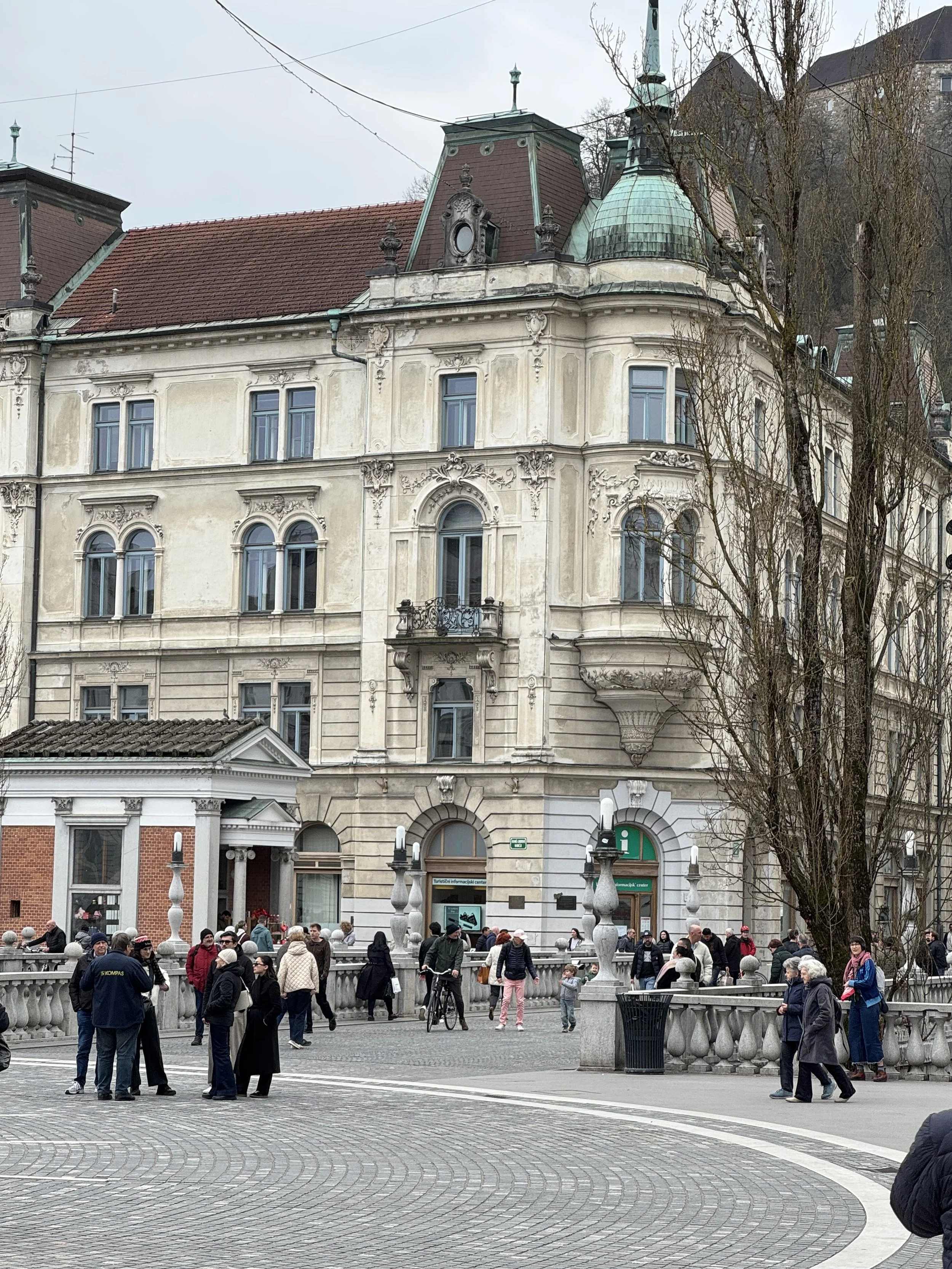
Leading away from the square and into the Medieval part of the city is the Triple Bridge (seen in top photo). This is one of the city’s famous bridges, a wide central stone bridge flanked by two newer, narrower bridges. The angles of the smaller bridges and the many balusters make for a beautiful way to cross the river and good spot to watch the small boats that carry tourists along the river.
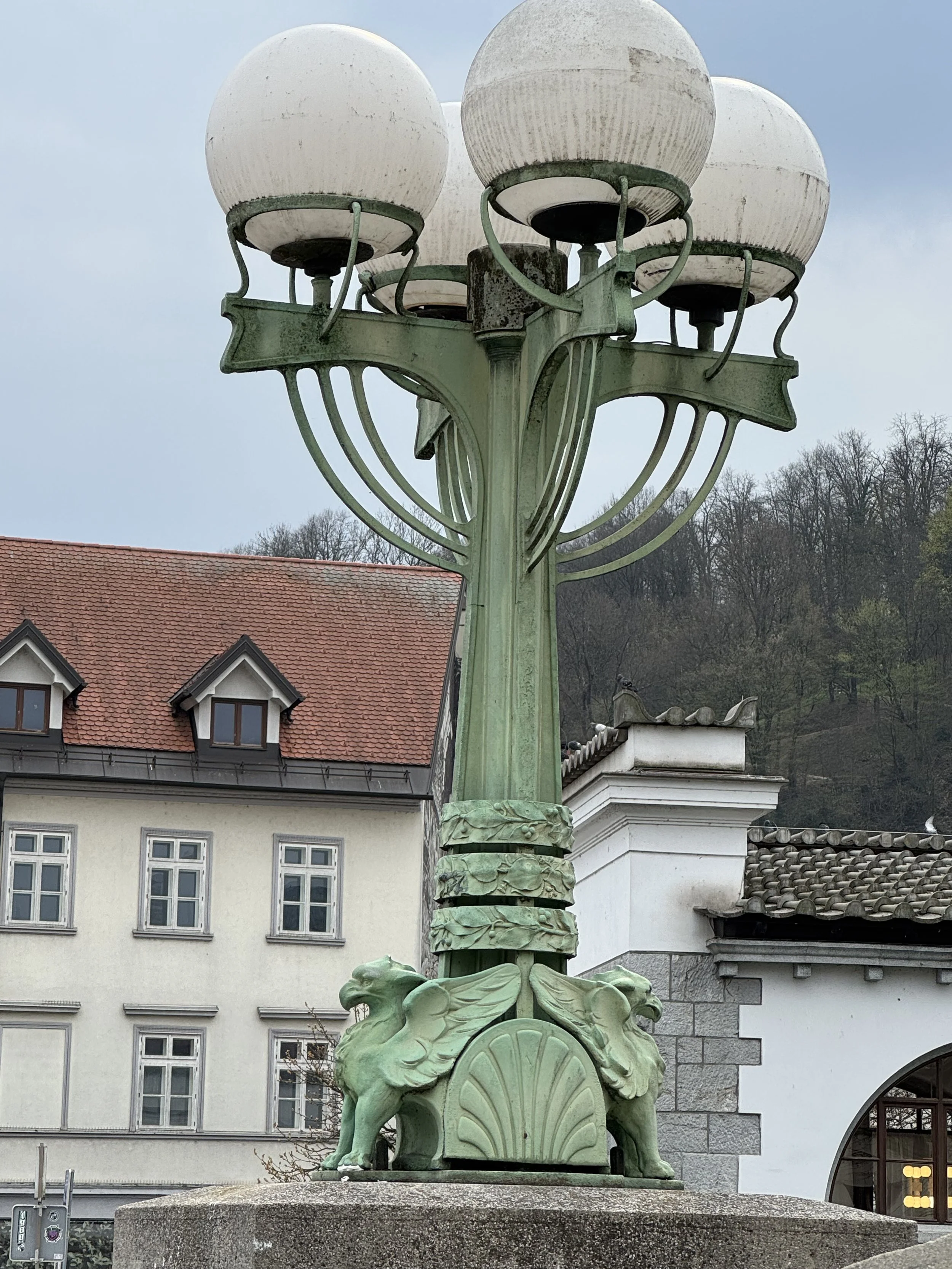
Another famous bridge is the Dragon Bridge. Built in 1901, it is guarded by four large dragons, one at each of its corners. Look closely and see several smaller dragons on the bridge as well. The dragons have become symbols of the city and a local legend that says that the dragons wag their tails whenever a virgin crosses the bridge.
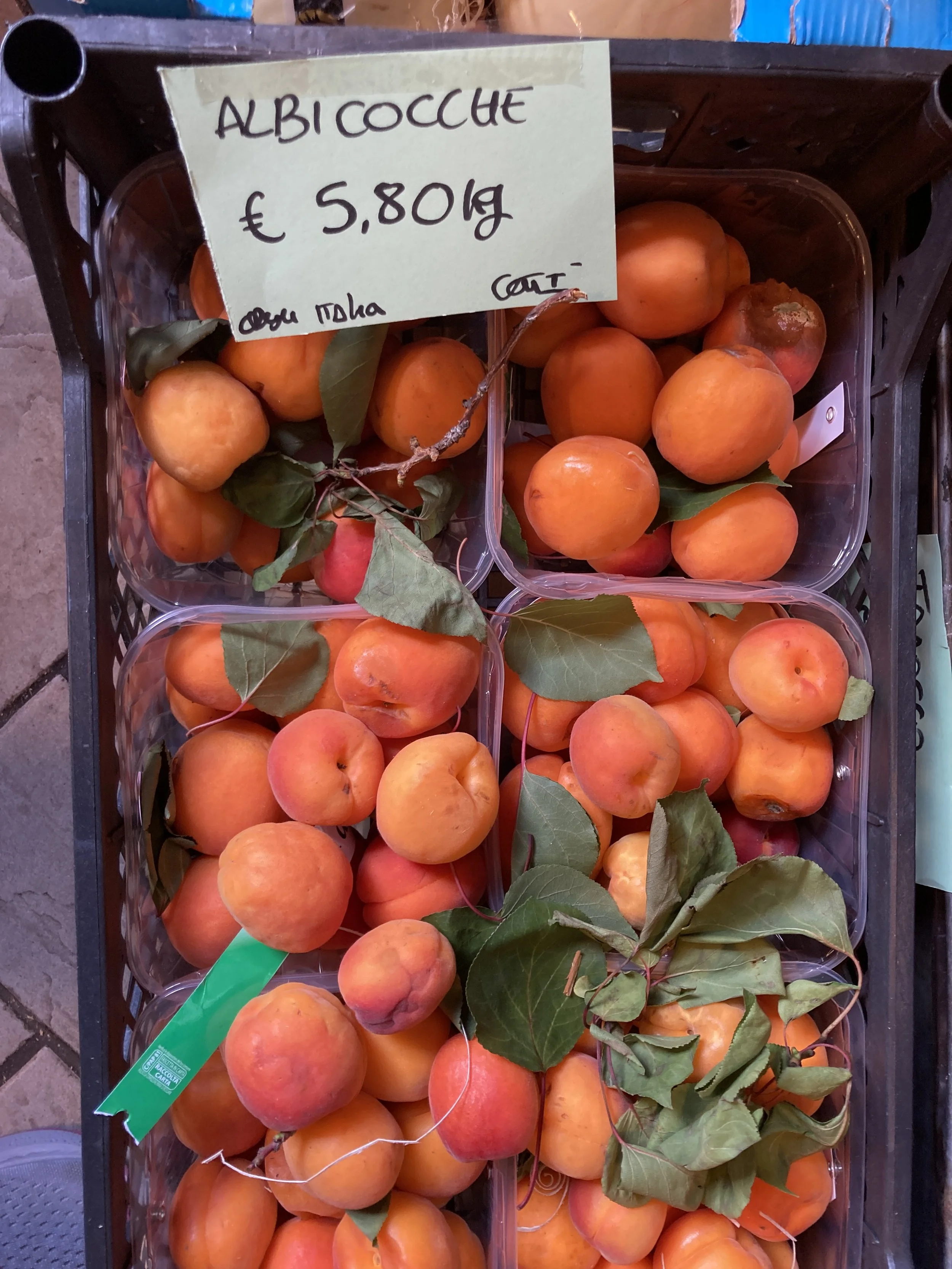
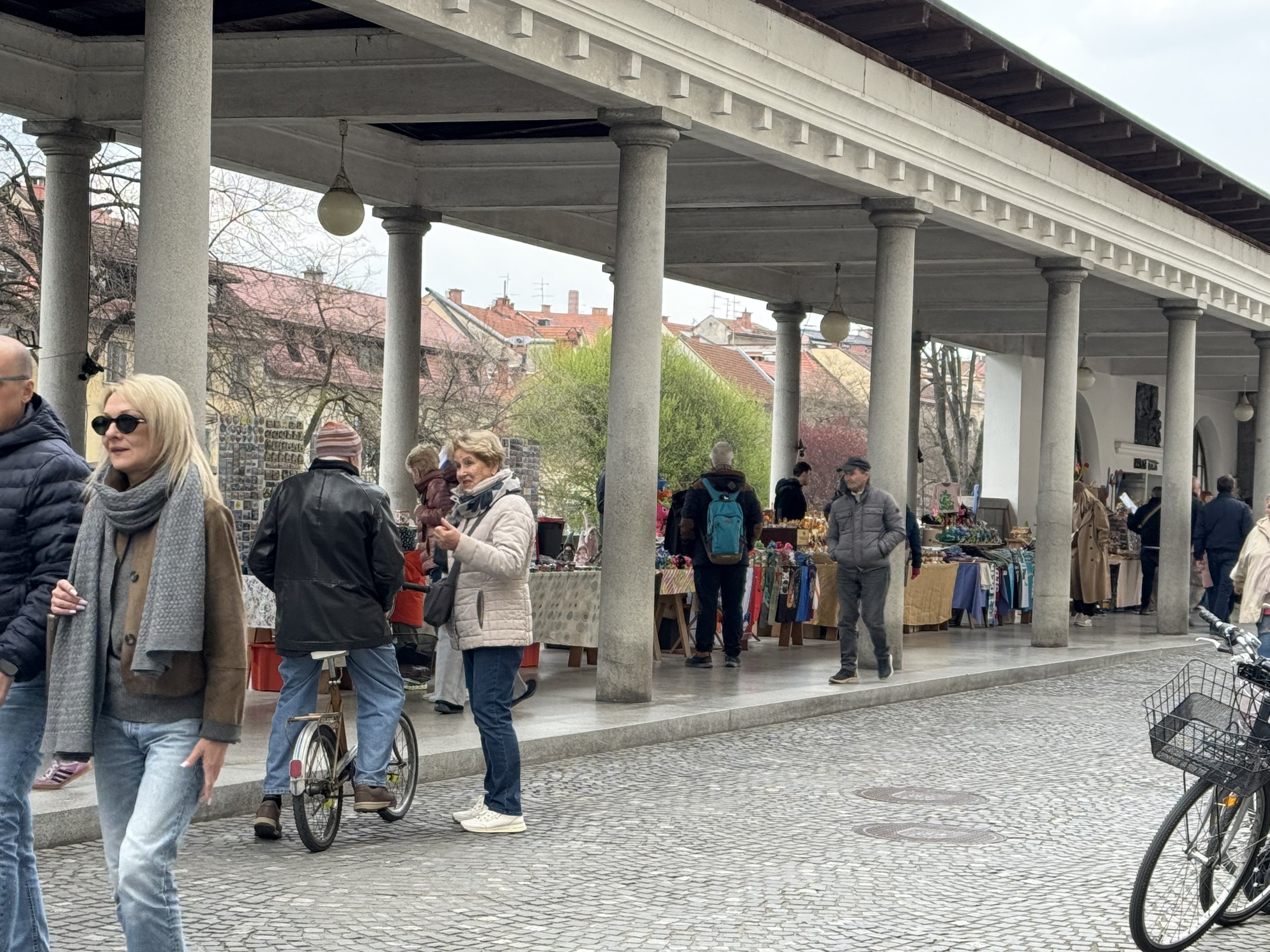
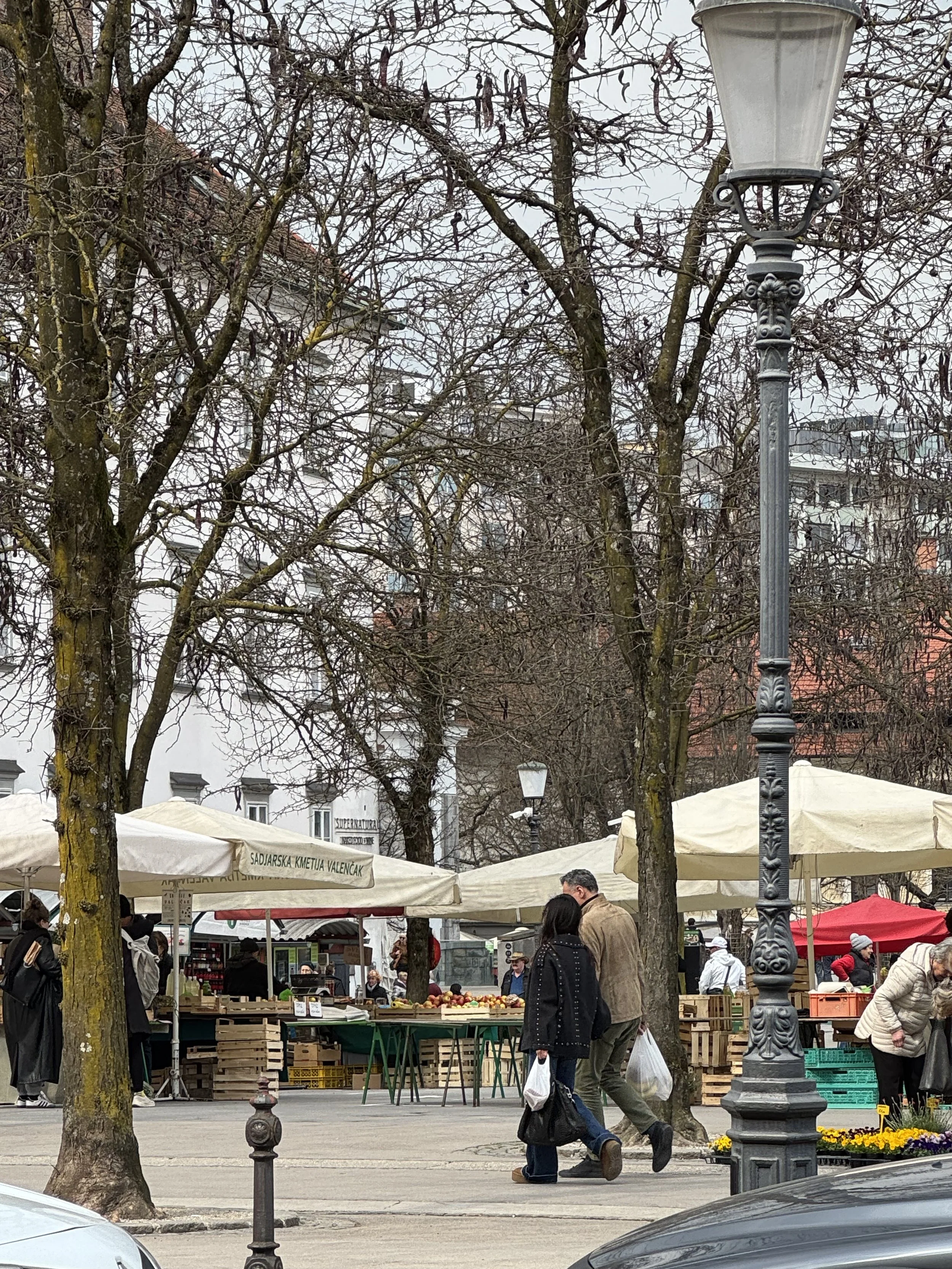
Not far from the Dragon Bridge is the lively Central Market. There are both covered and open-air parts of the large market and booths filled with local produce, meats, fish, bread, flowers, honey, and lots of places to eat. The market was a center of activity on the day of my visit.
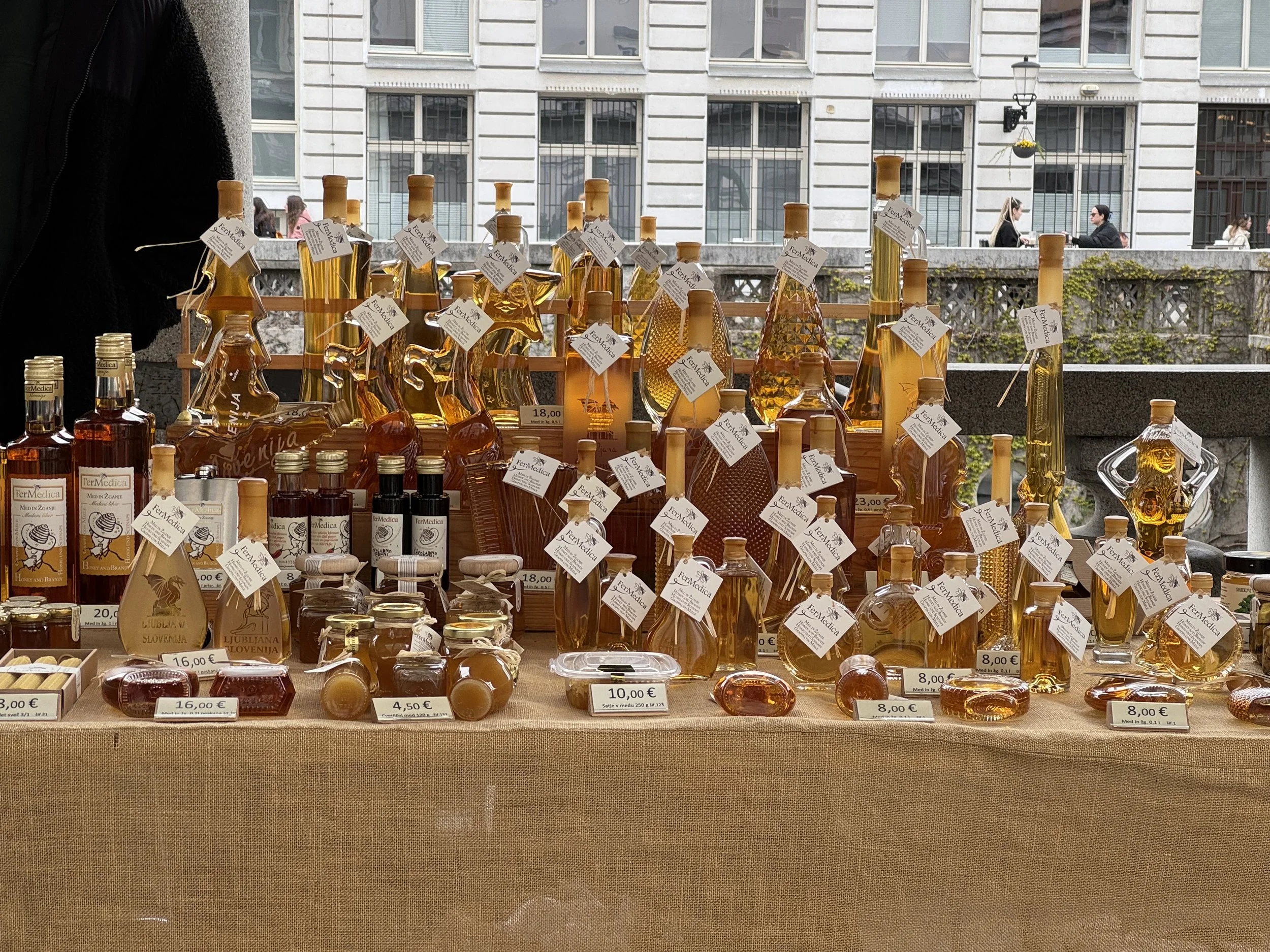
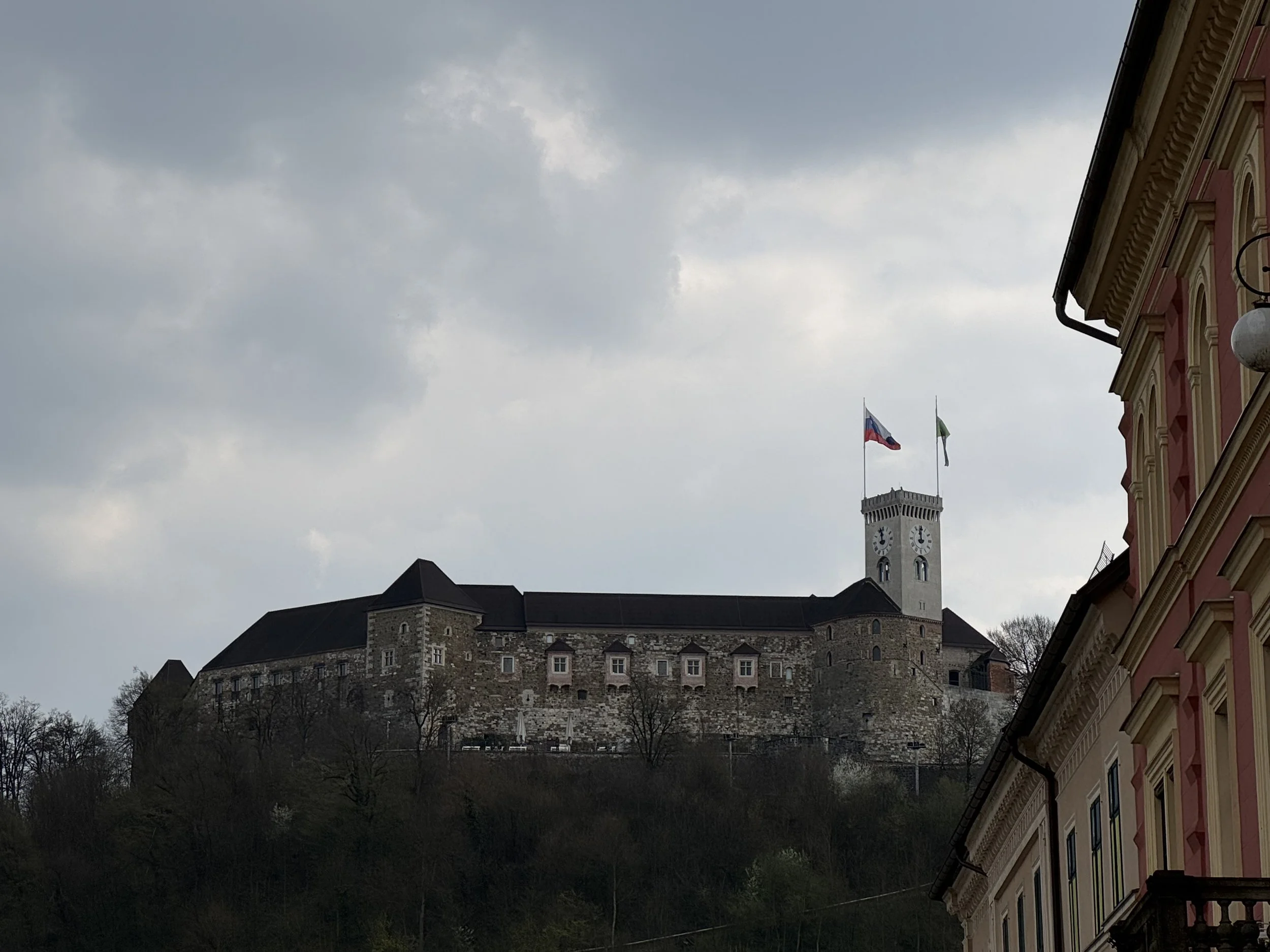
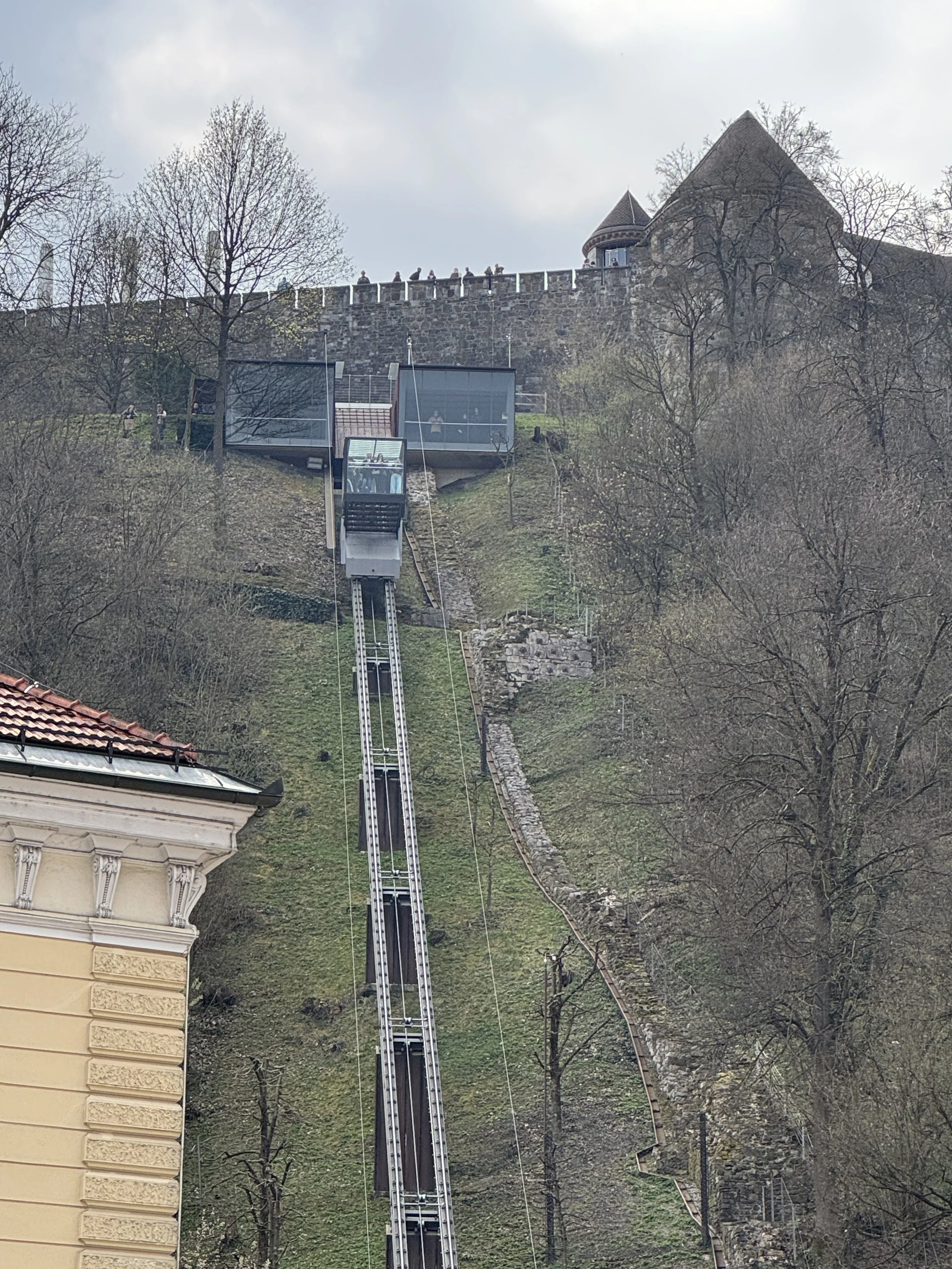
From the market, look up the hill to see the Medieval Ljubljana Castle with the funicular that ferries visitors up to the castle walls.
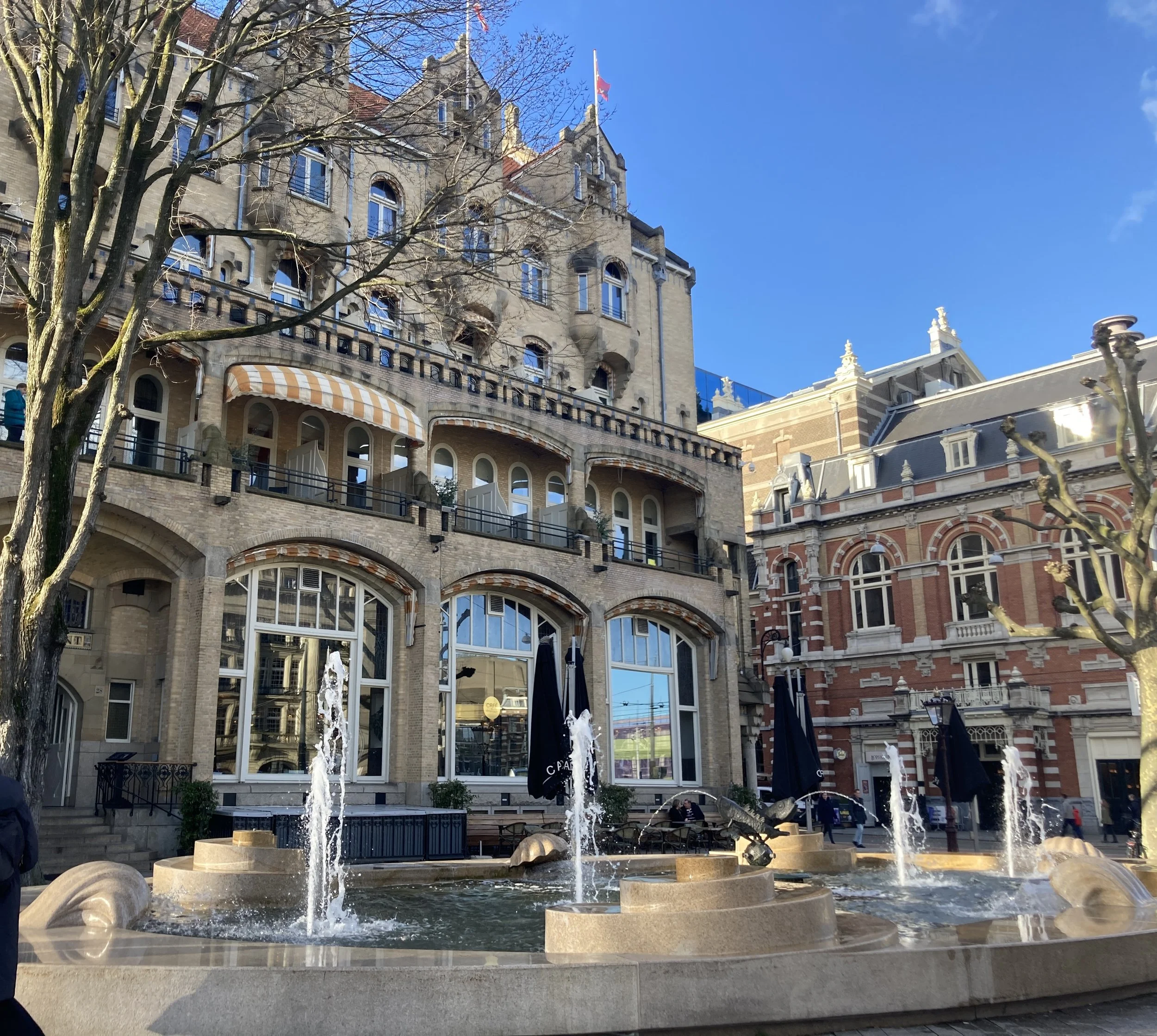
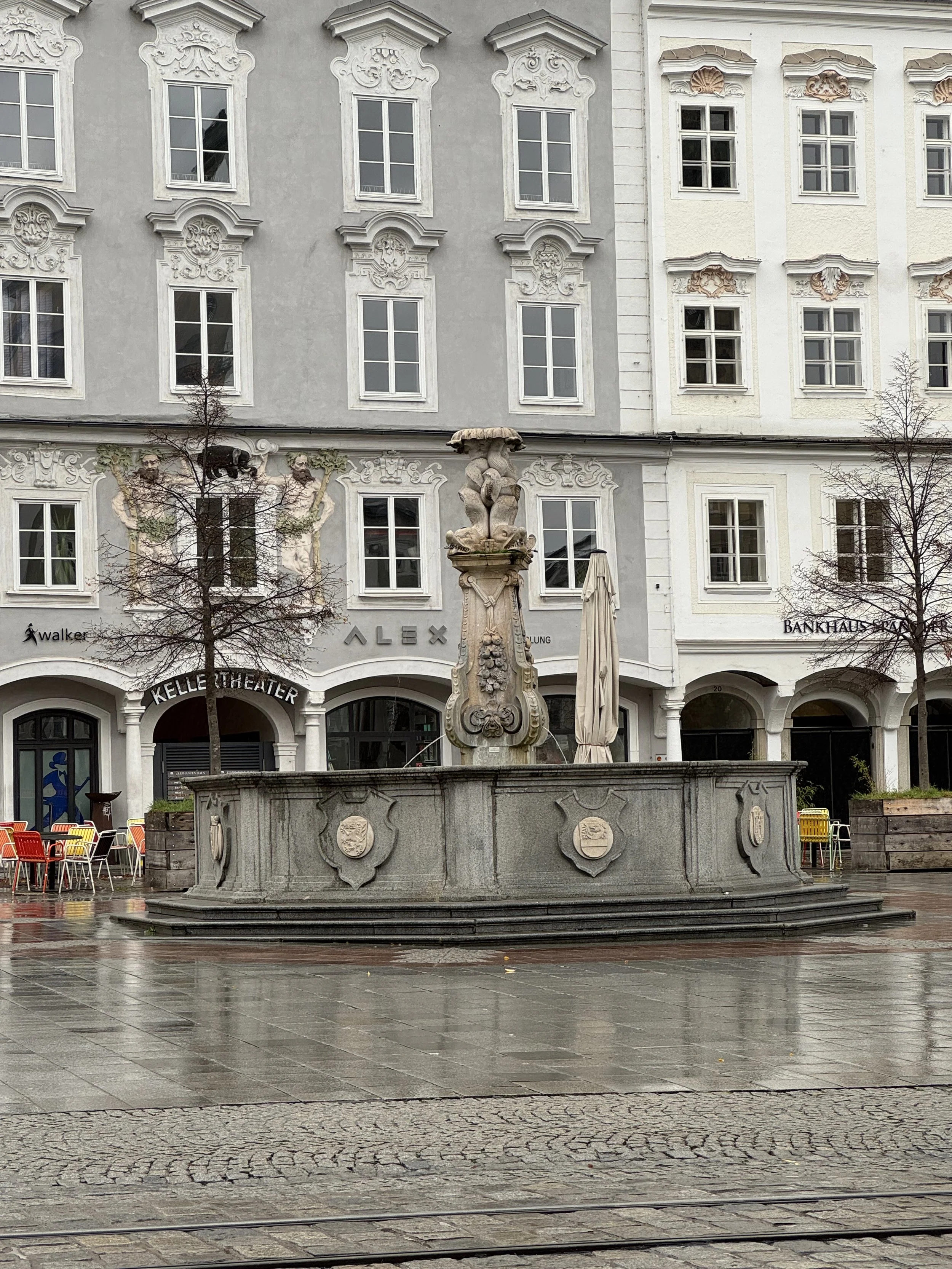
Town Square, located in the Medieval section of the old city, is where the town hall is located. The square also features the Robba Fountain (a reproduction of the original) and the Ljubljana Cathedral.
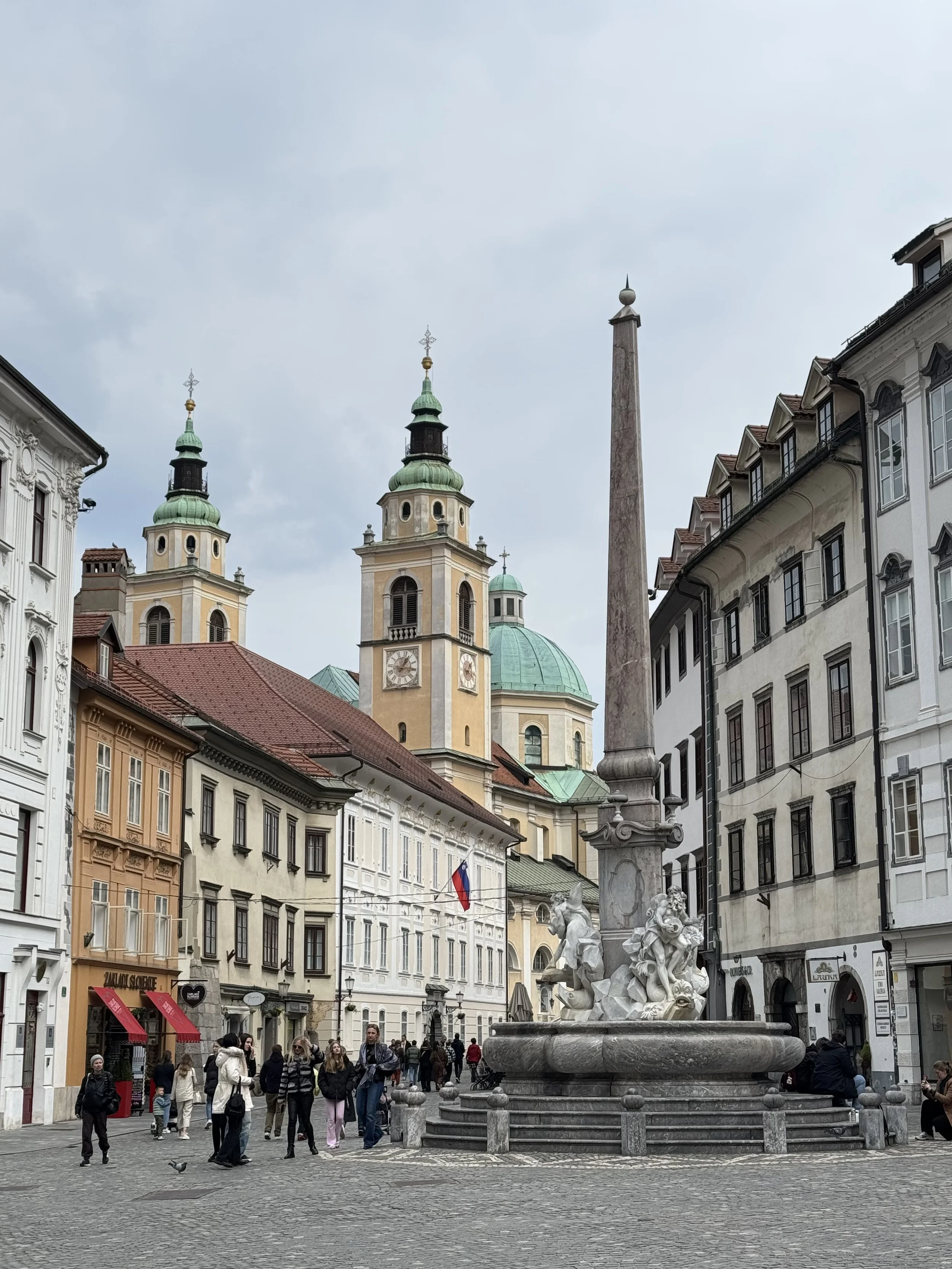
Town Square, Ljubljana
There was so much to see during my all-too-brief stop in Ljubljana – way too much for an afternoon visit. Much was seen as we strolled (ok, marched) through the city with our tour guide. Not an ideal way to explore this charming city. I am already planning a return visit. Those dragons are calling me back!