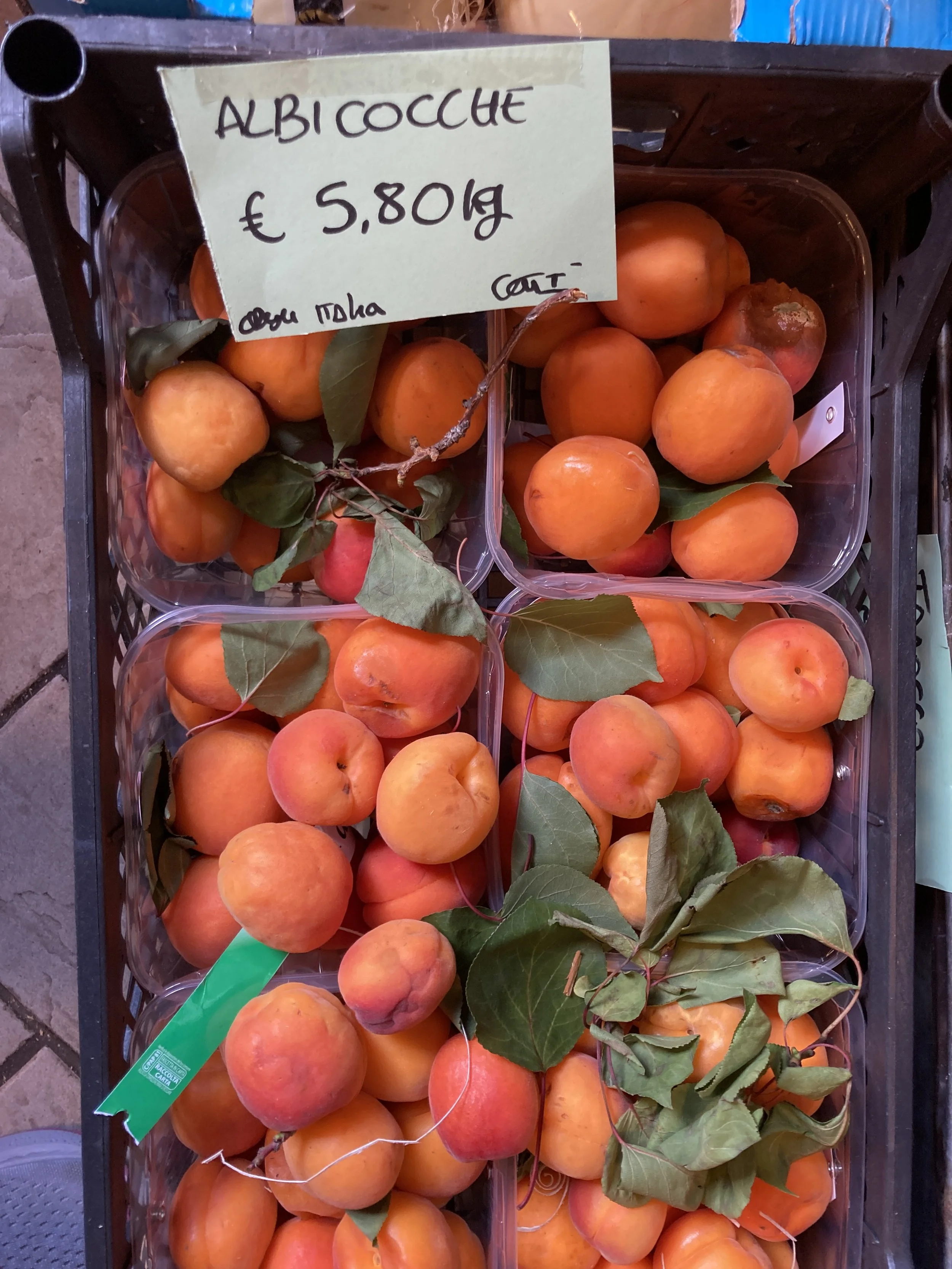
Monks and Apricots
The Ortofrutta (green grocery) in Lucca is full of apricots right now. Colorful and sweet, they’ve been perfect in my morning yoghurt or eaten out of hand. Not only are they delicious, but seeing them has reminded me of an experience I had last fall when visiting Göttweig Abbey near the town of Krems in Austria - monks and apricots!
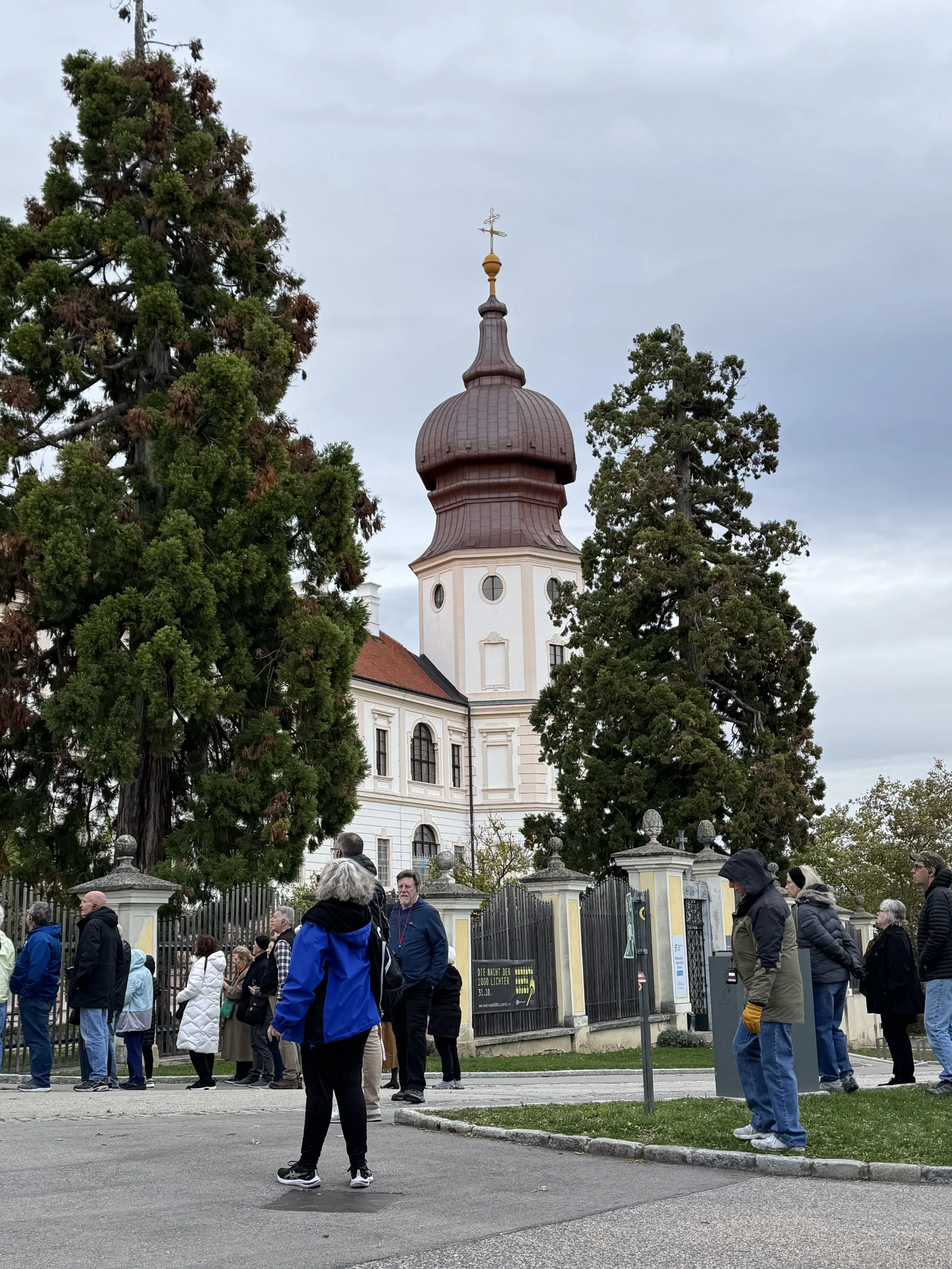
Göttweig Abbey
The Abbey, built in the 11th century and rebuilt in 1580 and again in 1718, each time following a fire, is a UNESCO World Heritage site. Still a working monastery, the grounds and public areas are well worth a visit.
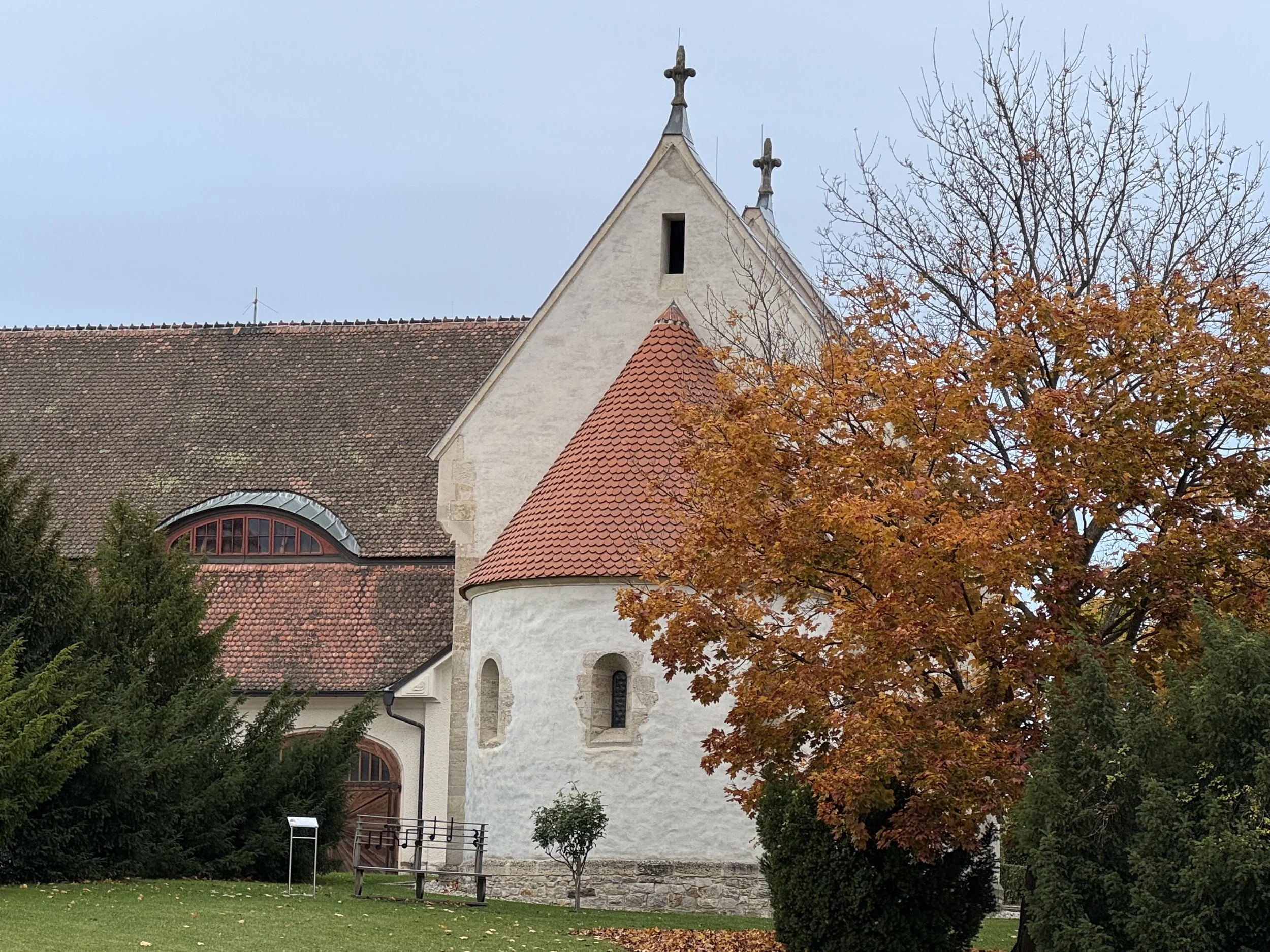
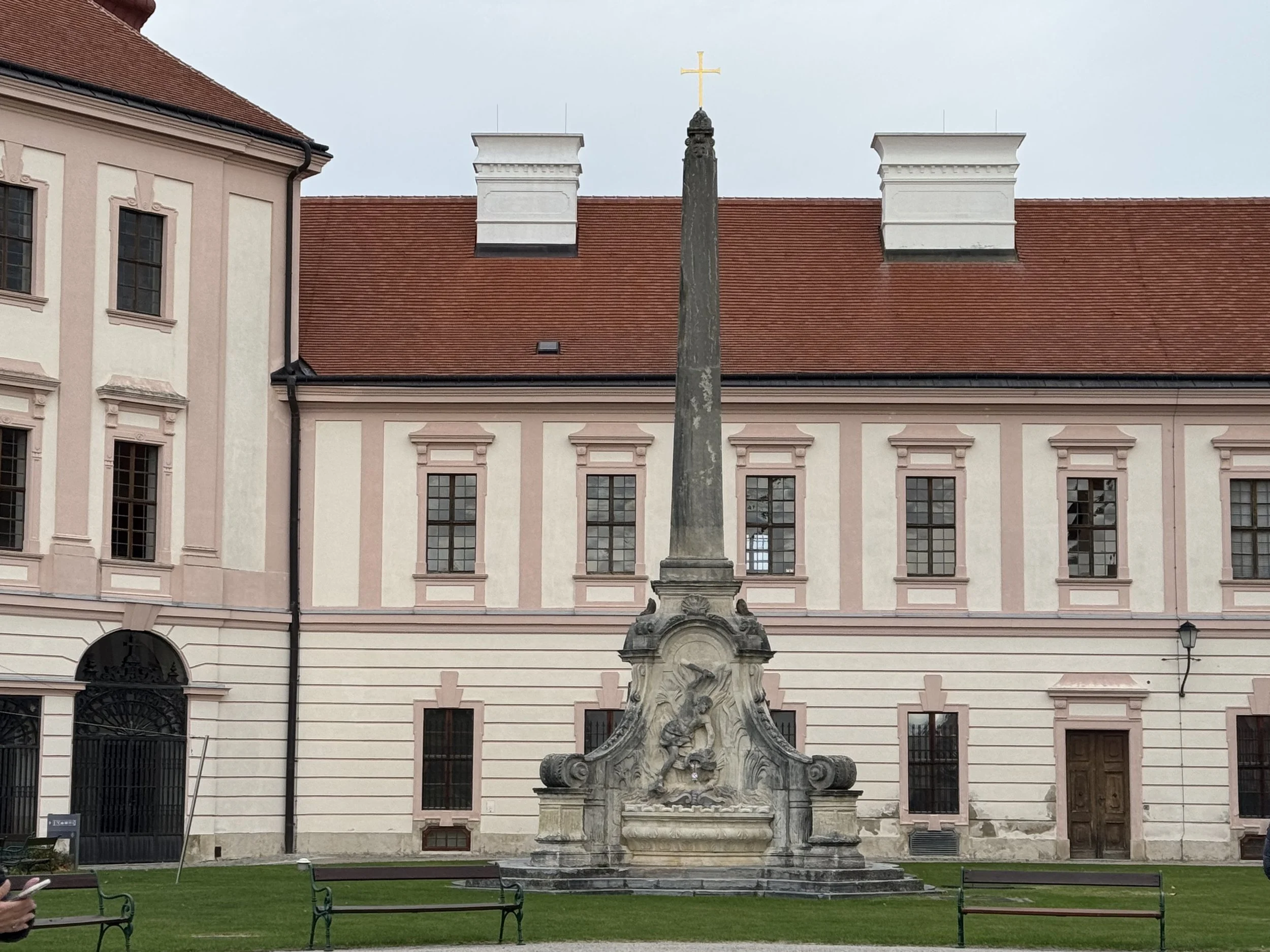
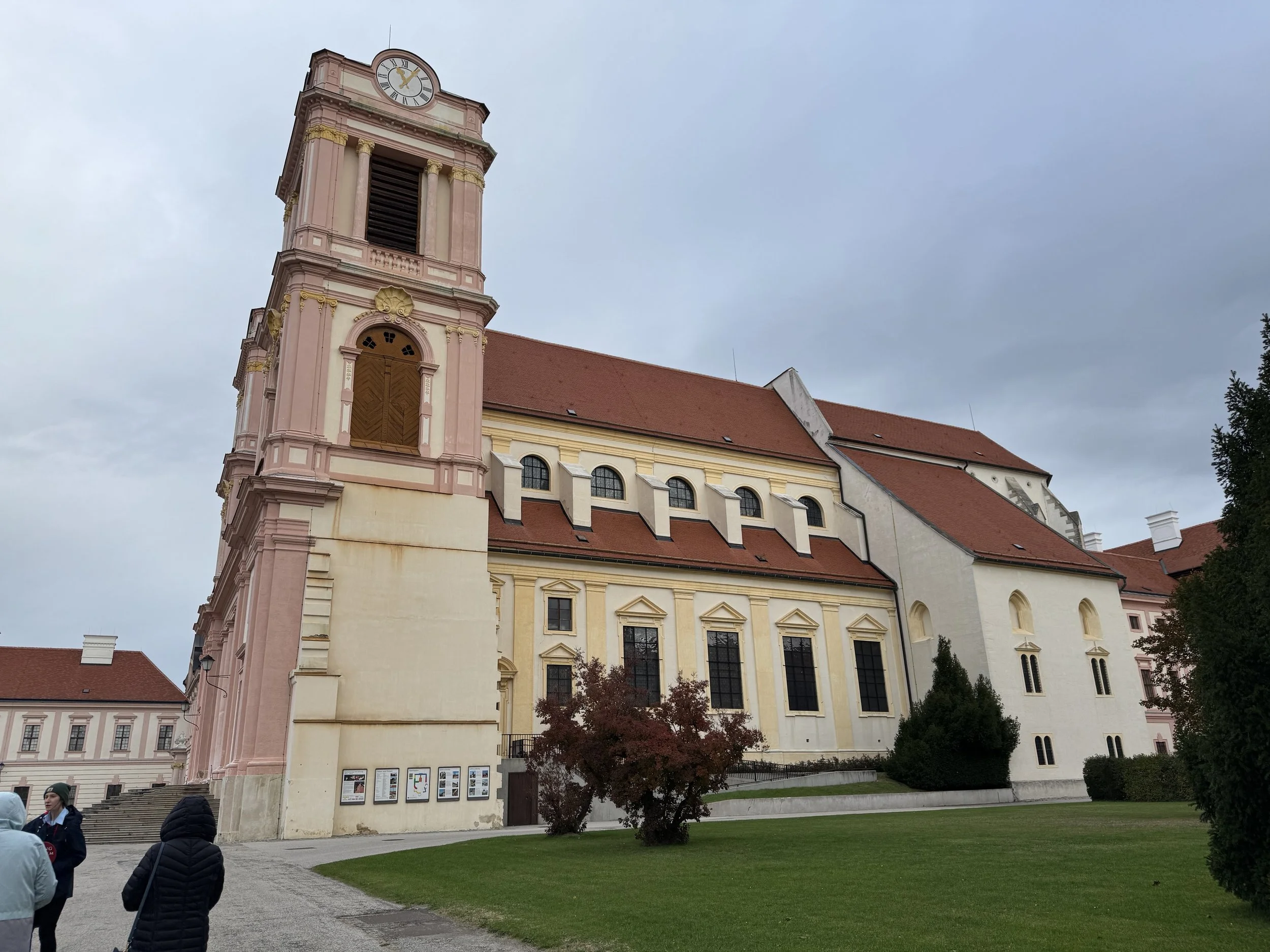
The large monastery complex includes several areas open to the public, including the park like grounds and a museum with a stunning Baroque staircase and beautiful interiors.
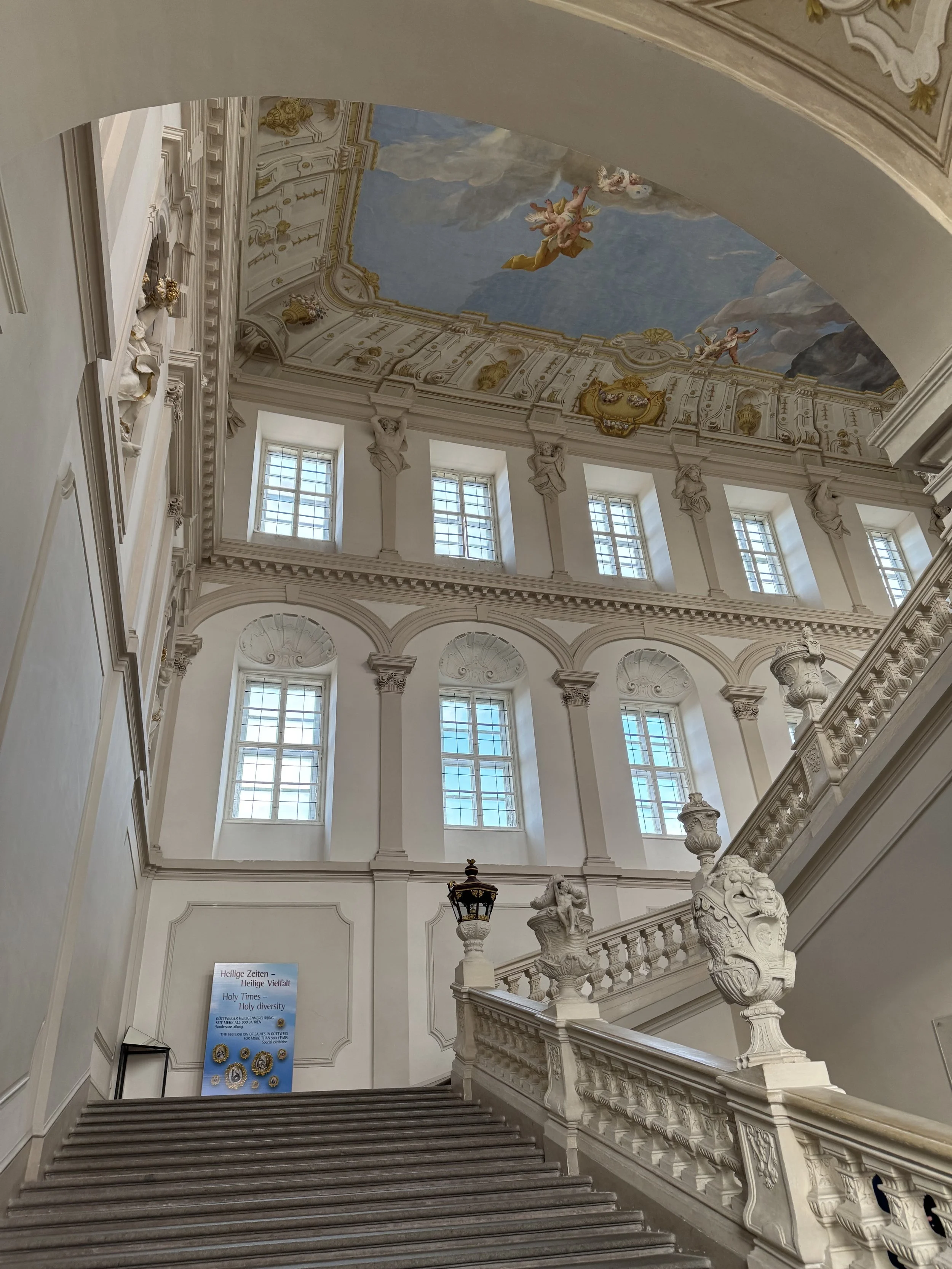

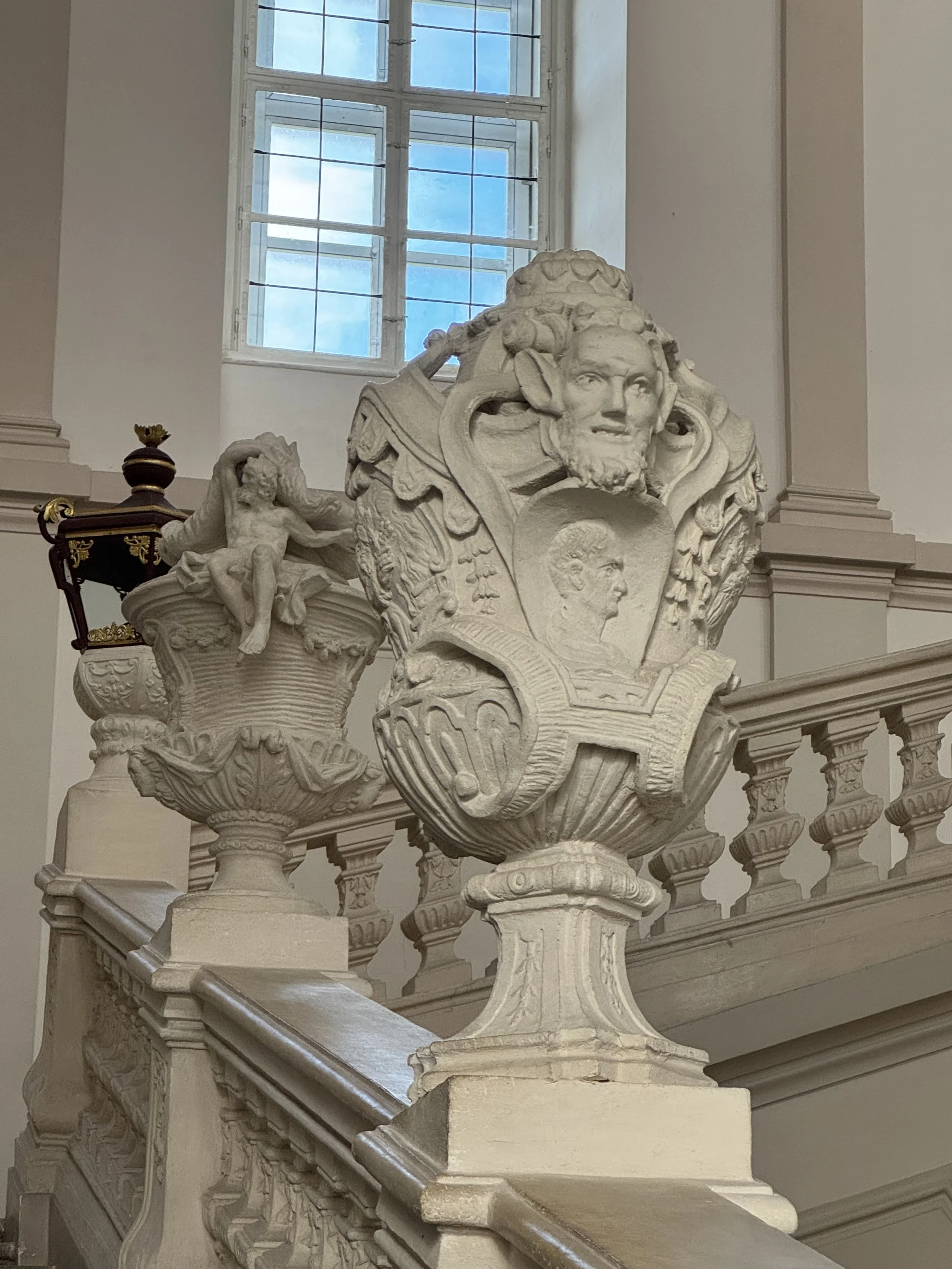
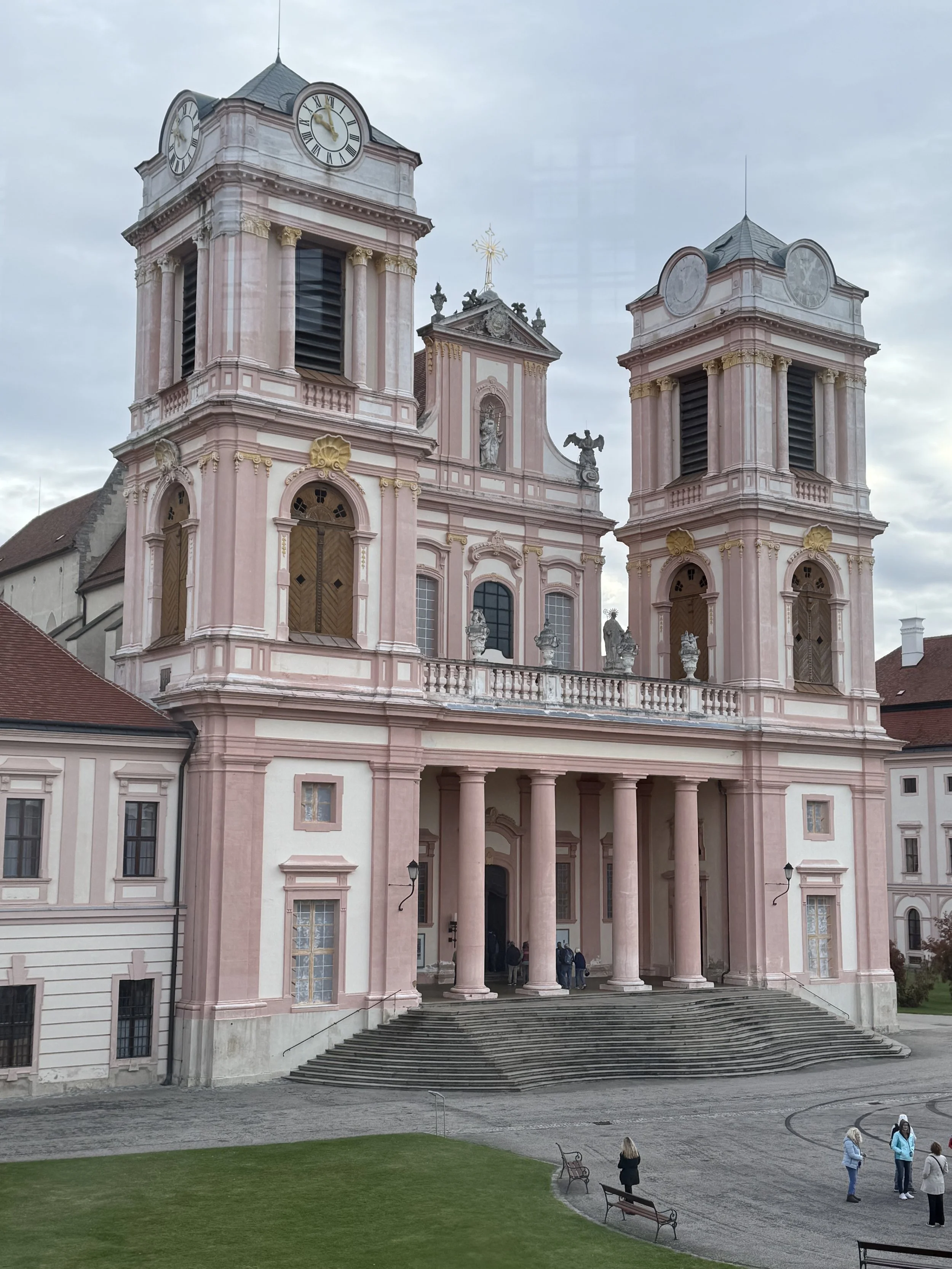
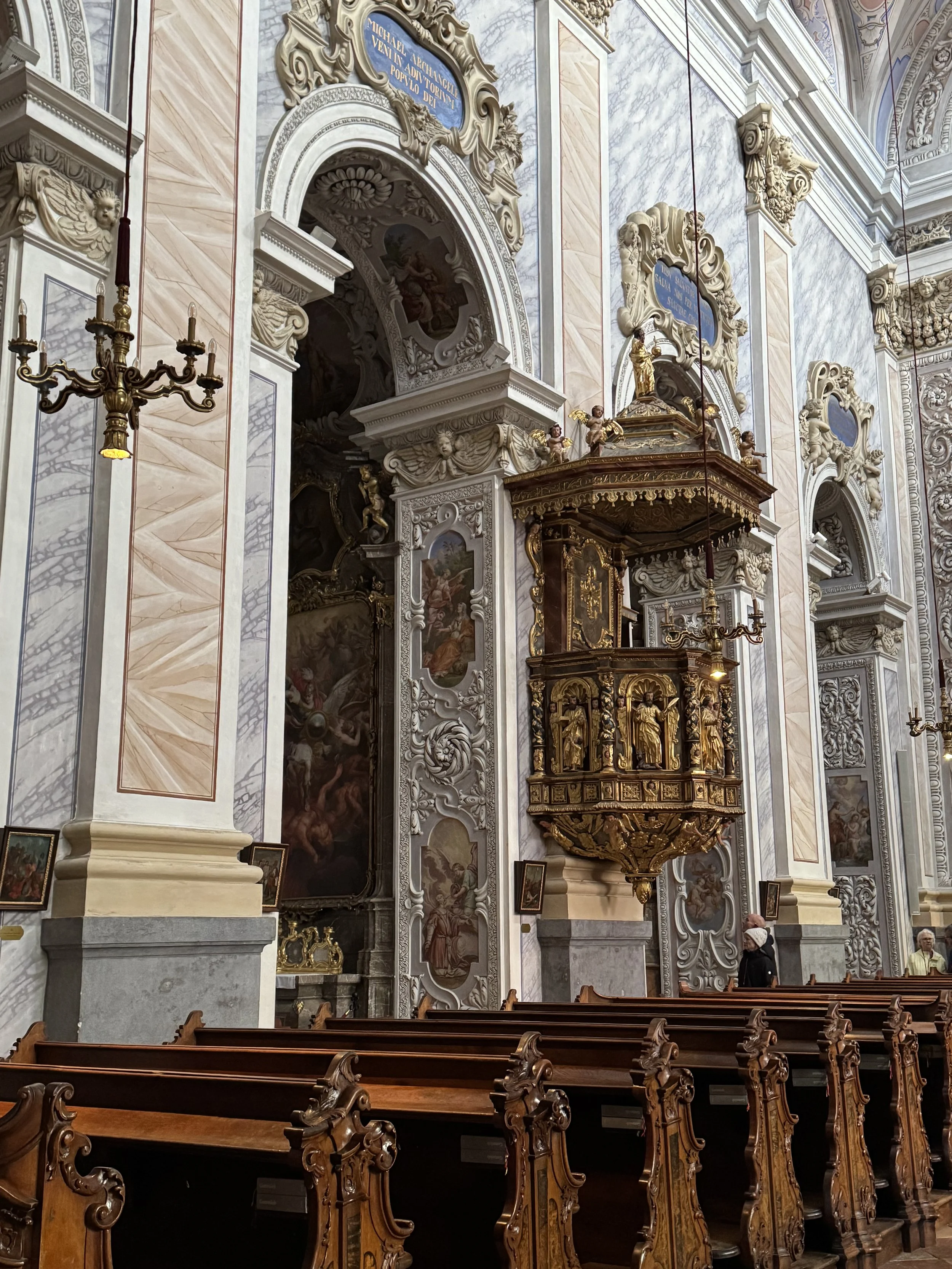
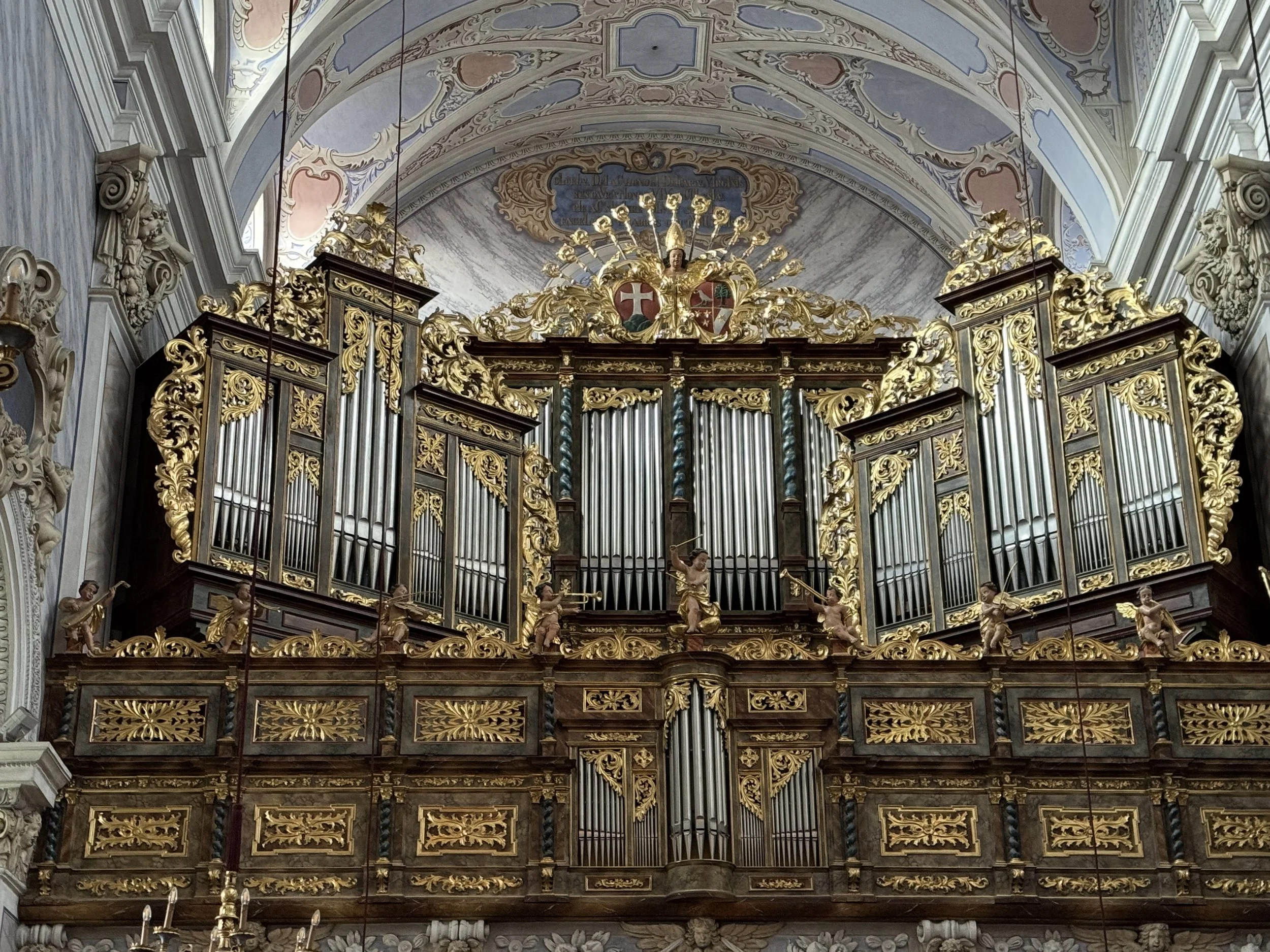
The church, parts of which date back the earliest construction of the abbey, has a dusty pink exterior, twin bell towers, and an ornate interior filled with beautiful frescoes.

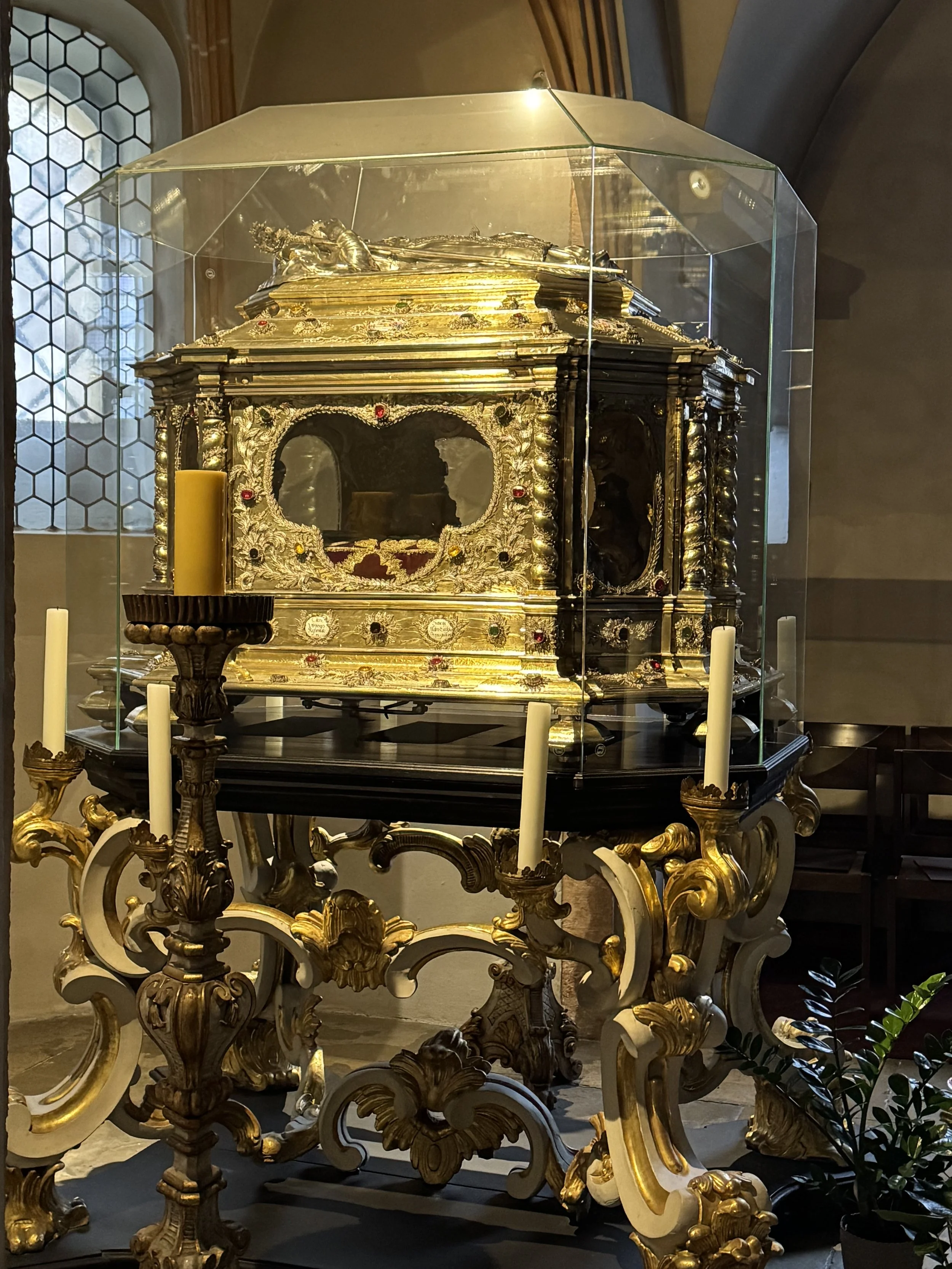
Below the church is a crypt which contains one of the abbey’s most important artifacts - a shrine containing the relics of the abbey’s founder, Bishop Altmann.

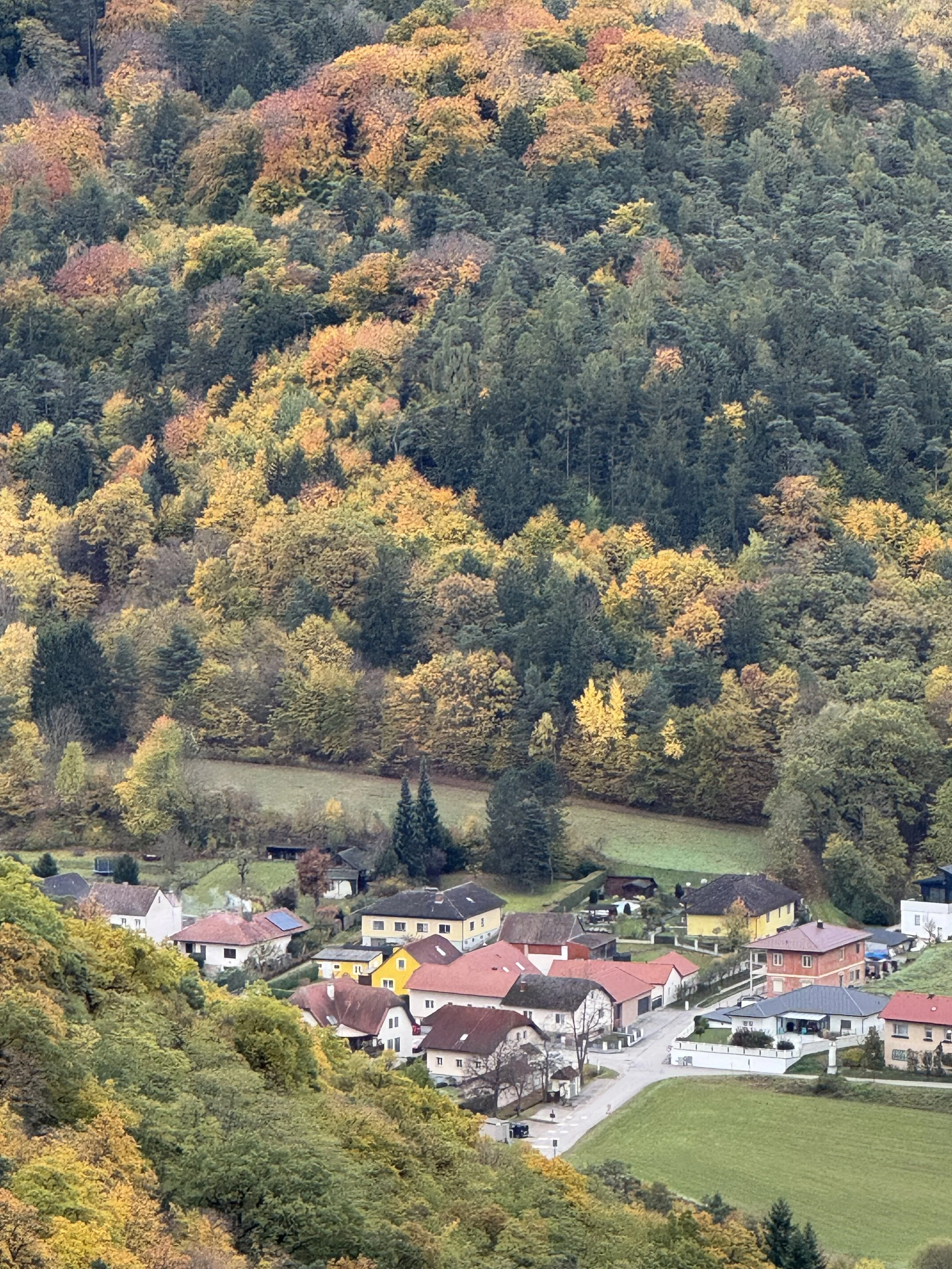
The abbey is surrounded by forest, vines, and orchards. It is especially gorgeous in fall.
Göttweig Abbey sits on a hill above vineyards, orchards, and forest. Run by a small group of Benedictine monks, today it is known for its vines, which provide the grapes used to produce the abbey’s wines, and for its apricots which are used to make apricot liqueurs, jams, and nectars – all available for purchase in the gift shop.
I visited Göttweig Abbey on an excursion offered as part of a Viking Danube River cruise which included the opportunity to learn to make (and of course, to taste) the famous Marillenknödel or Apricot Dumpling that is one of the abbey’s specialties.
After a tour of the grounds, museum, and church we were offered a taste of apricot nectar and apricot wine – and then if was off to the restaurant for a dumpling lesson from the pastry chef.
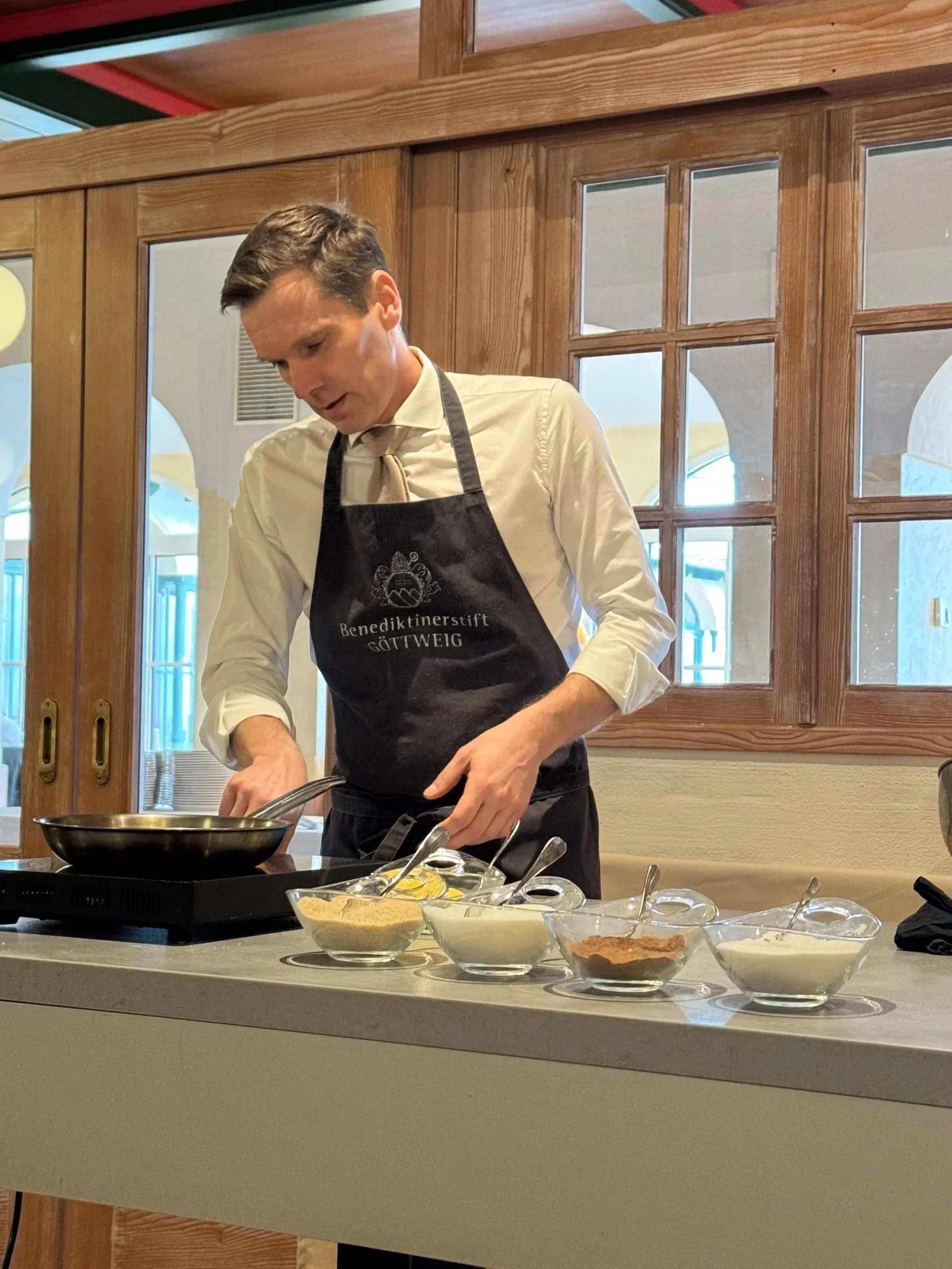
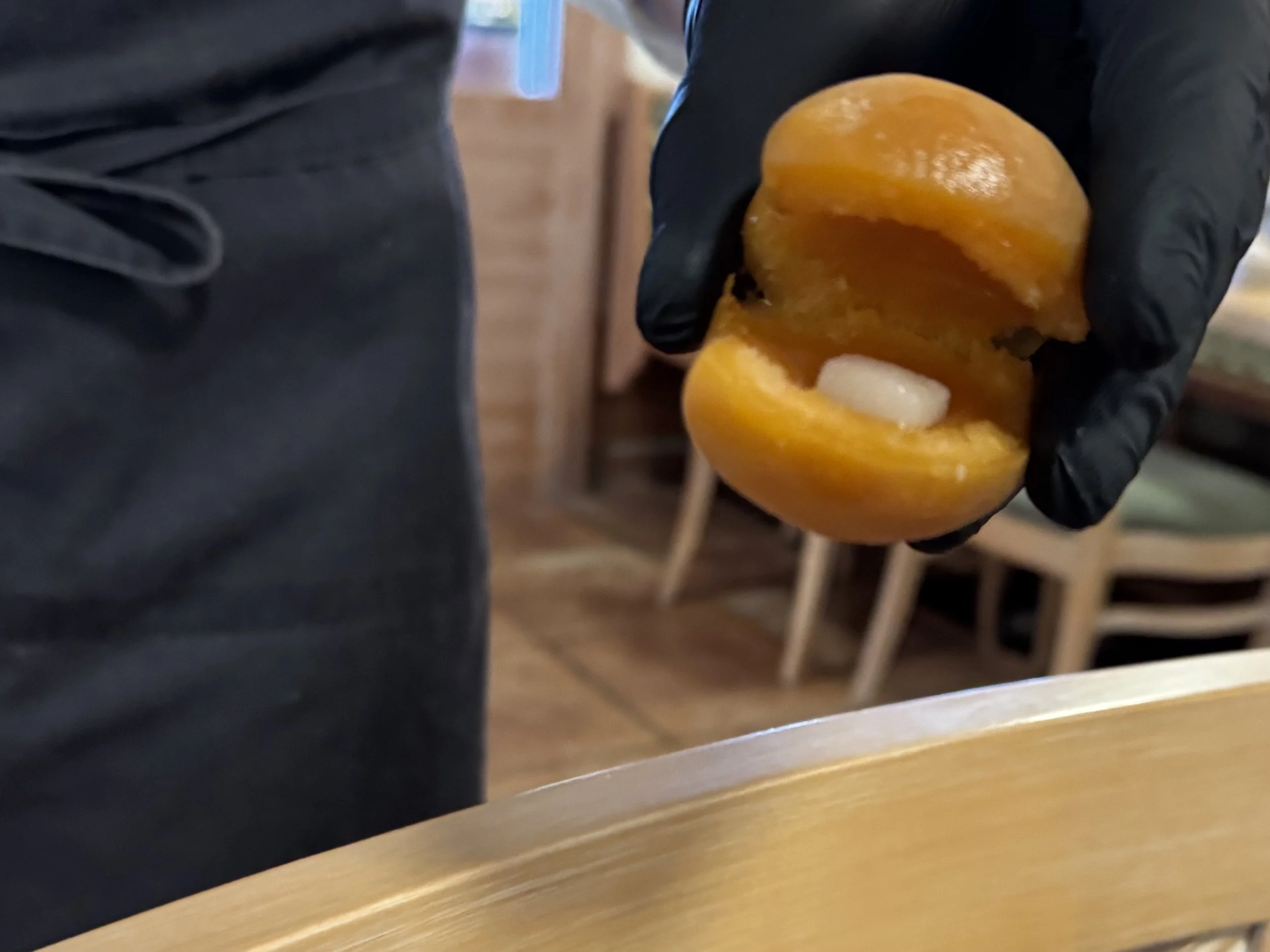
The apricots used in the dumplings are grown in the abbey’s orchard. Harvested when ripe, the pit is removed and replaced with a sugar cube. Next, they are frozen to be used for future dumpling making year round. In season they can also be used fresh.
The pastry chef had all of the ingredients ready and demonstrated the process of making the dough, wrapping the apricots, boiling them, and preparing the sweetened bread crumb topping. After the demo we each had a cup of coffee and a dumpling. Delicious, and not too sweet, they were wonderful.
A copy of the recipe was given to each of us and I think the monks won’t mind me sharing!
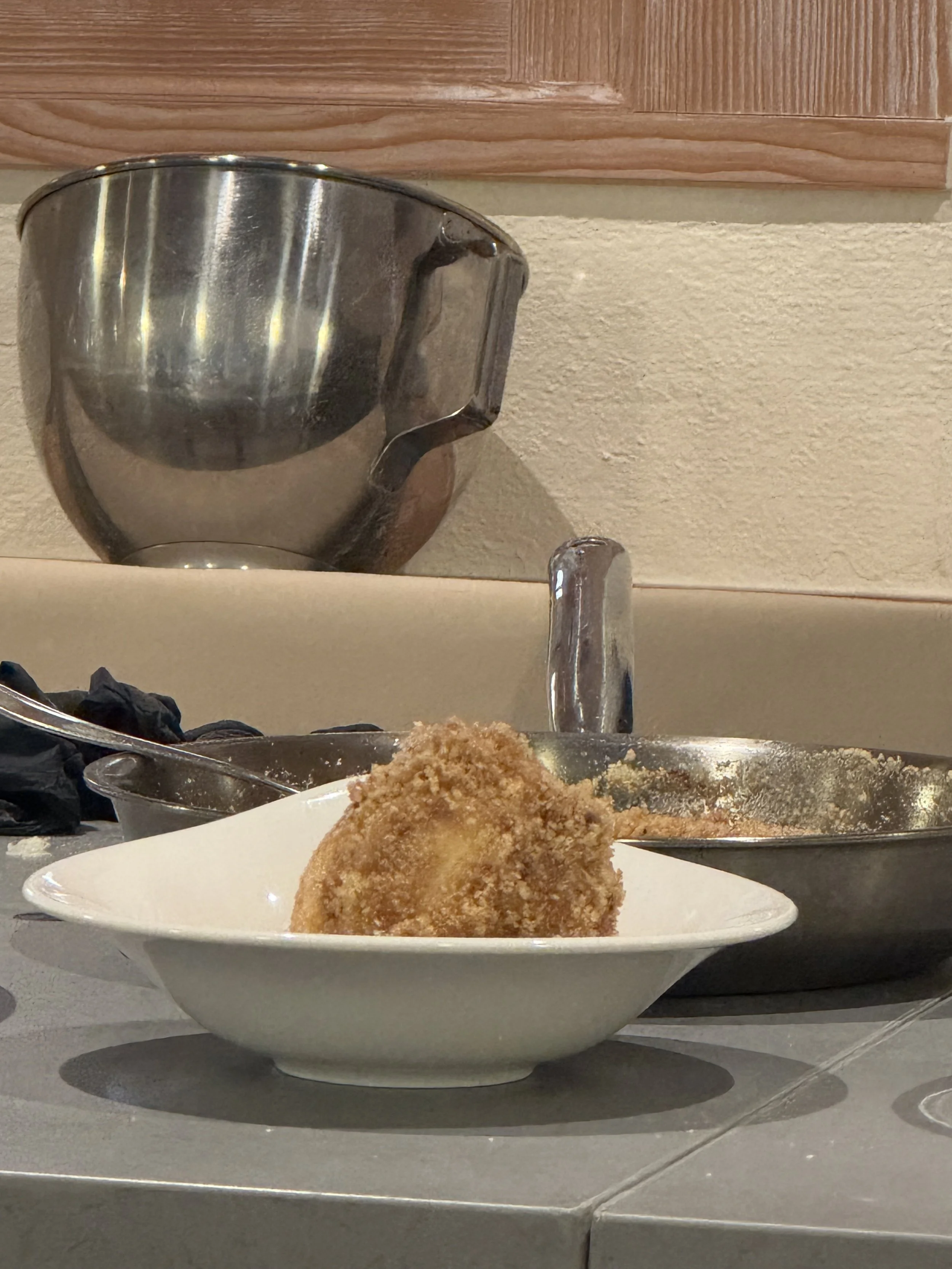
To make the dumplings, a dough is made from 1 cup farmer’s cheese (a substitute would be ½ ricotta and ½ Greek yoghurt – both full fat), 1 cup flour, 2 Tablespoons semolina flour, 1 egg, 3 ½ tablespoons butter, and a pinch of salt. Mixed and chilled in the fridge for at least 12 hours.
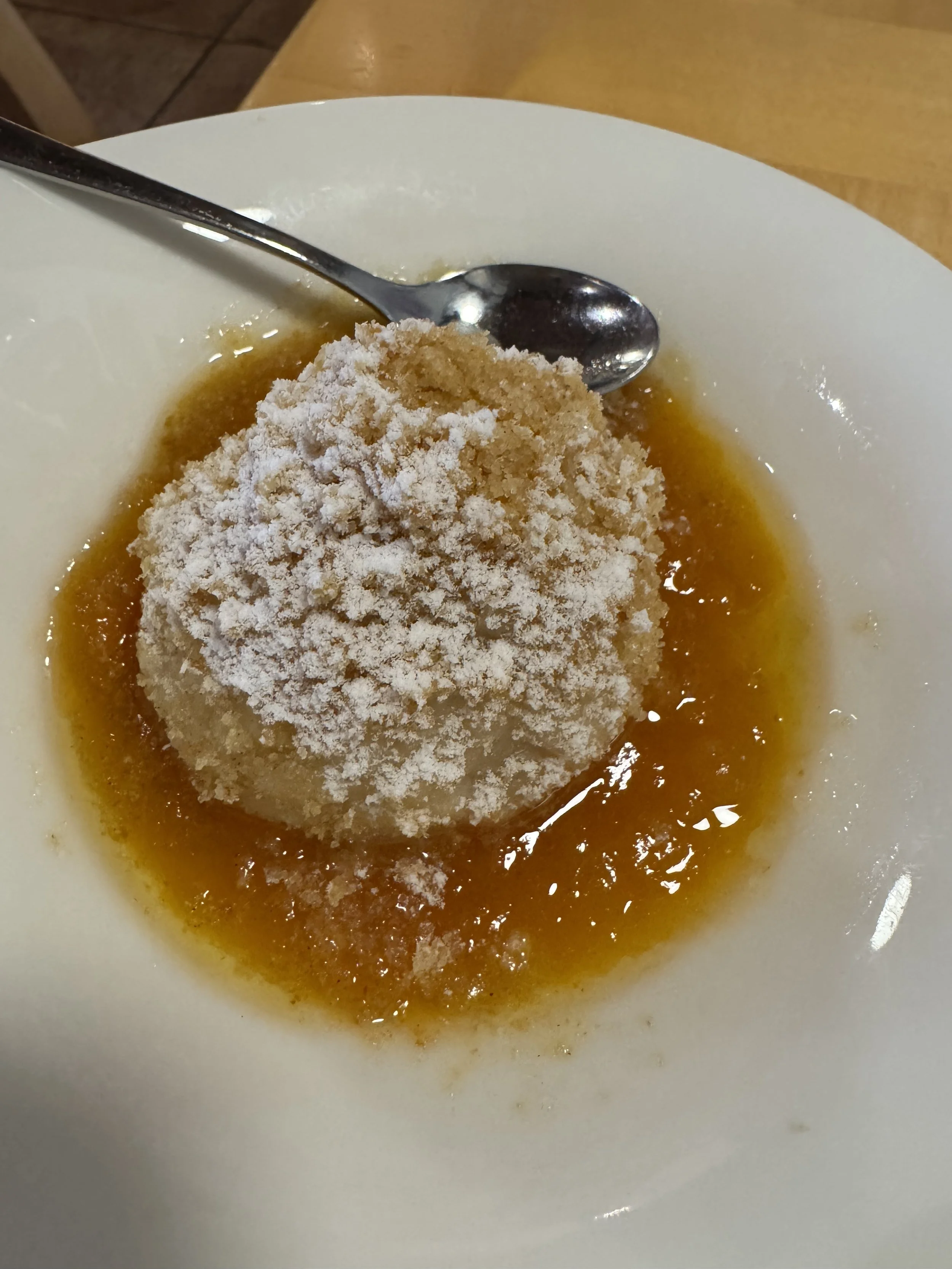
The dumplings were served in a puddle of apricot jam - delicious !
Pieces of the dough are used to wrap around each apricot, forming a round dumpling. The dumplings are then dropped gently in boiling lightly salted water. When they float, they are ready (15-20 minutes).
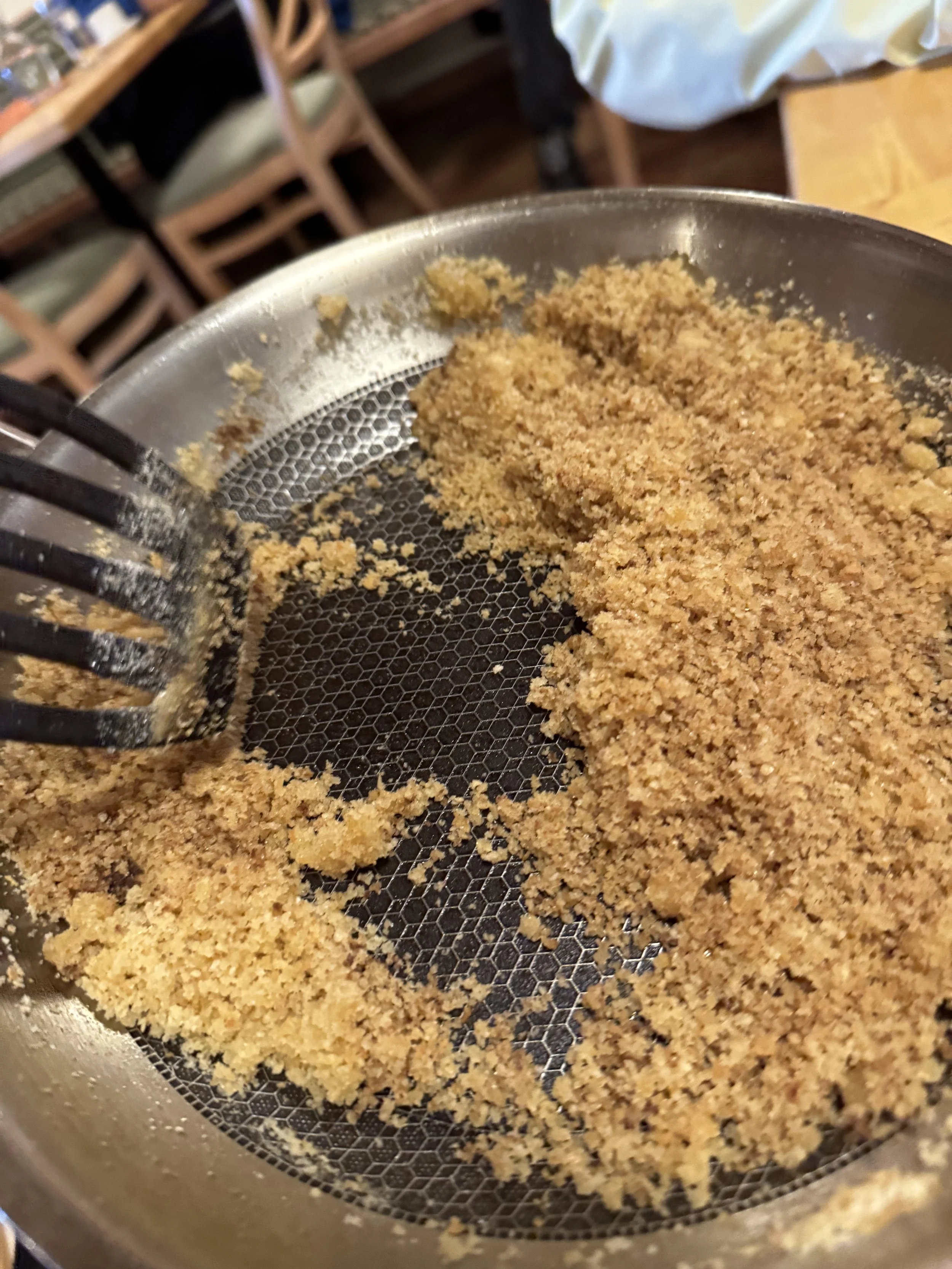
While the dumplings cook, a topping is made from 1 cup bread crumbs, 1 tablespoon sugar, 1 teaspoon vanilla sugar, and 3 tablespoons butter. Mix and toast in a pan until golden and then add 1 teaspoon cinnamon. Roll the boiled dumplings in the crumbs and serve while warm. Toppings can vary – ours were served in pool of thin apricot jam and sprinkled with powdered sugar. They can also be drizzled with honey, topped with vanilla sauce, whipped cream, or even ice cream.
Learning to make them was fun – tasting them was even better. I’ve yet to try making them at home, but will all the ripe apricots in the Italian markets right now I just might give it a try!