Two Parts Italy

Exploring Italy, travel, and living a flavorful life

  • Blog
  • About This Blog
  • Start Here
  • Recent Posts
  • Archives by Topic
  • Subscribe
  • Contact me

Basilica di Sant’Apollinare, Ravenna

Ravenna (Part One)

October 17, 2022 by Joanne Bartram in #ravenna, #mosaicsravenna, #italytravel, Italian Art, Italian art architecture, Italian culture, Italy travel

In 25 years of travels in Italy, how did I miss Ravenna?  My first visit came just last month when I spent a few days there with two friends at the end of our trip on the Treno di Dante (Dante’s Train). While a short visit wasn’t enough time to explore everything Ravenna has to offer, I was able to stand in wonder before the mosaics for which the city is famous, visit Dante’s tomb, and soak in the special atmosphere of this city on Italy’s Adriatic coast.

The tomb of Dante Alighieri in Ravenna

 Living in the Medieval city of Lucca, I thought I had a real appreciation for all things “old”.  But while Lucca brings to mind the 1400’s, Ravenna evokes an era nearly 1000 years before that.  Many of the buildings, with their Byzantine mosaic decorations, date from the 5th century, after the fall of Rome and at the very beginning of the middle ages.  By the time Dante arrived in the city, in 1321, the mosaics were already ancient and provided inspiration for his poetry. 

 It would be easy to be overwhelmed by the number of historic and art filled spaces in Ravenna, so it is important to not try to see them all in one day, or even one visit.  Our first afternoon was spent mostly wandering through town and getting a feel for the city. We also made a stop at Dante’s tomb.
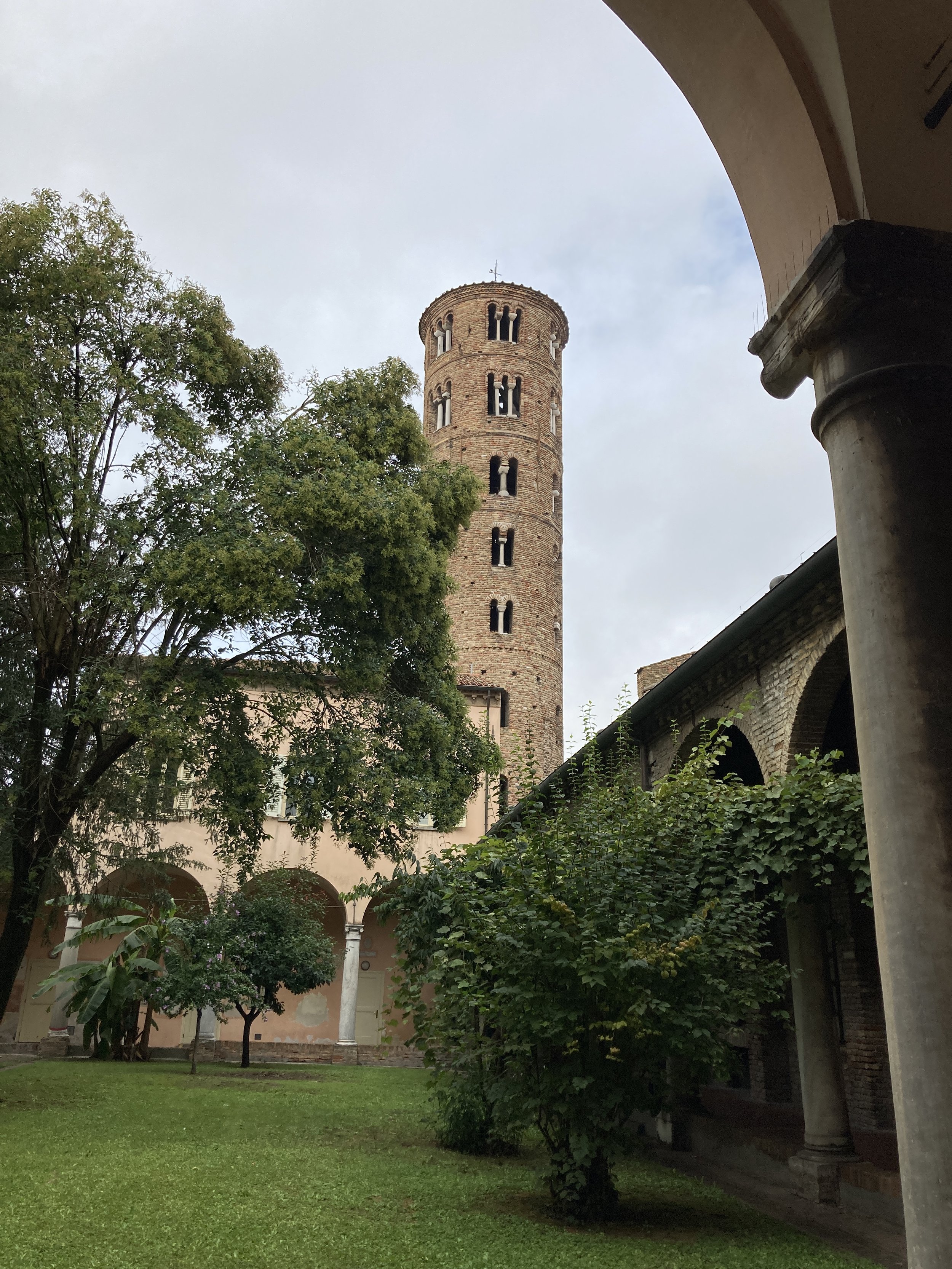
The Basilica of Sant’Apollinare Nuovo, Ravenna


The next two days were devoted to viewing mosaic filled buildings: churches, a baptistery, a museum, and two mausoleum / small chapels. A couple of gardens provided a refreshing break between historic sights and a chance to see another side of Ravenna.

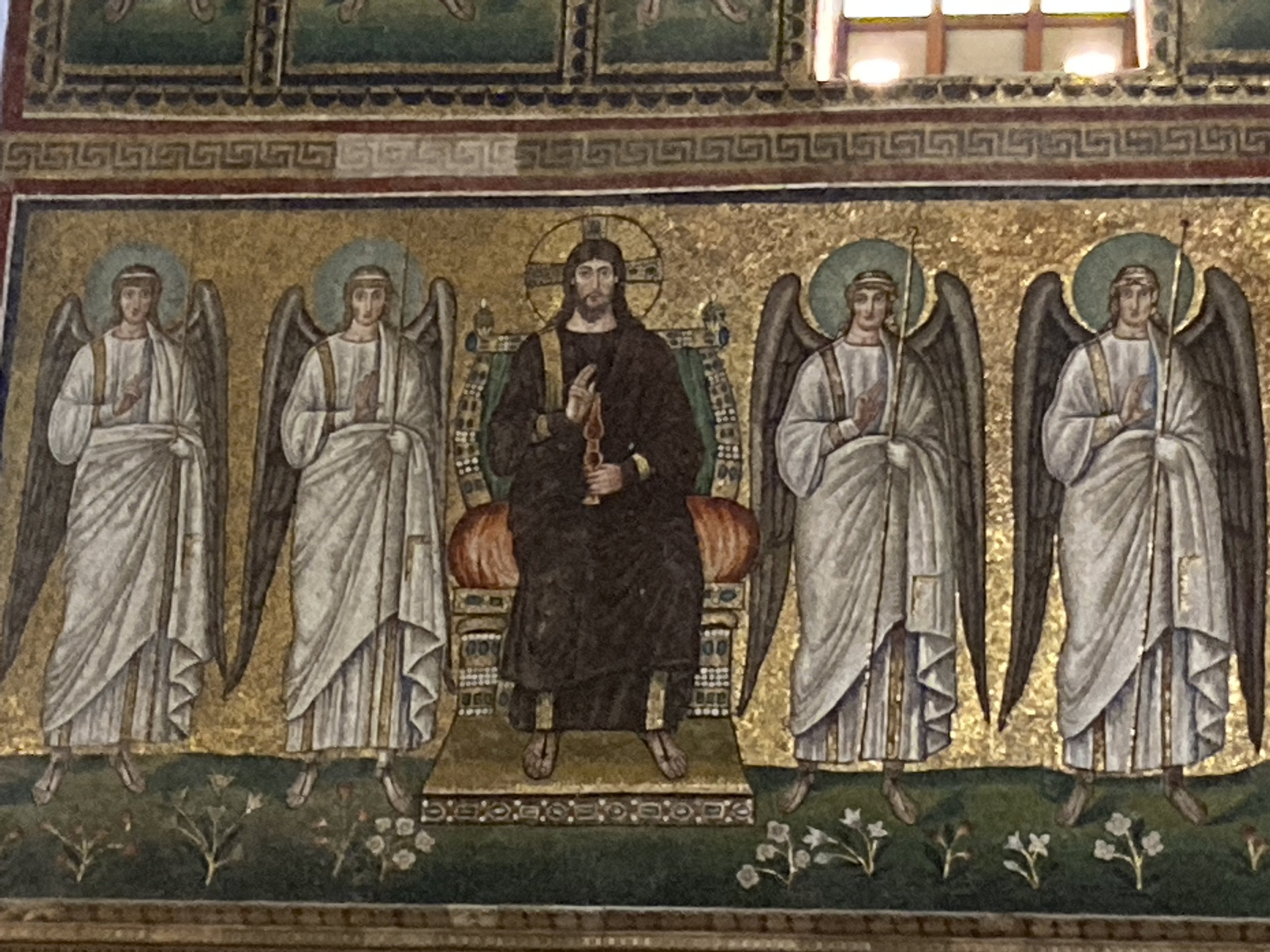
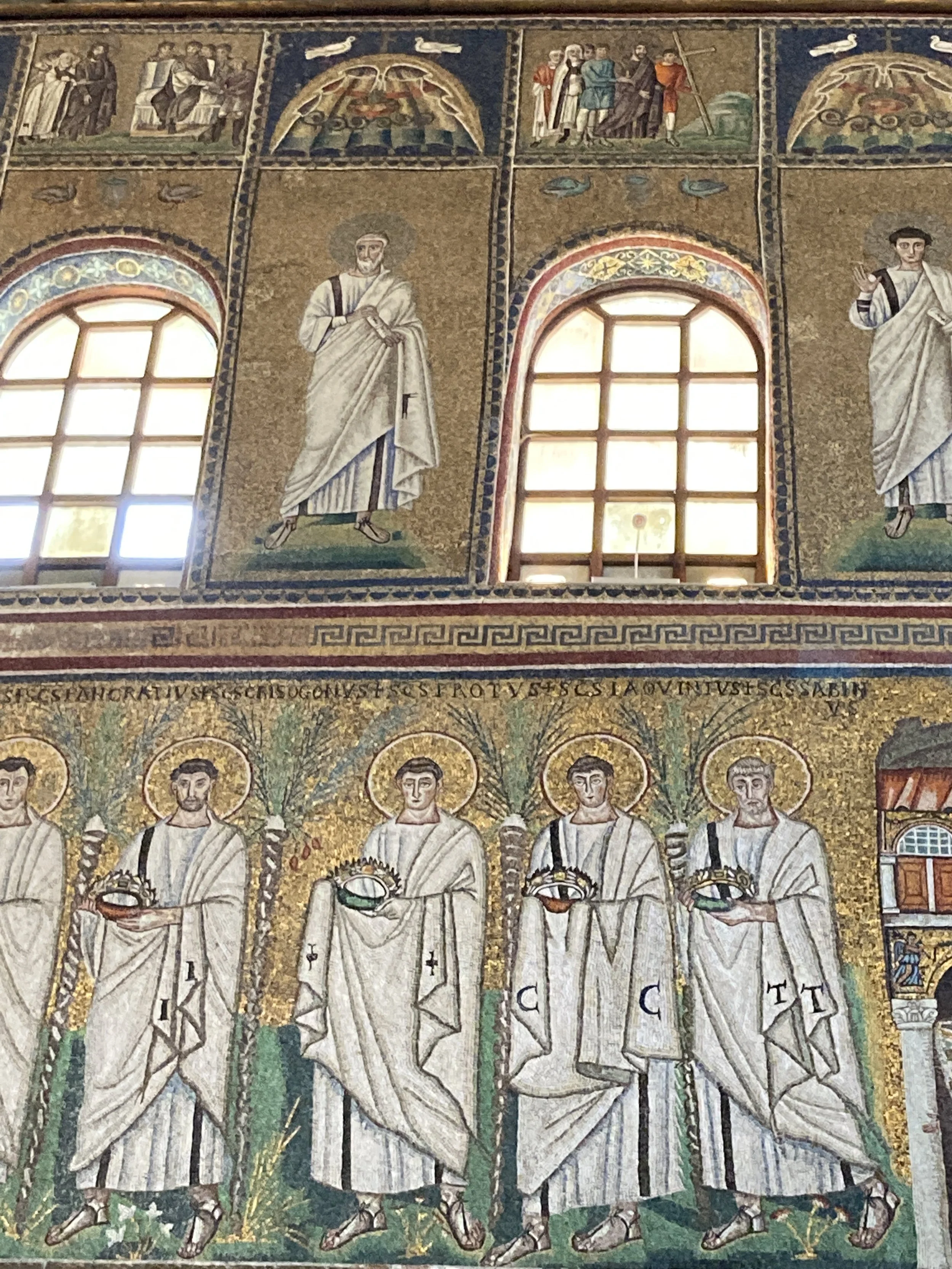
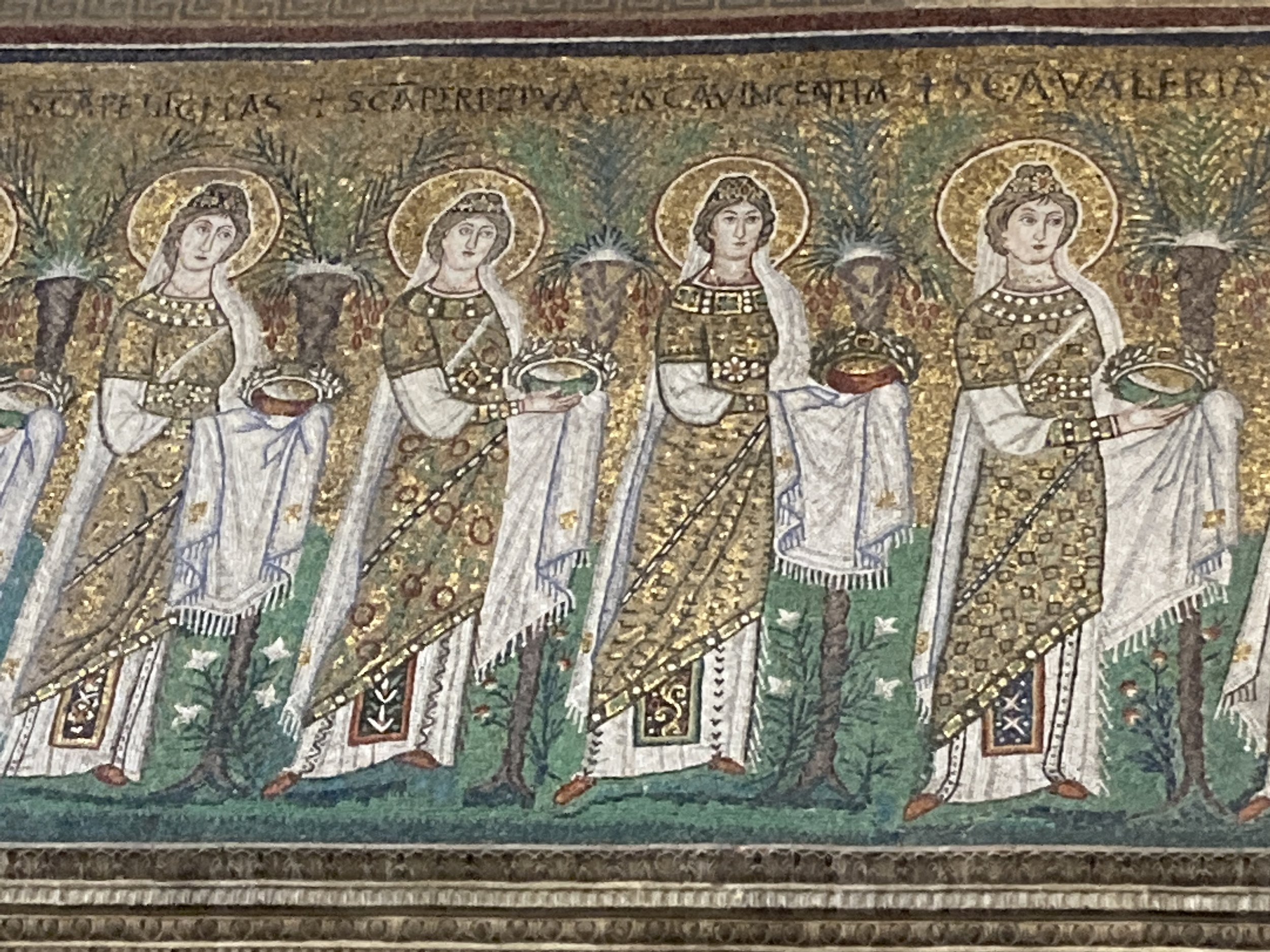
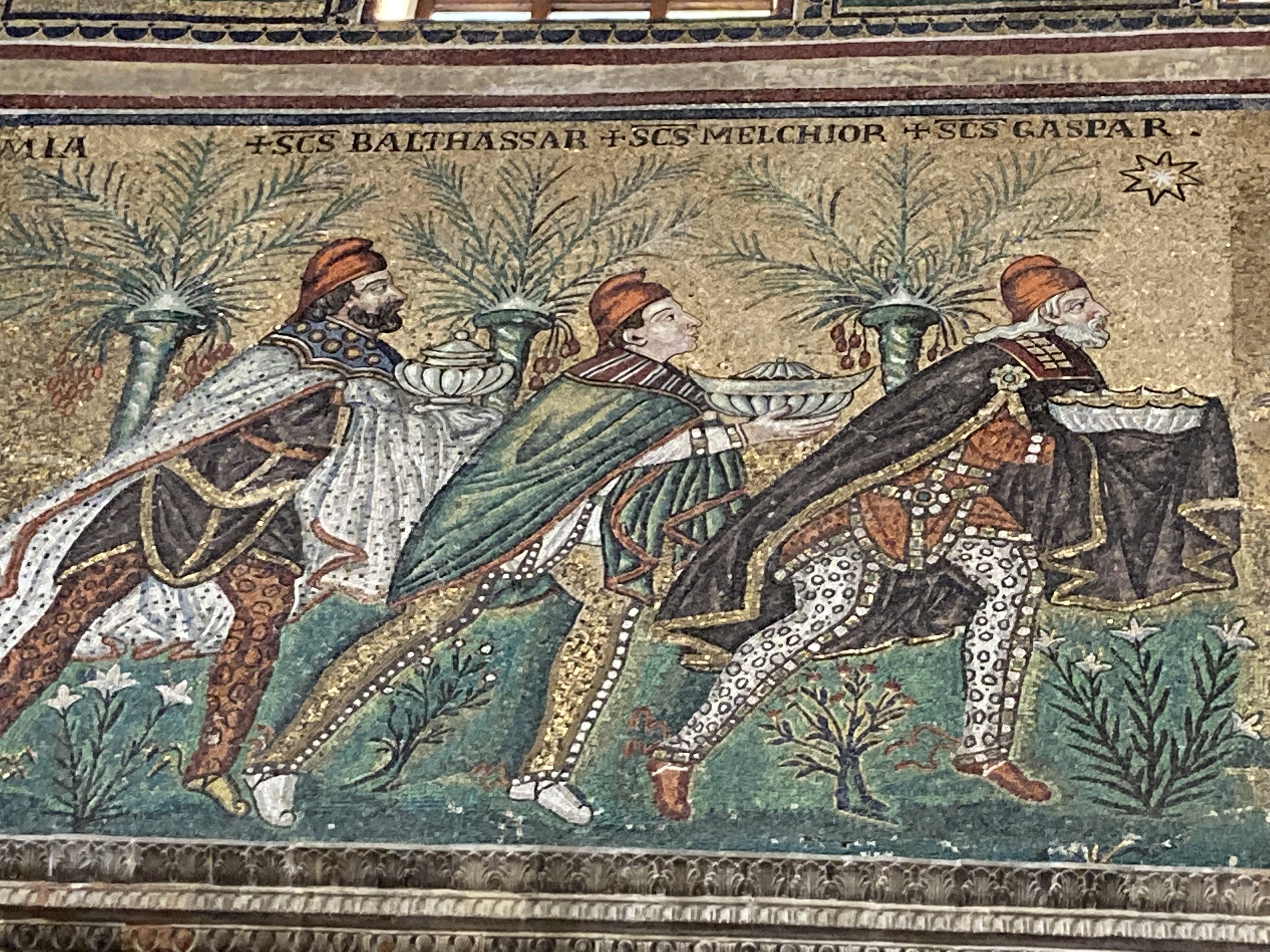
 Our first stop was the Basilica di Sant’Apollinare Nuovo, built near the beginning of the 6th century as a chapel for King Theodoric.  It has had some restoration and remodels over the years along with several name changes. The current name comes from the fact that the church contains relics from Saint Apollinare and it is the newer of two Sant’Apollinare Basilicas in town (the other is Sant’Apollinare in Classe, a bit outside of the city center). The exterior is plain brick but oh, the interior!  The whole room seems infused with color, especially gold. The basilica provided the first of many WOW moments in Ravenna.

The church has a long, tall central nave, with columns supporting arches along both sides (top photo).  Above the arches are three levels of mosaics, small ones at the top and larger ones in the middle and bottom rows.  Depicted are events from the New Testament along with a parade of saints, martyrs, wise men, and virgins.  There are also scenes of miracles and of the Ravenna of more than 1000 years ago.  I doubt that photos can do justice to the mosaics, but here are a few of the scenes that entranced me.
607C3847-59F2-40C0-A8A3-2DC2CA9A0308.jpeg
59B217C8-115C-41D5-98E7-526B723FCC40.jpeg
4B050947-5EF3-47B3-A5AA-E3E8617049DE.jpeg
3DD017C2-8182-4563-A3C4-14217D3F3AC9.jpeg

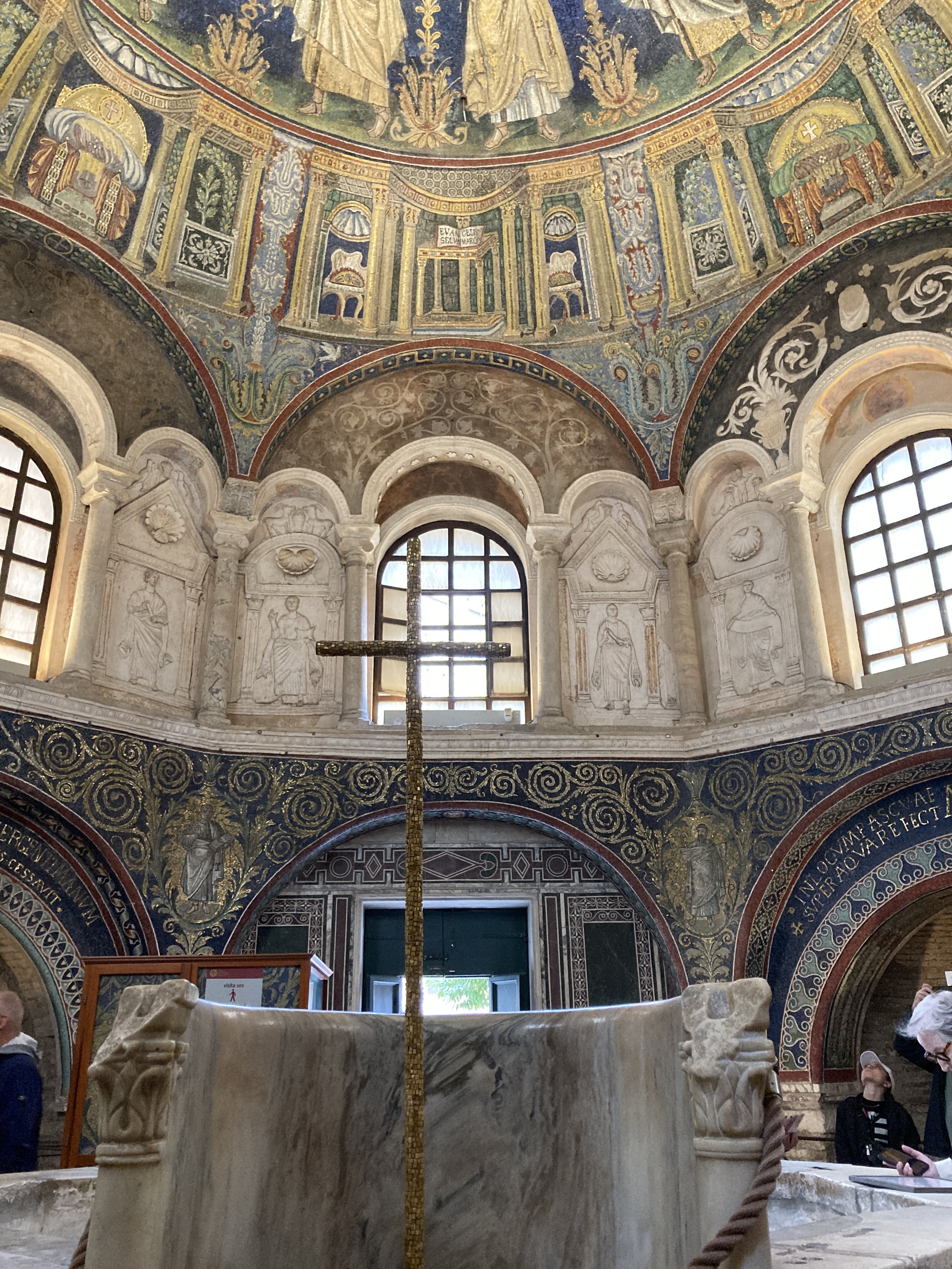
 From the large basilica we headed to the small Battistero Neoniano (Neonian Baptistery, entry ticket and reservation required). This is one of the oldest sites in Ravenna, built early in the 5th century when Ravenna was the seat of the Western Roman Empire.  Like many baptisteries, it is octagonal in shape and contains a large marble baptismal font. 

Central mosaic, Battistero Neoniano, Ravenna

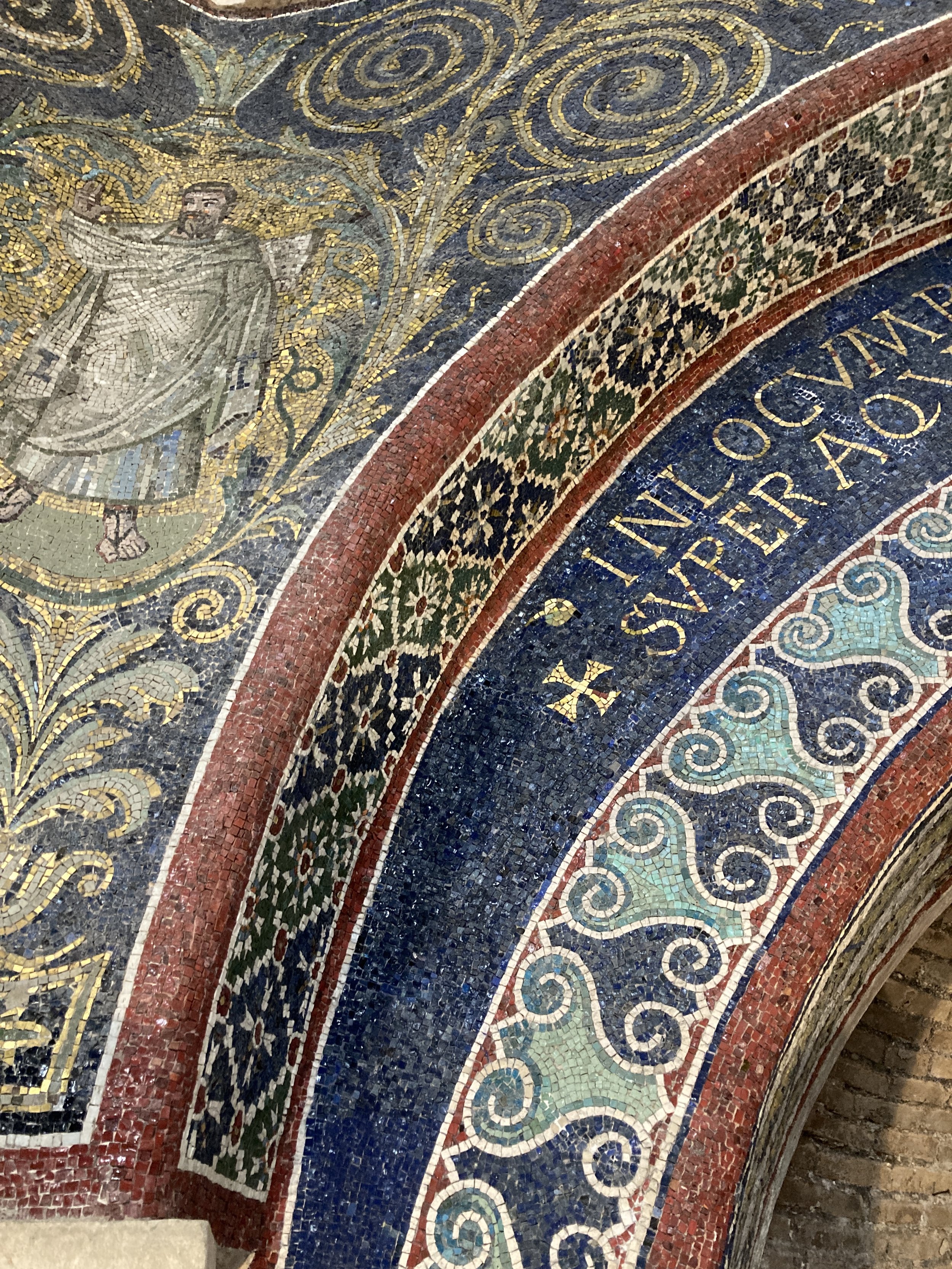
The central dome has a mosaic image of the baptism of Christ – one of the earliest known images of this type.  Moving out from that central image is a mosaic parade of the 12 apostles.  Around the dome’s edges are a series of alternating thrones and altars. The dominant color here is a vibrant blue, although there is still plenty of gold. The walls below the dome also have beautiful decorations with marble carvings and intricate mosaic work. The detail and color fill the small space and feel like a genuine miracle.
6173B8E4-175D-4294-A06B-A32301A9C44E.jpeg
A9CC1BB6-D8C5-4EE6-BF67-FAF5E82F89F4.jpeg
06C627F9-5A05-4BE5-9EA4-0292F216D29A.jpeg

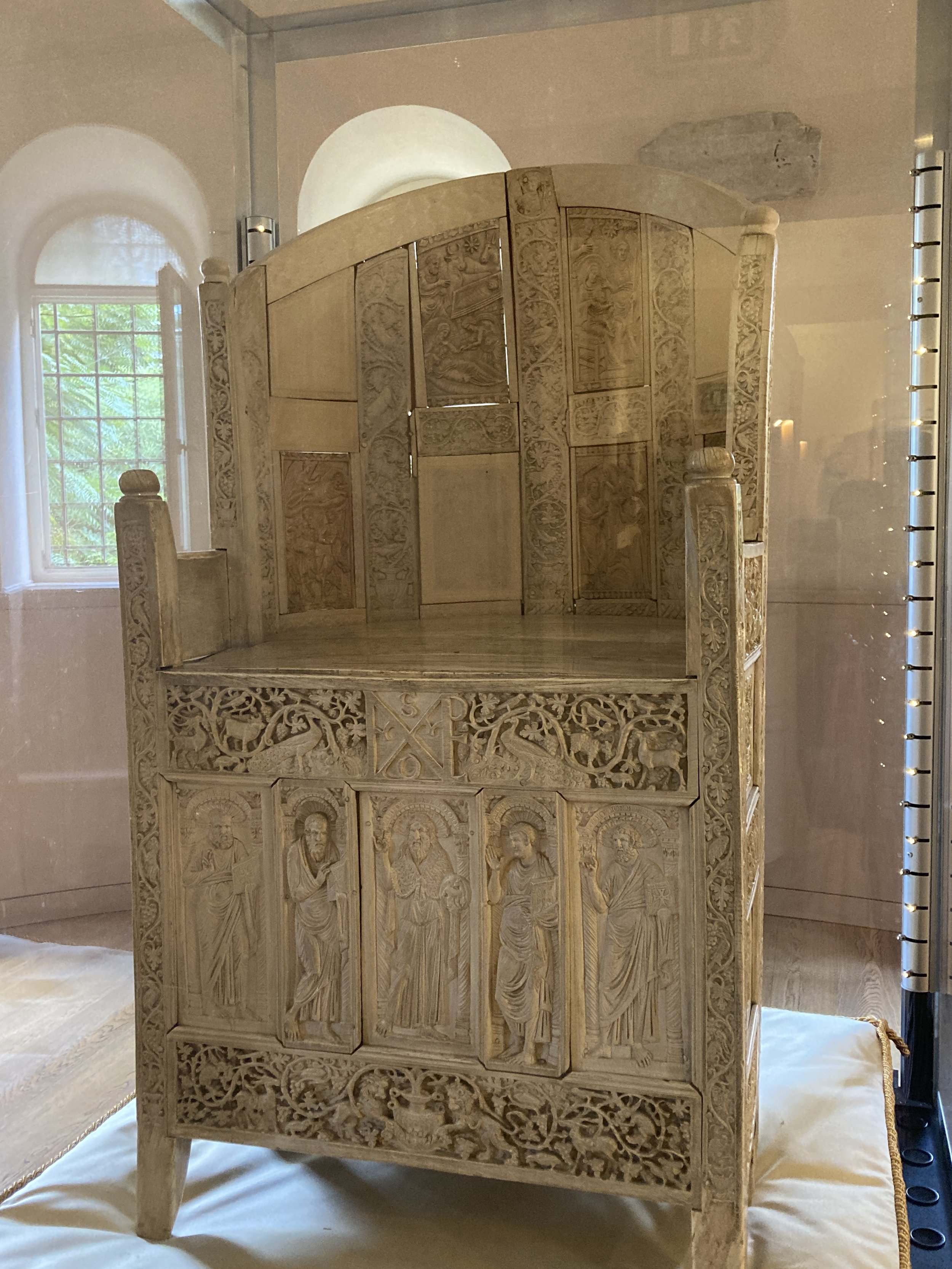
Bishop’s chair, Museo e Cappella Arcivescovile, Ravenna

In the Museo e Cappella Arcivescovile (Bishop’s Museum and Chapel) there are many interesting things to see, including fragments of mosaics from an ancient destroyed church and an intricately carved bishop’s chair (almost a throne really).

The most compelling feature is the tiny chapel, built for the private worship of a long ago Bishop, which is set inside the museum.

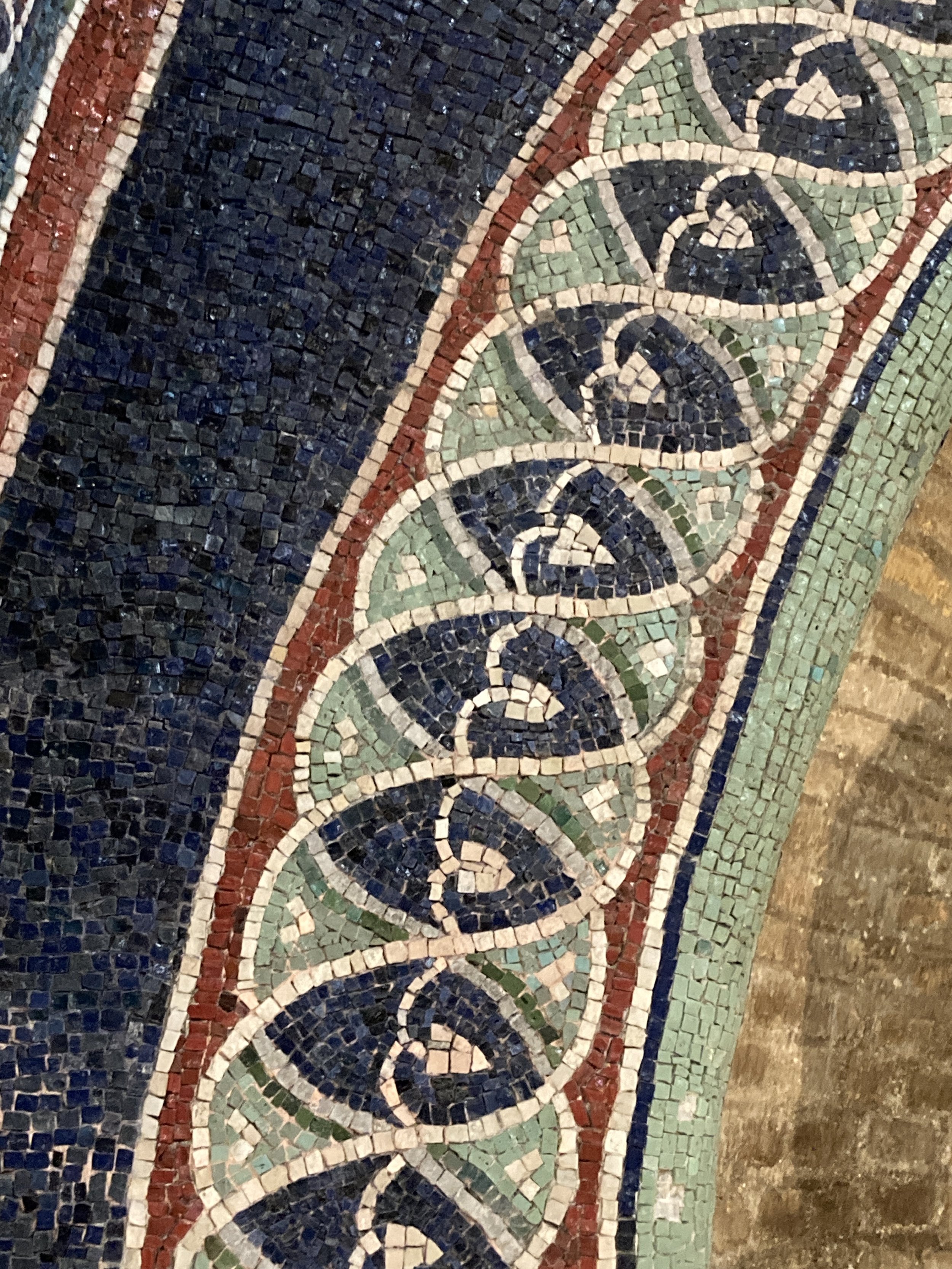
The entry mosaics are colorful and depict Ravenna’s aquatic birds The apse is topped by a starry heaven. The small space is intimate and welcoming.

Cappella Arcivescovile, Ravenna

Just as trying to see all of Ravenna’s important sights in one day can be overwhelming, so can reading about them. Look for more about Ravenna including the Basilica di San Vitale and the Galla Placidia Mausoleum in the coming weeks.

October 17, 2022 /Joanne Bartram
Ravenna, #ravenna, Battistero Neonian, Sant'Apollinare Ravenna, Italy Mosaics, Ravenna Mosaics
#ravenna, #mosaicsravenna, #italytravel, Italian Art, Italian art architecture, Italian culture, Italy travel

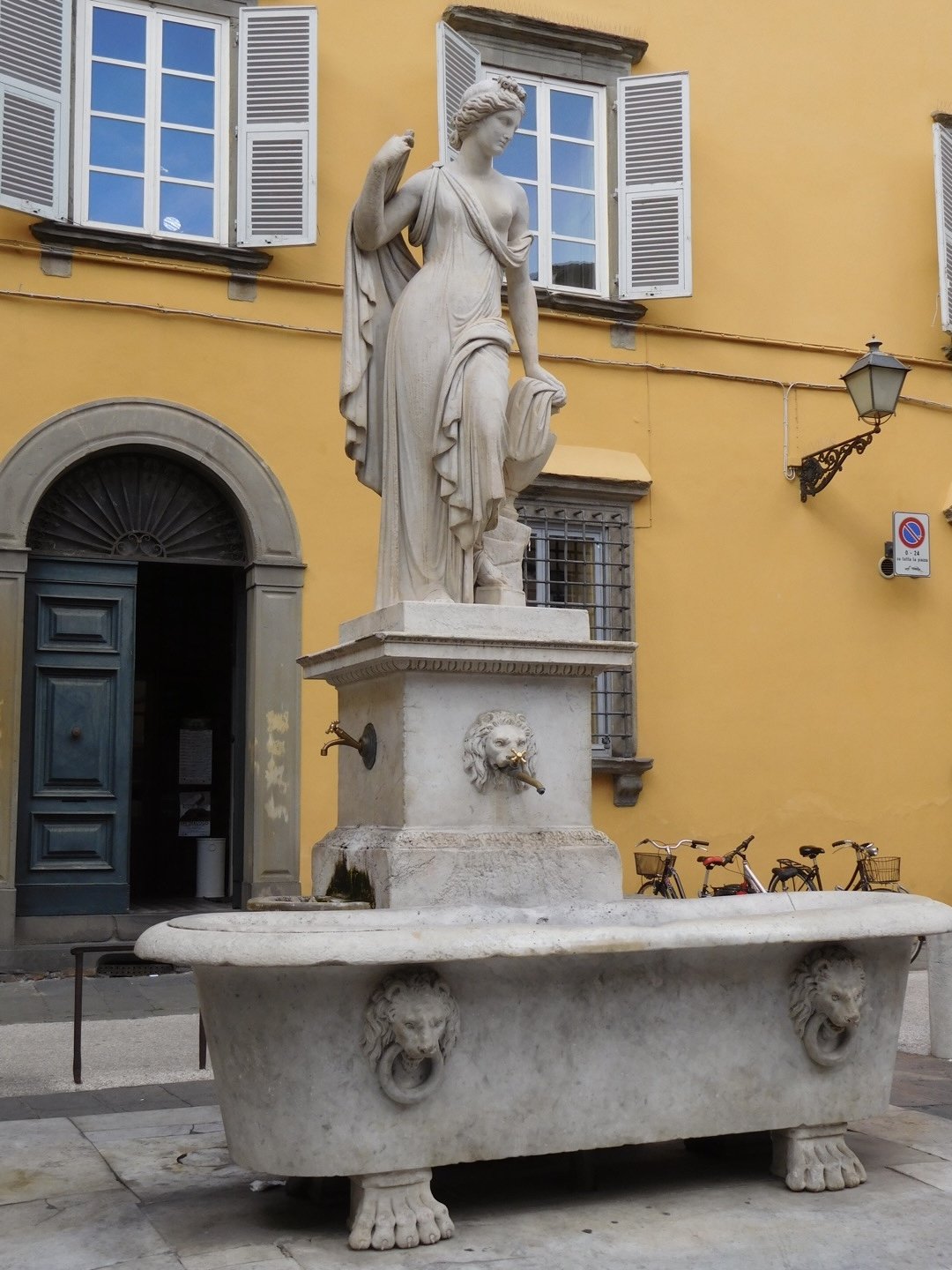
The statue of the Naiade atop a fountain in Lucca

A Fountain of Beauty in Lucca

September 26, 2022 by Joanne Bartram in #lucca, Italian art architecture, Italy, Lucca, Tuscany, #luccafountains

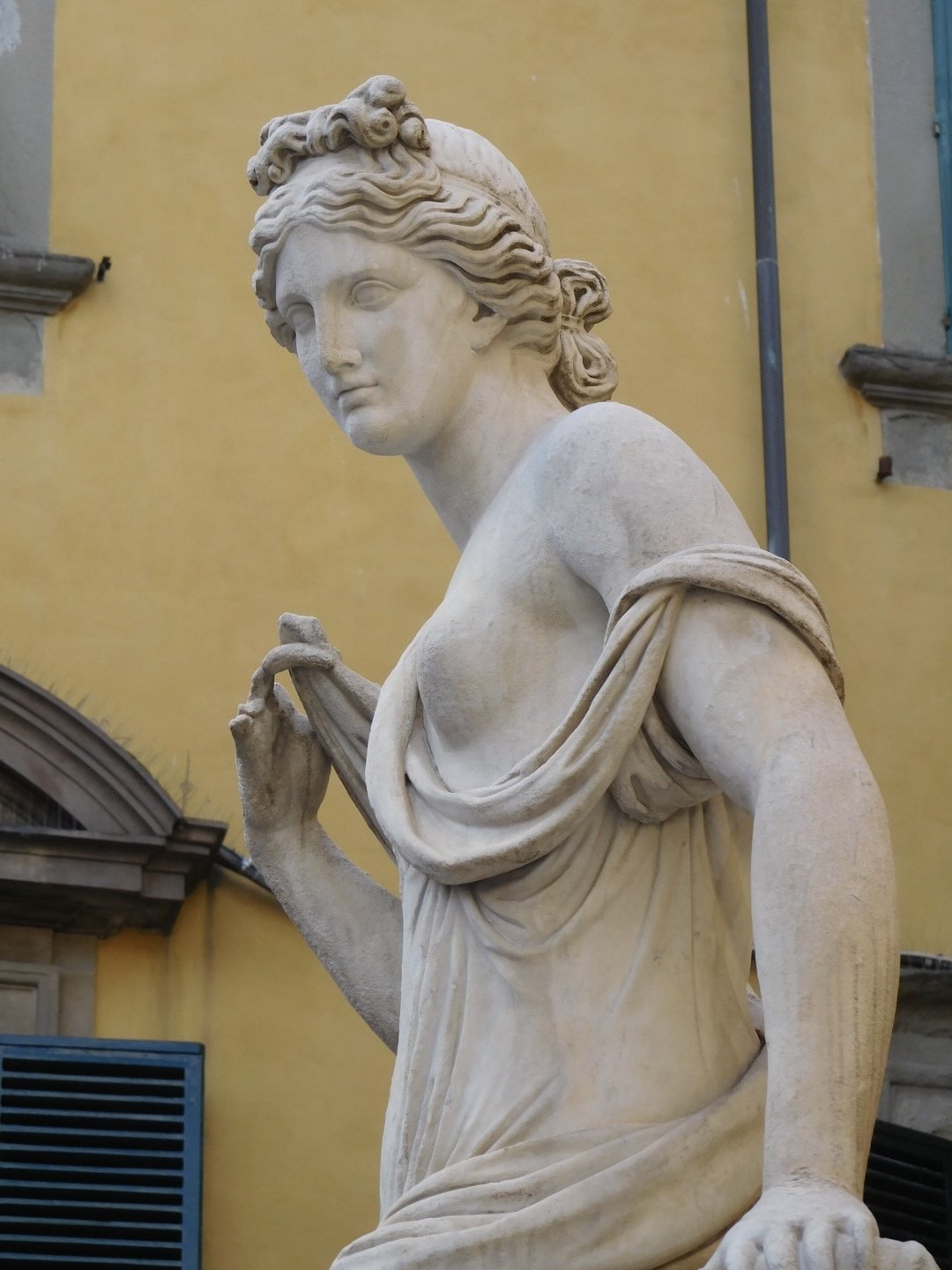
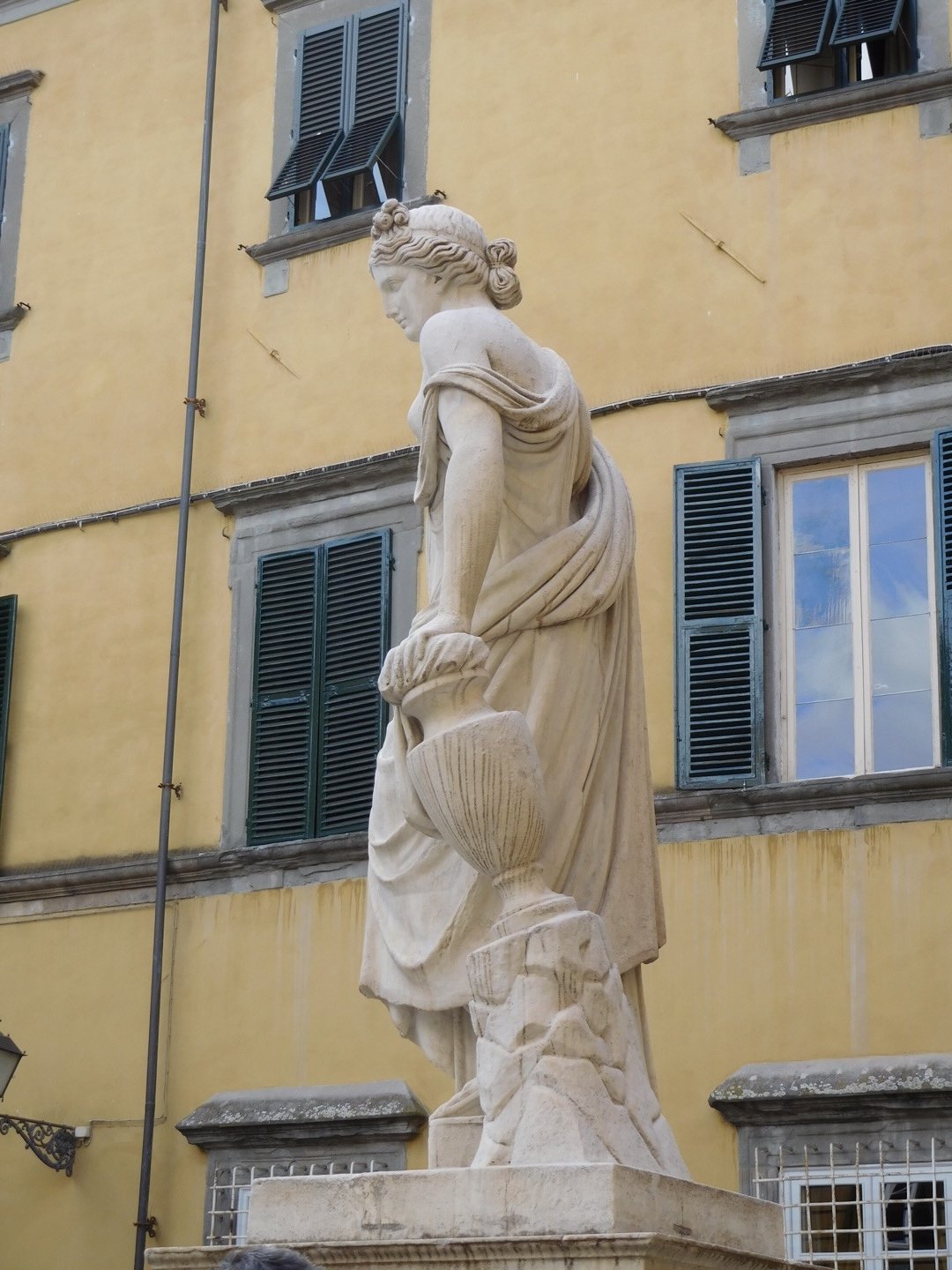
I probably have more photos of her than of any other subject in Lucca - photos taken from every angle, in every light, in every season.  She is a fascinating subject and one of Lucca’s most graceful landmarks.  She is The Naiade or Water Nymph.
 The Naiade rests atop one of Lucca’s many fountains, built in the 1800’s to bring fresh water to the city via Nottolini’s aqueduct. 

Some of the fountains are simple utilitarian structures but are few are quite decorative, none more so than the Naiade fountain. 

She was sculpted by Luigi Camolli from a design by Nottolini, one of Lucca’s most famous architects and sculptors.  She turns an ordinary fountain into a work of art.
The fountain itself is a marvel.  At the base is a large bathtub-like marble basin resting on claw feet and decorated with lion’s heads.  Above the large basin is a rectangular marble column with water spigots on 3 sides, each one placed above a small basin.  This is where so many Lucchese come to fill containers with fresh water direct from the hills beyond Lucca.  Locals swear this water is much better, and much more tasty, than either tap or bottled water.  Some even have a preferred spigot, always filling their bottles from one side of the fountain.   More than just a place to get water, this is also a gathering spot and a place for social connections.

 Above the fountain sits the Naiade who is commonly known by a much less proper nickname.  To locals she is “La Pupporona” which loosely translates to “The Busty One”, so called because of her one exposed breast (in Tuscan dialect the word puppora means breast).  That breast so scandalized a long-ago bishop that he tried to have the statue removed.  Fortunately he did not succeed! 

 The Pupporona is elegant, with softly draped folds in her garments, curvy hips, and perfectly coiffed hair.  She is made even more striking by the backdrop offered by the surrounding buildings, including the oche colored Church of San Salvatore (also known as the Church of the Misericordia).  The piazza where she resides is also named Salvatore, but don’t be surprised to hear it called Piazza della Pupporona, such is her fame.    

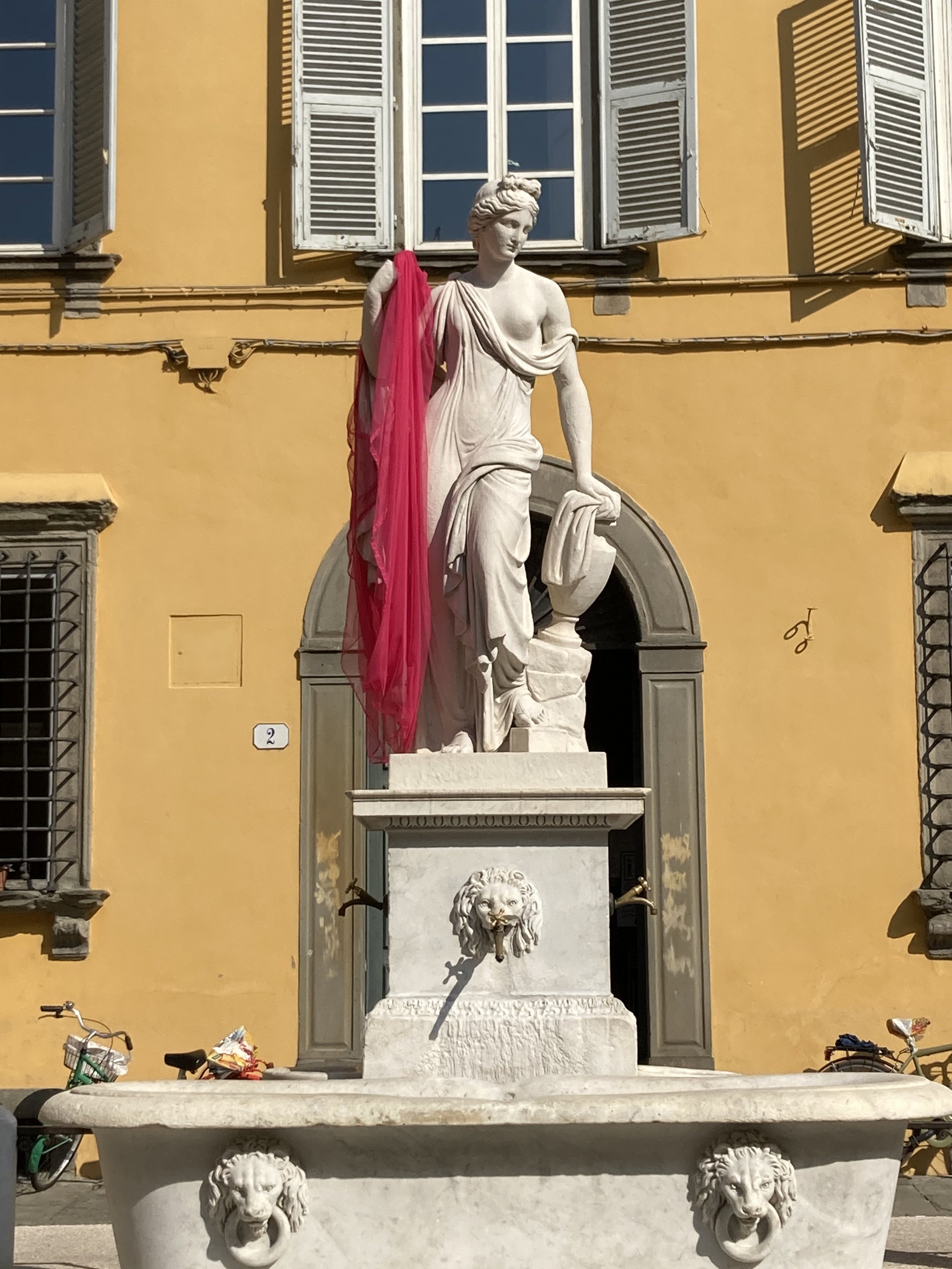
 Much loved by locals, she is occasionally adorned with a red scarf, a symbol of support for female victims of domestic violence.  Once, back in 2017, she was vandalized when someone drew a mustache on her face during the night.  Che peccato! The damage was quickly repaired.  I don’t believe the culprits were ever caught, but the vandalism caused quite an uproar. 

 On one of my first visits to Lucca I snapped a photo of the Naiade long before I knew the story behind her creation.  I just knew that she was lovely and she quickly became the representative image of Lucca in my memory.  Today, that photo is one I use as the symbol for Two Parts Italy and which accompanies each Monday morning email to subscribers.  It is still one of my all time favorite photos.  Be sure to stop by this small piazza when you visit Lucca. And don’t forget to fill your water bottle!

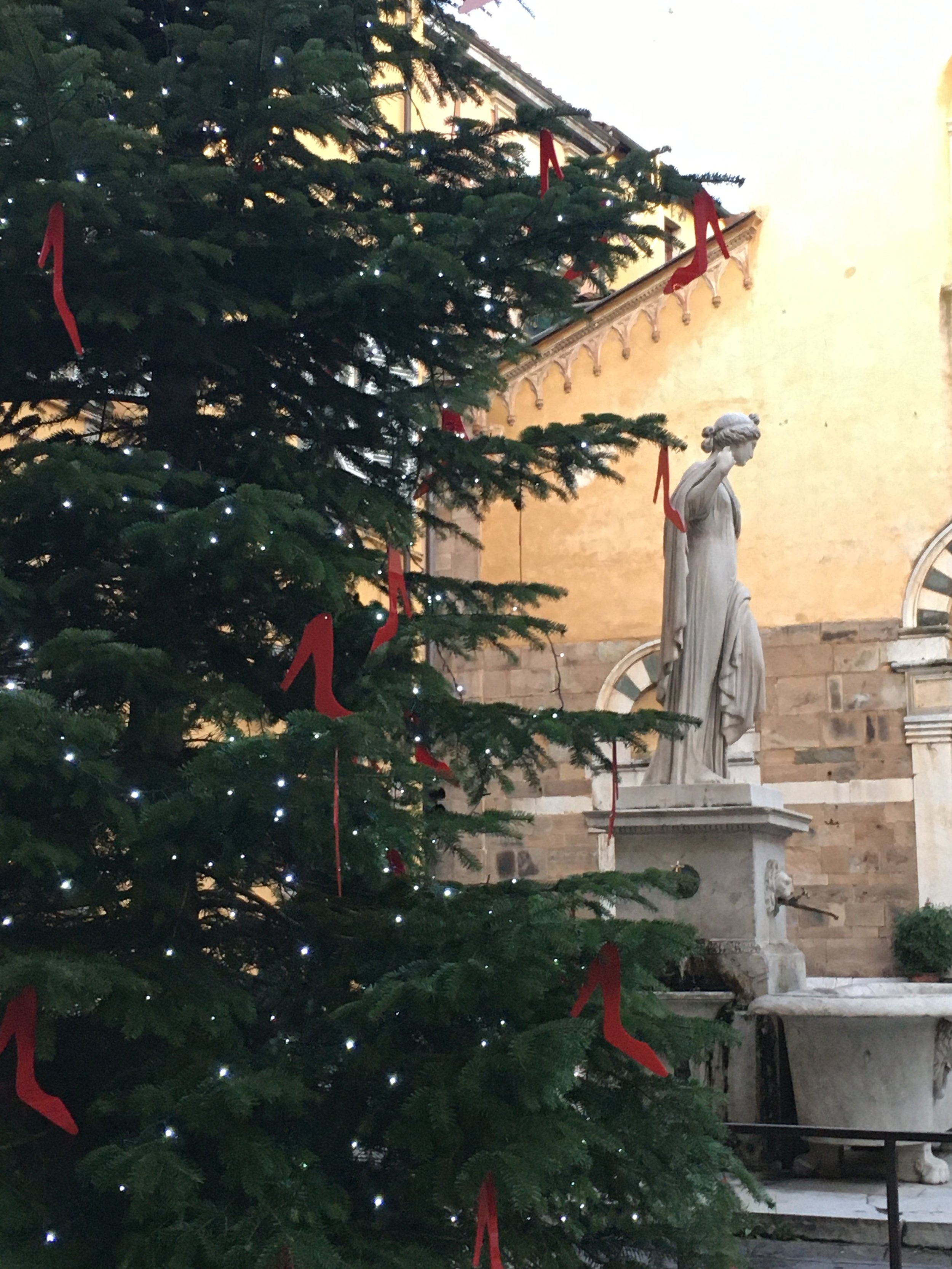
The statue of the Pupporona at Christmas time


September 26, 2022 /Joanne Bartram
Lucca fountains, Nottolini fountains, Pupporona, Naiade Fountain Lucca
#lucca, Italian art architecture, Italy, Lucca, Tuscany, #luccafountains

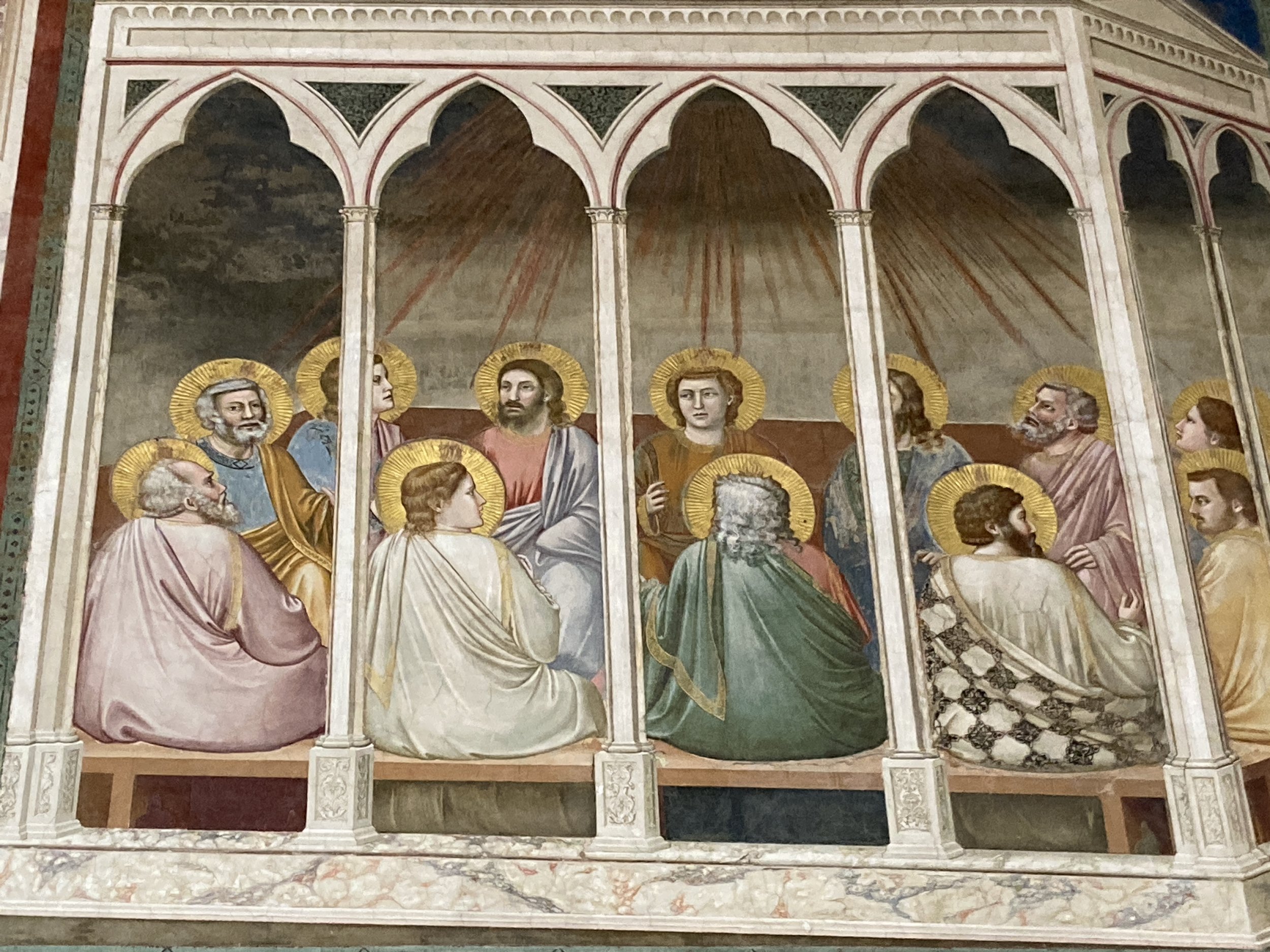
Giotto Panel #37. Pentecost Scrovegni Chapel

And Then Came Giotto

August 29, 2022 by Joanne Bartram in #italytravel, Churches Italy, Italian Art, Italian art architecture, Italy, Padova, Padua

I am not an art historian; far from it.  I don’t even claim to be a serious student of art.  And yet, it is impossible to live in Italy and not develop a profound appreciation for art. There are museums full of ancient art – Etruscan and Roman – displaying artifacts from those eras, from tiny jewelry pieces to funeral urns, mosaics, and classic statuary.  And though there were also Roman painters, the examples that have survived are relatively few.  In contrast, paintings from the late Medieval (Middle Age) and Renaissance periods fill Italian churches and museums.  The differences between the two eras can be appreciated by even an untrained observer like myself.

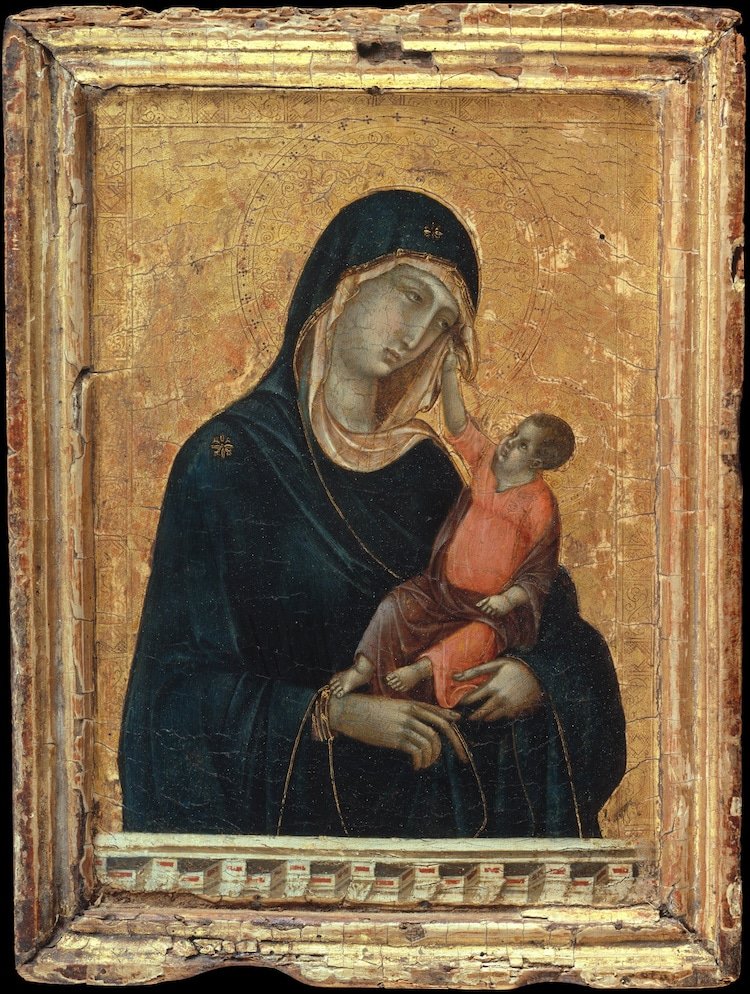
Madonna and Child ca. 1300 artist: Duccio. (photo from Wikimedia Commons Public Domain). An example of painting from the Medieval era.

Prior to the Renaissance, Medieval paintings were characterized by religious subjects, often a single figure filling the center of a painting.  The figures were flat and the faces often expressionless.  The human form was not natural looking or sensuous.  These were icons, not neighbors.

Backgrounds and perspective were not very important components of medieval painting.  And all that gold!  Gold shows up everywhere in Italian art of the middle ages.  In backgrounds, in halos, in elaborate detailing.  Imagine how that gold appeared – as the richness of God, the divine light – and also, perhaps, an symbol of the wealth of the patron or church who commissioned the work.

In contrast, paintings from the Renaissance era (1400 – 1600 AD) make wonderful use of perspective and often place subjects in natural settings.  The figures are realistic, their human-ness evident.  The clothing drapes and swirls, the faces show a full range of emotions.  The subjects are still largely religious, though portraits were also painted, usually for wealthy patrons (think of Da Vinci’s Mona Lisa, painted in 1503).  The names of Renaissance artists are familiar: Donatello, Da Vinci, Michelangelo, and Raphael being perhaps the most widely known artists from the 1400’s.

An unfinished Da Vinci portrait painted between 1500 - 1505. La Scapigliata (the word scapigliata refers to her disheveled hair) hangs in the National Museum in Parma, Italy. The difference between this Renaissance painting and earlier Medieval ones is pretty clear!

And in between the two periods, the Medieval and the Renaissance, came Giotto di Bondone (1267-1337). Giotto was that rare artist who was appreciated, even famous, during his lifetime. He even merited a mention by his contemporary Dante in The Divine Comedy. 

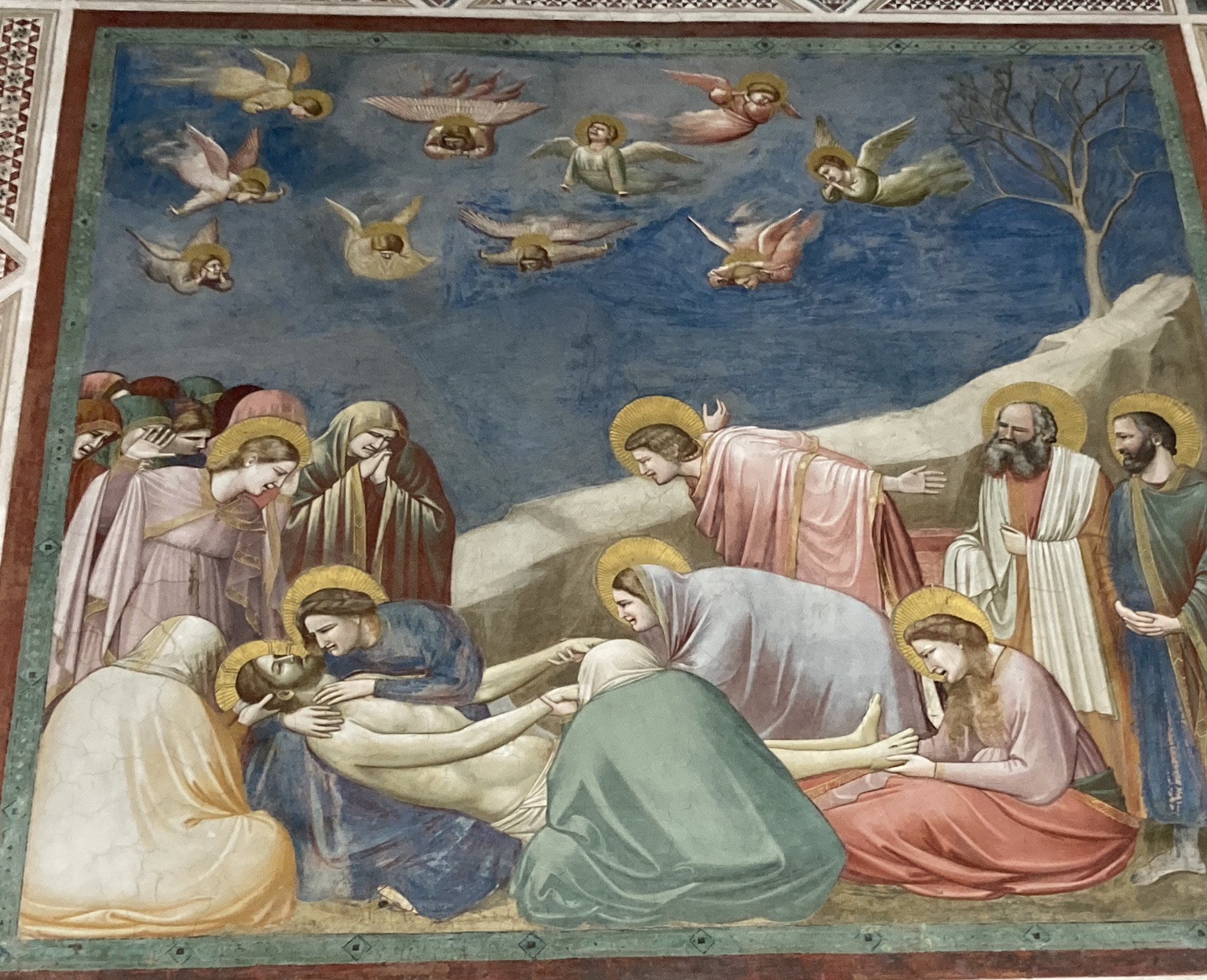
 Giotto revolutionized Italian art, creating life-like figures and placing them in more natural settings. Giotto’s figures show a full range of emotions through their facial expressions. No flat, lifeless saints and madonnas here!   Giotto’s scenes are populated by people who look like the neighbors down the street (at least what the neighbors would have looked like in 1300).  His men are placed in realistic poses and settings, his ladies have (gasp!) breasts over which their garments drape. His angels fly, his flames flicker.  And while the saints still have halos of gold, their clothing is colorful and the background is the most heavenly blue. 

Panel # 34. Weeping over the Body of Christ. Scovegni Chapel.

Sadly, much of Giotto’s work has been destroyed, by time and by fire.  Of the works that remain, the Scrovegni Chapel in Padova is Giotto’s capolavoro (masterpiece). A chance to see the frescoes there was the main reason for my trip to Padova last fall. The church is small and intimate, built as a private chapel for the Scrovegni Family.  The frescoes are in wonderful condition, the figures beautiful, and the colors spectacular.

Panel #35. The Resurrection

The frescoes wrap around the chapel, in a three-tiered series of panels, telling stories from the life of Joachim and Anne, Mary, and Christ. The scenes are full of life, there is movement and emotion, the figures pull you in to their story. Through it all Giotto proves to be not just an accomplished artist but a master storyteller as well.

Panels #8 (Presentation of the Virgin), 21 (Baptism of Jesus), and 33 Crucifixion (top to bottom)

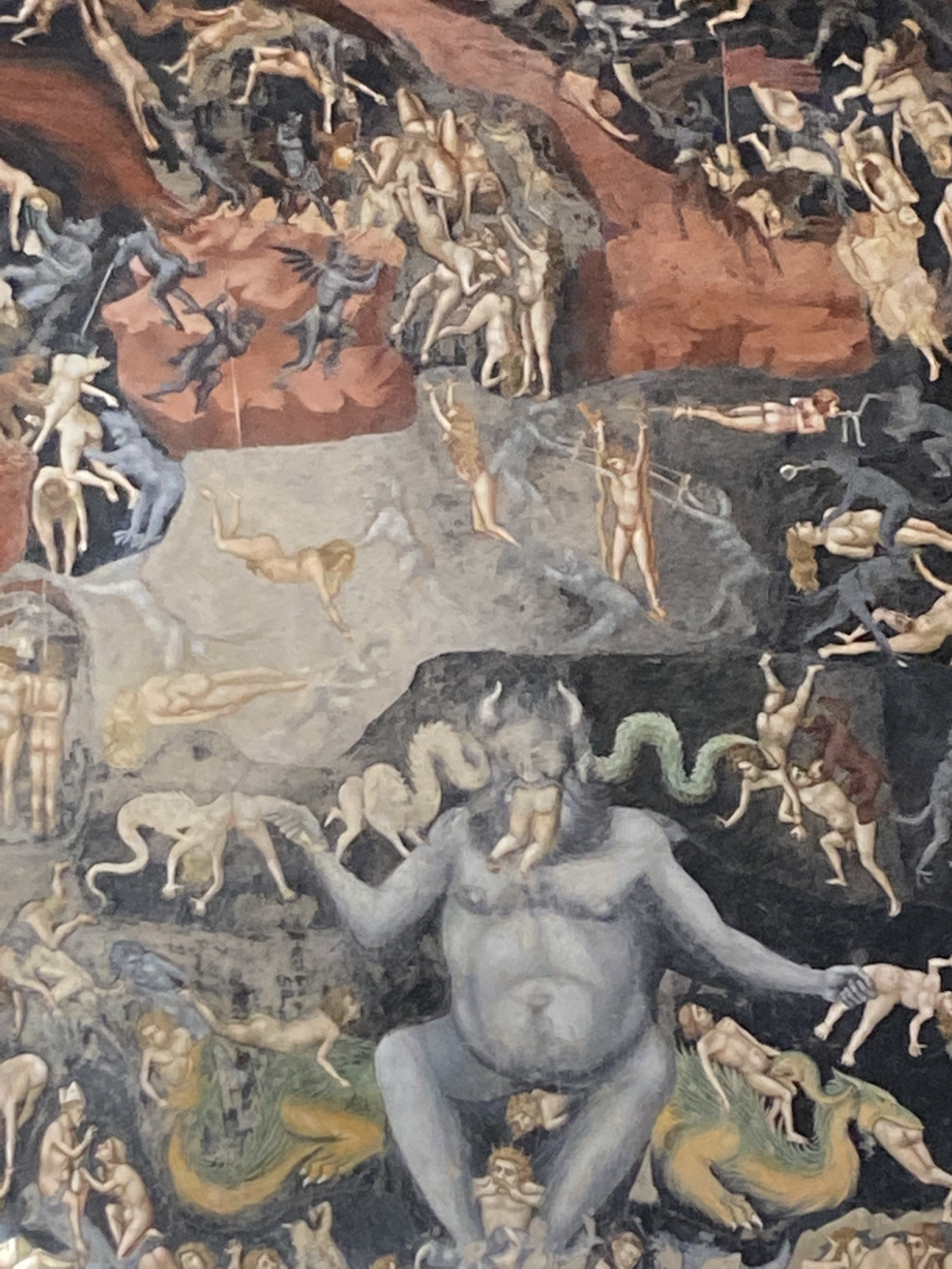
The far end of the chapel has the largest scene - the Last Judgement. It is stunning in both its beauty and its brutality. 

To the left, heaven. To the right, a hell that is terrifying!

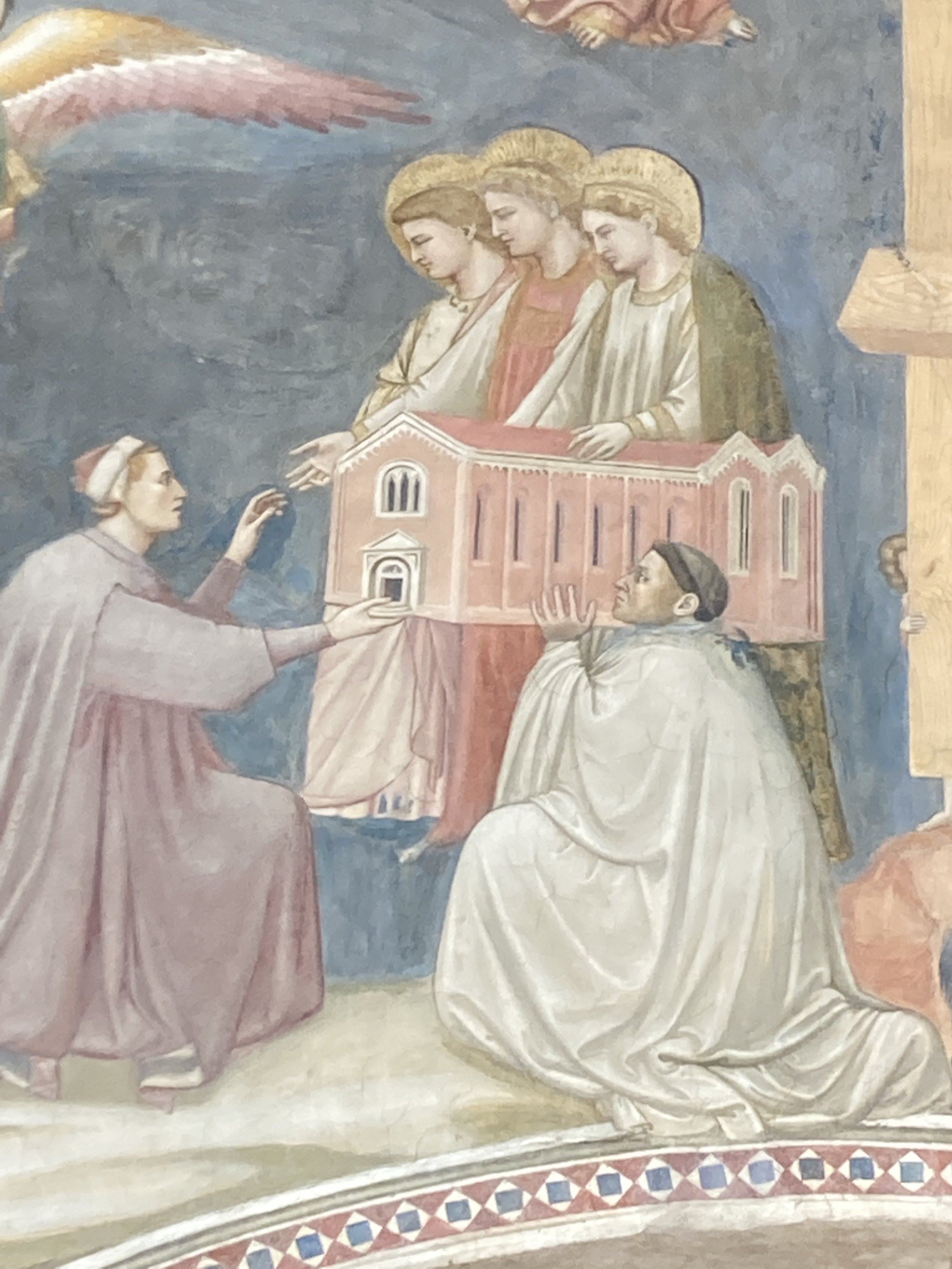
 Look closely and you will find Enrico Scrovegni, offering up the chapel in atonement for the sin of usary (the Scrovegni family were money lenders). This is no doubt an attempt to avoid Giotto’s graphic depiction of hell.

02953DB2-70B8-4662-A9C2-A2BE98E6AB8A.jpeg
7BD86F30-D7B3-4FED-8BA1-94BDF522EBC5.jpeg

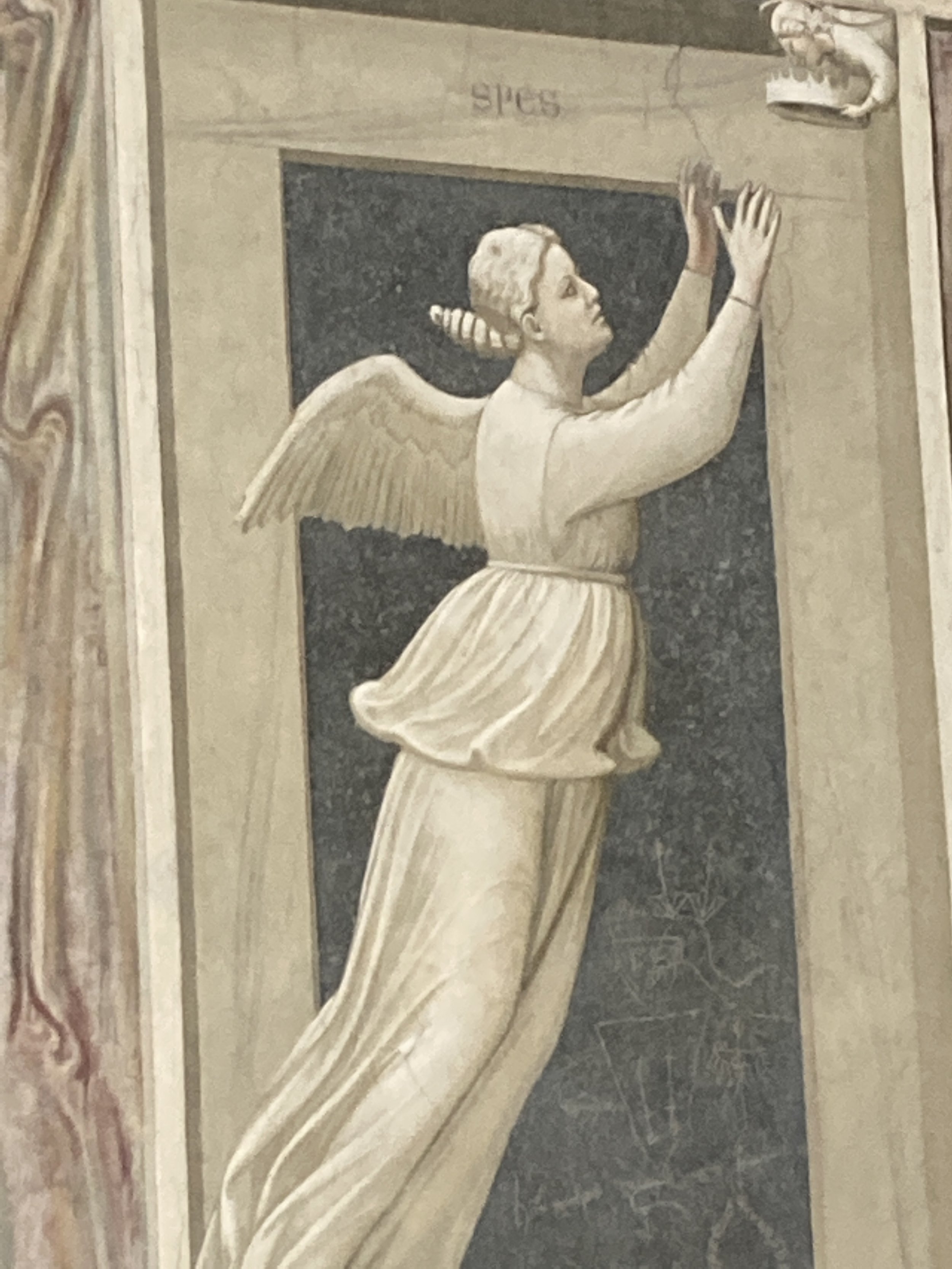
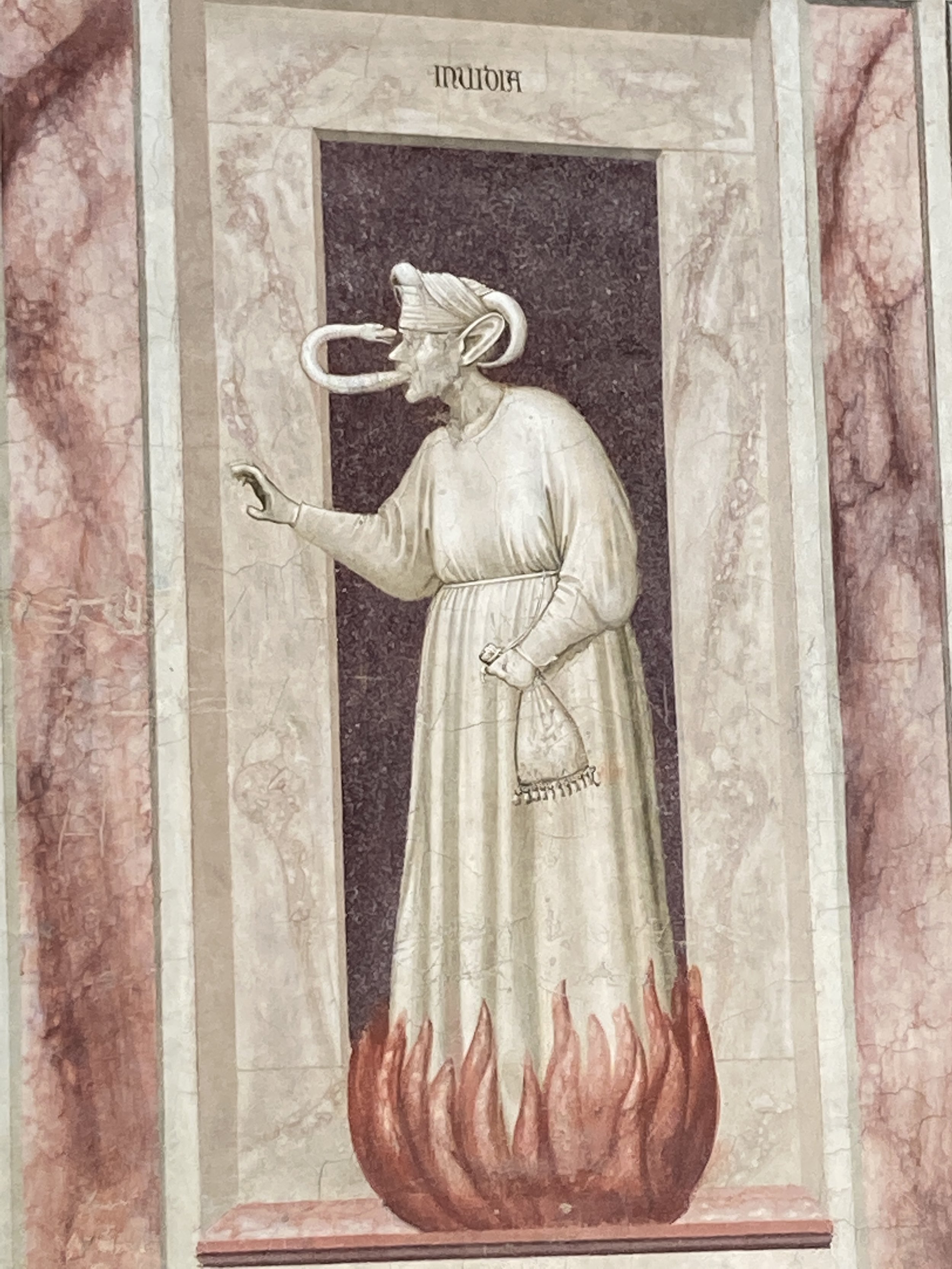
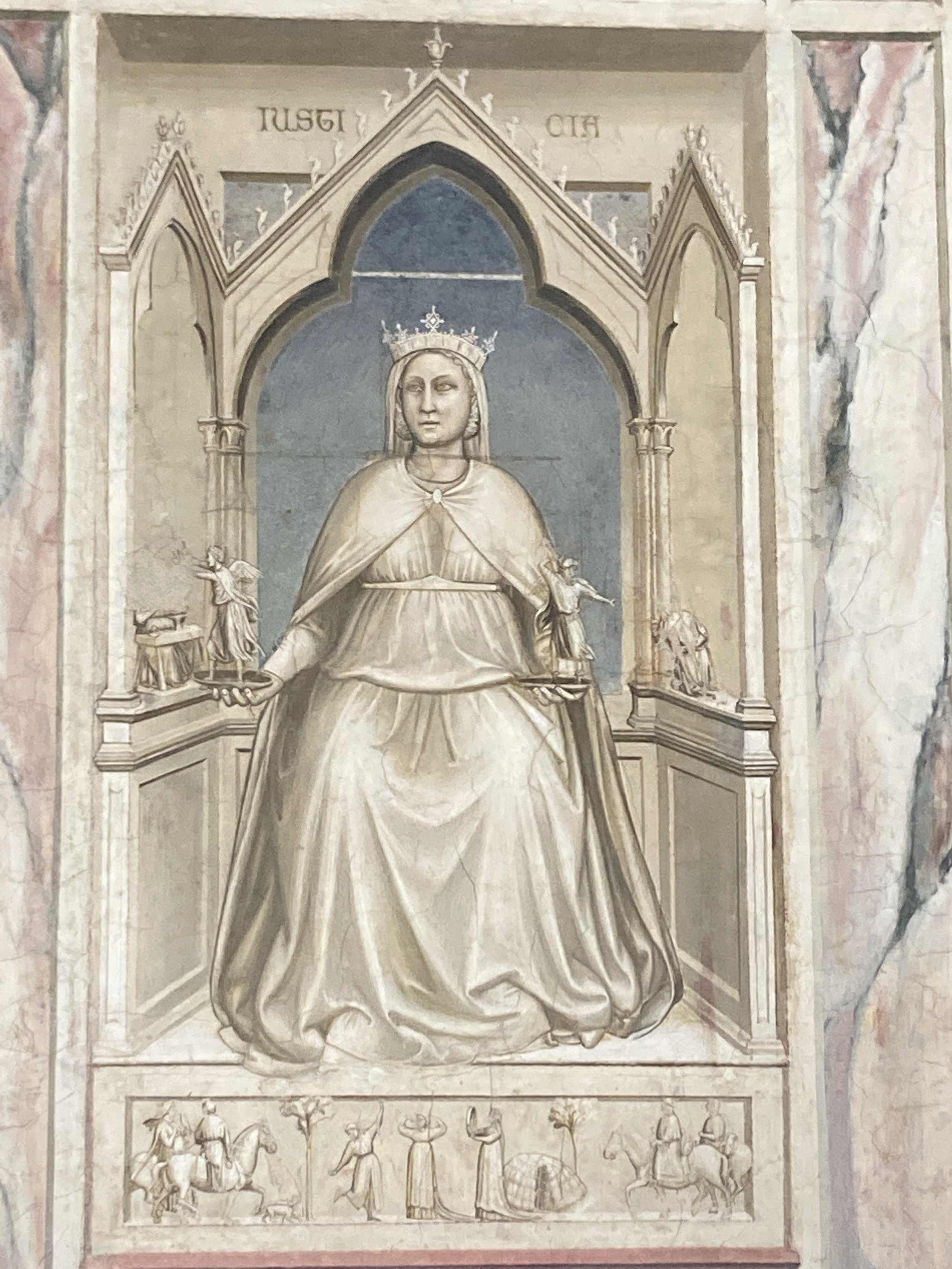
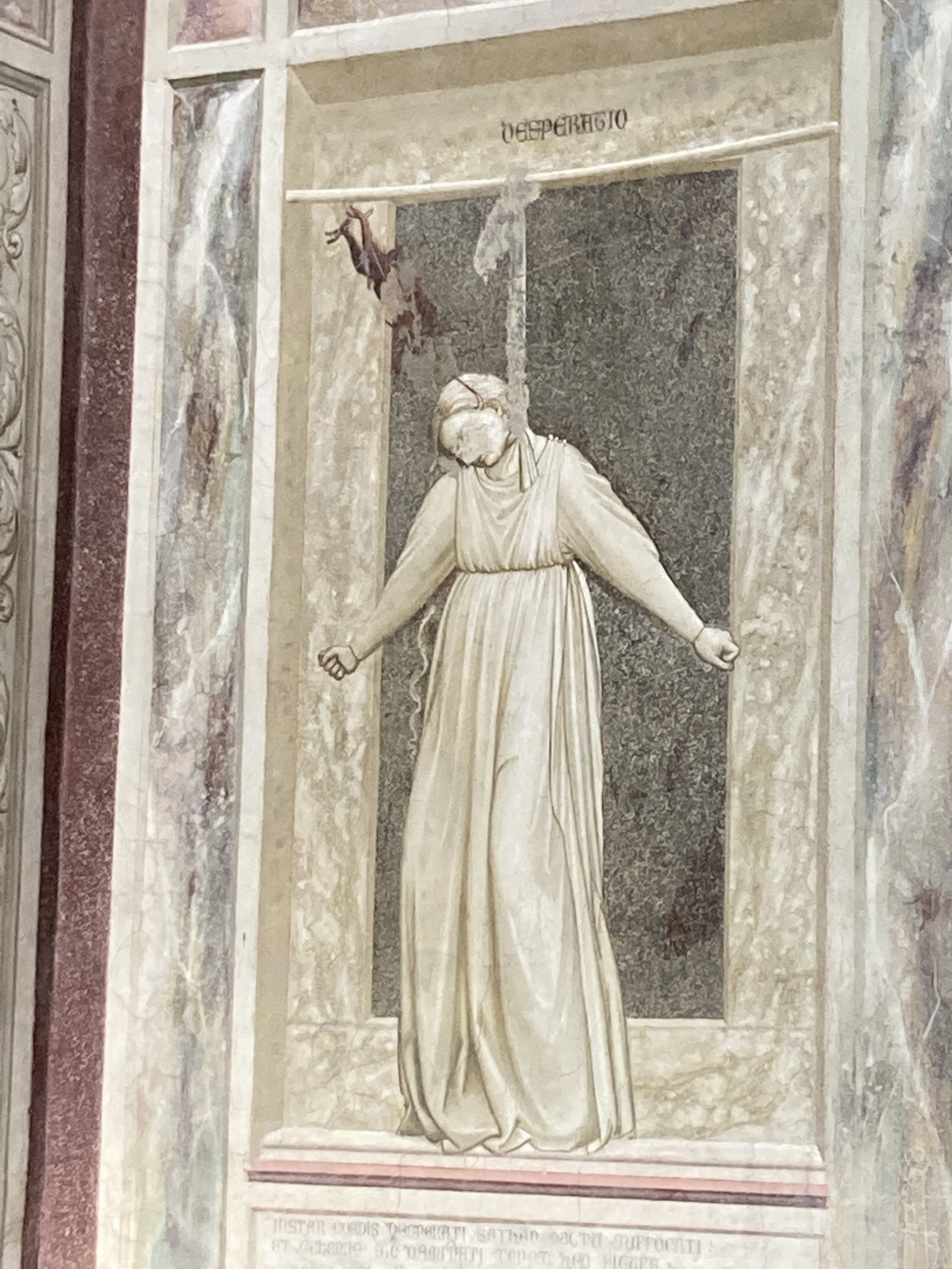
 Aside from bible tales, the allegories of Virtues and Vices are fascinating. Simplistic in design and color compared with the rest of the frescoes, without much adornment, the contrasting figures are as relevant and thought-provoking today as when painted in the early 1300’s.  Pictured below (left to right): Hope, Envy, Justice, Despair.

4C5AD129-D59F-470B-9EB2-322FA661A3CE.jpeg
110BAAAB-A1DC-4E39-BE86-AC7E7CF8B802.jpeg
AA4E6AA0-D7A2-4A57-B40C-BBAB6230F9CA.jpeg
95B4E54D-C0CD-4780-A163-280A71D38E4A.jpeg

The Scrovegni chapel is simply astonishing (my photos can’t capture its majesty).  One does not have to be an art historian, a religious scholar, or even a believer, to appreciate Giotto’s artistic brilliance and the power of these frescoes.  And for anyone with an interest in art, or simply in beauty, the Scrovegni Chapel in Padova is an experience not to be missed.

Detail from panel #33. The Crucifixion

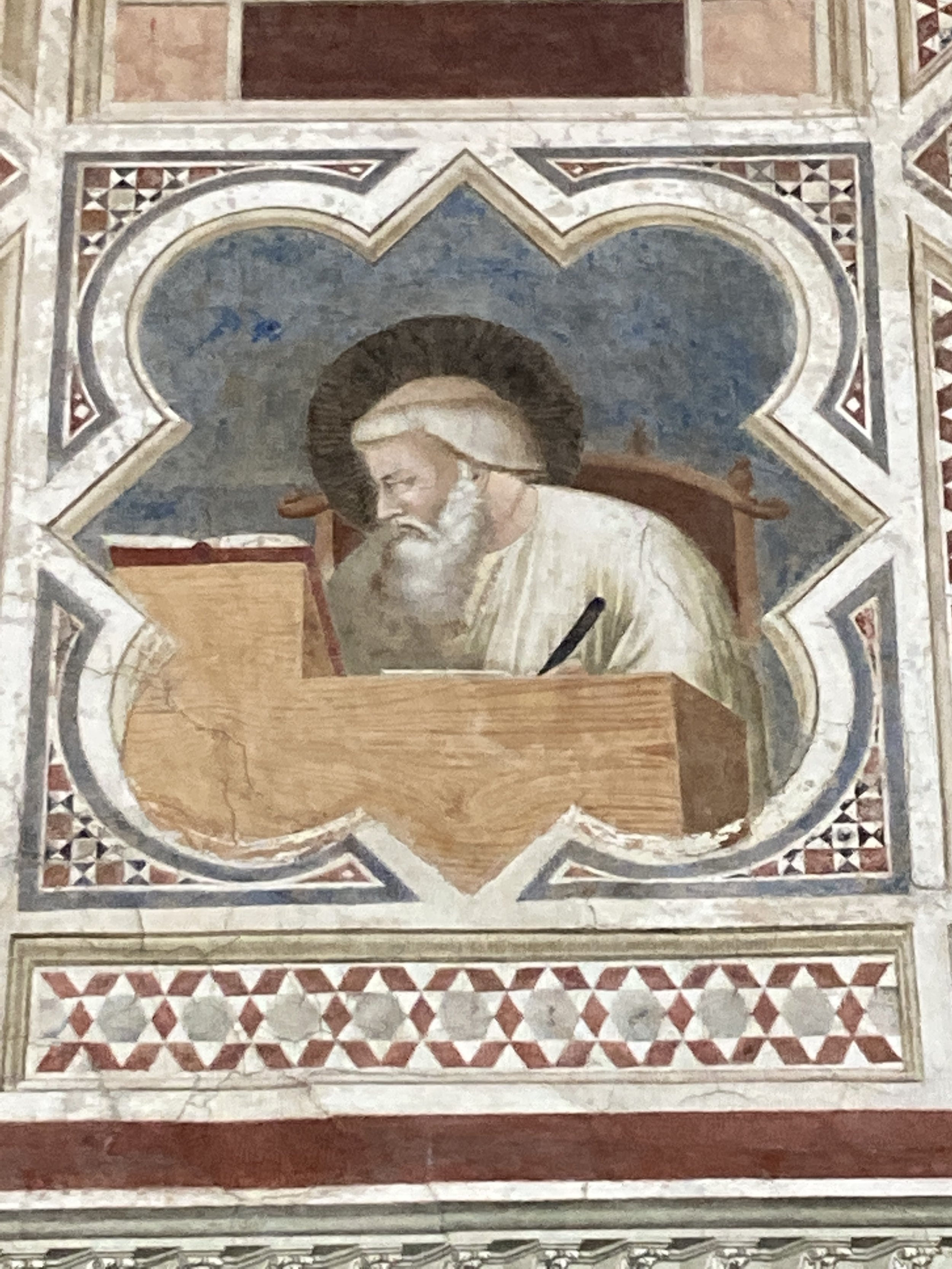
 Even the smallest decorations - such as these quatrefoils - have incredible detail and depth. I could spend hours here looking at everything from the largest scene to the smallest detail. I think I’ll need to go back to Padova before too long.

26CB2995-5E02-4711-ACAD-BD0C8393CDD6.jpeg
03182354-7136-4950-8E3D-A19F2B689A3E.jpg

Note: The Scrovegni Chapel is open to the public with advanced reservation tickets only. Before entering the chapel itself there is a short video (with subtitles in English) which gives a good history of the chapel. Admission is limited to about 25 people at a time with a time limit in the chapel of 15 minutes per group. A short time, but well worth it and sufficient to see this small space (especially after some pre-visit reading).

August 29, 2022 /Joanne Bartram
Scrovegni Chapel, Padova, Padua
#italytravel, Churches Italy, Italian Art, Italian art architecture, Italy, Padova, Padua

The Mystery In Italian Details

August 22, 2022 by Joanne Bartram in #lucca, Italian art architecture, Italy travel, Living in Italy, Lucca, Tuscany

Italy’s “big picture” is full of things to love - culture, art, architecture, music, food. Everywhere you turn there is something wonderful to be experienced. But sometimes, there is enchantment to be found in the smallest of details and in the little mysteries that no guide book can describe.

I am still amazed that after 3+ years of living in Lucca, I continue to find new small details to appreciate. The iron fixture near my apartment door that I noticed for the first time in April, the decorative brick arch just down the street, a small fountain tucked away in a rarely visited courtyard. Lucca presents a never ending series of discoveries!

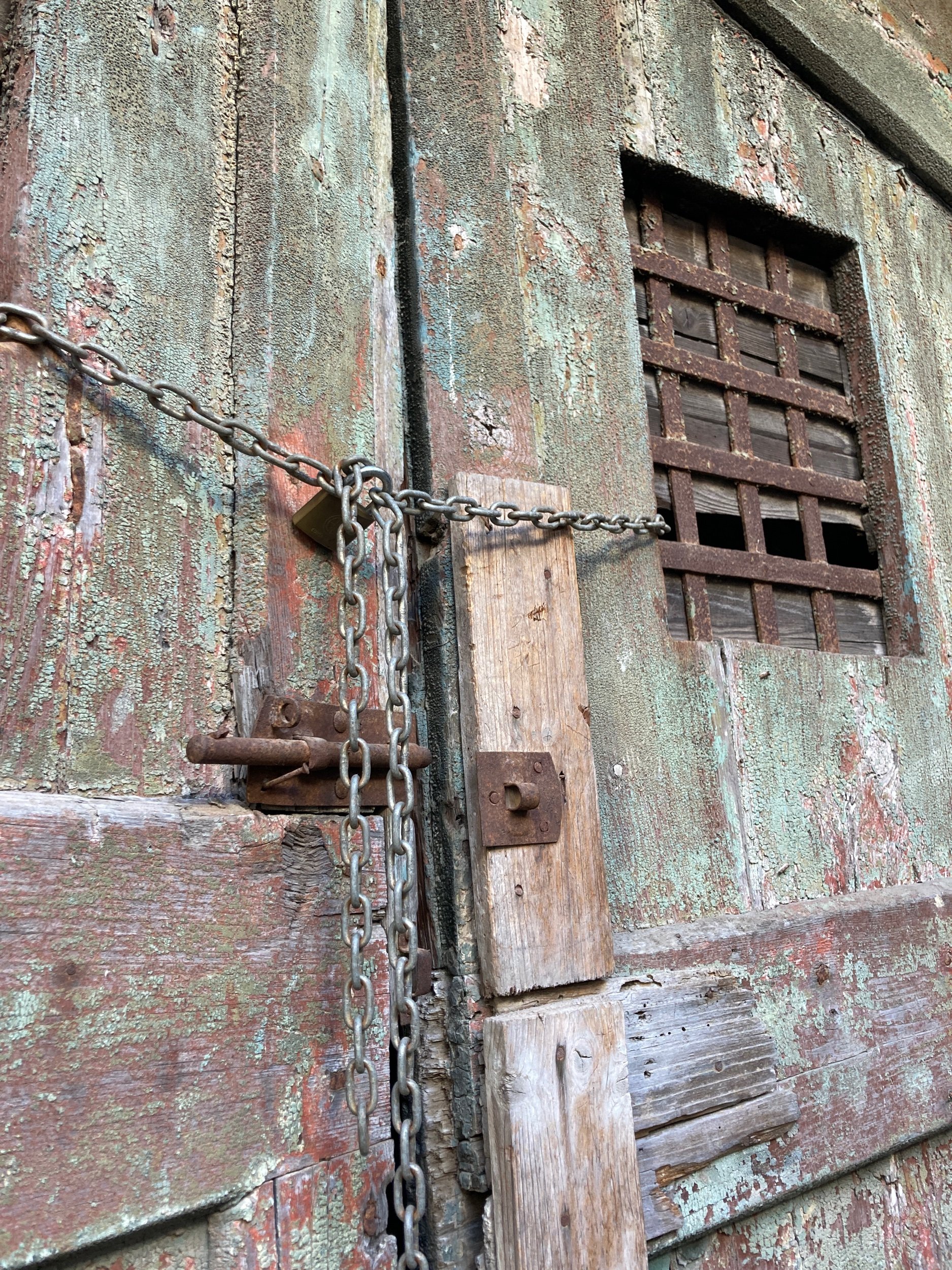
Sometimes those little details are just noted in passing. Other times, a bit of mystery draws me back again and again, examining details, feeling intrigued, painting imaginary explanations in my mind. Often this occurs with some of Lucca’s many ruins and abandoned places. How I wish I could explore all the abandoned and locked churches, those ruined buildings with their encroaching vines and empty windows, the slowly decaying wooden doors.

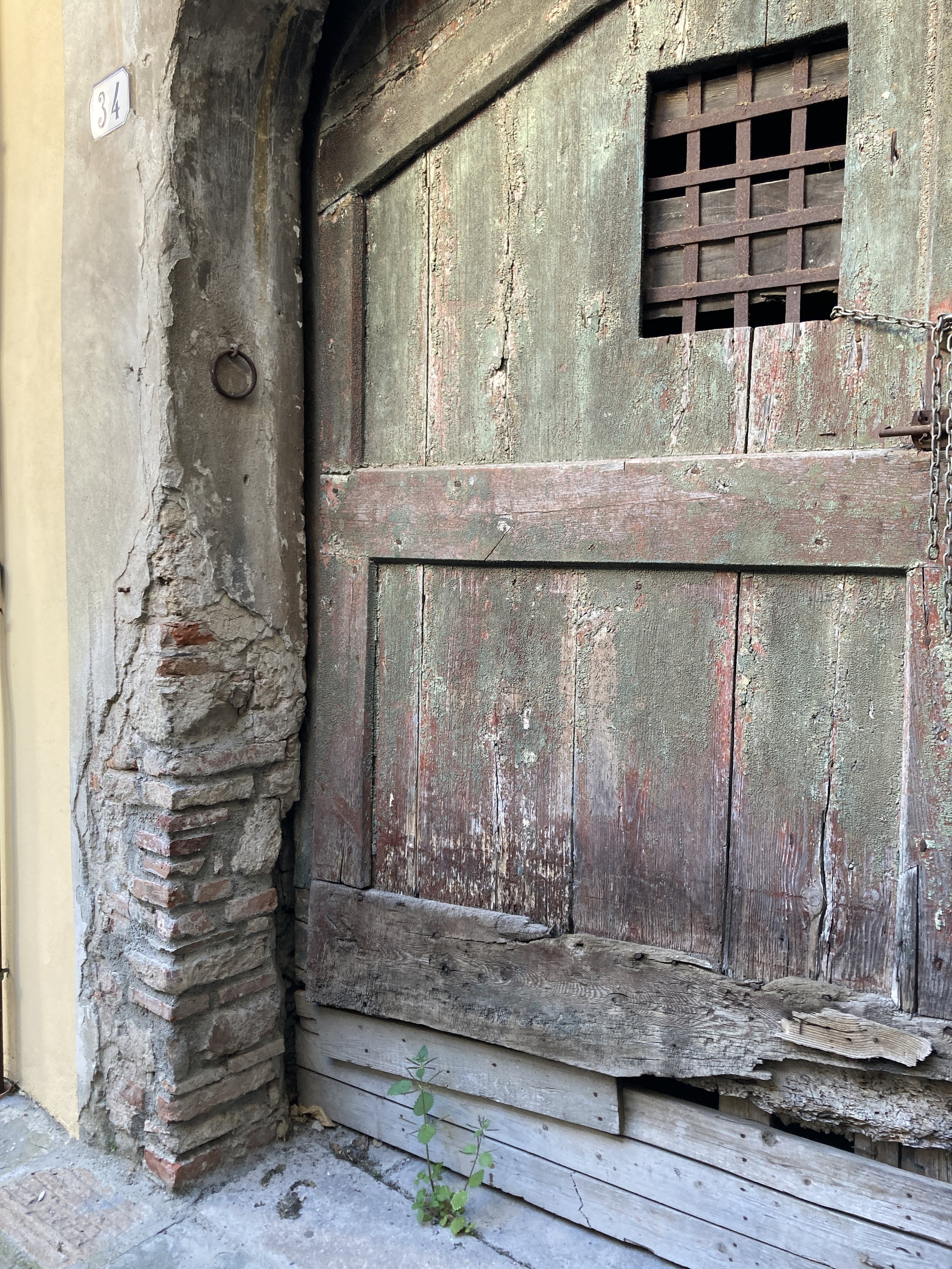
Behind my apartment building lies one of those abandoned places. The mystery is why this one spot - a garage - lies abandoned. It is surrounded on all sides by restored buildings, in fact the rest of the attached building is painted a sunny yellow and is full of apartments, flower boxes, and pretty doors. A simple line of color separates the two spaces.

So why is this place, a garage with old wooden doors, chained shut and abandoned? And is the window above a sign that there might have once been a living space up there? Was it perhaps the home of a carriage driver for one of the surrounding palazzi? A rough apartment for a not-so-favorite relative? A storage space, hay for the horses? Who knows? Certainly not I. But I often find myself stopping to look at it, as if someday I expect the answer to come to me.

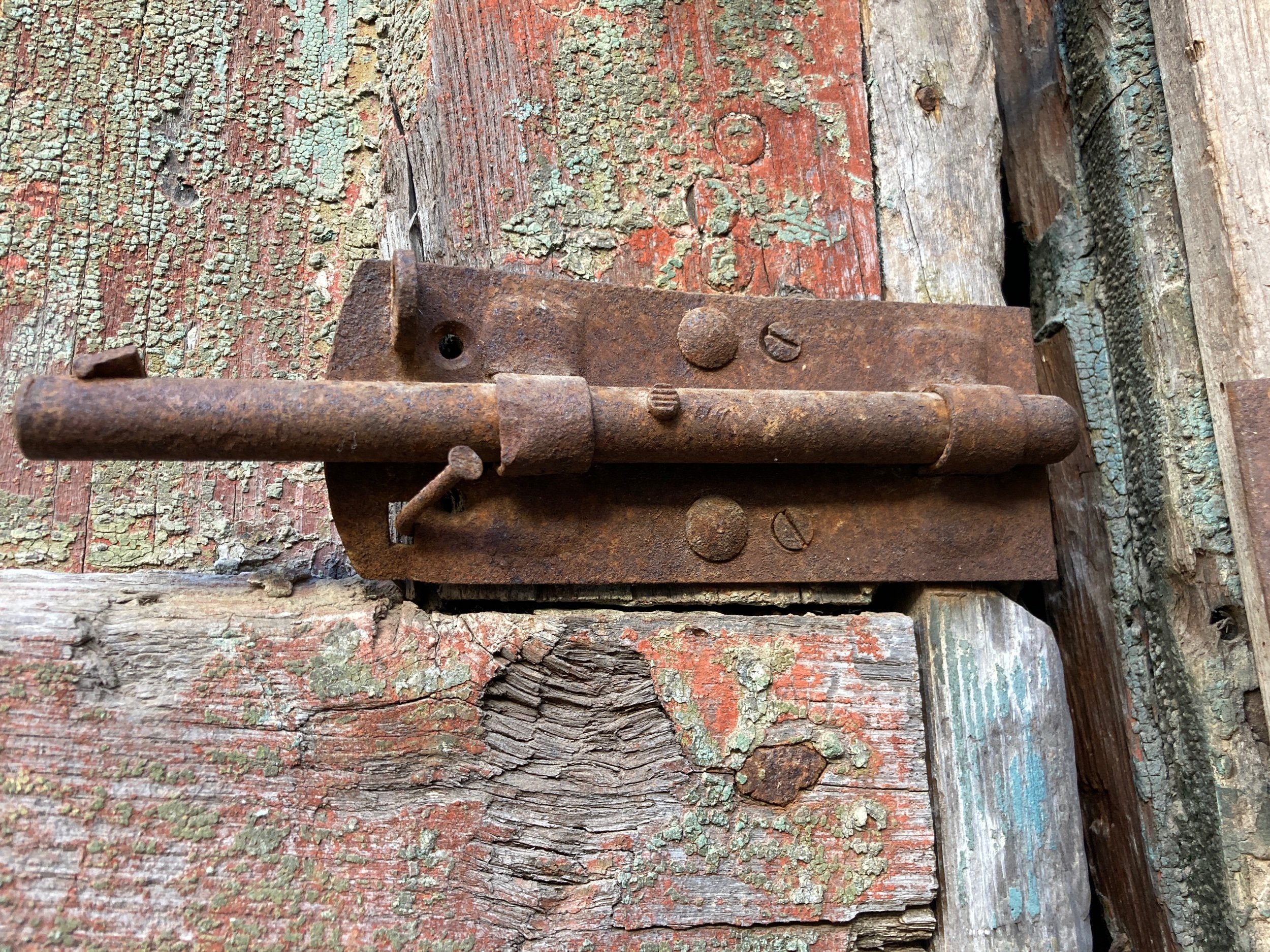
There is beauty in this abandoned structure, especially in the small details. My camera loves this space with its rusting bolts, peeling paint, and crumbling wood. I think I will be disappointed if ever anyone comes along and restores it. It is perfect just as it is, mysterious and aged.

IMG_5384.jpeg
IMG_5383.jpeg
August 22, 2022 /Joanne Bartram
old doors italy, italian ruins, photo essay, rusted latches
#lucca, Italian art architecture, Italy travel, Living in Italy, Lucca, Tuscany

A Historic Garden In Collodi, Italy

June 20, 2022 by Joanne Bartram in #italytravel, #lucca, Italian art architecture, Italian gardens, #italiangardens

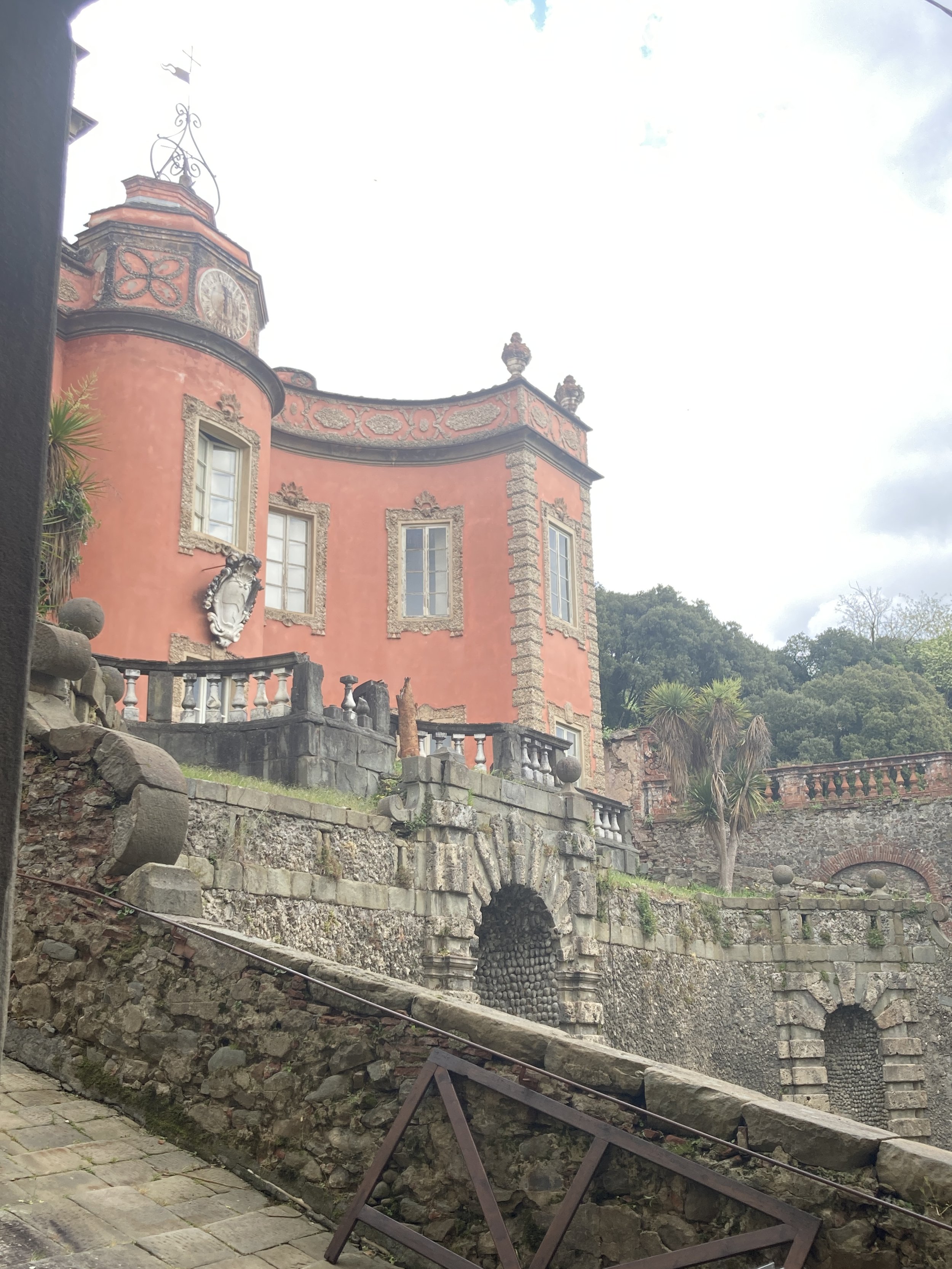
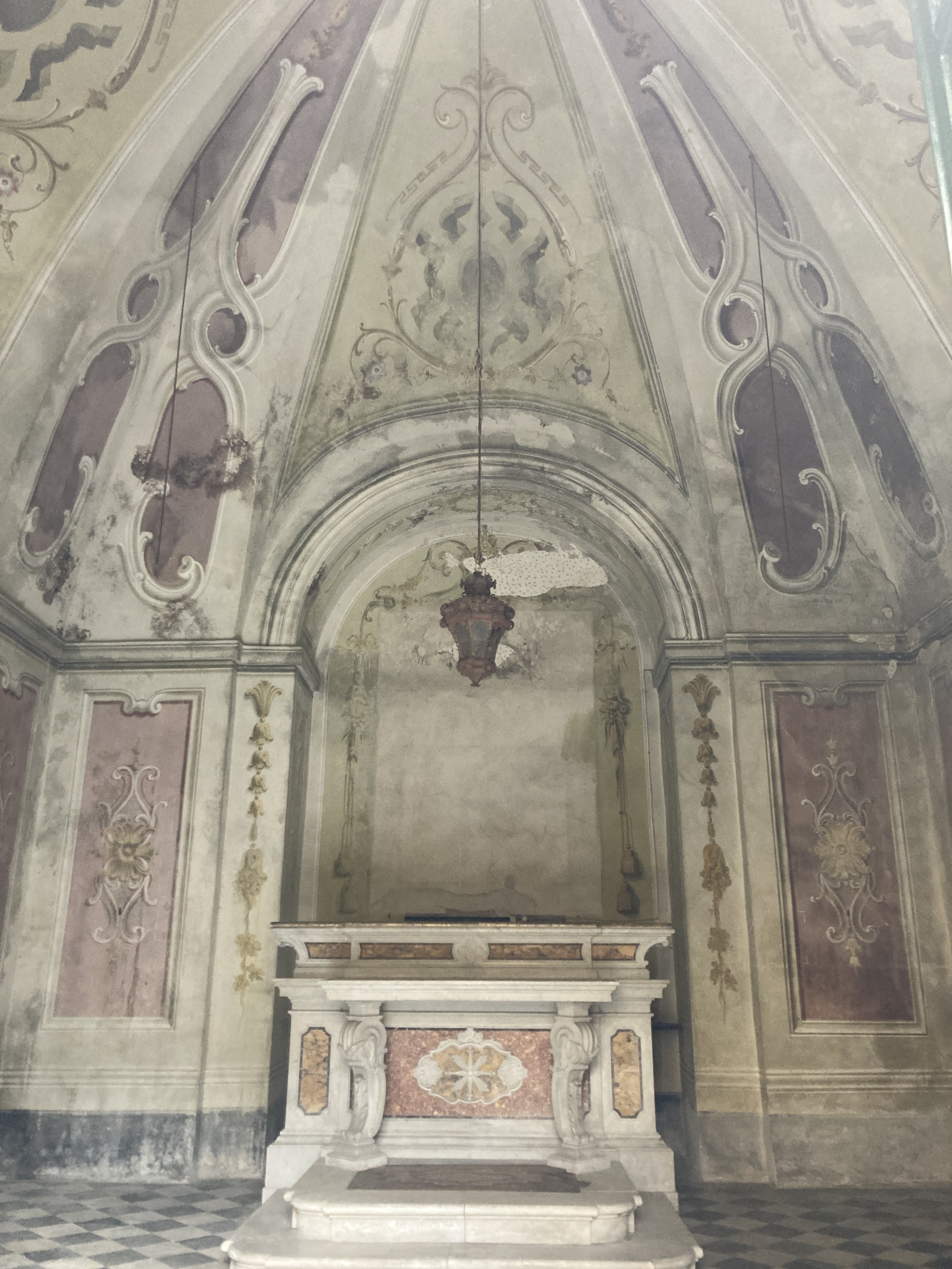
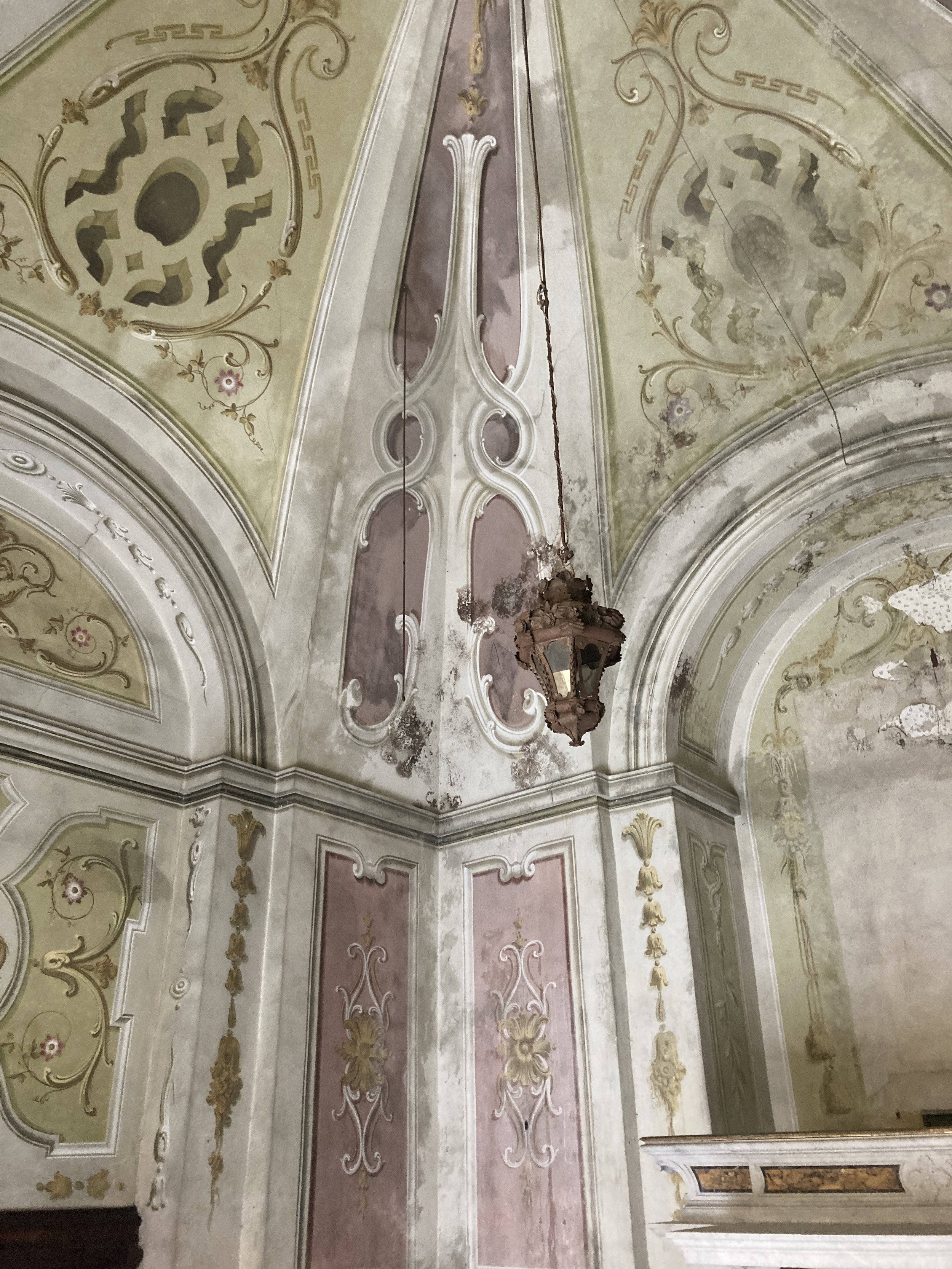
Collodi is a fairy tale place. It is not the Tuscany of rolling hills, carefully tended vines and olive trees that most people picture when they think of this region. Instead, the small village of Collodi seems to climb straight up a mountainside in the middle of a forest, hanging precariously on the slope. At the top is the medieval fortress La Rocca and a small church. At the bottom is the Villa Garzoni, built on the ruins of a Medieval Castle. An imposing structure, with its yellow color and 100 windows, the villa sits at the entrance to the town of Collodi. The villa itself is not open to the public, nor is the colorful Palazzina d’Estate (Summer Palace) which sits directly behind it. The only part of either that it is possible to enter is the Palazzina’s chapel, pictured below.

9DFA9511-6FEF-4380-A2BF-4261B0A85370.jpeg
DF584B98-13D0-4F46-852F-65D999BAA00B.jpeg
2BDA4BB3-4EB6-48BA-A65E-B3142501FCDD.jpeg

And then of course there is Pinocchio. Carlo Lorenzini, the author of Pinocchio, used the pen name Collodi as an homage to this village where his mother once worked. Many families come to Collodi to visit the Parco di Pinocchio (Pinocchio Park), a children’s adventure theme park based on the storybook character. But it was not the Pinocchio story that drew me to Collodi. Instead, I went with friends who were in Italy to visit classic gardens. The historic Giardino Garzoni, dating from the mid-1600’s and completed by the Lucchese architect Ottaviano Diodati in the 17th century, was on their “must see” list. I was delighted to join them for a day of visiting gardens near my home in Lucca.

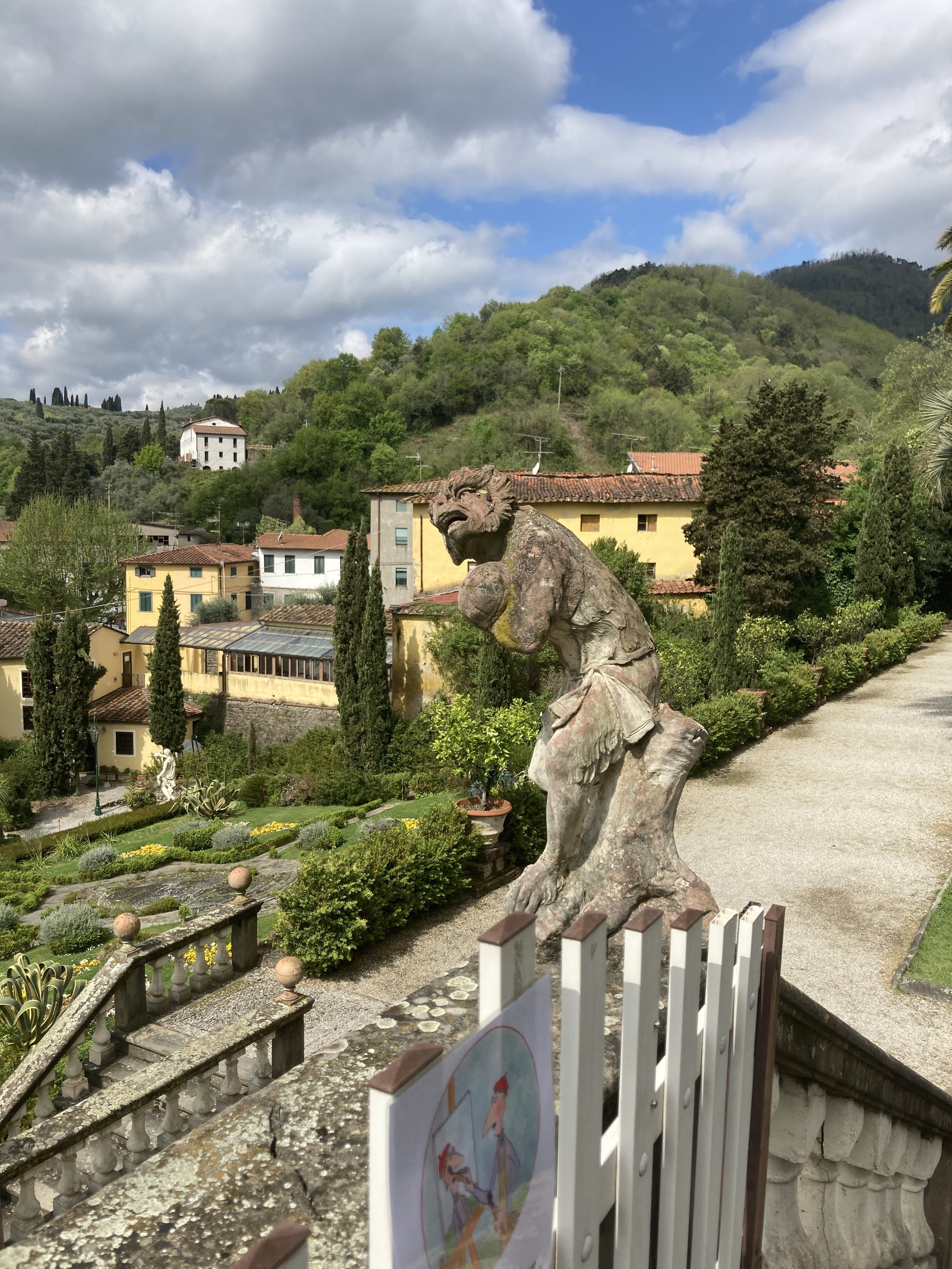
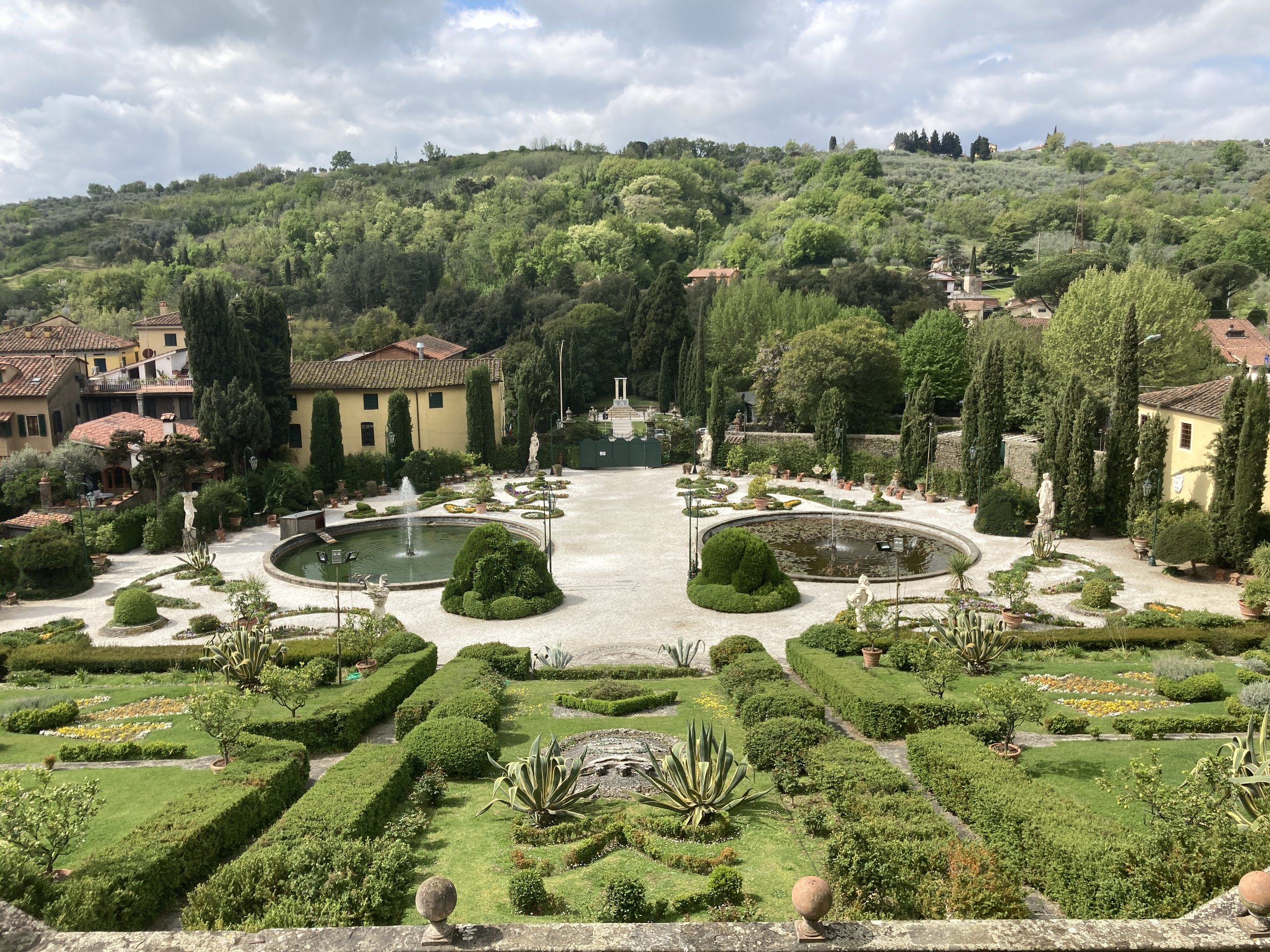
Looking down on the lowest part of the garden, from an upper terrace

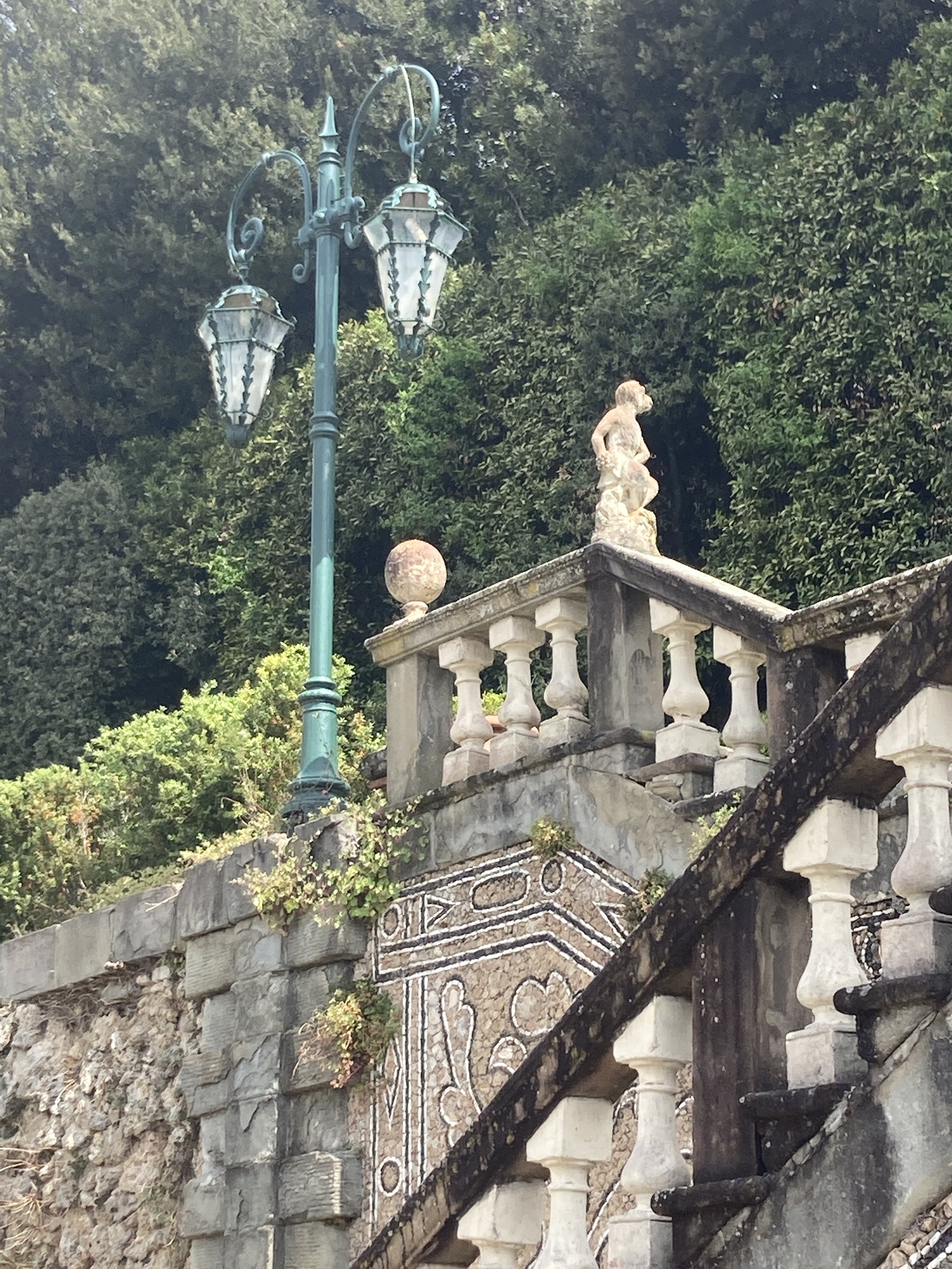
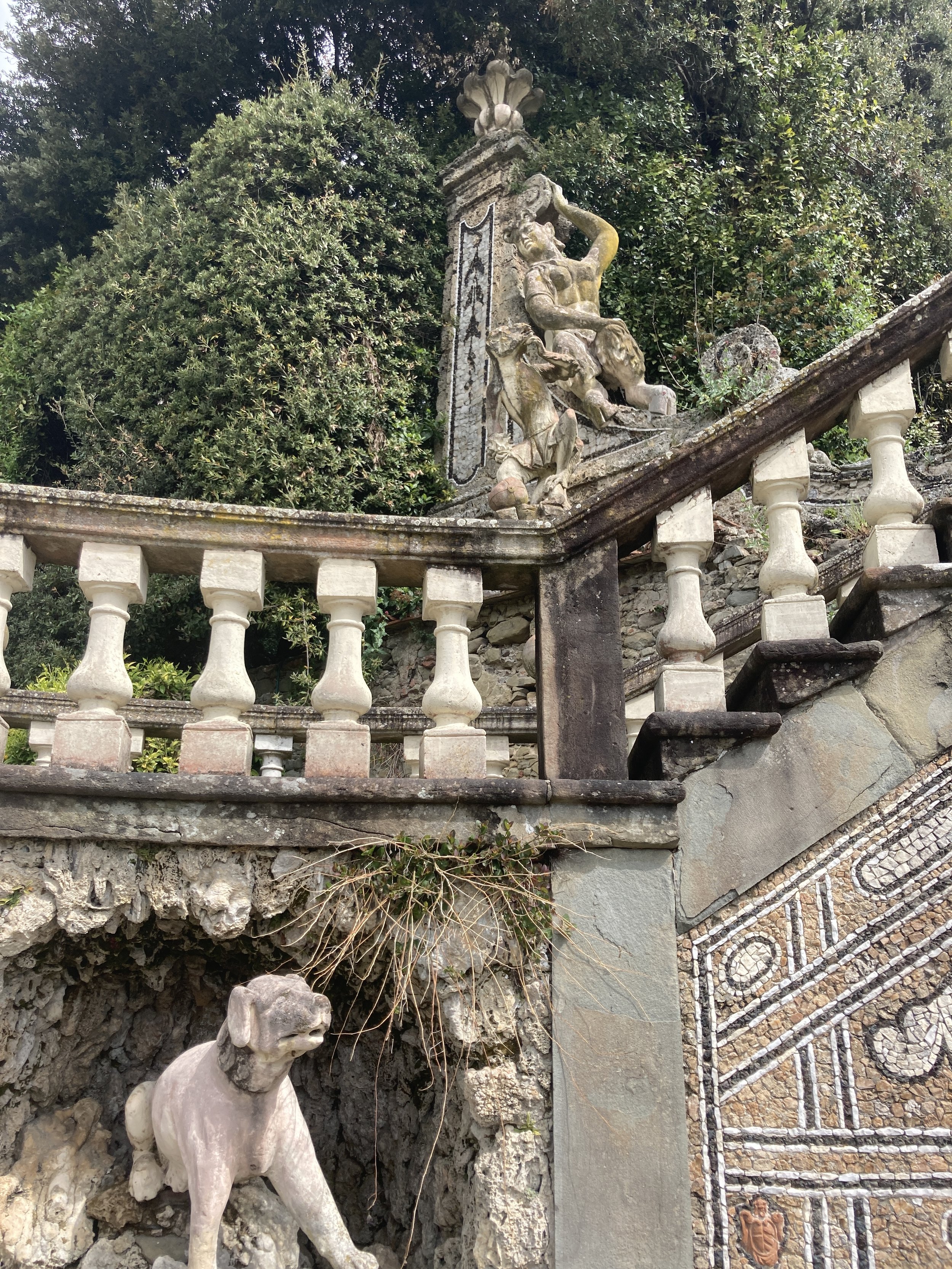
The Garzoni garden is a wonder, with something enchanting to see at every turn as it climbs the steep slope beside the villa. Like many Italian Renaissance gardens there is amazing architectural detail including a dramatic twin staircase (which contains a hidden grotto)

The twin staircases to the upper terraces

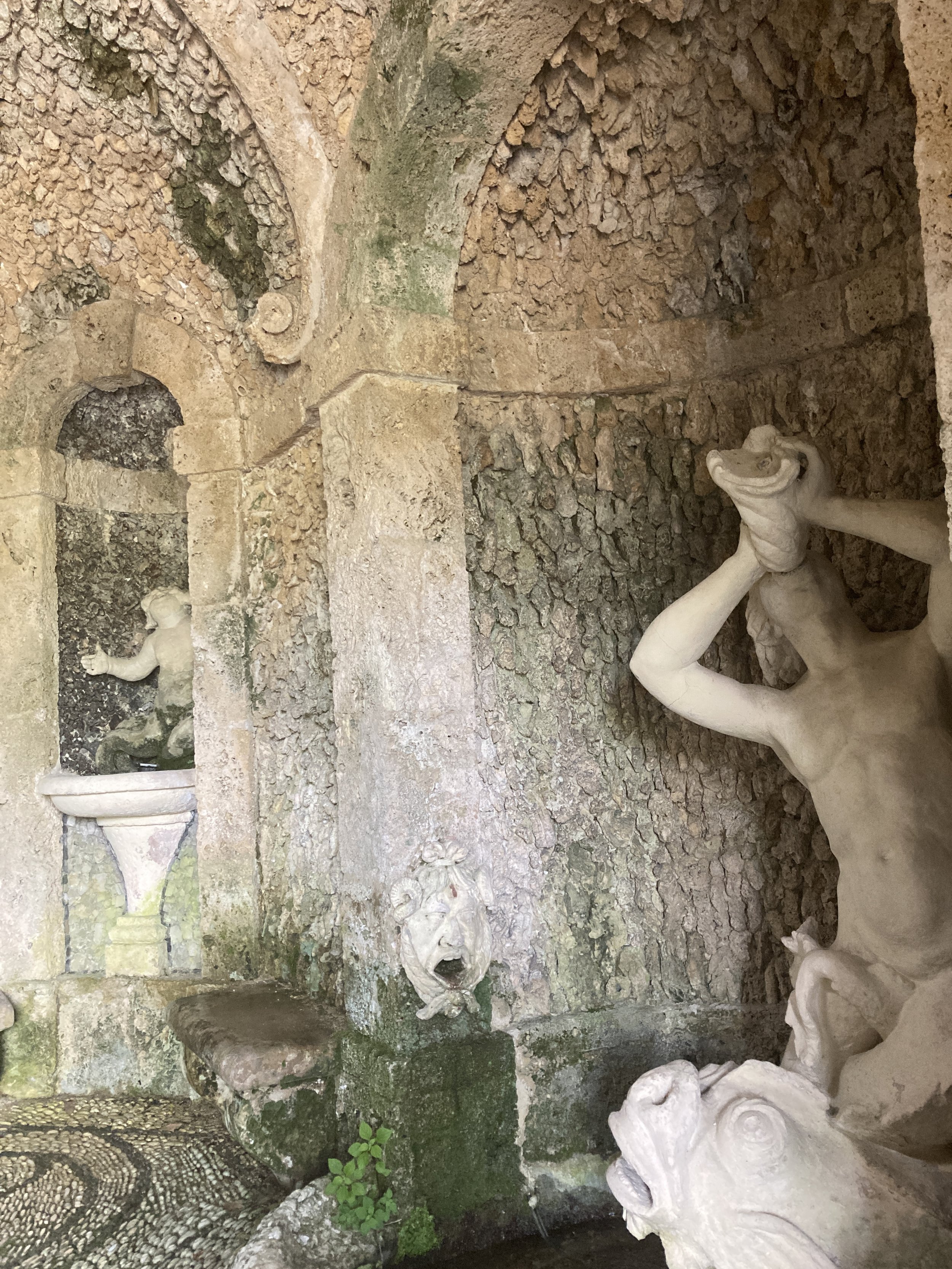
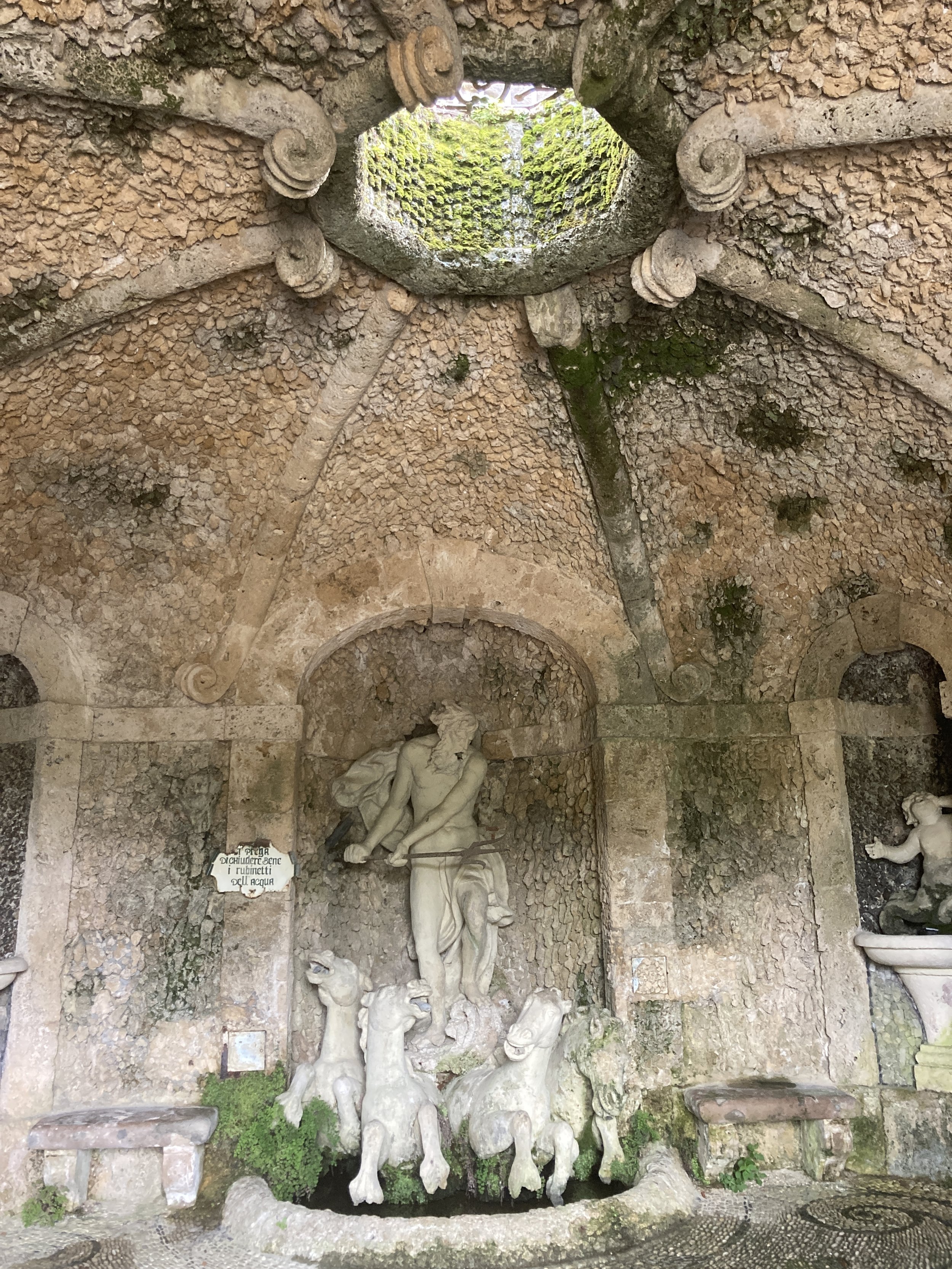
Water also plays a starring role in the garden, with a series of fountains and cascades of water tumbling down the slope. Tucked under the stairs is the Grotto of Neptune, another watery feature.

54918553-507D-437A-9CF9-106DD7D72F0F.jpeg
31FF995C-A5D0-4F05-B5EE-5BA7E8DBEADF.jpeg
F88BEB8E-BA6C-4C11-875F-7FF1162CA8DE.jpeg

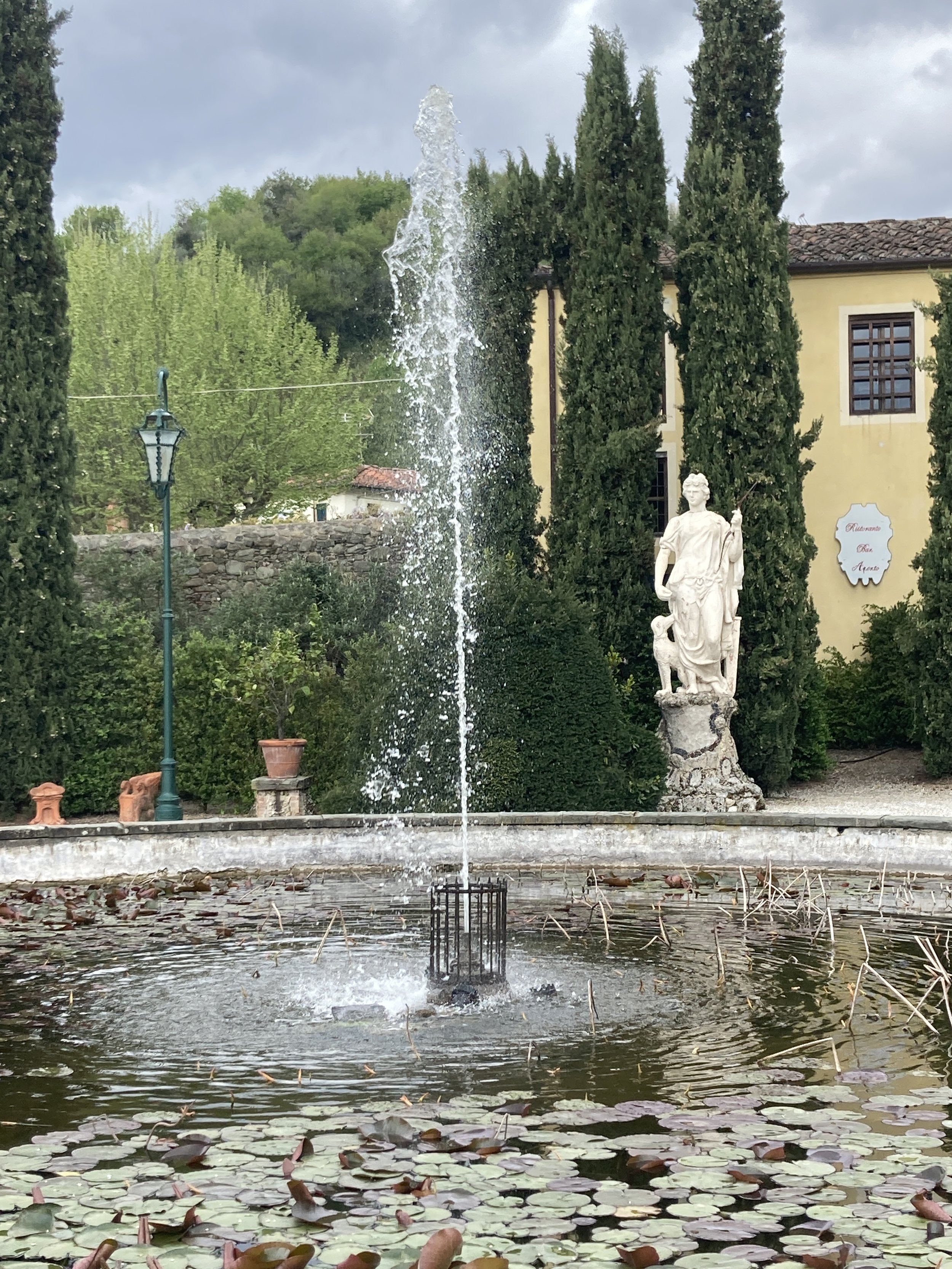
Two round pools lie at the bottom of the garden, just below a parterre full of greenery and flowers. Above that lies the staircase which begins the upward climb through several levels of terrace.

5959F94E-8F8E-4AF7-B080-CEE61A1FE216.jpeg
80E83EC6-70D4-49ED-BD15-01CE7D7006AD.jpeg
08A3977C-664F-4375-8134-0D265B098A70.jpeg

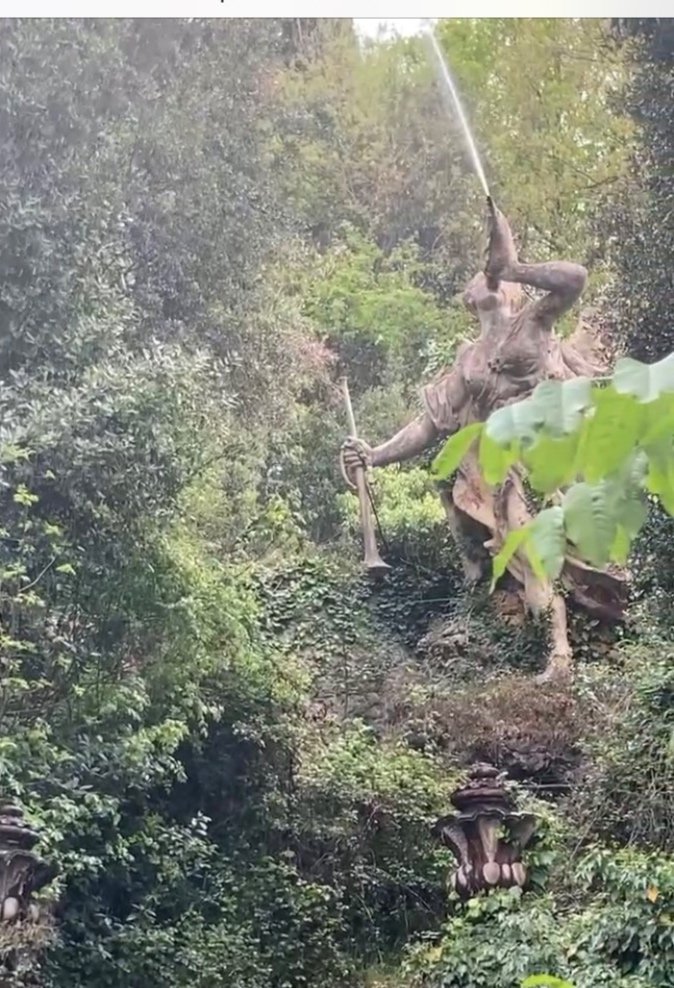
Keep climbing to the water stairs which flank the cascade that runs down to the lower garden. At the top of the climb lies a pool with a statue of Fame, who blows jets of water from a horn in dramatic fashion.

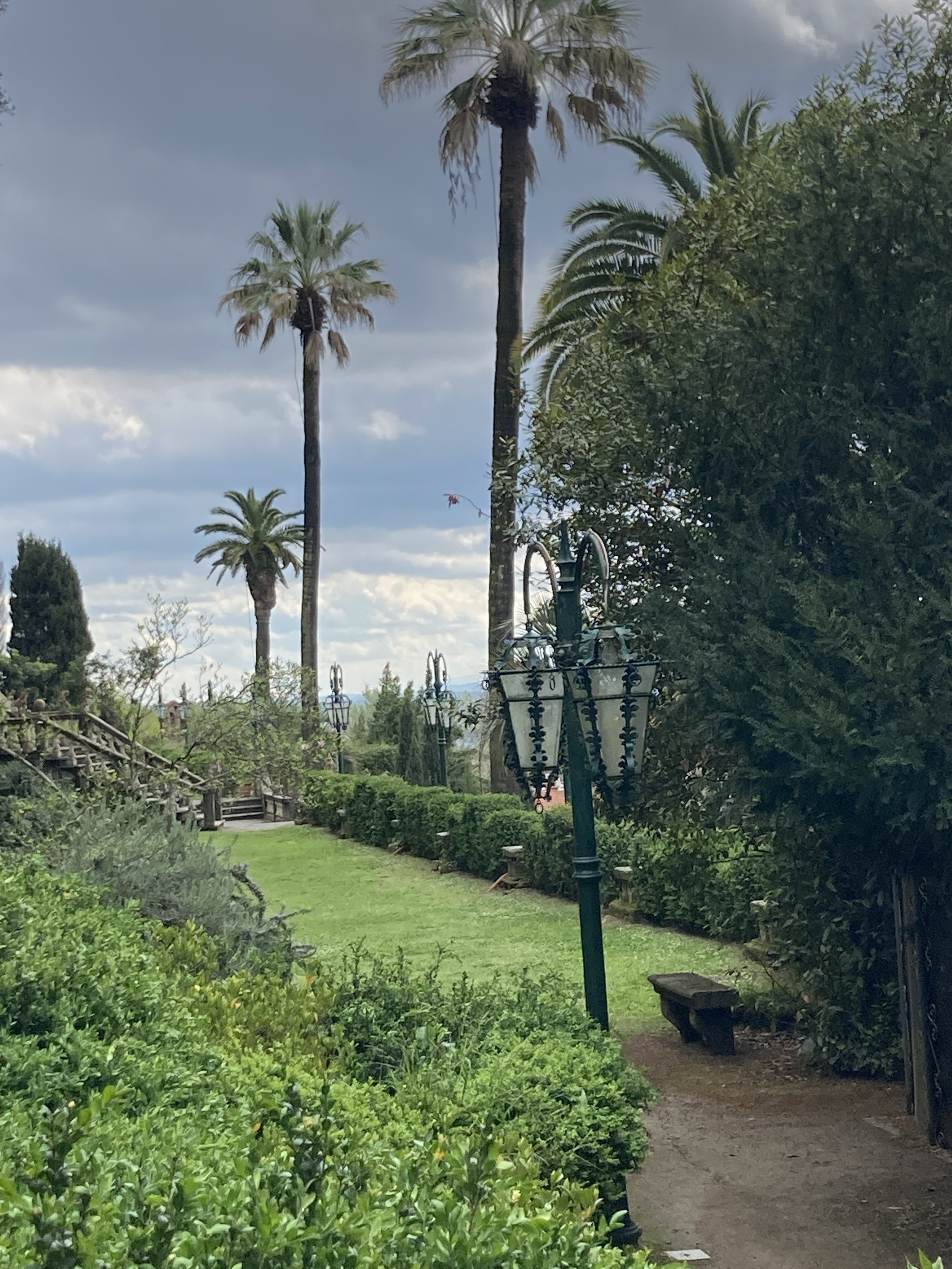
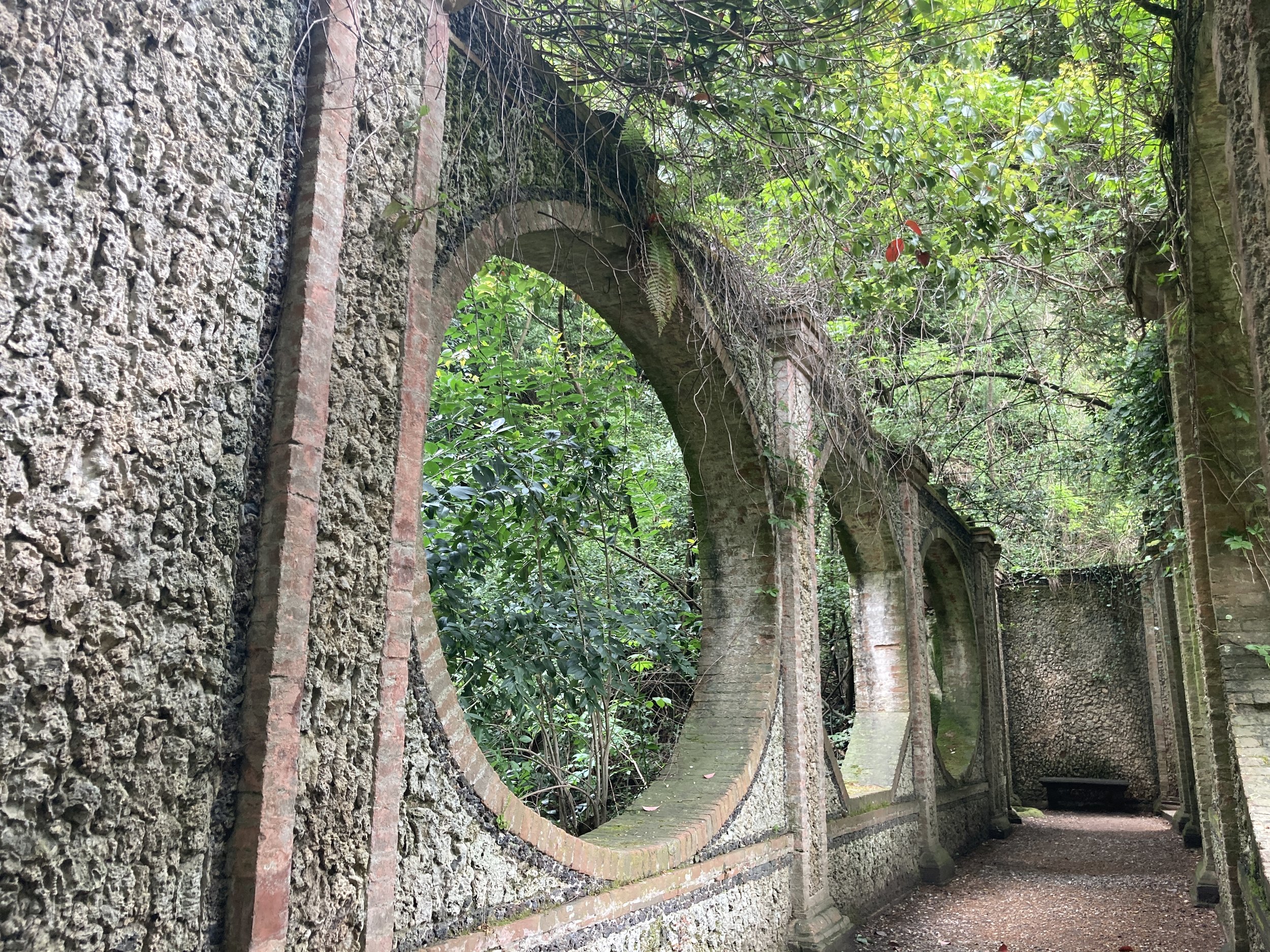
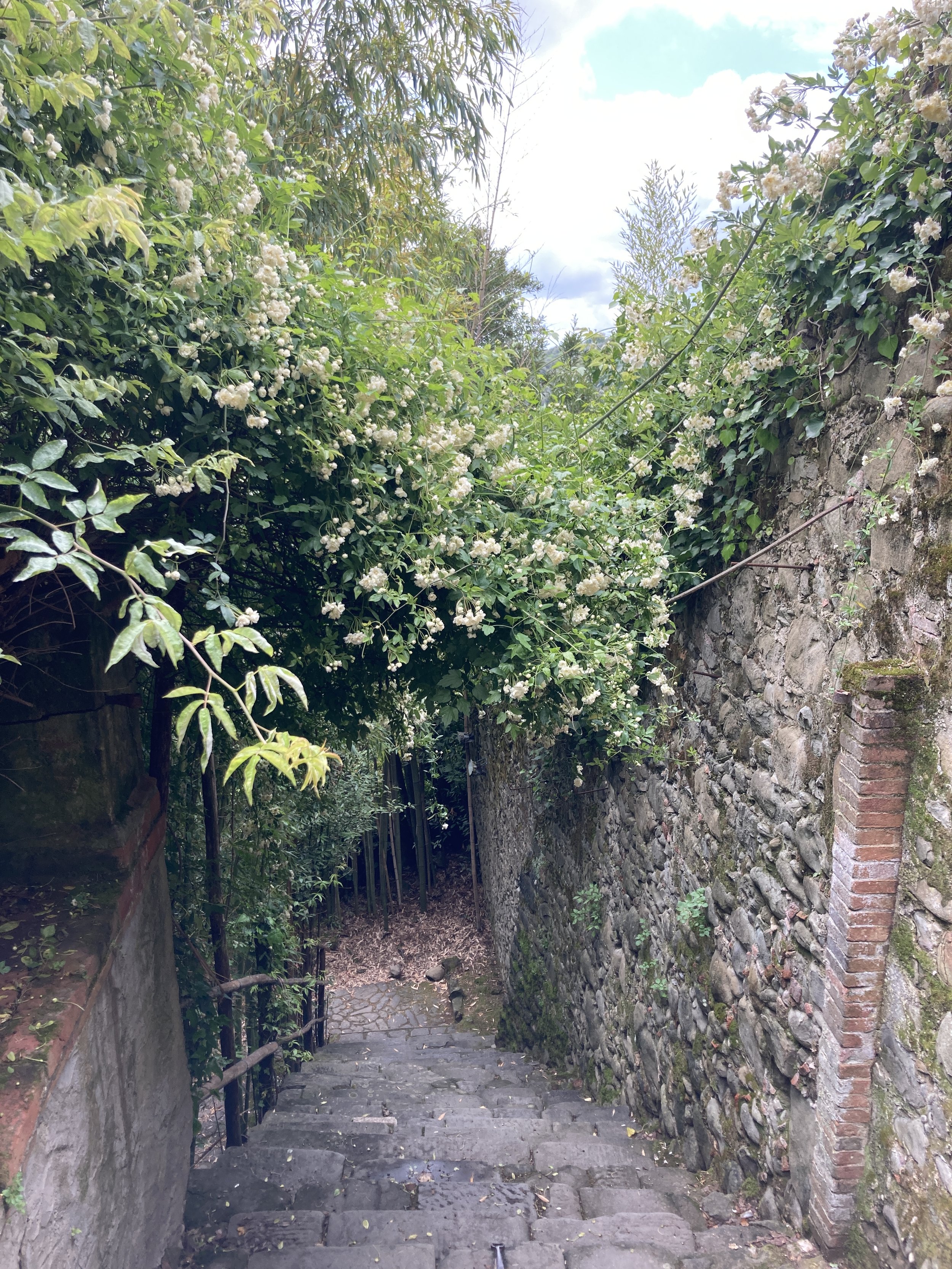
From the top of the water stairs lies a path, lined with camellias, which leads to the villa and the summer palace. This path too is lined with statues and interesting architectural details.

E6D24FC7-13D3-43FB-9B3E-80F803AA8BF3.jpeg
561F8C24-B9B2-4494-8E8E-707C32D5B359.jpeg
375B7A9E-1693-4824-943F-7E1F0DF5ADE7.jpeg

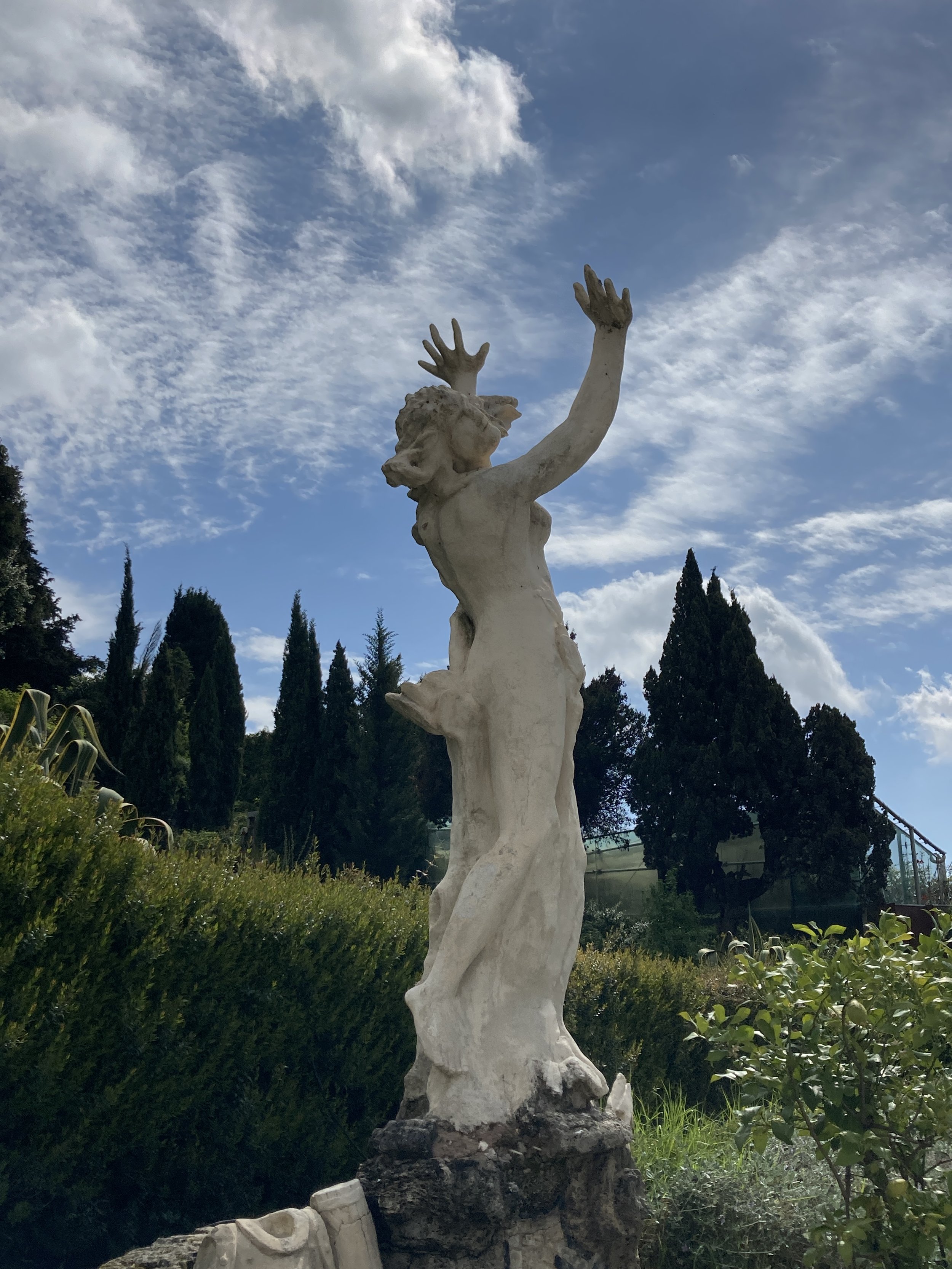
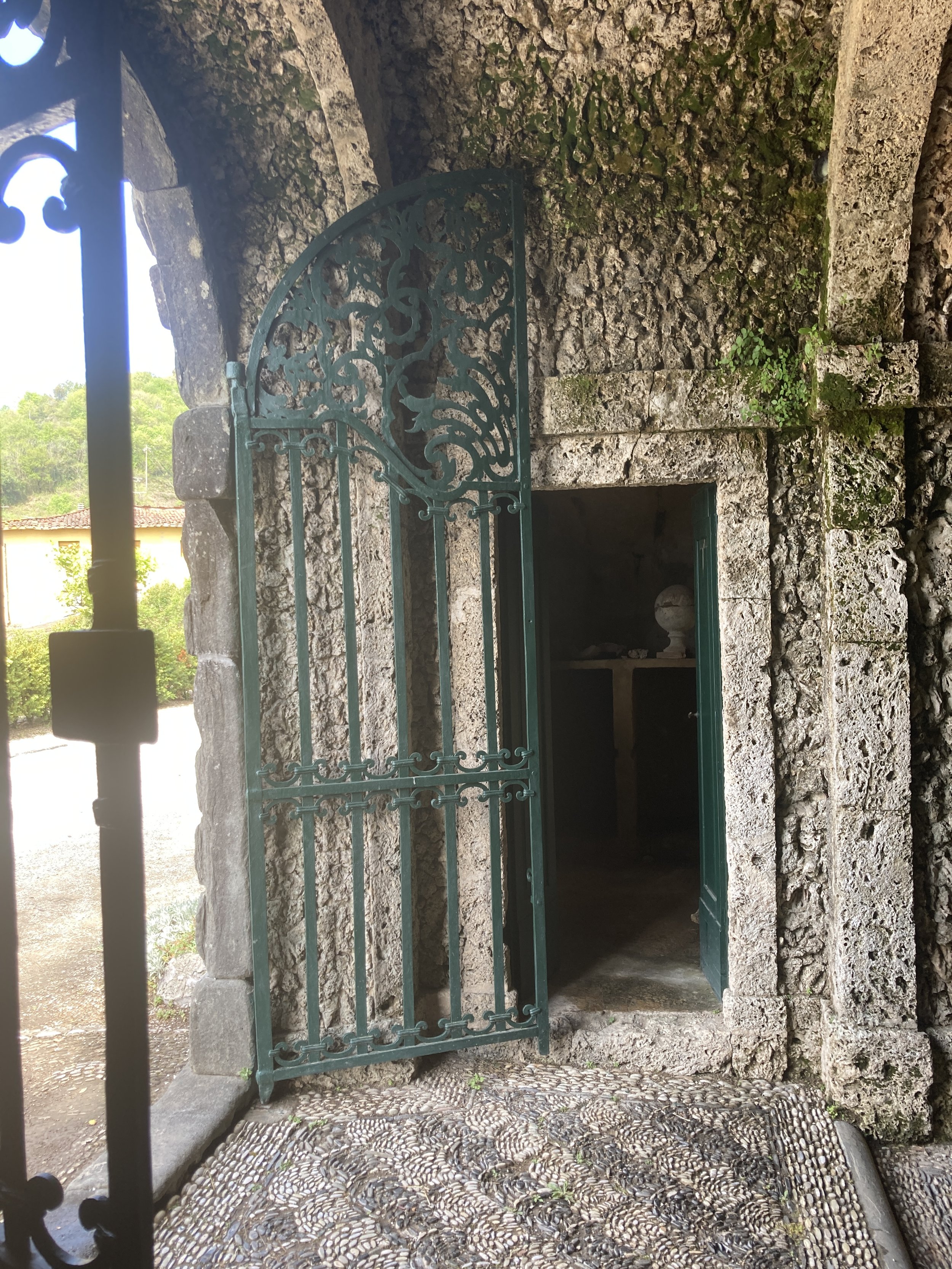
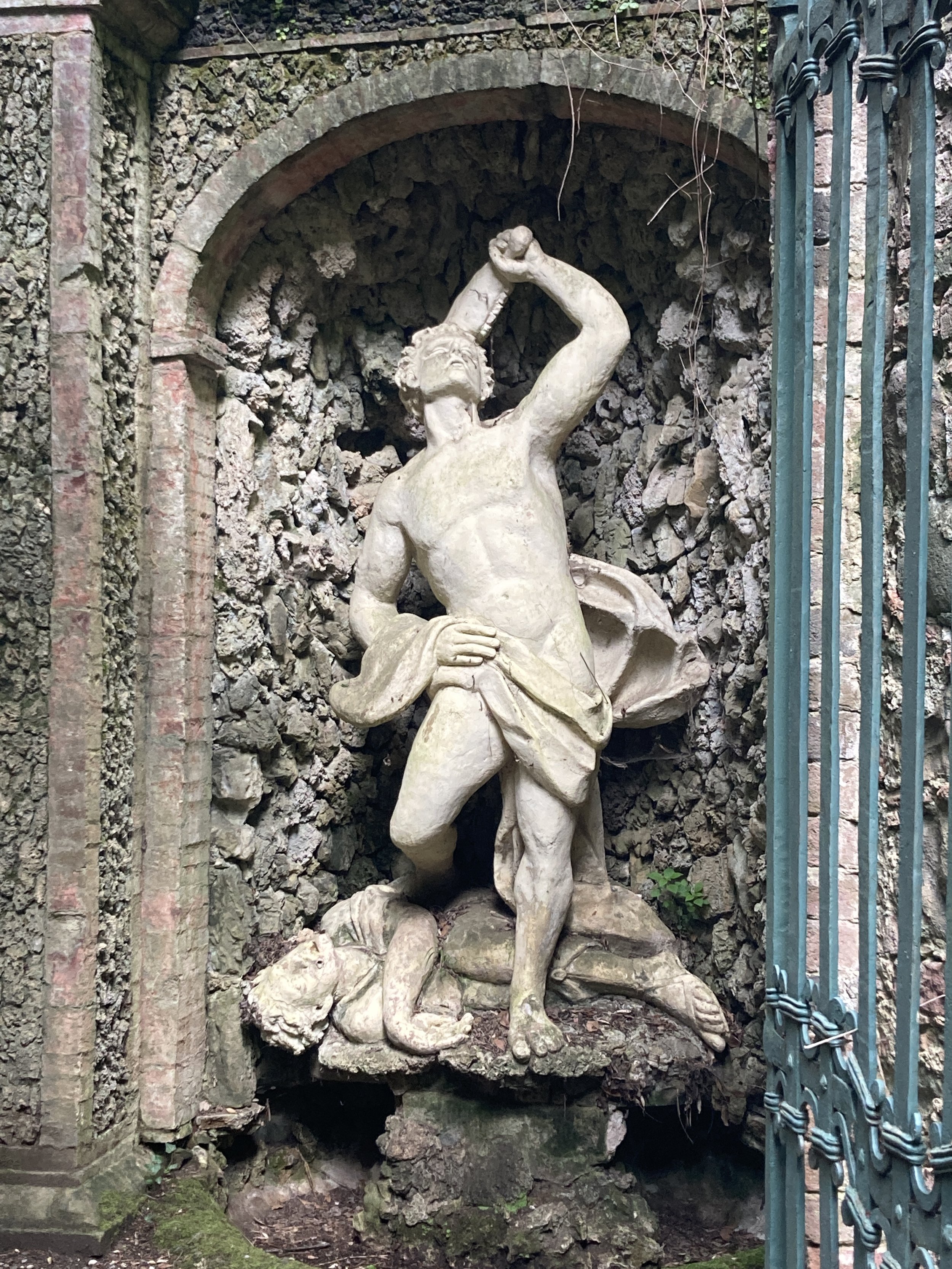
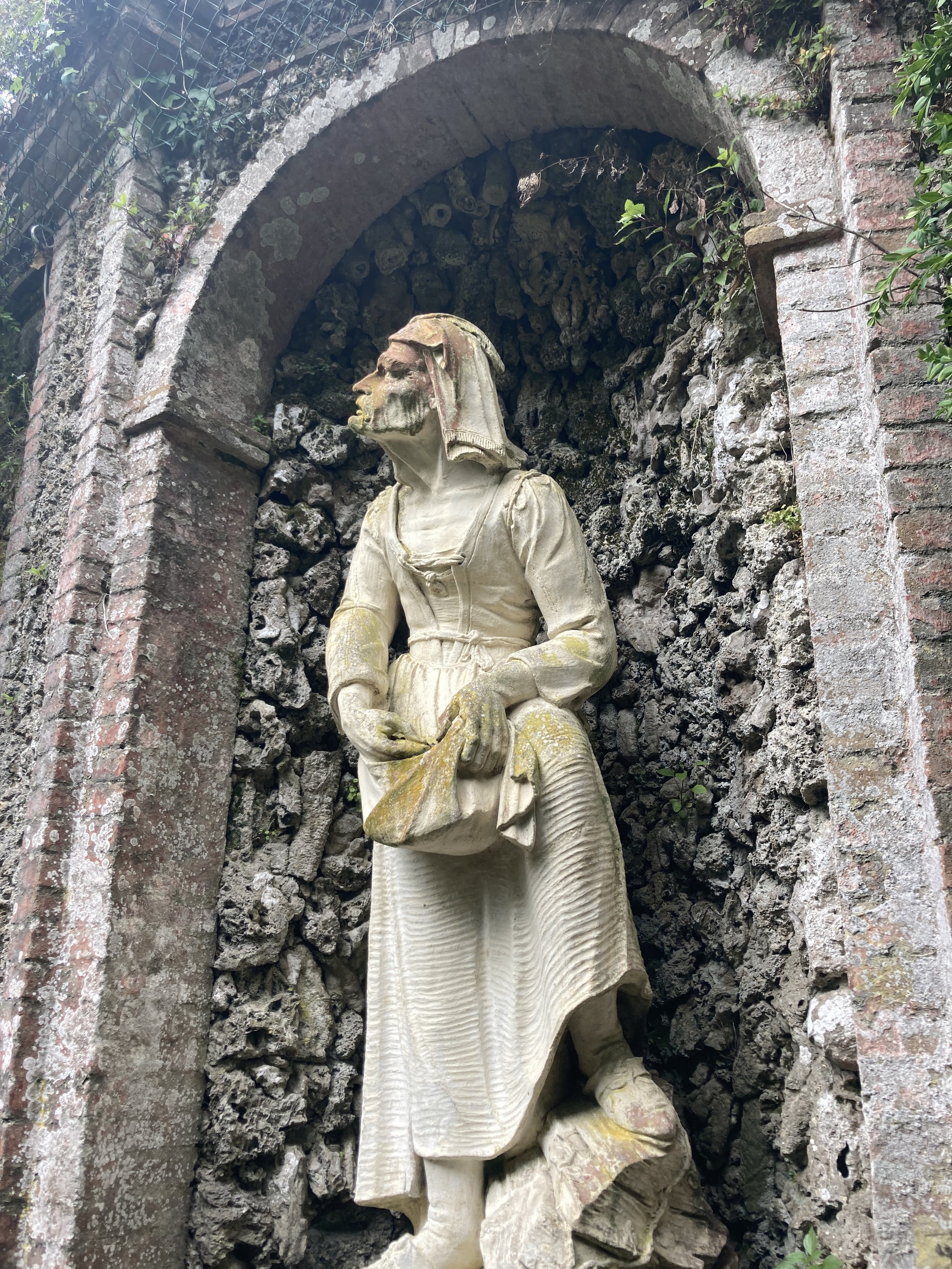
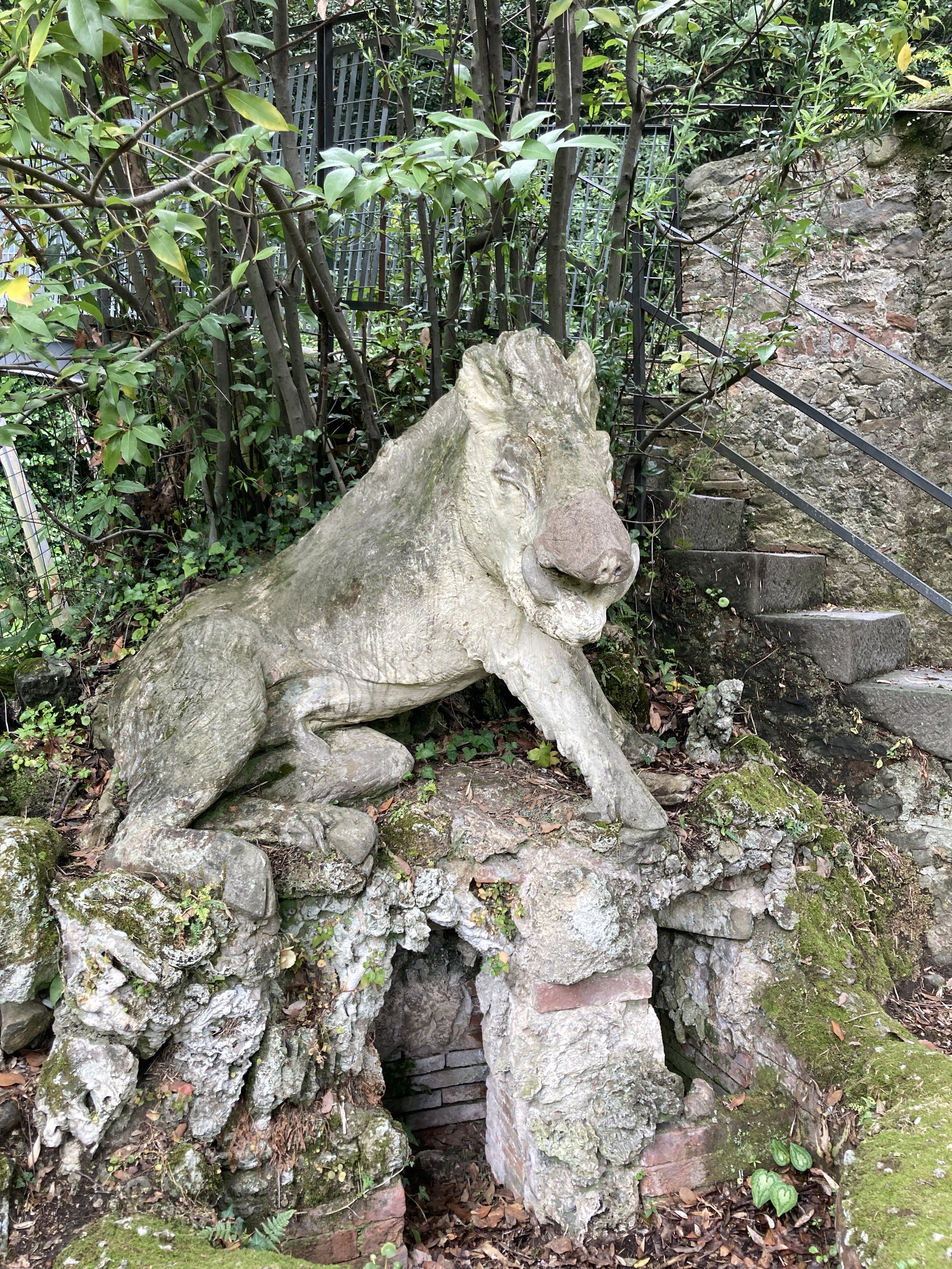
The fantastical nature of the garden reveals itself in places like in Neptune’s grotto, secret pathways and hidden spots, a labyrinth, and statues of mythical creatures and assorted ancient gods, goddesses, and legendary figures.

66559127-1DF6-4101-A6FD-8968B36D355B.jpeg
2B651C3B-A1D0-465E-A3C7-7317DE9ADC79.jpeg
21E19A7D-5460-45DE-9C0D-F6BEF54CBF21.jpeg
2E008148-4D9A-45B3-9536-9CC61212527D.jpeg

A visit to the gardens of Villa Garzoni provides a glimpse into leisure activities of a powerful family during the Renaissance. It is one of the finest examples of an Italian Renaissance garden and a lovely destination for anyone interested in classic gardens. A perfect way to spend a spring morning in the Tuscan countryside.

June 20, 2022 /Joanne Bartram
Giardino Garzoni, Italian Gardens, Garzoni Garden, Tuscan Gardens
#italytravel, #lucca, Italian art architecture, Italian gardens, #italiangardens
  • Newer
  • Older

Powered by Squarespace