Pasta Ortolano
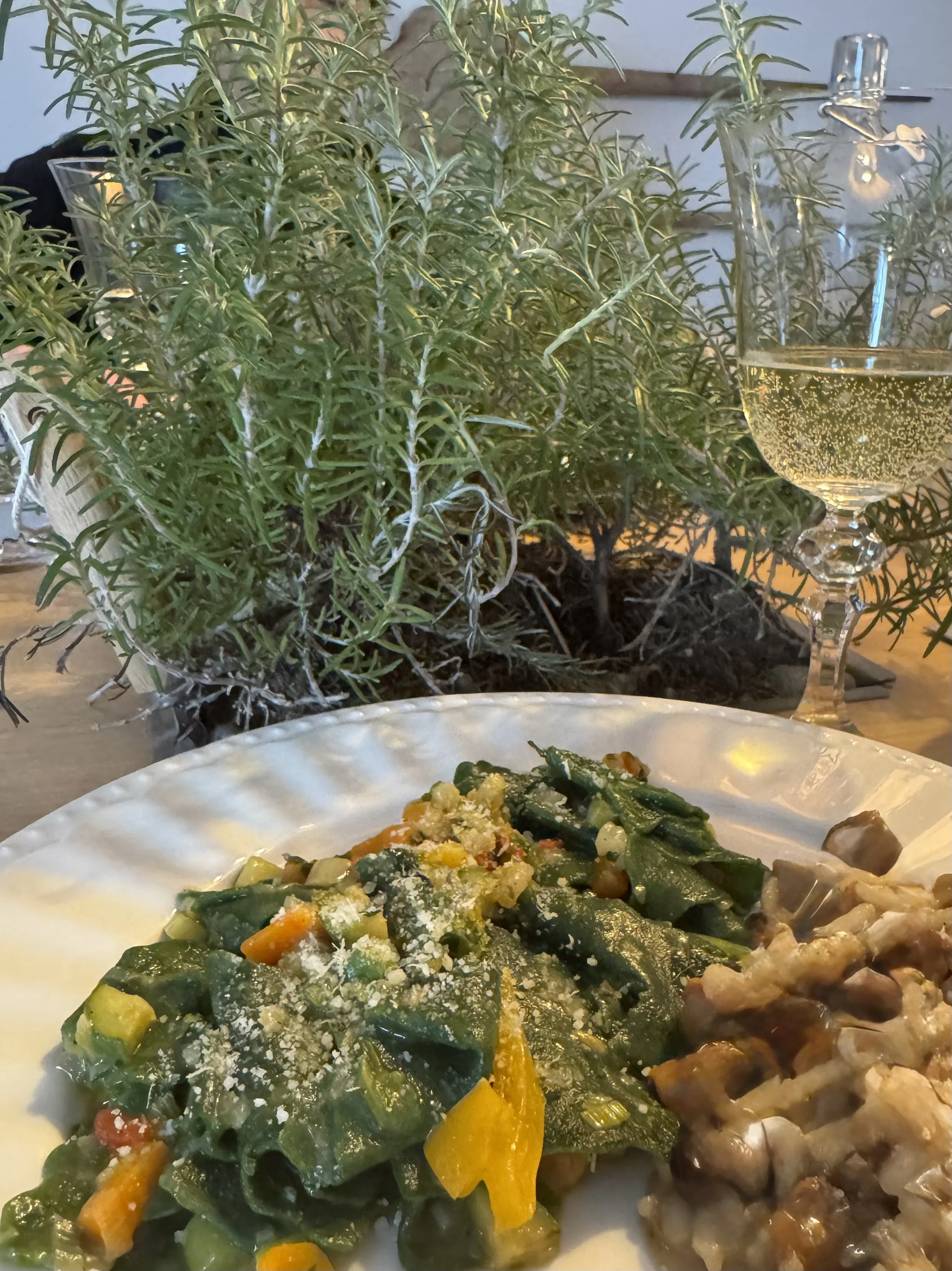
Spinach pasta with ortolano sauce
One thing that I have learned living, and cooking, in Italy is that the best foods are often the simplest. There is no need to simmer sauces for hours or add 16 fancy ingredients to a dish – bright flavors, fresh ingredients, and simple preparations represent the very best of Italian cuisine. That is certainly true when it comes to pasta sauces, be it Marcella Hazan’s famous 3 ingredient tomato sauce, a carbonara with just egg, guanciale, and cheese, or an even more simple pasta olio e aglio (oil and garlic).
Recently I was introduced to a new (to me) pasta sauce with ingredients straight from the orto (garden) – Salsa di Ortolano. This is a sauce that adapts to the seasons with ingredients reflecting what is fresh and readily available in the garden or market. Lighter in spring and summer with fresh peas, fava beans, and tomatoes. A bit heartier in fall and winter with carrots, peppers, zucchini, or mushrooms.
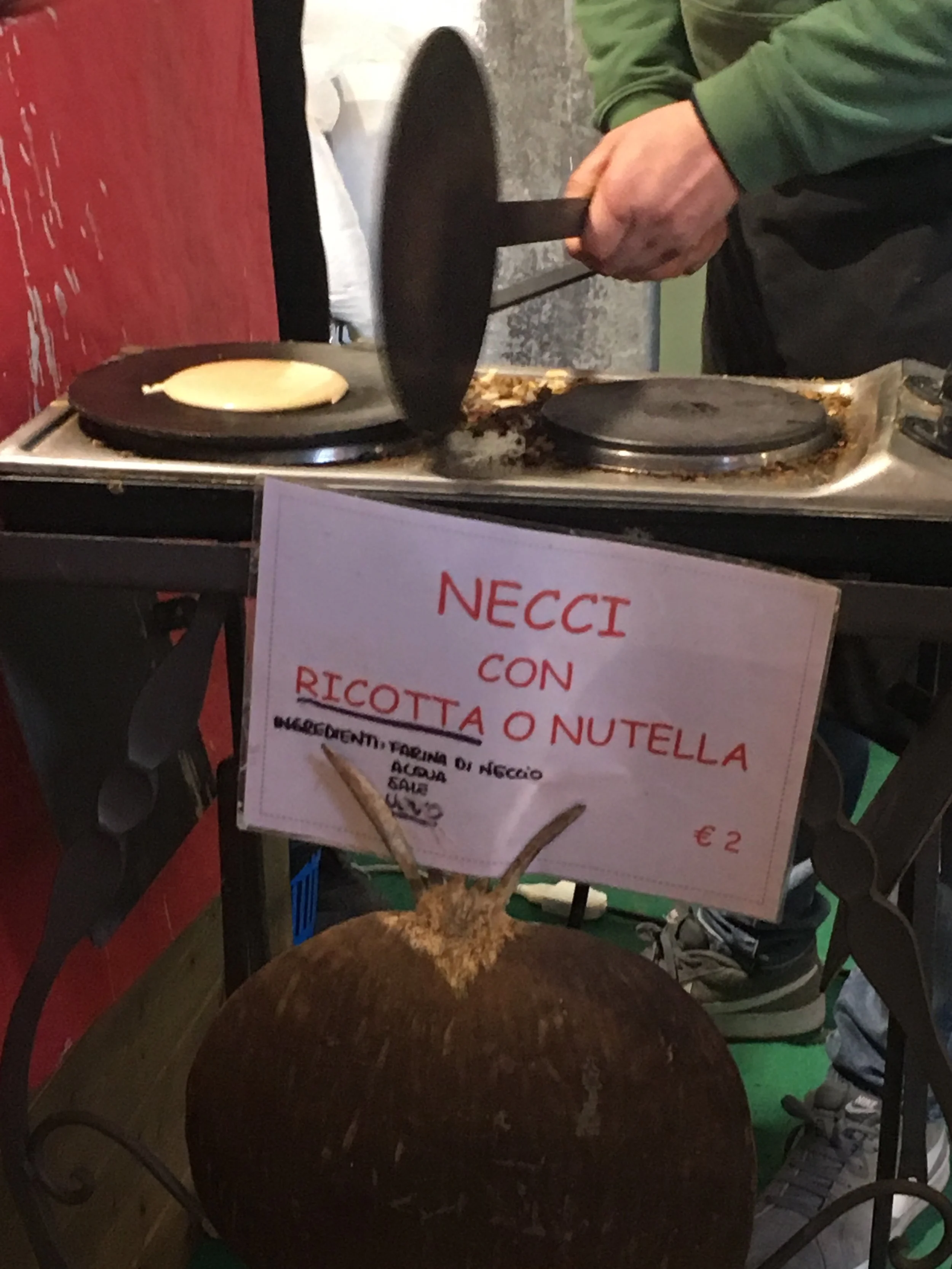
I learned to make this dish from Giuseppe, the chef at the Olive Press Kitchen, during an informal cooking session and lunch with friends. The main event that day was making Necci (see post from Oct 13,2025) but first came lunch – a wonderful spinach pasta with salsa di ortolano.
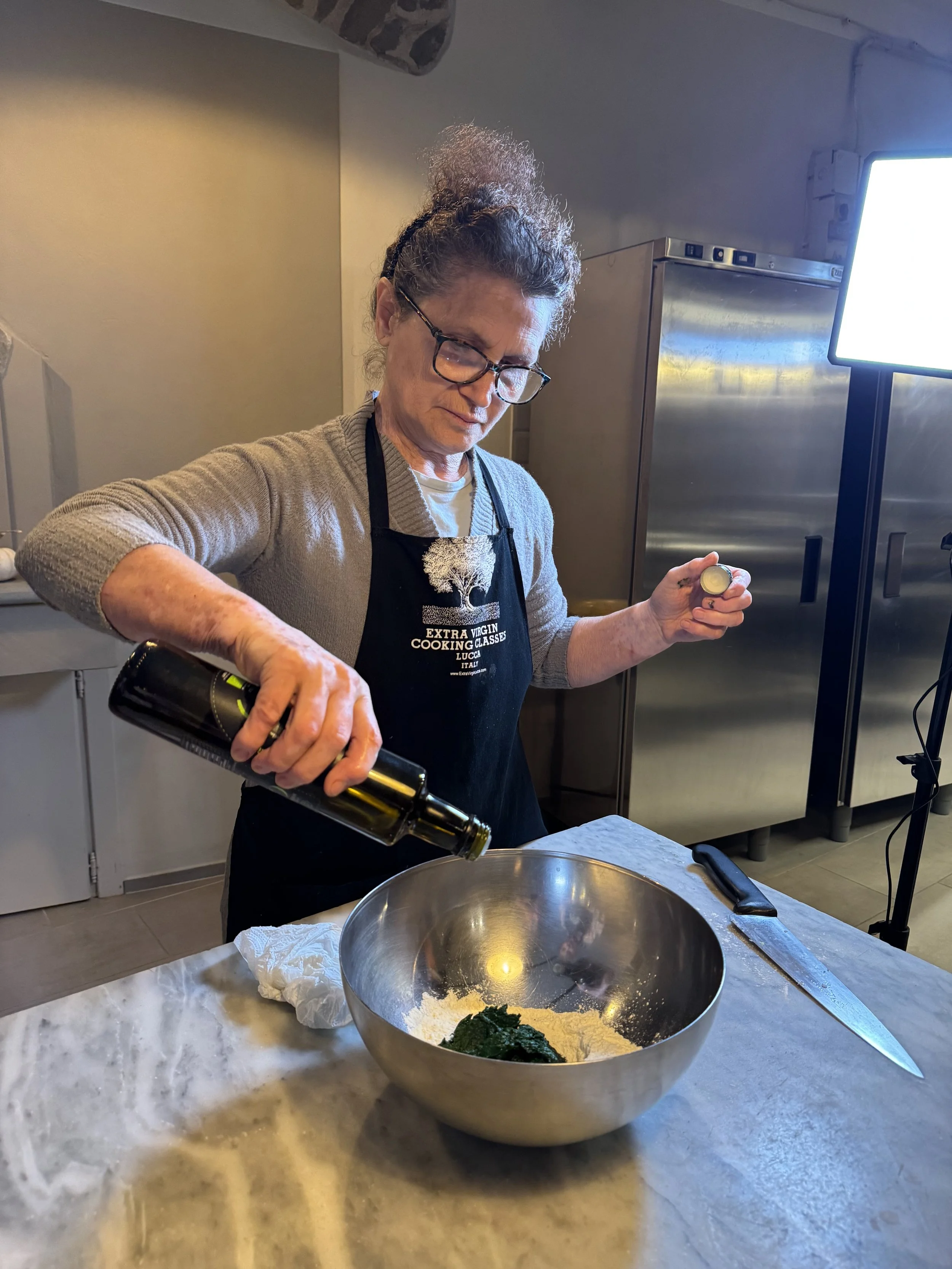
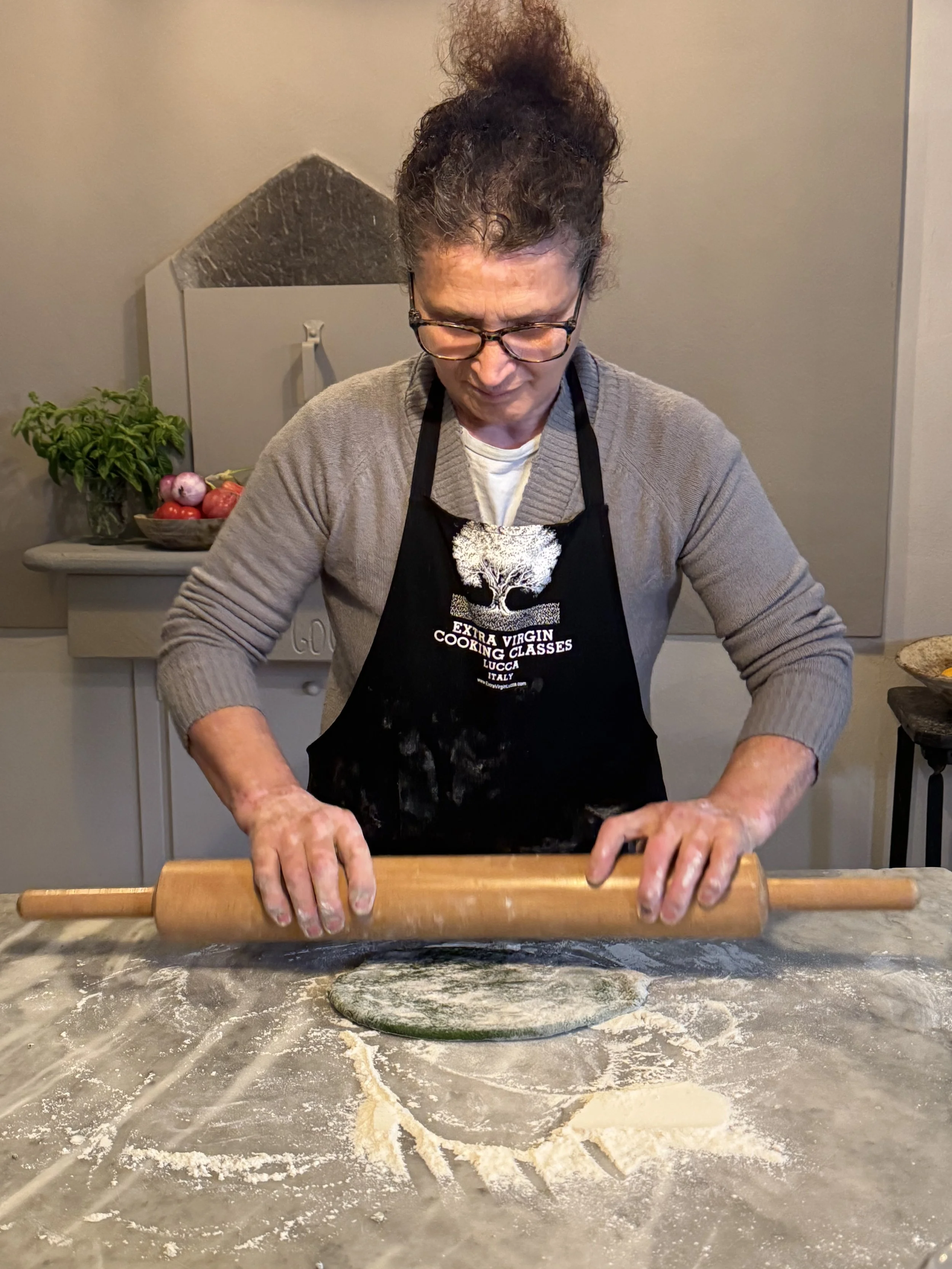
First, a demonstration by talented pasta maker Rosetta. She mixed just a few ingredients (type 0 flour, some semolina, an egg, cooked spinach, a drizzle of olive oil), briefly kneaded it, and proceeded to roll out, by hand, the thinnest sheet of pasta I have ever seen. The pasta was then cut into rough squares, called maltagliata (literally badly cut) dusted with flour, and set aside to dry. I would share the recipe if only she had used one!
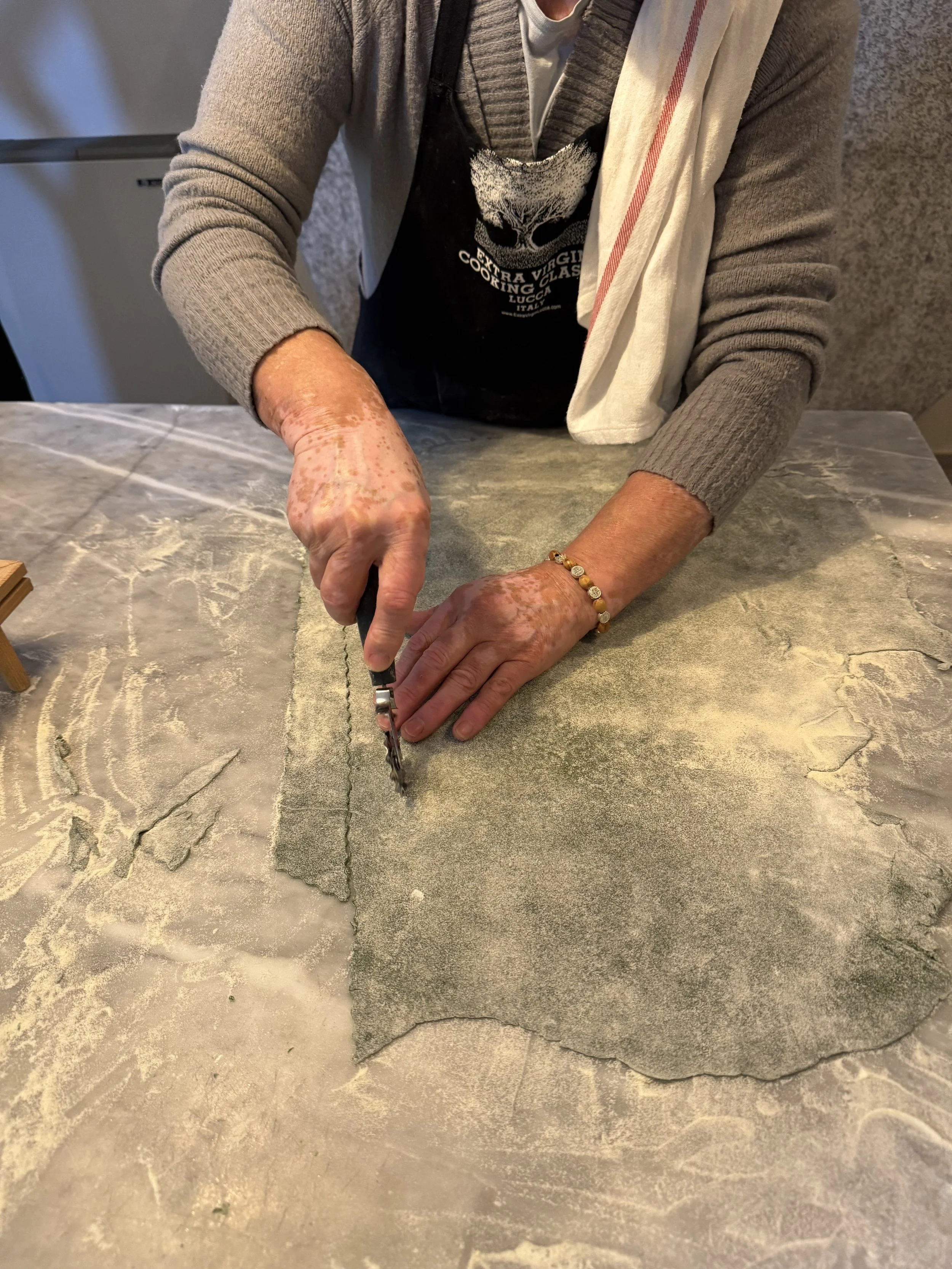
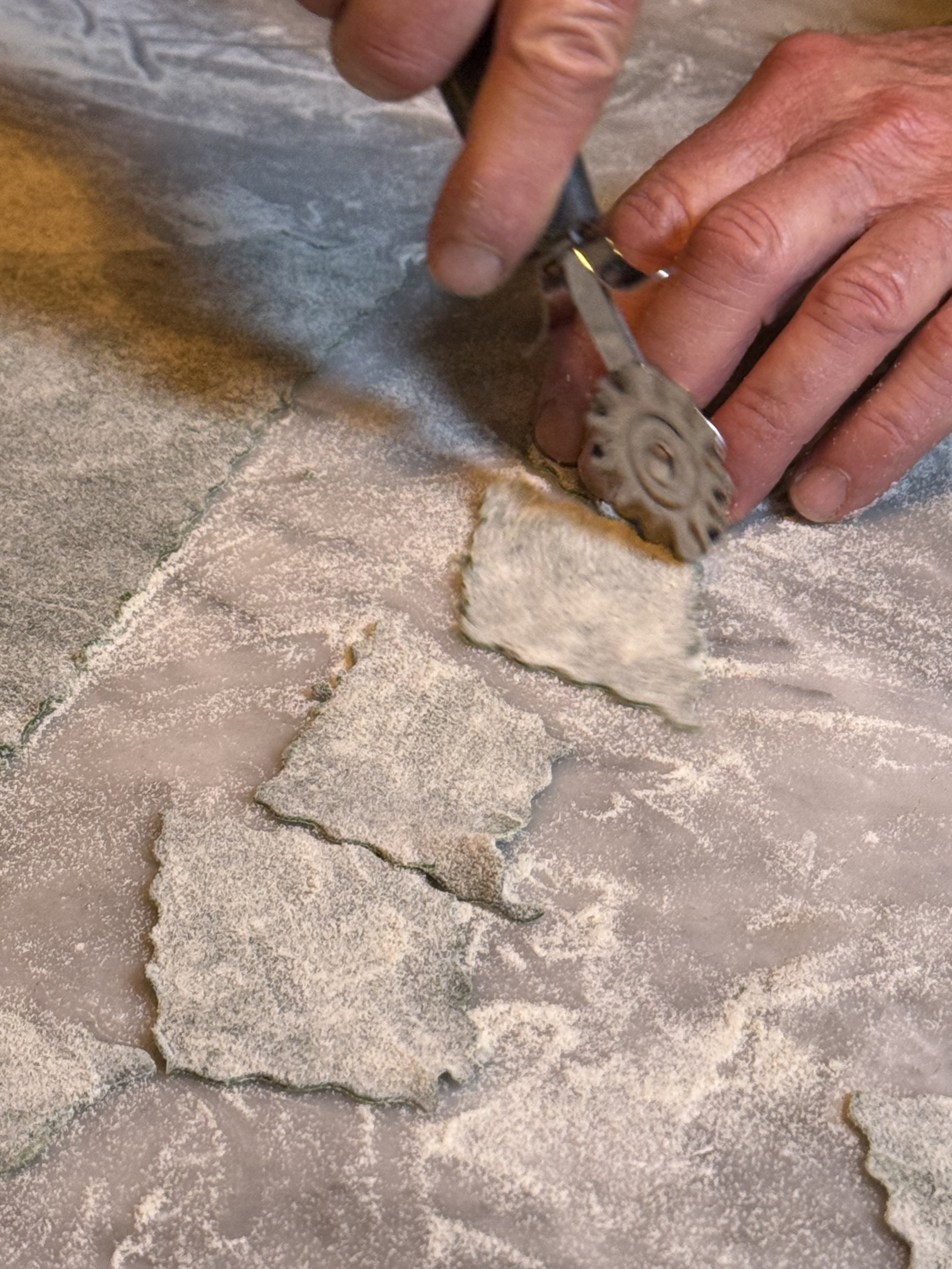
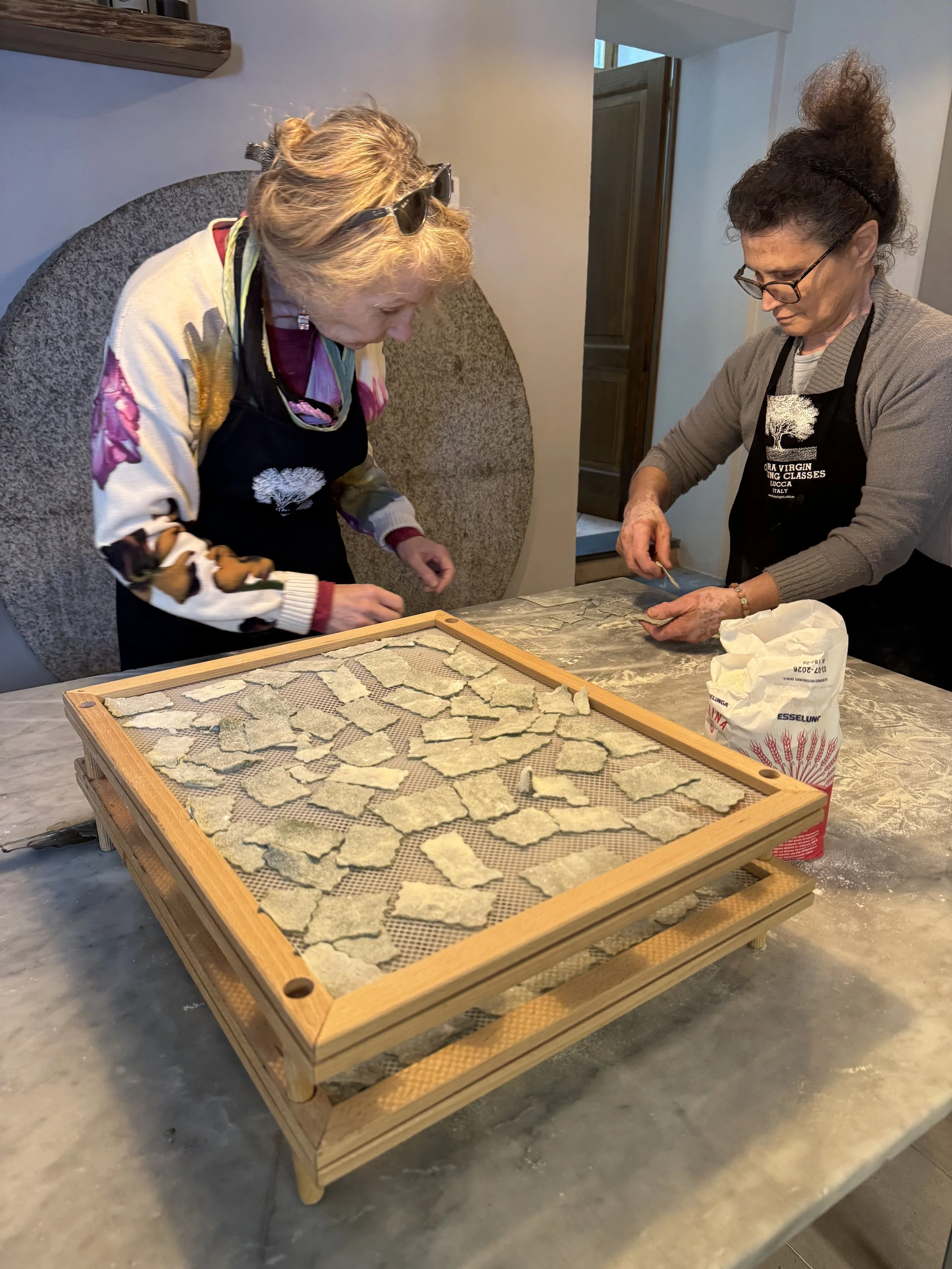
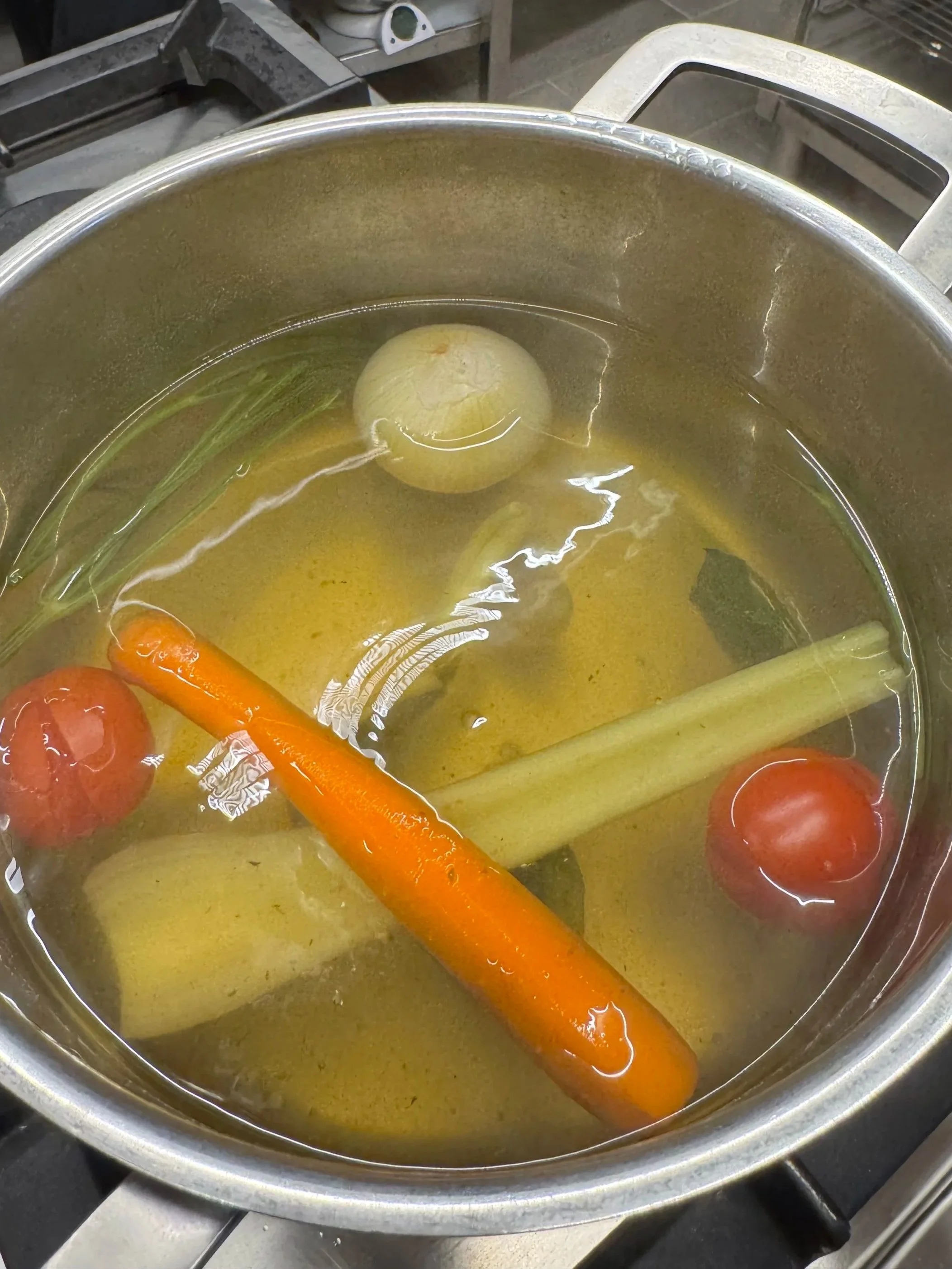
A simple homemade vegetable broth is a key ingredient in the pasta sauce
Next – the ortolano sauce. The preparation began with a homemade vegetable broth. Again, just a simple concoction, 1 carrot, 1 stalk of celery, an onion, two small tomatoes, a few herbs.
Seeing how simple yet flavorful this broth was makes me embarrassed to admit to ever having used those little vegetable boullion cubes. Shame on me! Never again.
While the broth simmered, we got to work preparing the sauce. Again, there was no recipe. We used celery, peeled yellow and red peppers, leeks, carrots, zucchini, and asparagus. All fresh from the market. And some good Extra Virgin Olive Oil too.
Preparation for the sauce began with peeling the peppers and then dicing them, along with the other vegetables, into small pieces
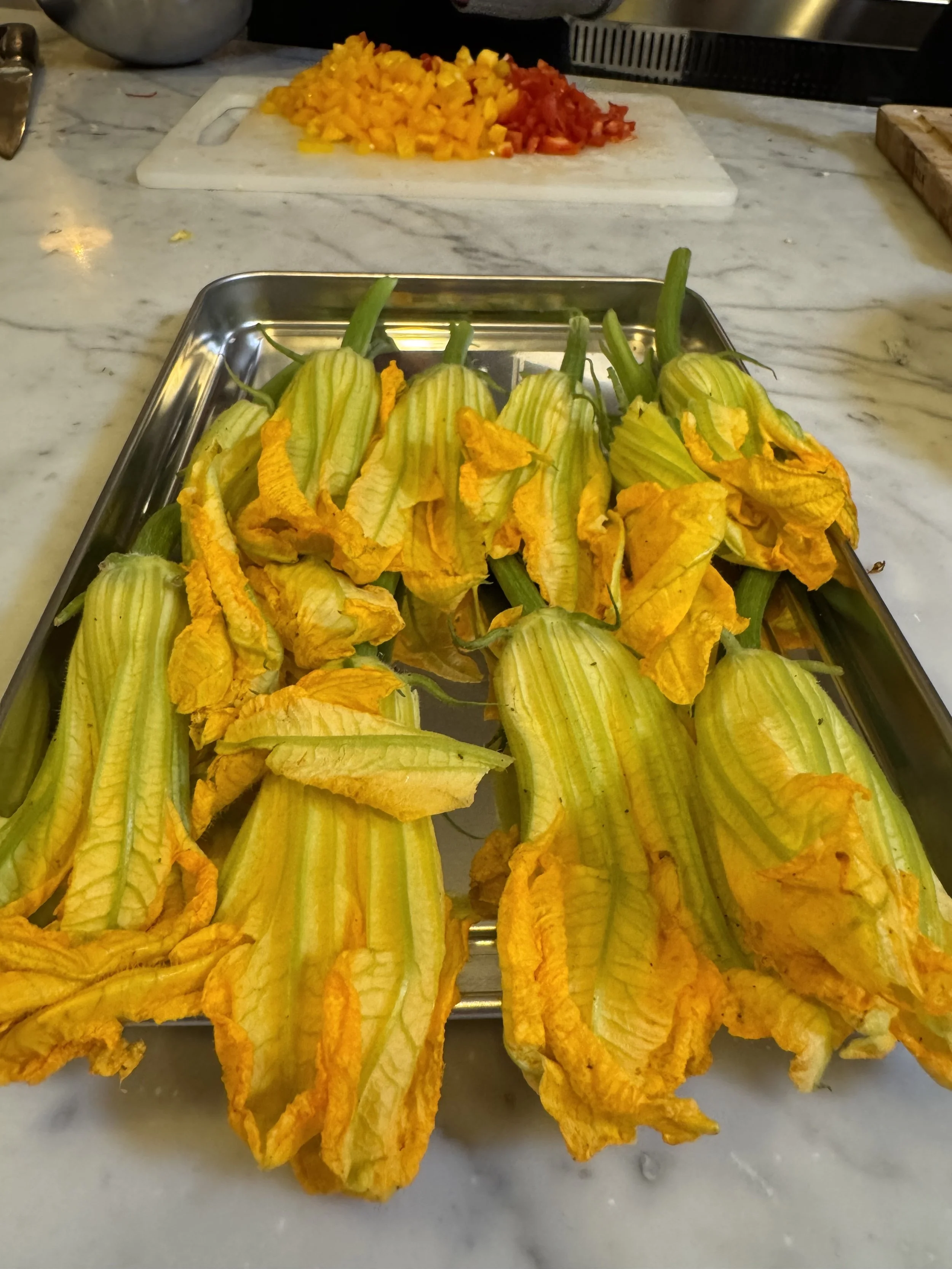
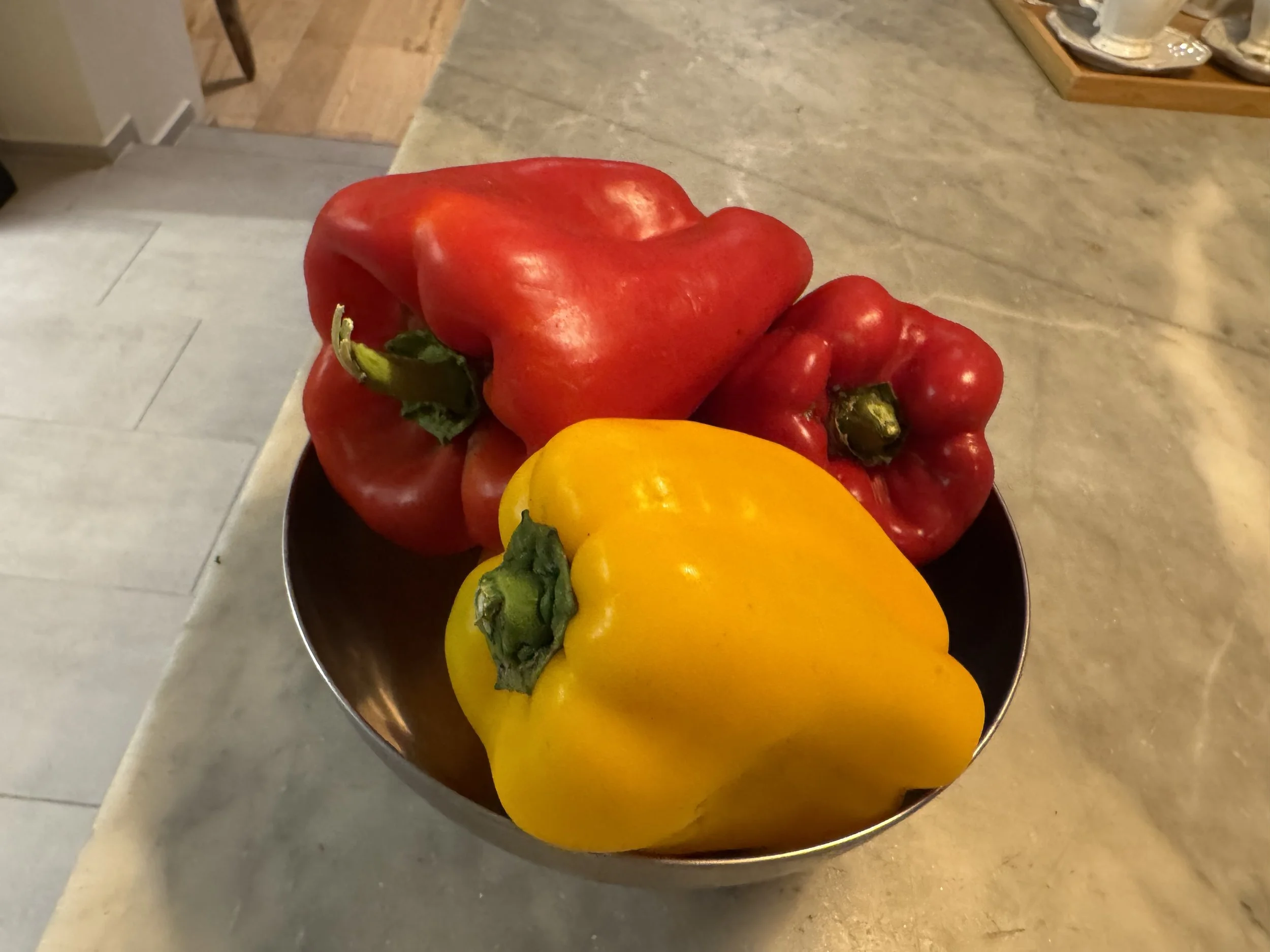
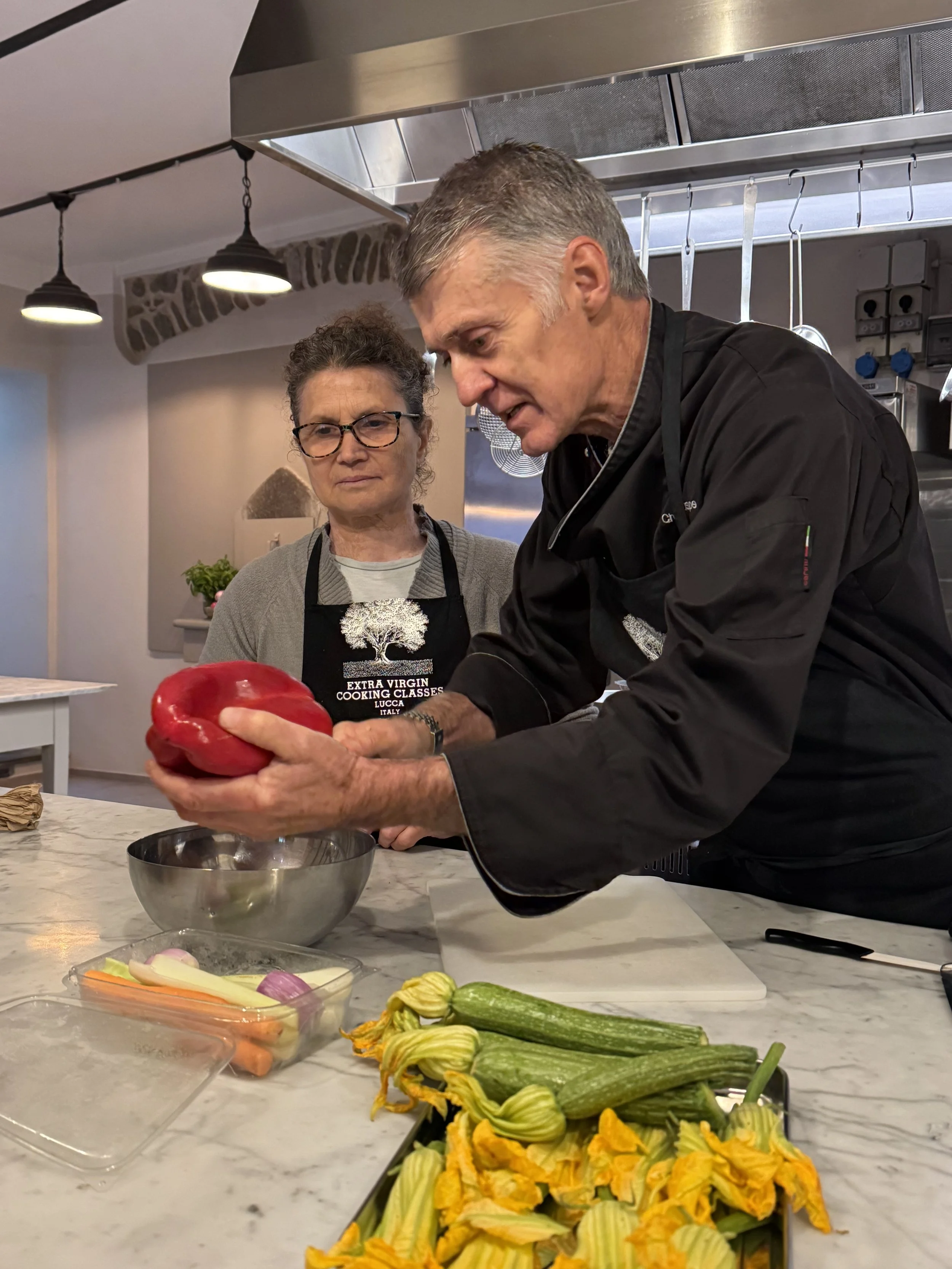
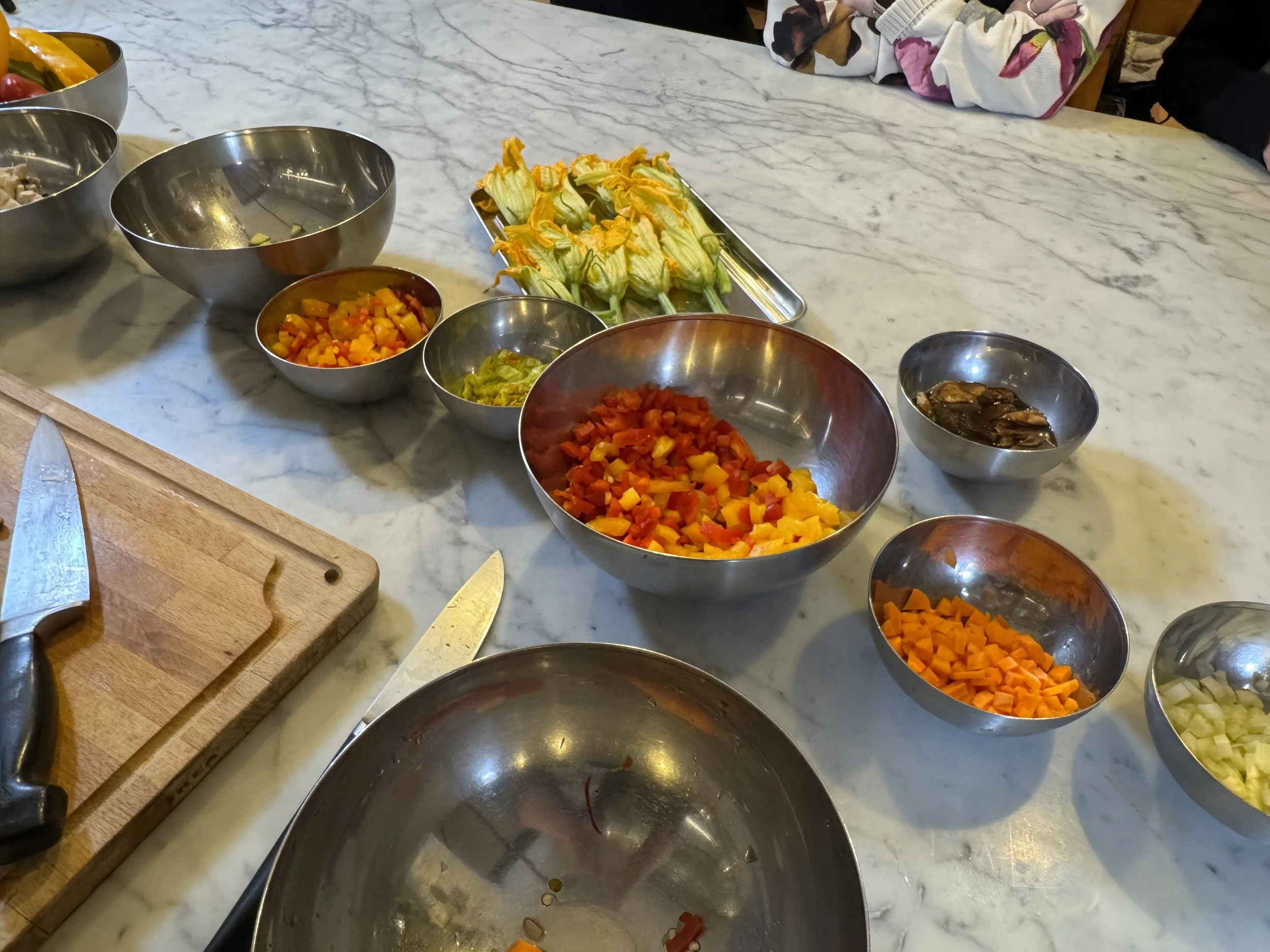
The ortolano sauce was then prepared by a slow layering of vegetables, beginning with the ones that needed the longest time to cook (carrots and celery) and ending with those that needed the shortest cooking time (zucchini and asparagus).
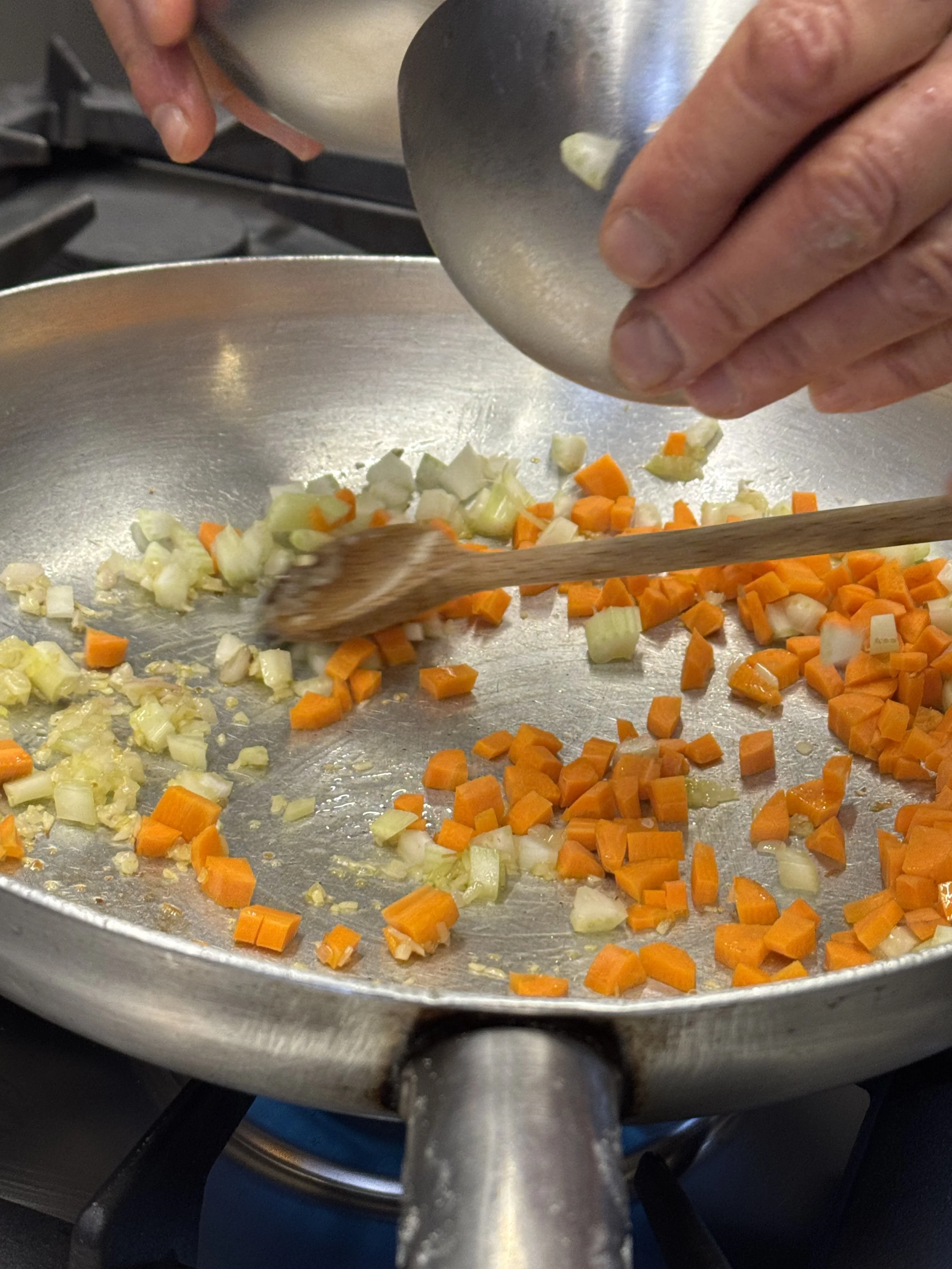
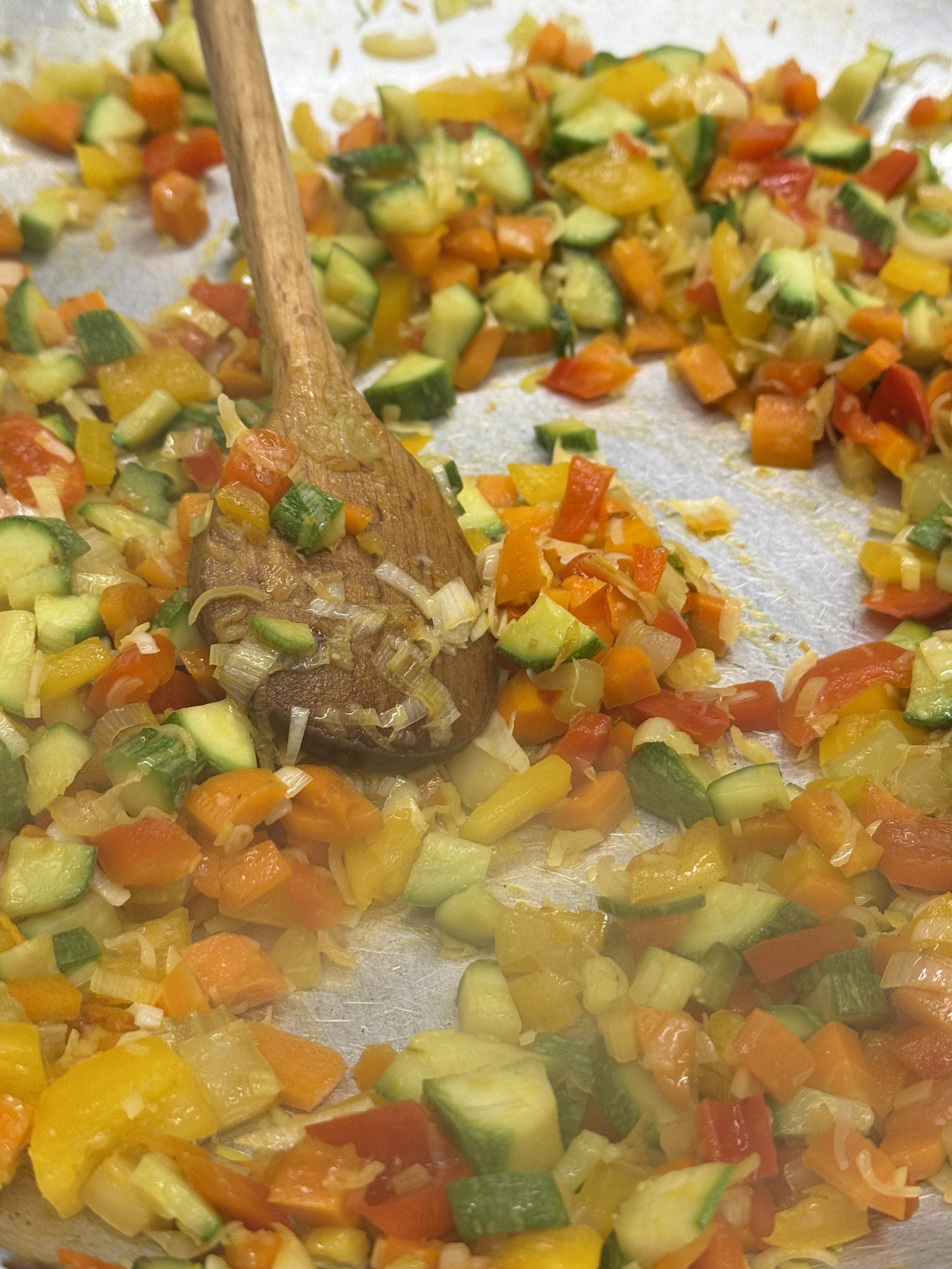
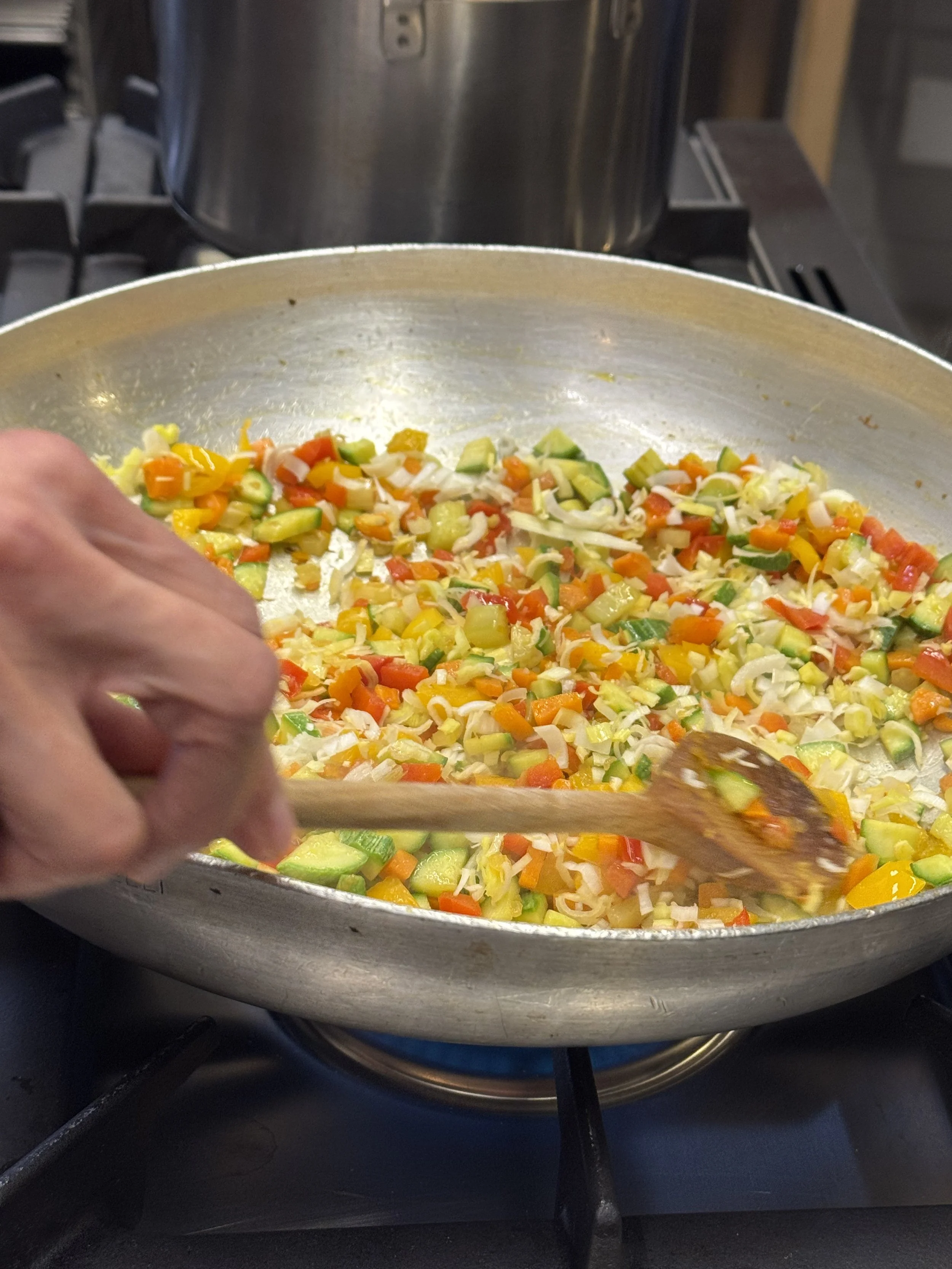
The preparation was simply a matter of stirring, adding small amounts of broth to keep the veggies from sticking, and layering in the other veggies. The final sauce was more vegetable than liquid - just moist enough to coat the pasta squares.
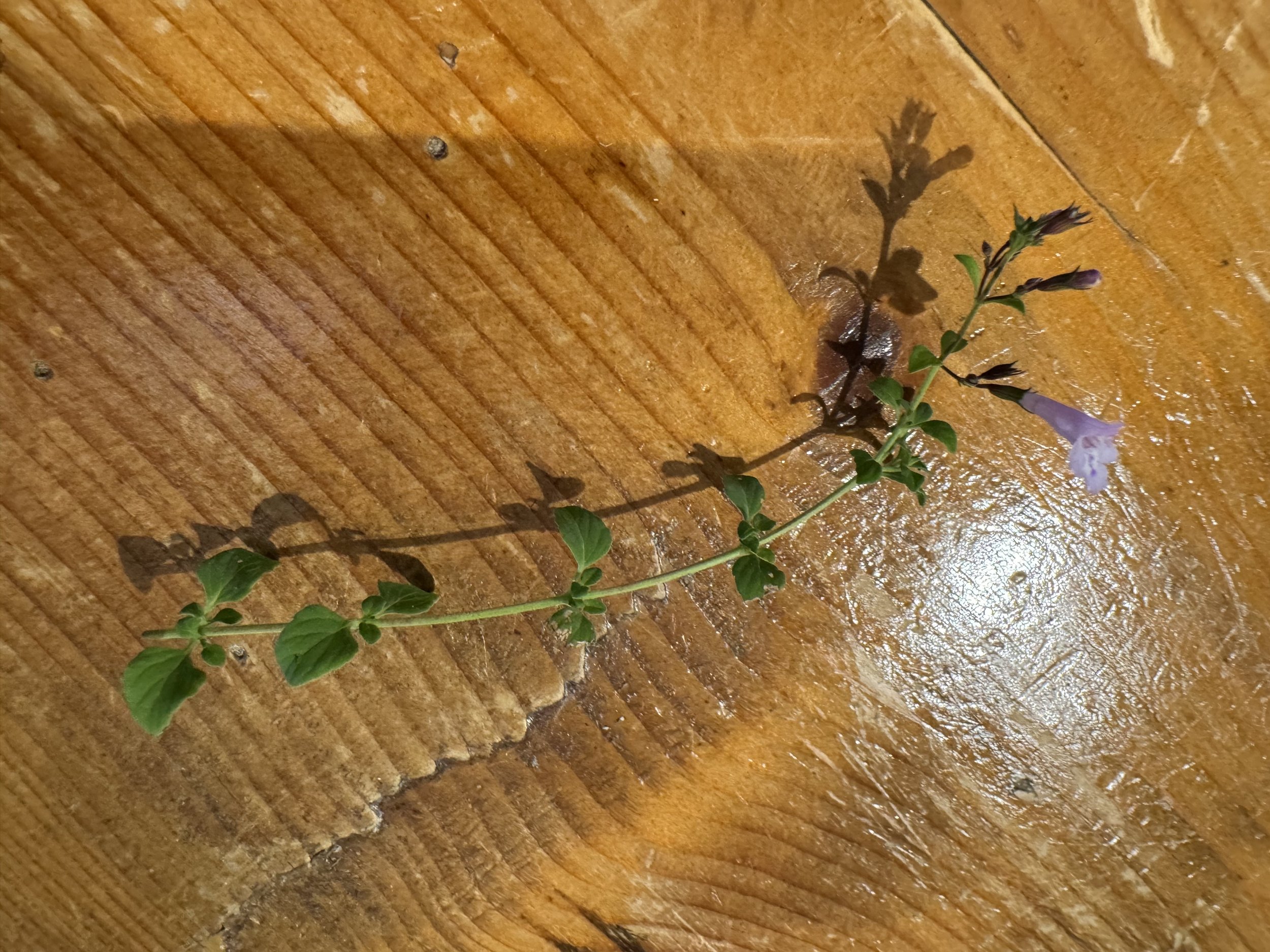
Nepitella has small green leaves and tiny purplish flowers.
Seasoning was simple – the flavorful olive oil used to begin cooking the vegetables, salt, pepper, a little garlic, and some nepitella. Nepitella is a wild herb in the mint family, it can be found growing in rock crevices. It has a pungent, herby flavor so just a little bit will do.
To put the dish together, the pasta squares were briefly cooked in boiling water, drained, and tossed in the pan with the salsa ortolano.
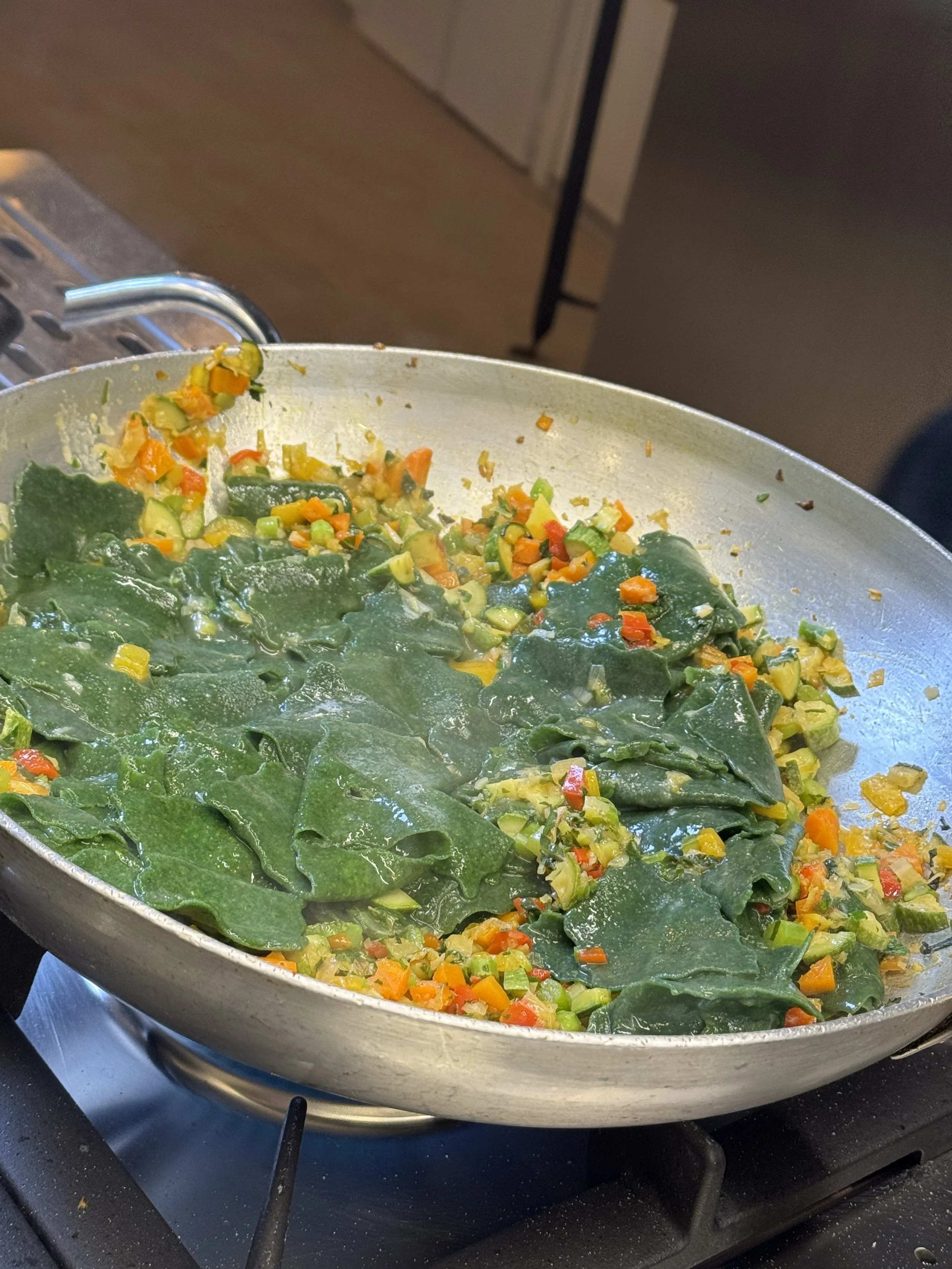
Once plated, it was finished with a sprinkle of Parmigiano Reggiano cheese. The simple sauce, bright and colorful atop the green maltagliata pasta, went well with a glass of white wine.
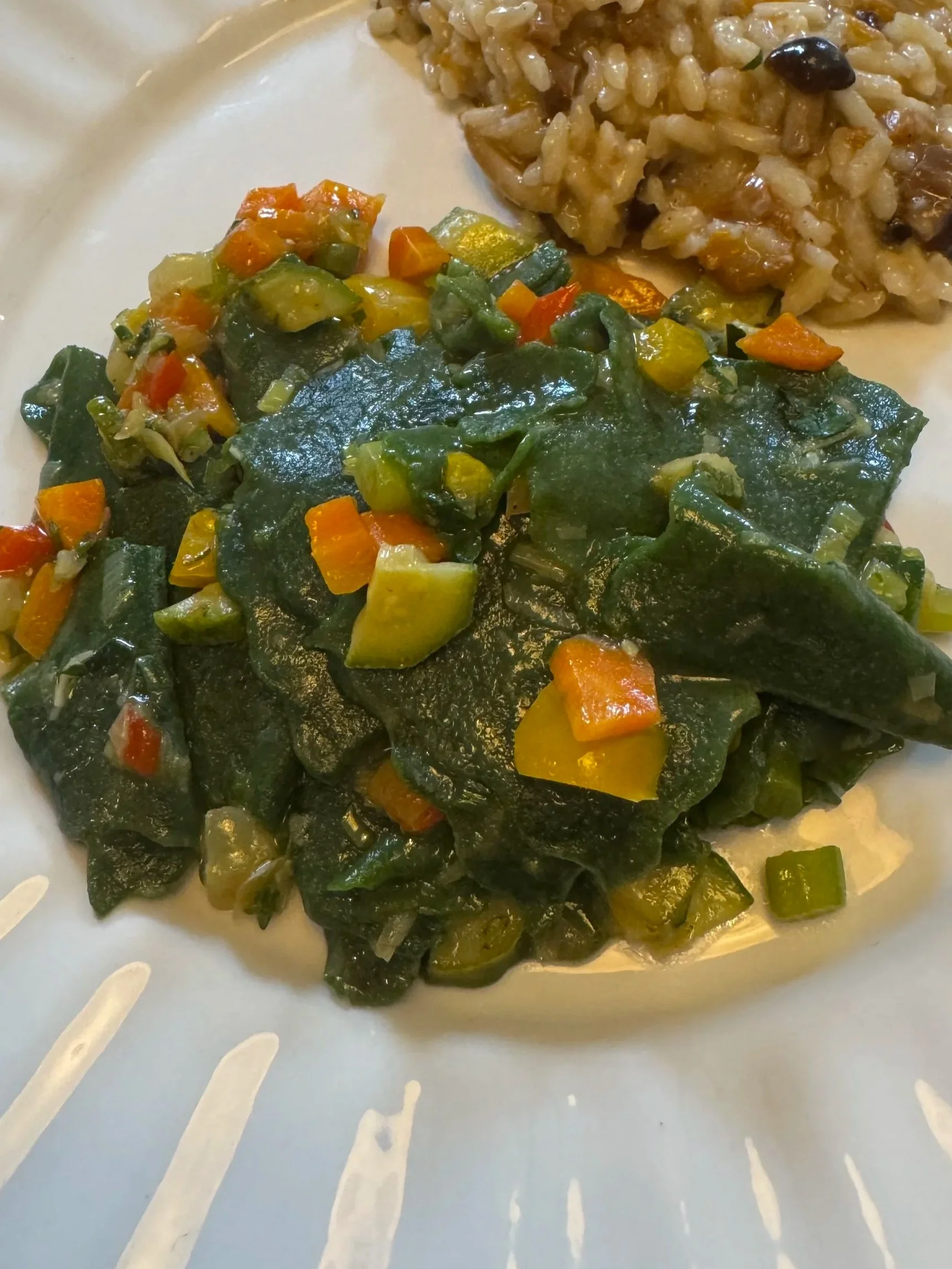
I am spending a few weeks in New Mexico visiting family and will definitely make this dish while I am there. I won’t be able to find nepitella, but pinches of basil, thyme, and mint will be a good substitute. I will also likely use store bought fresh pasta squares, plain or spinach (why? because I am a bit pigra - lazy), but who knows, perhaps I will be inspired to make homemade pasta too. As for the veggies – asparagus won’t be in season, but mushrooms will be wonderful in this pasta. Maybe some butternut squash or thinly sliced Brussel sprouts. The possibilities are endless! And isn’t it good to start the new year off with a healthy, veggie topped pasta?
Buon anno e buon appetito !
If looking for cooking classes near Lucca or Florence, The Olive Press Kitchen is a great choice.
email: info@theolivepresskitchen.com call or WhatsApp : +39 329 743 3364