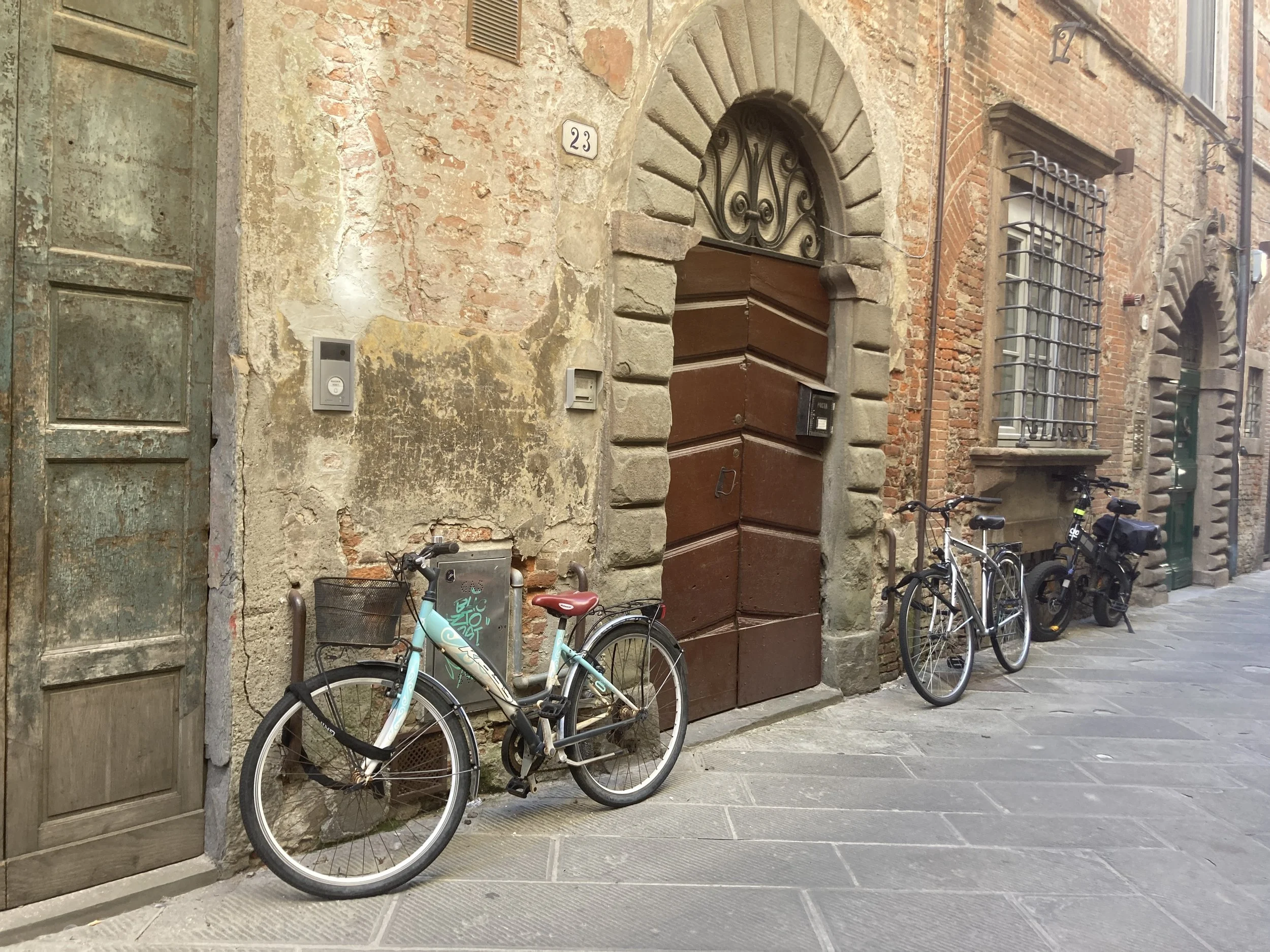
A New, Very Old Neighborhood
The historic center of Lucca is small, lying within a 4.2 km (2.5 mile) surround of Renaissance era walls. It is easy to walk from one side of town to the other in just 20 minutes. It might seem that such a small area would feel like one cohesive neighborhood, but nothing could be further from the truth.
Historically, in the Medieval and in the Renaissance period, Lucca was divided into 3 terzieri (thirds of the town) each with its own administration. The terzieri were further divided into 4 smaller sections called gonfaloni. Each gonfalone (singular form of gonfaloni) had a unique name and symbol, which was carried on a banner.
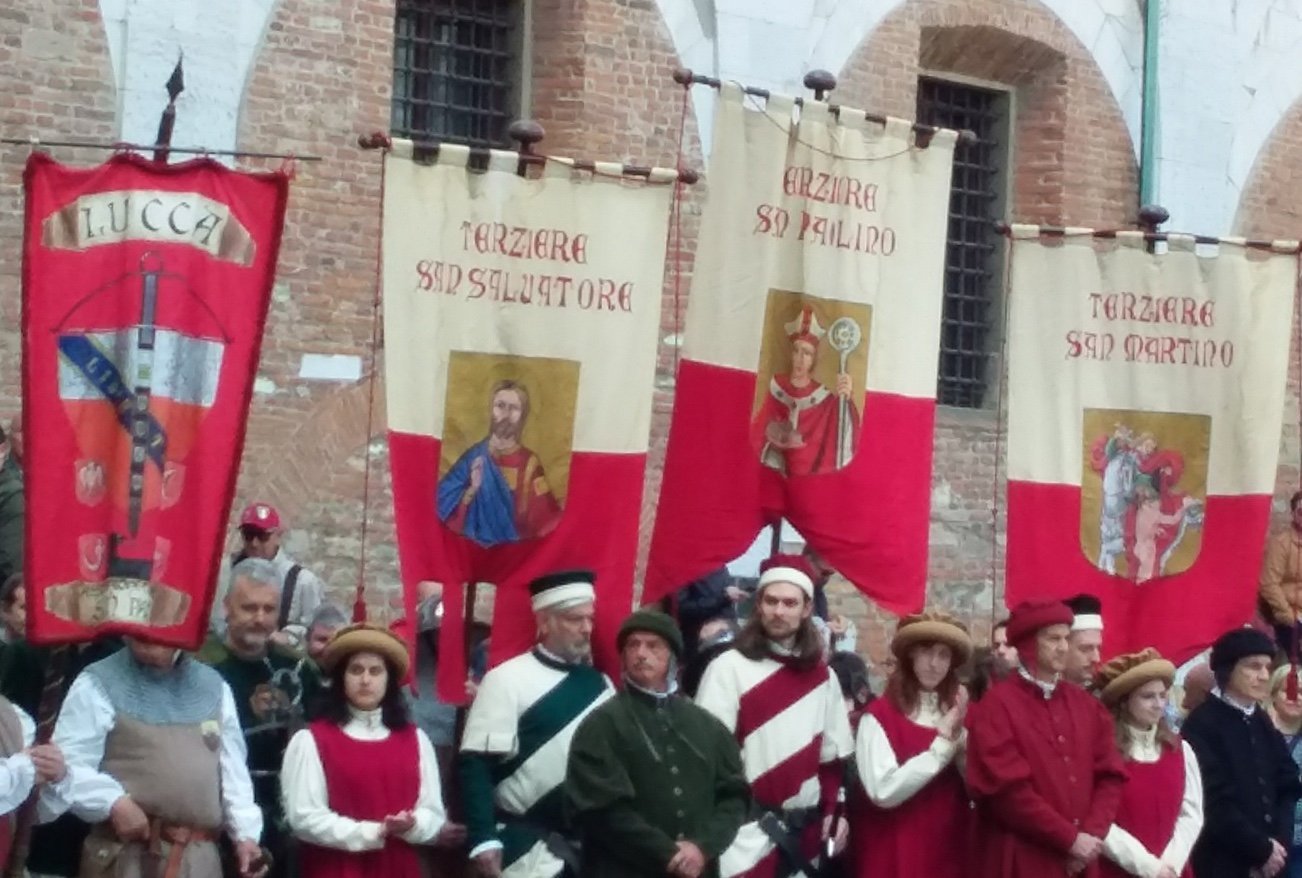
The 3 terzieri are represented in the many Medieval events held in Lucca
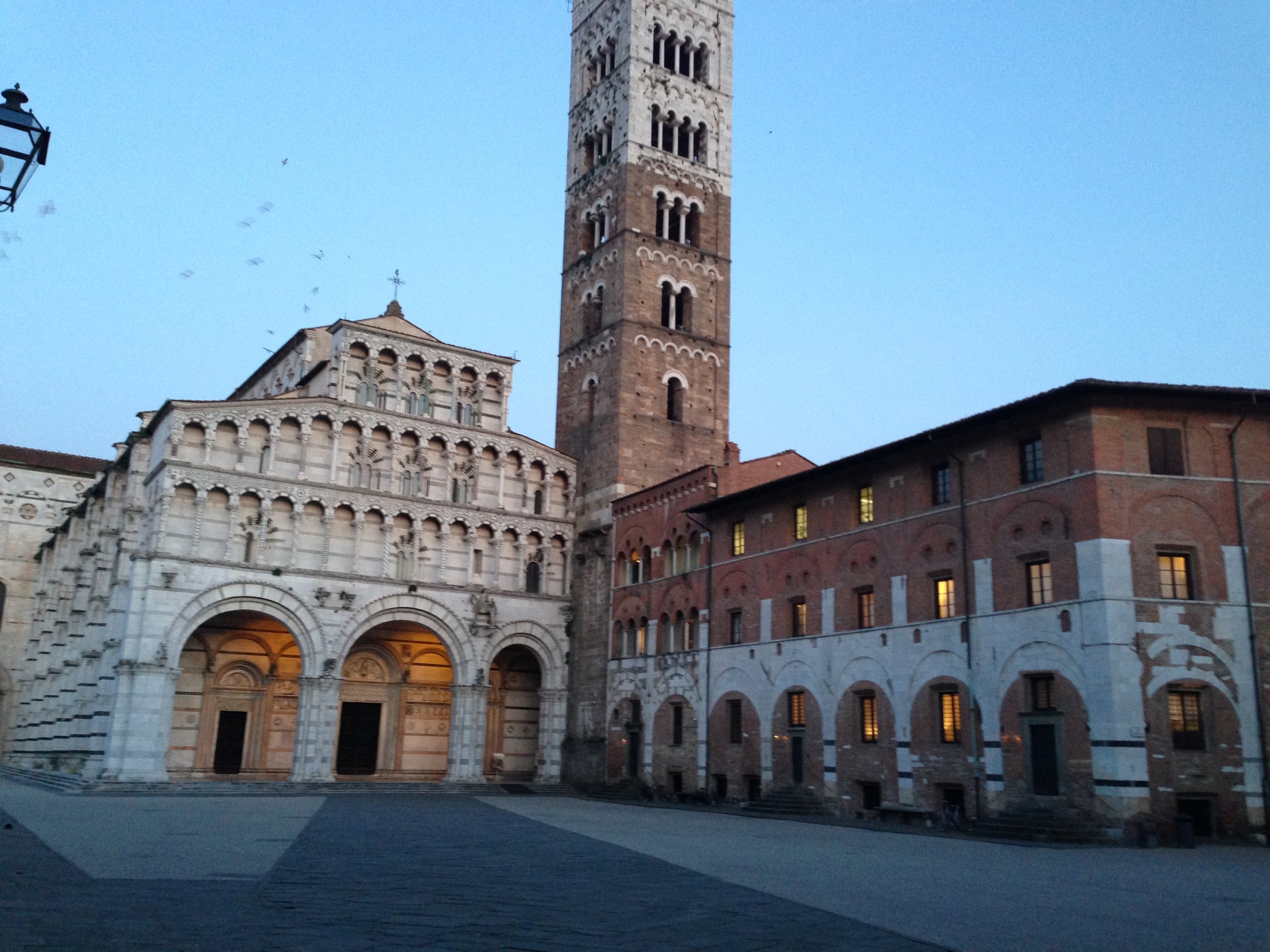
San Martino Cathedral lends its name to the terziere on Lucca’s eastern side
The terzieri in Lucca were the Terziere of San Martino, Terziere of San Salvatore, and Terziere of San Paolino. San Martino was the largest of the three, though least populated, taking up much of the eastern and central part of the city, from north to south.
Next, San Paolino, in the western section of Lucca, was the oldest terziere of the city. It had the largest population and held a position of importance within the historic city.
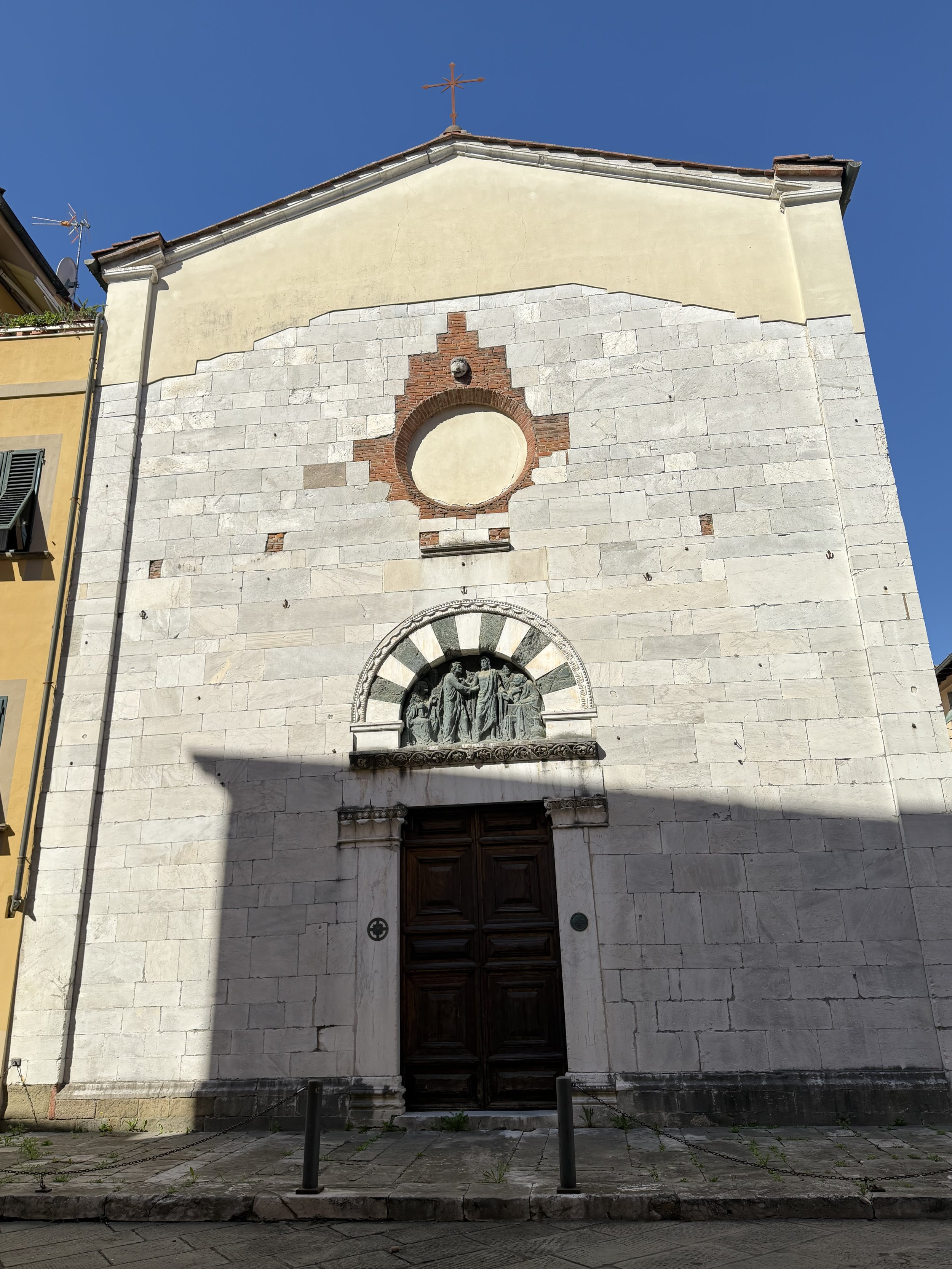
The Church of San Tommaso in the terziere of San Paolino, is one of Lucca’s oldest churches.
The smallest of the terziere was San Salvatore, in the north central part of Lucca.
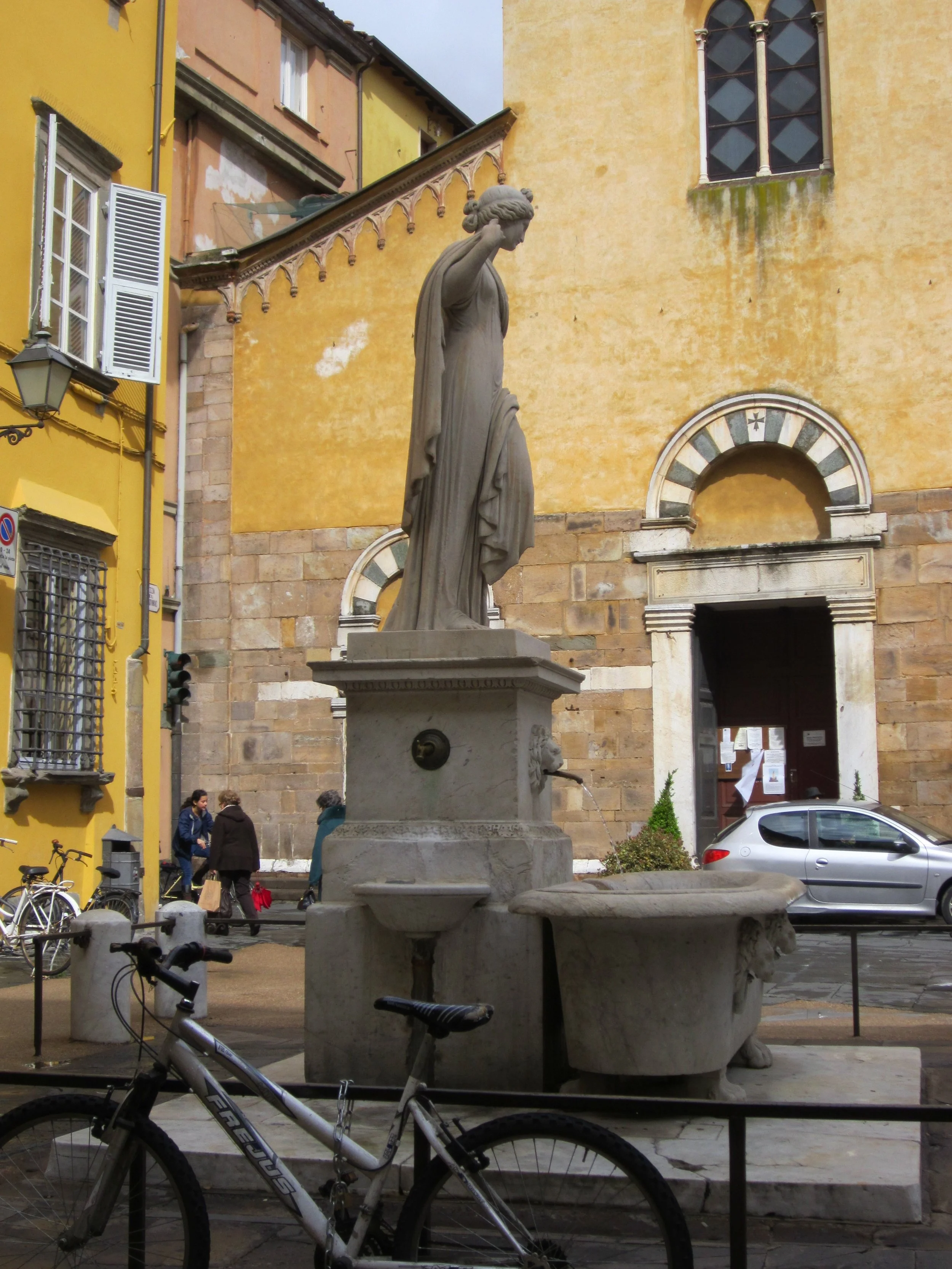
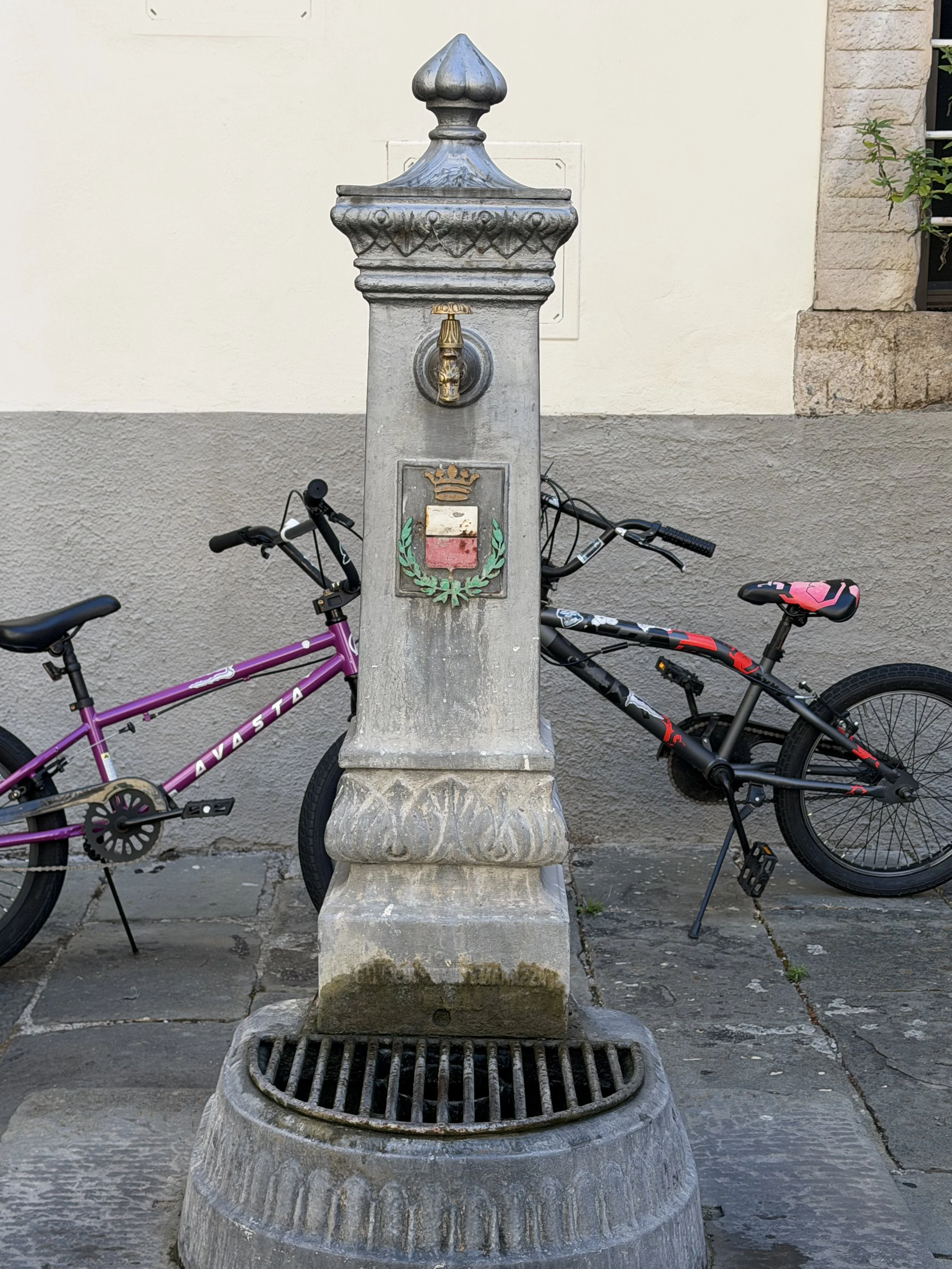
One of the most famous fountains in Lucca stands in Piazza San Salvatore in the terziere of the same name, the building behind is the Church of San Salvatore, another of Lucca’s oldest churches. It gave the terziere its name.
Today, there are many echoes of those long-ago neighborhoods in Lucca. While the modern city has one unified city government, the names of the old terzieri persist, and the churches and piazzas that anchored them are still standing as the cornerstones of unique neighborhoods.
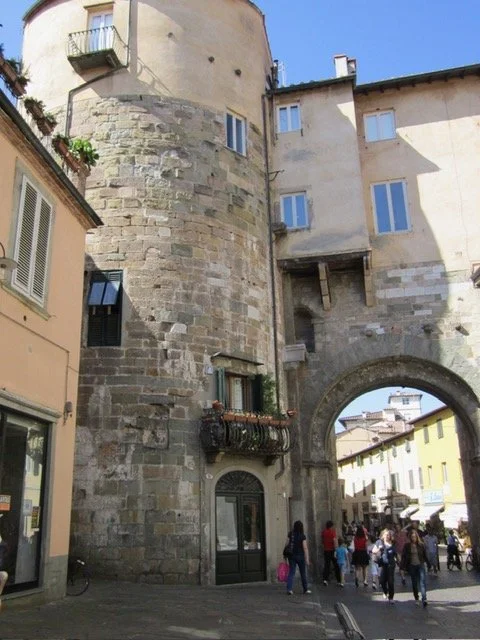
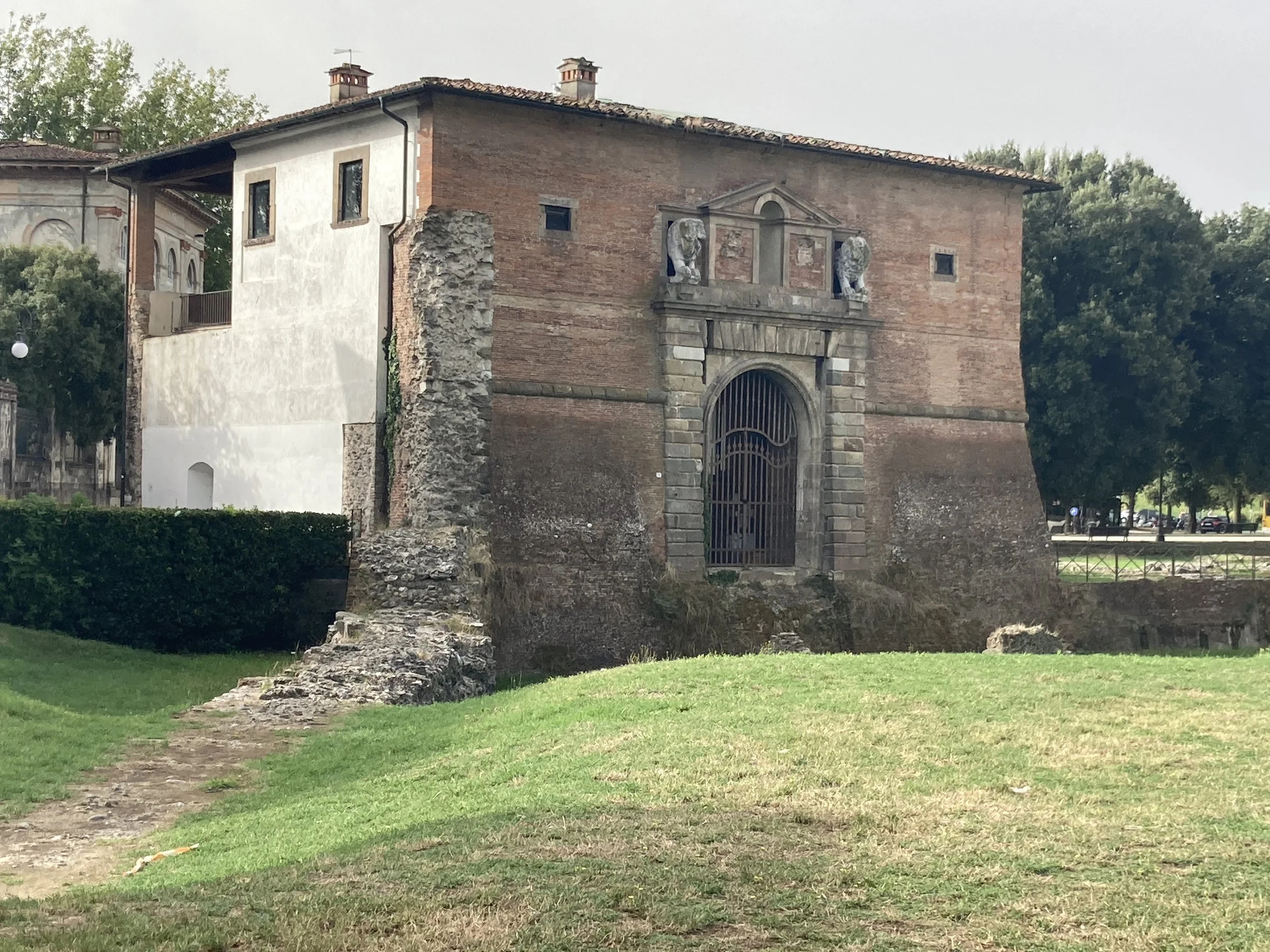
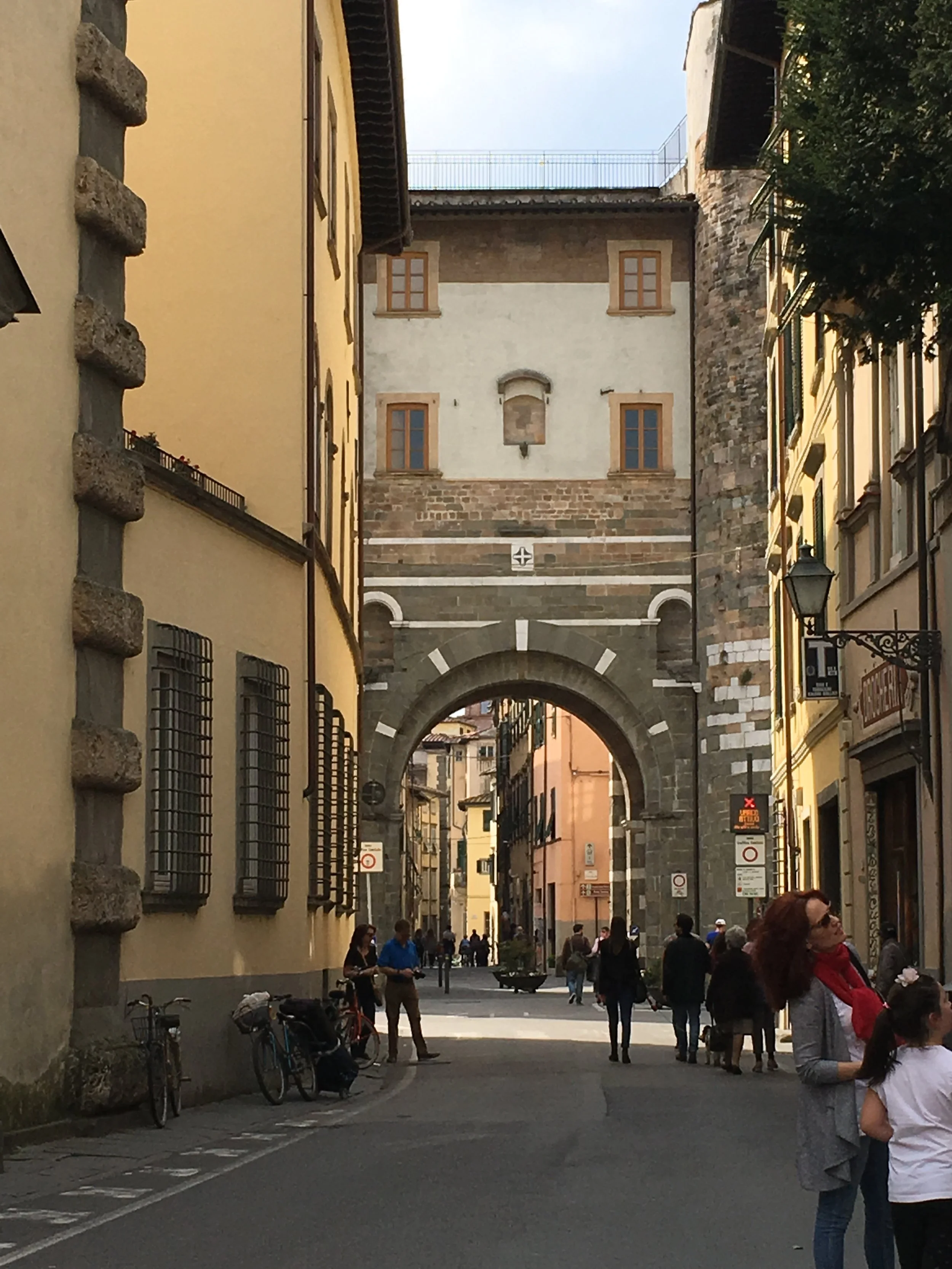
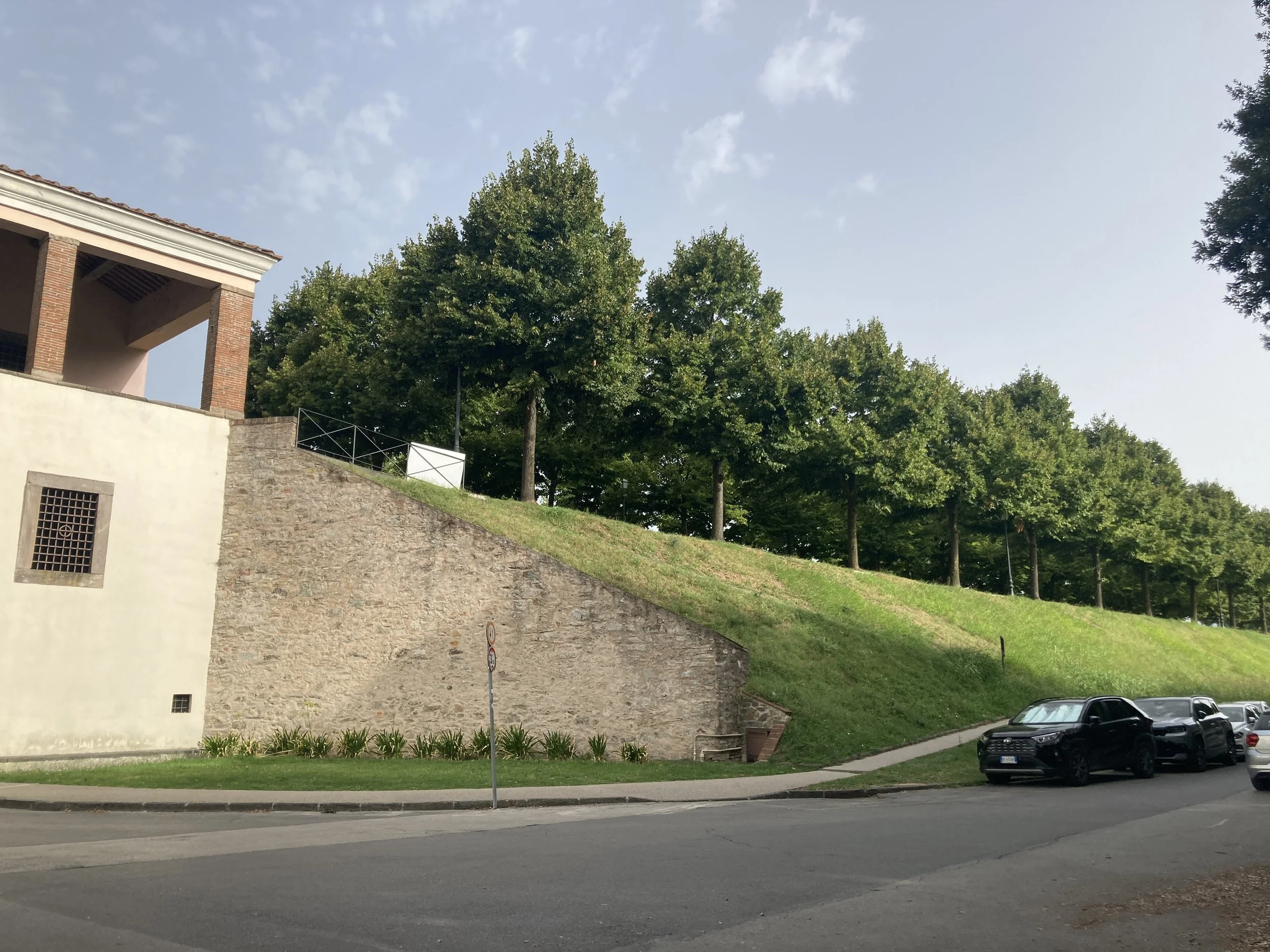
Two of the Medieval city gates are still used. Both sit within the San Martino terziere and mark the limits of what was the Medieval city. Today, locals and visitors alike walk under the arches each day as they head toward the center of town. A third gate, the Porta San Donato, has been replaced by a newer, larger entrance to the city in the Renaissance era wall. However, part of the old gate (middle photo below) can still be seen nearby as part of the tourist information center.
The historic divisions are perhaps best represented in Lucca’s frequent Medieval themed events which often involve competitions with costumed teams from each of the terzieri carrying their unique banners. The Terzieri of San Paolino is still important - it often takes the prize in archery competitions.
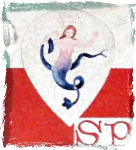
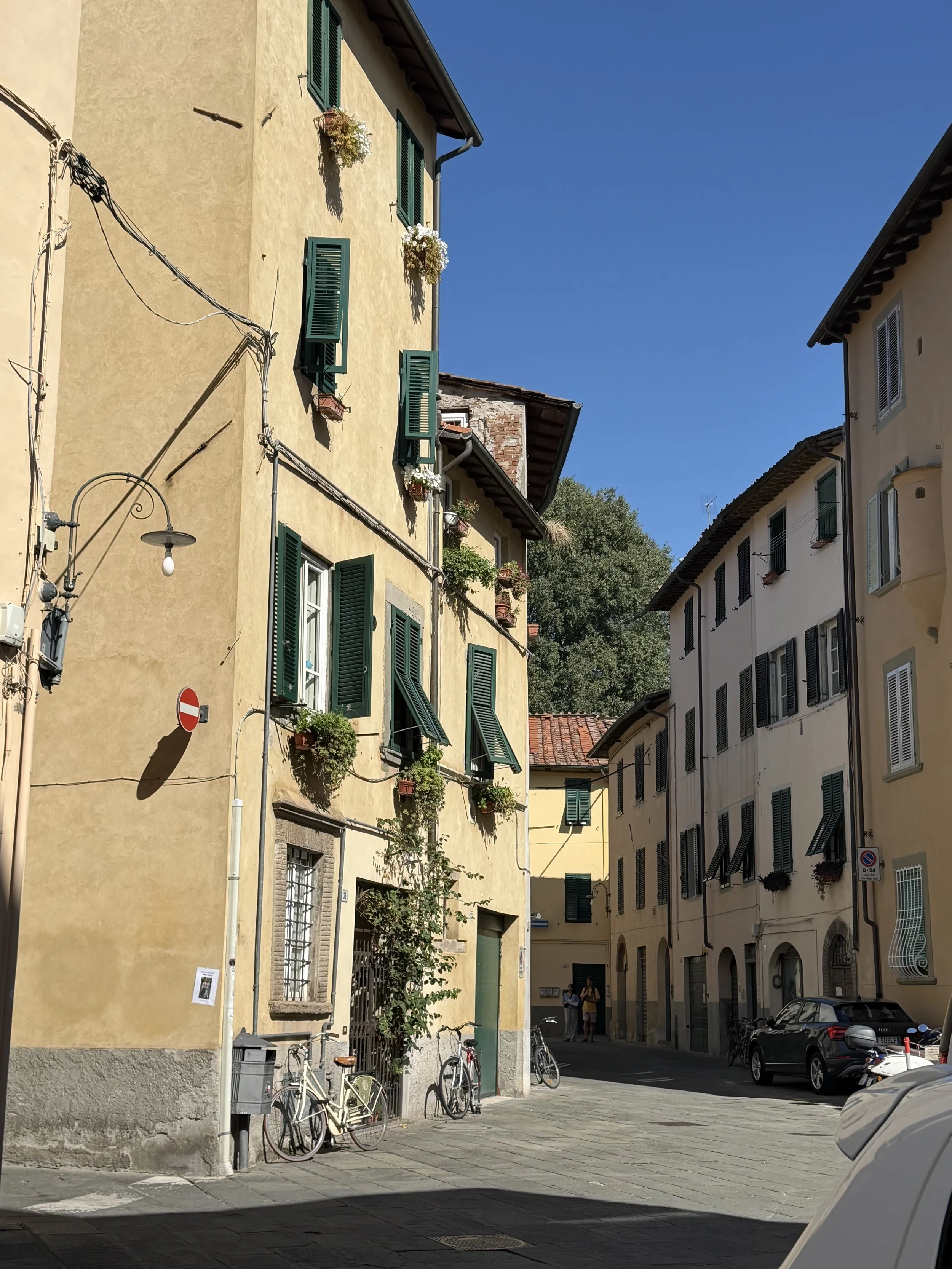
This history has been on my mind since I recently moved from an apartment in the San Martino neighborhood to one in the San Paolino area. Historically speaking, my new apartment is in the Terzieri San Paolino, the Gonfalone della Serena (the subdivision of the Siren). And even though I am just about a 10-minute walk to the west of my old apartment, this part of town has a very different vibe. I would describe it as being off the beaten path, a slice of Lucca before the “spiffing up” for tourists. It is definitely a residential area, not a souvenir shop to be found.
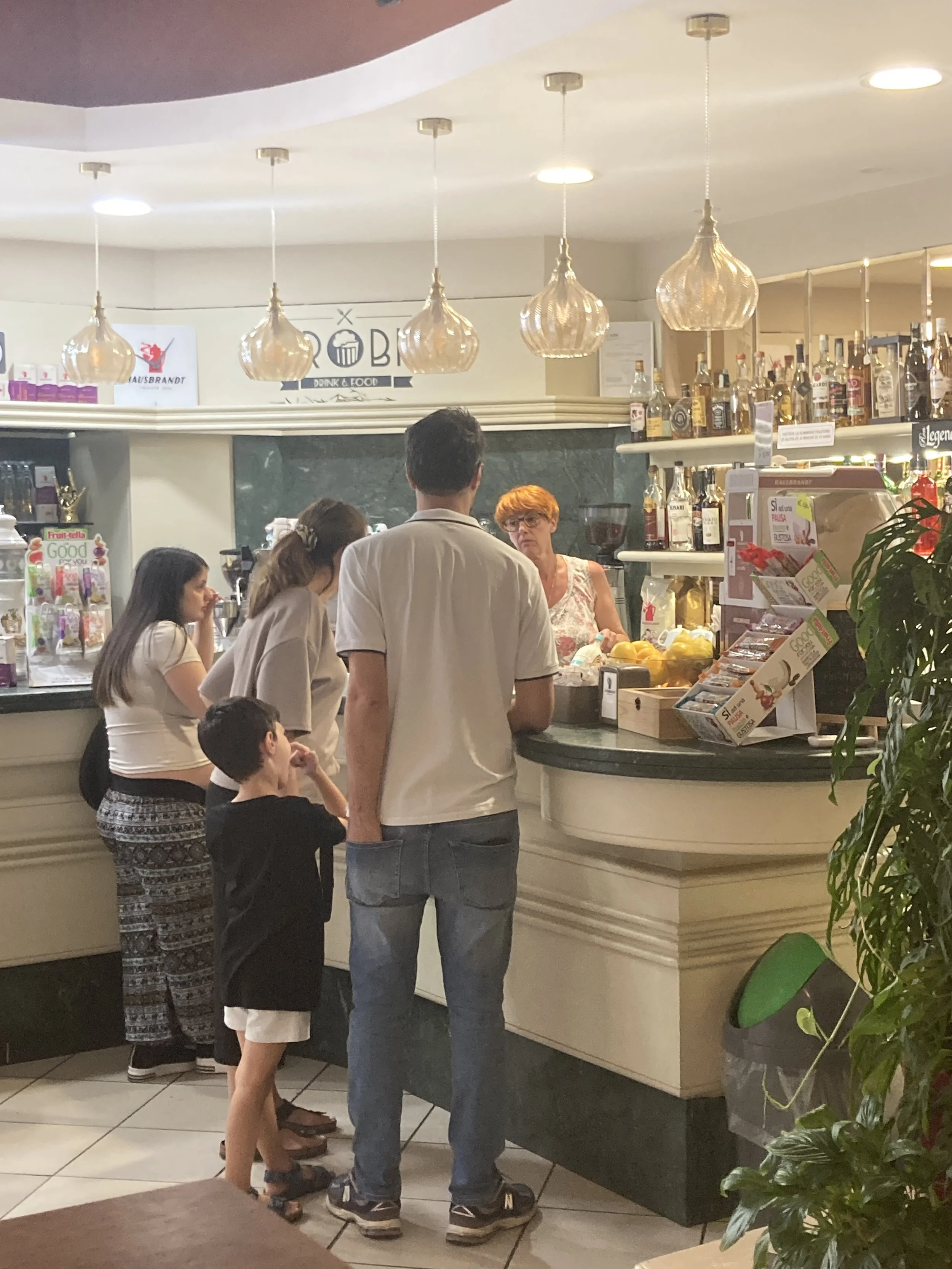
Bar Probi
I have been exploring the area for the last couple of weeks. I’ve found one nearby bar for morning coffee, run by a pair of friendly sisters. It sits just across from a court building and is very popular with the people working there. A cornetto and a cappuccino here costs €2.80. Definitely a taste of old Lucca and certainly not tourist prices.
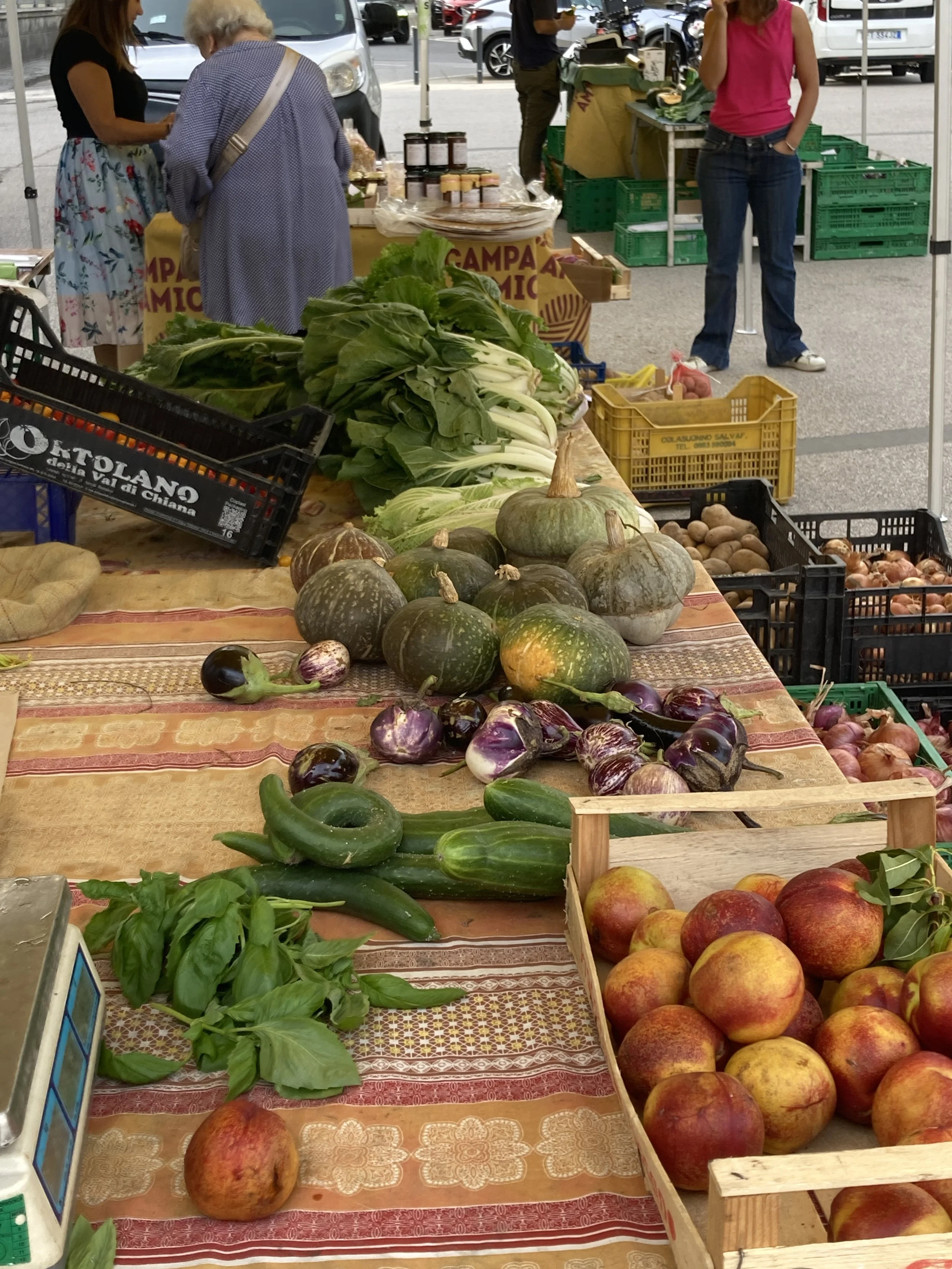
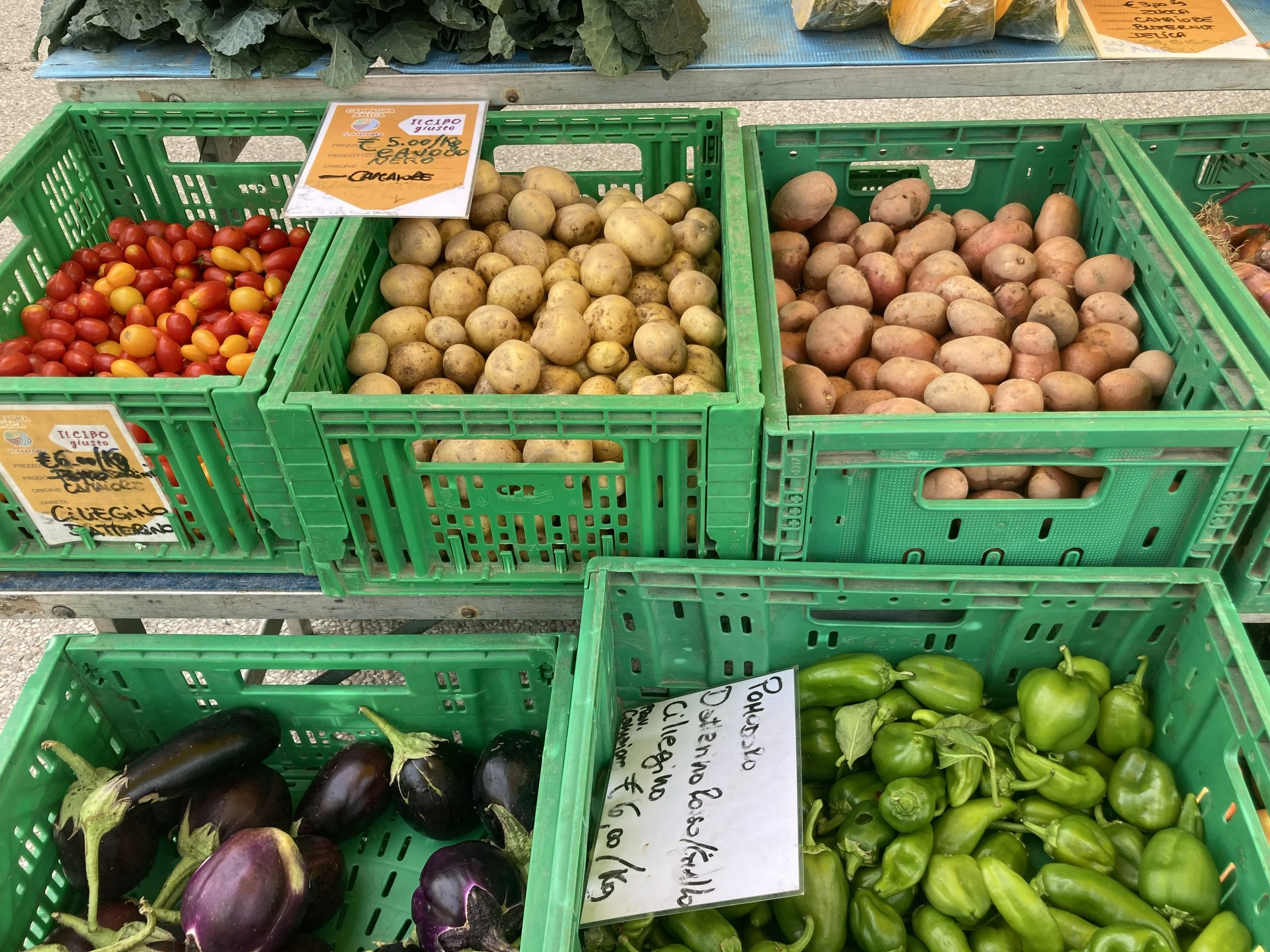
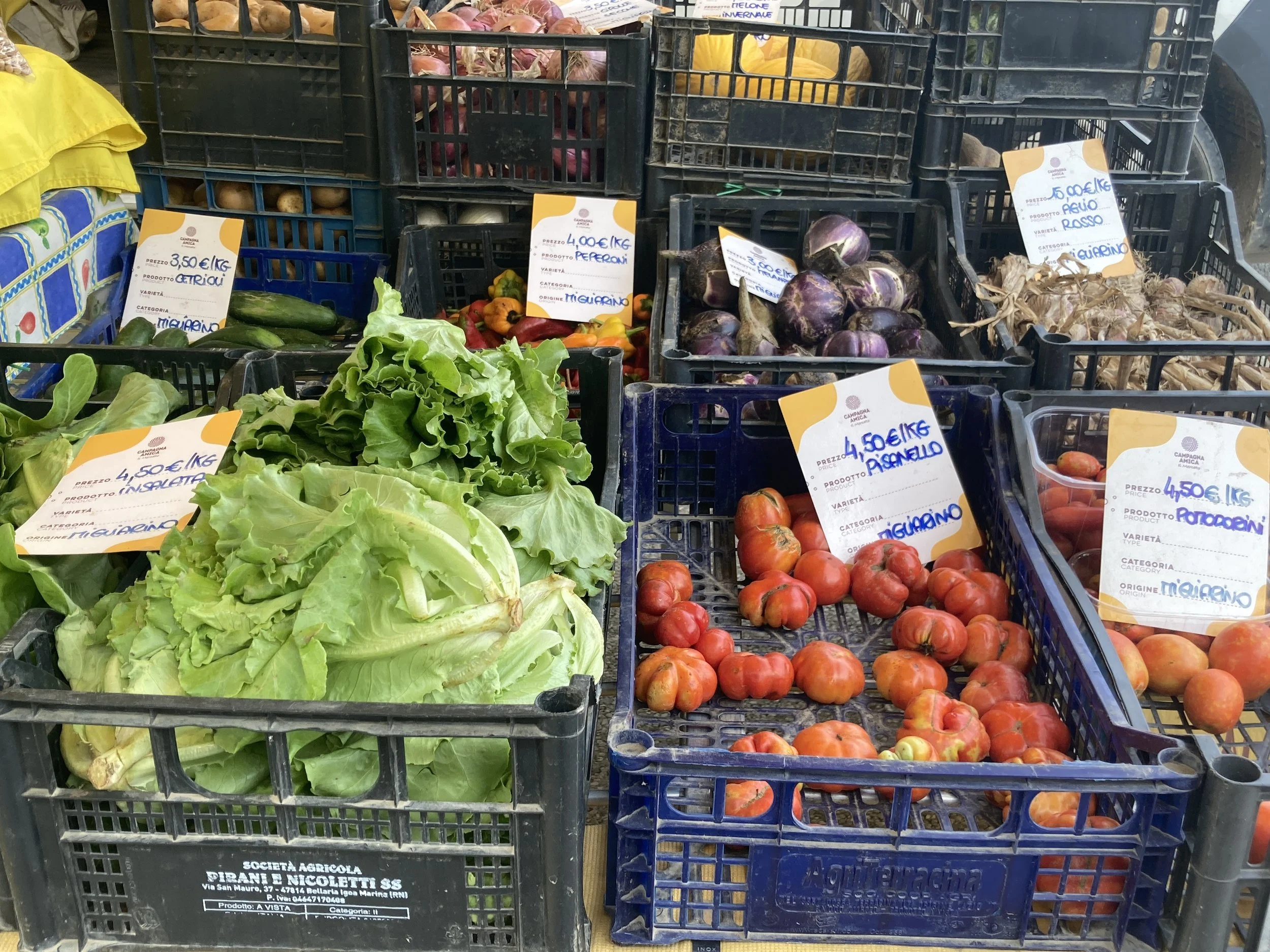
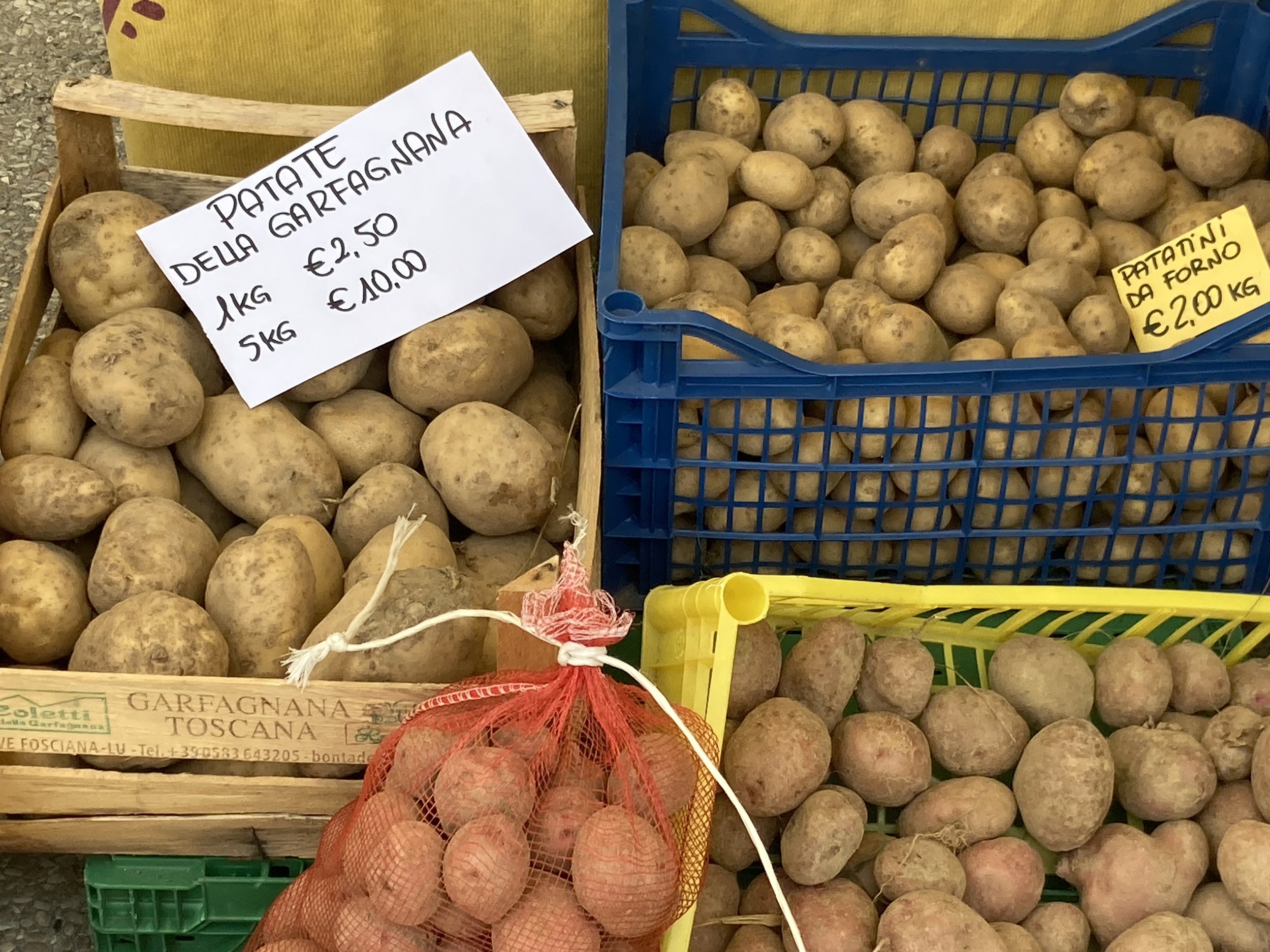
When I introduced myself to one of the owners, saying that I had just moved to this part of town, her response was “well, then this is your bar, see you tomorrow”. A nice welcome! A second bar, Bar Tiani, has welcomed Lucchese since the 1950’s. It is located right next to the neighborhood grocery store. Full of locals, it is a lively place full of the music of spoken Italian. And who doesn’t need a caffè before grocery shopping? A bonus is the small Thursday morning market, just a block or two from my new place. It has wonderful fruits and vegetables straight from area farms.
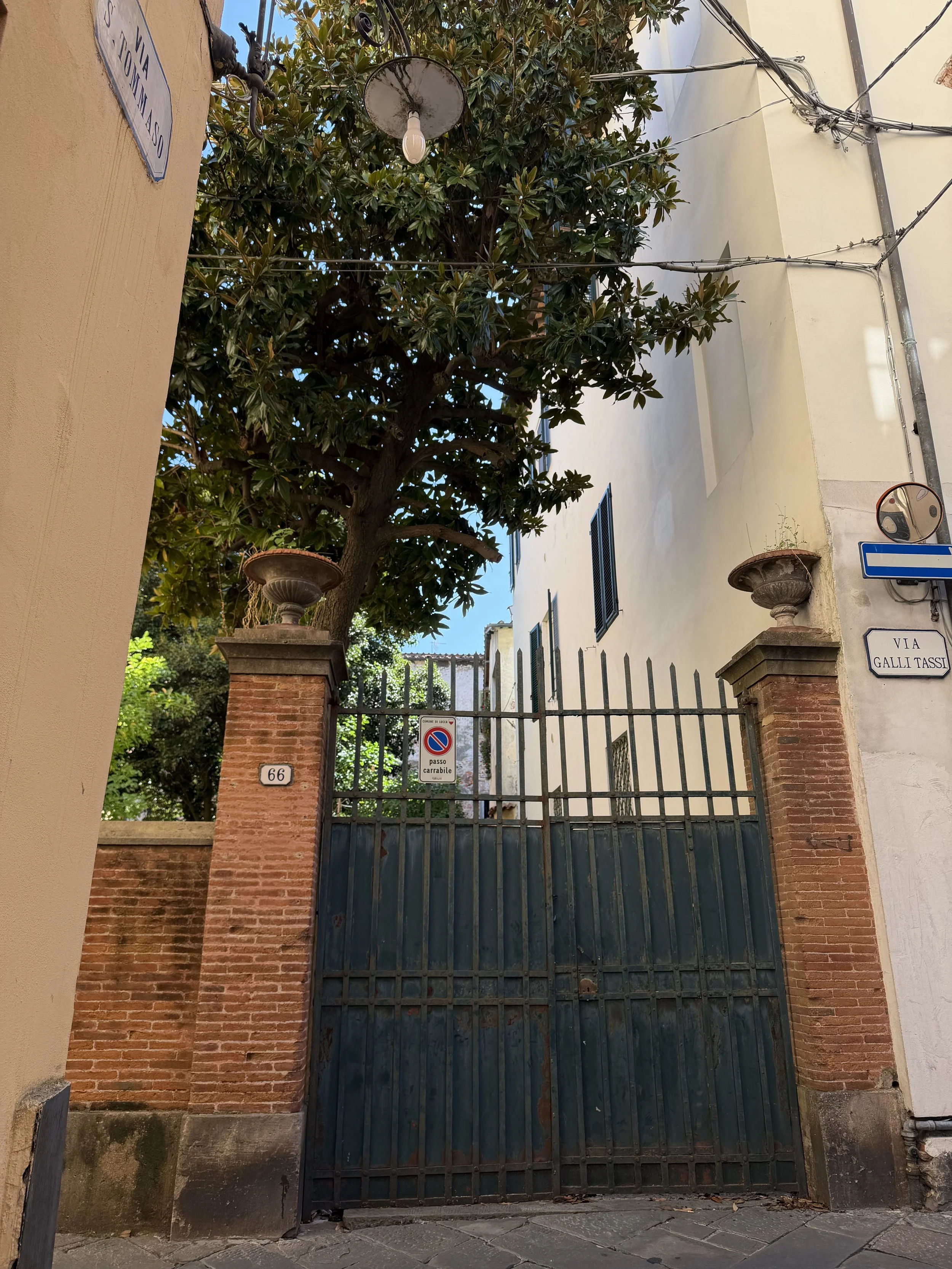
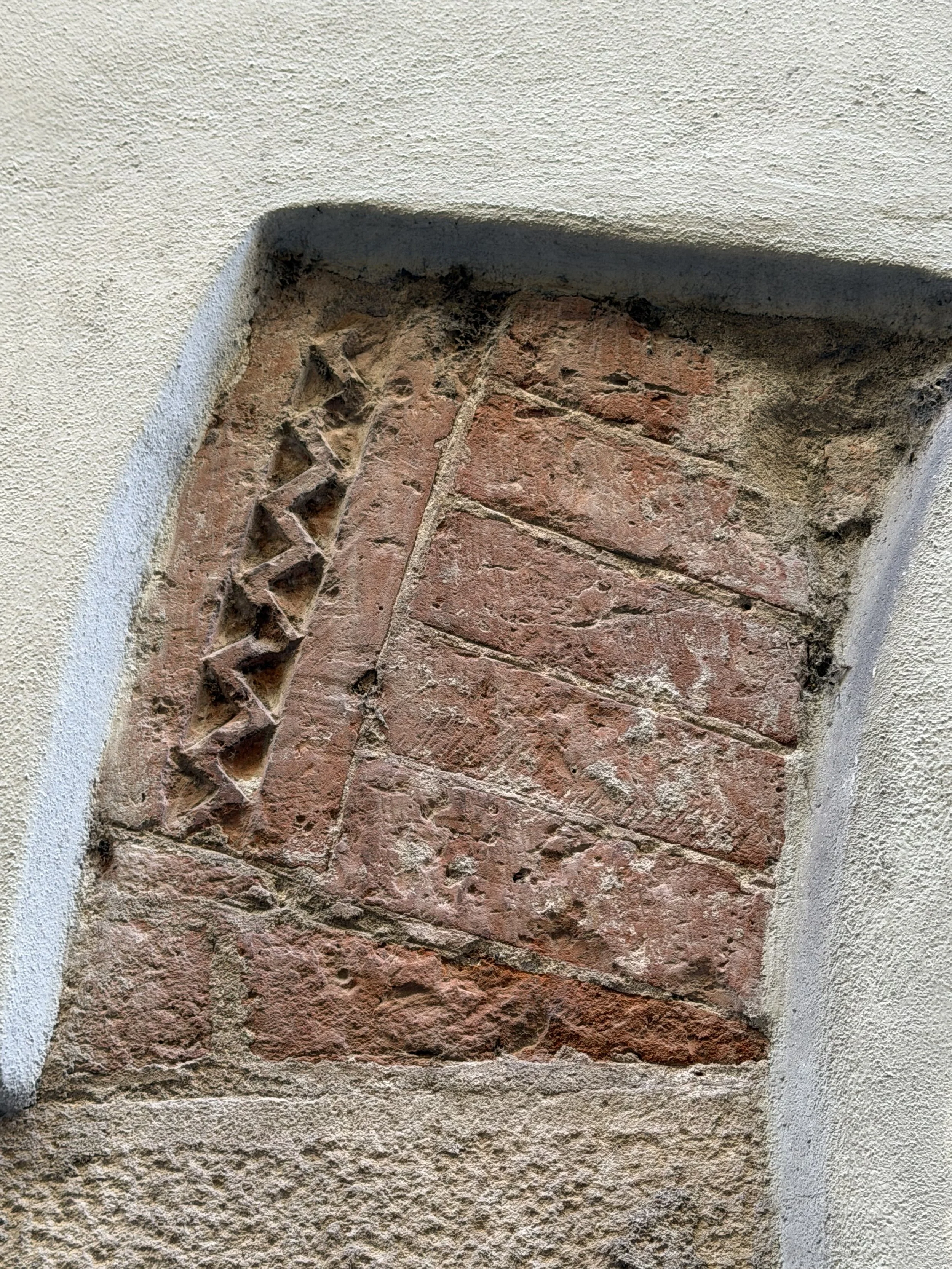
I’ve mostly organized my new apartment, a small studio inside a former convent, the style of which is what I call “Ikea chic”. I now know where the breakers are – an important detail after the power went out in a storm, not an unusual occurrence here in Italy. I’ve explored the nearest way out of the walls through the very interesting Porta San Donato. And I am finding new details in doors, windows, bricks, and streets each time I set out.
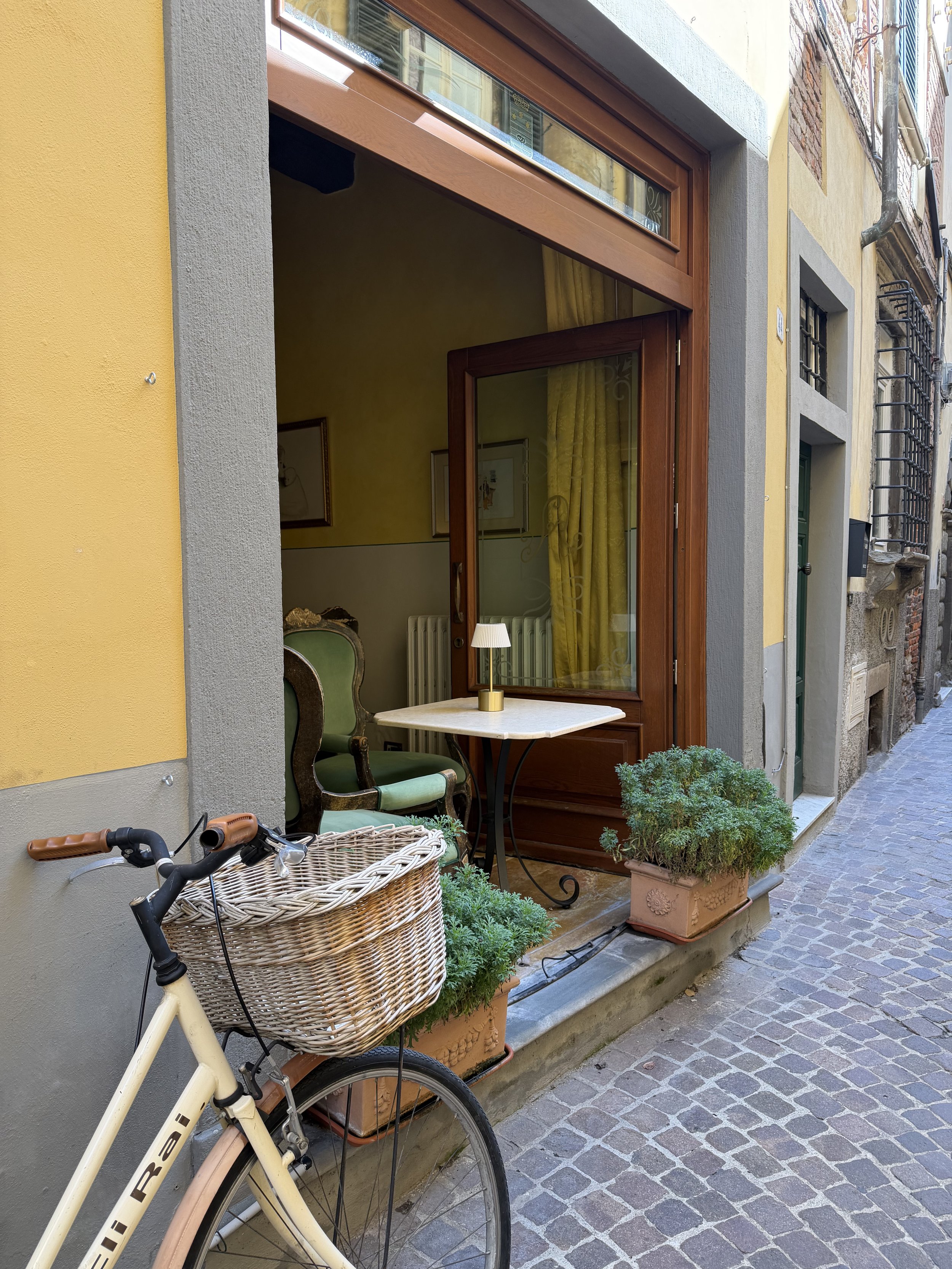
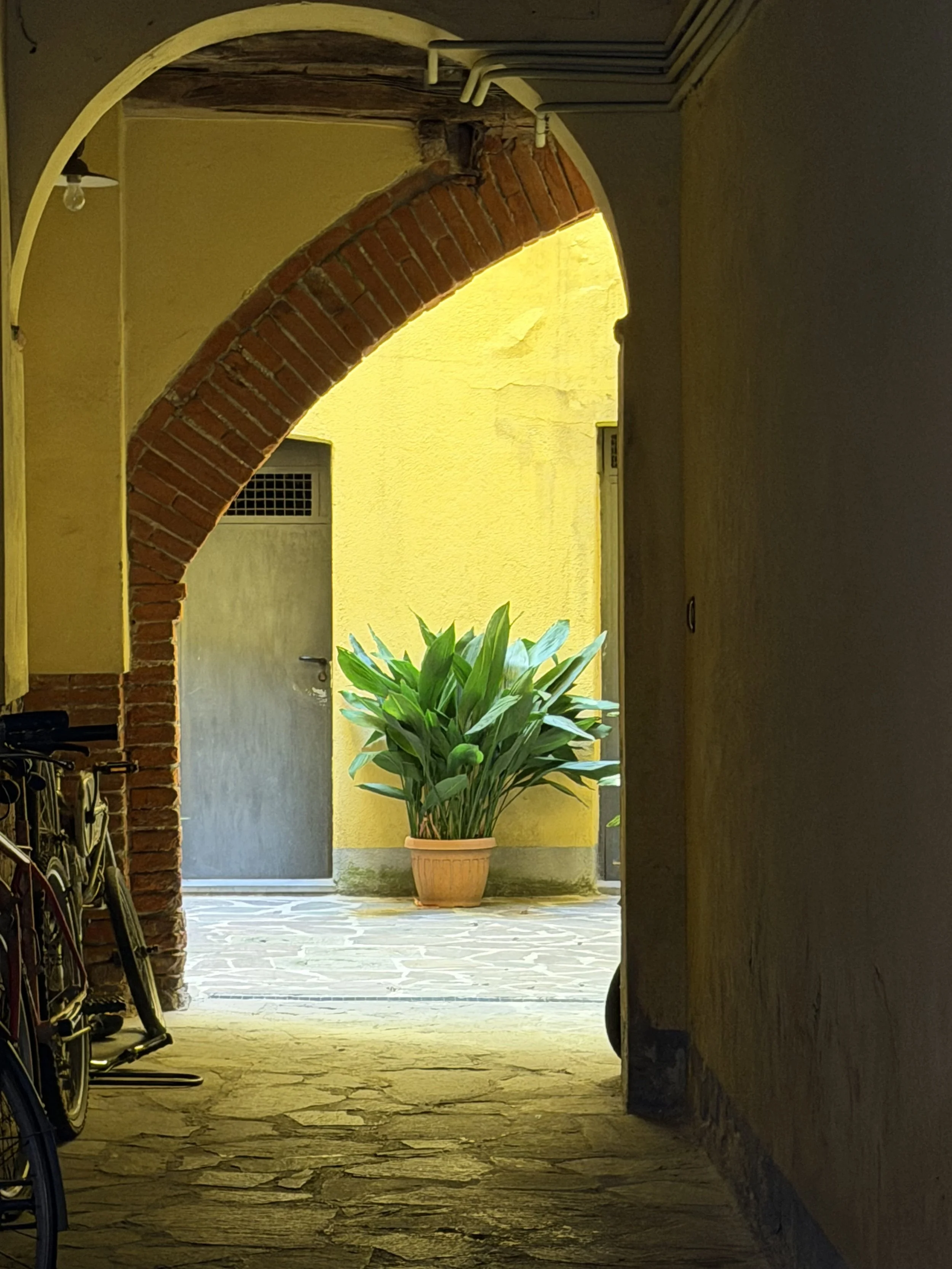
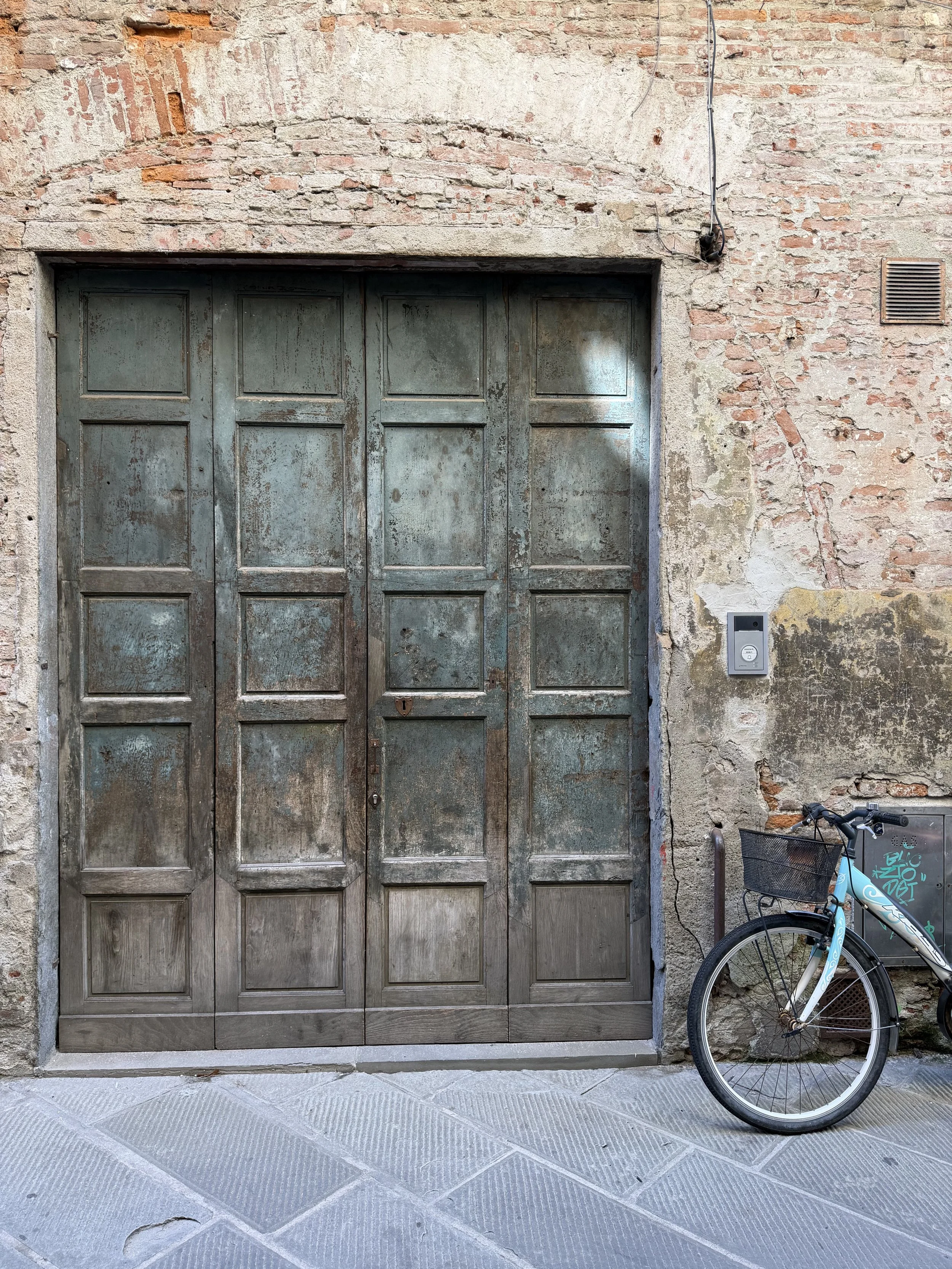
I am enjoying things that seem small but have a big impact of quality of life – a complete kitchen (no more Easy Bake oven for me!), good AC (critical in hot, hot August), and – best of all – a terrace which looks out at roof tops and gardens. Opening the doors to the terrace first thing each morning, with beautiful southern light, makes me smile. That I found this small, affordable place feels like a miracle.
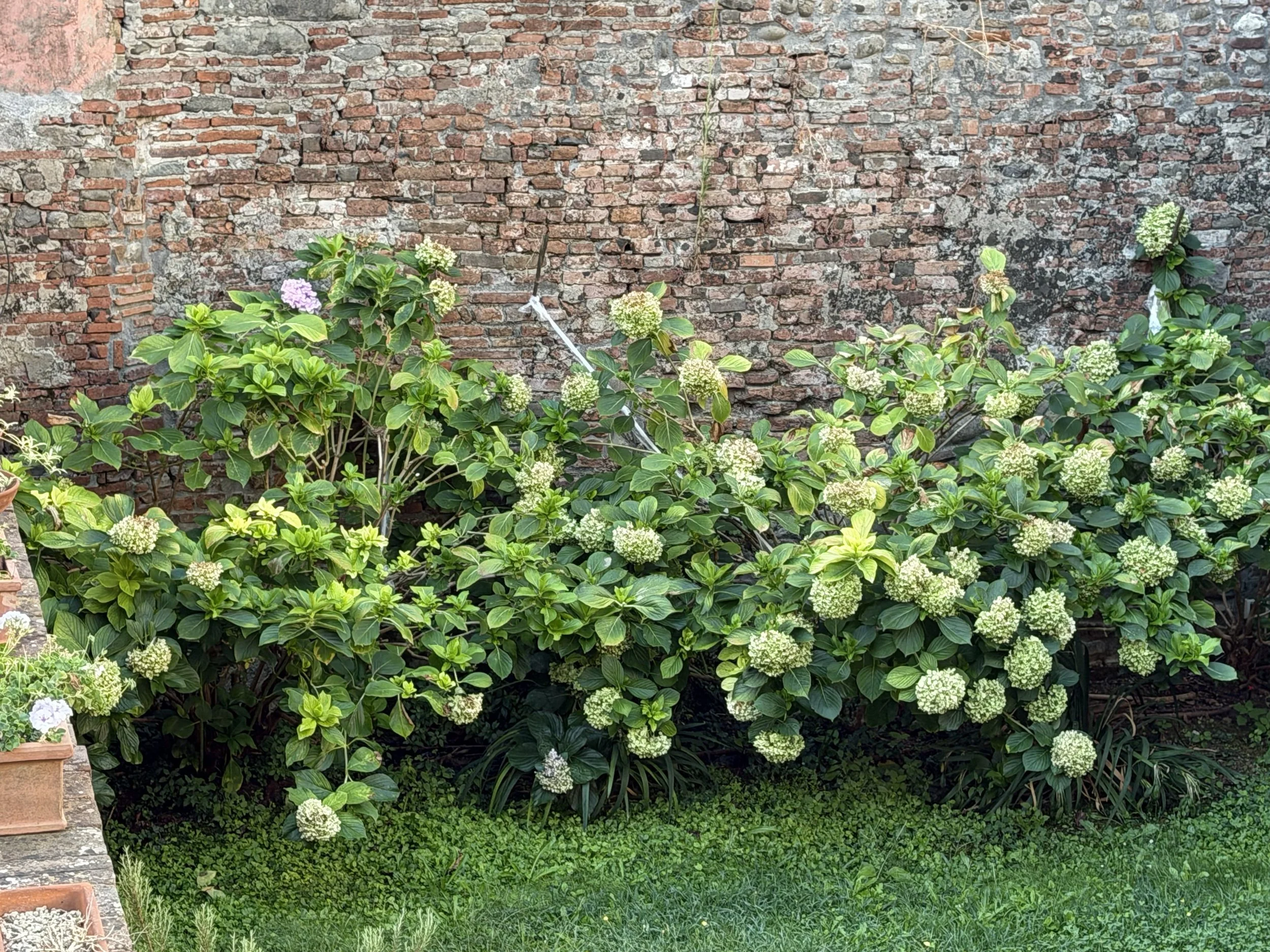
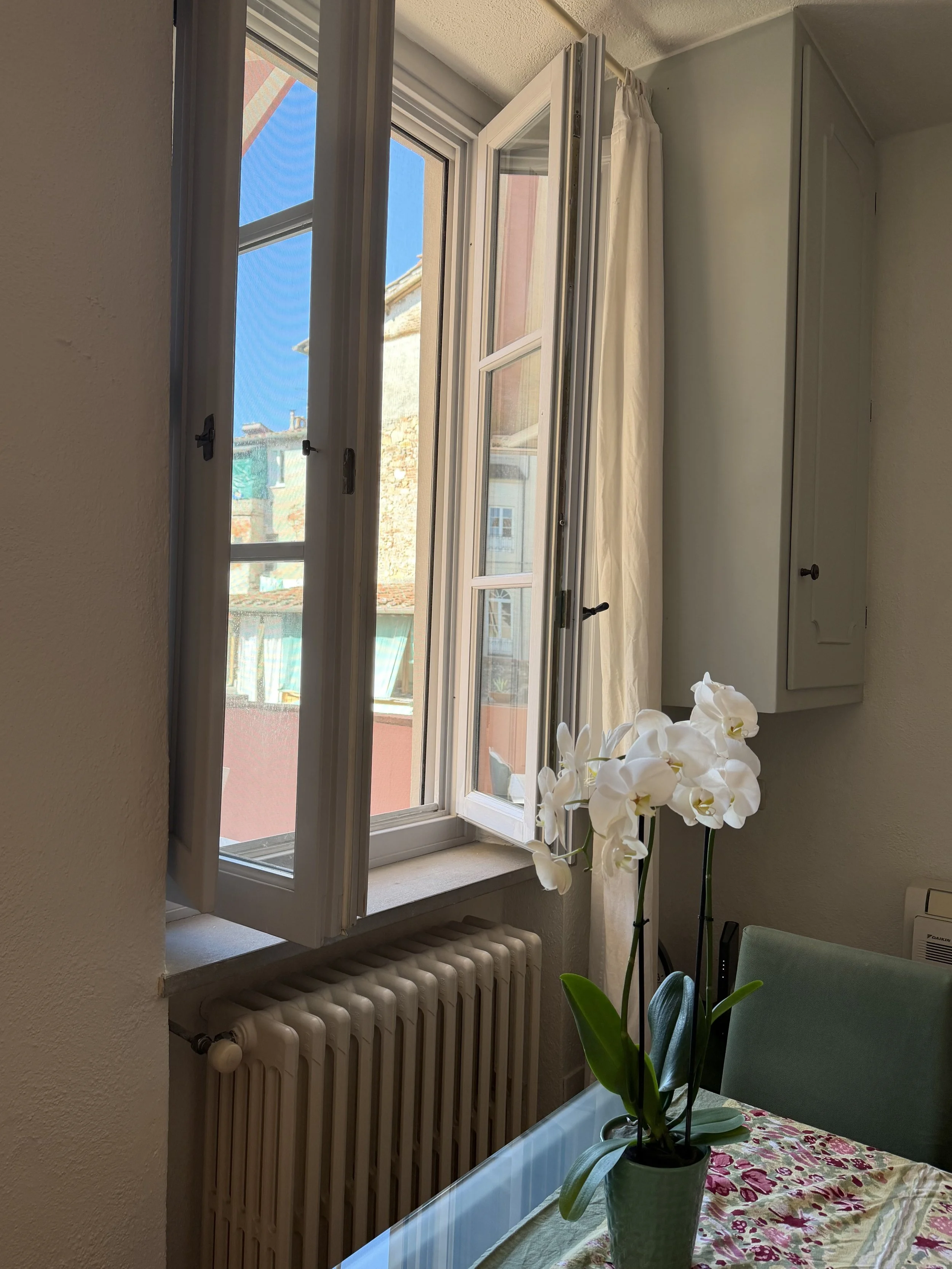
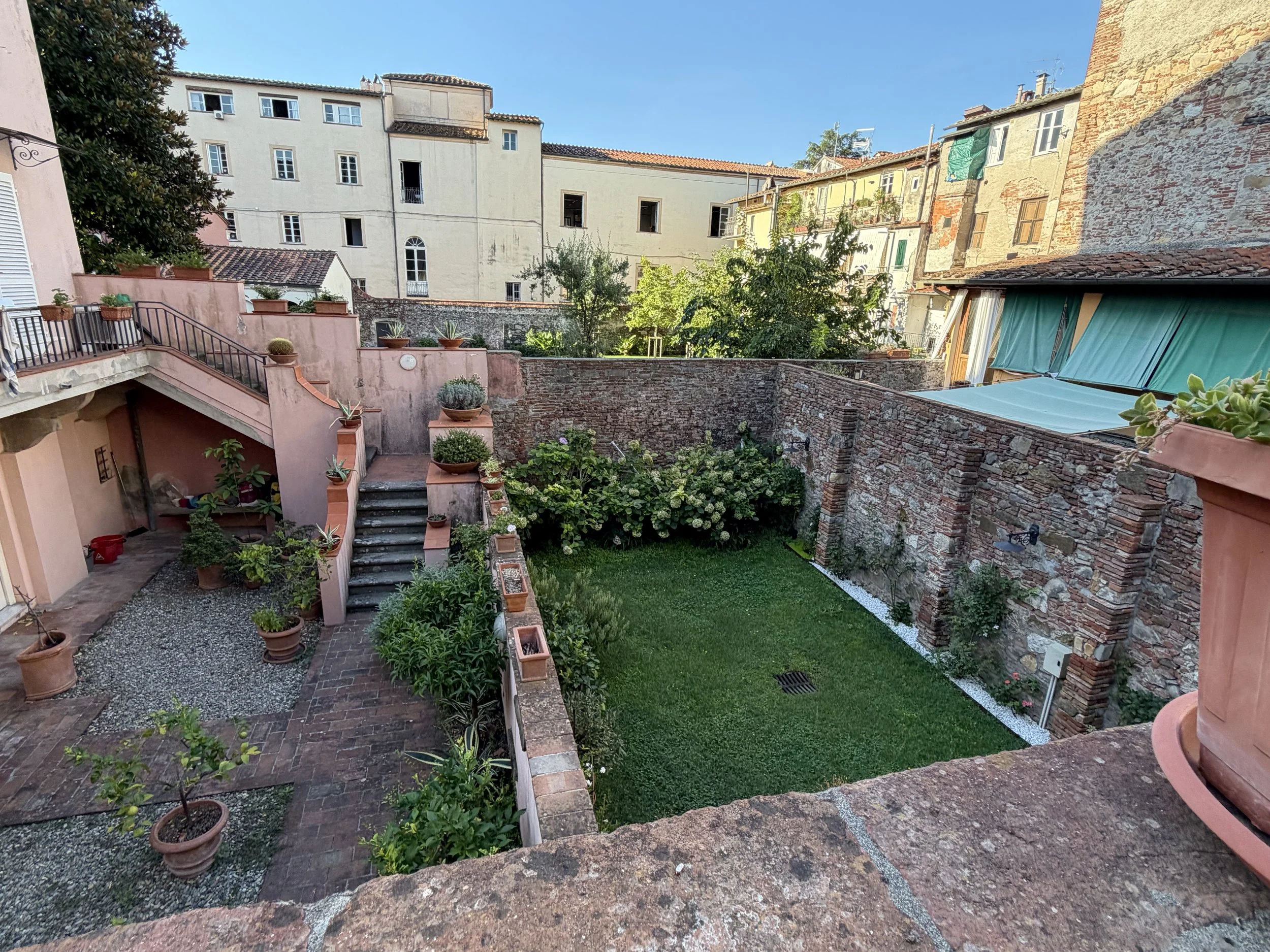
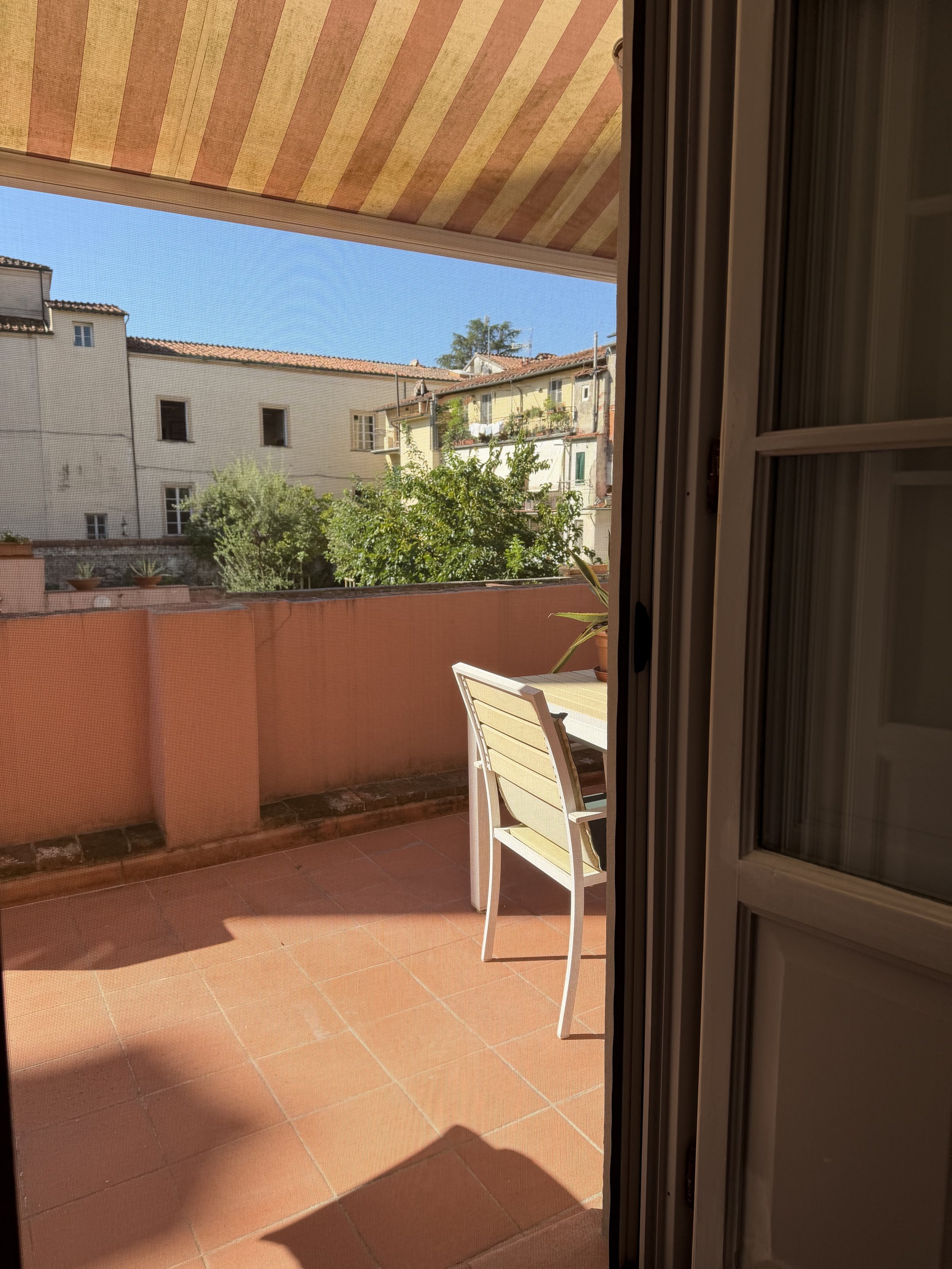
Living in Italy has taught me many things – the joys of a simple apartment, a good local bar for morning coffee, the sound of the Italian language drifting through my doors, church bells ringing, looking out over a hidden garden, and a community of nice people - these are the things of value.
And cool, rainy weather! I vote for more of that.
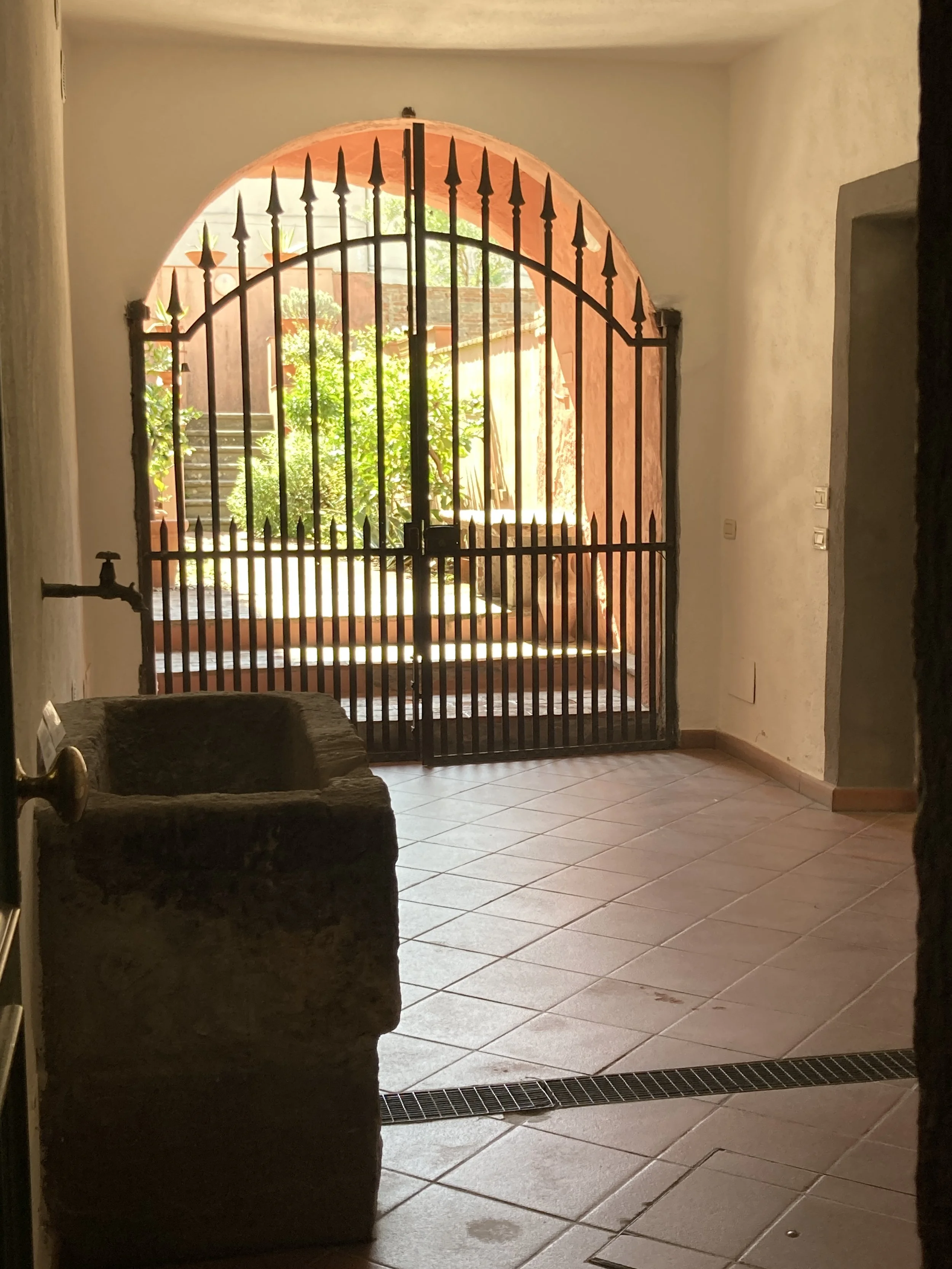
The entry way to my building, once a convent.