Two Parts Italy

Exploring Italy, travel, and living a flavorful life

  • Blog
  • About This Blog
  • Start Here
  • Recent Posts
  • Archives by Topic
  • Subscribe
  • Contact me

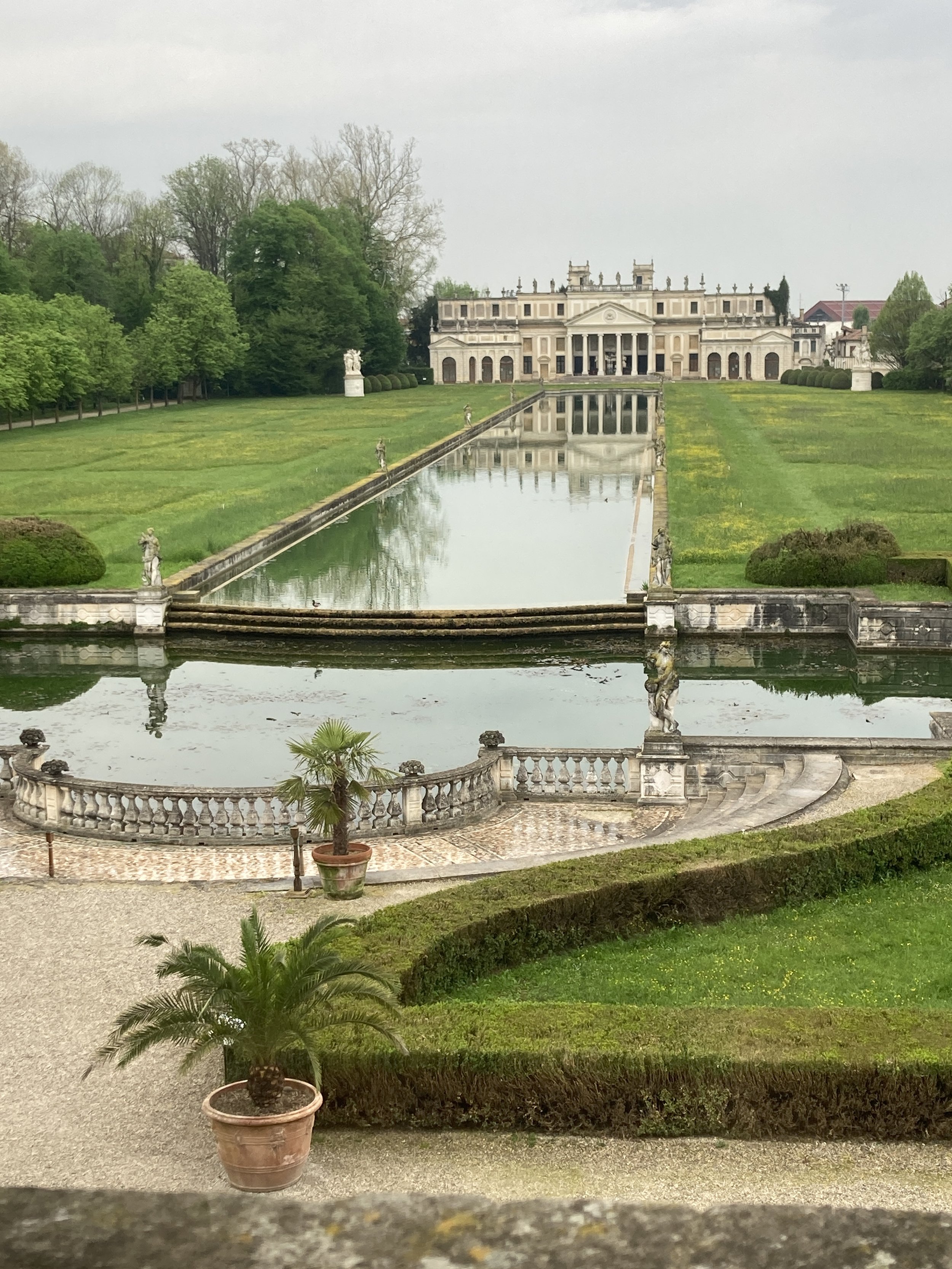
The gardens at Villa Pisani. This view is from inside the villa looking across the reflecting pool to the stables.

Brenta Canal Part Two: The Villa Pisani

June 10, 2024 by Joanne Bartram in #italiangardens, #padova, #padua, Italian art architecture, Italian gardens, Italy travel, Venezia, Venice

The Villas along the Brenta Canal were built between the 16th and 18th century.  Some were built for agriculture and commerce but many as summer getaways for rich and powerful Venetians.  They lined the canal between Venice and the city of Padova, forming an extension of Venice that became known as the “Brenta Riviera”. 

A beautifully decorated hallway in Villa Pisani

The front entrance to Villa Pisani

The villas were designed to impress.  Their ornate trimmings, art filled halls, grand ballrooms, and sweeping gardens played host to Doges, Popes, Kings, Emperors, artists and wealthy merchants during the height of the Venetian Empire.   After the fall of Venice, in 1797, with the arrival of Napoleon, many of the villas changed hands, often due to the financial problems of the owners. 

Today some villas are in disrepair (imagine the costs of upkeep!), some are abandoned, some have been converted into museums, restaurants or hotels. Others are privately owned. A few of the most spectacular ones are open to the public.

The villas can easily be visited by car, but a more elegant (though much slower) way to tour the villas is to arrive by burchiello – a modern version of the historic boats that once moved people and goods along the canal. That is exactly what a group of friends and I did recently.  The boat trip from Padua to Venice took about 9 hours, with stops at 3 villas along the way.  The visits included a guide who shared the history of each villa, details about the art and architecture, and some good 16th – 18th century gossip about villa life.

The first villa on the itinerary was Villa Pisani.  Built to celebrate the election of Alvise Pisani as the 114th Doge of Venice, the villa is the crown jewel of the Brenta Riviera.  The Pisani family owned the villa until it was sold to Napoleon in 1808.  

The villa is remarkable in many ways.  First, its size.  The place is massive!  The 144 rooms are said to represent the number of Venetian Doges up to Pisani.  One room is filled with wall mounted sculptures of the head of each doge.  Look carefully on the wall to the right to find the likeness of Alvise Pisani.   

IMG_7633.jpeg
IMG_7631.jpeg
IMG_7632.jpeg

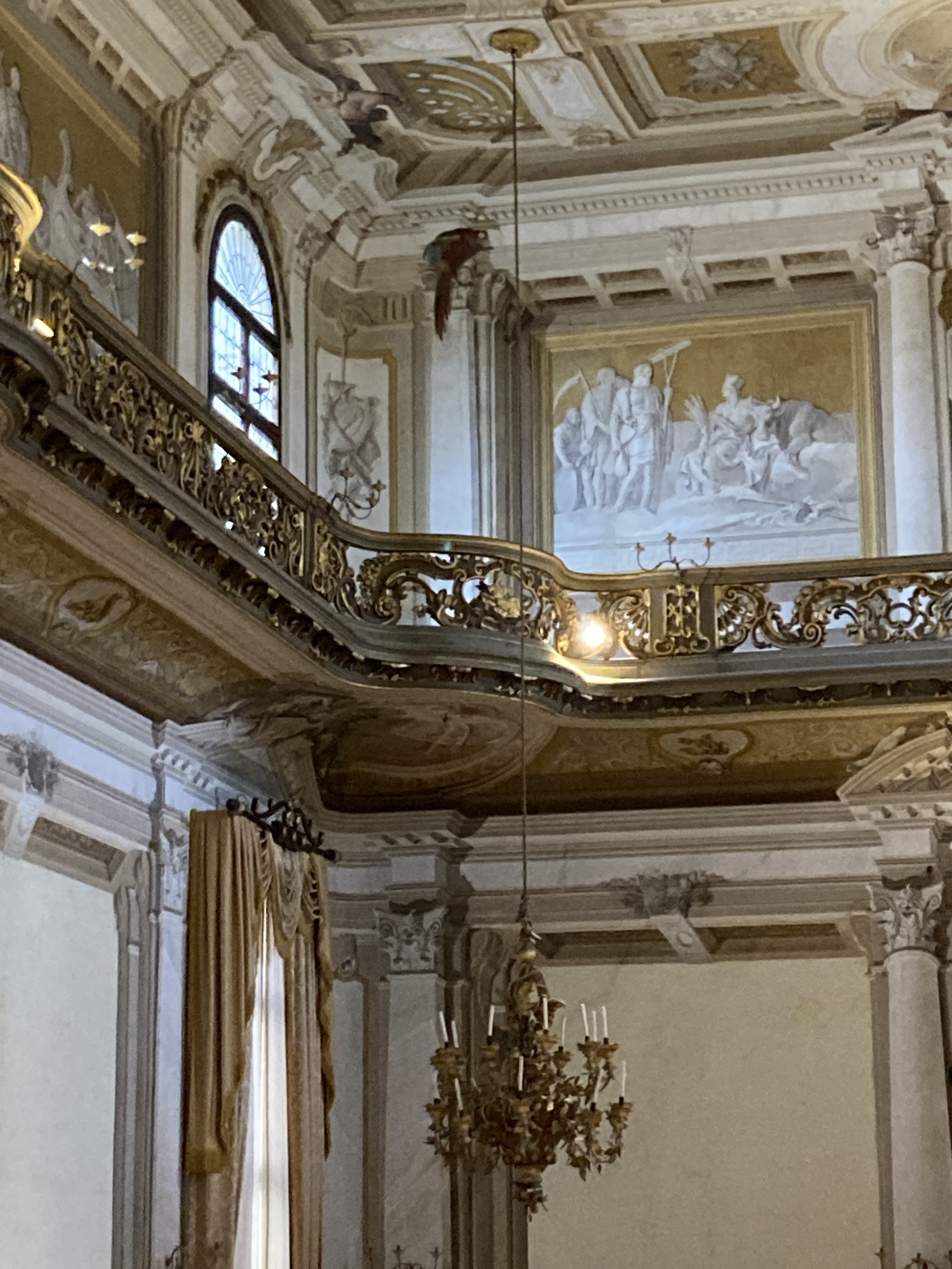
The Pisani’s must have loved to entertain, because their ballroom is nothing short of spectacular.  The room shimmers with gold trimmings.  High above is an ornate balcony which rings the room – a place for the musicians to play.  And the ceiling! The ceiling fresco is by Tiepolo and it is a marvel. The ballroom is the truly the elegant heart of the villa. Standing here you can almost hear the music playing and can imagine the finely clothed Venetians enjoy a luxurious party.

IMG_7585.jpeg
IMG_7586.jpeg
IMG_7653.jpeg

The visit to the villa includes the piano nobile where a series of rooms are filled with history.  There is the bedroom where King Vittorio Emanuele II slept (left below).  Next door, the room of his second wife, the Contessa di Mirafiori, with a reproduction of one of her dresses (right).

IMG_7594.jpeg
IMG_7603.jpeg


The room dedicated to music and the elegant sala di pranzo (dining room) face out onto the immaculate grounds and the stable (shown below at the end of the reflecting pool and looking very much like another villa).

IMG_7609.jpeg
IMG_7622.jpeg
IMG_7627.jpeg
IMG_7616.jpeg

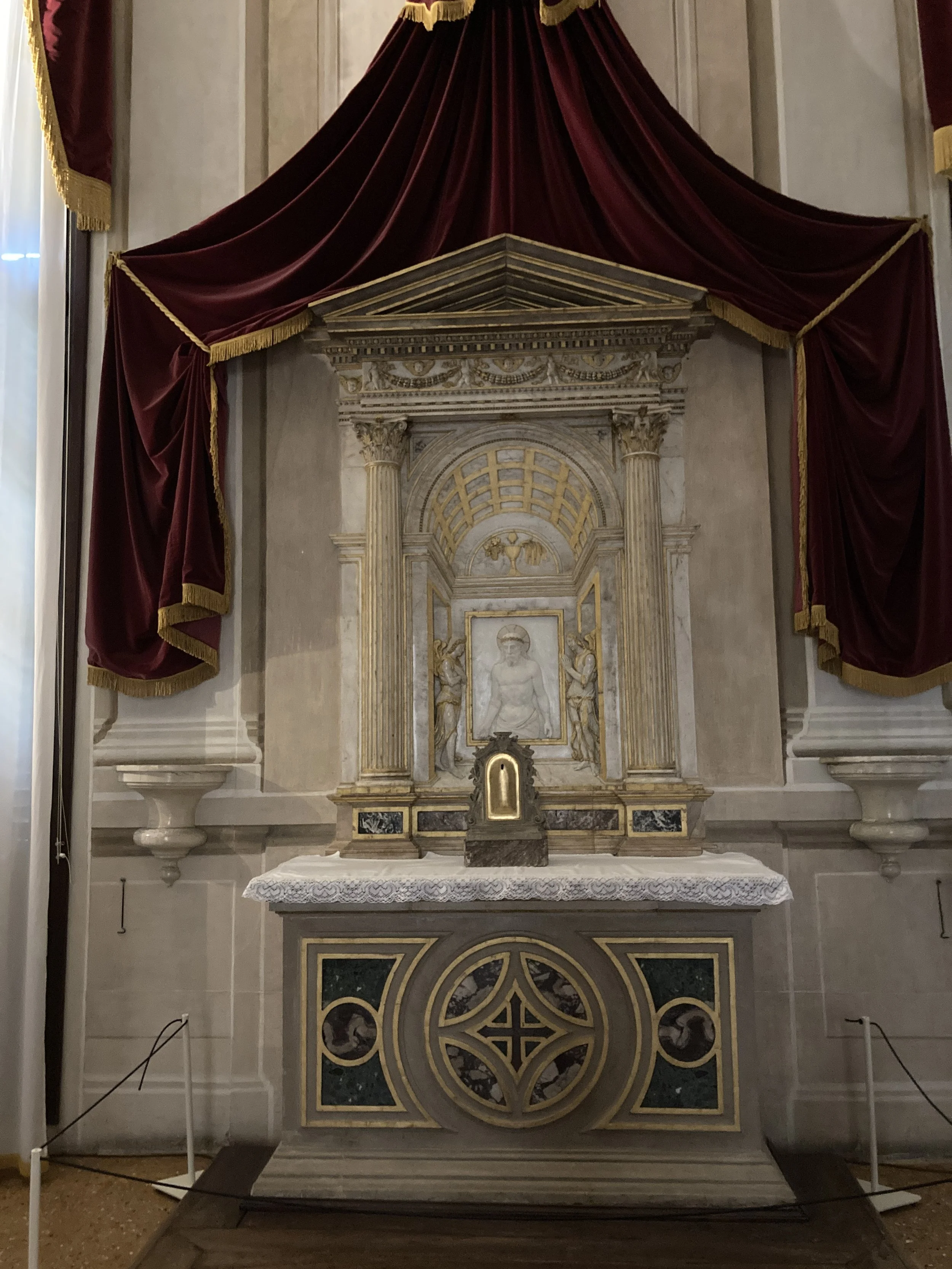
Napoleon only spent one night here, but he left the villa in the hands of his stepson, Eugene de Beauharnais, Viceroy of Italy.  The Viceroy lived there with his wife, adding fireplaces for heating (most of the Brenta Villas were not heated as they were intended to be summer homes), and creating a chapel, a study and a games room.  The study is where a later historic meeting between Mussolini and Hitler took place prior to World War II.

IMG_7639.jpeg
IMG_7635.jpeg
IMG_7646.jpeg
IMG_7647.jpeg

A peak at the grounds outside the villa. I’ll need a return visit to explore the gardens!

The grounds are equally impressive.  The 30 acres contain a large reflecting pool, stables, an orangery, ice house, and a labyrinth.

Is it true that Napoleon got lost in the labyrinth?  It is said that he did but, to use the Italian phrase, chissà (who knows)?  

The only drawback to our guided visit is that we did not have any time in the gardens.  I will need to go back and wander those beautiful spaces.

Today the Villa and surrounding park is a National Museum.  

The Villa is open from 31 March to 30 September this year, 9 am – 8pm (last admission 1 hour before closing), closed on Mondays.  The labyrinth is currently closed for restoration.

 Coming soon – Part 3, Villa Widmann

 Website: villapisani.beniculturali.it

Email: info@museovillapisani.it

Cost €12 villa + park, €6 park only

June 10, 2024 /Joanne Bartram
Villa Pisani, Brenta Canal Villas, Brenta Canal cruise, burchiello
#italiangardens, #padova, #padua, Italian art architecture, Italian gardens, Italy travel, Venezia, Venice

Springtime In the Botanic Garden of Padova

April 22, 2024 by Joanne Bartram in #italiangardens, #italy2024, #italytravel, #padua, #padova, Italian gardens, Italy travel, Padova, Padua, spring in italy

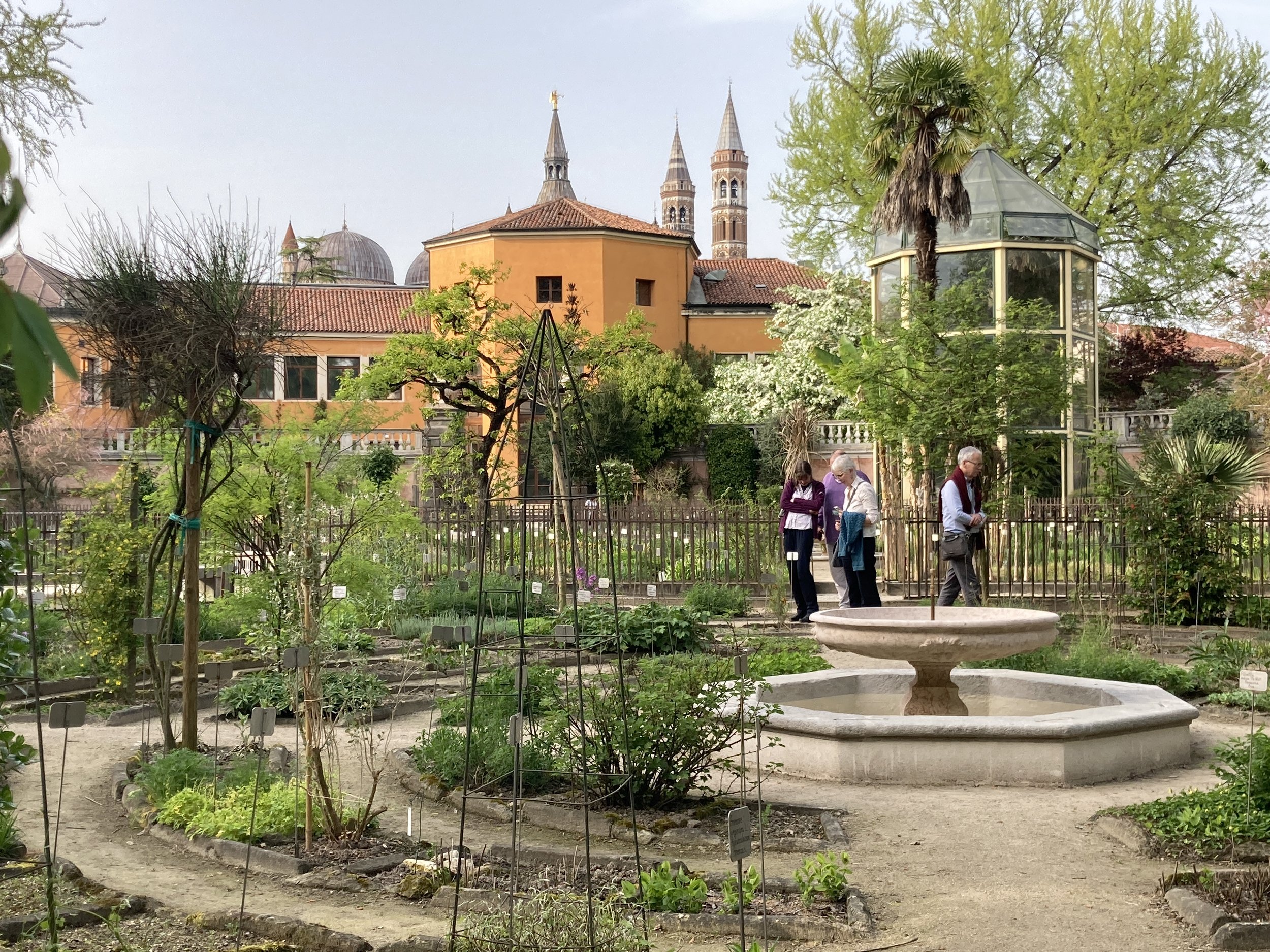
The Orto Botanico (Botanic Garden) of Padova (Padua in English) dates back to the year 1545.  It was created on land owned by Benedictine monks, with the blessing of the Venetian Republic. The purpose for its creation was the study of medicinal herbs  - a pretty important study in times of plague and pestilence, long before the advent of antibiotics and vaccines.  The early botanists sought to identify those plants which promoted health and cured disease (as well as the dangerous ones that could harm). 

 The Orto Botanico continues to be a place of study, international collaboration, and research.  In 1997 it became a UNESCO World Heritage Site because of its contribution to, in the words of UNESCO  “the sciences of botany, medicine, chemistry and pharmacy”.

In addition to being an important scientific site, it is also a place of great beauty.  The enclosed garden, overlooked by the domes of churches on both sides, sits just beyond the Basilica of St. Anthony.  Glimpses of church domes through the garden’s trees add to the enchantment of the setting.


The surrounding brick walls, topped with stone balustrades, enclose meandering paths edged with wild flowers, gated formal gardens, a small stream, a variety of trees, and several pretty fountains. 

IMG_7488.jpeg
IMG_7543.jpeg
IMG_7507.jpeg
IMG_7552.jpeg

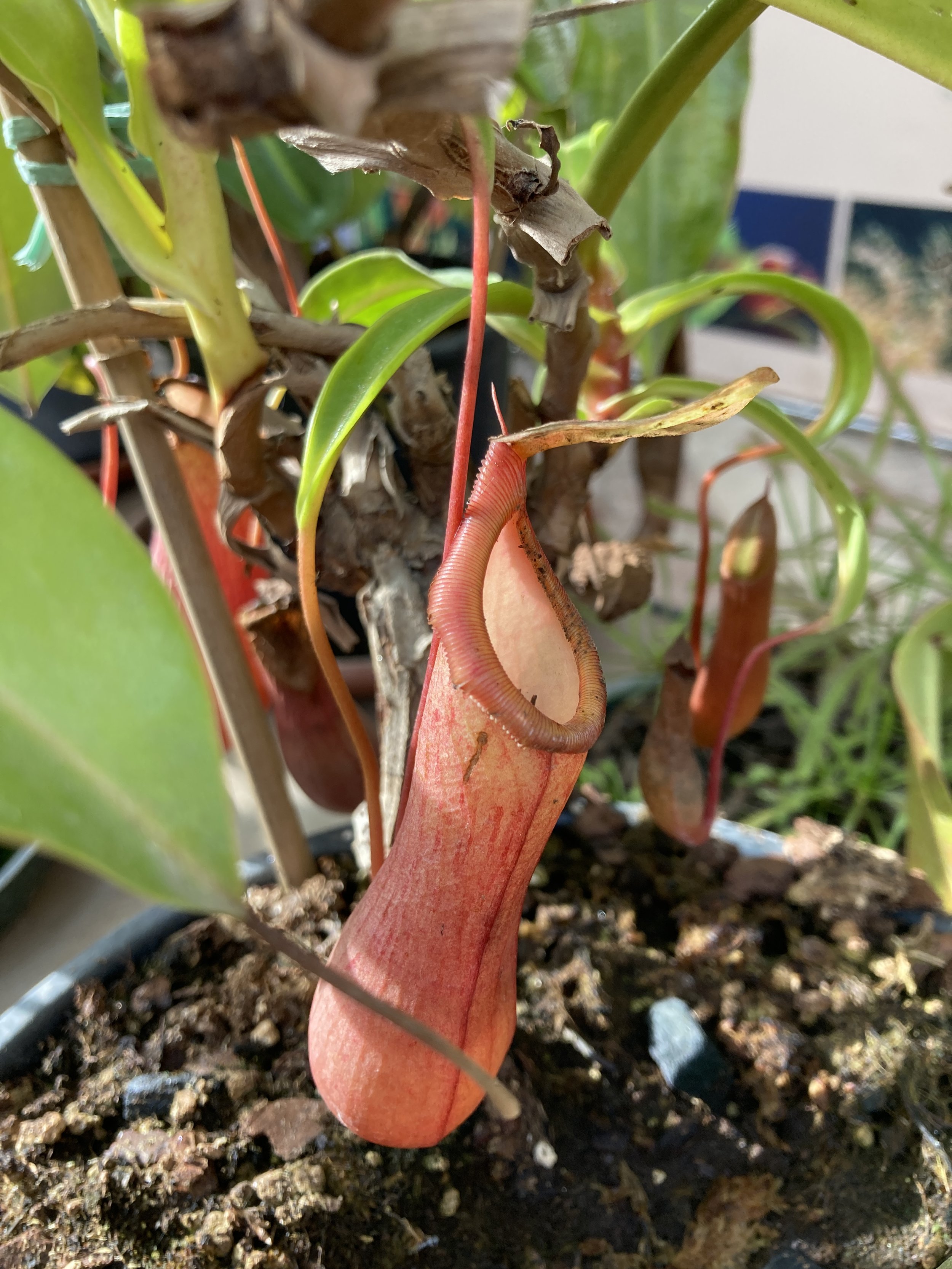
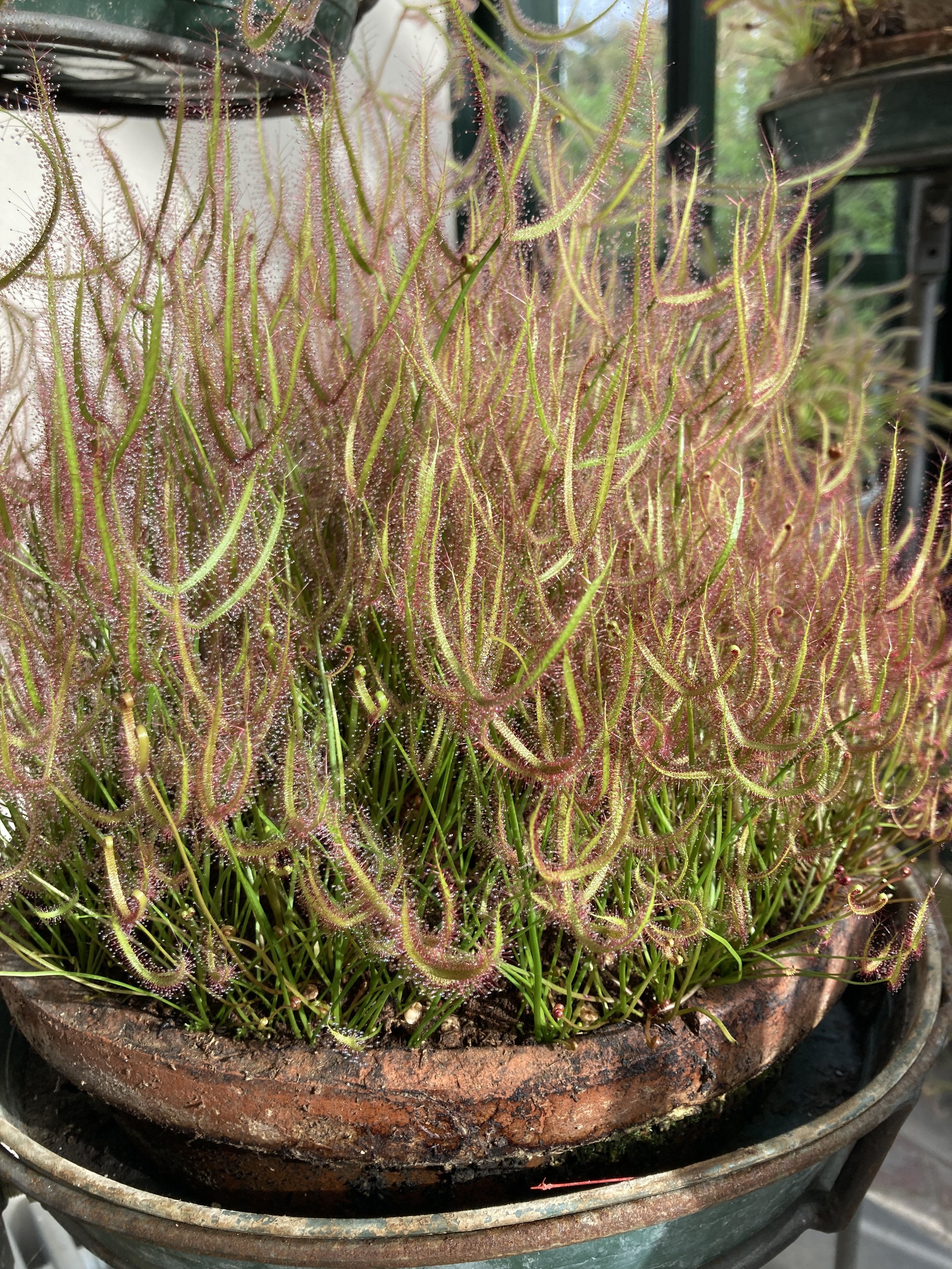
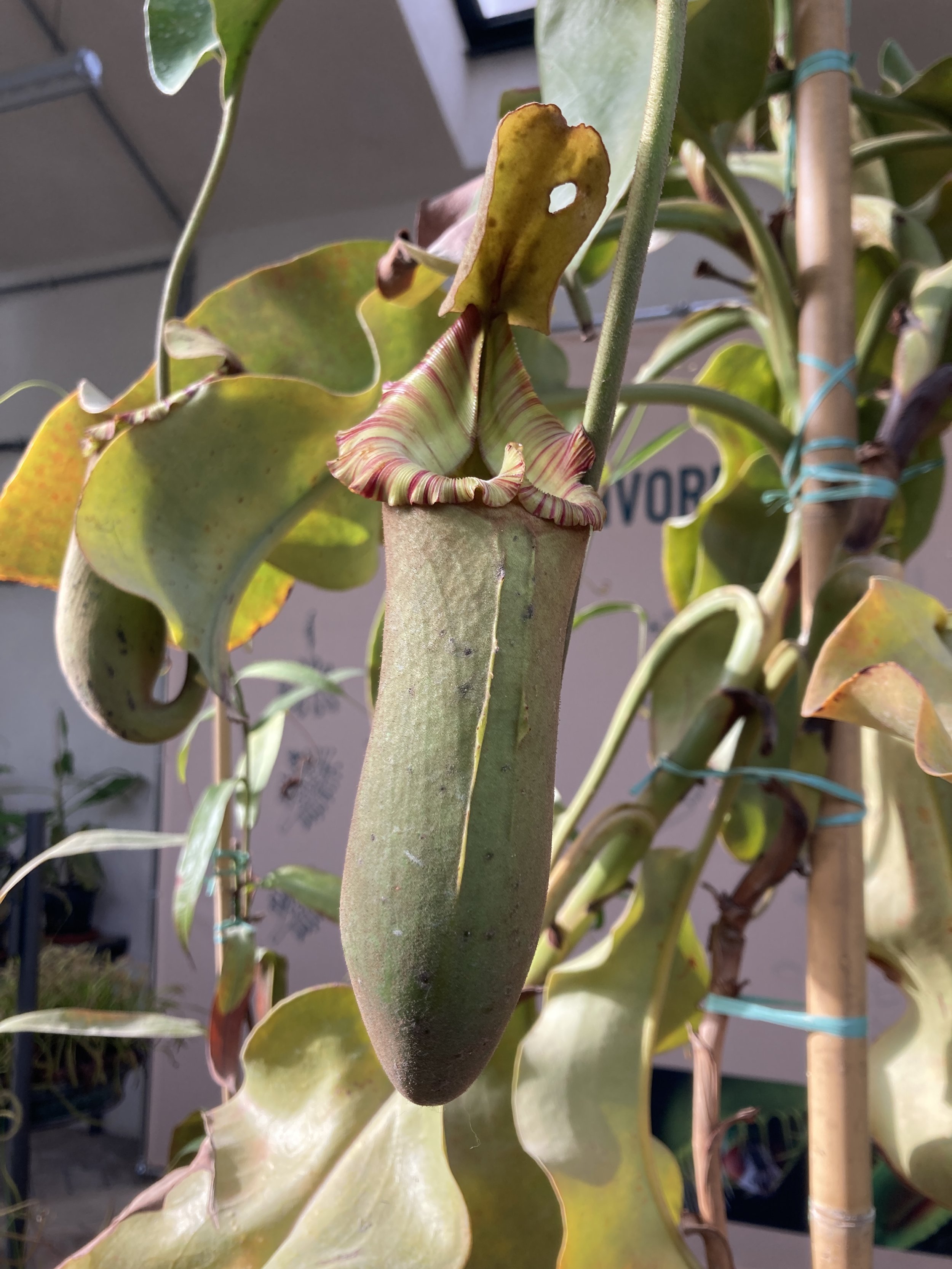
Small buildings showcase carnivorous plants and one very ancient tree.  A much larger greenhouse is the center for the study of biodiversity (currently closed to visitors). 

IMG_7518.jpeg
IMG_7516.jpeg
IMG_7520.jpeg

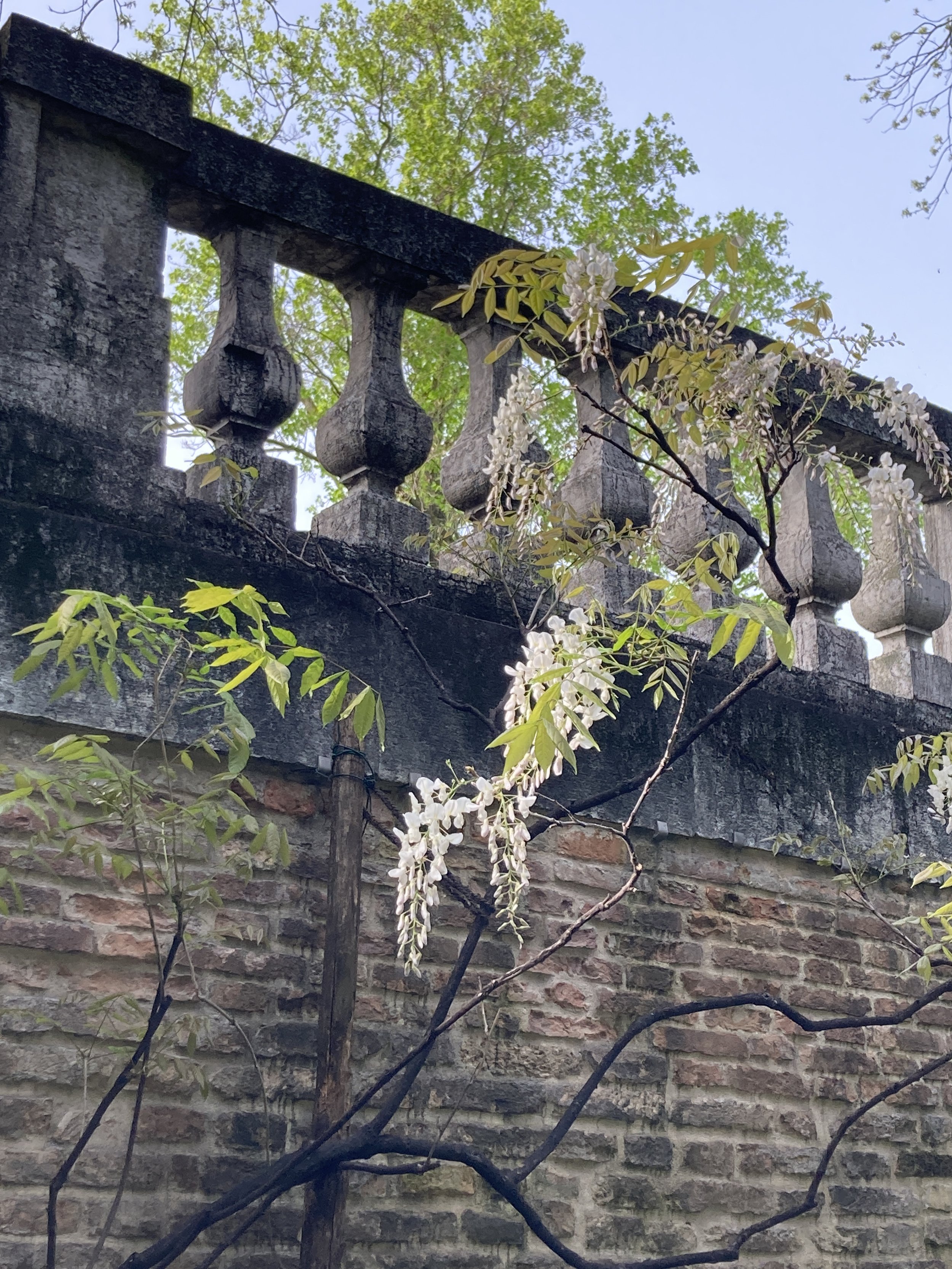
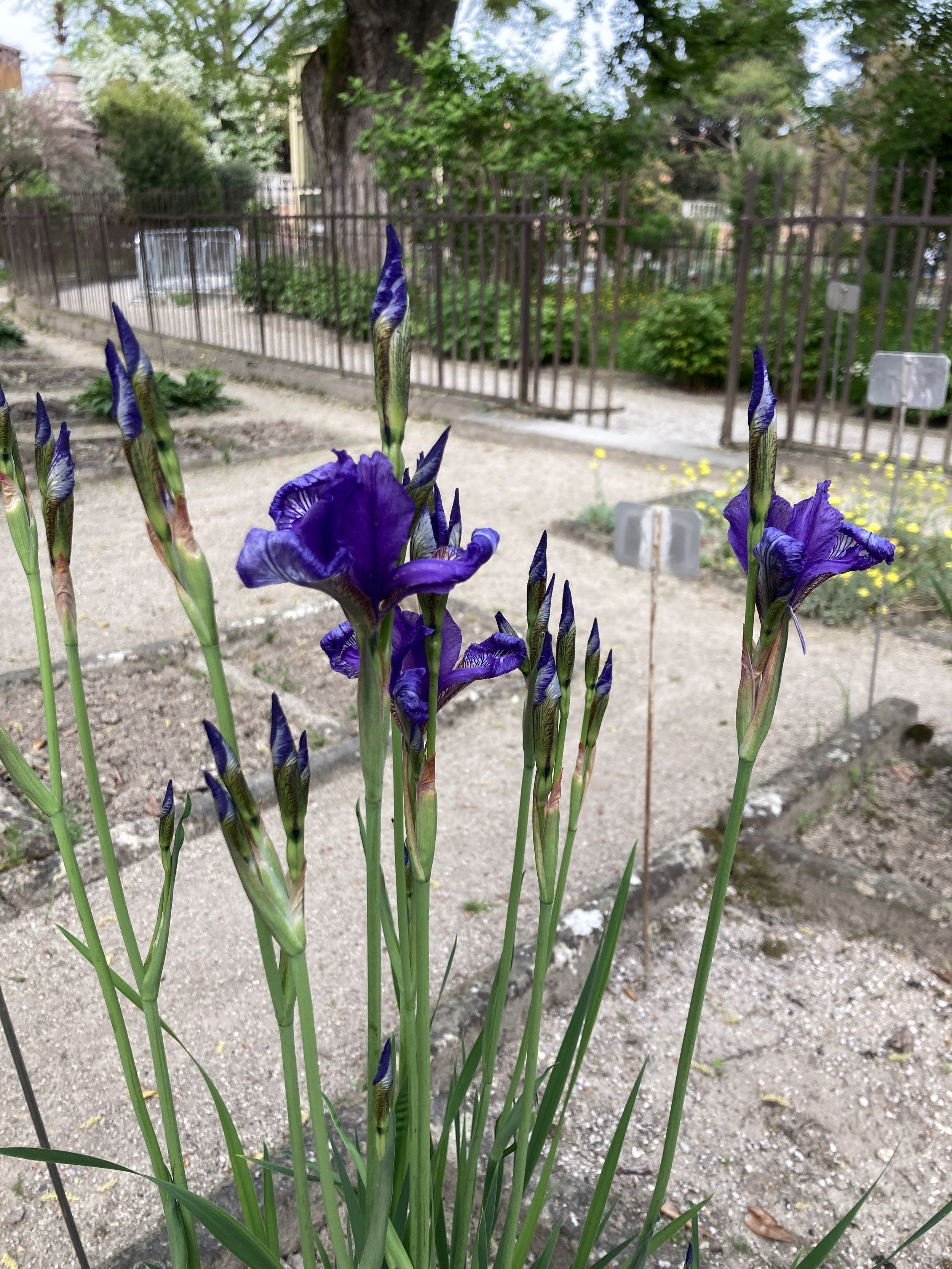
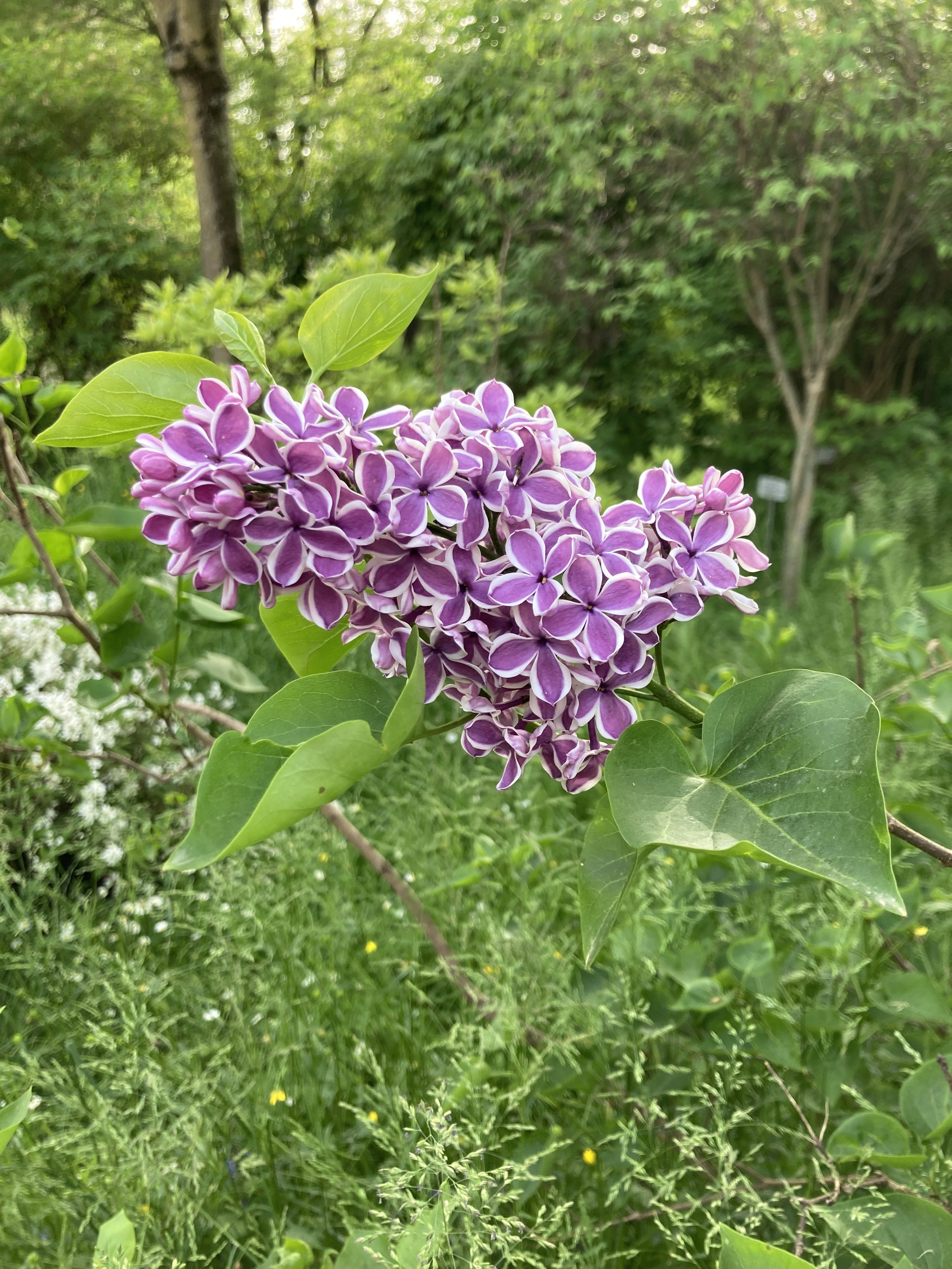
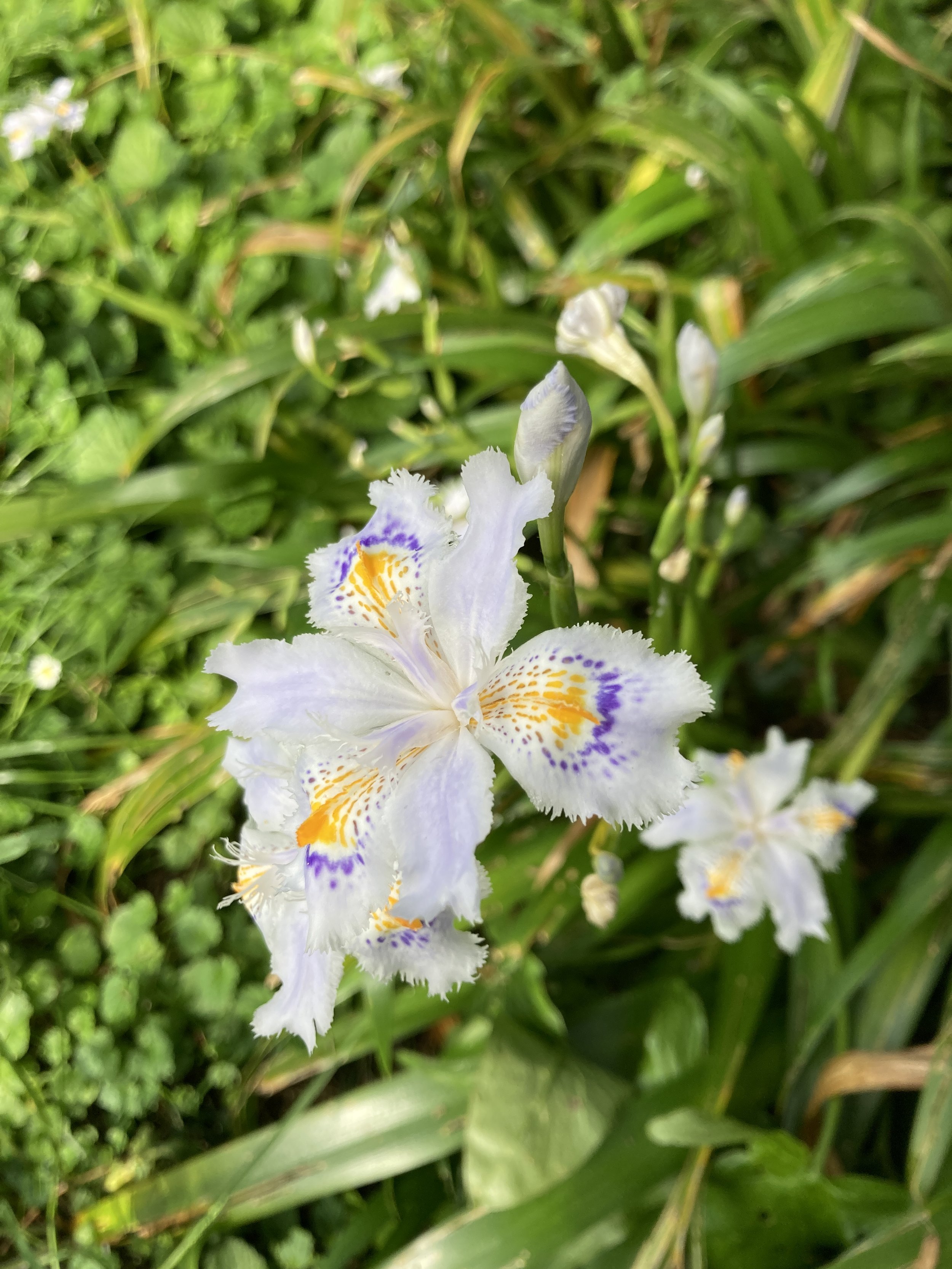
 On the day I visited (in early April) the garden was blooming with spring flowers.  Wisteria, both purple and white varieties, clung to the brick walls.  The Irises were just beginning to bloom and the scent of lilacs was in the air. 

IMG_7483.jpeg
IMG_7559.jpeg
IMG_7506.jpeg
IMG_7494.jpeg

 The Orto Botanico is an oasis of color and fragrance in the middle of Padova. What a great way to spend a spring afternoon!

April 22, 2024 /Joanne Bartram
Padova, Botanic Garden Padova, Orto Botanico Padova, Padua Garden
#italiangardens, #italy2024, #italytravel, #padua, #padova, Italian gardens, Italy travel, Padova, Padua, spring in italy

Villa Monastero, Varenna

Varenna and Villa Monastero

October 23, 2023 by Joanne Bartram in #italiangardens, #italytravel, Italian art architecture, Italian gardens, Italian Lakes, Lake Como

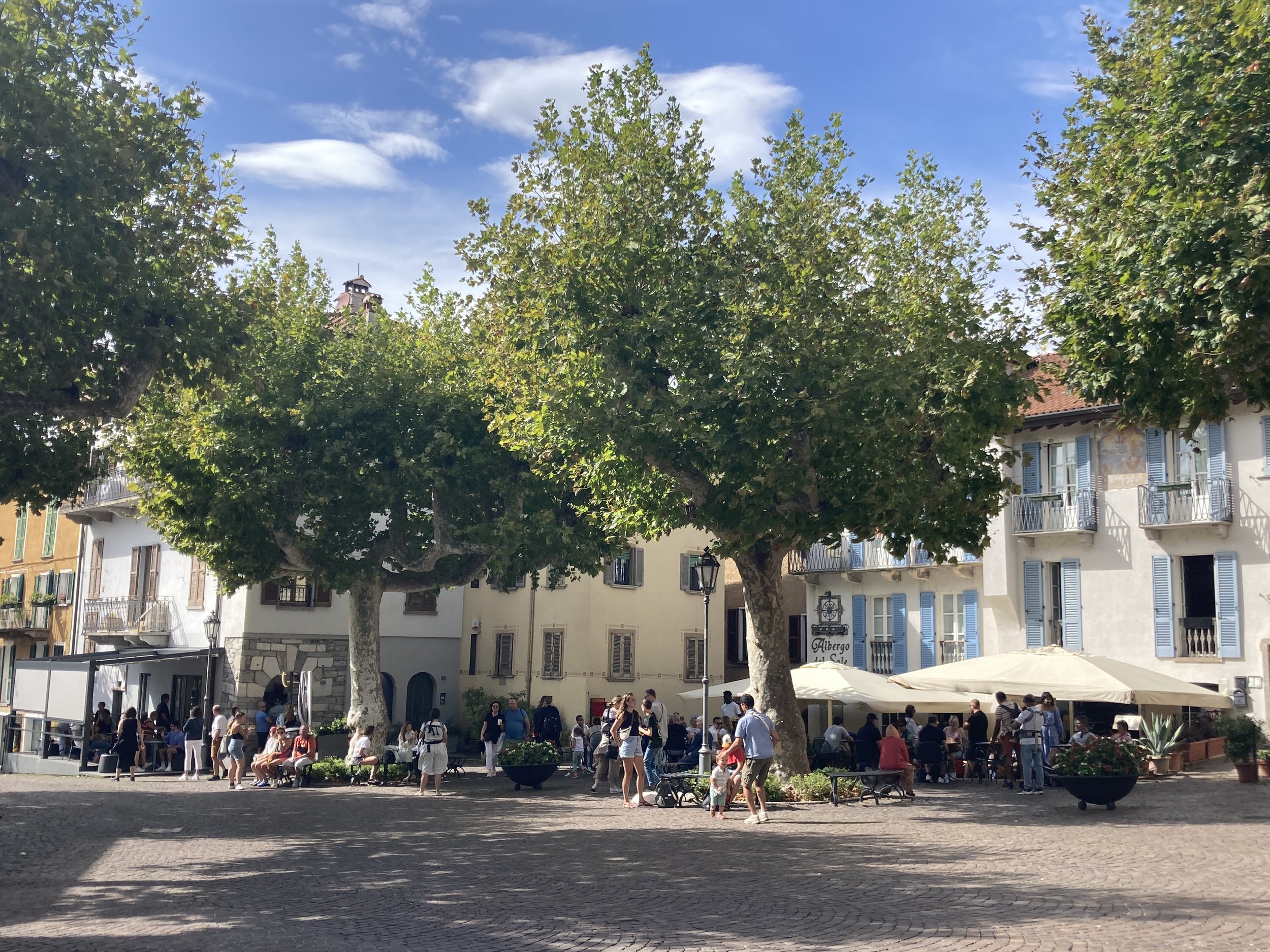
A busy August day in Varenna

There is a lot to love about the town of Varenna on Lake Como’s eastern shore.  Smaller and less glamorous than nearby Bellagio, Varenna still has echoes of the simple fishing village it once was.  Quieter than some of the mid-lake towns, it is less crowded, has spectacular scenery and offers lots of opportunities to explore history, art, and nature. 

 Don’t get me wrong, there are still tourists here (especially in July and August) and the stretch of town along the small harbor can get busy.  But the crowds disappear just a few steps away from the harbor and after the last ferry leaves!

 I think of Varenna as having 3 parts.  To the north end of town, well above the lakefront, is the train station.  The ability to arrive by train is one of Varenna’s advantages, especially for those staying in town.  Most visitors arrive via ferry from one of the other lake towns and the ferry dock is also at the north end of town. I enjoyed my ferry ride from my base in Argegno across the lake to Varenna, there is just something special about those boat trips!

The Passegiata degli Innamorati, Varenna

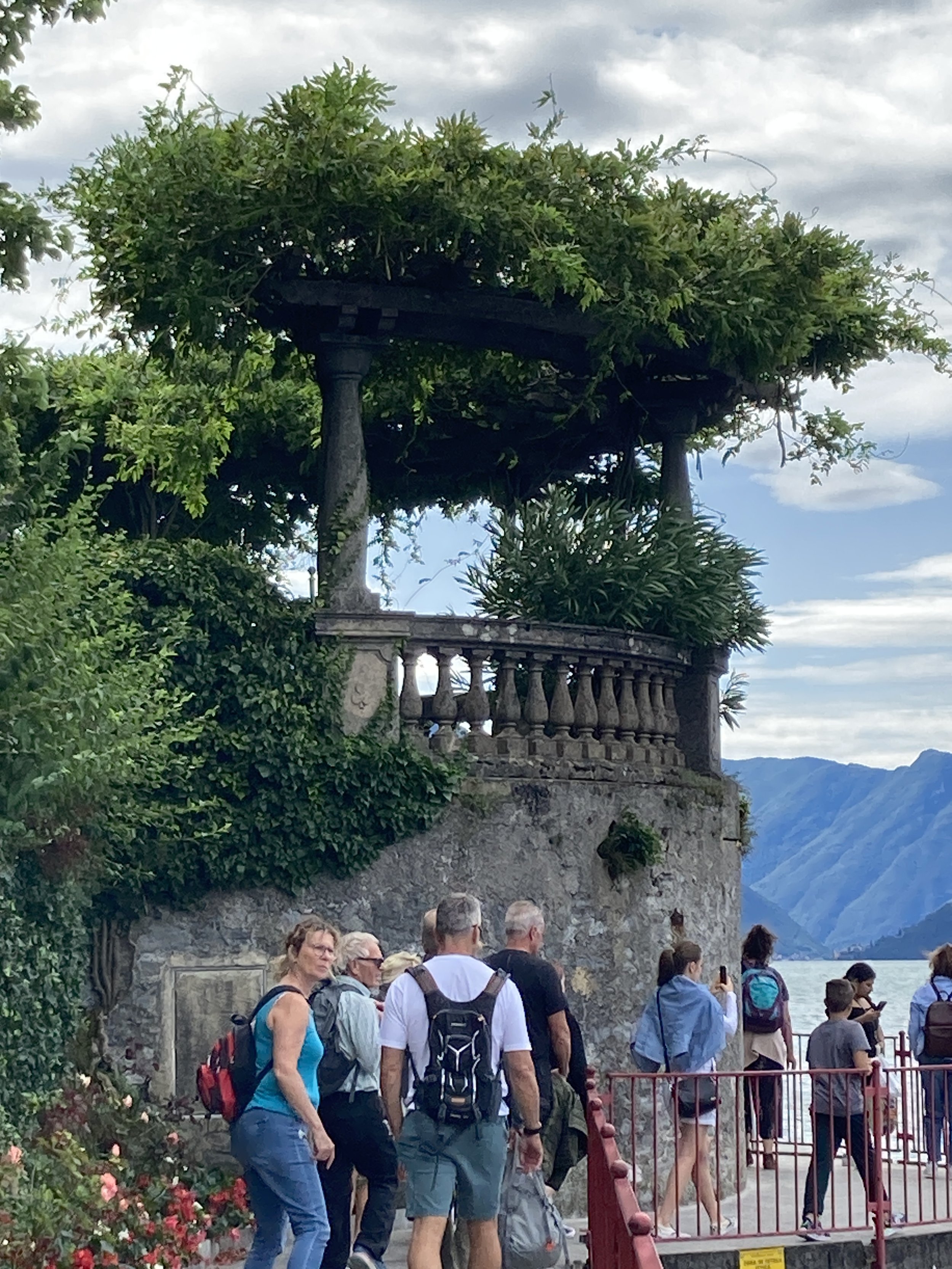
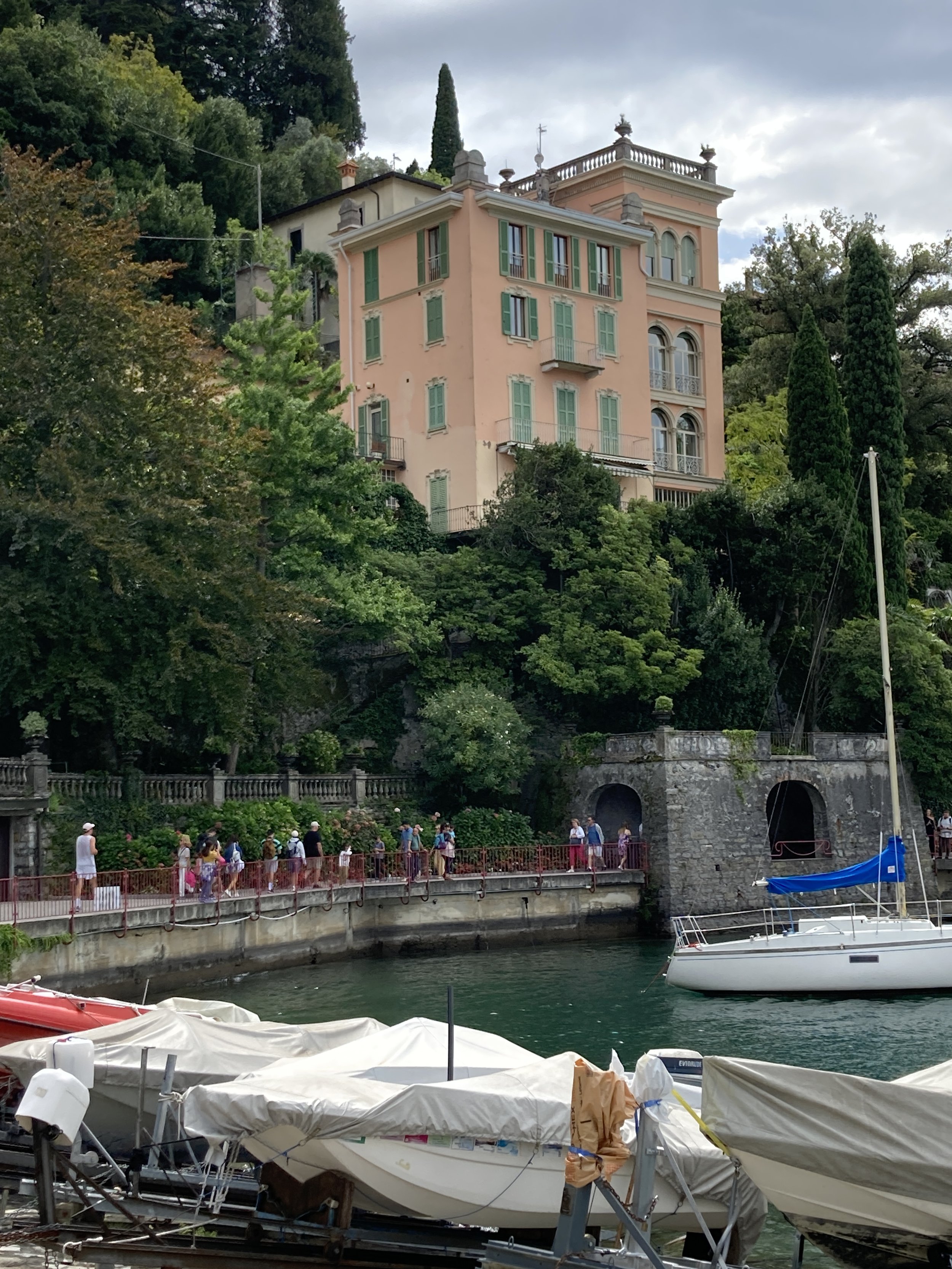
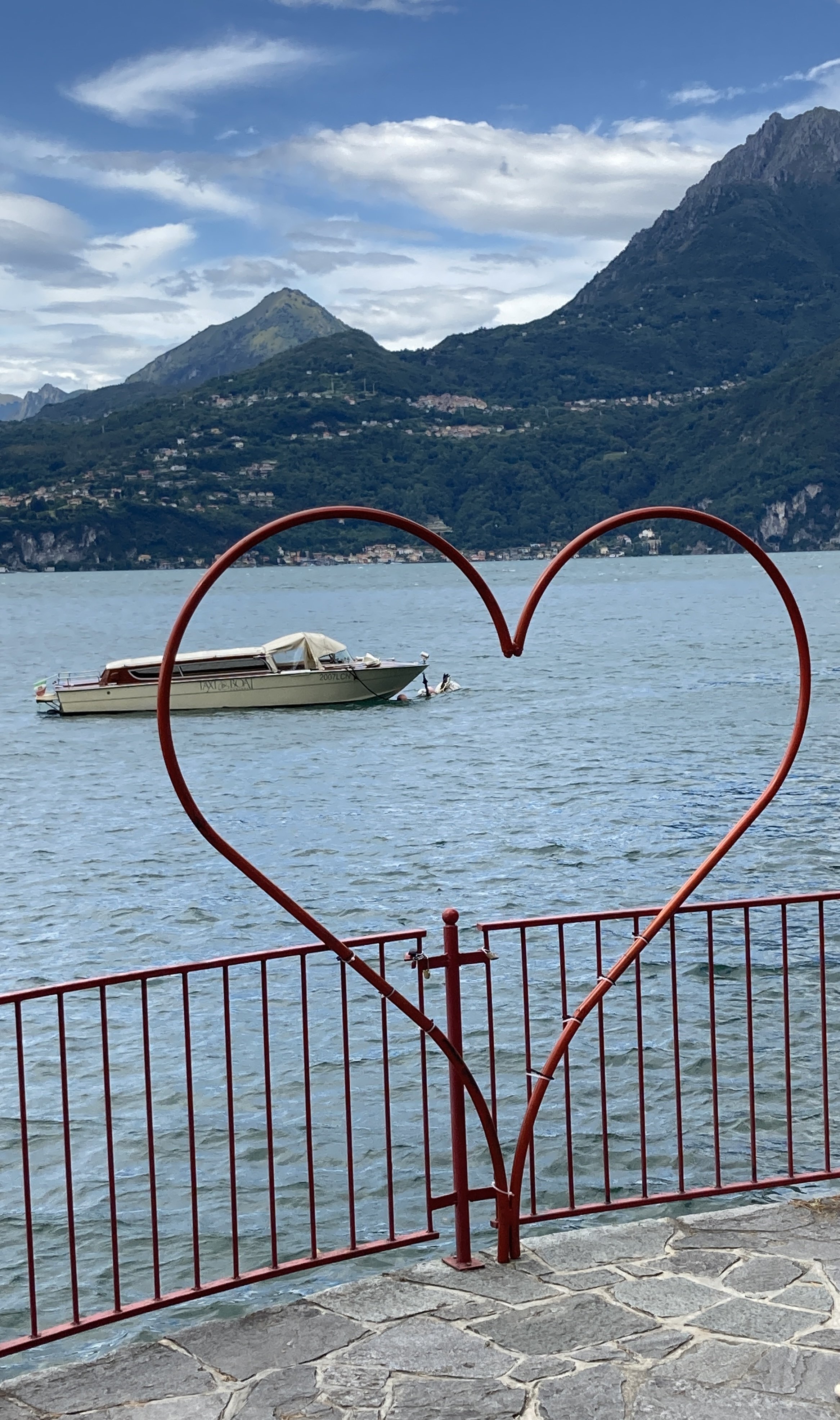
 From the ferry dock, to the south, is the second part of town, the fishing village.  The two areas are connected by one of Lake Como’s best walks - the Passegiata degli Innamorati (the Lover’s Walk).  This passarella (walkway) is dramatic – a long pathway balanced right above the shore.  You will know it by its red railings and the big red heart at a viewpoint along the way.   Along the passarella are windswept trees, greenery, stone walls, flowers, villas, and big views.  You may even be serenaded by an accordion player as you pass by.

58863746-5AA4-48A5-A593-506ED187F423.jpeg
7F1C5D88-886F-4F1C-8C03-25CCEEB05DEE.jpeg
040819E1-AF8E-4305-A80C-FBC0B0CA24E5.jpeg
04EC937C-FC5C-41D3-BC72-2AF811D62C02_1_201_a.jpeg

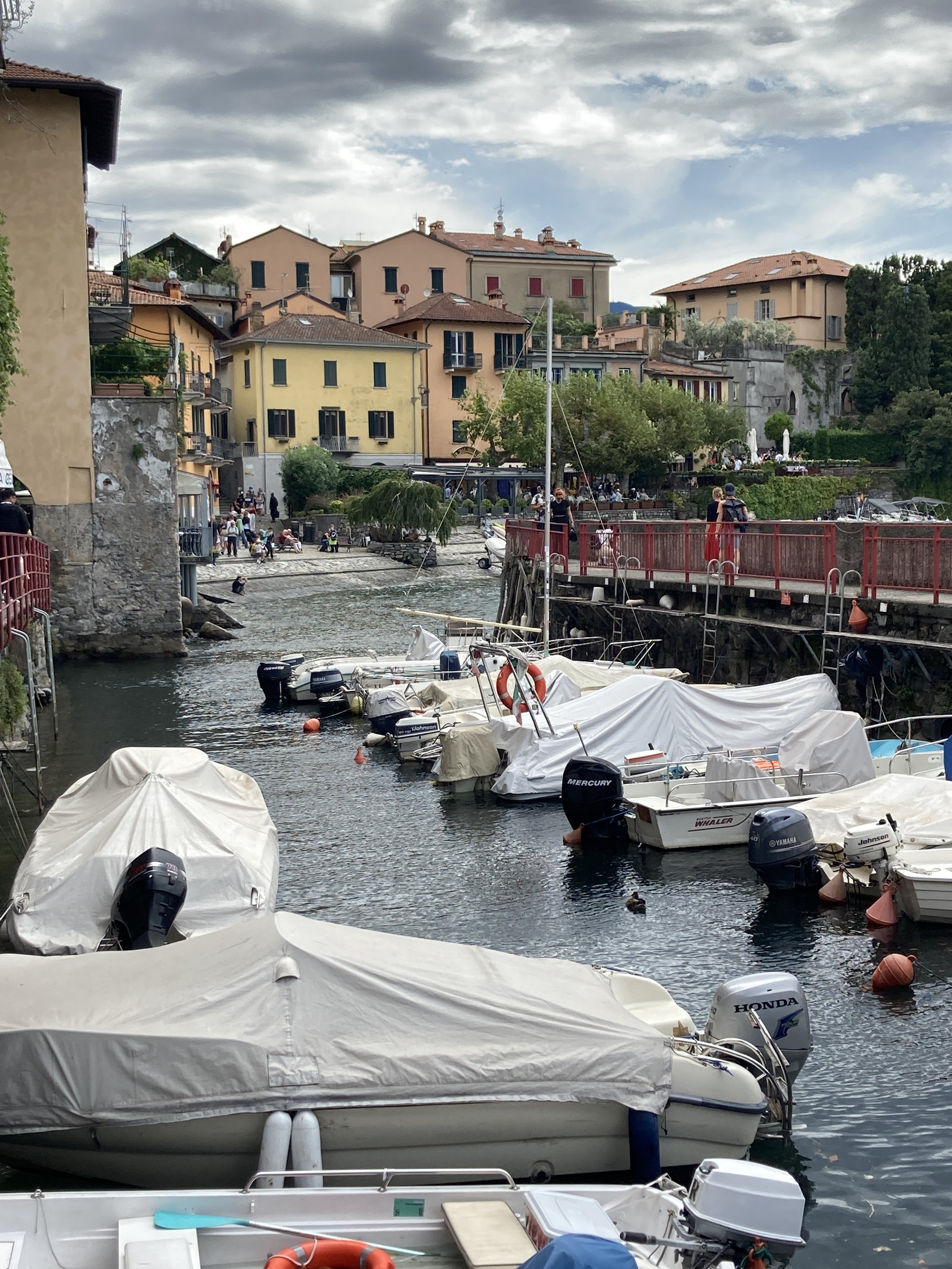
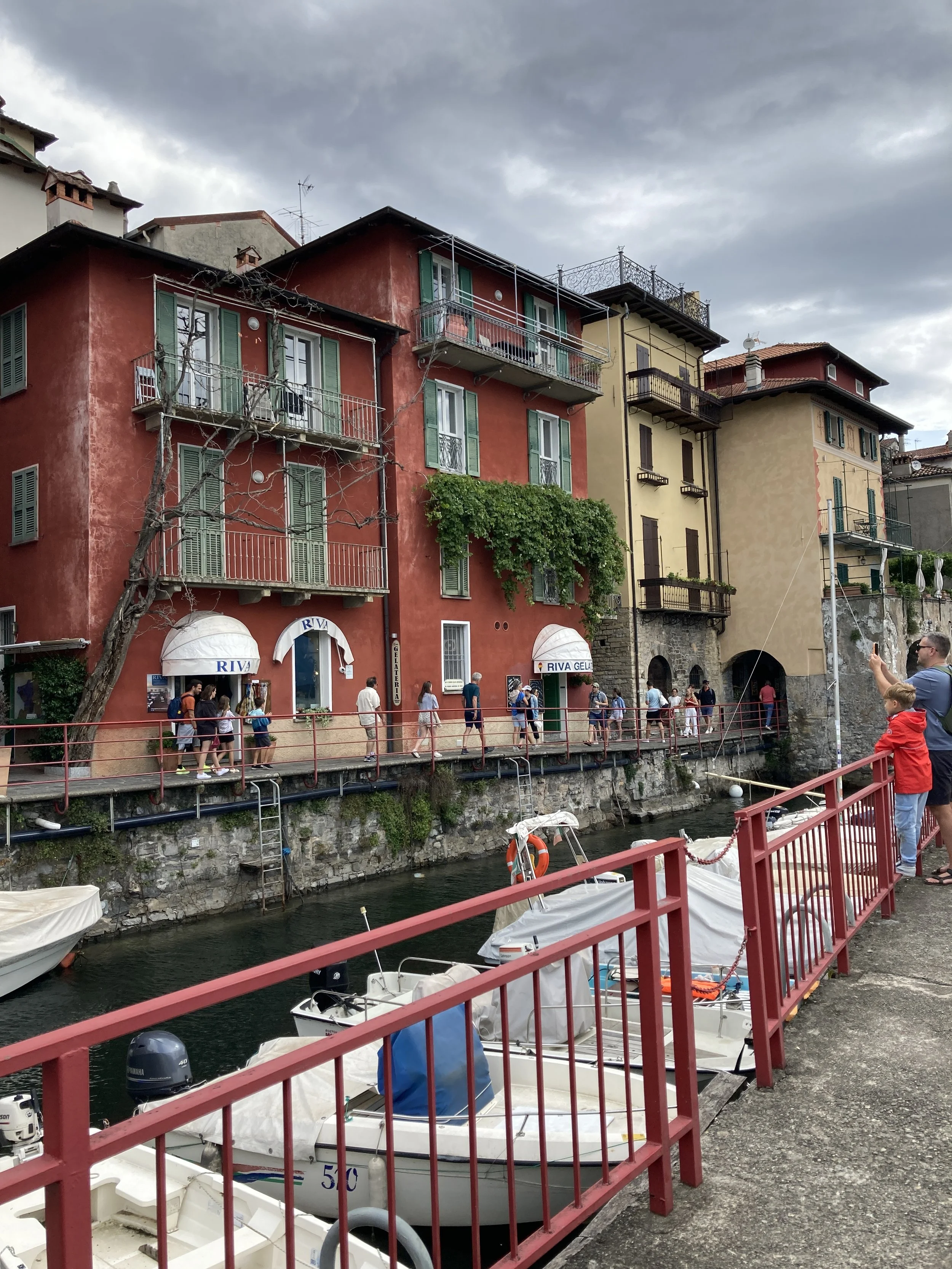
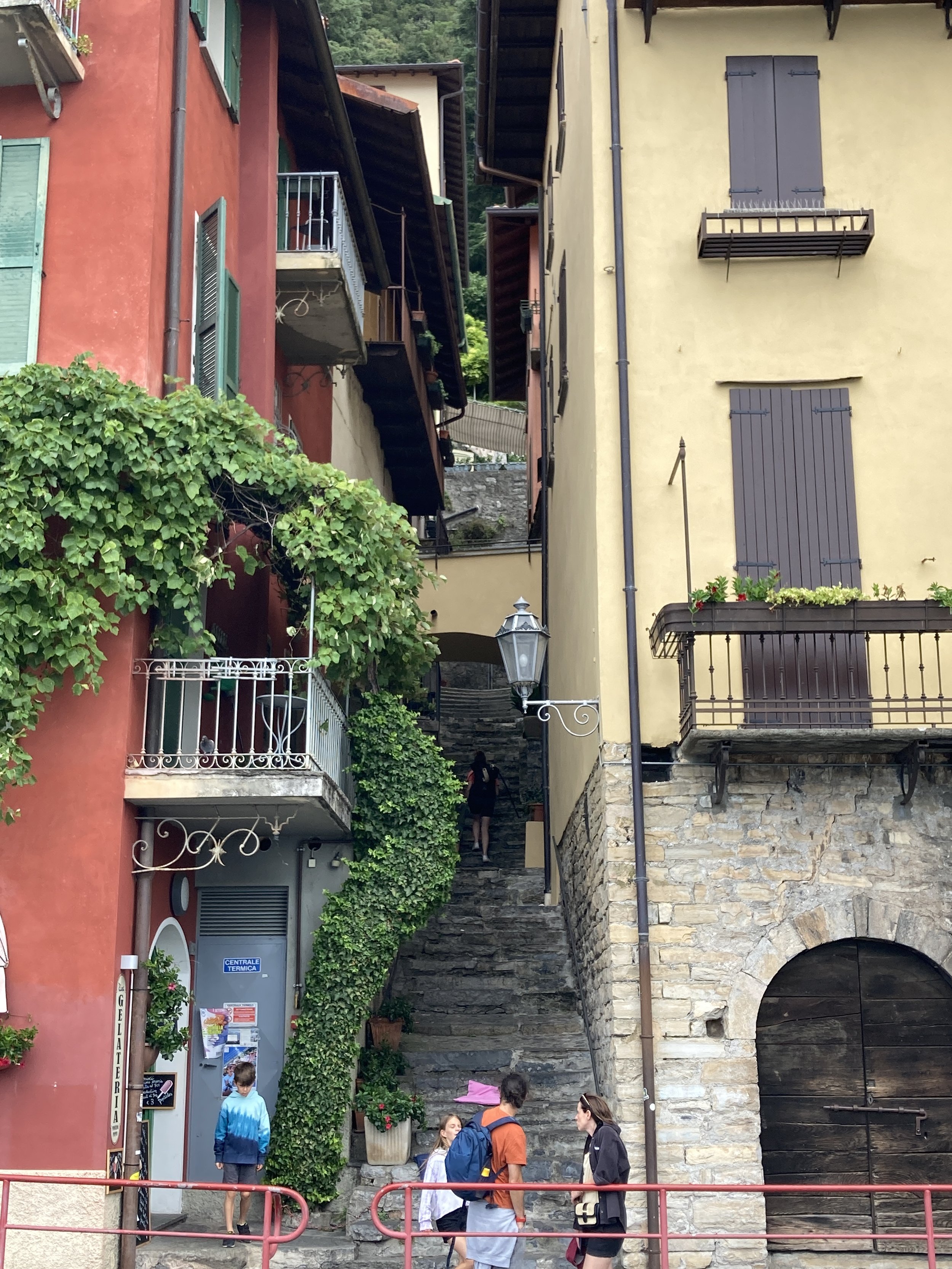
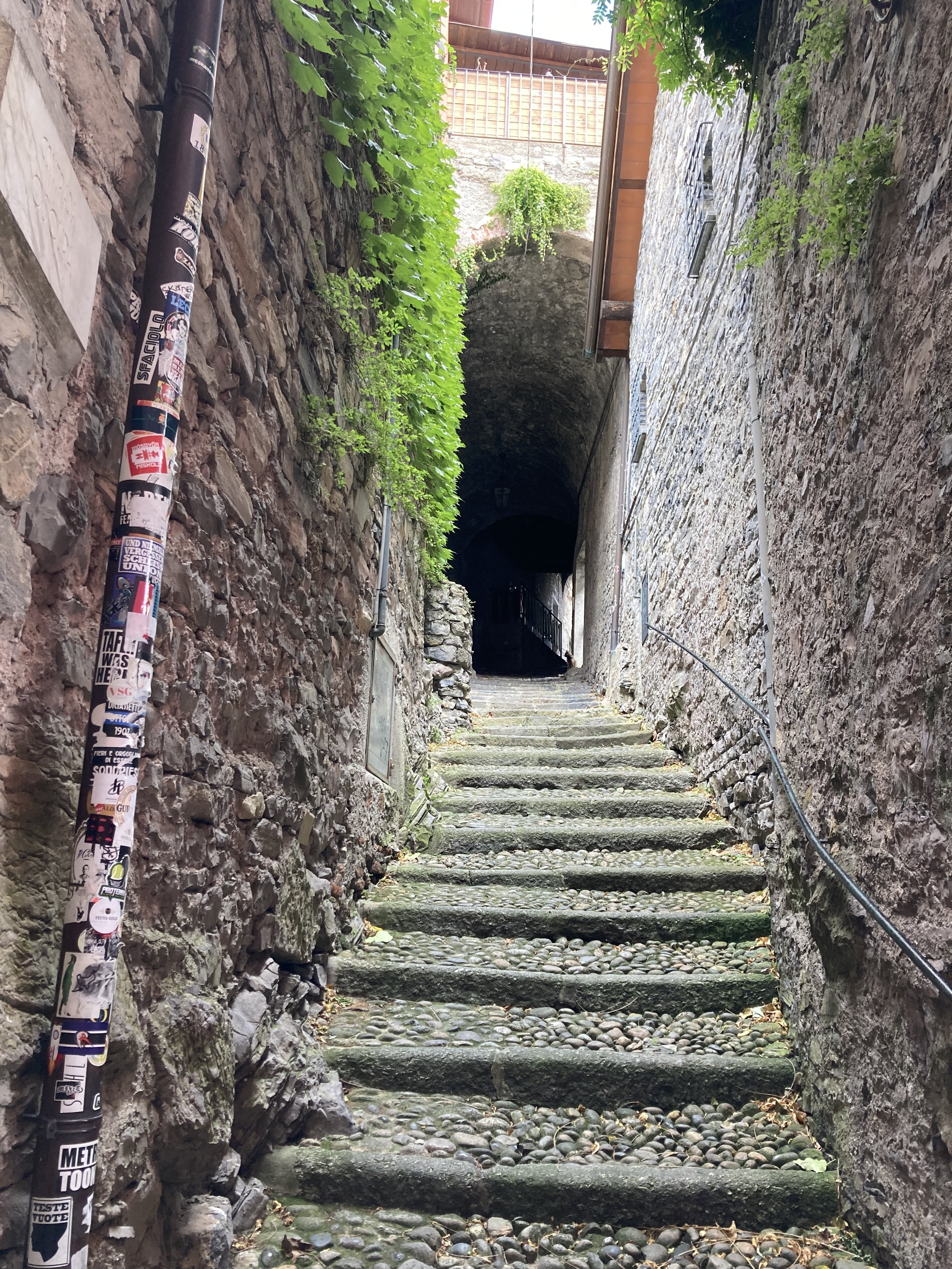
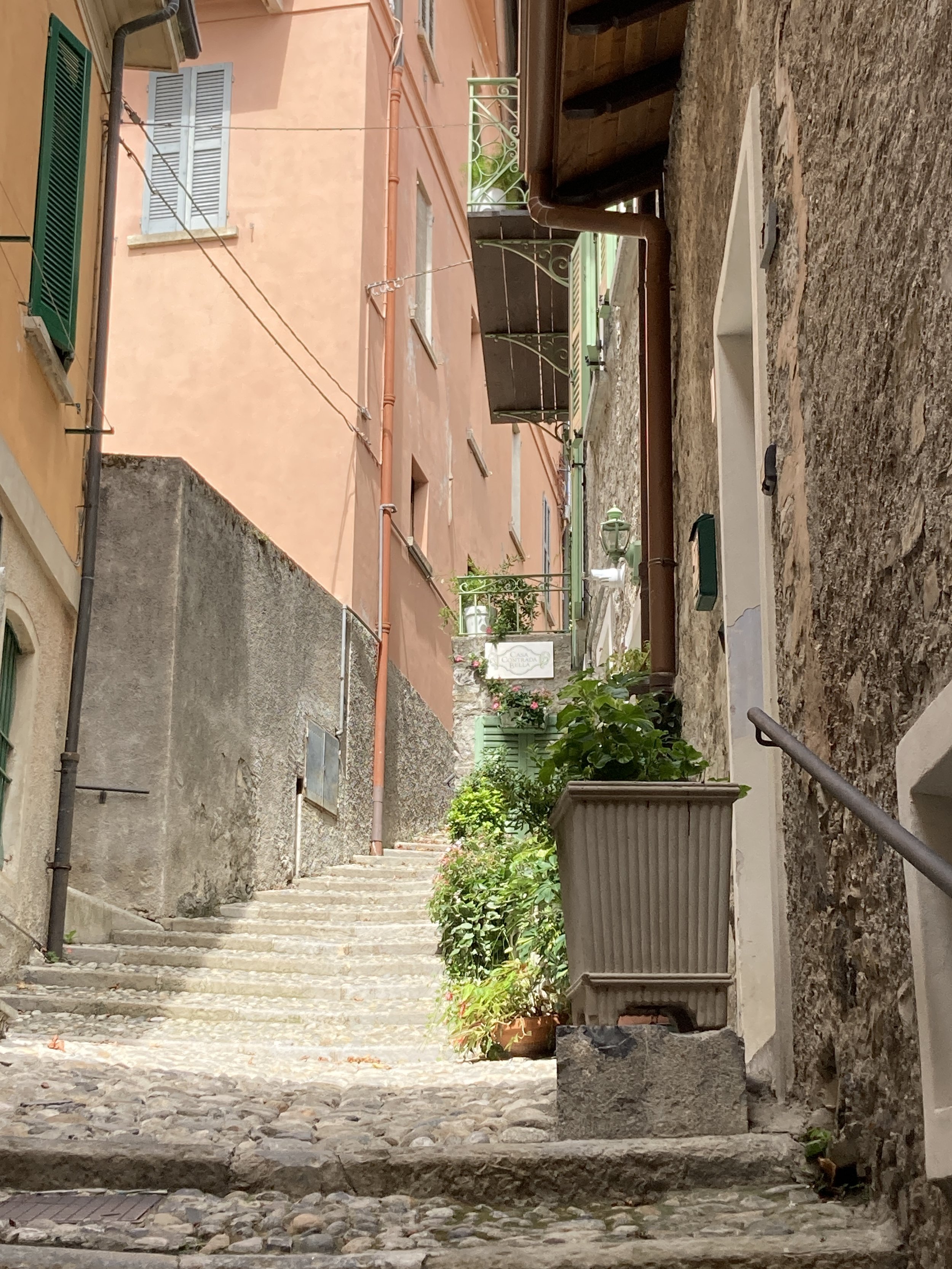
At the end of the walkway lies a tiny harbor full of small fishing boats and then the lakeside village.  This is the southwestern part of Varenna.  The village has nice shops, artisans, restaurants, cafes and some wonderful views over the lake.  It also has some of those typical Lake Como alleys, called contrade, with steep steps leading up to Varenna’s third part – the “upper village” and the town’s main piazza.

2E7CA3C8-0698-4375-95B1-FED9E36B6177.jpeg
60834D8D-3612-48CA-90D3-7A42039E1BA8.jpeg
8ACEF47D-1E37-4F9D-921A-53049FD49DA4.jpeg

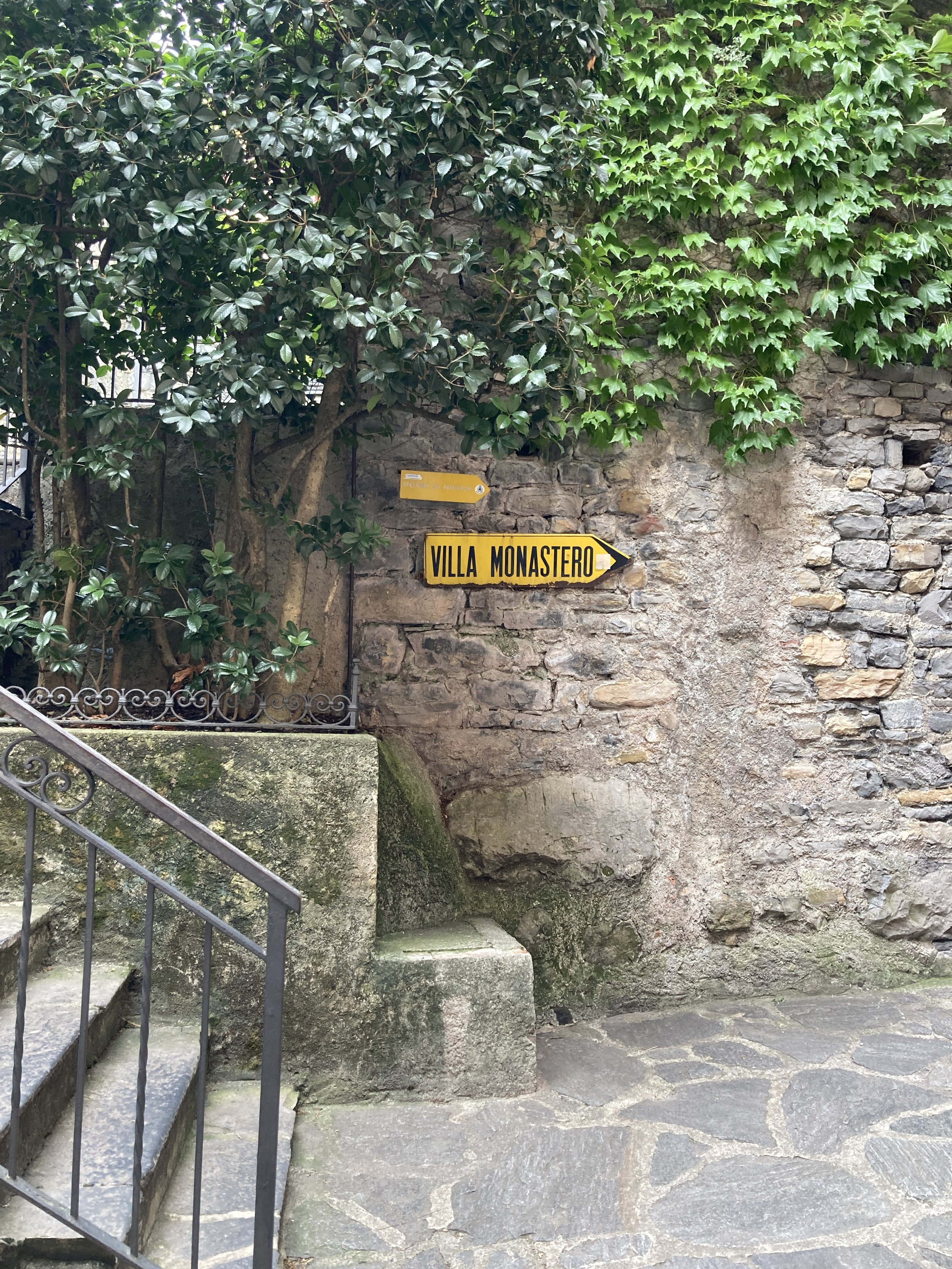
Rather than going straight up to the main piazza, I prefer to take a more circuitous walk.   By continuing south along the Riva Garibaldi and east along Contrade del Prestino you pass by the luxurious hotel Du Lac.  Once a villa, now turned into an elegant hotel, it has fantastic views from its terrace restaurant and bar.  Just past the hotel are more contrade leading up towards Piazza San Giorgio, the main square in Varenna, and the Villa Monastero. 

BDD99760-9D0D-4F34-957F-46F807741C17.jpeg
270DC8D1-0E9E-43A1-B80D-E76A3939857F.jpeg
9E06ACF6-506A-4A3D-AEE8-C5E541FA7865.jpeg

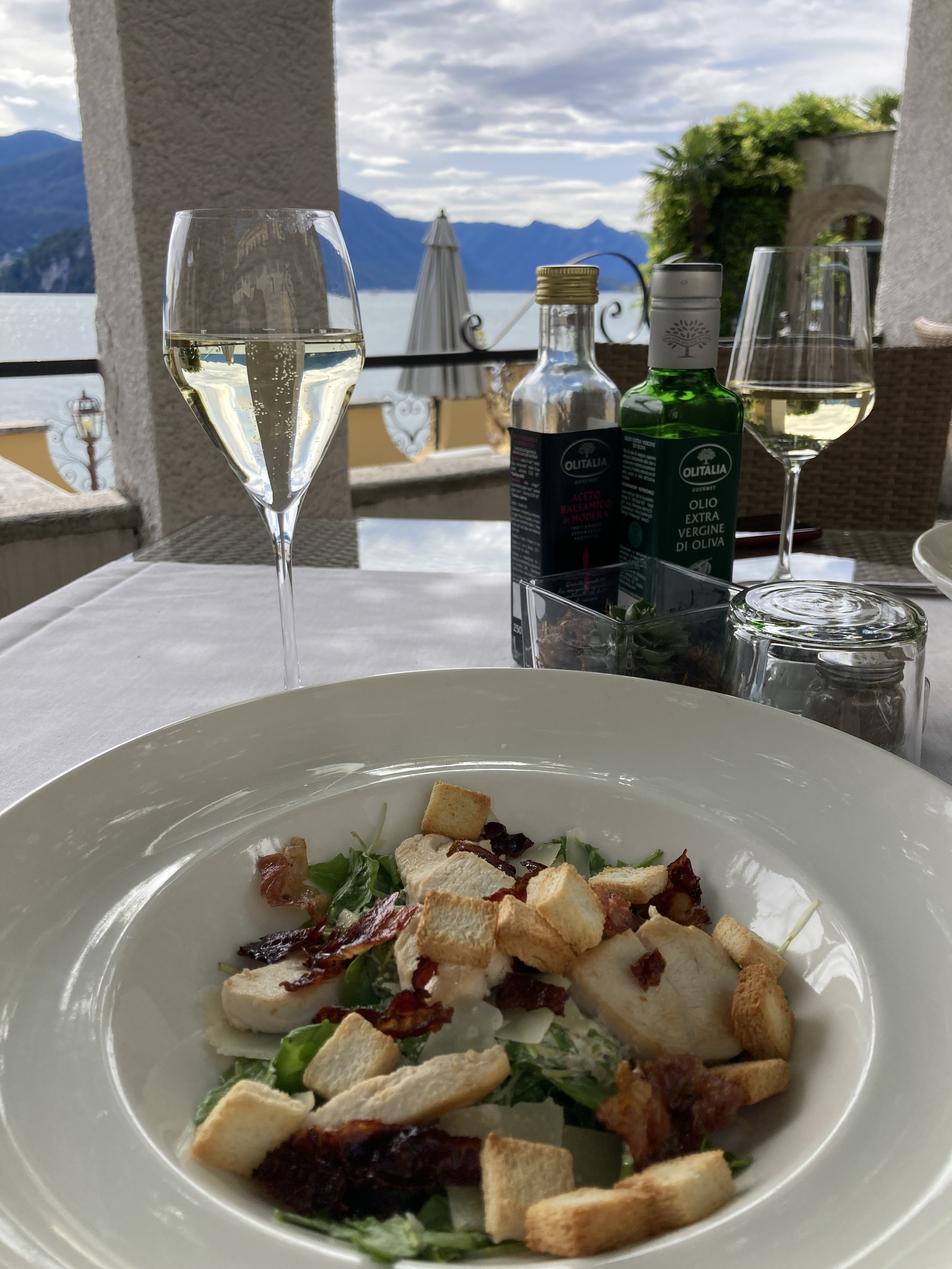
A good lunch spot along the way is the Bar Giardini, part of the Hotel Royal Victoria, reached by heading up Contrada della Fontana. Dining under the loggia, wisteria overhead, sipping a glass of wine (this is vacation after all) while gazing at the lake and the mountains beyond made for a quiet, peaceful, and elegant break in the middle of my day in Varenna.  Lunch here was a splurge but worth it!

372429F7-D923-44A5-9B90-56FA0245B02F.jpeg
0CC9C0FF-F2AF-40CE-AB0D-0EA12C9DEF7E.jpeg
722C0E1F-FA5E-407C-91A9-DB2E84947333.jpeg

Piazza San Georgio

In the upper village sits Varenna’s main square, the pretty and shady Piazza San Giorgio. Across from the piazza is the 14th century Chiesa di San Georgio with its tall bell tower.

 Continuing east (away from the waterfront) up Via IV Novembre is the Tourist Information Office, a good place to stop for a city map.  Further along was the main goal for my one day visit to Varenna - the Villa Monastero.  Visiting gardens, especially in Italy, is one of my favorite things to do.  I came across this one almost 30 years ago on my first trip to Italy. I was looking forward to a return visit.

Villa Monastero, Varenna

The villa, which began as a Cistercian Monastery in the 12th century, later became a private home.  The last owners donated it and today it is a public museum and botanical garden.  

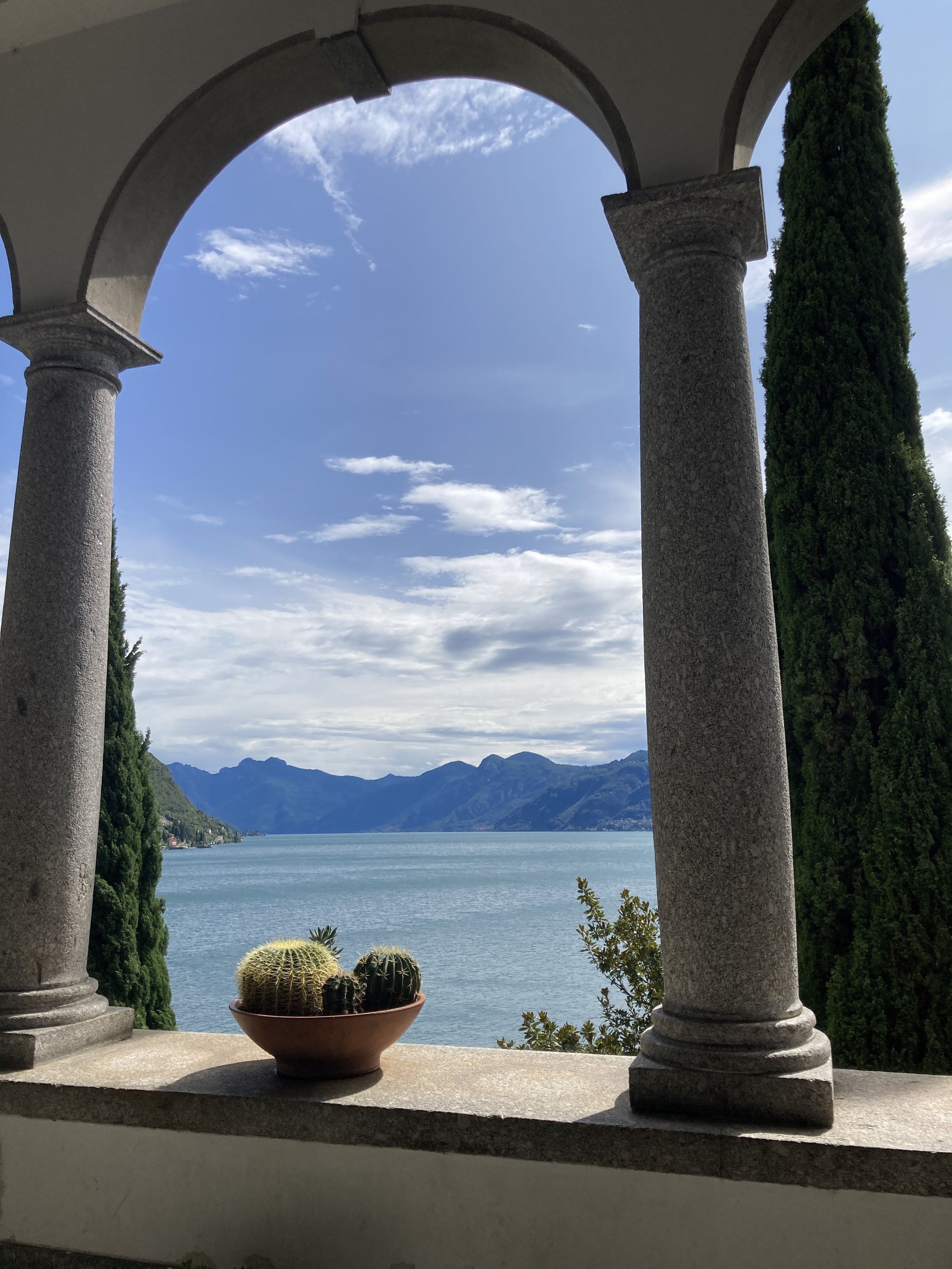
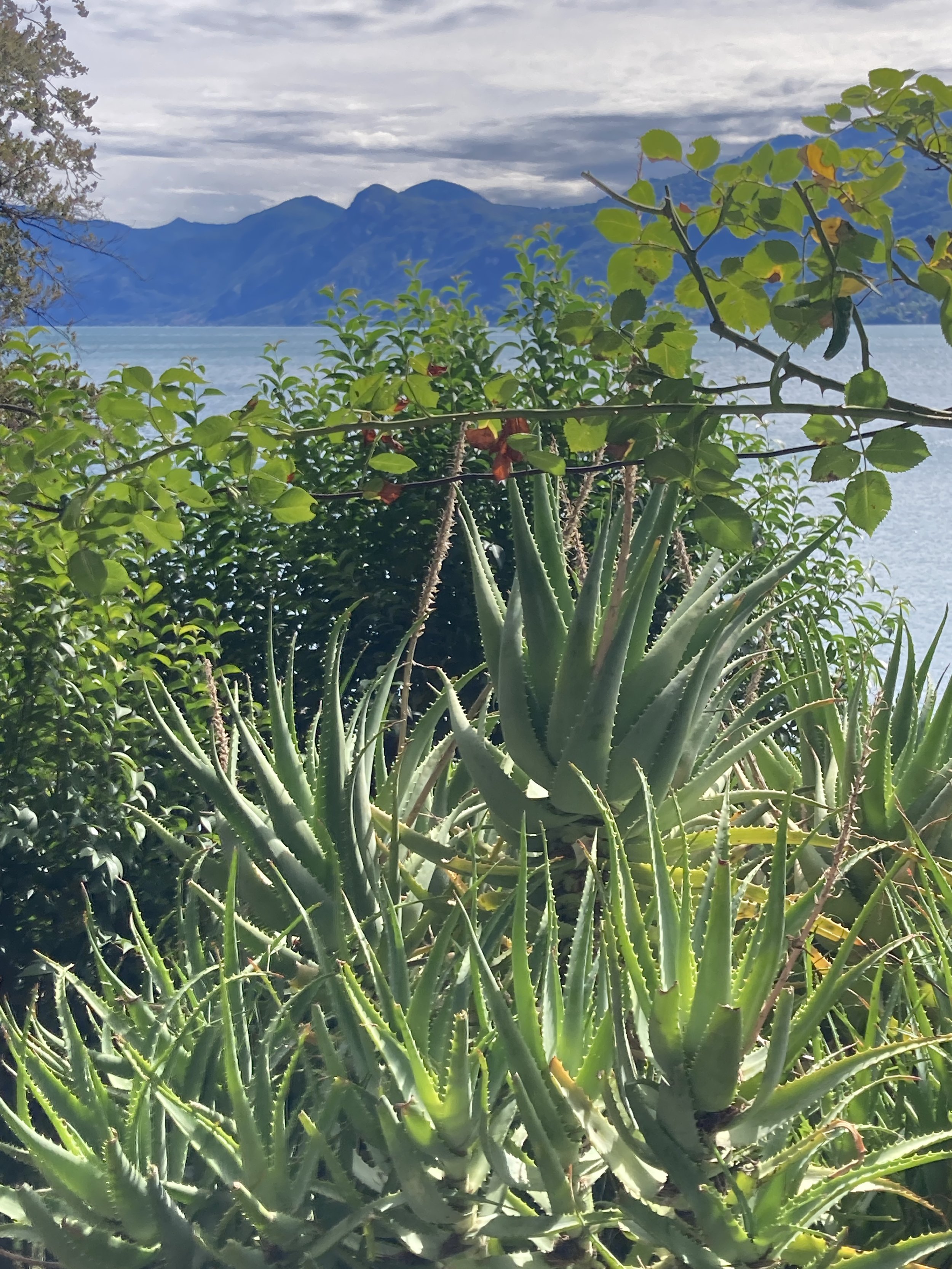
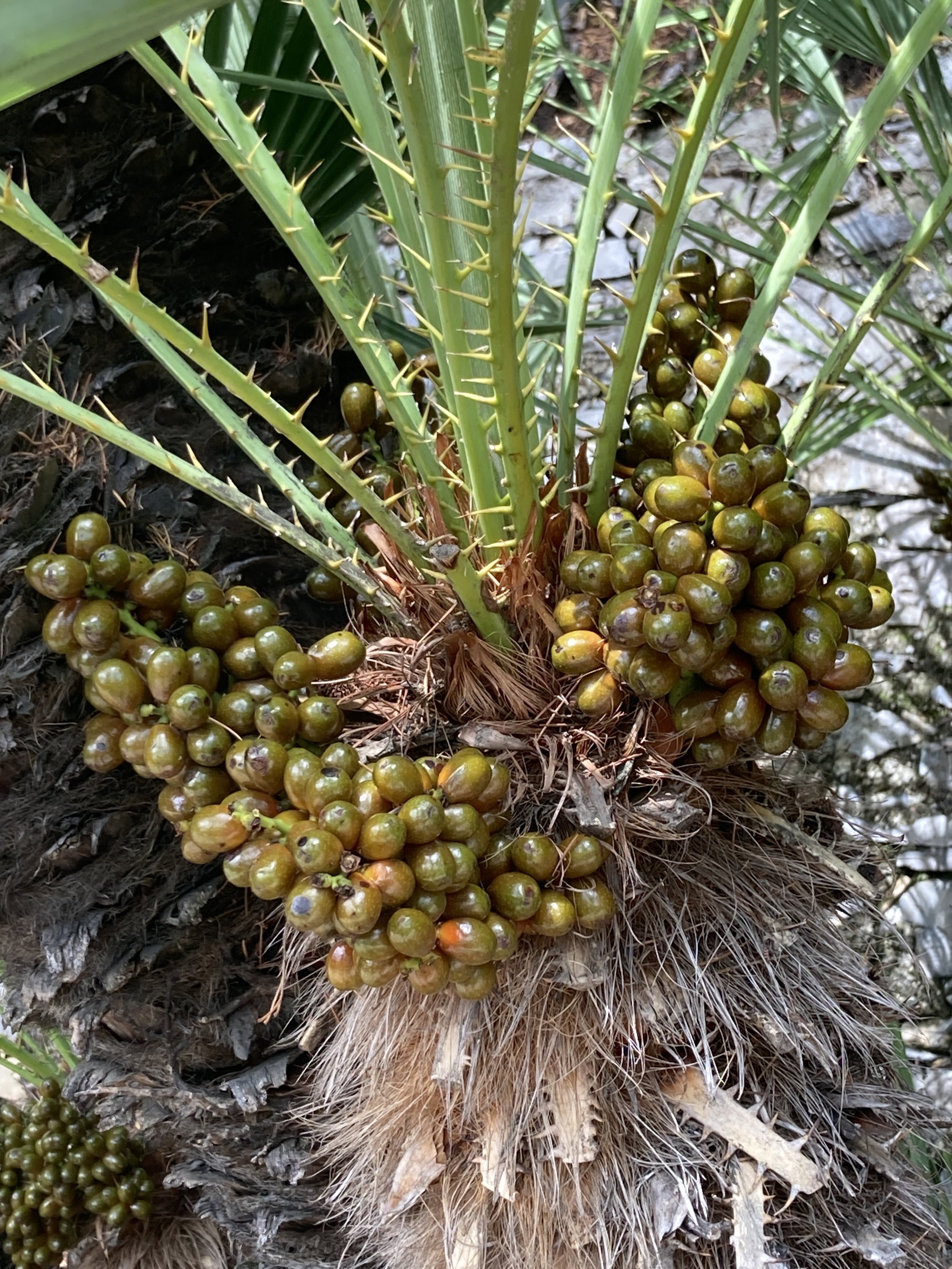
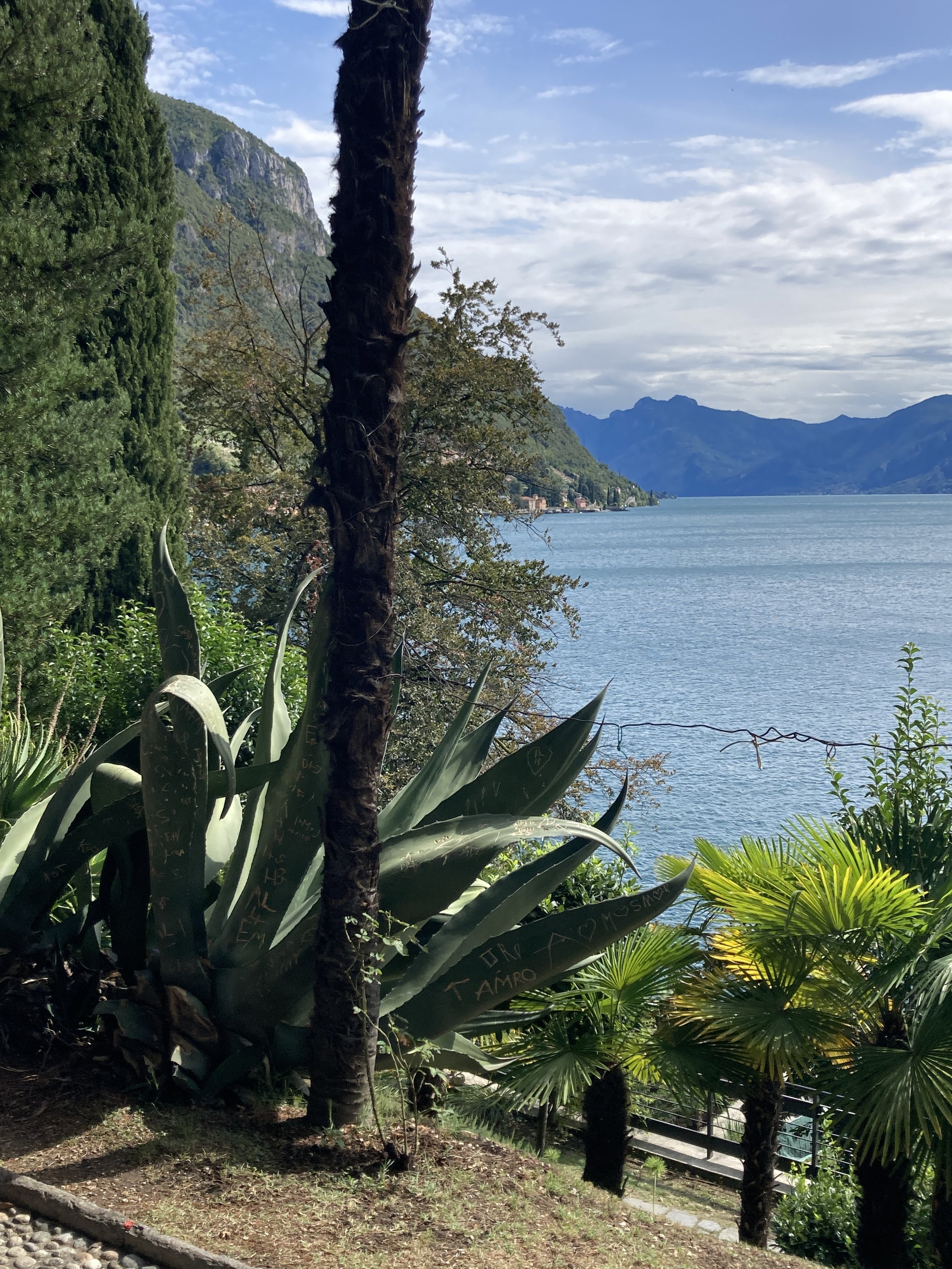
The garden, which has evolved over more than a century, meanders for about a mile along the lake.  The plants, many quite unusual, have come from all over the world.  There are evergreen trees, giant cacti, palms, citrus trees, vines and flowers.  The combination of colors, sizes, forms and textures creates a truly special garden.

91927445-CF0C-4A6F-A774-9E2B797AAACC.jpeg
5A12023F-659C-4BD2-BAE4-81BAEDE83D4D.jpeg
6F6631FF-E10E-4ADF-A69F-80FE42CA10A8.jpeg
4CE0987B-66AC-4920-8A76-59B668F4B052.jpeg
C05DCDBB-1619-4272-9A25-96C645F5B6B0.jpeg
67D92709-37D0-437C-B59C-BC36D701C3C0.jpeg

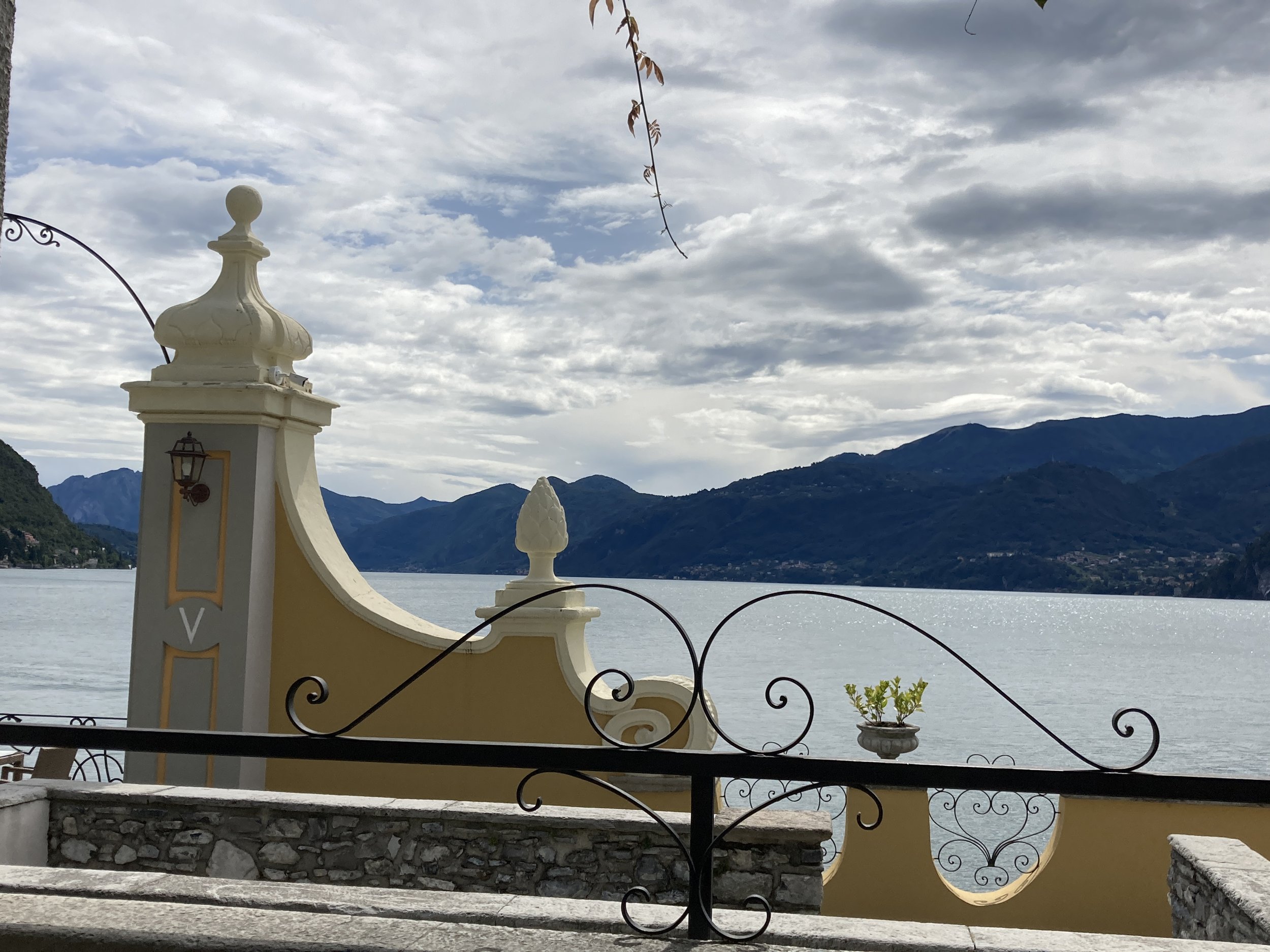
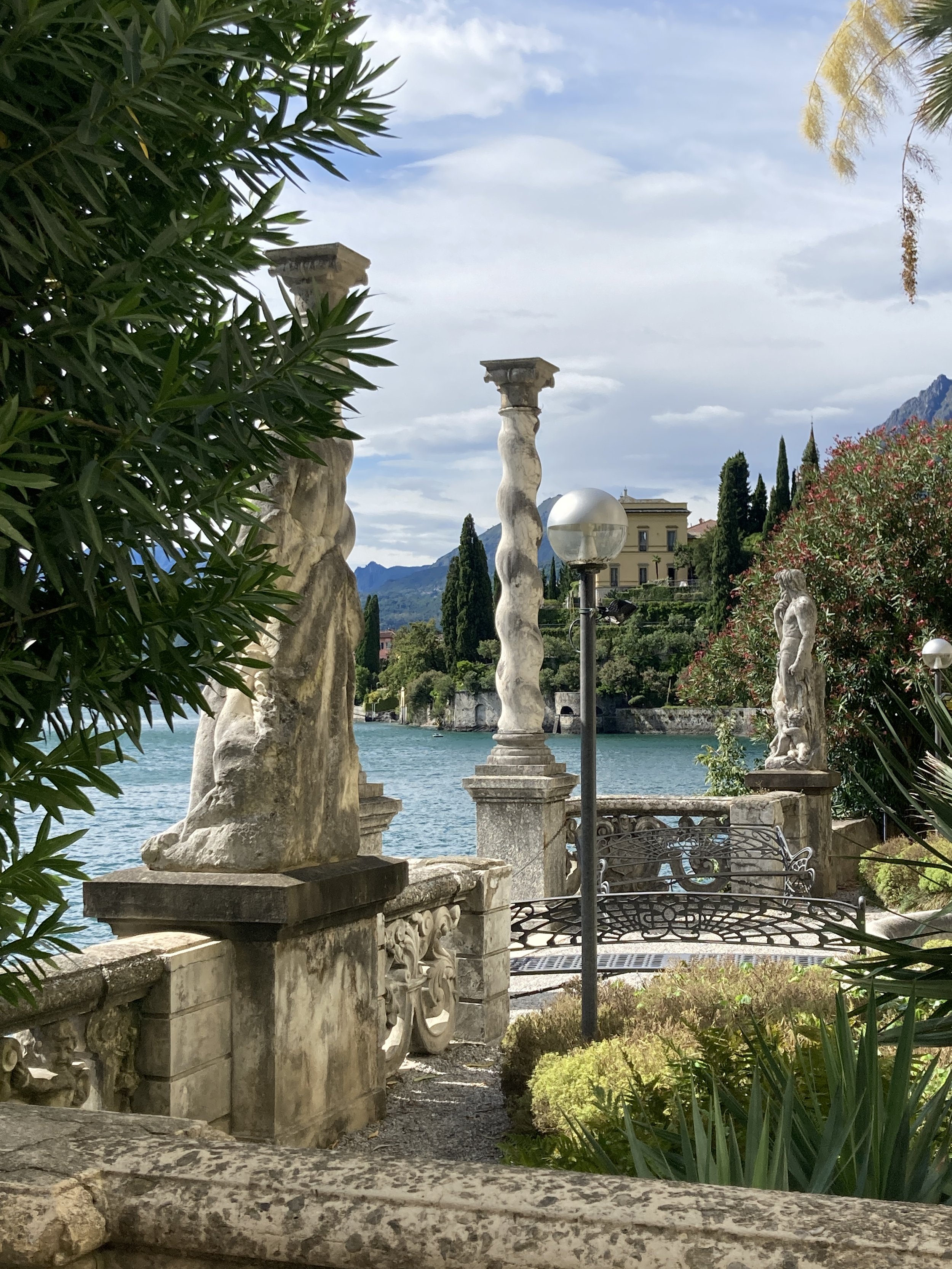
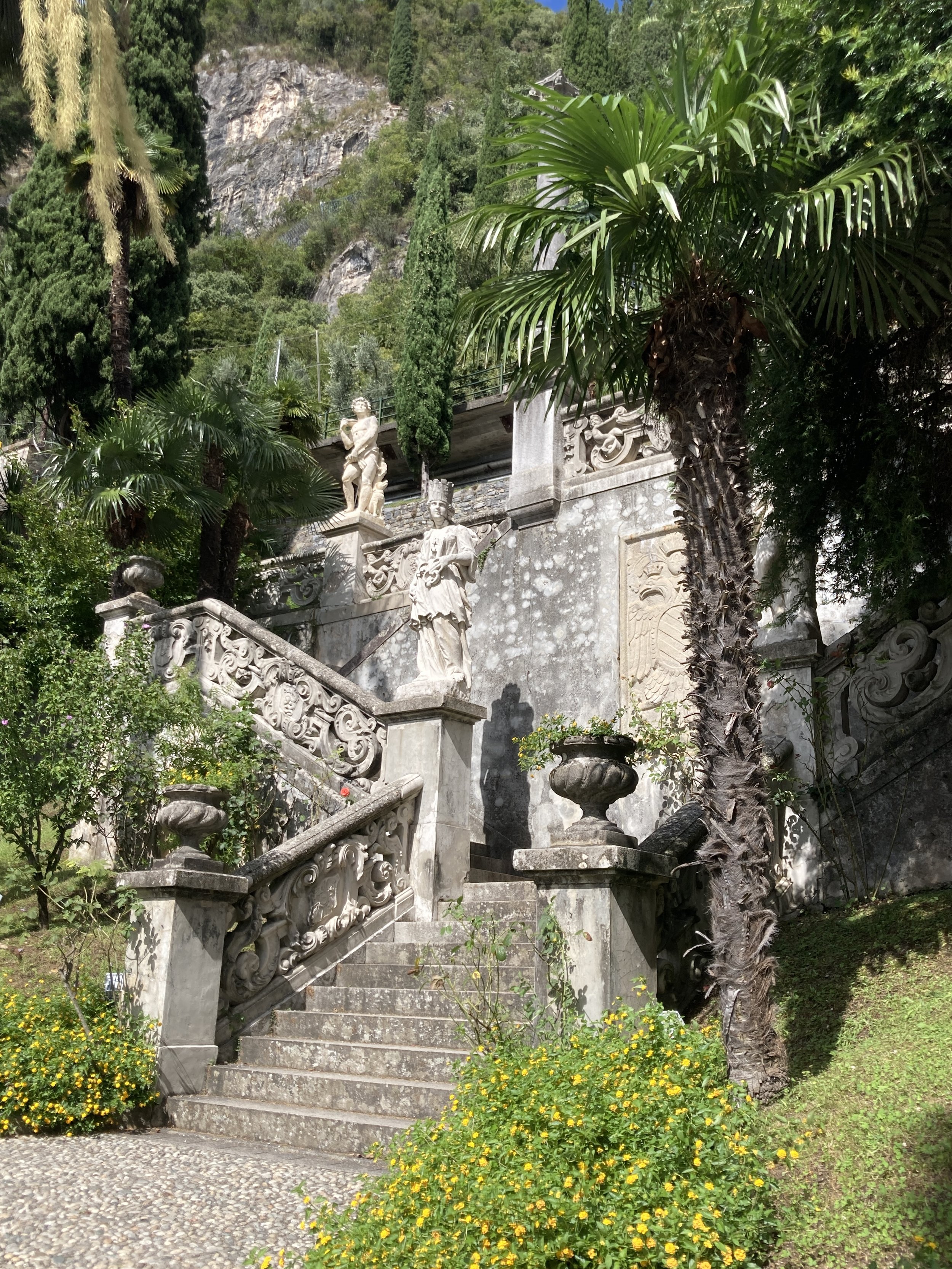
 The garden is more than just plants. It’s an architectural and artistic wonder as well.  The setting includes terraces, fountains, sculptures, ornately carved balustrades, ironwork, and breathtaking views. 

 I spent so much time in the garden that there wasn’t time to explore the villa museum.  That will call me back to Varenna on a future trip.

website: villamonastero.eu


October 23, 2023 /Joanne Bartram
Villa Monastero, Varenna
#italiangardens, #italytravel, Italian art architecture, Italian gardens, Italian Lakes, Lake Como

La Foce - A Tuscan Garden With A Fascinating History

April 17, 2023 by Joanne Bartram in #italiangardens, #italytravel, Italian gardens, Italy travel, Tuscany

A 15th century pilgrim, walking along the Via Francigena on the way to Rome, might well have spent a night at hostel in the Val d’Orcia, just outside the current town of Chianciano Terme.  No doubt the accommodations, run by the Siena Hospital and Monastery of Santa Maria della Scala, would have been basic and the surrounding landscape the not-so-green clay hills found then in that part of Tuscany.  If that same pilgrim were to return today, he would not recognize the hostel, or the surrounding countryside, thanks in large part to the efforts of the Origo family.  While the intervening centuries saw the area impoverished and the hostel abandoned, in the 1920’s Antonio and Iris Origo bought the property, known as La Foce, and began its transformation. Today it is a remarkable spot - one of the finest estates and gardens in Tuscany.

The entry courtyard at La Foce, the meeting point for tours of the garden.

 Italian Antonio and wife Iris, a young American – Irish heiress, must have seemed crazy to their families and friends. The estate they purchased was run down, with rough dwellings and barren fields.   And yet, they had a vision.  Between 1924 and 1939 they restored the main building, turning it into their family home. They also reclaimed the land, developing it into fertile fields.  They built houses for tenant farmers, a school and a clinic for the workers and their families, and a dopolavoro (dopolavoro means “after work”, a place for the workers to socialize).  This level of social commitment and support for workers was unique at the time.  Eventually the estate grew to include farms, olive groves, and woodlands.  And then Iris Origo built a garden. 

 When I say garden I do not mean a small vegetable patch or a handful of flower beds.  To create her garden, Iris hired the English Architect Cecil Pinset to design an elegant space that blended Italian and English design and made the most of the views over the countryside.  100 years later the garden design is still perfect. 

Stone walls and a bit of fall color at La Foce

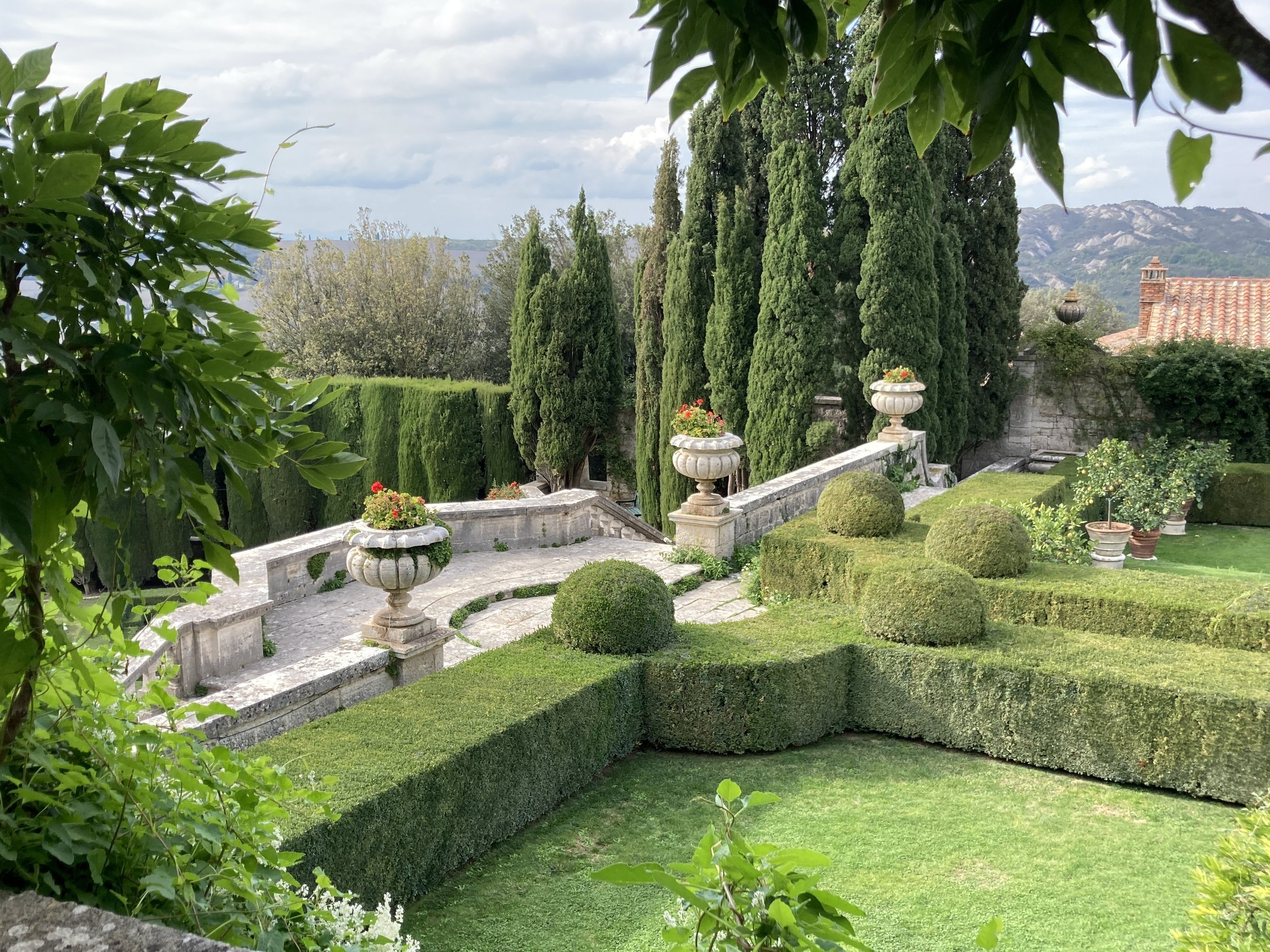
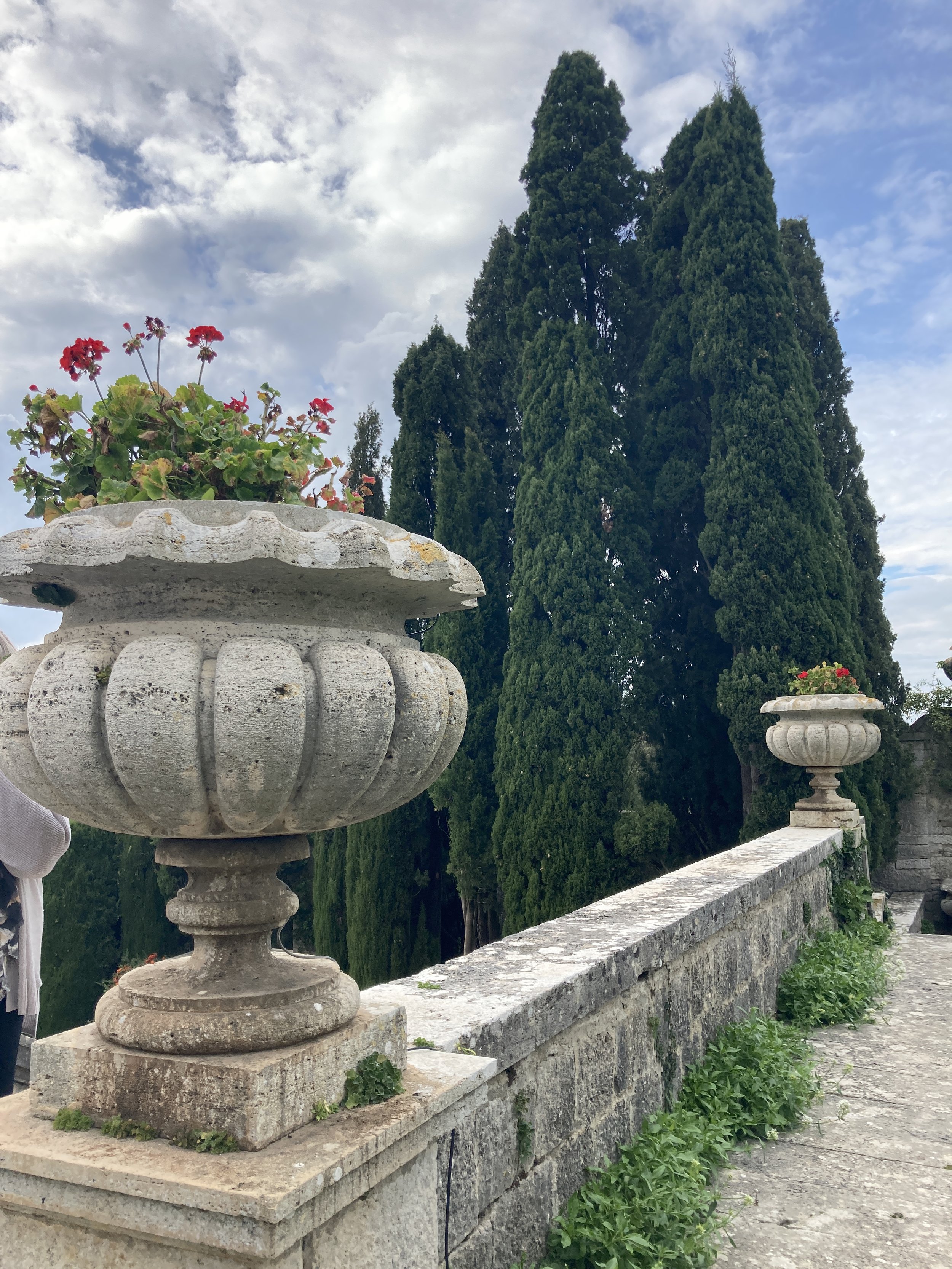
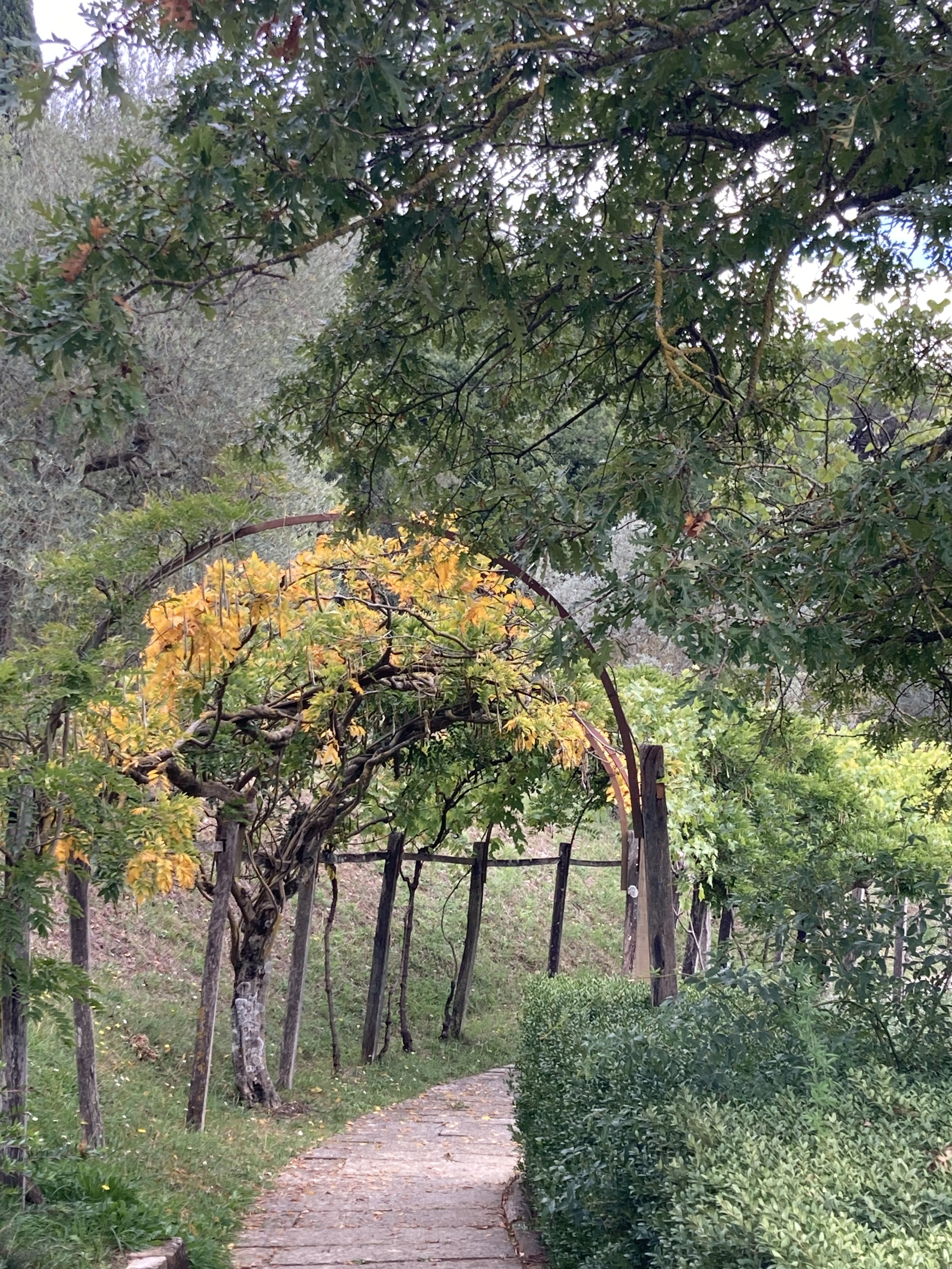
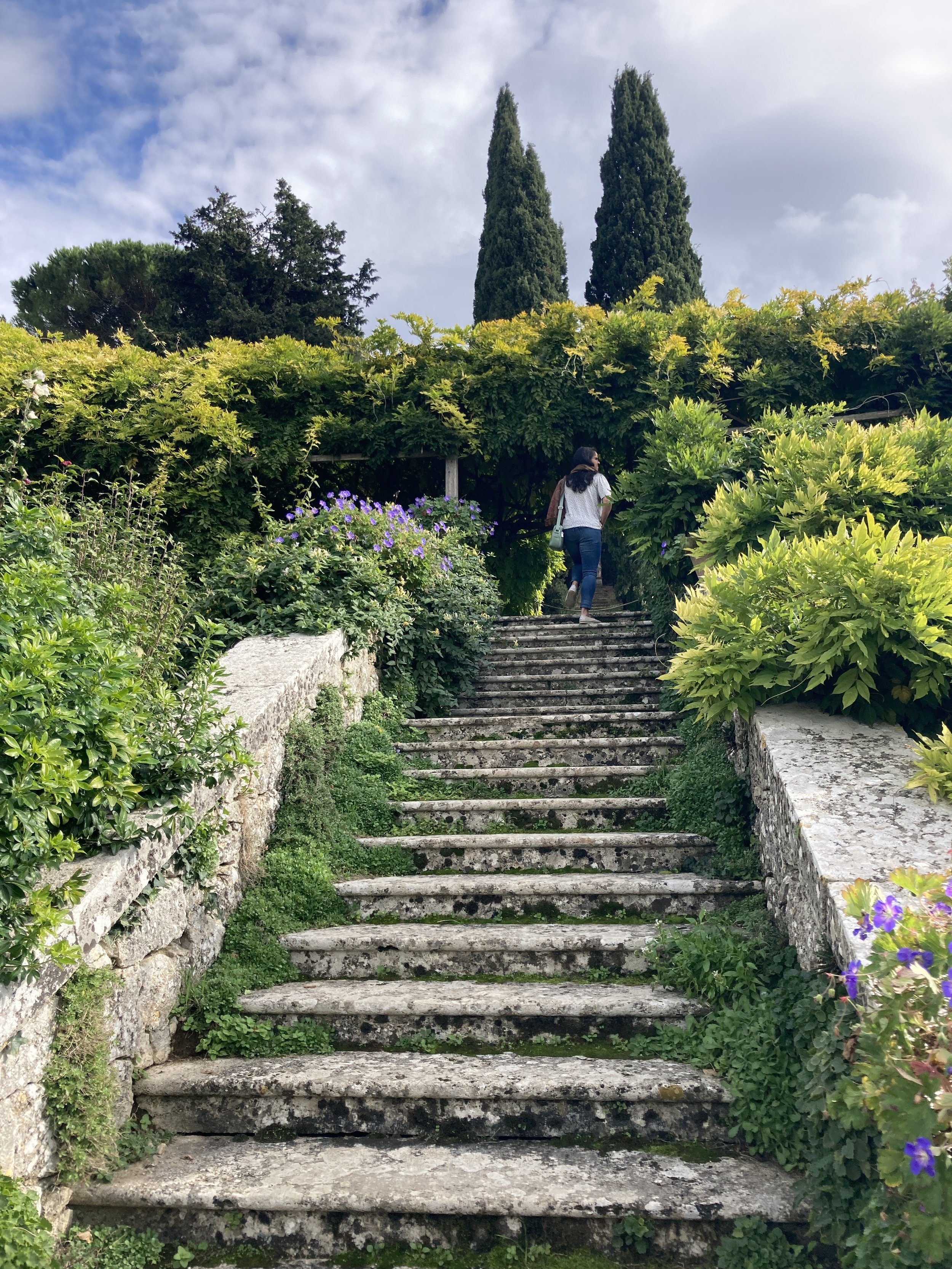
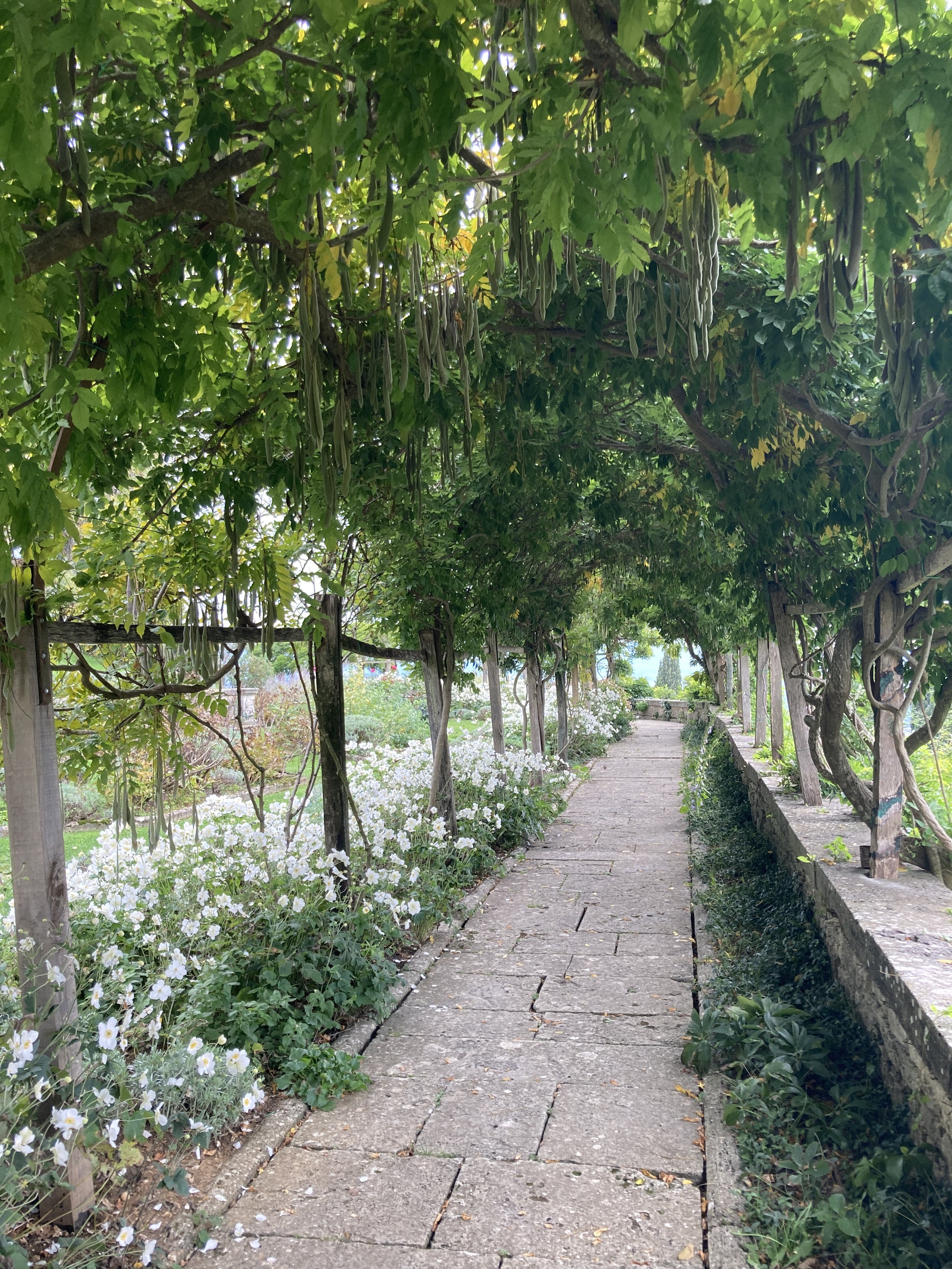
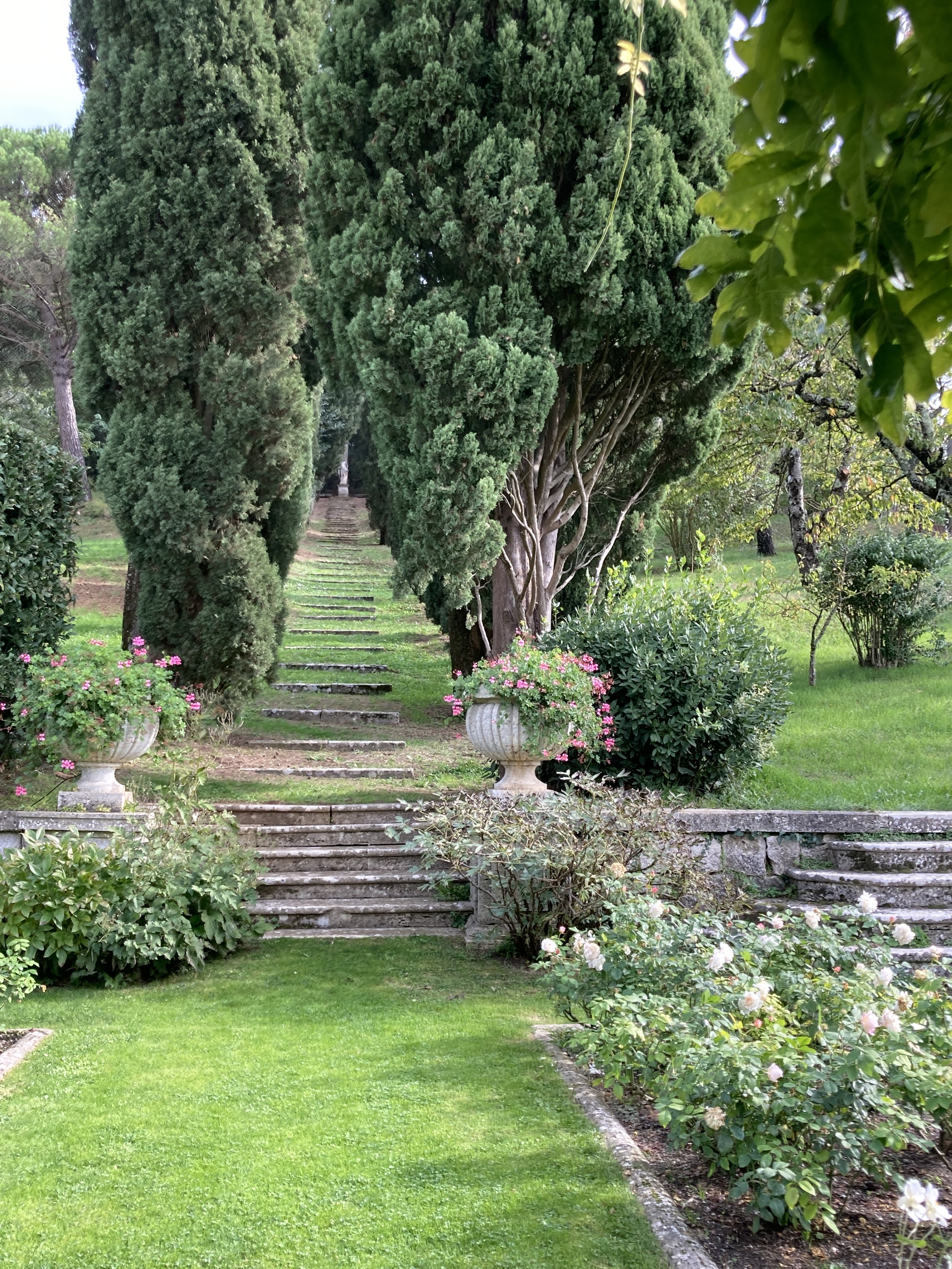
 The garden at La Foce blends formal green spaces defined by waist-high hedges, stone walls, flower beds, and a wooded hillside.  It includes an inviting series of terraces linked by stone stairways, a long arbor topped with wisteria, and beds of fragrant lavender.  Flowers spill from large stone urns and roses fill their very own garden bed.

4949FD22-7837-4FF6-9062-F90E12C21614.jpeg
54855A9E-9402-425D-BEED-DF4691EADD29.jpeg
4D7C80DF-9F65-4241-87FA-B81AF506D215.jpeg
14EA59C7-3B27-40A8-B1EE-8F7A811BF7F7.jpeg
8962BBD6-32D3-443E-89CF-4A4A22A195D6.jpeg
C355B33F-5ACD-45B9-8A7B-1AA43096D63D.jpeg

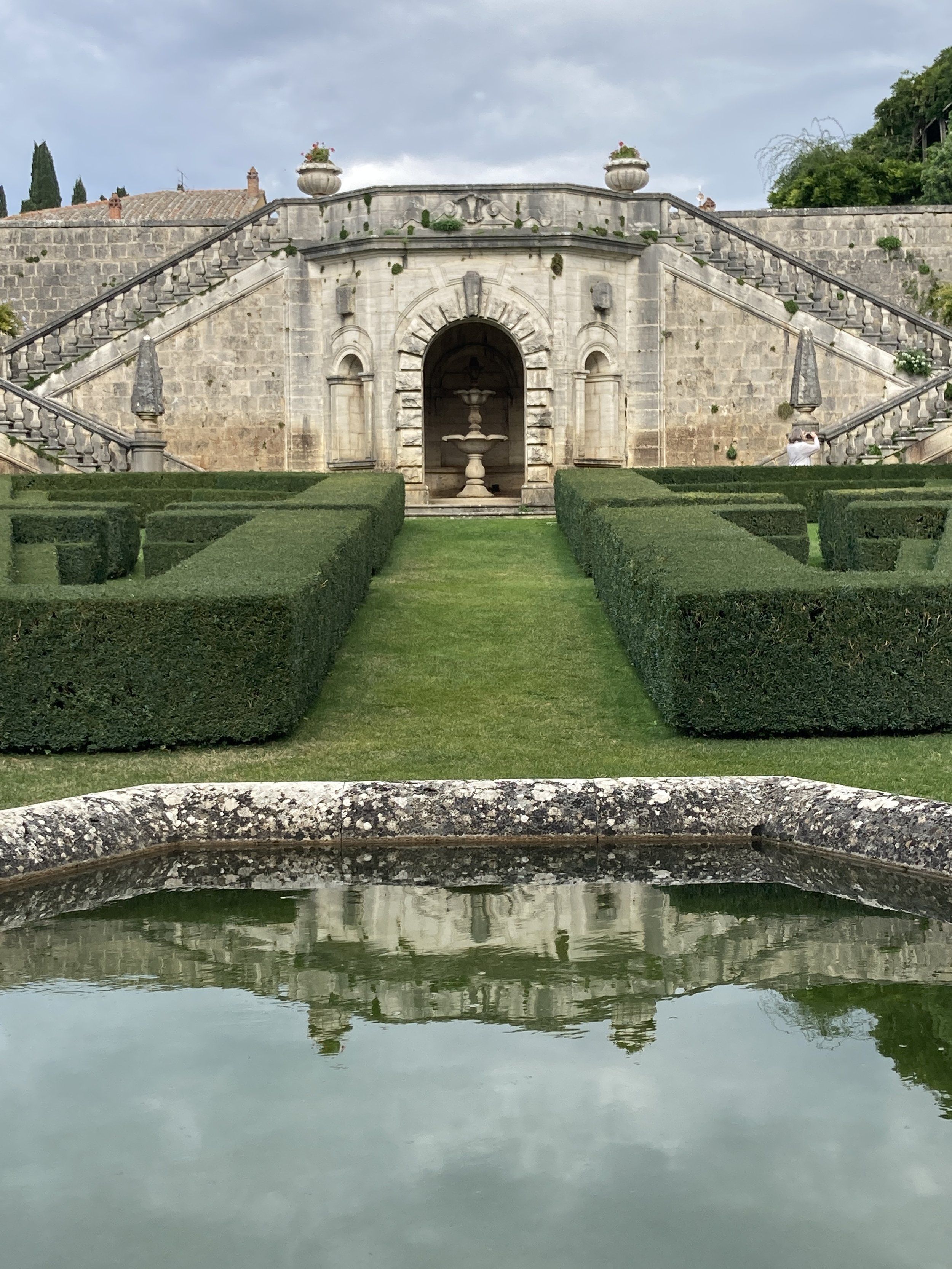
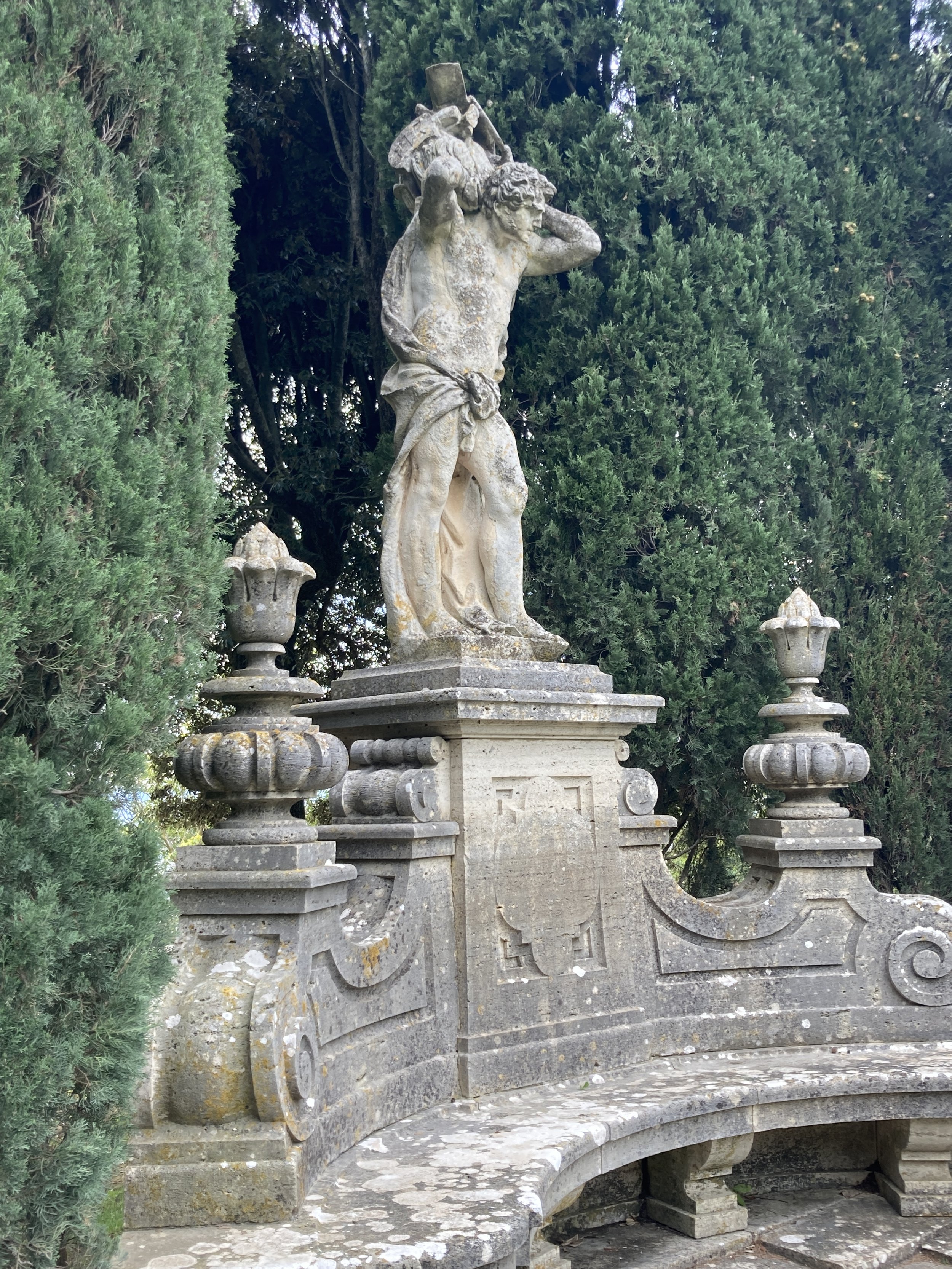
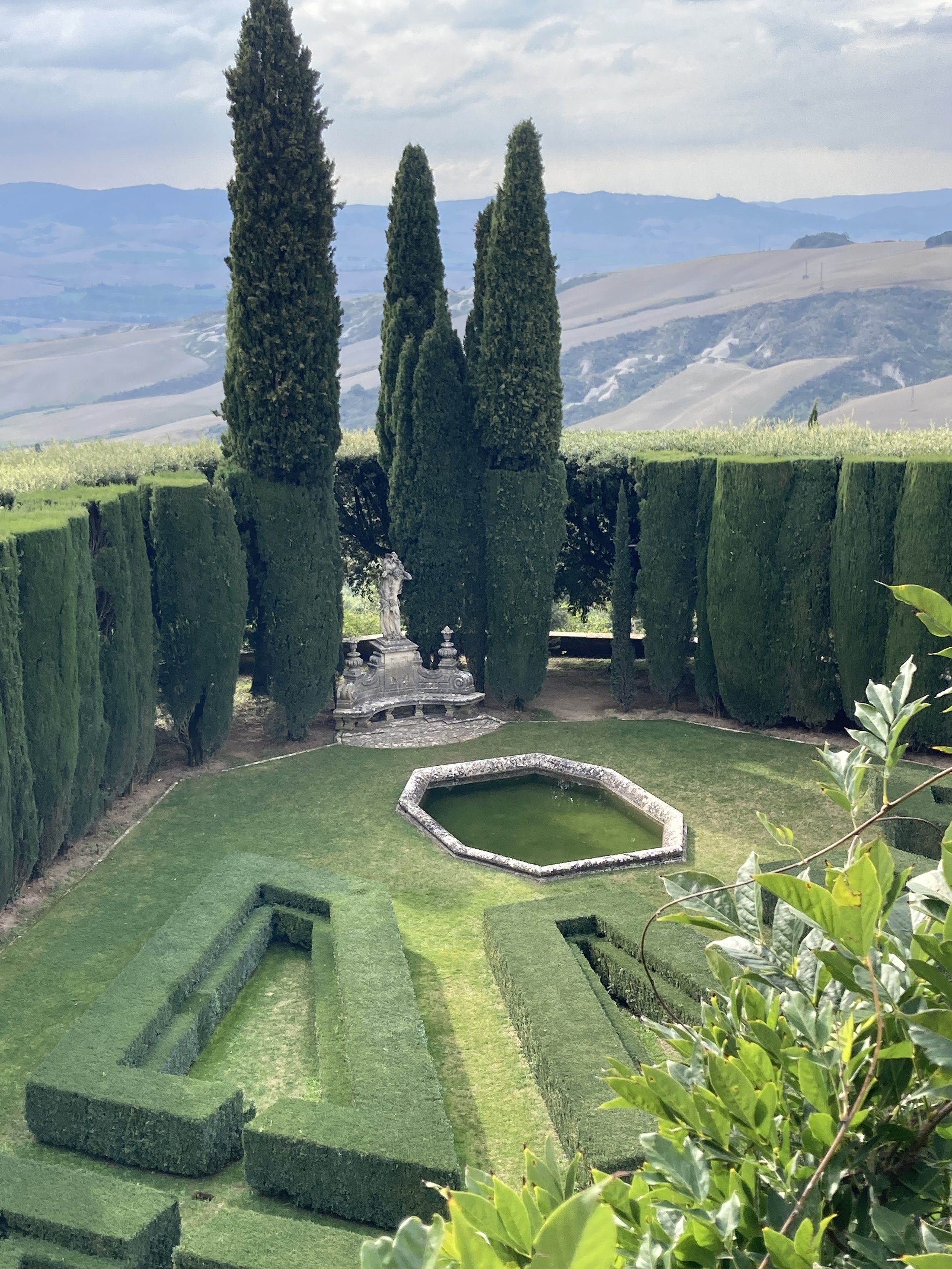
A graceful double staircase leads down to the lower garden with its angular hedge-rimmed beds, reflecting pool, and elaborate stone statuary bench.  Cypress trees and classic Italian umbrella pines are visible at the garden edges and atop the hillside.   

5CD3DC56-7555-4F07-BB51-FAF4133FD7A3.jpeg
9F5DAB32-D8CD-411B-8751-41E5A45E2E8F.jpeg
2F10BB44-BBC2-4B95-9CC3-31495A36B09D.jpeg

 And the views!  Off in the distance is the famous winding road, lined with cypress trees, that appears in so many photos.  The garden is designed to present an unmatched view of this iconic Tuscan scene.

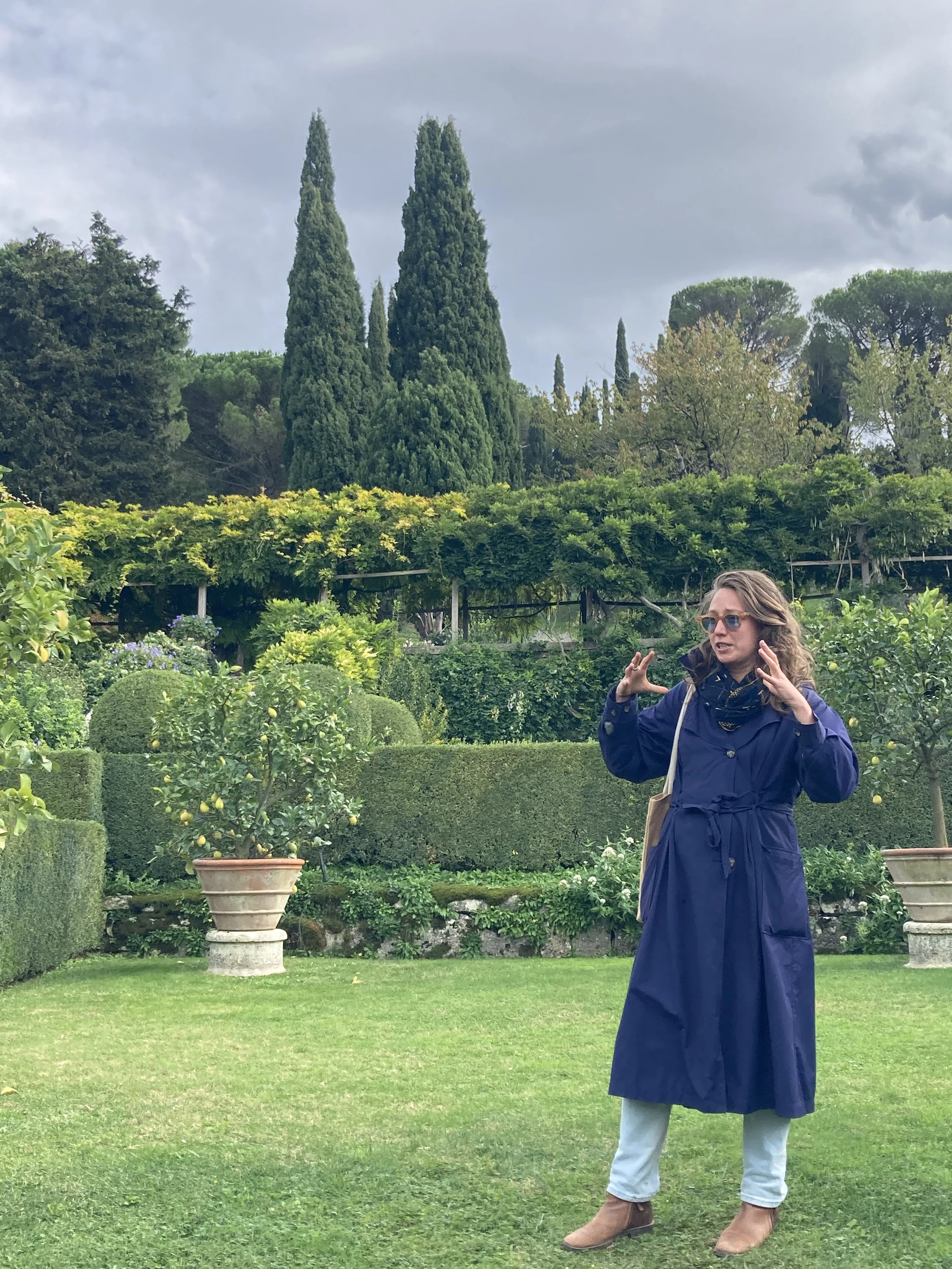
Our tour guide presented the history of both the land and the Origo family.

 The Origos lived at La Foce during the years of World War II.  That history is fascinating and well explained by the tour guides. 

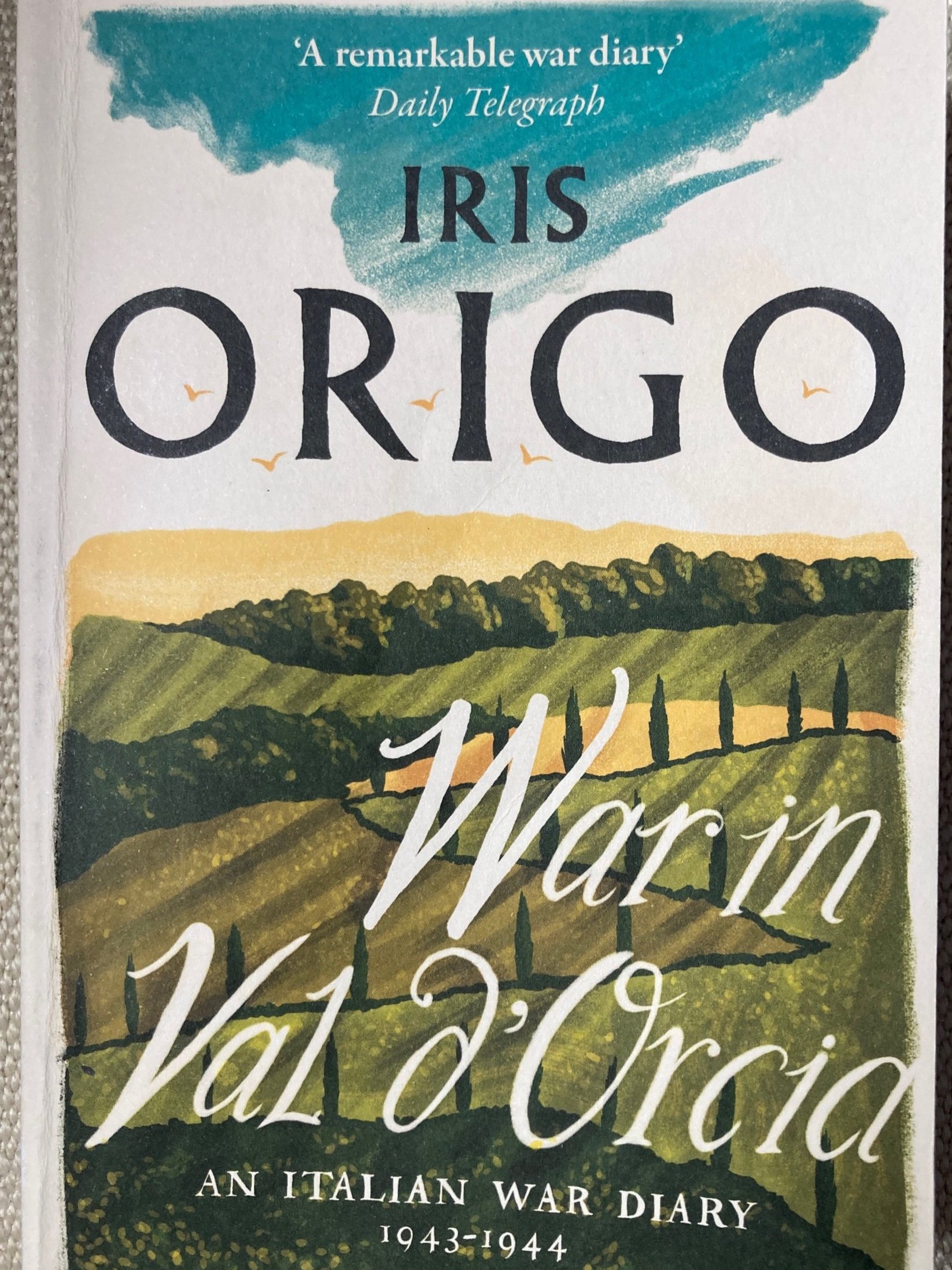
Iris Origo was a biographer and historian.  Her WWII diary, War in Val d’Orcia, tells of life at La Foce and the precarious road she walked as a British – American living in Italy during that time.  Despite a need to remain in the good graces of the Italian and German forces, La Foce provided shelter to orphaned children and children sent from the heavily bombed city of Torino during the war years.  It also, at considerable personal risk, sheltered downed Allied pilots and POW escapees.  It was a dangerous time, and the diary is fascinating reading in preparation for a visit to La Foce.  

After the war, Iris and Antonio remained at La Foce for the rest of their lives, raising two daughters on the estate.  The daughters, Benedetta and Donata, now in their 80’s, still reside on the property. Antonio and Iris, along with their son Gianni who died in childhood, are buried on the estate.  Sustaining such a large property is no easy task and after Iris’s death in 1988 a good deal of the surrounding land was sold. The Origo daughters continued to own the heart of the estate and over time converted the main home and many surrounding buildings into event spaces and luxury accommodations for guests. 

One of the guest houses on La Foce Estate

The Dopolavoro is now a restaurant serving produce and olive oil from La Foce.  Each summer the estate hosts a music festival in honor of Iris, a project begun by her grandson. Every season brings a new reason to visit.

 La Foce is a must see for garden lovers and history buffs visiting the Val d’Orcia.  The gardens can be visited on guided tours Wednesday afternoons and Sundays from March 26  –  November 1. Note that there are some closures for special events and tours must be reserved in advance. The home and outbuildings are not open on the tours – a good reason to book a vacation stay.  That’s on my wish list as is a lunch at Dopolavoro (reservations are a must) and a return visit in summertime to see those wisteria in bloom. 


website:  www.lafoce.com

The website has fabulous photos and a portal to make reservations for garden tours.  It is also great for getting a peek at the vacation lodgings and event spaces.  For more information on Iris Origo and La Foce, I recommend War in Val d’Orica and Images and Shadows, an autobiography (the current edition has an afterword by her granddaughter Katia Lysy).

IMG_2282.jpg
IMG_4491.jpeg
April 17, 2023 /Joanne Bartram
La Foce, #lafoce, Iris Origo, Tuscany, Italian Gardens
#italiangardens, #italytravel, Italian gardens, Italy travel, Tuscany

Blue Skies and a Perfect day in Sant’Andrea di Compito

March 27, 2023 by Joanne Bartram in #italiangardens, #springintuscany, Camellia Festival Italy, Festivals Italy, Garden Festivals Italy, Hill Towns Italy, Italian gardens

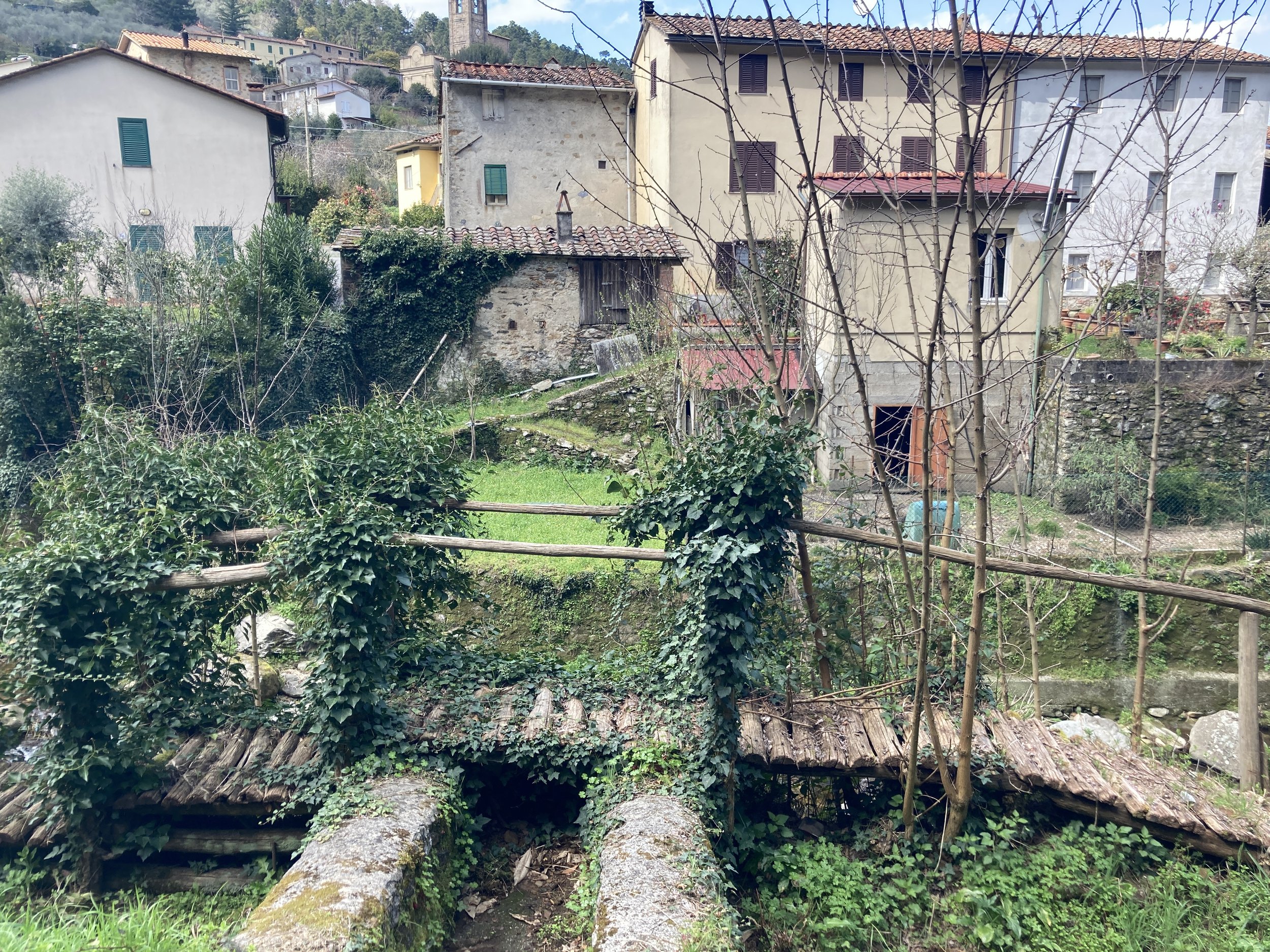
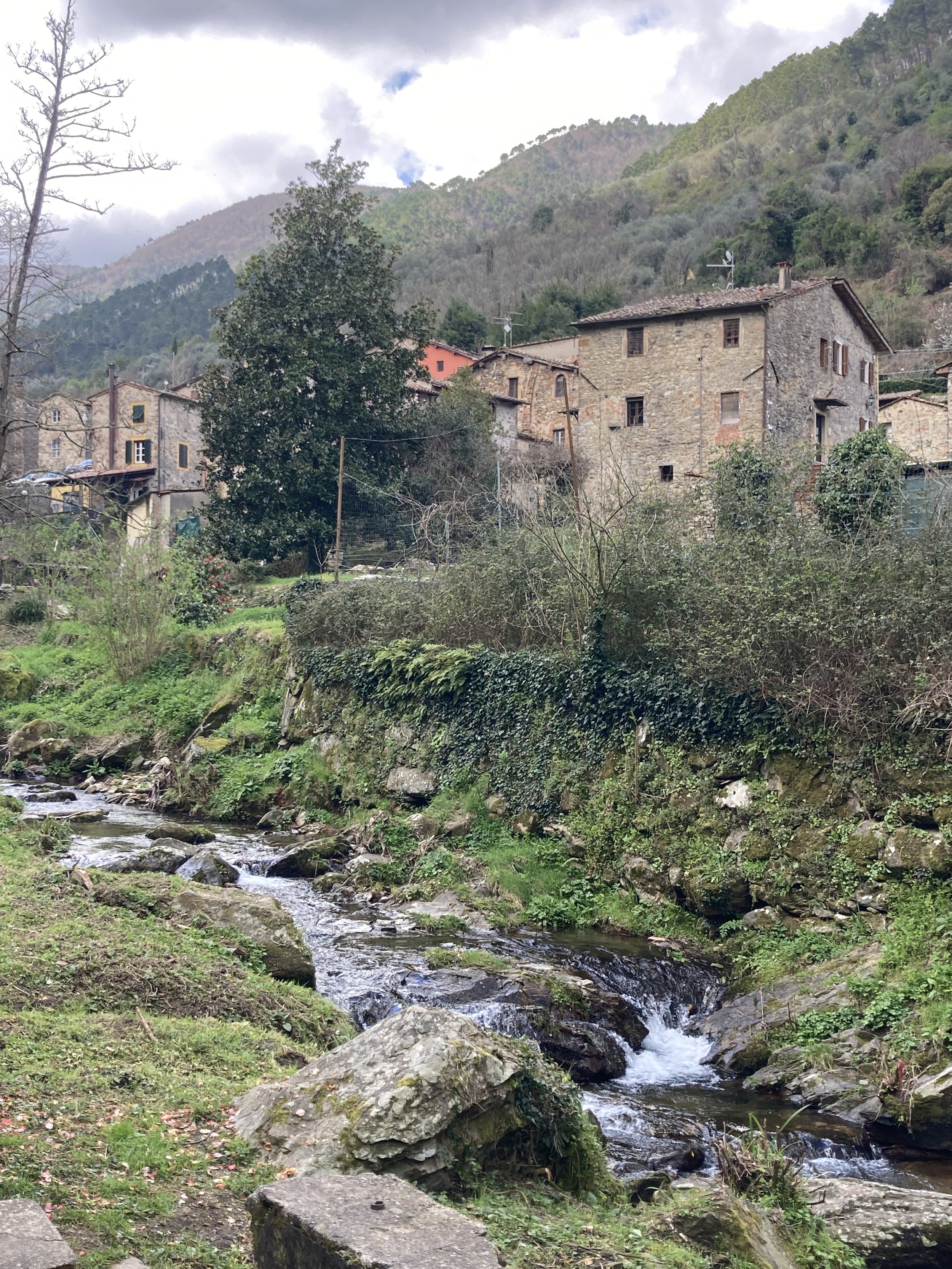
The countryside around Lucca, Italy is dotted with beautiful villas and interesting small towns. One inviting place to visit is the medieval borgo (village) of Sant’Andrea di Compito which sits along a small stream and up a gentle hill, about 10 km (about 6 miles) outside of Lucca.

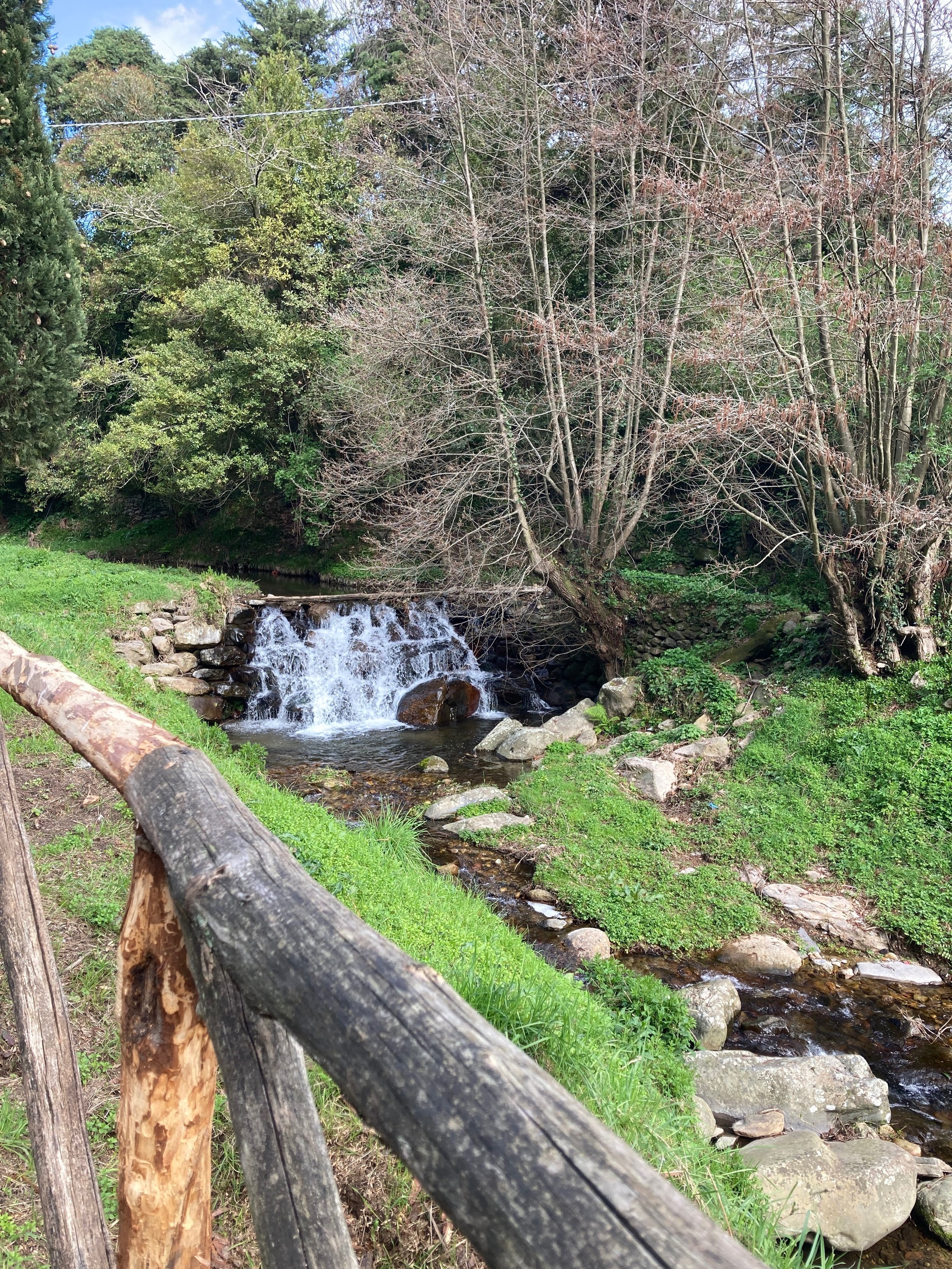
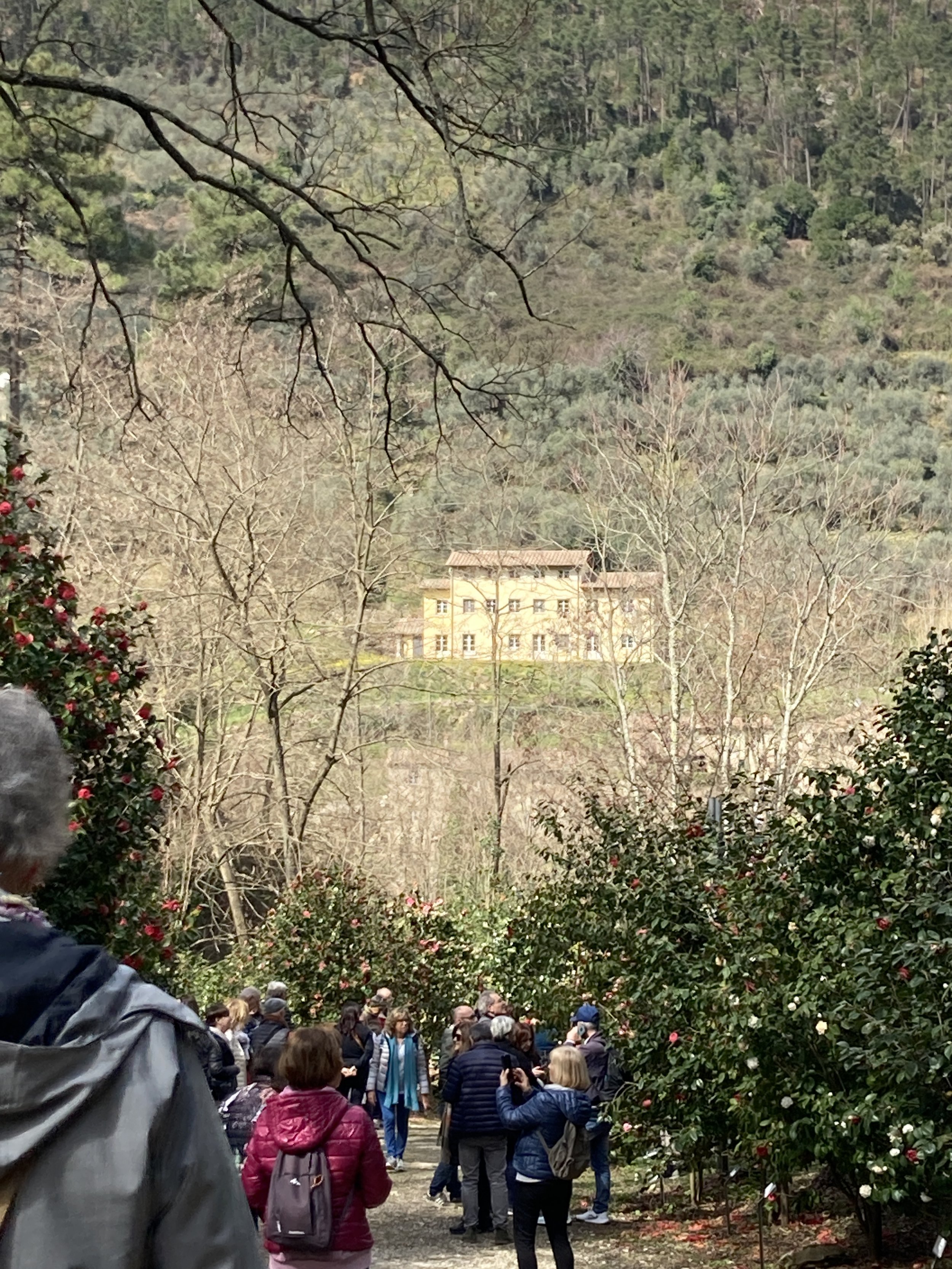
Sunny skies, the sound of water in the stream, and birds singing all contributed to a perfect March day in Sant’Andrea di Compito

Known as the Borgo delle Camelie, Sant’Andrea di Compito plays host each March to a festival showcasing an astounding collection of ancient camellia bushes, both the ornamental variety and the variety used for making tea. In fact, Italy’s only tea field (actually a walled garden, the Antico Chiusa Borrini) can be found here.
I visited Sant’Andrea during the annual Camellia Festival in 2018 and again in 2019 but had not returned since the lifting of pandemic restrictions. It was definitely past time for a return visit! So, along with a few friends, I set off for Sant’Andrea di Compito on a sunny spring-like morning. The village was just as charming as I remembered and the bright blue skies provided the perfect backdrop for wandering through the winding medieval streets.

Two previous blog posts tell the story of the Camellias (see links at bottom of page) so today I will use few words but lots of photos to describe this enchanting medieval village.

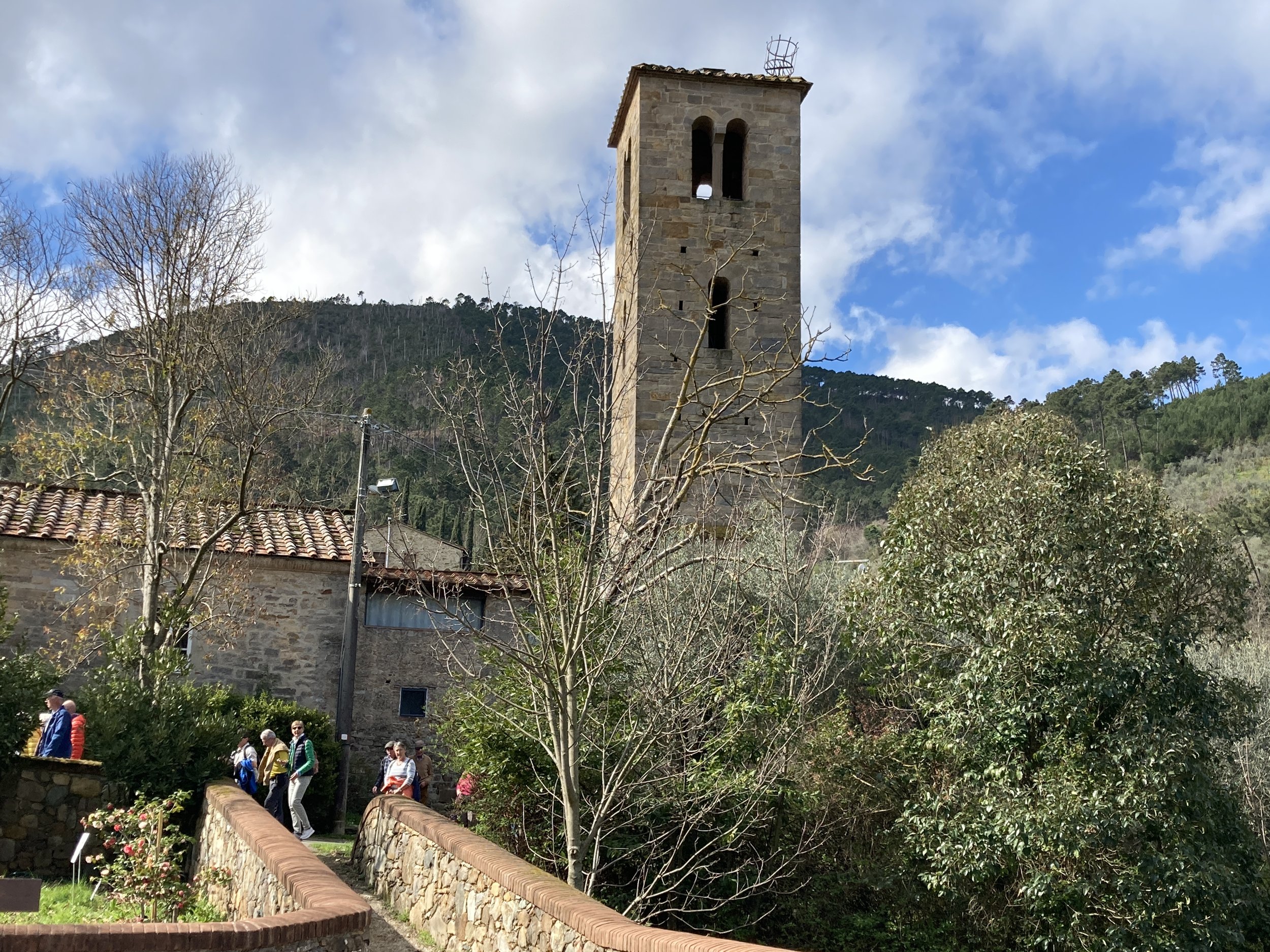
The streets of Sant’Andrea are lined with stone walls, rustic wood fences, lovely homes, historical towers, churches and, of course, flowers.

263342AD-E5E9-4647-9371-853DB22AE87B.jpeg
DB2189CB-F361-4AAA-B25B-F3343611A610.jpeg
DC9C00D4-EE56-46BE-97EA-3ECC0DF9DC87.jpeg

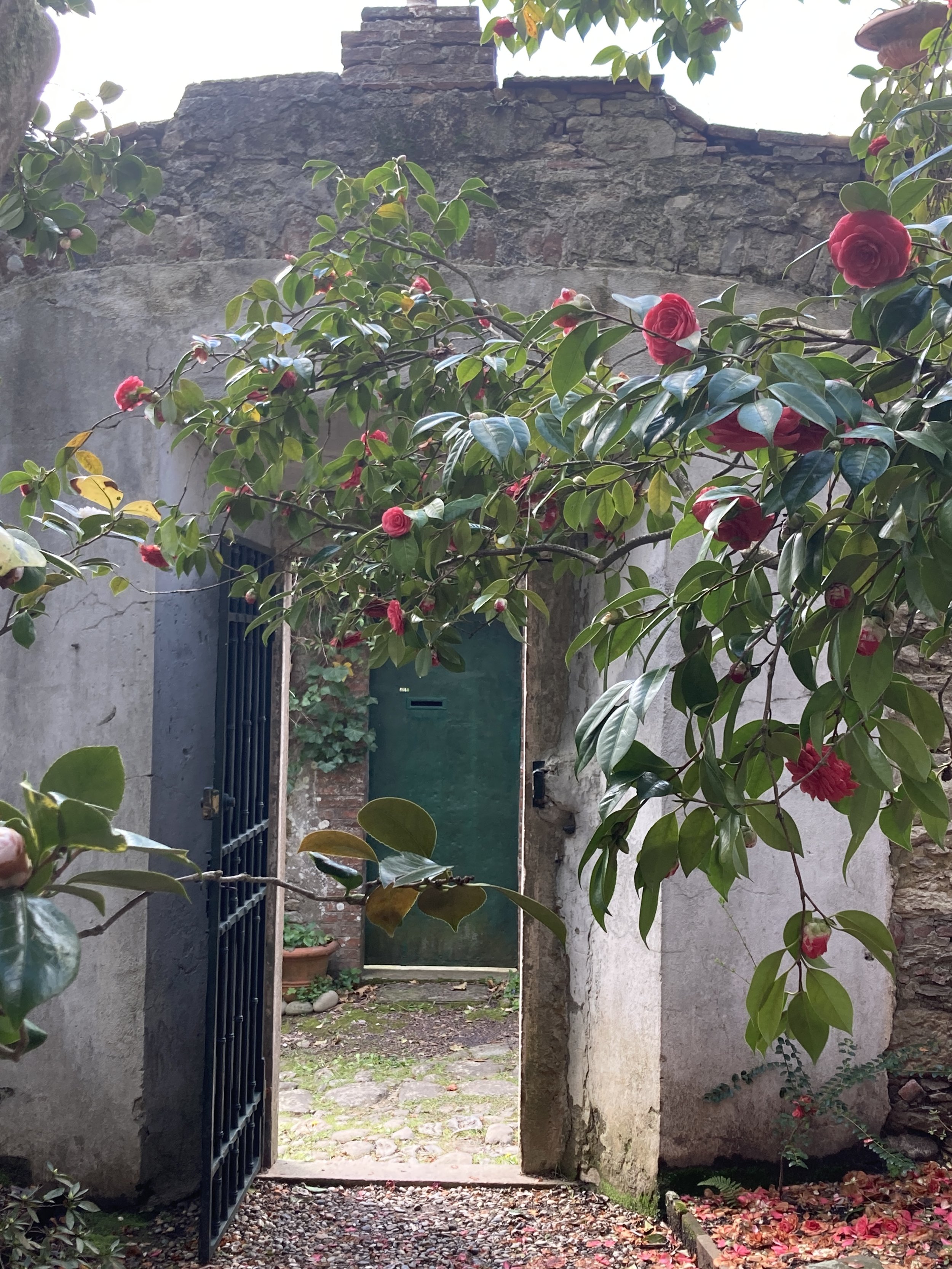
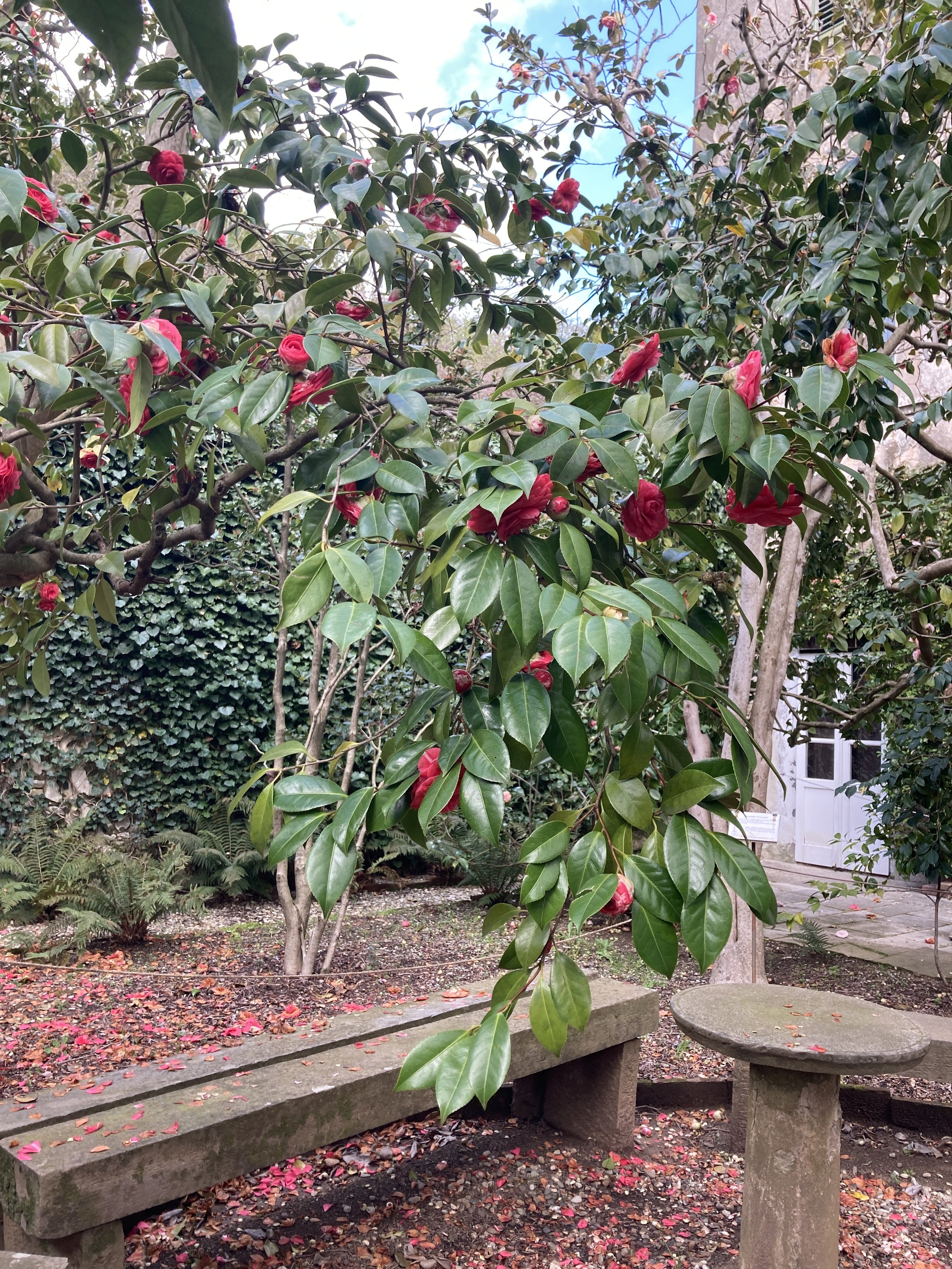
The walled garden of the Villa Borrini is an intimate, serene space. The Borrini family planted these Camellias nearly 200 years ago. Signage, in Italian and English, gives the name and description of each variety along with the date planted.

CE3A5EF1-B70D-4B24-B5AF-5B0BFA1935D2.jpeg
1FEDE63C-FC48-460C-B898-00AA900B5871.jpeg
76A86E15-B416-4770-8D6D-4B8FC2AFCAE0.jpeg
37027D95-41DB-4AD5-B076-916CCAD71031.jpeg
A822B7B7-DEC2-4FD2-865B-157CE7AB1FBE.jpeg
17BDEB66-1FEF-488A-A024-6D06B98722C3.jpeg

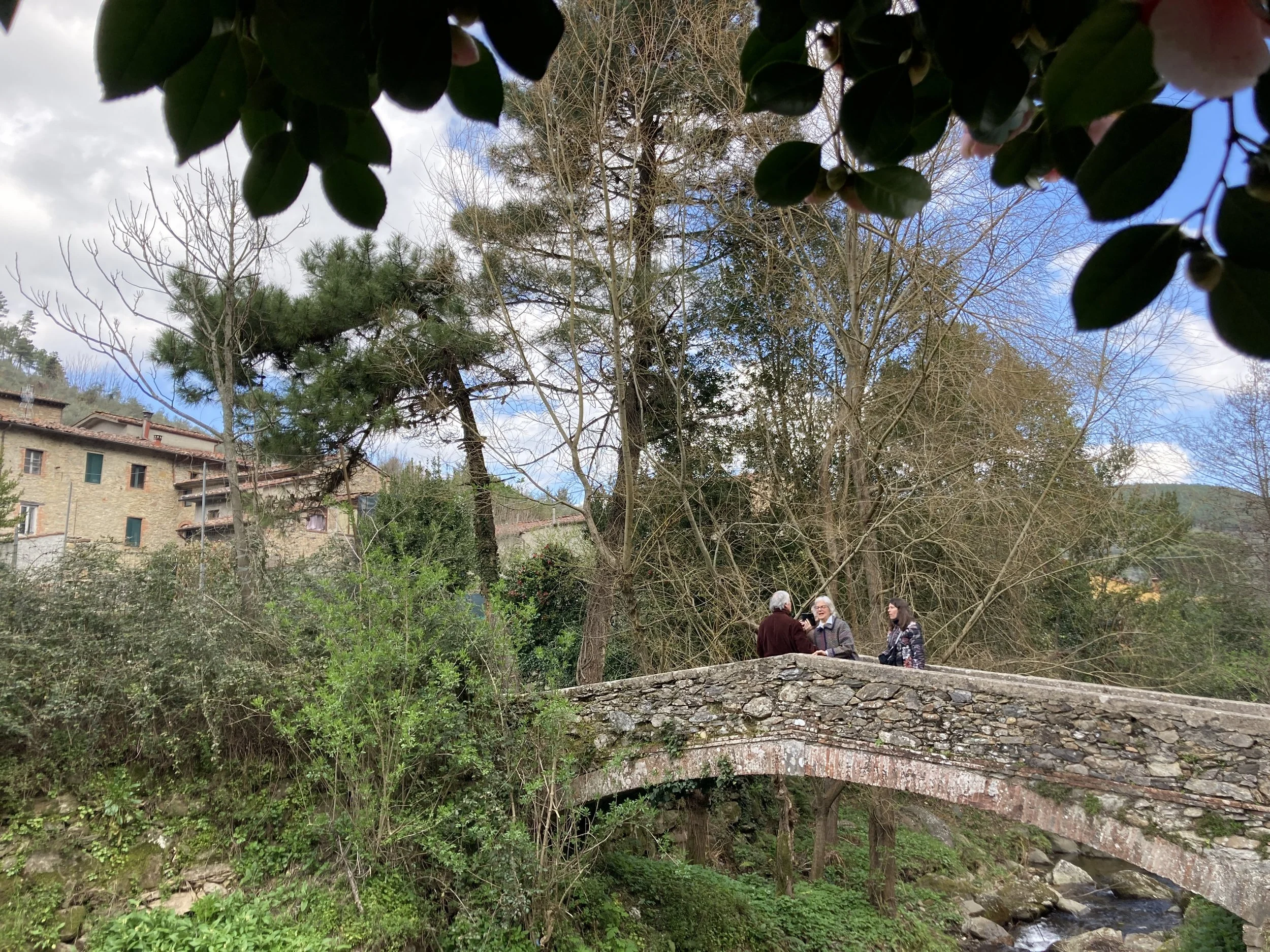
As if all of this floral beauty were not enough, near the entrance to town runs a small stream, crossed by a stone bridge, and tumbling down the hillside. Follow it along to the Camellietum Compitese - a virtual forest of Camellia trees. Somehow I had missed the Camellietum on my previous visits, so finding it on this visit was a delightful surprise.

D0415E02-4E26-4127-B7A0-080C9D2CFFD7.jpeg
02EF4665-2B7C-49B2-BEB6-5C8C83751BD9.jpeg

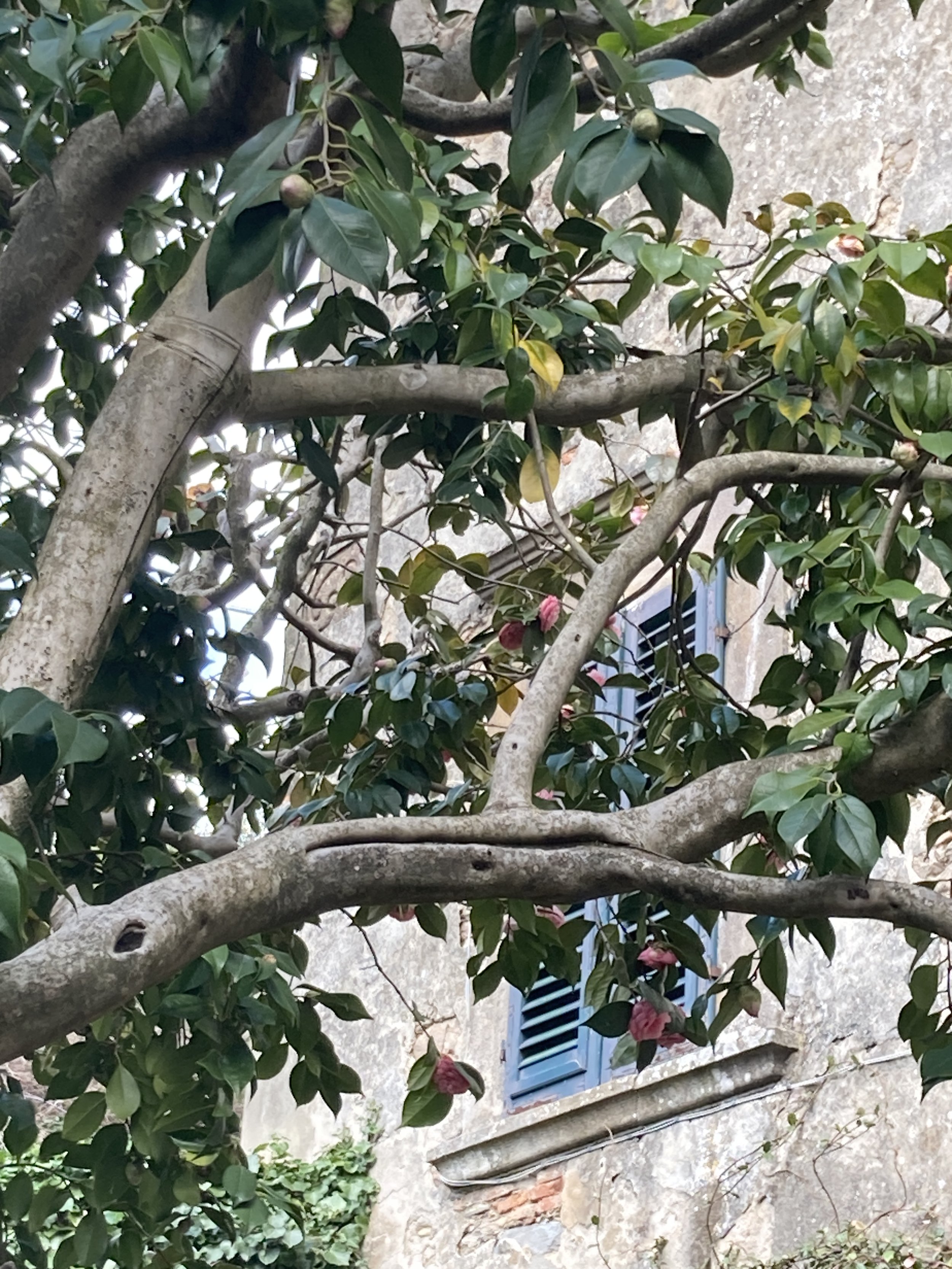
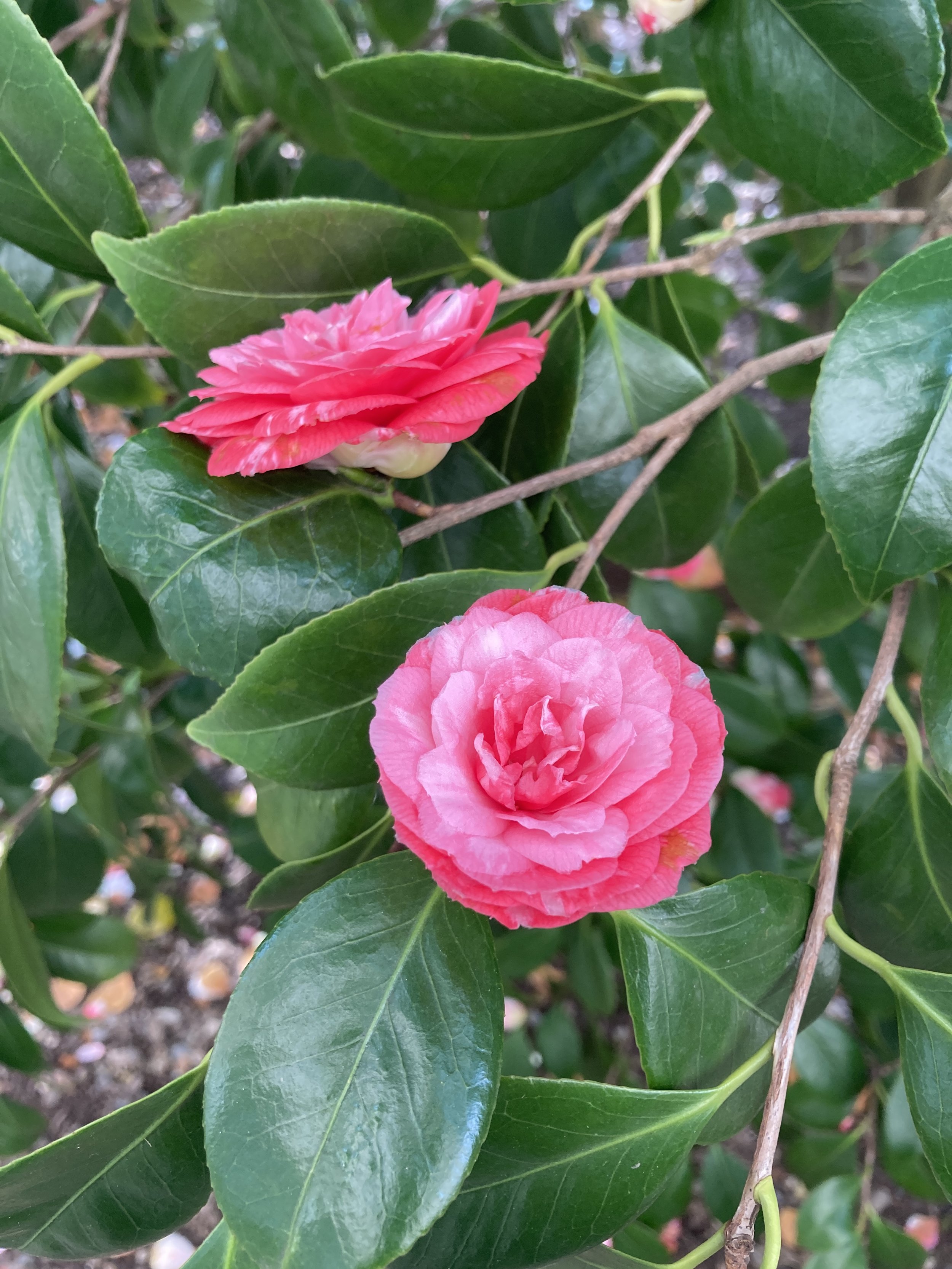
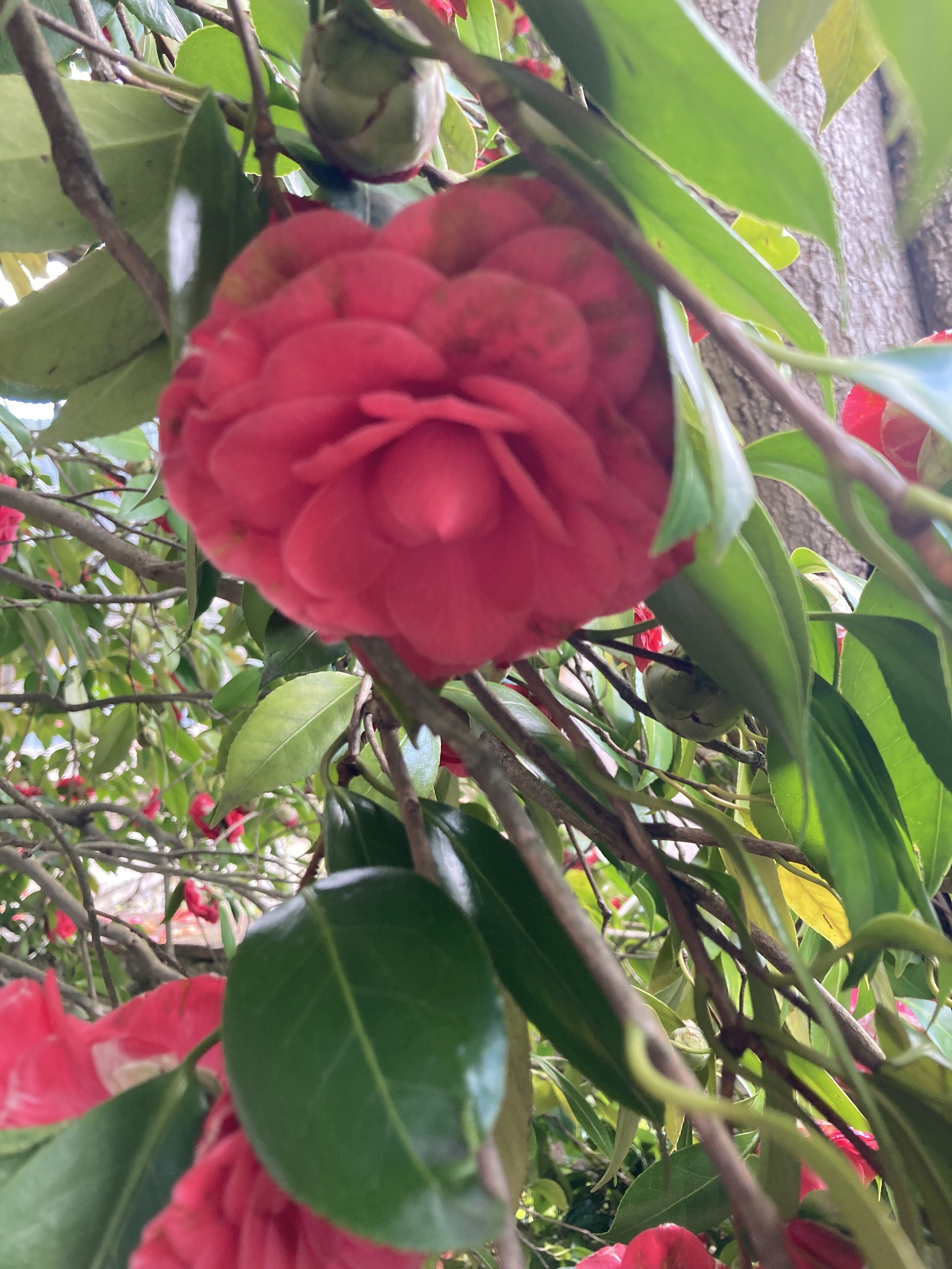
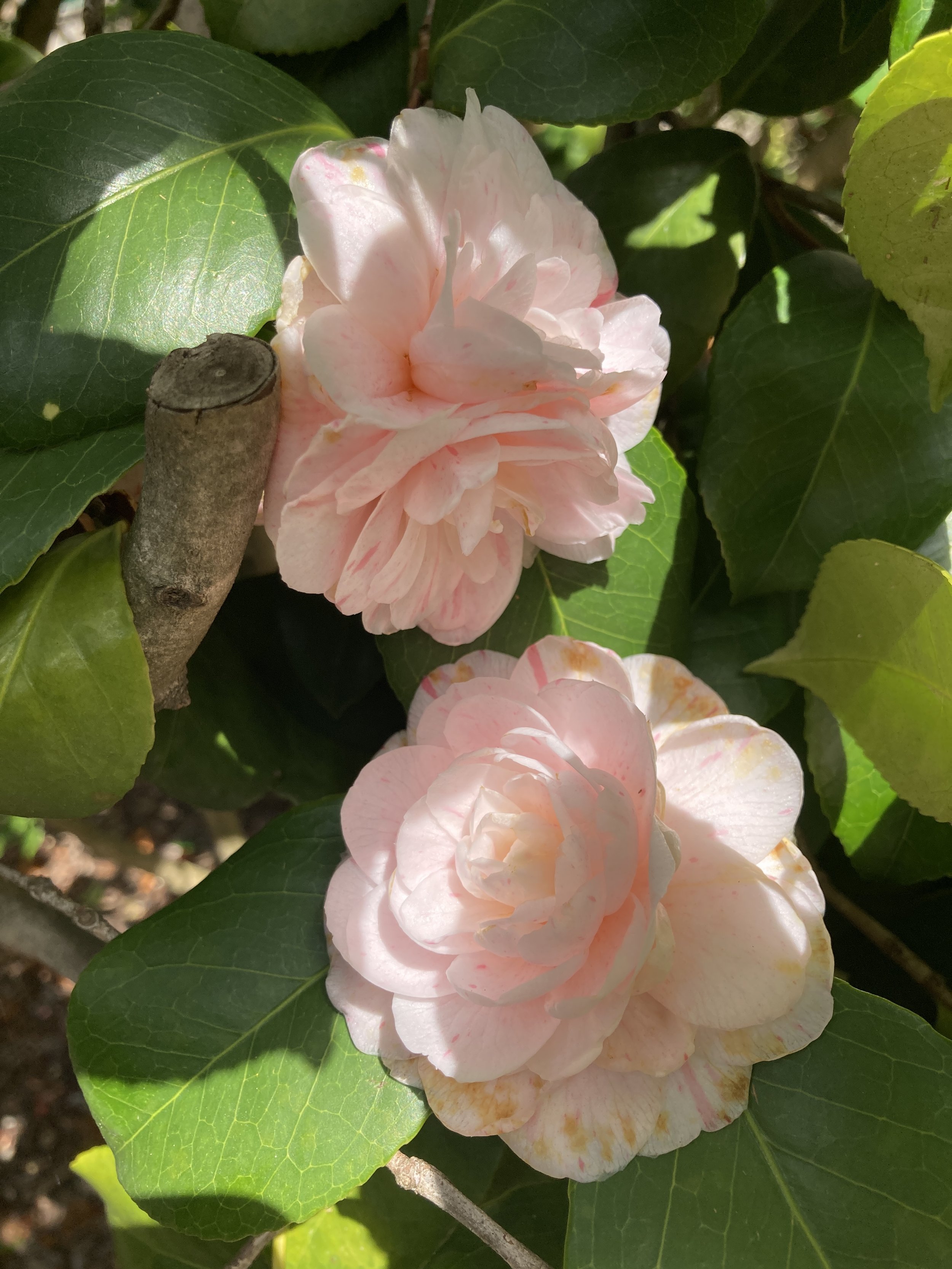
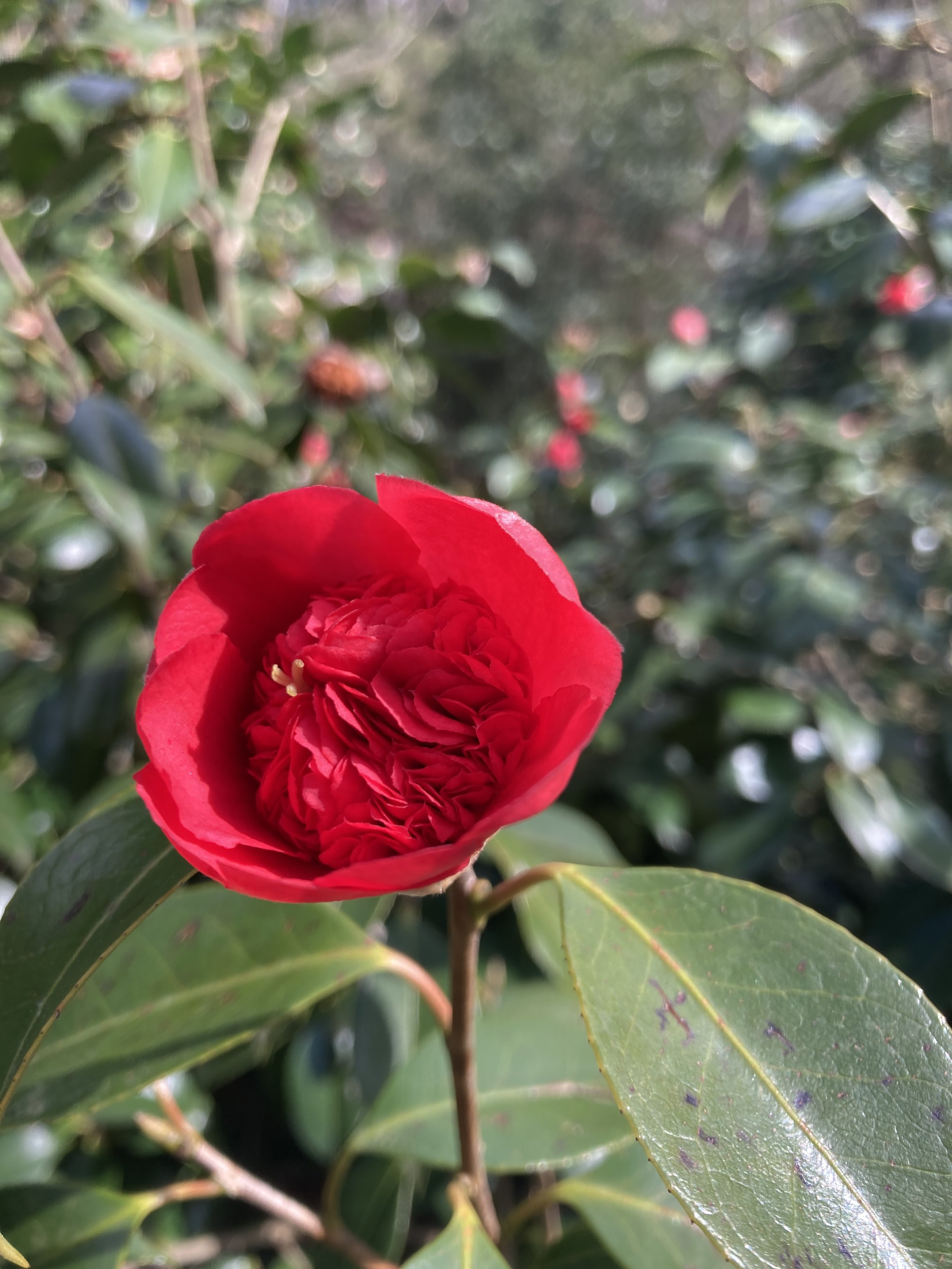
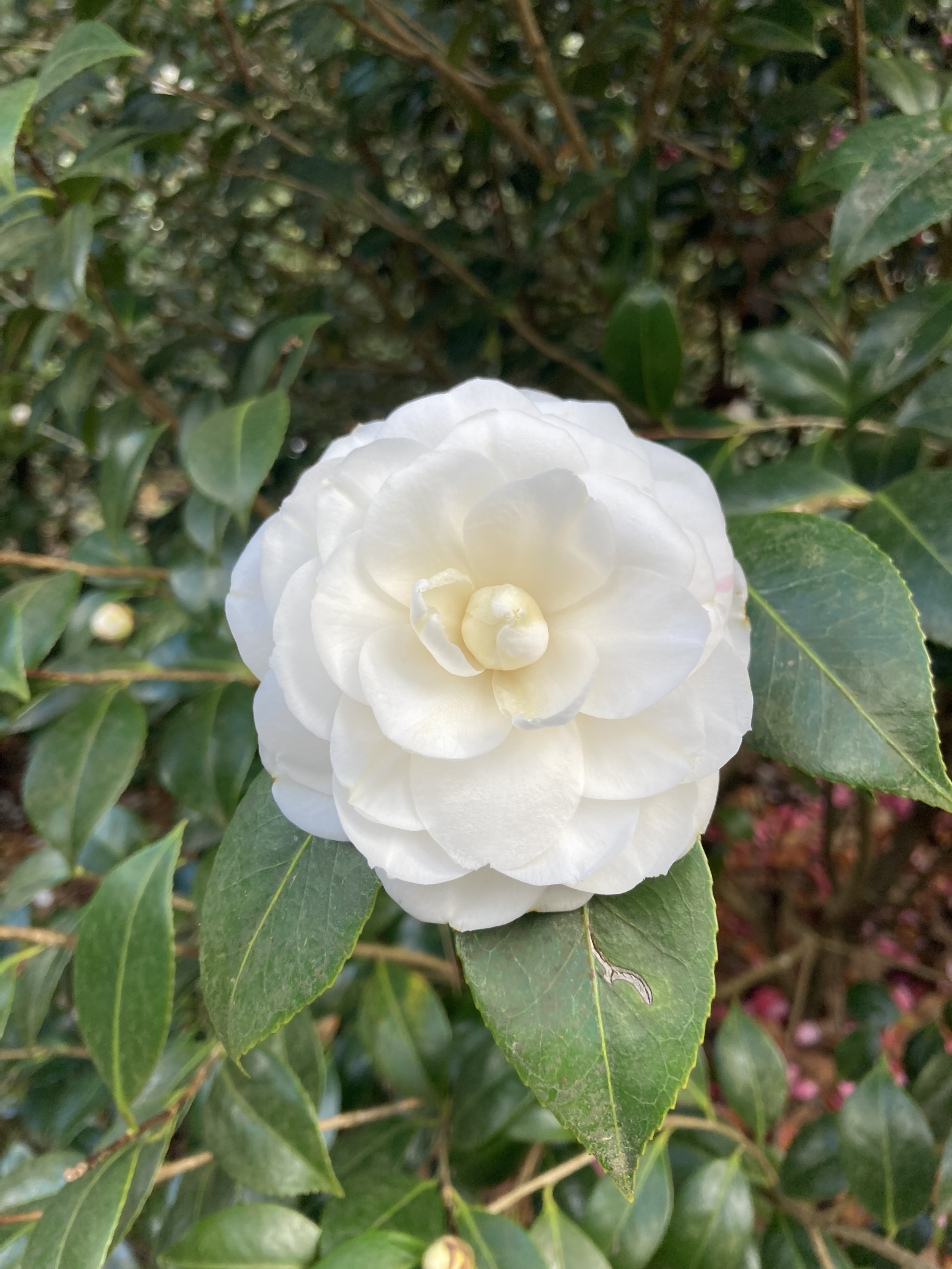
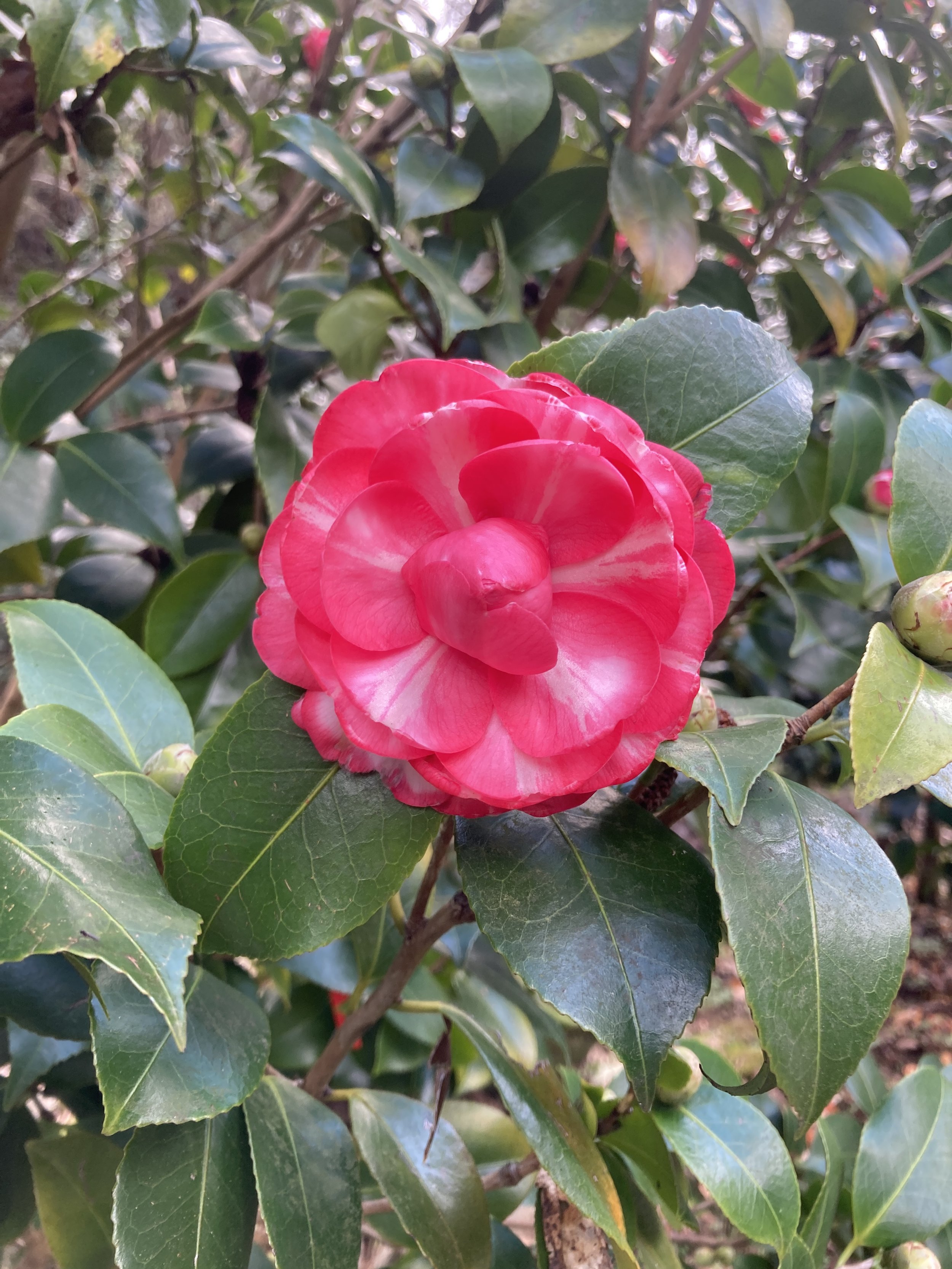
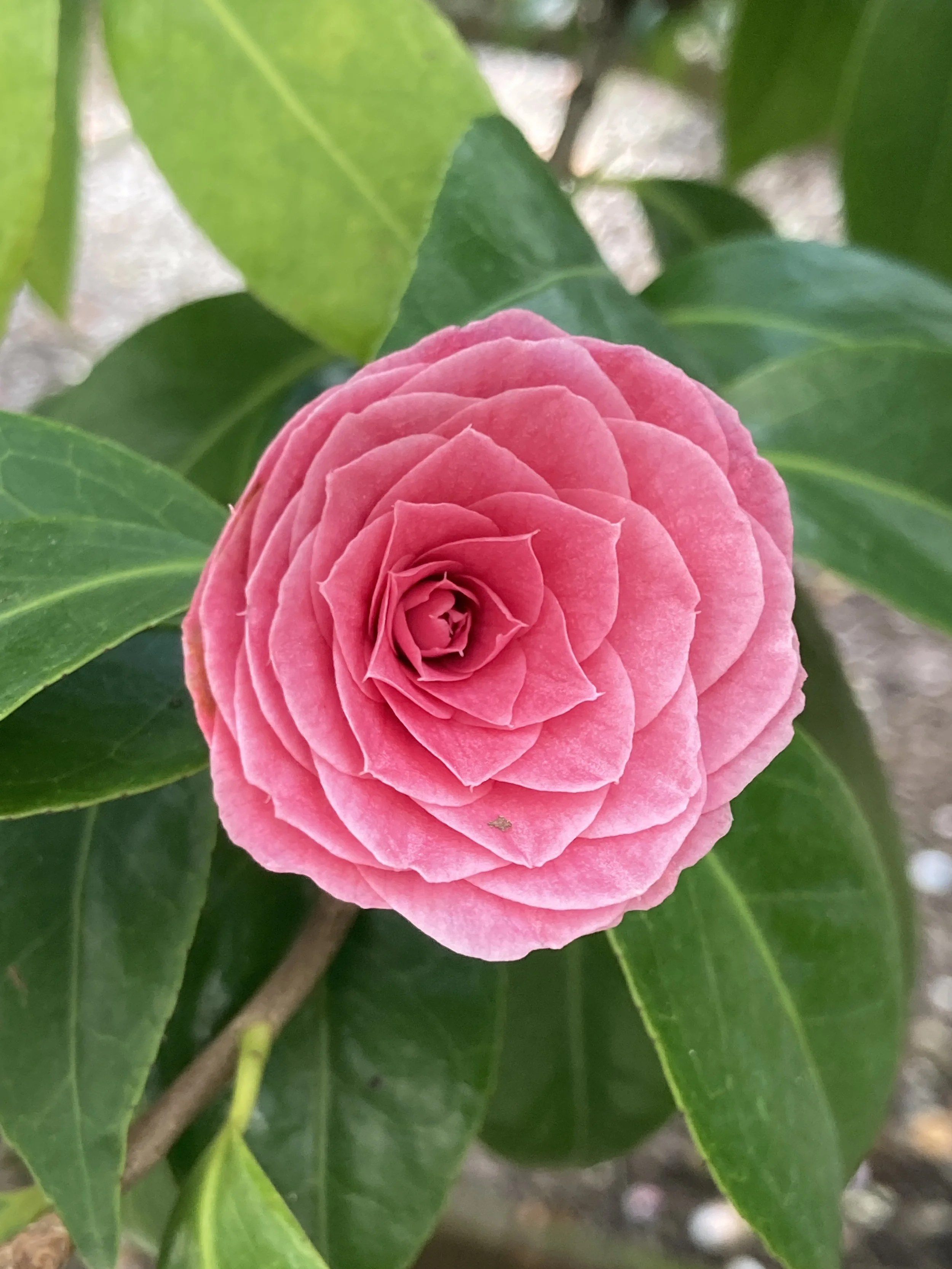
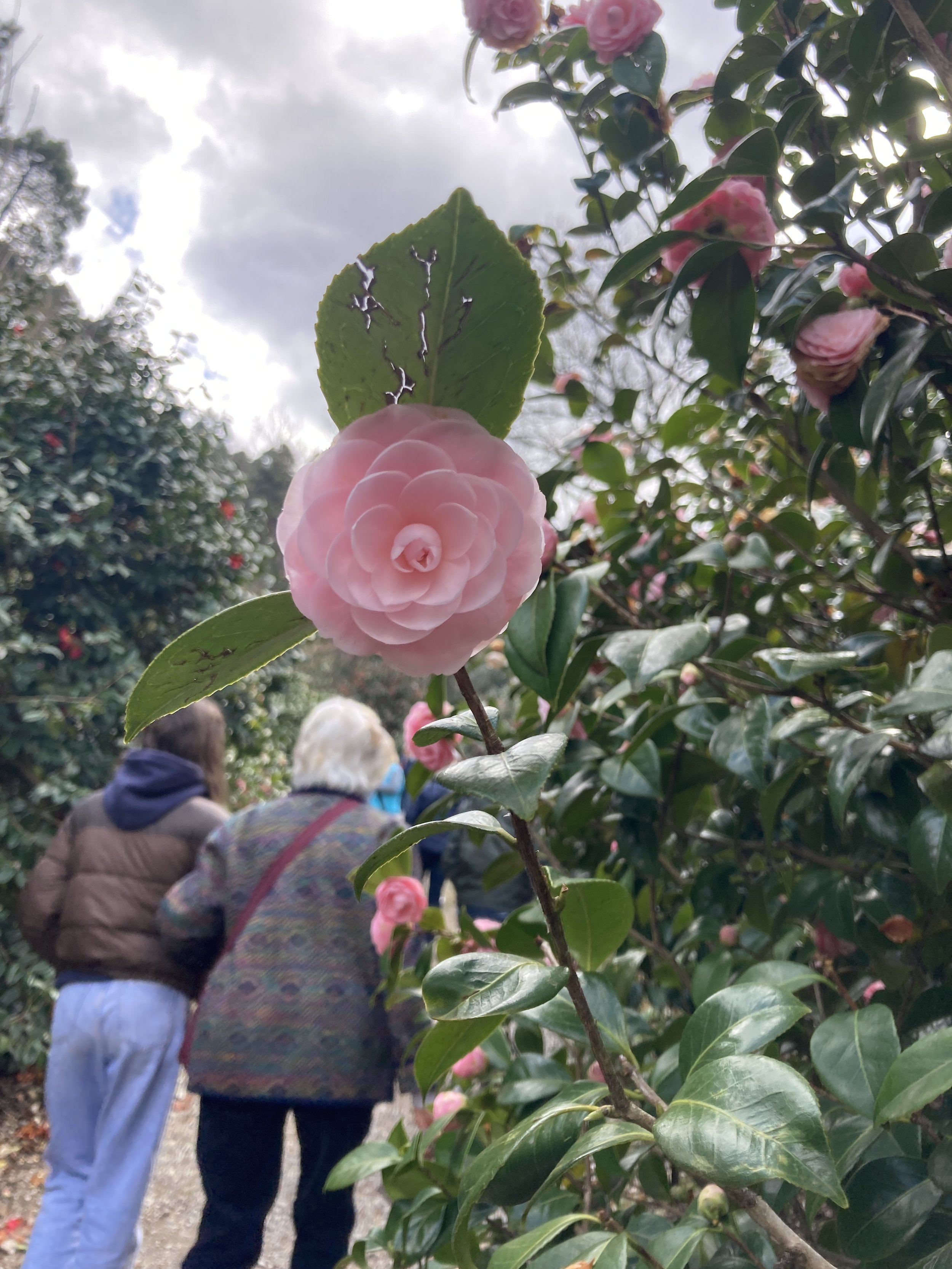
The Camellietum is home to flowering Camellias in a spectrum of colors from the palest white to the deepest red and all shades in between. There are solid colors, variegated ones, even flowers that seem to have brushstrokes of color. The petal shapes vary as do the central colors and sizes. It was hard to choose a favorite, although I was most drawn to the endless shades of pink.

69EB4C2B-7F02-41C0-BC6D-AE14F936BCD0.jpeg
BE769926-3CB1-4668-9BD9-68B99064D426.jpeg
C3AB277B-8EDC-4579-9F76-83787A383A64.jpeg
CB49C6C0-2965-427E-95C2-28F949BD3608.jpeg

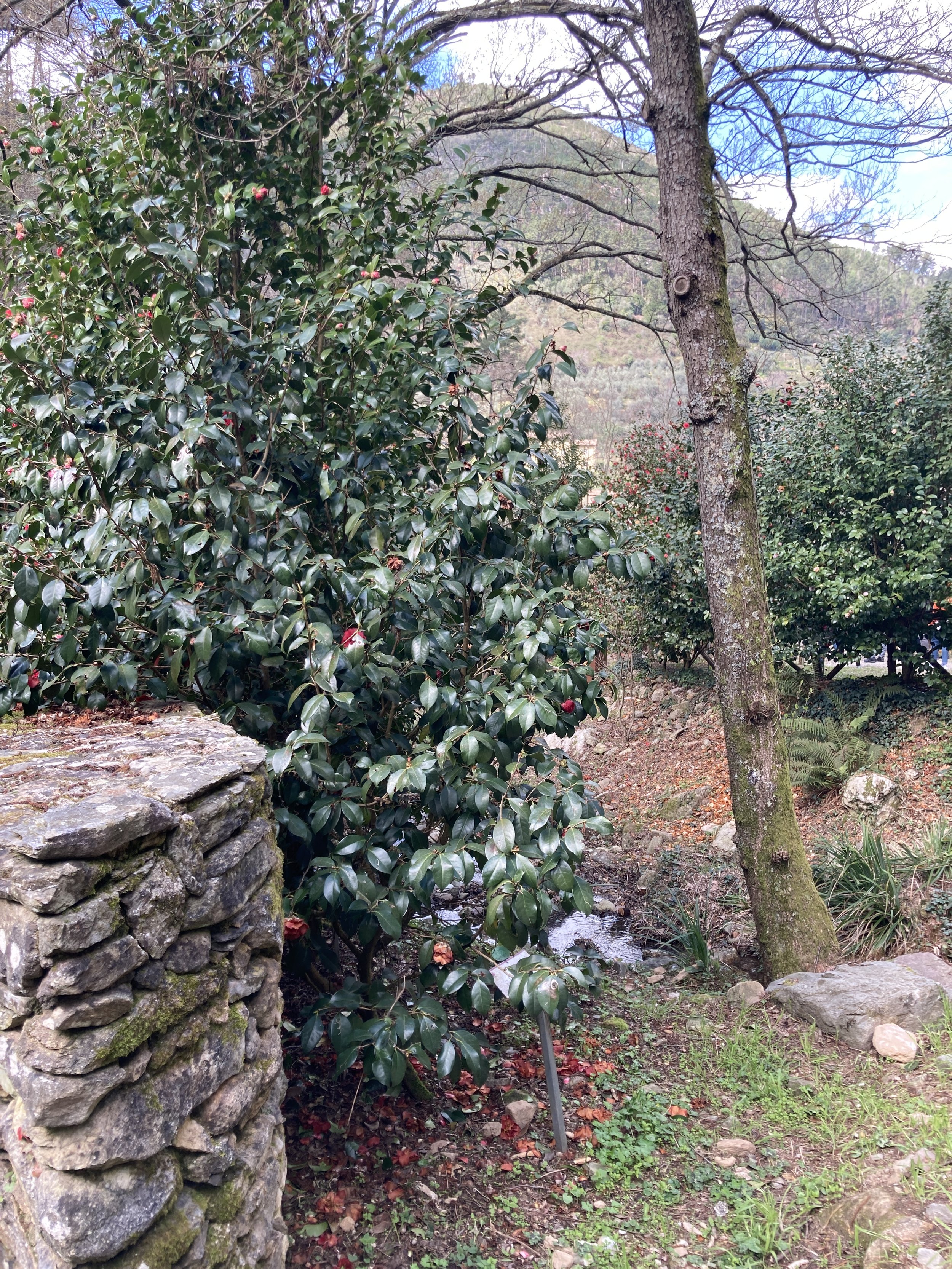
The large bushes meander along paths up the hillside and along the stream. There is even a market where the plants are sold (or, as their signage says, adopted).

EFA20285-2B46-45DE-AF26-139AC20DF1FA.jpeg
53F2ABAA-3F4A-4664-B5F4-3663FA0CC112.jpeg
54EFB3D2-0F8E-4945-8C1C-4850CC4E3FF2.jpeg

The only problem - neither myself nor any of my friends have gardens here in Lucca, so our longing to buy some plants went unrealized. No matter, we enjoyed “shopping” for our favorite varieties and imagining that we might someday have a spot to plant them.
Gardeners and flower lovers flock to town during the Camellia Festival. For me the flowers are a bonus, a beautiful bonus, but the real star is the village itself.

For further information about the village of Sant’Andrea di Compito and the Camellia Festival:

https://www.twopartsitaly.com/blog/2018/3/25/santandrea-di-compito-borgo-delle-camelie and https://www.twopartsitaly.com/blog/2019/3/24/tea-and-camillias-in-tuscany


March 27, 2023 /Joanne Bartram
Sant'Andrea di Compito, Camellias, Camellia Festival Lucca
#italiangardens, #springintuscany, Camellia Festival Italy, Festivals Italy, Garden Festivals Italy, Hill Towns Italy, Italian gardens
  • Newer
  • Older

Powered by Squarespace