Two Parts Italy

Exploring Italy, travel, and living a flavorful life

  • Blog
  • About This Blog
  • Start Here
  • Recent Posts
  • Archives by Topic
  • Subscribe
  • Contact me

A Maritime Museum in Genoa

July 25, 2022 by Joanne Bartram in #italytravel, History, Italy travel, Museums Italy, Genoa

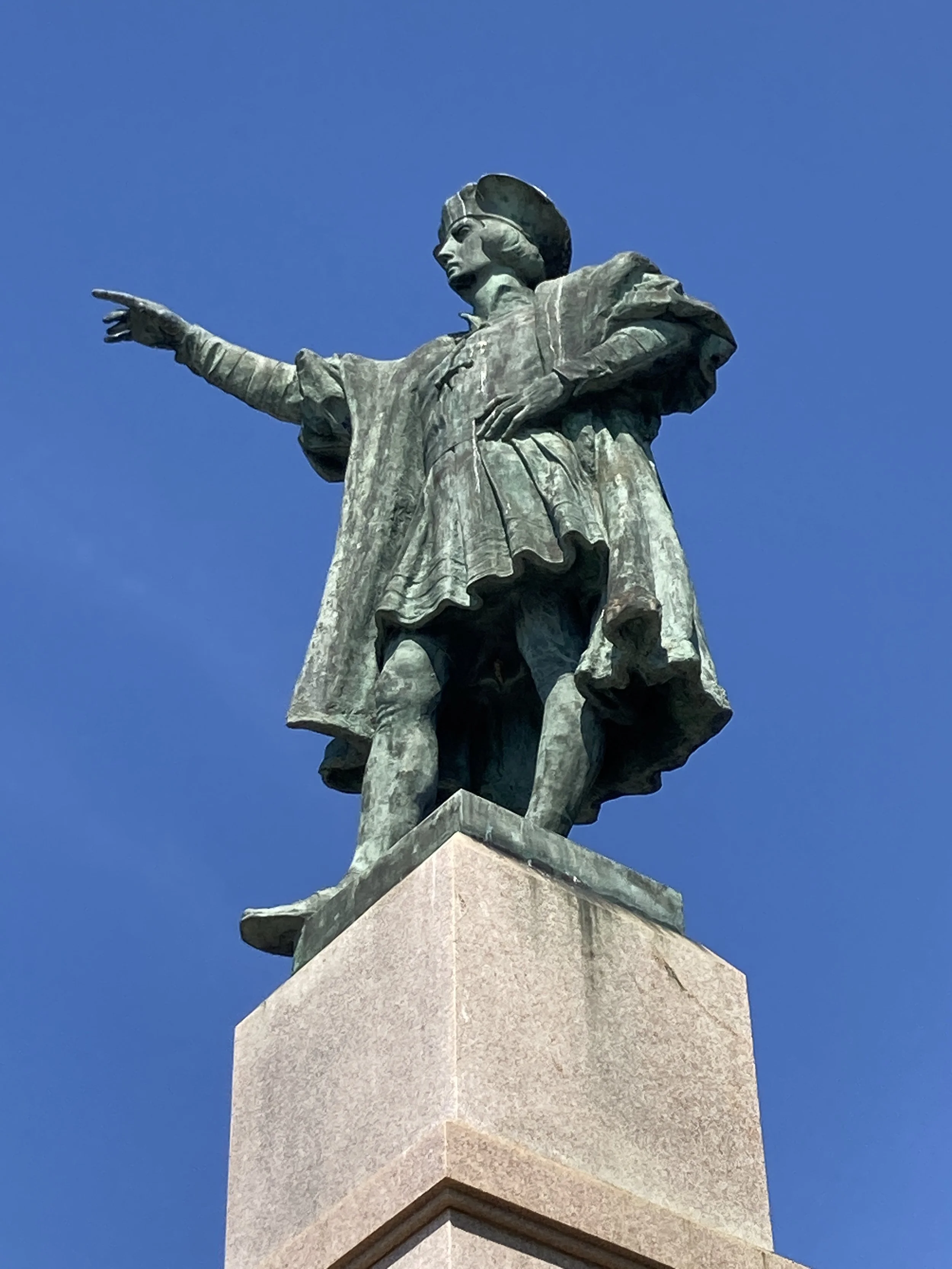
Columbus, pointing the way to the New World.

The city of Genova (Genoa) is famous for many things, but above all it is an important port city. For centuries it has been a center of ship building, maritime trade, and exploration. Genova is also the place where Cristofo Columbo (Christopher Columbus) was born. Throughout the region there are statues of Columbus, a local hero, depicted with his arm outstretched pointing the way to America. Of course in reality it wasn’t America he was searching for, not to mention he sailed for Spain not Italy. No matter, he is still a revered native son of Genova.

In the spirit of its seafaring history, Genova is also the site of a wonderful maritime museum, the Galata Museo del Mare (Galata Museum of the Sea). The Galeta is the largest maritime museum in the Mediterranean region and was high on my teenage grandson’s list of places to visit during our recent vacation in Liguria. From our base in Rapallo, Genoa was an easy day trip, less than an hour away by train. So, off we went one morning to Genoa where the museum is just a short walk from the Principe train station.

Genoa’s Porto Antico, where the Galata Museo del Mare is located.

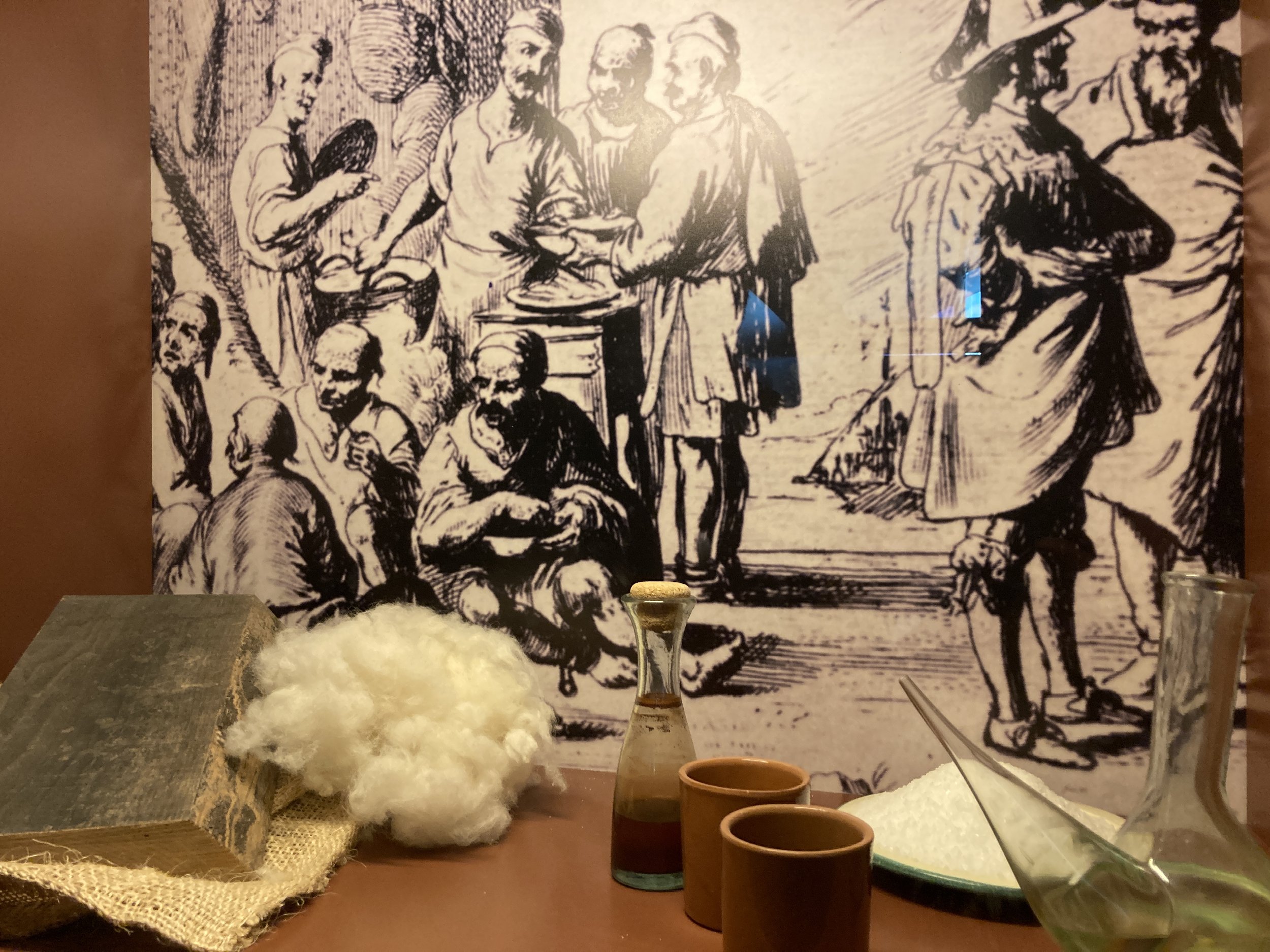
Located in the Porto Antico (Old Port) area, the museum traces local history from the creation of the port, the construction of sailing vessels, the growth of trade, the work of the sailors and merchants, and the life of Columbus. There are also exhibits about Genoa as a point of embarkation for those emigrating from Italy, modern shipping and commerce, and the more recent arrival of immigrants to Italy. All this and a submarine exhibit too. For anyone interested in beautiful old wooden ships and maritime history this is a great place to visit.

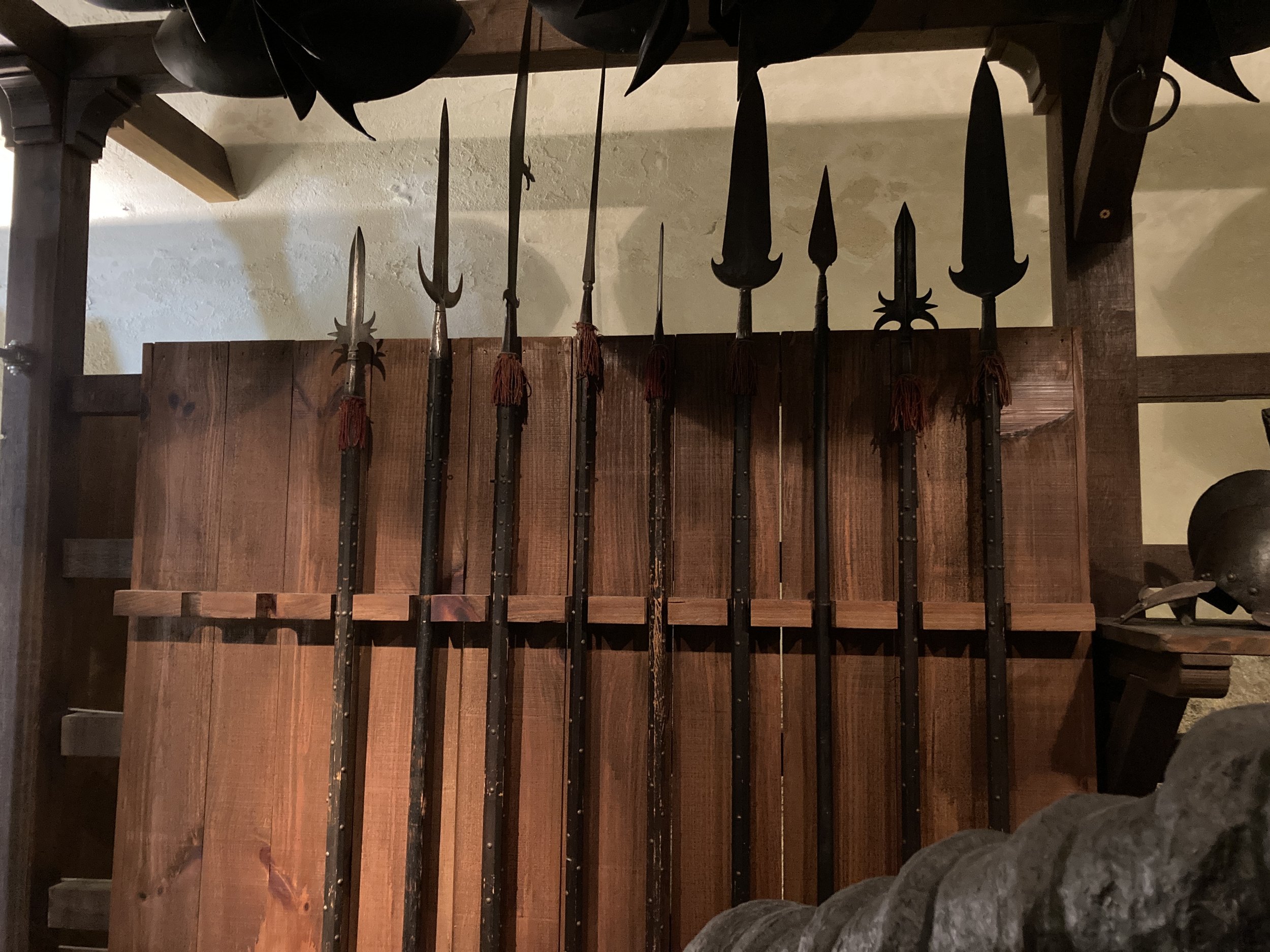
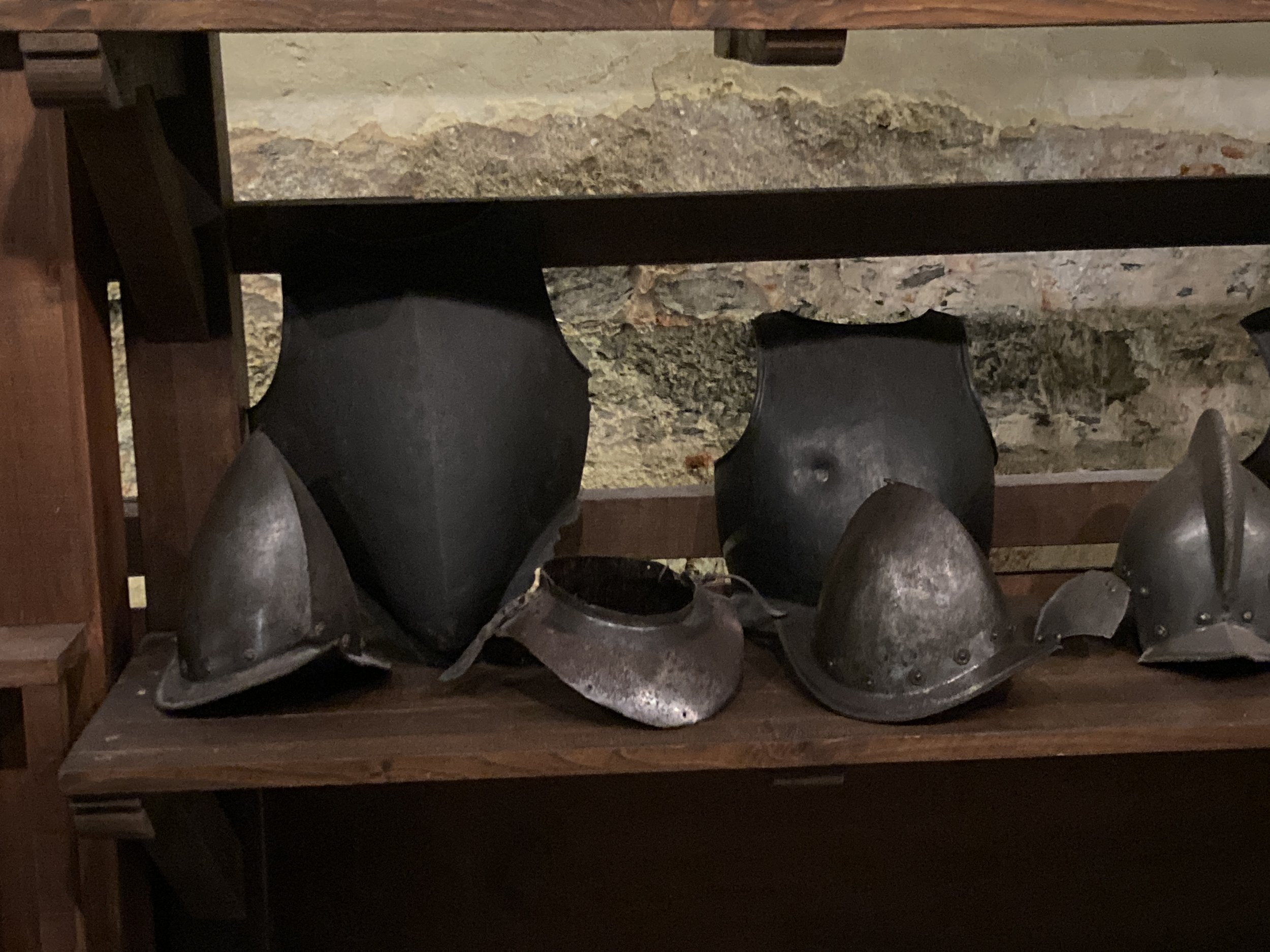
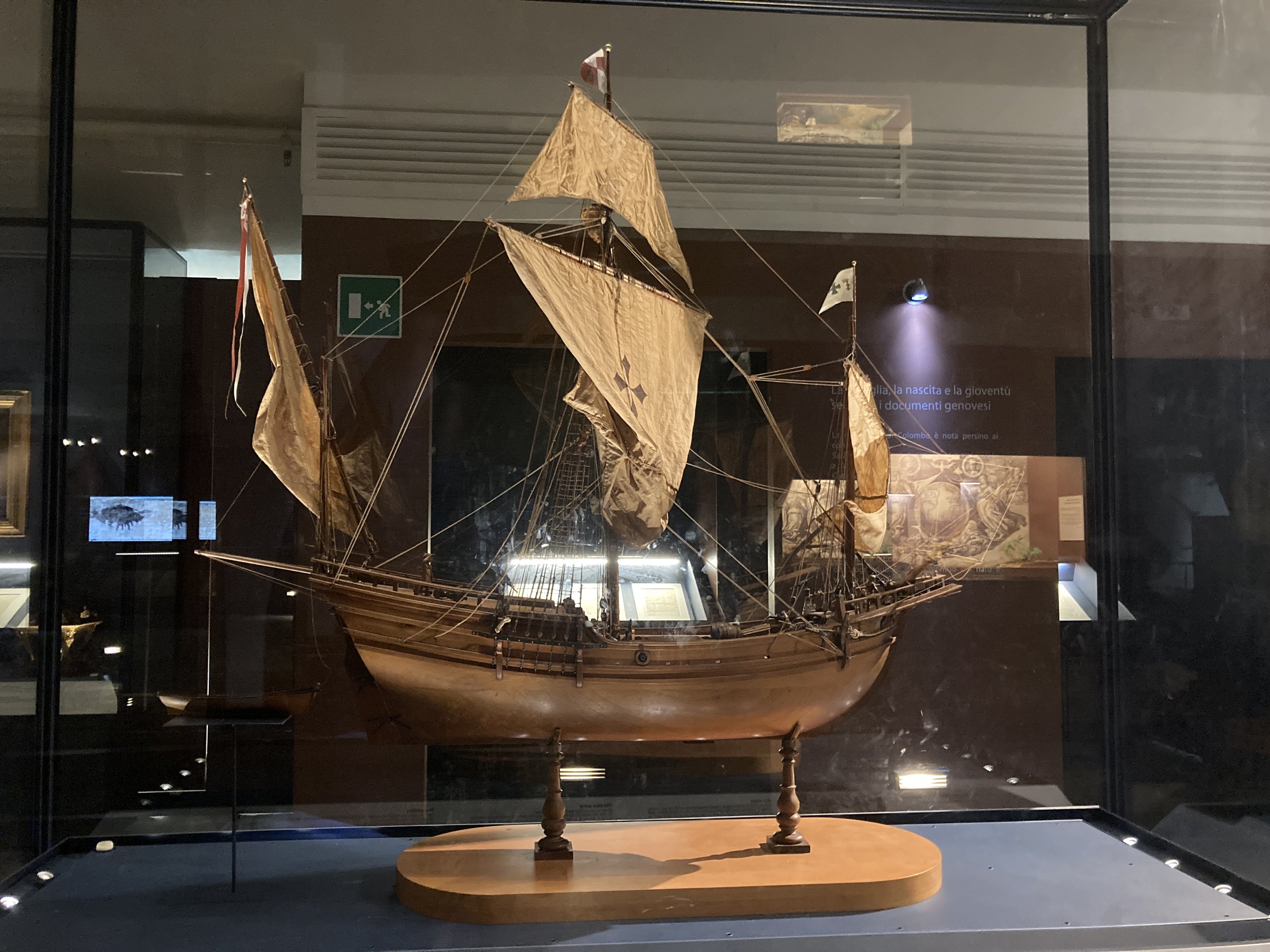
The museum is spread over 4 floors. The exhibits are organized chronologically, with good signage in both Italian and English. The story begins on the ground floor with maps, illustrations, and exhibits dedicated to the earliest life of the port. One room is dedicated to the life of Columbus, with detailed models of his three famous ships. Another room is full of helmets, spears, cannons, and armor related to the port’s historic military role.
321A75BE-6F10-48C5-B6E6-097AAB39CBD6.jpeg
F7CD45FE-31B0-48EC-9E8C-898DCB2D2868.jpeg
62624110-9ABE-427D-9135-AD41CD520FA0.jpeg
577228B0-D125-4A75-822F-C59EC5F789F9.jpeg

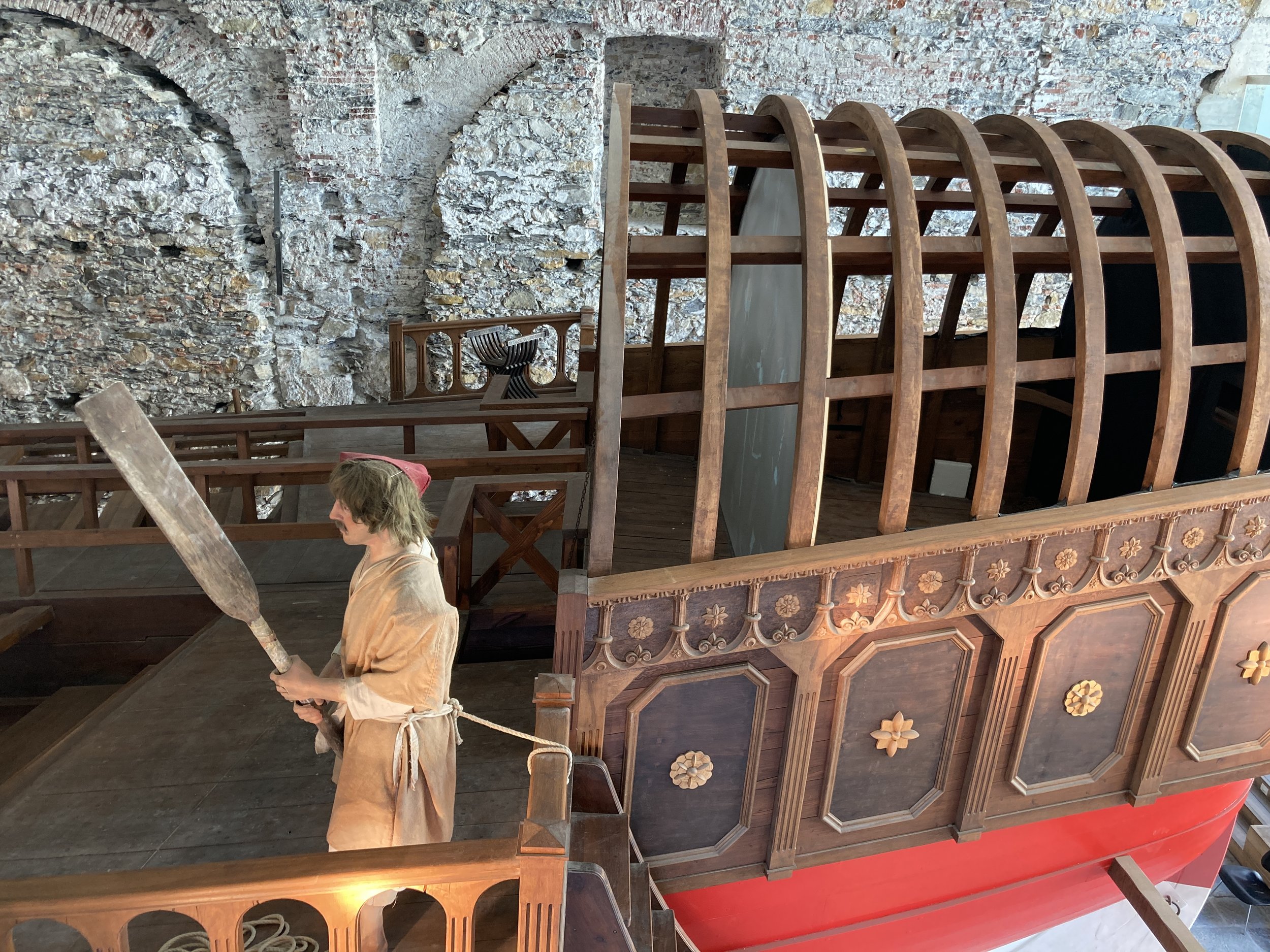
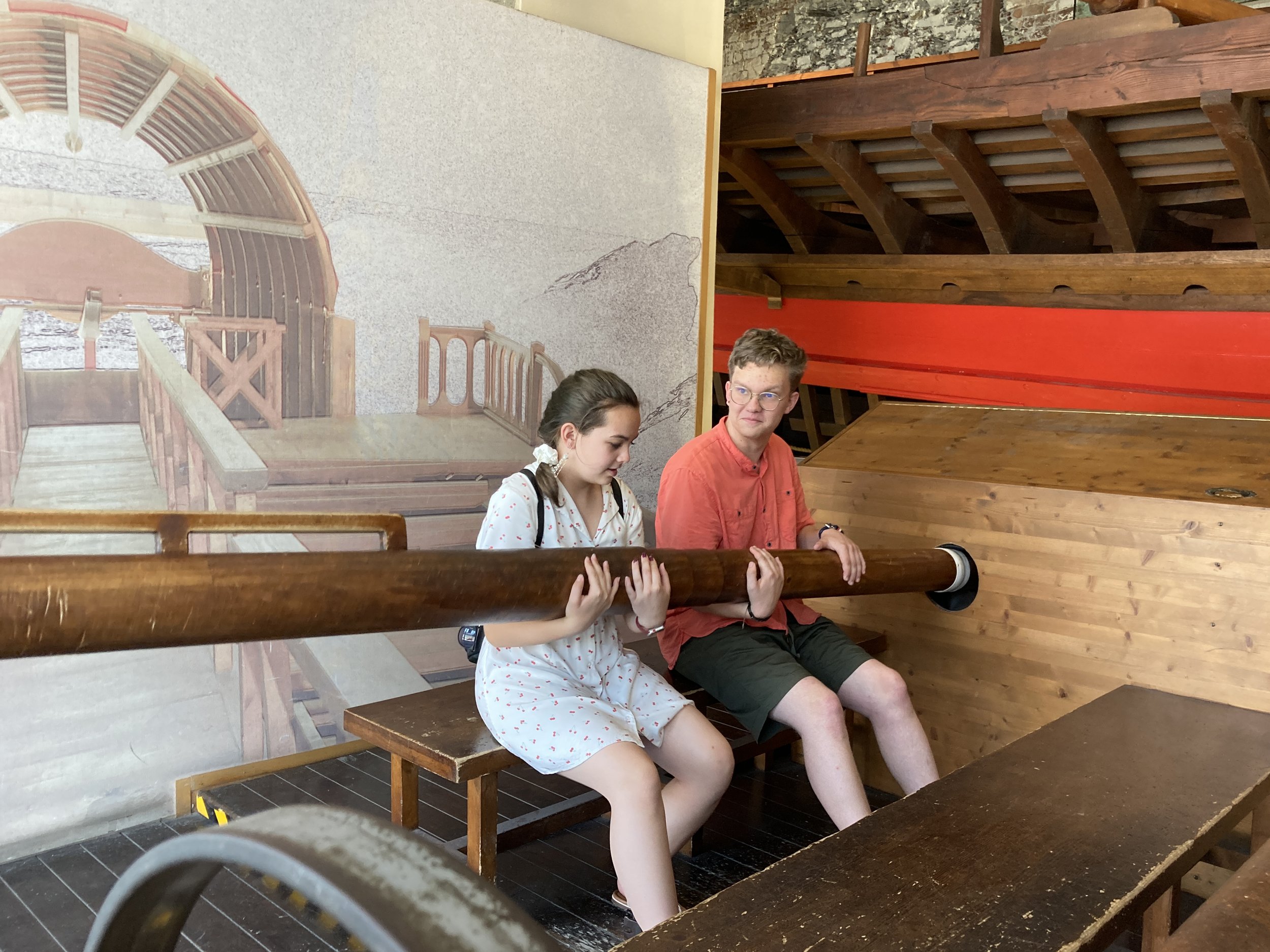
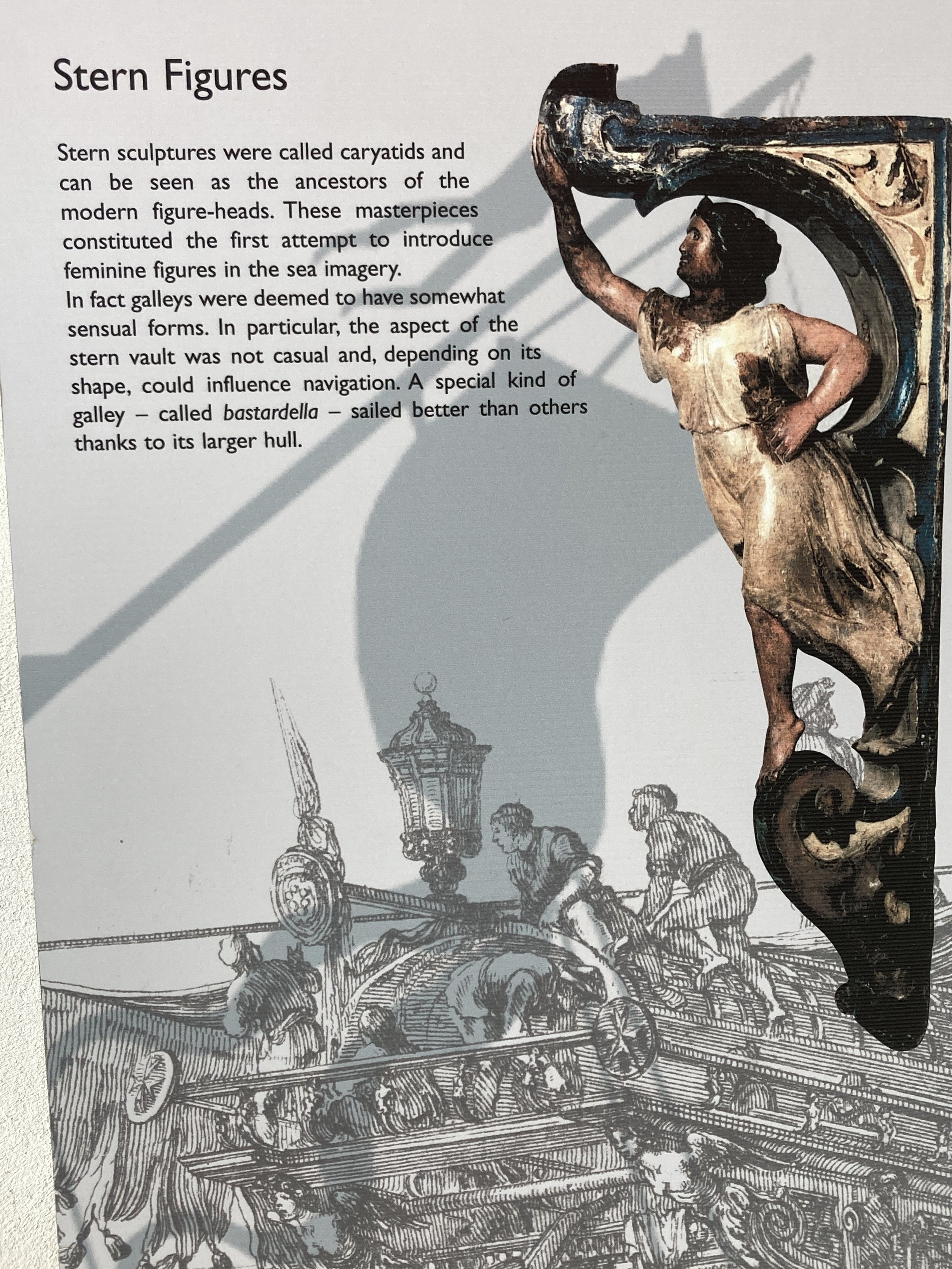
The largest exhibit on the first floor is a full size reproduction of a galleon ship. This is a hands (and feet) on exhibit - climb aboard, admire the beautiful craftsmanship, and get a feel for the sights and sounds of life on a 17th century ship. Fun!

A 17th century Genovese galleon vessel

The exhibit continues with aspects of the sailor’s daily life in scenes set around the ship. You can even try your hand at rowing the heavy oars. Kids love these hands on experiences.
A57C1DA7-D047-42D4-AB3D-404892AA1BBF.jpeg
EB179826-5550-4D15-8234-BE0C4256A952.jpeg
87890688-AF71-449A-B368-AE3C74631CDD.jpeg

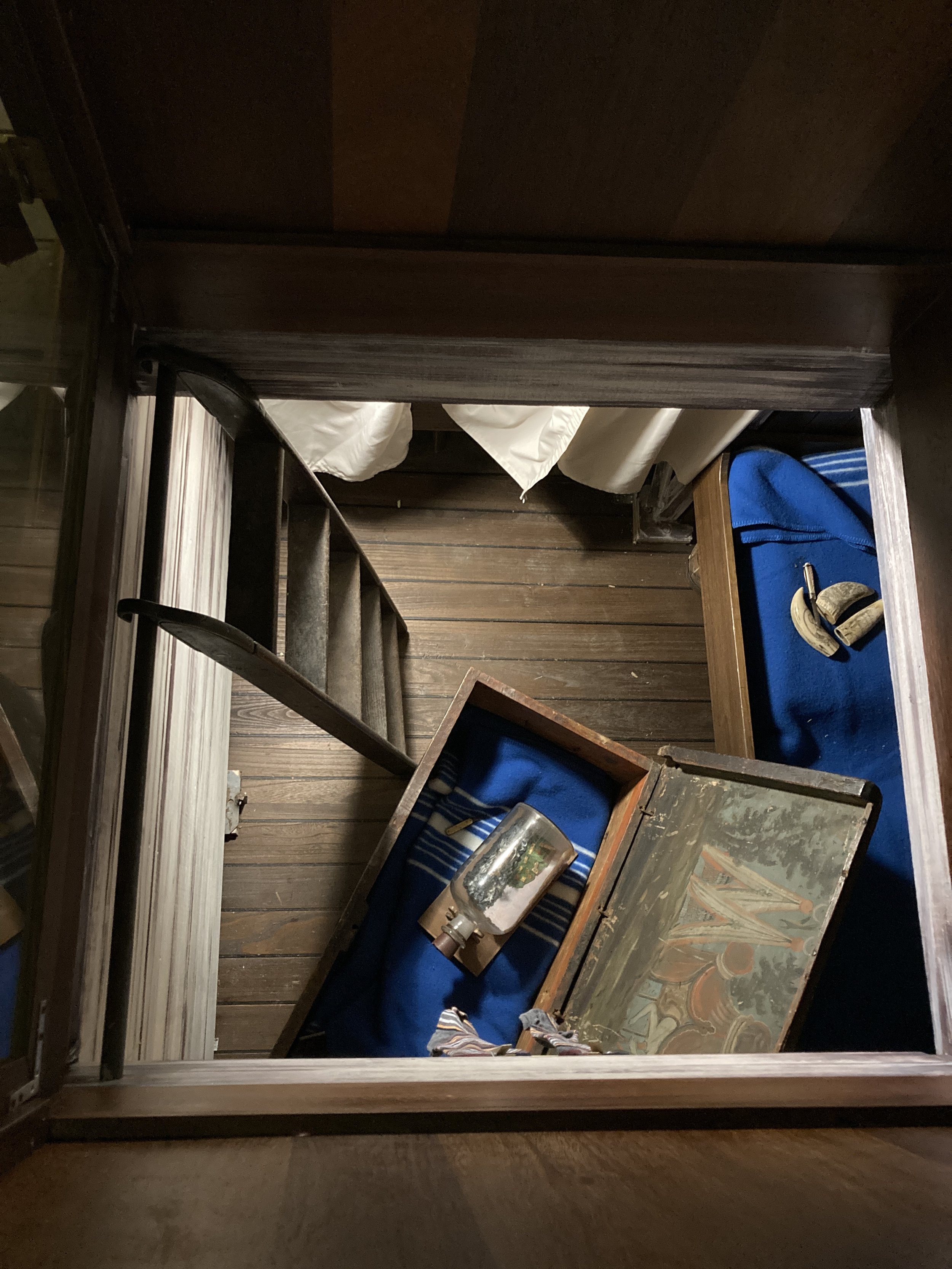
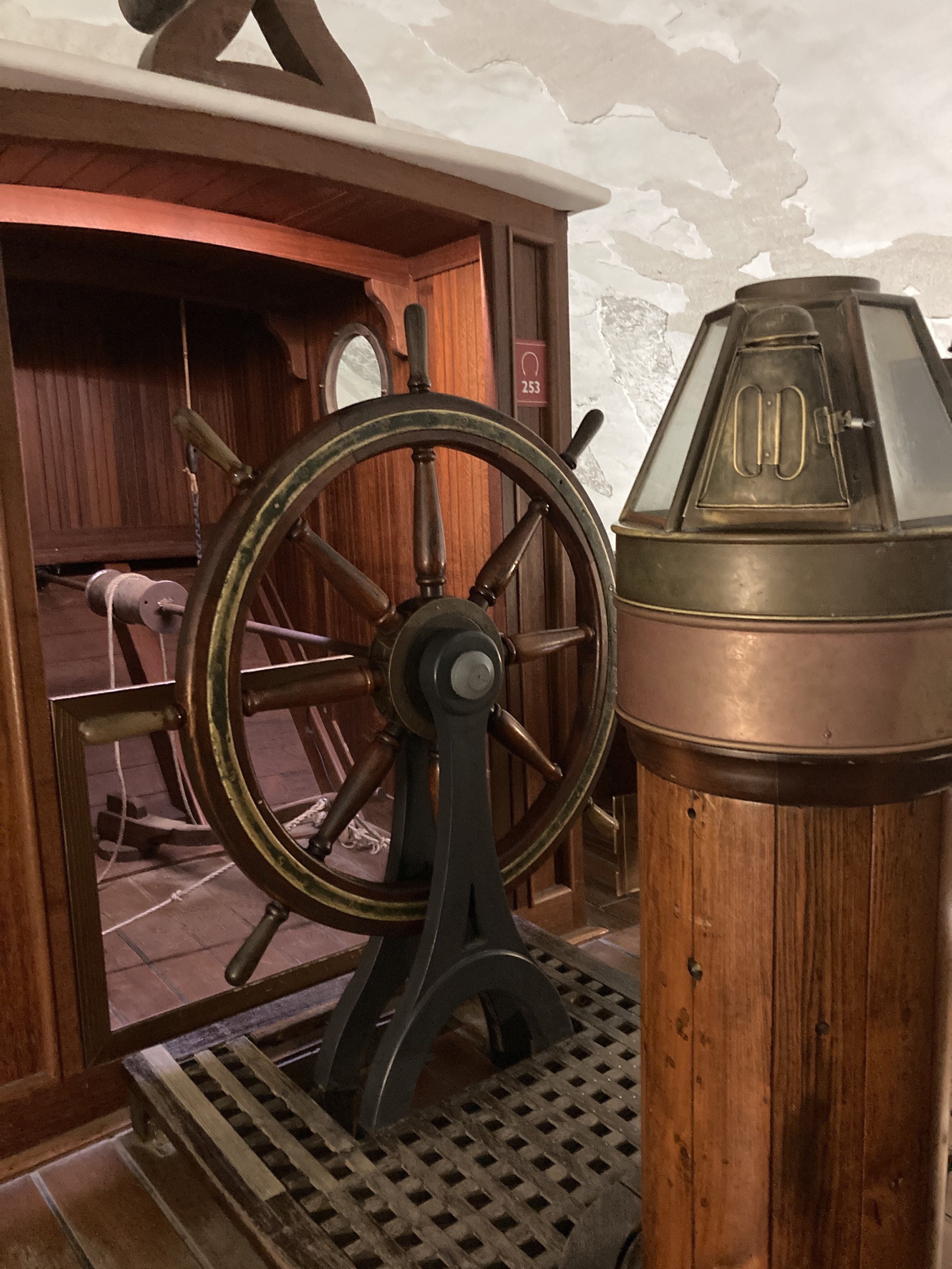
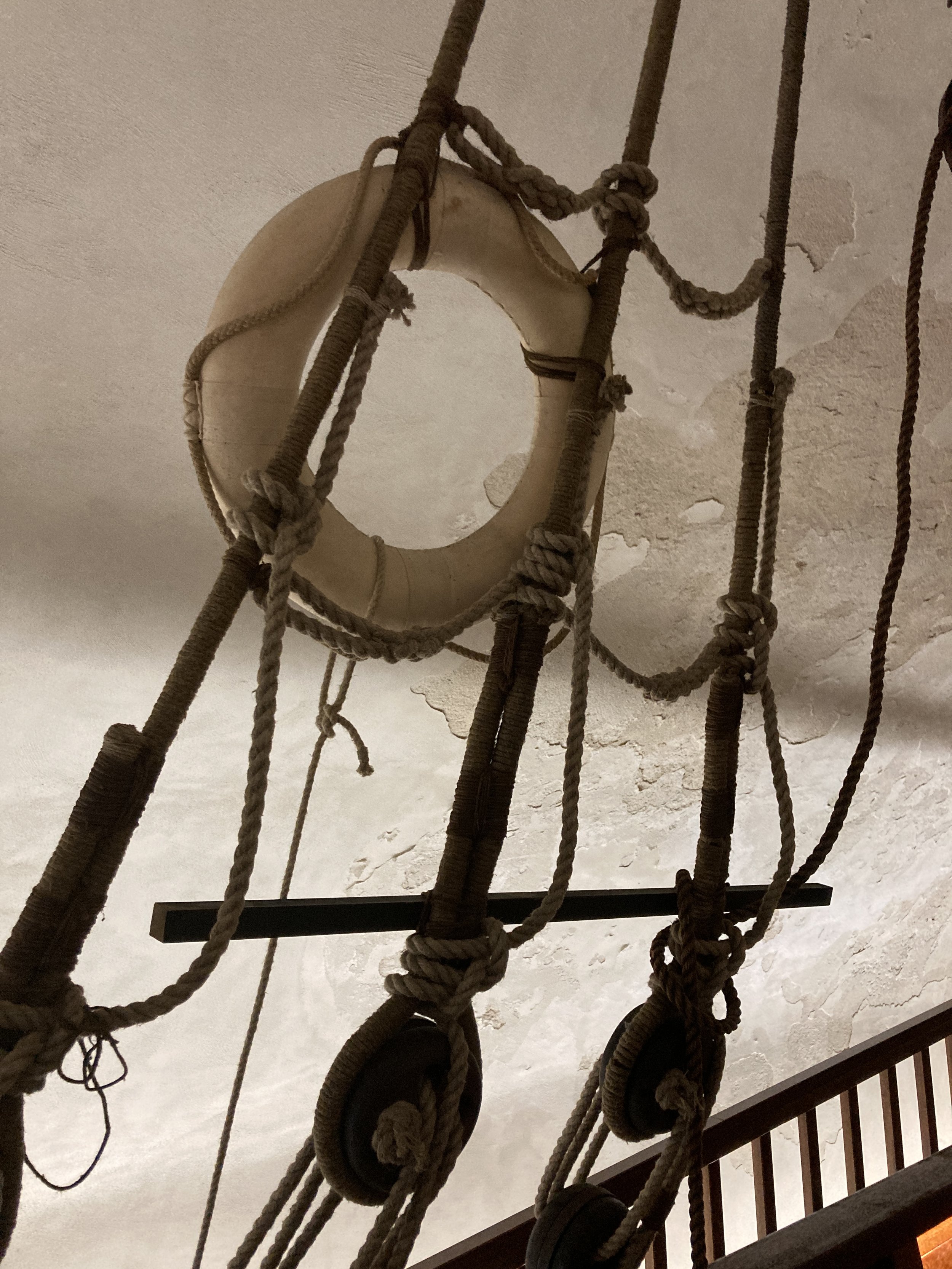
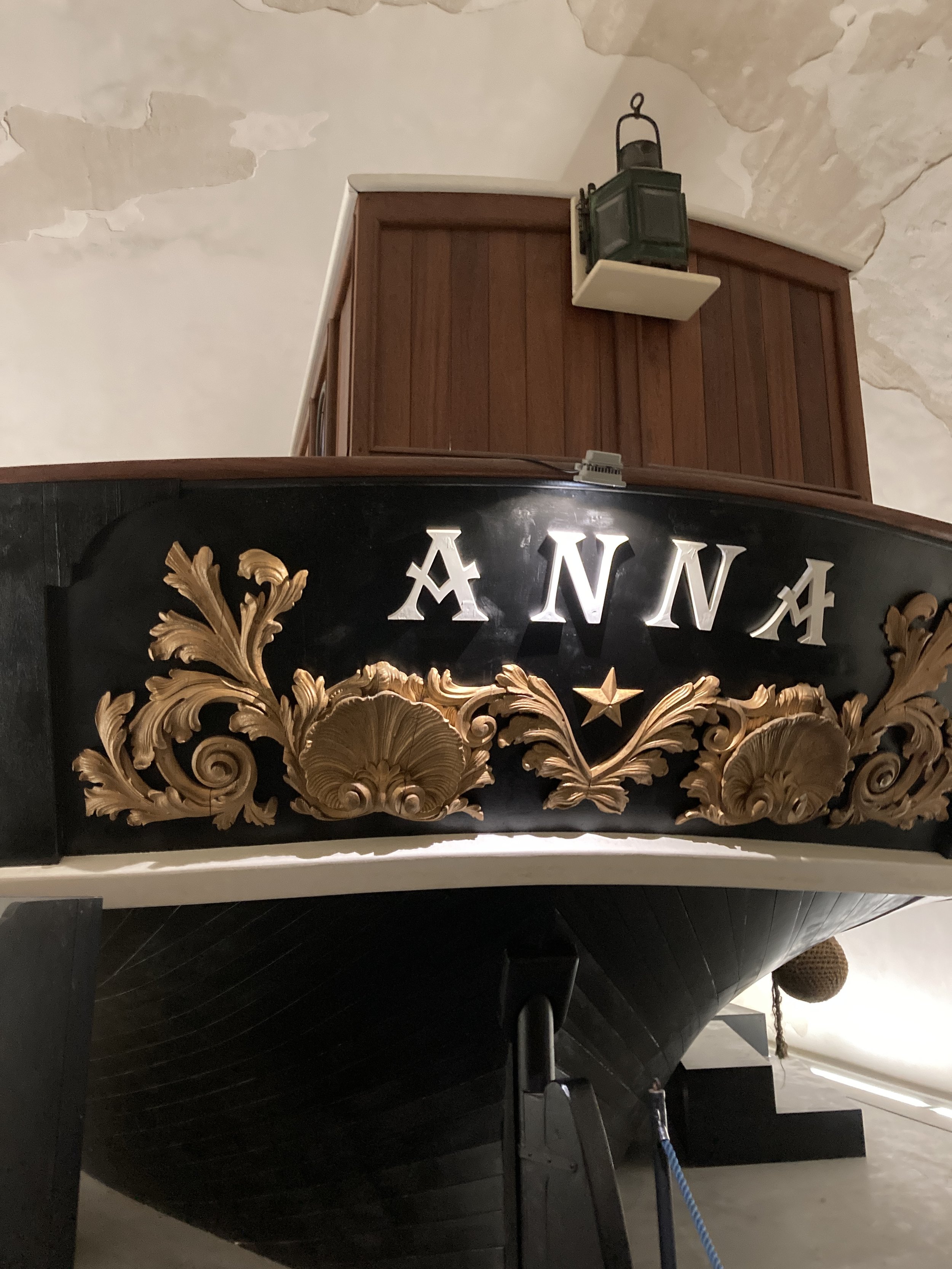
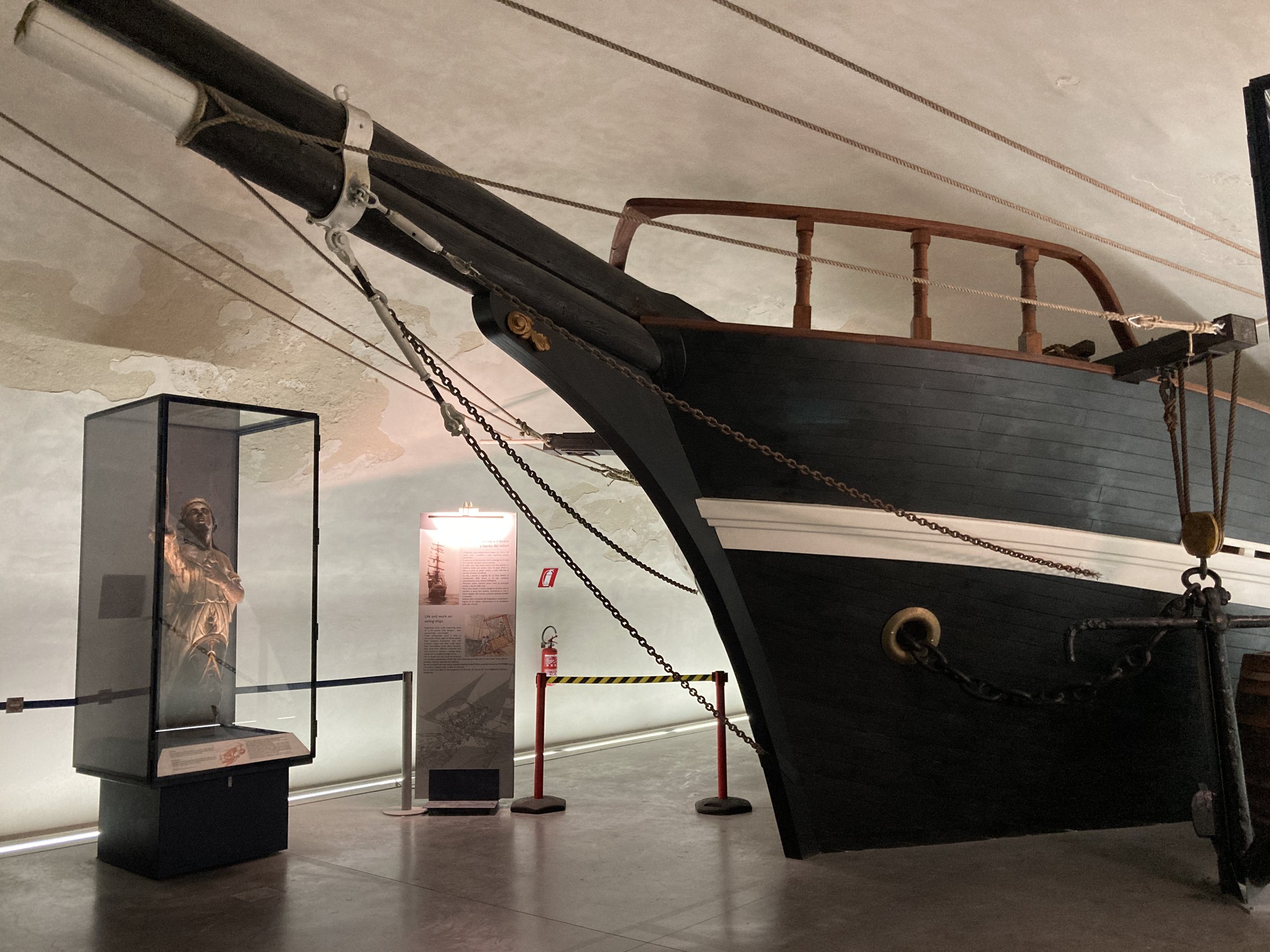
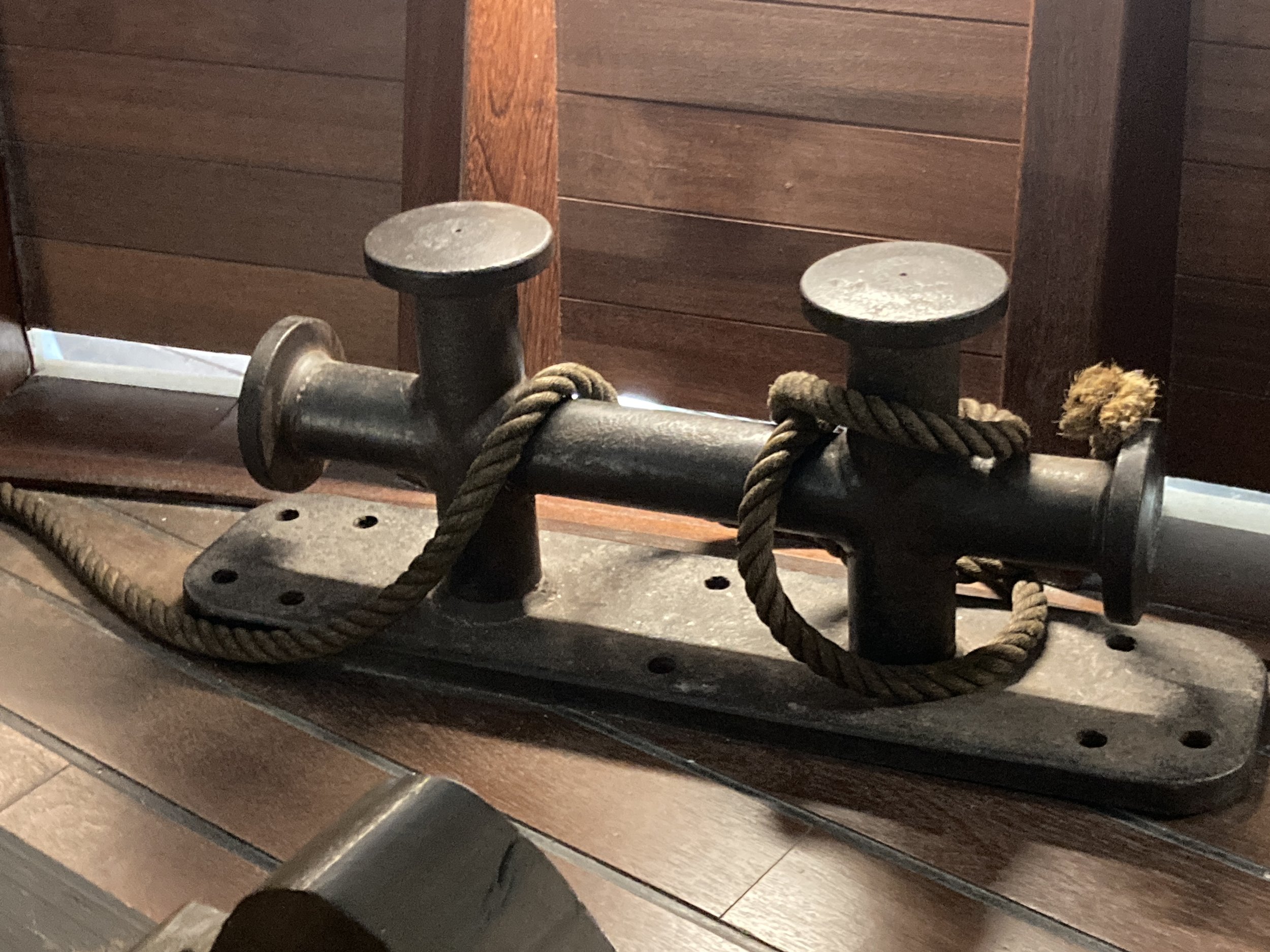
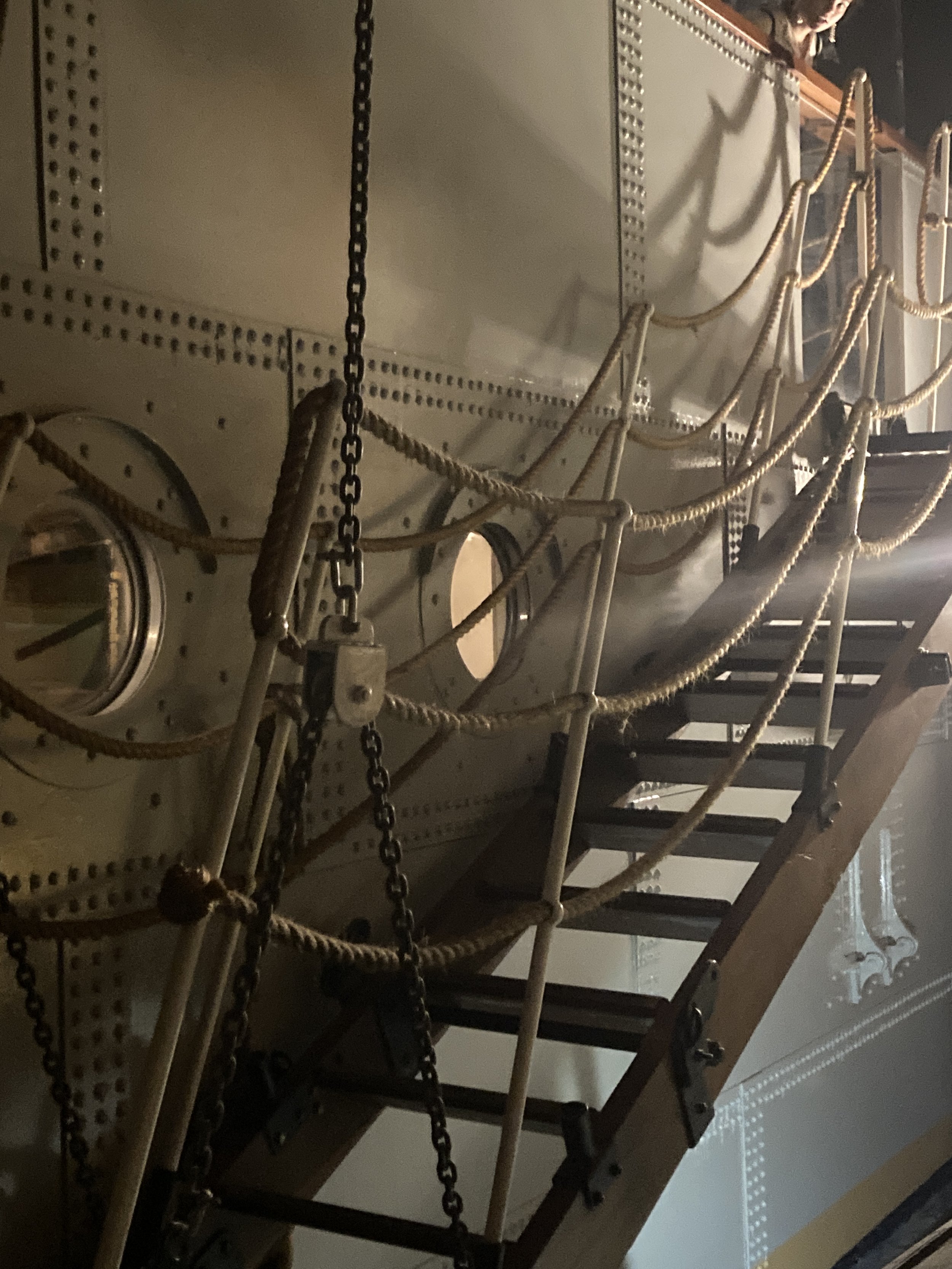
The next floors are all about ships and sailing. Included is another large ship, this time a reproduction of the brigantine Anna. The era comes alive as you peer into the captain’s quarters, the map room, even the galley kitchen. Walk the decks, take a turn at the wheel, and you can almost feel the ship rising and falling with the waves. The detail is amazing.
A8534BAF-5966-41A4-9D10-091FAB33EE95.jpeg
878200BC-746E-4636-B58D-FA0EA2FCF4A8.jpeg
62E356E4-3DFC-402C-9CD3-1A527E67653B.jpeg
7D3E71C5-6995-4E29-95B0-66063FE41026.jpeg
B75A9420-8295-462C-9F4F-E9EF1AB3AAB8.jpeg
C899E8D1-EC24-46F5-BF3D-93FB32B67CDF.jpeg

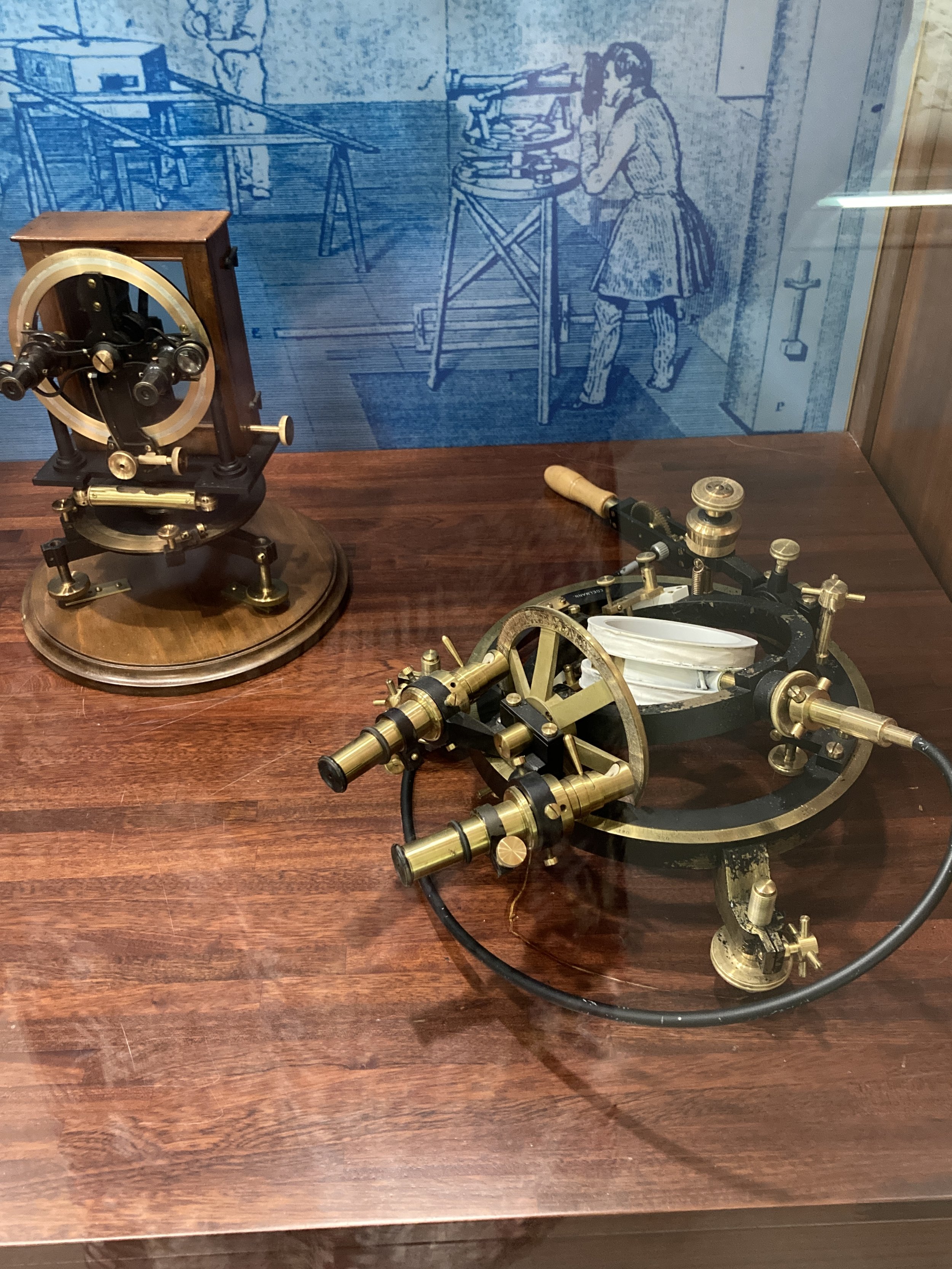
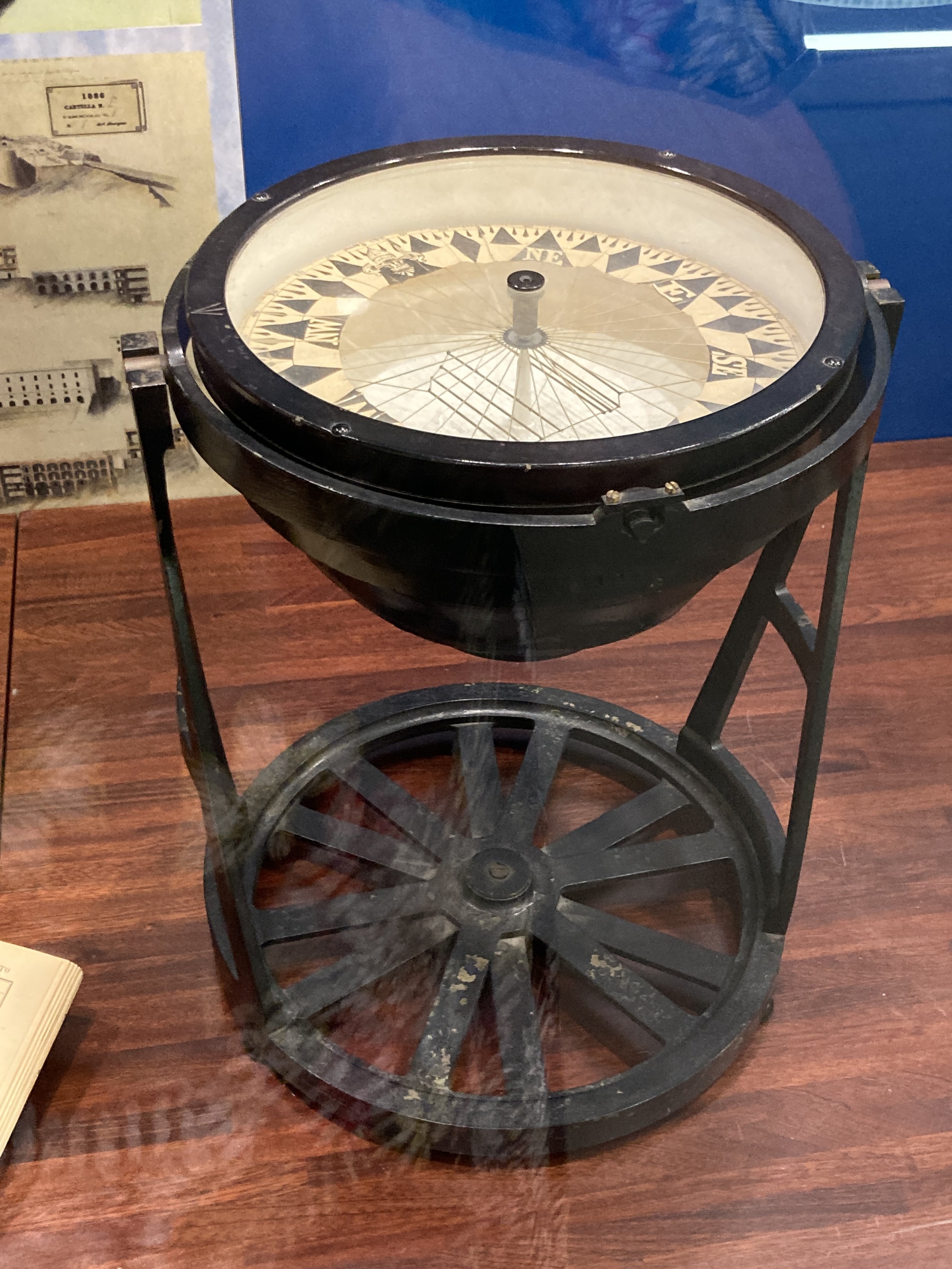
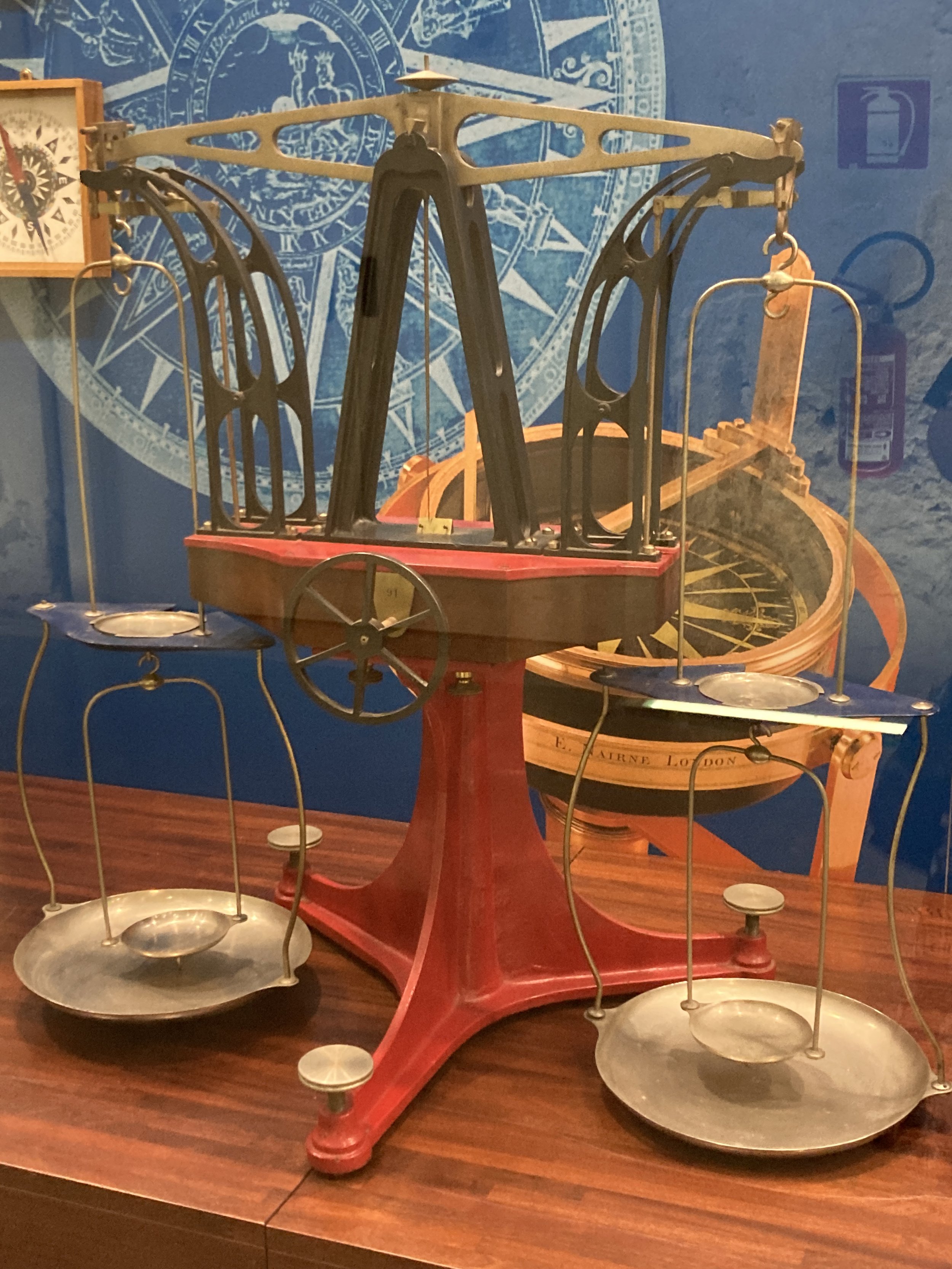
The displays of navigational instruments and models of ships are impressive. Imagine those early sailors, with no satellite or radar or high tech communication methods, sailing off into the unknown. Che coraggioso!
4F551112-71A8-4548-8D1D-56FFAC42A495.jpeg
5ACDD6E4-C595-4561-B65D-90023173A392.jpeg
E0907F2F-9BE1-4665-AE2B-51E04BC8115B.jpeg

I particularly enjoyed the exhibits about Italian emigration. After all, this is the story of my Italian great grandfather, Pasquale Marino.

The exhibit begins with a walk through an Italian neighborhood. Hear Italians while they lean out their windows and talk across the piazza about leaving their homes (via video technology).

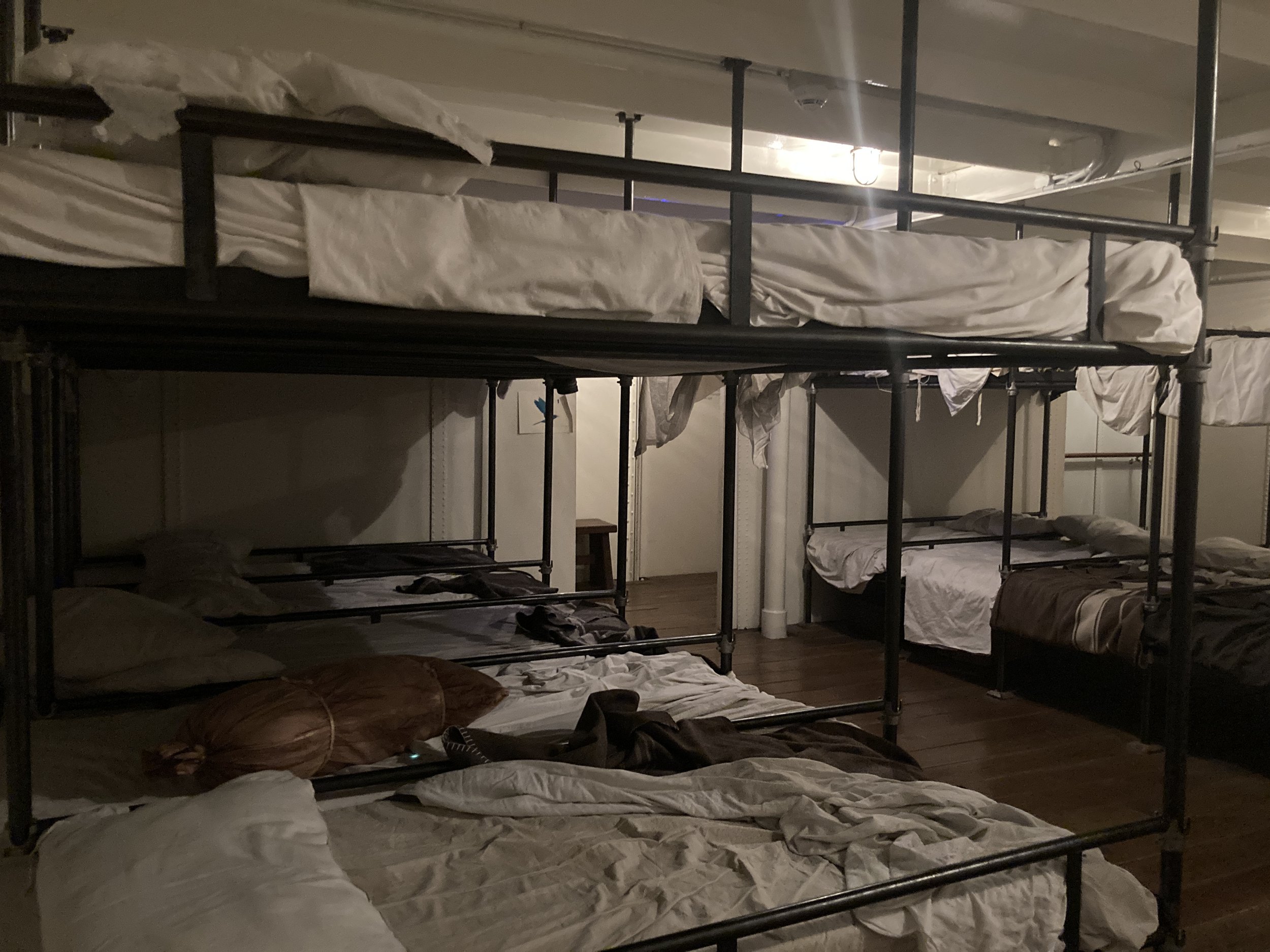
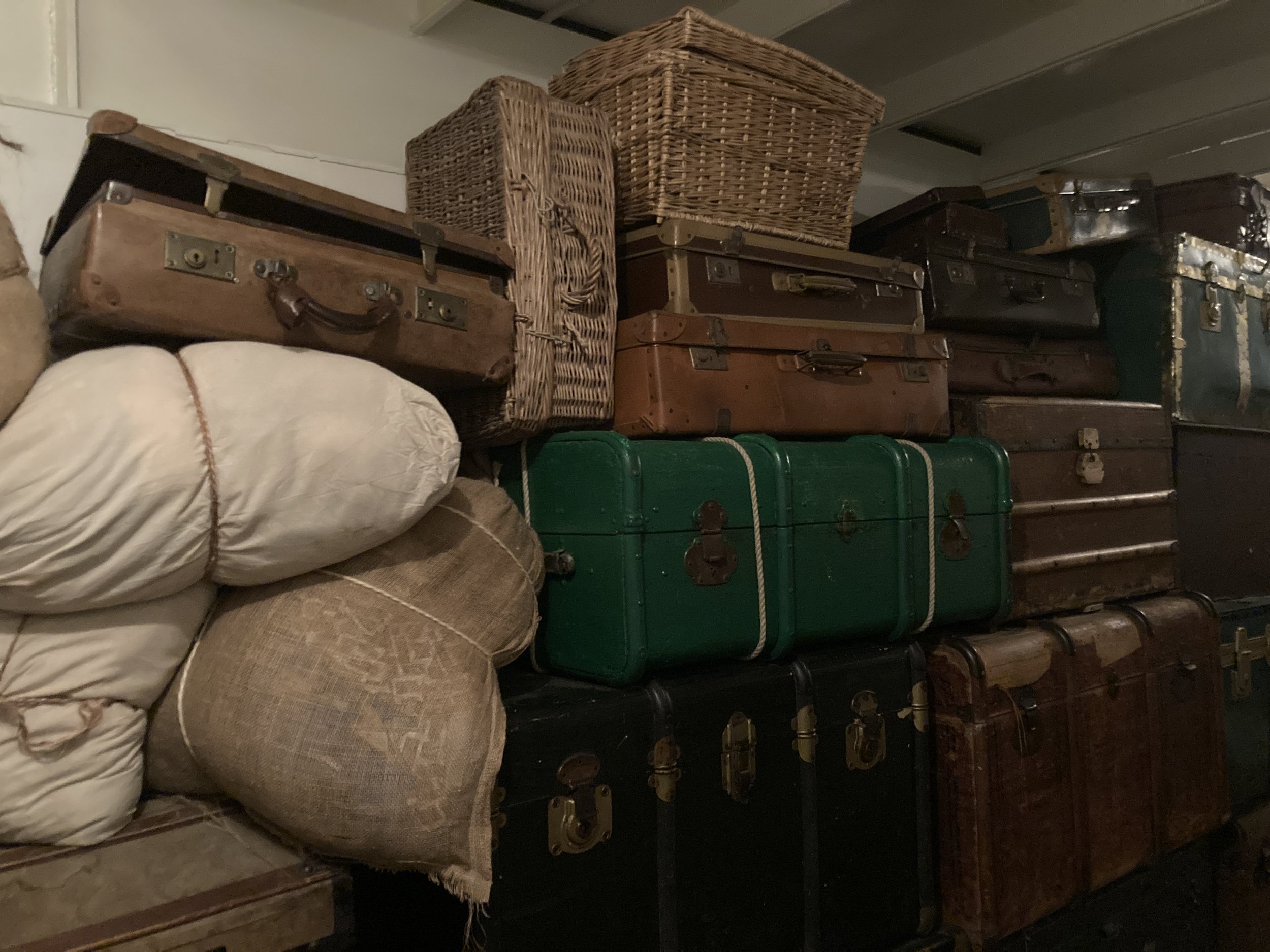
Then go to the port’s office where the officer asks for your documents and gives you a passport, board the ship, and walk through the male and female dormitories to get a feel for life onboard. The rustic bathrooms, dining room, and ship’s hospital make clear that this was no luxury voyage for most of the people on board.

Finally, arrive to your destination, present your paperwork, and feel what it’s like to enter an unknown country. I am not sure who designed this exhibit, but it’s brilliant.
7F181373-EA3D-4933-A1AA-B9F1F083A5B4.jpeg
6108EB25-8935-45D9-BC93-70E9E043CA48.jpeg
288DDD0B-DAFF-4D55-82A9-56C139241C2D.jpeg

The uppermost exhibit floors display models of modern vessel and tell of more recent explorers. There is also a moving area telling the stories of the recent wave of immigrants to Italy.

Lastly, there is the submarine, which sits in the harbor. Inside the museum are exhibits about the vessel which give a feel for its technology and inner workings. The submarine itself was closed for cleaning the day we visited, but usually is available for visits.

The Porto Antico area also houses an aquarium, interesting ships anchored in the harbor, and several restaurants. After a harbor side lunch we hopped the train back to our base in Rapallo, having learned a lot about ships and Genoa’s maritime history.

July 25, 2022 /Joanne Bartram
Genova, Genoa, #maritimemuseumgenoa, Galeta Museum, Old ships
#italytravel, History, Italy travel, Museums Italy, Genoa

Camogli, A Perfect Spot on the Portofino Penisola

July 11, 2022 by Joanne Bartram in #italytravel, Italy travel, Italy, Liguria, summer in Italy, #italiansummer

If asked to pick my favorite spot on the Portofino Peninsula, for me there would be no competition - it’s Camogli. Smaller than its busier neighbor Rapallo, and much more humble than nearby Portofino, Camogli strikes the perfect balance.

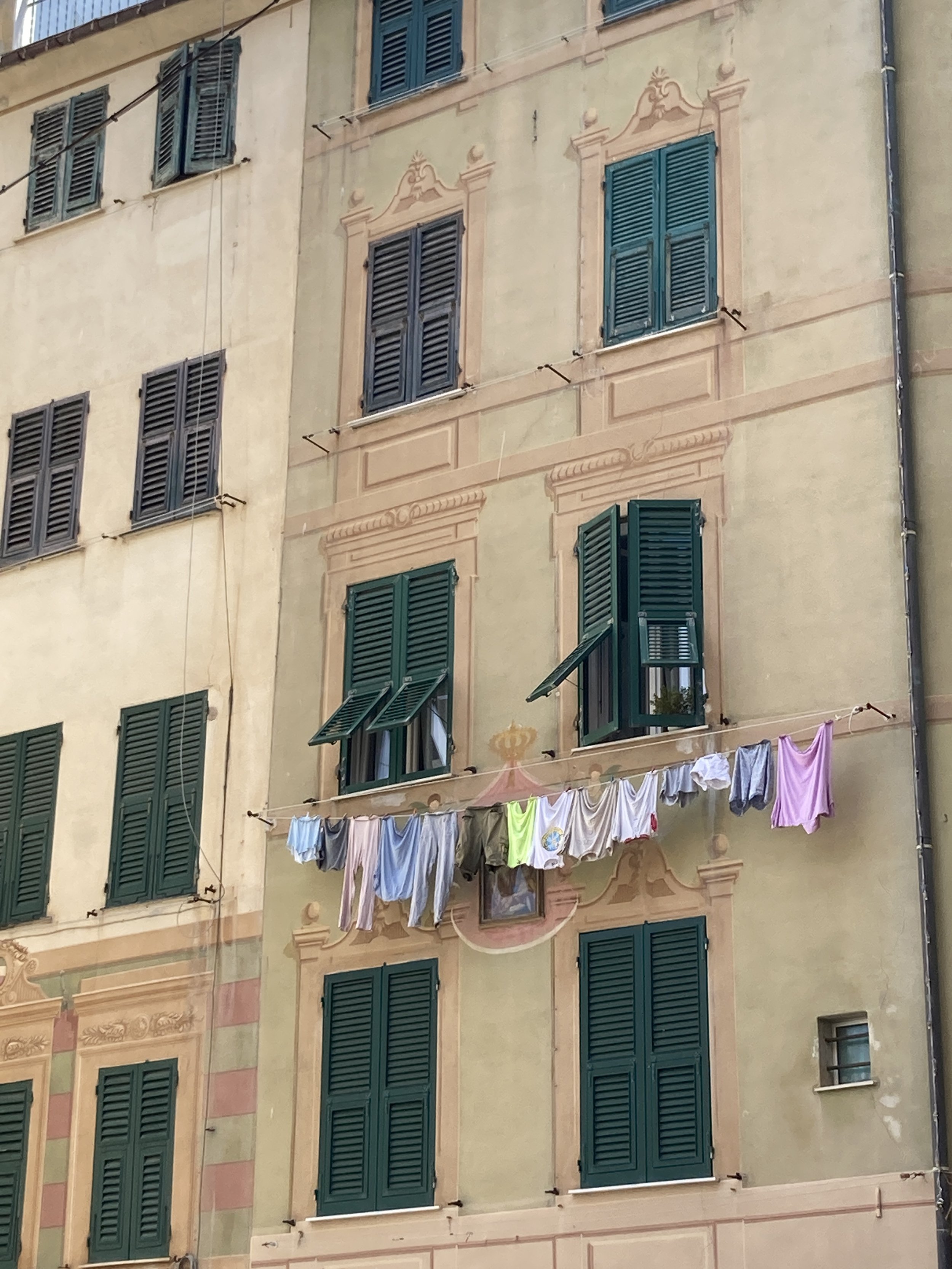
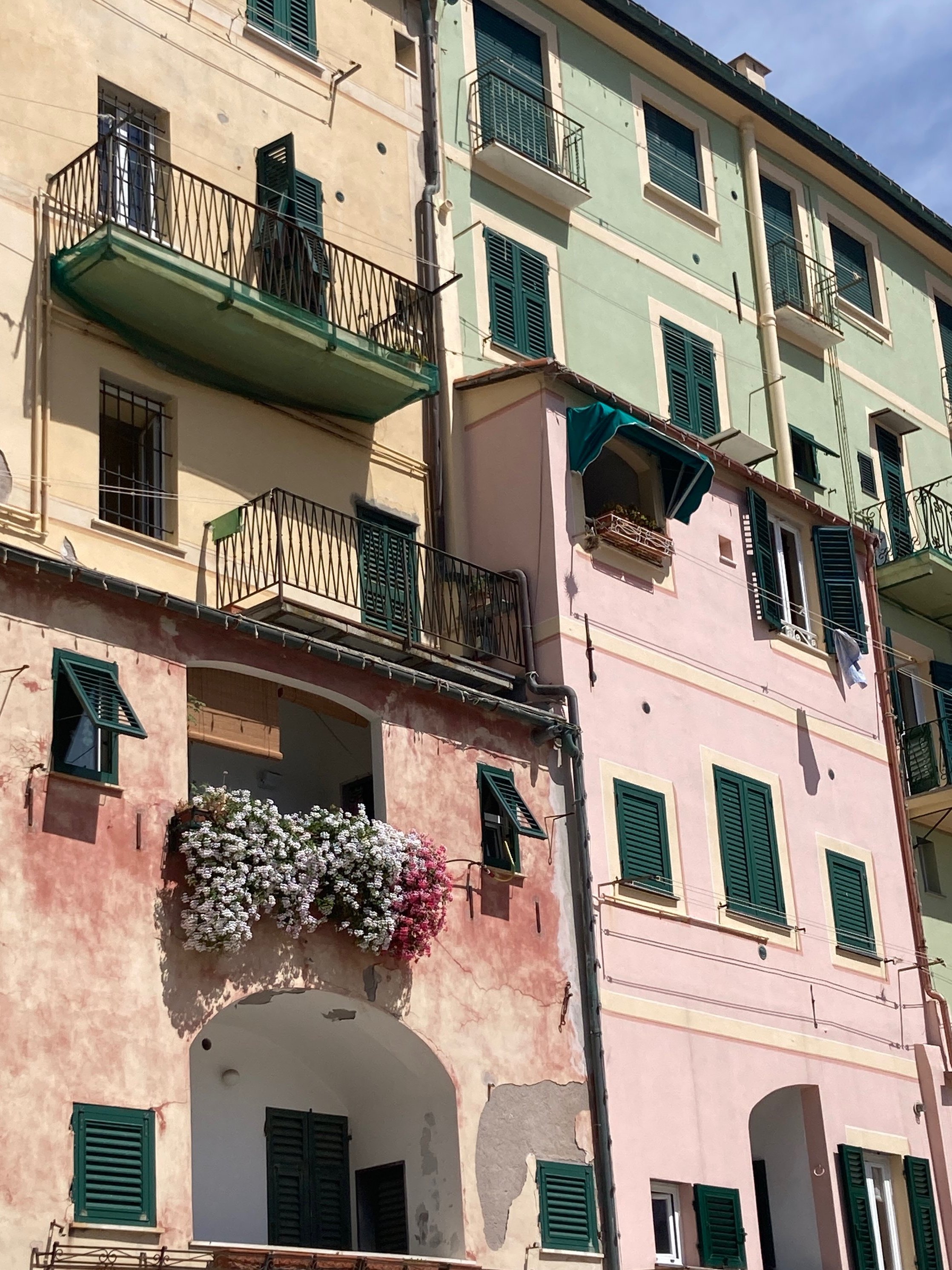
At its heart, Camogli remains a small fishing village. The name most likely originated as a contraction of the word Casa (house) and Mogli (Wives), a nod to the time when the men stayed away fishing and the wives kept things running in town. An alternative theory is that it signifies a town of closely packed houses. That fits too as Camogli is filled with rows of connected houses in sun-drenched colors. To add to the charm, many of the houses are decorated with tromp l’oeil paintings and pretty flower-filled balconies. Even the laundry is decorative.

6D57D5E4-1C95-4B1F-8A47-610D5CAB430F.jpeg
75037AB7-901B-4B83-A316-945B8E648673.jpeg
115AEEFA-05D0-4249-A638-36BE1B02388D.jpg

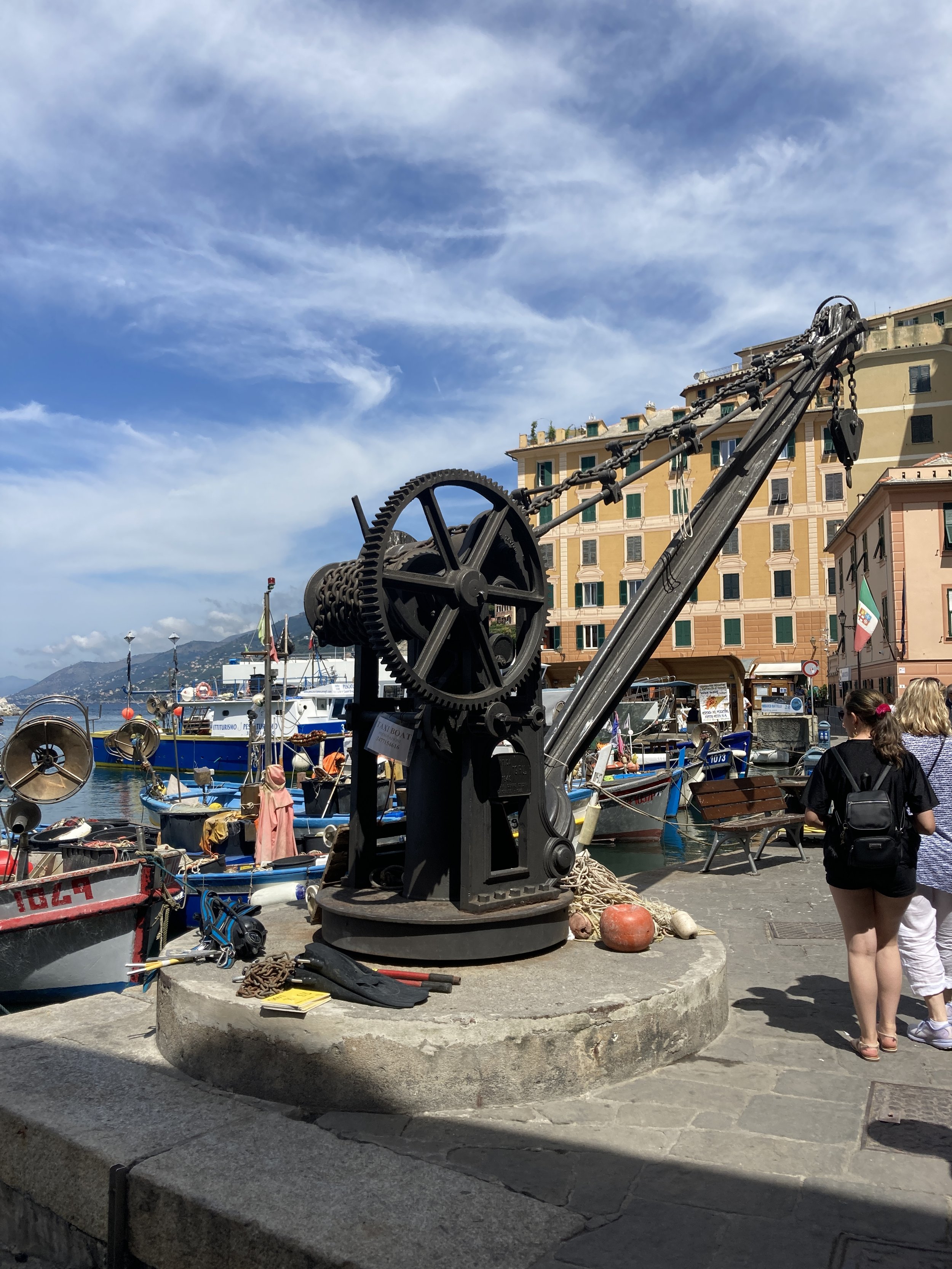
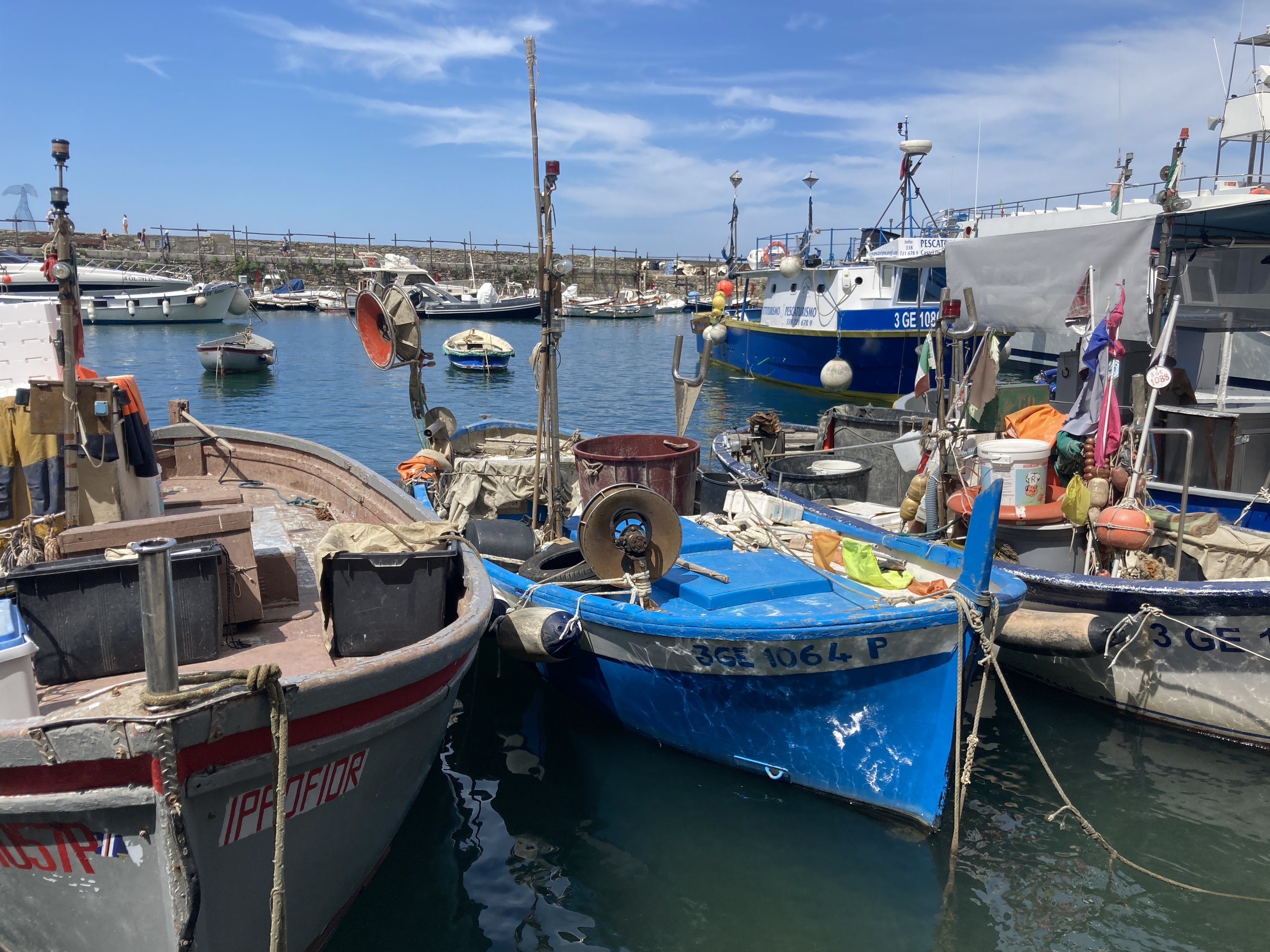
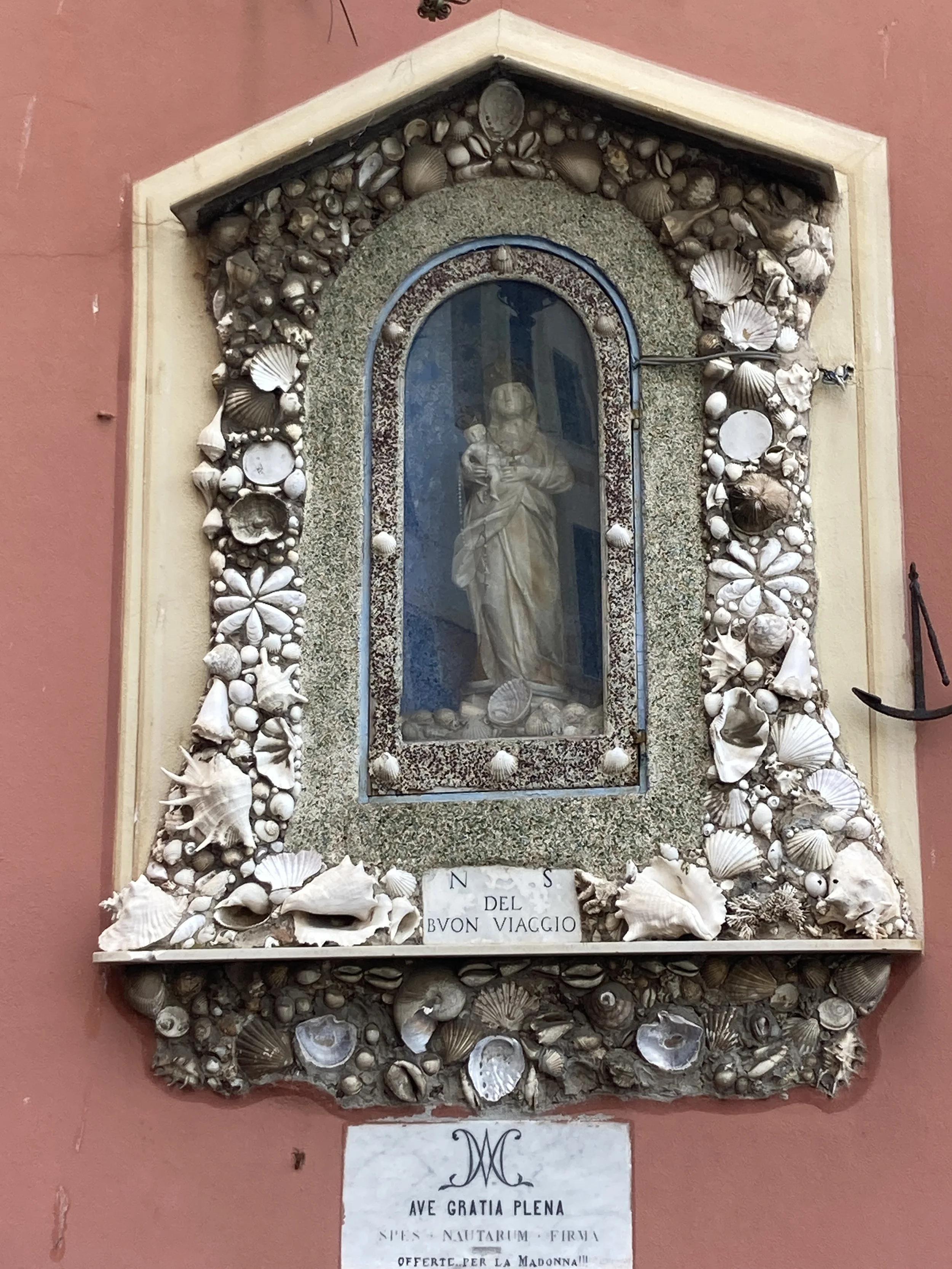
Today, the area surrounding the small harbor and seaside promenade remains the center of action in this friendly and laid back town. And there is still a lot of fishing going on, with signs of that activity visible throughout town.

6C4DBB5C-A8DF-4029-ABDD-AC7E54AD7BA0.jpeg
03475867-96BD-4370-B454-C97A16839838.jpeg
204B6860-92B3-4E6F-AE94-891DC149B703.jpeg

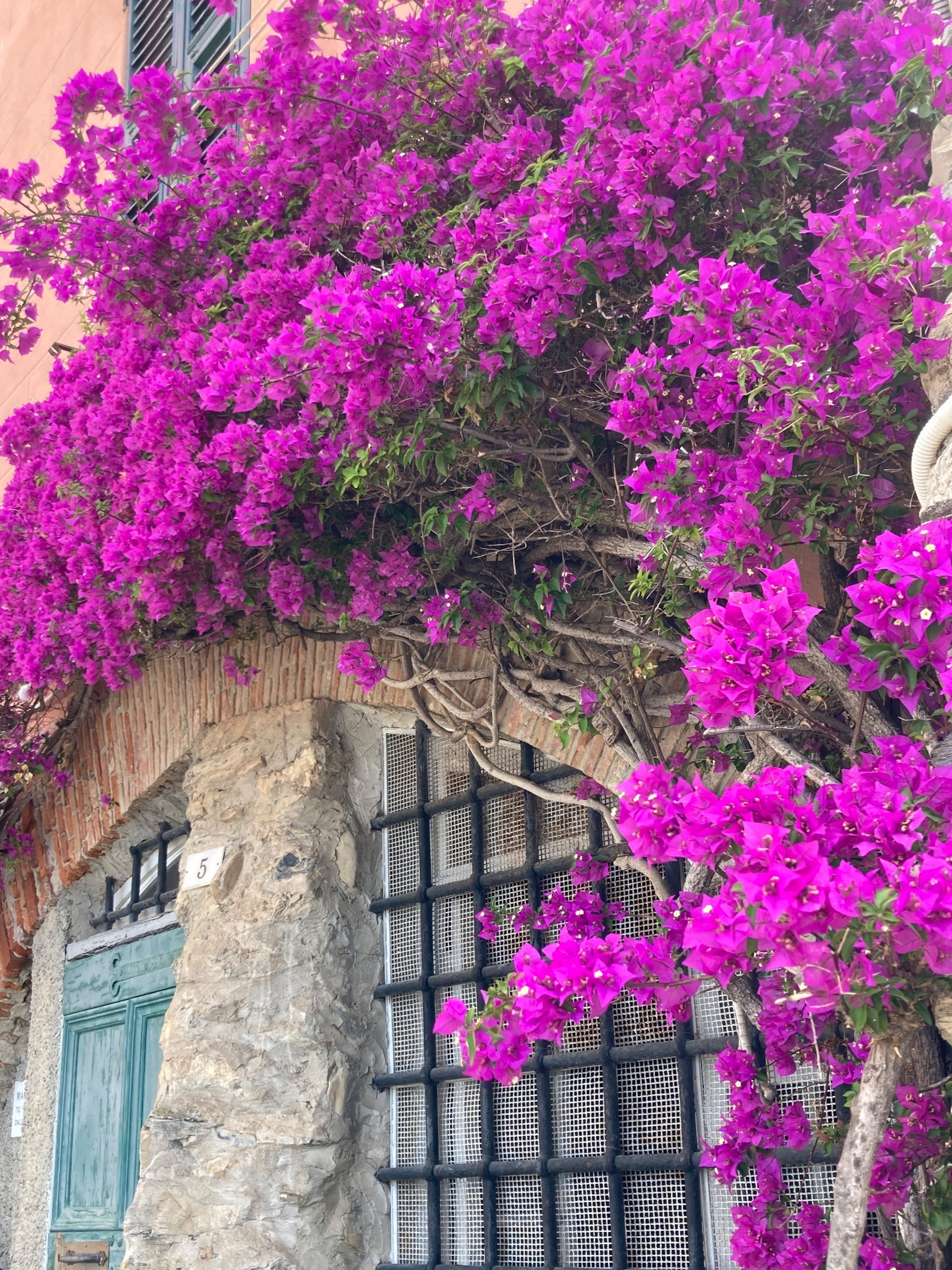
There are two ways to arrive in Camogli (other than by car). The train, just two stops and about 8 minutes away from Rapallo, arrives in the upper part of town. A walk down the main street in front of the station takes you past colorful houses, small parks, bougainvillea covered fences, little shops, and a small tourist info office (stop in for a town map). It also provides teasing glimpses of the sea down below.

8E3E178A-EA26-4A5B-8193-C6D2F53DF92D.jpeg
3A44F200-B894-46D8-A24B-DB29B298B9E9.jpeg
B6156271-D3C4-4B62-AD73-EA191F2A180E.jpeg

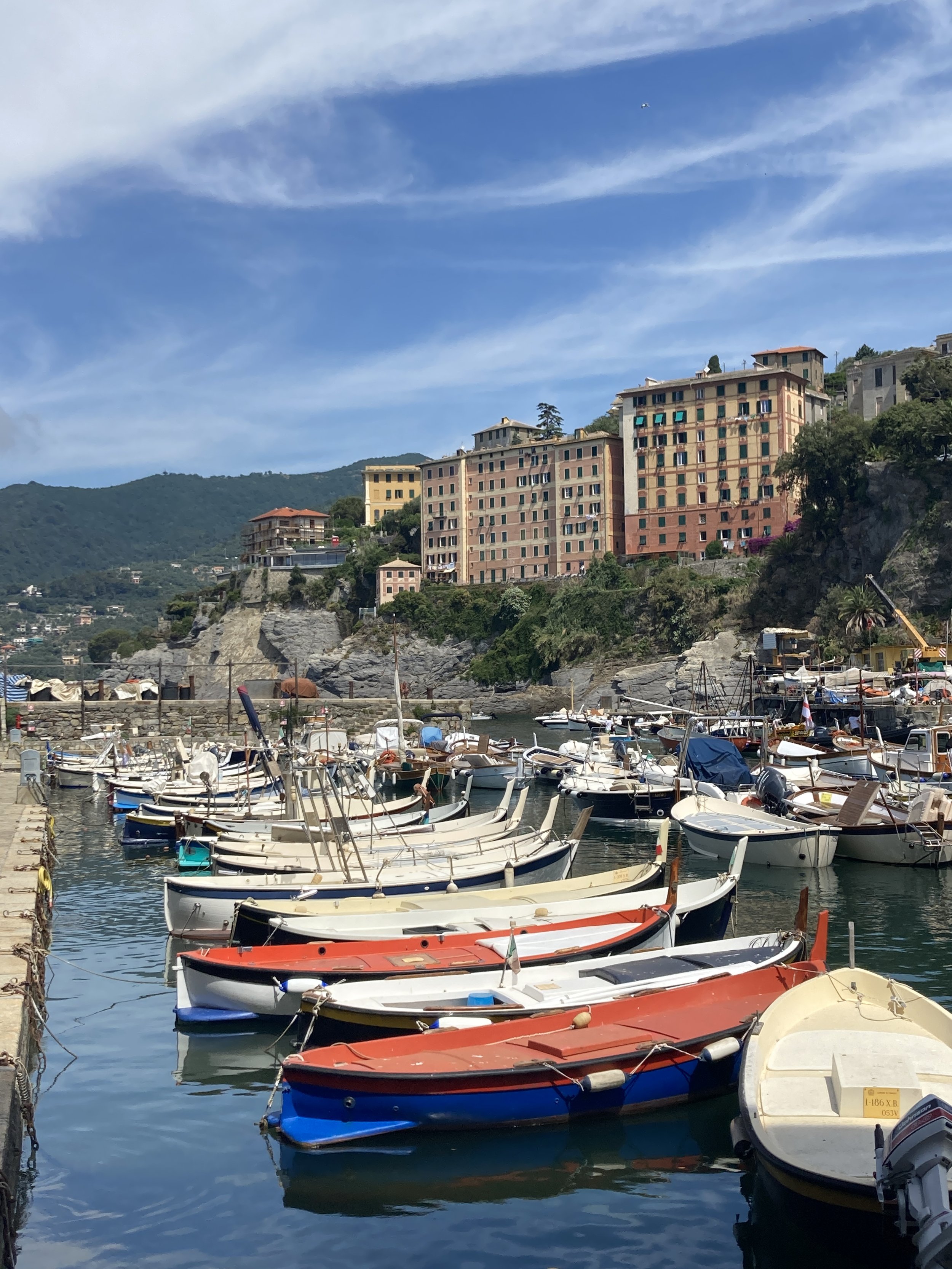
The second way to arrive is by ferry from San Fruttuoso, arriving in the lower town’s small harbor. The harbor is full of fishing boats and small sailing boats.

Camogli’s harbor, viewed through its romantic fence full of hearts. Valentine’s Day is an event to celebrate in Camogli.

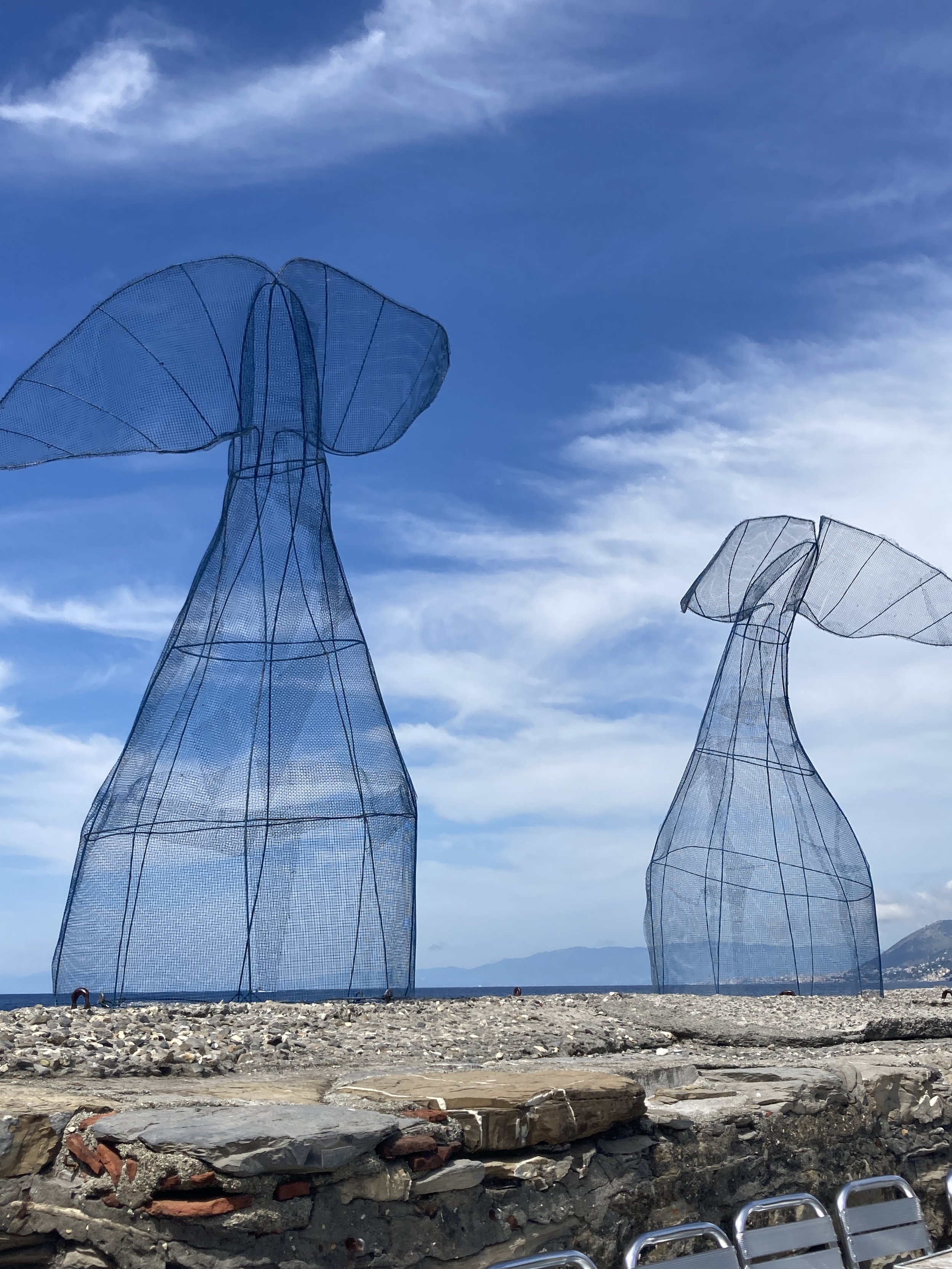
A walk along the back of the harbor leads to a long jetty with harbor and open sea views, an interesting art installation, and a peek at Genoa in the distance.

10F78DF0-A828-4075-B9B0-314CD0B63E00.jpeg
45366BC8-68AB-42BB-A5E8-CAF2A546B6A0.jpeg
6D8BFC74-D1EA-4281-B73B-46223BCFC320.jpeg

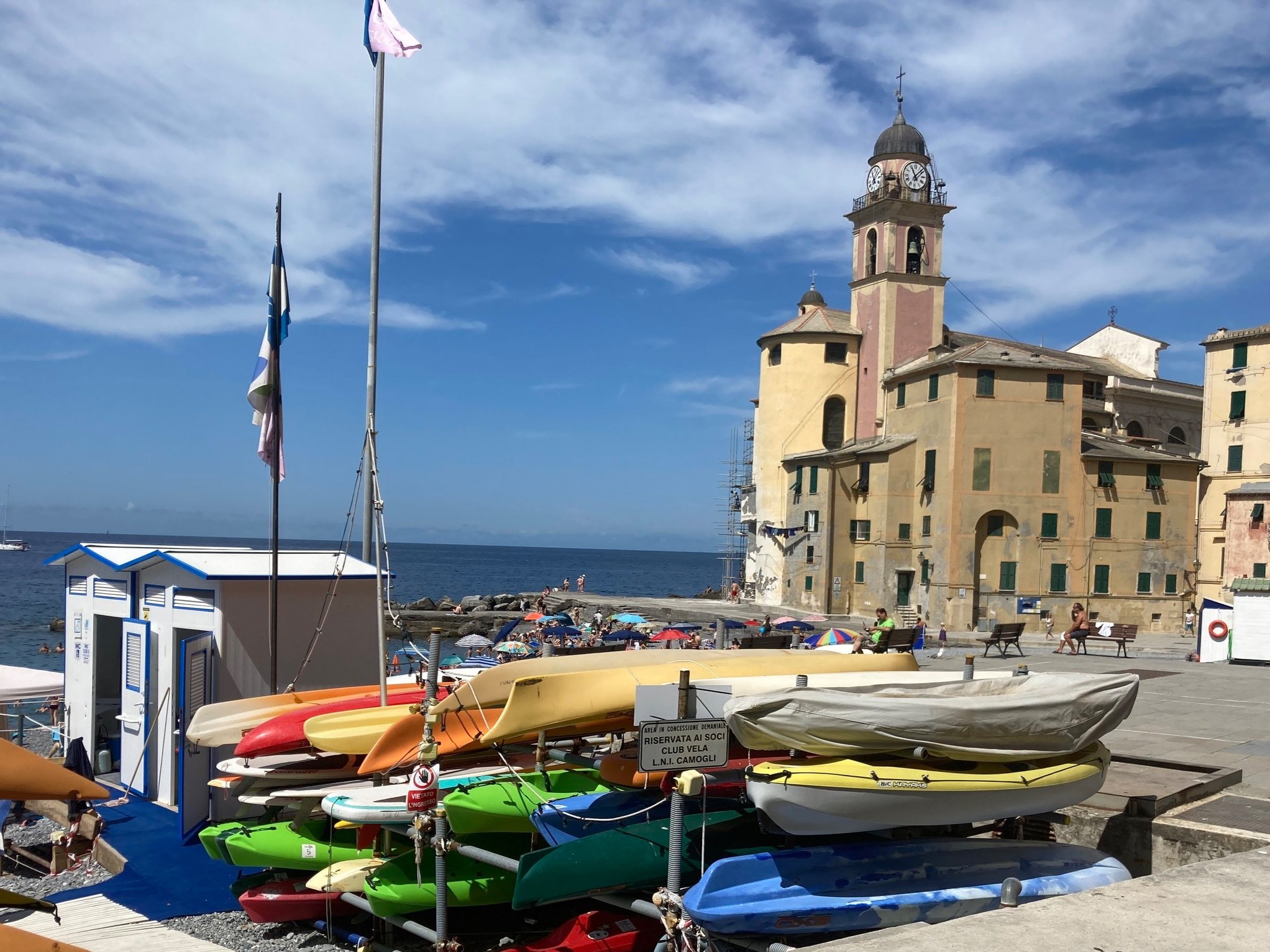
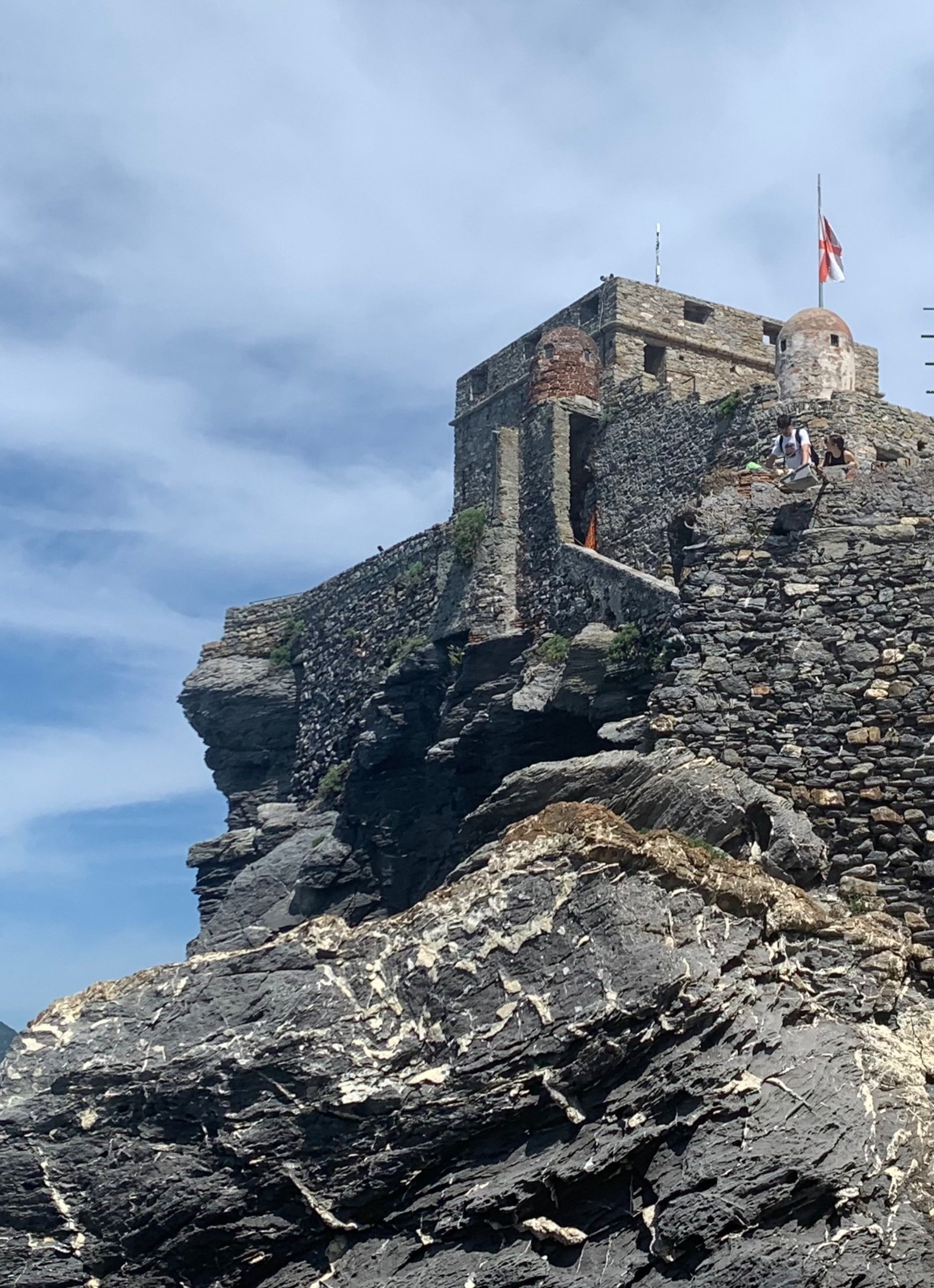
Up above the harbor, on a rocky cliff jutting out to the sea, sits the Basilica of Santa Maria Assunta, with one side facing the harbor and the other a small rocky swimming spot. Also on the the cliff is a 13th century defensive structure, the Castello della Dragonara (Dragon’s Castle). Built to defend against invaders, it did not stop an attack by the Milanese in the 15th century. Over time it has been destroyed, rebuilt, used as a prison and abandoned. Today it stands as a sleepy guard over the peaceful fishing village (it is not open to visitors).
Castello della Dragonara (photo by Jake Davis)

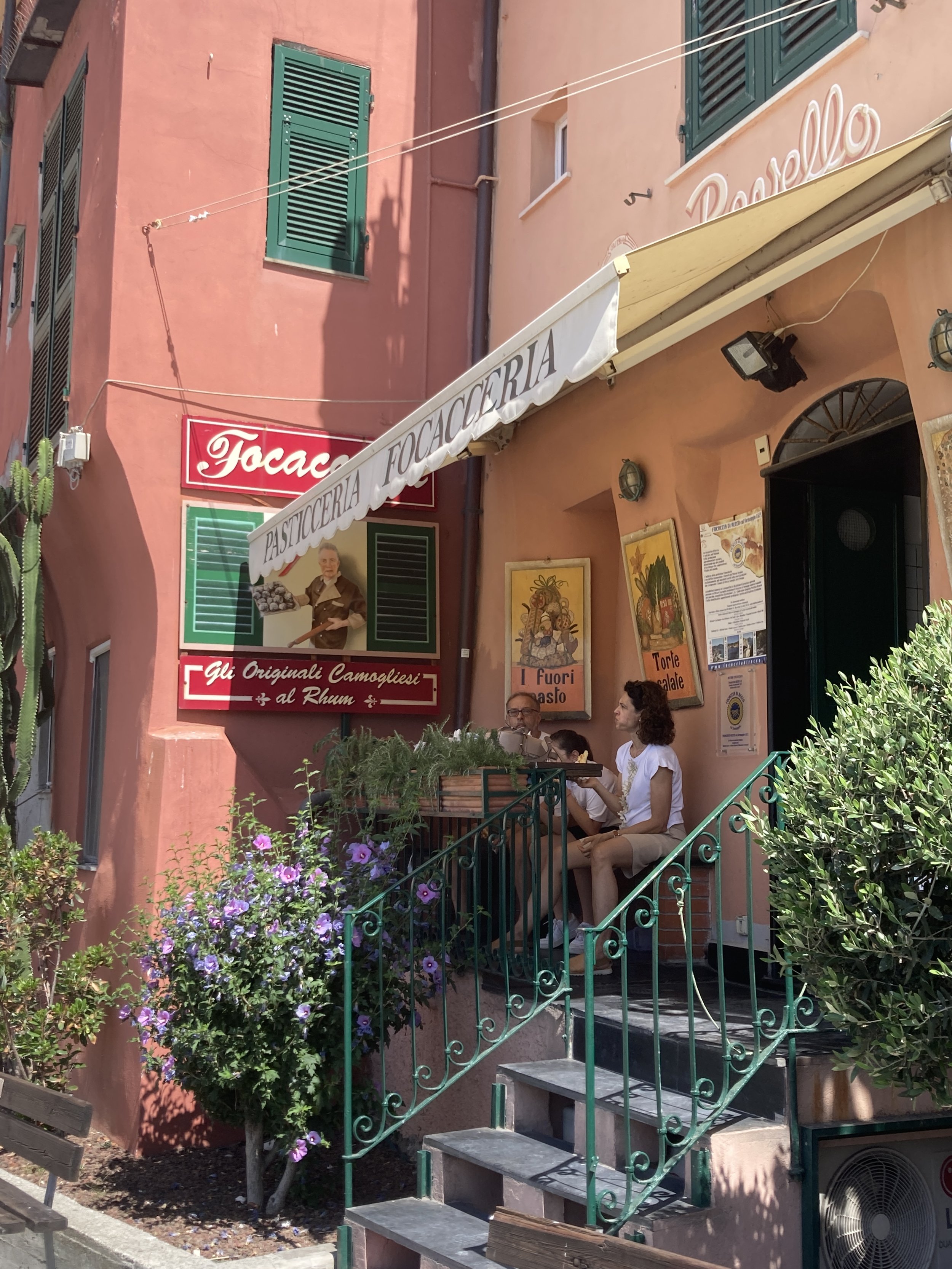
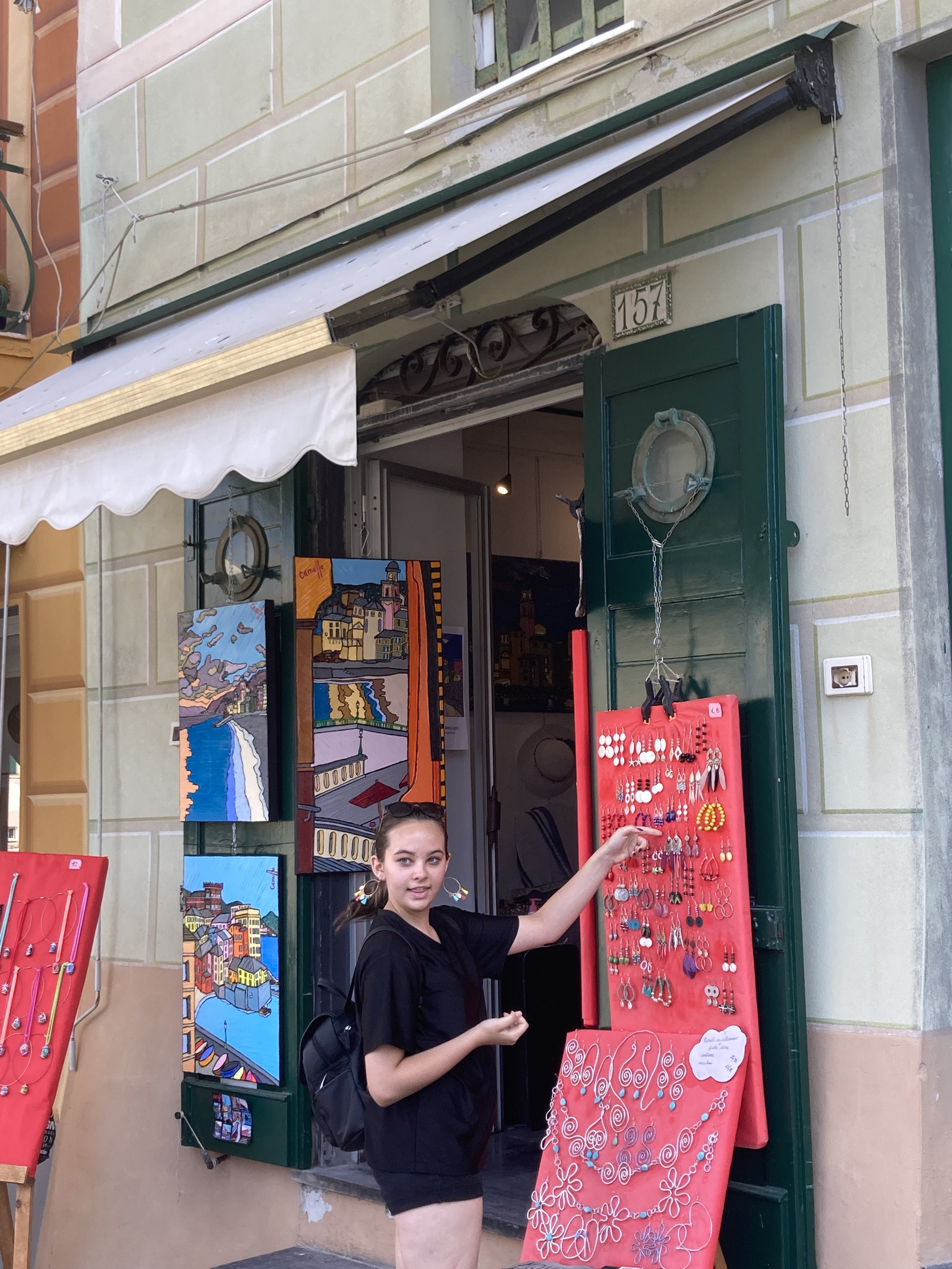
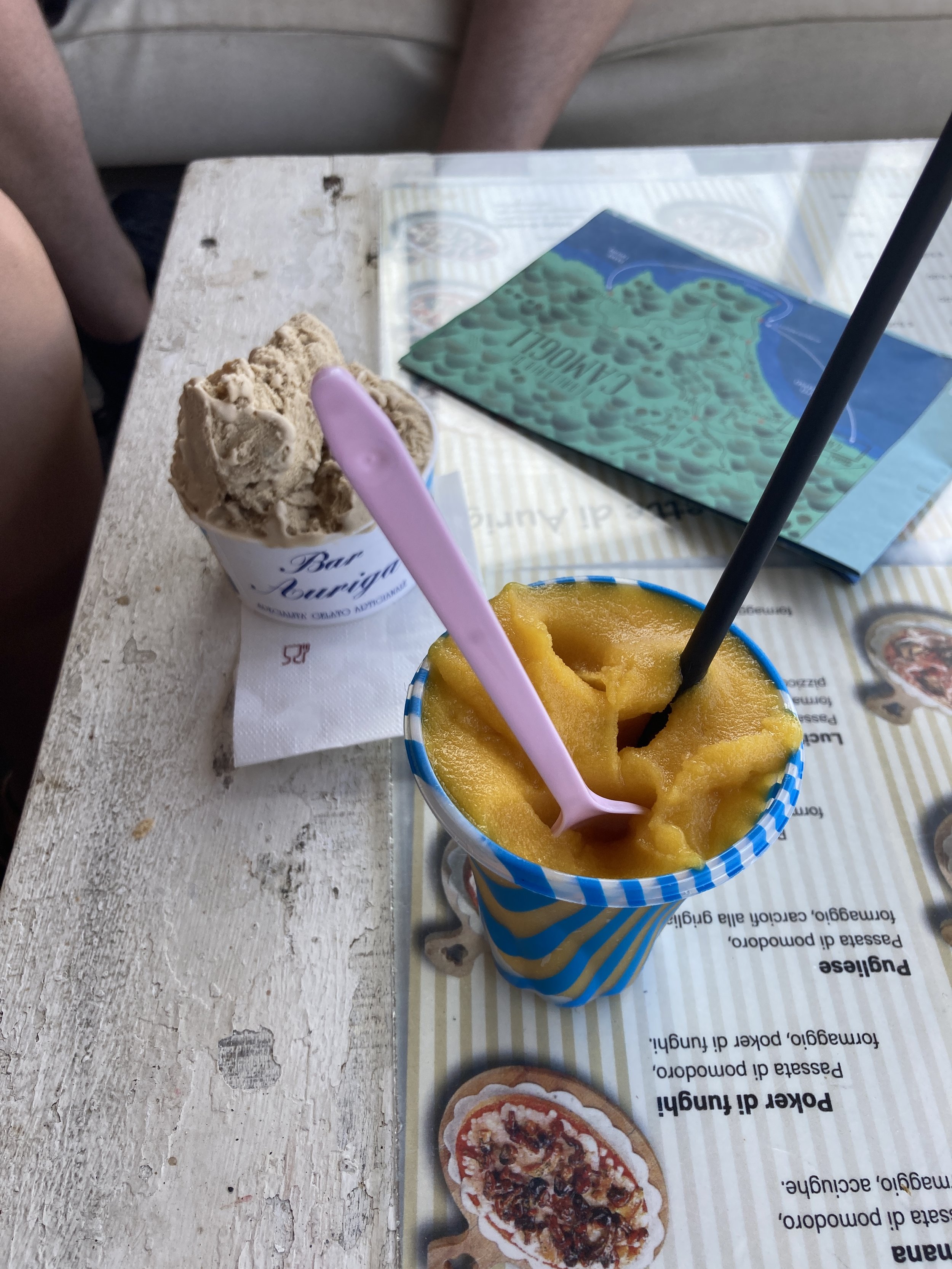
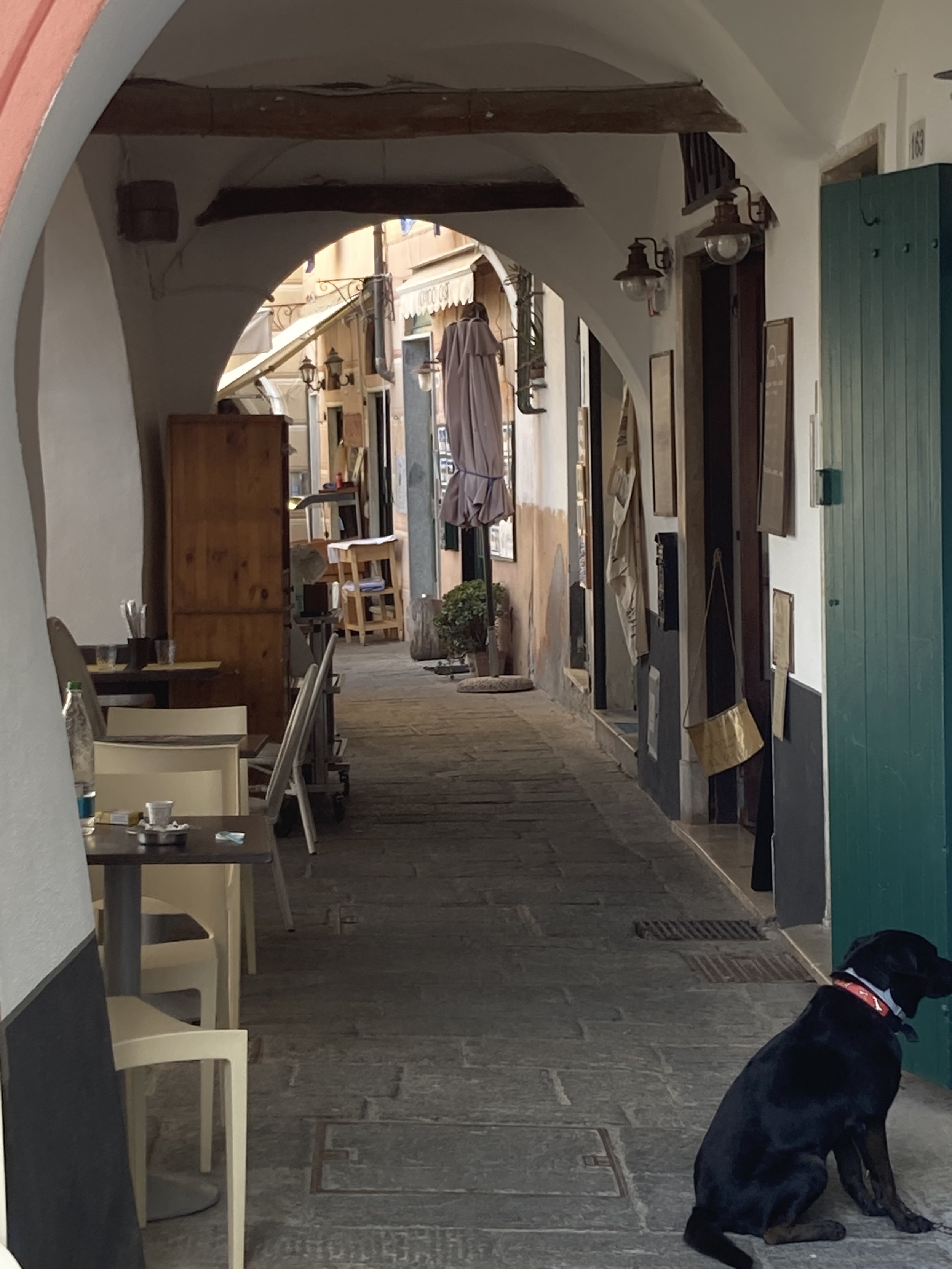
The rocky perch on which the church and castle stand separates the harbor from the seaside promenade that stretches along Via Garibaldi. The promenade plays host to shady archways, shops, restaurants (the local specialty is focaccia, but oh the gelato and granita!), beaches lined with colorful umbrellas, and distant views of sea and sailboats. I don’t think that there is a more tranquil, friendly spot on the Portofino Peninsula.

AC8C669F-DE10-4CDE-AF91-FB9D176BE176.jpeg
C8B87418-9861-4EA1-ACBF-9585C377FF05.jpeg
DCA2C35E-77CE-4E12-8788-16CAC3796ABB.jpeg
FB05535B-7C75-48E6-98D7-DDB2CF748F0F.jpeg
E5853B88-5FB5-4EAF-8D7F-5E6D9701807B.jpg
9C04B5EA-E36A-44DE-81CA-212A93FC6BD7.jpg

A day in Camogli was not nearly enough time to spend in this perfect little fishing village. I think fall would be a perfect time to return or perhaps in May for the annual Sagra del Pesce (Festival of the Fish). Or in August for the Festa della Stella Maris (Festival of the Star of the Sea) when candles float on the sea in honor of the Madonna who protects sailors. Decisions, decisions!

July 11, 2022 /Joanne Bartram
Camogli, Italian Fishing Village, #camogli, #liguria
#italytravel, Italy travel, Italy, Liguria, summer in Italy, #italiansummer

The coastline of Liguria is sprinkled with small ports, fishing boats, extravagant yachts, cliffside walking paths, and spectacular vistas.

An Italian Seaside Vacation

July 04, 2022 by Joanne Bartram in #italytravel, Italy, Italy travel

Some people think that living in Lucca means that I am on permanent vacation. Not true! My daily life here consists mostly of routine things - grocery shopping, laundry, cooking, paying bills - along with doing the research, photography and writing for Two Parts Italy. Fortunately, I am able to do these things in a spectacularly beautiful walled town surrounded by the musical sound of the Italian language, make little day trips to surrounding towns, and enjoy all the riches Lucca has to offer. Life here is a joy but not an endless vacation. As with any daily life, sometimes a gal wants (needs) to change things up a bit and go on a real vacation. Even better if that vacation includes sun, sea, quaint villages, and the beautiful rugged coast of Liguria. Add in a visiting daughter and a couple of grandkids and you’ve got the foundation for a great trip.
Rapallo’s seaside promenade - the view from our Airbnb apartment. Perfect location!

Arriving by ferry to villages from Portovenere to Portofino added a fun dimension to visiting villages along the Ligurian coast

I always think that the best vacations combine someplace new with a much loved place from a previous trip. My June vacation met both of those criteria. The new place was the Portofino Peninsula. The return visit was to Levanto, a special request from my grandkids who fell in love with this laid back seaside town on their first visit to Italy several years ago. And while I picked the two towns in which we based, I pretty much let the activities be driven by my grandkids who, at ages 17 and 13, had some pretty specific requests - boats, beaches, one big city adventure, a little shopping, and lots of gelato.

First stop: Rapallo and an Airbnb apartment a block from the sea and just steps from lively restaurants, bars, and shops. Rapallo makes a great base for exploring the whole peninsula, including the towns of Santa Margarita Ligure, Camogli, and Portofino as well as the more rugged areas (great for hikers) around the Abbey at San Fruttuoso. In the summer all of these are connected by the Tigullio Ferry System, a fun way to travel around the area. Rapallo also has a very convenient train station with quick connections to Santa Margarita and Camogli. Genoa is an easy day trip too, just 23 miles away.

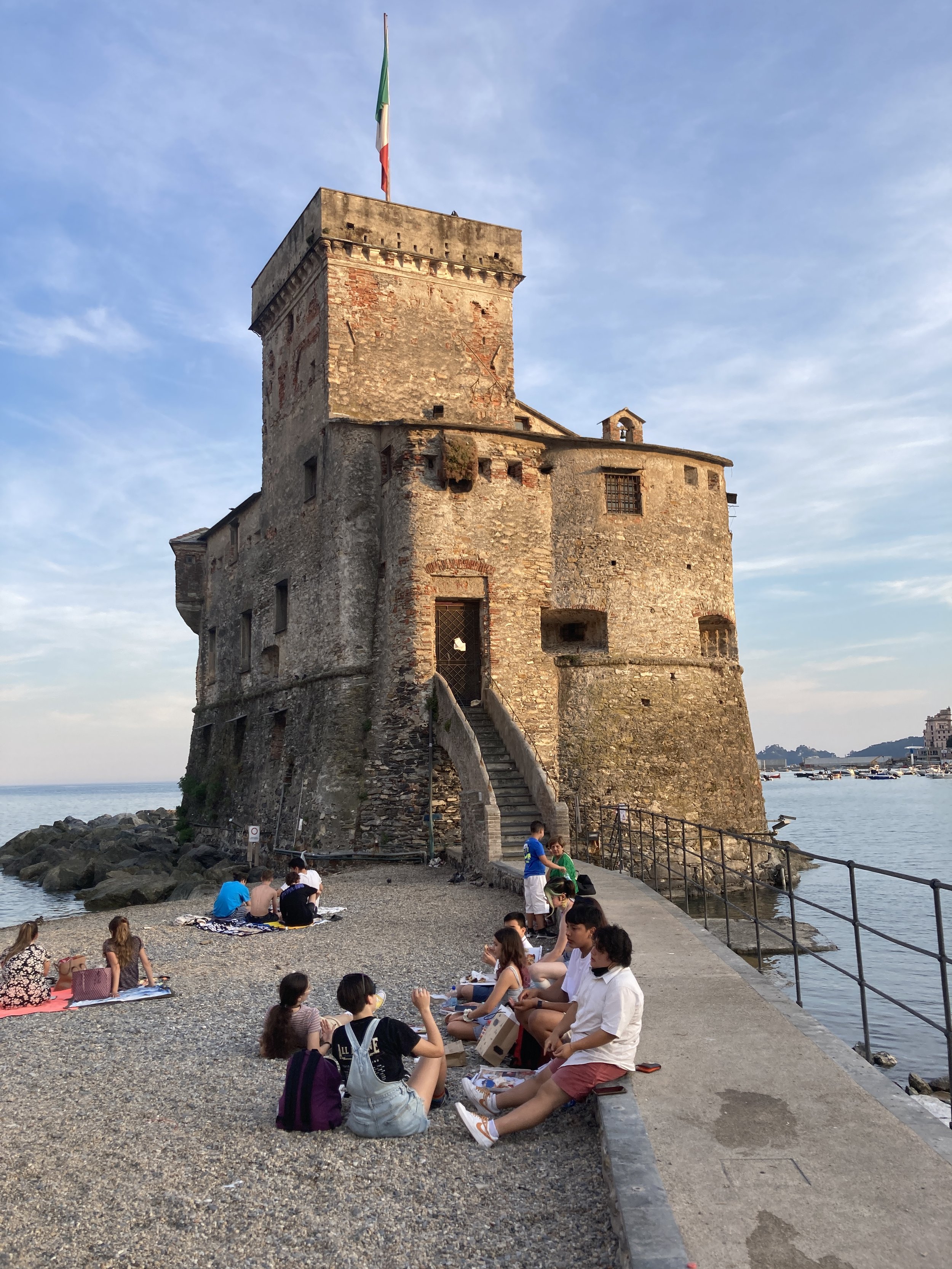
The castle fortress in Rapallo.

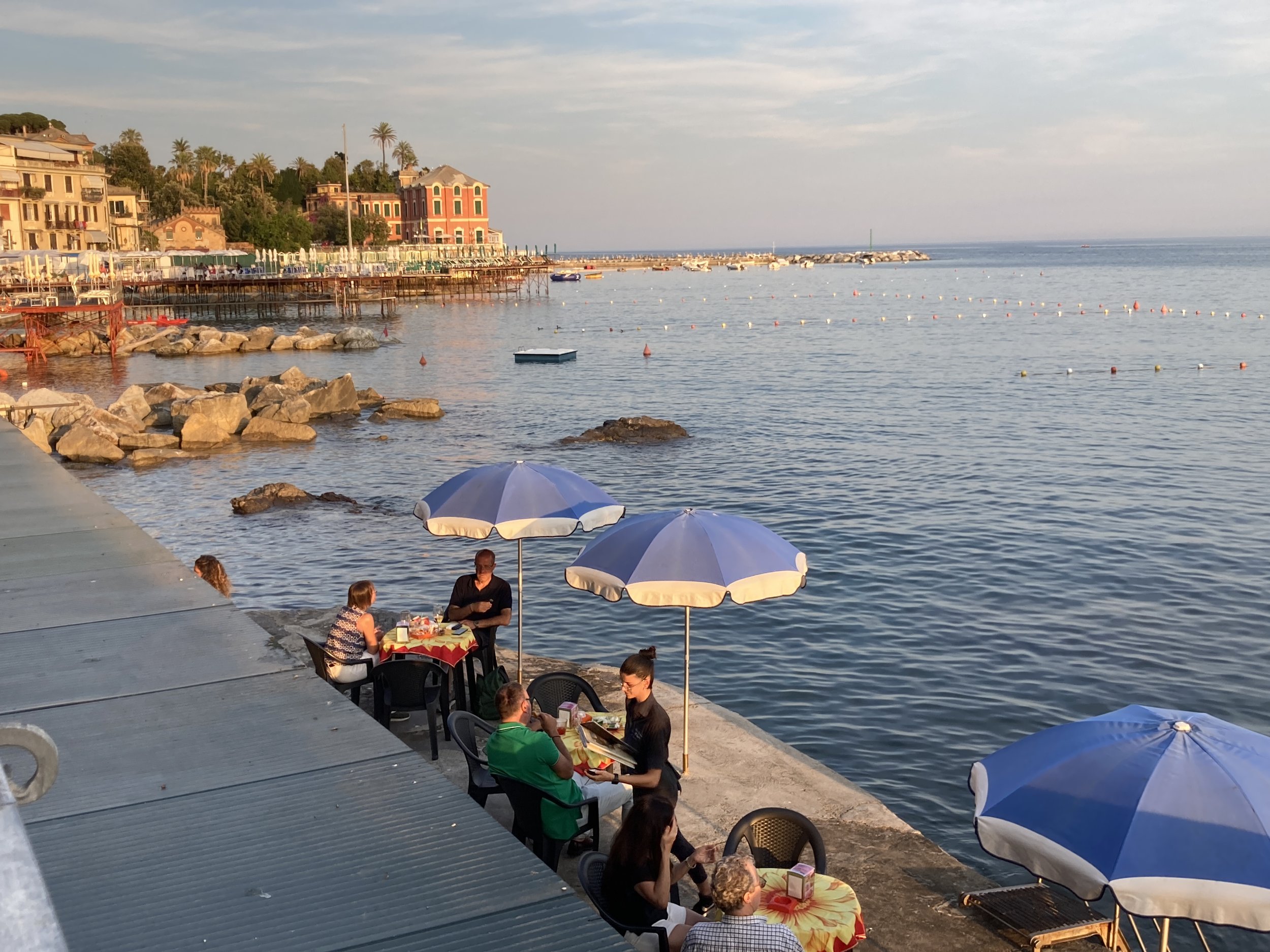
Rapallo has a lovely seaside promenade, the Lungomare Vittorio Veneto, which curves around from a harbor and sailing school at one end, to a private beach club, a small public beach (under construction during our visit), and down to a castle fortress. The fortress was built centuries ago to defend the city of Rapallo from the 16th century pirates who once caused havoc along the coast. It seems to still be working - there wasn’t a pirate to be found during our visit. Next to the castle is a small public beach. As is typical for this area, the beaches are more pebbles than sand. Walk further and find some seaside hotels, good spots for a sunset cocktail, and pretty villas. All along the way are street mosaics with sea themes and gorgeous views.

24AA7E1C-3160-49F9-B7E4-4A8BD9DA4BBC.jpeg
45FC32E2-C0E4-499E-B8BC-6053726BA71E.jpeg
6160618C-31BB-4216-96E6-523818D4597E.jpeg

Across the street from the promenade are several restaurants with pretty views, attracting lots of tourists.

We had great pizza there one night at Pizzeria Nettuno where you can select your crust (classic, integrale, or a soy/rice blend) and choose from a huge variety of toppings. It may have been along the seaside “tourist row” but it was terrific pizza.

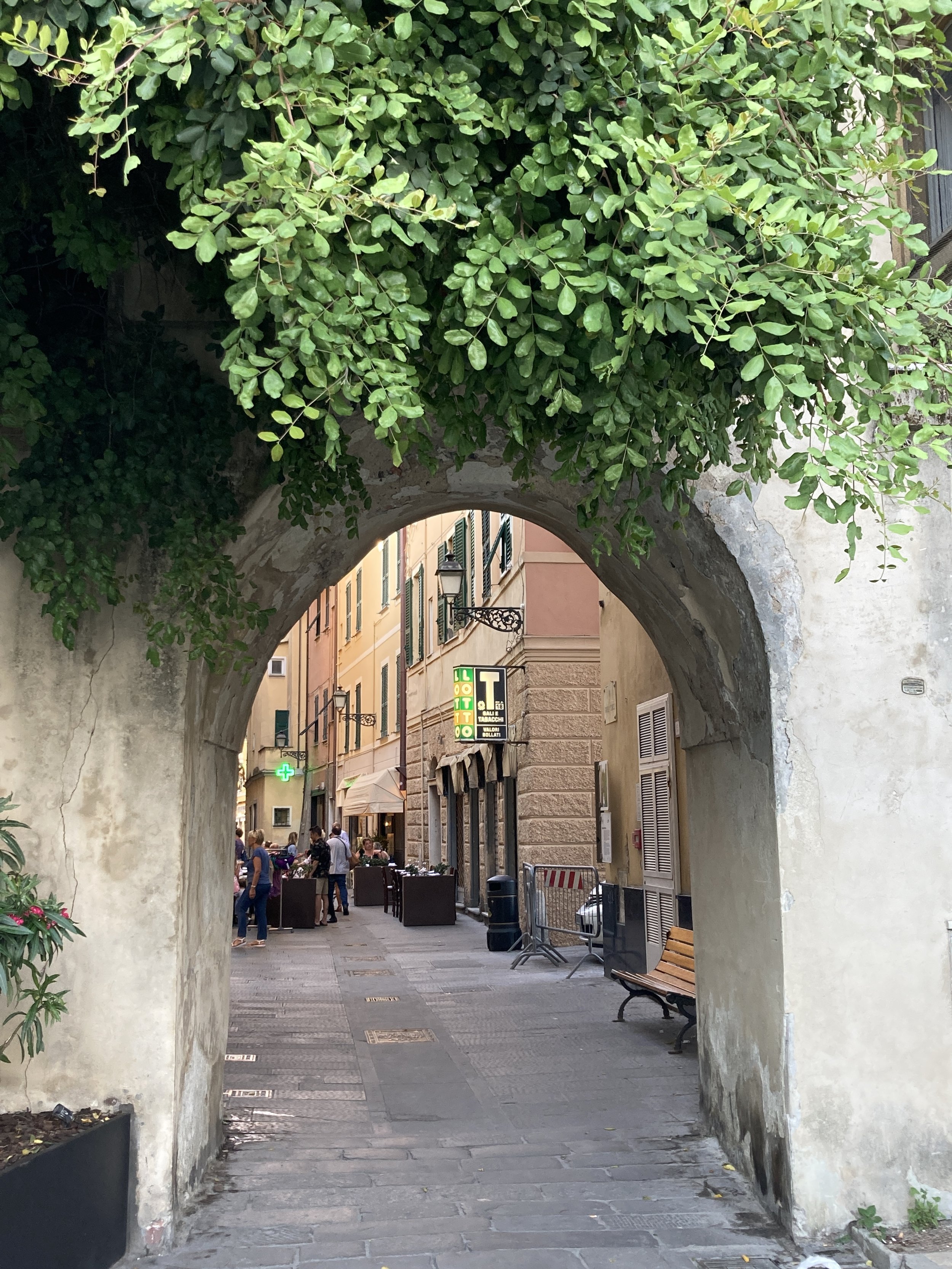
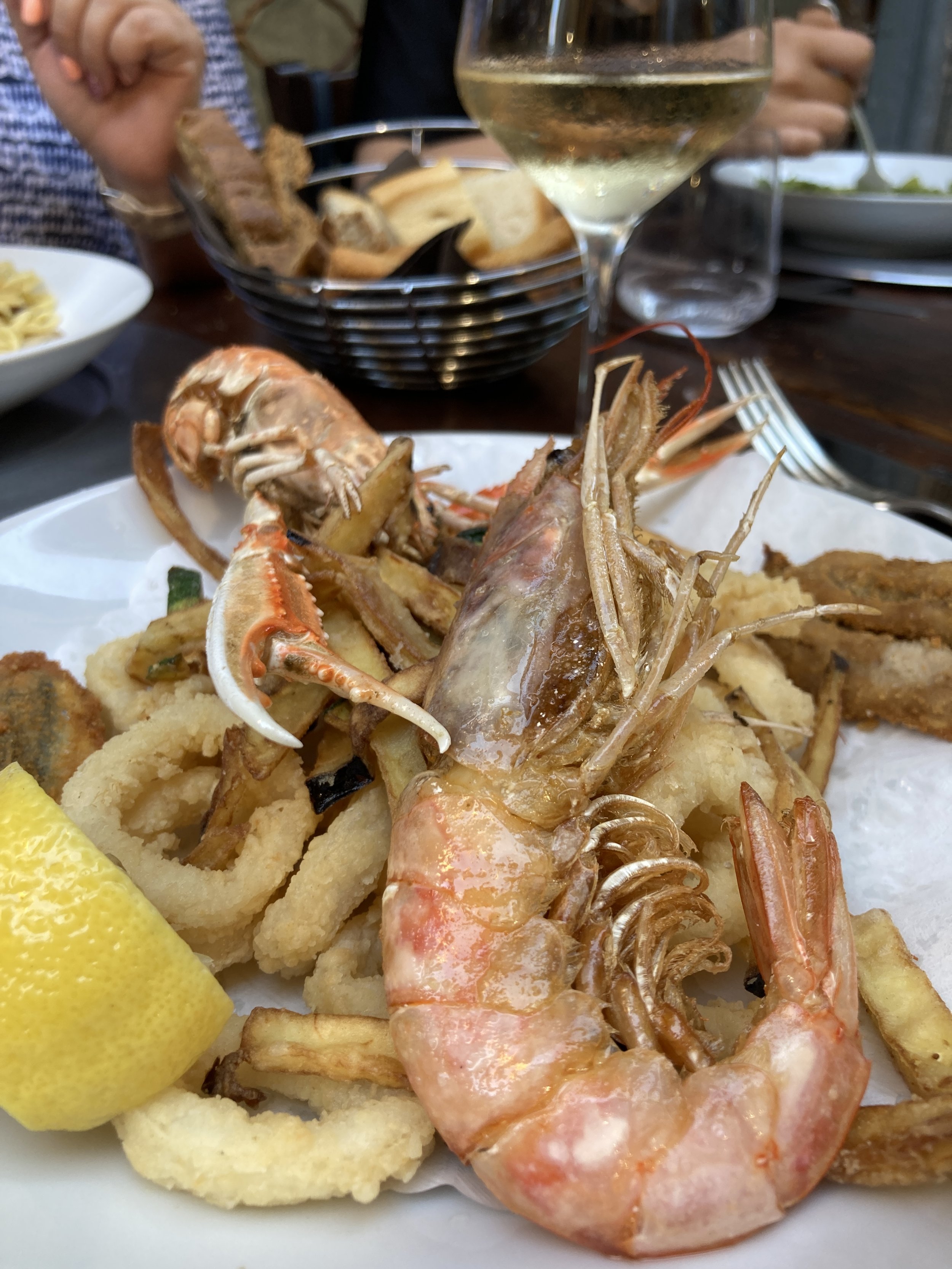
Small pedestrian only streets lead away from the water and into the center of town where we found our favorite bars and restaurants. No sea views, but lively and with really good seafood and trofie with pesto, a local specialty. We particularly liked the Osteria Vecchia Rapallo for it’s fritto misto and pasta dishes.

CC55B4ED-7667-4ED5-AB2F-3E50CED22F64.jpeg
7AA5FB44-4B67-43FB-A037-0AA732D907E0.jpeg
E69050C3-1B78-4307-B7DA-CDDDCD402099.jpeg

Aperitivo time (virgin cocktails for the kids)

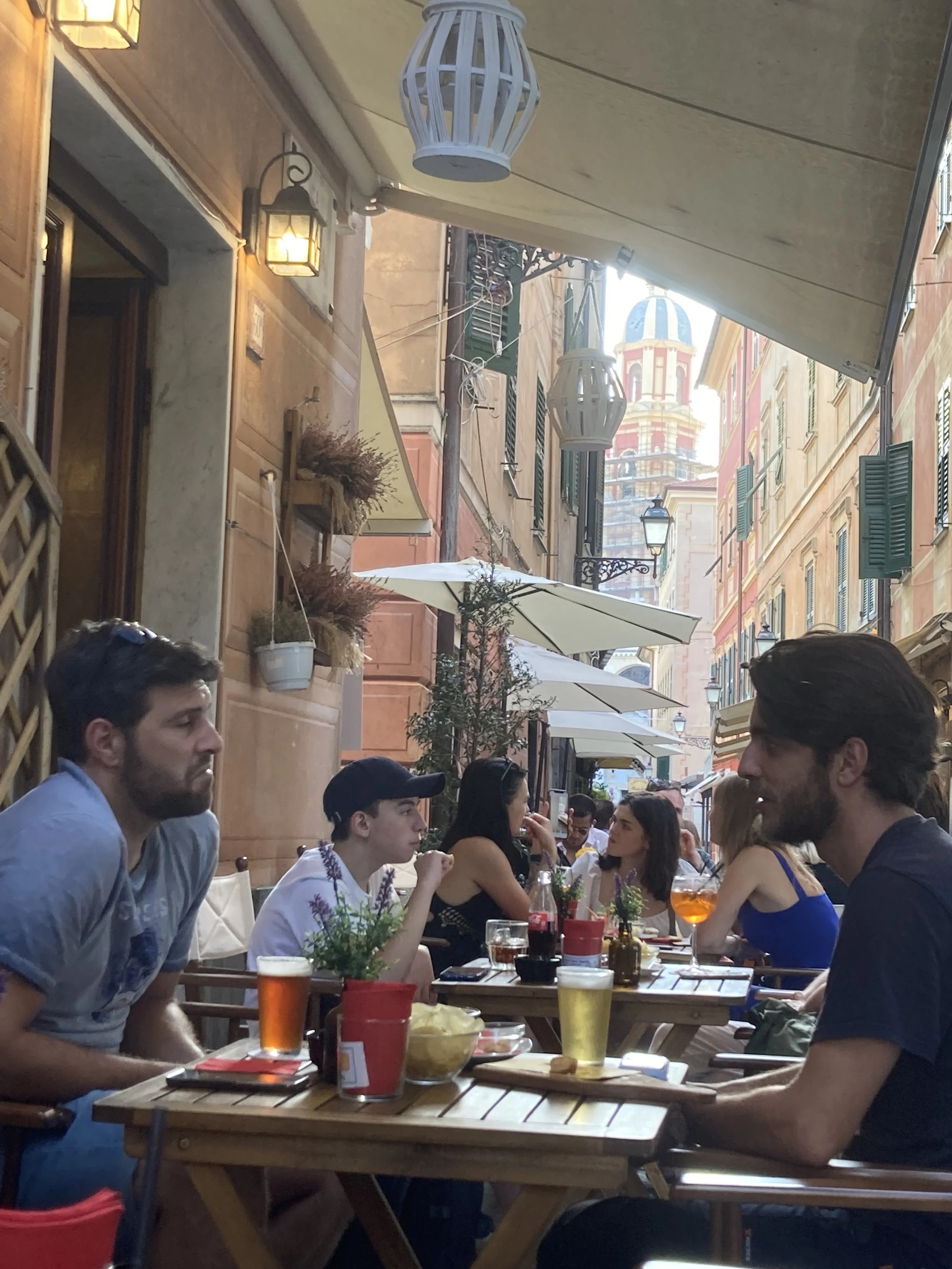
Of course, summer in Italy means sipping a cocktail in a piazza or pretty side street before dinner.

In that spirit, I introduced my teenage grandkids to the joys of the Italian aperitivo at the wonderful Taverna Gallo Nero. Sitting here during aperitivo hour is the very best kind of street theater and people watching.

While my daughter and I sipped Aperol Spritz, the kids enjoyed virgin cocktails along with traditional aperitivo snacks. After all, an aperitivo is a not-to-be-missed cultural experience when in Italy!


Rapallo is filled with beautiful architecture. The Liberty Style villas are gracious and colorful. The old part of town is famous for the painted tromp-l’oeil details on the buildings.

It’s fun to spot the false painted windows, an 18th century tax evasion trick (when taxes were based on the number of windows in a building).

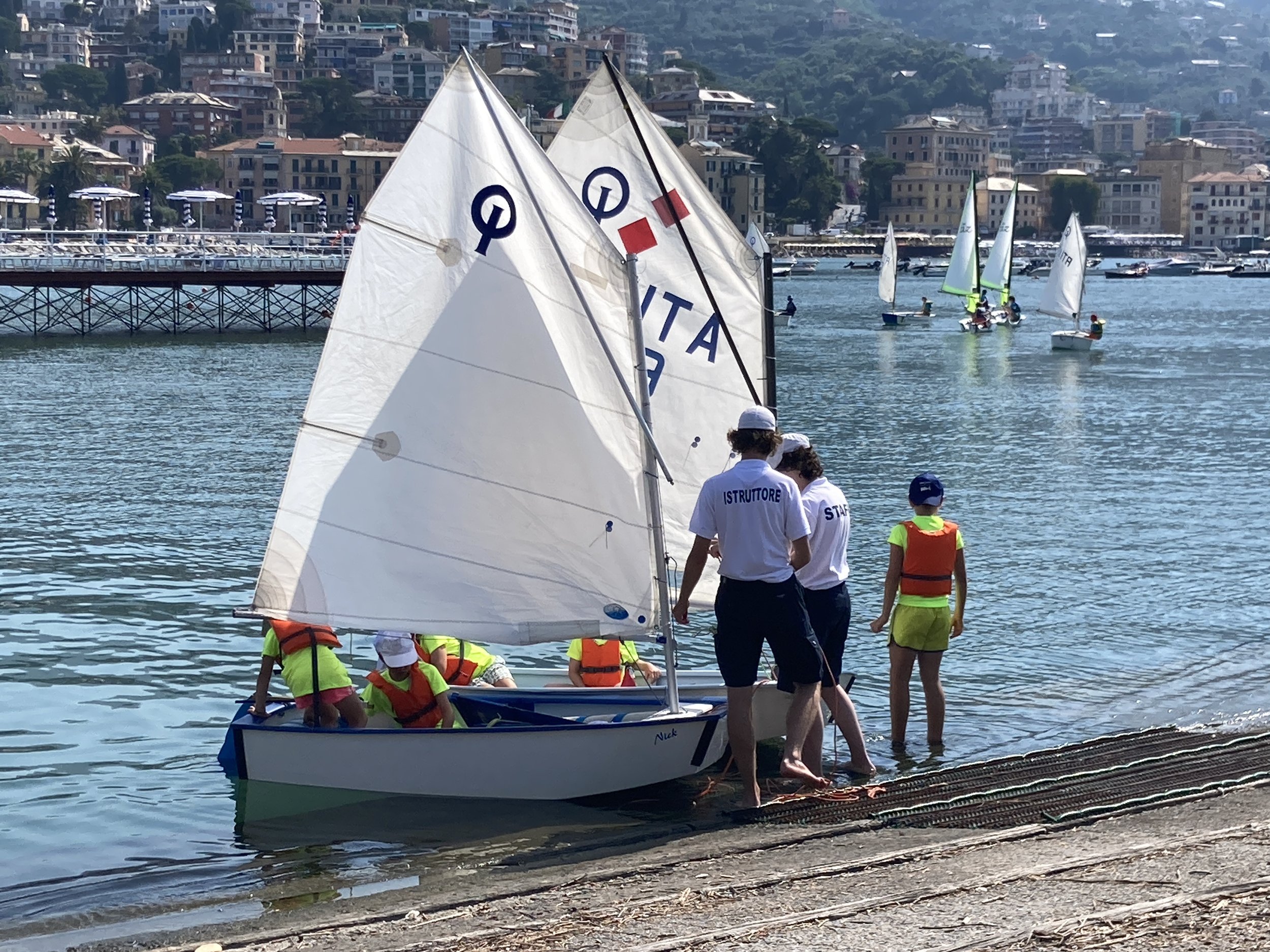
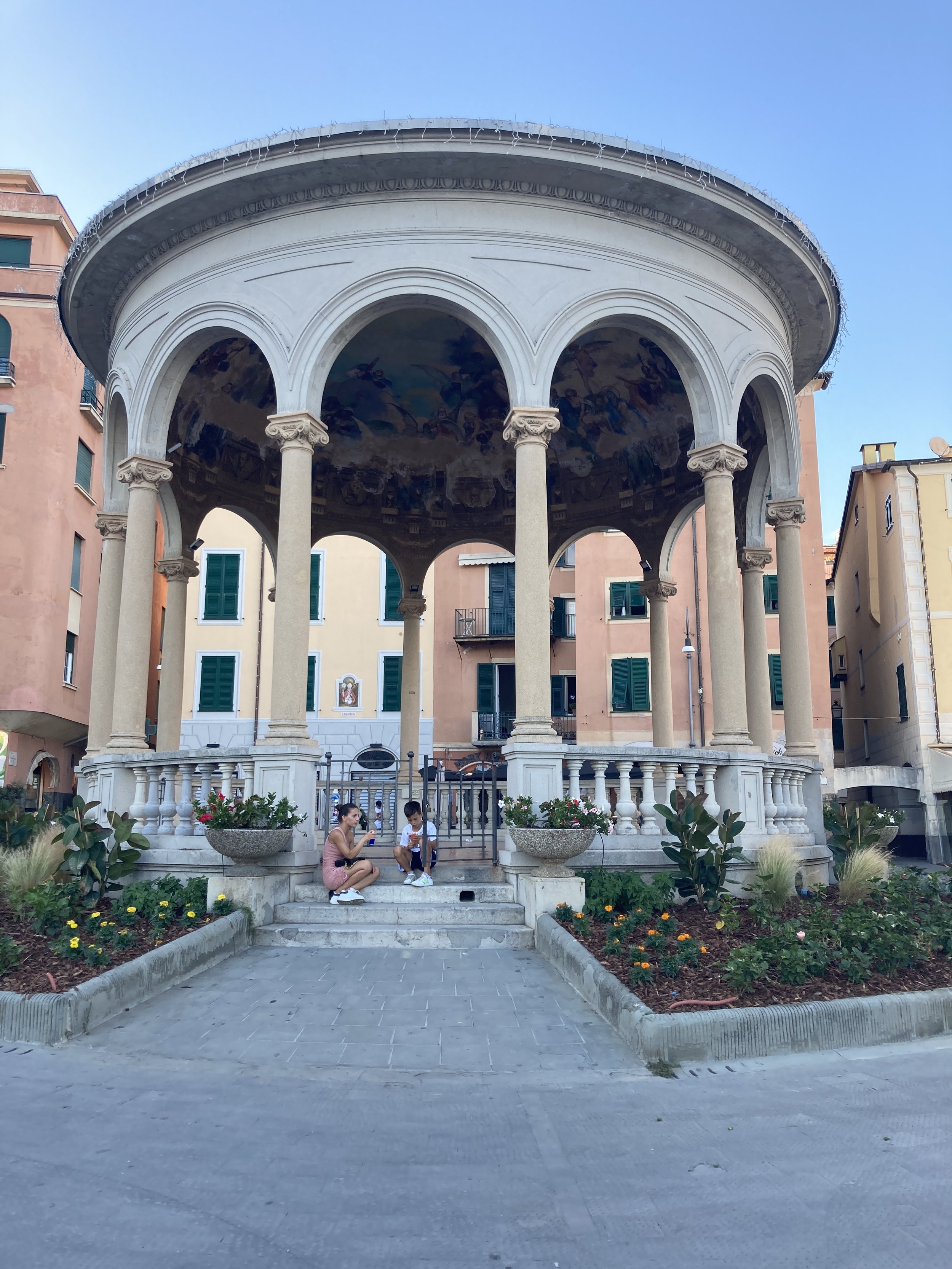
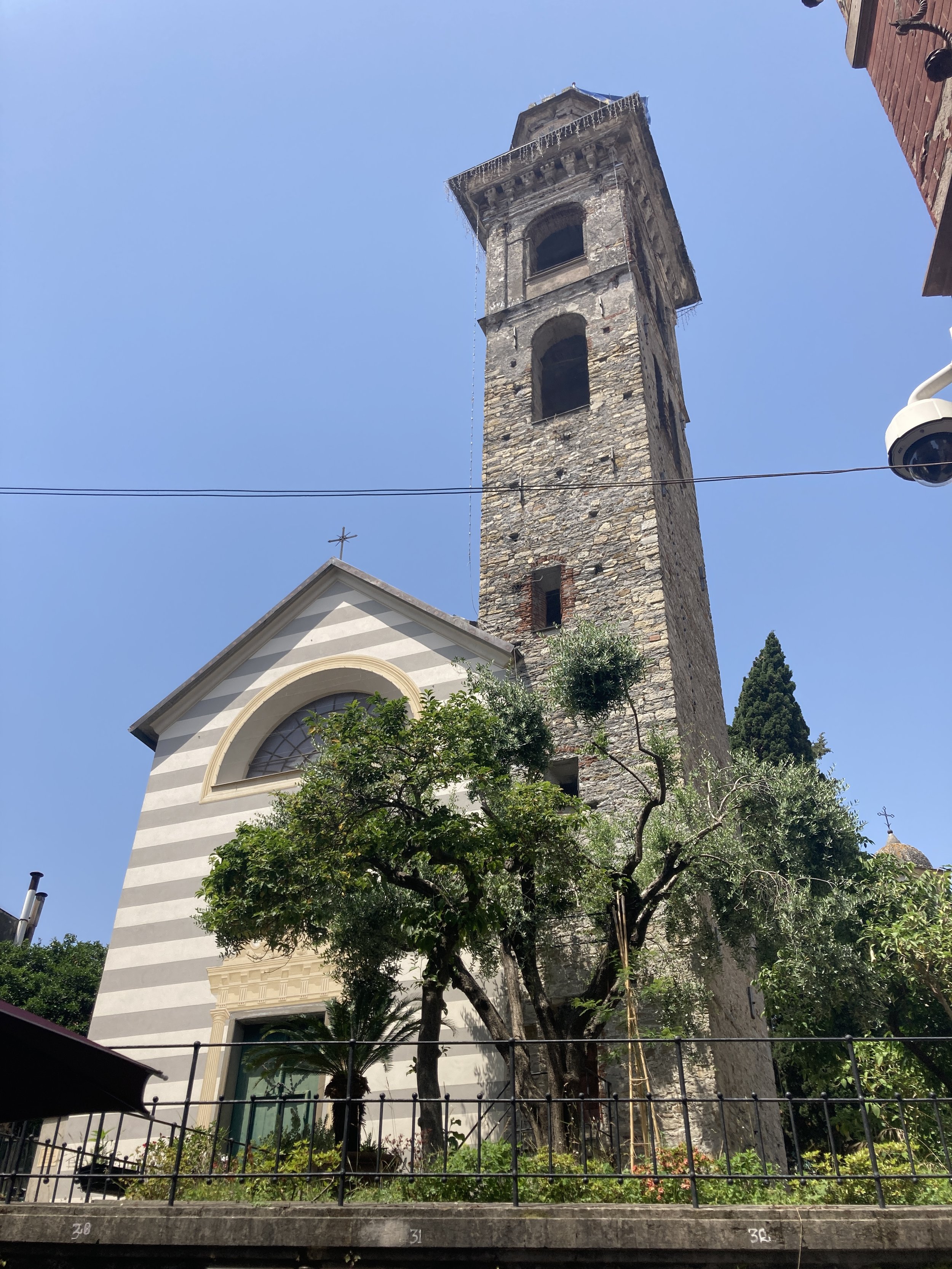
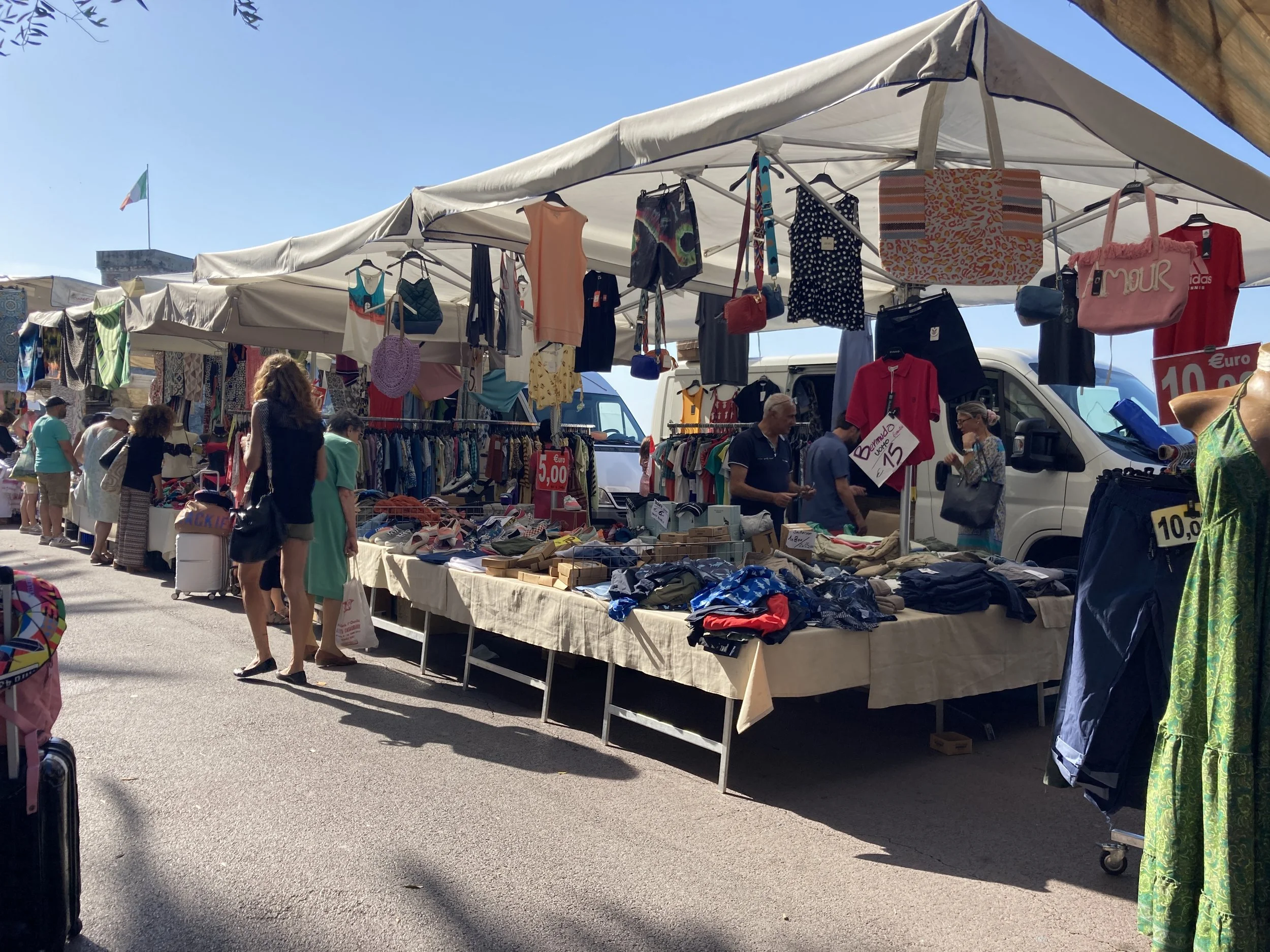
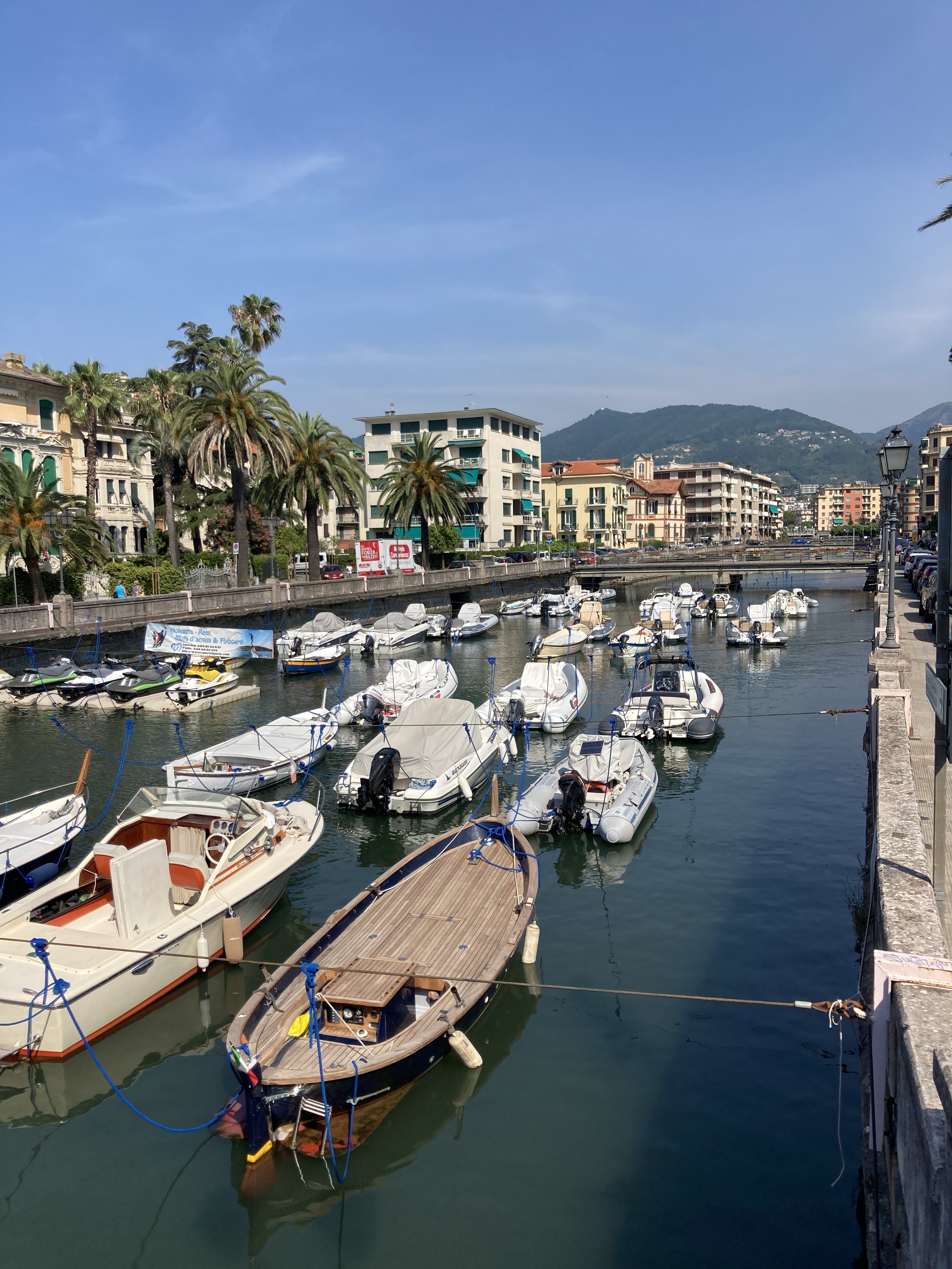
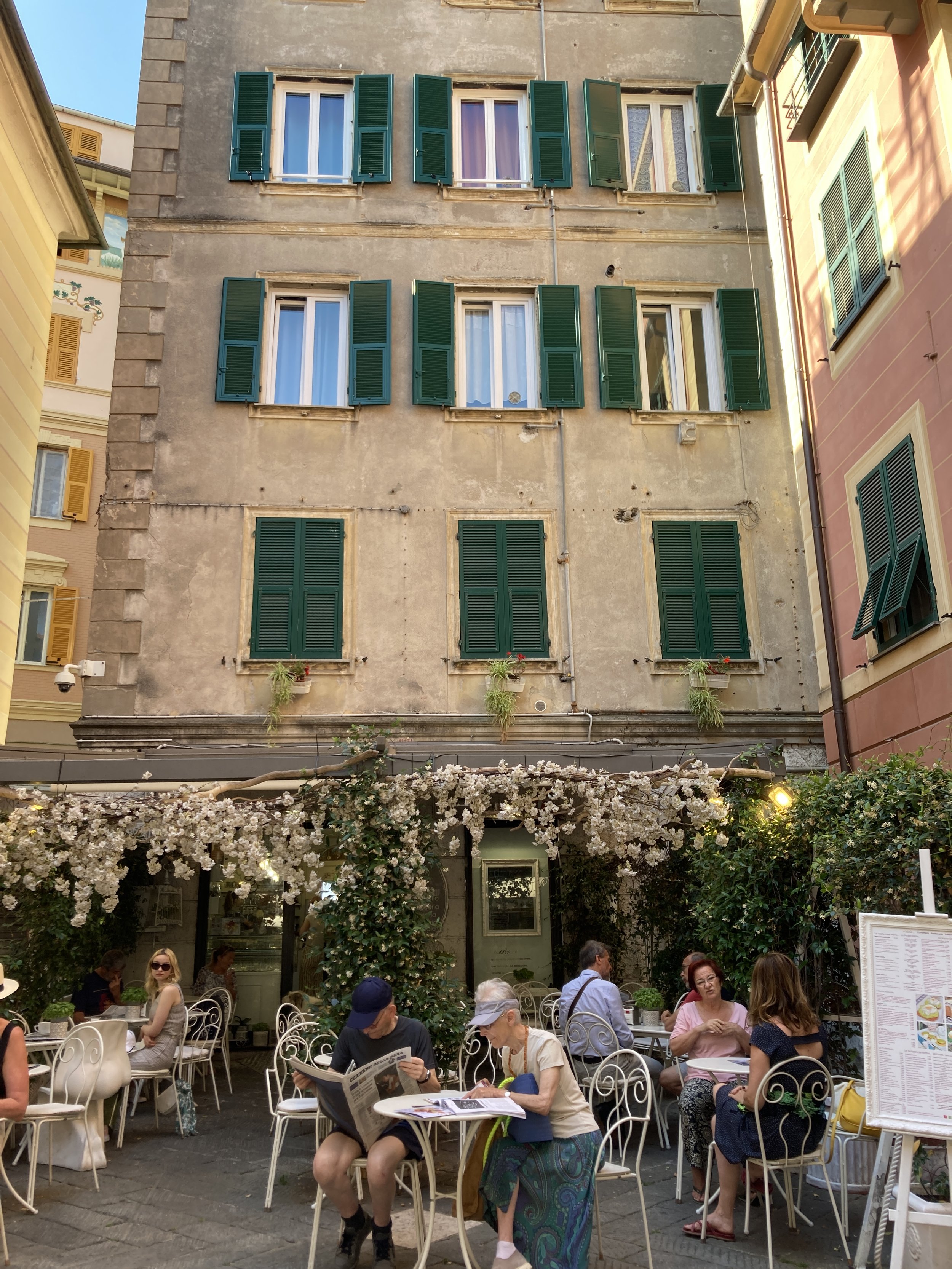
Wandering through town we found ourselves watching ladies make fresh pasta through a shop window, intrigued by a storefront where they made delicate lace by hand, and inspired by kids learning to sail with instructors from the local sailing school. We also roamed through pretty parks (with a statue of Christopher Columbus pointing the way to the new world), along canals leading to the sea, past small churches, and through markets. There were charming piazzas, inviting courtyards, and cafes around every corner.

31371C75-46D3-449D-8B52-57F63DE58CEF.jpeg
392B48B2-3705-4027-A95E-1D14BDFF9094.jpeg
BE294F64-F25E-4BBA-93DA-F4CD0D7D688E.jpeg
026048E8-DE55-47B3-A596-6E24492C06CE.jpeg
6ADFD133-3F84-47A8-A72A-BB3128BE6F65.jpeg
F7EAA929-0DED-4637-885C-1D6A1188C936.jpeg

Rapallo made the perfect base for exploring this part of the Ligurian coast. Our visit provided an introduction to the town ( a longer stay is definitely in my future) and a chance to visit several surrounding villages. I think we all agreed that our favorite spot was the small fishing village of Camogli. More about that next week!

July 04, 2022 /Joanne Bartram
Liguria, Rapallo, #rapallo, #italianseaside
#italytravel, Italy, Italy travel

A Historic Garden In Collodi, Italy

June 20, 2022 by Joanne Bartram in #italytravel, #lucca, Italian art architecture, Italian gardens, #italiangardens

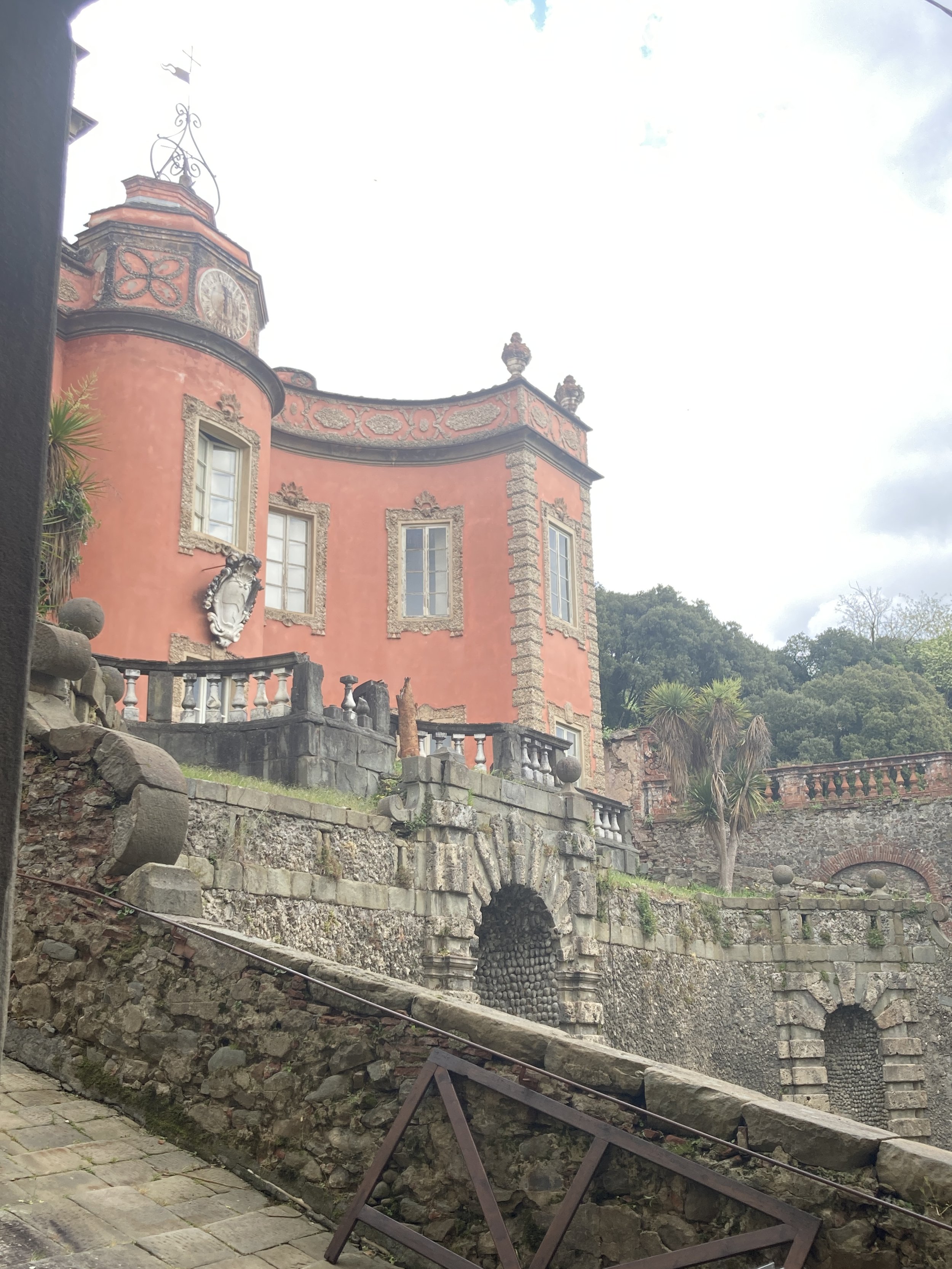
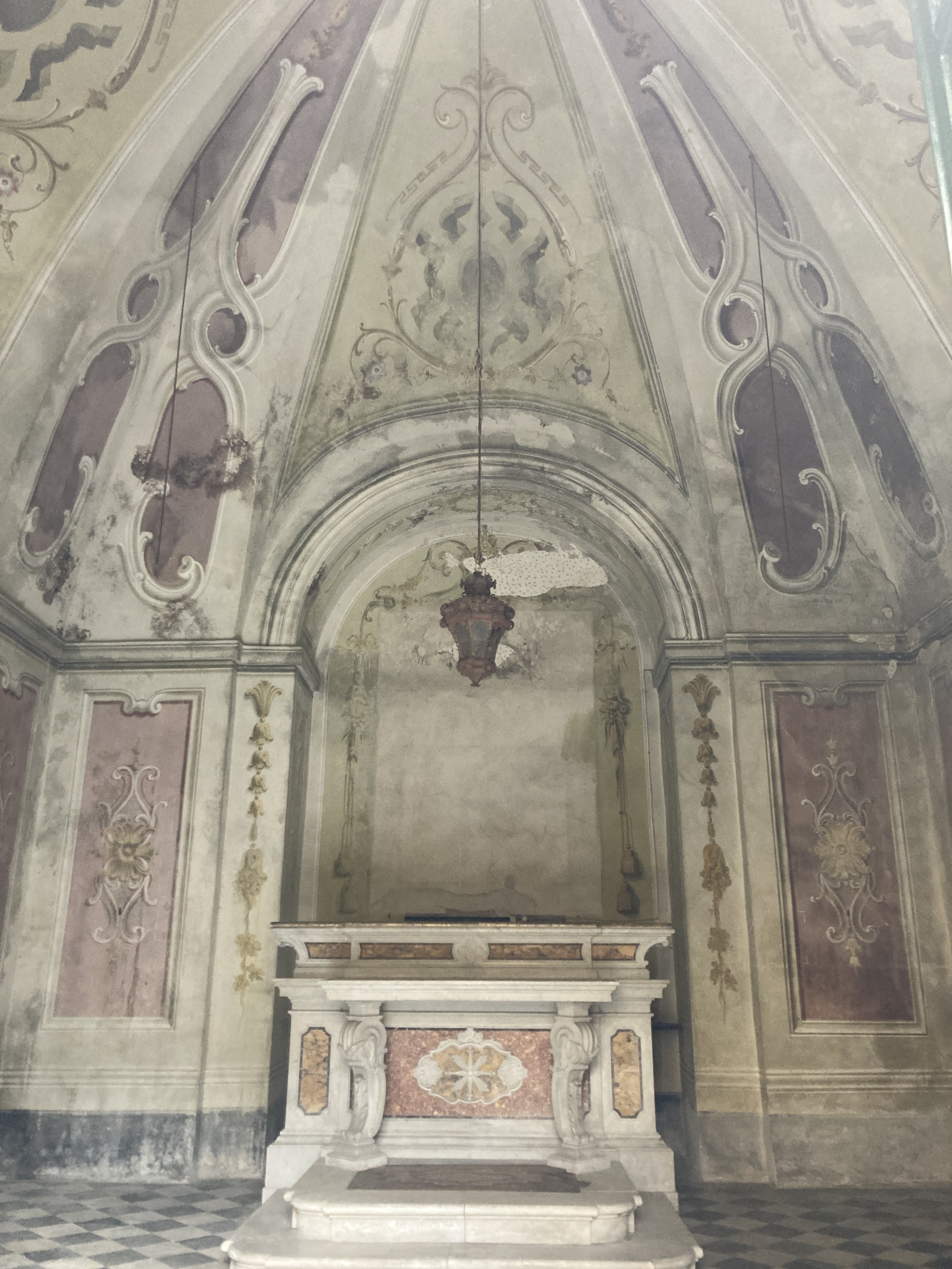
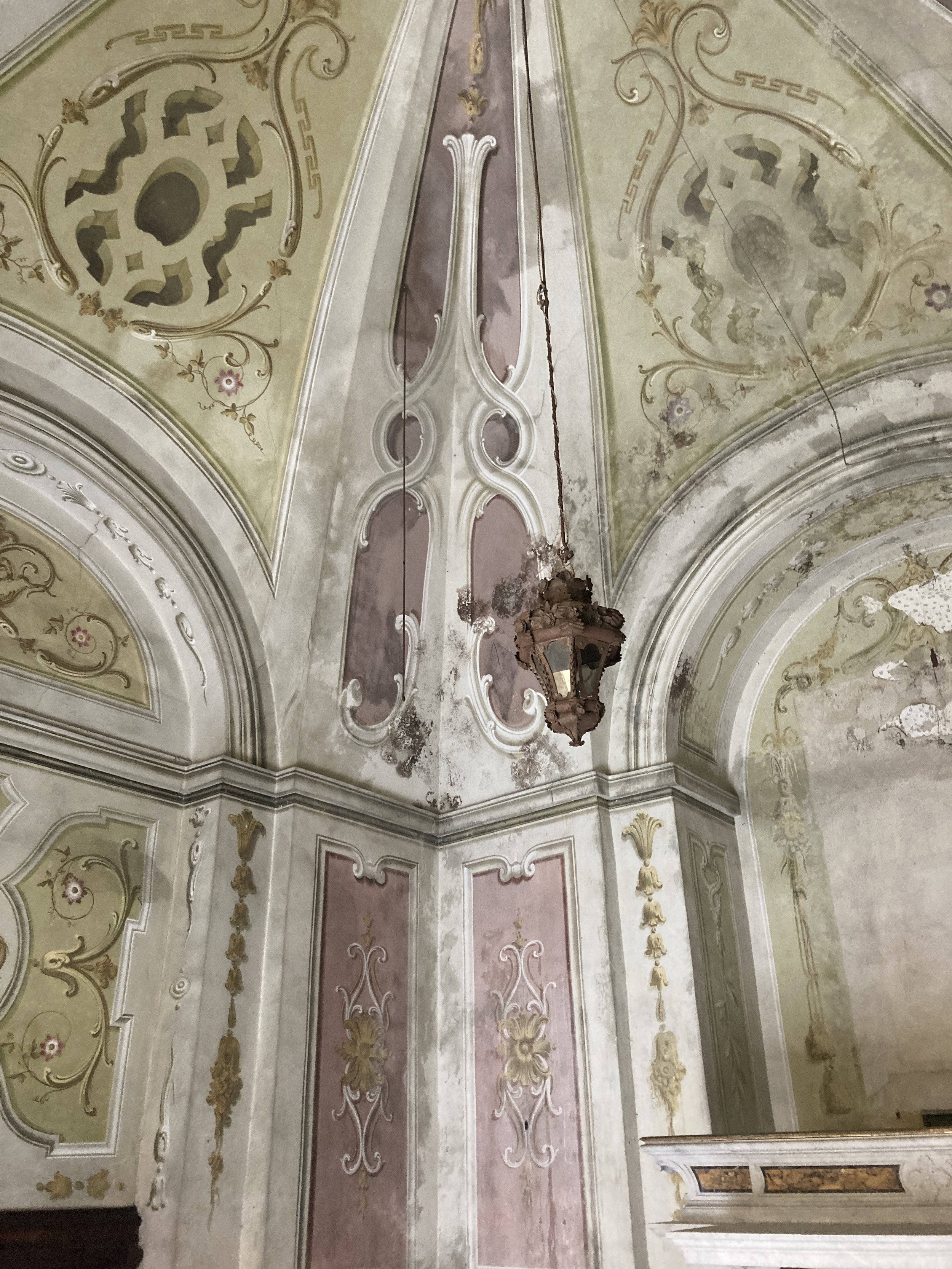
Collodi is a fairy tale place. It is not the Tuscany of rolling hills, carefully tended vines and olive trees that most people picture when they think of this region. Instead, the small village of Collodi seems to climb straight up a mountainside in the middle of a forest, hanging precariously on the slope. At the top is the medieval fortress La Rocca and a small church. At the bottom is the Villa Garzoni, built on the ruins of a Medieval Castle. An imposing structure, with its yellow color and 100 windows, the villa sits at the entrance to the town of Collodi. The villa itself is not open to the public, nor is the colorful Palazzina d’Estate (Summer Palace) which sits directly behind it. The only part of either that it is possible to enter is the Palazzina’s chapel, pictured below.

9DFA9511-6FEF-4380-A2BF-4261B0A85370.jpeg
DF584B98-13D0-4F46-852F-65D999BAA00B.jpeg
2BDA4BB3-4EB6-48BA-A65E-B3142501FCDD.jpeg

And then of course there is Pinocchio. Carlo Lorenzini, the author of Pinocchio, used the pen name Collodi as an homage to this village where his mother once worked. Many families come to Collodi to visit the Parco di Pinocchio (Pinocchio Park), a children’s adventure theme park based on the storybook character. But it was not the Pinocchio story that drew me to Collodi. Instead, I went with friends who were in Italy to visit classic gardens. The historic Giardino Garzoni, dating from the mid-1600’s and completed by the Lucchese architect Ottaviano Diodati in the 17th century, was on their “must see” list. I was delighted to join them for a day of visiting gardens near my home in Lucca.

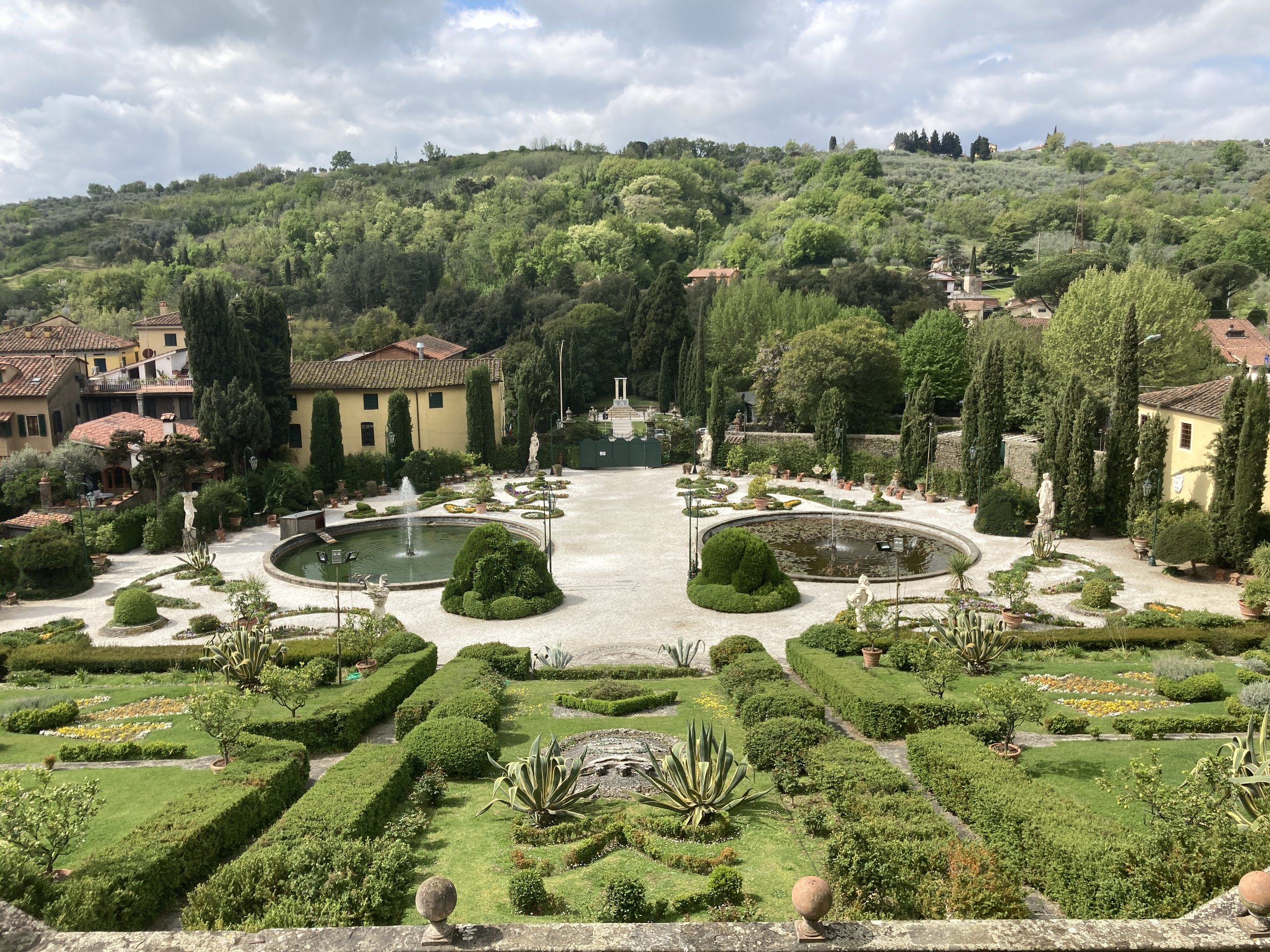
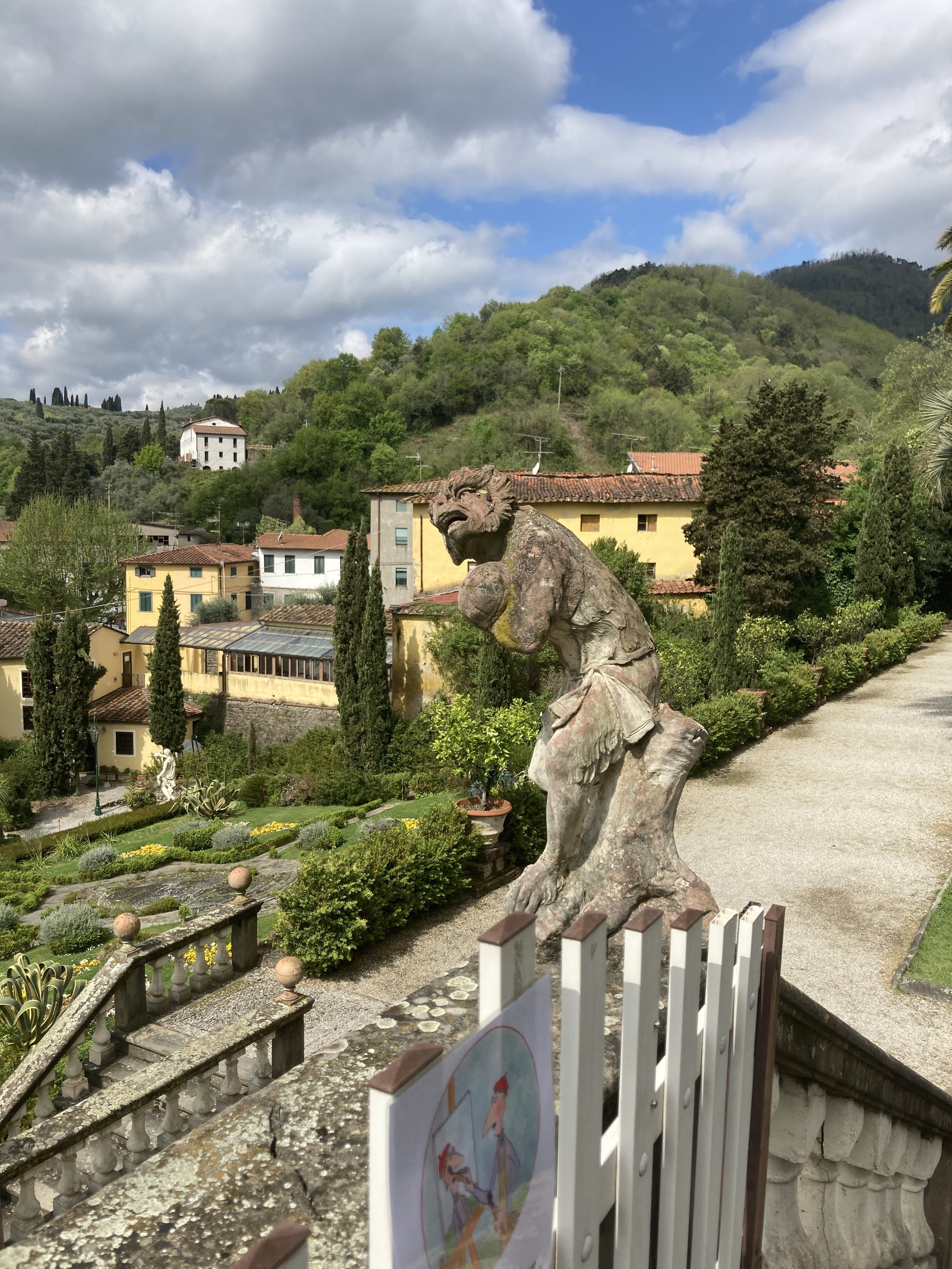
Looking down on the lowest part of the garden, from an upper terrace

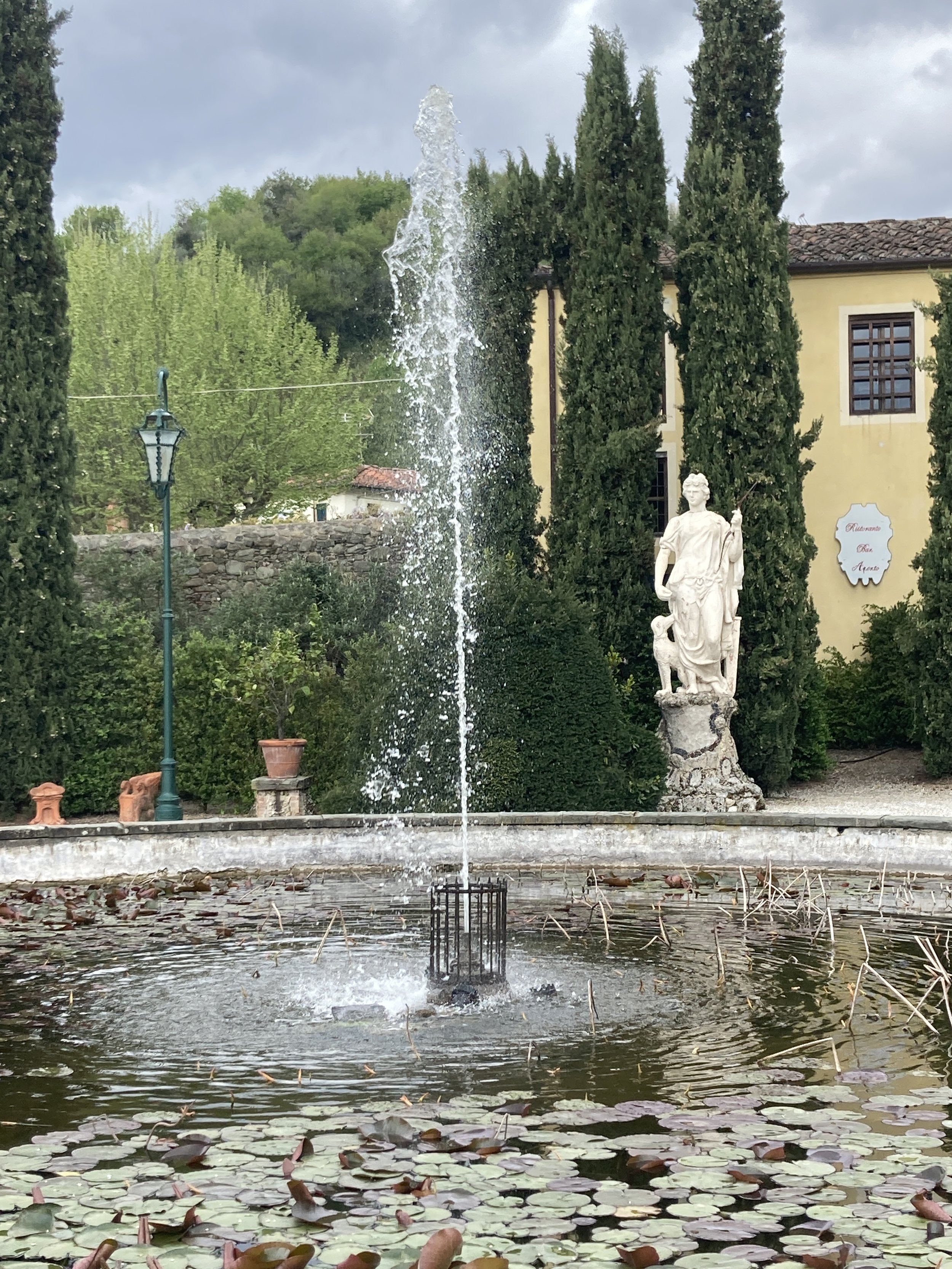
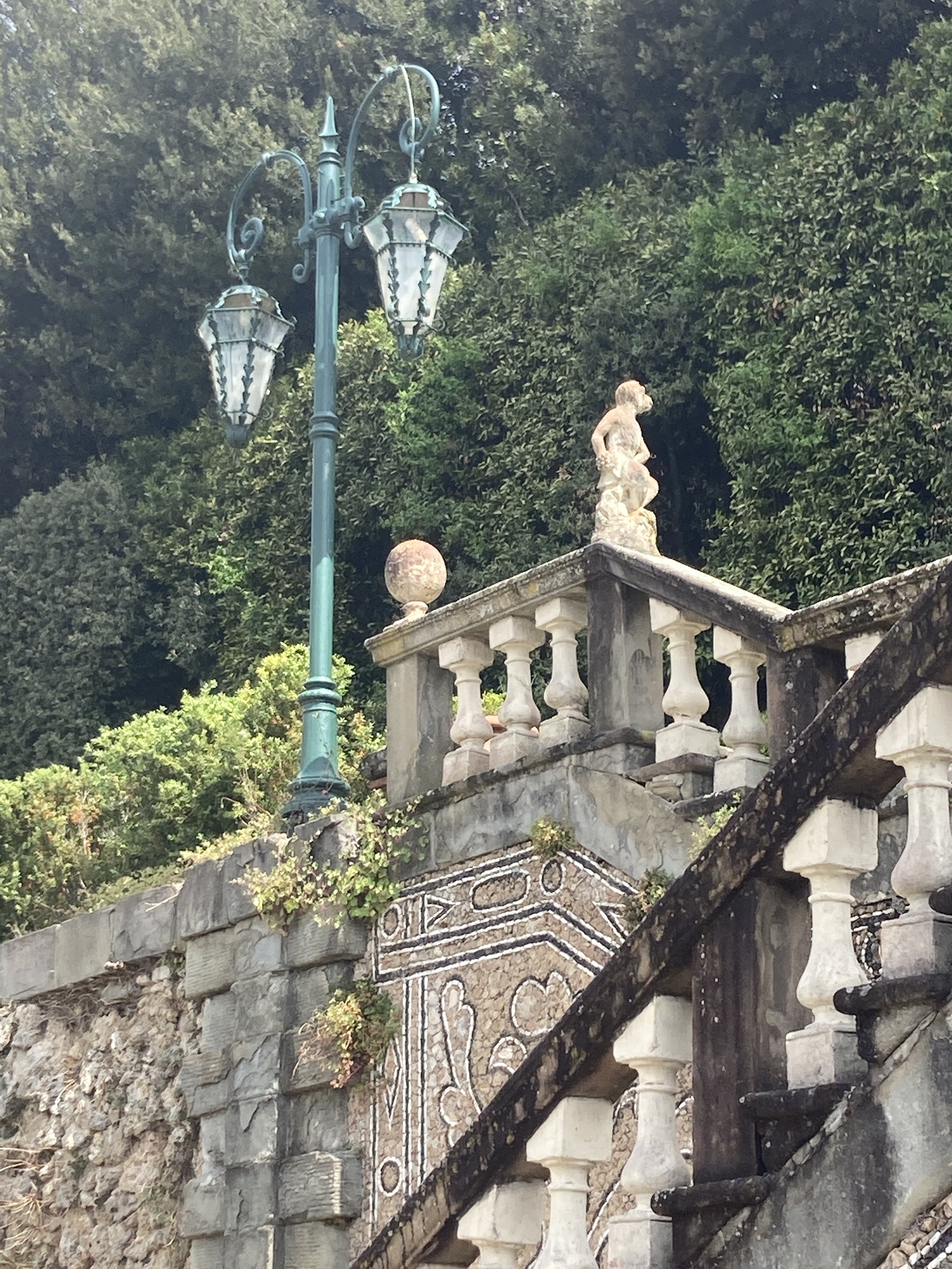
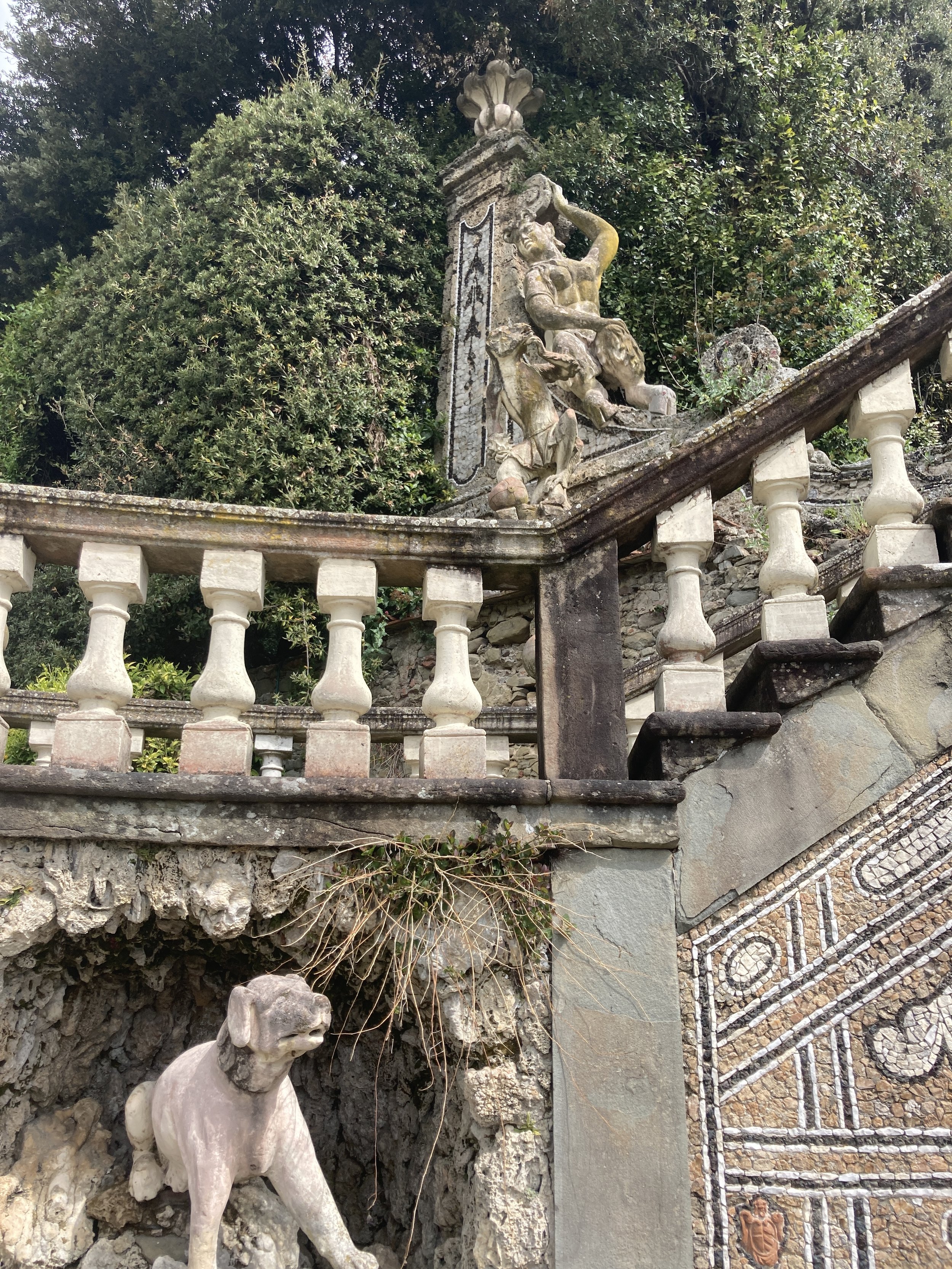
The Garzoni garden is a wonder, with something enchanting to see at every turn as it climbs the steep slope beside the villa. Like many Italian Renaissance gardens there is amazing architectural detail including a dramatic twin staircase (which contains a hidden grotto)

The twin staircases to the upper terraces

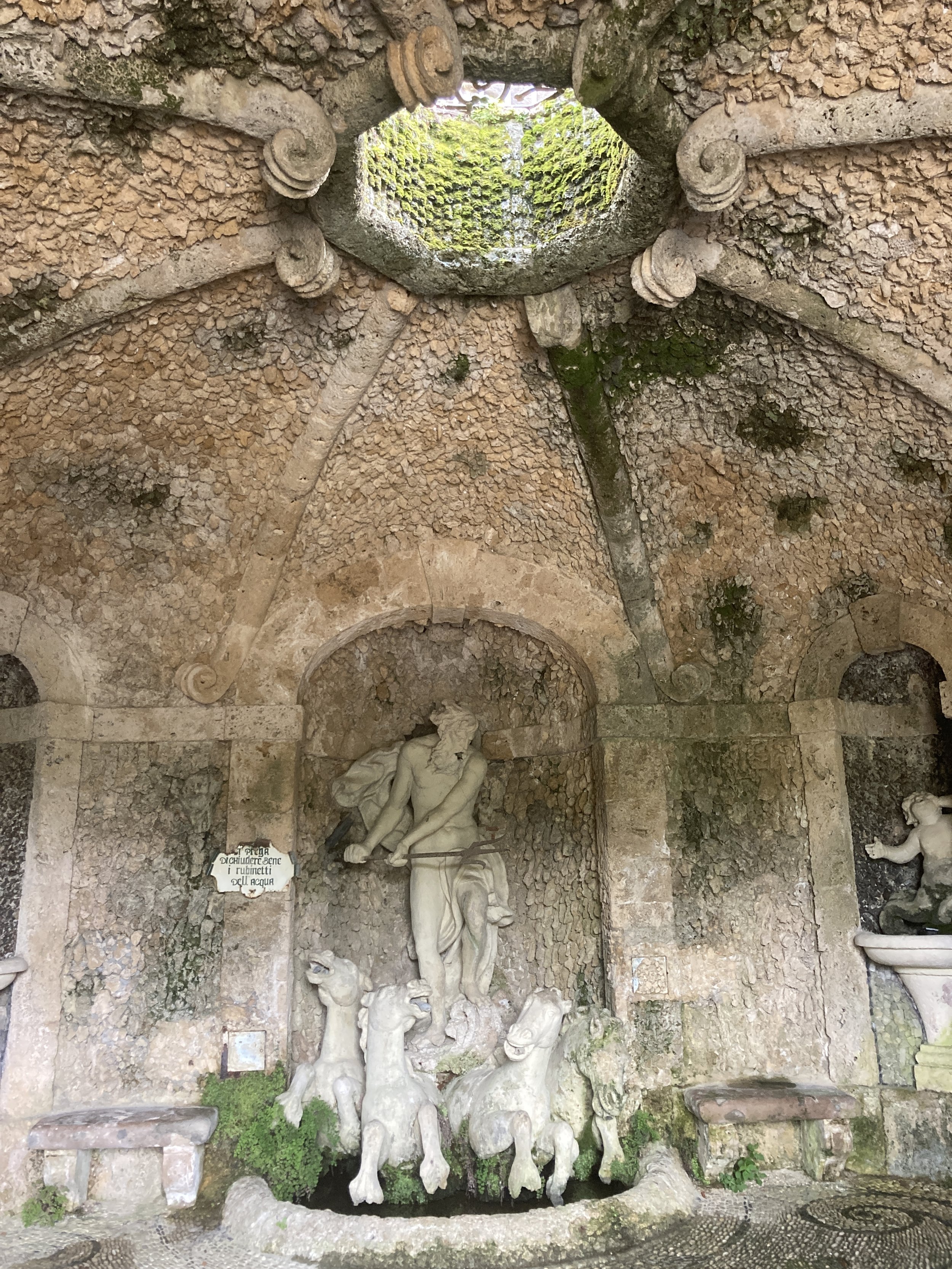
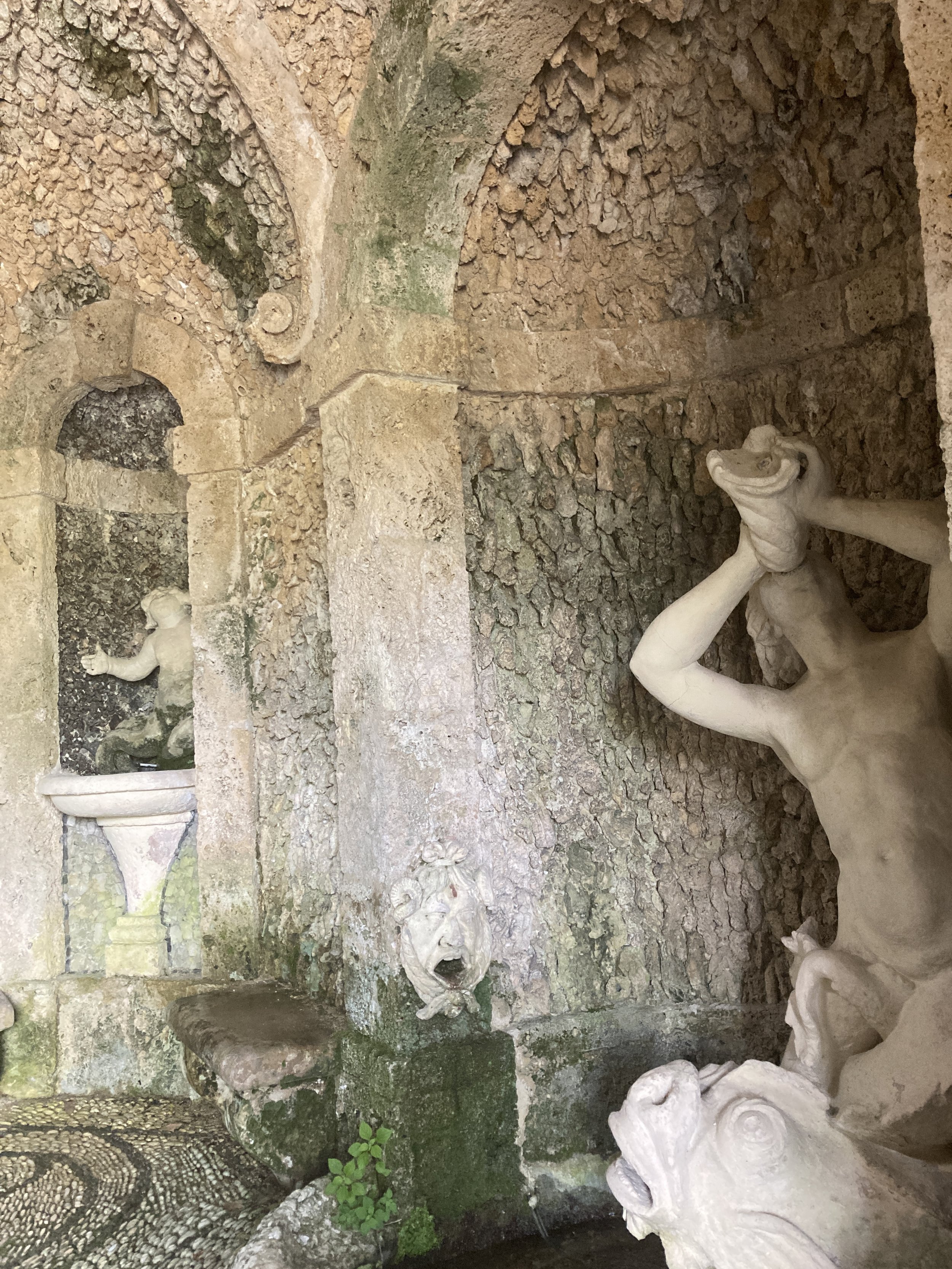
Water also plays a starring role in the garden, with a series of fountains and cascades of water tumbling down the slope. Tucked under the stairs is the Grotto of Neptune, another watery feature.

54918553-507D-437A-9CF9-106DD7D72F0F.jpeg
31FF995C-A5D0-4F05-B5EE-5BA7E8DBEADF.jpeg
F88BEB8E-BA6C-4C11-875F-7FF1162CA8DE.jpeg

Two round pools lie at the bottom of the garden, just below a parterre full of greenery and flowers. Above that lies the staircase which begins the upward climb through several levels of terrace.

5959F94E-8F8E-4AF7-B080-CEE61A1FE216.jpeg
80E83EC6-70D4-49ED-BD15-01CE7D7006AD.jpeg
08A3977C-664F-4375-8134-0D265B098A70.jpeg

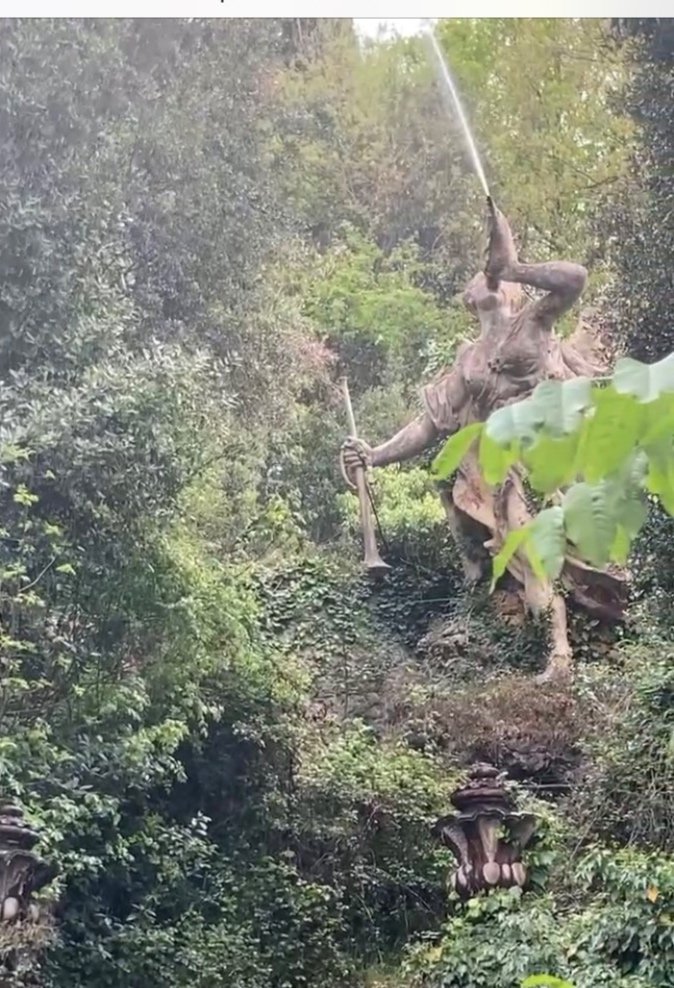
Keep climbing to the water stairs which flank the cascade that runs down to the lower garden. At the top of the climb lies a pool with a statue of Fame, who blows jets of water from a horn in dramatic fashion.

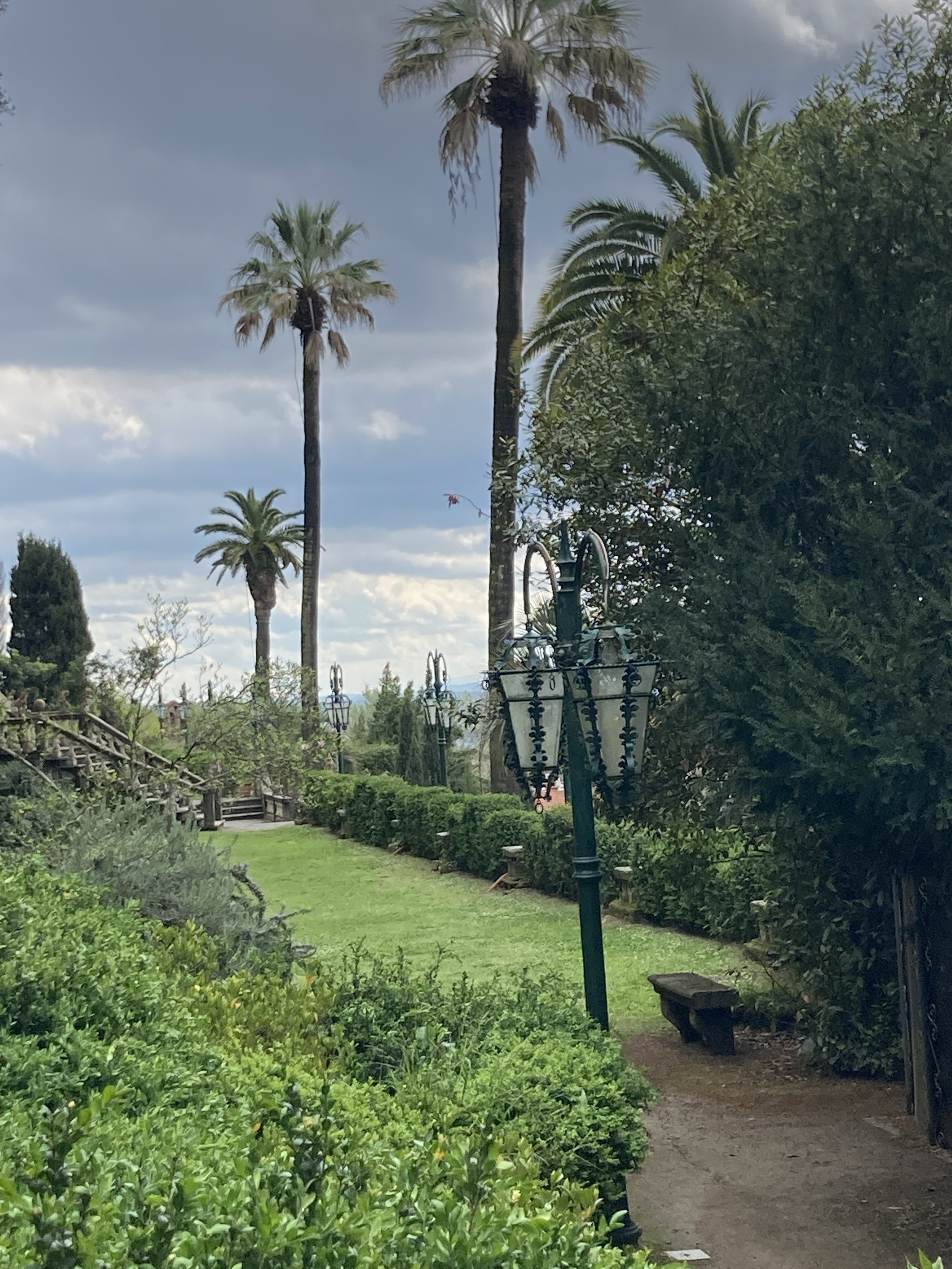
From the top of the water stairs lies a path, lined with camellias, which leads to the villa and the summer palace. This path too is lined with statues and interesting architectural details.

E6D24FC7-13D3-43FB-9B3E-80F803AA8BF3.jpeg
561F8C24-B9B2-4494-8E8E-707C32D5B359.jpeg
375B7A9E-1693-4824-943F-7E1F0DF5ADE7.jpeg

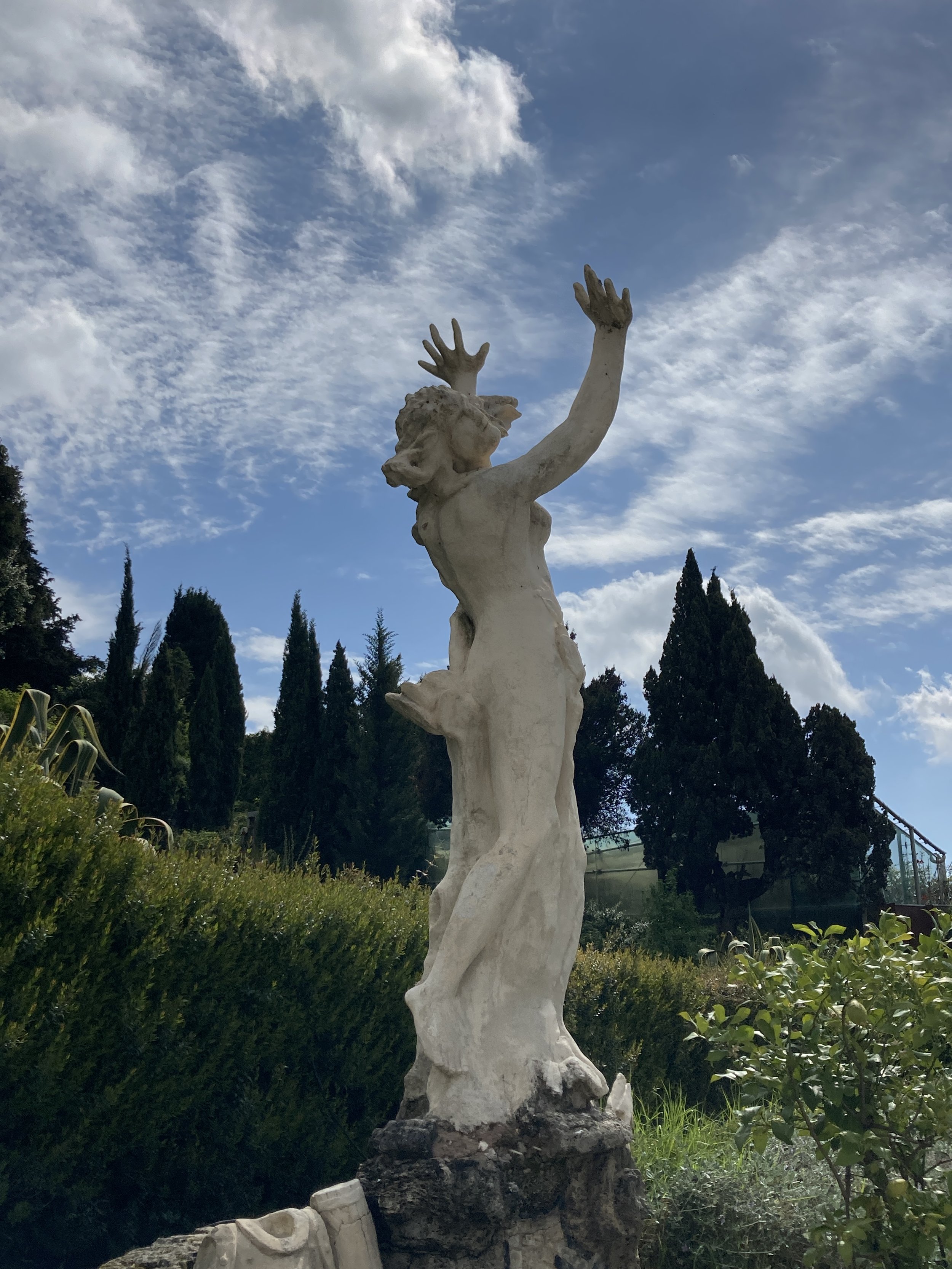
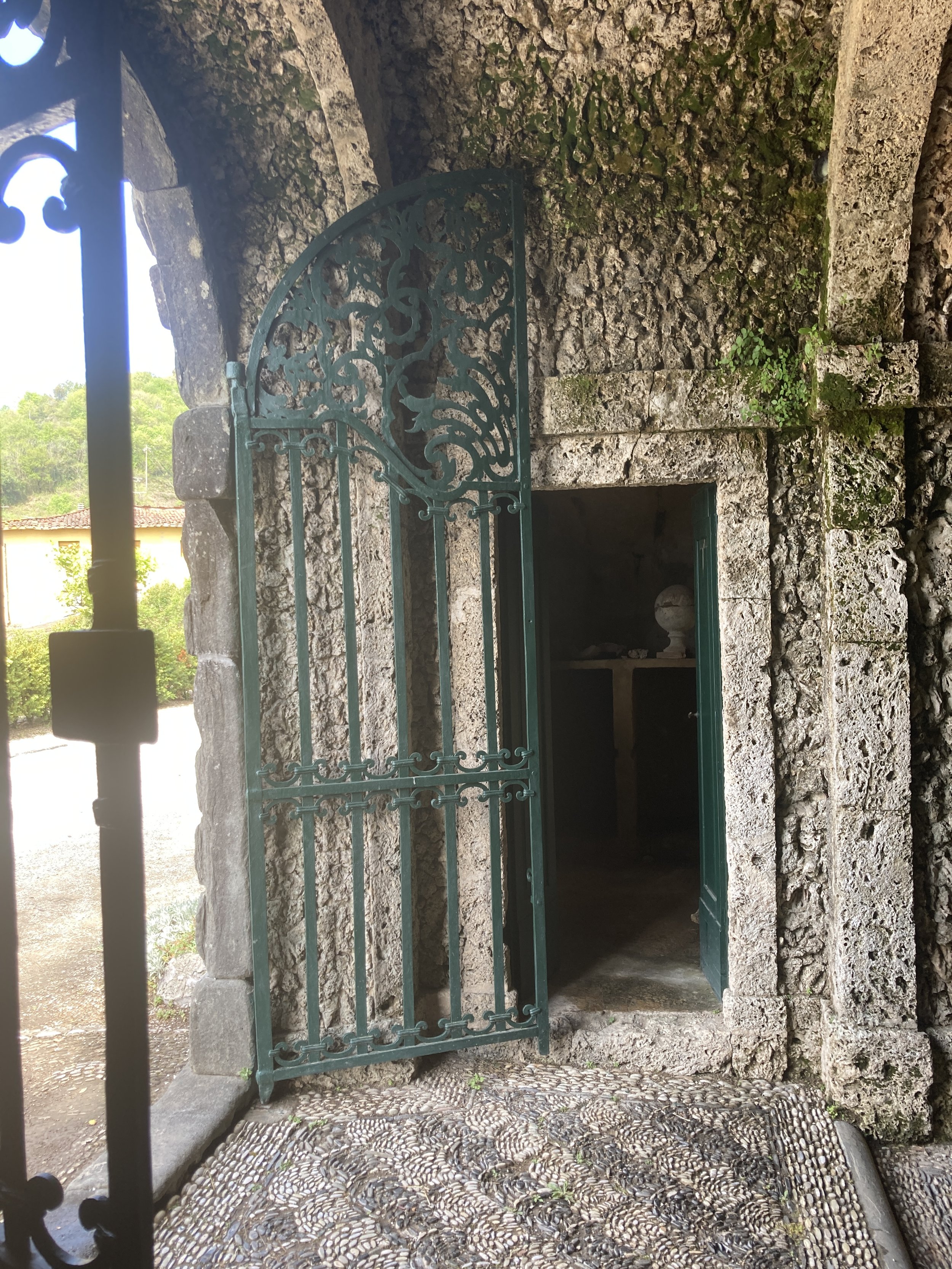
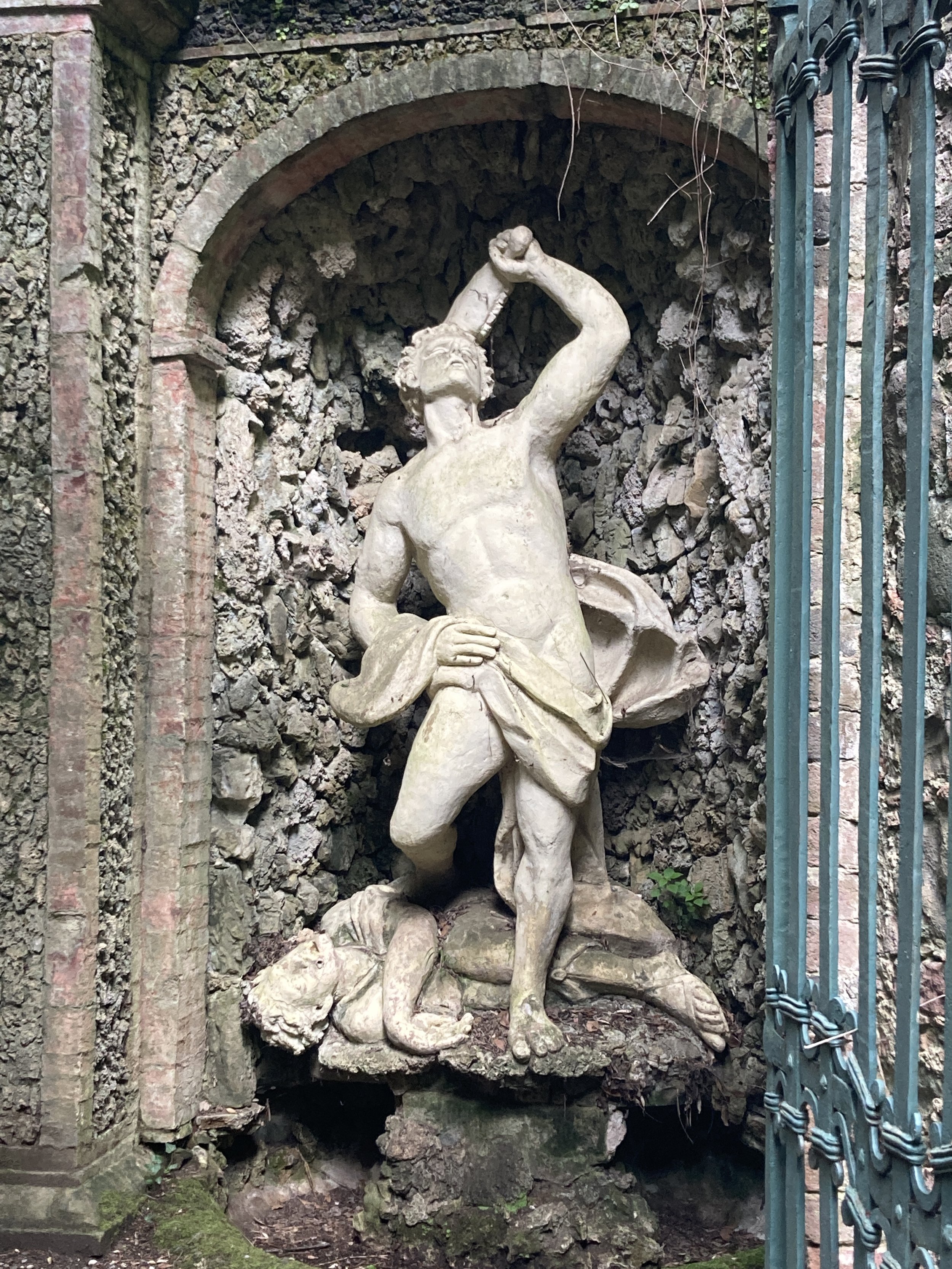
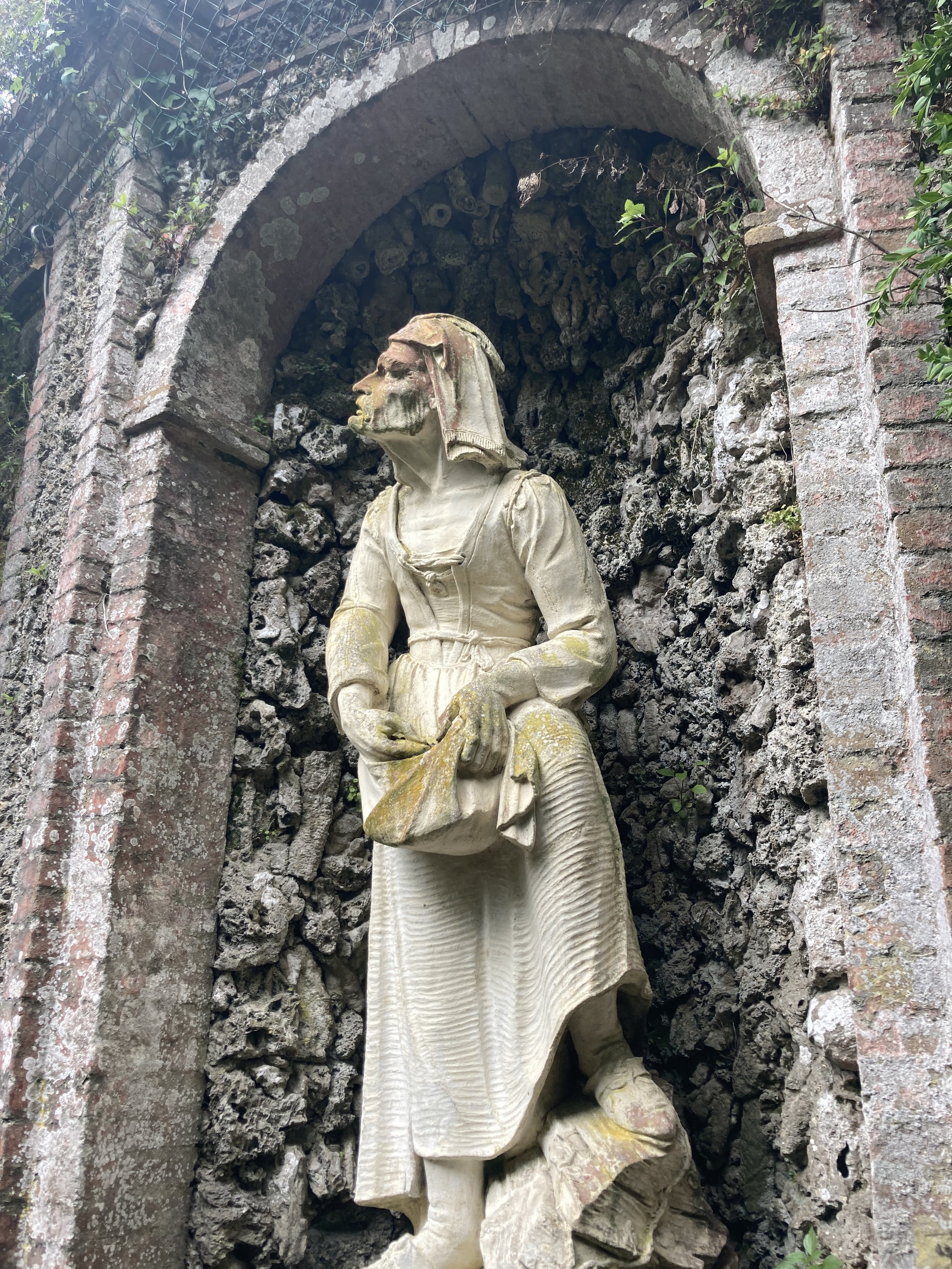
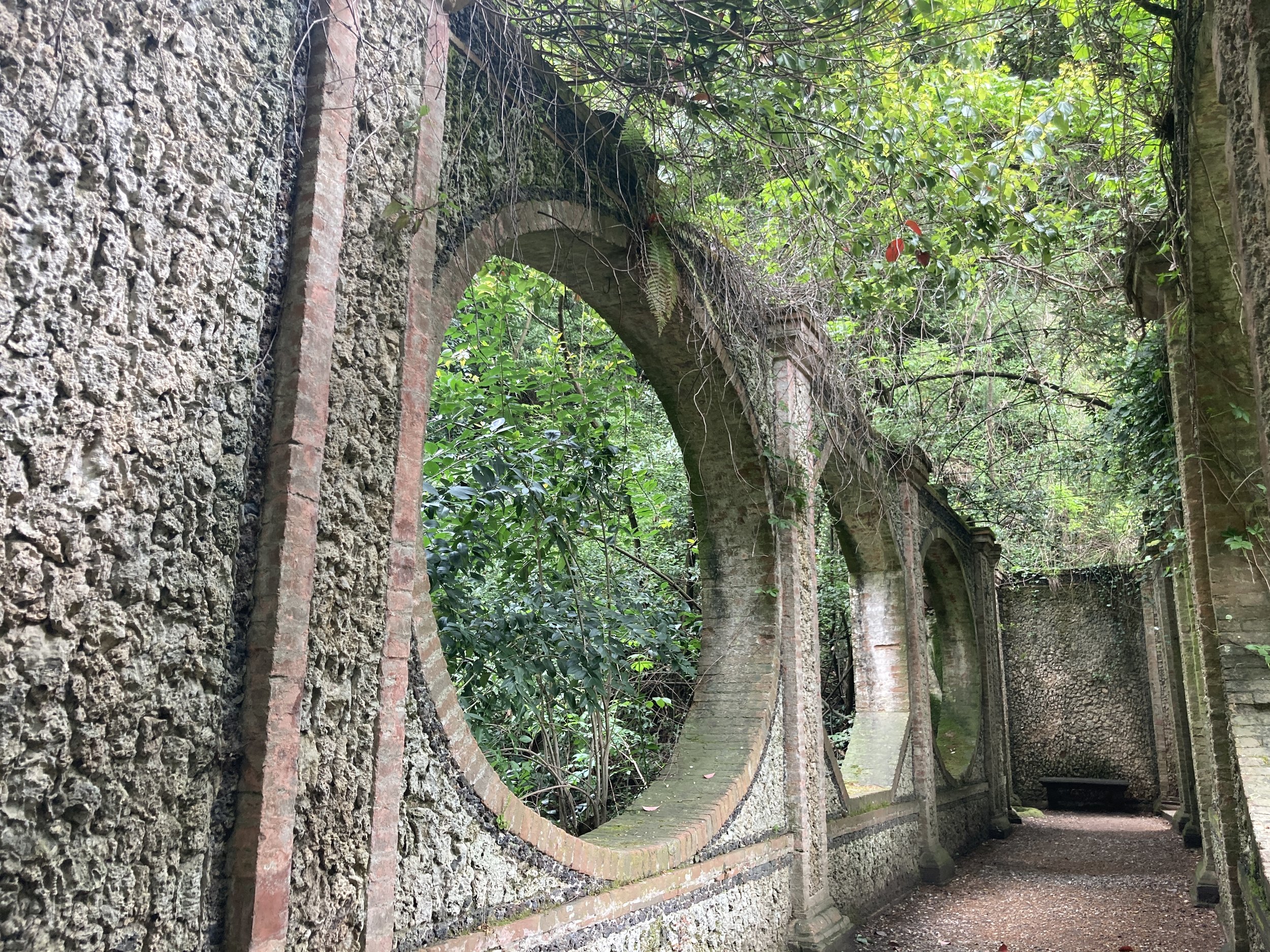
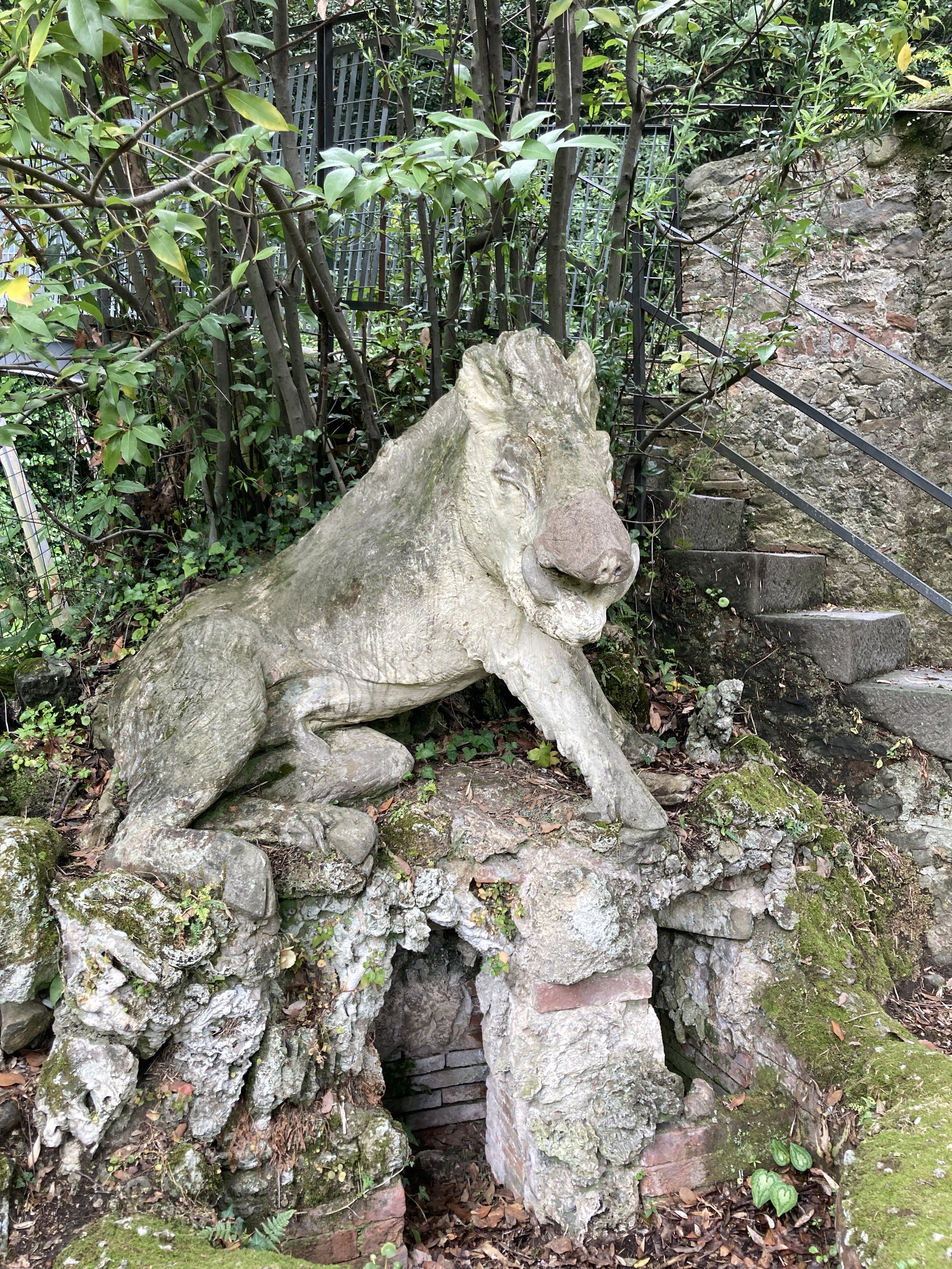
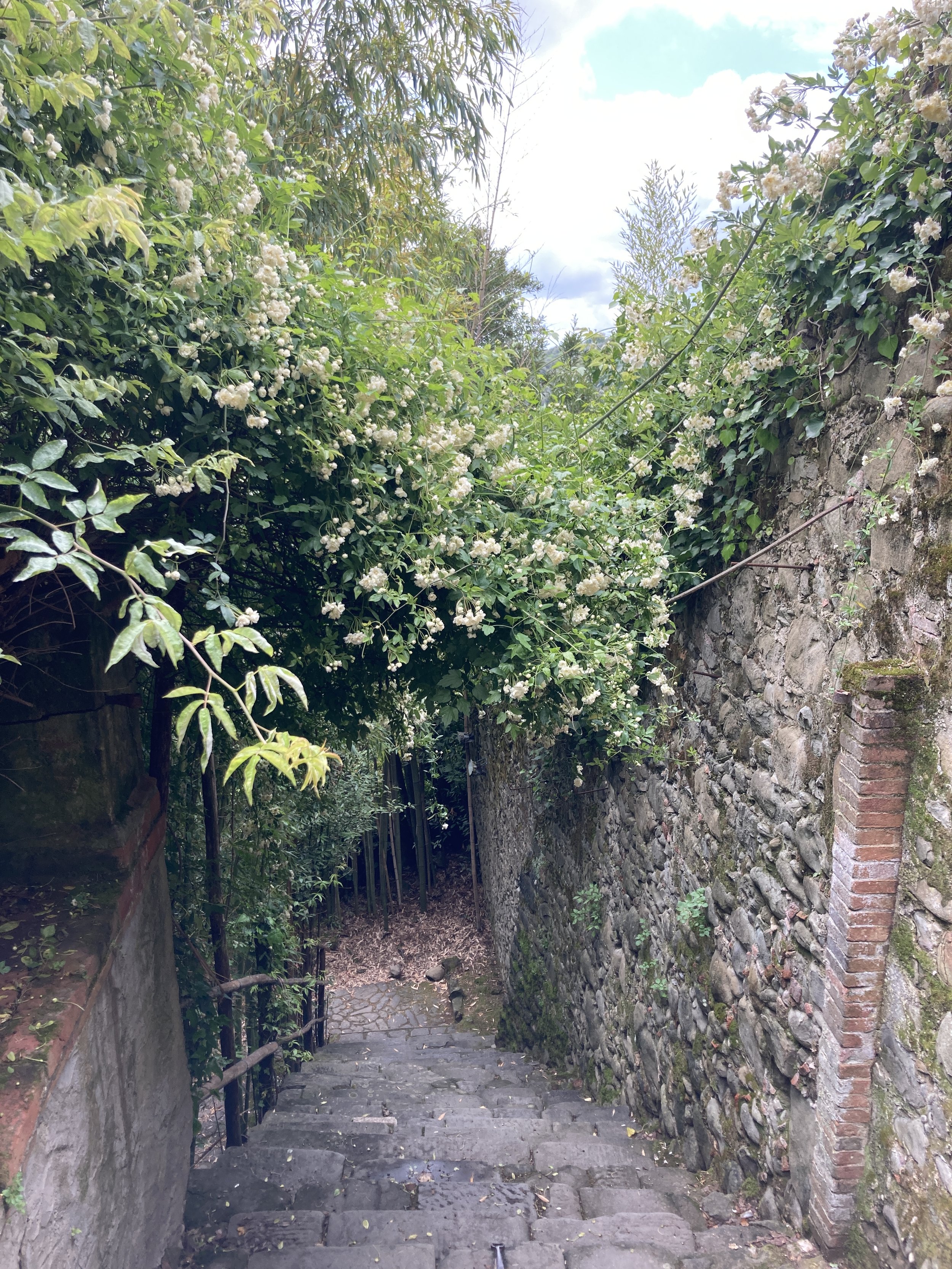
The fantastical nature of the garden reveals itself in places like in Neptune’s grotto, secret pathways and hidden spots, a labyrinth, and statues of mythical creatures and assorted ancient gods, goddesses, and legendary figures.

66559127-1DF6-4101-A6FD-8968B36D355B.jpeg
2B651C3B-A1D0-465E-A3C7-7317DE9ADC79.jpeg
21E19A7D-5460-45DE-9C0D-F6BEF54CBF21.jpeg
2E008148-4D9A-45B3-9536-9CC61212527D.jpeg

A visit to the gardens of Villa Garzoni provides a glimpse into leisure activities of a powerful family during the Renaissance. It is one of the finest examples of an Italian Renaissance garden and a lovely destination for anyone interested in classic gardens. A perfect way to spend a spring morning in the Tuscan countryside.

June 20, 2022 /Joanne Bartram
Giardino Garzoni, Italian Gardens, Garzoni Garden, Tuscan Gardens
#italytravel, #lucca, Italian art architecture, Italian gardens, #italiangardens

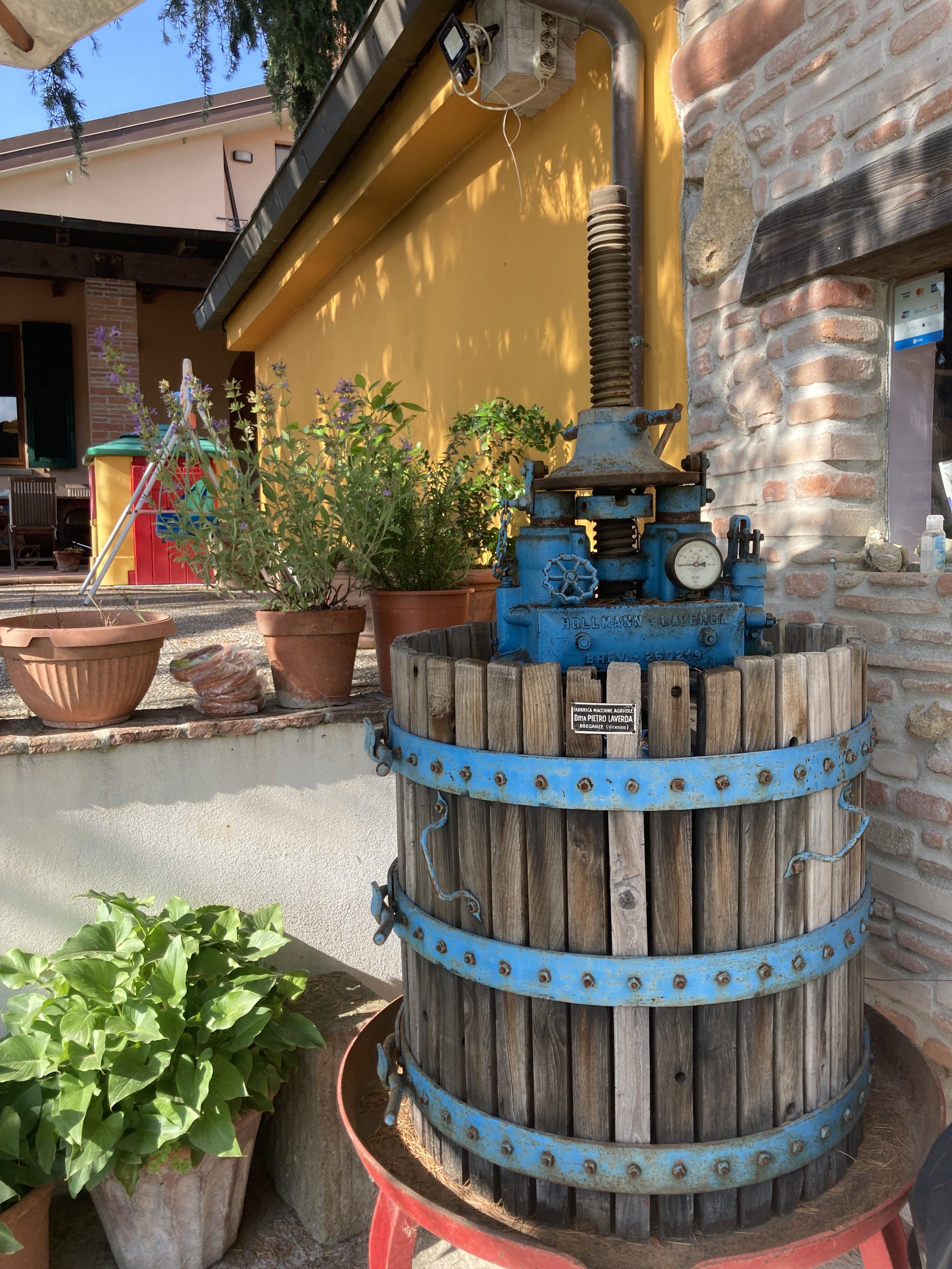
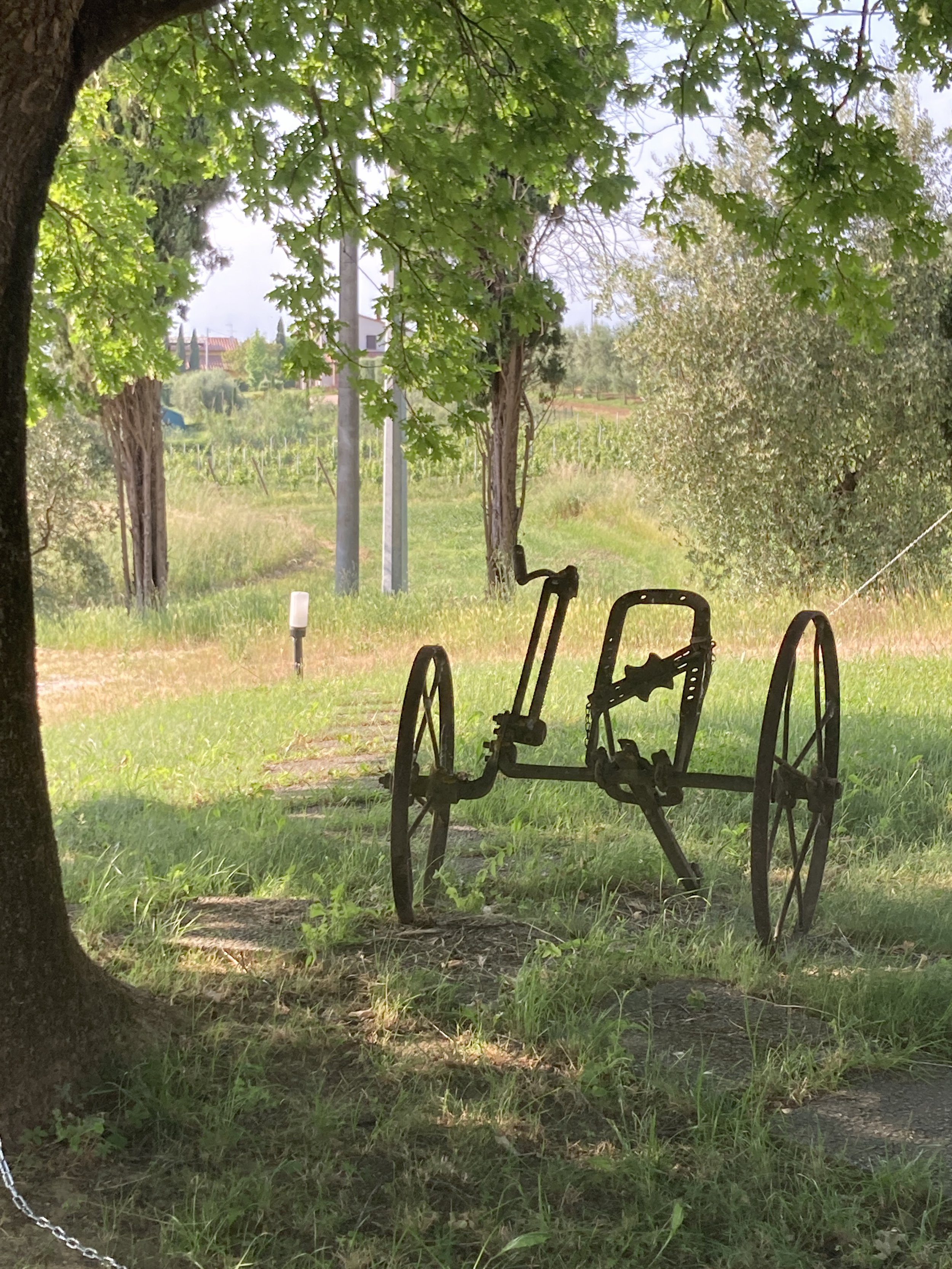
An old grape press at the Beconcini Vineyard

A Tuscan Grape Mystery

May 30, 2022 by Joanne Bartram in #italytravel, Tuscany, Wine

4 generations ago, around the year 1950, Pietro Beconcini began to work land he had purchased near the city of San Miniato in Tuscany. His land was located along the ancient Via Francigena, the route pilgrims, from England, France, and Spain traveled to reach Rome. The importance of these passing pilgrims was likely not known to Beconcini at the time, but 4 generations later this has proved to be an important and most interesting fact. It has also contributed to a mystery.

The land Beconcini purchased was used to raise crops and animals. It also had some very old grape vines which were tended along with other crops.

Later generations of the family moved away from tending crops and instead turned their attention to those grapevines. Today the Pietro Beconcini Vineyard, now run by Leonardo Beconcini and Eva Bellagamba, produces several grape varieties and some very, very good wine.

Ah - but there is that mystery. A bit of a twist.

Some of those very old vines, at least 100 years old and perhaps as much as 900 years old, looked a bit strange. Unlike the other more typical vines of Sangiovese grapes grown throughout Tuscany, this vine was a mystery. They called the vines “X” for unknown.

Fast forward to modern viticulture and the ability to identify the genetic origins of grapes. It turns out these grape vines are actually Tempranillo. Tempranillo? Isn’t that a Spanish grape?

Let’s back up to those pilgrims walking the Via Francigena. Many came through Spain along the Santiago di Compostola. Those pilgrims likely carried grape seeds (not cuttings which would have been too hard to transport) some of which ended up in this very vineyard. The exact way that happened is unknown. Did clerics tending vineyards in the area plant them? Were they used in trade? Did some unlucky pilgrim spill them? This remains a mystery. But the production in the modern day Beconcini vineyard is now 30% Tempranillo. The Tempranillo grapes have of course changed a bit over time due to evolution and the unique terroir of this region which is rich in fossils and minerals.

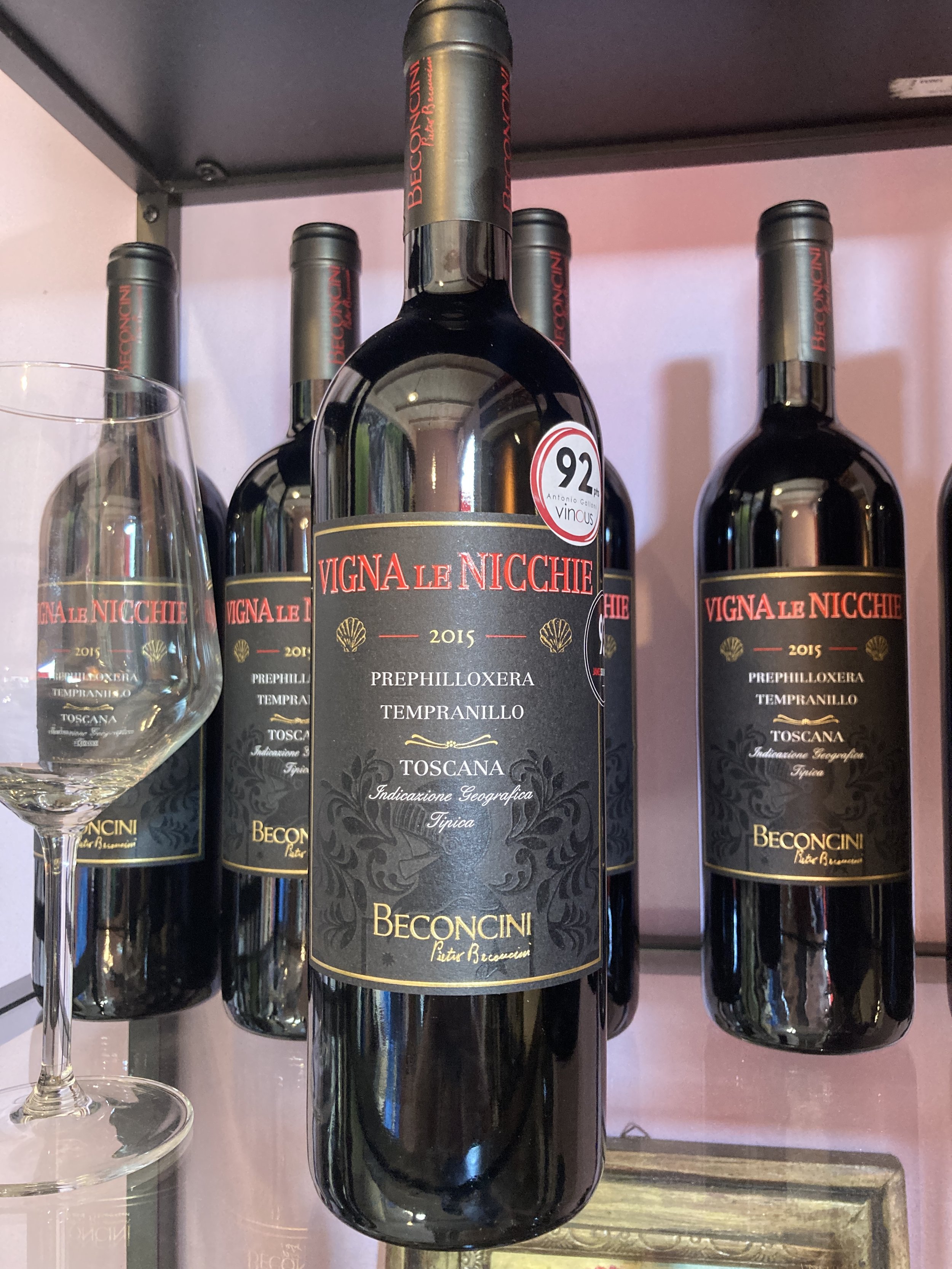
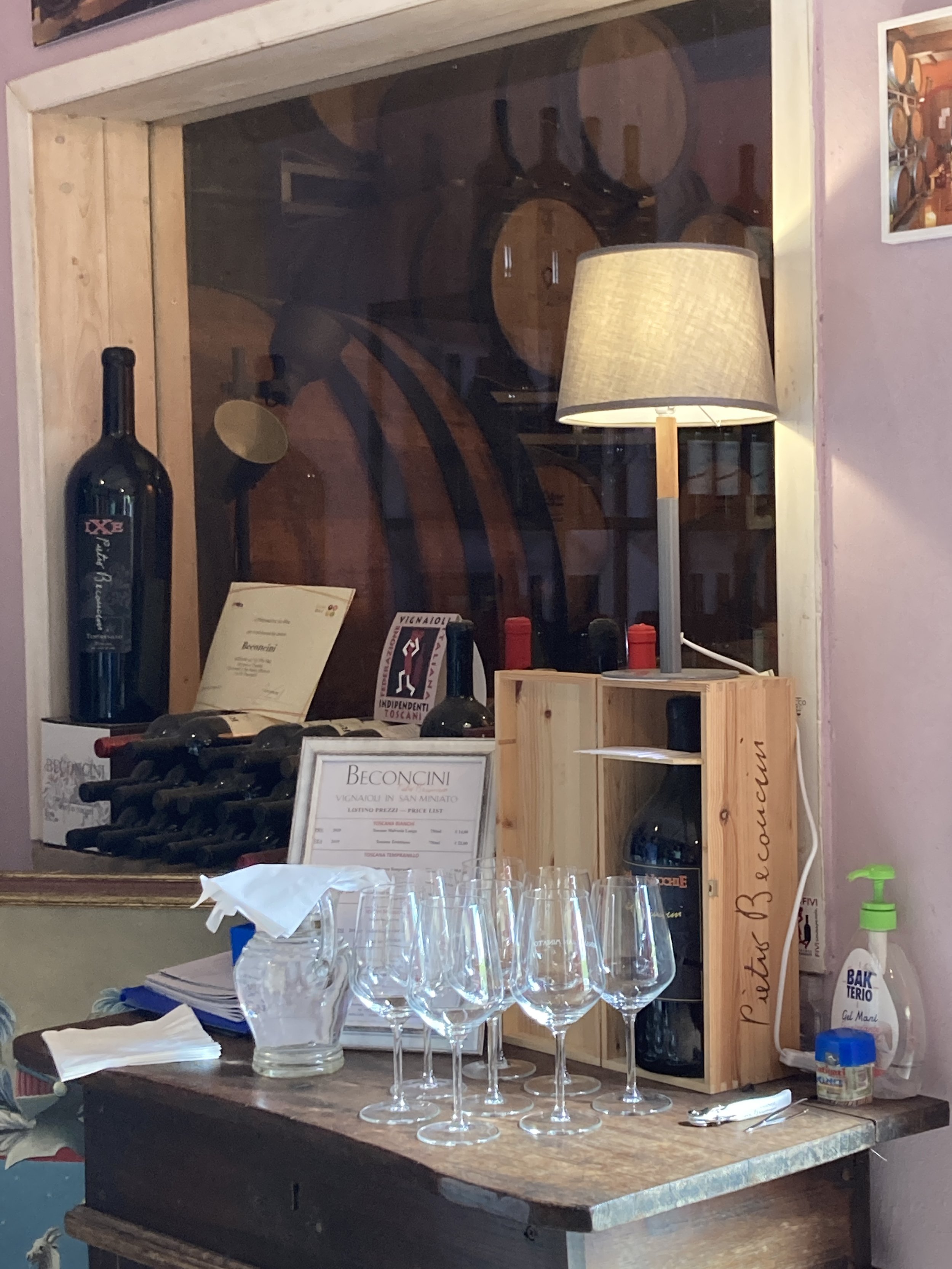
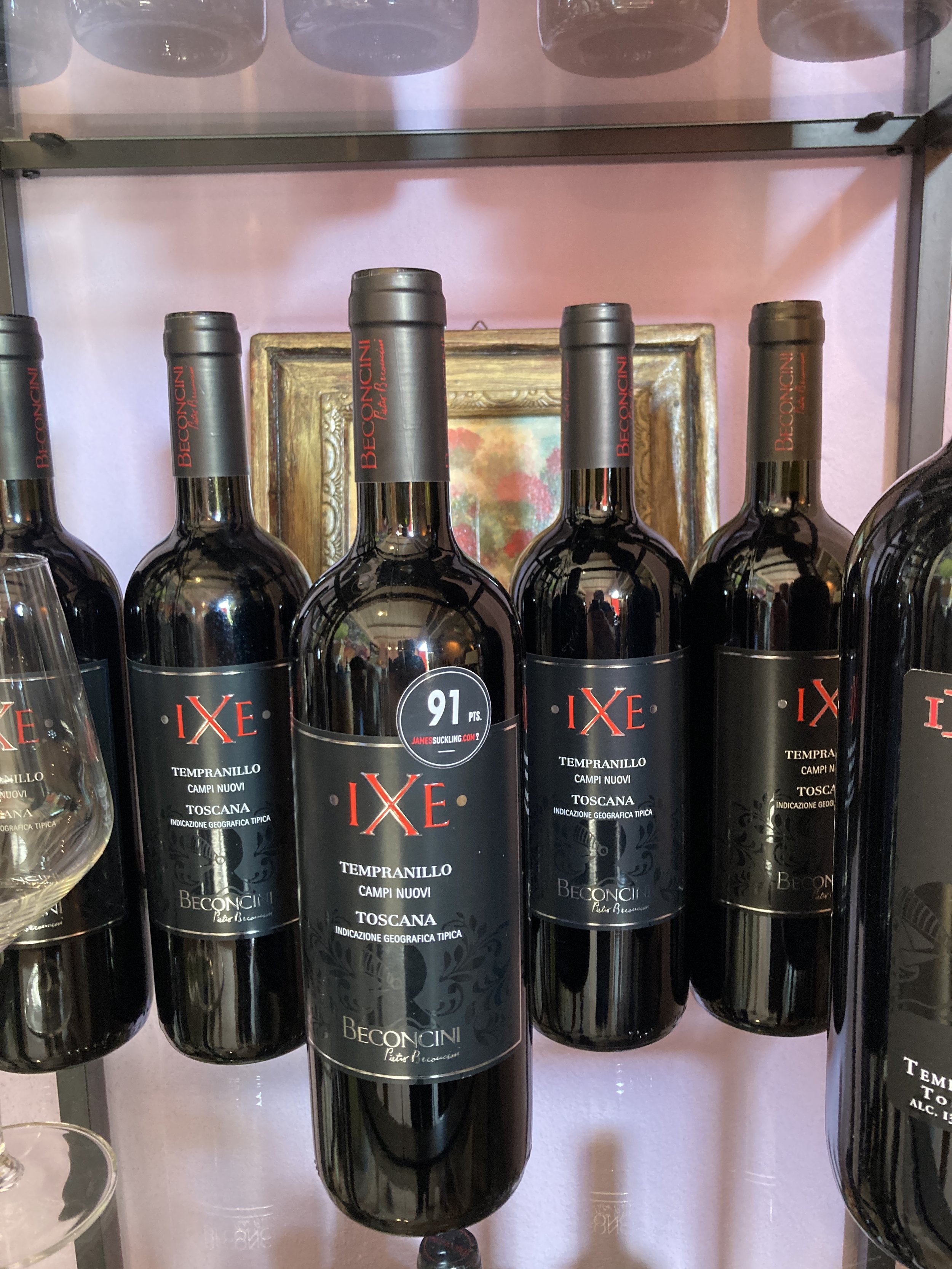
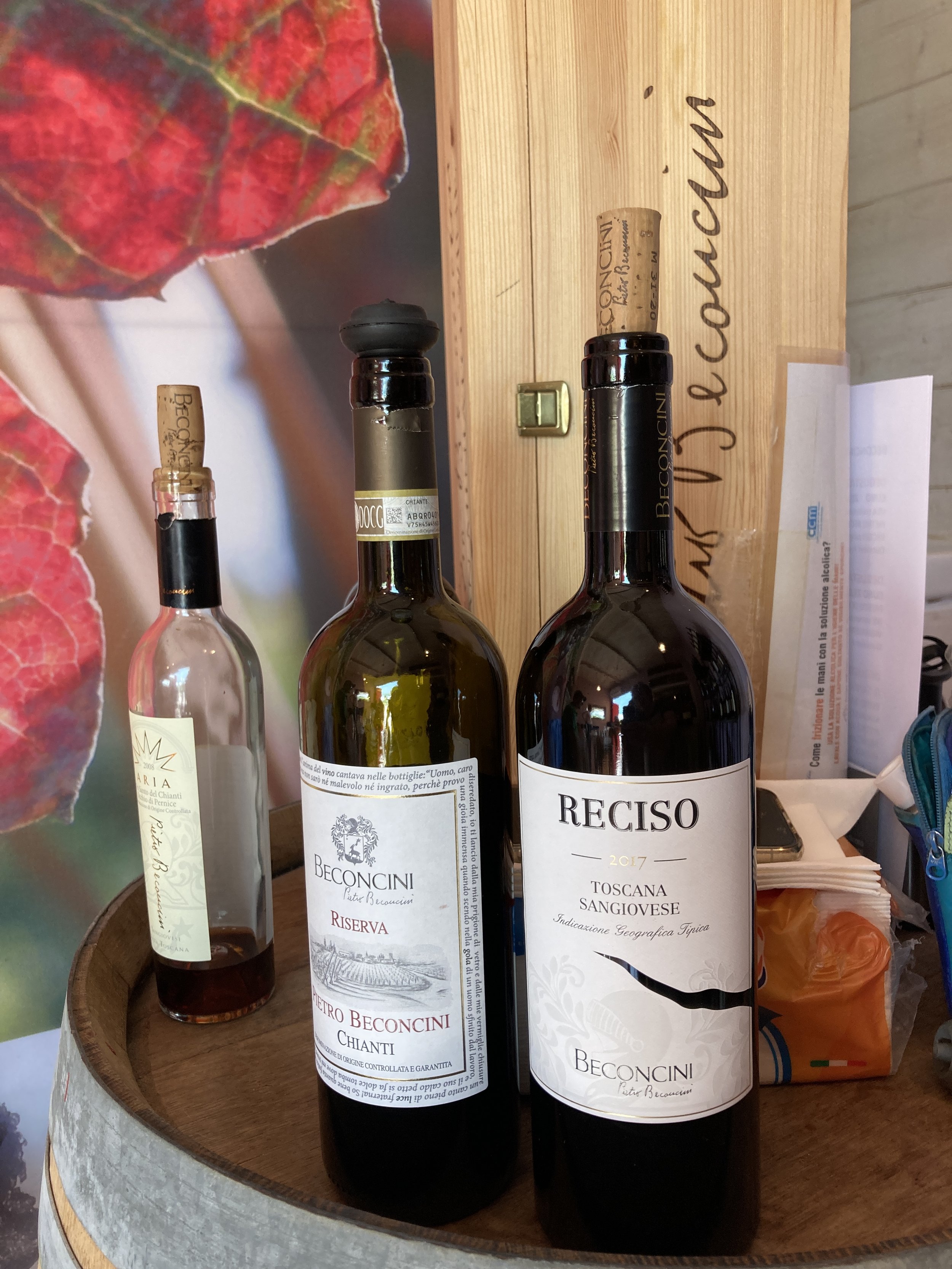
I visited the Agricola Pietro Beconcini last week, along with a group of friends, for an afternoon of wine tasting. Definitely a family operation, Leonardo and Eva welcomed us, provided some of the history I have recounted here, and poured some of their wines. We tasted 3 wines made from Tempranillo grapes - a rosé and two 100% Tempranillo wines, the iXe and the Vigna Le Nicchie. The later comes from the oldest vines, those very hardy 100+ year old ones, vines that survived phylloxera. The flavors are a bit different than a Spanish Tempranillo, both due to the terroir here and to the way in which they are produced (less time in wood barrels, beginning fermentation in cement vats). Not being anything close to a wine expert, I would find it hard to describe the difference - perhaps a bit lighter, less intense than a Spanish wine. Both were good, the Vigna Le Nicchie was outstanding. Picture me carting home a bottle and wishing I could carry a case.

03105A6F-17B4-45DB-ABC9-AE67F625EB13.jpeg
DD8FD299-B808-4BFA-A57C-ADAFF793E975.jpeg
2B2344B7-B0DE-47CB-9D85-AFB88CED34B6.jpeg

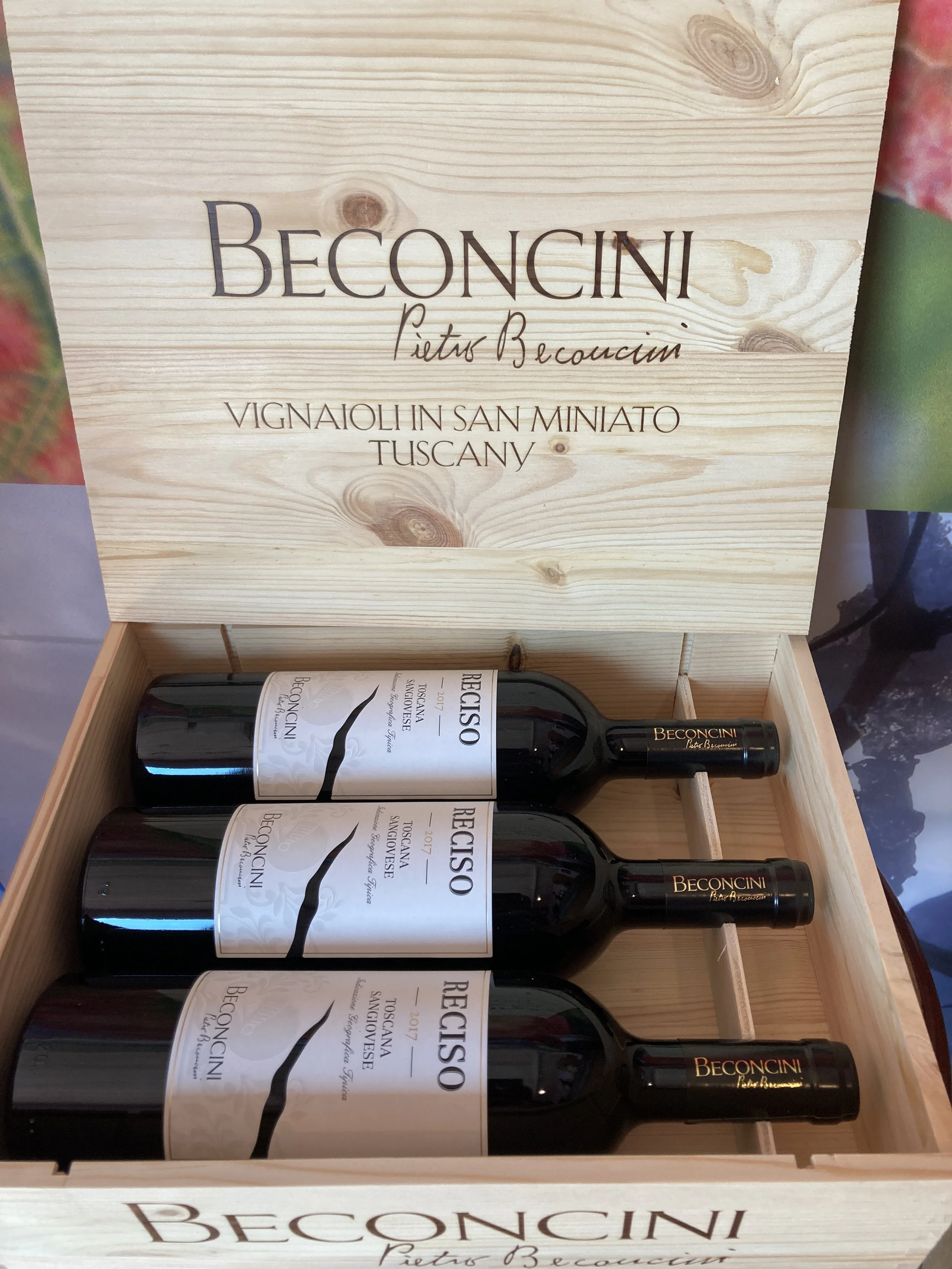
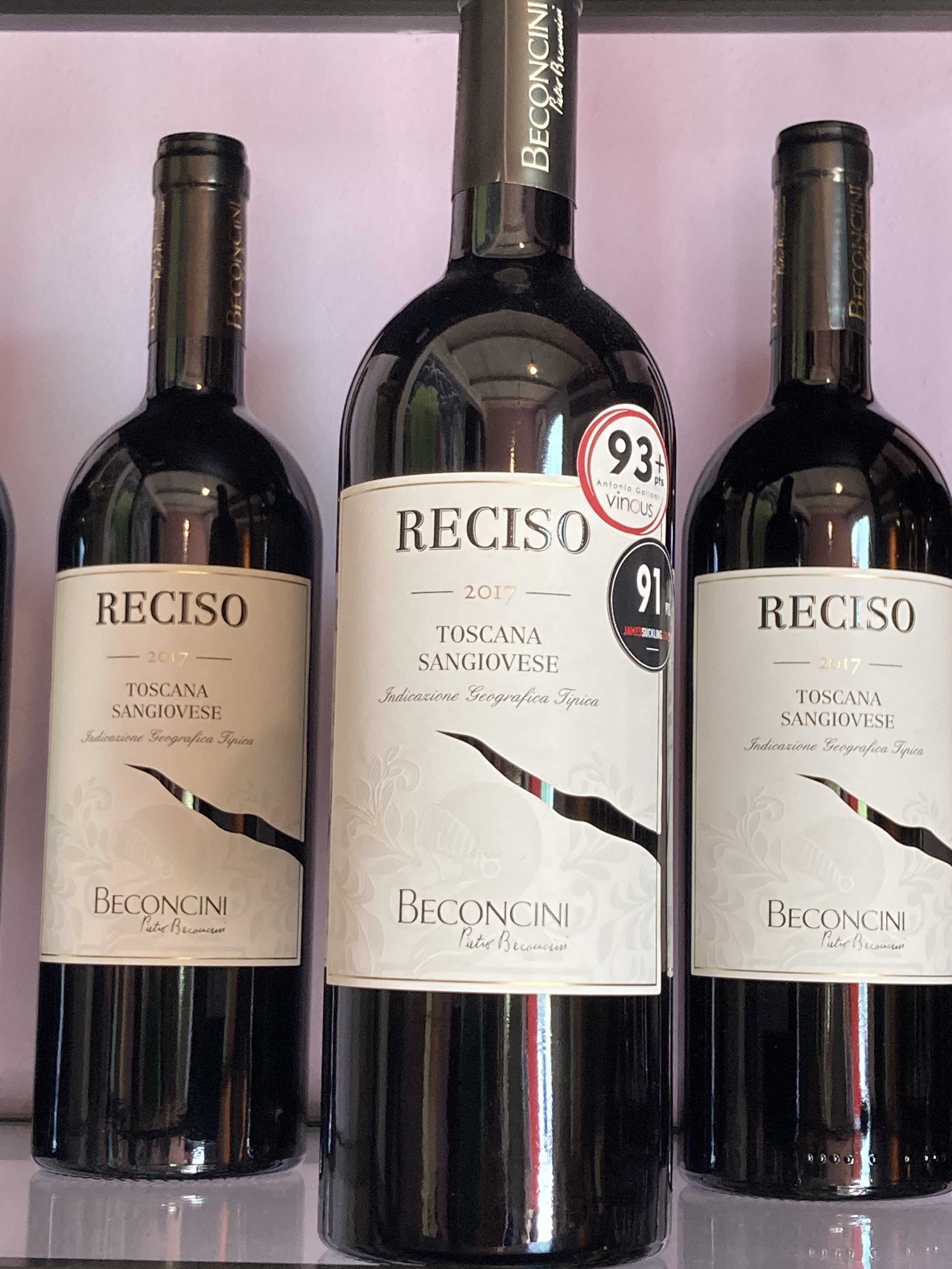
We also tasted a wine that was a 50/50 Sangiovese Malvasia blend (Maurleo) and one that was 100% Sangiovese (Reciso). The Recisco is the winery’s signature Sangiovese wine, the one that best represents the vines and their methods of production. Both were wonderful and a significant number of bottles accompanied our group back to Lucca. With this much wine tasting we were quite happy that we had arranged a driver to transport us to and from the winery!

76839201-D77D-48B3-84A3-943772D88788.jpeg
A384E776-954F-4A98-B3E5-ED028879F493.jpeg
4D6337BF-0B58-48F1-BEED-F6C3208F16D8.jpeg

We arrived back to Lucca happy with our day of wine tasting and pleased to have learned about the mystery and delight of Tuscan Tempranillo. We are looking forward to the Tempranillo Festival in San Miniato which takes place the first weekend in September. Ci vediamo lì ! (see you there)

May 30, 2022 /Joanne Bartram
Beconcini wine, Tuscan Tempranillo, San Miniato, Italian Wine, Wine Tasting Tuscany
#italytravel, Tuscany, Wine
  • Newer
  • Older

Powered by Squarespace