Two Parts Italy

Exploring Italy, travel, and living a flavorful life

  • Blog
  • About This Blog
  • Start Here
  • Recent Posts
  • Archives by Topic
  • Subscribe
  • Contact me
Viareggio 2019

Viareggio 2019

A Winter Without Carnevale

February 01, 2021 by Joanne Bartram in #italytravel, Festivals Italy, Italian culture, Italy travel

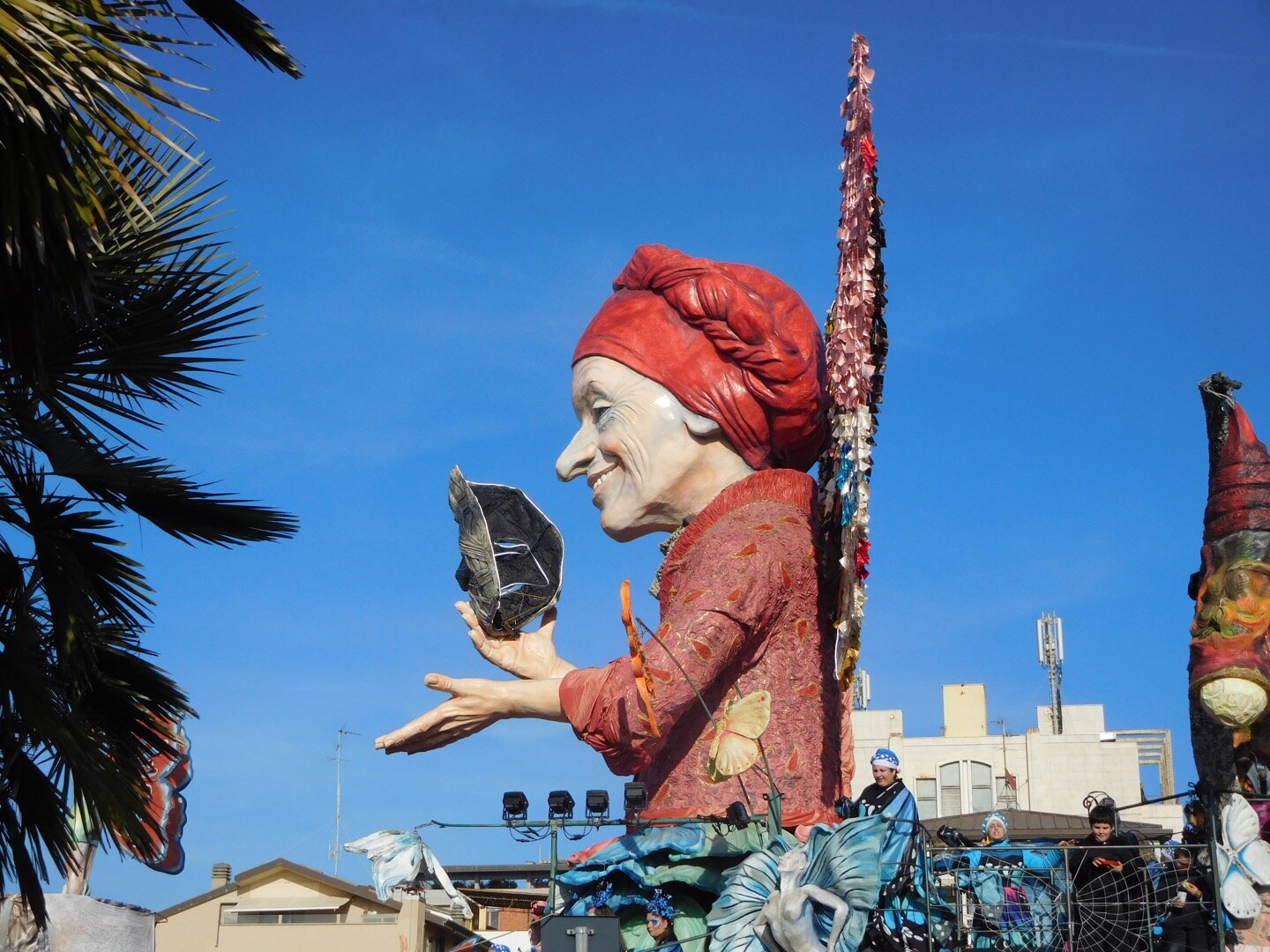
It should be starting this week - the annual late winter celebration of Carnevale. Unfortunately, the on-going COVID crisis has forced cancellation or delay of the festivities, including the two best known events here in Italy - Venice (cancelled) and Viareggio (postponed until fall).

Venice 2020

Venice 2020


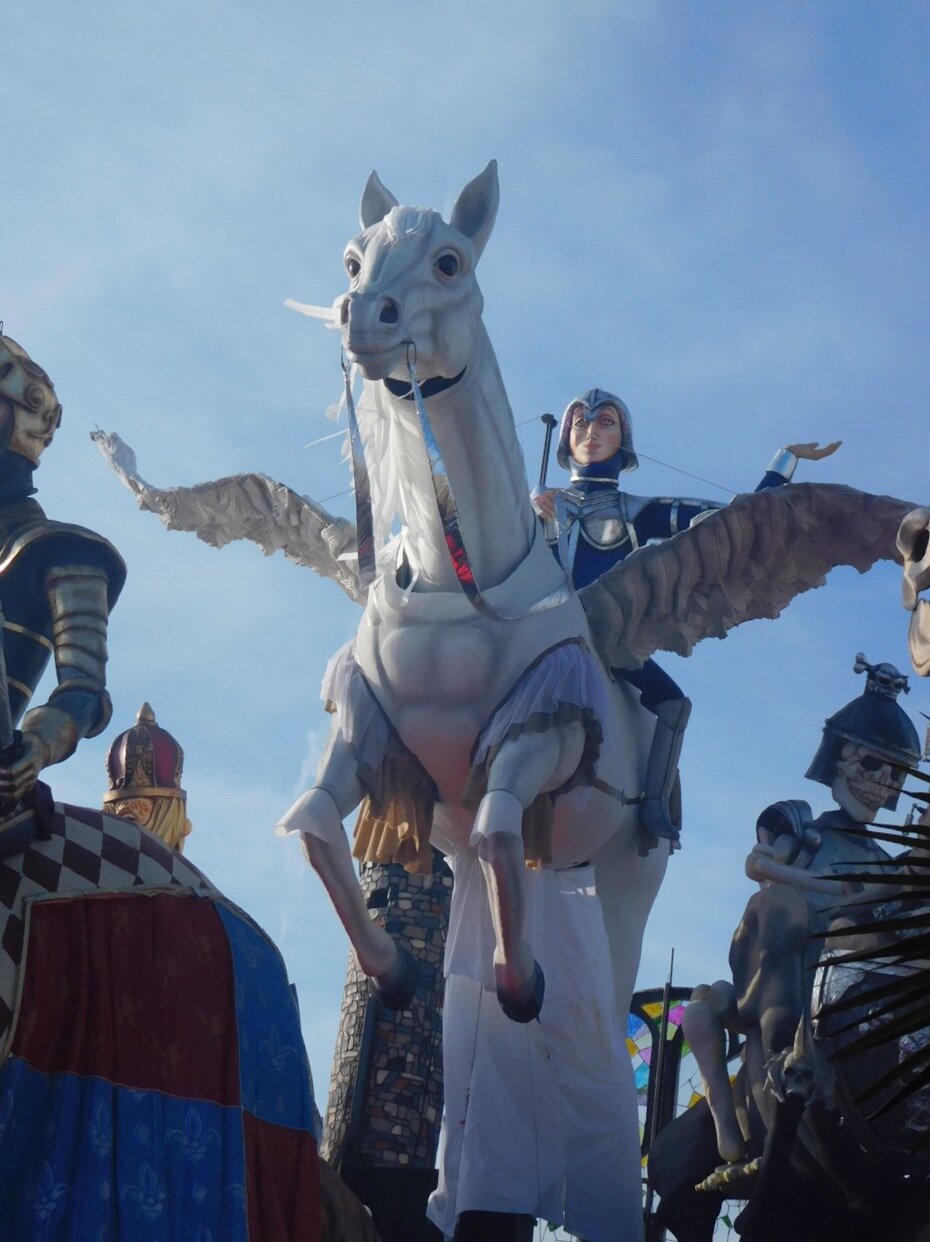
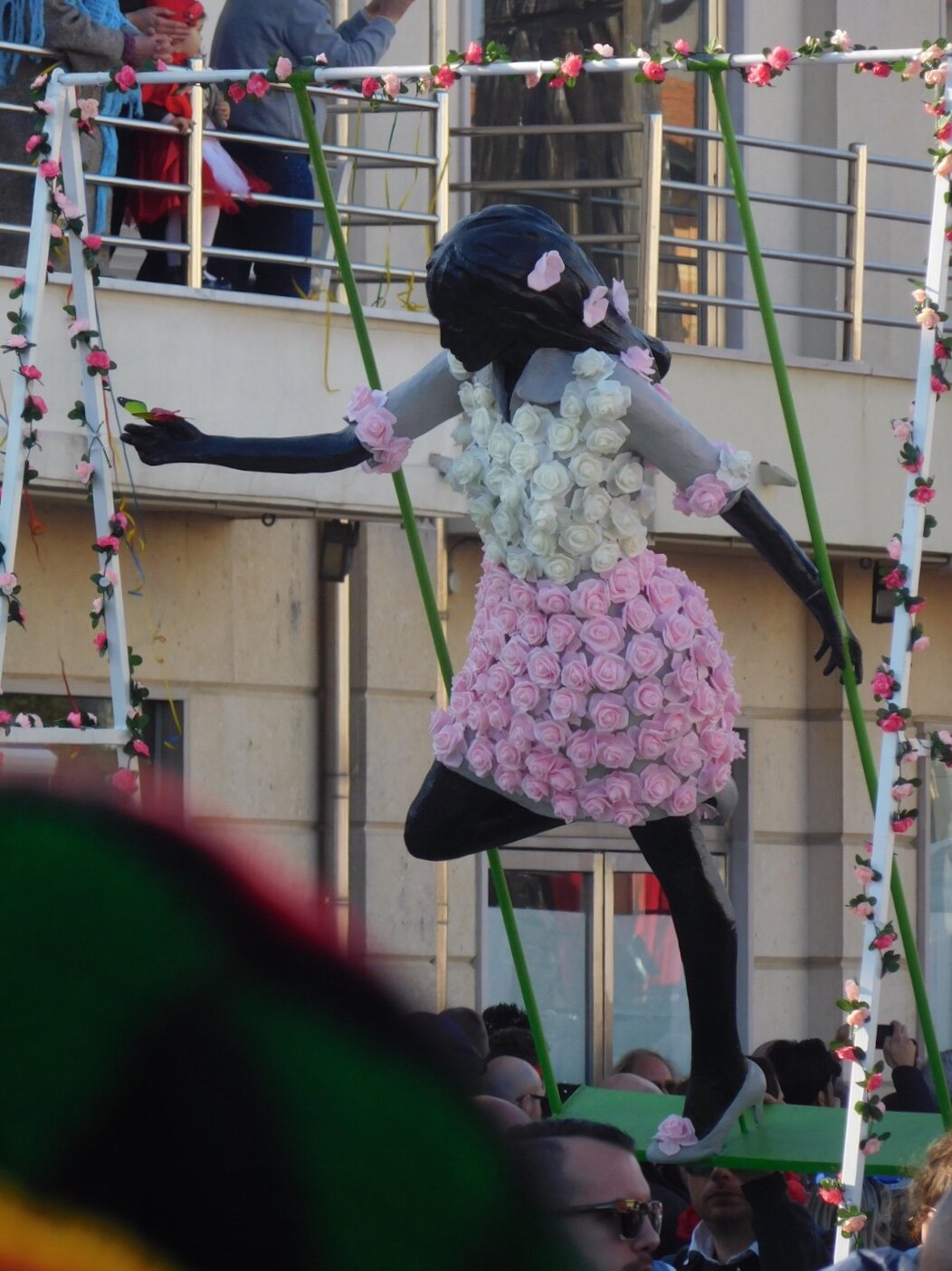
In the past few years, I’ve experienced both the craziness and political / social mischief of the Viareggio celebration (photos below) and the drama and elegance of the festivities in Venice.
Adjustments.jpeg
Adjustments.jpeg
IMG_2802.jpeg

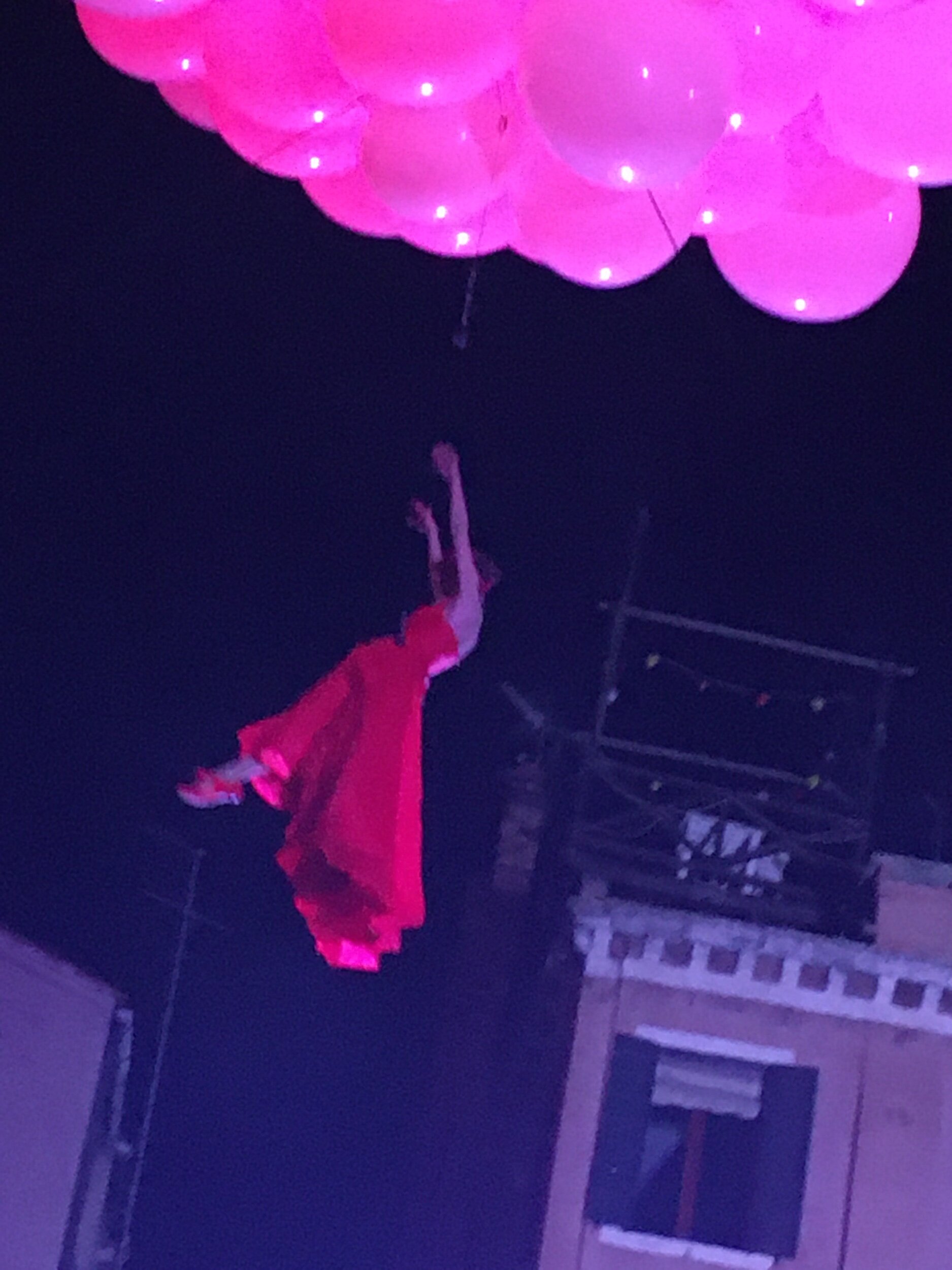
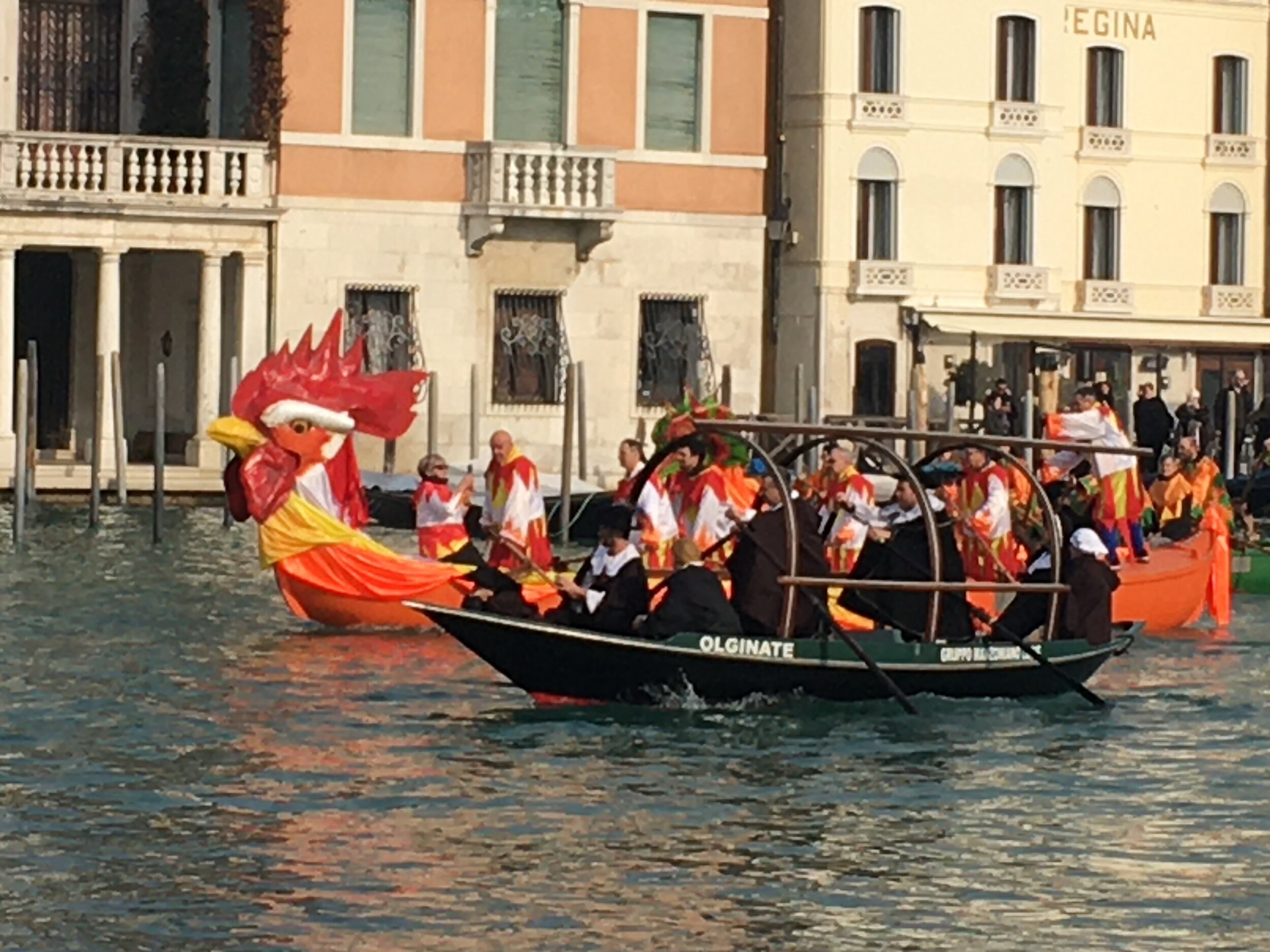
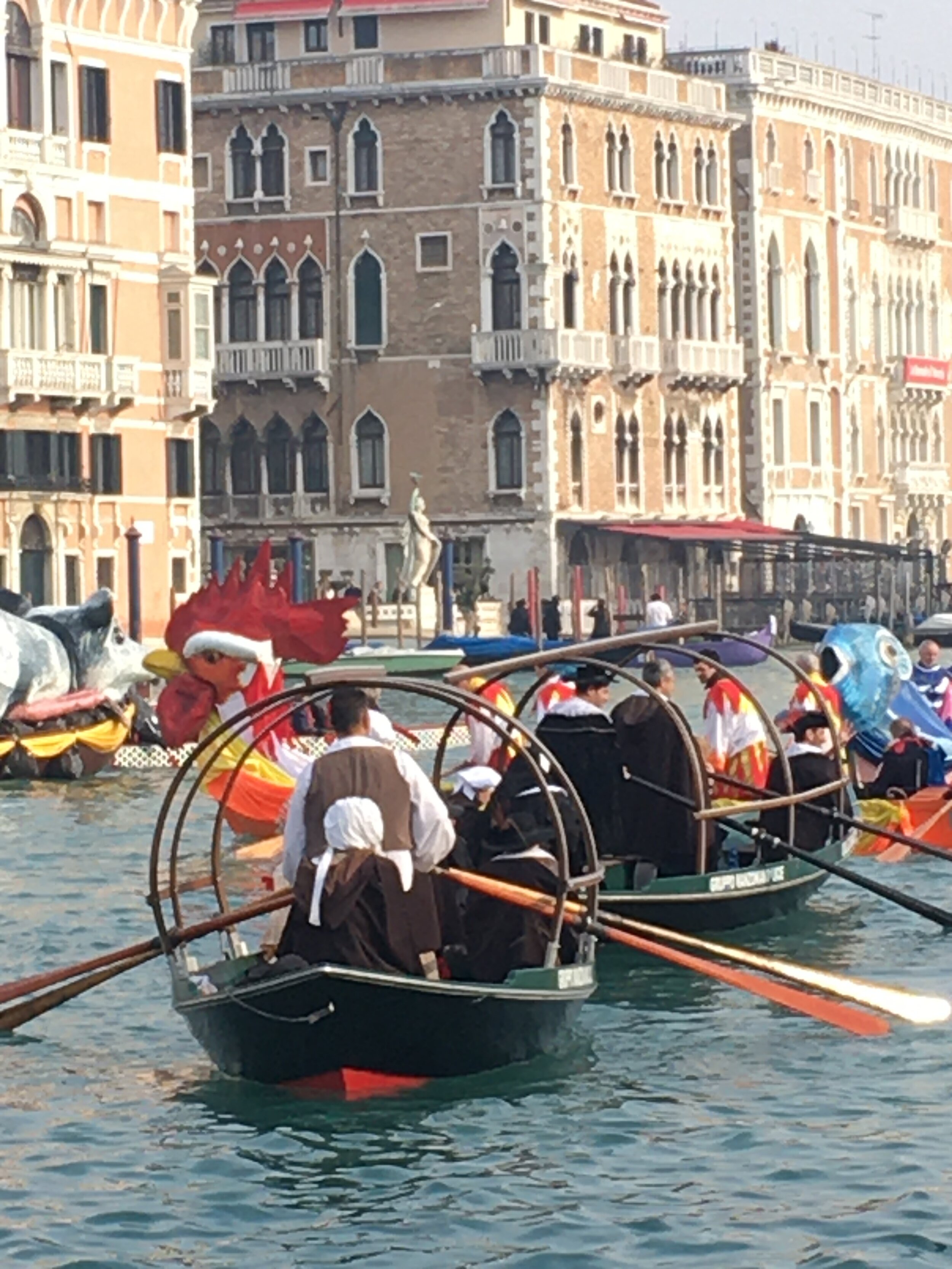
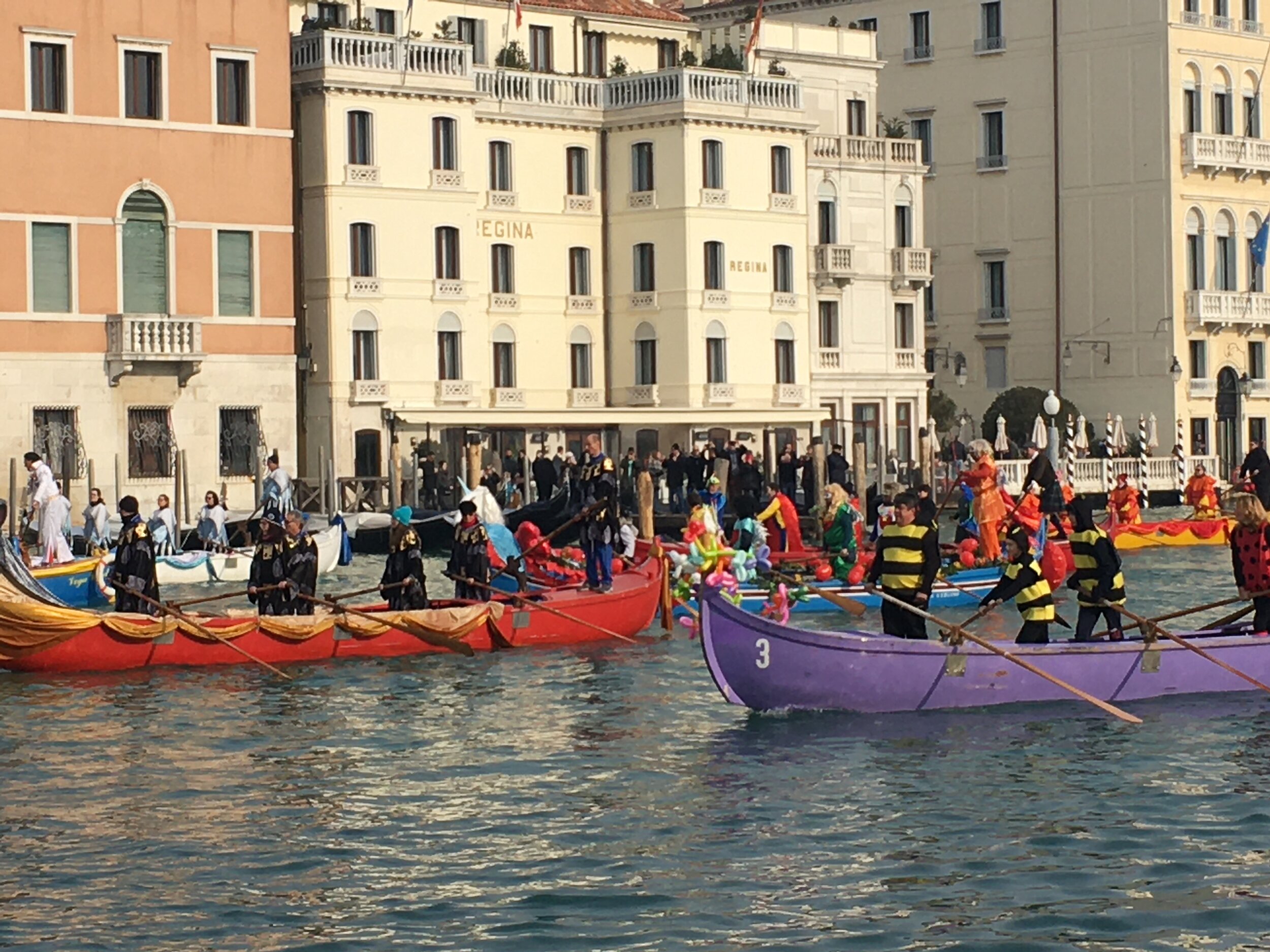
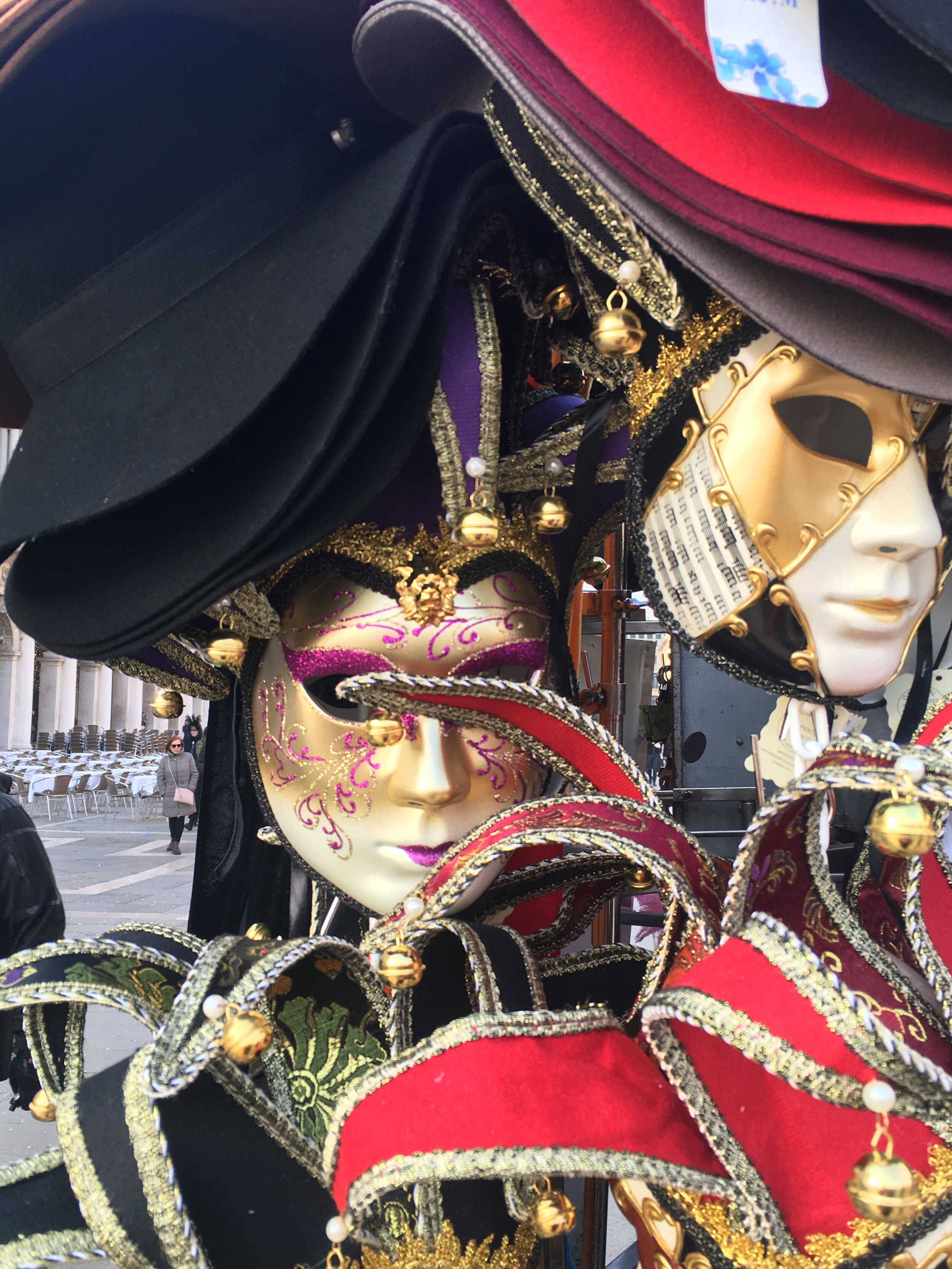
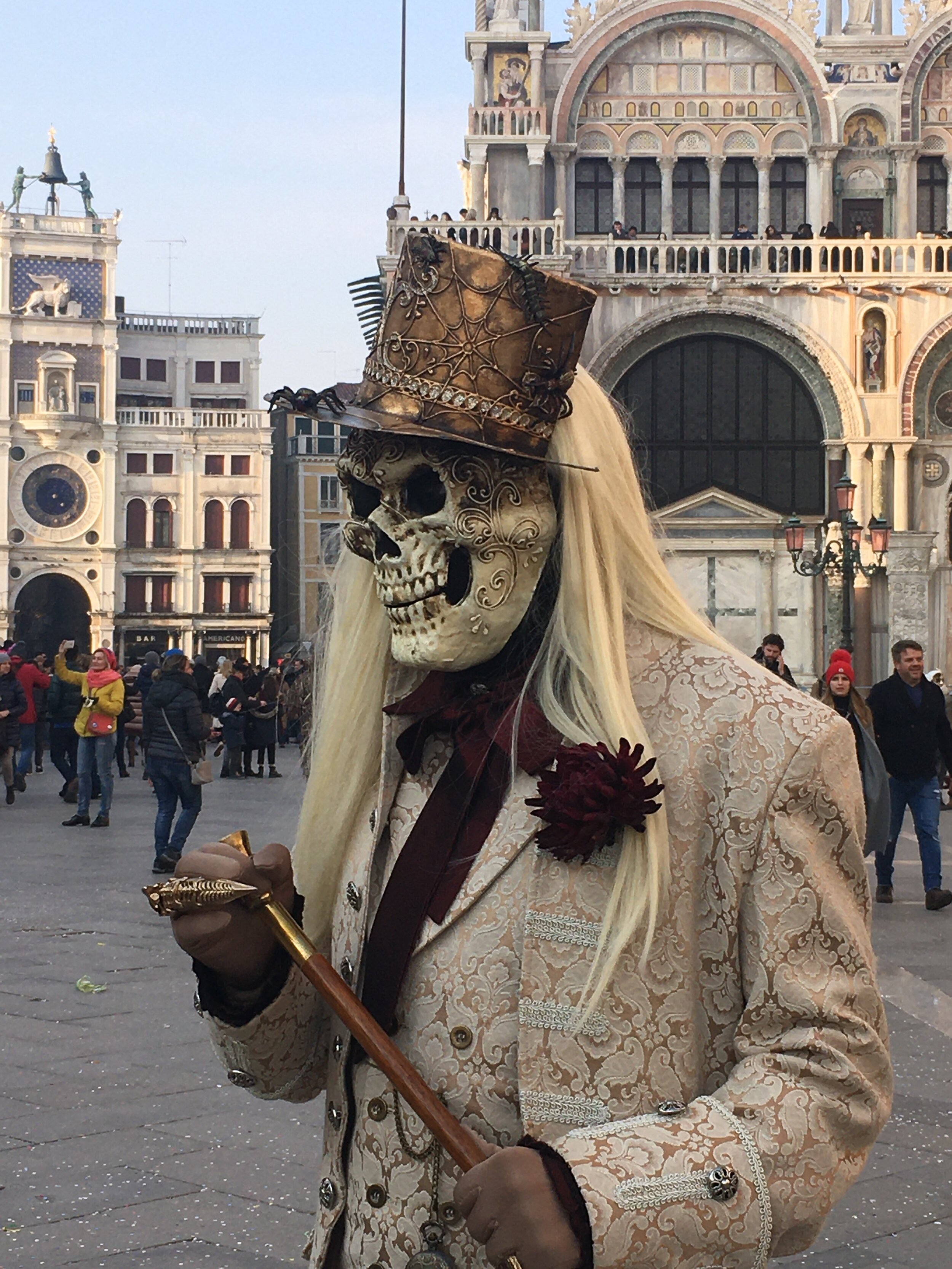
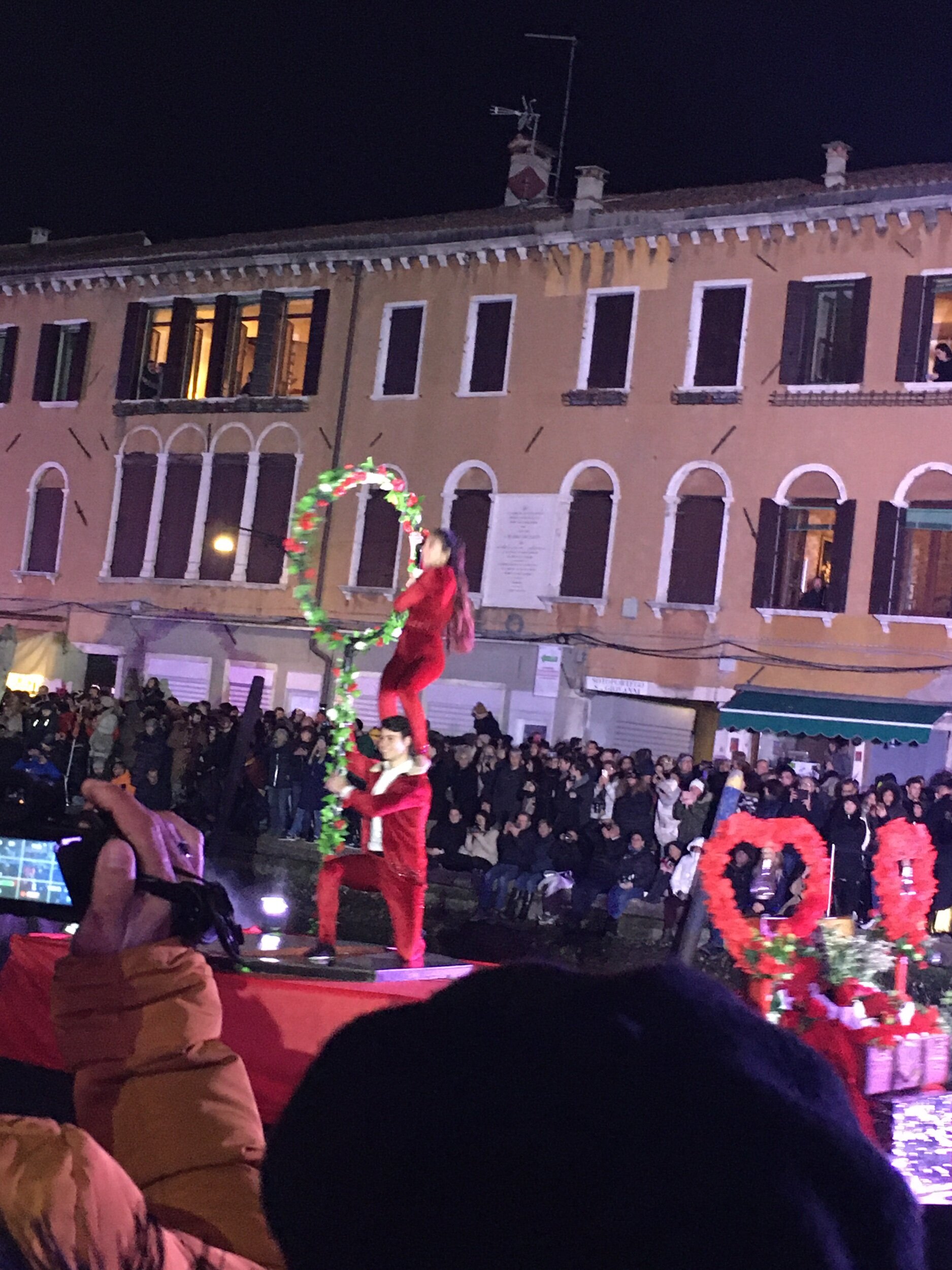
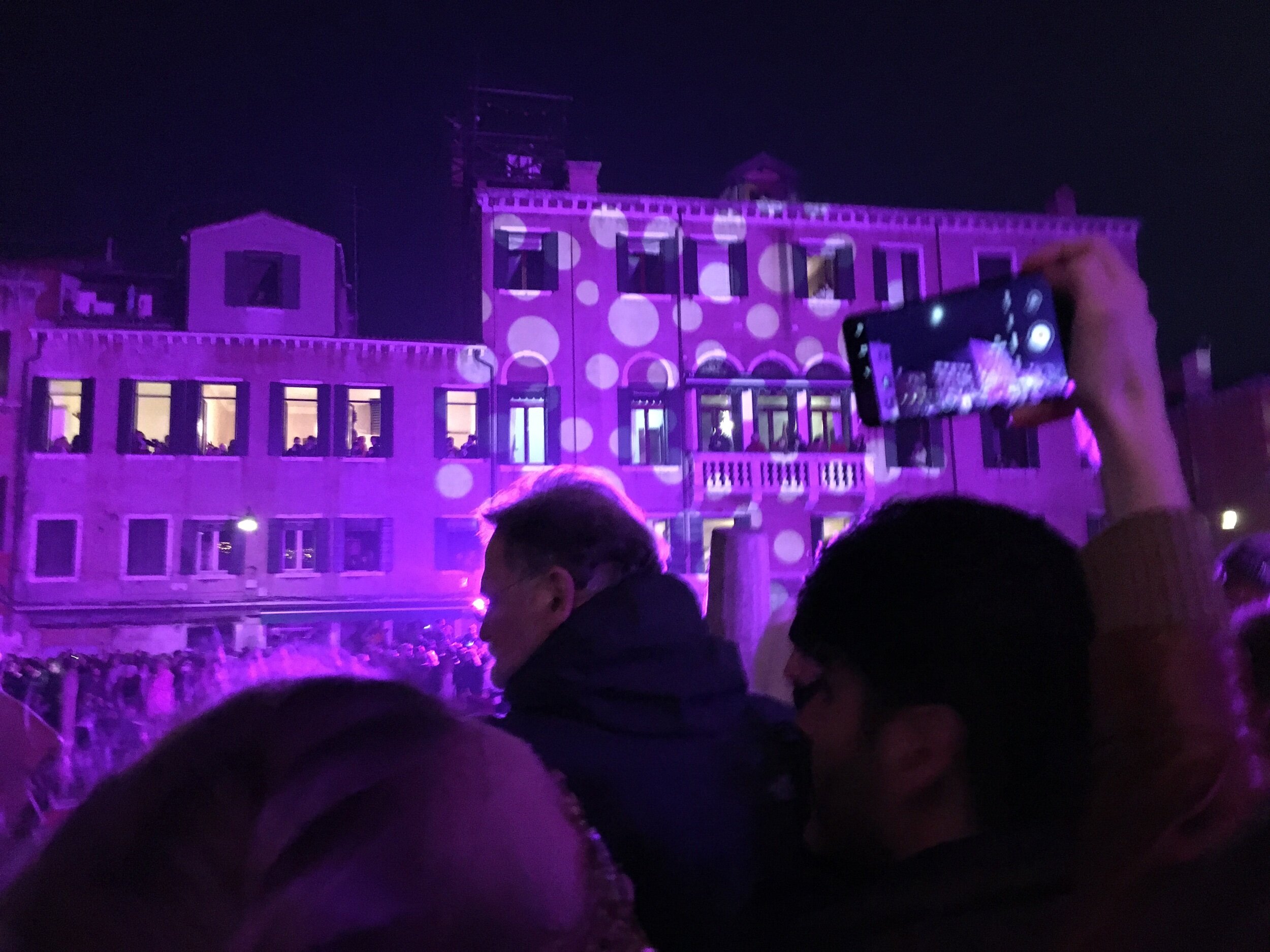
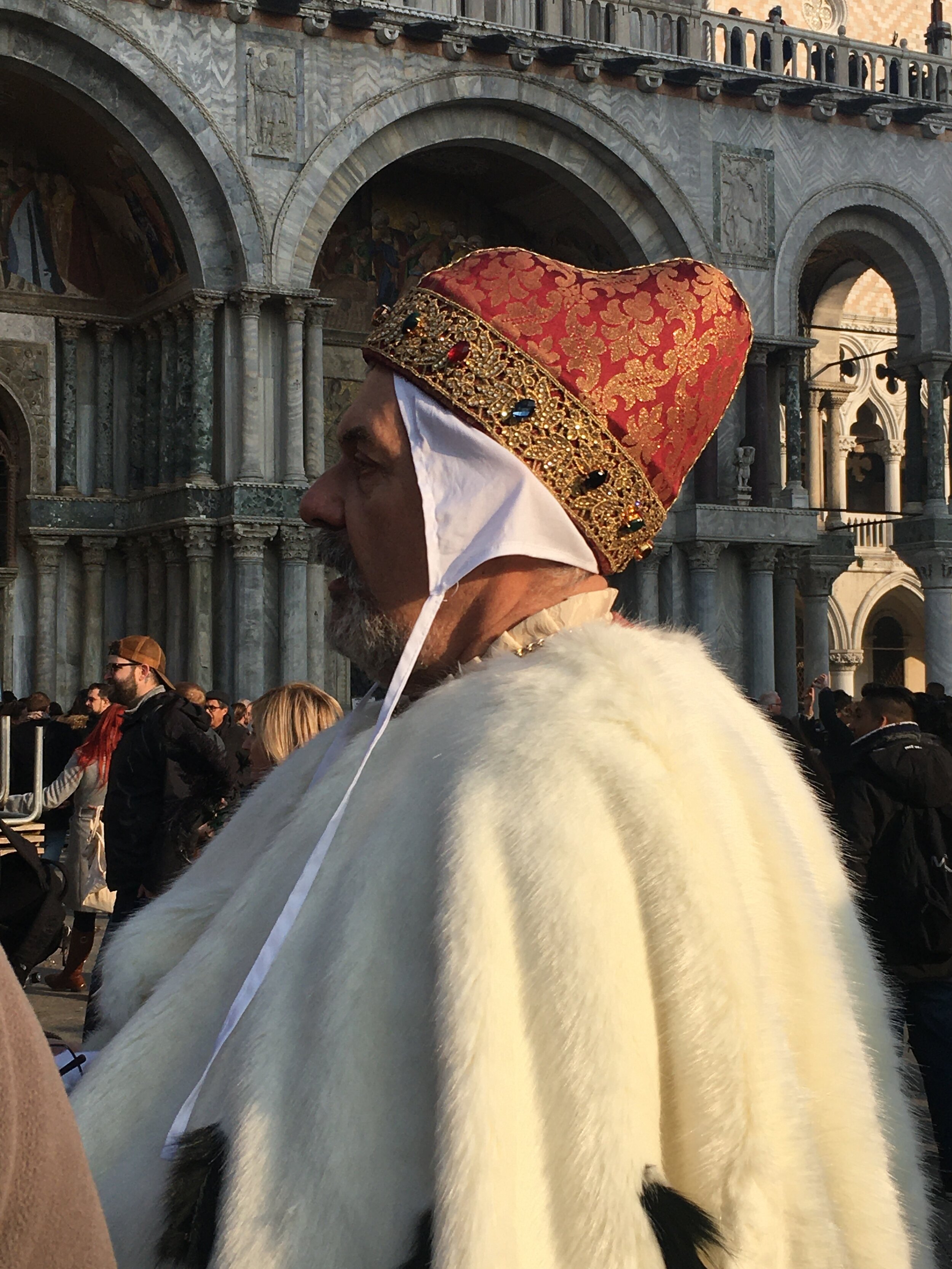
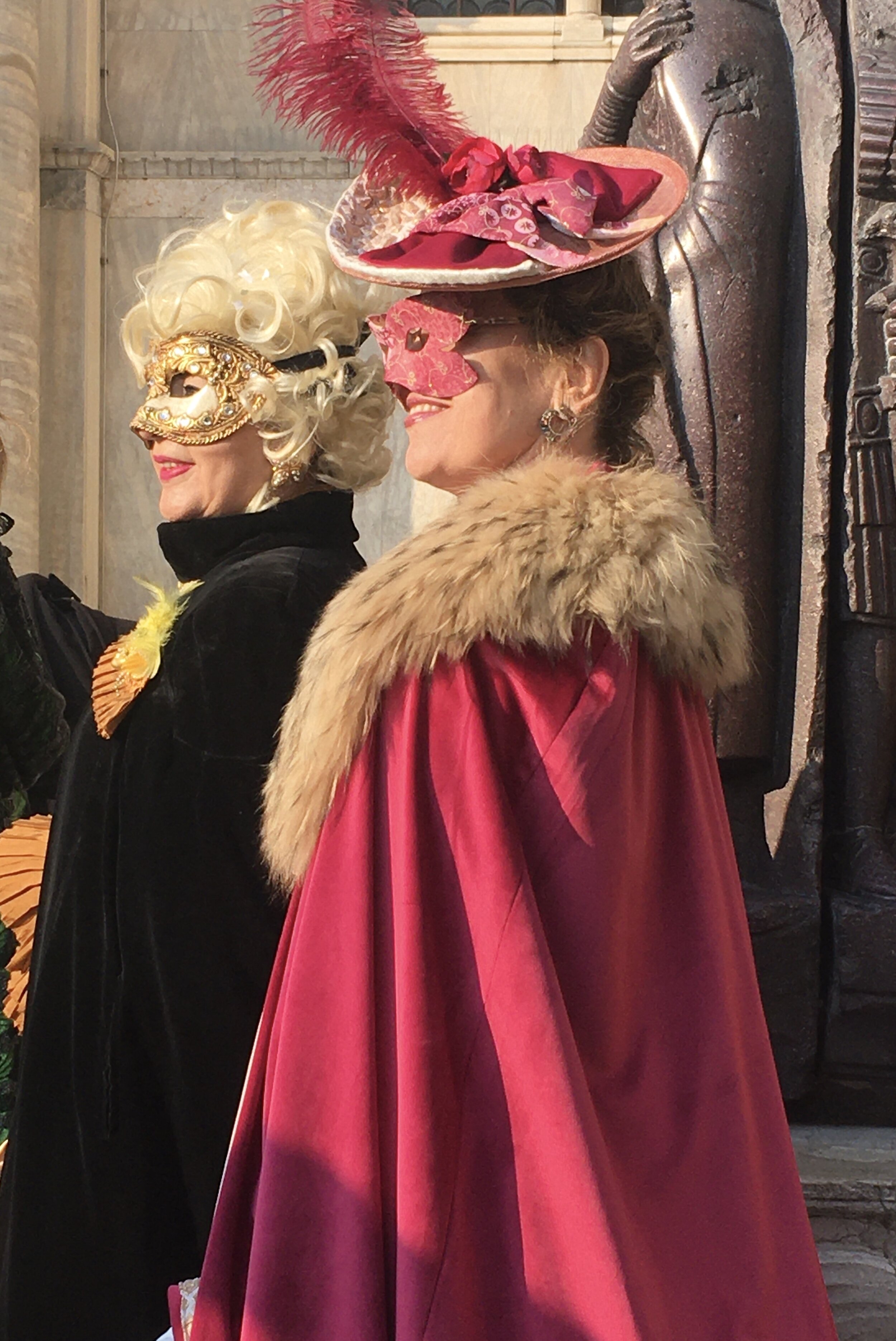
Last year I enjoyed Venice during the opening weekend of Carnevale, just before the first wave of virus arrived in Italy and shut it all down. What an air of excitement! Such a spectacular weekend - from the opening night time water parade with its aerial performers and light shows (below), to the next morning’s parade of boats on the Grand Canal, to all the costumed and masked people in the Piazza San Marco. And - though it seems strange this year - we didn’t worry at all about crowd size and we still found the idea of masks charming (those masks being a huge step up from this year’s standard Covid ones). Carnevale is Venice’s big annual event and this year, without the spectacles, the glamour, the balls and visitors, will have a huge impact - economic, cultural, and psychological.
IMG_1402.jpeg
IMG_1379.jpeg
IMG_1396.jpeg
IMG_1510.JPG
IMG_1485.JPG
IMG_1516.JPG

Last February, I think we all expected that by 2021 things would have returned to normal and we would once again be celebrating Carnevale in the usual way. But - here we are a year later, approaching the season of Lent without Carnevale celebrations to usher it in.

IMG_6786.jpeg

This week I found many of the traditional Carnevale sweets in the pastry shop windows, but that seemed sad knowing that all the events were canceled. Still - I felt it my civic duty to purchase some (any excuse for a sweet, right?)

As I returned home with my Carnevale mask cookies on a cold, rainy, late January day, I soon found myself looking at photos of past Carnevale events. The photos reminded me of the exuberance of Carnevale and all of a sudden the day didn’t seem so dreary. I hope these photos might brighten your winter day too.

And let’s all hope that, by next year, Carnevale will return. I imagine the floats and costumes will seem even more grand after a year’s absence.
IMG_1647.JPG
fullsizeoutput_e0d.jpeg
IMG_1698.JPG
IMG_1685.JPG
February 01, 2021 /Joanne Bartram
carnevale italy, Carnevale Venice, Carnevale Viareggio
#italytravel, Festivals Italy, Italian culture, Italy travel
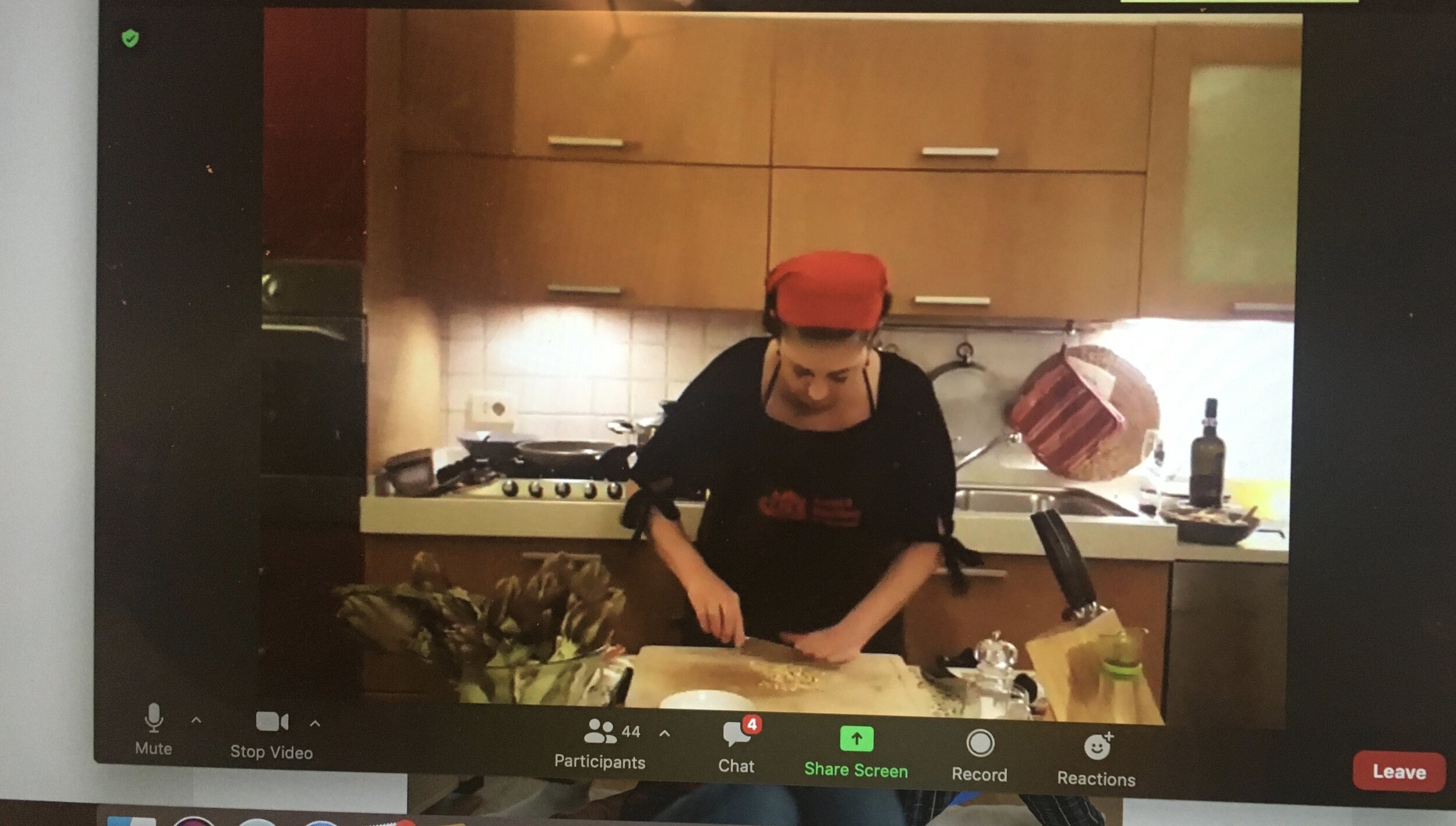
Cooking Class via Zoom.  Here Eva, from Lucca Italian School, chops shallots for an artichoke risotto

Cooking Class via Zoom. Here Eva, from Lucca Italian School, chops shallots for an artichoke risotto

Cooking in Italian

January 18, 2021 by Judy Giannnettino in #lucca, Cooking, Italian culture, Italian recipes, Lucca

I love Italian cooking and, even better, I like cooking in Italian.  For me that may mean using a recipe written in Italian, listening to Italian music while I cook or - best of all - taking a cooking class presented entirely in Italian.  Over the past several years I have taken many classes that combine language learning and cooking at Lucca Italian School (LIS).  Some classes were held in the kitchen at LIS while others were held in a fattoria (farm) kitchen in the hills outside of Lucca. These were peak experiences for me, combining language, hands-on cooking lessons, learning about local dishes and ingredients, wine tasting, lots of laughter, and the opportunity to socialize with students from around the world.

A pre-COVID cooking class with Lucca Italian School - so much fun!

A pre-COVID cooking class with Lucca Italian School

 And then, along came the pandemic and it became impossible for LIS to offer in-person classes.  In response to the mandatory restrictions, the staff at LIS began offering on-line language classes, both group and individual.  More recently, they have developed a variety of classes on special topics (art, music, history, local legends) which allow us to continue practicing the language while also learning about Italian culture. Last week they introduced an on-line cooking class, taught by LIS’s fantastic culinary star Eva Dal Porto. Sign me up!
I have to admit I had some reservations about on-line learning at first (having experienced some really dry continuing education classes in my prior professional life), but I have really enjoyed my weekly at-a-distance language classes with LIS, along with some of the specialty classes, and have found them to be both effective and fun.  And now that I’ve just completed my first on-line cooking class, along with 40+ other students from around the world, I can honestly say that I can’t wait to do this again!

IMG_1768.JPG

The class was all about carciofi (artichokes) and was delivered via Zoom straight from Eva’s kitchen.  A few days before hand we received a link to the Zoom session along with 3 recipes – a marinated raw artichoke dish, a carciofi fritti (fried artichoke) appetizer, and an artichoke risotto.  

Also included was a shopping list for the ingredients.  Shopping for the ingredients was fun – especially picking out those beautiful purple Italian artichokes.  

And I learned some new words, like scalogno (shallot). With my ingredients on hand I was ready to start cooking. 

Ingredients ready to begin preparation of the risotto

Ingredients ready to begin preparation of the risotto

Participants had the option to just watch the demonstration or to cook along with Eva.  I knew that my tiny Italian kitchen would not have enough prep space to manage all 3 dishes, so I only watched during the preparation of the salad and the fried artichokes.  But the risotto I cooked during the class.  What fun!  

The easy to follow lesson, in Italian, began with how to clean and trim the artichokes and then soak them in lemon water to prevent discoloration.  

Next came step by step instruction and demonstration of the preparation of each dish.

And if you aren’t confident using a mezzaluna, well Eva demonstrated that too. 

The on-line instructions and demonstration was easy to follow

The on-line instructions and demonstration was easy to follow

 By the end of the lesson my kitchen smelled wonderful and I was hungry!  Luckily, my artichoke risotto was ready to eat.  A delicious ending to a fun lesson.

The finished risotto.  The grains of rice remain separate and are never mushy

The finished risotto. The grains of rice remain separate and are never mushy

Artichoke Risotto  (In the class we used half of these amounts to make 2 servings)

e2ot0D3JT7S4BAuF8NYB4w.jpg

 8 artichokes (the small purple ones are best)

1 lemon, juiced

5 tablespoons extra virgin olive oil

2 shallots, chopped

2 cloves of garlic, chopped fine

320 grams of risotto rice (about 1 ¾ cups)

1 cup dry white wine

1 liter vegetable broth (about 4 ¼ cups)

Salt and pepper to taste

2 Tablespoons butter

Grated parmesan cheese, to sprinkle on top of the finished risotto

 Clean and trim the artichokes (remove tough outer leaves, cut away top half of remaining bulb to leave the heart and tender inner leaves).

Cut each trimmed artichoke lengthwise into 8 pieces and remove the fuzzy “choke” (leaving the tender inner leaves just above it).

Immerse the cut artichokes into a bowl of lemon water until ready to cook.

Dice the garlic and the shallots and saute in the olive oil until softened.  Add the artichoke pieces, stir, and cook for another 5 minutes or so.  Add the rice and stir to coat with oil. 

Add the wine and allow it to evaporate fairly quickly over moderately high heat.  Keep stirring!

 Lower the heat, add the salt, pepper, and about 1/3 of the broth.  Stir and cook until broth is absorbed.

 Continue to add broth 1 ladle full at a time, stirring until each is absorbed.  Rice should be cooked by the end but still a bit al dente and not sticky or mushy.

Add the butter and stir well.   Serve right away sprinkled with parmesan cheese.

January 18, 2021 /Judy Giannnettino
risotto, italian cooking, artichoke risotto, carciofi
#lucca, Cooking, Italian culture, Italian recipes, Lucca
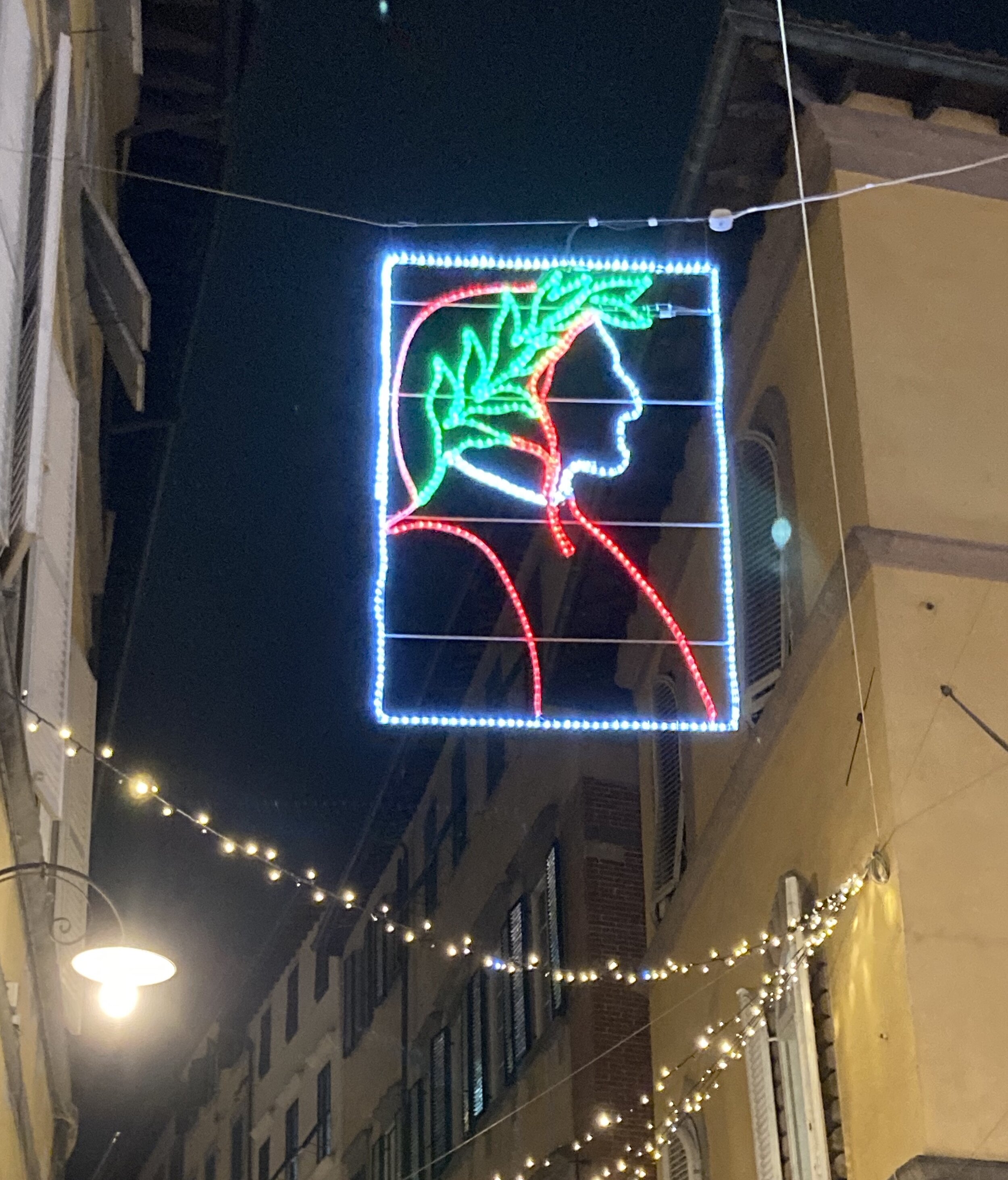
Dante’s recognizable profile in lights high above a street in the historic center of Lucca, Italy

Dante’s recognizable profile in lights high above a street in the historic center of Lucca, Italy

Spending Christmas with Dante

December 21, 2020 by Judy Giannnettino in Italian culture, Italy, Living in Italy, Lucca, Italian Christmas

 I love Italy year-round, through rain and shine, ordinary days and extraordinary ones, warm springs and crisp autumns, rare snowy days, and yes, even in this year of pandemic. But Christmas time remains just about my favorite season.

The holidays are pure delight in Lucca - streets aglow with lights, small alleys filled with trees and lined with colorful shop windows, whole buildings wrapped in lights or bows, skating rinks, decorated doorways and windows, nativity scenes large and small, Babbo Natale (the Italian version of Santa Claus) and Old Befana (the best witch ever).  From the simplest touch to the most elaborate display, it’s all magic to me.

ni6ceTxiS52Szm4OOZZPKA.jpg

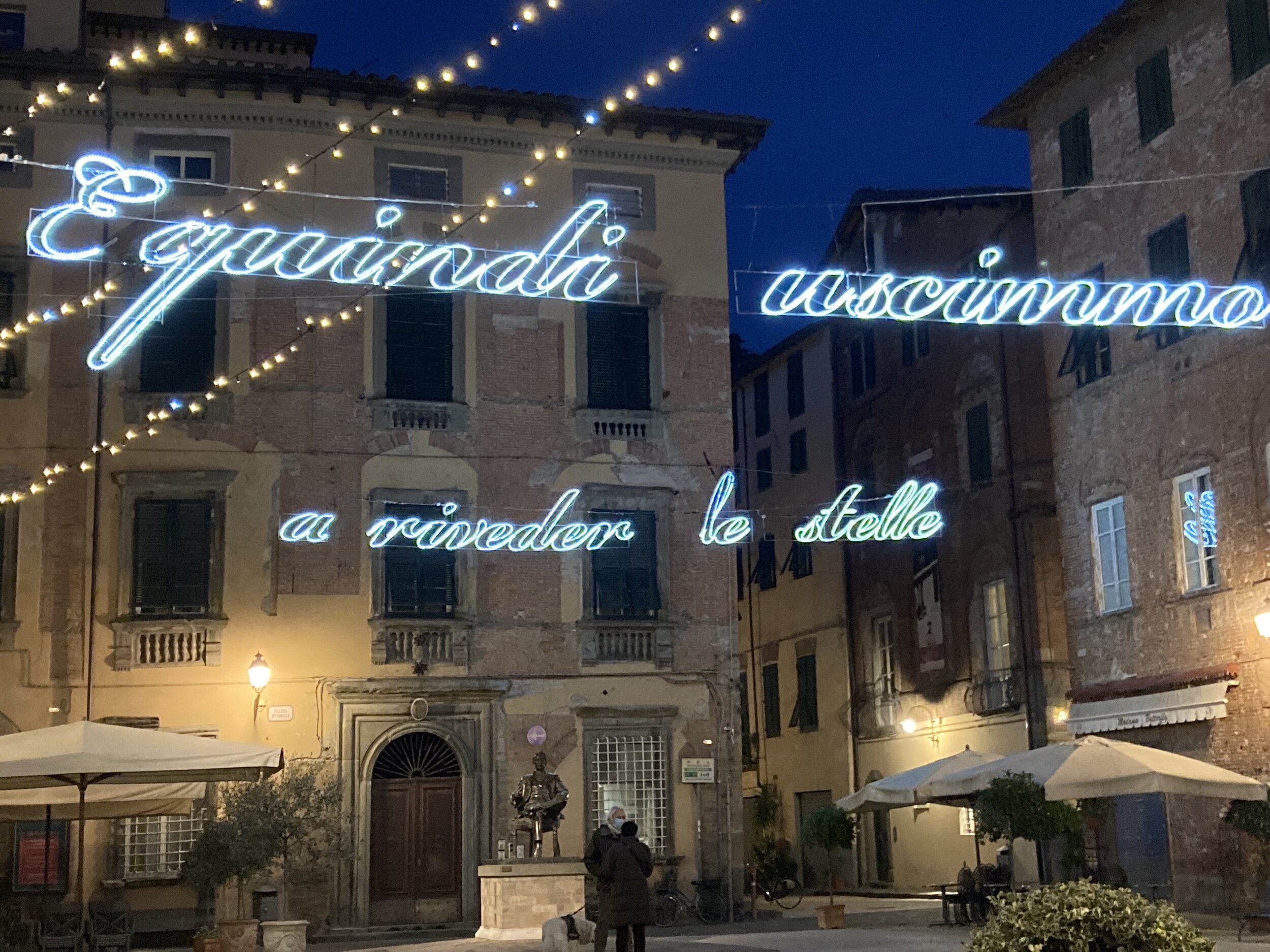
This month, despite Italy’s very difficult year, Lucca is once again all dressed up for Christmas.  And, really, how can you not love a city where the piazzas are decorated for the holiday with poetry by Dante spelled out in lights?  Not visions of hellish infernos (though many might think that fitting this year), but rather words with eyes toward the stars and full of hope. In piazza San Frediano (pictured above) the message is: L’amor che move il sole e l’altre stelle (the love that moves the sun and other stars).

A short walk over to Piazza Cittadella, there is another quote from Dante: E quindi, usciamo a reveder le stelle. (and then, we go out to again see the stars).

N6OMX+TrRY2Od%N56BJbjA.jpg

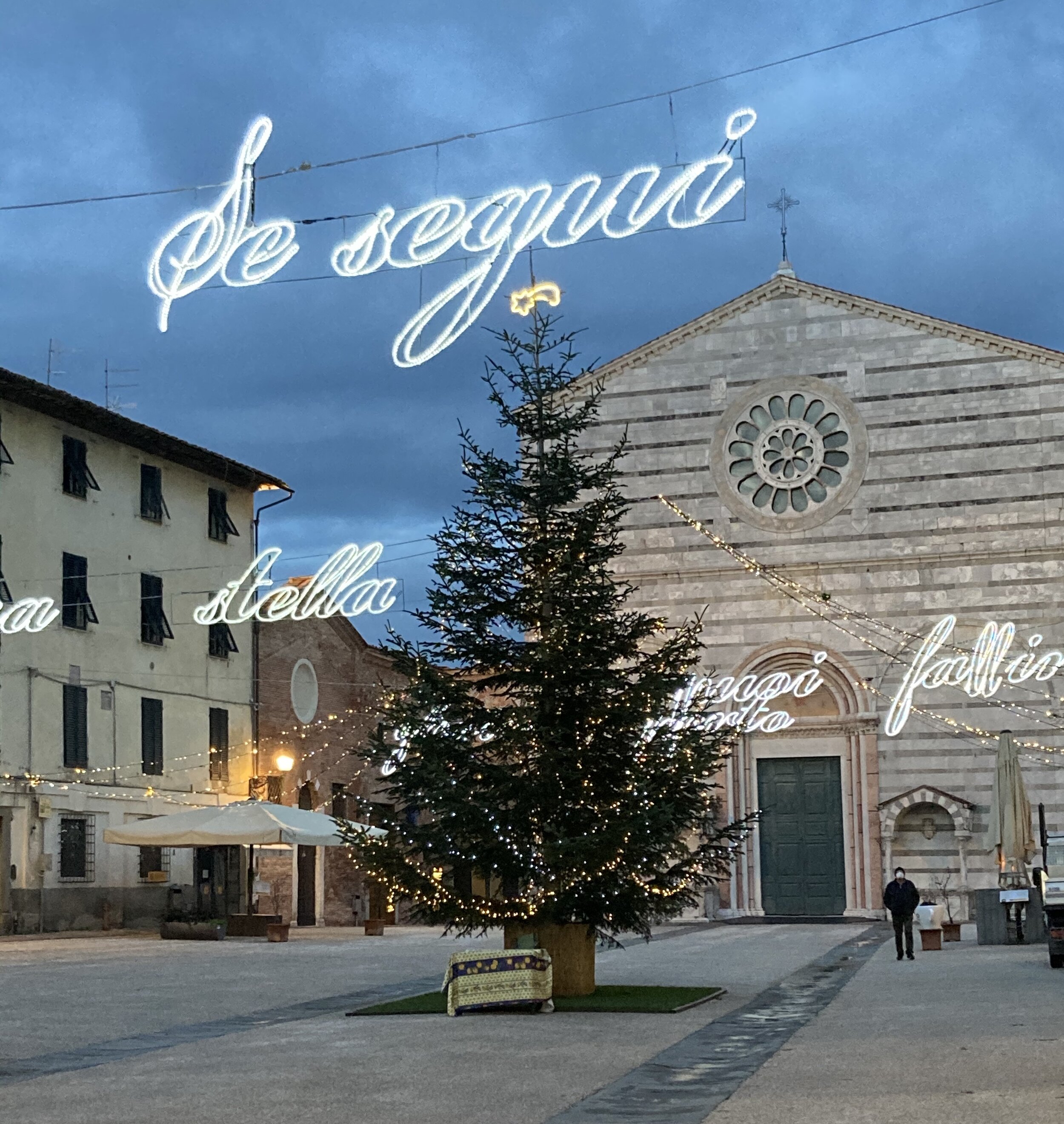
In Piazza San Francesco the words drift above the large Christmas tree - Se segui la tua stella, non poi faillire glorioso porto (loose translation - if you follow your star, you cannot fail to reach a glorious place).

fullsizeoutput_1cf5.jpeg

This year, Dante’s star filled words offer a perfect glimpse of hope and light. And isn’t that a perfect way to end this year?

I wish you all a happy and safe holiday season. Buone Feste !


December 21, 2020 /Judy Giannnettino
Dante, Christmas Lucca, Christmas Italy, Christmas
Italian culture, Italy, Living in Italy, Lucca, Italian Christmas
fullsizeoutput_1caa.jpeg

The Olive Harvest in Tuscany

November 09, 2020 by Judy Giannnettino in Italy, Tuscany, Italian culture

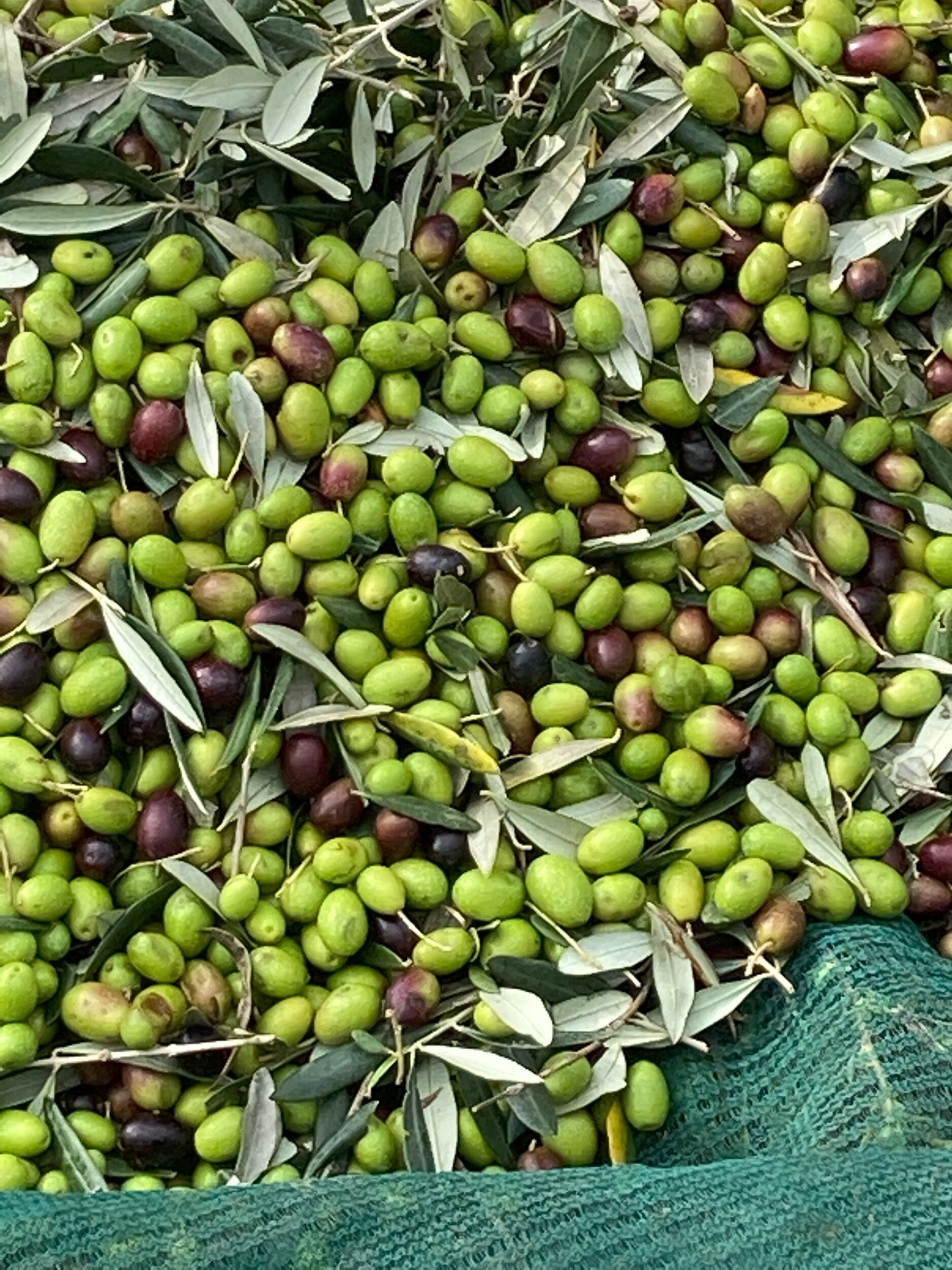
Late October into early November is olive season in Tuscany. Throughout the countryside, fields are dotted with olives trees, some in neatly trimmed rows and others standing alone, gnarled and ancient looking. They shimmer with green, purple, and nearly black fruit and the promise that they will soon yield the spicy, flavorful, wonderfully scented liquid that makes Italian olive oil so prized.

IMG_0401.jpeg

I recently had the opportunity to experience the harvest at one of my favorite places - the Agriturismo Cretaiole near Pienza, Italy. Cretaiole is a working fattoria (farm) with many olive trees. It is run by the Moricciani family who also operate a family farm (Podere San Gregorio) and large olive groves, all just beyond the city walls in Pienza. In all, they have nearly 3000 olive trees. They produce a superb organic olive oil under the supervision of family patriarch Luciano and son Carlo (who is also a professional olive oil tester for the province of Siena). This makes Cretaiole the perfect place to get a close up view of the olive harvest and also provides the perfect excuse to spend a week in southern Tuscany.

My goal was to learn about the harvest and to take lots of photos. I quickly found that it was impossible to just watch! Pitching in is part of the fun and doing so provided the chance to speak with Luciano, who has been harvesting the olives in this area since he was a child in the years after World War II.

Luciano Moricciani has spent a lifetime cultivating and harvesting olives. His Cretaiole olive oil is fantastic!

Luciano Moricciani has spent a lifetime cultivating and harvesting olives. His Cretaiole olive oil is fantastic!

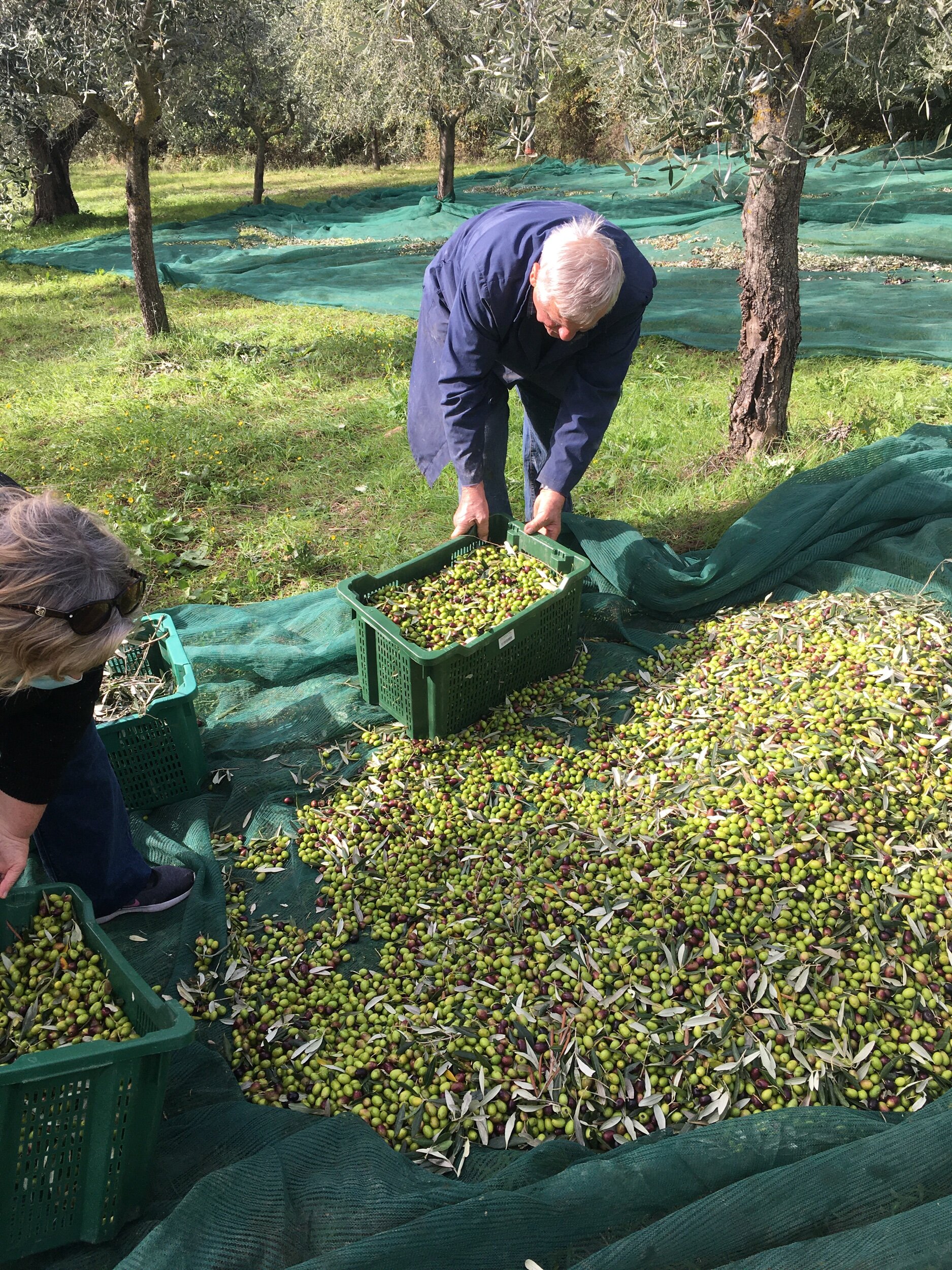
The first thing I learned is that olive harvesting is hard work! First the olives must be picked from the tall, dense trees. This can be done by hand, climbing up a ladder to reach high into the trees and dropping the olives into a basket. Luciano recounted the dangers of this - including the many falls and broken bones which were common in his youth. These days it is more common, especially in the larger groves, to use a power tool - a sort of vibrating rake - to shake the olives from the tree. The olives then fall into nets that have been spread out on the ground around the trees. This is the process used at Cretaiole, with 2 men performing this job over the course of a week or more (they have a lot of olive trees!).

Shaking the olives from the trees and into the collecting nets

Shaking the olives from the trees and into the collecting nets

As the colorful olives pile up in the nets, the many twigs that also fall from the trees must be separated from the olives by hand. The olives are then scooped into containers and, within a day, they are taken to the frantoio (olive press) where they will be separated from their leaves, washed, ground, and coaxed into giving up their precious oil.

Separating the twigs from the olives

Separating the twigs from the olives

IMG_0953.jpeg

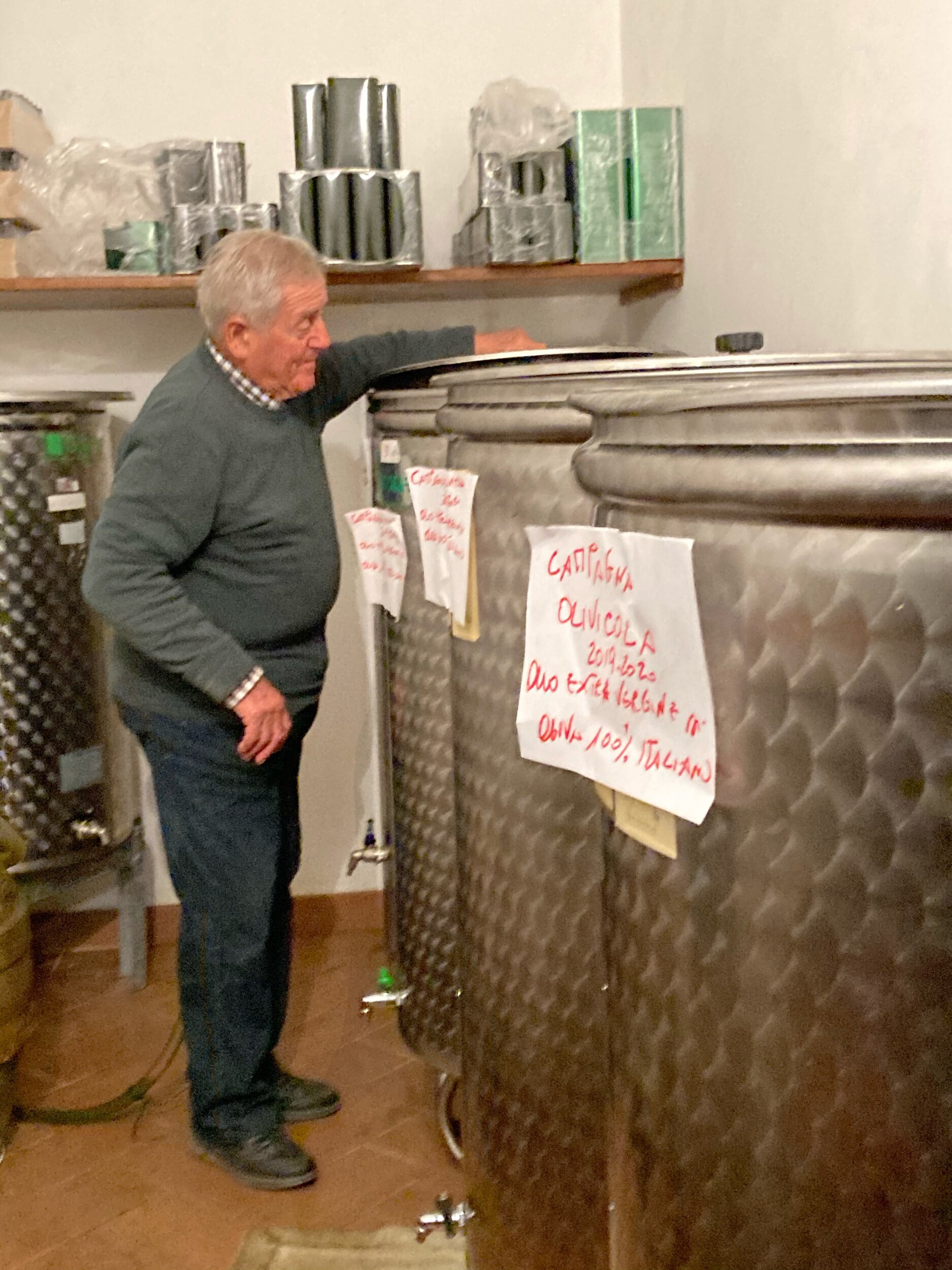
A few days after taking the above photos, I was able to visit with Luciano and his wife Liliana at their farm, Podere San Gregorio in Pienza. In the farm’s cantina, the newly pressed oil is stored in large vats and the oil is put into bottles and tins for sale under the Cretaiole labe

Together we tasted the new oil on slices of bread alongside some of the other products from the farm (delicious prosciutto and salami), a local pecorino cheese, and glasses of red wine produced from Cretaiole’s vines. The new oil was a beautiful green color, fragrant, and very, very tasty.

This was a wonderful opportunity to talk to the Moricciani’s about their lives, their land, the business of the agriturismo, and the area around Pienza.

It is always a treat to be able to buy a new season olive oil straight from the farm, but it is even better when you’ve had the chance to participate in the harvest, although truth be told I did more watching and photographing than working. Still - I think there must be at least one or two of “my” olives in the big bottle of oil that I took home with me.

I will enjoy the bold flavor of Cretaiole olive oil drizzled atop a bowl of minestrone or over toasted bread throughout the coming winter. If you’d like to taste this wonderful organic extra virgin olive oil, Cretaiole ships 1 and 5 liter cans.

A huge thanks to Luciano, Liliana, and Carlo Moricciani for inviting me to learn about the olive harvest and for being such warm and generous hosts.

Contact information for Cretaiole website: cretaiole.it email: info@cretaiole.it

IMG_0951.jpeg
November 09, 2020 /Judy Giannnettino
Italian olive oil, olive harvest, cretaiole
Italy, Tuscany, Italian culture
Image 10-19-20 at 5.57 PM (3).jpg

Classic Italian Motorcycles

October 26, 2020 by Judy Giannnettino in Italian culture, Italy, Lucca, Motorcycles
Image 10-19-20 at 6.27 PM.jpg


What is it about a vintage Italian motorcycle that is so alluring, so romantic?

I can just picture myself, a scarf around my hair Audrey Hepburn style, arms wrapped around someone who looks a lot like Marcello Mastroianni, speeding through the Italian countryside.  Pure fantasy!  In reality, my motorcycle days were back in the 70’s, the countryside was rural Colorado, my then “fidanzato”, while cute, was no Marcello, and the motorcycle was Japanese made. Back then, Italy hadn’t yet entered my dreams.  


A week or so ago, while watching Italian TV (a strategy for increasing my Italian vocabulary), an interview with the mayor of Lucca caught my attention. He was talking about an exhibit of classic Italian motorcyles. Even better, he said that the exhibit was being held in the beautiful setting of Palazzo Pfanner, one of the loveliest spots inside the historic city center. This was something I had to see.


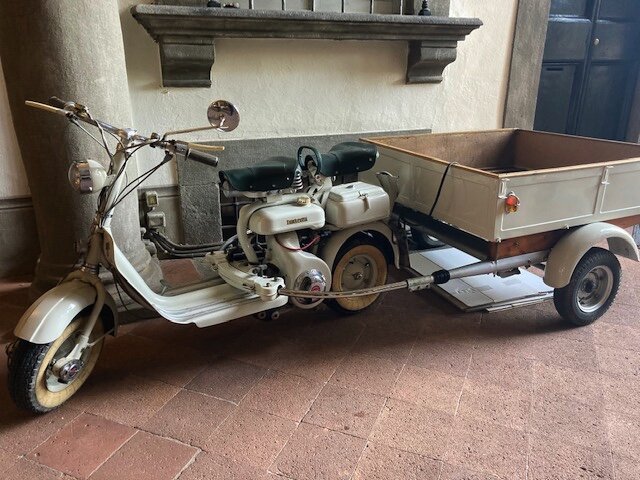
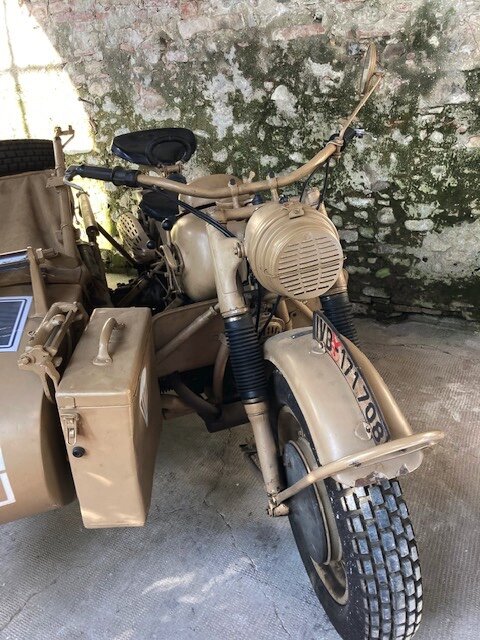
The motorcycles filled both the entry courtyard of the grand palazzo and the limonaia (the outbuilding where the lemon trees are stored in cold weather). What a stunning backdrop for the beautiful classic motorcycles!

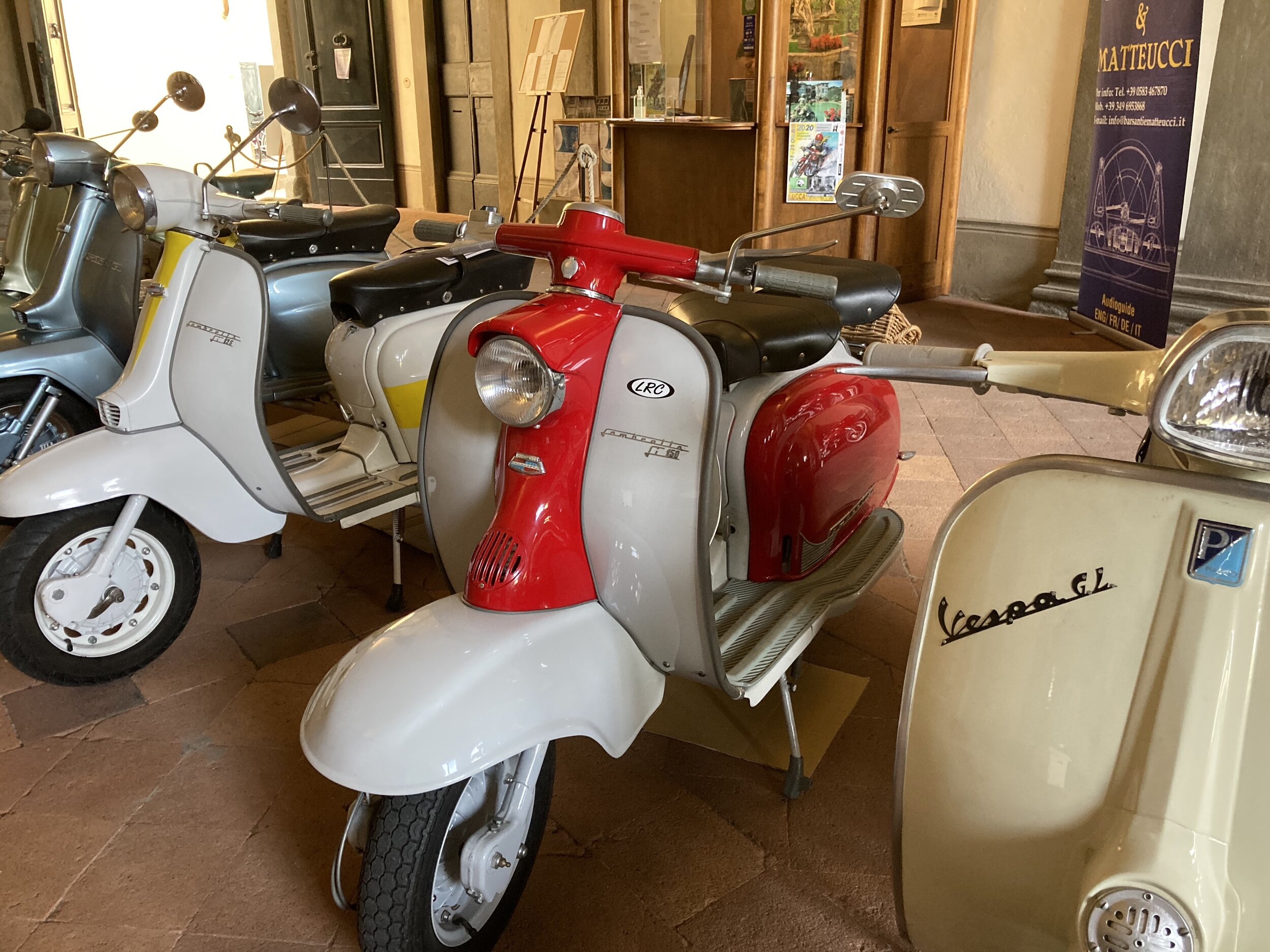
Scooters filled the entry courtyard to the palazzo.  These are by Vespa and Lambretta, both companies began manufacturing in the 1940’s.

Scooters filled the entry courtyard to the palazzo. These are by Vespa and Lambretta, both companies began manufacturing in the 1940’s.

 If you’ve ever enjoyed a motorcycle ride, say a word of thanks to two inventors from the province of Lucca - Eugenio Barsanti and Felice Matteucci. They did not invent the motorcycle but they did develop and patent the first internal combustion engine (way back in 1853).  This type of engine, based on harnessing the power of exploding gases (sounds a bit frightening), provided an alternative to the steam engine and was a precursor to the modern piston engine. The original models of Barsanti and Matteuci were far too large to use on a motorcycle; it would take German engineers to make the first “modern” motorcycle (the Daimler Reitwagen) in 1885. How things have evolved from those early models!  And, since no one does style better than the Italians, the classic made-in-Italy models from the 1920’s through the 1960’s are not just means of transportation, they are stylish works of art.

iM1zELEZTHezJQtMSZ9p1w.jpg
Image 10-19-20 at 5.57 PM.jpg
Image 10-19-20 at 5.55 PM (4).jpg

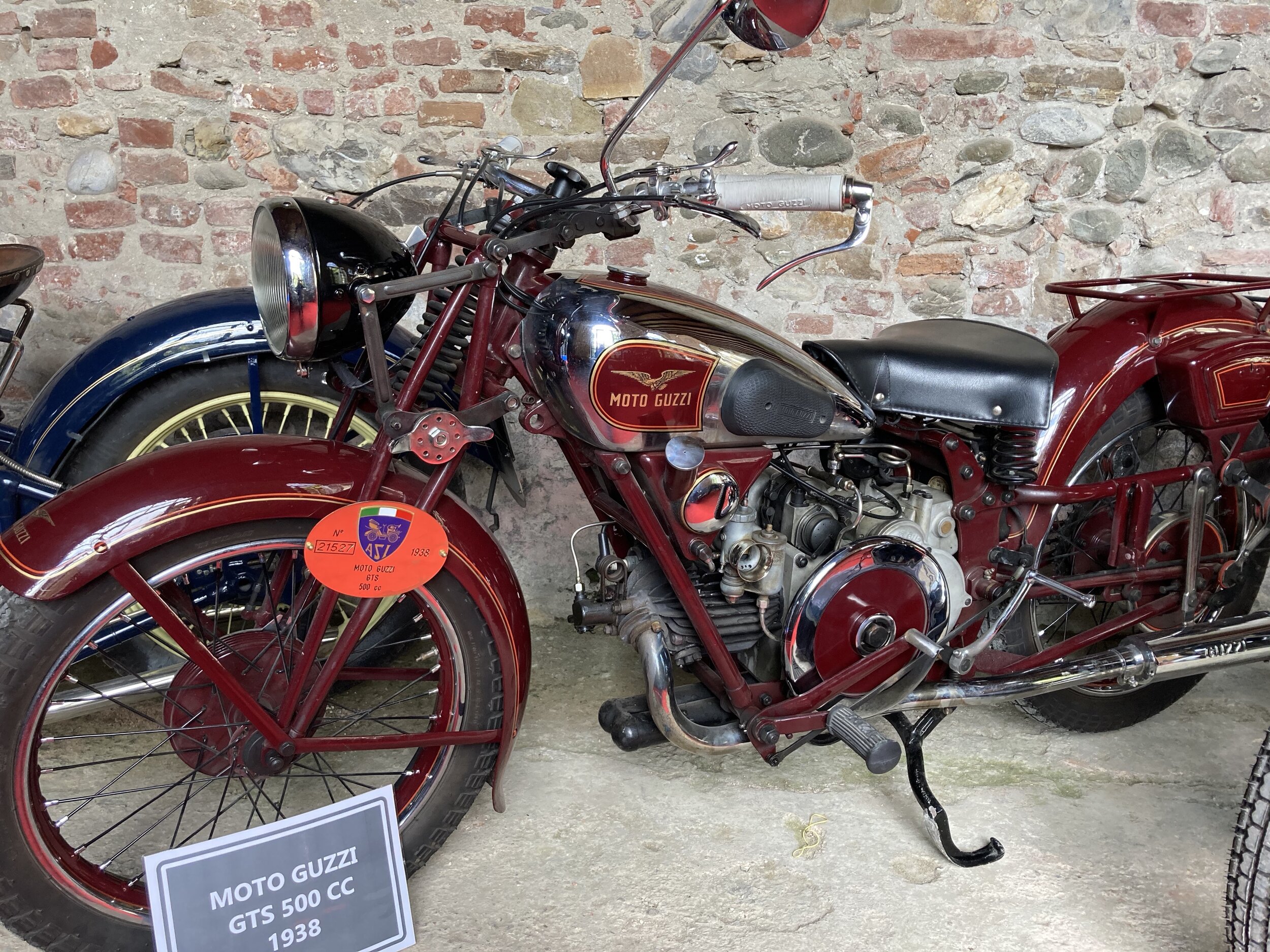
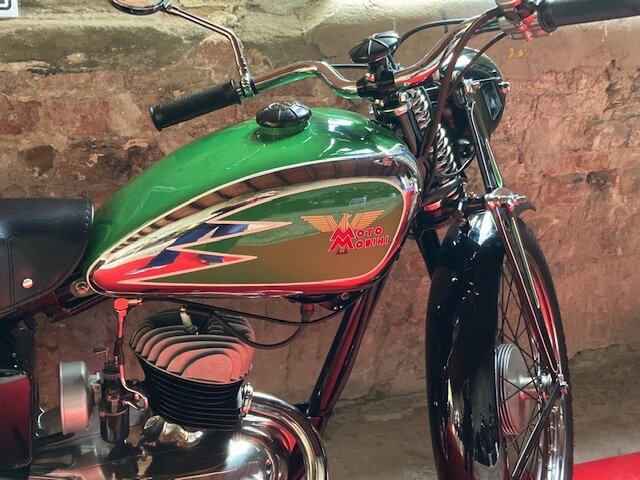
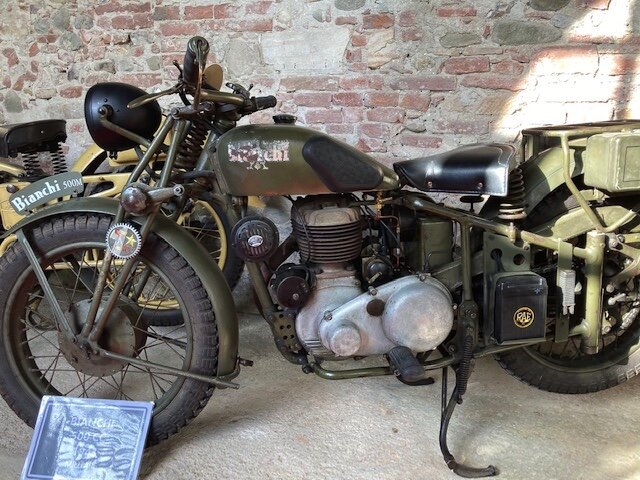
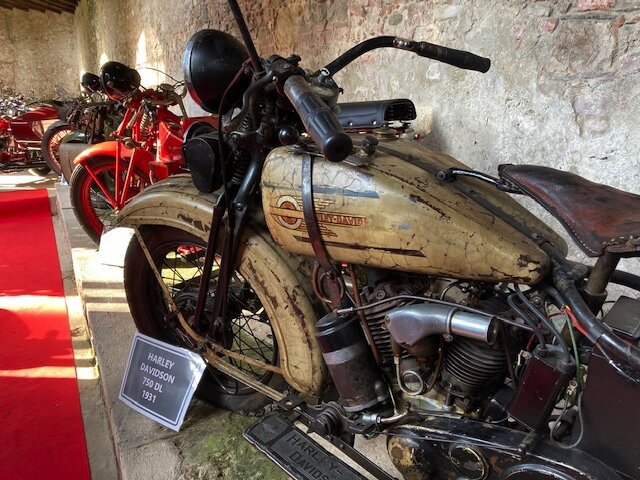
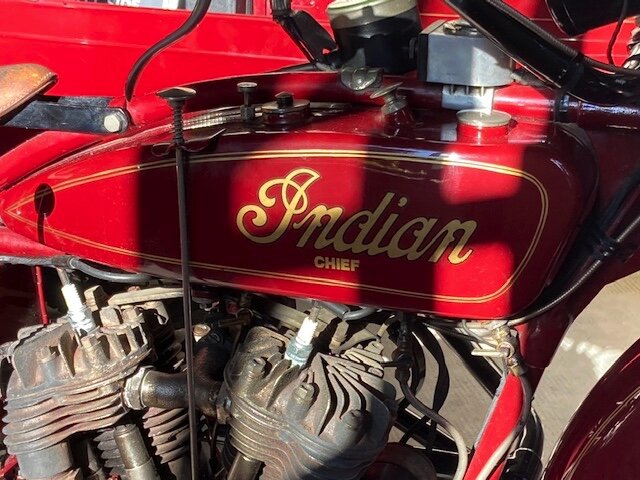
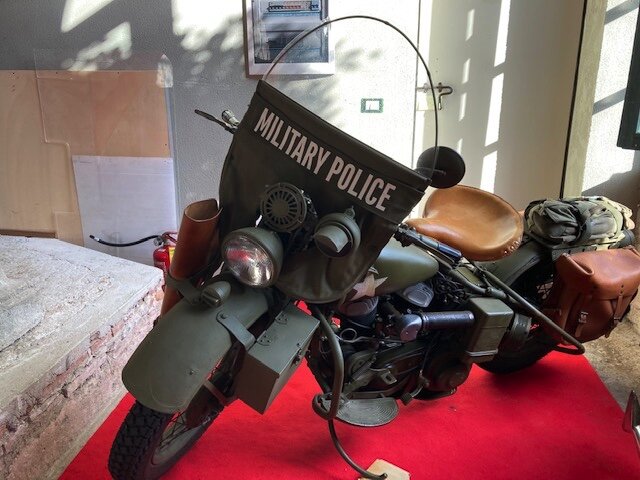
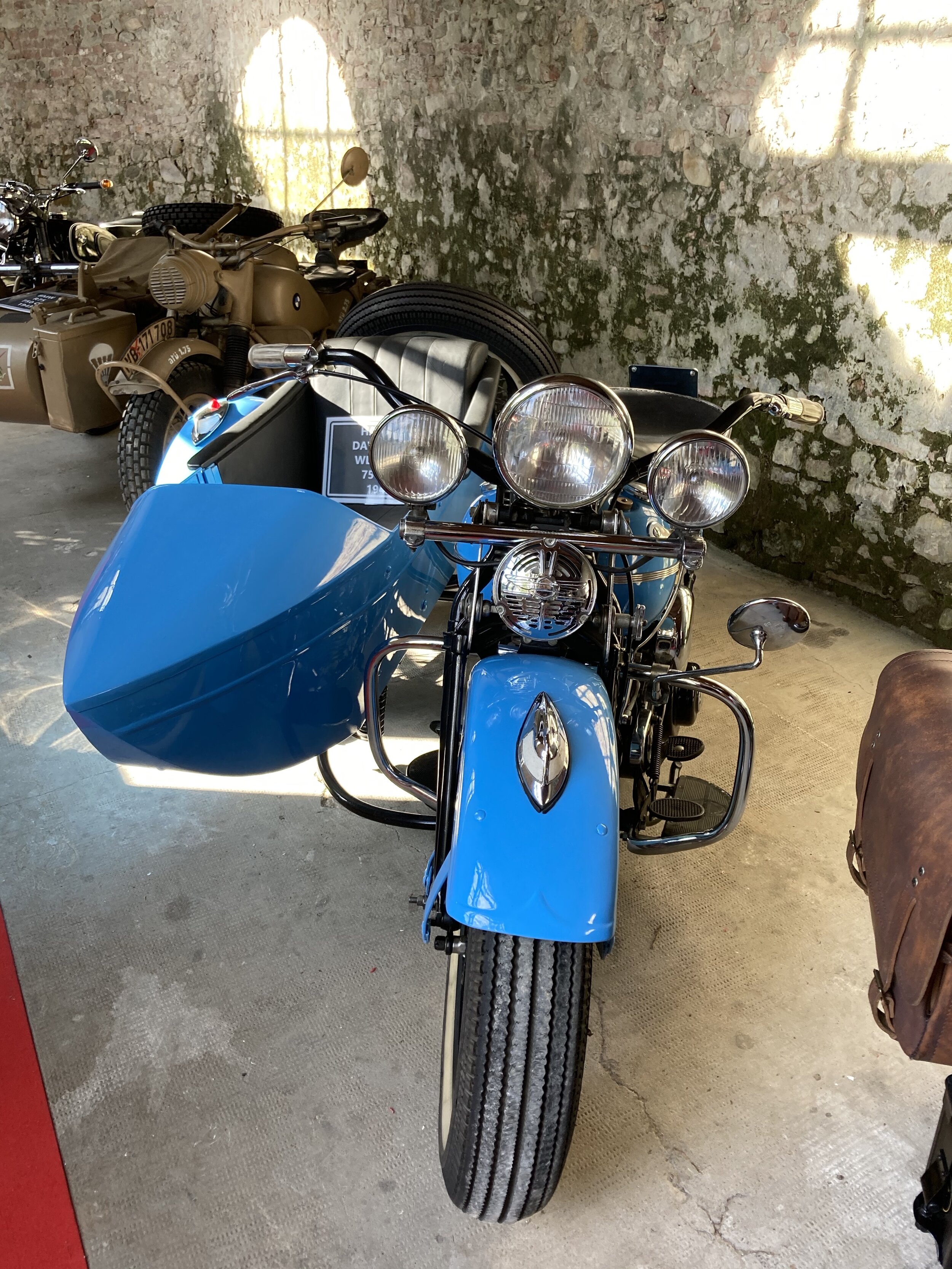
 Some of the names are recognizable - Ducati, Lambretta, and Moto Guzzi. Other older brands have been out of production for years and are less well known (at least to non-Italians).  The exhibit included both the famous brands and the less famous.  There were even some American classics like Henderson and Harley-Davidson and the first American motorcycle brand, the Indian.

Image 10-19-20 at 5.58 PM.jpg
Image 10-19-20 at 5.59 PM (4).jpg

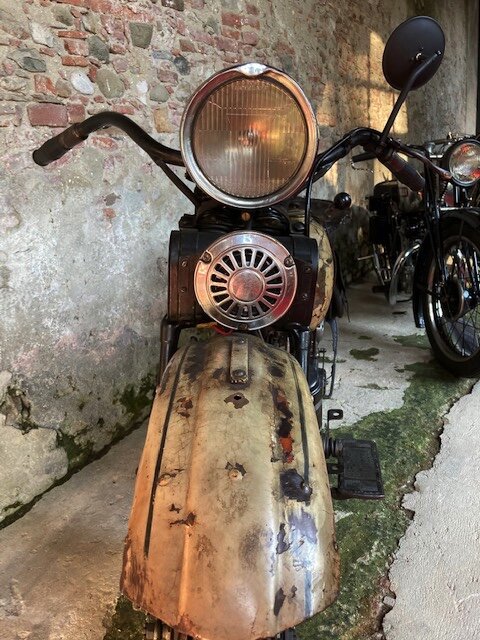
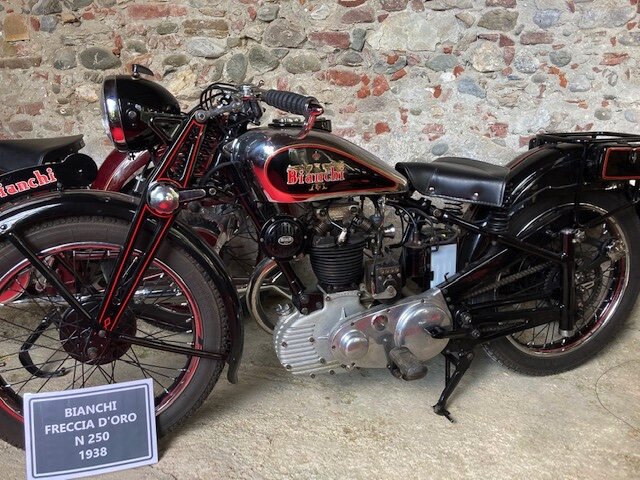
 Some of the motorcycles in the exhibit were very early models, some were war-time vehicles, some were designed for work, and some were clearly designed for fun and for speed. There was even a group with fancy side cars. All were fascinating, from the leather seats, to the spoke wheels, to the saddle bags and the somewhat primitive looking engine parts. 


Image 10-19-20 at 6.02 PM (1).jpg
Image 10-19-20 at 5.56 PM (1).jpg
eHatgagmTxqRdej9e1k8UQ.jpg

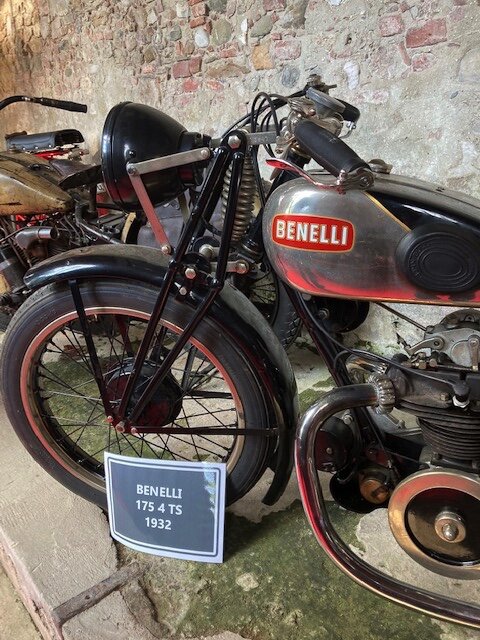
The oldest model in the exhibit was a Galloni, a brand produced only between 1920 and 1931. The one in the exhibit was from 1924.  Moto Guzzi was represented with the largest number of bikes, but there were also models by Sertum, della Ferrara, Bianchi, and Benelli.

Image 10-19-20 at 5.59 PM (1).jpg


The exhibit was fascinating. It was visually interesting, it presented a different aspect of Italian culture and history, the setting was gorgeous, and I learned about Barsanti and Matteucci (and more than I ever thought I’d know about combustion engines).  Now, if only I could take one for a spin around the Tuscan countryside!


Image 10-19-20 at 6.00 PM (6).jpg
Image 10-19-20 at 6.00 PM.jpg
Image 10-19-20 at 5.57 PM (5).jpg
Image 10-19-20 at 5.55 PM (2).jpg
October 26, 2020 /Judy Giannnettino
#classicitalianmotorcycles, classic Italian motorcycles, italian motorcycles, lucca exhibits, Barsanti, Matteucci
Italian culture, Italy, Lucca, Motorcycles
  • Newer
  • Older

Powered by Squarespace