Two Parts Italy

Exploring Italy, travel, and living a flavorful life

  • Blog
  • About This Blog
  • Start Here
  • Recent Posts
  • Archives by Topic
  • Subscribe
  • Contact me
Porta Sant’Agata with its two watchtowers is the entrance to the fortified hamlet of Monticchiello (note everyone wearing masks, early November 2020).

Porta Sant’Agata with its two watchtowers is the entrance to the fortified hamlet of Monticchiello (note everyone wearing masks, early November 2020).

Monticchiello: A Medieval Village in Tuscany

November 30, 2020 by Joanne Bartram in #italytravel, #medievalitaly, Hill Towns Italy, Tuscany

Italy is now struggling with a second wave of COVID-19 infections. Each week since the end of October seemed to bring a new governmental decree with tighter restrictions. As I write this, in mid-November, Tuscany has quickly progressed from the yellow zone (lowest risk) to the orange zone (moderate risk) and now to the dreaded red zone (highest risk). At present, travel outside of the comune (municipal area) of Lucca is forbidden except for urgent reasons. I was fortunate to be able to travel to the Val d’Orcia in south central Tuscany just before the current restrictions went into effect. Right now, such a trip would be impossible. So, while currently under lockdown in Lucca, over the next few weeks I will share glimpses into some of the small towns and hilltop villages I encountered during my week in the Val d’Orcia.

To begin this series, let’s start with a place that seems to come straight from the pages of a medieval story book, the fortress-like hamlet of Monticchiello.

Stone buildings line medieval streets in the fortified hamlet  of Monticchiello

Stone buildings line medieval streets in the fortified hamlet of Monticchiello

A bit of history: the settlement here is old - dating back to Etruscan times. The current fortress dates to the 1200’s. Today, Monticchiello is the most serene of places, but its history tells a different story. The fortress was part of the defenses of the Republic of Siena (long before there was a country called Italy) making it a 13th century pawn in the conflicts between Siena and Montepulciano. Later, control by Siena gave way to the power of the Medicis. Later still, Monticchiello became a part of the district of Pienza (1777) where it remains today.

Jump ahead to 1944 for some more recent history. During World War II, the area around Monticchiello was the site of conflict between the occupying German forces and the local partigiani (partisan fighters). In an act of reprisal for partisan activities, the German army entered the town and rounded up all the residents, intending to massacre them. In a fortunate turn of events, a young German woman, the wife of a local man, was among the villagers. She was able to convince the soldiers (with the help of the village priest) that the people should be spared. And so the citizens in Monticchiello that day survived the war.

The winding road up to Monticchiello

The winding road up to Monticchiello

The approach to Monticchiello is up a winding, cypress lined road - the classic Tuscan landscape. On arrival, and before entering the walled village itself, is a scenic overlook with sweeping views of the valley below.
Za0KYw8FSFekTR3eP0TR1A.jpg
D3qb9RlJRICyN+pvb+MFdg.jpg

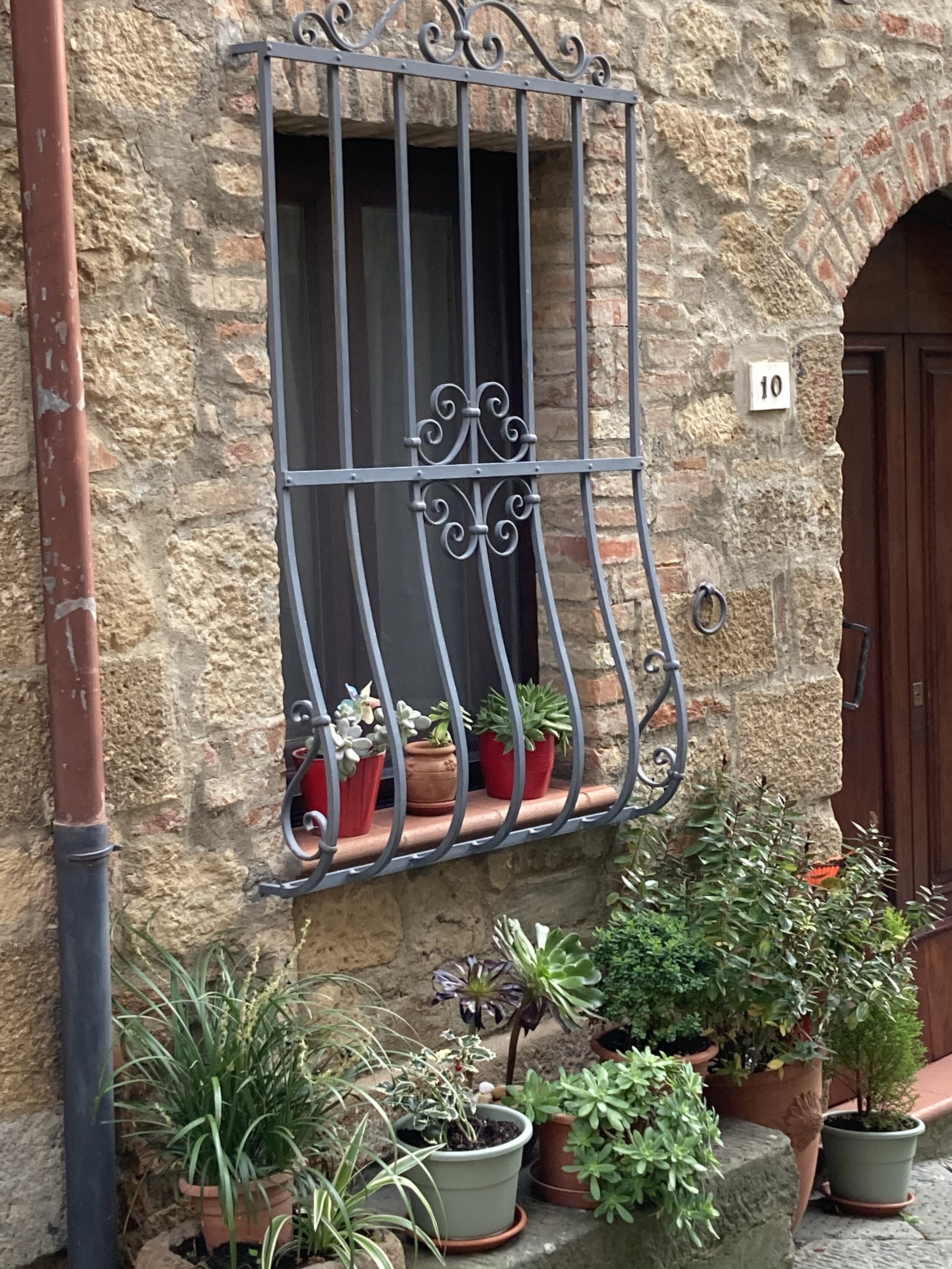
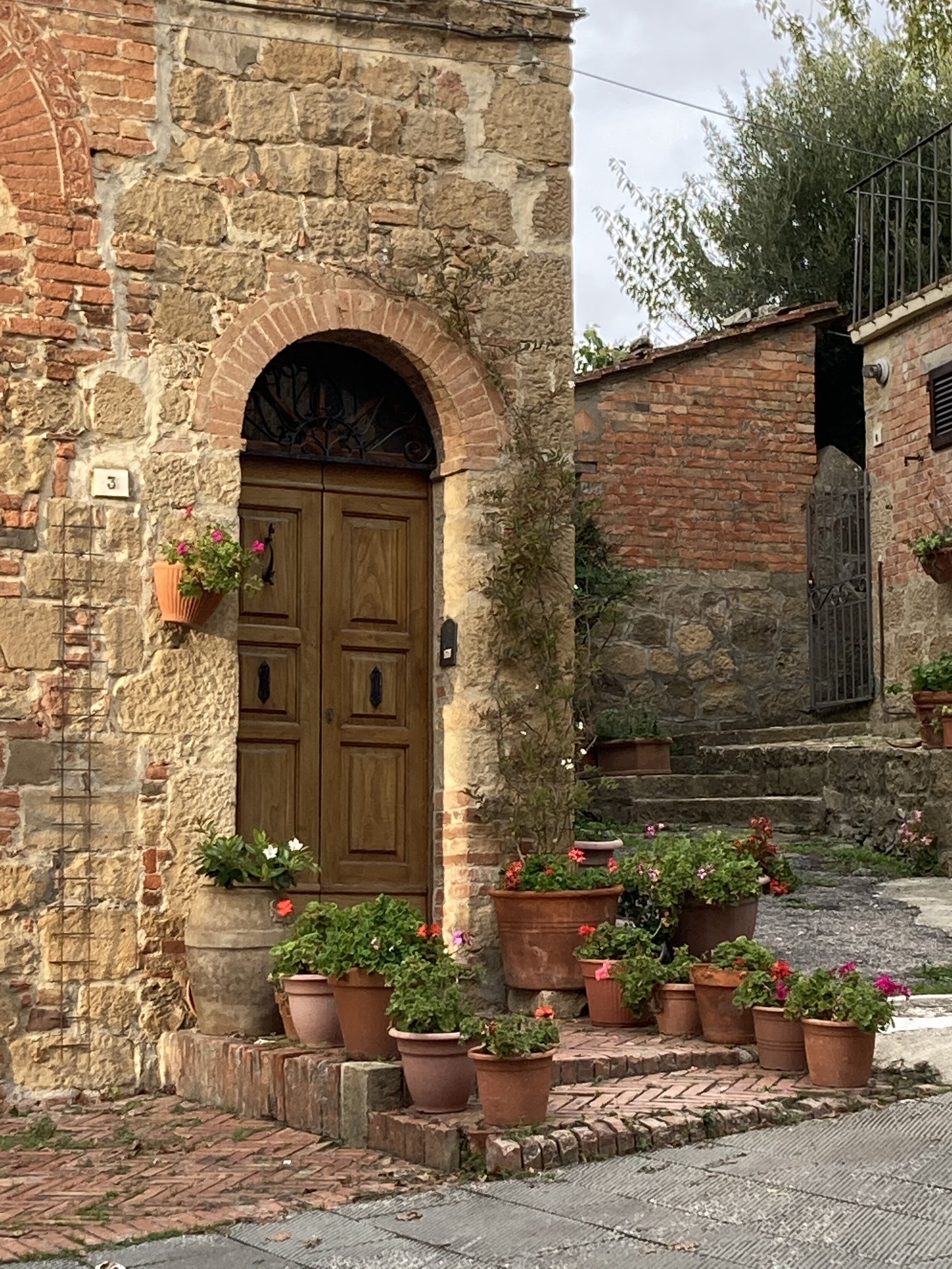
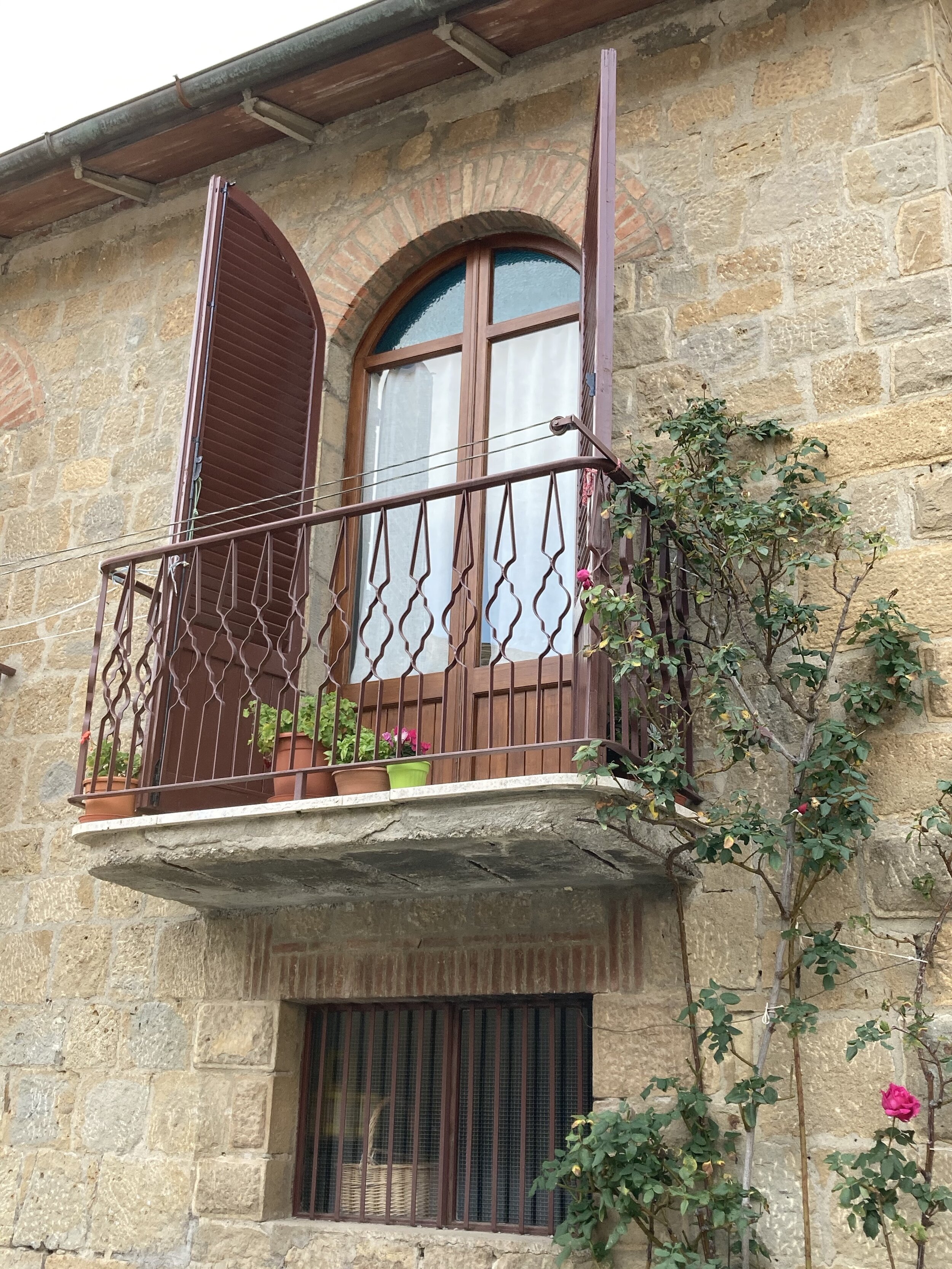
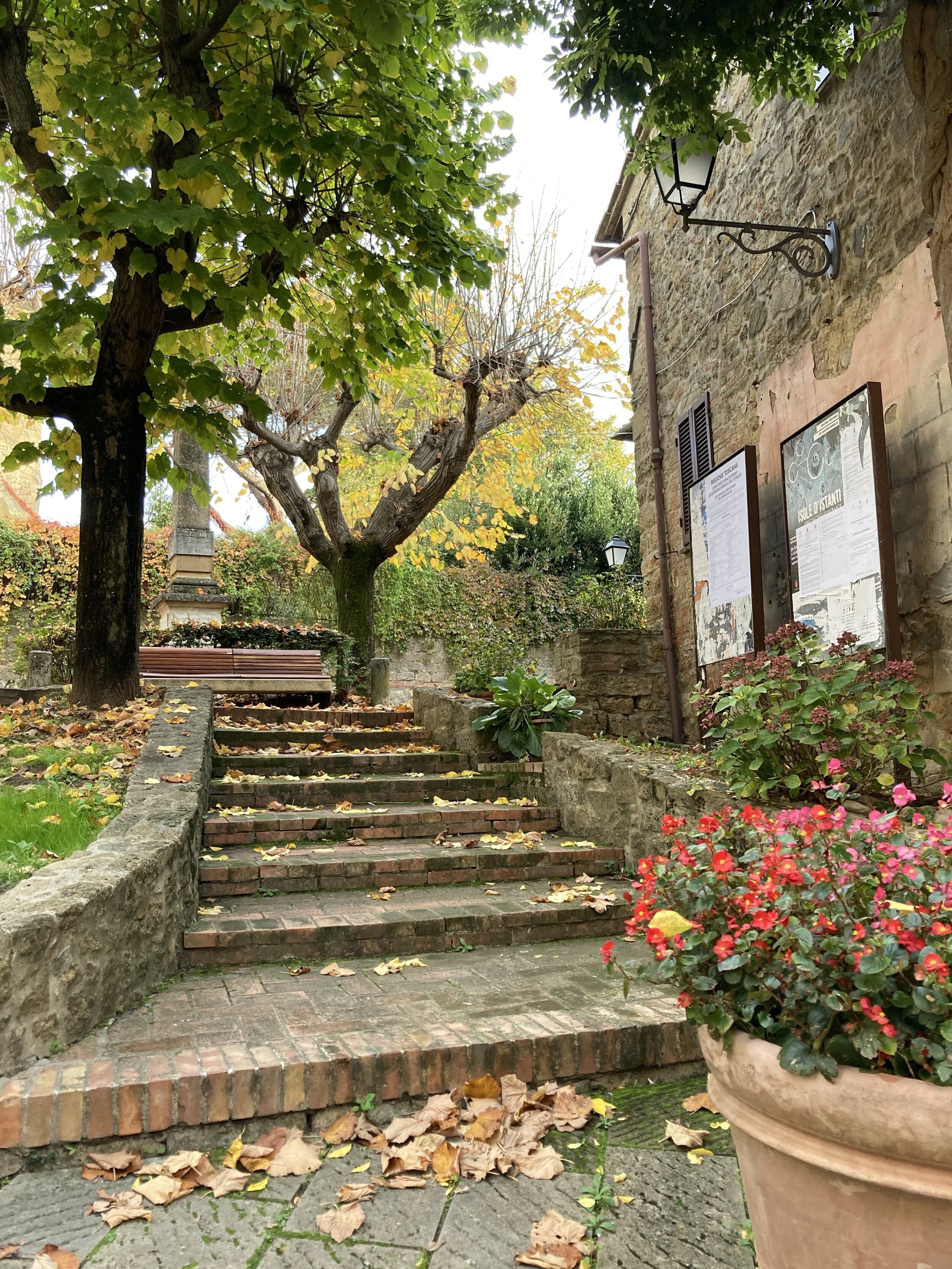
Monticchiello is a fortified village designed to keep invaders out. Entrance is through an arched opening in the fortress walls, the Porta Sant’Agata. The remains of two watch towers, one rising high and one which has lost its top, flank the archway (top photo). What lies inside is a picture perfect medieval village with sloped streets, stone buildings, open piazzas, steep steps leading up to houses, and pretty flower-filled windows and balconies. There are a couple of restaurants (including the well known La Porta with fantastic views over the valley from its outdoor terrace) as well as small shops and galleries (most closed on this visit, due to the impact of COVID). Of course, there are churches to visit and a museum dedicated to the local theater company.

Beautiful stone buildings are found throughout Monticchiello

Beautiful stone buildings are found throughout Monticchiello

Monticchiello is so perfect that is almost looks like a movie set. In fact, it has been often been used in movies, most recently the film “Made in Italy” starring Liam Nelson which was filmed in and around the village. The residents here (only about 200 in number) show great pride in the village, which is spotlessly tidy and full of colorful plants and flowers.
iT8y%8gSRrGs6iJ9gIHbGQ.jpg
5I1jXNg7QGCDfTW5KbhVMA.jpg
n1HhV0RlQ+6GwIY7b1pWkw.jpg
skmUKFbCRxChs%iNe08WZw.jpg

This is a quiet place and definitely not a tourist hotspot. Many who do visit come in the summer for the Teatro Povero, which is unique to Monticchiello. The Teatro Povero (Poor Theater) began here in the 1960’s, an era when the local way of life was in the middle of dramatic transformation. In post-war Monticchiello the agricultural tradition of share-chopping was fading away, people were moving to the cities for work, the economic and societal changes were dramatic. The theater, in which a play is produced based on a theme of current local importance, has involved the community in a type of public self-reflection and expression for more than 50 years. The theme is chosen by the local theater group, the play is written, directed, and acted by locals . One play is produced each year and presented as an outdoor event during July and August. A 2017 documentary film, Spettacolo, tells this story beautifully and insightfully.

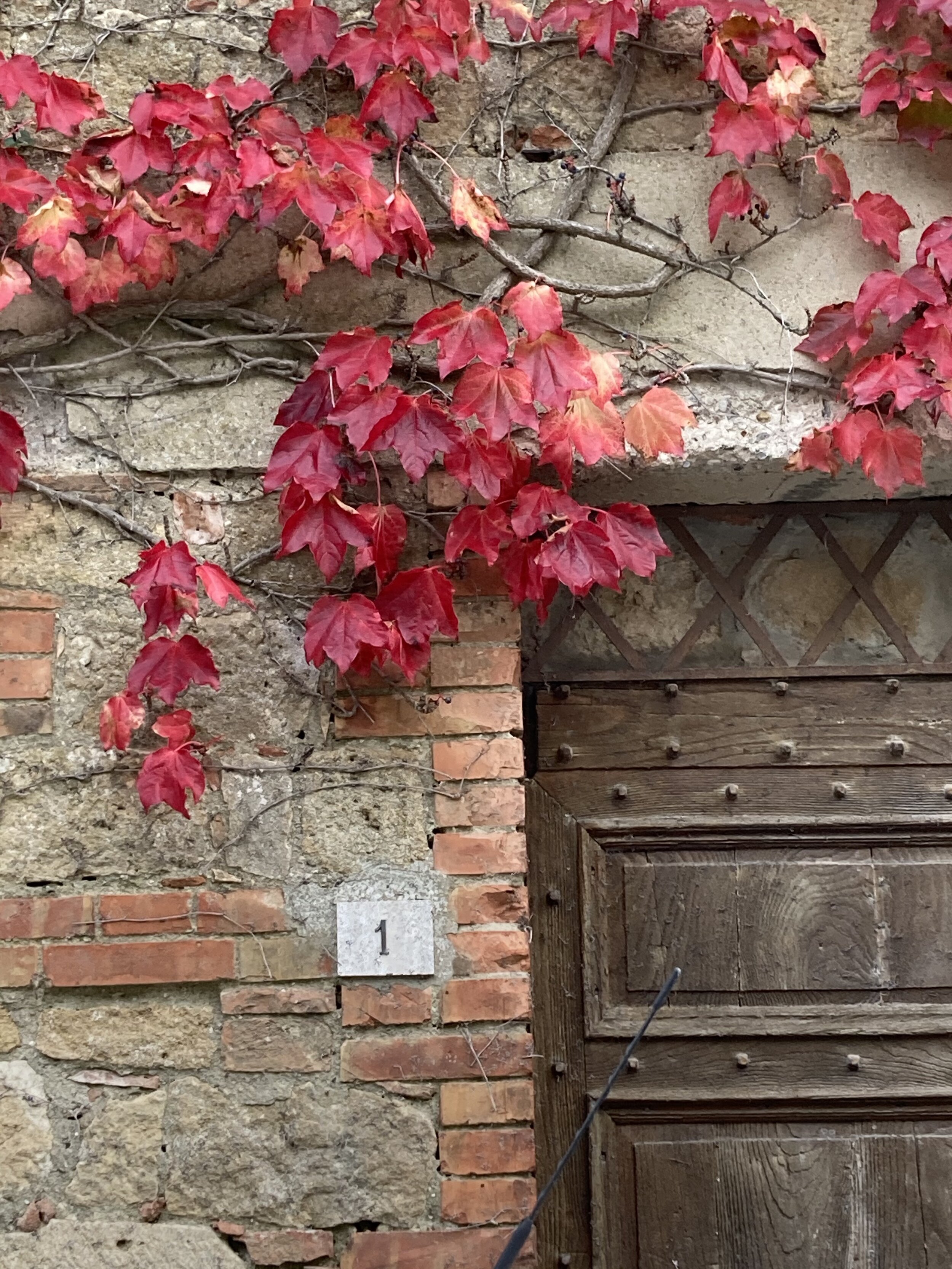
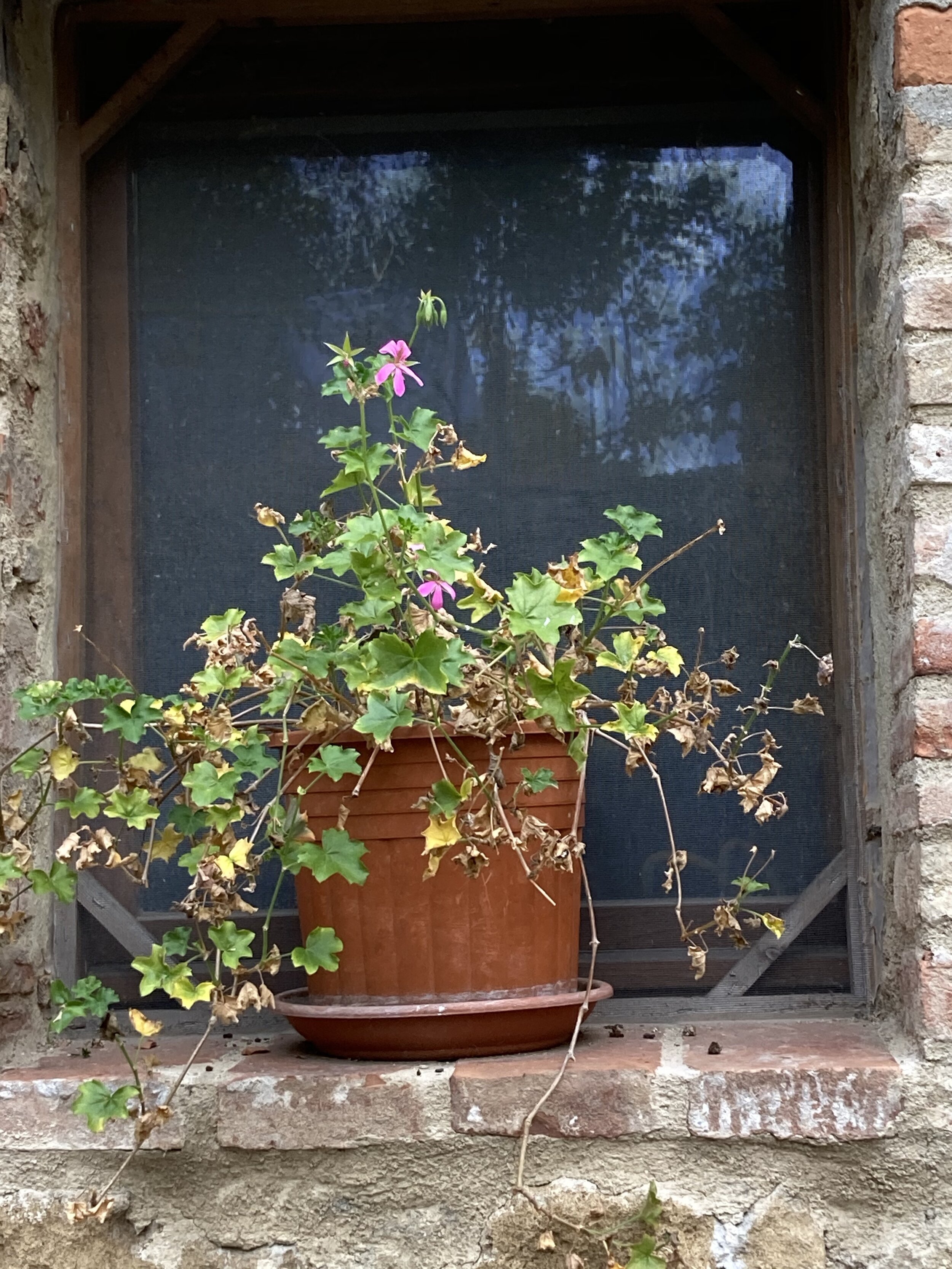
Monticchiello may be off the beaten track but that is exactly what makes it so magical! Stopping here gives a glimpse of life in medieval Italy, a chance to walk the steep streets of a fortified village, a taste of the spirit of an authentic hilltop hamlet, and amazing views. And if, like me, you find Italian doors and windows fascinating, then Monticchiello is your kind of place.
W+yVA7UDTYC8oZbOyhSftA.jpg
hIQzOSBsSUW6inAG2KgbhA.jpg
Z4Fx4xxbSlyVGJz3zvBybg.jpg
November 30, 2020 /Joanne Bartram
Monticchiello, Val d'Orcia, Hill Towns Italy
#italytravel, #medievalitaly, Hill Towns Italy, Tuscany
Changing colors on a hillside near the Abbazia Sant’Antimo

Changing colors on a hillside near the Abbazia Sant’Antimo

Autumn in the Val d'Orcia

November 16, 2020 by Joanne Bartram in Hill Towns Italy, Italy, Italy travel, Tuscany, #fallinitaly

Tuscany is incredibly diverse. The land includes hills, valleys, mountains, forests, rivers, marshlands, lakes, and coastlines. There is even an island - Elba. Tuscany boasts small hilltop villages that few tourists have discovered, popular walled cities such as Lucca, the bustling port city of Livorno, Florence which is famous for its art and architecture, industrial areas and transportation centers. Whew - I could go on and on describing all the different aspects of Tuscany.

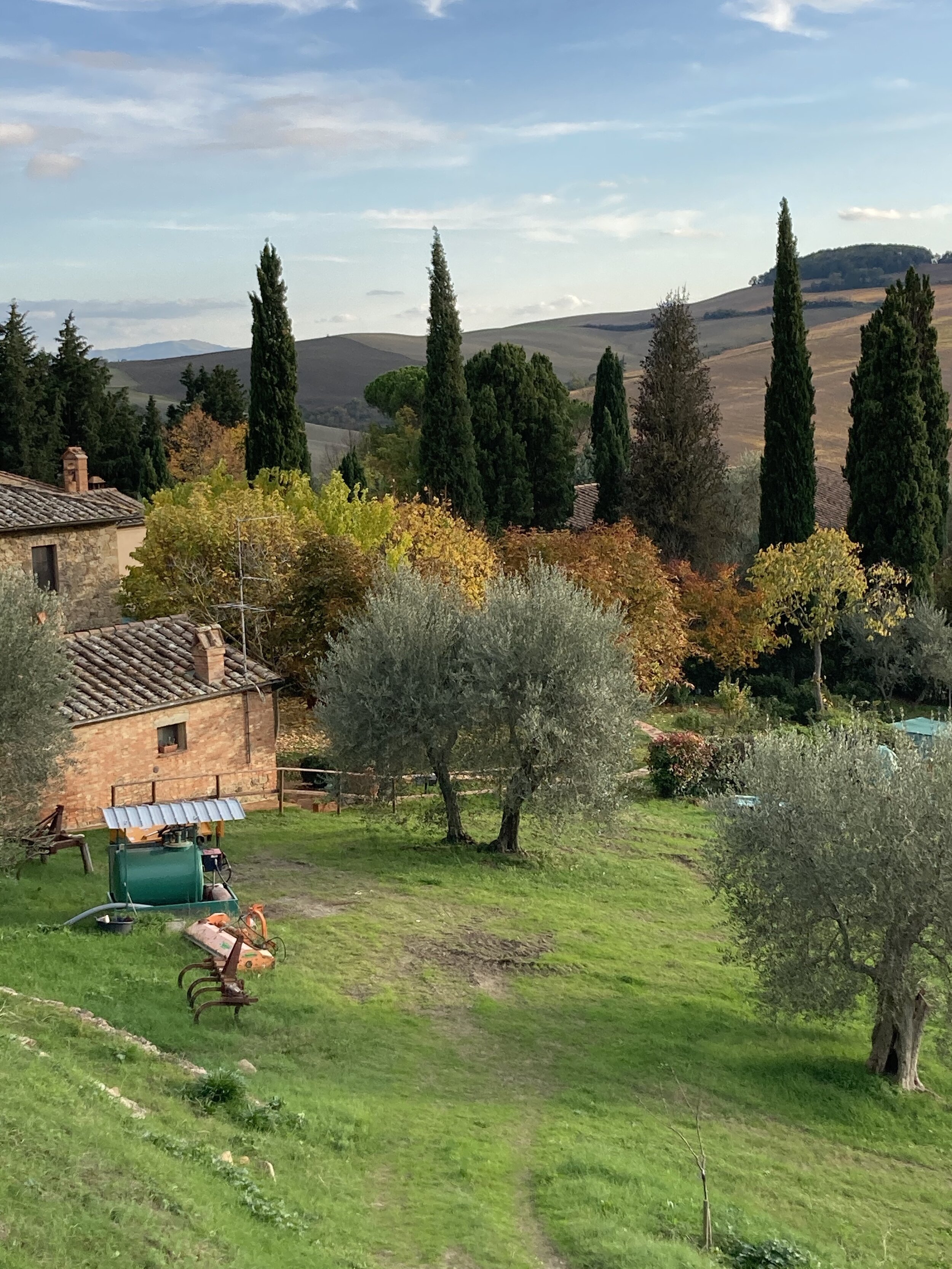
But when you ask someone to close their eyes and picture Tuscany, the image they are very likely to conjure is one of soft hillsides dotted with farmhouses, winding roads lined with tall cypress trees, fields terraced with grapevines, and groves of olive trees. This classic image of Tuscany comes from one specific area - the Val d’Orcia.

A classic Tuscan landscape, just outside of the small hamlet of Montichiello in the Val d’Orcia

A classic Tuscan landscape, just outside of the small hamlet of Montichiello in the Val d’Orcia

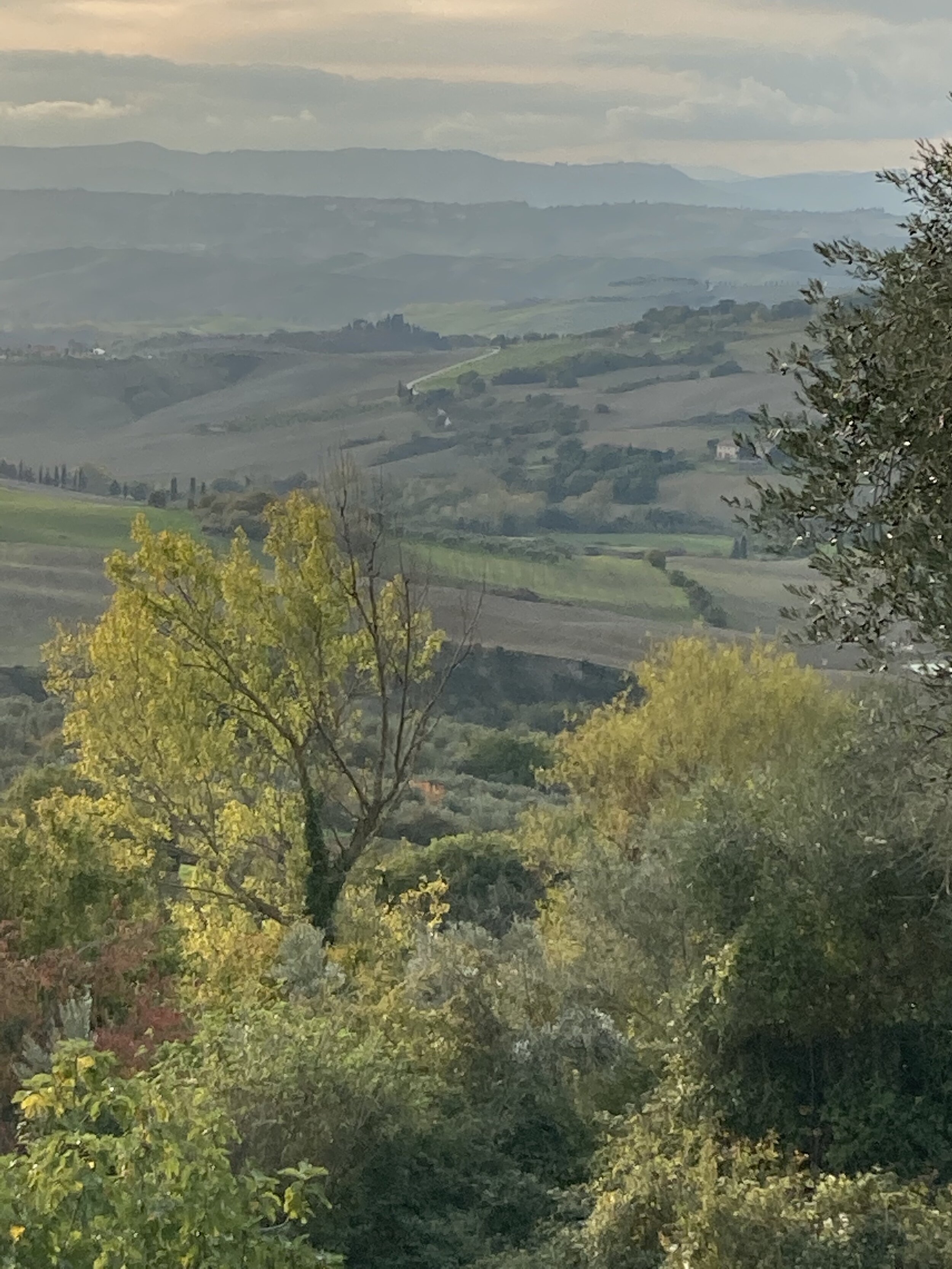
The Val d’Orcia lies in south central Tuscany, beginning just south of the city of Siena. The whole region - comprised of the municipalities of Montalcino, San Quirico d’Orcia, Pienza, Castiglione d’Orcia, and Radicofani - is a UNESCO World Heritage site. There are no big cities in this region. Small towns and even smaller picture-perfect hilltop villages are scattered throughout. Driving around the Val d’Orcia provides one astonishing view after another. Gorgeous at any time of year, seeing the Val d’Orcia in fall is a special treat.

After the harvest, grape leaves turn yellow and red on the vines

After the harvest, grape leaves turn gold and red on the vines

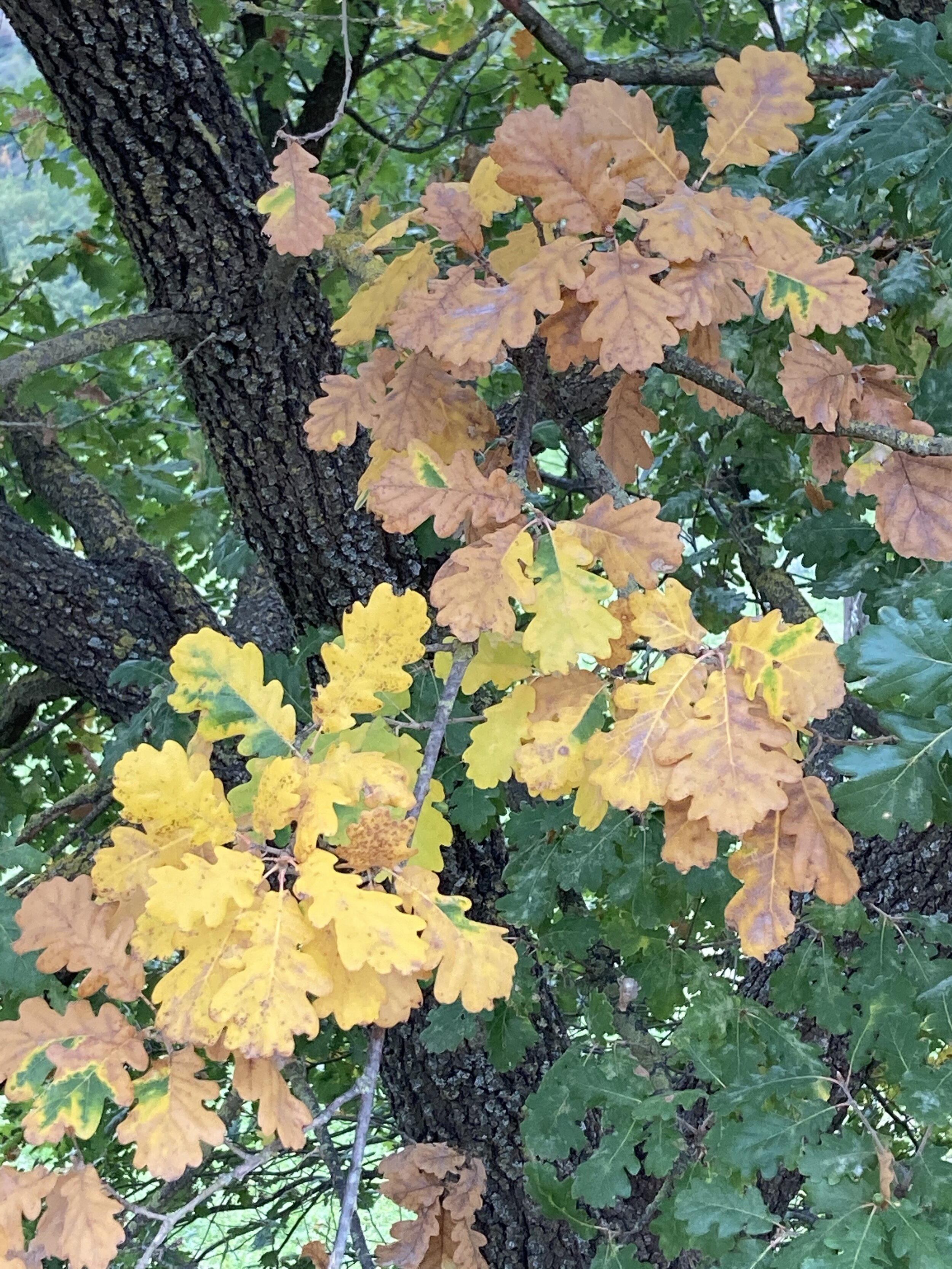
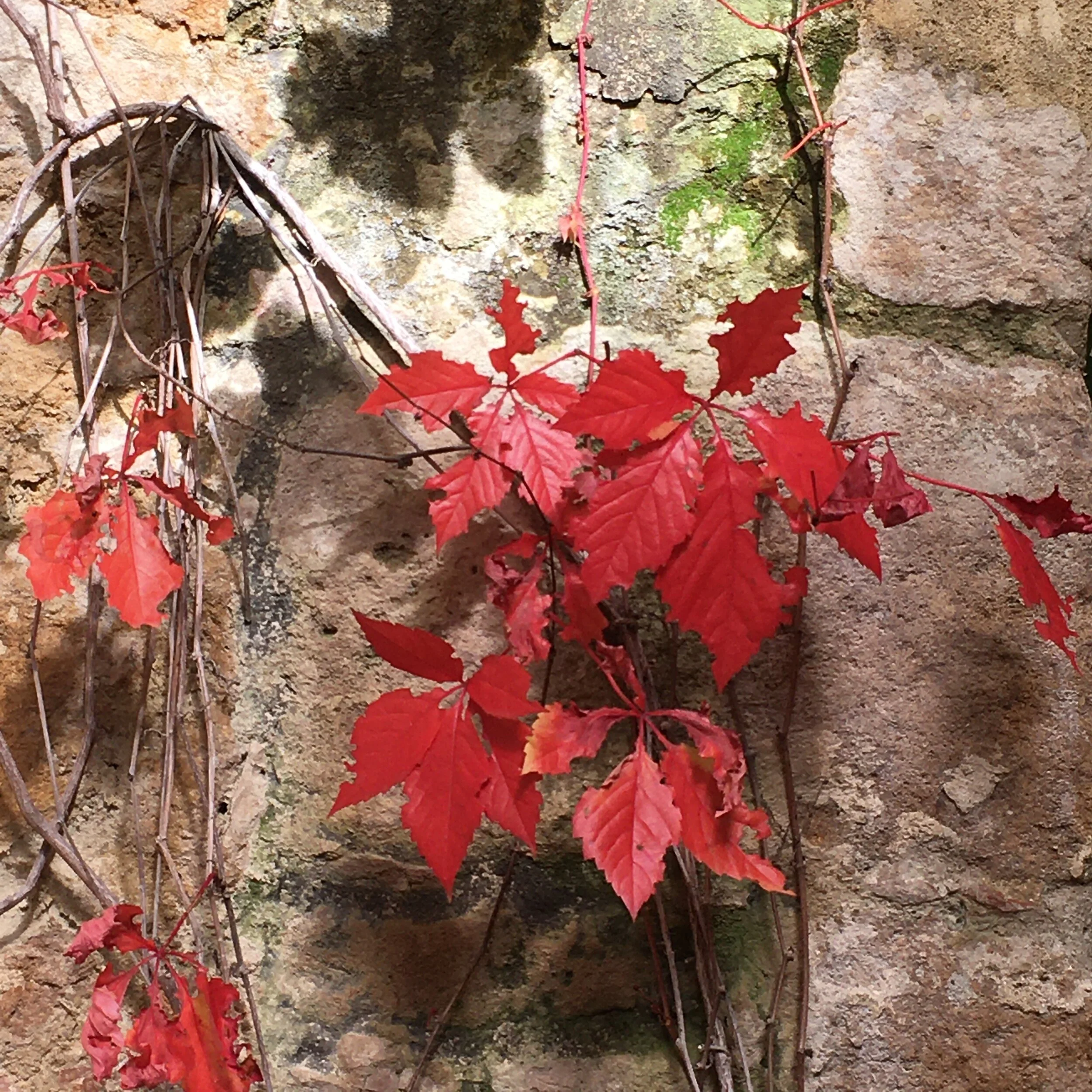
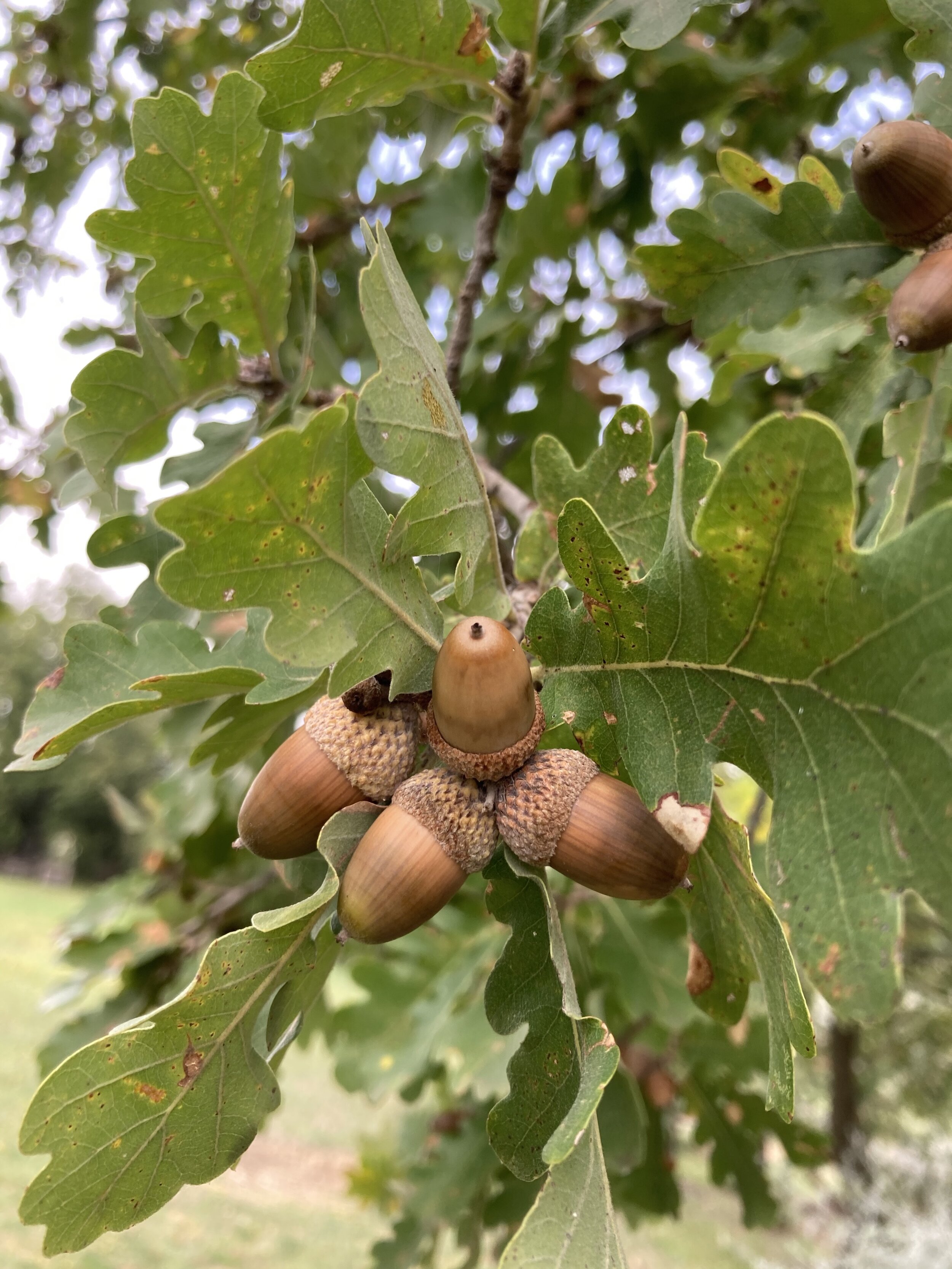
The colors of autumn, as the leaves on the grapevines turn gold and then red, the olives ripen on the trees, the valleys and oak forests shimmer with color, are nothing sort of breathtaking. I was fortunate to spend a week in this area in late October / early November - peak color season. Each day brought changes - deepening hues on the grapevines, vines which seemed on fire as their red leaves climbed up stone walls, waves of yellow in the fields, ground covered with oak leaves which crunched beneath my feet as I walked, and the sound of acorns falling from the trees.

tmiWNsdqRQ6%6u75Cd1PgA.jpg
IMG_3374.JPG
sE%0B1Q9TxGMHaTEv4GFQw.jpg

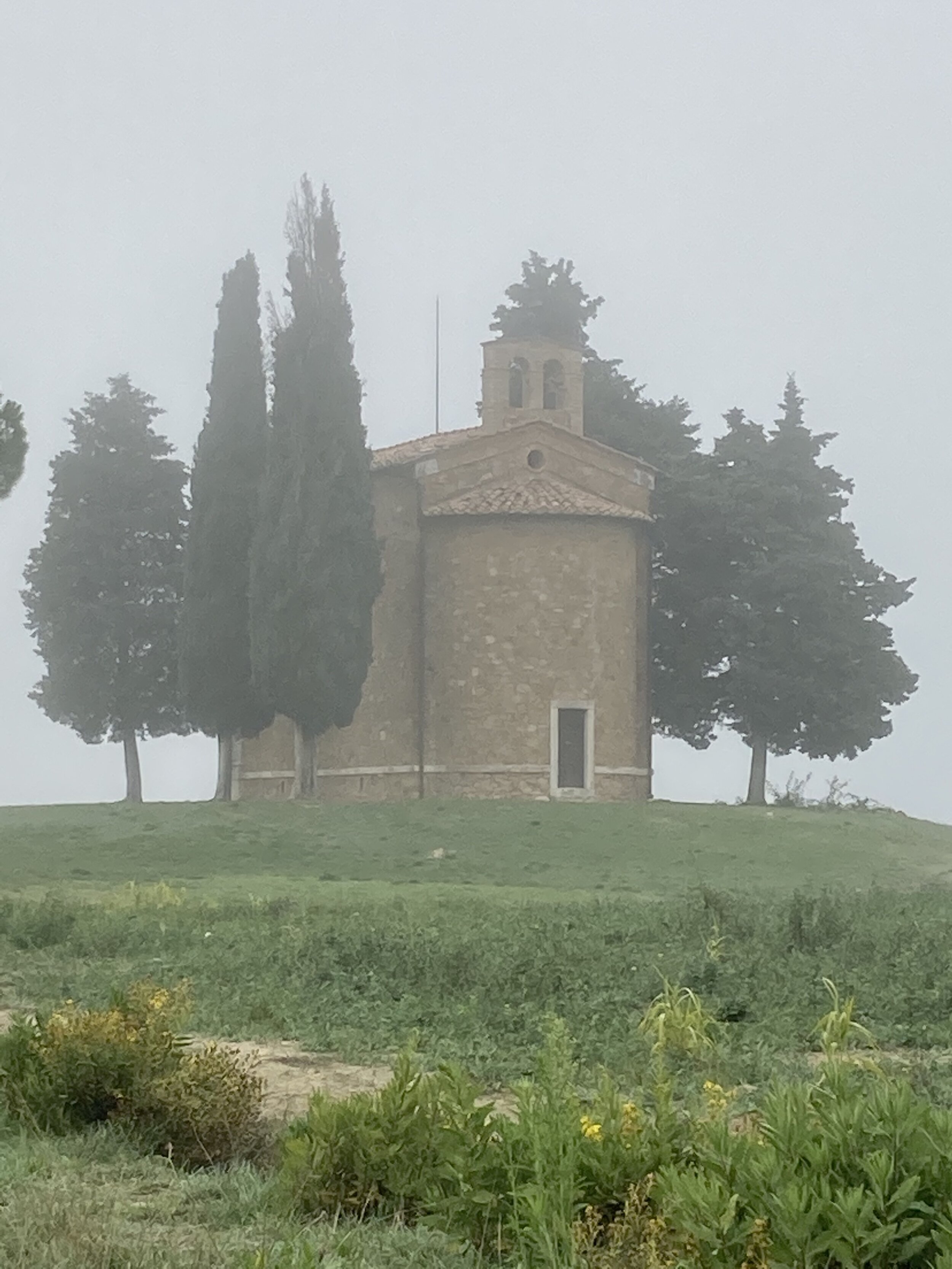
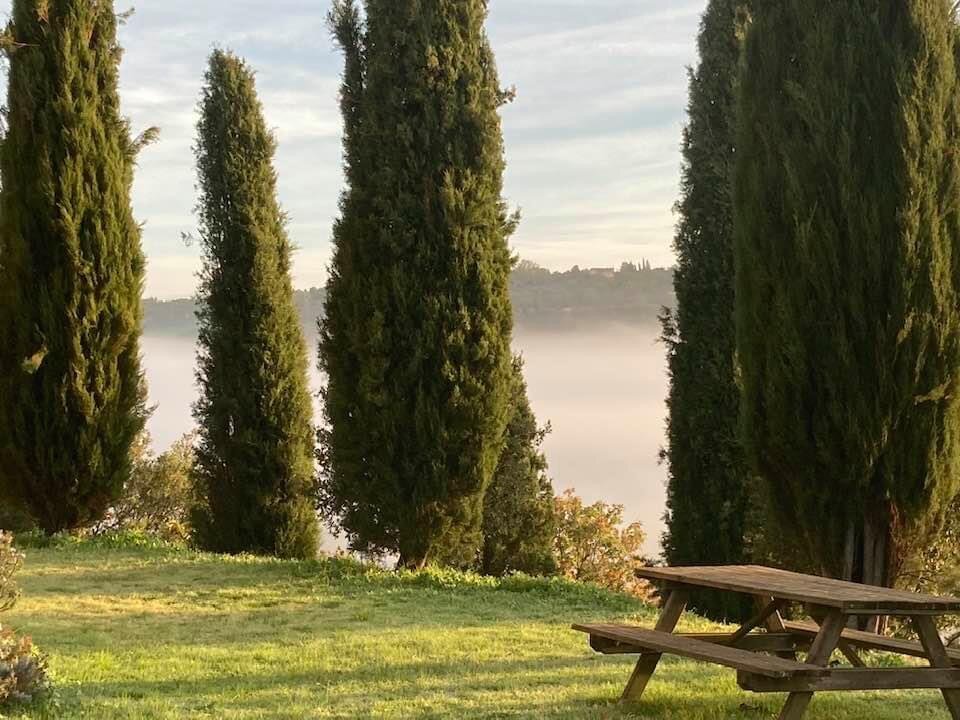
As a bonus, the autumn skies had ever changing cloud formations and mornings often began with deep fog rolling down the valley, cloaking familiar sights in an air of mystery.

XprxmyCvS7mmRBI5G3chlA.jpg
IMG_0962.JPG

As for the autumn sunsets and moonrises - wow.

Dusk in the Val d’Orcia, from the grounds of Agriturismo Cretaiole near Pienza

Dusk in the Val d’Orcia, from the grounds of Agriturismo Cretaiole near Pienza

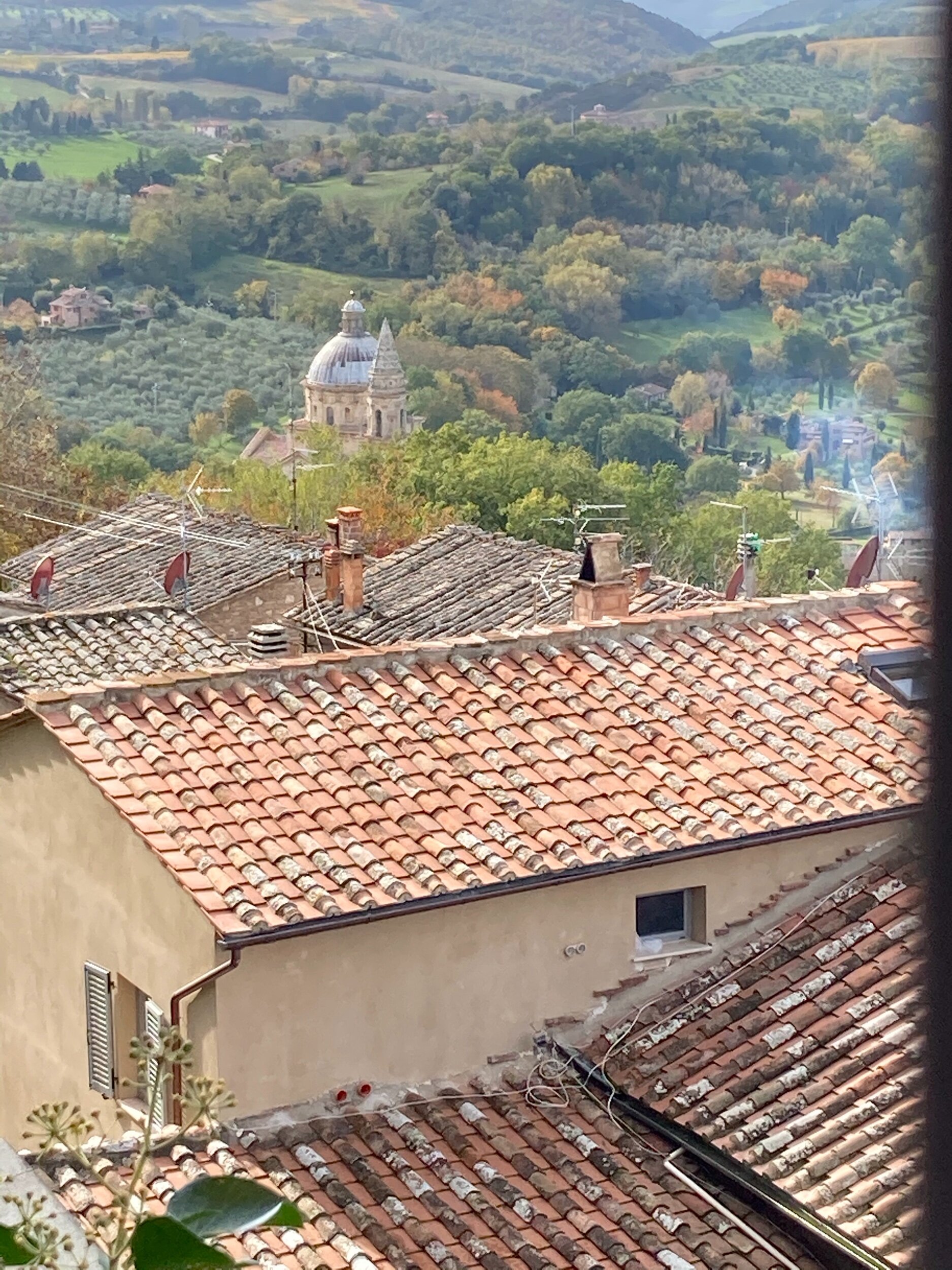
The Val d’Orcia is beautiful when viewed close up on a walk or on a drive, but is even more spectacular when viewed from high up in a hill town. There is something deeply moving about these small hill top villages, about the land here, and about the changing seasons view from above. It fills me with a sense of peace, hope, and the feeling that everything really will be all right with the world, everything in its season.

Fall seen from Montepulciano which lies just beyond the border of the Val d’Orcia

Fall seen from Montepulciano which lies just beyond the border of the Val d’Orcia

As Italy entered into a “soft” lockdown (less restrictive than last spring, more restrictive than summer and early fall), I felt incredibly fortunate that it was still possible for me to travel to this part of Tuscany and experience the wonder of autumn in the Val d’Orcia. The experience was not diminished by the need to wear masks outdoors, the lack of evening dining (the latest decree meant that restaurants had to close by 6pm that week), frequent hand washing and never being far from a bottle of hand sanitizer, and the closure of many shops. In fact, I think those restrictions gave me a deeper appreciation for the things we can still do and the beauty we can still experience. And next year, when (fingers crossed) things open up again, I hope that visitors will once again return to this region. The area will need our support to recover from this year of economic hardship and we will need the beauty of these places to help restore our spirits.

Sunset, near Pienza, early November 2020

Sunset, near Pienza, early November 2020

November 16, 2020 /Joanne Bartram
Val d"Orcia, Autumn Italy
Hill Towns Italy, Italy, Italy travel, Tuscany, #fallinitaly
fullsizeoutput_1caa.jpeg

The Olive Harvest in Tuscany

November 09, 2020 by Joanne Bartram in Italy, Tuscany, Italian culture

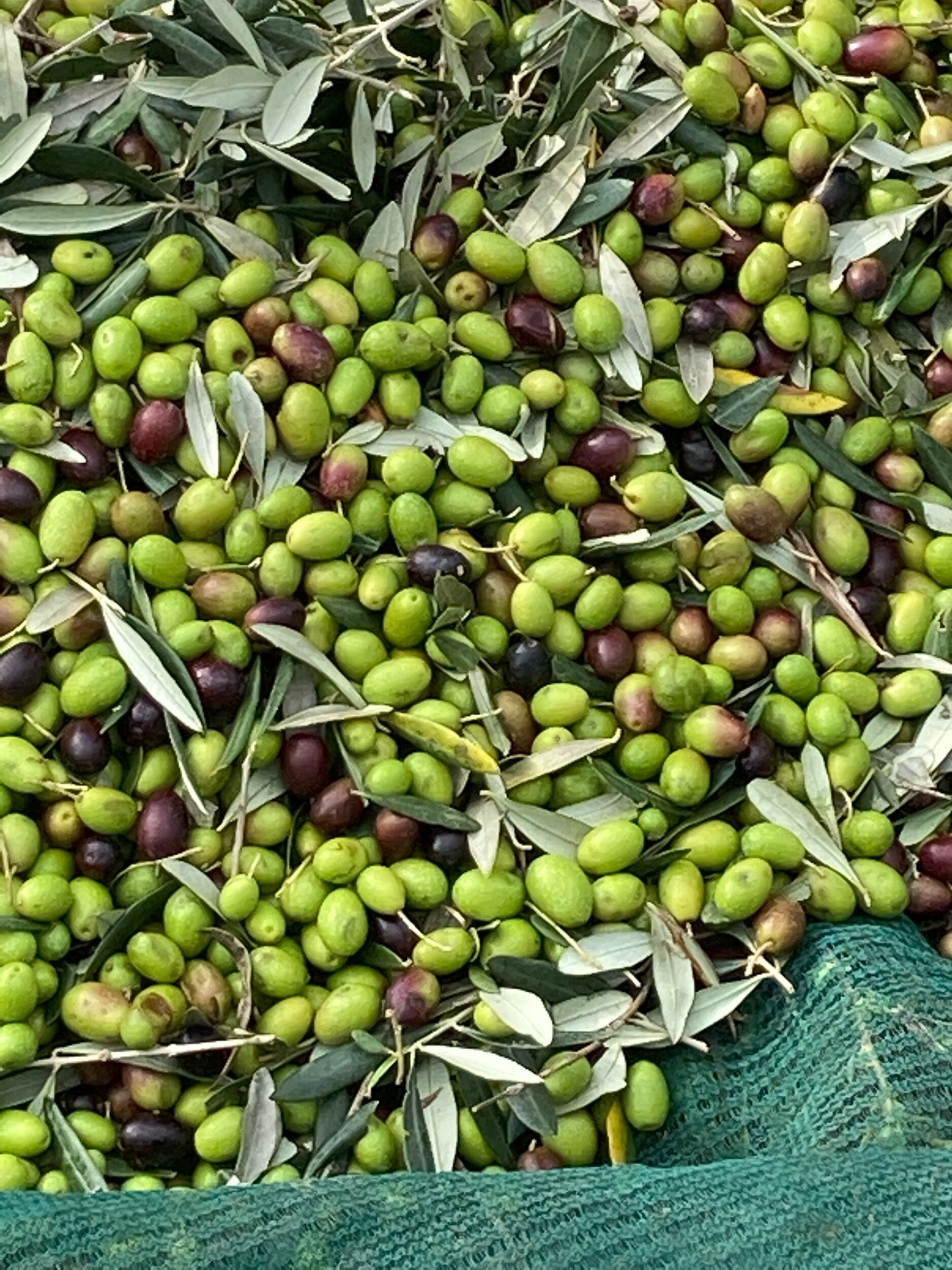
Late October into early November is olive season in Tuscany. Throughout the countryside, fields are dotted with olives trees, some in neatly trimmed rows and others standing alone, gnarled and ancient looking. They shimmer with green, purple, and nearly black fruit and the promise that they will soon yield the spicy, flavorful, wonderfully scented liquid that makes Italian olive oil so prized.

IMG_0401.jpeg

I recently had the opportunity to experience the harvest at one of my favorite places - the Agriturismo Cretaiole near Pienza, Italy. Cretaiole is a working fattoria (farm) with many olive trees. It is run by the Moricciani family who also operate a family farm (Podere San Gregorio) and large olive groves, all just beyond the city walls in Pienza. In all, they have nearly 3000 olive trees. They produce a superb organic olive oil under the supervision of family patriarch Luciano and son Carlo (who is also a professional olive oil tester for the province of Siena). This makes Cretaiole the perfect place to get a close up view of the olive harvest and also provides the perfect excuse to spend a week in southern Tuscany.

My goal was to learn about the harvest and to take lots of photos. I quickly found that it was impossible to just watch! Pitching in is part of the fun and doing so provided the chance to speak with Luciano, who has been harvesting the olives in this area since he was a child in the years after World War II.

Luciano Moricciani has spent a lifetime cultivating and harvesting olives. His Cretaiole olive oil is fantastic!

Luciano Moricciani has spent a lifetime cultivating and harvesting olives. His Cretaiole olive oil is fantastic!

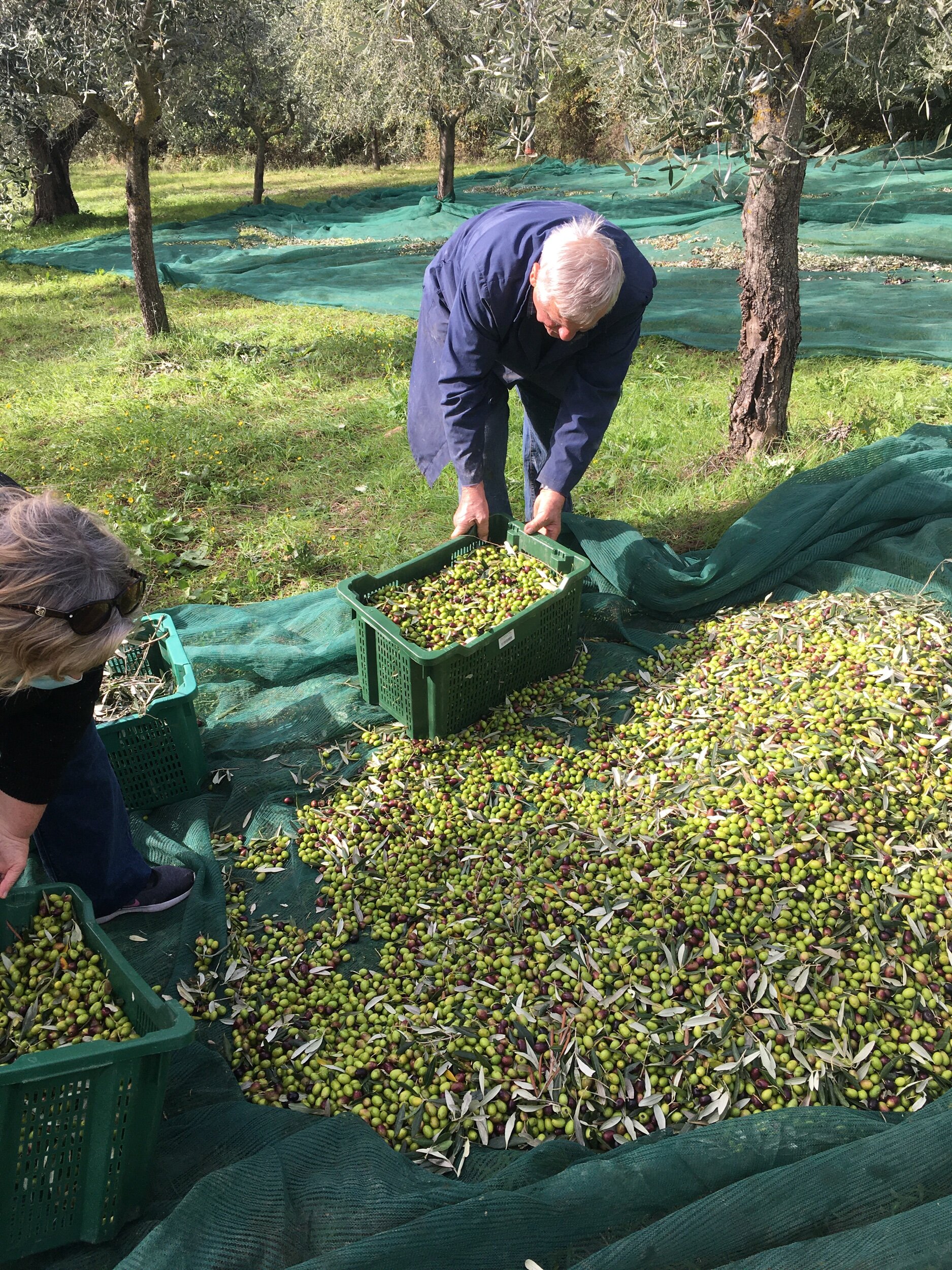
The first thing I learned is that olive harvesting is hard work! First the olives must be picked from the tall, dense trees. This can be done by hand, climbing up a ladder to reach high into the trees and dropping the olives into a basket. Luciano recounted the dangers of this - including the many falls and broken bones which were common in his youth. These days it is more common, especially in the larger groves, to use a power tool - a sort of vibrating rake - to shake the olives from the tree. The olives then fall into nets that have been spread out on the ground around the trees. This is the process used at Cretaiole, with 2 men performing this job over the course of a week or more (they have a lot of olive trees!).

Shaking the olives from the trees and into the collecting nets

Shaking the olives from the trees and into the collecting nets

As the colorful olives pile up in the nets, the many twigs that also fall from the trees must be separated from the olives by hand. The olives are then scooped into containers and, within a day, they are taken to the frantoio (olive press) where they will be separated from their leaves, washed, ground, and coaxed into giving up their precious oil.

Separating the twigs from the olives

Separating the twigs from the olives

IMG_0953.jpeg

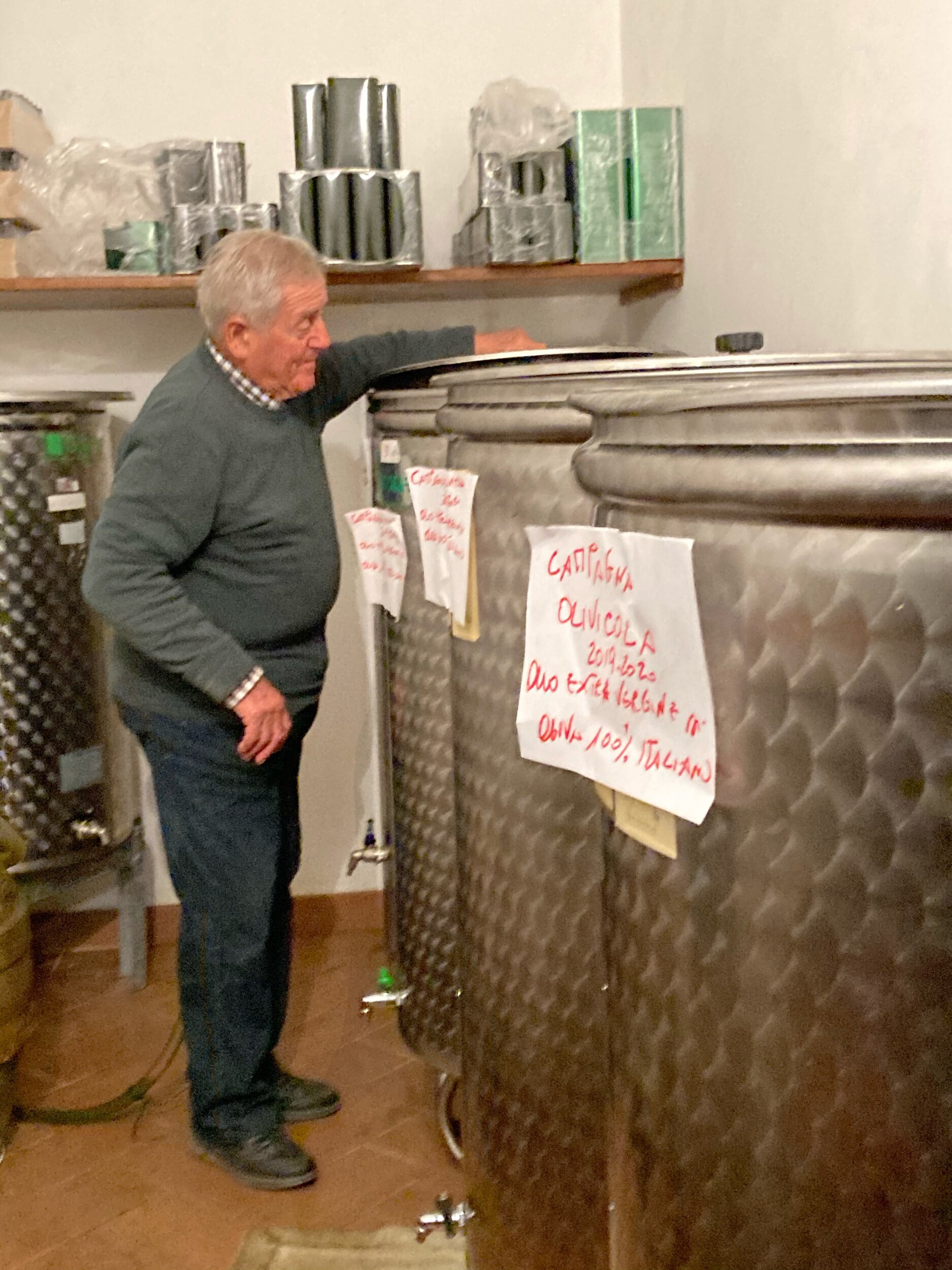
A few days after taking the above photos, I was able to visit with Luciano and his wife Liliana at their farm, Podere San Gregorio in Pienza. In the farm’s cantina, the newly pressed oil is stored in large vats and the oil is put into bottles and tins for sale under the Cretaiole labe

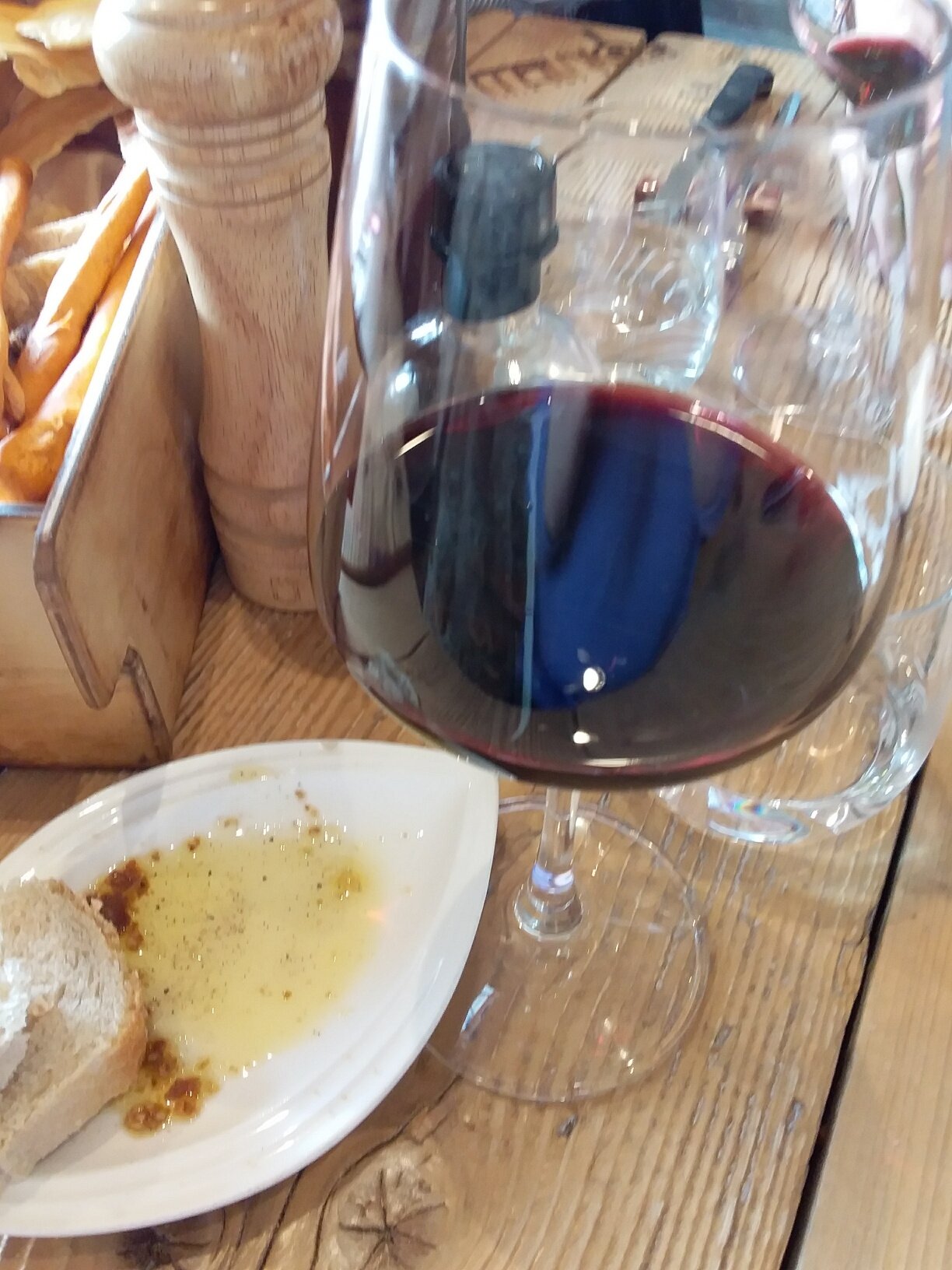
Together we tasted the new oil on slices of bread alongside some of the other products from the farm (delicious prosciutto and salami), a local pecorino cheese, and glasses of red wine produced from Cretaiole’s vines. The new oil was a beautiful green color, fragrant, and very, very tasty.

This was a wonderful opportunity to talk to the Moricciani’s about their lives, their land, the business of the agriturismo, and the area around Pienza.

It is always a treat to be able to buy a new season olive oil straight from the farm, but it is even better when you’ve had the chance to participate in the harvest, although truth be told I did more watching and photographing than working. Still - I think there must be at least one or two of “my” olives in the big bottle of oil that I took home with me.

I will enjoy the bold flavor of Cretaiole olive oil drizzled atop a bowl of minestrone or over toasted bread throughout the coming winter. If you’d like to taste this wonderful organic extra virgin olive oil, Cretaiole ships 1 and 5 liter cans.

A huge thanks to Luciano, Liliana, and Carlo Moricciani for inviting me to learn about the olive harvest and for being such warm and generous hosts.

Contact information for Cretaiole website: cretaiole.it email: info@cretaiole.it

IMG_0951.jpeg
November 09, 2020 /Joanne Bartram
Italian olive oil, olive harvest, cretaiole
Italy, Tuscany, Italian culture
IMG_0162.jpeg

Wandering Through Volterra

November 02, 2020 by Joanne Bartram in #volterra, Hill Towns Italy, Tuscany, Volterra

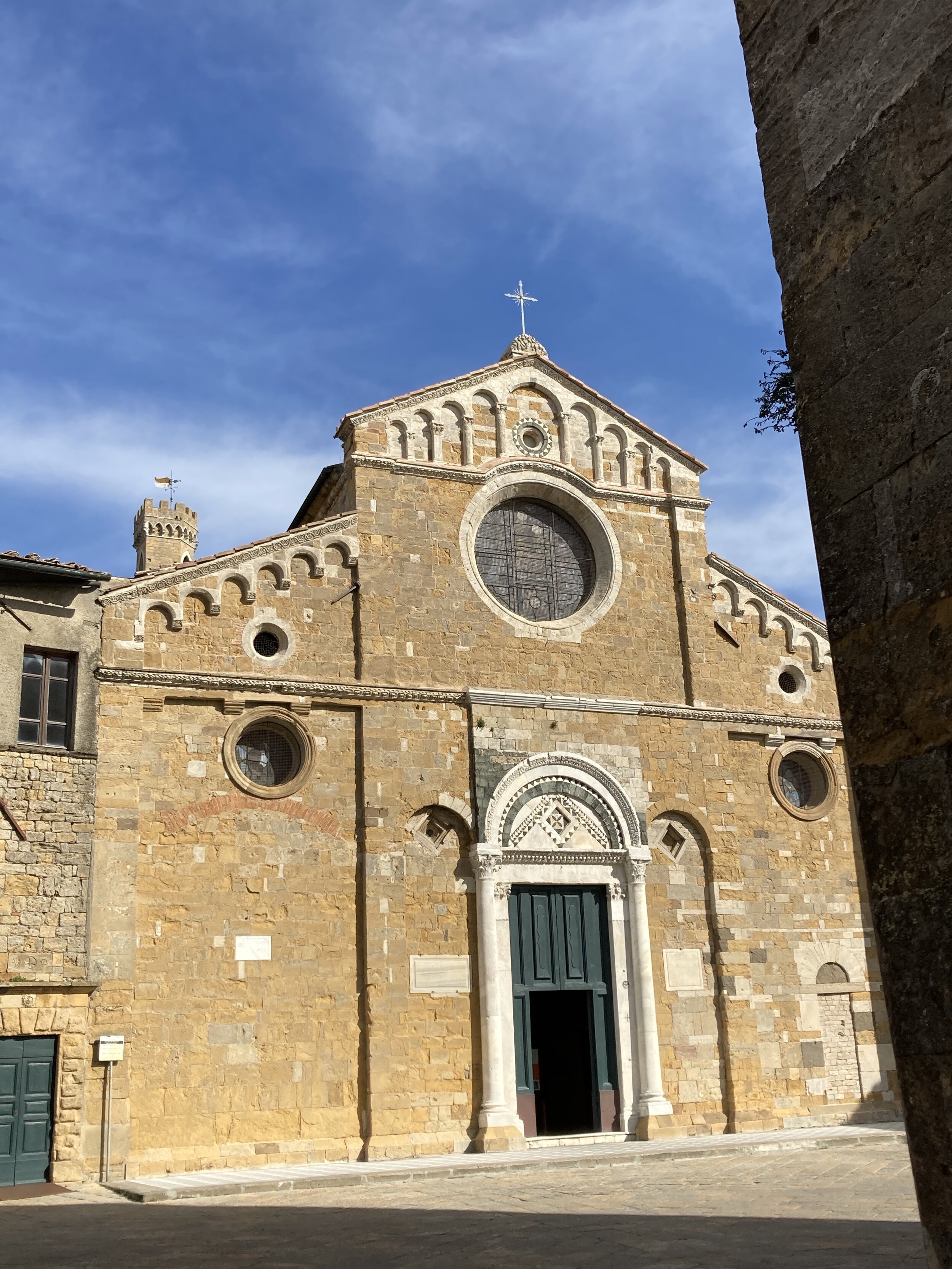
One of the joys of living in Italy is the ability to return to a favorite place on multiple occasions without the need to fit everything into one visit. It feels decadent to, for instance, go to Florence just to shop for shoes or to dinner in Pisa and not even wander past the Torre Pendente (Leaning Tower) because, well, you’ll do that next time. For me, one of those favorite places is the town of Volterra, about an hour and a half drive from my home in Lucca. Being so close to home makes this perfect for a day trip (or two or three day trips).

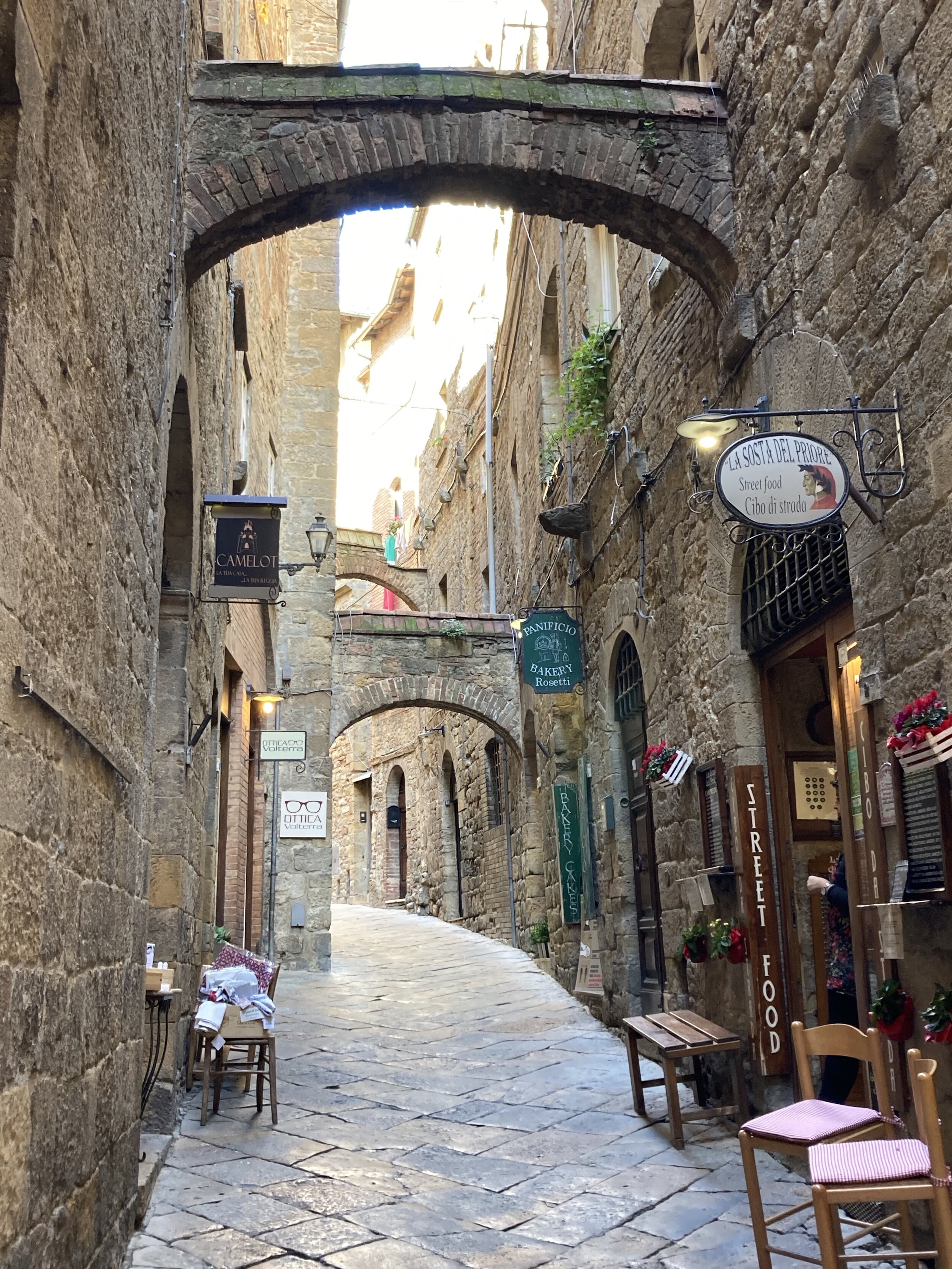
Volterra never disappoints. It has a unique charm that keeps drawing the visitor in. There is something about its city walls, stone buildings, narrow streets spanned by arches, charming cafes and restaurants, and many artisan workshops that makes it the perfect Italian hill town. And the views! Situated on a plateau high above the Val di Cecina (Cecina Valley), the views are nothing short of spectacular. As a bonus, since Volterra is a bit out of the way, it has fewer tourists than nearby San Gimignano. This is especially true in the off-season when a visit here provides uncrowded streets and the experience of “ordinary” daily life in a small Italian hill town.

Looking down on the valley from Volterra

Looking down on the valley from Volterra

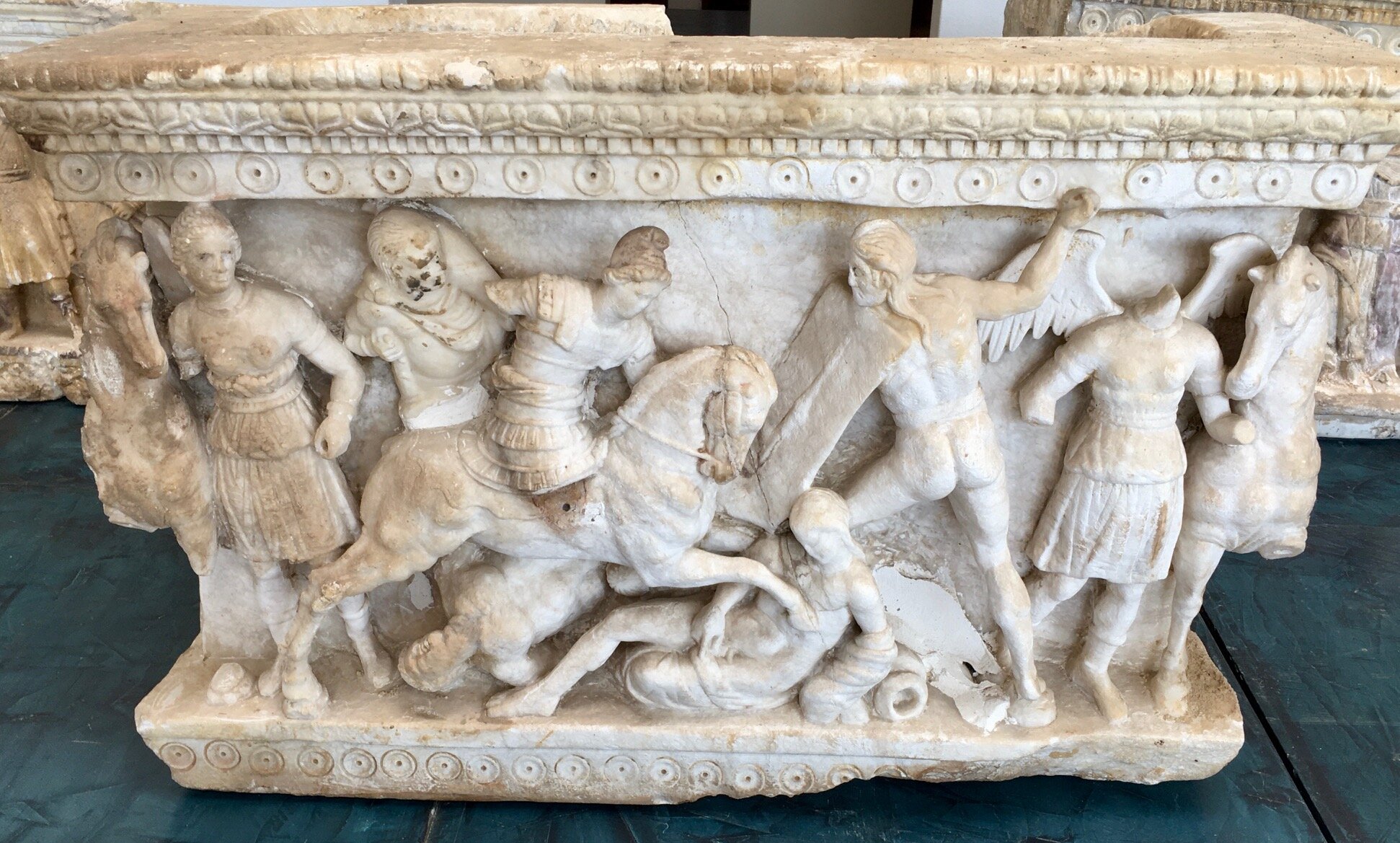
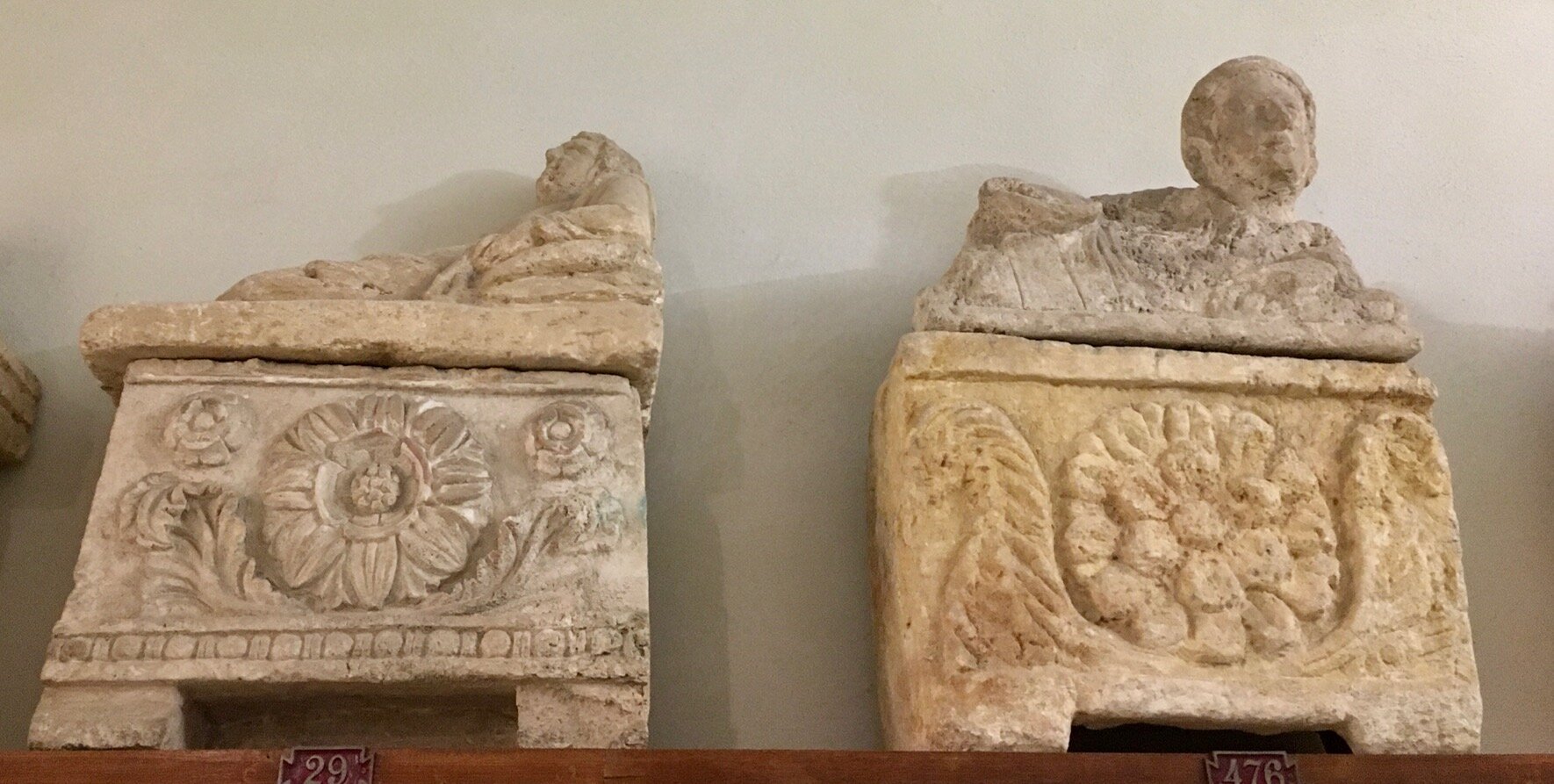
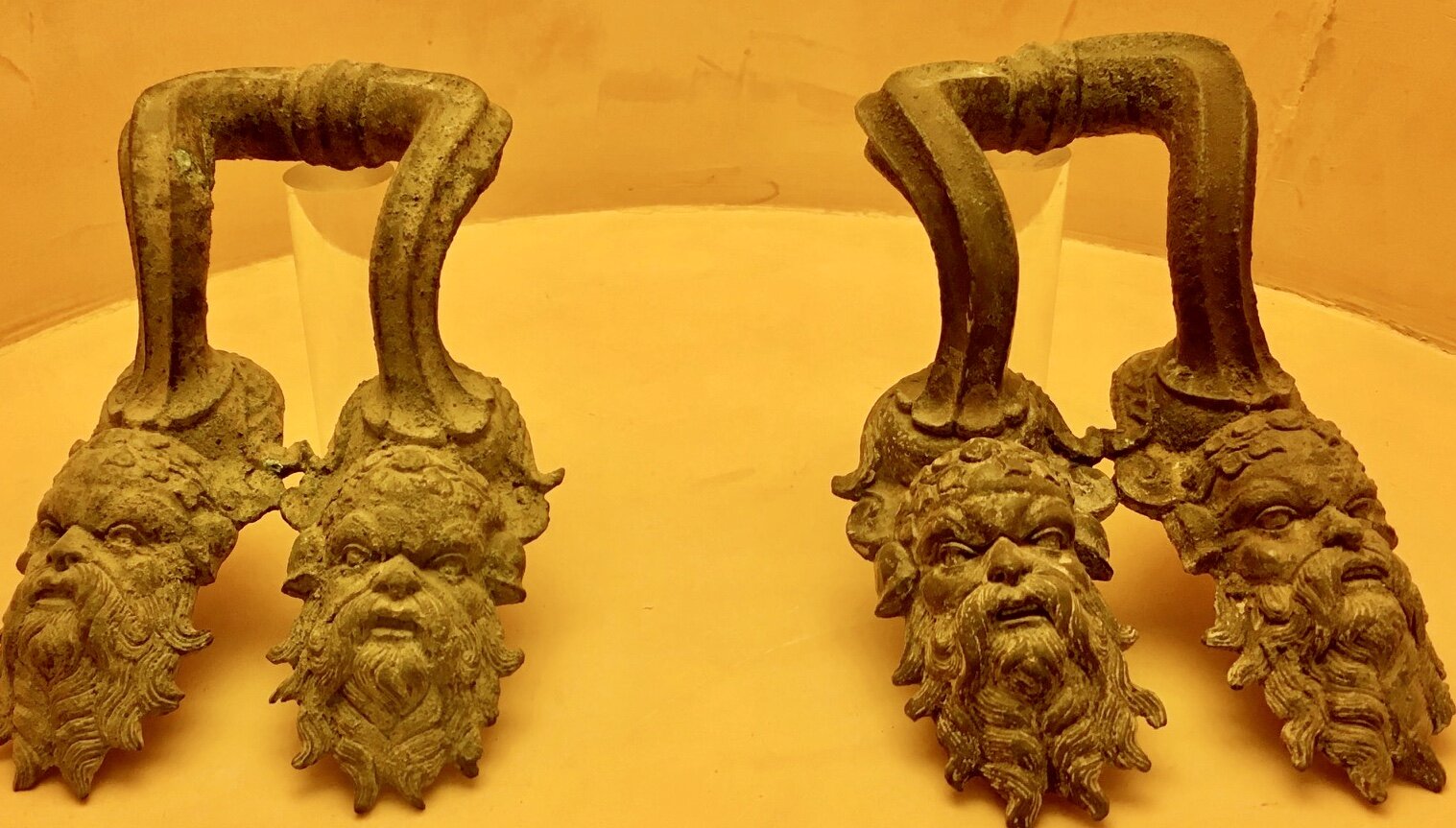
This year I have been able to visit Volterra twice. The first time, last March just before the start of Italy’s COVID-19 lockdown, my main objective was to visit the Etruscan Museum. Volterra was an important city during the Etruscan times (roughly from the 9th to the 2nd century BC). Today it is one of the best places in Italy to learn about Etruscan life and art. The museum here is small and the explanations are mostly in Italian, but the collection of art and artifacts, including bronze sculptures, intricately carved alabaster and terra cotta funeral urns, and objects of daily living such as coins, jewelry, and kitchen ware, is fascinating (photos below by Judy Giannettino).

image0.jpeg
image4.jpeg
fullsizeoutput_1ca4.jpeg

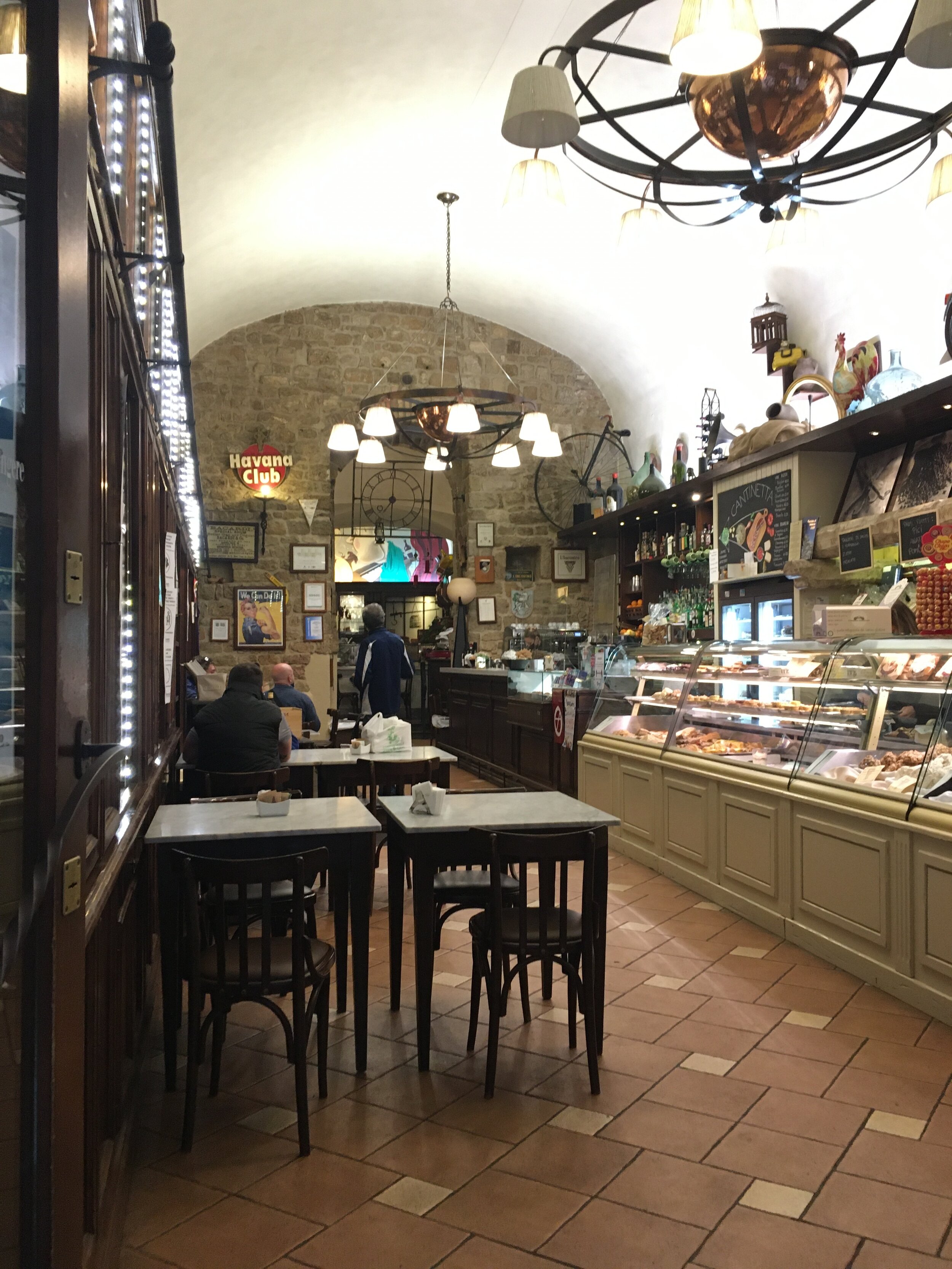
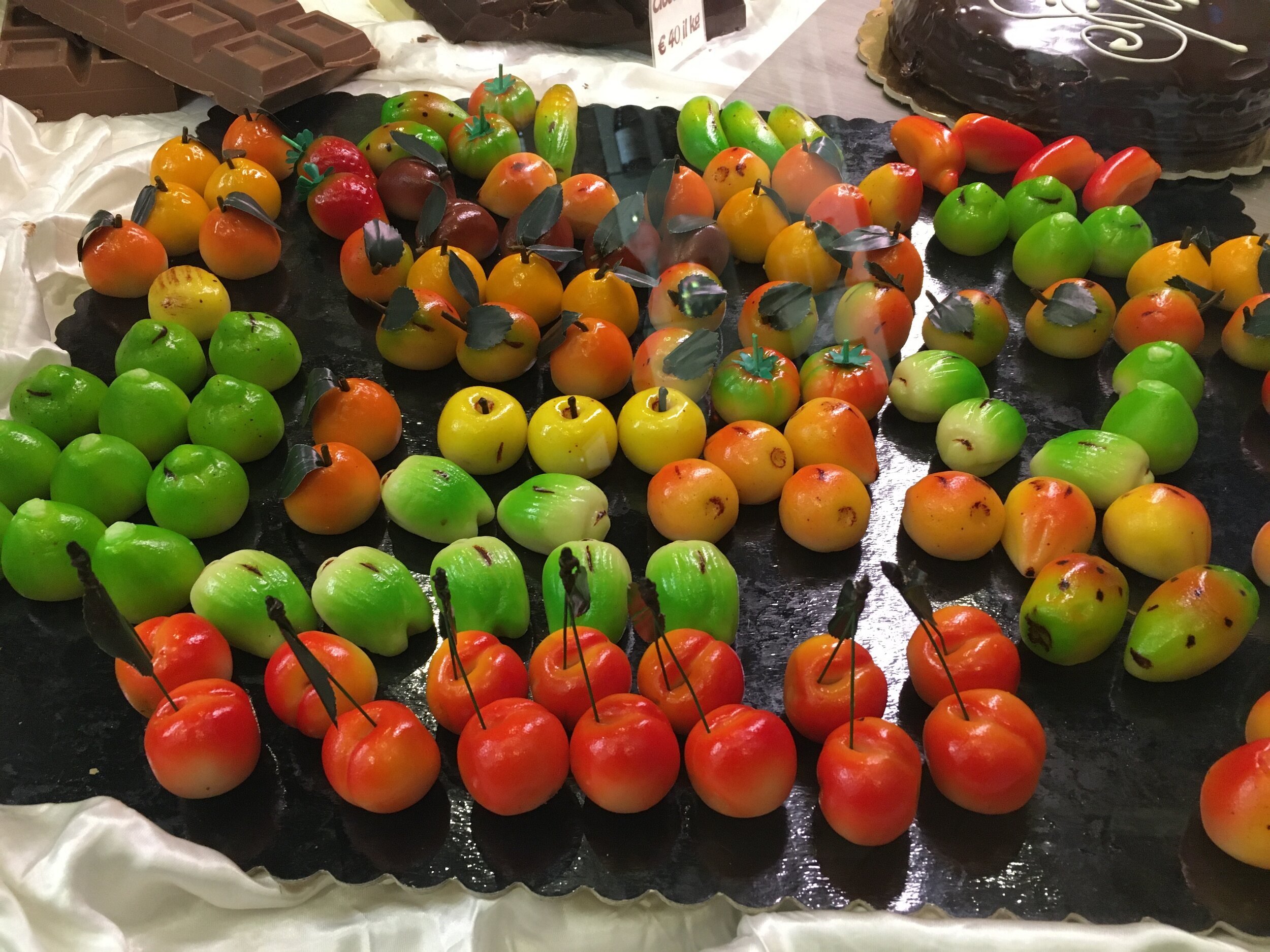
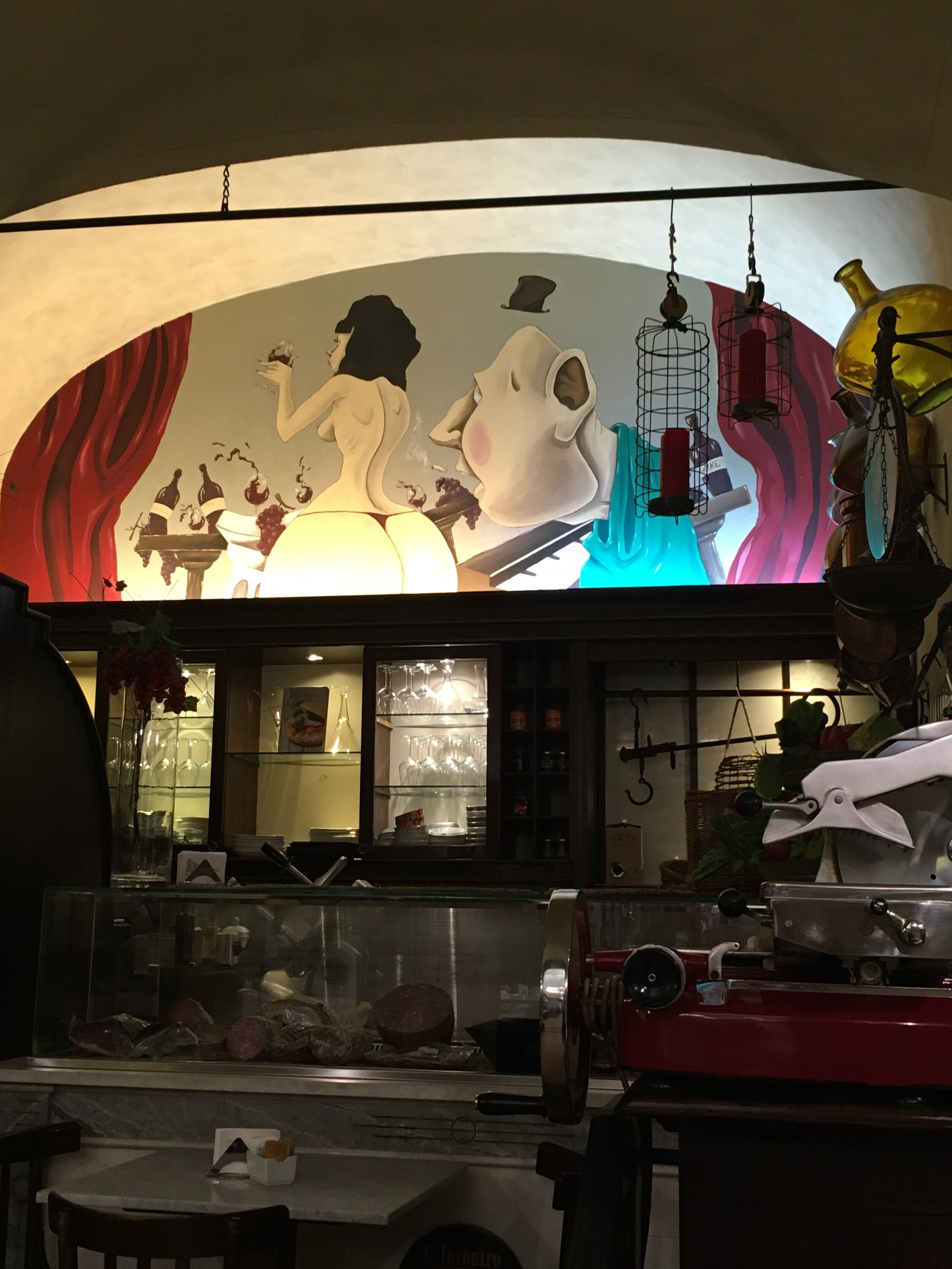
My second visit to Volterra this year was a spontaneous lunch and shopping excursion with a friend. We started with an arrival coffee at the popular bar / pasticcieria L’Incontro. This is a wonderful spot for morning coffee, lunch, or an apperitivo. The pastries and candies are tasty and eye-catching. And there is fun art inside too!

IMG_3190.JPG
IMG_3189.JPG
IMG_3184.JPG

After a quick stop at the Etruscan Museum gift shop (for a purchase my friend regretted not getting on our last visit) we spent the day wandering through town and stopping at any place that grabbed our attention.

MZoz1mE6RuSLY5OIZLwdOg.jpg
IAy52xKBQl2p6P7b3IoqAA.jpg
VMOwsRMLRcCt5nyIpQb6PA.jpg
QOHtZ+05T6CWf%OfbGnv5A.jpg

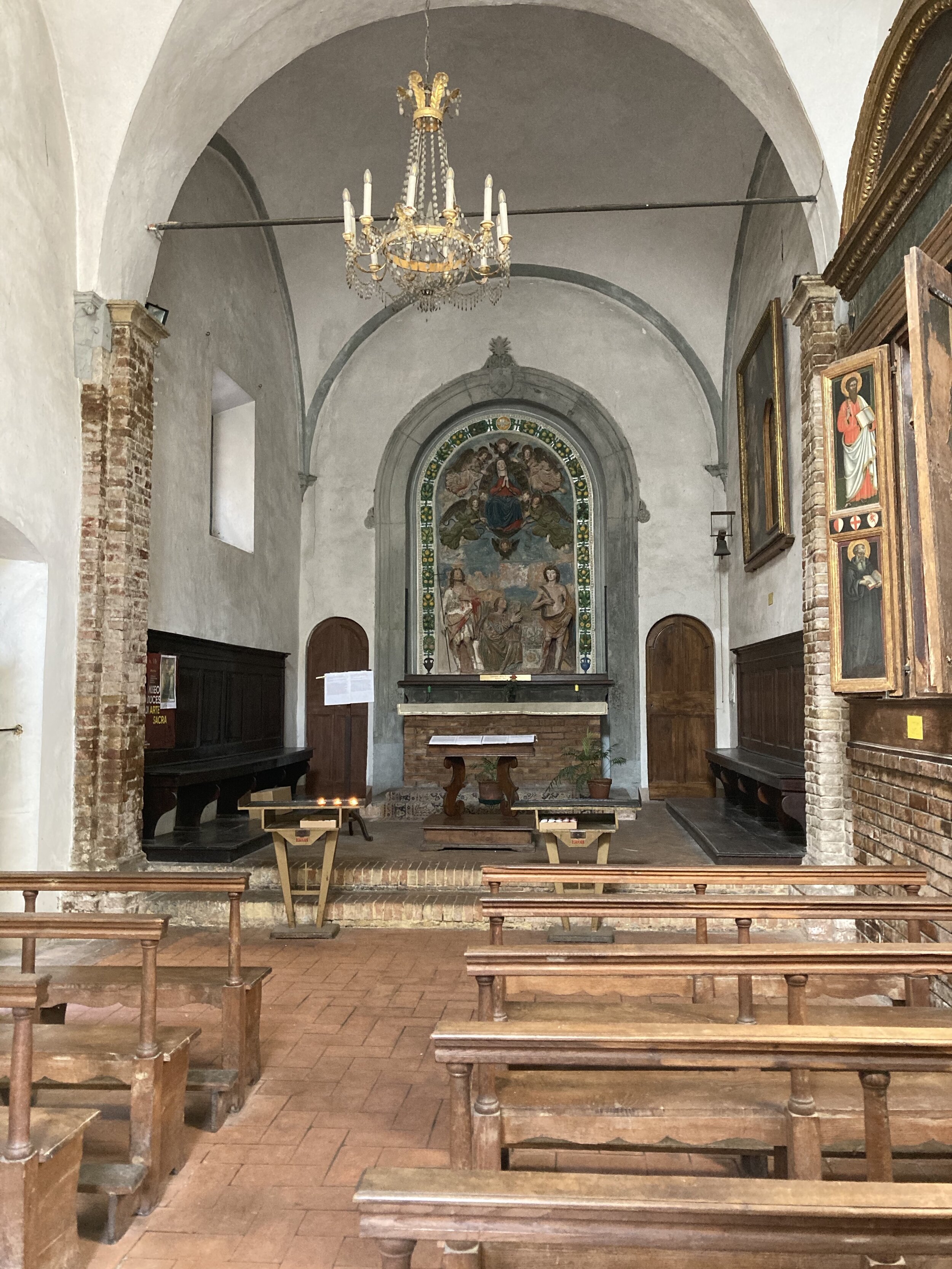
We walked down the wide “main drag” of Via Gramsci, with a brief stop in the tiny Oratorio di Sant’Antonio. Somehow these tiny Italian churches always move me, even more so than the grand cathedrals.

IoTedMNYQ0GRh22A21K5GA.jpg
MSif7fSiQ2aV4b0kmAH9Cg.jpg

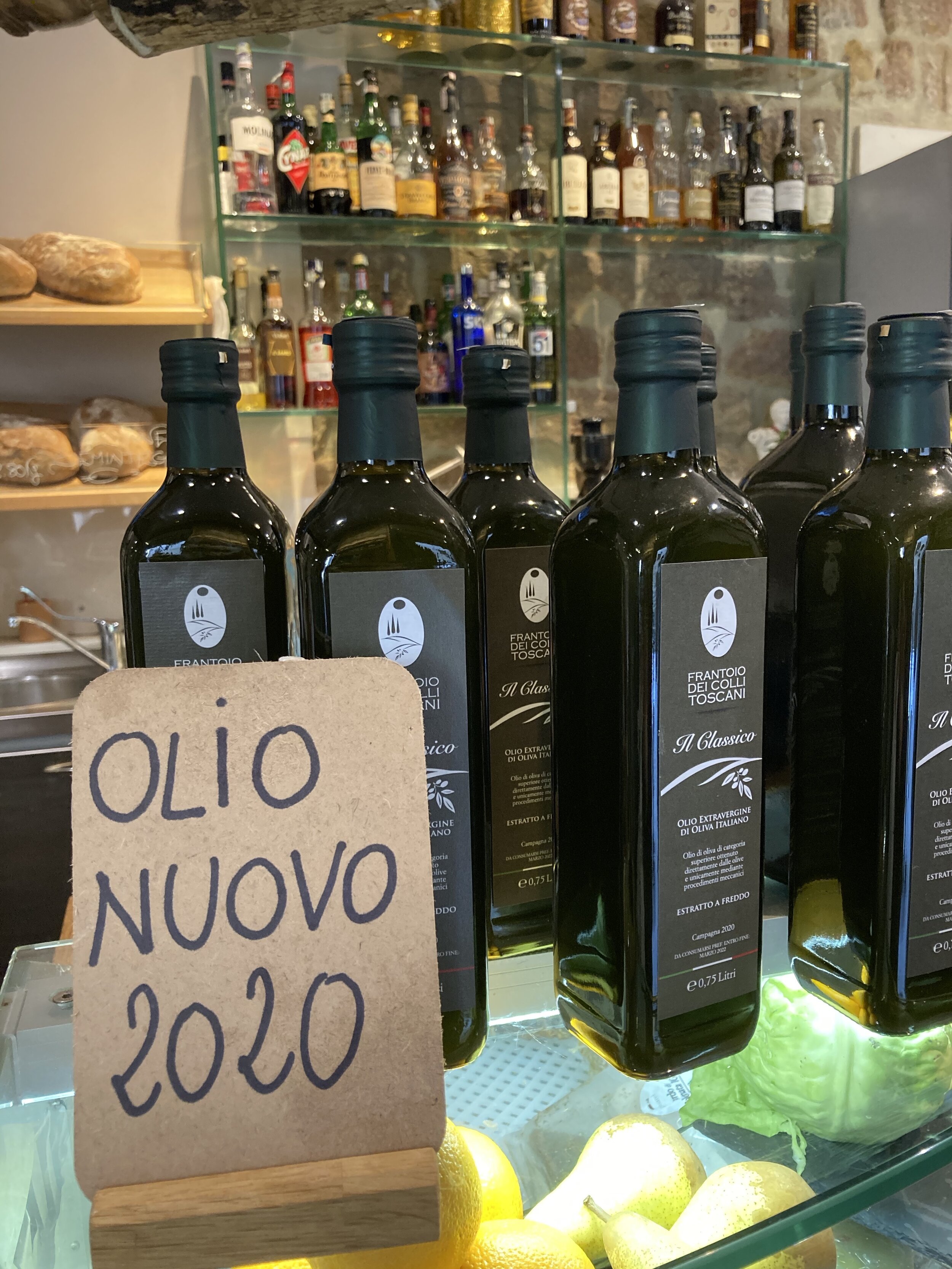
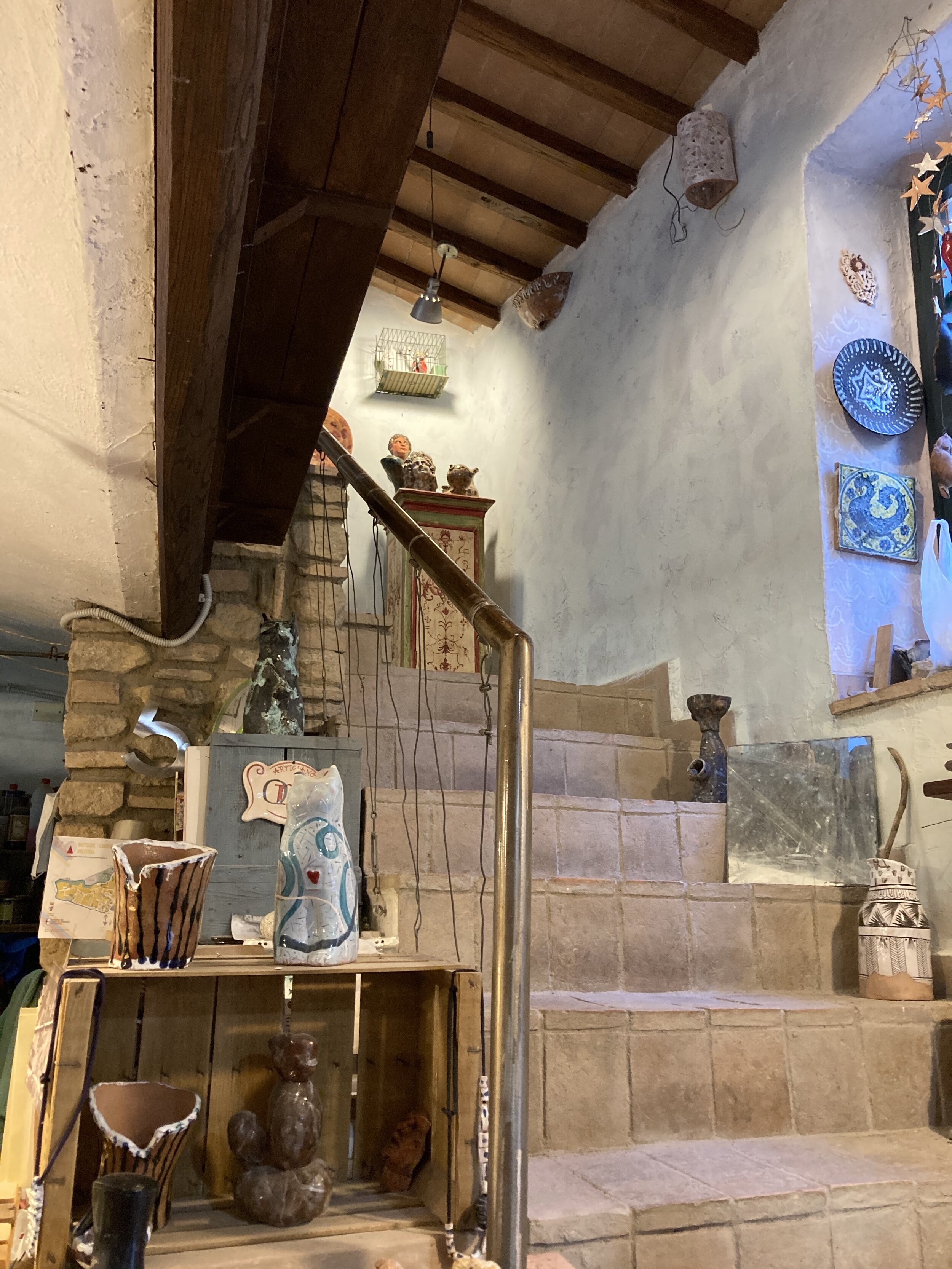
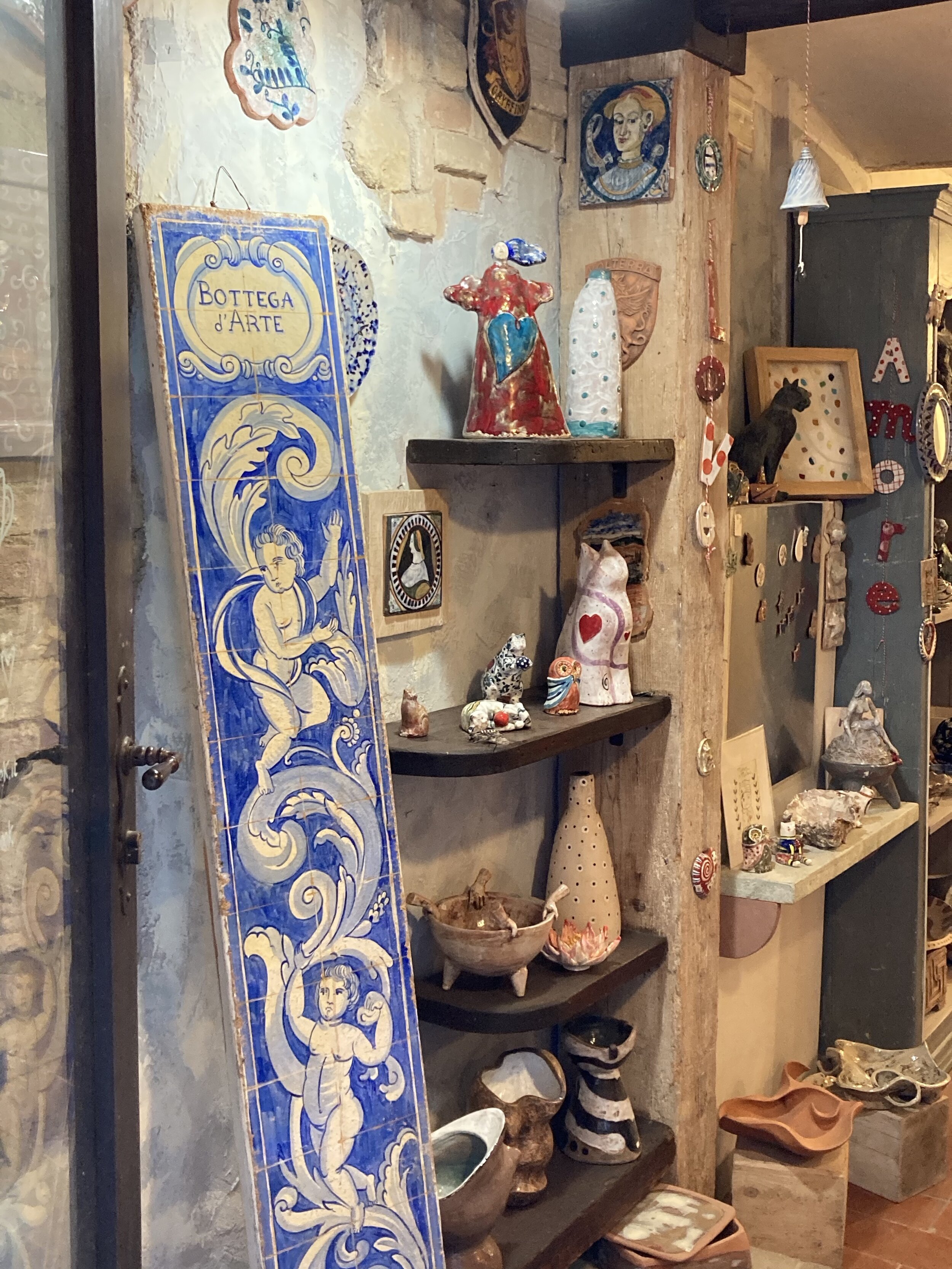
After some window shopping and a stop to buy some newly pressed olive oil, we passed by a small ceramic shop, the Bottega d’Arte. No classic italian pottery designs here! The charming owner and his daughter make colorful and whimsical pieces with undulating curves and colorful glazes. As is so often the case in Italy, he took time to speak with great enthusiasm about his work, his studio, and his philosophy of art and life. Experiences like these are part of the reason I love Italy. I will treasure the two small pieces that I bought here.

UfJZKfjkR7GxOv0I7vNDvw.jpg
ST1cgiP5RUuRXE3k+rwm1w.jpg

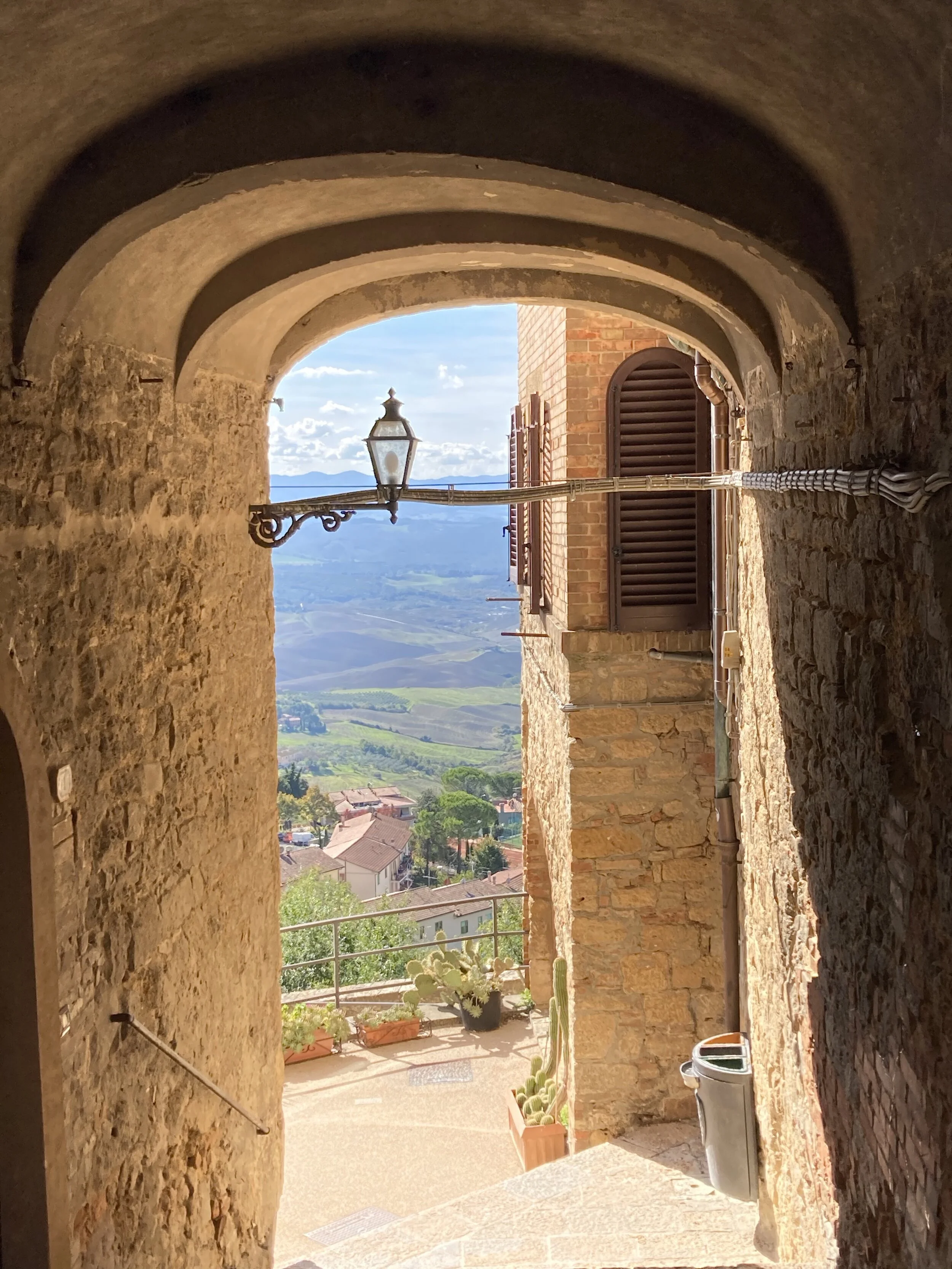
After spending time in the ceramic shop we passed by what is surely the most photographed view in Volterra, at the end of the Vicolo degli Abbandonati looking out over the valley. It’s impossible to pass by without taking a photograph of this scene.

dlldy7VvSpOIf89kRbq6wQ.jpg

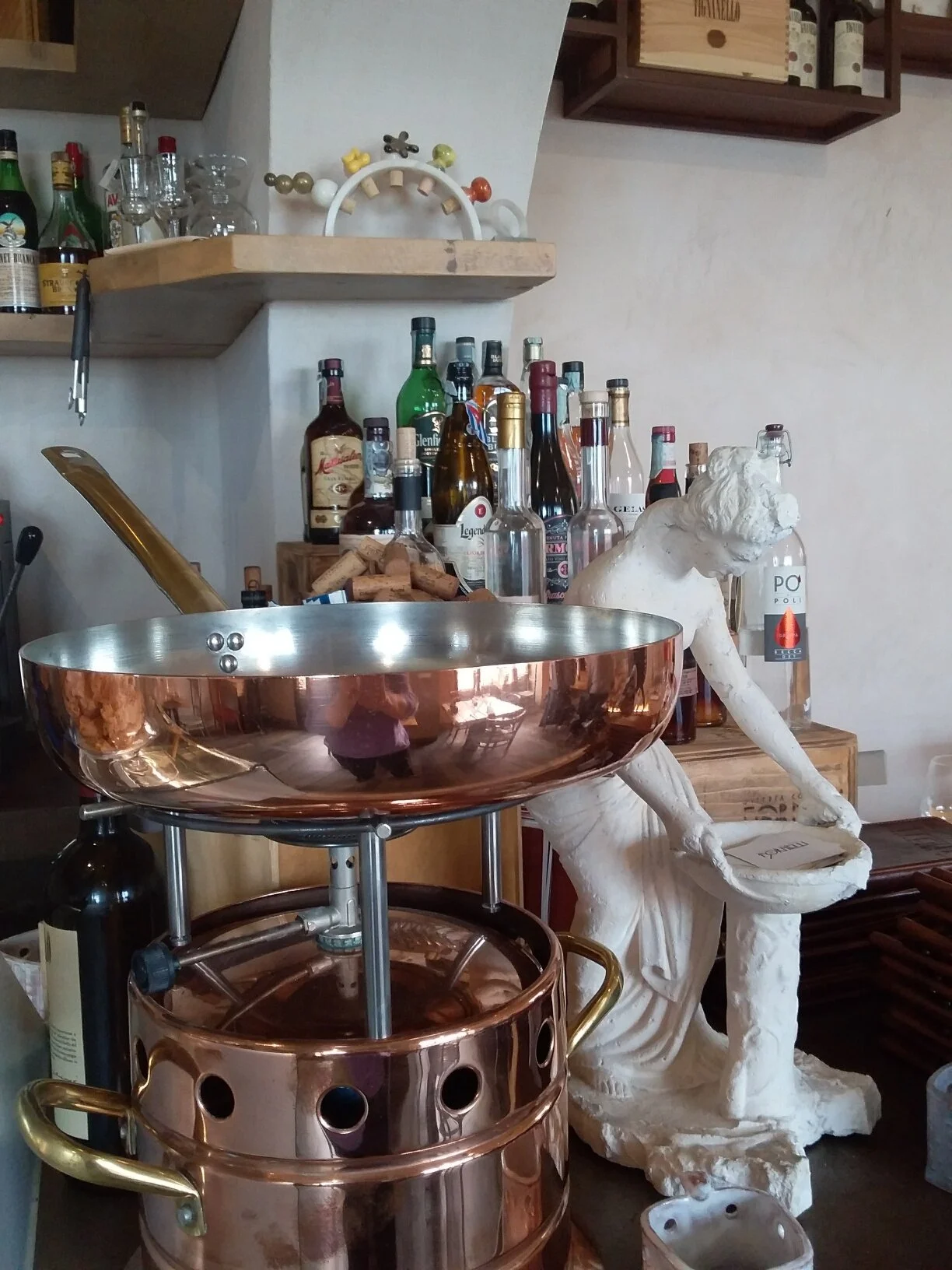
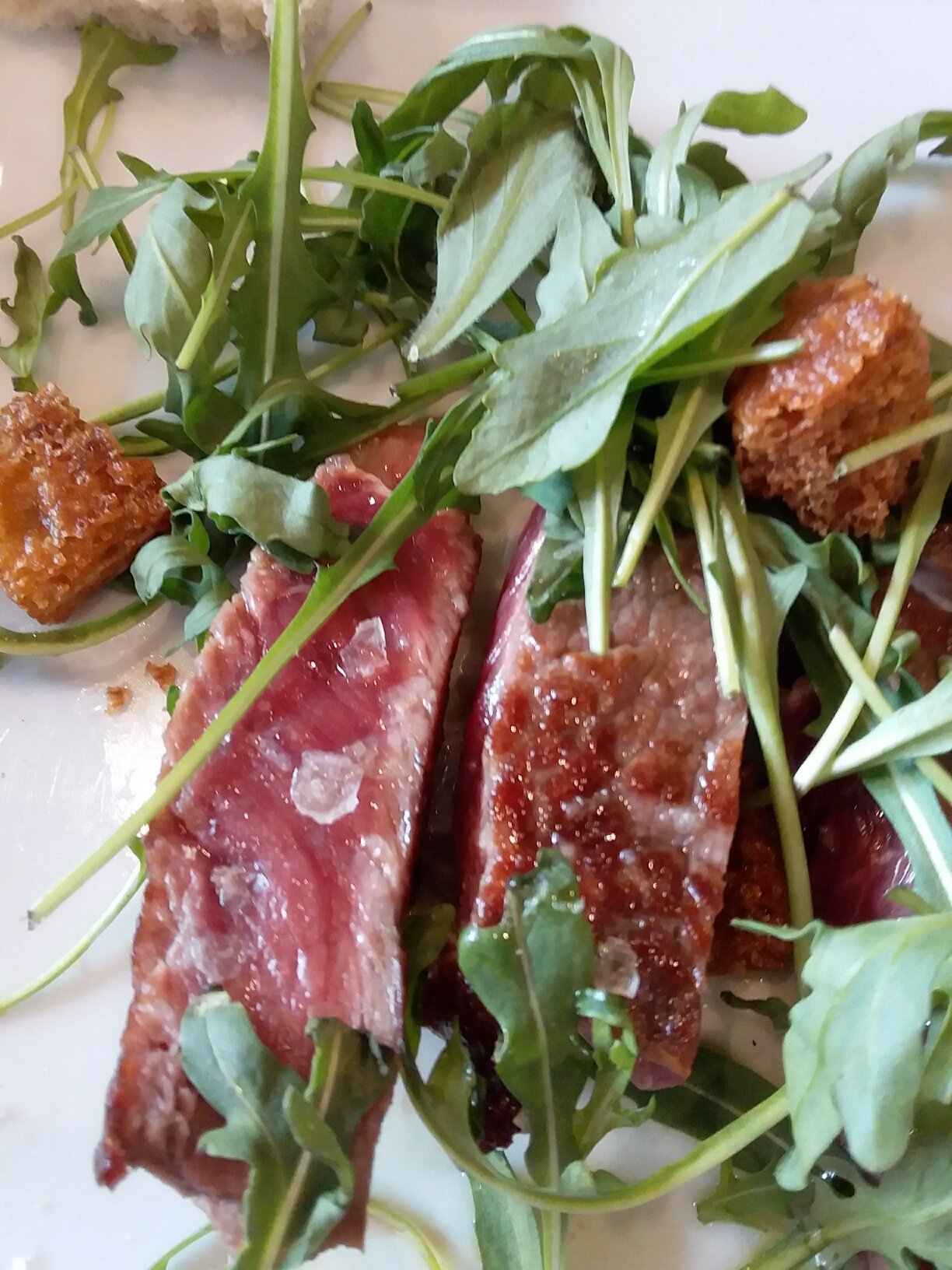
Next, it was on to lunch at restaurant Fornelli. It has a scenic position, an outdoor patio, and a beautiful interior with interesting decor. Most importantly, it has wonderful food and friendly staff. I ate here in March with a group of friends (photos below); it was just as good the second time around!

20200229_135357_resized.jpg
20200229_134720_resized.jpg
20200229_143831_resized.jpg

I hope to return to Volterra soon. There is still a lot to see and do - the Roman amphitheater, the Alabaster museum, a walk up to the castello, and I will look forward to once again wandering those beautiful streets.

November 02, 2020 /Joanne Bartram
Volterra, Hill Towns Italy
#volterra, Hill Towns Italy, Tuscany, Volterra
Changing, and falling, leaves along the walls of Lucca

Changing, and falling, leaves along the walls of Lucca

A Fall Day in Lucca

October 12, 2020 by Joanne Bartram in Italy, Italy travel, Living in Italy, Lucca, Tuscany

Fall is my favorite time of year whether I’m in the United States or in Italy. I love the changing leaves, the autumn scents (roasting green chile in New Mexico, chestnuts in Italy), the colorful gourds and pumpkins, and the feel of crisp air on my face. But to spend fall in Lucca - now that is seasonal bliss.
I spent a good part of this summer outside of Italy, returning in mid-September. With a two week quarantine on arrival, I watched from my window as the last days of summer slipped away and fall crept in. What a relief to finish those two confined weeks and step out into an Italian autumn.

Looking down from the walls into the city of Lucca

Looking down from the walls into the city of Lucca

Fall began with a spell of stormy weather marked by cloudy skies, rolling thunder, falling tree branches, and periods of heavy rain. Everyone tried to take advantage of breaks in the storms to get outside, run errands, stop for an outdoor coffee, and go for walks. That’s exactly what my Saturday consisted of this past weekend. The best part of the day was a mid-afternoon walk along le mura (the walls that enclose the historic city center). It took place under dramatic skies and a mist in the air that almost, but not quite, required an ombrello (umbrella).

Storm clouds over Piazza Santa Maria, Lucca

Storm clouds over Piazza Santa Maria, Lucca

The city walls are lined with trees which, at this time of year, make a colorful statement. Looking up into the branches is an artist’s palette of color. Looking down, the falling leaves cover the ground in shades of gold and yellow. Chestnuts fall and crunch under foot, their spiny outer shells and dark brown nuts symbolizing the season.

Adjustments.jpeg
A tree trunk covered in moss and “Venus’s belly button”

A tree trunk covered in moss and “Venus’s belly button”

Many of the trees along the walls are covered in moss (something I certainly don’t see in arid New Mexico).

This year, for the first time, I’ve noticed another plant growing through the moss on one of the trees - delicate stalks with small, round, green tops. I’m told they are called Venus’s Belly Button (officially Cotyledon Umbilicus). An internet search tells me they are used in homeopathic medicine. Fascinating!
As my walk around the walls continued, each bend in the path brought a different view of the increasingly dark and cloudy sky. It was an if an artist were painting individual scenes with expert use of light and dark against trees and sky. If only I could paint! Instead, I pulled out my camera in an attempt to capture the beauty of the day.
I could not have asked for a more perfect autumn afternoon or a more beautiful setting in which to enjoy it. I arrived home just as the mist turned into rain. Perfect timing, perfect fall day.

A storm brewing on an October afternoon in Lucca

A storm brewing on an October afternoon in Lucca

October 12, 2020 /Joanne Bartram
lucca, Le mura Lucca, autumn italy, fall italy, #fallinitaly
Italy, Italy travel, Living in Italy, Lucca, Tuscany
  • Newer
  • Older

Powered by Squarespace