Walking Through Lucca’s History
In Italian, the verb rievocare means to recall, commemorate, or evoke. Lucca is, for the most part, a Medieval city. That history can be recalled easily in the current street plan, Medieval towers, and the many churches from that era that can be found throughout town. To “rievocare” that Medieval history is easy.
There are of course vestiges of earlier eras, the outline of a Roman amphitheater, remnants of the Roman wall, and some remarkable Roman ruins lying under churches and houses. The later Renaissance history can also be spotted, most clearly in the walls that surround the historic city center. But when it comes to celebrating historical events, it is usually the Medieval period that is recreated through costumes, processions, music, and competitions.
How would one even go about planning an event that would recall the broader scope of Lucca’s history? From before the Roman era and through the period at the end of World War II? Well, fortunately, someone decided to do just that, and in late May a festival took place – Rievocando Lucca, A Festival of History.
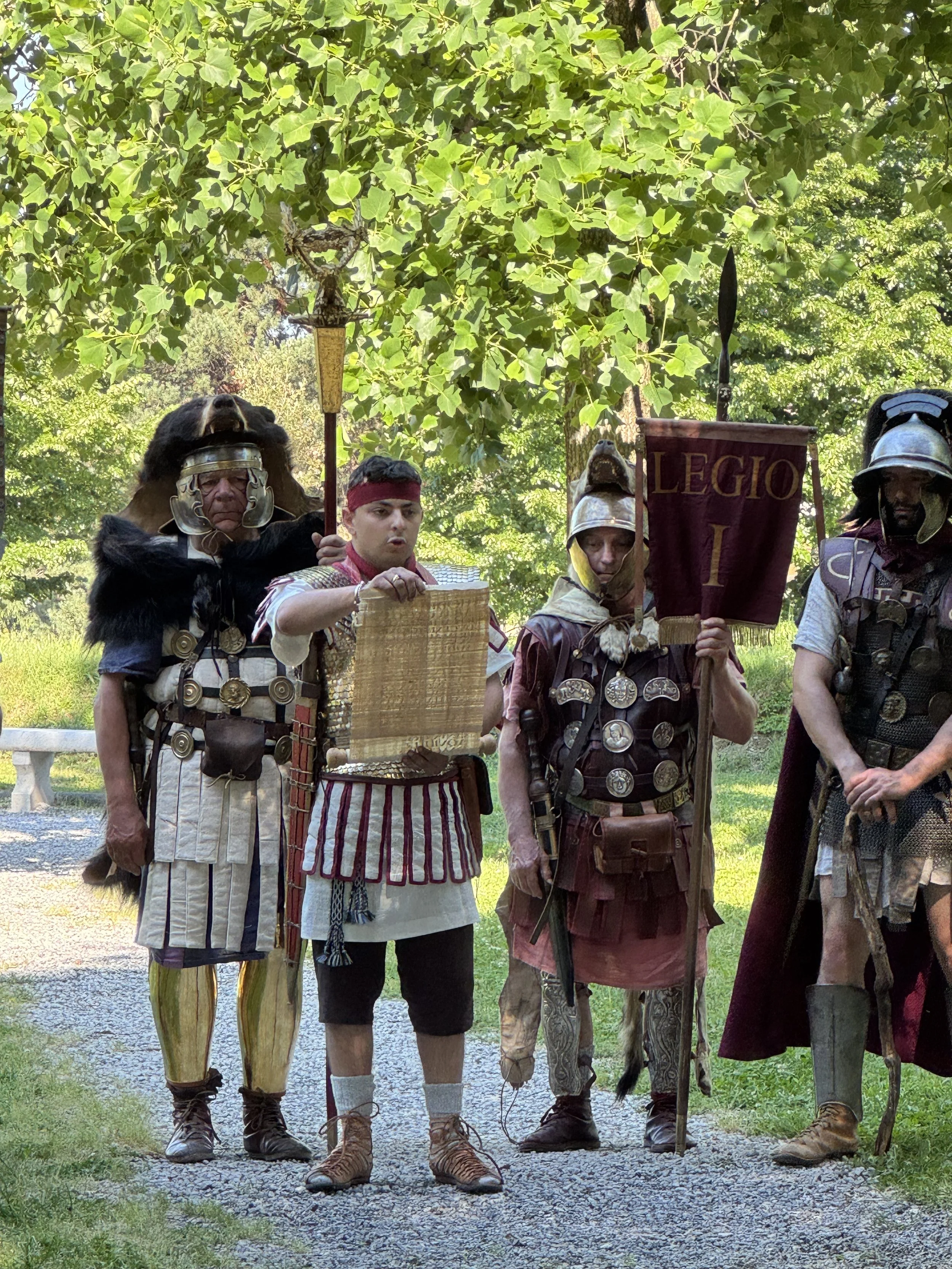
A call to arms for Roman soldiers
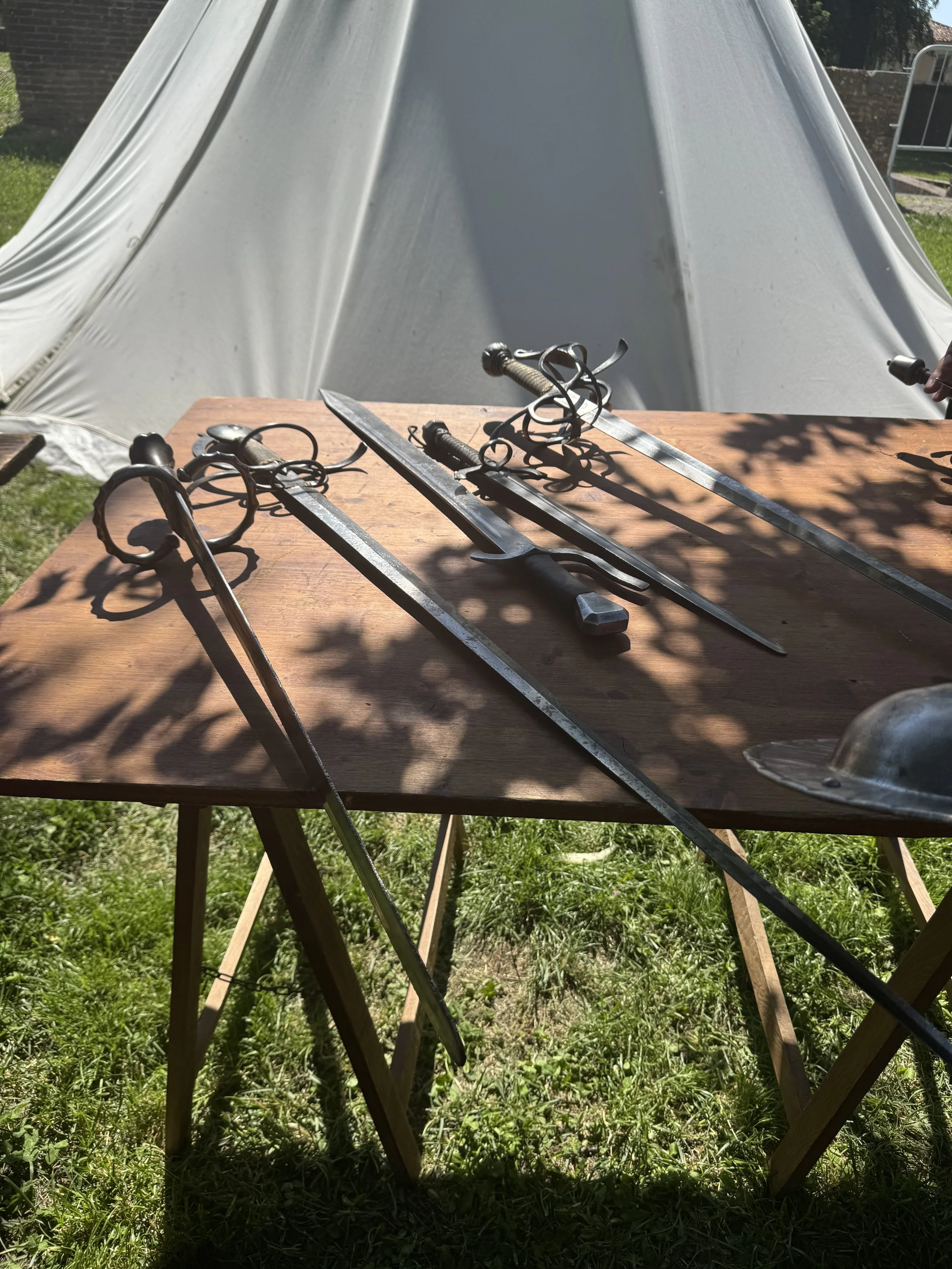
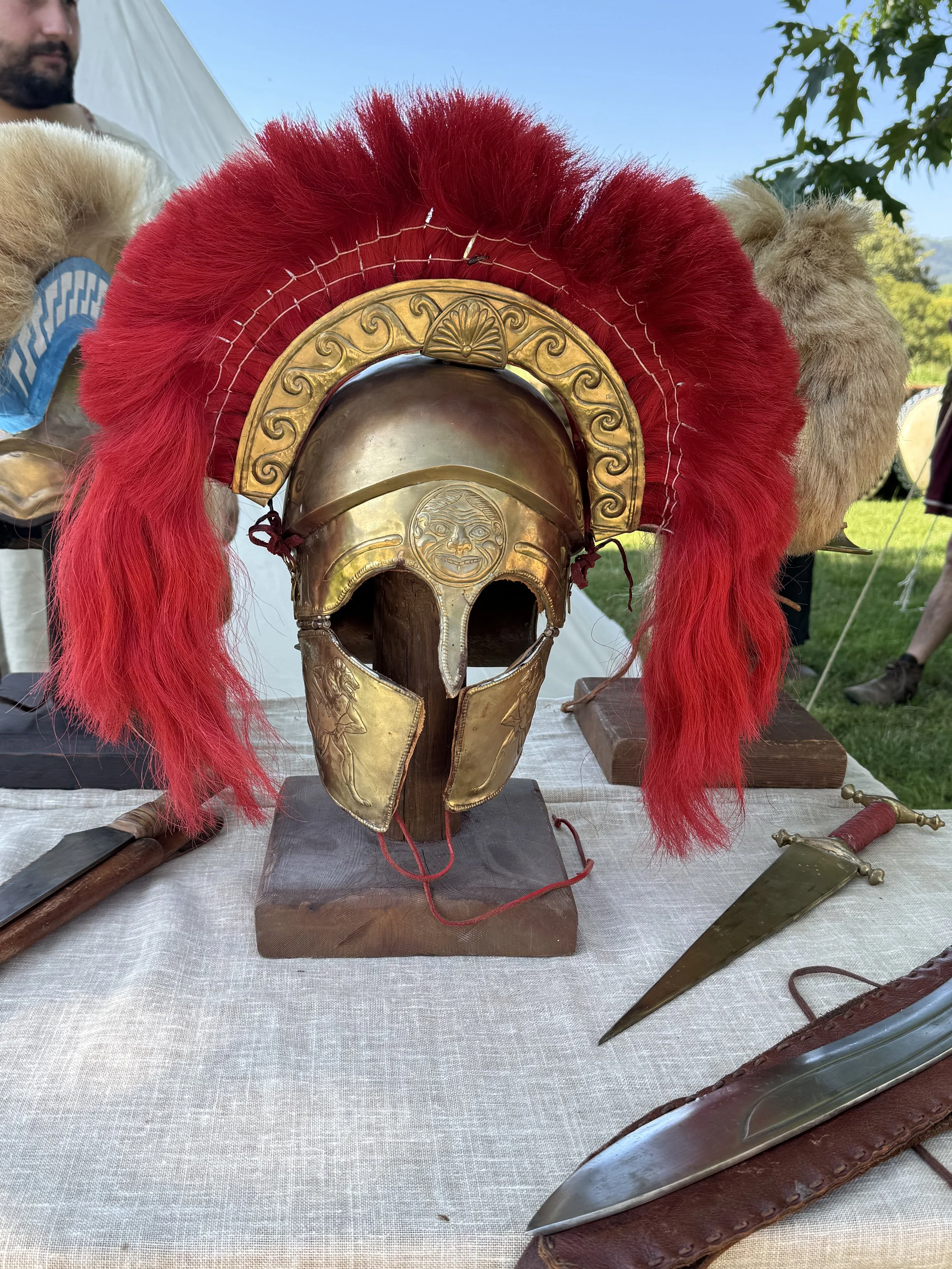
The event took place on the city walls, a perfect way to present, in chronological order, a series of vignettes tracing Lucca’s history from pre-Roman/Etruscan times through the city’s liberation at the end of WWII. Each stop along the walls featured costumed actors, period specific crafts and weapons, and representations of daily life during the time period. The actors were a wealth of information, explaining the displays, answering questions, and demonstrating the use of tools and weapons.
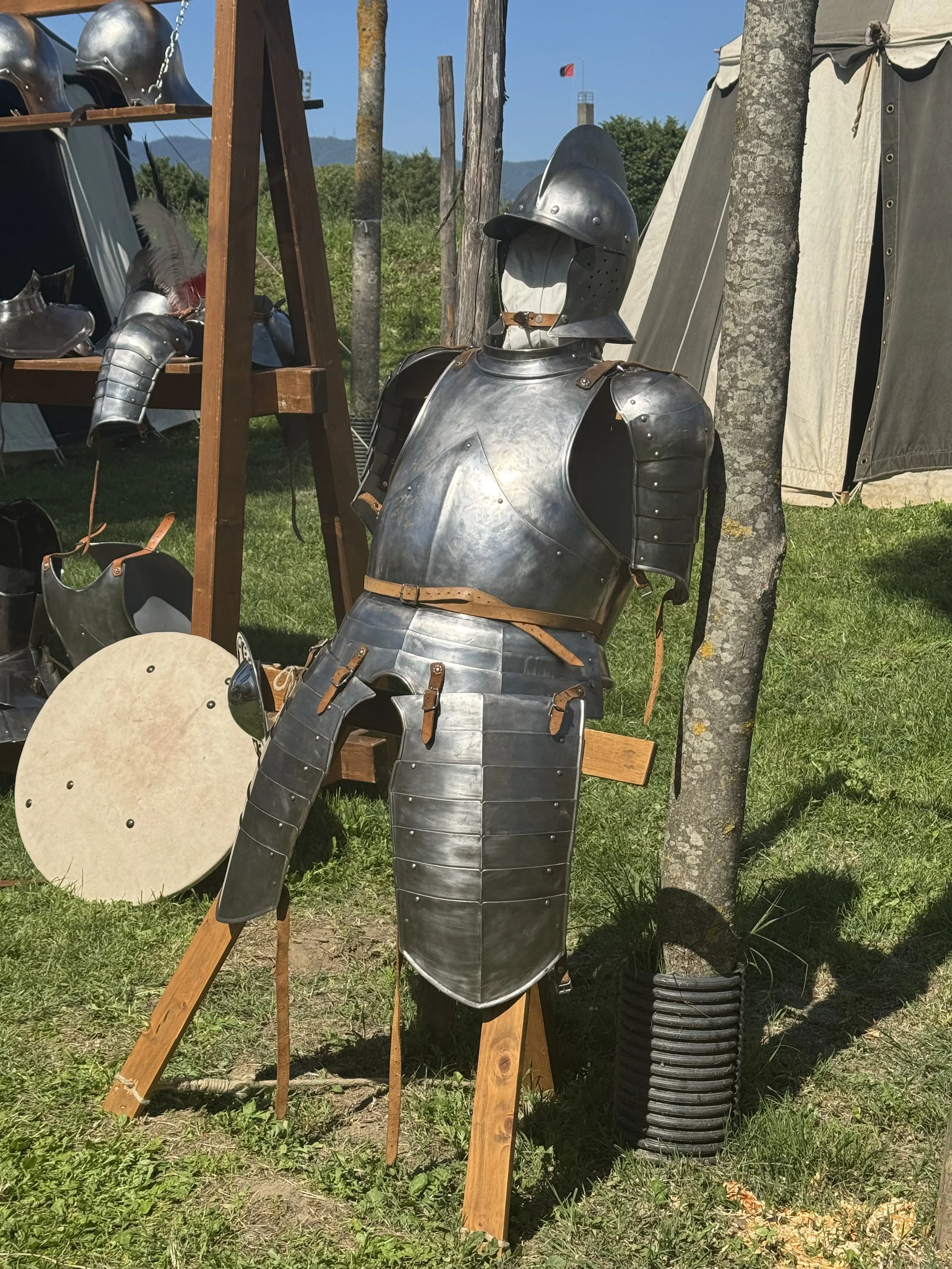
Some highlights:
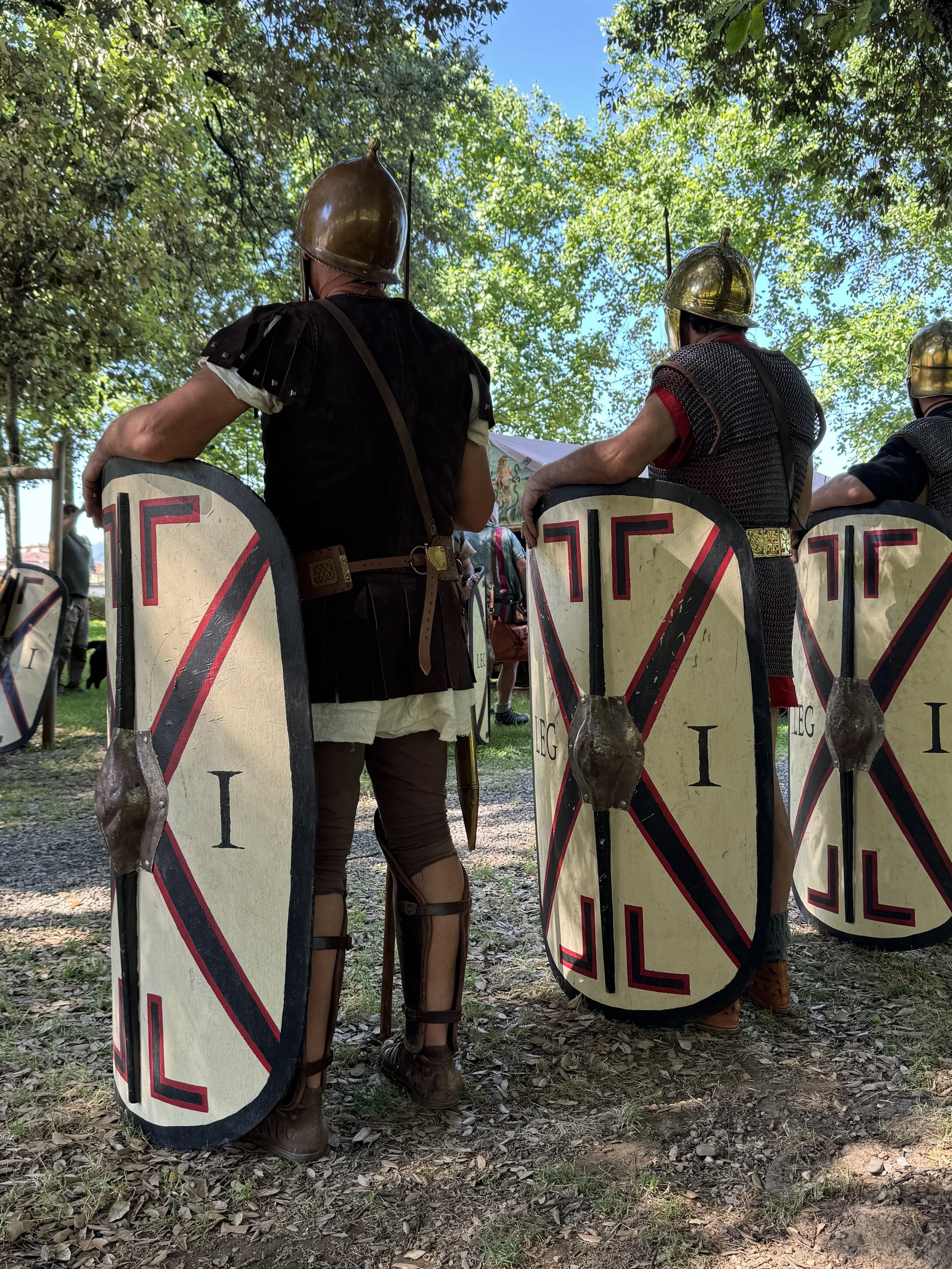
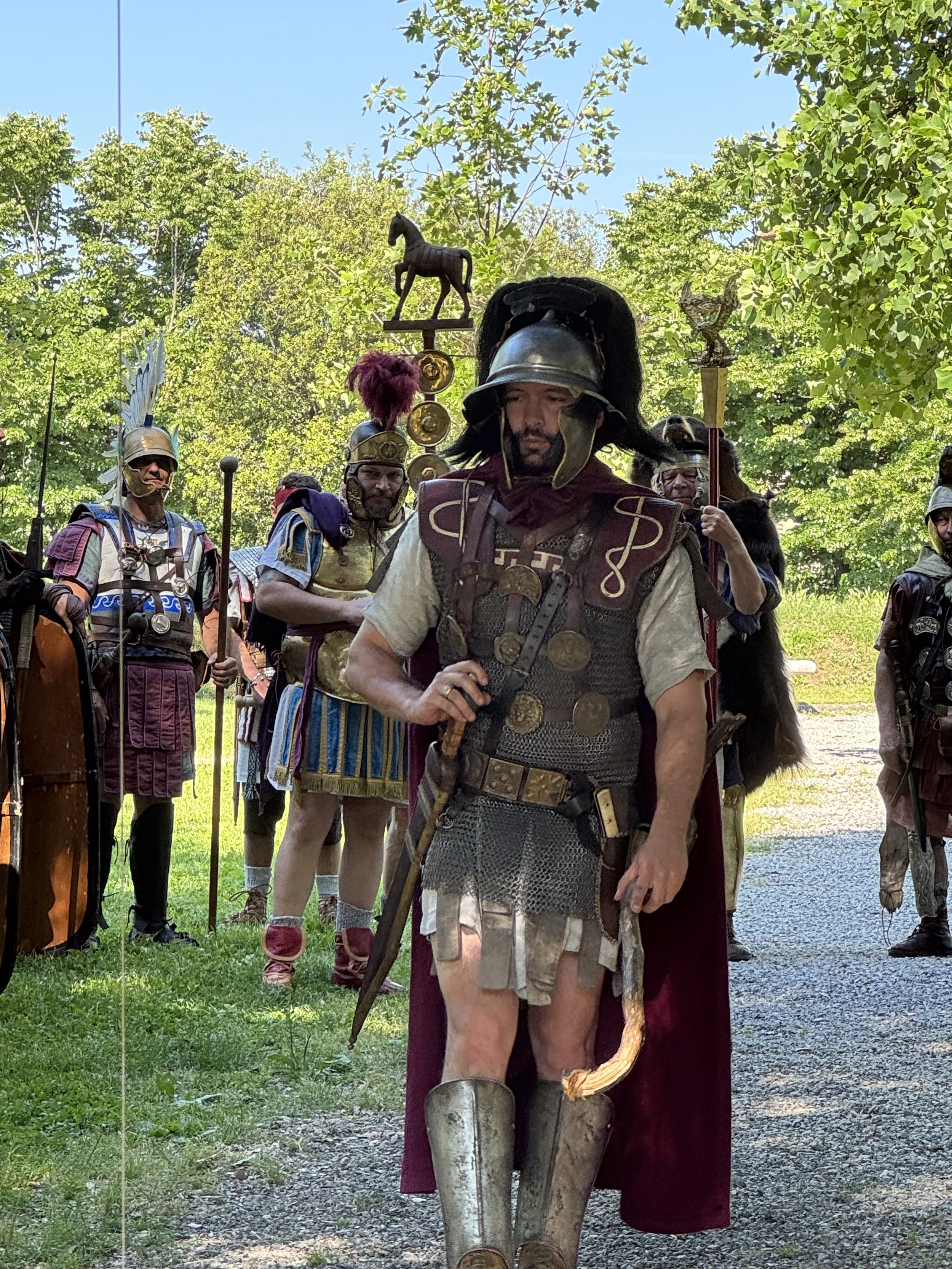
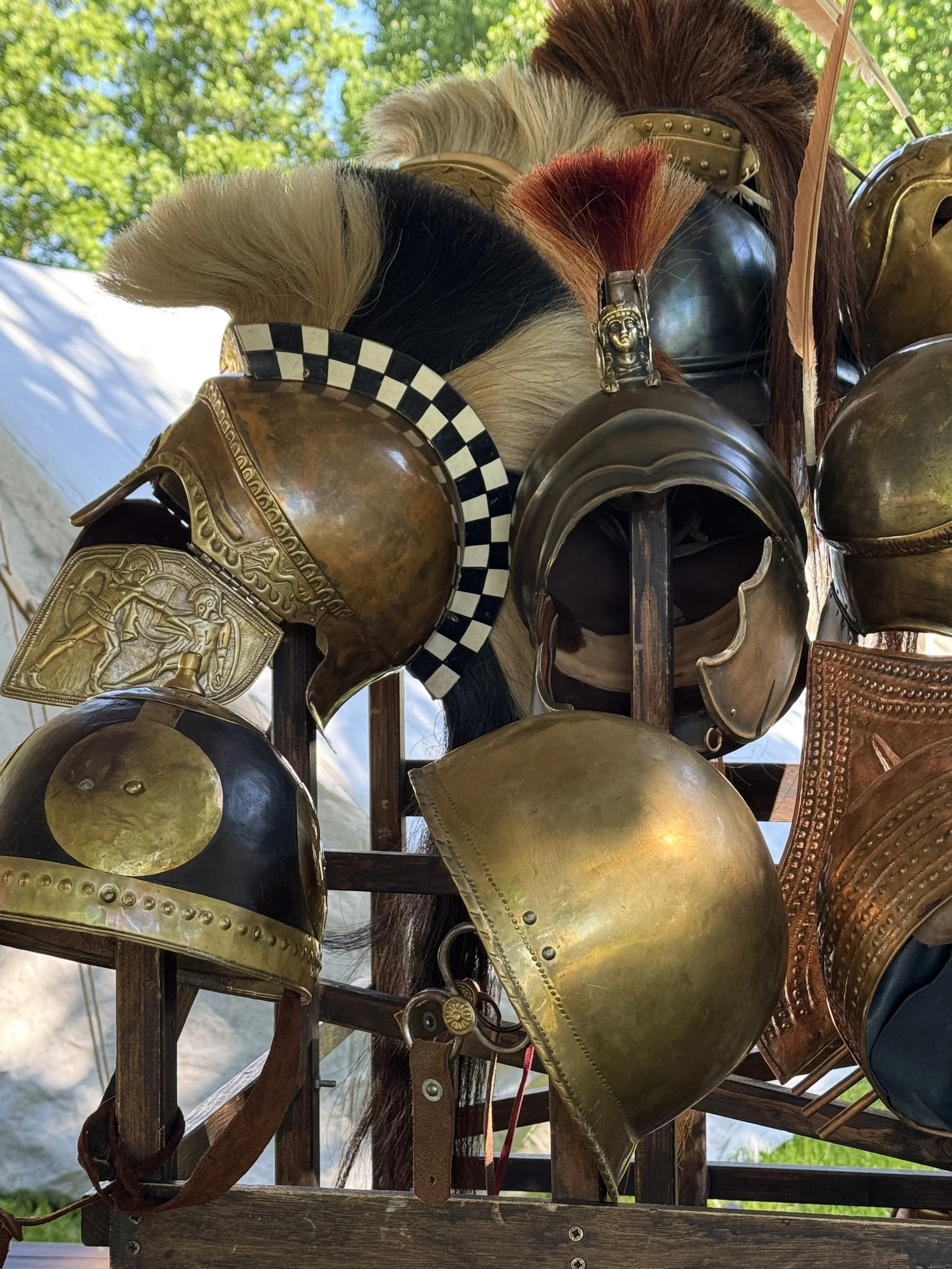
The Roman Legionaires made camp along one section of the wall and they were fierce! Dressed for battle, armed, and bearing shields, they made an impressive sight during the commander’s morning call to arms. Marching through town one evening, they caused quite a stir with their chants and battle cries.
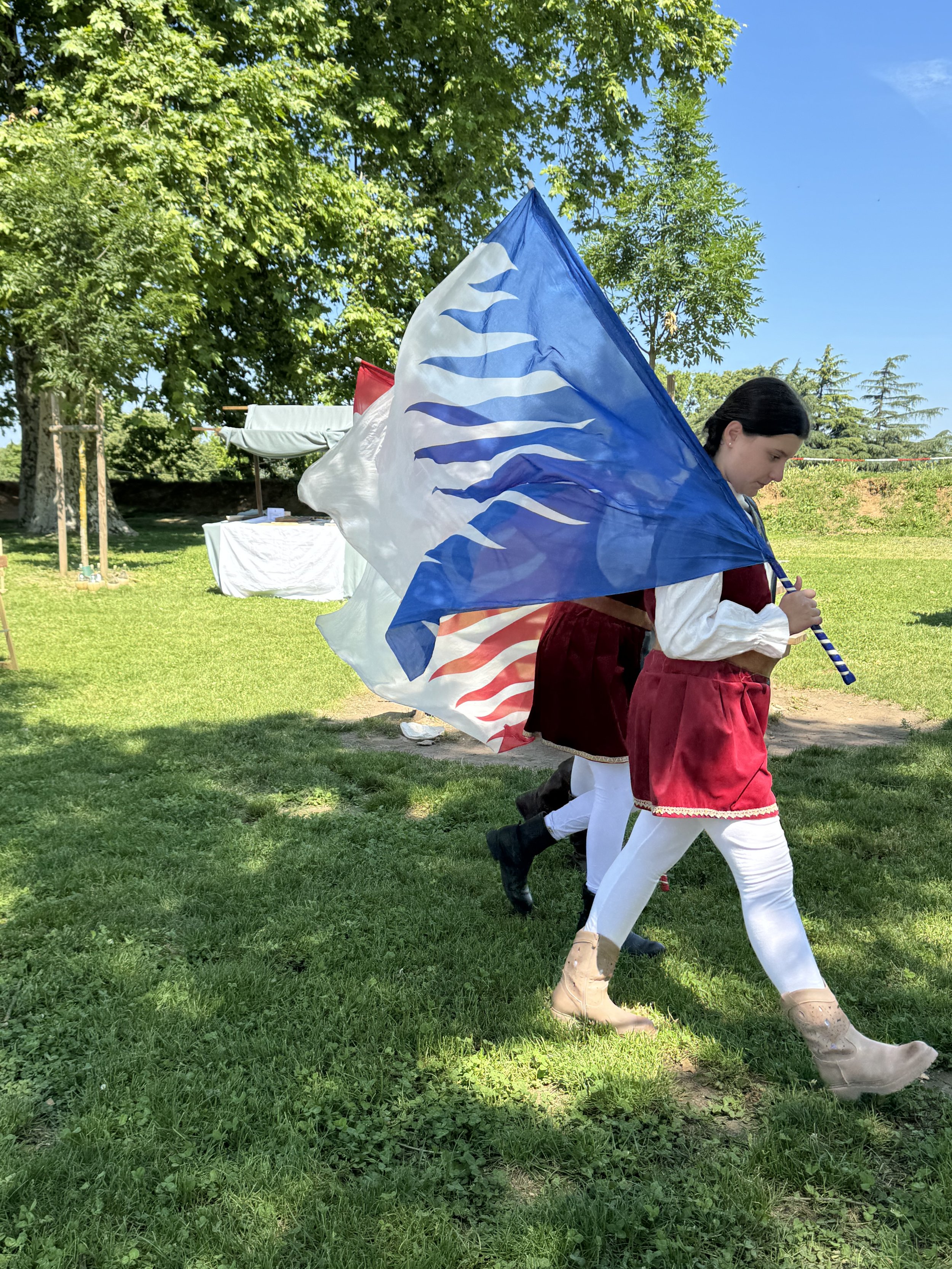
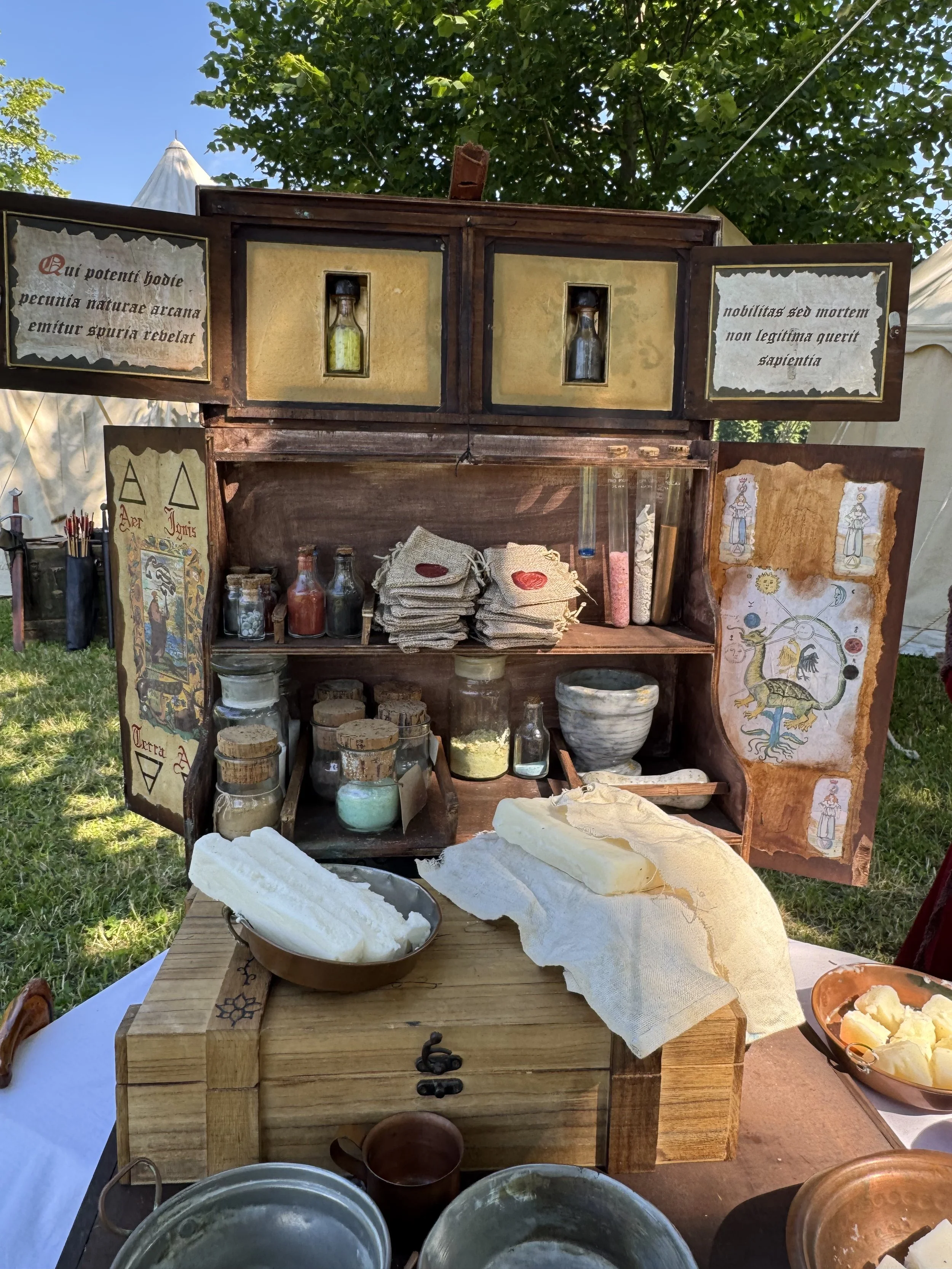
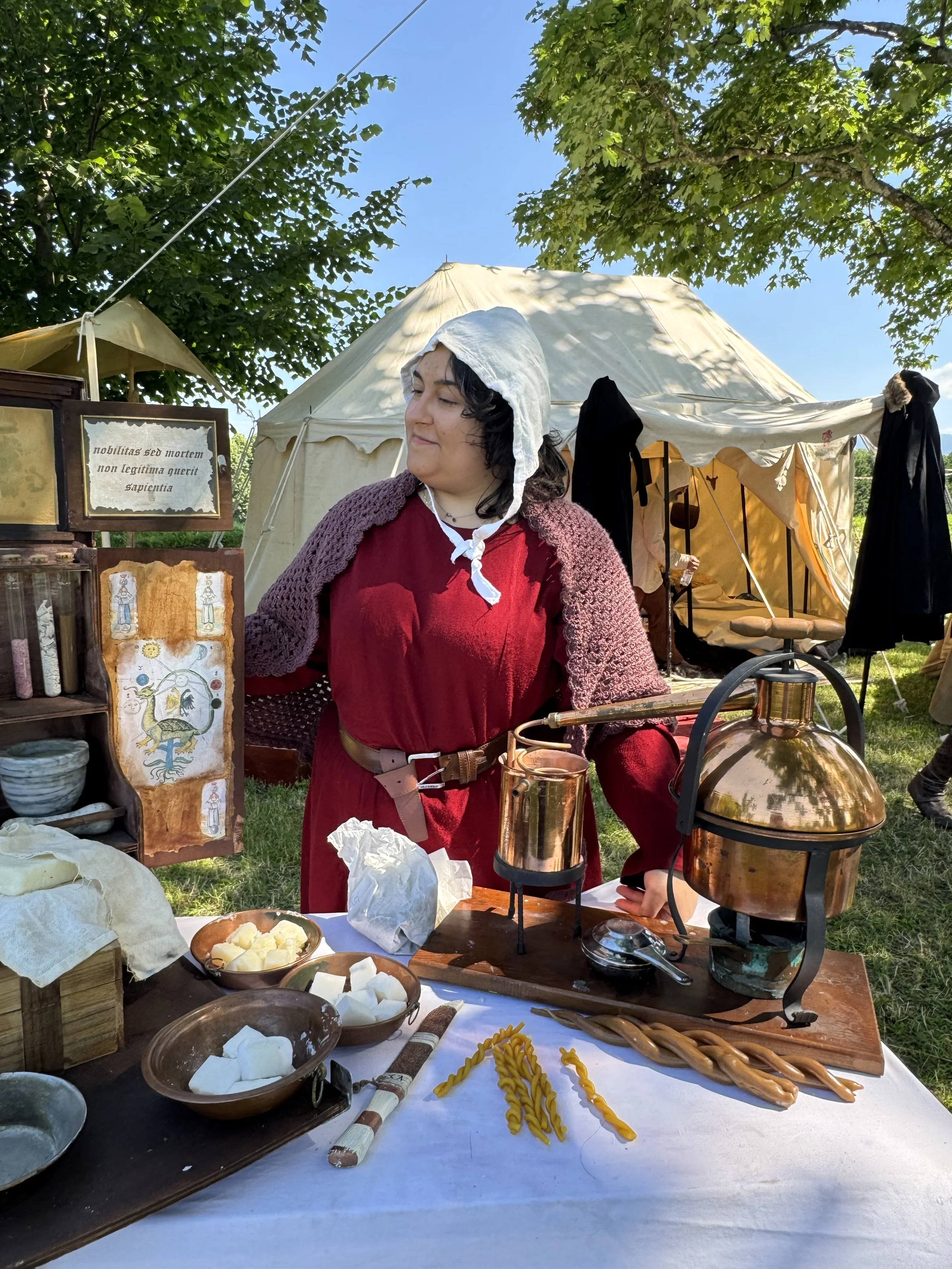
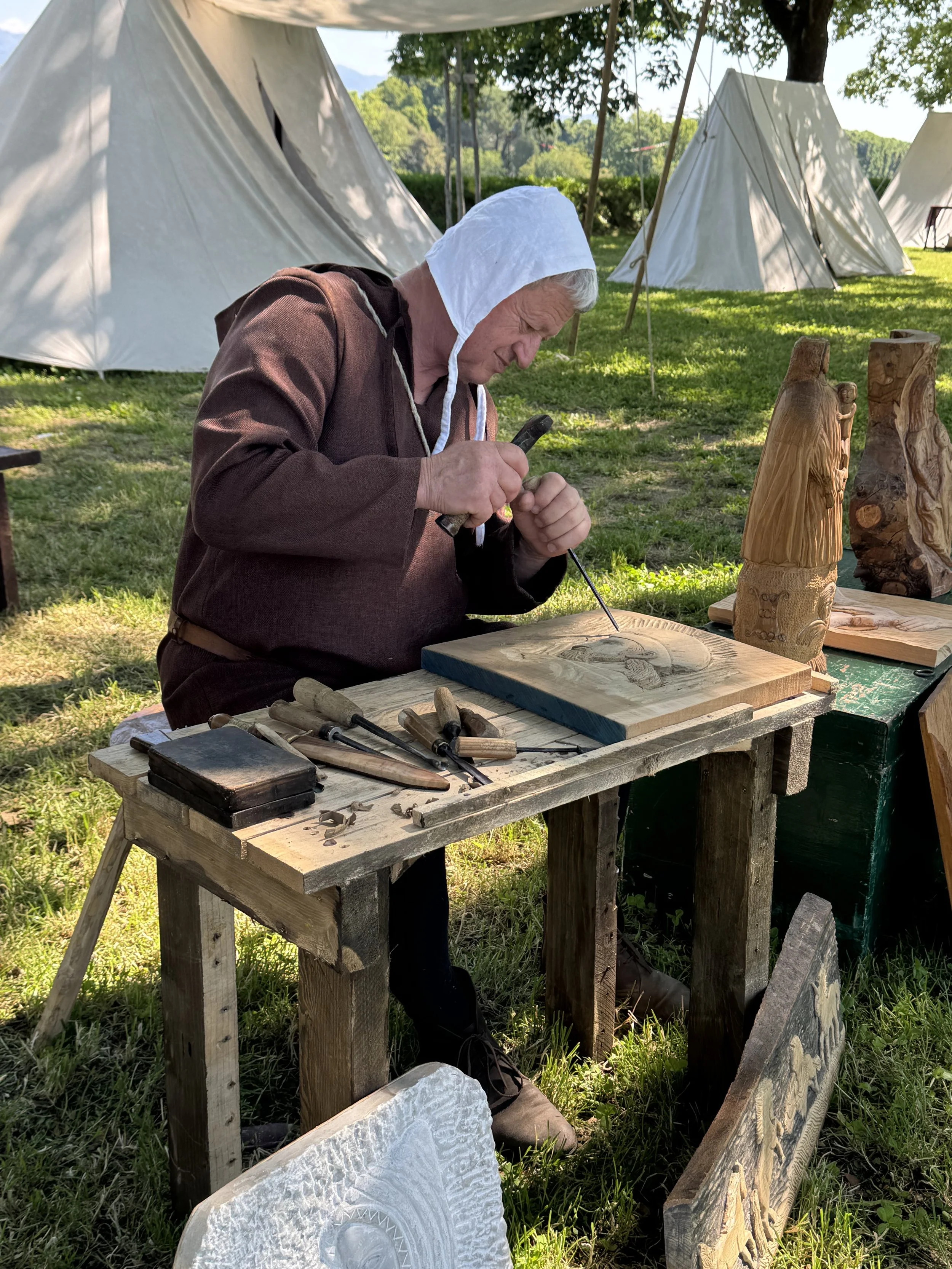
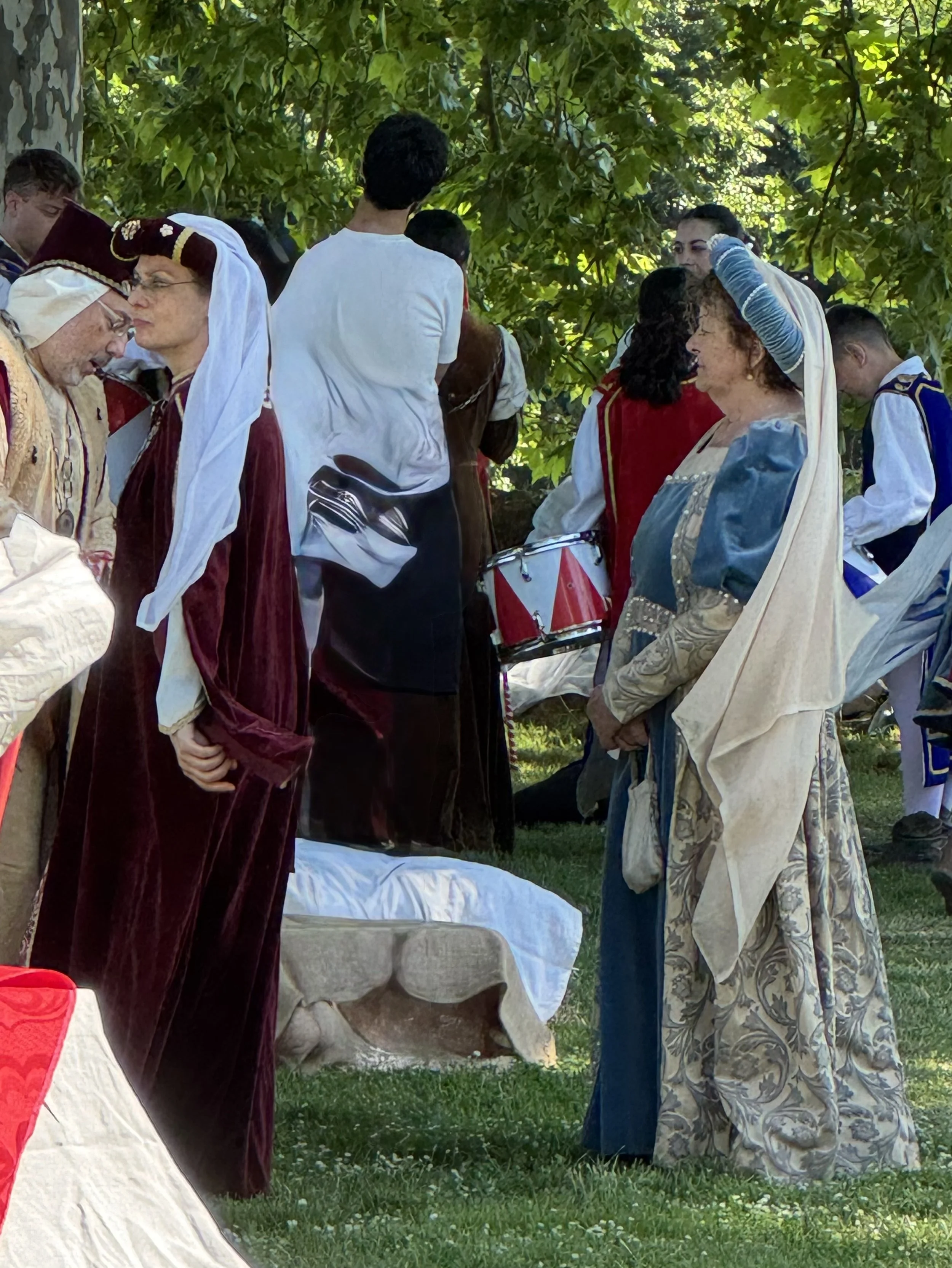
In the Medieval village, a candlemaker described the process and coloring agents used in making her candles. Nearby, a woodcarver demonstrated his skills. The Medieval costumes were beautiful too.
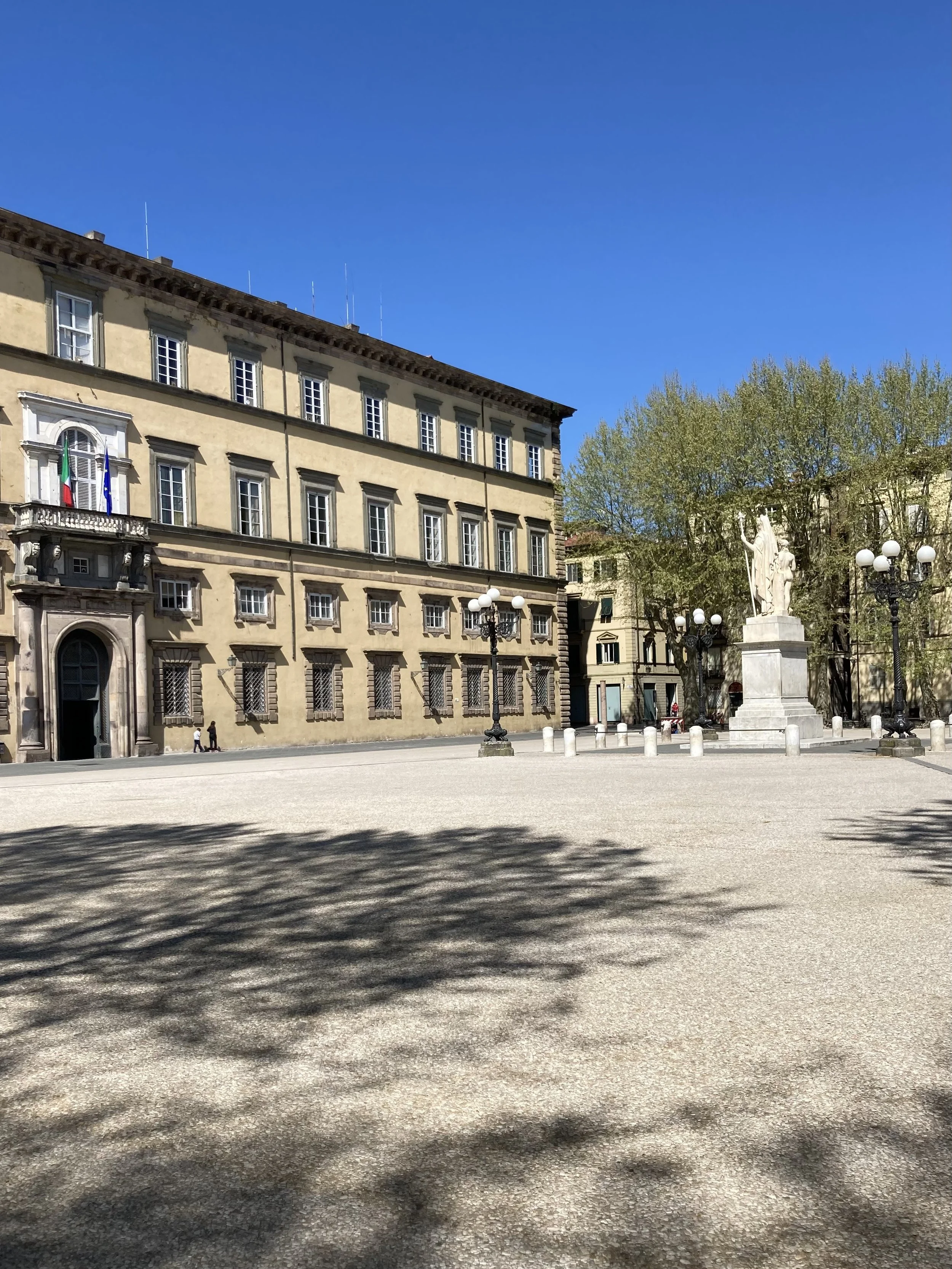
Piazza Napoleone and the Ducal Palace, both created by Elisa Bonaparte.
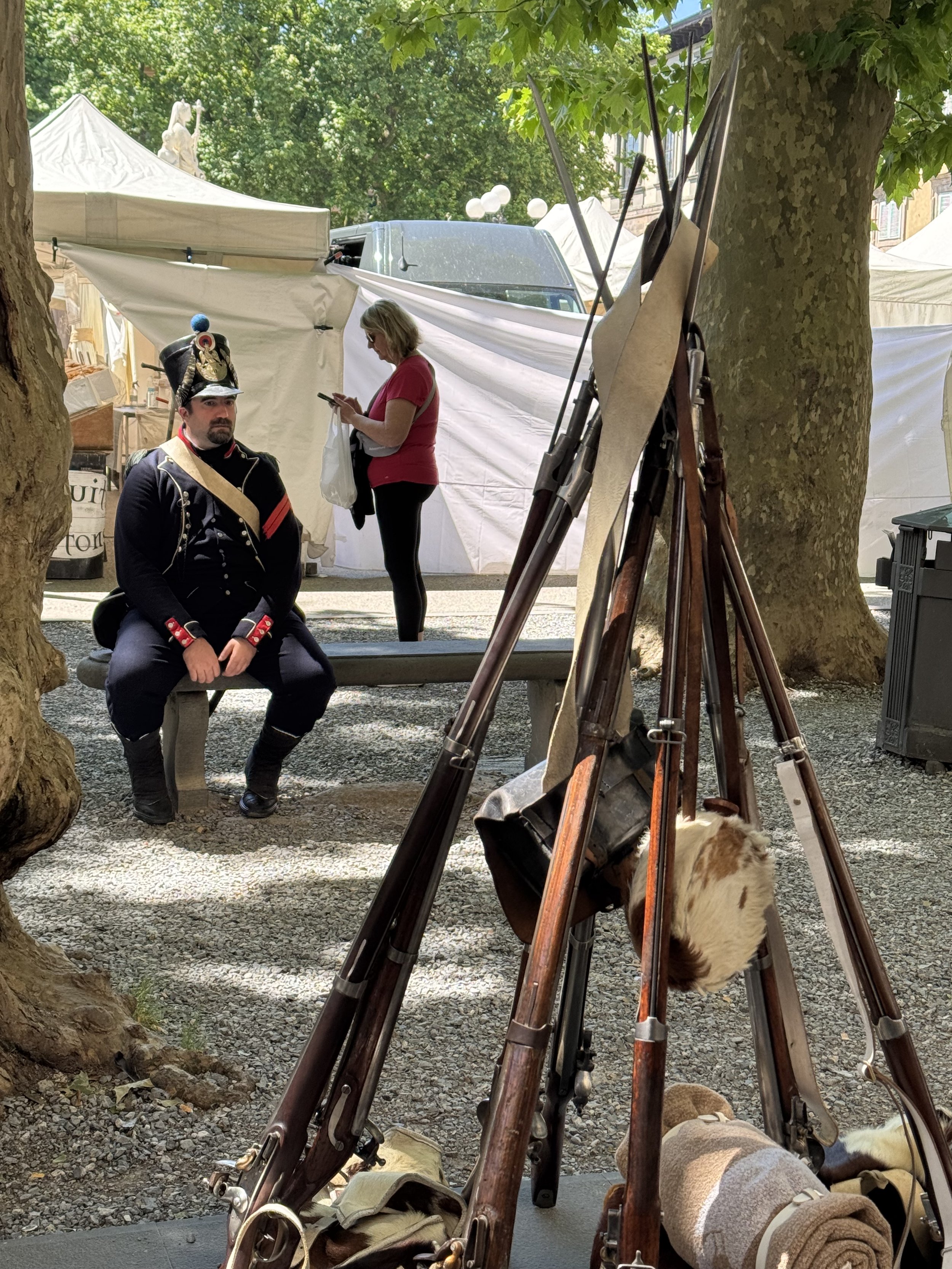
Napoleon also left a mark on Lucca’s history – gifting the city to his sister Elisa who ruled as the Princess of Lucca and Piombino in the early years of the 1800’s. Her influence can still be seen in Lucca - the largest piazza is the Piazza Napoleone and it sits in front of the Palazzo Ducale, the palace Elisa Bonaparte built.
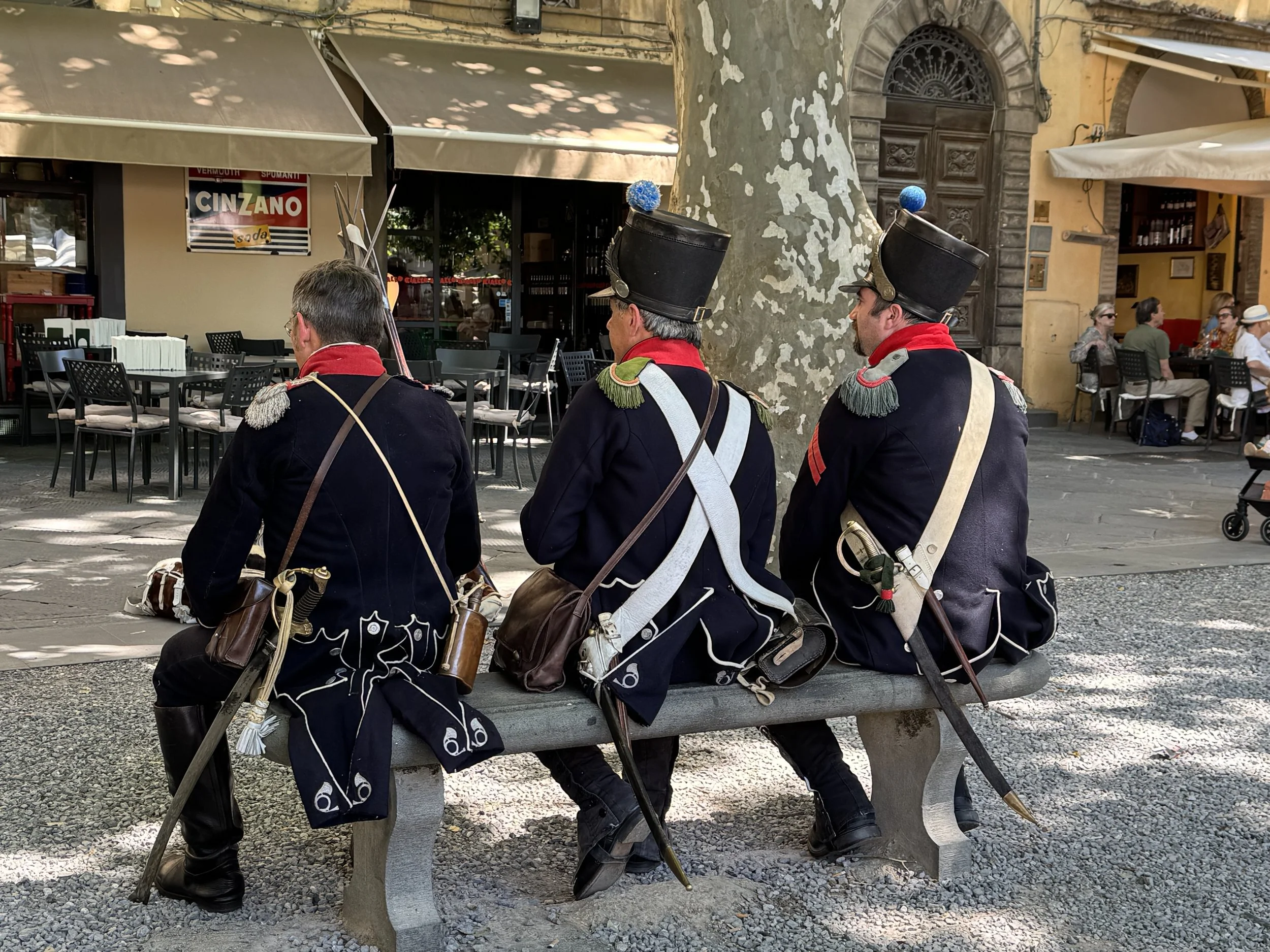
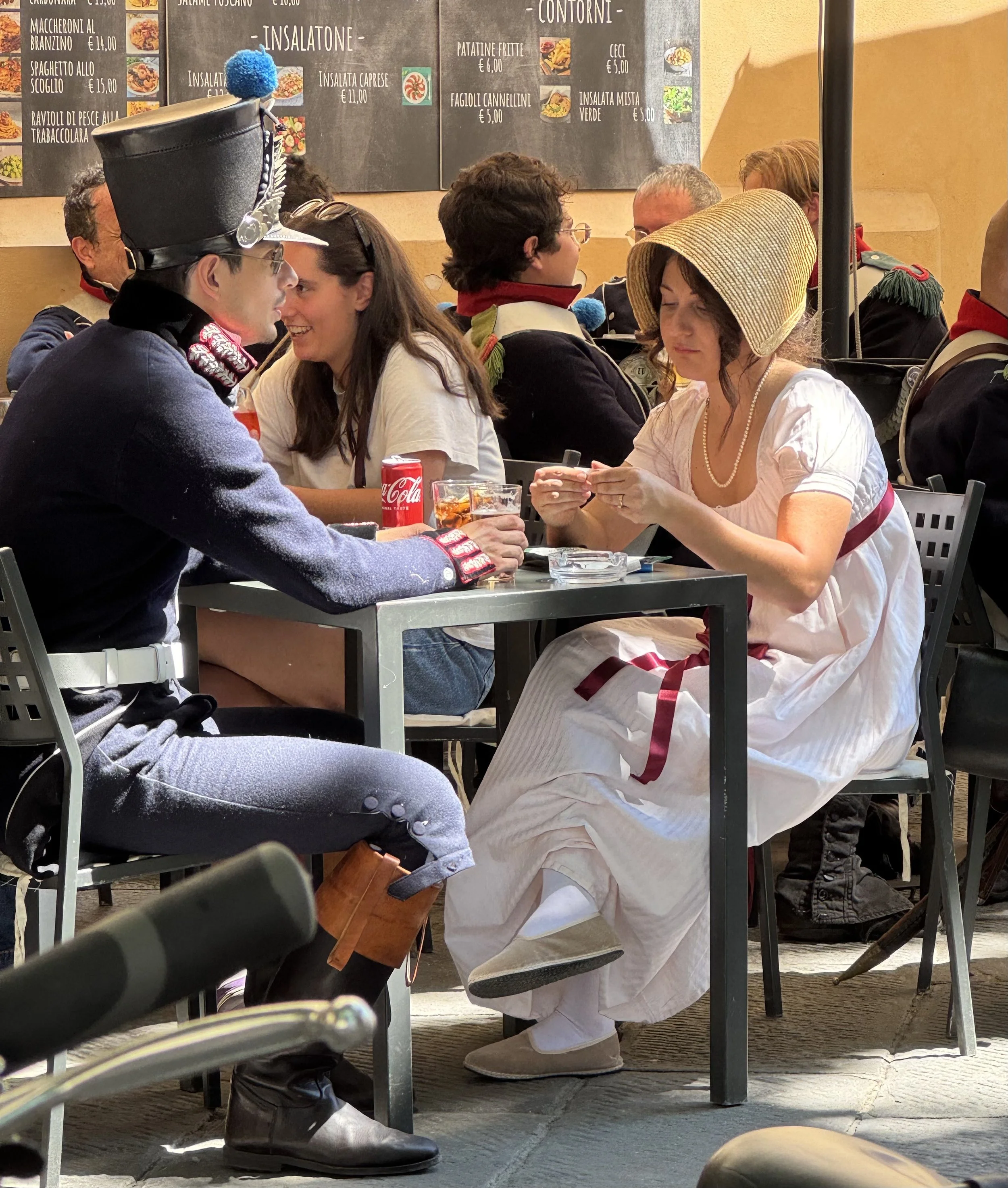
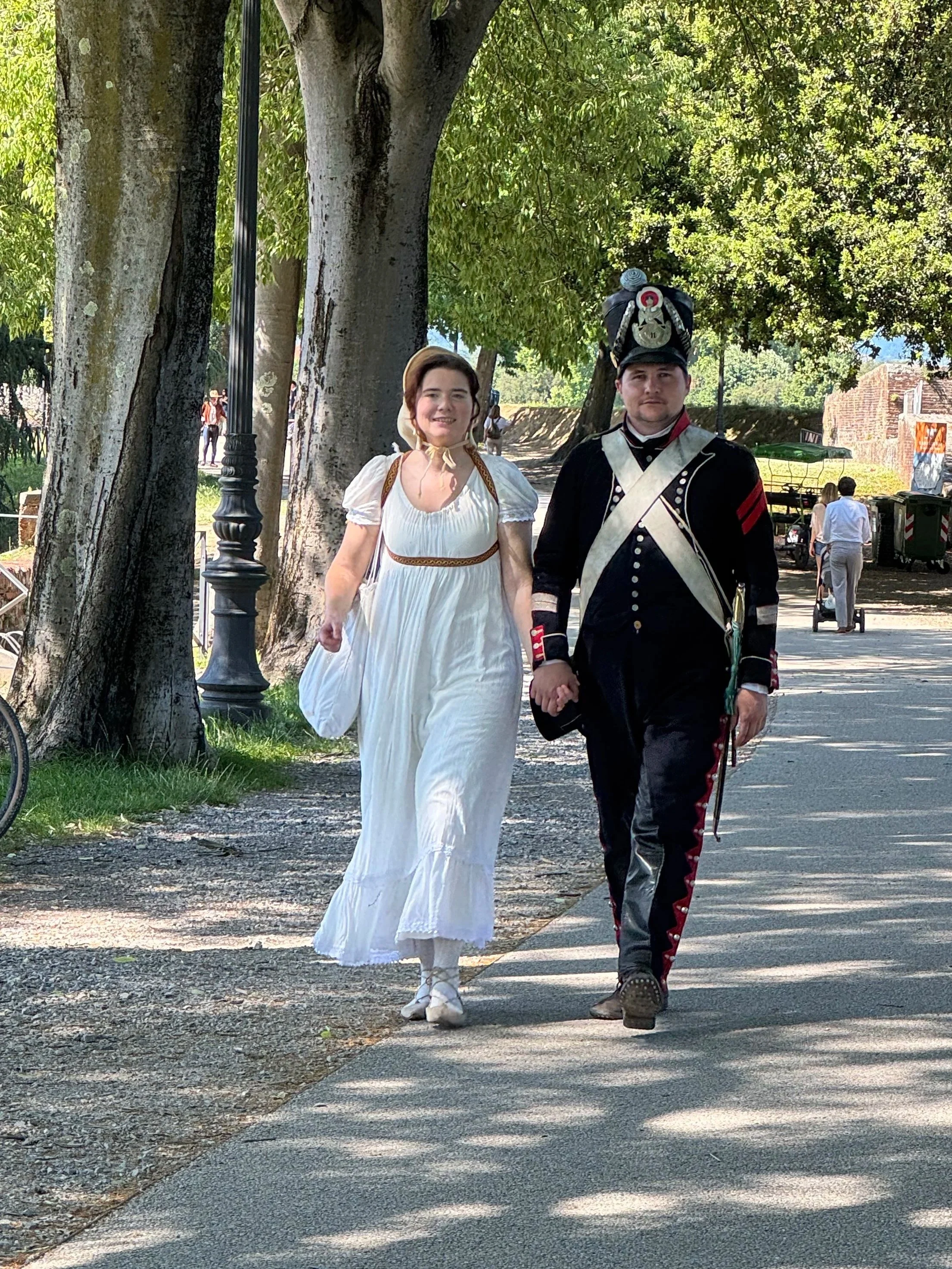
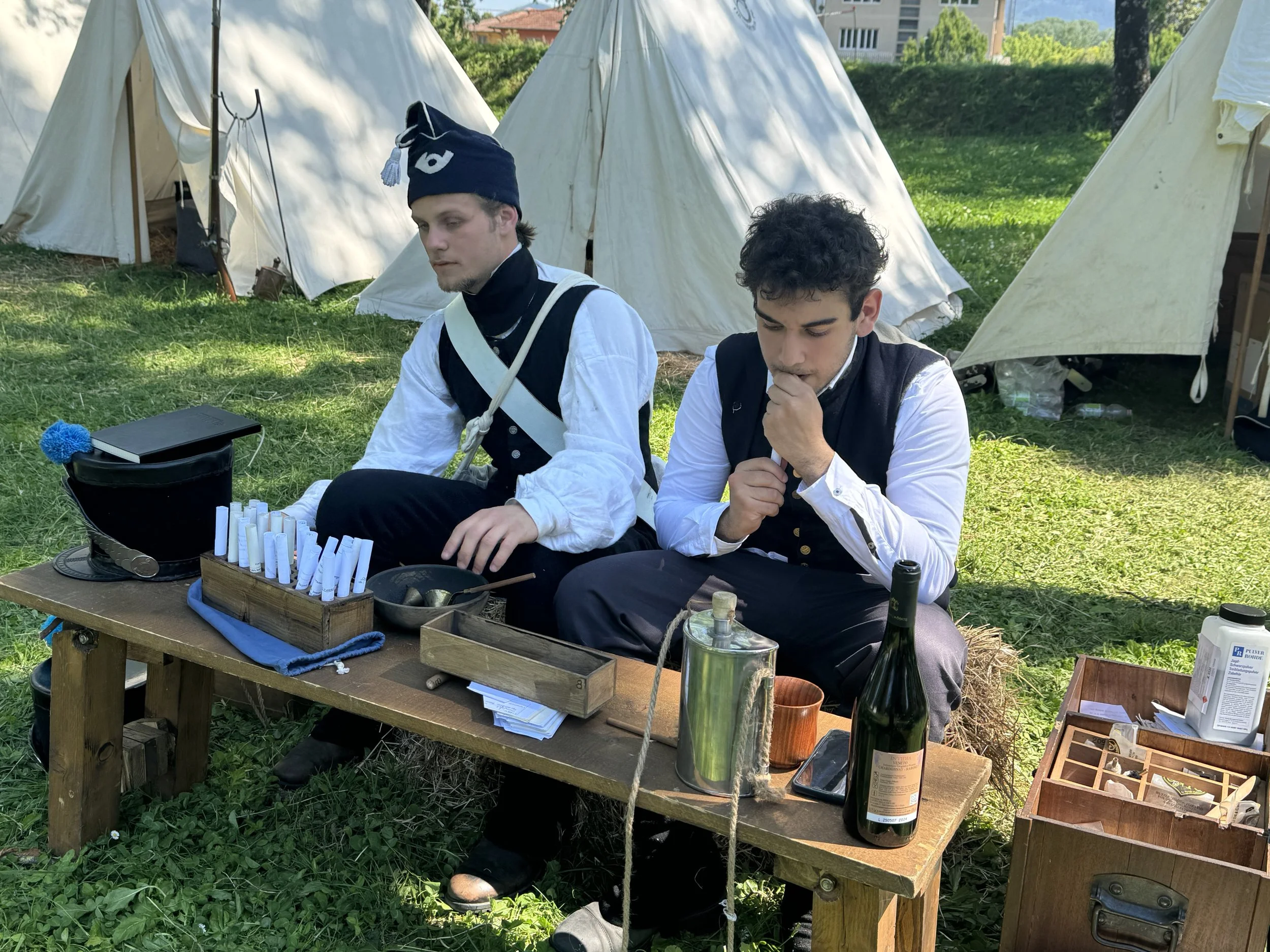
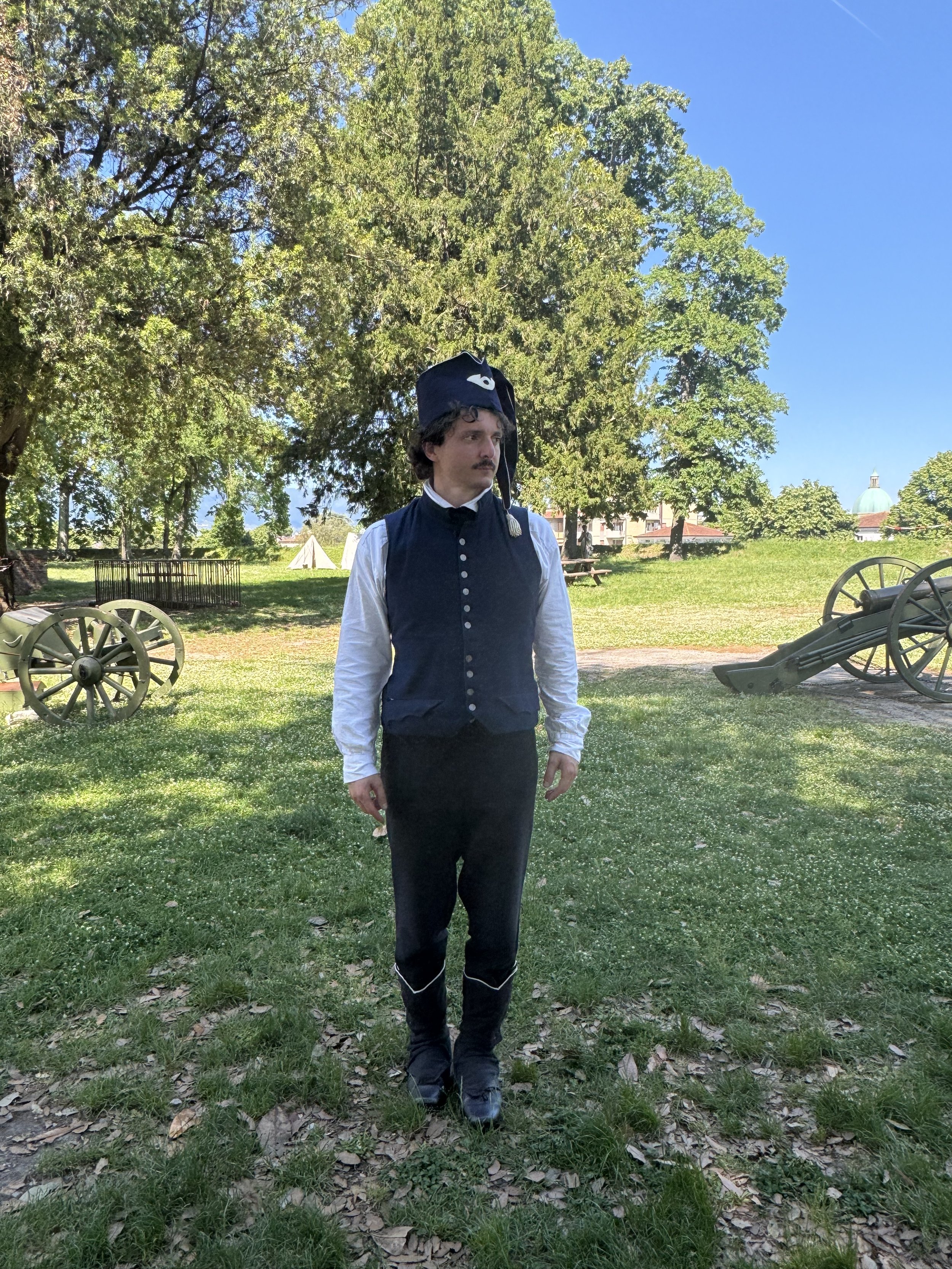
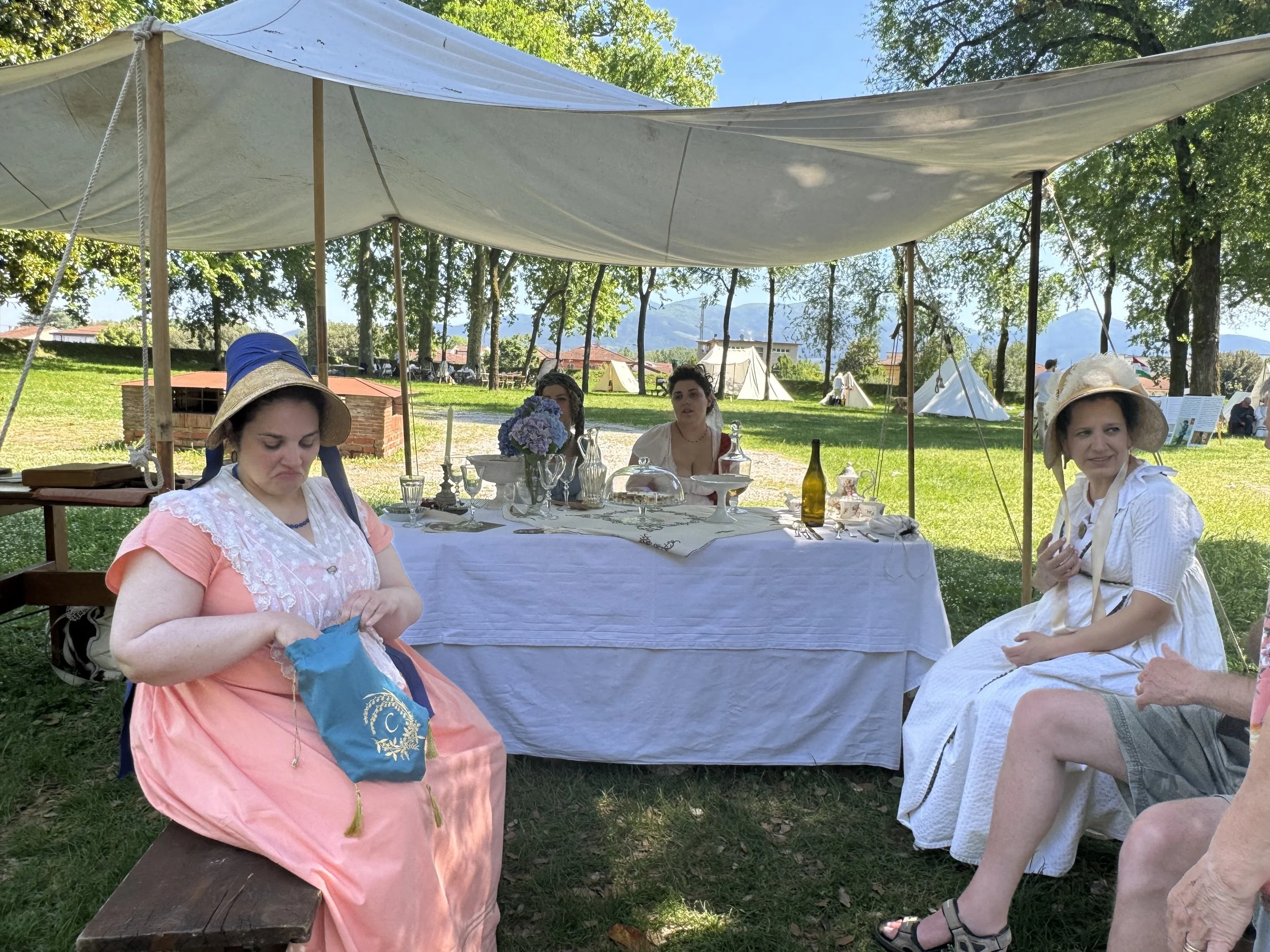
For the Rievocando festival, a Napoleonic camp was filled with French soldiers in their colorful uniforms. Alongside were a group of French ladies taking tea, as they might have done once upon a time in the Palazzo Ducale.
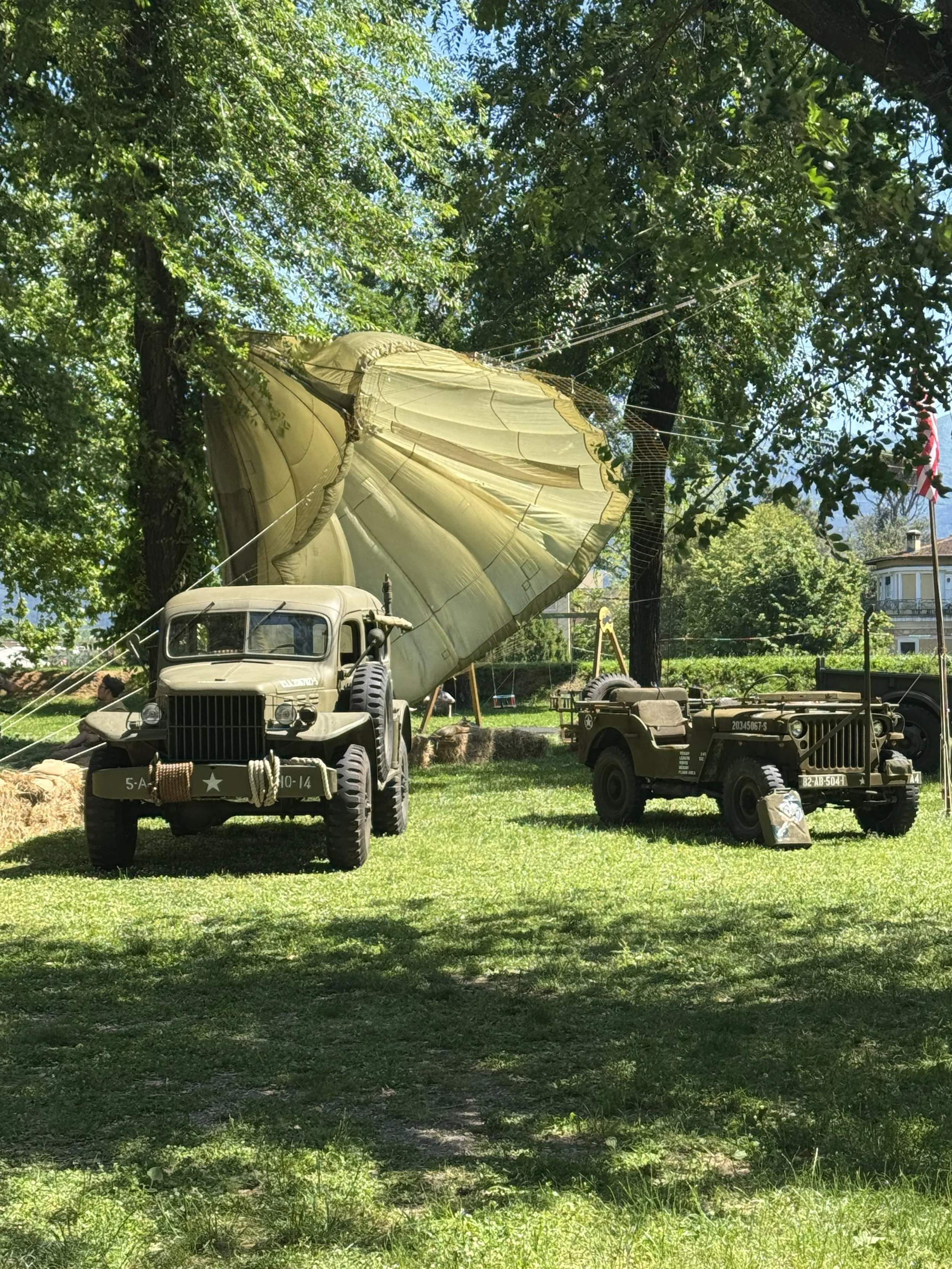
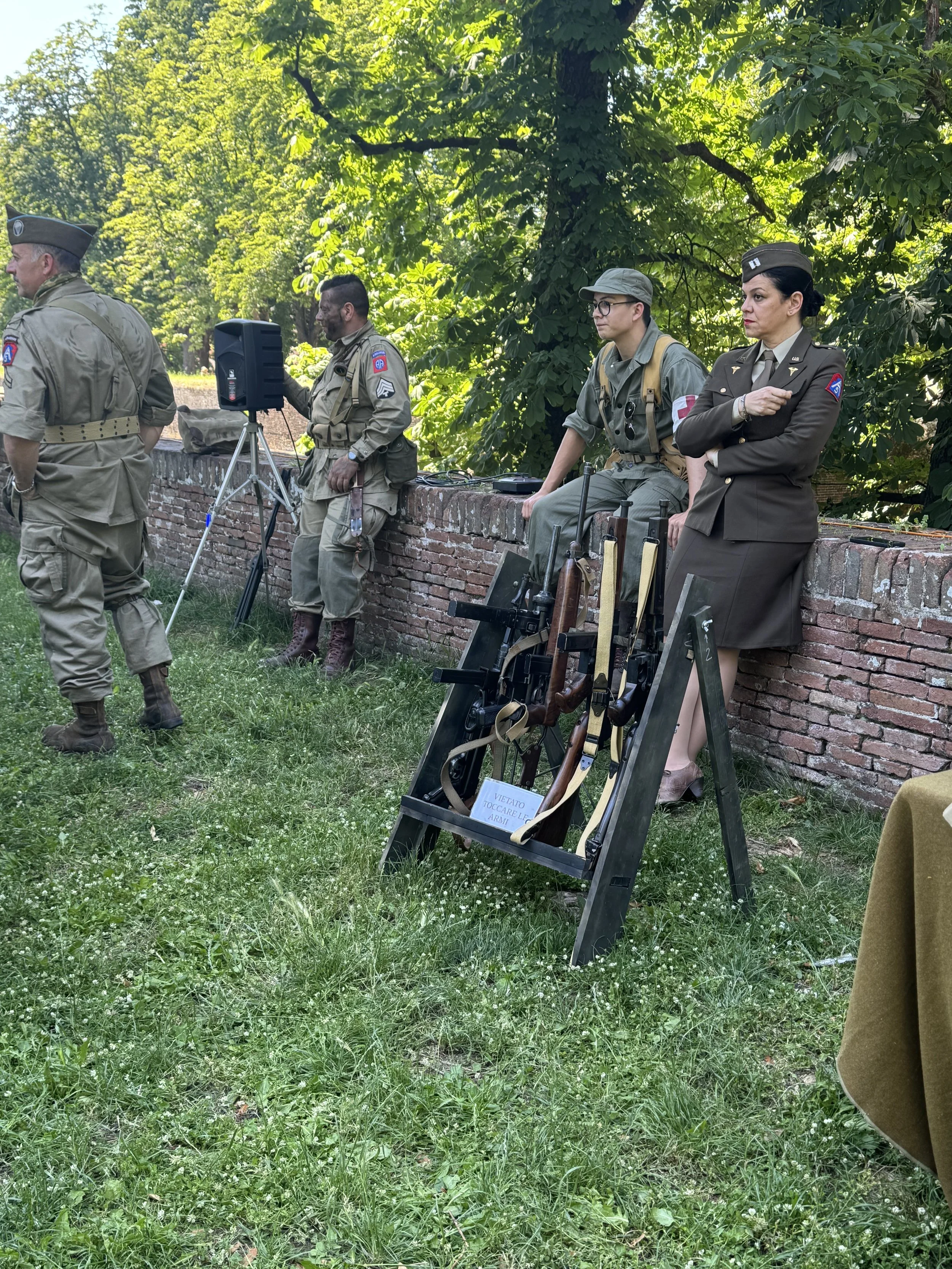
The final vignette was of WWII, during a time when American and Brazilian troops played an important role in and around Lucca. It was American Buffalo soldiers who entered Lucca in September 1944, ending the occupation by Nazi forces.
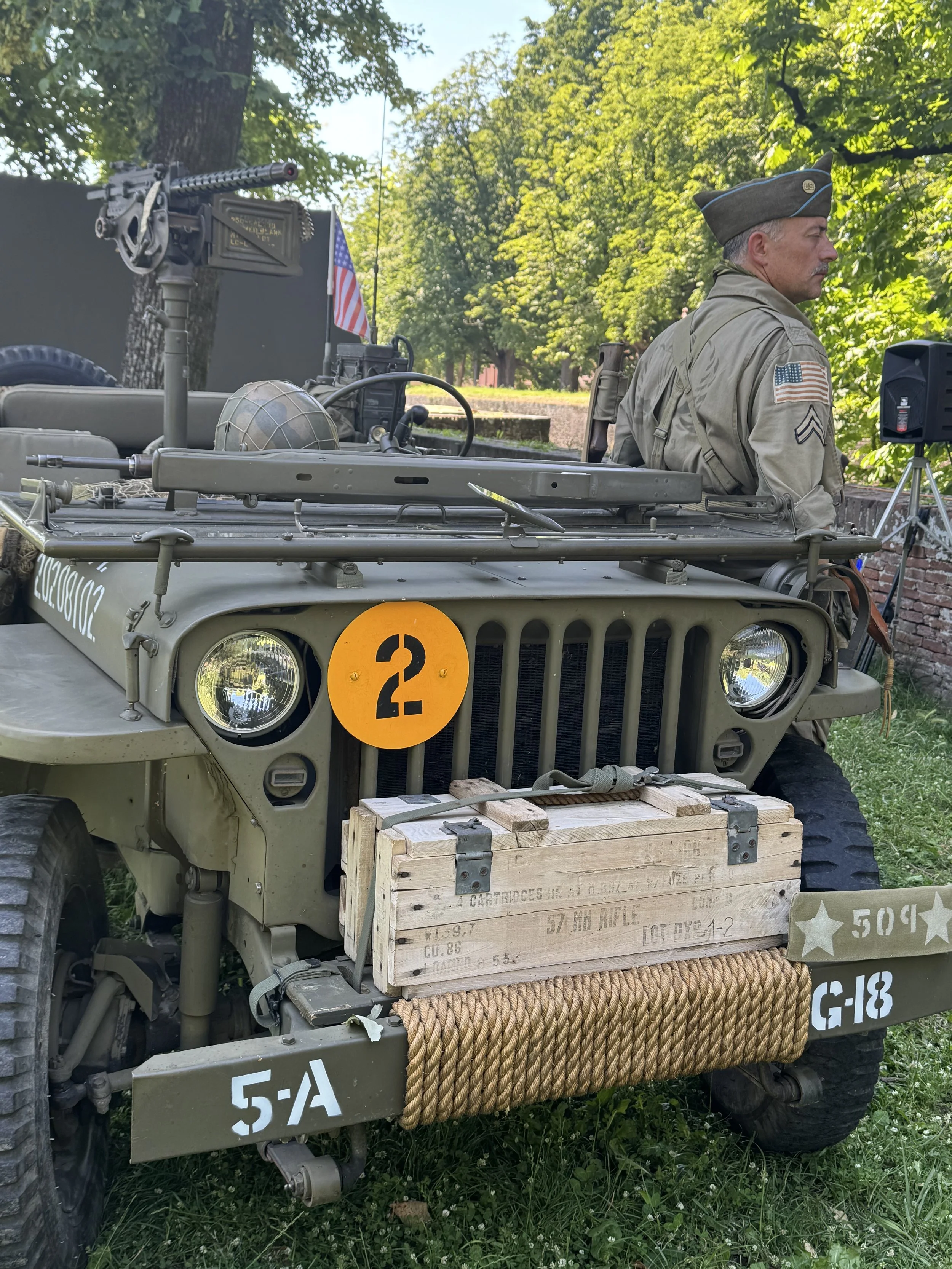
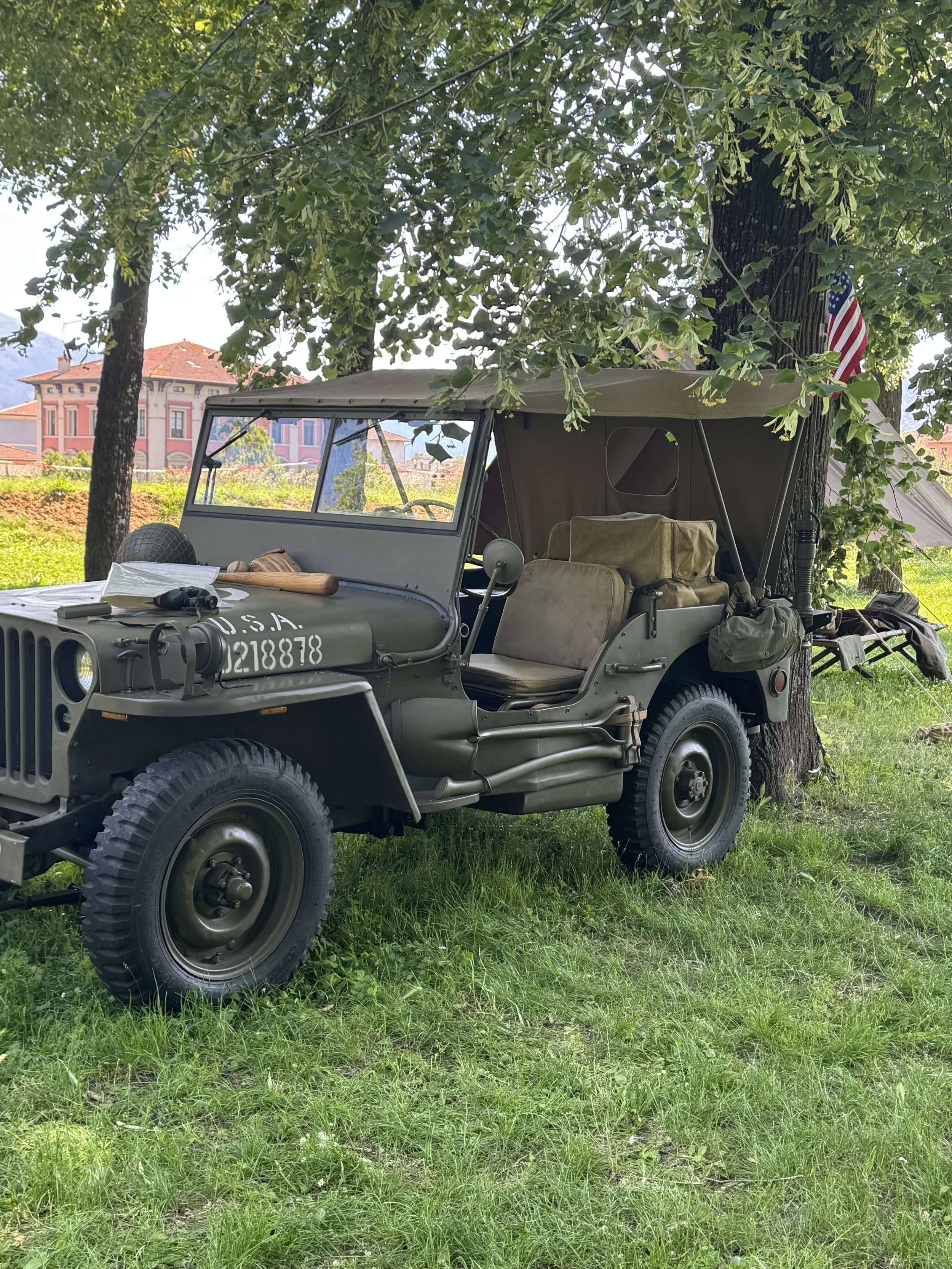
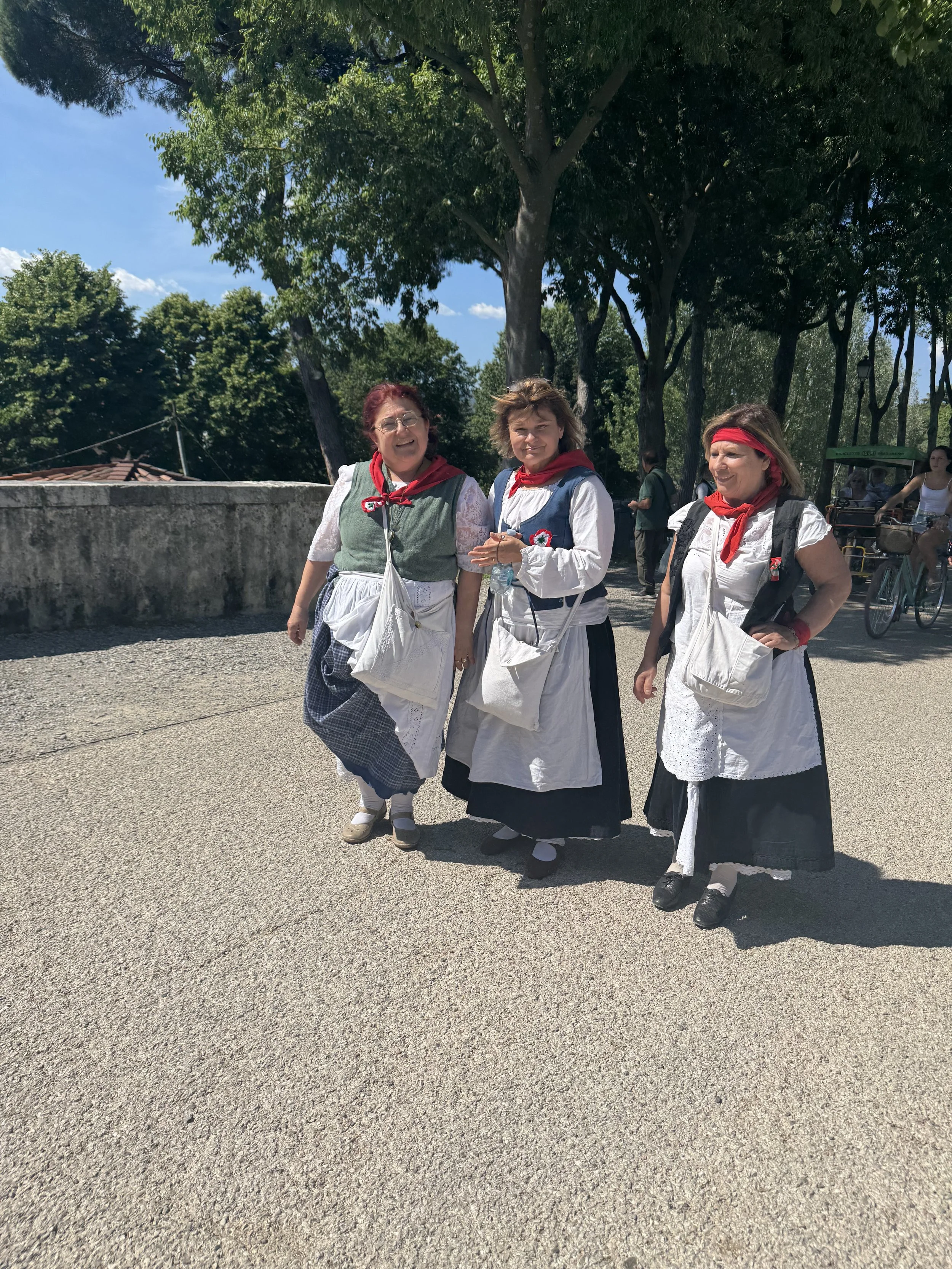
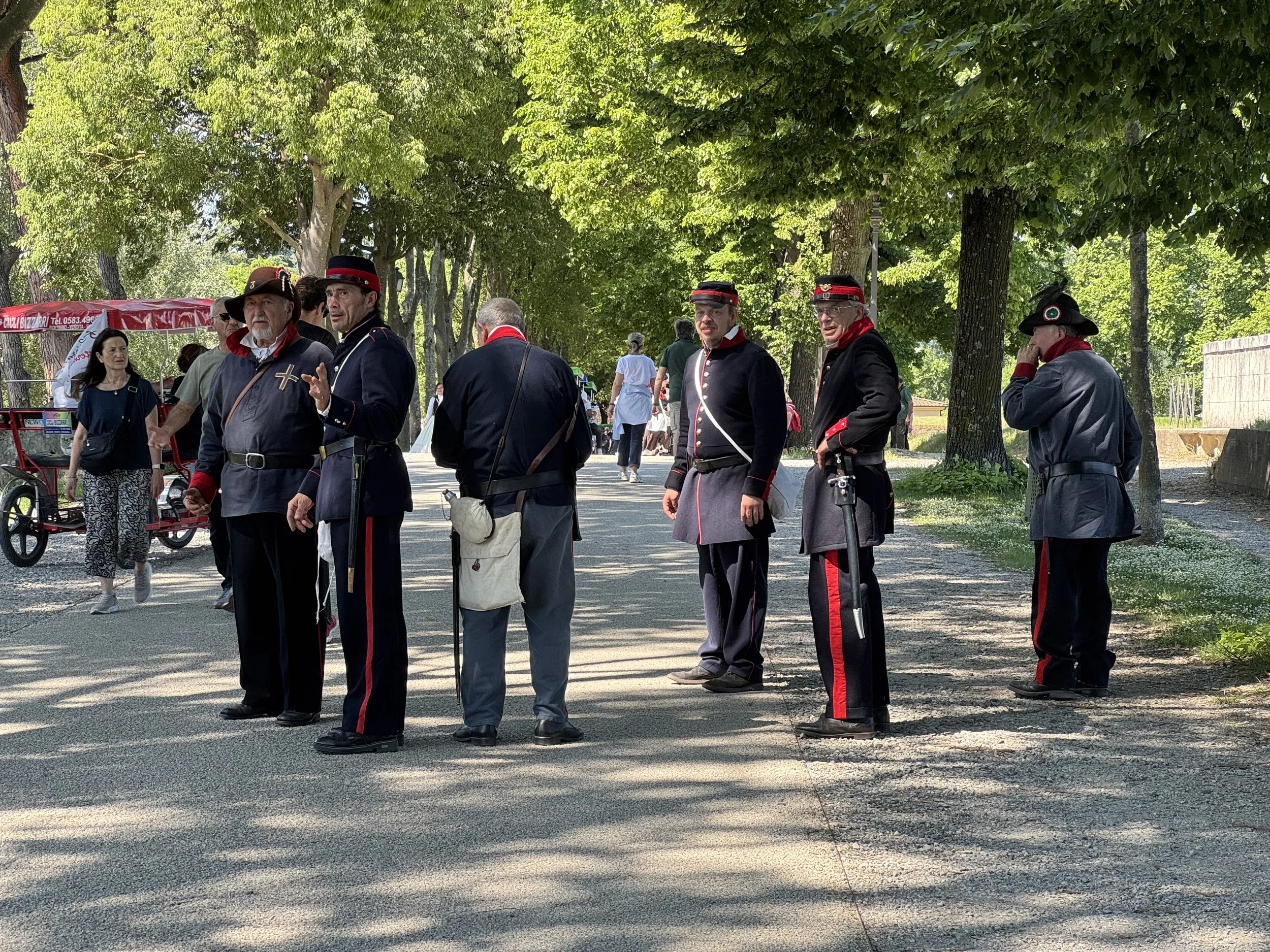
Also fun was walking around town and seeing the many costumed participants having lunch or strolling the walls. The weekend event provided little glimpses of Lucca as it once was.