Two Parts Italy

Exploring Italy, travel, and living a flavorful life

  • Blog
  • About This Blog
  • Start Here
  • Recent Posts
  • Archives by Topic
  • Subscribe
  • Contact me

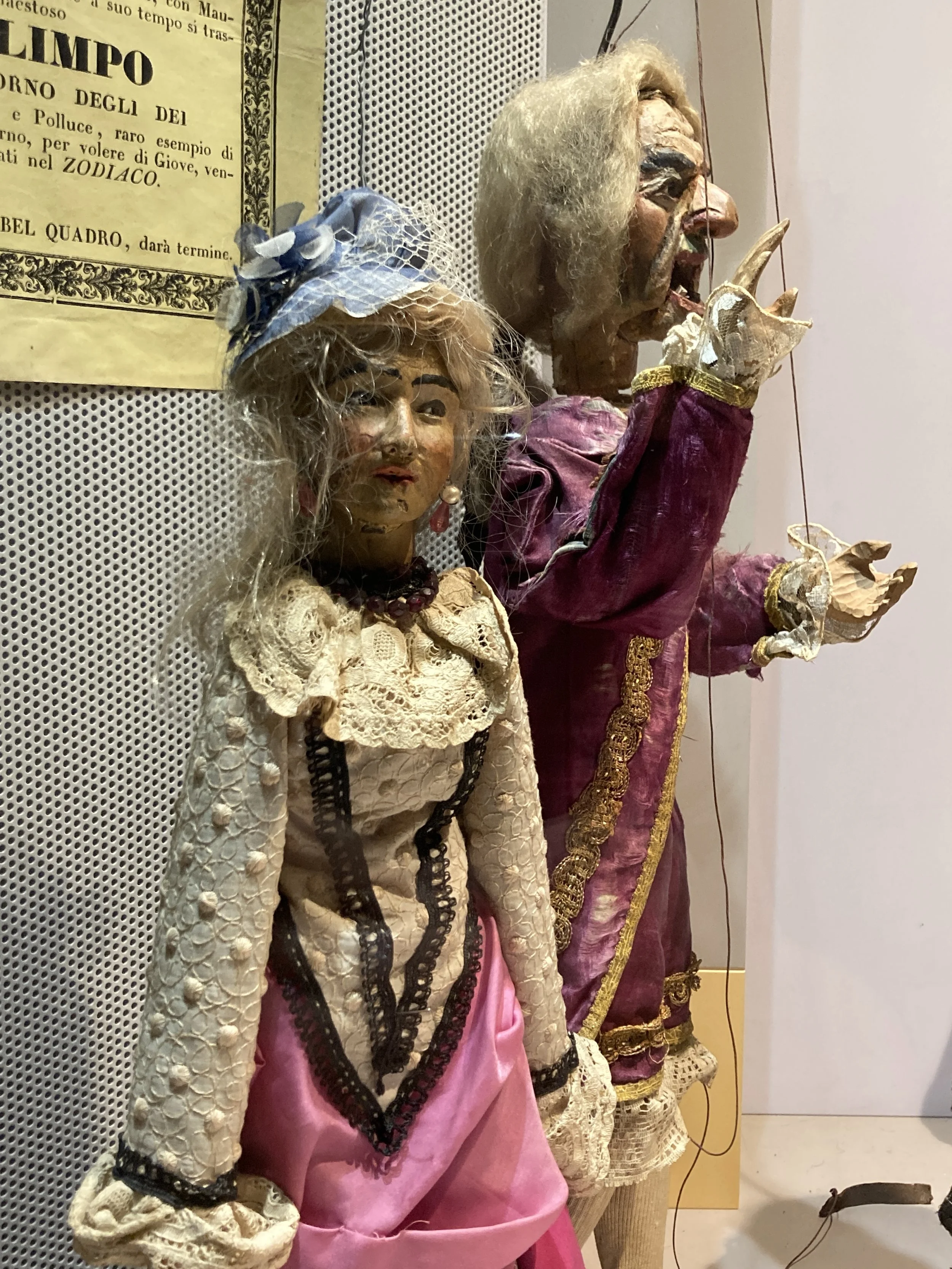
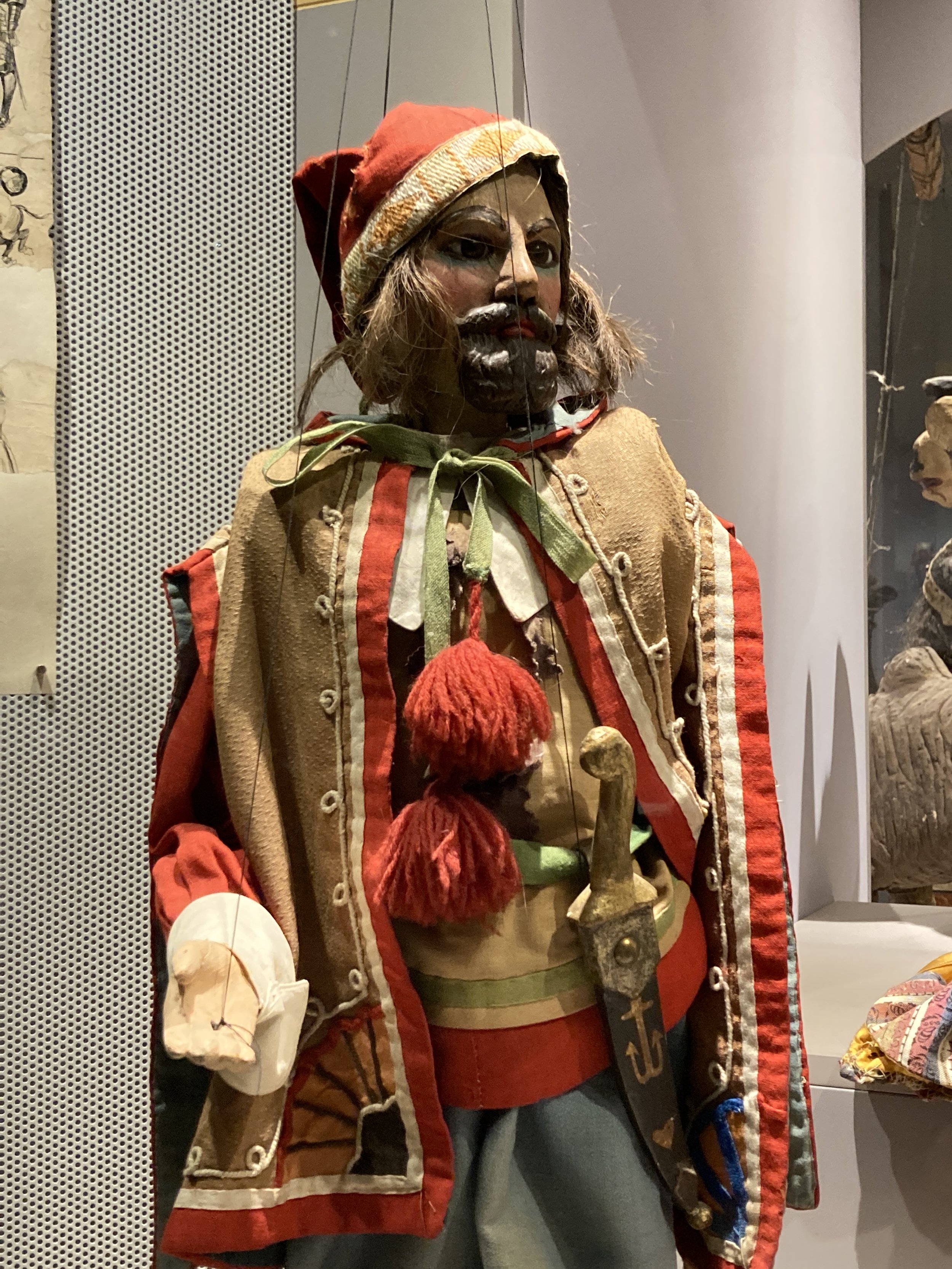
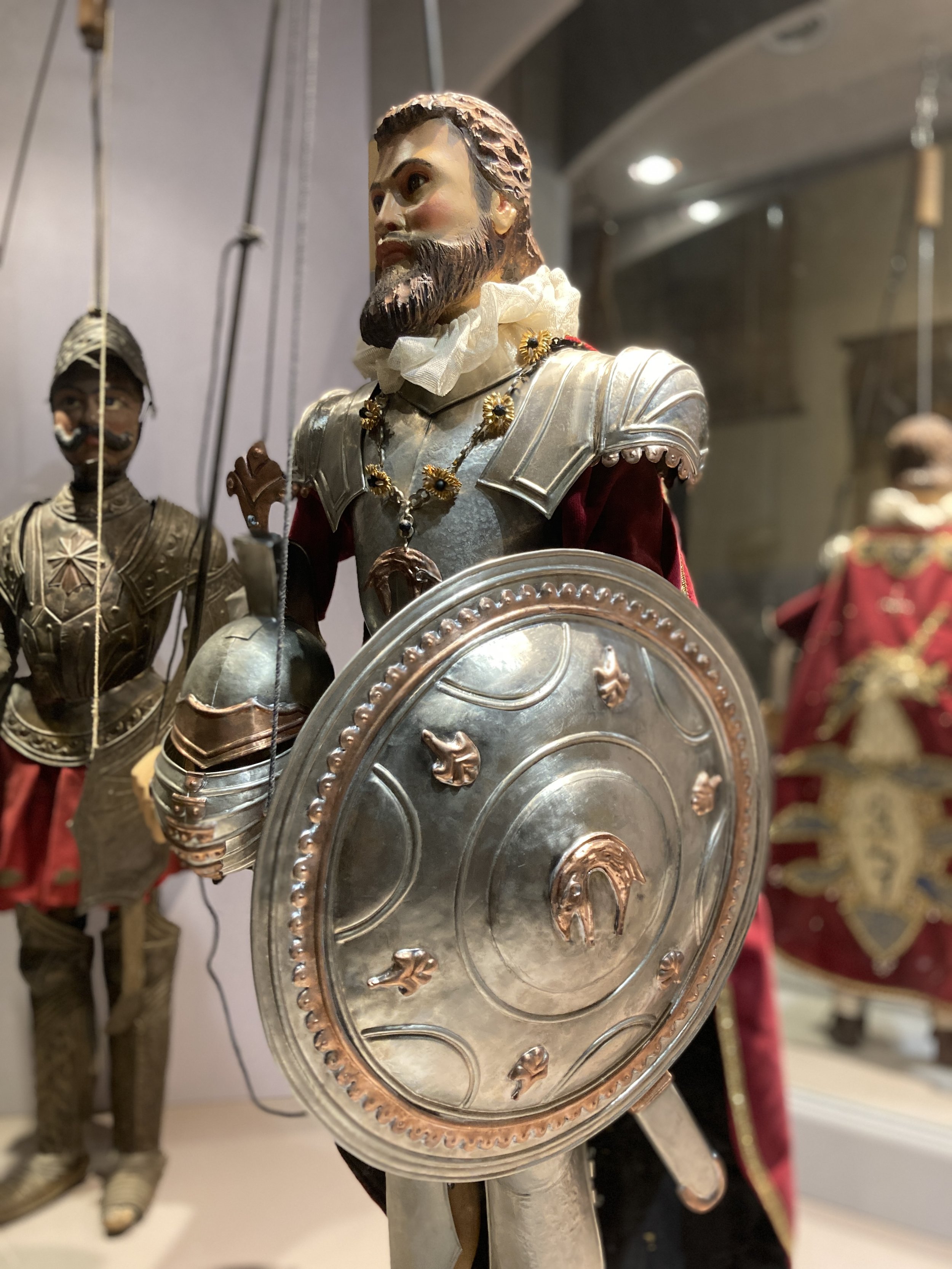
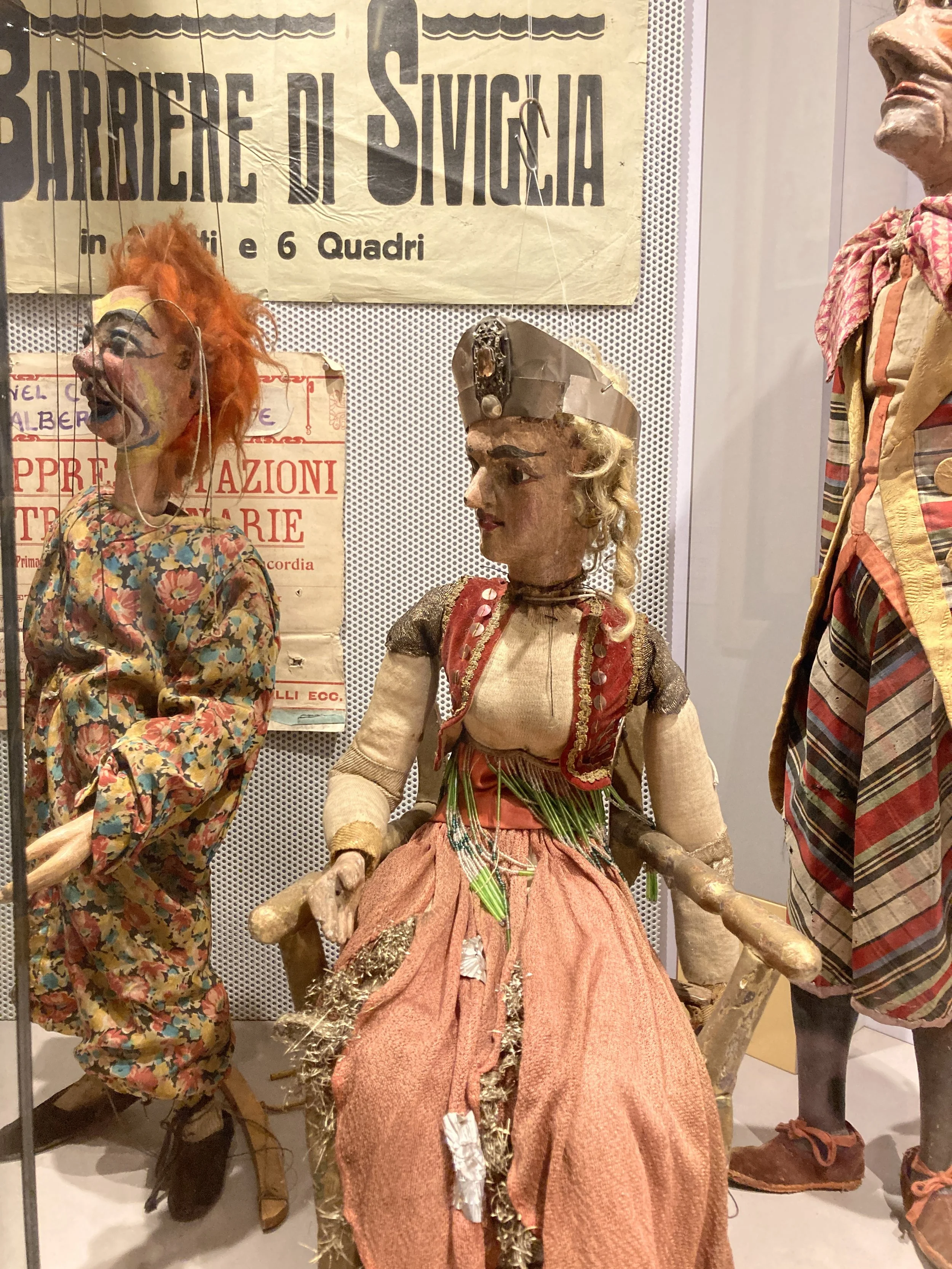
These marionettes were among the largest in the collection. Such detail!

A Quirky Attraction in Parma - The Puppet Museum

January 24, 2022 by Joanne Bartram in #italytravel, Family Travel, Italian culture, Italy travel, Museums Italy, Parma

There is so much to like about Parma, Italy. Let’s start with the food - Parmigiana, Prosciutto di Parma, all those filled pastas. Lambrusco wine. There are wonderful piazzas to enjoy, a gorgeous city park, the Palazzo Pilotta with its group of fabulous museums. My guidebooks listed a host of “must-sees”. However, one of my first stops in Parma was to an off-the-beaten path rather quirky place that was not listed in any of my guidebooks - Il Castello dei Burattini Museo Giordano Ferrari (The Castle of the Puppets, Museum Giordano Ferrari). Sometimes, the less known little places are the most enchanting. And enchanted is just how this small museum feels.
Puppetry was a popular theater format in the days before radio, TV, and movies. Puppets existed as far back as Ancient Greece and Rome. Throughout Italy the golden age for puppet theater was the 18th and 19th centuries. The burattini (or pupi) were used to tell stories ranging from religious to tragic to comedic. Performances included opera and Shakespeare and even some fairly scandalous content. Puppet theatre was enjoyed across social classes and age groups. A visit to the Castello dei Burattini makes this history come alive.

5A475CBC-D612-45F2-8AC7-F94D958E1291.jpeg
F55CA73B-8403-4E0B-9C42-2370FCCCD84F.jpeg
E1D03C43-6730-491C-AD24-5CE22C1F8205.jpeg

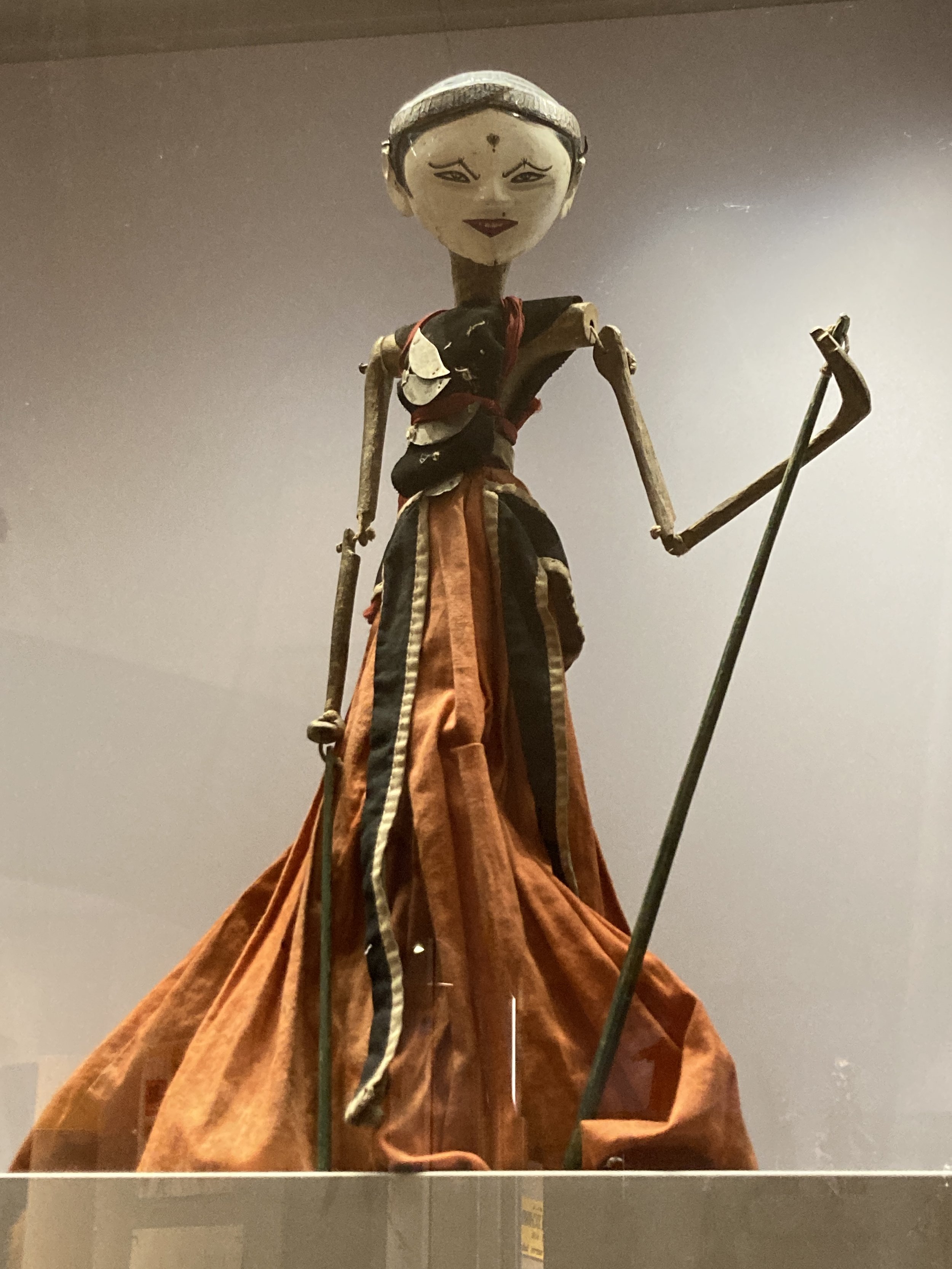
The museum’s collection includes carved puppet heads, marionettes (puppets controlled by strings or rods), and hand puppets. They range from very old to modern muppet-like characters.
8C3E5AB3-5A81-4913-B13C-01075043A502_1_201_a.jpeg
181E8F30-B23C-45EB-A3F4-0648952D1898.jpeg
18523E2C-5E37-4E30-A844-679C883BC1B5.jpeg

All the typical characters from Italian puppet theater are represented in the Castello dei Burattini - princes and princesses, villains, devils (there were lots of devils!), ghosts, monsters, servants, merchants, workers, society gents and ladies, priests, and policeman. There are knights in armor and sultans and animals. The faces are amazingly expressive and the elaborate costumes are fascinating.

4A629BC6-16B3-4554-B64A-7C04337CF715.jpeg
0FE957D7-5235-4CEF-8393-3E12DACA66A3.jpeg

The collection showcases the work of the Ferrari Company, a multi-generational puppeteering family from this area. Their involvement with puppets goes back to the late 1800’s and continues today. In addition to being a professional puppeteer, Giordano Ferrari collected the stories of puppet theaters throughout Italy and amassed this vast collection of burattini. Eventually, the city of Parma acquired the collection and, in 2002, the museum was established.
In addition to the puppets, the displays also include video presentations of puppet shows, fabulous old posters advertising the shows, scripts for the performances and - from time to time - live puppet shows which delight the many children who attend and their parents (along with the occasional tourist).

CA2EC622-E21D-45C4-95AB-80C0B0023EC5.jpeg
E0663A21-453C-47D9-AAB3-9C297FB57777.jpeg
13921006-B474-467D-A2FB-C8CE853863D7.jpeg

Admission to the museum is free. The enchantment is worth a lot!

Castello dei Burattini. Strada Macedonio Melloni 3 VA, Parma

website: www.castellodeiburattini.it


January 24, 2022 /Joanne Bartram
Parma, parma italy, #Parma, Italian Puppet Theater
#italytravel, Family Travel, Italian culture, Italy travel, Museums Italy, Parma

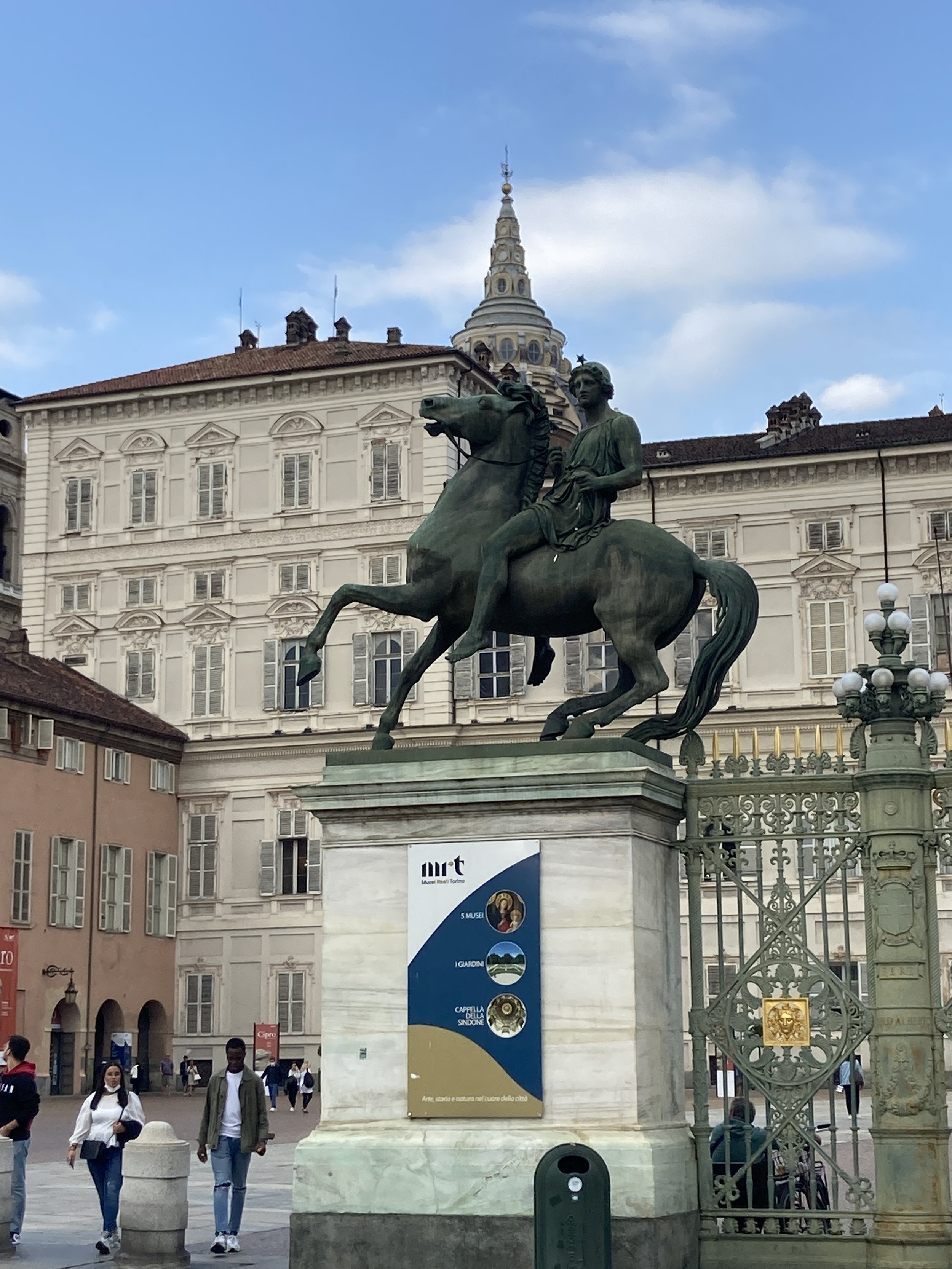
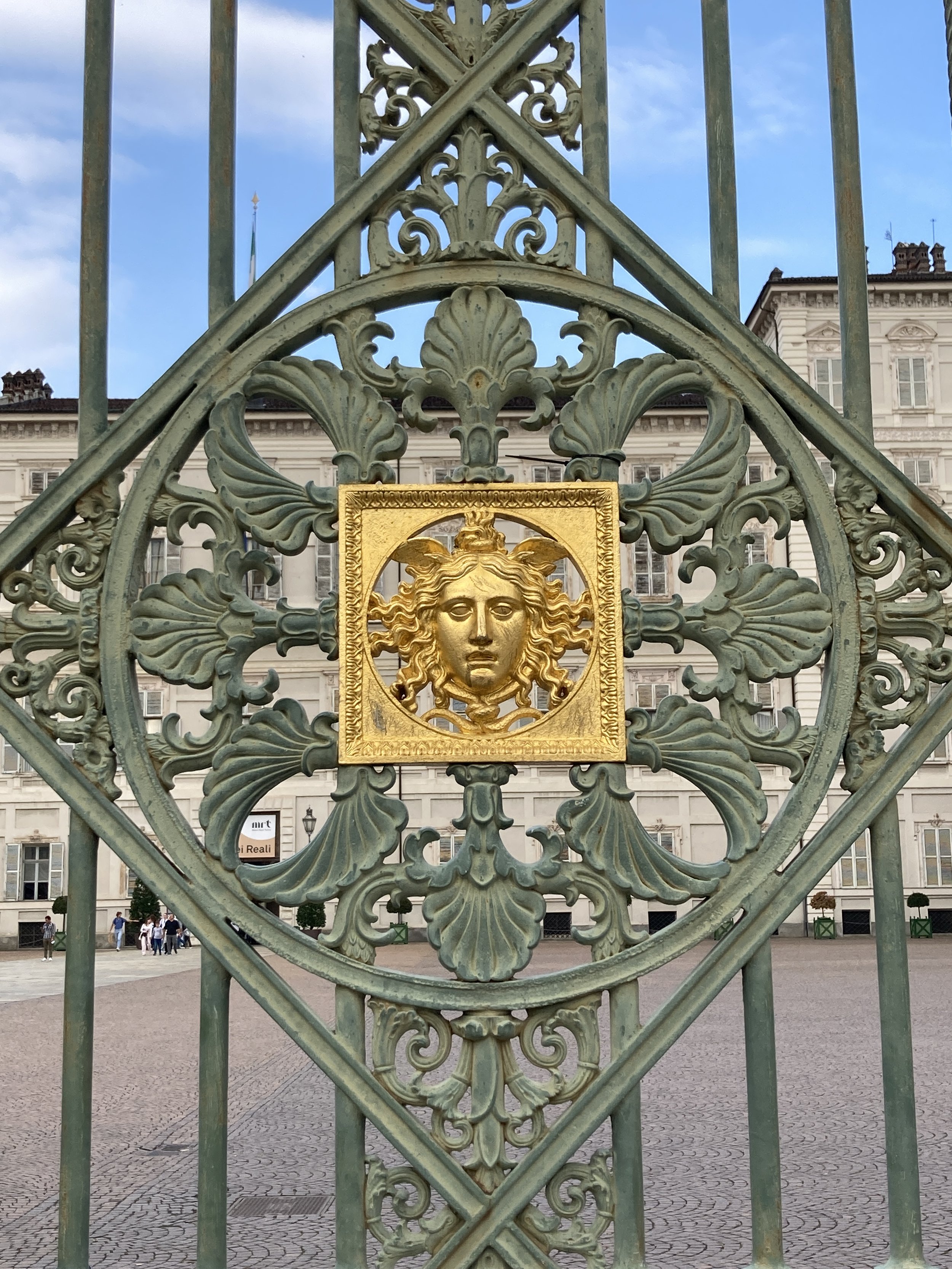
The entrance to the Musei Reale (Royal Museums) in Torino, Italy. The spire in the background sits atop the Chapel of the Shroud.

Torino: 4 days, 3 Museums

January 17, 2022 by Joanne Bartram in #italytravel, Italian art architecture, Italy, Italy travel

Pausing for some down time between museum visits is essential!

I love visiting Italian cities and their many fabulous museums. But … too much museum time can be overwhelming! The last thing I want to do when exploring a new place is to spend all of my time dashing from one museum to the next in an effort to see it all. Travel is so much more enjoyable when there is a balance between select museum visits and time for all the other things a city has to offer - gardens, architecture, music, nature, markets (especially markets!), out-of-the-way neighborhoods, outdoor monuments, shops. Just sitting in a cafe sipping a cappuccino or a having a glass of wine in a local enoteca, watching daily life unfold around me, is a huge part of the fun.
When I visited Torino last fall I spent many happy hours wandering through the center of town, exploring the Quadilatero Romano neighborhood, enjoying the large piazzas and doing some window shopping. I also made plans to visit two museums - the Musei Reale (The Royal Museums, which include the Palace of the Savoys and the Chapel of the Shroud) and the Museo Egizio (Egyptian Museum). Truth be told, it was the Savoy Palace that I most wanted to see. The whole idea of Egyptians in Italy seemed a bit strange to me, but it was top of the wish list for my travel companion, and highly recommended by several friends, so I was game to give it a try (and I am very glad that I did).

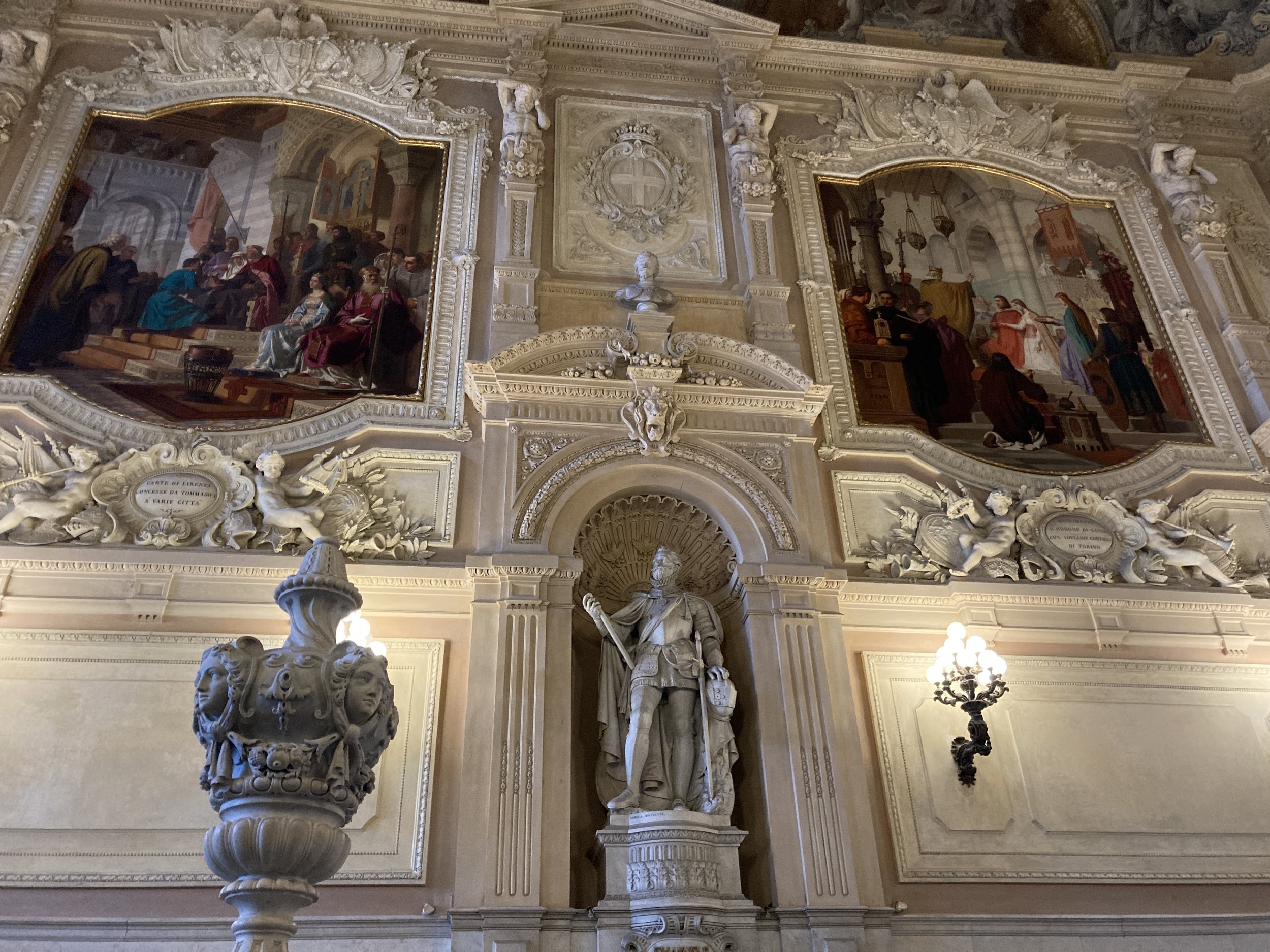
The entrance hall of the Royal Palace in Torino.

To fit both venues into a short visit, and avoid museum overload, we booked a combined tour through the agency Get Your Guide. The approximately 4 hour tour began at the Royal Museums and finished in the Egyptian Museum. Sofia, our tour guide, was fantastic and balanced explanations in both Italian and English for our mixed-language group of about 10 people. She was equally knowledgeable about the Royal Museums and the Egyptian Museum. She achieved the perfect mix of fact, legend, history, and interpretation of the exhibits.

Throne Room, Royal Palace

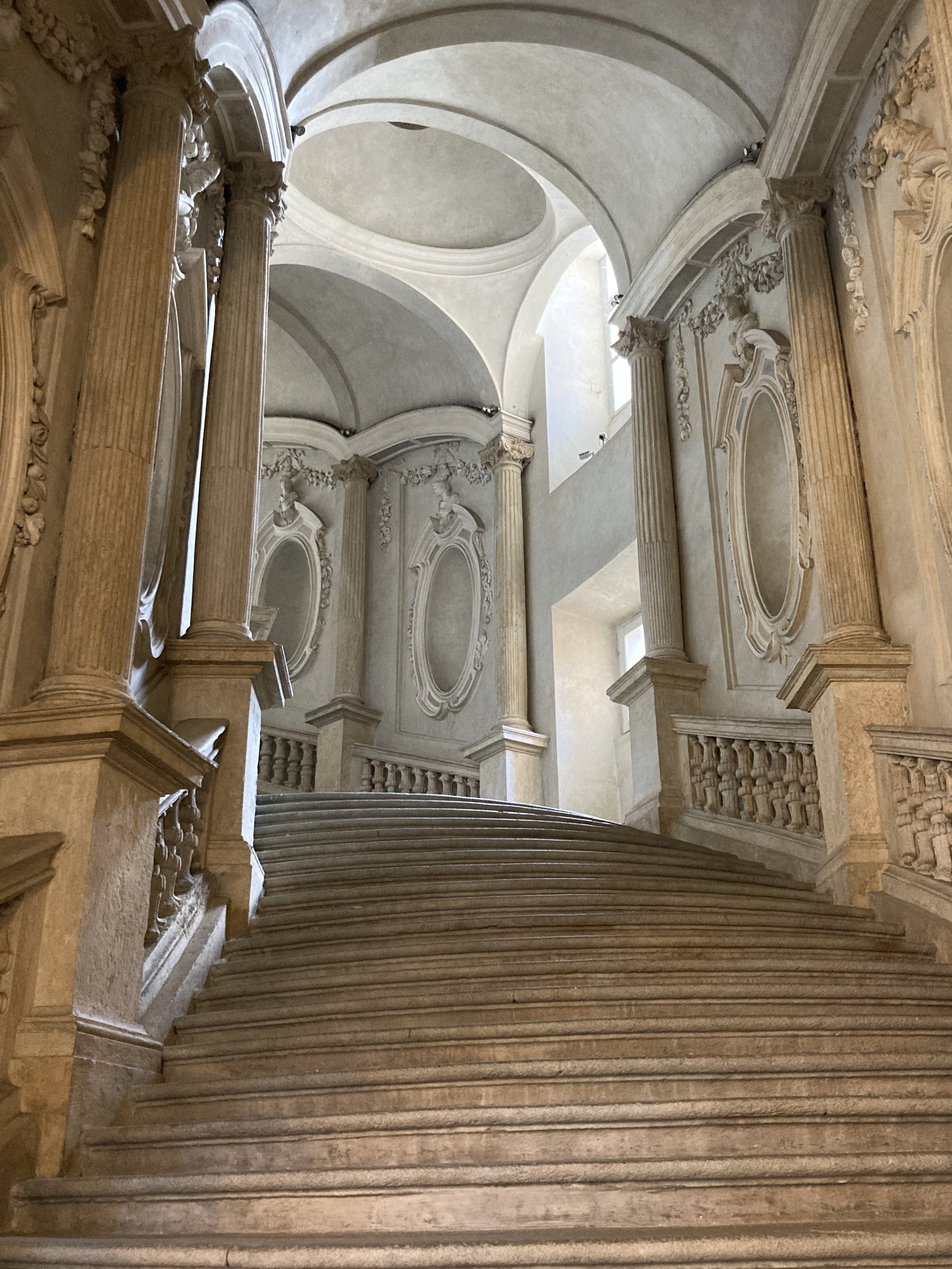
The two museums are dramatically different. The grand staircase in the Savoy Palace, the beautiful furnishings, the history of the Savoy family which is integral to the birth of modern Italy, all speak of a gracious and easily imagined era. Because the palace is still furnished, there is a real sense of how the Savoys lived here - the elegant Throne Room, the opulent dining room, the ball room, the hidden balconies for musicians, the exquisite wood work, the sculptures. The opulence is dazzling.

IMG_3017.jpeg
IMG_2975.jpeg
IMG_3025.jpeg

There is also a long gallery filled with a collection of armor and armaments. You can even get to know the former king’s favorite horses! Something fascinating is to be found around every corner.

IMG_2990.jpeg
IMG_2998.jpeg
IMG_3001.jpeg

The tour of the palace ended in the chapel build to house the Shroud of Turin. The chapel was fairly recently reopened after more than 20 years of restoration following a fire. The Shroud itself is nowhere to be seen (the nearby Duomo hosts an informative shroud exhibit but the real thing is too valuable to display), but the chapel itself is a work of art. The architecture, especially of the unique cupola (dome), and the sculptures are breathtaking (or, to use one of my favorite Italian words, mozzafiato!). The chapel was the perfect ending to the Royal Museums tour.

The multilayer hexagonal dome in the Chapel of the Holy Shroud rises high above the dark marble interior of the chapel.

On the other hand, and from a very different era, the Egyptian museum is filled with mummies and sarcophagi.

The story of how Torino came to host this collection of artifacts - and the faked Egyptian artifact that started the collection - made a fun story at the start of the tour. The guide’s explanations put this remote era into perspective and helped the artifacts blend together into a cohesive story. I was glad to have experienced this!

IMG_3066.jpeg
IMG_3043.jpeg
IMG_3065.jpeg
IMG_3047.jpeg

Although my goal was to just see these two museums, our last morning in Torino was gray and rainy. Not a good day for the outdoor exploration we had planned.

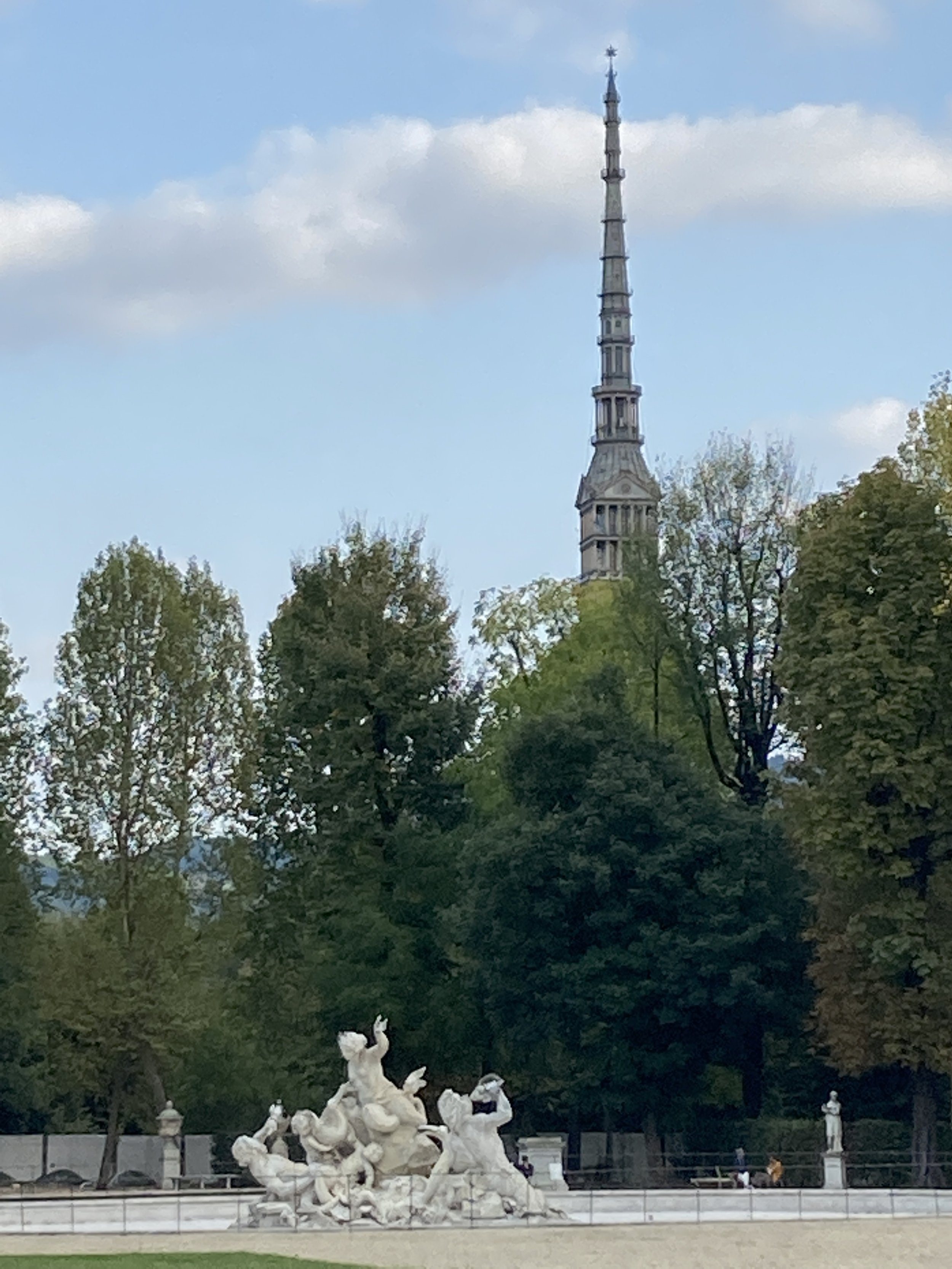
Instead, my companion and I walked over to see the Mole Antonelliana. This architectural stunner, designed by Alessandro Antonelli, is the symbol of Torino. It is such an iconic image in Italy that it is engraved on the Italian 2 euro coin. The spire rises high above the city and is visible from quite a distance. Once upon a time this was the tallest brick building in the world, it may still be the most beautiful. The bottom of the building is square, with another square portion siting on top. Above that rises a dome, topped by a very tall spire.

The Mole Antonelliana as seen from the gardens of the Royal Museums

Up those cables travels the elevator - quite the view !

Right through the middle of the building’s interior a glass elevator rides up cables to give visitors a view from high above.

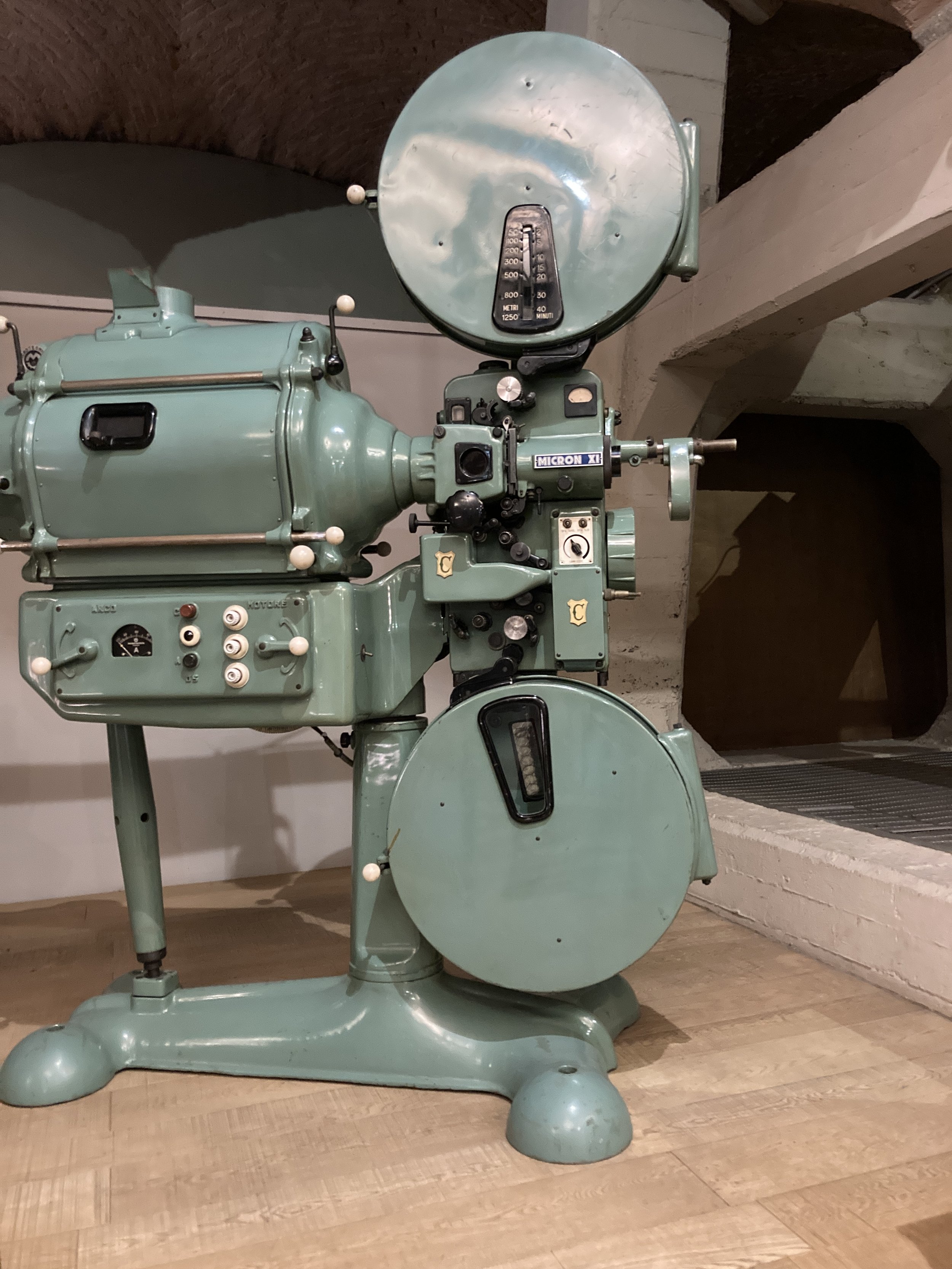
Originally destined to become a synagogue (no doubt without that elevator), today the building houses the Museo Nazionale del Cinema (National Cinema Museum).

I had not intended to go to inside the museum, but the outside of the building was so impressive that I really wanted to get a peak inside. I was totally unprepared for the experience of the cinema museum inside the Mole Antonelliana. A riot of sound, color, and visual effects fill the main hall. Big screens around the room show a variety of videos - there were even lounge chairs to sit back and take it all in! Exhibits trace the history of movies back to shadow images, stereoscopes, and the science of optics. There are collections of movie posters, costumes, special effects, and characters. It was too much to appreciate in a single short visit and definitely a place I will return to on my next trip to Torino (I think my grandkids would love it too).

05F3E678-90F9-4CE2-8C68-E44B13B790F0.jpeg
CCF732E8-8EFD-435A-9187-C298B67F4595.jpeg
027A5566-AD3E-4701-B241-1050DE02F012.jpeg
DBBECC60-7D67-464E-A7F8-093DF313FAD2.jpeg

The next time I get to Torino there are even more museums to visit - Ancient art in the Palazzo Madama and Italian national history at the Museo Nazionale del Risorgimento. I am glad that I didn’t try to do them all in a single trip!

January 17, 2022 /Joanne Bartram
Turin, Torino, #torino, #turin, Musei Reale Turin, Museu Egizio Torino, Museums Turin Italy, Get your Guide tours
#italytravel, Italian art architecture, Italy, Italy travel

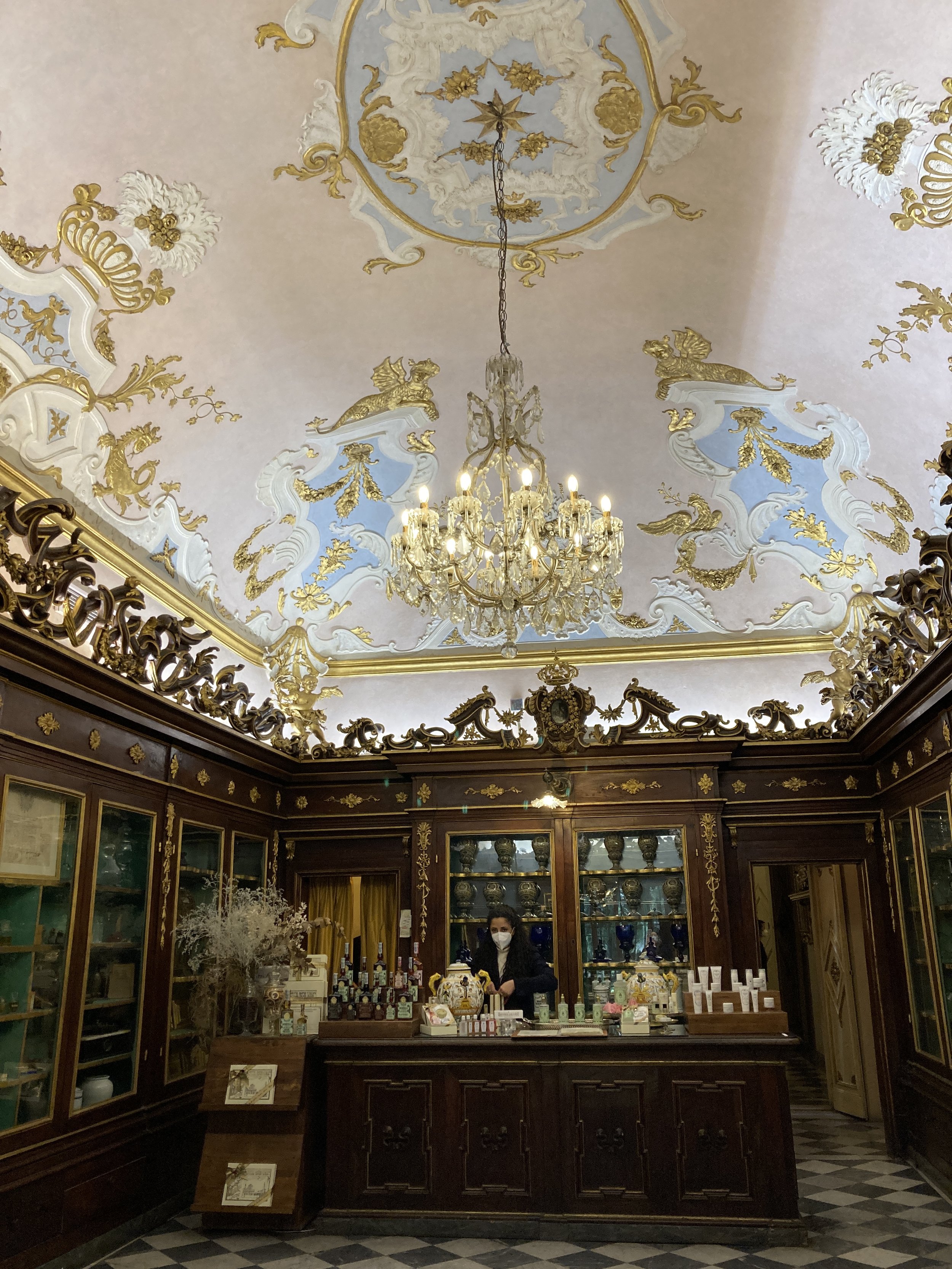
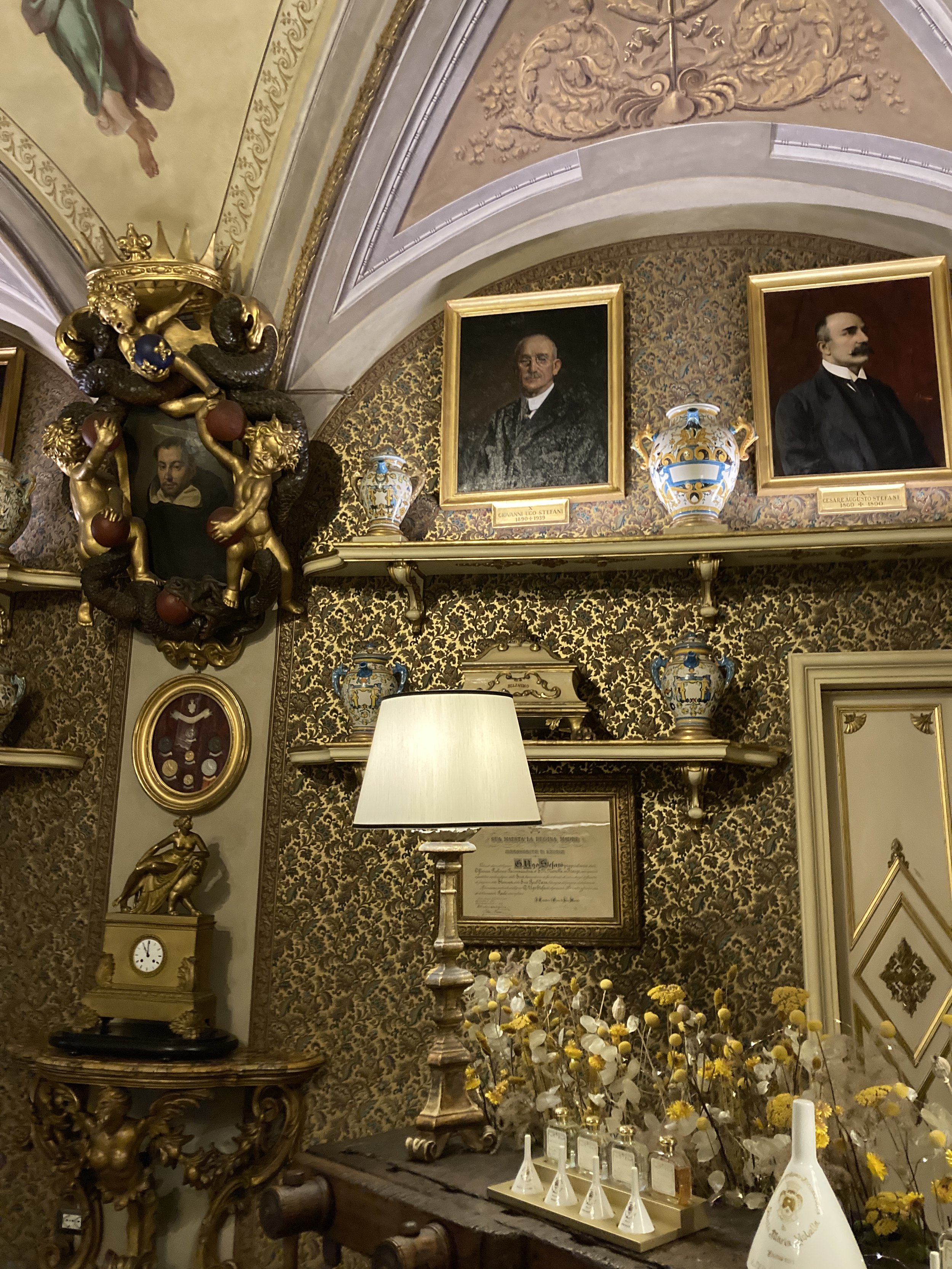
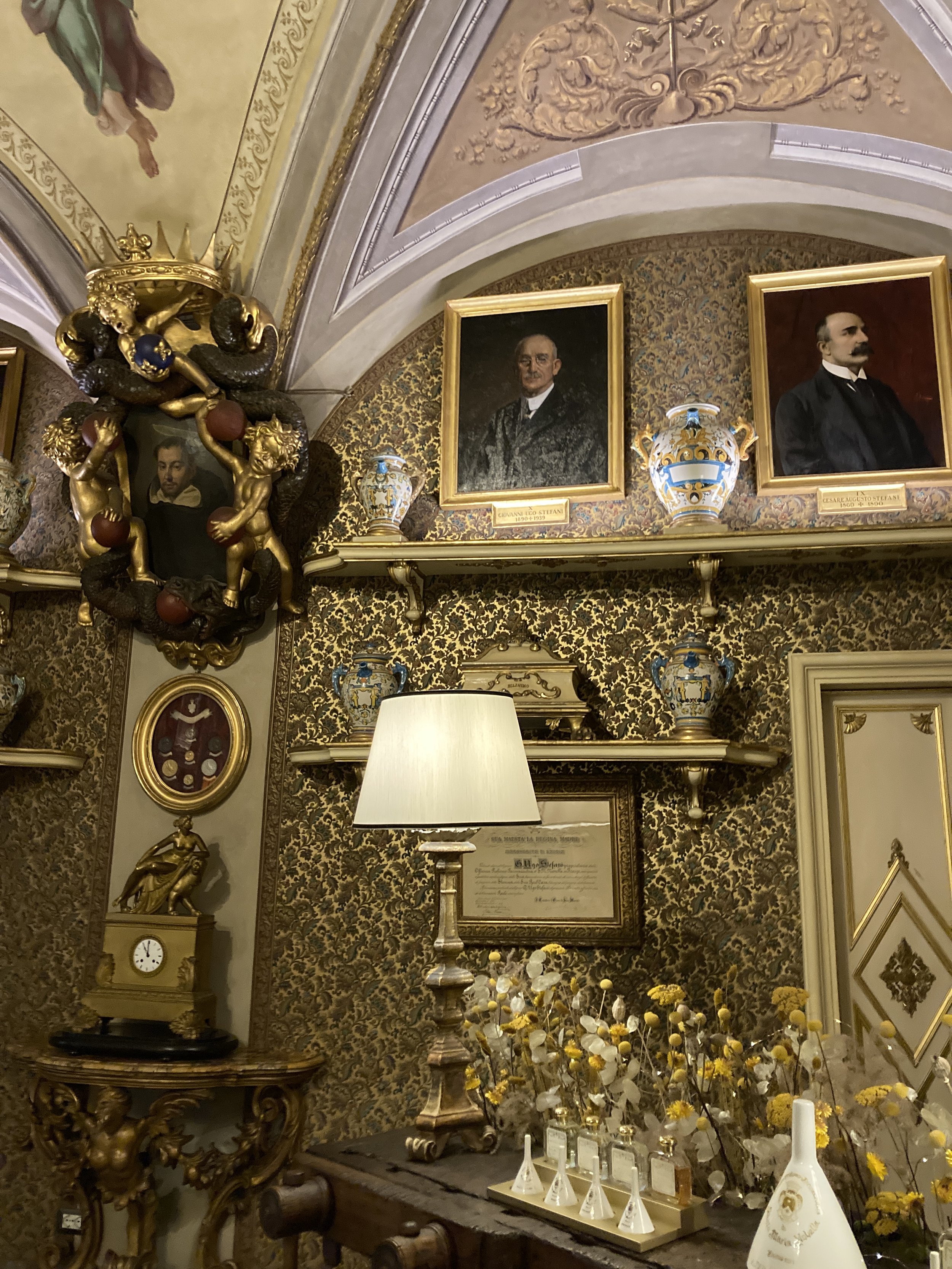
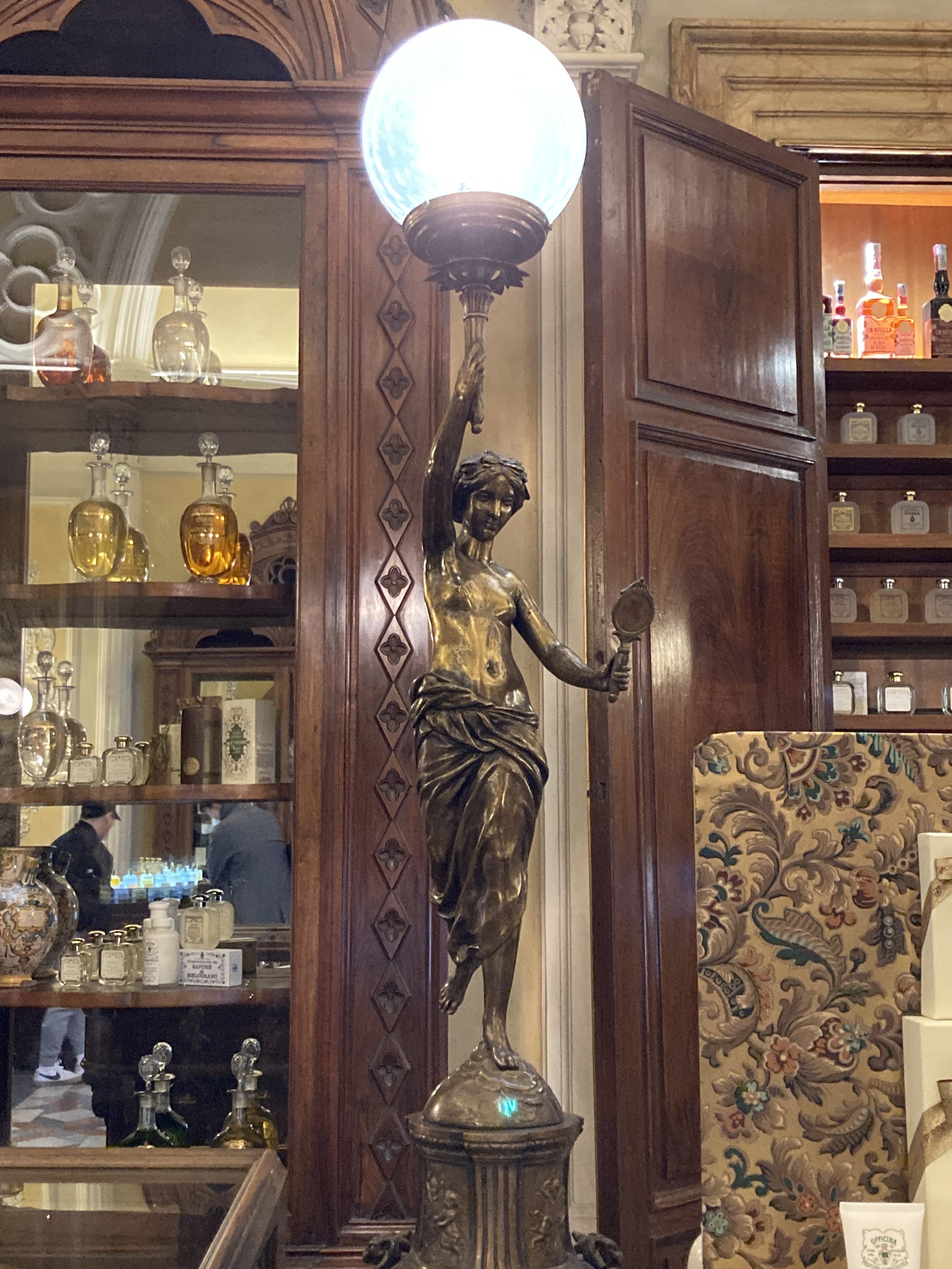
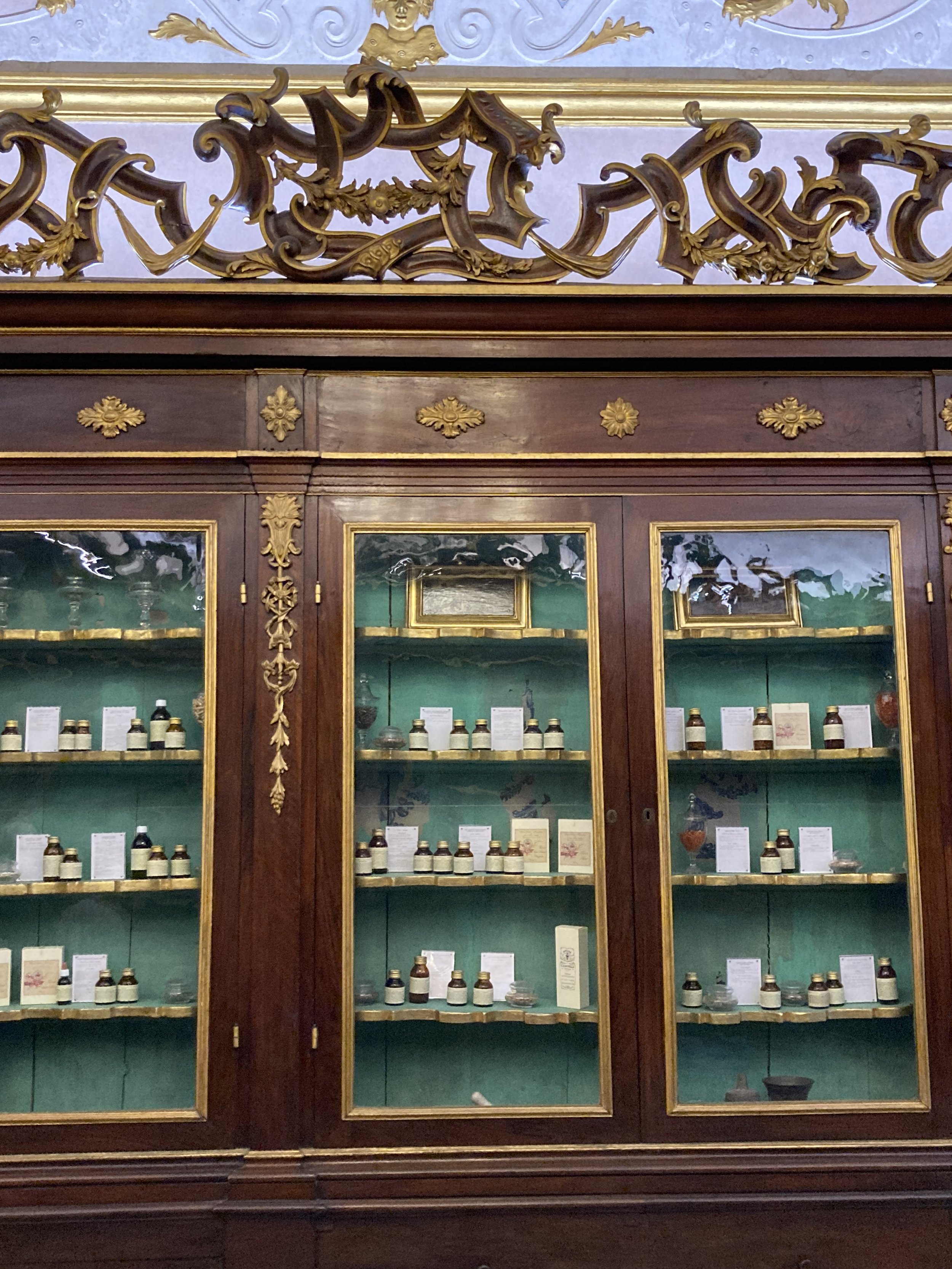
One of the sales rooms in the Officina Profumo-Farmaceutica di Santa Maria Novella

The Pharmacy of Santa Maria Novella in Florence

January 03, 2022 by Joanne Bartram in Florence, History, Italian Christmas, Italian culture, Italy travel, #italytravel, #florence

As I stand at the entrance to the Pharmacy of Santa Maria Novella I have a sudden thought - this must be what heaven smells like. I can hardly wait to go inside!

The official name is Officina Profumo-Farmaceutica di Santa Maria Novella, in English that translates to the Workshop of Perfumes and Pharmaceuticals of Santa Maria Novella. That is a fairly ordinary name for an extraordinary place.

66A60A4E-287E-47DD-A917-4A7609EBD8A7.jpeg
1B566B01-38F2-4846-B707-19E9F2584317.jpeg
A4B30864-63C1-4B59-B534-89CDD6095090.jpeg

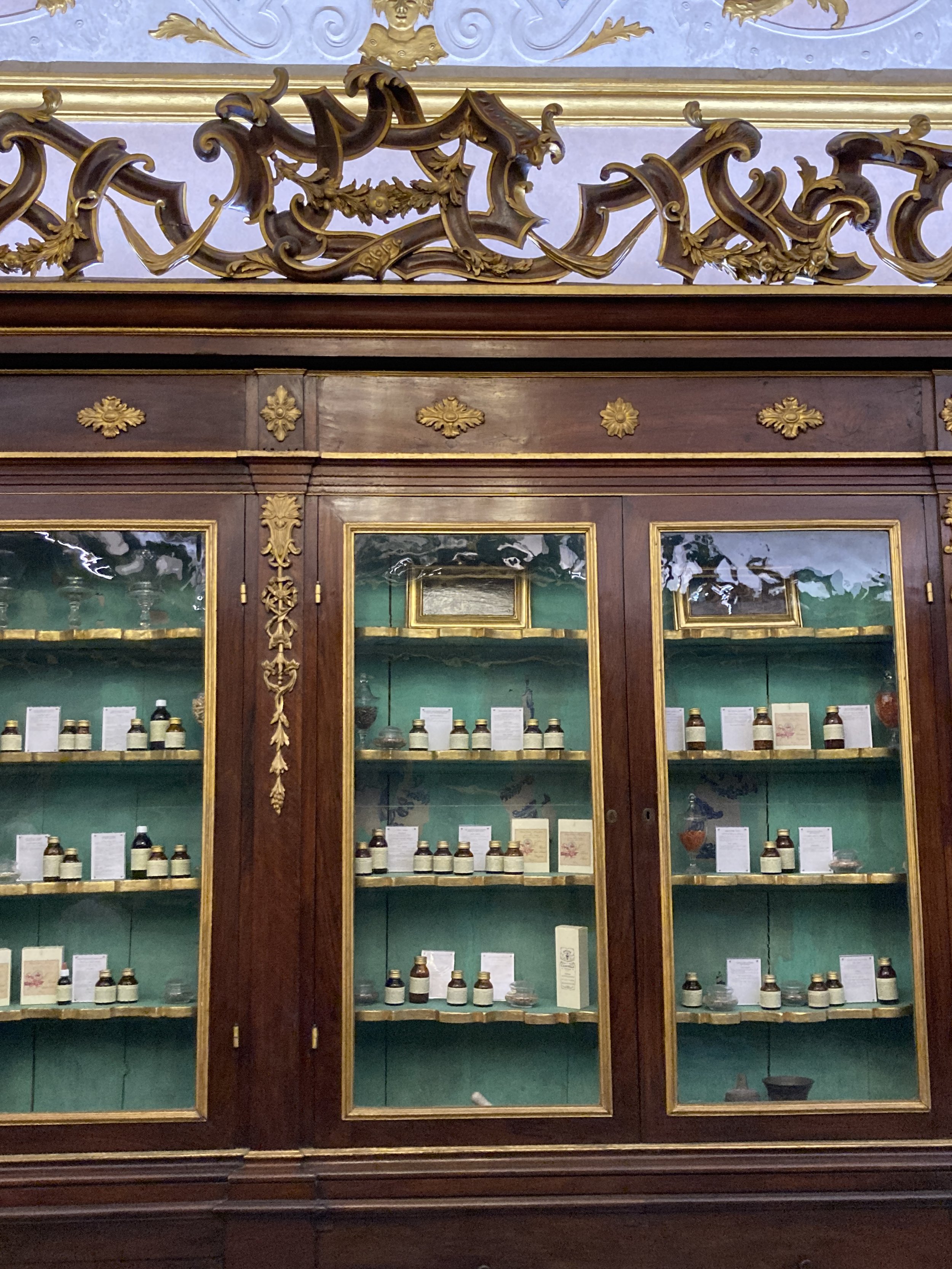
The pharmacy was established by Dominican friars from the nearby church of Santa Maria Novella during the early 13th century, making it one of the oldest European apothecaries still in operation. Centuries ago the friars cultivated herbs and used them to make herbal medicines, tinctures, and ointments for the monastery. Some of their brews, scented with rose water, herbs, and spices, were designed to fight the plagues that ravaged Florence and to treat a variety of other ailments. The friars became famous for their potions and in the 1600’s they opened their pharmacy to the public.

It has been a long time since the pharmacy was run by monks. Fortunately they left behind both their legacy and the formulas they created. For several generations the pharmacy was owned by a family who honored the traditions left by those long-ago friars. They expanded the business to many countries and gave it an on-line presence (in the US the website is: us.smnovella.com). This year ownership was acquired by an Italian beauty products company, Italmobiliare. Let’s hope they continue the wonderful legacy of those long ago monks.

The pharmacy still operates in its historic location on Via della Scala in what was once the Chapel of San Niccolò. The original chapel was built in thanks for the care given to a local merchant, Dardano Acciaioli, by the friars of the church of Santa Maria Novella. It is no surprise then that a trip to the pharmacy feels a bit like a religious pilgrimage.

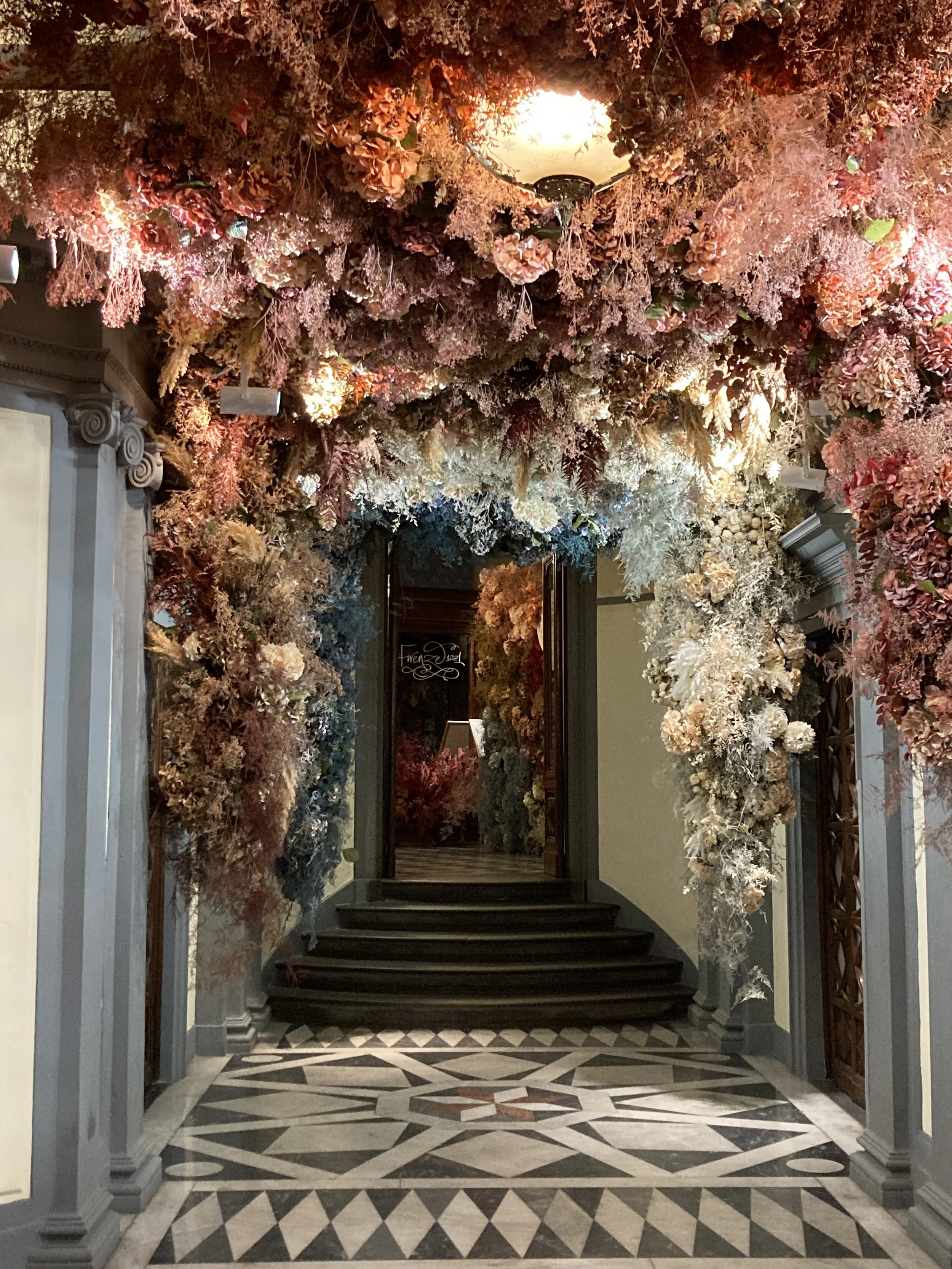
Walking down Via della Scala towards number 16, you will know you have arrived when you become aware of that most enticing scent. The outside of the building is unremarkable, so allow the scent to draw you in. The experience begins just inside the doors as you cross the ornate marble floor and pass through the elaborate floral decorations. Just follow that scent!

The experience begins at the entrance to the antique pharmacy

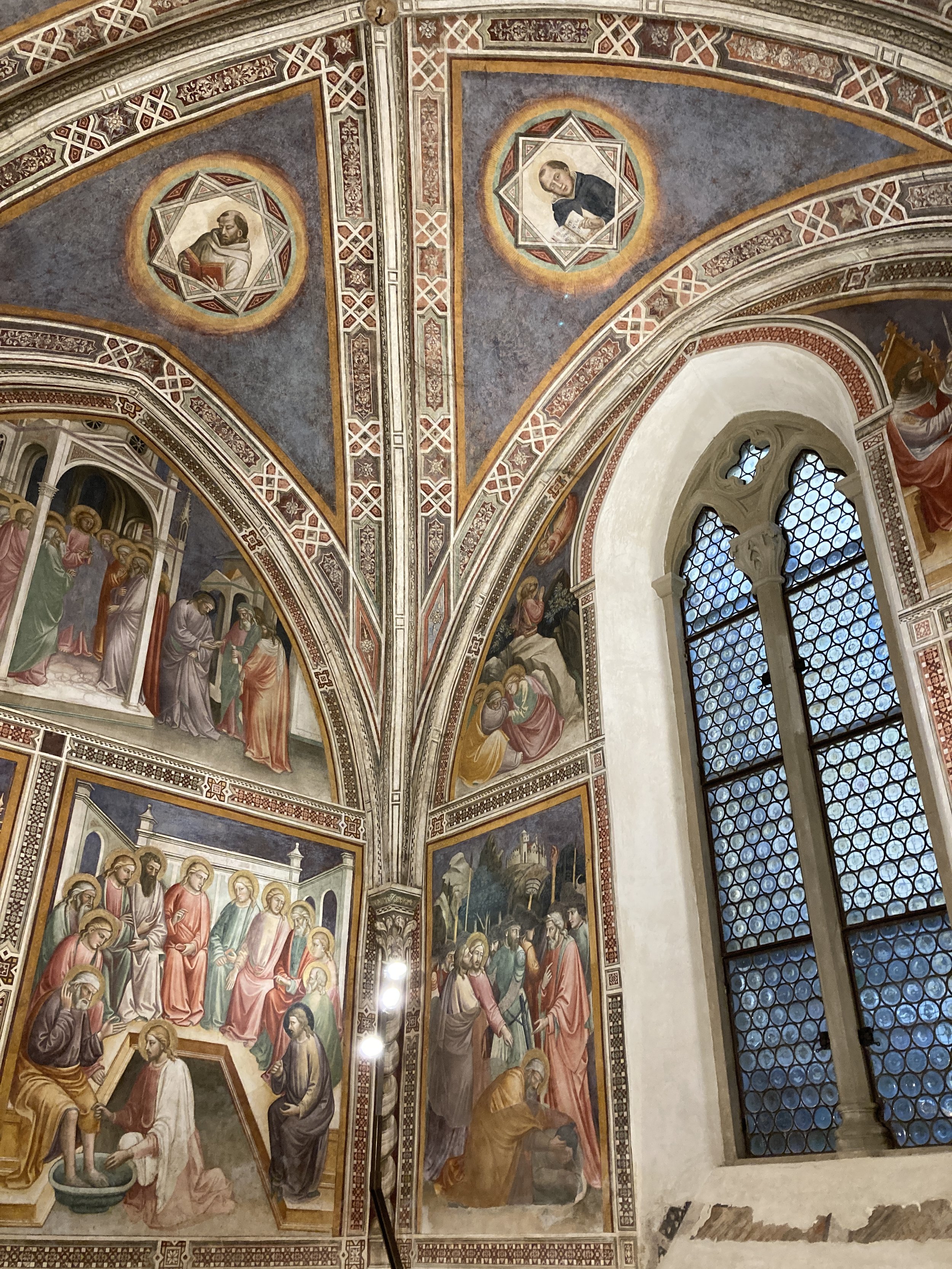
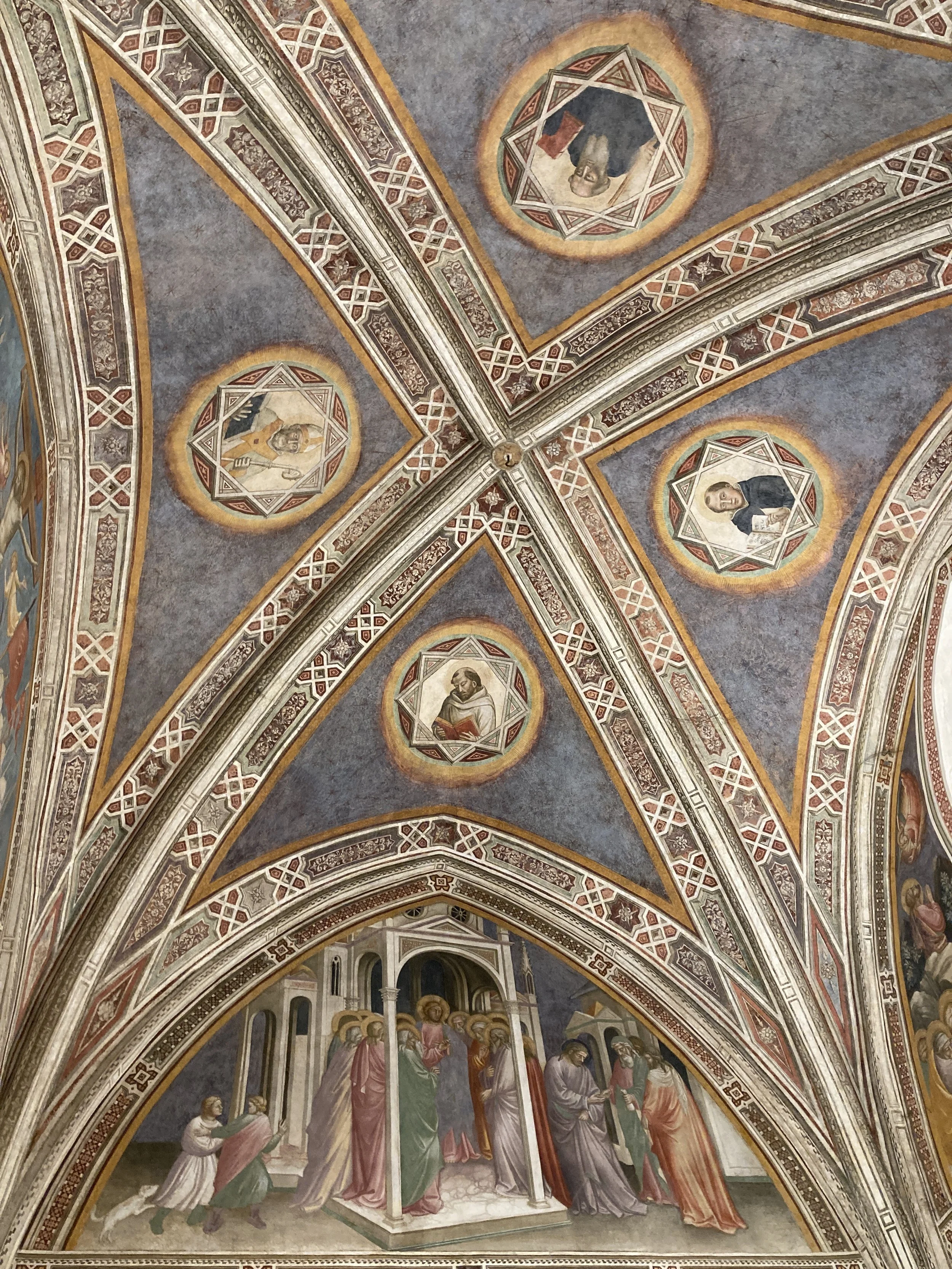
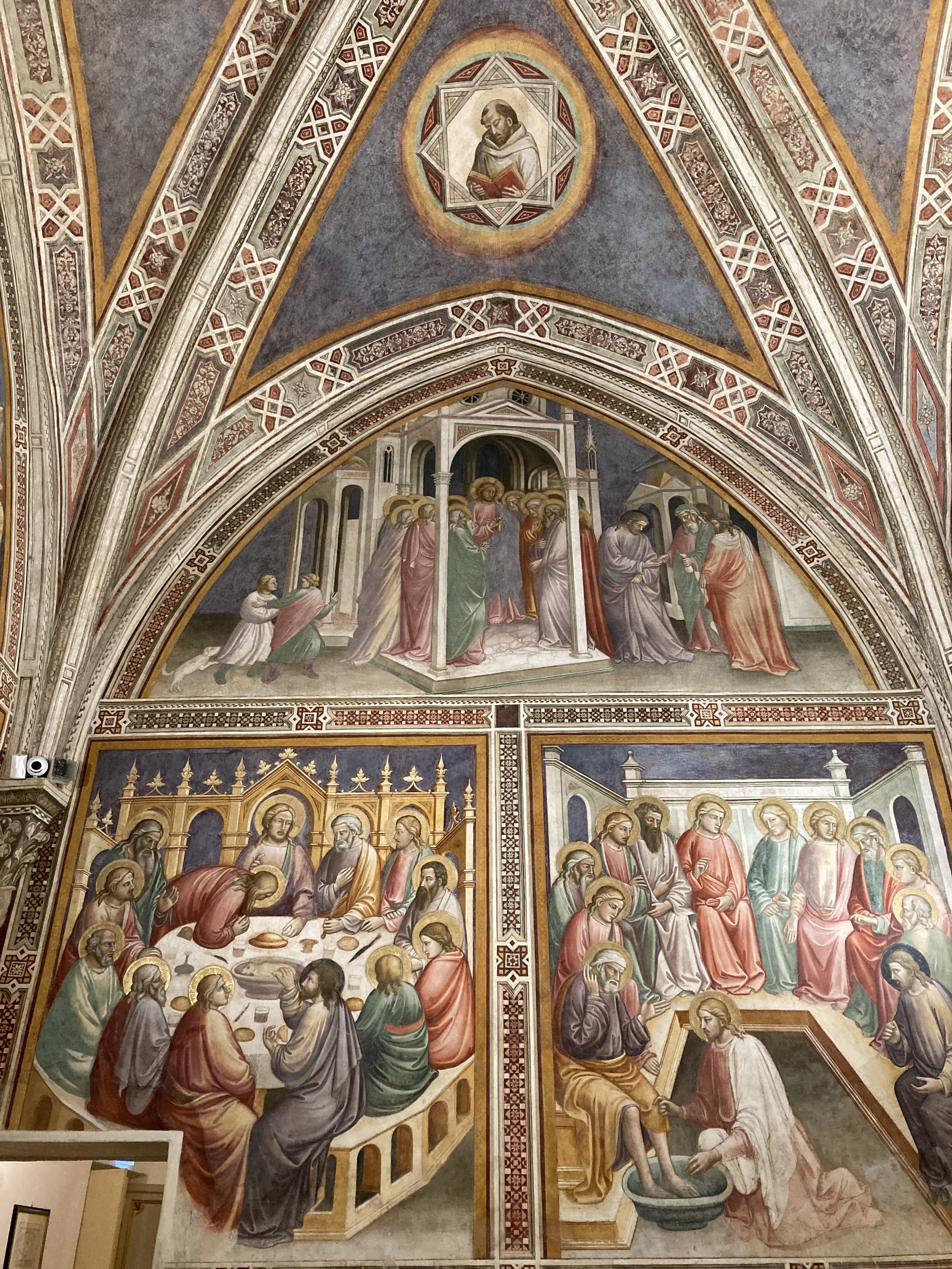
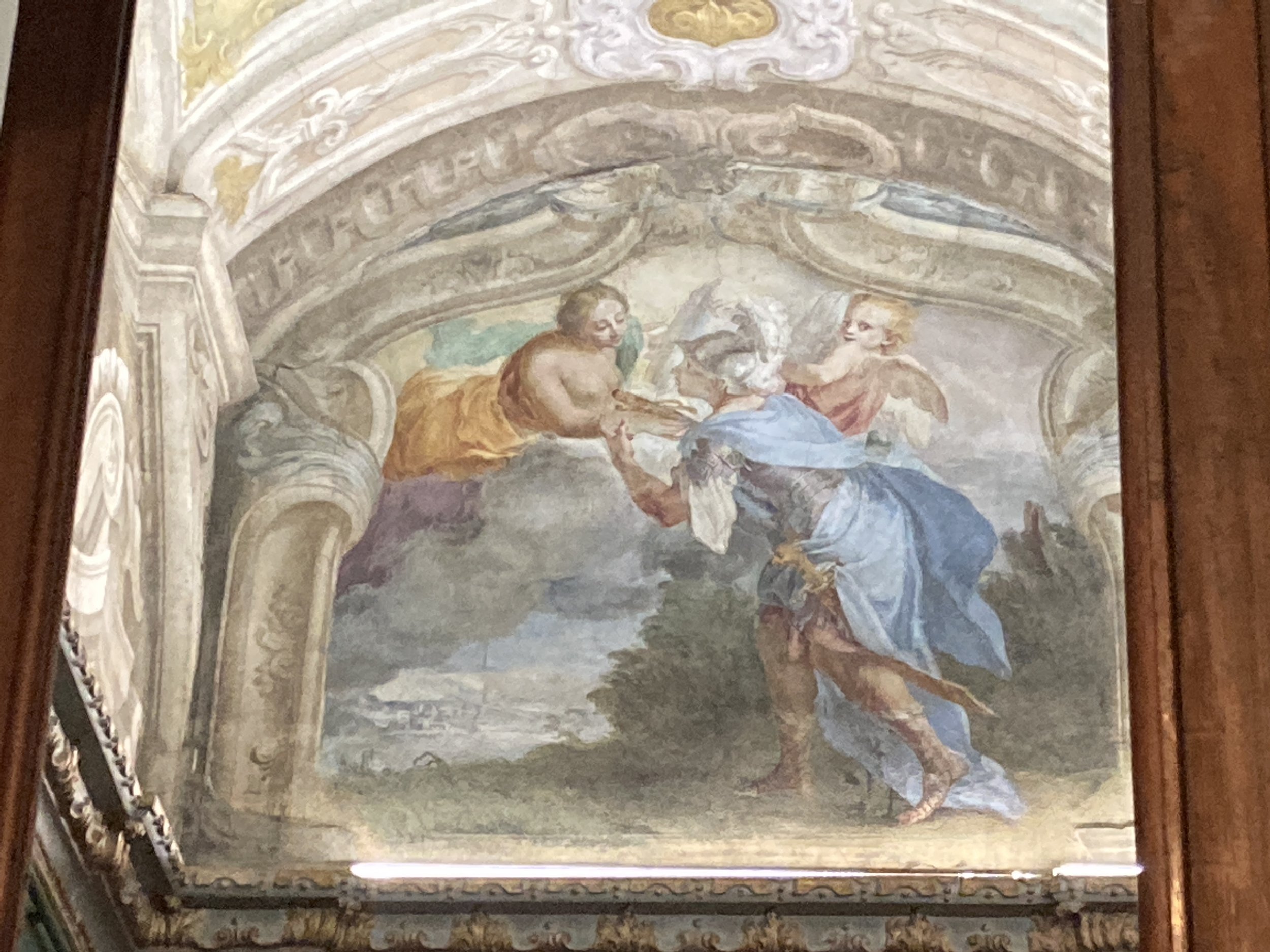
Just off the entry hall is a room that was once the sacristy of the the Chapel of San Niccolò. Adorned with beautiful frescoes from around the year 1400 (below), today this room is part museum and part showroom.

8AB73F3D-3F9B-488F-9226-2C4A838525AF.jpeg
61FE2B3B-8BB4-4376-93EC-84BD6CA043A0.jpeg
FB59B2E1-BB0B-4C1E-9068-465F3D5B26F8.jpeg

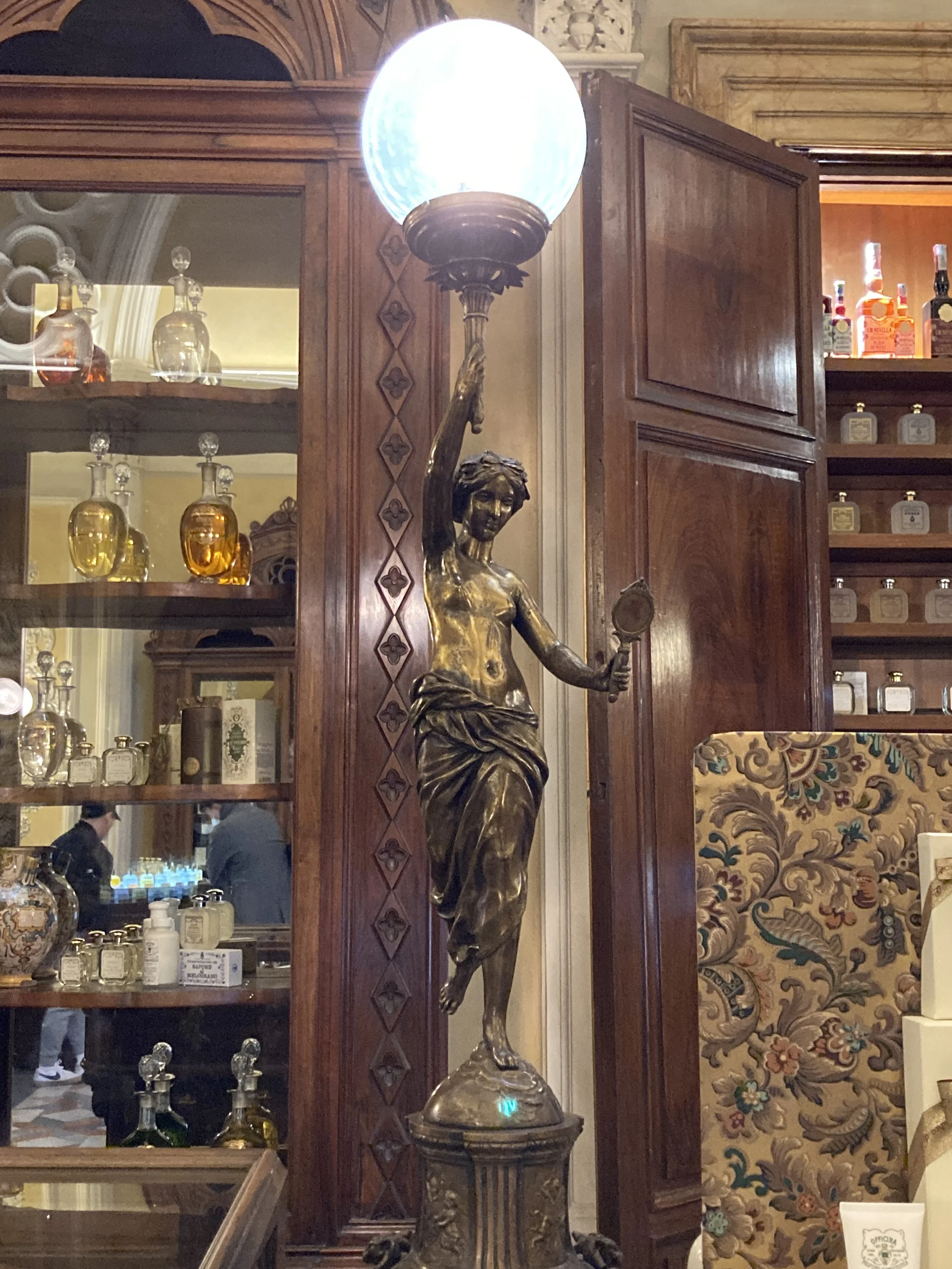
Each subsequent room in the pharmacy evokes the ancient apothecary, provides interesting historical artifacts, and contains elegantly displayed products.

66A60A4E-287E-47DD-A917-4A7609EBD8A7.jpeg
1B566B01-38F2-4846-B707-19E9F2584317.jpeg
A4B30864-63C1-4B59-B534-89CDD6095090.jpeg

Shop here and you follow in the footsteps of Catherine di Medici, an early patron of the pharmacy. A unique perfume was developed for her, named Acqua della Regina. It was the first perfume to be made with alcohol as a base and it traveled with her to France. The scent is still produced today along with a host of other wonderful scents.

Perhaps Catherine di Medici wore an amulet like this one on display in the pharmacy, filled with a potion to ward off illness.

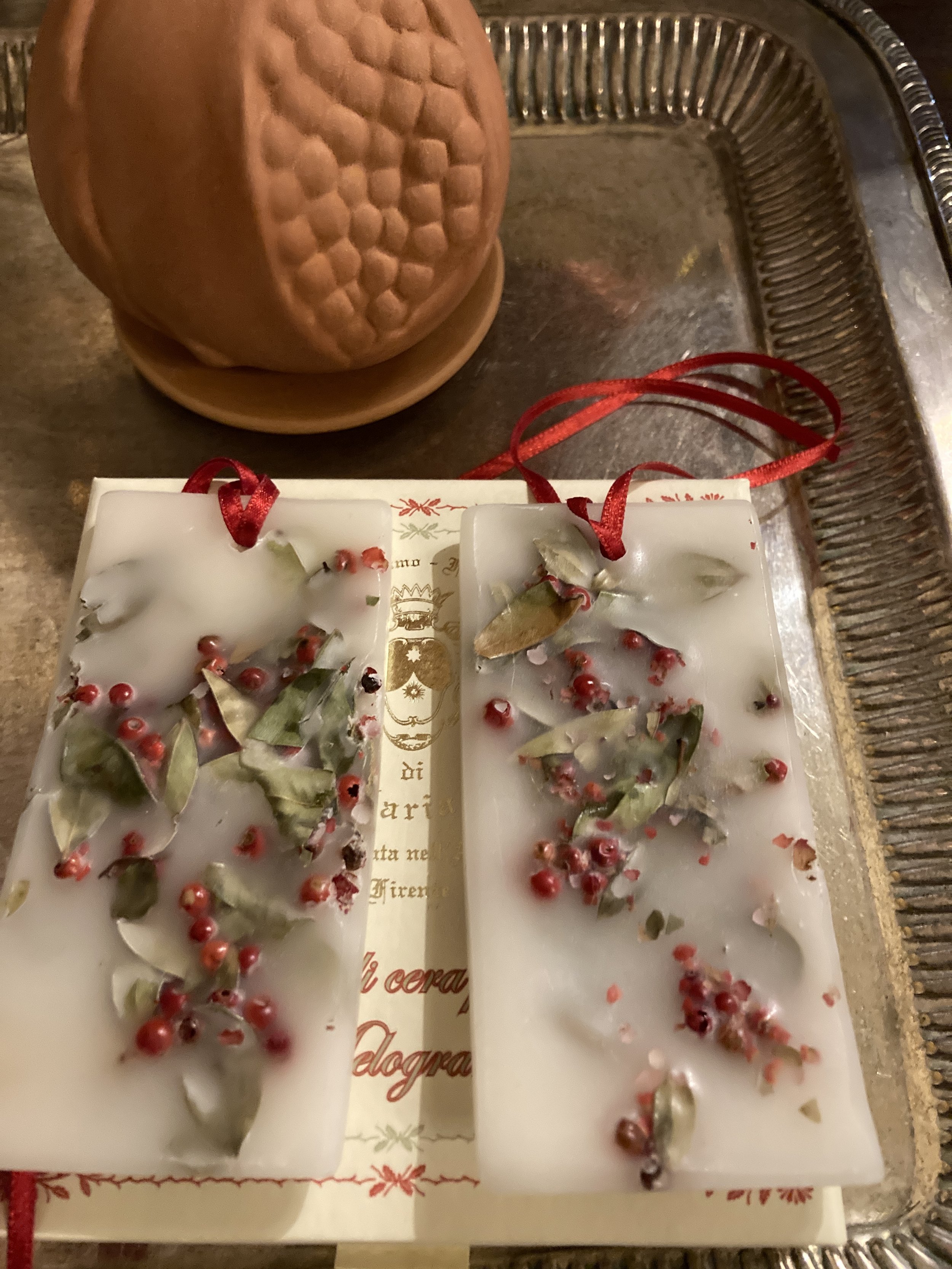
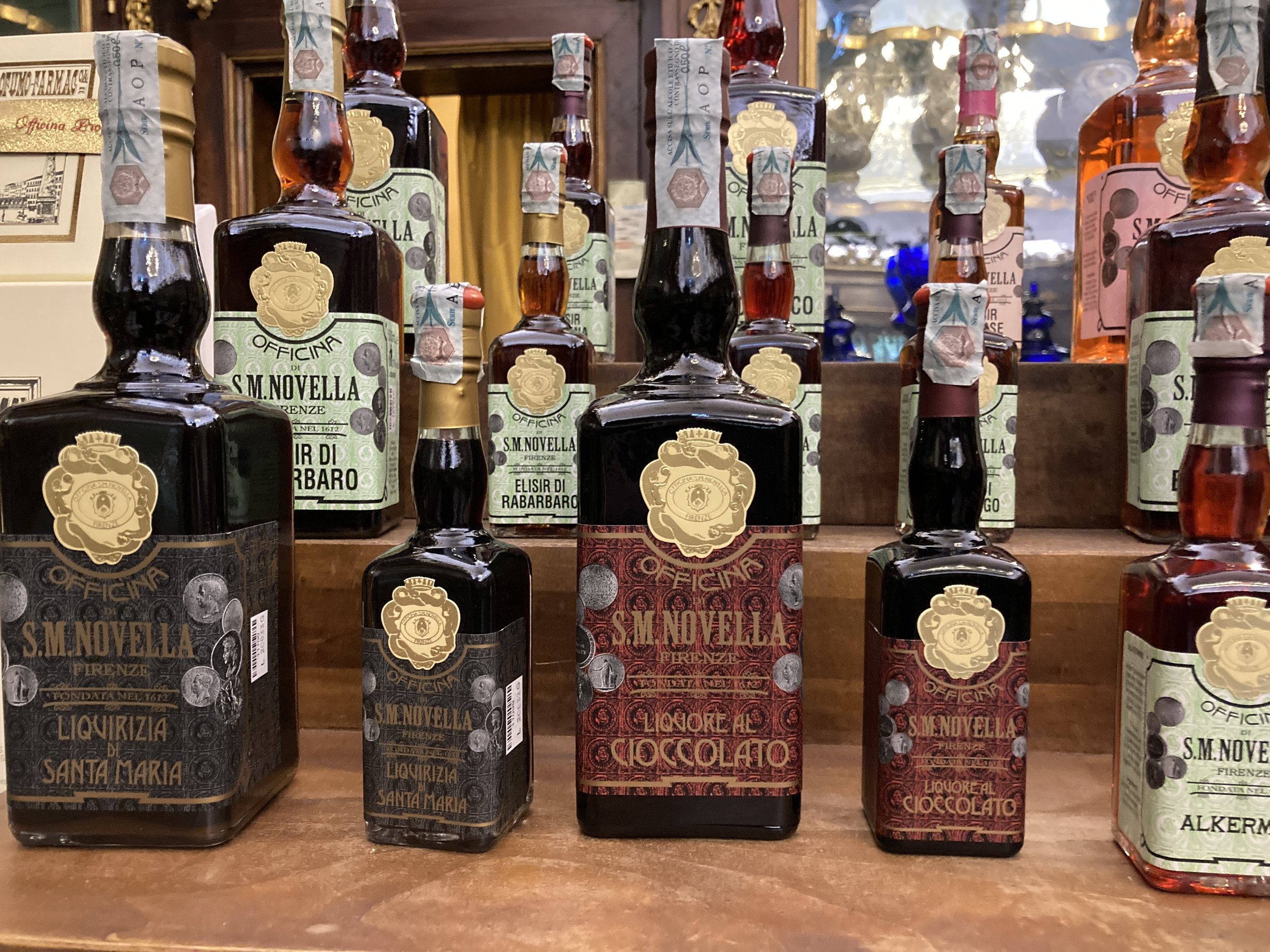
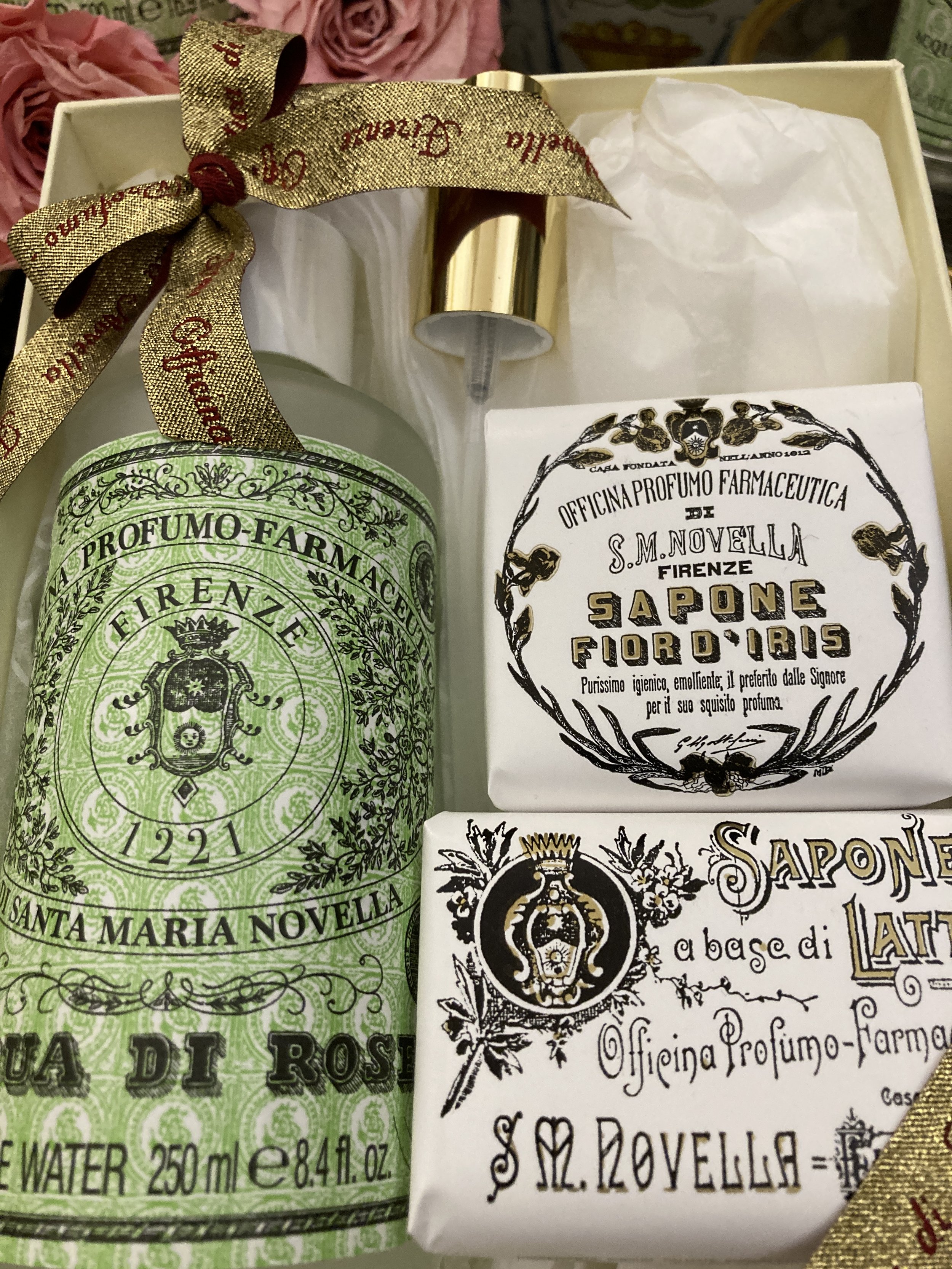
In addition to perfumes, the other products sold here include elixirs, liquors, soaps, potpourri, lozenges, scented candles, and skin care products. There are also some beautiful accessories for the home. All are manufactured locally using traditional methods.

48BAA720-B100-4279-A56B-D739A38C3FAE.jpeg
928126DA-8108-4EDC-A814-297B16E543E1.jpeg
E4F535B9-75F8-4FE3-B71B-AACE45679A21.jpeg
6B3D08AE-DBD7-4154-9E14-BD95510EDFD2.jpeg

I visited just before Christmas when the seasonal decorations were fabulous and the gift buying opportunities were endless. Every product was beautifully presented, even a simple package of mints came in an artfully designed tin. The delicate filigree items (candle and potpourri holders) are handmade by a local craftsman. They make lovely Christmas ornaments, with or without potpourri. Each gift comes in a box tied with an elegant ribbon.

The Christmas tree at Santa Maria Novella pharmacy, 2021

Florence is full of churches and museums - a host of “must see” places. The Officina Profumo-Farmaceutica di Santa Maria Novella provides a different Florentine experience. It is a feast for the senses and a taste of luxury both ancient and contemporary. It is a unique way to step back into the history of this remarkable Italian city.

January 03, 2022 /Joanne Bartram
Santa Maria Novella Pharmacy, SMN Pharmacy, Florence, Italian products
Florence, History, Italian Christmas, Italian culture, Italy travel, #italytravel, #florence

Wandering Through the Center of Torino (Turin) Italy

November 01, 2021 by Joanne Bartram in #italytravel, Italian art architecture, Italian culture, Italy travel, Northern Italy Regions

I had few preconceived notions about the city of Torino. I’d heard about the famous Shroud of Turin (something my mother and grandmother longed to see), knew that the Winter Olympics had been held in and around the city in 2006, and had been told that there was great shopping. Despite knowing nothing more than that, I was curious to visit a northern Italian city that promised to be quite different from the part of Tuscany in which I live.

A train trip with wonderful views of the Ligurian coastline

When a visiting friend proposed a long weekend trip, I quickly agreed. We left Lucca by train on a Friday morning to spend 4 days exploring Torino. The train trip itself was wonderful, zipping along the coastline from Viareggio to Genoa and then turning abruptly inland towards Torino. The trip took about 4 hours during which time we read, had an on-board picnic, and admired the passing views of the Ligurian coastline. A good start to a long weekend in a new city !

We arrived to the Porta Nuova train station, a busy transportation hub in an impressive 1860’s building. It is right in the city center and a short walk to our base in Torino, the Hotel Astoria (three stars, small clean rooms, good breakfast, friendly service, and a convenient location). The first afternoon was spent settling in to the hotel and setting out on an orientation walk in the center of town.

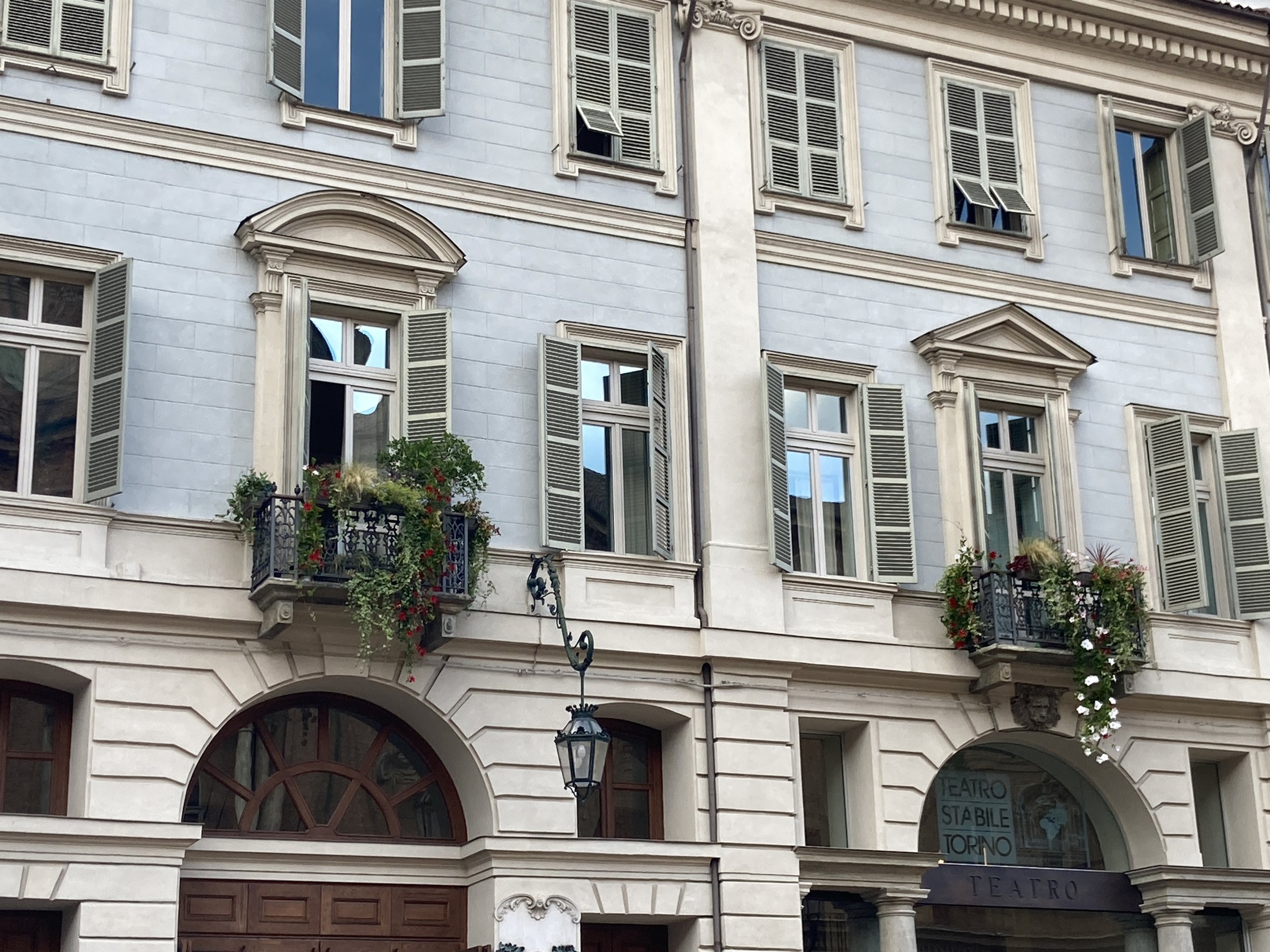
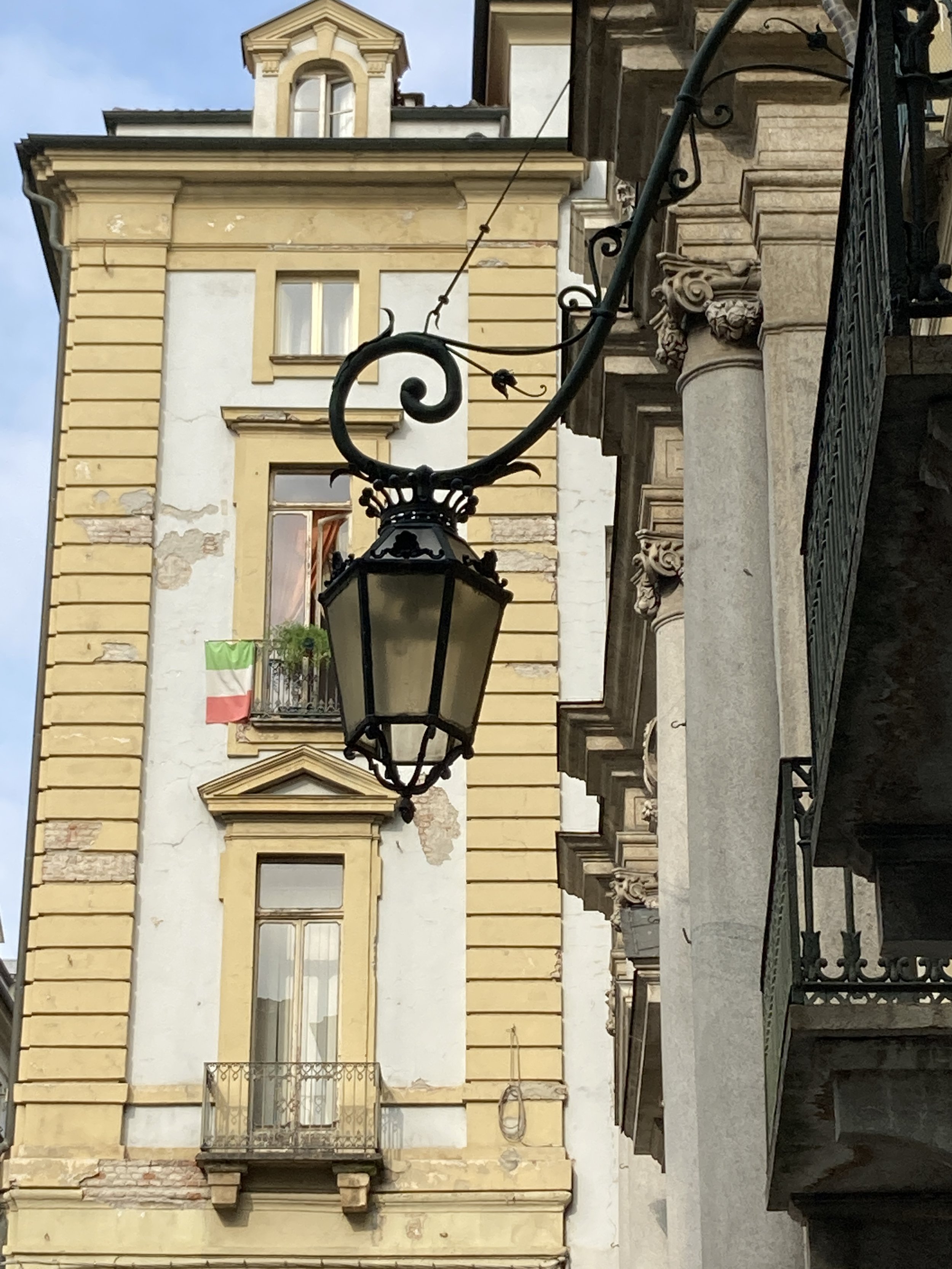
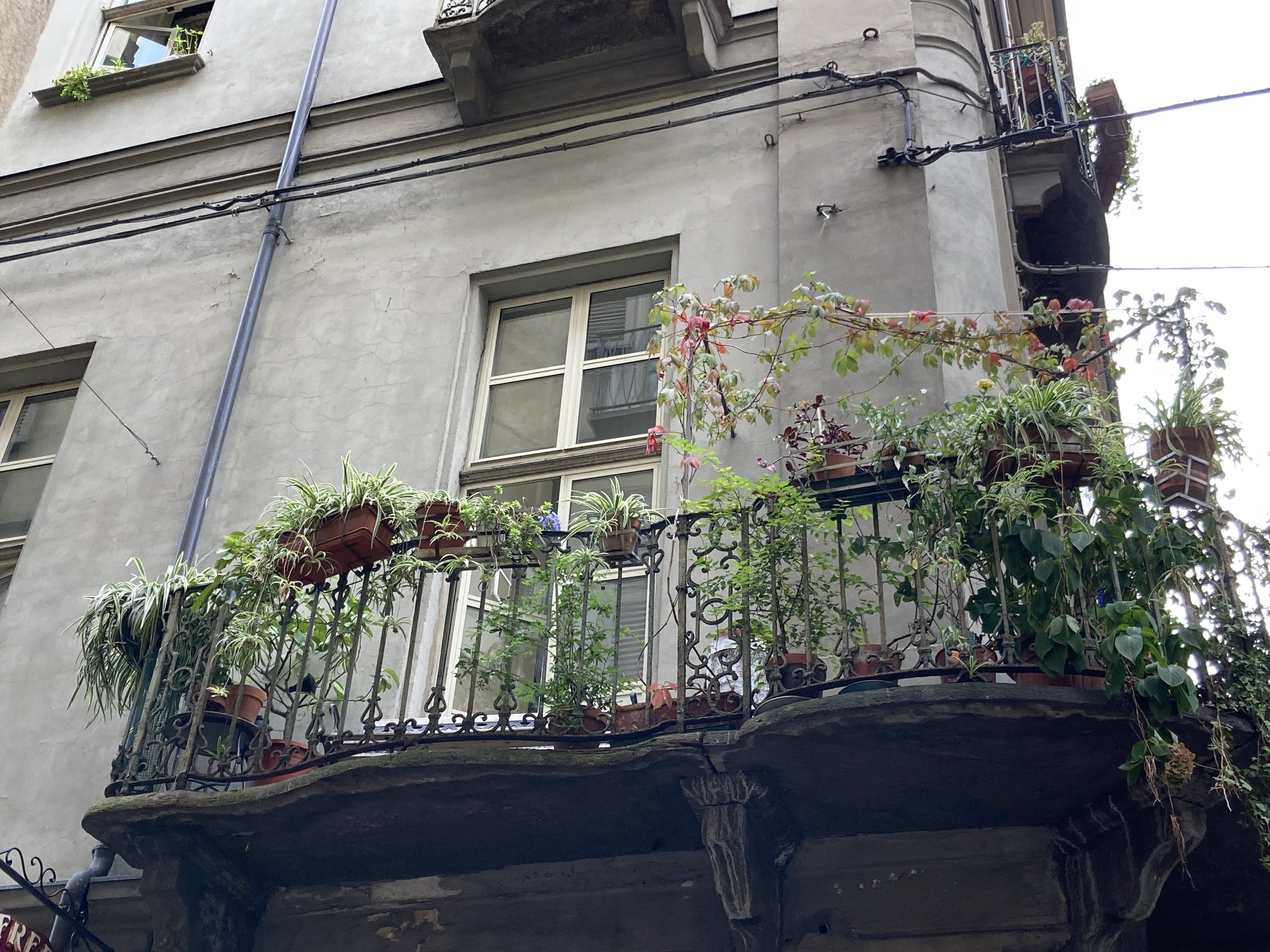
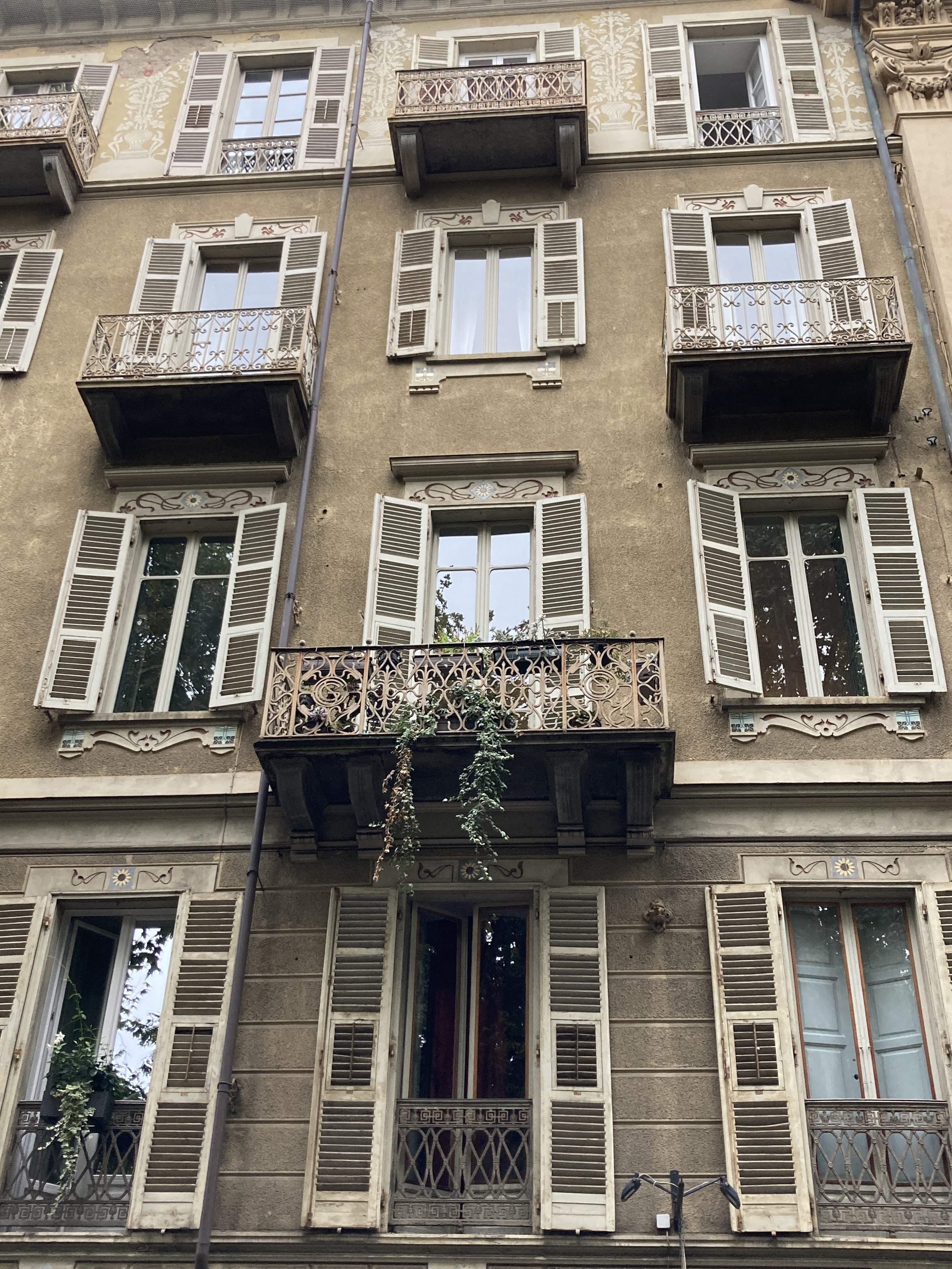
Some First impressions: Torino has a large, busy but very walkable city center. The vibe is quite different from the Roman to Medieval feel of Florence, Rome, or the small hilltop towns of Tuscany. There is a sense of history but an even bigger sense that the city is modern, northern, and “happening”. With its long blocks of graceful apartments and large squares ringed with cafes and shops, it reminded me a bit of Prague or Paris, but with a somewhat grittier more hectic Italian flair.

3EB9D9C1-8E7E-4DF2-B2BB-E75CEBAC91F3.jpeg
ABA44425-A5CA-4C2B-B688-40B503F1A15F.jpeg
3337233F-BA7F-4696-835E-D850FEA69A37.jpeg
AD787FD9-ACB3-4351-A95C-8EDD36D28F69.jpeg

There is a definite French influence in Torino, starting with the local dialect - locals say brioche instead of cornetto for a breakfast pastry, dehors instead of fuori to mean outside. Torino was home to the Savoia (Savoy) family, with their French roots. Their influence is everywhere - palaces, museums, architecture, monuments, and in the local history. After all, it was the House of Savoy which provided Italy with kings and also played a key role in Italian unification, establishing Torino as the first capital of the newly unified nation.

I always find that the best way to get oriented to a new place is by wandering around, taking in the city and stumbling into interesting squares, monuments, bits of history, unique neighborhoods and hidden gems. Torino is perfect for that and my orientation walk in Torino began in the very center of town .

Piazza San Carlo, Torino

The Via Roma Piazzas. A pair of lovely squares are to be found along Via Roma. Piazza San Carlo is a good place to start. In the center is a large statue of Duke Emanuele Filiberto on horseback (the first of many monuments to members of the Savoy clan).

The Church of Santa Cristina (left) and San Carlo Borromeo (right) in Piazza San Carlo

Stratta - a good spot for a snack or aperitivo in Piazza San Carlo.

At the southern entrance to the piazza stand two small churches - Santa Cristina and San Carlo Borromeo. Small and intimate, they are definitely worth a stop. Around the rest of this large, graceful piazza are a series of cafes and shops stretched out under long arcades. This is a good spot for a light lunch, coffee, or an aperitivo (a just reward for an afternoon of wandering). The people watching is great too - performers, shoppers, wedding parties, daily life.

To the north is another large square, the Piazza Castello. Here 4 modern fountains bubble and spray in front of the Palazzo Madama. Yes, you guessed it, a member of the Savoy family once lived in this stately palazzo which anchors the east side of the square. Those Savoys certainly had exquisite taste in housing! Today the palazzo houses the museum of ancient art.

Piazza Castello

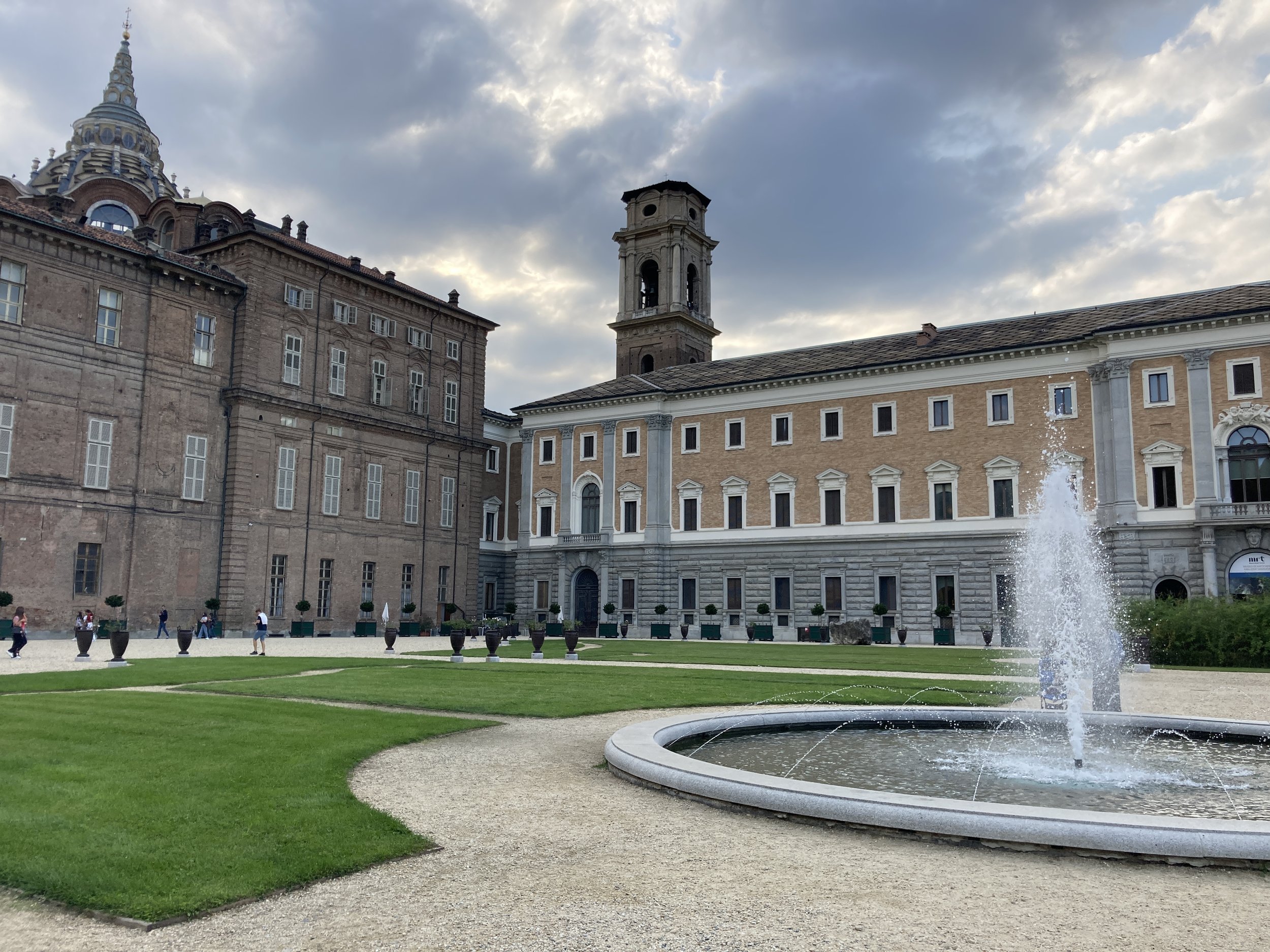
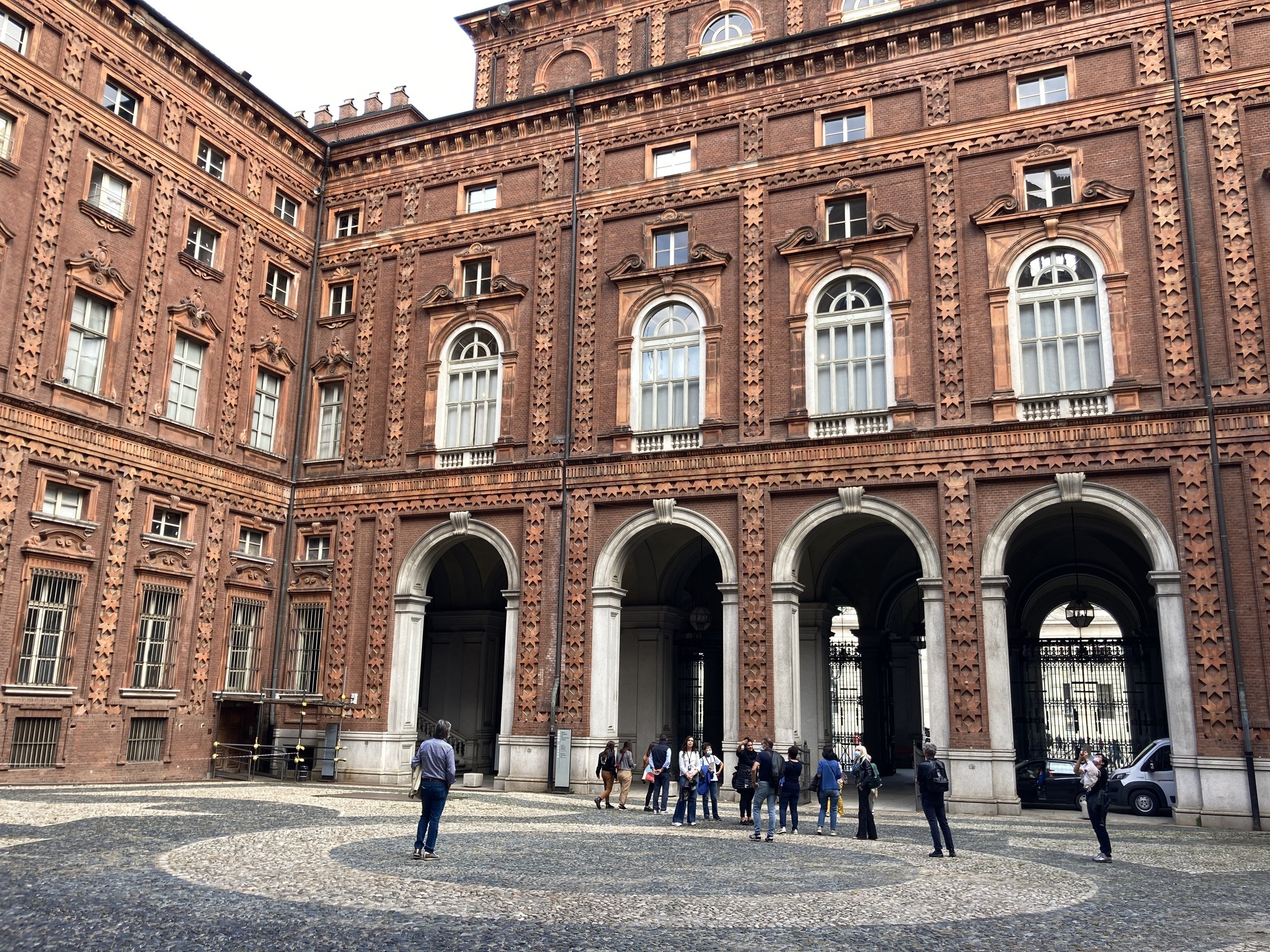
To the north end are the large iron gates which mark the entrance to the Musei Reali (Royal Museums). This is the former palace of the Savoy family, a complex which also includes the Chapel of the Sacred Shroud. Entry to the museum requires a ticket but there is no cost to walk through the courtyard and into the beautiful Giardini Reali (the palazzo gardens). The museum itself is a must see sight, but for the first afternoon of wandering I stuck to the courtyard and gardens.

D496798F-F080-4E18-B058-7A65FBA0EFC4.jpeg
BB00F056-8607-45BB-A1C0-6600732EAC9E.jpeg
B5991128-CA4D-4775-B61C-15EBD8AB8D7B.jpeg
70506BE0-81E2-4600-990A-A7D5CE8752E0.jpeg

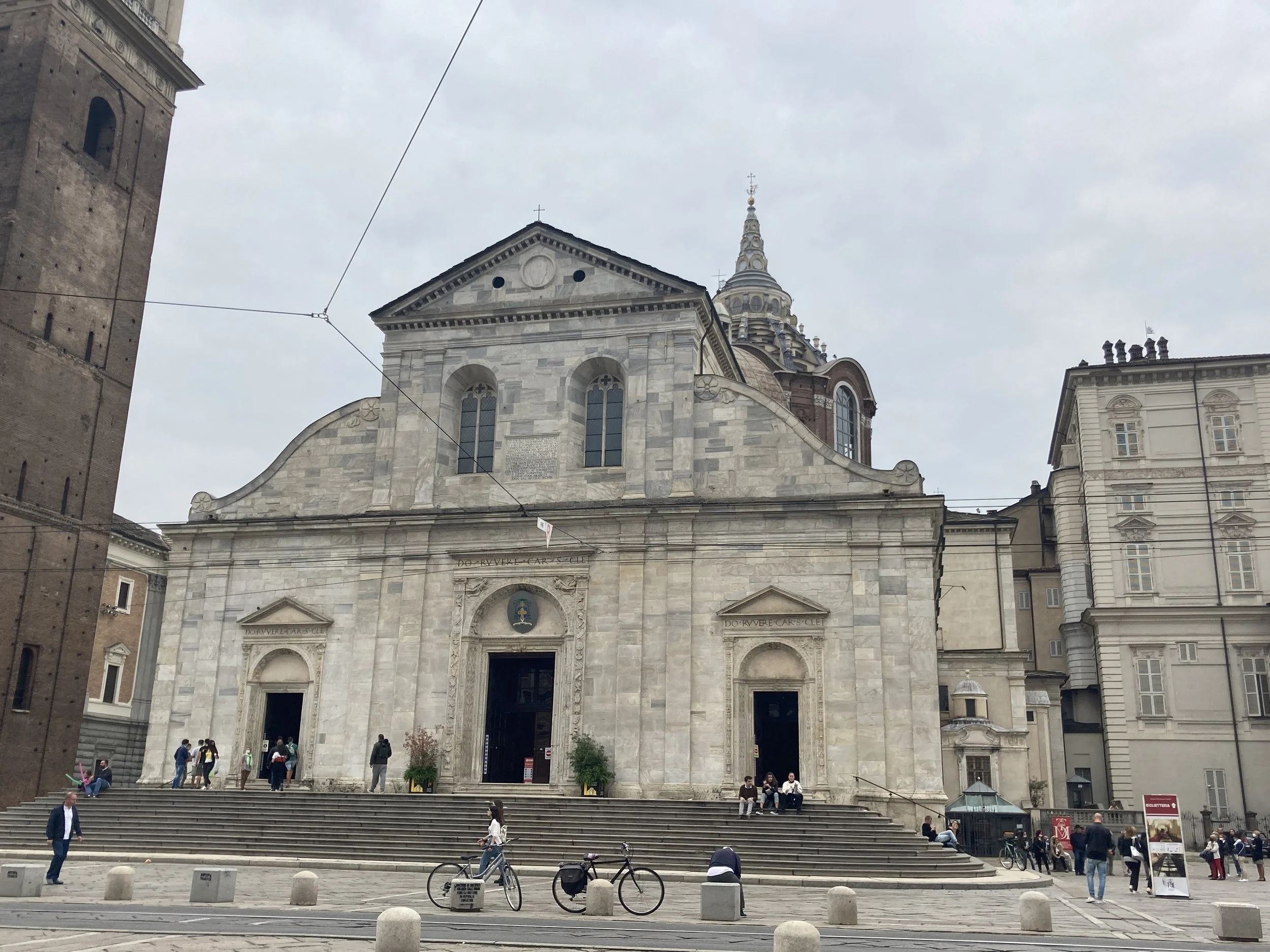
The Duomo, officially the Church of San Giovanni. The ornate dome and spire behind houses the Chapel of the Holy Shroud, not accessible through the church but only through the Musei Reali.

Around the corner from the Musei Reali is the Duomo of San Giovanni with its quite plain facade and video presentation on the Shroud of Turin (though the shroud itself is not displayed).

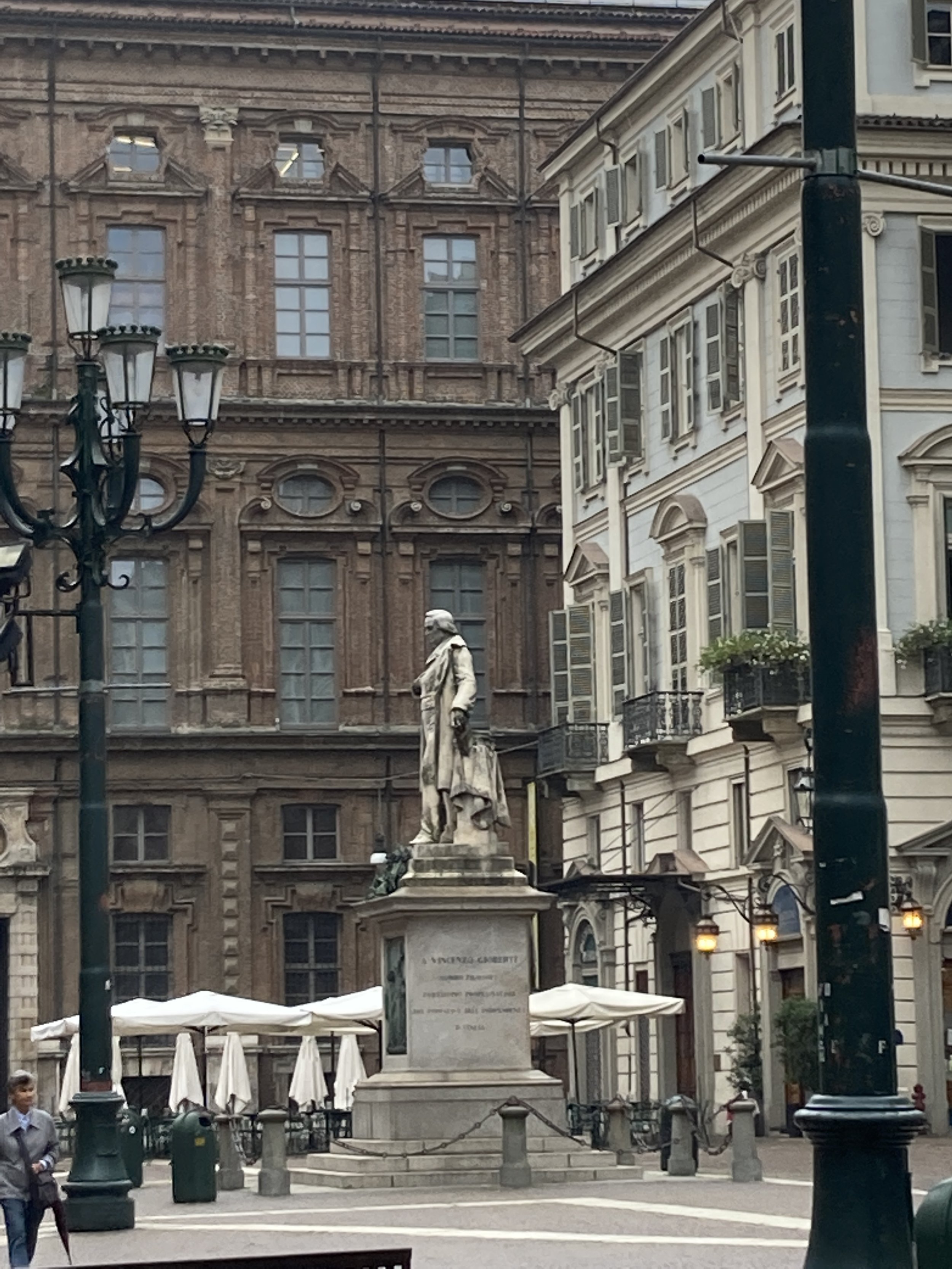
Nearby Piazzas. Just a block or so to the east is one of the prettiest squares - the Piazza Carignano, home to the Museo Nazionale del Risorgimento (Unification Museum). A pop into the entry of the museum gives a quick peek at this fabulous building (below). No time for a tour this time, but my next visit to Torino will surely include a tour of this museum both to explore the gorgeous architecture and for the history lesson.

BDEF676F-275B-4601-B40D-18E296D04AEC.jpeg
C77964D0-0950-4A74-80D8-9BCEB882ABD7.jpeg
55F0CA1B-DC16-4BC3-BCA3-1AD8BA74C0FE.jpeg
26300453-DFB8-405A-ABF5-5E6D04D07B9B.jpeg

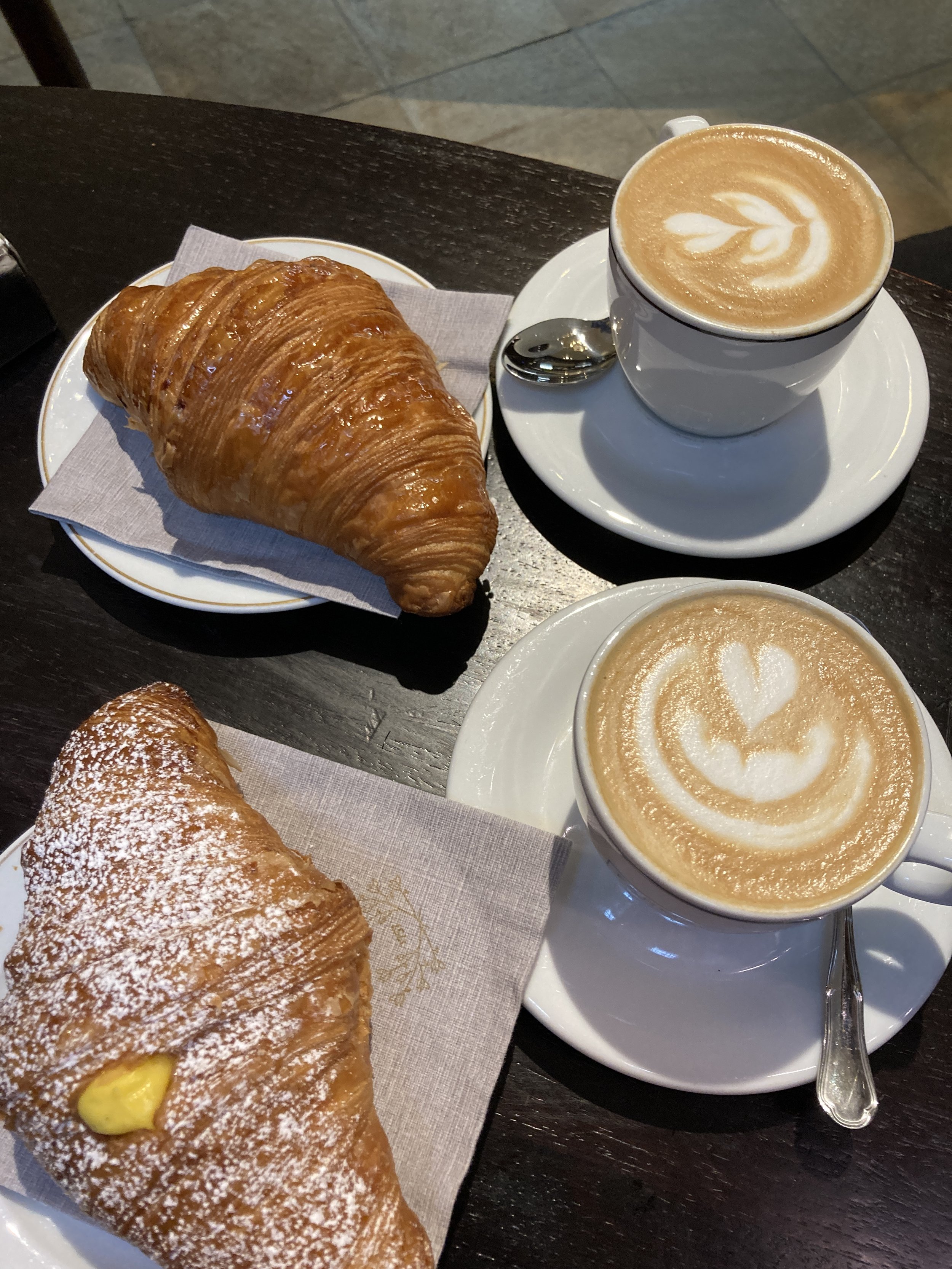
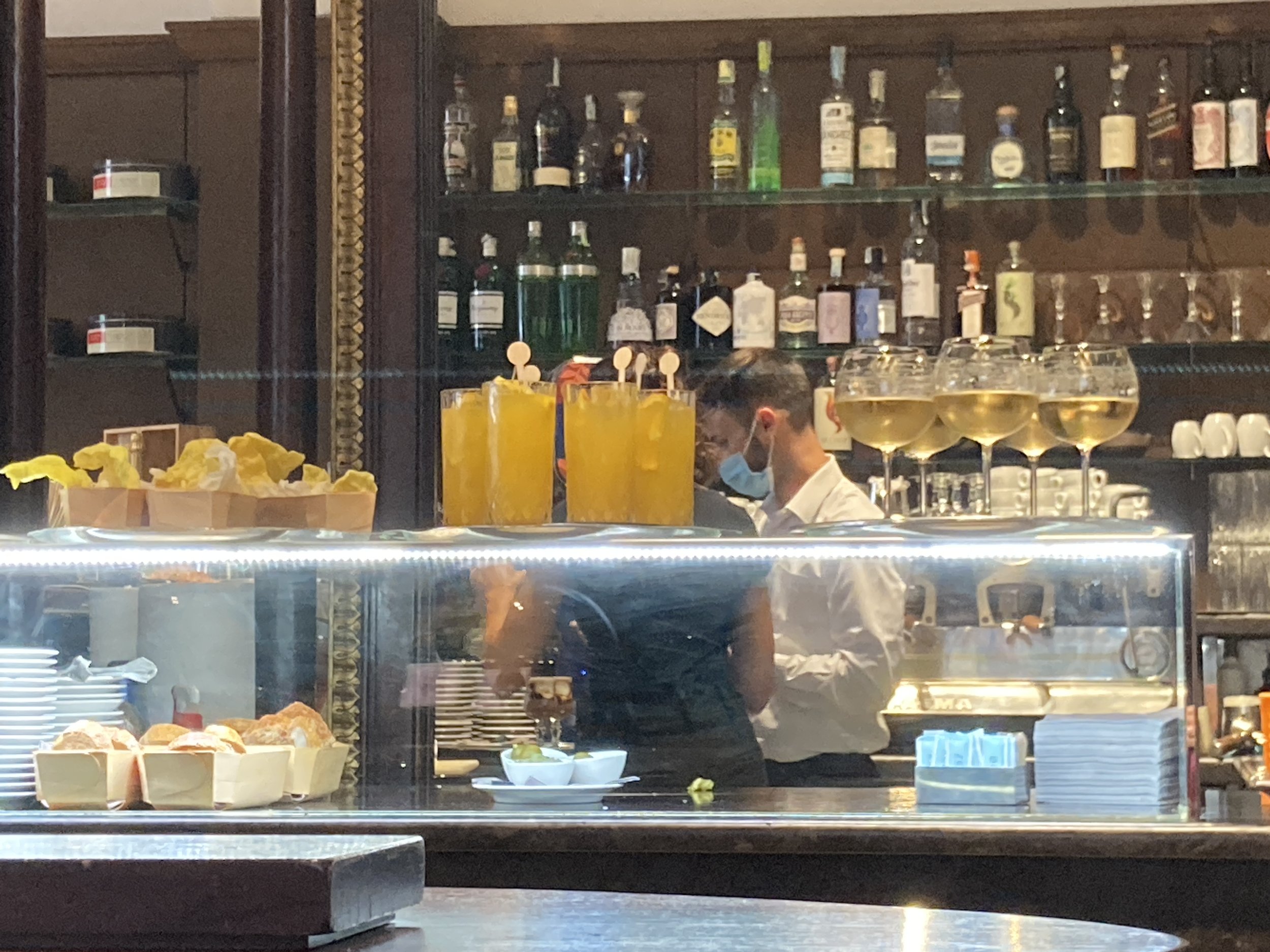
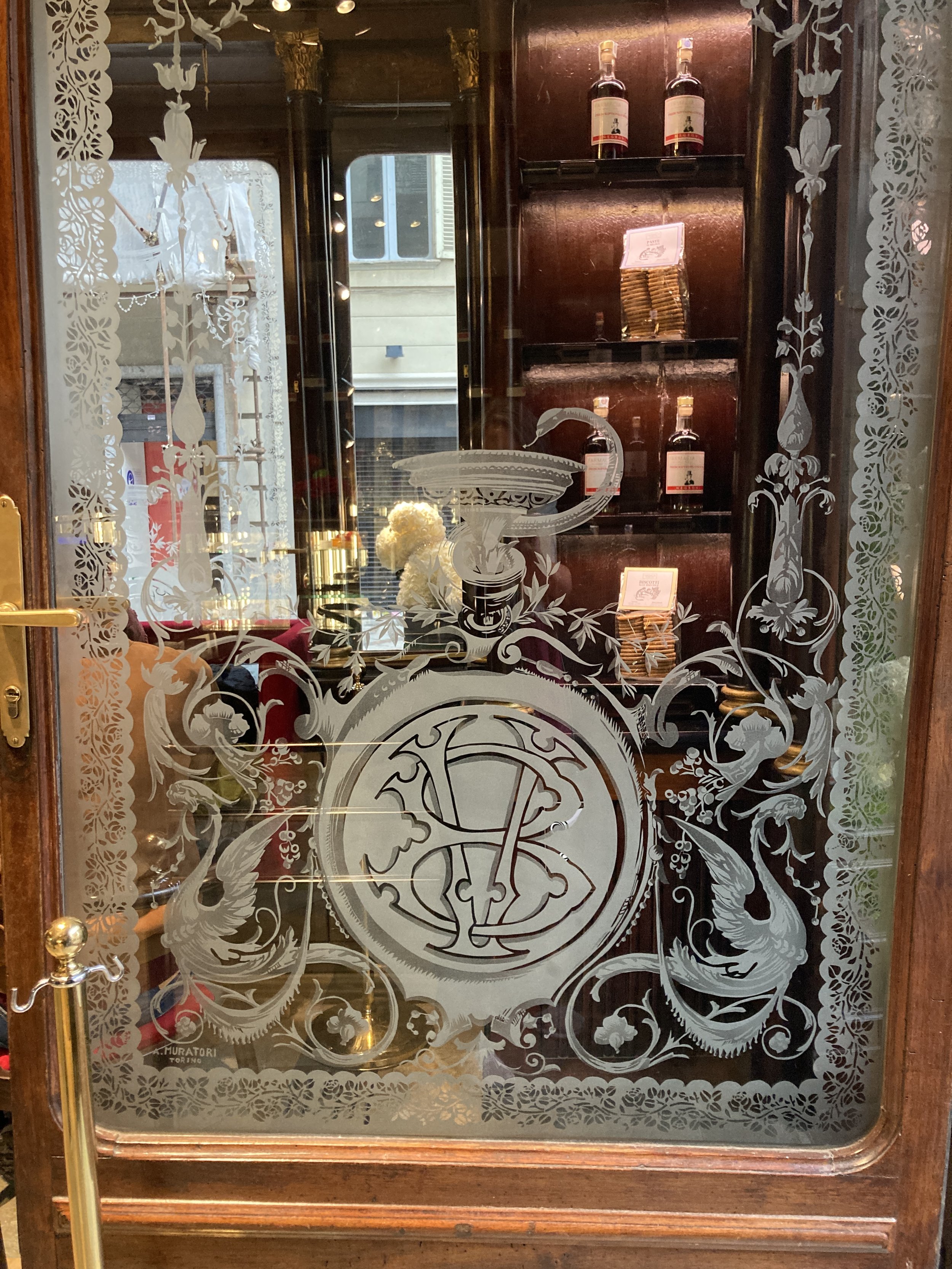
Need a coffee stop? The piazza Carignano is home to the Farmacia del Cambio, an antique pharmacy reborn as an elegant eatery. Coffee, pastry, lunch, aperitivo - this is a great choice. The interior oozes old world elegance and the outdoor seating area provides great views of this very beautiful piazza.

B5A1E8E3-F2FB-4E5D-9C66-3C6CAB1A5282.jpeg
484852CC-4D88-4F1A-93EB-23A3BB9D6749.jpeg
44040F31-835A-4719-A42F-099CF8808365.jpeg

One street to the east is Piazza Carlo Alberto, a pedestrian square with a larger than life monument of the former Savoy king of Sardinia. The square is flanked by one side of Palazzo Carignano (which was built for the king) with the beautiful National Library building across the piazza.

The monument to Carlo Alberto of the House of Savoy

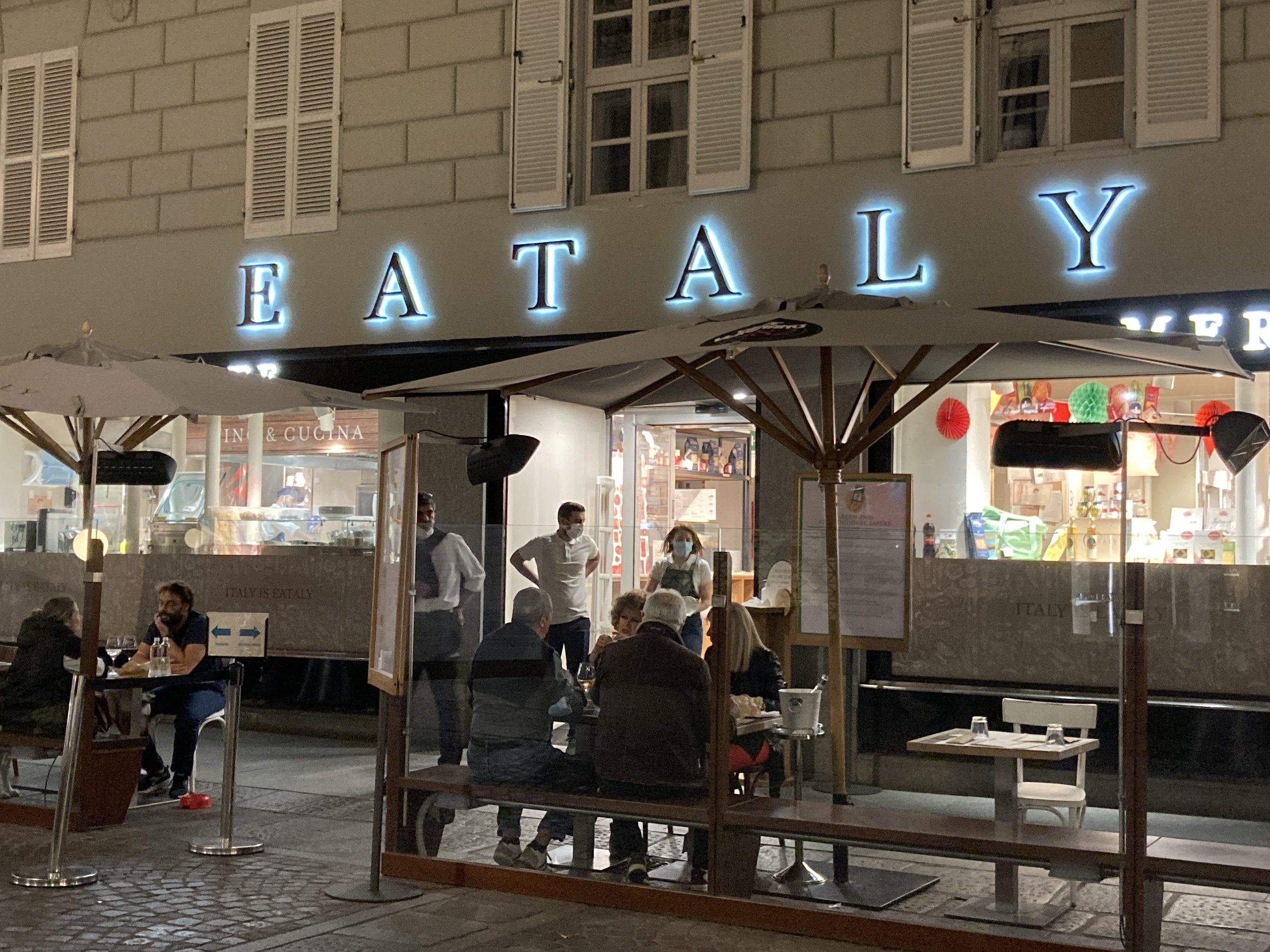
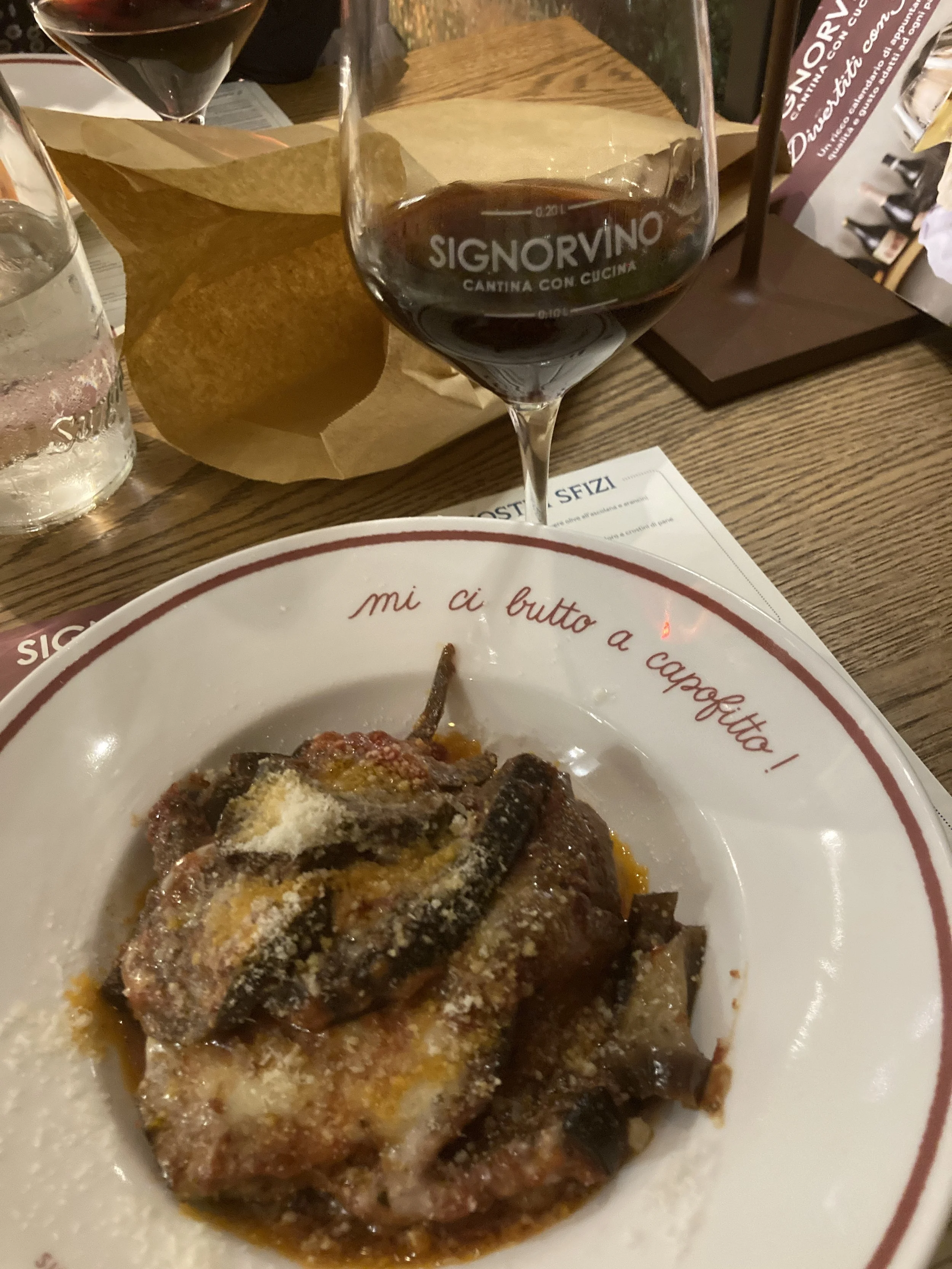
After an afternoon of wandering, it was time to think about dinner. A walk down Via LaGrange presented some good choices. From small, very casual student hang-out spots to a small Eataly and a lively Signor Vino, it is easy to find good and moderately priced food along this street.

A32B5817-C7A8-4AD0-B284-BB7020647A34.jpeg
D041F9E3-3436-48FB-B0D1-5B90F04EE4B9.jpeg
81671075-E991-4DCF-9CFB-63D5658301C6.jpeg

My first afternoon and evening of wandering around the center of Torino was a great way to get oriented to this intriguing city. The next days held even more adventure - the Quadrilatero Romano, the search for an authentic Bicerin, beautiful churches, fascinating museums, more wandering. But this post is getting long, so more on Torino next week.

November 01, 2021 /Joanne Bartram
Torino, Turin, Piedmont, #turin, #tornino
#italytravel, Italian art architecture, Italian culture, Italy travel, Northern Italy Regions
A panoramic view of Lucca and the surrounding hills (taken from atop the Torre Guinigi)

A panoramic view of Lucca and the surrounding hills (taken from atop the Torre Guinigi)

Hello Lucca

September 06, 2021 by Joanne Bartram in #fallinitaly, #italytravel, #lucca, Italy travel, Living in Italy, Lucca

After several months away, it is a joy to be back in Lucca. I feel a bit like the little bunny in the children’s book Goodnight Moon - only instead of saying goodnight to every little thing, I wander around Lucca saying hello as I greet my favorite sights, sounds, and people.

Piazza San Frediano

Piazza San Frediano

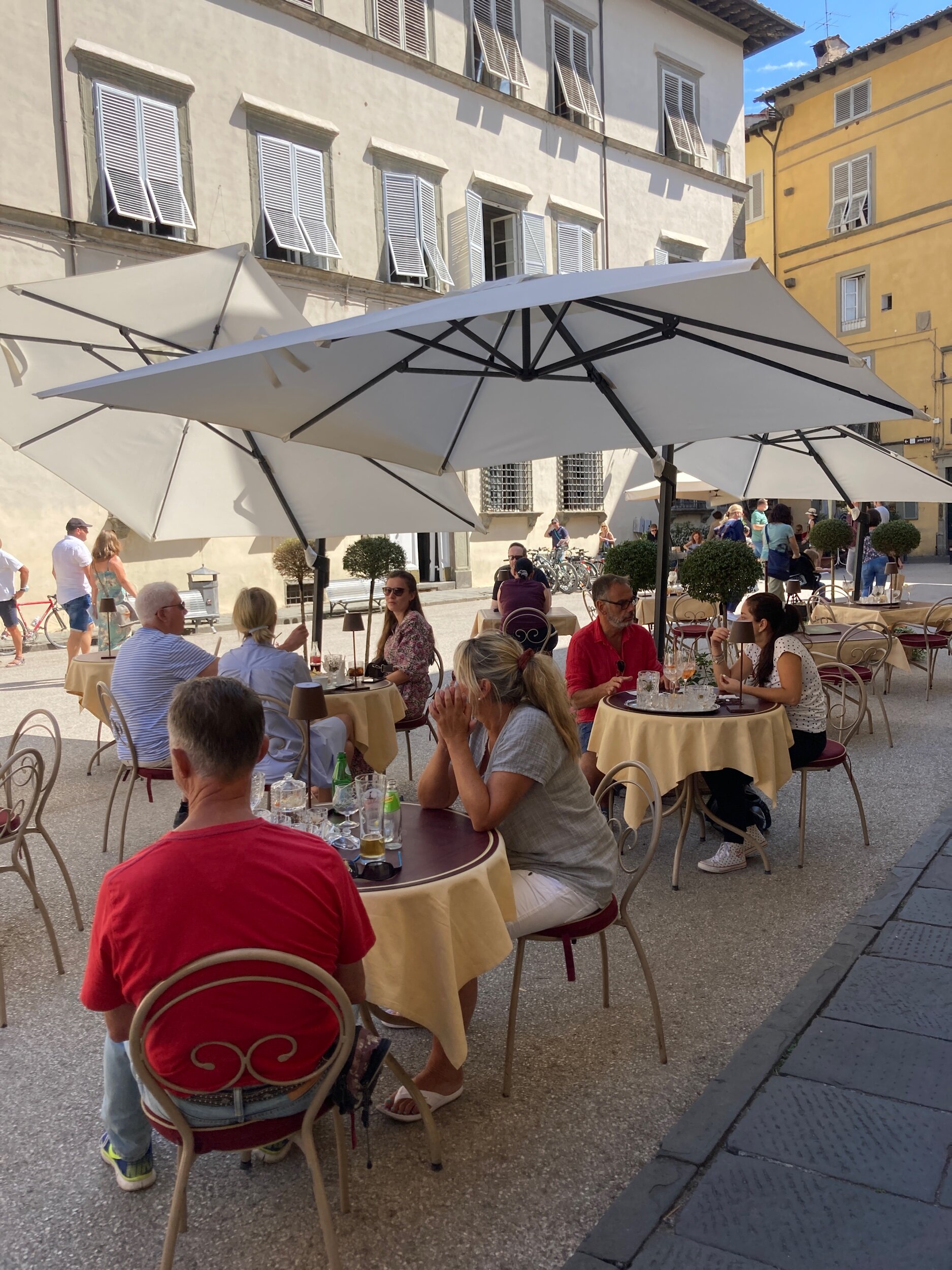
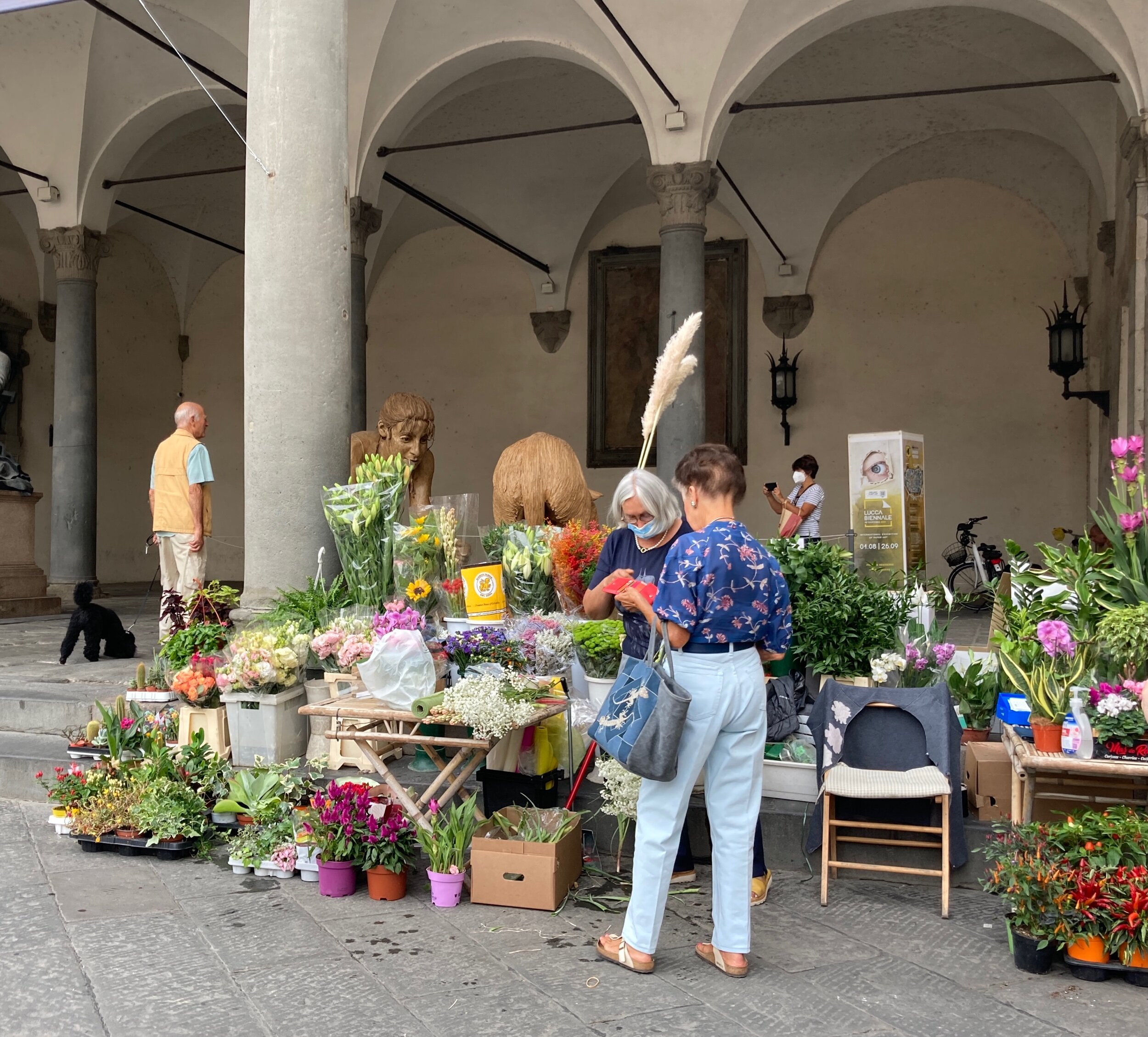
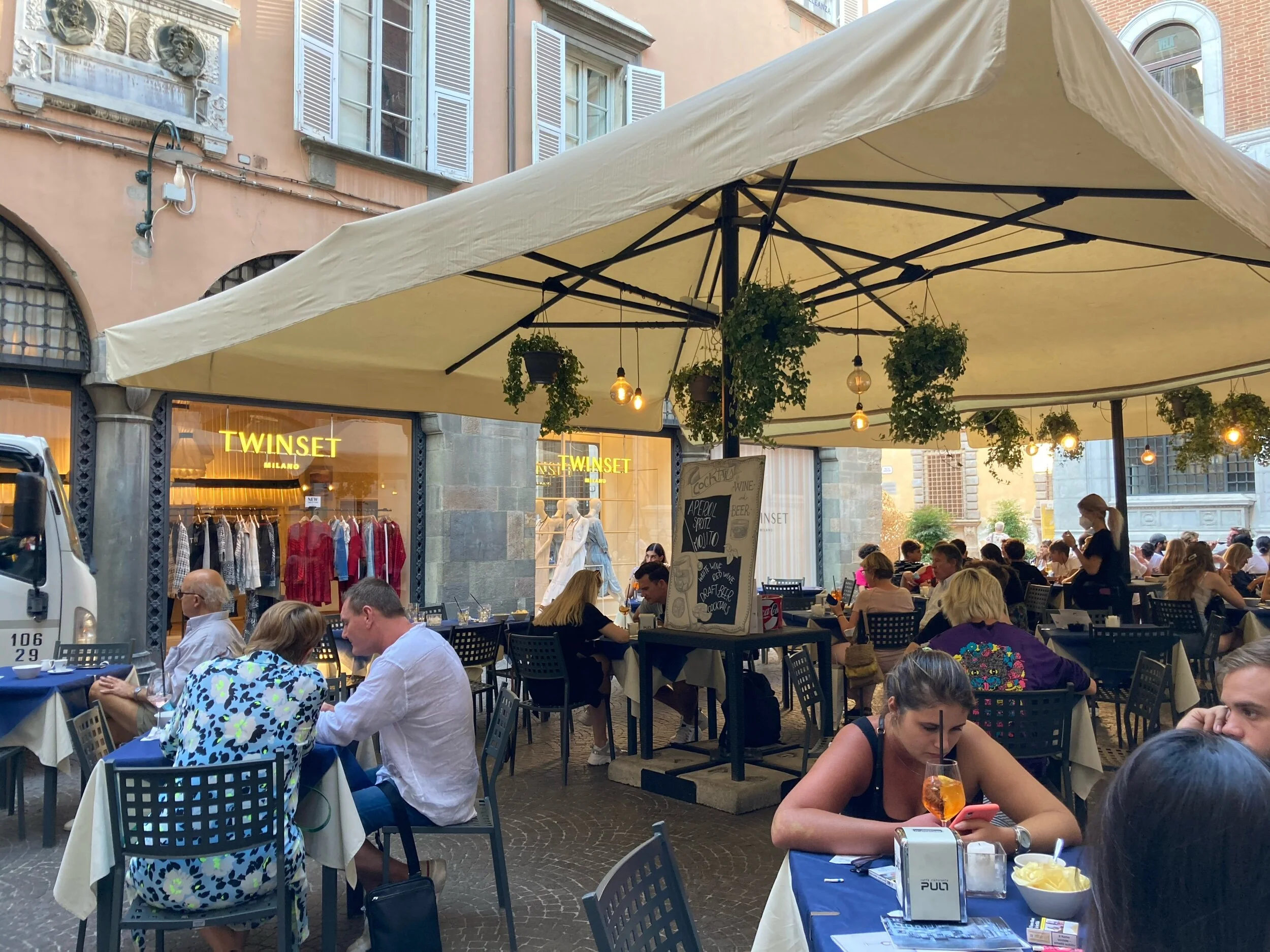
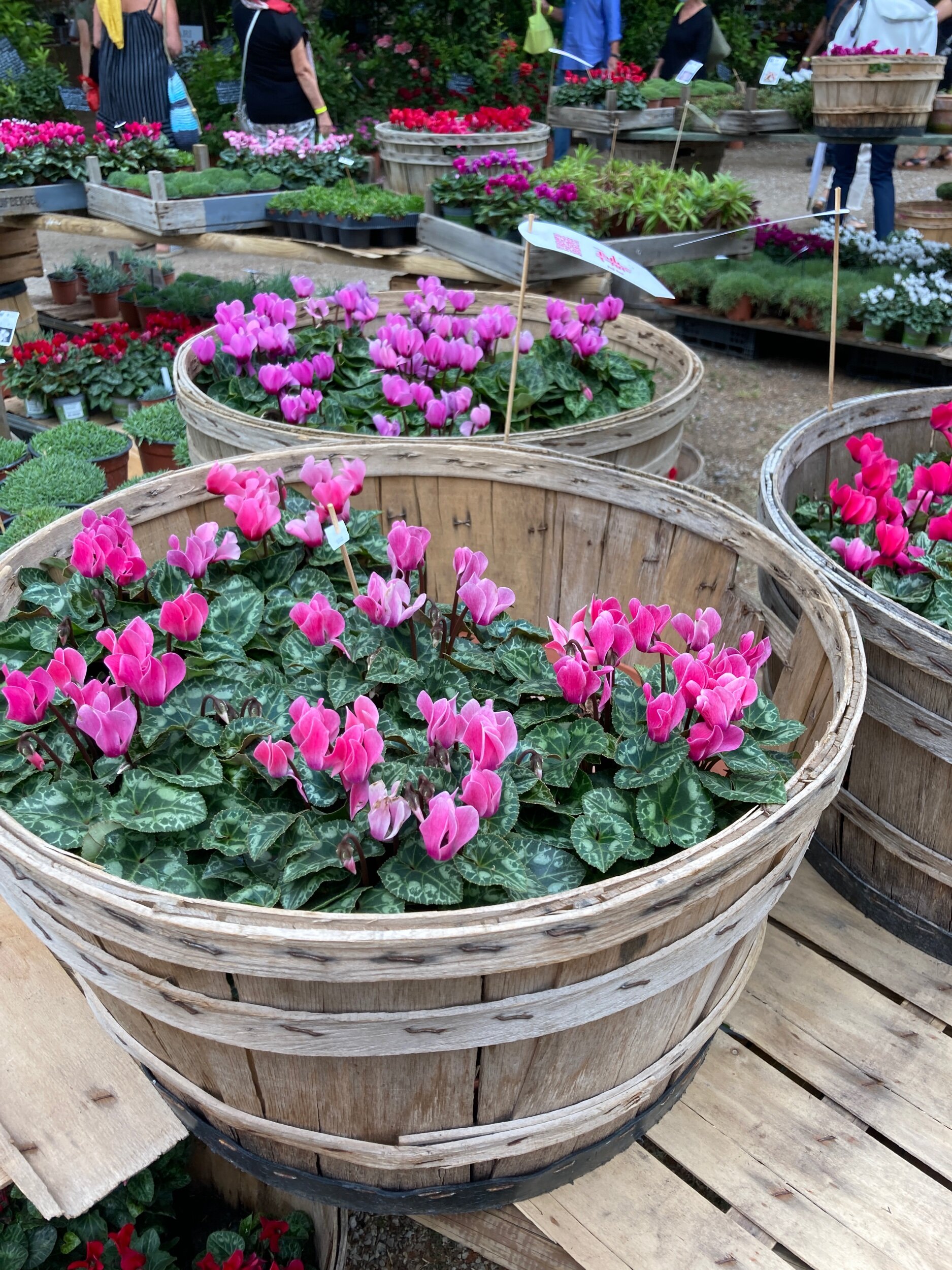
Hello pretty square where I can sip a morning cappuccino or an evening cocktail. Hello Torre Guinigi with your tall trees on top. Hello church bells. Hello Saturday flower market in Piazza San Michele.

Hello to the music school with the sounds of practicing students spilling from the windows. Hello stunning architecture. Hello blue Tuscan skies. Hello to Le Mura, the tree-lined wall surrounding the historic center. Hello flower filled balconies. Hello to “La Pupporona”, the graceful nymph who sits atop my very favorite Lucchese fountain.

Hello to the musical Italian language. Hello Maestro Puccini. Hello aperol spritzes on warm summer evenings. Hello gelato! How I’ve missed you all.

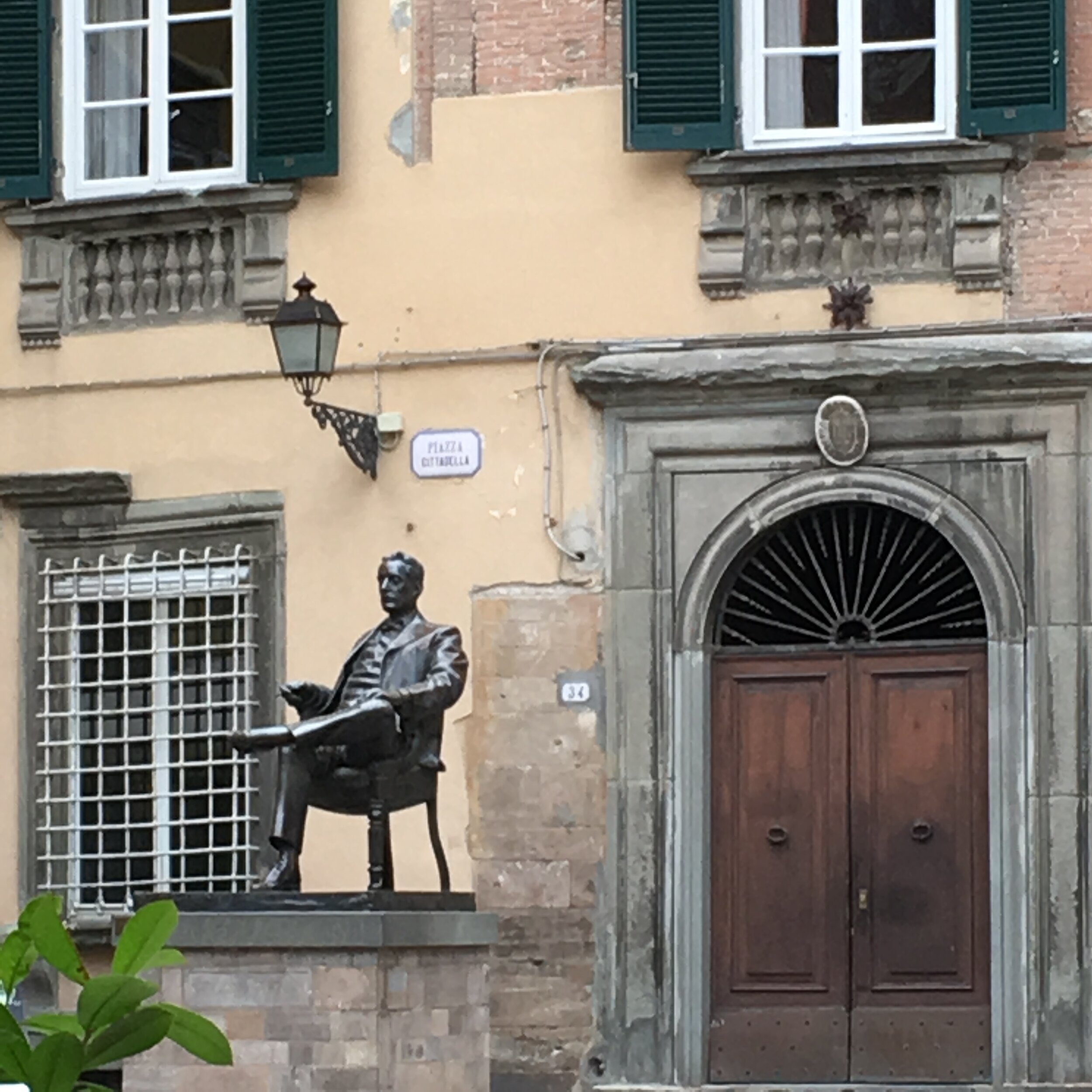
Piazza Cittadella - always a favorite spot.  That’s Puccini keeping watch over the piazza.

Piazza Cittadella - always a favorite spot. That’s Puccini keeping watch over the piazza.

It’s wonderful to say hello to friends I’ve missed while I was away. We have so much catching up to do. And to all my favorite shopkeepers, teachers, and restaurant staff - hello and please excuse my rusty Italian

Some things have surprised me as I’ve slipped back into life in Lucca. I had almost forgotten how lively it is here in a “normal” summer. And while we are not really back to normal yet (masks are still required indoors, the green pass is the new essential, and COVID still poses a threat) there is a definite upbeat change in atmosphere. The streets are busy, tourists have returned, and social groups are meeting once again (outdoors mostly).

While most of the visitors right now are from EU countries, the Americans and Canadians are arriving too, despite frequently changing requirements. One example of those changes - when I arrived on August 28th I needed only to show proof of vaccination status and complete the EU PLF (the on-line passenger tracking form). As of September 1 however, visitors from the US and Canada also need a negative covid test 72 hours before arrival. No quarantine required if fully vaccinated and COVID negative but be prepared to show proof of vaccination and a photo ID to enter most venues.

The return of art exhibits is definitely something to savor.  This one is a personal favorite of mine.

The return of art exhibits is definitely something to savor. This one is a personal favorite of mine.

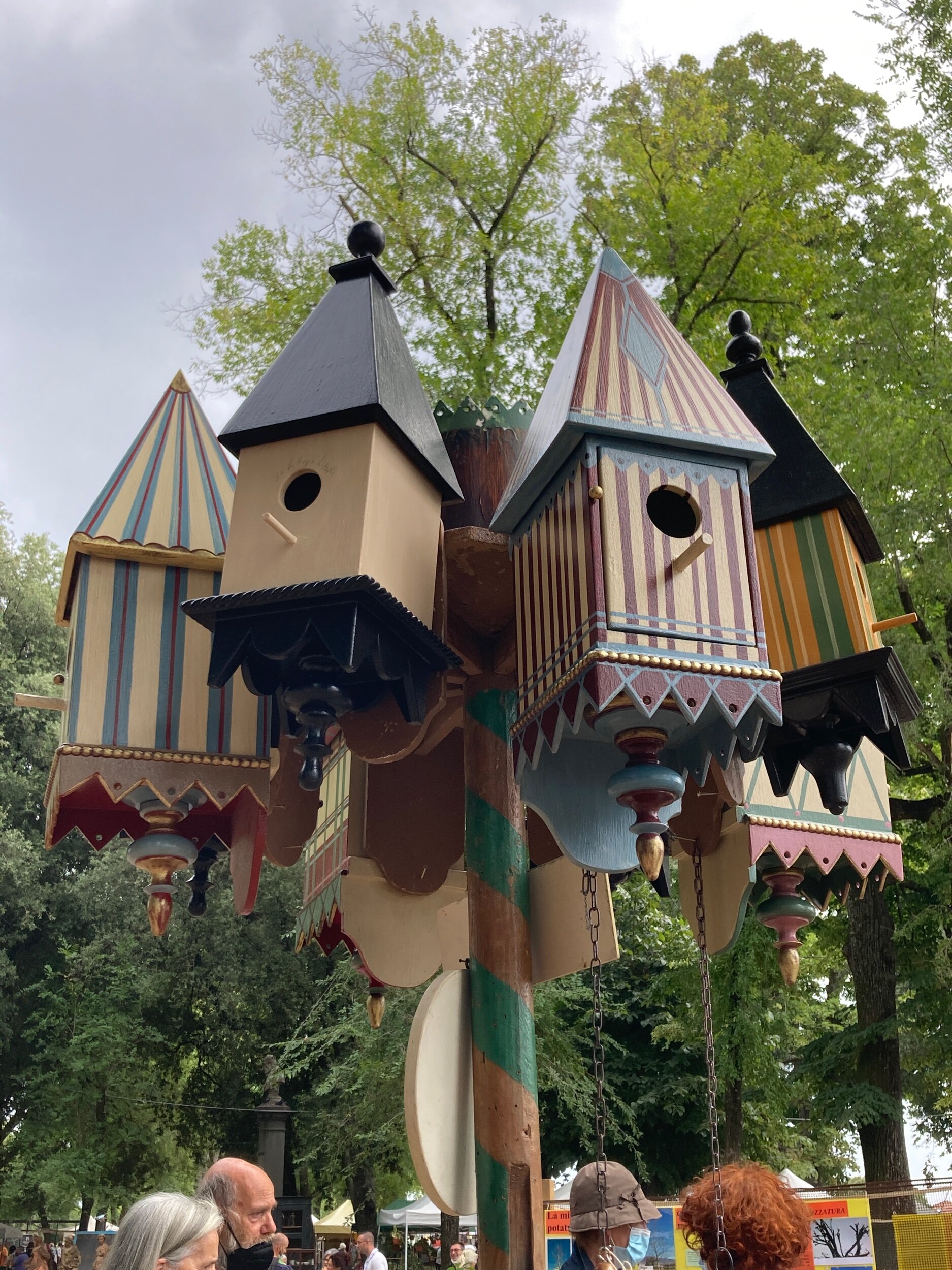
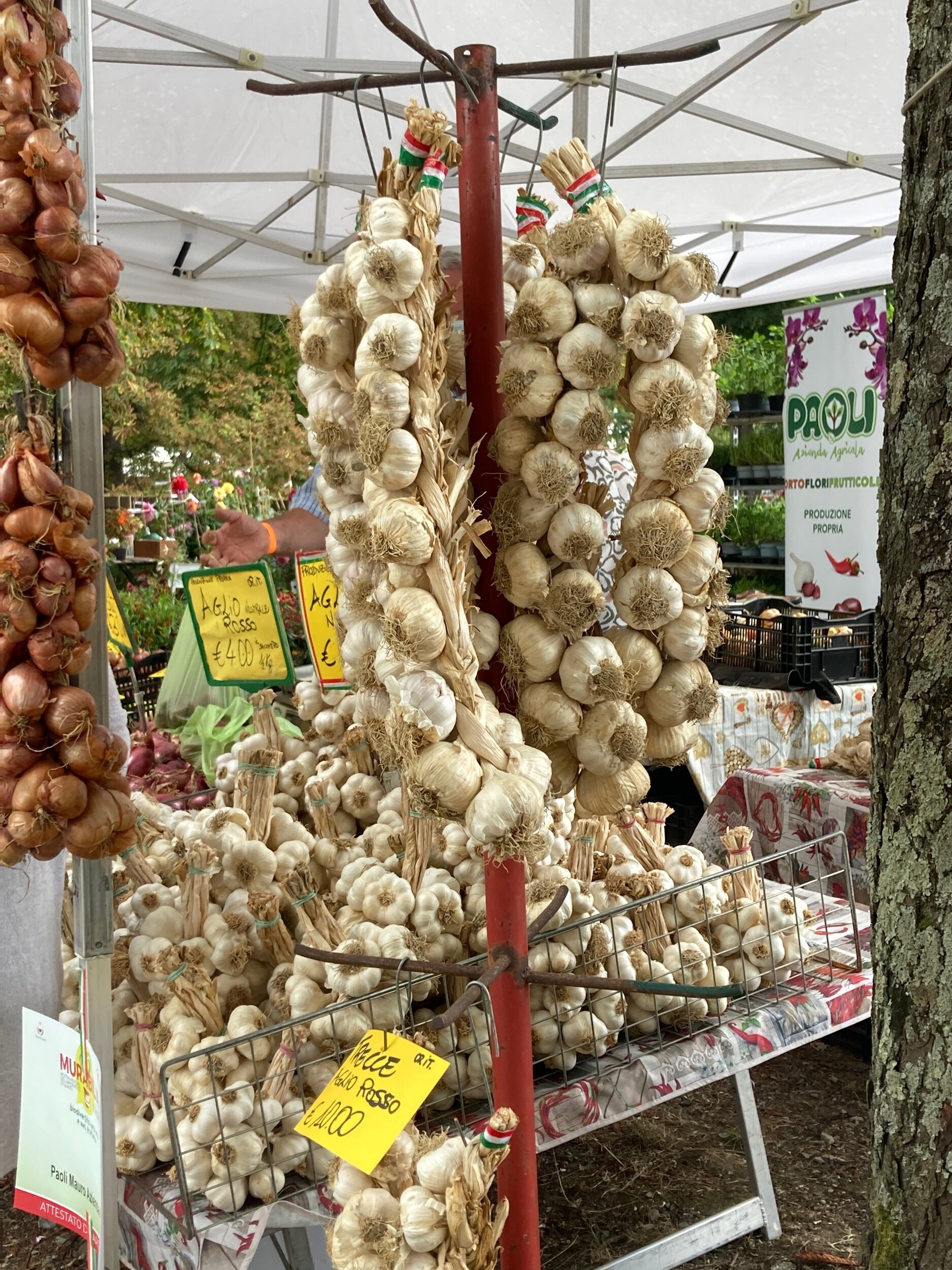
Another pleasant find is that while summer 2020 saw the cancellation of almost all events, this summer there are posters up throughout the city advertising concerts, garden shows, art exhibits, and other upcoming events. This past weekend the fall garden show (Murabilia), cancelled last September, took place along the city walls.

IMG_2214.jpeg
IMG_2204.jpeg
IMG_2201.jpeg

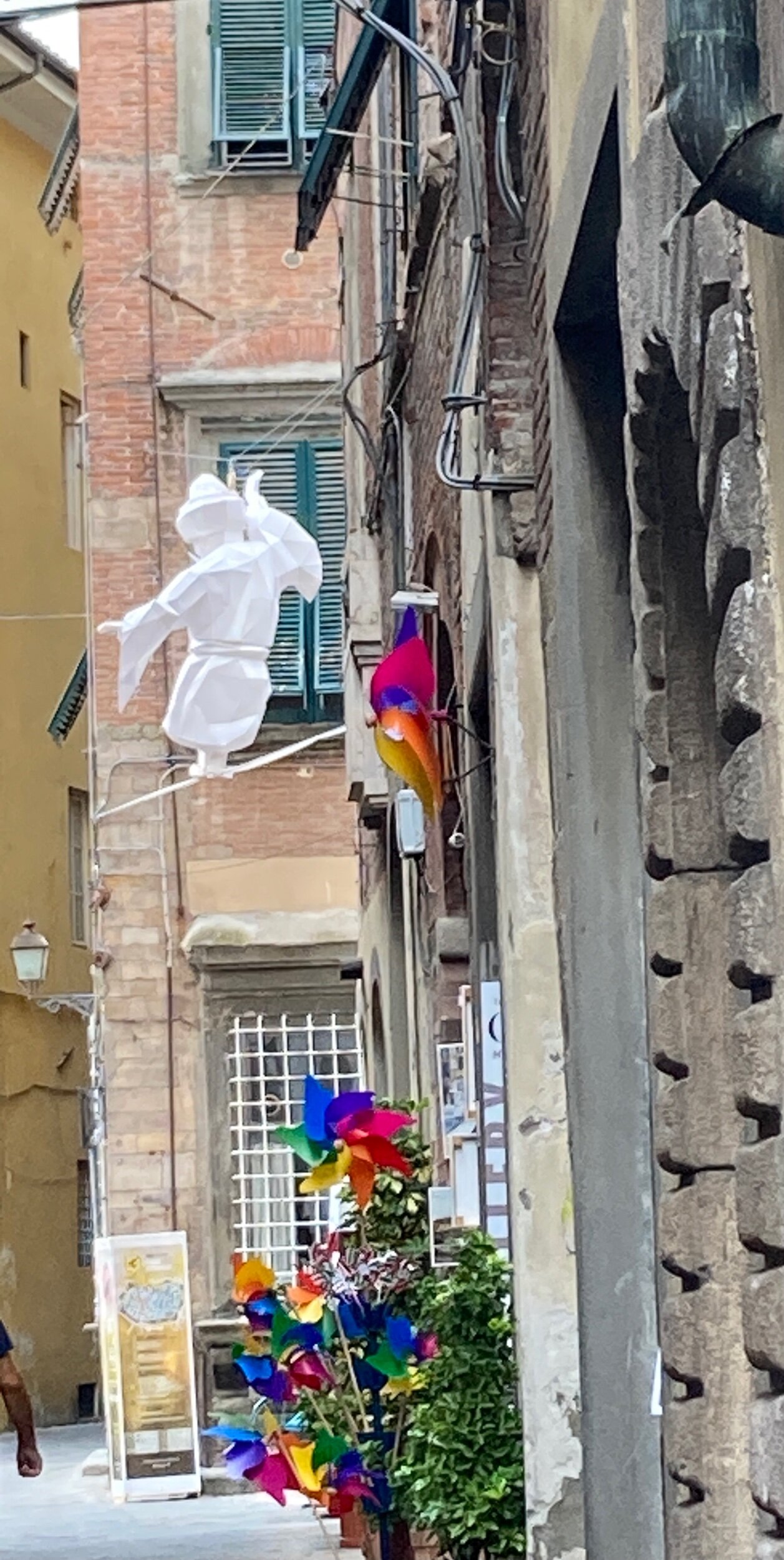
Perhaps best of all, the Cartasia (Biennale poster above) art show has returned (after a year’s delay) with installations all through town. I’m looking forward to exploring this always fascinating display of paper art.

One of the many paper art installations around Lucca, part of the Lucca Biennale Cartasia show.

One of the many paper art installations around Lucca, part of the Lucca Biennale Cartasia show.

I’m looking forward to visits from several American friends in the next few weeks and to doing some fall travel within Italy. And even though I already miss my family and friends in the US, it is good to be back. Hello Lucca!

September 06, 2021 /Joanne Bartram
lucca exhibits
#fallinitaly, #italytravel, #lucca, Italy travel, Living in Italy, Lucca
  • Newer
  • Older

Powered by Squarespace