Two Parts Italy

Exploring Italy, travel, and living a flavorful life

  • Blog
  • About This Blog
  • Start Here
  • Recent Posts
  • Archives by Topic
  • Subscribe
  • Contact me

Pontremoli. A beautiful village with an interesting literary history.

The Booksellers of Pontremoli
March 13, 2023 by Joanne Bartram in #italytravel, Festivals Italy, Hill Towns Italy, Italian culture, Italy travel, Italy, Lunigiana

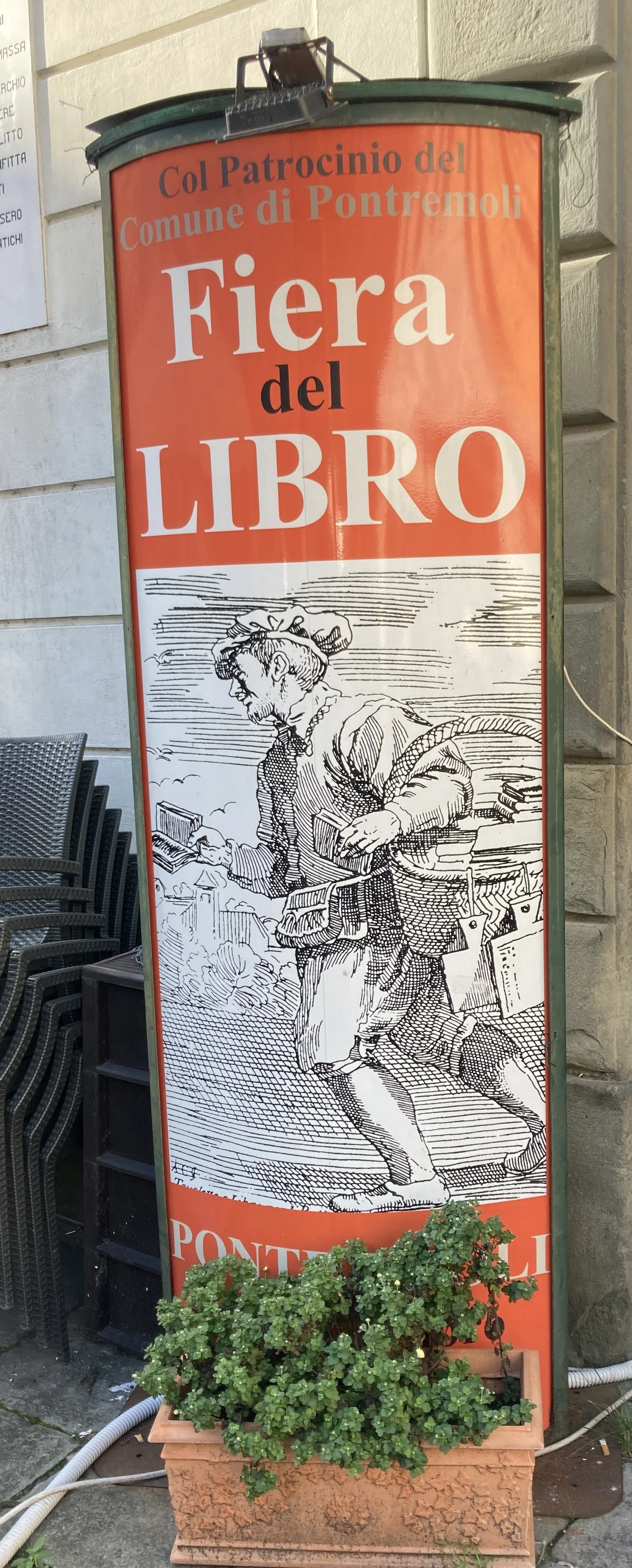
The image of an itinerant bookseller stands outside a bookshop in Pontremoli

Imagine a time, in the centuries before printing was established, when books where hard to come by.   This was certainly the situation long ago in the remote and mountainous areas of Northern Italy. Printing of books did not arrive to the area until the late 15th century. What a miracle those early books must have seemed!

In the 16th century, itinerant booksellers began to travel from town to town, carrying baskets full of books. They reached the small hamlets throughout northern Italy, even venturing all the way to Germany, setting up temporary stalls to sell books.

These traveling booksellers came from the Lunigiana region of northern Tuscany, particularly from the towns of Pontremoli and Montereggio.  The selling of books became a family business, a tradition passed down from generation to generation.  Over time the work of the booksellers became more established. Today, many bookstores in northern and central Italy can trace their roots back to Pontremoli’s traveling booksellers.
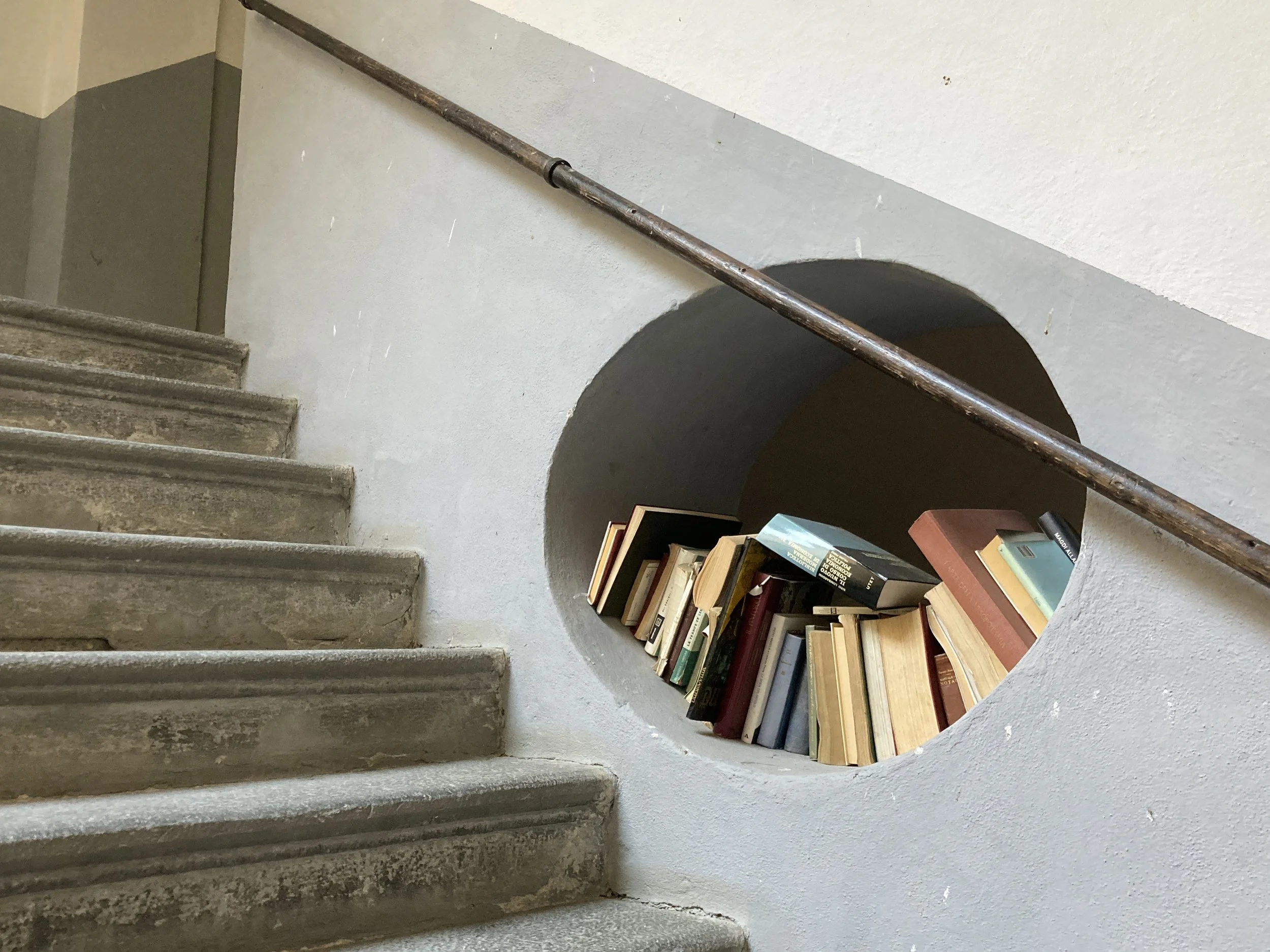
I first noticed the books of Pontremoli in this stairwell leading up to the apartment I was renting.

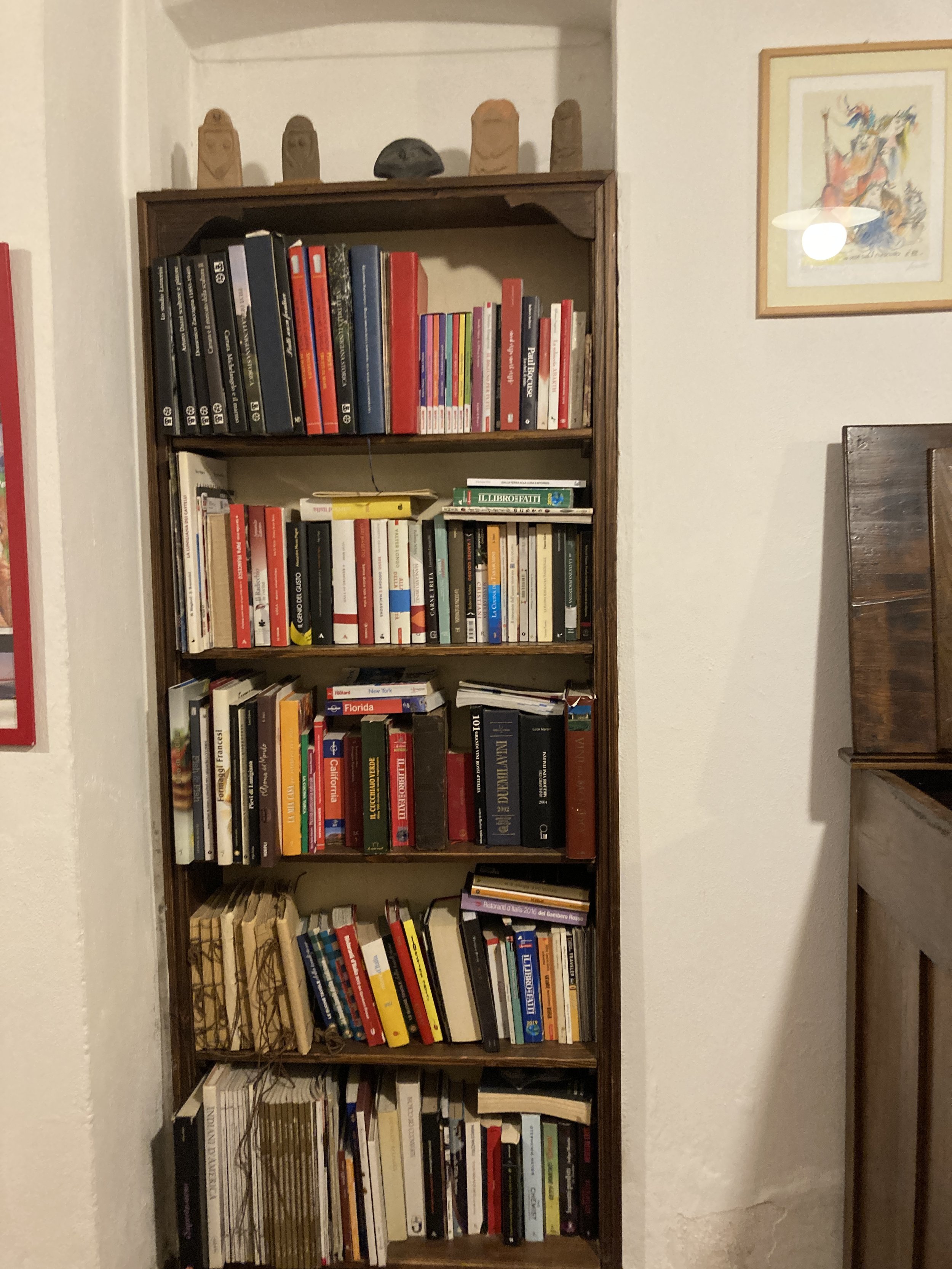
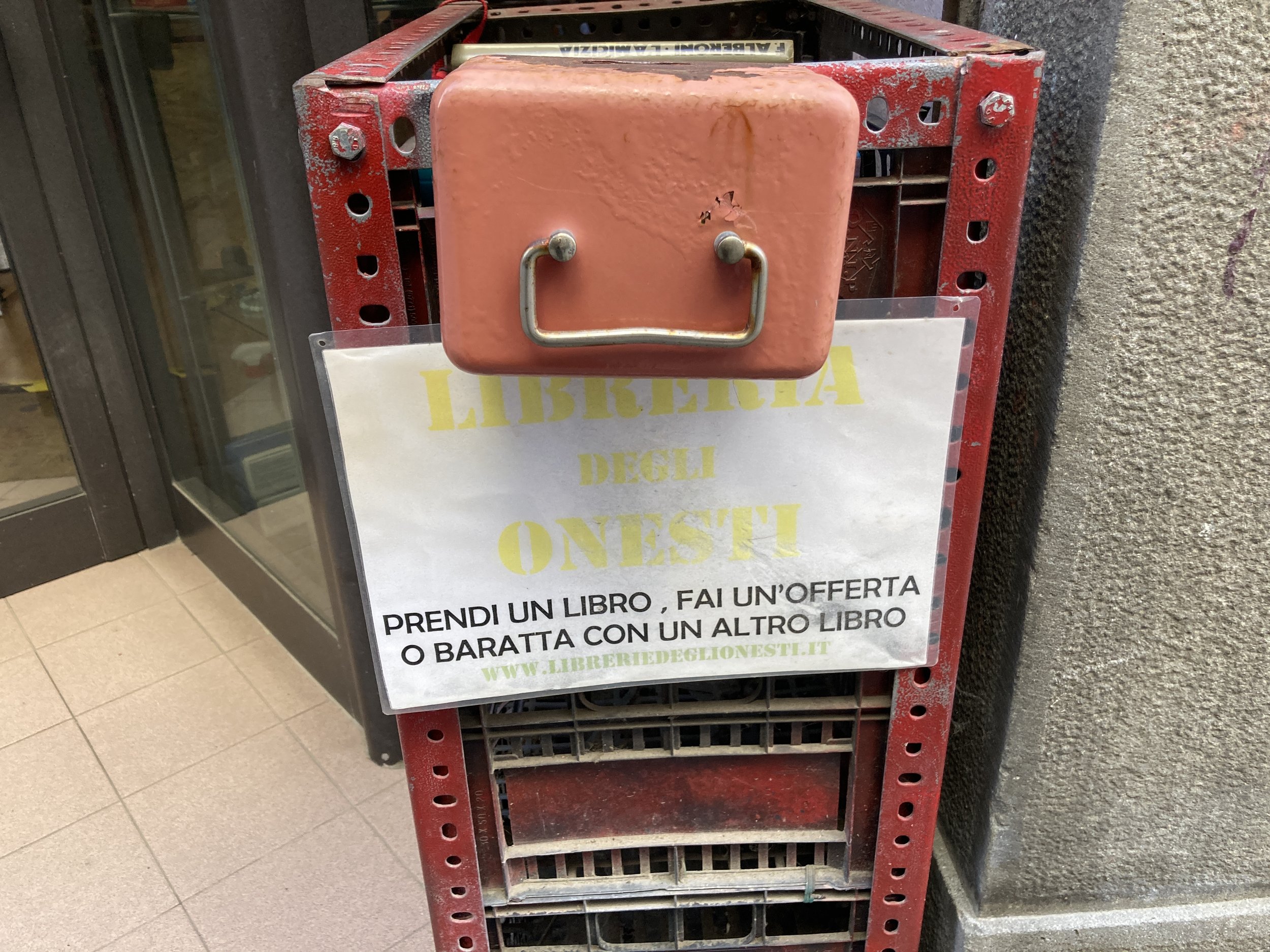
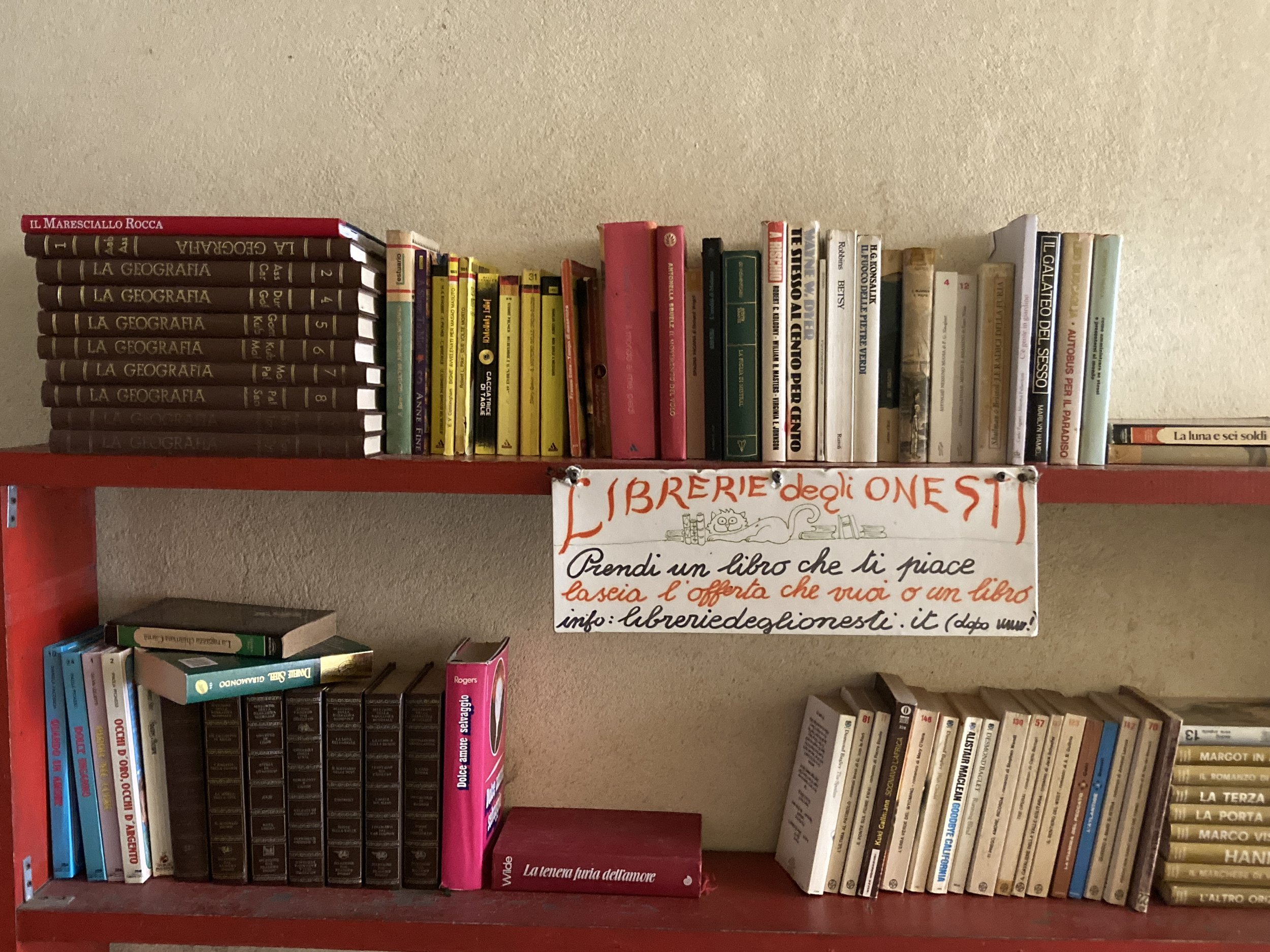
I didn’t know much about this history before I visited Pontremoli last fall.  I was immediately struck by the fact that books were everywhere.  Books filled nooks along the staircase in the Airbnb apartment where I stayed.  Books sat outside shops in small baskets, payment on the honor system.  Books lined shelves in cafes and restaurants.  There was also a large shop selling new and used books in Piazza della Repubblica, right in the heart of the historic center.  Pontremoli seemed to be a city of books.
 

9C69B372-51A5-4CC1-937D-D9A110A4F825.jpeg
EA1711BC-1F2A-438E-AB39-5FD5A5420E84.jpeg
F15276D3-4DAE-458C-8B80-38B6E3D4415E.jpeg

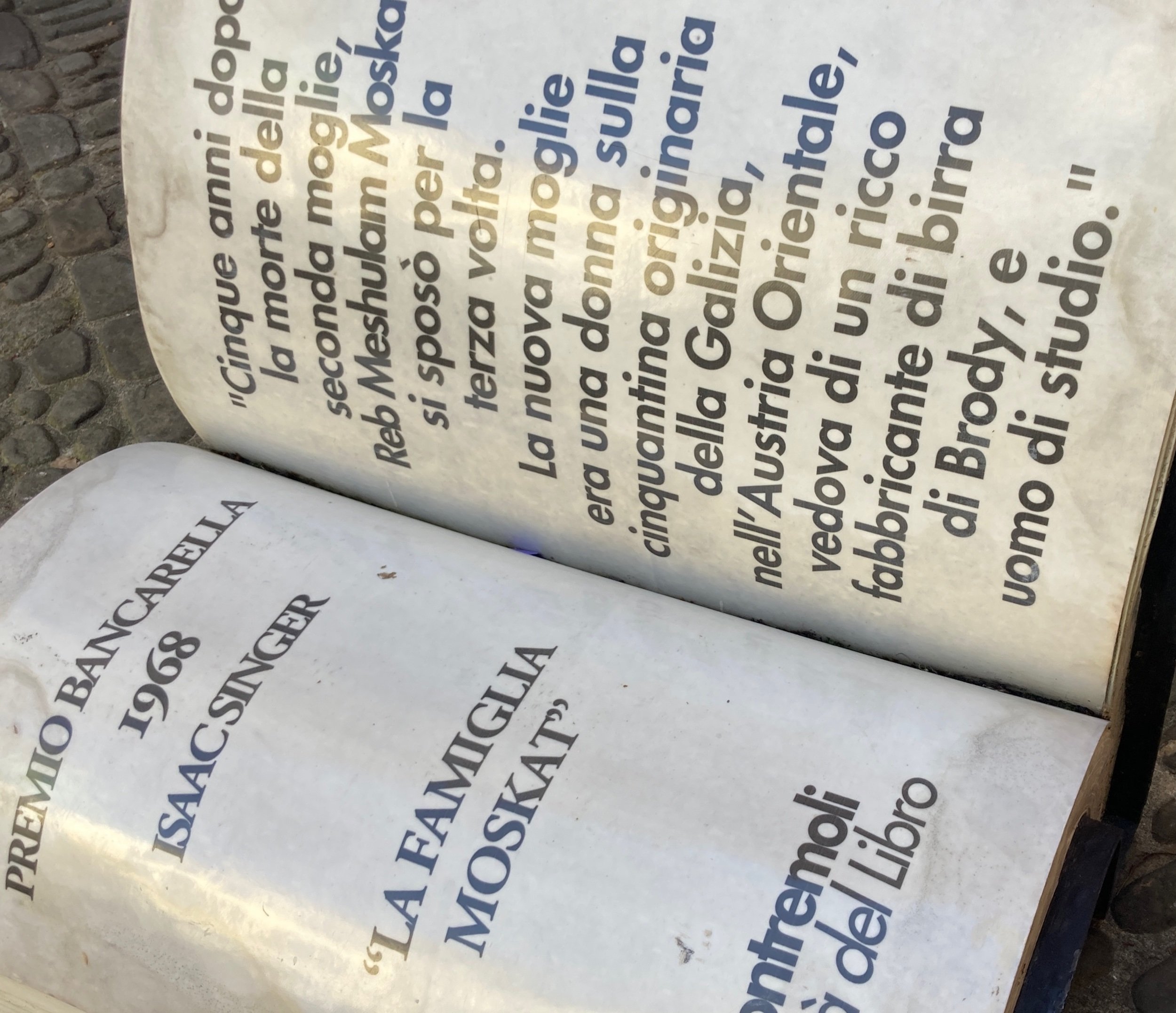
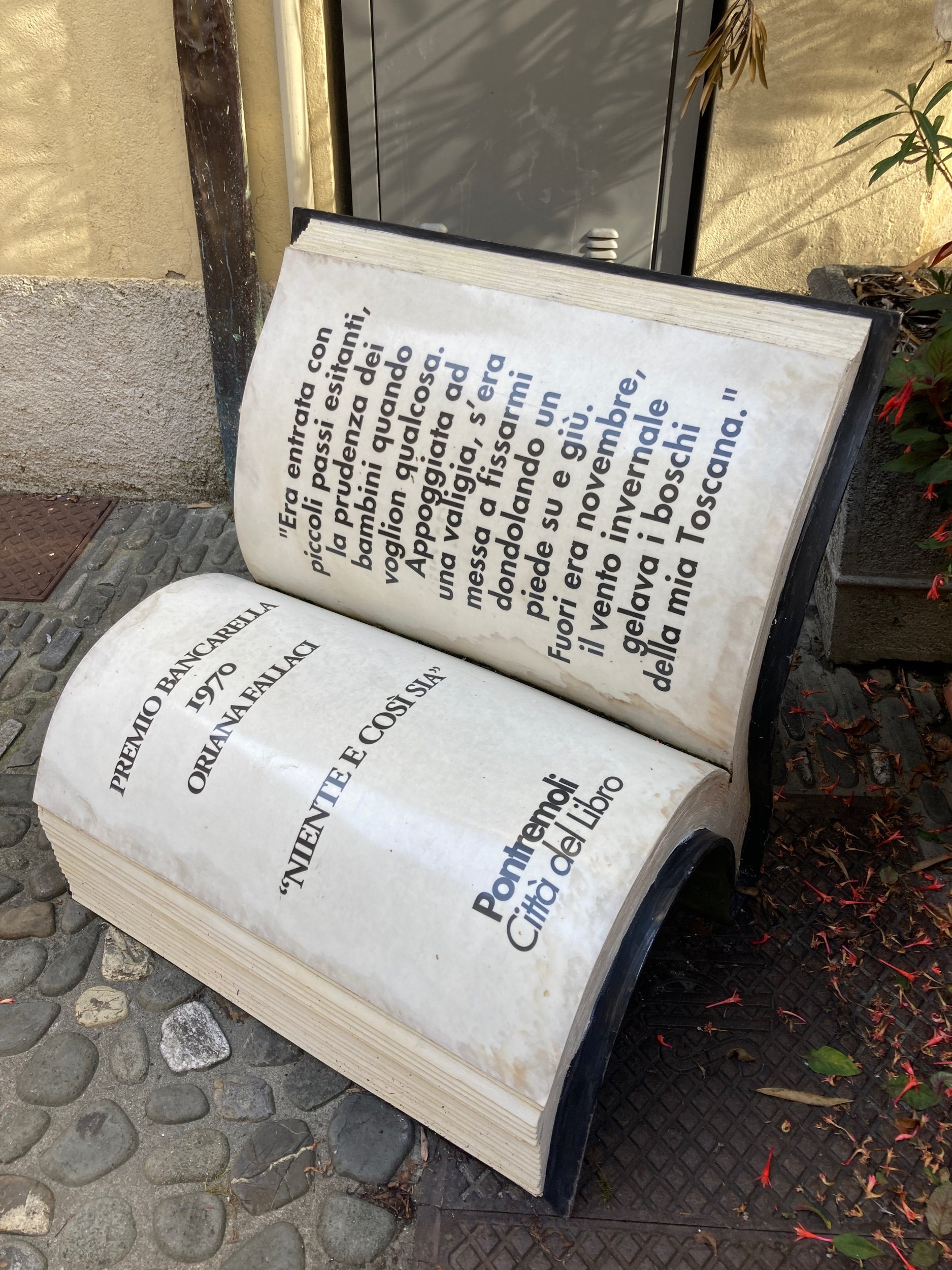
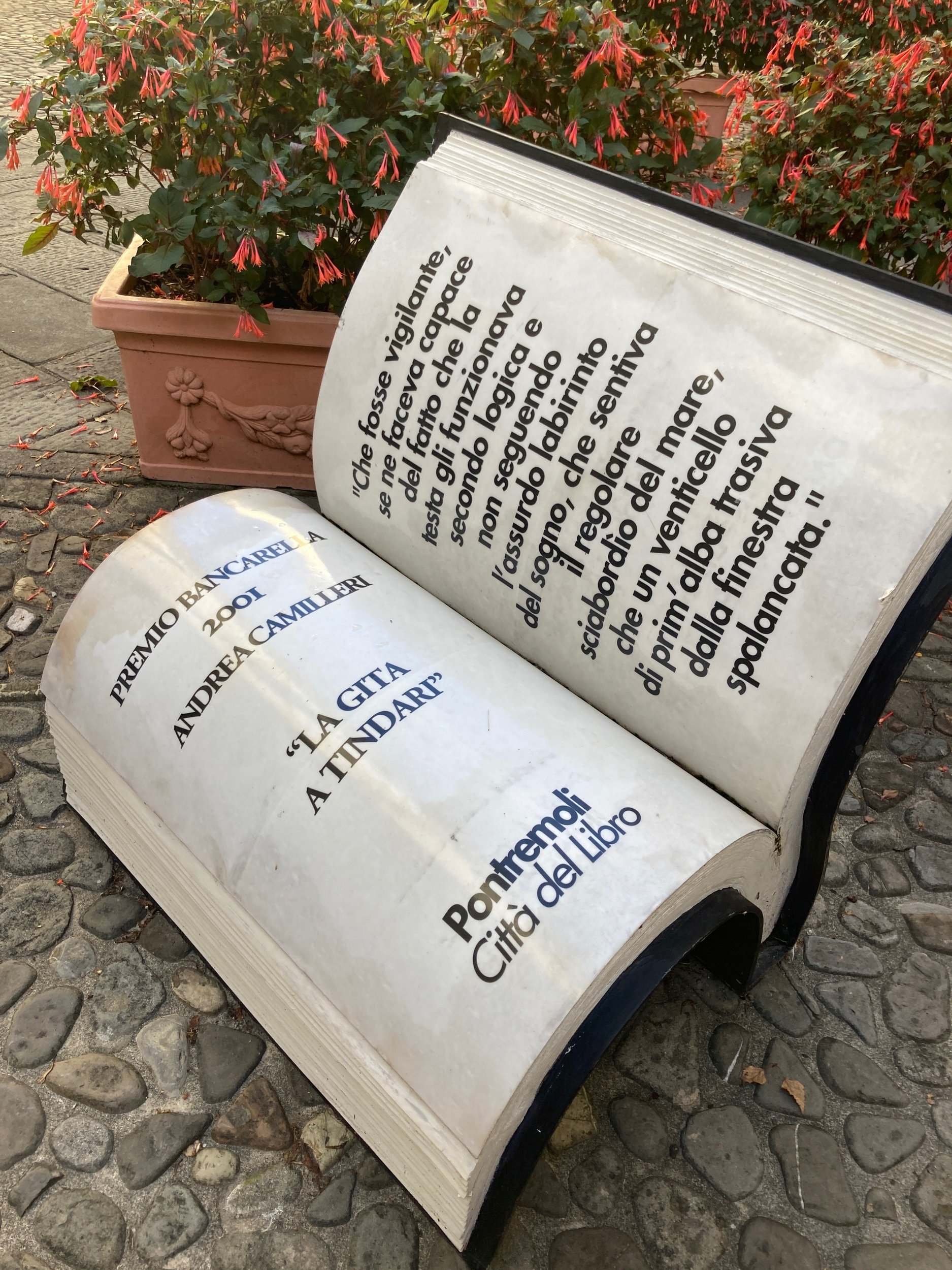
Just off Piazza della Repubblica was a courtyard filled with benches sculpted in the form of open books.  Each had a date, a title, an author’s name, and a snippet of text.  A similar book bench was found in the courtyard of the Piagnaro Castle high above town.  Curious!
IMG_0134.jpeg
IMG_0136.jpeg
IMG_0133.jpeg


New and used books displayed below an sign for the 2005 Premio Bancarella

A bit of investigation revealed that the book benches were related to an annual literary prize, The Premio Bancarella, awarded each summer in the city of Pontremoli. 

The prize has its roots in the city’s history of booksellers.  In fact, the Premio Bancarella is the only literary prize awarded by a committee made up exclusively of booksellers.  Unlike publishers and literary scholars, the booksellers know which books are popular with their customers, which ones are most in demand.  The prize is a connection from author to bookseller to reader.  And the term Bancarella, meaning stall, reflects those early booksellers who set up stalls in the smallest of towns.

Each year since 1952 a panel of booksellers has met to award the prize.  The first year the prize was awarded in nearby Montereggio. That year the winner was Hemingway for The Old Man and the Sea.  Since then the prize has been awarded each year in Pontremoli. The list of winners include Italian literary figures and authors from around the globe. 

In 2006 a category for books related to food was added, The Premio Bancarella della Cucina.  That may explain the large number of cookbooks found in the bookshop near where the prizes are awarded.

There are many things to love about Pontremoli, but the fact that the town is full of books is an added bonus.

A glimpse inside a Pontremoli book shop selling new and used books in a variety of genres

March 13, 2023 /Joanne Bartram
Pontremoli, Premio Bancarella
#italytravel, Festivals Italy, Hill Towns Italy, Italian culture, Italy travel, Italy, Lunigiana

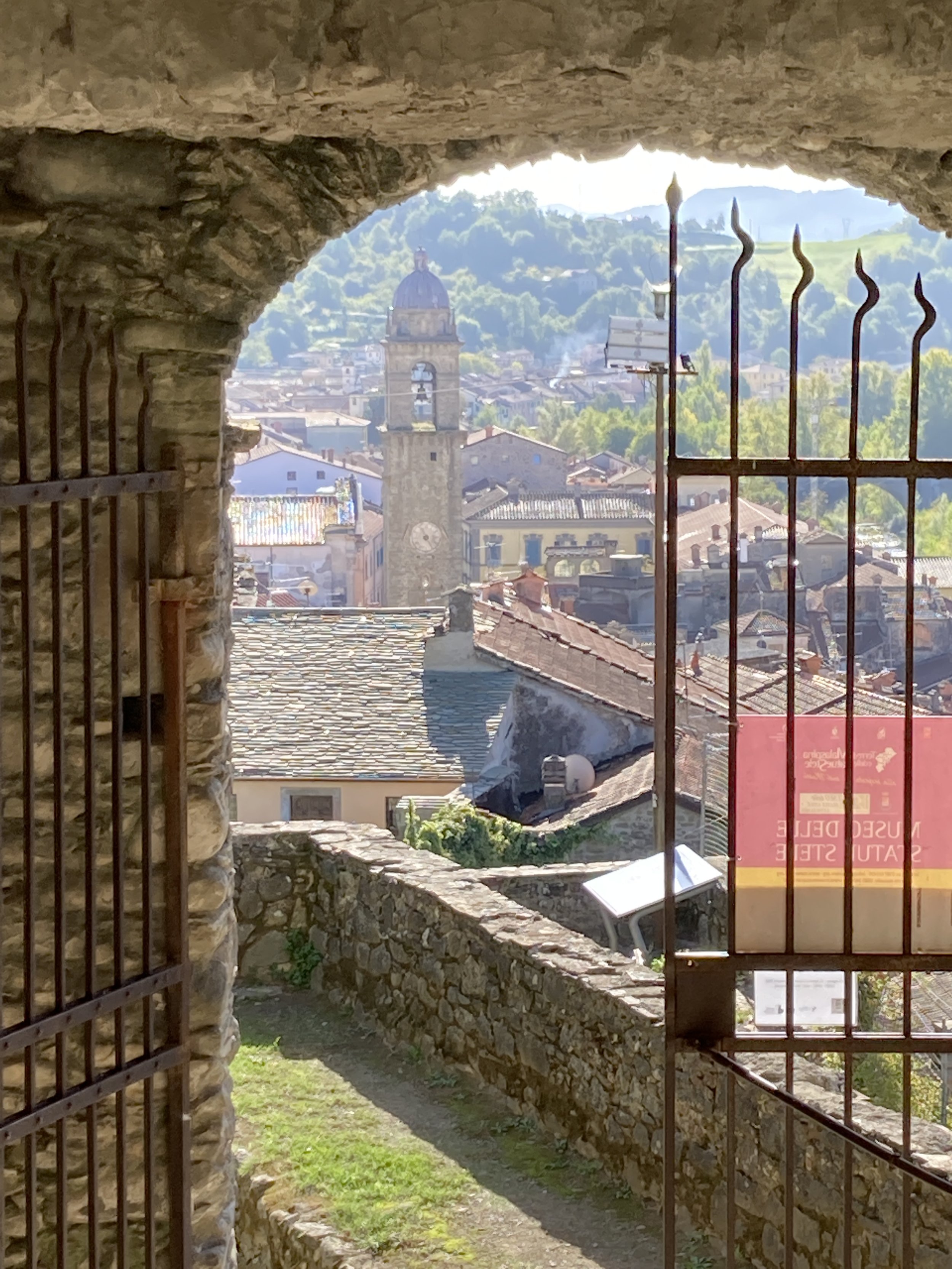
A view of Pontremoli from the Castello del Piagnaro

Pontremoli: A Walk, A Castle, and Prehistoric Rock Carvings

January 30, 2023 by Joanne Bartram in #italytravel, #medievalitaly, Italian art architecture, Italy travel, Italy, Liguria, Lunigiana, Museums Italy, Tuscany

The Lunigiana region reaches from the northern part of Tuscany into Liguria, all the way to the coast. It is a unique area, quite different from the classic images of Italy. No grand cathedrals, huge museums, or rolling vineyards here. The region is mountainous, forested, and crossed by rivers. There are no large cities to be found, instead there are small medieval hamlets, many with ancient towers and castles. Some of the castles lie in ruins, complete or partial, but a few are remarkably well preserved.

Castello del Piagnaro, Pontremoli

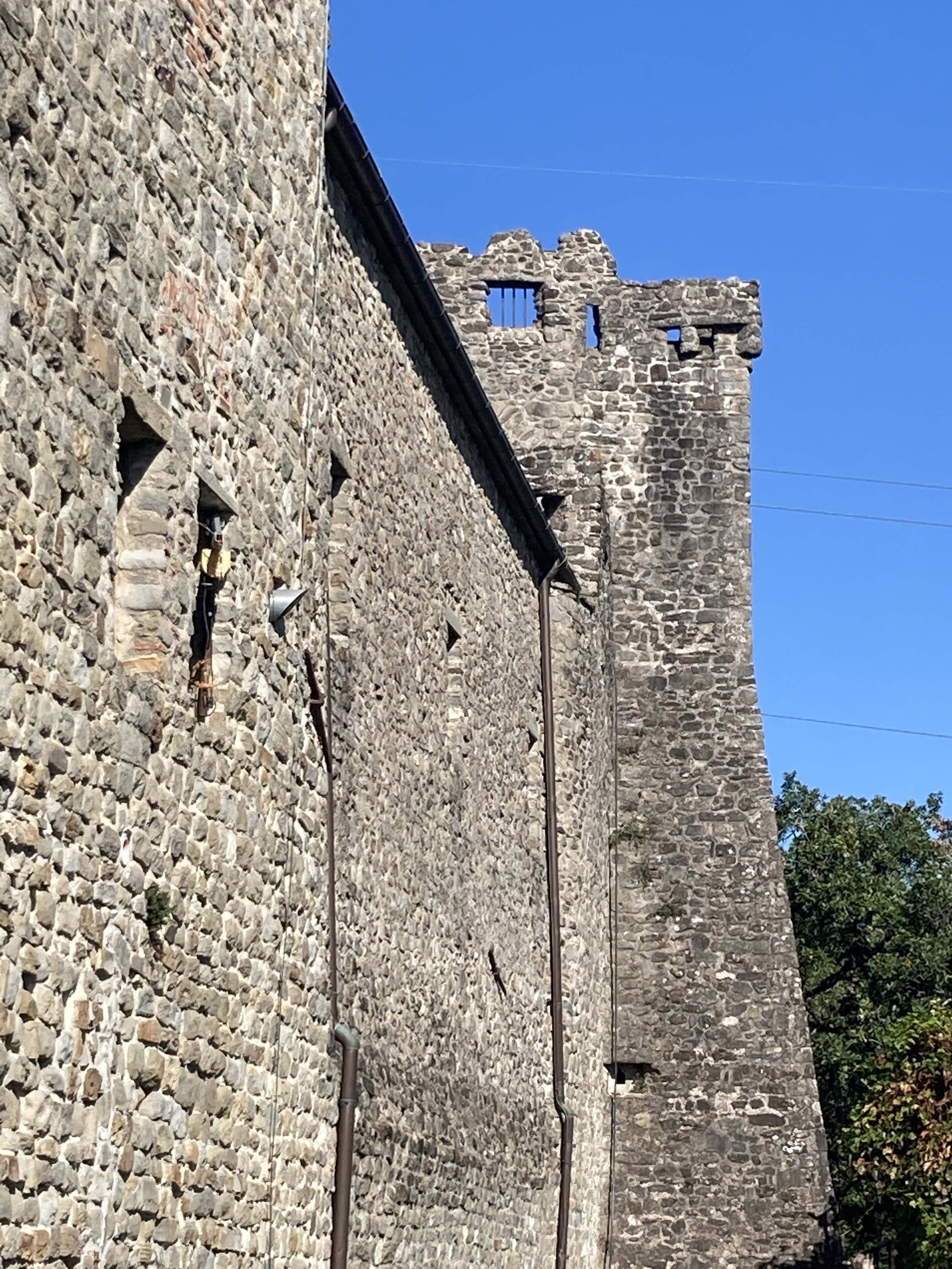
One such castle is the Castello del Piagnaro in the town of Pontremoli. The castle dates from the 10th century, with cycles of expansion, destruction, and rebuilding over the ensuing centuries. Some components of the Castello have been lost to time, a drawbridge for example, and some elements are as new as the 15th century tower (if something that old can really be called new).

Today the restored castle compound stands guard high above Pontremoli and welcomes visitors to both the castle interior and the Museum of the Stele Statues of the Lunigiana which is housed within its ancient walls.

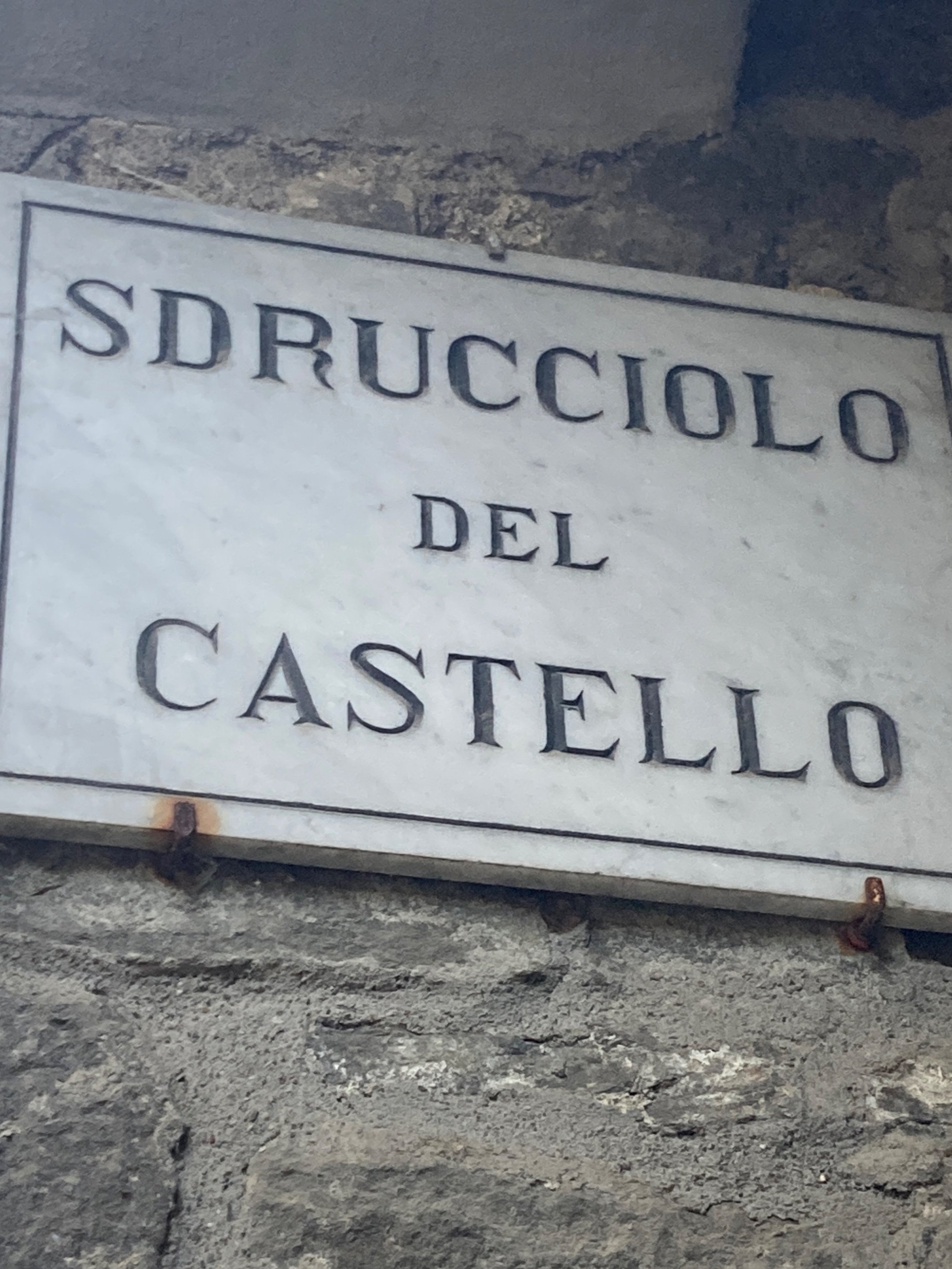
Half the joy of seeing the castle is the walk to it from the historic center of Pontremoli. The walk begins from the small main street and winds up even smaller alleys to the castle. Along the way are small shops, medieval buildings, arches, gates, views, and the occasional cat.

9A276F32-C6DB-4FED-96BA-3507878AB48A.jpeg
659FCDA5-CE13-4D2D-8786-92BA97582636.jpeg
1A5FFBBD-F8DB-4ACF-8582-A3F4EDF23CA8.jpeg
200453F8-50A1-4FD6-A4B2-86EDFA1E66A3.jpeg

This sign marks a steep little alley that leads to the castle.

The walk winds uphill, but it is not terribly steep. For a less inspiring, but less strenuous, way to the castle take the elevator from Porta Parma at the north end of town directly to the castle grounds. I found the hike up to be definitely worth the effort. With stops along the way to admire the ancient buildings, chat with local residents, and enjoy the views to the town below it was a walk I would not have missed!

There is a ticket office just inside the castle gates where a combined ticket for the museum and castle can be purchased for 7 euro (4 euro for those over 65). From the ticket office you can enter the museum directly or cross to the castle entrance.

62B1FF37-1DC2-441A-AA0B-FD77579C836C.jpeg
E7C694A0-9052-40AF-93C5-BC94DF9BB1A6.jpeg
7DF251FE-919C-4BC7-B65F-1F76E67210E7.jpeg

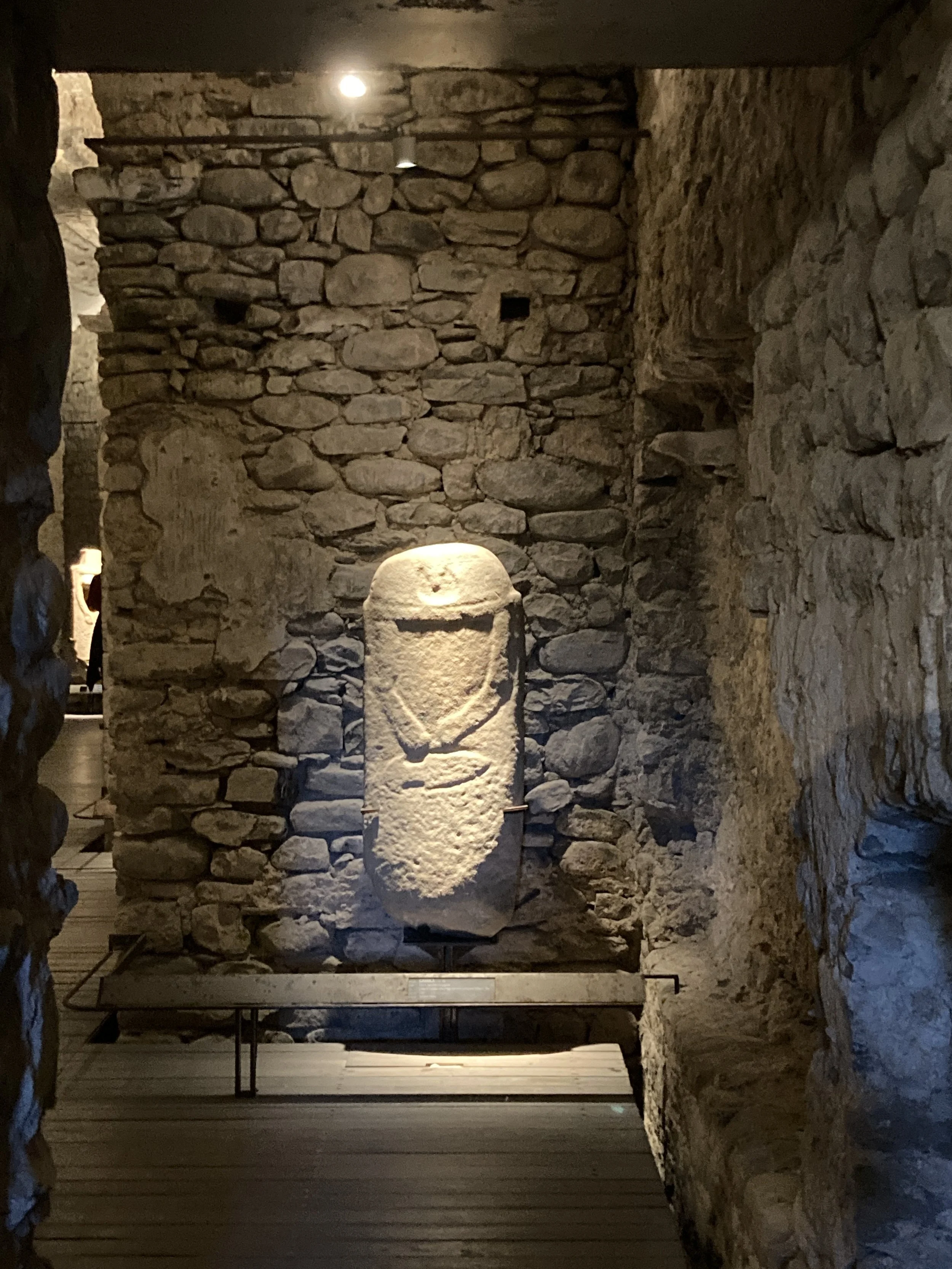
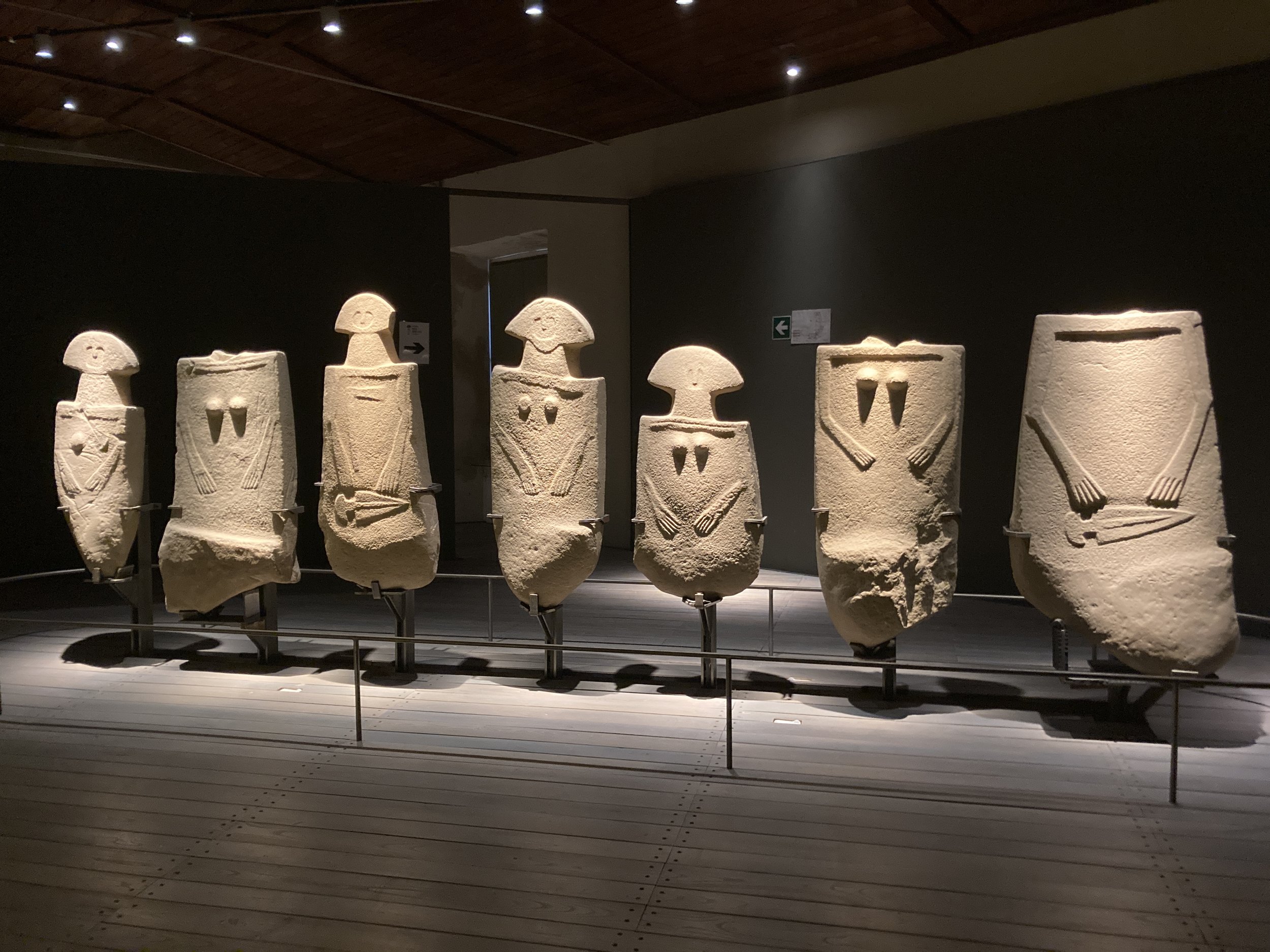
The museum is fascinating. Stele (not to be confused with the similar Italian word stelle which has a different meaning all together) are prehistoric carvings, representing human figures, found throughout the Lunigiana region. They have been housed in the castle museum since 1975 and are truly a treasure.

Both male and female figures are represented. The males seem to be warriors, armed with knives. The women, bare breasted, are adorned with necklaces. The dark rooms and dramatic lighting show the pieces off perfectly.
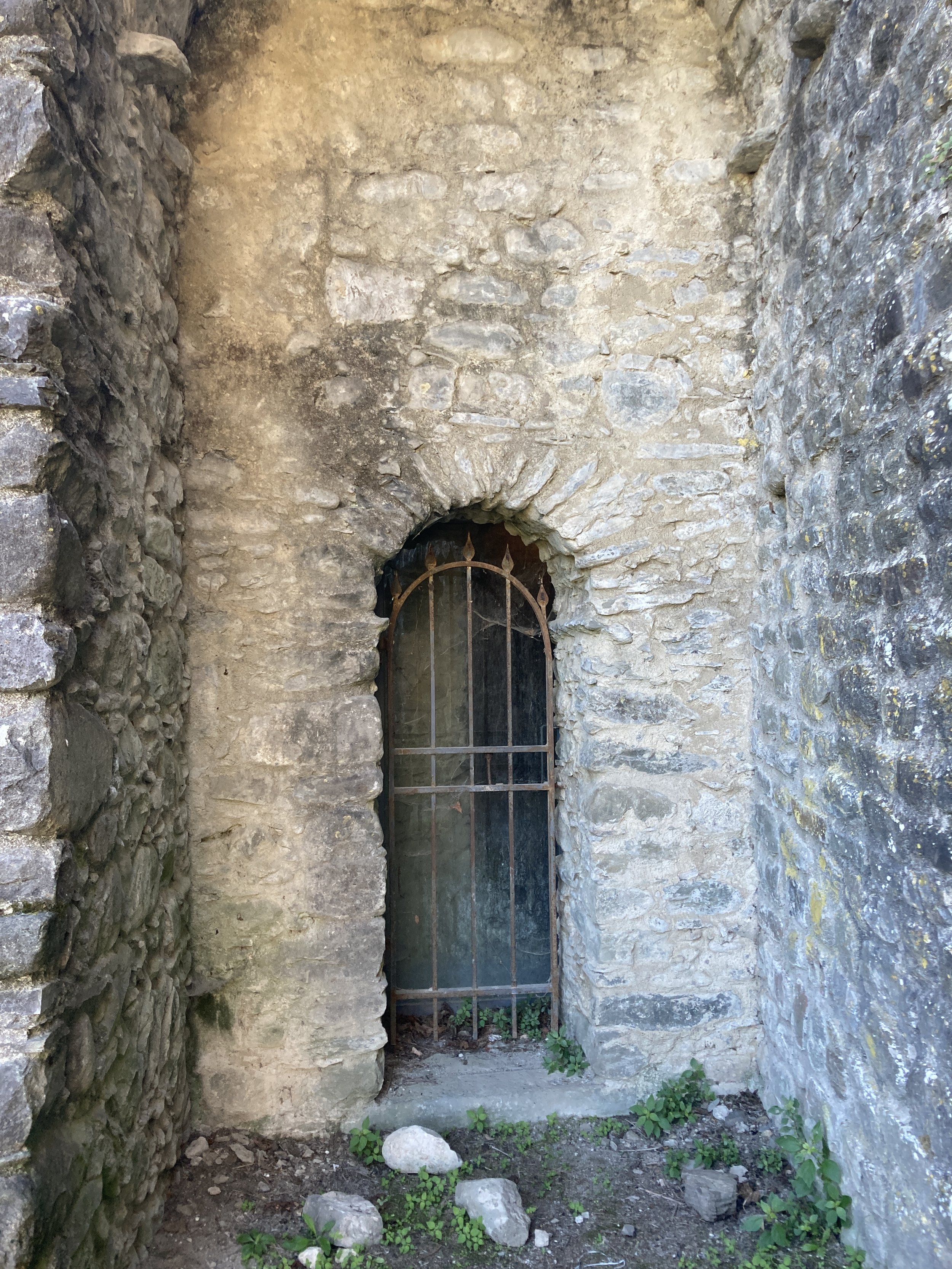
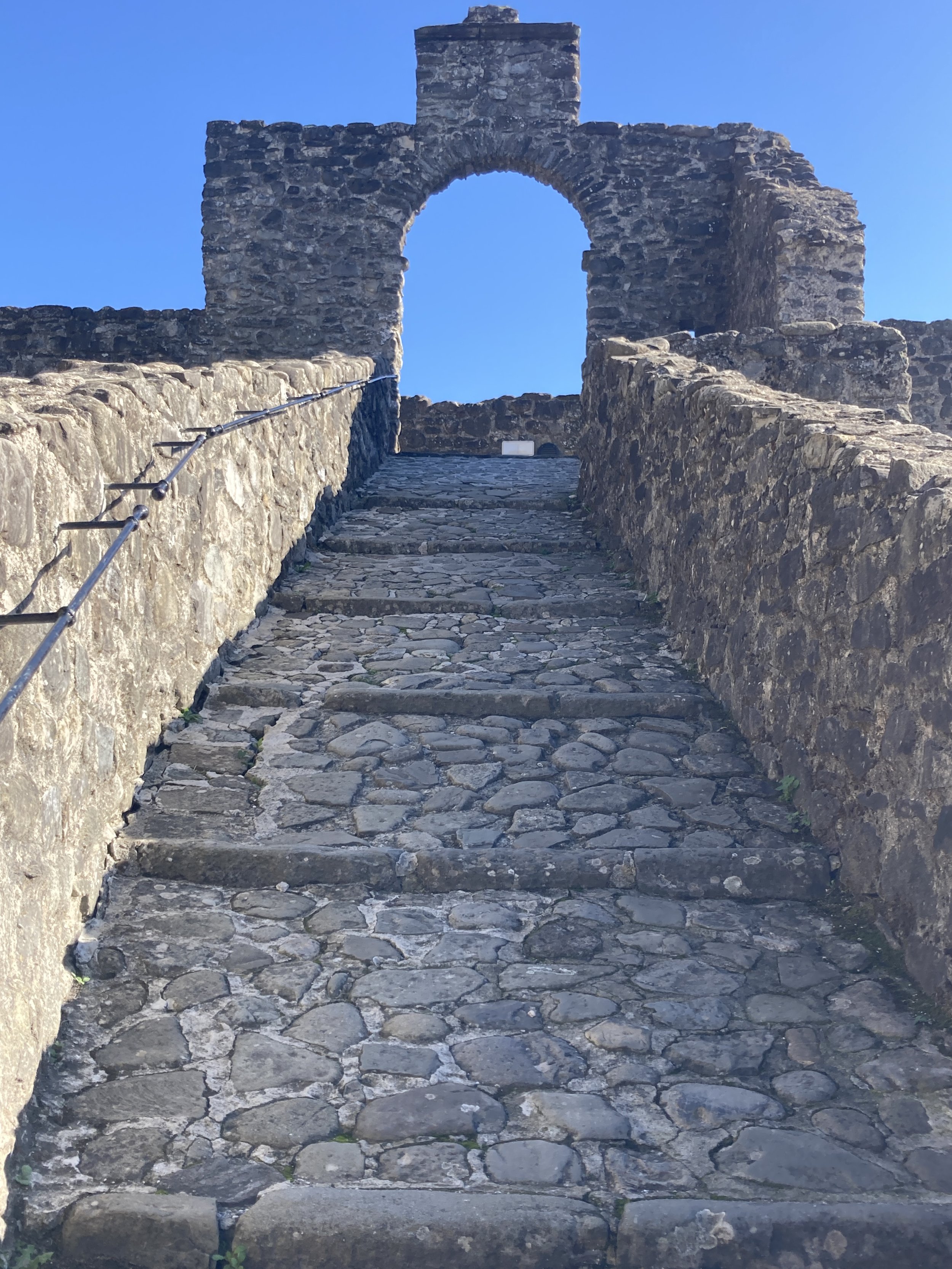
After the stele, it is time to wander through the castle. And I do mean wander - there are many rooms, courtyards, staircases, and roof top terraces to explore. Amazingly, there were no guards or “keep out” signs to be found, just freedom to explore and to wonder what life must have been like for the people who occupied this building over the centuries.

0C3C0097-1438-45E7-94BA-CEA027C996B9.jpeg
8763BF5E-8568-4D2E-A7AA-8EC30BB296F0.jpeg
76AEB383-52BA-42CD-8565-159560922197.jpeg
721EE119-4A82-4888-AD09-E1E9502039D7.jpeg
43136409-7E87-4E26-A9E4-24F4EDE50082.jpeg
7642380A-98F8-4C12-9F10-C20513323235.jpeg

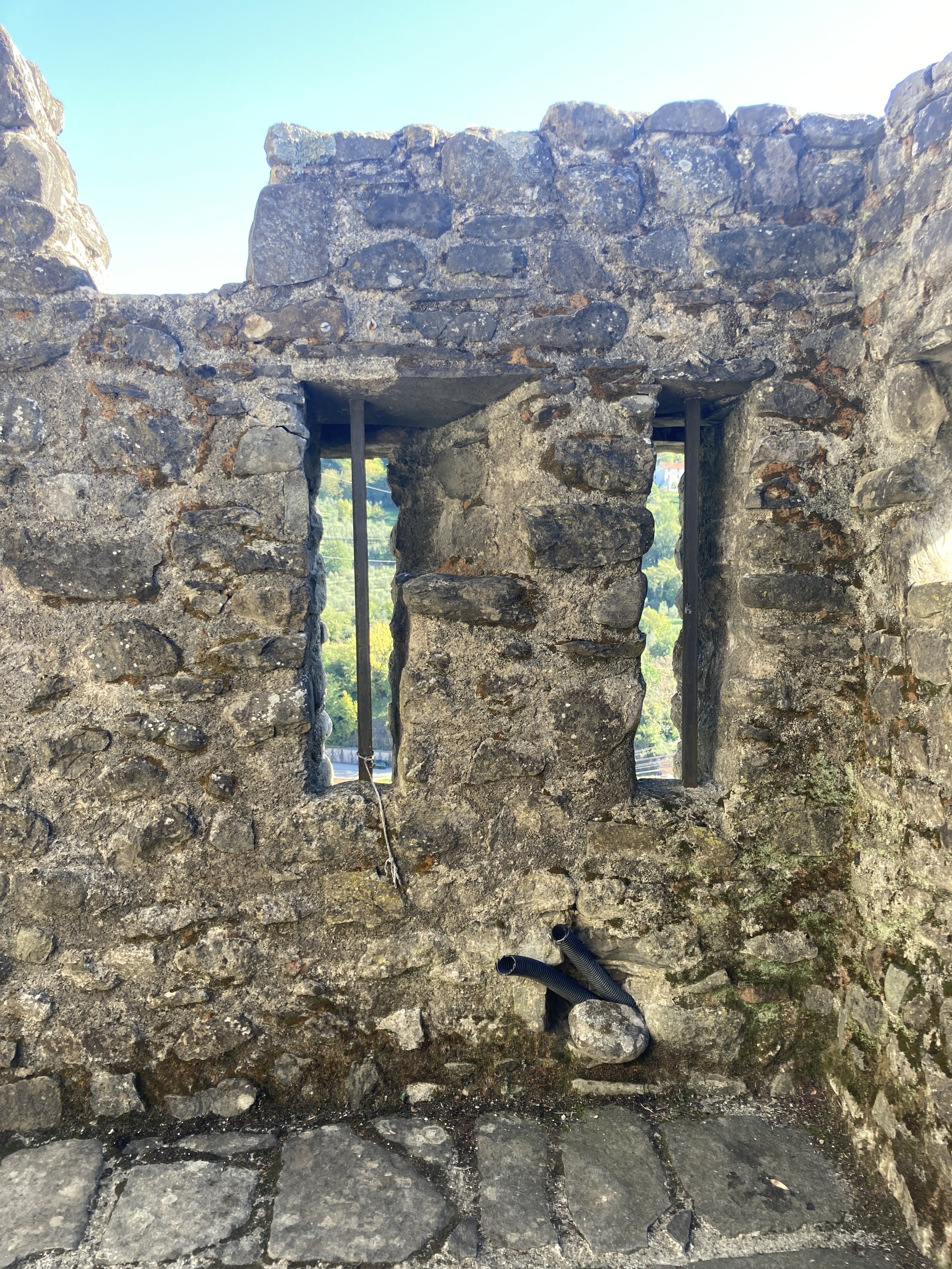
Perched high up on this hill, the castle offers spectacular views down the hill to the city and river below. Walking back down to the village, along a different small alley than on the way up, provides for another scenic walk through the oldest portions of Pontremoli.

A visit to Pontremoli, and a hike up to the castle, provides a wonderful contrast to the more touristed places in Tuscany and Liguria. It’s a special experience!

January 30, 2023 /Joanne Bartram
Pontremoli, castles in italy, italian castles, Castello del Piagnaro
#italytravel, #medievalitaly, Italian art architecture, Italy travel, Italy, Liguria, Lunigiana, Museums Italy, Tuscany

Basilica Sant’Antonio. Padova, Italy. March 2022

Wrapping Up 2022 A Year in Pictures

January 02, 2023 by Joanne Bartram in #italytravel, Hill Towns Italy, Italy, Italy travel

Easter Celebration in Florence. April 2022

I don’t make new year’s resolutions. Probably because they are too easy to make yet too easy to abandon.  I already know that I should exercise more, eat healthier, be more patient, study Italian much harder, work on personal growth, etc, etc.  No once-a-year resolutions required.

 I do however set goals and make plans. In 2022 (hard to think of that as last year yet) one of my goals was to get back to traveling, something I was itching to do after two years of COVID restrictions. 

As a bonus, several friends planned trips to Italy in 2022 and sharing travel with friends as they discover Italy, and as they see just what it is I love about living here, is fun for me.   Looking forward to their trips gave me months of pleasure. And their arrivals in Italy made for lots of fun this past year.


Villa Torregiani, Lucca. April 2022

So, before I move on to my plans for 2023 (you can bet travel is still on the list), I am taking a few moments to think back on this past year - the new places I’ve experienced, the favorite places I have revisited, and the Italian adventures I have shared with friends and family.  It was a great year for Italian adventures and I have some photos to prove it!

FC7F3BD5-5FEB-43F2-828B-3F1F8C8E4C2F.jpeg
944DDB51-DDE2-438B-882F-496AB8919EB6.jpeg
259B5BD0-D400-45E4-A10F-EB7EE7F44FFF.jpeg

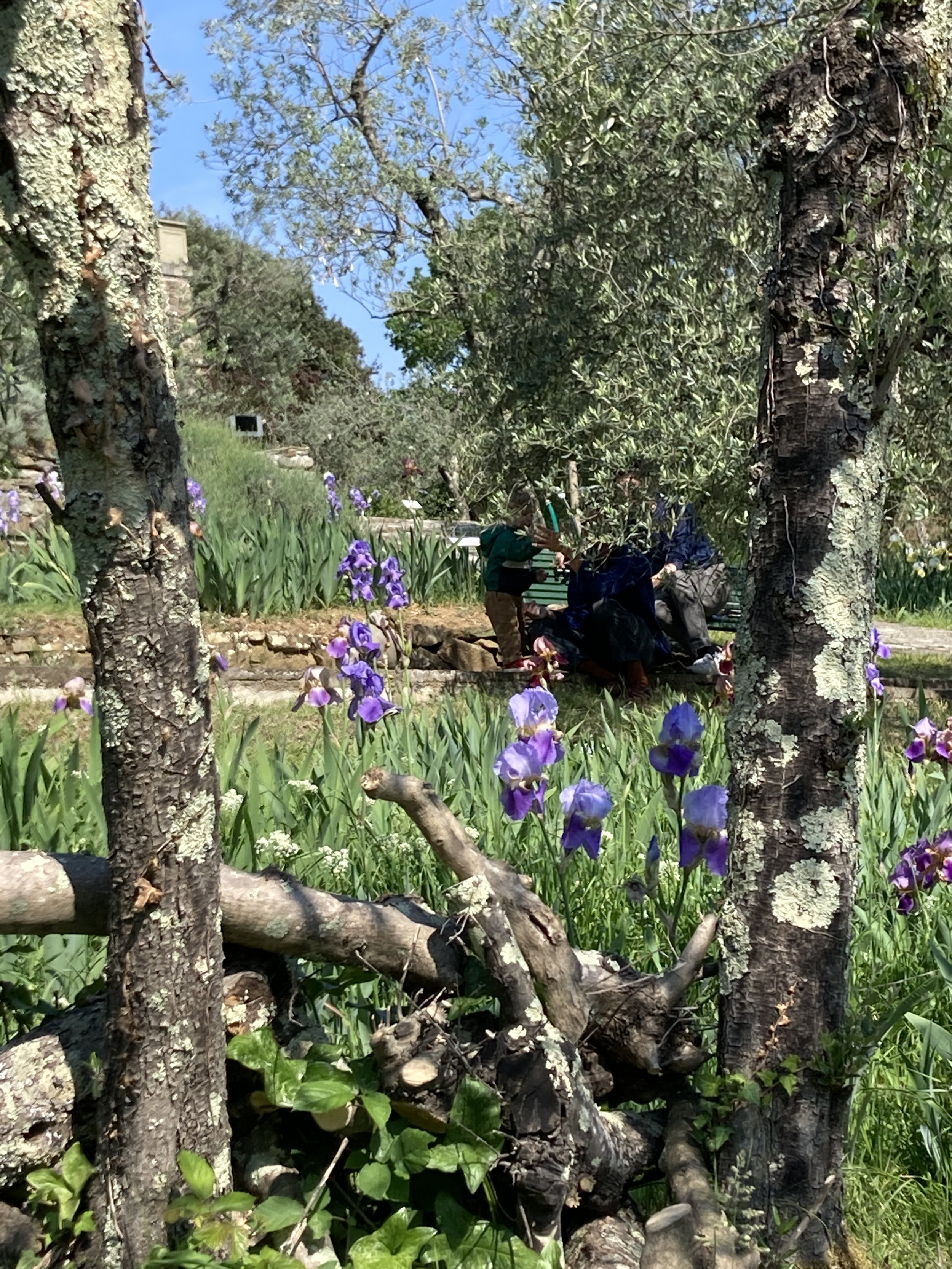
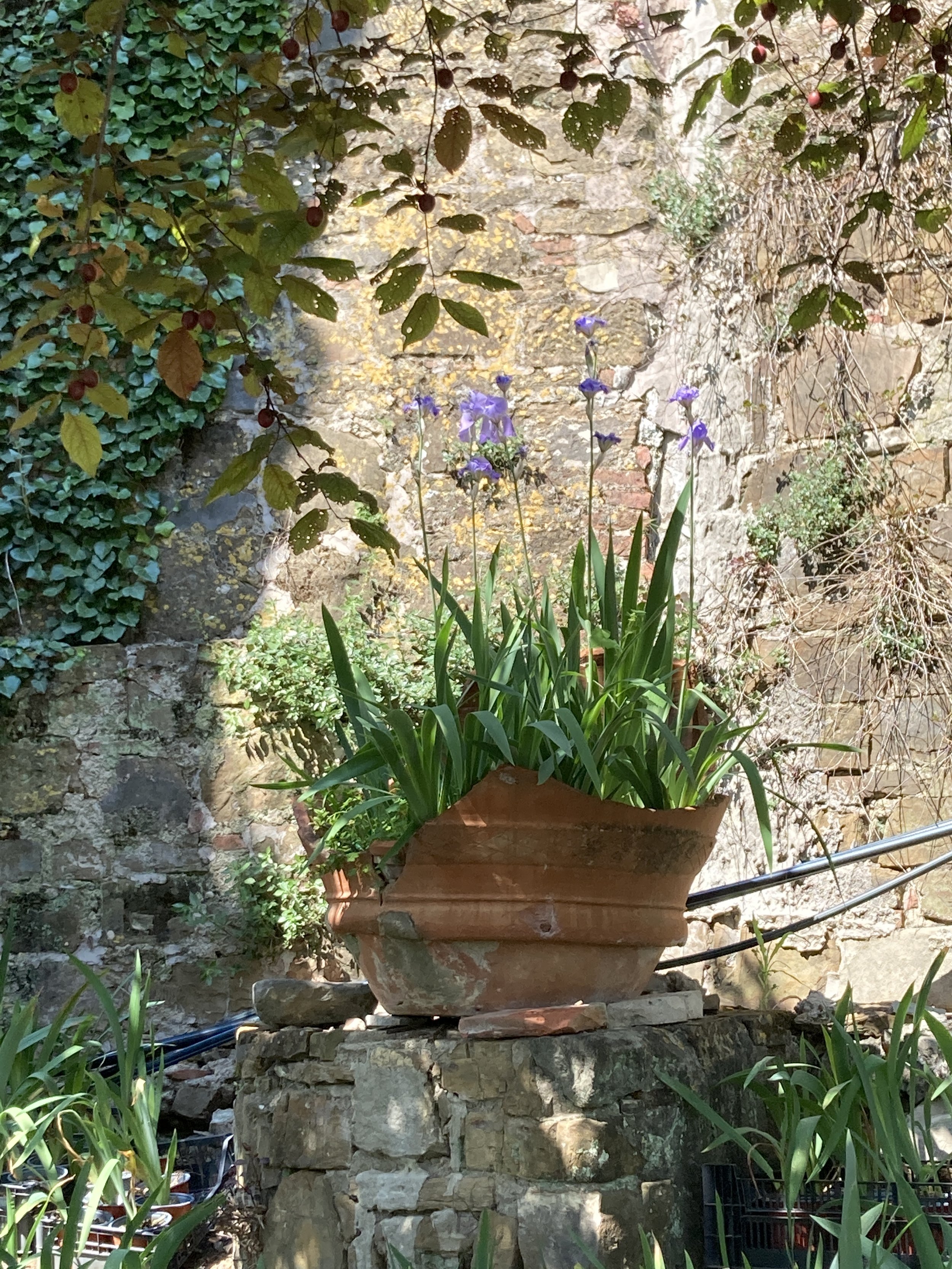
Above: A good friend introduced me to Florence’s Iris garden, which sits high above the city and is open for only a few weeks each spring. May 2022

79762A12-409E-4CDB-A6F8-064E1FEEE5B1.jpeg
7CEBA915-D8C0-4A9D-A595-B4493A0D8565.jpeg
8224EF2C-2DEB-4F7C-B541-06291752F1B8.jpeg

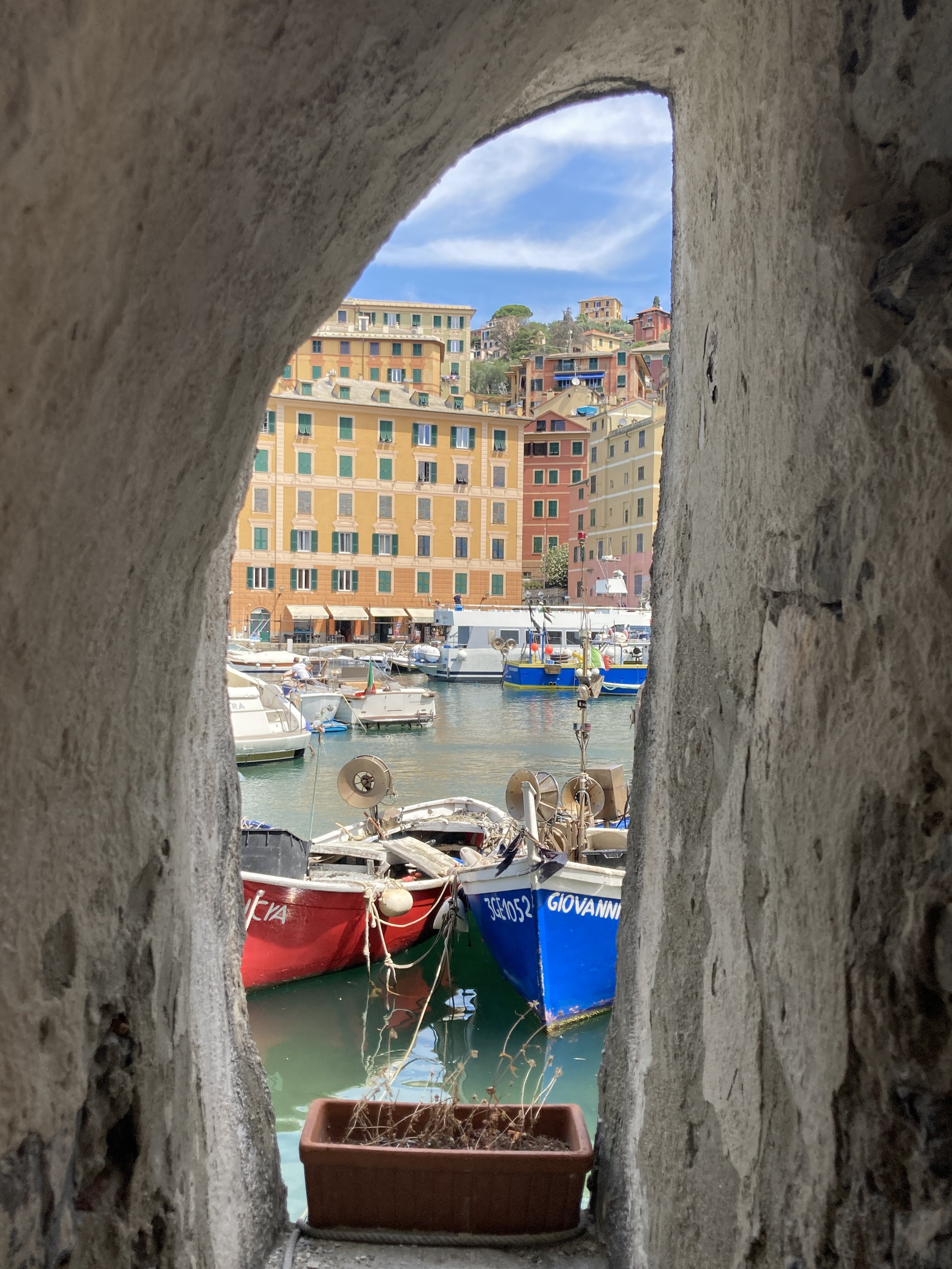
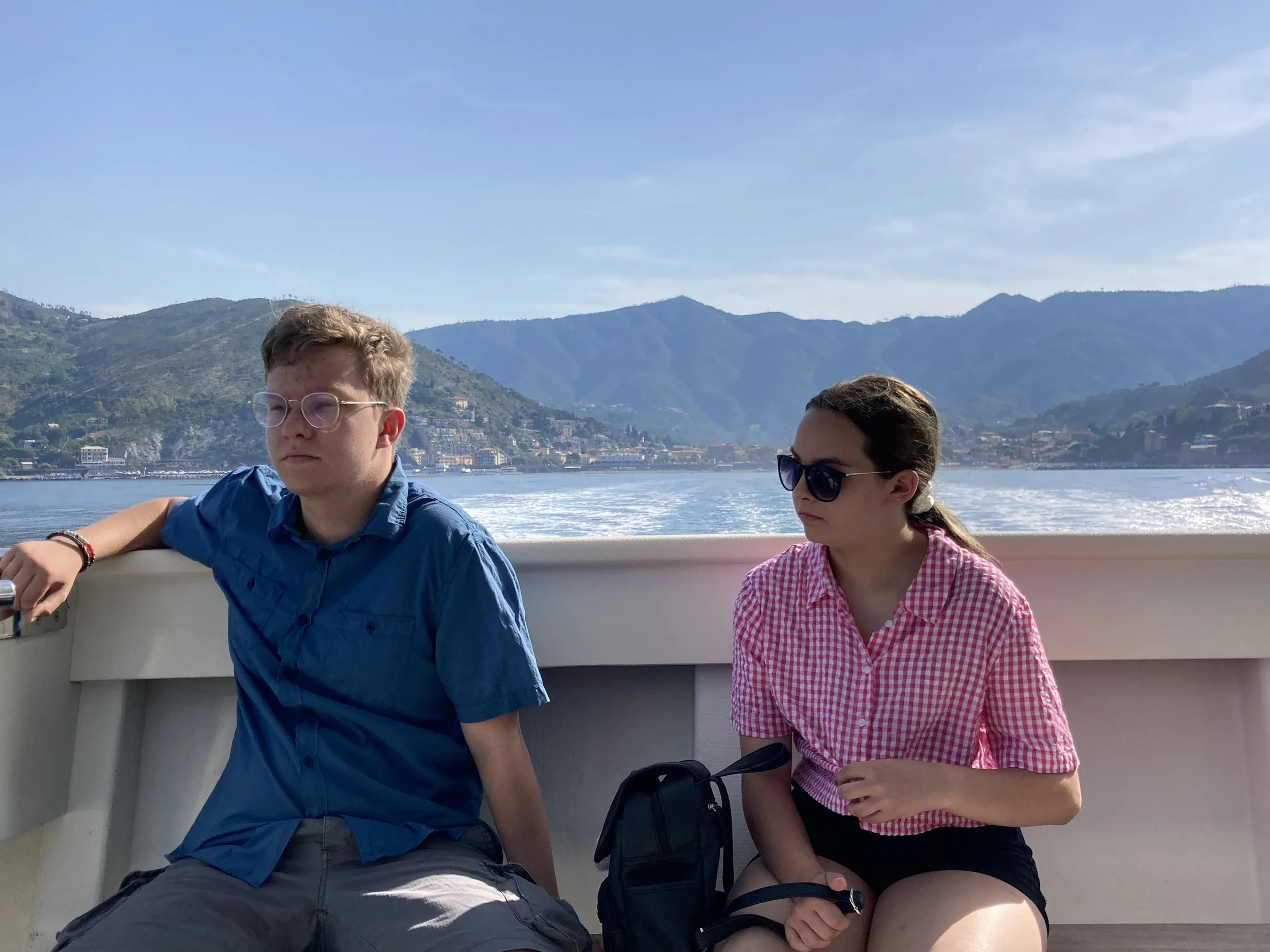
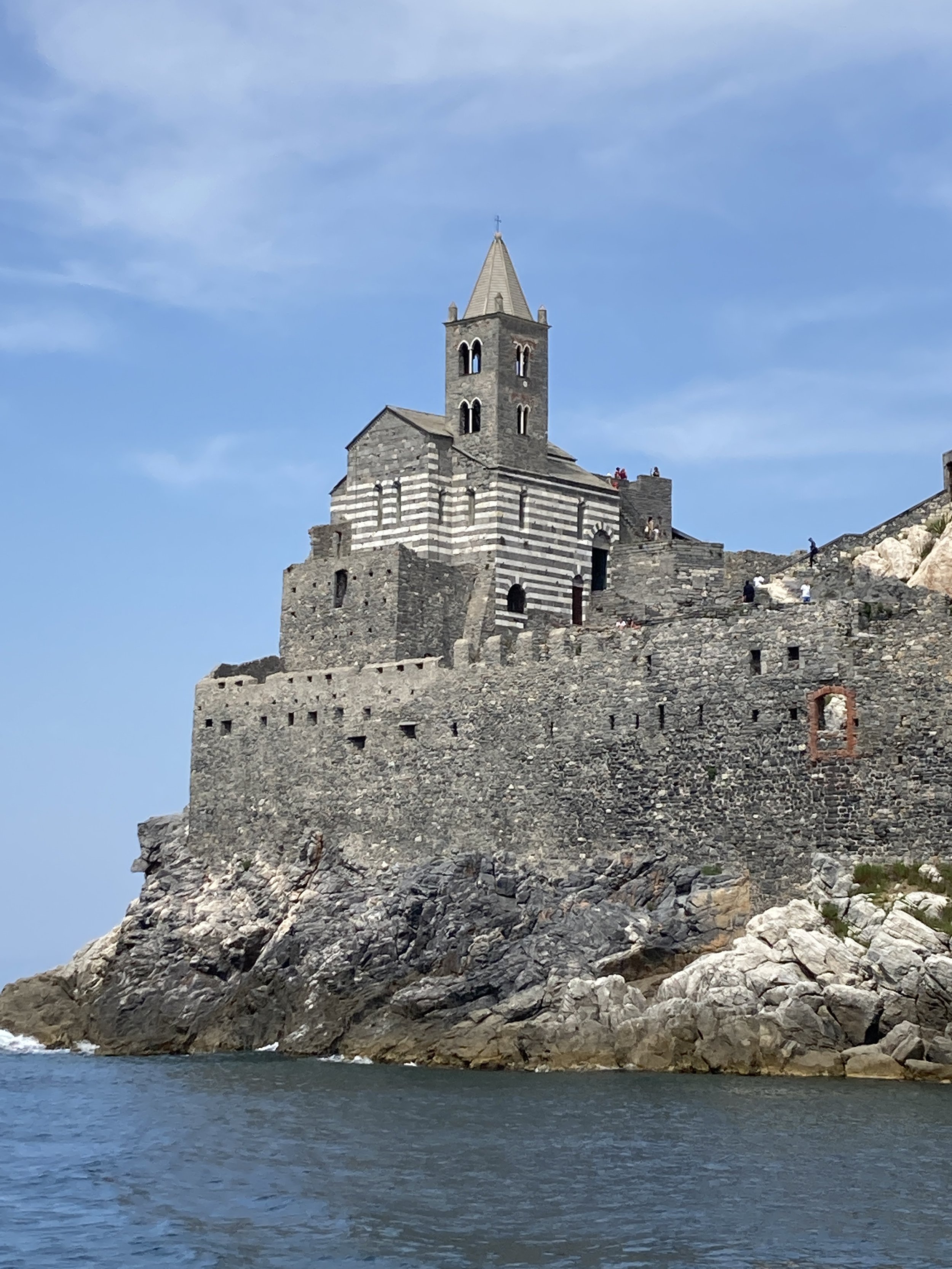
Above: Exploring Liguria, including Camogli and Portovenere with my daughter and 2 oldest grandkids. June 2022.

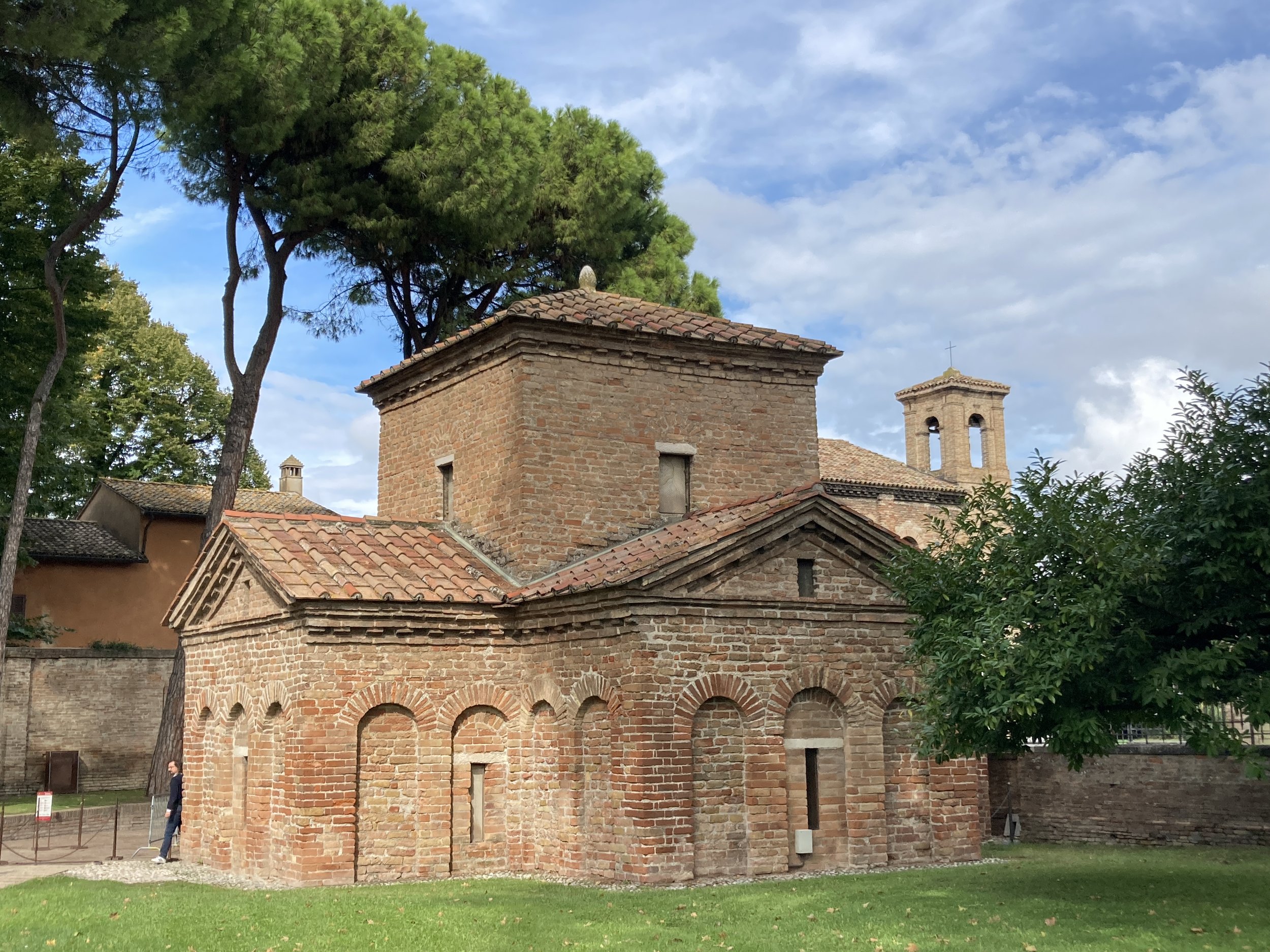
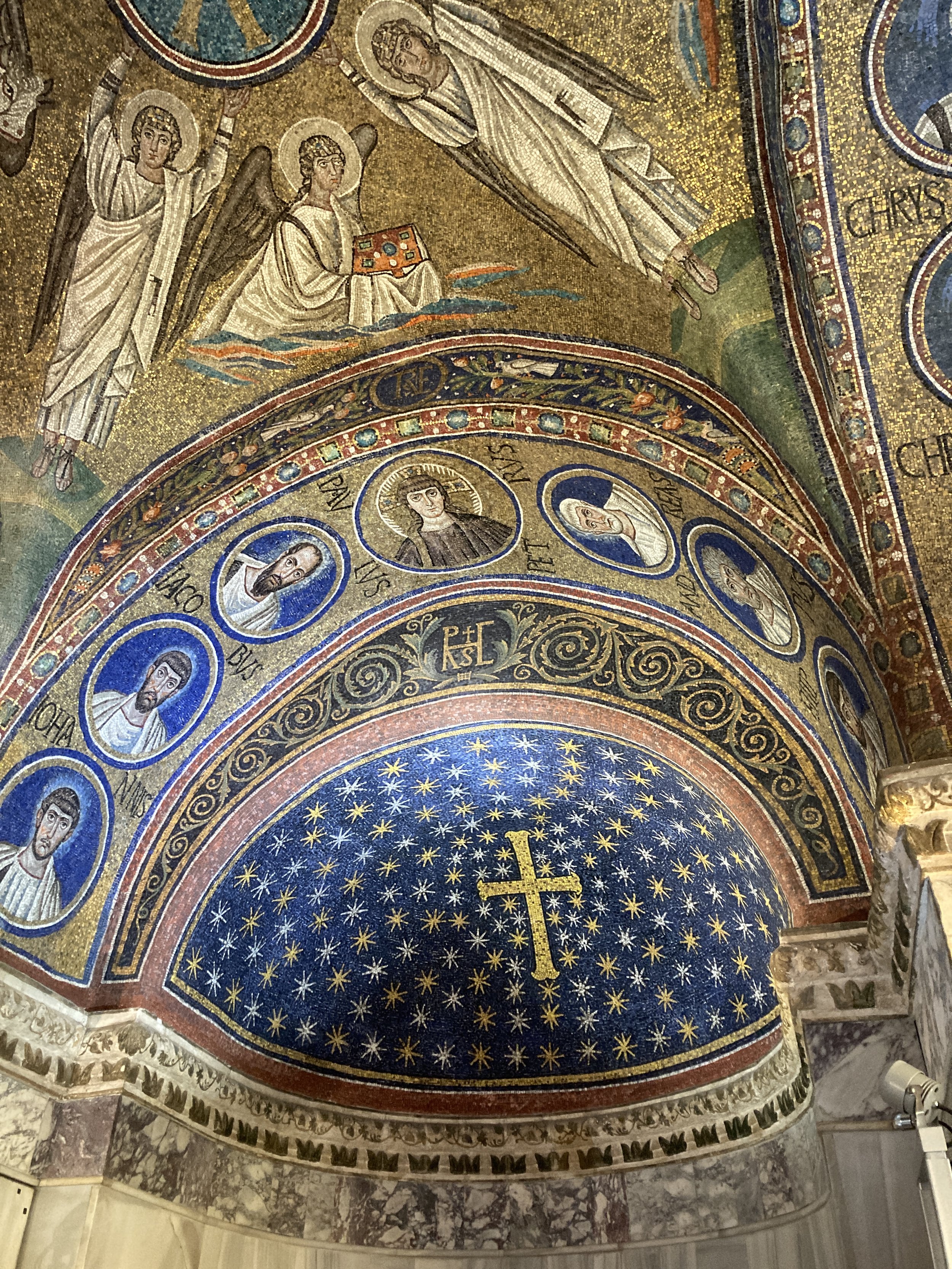
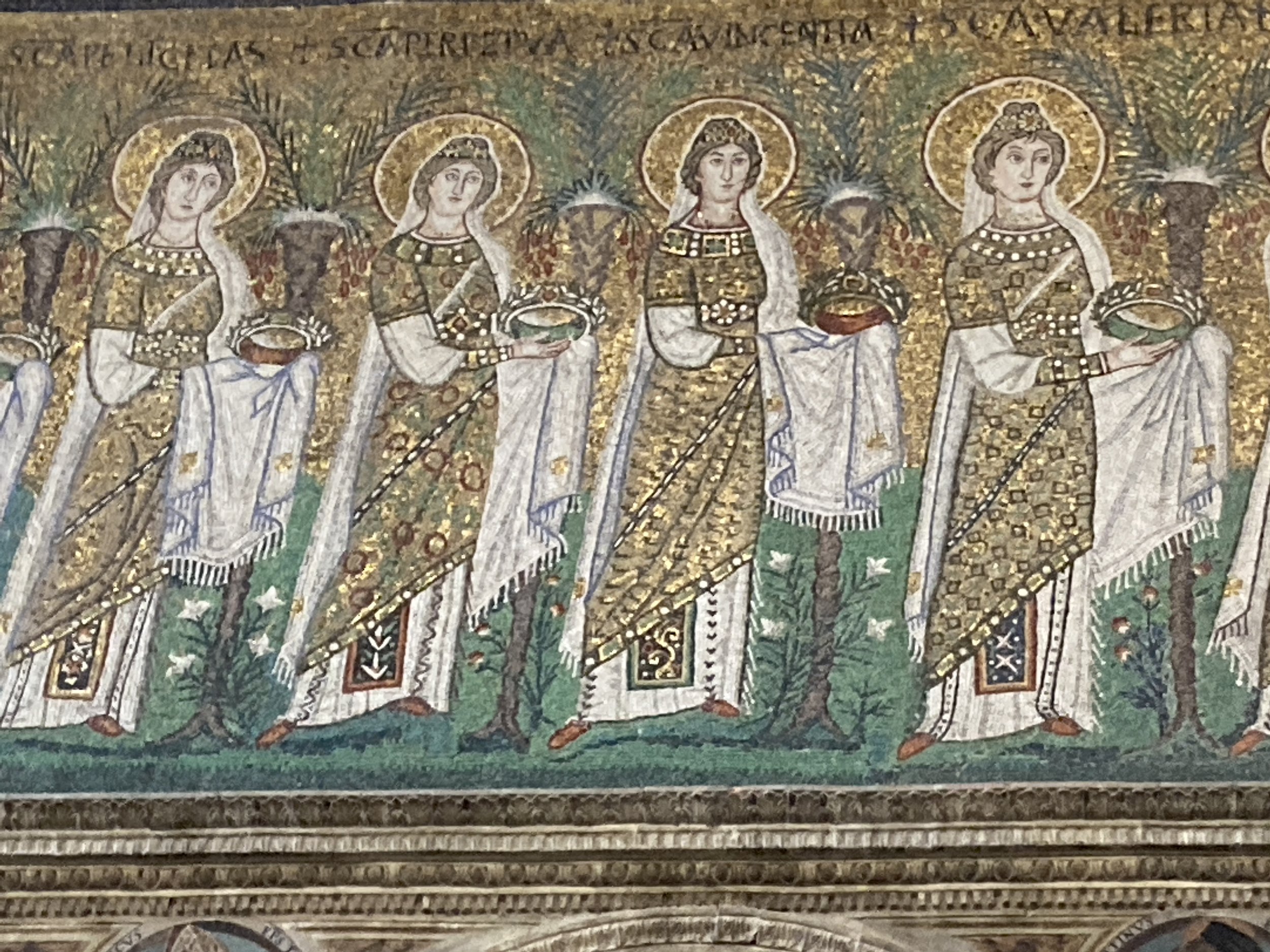
Below: Ravenna and its spectacular mosaics. October 2022

6FEAEAE9-A1C9-44DD-9CB0-B9427DC9B043.jpeg
3D7883C9-1CCE-4C89-9C16-8808CD1F7B3D.jpeg
856A2FDA-042D-4975-92A5-A8B53EE75F52.jpeg

My wish is that these photos, along with the past year’s blog posts, will inspire our travel goals for 2023.  January can seem like a long and somewhat dreary month after all the excitement of the holidays, that makes it the perfect month for travel planning. Let’s get started!

Sunrise at Agriturismo Cretaiole, Pienza. October 2022. A week long stay at my favorite agriturismo with good friends from New Mexico.


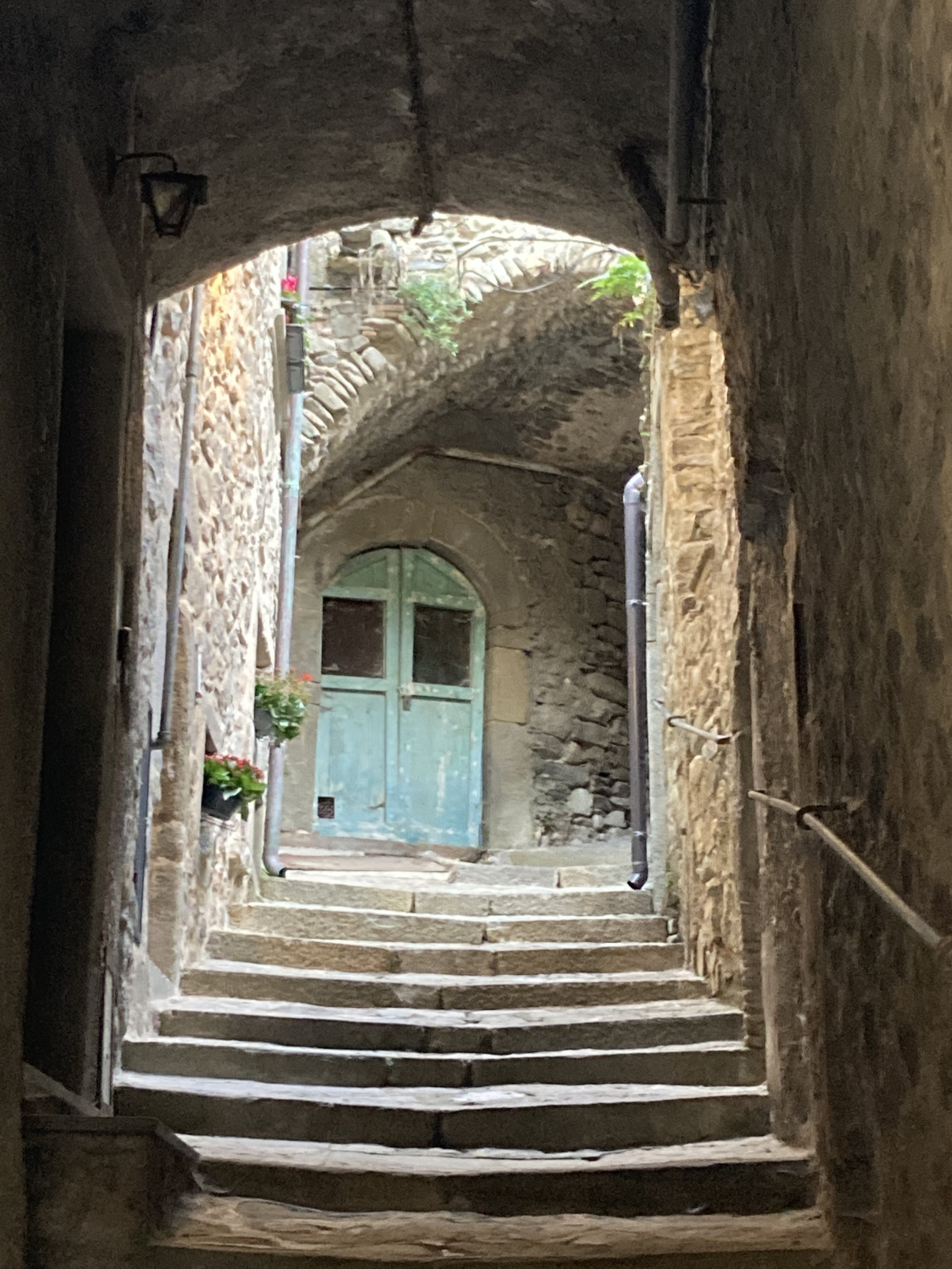
Pontremoli, November 2022.

 Buon Anno !    Happy New Year !    Happy Travel Planning !


January 02, 2023 /Joanne Bartram
italy in photos, 2022 italy, #visititaly
#italytravel, Hill Towns Italy, Italy, Italy travel

Our pici making group at Cretaiole

Making Pici at Cretaiole

November 28, 2022 by Joanne Bartram in #italytravel, Italian recipes, Italy travel, Tuscany, Val d'Orcia

One of the highlights of any week spent at Agriturismo Cretaiole is the Pici class. Pici are strands of hand-rolled pasta, a sort of fat spaghetti, common in the part of Tuscany in and around the Val d’Orcia. At Cretaiole, be prepared to don an apron and participate! And bring an appetite for the big group dinner that takes place after the work of pici making is done.

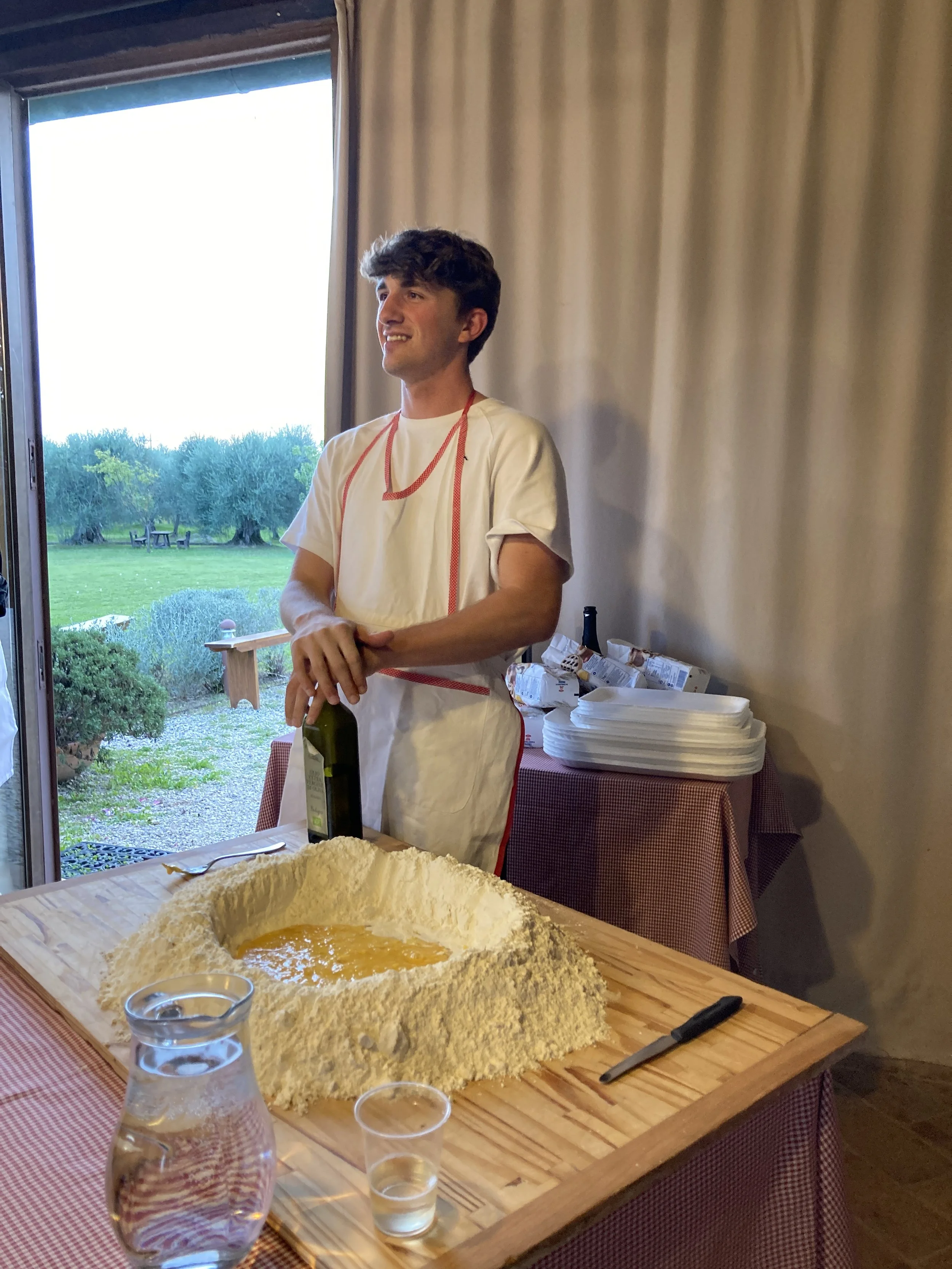
Nicco teaching us how to make pici

Nicco Moricciani is the grandson of Luciano, Cretaiole’s founder, and the son of Carlo who tends the vines and olives. Nicco has recently taken over teaching the pici class from his mother Isabella. Isabella is quite proud of Nicco’s pici making skills and for good reason. Not only is Nicco an experienced pasta maker but he is also a fun and interactive teacher, sharing information and family stories throughout the class. Under Nicco’s guidance pici making is fun, rewarding, and occasionally hilarious. Let’s just say that there was a lot of laughter and good-natured teasing among the participants as we honed our skills (or lack thereof).

Class began with a demonstration of how to make the dough the way the family has done for generations.

Flour (type 00) is spread out on a big wooden board and then arranged volcano style in a circle with high sides to contain the wet ingredients. Some pici recipes add only water and a bit of extra virgin olive oil but at the Moricciani farm there are chickens and that means lots of fresh eggs. No surprise then that the Moricciani family recipe adds several eggs to the flour, water, and drizzle of oil. The wet ingredients are combined with a fork in the middle of the flour circle and then, little by little, the flour is coaxed from the sides of the ring into the egg mixture. It’s important not to break the flour ring lest the egg mixture leak out and dribble away. Nicco demonstrated this skill perfectly.

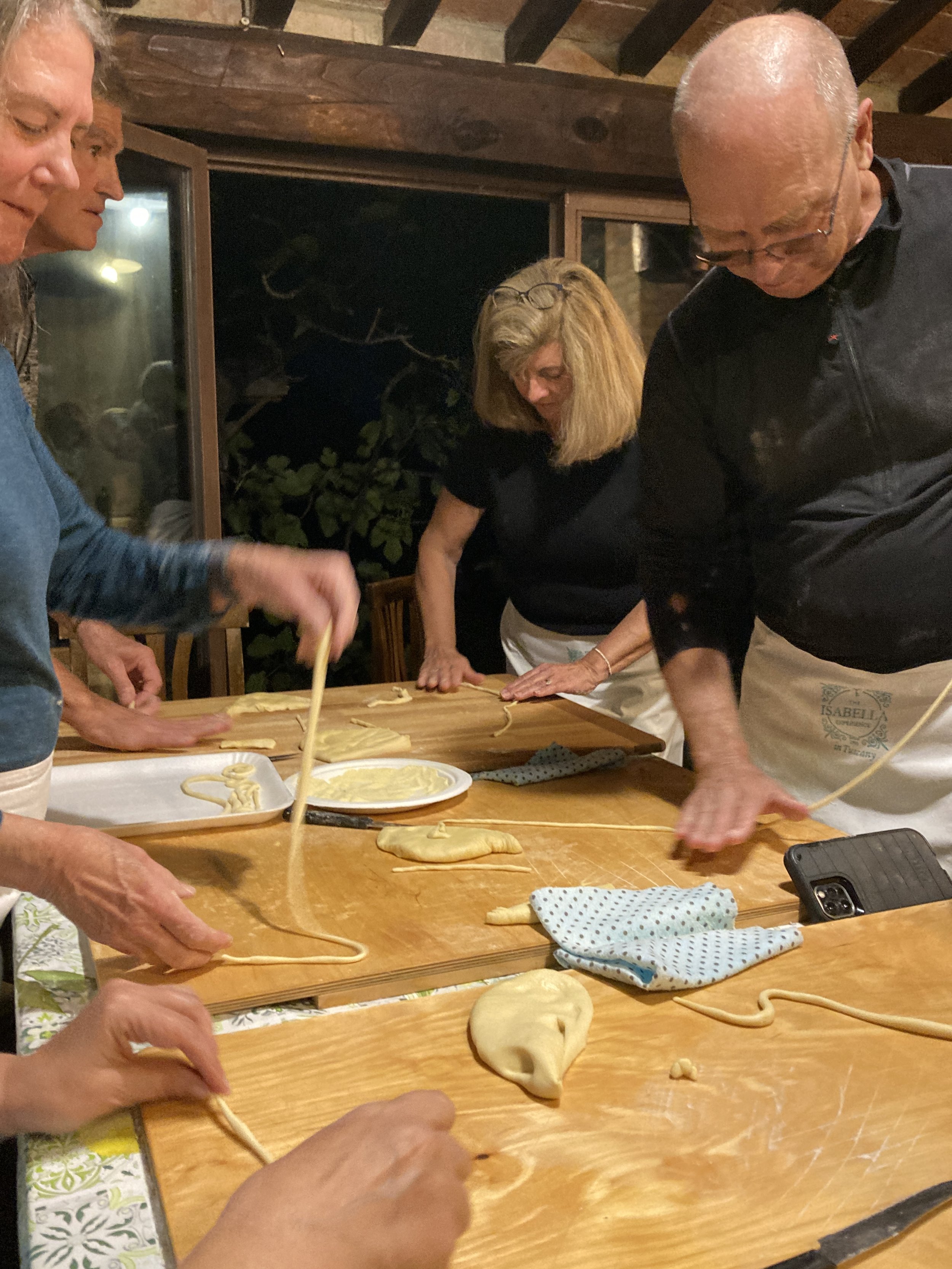
After the flour is incorporated, it is time for the guests to begin their work. Each gets their own wooden board and a portion of the dough to knead. When the dough is smooth and elastic it’s time for it to rest and for the guests to enjoy break time. A bit of Prosecco helped us get ready to the real fun - hand rolling the pici.

40273CB6-76A8-4AA4-8D8E-A569500EE6A4.jpeg
2245A7E3-FBB3-4B6B-B73B-0ABFD2C67706.jpeg
42737BCF-8D23-4CDC-92A7-0539BC3EAC36.jpeg

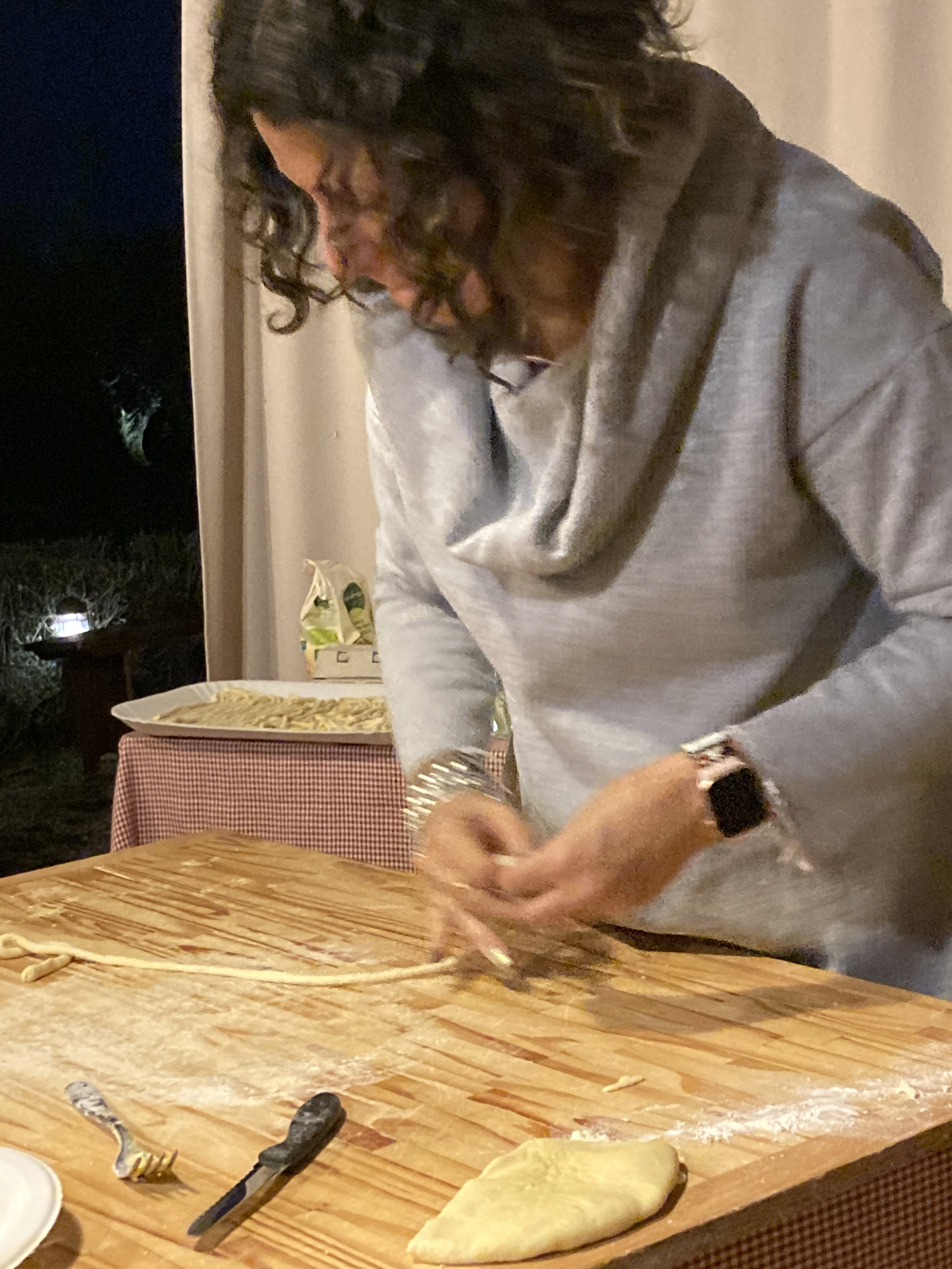
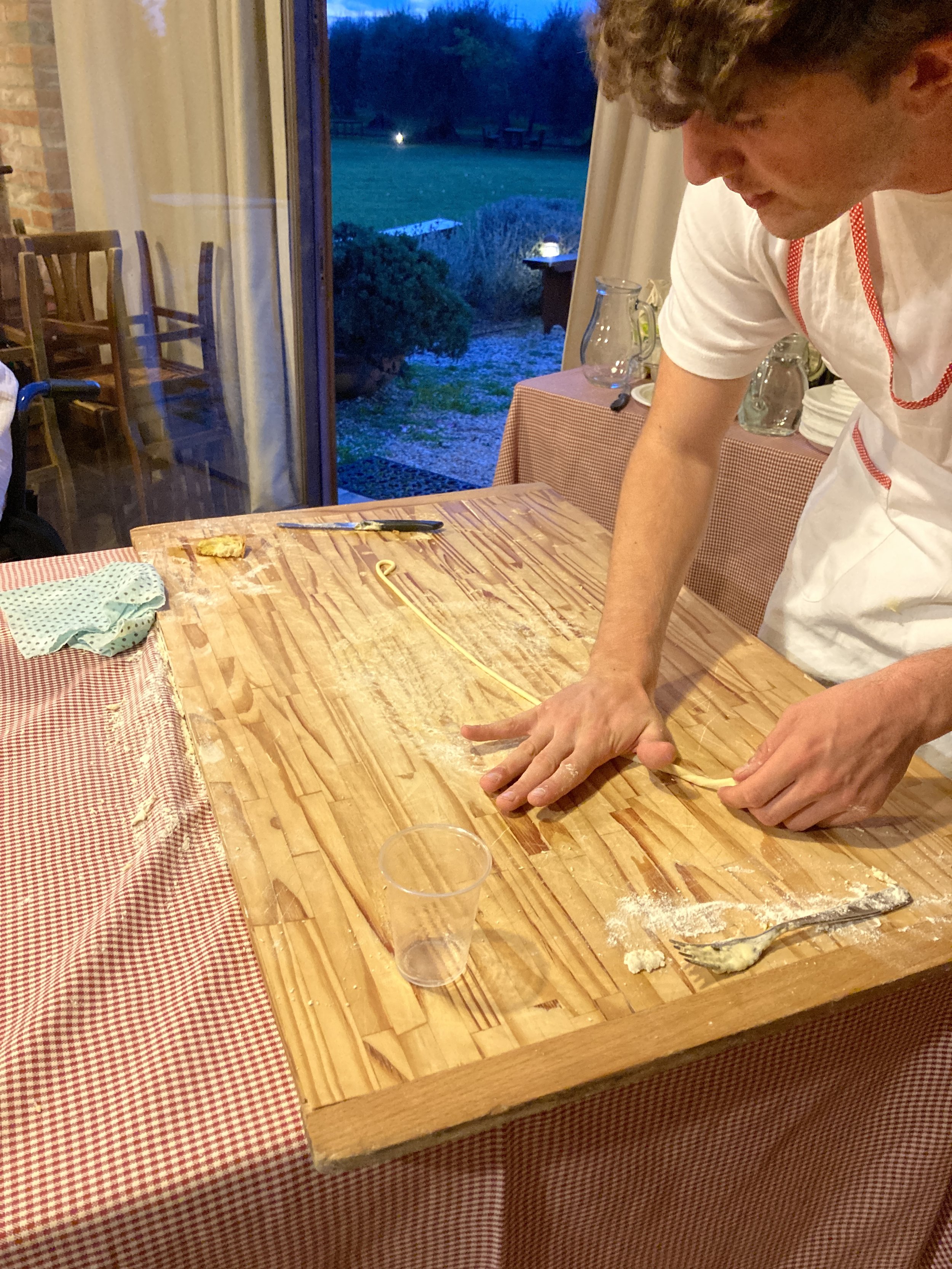
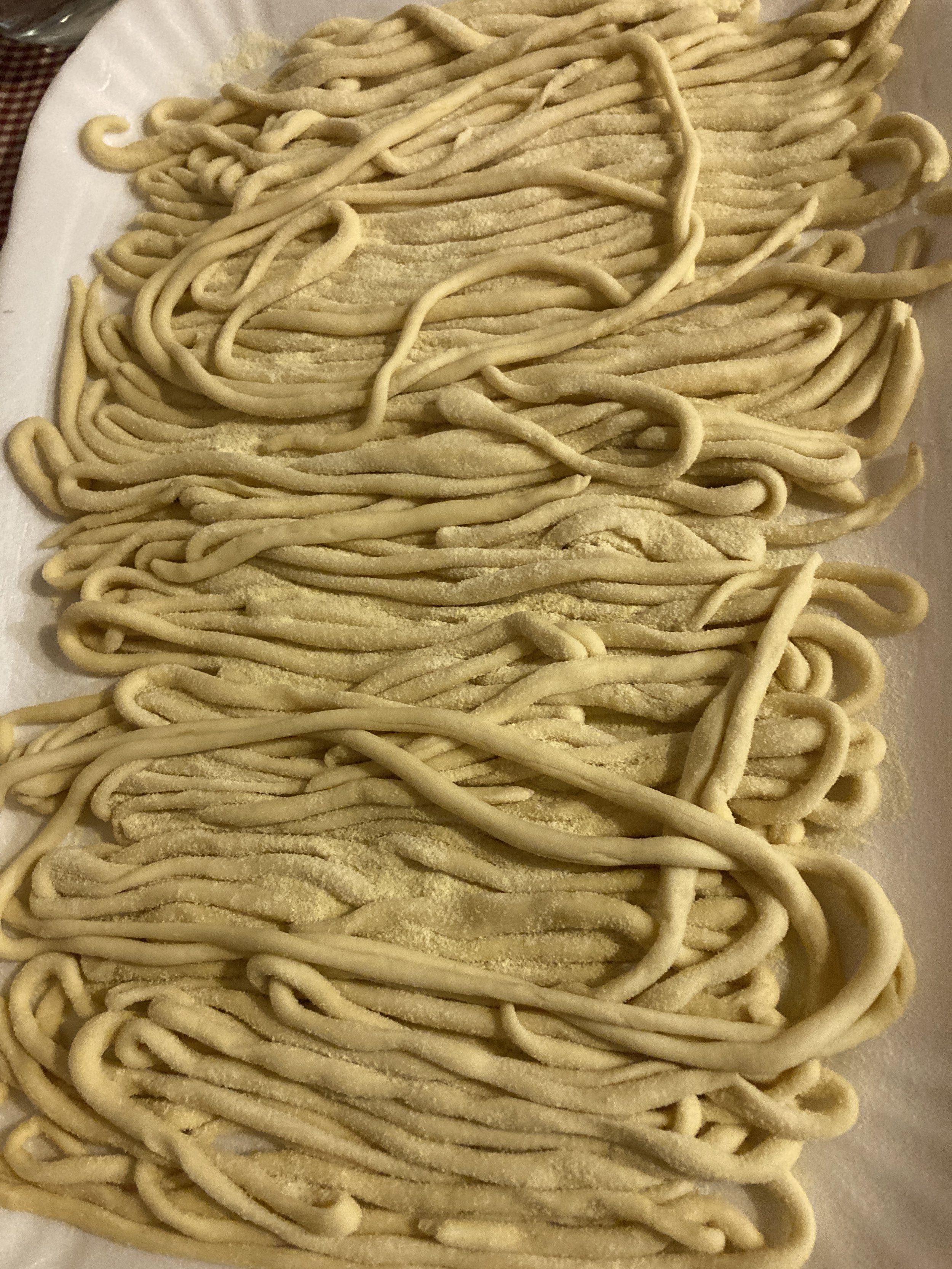
Rolling pici is an art and one that takes some practice. A bit of dough is rolled into a log and then the magic happens. One hand rolls the log while the other hand stretches the dough gently, eventually forming a long string of pasta. Not too fat and not too thin, all the pici should be about the same diameter. And with 20+ cooks each learning the process that was no easy feat!

The winner of the longest pici competition !

There was a friendly competition to see which guest could get the longest pici - and some gentle ribbing of those with the shortest pieces. All the laughter worked up an appetite!

Even those of us who managed fairly long and right-sized pici could not match the speed with which Nicco turned them out. We might have been there all night had not Cretaiole’s fabulous chief organizer, and really fast pici maker, Fernanda come along to help out. Our efforts were also bolstered by more wine and slices of toasted bread rubbed with garlic and generously topped with good Cretaiole Extra Virgin Olive Oil. It’s good to feed the pasta makers!

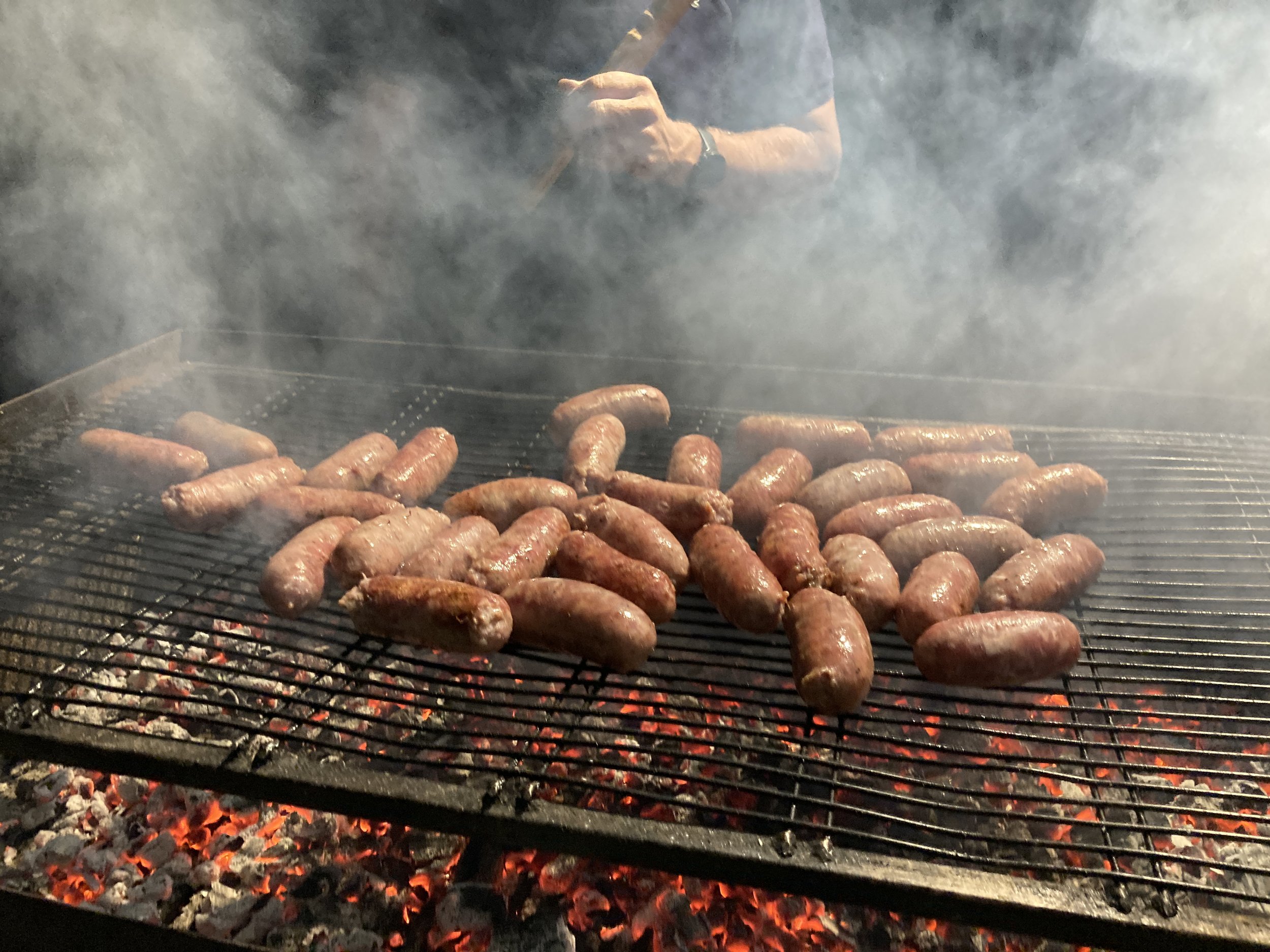
While we were making the pici the sun set, a fire was lit in the fire pit, more wine poured, and appetizers set out. Carlo also arrived to light the grill. He brought the farm’s meats to grill - sausage, pork ribs, and thick strips of pancetta. Can anything top the smell of a Tuscan barbecue on a mild fall evening? Carlo is the master of the grill!

0F5A521D-DCCD-44C8-91A8-BC69977B0B17.jpeg
IMG_0385.jpeg

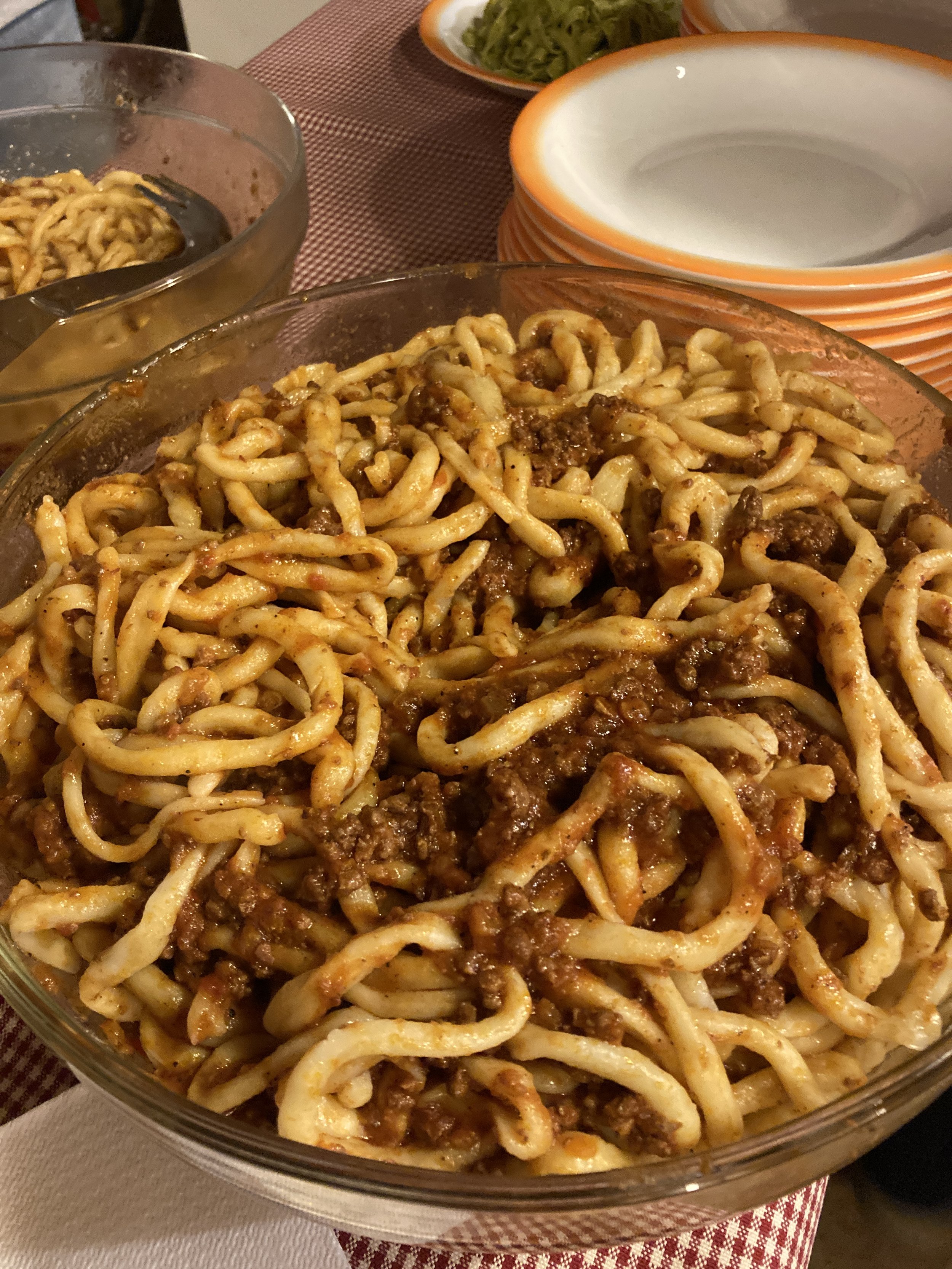
Dinner started with our pici topped with Nicco’s ragu. We were pleased with our efforts as the pici was wonderful, though perhaps it was the delicious ragu that guaranteed great flavor. Cretaiole red wine was a perfect accompaniment. Later came salad and those tasty grilled meats. Just when we thought we couldn’t eat another bite, Fernanda brought out her homemade tiramisu. It’s a good thing Italian dinners are spread out over several hours.

So many things came together to make this a memorable evening. The setting was spectacular. The group of guests were a huge part of the fun - all were friendly, interesting, and enthusiastic about their time at Cretaiole. We shared stories and began friendships, with hopes to meet again.

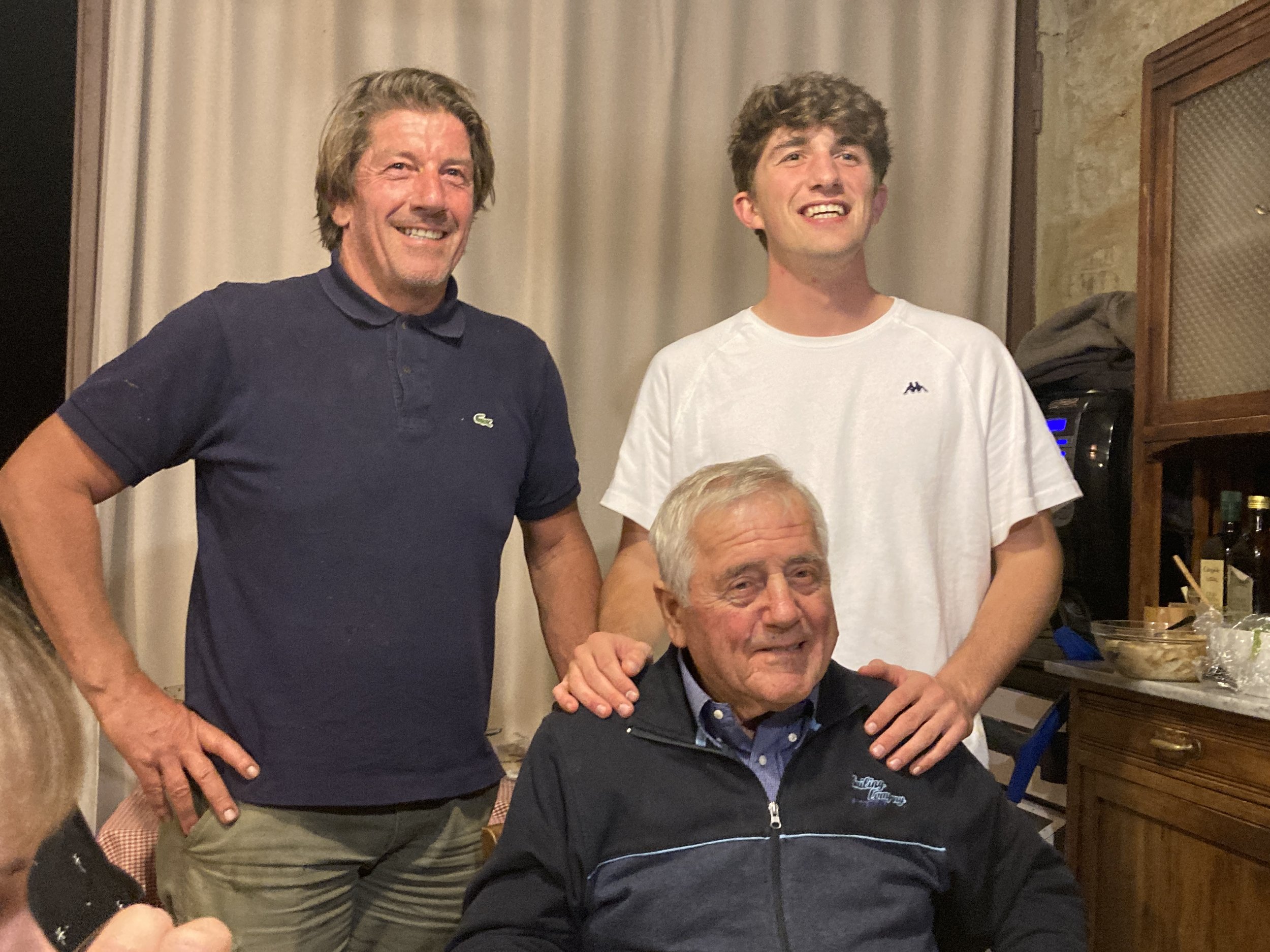
The Moriccianis - Nicco, Carlo, and Luciano (who to everyone’s delight joined us for the evening) - are warm, welcoming, and fun. Fernanda (below, right) makes everything work, including this big event, and makes it look easy even though it certainly is not.

It was a perfect Tuscan evening full of friends, fun, good food, wine, and laughter. Who could ask for anything more?

286A7879-7D5D-4275-96E5-37DB0CFDFD36.jpeg
A136222D-08AE-44E3-821E-7BB3FEB1FBFB.jpeg
November 28, 2022 /Joanne Bartram
Cretiaole, agriturismo Tuscany, Agriturismo Cretaiole, Pici Pasta, #cretaiole
#italytravel, Italian recipes, Italy travel, Tuscany, Val d'Orcia

Villa Santo Stefano, formerly the Villa Bertolli

From Villa Bertolli to Villa Santo Stefano: An Italian Story of Olives, Grapes, and Families

November 21, 2022 by Joanne Bartram in #italytravel, #lucca, Italian culture, Italy travel, Lucca, Tuscany, Wine

Most Italian fairytales begin with these words: C’era una volta (loosely translated as “once upon a time”). Today I have a bit of a true-life fairytale to tell, so I will start with those words.

C’era una volta, around 160 years ago, when Francesco and Caterina Bertolli tended to their olives, pressed them, and sold the olive oil out of a small shop in the San Donato neighborhood of Lucca in Tuscany. They also grew grapes on their land and made a little wine, though the oil was their main product.

In the late 1800’s, some Bertolli family members emigrated to the United States and began to import the family’s olive oil, making Bertolli the first Italian olive oil to establish as US presence. Eventually the business in Lucca passed down through the generations. The company was nationalized by Mussolini in the 1930’s and by 1972 the family no longer owned the company or the rights to the Bertolli name for their olive oil. Not all fairytales have happy endings! The family did still own a lovely piece of property in the hills above Lucca, the Villa Bertolli, which had olive trees and around 1 hectare (about 2.5 acres) of vineyard. The fairytale doesn’t end yet though, for there is another chapter yet to come.

A view of the valley from the former Villa Bertolli

The tale continues in 2001 when a German couple, Wolfgang Reitzle and Nina Ruge, purchased the historic property from the Bertolli family. Originally they thought of it as a vacation property, and the property certainly had fairytale-like qualities that would make it perfect as a vacation spot. But Mr. Reitzle soon became interested in both the olive oil and the small production of wine on the estate. Since purchasing the property he has expanded it to include 12 hectares of land, made a serious study of winemaking, hired some very talented winemakers, and become the proprietor of a thriving vineyard and winery, now renamed Villa Santo Stefano. The name comes from the historic church of Santo Stefano which is just up the road from the villa. Today the villa not only produces wonderful wines but also their own label of extra virgin olive oil, a nod to those long ago Bertollis. The winery also gives tours and tastings, by appointment, and also offers guest lodging.

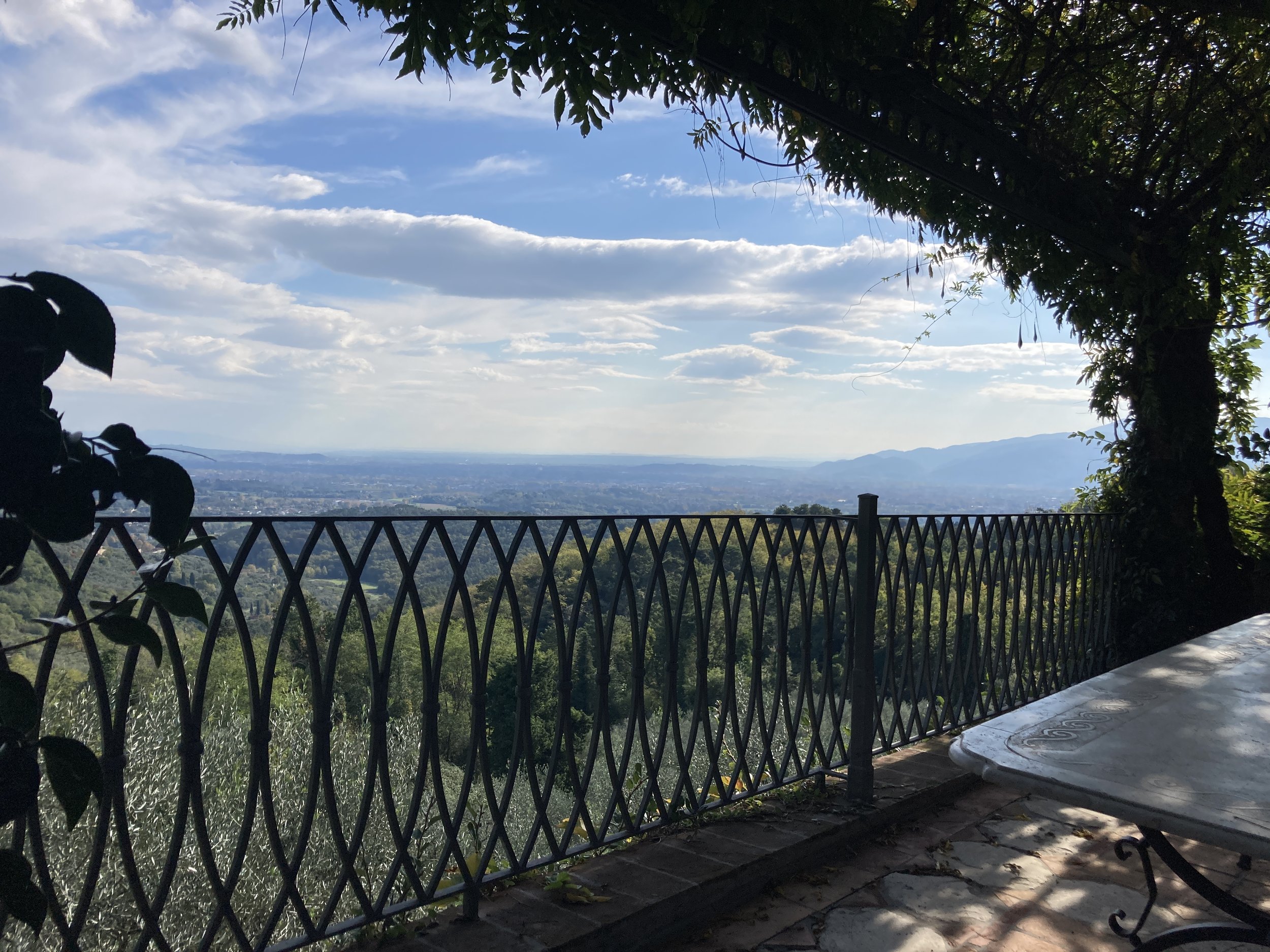
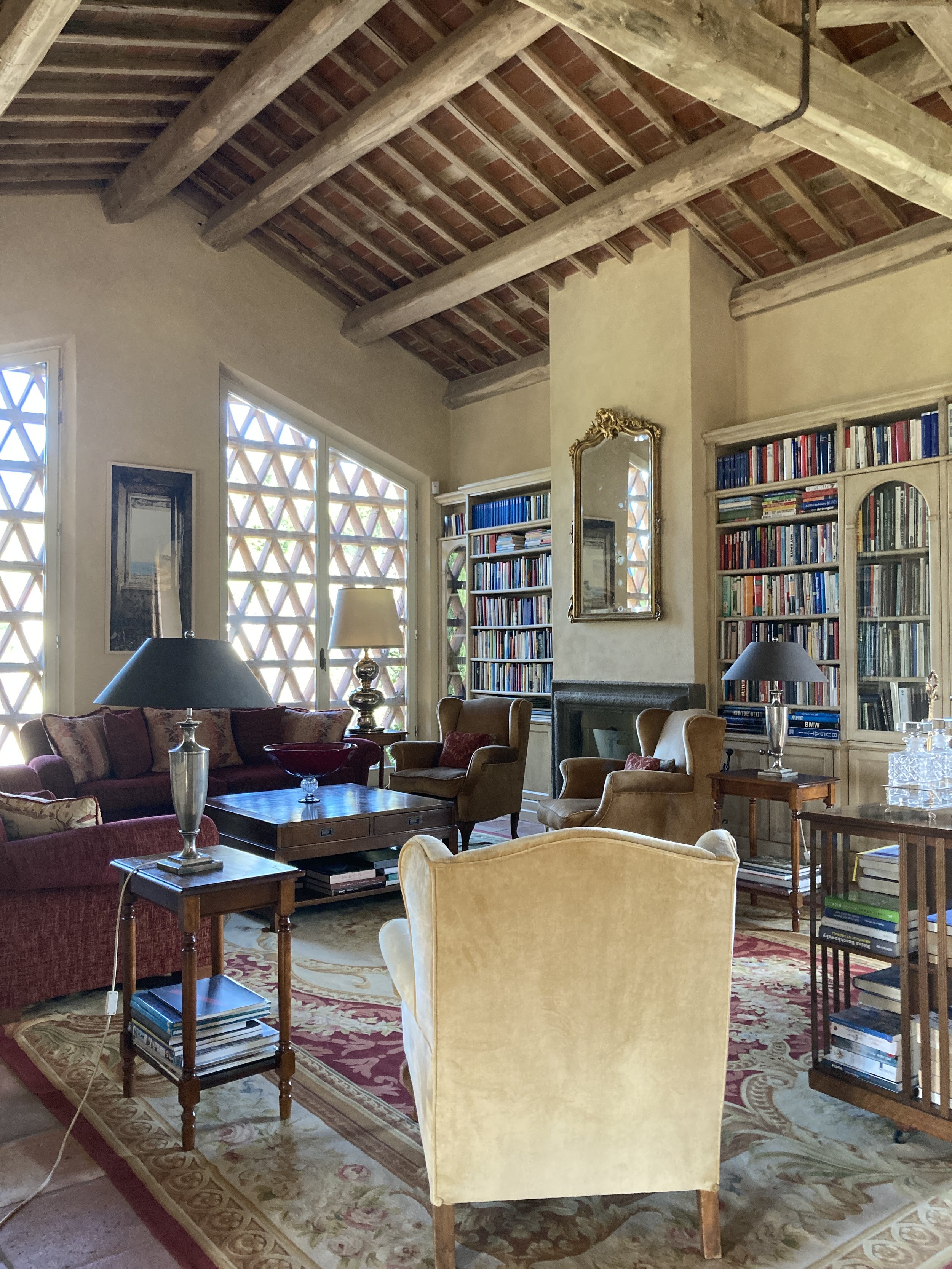
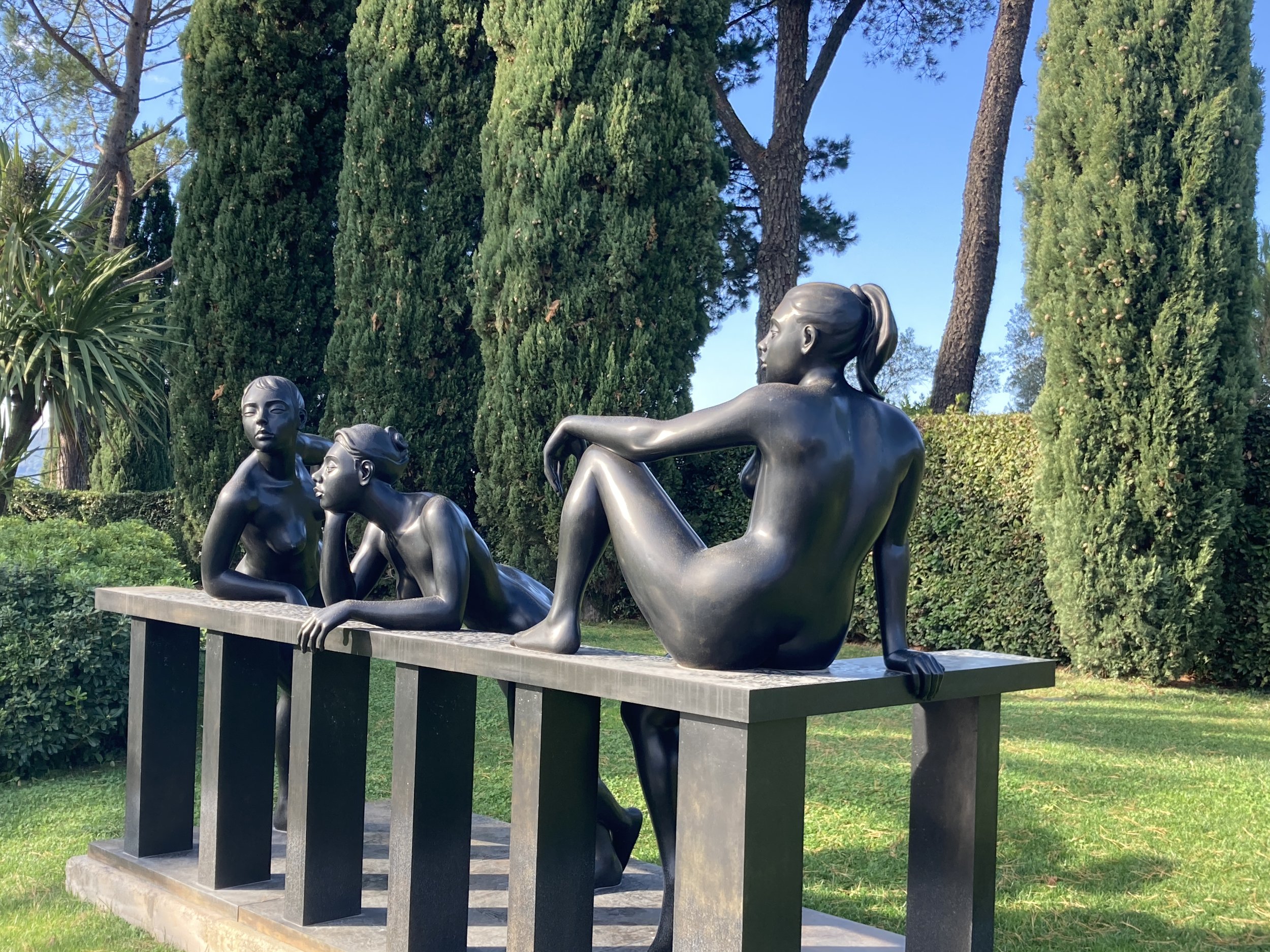
Villa Santo Stefano is an elegant estate. And the views! The property overlooks vineyards and valleys, has graceful covered pergolas, fountains, and immaculate landscaping. I would happily do any job needed, from trimming the flowers to sweeping out the cellars, if only I could live on site!

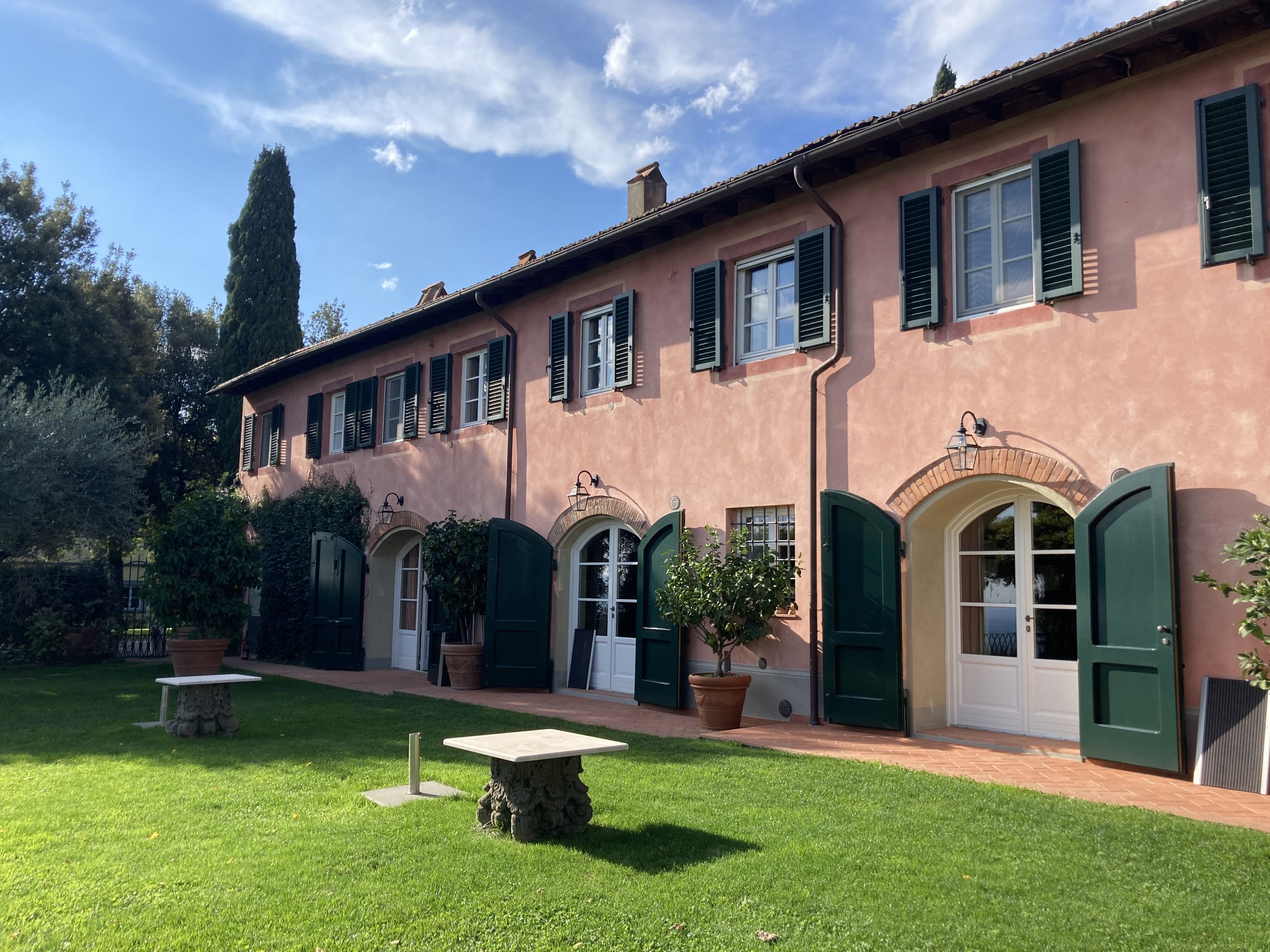
One of the restored buildings, now home to guest suites, at Villa Santo Stefano

Petra, sharing information about the wines of Vila Santo Stefano (the old rattan wrapped bottles at the bottom are left over from the Bertolli’s)

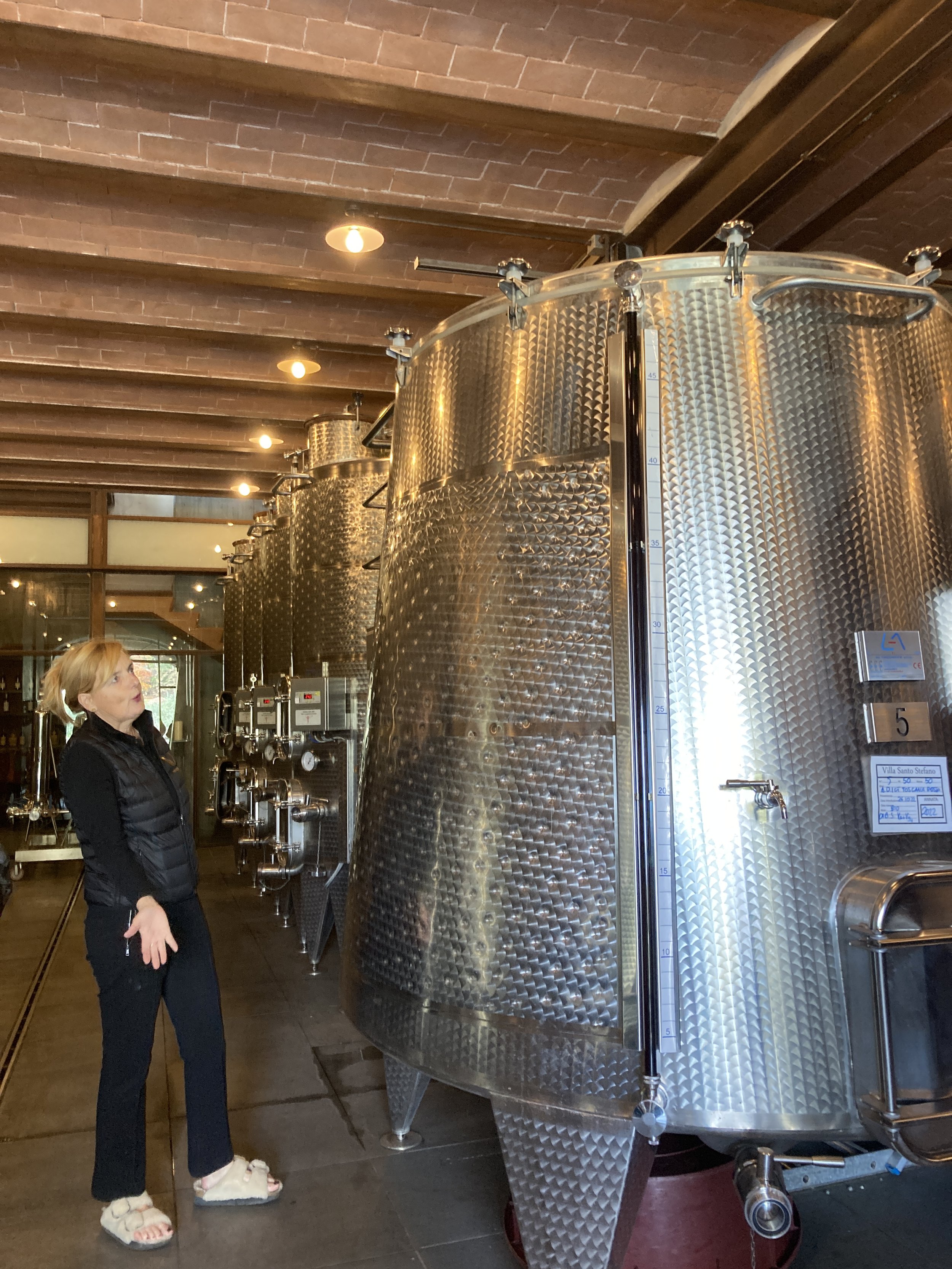
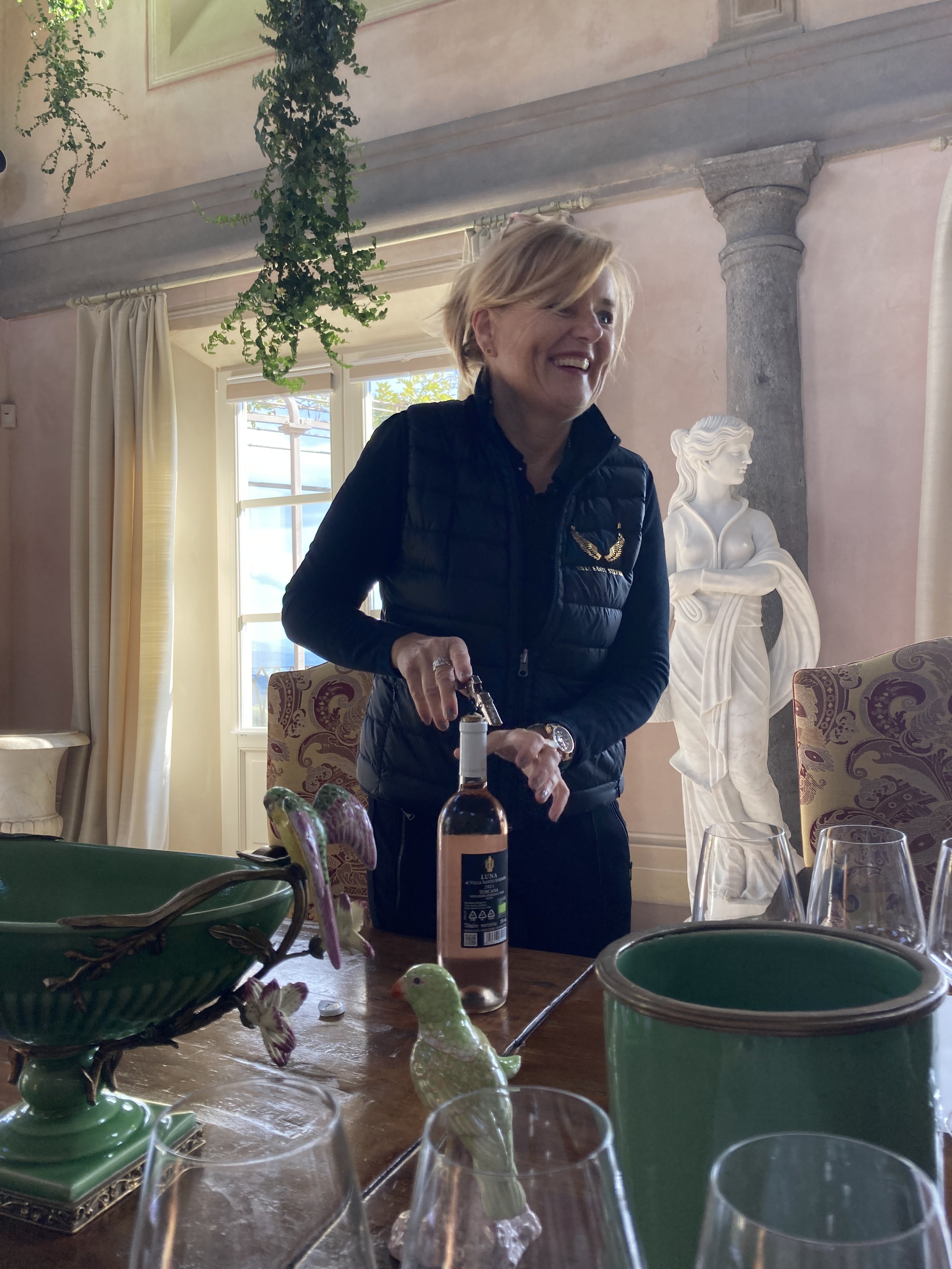
On a recent Sunday, a small group of friends and I made a visit to the villa. We were escorted through the property by the very knowledgeable estate manager, Petra Pforr.

Petra shared the history of the estate, the grape varietals grown, the evolution of the wine production, along with the details of Villa Santo Stefano’s production philosophy and processes. The information she shared was fascinating!

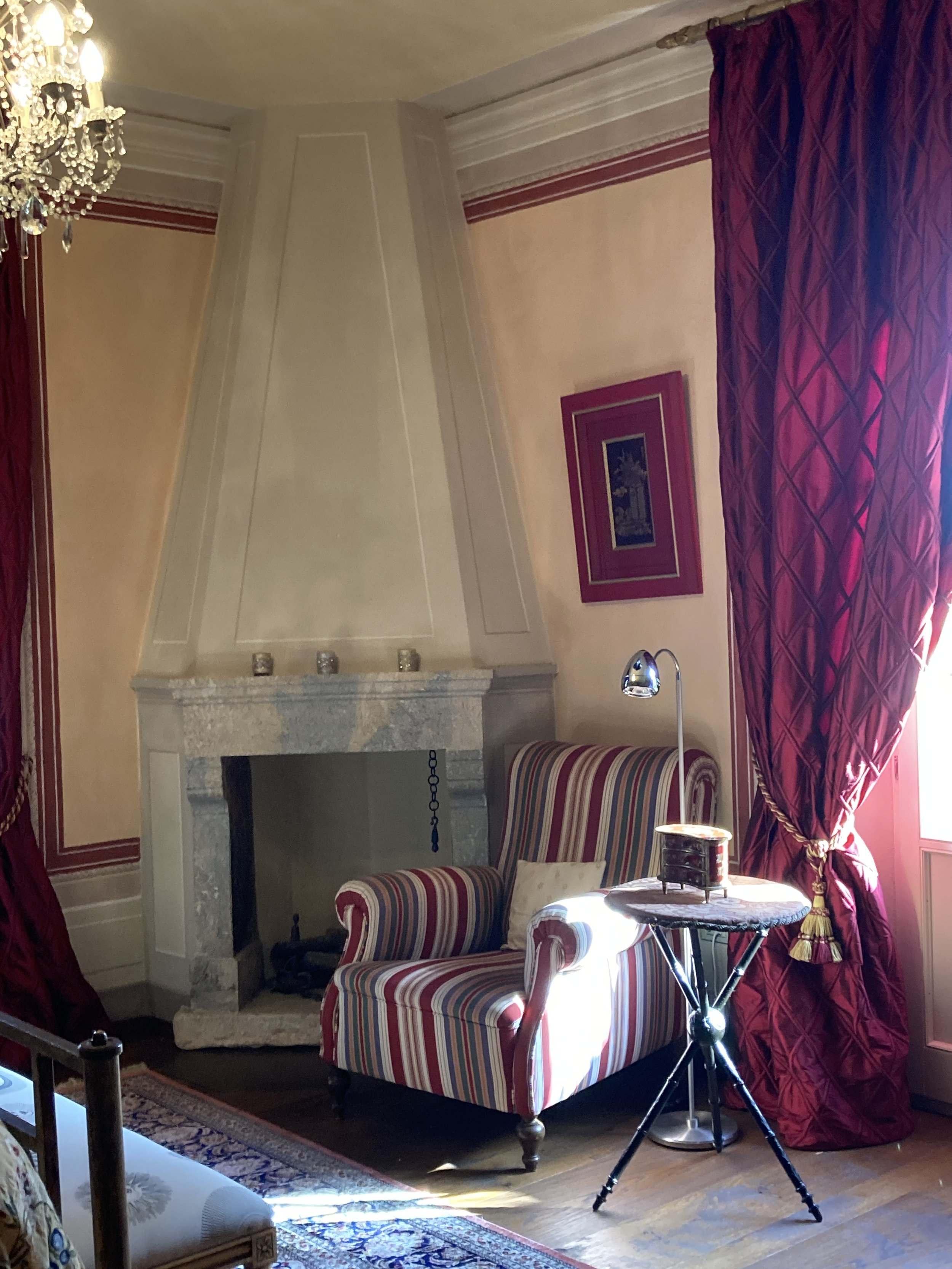
Several of the estate buildings have been restored and include exquisite, luxurious guest spaces. The suites range from cozy yet upscale mini-apartments to a large villa in the former barn. The large villa has multiple bedrooms, an elegant living room, a spectacular kitchen, and a large outdoor space with a private pool. Oh to be a guest there!

FF4575D9-50E9-4CC3-9E8F-967C3C26A519.jpeg
96BF3D6F-2AEA-46A7-959A-FC0A9A70C45F.jpeg
3FF0AE76-0A96-49B7-9D48-3AAEEF2928F9.jpeg

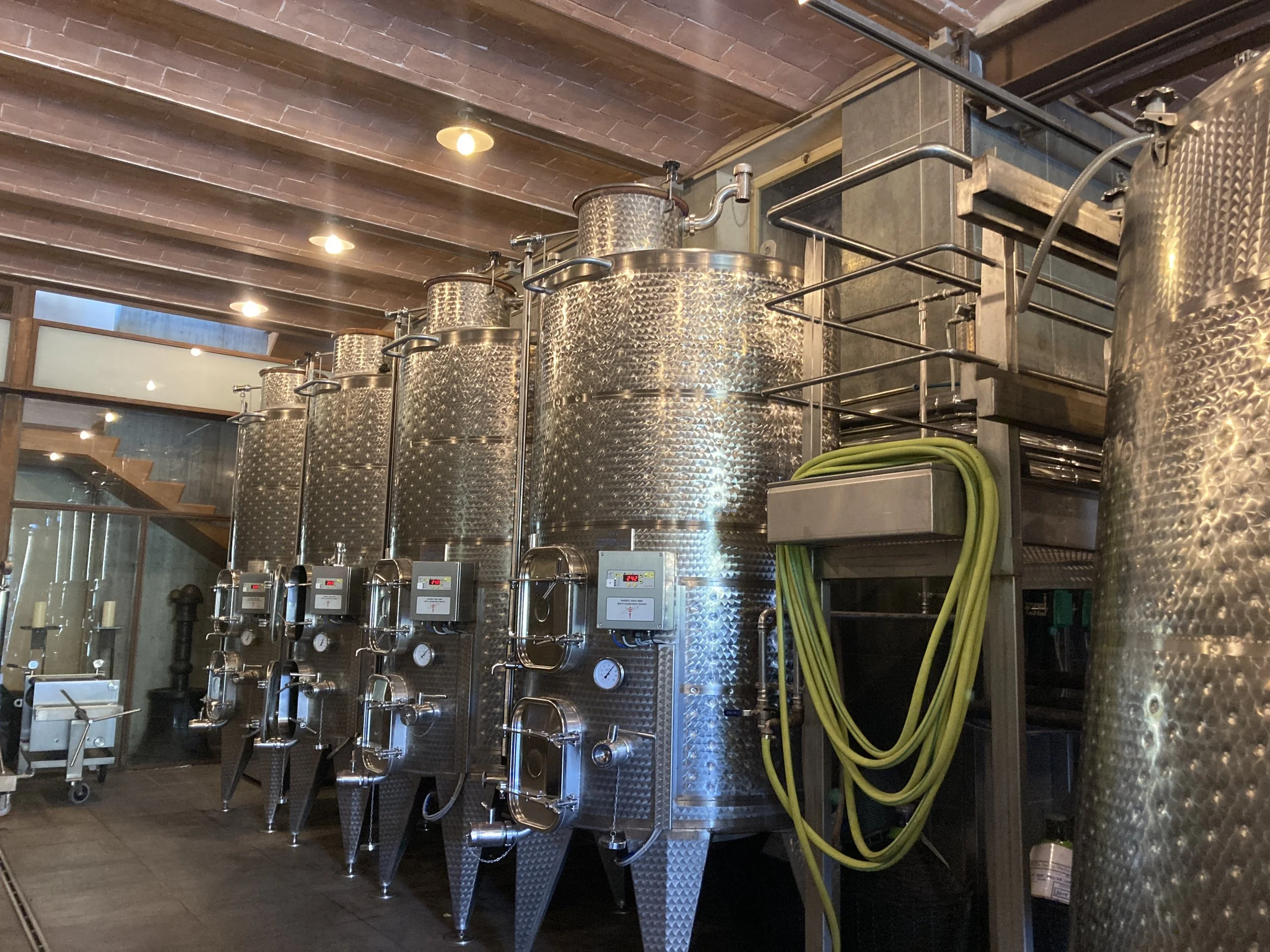
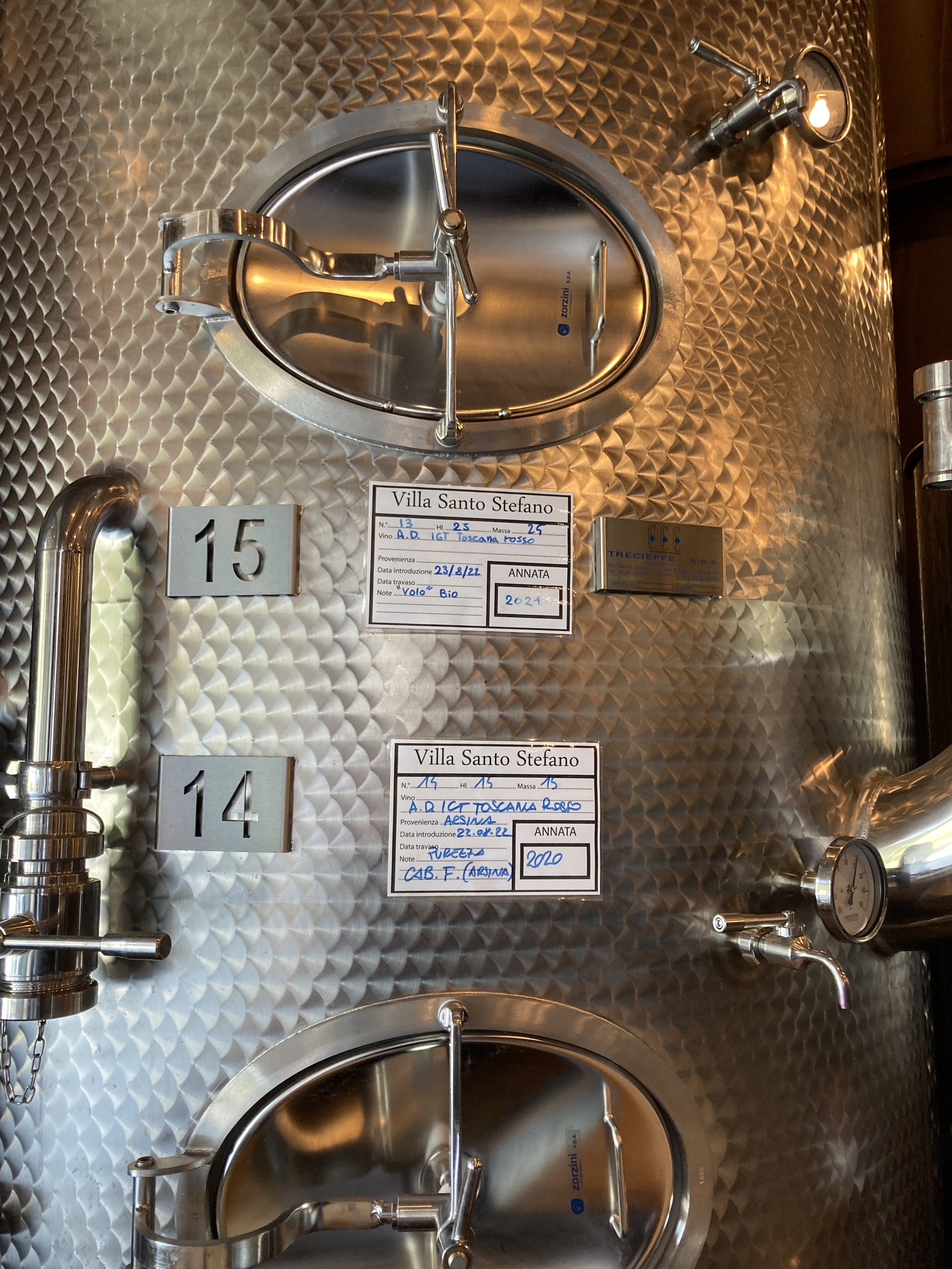
The winery may be a relatively small operation, producing around 50,000 bottles per year, but it is an incredibly high-tech one. No dark cellars or dusty old bottles here. No seen-better-days barrels. Each part of the facilty is modern and spacious. Computers control the temperature and humidity to create optimum conditions for maturing wines. The steel tanks gleam and clear glass rods along the sides of the tanks give a sneak peak of the red and rosato wines fermenting inside. I’ve never thought of steel vats as beautiful before, but the ones as Villa Santo Stefano seem like works of art crossed with modern scientific instruments.

701AFC90-3236-484E-842E-B4F0E38ED65B.jpeg
8C92E302-8164-4AC1-97CB-DCF9FFDC5D26.jpeg
F403BAFF-934C-4AEE-A6C5-217DBF665AE5.jpeg

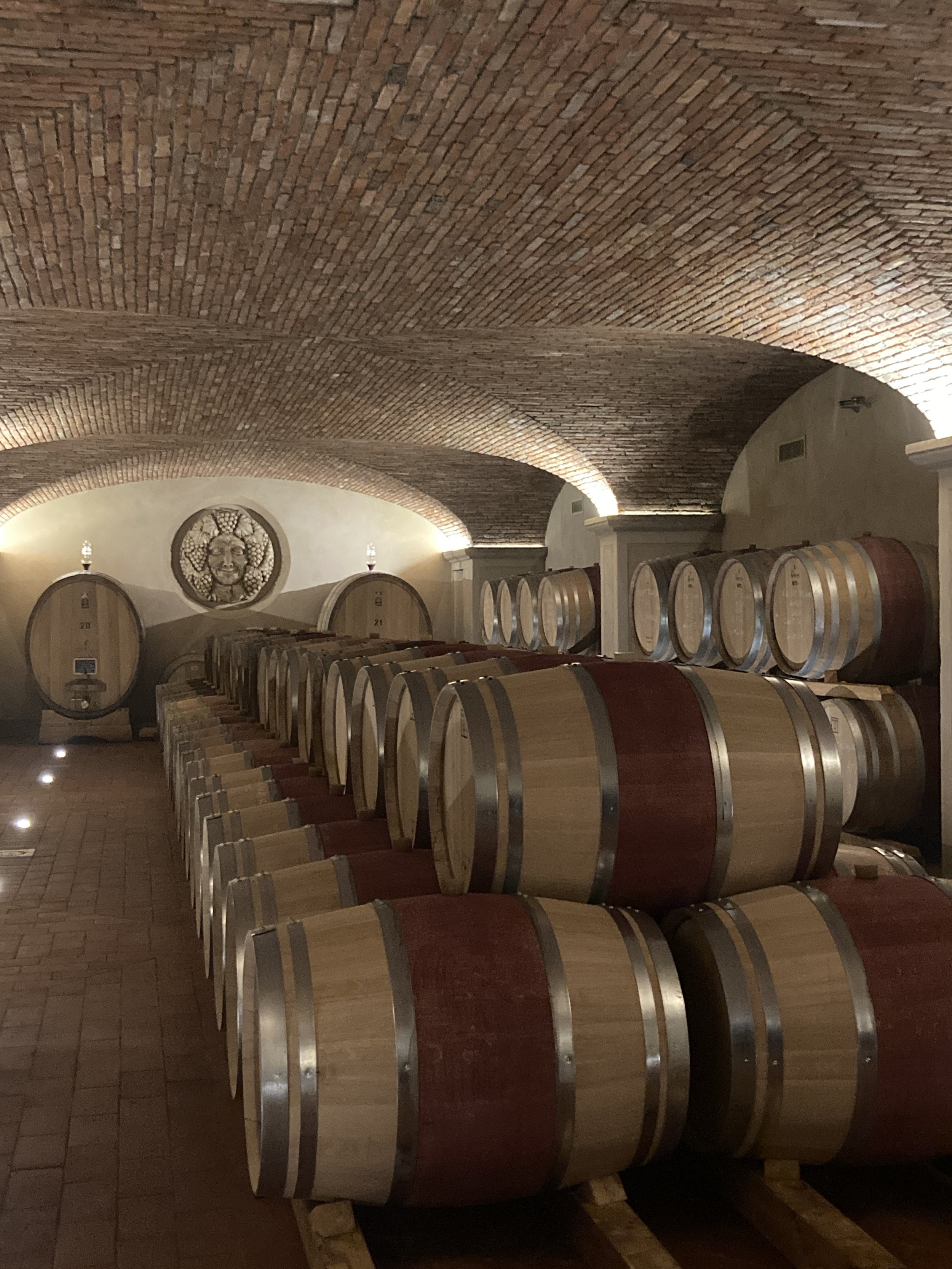
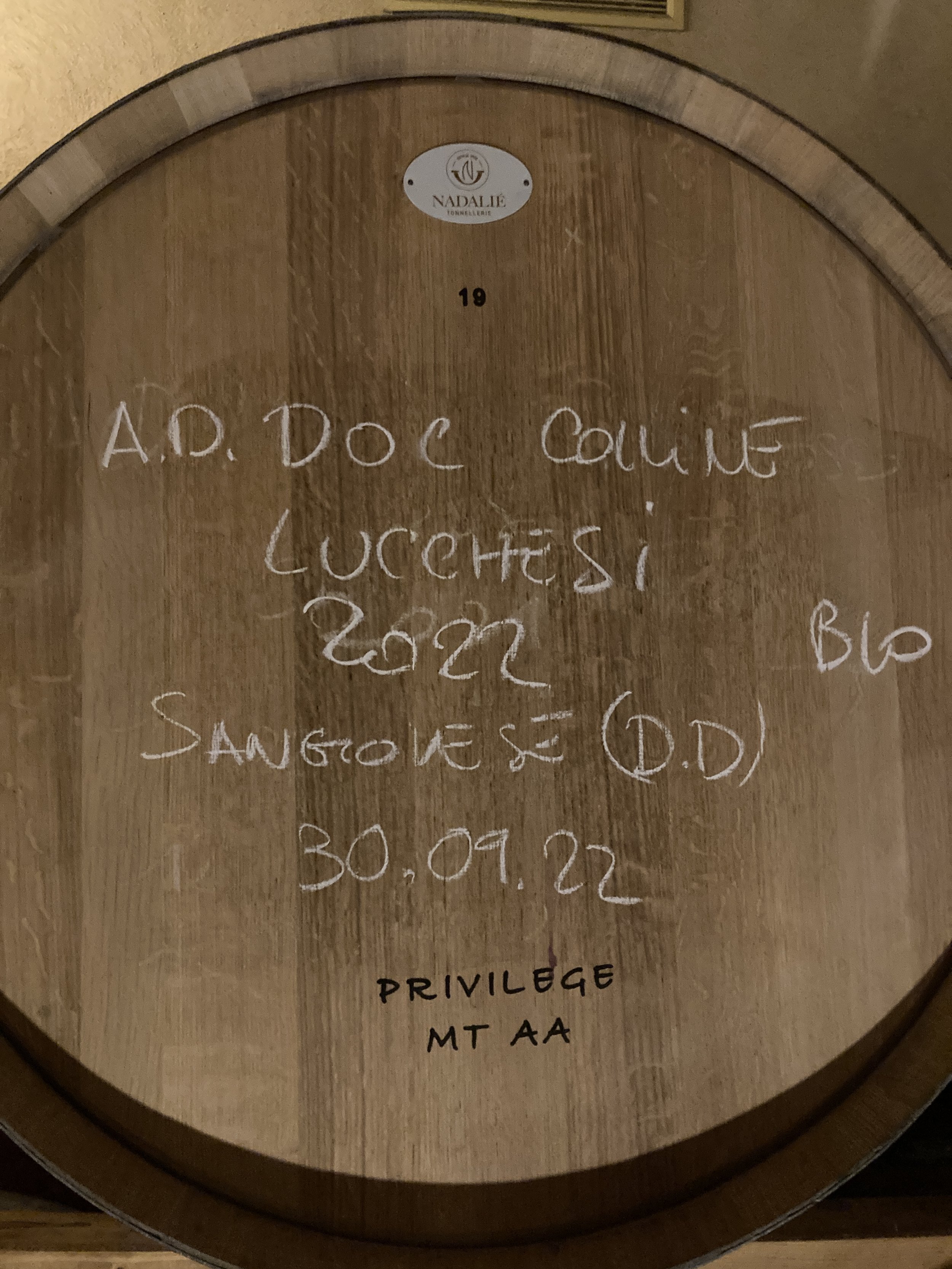
The cellar is large with vaulted brick ceilings and soft lighting. Lining the space are beautiful French oak barrels, about 1/3 of which are replaced each year. That is a costly undertaking but essential in maintaining the quality of the wines. And quality is key at Villa Santo Stefano.

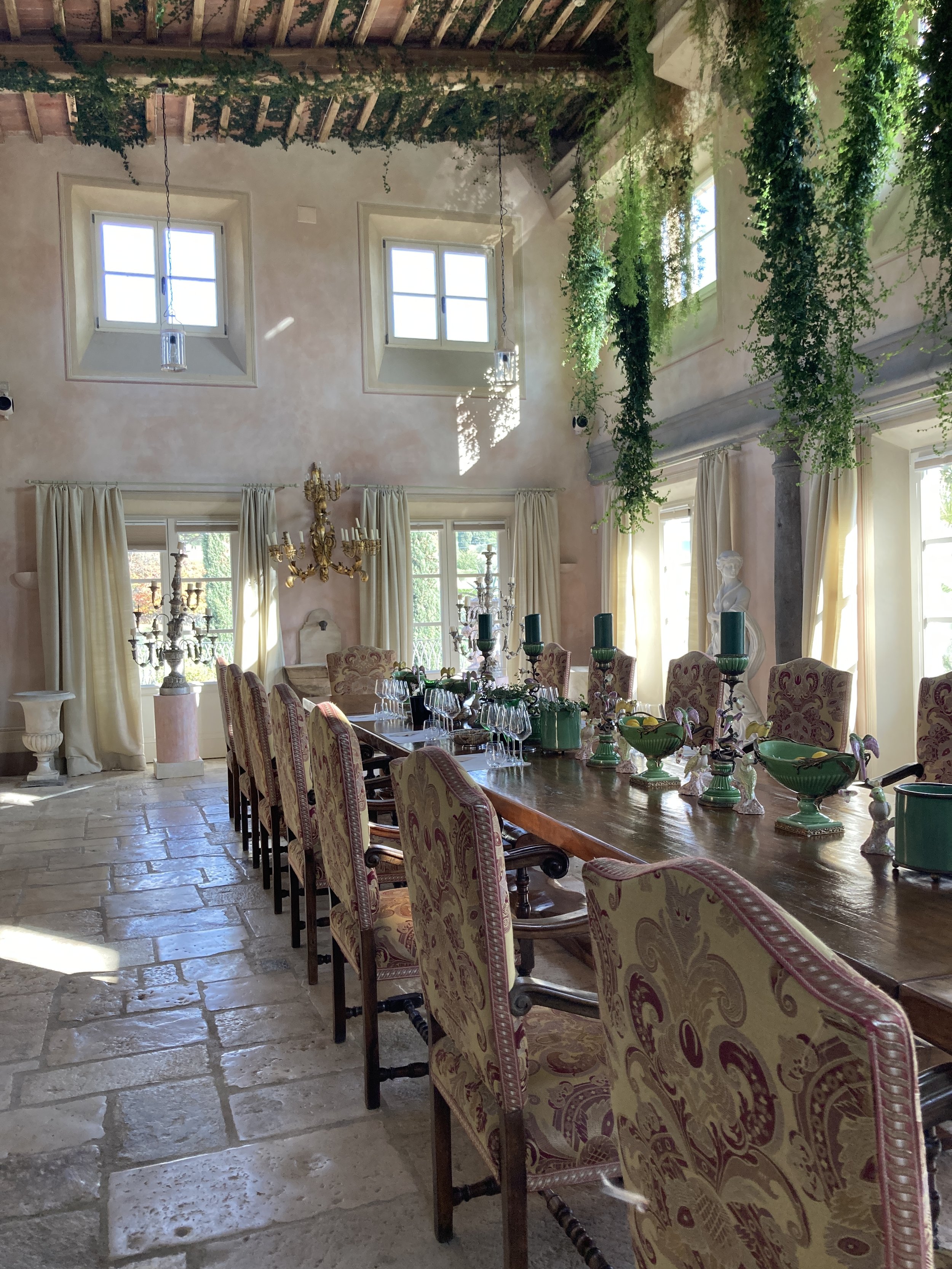
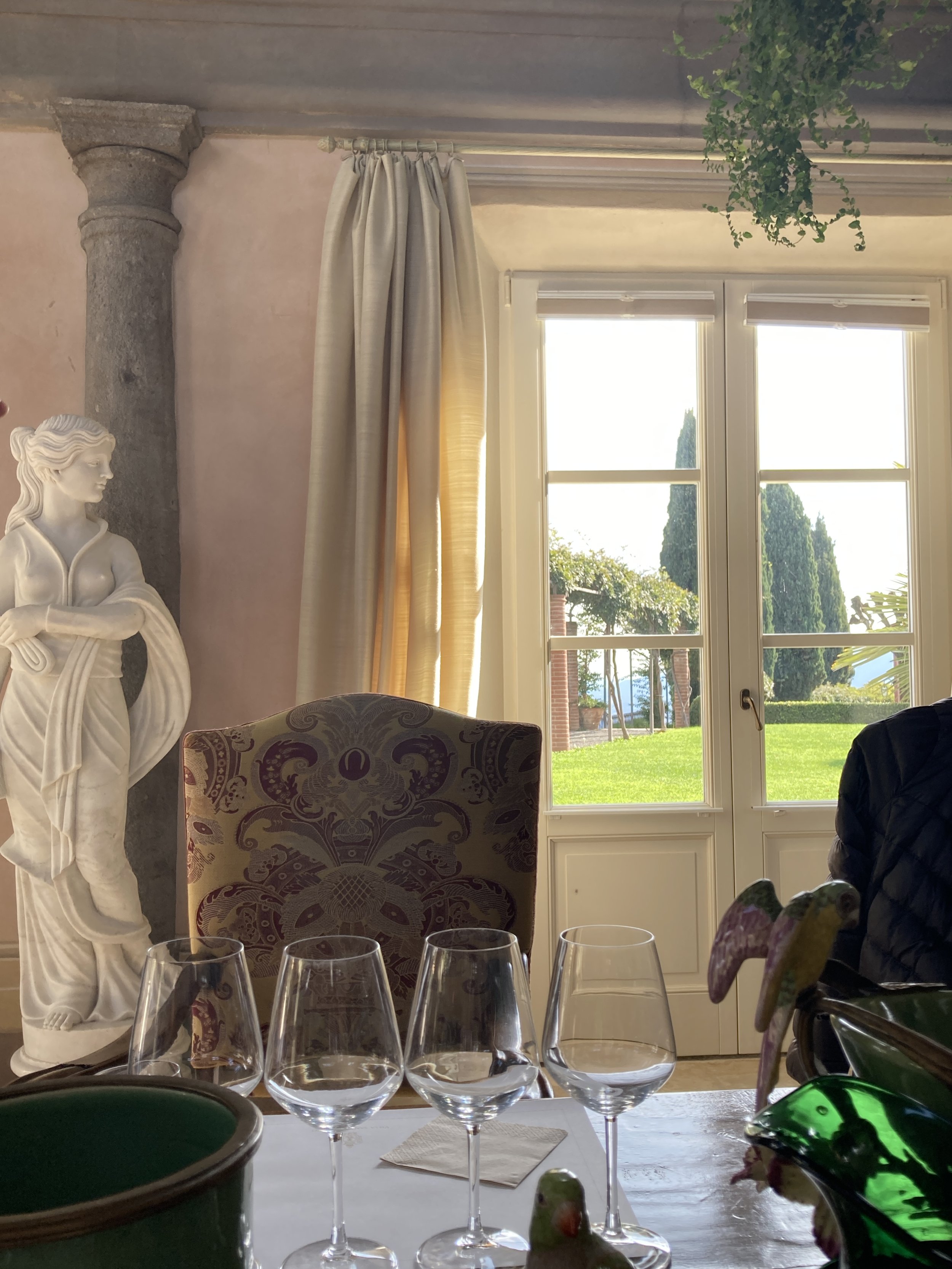
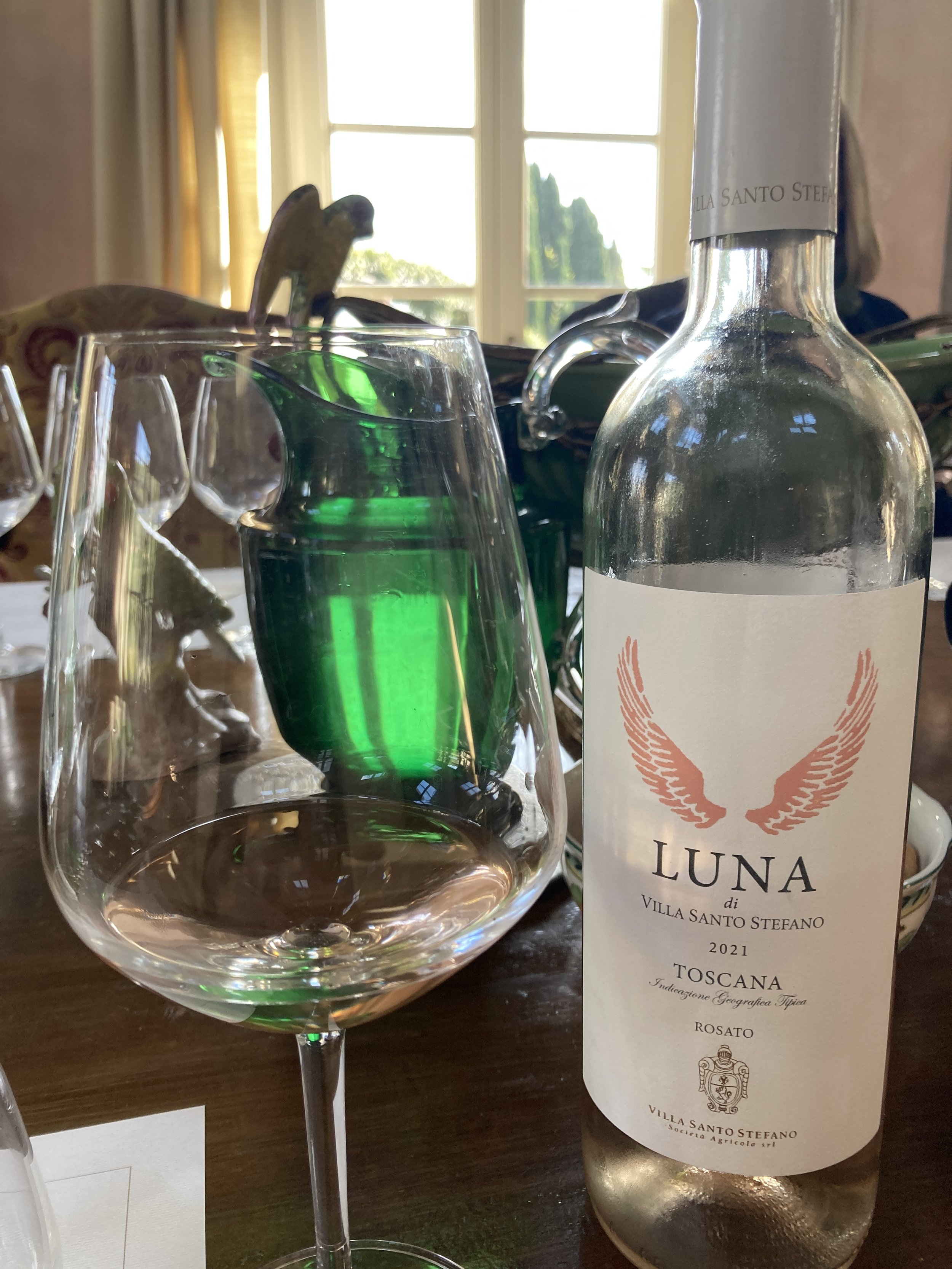
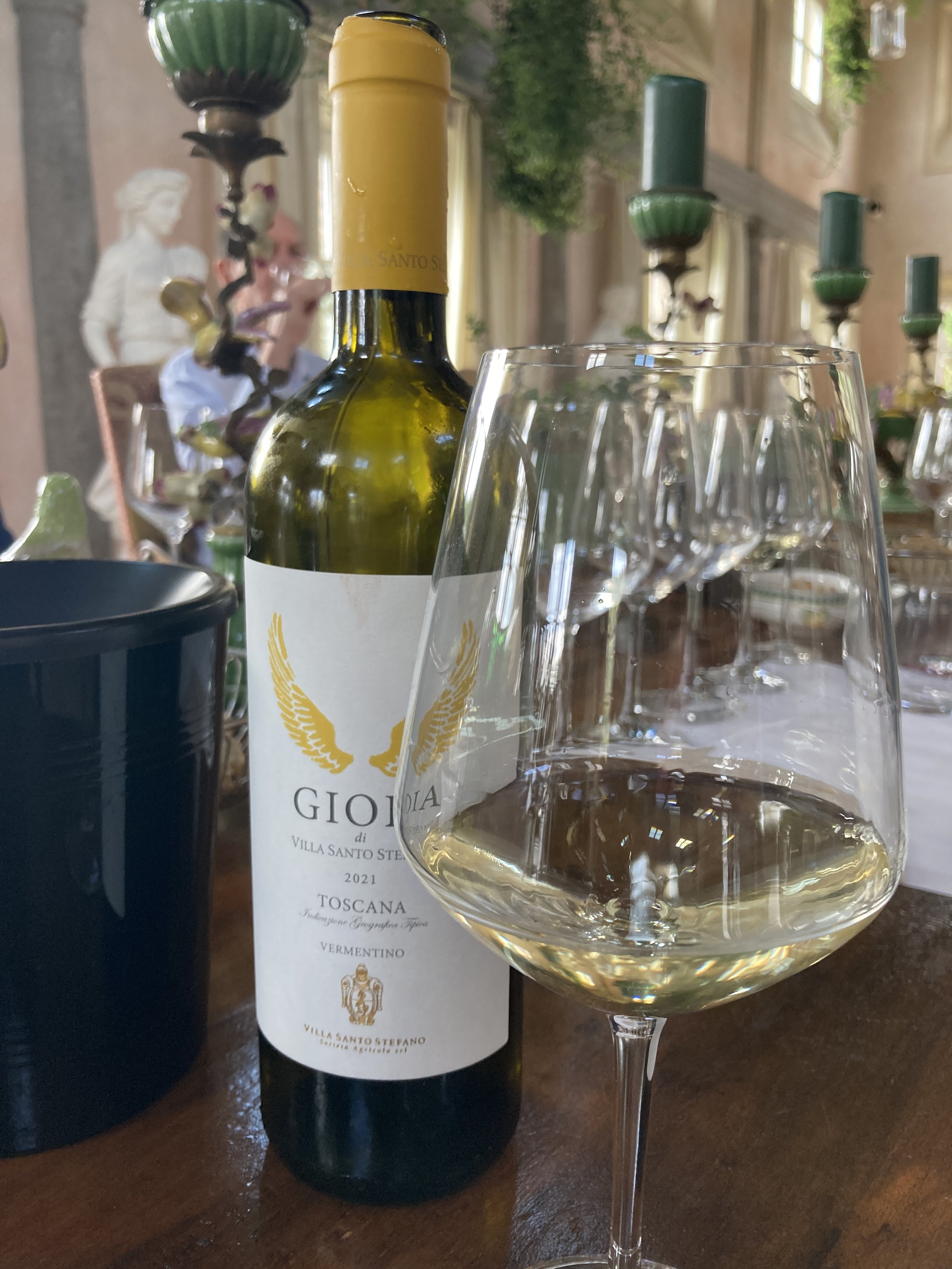
Of course the most important part of a winery is the wines themselves - and Villa Santo Stefano did not disappoint. During the tasting, in the estates beautiful banquet room, Petra discussed each wine including the grapes used and its unique characteristics.

6D95EAB6-F3EF-4CC9-9DC9-1A7DBB999D09.jpeg
6D526B1D-2290-40A7-B99B-52EF485DA0DF.jpeg
A185800F-526A-4BA5-8A8C-C969A5B45CEE.jpeg

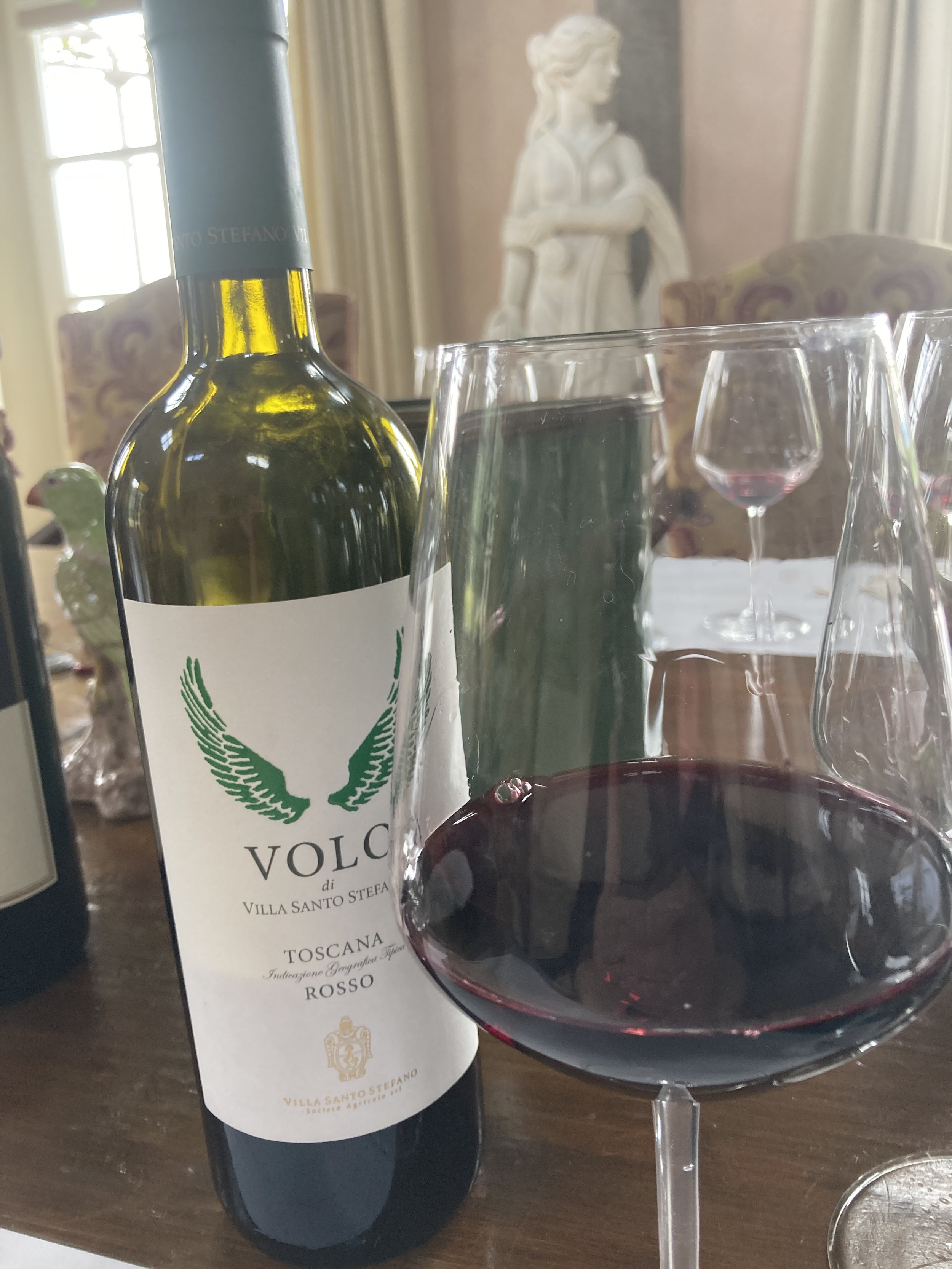
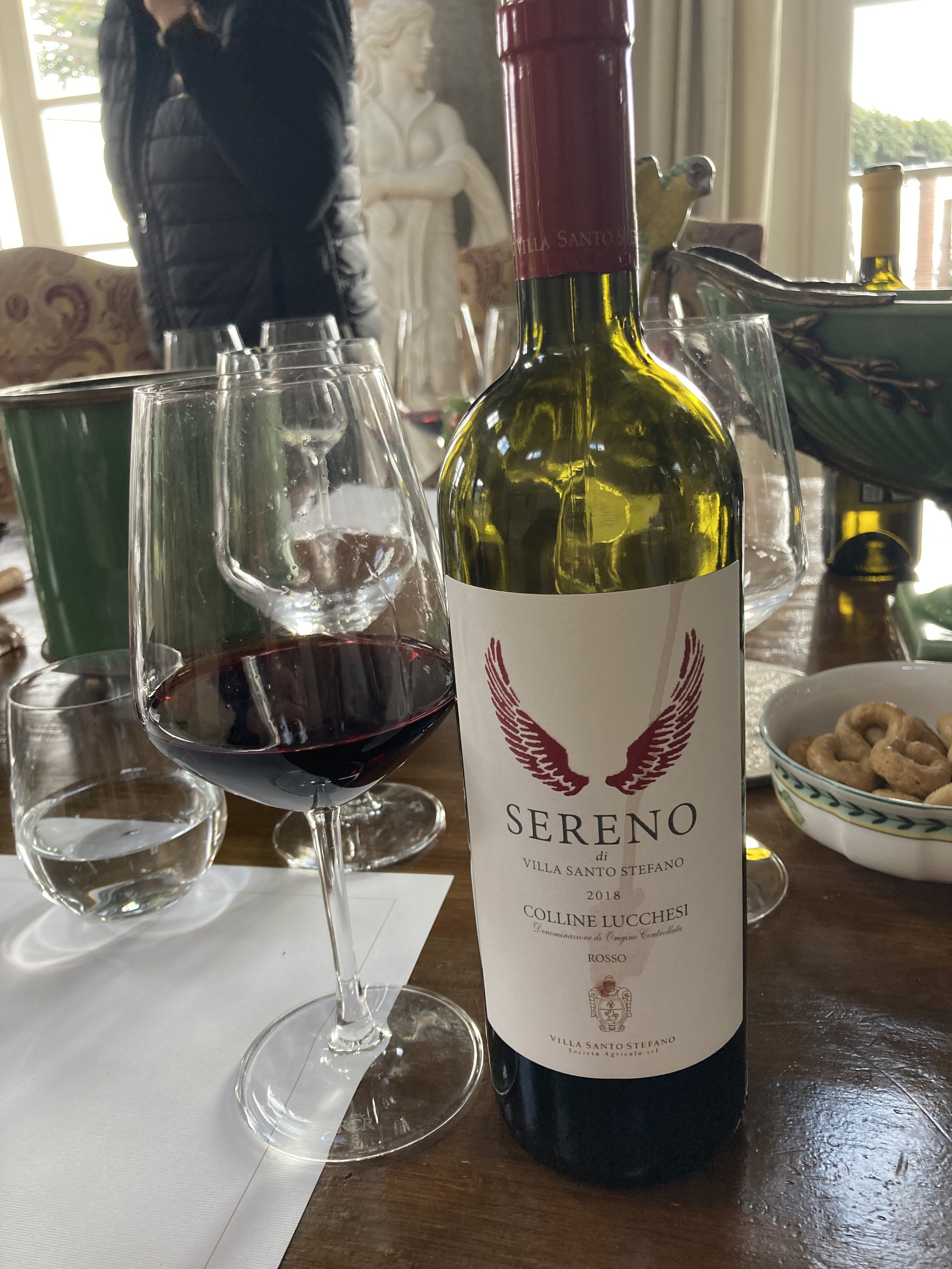
The wines we sampled included a delicate pale pink Rosato (Luna), a crisp Vermentino (Gioia), and 3 different reds (Volo, a blend of Cabernet Sauvignon, Petit Verdot, and Alicante grapes), Sereno (an 80% Sangiovese blend, a Super Tuscan) and Loto (a Cabernet, Merlot, and Petit Verdot blend).

1E9E6B13-6EAC-4FFB-B6B2-D9CA7990C99E.jpeg
38D055C8-366B-4FB1-B76F-A4346DAB583B.jpeg
6090AC66-8C8A-41DF-A428-7D05E73EBD99.jpeg
0ED12722-A5D8-496F-B1A3-38F335F49A5F.jpeg

Loto is considered the Villa’s signature wine. It was the first one produced at Santo Stefano in 2006. Lots is a lovely wine, deep red in color with just the right fullness and dryness. I could tell you I tasted berries, smoke, and vanilla but that would only mean that I read the brochure! I just know that the first taste made me smile and want to sip some more. I liked all the wines we tasted, but this is the one I took home with me - though I may have to go back in summer for some of the Rosato, which would be the perfect crisp summer wine. Then again, the Vermentino and the other two reds were really good too. I think each of my friends had a different favorite. We definitely all carried some home with us.

A visit to Villa Santo Stefano is a treat. The setting is spectacular, the guest suites drool-worthy, the production areas high-tech yet with the personal touch of the winemakers. The vats and the barrel room are the stuff of fairytales for wine lovers. Thanks so much to Petra for sharing her knowledge and love of wine and of this very special property! Thanks also go to the long ago Bertolli family and the current Reitzle - Ruge family for sharing their property and their stories.

For more information: www.villa-santostefano.it or Petra.pforr@villa-santostefano.it

November 21, 2022 /Joanne Bartram
Villa Santo Stefano Lucca, Bertolli Family Lucca, Wine Lucca, Tuscan Winery, #tuscanvilla, #tuscanwine, #VillaSantoStefanoLucca
#italytravel, #lucca, Italian culture, Italy travel, Lucca, Tuscany, Wine
  • Newer
  • Older

Powered by Squarespace