Two Parts Italy

Exploring Italy, travel, and living a flavorful life

  • Blog
  • About This Blog
  • Start Here
  • Recent Posts
  • Archives by Topic
  • Subscribe
  • Contact me
Chiasso Barletti is a small street in Lucca with big Christmas spirit.

Chiasso Barletti is a small street in Lucca with big Christmas spirit.

An Italian Christmas

December 24, 2018 by Joanne Bartram in Lucca, Tuscany, Italy travel, Italy, Italian culture

Christmas in Italy is enchanting. Cold days and even colder nights bring out shoppers and strollers wrapped in colorful scarves, hats, and, in many cases, fur coats. Here in Lucca the streets and squares are strung with lights and filled with greens. Even the smallest alley glows with Christmas magic.

Shoppers on Chiasso Barletti

Shoppers on Chiasso Barletti

Lucca’s Piazza Anfiteatro at night

Lucca’s Piazza Anfiteatro at night

Shop windows are magical at this time of year, decorated with holiday goodies and winter scenes.

The window of this chocolate shop is one of my favorites.

The window of this chocolate shop is one of my favorites.

Christmas trees fill shops and squares. Small trees, decorated with white bows, line the street on which I live. Between the trees and the overhead lights, walking along my Via Mordini is beautiful day or night.

This simple tree sits inside the old mercato alongside a small art show.

This simple tree sits inside the old mercato alongside a small art show.

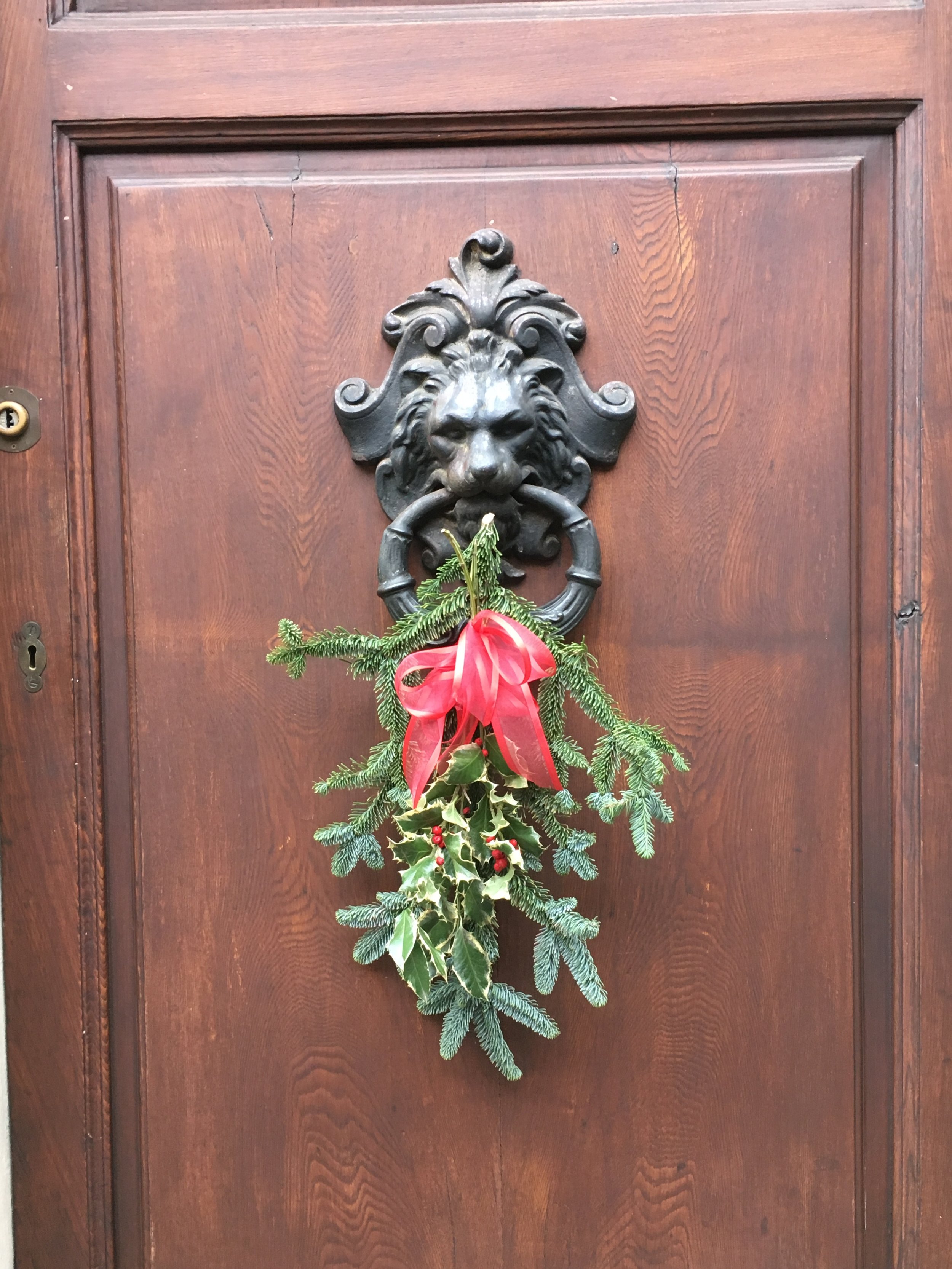
Greens are everywhere - wreaths and swags and clusters of mistletoe – they cheer up doorways, fill restaurants, and make a beautiful sight against the stone walls of the buildings in this Medieval city.
7A66F98E-7139-43BB-A95C-B1C6DD80CFB2.JPG

There are also Christmas concerts and carolers and, from the shops, mostly American music (an unexpected sound and a surprise to me).  Piazza Napoleone is holiday central with its outdoor Christmas market, ice skating rink, and lighted sculptural tree.  Even the carousel is decked out for Christmas. 

DDBA7C60-FF41-43CC-8ADD-6AB312172CBD.JPG
IMG_5911.JPG

Foods are another important part of the season.

Chocolates, biscotti, nuts, pandoro and panettone all make for interesting shop displays.  

While the traditional panettone is made with dried fruit, this pistacchio version sounds delicious! 

Pretty decorations in the courtyard of a favorite restaurant, Osteria Via San Georgio

Pretty decorations in the courtyard of a favorite restaurant, Osteria Via San Georgio

There is much to see, taste, smell, hear and experience, and all of it is new to me on this, my first Italian Christmas. As I walked through town the other evening, admiring all the lights and activity, all of my senses were tuned to Christmas. And I was joyful.  -Post by JMB


From both of us at Two Parts Italy, we wish you joy wherever you may be this holiday season.

Buon Natale.  Buone Feste.

Merry Christmas.  Happy Holidays.                                             

IMG_5958.JPG

A pretty window in Piazza San Salvatore, Lucca

December 24, 2018 /Joanne Bartram
Lucca, #Lucca, Natale, Lucca Christmas, Christmas Italy, #Christmas in Italy, #Lucca travel, #italy, #italy lucca
Lucca, Tuscany, Italy travel, Italy, Italian culture
IMG_5675.JPG

A Rainy Sunday Morning in Florence

November 26, 2018 by Joanne Bartram in Florence, Tuscany

I arrived in Florence for two full days, my last days in Italy before flying back to the United States. I was hoping for a low-key visit, which can be a challenge in crowded and hectic Florence. I planned to wander the streets, explore the markets, hang out in the Oltrarno side of town, sip cappuccino outdoors, and soak up the atmosphere of Florence. I didn’t plan to do any of the large museums but thought I might stop by the Bargello, my favorite of all the museums in Florence.

As it turned out, the Bargello was closed both days and the weather turned wet and windy (the beginning of the terrible storms that ravaged Italy in late October/early November). Flexibility is a must when traveling - no whining about rain or unexpected closings allowed! With a little adjustment in plans, my rainy visit in Florence turned out to be most enjoyable, beginning with a memorable Sunday morning.

IMG_5464.JPG

After waking up to the sound of rain and church bells, I had a relaxed breakfast at my hotel (already a great day). Then, umbrella in hand, it was off to the Duomo (officially the Cattedrale di Santa Maria del Fiore). The most famous landmark in Florence, approaching it from any direction is unforgettable. How can such majesty sit just up a city street? It looms large over shops and cafes, daring anyone to forget, even for a moment, that they are in Florence.

IMG_5751.JPG
IMG_5704.JPG

Up close, the Duomo is even more impressive. The cathedral itself is huge - long and tall and capped with its famous dome. The elaborate facade is marble - in green, white, and soft pink - and full of carvings, statues, decoration, ornate windows and carved doors under elaborate arches.

IMG_5456.JPG

The tall campanile (bell tower) and adjacent octagonal baptistery are also dressed in marble. What a feast for the eyes (though like all feasts, it can leave you reeling trying to digest it all).

The baptistry under gray skies and rain

The baptistry under gray skies and rain

The cathedral is a huge tourist draw and there are usually long lines to enter. But on Sunday mornings, it is open only to those attending Mass - an ideal way to experience this church.  

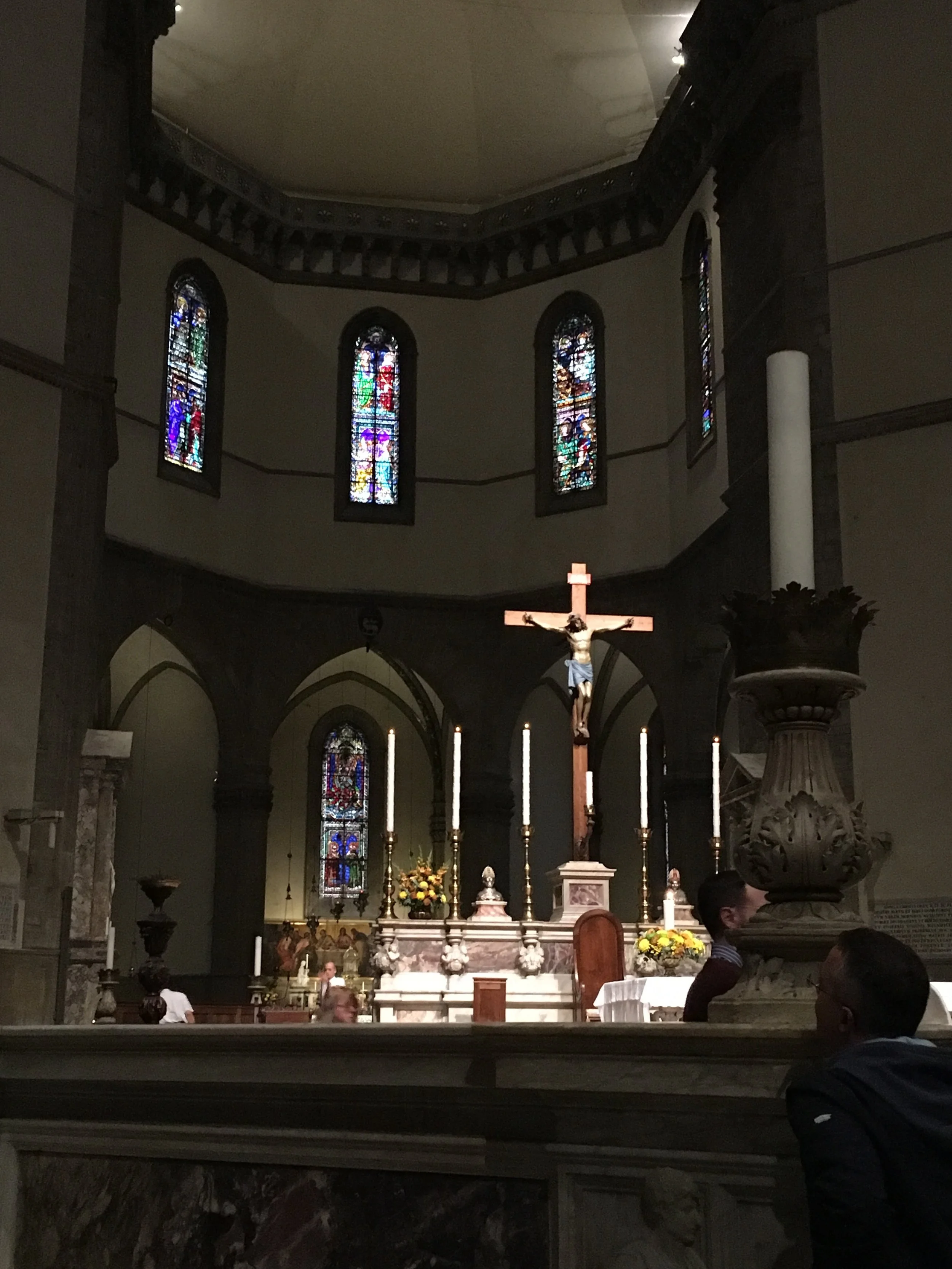
Main altar, Santa Maria del Fiore (Duomo), Florence

Main altar, Santa Maria del Fiore (Duomo), Florence

As I entered, a small service (the Lodo mattitini - morning lauds) was being chanted in a side chapel. Is anything more peaceful then the sound of Gregorian chant? As that service ended, the 10:30 a.m. Mass began. Rather than sitting out in the large church, attendees were invited to come up to the area surrounding the main altar, just beneath the dome.

Brunelleschi’s Dome.

Brunelleschi’s Dome.

The service began with organ music filling the cathedral, the sound and vibration making the music one with body and soul. The Mass itself (a cultural experience even for the non-religious, as well as a good way to practice Italian comprehension) was beautiful with prayer, incense, music and chorus. And all the while I sat under Brunelleschi’s dome - soaring high above the altar, with its majestic painted cupola. 

Detail, Brunelleschi’s Dome

Detail, Brunelleschi’s Dome

It sure seemed like a glimpse of heaven to me.     -post by JMB


November 26, 2018 /Joanne Bartram
Italy travel, Duomo, Italy, Firenze, Brunelleschi’s dome, Florence
Florence, Tuscany
3F763F6E-16C5-4A5E-BECD-5FF2F0D8D690.JPG

A Taste of Chianti

October 22, 2018 by Joanne Bartram in Restaurants Italy, Italy, Tuscany, Chianti Region, Italian restaurants, Wine, Travel, Italy travel

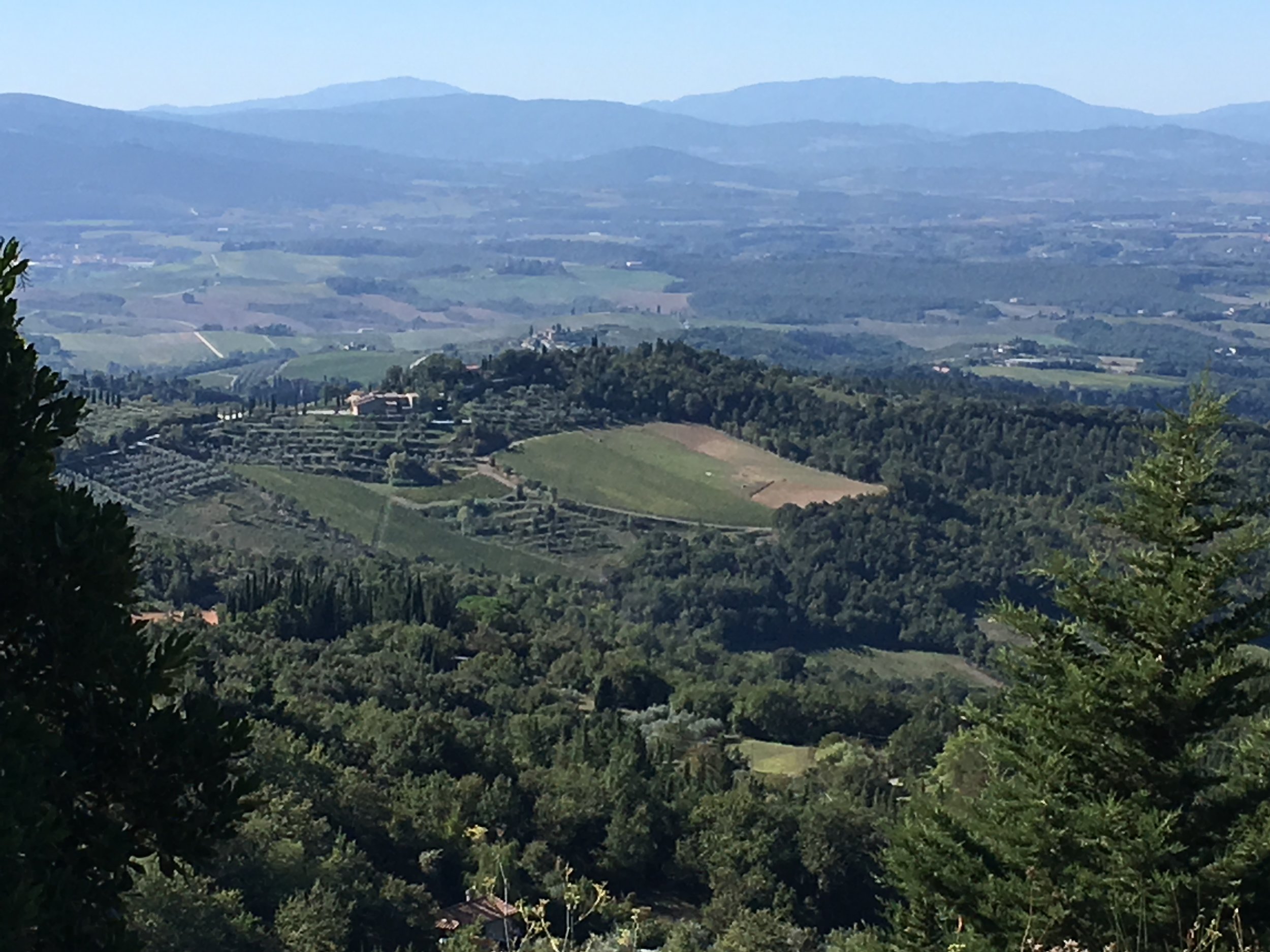
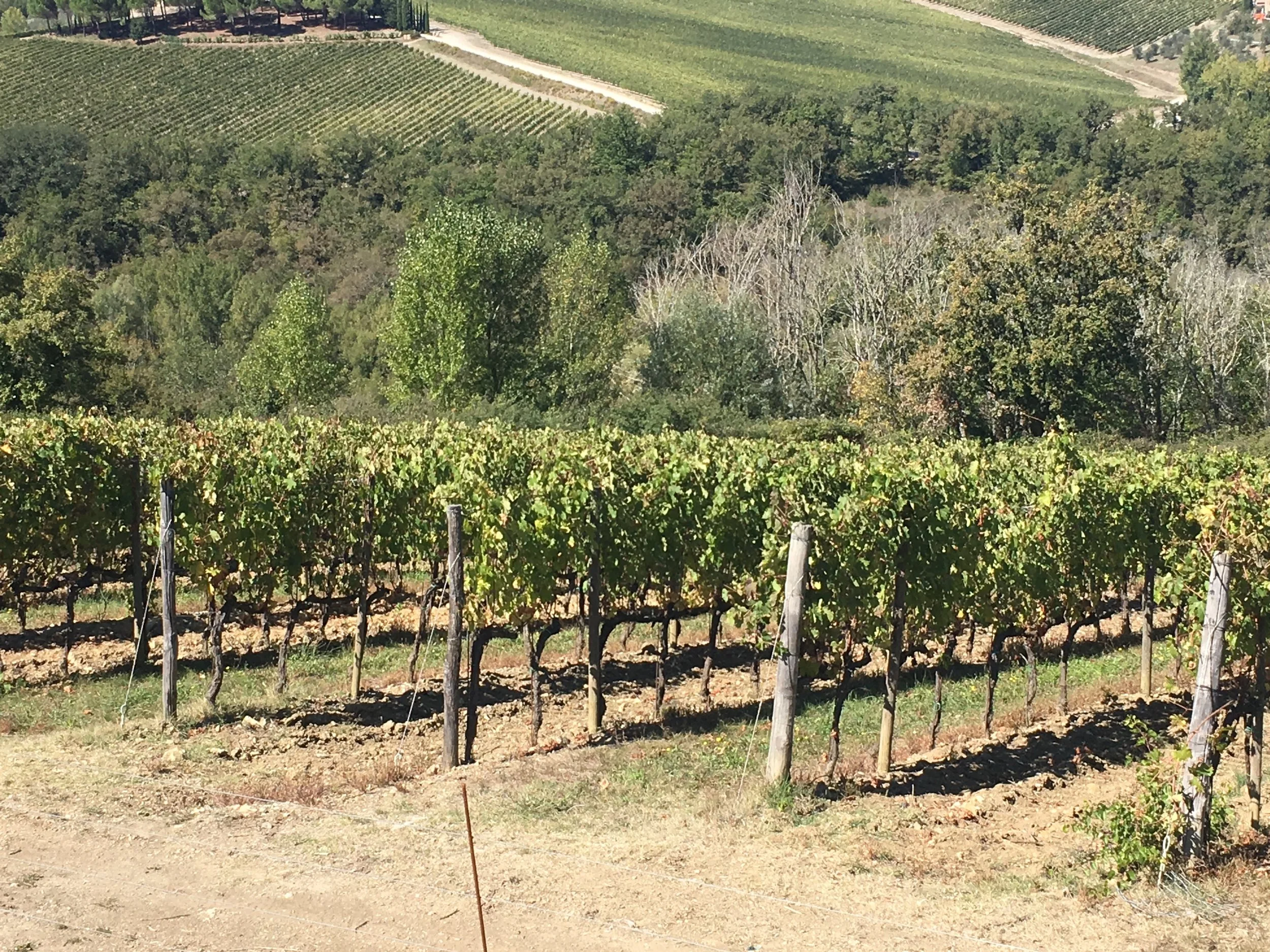
Chianti. Ask someone to name an Italian wine and this is often the first wine they will think of. Chianti is a wonderful wine, a blend containing mostly Sangiovese grapes. Chianti is also the name of the region in southern Tuscany where the grapes are grown and the wine produced. The Chianti region stretches south from Firenze (Florence) toward Siena and includes some of the most beautiful landscapes in Italy. Exploring the Chianti region is best done by car, driving slowly along the narrow, winding roads and stopping whenever the road widens enough to pull over to enjoy the view and snap a few photos. I recently had the chance to do just that, spending a perfect autumn day driving the back roads of Chianti with a trio of friends. And since I wasn’t doing the driving (lucky for me!) I had plenty of opportunity to watch the passing scenery.

On the Via Molino Nuovo, between Castellina in Chianti and Greve

On the Via Molino Nuovo, between Castellina in Chianti and Greve

8C4F76D4-CD59-43B0-892A-930F999C38C1.JPG

And there was so much to see - vineyards, olive groves, stone villages, farmhouses. The hill crests provided spectacular wide views over the valleys, and the valleys provided views along creeks and wooded areas, of vines just beginning to wear their early fall color, and of entrances to gravel roads leading uphill to stone farmhouses. With our time limited to a day, we focused on visiting two of the many villages and towns in the region. Our first stop was Castellina in Chianti, one of the three original Chianti villages (along with the villages of Gaiole and Radda, the only ones allowed to use the “Chianti Classico” appellation and the famous Gallo Nero or black rooster on the seal).

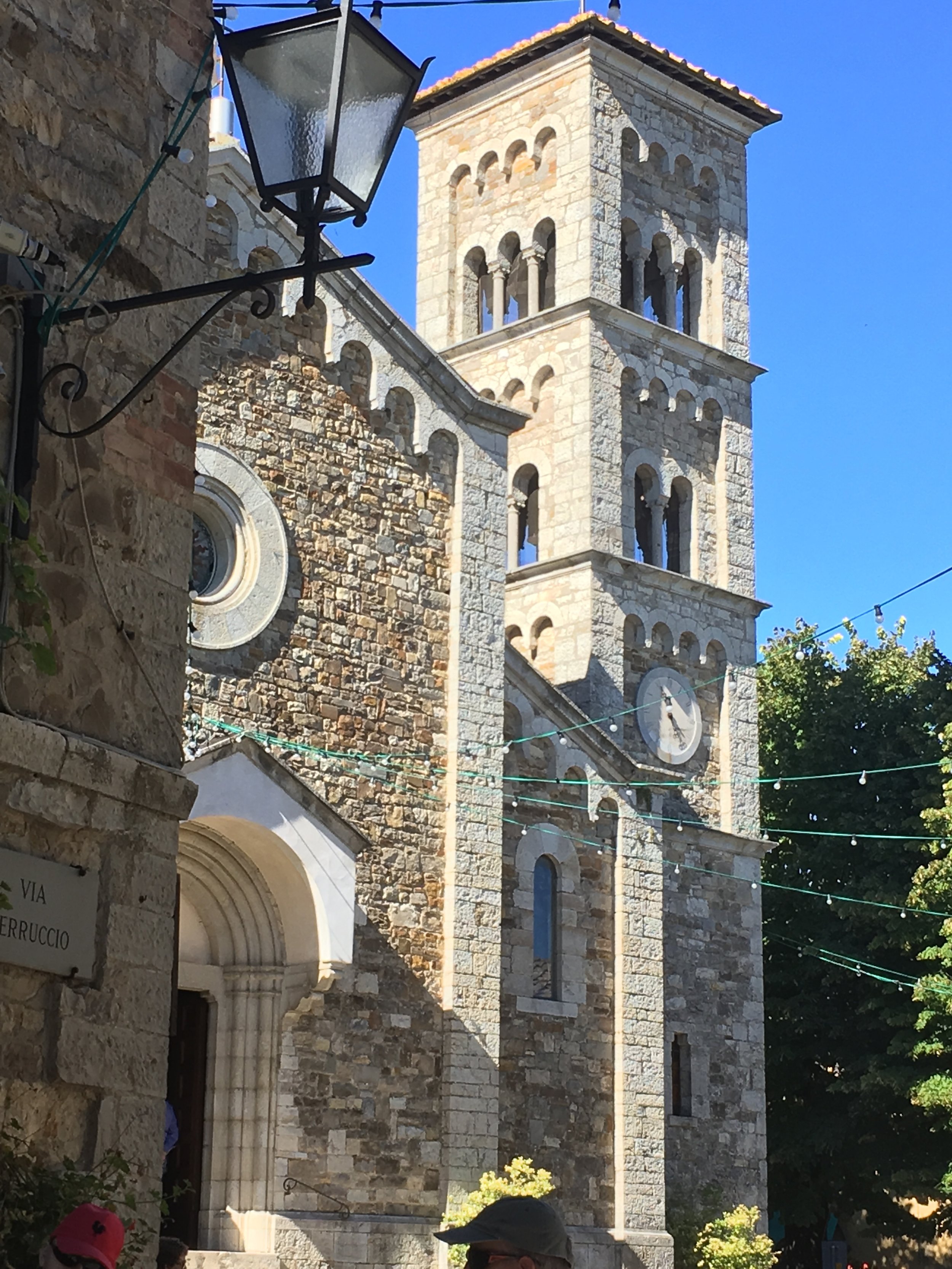
Castellina in Chianti

Castellina in Chianti

The word charming isn’t sufficient, so I will just say that this village is truly incantevole (enchanting) with its cobbled streets, central piazza strung with overhead lights, beautiful small church and bell tower, remains of a fortress, and many shops, cafes, and restaurants. Add to that the views of the surrounding valley that peek out from alleyways and streets and the opportunities to sample good wine produced in these old vineyards and you will see why I found this town so appealing

View fullsize
View fullsize
View fullsize

After spending most of the morning in Castellina, we were off toward Greve. The road between these two towns offers more stunning landscapes and some good scenic view points with space to pull over, explore, and take photos. 

197EC12C-608E-453F-A3C4-999F25DA7B65.JPG

A most appealing spot was just around a bend in the road. It looked at first glance to be a stone farmhouse across from a smaller stone building with a sign saying molino nuovo (new mill), situated next to a small creek. A closer look revealed the “farmhouse” to be a beautiful B&B with a large terrace, pots of flowers, and a very peaceful vibe. I would love to book a future stay here at the B&B La Fiaba - it looks like the perfect place to spend a few days exploring this area.

B&B La Fiaba

B&B La Fiaba

Crisp flat bread piled high in La Cantina, Greve

Crisp flat bread piled high in La Cantina, Greve

We arrived in Greve ready for lunch. We had done little advance planning for this day, preferring just to choose a restaurant by look (crowded with locals) and aroma. The restaurant La Cantina hit both of these and we happily waited for a table. It’s hard to mind a long wait when you are greeted warmly and with a complimentary glass of prosecco! The staff was great - friendly, fun, quick to laugh and the outdoor setting was pleasant and the food delicious. Placed on the table was a basket of a unique crisp flatbread (a change from the more commonly served basket of bread). It was baked in-house and there were stacks of this simple yet delicious bread piled on the counter inside the restaurant.​

FullSizeRender.jpg

Our shared appetizer was a mixed plate of crostini - slices of toasted bread, with pate, mushroom, melted gorgonzola, and tomato. Delicious! Between the four of us, we tried two pasta dishes - a pici with tomato, onion, and cinghiale along with a pacchetti (wide tubular pasta) with ricotta and pancetta.  Very different flavors, but both were delicious. Also delicious was the wine, a Chianti Riserva (aged longer than other Chiantis, at least two years). Lunch finished with an apple cake topped with gelato and caffè macchiato. This was one of those classic two-hour Italian lunches full of good company, good conversation, and plans for future days exploring this region.


Heading home we drove through another lovely village, San Casciano in Val di Pesa, but we left exploration here for another day.  This day of exploring the Chianti region was perfect - but provided just a taste of what the area has to offer, both scenically and gastronomically. I am already looking forward to a return visit.   -post by JMB

October 22, 2018 /Joanne Bartram
Chianti Region, Greve, Tuscany, Castellina, Castellina in Chianti, Greve in Chianti, Chianti
Restaurants Italy, Italy, Tuscany, Chianti Region, Italian restaurants, Wine, Travel, Italy travel
The Fortezza di Montecarlo (also known as the Rocca del Cerruglio) in Tuscany.

The Fortezza di Montecarlo (also known as the Rocca del Cerruglio) in Tuscany.

La Fortezza (The Fortress)

June 25, 2018 by Joanne Bartram in Tuscany, History, Italy travel, Montecarlo, Italy, Italian culture, Lucca

In Medieval times, long before it became a nation, Italy was made up of independent city-states and kingdoms that were often at war with each other. In Tuscany, the cities of Florence, Pisa, and Lucca engaged in ongoing battles for control of the region. Traces of this historic rivalry still exist - for example, in Lucca's annual celebration of its liberation from Pisa (shown in photos below), an event that occurred in the mid-1300s. And don't even mention the intercity soccer rivalries!

View fullsize
View fullsize
View fullsize

During the 14th century the armies of Lucca, needing a strategic vantage point on higher ground, constructed a fortezza (fortress) on the Cerruglio hill in the countryside between Lucca and Valdinievole. This fortress, with its strategic position and high tower, allowed the Lucchese to have advance warning of an enemy approaching from the direction of Florence and also to send signals back to Lucca. In the 15th century, the Florentines (then in control of the region) expanded the fortress to its current size and configuration.

The fortezza with original construction on the left and more recent addition to the right of the two central towers (note the change in materials from stone to brick). 

The fortezza with original construction on the left and more recent addition to the right of the two central towers (note the change in materials from stone to brick). 

Original 14th century "door within a door" 

Original 14th century "door within a door" 

Today, the fortezza remains an imposing structure, sitting above the small town of Montecarlo, about a 30-minute drive from Lucca. The original portion of the fortress, built in the 14th century, includes a rounded tower (the mastio, far left in the aerial photo above), two square towers, and a central courtyard all connected by exterior walls in a roughly triangular shape.

The entrance, in one of the square towers, is through an ancient wooden door with a "door within a door" design that prevented armed intruders from entering (the smaller door could be opened but was too small to permit the weapons carried by a soldier to pass through). Amazingly, this massive door is original to the fortress.

The current family home, once the quarters of the military person in charge of the fortress, also lies in this section, as does a large outdoor kitchen and an old cistern. In the central courtyard wall another door leads out of the fortress and onto beautiful views of the valley below. 

View fullsize
View fullsize
View fullsize

The more recent construction (15th century) is in brick rather than stone and includes a long room with beamed ceilings and a fireplace at what is now the front of the property, and two smaller towers. Its walls enclose a formal Italian garden, which lies between the newer and older portions of the fortezza. 

The Italian garden lies between the oldest and newer portions of the fortezza .

The Italian garden lies between the oldest and newer portions of the fortezza .

Eventually, the wars between the city-states ended and the fortezza was sold to a private owner. Today it remains a private property, in the family of the current owner since 1905. Imagine having a Medieval fortress as your family home! What must it be like to live day-to-day amid such history? Luckily it is possible to experience the fortezza as the current owners, who are dedicated to restoration and upkeep of this unique piece of history, occasionally open it to the public for tours and private events. Even better, I recently had the chance to tour the property with a small group of students and teachers from Lucca Italian School. One of the current owners, Signor Valter Menchini, was a delightful tour guide and shared his vast knowledge of the fortezza’s construction and history. He so clearly loves his home, and this region’s history, that he made it all come alive with his descriptions of events in the fortress and his interesting anecdotes, such as the story of the two elderly sisters who once lived here and for whom the Torre delle Gobbine (Tower of the Hunchbacks) is named. 

Looking out from the entry to the Torre delle Gobbine toward one of the towers in the oldest part of the fortezza.

Looking out from the entry to the Torre delle Gobbine toward one of the towers in the oldest part of the fortezza.

Hearing that story, as we stood at the top of the tower, overlooking the valley below, was awe inspiring. We also climbed up into the mastio and the second tower at the front of the fortezza, which was accessed by a narrow, winding stone staircase and opened onto views of the town, the valley beyond, and several distant towns. Signor Menchini suggested that this might be the perfect spot for an aperitivo.  What a good idea - if I lived here I would spend every summer evening doing just that.

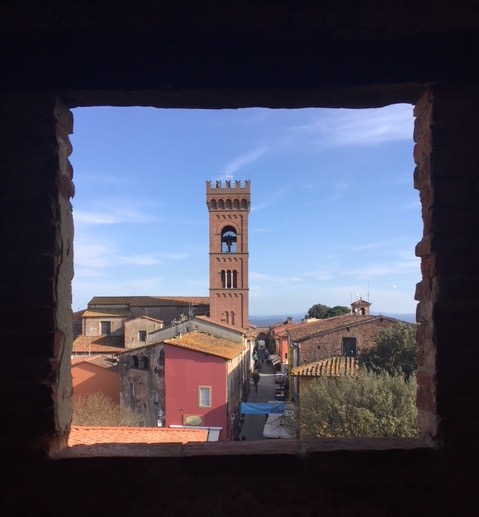
The village of Montecarlo viewed from a window in the fortezza.

The village of Montecarlo viewed from a window in the fortezza.

The town of Montecarlo, which sits just below the fortezza, is small and very charming. Sections of the old city walls remain and there are shops, restaurants, and wine bars to enjoy in addition to wonderful views. Montecarlo is a stop on the Strada del Vino delle Colline Lucchesi e di Montecarlo (the Wine Road of the Lucchese Hills and Montecarlo). Surrounded by vineyards, Montecarlo is known for its very nice white and red wines, which are often served in the restaurants of the surrounding towns, including Lucca. When in doubt as to what wine to order, I always ask for "un bicchiere di vino bianco di Montecarlo" (a glass of Montecarlo white) and I'm never disappointed.

View fullsize
View fullsize
View fullsize

When I'm in Italy, I often declare "what a perfect day". My visit to the fortezza certainly qualified for that description. Grazie to Lucca Italian School for arranging this visit and to the Pardocchi - Menchini family for opening their family property to us !         - post by JMB


Our host and tour guide, Signor Menchini (front left) and my group from Lucca Italian School.

Our host and tour guide, Signor Menchini (front left) and my group from Lucca Italian School.


June 25, 2018 /Joanne Bartram
#Fortezza di Montecarlo, Rocca del Cerruglio, Italian History, Montecarlo,Italy, Lucca, Tuscany, # Rocca del Cerruglio, Fortezza
Tuscany, History, Italy travel, Montecarlo, Italy, Italian culture, Lucca
IMG_2421.JPG

Fattoria di Fubbiano - A Winery with Tuscan Views

June 11, 2018 by Joanne Bartram in Tuscany, Lucca, Italy travel, Walking, Italy, Travel, Wine, Cooking

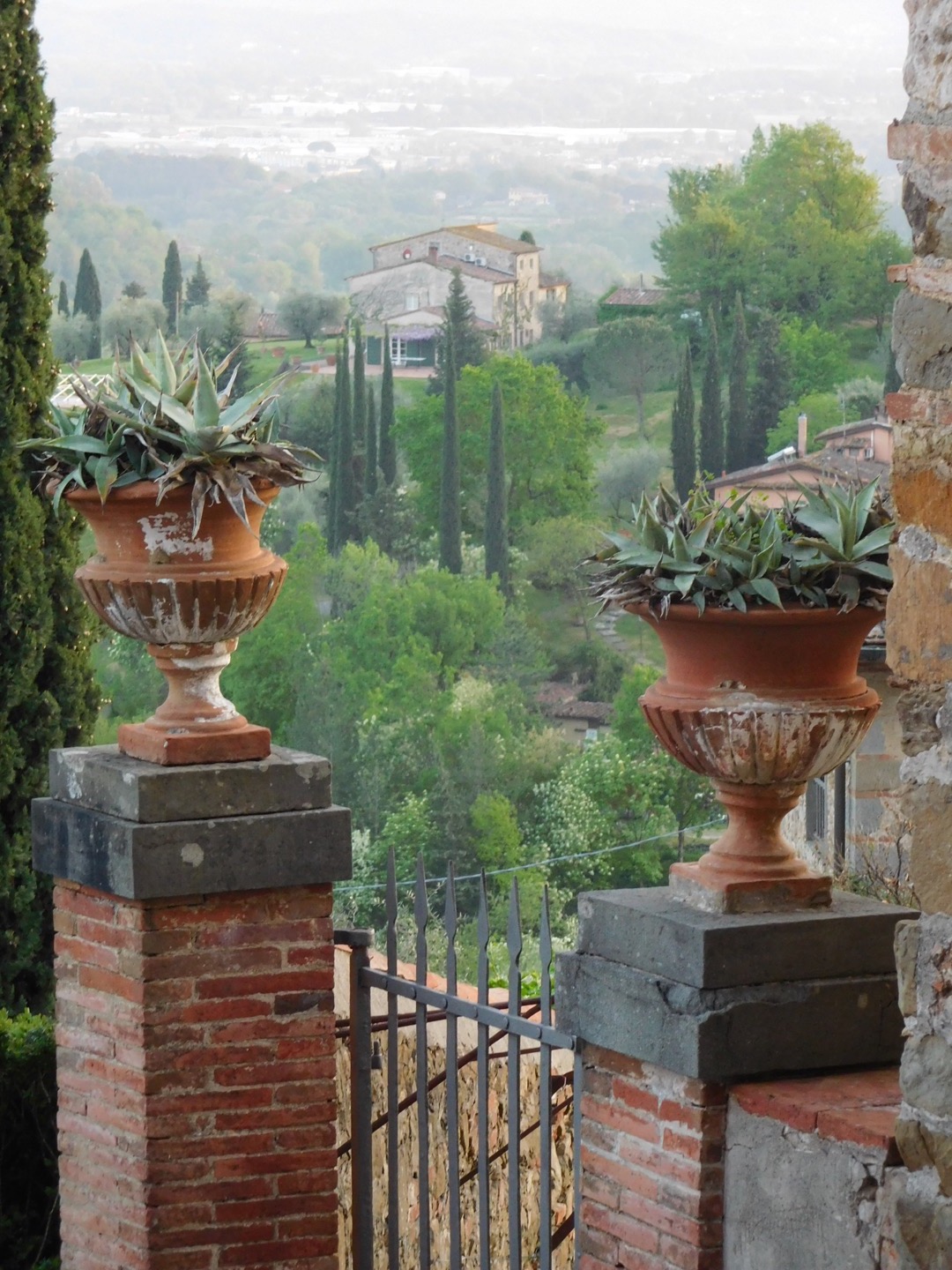
If you close your eyes and picture the perfect Tuscan landscape, what comes to mind will likely look a lot like the area surrounding the Fattoria di Fubbiano. If your picture includes rolling hills, tall cedars, ancient farmsteads, vineyards, olive groves, and a small hill town in the distance, then you have it just right.

The direct translation of the Italian word fattoria is farm - but direct translations don't always capture the essence of a word. A fattoria can be anyplace involved in agriculture - from the classic farm with rows of vegetables and barnyard animals to a terraced hillside where grapes and olives are grown. The Fattoria di Fubbiano is the latter - 130 some acres of vineyards and olive groves tucked into the hills 15 kilometers (9 miles) east of Lucca just below the hilltop town of San Gennaro.

FullSizeRender.jpg

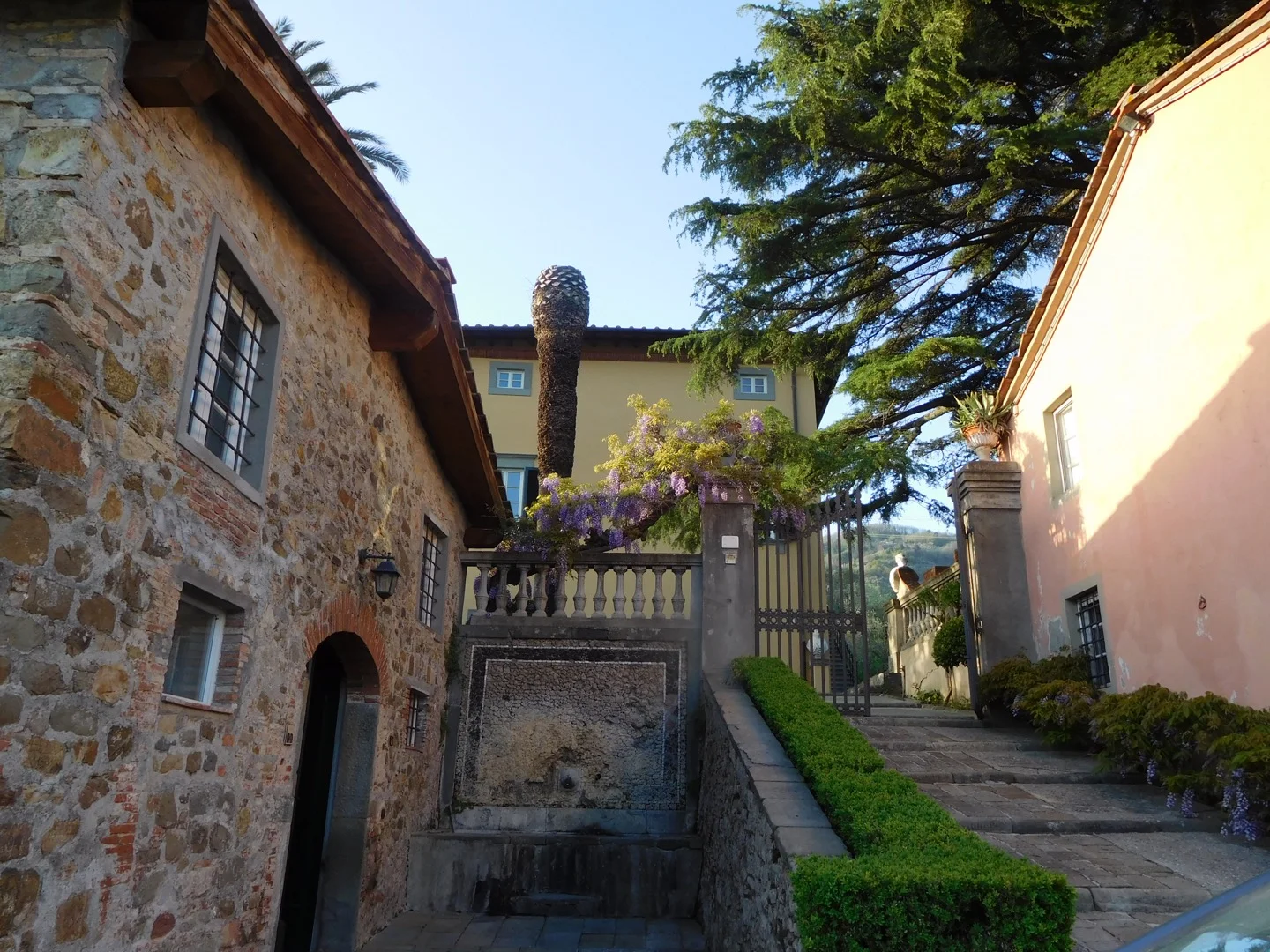
A fattoria has existed in this spot for a long time - the property dates to the late 1600s.  Local tax records list an even earlier date for the first cultivation of vines and olive trees here. Ownership of the fattoria has changed hands many times, with the current owners purchasing the antique property in 2002. They have since restored the fattoria buildings and original villa, converted some buildings into guest quarters and tended the gardens and view terraces. 

View fullsize
View fullsize
View fullsize

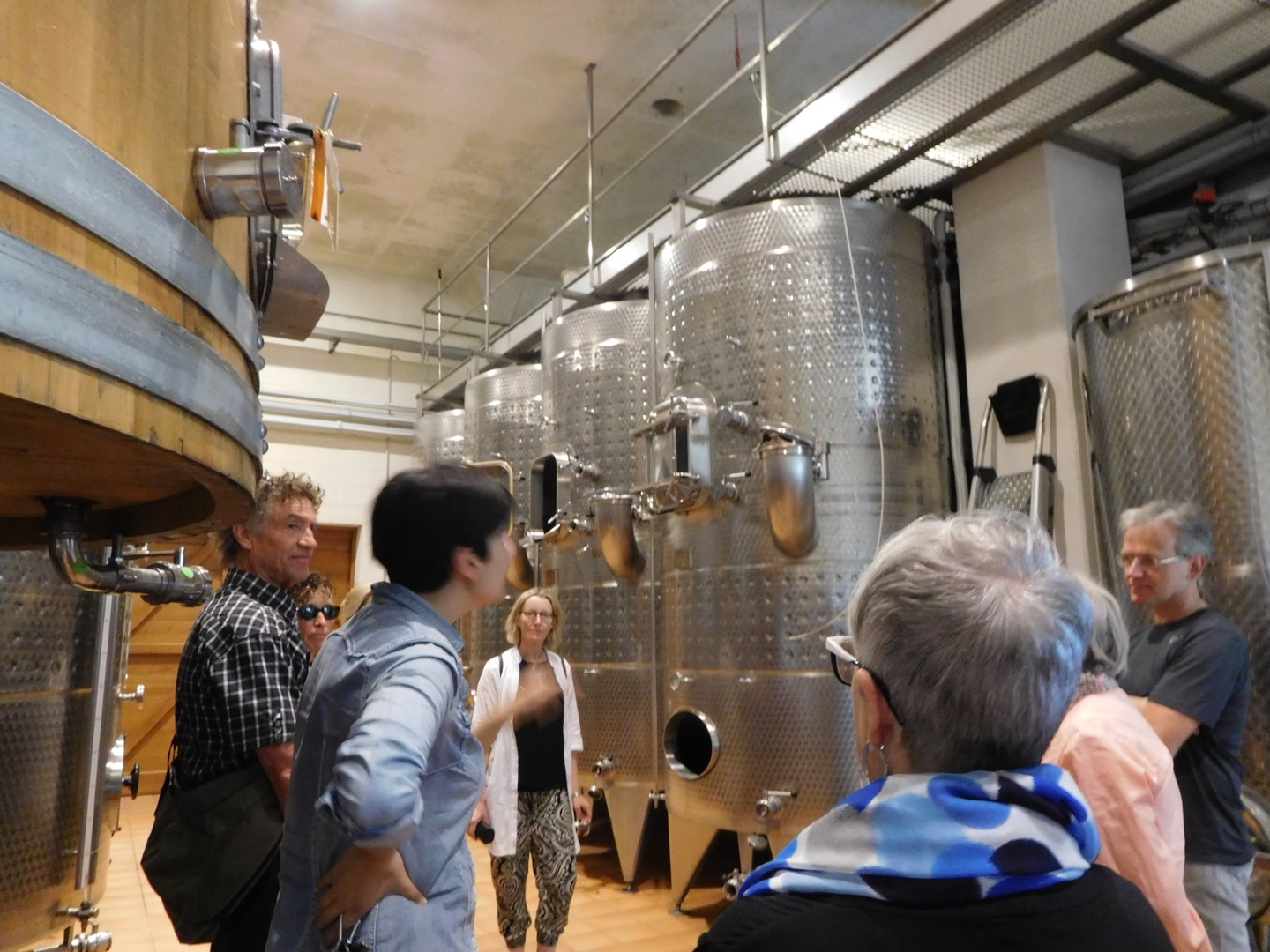
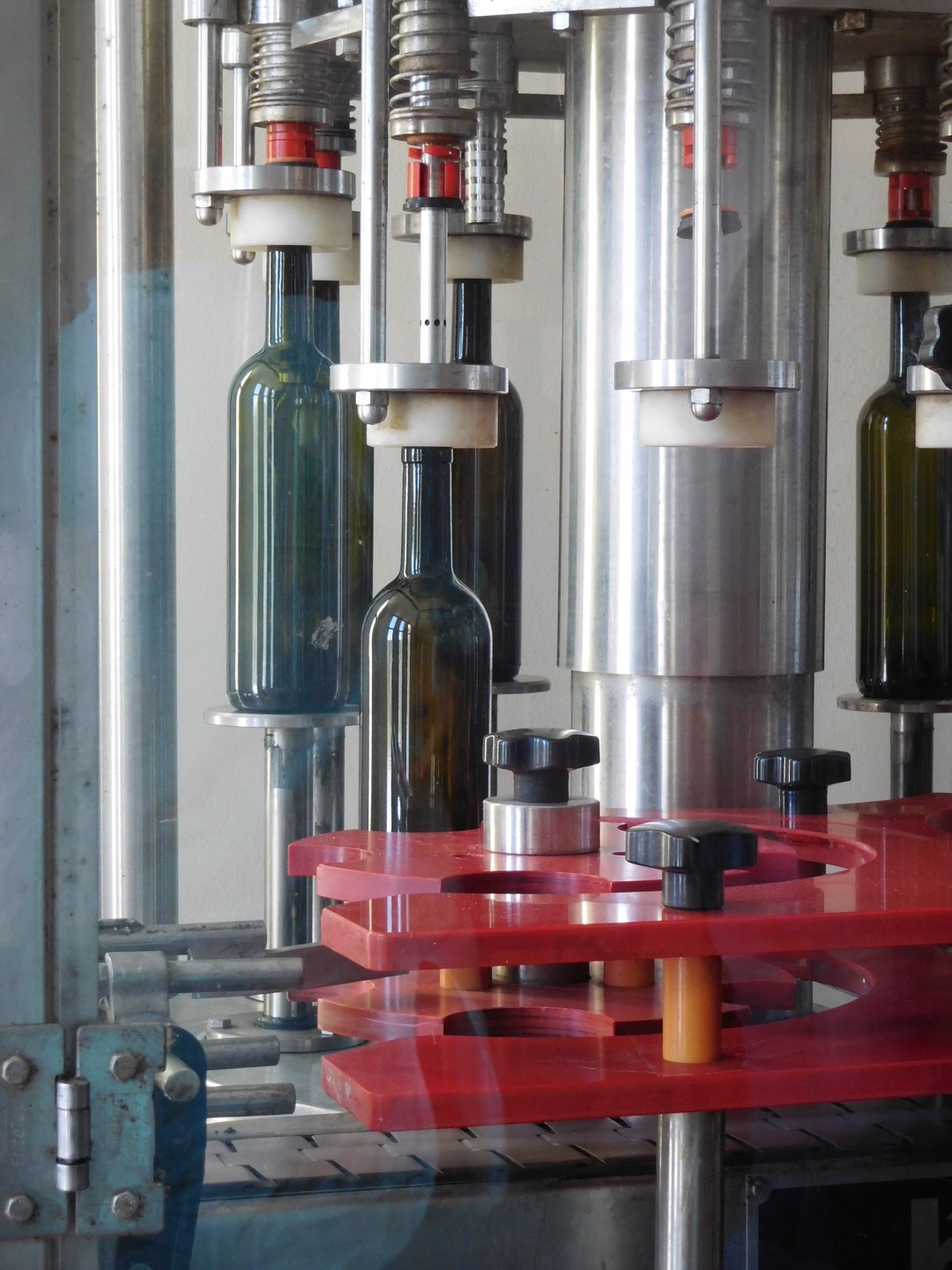
The biggest project was the construction of a new and very modern cantina. This is where the harvested grapes arrive and where the Fubbiano wines are produced and bottled. The original cantina, a beautiful building with arching brick ceilings, now serves as an events space. 

View fullsize
View fullsize
View fullsize
FullSizeRender.jpg

Several wines are produced at Fattoria di Fubbiano, including three reds, two whites, and a Vin Santo. All are DOC-certified (which assures place of origin as being from the Lucchese hills, as well as variety of grape and quality). Also produced is a rosé (labeled Schiller, the name of the family that owns the fattoria) and a super Tuscan (labeled I Pampini and a personal favorite). Along with these excellent wines, the grapes are used to produce grappa and a wine vinegar. The wines are well respected locally and internationally. Thirty percent of the produced wines are exported to the United States.

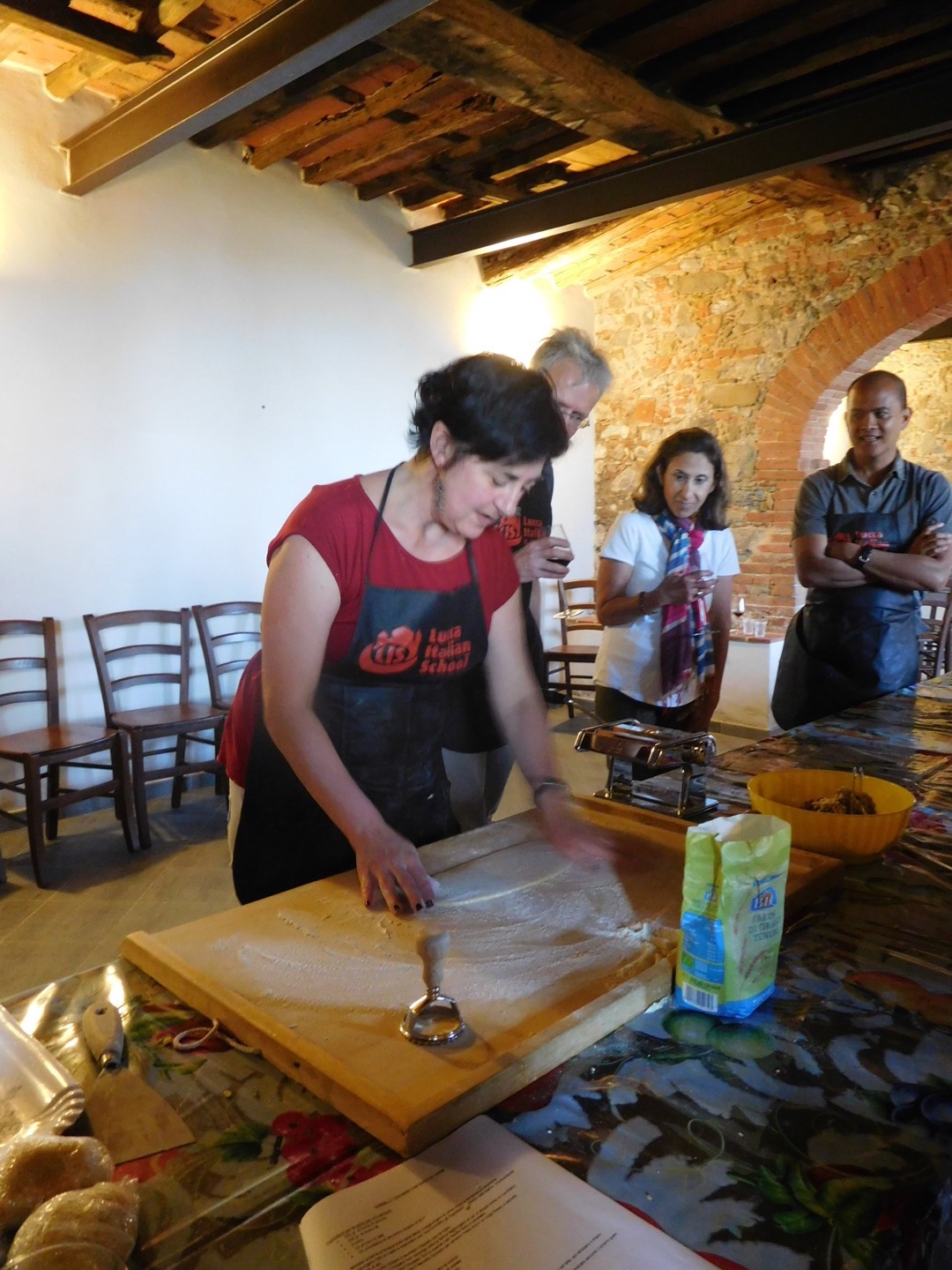
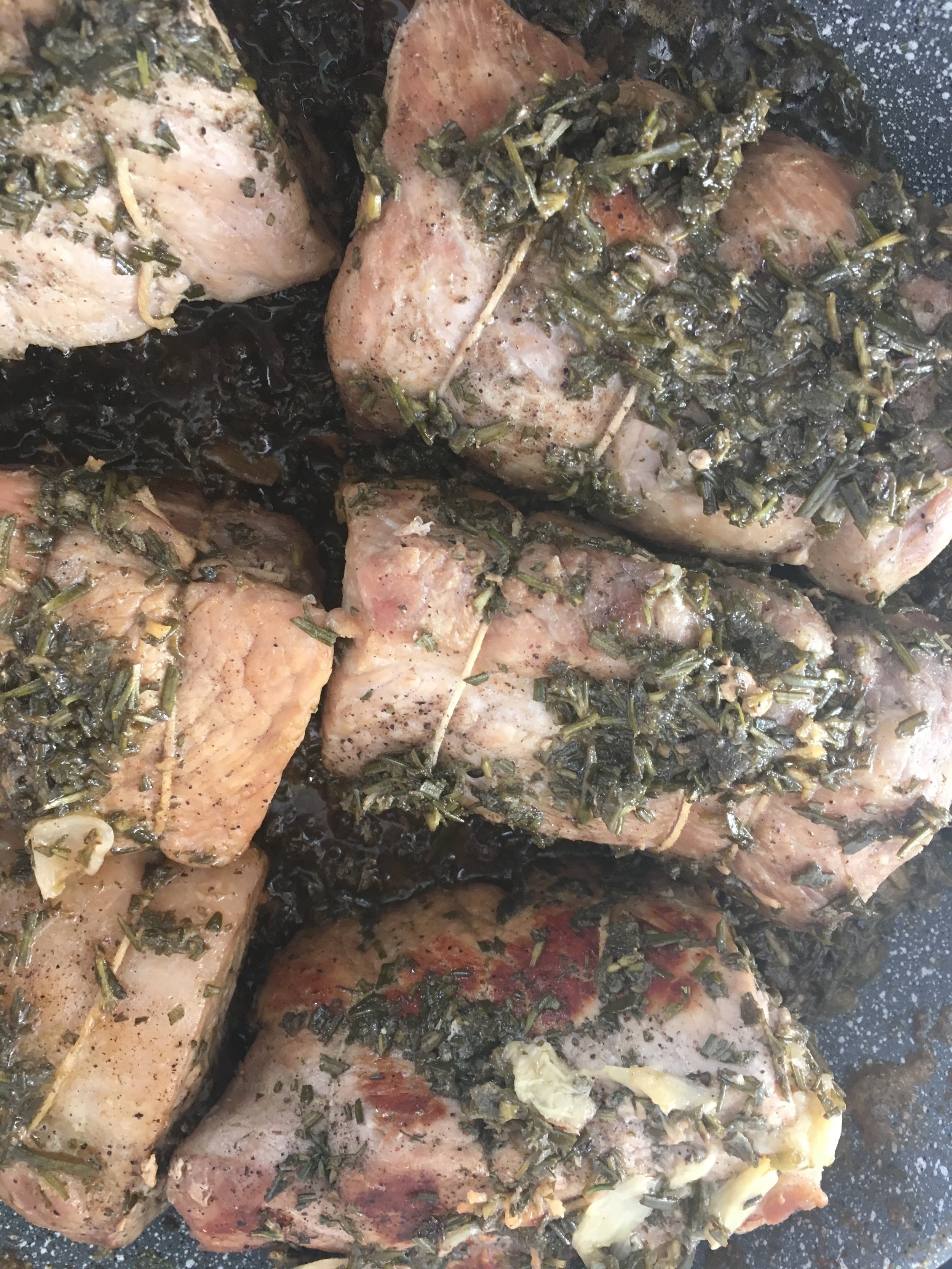
My visit to the Fattoria di Fubbiano was to tour the grounds and winery and then to participate in a cooking class in the old cantina building. The winery tour was informative and interesting (even if it was hard not to be distracted by the amazing views of the surrounding vineyards and hillsides). The cooking class, offered as an afternoon cultural excursion by Lucca Italian School, was a delight. Together we prepared an appetizer of fried zucchini flowers with a filling of ricotta, basil, and pecorino cheese, a handmade-filled pasta (Tordelli Lucchese), a fragrant roasted pork, and a classic local dessert (Zuppa Lucchese).

View fullsize
View fullsize
View fullsize
View fullsize
View fullsize
View fullsize

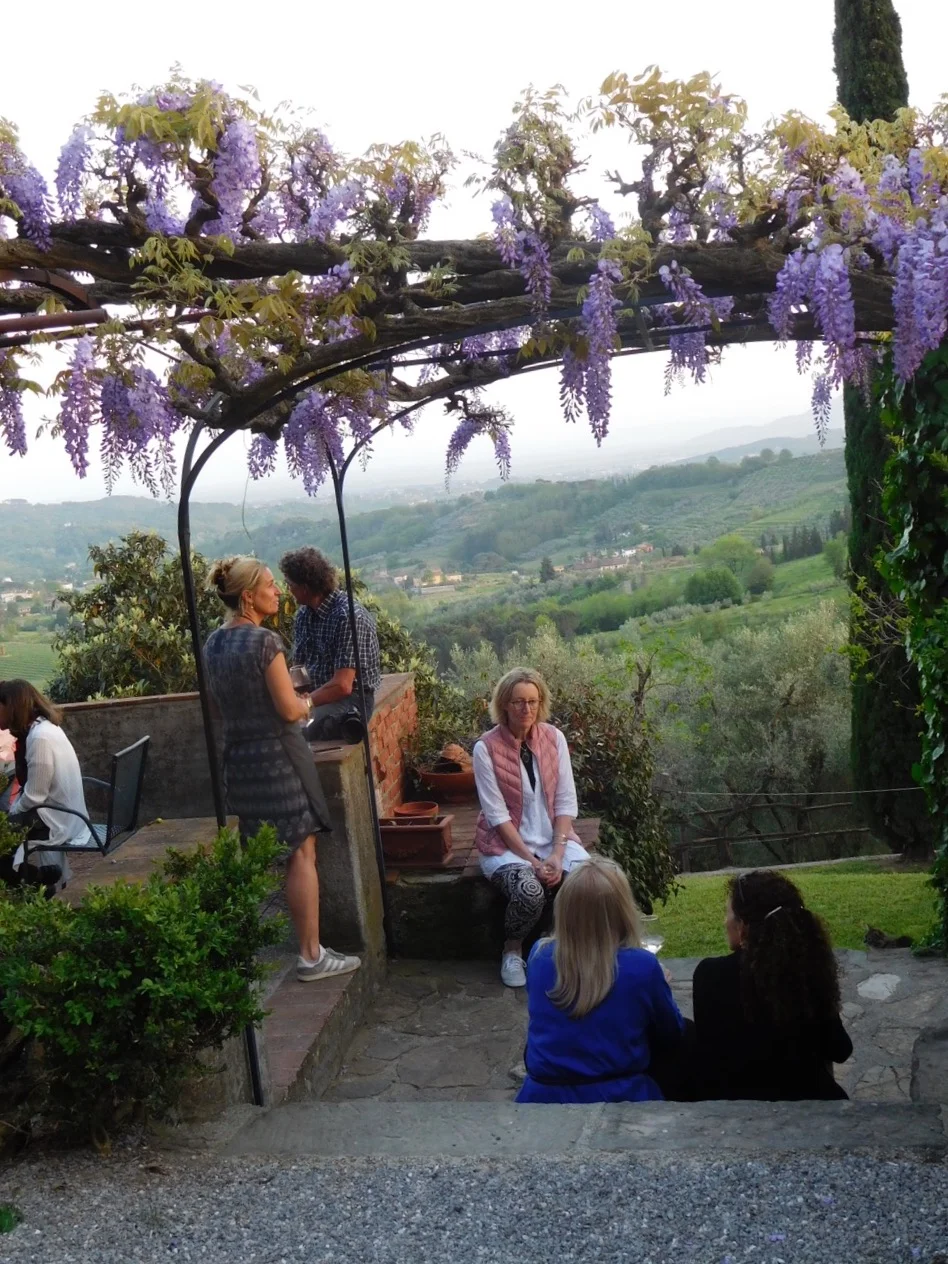
After the meal prep was complete, our group of about 20 shared an aperitivo of Fubbiano wines and the crisp, melt-in-your-mouth zucchini flowers out on a wisteria-covered terrace overlooking a stunning Tuscan landscape. Sitting on that terrace in the soft light of a spring evening, sipping wine, and talking to the interesting people who come to Lucca to study Italian, was a special kind of wonderful. 

FullSizeRender.jpg

Eventually we went back inside to eat the meal we had prepared. We dressed our salads with olive oil and vinegar from the fattoria, and had some of the white and red Fubbiano wines to accompany our dinner. Everyone agreed that all of the work to prepare the meal was well worth the effort, producing a delicious cena (dinner). Cooking classes are always a highlight of my time in Lucca and when combined with the setting of this characteristic Tuscan fattoria, they are especially wonderful.                            -post by JMB

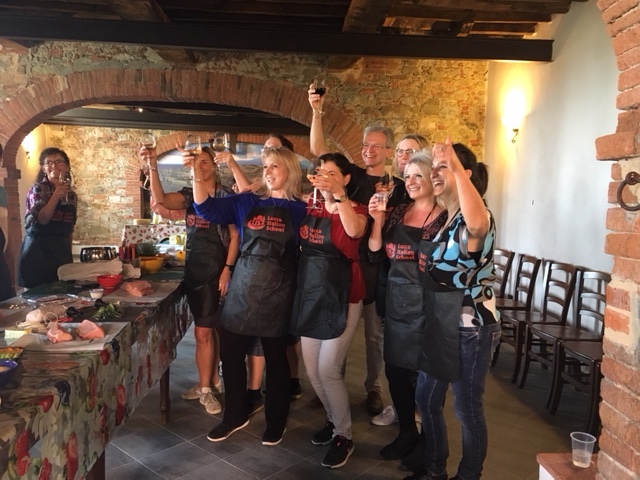
A cooking class in the old cantina, Fattoria di Fubbiano

A cooking class in the old cantina, Fattoria di Fubbiano

Contact information:

Fattoria di Fubbiano 55010 San Gennaro, Lucca, Italy.                       Website: Fattoria di Fubbiano.it

Lucca Italian School.    Via dei Bacchettoni, 25 55100 Lucca, Italy    Website: luccaitalianschool.com

June 11, 2018 /Joanne Bartram
Lucca Italian School., #italy lucca, Cooking, Italian food, #foods Italy, #italy, Italian language school, Winery Italy, Fubbiano Wine, Wines Tuscany, #Lucca, #Lucca travel, Lucca, Lucca Italian School, Cooking Tuscany, Lucca Italy, Italian foods
Tuscany, Lucca, Italy travel, Walking, Italy, Travel, Wine, Cooking
  • Newer
  • Older

Powered by Squarespace