A Mini-Museum in Lucca
Lucca is not a big museum town. There are several – Palazzo Mansi, The Paolo Cresci Emigration Museum, Villa Guinigi, the Barsanti and Matteucci, the Duomo Museum. Most are small and many short-term visitors to Lucca are unaware that some of these even exist. Instead, they spend most of their time on the city walls, in the Medieval streets and squares, and visiting the many churches of Lucca. Unlike nearby Florence, the museums are not what draw most people to Lucca. There is one newer and very small addition to Lucca’s collection of museums. It is so small that it is more of a mini-museum. But it is fascinating!
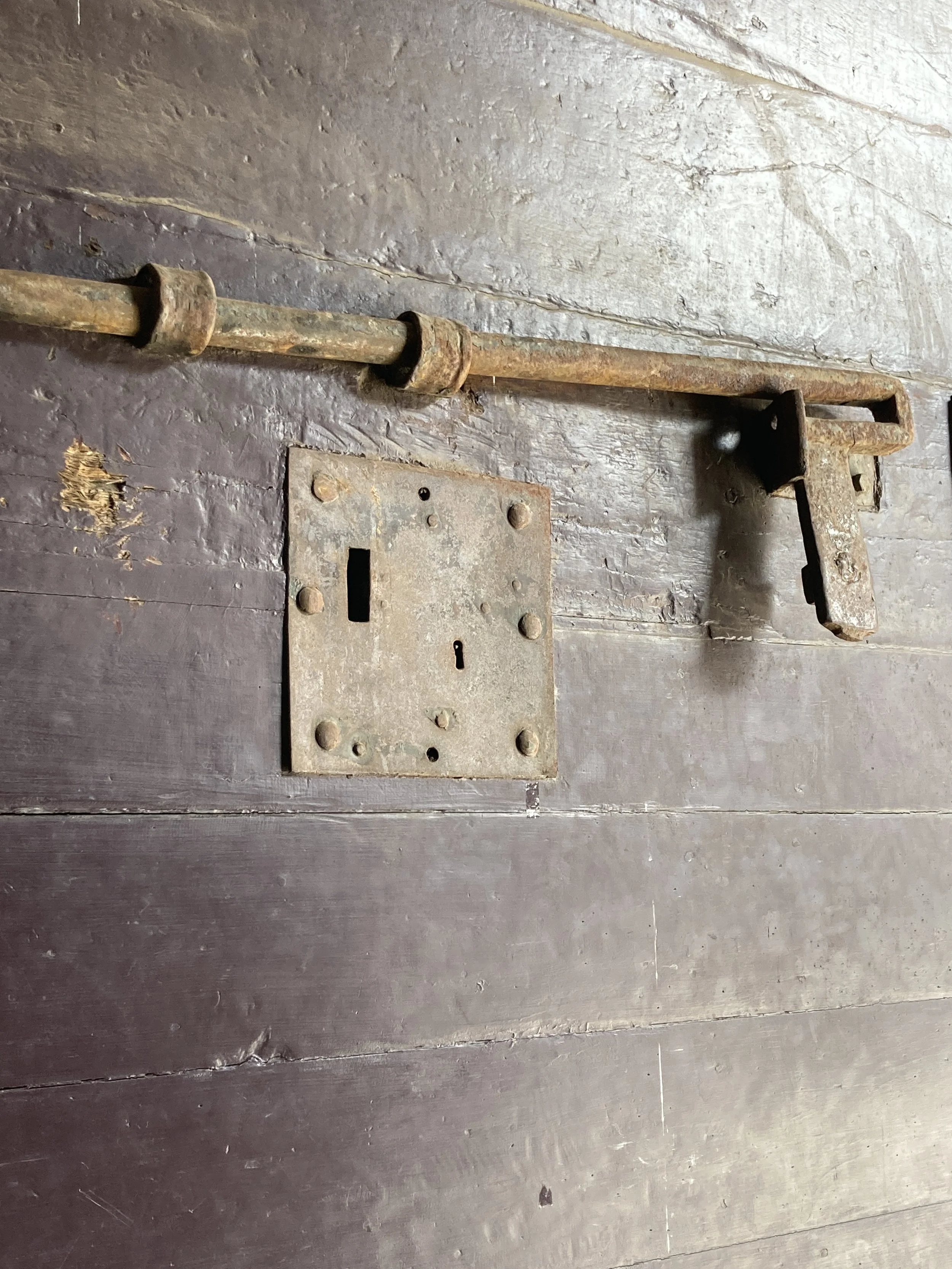
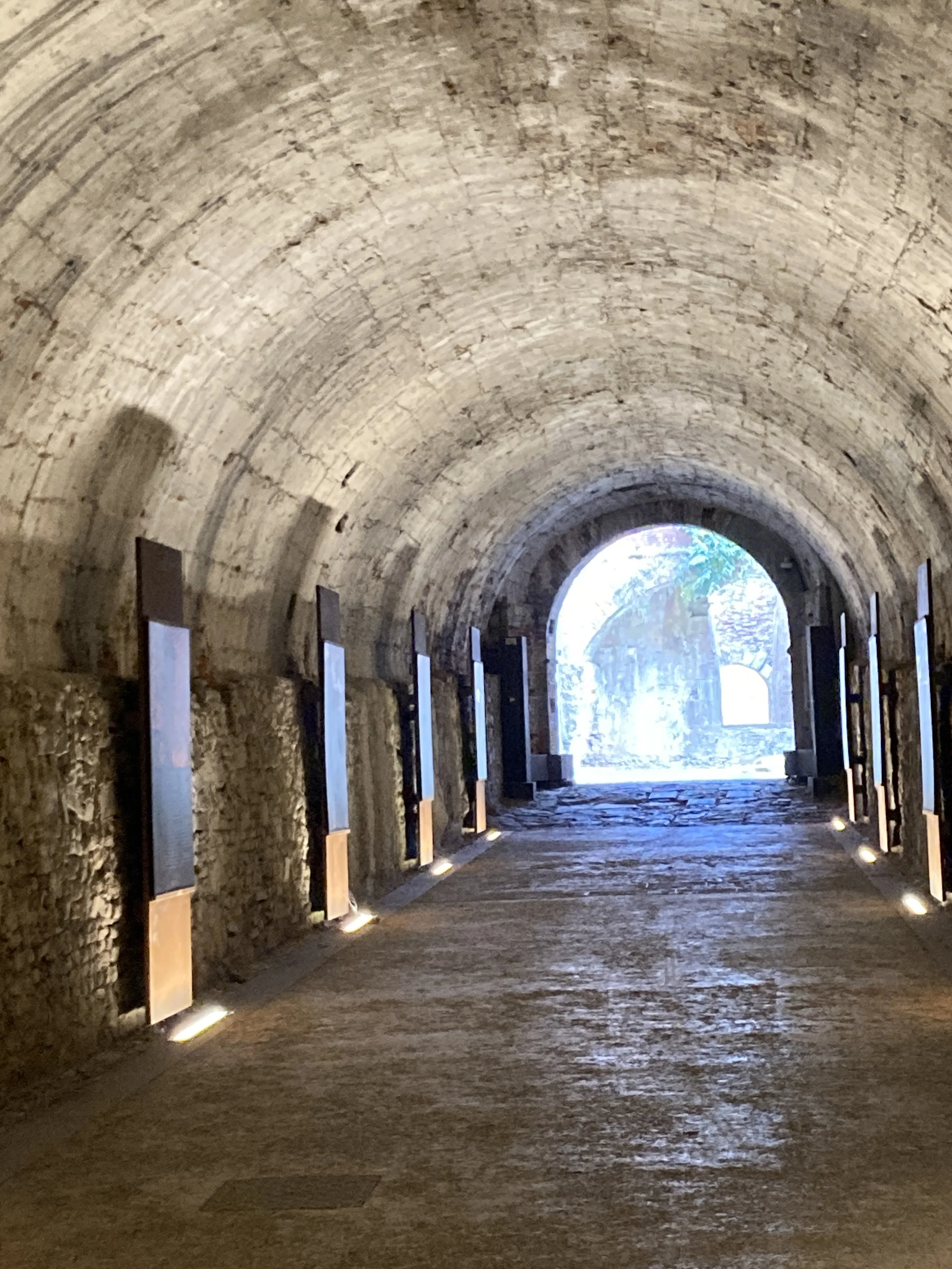
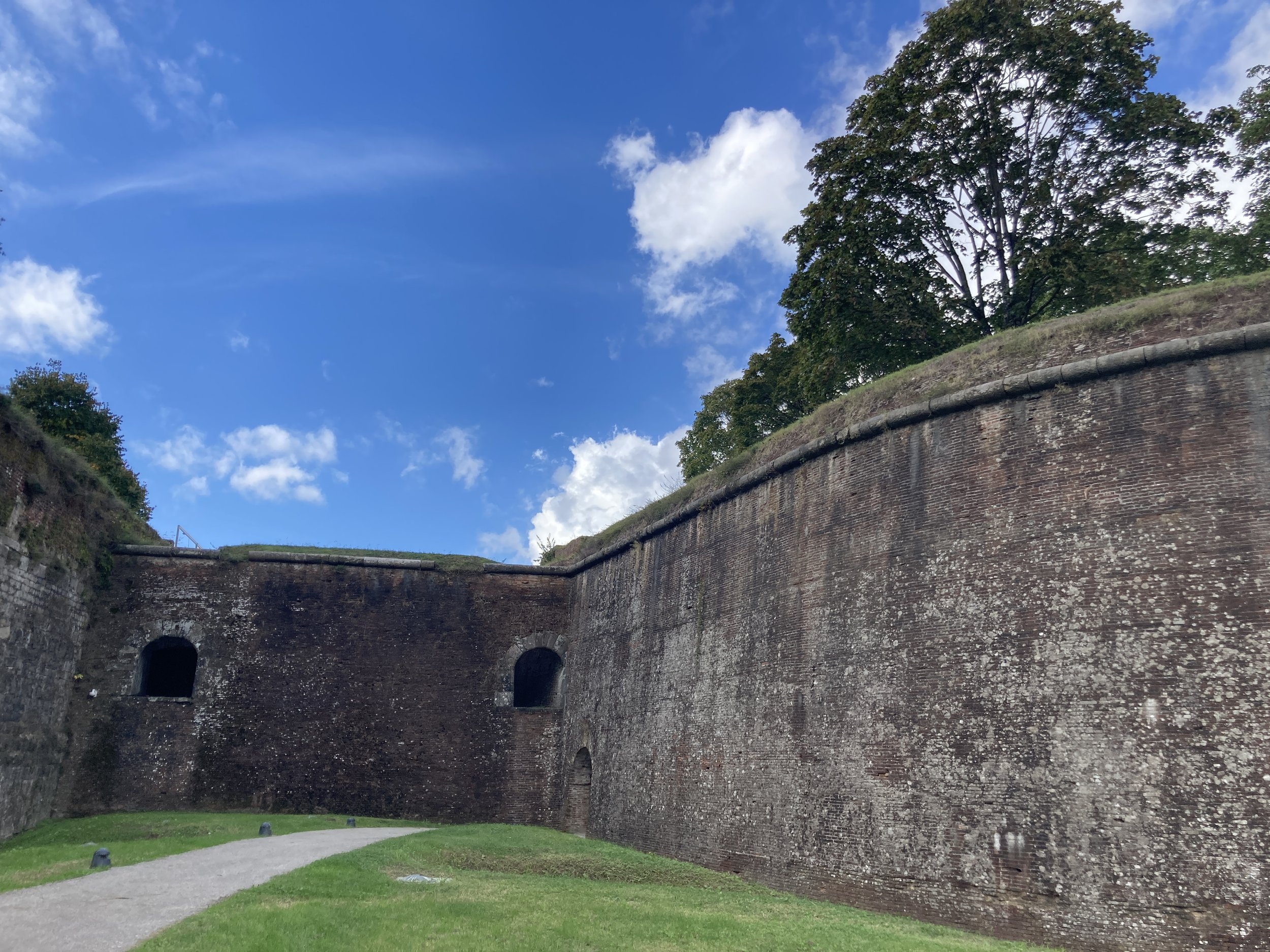
It is located underneath Lucca’s historic walls at the Sotterraneo del Baluardo Santa Croce, the under-the-wall passage located where Via delle Conce meets Via San Tommaso in the northwest corner of the city. The passage way itself is fascinating and makes a perfect backdrop to the exhibit.
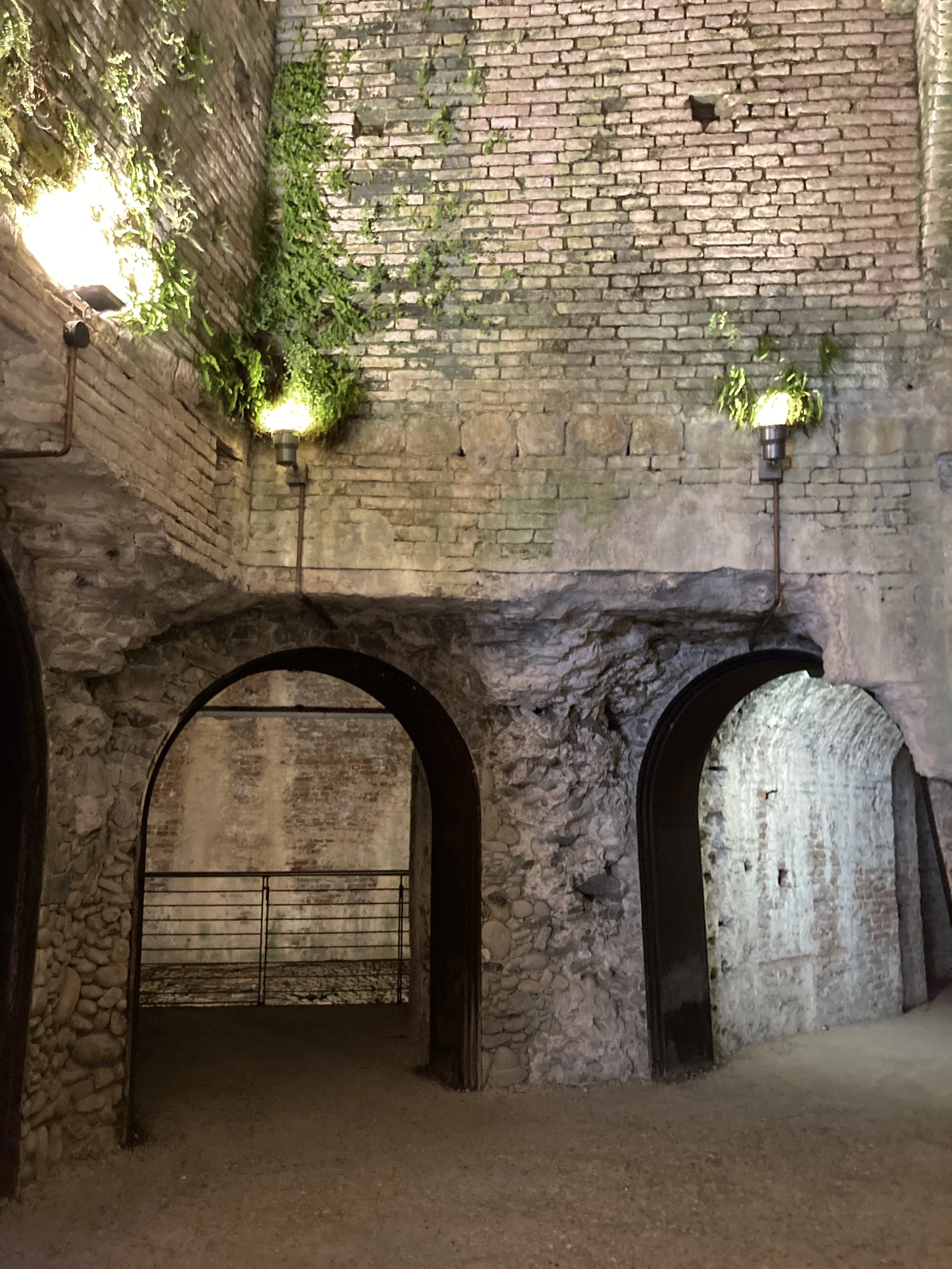
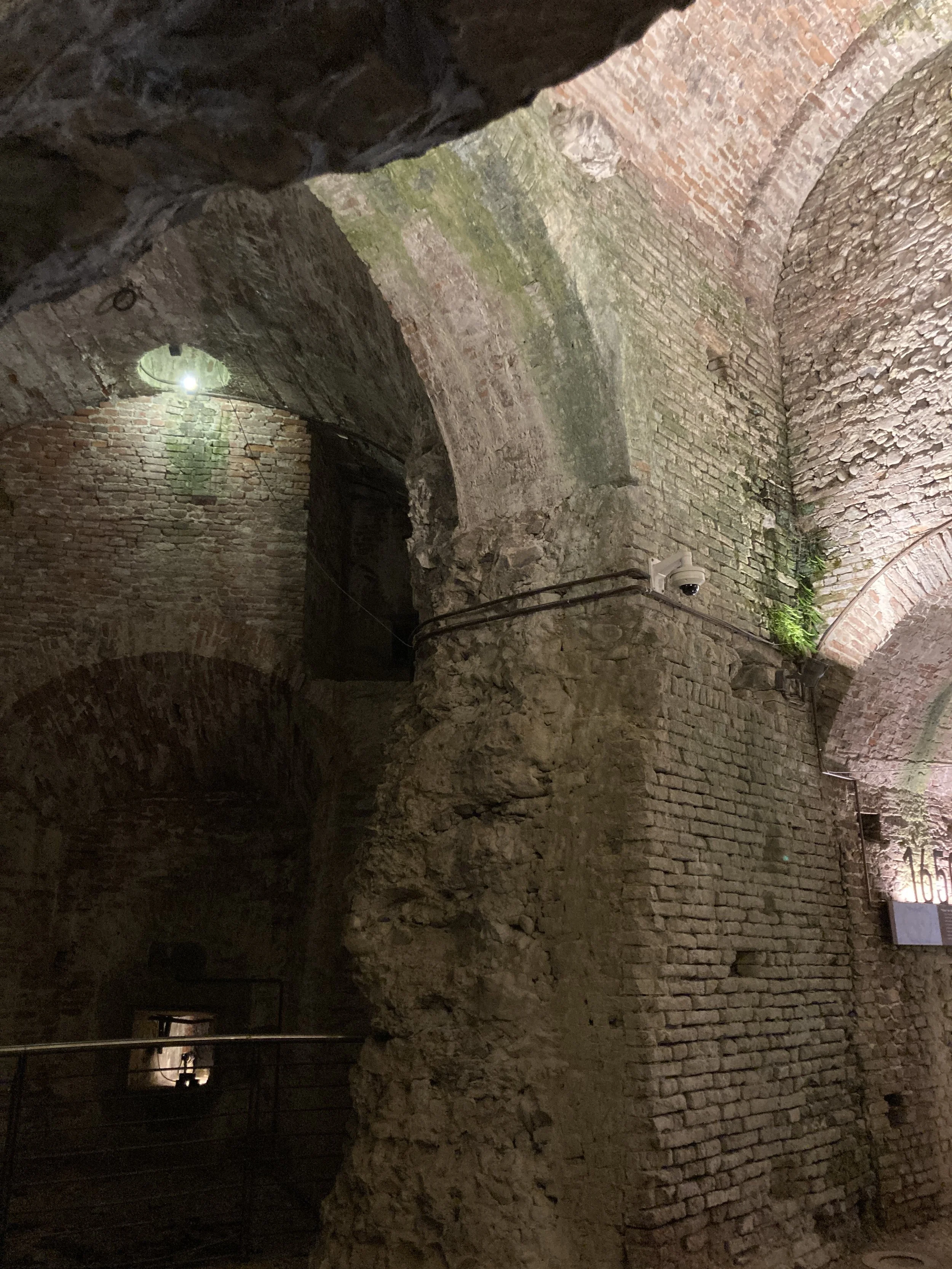
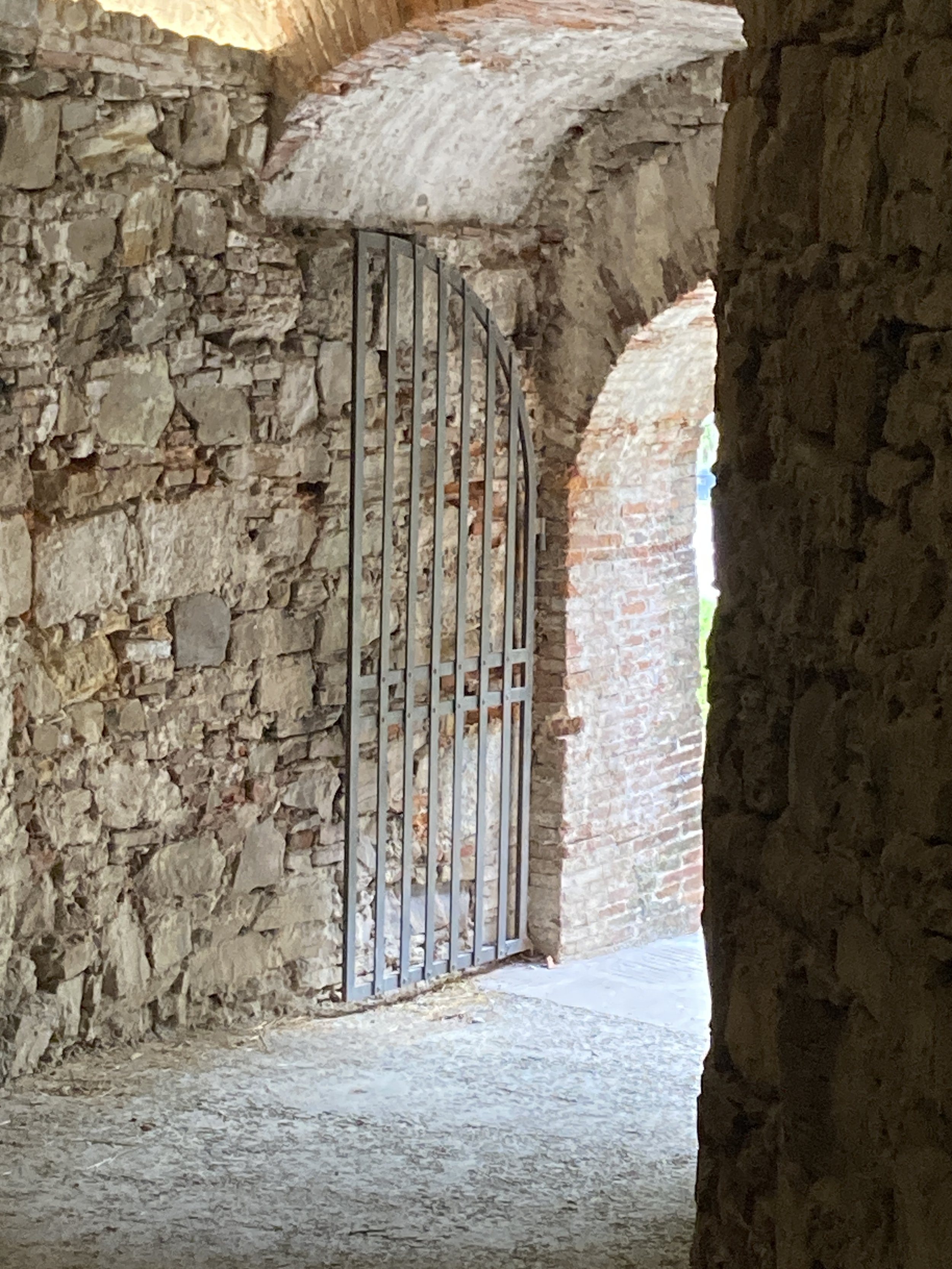
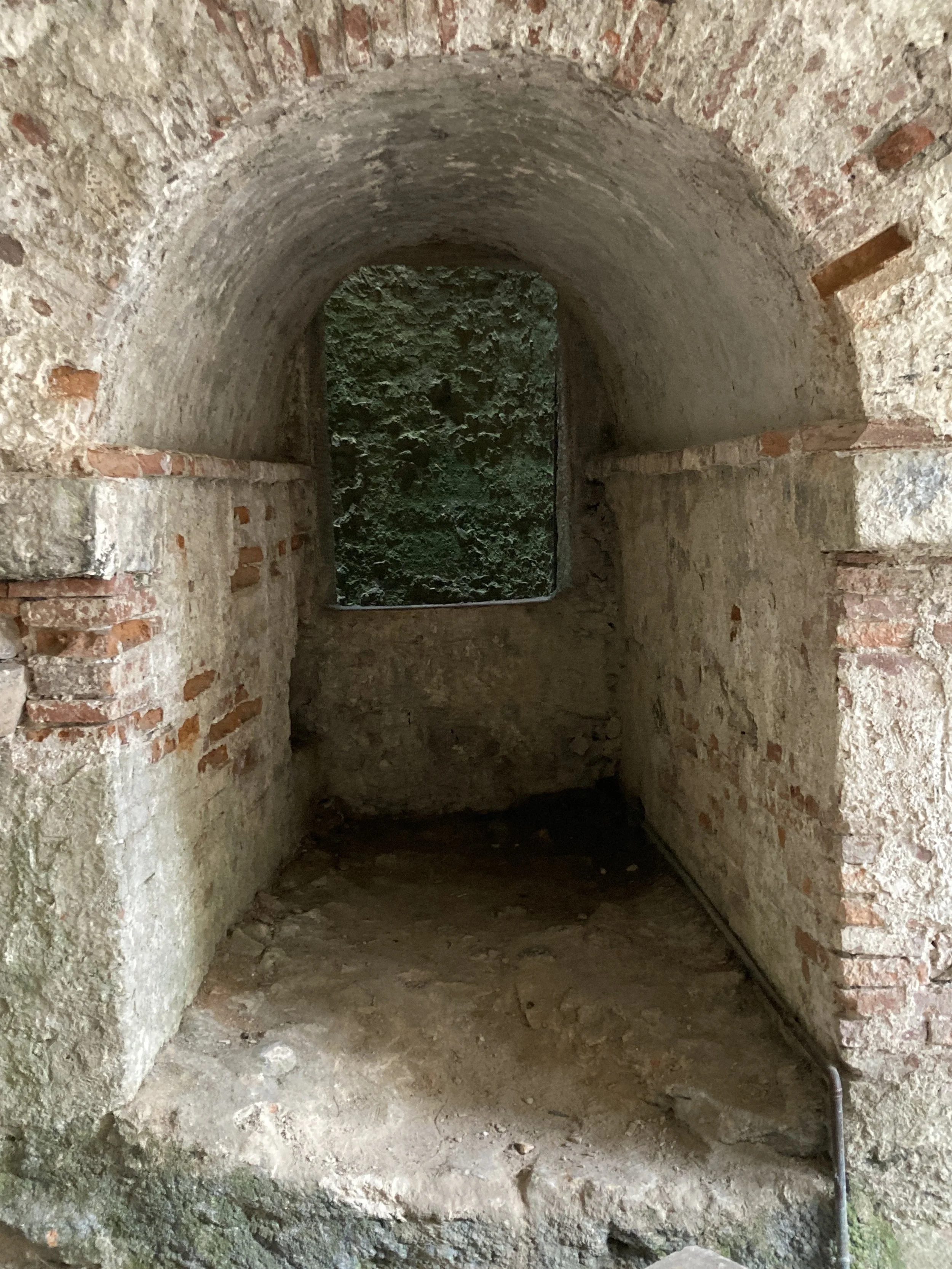
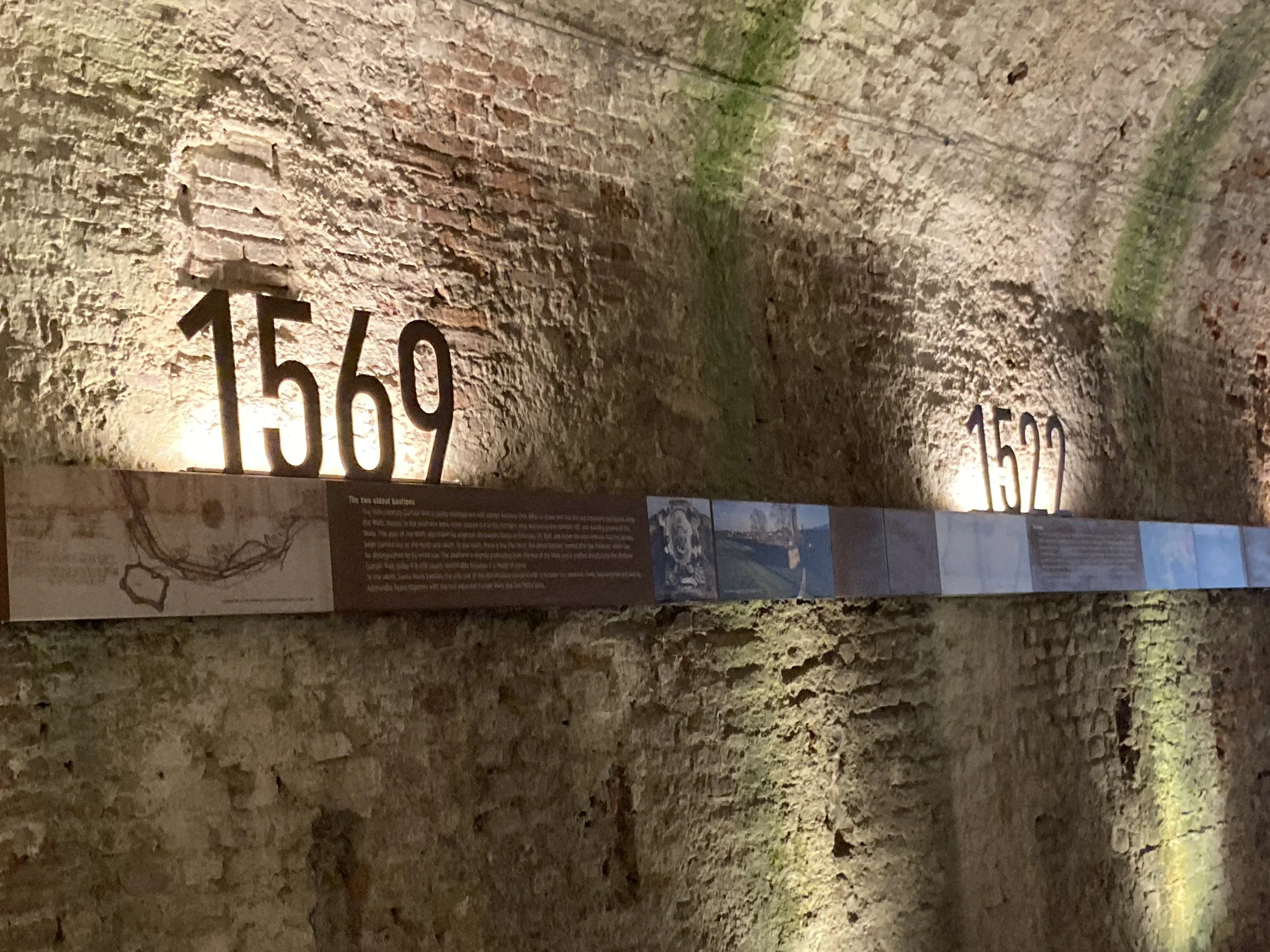
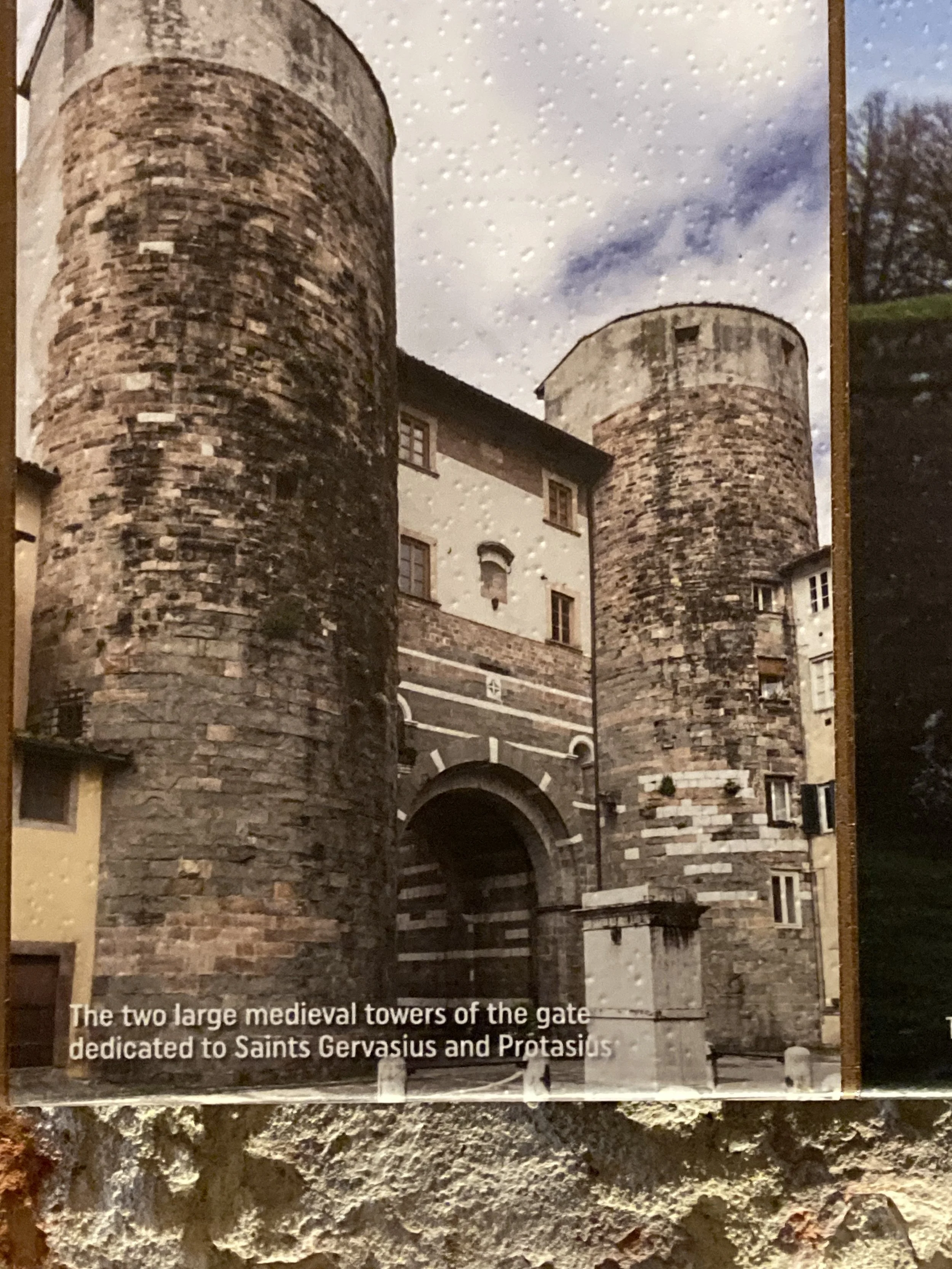
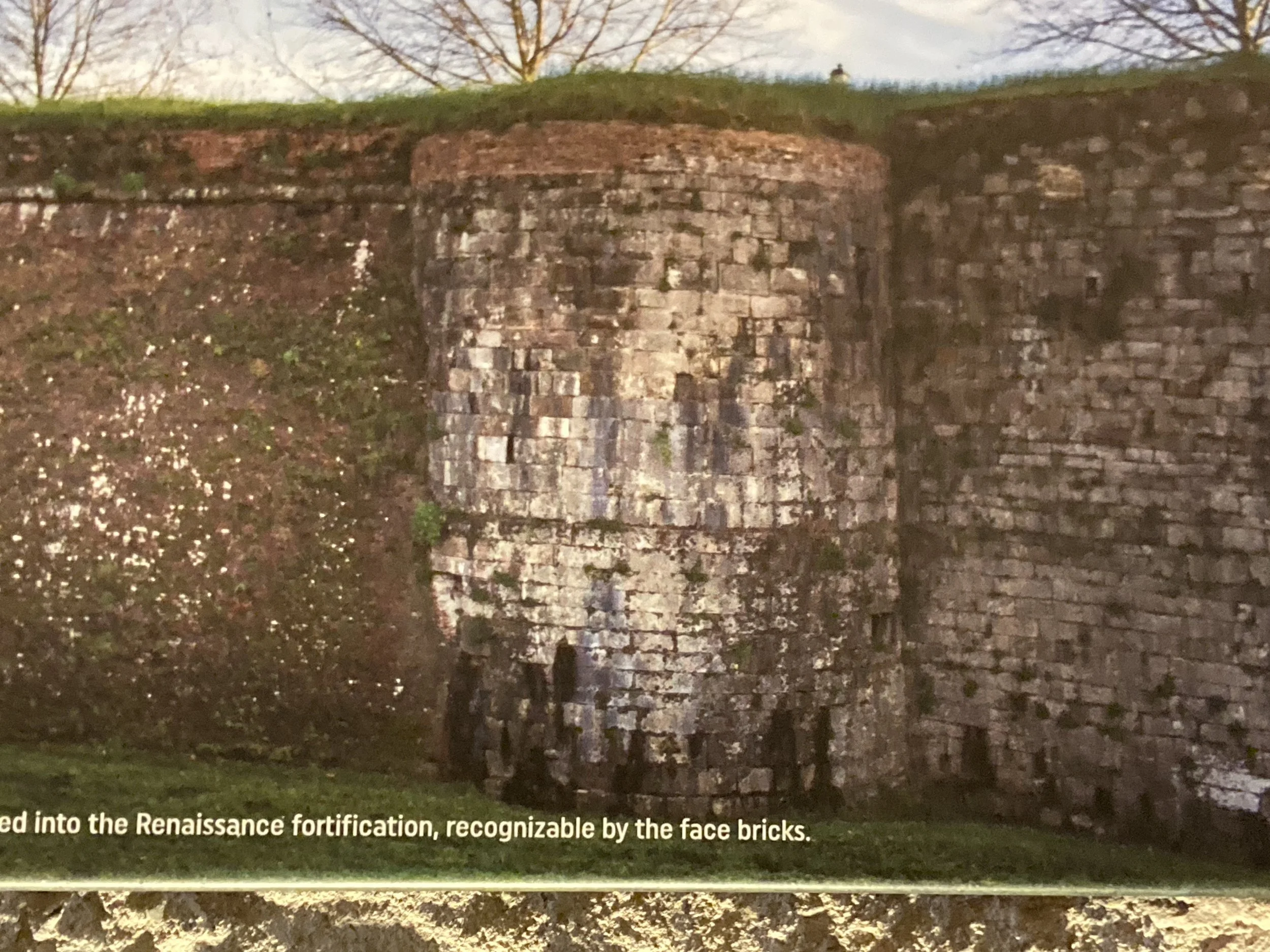
The content of the mini-museum, which tells the story of Lucca’s walls from the Medieval Period until the Renaissance and beyond, unfolds in a series of displays that line the passageway. On the left wall is the Italian version, on the right is the story in English.
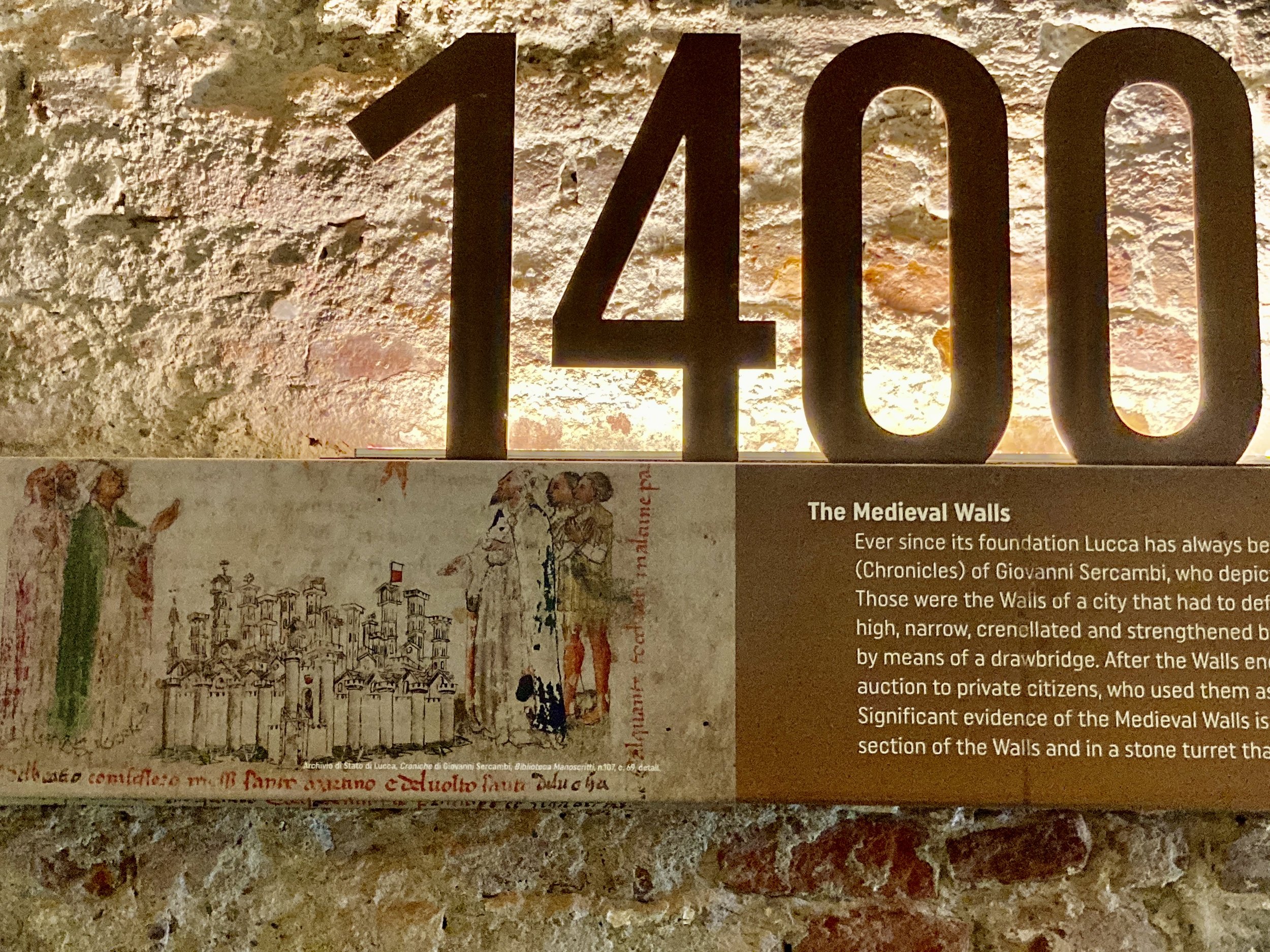
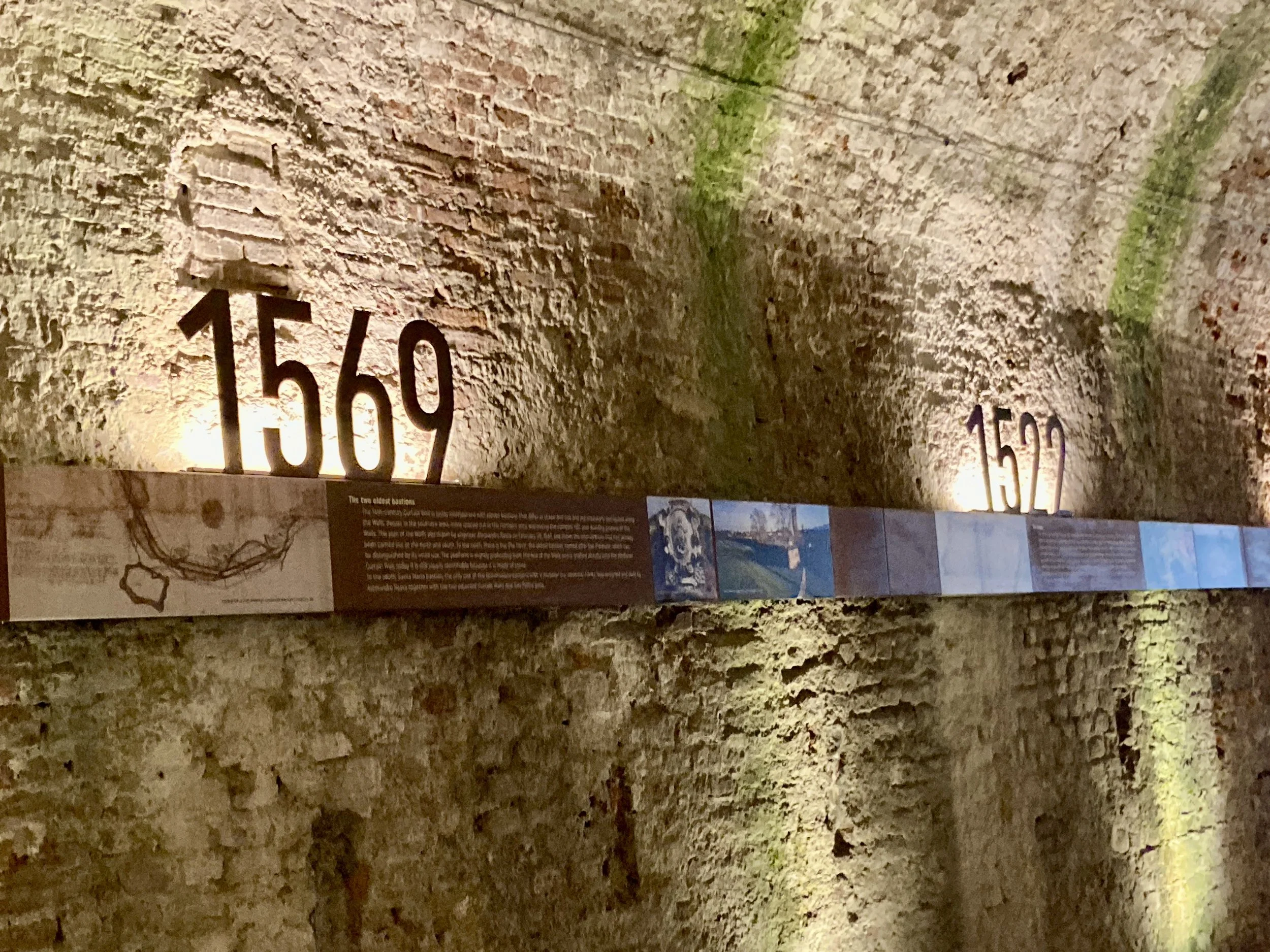
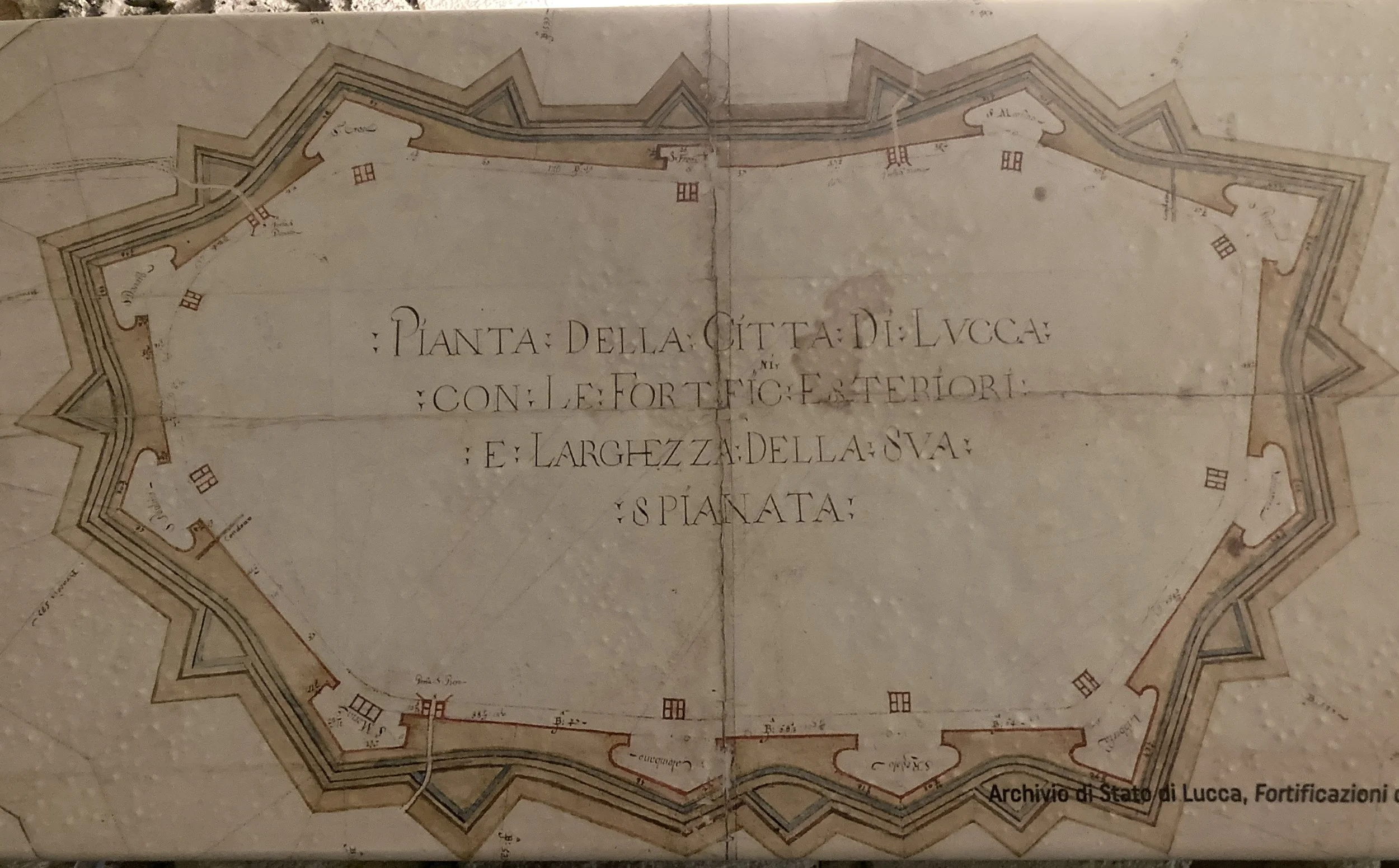
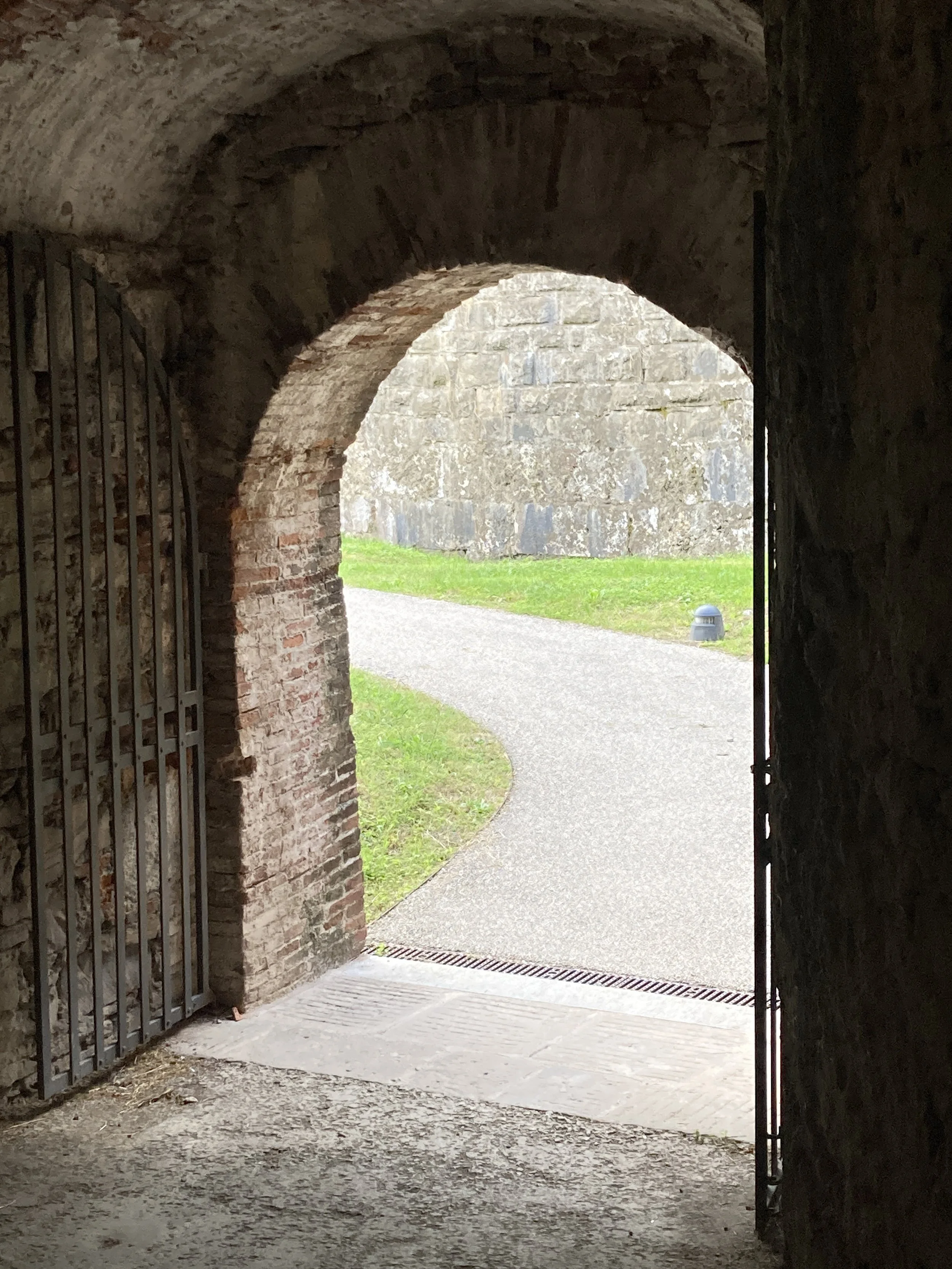
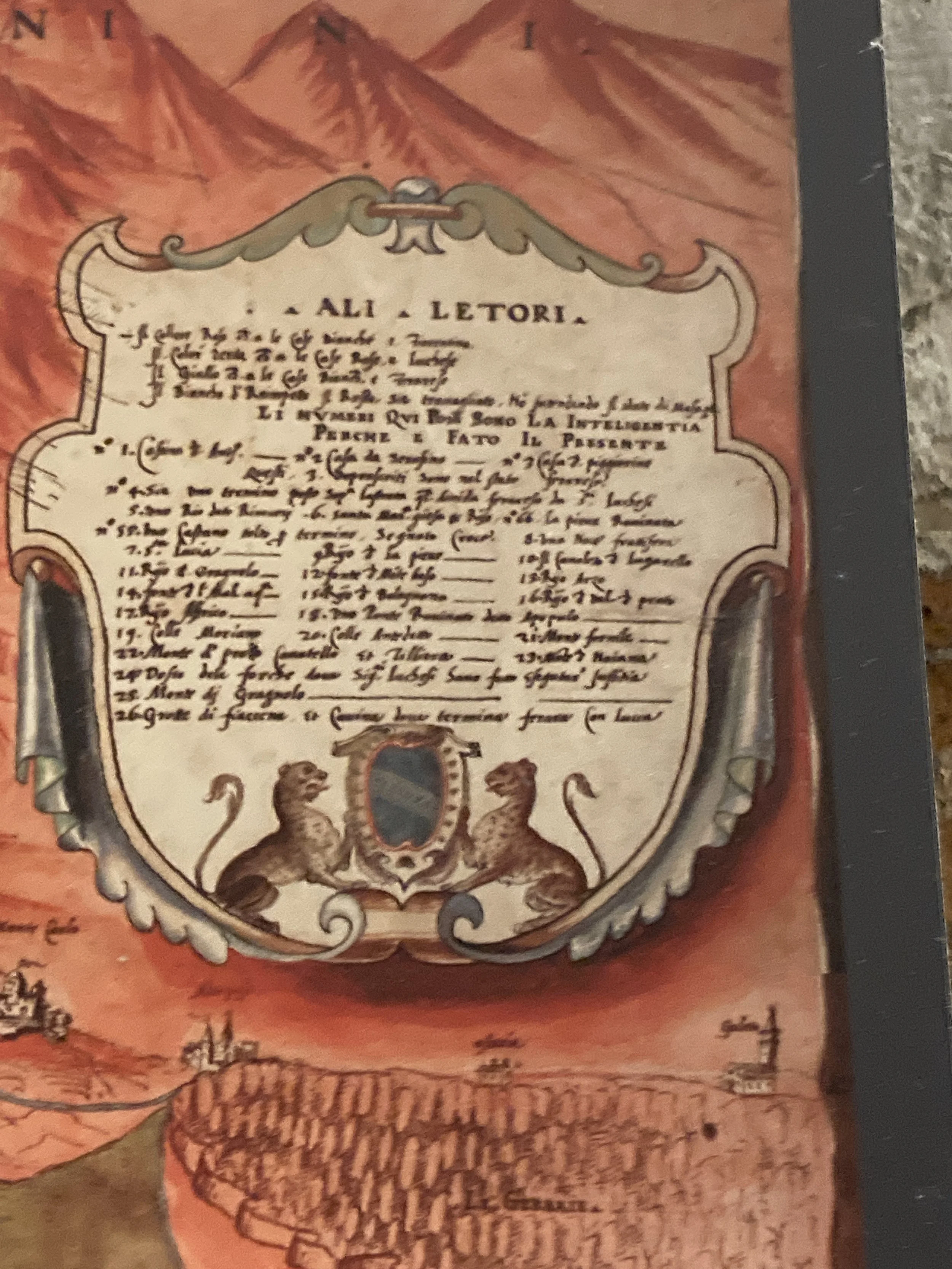
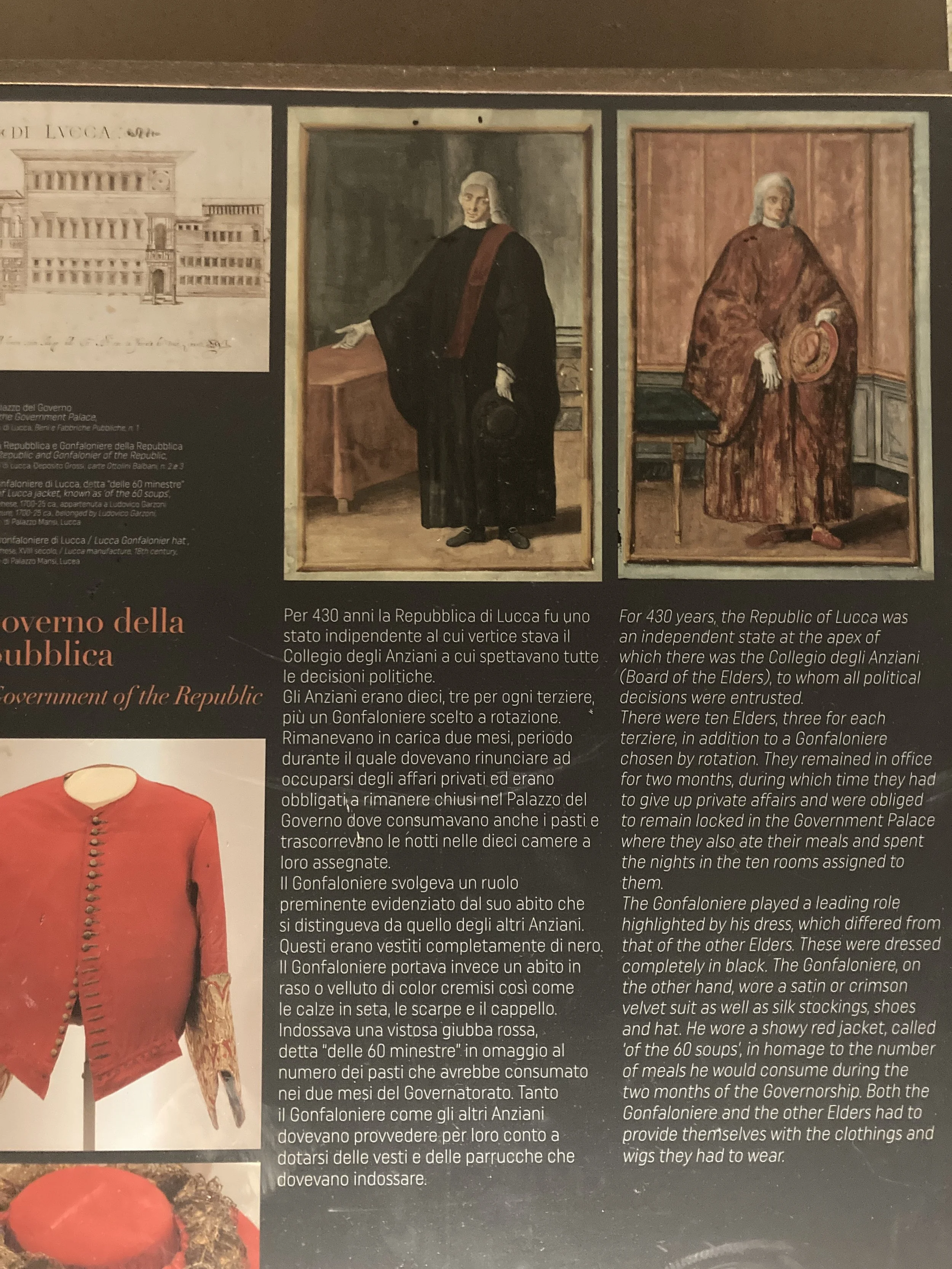
It is a unique display, one that begins in the very low light of the darkened passageway and ends in daylight outside the confines of the city walls. In between, photos and written histories tell the story of the walls from the 1400’s on, the important historical figures, and some of Lucca’s cultural related to the walls and their construction and function.
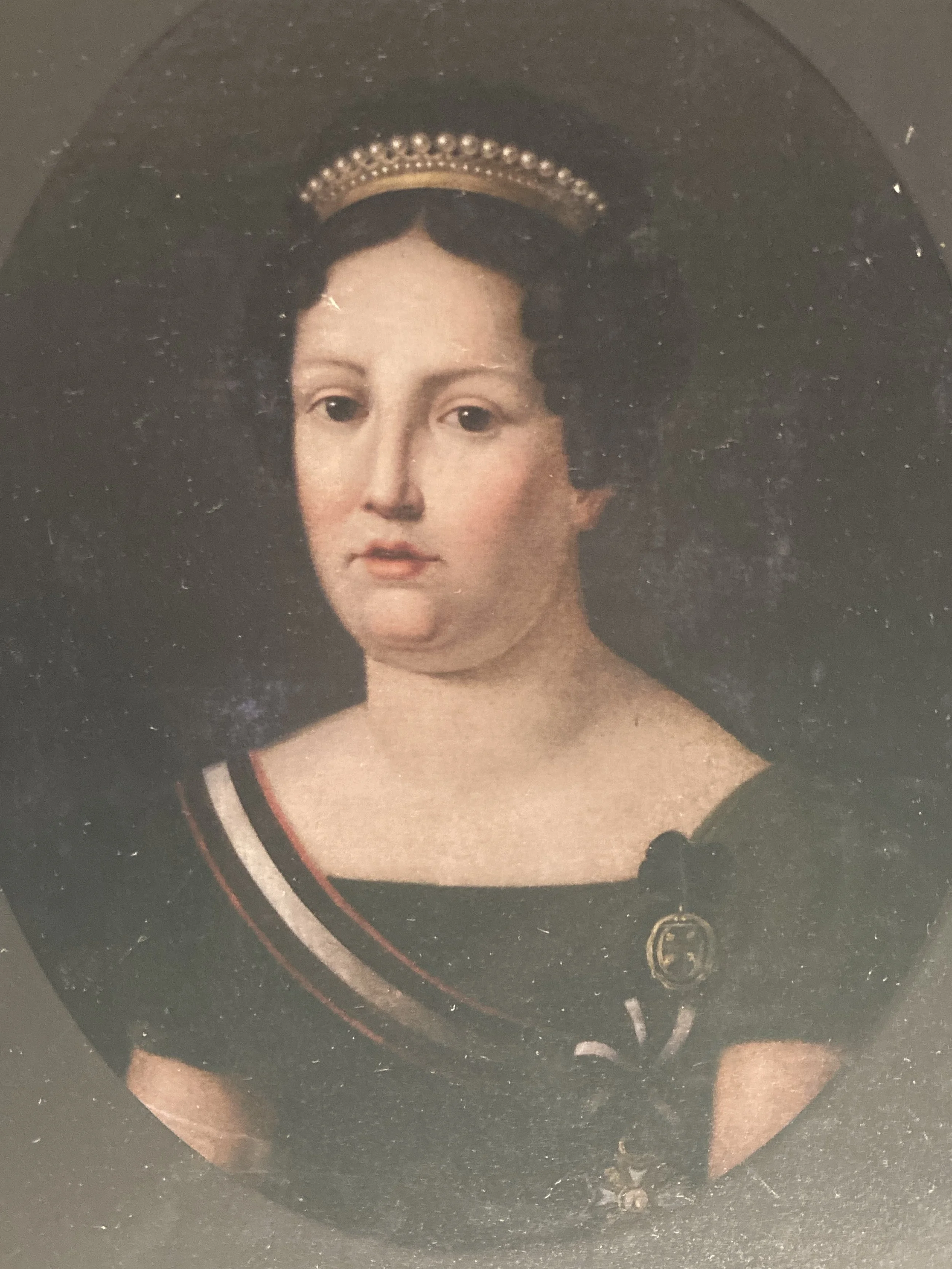
Maria Luisa of Bourbon
No history of Lucca’s walls would be complete without acknowledging the role of Maria Luisa of Bourbon, the Duchess of Lucca between 1805 and 1814. It is thanks to her that the walls became a city park, one that is still enjoyed today.
There is also a bit of 19th and 20th century history in the exhibit. Did you know that there was once a threat to knock down portions of the wall to better connect it with the growth of suburbs? Fortunately objections came from all over Italy, including from famous poets and composers (including Puccini) and the plan to disrupt the walls was abandoned.
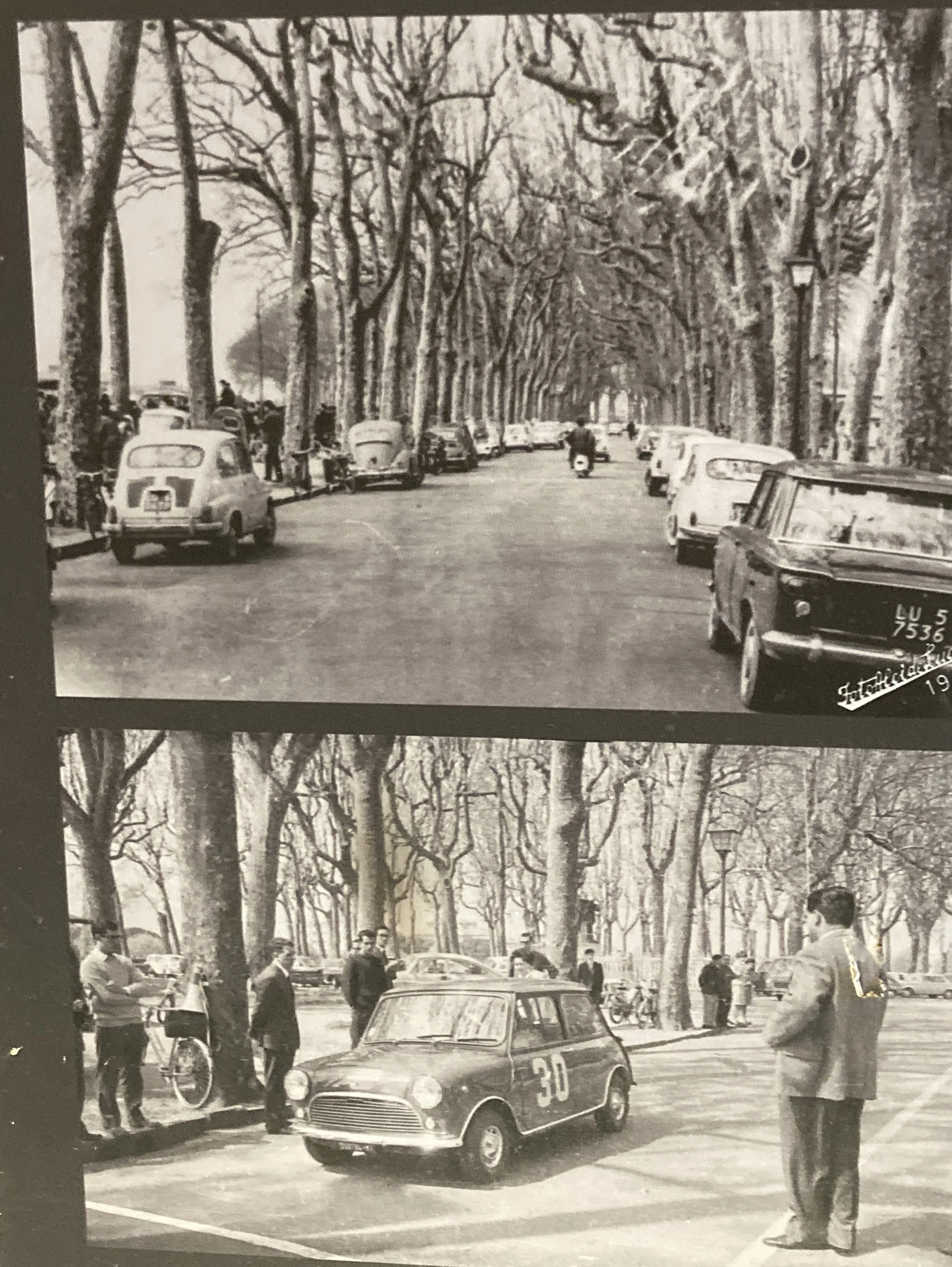
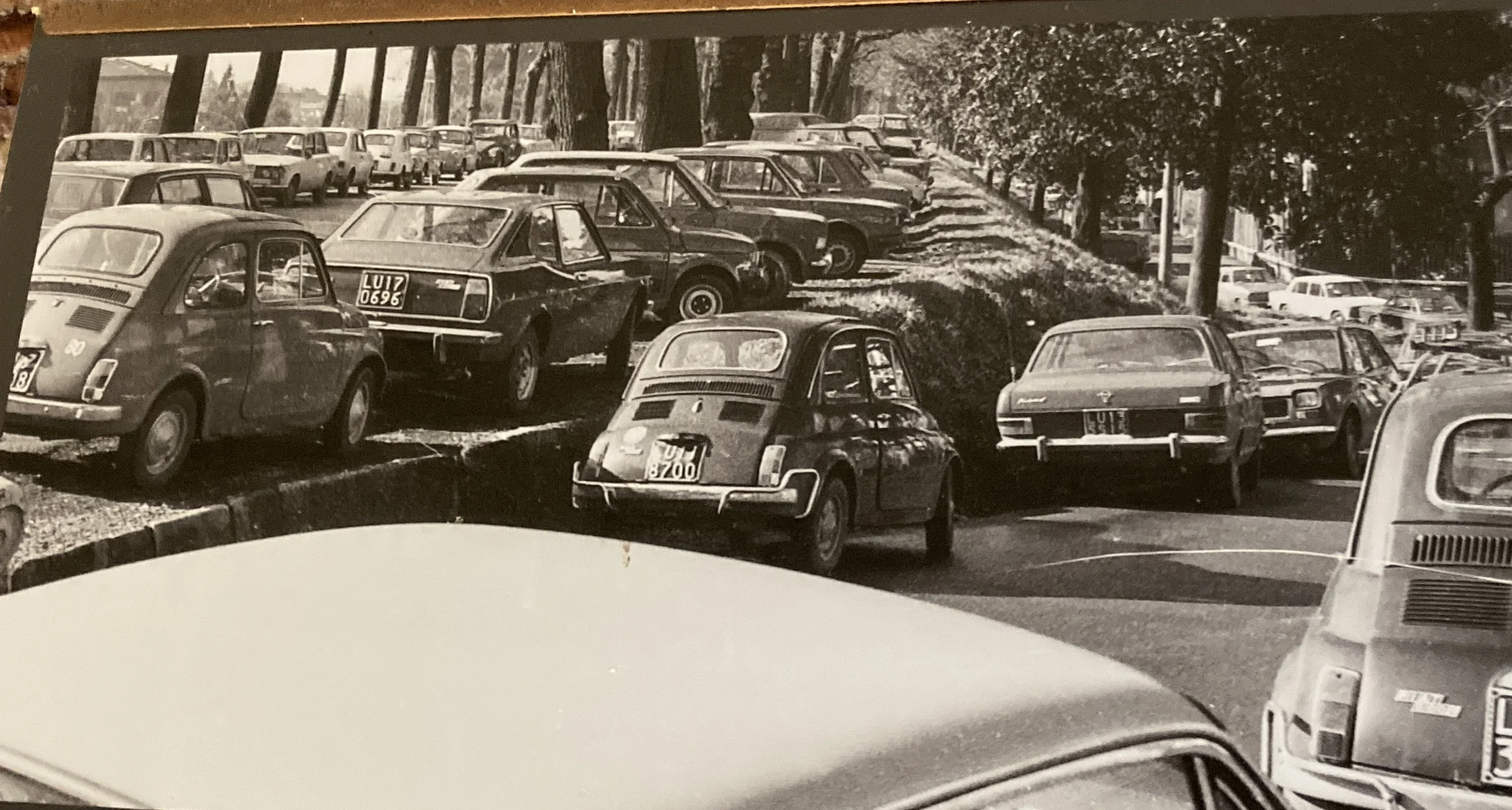
Later there came a period when the top of the walls became just a city street - filled with cars. Many of Lucca’s youth learned to drive atop the circle of the walls. And many cars were parked there. Hard to imagine today that up until the 1980’s the walls were filled with car traffic !
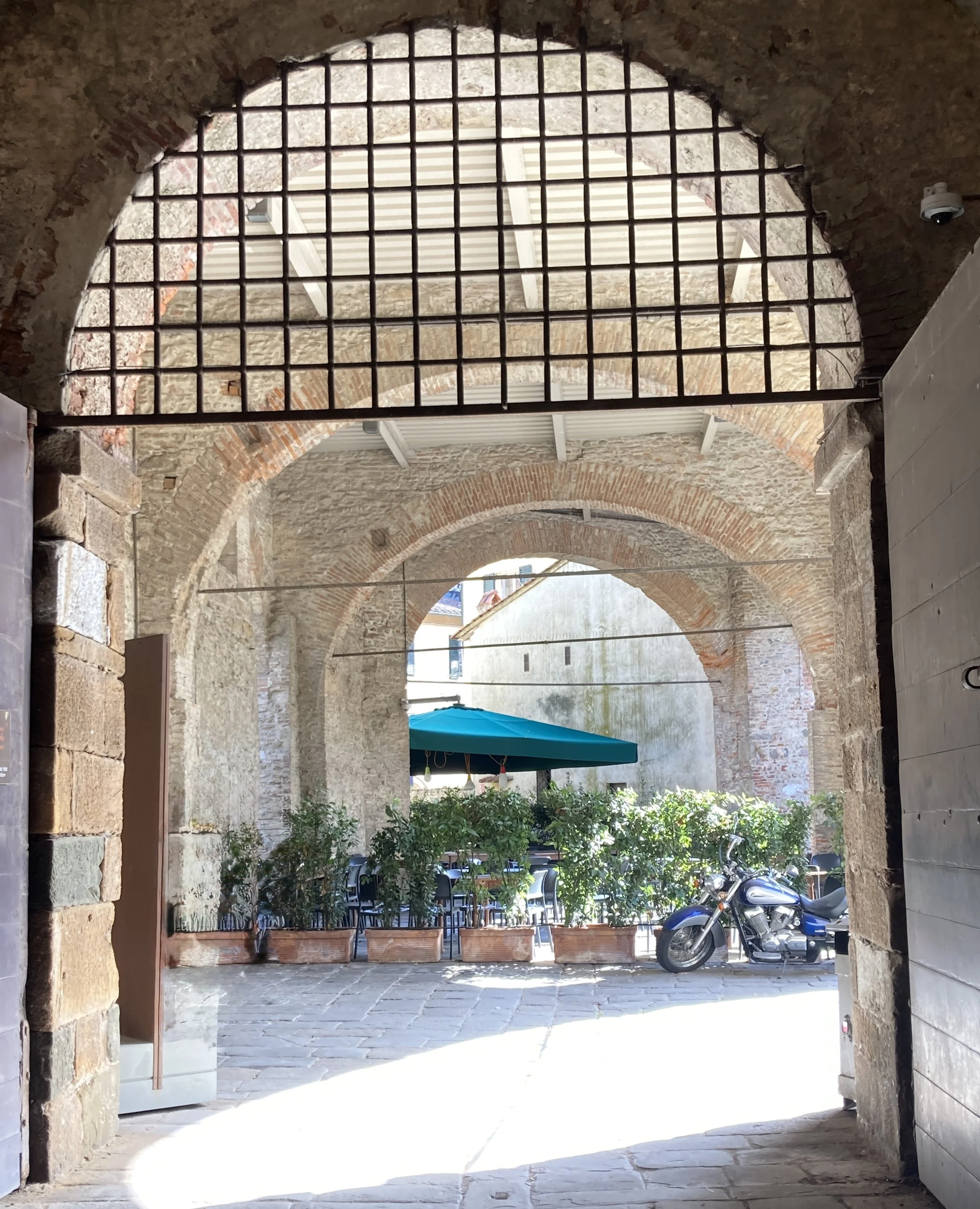
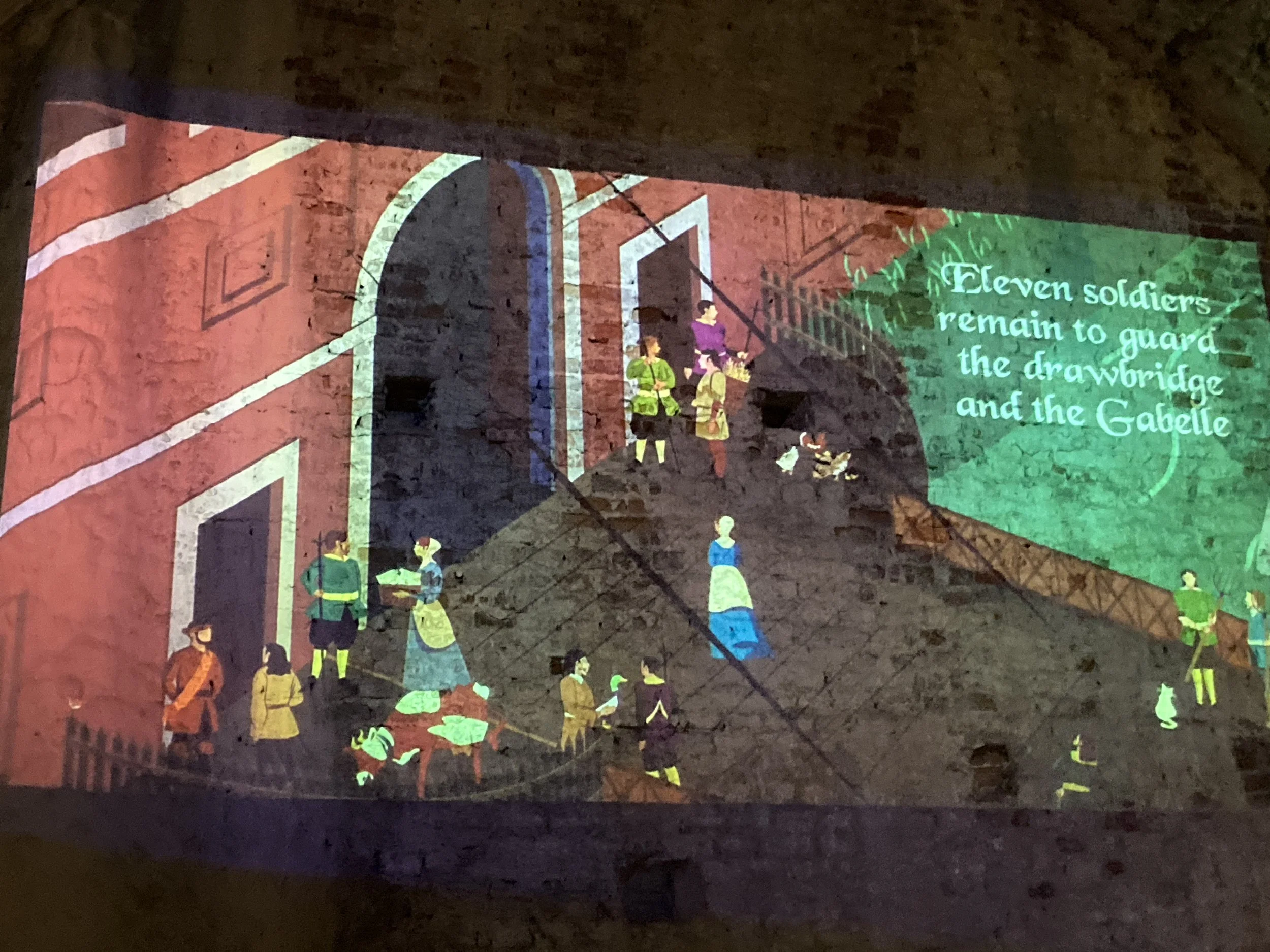
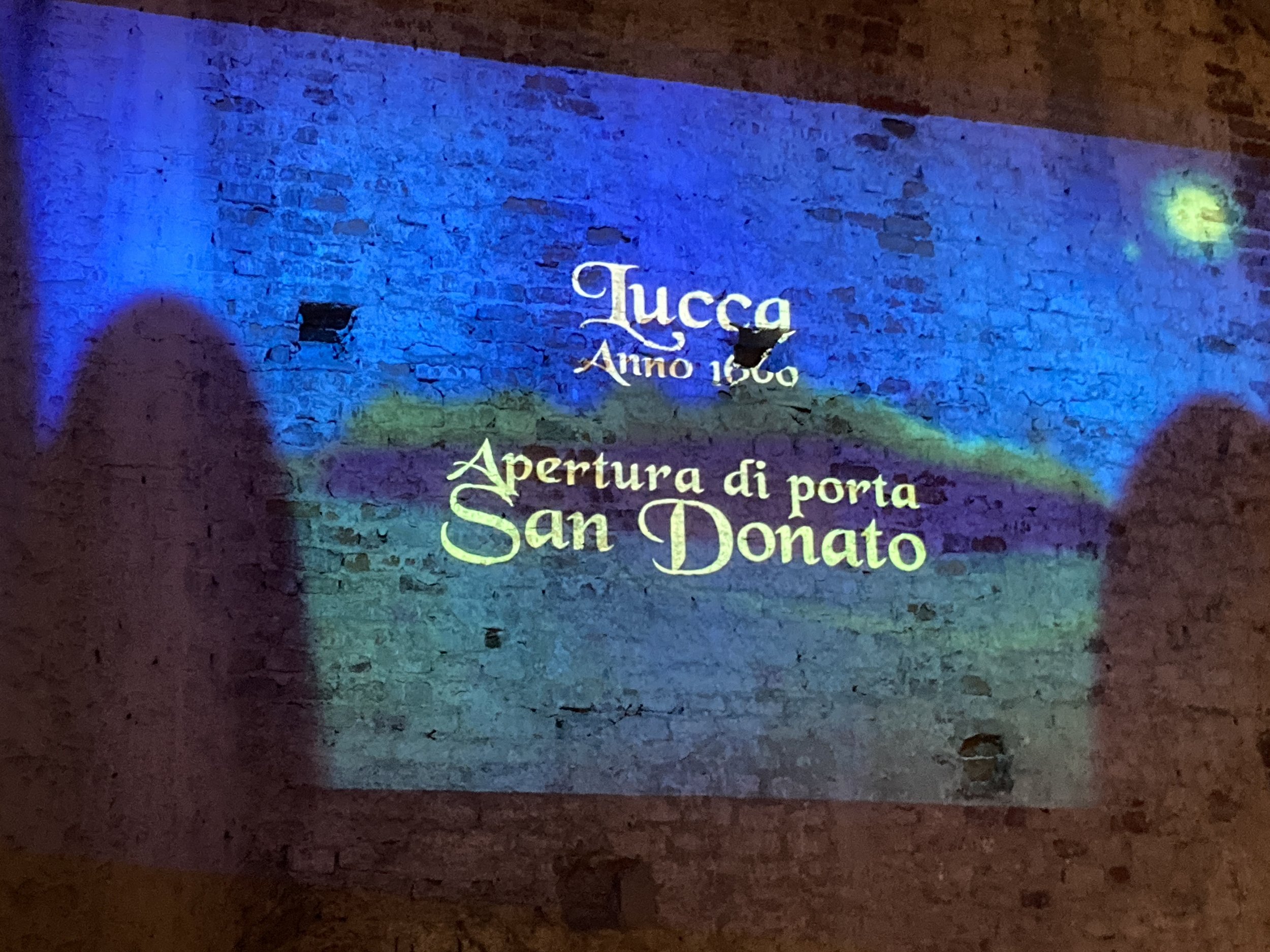
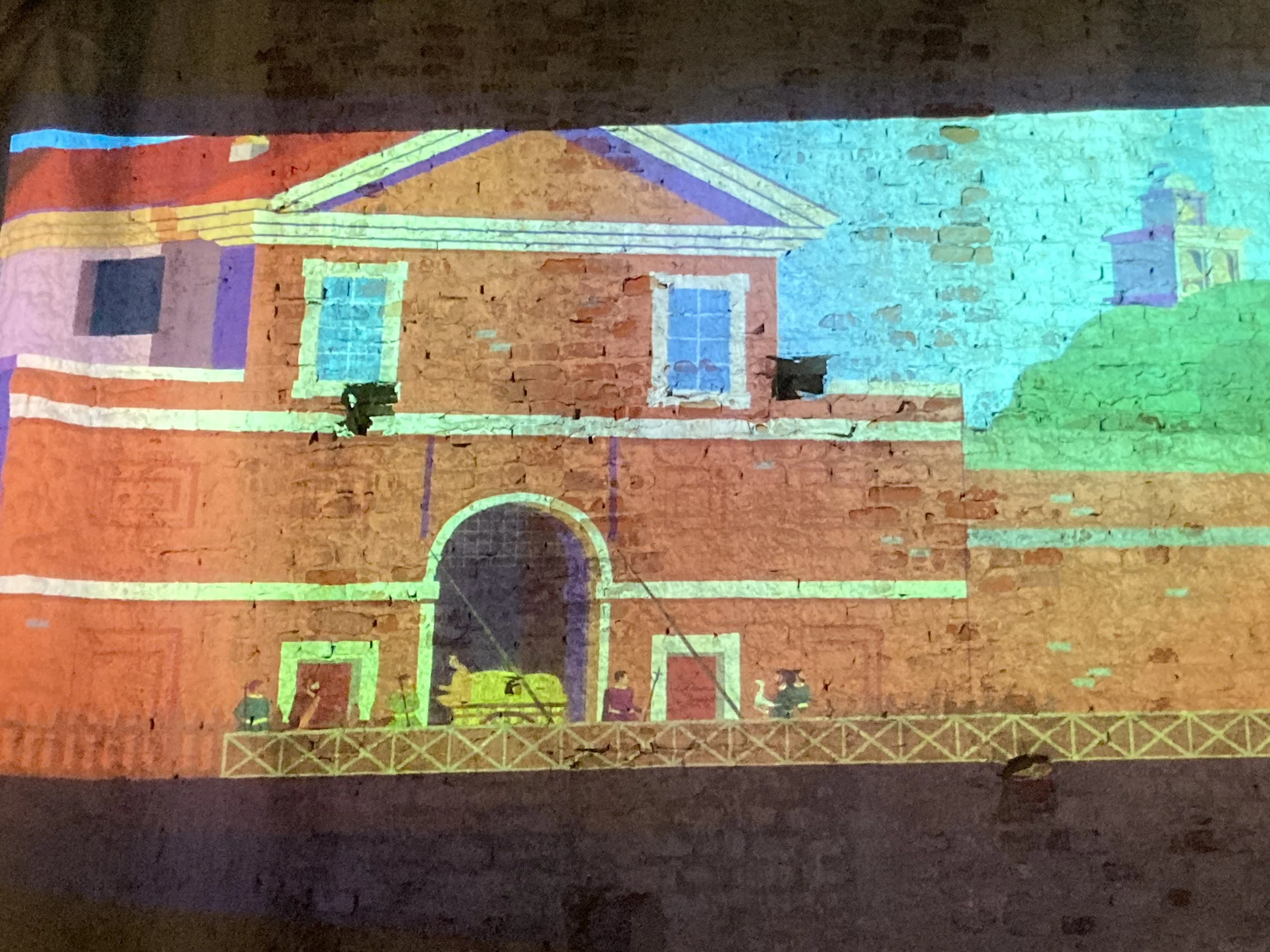
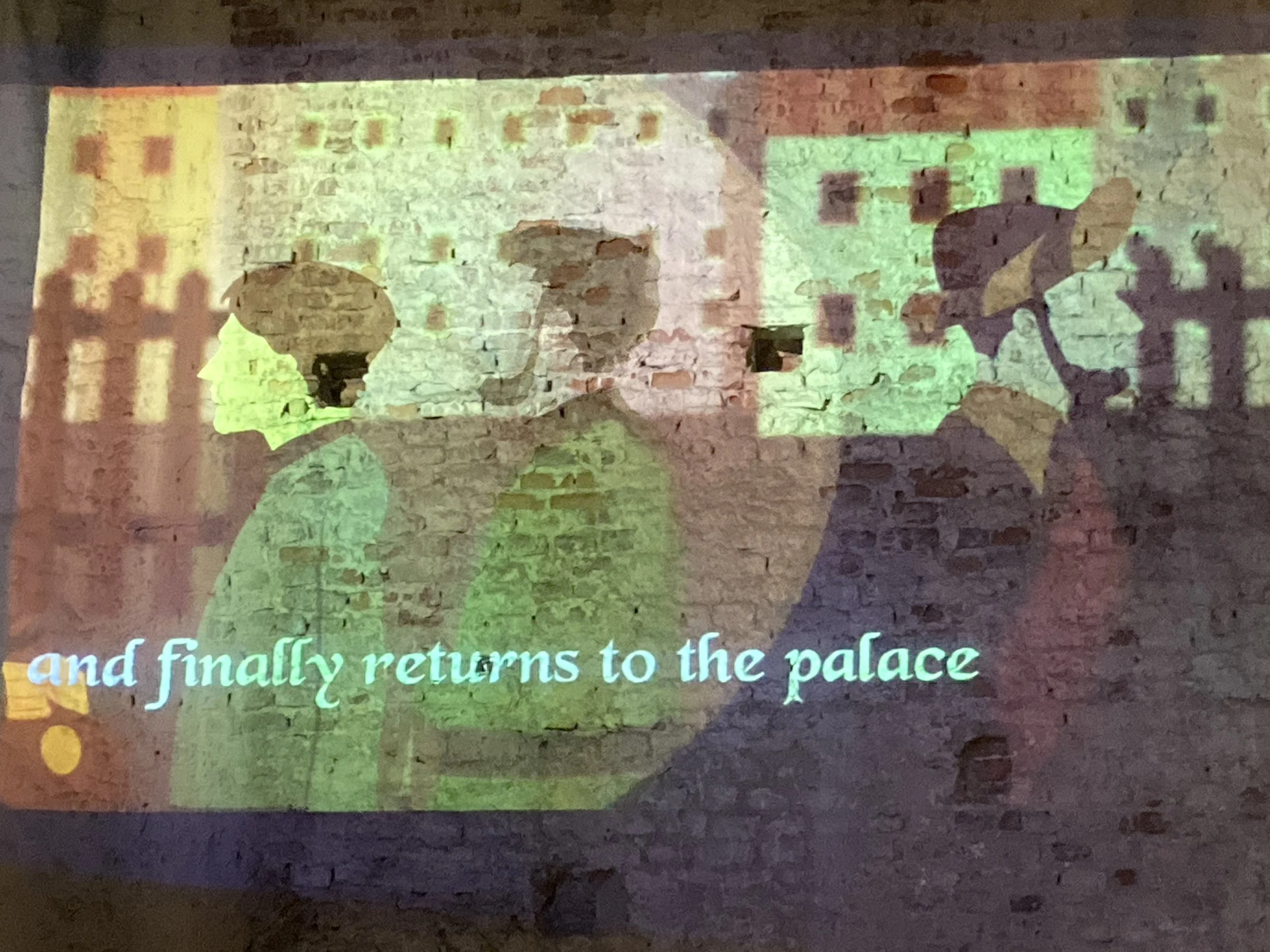
At the midway point of the sotterraneo passage, an interesting video projected on the stone walls tells the story the wall played in protecting Lucca, the times when it closed the city entirely overnight, and how dignitaries, residents and tradespeople entered the walls through Porta San Donato and Porta San Pietro. The video plays first in Italian and then is repeated in English. It is a great addition to the exhibit.
It does not take long to visit this small space. It provides a wonderful diversion to anyone using the passage as a way to exit the historic center on their way to the greater part of the city outside of the walls. But it is also a good destination on its own. I am so glad that a friend pointed me to this fascinating bit of Lucca’s history.