Two Parts Italy

Exploring Italy, travel, and living a flavorful life

  • Blog
  • About This Blog
  • Start Here
  • Recent Posts
  • Archives by Topic
  • Subscribe
  • Contact me
One of many large statues on the exterior facade of the Duomo, surrounded by intricate carvings and marble inlay

One of many large statues on the exterior facade of the Duomo, surrounded by intricate carvings and marble inlay

Outdoor Sculpture in Florence

February 15, 2021 by Judy Giannnettino in #italytravel, Florence, Italian art architecture

The city of Florence is a gift, one I can receive time after time and find just as thrilling as I did on my first visit more than 20 years ago. There is so much to see - cathedrals, small churches, bridges, museums, architecture, hills, and beautiful Tuscan skies. Usually all of these things are enjoyed while simultaneously dealing with (and grumbling about) large groups of tourists. However, this past year has been a bit different (in so many ways) and with fewer people about, there is little competition for close-up views of Florence’s wonderful art and architecture. Even better if, like me, sculpture is one of your favorite art forms. On my last visit I was happy to just wander, never even entering a museum. Instead, I spent my time immersed in the beauty of the many outdoor sculptures and statues in Florence.
It’s impossible to see all of Florence’s sculptural wonders in one visit, but described below is a walk that I love which includes some of my Florentine favorites. And although right now travel is impossible for many of us - I can’t even go to Florence from my home an hour away in Lucca due to our most recent COVID restrictions - I hope this walk is a path we might all enjoy on a future trip to this special city.

The walk begins north of the Duomo in Piazza SS Annunziata (named for the church at the north end). When in Florence I always try to make time for this church. While the rest of my walk across Florence is outdoors, inside this church is one of the loveliest tomb monuments I’ve ever seen. How graceful, and sad, is this woman who keeps eternal watch over the tomb of a loved one? A stop here is a great way to begin a sculpture walk.

A tomb monument inside the church of SS Annunziata, Florence

A tomb monument inside the church of SS Annunziata, Florence

In the piazza in front of the church are two fountains featuring sculptures of mythical creatures (by the artist Pietro Tacca) as well as a massive bronze statue of Ferdinand I on horseback (by Giambologna). If you look closely, you’ll also see a series of round della Robbia pieces above the arches of the Ospedale degli Innocenti (you can see one above and to the right of the fountain in the photo below).
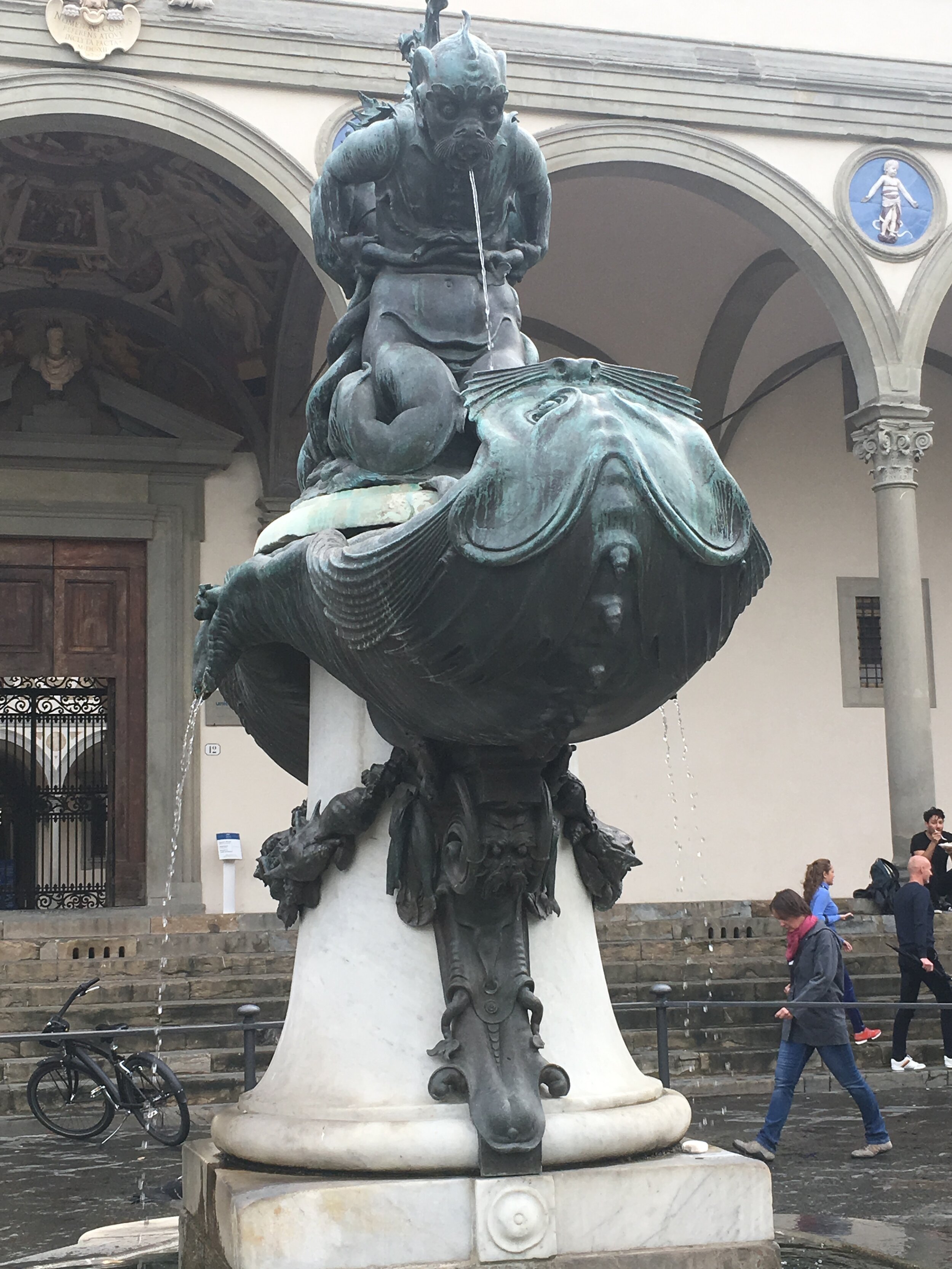
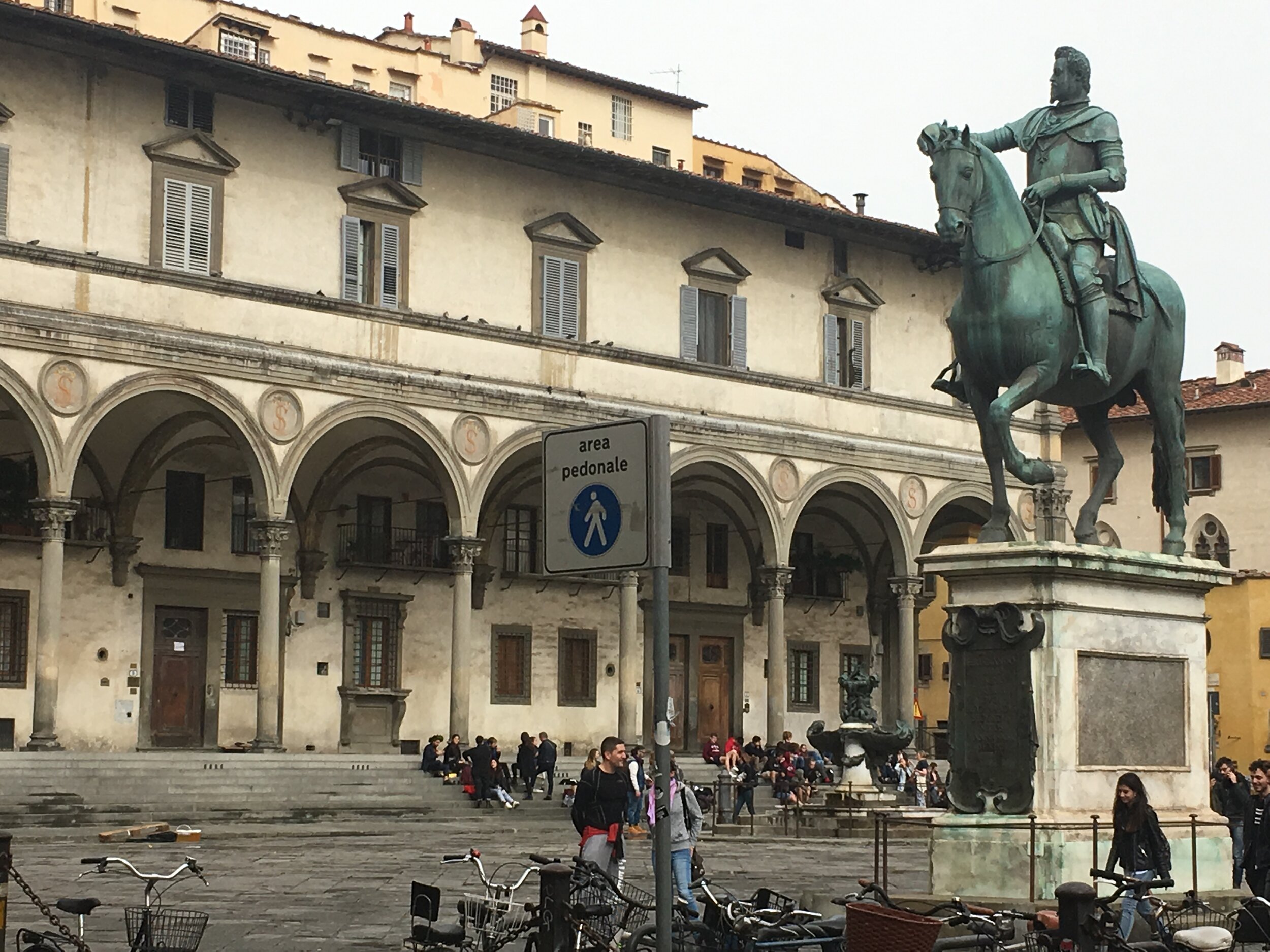
IMG_5678.JPG
IMG_5692.JPG
IMG_2495.JPG

Next stop - the Duomo, where the sculptures include both large statues and countless small, detailed sculptures adorning the facade and doorways.

On my last visit I did not approach them with an eye toward the historical significance of each piece - who is that saint? that pope? that angel? (for that it is better to visit the Duomo museum) but rather just with an appreciation for the craftsmanship and beauty of the work.

The intricacy of the carvings, the stunning colors, the gracefulness of the faces, they way they are placed on the colorful facade - what a display of artistry.

A much smaller, but equally beautiful sculpture. Many of these small marble figures surround the doorways and windows of the cathedral.

A much smaller, but equally beautiful sculpture. Many of these small marble figures surround the doorways and windows of the cathedral.

After spending time at the Duomo, the walk continues to the Piazza della Signoria and the Loggia dei Lanzi, full of famous statues including a scaled-down reproduction of Michelangelo’s David and the fascinating but brutal Rape of the Sabines by Giambologna.
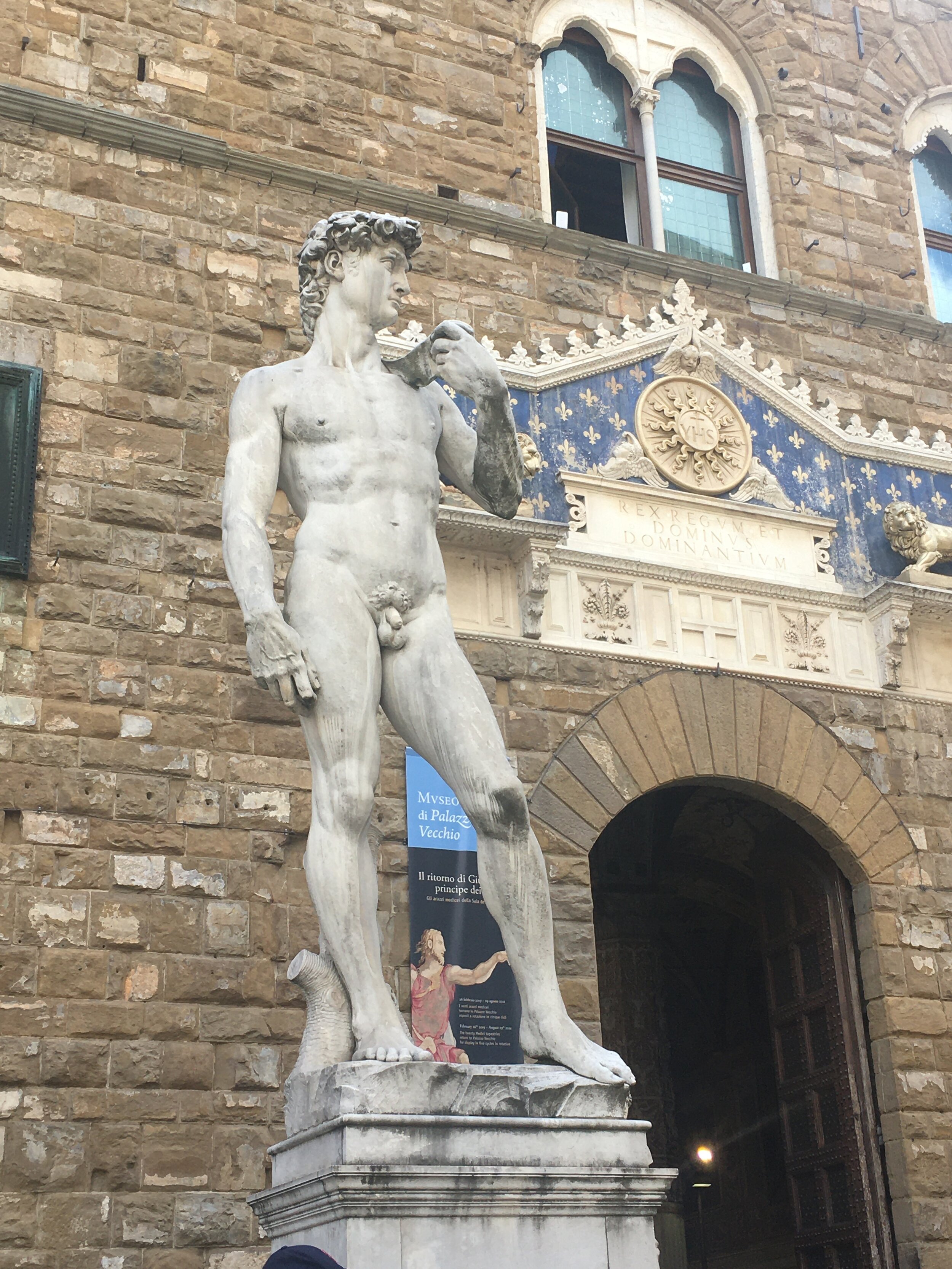
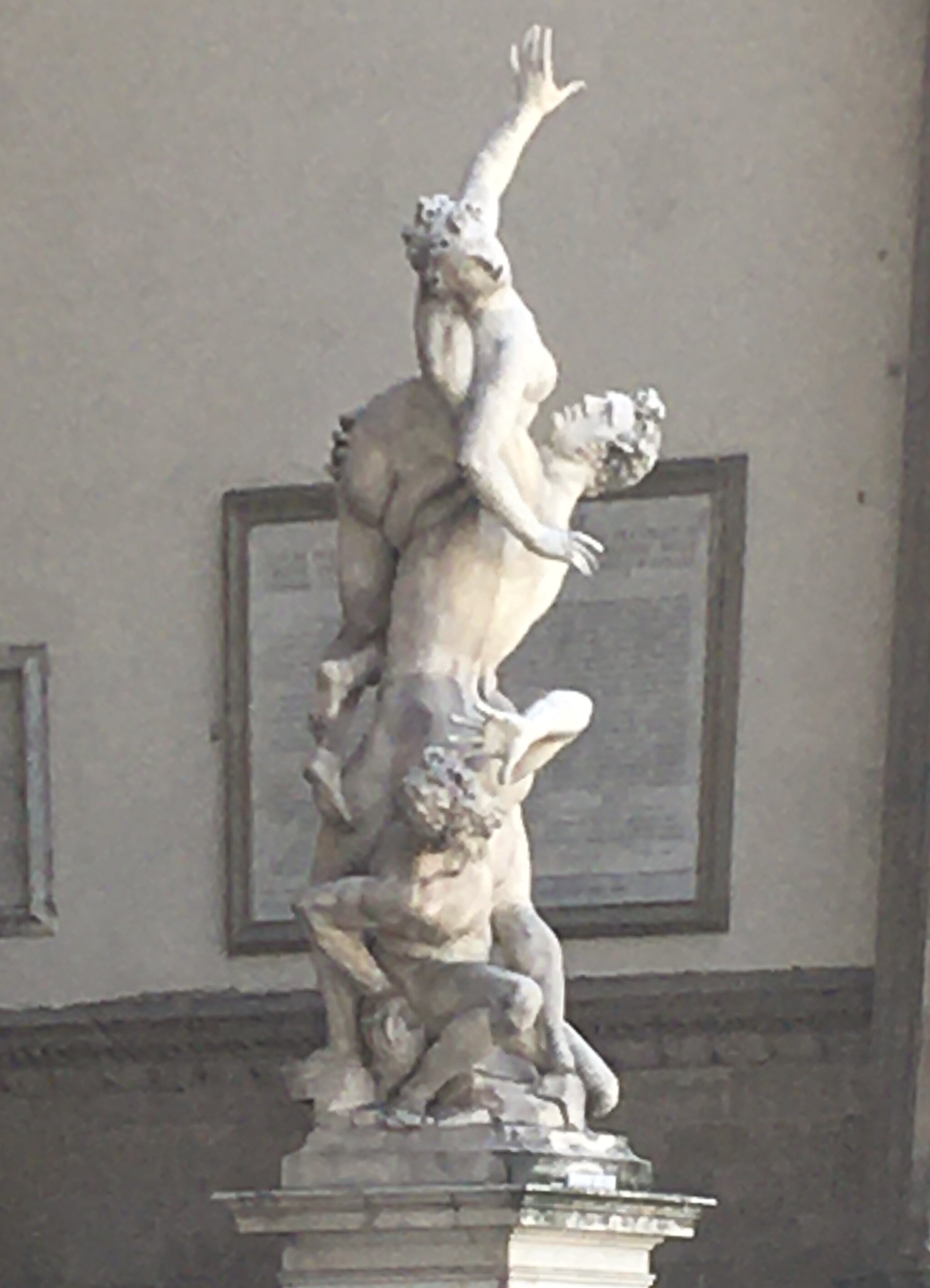
IMG_2524.JPG
fullsizeoutput_11fe.jpeg

Walking further towards the river Arno, at the far end of the piazza, is the Fountain of Neptune. Statues are wonderful, but a statue that is also part of a large fountain is fantastic (especially is you happen to visit on a warm day).

The Fountain of Neptune, Florence

The Fountain of Neptune, Florence

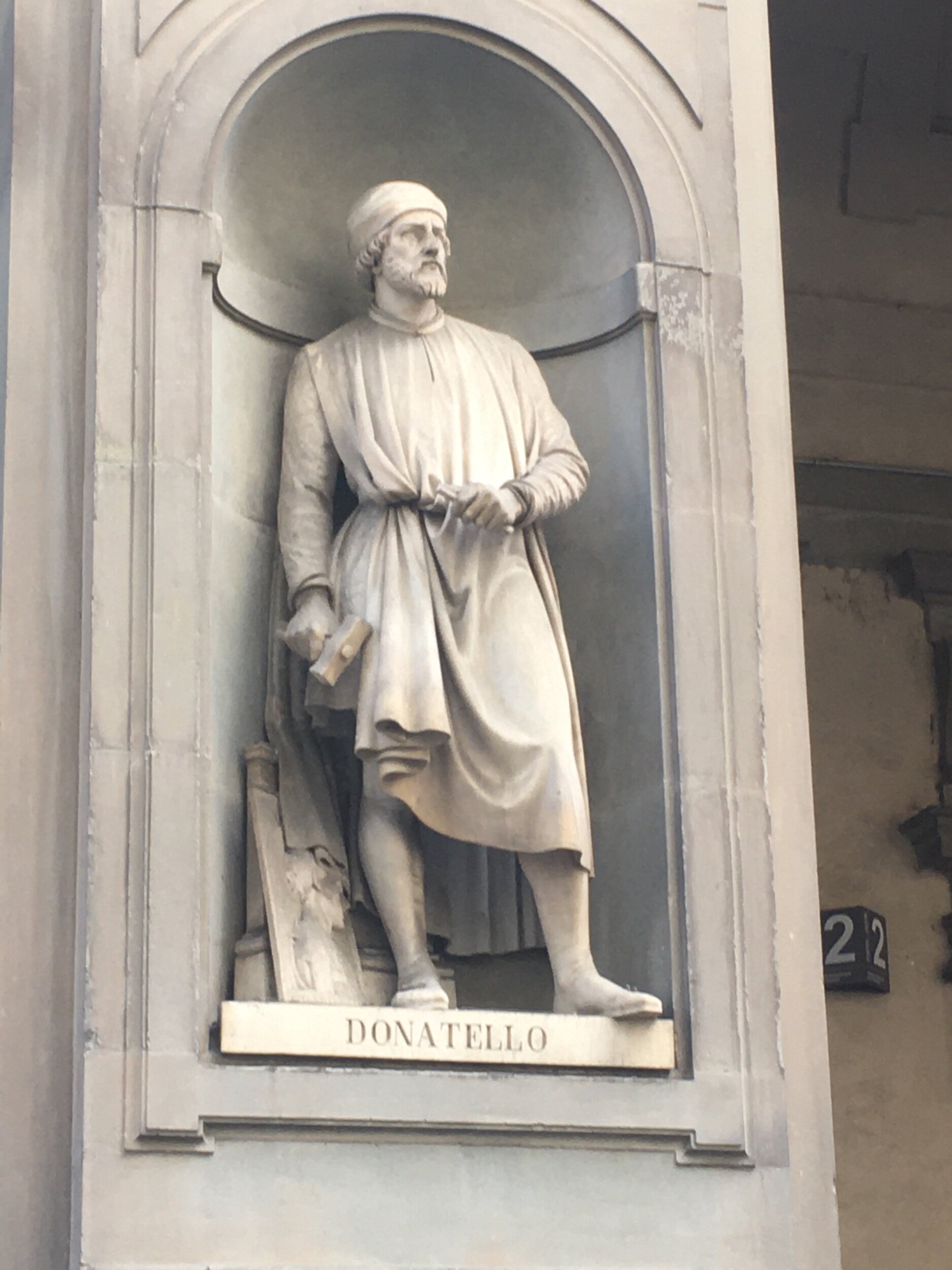
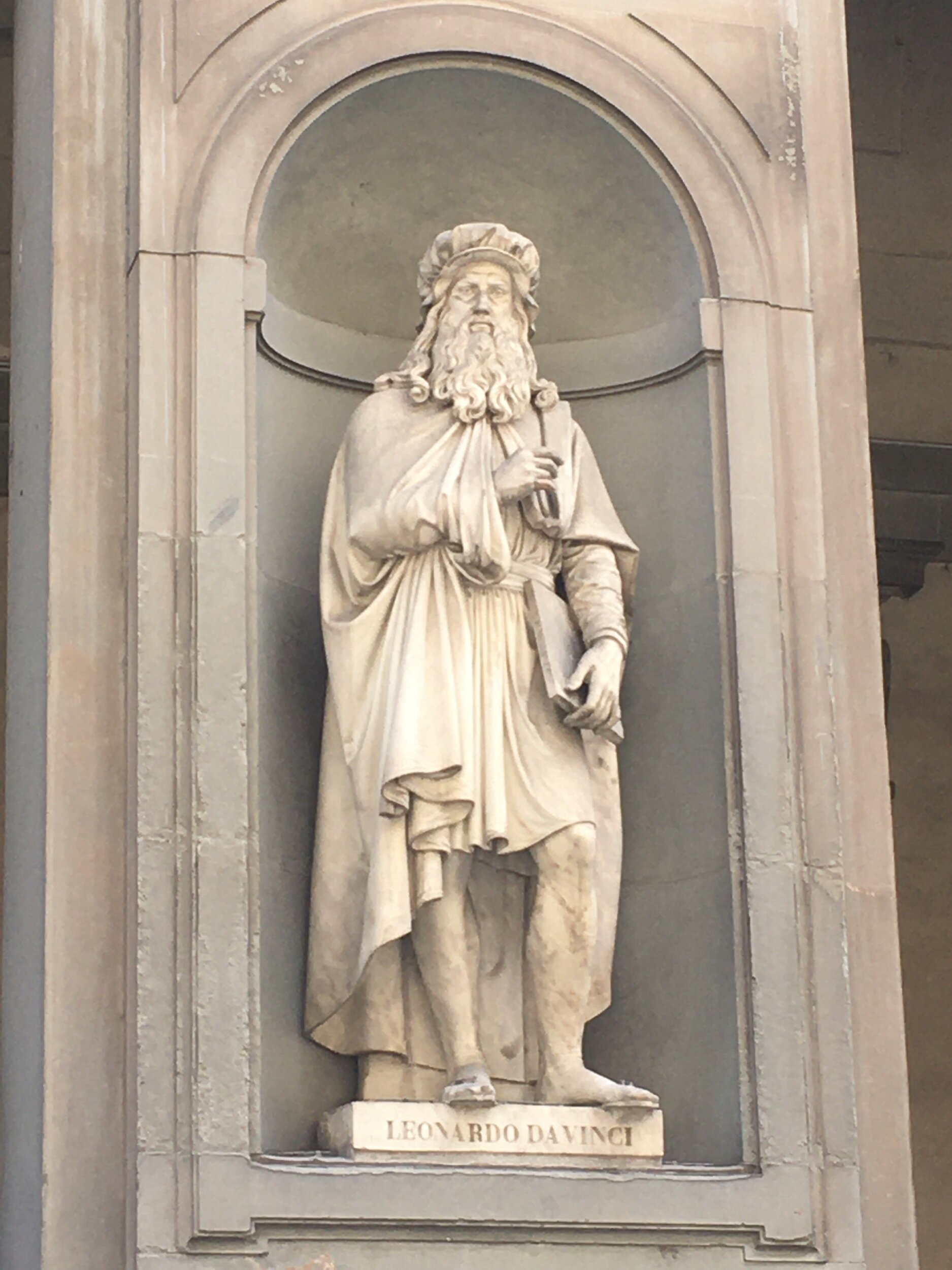
Wandering past the Palazzo Vecchio and along the Uffizi courtyard are a series of statues of famous artists, scientists, and literary giants. From left to right below: Cellini, DaVinci, and Donatello.
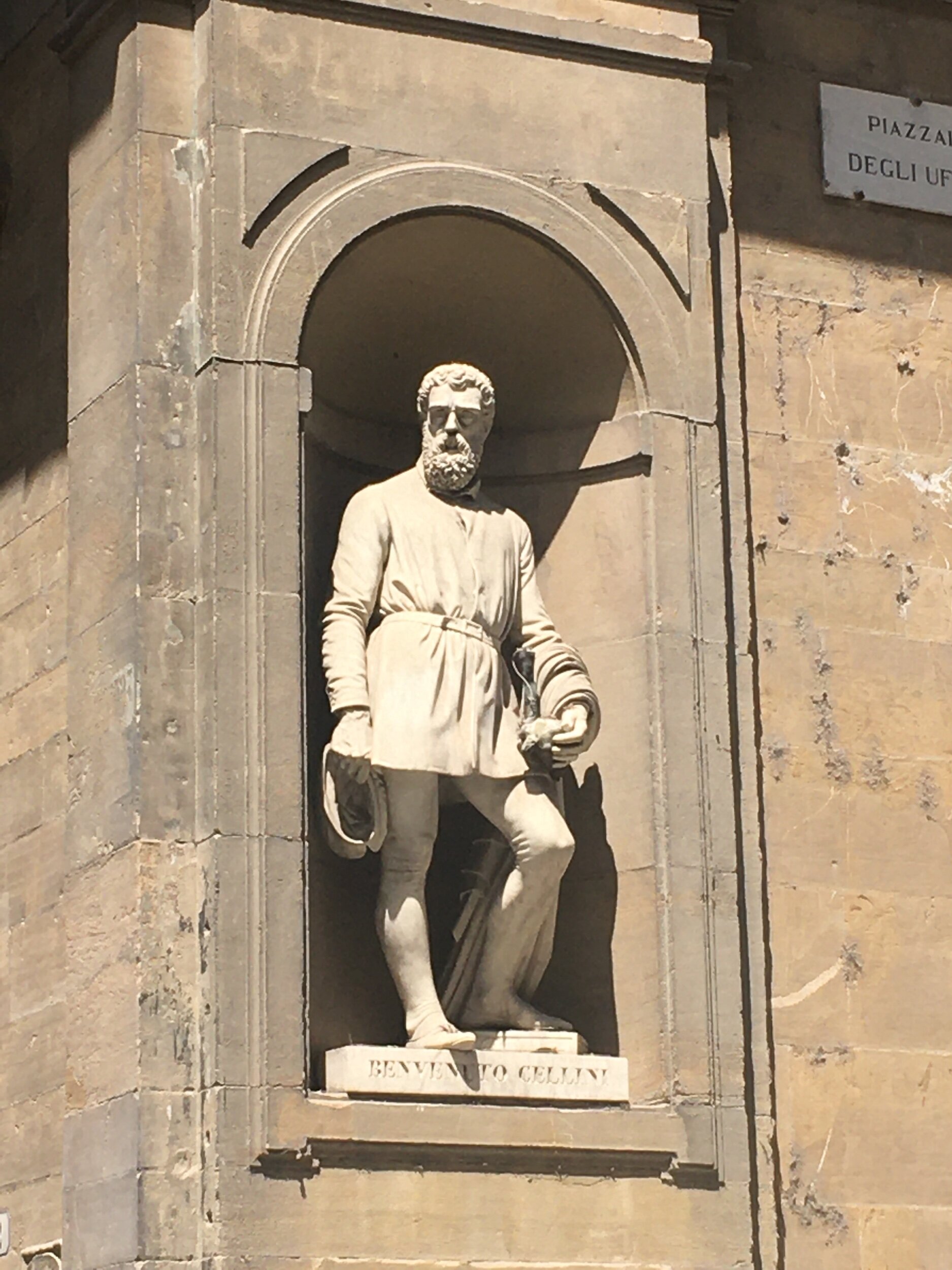
 Cellini
 DaVinci
IMG_2526.jpeg

Walking across the Ponte Vecchio, there is a bust of Cellini. He was a master goldsmith, as well as an artist and writer. He may have been a bit of a troublemaker, but he’s a home town boy and it is fitting to honor him on the bridge where today so much of the Florentine gold is sold.

The inscription reads: Benvenuto Cellini Maestro Gli Orafi di Firenze

The inscription reads: Benvenuto Cellini Maestro Gli Orafi di Firenze

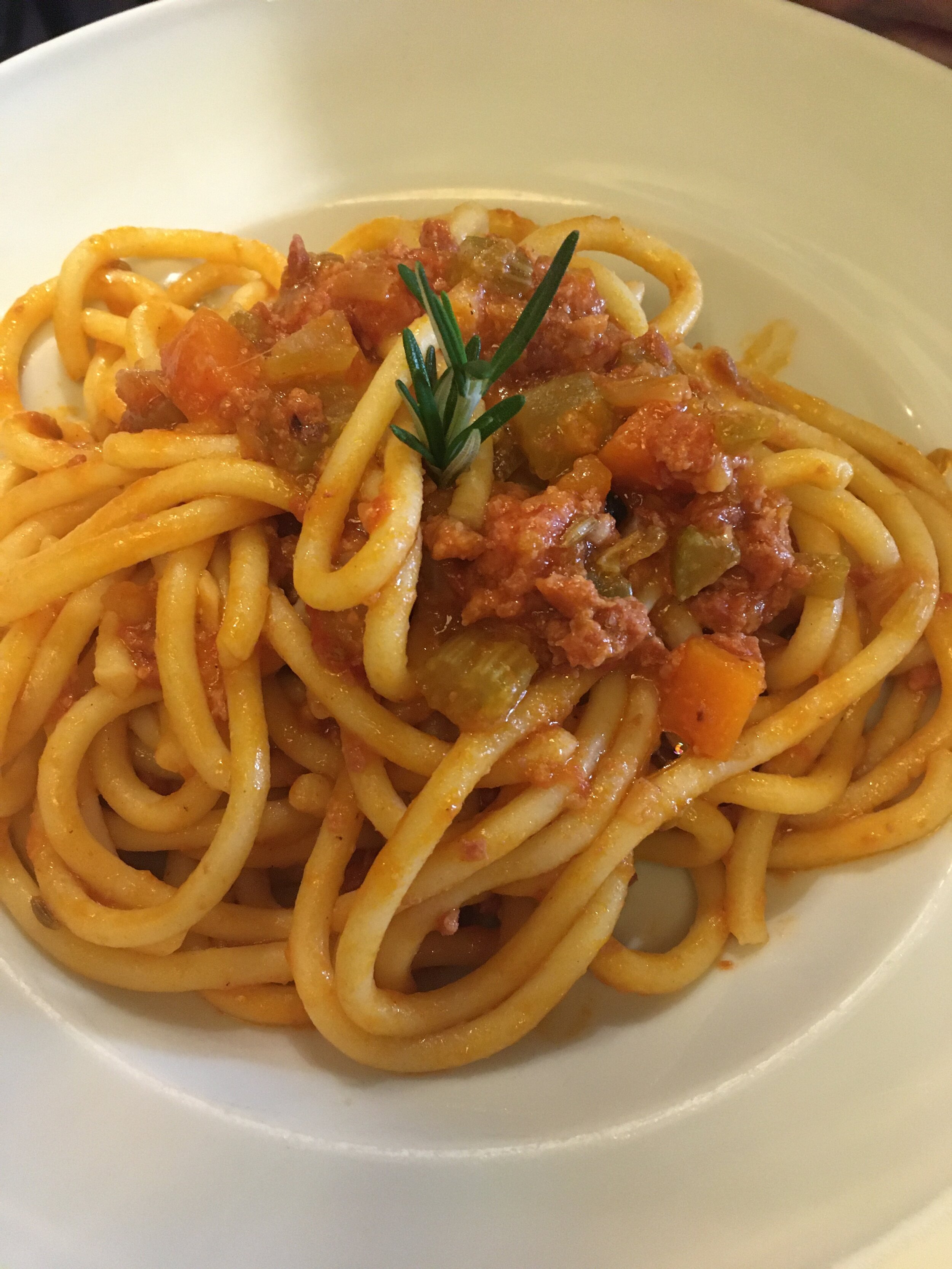
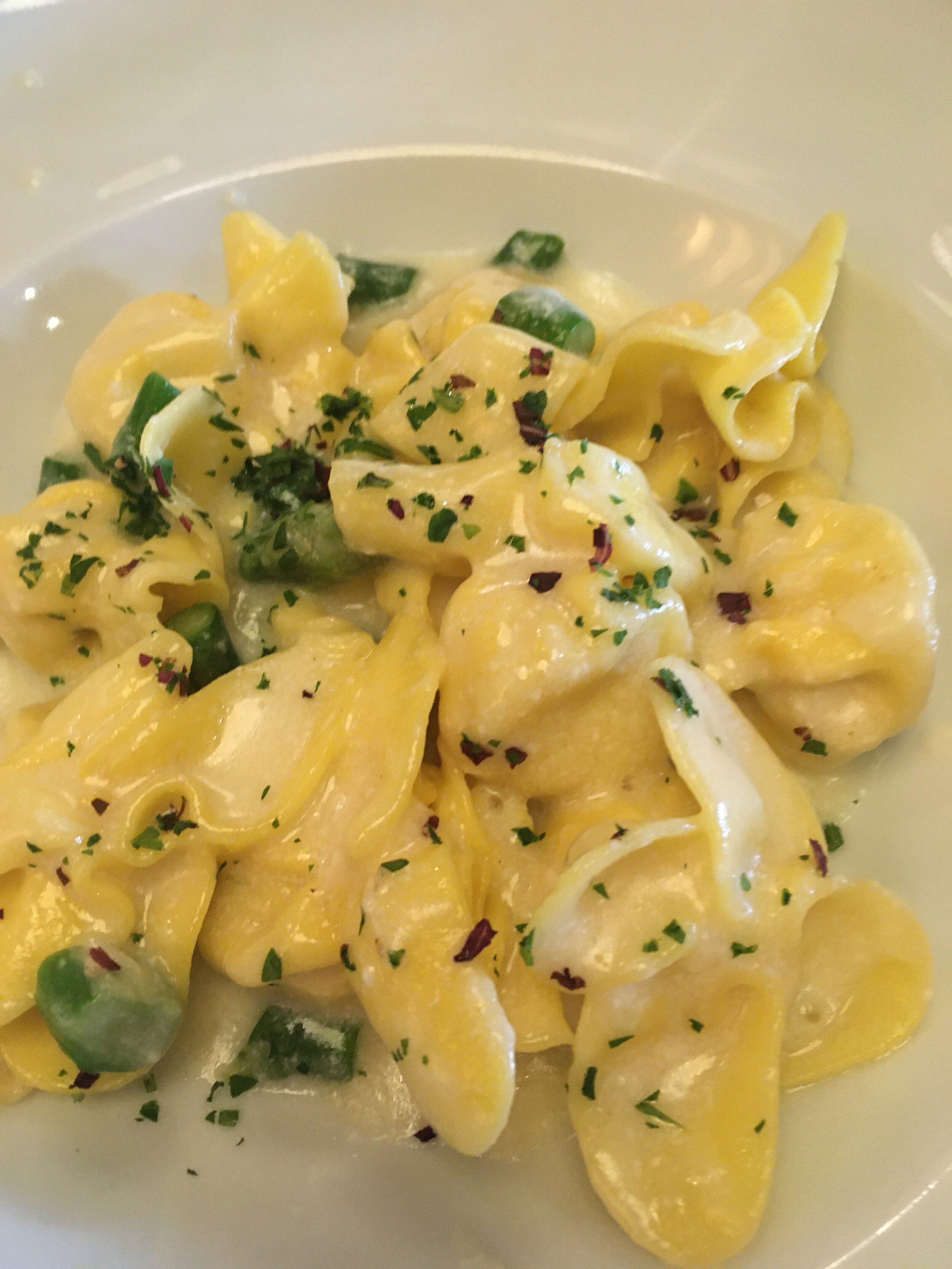
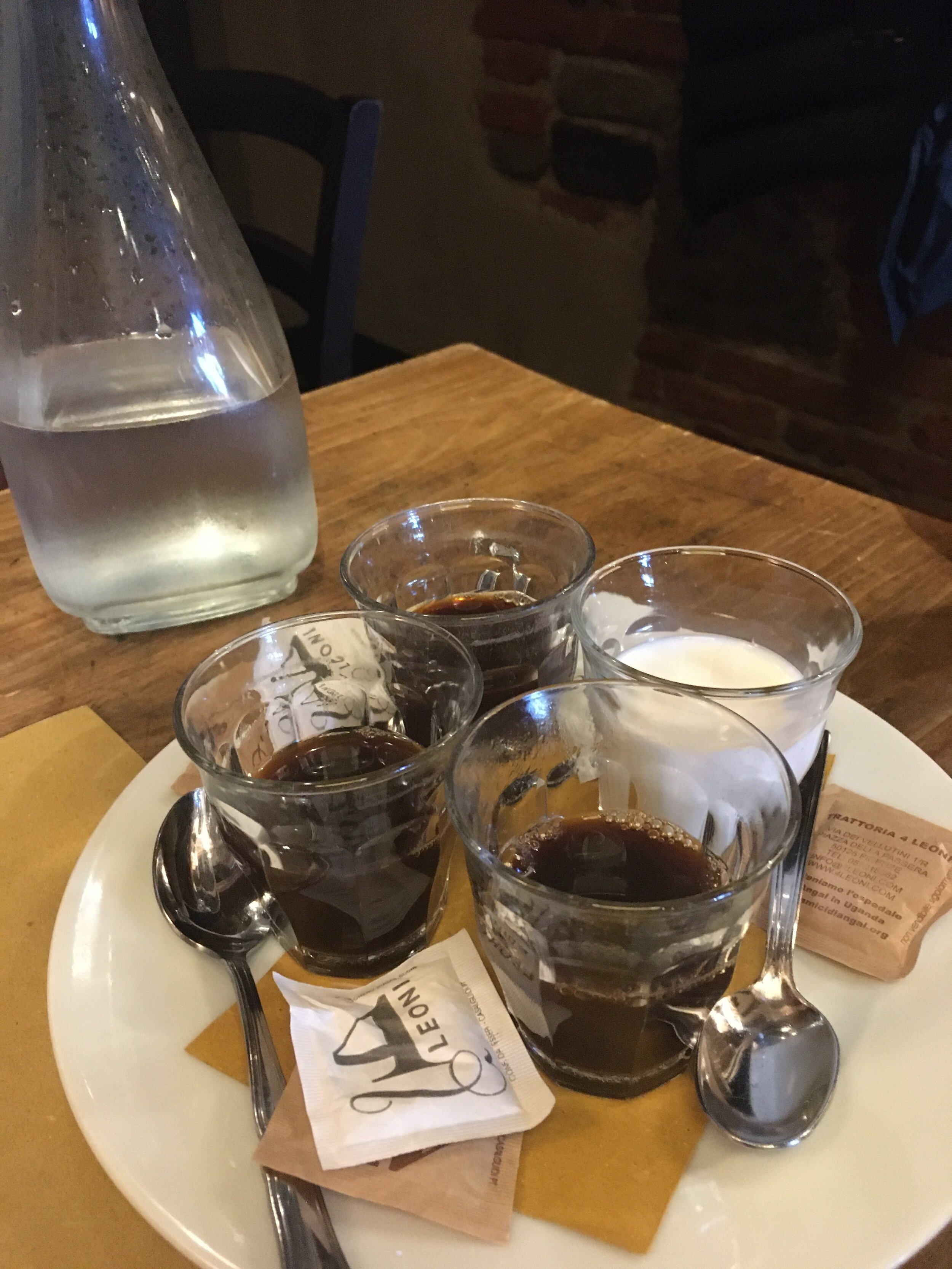
Across the Ponte Vecchio, the walk comes to an end. For me, the perfect ending to a wander through Florence’s outdoor sculptures is a lunch “oltrarno” at the restaurant 4 Leone. After all, fabulous food is another Italian art form!
IMG_0163.JPG
IMG_0167.JPG
IMG_0164.JPG
February 15, 2021 /Judy Giannnettino
#florence, florence, sculpture florence, #walksinflorence
#italytravel, Florence, Italian art architecture
Viareggio 2019

Viareggio 2019

A Winter Without Carnevale

February 01, 2021 by Joanne Bartram in #italytravel, Festivals Italy, Italian culture, Italy travel

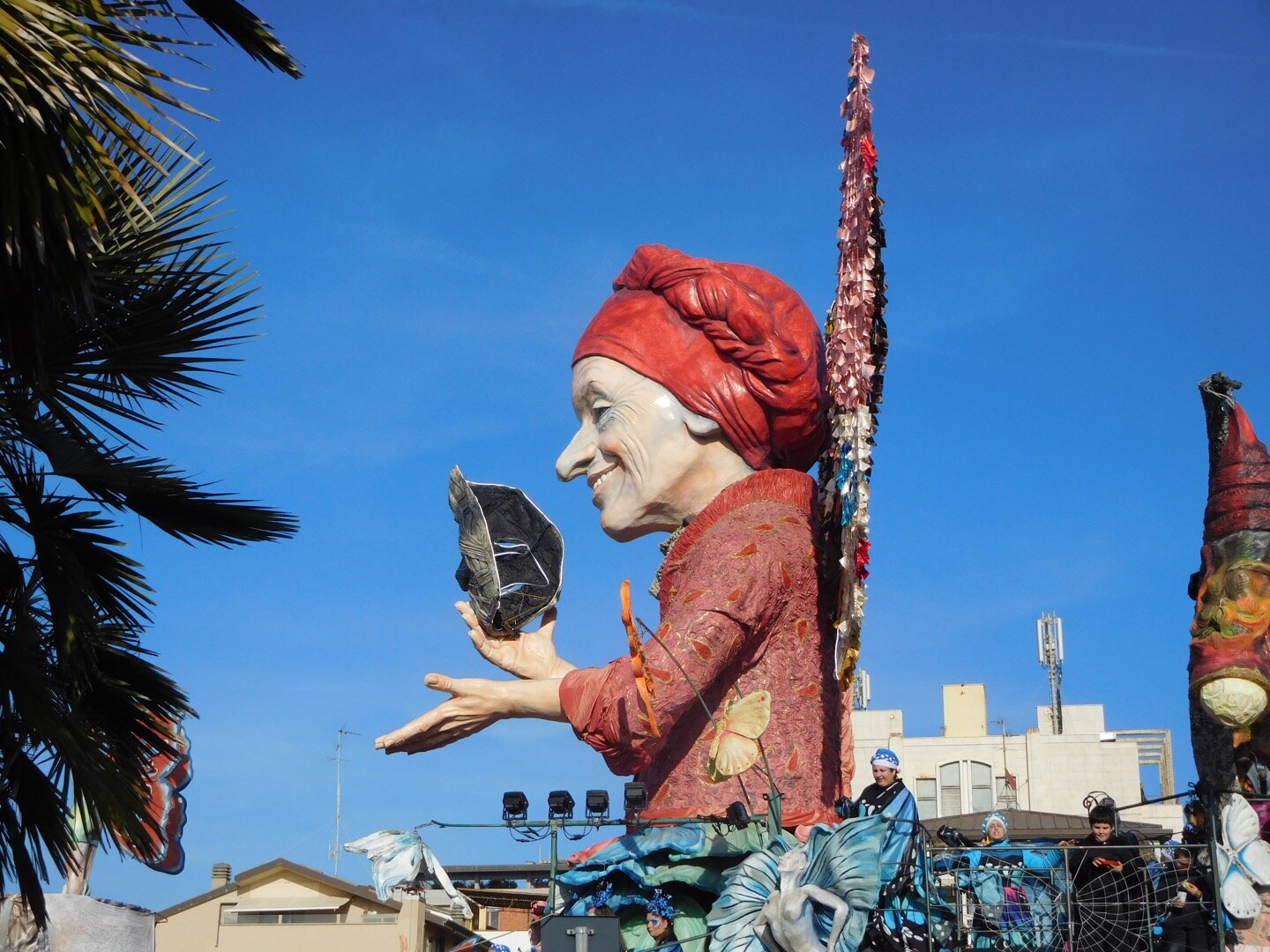
It should be starting this week - the annual late winter celebration of Carnevale. Unfortunately, the on-going COVID crisis has forced cancellation or delay of the festivities, including the two best known events here in Italy - Venice (cancelled) and Viareggio (postponed until fall).

Venice 2020

Venice 2020


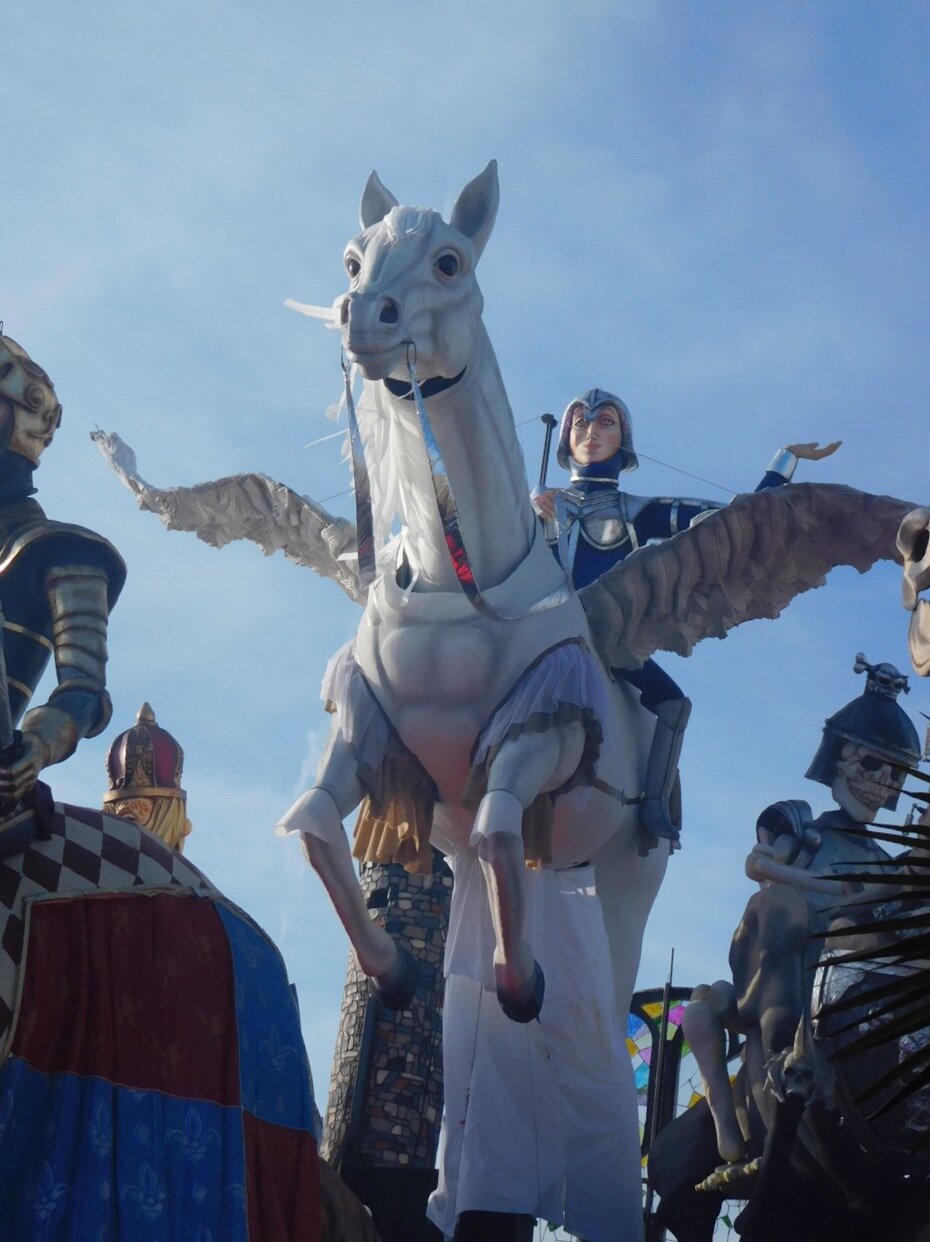
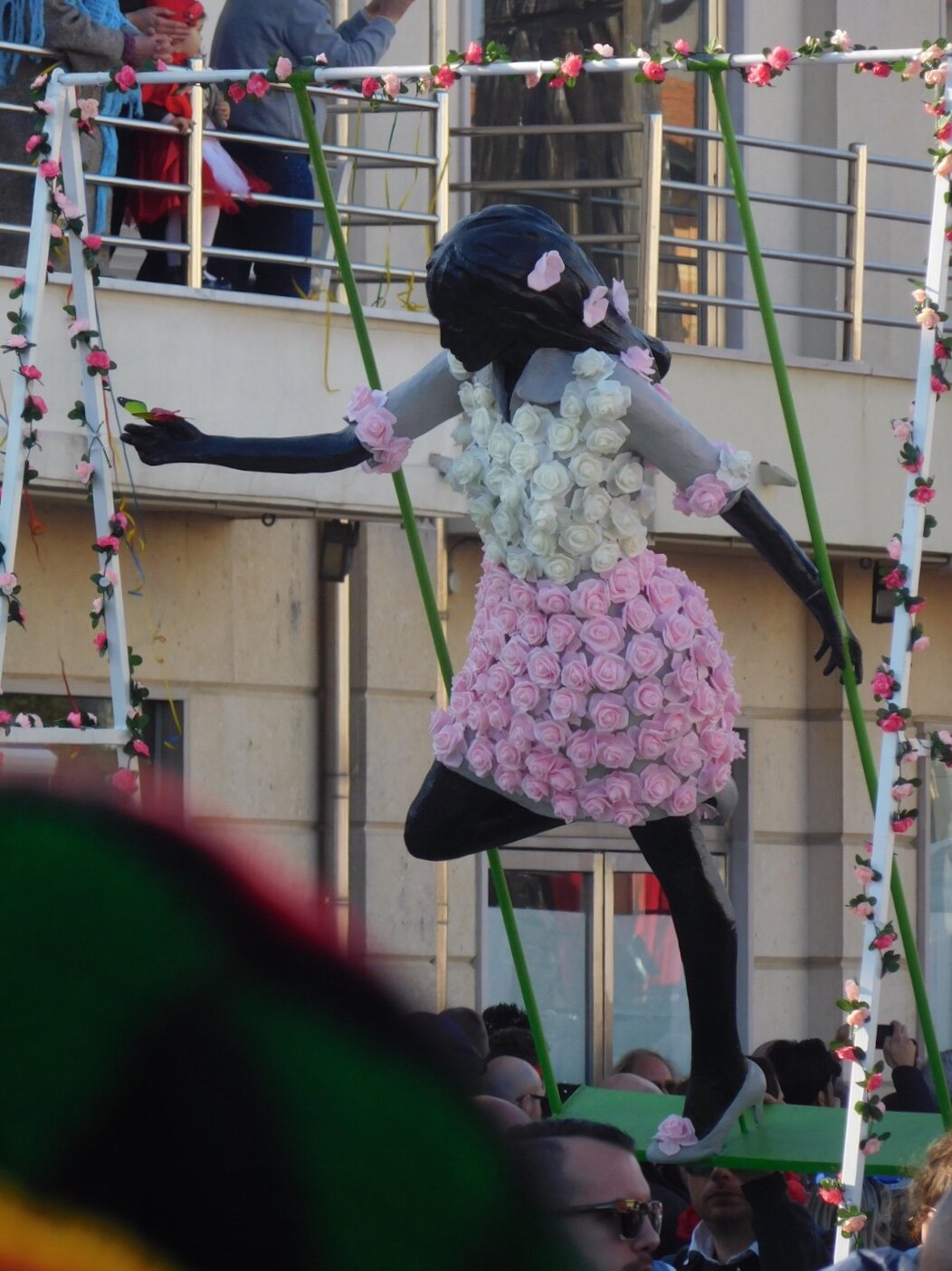
In the past few years, I’ve experienced both the craziness and political / social mischief of the Viareggio celebration (photos below) and the drama and elegance of the festivities in Venice.

Adjustments.jpeg
Adjustments.jpeg
IMG_2802.jpeg

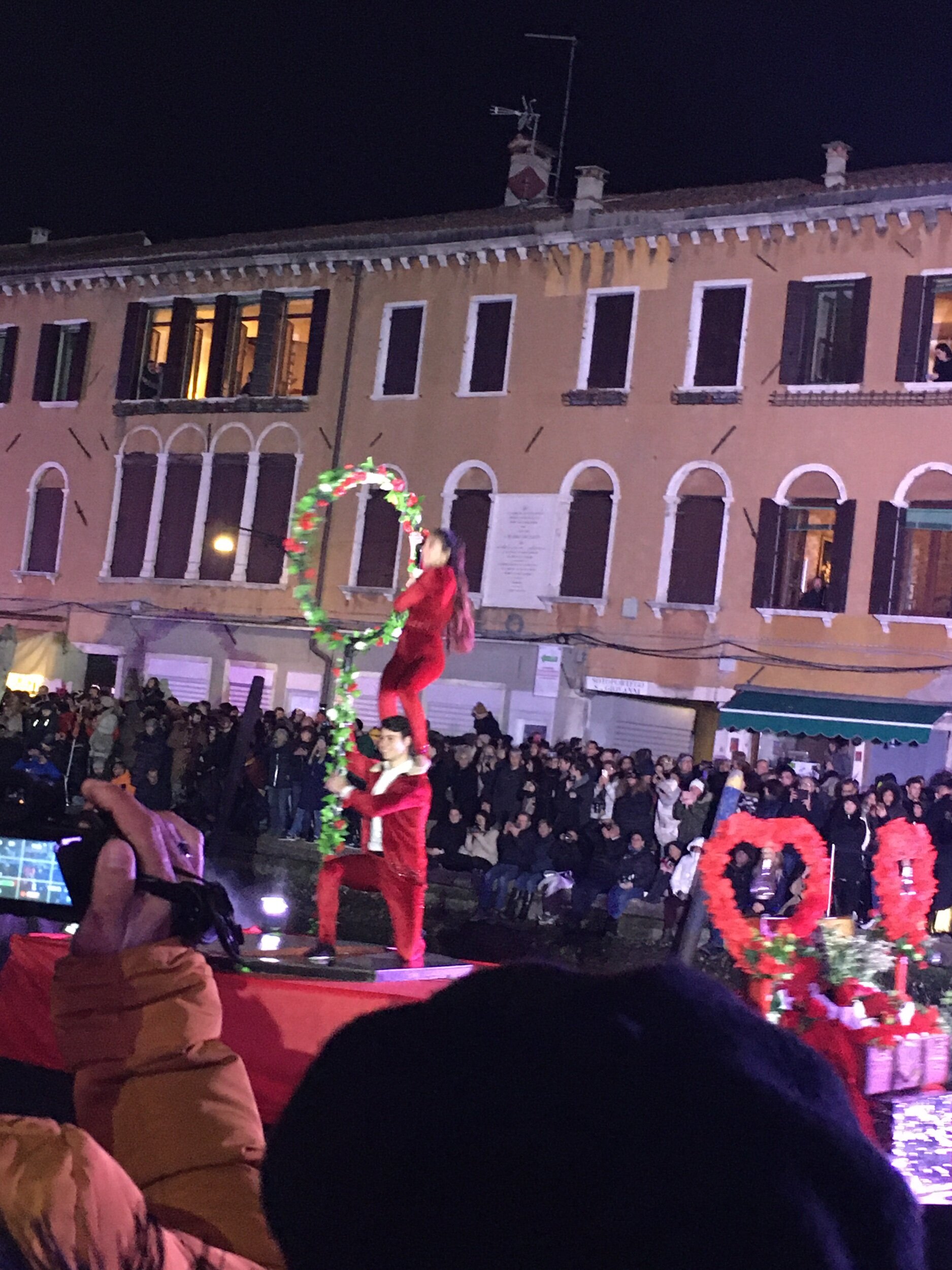
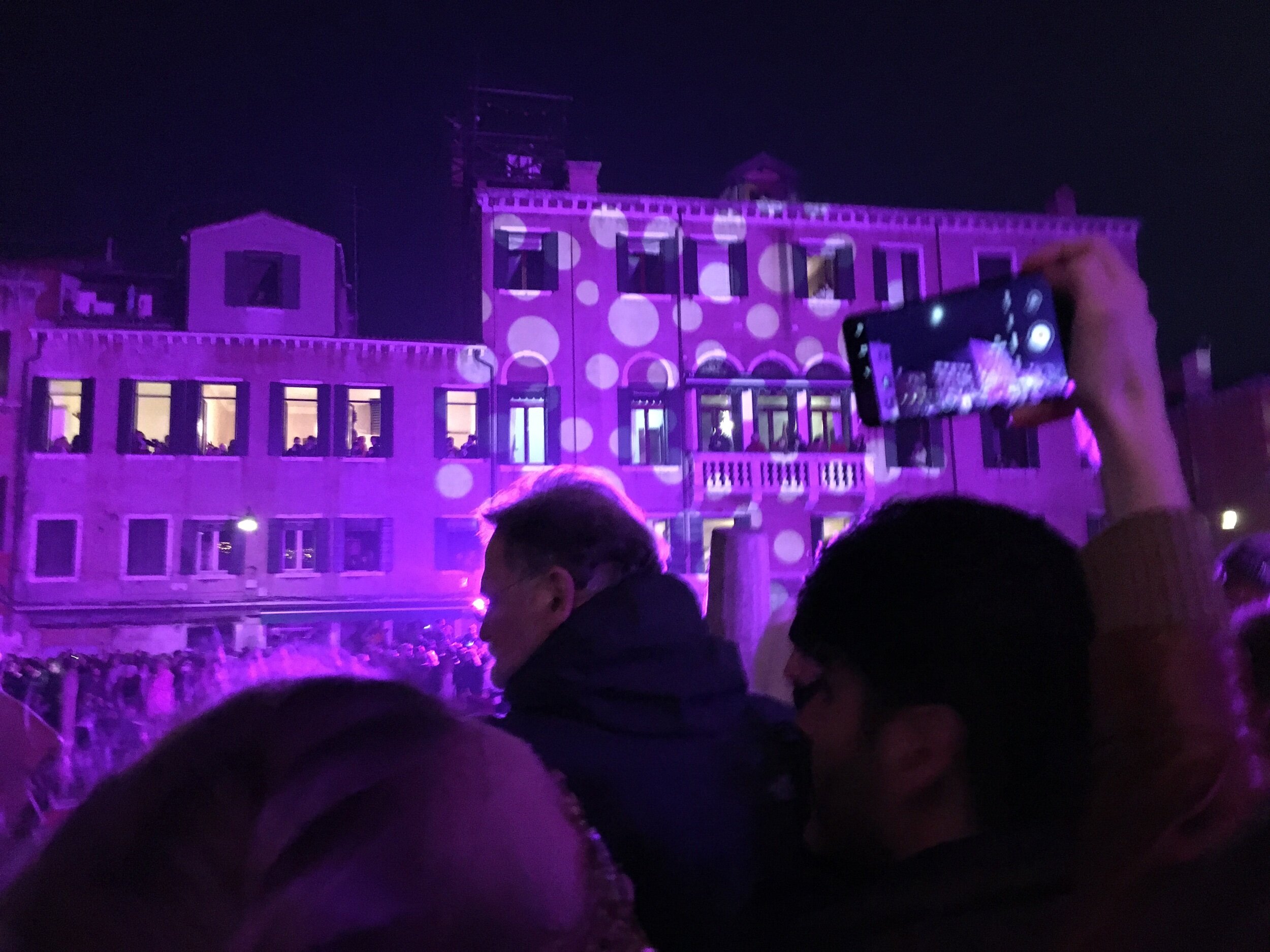
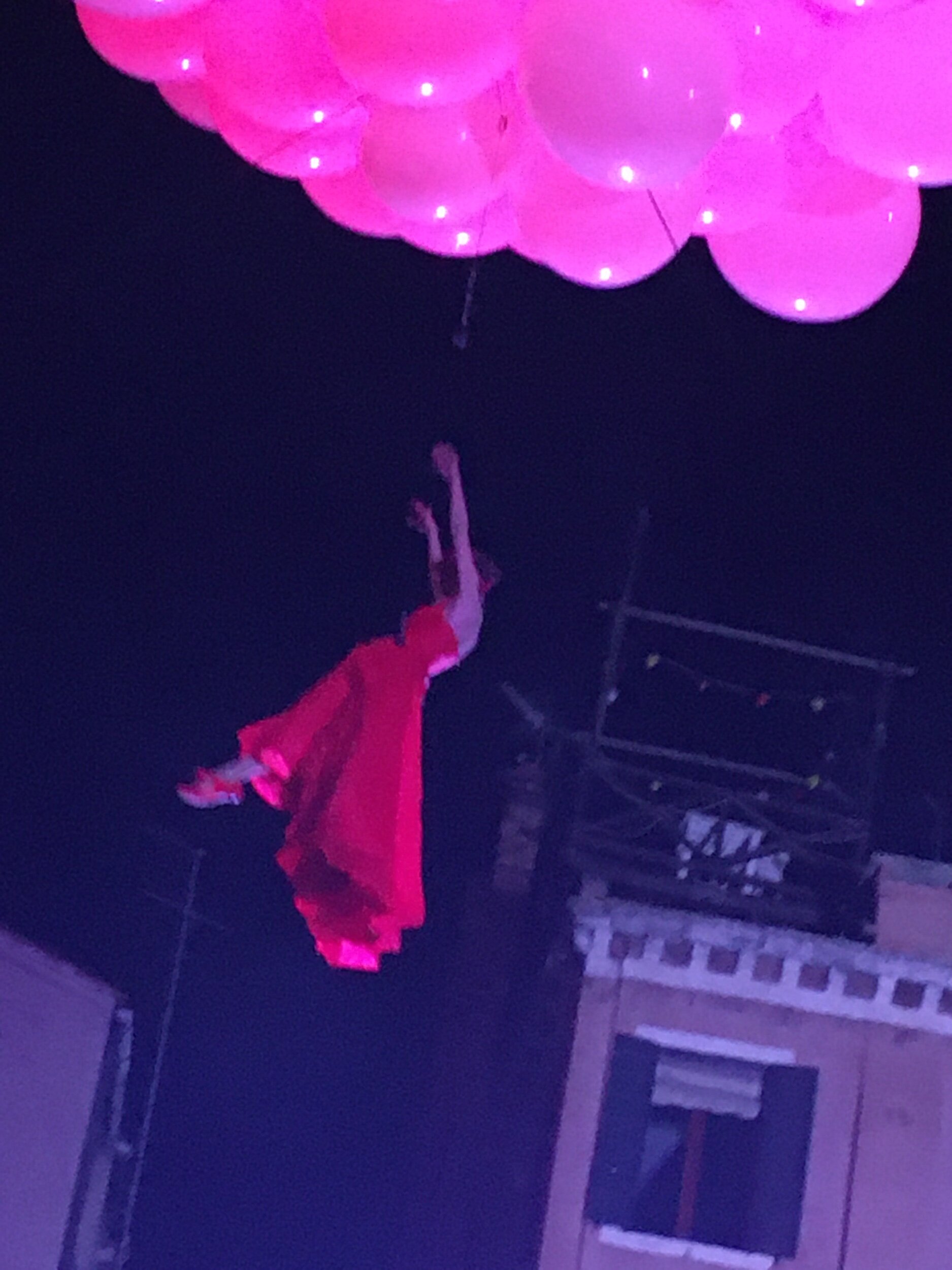
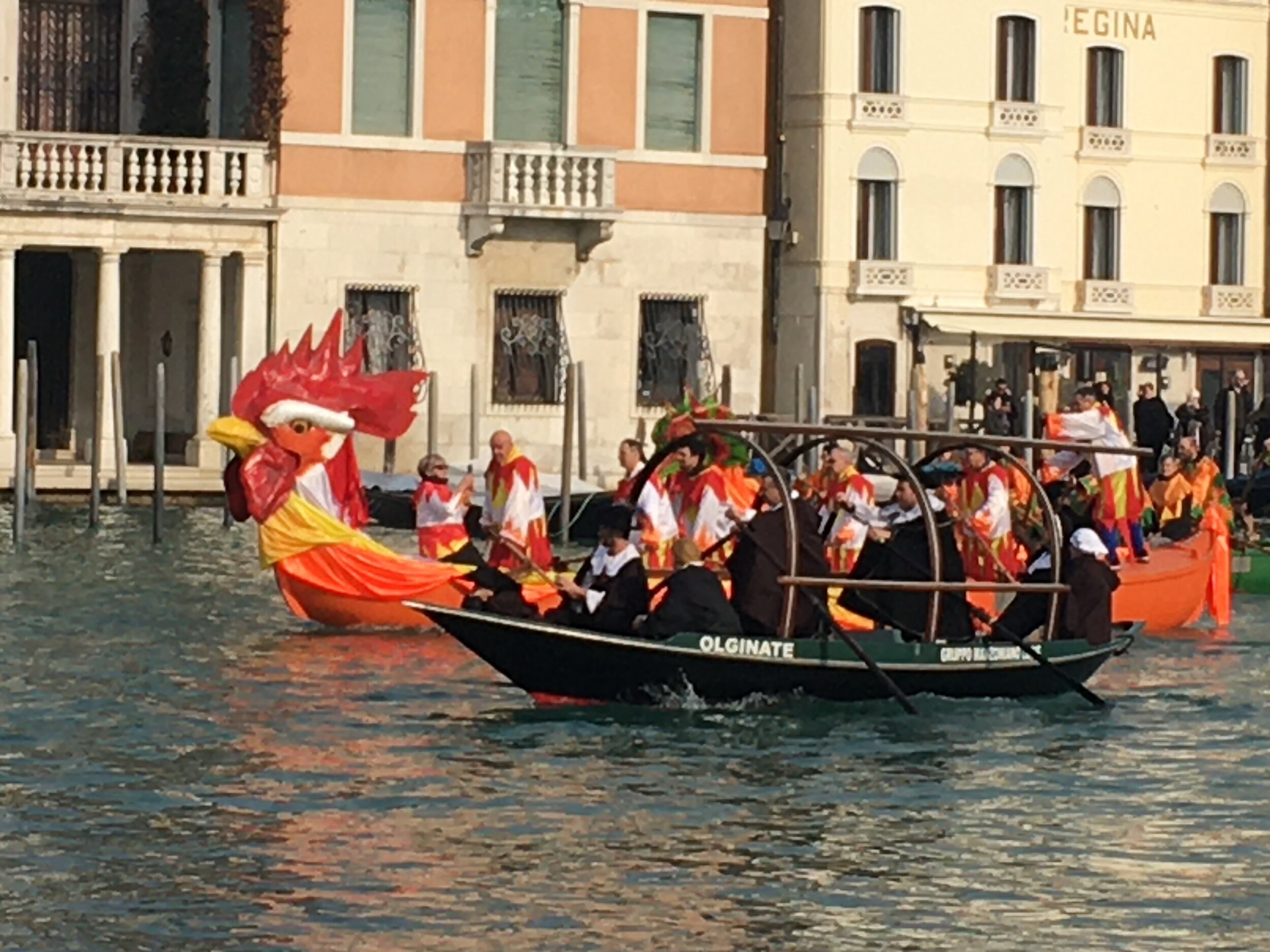
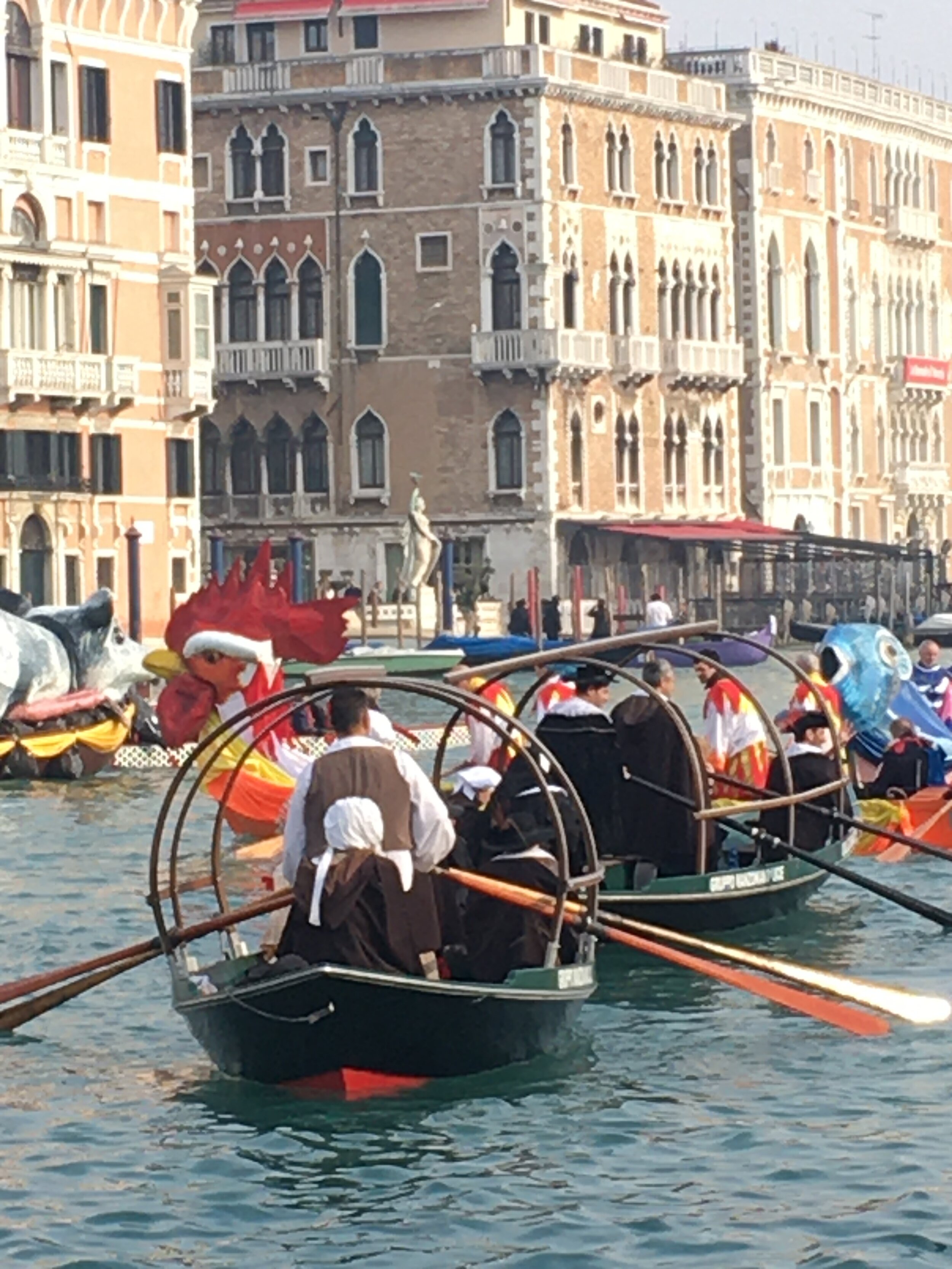
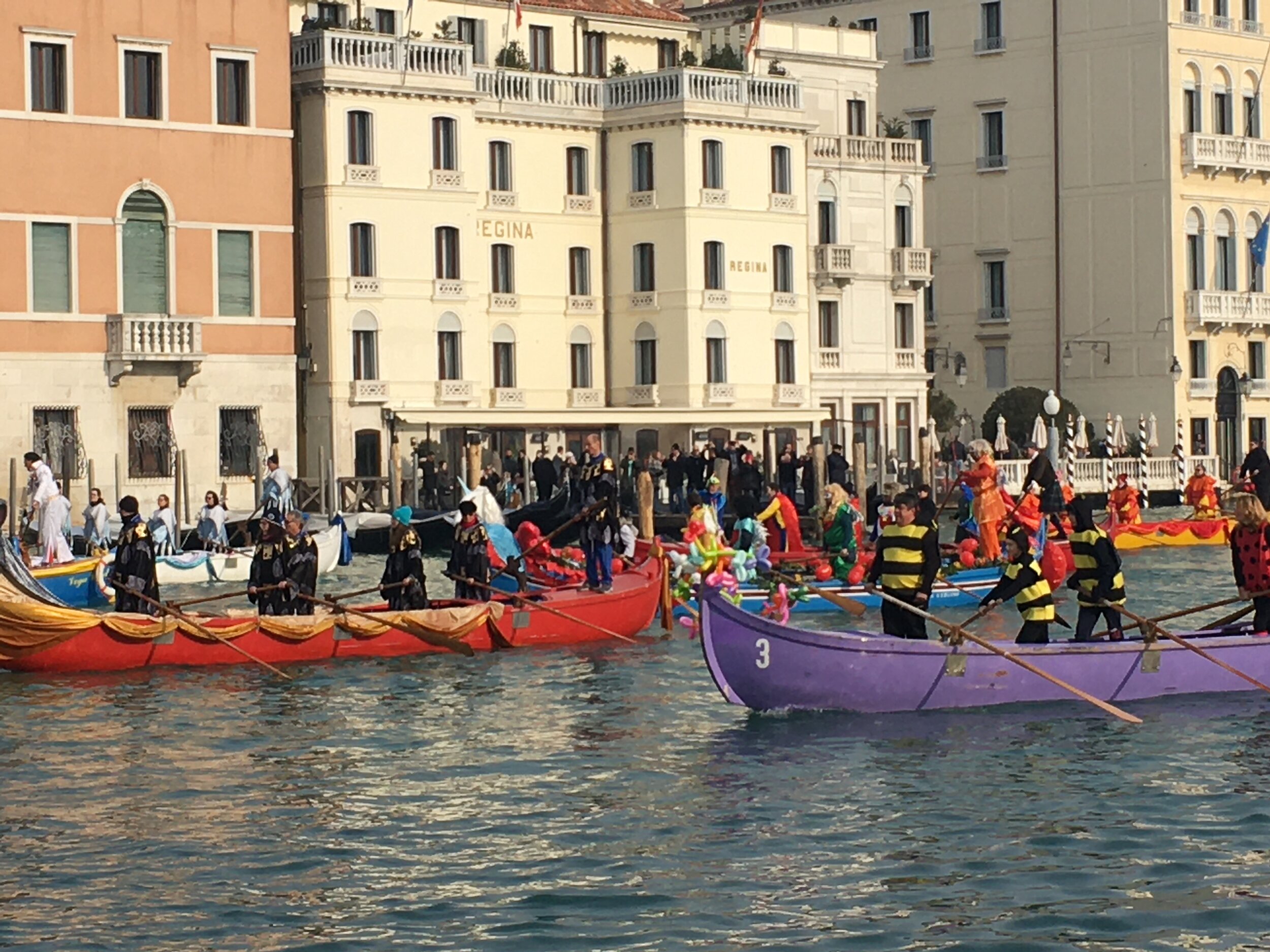
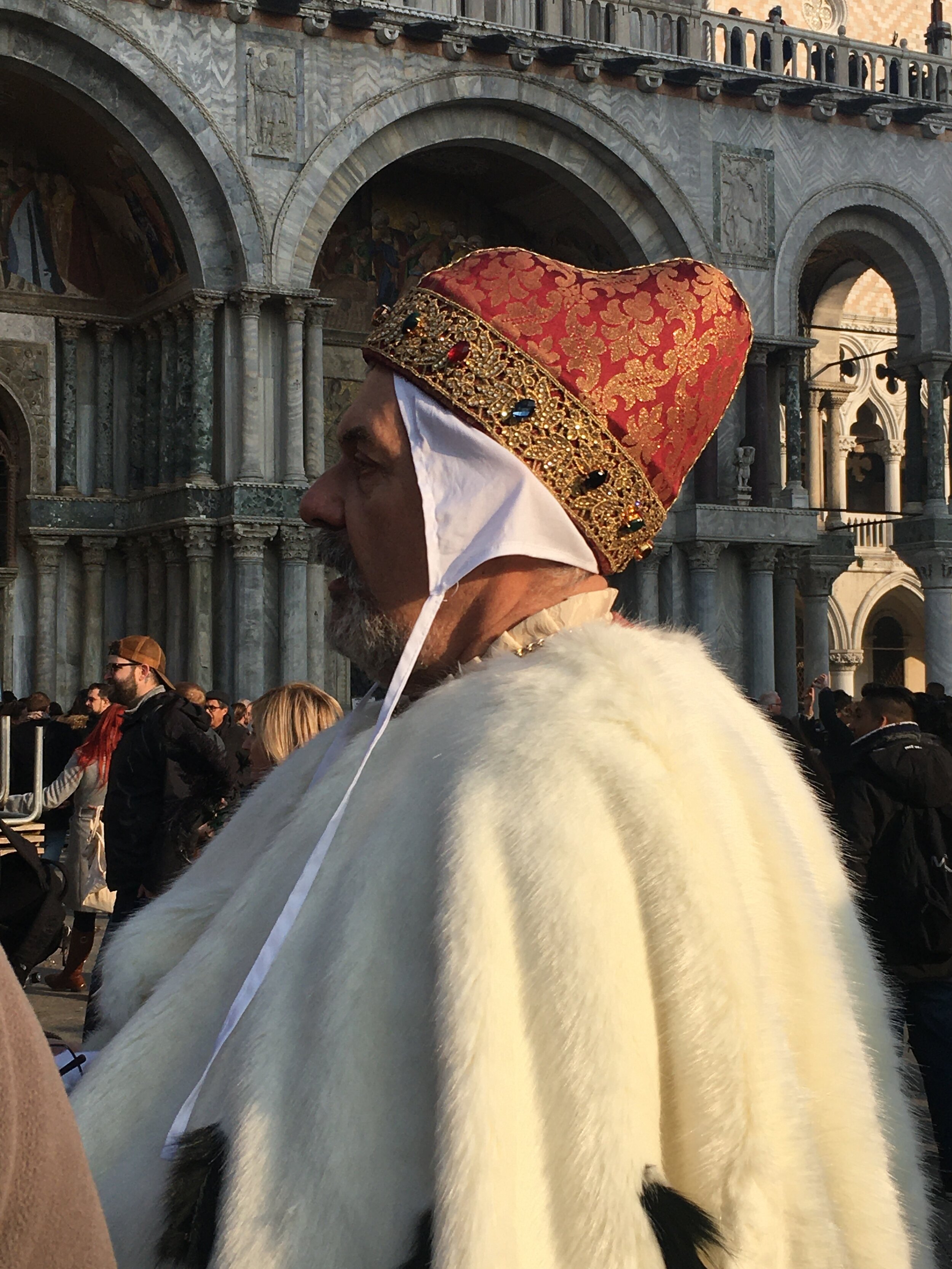
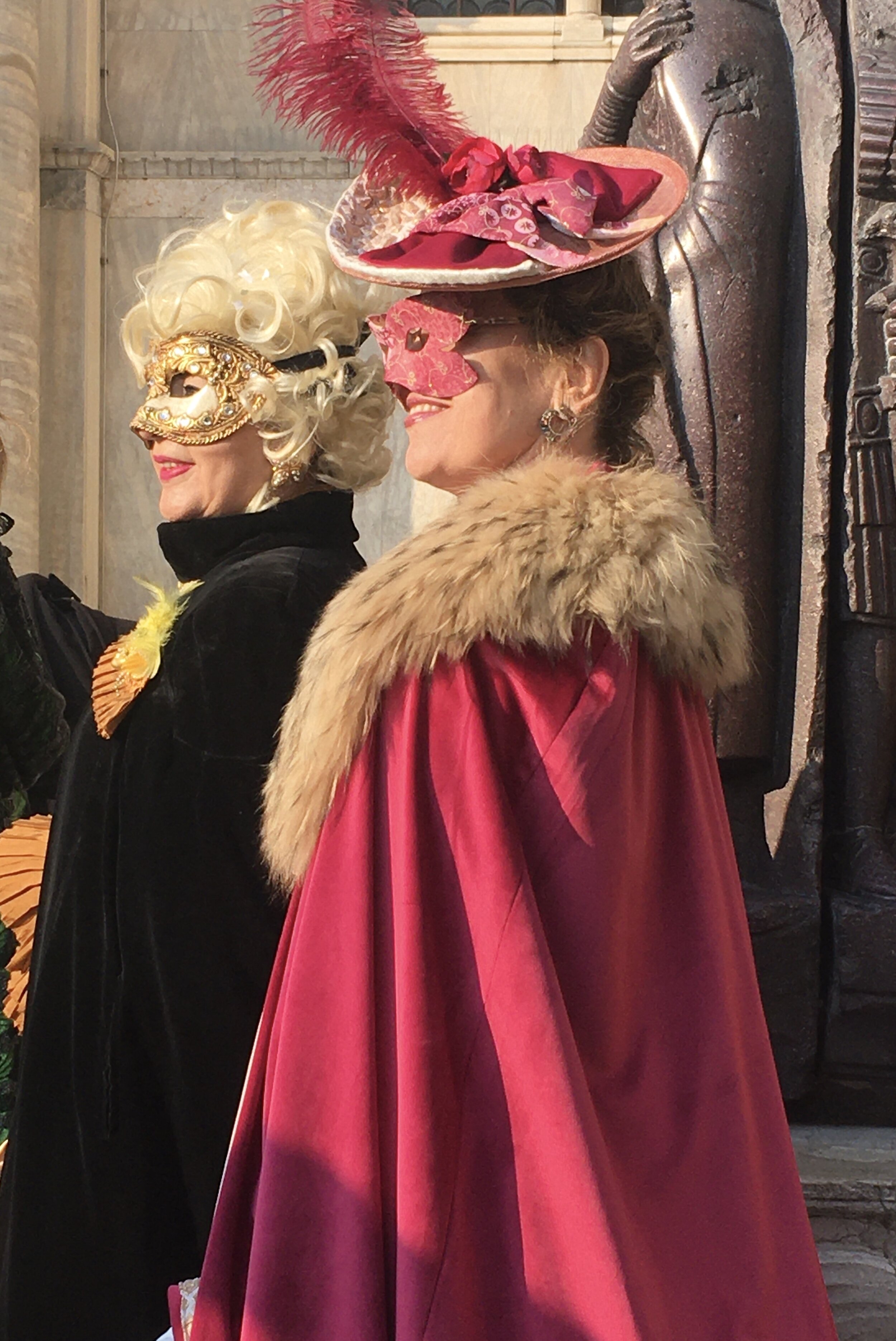
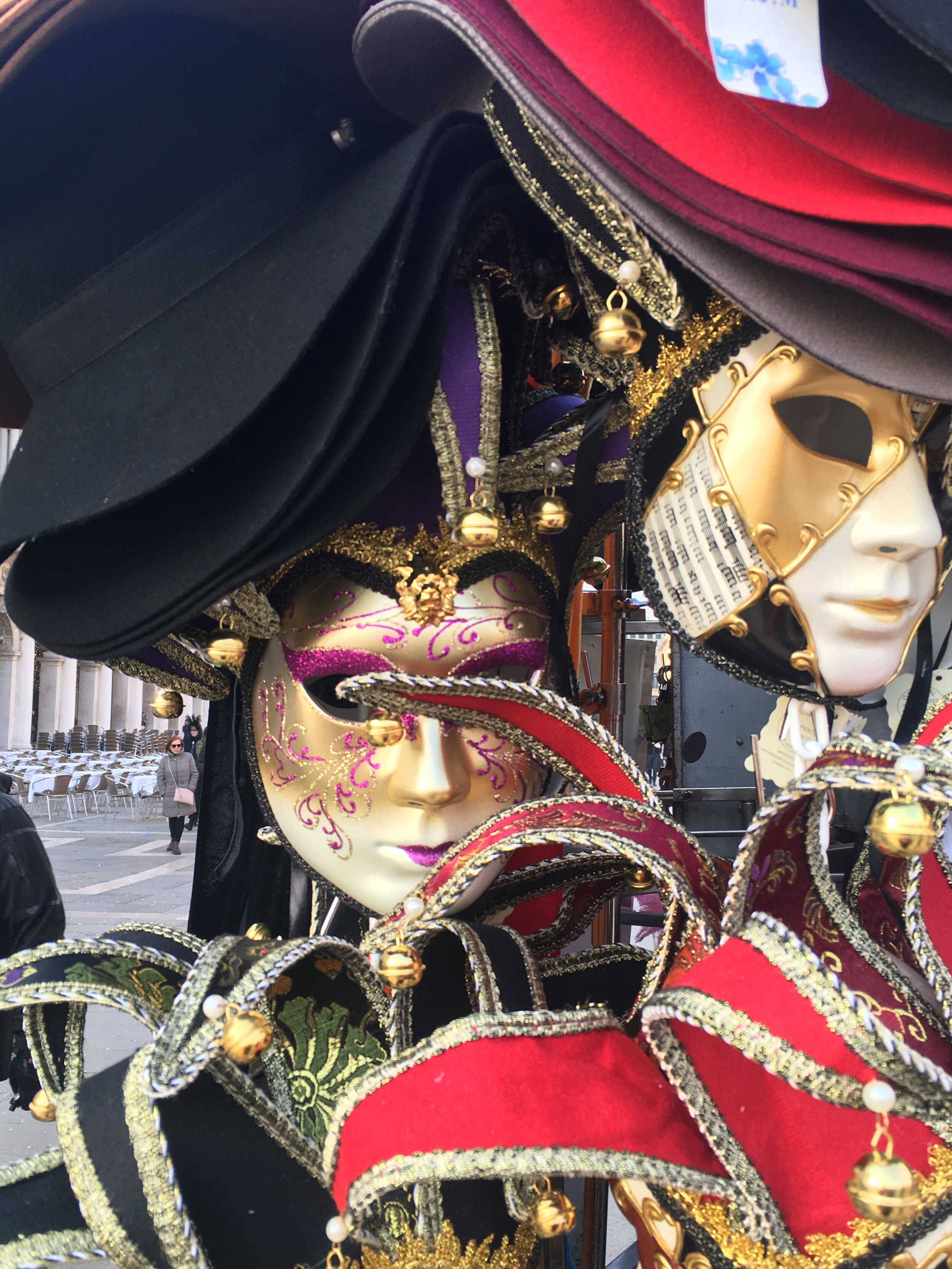
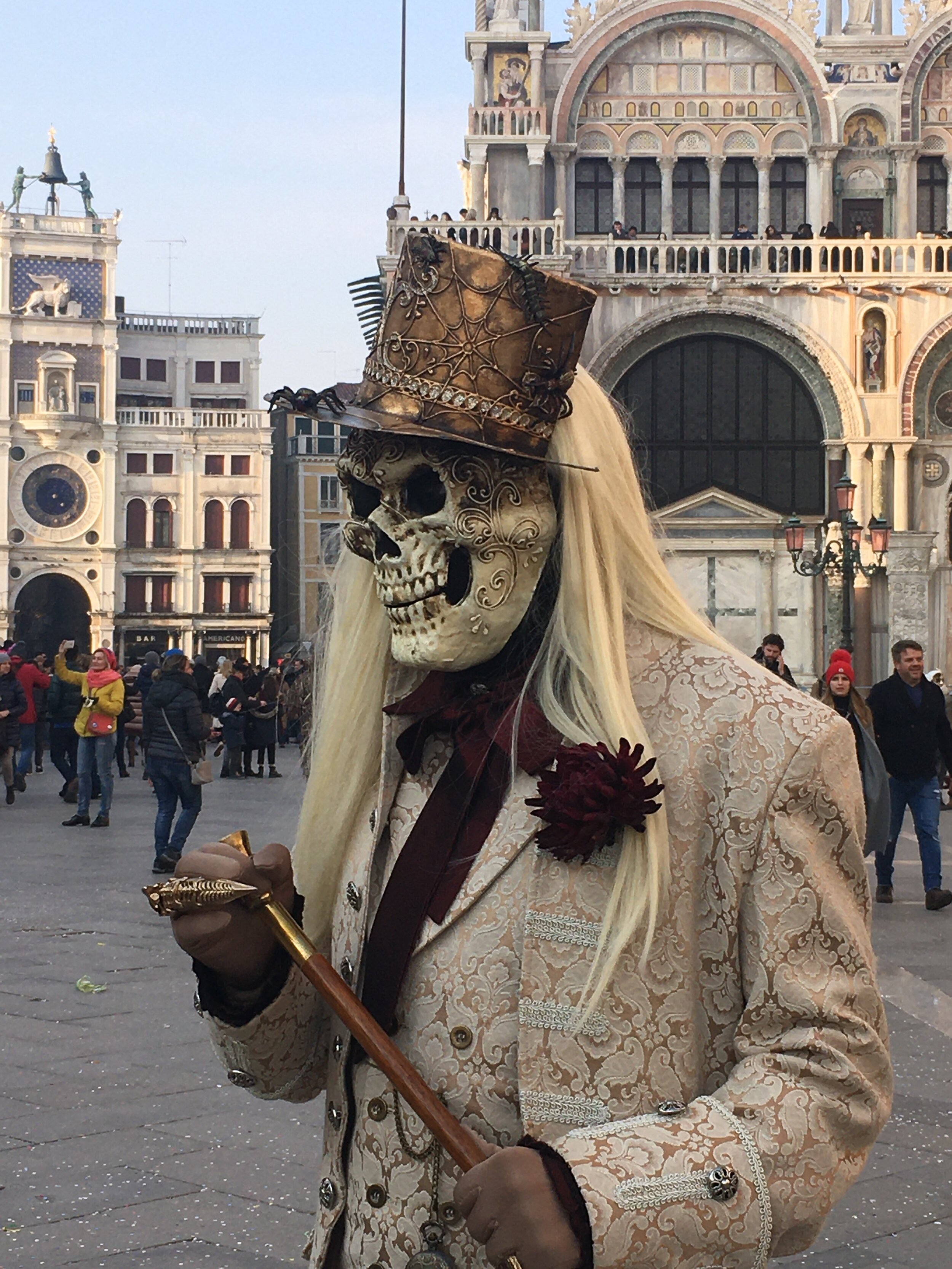
Last year I enjoyed Venice during the opening weekend of Carnevale, just before the first wave of virus arrived in Italy and shut it all down. What an air of excitement! Such a spectacular weekend - from the opening night time water parade with its aerial performers and light shows (below), to the next morning’s parade of boats on the Grand Canal, to all the costumed and masked people in the Piazza San Marco. And - though it seems strange this year - we didn’t worry at all about crowd size and we still found the idea of masks charming (those masks being a huge step up from this year’s standard Covid ones). Carnevale is Venice’s big annual event and this year, without the spectacles, the glamour, the balls and visitors, will have a huge impact - economic, cultural, and psychological.

IMG_1402.jpeg
IMG_1379.jpeg
IMG_1396.jpeg
IMG_1510.JPG
IMG_1485.JPG
IMG_1516.JPG

Last February, I think we all expected that by 2021 things would have returned to normal and we would once again be celebrating Carnevale in the usual way. But - here we are a year later, approaching the season of Lent without Carnevale celebrations to usher it in.

IMG_6786.jpeg

This week I found many of the traditional Carnevale sweets in the pastry shop windows, but that seemed sad knowing that all the events were canceled. Still - I felt it my civic duty to purchase some (any excuse for a sweet, right?)

As I returned home with my Carnevale mask cookies on a cold, rainy, late January day, I soon found myself looking at photos of past Carnevale events. The photos reminded me of the exuberance of Carnevale and all of a sudden the day didn’t seem so dreary. I hope these photos might brighten your winter day too.

And let’s all hope that, by next year, Carnevale will return. I imagine the floats and costumes will seem even more grand after a year’s absence.

IMG_1647.JPG
fullsizeoutput_e0d.jpeg
IMG_1698.JPG
IMG_1685.JPG
February 01, 2021 /Joanne Bartram
carnevale italy, Carnevale Venice, Carnevale Viareggio
#italytravel, Festivals Italy, Italian culture, Italy travel
San Quirico d’Orcia

San Quirico d’Orcia

San Quirico d'Orcia

January 25, 2021 by Judy Giannnettino in #italytravel, #medievalitaly, Churches Italy, Hill Towns Italy, Italian gardens, Italy travel, Tuscany, Val d'Orcia

The small villages in the Val d’Orcia have much in common.  They sit on hilltops and look out over rolling hills, olive groves, vineyards, and cypress trees. They are often fortified by city walls, the legacy of ancient conflicts. The street plans are mostly Medieval, often with a single main street and a large main piazza ringed with stone and brick buildings. They are filled with churches large and small.

Classic Val d’Orcia scenes, in the village of San Quirico

Classic Val d’Orcia scenes, in the village of San Quirico

And the history!  From Etruscan tombs to Roman roads, from Medieval streetscapes to World War II bombs, the history of these villages is rich and fascinating.  That they have so much in common, and yet each village has its own unique character, makes a trip through this area especially wonderful. Think of Monticchiello with its Teatro Povero and stone houses, Montalcino with its famed Brunello wine and steep streets, Bagno Vignoni with its thermal pools, and Pienza - the perfect Renaissance city - with its pretty houses and flowers filled window boxes.

 San Quirico d’Orcia is yet another of the villages found in the Val d’Orcia. Named after a martyred child saint, it lies between Montalcino and Pienza, situated along the ancient Via Francigena, the pilgrim’s route between Canterbury and Rome.  Today, modern pilgrims and adventurous walkers still pass through San Quirico as they follow the ancient path. Other tourists arrive more conventionally by car and stay to enjoy the many things that make this a most pleasant spot.

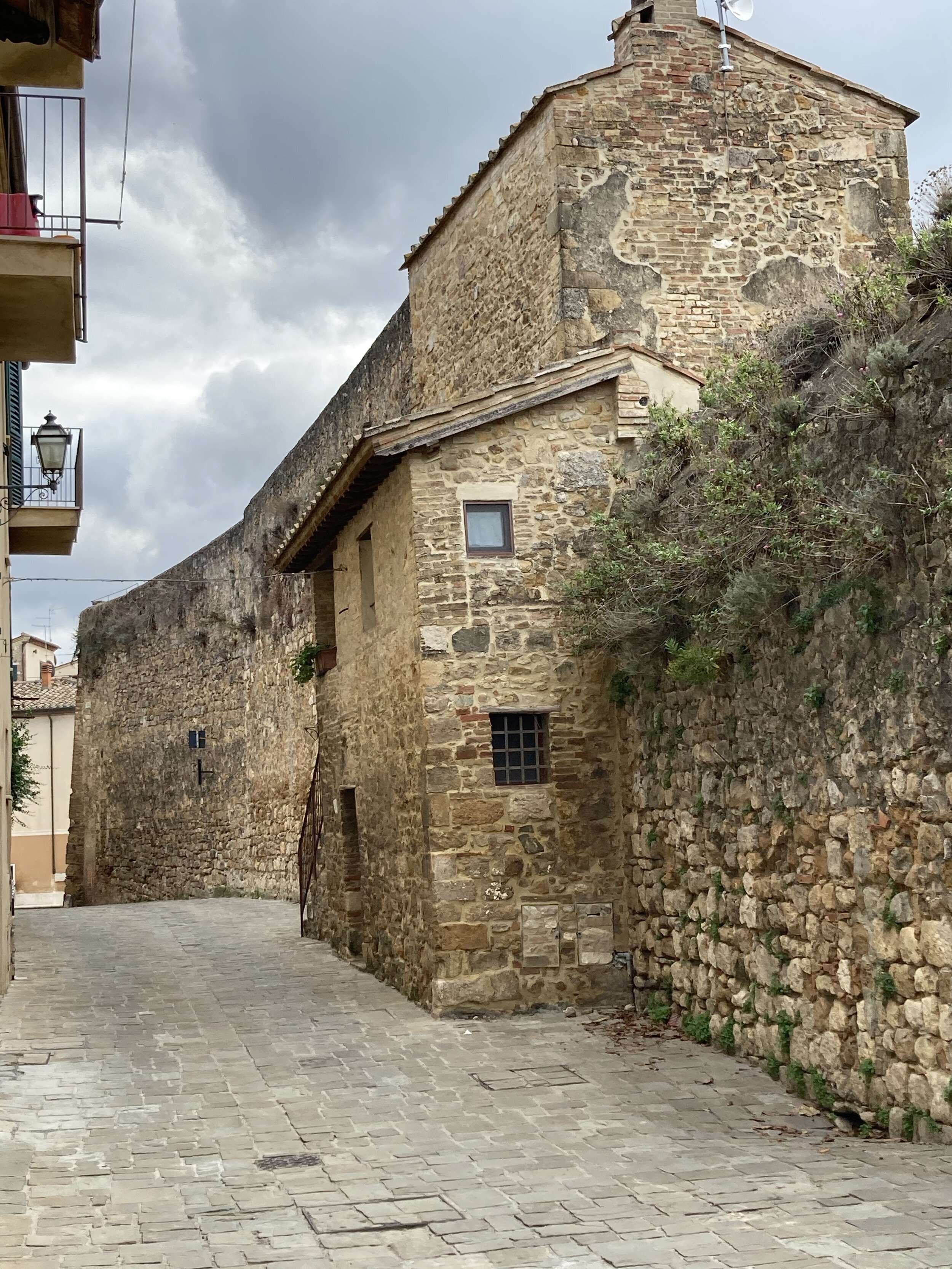
The ancient wall around San Quirico

The ancient wall around San Quirico

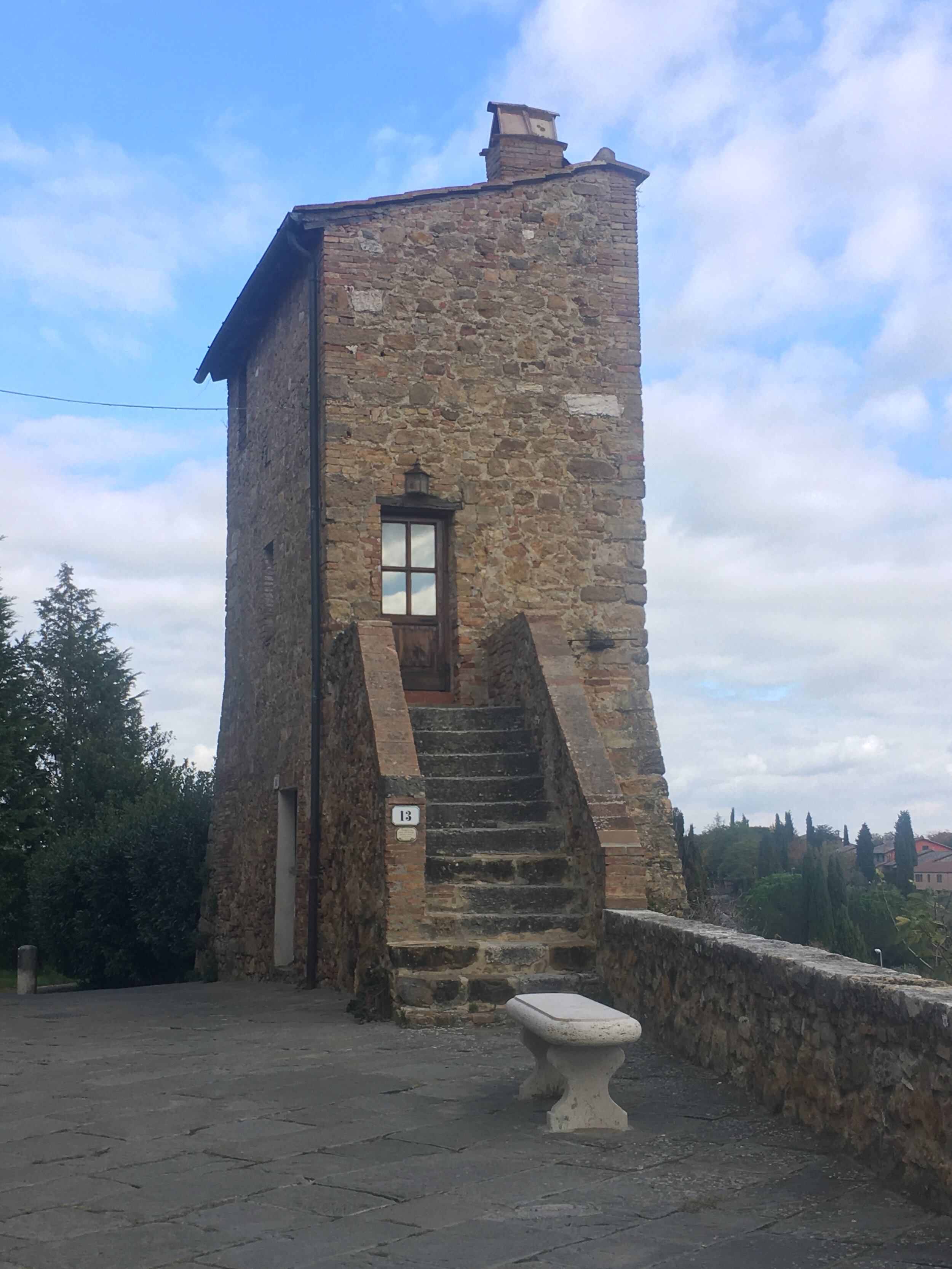
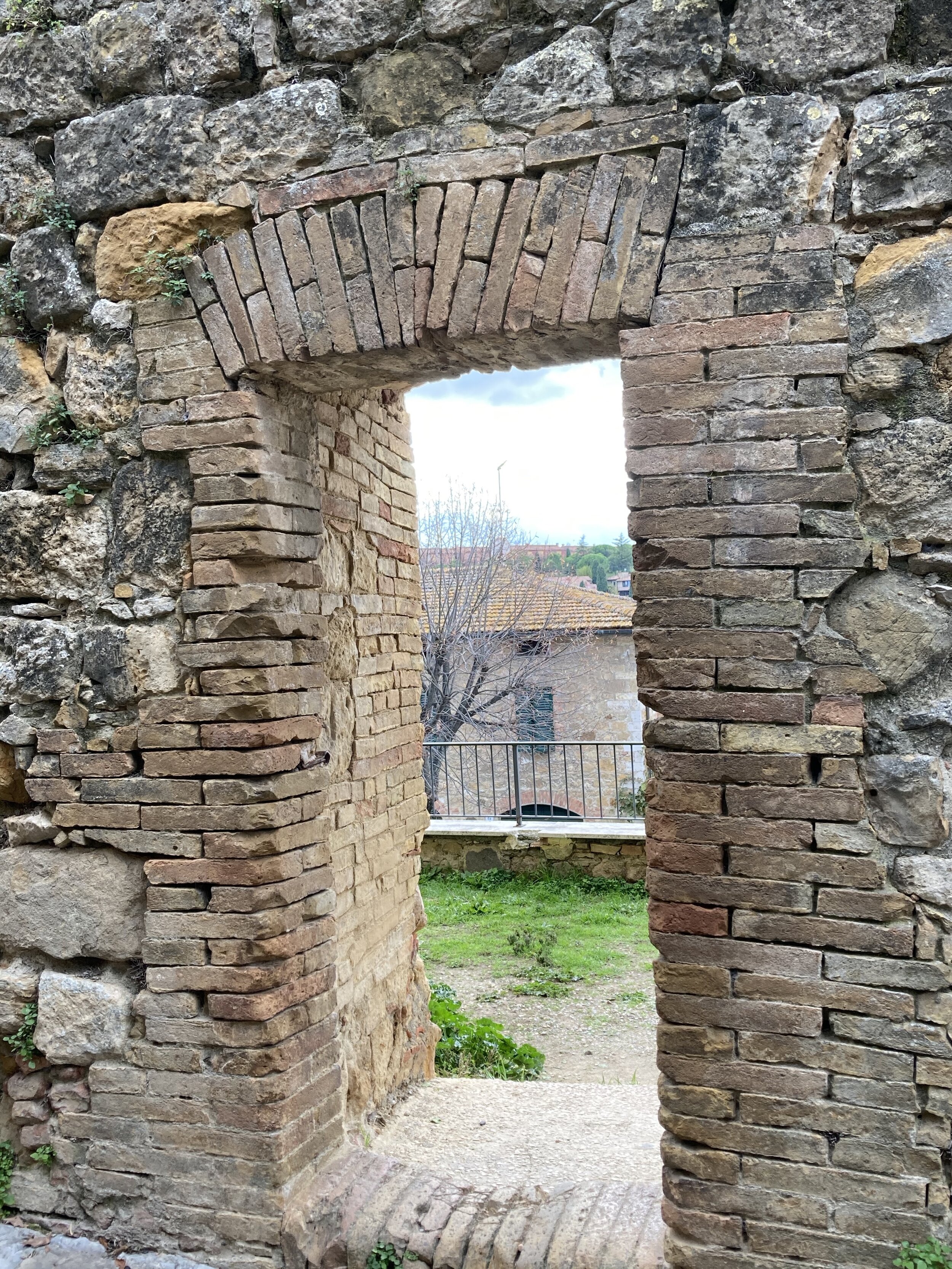
Most of the wall surrounding the city remains, with 2 gates providing entrance to the historic center of town and several of the former watchtowers still standing (though now repurposed, some into tall and narrow homes).  The Porta Cappuccini is the old and most historic gate – a lovely way to enter the town.

IMG_3539.JPG
KAvsXjGlRBqs6eWEzXqT8A.jpg
J8jWBe9mR1WvFOes5z5ytA.jpg

 The best way to explore San Quirico is to simply wander.  A stroll along the main street, Via Dante Alighieri, takes you both along the route of the Via Francigena and past most of the main sights in town. At one end, just inside the city walls, is the Collegiata Church (12th century) with its interesting shape, three very different entrances, and beautiful bell tower.  

The Collegiata Church (also known as the church of Santi Quirico e Giulitta)

The Collegiata Church (also known as the church of Santi Quirico e Giulitta)

Further down the street is the church of San Francesco, with its famous terracotta della Robbia madonna (moved here from the Chapel of the Vitaleta) and its combination bell and clock tower. In front of the church is the Piazza della Liberta`. This lively square is the center of town and a hub of activity.  It’s a great place to stop for a coffee or a glass of wine and to soak in the atmosphere. 

Piazza della Liberta` and the Church of San Francesco

Piazza della Liberta` and the Church of San Francesco

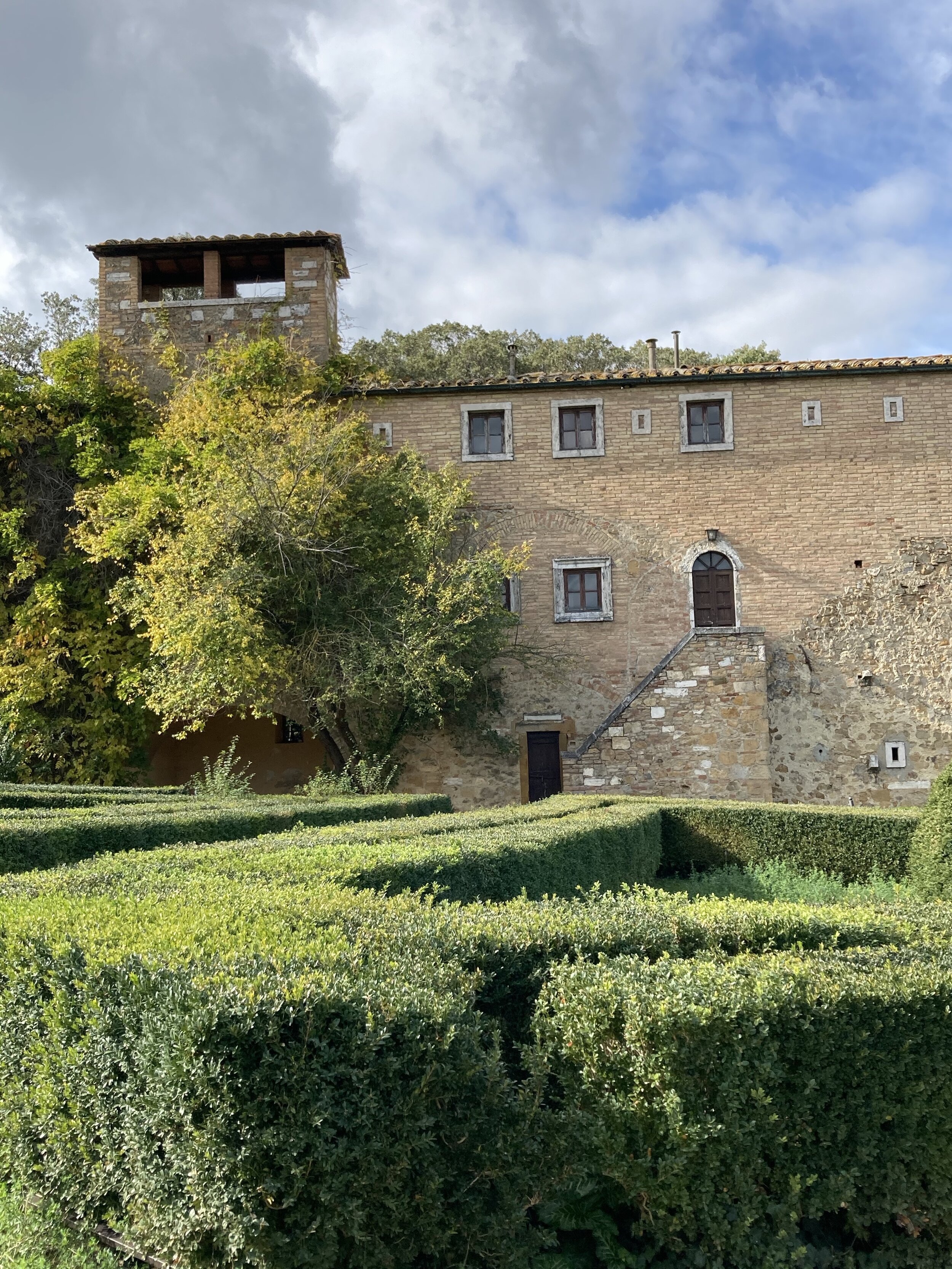
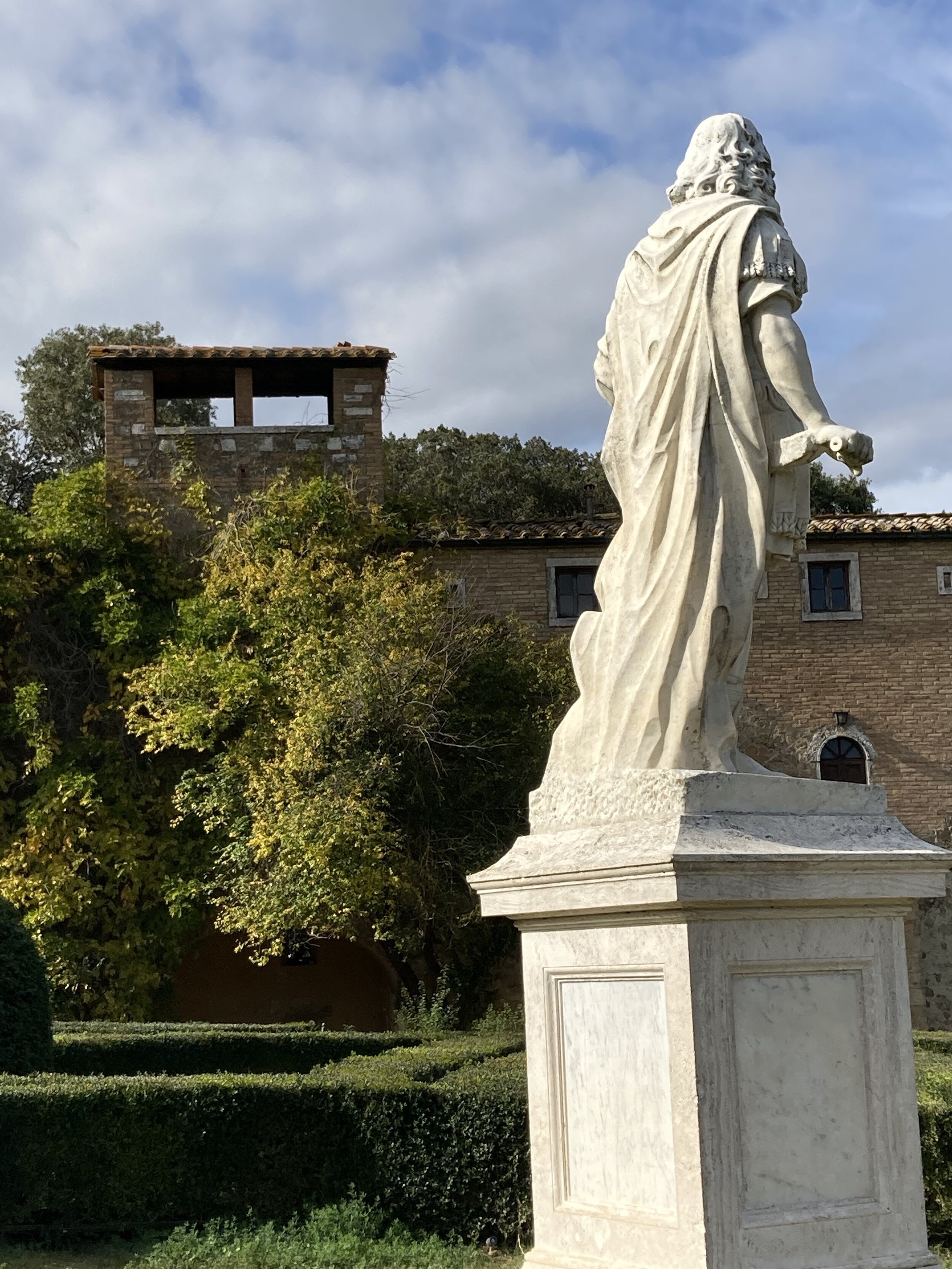
In this square is also the entry to one of San Quirico’s special spaces – the Horti Leonini, a 16th century garden.  The centerpiece is a statue of Cosimo III di Medici. All around him is classic Italian garden design. 

u5ip9LL7QZ25Bef6D1IP8Q.jpg
mFea6PZfTeOBv3GdxPizpw.jpg
8L%0AfeLSjSLMoBM4m6UDg.jpg

Stepping back into the Piazza della Liberta`, and continuing down Via Dante Aligheri, are two of my favorite spots.  One, is a hidden courtyard which contains an old well and the pilgrim’s refuge the Ospedale della Scala.  The other, right on the street, is the small church of Santa Maria Assunta, which is over 1000 years old (but no interior photos allowed!)

The old well in front of the Ospedale della Scala

The old well in front of the Ospedale della Scala

IMG_3549.JPG

 It’s also fun to wander the small side streets.  On my most recent visit, during the height of the olive harvest, I found an active but very old frantoio (olive press) which was still using old stones to grind the olives.  The friendly staff invited me inside to watch the process.  The smell of the fresh olive oil was delicious!

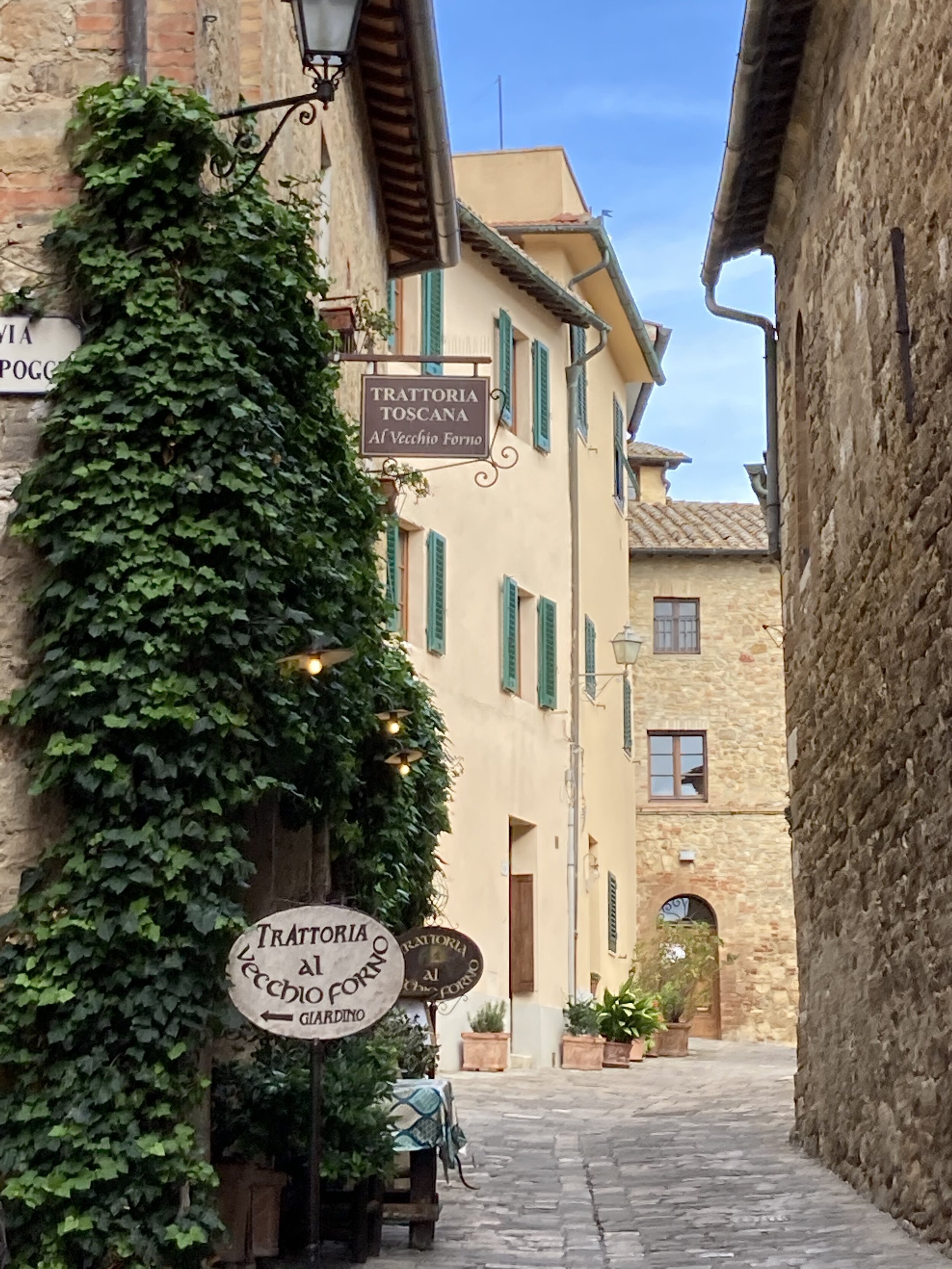
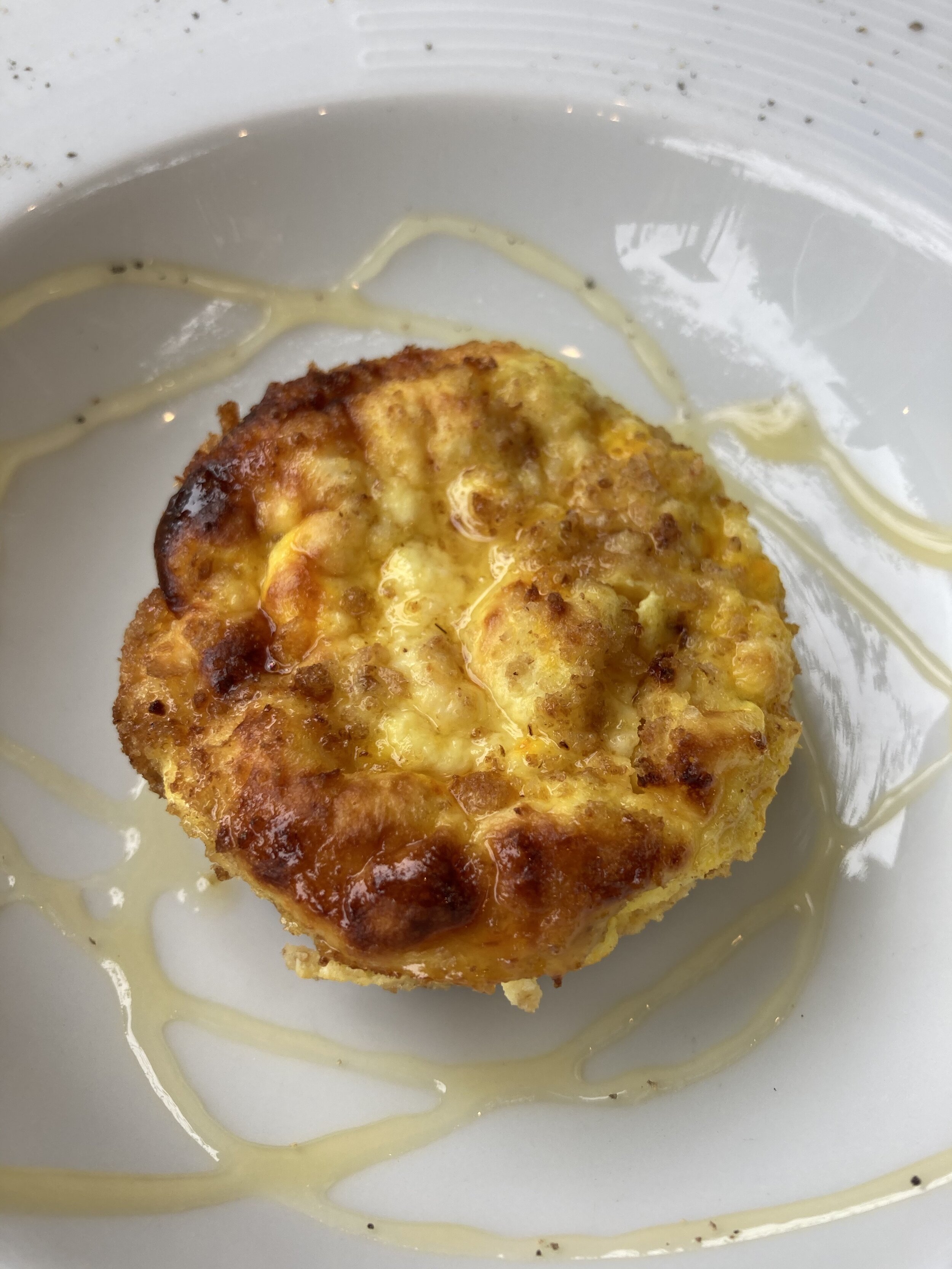
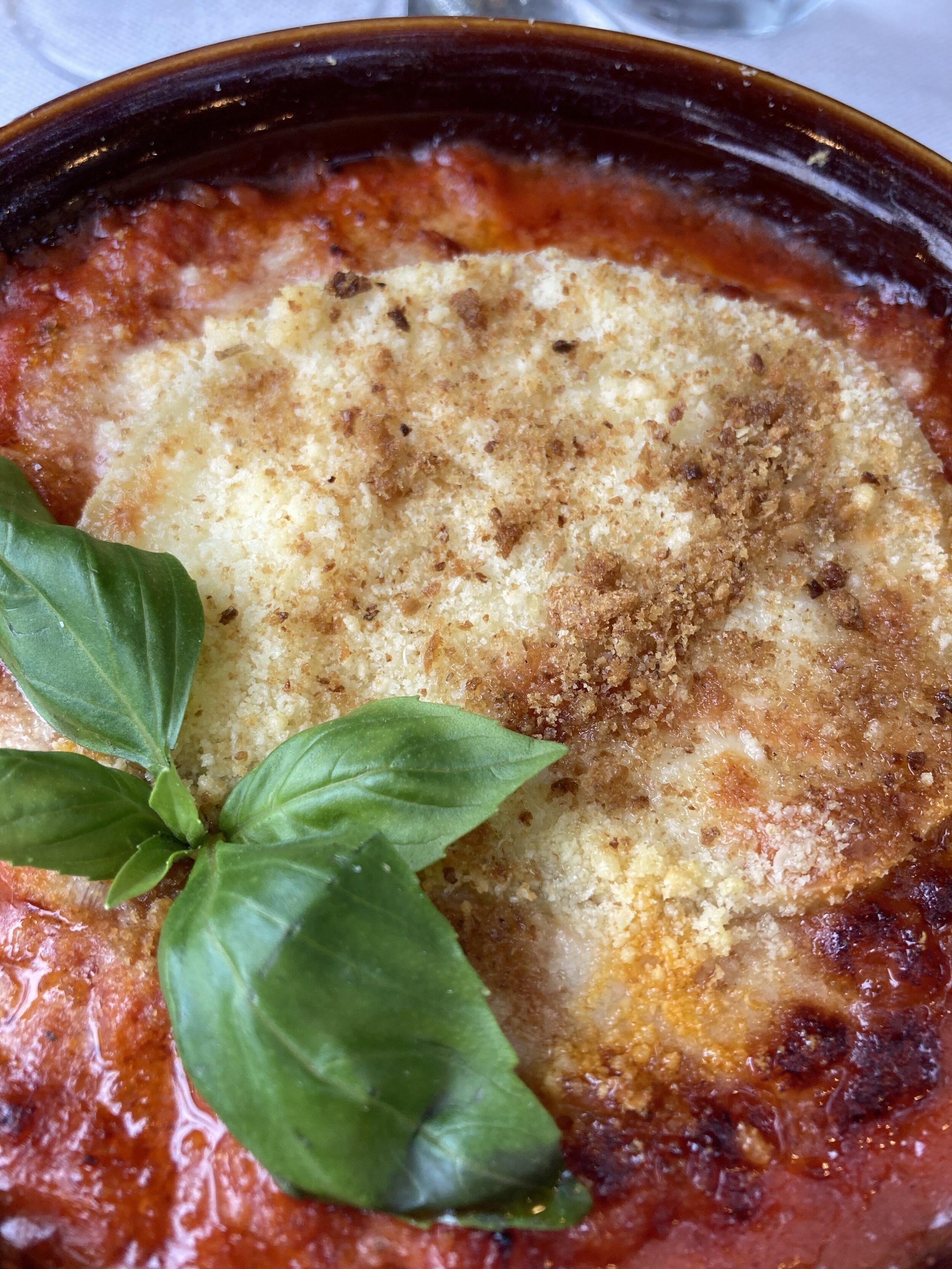
And on a side street just along the church of San Francesco is the wonderful Trattoria al Vecchio Forno, built on the site of the old town bakery (forno).  I’ve eaten here on previous visits and it’s a place that never fails to please.  My lunch, a honey drizzled sformatino and a pappa al pomodoro, eaten outside in the garden on a warm fall day, was delicious.

dmJBkzR2R+C92bChkw51rw.jpg
eTd0JYYiRVeFTiR5tune+g.jpg
NnBVXGhWS0mlyFbP3TR5%g.jpg
DVTBqV5XQwahEZ5Qnj6W6g.jpg
9YdPQZOGSlS8toaxeqMVzQ.jpg

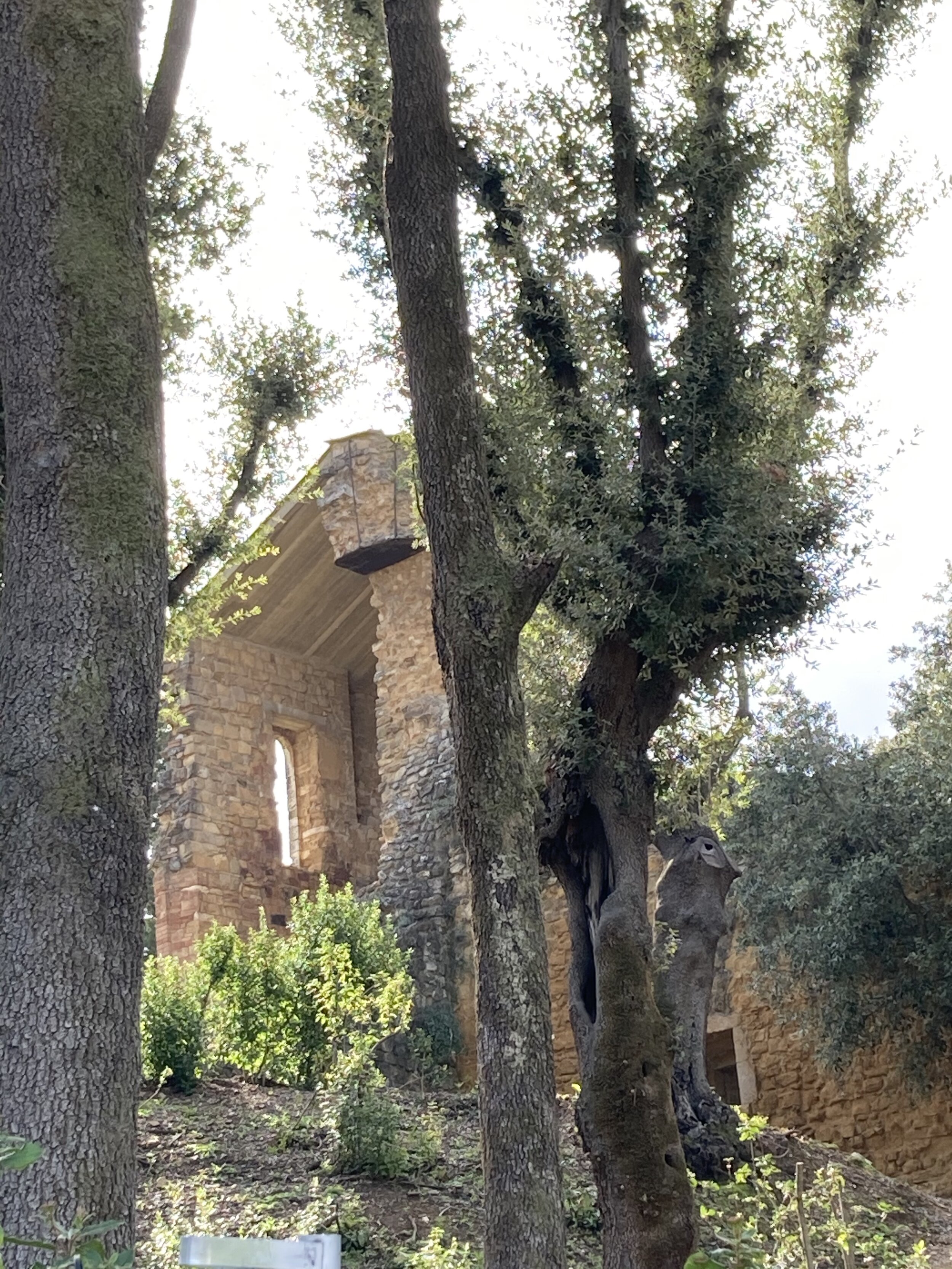
 Heading back to Pienza, the Chapel of the Madonna of Vitaleta is visible from the road.  It is well worth the detour to stop and visit this tiny chapel, which is one of the most photographed spots in Tuscany.   The chapel itself is not usually open, but the surrounding vistas are spectacular.  

 San Quirico was the last stop on my trip through the Val d’Orcia.  There are so many other places left to explore, among them the famous wine towns of Montalcino and Montepulciano (which is just outside the Val d’Orcia) and also the gardens at La Foce.  

I guess I’d better start planning a return trip!


January 25, 2021 /Judy Giannnettino
San Quirico, Val d'Orcia
#italytravel, #medievalitaly, Churches Italy, Hill Towns Italy, Italian gardens, Italy travel, Tuscany, Val d'Orcia
Porta Sant’Agata with its two watchtowers is the entrance to the fortified hamlet of Monticchiello (note everyone wearing masks, early November 2020).

Porta Sant’Agata with its two watchtowers is the entrance to the fortified hamlet of Monticchiello (note everyone wearing masks, early November 2020).

Monticchiello: A Medieval Village in Tuscany

November 30, 2020 by Judy Giannnettino in #italytravel, #medievalitaly, Hill Towns Italy, Tuscany

Italy is now struggling with a second wave of COVID-19 infections. Each week since the end of October seemed to bring a new governmental decree with tighter restrictions. As I write this, in mid-November, Tuscany has quickly progressed from the yellow zone (lowest risk) to the orange zone (moderate risk) and now to the dreaded red zone (highest risk). At present, travel outside of the comune (municipal area) of Lucca is forbidden except for urgent reasons. I was fortunate to be able to travel to the Val d’Orcia in south central Tuscany just before the current restrictions went into effect. Right now, such a trip would be impossible. So, while currently under lockdown in Lucca, over the next few weeks I will share glimpses into some of the small towns and hilltop villages I encountered during my week in the Val d’Orcia.

To begin this series, let’s start with a place that seems to come straight from the pages of a medieval story book, the fortress-like hamlet of Monticchiello.

Stone buildings line medieval streets in the fortified hamlet  of Monticchiello

Stone buildings line medieval streets in the fortified hamlet of Monticchiello

A bit of history: the settlement here is old - dating back to Etruscan times. The current fortress dates to the 1200’s. Today, Monticchiello is the most serene of places, but its history tells a different story. The fortress was part of the defenses of the Republic of Siena (long before there was a country called Italy) making it a 13th century pawn in the conflicts between Siena and Montepulciano. Later, control by Siena gave way to the power of the Medicis. Later still, Monticchiello became a part of the district of Pienza (1777) where it remains today.

Jump ahead to 1944 for some more recent history. During World War II, the area around Monticchiello was the site of conflict between the occupying German forces and the local partigiani (partisan fighters). In an act of reprisal for partisan activities, the German army entered the town and rounded up all the residents, intending to massacre them. In a fortunate turn of events, a young German woman, the wife of a local man, was among the villagers. She was able to convince the soldiers (with the help of the village priest) that the people should be spared. And so the citizens in Monticchiello that day survived the war.

The winding road up to Monticchiello

The winding road up to Monticchiello

The approach to Monticchiello is up a winding, cypress lined road - the classic Tuscan landscape. On arrival, and before entering the walled village itself, is a scenic overlook with sweeping views of the valley below.

Za0KYw8FSFekTR3eP0TR1A.jpg
D3qb9RlJRICyN+pvb+MFdg.jpg

Monticchiello is a fortified village designed to keep invaders out. Entrance is through an arched opening in the fortress walls, the Porta Sant’Agata. The remains of two watch towers, one rising high and one which has lost its top, flank the archway (top photo). What lies inside is a picture perfect medieval village with sloped streets, stone buildings, open piazzas, steep steps leading up to houses, and pretty flower-filled windows and balconies. There are a couple of restaurants (including the well known La Porta with fantastic views over the valley from its outdoor terrace) as well as small shops and galleries (most closed on this visit, due to the impact of COVID). Of course, there are churches to visit and a museum dedicated to the local theater company.

Beautiful stone buildings are found throughout Monticchiello

Beautiful stone buildings are found throughout Monticchiello

Monticchiello is so perfect that is almost looks like a movie set. In fact, it has been often been used in movies, most recently the film “Made in Italy” starring Liam Nelson which was filmed in and around the village. The residents here (only about 200 in number) show great pride in the village, which is spotlessly tidy and full of colorful plants and flowers.

iT8y%8gSRrGs6iJ9gIHbGQ.jpg
5I1jXNg7QGCDfTW5KbhVMA.jpg
n1HhV0RlQ+6GwIY7b1pWkw.jpg
skmUKFbCRxChs%iNe08WZw.jpg

This is a quiet place and definitely not a tourist hotspot. Many who do visit come in the summer for the Teatro Povero, which is unique to Monticchiello. The Teatro Povero (Poor Theater) began here in the 1960’s, an era when the local way of life was in the middle of dramatic transformation. In post-war Monticchiello the agricultural tradition of share-chopping was fading away, people were moving to the cities for work, the economic and societal changes were dramatic. The theater, in which a play is produced based on a theme of current local importance, has involved the community in a type of public self-reflection and expression for more than 50 years. The theme is chosen by the local theater group, the play is written, directed, and acted by locals . One play is produced each year and presented as an outdoor event during July and August. A 2017 documentary film, Spettacolo, tells this story beautifully and insightfully.

Monticchiello may be off the beaten track but that is exactly what makes it so magical! Stopping here gives a glimpse of life in medieval Italy, a chance to walk the steep streets of a fortified village, a taste of the spirit of an authentic hilltop hamlet, and amazing views. And if, like me, you find Italian doors and windows fascinating, then Monticchiello is your kind of place.

W+yVA7UDTYC8oZbOyhSftA.jpg
hIQzOSBsSUW6inAG2KgbhA.jpg
Z4Fx4xxbSlyVGJz3zvBybg.jpg
November 30, 2020 /Judy Giannnettino
Monticchiello, Val d'Orcia, Hill Towns Italy
#italytravel, #medievalitaly, Hill Towns Italy, Tuscany
The skyline of Siena with a view of the cathedral and bell tower

The skyline of Siena with a view of the cathedral and bell tower

The Streets of Siena

November 23, 2020 by Judy Giannnettino in #italytravel, Italy, Italy travel

The city of Siena sits in the middle of Tuscany, surrounded by fantastic landscapes, charming hill towns, and sweeping valleys. A UNESCO World Heritage site, Siena is a city of ancient brick buildings which hug medieval streets, steep lanes, beautiful piazzas, and architectural wonders.

One could easily spend several weeks (or a lifetime) exploring the wonders of Siena. But my recent visit didn’t afford me the luxury of time - I was simply passing through on my way to a week long trip to the Val d’Orcia in south central Tuscany (see end note re: current travel restrictions in Tuscany) . All I had time for was a leisurely walk through town and a nice lunch.

Siena’s cathedral under a beautiful fall sky

Siena’s cathedral under a beautiful fall sky

Walking toward the historic center of Siena, the dominant feature is the view of 13th century cathedral, its dome and campanile (bell tower) rising high above the rooftops of the city. Up close, the cathedral wows with its marble facade, elaborate portals, sculptures, gargoyles, and mosaics. The bell tower, with its striking black and white stripes, stretches high above. No time to go inside on this trip, that will have to wait for another visit.

Piazza del Campo, Siena on a sunny fall day

Piazza del Campo, Siena on a sunny fall day

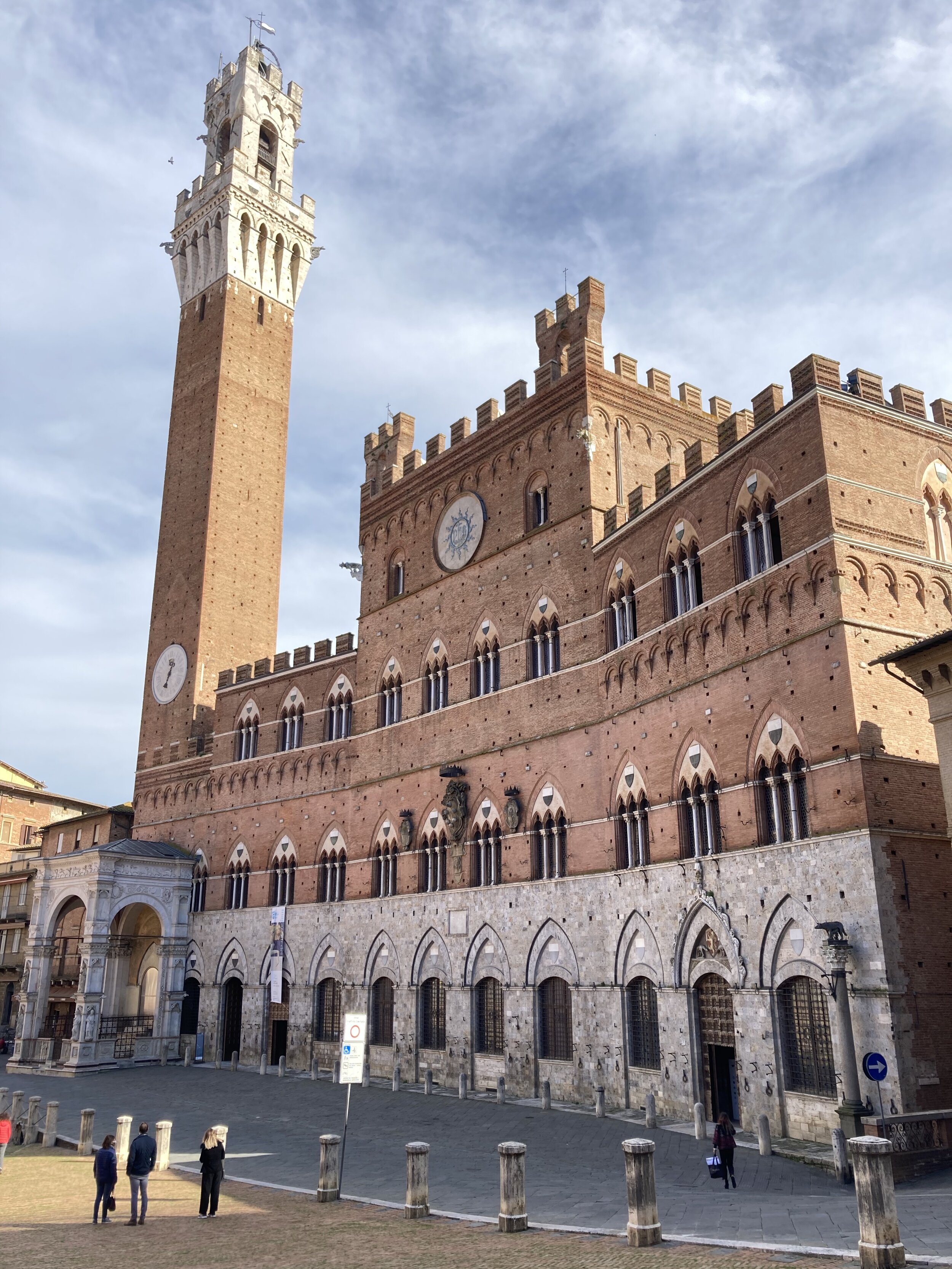
Siena’s most recognizable landmark is its shell-shaped central square, the Piazza del Campo. Long ago this sweeping open space served as Siena’s marketplace. Today it is a gathering spot for locals and visitors alike (and their dogs, who enjoy laying on the warm pavement on a chilly fall morning). The piazza is famous for the architecture of the buildings that ring it, the Palazzo Pubblico (City Hall) and the tall tower, the Torre del Mangia. The Piazza del Campo is also where the famous Palio horse race takes place. On the day of my visit in late October, sun and warmth radiated off the brick surface of the uncrowded piazza.

The Palazzo Pubblico and the Torre del Mangia, Siena

The Palazzo Pubblico and the Torre del Mangia, Siena

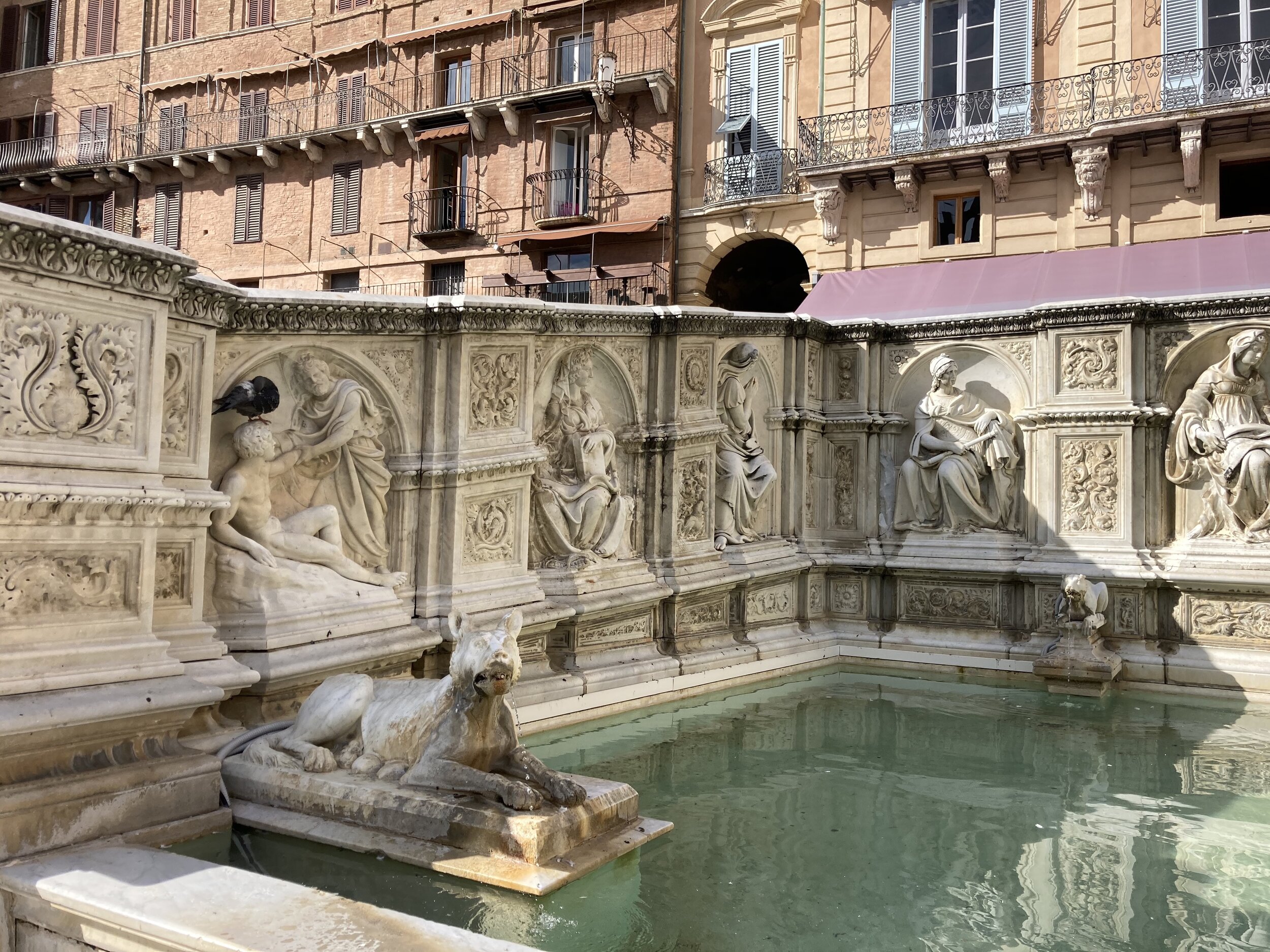
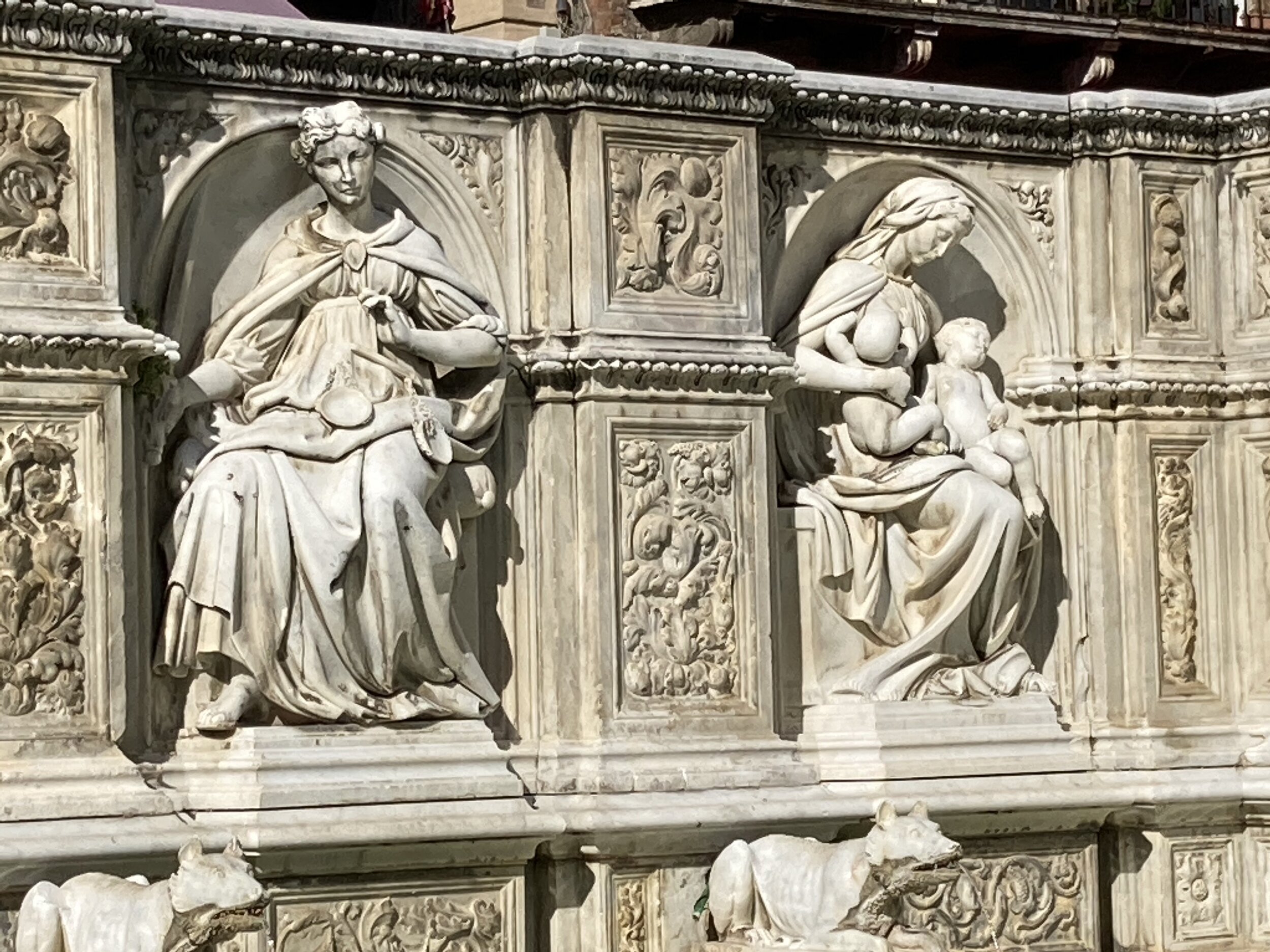
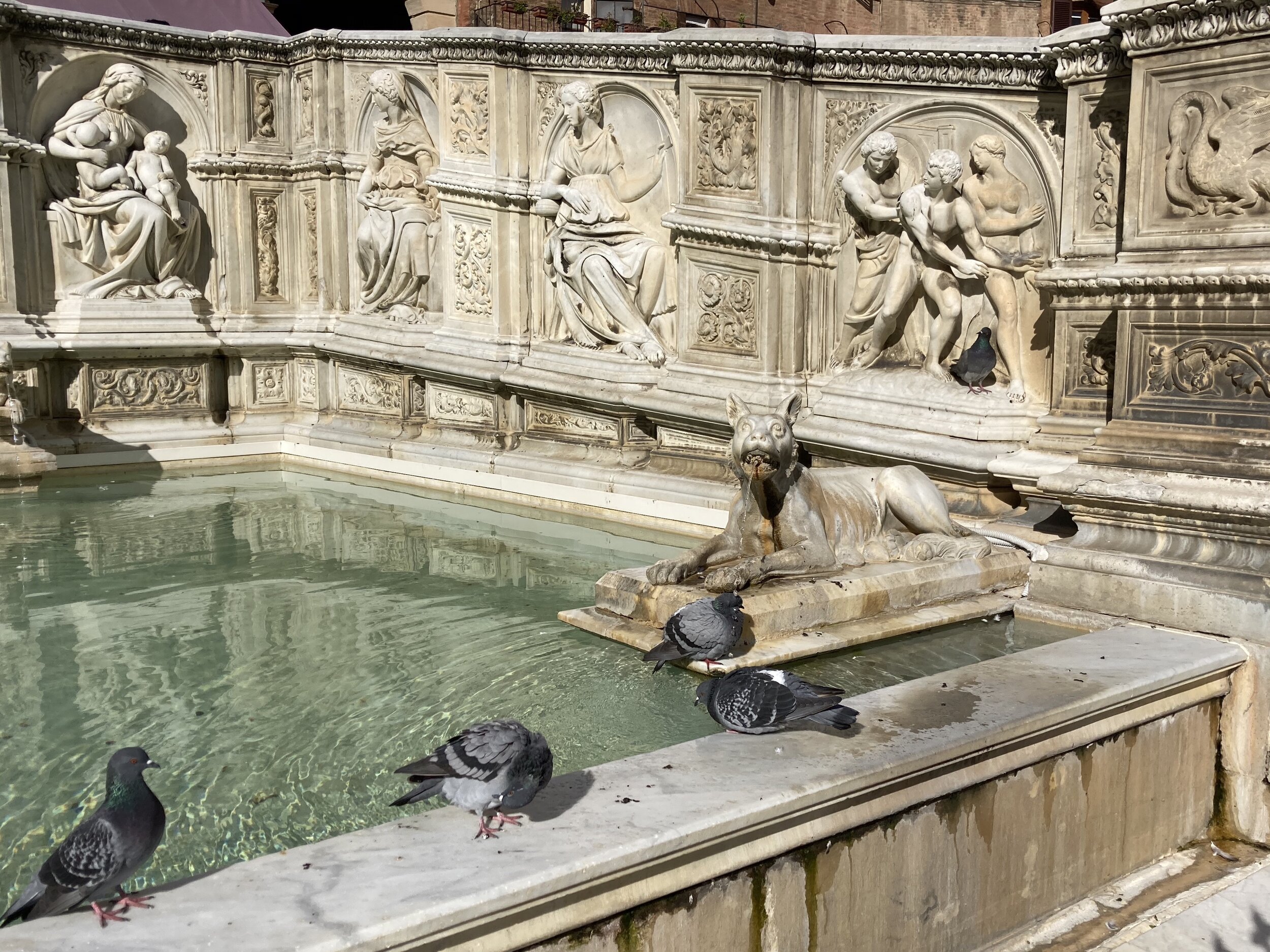
The piazza is also home to the beautiful Fonte Gaia, the Fountain of Joy. The fountain was originally an important source of water for the city. Today it is appreciated as a work of art for the graceful marble reliefs which enclose it on three sides. I have not seen a fountain of this type in other Italian cities, both its shape and the carved surround make it unique to Siena.

jpgGRDP0Tw+ui6wgbXY6vg.jpg
UV1gnLVkQcGARhvn%HmxAQ.jpg
1DPZsabzR4OzTzqapYjHTw.jpg

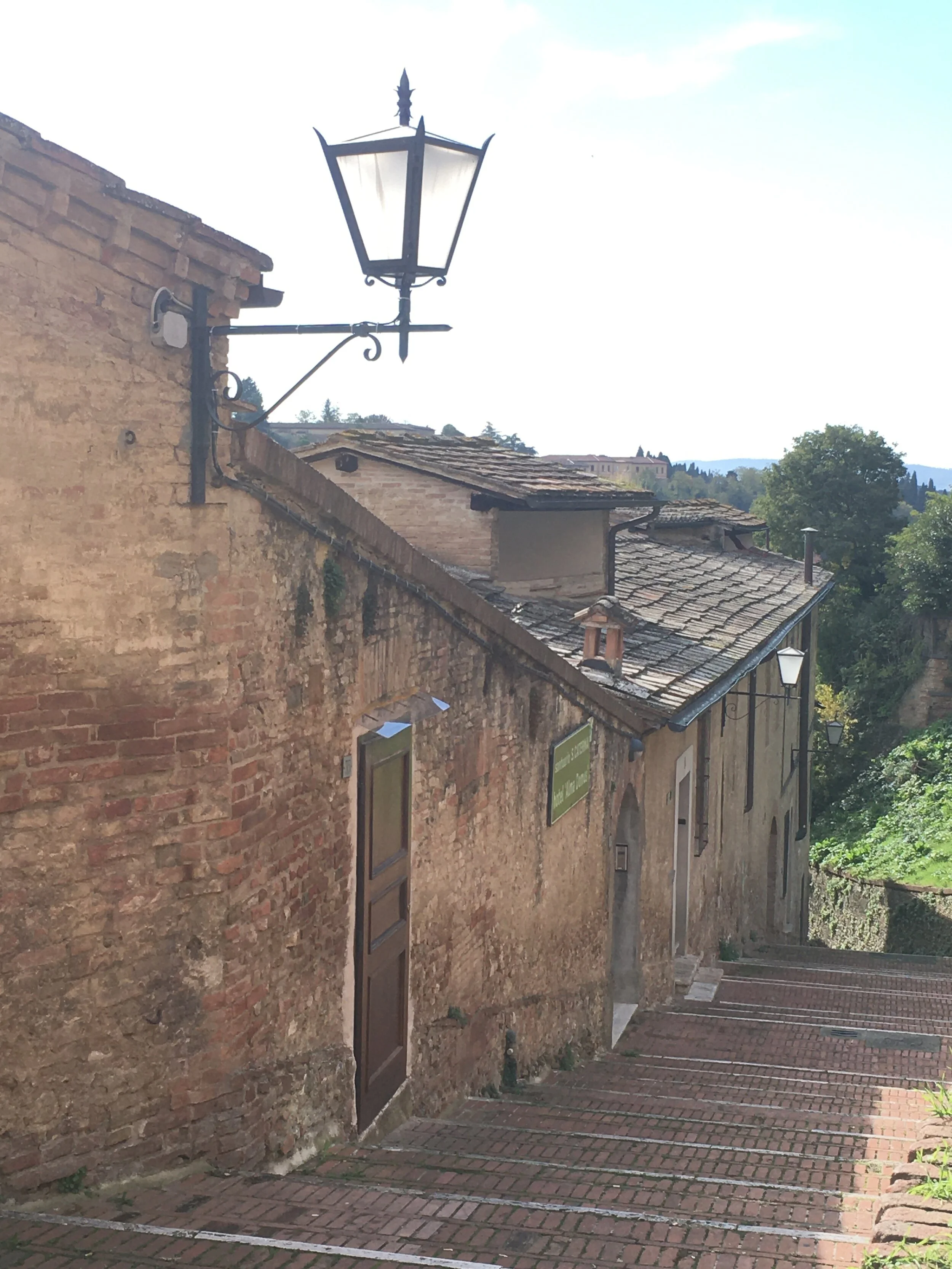
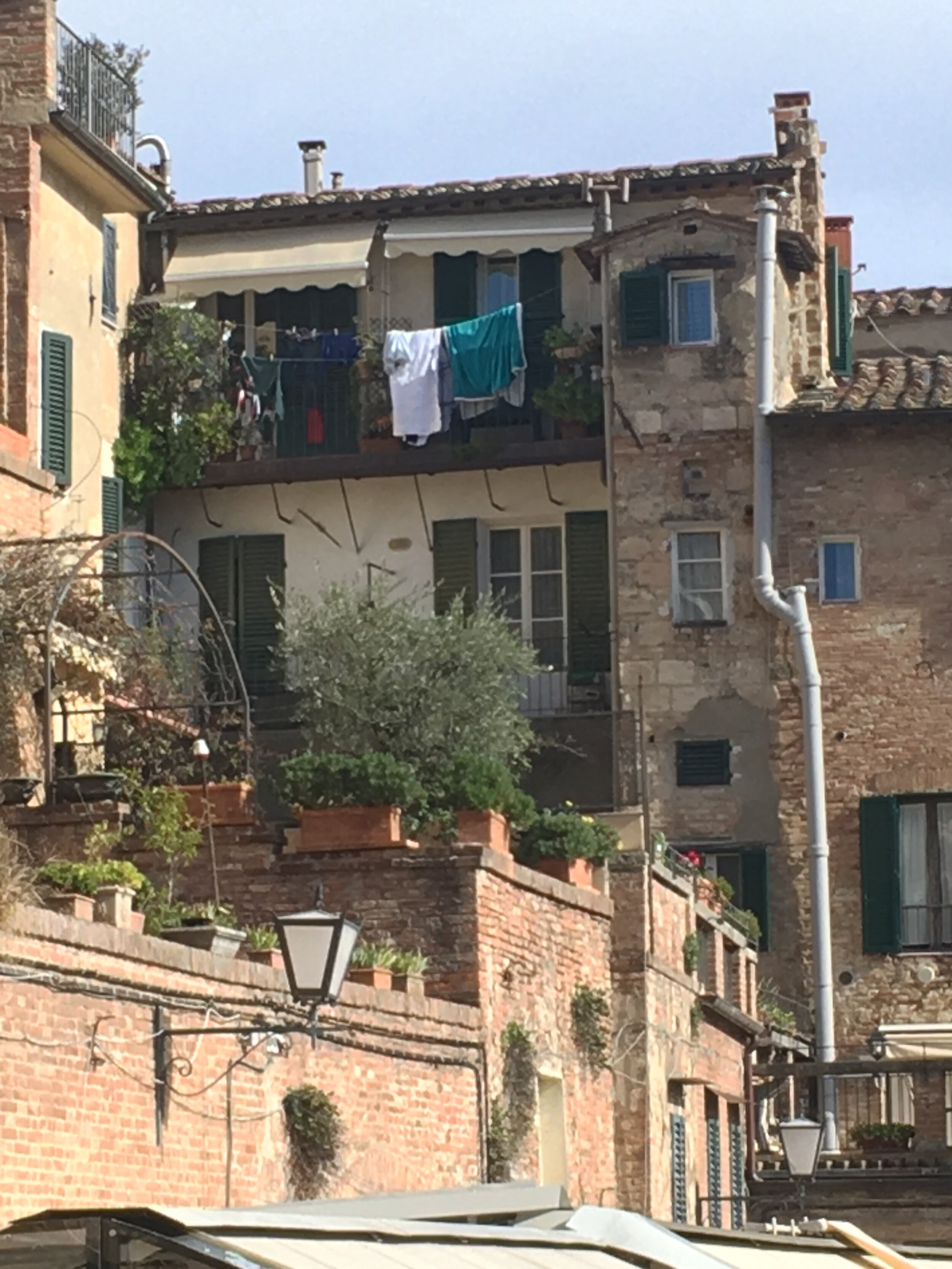
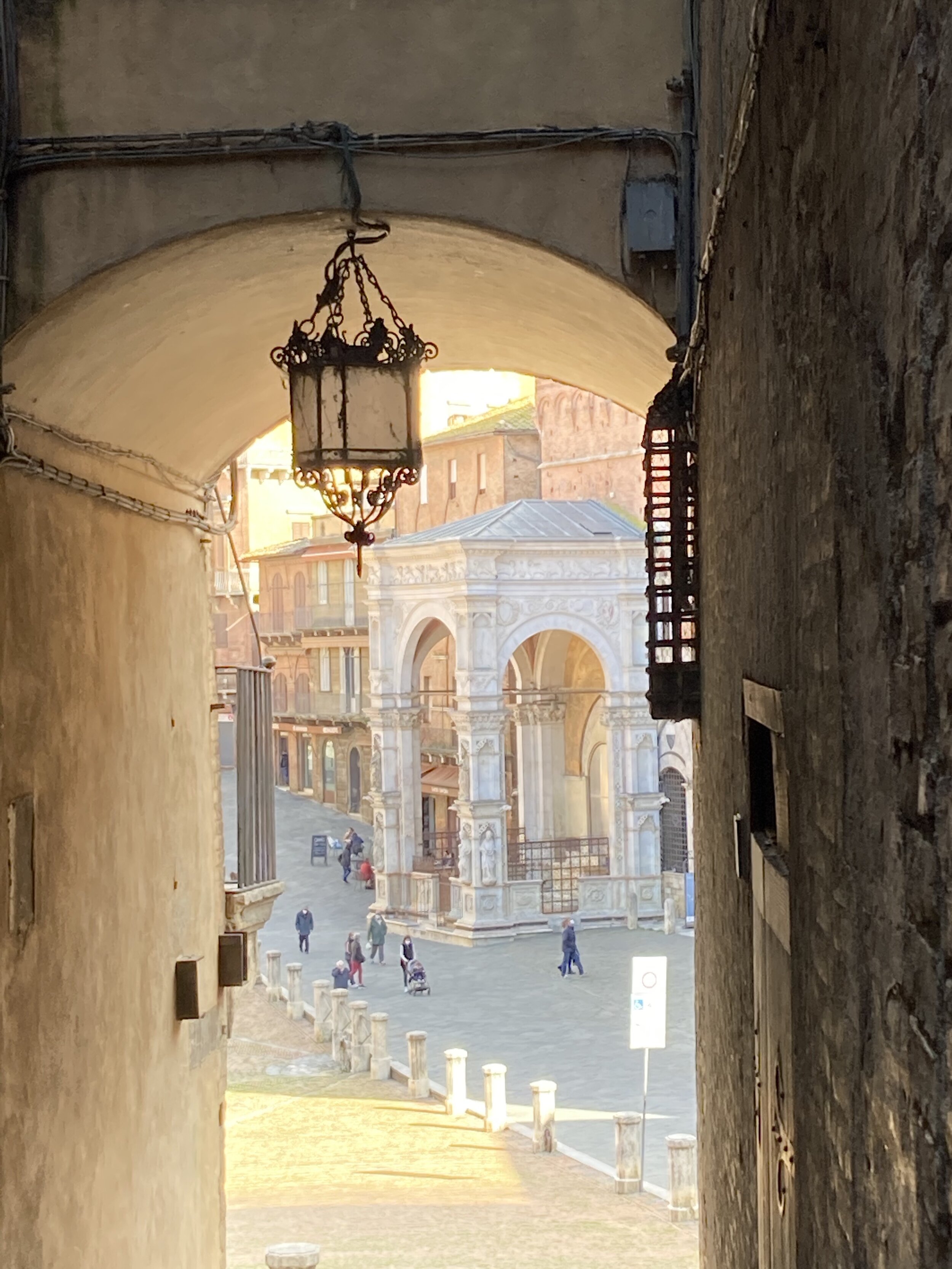
These may be Siena’s most famous sights, but Siena is more than just famous landmarks; it’s a beautiful city with streets and squares perfect for wandering.

IMG_3226.JPG
IMG_3225.JPG
0RdJASh3TnS+YZVLZJ2CjQ.jpg

There are medieval buildings, churches and convents, roof tops, steep streets, and arched alleyways giving glimpses of hidden corners. Taking time to soak it all in is a joy, even if you just have a few hours to wander through town.

IMG_3223.JPG

The roof tops of Siena

Note: Italy is now seeing a resurgence of COVID infections and, at present, many daily life and travel restrictions are in place. My trip to south central Tuscany was complaint with all restrictions that existed in late October and the first few days of November. Look for upcoming posts over the next few weeks about several of the villages in the Val d’Orcia that I visited during my week-long trip. I hope these posts will be a reminder of the beauty of Italy that awaits when travel is once again possible.

November 23, 2020 /Judy Giannnettino
Siena, Piazza del Campo, Tuscany
#italytravel, Italy, Italy travel
  • Newer
  • Older

Powered by Squarespace