Two Parts Italy

Exploring Italy, travel, and living a flavorful life

  • Blog
  • About This Blog
  • Start Here
  • Recent Posts
  • Archives by Topic
  • Subscribe
  • Contact me
Frittelle di San Giuseppe

Frittelle di San Giuseppe

Frittelle for San Giuseppe

March 22, 2021 by Judy Giannnettino in Festivals Italy, food, Italian culture, Living in Italy, Lucca

Italians must be the world champions of celebrations. There seems to be a festa (party) or a celebration for just about every occasion - saint’s days, onomastic (name) days, major religious holidays, national holidays, birthdays, sagras to celebrate regional foods. When you live in Italy, you festiggiare (celebrate) all of life’s special events. It is one of the things I love about living here. As an added bonus, many of these events include special foods. And although the pandemic has for the last year limited gathering for most of these events, small celebrations and culinary specialities continue to mark the occasions.

IMG_1621.jpeg

March is generally a quiet month in terms of celebrations. Epiphany is long over, the Carnevale season has ended (and this year it was cancelled almost entirely), Easter is not yet here. Food wise, the Carnevale sweets are gone and Easter cakes and chocolates are just beginning to show up in shop windows.

But all is not lost! In mid-March there is the Feast Day of San Giuseppe. It is the official onomastic day for the name Giuseppe and so a special day for anyone who carries that moniker. Because of San Giuseppe’s religious role as a father, the Feast of San Giuseppe has also become the Italian Father’s day. And … falling on March 19th it is also on the cusp of the spring equinox. Certainly this day deserves a special culinary treat!

A frittella makes a perfect sugary treat

A frittella makes a perfect sugary treat

To mark the day, pastry shops across Lucca are filled with Frittelle di San Giuseppe. Frittelle are delicious! A sweet batter, often flavored with a bit of lemon peel, is dropped by spoonfuls into hot oil (fritta = fried), filled, and then rolled in sugar. The traditional filling in Lucca is riso (a second cousin to rice pudding but more firm). Other varieties include chocolate, Nutella, and (my personal favorite) a delicious pastry cream. Some are vuoto (empty) with no filling to distract from the sugary treat.

Frittelle are crisp and sugary outside, light and often cream filled inside.  Yum!

Frittelle are crisp and sugary outside, light and often cream filled inside. Yum!

It was hard work having to taste test frittelle before writing about them, but I made the sacrifice. Crisp on the outside with a slight crunch from the sugar crystals, airy dough on the inside, and a delicious eggy custard filling. Scrumptious. In fact, I just may need another one to go with my coffee this afternoon. I think I’ll invite a friend to share !

IMG_1589.jpeg
March 22, 2021 /Judy Giannnettino
frittelle, feast San Giuseppe, Italian dolci
Festivals Italy, food, Italian culture, Living in Italy, Lucca
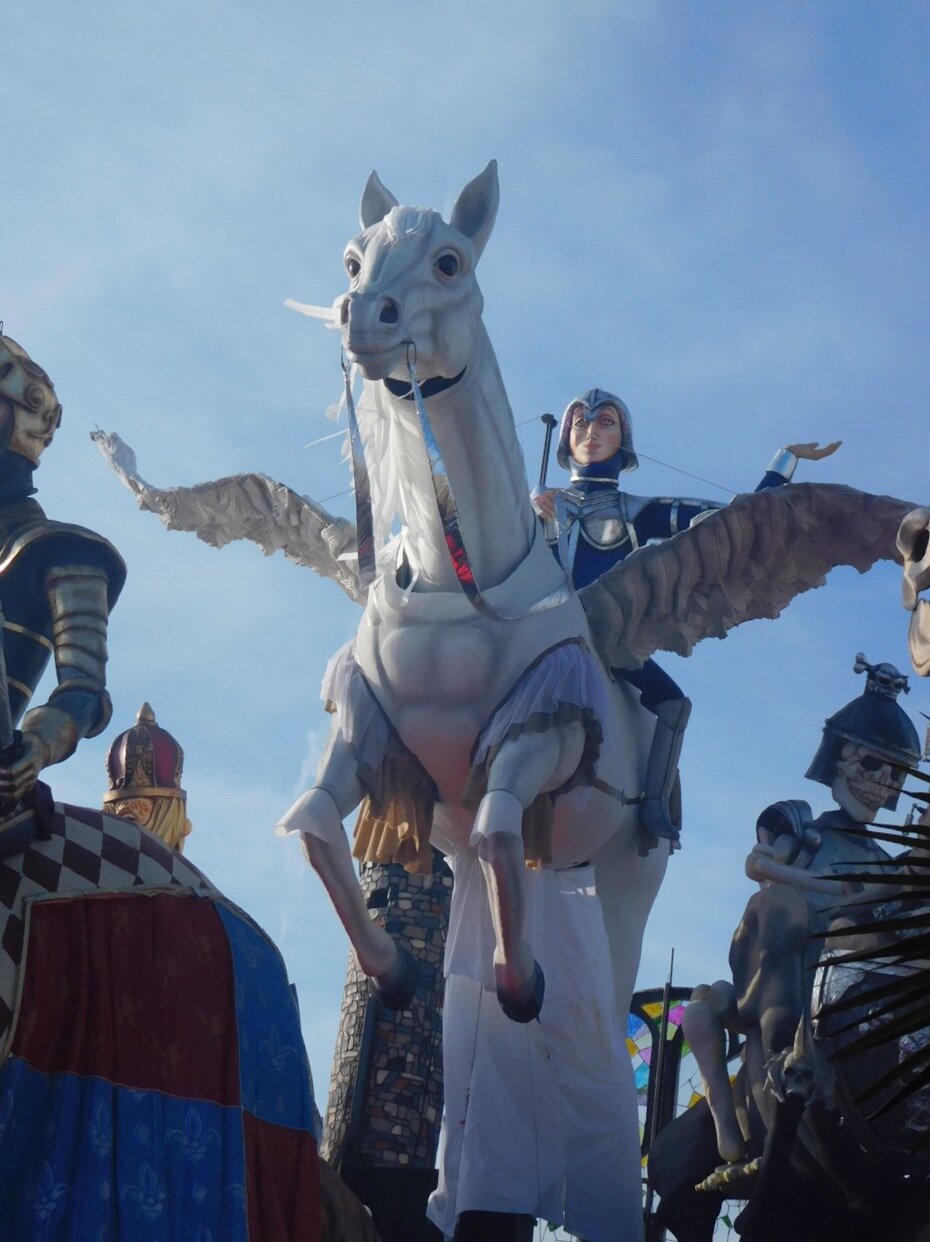
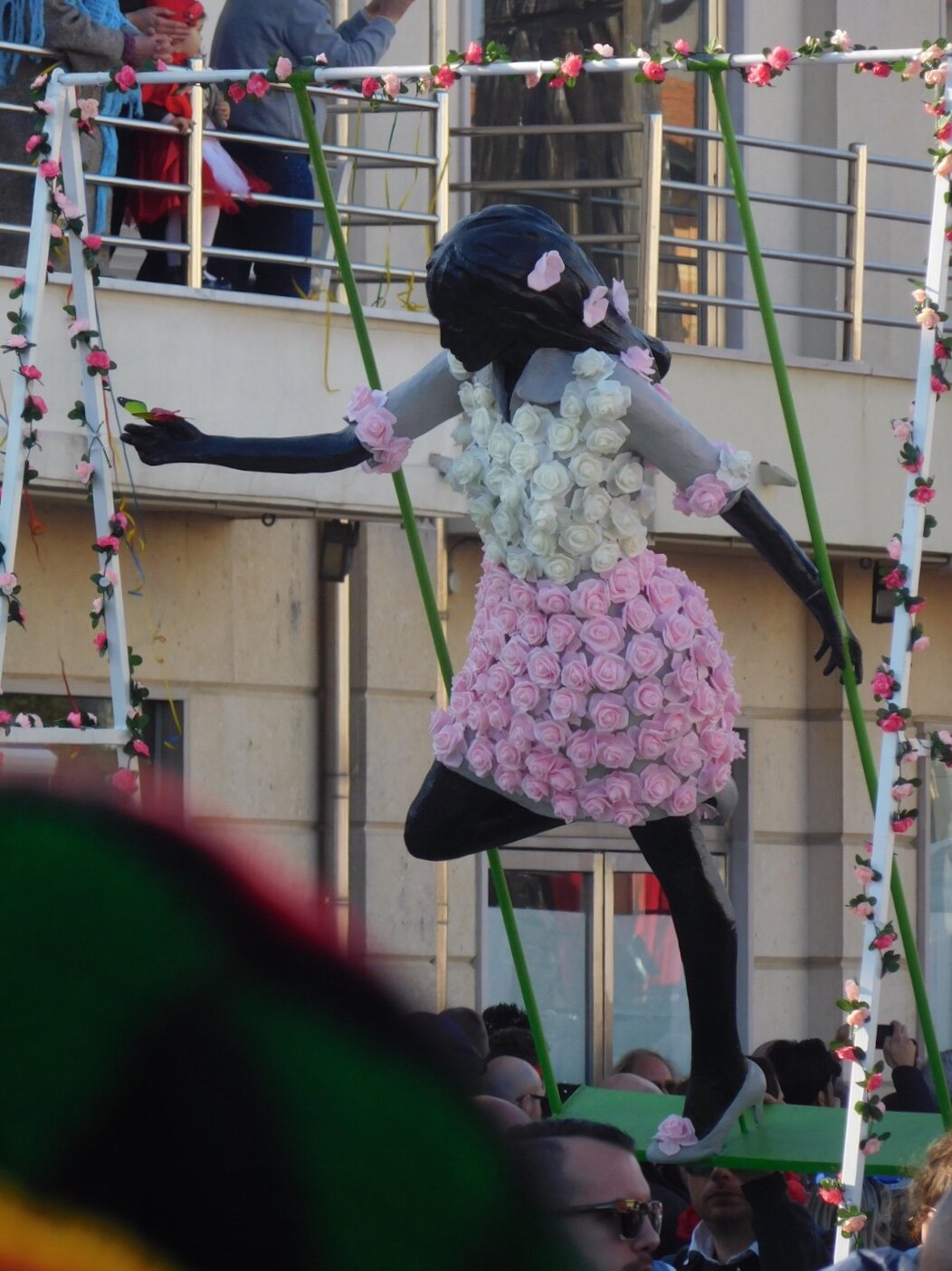
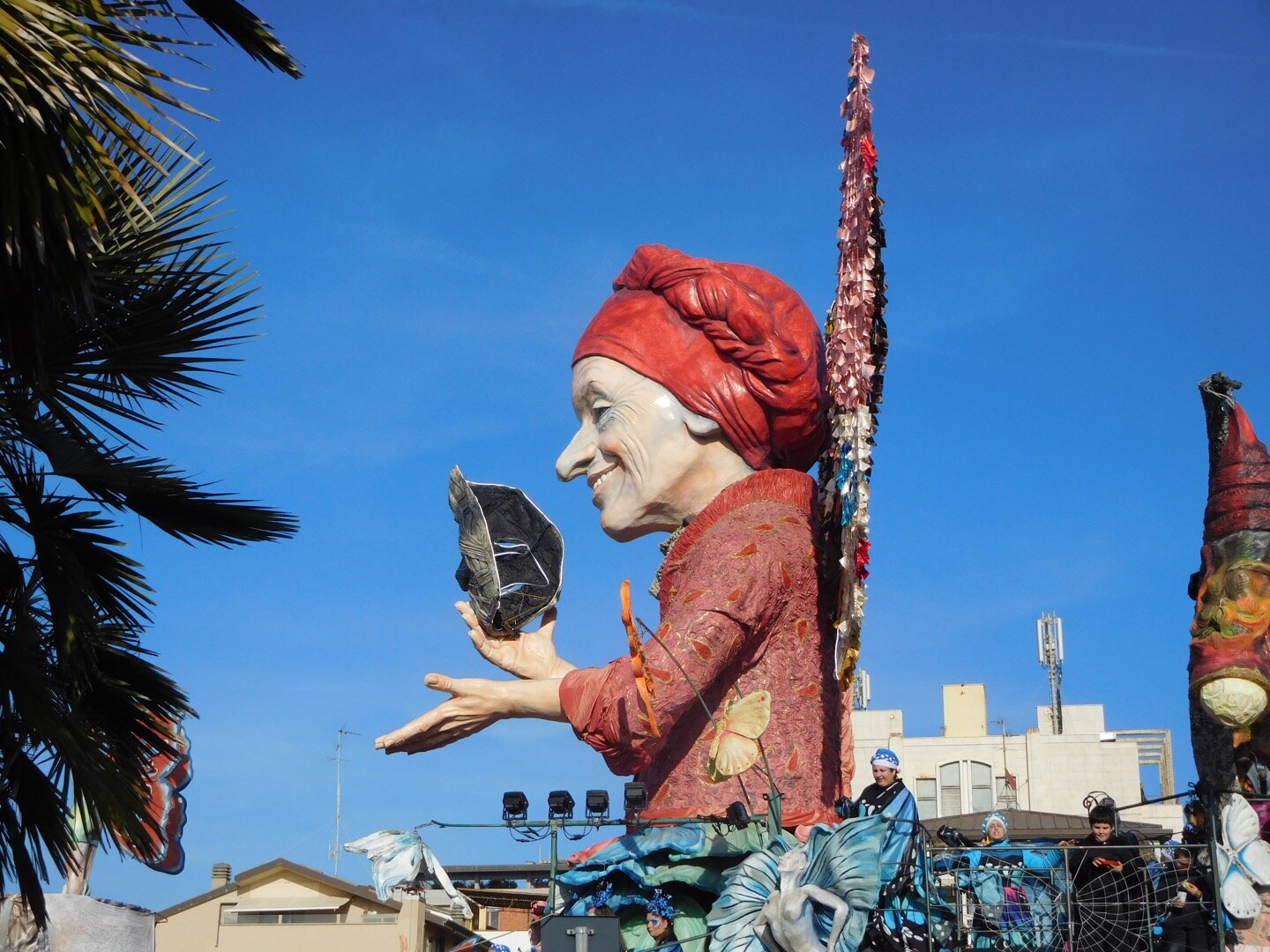
Viareggio 2019

Viareggio 2019

A Winter Without Carnevale

February 01, 2021 by Joanne Bartram in #italytravel, Festivals Italy, Italian culture, Italy travel

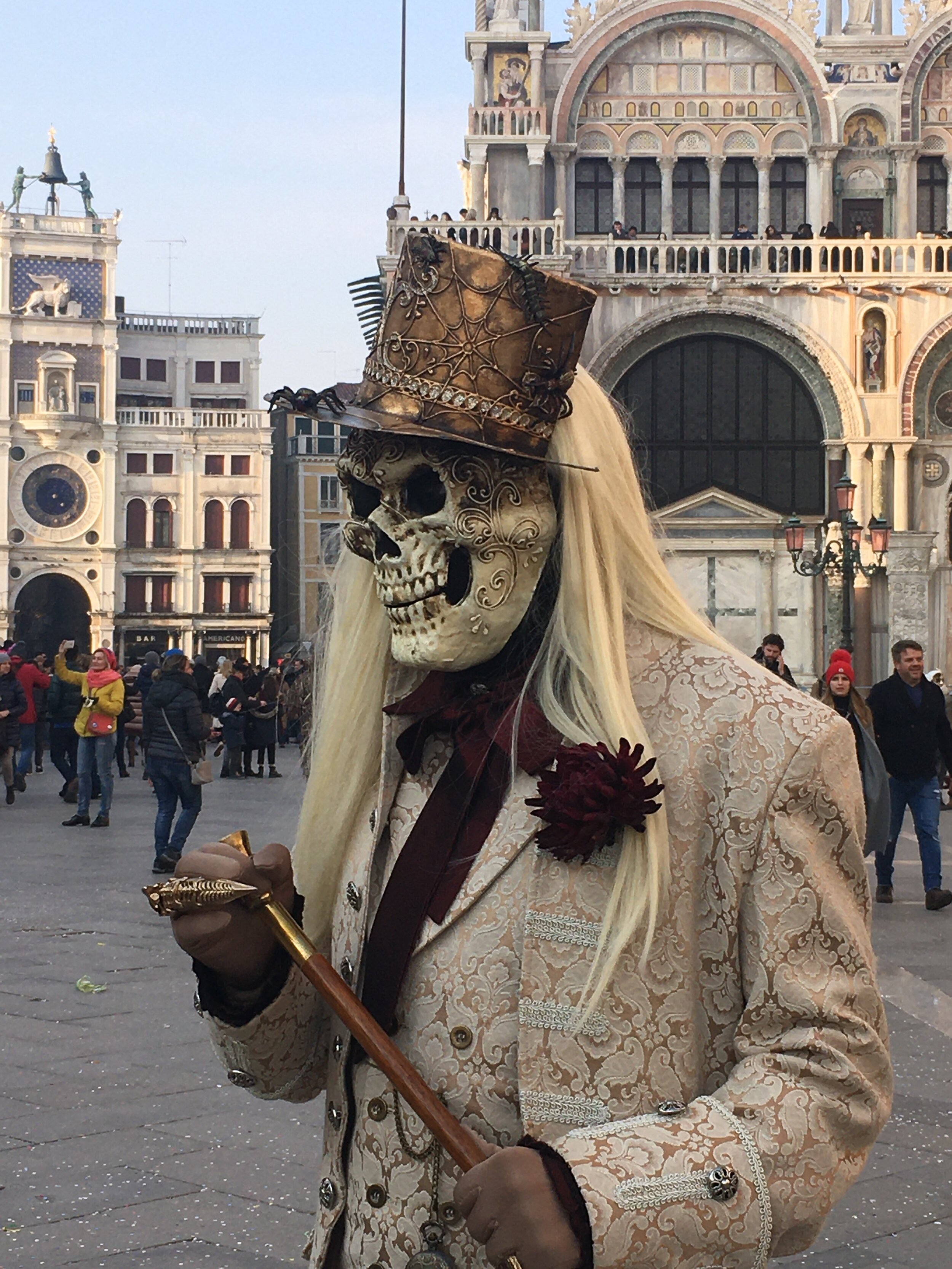
It should be starting this week - the annual late winter celebration of Carnevale. Unfortunately, the on-going COVID crisis has forced cancellation or delay of the festivities, including the two best known events here in Italy - Venice (cancelled) and Viareggio (postponed until fall).

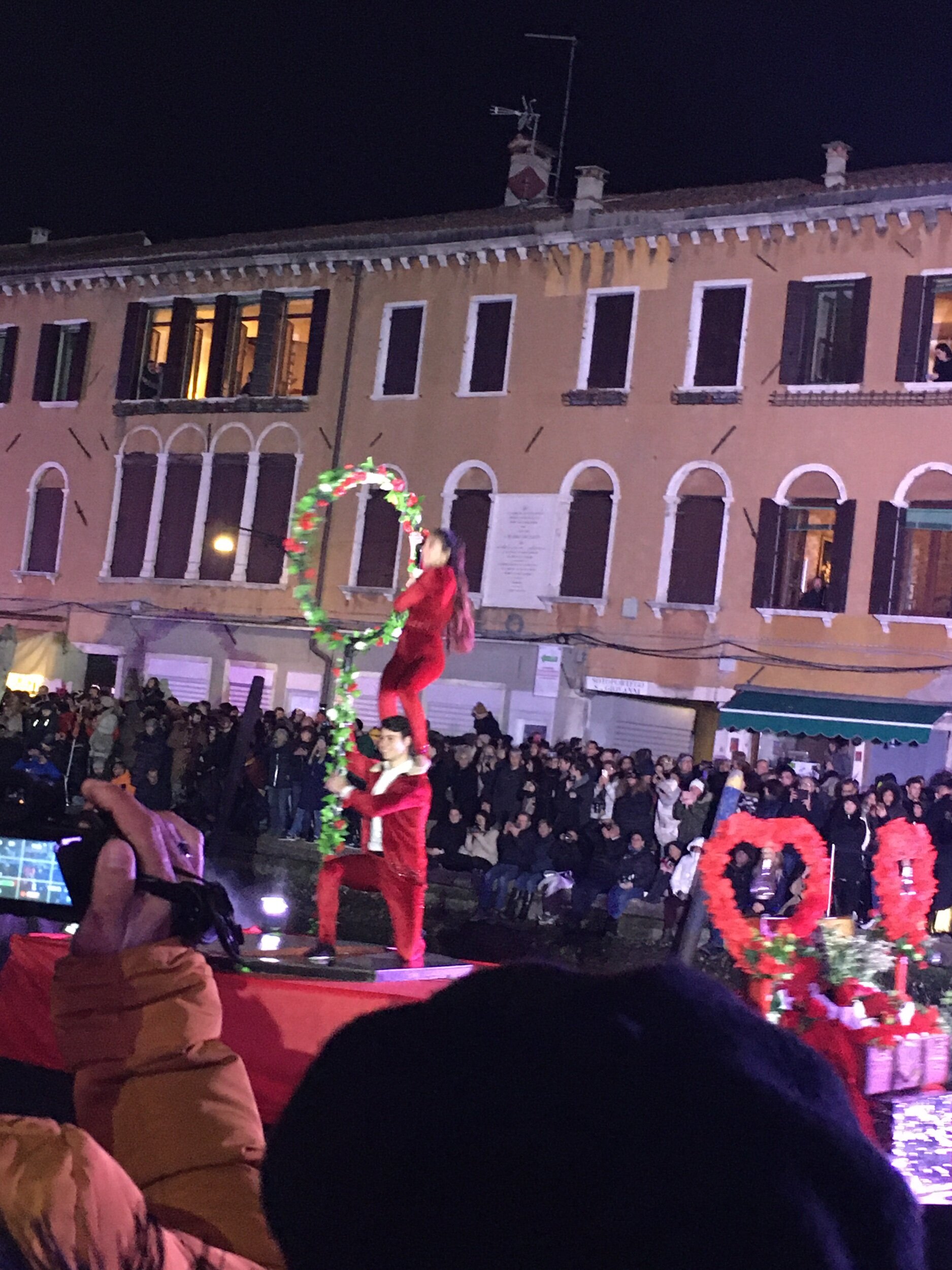
Venice 2020

Venice 2020


In the past few years, I’ve experienced both the craziness and political / social mischief of the Viareggio celebration (photos below) and the drama and elegance of the festivities in Venice.

Adjustments.jpeg
Adjustments.jpeg
IMG_2802.jpeg

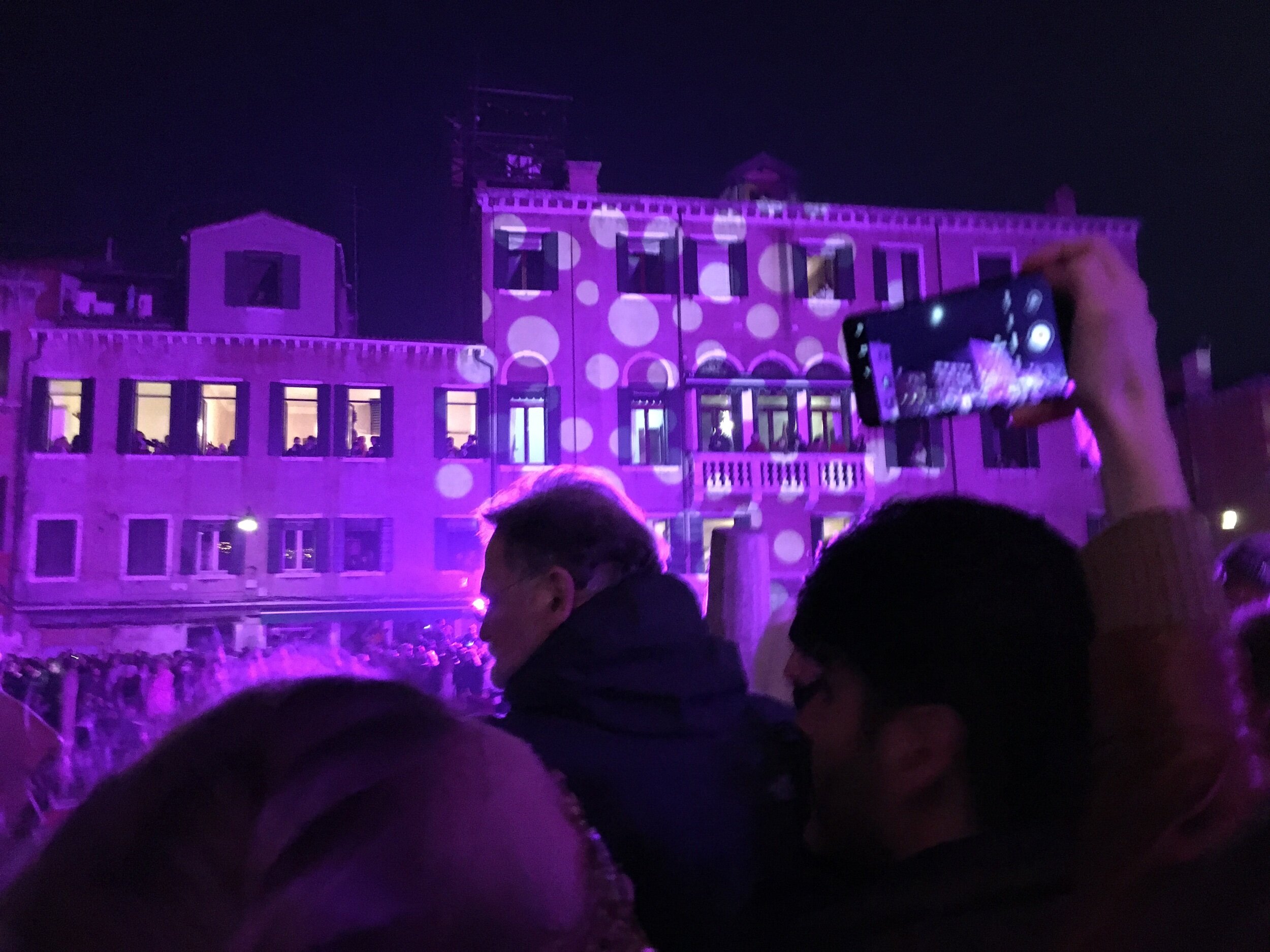
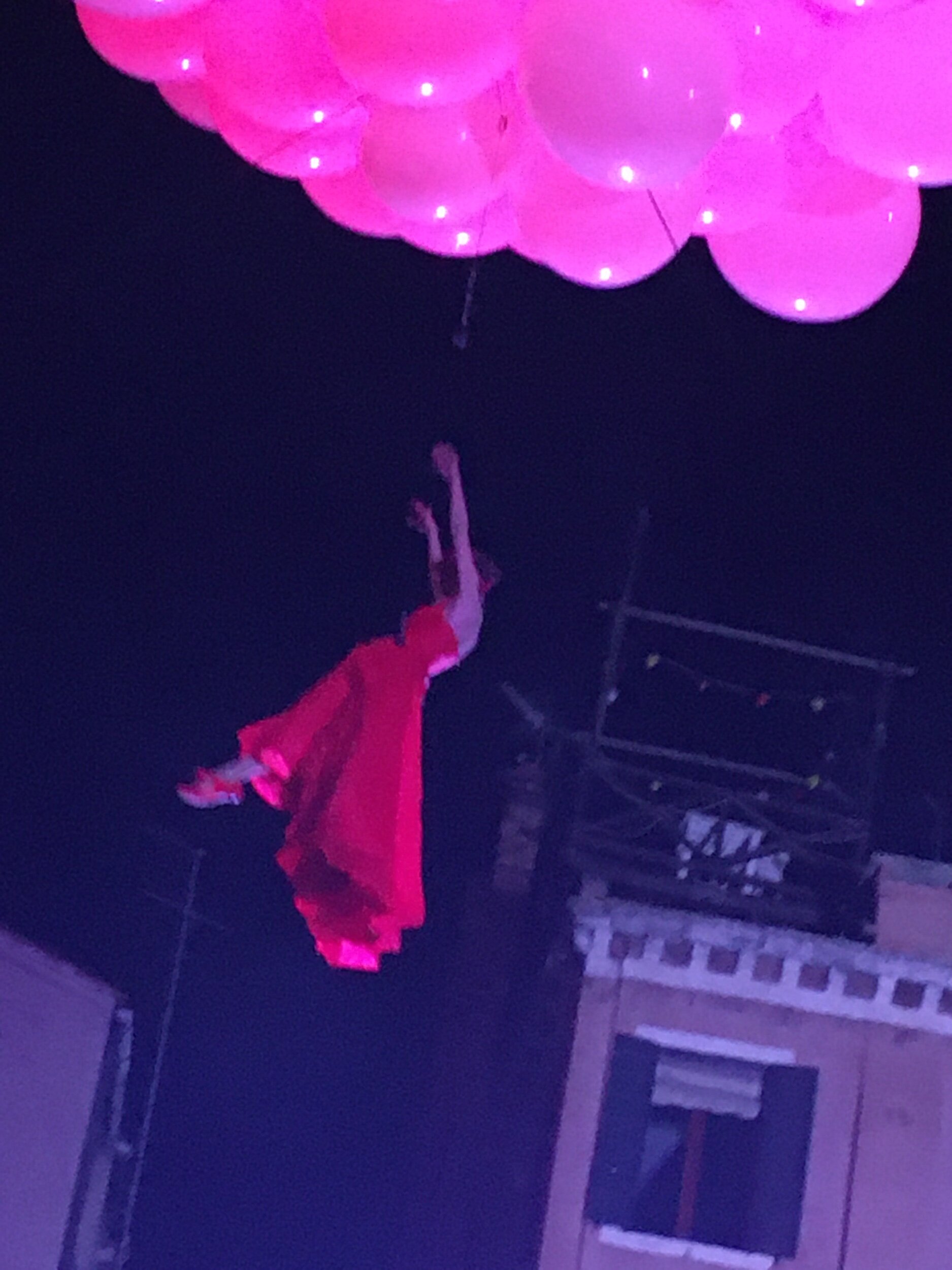
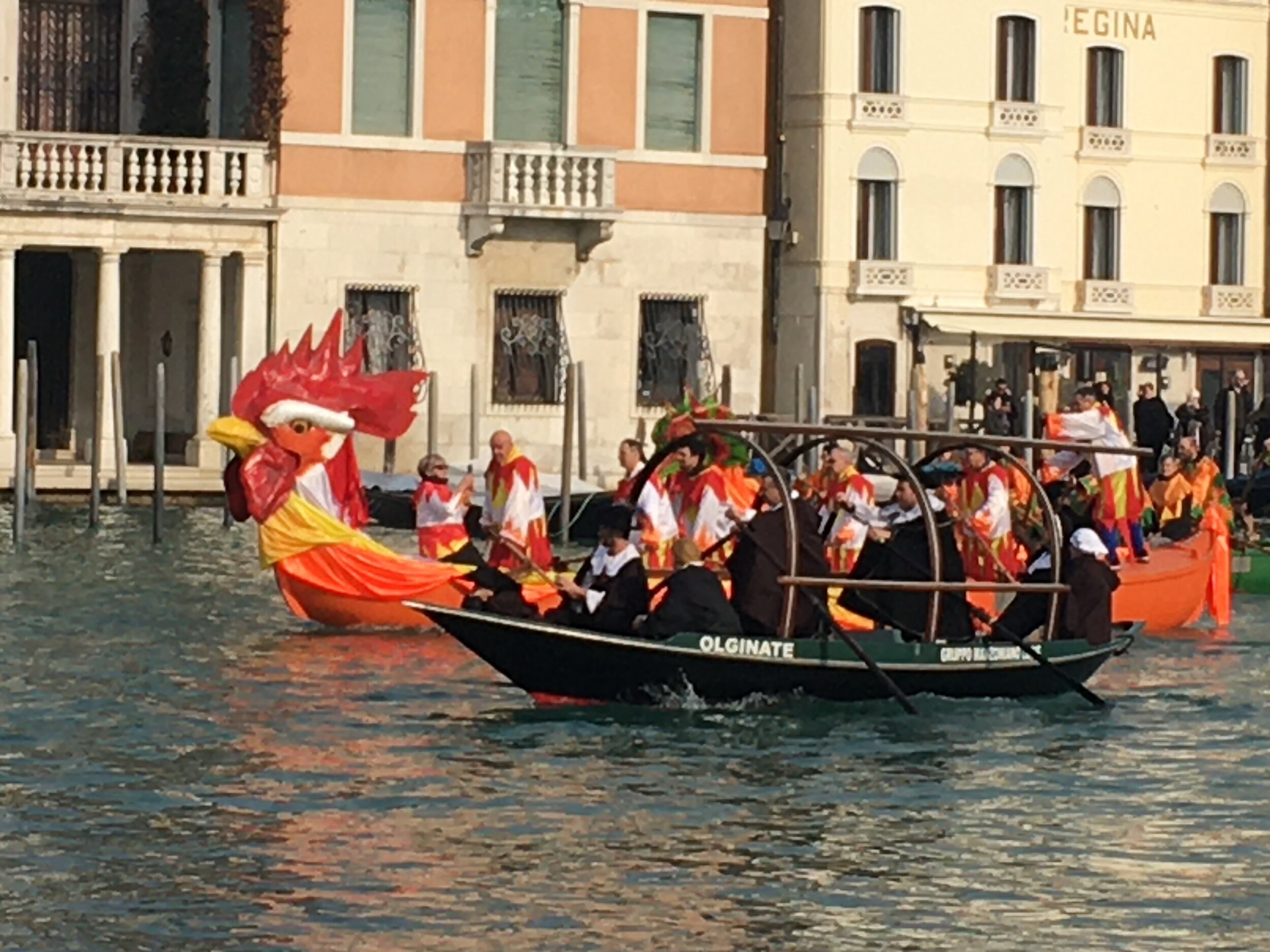
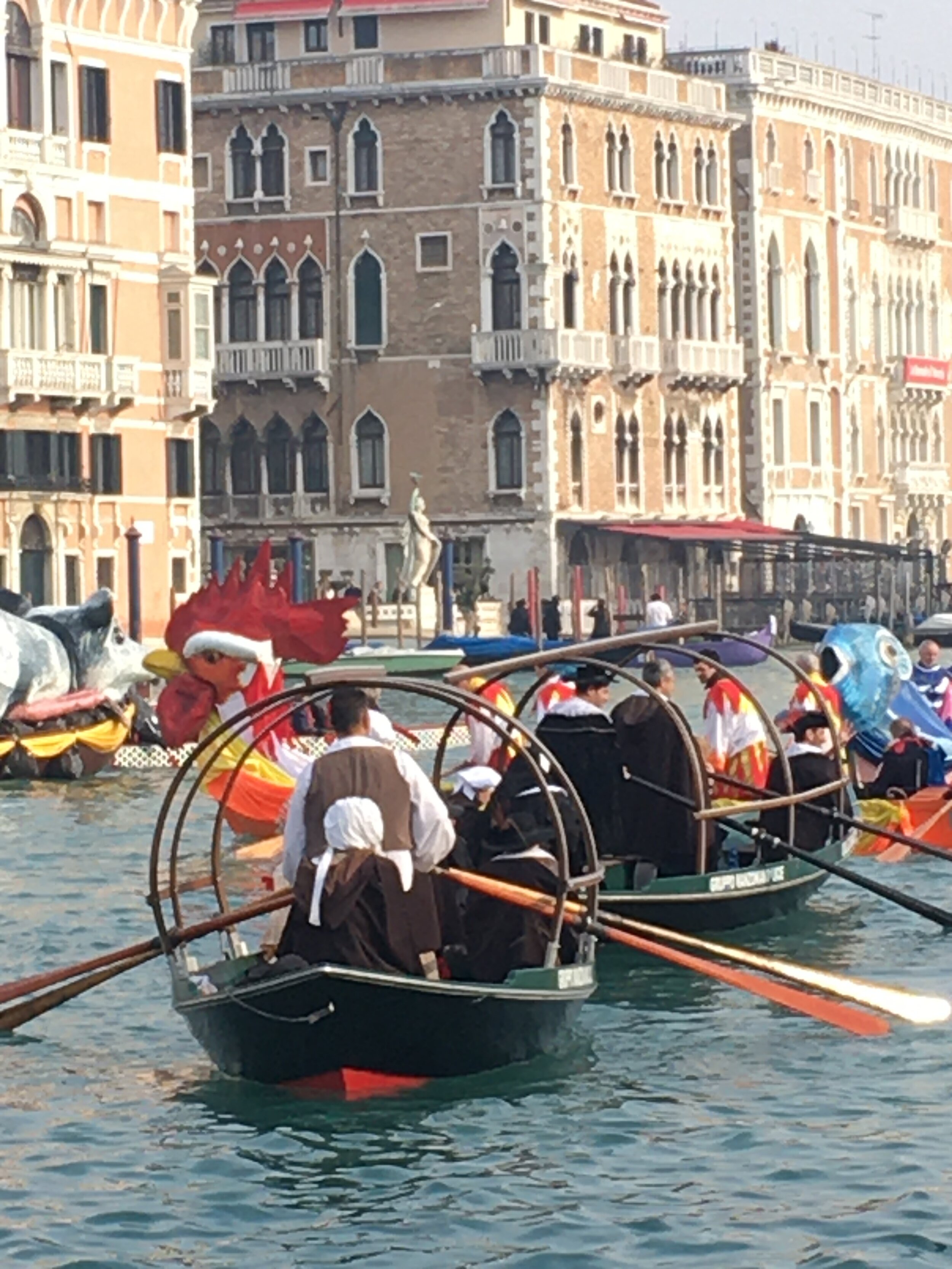
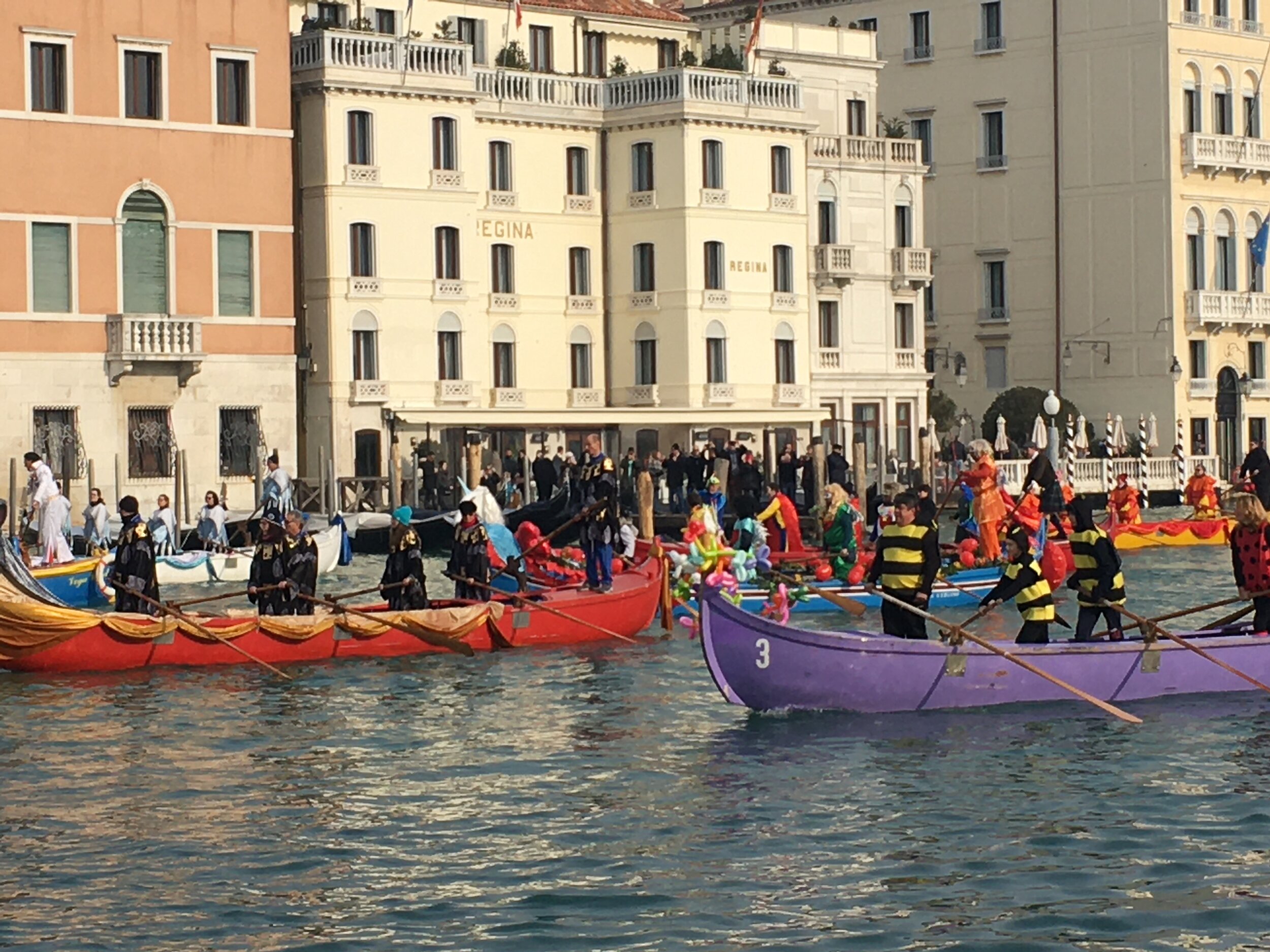
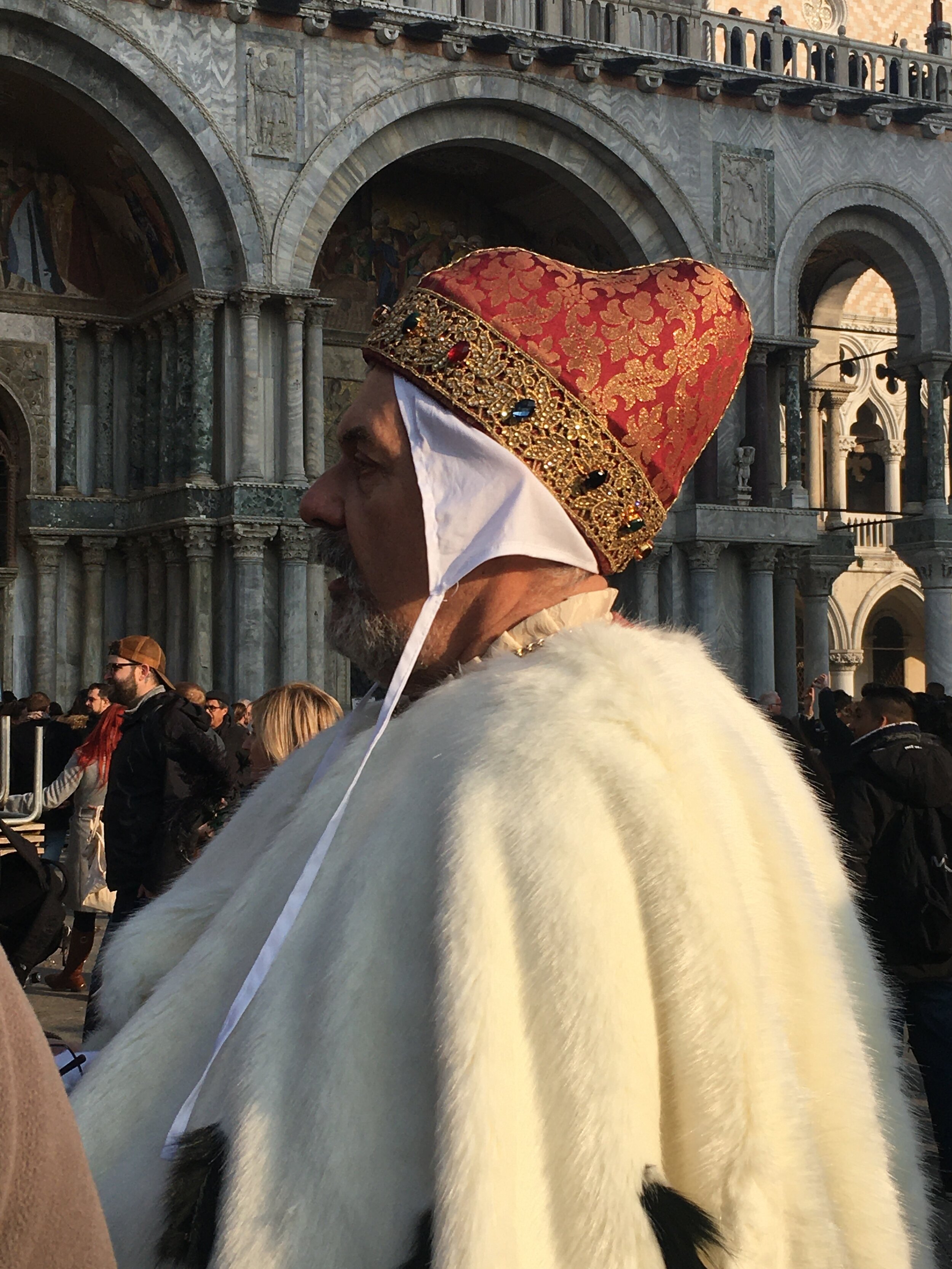
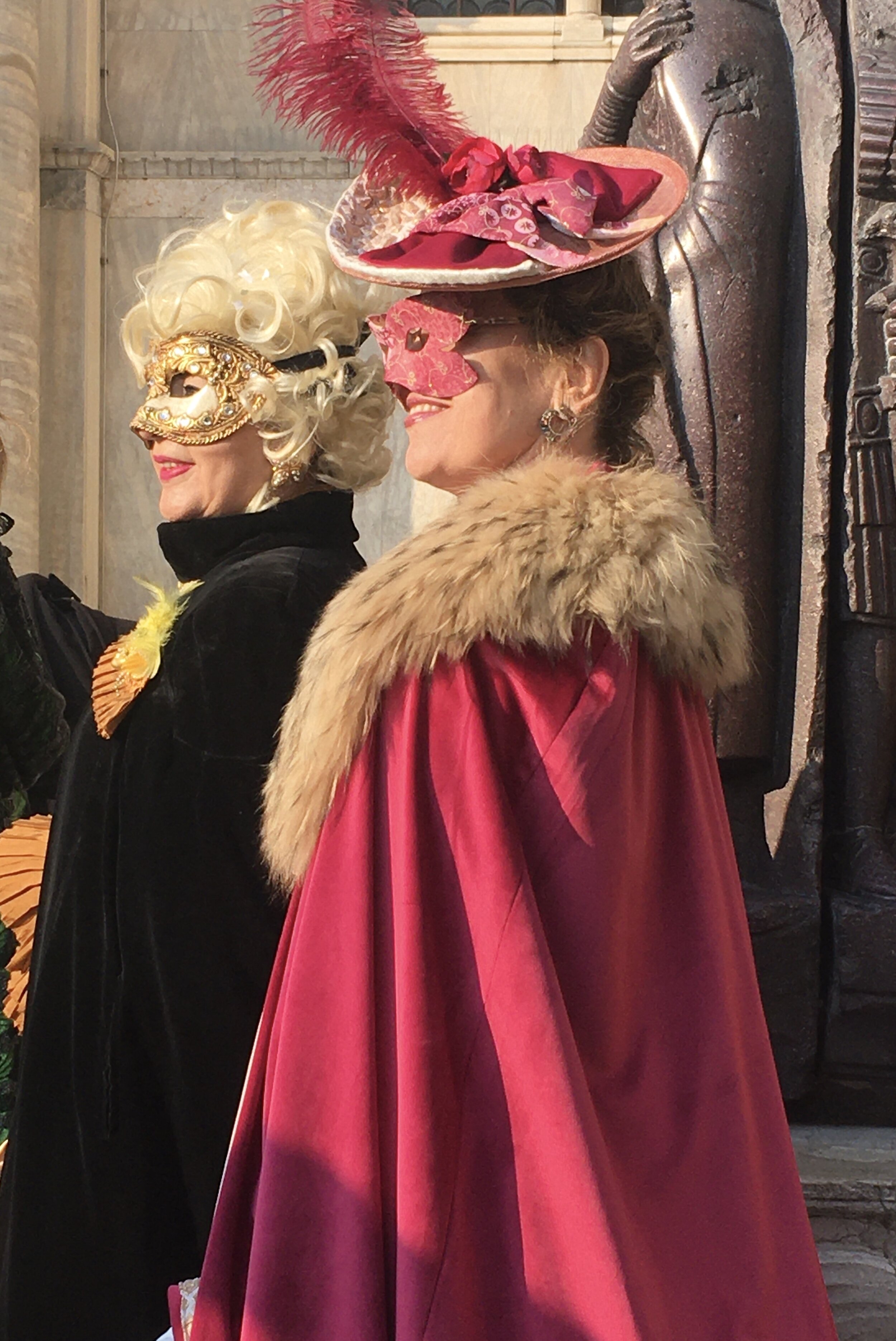
Last year I enjoyed Venice during the opening weekend of Carnevale, just before the first wave of virus arrived in Italy and shut it all down. What an air of excitement! Such a spectacular weekend - from the opening night time water parade with its aerial performers and light shows (below), to the next morning’s parade of boats on the Grand Canal, to all the costumed and masked people in the Piazza San Marco. And - though it seems strange this year - we didn’t worry at all about crowd size and we still found the idea of masks charming (those masks being a huge step up from this year’s standard Covid ones). Carnevale is Venice’s big annual event and this year, without the spectacles, the glamour, the balls and visitors, will have a huge impact - economic, cultural, and psychological.

IMG_1402.jpeg
IMG_1379.jpeg
IMG_1396.jpeg
IMG_1510.JPG
IMG_1485.JPG
IMG_1516.JPG

Last February, I think we all expected that by 2021 things would have returned to normal and we would once again be celebrating Carnevale in the usual way. But - here we are a year later, approaching the season of Lent without Carnevale celebrations to usher it in.

IMG_6786.jpeg

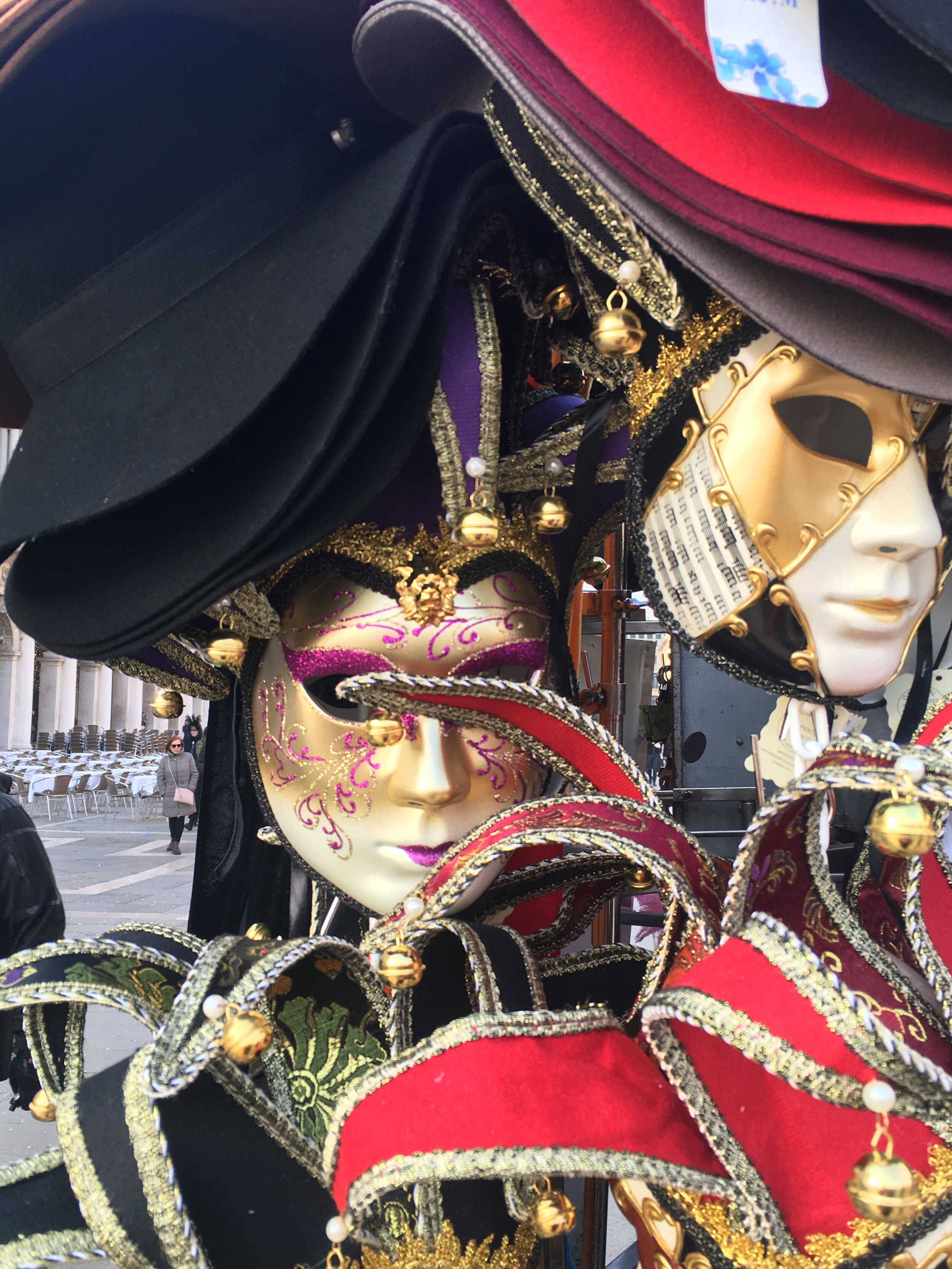
This week I found many of the traditional Carnevale sweets in the pastry shop windows, but that seemed sad knowing that all the events were canceled. Still - I felt it my civic duty to purchase some (any excuse for a sweet, right?)

As I returned home with my Carnevale mask cookies on a cold, rainy, late January day, I soon found myself looking at photos of past Carnevale events. The photos reminded me of the exuberance of Carnevale and all of a sudden the day didn’t seem so dreary. I hope these photos might brighten your winter day too.

And let’s all hope that, by next year, Carnevale will return. I imagine the floats and costumes will seem even more grand after a year’s absence.

IMG_1647.JPG
fullsizeoutput_e0d.jpeg
IMG_1698.JPG
IMG_1685.JPG
February 01, 2021 /Joanne Bartram
carnevale italy, Carnevale Venice, Carnevale Viareggio
#italytravel, Festivals Italy, Italian culture, Italy travel
The beginning of the procession on the steps of the Basilica of San Frediano, 2018.

The beginning of the procession on the steps of the Basilica of San Frediano, 2018.

The Luminaria of Santa Croce - 2020 Style

September 14, 2020 by Joanne Bartram in Lucca, Tuscany, Churches Italy, Festivals Italy

 In Lucca, September is traditionally a month of festivals including street fairs, music performances, and – most importantly – the Festival of Santa Croce. The Santa Croce festival venerates the Volto Santo (Holy Face), an ancient wooden crucifix which is the most important religious relic in Lucca. The famous crucifix is housed in a small chapel within the larger Cathedral of San Martino.  For most of the year it is viewed through the openings in the small chapel walls, beautiful in its simplicity.

The Volto Santo dressed in gold vestments for the Feast of Santa Croce on September 13th.

The Volto Santo dressed in gold vestments for the Feast of Santa Croce on September 13th.

 But for the September festival the crucifix is anything but simple. Instead, it is adorned with gold vestments – from crown to shoes – and the small chapel is opened for up-close encounters with what is, depending on your personal beliefs, a holy religious artifact or an important cultural and historical object. (For a more detailed description of the legend of the Volto Santo see “The Legend of the Volto Santo” post from September of 2017). Unfortunately this year, while the gold vestments are in place, entrance to the cathedral is limited which means that most of us will have to make do with memories and photos from past years.

The beauty of a candle-lit piazza during the 2016 procession

The beauty of a candle-lit piazza during the 2016 procession

The highlight of the festival is the September 13th luminaria procession through the historic center of Lucca.  It begins in front of the Basilica of San Frediano and slowly makes its way across town, illuminated by the sea of candles which line the buildings along the narrow streets, and ends with a special ceremony upon its arrival at the Cathedral of San Martino.  

Imagine thousands of these luminaria lighting the streets of Lucca.  Magic!

Imagine thousands of these luminaria lighting the streets of Lucca. Magic!

The luminaria procession is an important event - calling home from around the world those with Lucchese roots - and has only rarely been cancelled. The last two cancellations were due to a terrible storm in 1976 and before that a disruption towards the end of World War II.  This year the cancellation of the procession is due to concerns about the potential spread of COVID-19 through the crowds of on-lookers that typically line the streets and the many participants in the procession. The candles were lit, but there was no procession this year.

The beginning of the 2017 procession, on the steps of the Basilica of San Frediano.

The beginning of the 2017 procession, on the steps of the Basilica of San Frediano.

 Although we could not witness the luminaria procession, and could only watch today’s religious services via Italian TV rather than from inside the Cathedral of San Martino, a look back at previous processions can remind us of the beauty of the event. With luck, we will be able to experience the joy of the luminaria once again next year. Let’s make a date for September 13, 2021 in Lucca.

A banner with the representation of the Volto Santo begins the procession each year (the actual crucifix is too large, and too valuable, to be part of the procession).

A banner with the representation of the Volto Santo begins the procession each year (the actual crucifix is too large, and too valuable, to be part of the procession).


September 14, 2020 /Joanne Bartram
Luminaria di Santa Croce, #italianfestivals
Lucca, Tuscany, Churches Italy, Festivals Italy
These banners represent Lucca and the three terziere into which it was divided in the 1400s- each named for the major church in the neighborhood (San Salvatore, San Paolino, and San Martino).

These banners represent Lucca and the three terziere into which it was divided in the 1400s- each named for the major church in the neighborhood (San Salvatore, San Paolino, and San Martino).

Lucca In the Year 1369

June 03, 2019 by Joanne Bartram in #lucca, Italian culture, #medievalitaly, History, Italy, Festivals Italy, Italy travel, #balestrieri, Lucca, Tuscany

Italians have long memories, especially when it comes to historic events and rivalries. The Lucchese are no exception. Each spring they celebrate several long-ago events - World War II Liberation Day and the feast of Santa Zita, for starters. One unique local celebration recalls the year 1369, when the city of Lucca gained its liberty from its most hated rival - Pisa (not by war, but by declaration of the Emperor Charles IV, in exchange for a large sum of money). Today’s rivalry with Pisa mostly involves soccer and the claim to who has the best city to visit or live in, but in 1369, achieving freedom from domination by a rival city state was huge. After that, Lucca fought hard to maintain its independence from all rivals, especially Pisa and Florence, 

Fierce ladies - each with an arco lungo (long bow)

Fierce ladies - each with an arco lungo (long bow)

So, just how is this major historical event celebrated? Picture Medieval costumes, archers with long bows and cross bows, drummers and flag throwers. Add in city and church officials reading proclamations and lots of spectators,locals, tourists, and wide-eyed children, all watching history recreated in the square in front of the cathedral of San Martino, and you have an exciting and photo-worthy event. 

Lanciatori di bandiera (flag throwers) - a crowd favorite as they toss their flags high into the air

Lanciatori di bandiera (flag throwers) - a crowd favorite as they toss their flags high into the air

The celebration of Lucca’s liberation from Pisa, on the Sunday following Easter, is one of my favorite annual events and one that, for me, says welcome to spring in Lucca, a city where history comes alive.  

-post by JMB

IMG_0293.JPG
Balestrieri with their cross bows (balestre)

Balestrieri with their cross bows (balestre)

IMG_0297.JPG

The sounds of drums is a big part of the festival. These batteriste (drummers) come in all ages. 

June 03, 2019 /Joanne Bartram
Italy Travel, Liberation Day Italy, Festivals Italy, #italy, Lucca, #travel italy, #walled cities, Festivals italy, Medieval Lucca, #Lucca
#lucca, Italian culture, #medievalitaly, History, Italy, Festivals Italy, Italy travel, #balestrieri, Lucca, Tuscany
FullSizeRender.jpg

The Miracle of the Flowers

May 20, 2019 by Joanne Bartram in Festivals Italy, #springintuscany, Lucca, #italytravel, Tuscany

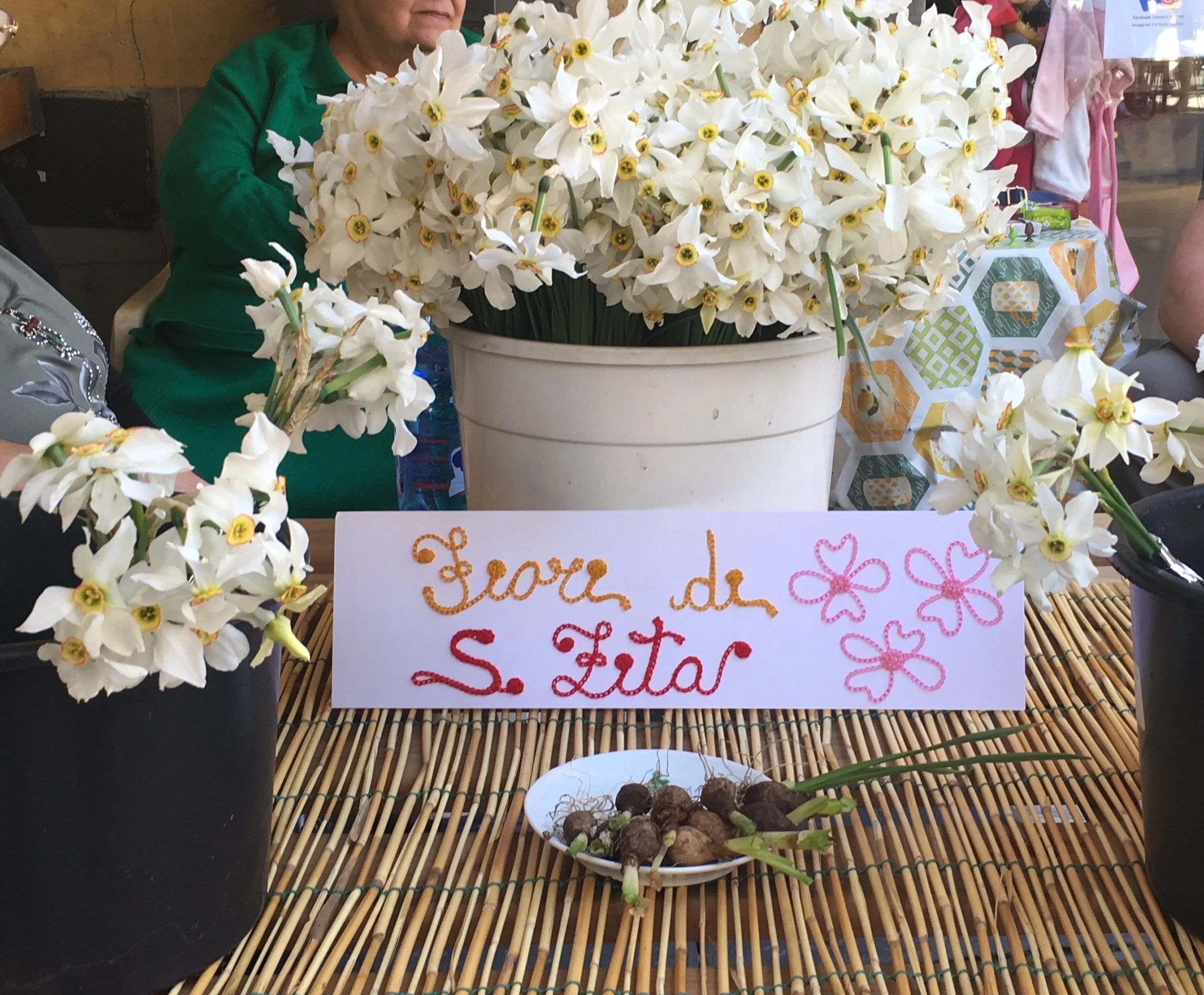
 If I were ever made a saint (highly unlikely), I would wish for two things: to have Lucca as my final resting place and to be remembered each spring with beautiful flowers. Alas, that version of sainthood is already taken by someone far more deserving. But at least I get to enjoy that saint’s feast day each spring.

Flowers outside of San Frediano church to celebrate the festival of Santa Zita

Flowers outside of San Frediano church to celebrate the festival of Santa Zita

Santa Zita is the patron saint of Lucca. She was born nearby, in the 13th century, to a poor but devout family. As a girl, she entered service in the home of a well-to-do Lucchese family, the Fatinellis. Unmarried, she worked for the family for 50 years until her death in 1272.

Memorial to Santa Zita on the street where the Fatinelli home once stood (Via della Fontana, Lucca)

Memorial to Santa Zita on the street where the Fatinelli home once stood (Via della Fontana, Lucca)

Zita was known for her devotion and good works, especially in caring for the poor. This, however, did not always sit well with her employers or co-workers, especially because her good works often included giving away their bread, leftover food, and sometimes their clothing. It’s also said she sometimes neglected her morning bread baking duties to attend daily Mass (saintly, perhaps, but most annoying to her co-workers).

EA9009E0-3192-4C40-B5E9-B68B4DDAC590.JPG

As the story goes, the other household servants were jealous of her goodness and reported her “theft” of bread to the head of the family. One day, when he asked her what she was hiding in her apron (which was, of course, the bread she was taking to the poor), she answered that it was just flowers (luckily, this little white lie did not preclude later sainthood). When he demanded to be shown, she opened her apron and out tumbled flowers - a miracle!

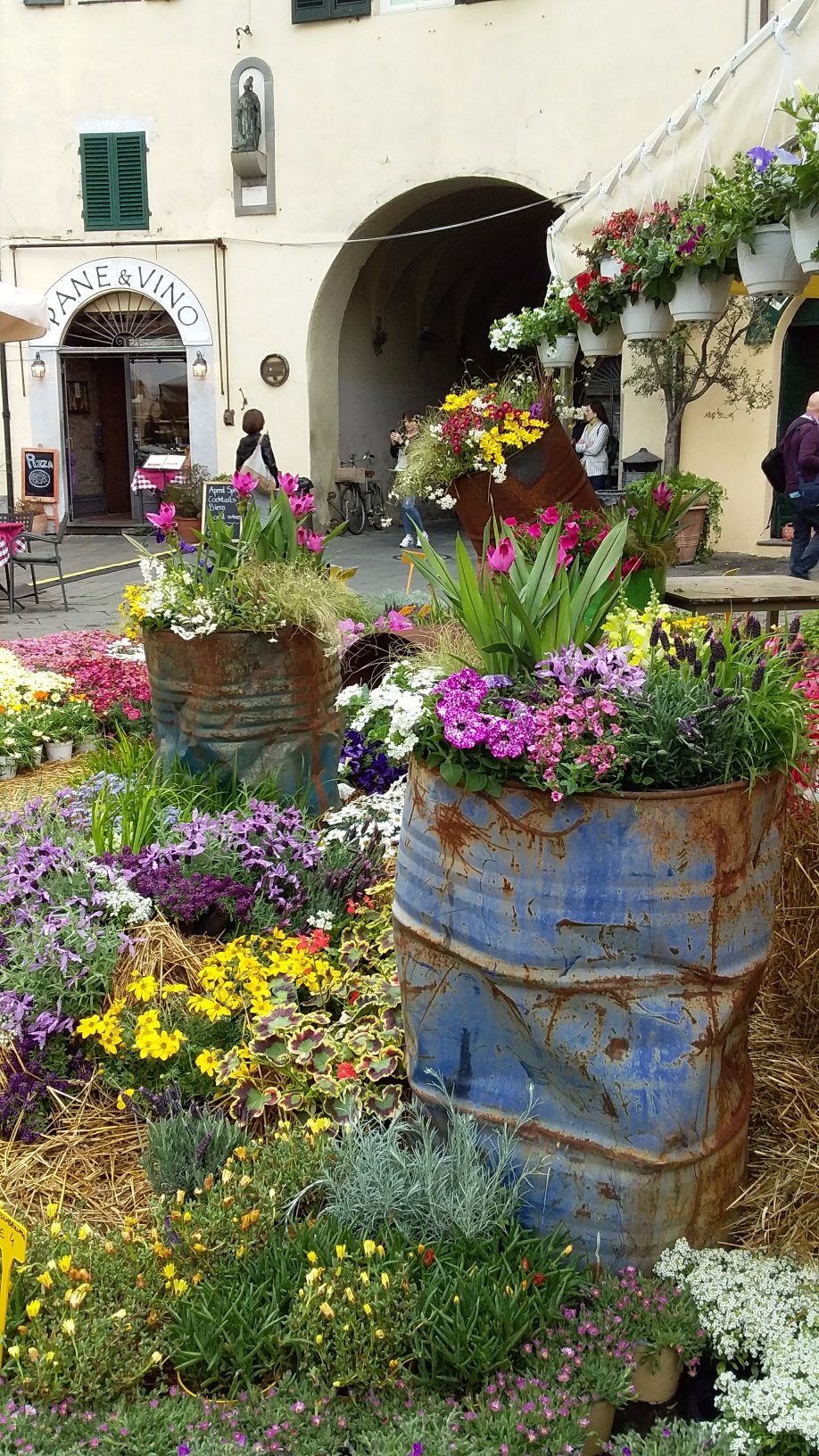
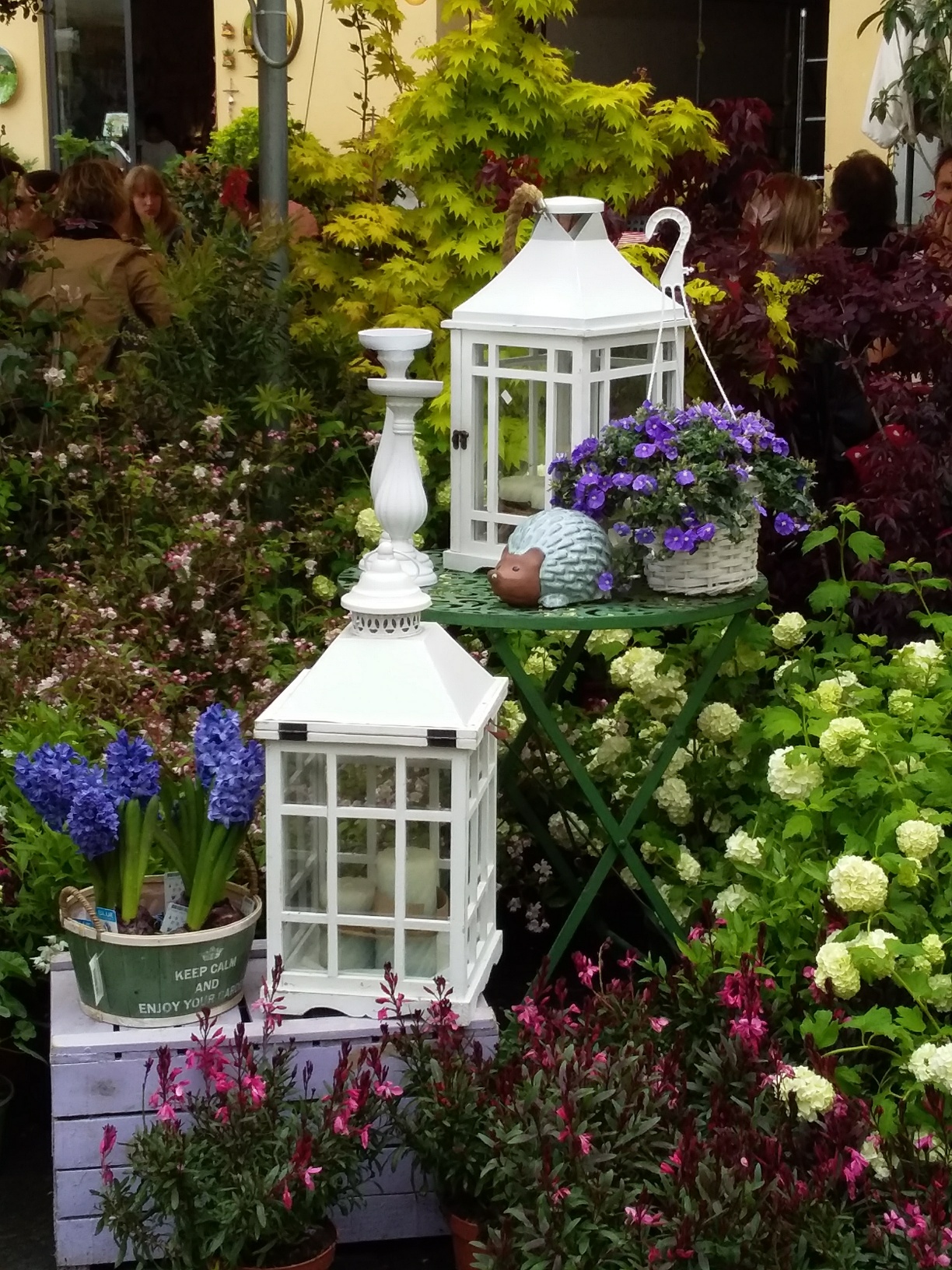
Santa Zita is remembered each year with a flower market in late April. This display was part of the 2019 market.

Santa Zita is remembered each year with a flower market in late April. This display was part of the 2019 market.

There are other miracles associated with Santa Zita, including the notion that angels staffed the Fatinelli kitchen, baking the bread while Zita went to church at nearby San Frediano.

Santa Zita flower market, 2018

Santa Zita flower market, 2018

Legend has it that when she died, the bells of San Frediano began ringing on their own. Zita was buried soon after and her legend quickly grew. Several hundred years after her death, her body was moved from its grave to her own chapel in the church of San Frediano (the chapel was built by a later generation of Fatinellis).  When exhumed, it was discovered that her body had not deteriorated but had spontaneously become mummified, another miracle.  In 1696 she was made a saint by the Catholic Church.

The body of Santa Zita is moved to the center of the cathedral of San Frediano during her annual celebration.

The body of Santa Zita is moved to the center of the cathedral of San Frediano during her annual celebration.

Today, her remains lie inside a glass coffin in San Frediano. Once a year, to mark the April 27  anniversary of her death, her coffin is moved to the central part of the church, where it is surrounded by flowers and candles. Small bunches of flowers are sold in the church and people hold them as they pass by her body, reverently laying their hands on the coffin. Whether religious or superstitious, it seems to me very good luck to join in, lightly touching the glass of the coffin, and wishing to be back in Lucca for the next celebration.  So far, that has always worked for me!

Flower market, 2019

Flower market, 2019

As part of the Festa di Santa Zita, there are also floral displays in the piazza in front of San Frediano and a colorful flower market inside the nearby amphitheater square, making the week of April 27 a lovely time to be in Lucca.          -post by JMB

Flower market (2018) in Piazza Anfiteatro for the Festa di Santa Zita

Flower market (2018) in Piazza Anfiteatro for the Festa di Santa Zita

May 20, 2019 /Joanne Bartram
#Lucca travel, Tuscan cities, Lucca, Italy Blogs, #italian markets, Lucca Churches, Spring in Italy, Italian festivals, #italy lucca, #Lucca
Festivals Italy, #springintuscany, Lucca, #italytravel, Tuscany
  • Newer
  • Older

Powered by Squarespace