Two Parts Italy

Exploring Italy, travel, and living a flavorful life

  • Blog
  • About This Blog
  • Start Here
  • Recent Posts
  • Archives by Topic
  • Subscribe
  • Contact me

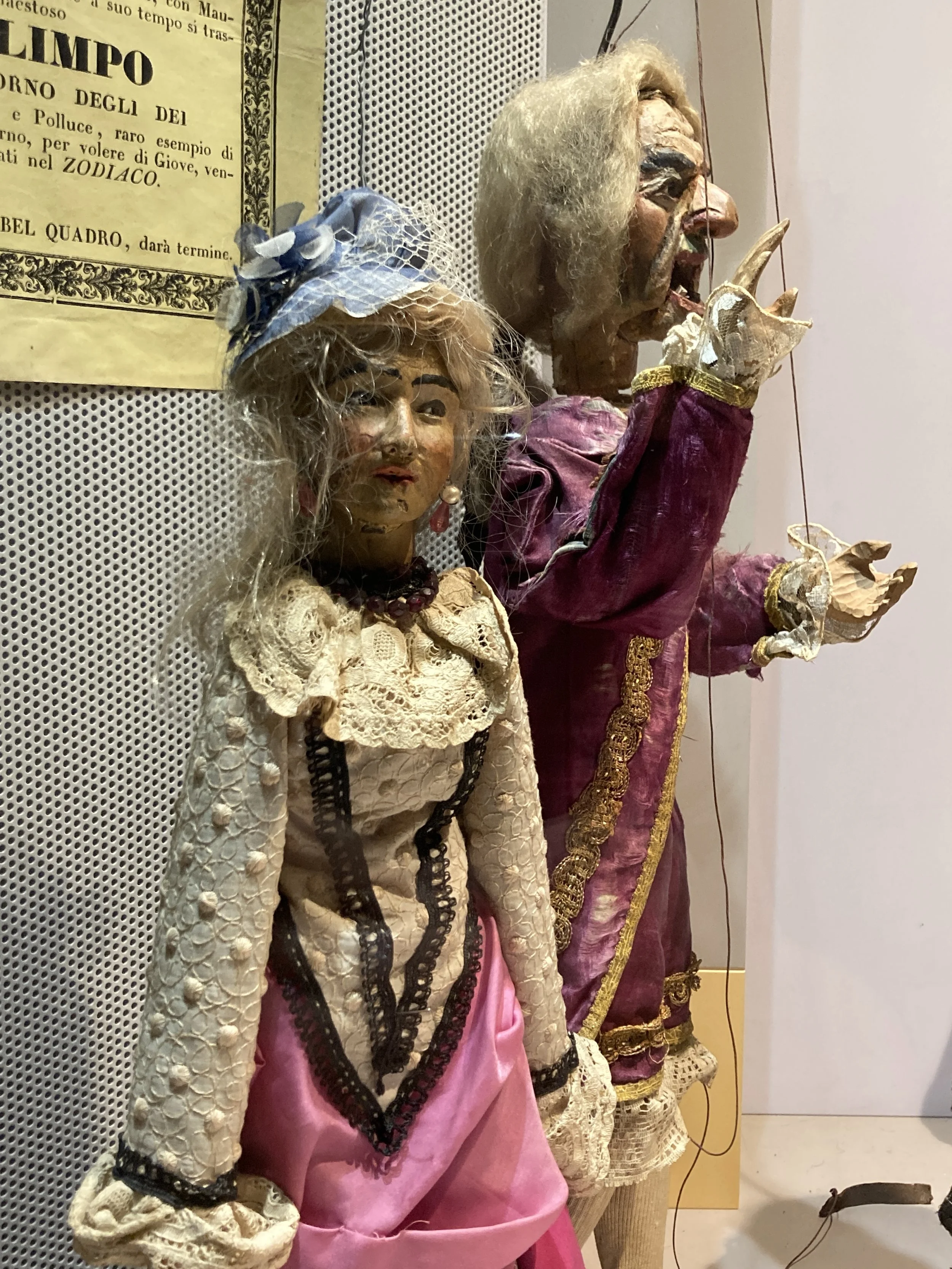
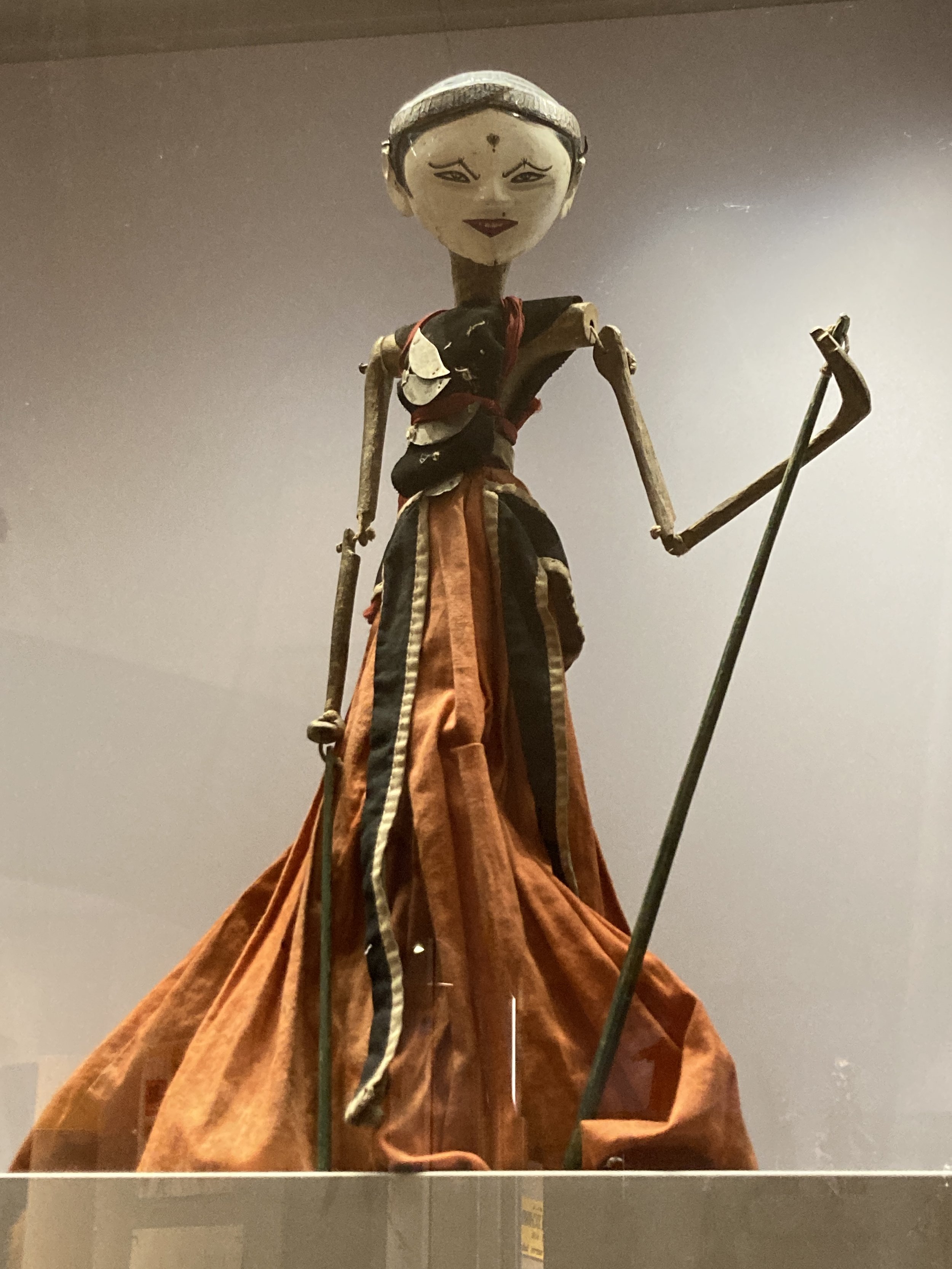
These marionettes were among the largest in the collection. Such detail!

A Quirky Attraction in Parma - The Puppet Museum

January 24, 2022 by Joanne Bartram in #italytravel, Family Travel, Italian culture, Italy travel, Museums Italy, Parma

There is so much to like about Parma, Italy. Let’s start with the food - Parmigiana, Prosciutto di Parma, all those filled pastas. Lambrusco wine. There are wonderful piazzas to enjoy, a gorgeous city park, the Palazzo Pilotta with its group of fabulous museums. My guidebooks listed a host of “must-sees”. However, one of my first stops in Parma was to an off-the-beaten path rather quirky place that was not listed in any of my guidebooks - Il Castello dei Burattini Museo Giordano Ferrari (The Castle of the Puppets, Museum Giordano Ferrari). Sometimes, the less known little places are the most enchanting. And enchanted is just how this small museum feels.
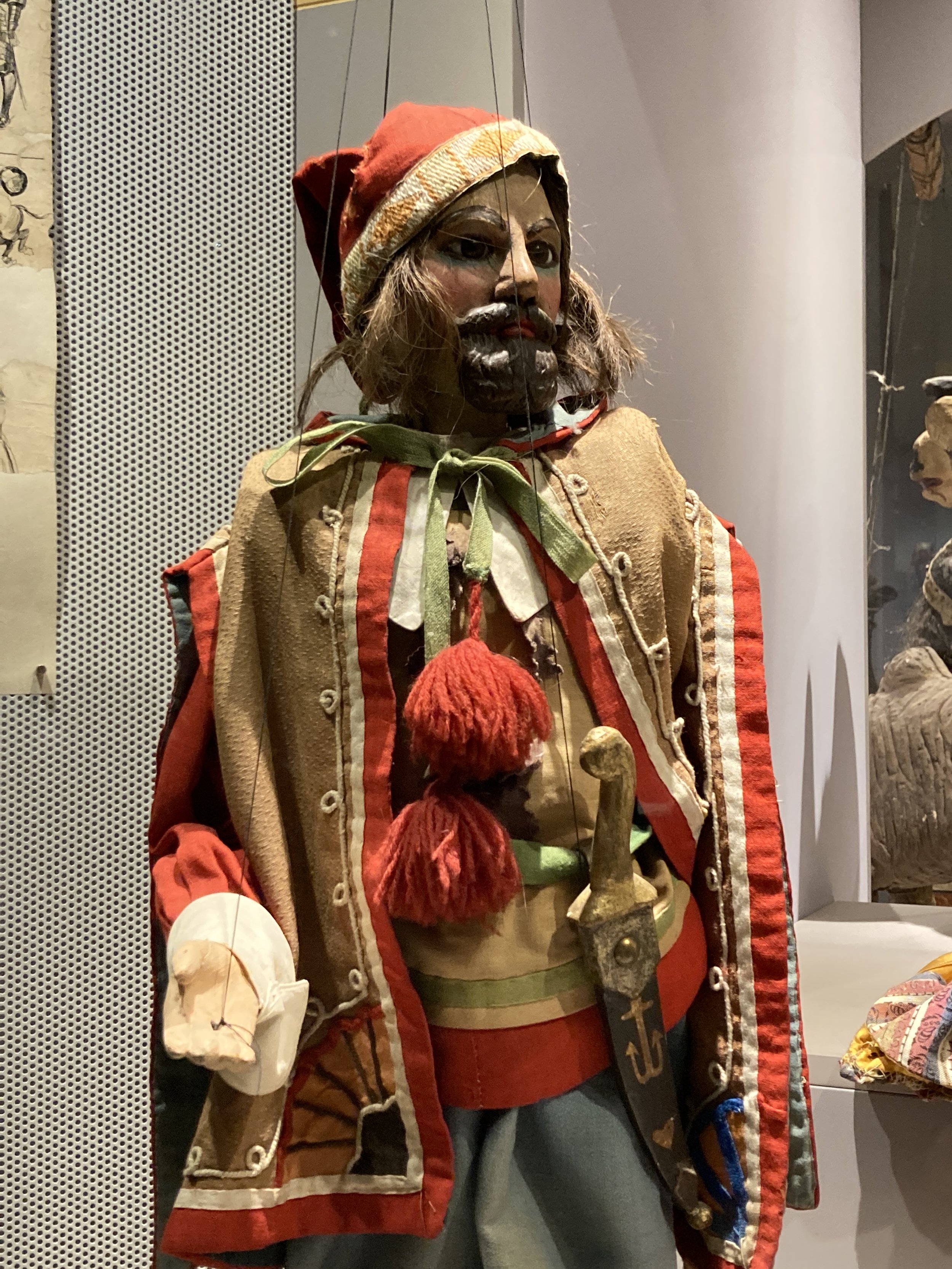
Puppetry was a popular theater format in the days before radio, TV, and movies. Puppets existed as far back as Ancient Greece and Rome. Throughout Italy the golden age for puppet theater was the 18th and 19th centuries. The burattini (or pupi) were used to tell stories ranging from religious to tragic to comedic. Performances included opera and Shakespeare and even some fairly scandalous content. Puppet theatre was enjoyed across social classes and age groups. A visit to the Castello dei Burattini makes this history come alive.

5A475CBC-D612-45F2-8AC7-F94D958E1291.jpeg
F55CA73B-8403-4E0B-9C42-2370FCCCD84F.jpeg
E1D03C43-6730-491C-AD24-5CE22C1F8205.jpeg

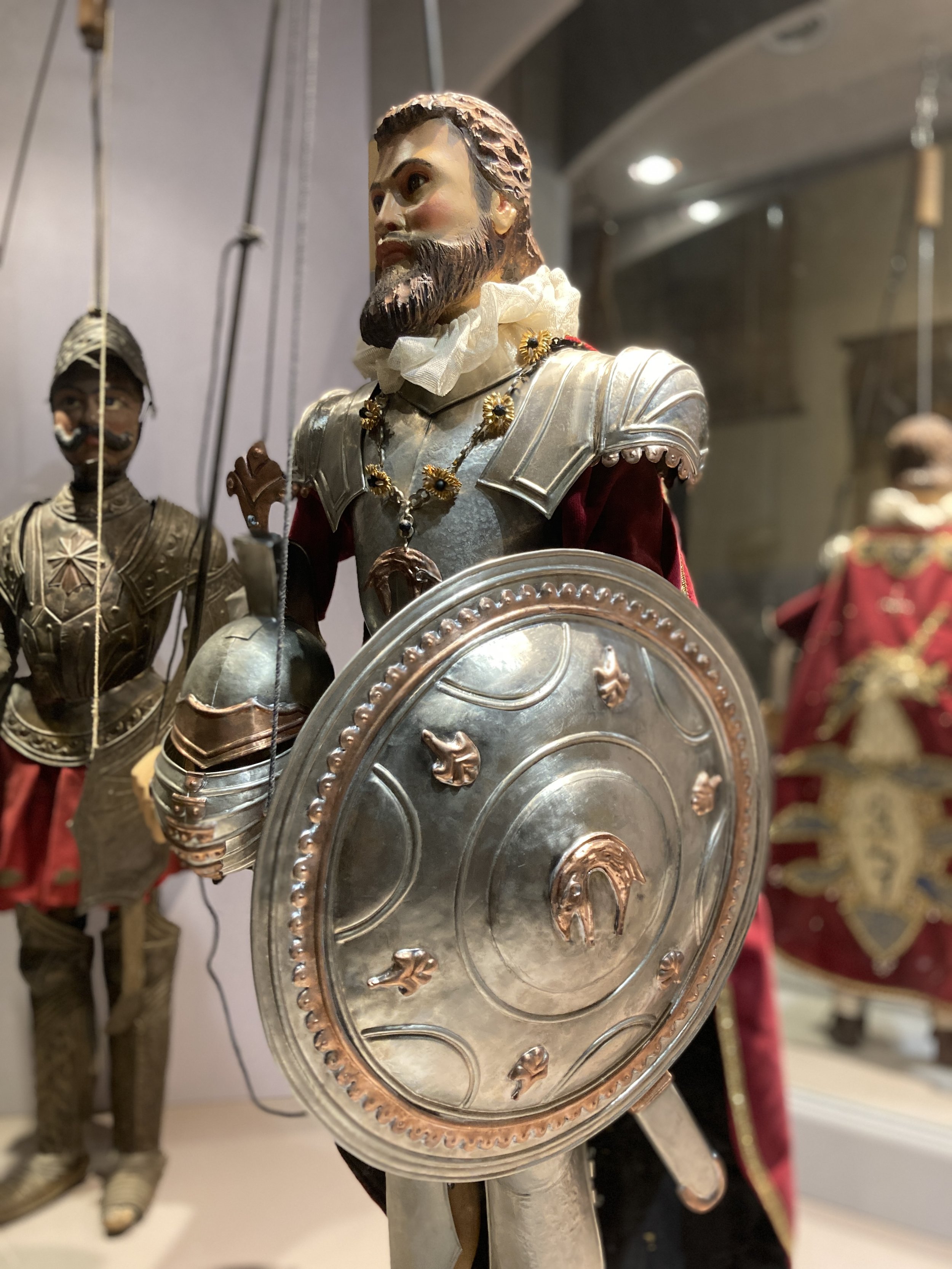
The museum’s collection includes carved puppet heads, marionettes (puppets controlled by strings or rods), and hand puppets. They range from very old to modern muppet-like characters.
8C3E5AB3-5A81-4913-B13C-01075043A502_1_201_a.jpeg
181E8F30-B23C-45EB-A3F4-0648952D1898.jpeg
18523E2C-5E37-4E30-A844-679C883BC1B5.jpeg

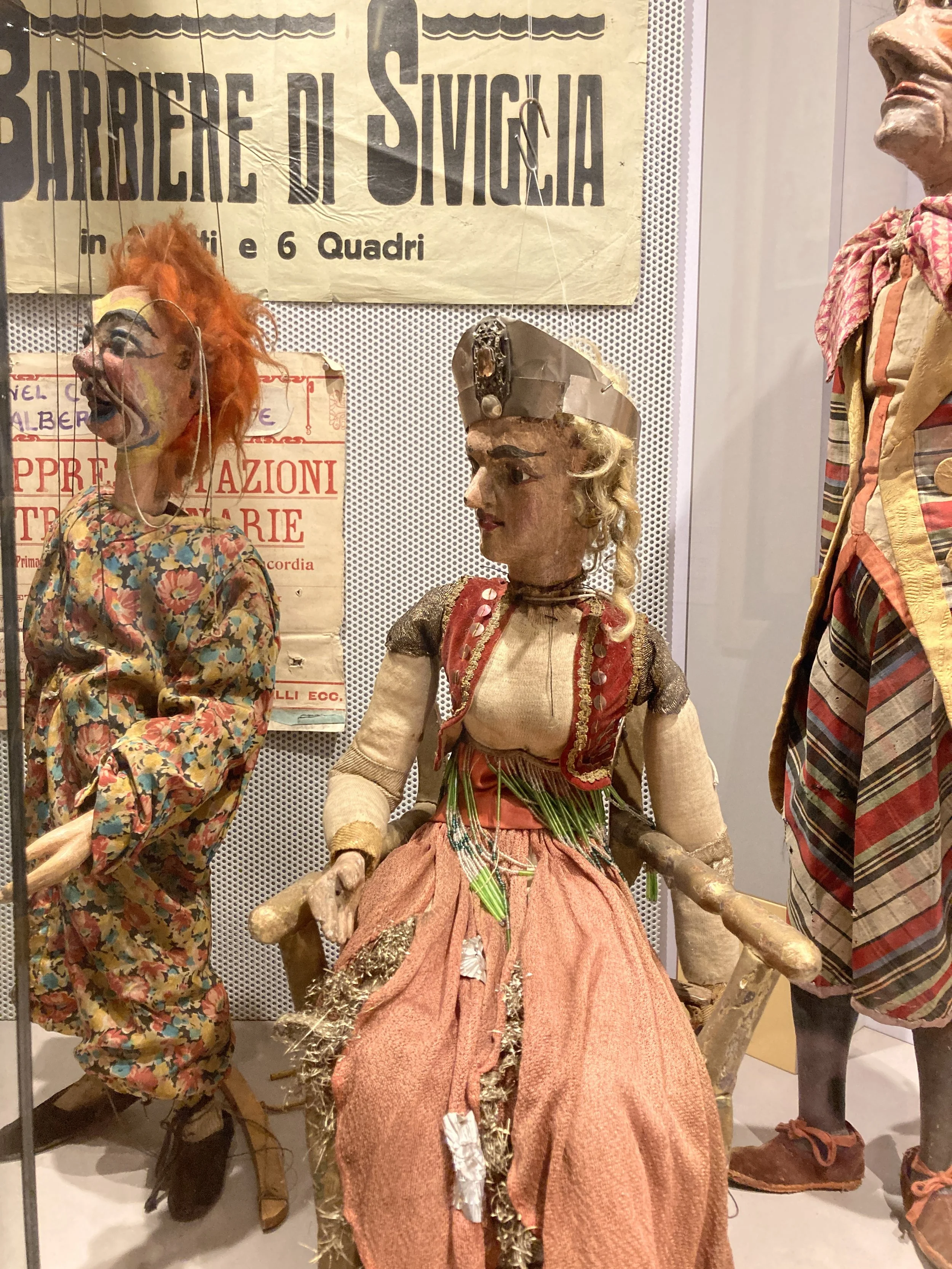
All the typical characters from Italian puppet theater are represented in the Castello dei Burattini - princes and princesses, villains, devils (there were lots of devils!), ghosts, monsters, servants, merchants, workers, society gents and ladies, priests, and policeman. There are knights in armor and sultans and animals. The faces are amazingly expressive and the elaborate costumes are fascinating.

4A629BC6-16B3-4554-B64A-7C04337CF715.jpeg
0FE957D7-5235-4CEF-8393-3E12DACA66A3.jpeg

The collection showcases the work of the Ferrari Company, a multi-generational puppeteering family from this area. Their involvement with puppets goes back to the late 1800’s and continues today. In addition to being a professional puppeteer, Giordano Ferrari collected the stories of puppet theaters throughout Italy and amassed this vast collection of burattini. Eventually, the city of Parma acquired the collection and, in 2002, the museum was established.
In addition to the puppets, the displays also include video presentations of puppet shows, fabulous old posters advertising the shows, scripts for the performances and - from time to time - live puppet shows which delight the many children who attend and their parents (along with the occasional tourist).

CA2EC622-E21D-45C4-95AB-80C0B0023EC5.jpeg
E0663A21-453C-47D9-AAB3-9C297FB57777.jpeg
13921006-B474-467D-A2FB-C8CE853863D7.jpeg

Admission to the museum is free. The enchantment is worth a lot!

Castello dei Burattini. Strada Macedonio Melloni 3 VA, Parma

website: www.castellodeiburattini.it


January 24, 2022 /Joanne Bartram
Parma, parma italy, #Parma, Italian Puppet Theater
#italytravel, Family Travel, Italian culture, Italy travel, Museums Italy, Parma

This painting may be temporary, and wash away with the next rain, but it brings pleasure while it lasts.
Everyday Art in Italy

January 10, 2022 by Joanne Bartram in #lucca, Italian Art, Italian culture, Lucca

Italy offers endless opportunities to enjoy art. Here, art is everywhere. Ancient and modern art works fill museums large and small, famous or obscure. Art lives in the great cathedrals and surprises us in small chapels. Sculptures grace many piazzas and small ones fill tiny niches along village streets. Gardens and roadside shrines are decorated with graceful sculpture and artistic fountains.

If the definition of art is expanded to include architecture (as I believe it should be), then Italy truly surrounds us with art in the graceful form of buildings, the curlicue iron work of balconies, the moorish arch of windows, and the decorative brick work along medieval streets. These all help to paint the picture of Italy and fill our senses with artistic beauty.

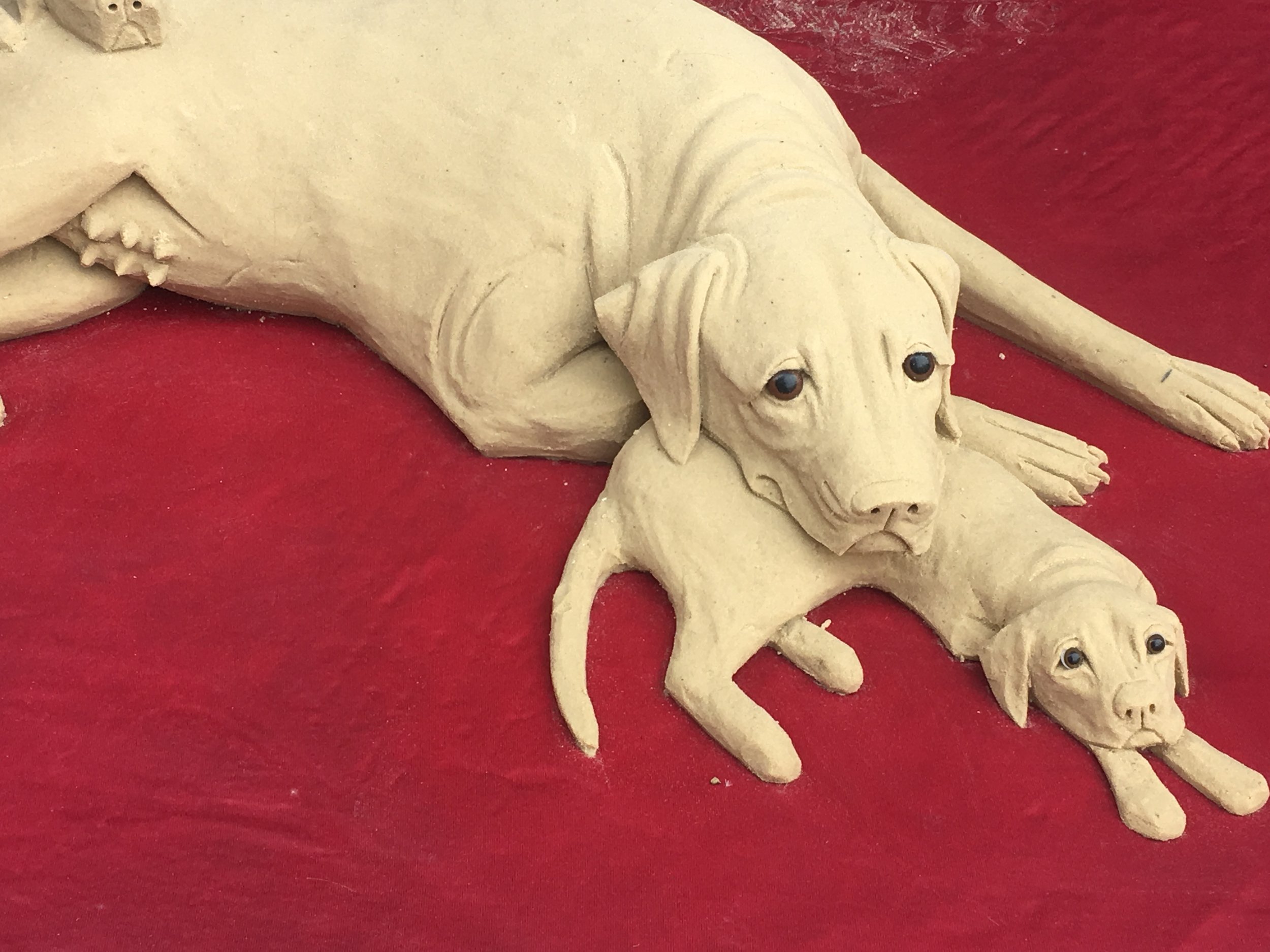
Sand sculpture - the detail and expression delights, even if only for a short while.

Art or graffiti ? Either way, it certainly captures a certain moment in everyday life in Italy during the pandemic

But there are other, less traditional, forms of art to be found. I think of this as “everyday art”. It changes quickly as street artists and art students, working in paint, chalk, or even sand, lend their decorative talents to city streets, doorways, and just about any surface they can find along buildings and alleyways.

As much as I love the classic pieces to be found in more formal settings, the unexpected works of everyday art really delight me.

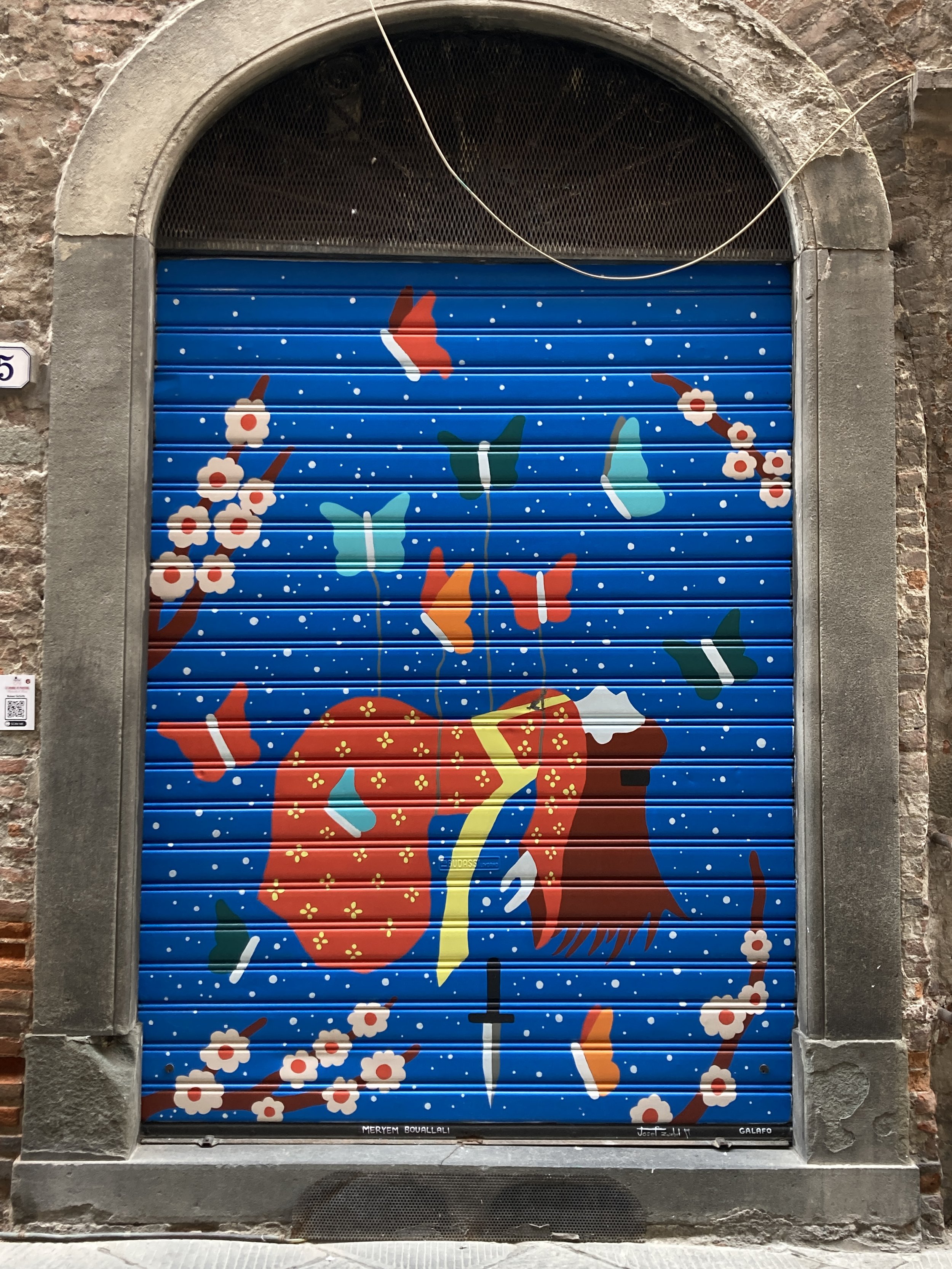
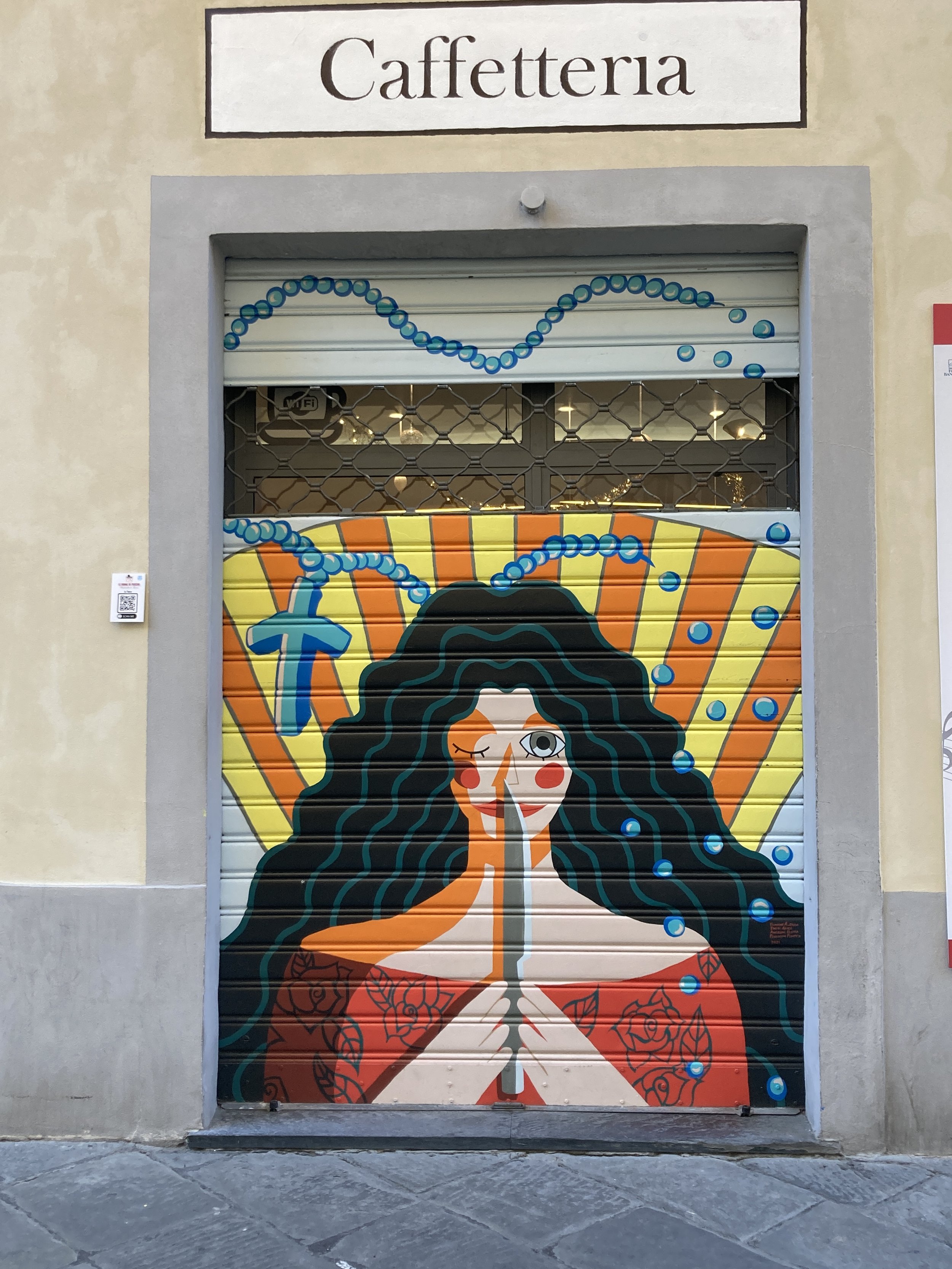
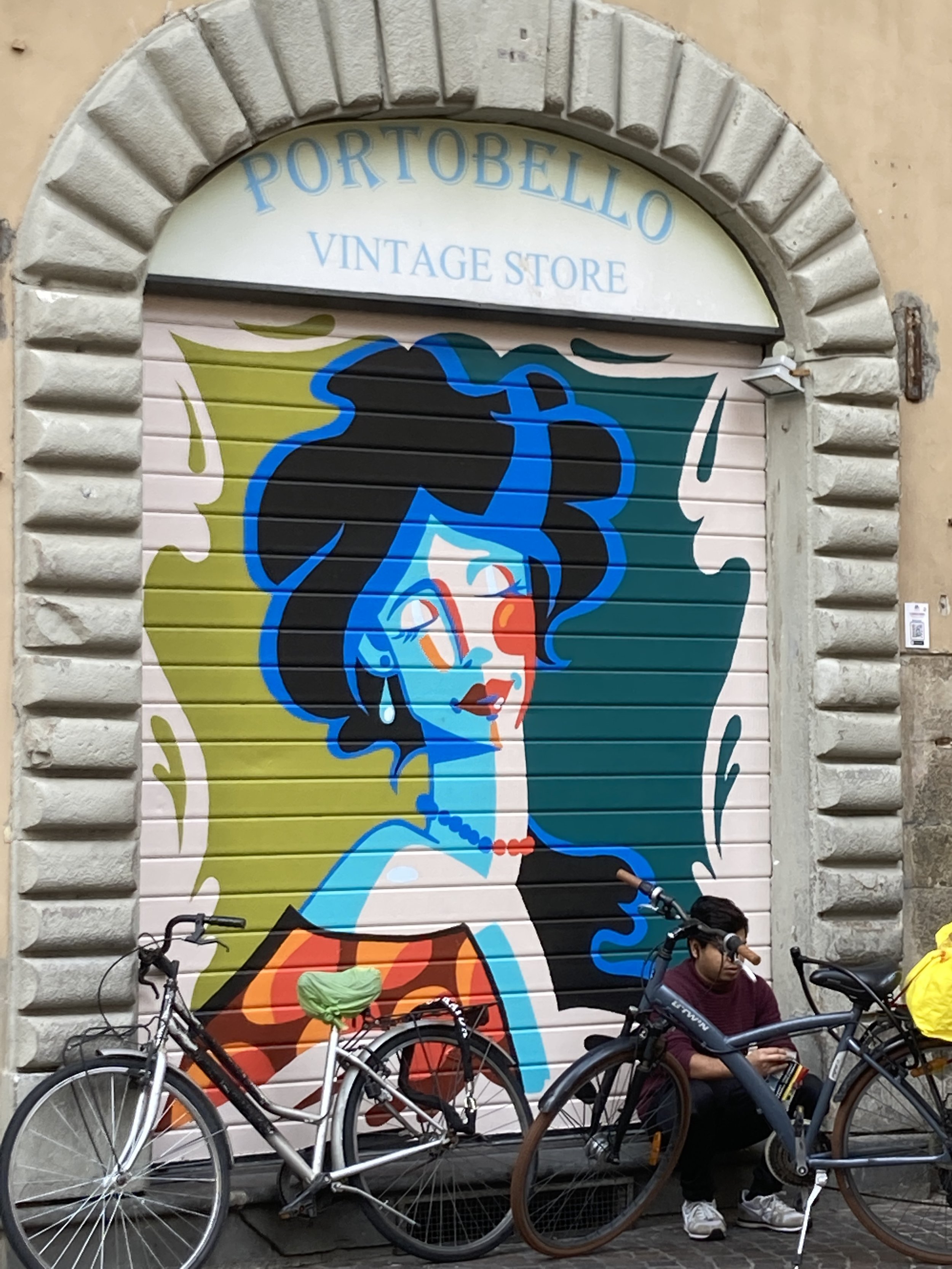
A recent form of everyday art found in Lucca graces several of the “garage door” type shutters that are pulled down over the entrances of many businesses. These paintings, done by groups of art students from the Passaglia Institute of Art and by local street artists last summer, are found in the area near the museum dedicated to Puccini in Piazza Cittadella. The series is dedicated to “le donne” (the women) of Puccini’s operas. It’s a fun activity to search these out and determine just which opera they represent. During the day the shops open, the shutters go up, and the paintings disappear. At night, down come the shutters and the works reappear. What fun it is to walk through Lucca early in the morning, before the shops open for the day, and see these works of everyday art.

6D6ACA49-57E0-4D5B-97FB-8D746C6C07A4.jpeg
38FF8757-D604-4FBB-B1D5-903EF7D18E20.jpeg
8EC04FB8-1E40-4207-B028-1901E635A216.jpeg

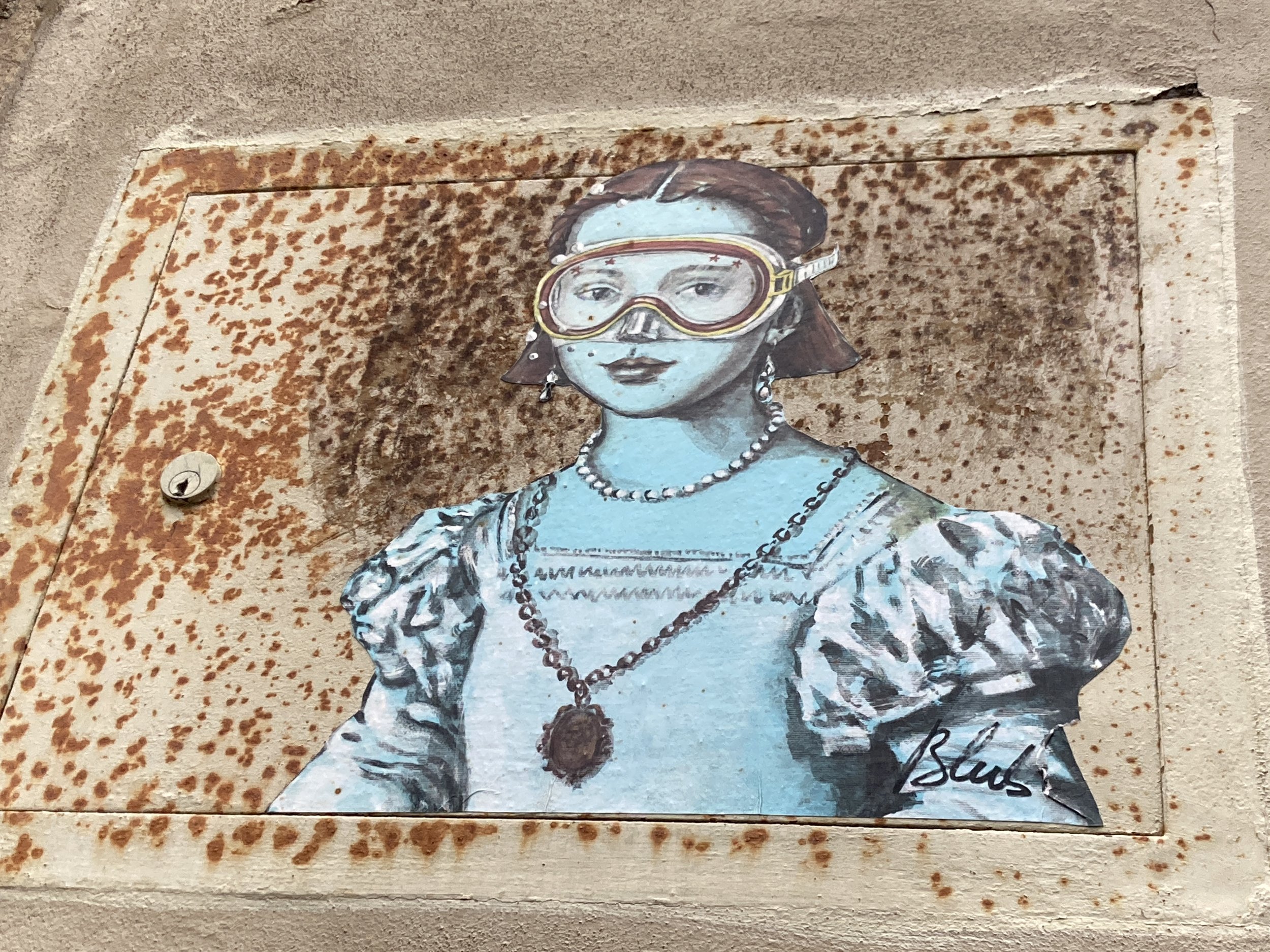
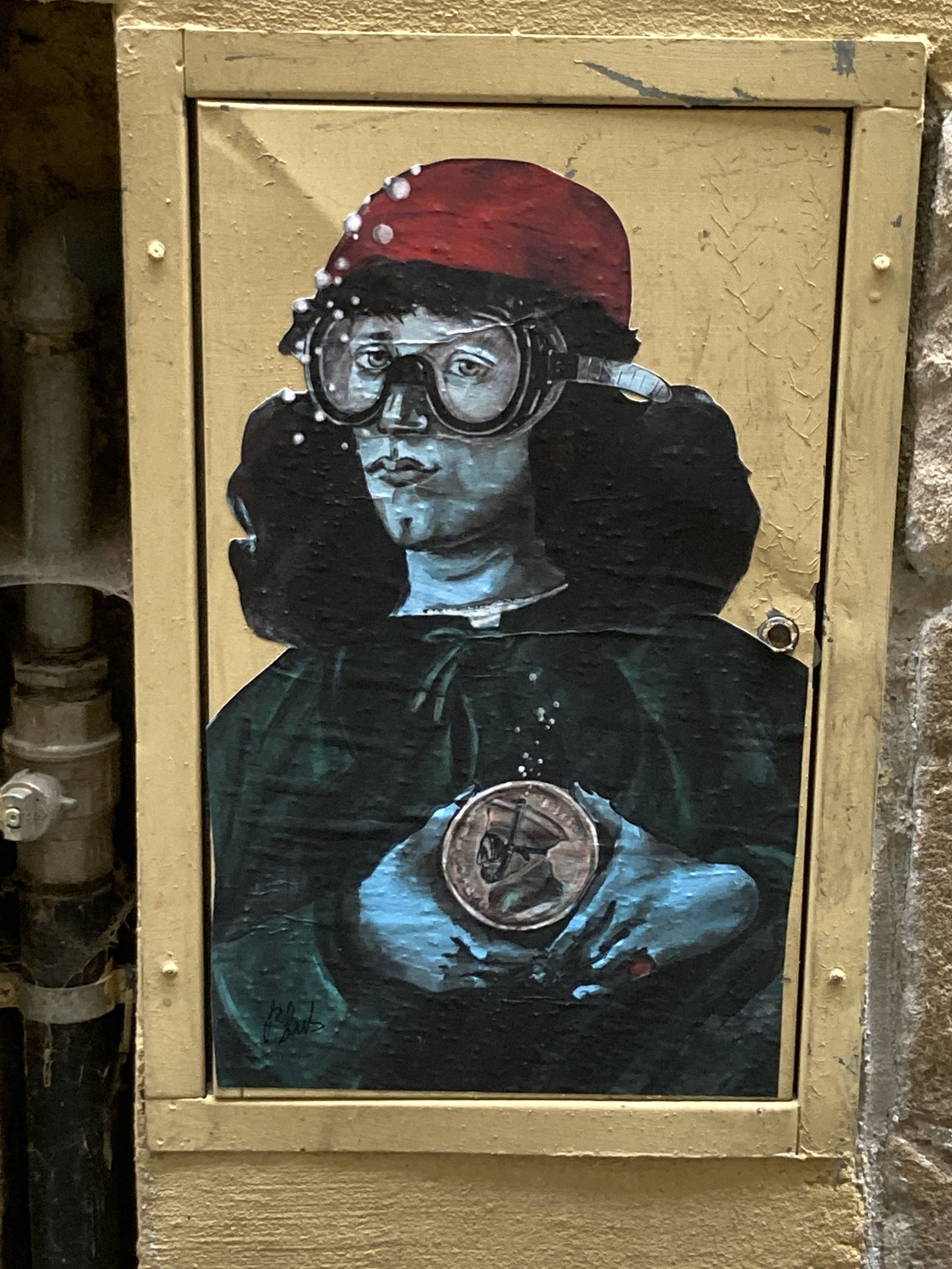
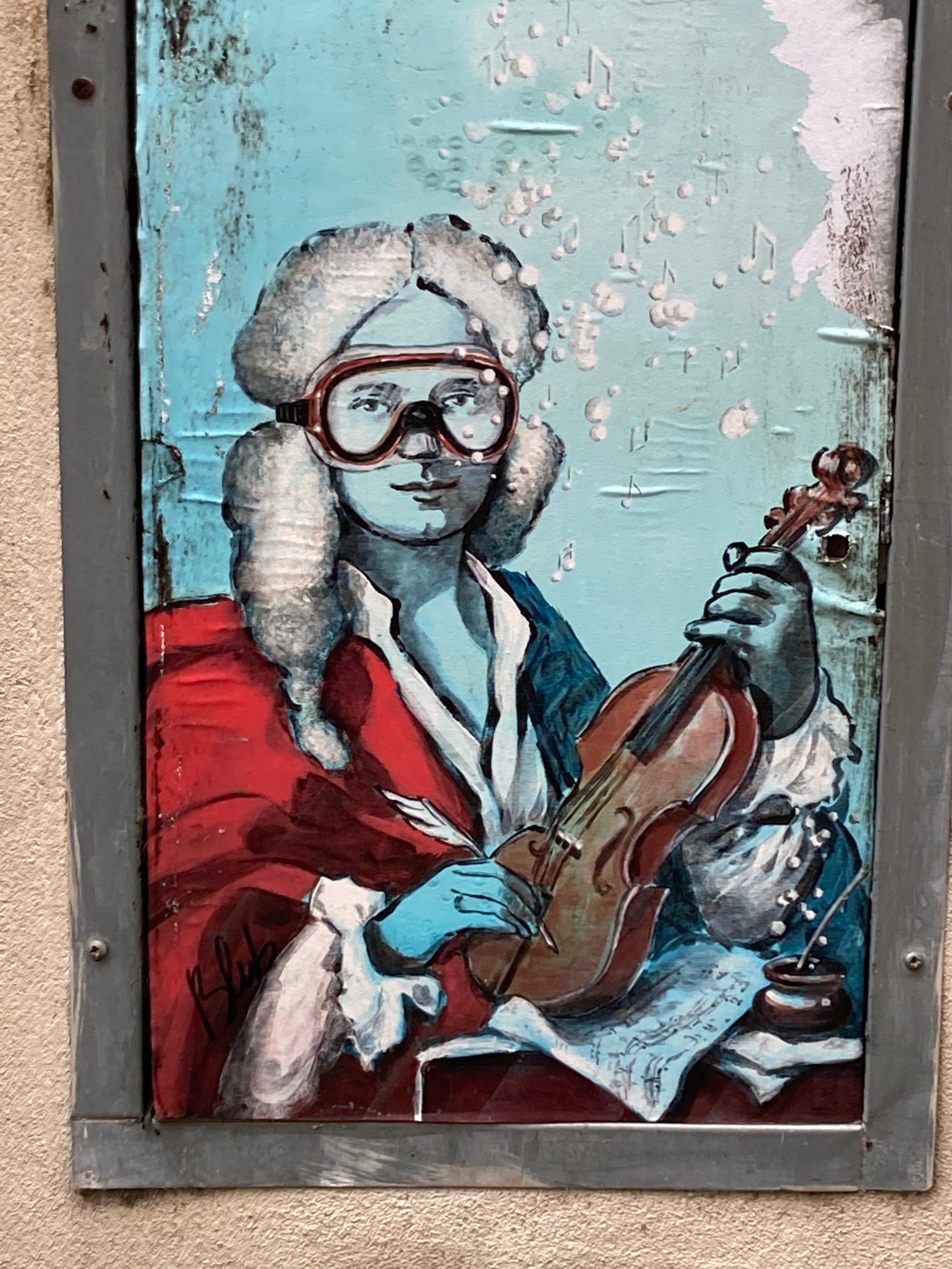
Another example of everyday art, and one of my favorites, is the street art by Blub. Blub - think of it as the sound of bubbles rising through seawater - paints famous figures from art and history, each in an underwater diving mask. He chooses to remain anonymous, painting in his Florence studio by day and attaching the works under cover of darkness on the outdoor panels (often rusty ones) which enclose gas, electric, and water meters. The painting below, one of my favorites, is just around the corner from my apartment in Lucca. It’s not unusual to see people stop to take a photo !

Blub’s message has been described as “art knows how to swim” but I tend to think of it as saying that when the flood comes, and you are about to drown, put on your diving gear and get a move on.

BC7A90DE-C444-498B-B441-EC43FACDFEFB.jpeg
IMG_1125.jpeg

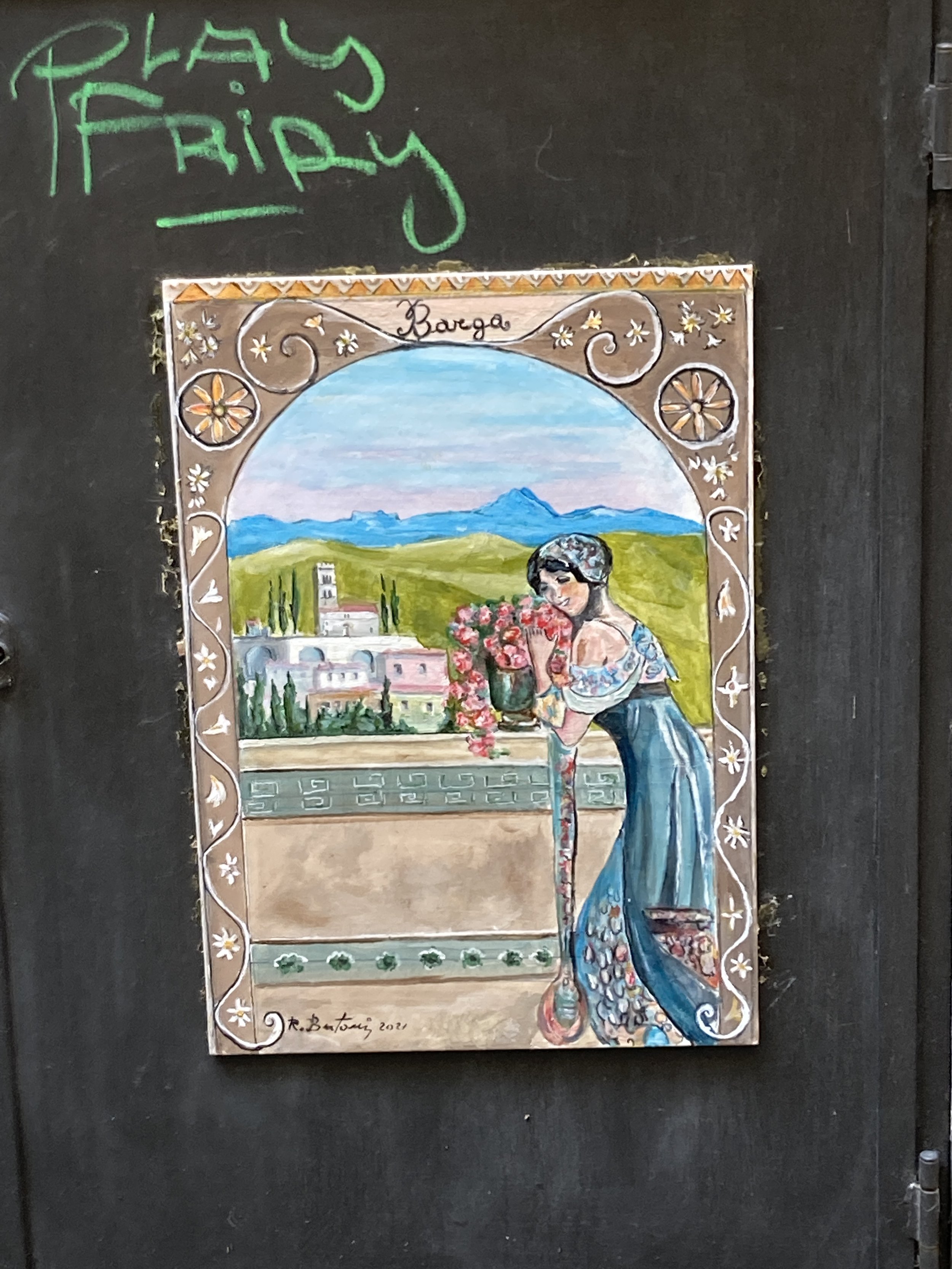
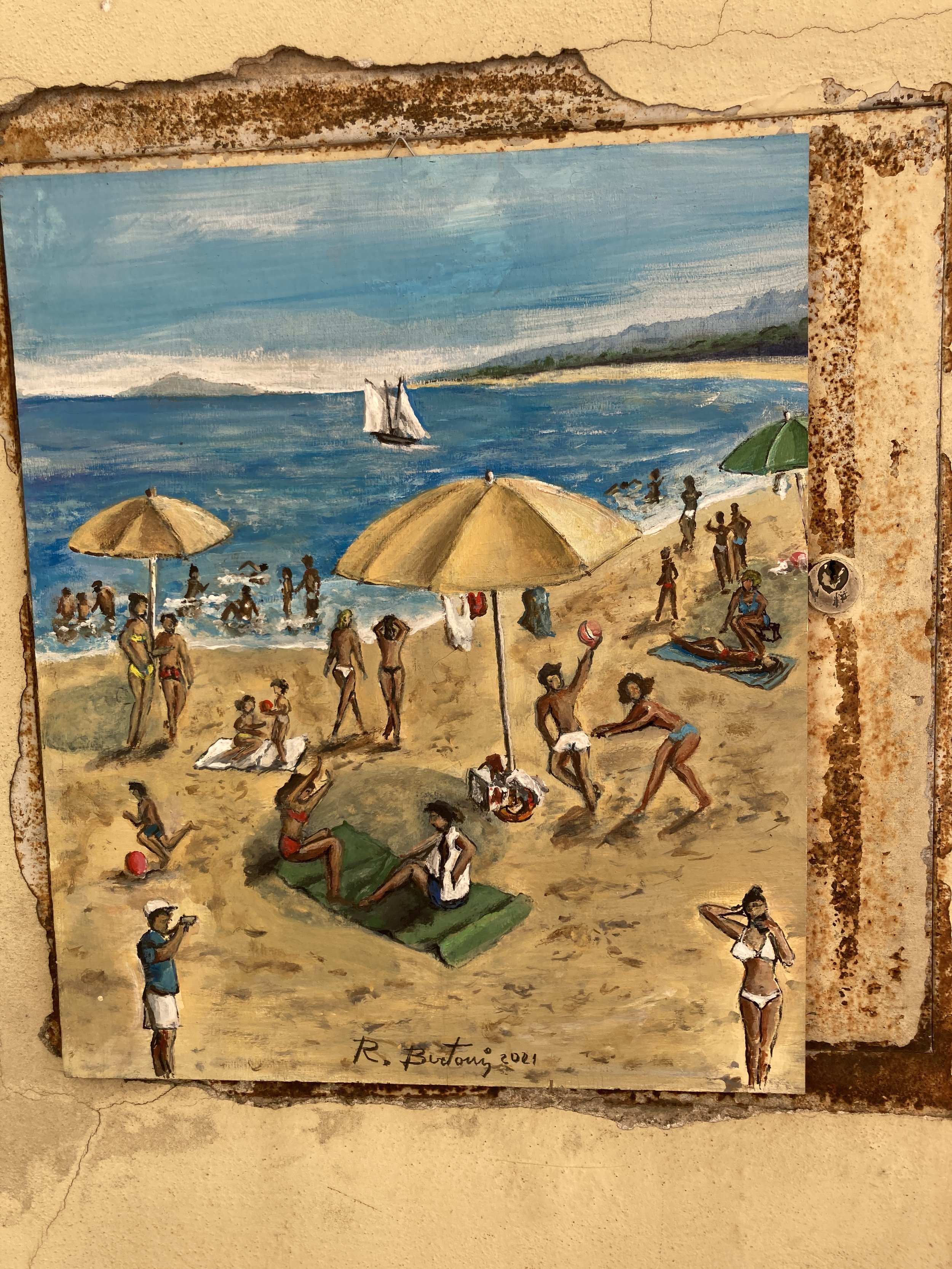
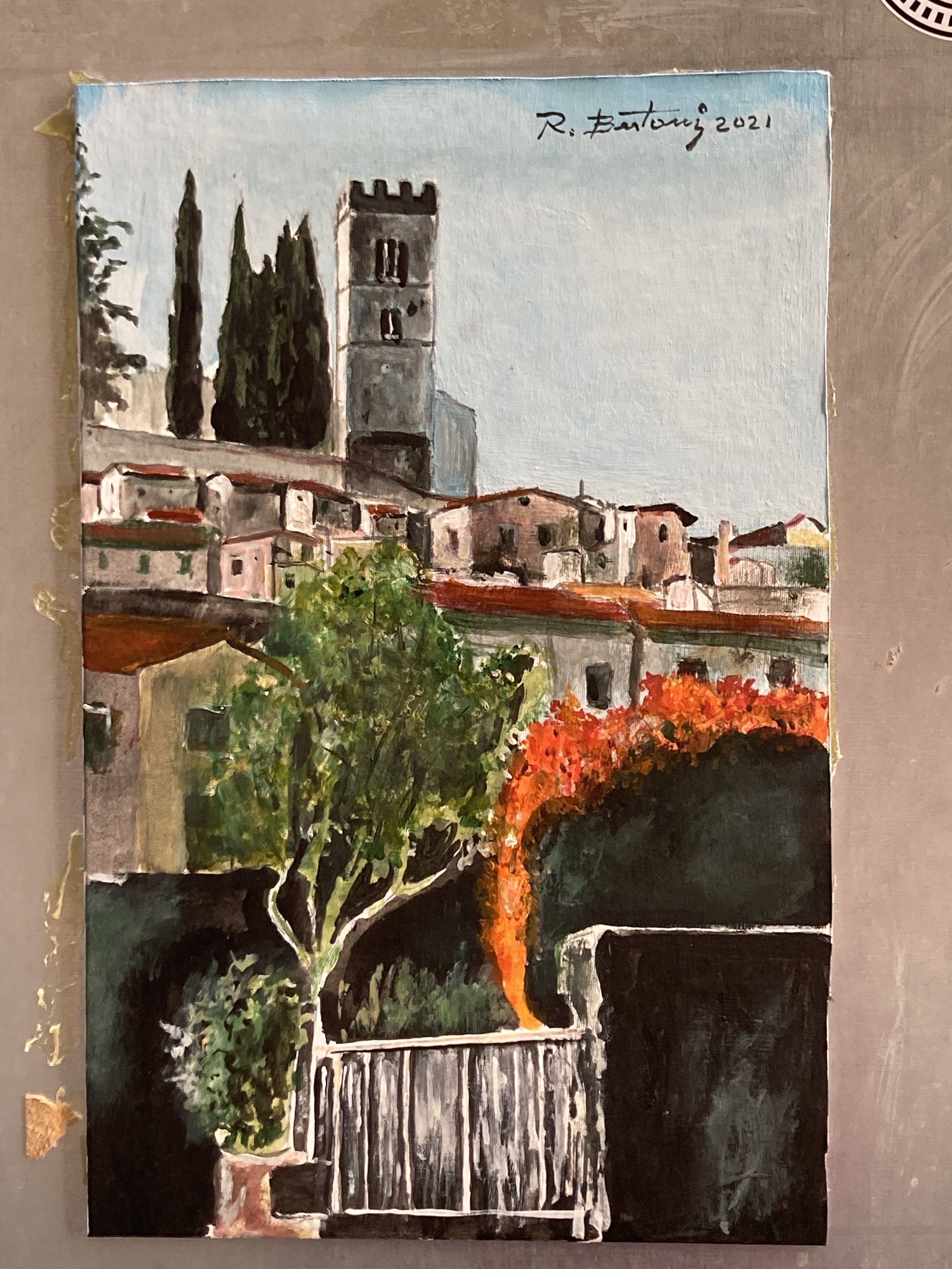
Blub isn’t the only artist covering utility meter cabinets with his work. On a recent walk through the village of Barga I enjoyed a series of scenes which were also painted on utility boxes.

923E7CAA-02B7-40AB-8318-73D8217A3D23.jpeg
6F6A9B03-ACC2-4976-B876-A4CF5D127E14.jpeg
627359D9-C410-4FDC-8FD4-17B96A3C03A5.jpeg

And this one was found in Lucca’s anfiteatro (the site of the ancient Roman amphitheater). A classic scene on a modern surface.

Street art can also be graffiti painted on the walls of buildings (probably not legal, but still enjoyable) like this one found in Rome in 2019.

It is always a surprise when a new piece of street art appears and each new one makes me smile. Just one more reason that it is delightful to spend time in Italy.

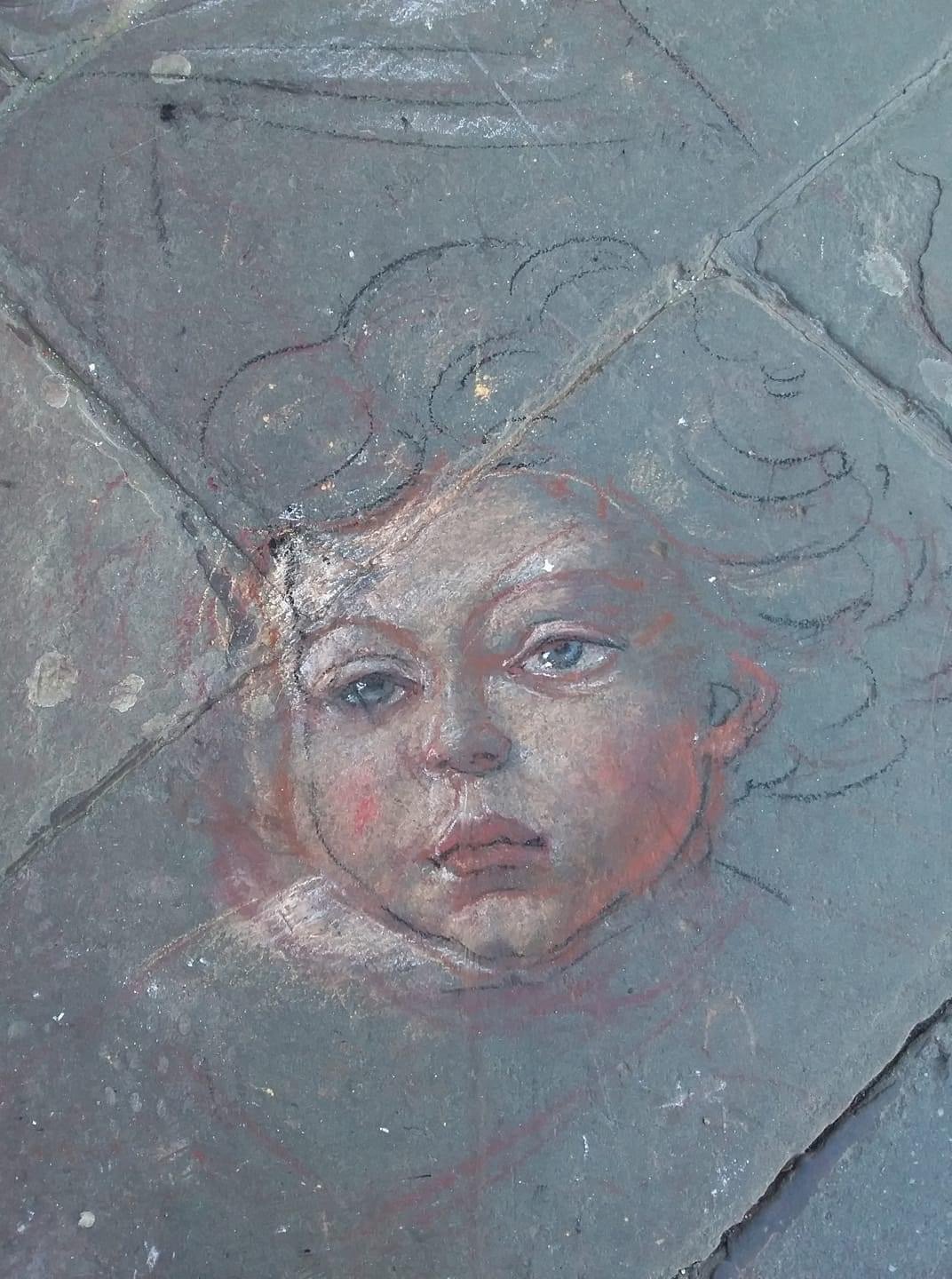
Chalk art in Lucca

.

January 10, 2022 /Joanne Bartram
street art italy, graffiti italy, #italianstreetart
#lucca, Italian Art, Italian culture, Lucca

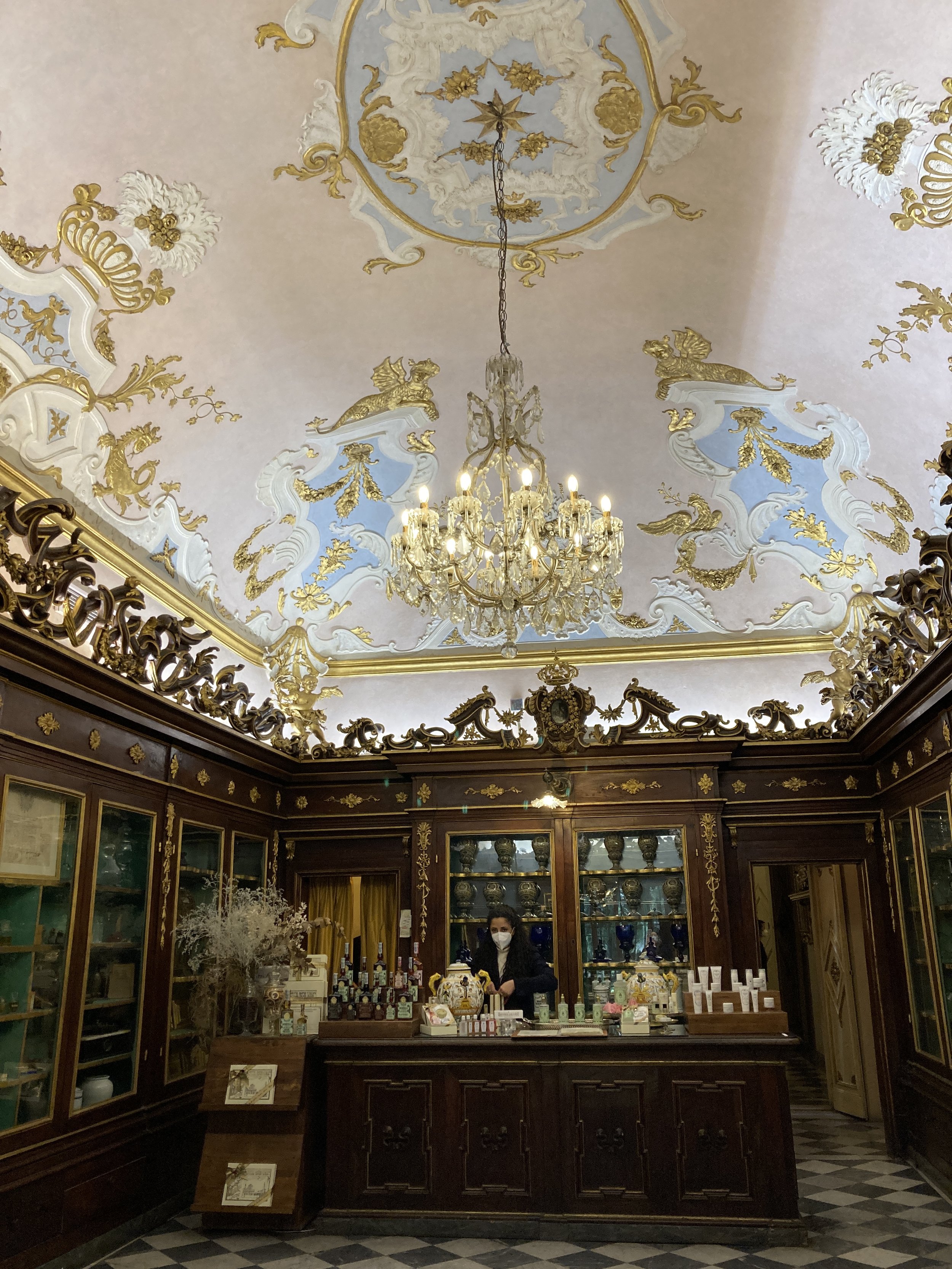
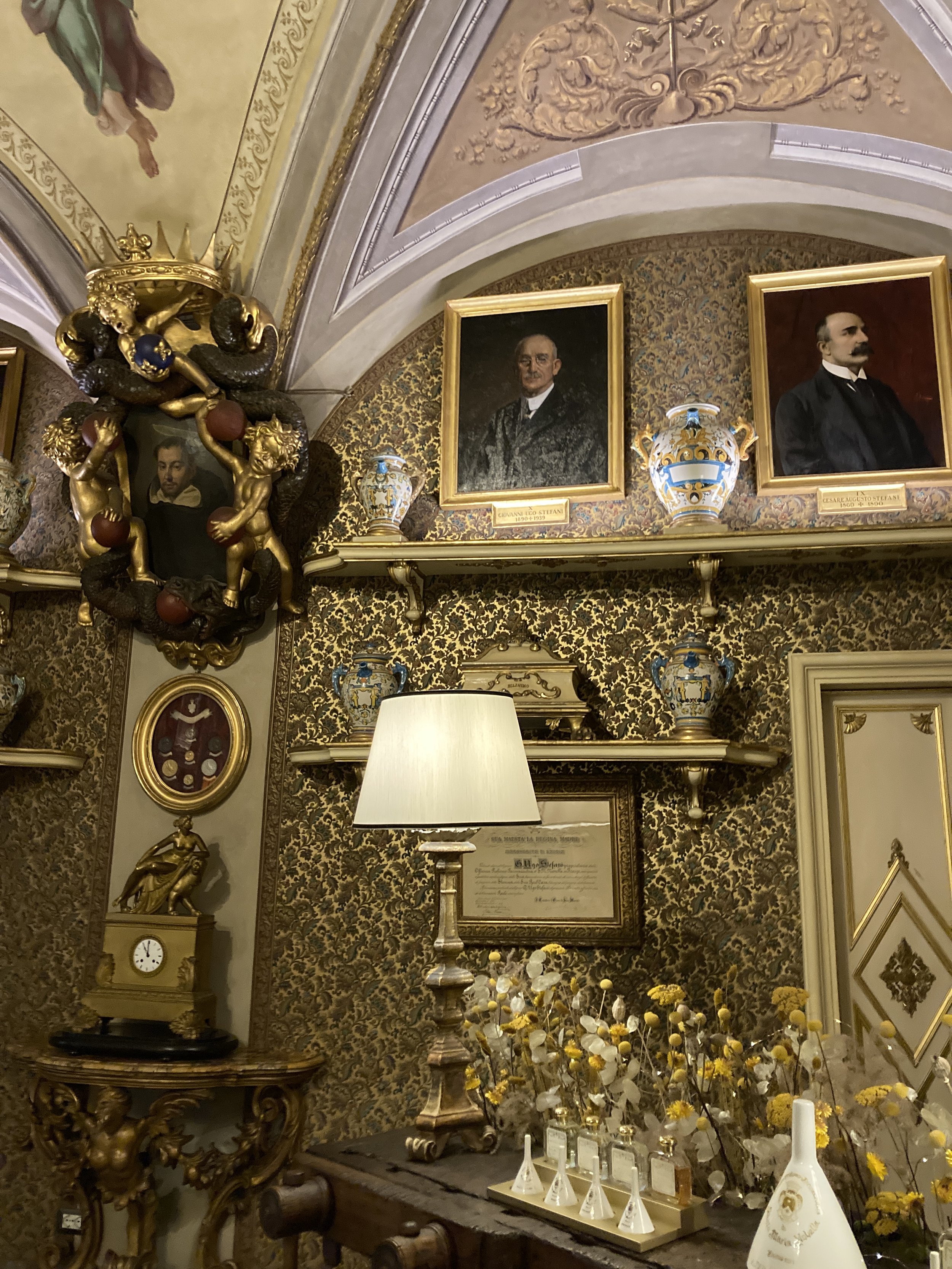
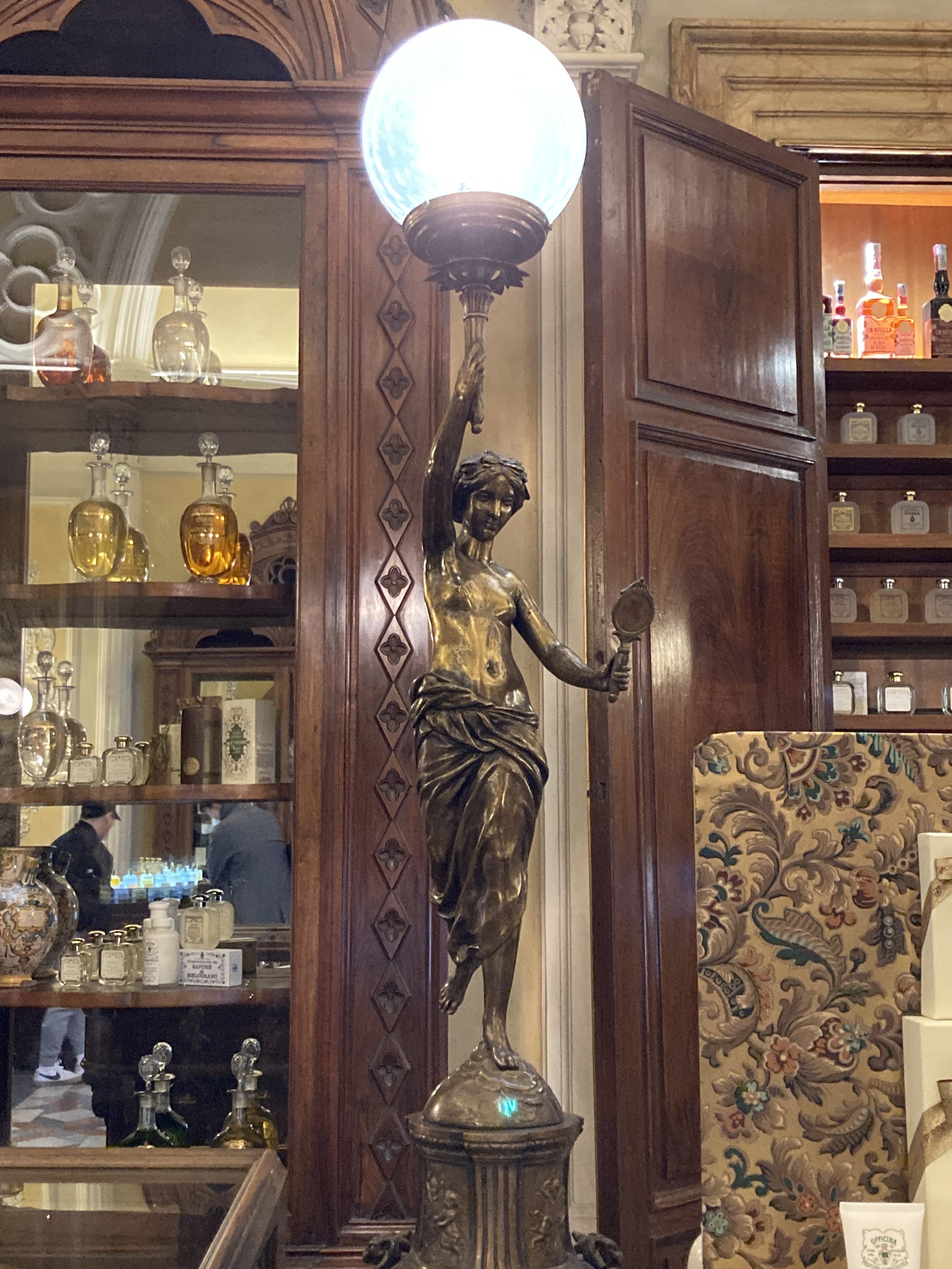
One of the sales rooms in the Officina Profumo-Farmaceutica di Santa Maria Novella

The Pharmacy of Santa Maria Novella in Florence

January 03, 2022 by Joanne Bartram in Florence, History, Italian Christmas, Italian culture, Italy travel, #italytravel, #florence

As I stand at the entrance to the Pharmacy of Santa Maria Novella I have a sudden thought - this must be what heaven smells like. I can hardly wait to go inside!

The official name is Officina Profumo-Farmaceutica di Santa Maria Novella, in English that translates to the Workshop of Perfumes and Pharmaceuticals of Santa Maria Novella. That is a fairly ordinary name for an extraordinary place.

66A60A4E-287E-47DD-A917-4A7609EBD8A7.jpeg
1B566B01-38F2-4846-B707-19E9F2584317.jpeg
A4B30864-63C1-4B59-B534-89CDD6095090.jpeg

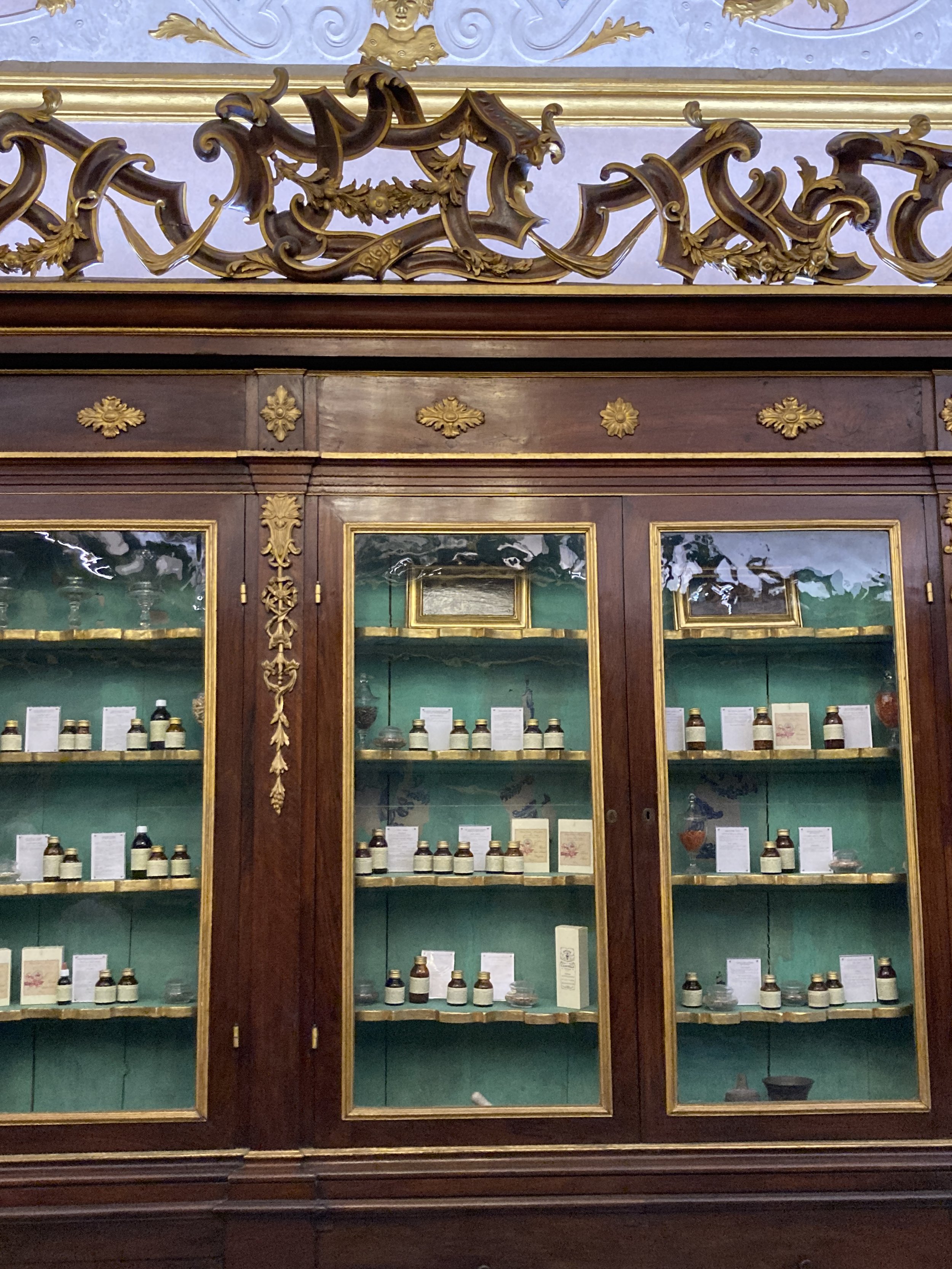
The pharmacy was established by Dominican friars from the nearby church of Santa Maria Novella during the early 13th century, making it one of the oldest European apothecaries still in operation. Centuries ago the friars cultivated herbs and used them to make herbal medicines, tinctures, and ointments for the monastery. Some of their brews, scented with rose water, herbs, and spices, were designed to fight the plagues that ravaged Florence and to treat a variety of other ailments. The friars became famous for their potions and in the 1600’s they opened their pharmacy to the public.

It has been a long time since the pharmacy was run by monks. Fortunately they left behind both their legacy and the formulas they created. For several generations the pharmacy was owned by a family who honored the traditions left by those long-ago friars. They expanded the business to many countries and gave it an on-line presence (in the US the website is: us.smnovella.com). This year ownership was acquired by an Italian beauty products company, Italmobiliare. Let’s hope they continue the wonderful legacy of those long ago monks.

The pharmacy still operates in its historic location on Via della Scala in what was once the Chapel of San Niccolò. The original chapel was built in thanks for the care given to a local merchant, Dardano Acciaioli, by the friars of the church of Santa Maria Novella. It is no surprise then that a trip to the pharmacy feels a bit like a religious pilgrimage.

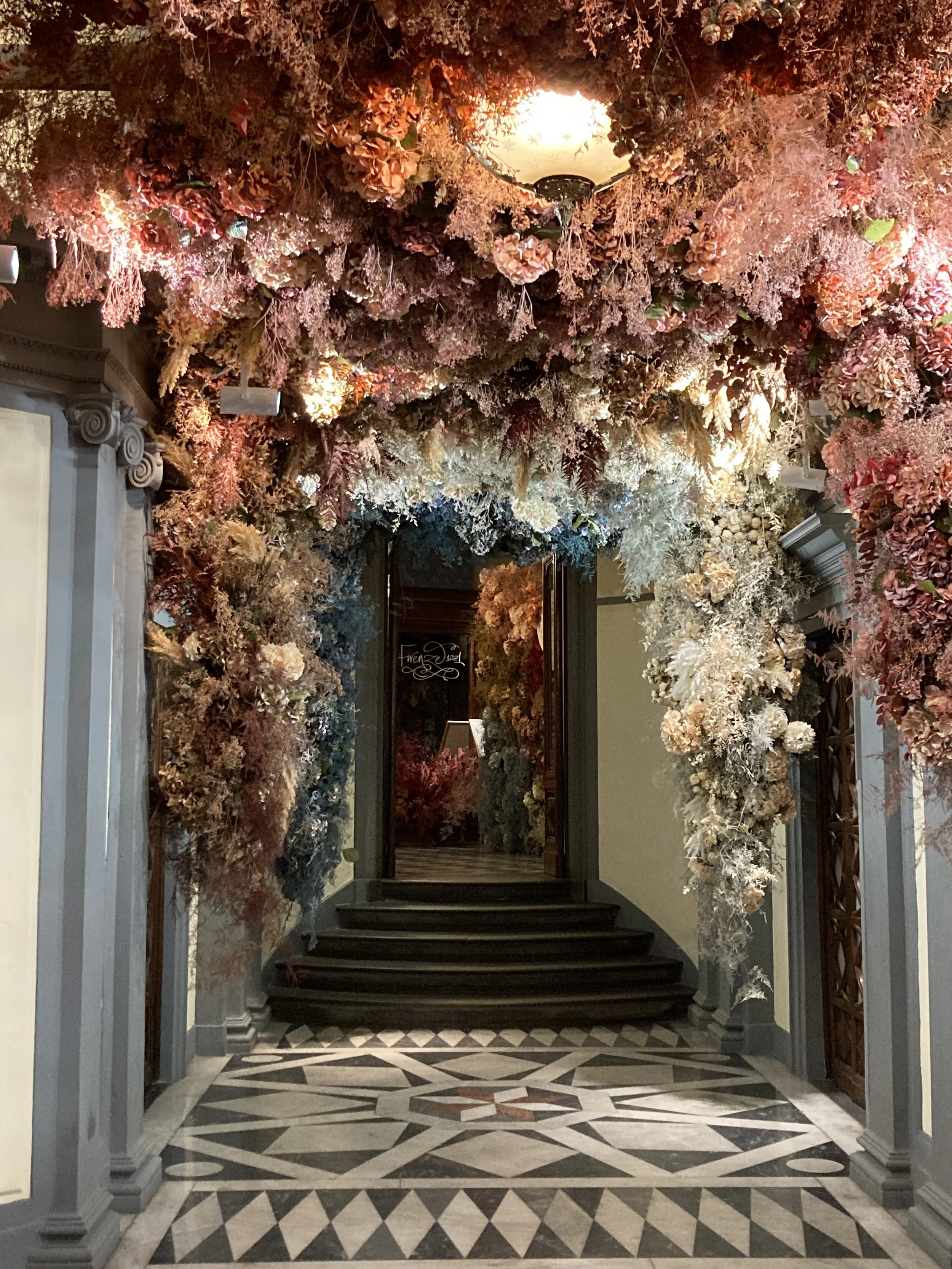
Walking down Via della Scala towards number 16, you will know you have arrived when you become aware of that most enticing scent. The outside of the building is unremarkable, so allow the scent to draw you in. The experience begins just inside the doors as you cross the ornate marble floor and pass through the elaborate floral decorations. Just follow that scent!

The experience begins at the entrance to the antique pharmacy

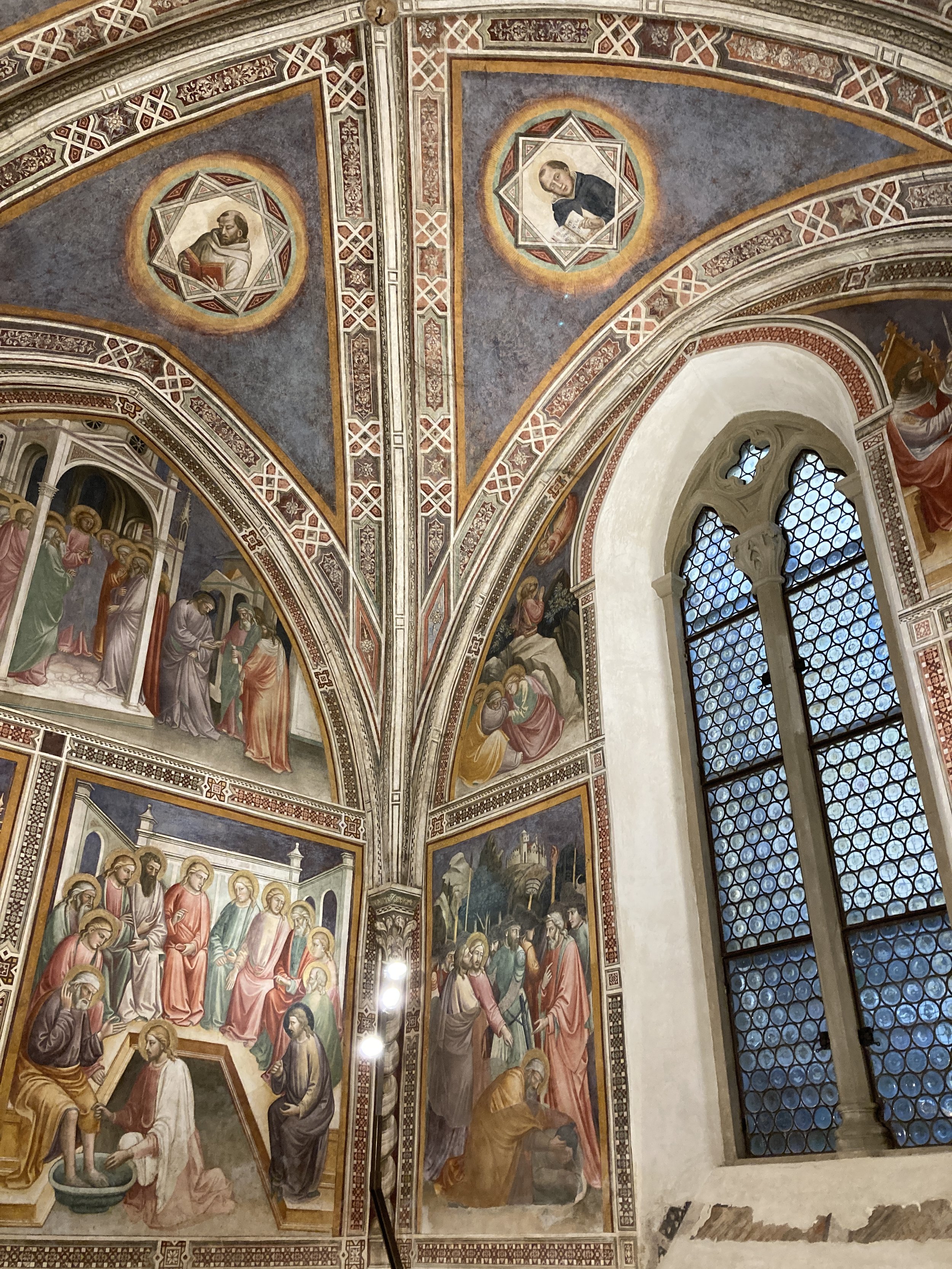
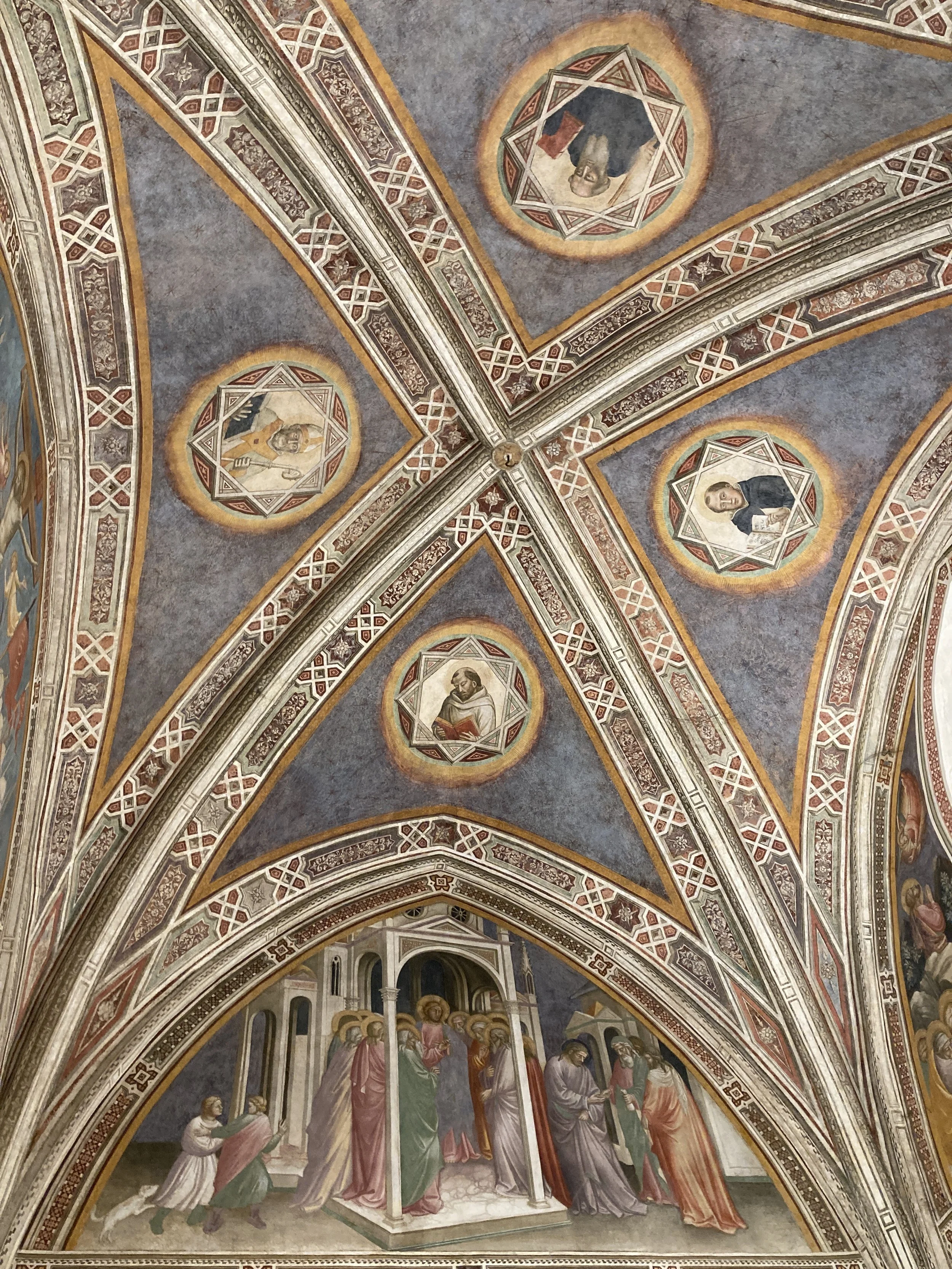
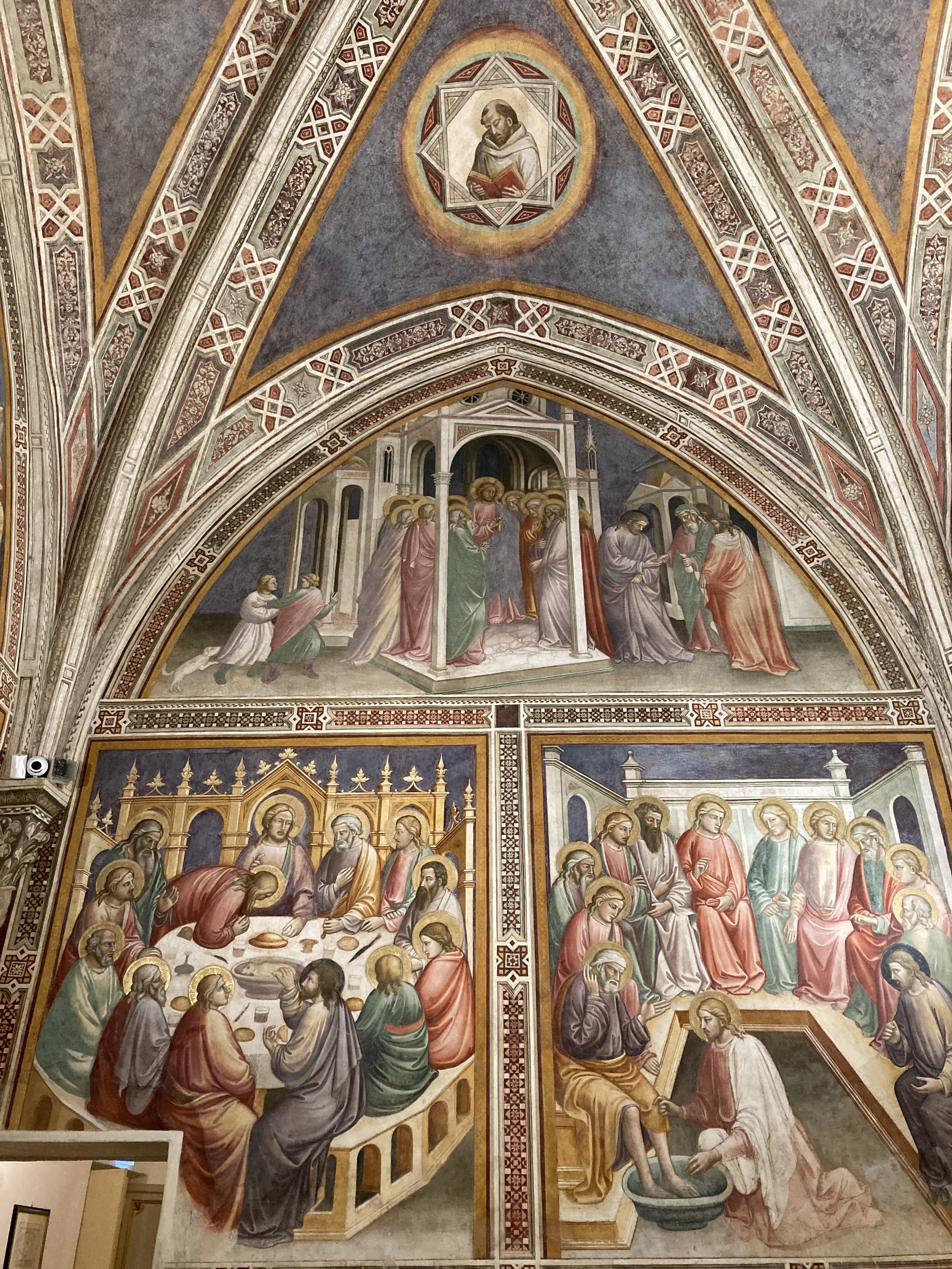
Just off the entry hall is a room that was once the sacristy of the the Chapel of San Niccolò. Adorned with beautiful frescoes from around the year 1400 (below), today this room is part museum and part showroom.

8AB73F3D-3F9B-488F-9226-2C4A838525AF.jpeg
61FE2B3B-8BB4-4376-93EC-84BD6CA043A0.jpeg
FB59B2E1-BB0B-4C1E-9068-465F3D5B26F8.jpeg

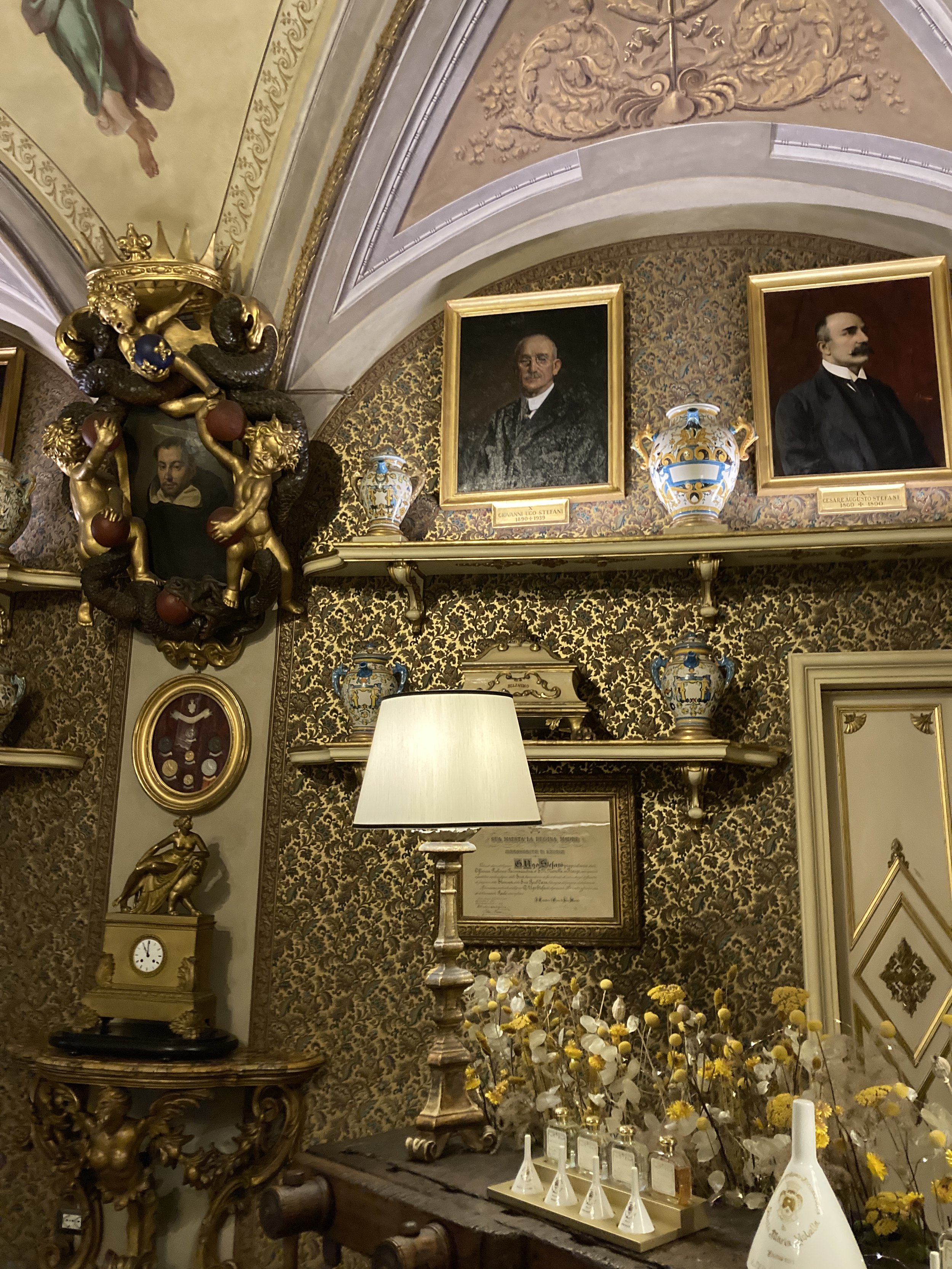
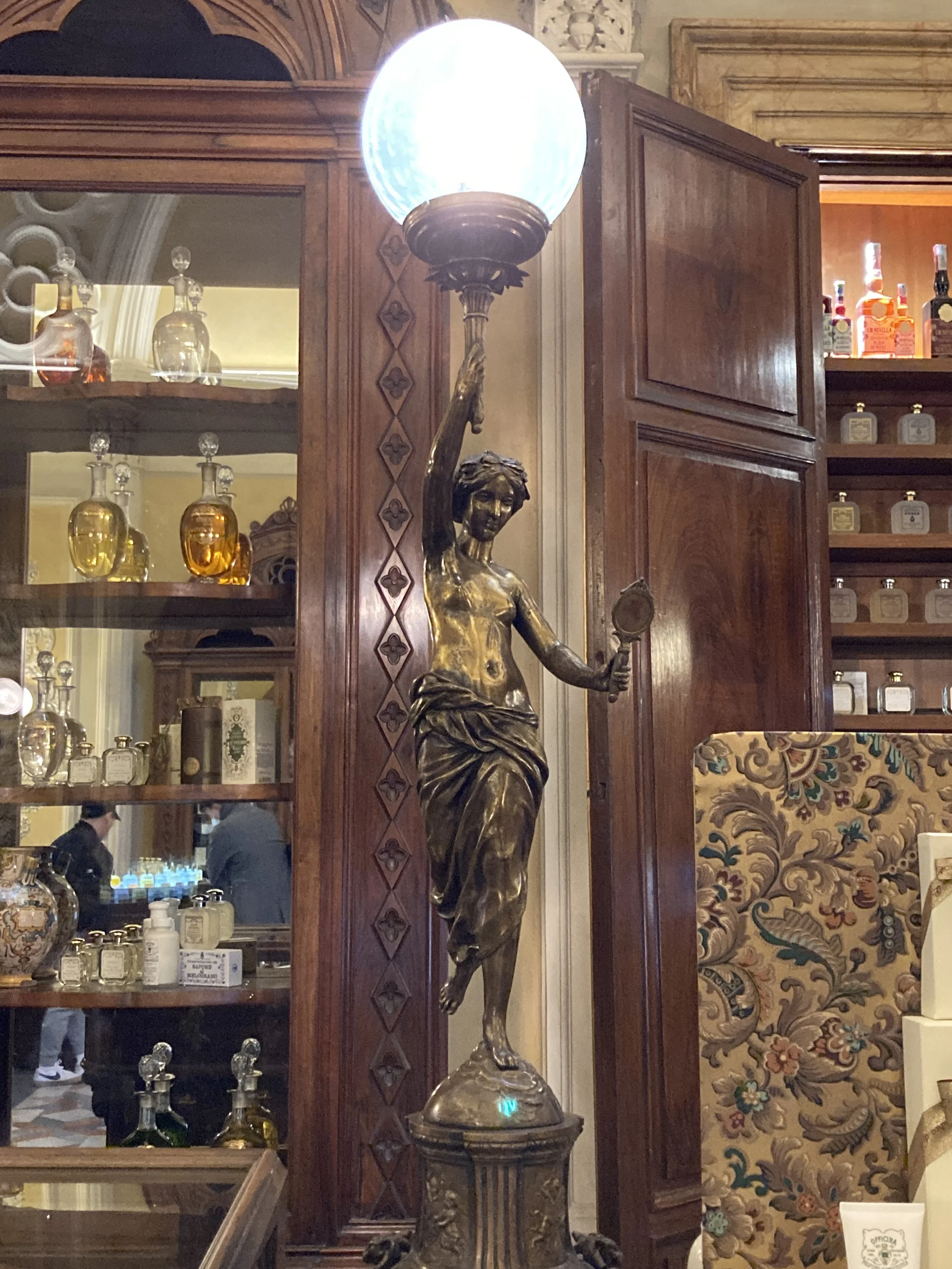
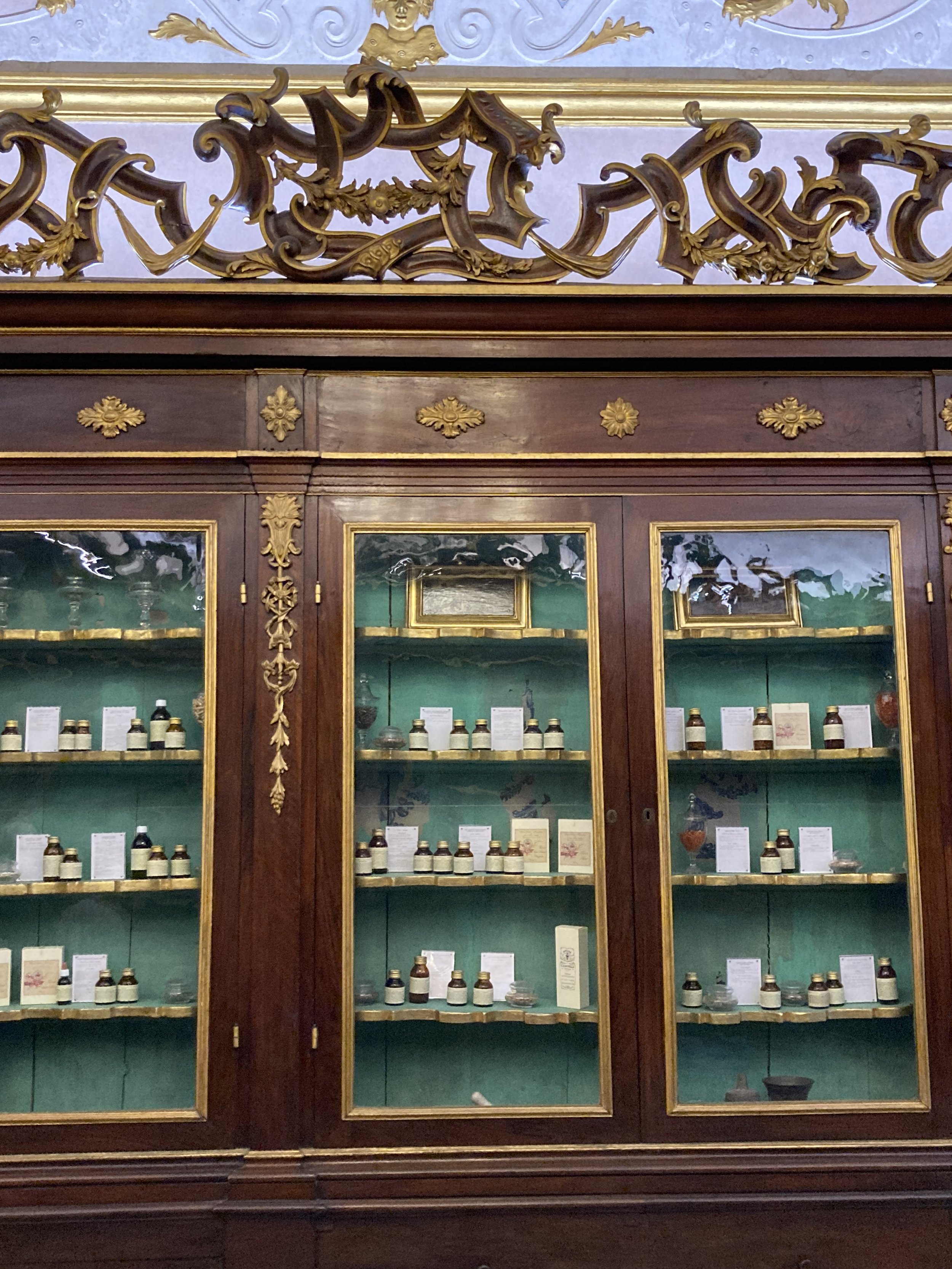
Each subsequent room in the pharmacy evokes the ancient apothecary, provides interesting historical artifacts, and contains elegantly displayed products.

66A60A4E-287E-47DD-A917-4A7609EBD8A7.jpeg
1B566B01-38F2-4846-B707-19E9F2584317.jpeg
A4B30864-63C1-4B59-B534-89CDD6095090.jpeg

Shop here and you follow in the footsteps of Catherine di Medici, an early patron of the pharmacy. A unique perfume was developed for her, named Acqua della Regina. It was the first perfume to be made with alcohol as a base and it traveled with her to France. The scent is still produced today along with a host of other wonderful scents.

Perhaps Catherine di Medici wore an amulet like this one on display in the pharmacy, filled with a potion to ward off illness.

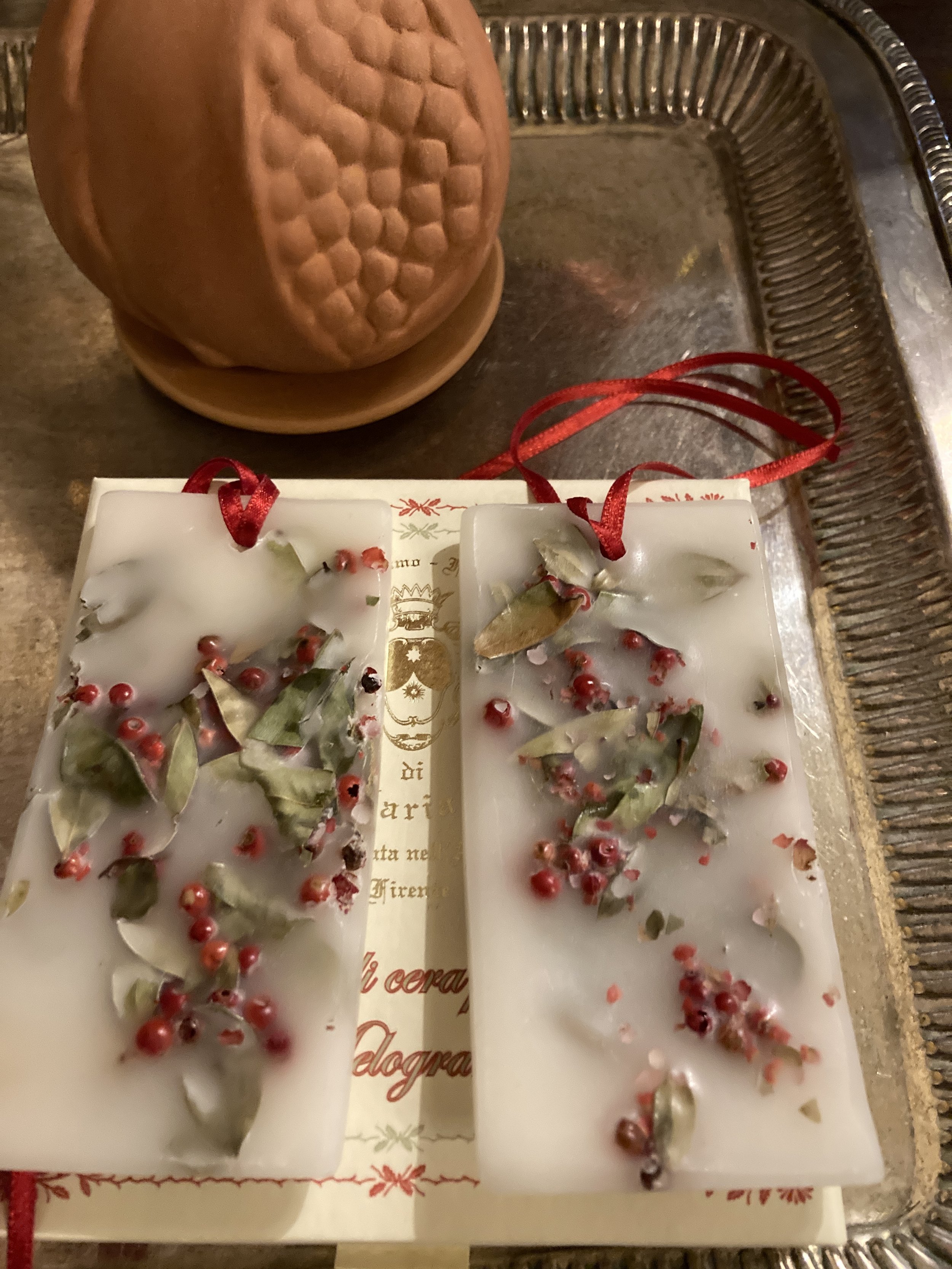
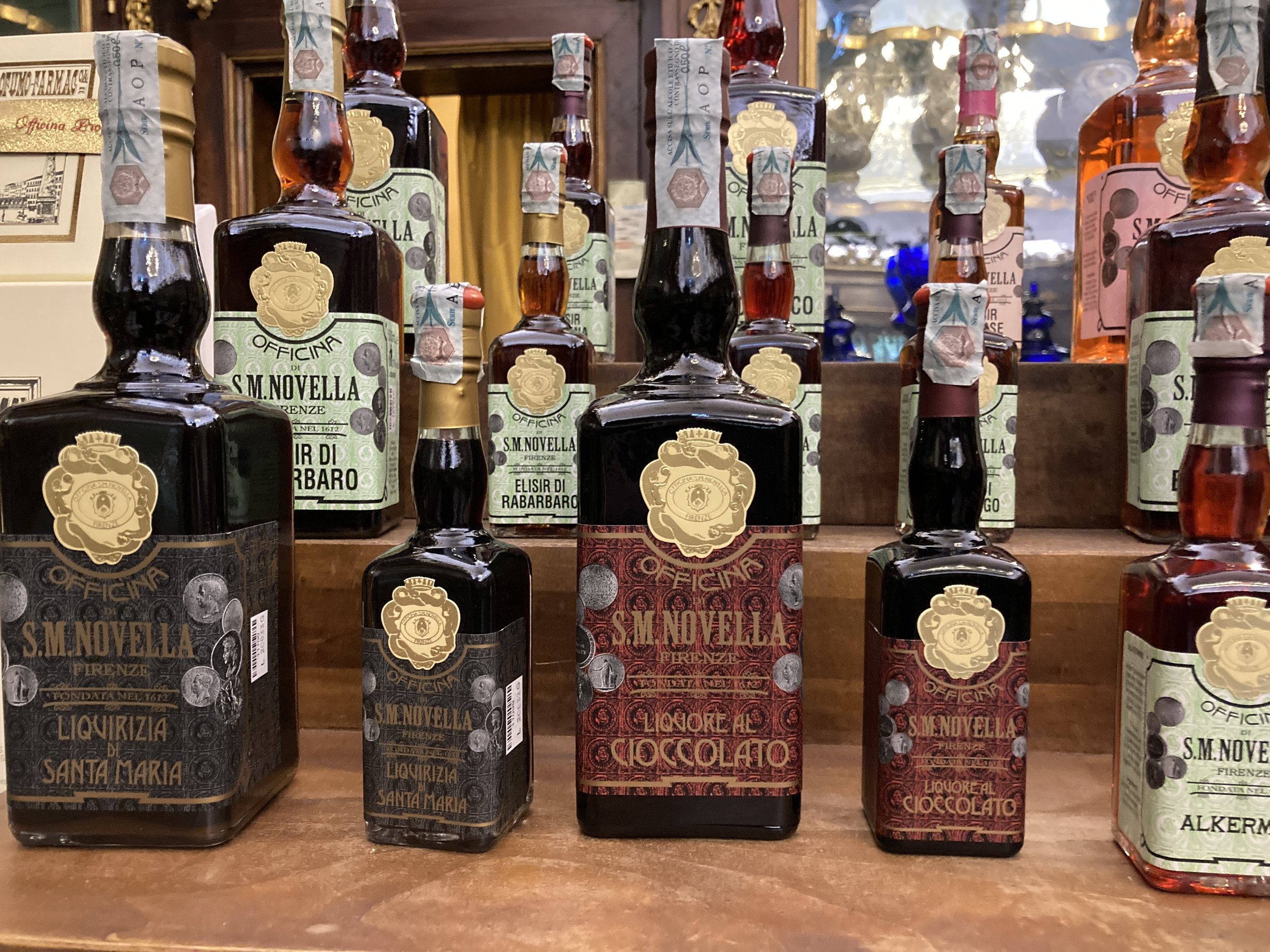
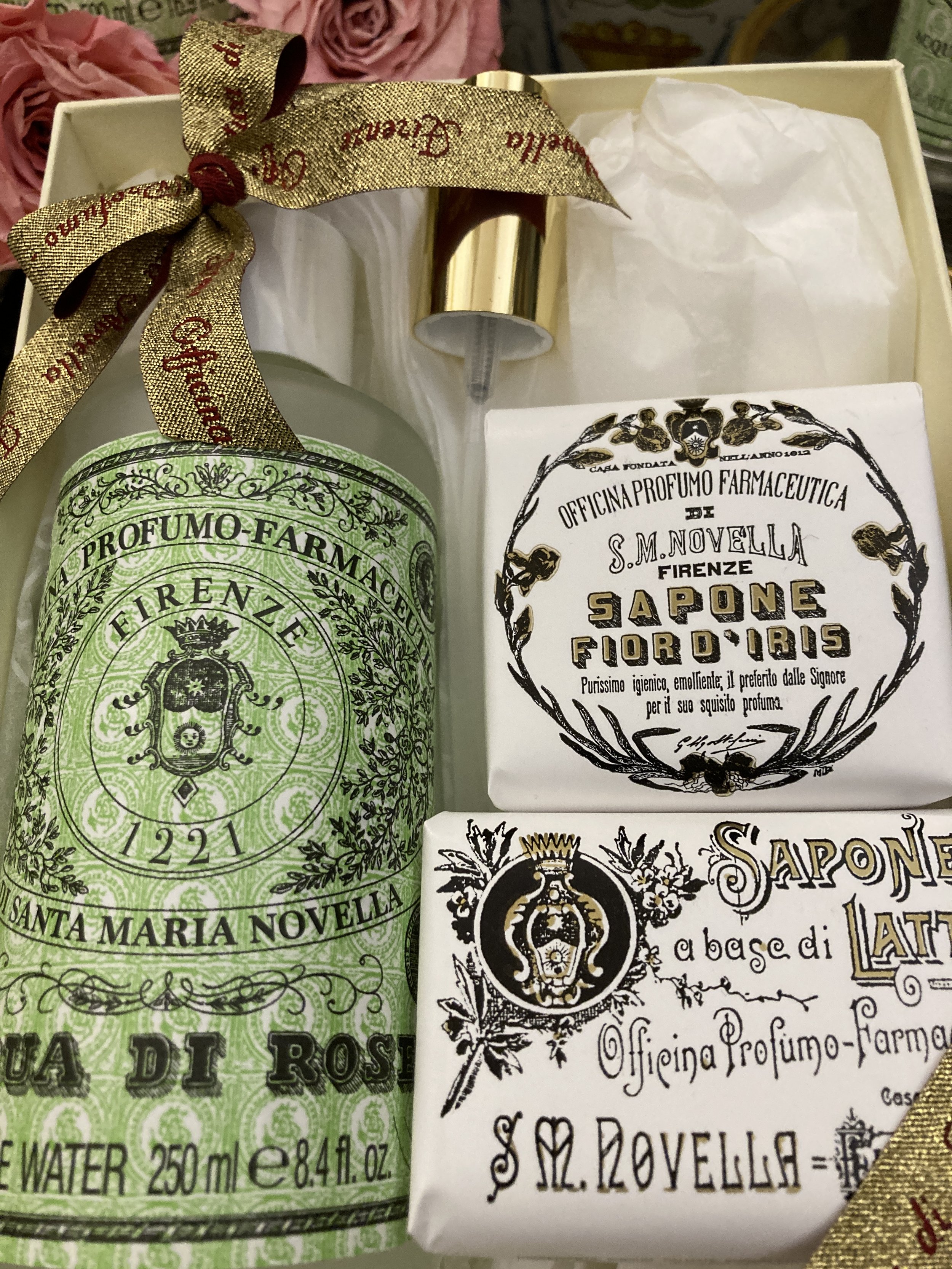
In addition to perfumes, the other products sold here include elixirs, liquors, soaps, potpourri, lozenges, scented candles, and skin care products. There are also some beautiful accessories for the home. All are manufactured locally using traditional methods.

48BAA720-B100-4279-A56B-D739A38C3FAE.jpeg
928126DA-8108-4EDC-A814-297B16E543E1.jpeg
E4F535B9-75F8-4FE3-B71B-AACE45679A21.jpeg
6B3D08AE-DBD7-4154-9E14-BD95510EDFD2.jpeg

I visited just before Christmas when the seasonal decorations were fabulous and the gift buying opportunities were endless. Every product was beautifully presented, even a simple package of mints came in an artfully designed tin. The delicate filigree items (candle and potpourri holders) are handmade by a local craftsman. They make lovely Christmas ornaments, with or without potpourri. Each gift comes in a box tied with an elegant ribbon.

The Christmas tree at Santa Maria Novella pharmacy, 2021

Florence is full of churches and museums - a host of “must see” places. The Officina Profumo-Farmaceutica di Santa Maria Novella provides a different Florentine experience. It is a feast for the senses and a taste of luxury both ancient and contemporary. It is a unique way to step back into the history of this remarkable Italian city.

January 03, 2022 /Joanne Bartram
Santa Maria Novella Pharmacy, SMN Pharmacy, Florence, Italian products
Florence, History, Italian Christmas, Italian culture, Italy travel, #italytravel, #florence

Firenze at Christmas: Lights, Sparkle, Magic

December 20, 2021 by Joanne Bartram in Festivals Italy, Florence, Italian Christmas, Italian culture, Italy travel

It is hard not to compare Christmas this year with last year’s holiday in Italy. Hands down, this year wins! In 2020 the holiday came with increased COVID restrictions which prevented travel between cities. That meant no trip to Firenze (Florence) to marvel at the Christmas decorations (a small thing in light of the more serious issues associated with the pandemic, but still, one more small loss). A little bit of sparkle would have been most welcome at the end of last year!

As of mid-December 2021 no such restrictions on travel are in place. Firenze is aglow and welcoming visitors. There are precautions in place, including a requirement to wear masks outdoors in the main piazzas during certain times (I actually witnessed local police enforcing this rule). And while there were definitely crowds when I visited in early December, by Florentine standards they were fairly modest. Best of all, Firenze at Christmas is as magical as ever!

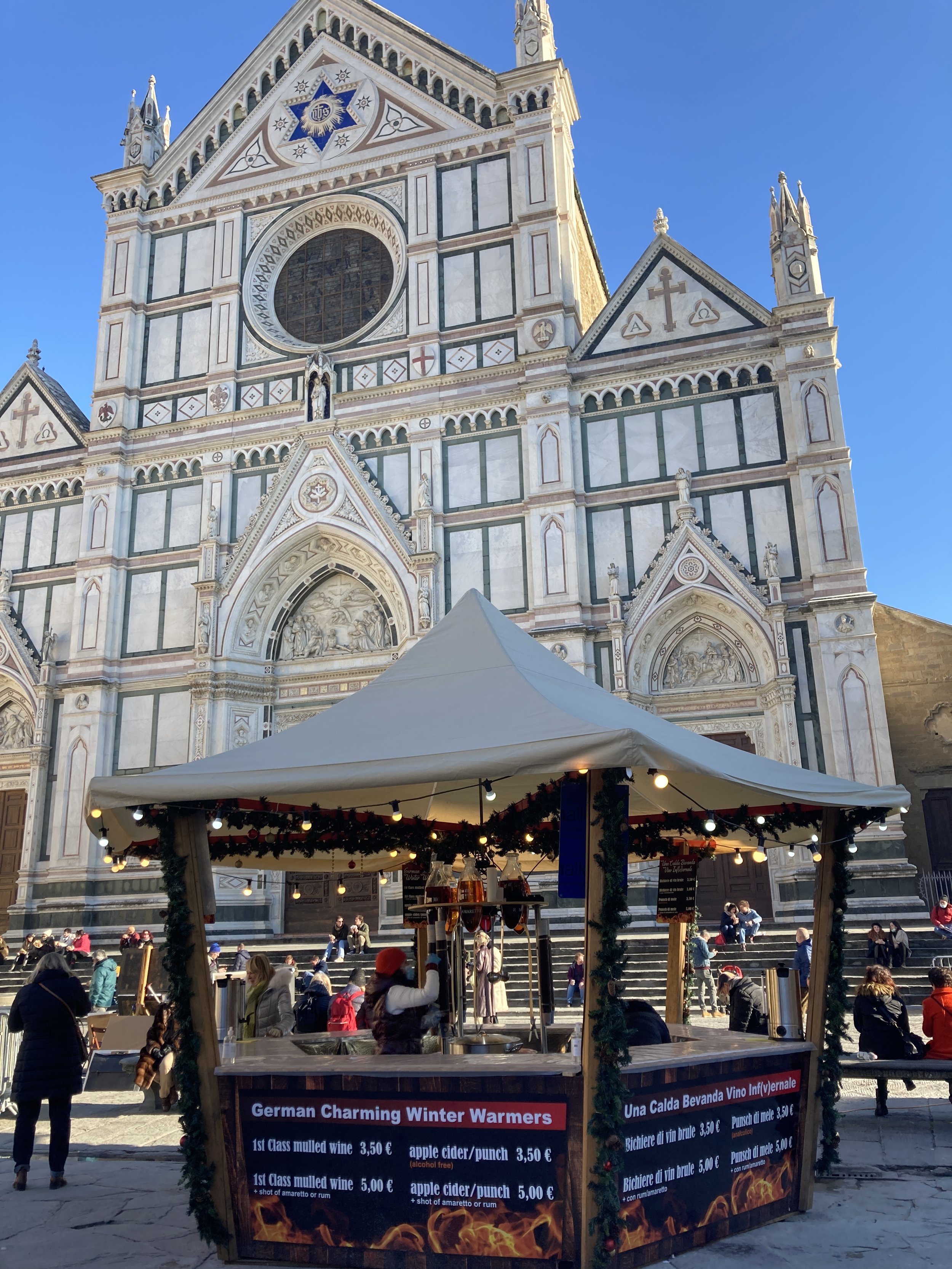
By day there is un sacco (a whole lot) of things to see and do. I started my day in Firenze with a lunchtime stroll through the Mercato di Natale. The market sits in front of the church of Santa Croce and brings a blend of Italian and German holiday celebrations to the city. After a year’s absence, the 2021 market marked a return to tradition. Plus I enjoyed a German flavored lunch from one of the many stalls.

C935DA6E-CB3F-4D37-8174-1AF22943A45B.jpeg
A56D8ECF-EDE0-4113-B9AD-C709F8AECB30.jpeg
9D6D3136-3565-44E4-9390-04630F43BDD2.jpeg

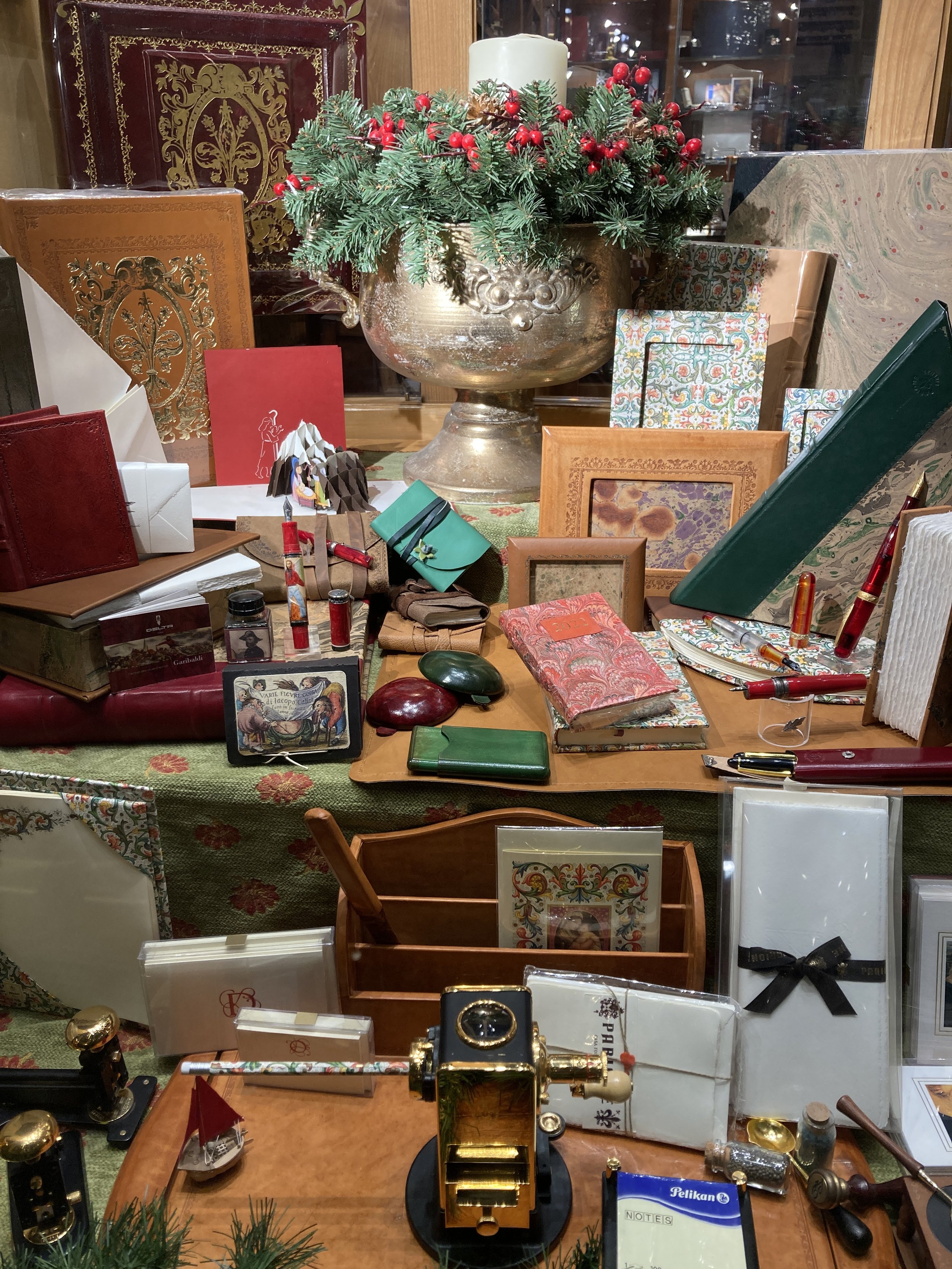
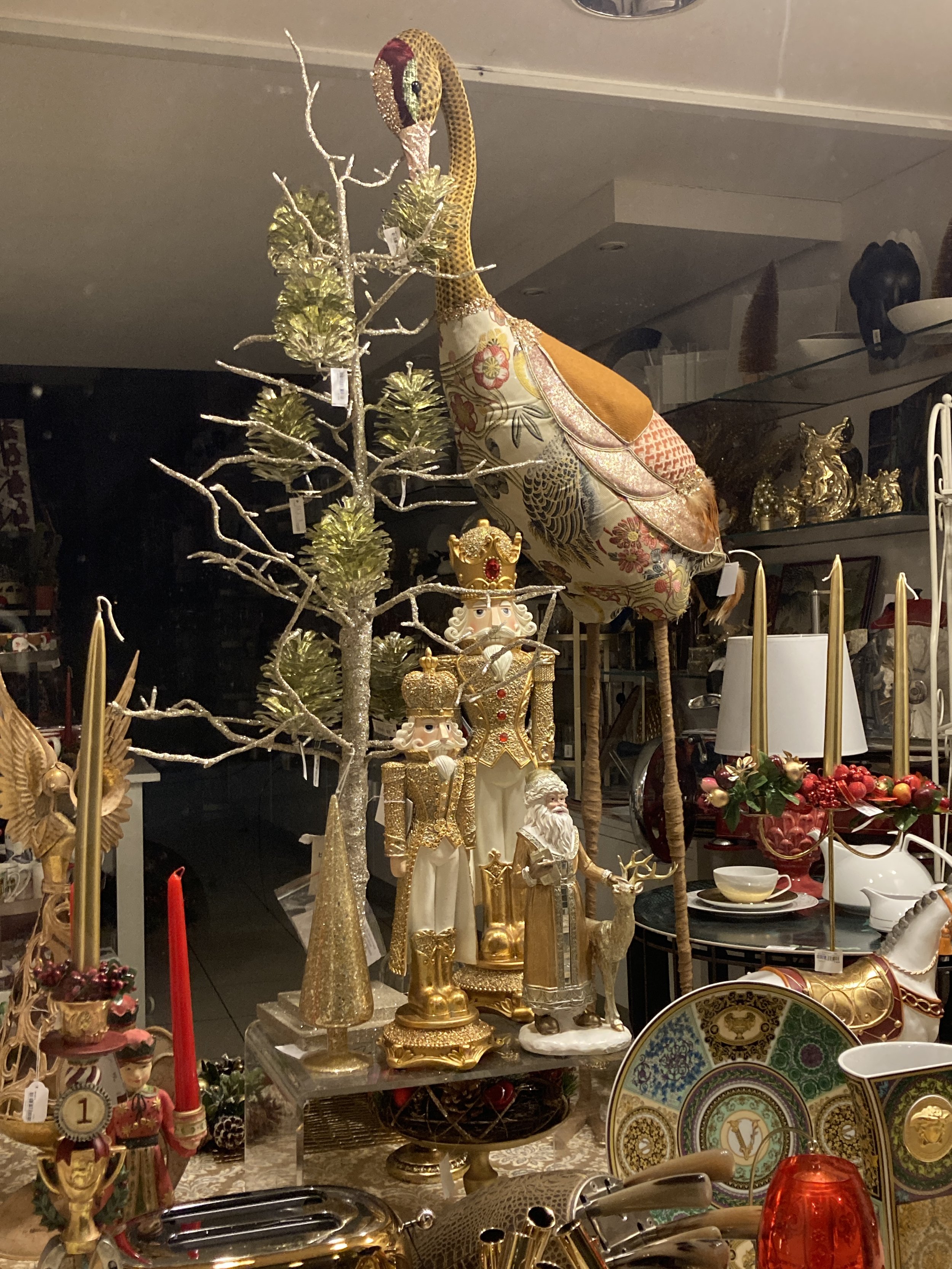
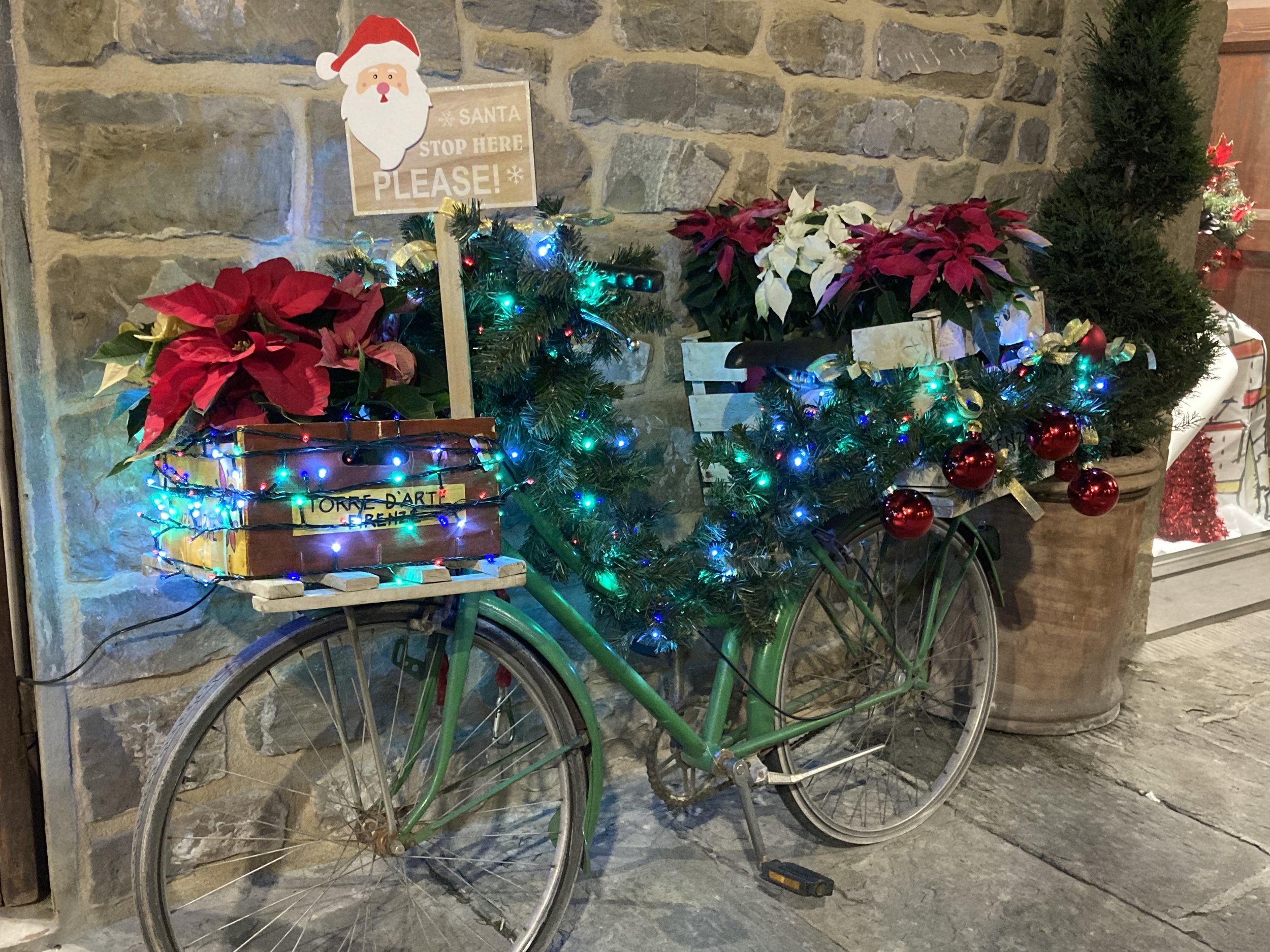
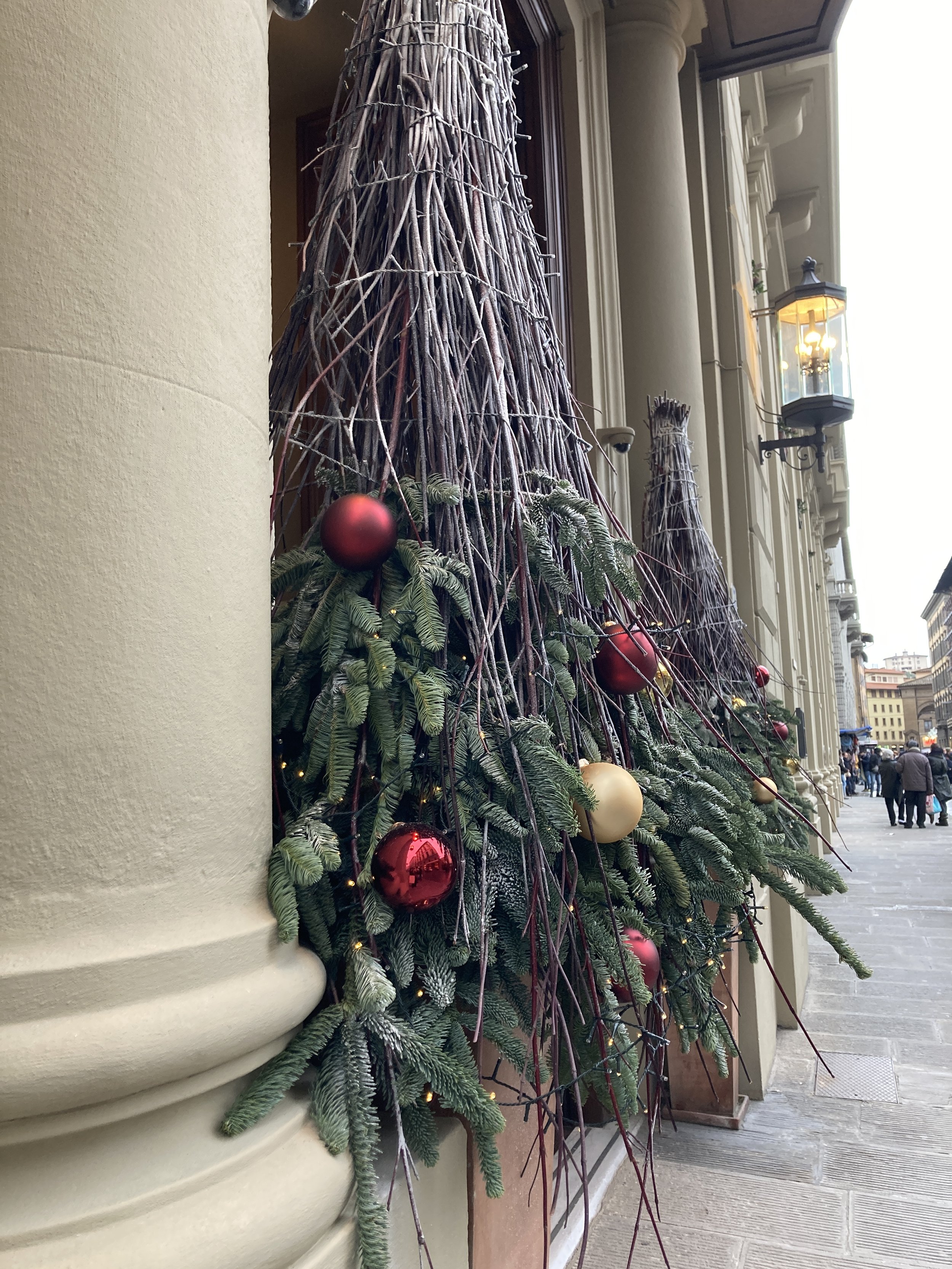
Many hours can be spent along the streets of Firenze peeking into shops filled with Christmas goods, seeing the elaborately decorated shop windows, and enjoying all the greenery that frames the doorways of shops, cafes, and hotels. (Some of my favorites below)

145DAC58-FDAA-43B6-B18C-1828D55C17E2.jpeg
017C0F1C-B916-4196-B64B-80DFEBFABF40.jpeg
32468EEF-566D-4FFE-B62D-5BAD7C3CF8F1.jpeg
43000822-DF22-4DFD-9ACF-EA8A33C1A6FF.jpeg
7F0A59B6-20F2-48B6-AFAF-BE135844782F.jpeg
96E6367B-6534-45AB-8E30-3225C36EAFE4.jpeg

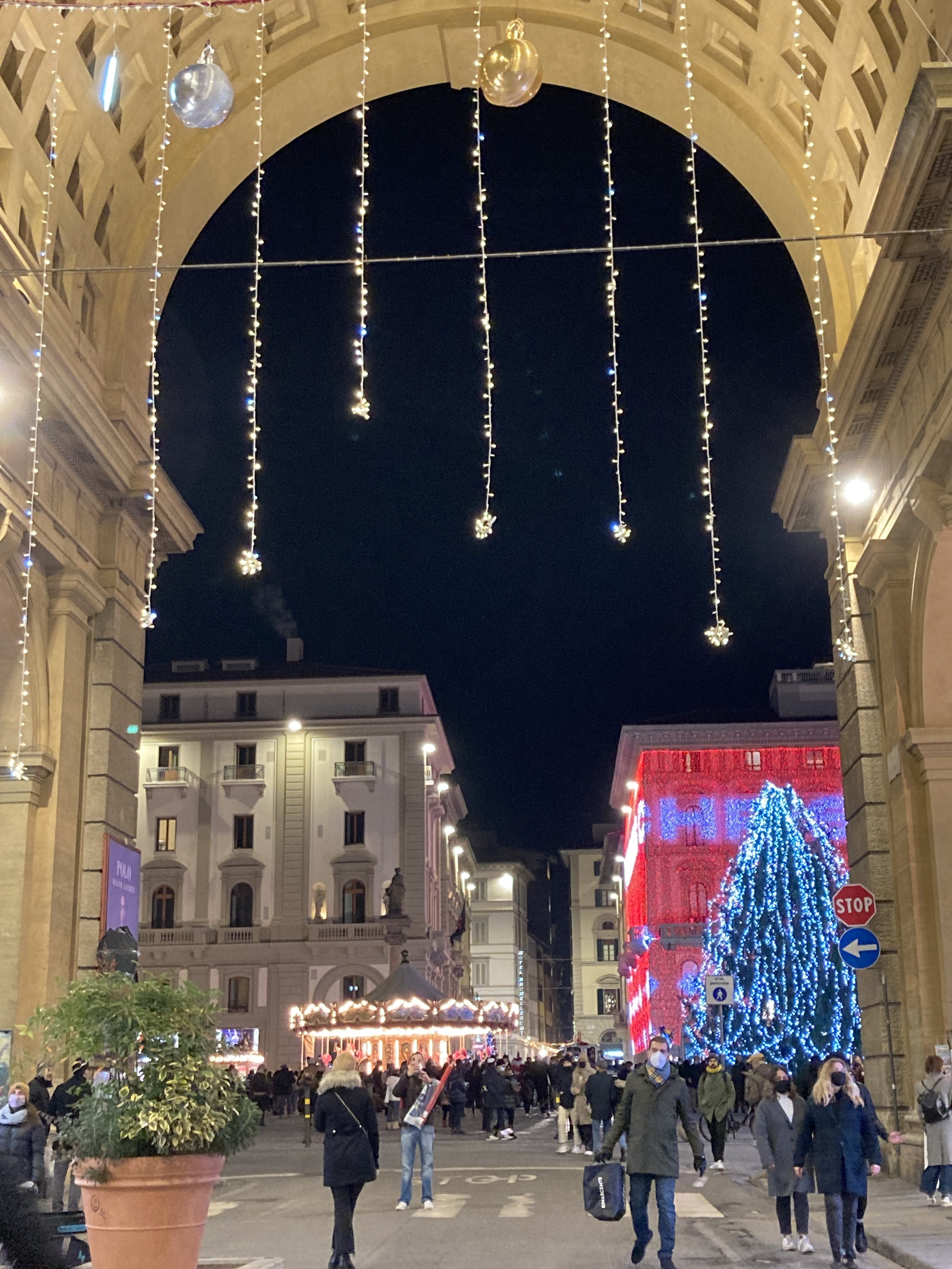
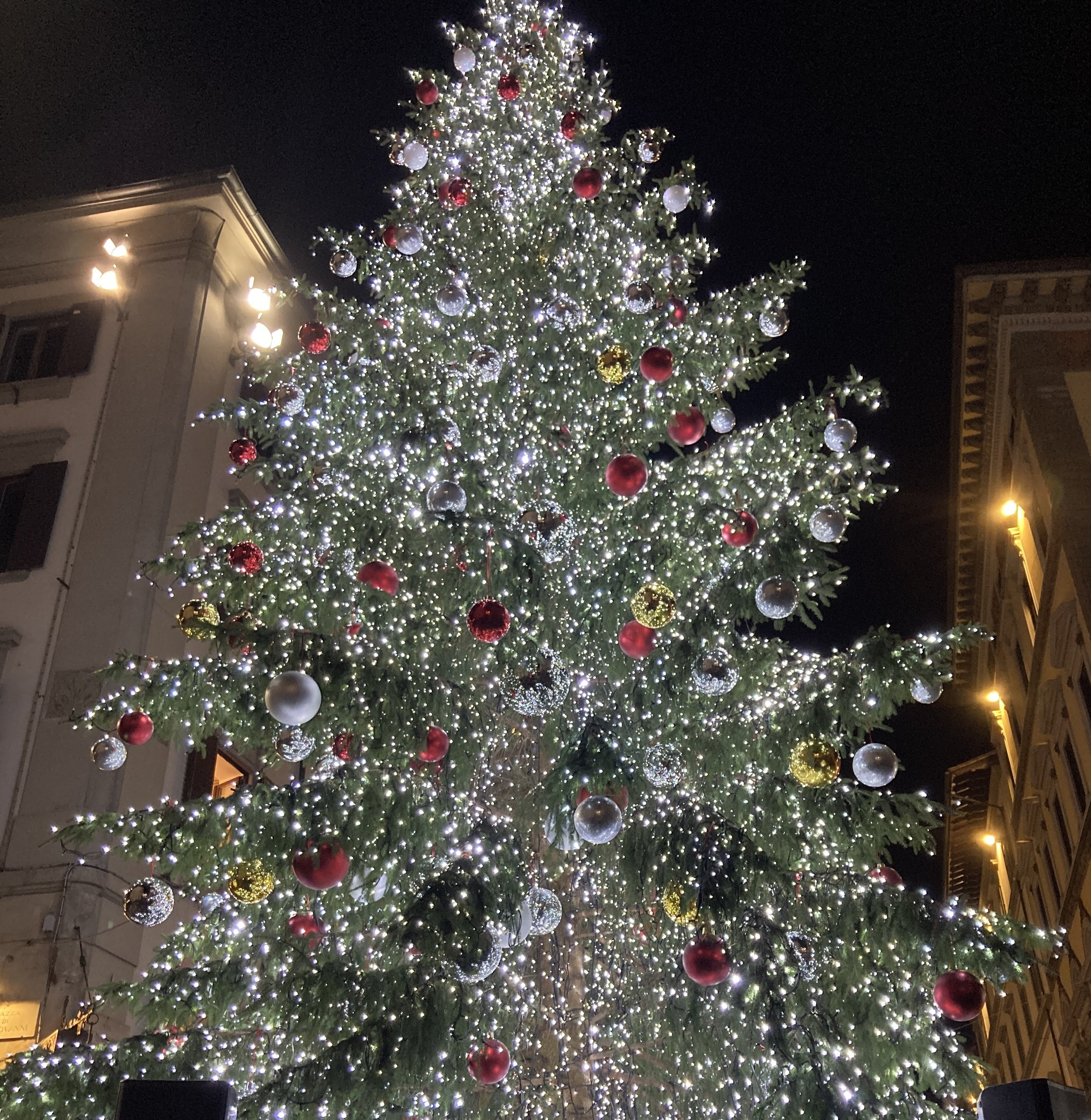
There are many other things to see during the day - the stunning terra cotta nativity in front of the Duomo, the nearby Christmas tree made even more beautiful by the back drop of the marble clad cathedral, happy kids riding the carousel in Piazza della Repubblica. In Firenze, Christmas is everywhere.

Life size terracotta figures make a simple but beautiful nativity scene outside of the Duomo. Note that there is no infant Jesus yet - he arrives Christmas Eve.

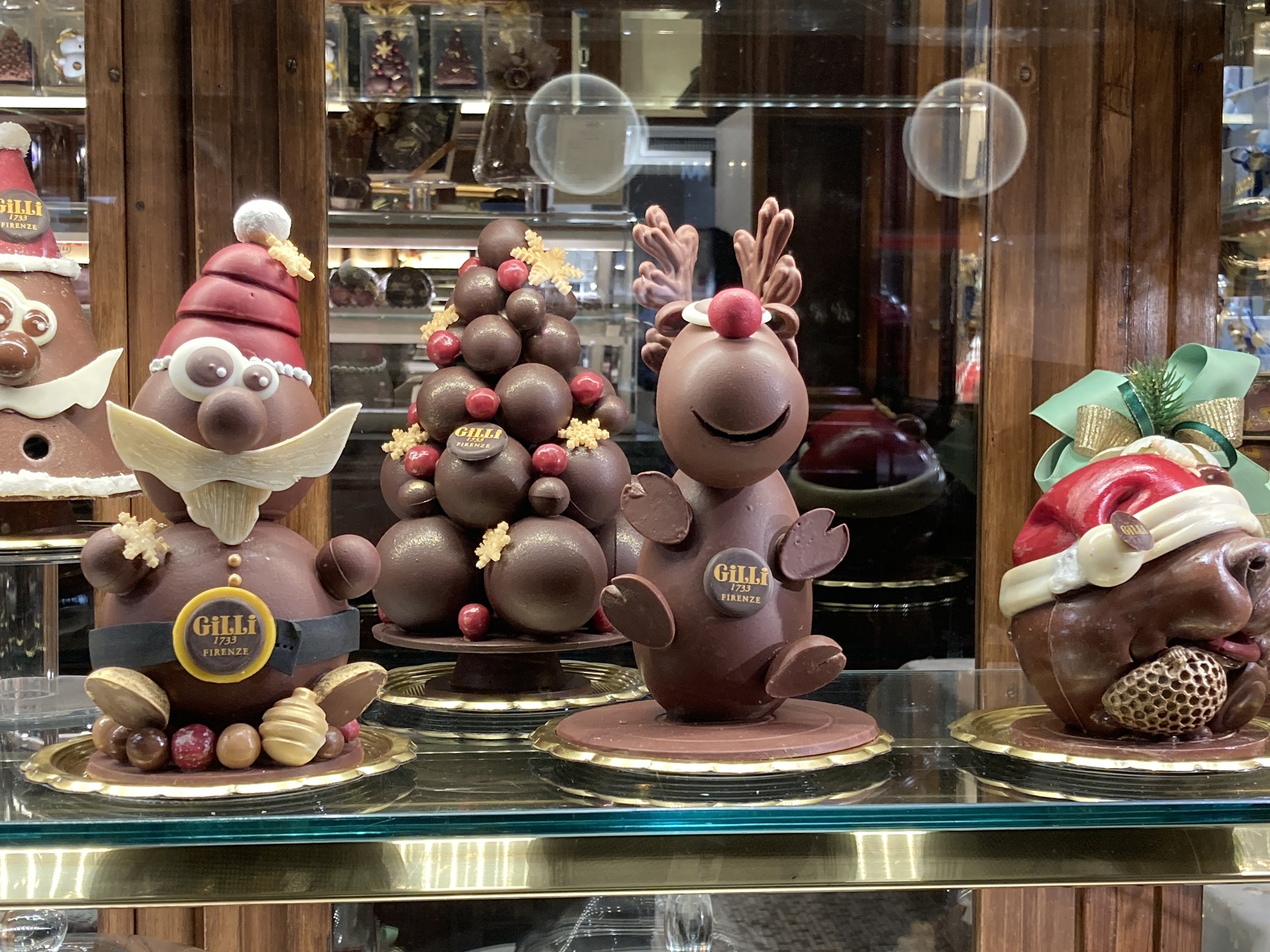
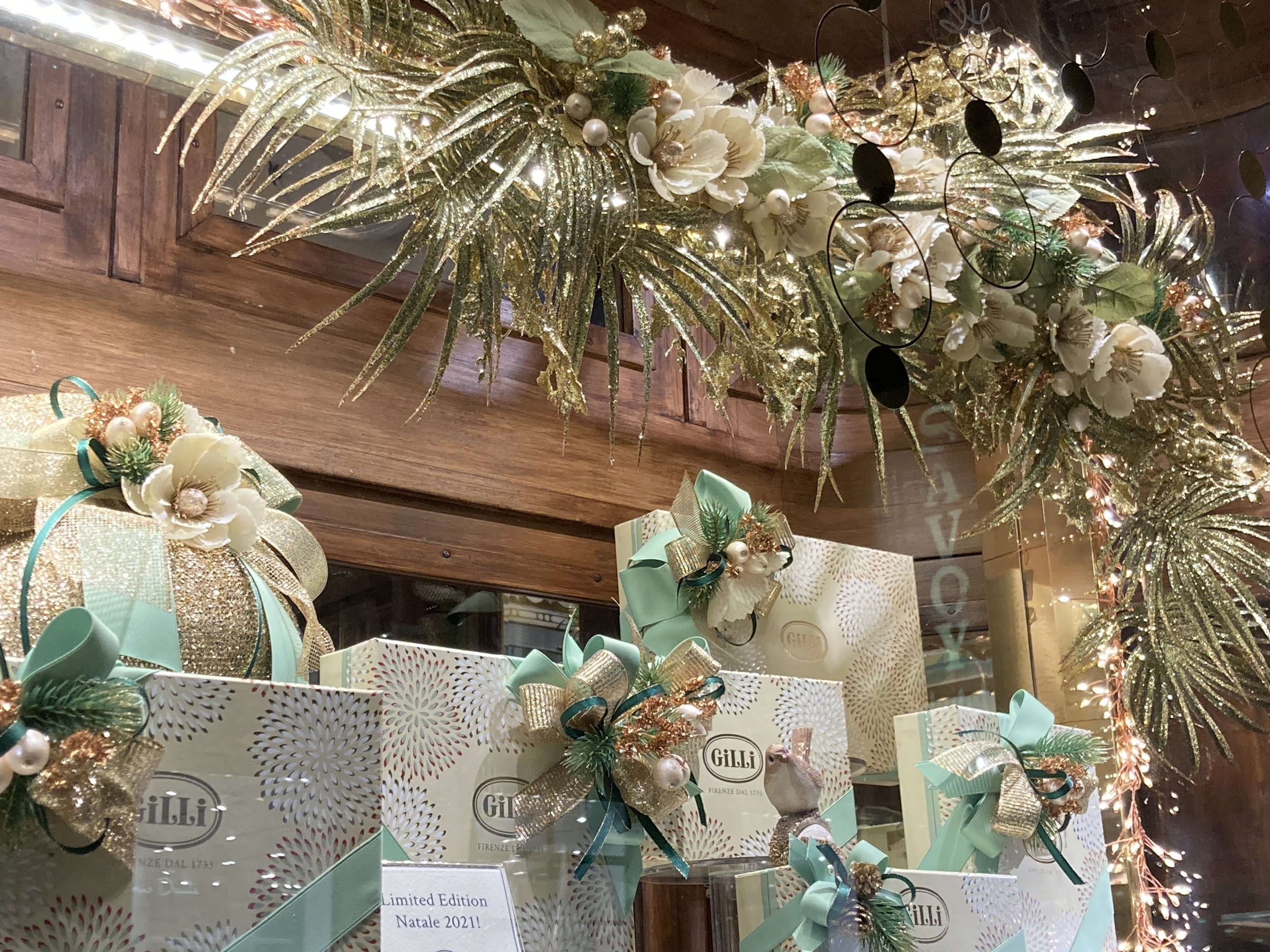
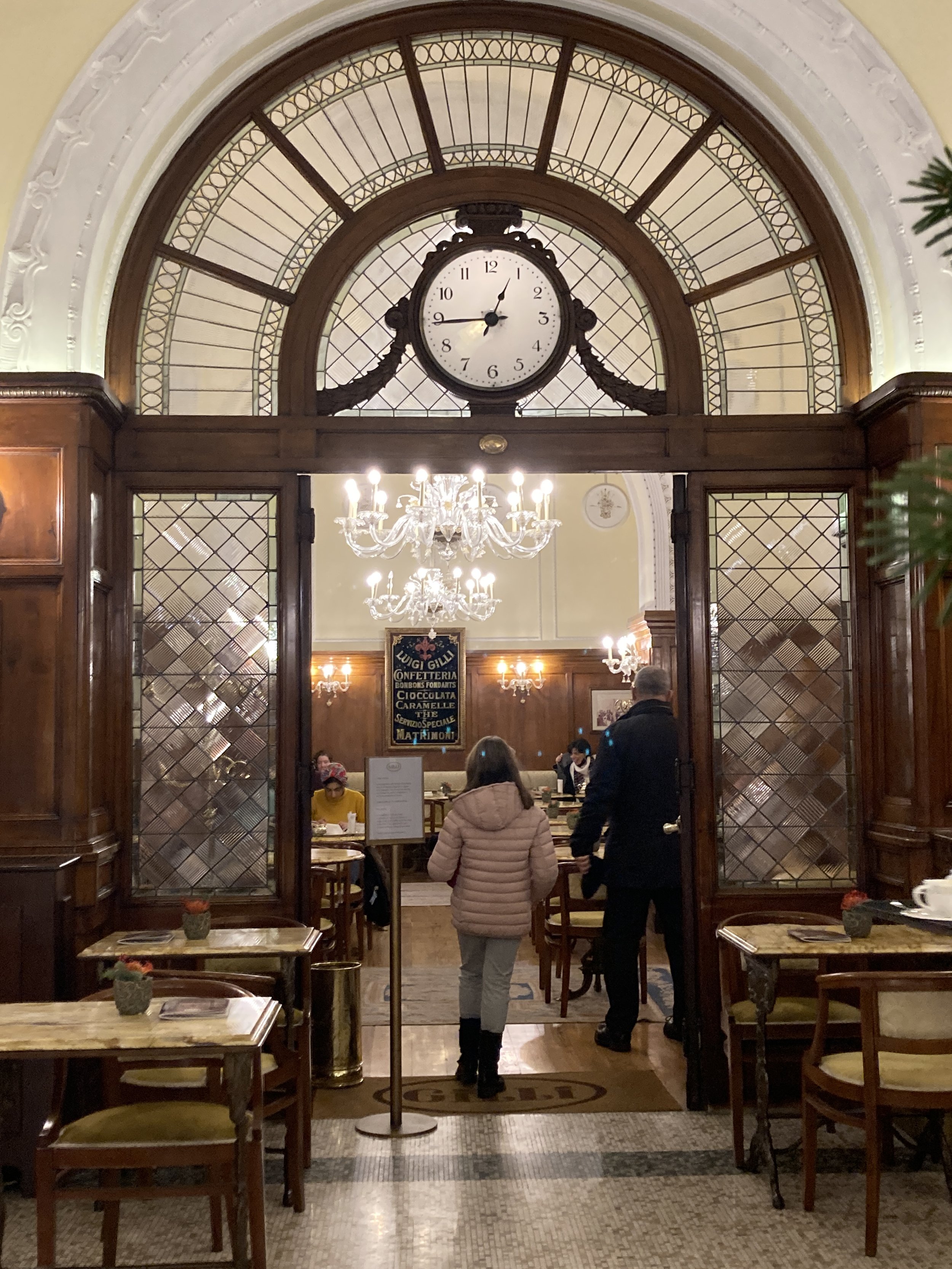
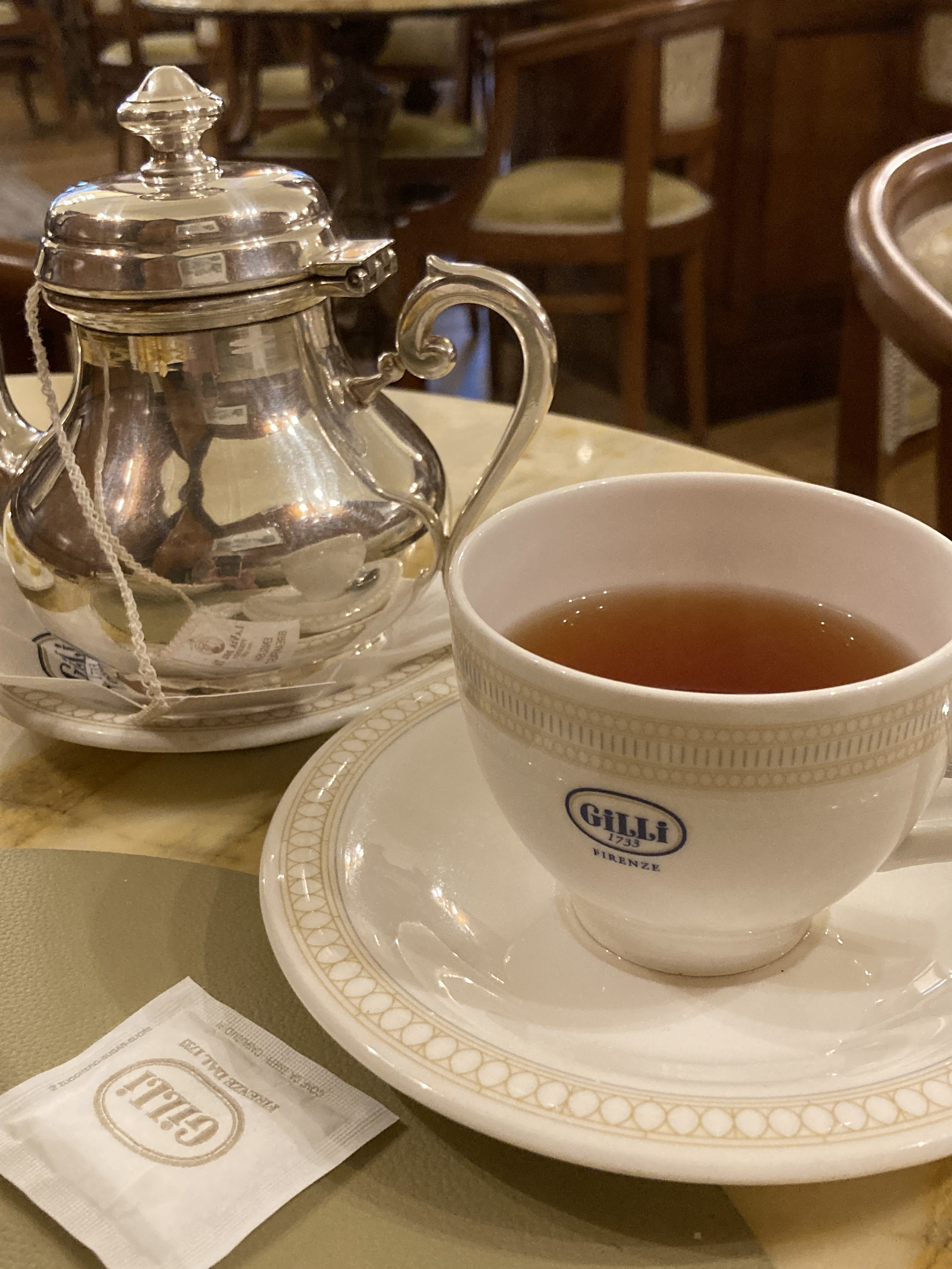
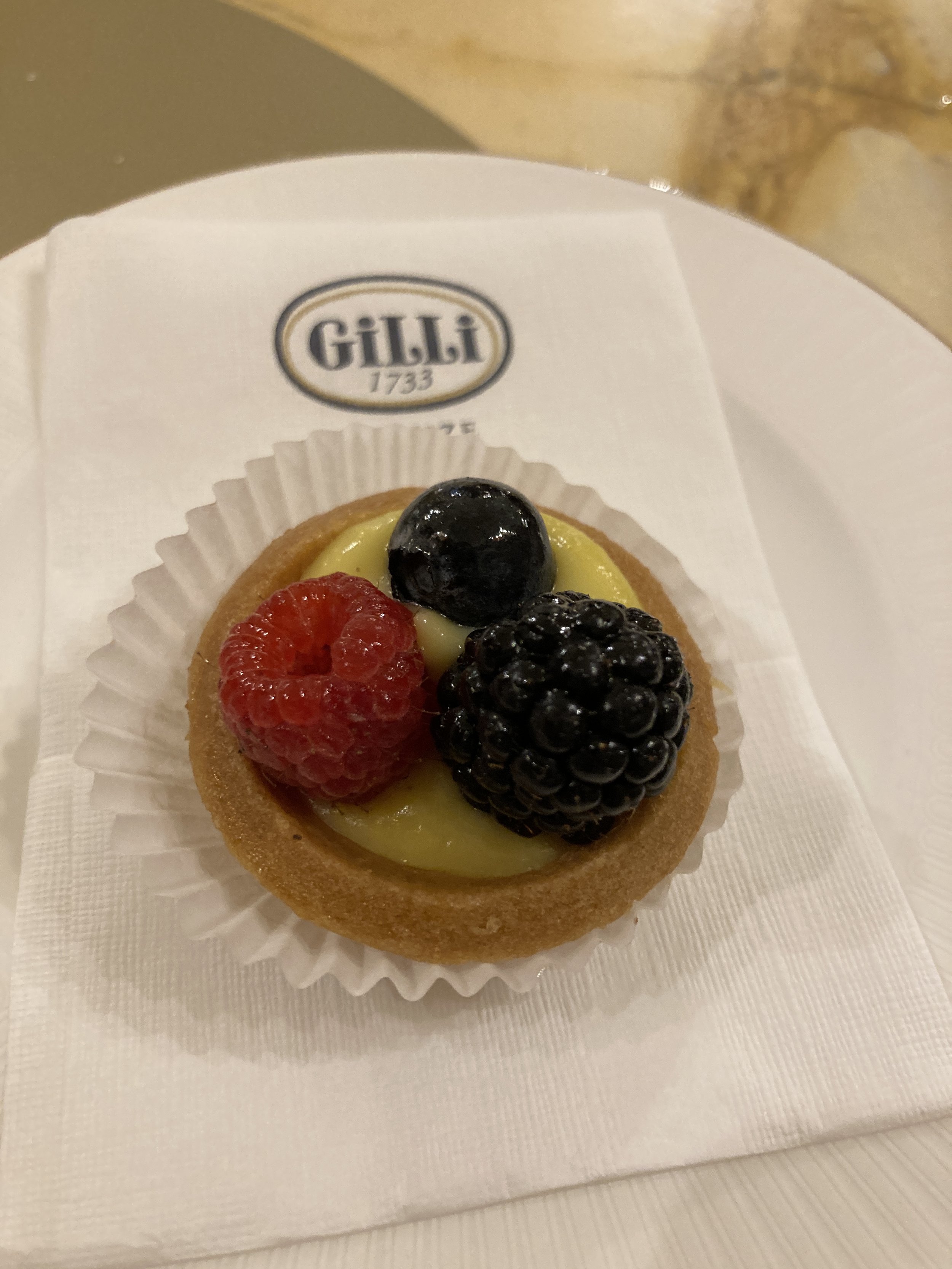
For a time out, I recommend a stop at Caffè Gilli for a pot of tea and a little dolce (sweet). Gilli has an old world elegance and provides the perfect setting to sit, catch your breath, and appreciate the Italian Christmas spirit. An added bonus is that the cafe offers a view of the carousel in Piazza della Repubblica and also has one of the best windows in town, full of whimsical Christmas chocolate creations.

7E0A4610-DBAD-4BDC-AE74-C913A2D44B57.jpeg
6800419A-09AE-48A4-A50D-A5E3580B000A.jpeg
BD03F6F6-AFBA-4DB9-B879-35B507EA64A8.jpeg

As wonderful as the city is by day, it is at night that the magic really happens.

Once the sun goes down the streets sparkle with lights. A walk down Via dei Servi, from Piazza SS Annunziata toward the glowing lantern atop the Cathedral of Santa Maria del Fiore (the Duomo), is a breathtaking sight.

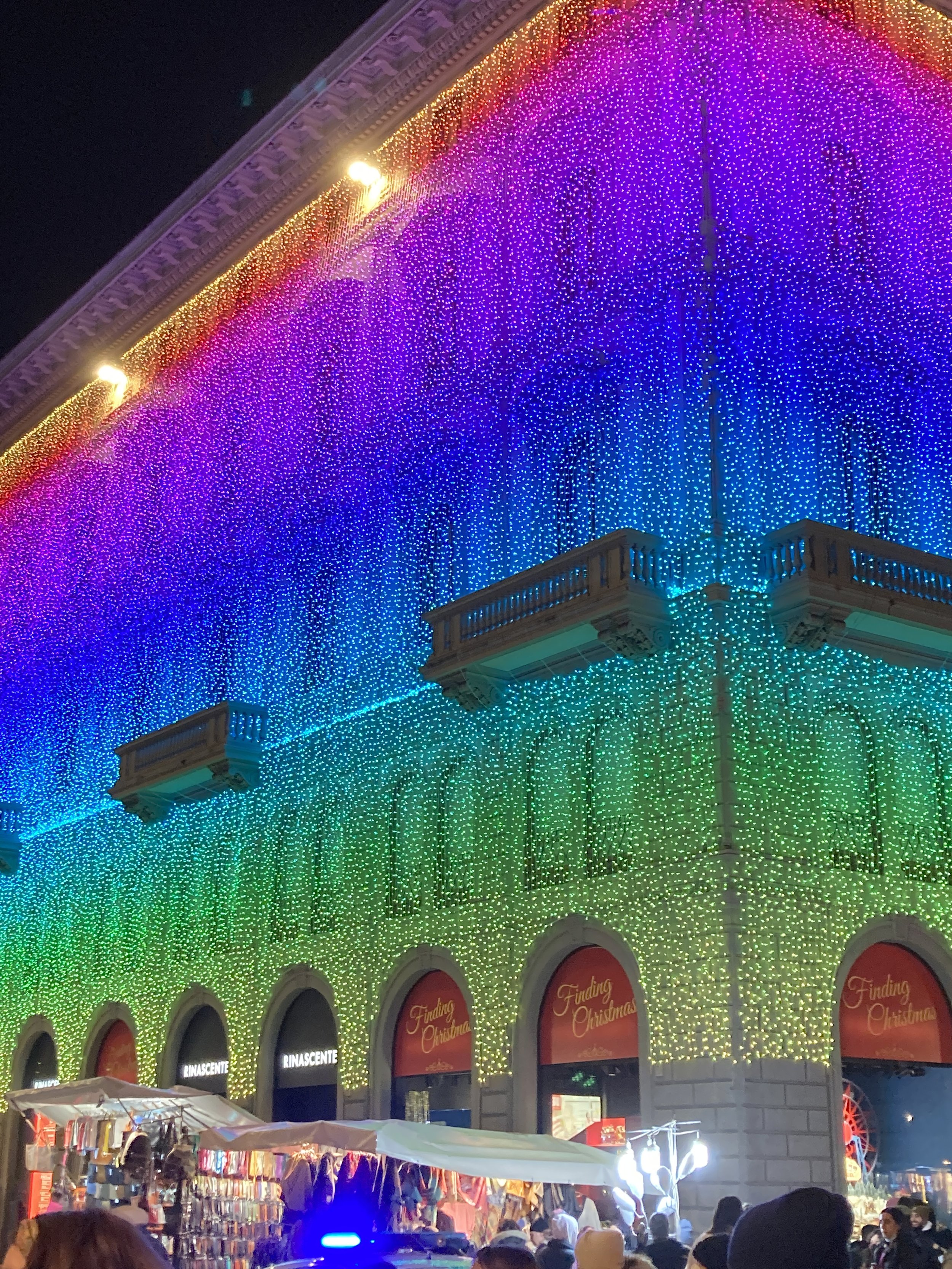
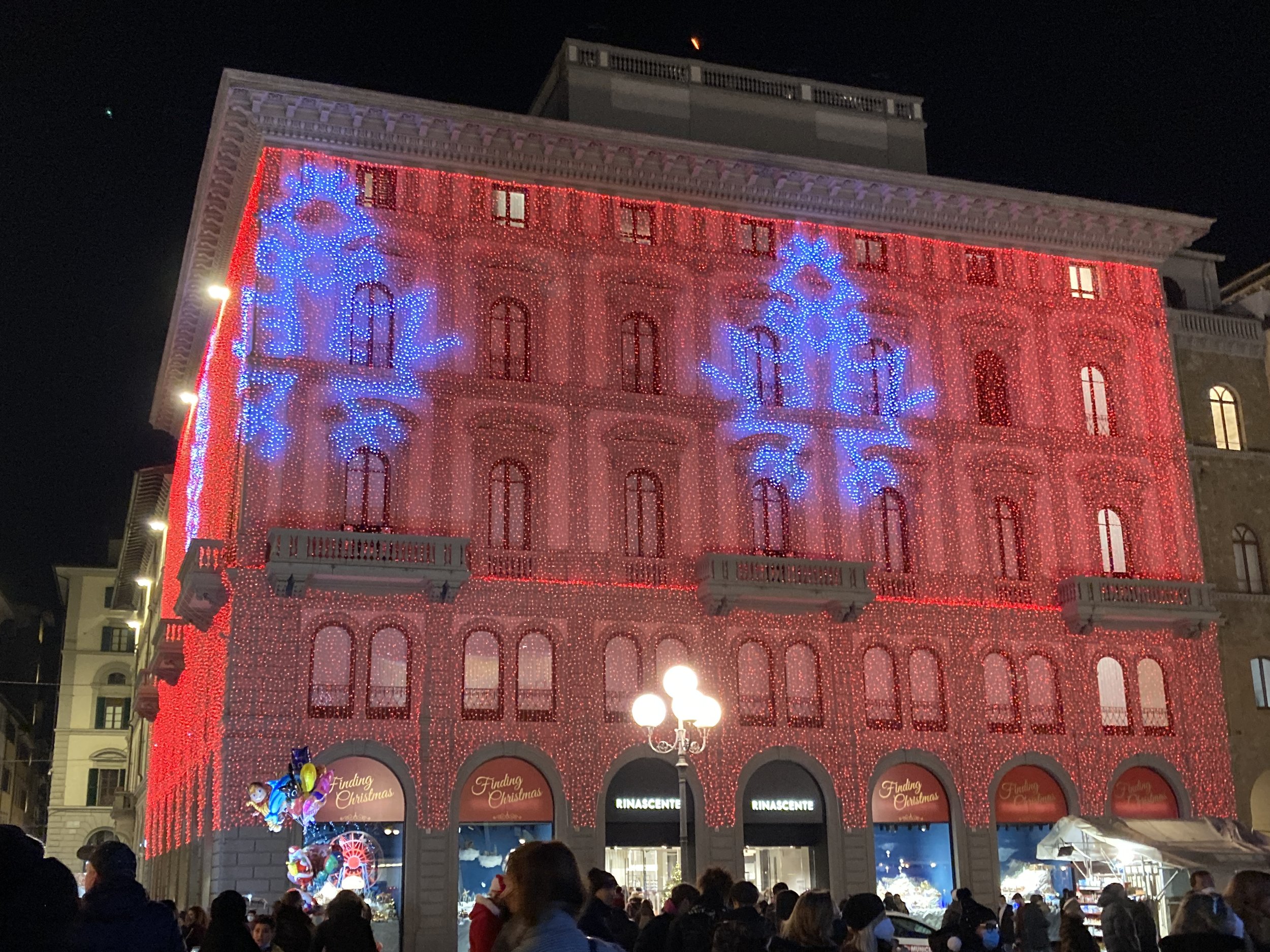
Another not-to-be missed sight is a nighttime view of the ever-changing display on the facade of the Rinascente department store in Piazza della Repubblica.

B5CCCE50-7B4C-43FA-A751-8705BEC45101.jpeg
86F7ECE2-765D-436D-9BAE-F2D56D26B450.jpeg
2BBE560F-7244-47F6-A523-9D9104A07F56.jpeg

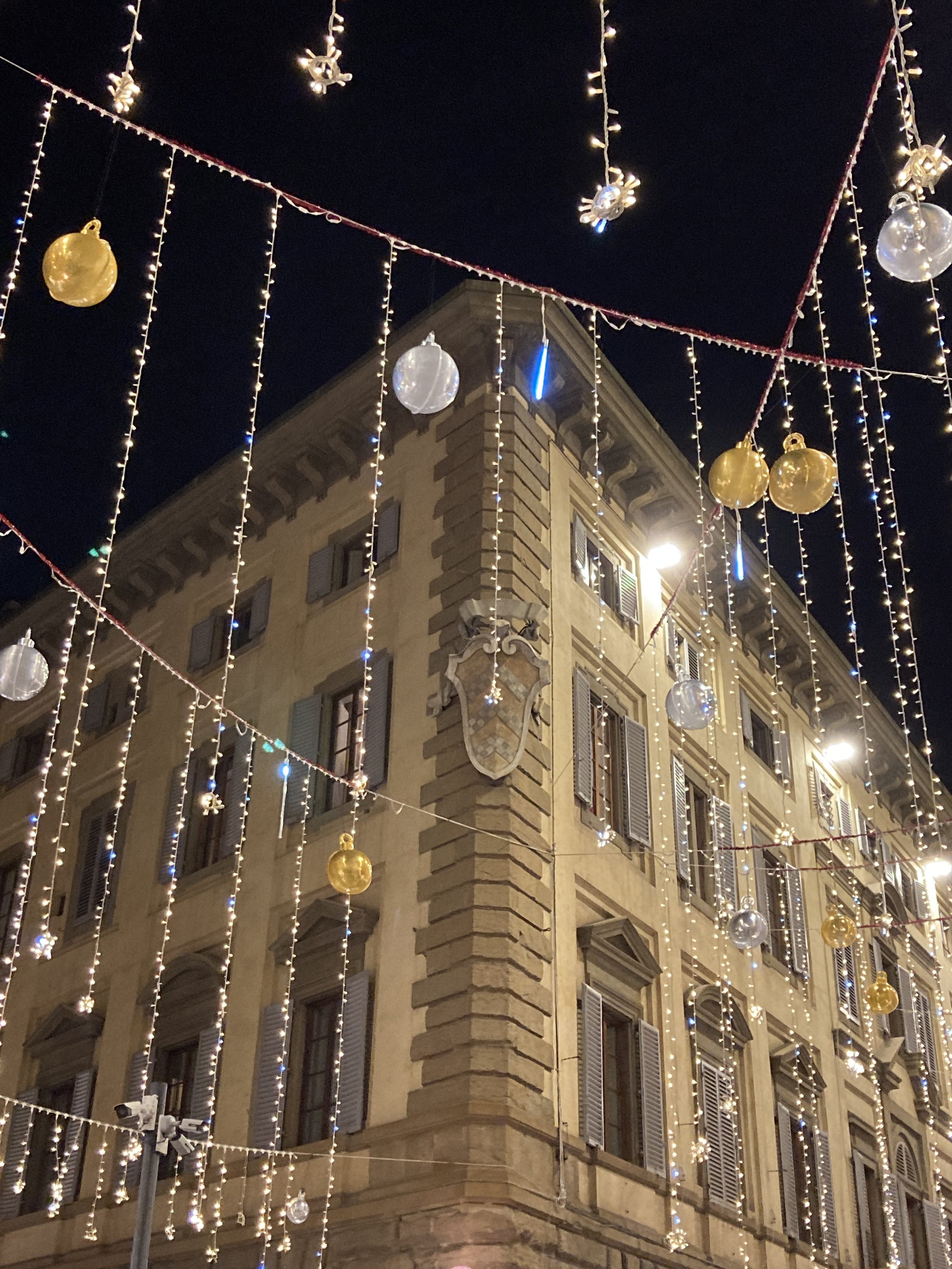
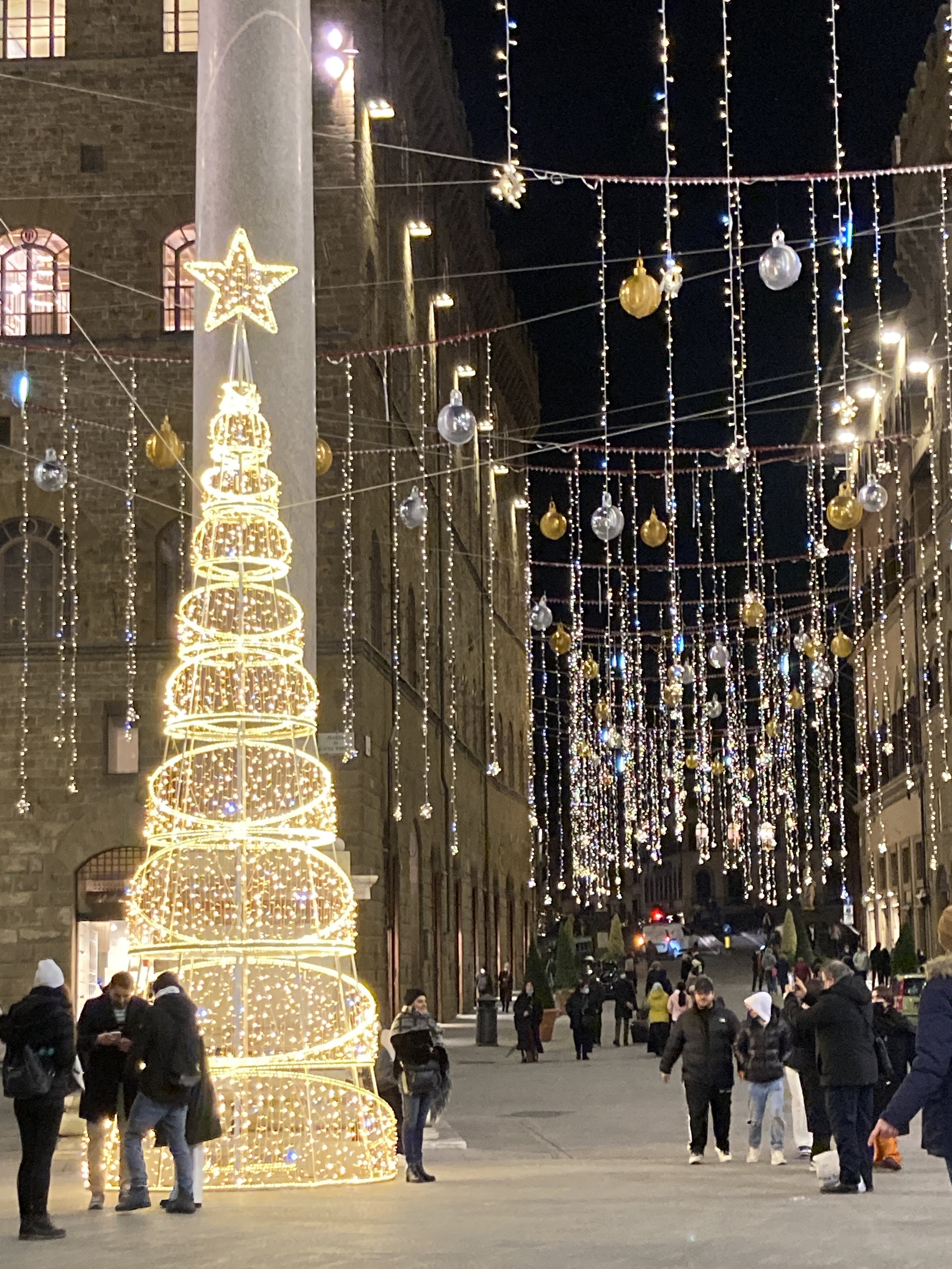
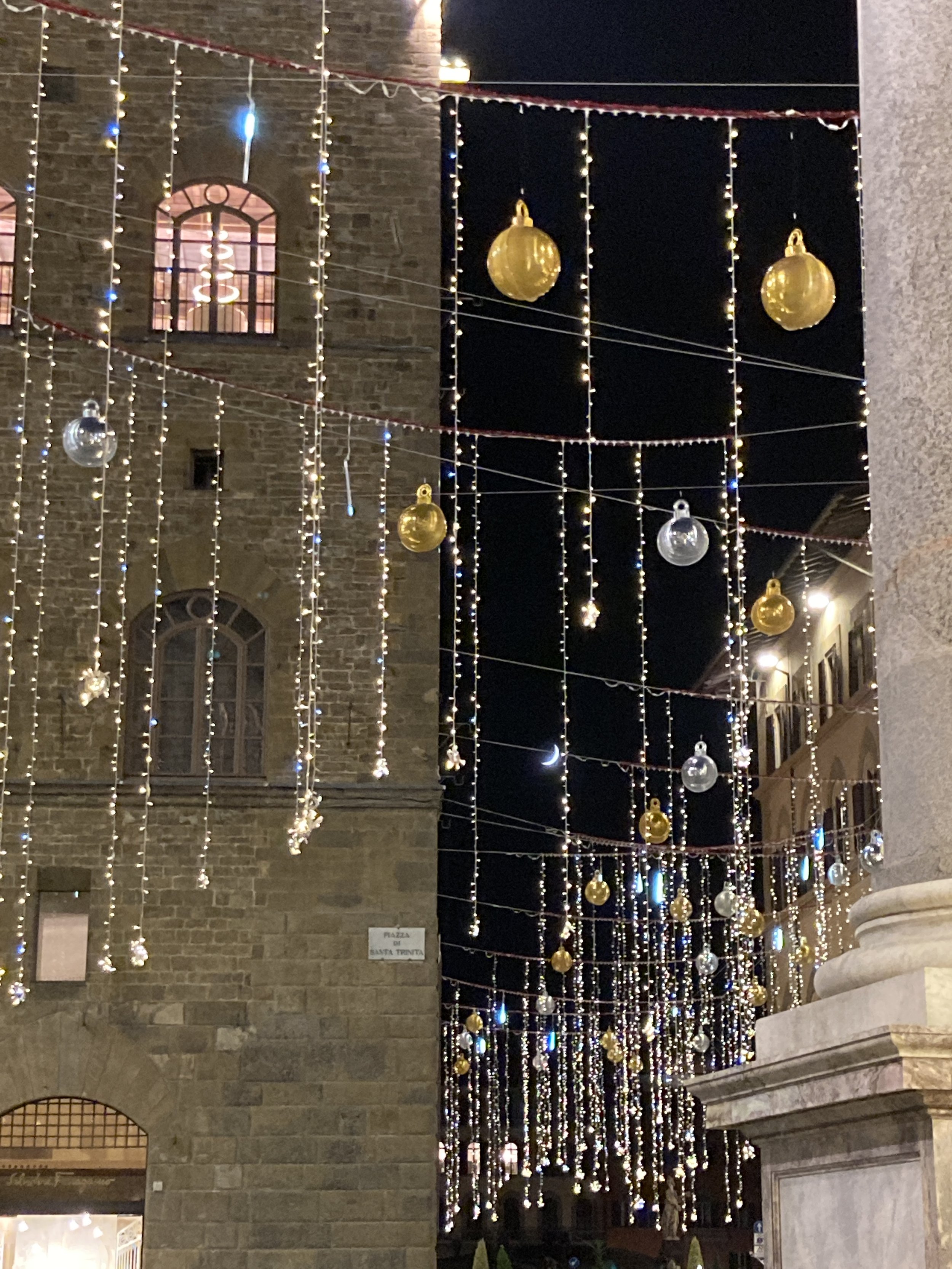
For intense sparkle, head to the area around the intersection of Via Tornabuoni and Via degli Strozzi and prepare to be amazed.

The lights here are intertwined with gold and silver ornaments. They dazzle and seem to fill the sky. It is impossible to stand here and not smile.

C1EF2A8D-D68B-4E6D-A8F3-549809B3ADA9.jpeg
A1D13E02-6F7C-4994-A316-4D93D4D38C76.jpeg
09459FF0-A4CF-45A2-BA8B-09A0907A0271.jpeg

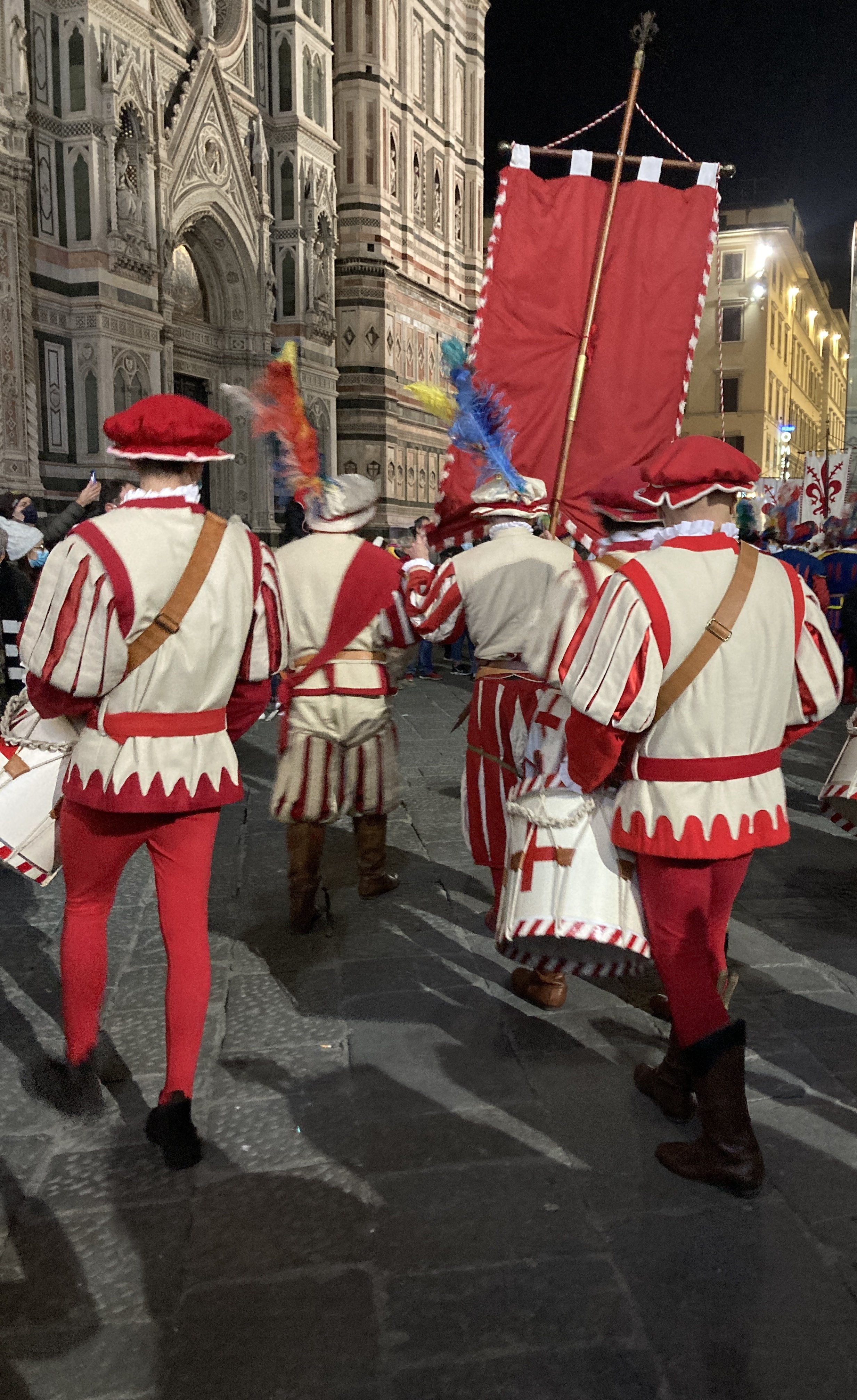
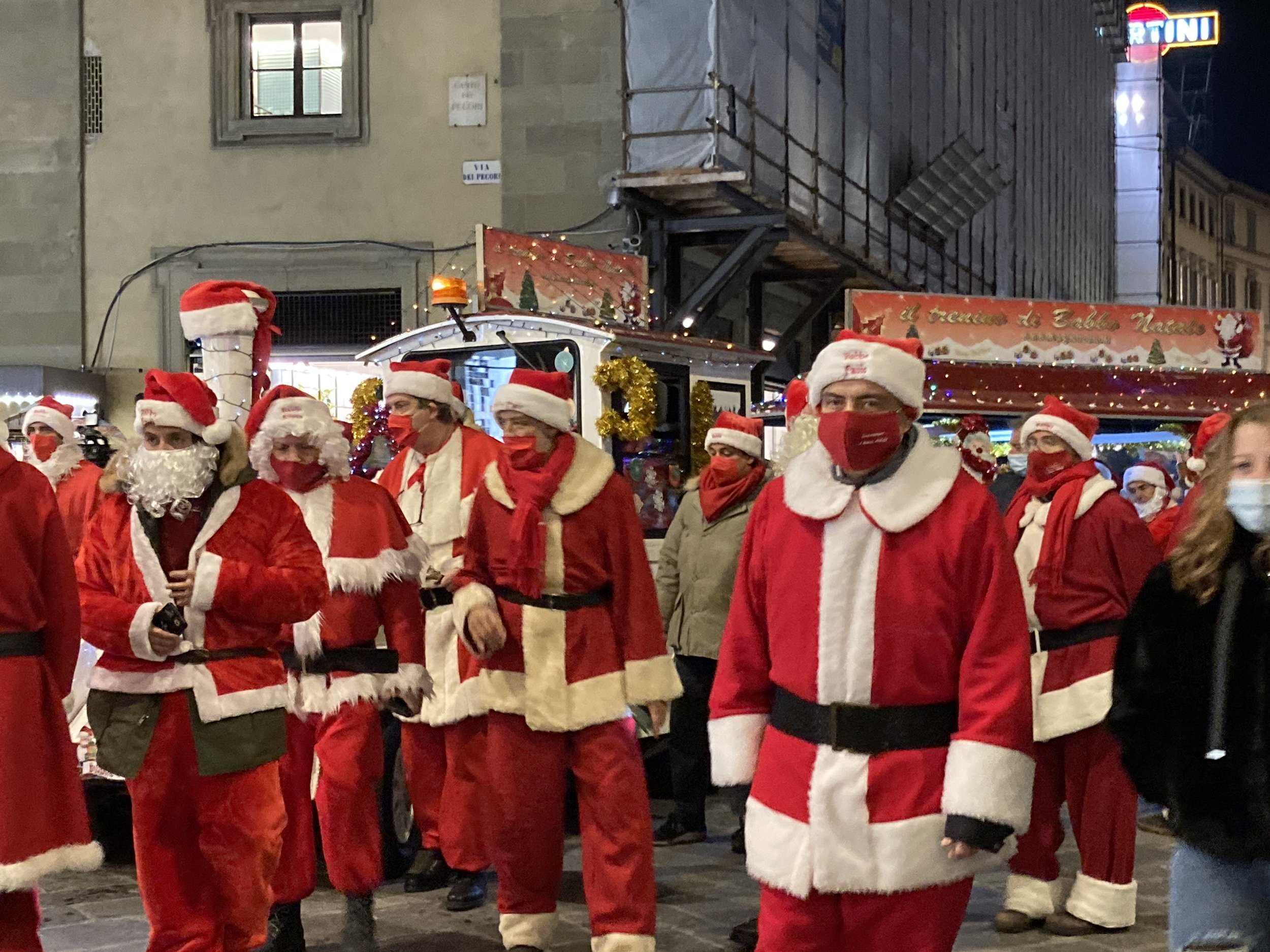
I was in Firenze the night of the tree lighting, which meant there were some special celebrations. Drummers and flag bearers in medieval costume and a brass band attended the ceremony. Afterwards, a train load of Santas arrived and then wandered through town throughout the evening, delighting adults and children alike.

E9D9882E-5CCD-4D02-BF7E-6148C9B8577D_1_201_a.jpeg
EB9AD2AD-BB6B-4BCF-A05C-C7A9B3FFBC1A_1_201_a.jpeg
A962FD27-E6A5-48D2-AF4C-E7B76C0F5790.jpeg

I love Firenze any time of year. But at Christmas, and especially this year, it made the perfect holiday excursion. Grazie Firenze!

December 20, 2021 /Joanne Bartram
Christmas Italy, European Christmas, #FlorenceatChristmas
Festivals Italy, Florence, Italian Christmas, Italian culture, Italy travel

The Quadrilatero Romano : A Different Side of Torino

November 08, 2021 by Joanne Bartram in Italian art architecture, Italian culture, Italy, Italy travel

Like many Italian cities, Torino (Turin) has Roman roots. But that history is less obvious here than in places like Rome, Verona or even the small town of Lucca where I live. In Torino, you have to hunt a bit for its Roman beginnings.

The Quadrilatero Romano is where Torino began; where the Roman city stood. It stretches north and west from the Palazzo Madama. Today it is a characteristic and vibrant neighborhood. But look closely and the traces of Rome appear.

The most obvious Roman feature is the Porta Palatina, the only one of the Roman gates into the city which remains. It rises at the northern end of the Quadrilatero, where it has stood since the 1st century BC. The central portion has a stretch of arches, larger ones for vehicles and pedestrians at ground level with two levels of windows above . The archways are flanked at either end by a pair of polygonal towers. It’s easy to imagine Roman chariots passing under the large main arch. Nearby is a stretch of Roman wall, in the same brick. The Roman theater was also located in this area and other Roman ruins can be found nearby.

3B455D5F-D4C0-4D96-8BF0-4454C2C72A6E.jpeg

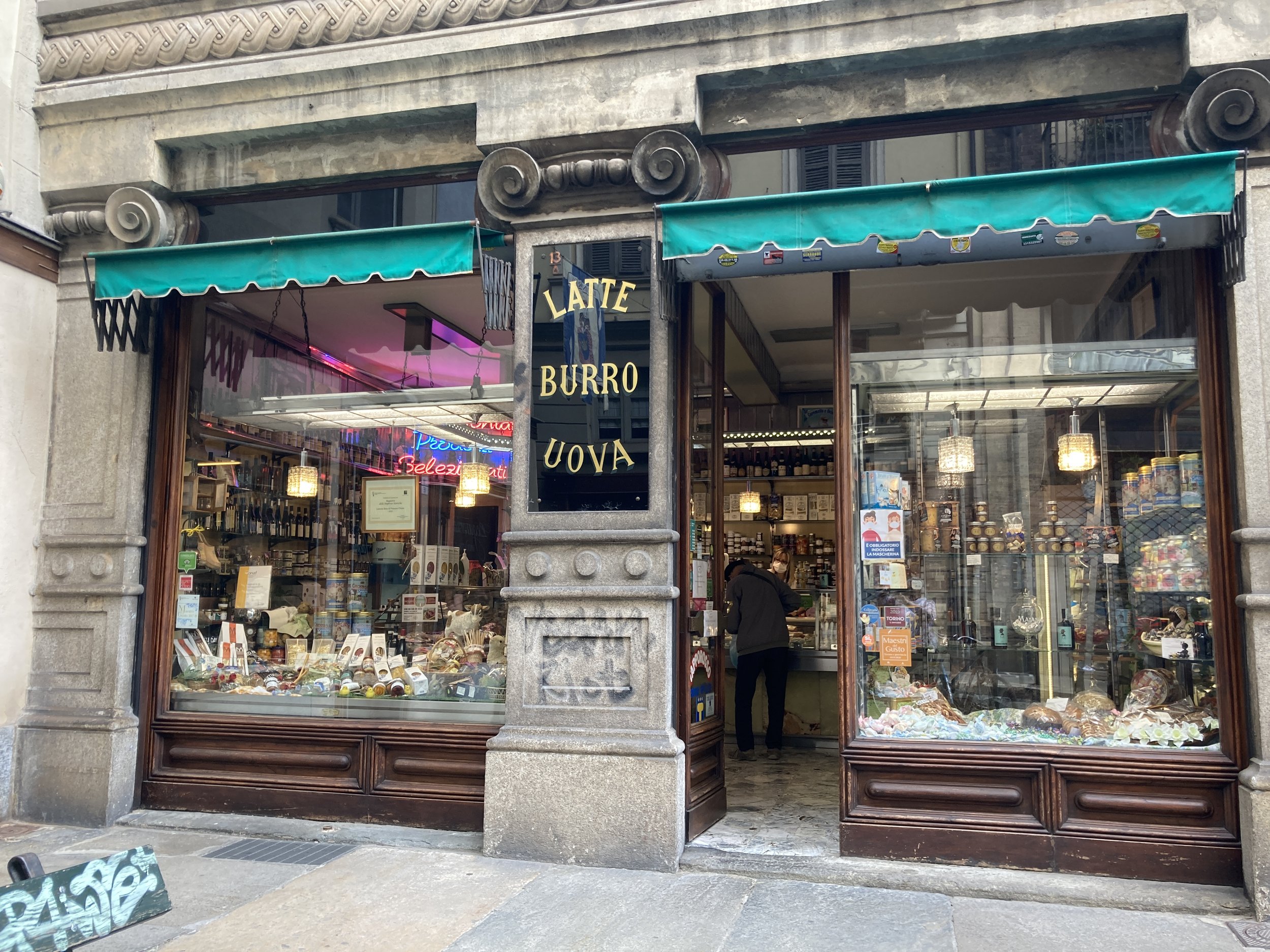
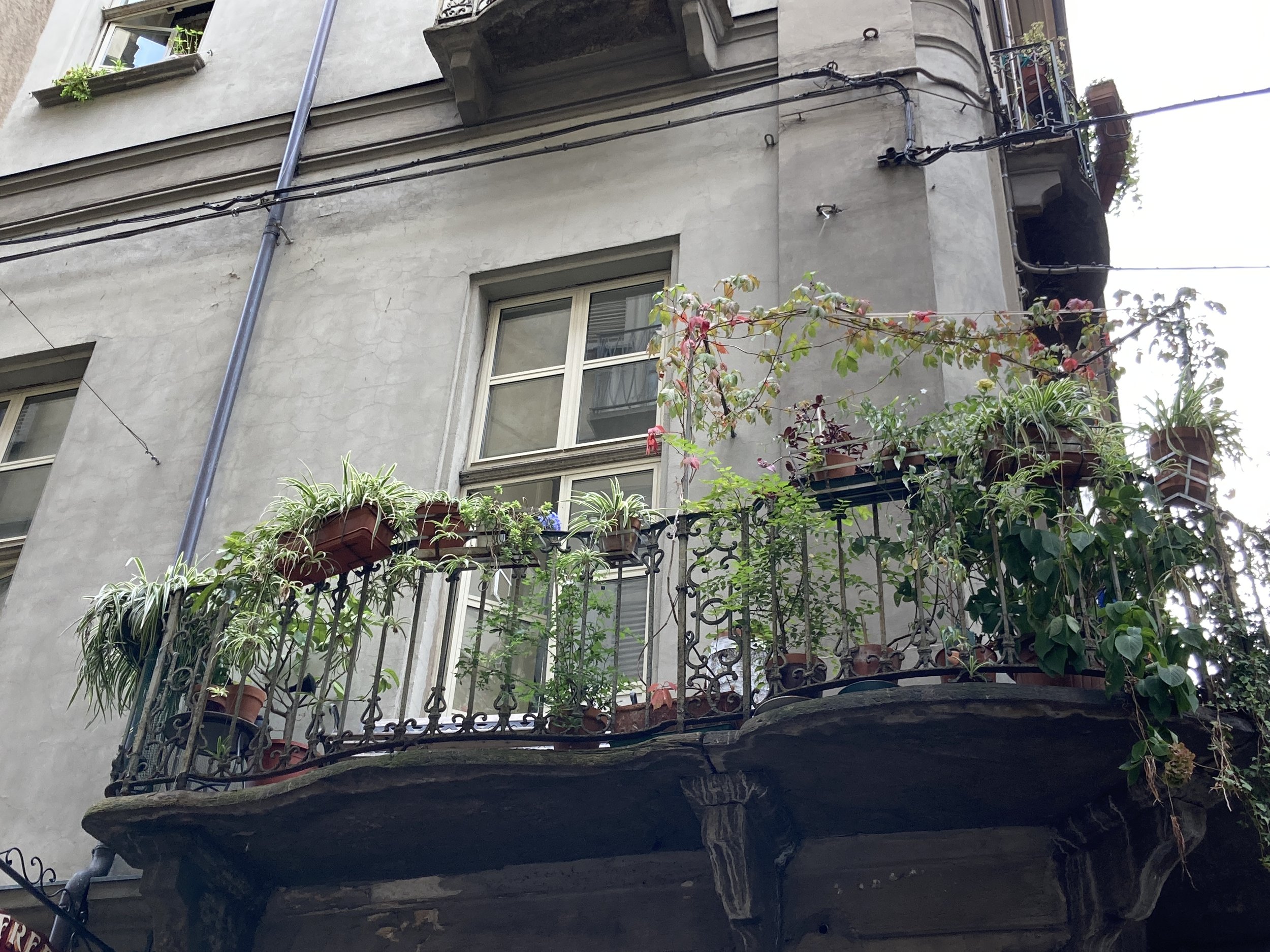
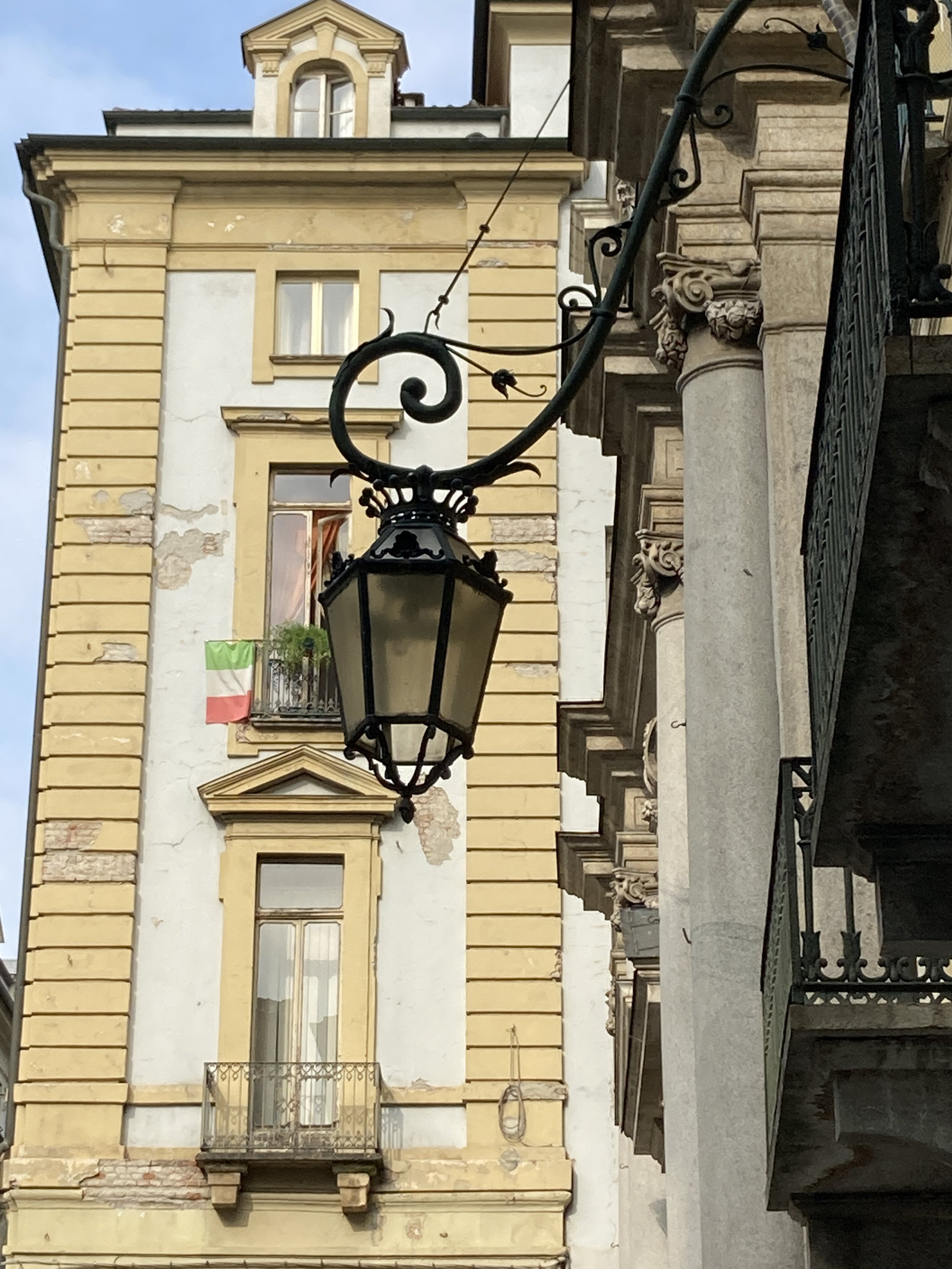
Beyond its Roman roots, the Quadrilatero is a unique area with a small village feel, quite different from the other areas of central Torino. The streets are narrow and dressed up with pretty street lamps and small balconies. Interesting shops, cafes, and restaurants dot the streets. It’s a place that makes you want to linger.

157D4F4F-CF6E-4F12-96C6-2C243CC2EB75.jpeg
3337233F-BA7F-4696-835E-D850FEA69A37.jpeg
ABA44425-A5CA-4C2B-B688-40B503F1A15F.jpeg
5E6392FE-7492-4473-8F69-0D0769E1F55B.jpeg

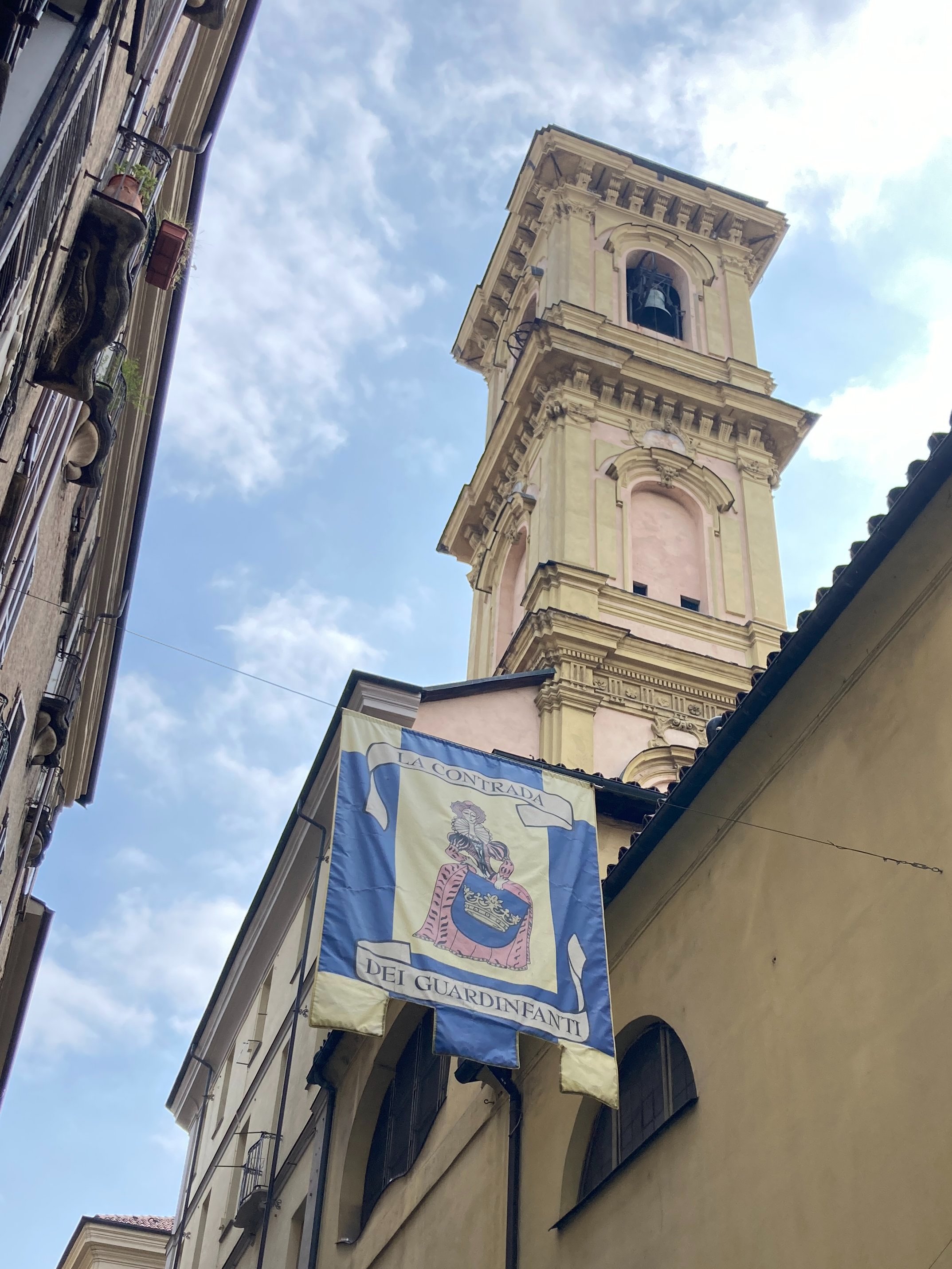
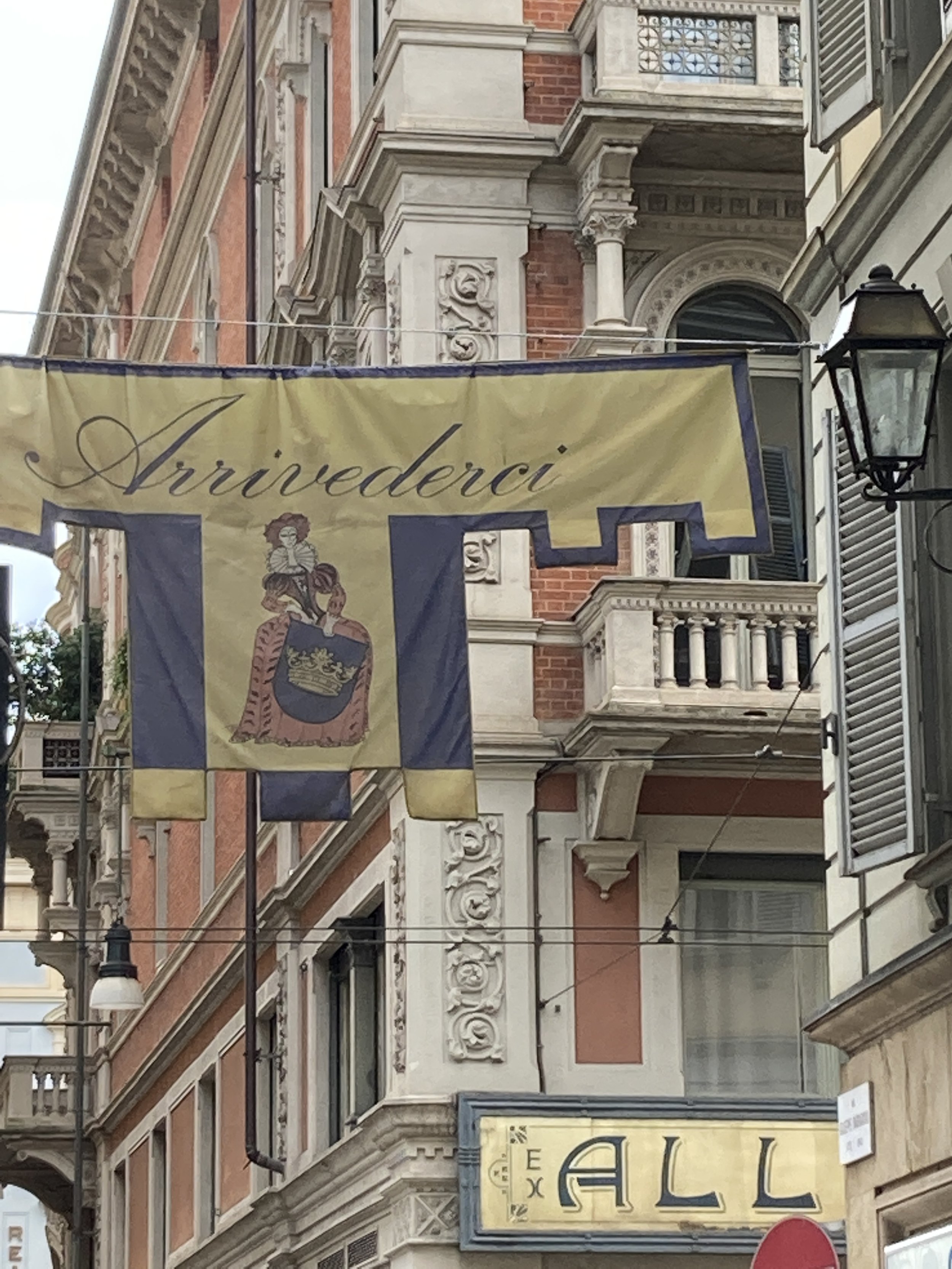
Overhead are a series of colorful banners identifying the Contrada dei Guardinfanti. A contrada is a district, but I have to admit that I had no idea what a guardinfanti was. Something for guarding babies? Nope, not even close. The banners mark this area as the district where merchants of the particular contraption which went under a ladies dress giving it a full appearance - called guardinfanti - had their shops. Clearly these were not Roman merchants, but from a later more fashionable era! Today their banners contribute to the unique old world feel of this neighborhood.

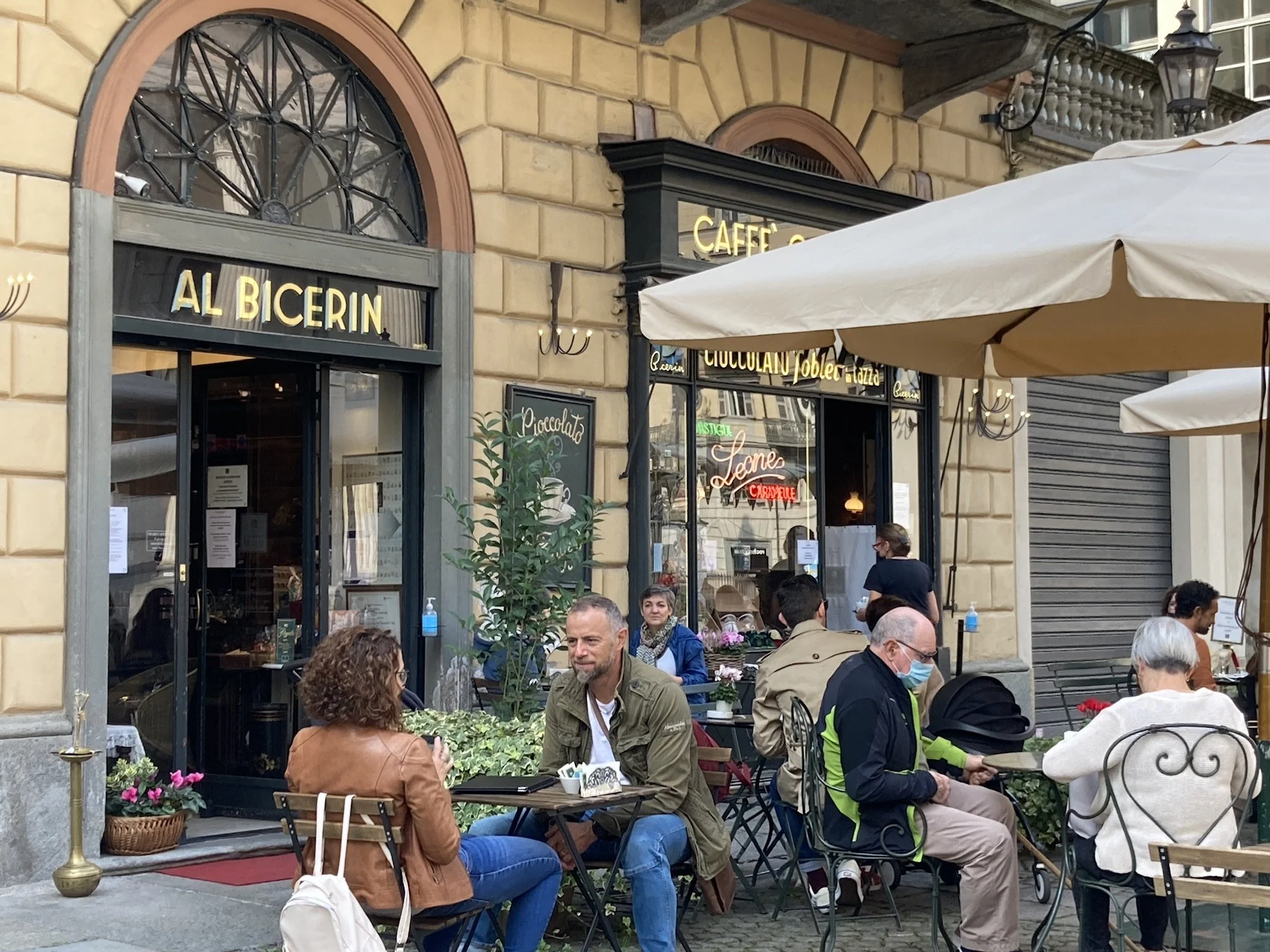
One of the largest piazzas in the Quadrilatero, at its western edge, is the Piazza della Consolata. This is a lovely square and the perfect place to stop for one of Torino’s signature treats - a Bicerin. The Bicerin is a hot drink with layers of coffee, chocolate, and cream. I saw two variations in Torino - one with 3 distinct layers and another with two layers (with the coffee and chocolate combined in a single layer). There is no better spot to sample one than at Caffe` Bicerin in Piazza della Consolata. Not too sweet, with just the right blend of coffee and chocolate. I had to try one in the name of research, right? As for the accompanying plate of cookies, I have no excuse!

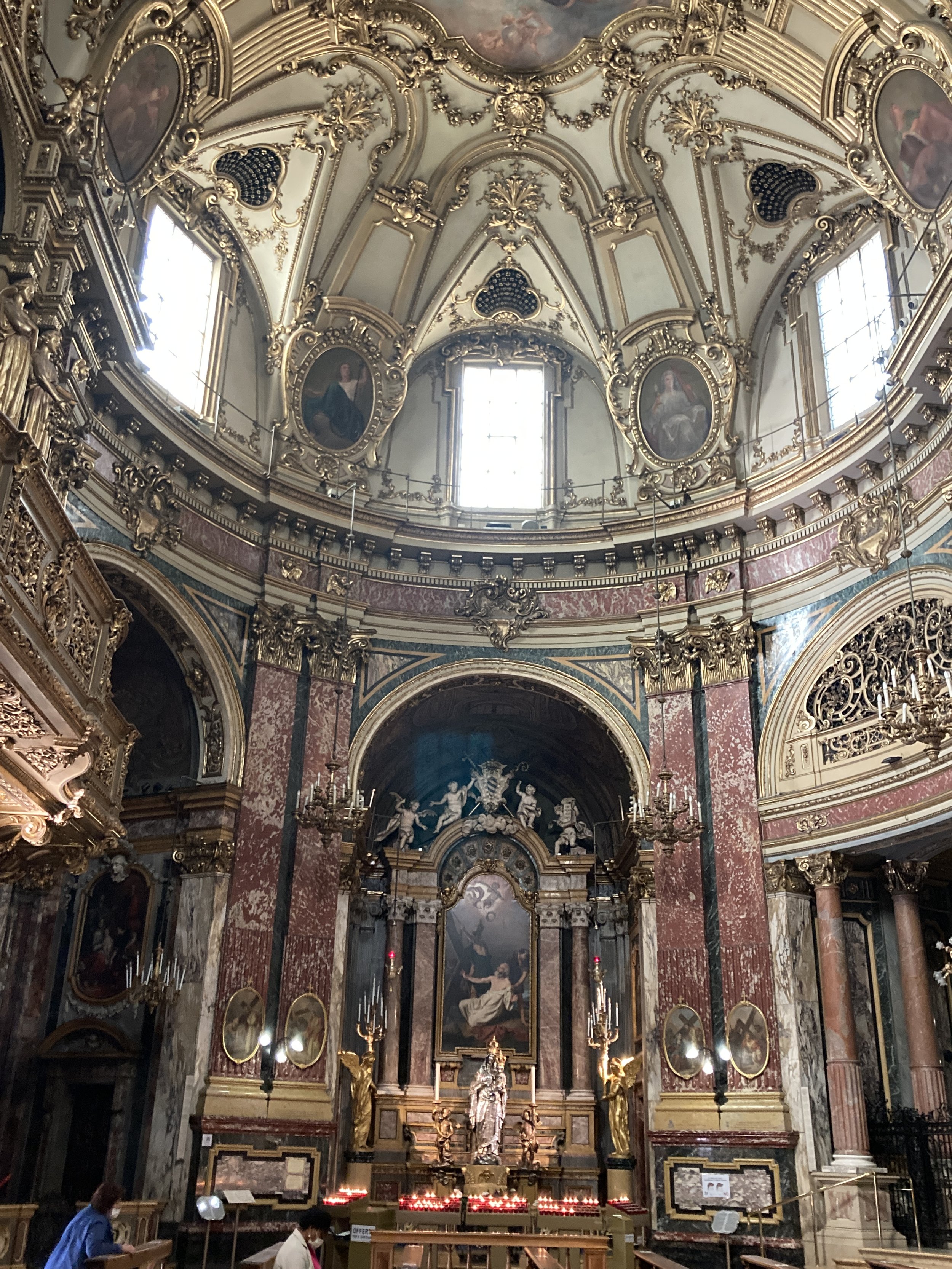
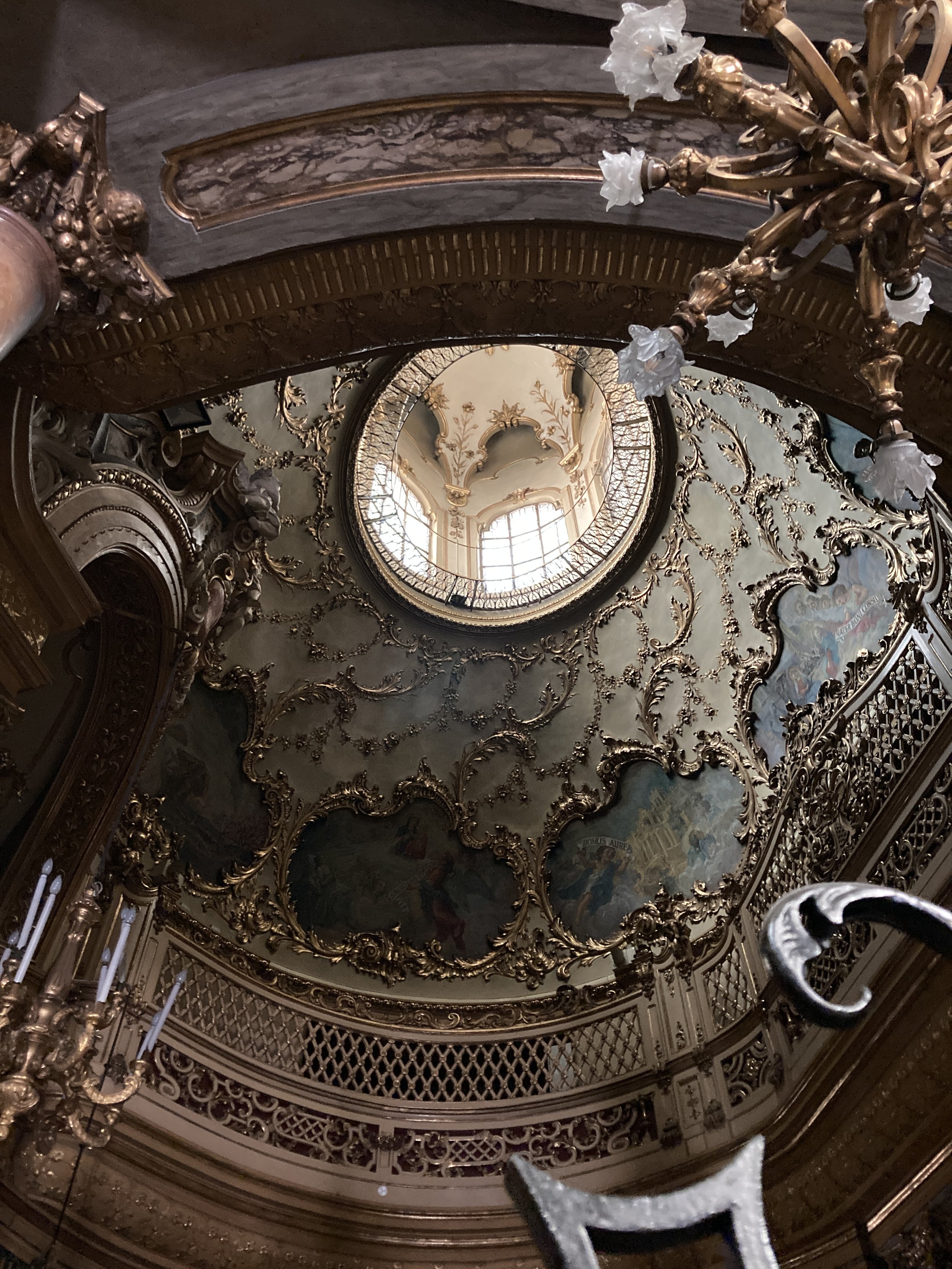
After sipping a Bicerin, a step across the piazza leads to the Santuario della Consolata (Church of the Virgin of the Consolation). The somewhat plain exterior of this church did nothing to prepare me for the ornate and colorful interior, including a most interesting crypt. Unlike most crypts, which tend to be dark and undecorated, this one was spectacular with very elaborate decoration. A jewel box of a small church.

CD6BF4B3-02A3-44C2-966F-310AEB4B1284.jpeg
6CCAB271-46A4-46E8-B69A-19CB8E9A59BA.jpeg

Whenever I visit a new place I always find myself wondering what it would be like to live there. In the case of Torino, I would happily live in the trendy Quadrilatero neighborhood. But I’d have to remember to limit my Bicerin consumption!

November 08, 2021 /Joanne Bartram
Turin, Torino, Quadrilatero Romano, Neighborhoods Torino, Bicerin, #torino
Italian art architecture, Italian culture, Italy, Italy travel
  • Newer
  • Older

Powered by Squarespace