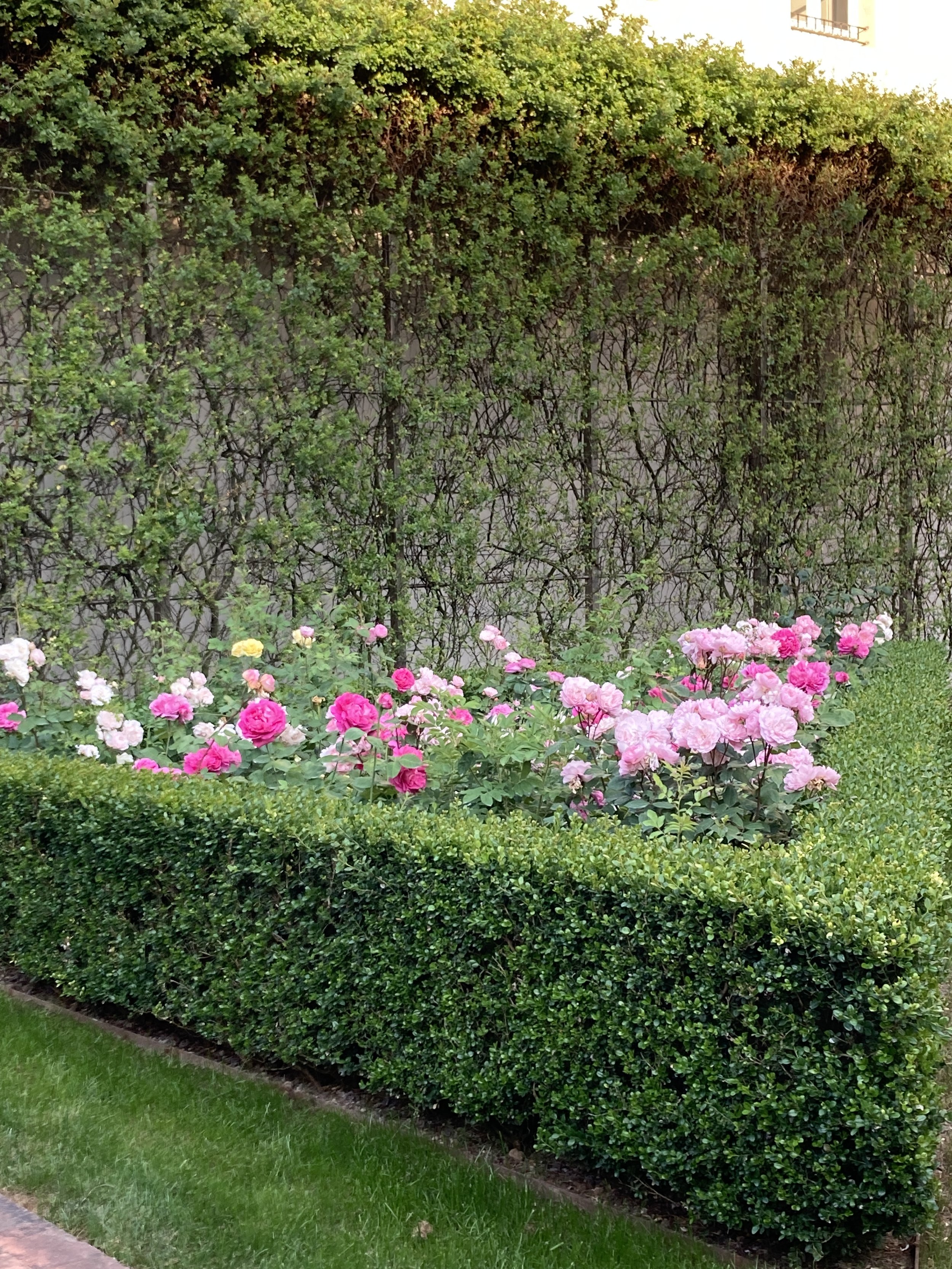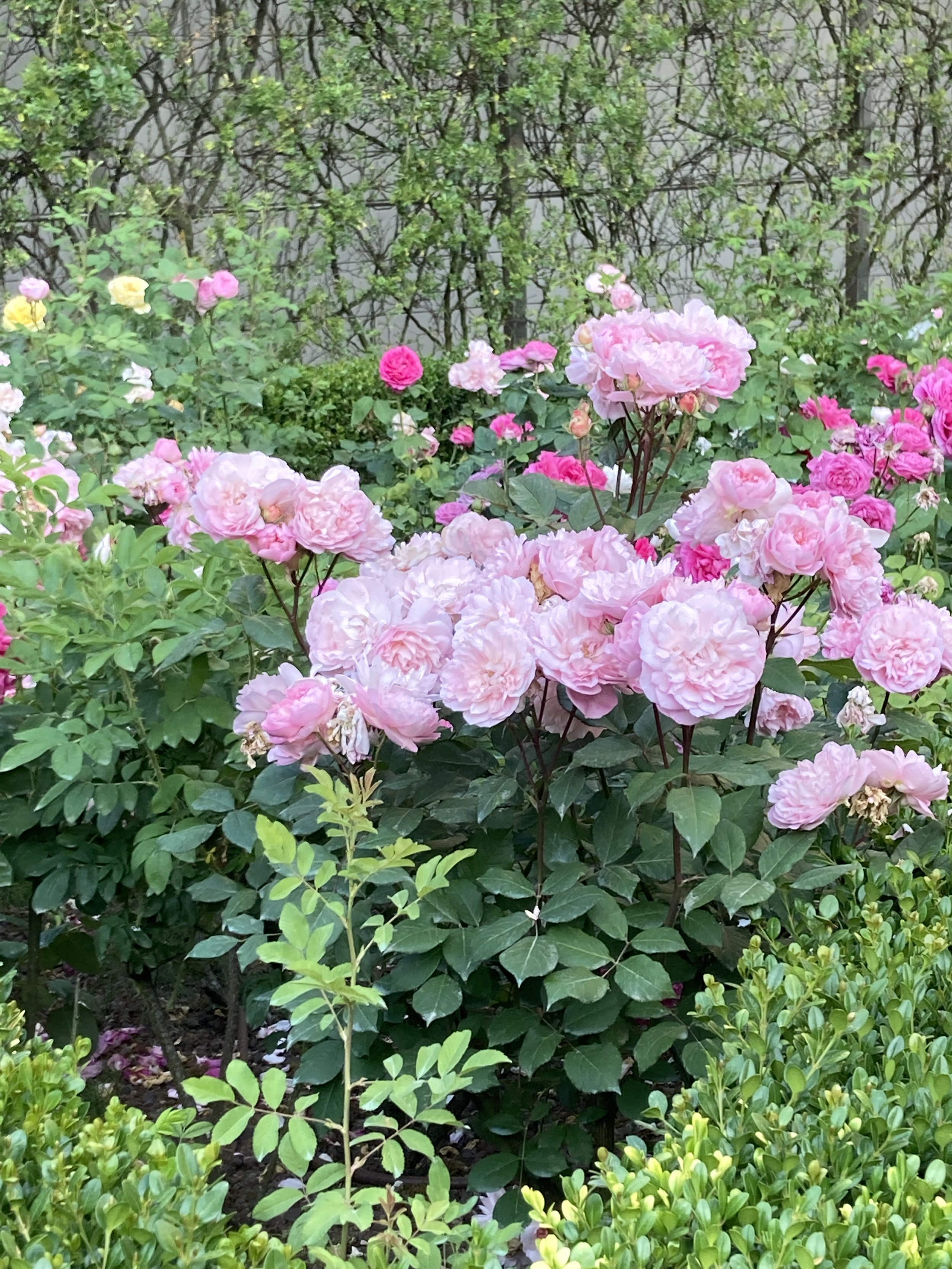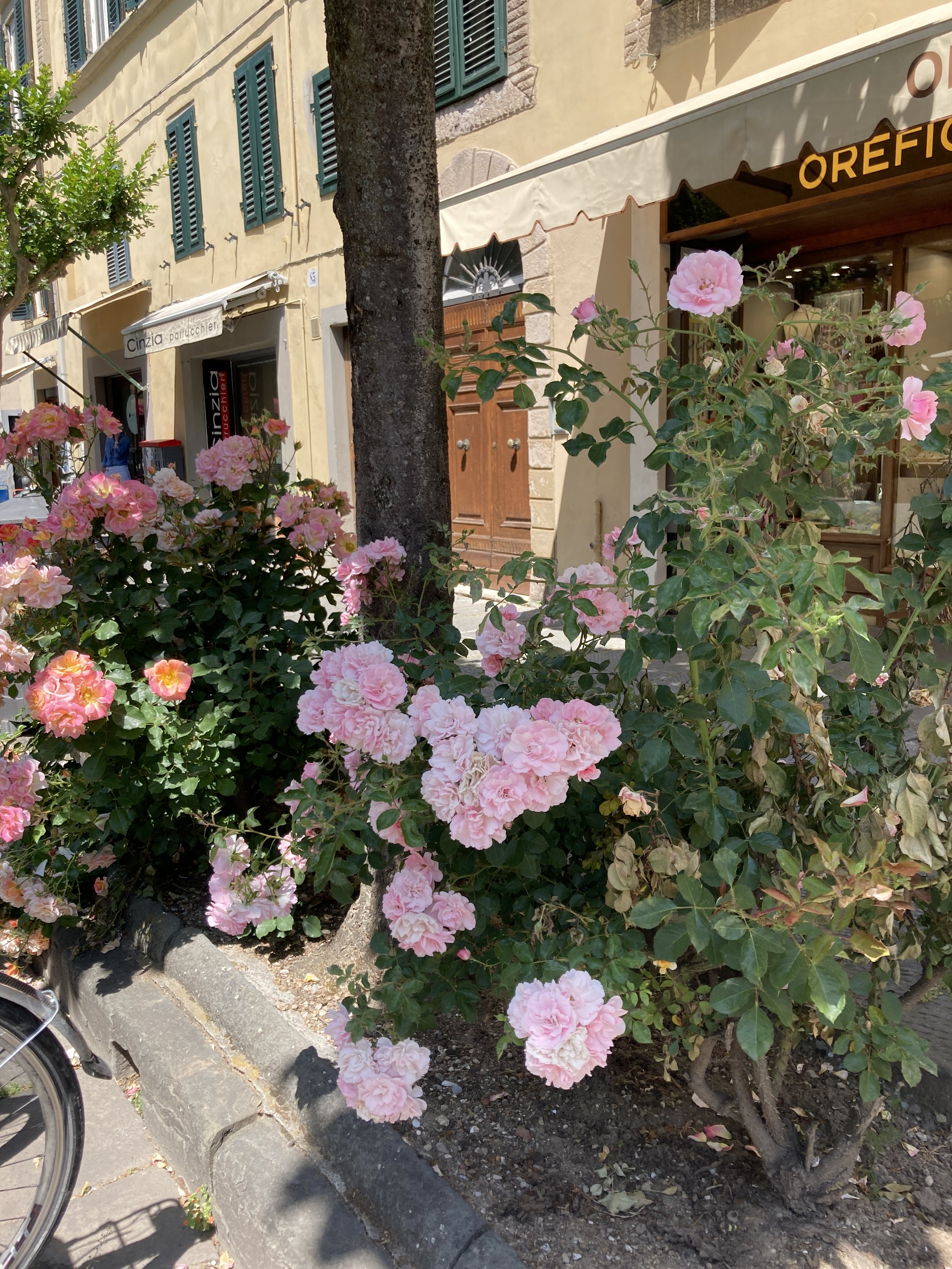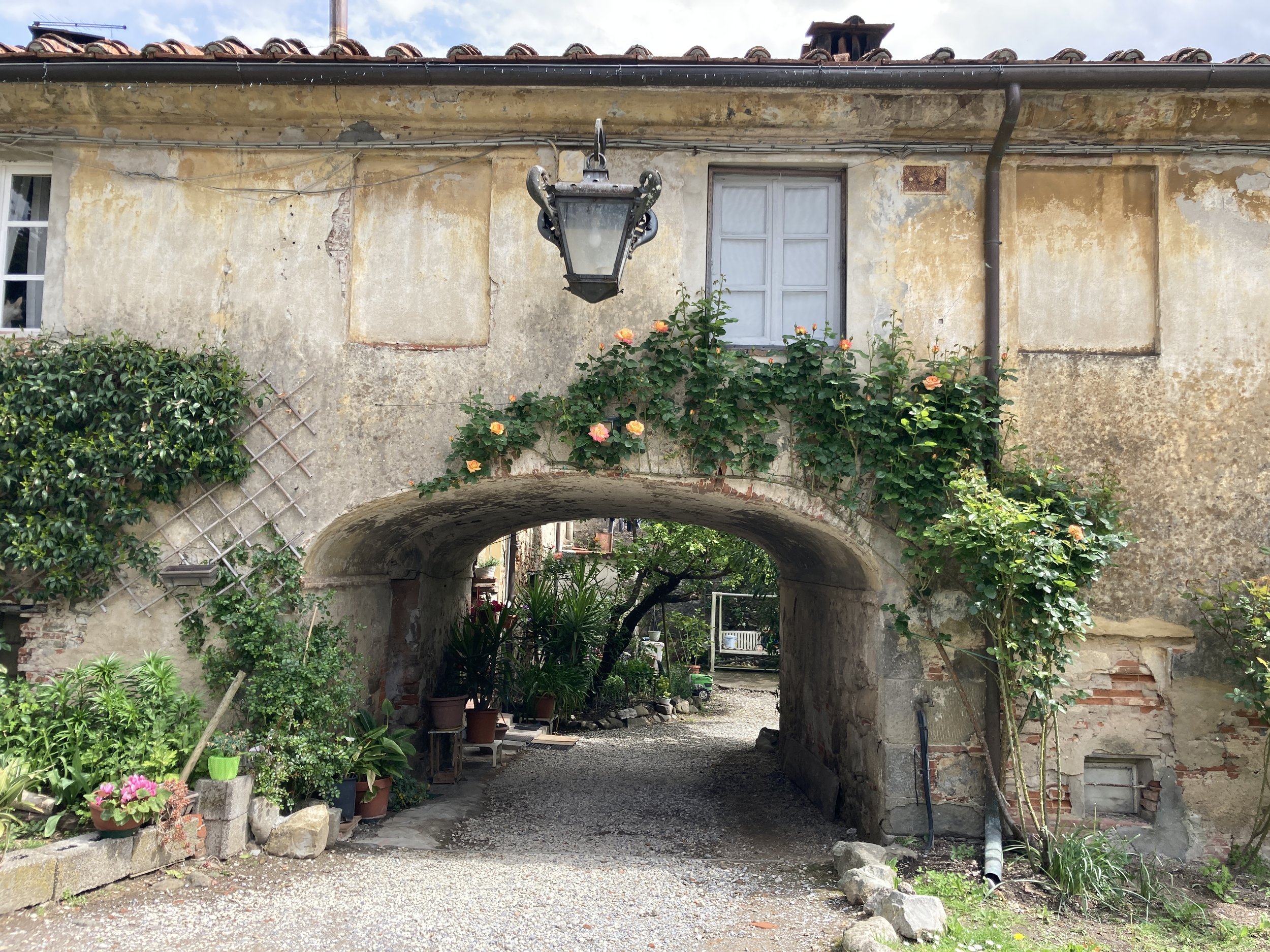
Two Parts Italy

Exploring Italy, travel, and living a flavorful life

  • Blog
  • About This Blog
  • Start Here
  • Recent Posts
  • Archives by Topic
  • Subscribe
  • Contact me

A Historic Garden In Collodi, Italy

June 20, 2022 by Joanne Bartram in #italytravel, #lucca, Italian art architecture, Italian gardens, #italiangardens

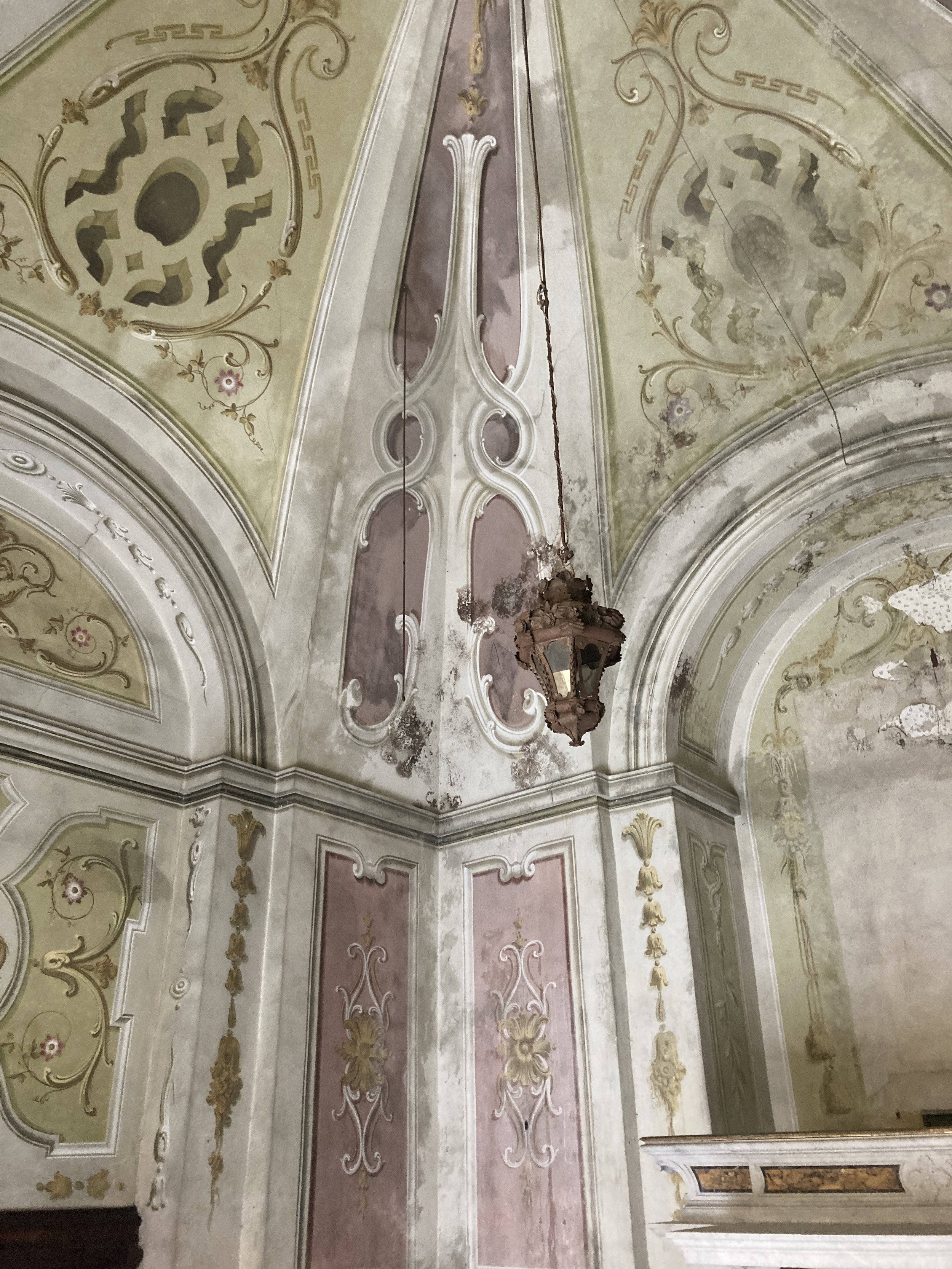
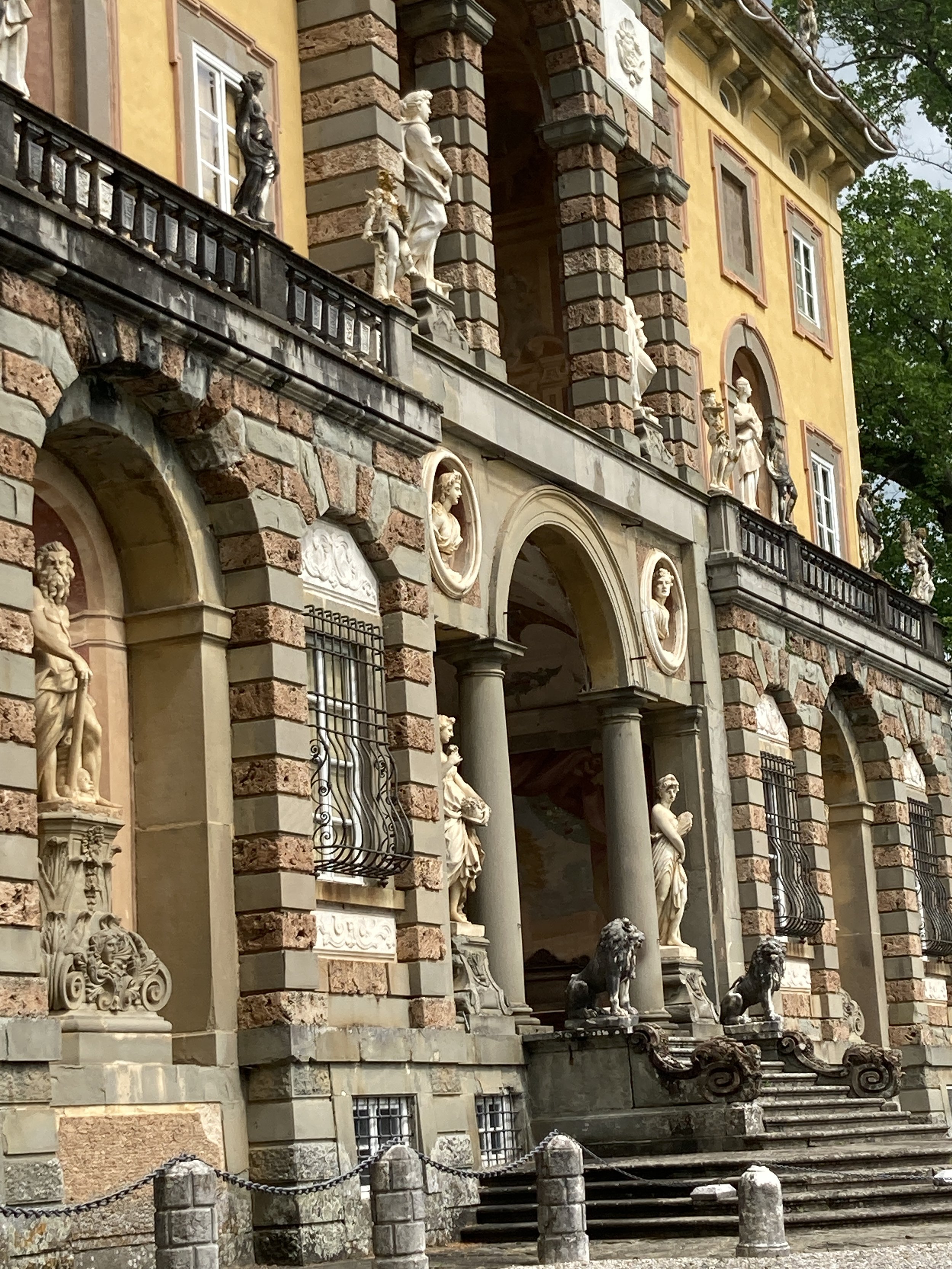
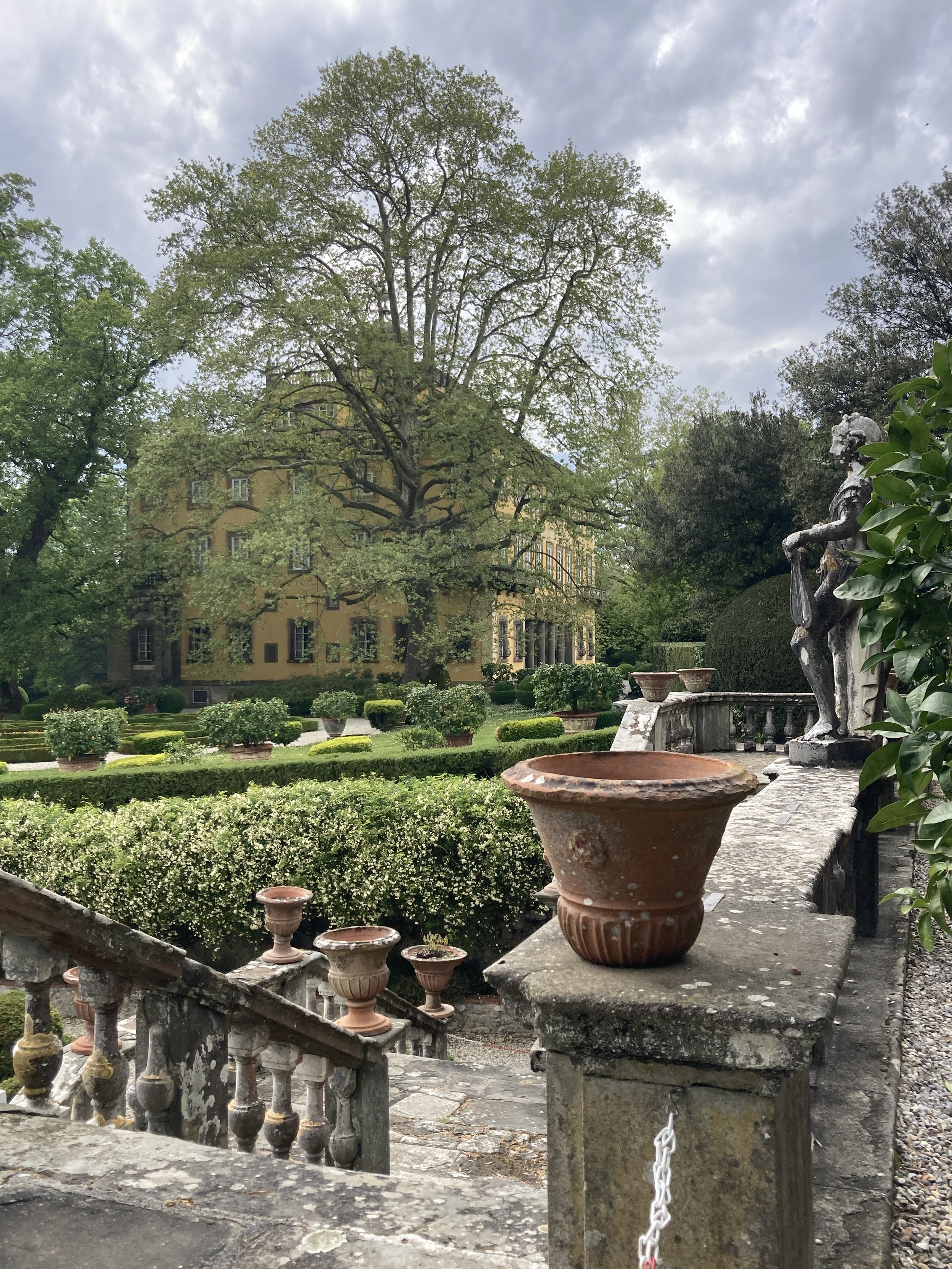
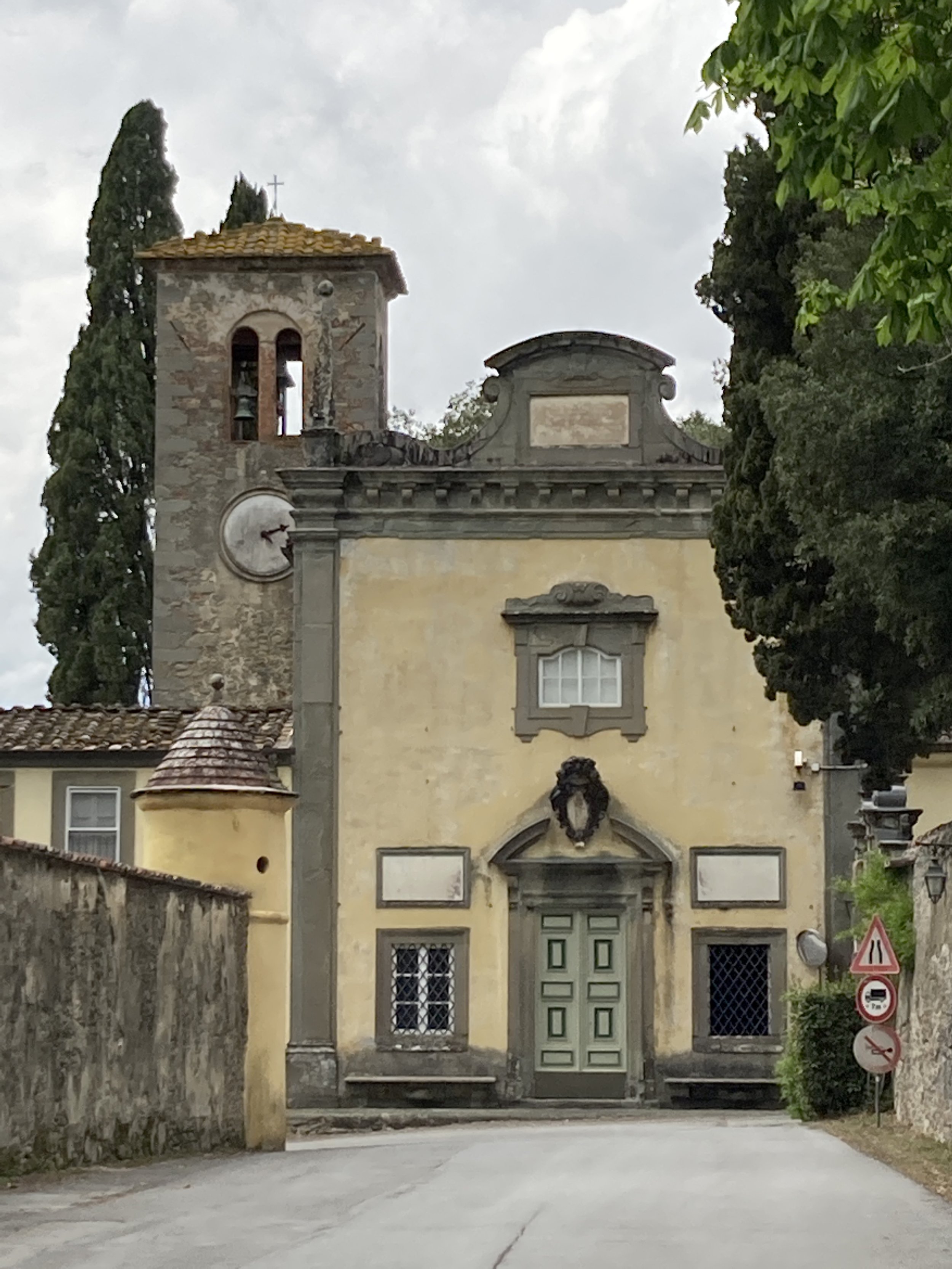
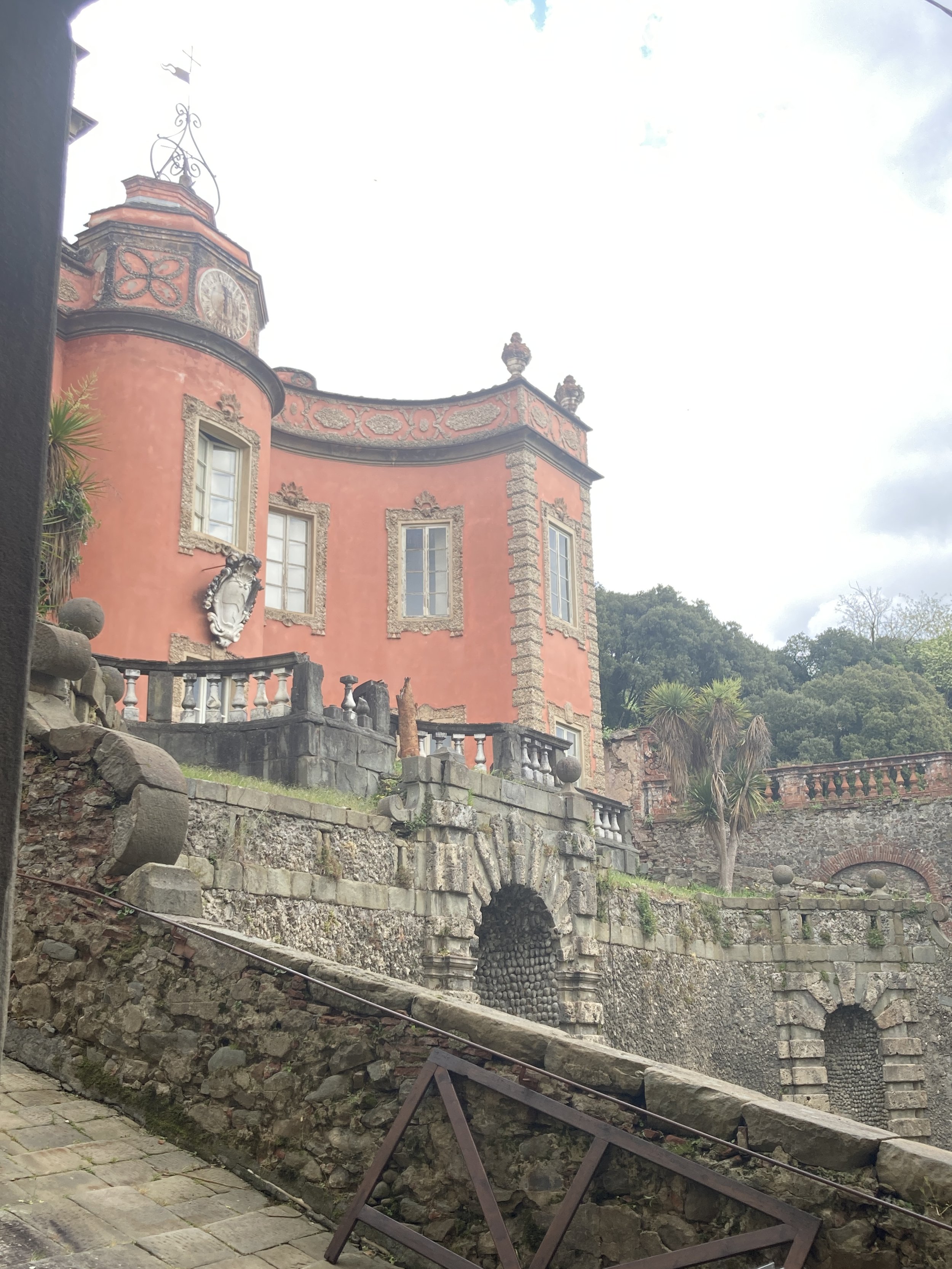
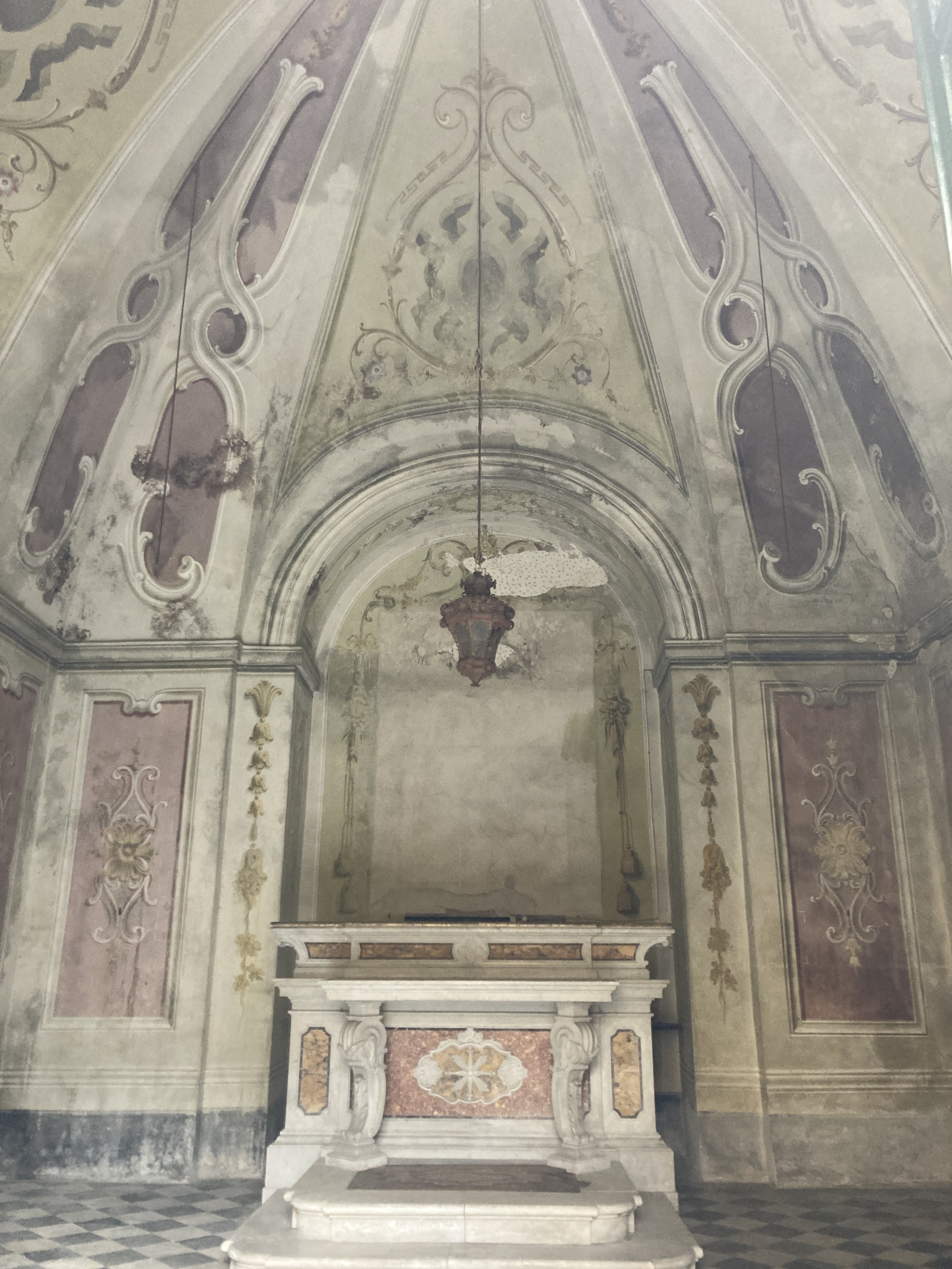
Collodi is a fairy tale place. It is not the Tuscany of rolling hills, carefully tended vines and olive trees that most people picture when they think of this region. Instead, the small village of Collodi seems to climb straight up a mountainside in the middle of a forest, hanging precariously on the slope. At the top is the medieval fortress La Rocca and a small church. At the bottom is the Villa Garzoni, built on the ruins of a Medieval Castle. An imposing structure, with its yellow color and 100 windows, the villa sits at the entrance to the town of Collodi. The villa itself is not open to the public, nor is the colorful Palazzina d’Estate (Summer Palace) which sits directly behind it. The only part of either that it is possible to enter is the Palazzina’s chapel, pictured below.
9DFA9511-6FEF-4380-A2BF-4261B0A85370.jpeg
DF584B98-13D0-4F46-852F-65D999BAA00B.jpeg
2BDA4BB3-4EB6-48BA-A65E-B3142501FCDD.jpeg

And then of course there is Pinocchio. Carlo Lorenzini, the author of Pinocchio, used the pen name Collodi as an homage to this village where his mother once worked. Many families come to Collodi to visit the Parco di Pinocchio (Pinocchio Park), a children’s adventure theme park based on the storybook character. But it was not the Pinocchio story that drew me to Collodi. Instead, I went with friends who were in Italy to visit classic gardens. The historic Giardino Garzoni, dating from the mid-1600’s and completed by the Lucchese architect Ottaviano Diodati in the 17th century, was on their “must see” list. I was delighted to join them for a day of visiting gardens near my home in Lucca.
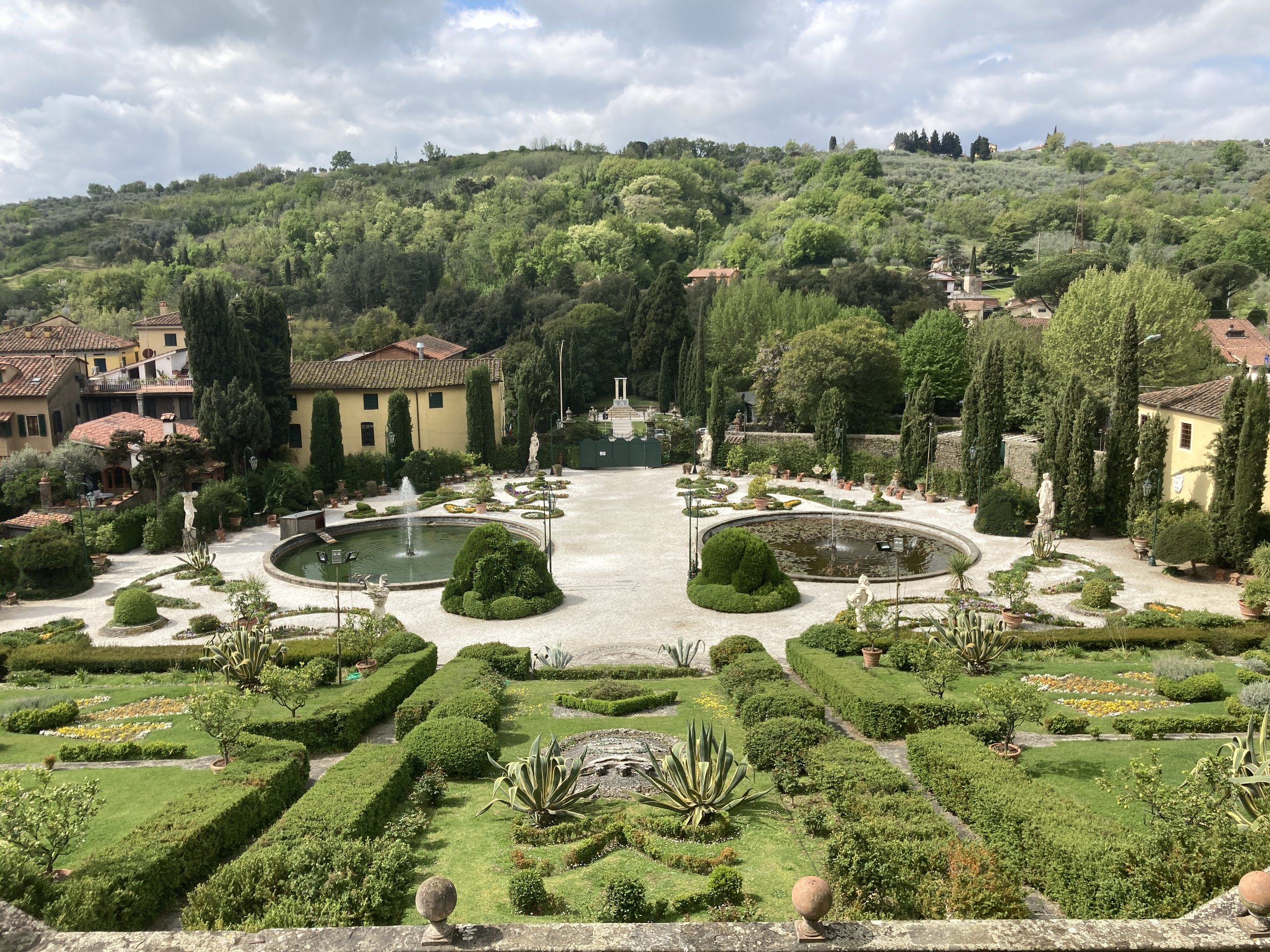
Looking down on the lowest part of the garden, from an upper terrace

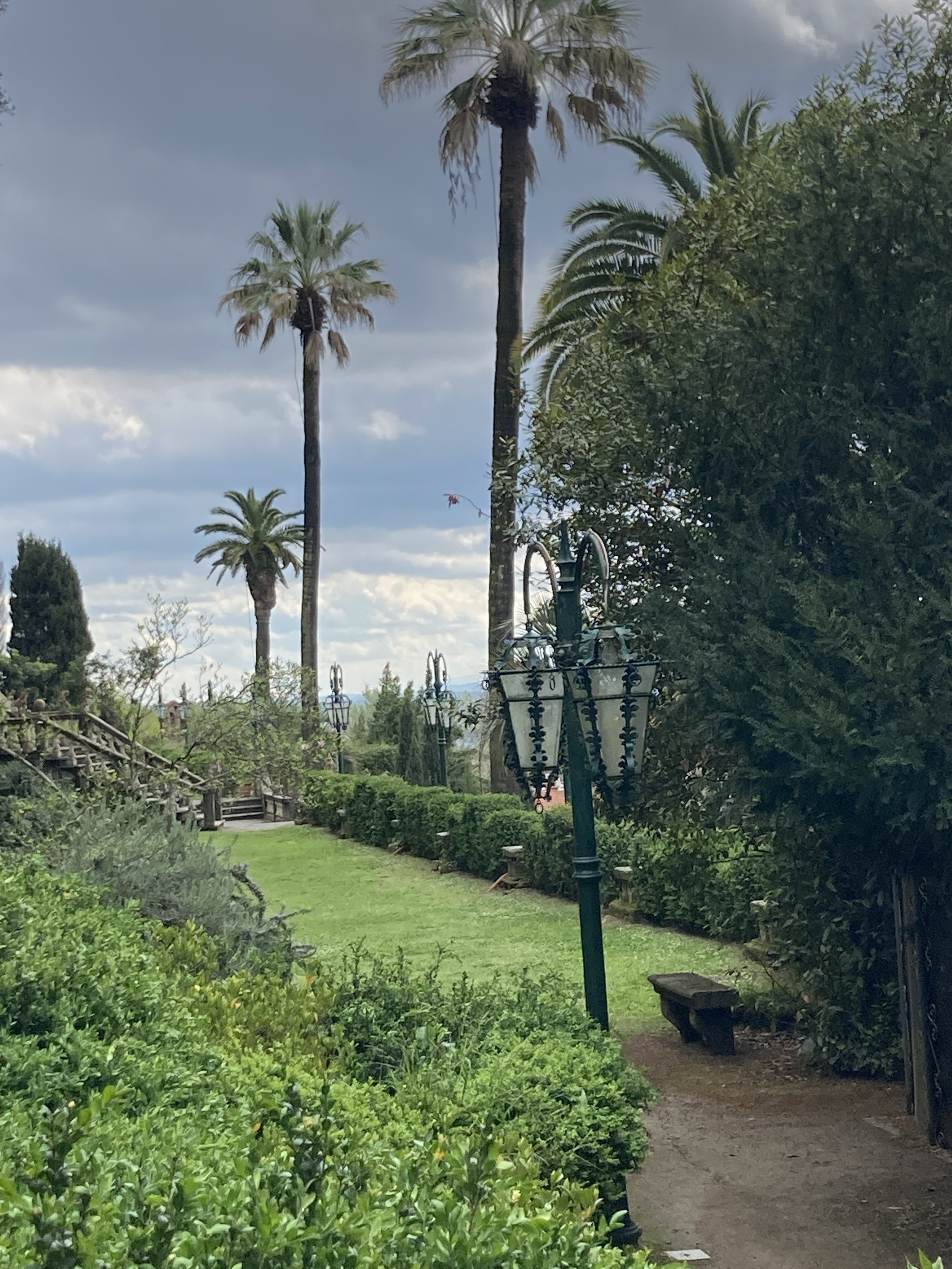
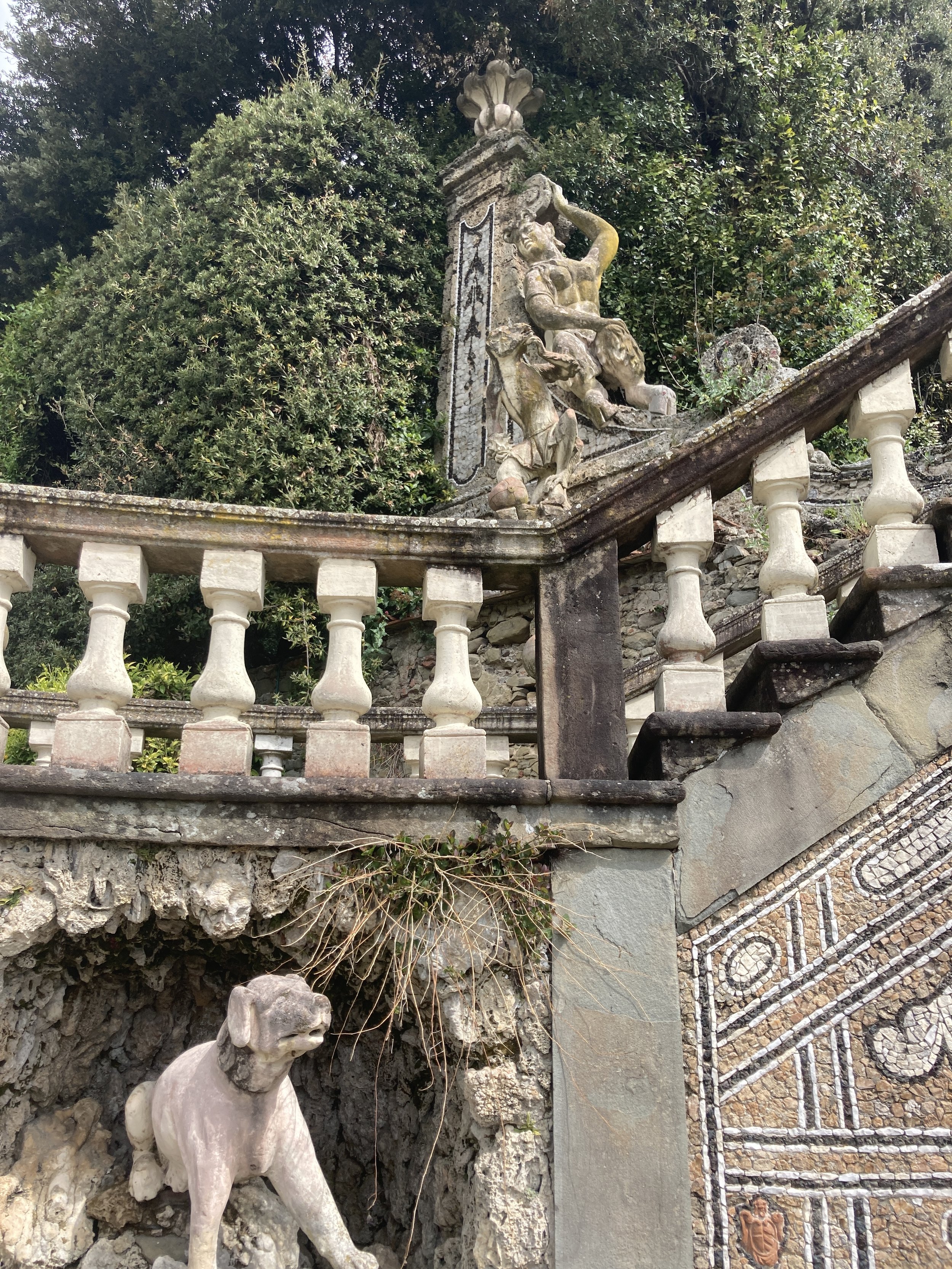
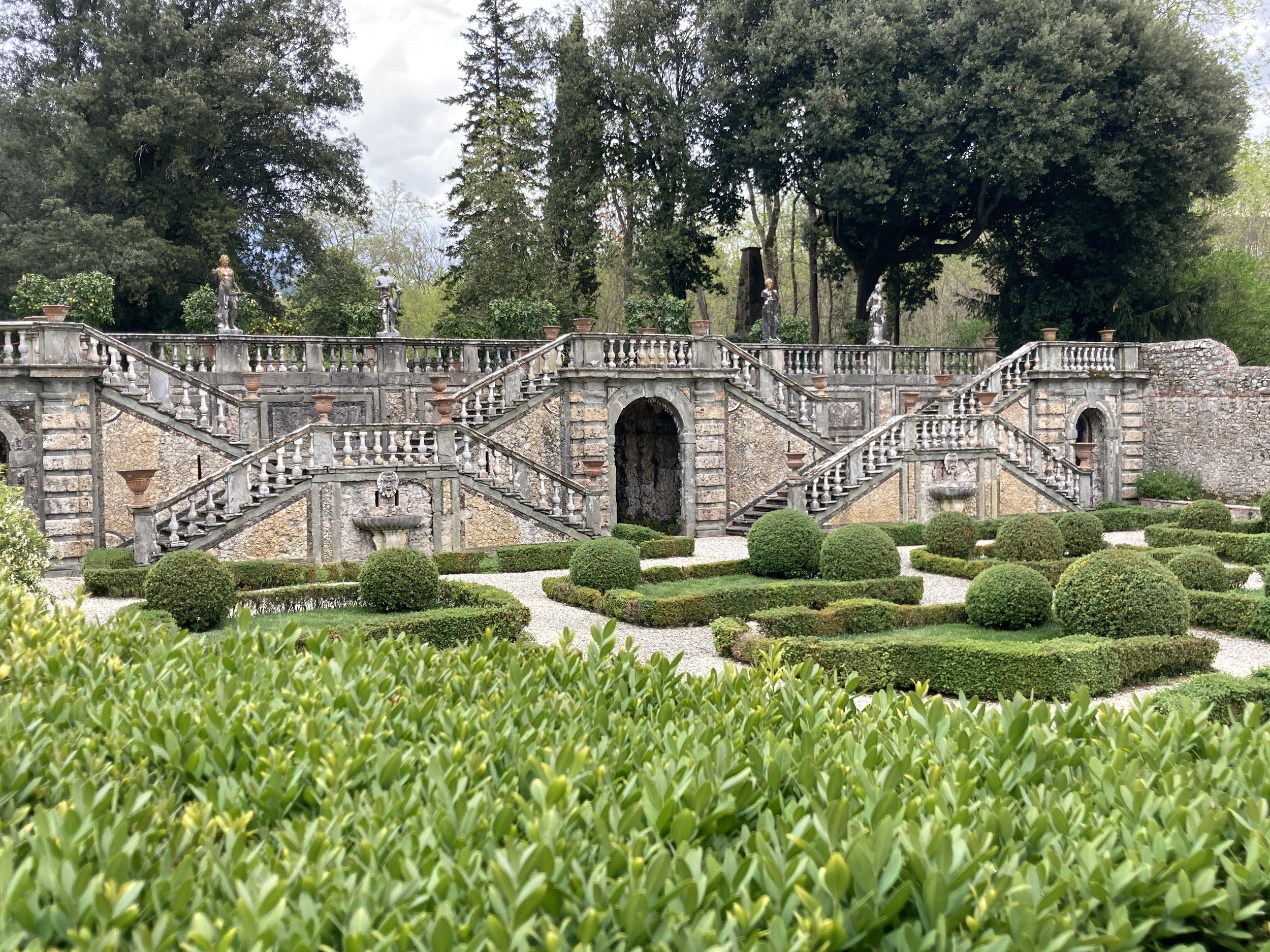
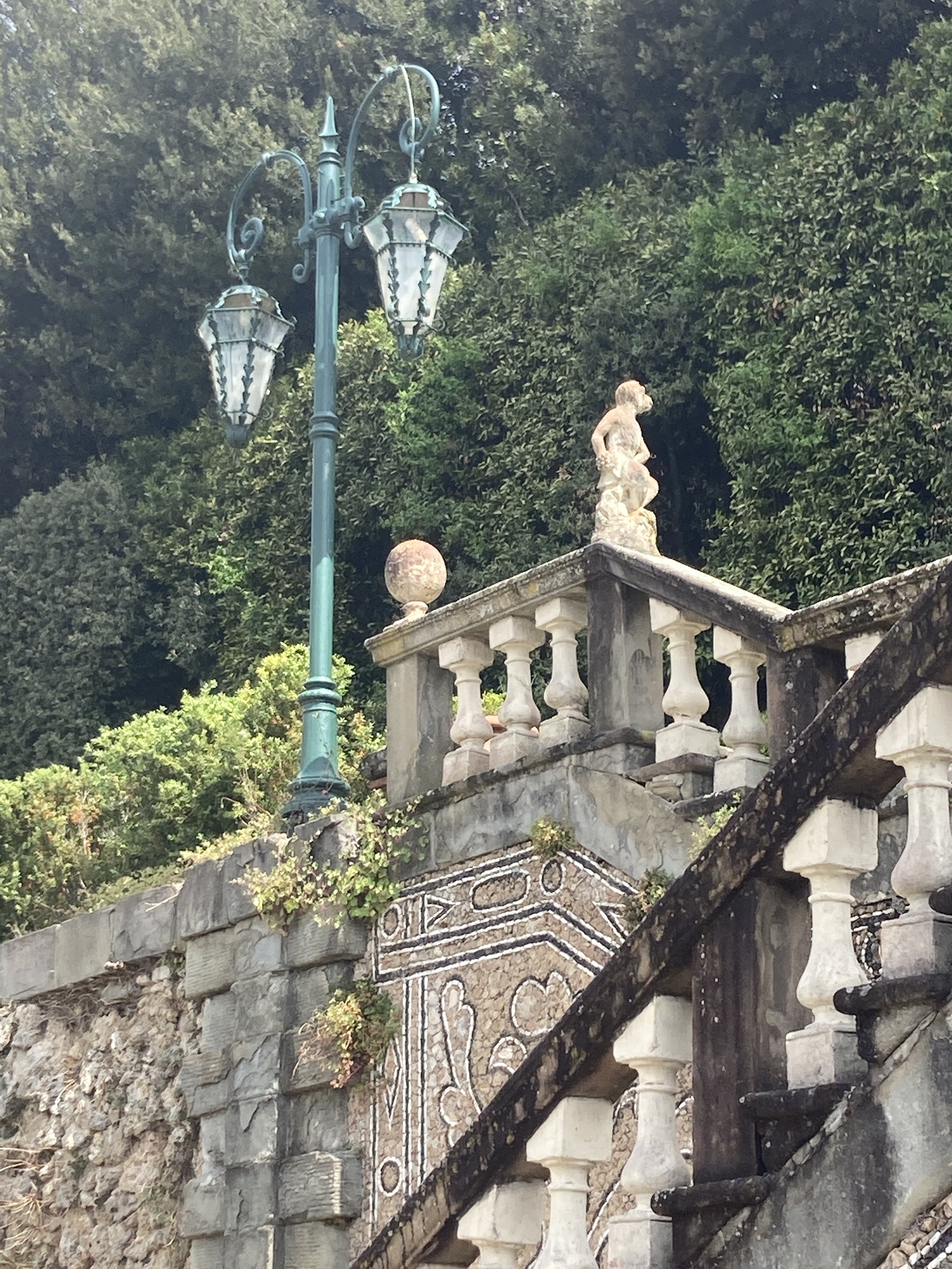
The Garzoni garden is a wonder, with something enchanting to see at every turn as it climbs the steep slope beside the villa. Like many Italian Renaissance gardens there is amazing architectural detail including a dramatic twin staircase (which contains a hidden grotto)

The twin staircases to the upper terraces

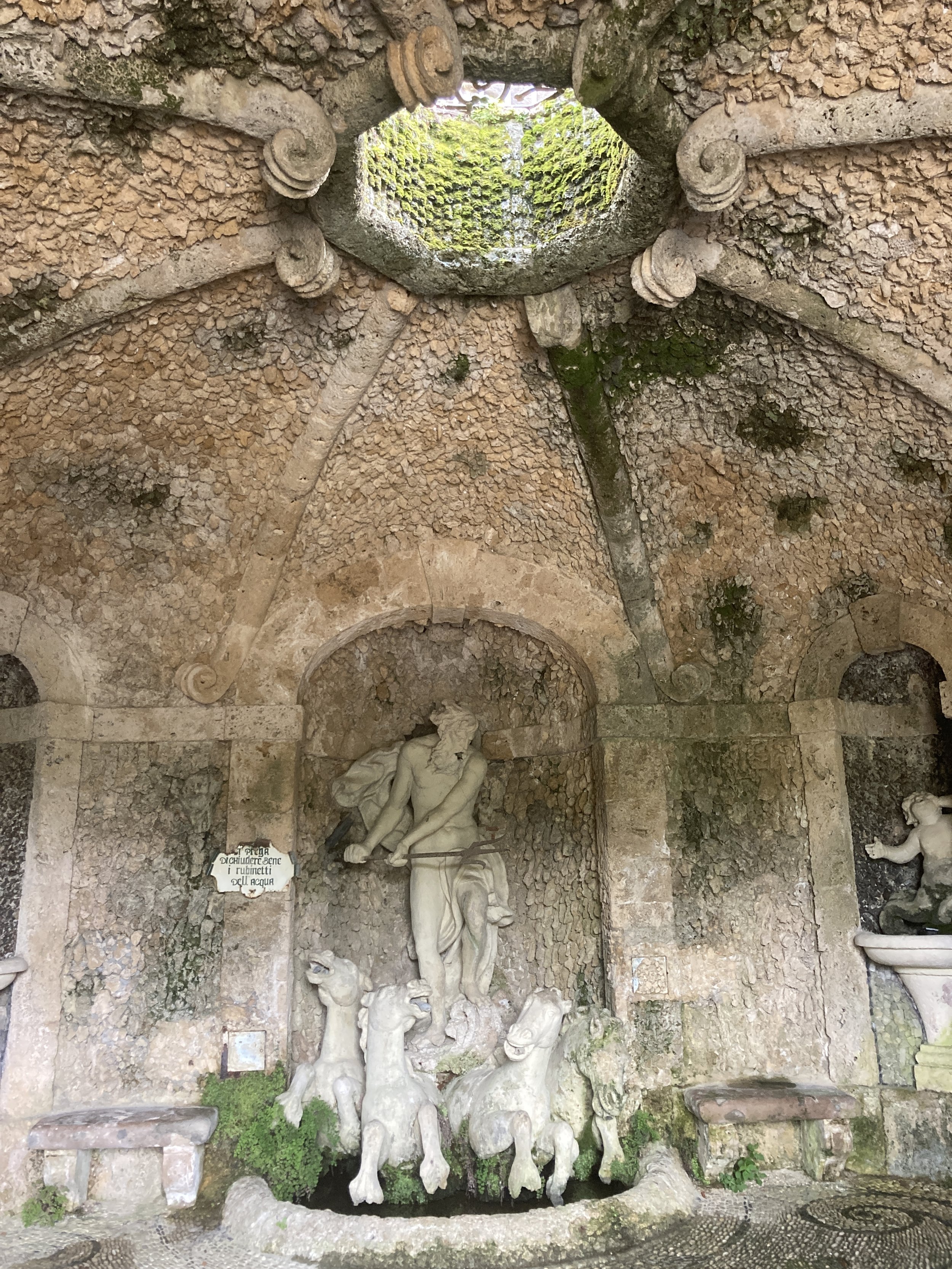
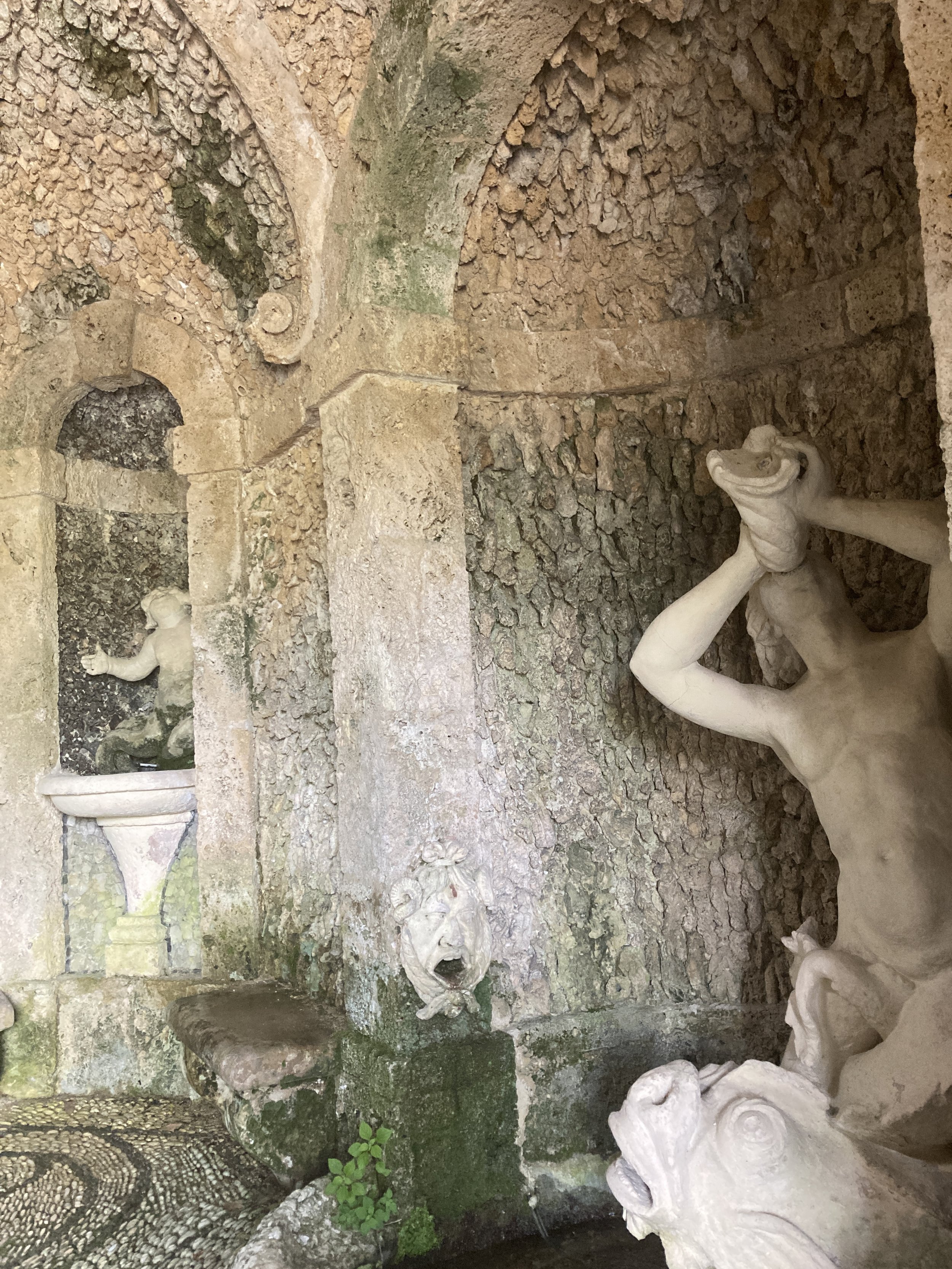
Water also plays a starring role in the garden, with a series of fountains and cascades of water tumbling down the slope. Tucked under the stairs is the Grotto of Neptune, another watery feature.
54918553-507D-437A-9CF9-106DD7D72F0F.jpeg
31FF995C-A5D0-4F05-B5EE-5BA7E8DBEADF.jpeg
F88BEB8E-BA6C-4C11-875F-7FF1162CA8DE.jpeg

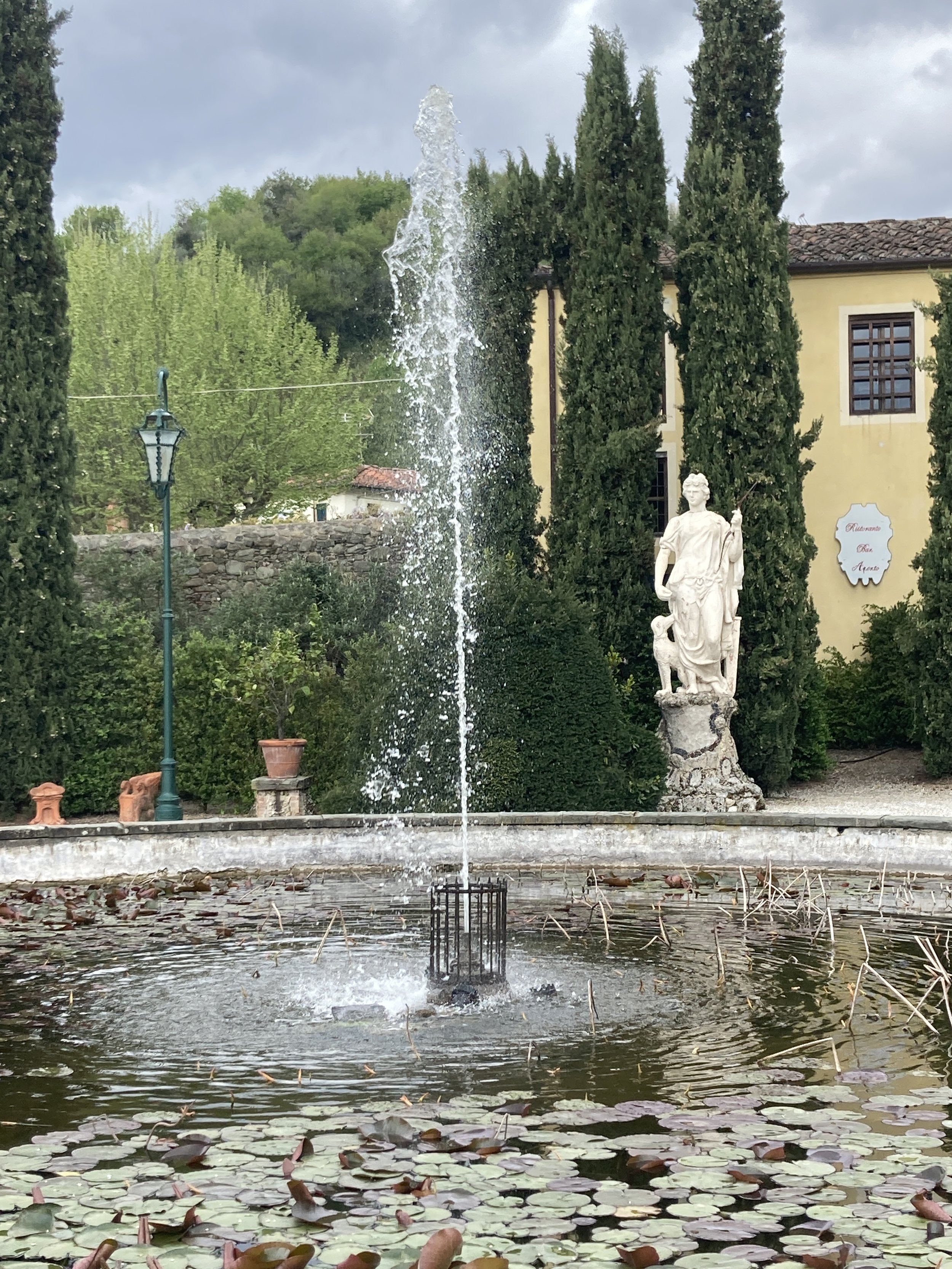
Two round pools lie at the bottom of the garden, just below a parterre full of greenery and flowers. Above that lies the staircase which begins the upward climb through several levels of terrace.
5959F94E-8F8E-4AF7-B080-CEE61A1FE216.jpeg
80E83EC6-70D4-49ED-BD15-01CE7D7006AD.jpeg
08A3977C-664F-4375-8134-0D265B098A70.jpeg

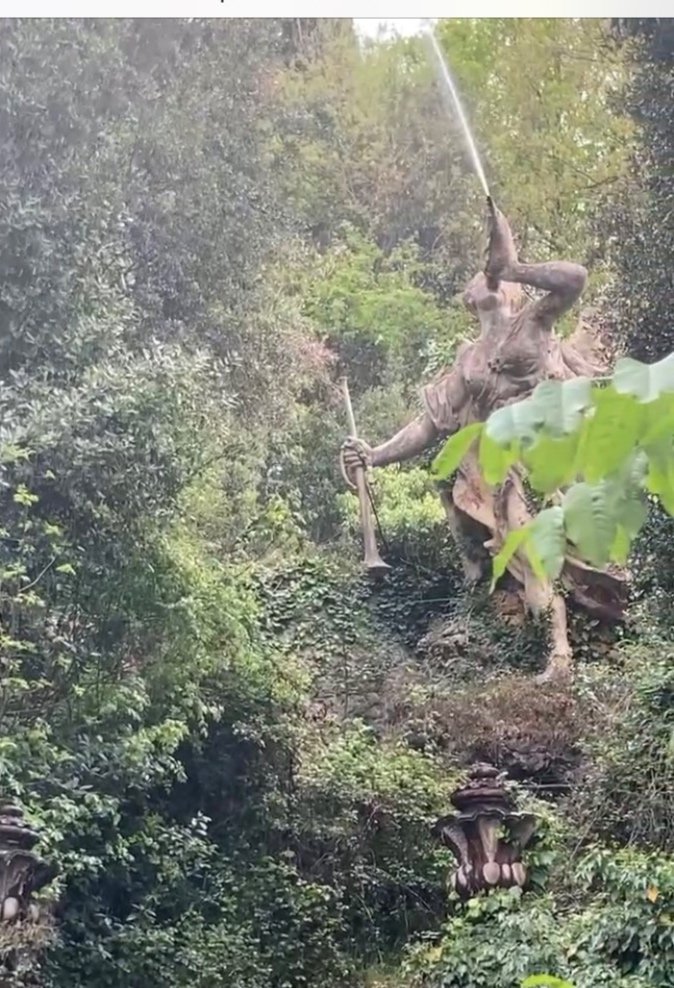
Keep climbing to the water stairs which flank the cascade that runs down to the lower garden. At the top of the climb lies a pool with a statue of Fame, who blows jets of water from a horn in dramatic fashion.
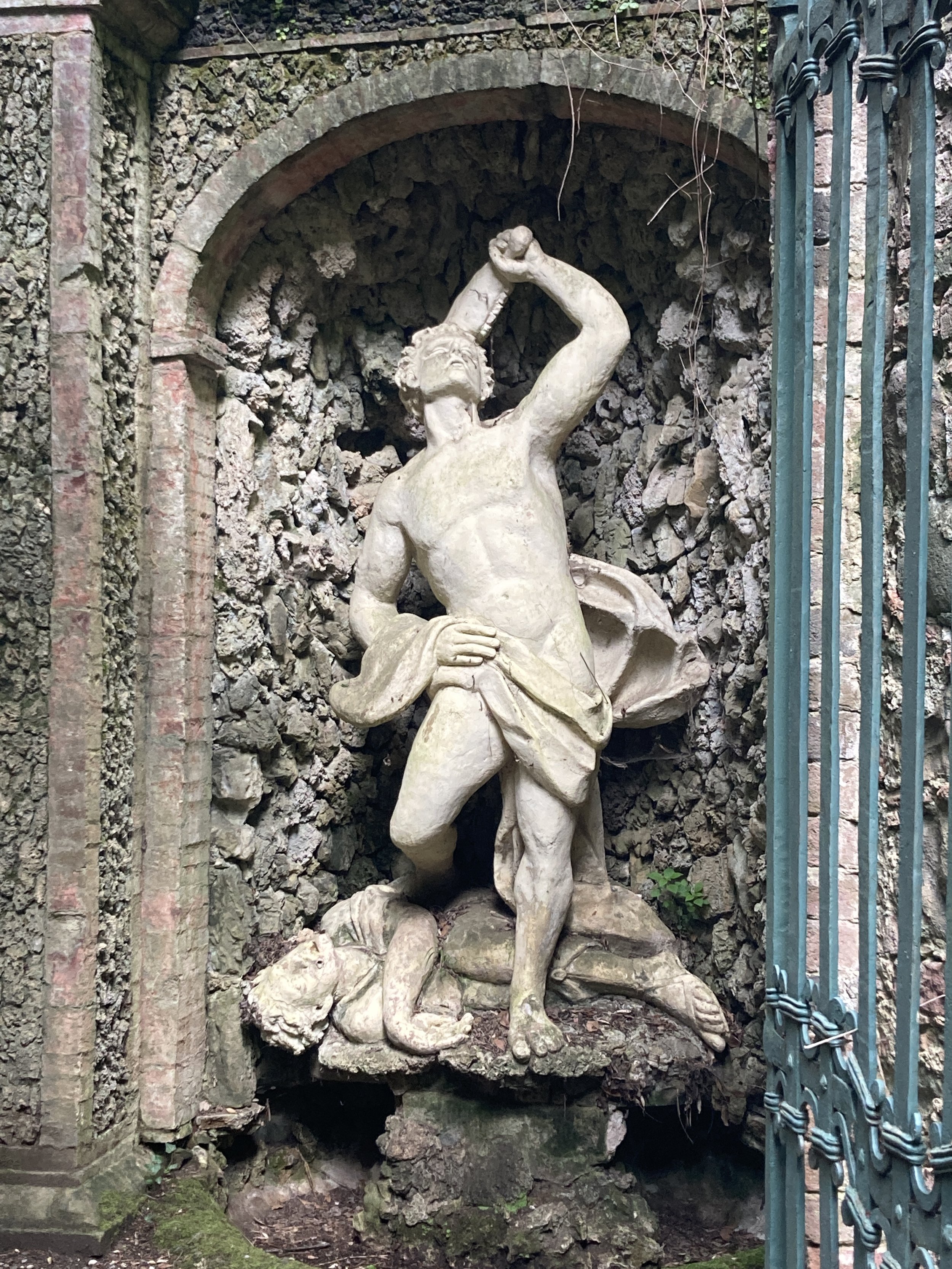
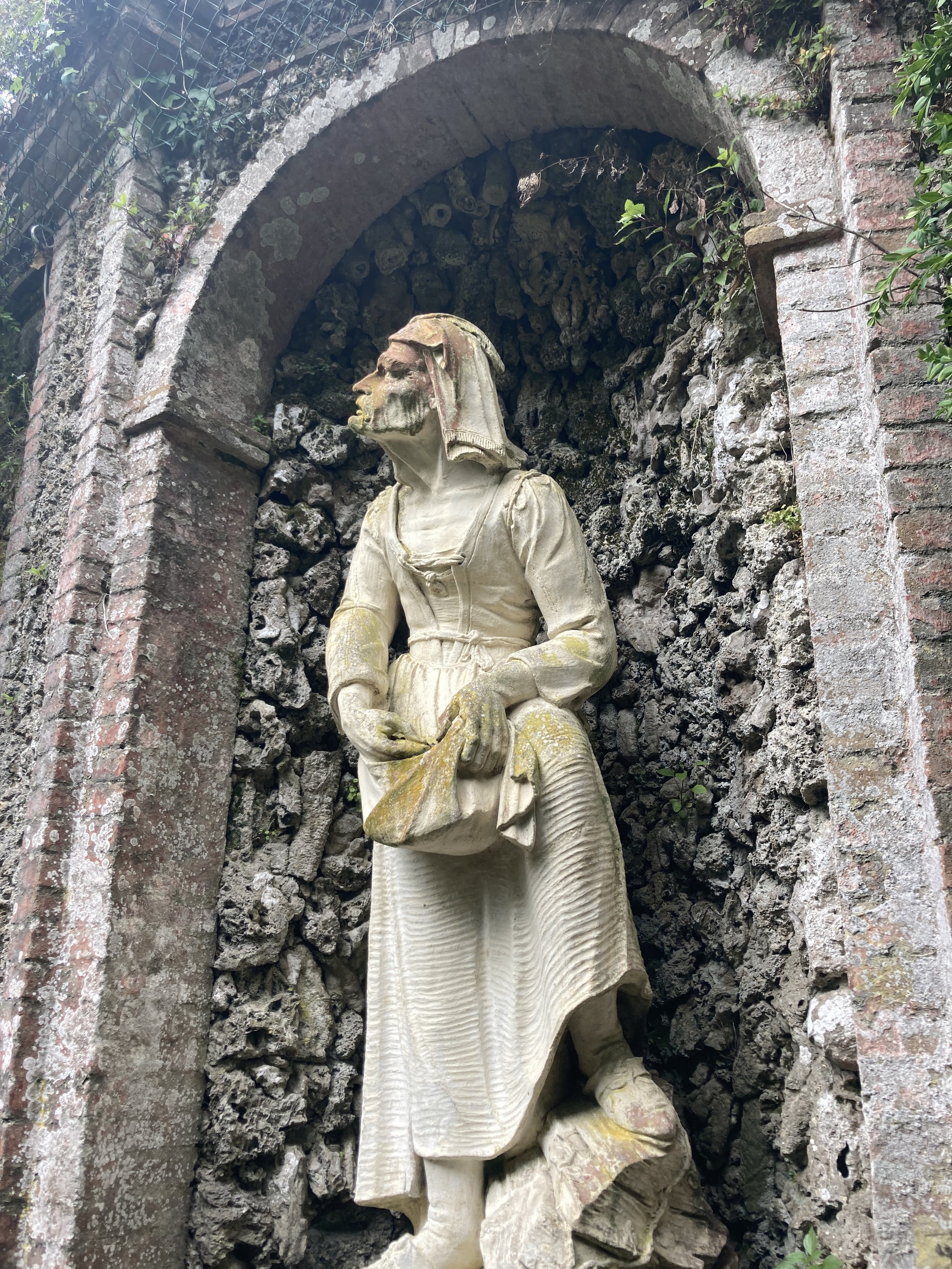
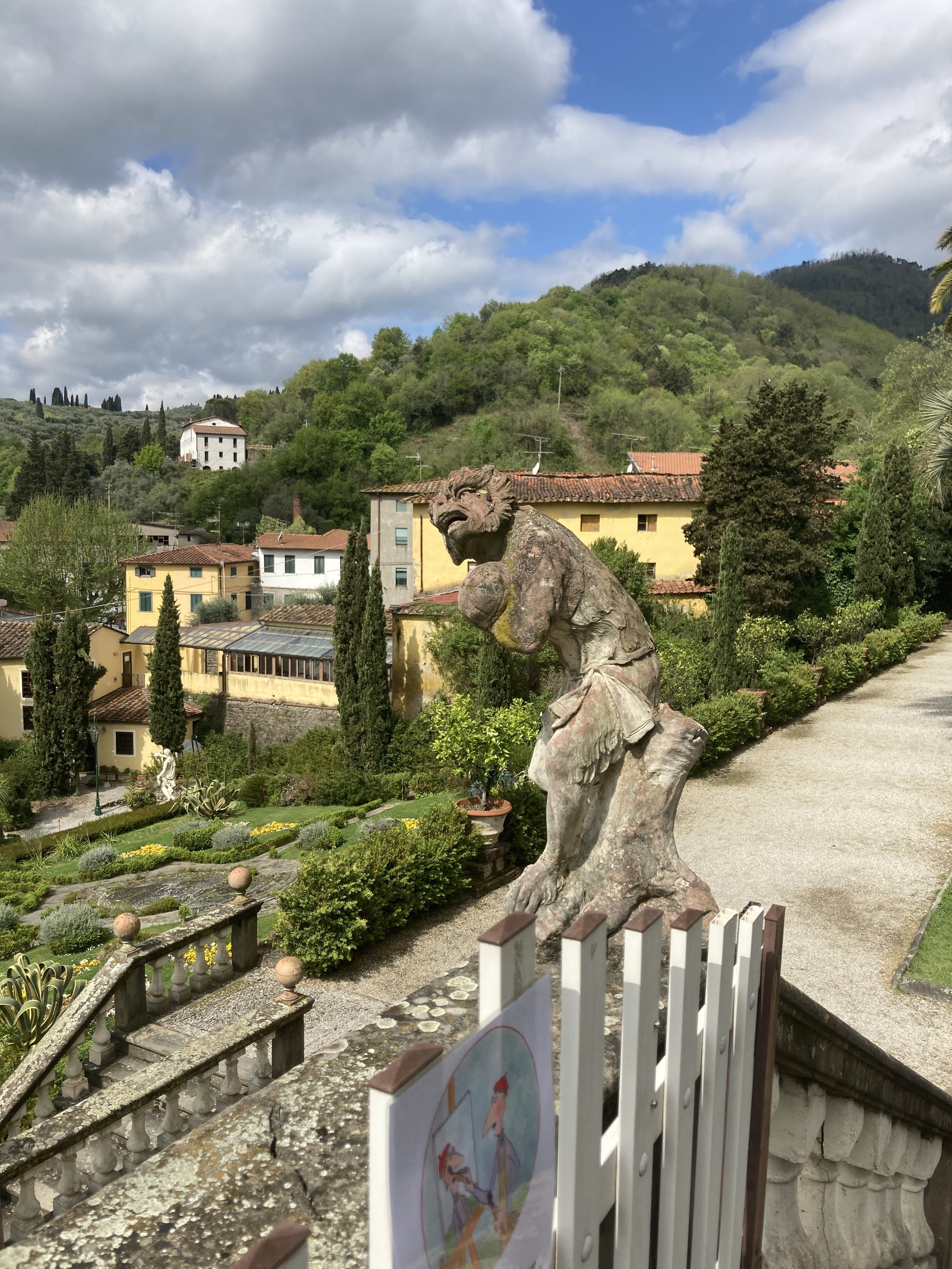
From the top of the water stairs lies a path, lined with camellias, which leads to the villa and the summer palace. This path too is lined with statues and interesting architectural details.
E6D24FC7-13D3-43FB-9B3E-80F803AA8BF3.jpeg
561F8C24-B9B2-4494-8E8E-707C32D5B359.jpeg
375B7A9E-1693-4824-943F-7E1F0DF5ADE7.jpeg

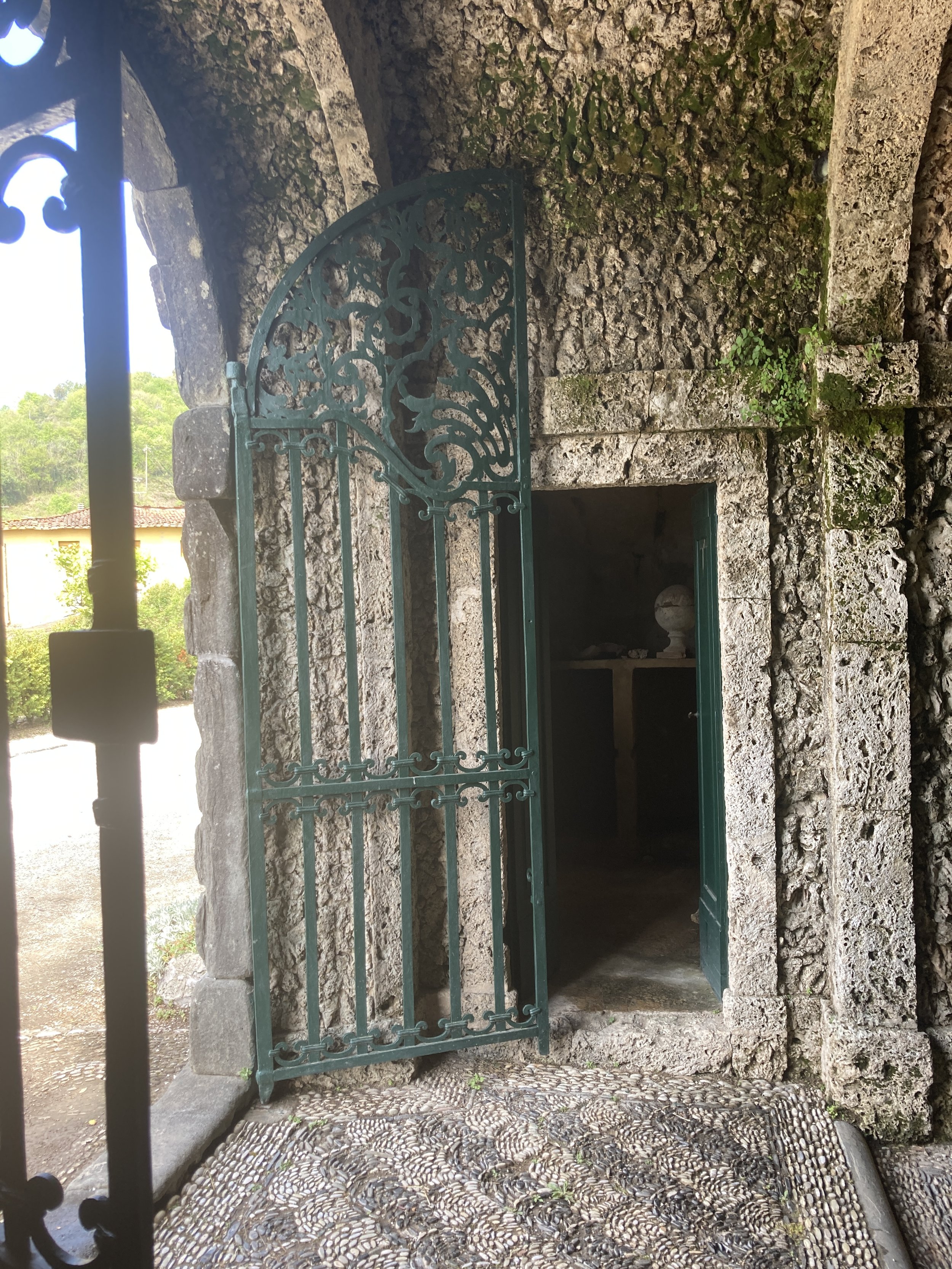
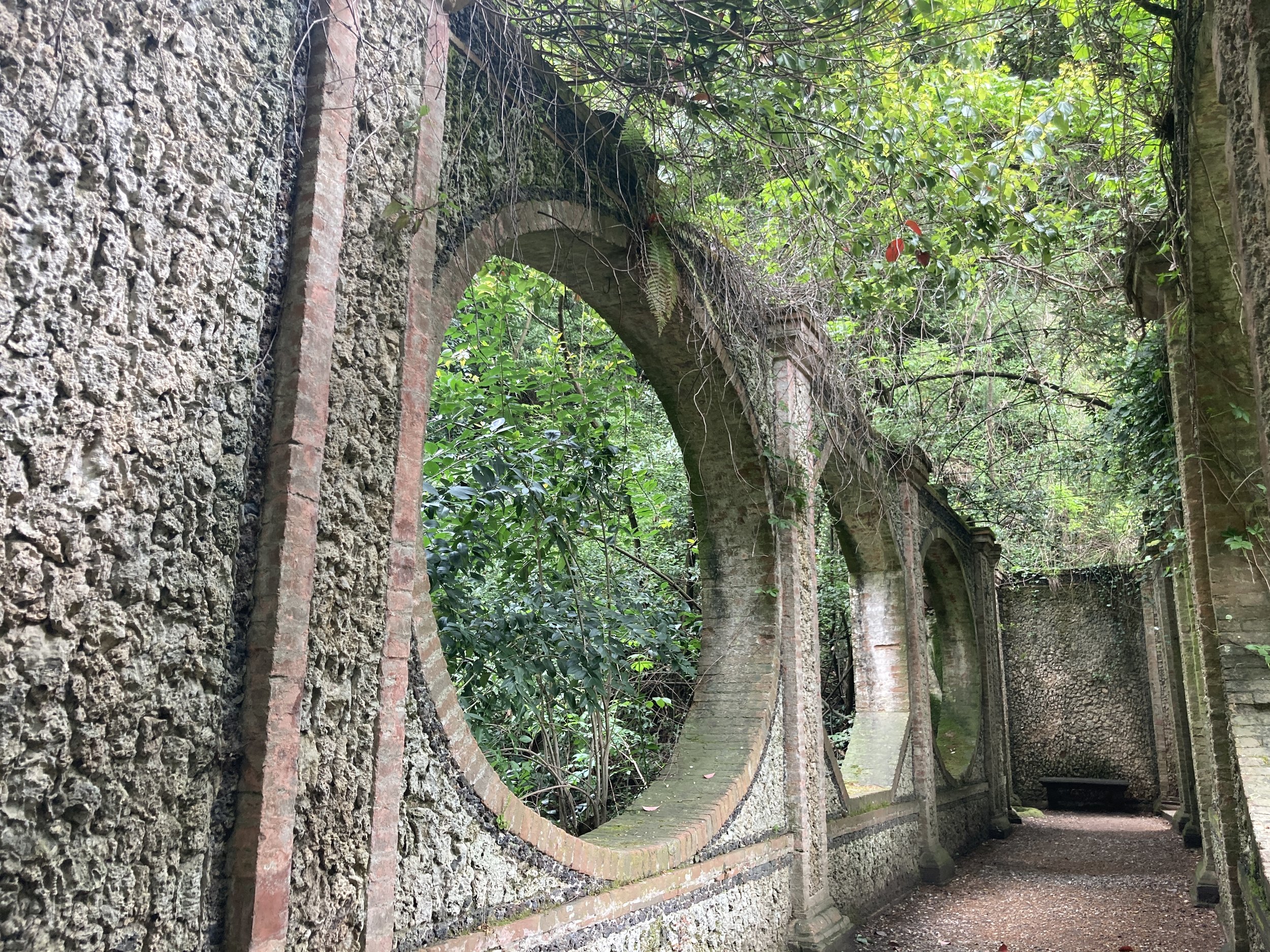
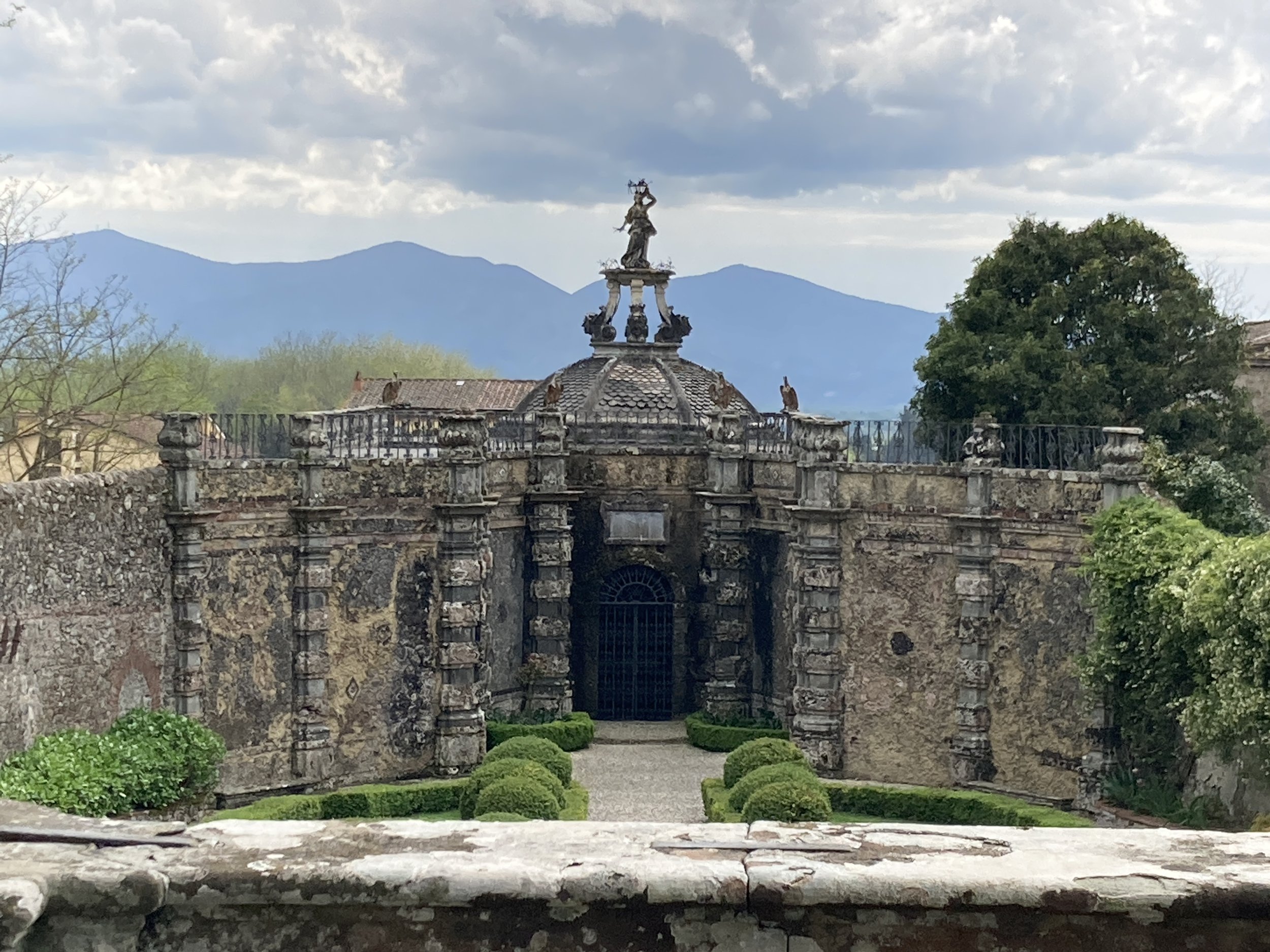
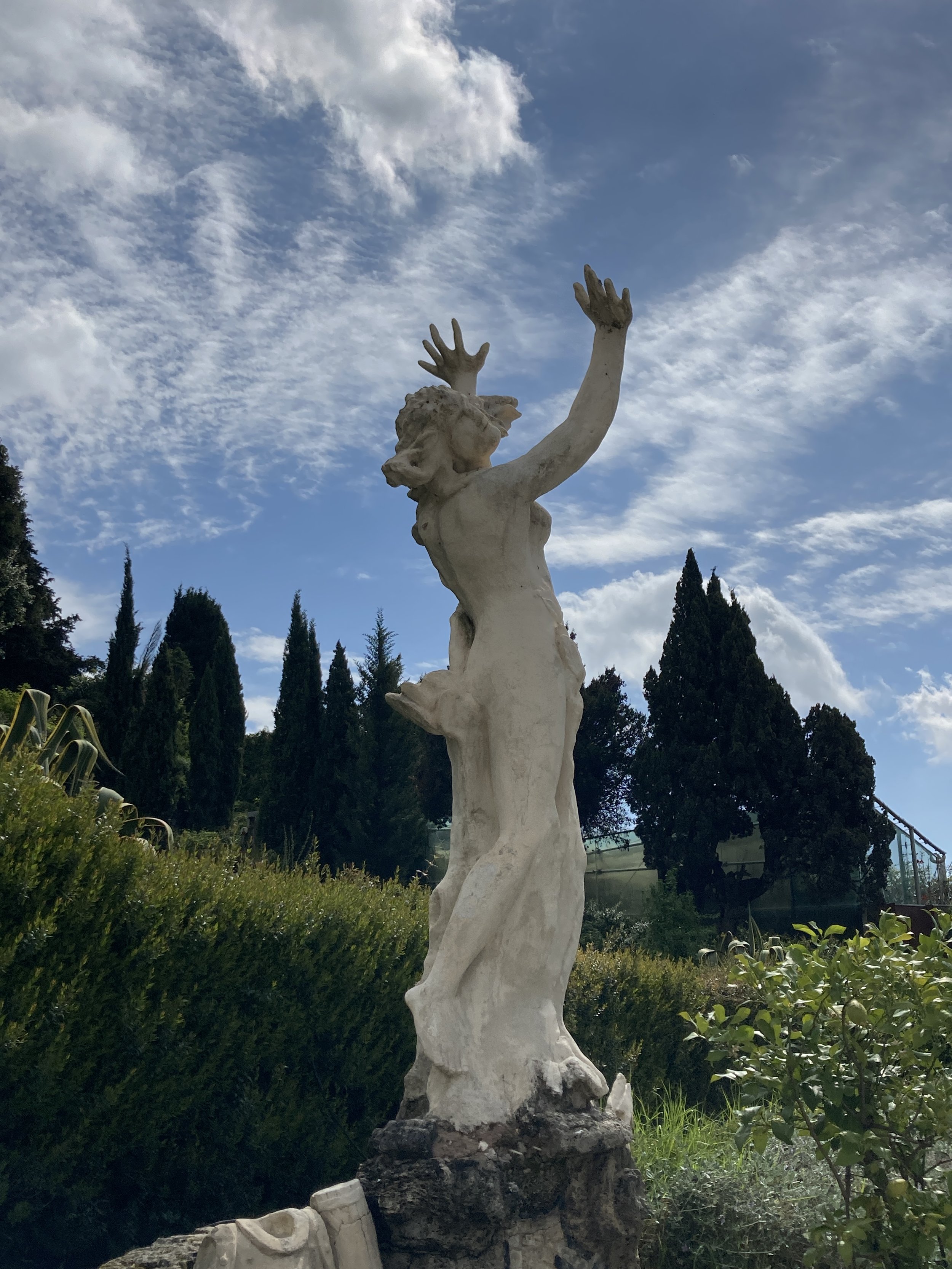
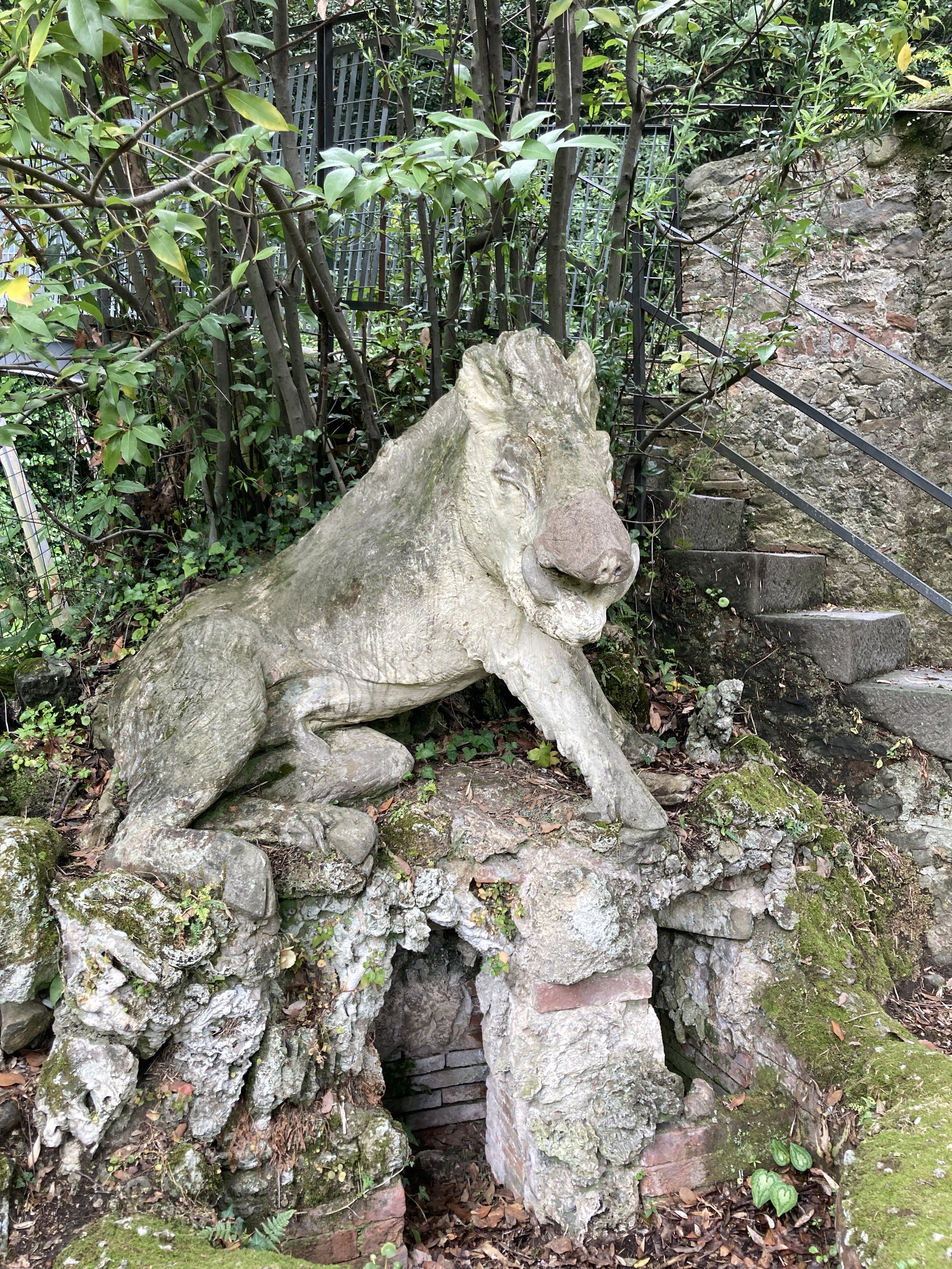
The fantastical nature of the garden reveals itself in places like in Neptune’s grotto, secret pathways and hidden spots, a labyrinth, and statues of mythical creatures and assorted ancient gods, goddesses, and legendary figures.
66559127-1DF6-4101-A6FD-8968B36D355B.jpeg
2B651C3B-A1D0-465E-A3C7-7317DE9ADC79.jpeg
21E19A7D-5460-45DE-9C0D-F6BEF54CBF21.jpeg
2E008148-4D9A-45B3-9536-9CC61212527D.jpeg

A visit to the gardens of Villa Garzoni provides a glimpse into leisure activities of a powerful family during the Renaissance. It is one of the finest examples of an Italian Renaissance garden and a lovely destination for anyone interested in classic gardens. A perfect way to spend a spring morning in the Tuscan countryside.

June 20, 2022 /Joanne Bartram
Giardino Garzoni, Italian Gardens, Garzoni Garden, Tuscan Gardens
#italytravel, #lucca, Italian art architecture, Italian gardens, #italiangardens

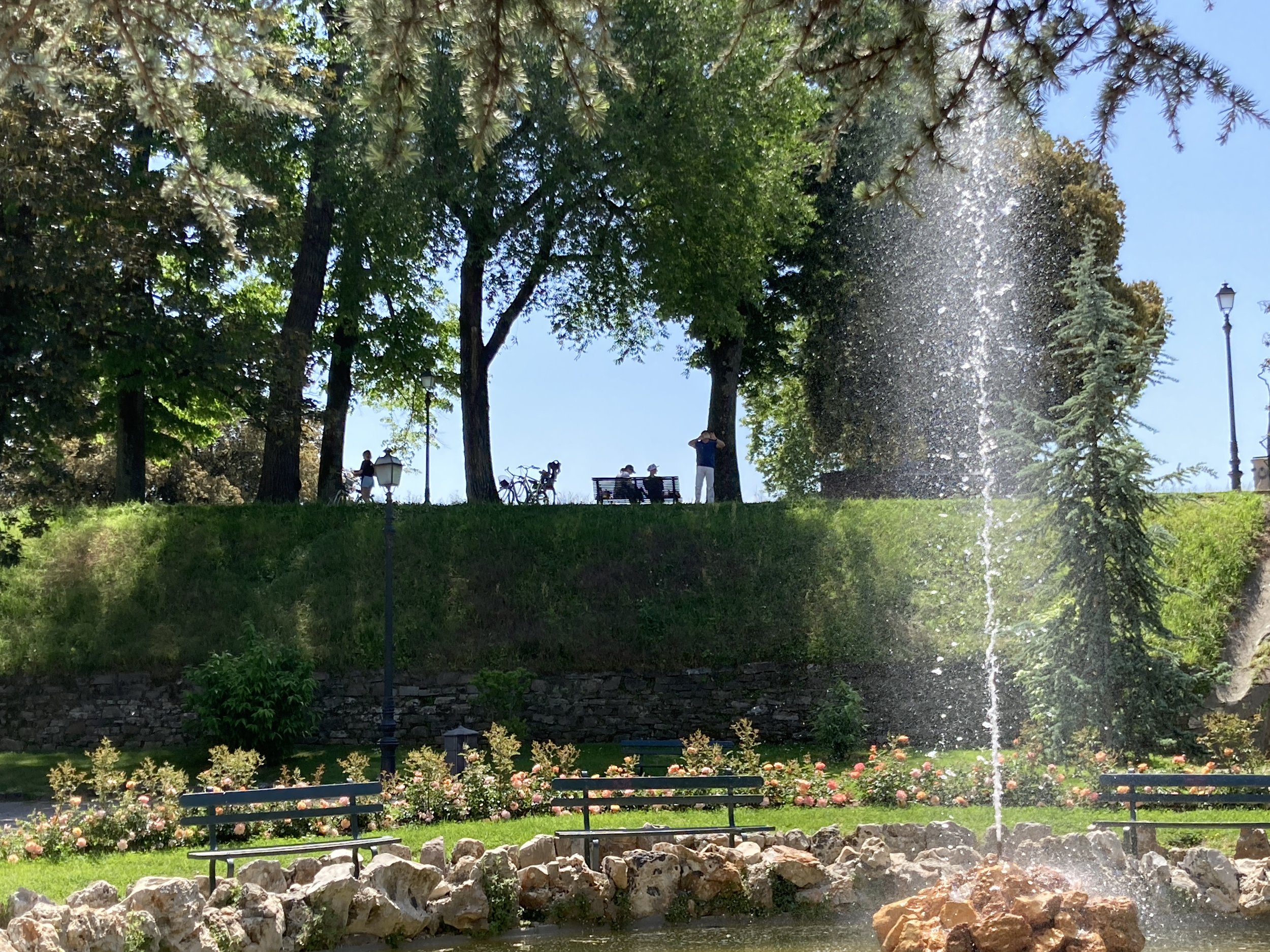
This fountain is surrounded by peach colored roses. It’s a popular spot to sit, have a gelato, and watch the activity up on the walls.

Lucca in Bloom

May 23, 2022 by Joanne Bartram in #lucca, #springintuscany, Italian gardens, Italy, Lucca

April was quite cool and rainy this year; it seemed that spring would never arrive. Perhaps that long wait for spring has made May, with its lengthening days and beautiful weather, even more welcome. Right now the temperatures are perfect - just warm enough mornings, sunny warm afternoons, perfectly comfortable evenings. There are soft breezes and plenty of opportunities to stop and enjoy the feel of the sun on one’s face. Cool weather clothes have been packed away (finally!) and the midday sun gives a hint of the hot summer weather that is just around the corner. This is the in-between season, and it is one of the best times of year to be in Tuscany.
These roses can be found in the large park just behind the Church of San Francesco.

The magnolia blooms are long gone, the wisteria have mostly faded, and there are no poppies inside the historic center of the city (though they are a marvel out in the countryside). But that does not mean there is a shortage of color in town because in May Lucca erupts in roses and they are glorious.

This multi-colored rose garden is up on the walls that surround the historic center of Lucca.

I wish I could add a link that would share scent, because the roses fill the air with a soft, delicate perfume. This seems especially true for the banks of pink roses just outside Porta San Pietro, the main entrance into the city. Visitors to Lucca often enter this porta on their way from the train station into the city. And what a good first impression this makes!

Fragrant pink roses at Porta San Pietro. And why is there always a truck that “photo bombs” a good picture?

It’s impossible to walk past without stopping to appreciate the various shades of pink, the wonderful scent, the buzzing bees.

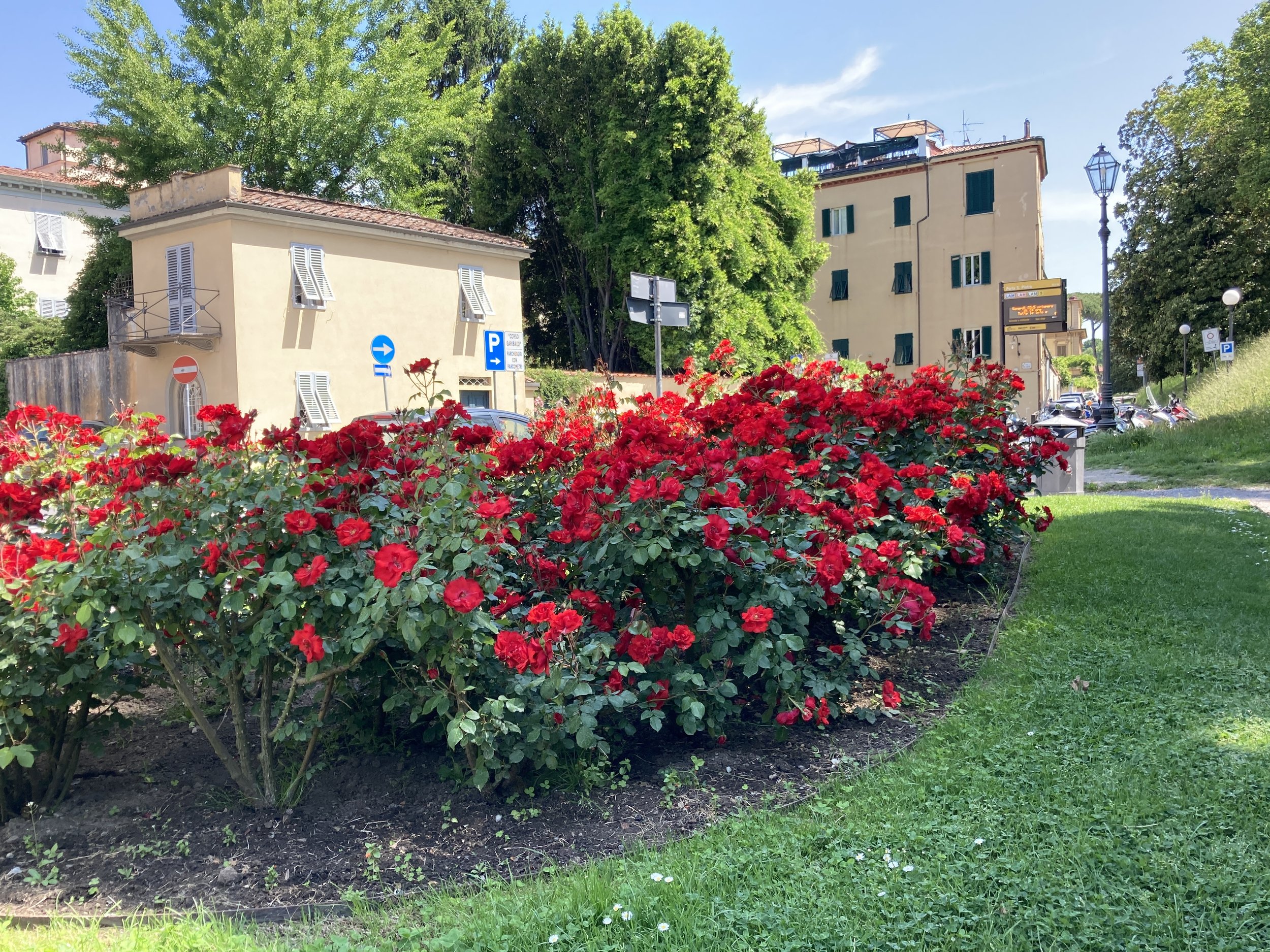
Not to be outdone by the pink roses just outside Porta San Pietro, these red ones are just inside the porta.

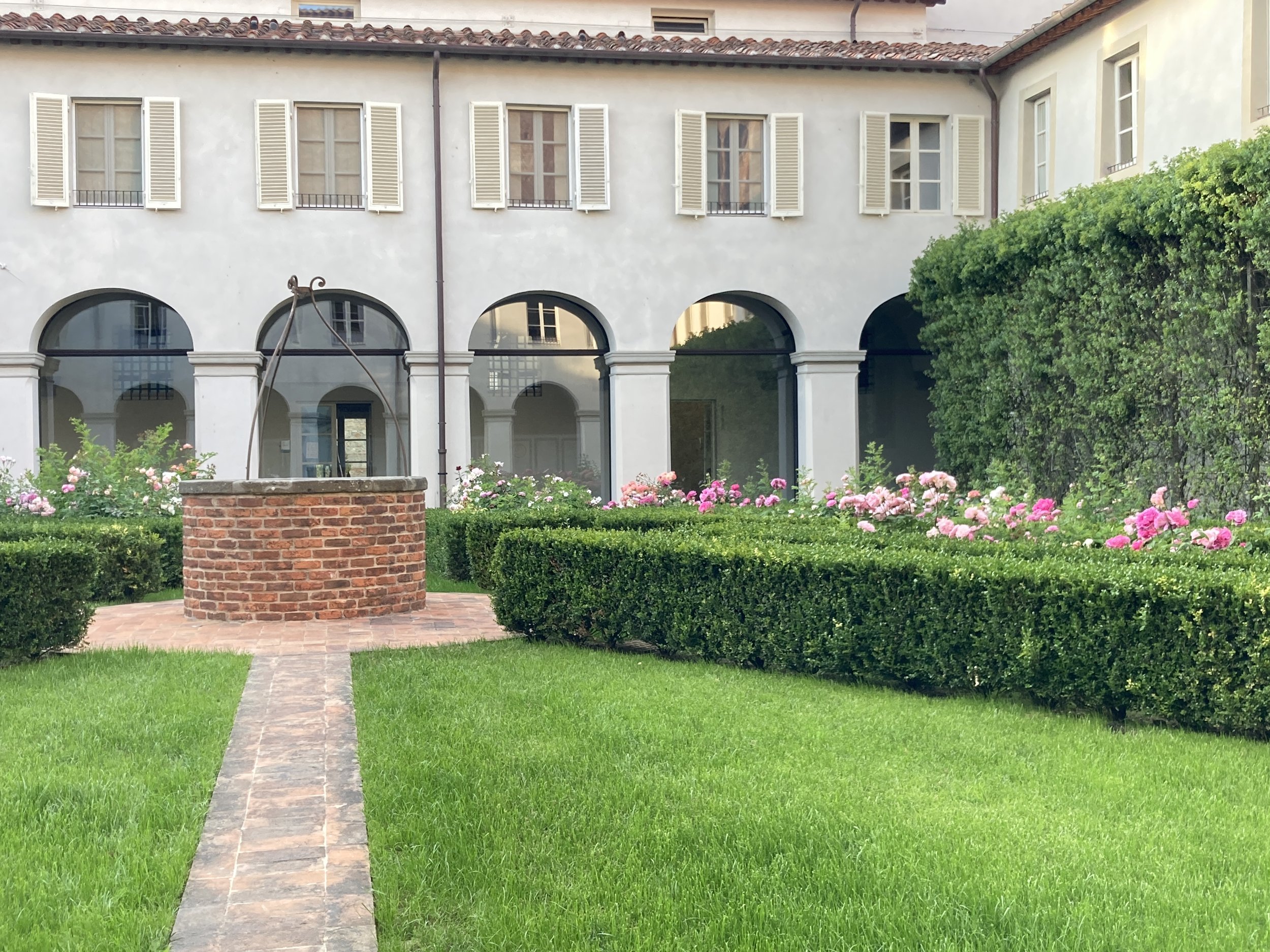
One of my favorite rose-filled places is the rose garden in the series of three small gardens in the chiostro (cloister) beside the Church of San Francesco. With an old well in the middle of the garden, and banks of roses fanning out in all directions, this is a delightful and well tended formal garden.

5681B0FD-7F0F-4416-8DF7-5B84B9ADA3AB.jpeg
AE51CB47-215C-4426-9FB6-55213CEA2666.jpeg
AD41AA51-D84B-42DD-85DB-69BA968D120B.jpeg

What a joy it is to walk through Lucca on a warm spring day and find these beautiful blooms.

Street side roses on Corso Garibaldi

May 23, 2022 /Joanne Bartram
Spring Tuscany, spring in Italy, Garden Lucca, Gardens in Italy, Italian Gardens, #roses italy
#lucca, #springintuscany, Italian gardens, Italy, Lucca

Villa Torrigiani di Camigliano

Villa Torrigiani di Camigliano

May 02, 2022 by Joanne Bartram in #italytravel, #lucca, Italian art architecture, Italian gardens, Lucca

For wealthy and prominent citizens of Lucca in the 16th and 17th century, having a villa outside of the city was both a summer getaway to the cool, fresh air of the hills and a status symbol. The villas were set in farmland, olive groves, or amid grape vines and were often surrounded by lovely gardens. Luckily for us, many of those historic villas still exist, are open to visitors, and are just a short distance from Lucca. A perfect day excursion.

The worker’s cottages are in Borgo Parigi, just outside the villa’s gates.

One such place is the Villa Torrigiani in the tiny village of Camigliano, in the commune of Capannori, about 6 miles from Lucca. The villa is framed by stone walls with large gates. The approach brings you slowly closer to the villa on a path that cuts through open fields. When I visited in mid-April, the fields were full of vibrant yellow buttercups and small purple flowers.

Close to the villa’s gates lies the small, picturesque Borgo Parigi which at one time housed the estate’s workers. After passing through the stone buildings of Borgo Parigi it is on to the villa itself, just across the road.

The “new” facade, from the 1600’s, was much more ornate than the original one

Villa Torrigiani sits in a park-like setting, surrounded by reflecting pools, broad lawns, trees, water features, and manicured gardens. The history of the villa is fascinating. The summer home of Lucca’s Buonvisi family in the 1500’s, it had a simple facade and was surrounded by vegetable gardens. When the Buonvisi fortunes changed (because the King of France failed to repay them money he owed) the villa had to be sold. Enter Marquis Nicolao Santini, the Ambassador from Lucca (at that time Lucca was an independent republic) to Versailles and the court of Louis XIV. Santini purchased the Villa in 1636 and began to rework the more simple Italian villa into a French style building and garden - a smaller version of Versailles. The facade was changed to the more elaborate style that we see today, complete with the columns, statues, arches, and a variety of colors.

This staircase leads down to the lower level garden and it hides a surprise - a narrow grotto passage full of mythical creatures. Don’t be afraid to enter!

The Marquis Santini also banished the vegetable gardens in favor of elegant reflecting pools surrounded by flower gardens and avenues of cypress trees. A stunning tiered staircase leading from the foot of a long pool down to a sunken garden, complete with a nymphaeum (the Ninfeo di Venti, middle photo below) at one end and a hidden grotto passage at the other, were also added. To create that French feel in the garden, the Marquis employed André Le Nötre, one of the designers of Versailles.

B9C91F7D-0C2F-4477-B873-528379C99A90.jpeg
60748F34-32E1-4F06-8701-742074067258.jpeg
C98556F7-83FD-463F-9B8F-C678DF341497.jpeg

The villa landscape has continued to undergo changes, the biggest being a change in the 18th century to a more English style garden. Out went the flower beds around the reflecting pools and in came broad lawns, imported trees (including Magnolias, Cedars, and Camellias), and a wooded area. At some point the vineyards behind the house were also removed (though the old wine cellar remains).

BAB4F339-A1C6-4F84-B534-BFEA152C3D37.jpeg
8260784A-E010-4FB9-816B-424D4DF97000.jpeg
9E42DBD1-0ED0-4A20-98CD-4A639D573EC3.jpeg

The villa itself is also interesting. The ground floor is open for tours (arranged at the ticket booth just inside the entry gates). The tour guides provide wonderful historical perspective, plus with much of the information I’ve recounted here, along with family history of the occupants from the earliest Marquis to the present day owners. The glimpse inside the house is a chance to admire the still vibrant ceiling frescoes (look for camellias, a symbol of the family), the trompe l’oeil wall decorations, and many other artifacts on display.

The rear loggia of the Villa Torrigiani and the meeting place for tours of the home.

The villa is large but once past the ornate facade it has a very human scale. Perhaps that is because it remains to this day the summer home of descendants of the Santini-Torrigiani family. Family photos are scattered throughout, original fabrics adorn the beds, the dining table is set, there is even a dress worn by a previous occupant (1920’s style) on display in her bedroom. It is easy to imagine sitting on the back loggia with a book and a cup of tea, enjoying the birdsong, the breeze, and the history. Because this is still a family home (the family quarters are upstairs, tucked away from the visitors downstairs) photography is not permitted inside the villa. It was a challenge to keep my camera in my pocket and not to dash up the stairs to see the upper floors!

Just as it did for Lucca’s historic families, a visit to a villa outside of town provides a countryside experience different from that of the walled city. There are 6 historic villas to visit close to Lucca, Villa Torrigiani is a good place to start.

The villa is open from March through November. 10am - 1pm and 2:30 pm - 6 pm. Note that they may close earlier in bad weather.

Contact Info: Villa Torrigiani del Camigliano. Via del Gomberaio 3, Camigliano email: villacamigliano@gmail.com phone: +39 0583 928041 tickets available on site, 8€ for the garden only, 15€ garden plus villa

The family chapel on the grounds of the Villa Torrigiani


May 02, 2022 /Joanne Bartram
Italian Villas, Italian Gardens, Villa Torrigiani, Lucca villas, Lucca
#italytravel, #lucca, Italian art architecture, Italian gardens, Lucca

A Lucchese April

April 11, 2022 by Joanne Bartram in #lucca, #springintuscany, Festivals Italy, Garden Festivals Italy, Italian culture, Italian gardens, Italy travel, Living in Italy

April can be a fickle month here in Lucca. After a few warm days in late March, the kind of days that almost trick you into packing away the winter sweaters, April barged in with colder days, wind, cloudy skies, and rain. The rain is much needed after a dry winter, so I won’t complain. And if the saying is true, and April showers really do bring May flowers, then Lucca should have a most colorful May.

This stand of white wisteria was an early bloomer this spring

Despite the early April chill, the days are growing longer, the first leaves have appeared on the trees, and the first blossoms throughout town hold the promise that warm spring weather will soon arrive.

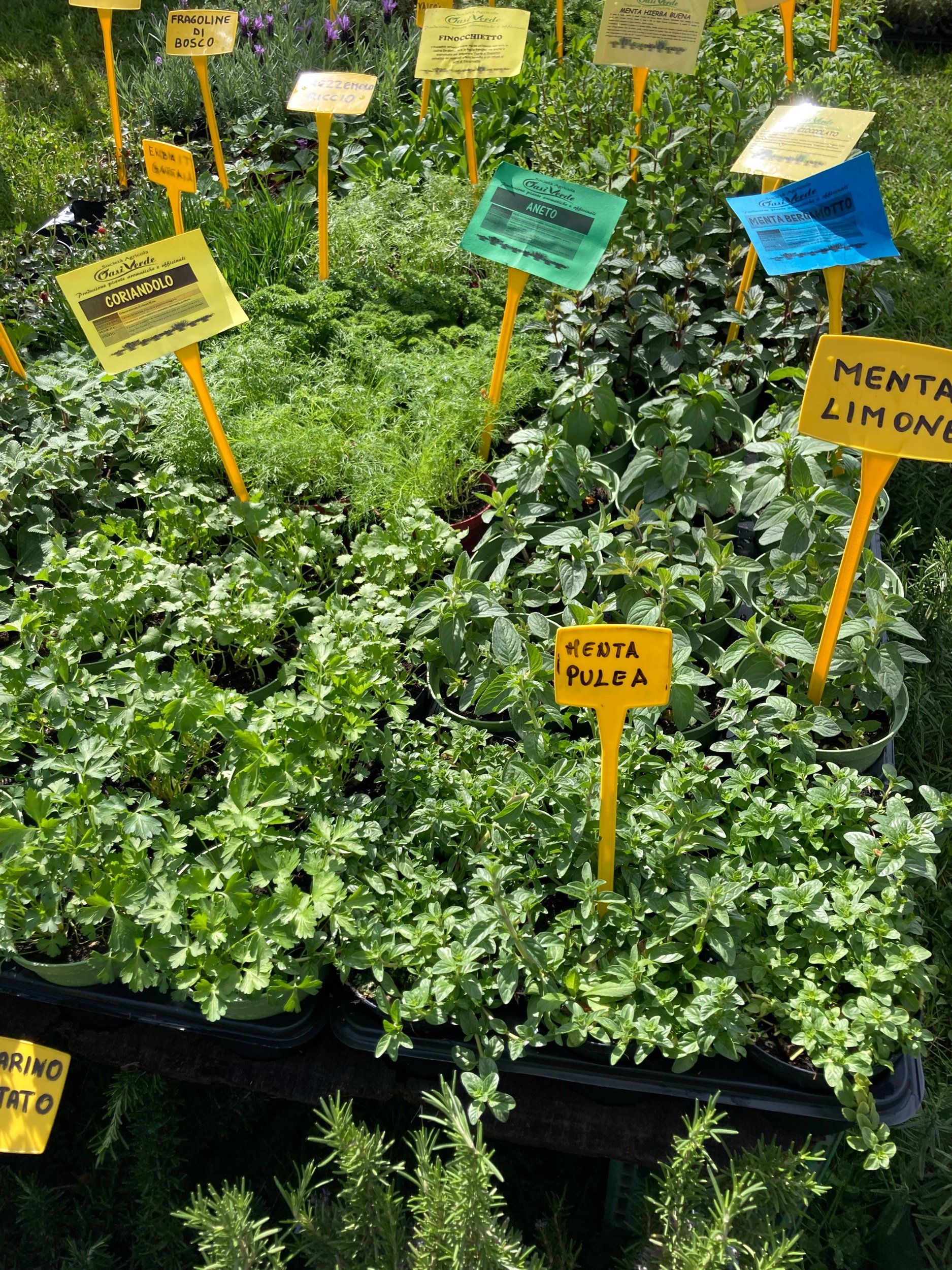
Verde Mura is the perfect place to buy pots of herbs for the garden.

Perhaps the best harbinger of spring is the return, after a two year COVID-related pause, of Lucca’s spring garden festival - the Verde Mura. This wonderful event showcases all things needed to plant and tend a garden. It doesn’t matter if your garden is just a few pots on a terrace, a couple of window boxes, or a large orto (vegetable garden), the Verde Mura has what you need. The festival takes place up on the walls that surround Lucca’s centro storico (historic center) which means that the views are part of the fun.

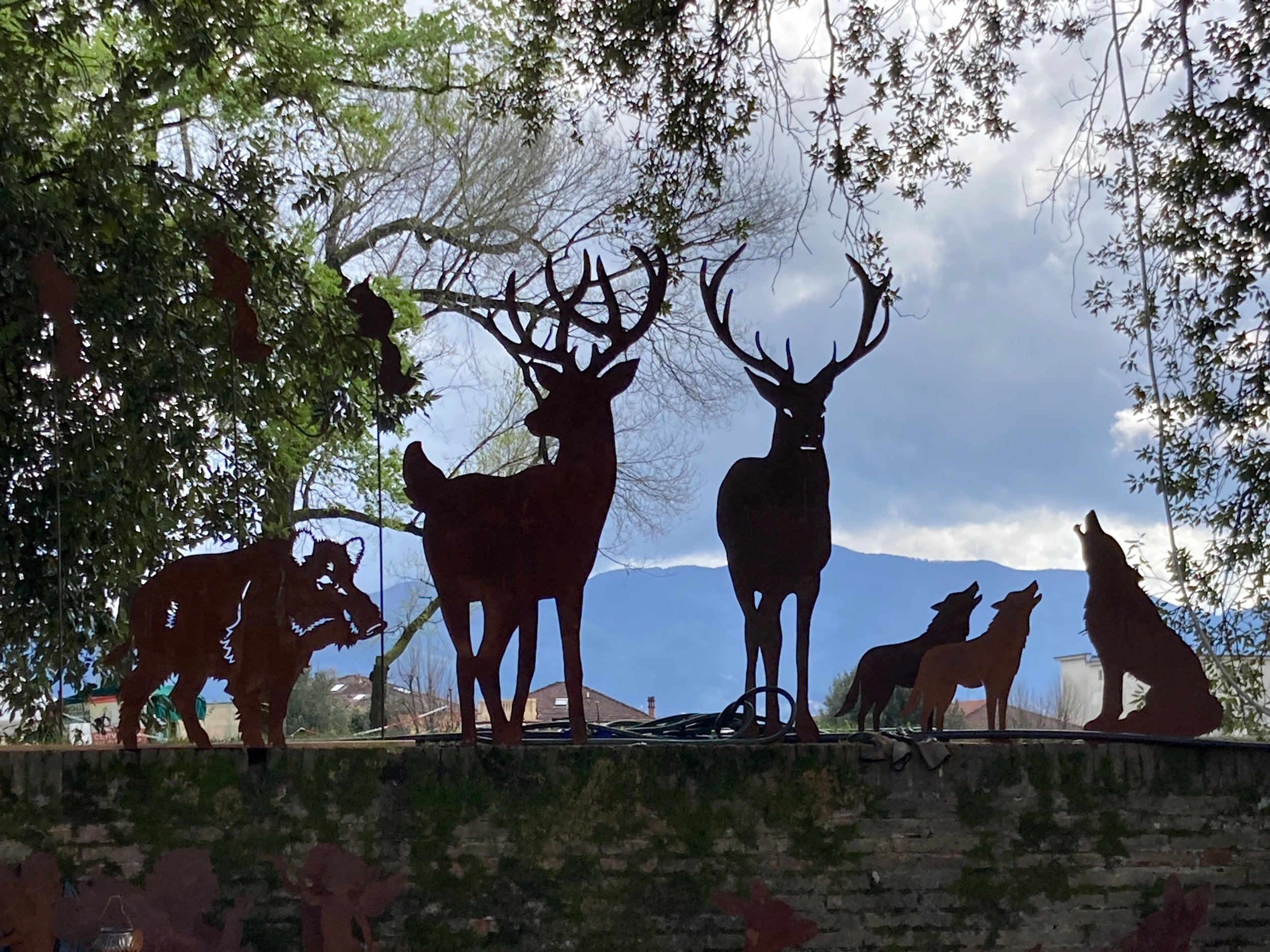
Garden art at Verde Mura

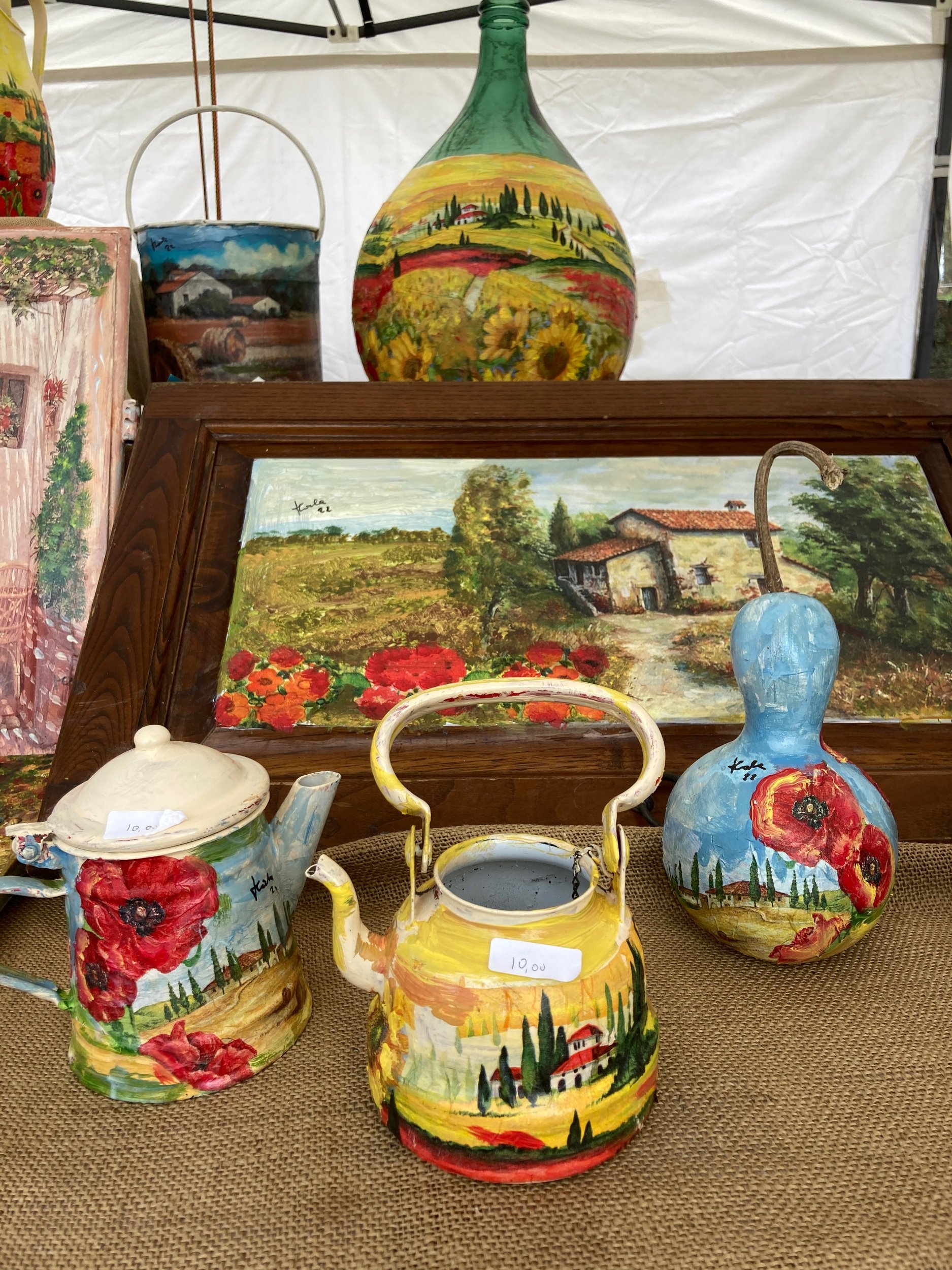
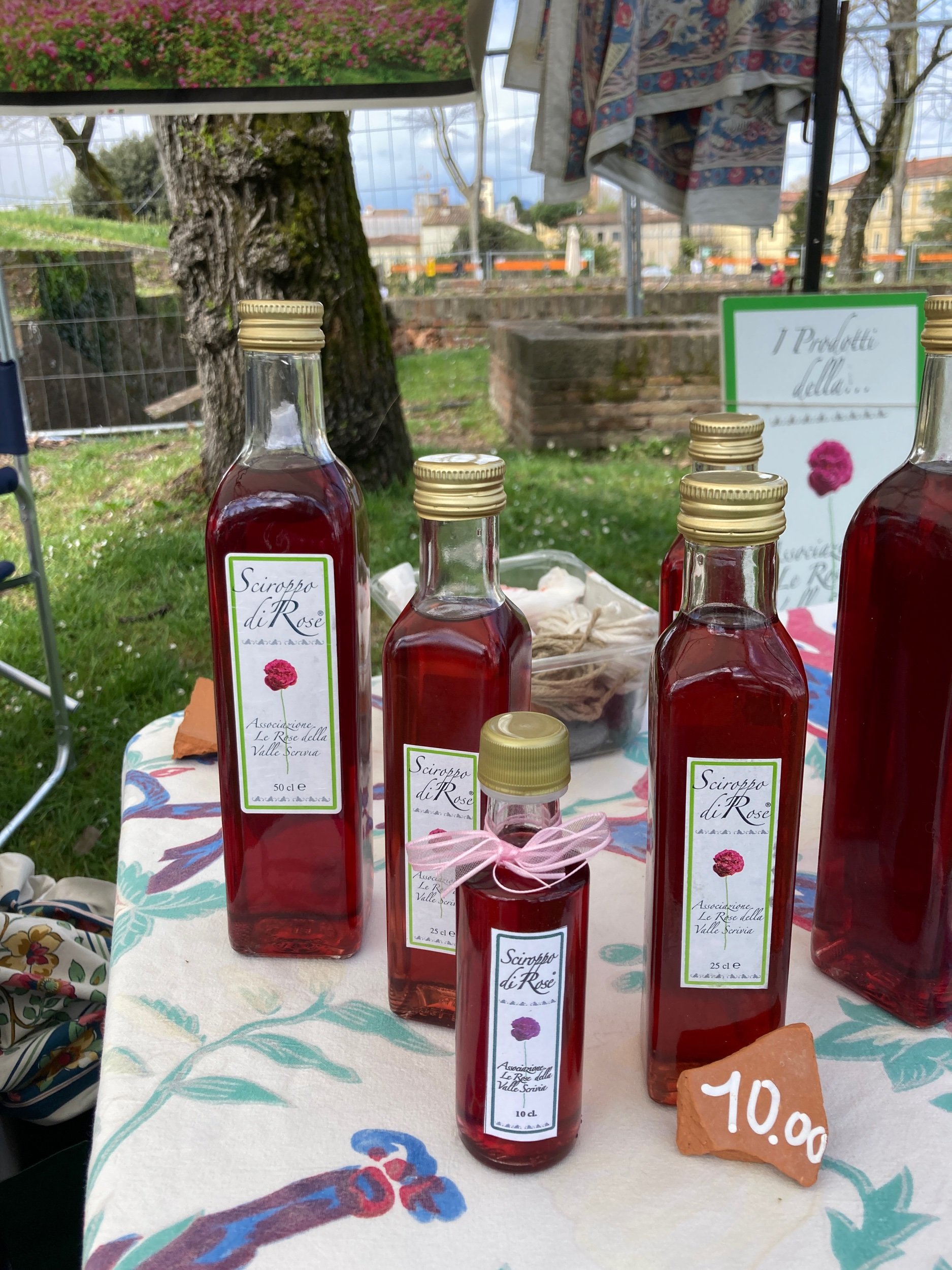
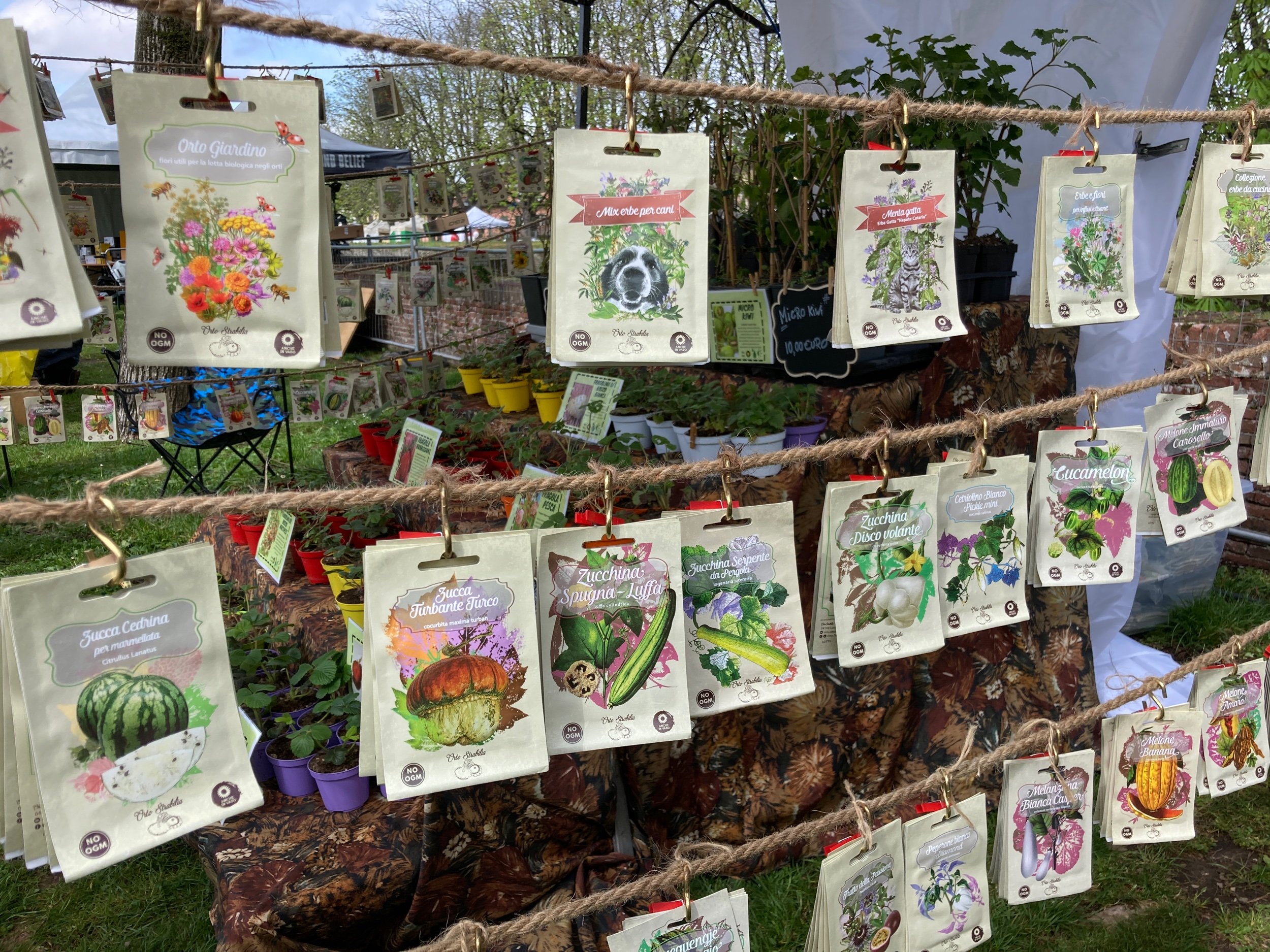
Local gardeners pull wagons through the many booths, collecting everything from rose bushes to fruit trees to annual flowers and herbs. Need a tractor? Well, Verde Mura has just the one. Same with shovels, clay pots, bug sprays, fertilizer, seeds, and outdoor grills. In addition to these garden necessities, this is the place to find whimsical garden art, herbal products (soaps, teas, spices, syrups), fragrant spices, and a variety of crafts.

IMG_5343.jpeg
IMG_5337.jpeg
IMG_5349.jpeg
IMG_5271.jpeg

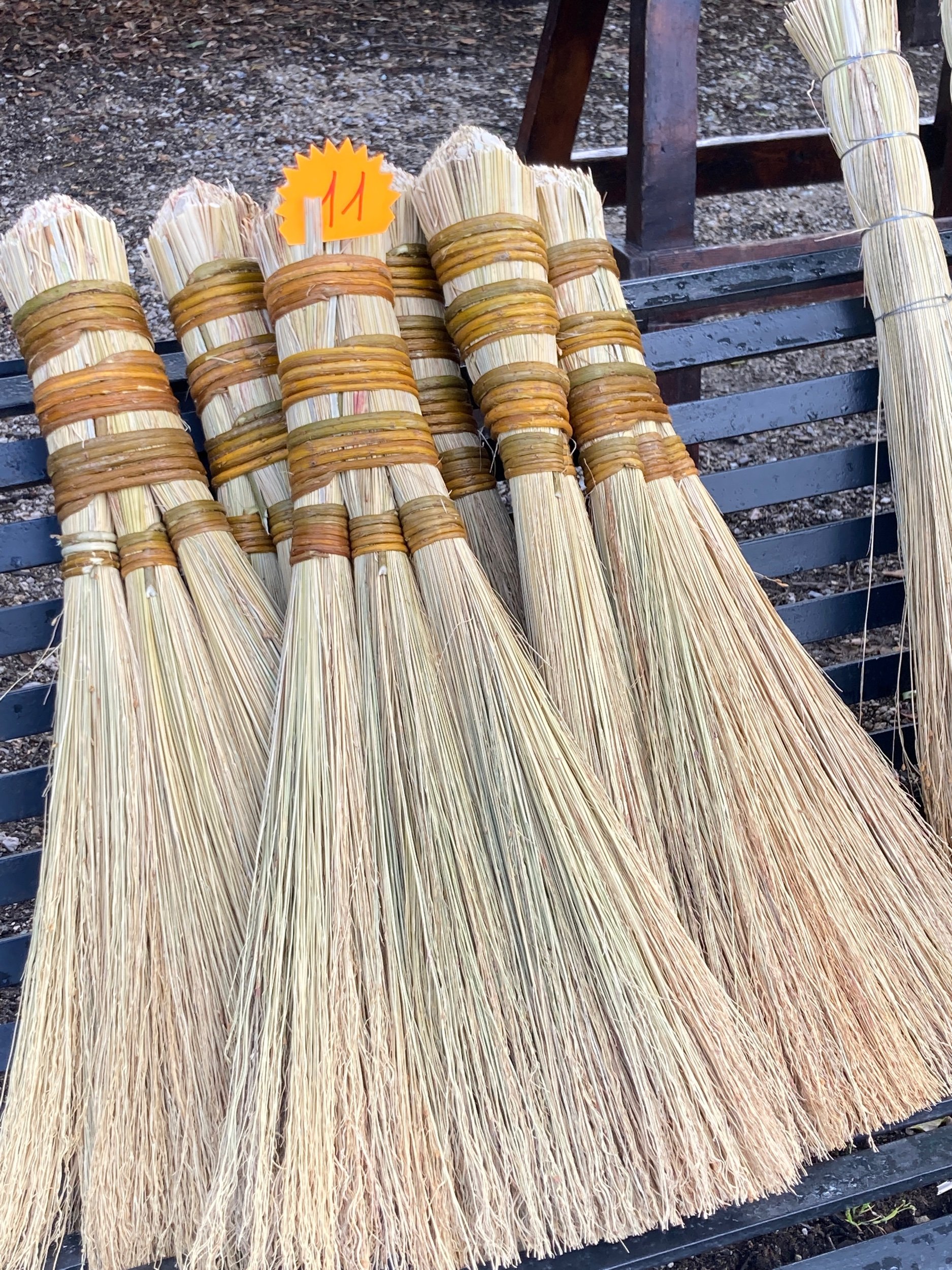
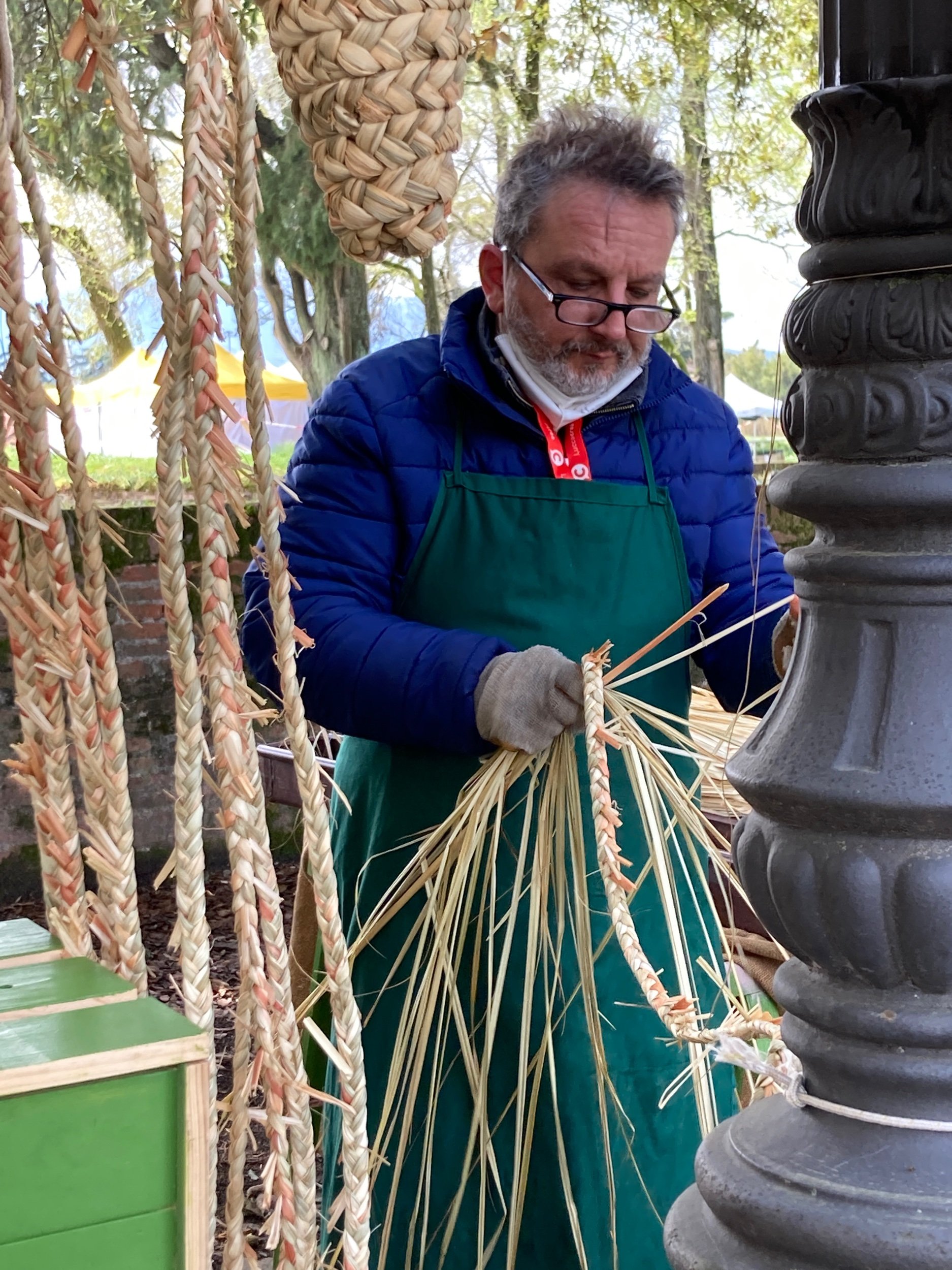
It is always fun to see traditional craftsmen at work; I especially love watching the basket weavers and broom makers.

IMG_5352.jpeg
IMG_5296.jpeg

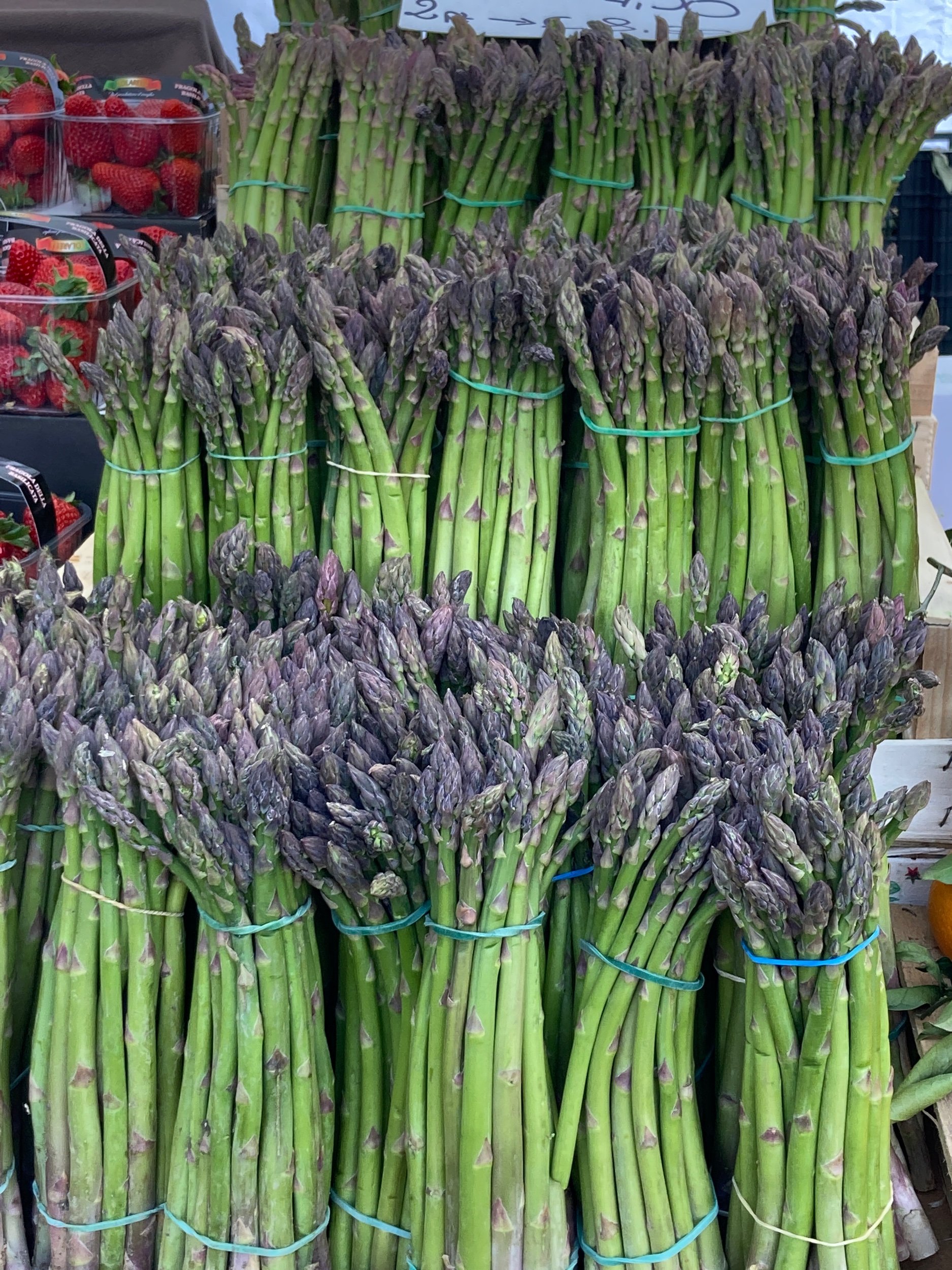
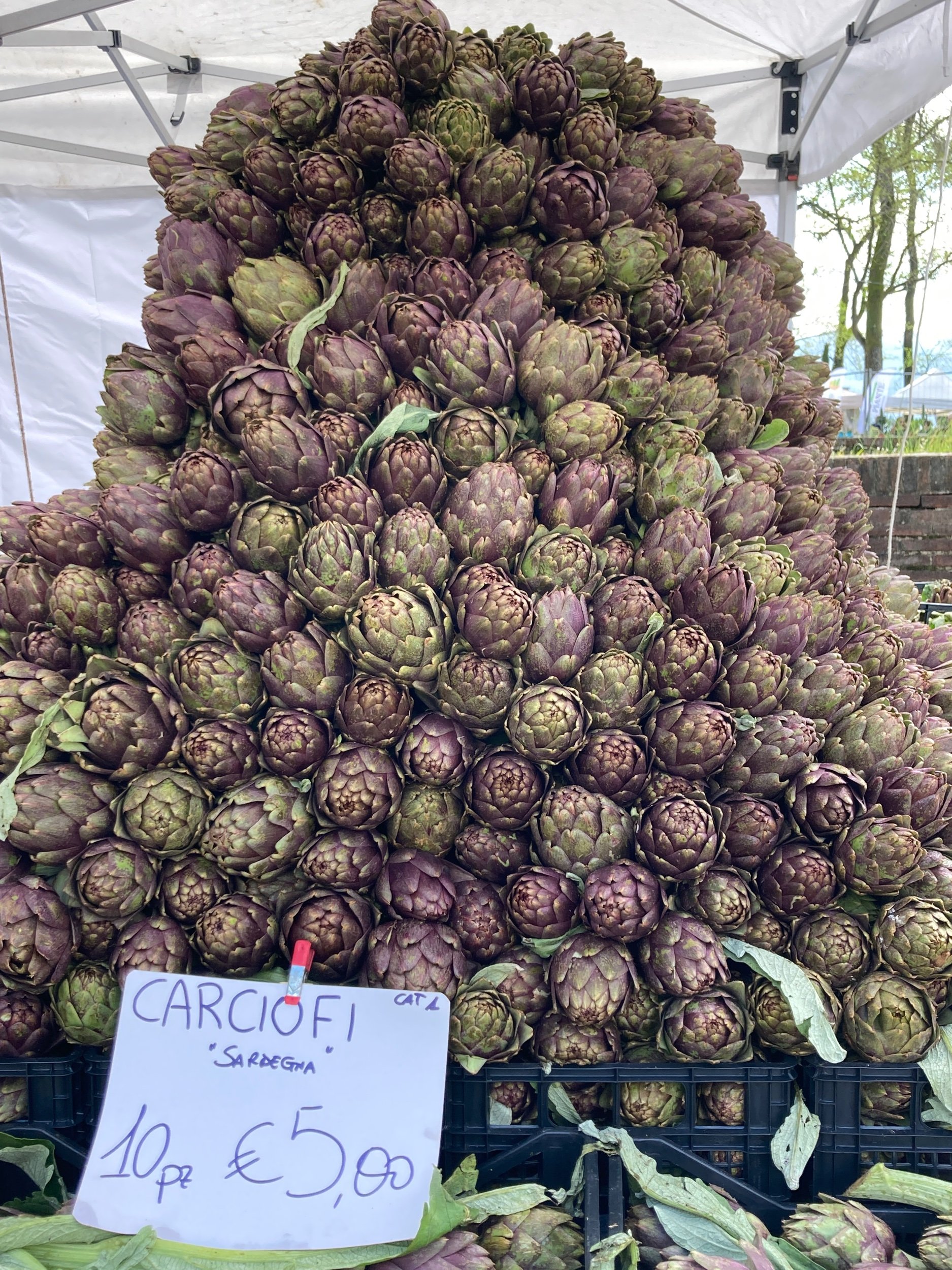
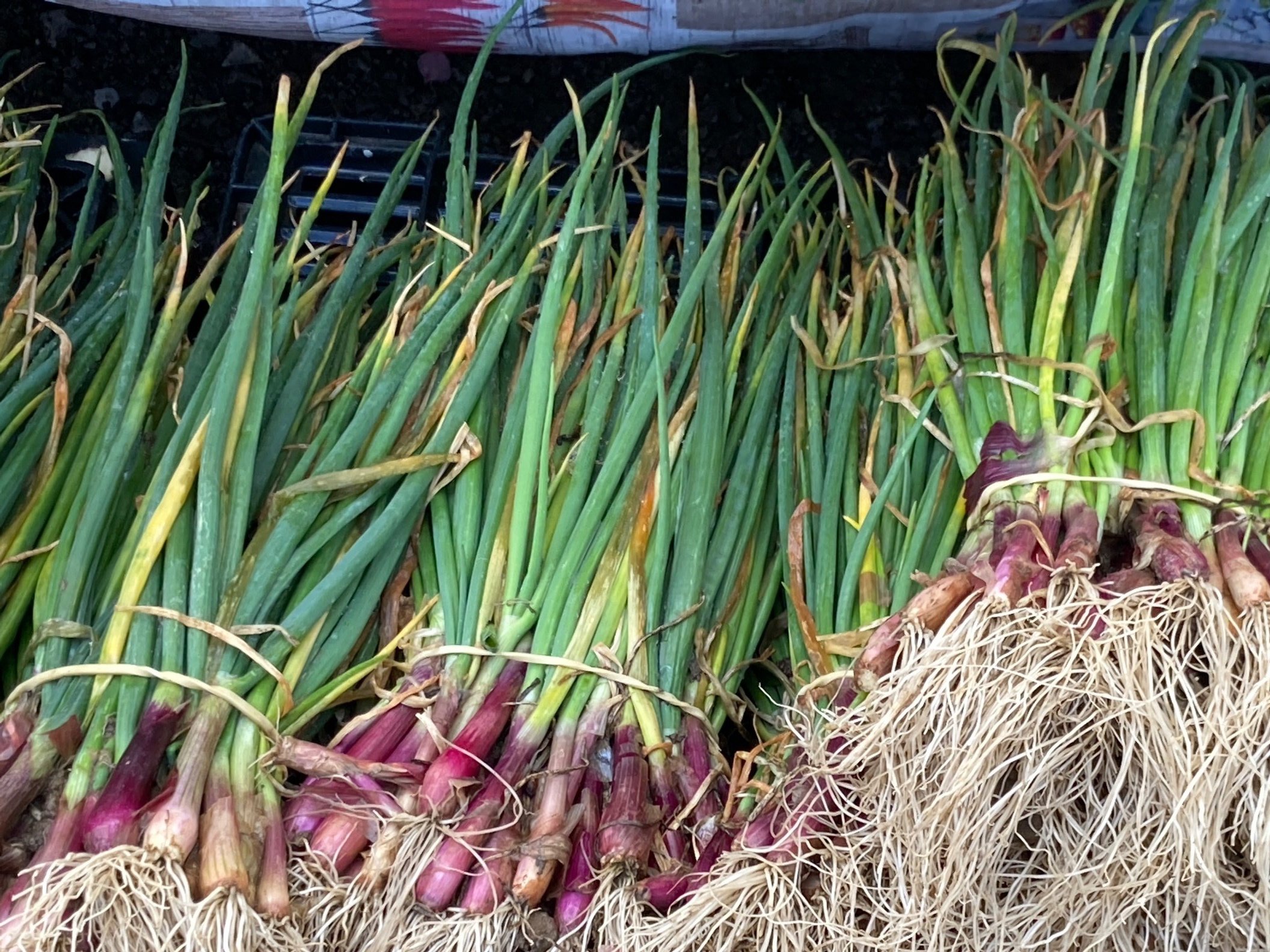
Of course there was food (this is Italy after all). In addition to booths serving coffee and sweets there were plenty of vendors of local meats, cheeses, honey, pasta, and breads - most offering an assaggio (a taste). One booth had mounds of beautiful spring artichokes, bundles of aspargus, pretty Tropea onions and ripe strawberries from the south of Italy.

IMG_5313.jpeg
IMG_5312.jpeg
IMG_5306.jpg

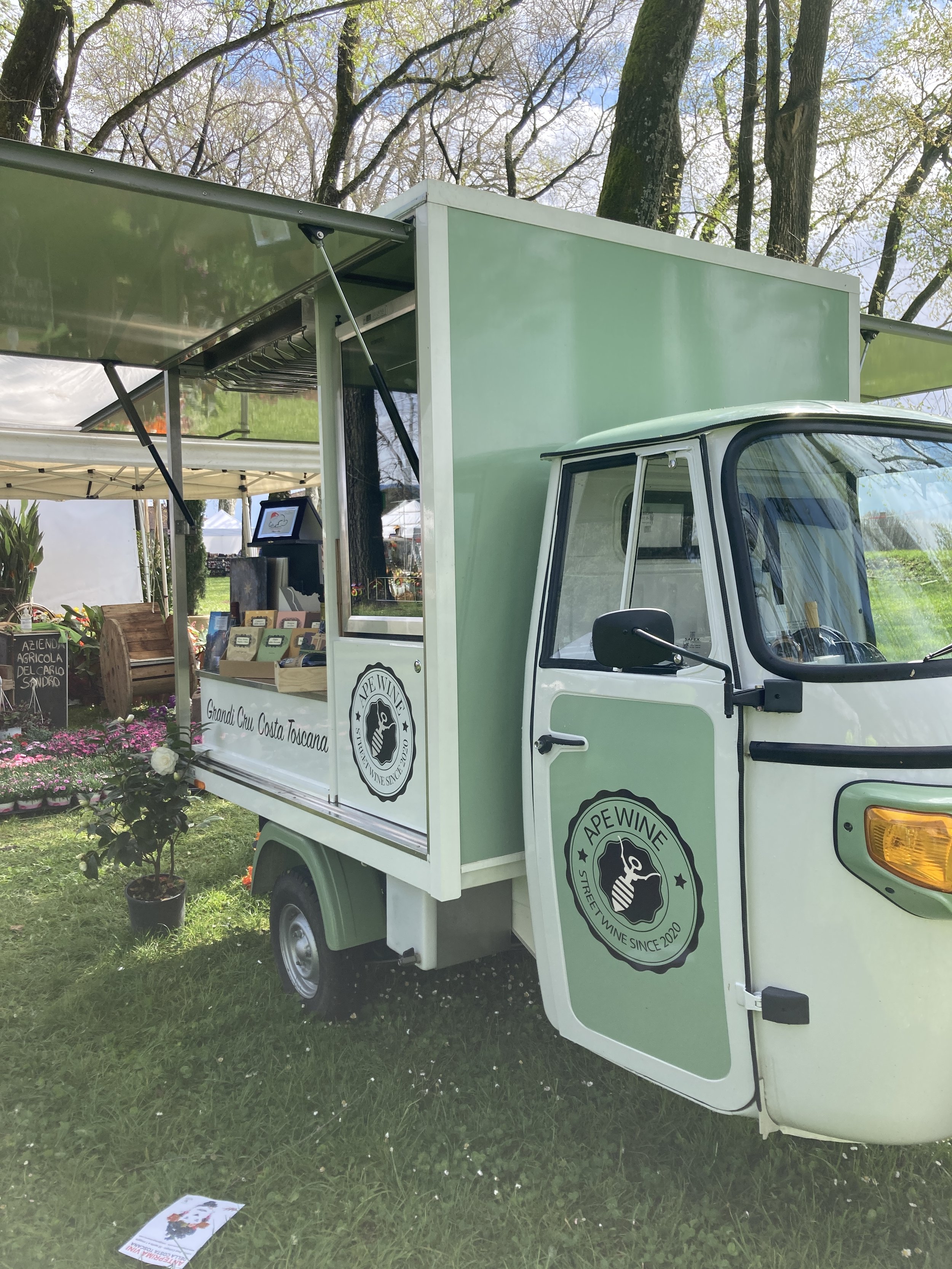
There was even the cutest little wine truck!

A break in the rain allowed for a slow morning wander through the many booths and displays of plants.

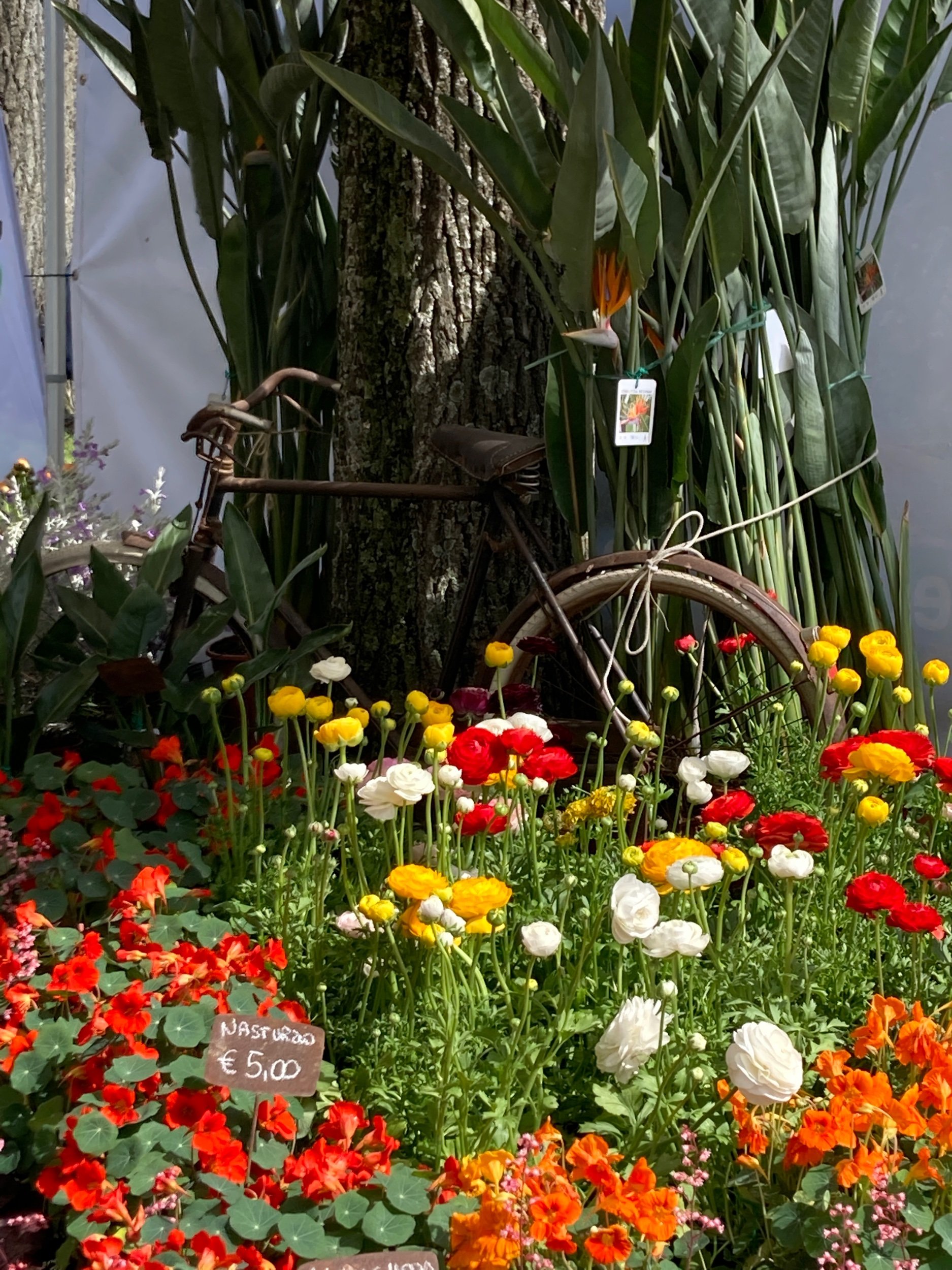
I came home with some herbs which are now happily planted in my window boxes as well as a colorful bouquet of ranunculi for my apartment.

I may have needed a warm coat, a scarf, and a hat against the chill but there was still a hint of spring in the air. I am looking forward to seeing the season unfold.

IMG_5321.jpeg
IMG_5324.jpeg
April 11, 2022 /Joanne Bartram
Italian festivals, Italian Garden, Verde Mura, #tuscany, #Lucca
#lucca, #springintuscany, Festivals Italy, Garden Festivals Italy, Italian culture, Italian gardens, Italy travel, Living in Italy
San Quirico d’Orcia

San Quirico d’Orcia

San Quirico d'Orcia

January 25, 2021 by Judy Giannnettino in #italytravel, #medievalitaly, Churches Italy, Hill Towns Italy, Italian gardens, Italy travel, Tuscany, Val d'Orcia

The small villages in the Val d’Orcia have much in common.  They sit on hilltops and look out over rolling hills, olive groves, vineyards, and cypress trees. They are often fortified by city walls, the legacy of ancient conflicts. The street plans are mostly Medieval, often with a single main street and a large main piazza ringed with stone and brick buildings. They are filled with churches large and small.

Classic Val d’Orcia scenes, in the village of San Quirico

Classic Val d’Orcia scenes, in the village of San Quirico

And the history!  From Etruscan tombs to Roman roads, from Medieval streetscapes to World War II bombs, the history of these villages is rich and fascinating.  That they have so much in common, and yet each village has its own unique character, makes a trip through this area especially wonderful. Think of Monticchiello with its Teatro Povero and stone houses, Montalcino with its famed Brunello wine and steep streets, Bagno Vignoni with its thermal pools, and Pienza - the perfect Renaissance city - with its pretty houses and flowers filled window boxes.

 San Quirico d’Orcia is yet another of the villages found in the Val d’Orcia. Named after a martyred child saint, it lies between Montalcino and Pienza, situated along the ancient Via Francigena, the pilgrim’s route between Canterbury and Rome.  Today, modern pilgrims and adventurous walkers still pass through San Quirico as they follow the ancient path. Other tourists arrive more conventionally by car and stay to enjoy the many things that make this a most pleasant spot.

The ancient wall around San Quirico

The ancient wall around San Quirico

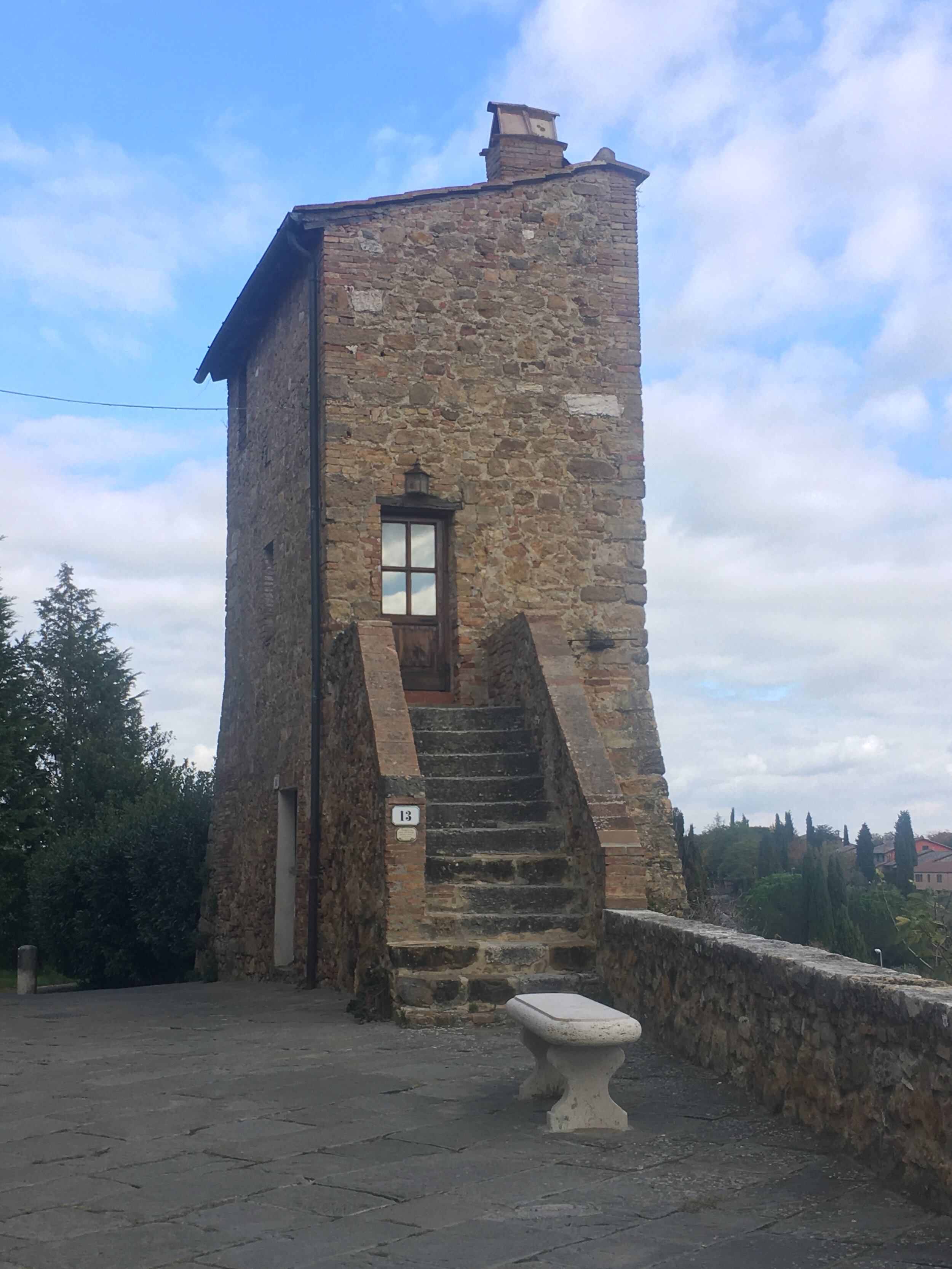
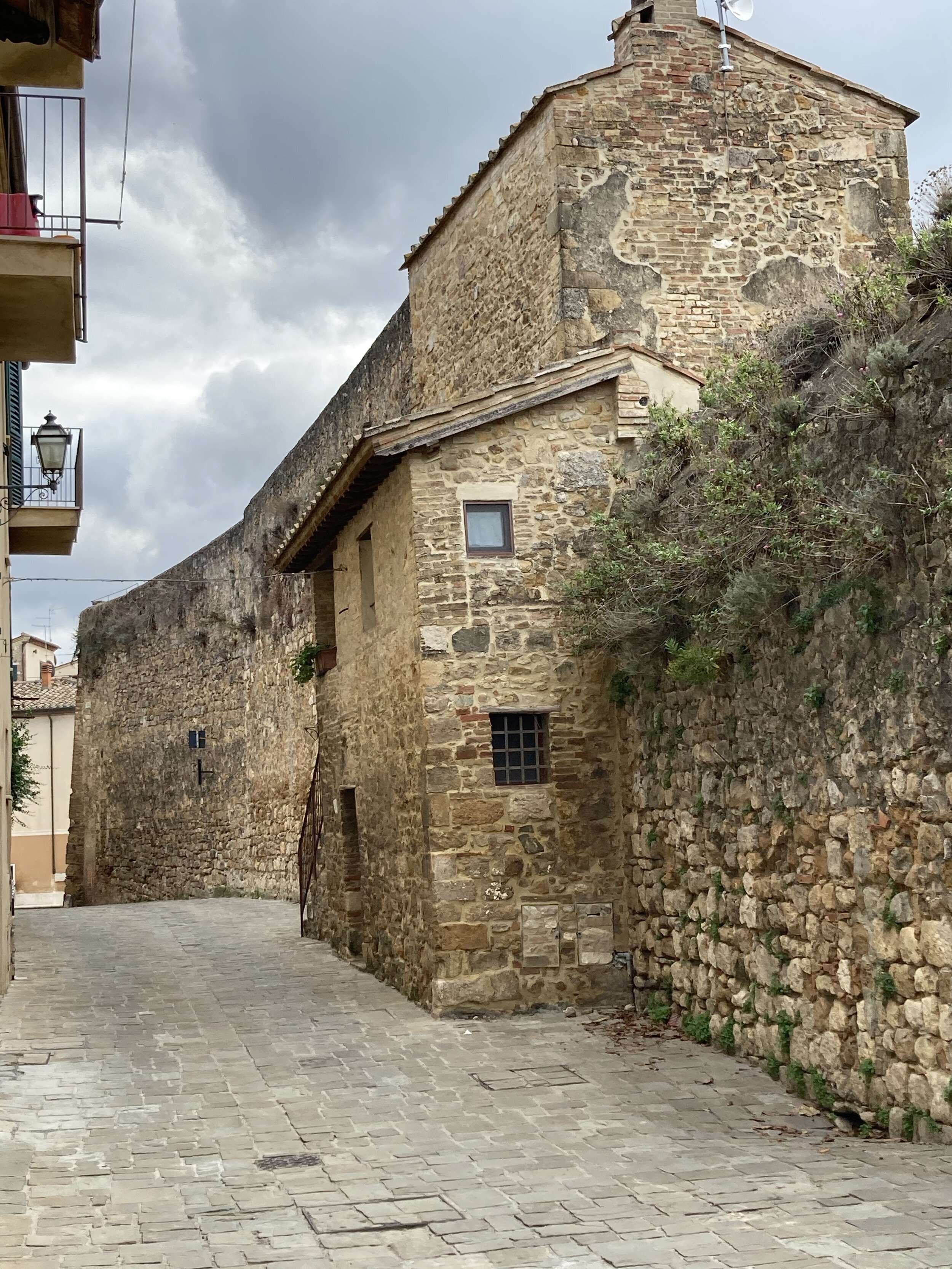
Most of the wall surrounding the city remains, with 2 gates providing entrance to the historic center of town and several of the former watchtowers still standing (though now repurposed, some into tall and narrow homes).  The Porta Cappuccini is the old and most historic gate – a lovely way to enter the town.

IMG_3539.JPG
KAvsXjGlRBqs6eWEzXqT8A.jpg
J8jWBe9mR1WvFOes5z5ytA.jpg

 The best way to explore San Quirico is to simply wander.  A stroll along the main street, Via Dante Alighieri, takes you both along the route of the Via Francigena and past most of the main sights in town. At one end, just inside the city walls, is the Collegiata Church (12th century) with its interesting shape, three very different entrances, and beautiful bell tower.  

The Collegiata Church (also known as the church of Santi Quirico e Giulitta)

The Collegiata Church (also known as the church of Santi Quirico e Giulitta)

Further down the street is the church of San Francesco, with its famous terracotta della Robbia madonna (moved here from the Chapel of the Vitaleta) and its combination bell and clock tower. In front of the church is the Piazza della Liberta`. This lively square is the center of town and a hub of activity.  It’s a great place to stop for a coffee or a glass of wine and to soak in the atmosphere. 

Piazza della Liberta` and the Church of San Francesco

Piazza della Liberta` and the Church of San Francesco

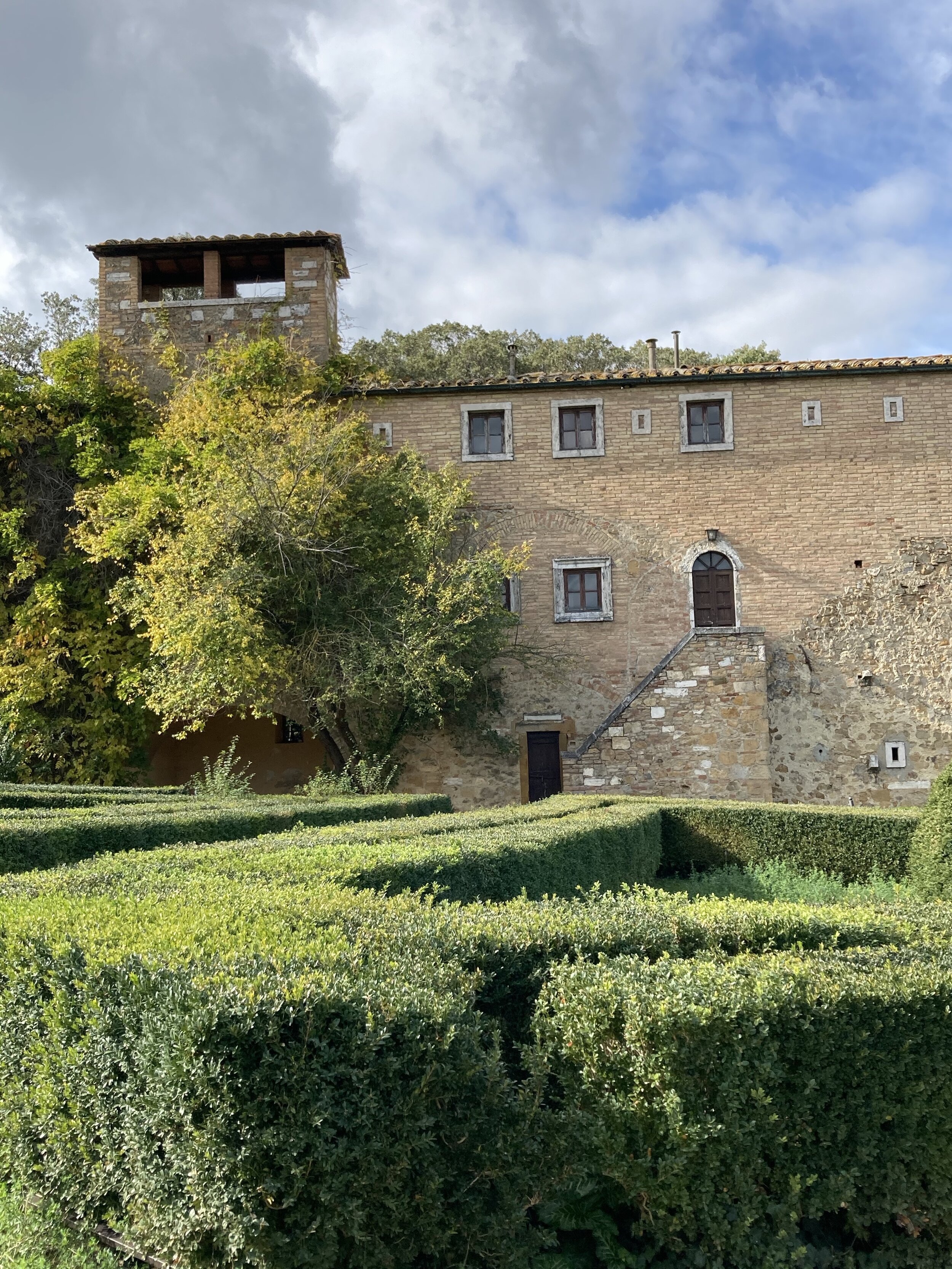
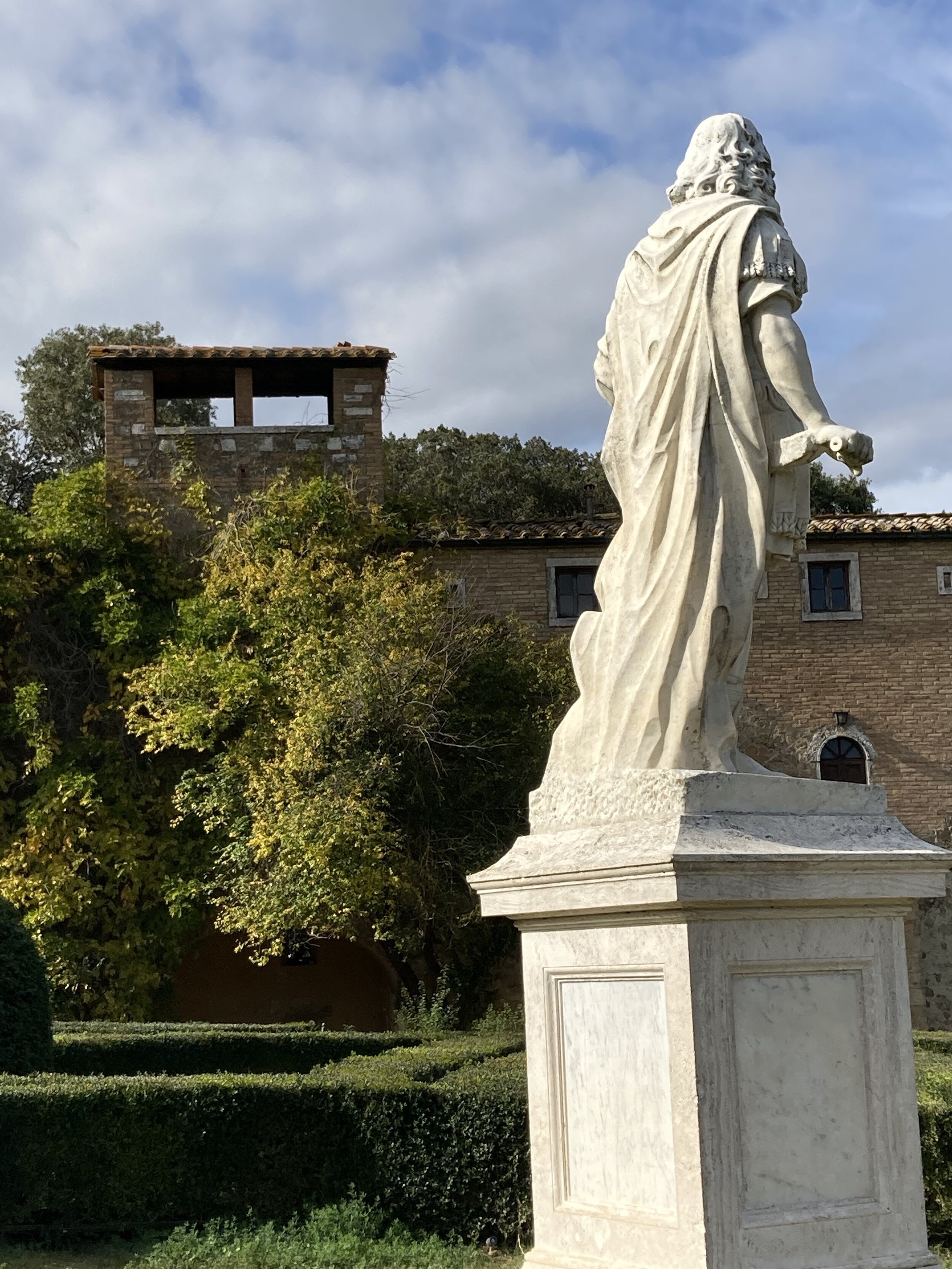
In this square is also the entry to one of San Quirico’s special spaces – the Horti Leonini, a 16th century garden.  The centerpiece is a statue of Cosimo III di Medici. All around him is classic Italian garden design. 

u5ip9LL7QZ25Bef6D1IP8Q.jpg
mFea6PZfTeOBv3GdxPizpw.jpg
8L%0AfeLSjSLMoBM4m6UDg.jpg

Stepping back into the Piazza della Liberta`, and continuing down Via Dante Aligheri, are two of my favorite spots.  One, is a hidden courtyard which contains an old well and the pilgrim’s refuge the Ospedale della Scala.  The other, right on the street, is the small church of Santa Maria Assunta, which is over 1000 years old (but no interior photos allowed!)

The old well in front of the Ospedale della Scala

The old well in front of the Ospedale della Scala

IMG_3549.JPG

 It’s also fun to wander the small side streets.  On my most recent visit, during the height of the olive harvest, I found an active but very old frantoio (olive press) which was still using old stones to grind the olives.  The friendly staff invited me inside to watch the process.  The smell of the fresh olive oil was delicious!

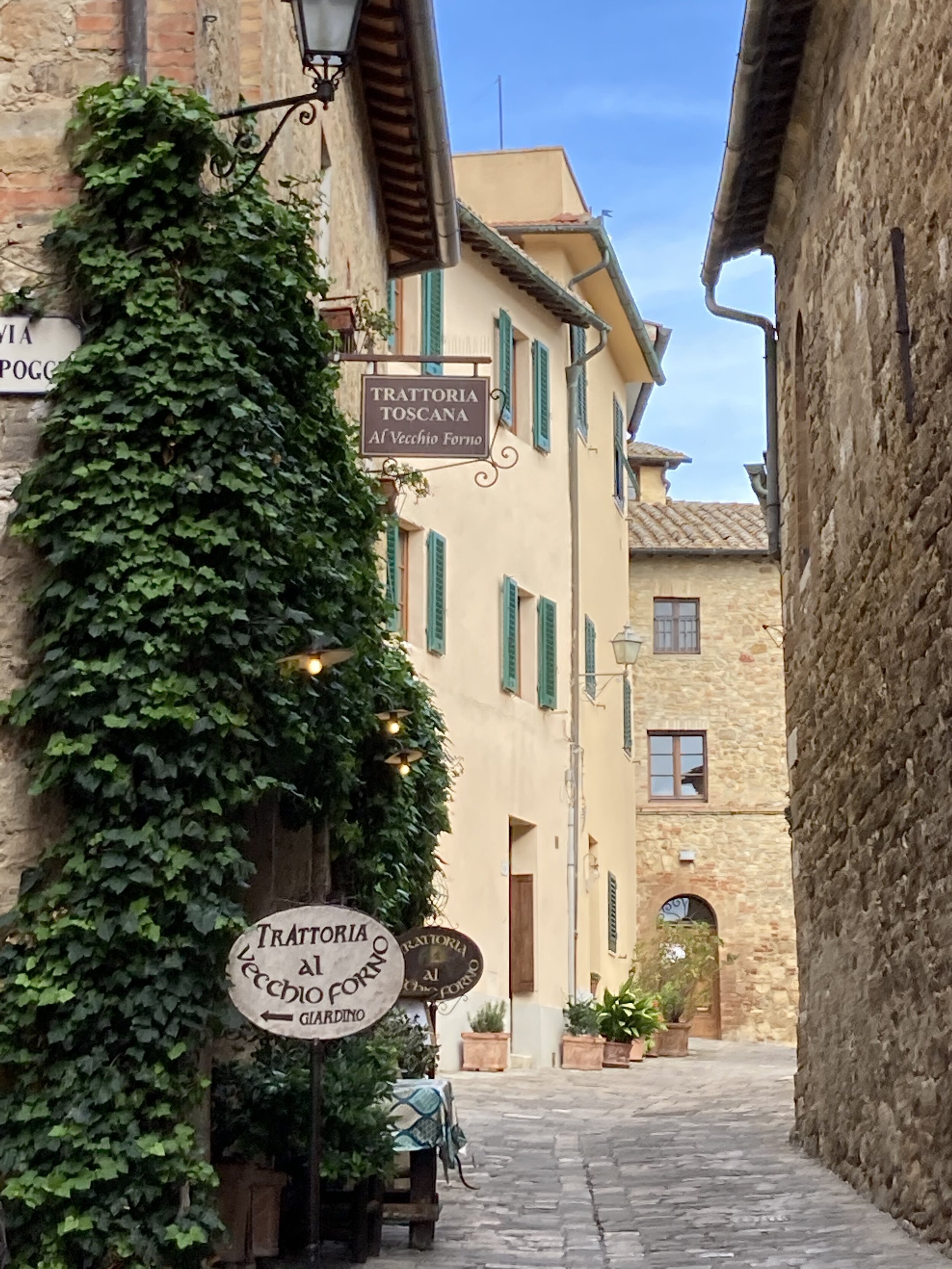
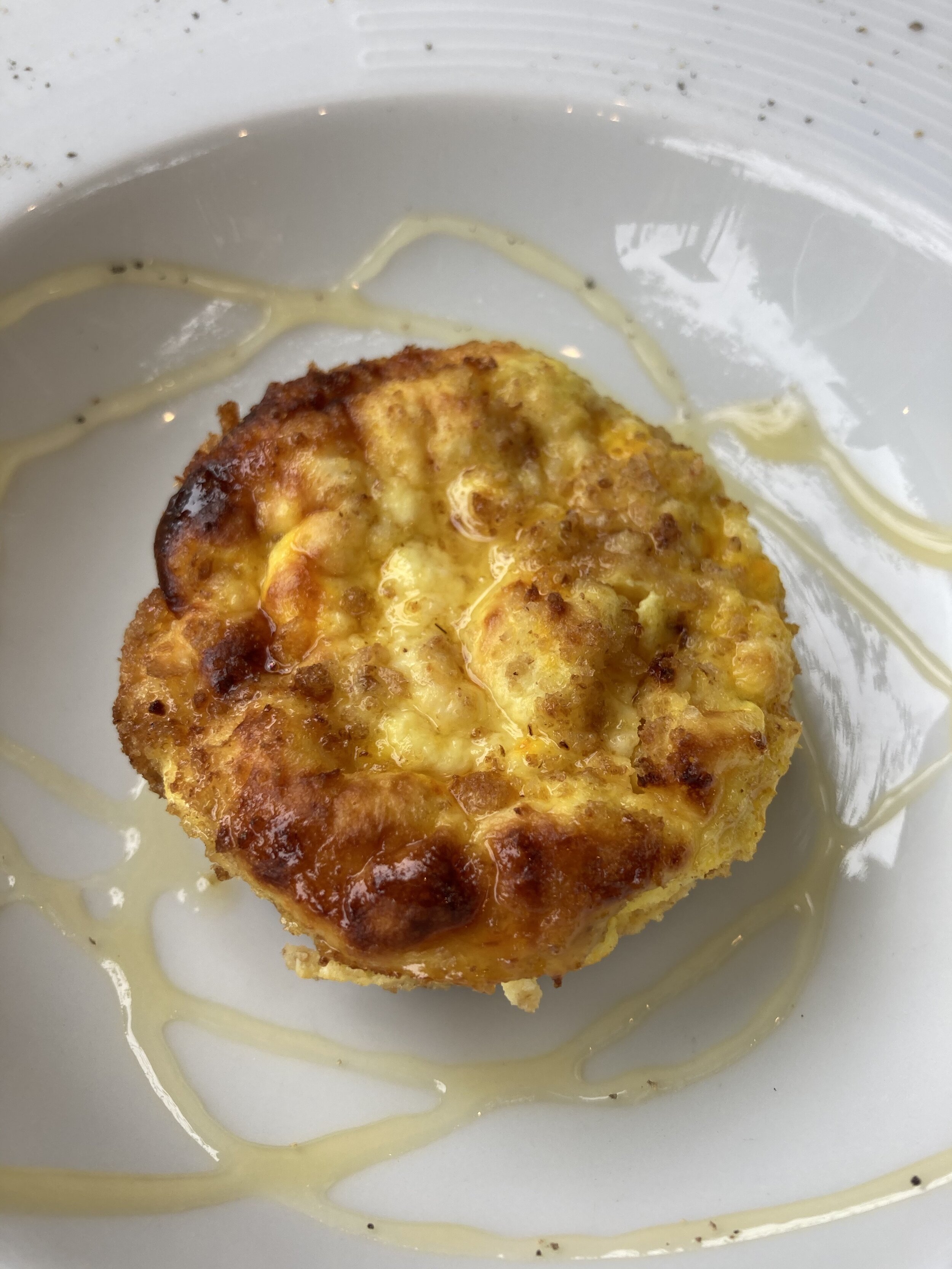
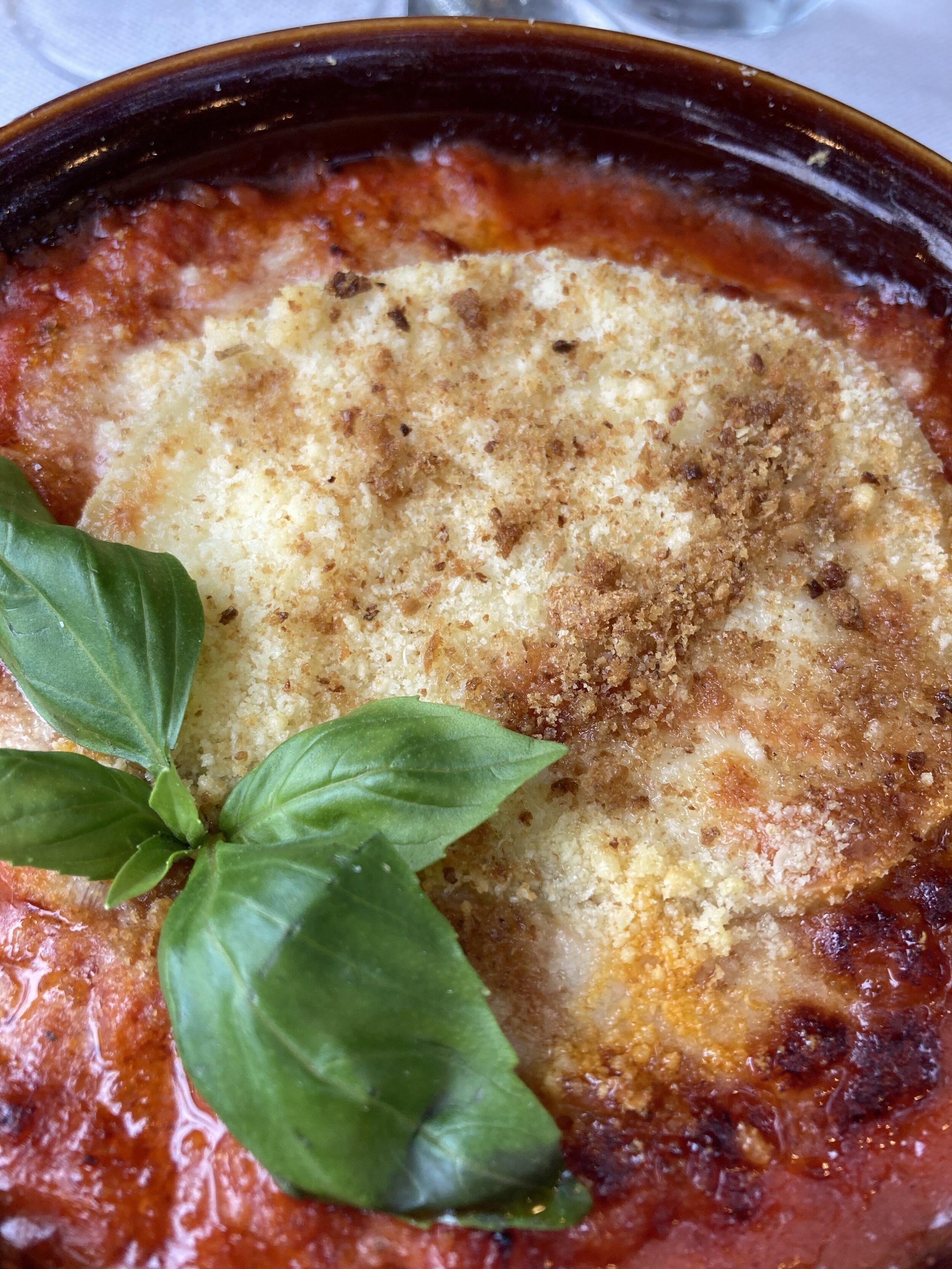
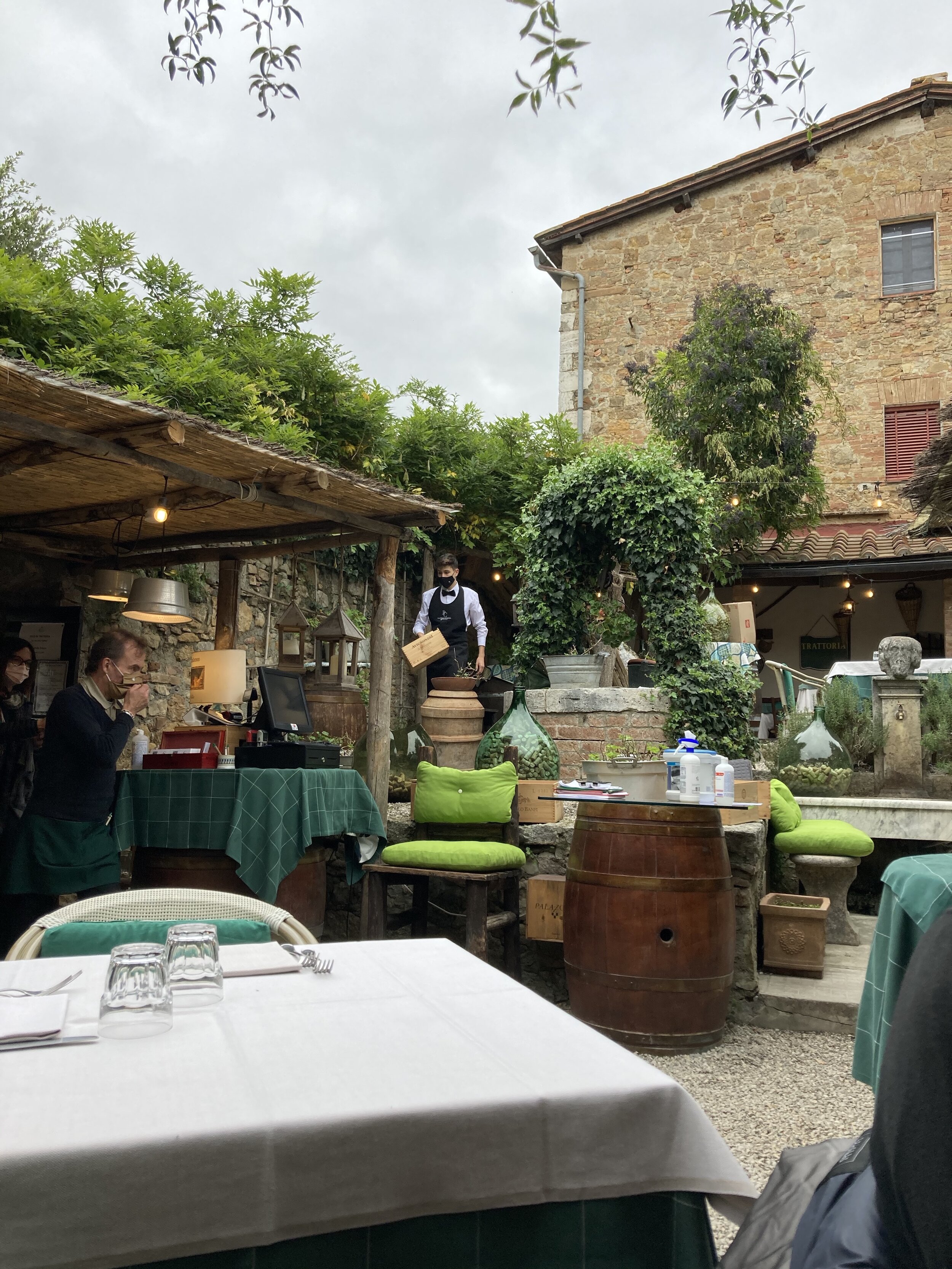
And on a side street just along the church of San Francesco is the wonderful Trattoria al Vecchio Forno, built on the site of the old town bakery (forno).  I’ve eaten here on previous visits and it’s a place that never fails to please.  My lunch, a honey drizzled sformatino and a pappa al pomodoro, eaten outside in the garden on a warm fall day, was delicious.

dmJBkzR2R+C92bChkw51rw.jpg
eTd0JYYiRVeFTiR5tune+g.jpg
NnBVXGhWS0mlyFbP3TR5%g.jpg
DVTBqV5XQwahEZ5Qnj6W6g.jpg
9YdPQZOGSlS8toaxeqMVzQ.jpg

 Heading back to Pienza, the Chapel of the Madonna of Vitaleta is visible from the road.  It is well worth the detour to stop and visit this tiny chapel, which is one of the most photographed spots in Tuscany.   The chapel itself is not usually open, but the surrounding vistas are spectacular.  

 San Quirico was the last stop on my trip through the Val d’Orcia.  There are so many other places left to explore, among them the famous wine towns of Montalcino and Montepulciano (which is just outside the Val d’Orcia) and also the gardens at La Foce.  

I guess I’d better start planning a return trip!


January 25, 2021 /Judy Giannnettino
San Quirico, Val d'Orcia
#italytravel, #medievalitaly, Churches Italy, Hill Towns Italy, Italian gardens, Italy travel, Tuscany, Val d'Orcia
  • Newer
  • Older

Powered by Squarespace