Two Parts Italy

Exploring Italy, travel, and living a flavorful life

  • Blog
  • About This Blog
  • Start Here
  • Recent Posts
  • Archives by Topic
  • Subscribe
  • Contact me

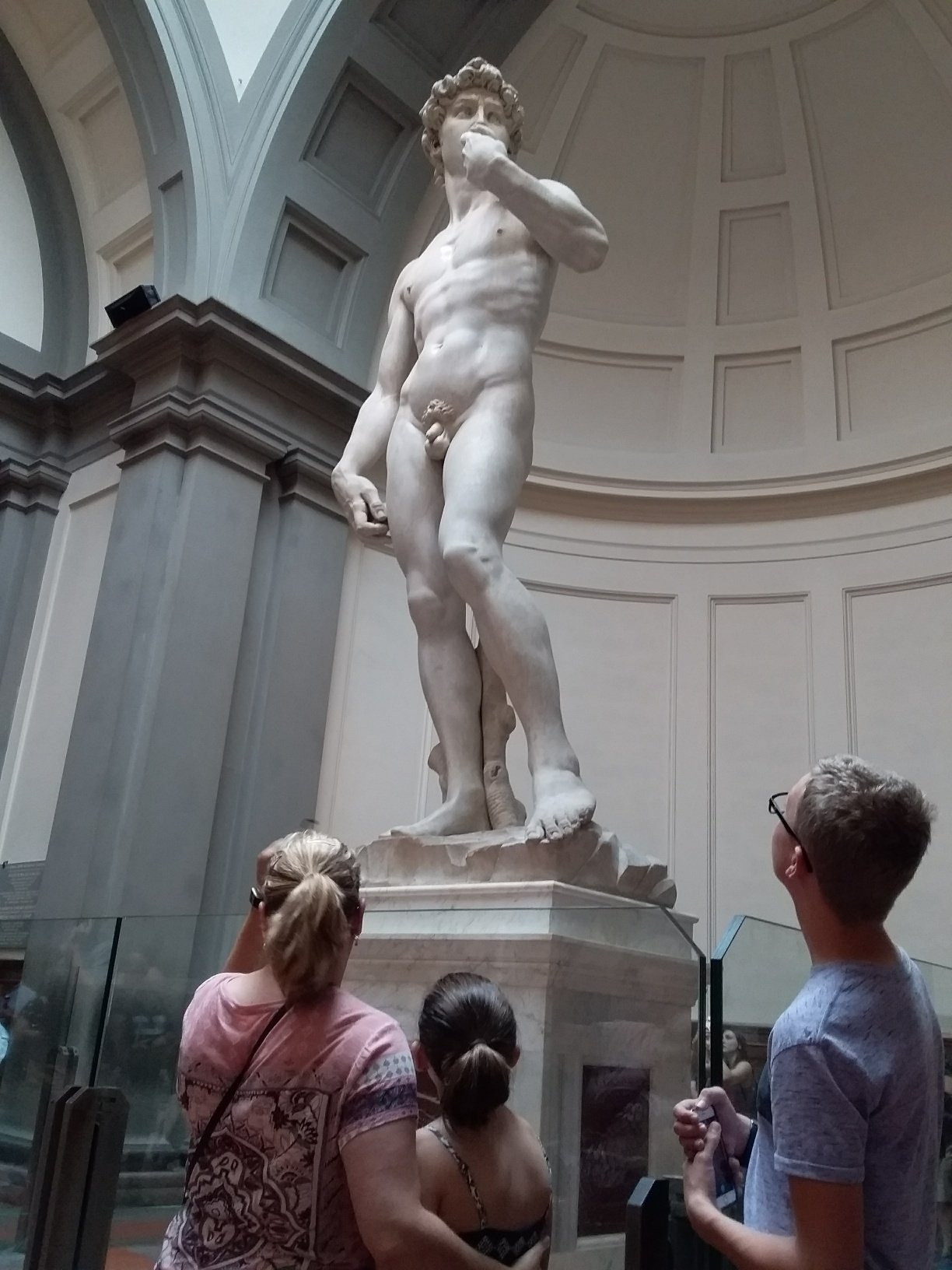
My daughter and two oldest grandchildren admiring Michelangelo’s David in Florence several years ago

Yes, David is Naked

June 05, 2023 by Joanne Bartram in #florence, Florence, Italian Art, Italian culture, Italy

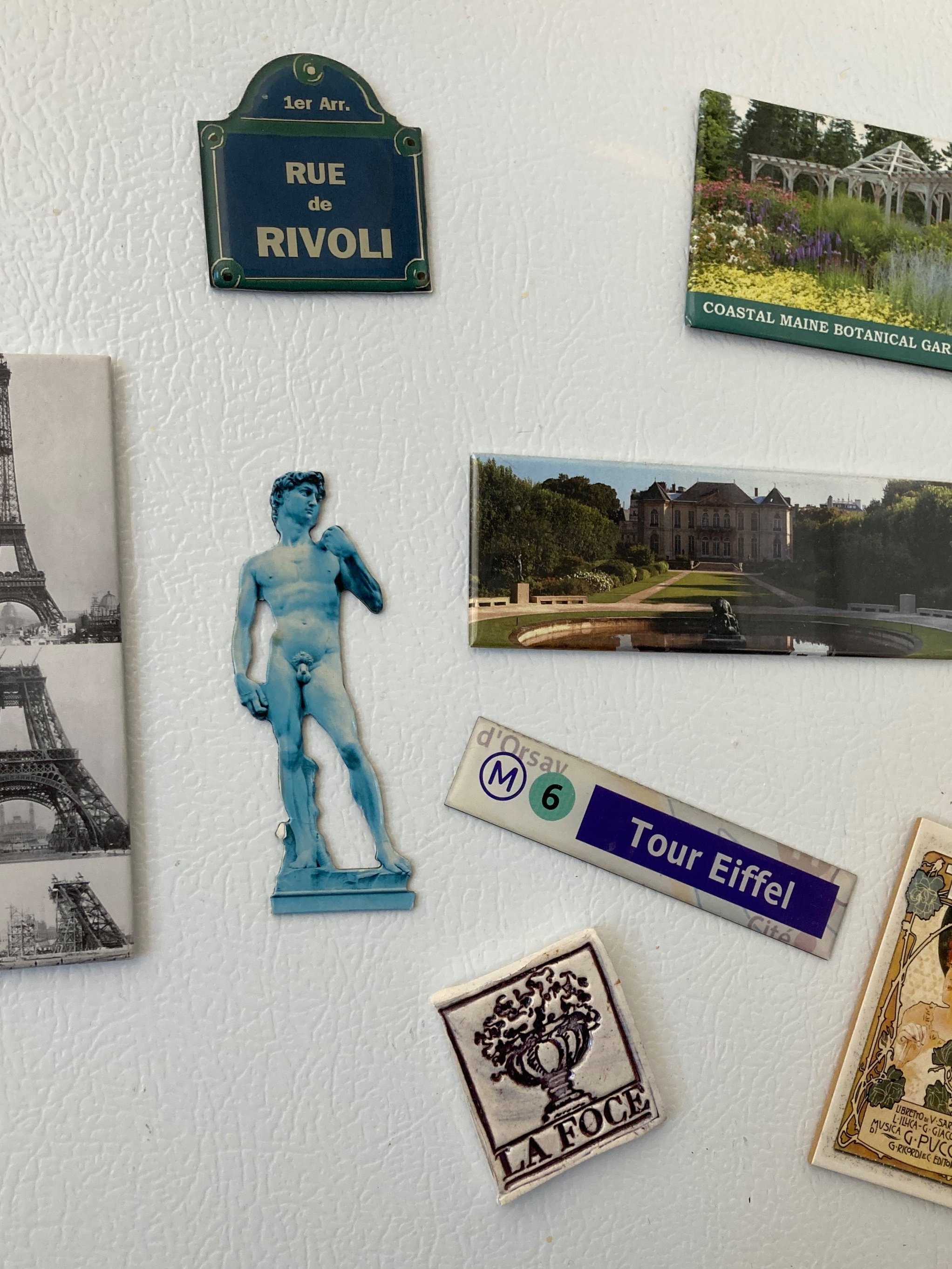
When I travel, I often collect magnets from various places. Monet’s Giverny, La Foce Gardens, the Eiffel Tower - all reside on my refrigerator, a constant reminder of wonderful trips.   

One of the magnets, which I brought home from an early trip to Florence, is of the David.

Years ago, I noticed my then 8-year-old grandson staring at it.  “Nana”, he asked, “why do you have a naked man on your fridge?”.   That was a great opportunity to begin a conversation about classical art, the Italian renaissance, a sculptor’s skill in recreating the human body, and the nude as an art form.  My grandson was not buying any of it.  “Well’, he countered, “I just think it’s inappropriate”.   All I could do was laugh.   
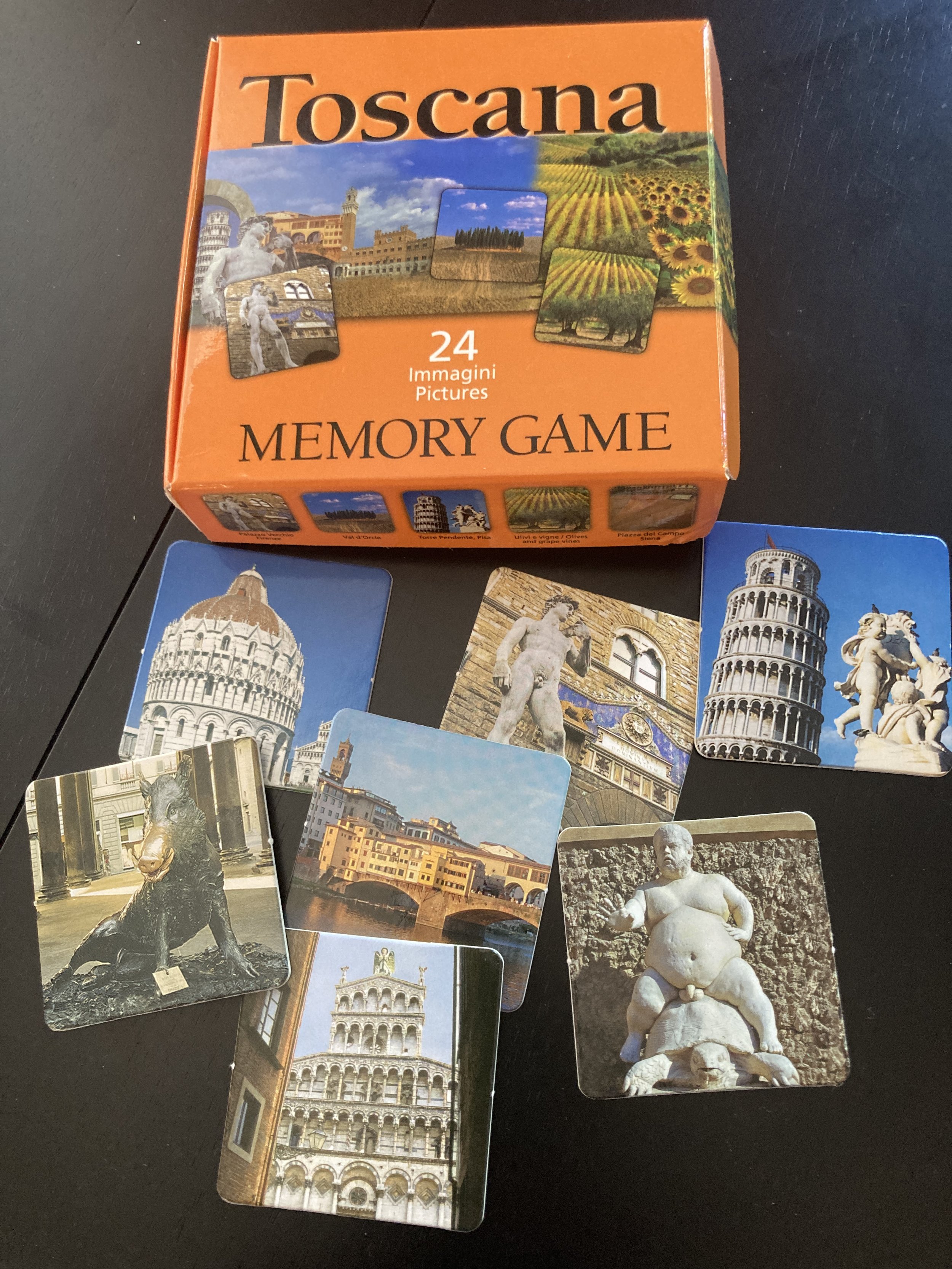
On a later trip I purchased a matching game for my even younger grandkids.  Each card had a photo of a famous Tuscan landmark or piece of art.  Included were, I think you can guess this, a photo of the David. Another card had a photo of Morgante the Dwarf, often known as the “Fat Man on the Turtle”, from the Boboli Gardens. Morgante is, of course, naked. This matching game has been a favorite of my grandkids for years.  And yes, the two nudes get lots of giggles, but the kids have learned a lot about art and Tuscany in their search to be the first one to uncover “the naked guy”.  All 4 grandkids have survived the nudity just fine. 

 My grandson’s opinion, as an 8-year-old, was understandable.  But I expect a more sophisticated and open-minded attitude from adults.  I am still scratching my head over the outrage of some parents in Florida over photos of the David used in a 6th grade art class.  Male nudes have been present in classic sculpture since at least the time of the Greeks.  Most people understand the artistic value and the role of important art pieces in education.  And most understand the difference between art and pornography.  But, a few parents in that school did not and wielded an inordinate amount of influence, leading to the principal resigning.
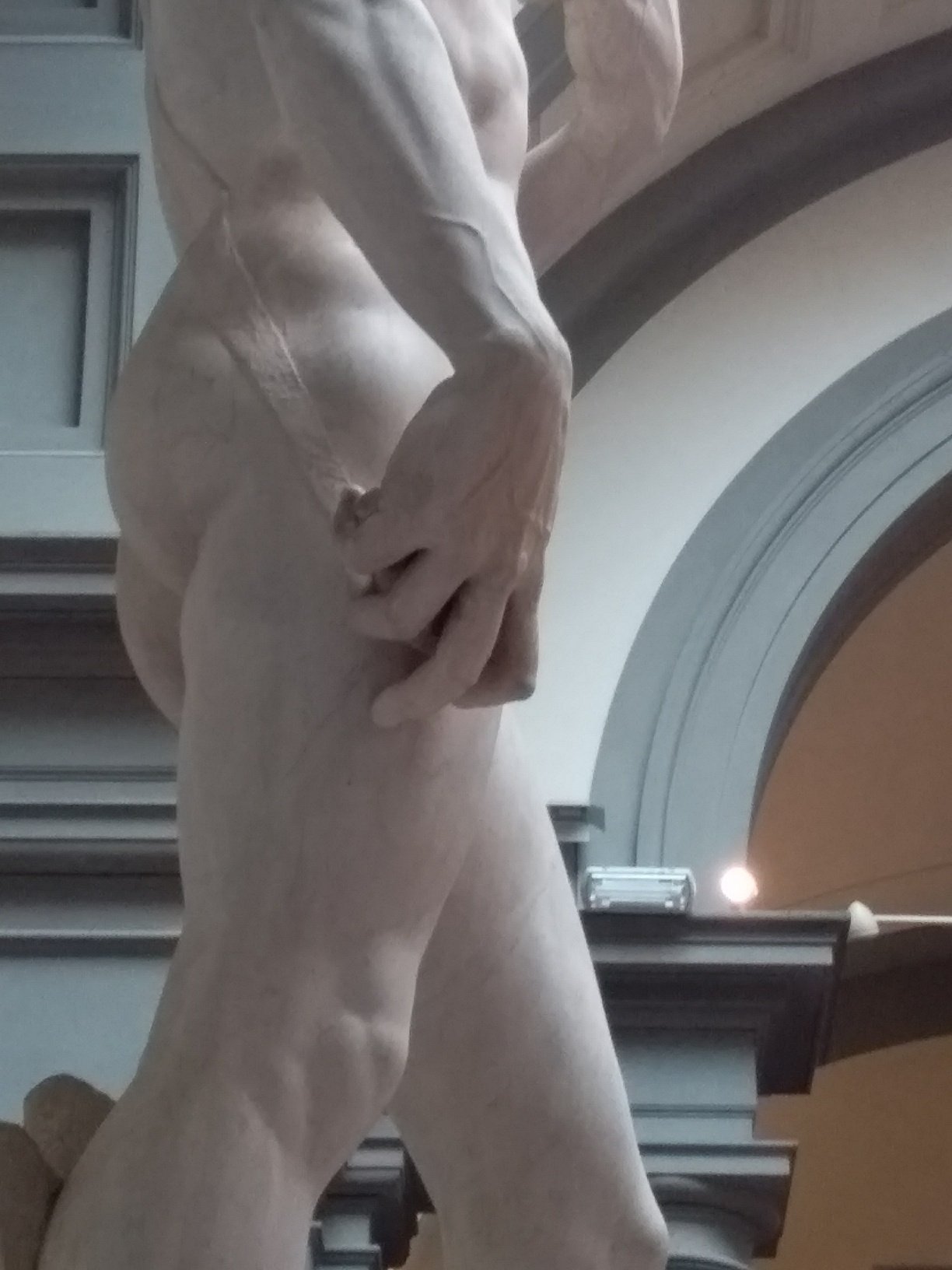
The much discussed and analyzed hand of David.
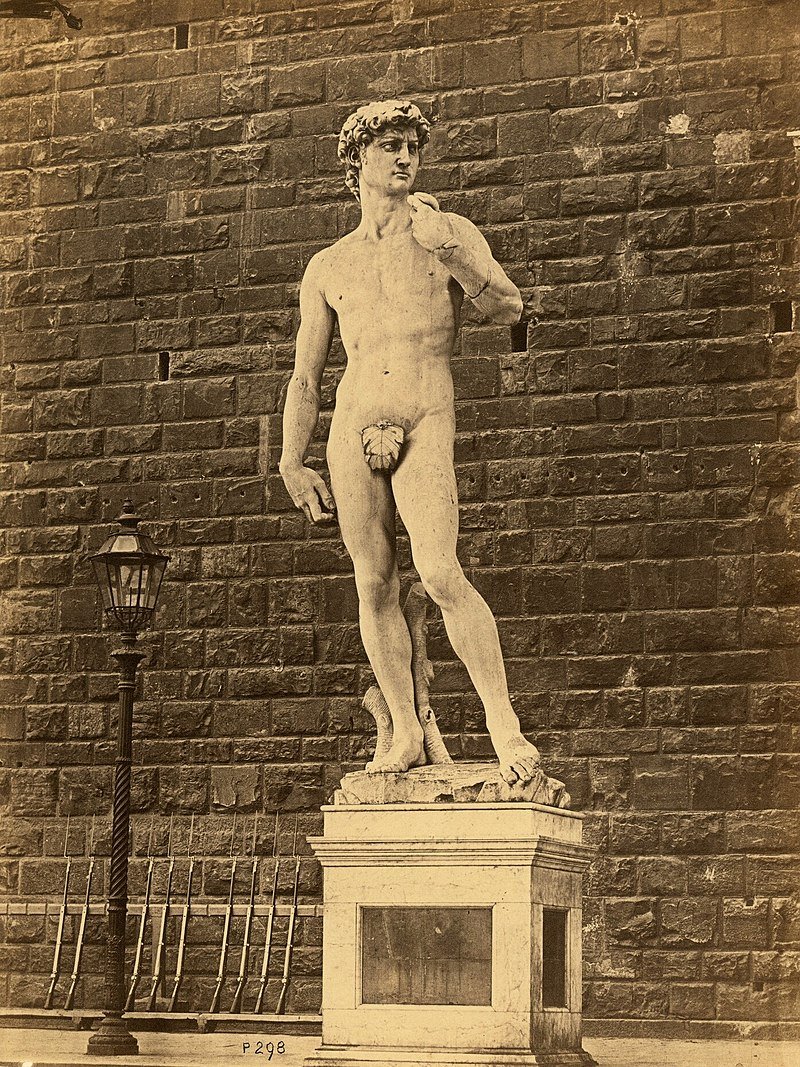
David during the fig leaf years (public domain photo)

Granted, Floridians are not the only ones to be a bit bothered by David’s nudity.  Some long-ago residents of Florence also objected, and after the statue’s completion Michelangelo was asked to cover the genitals with leaves.  Those were later removed, restoring the statue to Michelangelo’s original vision. It has remained thus ever since.  A replica of the David in the Victoria and Albert Museum in London was covered in a fig leaf whenever Queen Victoria visited.  Apparently, the Queen was outraged.  One wonders if Albert was asked to sport a fig leaf when visiting the Queen’s chamber.

 Still, I was saddened to see a principal lose her job over the inclusion of the biblical David in a class.  But I was delighted when the city of Florence brought that school principal to Florence to see the statue in person. How great was that?

This reproduction stands in the Piazza della Signoria in Florence, where the original statue was displayed before being moved to the Accademia Gallery.

I am happy to say that as my grandson has grown so has his appreciation for this magnificent work of art. When he visited me in Italy for the first time several years ago, along with his sister and their mother (my daughter), I took them all to Florence to the Academia Gallery where the David commands an entire room. 

We walked around him, noting the unique size of his…. hands. We marveled at the muscles in his legs and his 6-pack abs. In the end both of my grandkids found that the David was so amazing that they hardly noticed he was naked! 

David is, of course, not the only naked statue in Florence.  There are many nudes, partial nudes, and exposed breasts in Italian sculpture.  Many of the fountains in Italy are anchored by nudes, including the Fountain of Neptune in Florence (below).

Fountain of Neptune, Florence

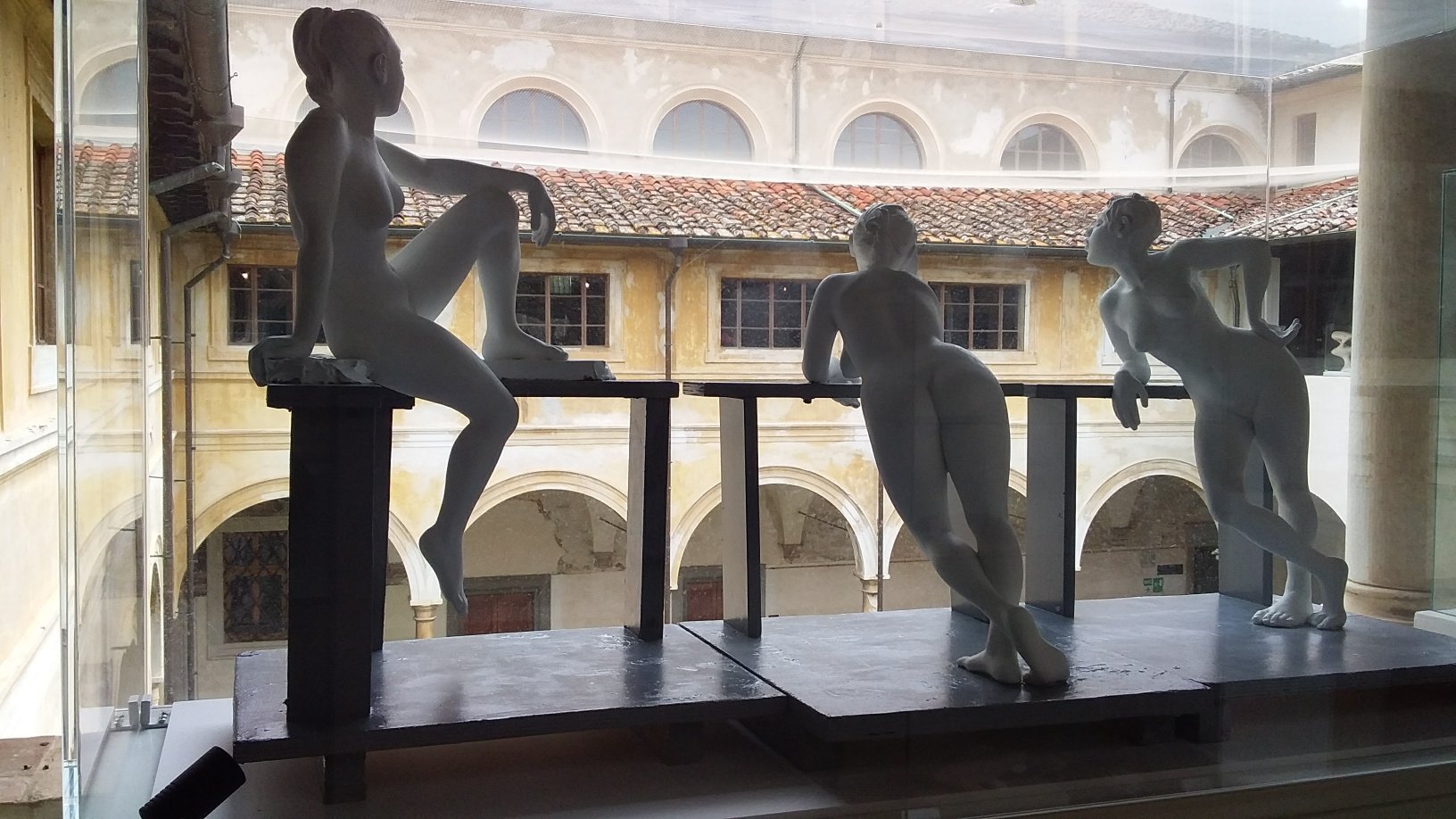
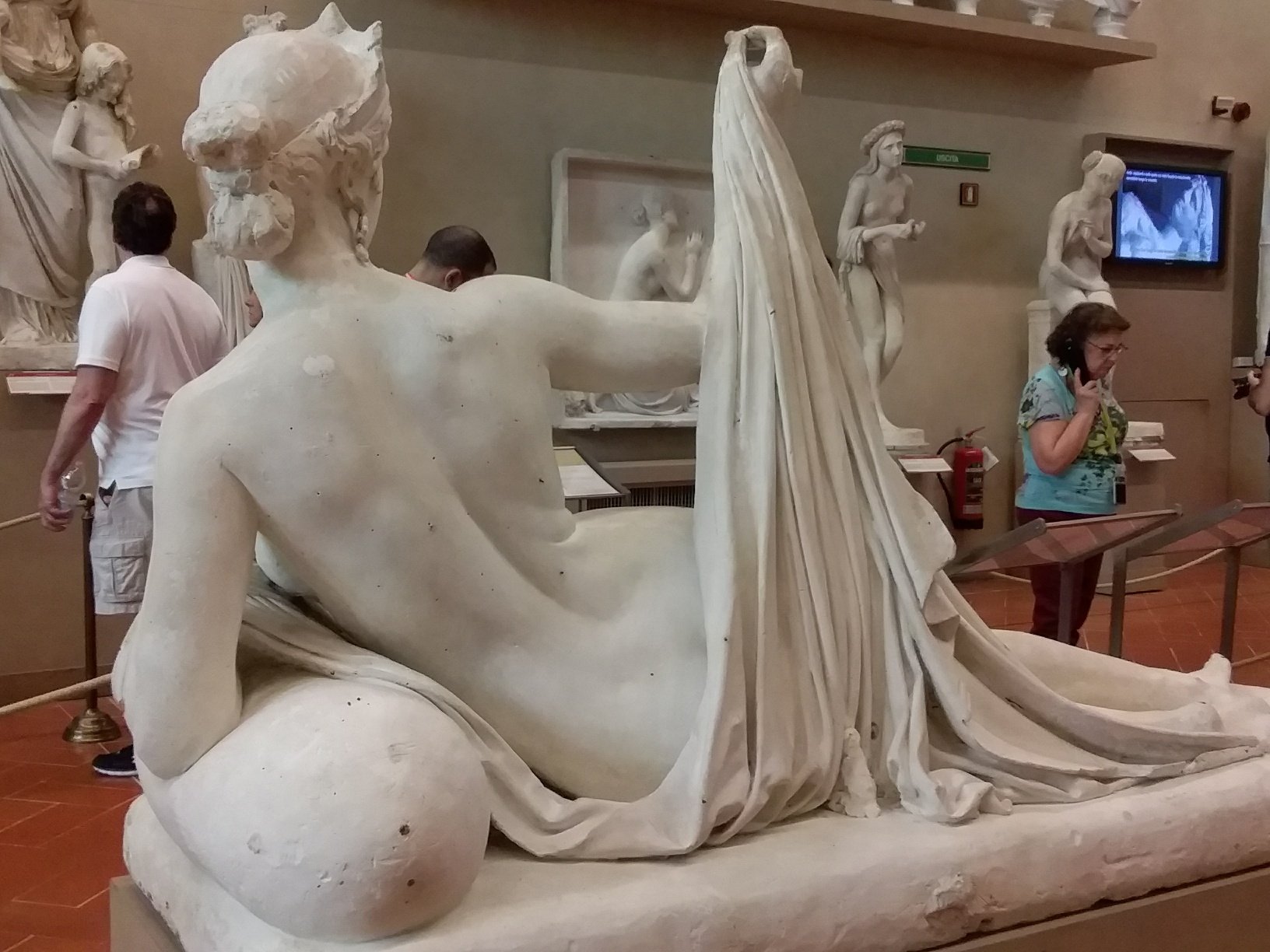
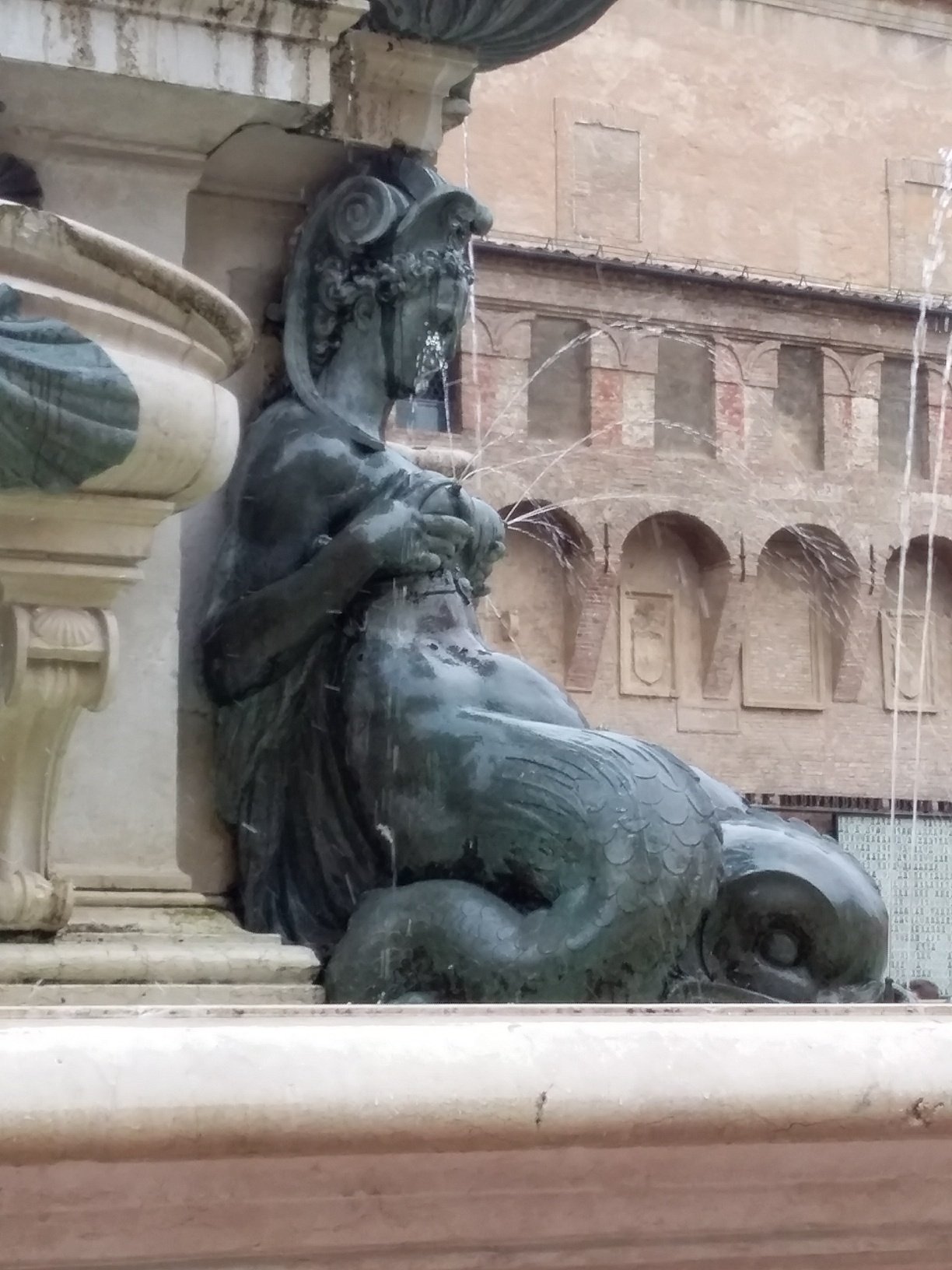
And not all the nudes are male. There are some beautiful female nudes to be found. Here are a few of my favorites from the Accademia Gallery in Florence, the Neptune Fountain in Bologna, and a modern piece in the Museo del Bozzetti in Pietrasanta. I hope you find all of these sculptures as beautiful as I do.
A364132D-CED8-4952-9EF4-B9F47C8B98CE.jpeg
F186AC38-284E-4F30-8FA9-DBBE14E803EA.jpeg
8BF5AD34-C5C4-46D1-BCC5-E3D0C73544DD.jpeg
June 05, 2023 /Joanne Bartram
The David, Nudes in Italian Art, Michelangelo's David
#florence, Florence, Italian Art, Italian culture, Italy

A quiet walk through Lucca early on a Monday morning

A Quiet Monday Morning in Lucca

May 15, 2023 by Joanne Bartram in #lucca, #springintuscany, Italian culture, Italy, Italy travel, Living in Italy, Lucca

A crowded Piazza Anfiteatro during the Santa Zita celebration.

Lucca’s tourist season begins in earnest as soon as April arrives.  Between a host of holidays, a major music festival, and the arrival of gorgeous spring weather, the last few weekends have seen this small city bursting with activity and people.  

 This year it also seems as if the big tour groups, many of them coming from cruise ships docked in Livorno, have arrived early and in bigger numbers than ever.  The tour groups come from all over.  I’ve heard guides speaking in Italian, German, English, and French.  I am happy to see visitors introduced to Lucca, but …. and this is a big but … the small streets and alleyways of Lucca were not made for so many large groups. 

The smaller groups accompanied by private local groups move through town with ease (and are an ideal way to see Lucca), but the really big groups tend to obstruct traffic, clog the streets, and make moving through town quite difficult for locals. 

How I wish the large groups would be advised to keep to one side of the street to allow room for people to pass!  If I had a euro for every time I say “permesso” as I try to get through a large group, well, my rent would be paid for the next 3 months.   Do I sound grumpy?  Well, yes, I guess I am a bit.  After a quiet winter and early spring, the sudden arrival of crowds feels a bit overwhelming.

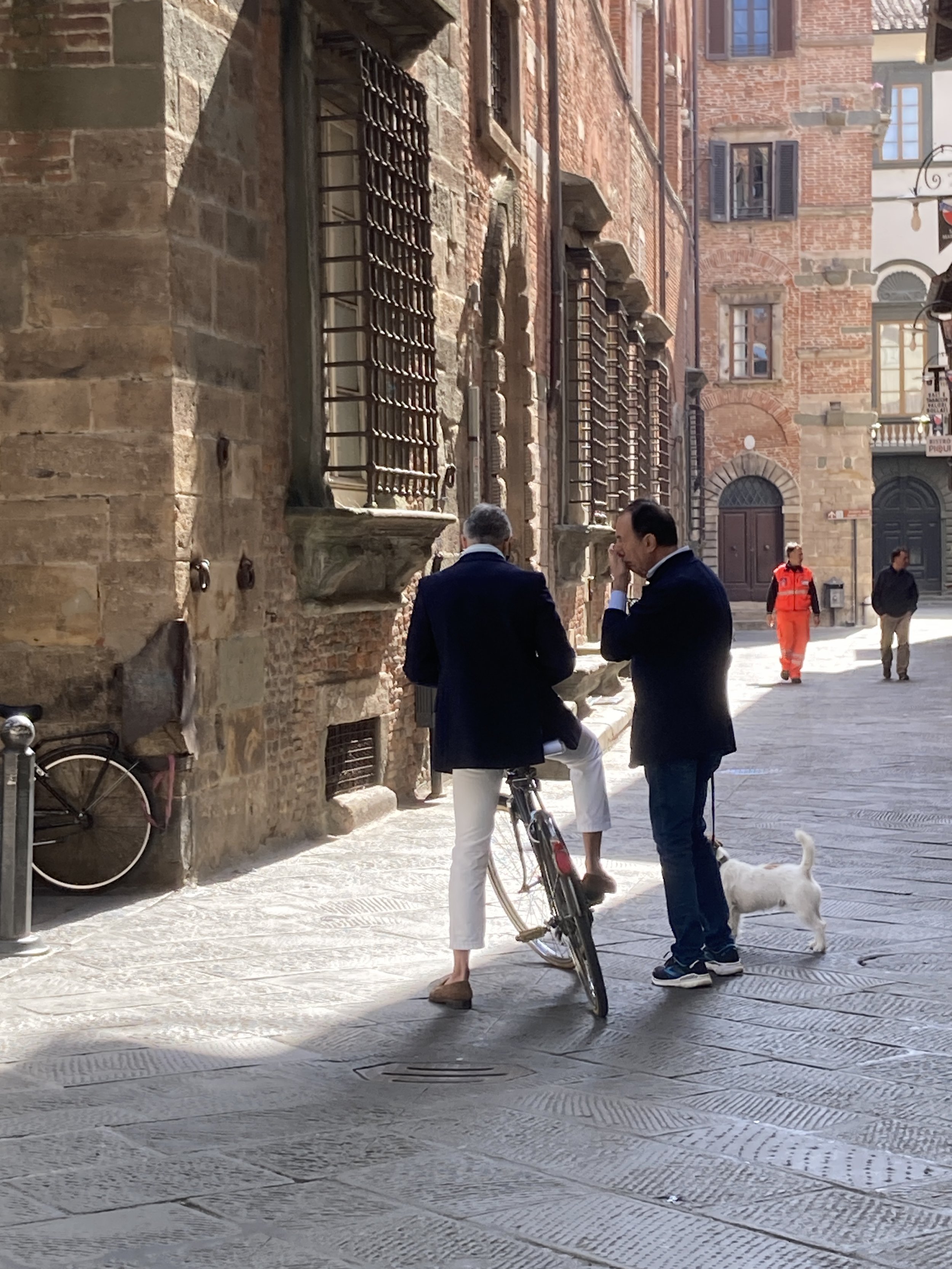
 The good news is that Monday mornings bring a bit of relief.  Last Monday I was out early to run some errands - a trip to the lavanderia (laundry) to pick up my linens, to the Ortofrutta (fruit and vegetable market) for some vegetables, and to the little shop that sells all kinds of electric lights and appliances to get a replacement light bulb for my kitchen.  I avoided doing these errands over the weekend, but a Monday morning seemed like the right time.  The quiet streets were just perfect for being out and about. 

Early on a Monday morning is the perfect time to go to the Ortofrutta. Look at those gorgeous fruits and veggies!

 Even the main piazzas were nearly empty and the streets around my apartment were quiet too. I encountered just a few locals going about their daily tasks. Shopkeepers were opening up and delivery trucks were bringing supplies to shops and restaurants. Birds sang and their songs were not lost in the hubbub of a busy weekend.
05E33DF5-E944-49D5-B2C1-88270C170354.jpeg
79170537-C975-4227-9C9D-72E584B5FF1F.jpeg
5B34C821-D7A7-41FD-B809-F85676F16518.jpeg

 Mild temperatures, a soft breeze, and uncrowded streets made for a perfect morning of wandering through town and noticing all the wonderful things about spring in Lucca.  Green trees, pretty flowers in pots and on balconies, the old brick of medieval buildings, pretty doors and windows, hidden corners, and the sounds of the city waking up and coming to life. 

B305E32D-A58E-4233-B95B-178E6EC33E88.jpeg
FA86CE44-2968-456C-80D4-0183634B514F.jpeg
E8B2B1B1-C08D-4312-9D93-EBA0F4182384.jpg

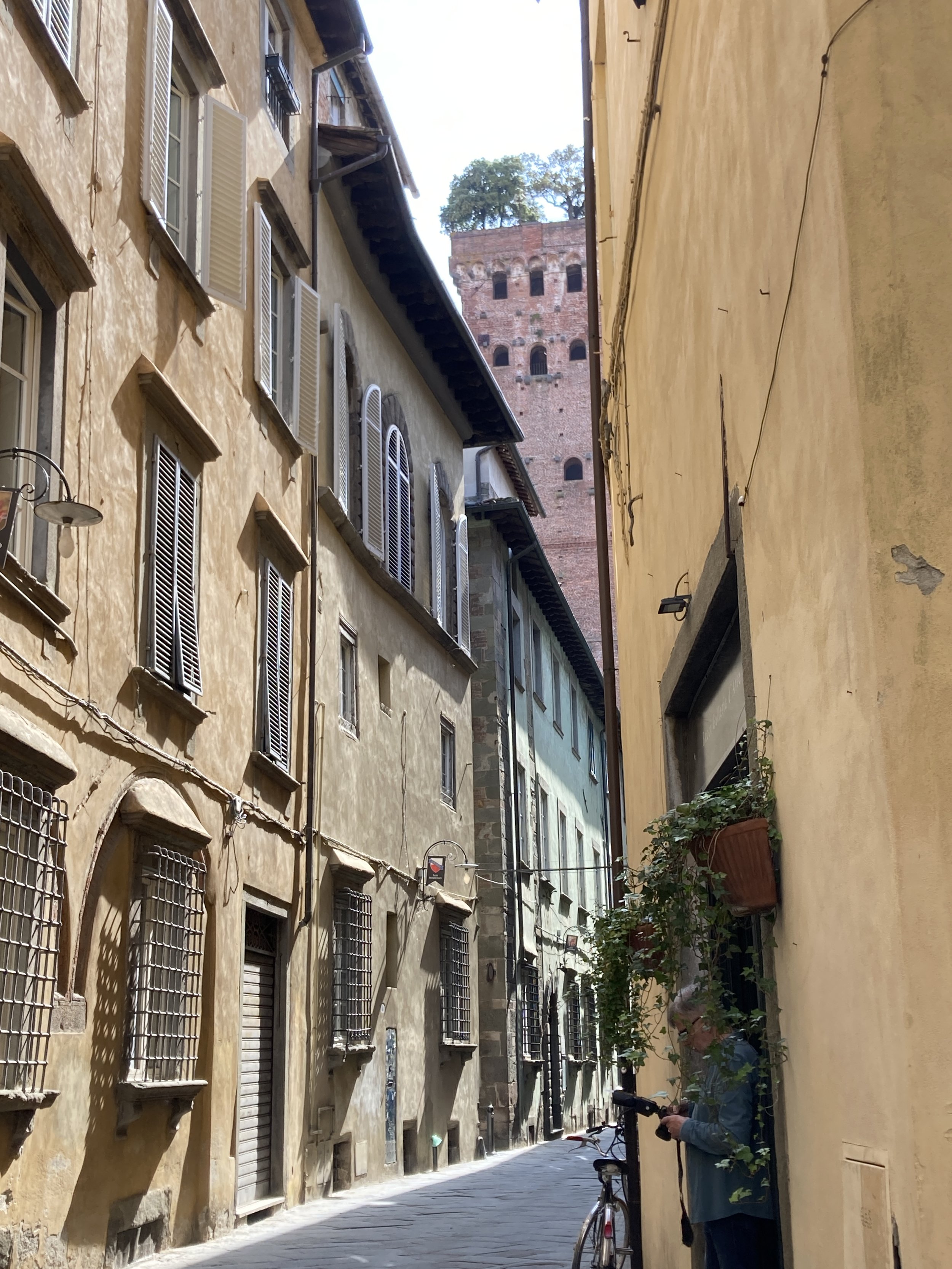
Even the street leading to the Torre Guinigi was nearly empty on this Monday morning.

 Around town the warm weather means that windows are open and the sounds of daily life pour out.  A baby crying.  Someone singing.  A radio on.  The sound of a brass horn coming from the music school near my apartment.  The musical sound of Italian chatter drifting out to the street.  These are some of the things I love most about life in Italy.

 The summer crowds, along with the heat and humidity of an Italian summer will soon be here. Those are some of the reasons I will soon head to New Mexico for much of the summer.  There I also have the bonus of a good long visit with my family – including my eldest grandson who will graduate from high school next week (does that ever make me feel old!).   But come August I will be glad to get back to Lucca, so glad that even the crowds won’t make me grumpy.


A few more photos of Lucca on a quiet Monday morning -

2B9292E8-FE65-47E1-8B55-A8E26B69B04E_1_201_a.jpeg
D46839C7-716D-4994-973B-B7756C35260A.jpeg
7A8C682E-2653-4A4E-8EE6-FE598BAEAF43.jpeg
FB07CFBE-38F5-41F9-9A7E-9B8E4988F93F.jpeg


May 15, 2023 /Joanne Bartram
spring Lucca, Life in Lucca, Life in Tuscany
#lucca, #springintuscany, Italian culture, Italy, Italy travel, Living in Italy, Lucca

Springtime Music in Lucca

May 08, 2023 by Joanne Bartram in #lucca, #springintuscany, Festivals Italy, Italian culture, Italy, Living in Italy, Lucca, Tuscany

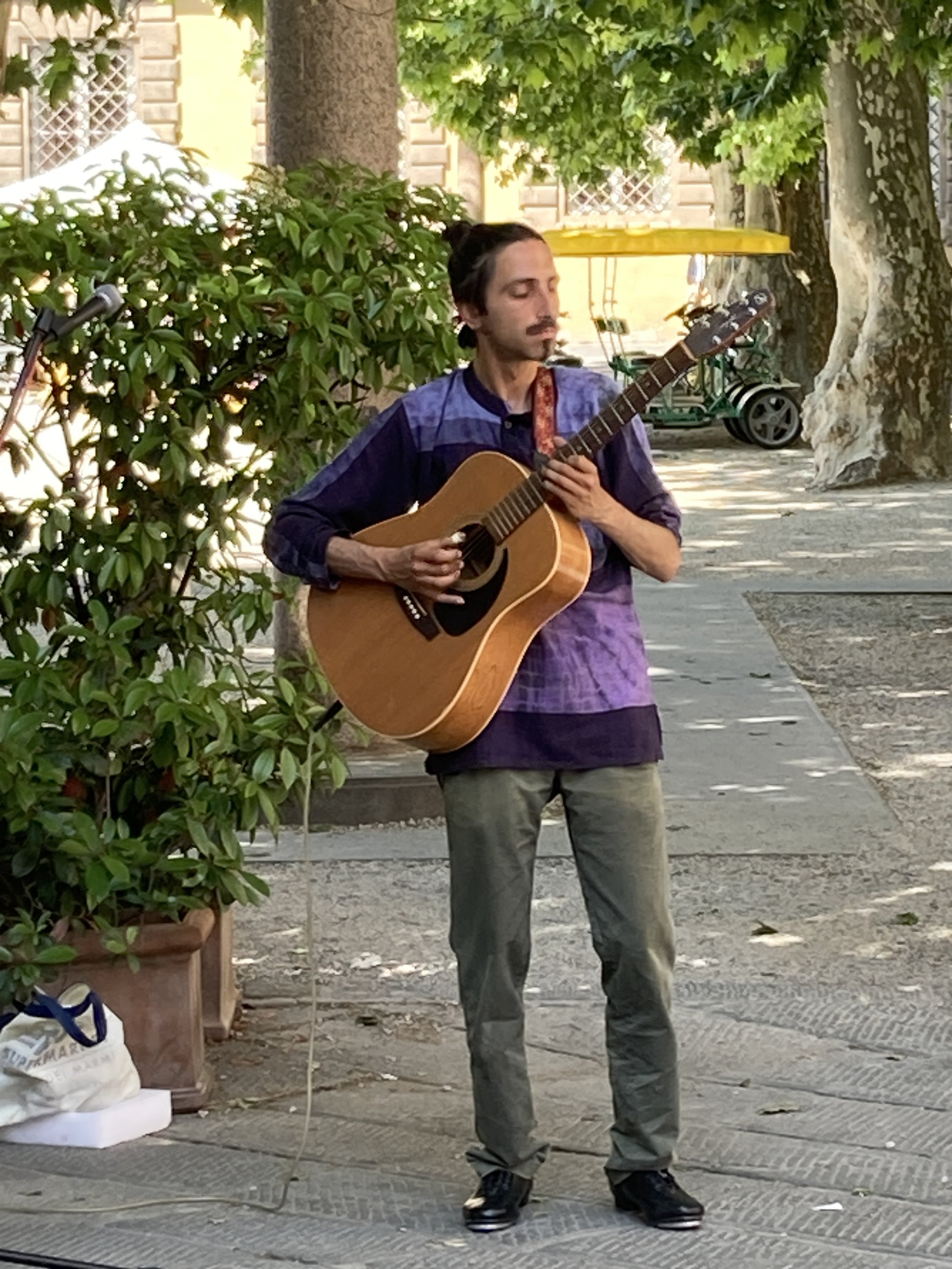
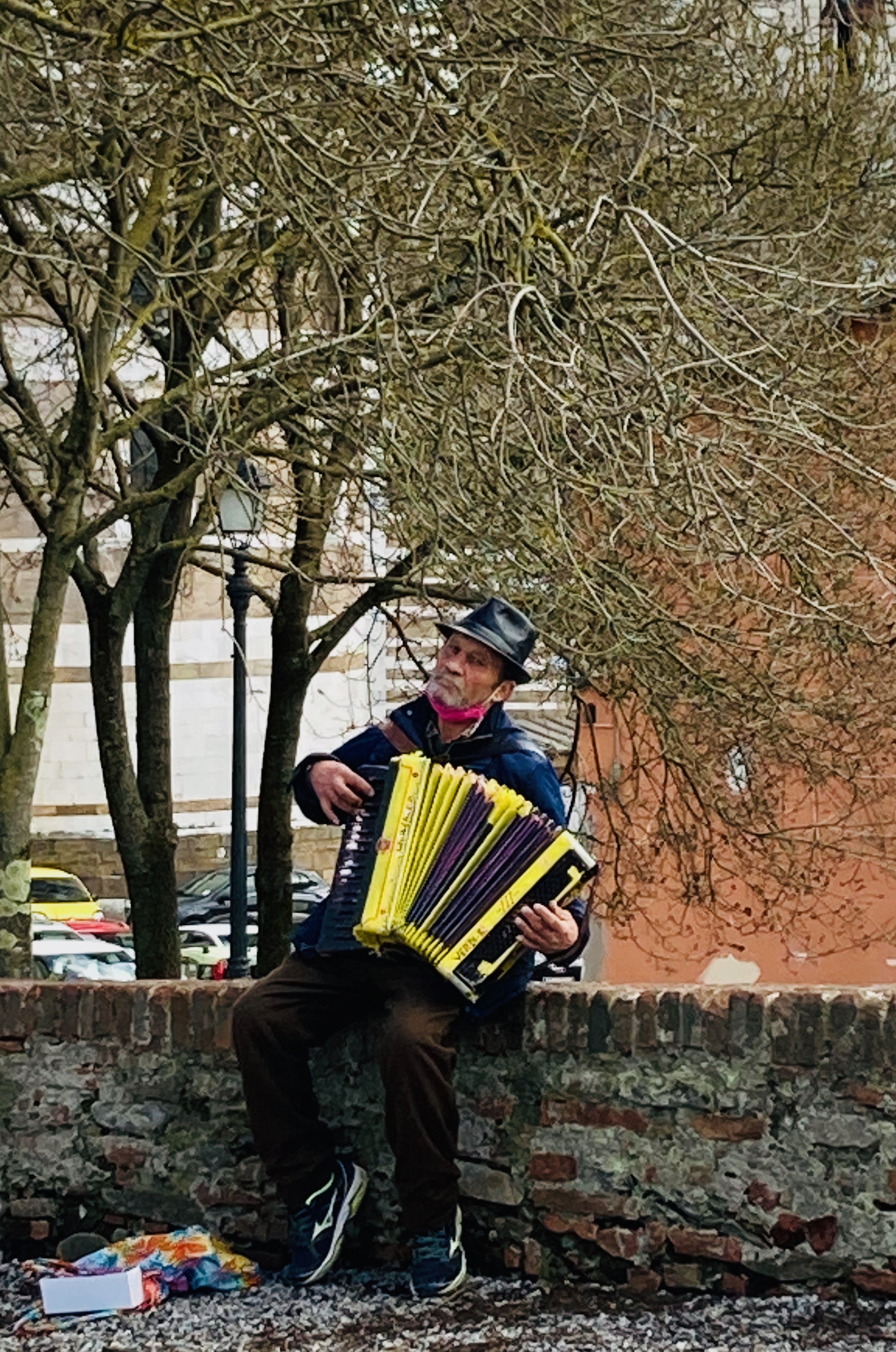
Music is an integral part of life in Lucca.   The musical heritage here is rich and spans centuries.  Buskers frequently entertain passersby with everything from classic Italian songs on an accordion to street-side opera or folk music under an ancient loggia.  

9E765546-766E-479E-94E5-8F37E5A4D076.jpeg
IMG_1348.jpeg

Local musicians perform at cafes and bars, up on the walls, and in the piazzas.  It’s hard to beat a spring evening spent sipping a spritz while listening to music in a medieval square.

 Crowds flock to Lucca each summer for Lucca Summer Fest – a contemporary music festival with a wide variety of Italian and international performers. 

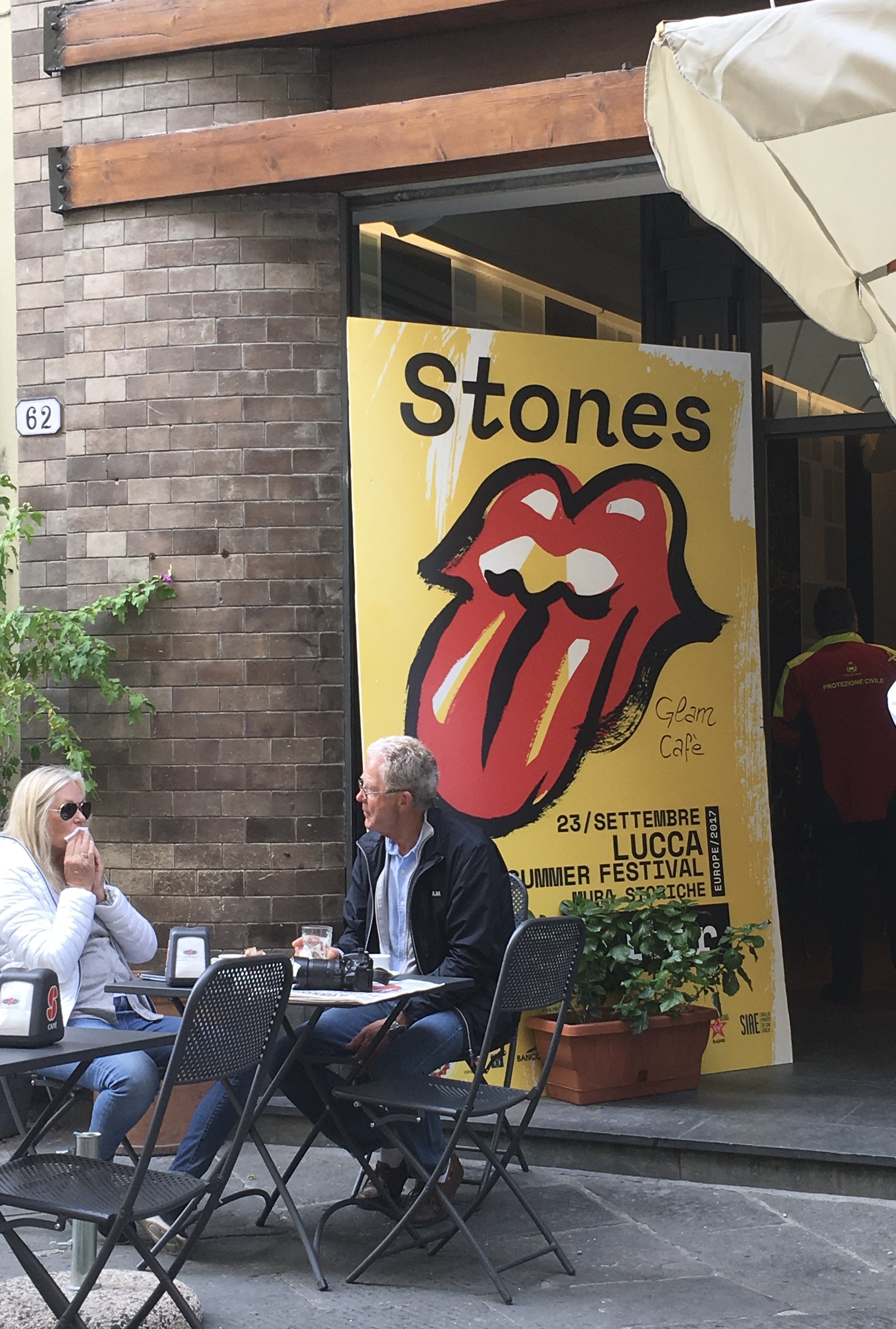
This year Norah Jones, Bob Dylan, Kiss, Pat Methany, and Lil Nas X are among the scheduled acts (quite a diverse group!).  Several years back, the Rolling Stones headlined, performing on the green space just outside Lucca’s ancient walls.  That was fun!


But my favorite musical events in Lucca involve classical composers, some of whom were born here. 

Generations of the Puccini family called Lucca home, including 4 generations of sacred music composers, all of whom served as Maestro di Cappella (choir master) at the Cathedral of San Martino. 

Puccini statue in Piazza Cittadella, Lucca. His childhood home is in the background.

The 5th generation saw the Puccini we all know best - Giacomo, born in Lucca in 1858 – shift the family musical focus to opera.

His family home is now a museum. A large bronze statue of “il Maestro”, cigarette in hand and looking rather rakish, sits in Piazza Cittadella near the museum shop. 

Puccini is revered here, so much so that a selection of his arias are performed every evening in the church of San Giovanni. 


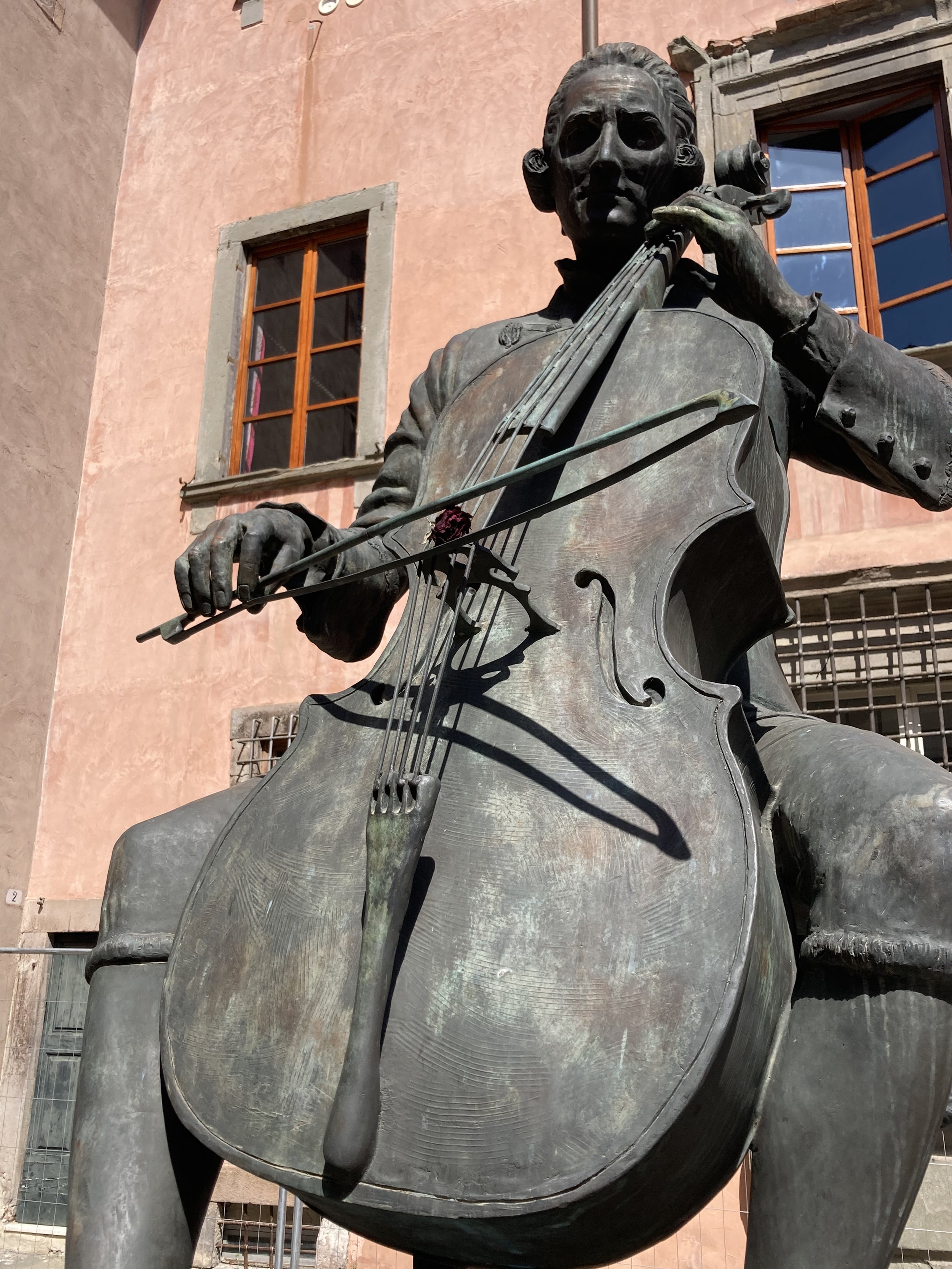
Statue of Luigi Boccherini in Lucca

Puccini was not the only famous composer to come from Lucca.  Luigi Boccherini was born here in 1743.  He was a cellist and an early composer of music for string quartets. 

Today, the Boccherini Institute is a place where young musicians train and perform.  Just a few steps from my apartment, the sounds of musical practice coming from the building grace my morning walk most days. 

Perhaps not as well known outside of Italy as Puccini, his cello concertos are incredibly beautiful.  When I want to relax, Boccherini is on my playlist.


To celebrate its classical musical heritage, each spring the city hosts the Lucca Classica Music Festival. 

During the event, musical performances are held throughout the historic center of town – in gardens, underneath the ancient walls, in churches, theaters, and piazzas. 

Performers come from around the world and include choruses, string quartets, orchestras, youth groups, guitarists and even brass bands!

The works of Puccini and Boccherini are well represented during the festival, along with other opera and classical music composers, jazz works, world music, and some distinctly modern pieces. 

 It’s impossible to attend all the performances and difficult to choose among them.  During this year’s festival, when I found a performance that promised Latin music in the spectacular setting of the Garden of Palazzo Pfanner, I knew I had to attend. 

The garden at Palazzo Pfanner - a wonderful, casual setting for a classical music performance during the Lucca Classical Music Festival..

The music was by Quartetto Lunae, a string quartet playing in magical harmony.  They played pieces from Cuba, Mexico, and South America, everything from a Piazzolla tango to Besame Mucho and La Bamba.  Listening to the beautiful notes, surrounded by quiet birdsong and garden roses, was incredibly moving.

Quartetto Lunae

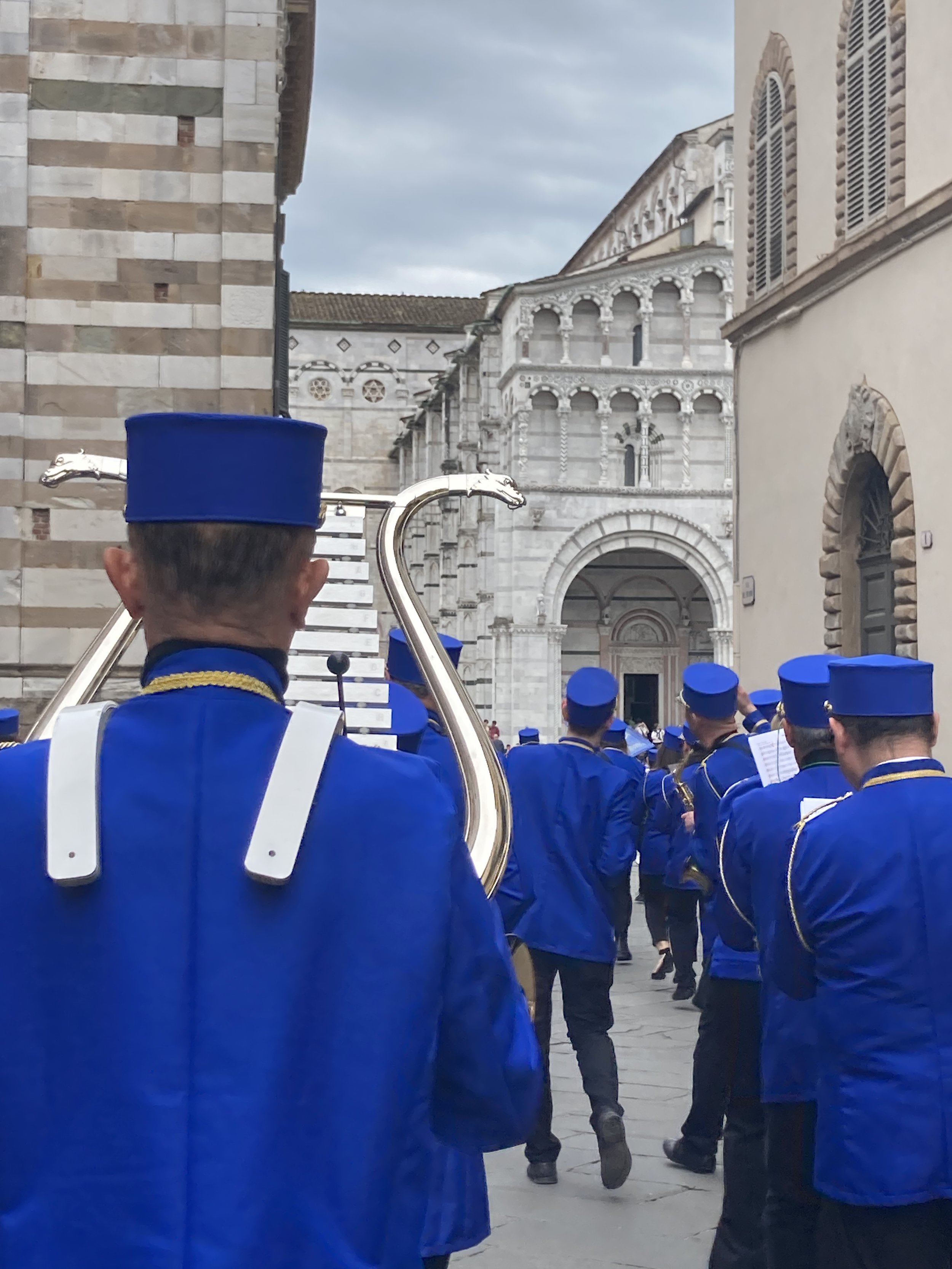
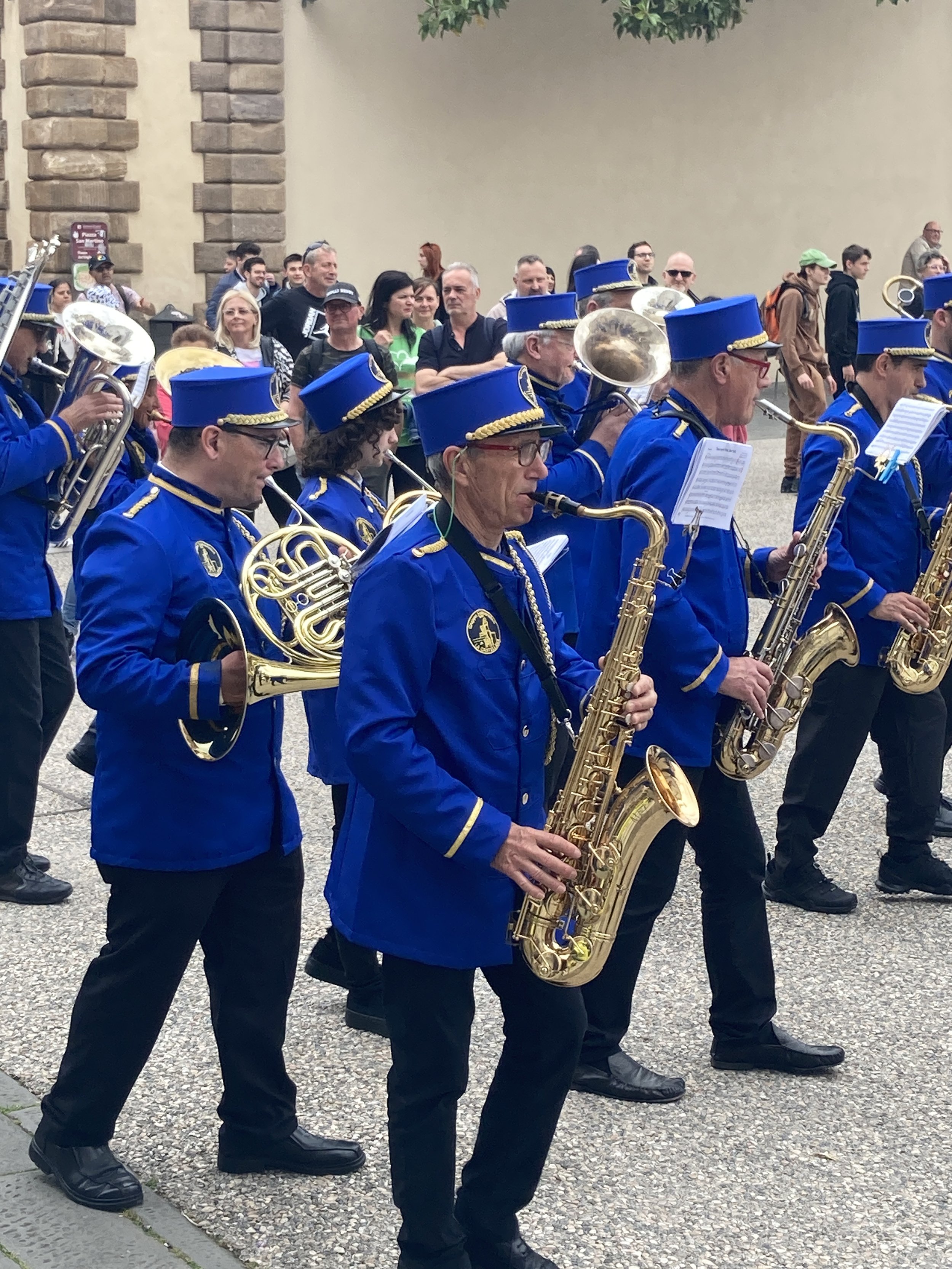
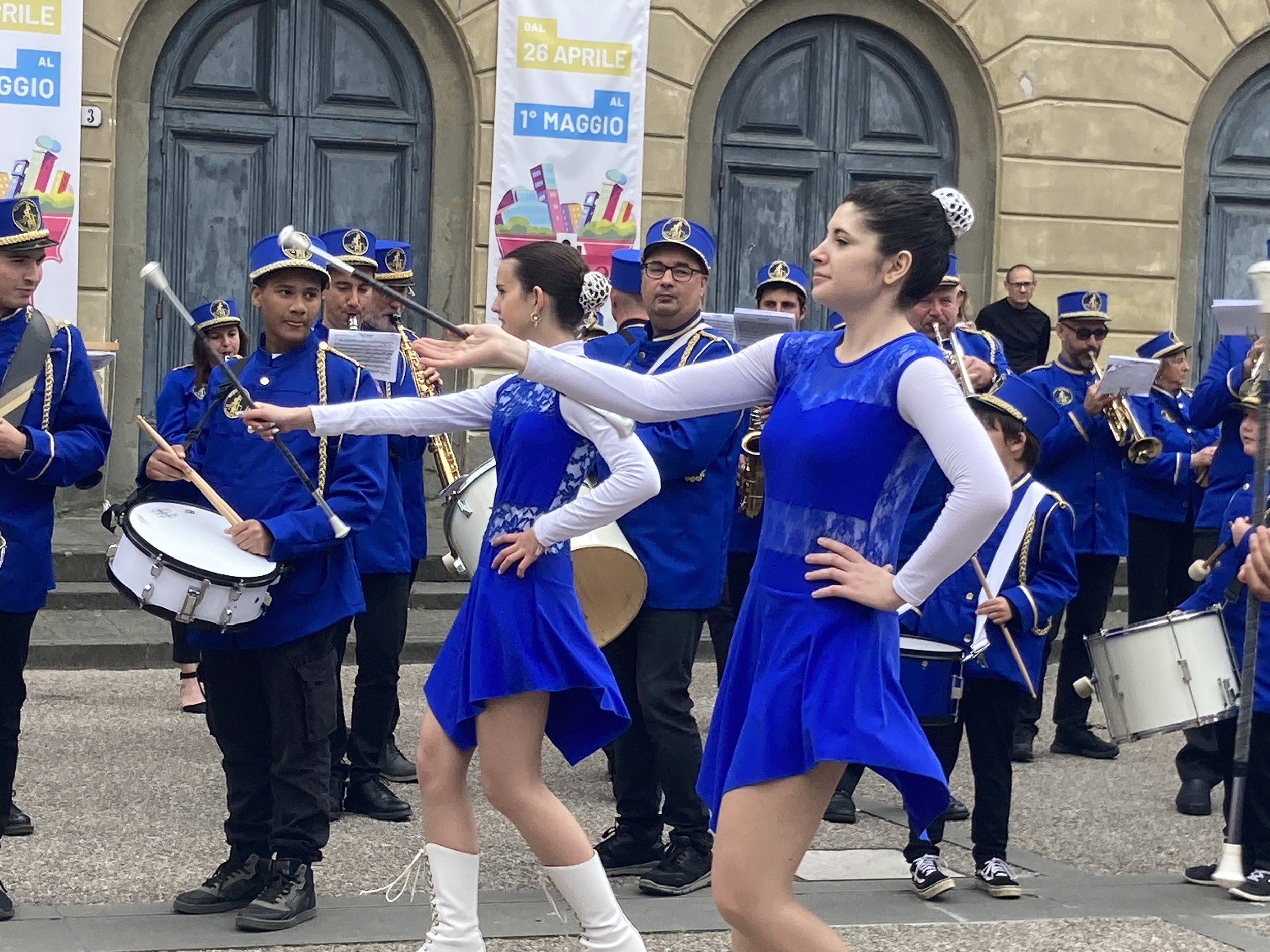
 A fun counterpoint was the performance by the Filarmonica Giacomo Puccini di Nozzano.  This large brass band assembled in Palazzo Napoleone, Lucca’s largest piazza.  From there they marched across town, stopping in a series of piazzas to play for the gathered crowds.  Add in some baton twirlers and it was quite a lively event!

746E9C19-5C61-452C-AE9B-189E43FD5933.jpeg
55F81D4F-D9FE-41E5-91E1-5703ADCFC776.jpeg
685C7255-A85C-46D7-BBF8-2C1AFFF3B9CB.jpeg

 This year’s Lucca Classica ended on May 1st.   I can hardly wait to see what next year’s festival brings!

This concert goer found the perfect seat - watching the concert from inside the limonaia at Palazzo Pfanner!

May 08, 2023 /Joanne Bartram
Lucca Classica, Music Lucca, Music Festival Italy
#lucca, #springintuscany, Festivals Italy, Italian culture, Italy, Living in Italy, Lucca, Tuscany

Wild flowers on a late April day along Lucca’s walls

Appreciating April in Lucca

April 24, 2023 by Joanne Bartram in #lucca, #medievalitaly, #springintuscany, Festivals Italy, Italian culture, Living in Italy, Lucca, Tuscany

 Apprezzare is an Italian verb meaning “to appreciate”. That word that has defined much of my time in Italy.  I appreciate the Italian culture, the beauty of this land, the musical language (even if my mastery of it is still a long way off), the people.  Not a day goes by that I am not aware of how fortunate I am to have the opportunity to live in Lucca and travel in Italy.

 But a more specific form of appreciation is on my mind this week.  After dodging the Covid virus for the last 3 years, it finally caught me this month.  Following nearly two weeks in isolation, with some unpleasant but not scary symptoms, and multiple tampone (swabs), I finally received the all-clear to resume my normal activities.  Those two weeks were tough but brought many reminders of reasons to be thankful.  I appreciate that I didn’t get sick back when Covid was ravaging this country.  Back when there were no tests, no vaccines, no treatments, only fear.  I have a renewed appreciation for the science that gave us vaccines and the boosters which I firmly believe kept me from serious, much worse symptoms. 

I appreciate the friendly local pharmacist who administered my swabs and helped me interpret the most current rules for Covid isolation.  That the pharmacy is full of old-world Italian charm makes sitting for those nasal swabs much easier.   I am beyond grateful for a good support system here and the many friends who kept in touch and surprised me with everything from soup to cheese to decadent pastries and Easter chocolates.  I have never enjoyed finding goodies on my doorstep so much!

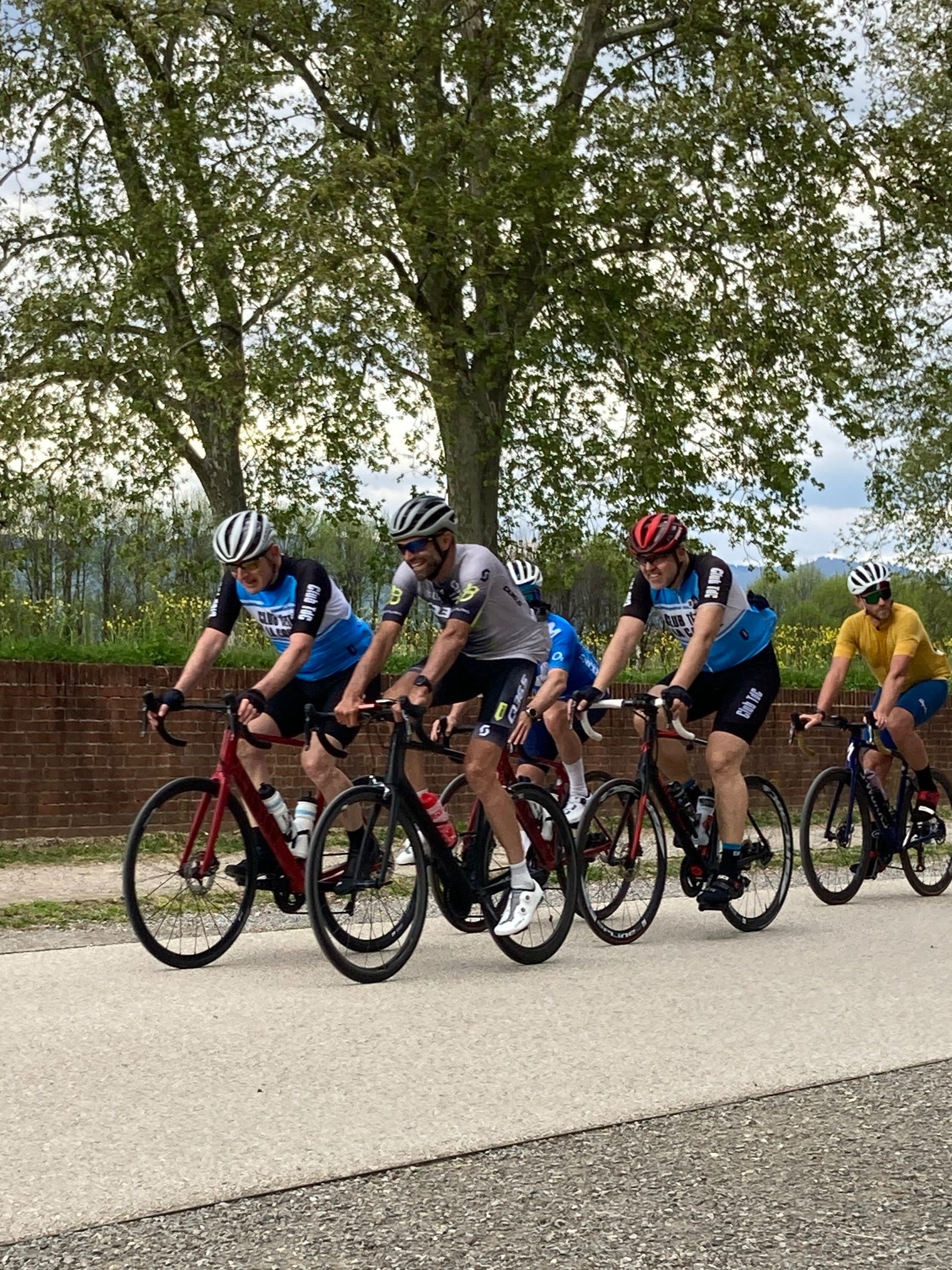
And how I appreciate being able to enjoy these last days of April in Italy.  Lucca has awakened after its winter rest and is buzzing with activity.  The wisteria are in bloom, the ancient walls are dotted with wild flowers, and trees are sprouting green leaves.  The photinia bushes outside my window are resplendent in rusty red spring leaves.  Days are getting longer and warmer.  Cafes and restaurants are setting out tables, umbrellas, and buckets of flowers.  The simple joy of an aperitivo out of doors is even better after a couple weeks of confinement. The walls surrounding the historic center of Lucca are filled with people on foot and on bicycle. Ordinary days feel extraordinary in springtime.

B3C25748-C40A-4F54-82C3-7A80A5D2D5B6.jpg
E29A17FA-083B-48DC-9D3B-F3B0B303E7C1.jpg
5CA845FC-882A-4EA9-B60A-D7FC563FEE83.jpeg

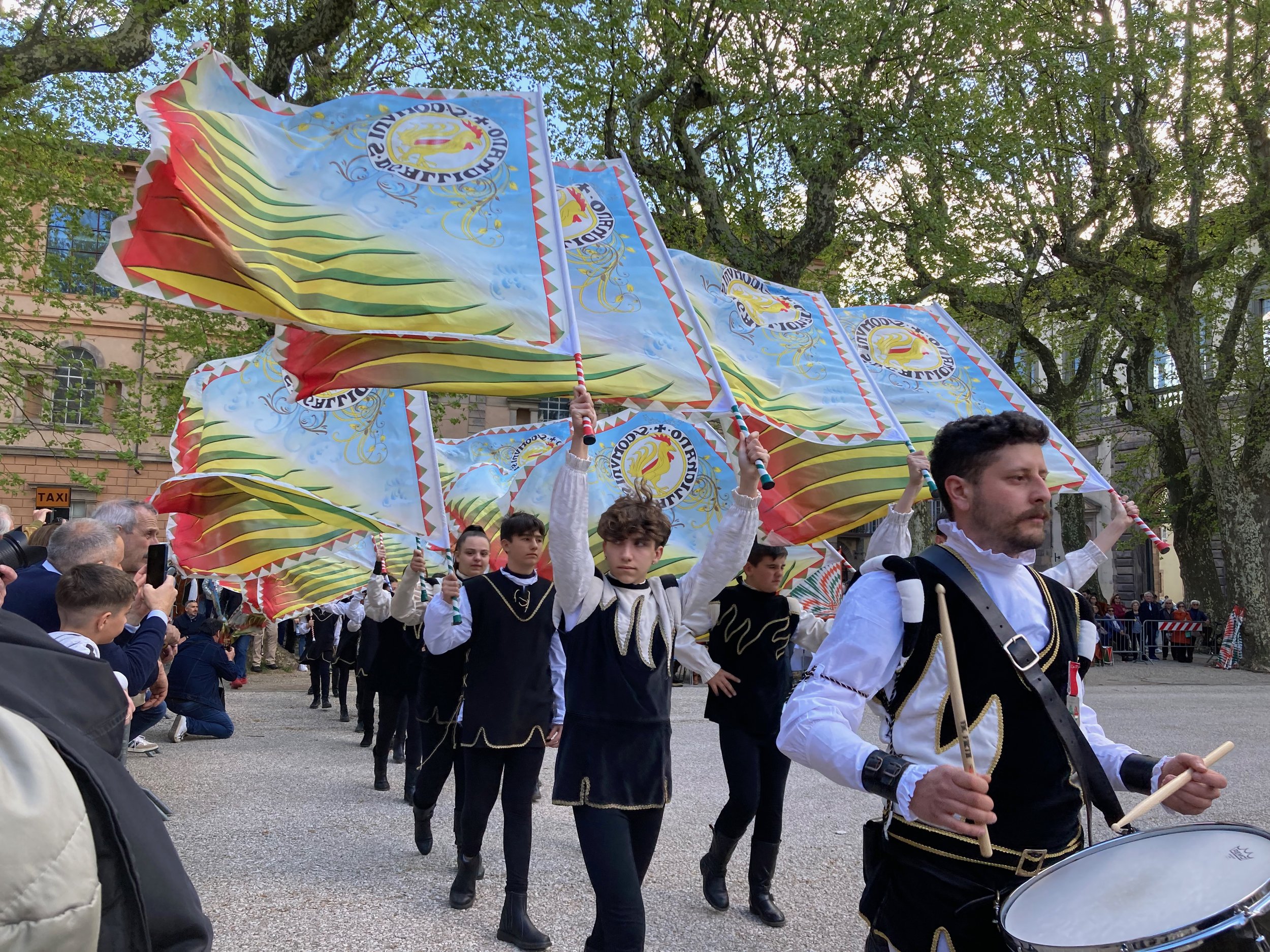
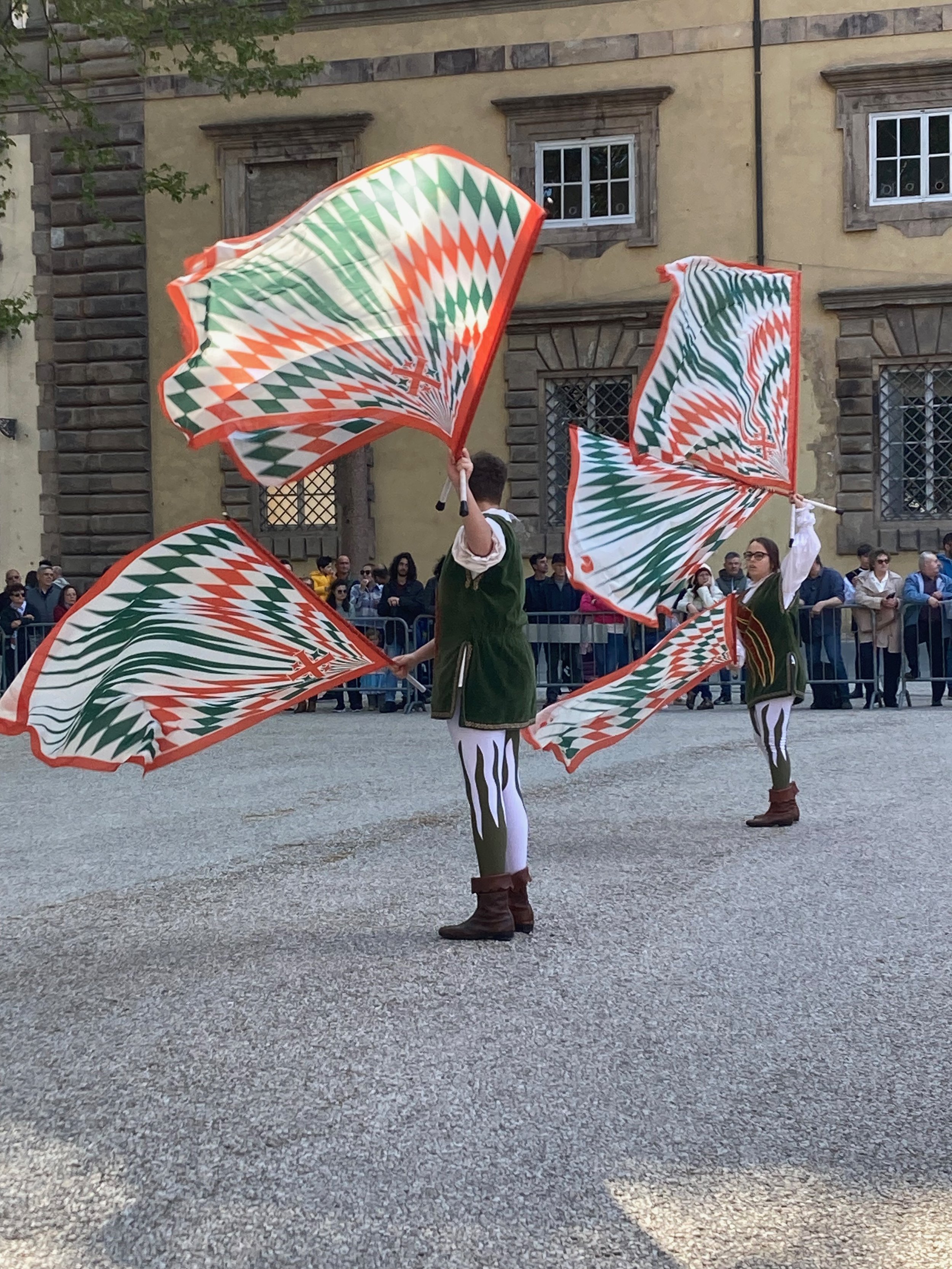
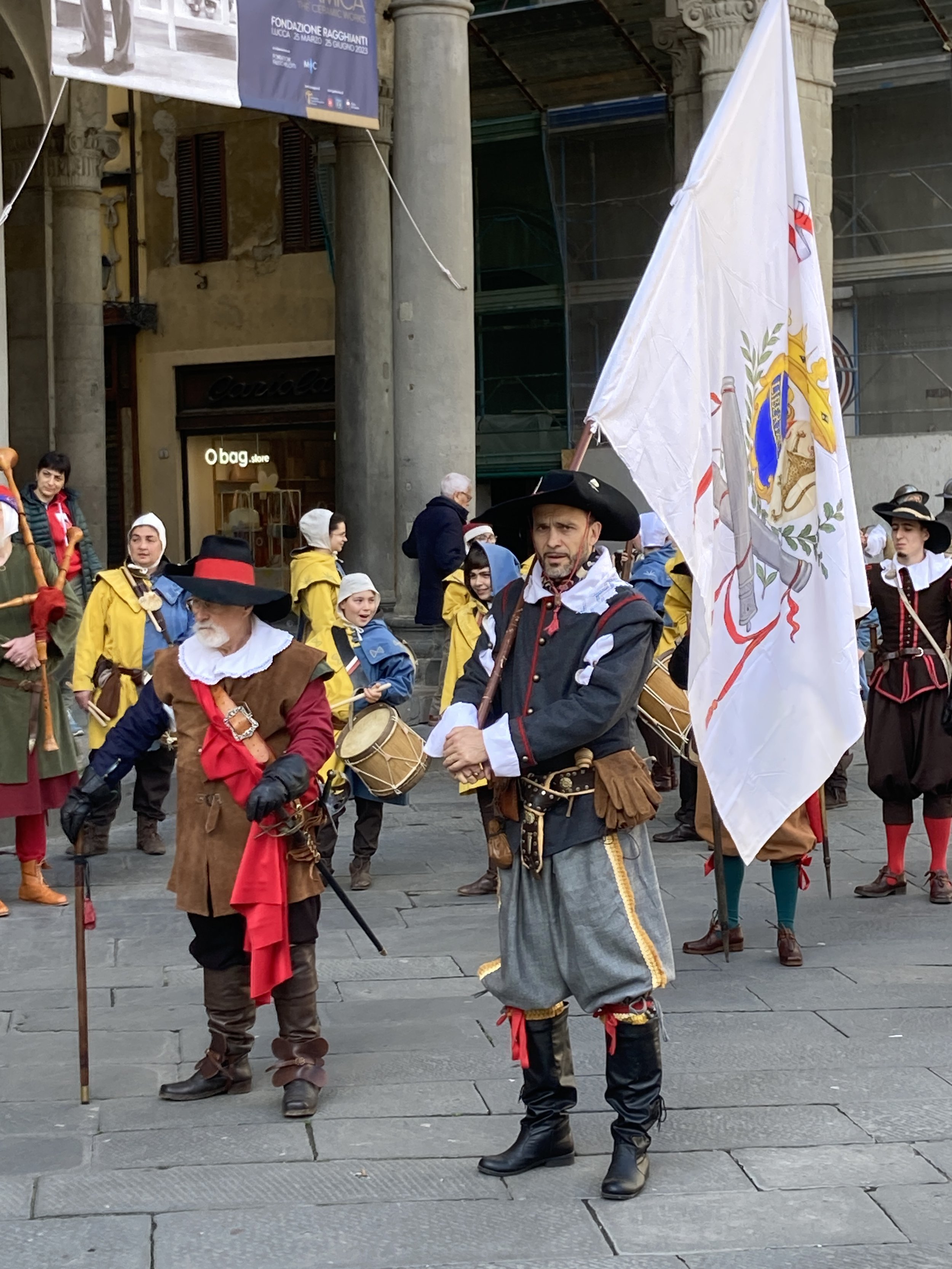
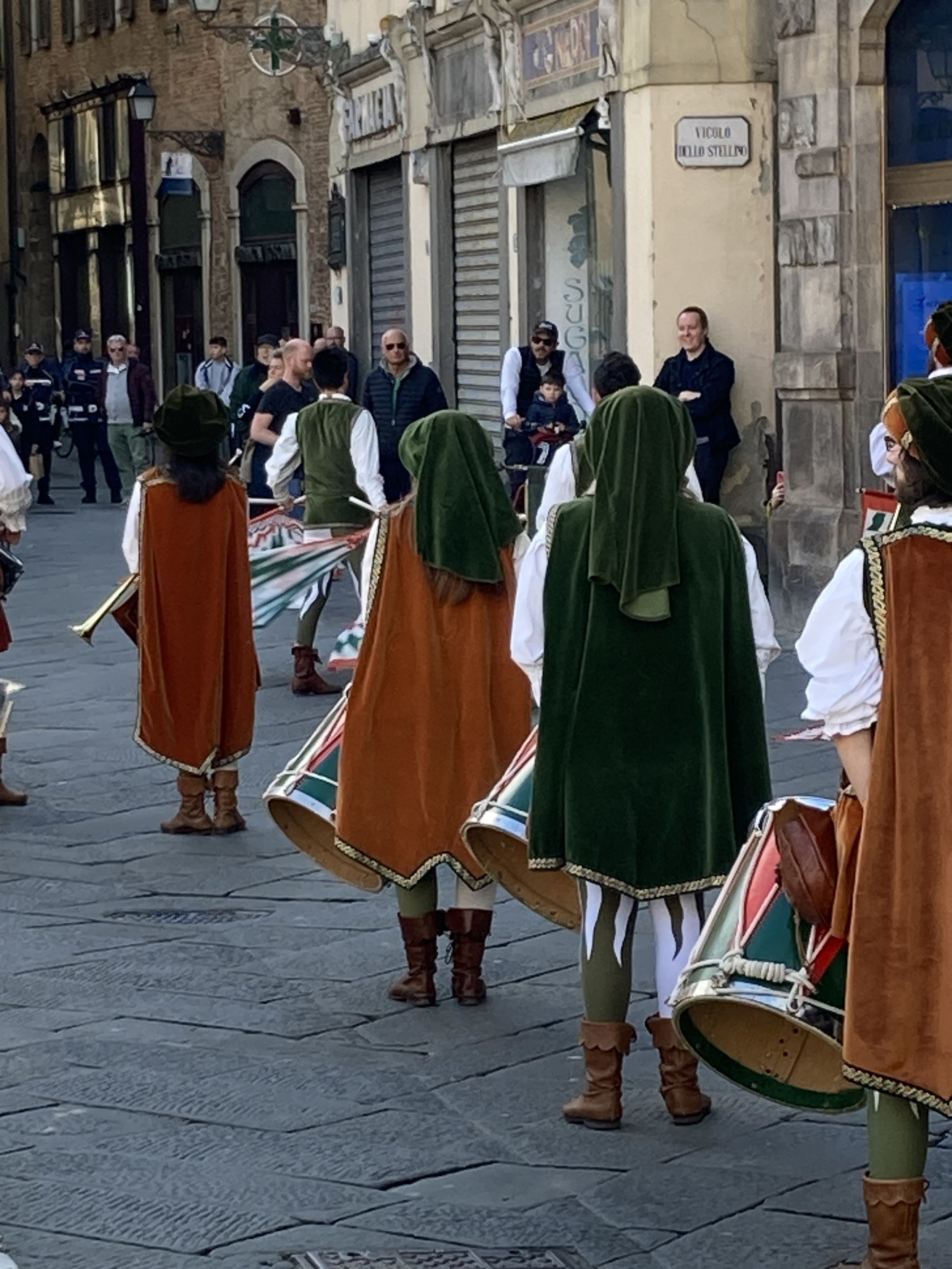
 And the spring celebrations have begun.  I may have spent Easter indoors but was free the following Sunday to see the Liberation Day pageantry.  That event, which celebrates the long ago (14th century) liberation of Lucca from control by Pisa, filled Lucca with the sound of drums.  Trumpets, played by persons in Medieval costumes, heralded the arrival of flag throwers and men carrying crossbows.  There were bow shooting competitions, flag throwing demonstrations, and a wonderful, costumed procession.  I certainly appreciate that I was recovered and able to enjoy the fun.

877E9EC3-6B99-40C9-A25D-47B28D5583EB.jpeg
704A0971-E1C1-4DB6-AB68-46DB9FCB27E4.jpeg
IMG_1925.jpeg
IMG_1986.jpeg

 Coming up next is an event I look forward to every year – the flower festival in honor of one of Lucca’s favorite saints – Santa Zita.  I will appreciate every minute !

April 24, 2023 /Joanne Bartram
covid italy, spring in Italy, lucca spring, festivals Lucca
#lucca, #medievalitaly, #springintuscany, Festivals Italy, Italian culture, Living in Italy, Lucca, Tuscany

Pontremoli. A beautiful village with an interesting literary history.

The Booksellers of Pontremoli

March 13, 2023 by Joanne Bartram in #italytravel, Festivals Italy, Hill Towns Italy, Italian culture, Italy travel, Italy, Lunigiana

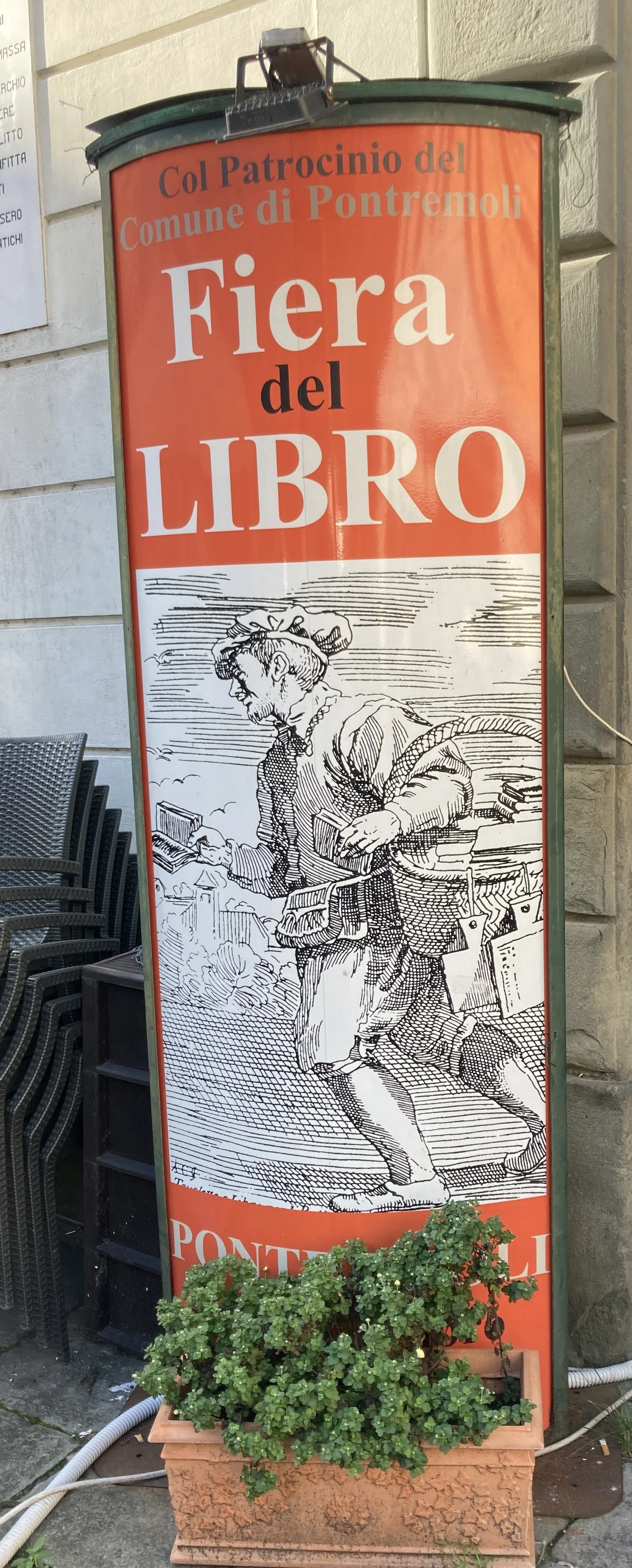
The image of an itinerant bookseller stands outside a bookshop in Pontremoli

Imagine a time, in the centuries before printing was established, when books where hard to come by.   This was certainly the situation long ago in the remote and mountainous areas of Northern Italy. Printing of books did not arrive to the area until the late 15th century. What a miracle those early books must have seemed!

In the 16th century, itinerant booksellers began to travel from town to town, carrying baskets full of books. They reached the small hamlets throughout northern Italy, even venturing all the way to Germany, setting up temporary stalls to sell books.

These traveling booksellers came from the Lunigiana region of northern Tuscany, particularly from the towns of Pontremoli and Montereggio.  The selling of books became a family business, a tradition passed down from generation to generation.  Over time the work of the booksellers became more established. Today, many bookstores in northern and central Italy can trace their roots back to Pontremoli’s traveling booksellers.

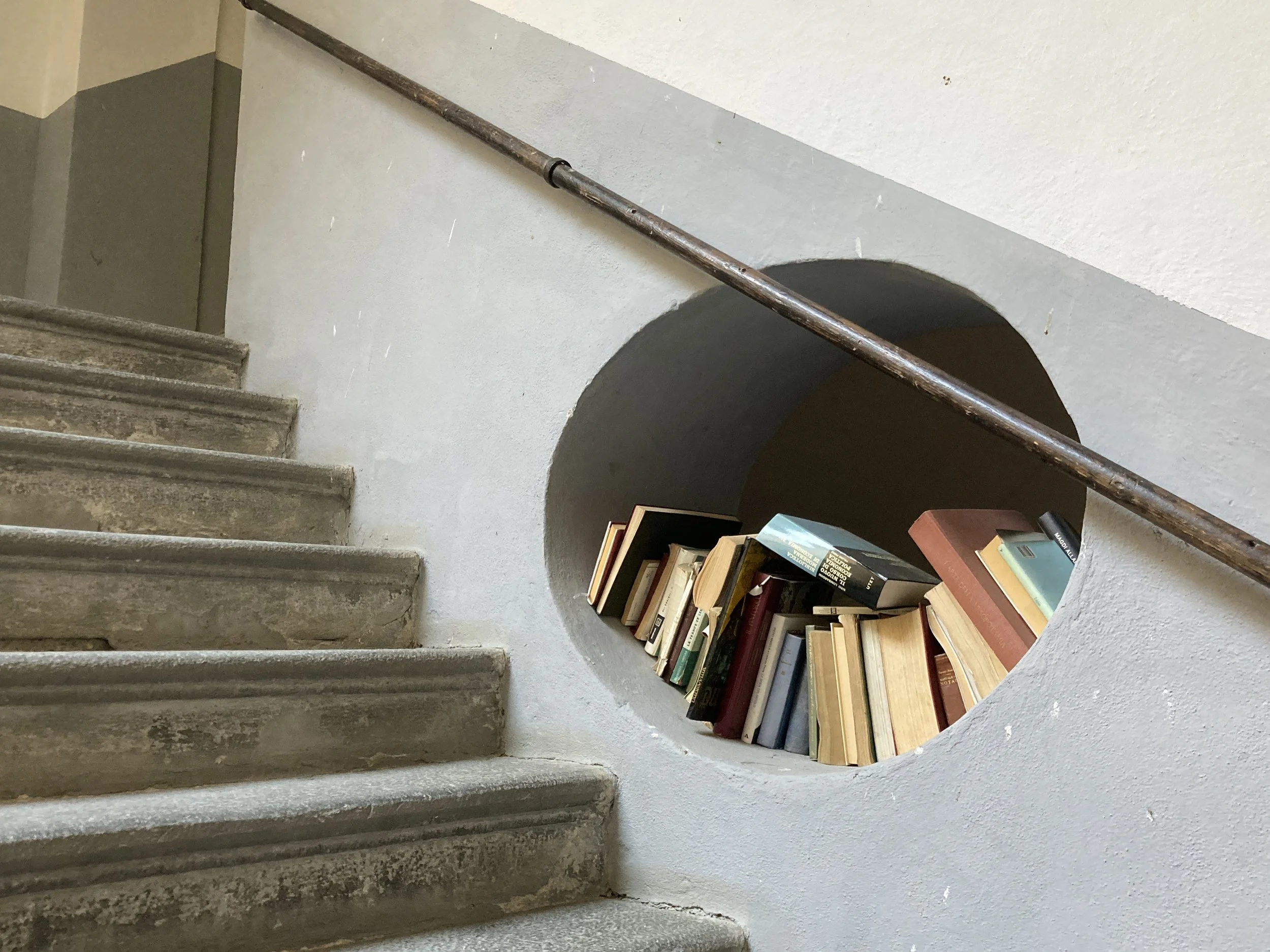
I first noticed the books of Pontremoli in this stairwell leading up to the apartment I was renting.

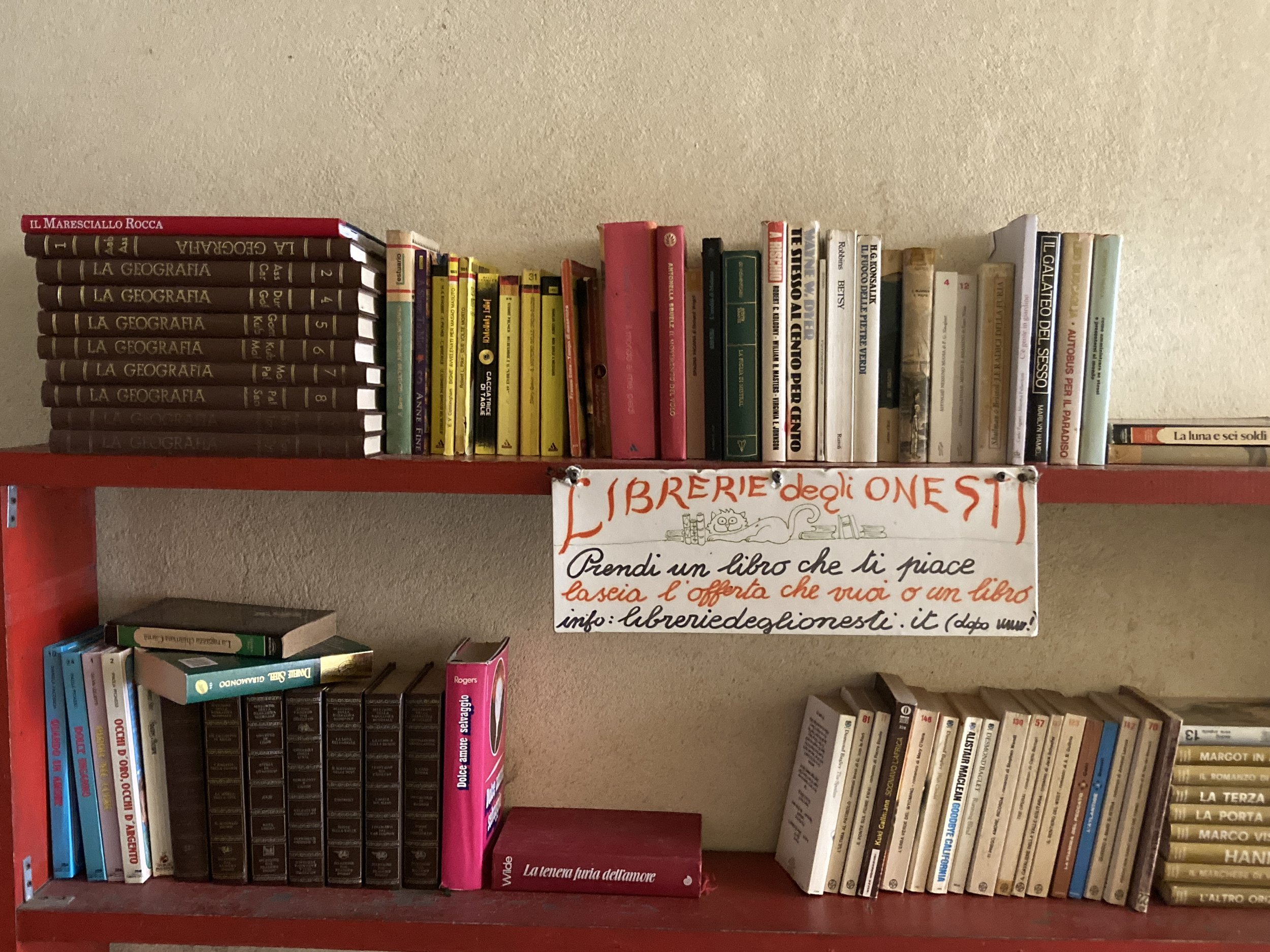
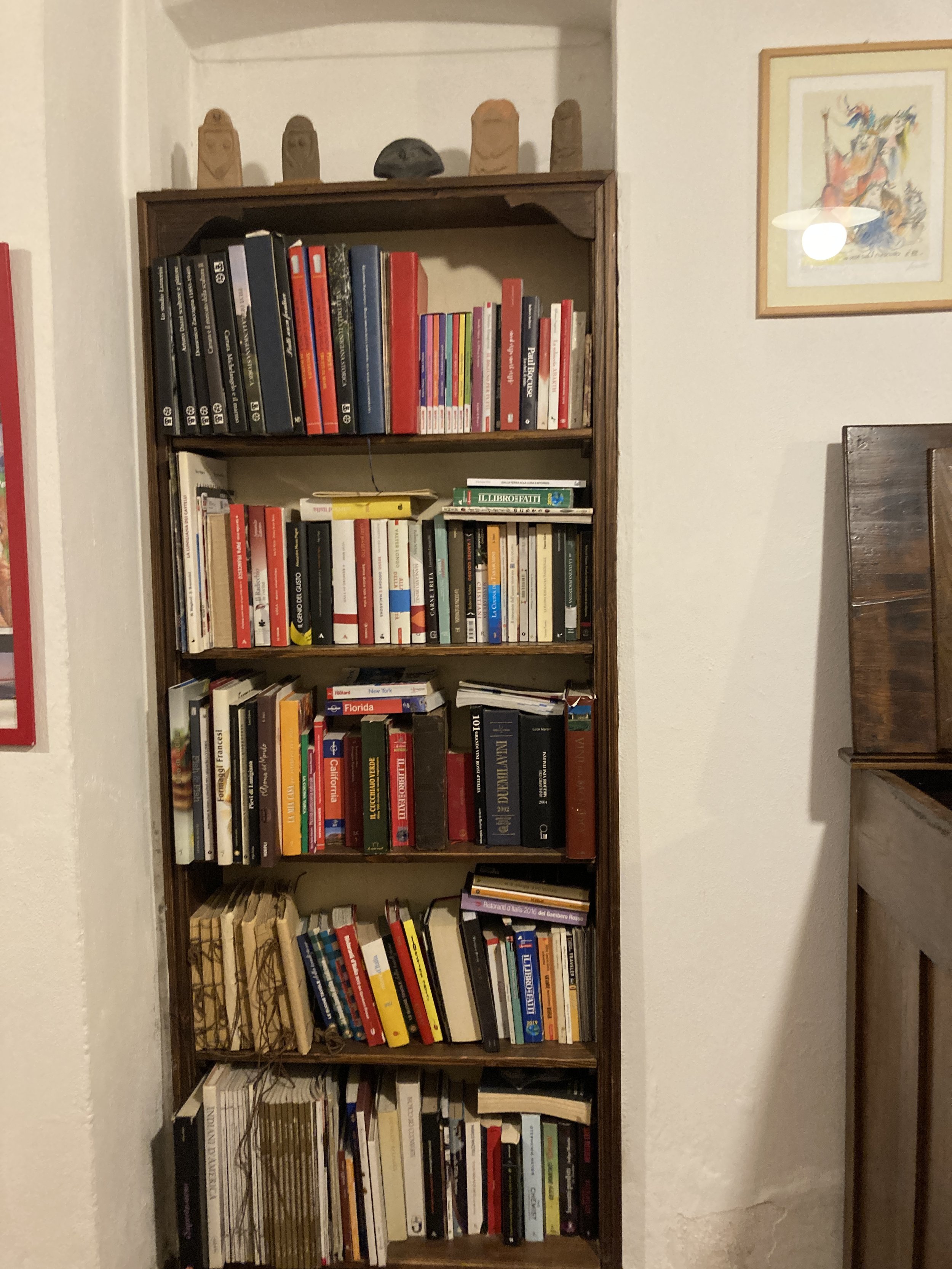
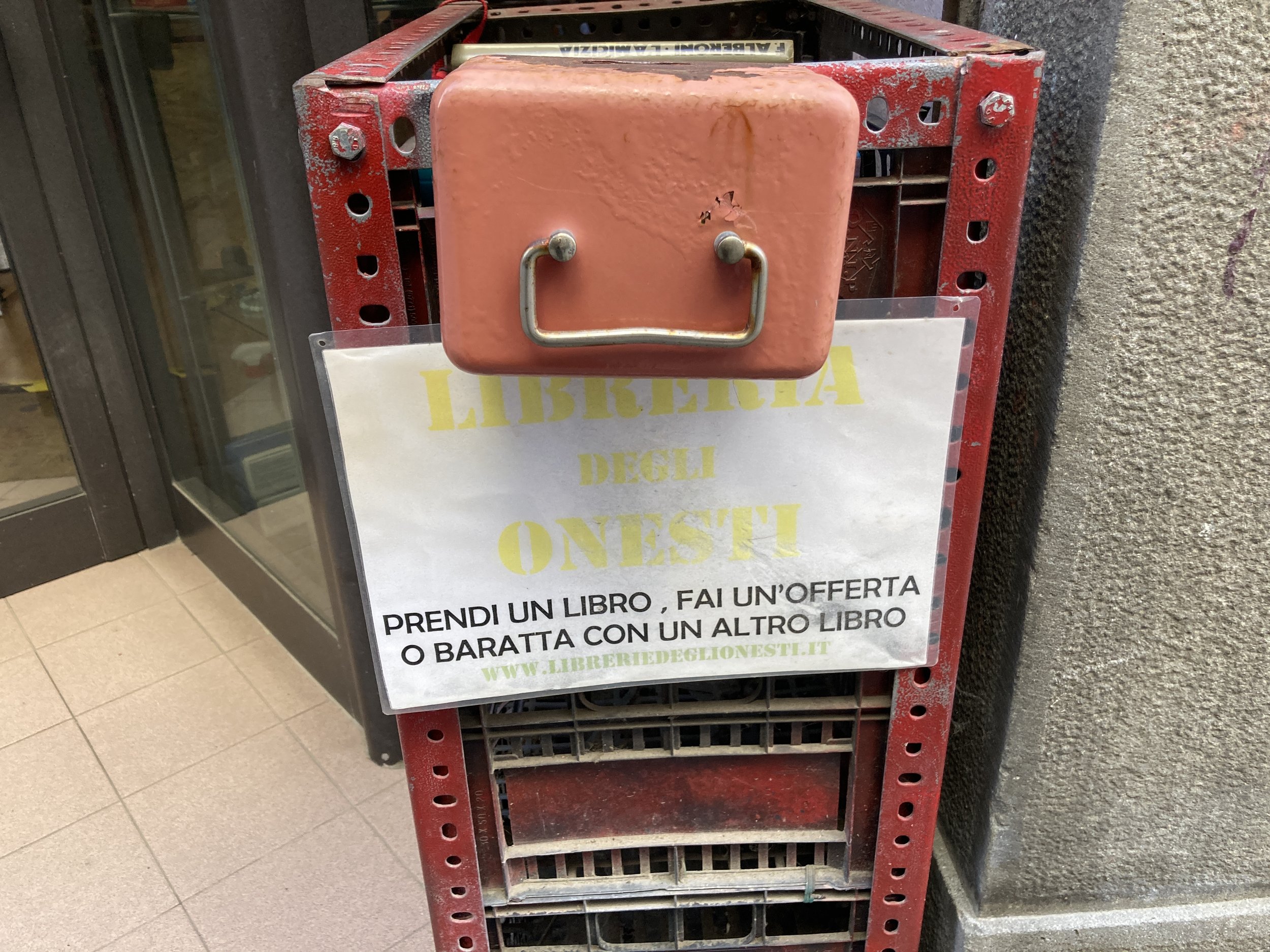
I didn’t know much about this history before I visited Pontremoli last fall.  I was immediately struck by the fact that books were everywhere.  Books filled nooks along the staircase in the Airbnb apartment where I stayed.  Books sat outside shops in small baskets, payment on the honor system.  Books lined shelves in cafes and restaurants.  There was also a large shop selling new and used books in Piazza della Repubblica, right in the heart of the historic center.  Pontremoli seemed to be a city of books.


9C69B372-51A5-4CC1-937D-D9A110A4F825.jpeg
EA1711BC-1F2A-438E-AB39-5FD5A5420E84.jpeg
F15276D3-4DAE-458C-8B80-38B6E3D4415E.jpeg

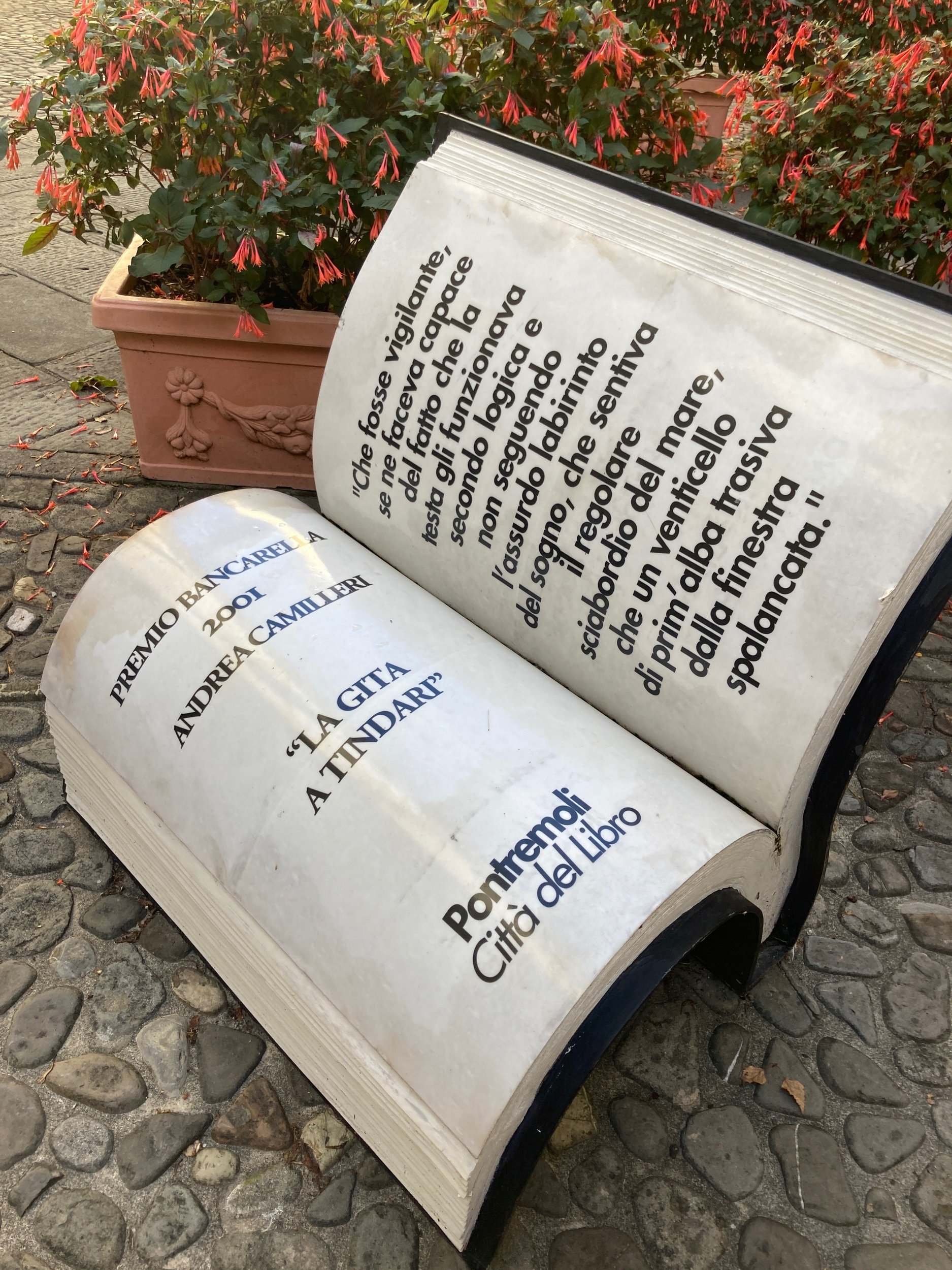
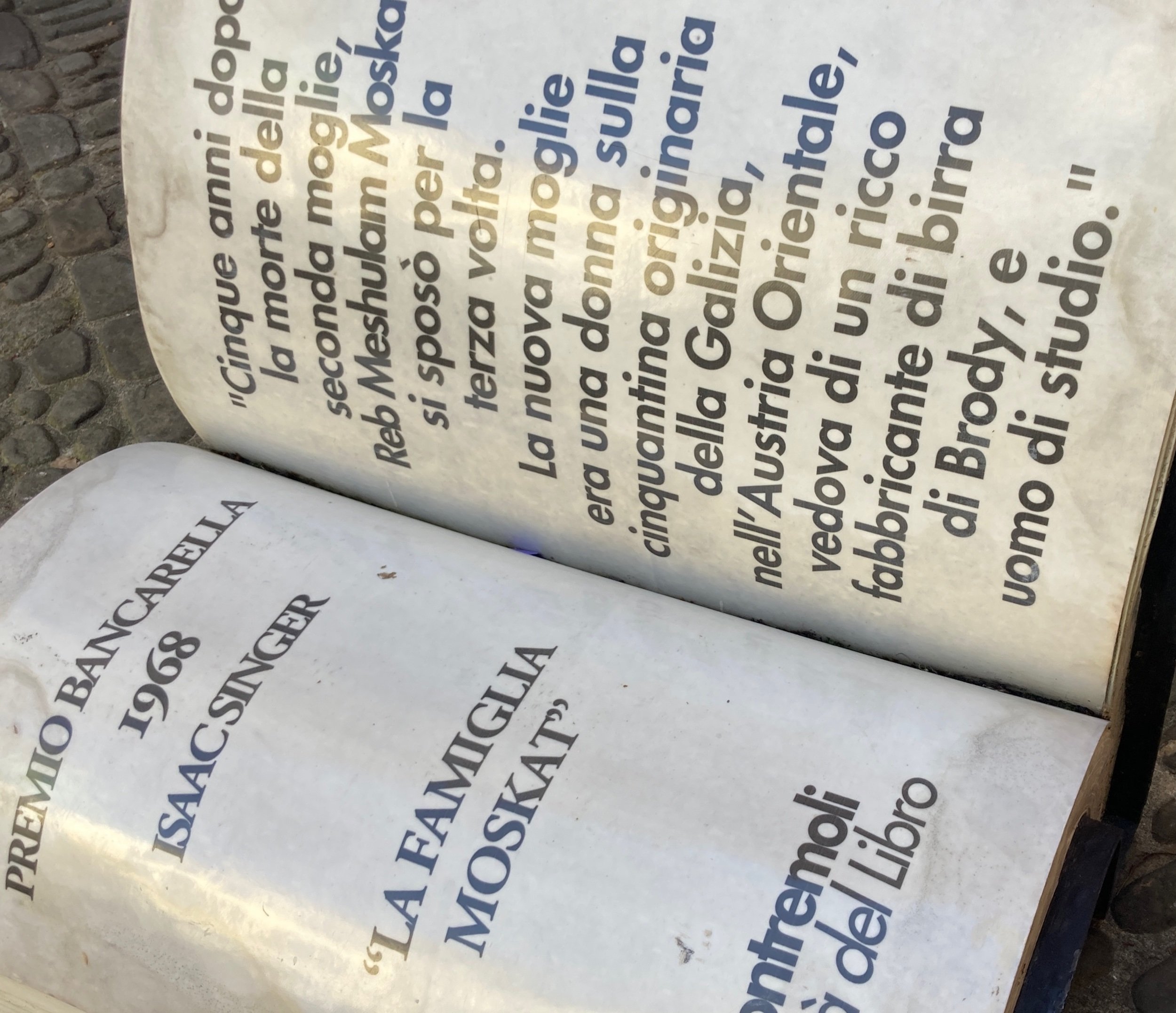
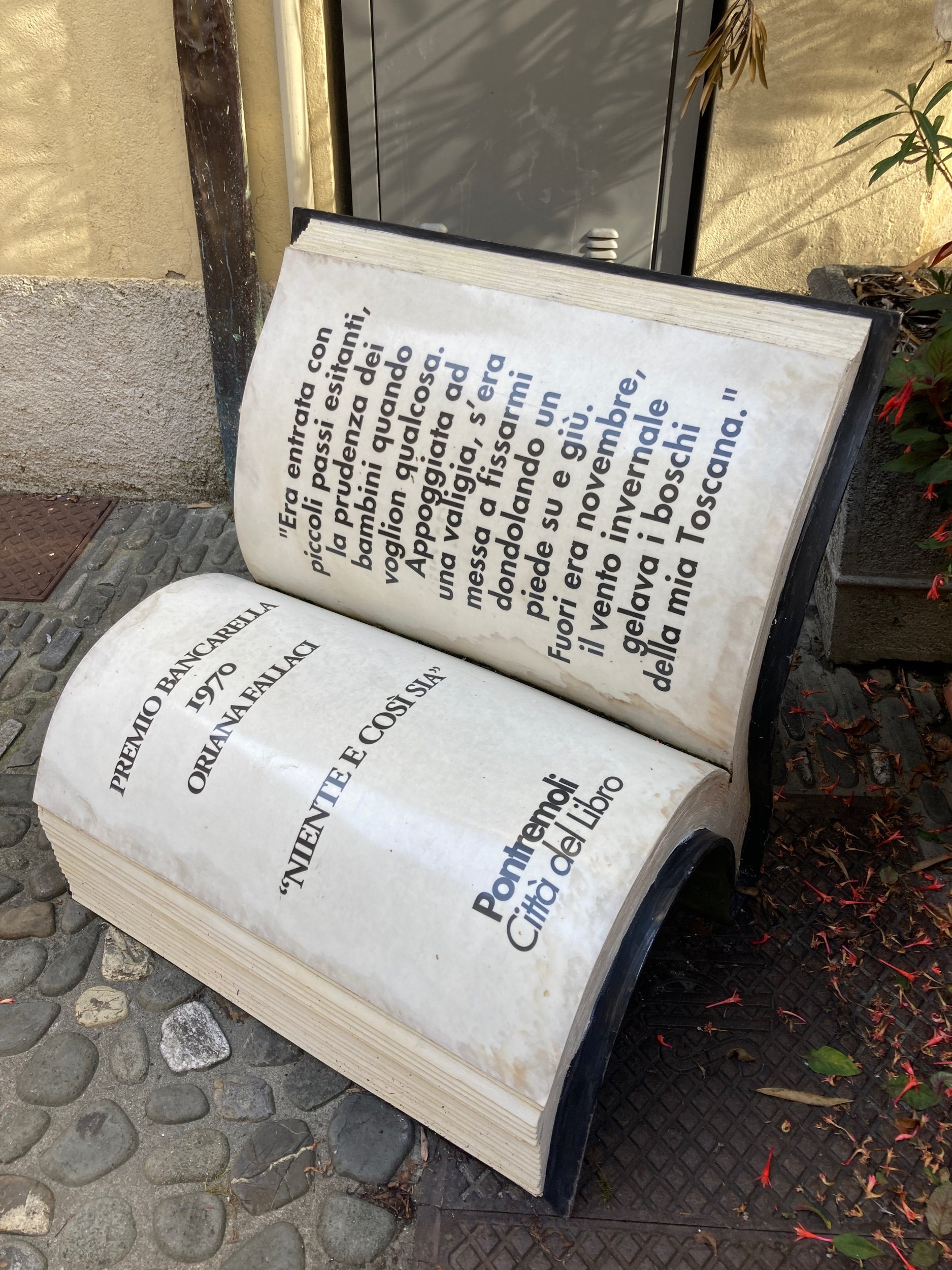
Just off Piazza della Repubblica was a courtyard filled with benches sculpted in the form of open books.  Each had a date, a title, an author’s name, and a snippet of text.  A similar book bench was found in the courtyard of the Piagnaro Castle high above town.  Curious!

IMG_0134.jpeg
IMG_0136.jpeg
IMG_0133.jpeg


New and used books displayed below an sign for the 2005 Premio Bancarella

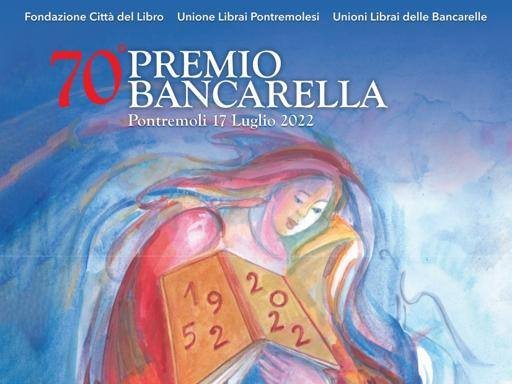
A bit of investigation revealed that the book benches were related to an annual literary prize, The Premio Bancarella, awarded each summer in the city of Pontremoli. 

The prize has its roots in the city’s history of booksellers.  In fact, the Premio Bancarella is the only literary prize awarded by a committee made up exclusively of booksellers.  Unlike publishers and literary scholars, the booksellers know which books are popular with their customers, which ones are most in demand.  The prize is a connection from author to bookseller to reader.  And the term Bancarella, meaning stall, reflects those early booksellers who set up stalls in the smallest of towns.

Each year since 1952 a panel of booksellers has met to award the prize.  The first year the prize was awarded in nearby Montereggio. That year the winner was Hemingway for The Old Man and the Sea.  Since then the prize has been awarded each year in Pontremoli. The list of winners include Italian literary figures and authors from around the globe. 

In 2006 a category for books related to food was added, The Premio Bancarella della Cucina.  That may explain the large number of cookbooks found in the bookshop near where the prizes are awarded.

There are many things to love about Pontremoli, but the fact that the town is full of books is an added bonus.

A glimpse inside a Pontremoli book shop selling new and used books in a variety of genres

March 13, 2023 /Joanne Bartram
Pontremoli, Premio Bancarella
#italytravel, Festivals Italy, Hill Towns Italy, Italian culture, Italy travel, Italy, Lunigiana
  • Newer
  • Older

Powered by Squarespace