Two Parts Italy

Exploring Italy, travel, and living a flavorful life

  • Blog
  • About This Blog
  • Start Here
  • Recent Posts
  • Archives by Topic
  • Subscribe
  • Contact me

Wandering through the back alleys of Venice on the way to Cantina Do Spade, a classic Venetian spot for cicchetti.

Craving Cicchetti

March 10, 2025 by Joanne Bartram in #italytravel, food, Italian culture, Living in Italy, Venezia, Venice, Veneto

Sometimes, when planning an evening out, someone will ask where I would like to go for dinner.  Often a local restaurant (whether I am in Lucca or back in New Mexico) sounds just right. But other times the place I want, the flavors I crave, are far, far away.  And nothing else will do. Right now, what I am craving is some really good cicchetti. 

The word cicchetti does not have an exact English translation.  Not to mention it may be second only to bruschetta as the most mis-pronounced Italian culinary word.   Let’s start there – the “ci” in Italian is pronounced like the English ”ch”, and the “ch” in Italian is a hard sound, like an English K.  So, pretty much backwards from English.  And those double consonants are drawn out. So, for an English speaker, cicchetti is pronounced something like this:  chik-KET-tee.  Cicchetti. Yum.

A plate of assorted cicchetti from Bacaro Frascoli in Padova. Fried cheese wedges, a tuna croquette, a cheese and caponata crostino, some fried anchovies, and - my favorite - baccalà mantecato .

The closest translation to the word cicchetti would be the Spanish word tapas. Or perhaps small bites or little side dishes.  A bruschetta can be a type of cicchetti as can miniature panini. Both cold and hot little dishes can be cicchetti. Put a bunch of these tasty little bites together, add a glass of wine, and you have dinner.  

All’Ombra della Piazza in Padova has a wonderful cicchetti bar with a seemingly endless variety from which to choose. No problem going back for seconds!

Bacari, or wine bars, serving cicchetti, are a Venetian tradition. They can be found in wonderful hidden corners of Venice and in some of the nearby towns of the Veneto, such as Padova.   Just about 4 hours by train from Lucca, a visit to either place is sure to include a stop for cicchetti at a local bacaro or cantina. It is a sure bet that the atmosphere will be lively, the wines good, and the variety of cicchetti will make it hard to choose.

It is no surprise that, like many Venetian dishes, cicchetti often feature fish. The classic version is a small piece of toasted bread topped with baccalà mantecato, a creamy, whipped salted cod.  Mixed with good olive oil, it is a simple but oh so good dish.

Sardines are often on the menu too, fried and in a vinegary dressing or just served fried and hot. 


Also classic are polpette, little fried croquettes made of meat or fish.   Some versions include potatoes mixed with cheese, meat, or fish. 

At Cantina Do Spade there were many types of fried cicchetti to try.

Hot dishes of a couple of spicy shrimp or a single flavorful scallop are on the menu too. Not a fish fan?  Well there are also fried olives or crostini topped with assorted ingredients – cheese, caponata, pumpkin, caramelized onions, lardo, salumi. The selections are endless and change over the course of an evening because as fast as they are eaten they are replaced with something new and different!

The cicchetti bar at Cantina Do Spade is tiny (though there is a bigger restaurant in the back). We were fortunate to find 4 seats!

A bacaro is typically small with limited seating or sometimes no seating at all.  Head to the bar, pick out an assortment of cicchetti, order a glass of wine and either stand at the bar or head outside to enjoy your dish perched on a bench or a canal wall.  If you arrive right when the place opens you just might snag one of the few seats. This was the case at Cantina Do Spade in Venice when some friends and I enjoyed a plate (ok, several plates) of cicchetti and a glass (maybe two) of wine. 

I am in Lucca now, far from my favorite cicchetti places in Padova and Venice.  I’ll have an aperitivo with friends tonight, but the little bowls of peanuts and potato chips they’ll serve will leave me longing for a good bacaro and some of my favorite varieties of cicchetti.   Time to plan a couple of days in the Veneto!

A selection of cicchetti at All’Ombra della Piazza in Padova. Most of their selections on the night we visited were crostini topped with cheese plus a variety of toppings. It was impossible to choose a favorite.

Cantina Do Spade S. Polo 859 Venezia

All’Ombra della Piazza Via Pietro d’Abano 16. Padova

Frascoli Bacaro / Cicchetterai Veneziana. Via del Santo 93. Padova

March 10, 2025 /Joanne Bartram
cicchetti, Venetian cicchetti, Venetian food, bacaro
#italytravel, food, Italian culture, Living in Italy, Venezia, Venice, Veneto

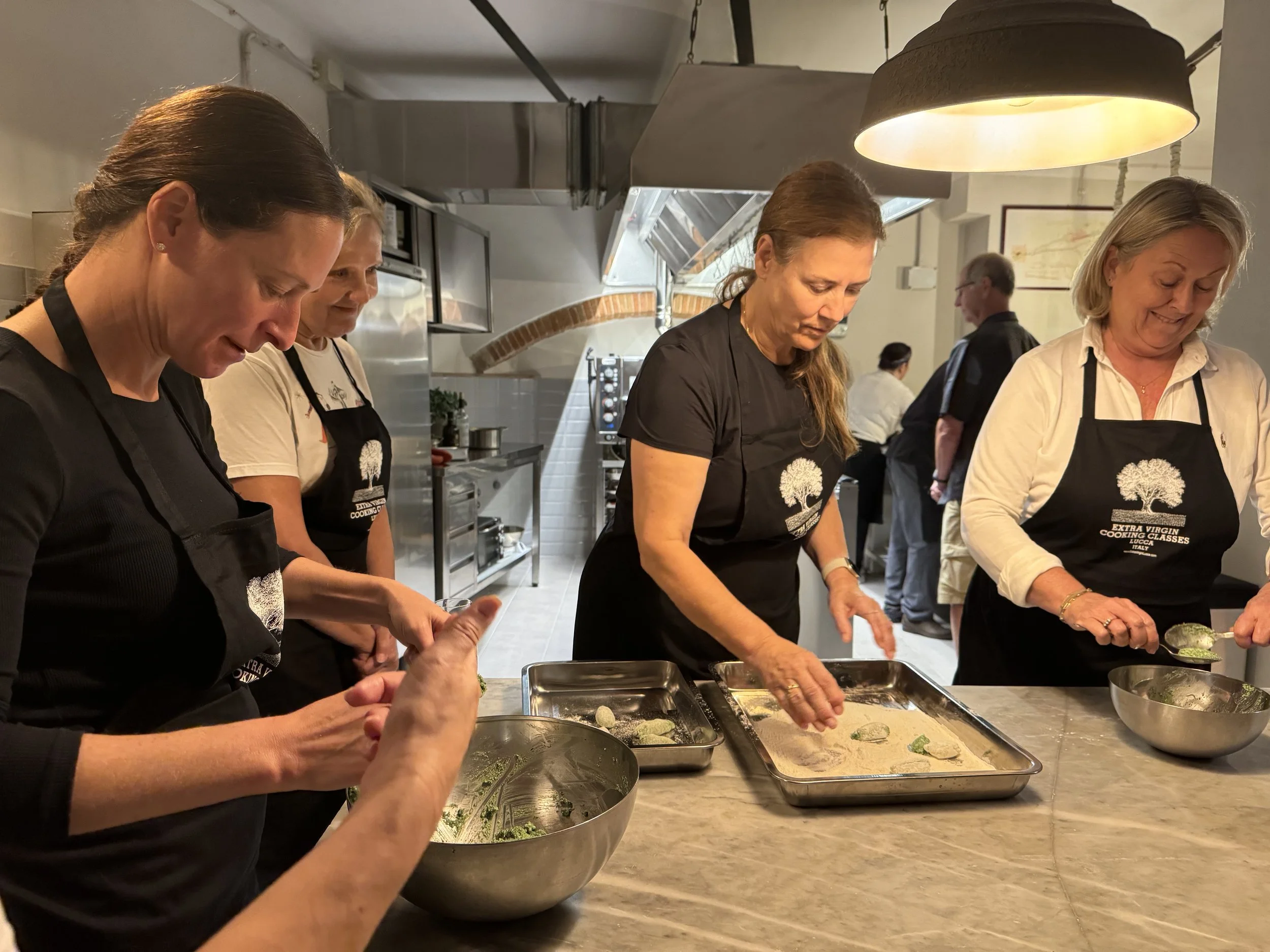
The kitchen at Extra Virgin Cooking’s Il Molino setting is a charming blend of rustic, traditional, and elegant
The Olive Press Kitchen (Formerly Extra Virgin Cooking Classes)

January 13, 2025 by Joanne Bartram in #italiancooking, #italytravel, Food tours Italy, Italian culture, Italian recipes, Italy travel, Tuscany, cooking Classes Italy

Chef Giuseppe at work

Here is a recipe for a wonderful day of cooking in Italy:

Start with Chef Giuseppe Mazzocchi (he makes the magic happen). You’ll meet Giuseppe, along with your small group of classmates, for a bit of shopping at Montecatini’s market. Here you’ll find fresh herbs, veggies, and just the right beans for soup. It’s a great way to start the day and learn about local ingredients.

IMG_0818.jpeg
IMG_0814.jpeg
IMG_0824.jpeg

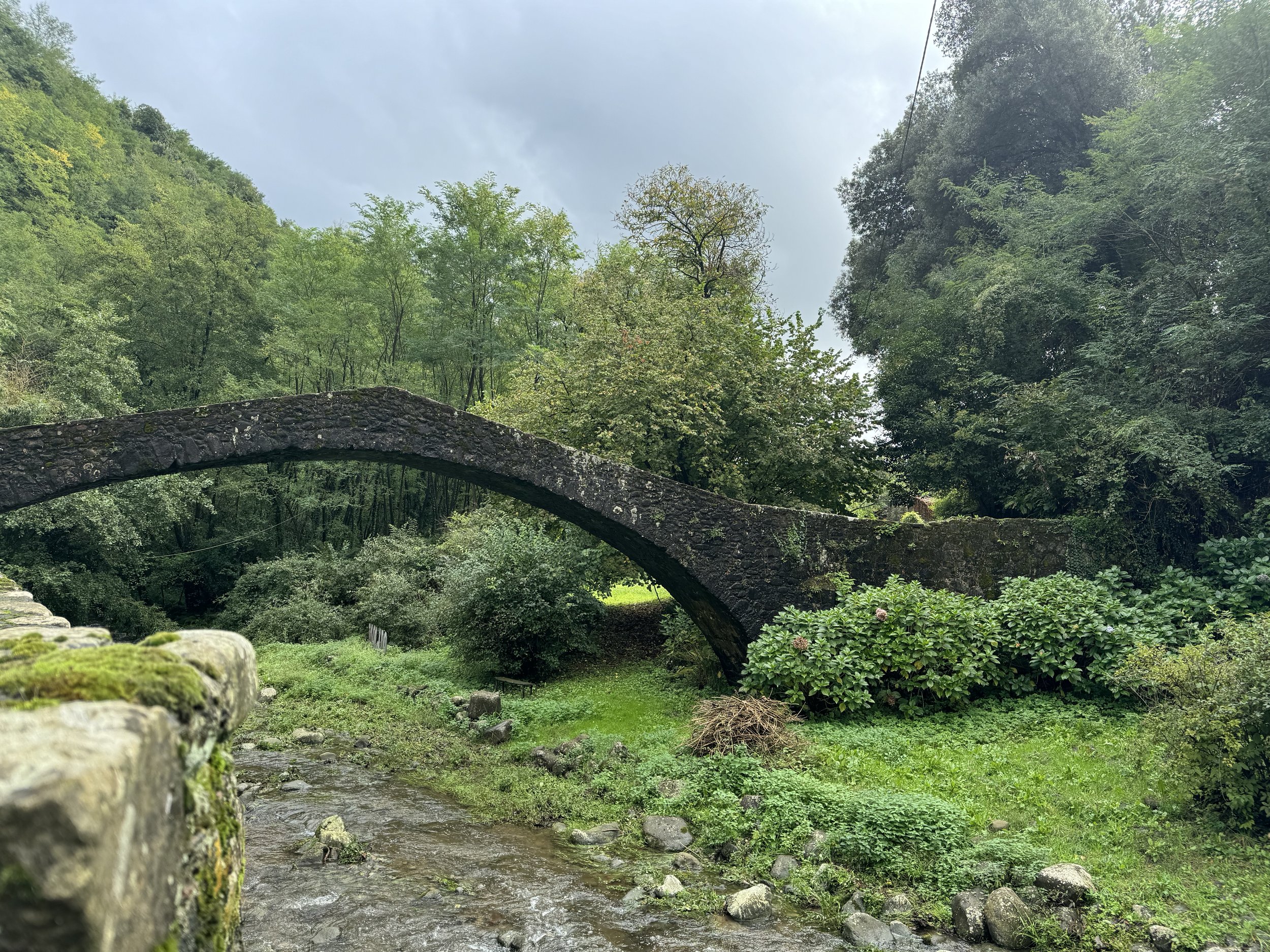
This very old “hog-back” bridge spans the stream behind Il Molino

Next, spend the day at the historic molino (mill) where Giuseppe’s grandparents lived and worked. The mill property is over 600 years old and sits alongside a stream whose waters once powered the mill equipment.

Inside the old mill you’ll find a professional kitchen with lots of workspace. Here, under the chef’s guidance, you will prepare and cook authentic Italian dishes. If the day is chilly, there will be a fire burning in the kitchen’s large fireplace. Could there be a better atmosphere for cooking? I think not!

IMG_0906.jpeg
IMG_0865.jpeg
IMG_0831.jpeg

To make the atmosphere even better, enjoy some Prosecco while prepping ingredients and take a break to sample some regional olive oils and cheeses.

IMG_0880.jpeg
IMG_0938.jpeg
IMG_0892.jpeg

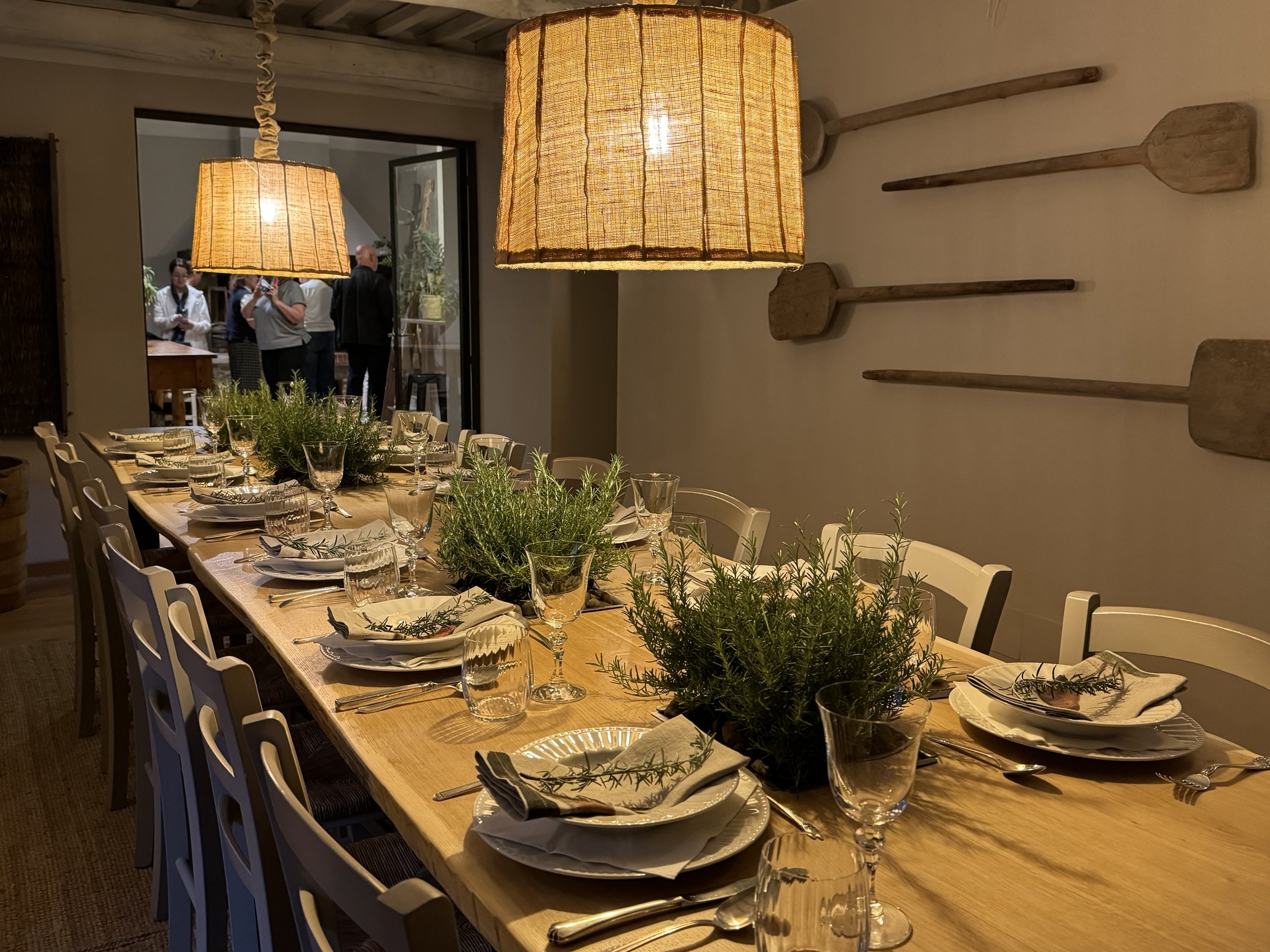
Later, when all the work is done, you’ll share a fabulous lunch with your classmates in the beautiful dining room, the spot which once housed the olive press. Today it is a rustic yet elegant space with a table large enough for all to gather. Giuseppe will select wines that pair perfectly with the food you’ve prepared. A member of the Italian Sommelier Association, he knows his wines and happily shares that knowledge during the meal.

A beautiful table setting adds to the enjoyment of lunch

Some of you may have done a class with Giuseppe at Extra Virgin Cooking when it was located inside the historic center of Lucca. Those classes were wonderful and inspired me to write an earlier blog post (from April 2022). With completion of the mill renovations, all of the classes moved out to Il Molino last summer. New location and a new name - The Olive Press Kitche. I was excited to experience the new location when, with a couple of friends, I signed up for a class this past October.

The cooking school is in the hills outside of Montecatini. Montecatini can be reached by train along the Florence - Lucca line. Coming from either Lucca or Florence, it is about 30 minutes to the Montecatini Centro stop. Once there, Giuseppe will meet you and it is just a short walk to the market. Classes include round trip transportation between Montecatini and Il Molino.

My October class took place on a chilly, rainy day so we enjoyed the fireplace while we prepared our first course, a Zuppa Frantoiana. This is a typical fall soup of vegetables and beans drizzled with the season’s fresh pressed olive oil.

IMG_0872.jpeg
IMG_0896.jpeg
IMG_0960.jpeg

We also prepared a beef based ragu to go with Gnudi, a light as a cloud ricotta and spinach dumpling. Shaping the gnudi takes practice and we all had fun learning the technique (but even more fun eating them at lunch).

IMG_0931.jpeg
IMG_0932.jpeg
IMG_0938.jpeg

Fall is funghi (mushroom) season, so we also made a risotto with several types of mushrooms, including porcinis.

I can almost smell these thyme scented mushrooms cooking!

Last, we made a wonderful classic Italian dessert - zabaglione. Rich with egg yolk, sugar, marsala wine, and whipped cream, it was topped with fresh berries. A perfect way to end our meal.

Everything about classes with The Olive Press Kitchen is special. From Giuseppe’s care and teaching, to the gorgeous setting, to the small group of students, to the shared meal of authentic foods and wines. For anyone interested in food, cooking, or just good eating, a day spent at the mill cooking with Giuseppe is a fabulous experience.

Classes are scheduled 3 days per week, 9 am to about 2:30 pm. All classes are in English. Cost (as of January 2025) is €130 per person.

Contact info: info@theolivepresskitchen.com

Website: theolivepresskitchen.com

January 13, 2025 /Joanne Bartram
Extra Virgin Cooking Class, Cooking in Tuscany, Il Molino cooking classes, Chef Giuseppe Mazzocchi
#italiancooking, #italytravel, Food tours Italy, Italian culture, Italian recipes, Italy travel, Tuscany, cooking Classes Italy

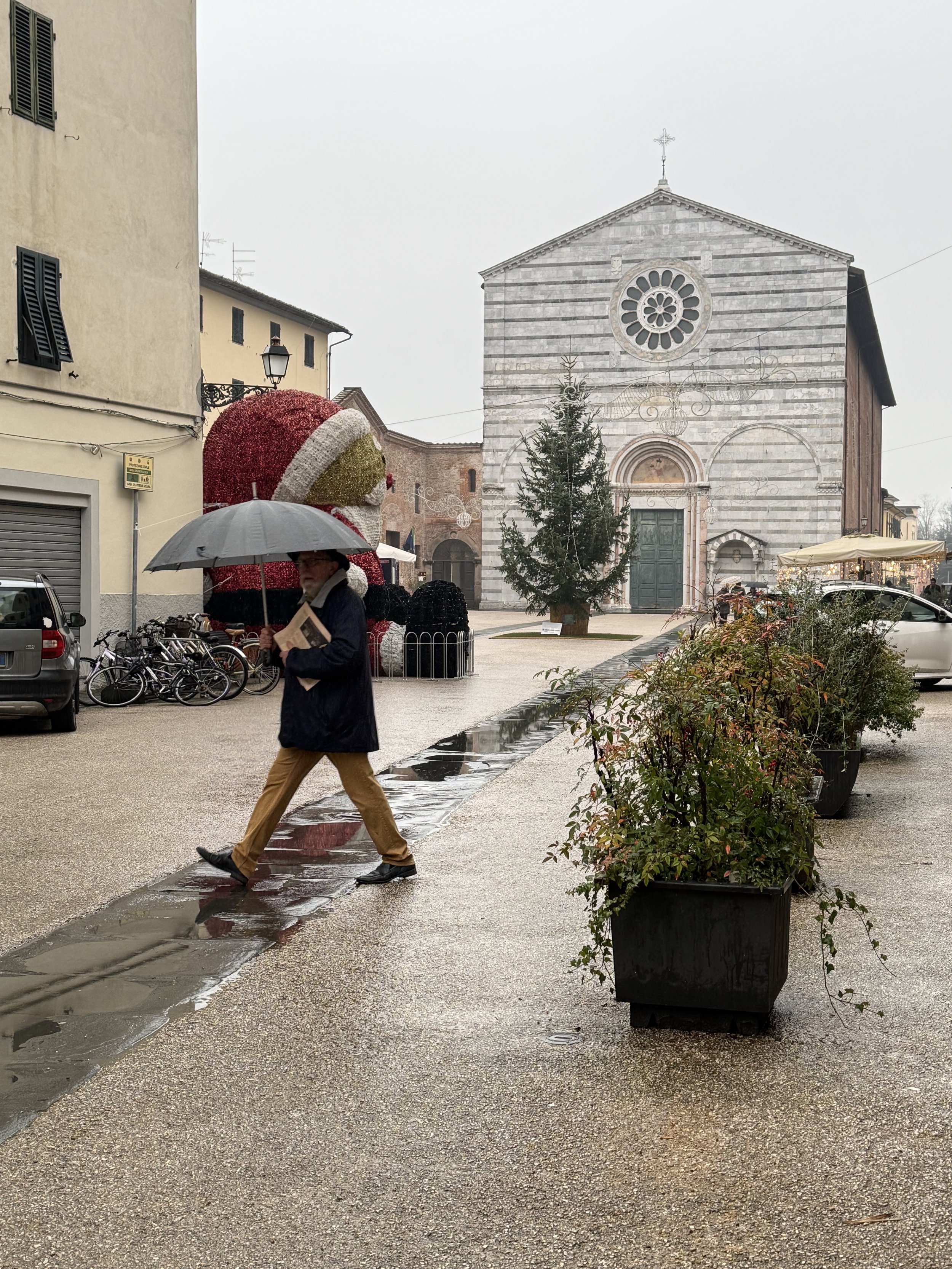
The eve of Epiphany in Lucca was cold and rainy.

Planes, Trains, and Epiphanies

January 06, 2025 by Joanne Bartram in #luccachristmas, European Christmas, Festivals Italy, Italian Christmas, Italian culture

It took me 3 planes, 3 trains, 2 airport shuttles, and an overnight in Rome to bring me from New Mexico back to Lucca a few days ago.  This was a considerably more complicated itinerary than my usual return to Italy. The why of it will be a familiar story to anyone who has experienced a long delay in the process of renewing their permesso (the permit for a long term stay in Italy).

If only the Befana delivered long delayed permessi

 My current permesso, which I have renewed annually for the last 6 years without difficulty, has been expired now since the end of August, caught up in bureaucratic delays.  Without a valid permesso, and possessing only the receipt as proof that I am waiting for it to arrive, I am OK legally to be in Italy. But boy is travel complicated! Without it, travel is permitted only directly between Italy and one’s home country. No stopping in any other Schengen zone country allowed.  Not even an airport layover to change planes is permitted.  That meant that my usual path into Italy – the US through Germany and onto Florence was not possible and I would need to fly from Albuquerque, where I was visiting my family over the holidays, to a US city with a direct flight into Italy. 

So, my return from New Mexico involved 3 legs – Albuquerque to Denver, Denver to Washington DC, and DC overnight to Rome.  Getting from the Rome airport to Lucca required a short train ride on the Leonardo Express into the Roma Termini train station, followed by a fast train to Florence, and then a slower local train from Florence to Lucca. This seemed a bit much to do all at once, so I broke the trip up with an overnight near the Rome airport.  So, 2 days of travel. 4 airports. 3 planes. 3 trains. 2 airport hotel shuttles. 1 hotel. Whew!  Luckily all went smoothly and I am now happily back in cold, rainy beautiful Lucca.

The stage is set for La Befana’s arrival in Lucca later today.

I have arrived just in time for the final event of the Christmas season here in Italy – the celebration of Epiphany.  Epiphany, or Three Kings Day, is the 12th day of Christmas.  It marks the day when the Magi, following the Christmas star, arrived in Bethlehem with their gifts of gold, frankincense, and myrrh.   But, they arrived without one important person – the Befana. 

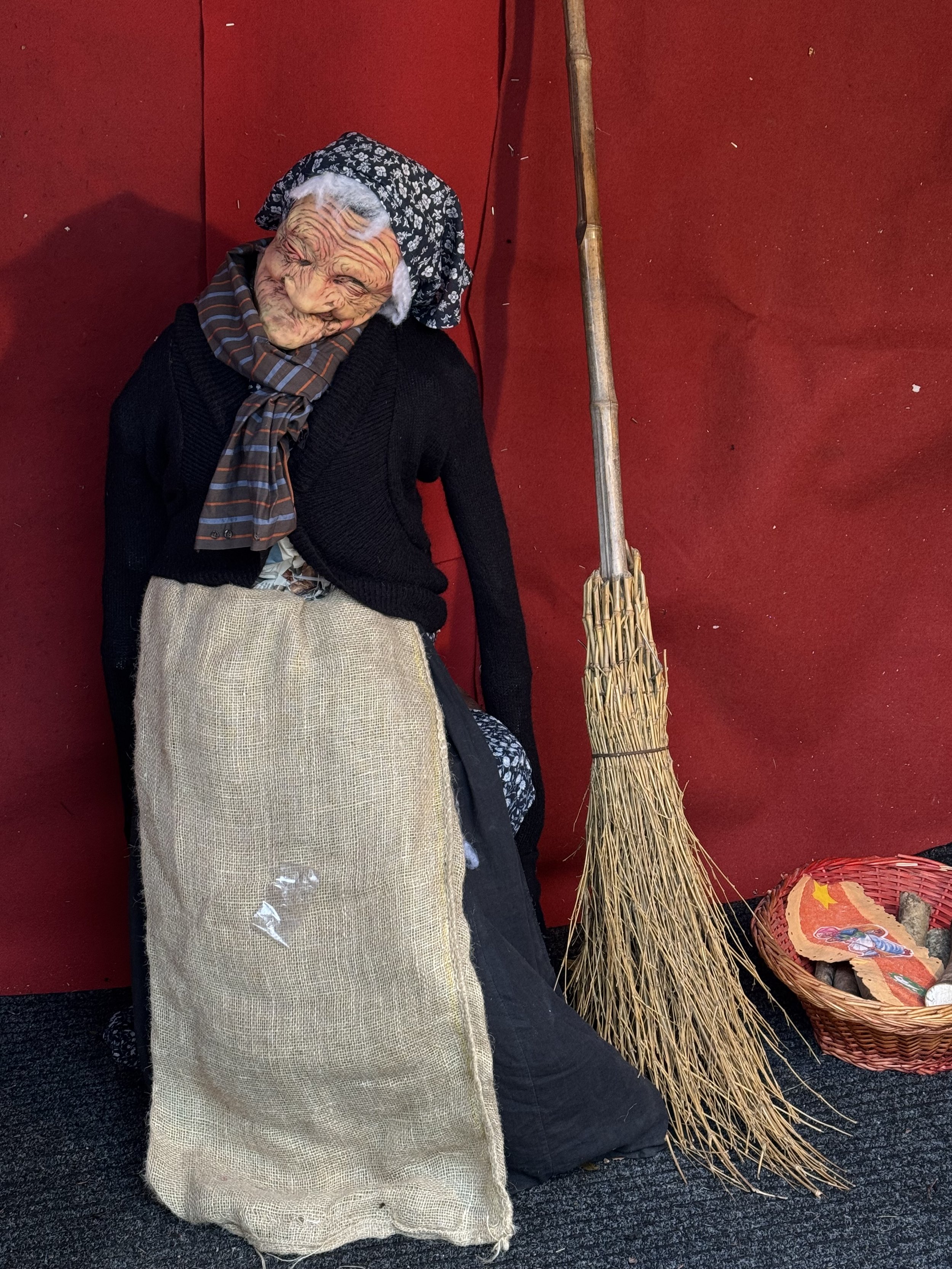
The Befana is an old woman, portrayed as a crone or a witch.  The story goes that the three wise men stopped her to ask for directions on their way to Bethlehem.  She directed them along, but declined to accompany them for she had much housework to do.  Later, she tried to follow them but got lost.  Ever after she has wandered around, on her broomstick, leaving goodies in the stockings of good children on the eve of Epiphany. 

This Befana roamed the streets, along with a chorus and musicians, in Lucca on the evening before Epiphany.

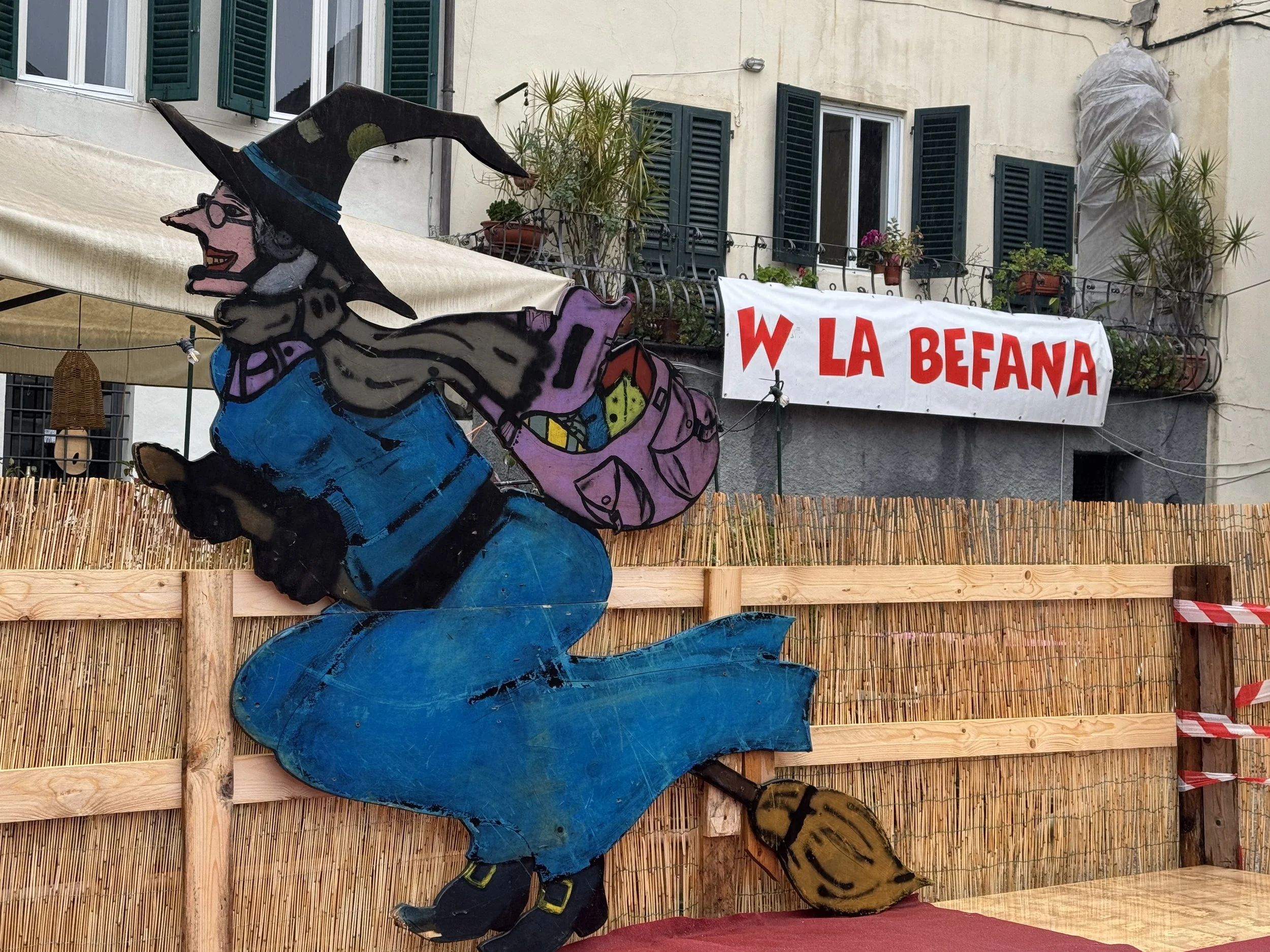
In Italy, Epiphany is marked by re-creations of the Magi arriving in Bethlehem and by festivities related to the Befana. There are Befanas wandering the villages, Befana themed cakes, songs, dolls, and images.  

IMG_0535.JPG
IMG_0445.JPG
IMG_0447.JPG

In Lucca, on the eve of Epiphany, a troupe of musicians and singers gathered to sing about the Befana (video on Instagram and Facebook). The Befana herself accompanied them, delighting children with her basket of sweets. The legend of La Befana is an old tradition that remains an important part of the Christmas season here.


 In Lucca, an annual event marks the arrival of the Befana in the Piazza San Francesco.  She arrives from a rooftop in the piazza (with help from the local fire department).

Each year her arrival is just a little bit different (photos below are from 2 previous years). Later today she will arrive and rumor has it she will come in Babbo Natale’s sleigh (I will be on hand to watch, look for some photos on Instagram and Facebook late today).  

The little ones will gather around as she tosses candies to the crowd on her way down from the roof top.  And they’ll wait to receive stockings filled with candies or other goodies. 

IMG_0468.JPG
IMG_6576.JPG

 La Befana - what a fun way to bring the holiday season to a close.

 As for the other meaning of epiphany – a sudden “ah ha” moment – I had one when I realized that the last two quarter century years have marked major turning points in my life.  1975 (the first quarter century year of my life) was the beginning of my “adult ” phase marked by graduation from college, my first professional job, a marriage. 25 years later, 2000 brought a big career change, the launching of my youngest child, and being suddenly single.  Now, 2025 is here, possibly my last quarter century year unless I live to be 97 in 2050. I plan to make the most of it!  I am hoping for joy in small things, some great travel, gentle opportunities for growth, pleasant surprises, and – finally – the arrival of my long term Italian permesso! 

January 06, 2025 /Joanne Bartram
Befana, epiphany in italy, epiphany Lucca
#luccachristmas, European Christmas, Festivals Italy, Italian Christmas, Italian culture

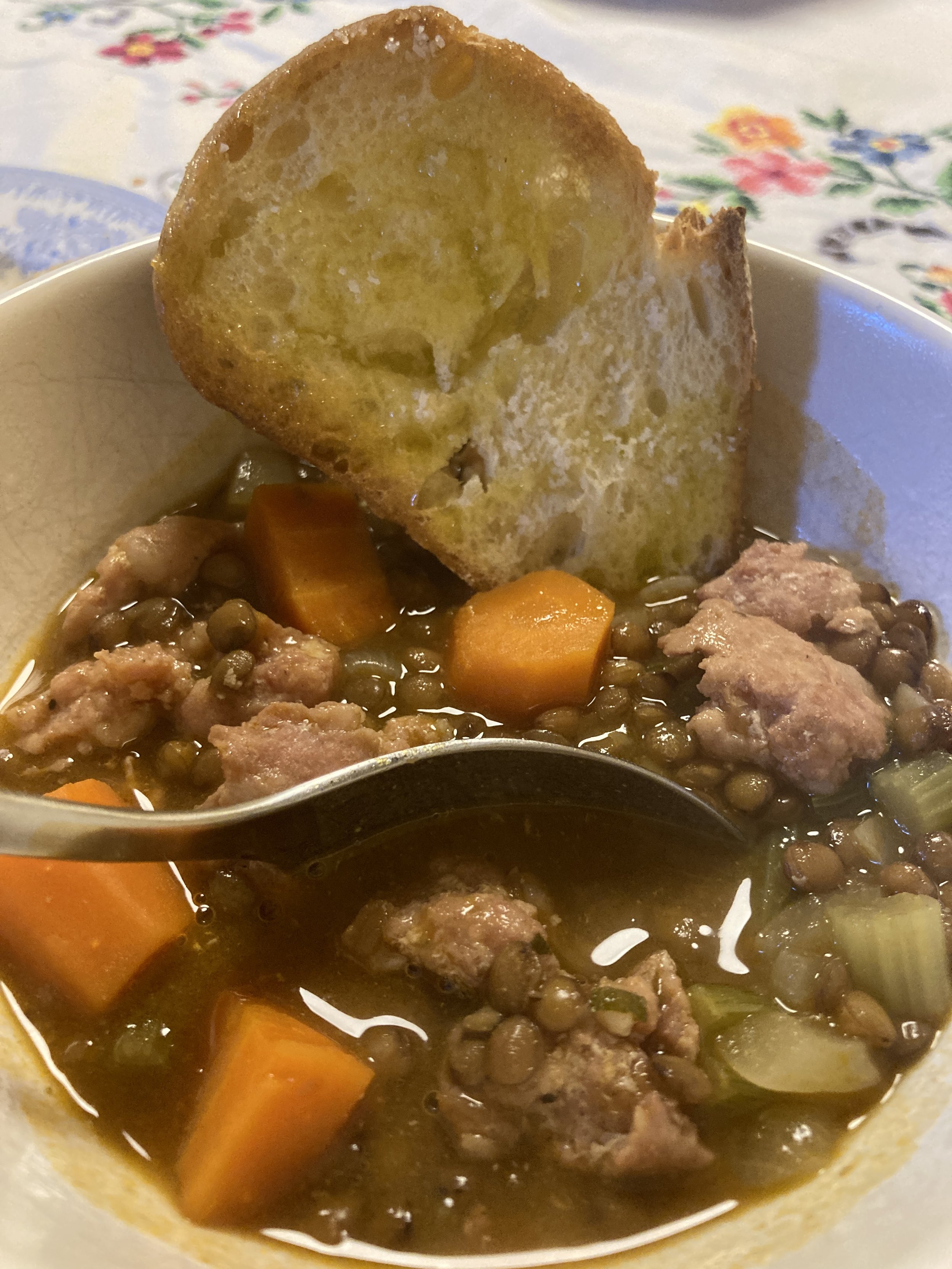
Rich with vegetables and sausage, this lentil soup is sure to bring good fortune in the new year.

From My Italian Kitchen: Lentil Soup for the New Year

December 30, 2024 by Joanne Bartram in #italiancooking, food, Italian culture, Italian recipes, Living in Italy

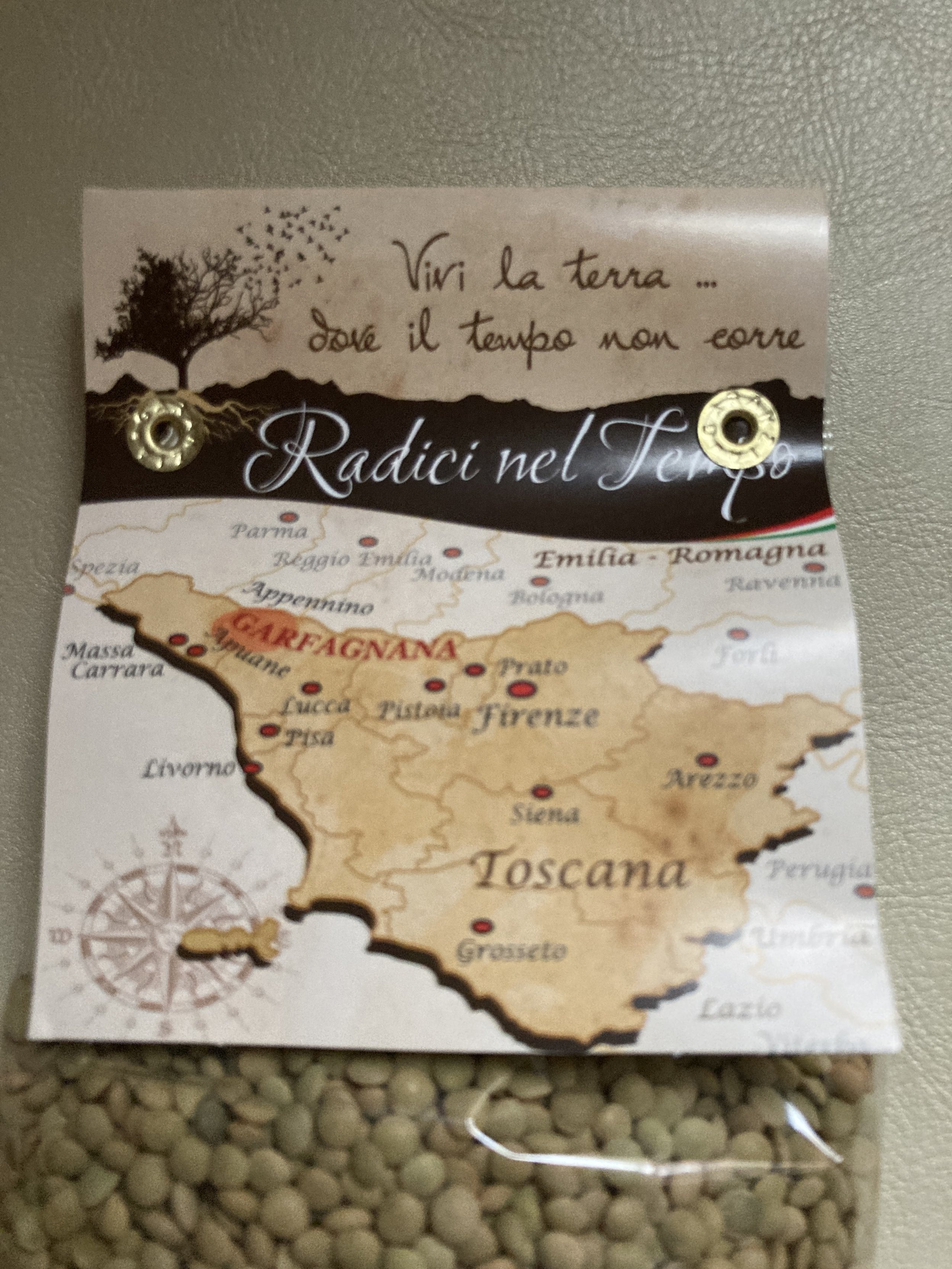
Tiny green lentils, grown near Lucca in the Garfagnana are my choice as a base for lentil soup

Lentils (Lenticchie in Italian) are a traditional food in Italy at the New Year.  The round shape resembles a coin and those tasty little coins portend fortune in the new year.  And who couldn’t use that?

Since I love soups, my Italian new year tradition is a rich lentil soup filled with veggies and sausage.

 For this soup, the perfect lentils (both for texture and flavor) are the tiny green ones. Here in Italy I use ones from the Garfagnana, the area of Tuscany northwest of Lucca.


In the US, finding imported Italian lentils may be a challenge, but some type of tiny green ones can often be found in the supermarket.  They work almost as well as Italian ones in this soup.  Do they bring Italian fortune?  Hmm.  That I can’t guarantee.

Simple crostini are perfect alongside this soup. Good bread toasted, good EVOO, a rub of garlic and a sprinkle of salt are all you need.

Simple crostini - thin slices of toast rubbed with garlic, drizzled with really good extra virgin olive oil, and sprinkled with a touch of salt - makes the perfect accompaniment for this soup.

Here’s my recipe:

Zuppa di Lenticchie (Lentil Soup)

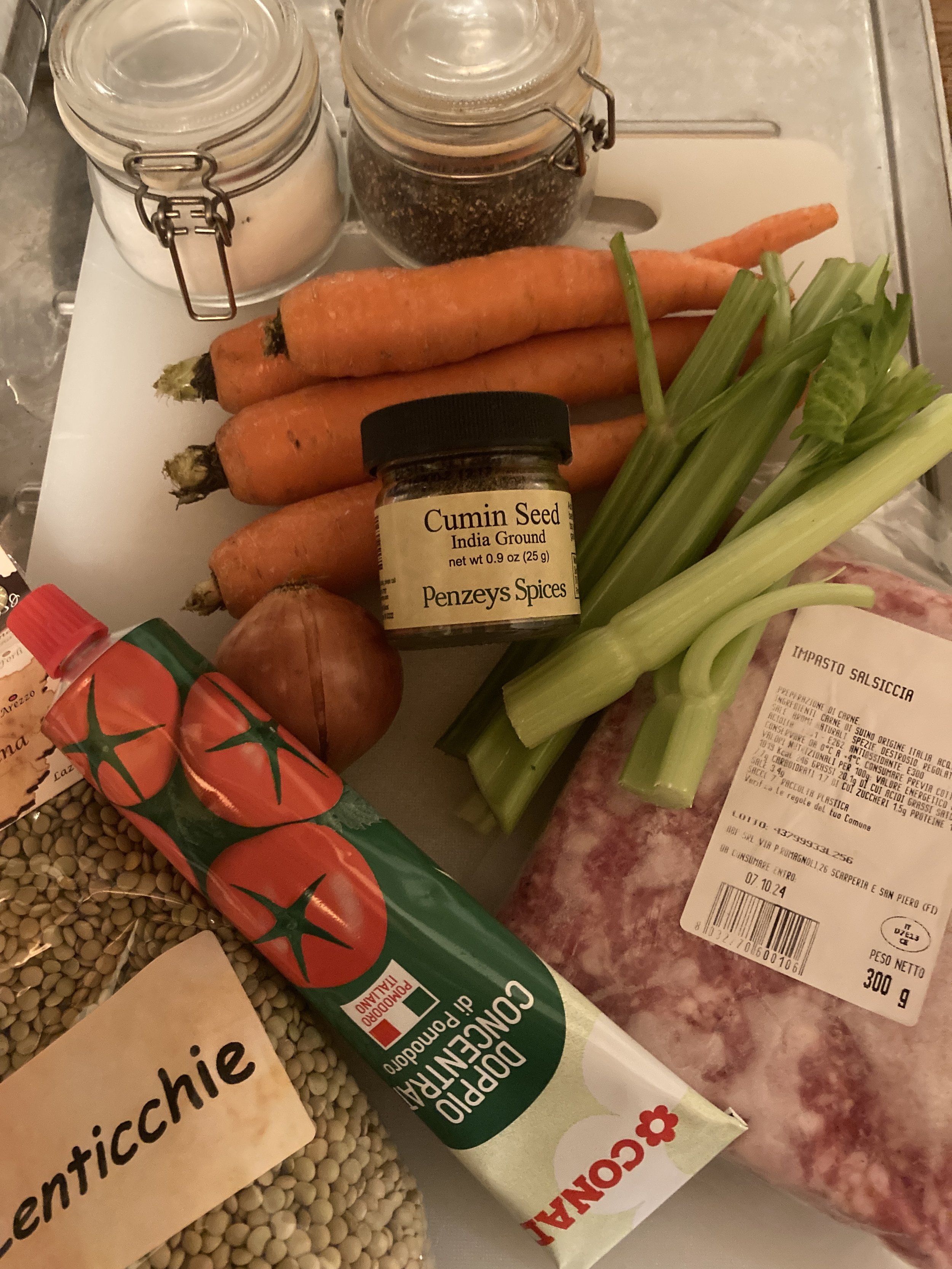
 190 grams small green lentils (1 rounded cup)

1 medium red or yellow onion, chopped

2 ribs celery, cut as small dice (about ¾ cup)

2 – 3 carrots, cut as medium dice (about 1 ½ cups)

2 tablespoons double concentrated tomato paste

¼ teaspoon course ground black pepper

½ teaspoon ground cumin

½ teaspoon salt

1 tablespoon chopped fresh parsley

200 grams pork sausage, crumbled

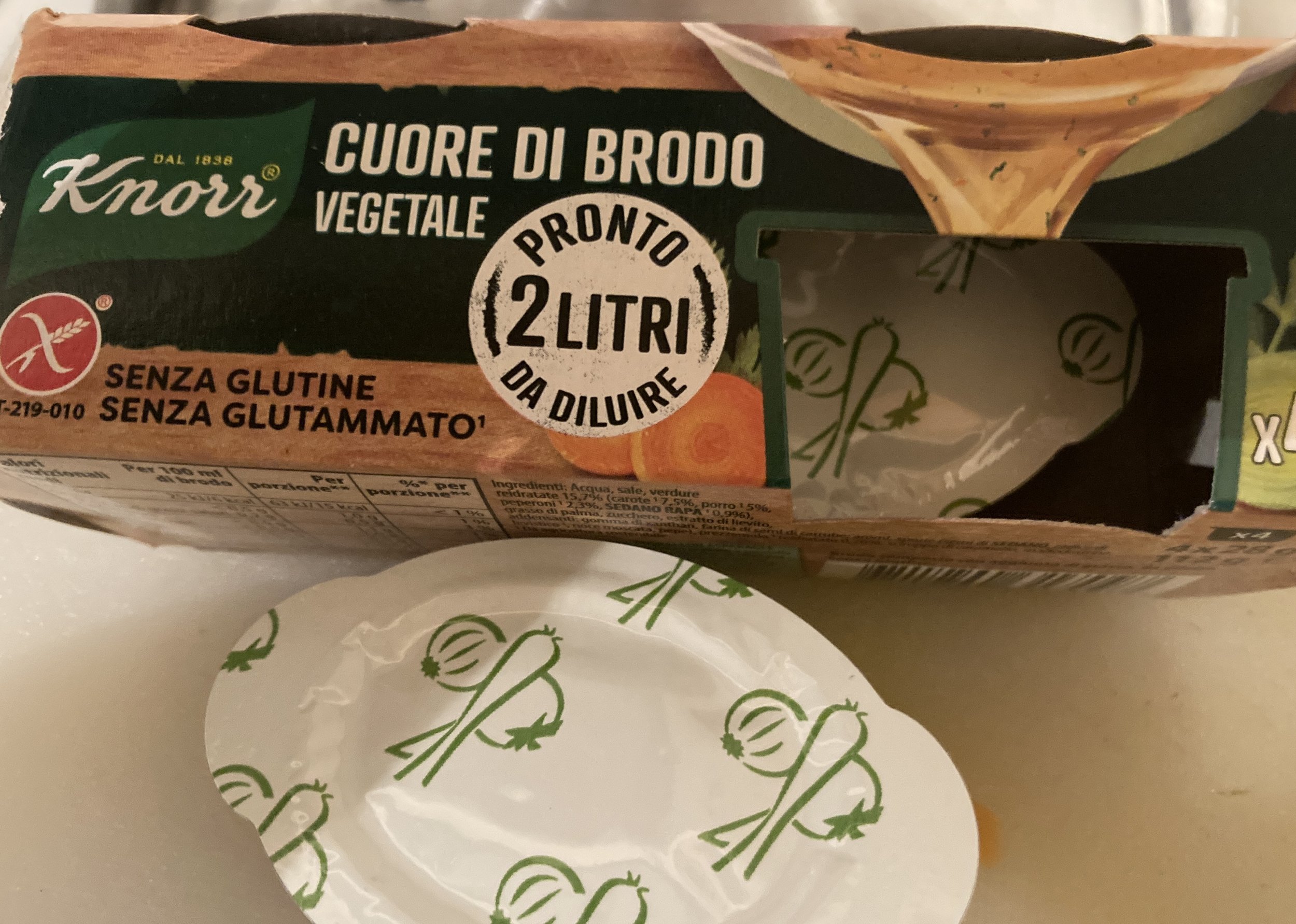
1 ounce container of Knorr vegetable stock *

 Cover lentils with boiling water, soak x 15 minutes and then drain

Cover drained lentils with 1 inch of water, bring to a boil and simmer x 15 minutes

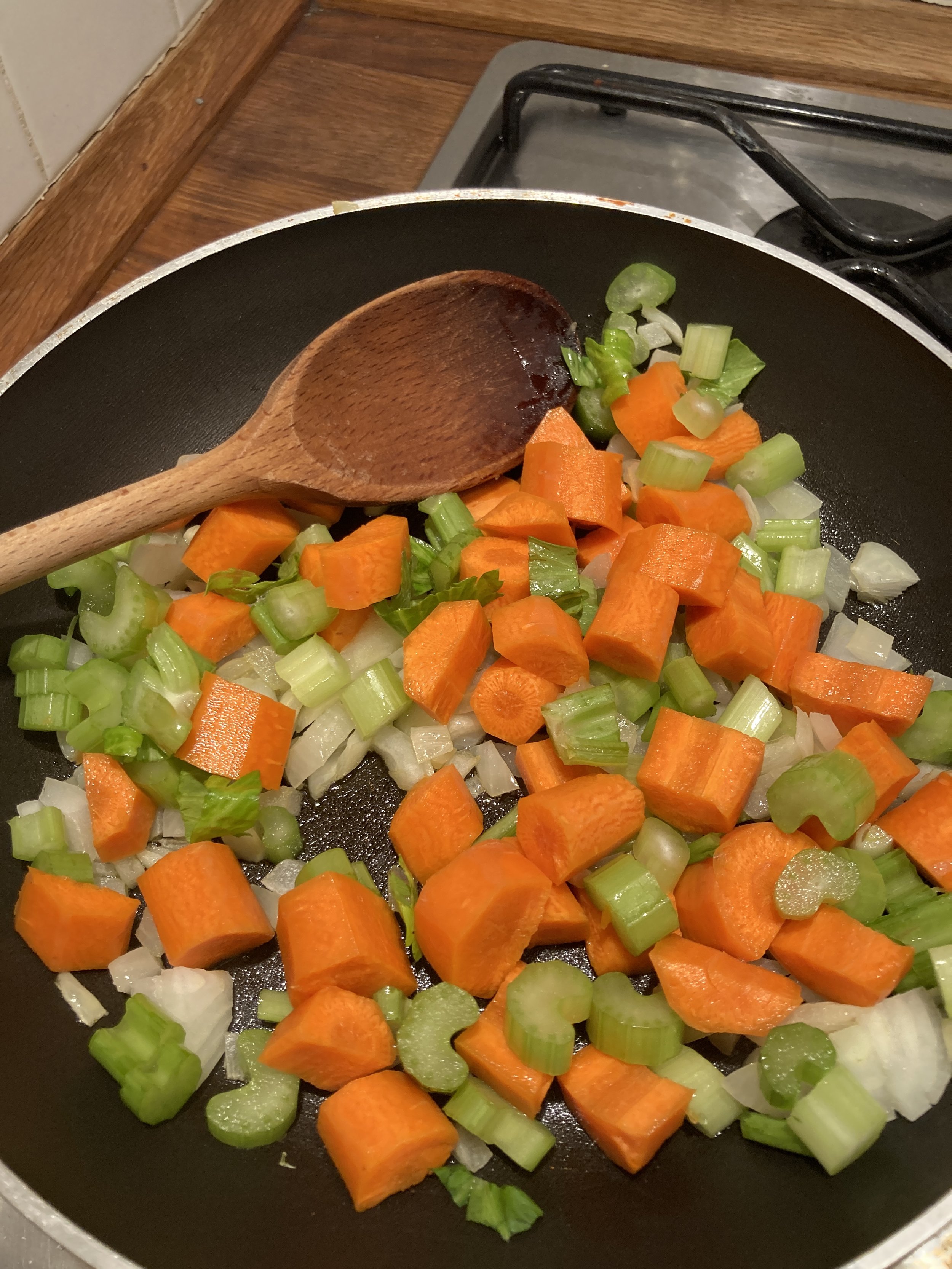
Meanwhile, sauté onion in 1 tablespoon extra-virgin olive oil until onion softens and is transparent. Add celery and carrots and sauté another 5 minutes.

Add sautéed veggies, spices, tomato paste, and chopped parsley to the lentils.

In a frying pan, crumble the sausage and brown until cooked through, add to lentils along with the Knorr vegetable stock or bouillon cubes.

Add ½ cup water and simmer everything x 30 minutes, adding more water as needed to thin the soup.

 *In Italy, Knorr vegetable stock is called Cuore di Brodo Vegetale and comes in a package of little 1 ounce plastic cups of jellied stock.  These are sometimes available in the US, but can be hard to find at least in New Mexico where I am from so I usually bring some from Italy.  If not available, just substitute a low salt vegetable bouillon cube or two or homemade vegetable broth in place of the water. 

Buon appetito, Buon Anno Nuovo


December 30, 2024 /Joanne Bartram
lentils, italian soups, lentil soup, new year traditions italy
#italiancooking, food, Italian culture, Italian recipes, Living in Italy

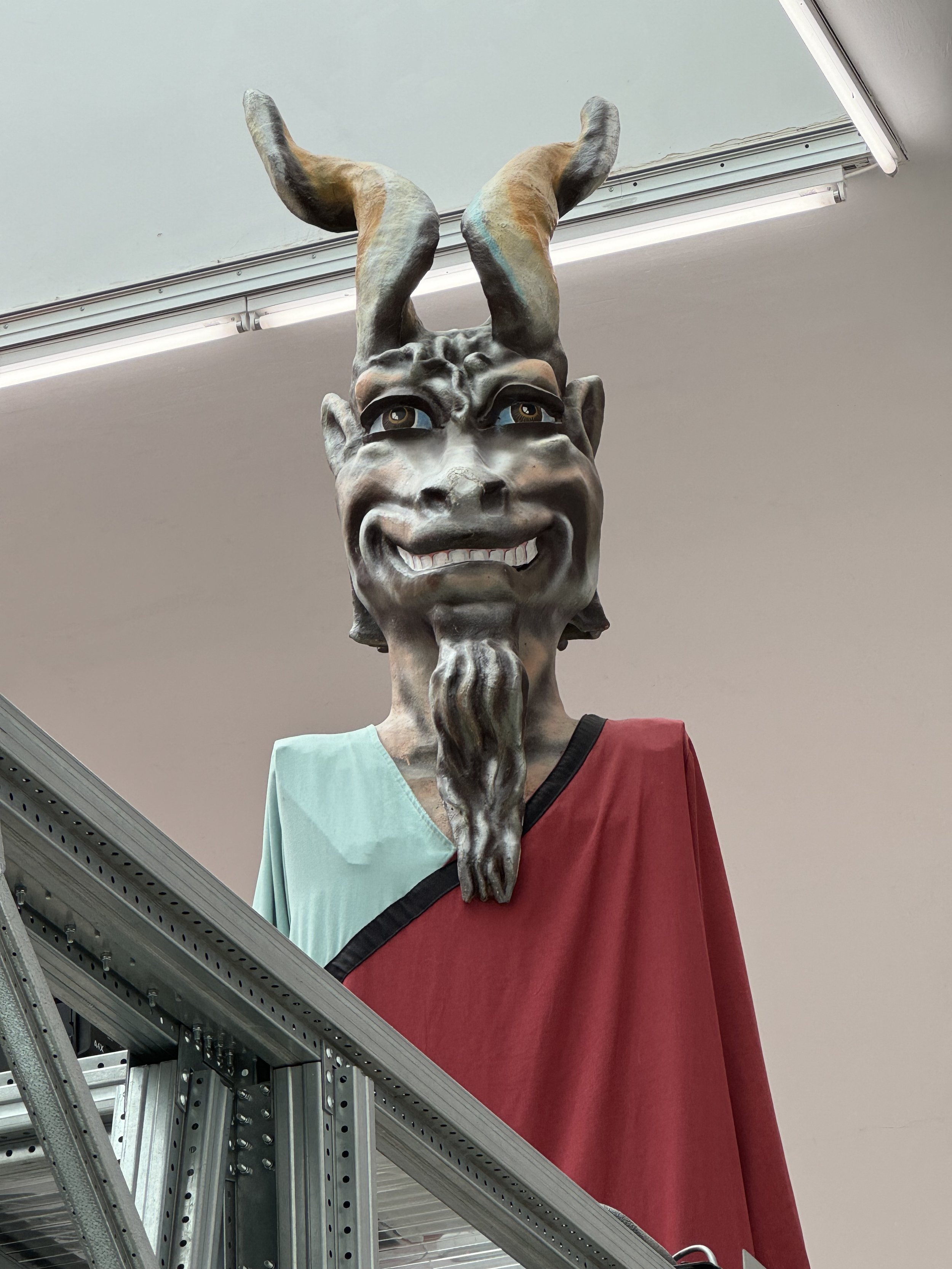
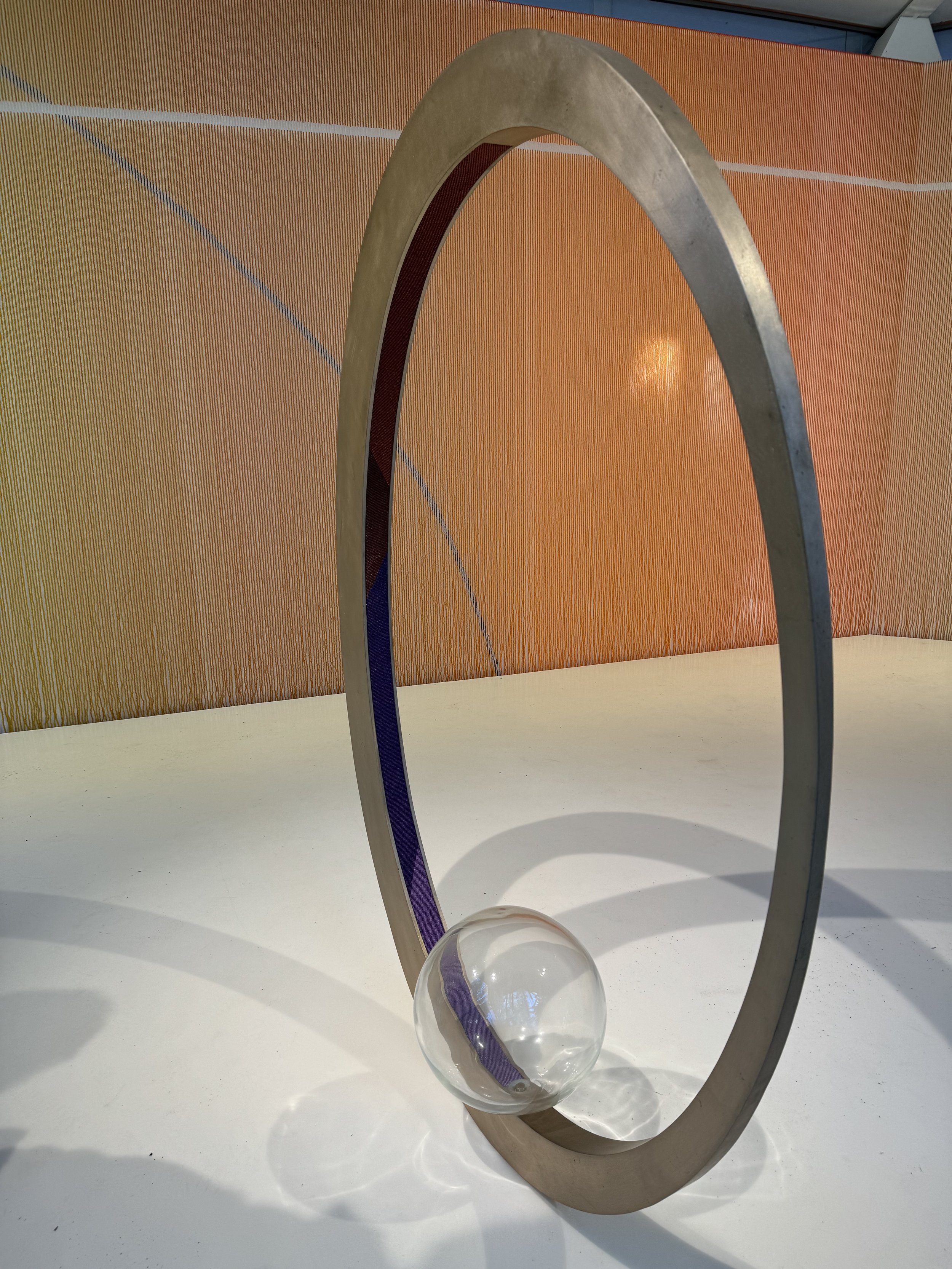
A colorful art installation in the Central Pavilion, Venice Biennale 2024

Venice Biennale 2024

October 28, 2024 by Joanne Bartram in #italy2024, #italytravel, Italian art architecture, Italian culture, Italy, Italy travel, Venezia, Venice

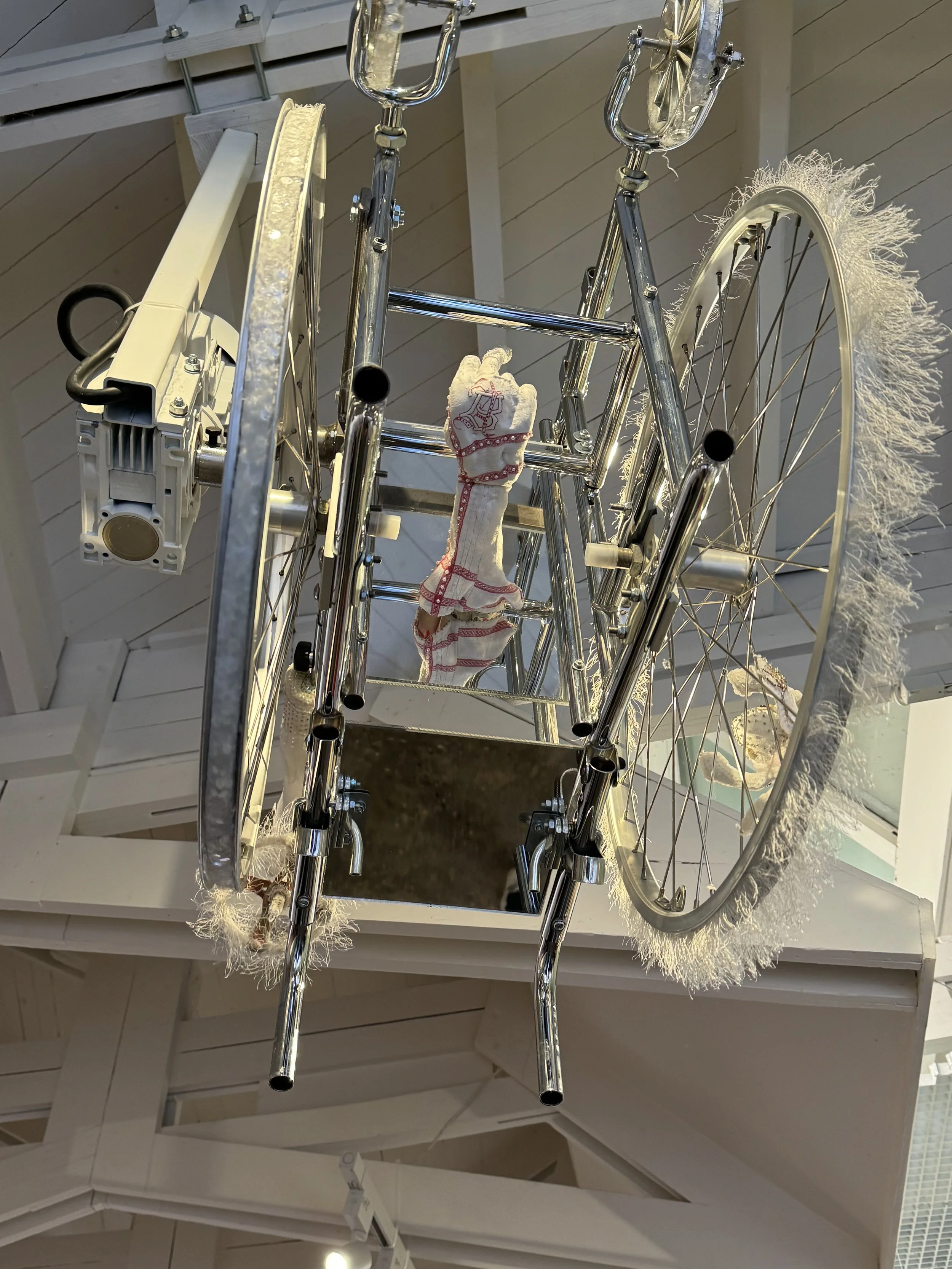
This art installation was suspended from the ceiling in the British Pavilion.

Every two years the city of Venice hosts Venezia Biennale Arte, an international art and architecture exhibit.  The 2024 Biennale, curated by Adriano Pedrosa of Brazil, marks the 60th edition of the show. This year’s exhibit, with more than 300 participating artists from 88 countries, opened in April and continues through November 24th.

The Biennale takes place mostly at the far end of Venice, at the Arsenale (where all of the large naval ships are anchored) and in the pavilions of the Arsenale Gardens. Additional works can be found throughout the city of Venice.  The Arsenale Gardens is home to the permanent pavilion of the larger national exhibits. It’s easy to spend hours here, wandering through the exhibits, stopping at one of several cafes, and enjoying the grounds as well as the outdoor art pieces.

IMG_0621.jpeg
IMG_0726.jpeg
IMG_0708.jpeg

The 2024 show’s title is Stranieri Ovunque – Foreigners Everywhere.  An explanation of the theme in the exhibit’s literature reflects the idea that we are all, at some level, a stranger. 

In keeping with the theme, many of the works are by “outsiders”, including artists who have been treated as foreigners in their own lands or cultures.  The foreignness relates to concepts such as indigenous status, sexual orientation or identity, political beliefs, colonization of lands by foreign powers, or immigration status. This theme was especially evident in Spain’s Pavilion which included a Migrant Art Gallery and a Migrant Garden.  

IMG_0644.jpeg
IMG_0643.jpeg
IMG_0624.jpeg

A number of the works are political in nature.  Others portray themes of environmental sustainability, history, migration patterns, and culture. Italian culture and history was represented in several pieces in the Central Pavilion. The one below, titled The Cutting and Sewing School, was particularly captivating. It seemed to show the old ways slowly fading away.

Italy, The Cutting and Sewing School

Belgium, Petticoat Government

The art was fascinating, at times confusing, other times enchanting. Some pieces were uncomfortable or downright disturbing.  All were thought-provoking – and isn’t that just what art is meant to be? 

At a certain point I realized that it was impossible to read all of the accompanying descriptions, much less take notes, and still see as many of the pavilions as possible. For that reason, in this post, I have included photos identified mostly by the name of the country’s pavilion without detailed explanations of the works and with apologies to the unnamed artists.

I leave the interpretations of each work up to you!

Canada.  The background is made up of strands of glass beads.  This light and airy room was a great place to linger.


While some of the darker and more disturbing images gave me much to consider, it was the ones that reflected shared history, hope, unique ways of living, and light that most grabbed me.

I spent a long time looking at one captivating piece entitled The Crucifixion of the Soul, by Madge Gill (below).

The work was a 10 meters (~32 feet) long ink on fabric drawing made up of a series of female faces and intricate backgrounds. All crafted from tiny lines in 4 colors of ink. Her work was so unique that I had to know her story.


IMG_0656.jpeg
IMG_0658.jpeg
IMG_0657.jpeg

I was surprised to learn that she was not a contemporary artist but rather that she lived from from 1882 to 1961. She is considered an “outsider artist” - one who is self-taught and has persisted in their art despite poverty or mental illness. Madge Gill was indeed a stranger in her own world, and a perfect representation of the Biennale theme.

80+ countries participated in this year’s Biennale.  I particularly loved the US one, which was filled with works reflecting Native American culture. It was the first time that a Native American Artist (Jeffrey Gibson) was chosen to represent the United States at the Biennale.

The forms, colors, and beadwork were nothing short of spectacular.

My many years of living in New Mexico made these pieces especially meaningful to me.  I wasn’t alone in my delight in this exhibit - the number of people spending time in this pavilion and taking photos made it clear that these pieces were appreciated by many.


IMG_0697.jpeg
IMG_0687.jpeg
IMG_0693.jpeg

 Moving through France’s pavilion was to take an undersea journey, a reminder of the importance of our oceans and the life within them.

IMG_0744.jpeg
IMG_0749.jpeg
IMG_0745.jpeg

 A few of my other favorites:

Finland - The Pleasures We Choose

IMG_0673.jpeg
IMG_0671.jpeg
IMG_0676.jpeg

 Hungary, Techno Zen. A multimedia installation with sound, light, movement, and a riot of color (below).

IMG_0664.jpeg
IMG_0666.jpeg
IMG_0668.jpeg

This was my first ever experience at the Biennale.  With just one day in Venice, I was able to see many of the exhibits in the Arsenale Garden but ran out of time for the ones in the other Arsenale and city locations.  When the Biennale returns in 2026, I will need to plan two full days!

October 28, 2024 /Joanne Bartram
Venice Biennale, Art Venice, Biennale Venice, Venice
#italy2024, #italytravel, Italian art architecture, Italian culture, Italy, Italy travel, Venezia, Venice
  • Newer
  • Older

Powered by Squarespace