Two Parts Italy

Exploring Italy, travel, and living a flavorful life

  • Blog
  • About This Blog
  • Start Here
  • Recent Posts
  • Archives by Topic
  • Subscribe
  • Contact me

A Spring Time Market in Padova

May 13, 2024 by Joanne Bartram in #italiancooking, #padova, #padua, Cooking, Italian culture, Italian markets, Living in Italy, Padua, Padova

A cold and rainy March gave way to an April with very erratic weather in northern Italy.  Some days felt very much like spring, a couple of days brought summer temperatures, and other days were unseasonably cold.  But that didn’t stop spring produce from appearing in the markets, providing lots of inspiration for early spring cooking. I spent some time earlier this month in Padova, a city with an exceptionally good food market. Fortunately, I had a sunny day perfect for exploring the market.  A morning spent shopping here is, to me at least, every bit as wonderful as visiting the major attractions of the city. 

The Palazzo della Ragione provides a beautiful and historic backdrop for Padova’s market

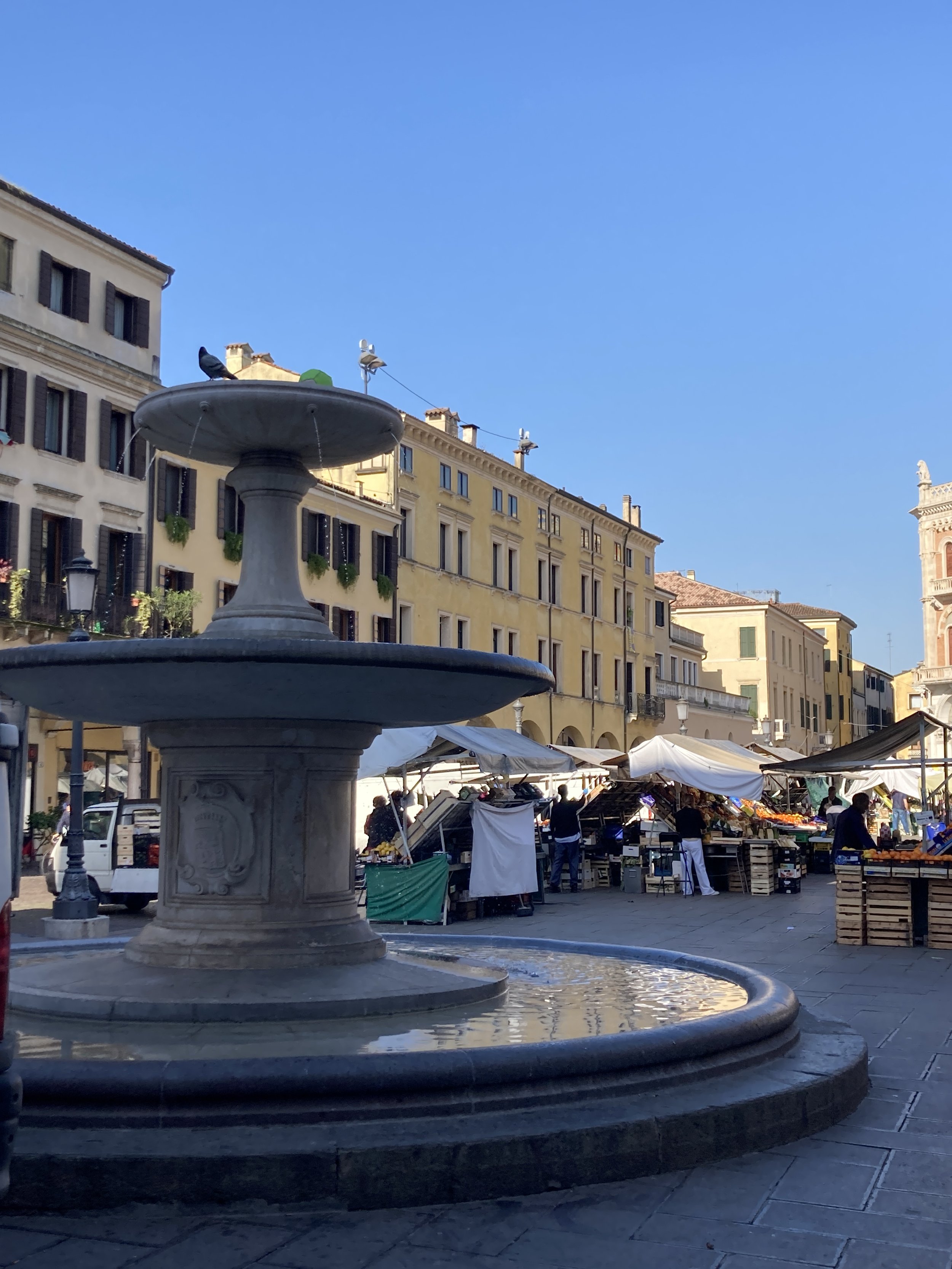
Part of the market takes place outdoors in front of the beautiful Palazzo della Ragione where a piazza full of stalls sell the freshest, most beautiful produce.  It would be hard to ask for a better setting than this historic spot.

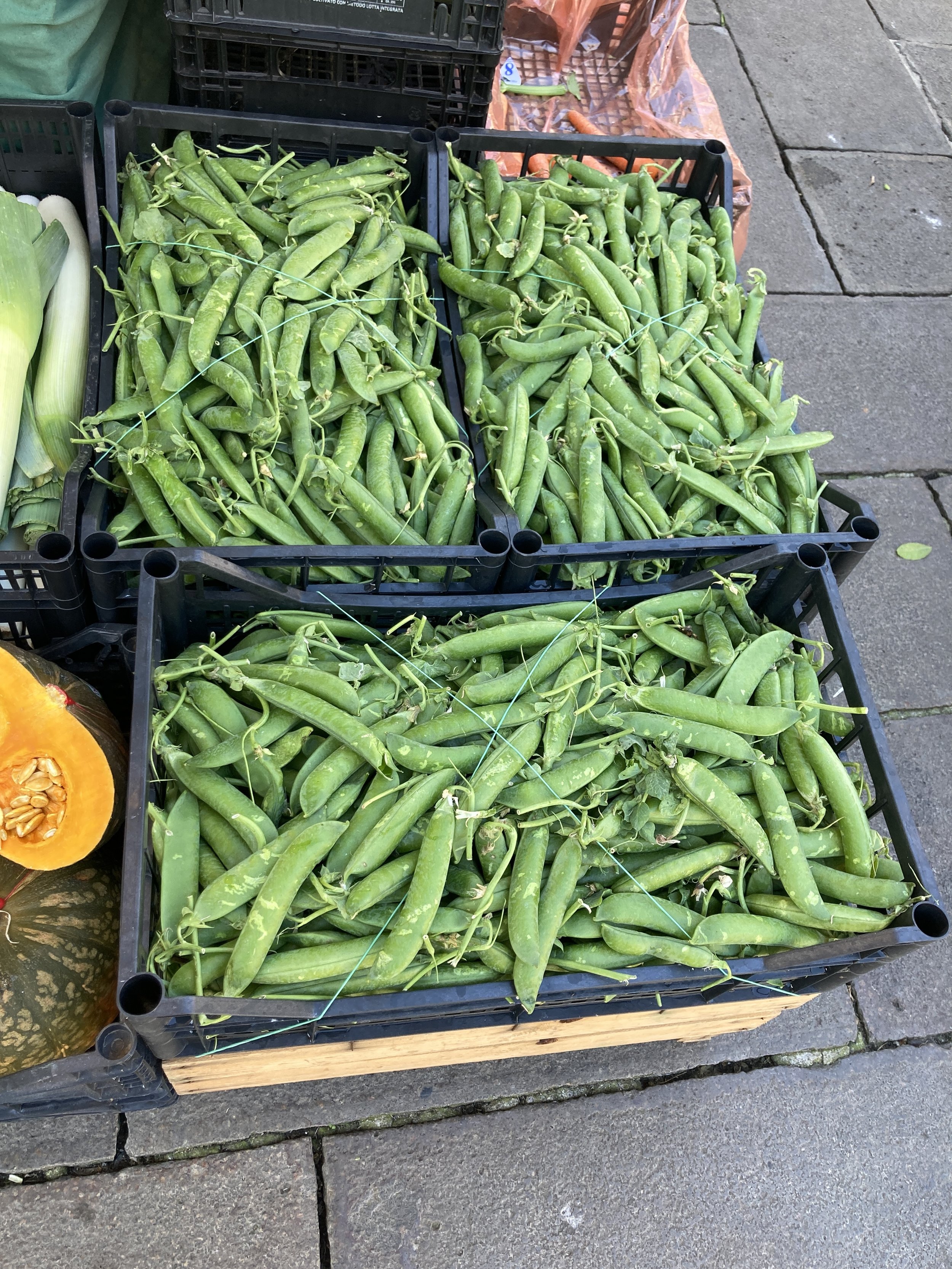
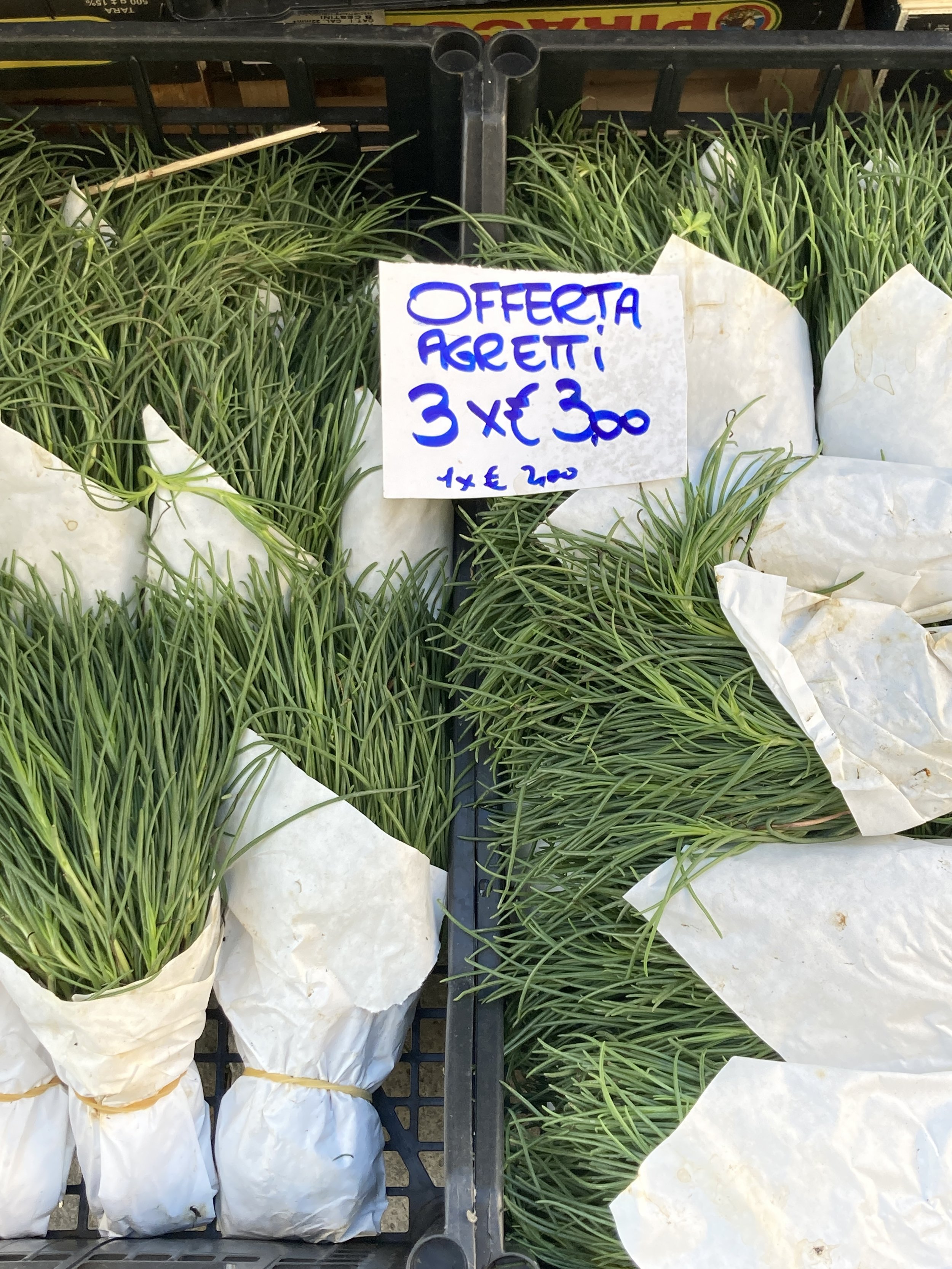
 In April the spring vegetables take center stage.   The colorful choices start with a whole palette of shades of green.  Fat green asparagus sit alongside the white variety, playing off the thin deep green shoots of the nearby agretti and bags of shelled peas.  

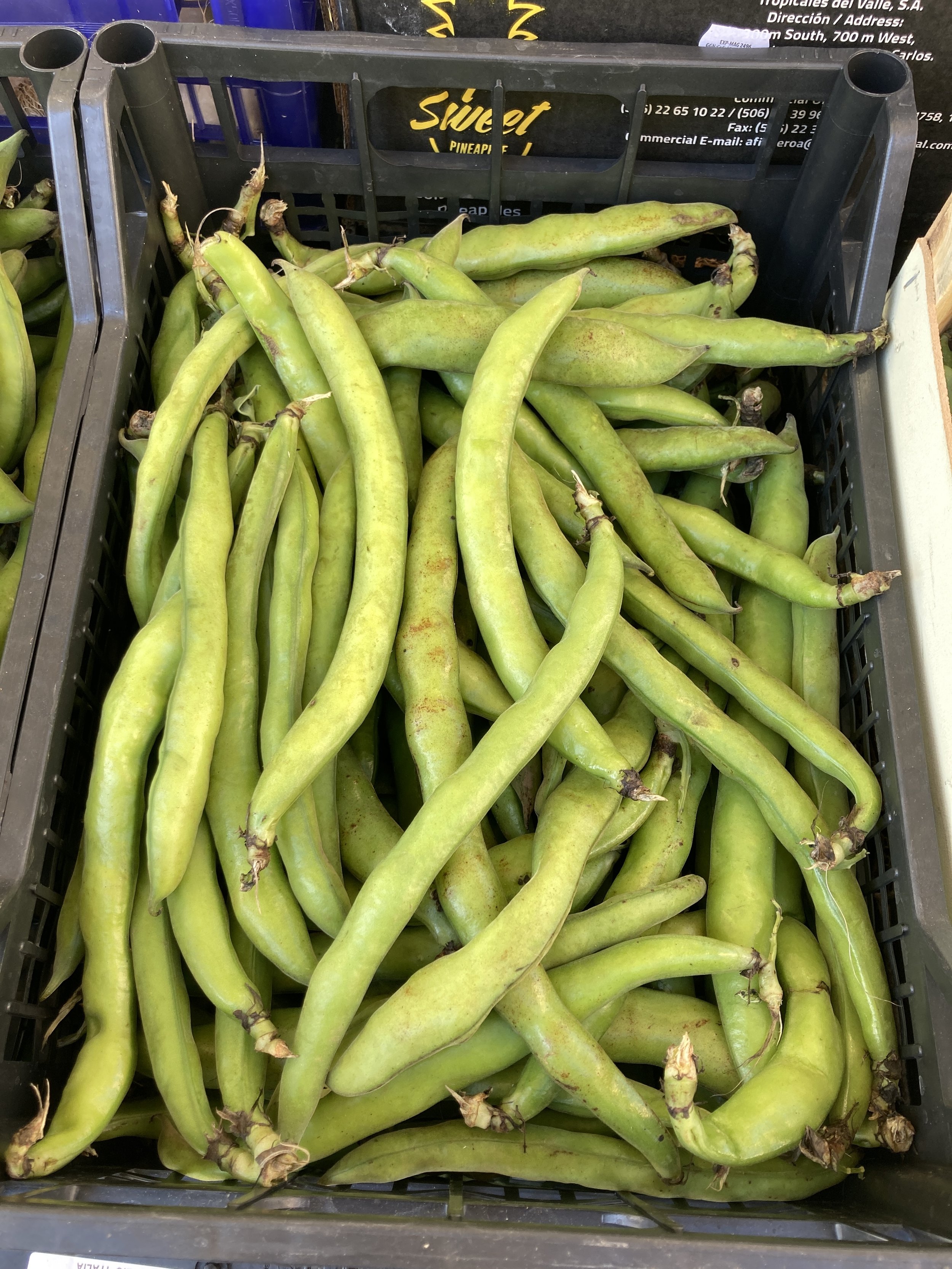
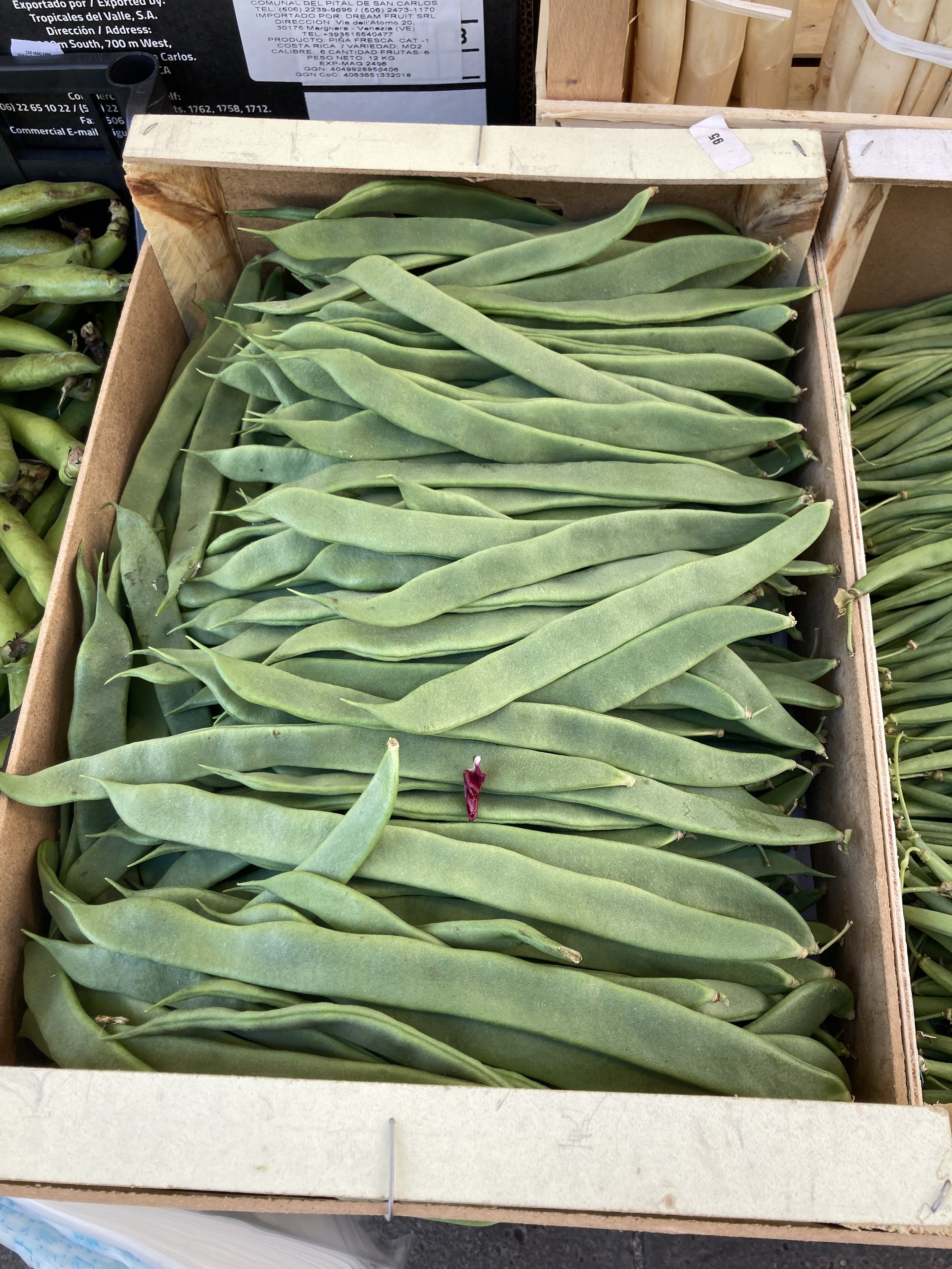
 The leeks are pale with green tops while the fresh pea pods are a vibrant shade of green.  There are green with a yellow tinge fava beans, perfect to snack on paired with a bit of salty cheese.  And broad, flat green beans which remind me of the ones my Italian grandfather grew in his New York backyard. 
IMG_7877.jpeg
IMG_7874.jpeg
IMG_7884.jpeg
IMG_7883.jpeg

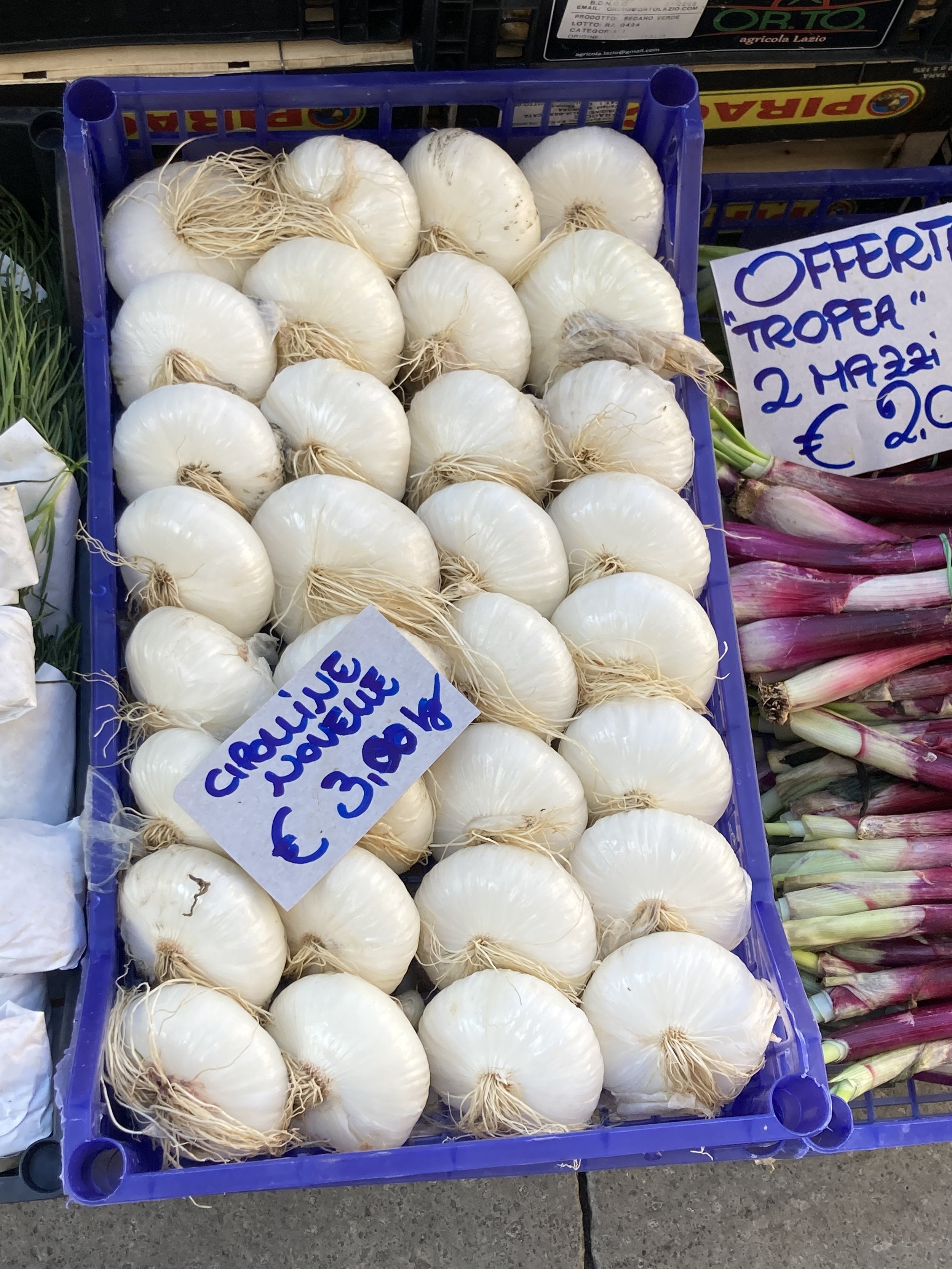
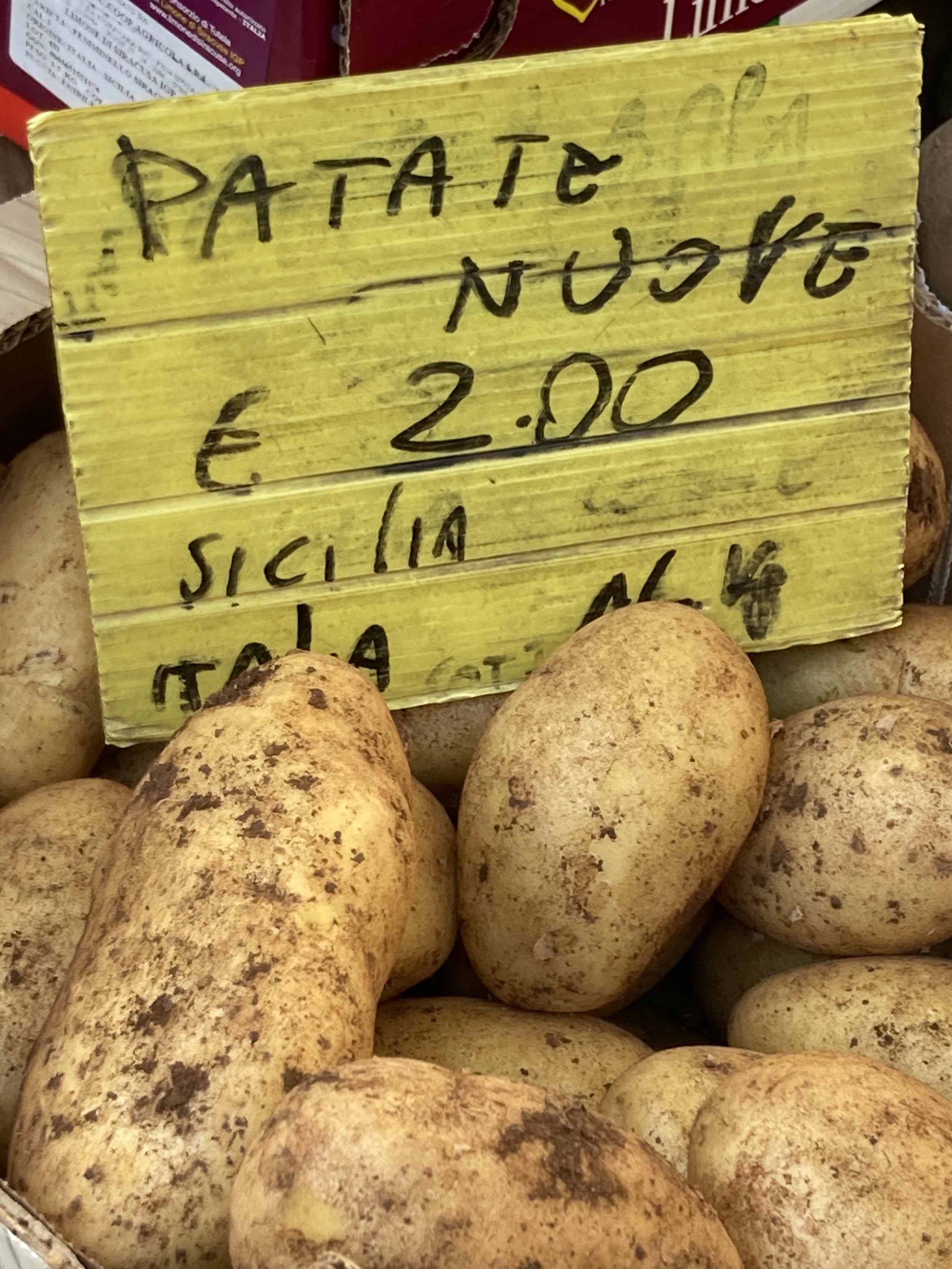
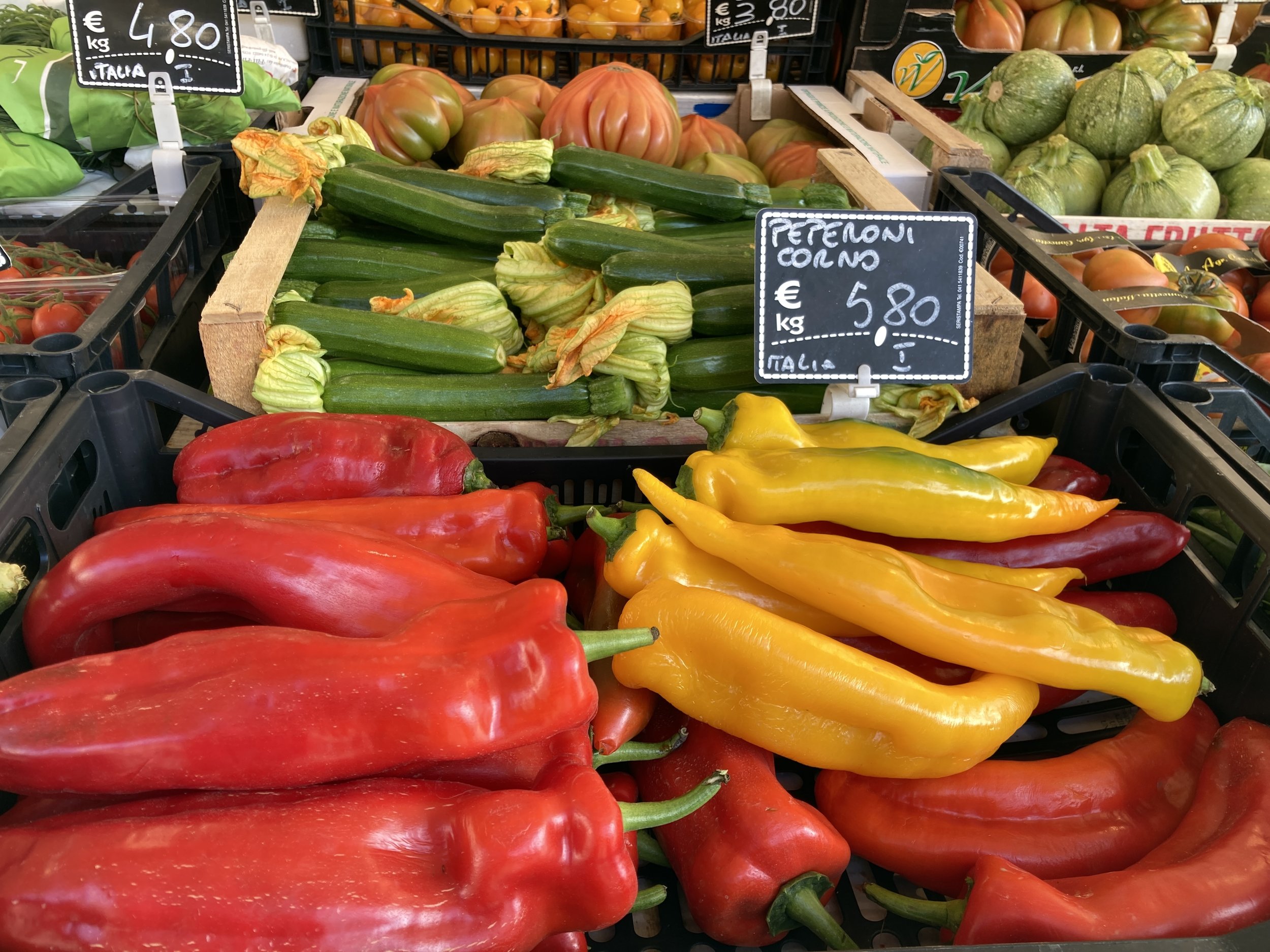
 For contrast, yellow and red peppers provide some brilliant color alongside pale white new onions and golden brown new potatoes. 
IMG_7876.jpeg
IMG_7878.jpeg
IMG_7887.jpeg

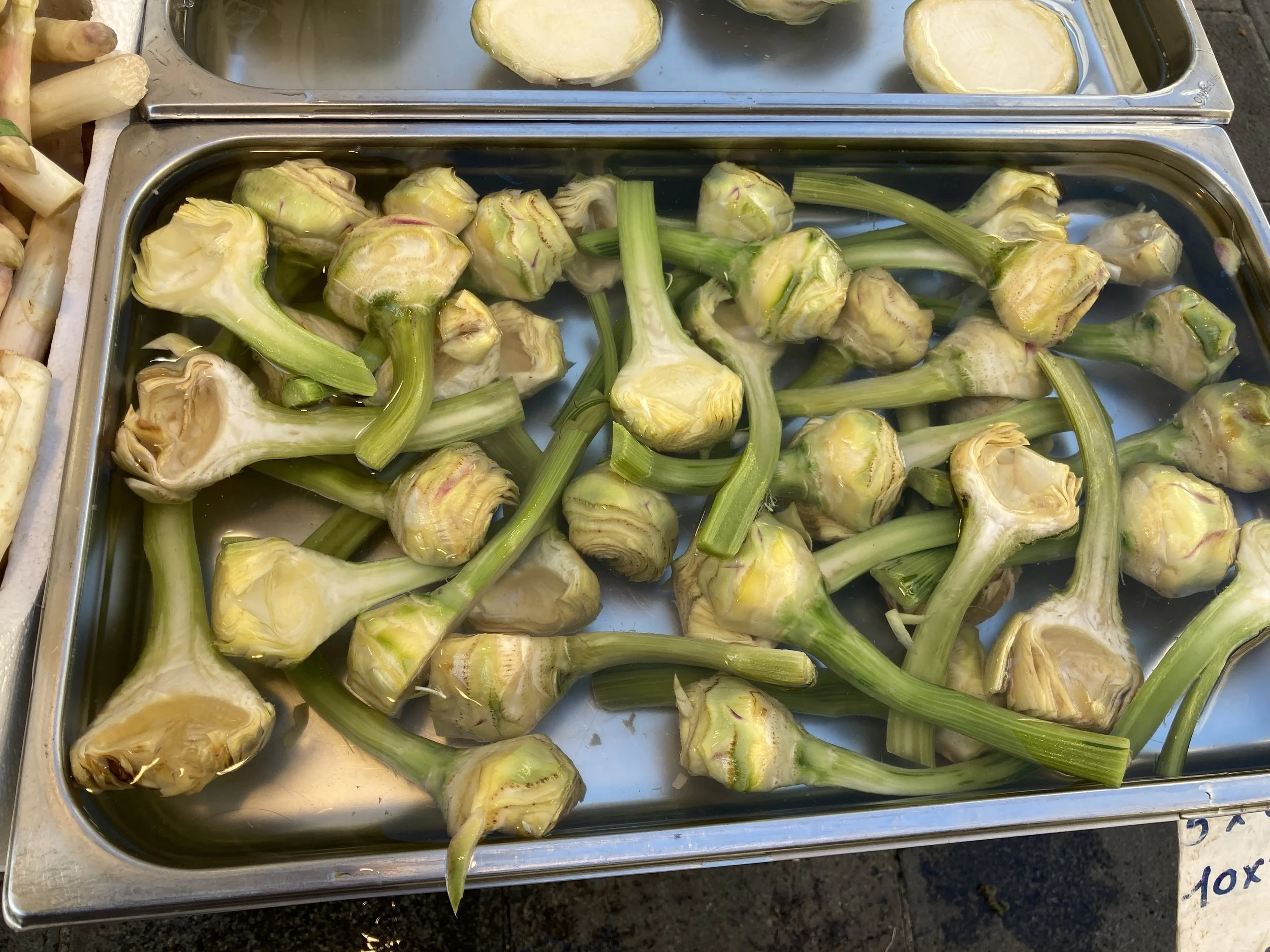
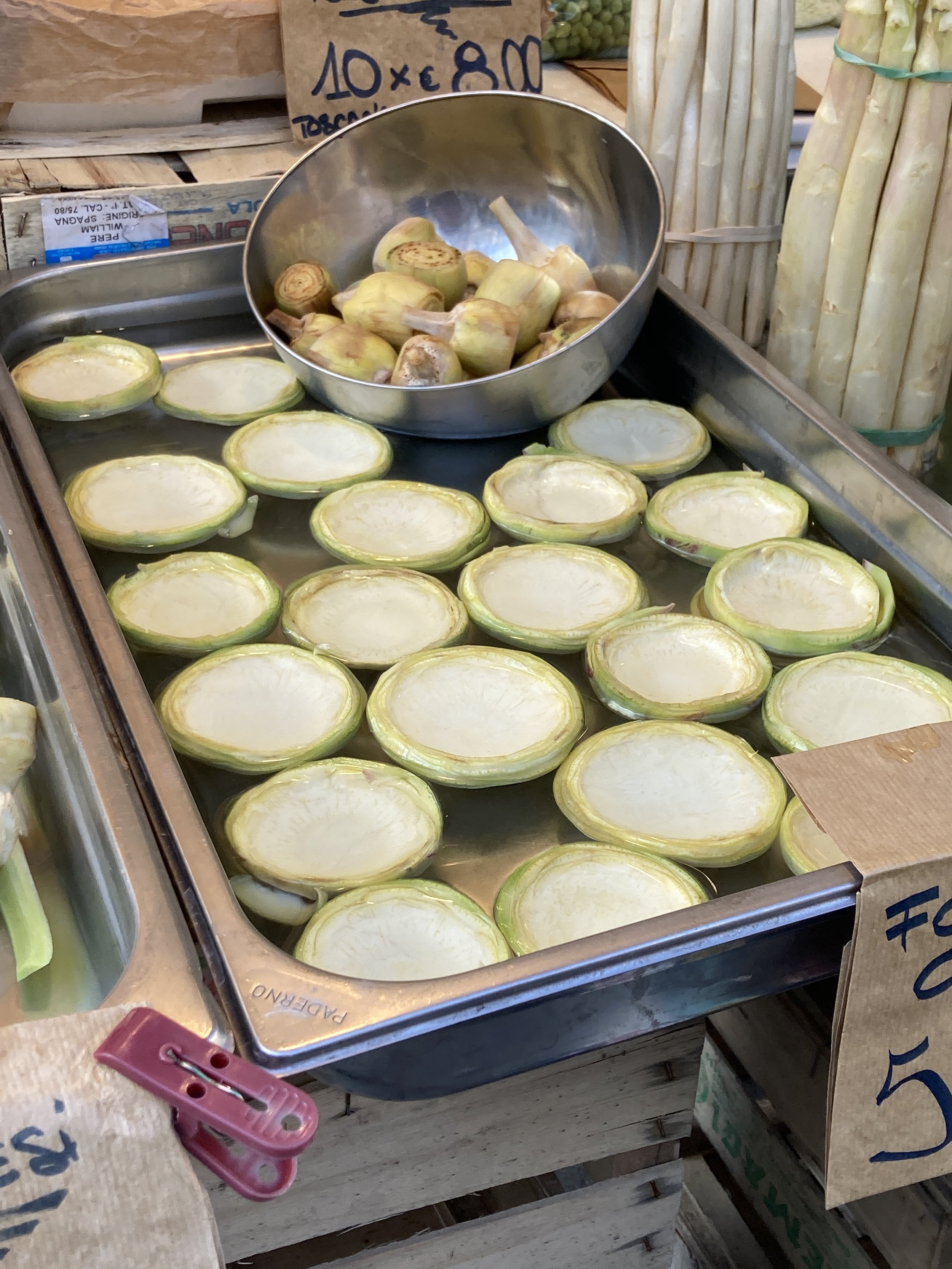
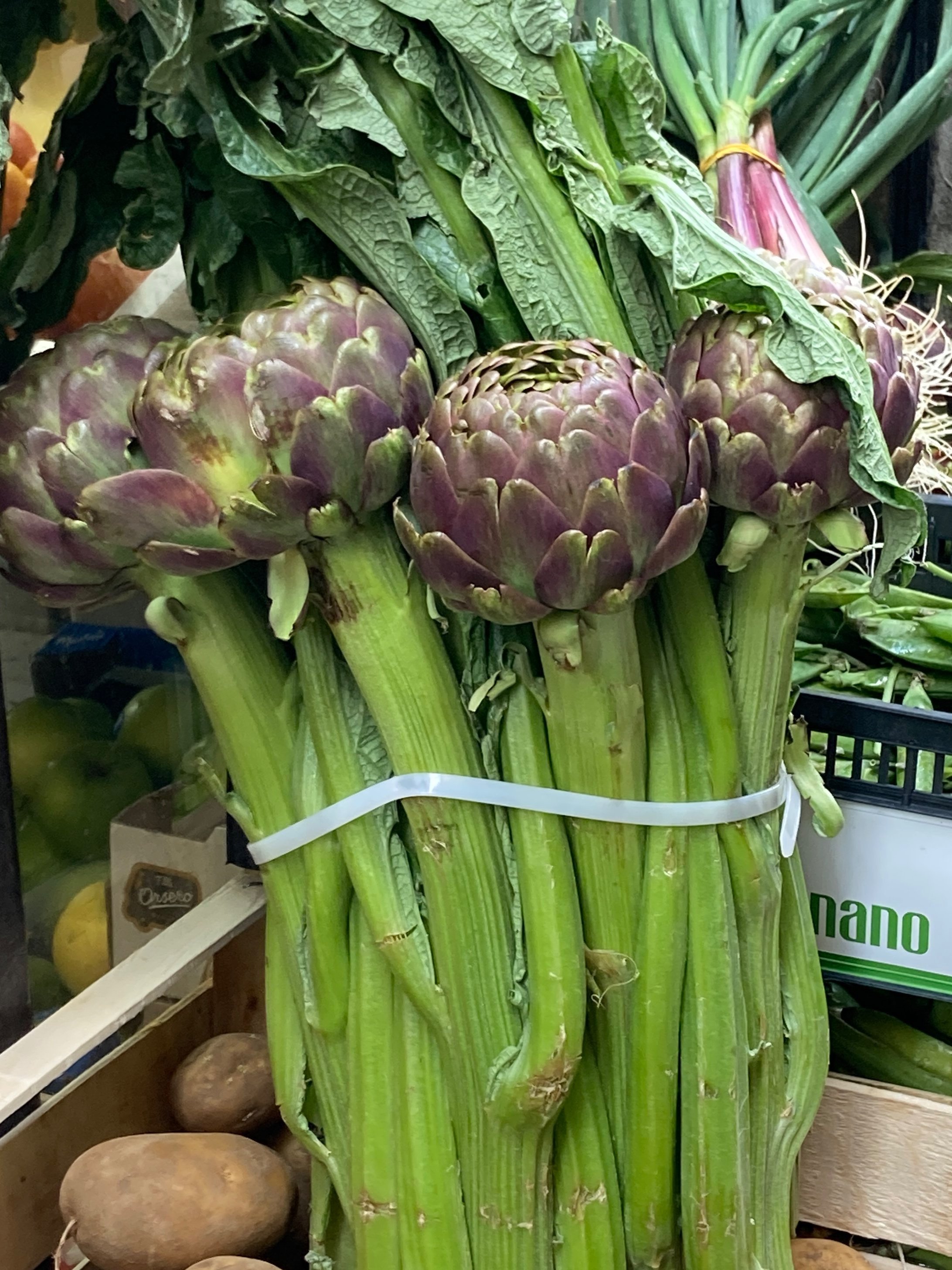
 Purple tinged artichokes are piled up to be sold whole or already trimmed and either cut in half or pared down to just the heart (why can’t I find these in Lucca?).  
IMG_4829.jpg
IMG_7880.jpeg
IMG_7873.jpeg

 The strawberries are mouthwatering – they were bright red, sweet, and delicious.   

The second half of the market takes place indoors underneath the Palazzo della Ragione. 

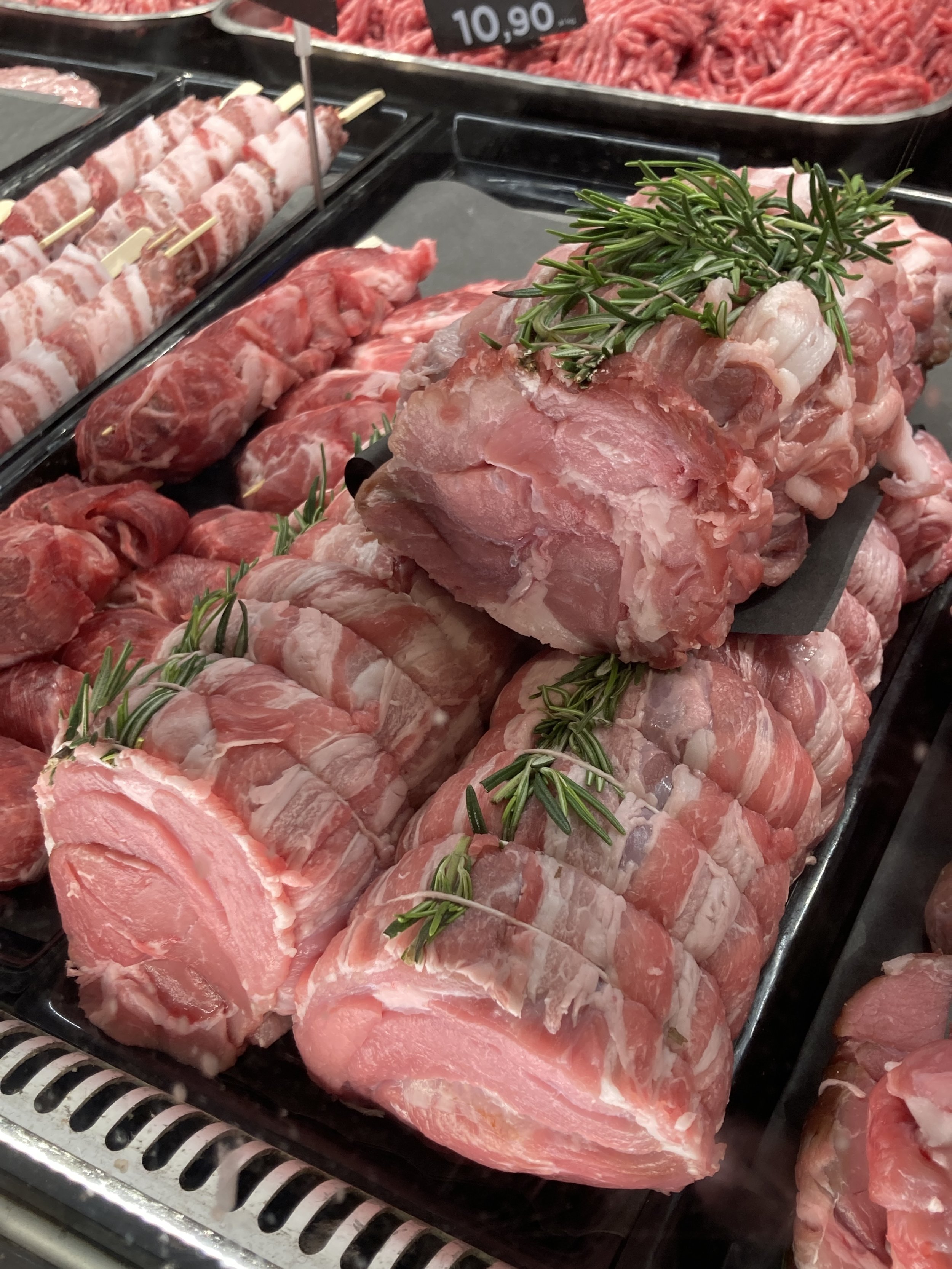
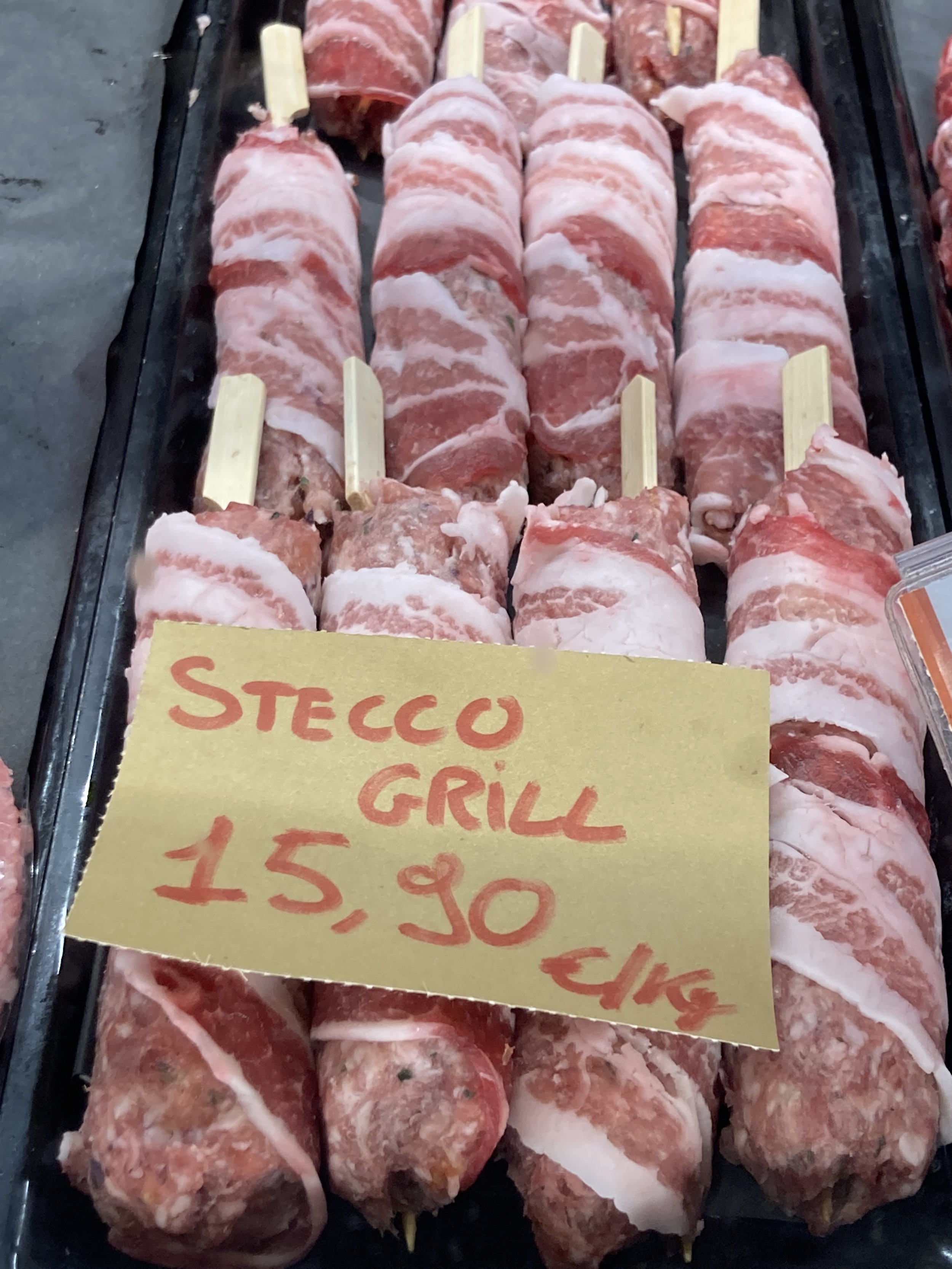
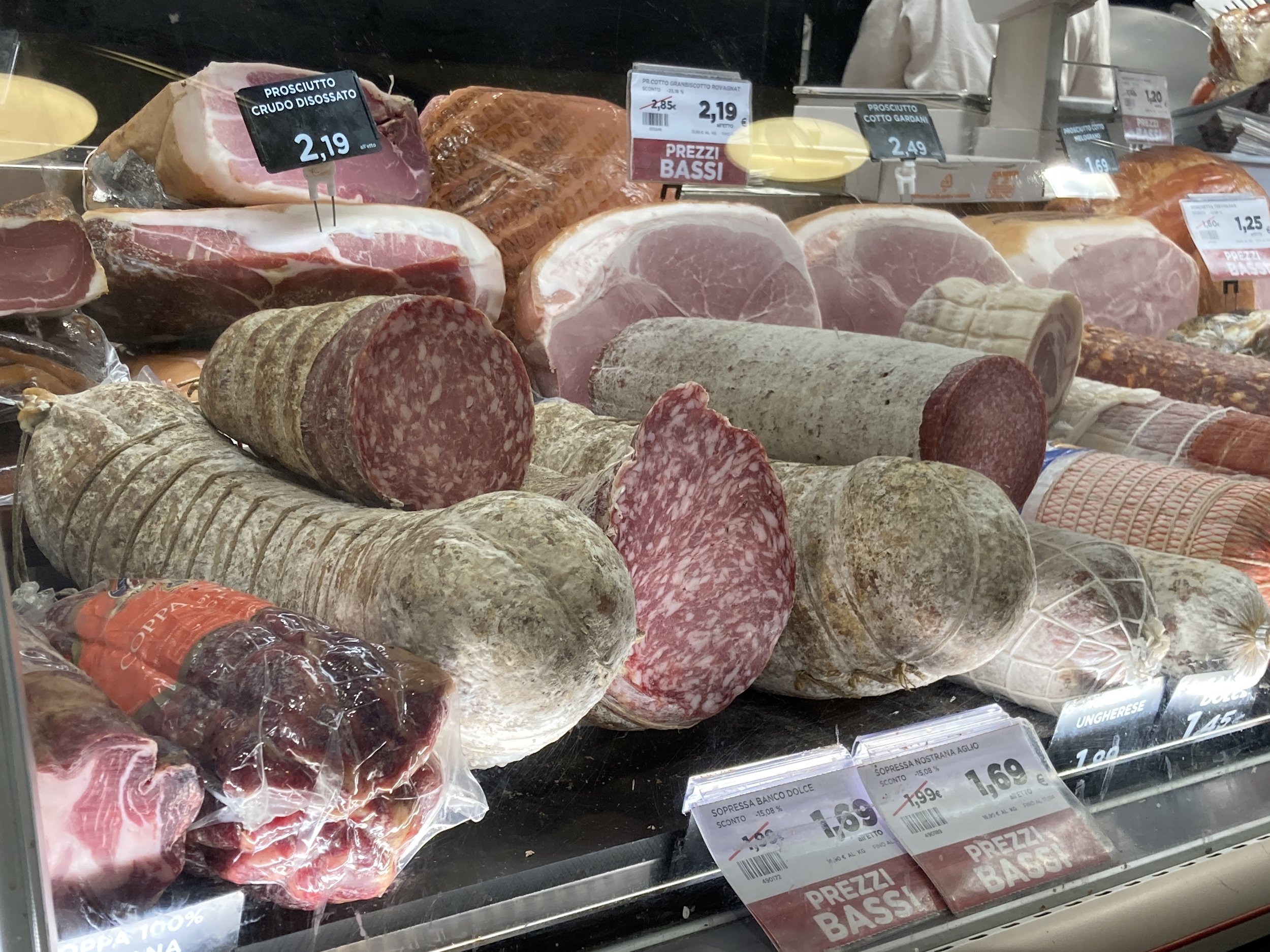
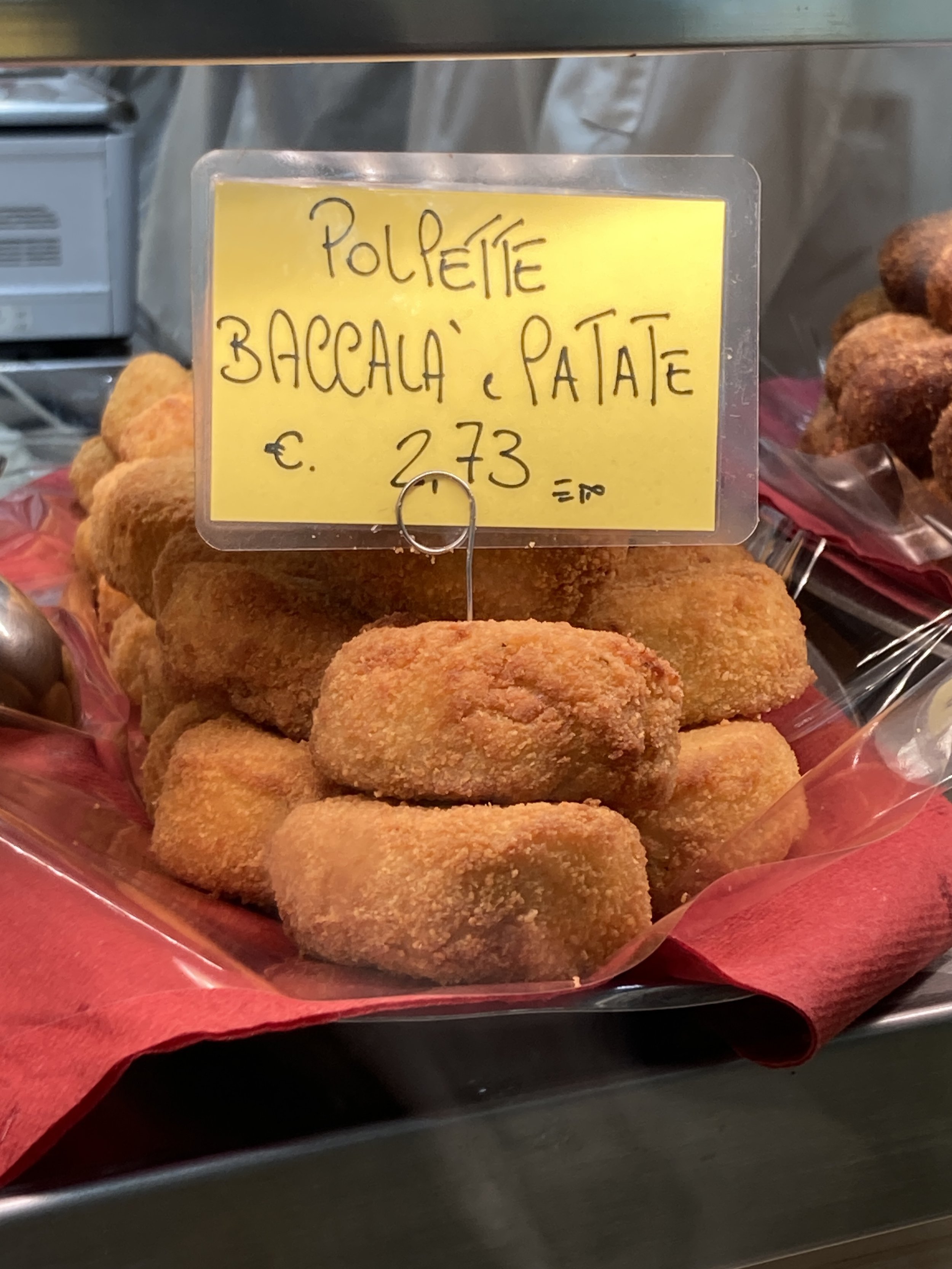
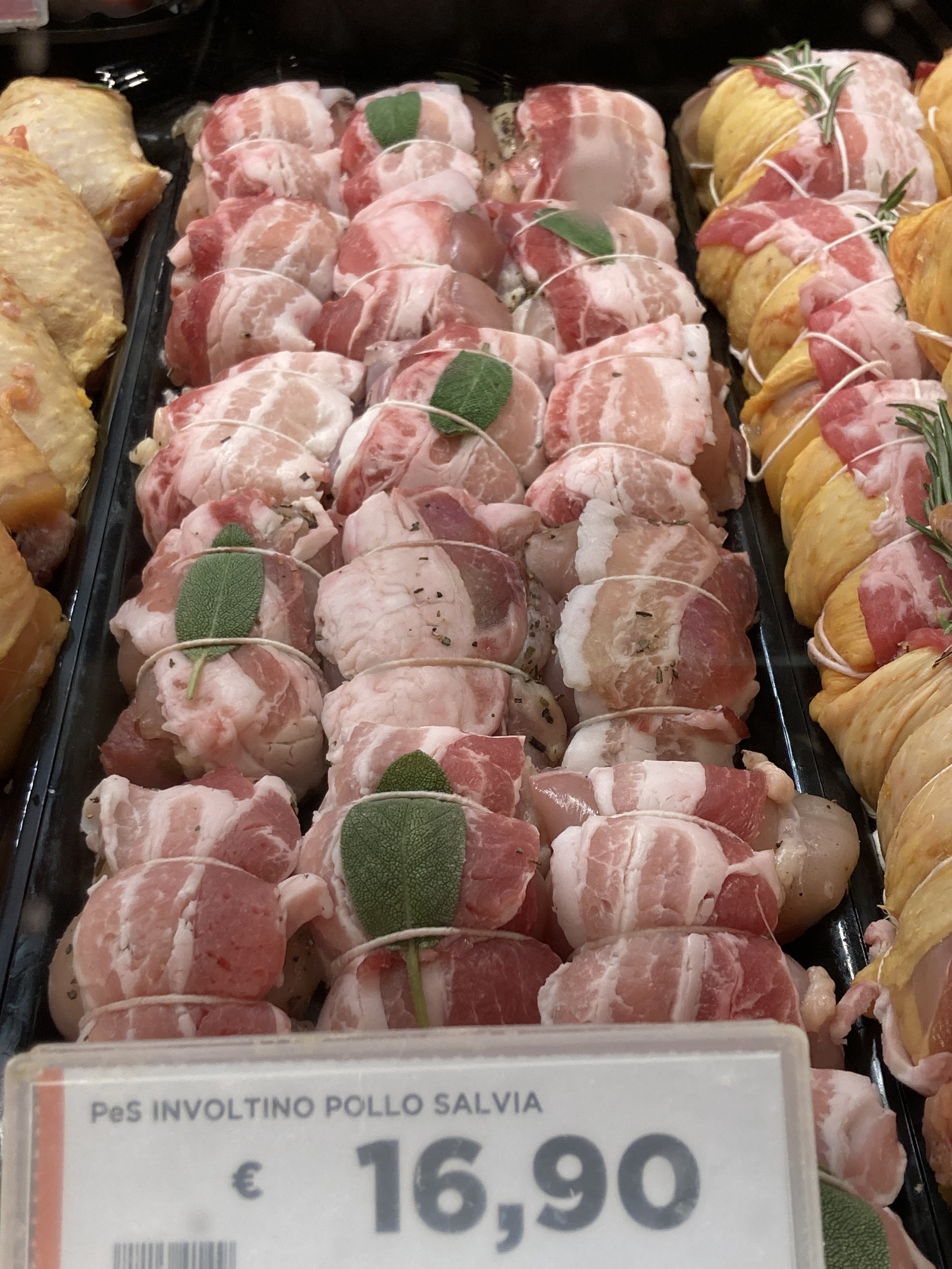
Here you’ll find carnivore heaven with the most wonderful selection of meats.  The Macellai (butchers) display everything from simple cuts to prepared rolled and stuffed roasts of beef, chicken, guinea fowl, and turkey.  Prepared polpette (meatballs) too.  The salumeria (delis) have salami, prosciutto, bresaola, and other meats for slicing. 
IMG_7929.jpeg
IMG_7930.jpeg
IMG_7931.jpeg
IMG_7921.jpeg

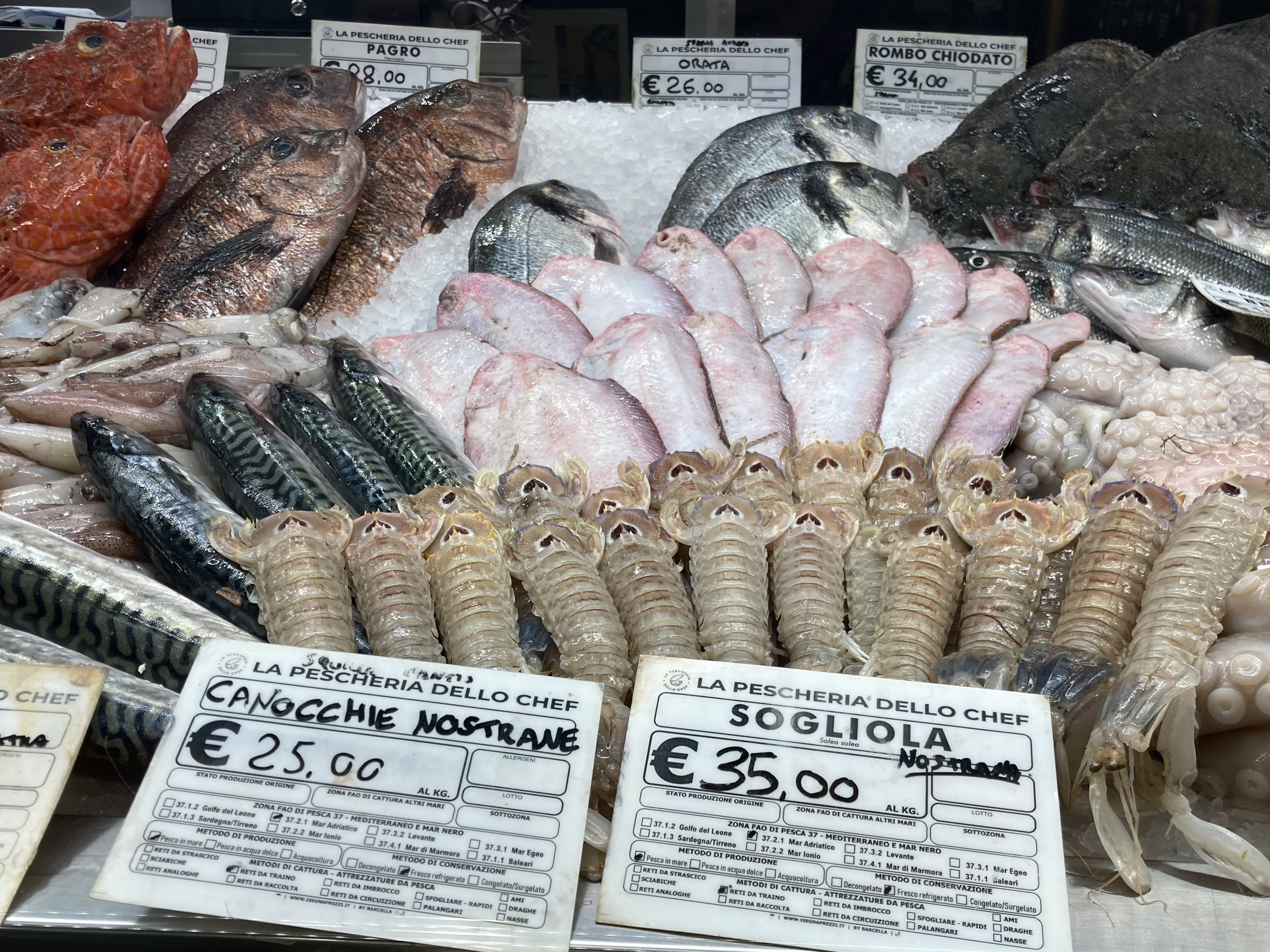
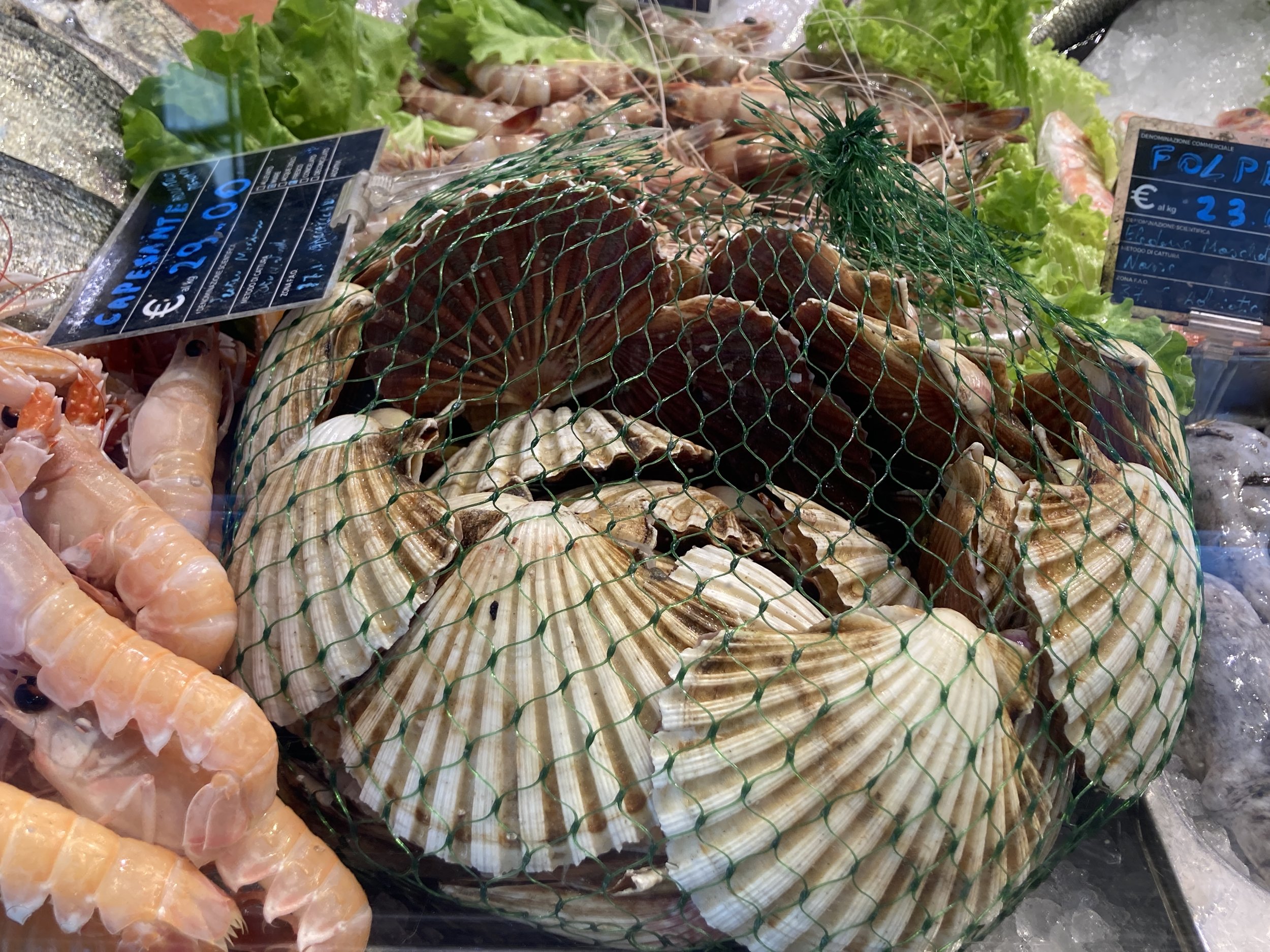
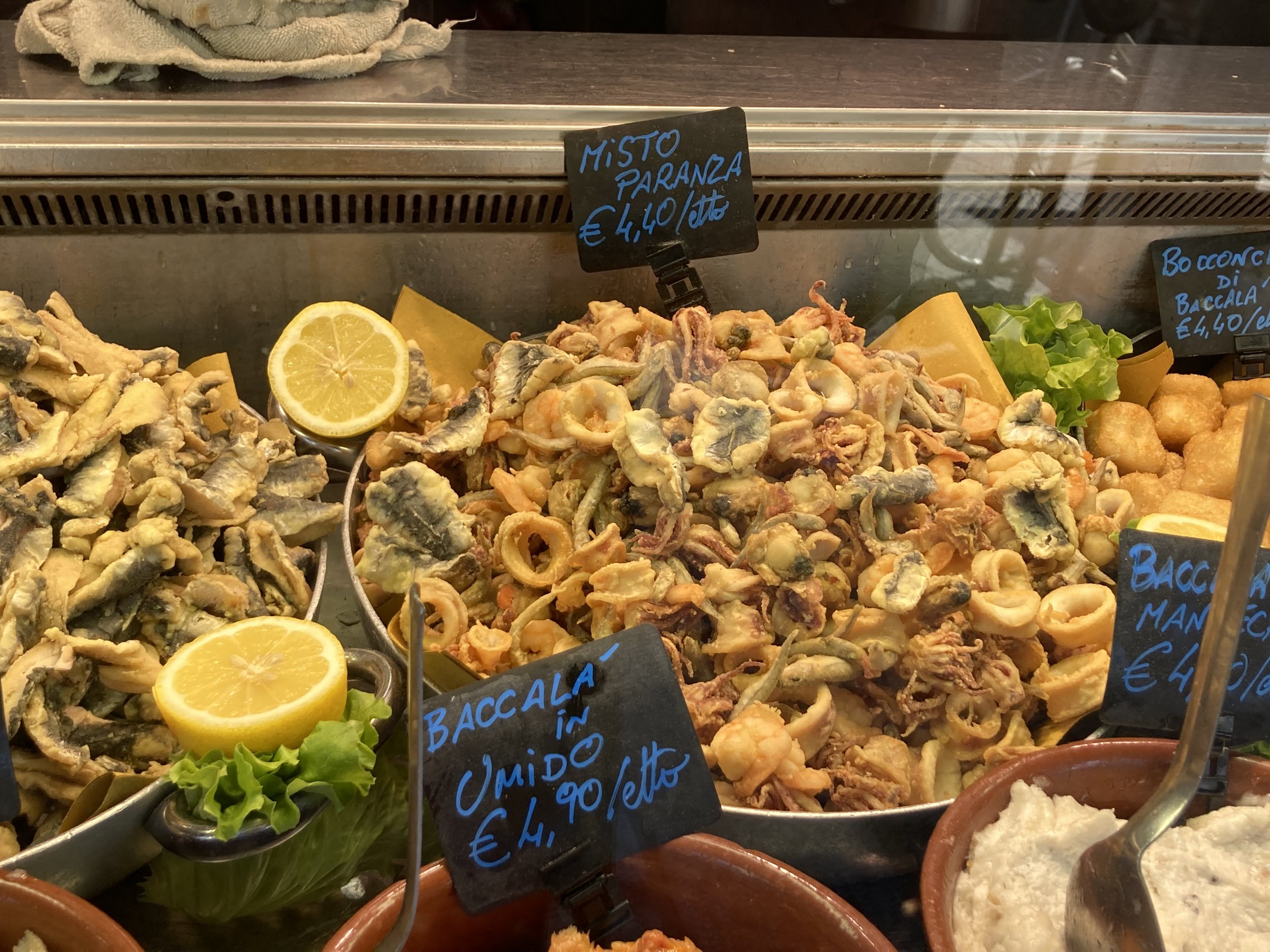
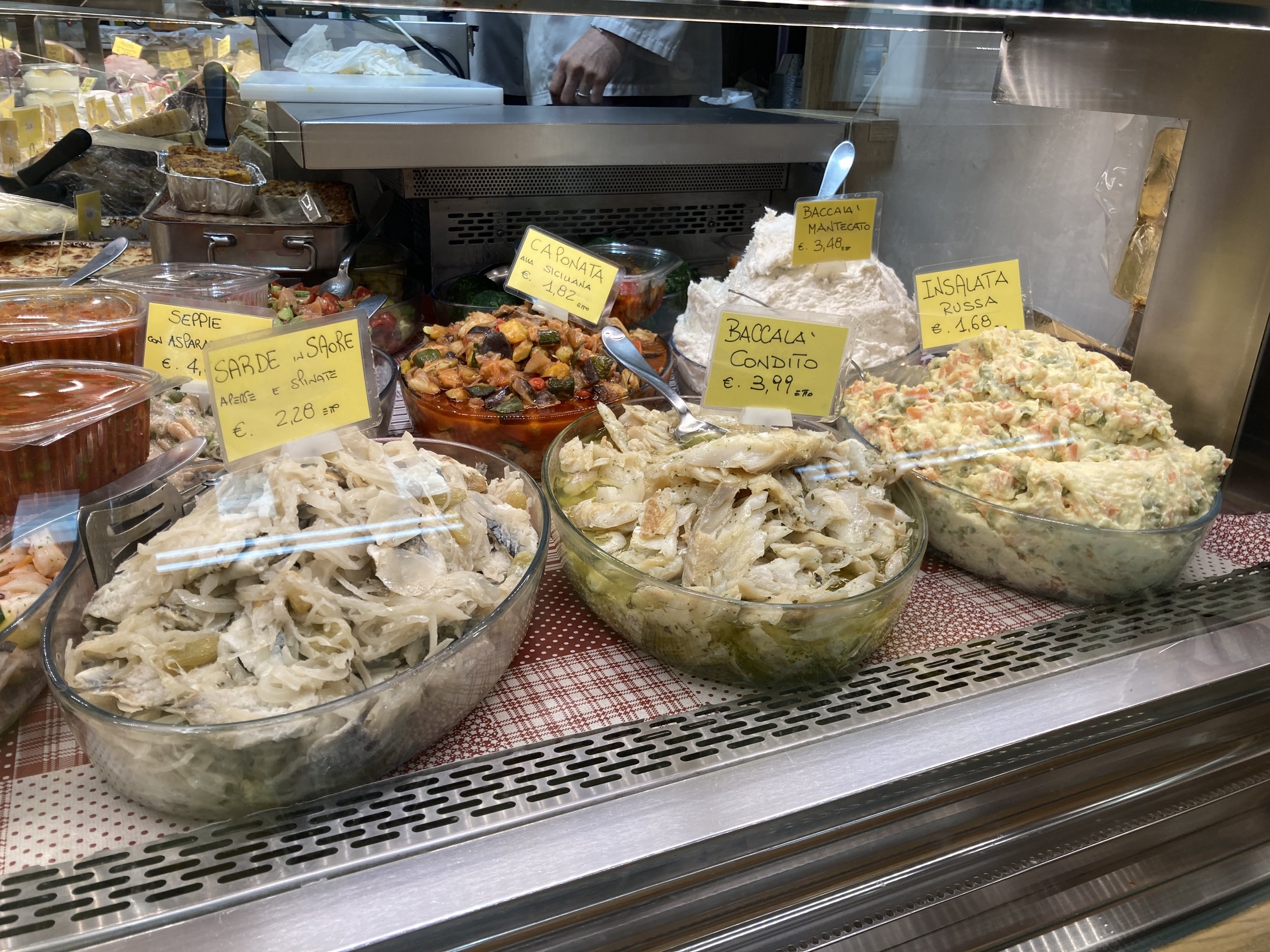
 The Pescivendoli (fishmongers) sell whole fish, fillets, big piovra (octopus), sardines and anchovies, shrimp, and lots of shellfish varieties.  Whipped baccala (a specialy of the Venetian area) is available by the scoopful. 
IMG_7894.jpeg
IMG_7902.jpeg
IMG_7954.jpeg

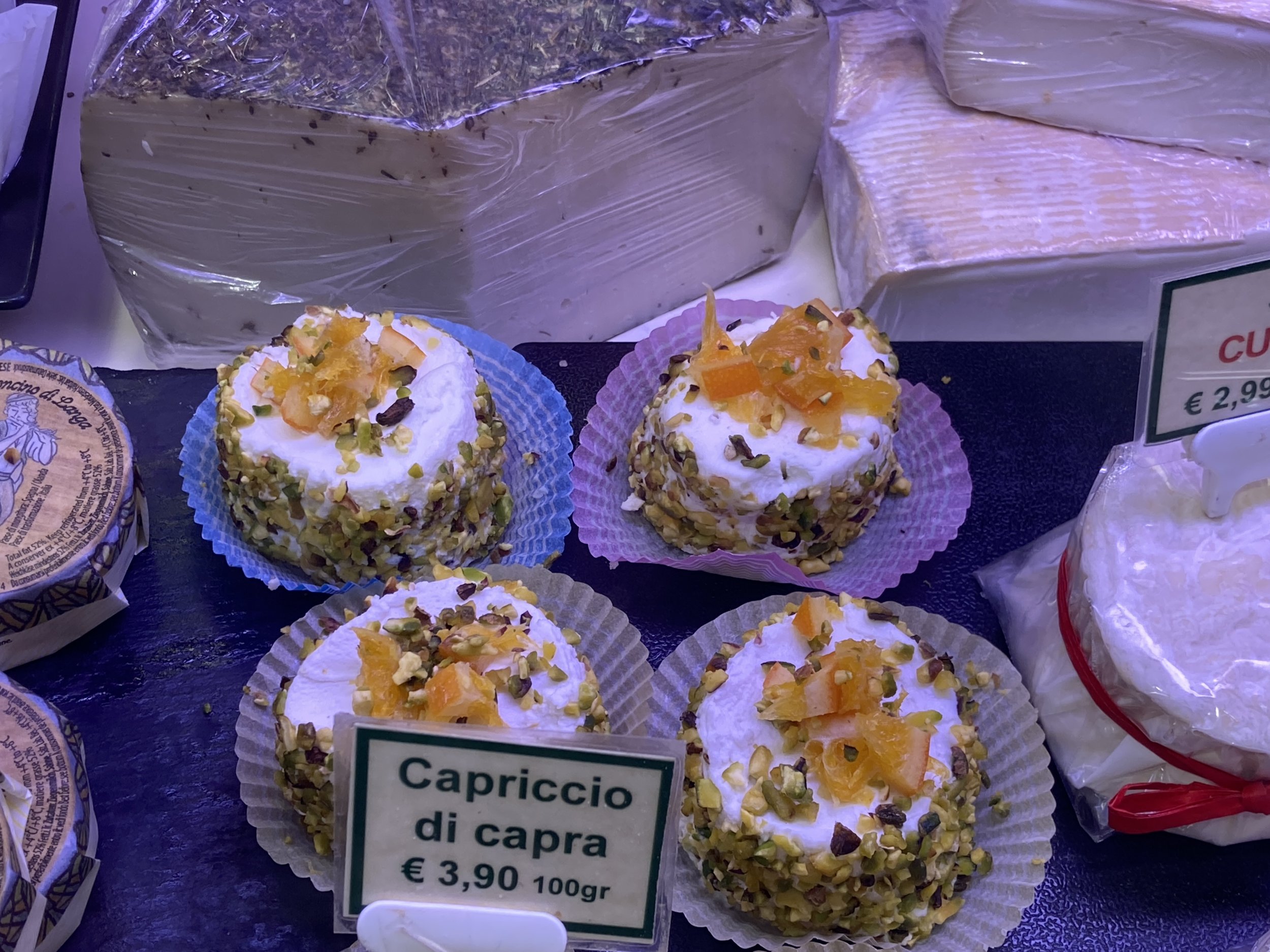
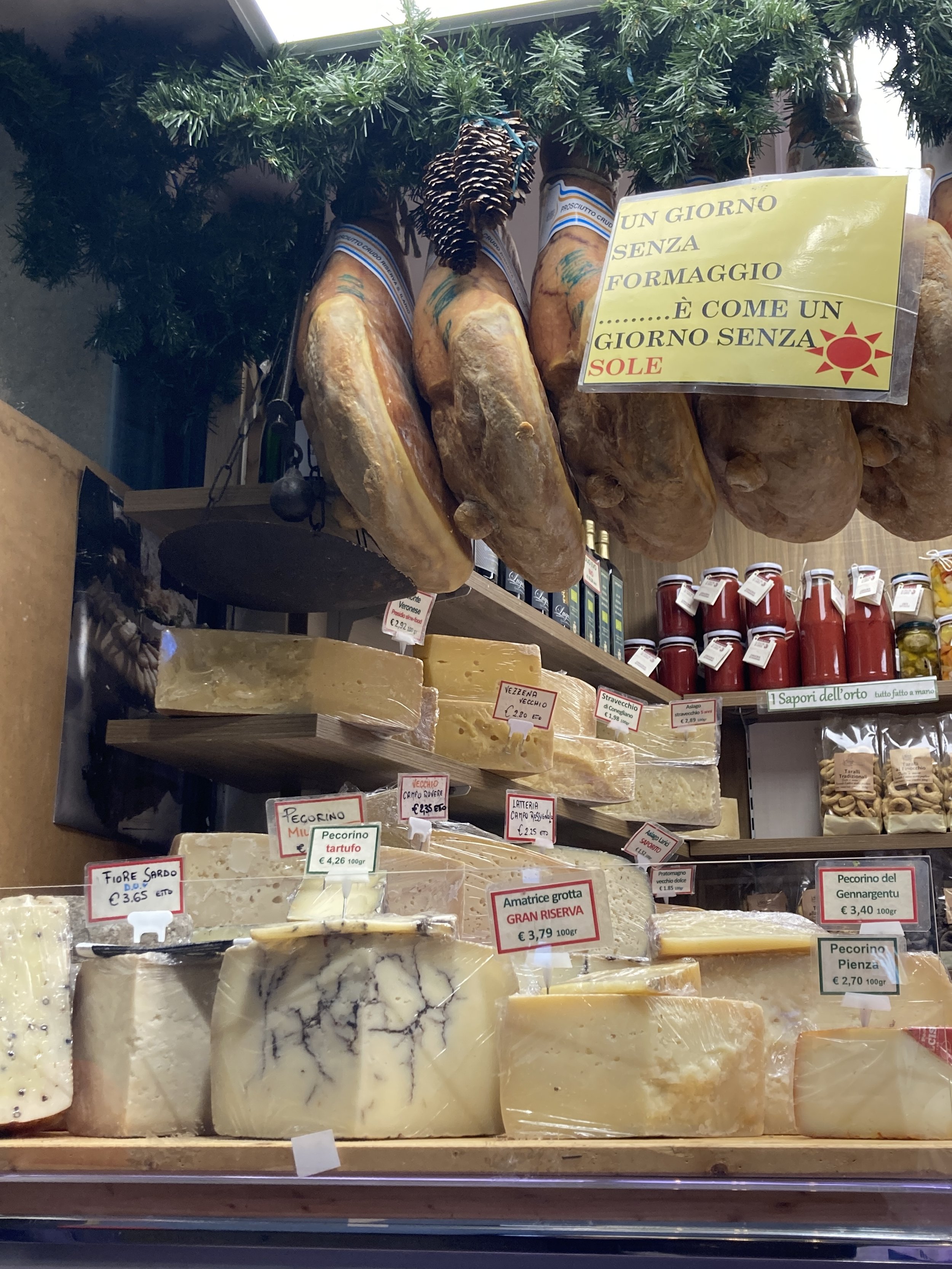
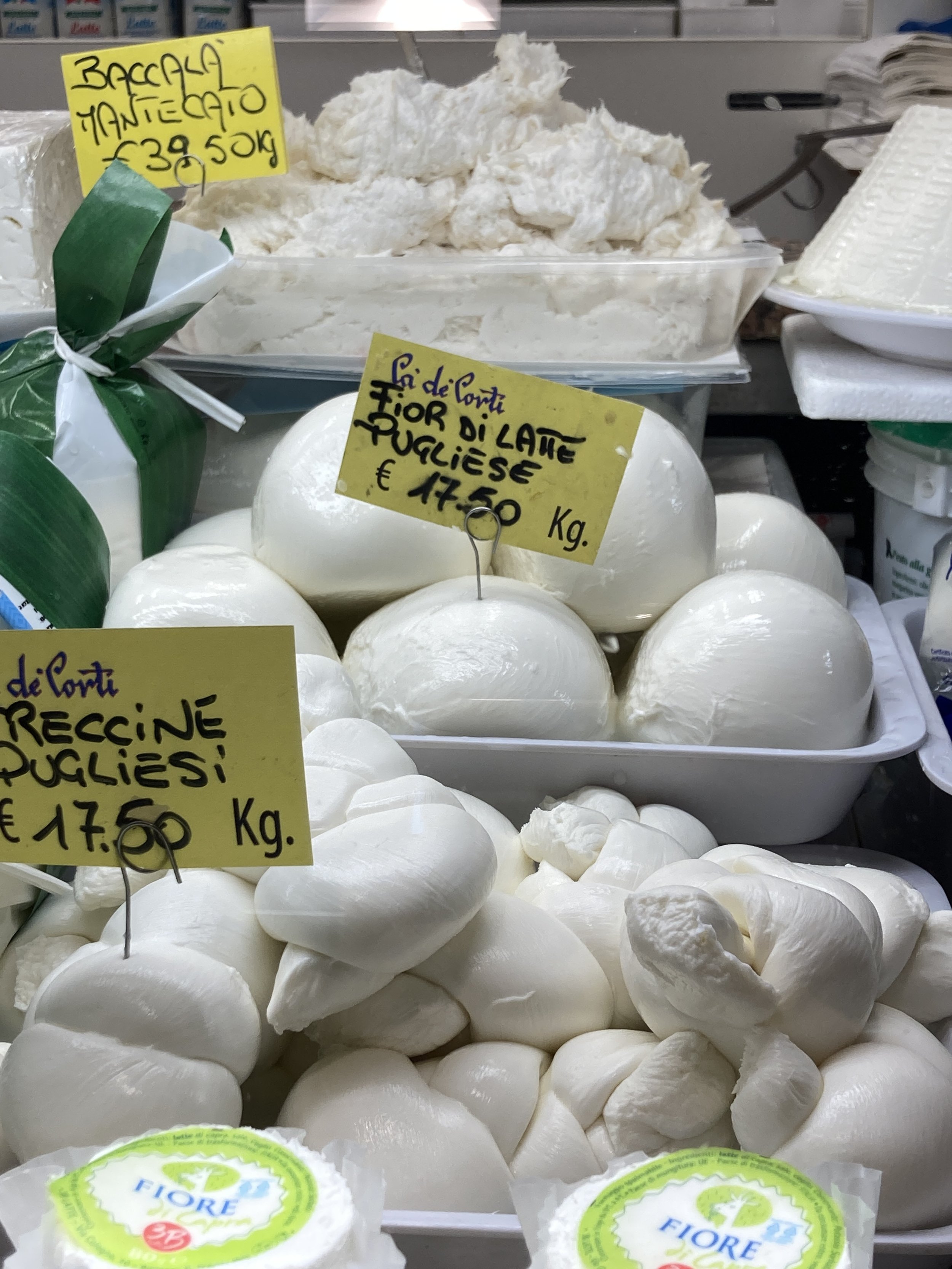
 And the formaggi (cheeses)!  The scent is swoon-worthy and the choices seemingly endless. 
IMG_7909.jpeg
IMG_7916.jpeg
IMG_7918.jpeg

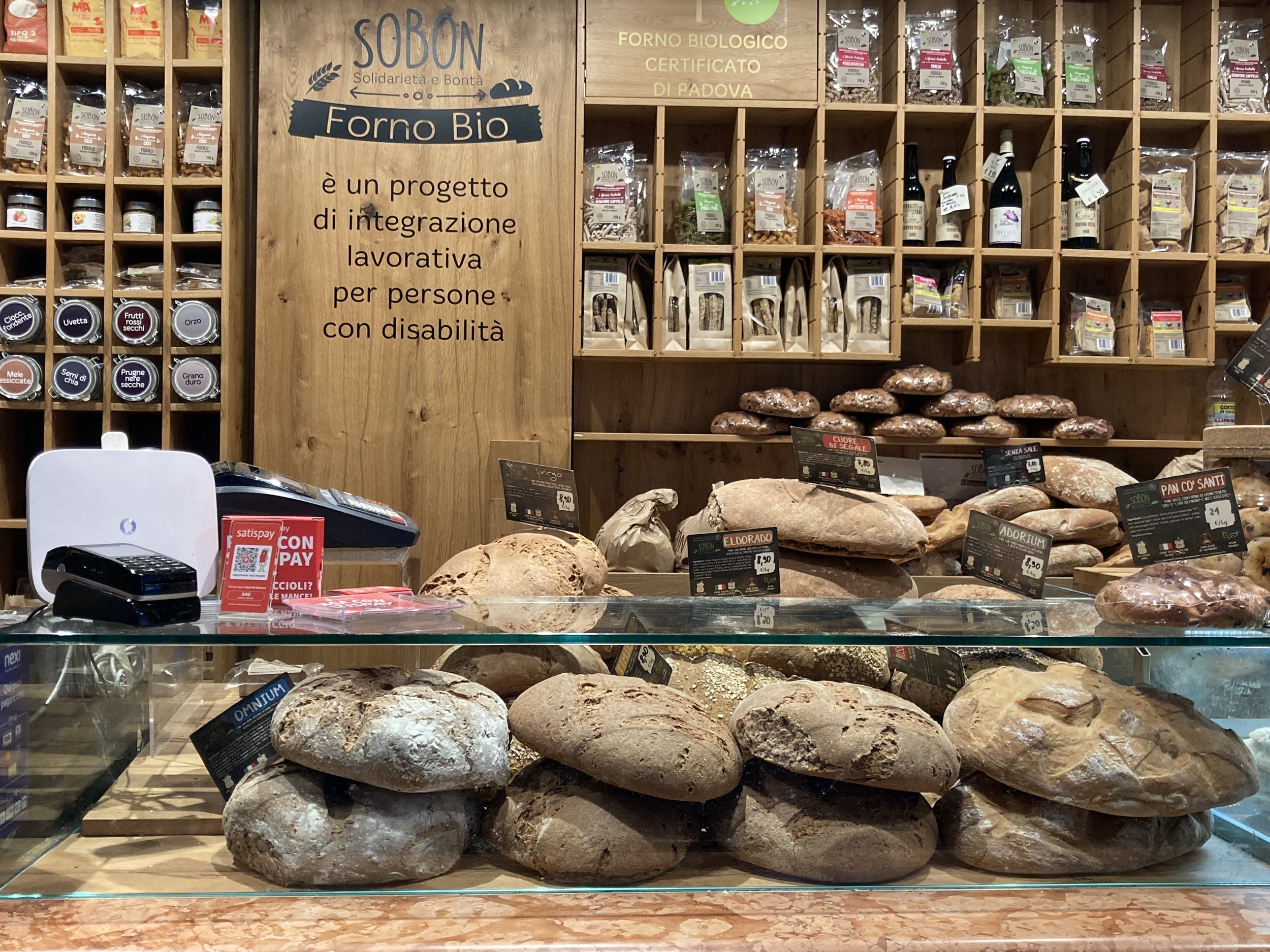
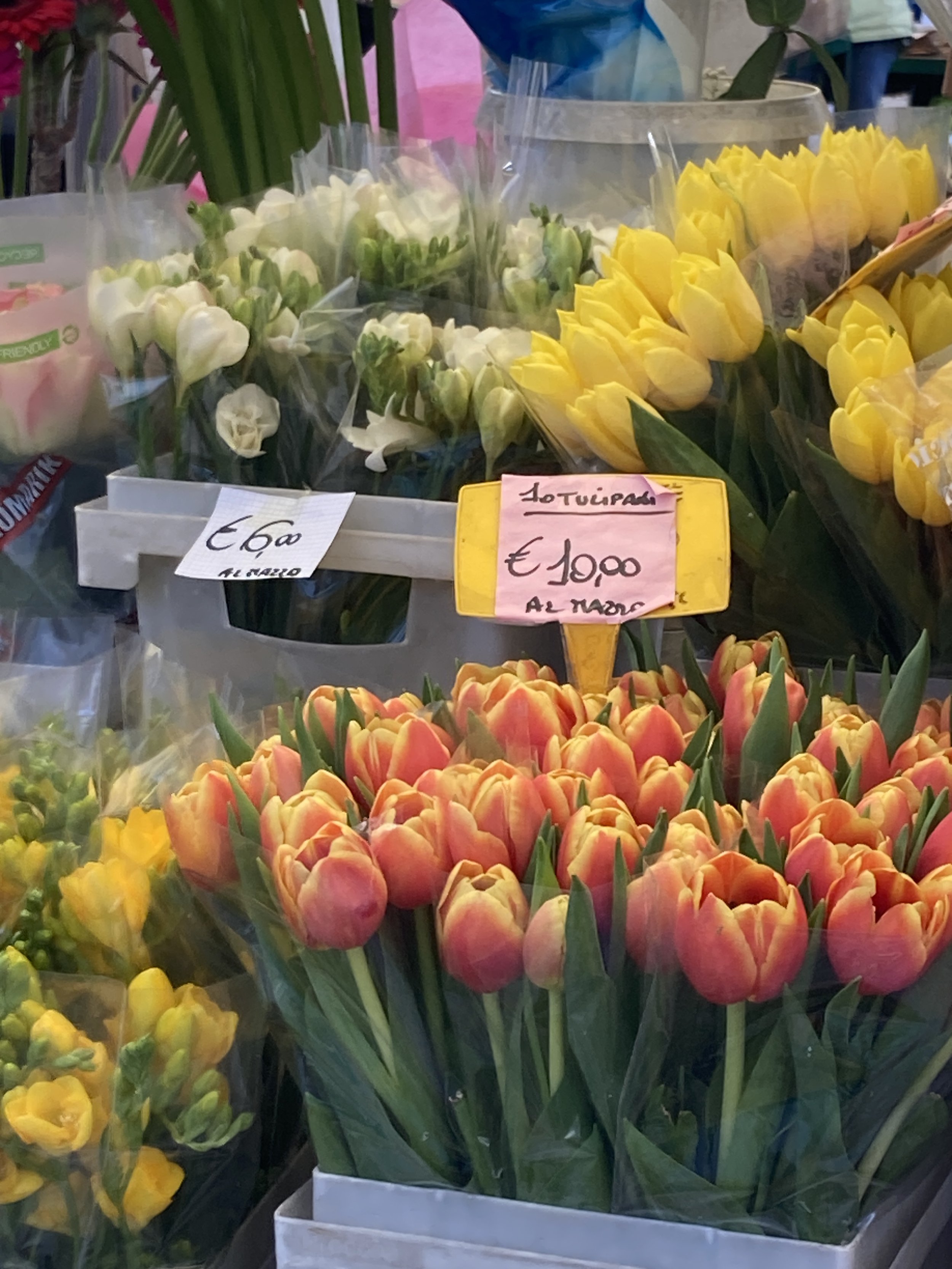
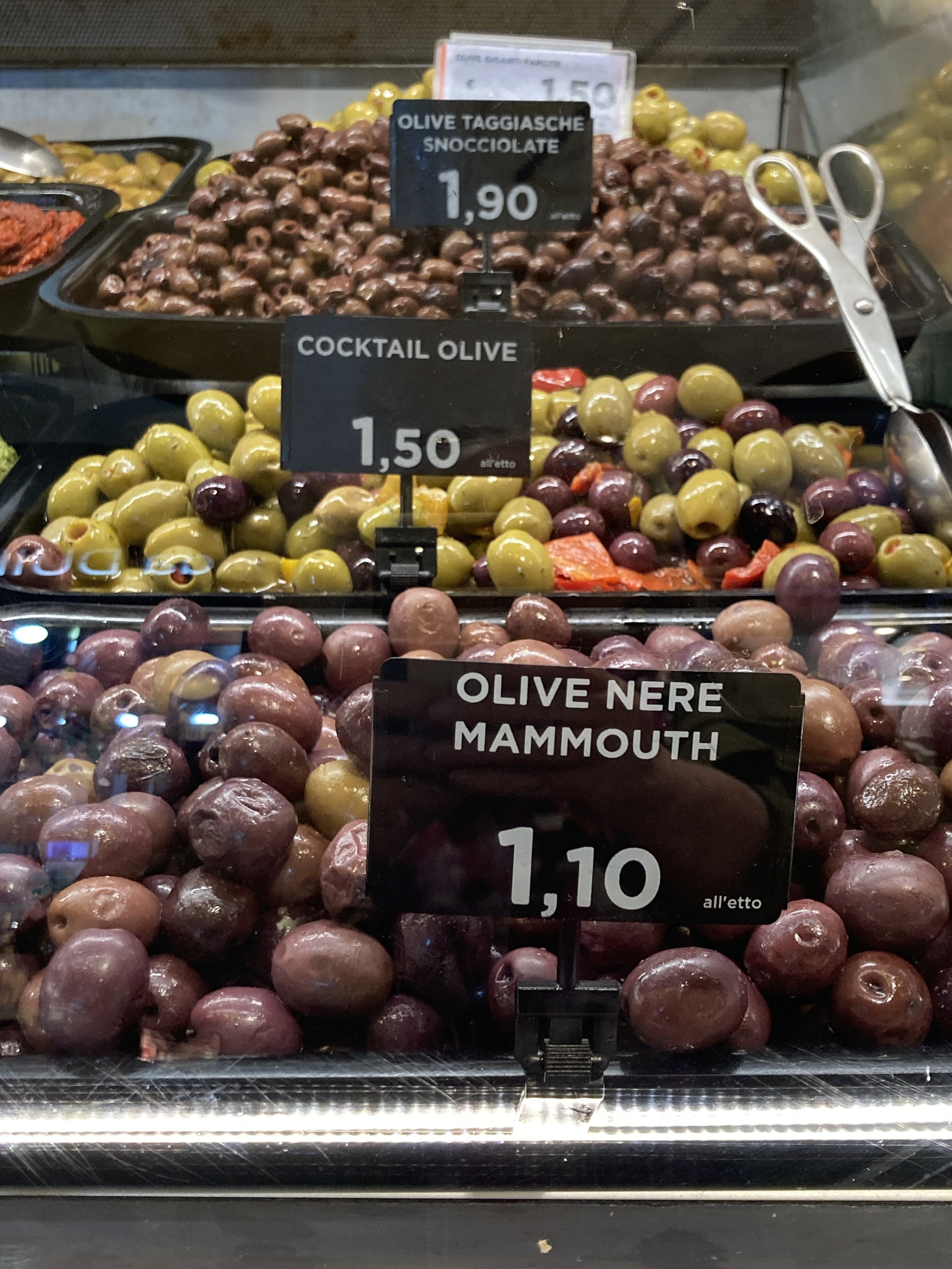
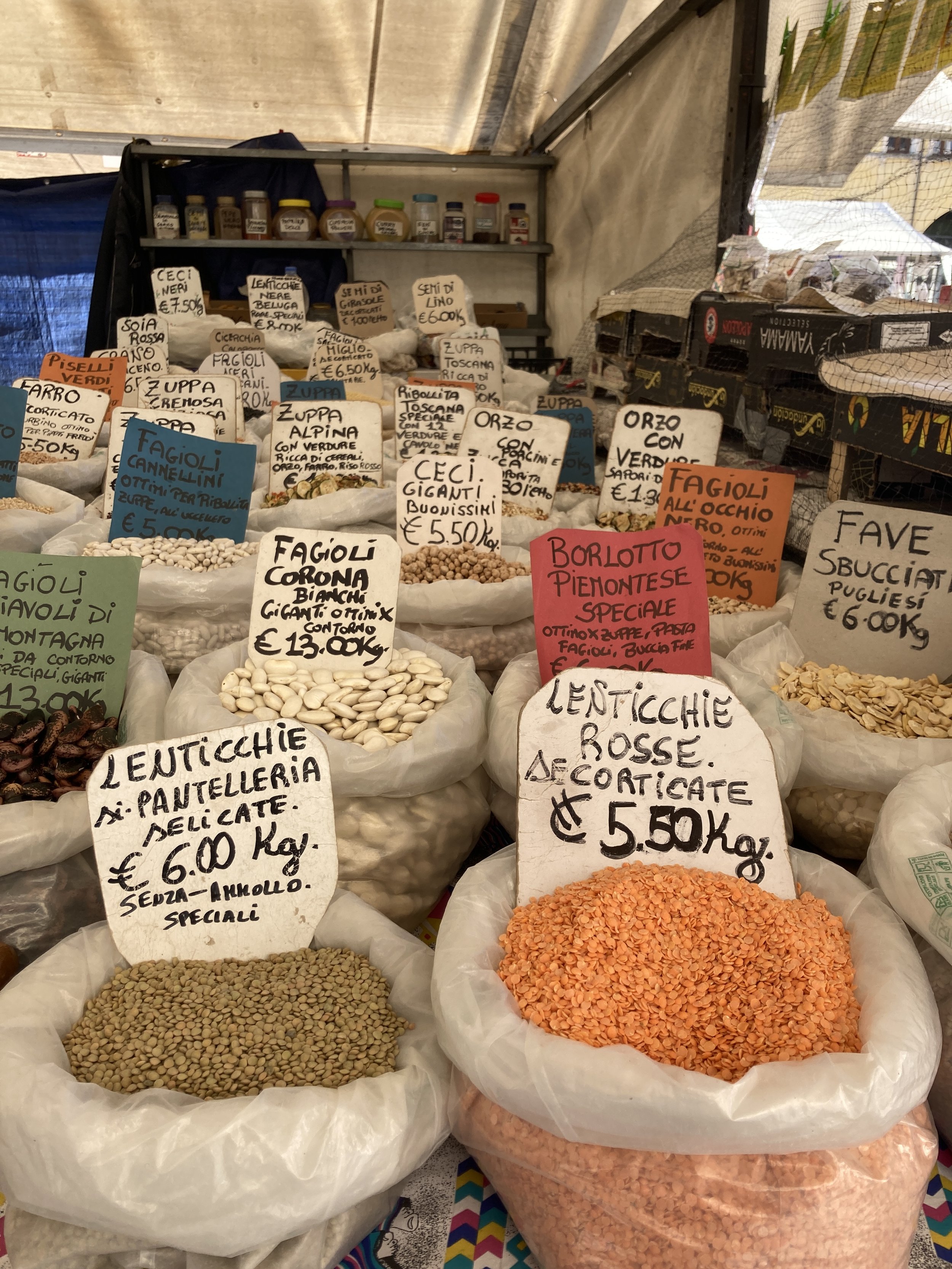
 Other stalls display olives, cicchetti (those small Venetian style bites of goodness), fresh pasta, grains, spices, honey, and a wide selection of prepared foods. The flower stall was colorful and featured spring tulips.
IMG_7923.jpeg
IMG_7956.jpeg
IMG_7907.jpeg
IMG_7895.jpeg
IMG_7953.jpeg
IMG_7963.jpeg

 Everytime I visit this market I begin to think that I should move to Padova - it really is a cook’s dream. My next visit will have to be longer and in an apartment with a kitchen! If the springtime market is this wonderful, just imagine what summer will bring! 
May 13, 2024 /Joanne Bartram
padova, padua, market in Padova, market in Padua, Italian market
#italiancooking, #padova, #padua, Cooking, Italian culture, Italian markets, Living in Italy, Padua, Padova

The Venerdì Santo (Good Friday) Procession in Lucca.

Easter in Lucca, 2024

April 01, 2024 by Joanne Bartram in #italy2024, #medievalitaly, #springintuscany, Festivals Italy, Italian culture, Living in Italy

Celebrating the Easter (Pasqua in Italian) holidays in Lucca always feels special to me. Easter marks the beginning of spring and Lucca in spring is filled with mild weather and fun events.  There is always a lot to look forward to and Easter is the kick-off to some of the best months to be in Italy. 

Not only that, but Easter here, along with Pasquetta the day after Easter and also a holiday, is so filled with tradition and, well, just Italian-ness, that it always gives me a renewed sense of appreciation that I get to live here. 

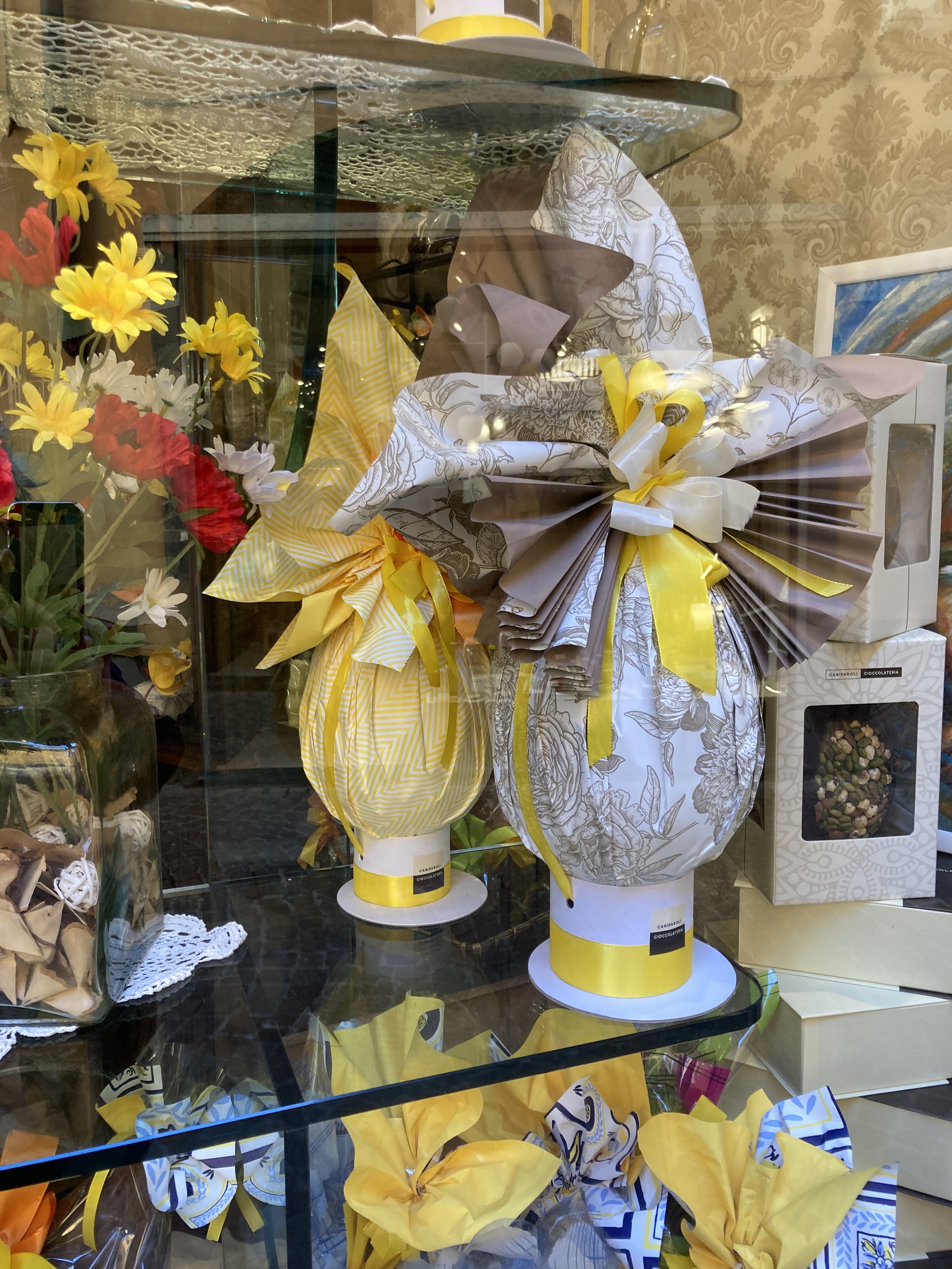
Plus, the holiday a great excuse to get together with friends for Easter weekend dinners, Easter morning brunch, and a long, slow dinner on Easter Sunday evening.  Easter is meant to be spent with friends!   And coming after Lent, it’s meant to involve good food and drink. Which is one reason why there is so much chocolate in shop windows here.

This street-side shrine is one of the first stops on the Via Crucis.

Easter in Italy is marked by ancient religious traditions.   And whether one is religious or not, the Easter rituals carry historic significance and always leave me a bit in awe. Each year, on Good Friday (Venerdì Santo in Italian), many cities have processions which recreate the Via Crucis, Stations of the Cross.

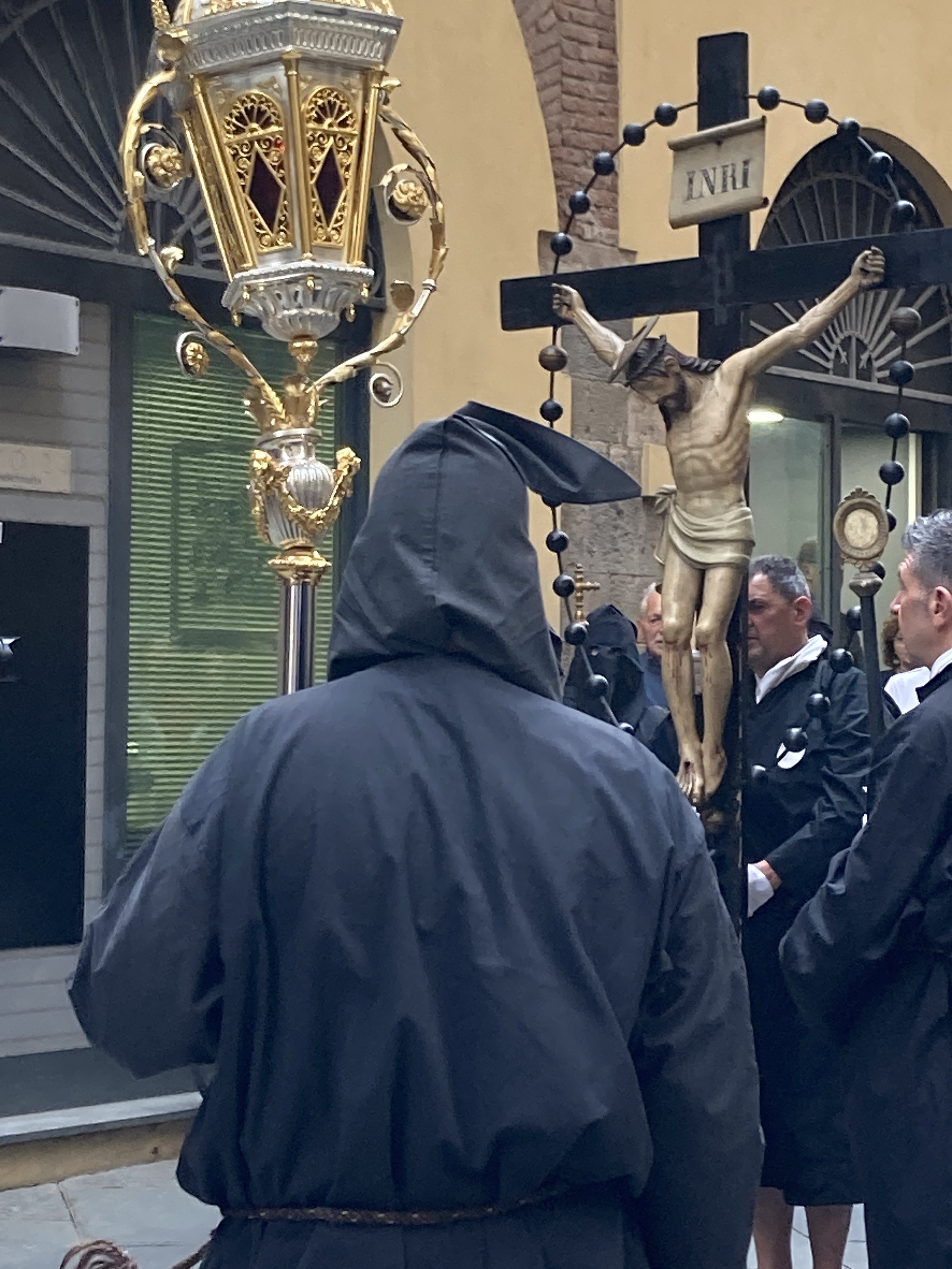
In Lucca this solemn procession is enacted by members of the Confraternity of the Misericordia, a volunteer civic organization.  Dressed in hooded black robes, with many participants barefoot, they walk through the historic center carrying a heavy crucifix.  The procession stops at small shrines and churches for prayers and chanting. The procession is followed by a group of local worshippers.  As they move through Lucca’s medieval streets, it is easy to imagine similar processions taking place hundreds of years ago.  Time seems to stop and only the cameras and cell phones snapping pictures give a sense of modernity. (Video on the Two Parts Italy Facebook page)

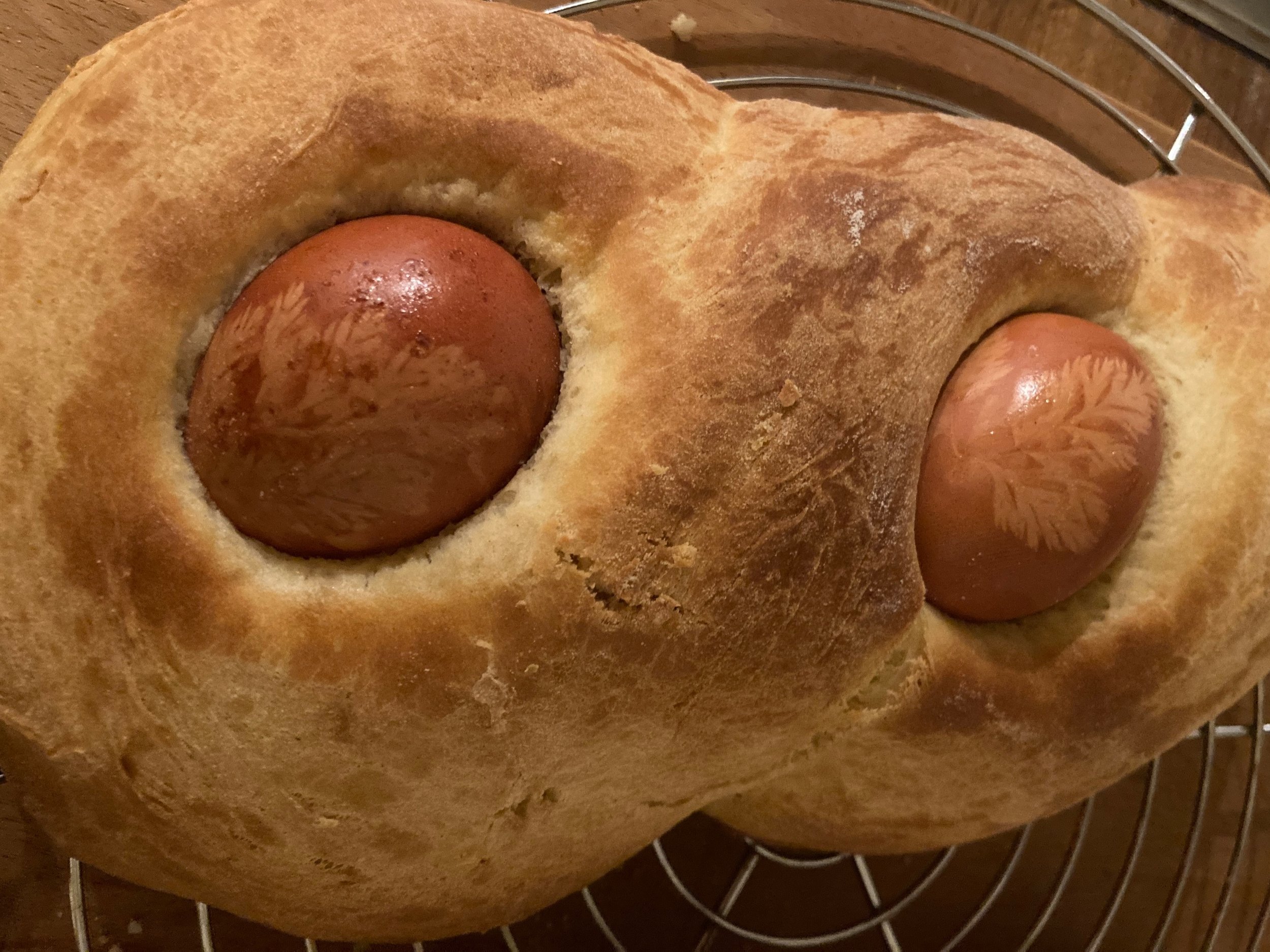
Not all Easter traditions are religious or ancient.  Part of the holiday for me involves baking Easter bread.  This is a simple sweet bread decorated with eggs, a recipe I learned from an Italian friend of my parents many years ago. It’s perfect for a simple breakfast or as an Easter gift.

I am a bit oven-challenged here, as my apartment only has a small countertop electric oven, but I managed to turn out two small loaves this year. 

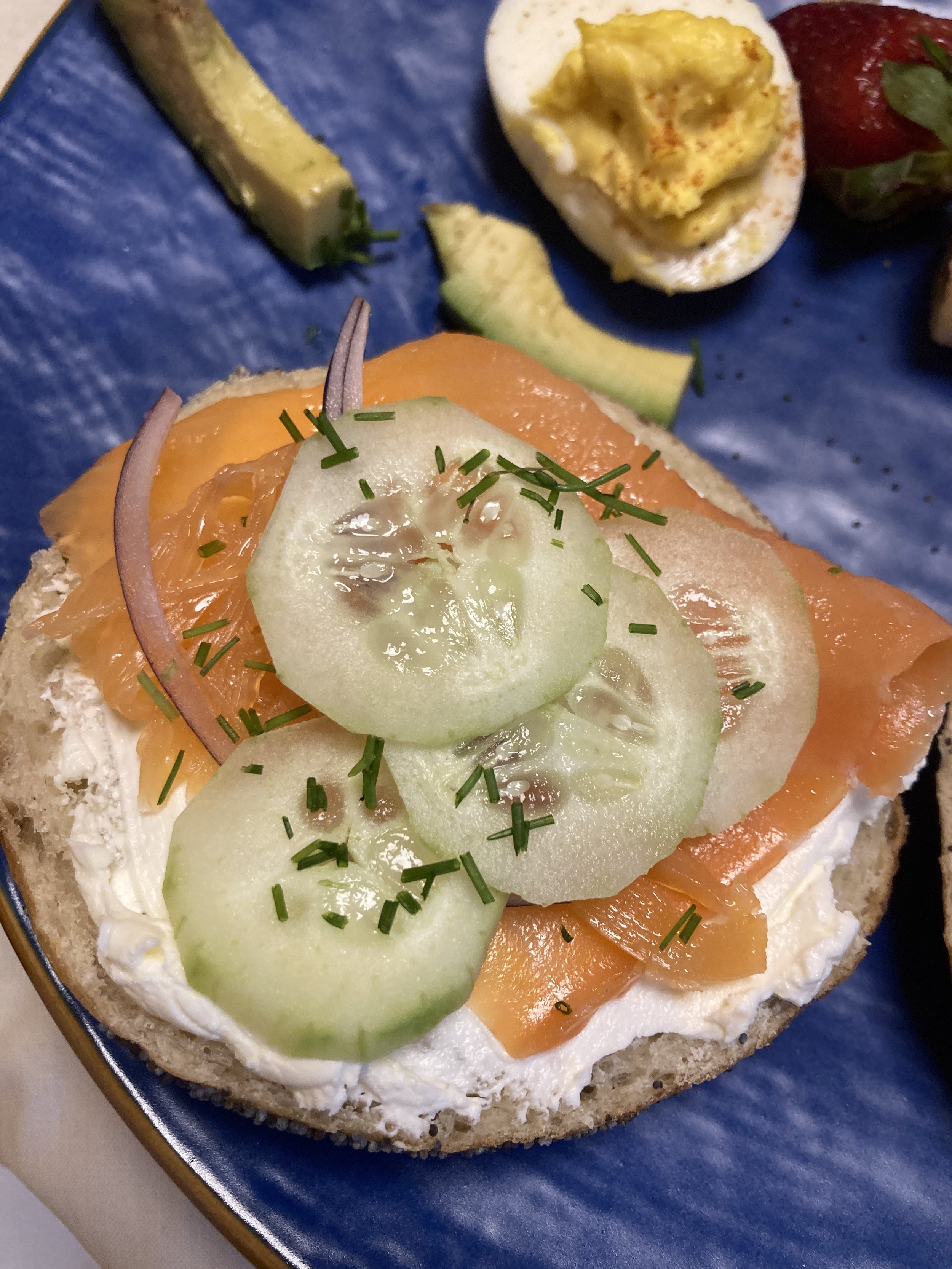
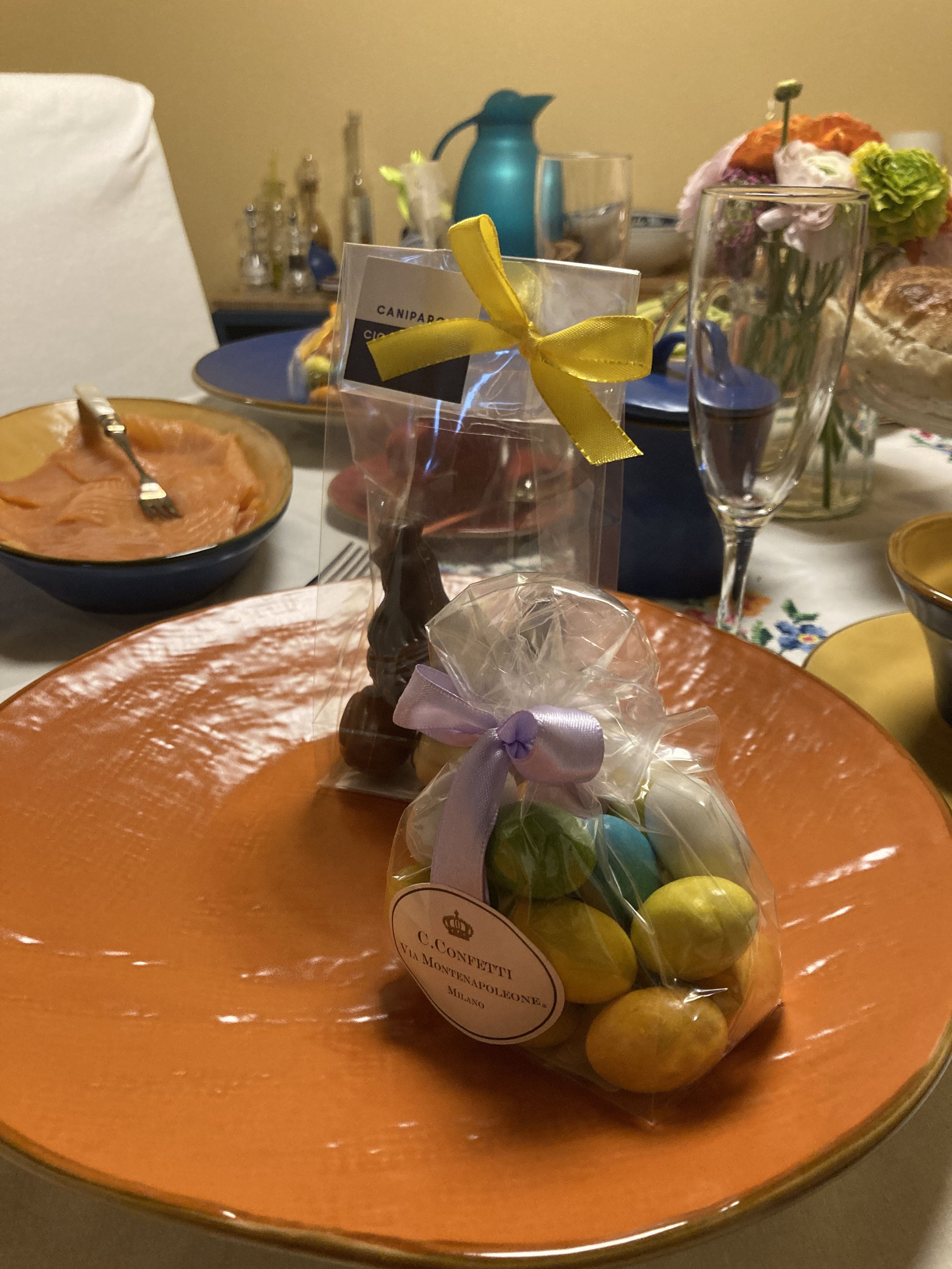
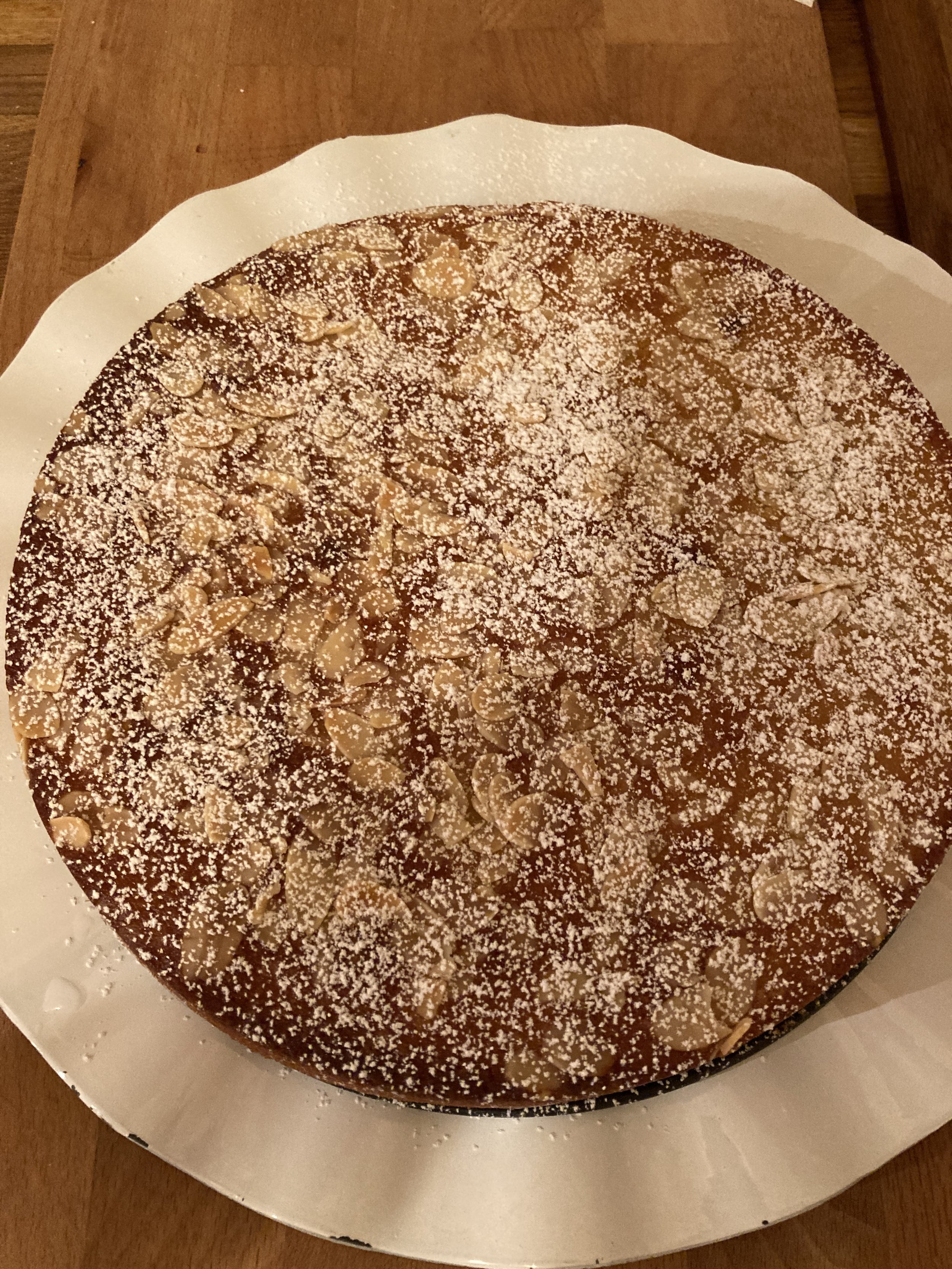
Another important tradition for me is hosting an Easter meal - and brunch is my favorite meal to prepare and share with friends.  The menu for this year’s brunch was anything but traditional.  After recently discovering Beehive Bagels in Rome, and learning that they would overnight fresh New York style bagels to me in Lucca, my menu choice was set.  Bagels with cream cheese and smoked salmon with all the needed trimmings – red onion, capers, thinly sliced cucumbers, and some fresh chives which I happen to have growing on my windowsill, and deviled eggs.   Add to that the fruit, Prosecco, and Blood Orange juice brought by my guests and we had all the ingredients for a nice Easter morning meal.  And since it is fun to try something new for Easter, this year I made a ricotta almond torte flavored with Limoncello – a little something Italian to add to my very American style Easter brunch.

IMG_7454.jpeg
IMG_7453.jpeg
IMG_4979.jpeg

Today, the day after Easter, is still a holiday here in Italy.  Pasquetta is a day for relaxed fun.  For me that will mean coffee with a friend, a walk on the walls (probably with an umbrella), and watching spring start to bloom around Lucca.

I hope your Easter holiday was filled with friends, laughter, good food, and anticipation of spring.

Buona Pasquetta!


April 01, 2024 /Joanne Bartram
Easter Italy, Easter in Italy, Easter in Lucca, Easter Brunch
#italy2024, #medievalitaly, #springintuscany, Festivals Italy, Italian culture, Living in Italy

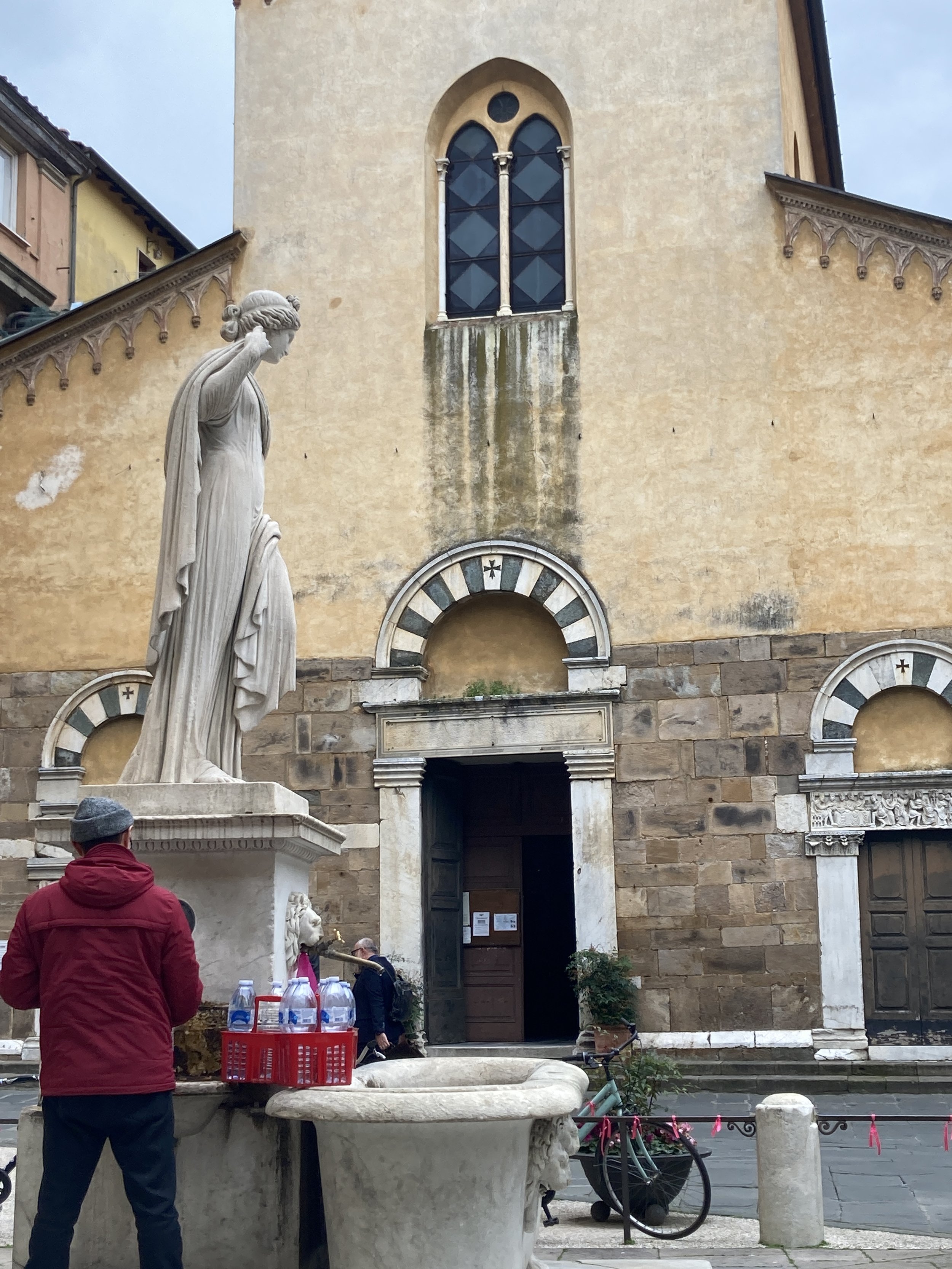
The Piazza del Salvatore is a busy hub of activity in Lucca. It’s all too easy to focus on Nottolini’s fountain and the graceful statue of the Naiade on top and miss the church of San Salvatore which sits across the piazza.

The Church of San Salvatore in Lucca

March 18, 2024 by Joanne Bartram in #italy2024, #lucca, #italytravel, #luccafountains, #medievalitaly, Churches Italy, Italian culture, Italy, Living in Italy, Lucca

A painted door in Piazza del Salvatore, Lucca

A couple of days in Lucca last week were rain free – perfect for catching up on errands.   My tasks included a stop at the lavandaria (cleaners), a quick visit to a local shop to buy a pretty pot for the chives I’ll grow on a sunny windowsill, a meet up with a friend for a coffee (there may have been a pastry involved), and a trip to the Ortofrutta to stock up on vegetables. 

 The best part of running errands here is that it never feels like a chore.  No drudgery involved.  How could there be when the errands are done on foot and all involve a walk through historic Medieval streets?  There are ancient stone buildings, centuries old decorative brick work around windows, balconies full of flowers, and beautiful old wooden doors along every route.  Add to that the sound of spoken Italian providing a soundtrack to daily life here and chores are fun.

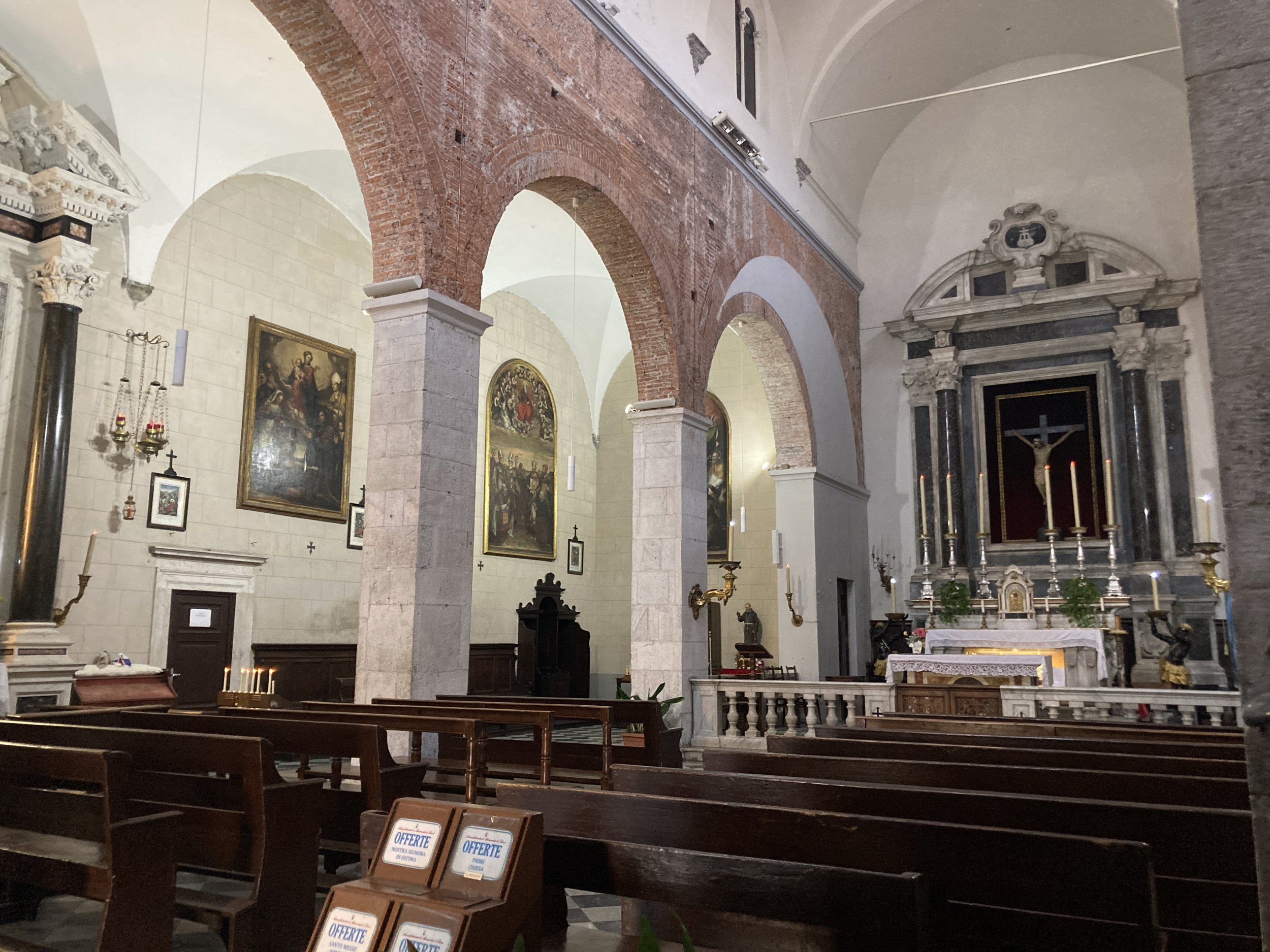
On my errands I stopped into one of Lucca’s small and lesser known (at least to visitors; it’s a favorite of locals) churches. It was empty, silent, and unguarded. I was the only person inside, free to admire the architecture, artwork, and treasures within. To leave such a historic place, filled with valuable artifacts, so accessible would be unheard of in the US.  Here in Lucca it is not unusual at all.  

The Church of San Salvatore, also known as the Church of the Misericordia, Lucca

The church, officially the Church of San Salvatore in Mustolio, is more commonly known as the Church of the Misericordia because it is located right next to what was for many years the office of the Misericordia Ambulance Service.   

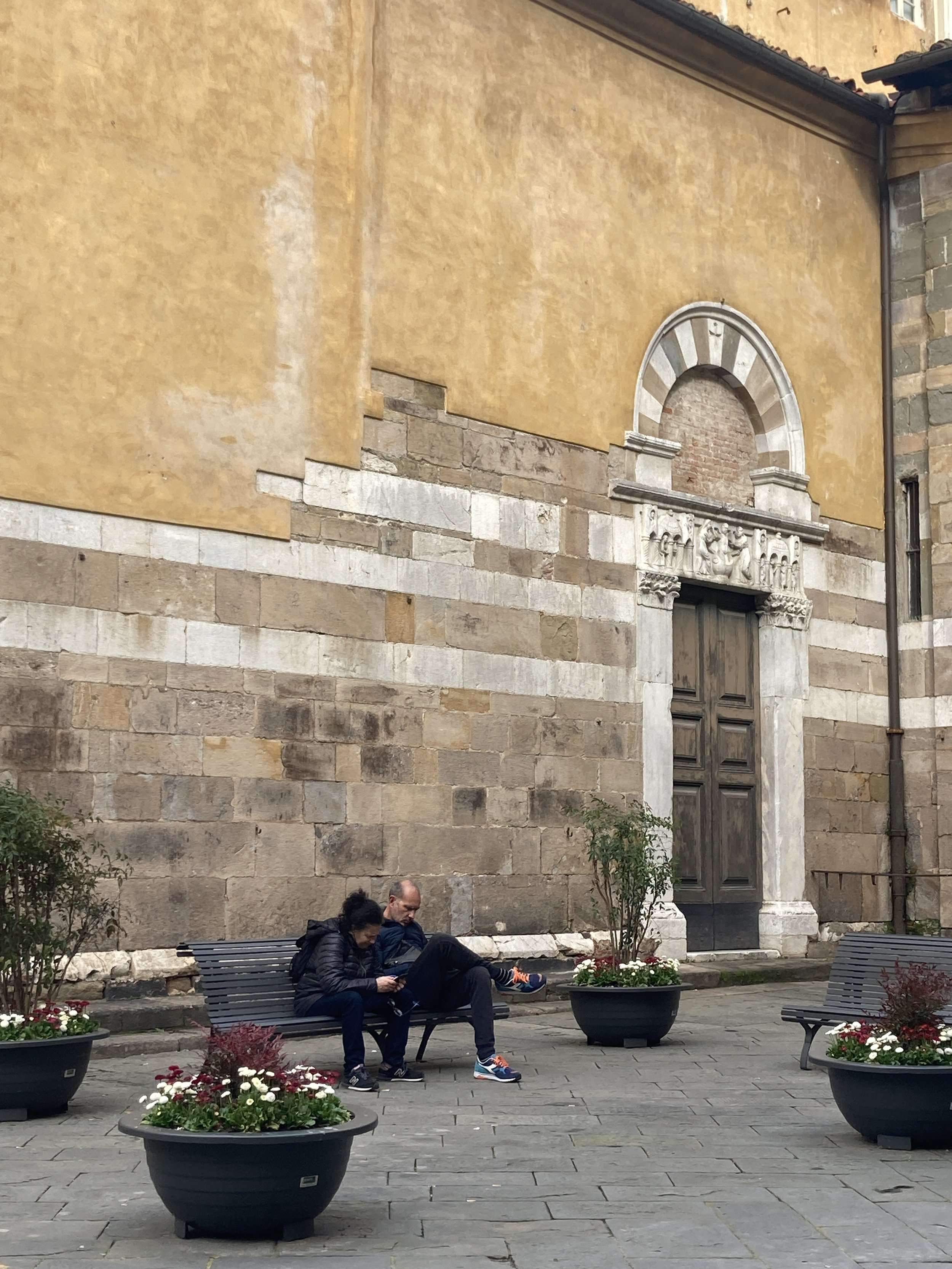
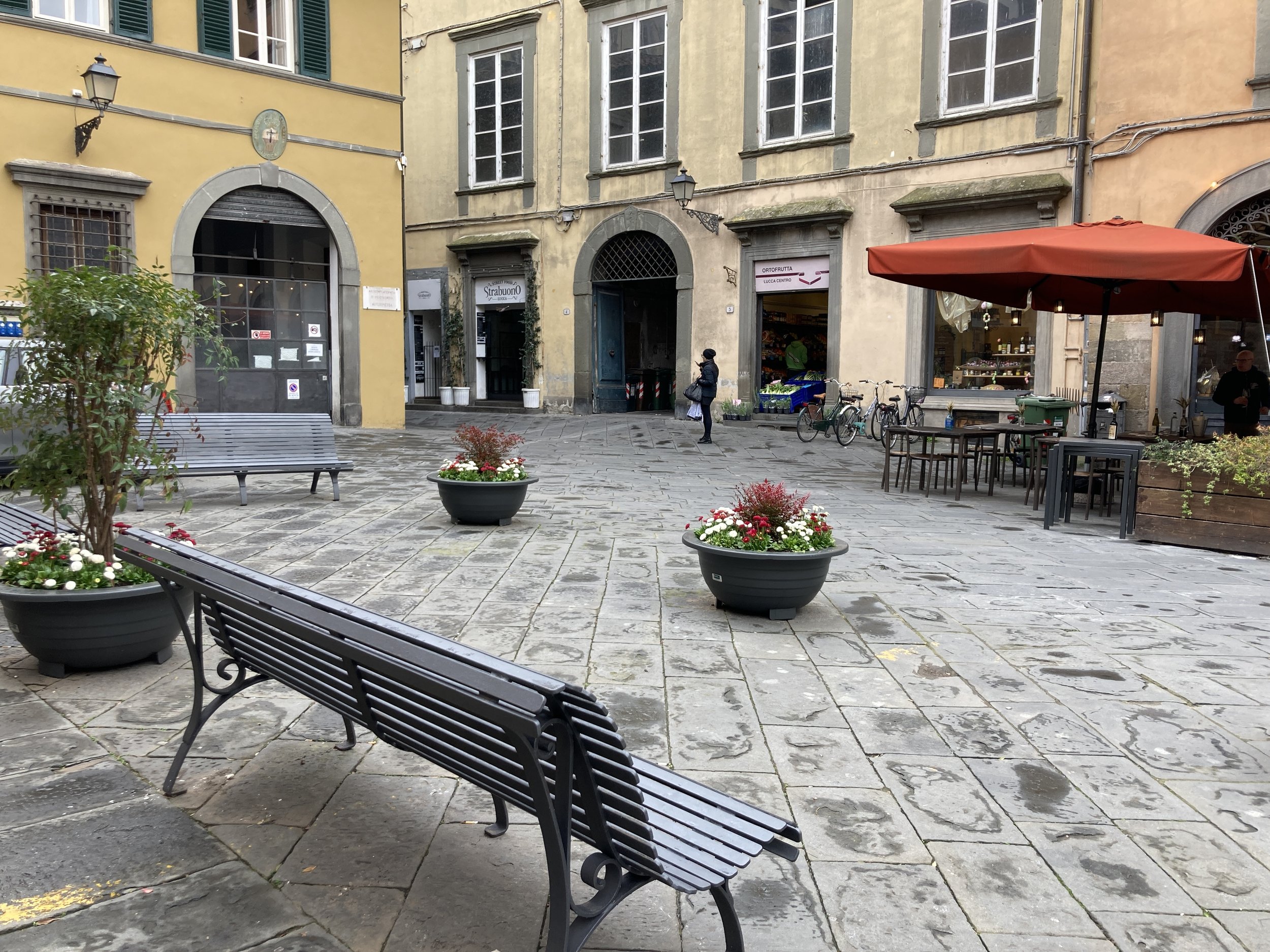
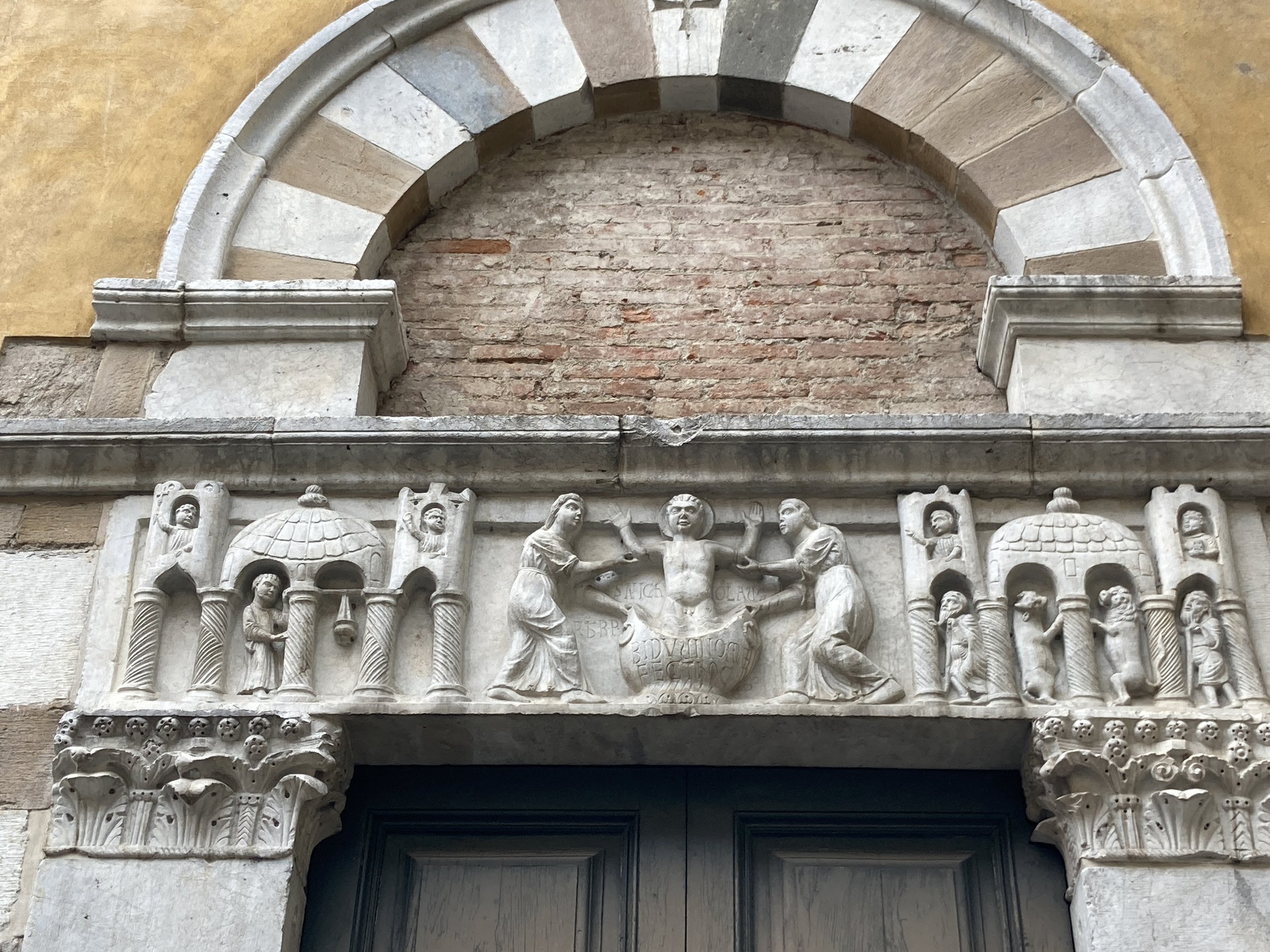
A few months ago the ambulance service moved outside of central Lucca, leaving a spot for some benches and flower pots in the space where the ambulances used to sit. The stone wall of the church is now easy to see and the historic carved lintel above the side door more visible.

This new sitting area, once filled with parked ambulances, is now a pretty place to sit facing the piazza along the side of the church.

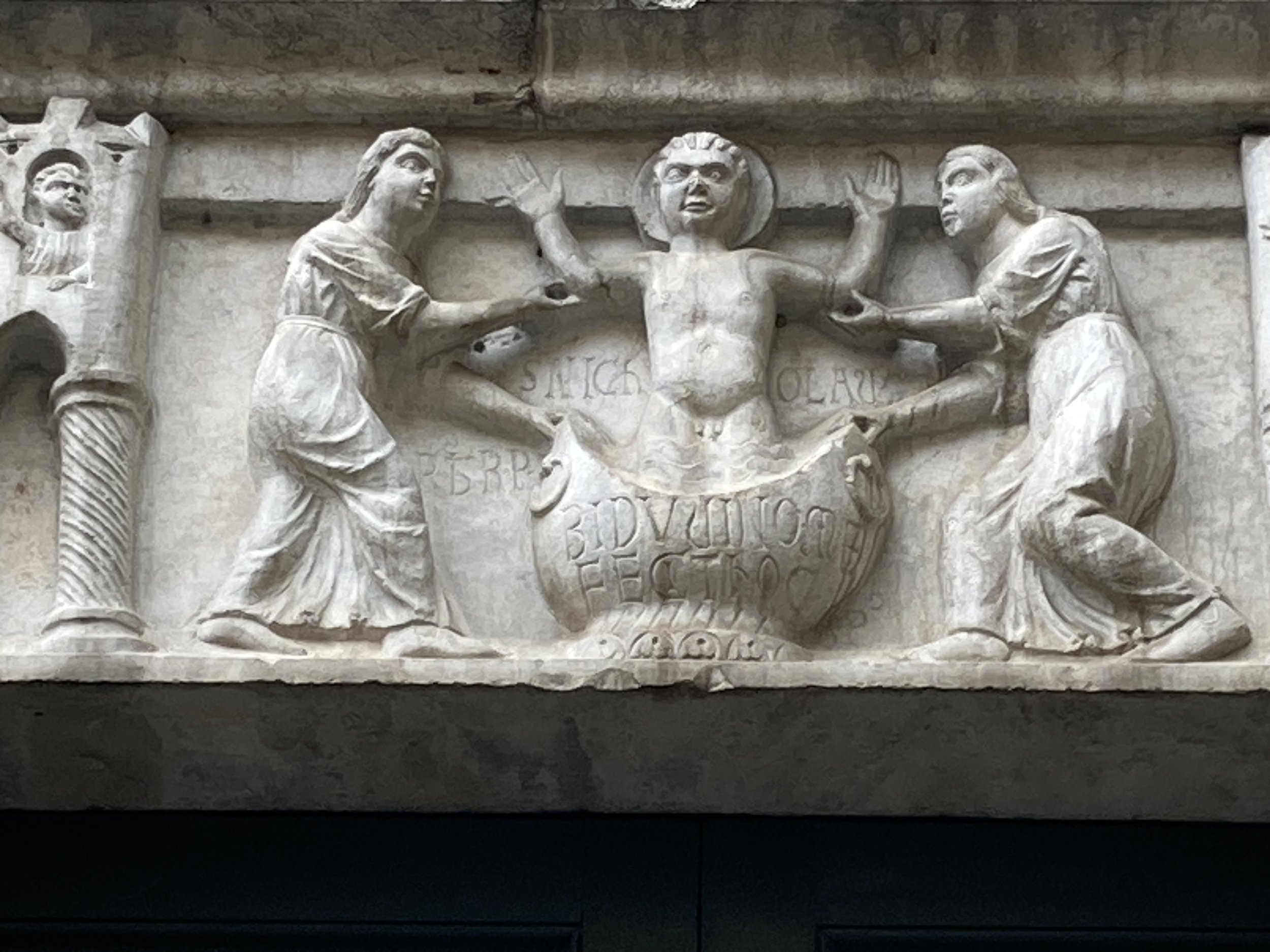
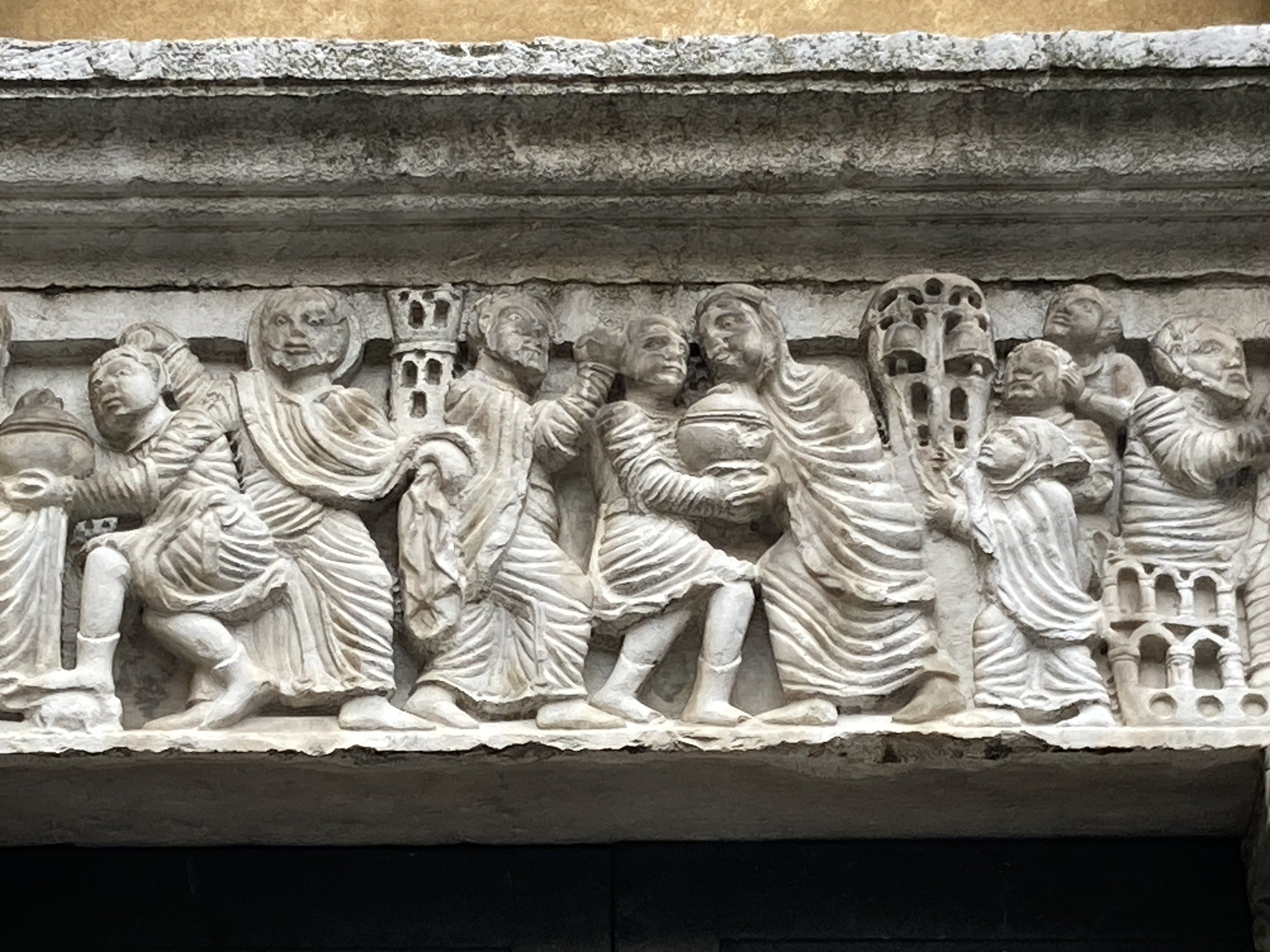
 A church has stood here for over 1000 years**, with major renovations and modifications over time.  Some of the most important elements of the current church are the exterior lintels, one over the front right door (below, right) and one over the side door (below, left), that date from the 12th century.  Each lintel tells a story from the life of Saint Nicholas.  They are beautifully carved, in wonderful shape, and are important examples of decorative elements from that time period. 

IMG_4749.jpeg
IMG_4747.jpeg
IMG_4742.jpeg

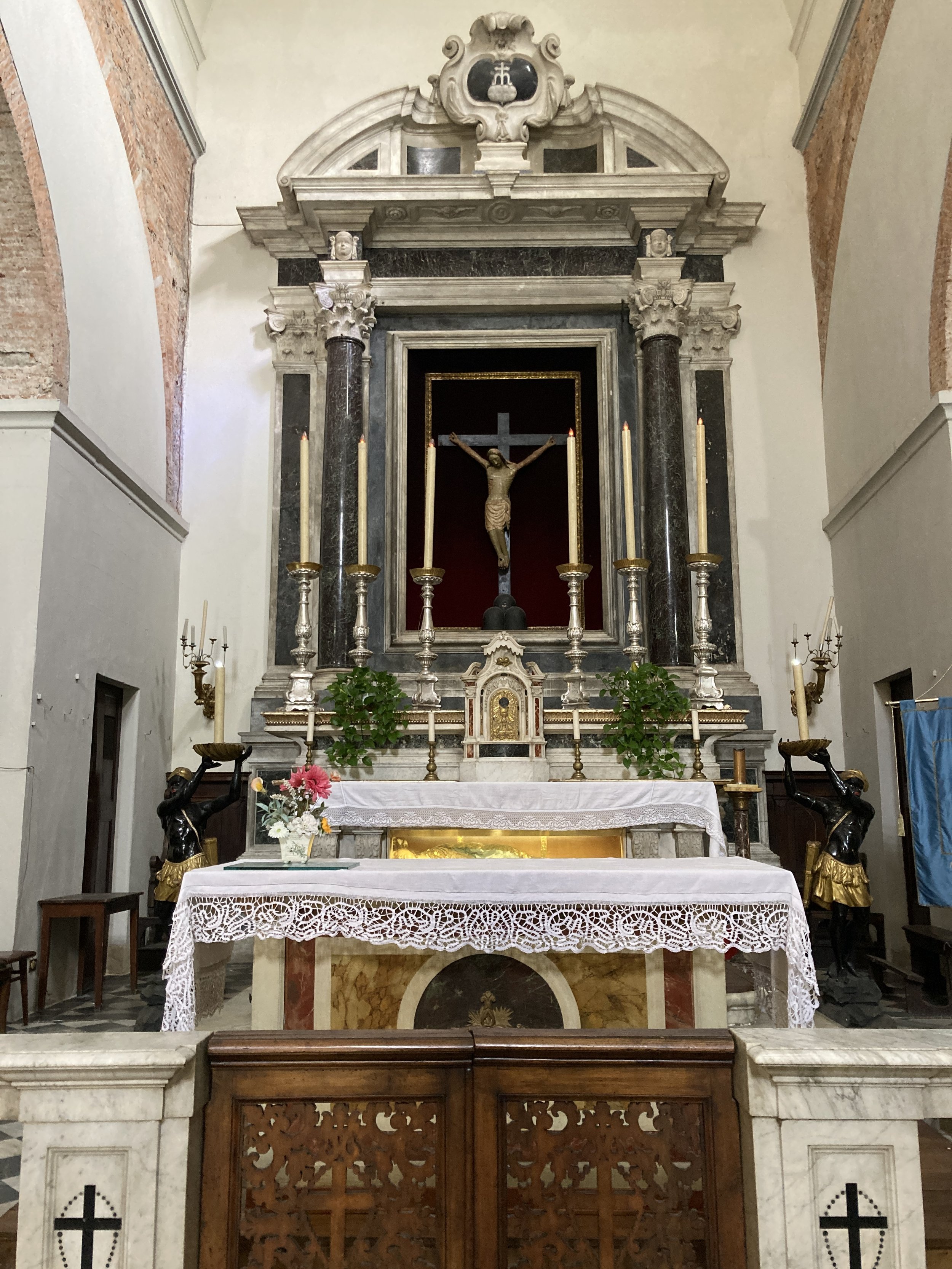
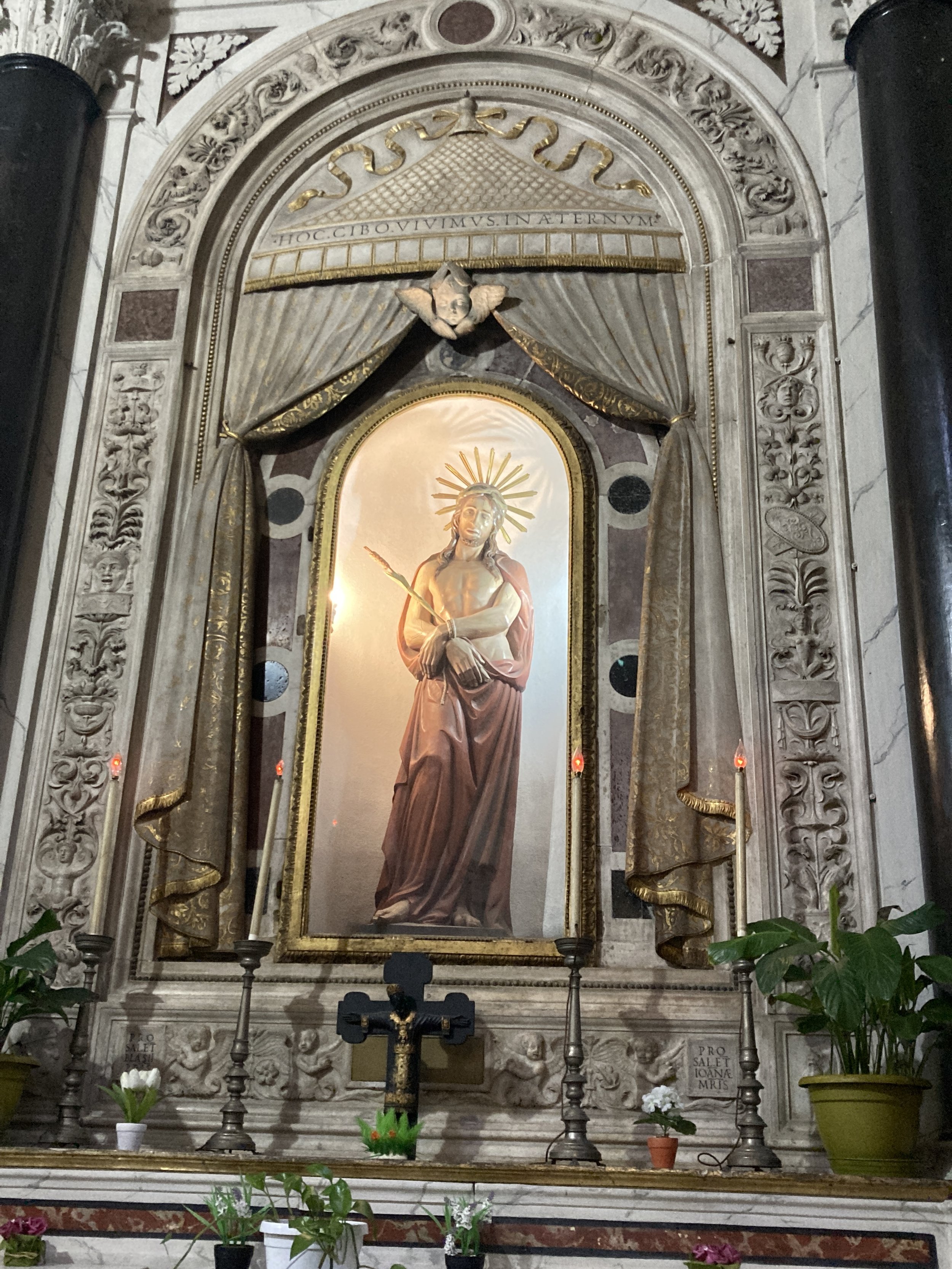
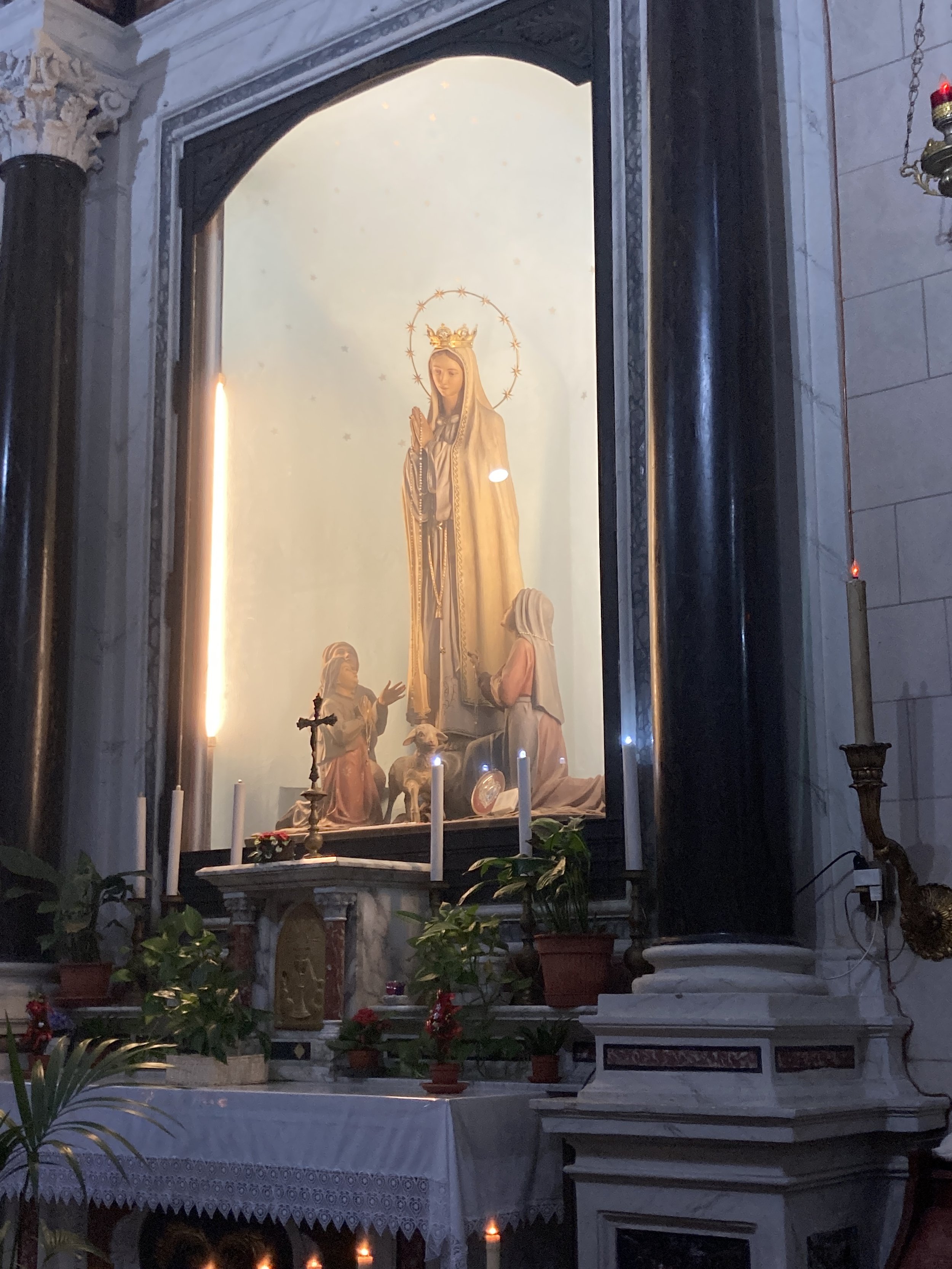
The interior of the church has a main altar that contains a 14th century wooden crucifix.   Two smaller altars are placed along the sides of the small church. One, an ornate sculpted piece, frames a Christ with bound wrists. The other is a depiction of Our Lady of Fatima surrounded by children.

IMG_4771.jpeg
IMG_4716.jpeg
IMG_4730.jpeg

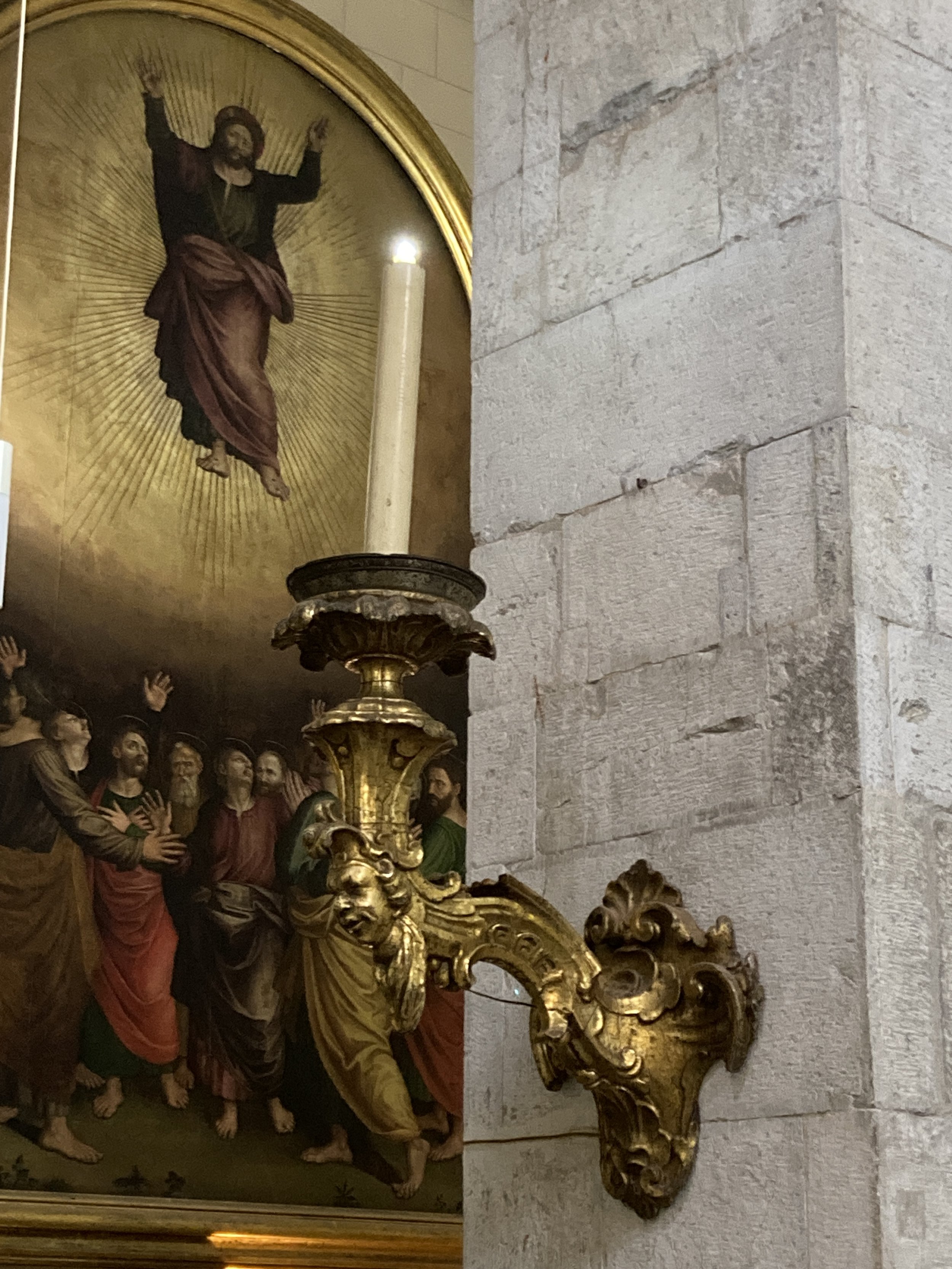
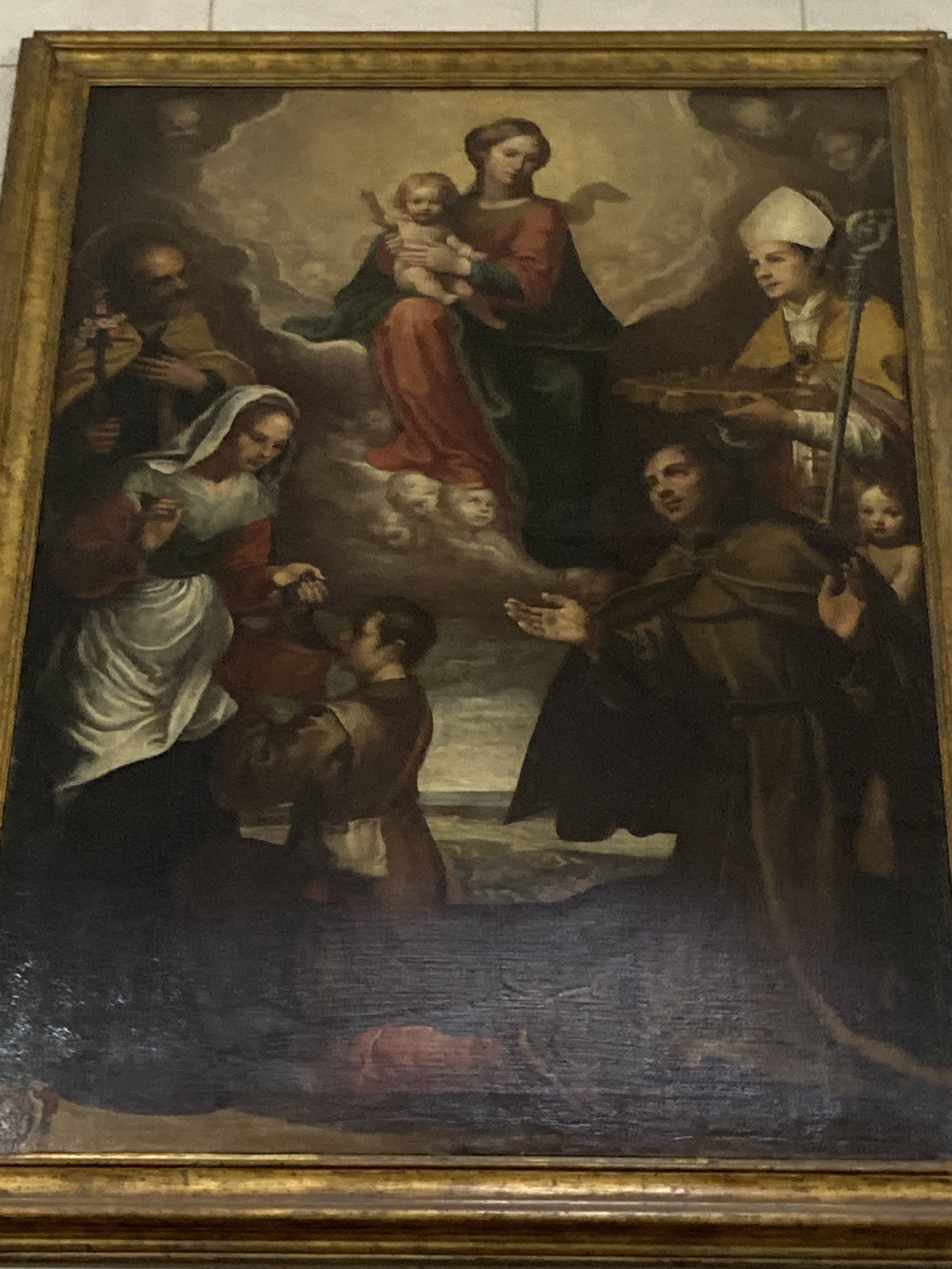
There are several paintings inside the church, including an Ascension from the year 1561 by the local artist Vezzano and another that depicts local favorite Santa Zita in the company of several saints. 

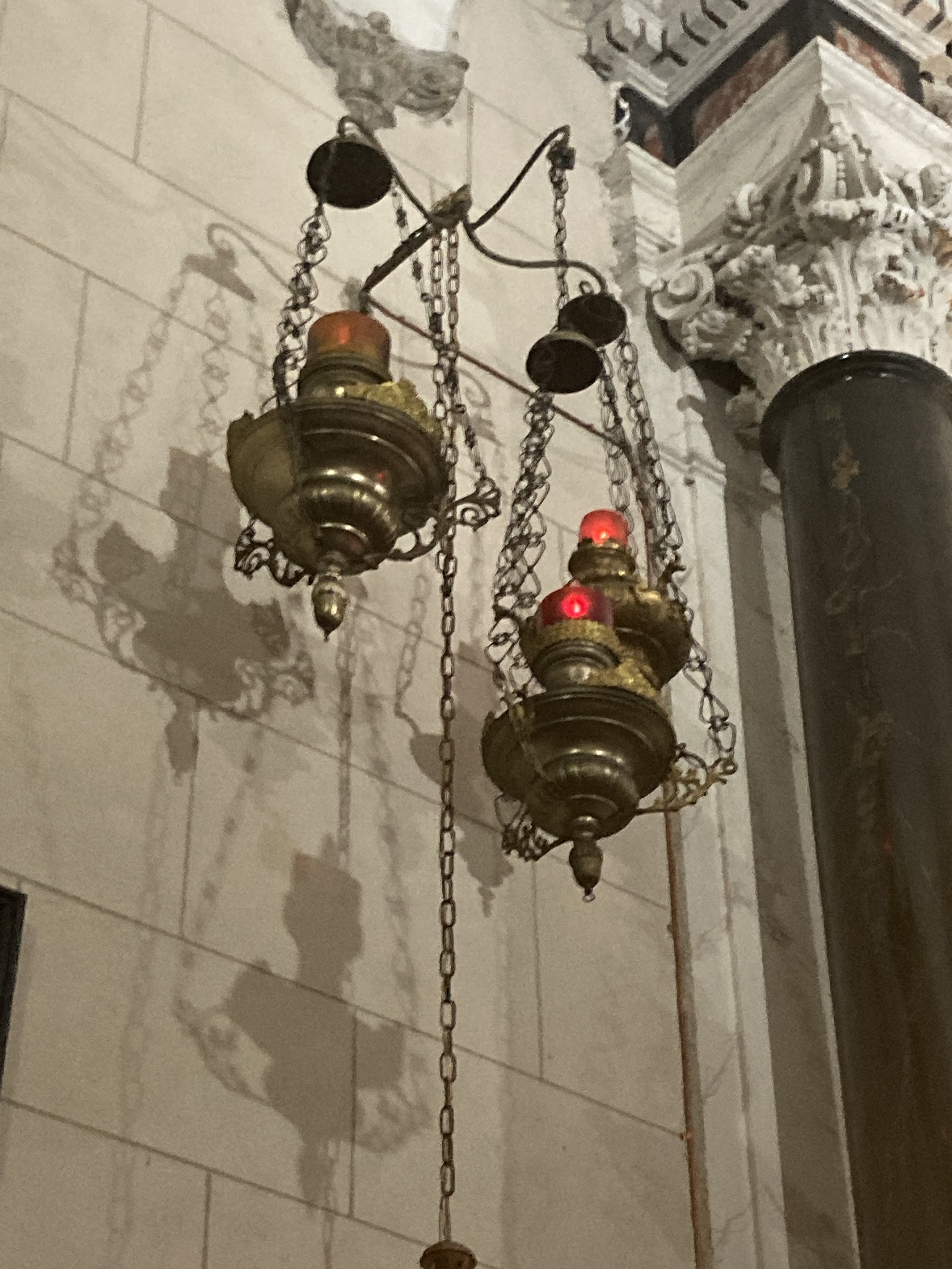
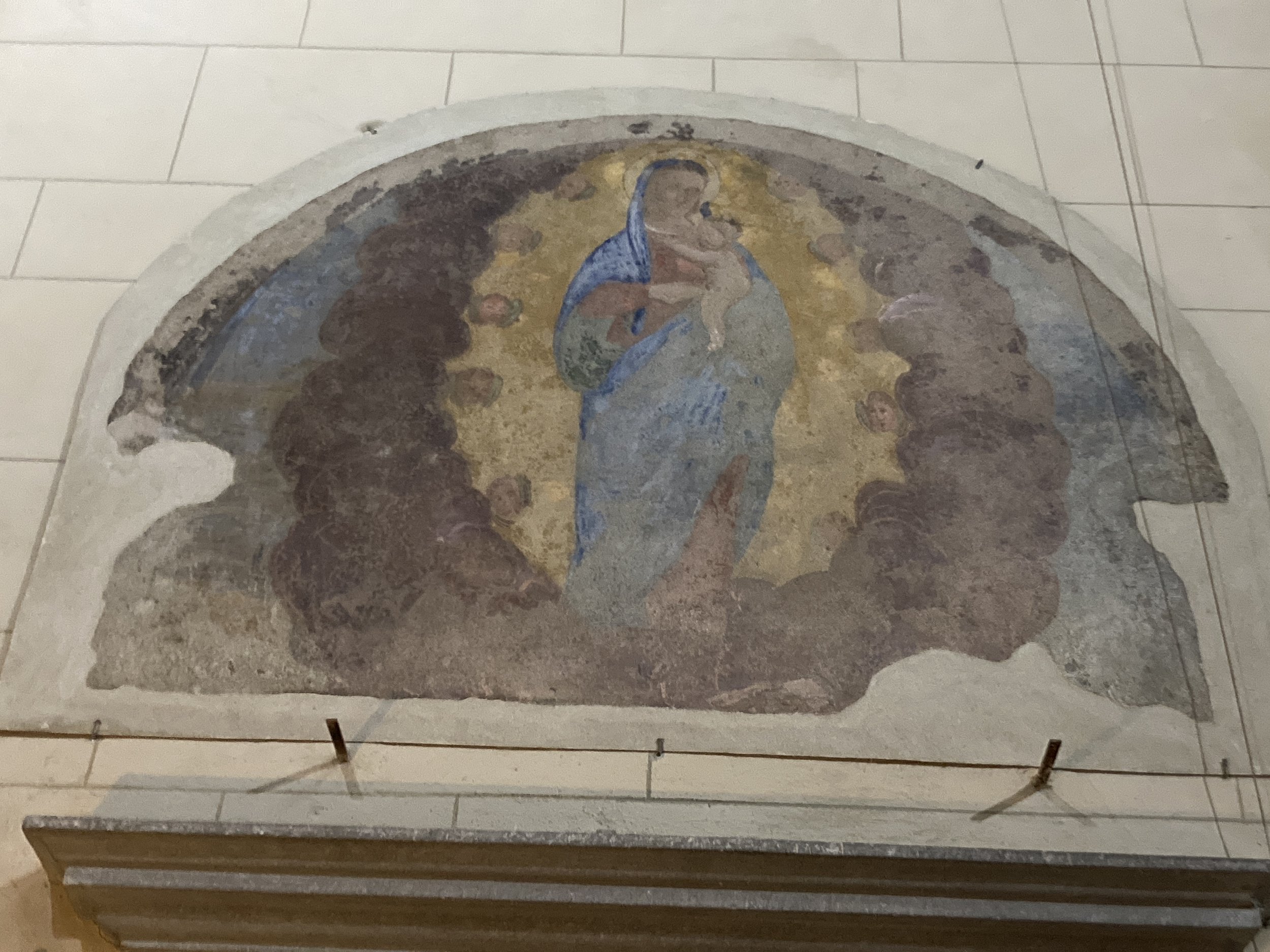
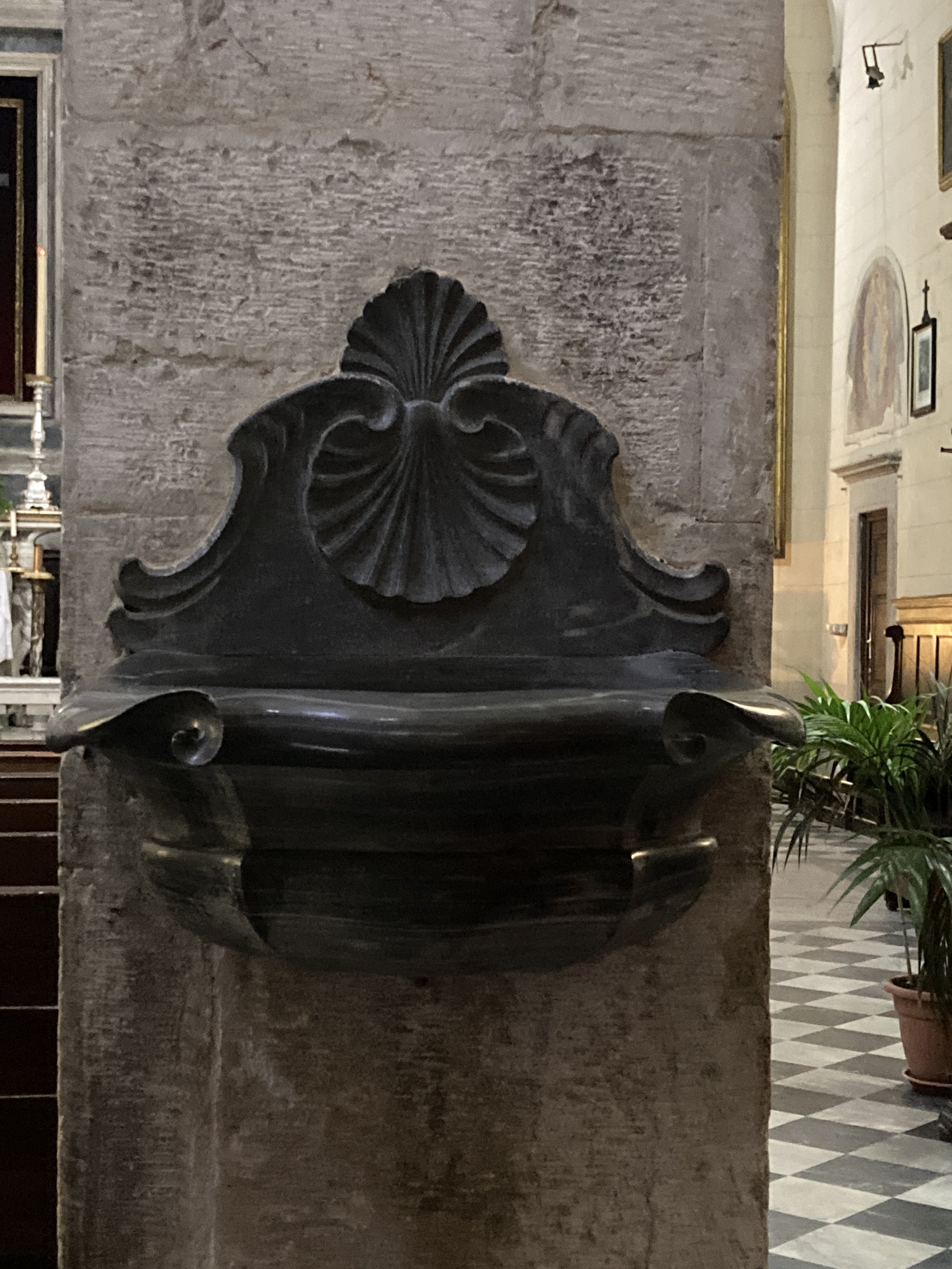
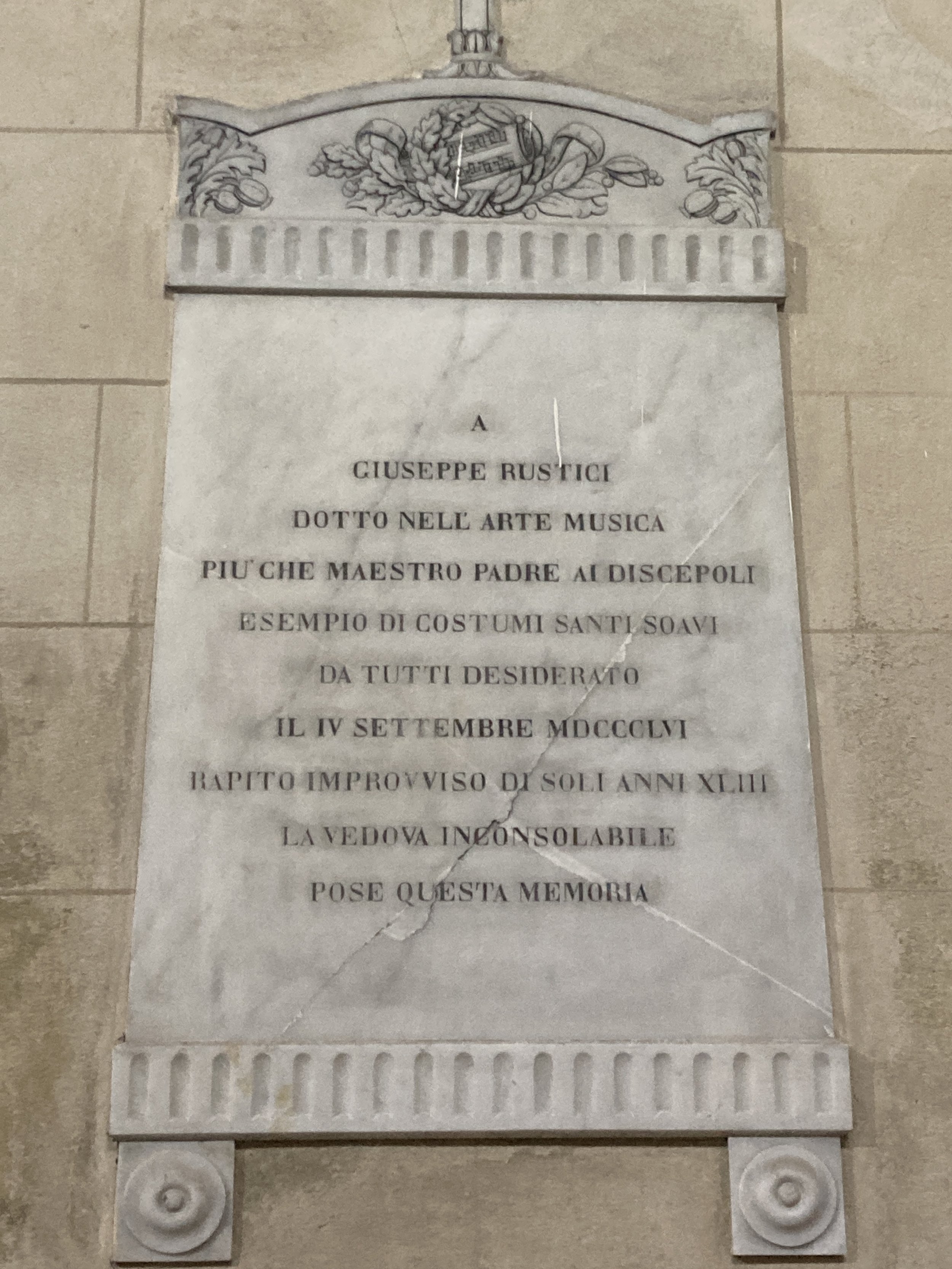
I always find the little details in a church fascinating. A memorial marker, a lantern, a holy water font, a small shrine, a simple stature, a bit of faded fresco. This are the things that capture my attention and there are plenty to see in the Church of San Salvatore.

IMG_4735.jpeg
IMG_4713.jpeg
IMG_4718.jpeg
IMG_4726.jpeg


The quiet church provides an oasis of calm.  As an added bonus, it sits within the Piazza del Salvatore with Nottolini’s famous fountain topped by the Naiade statue. What a beautiful place to stop in the midst of running errands!

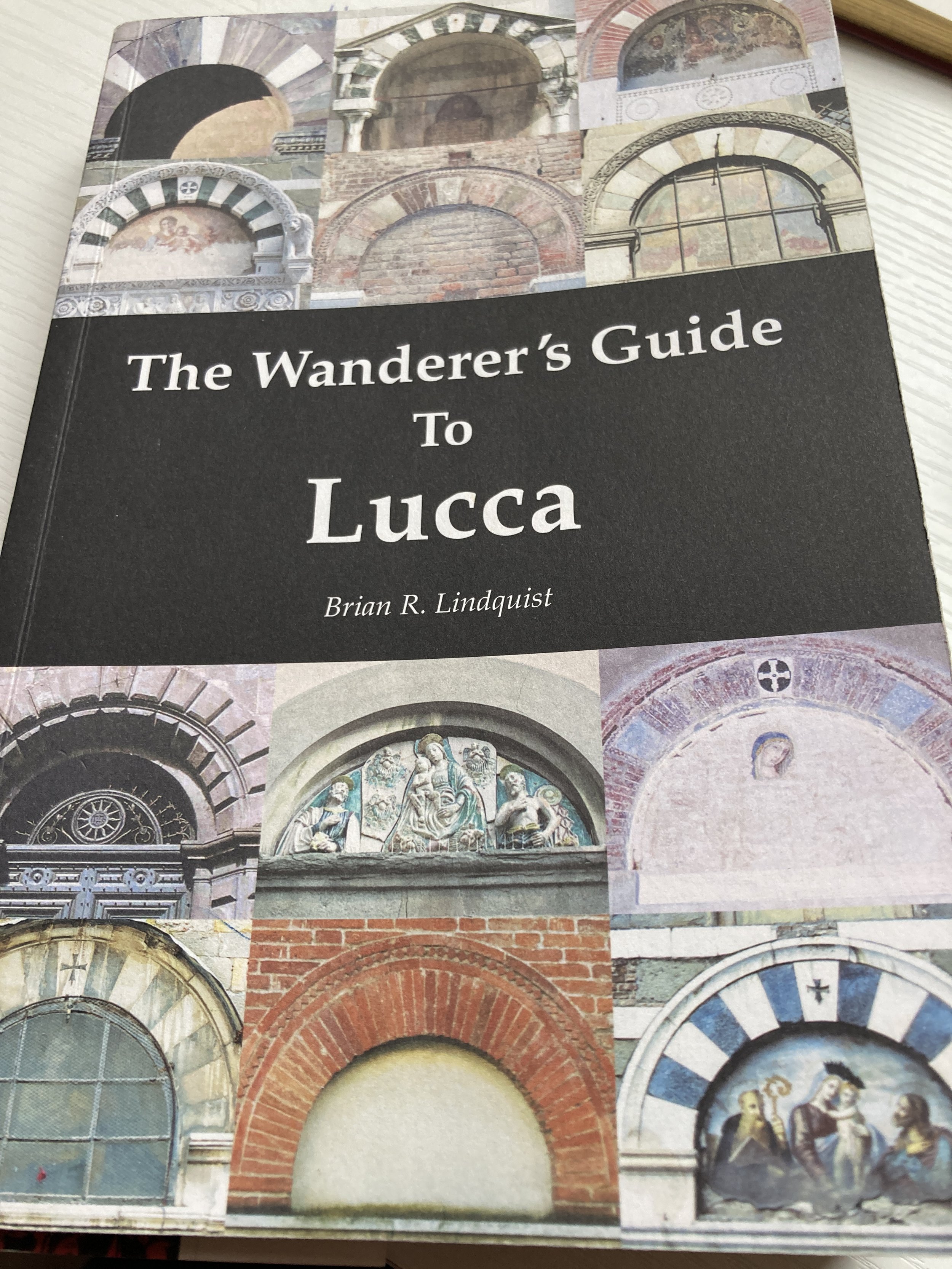
** A huge thanks to The Wanderer’s Guide to Lucca by Brian Lindquist for the history of San Salvatore church.  His book, and the accompanying Wanderer’s Map, remain the most valuable English language source for information on the historic churches and buildings in Lucca.  It’s a must have for anyone living here or interested in Lucca’s history.


Can you spot Santa Zita in this painting from the year 1638 by Mannucci?

March 18, 2024 /Joanne Bartram
Church of San Salvatore Lucca, Piazza del Salvatore Lucca, Churches Lucca, #lucca
#italy2024, #lucca, #italytravel, #luccafountains, #medievalitaly, Churches Italy, Italian culture, Italy, Living in Italy, Lucca

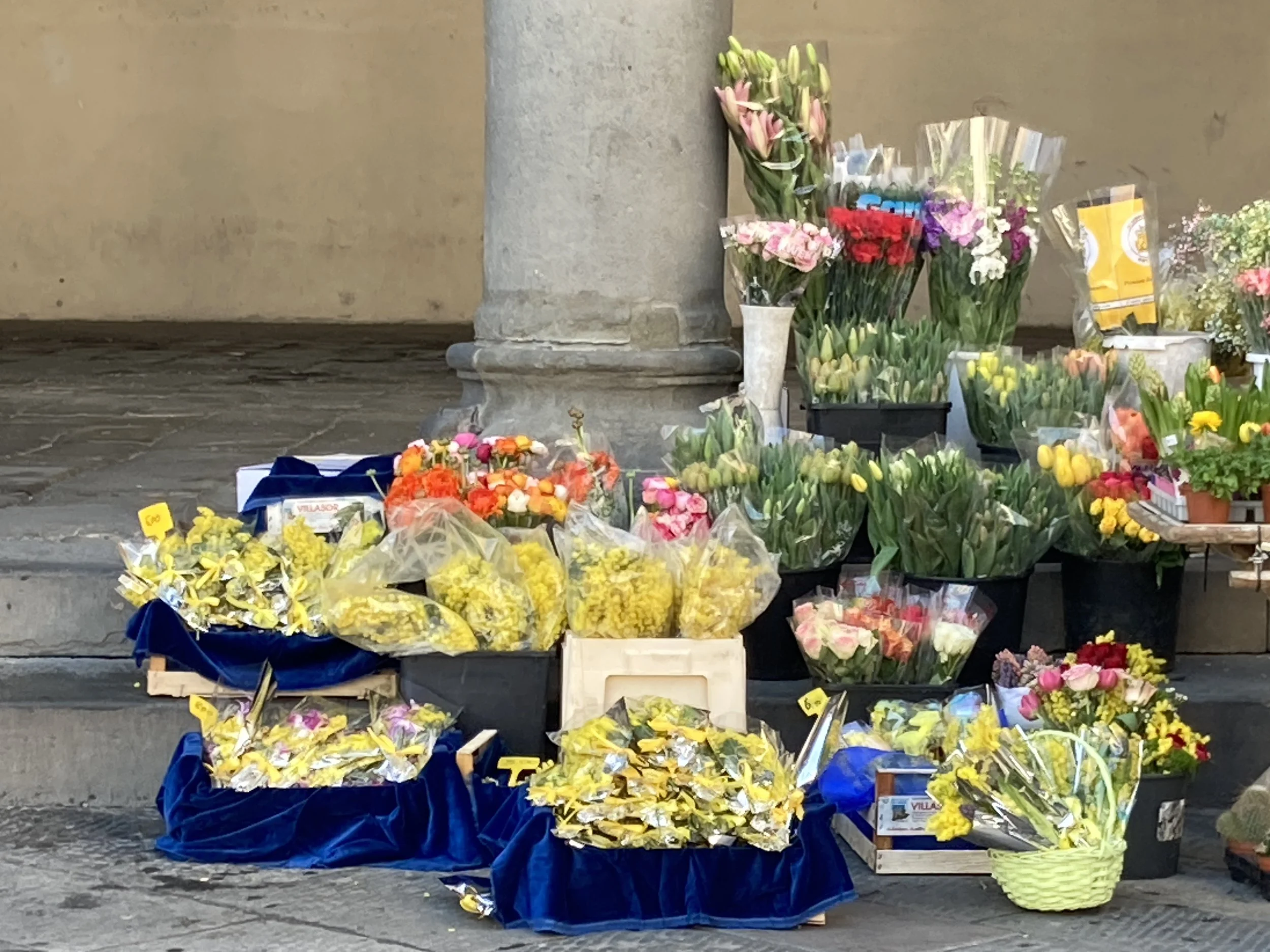
Mimosa blossoms are the traditional gift for the Festa della Donna in Italy

International Women’s Day in Italy

March 11, 2024 by Joanne Bartram in #italy2024, #lucca, Italian culture, Living in Italy, Lucca, spring in italy

Last Friday, March 8th, was International Women’s Day. The origins of the day lie in 1922 as a protest against the terrible working conditions that led to the deaths of women working at the Triangle Shirtwaist Factory in New York.  First celebrated in Italy in the 1920’s, the United Nations proclaimed it an international day in 1977. 

Today the day recognizes the many contributions of women – social, political, cultural  – as well as the persistent issues that women face.

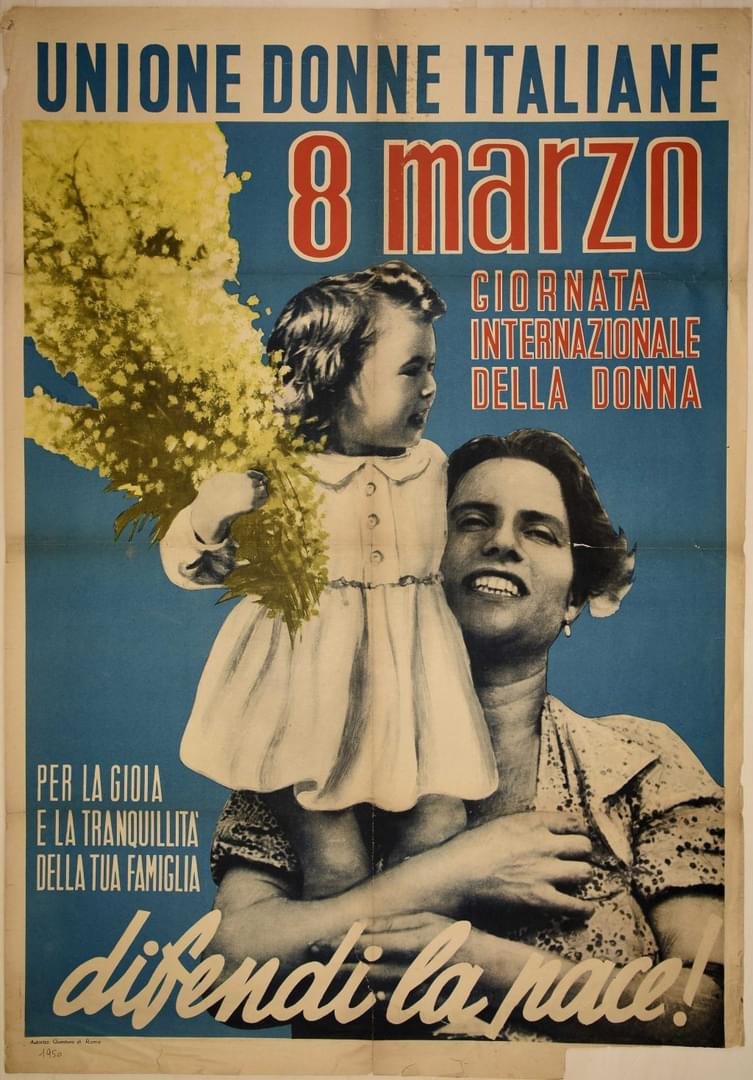
In Italy the day is marked in shades of yellow as the traditional gift is a bouquet of mimosa blossoms.  The bright blooms arrive in March and are both bright and hardy, a perfect symbol of the women they represent on this day.


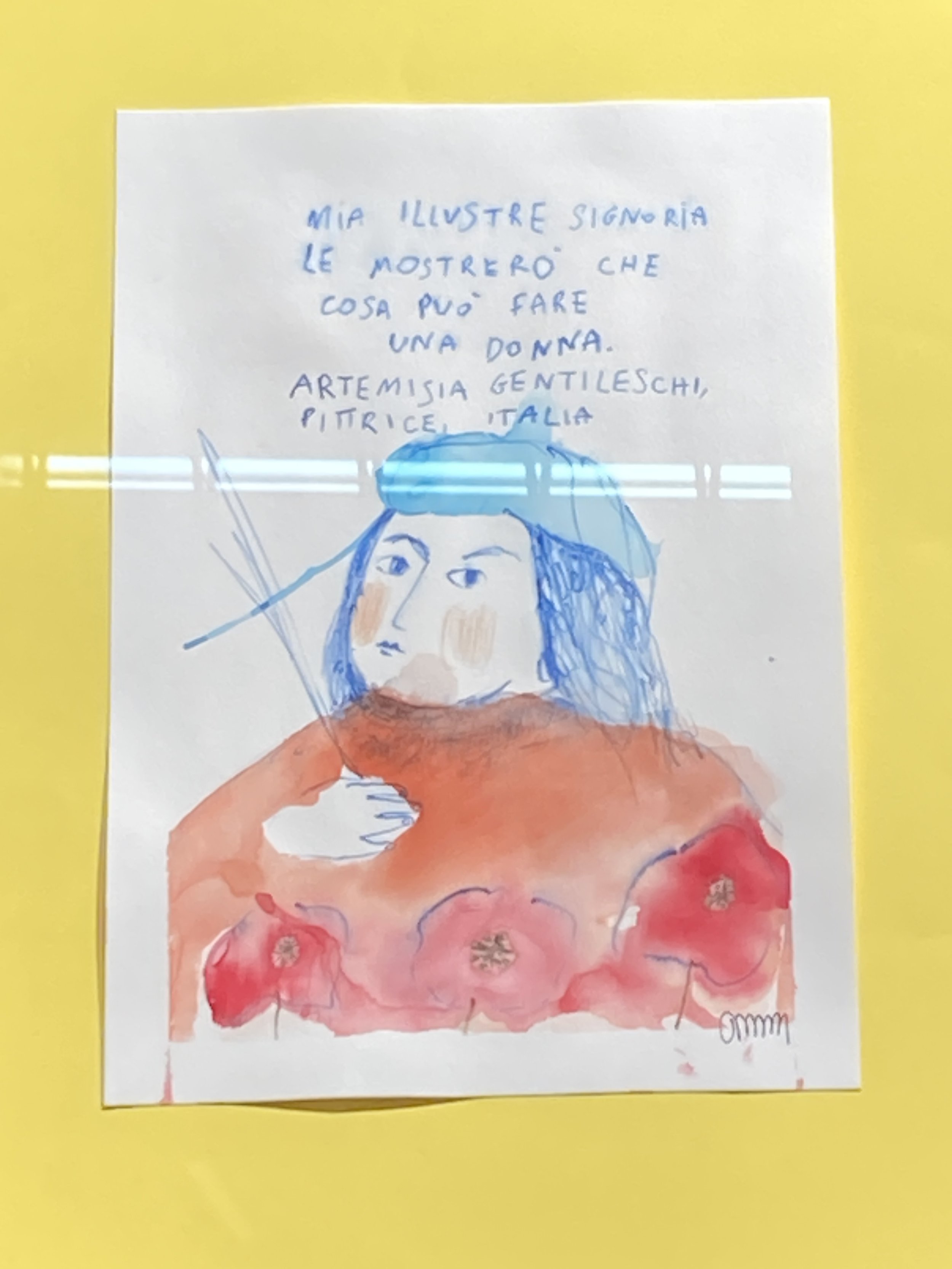
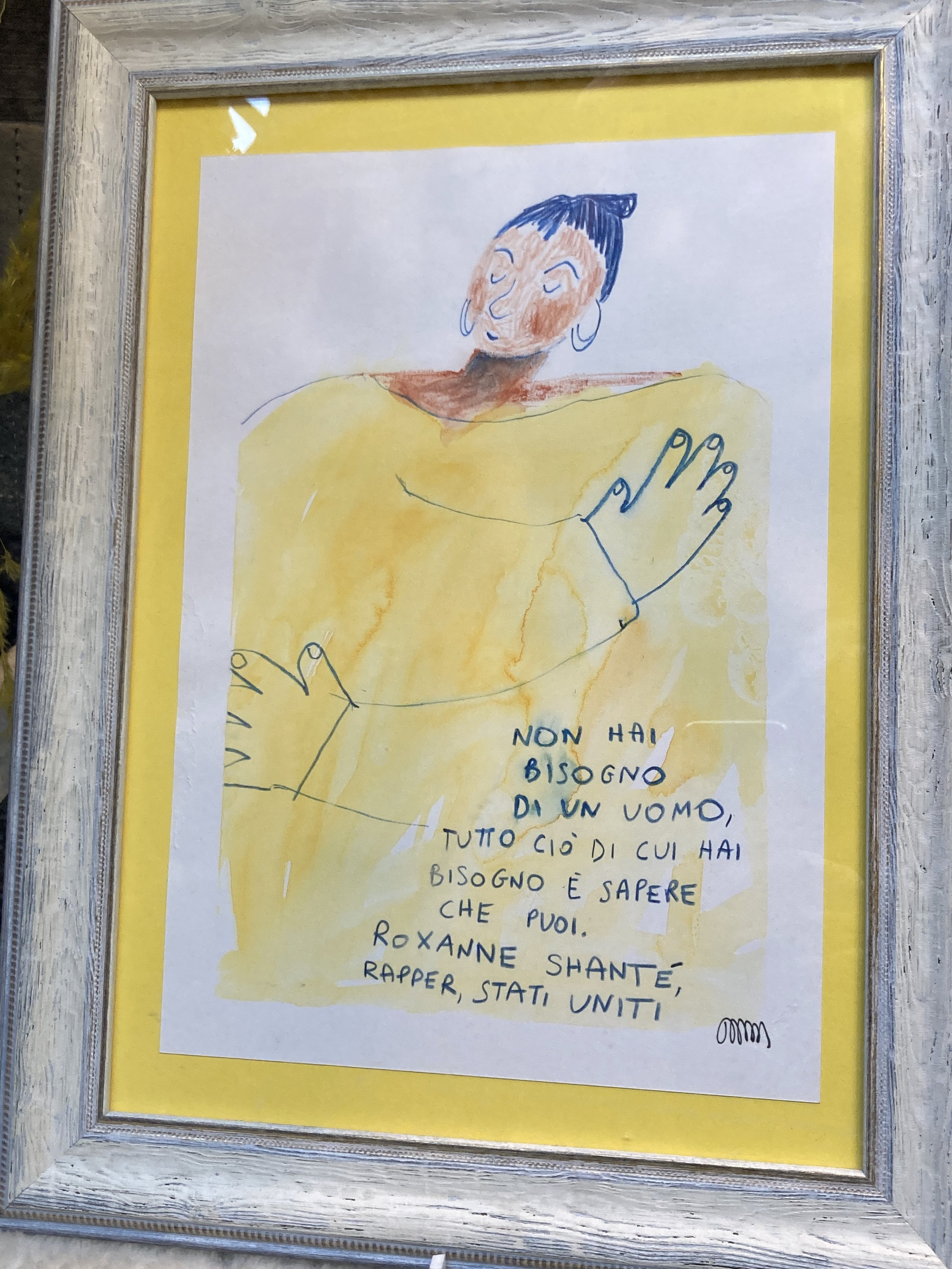
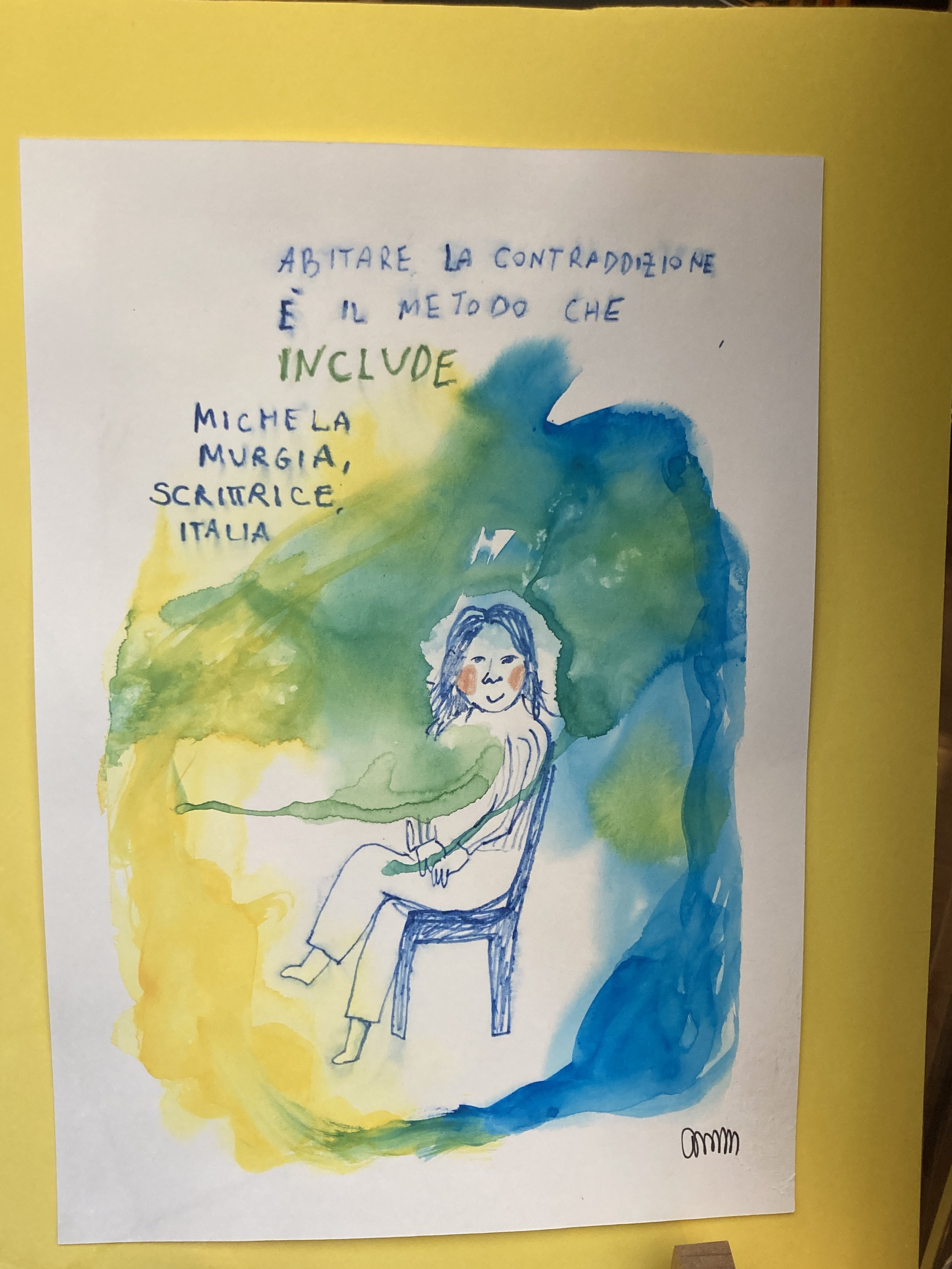
To celebrate La Festa della Donna, I picked up a bunch of mimosas and studied the posters with quotes from famous women that were in the shop windows in Chiasso Barletti. (text and translations at end of this post).

IMG_4676.jpeg
IMG_4668.jpeg
IMG_4674.jpeg
IMG_4675.jpeg

I also participated in a walking tour that told the stories of several of Lucca’s famous (and infamous) historical women.  What fun to listen to Ilaria, our guide, as she recounted their stories. Our walk took us to several places associated with these women - churches where they were wed, palazzi, towers, and scenes of murder.

The body of Santa Zita during her April feast day celebration

Lucca has no shortage of long-ago women who have contributed to its culture, history, and mythology.  The women included on the walking tour represented a wide range of characteristics. Some were saintly, others not so much. For a saintly example there is Lucca’s patroness Santa Zita. Zita was a poor servant, who cared for the needy and is credited with many miracles. Today she rests in a glass coffin inside the church of San Frediano.  Her legend is so important in Lucca that she has her own feast day in April.

The Torre Guinigi, part of the Guinigi home and today the most recognized symbol of Lucca.

One of Lucca’s women of history was a model of marital fidelity and motherhood.  Her name was Ilaria del Carretto, the second wife of Paolo Guinigi. Paolo was an important political figure in Lucca during the early 1400’s and Ilaria was his young bride. In two years of marriage, Ilaria gave birth to two children, a son and a daughter, Sadly, she died of pregnancy related complications shortly after her daughter’s birth. The faithful Ilaria was memorialized by her husband with an elaborate marble sarcophagus, a sculptural masterpiece by Jacobo della Quercia.  The sarcophagus is topped with a life-sized figure of Ilaria, elegantly dressed in stylish robes. Her hair is beautifully styled, her head rests serenely on pillows.  A faithful little dog lies at her feet. Her empty sarcophagus now lies in the sacristy of Lucca’s Duomo (the Cathedral of San Martino) while Ilaria’s remains are in the church of San Francesco where the Guinigi family had a chapel.  So many people rubbed the nose of Ilaria’s marble likeness, hoping to find true love, that the nose was nearly worn off and had to be restored.  The sarcophagus is one of Lucca’s most important historic monuments. And don’t be surprised if you find a lot of Lucchese girls named Ilaria.

The sarcophagus of Ilaria del Carretto, Cathedral of San Martino, Lucca

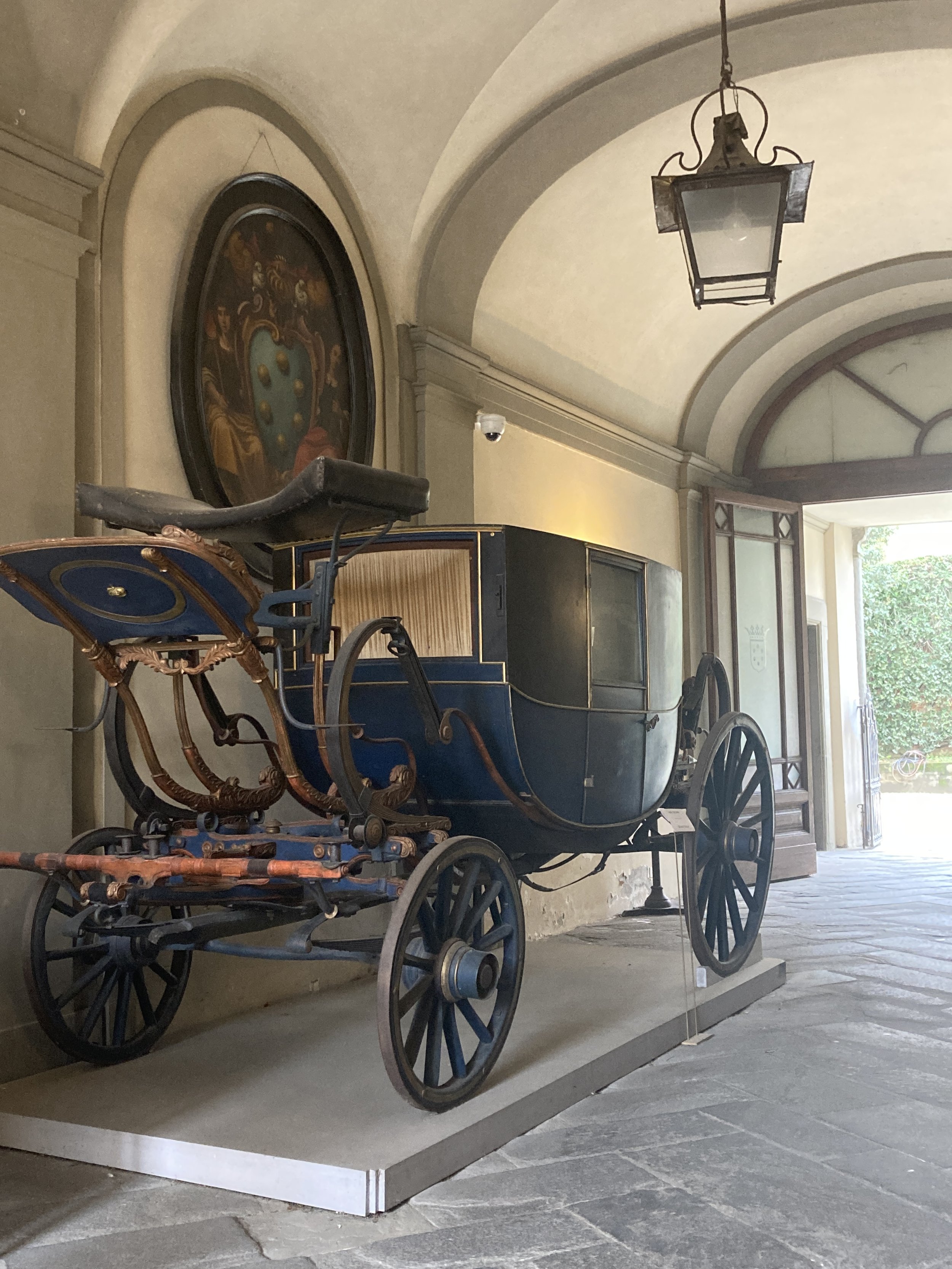
The cortile of Palazzo Mansi with a carriage very like Lucida’s.

 Another of Lucca’s legendary women was Lucida Mansi.  Her story is neither saintly nor faithful. Lucida was young and widowed after the death of her first husband. She eventually remarried a rich, older man, Gaspar di Nicolao Mansi. It does not seem that she was faithful to her second husband and there were rumors of many lovers. That part is history, the next is legend. Lucida was said to be beautiful, very vain, and quite attached to her mirrors.  Noticing signs of aging – gasp! a wrinkle! – she made a pact with the devil for 30 more years of youthful beauty in exchange for her soul.  At the end of 30 years, she climbed Lucca’s clock tower to try to stop time. When that failed, she attempted to flee the devil along Lucca’s walls in her horse drawn carriage.  But the carriage flew off the walls, landed in a lake, and she drowned.  That’s the legend. In truth, she died of plague in 1649. Today the Palazzo Mansi is a museum where visitors can visit her home and see a replica of that doomed carriage. And the lake that she supposedly drowned in is part of Lucca’s Orto Botanico. Look closely during the full moon and you just might see her reflection in the water.

Does the spirit of Lucida still haunt this lake in Lucca’s Orto Botanico?

 Another of Lucca’s women was even more scandalous.  Lucrezia Malpigli married Lelio Buonviso of the rich and powerful Buonvisi family of Lucca.   The marriage was arranged by her family, the groom was not her choice. Lucrezia was in love with another man, Massimiliano Arnolfini. He was from a wealthy, but not noble, Lucchese family and so was not acceptable to her father as a potential husband. But they longed to be together despite the obstacle of the husband. He simply had to go. Both Lucrezia and Arnolfini were implicated in the murder of Lelio Buonvisi. 

The former cloisters of Santa Maria dei Servi church (today a city library) sits on the street where Lelio Buonvisi was murdered in 1593. Today it is a peaceful spot.

After the murder of her husband, Lucrezia fled to a convent where she became a nun. She was in isolation and doomed to a vow of silence for many years.  Arnolfini was arrested and died in prison. Their doomed love is part of Lucca’s history.

Lucky for me there are not so many murders in Lucca these days. And lucky for the women of Lucca that arranged marriages are a thing of the past! That is something to celebrate on this International Day of Women.

Text and translations of posters: Top row, left to right: Mia illustre signoria le mostrerò che cosa può fare una donna (My illustrious lordship I will show you what a woman can do). Artemisia Gentileschi, Italian Painter 1593 - 1653. Non hai bisogno di un uomo, tutto ciò di cui hai bisogno è sapere che puoi (You don’t need a man, all you need is to know that you can). Roxanne Shanté, American Rapper

Bottom row, left to right: Abitare la contraddizione è il metodo che include (To inhabit the contradiction is the method that includes). Michela Murgia, Italian author and feminist. Una bambino, un insegnante, una penna, e un libro possono cambiare il mondo (a young girl, a teacher, a pen, and a book can change the world) Malala Yousafzai

Lucca’s flower market for la Festa della Donna

March 11, 2024 /Joanne Bartram
festa della donna, International Women's Day Italy
#italy2024, #lucca, Italian culture, Living in Italy, Lucca, spring in italy

Afternoon tea with date “pudding”

A British Style Sweet With an Italian Twist

February 12, 2024 by Joanne Bartram in Cooking, food, Italian recipes, Living in Italy

Before I get to the description and recipe for this British-with-an-Italian-twist sweet, we must take a minute to talk about the word “pudding”.

Date “pudding”, served alongside some fruit, goes well with a morning coffee.

I remember being quite confused hearing my friend, a lovely English lady whom I was visiting in Hampshire, ask her cat if he was ready for his pudding. Pudding for a cat?  I must have misunderstood.  My friend explained that in this context pudding simply meant a mid-afternoon treat. Not literally what I thought of as a pudding.  An English pudding, in a general sense, can also refer to an after dinner desert. Dinner is over, bring on the pudding! Again, not what we Americans think of as pudding (a milk-based custard that definitely requires a spoon), but any type of a sweet desert.   Ok, I thought that I was beginning to understand (maybe).

If only it were that simple. But it’s not, because there is also a more specific meaning to the word pudding, British style. Historically, pudding is a steamed concoction which can be either sweet or savory.  At least it was originally steamed.  These days it might just as easily be baked. The one I am most familiar with is Sticky Toffee Pudding. Though as an American I would describe that as a type of very moist, very sweet cake with a sauce on top. 

As for an Italian equivalent of a British steamed pudding, I am not aware of one.  There are wonderful custard based Italian desserts (budino, zuppa inglese, tiramisu) but these are neither steamed nor baked and so are a different thing entirely.

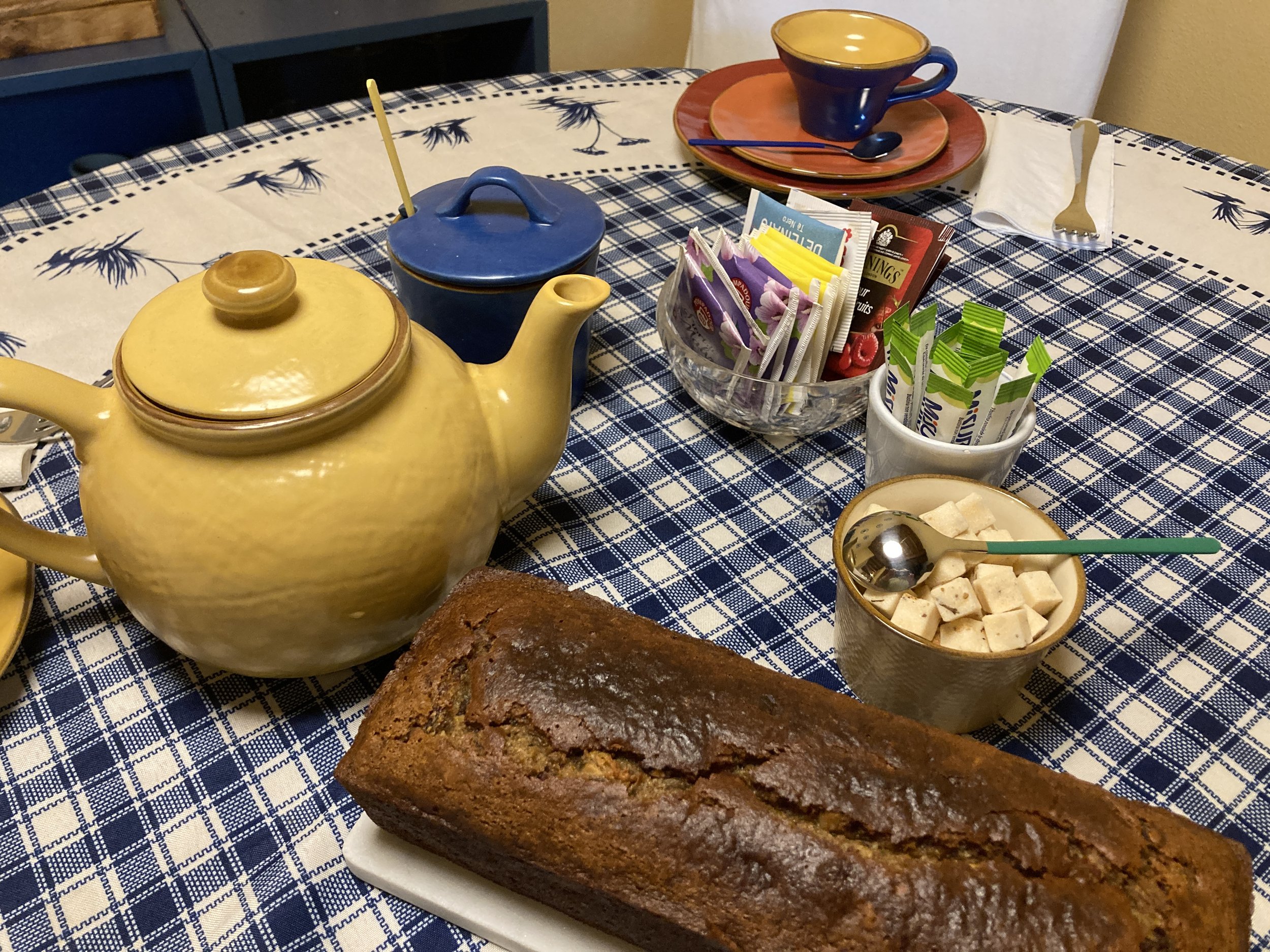
Call this dense, moist, sweet a pudding, a cake, or a loaf. It is delicious no matter what it’s called.

This leads me to my British-with-an-Italian-twist sweet.  I first had this at an American friend’s home in Lucca.  She referred to it as Date Pudding, the name given in the recipe from the King Arthur Baking Company.  For just a bit more confusion – King Arthur sounds like it should be a British company, but it is actually an American flour producer.  And yet…. pudding.   What she served was a wonderful, not too sweet, very moist, slightly sticky cake. No jiggly American style pudding in sight. 

 My friend had tinkered with the recipe some, substituting a whole grain flour for the King Arthur white and decreasing the sugar to make a healthier version.  Whether it was called pudding or cake it was delicious.

Because I had been experimenting with Italian farina di castagna (chestnut flour), I decided to try the recipe using half chestnut and half white flour.  Like my friend I decreased the sugar by 25% and I upped the spices a bit.  The chestnut flour added an extra dimension of nuttiness to the flavor, and added the Italian twist. The original recipe called for baking the “pudding” in a square pan, but I tried it in a loaf pan with a slight increase in baking time which worked great. I liked being able to turn it out of the loaf pan and slice it for serving

 I made this recently for a morning coffee with a friend in New Mexico.  I could not find any chestnut flour in my local stores, so substituted all white flour.  I missed the nuttiness of the chestnut flour a bit, but it was still delicious and made for a very nice mid-morning coffee treat. It seems the type of flour is quite flexible with this recipe (shh… don’t tell King Arthur, he might not be pleased).

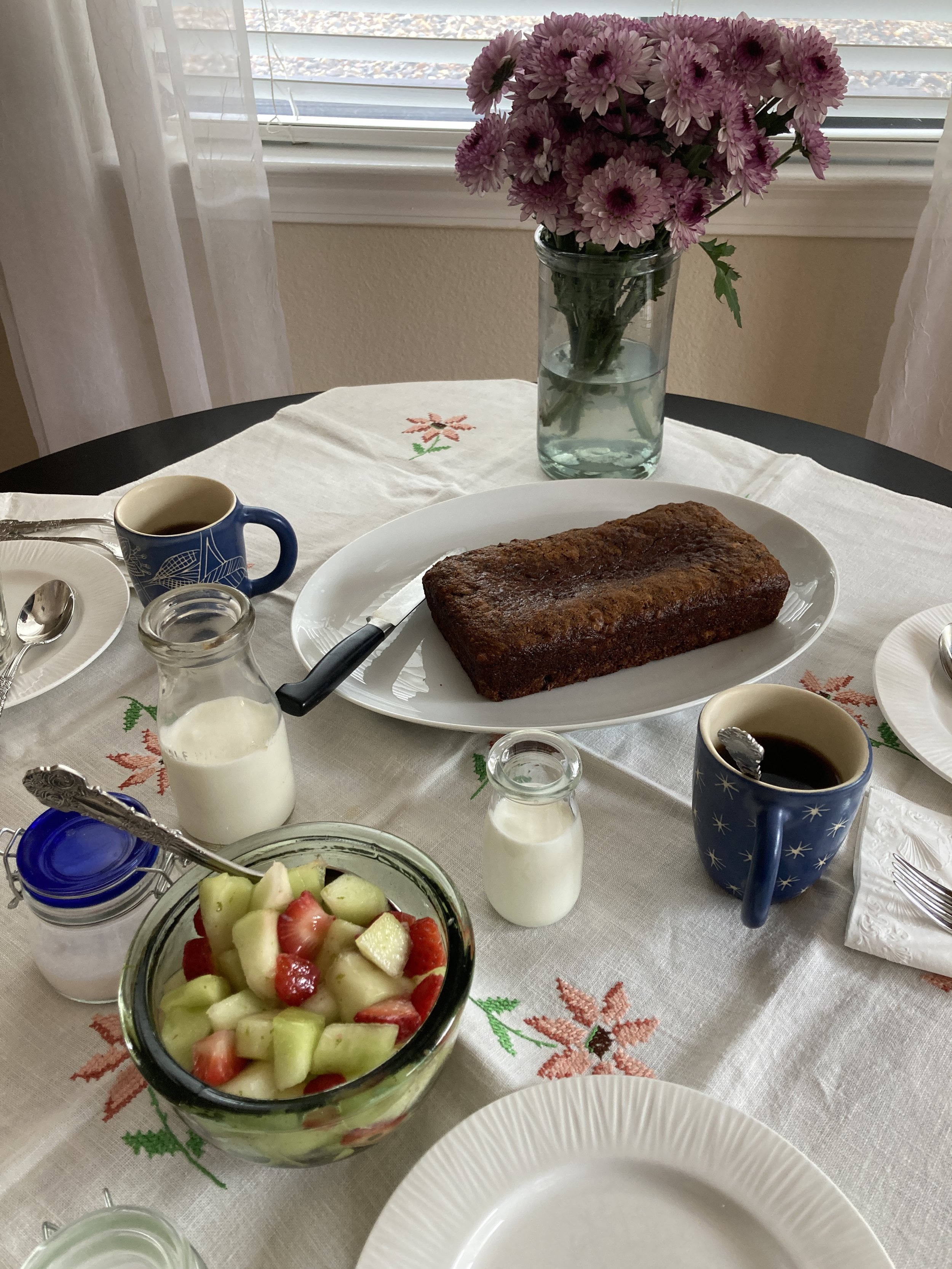
A morning coffee with date loaf as the centerpiece. It is normal for this moist loaf to sink in the middle.

Here’s my version of the recipe, which I will call Date Loaf rather than pudding. A big thanks to King Arthur for the original and my friend in Lucca for introducing me to this treat.

 Date Loaf Recipe

1 cup pitted dates, chopped (be sure to use unsweetened dates, not the kind dipped in glucose syrup)

¾ cup sugar

1 Tablespoon butter (omit for a vegan version)

1 ½ teaspoons baking soda

¼ teaspoon salt

1 teaspoon cinnamon

½ rounded teaspoon ground ginger

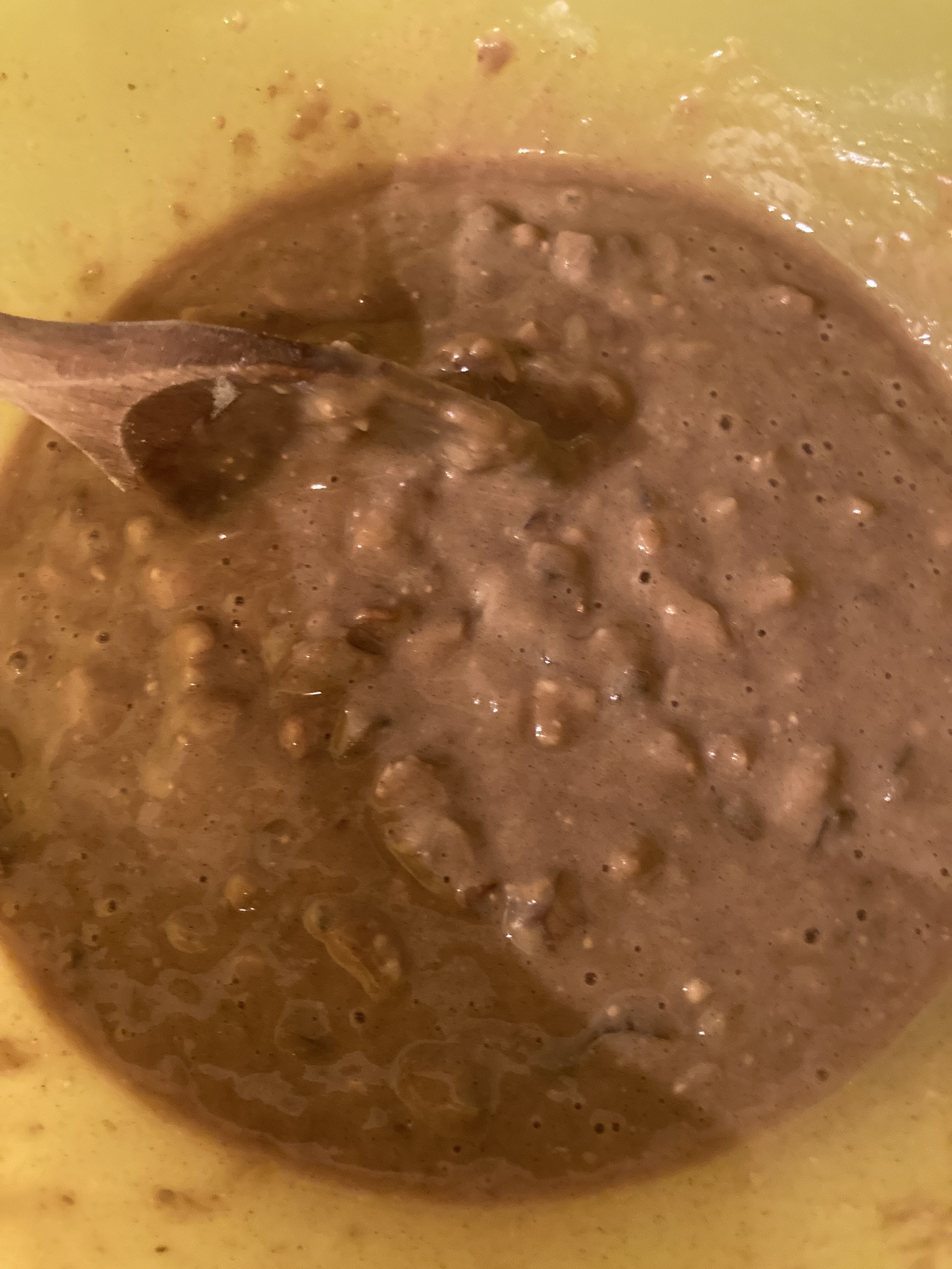
The batter will be quite moist

1 cup boiling water

½ cup finely chopped walnuts

1 1/3 cups flour (half chestnut, half white is my go to blend)

 Preheat oven to 350 degrees. Butter a loaf pan and line the bottom with parchment paper.

Chop the dates and add the sugar, butter, baking soda, salt, cinnamon and ginger.

Pour 1 cup of boiling water over the date mixture.   Let cool to room temperature.

Stir in the flour and the nuts. The batter will be wet.

Put the batter into the prepared loaf pan (it’s ok to lick the spoon since there are no raw eggs in the batter; taste and add more ginger if you want!)

Bake for 30 minutes until set but moist.   A toothpick will come out sticky but without any wet batter clinging. (Baking time may be longer if using a long, narrow European loaf pan rather than a wider US style loaf pan and shorter for an 8x8 square pan).

Cool in pan on a rack x 10 minutes.  Turn out of loaf pan and remove parchment paper.

Serve warm or at room temperature. The loaf slices best with a serrated knife.

 The date loaf is tasty served plain for a coffee or a tea gathering. It works well as a dessert too, just top with a small scoop of vanilla ice cream or a dollop of whipped cream. Leftovers keep in the fridge for a few days.

Topped with vanilla ice cream, date loaf makes a nice dessert

February 12, 2024 /Joanne Bartram
Date Pudding, Date Loaf, Chestnut flour baking
Cooking, food, Italian recipes, Living in Italy
  • Newer
  • Older

Powered by Squarespace