Two Parts Italy

Exploring Italy, travel, and living a flavorful life

  • Blog
  • About This Blog
  • Start Here
  • Recent Posts
  • Archives by Topic
  • Subscribe
  • Contact me
The beginning of the procession on the steps of the Basilica of San Frediano, 2018.

The beginning of the procession on the steps of the Basilica of San Frediano, 2018.

The Luminaria of Santa Croce - 2020 Style

September 14, 2020 by Joanne Bartram in Lucca, Tuscany, Churches Italy, Festivals Italy

 In Lucca, September is traditionally a month of festivals including street fairs, music performances, and – most importantly – the Festival of Santa Croce. The Santa Croce festival venerates the Volto Santo (Holy Face), an ancient wooden crucifix which is the most important religious relic in Lucca. The famous crucifix is housed in a small chapel within the larger Cathedral of San Martino.  For most of the year it is viewed through the openings in the small chapel walls, beautiful in its simplicity.

The Volto Santo dressed in gold vestments for the Feast of Santa Croce on September 13th.

The Volto Santo dressed in gold vestments for the Feast of Santa Croce on September 13th.

 But for the September festival the crucifix is anything but simple. Instead, it is adorned with gold vestments – from crown to shoes – and the small chapel is opened for up-close encounters with what is, depending on your personal beliefs, a holy religious artifact or an important cultural and historical object. (For a more detailed description of the legend of the Volto Santo see “The Legend of the Volto Santo” post from September of 2017). Unfortunately this year, while the gold vestments are in place, entrance to the cathedral is limited which means that most of us will have to make do with memories and photos from past years.

The beauty of a candle-lit piazza during the 2016 procession

The beauty of a candle-lit piazza during the 2016 procession

The highlight of the festival is the September 13th luminaria procession through the historic center of Lucca.  It begins in front of the Basilica of San Frediano and slowly makes its way across town, illuminated by the sea of candles which line the buildings along the narrow streets, and ends with a special ceremony upon its arrival at the Cathedral of San Martino.  

Imagine thousands of these luminaria lighting the streets of Lucca.  Magic!

Imagine thousands of these luminaria lighting the streets of Lucca. Magic!

The luminaria procession is an important event - calling home from around the world those with Lucchese roots - and has only rarely been cancelled. The last two cancellations were due to a terrible storm in 1976 and before that a disruption towards the end of World War II.  This year the cancellation of the procession is due to concerns about the potential spread of COVID-19 through the crowds of on-lookers that typically line the streets and the many participants in the procession. The candles were lit, but there was no procession this year.

The beginning of the 2017 procession, on the steps of the Basilica of San Frediano.

The beginning of the 2017 procession, on the steps of the Basilica of San Frediano.

 Although we could not witness the luminaria procession, and could only watch today’s religious services via Italian TV rather than from inside the Cathedral of San Martino, a look back at previous processions can remind us of the beauty of the event. With luck, we will be able to experience the joy of the luminaria once again next year. Let’s make a date for September 13, 2021 in Lucca.

A banner with the representation of the Volto Santo begins the procession each year (the actual crucifix is too large, and too valuable, to be part of the procession).

A banner with the representation of the Volto Santo begins the procession each year (the actual crucifix is too large, and too valuable, to be part of the procession).


September 14, 2020 /Joanne Bartram
Luminaria di Santa Croce, #italianfestivals
Lucca, Tuscany, Churches Italy, Festivals Italy
A beautiful day in June was perfect for the return of the monthly antiques market.

A beautiful day in June was perfect for the return of the monthly antiques market.

The Antiques Market Returns To Lucca

June 29, 2020 by Joanne Bartram in #lucca, Italian markets, Italy, Tuscany

One of the many things missing during Italy’s COVID-19 lockdown was the monthly antiques market in Lucca. The market, always held on the weekend that includes the third Sunday of the month, is a local institution and something to look forward to for many people. But in the months of February, March, April and May 2020, the antiques market, along with so many other activities, was canceled.

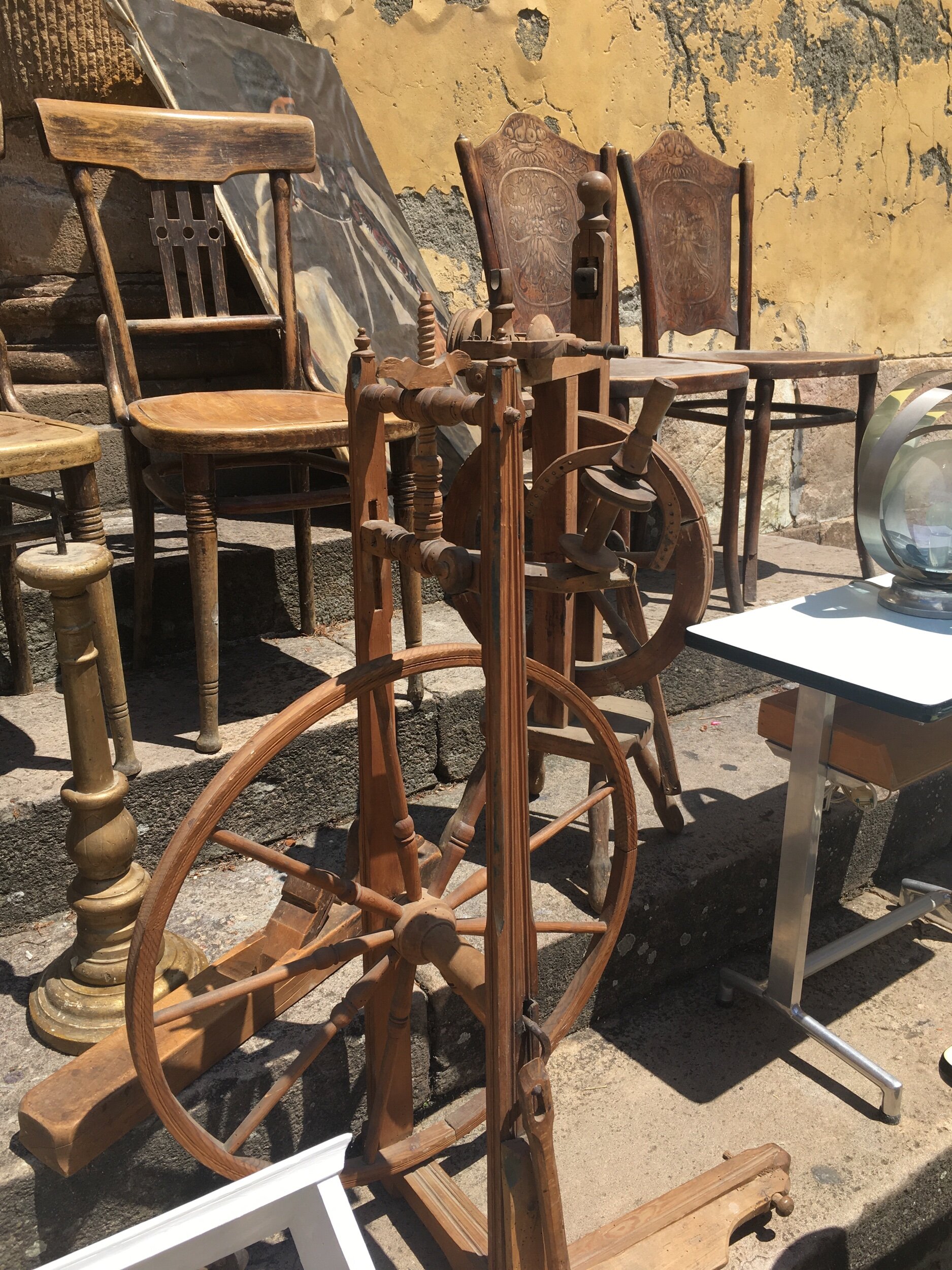
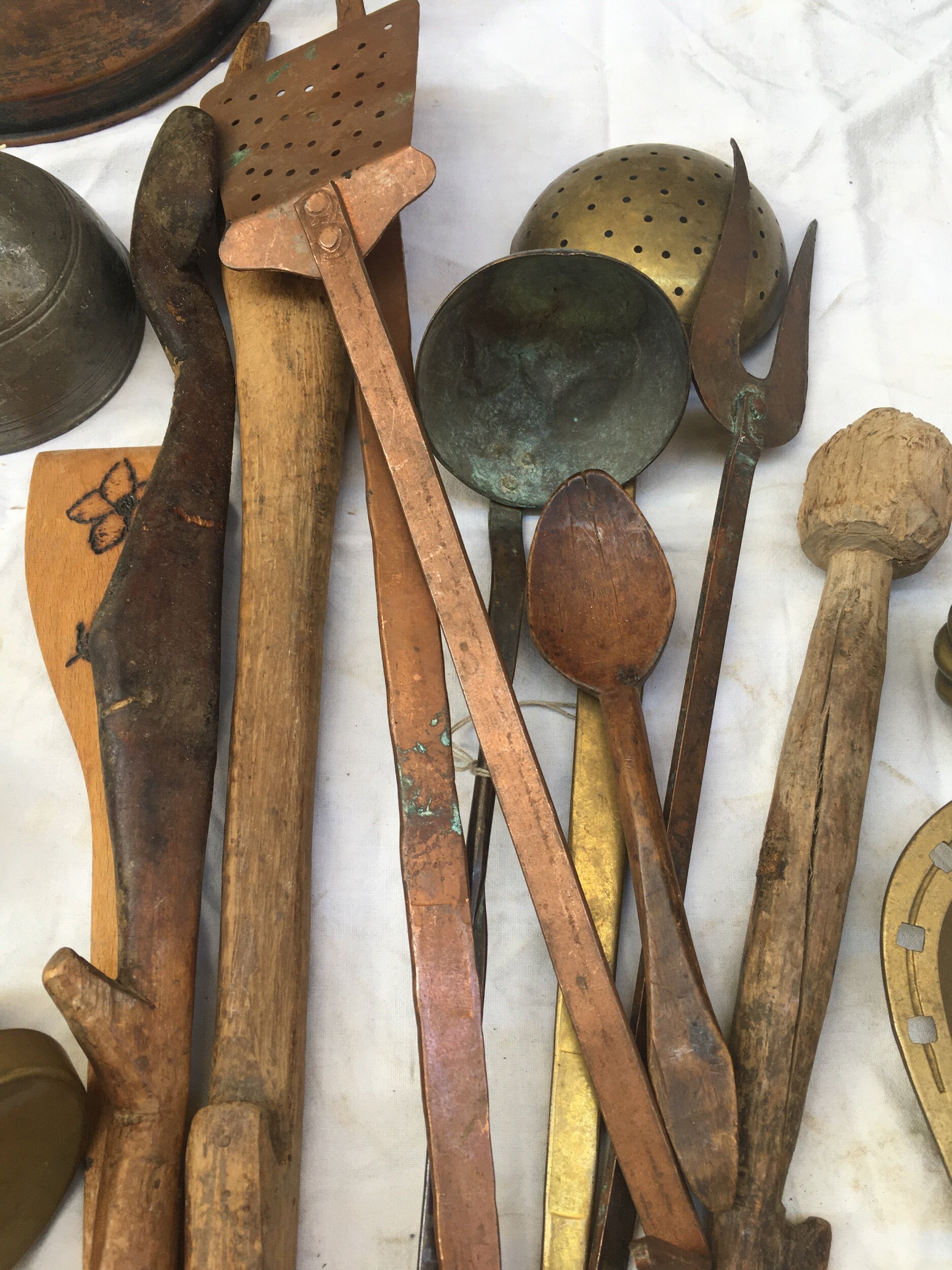
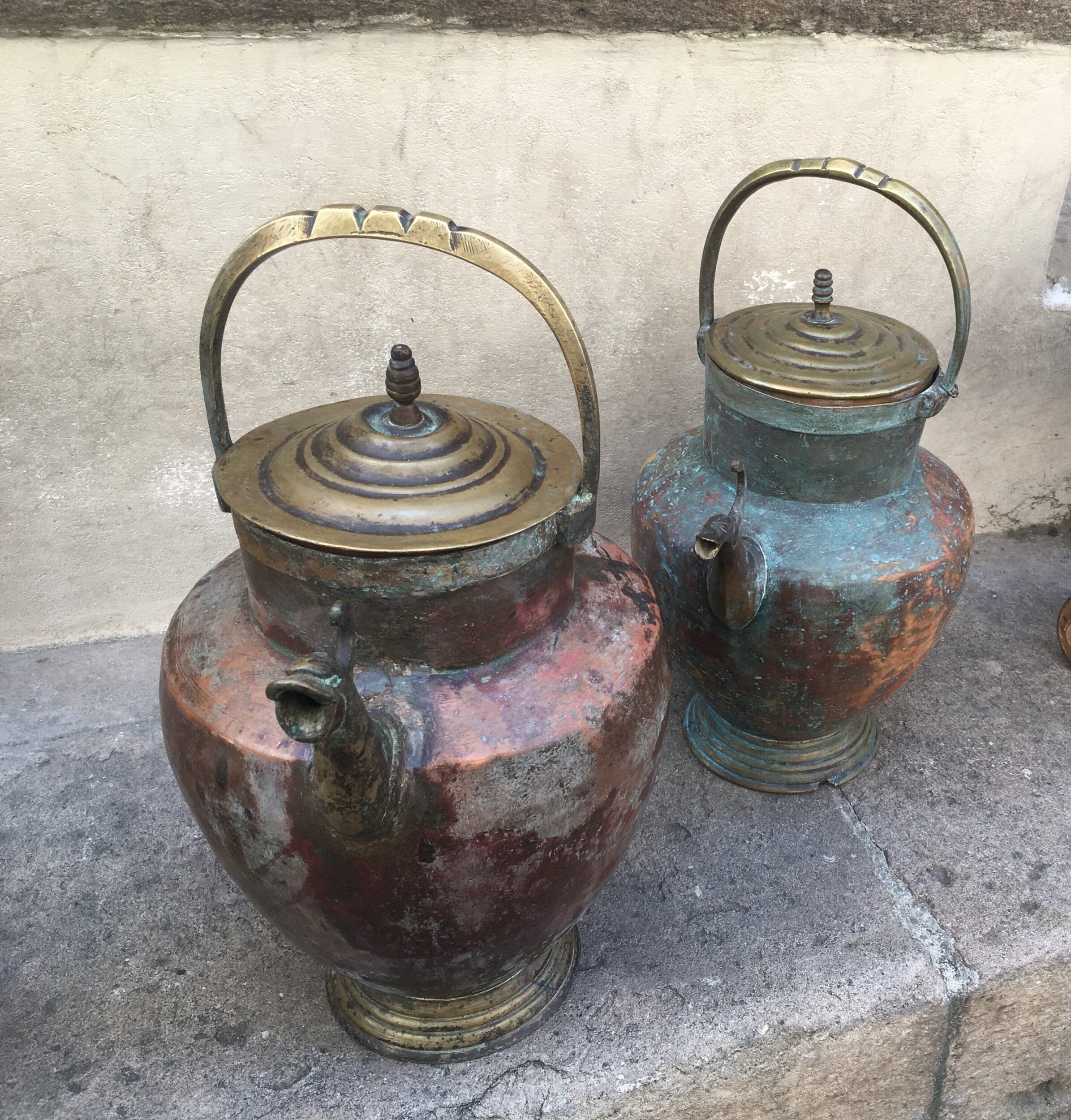
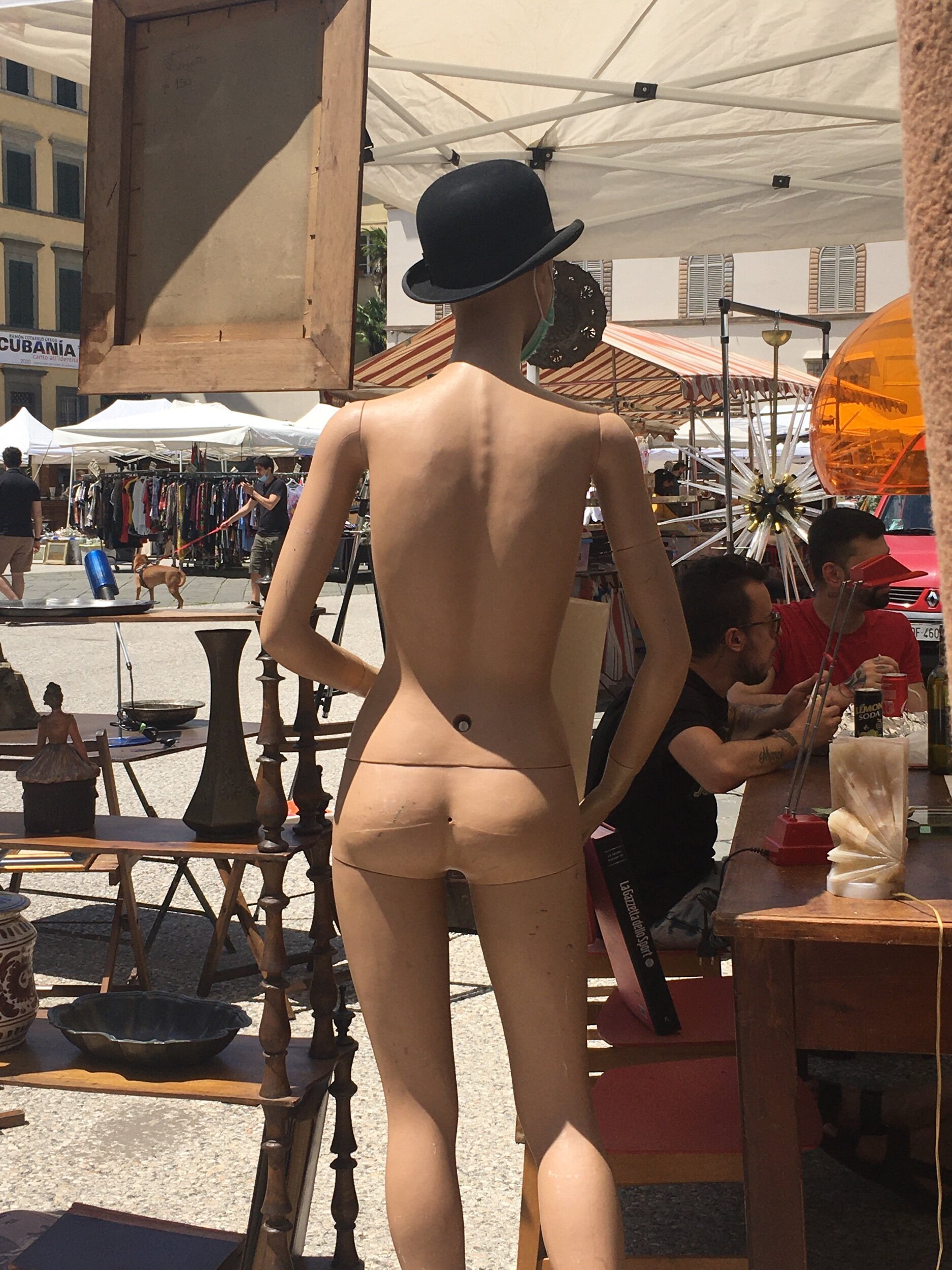
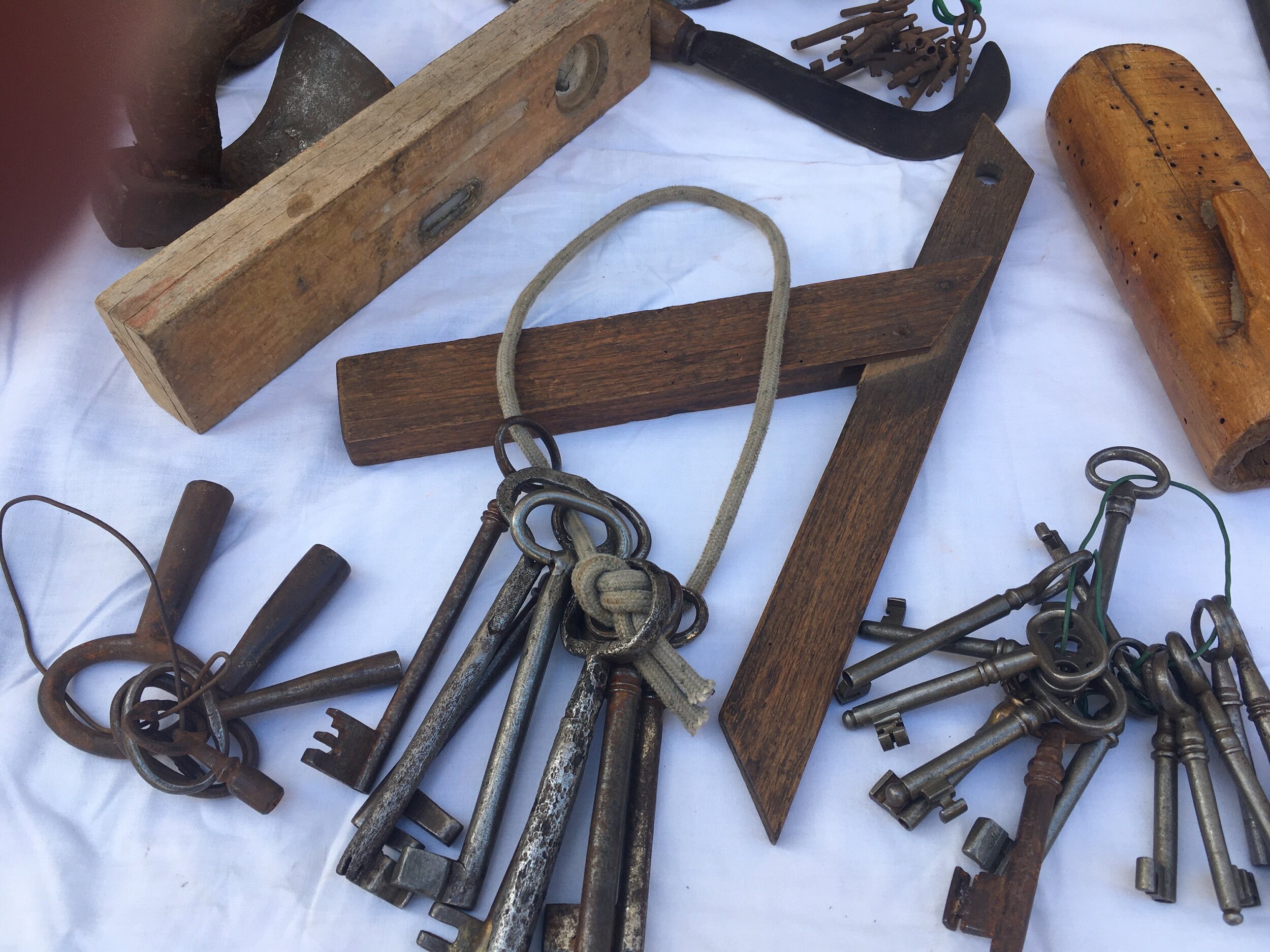
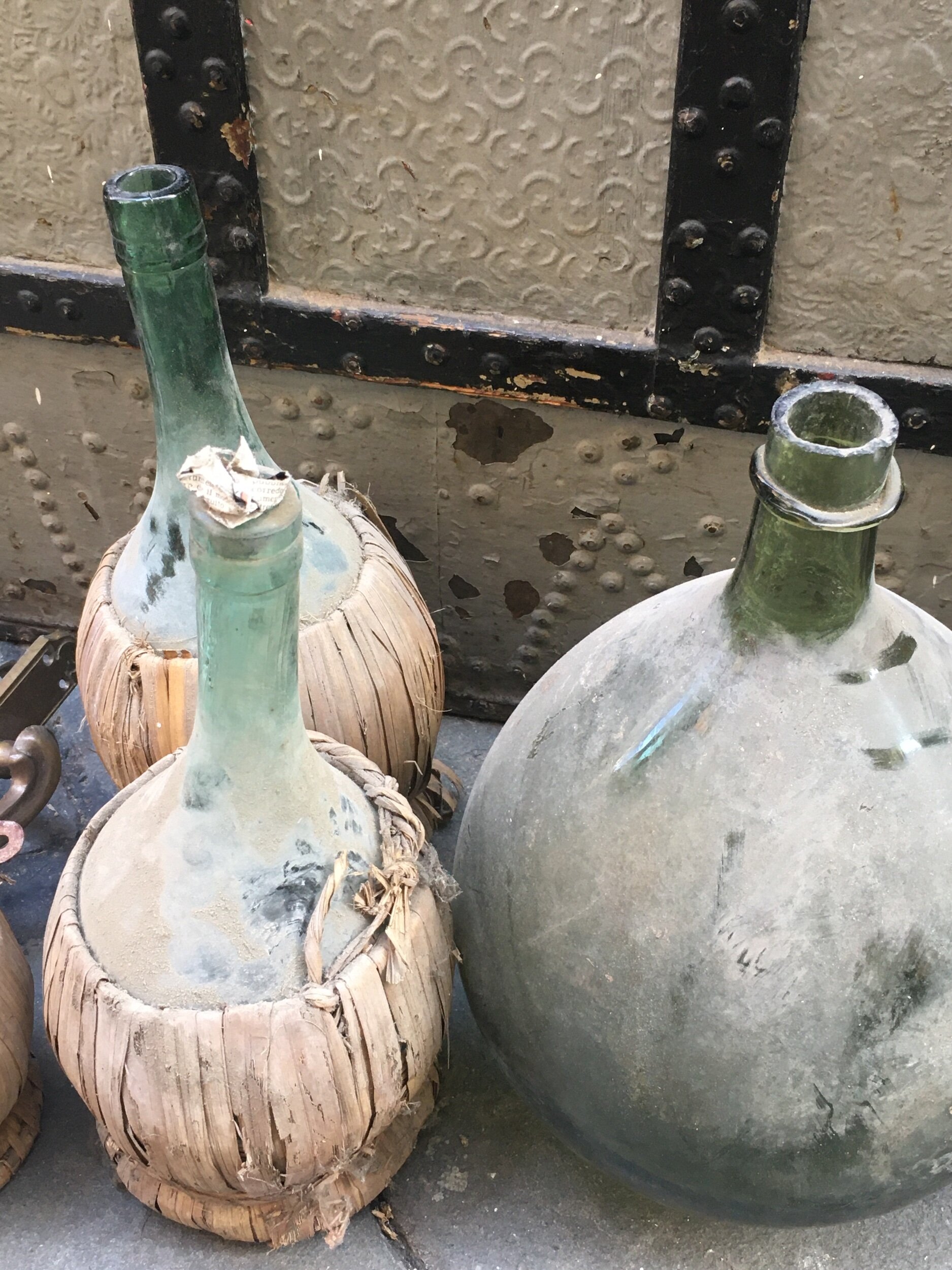
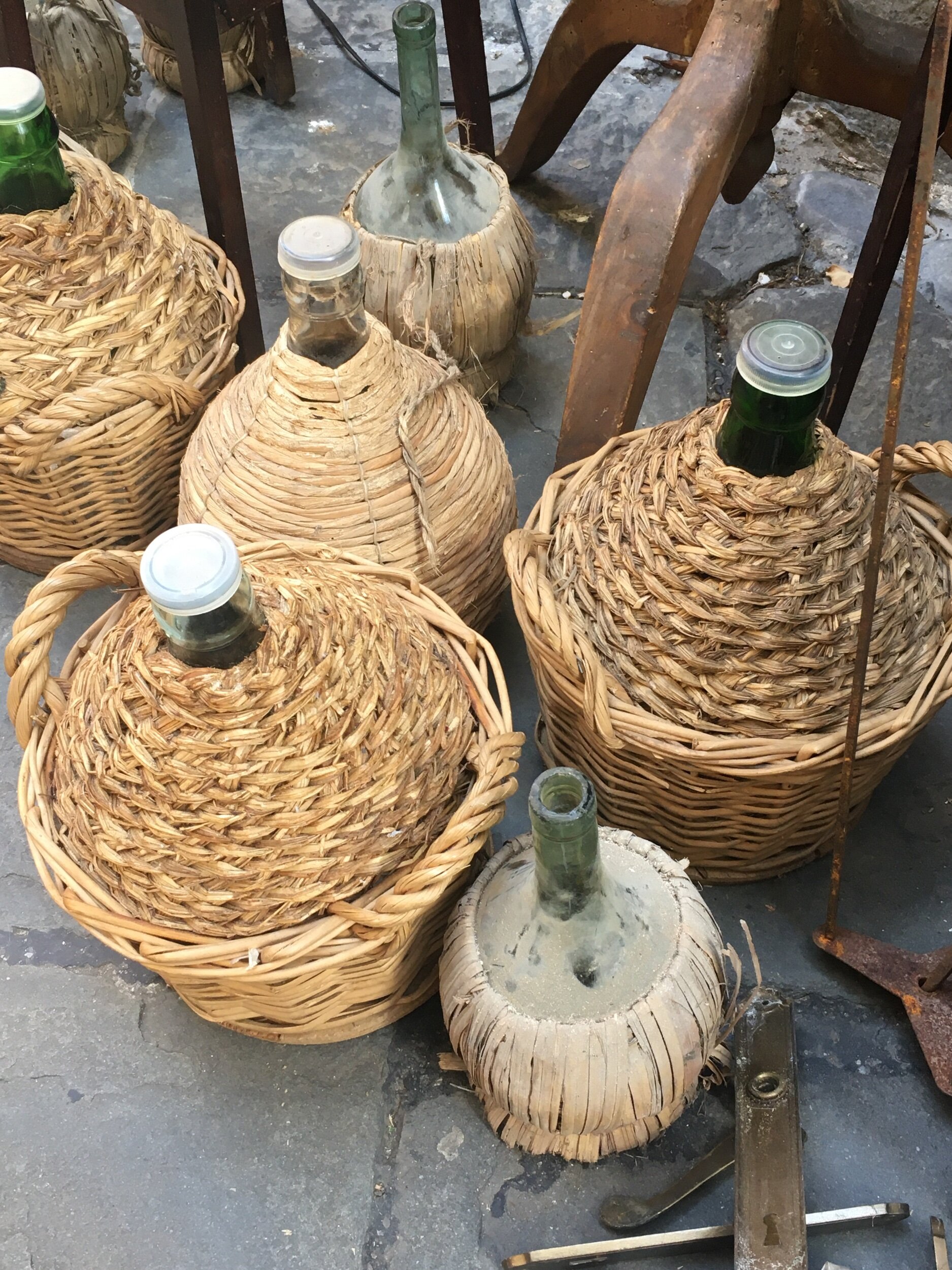
The excitement was palpable then when it was announced that the market would resume in June. And what a return it made, with its many bancarelle (stalls) and vendors selling everything from piles of old skeleton keys to old record albums to vintage linens, demijohns, cameras, dishware, furniture and much, much more.

IMG_2607.jpeg
IMG_2608.jpeg
IMG_2590.jpeg
IMG_2604.jpeg
Peeking through the window of an antiques store on Via del Gallo

Peeking through the window of an antiques store on Via del Gallo

The market flows through several interconnected piazzas and down the surrounding side streets. Even the antique stores on Via del Gallo participate.

The crowd was smaller than usual this June but still full of enthusiasm. Almost all had their masks in place and seemed happy to cooperate with the vendors who provided hand sanitizer to use before touching their wares.

It seemed everyone was happy just to spend a Saturday or Sunday morning browsing the market underneath clear blue skies. Such a relief after the long period of lockdown.

Long before I moved here to live, I used to plan my trips to Lucca carefully, making sure that each included at least one day of the market. Back then I used to wander past the stalls and daydream about the things I would buy if only I had an apartment here.

Adjustments.jpeg
IMG_2600.jpeg
IMG_2586.jpeg

These days I do have an apartment in Lucca, although it’s too small to buy any of the large furniture pieces that the market is known for. Happily, I have purchased a few things - an old, green glass demijohn (once used to store wine, now it holds the cork from each bottle of wine that I open), a pretty set of cordial glasses, an apperitivo fork, a vintage tablecloth.

A demijohn like these looks perfect in my living room.

A demijohn like these looks perfect in my living room.

Each of these items is special to me, but the greatest joy is not from the things themselves but from the memories of walking through the market, listening to the sound of the Italian language, bartering a bit, stopping at a cafe for a coffee while people watching, and enjoying the musicians who often play at the market. What a joy to have the market return. What a joy to live in Lucca! -post by Joanne

Classical music provides a soundtrack for shoppers. This talented musician can often be found playing in the piazzas of Lucca.

Classical music provides a soundtrack for shoppers. This talented musician can often be found playing in the piazzas of Lucca.

June 29, 2020 /Joanne Bartram
Lucca, Lucca Markets, Lucca Antiques, Tuscan Antiques, Tuscan Markets
#lucca, Italian markets, Italy, Tuscany
Wisteria in bloom, Vorno, Italy, 2019

Wisteria in bloom, Vorno, Italy, 2019

Spring 2020

May 04, 2020 by Joanne Bartram in #italytravel, #lucca, #springintuscany, Garden Festivals Italy, Italy, Italy travel, Living in Italy, Lucca, Tuscany

Spring is perhaps the most glorious time of year in Italy. The sun shines, plants bloom in sequence, beginning with the magnolias and then on to the wisteria. Later, the hydrangeas bud, blossoming as summer begins.

Magnolias in early bloom, just before the lockdown began, March 2020

Magnolias in early bloom, just before the lockdown began, March 2020

Trees also bud and then begin to leaf. Wildflowers grow along stone walls throughout the countryside and Le Mura (Lucca’s historic walls) have their share of wildflowers as well. Flowers appear in window boxes and on terraces as people shop the traditional spring garden markets. Locals and visitors alike begin to revel in mild temperatures, enjoy walks along Le Mura, sip coffees at outdoor tables in pretty piazzas, make excursions to the countryside, and trips to those spring flower markets.

Buying flowers at the traditional Santa Zita Flower Market April 2019

Buying flowers at the traditional Santa Zita Flower Market April 2019

At least, that is what spring is normally like here. This year, however, is anything but normal. I know it is spring because the calendar tells me the spring equinox has passed. And, in late March, Italy changed to daylight savings time. Easter has come and gone, though without the usual festivities. The days are longer and warmer. But, spending most of my time indoors, I find few visual clues to remind me that Mother Nature is shrugging off her winter sweaters for more colorful spring garb. It seems as though I am missing seeing spring unfold because of the quarantine restrictions. Judy, although she lives not far from me, is having a different experience both because of geography (she can see Lucca’s walls from her street) and because she has a dog and the rules here allow a bit more liberty for dog walking (see her post from last Monday for her perspective on spring). I am spending the lockdown in a relatively small (though lovely) apartment in the center of town (no views of the walls) and my outdoor walks until this week have been limited to the couple of streets around my apartment. For the most part I have only been able to imagine what is unfolding outside. Missing spring’s beauty hurts, but in light of the bigger tragedies unfolding around us it seems a small sacrifice.

A stone wall, somewhere in Tuscany, spring 2019

A stone wall, somewhere in Tuscany, spring 2019

I do catch glimpses of spring as I walk to the market for groceries, across town to the cleaners, or around to my mailbox. And, I am lucky to have a view to a pretty courtyard and garden just across from my apartment.

Joanne feels lucky to see these pretty photinia bushes from her window.

Joanne feels lucky to see these pretty photinia bushes from her window.

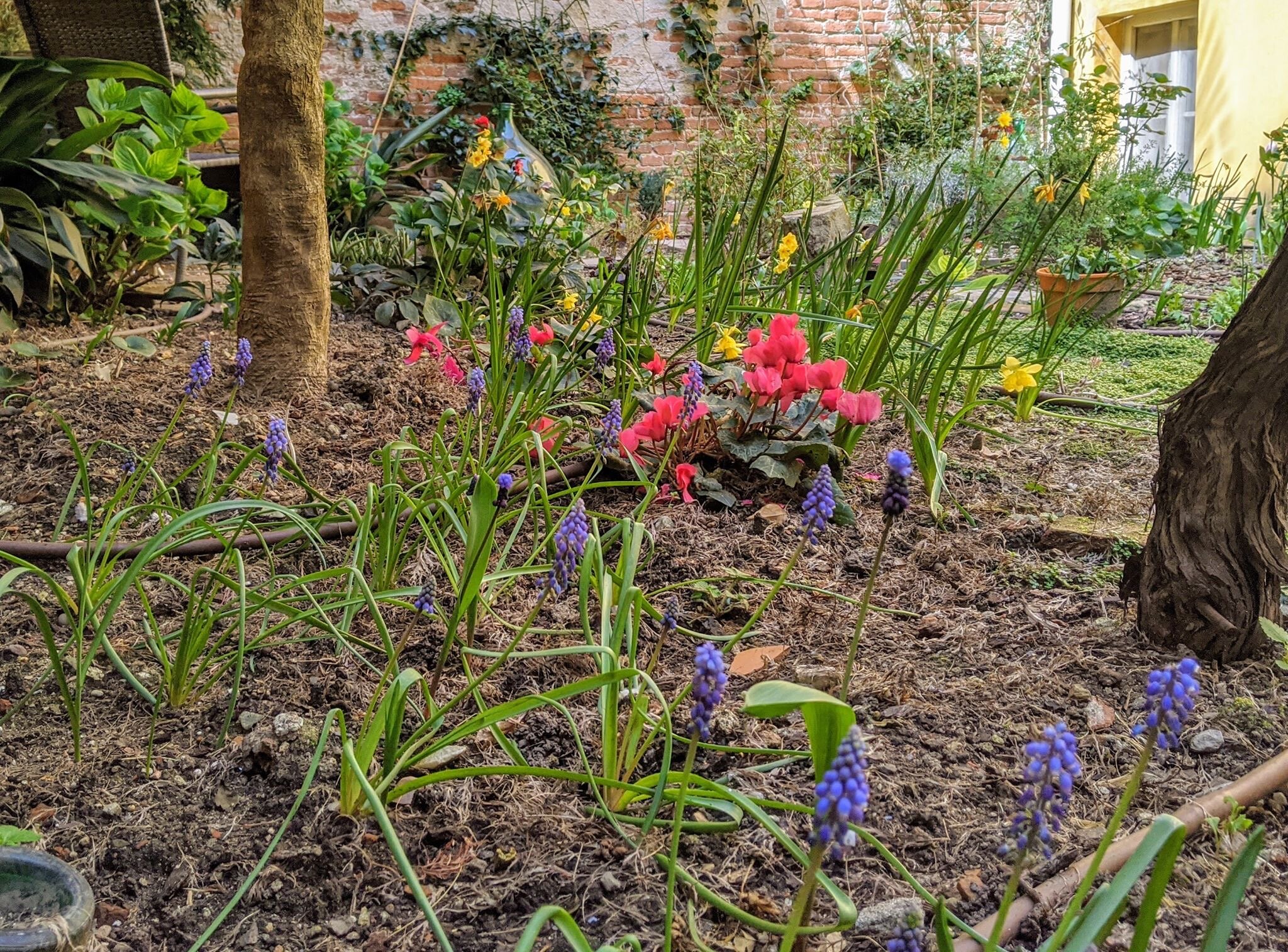
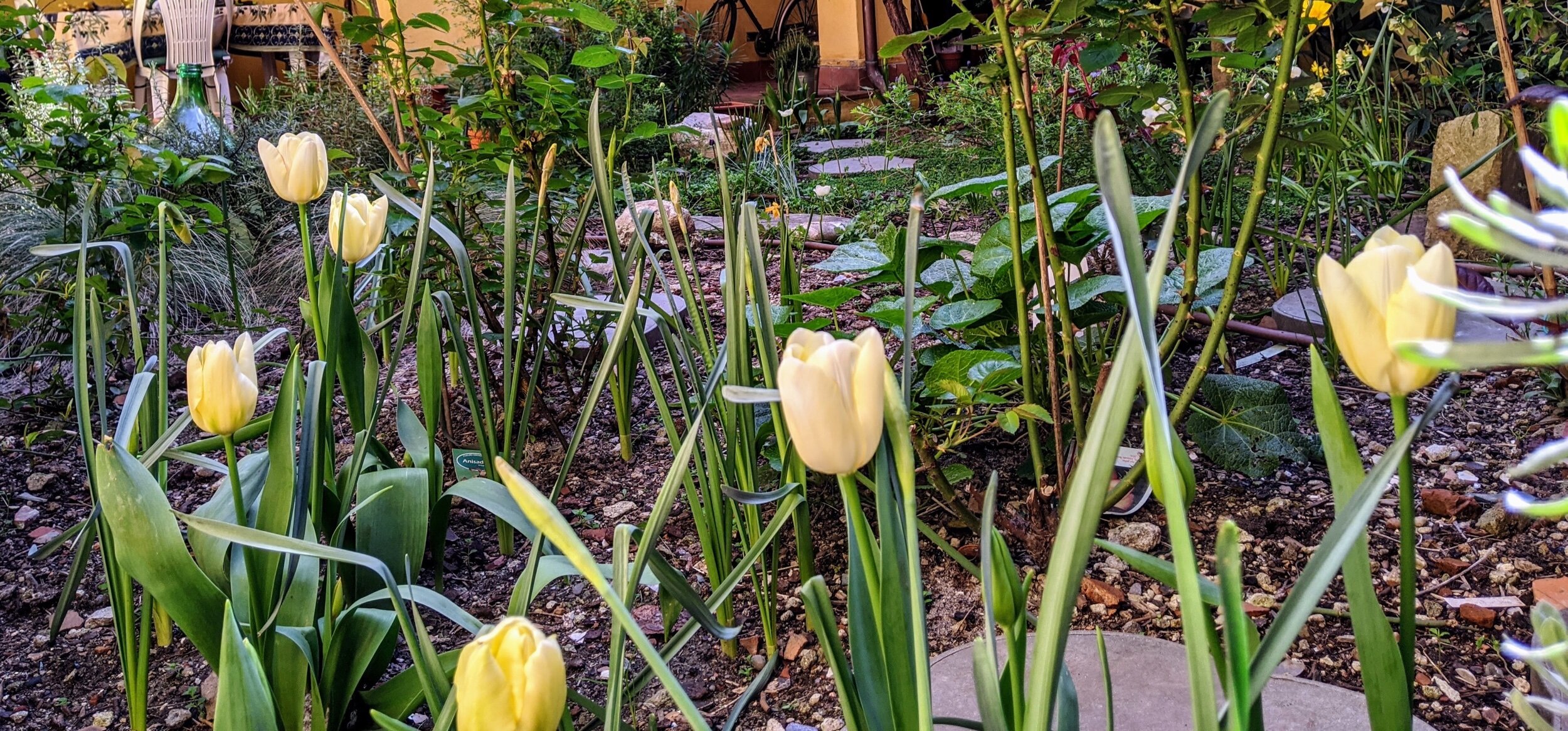
More fortunate still are those who have a little garden space of their own, a huge bonus in a city like Lucca, especially during this quarantine. My friend Michael has such a garden and I am thankful that he shares photos of emerging bulbs and greening trees - it’s a sort of mental oasis! (Photos below by M. Boyd, used with permission).
IMG_0750.jpeg
IMG_0751.jpeg

So, to celebrate this unusual spring, I thought I would post some photos of springs past and present in and around Lucca. And - good news - as of May, because the lockdown has worked to decrease the spread of the virus, we are once again permitted to go for walks throughout Lucca. Today the walls will reopen. Joy! The wisteria may have faded, and we may all be wearing masks, but there is still a lot of spring to be enjoyed! -post by Joanne

Spring flowers in the Cinque Terre, spring 2018

Spring flowers in the Cinque Terre, spring 2018

Wildflowers along the fosso (canal) in Lucca, spring 2018

Wildflowers along the fosso (canal) in Lucca, spring 2018

May 04, 2020 /Joanne Bartram
spring in Italy, Quarantine Italy, Flowers Italy, Lucca, Lucca Italy, Spring Tuscany, #italianspring, #springintuscany, #quarantineitaly, #covid19italy, #coronavirusitaly
#italytravel, #lucca, #springintuscany, Garden Festivals Italy, Italy, Italy travel, Living in Italy, Lucca, Tuscany
The vineyards of the Chianti Classico Region, as seen from the bell tower at Canonica a Cerreto Winery

The vineyards of the Chianti Classico Region, as seen from the bell tower at Canonica a Cerreto Winery

Wine Tasting in Tuscany

September 16, 2019 by Joanne Bartram in #italytravel, Chianti Region, Italy travel, Tuscany, Wine
20190828_165445_resized.jpg

In fall 2018, I spent a day driving through the Chianti region with friends (see A Taste of Chianti, October 2018). I’d been itching to get back to that area ever since, for its beauty and for the opportunity to do some wine tasting. The regional wine is Chianti Classico - a medium-bodied, dry red wine made mostly from Sangiovese grapes, grown and produced in the limited geographic area of the original five Chianti villages (outside of this small region the wine might be called Chianti, but it can not be labeled Chianti Classico nor can it carry the Gallo Nero (black rooster) symbol). And while I appreciate good wine, and loved my first experience with genuine Chianti Classico last year, I am definitely not a wine expert. And that’s where Mirko Gosgnach and Frontier Wine Tours enter the picture.
20190828_122945.jpg

Mirko is an Italian/Canadian who knows a lot about wine, especially Chianti Classico.

He works with a small group of wine experts to help support smaller vineyards in the Chianti Classico region, to market their wines and to teach people like me about vines, grapes, wine production and the beauty of the Chianti region.

And since you can’t properly learn about wine without visiting the vineyards and tasting, Mirko leads wine-tasting tours, which is how I came to join a group of friends for a day with Mirko exploring the wines of the Chianti Classico region.

The day began in Italian style with a cappuccino at a local bar in Lucca where our group gathered to meet Mirko. We settled into his big, comfy SUV and quickly learned that we were in for a fun day visiting two wineries, one of which was on the grounds of a historic villa. The villa was not open to the public but, lucky us, Mirko had the keys! We also discovered that he not only speaks perfect English (along with fluent Italian) but he is charming, funny, knowledgeable, and flexible. And, he is prone to breaking into song as he drives through beautiful Tuscan landscapes.

Canonica a Cerato (the chapel)

Canonica a Cerato (the chapel)

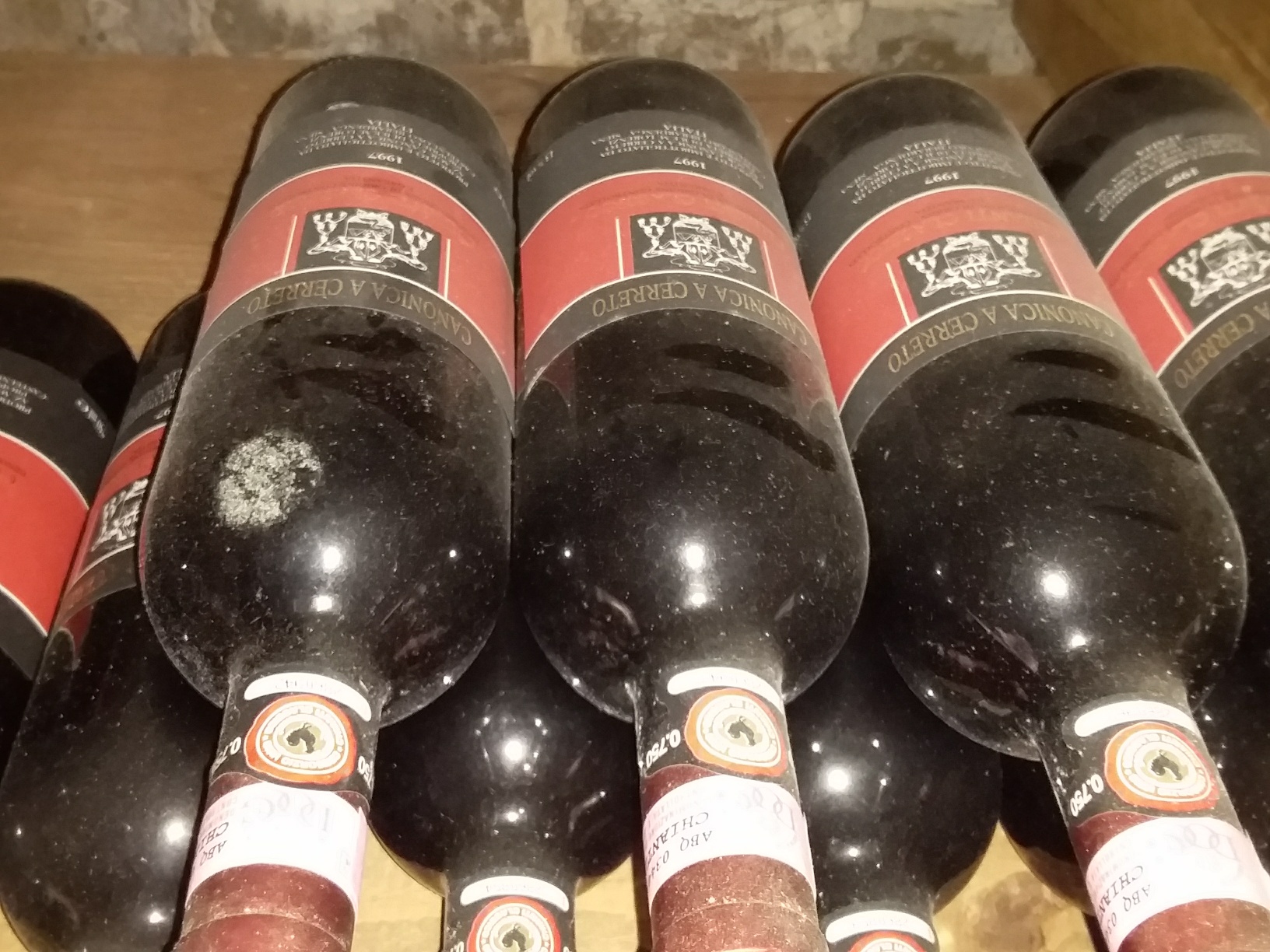
Our first stop was at Canonica a Cerreto, just east of Siena in the comune of Castelnuovo Berardenga, part of the Chianti Classico region. The first wines were produced here a thousand years ago for the monks of Siena. The name, Canonica, reflects its origins as a summer rectory for the monks, and Cerreto, the name of the oak trees in the surrounding woods. Loosely translated: Little Chapel in the Oak Woods.

Today the vines cover gentle hills and the grapes are harvested by hand and aged in oak barrels. Around 120,000 bottles are produced each year, some of which are exported to the United States but many of which remain in local wine shops. And while the modern area for processing and bottling the wine is new, the older cellar is where we tasted the wines.

The old wine cellar and tasting room at Canonica a Cerreto

The old wine cellar and tasting room at Canonica a Cerreto

What lovely wines they were! Some were DOCG wines (this designates a wine of highest quality under Italian standards, with strict requirements for production and taste), including a wonderful Chianti Classico Riserva.

20190828_142242.jpg
20190828_122549_resized.jpg
20190828_122540_resized.jpg

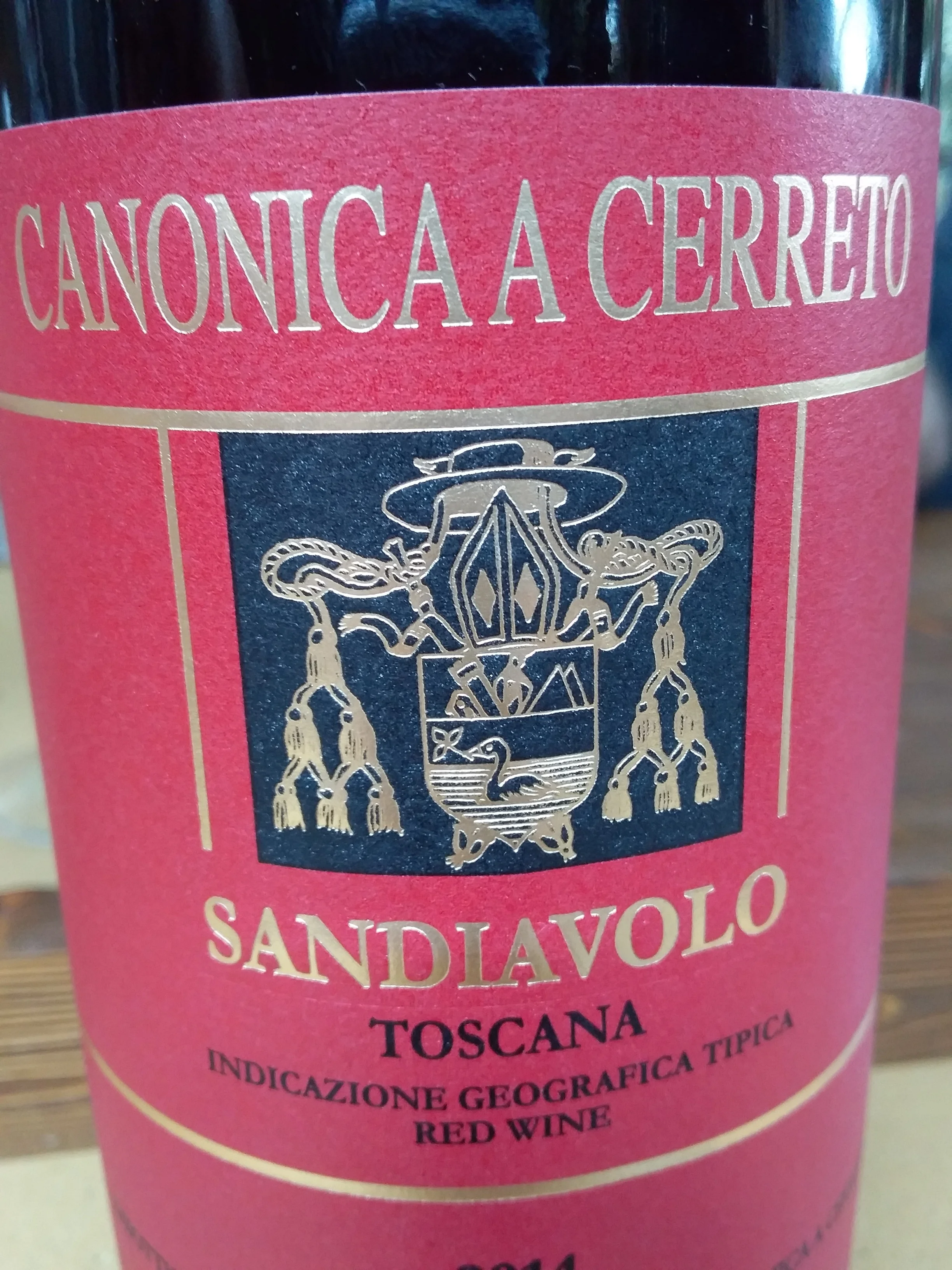
My favorite wine was the Sandiavolo (a bit of an oxymoron, which translates to Saint Devil). Sandiavolo carries an IGT (Indicazione Geografica Tipica) label. Restrictions for IGT wines are less strict and allow producers more flexibility in the blends of grapes used, though the grapes still come from a single region. This type of wine is often called “Super Tuscan.” And the Sandiavolo really was super! A blend of Sangiovese, Merlot and Cabernet Sauvignon grapes, it was … well, I can only say it was smooth, dry yet fruity, with not too much tannin. I am not nearly wine savvy enough to say things like “notes of blackberry, a hint of mineral” but Wine Spector gave the 2006 vintage this review: “generous, complex, elegant, and sweet. Small red and blackberries are in perfect equilibrium with a hint of forest floor, mineral notes, and sweet balsamic spice.” Uh huh … that’s just what I meant.

View from the terrace at Canonica a Cerreto

View from the terrace at Canonica a Cerreto

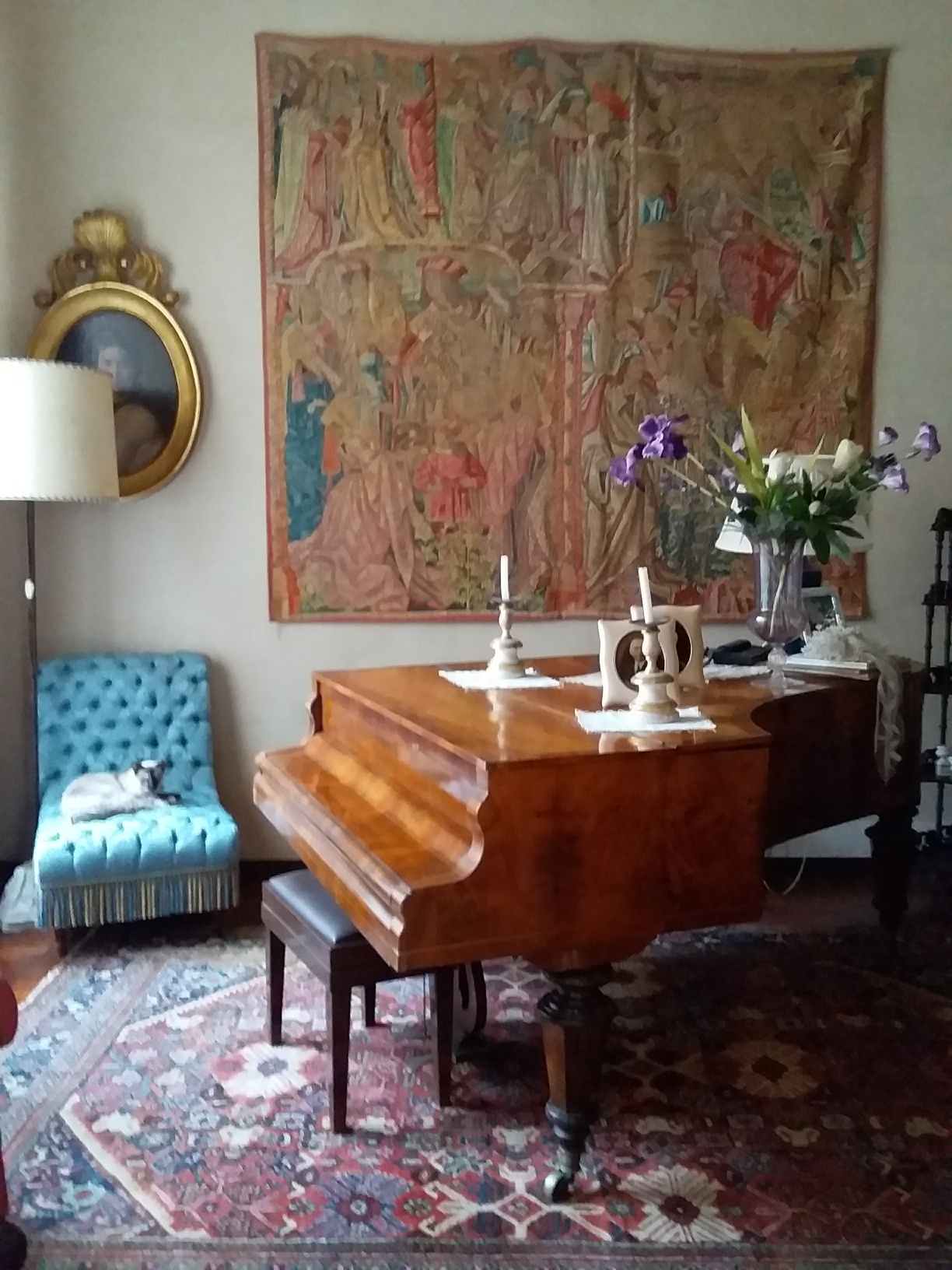
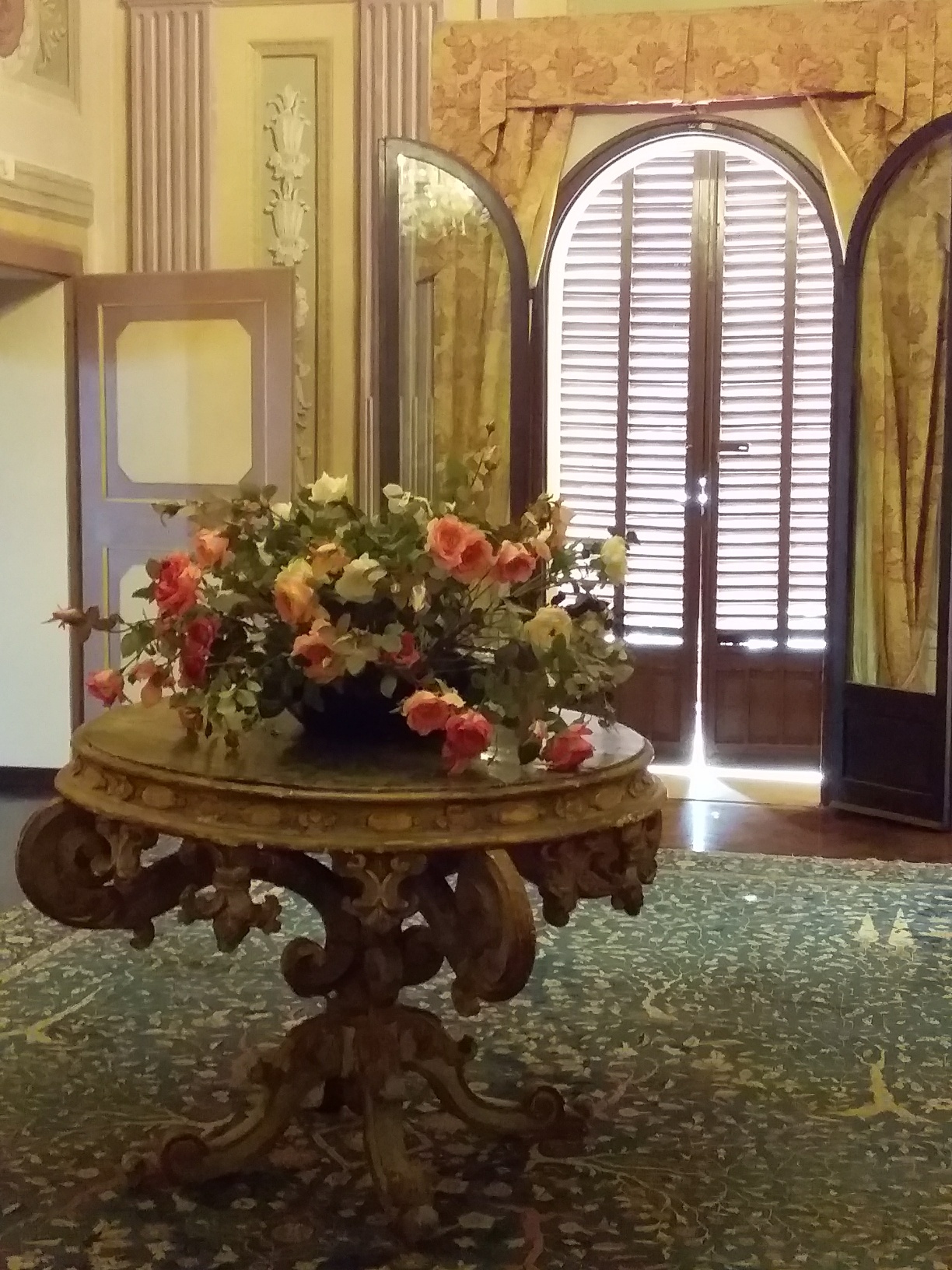
Canonica a Cerreto is also a stunning villa. Initially built as a retreat for clergy from Siena, remodeled by the Bishop of Siena in the 1700s. It passed into private hands in the early 1900s and sat abandoned from about 1930 until 1978. Since then it has been owned by the same Italian family who have restored the property, maintaining original character wherever possible. The results are a home elegant and comfortable filled with art and unique furnishings. And views to the Tuscan countryside!

20190828_111501_resized.jpg
20190828_115417_resized.jpg
20190828_113538_resized.jpg
20190828_113340_resized.jpg
20190828_115108_resized.jpg
20190828_115120_resized.jpg

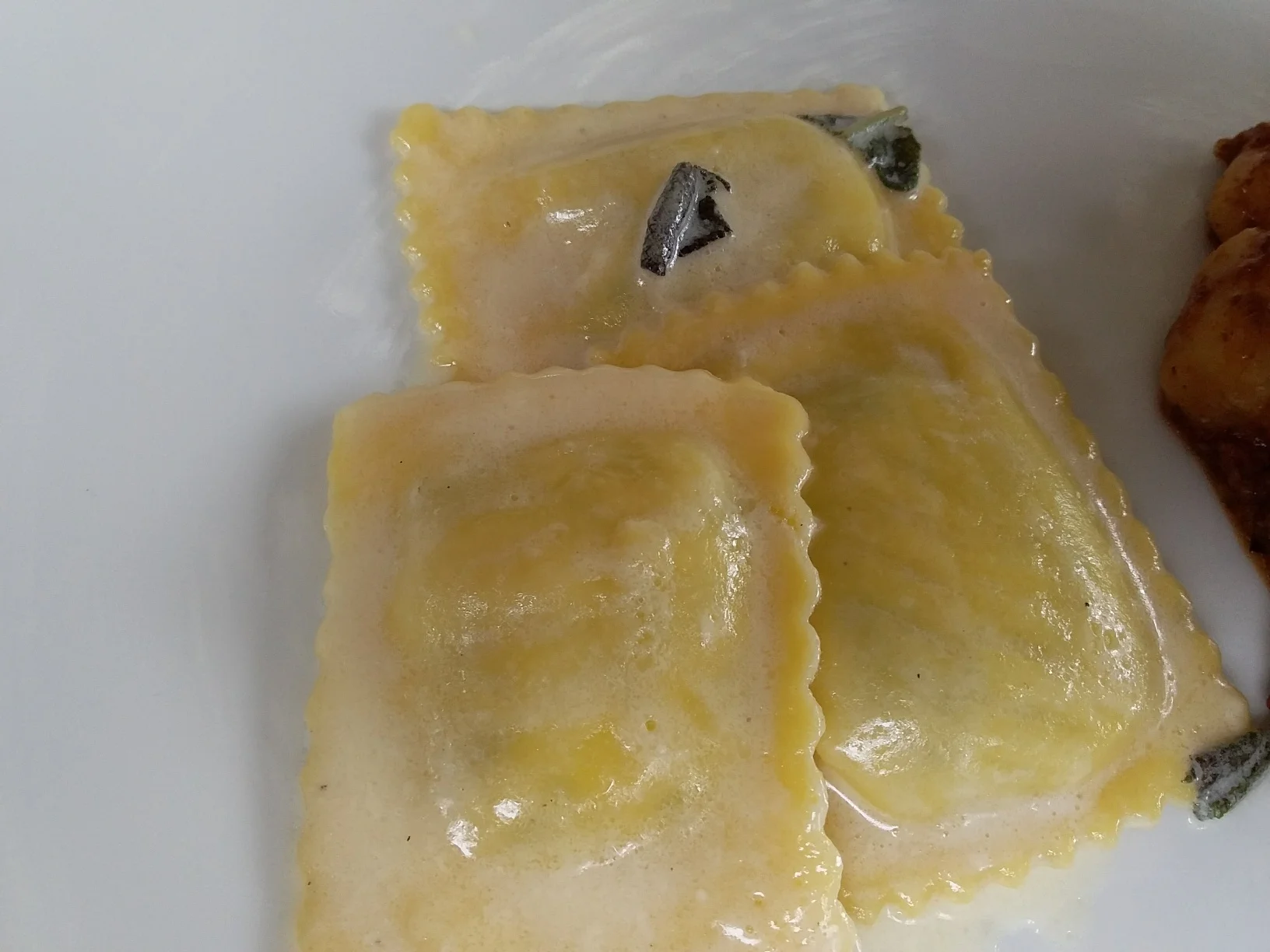
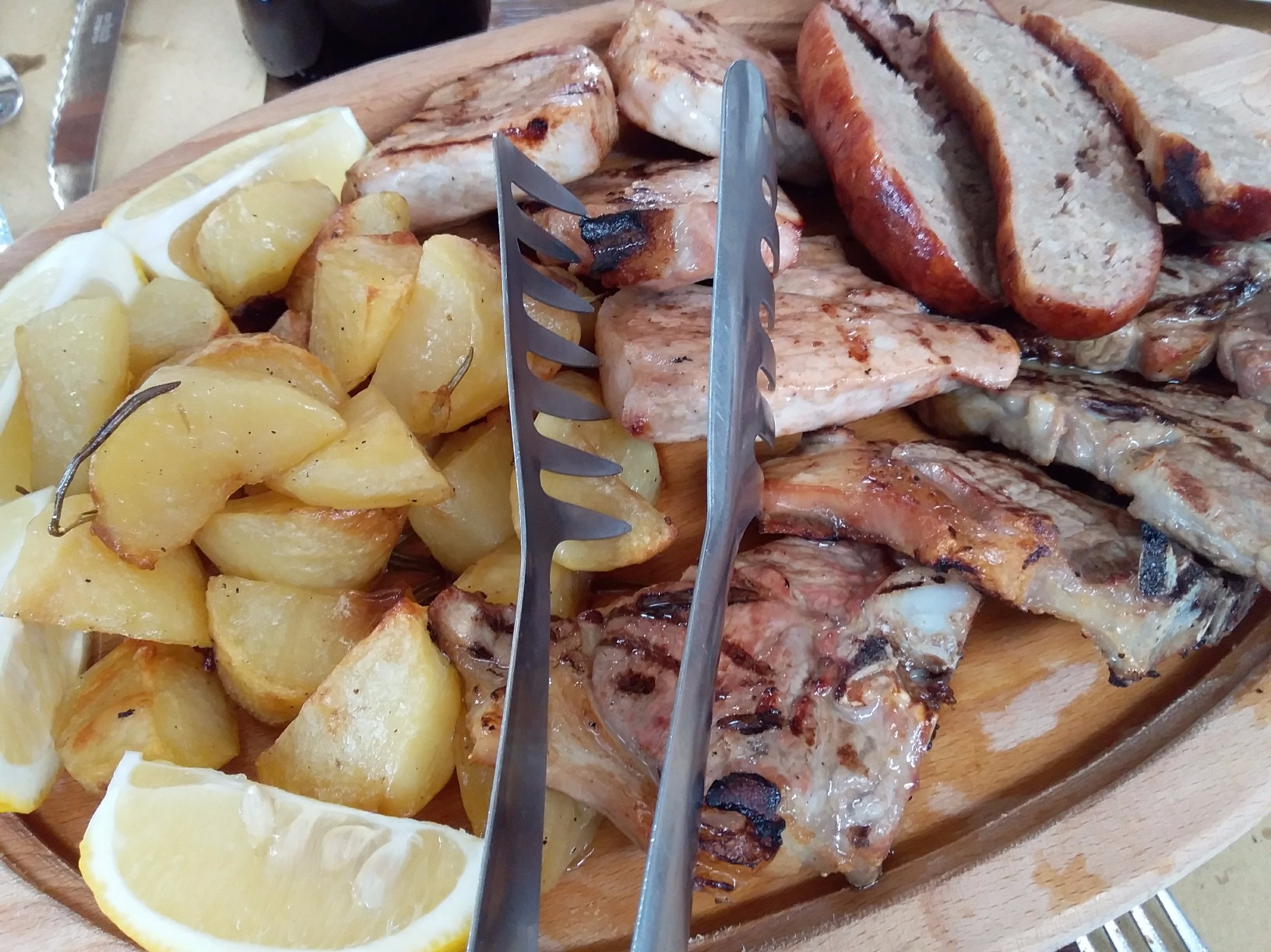
Armed with several bottles of Canonica wine, we headed to lunch at restaurant Peposo in the nearby village of Pianella. Lunch featured regional Tuscan food - a starter of several types of cold cuts, cheese, a bruschetta with sausage and stracchino cheese, and some stuffed zucchini blossoms. Next came a primi (first course) of two types of pasta (light as a feather gnocchi with Bolognese sauce and a ricotta-filled ravioli with sage and butter) followed by a second course of roast meats (sausage, pork, and lamb). All were delicious and the setting, a long table on a pretty outdoor patio, made for a relaxed lunch with good conversation. The meal ended with coffee and a desert of a grilled peach topped with amaretti crumbles. If you find yourself driving through the hills of Chianti, it’s worth a stop here for lunch or dinner. The day was already perfect, and we had one more winery to visit after lunch.

20190828_135227_resized.jpg
20190828_142607_resized.jpg
20190828_145306_resized.jpg

The second winery, Fattoria Lornano, also operates as an agriturismo, hosting visitors who can enjoy their lovely gardens, pool, and Tuscan views. Here we tasted light summery rosato (rose) wines, a couple of Chianti Classicos (one a Reserva and one their most special Gran Selezione - a limited production of a fantastic wine).

Fattoria and Agriturismo Lornano

Fattoria and Agriturismo Lornano

We ended with tasting a Vin Santo that one of our party called “nectar of the Gods.” It was simply the best Vin Santo I have ever tasted.

The wines of Fattoria Lornano

The wines of Fattoria Lornano

The day was one of those peak experiences - good company, great wines, wonderful food, and Tuscany. It doesn’t get much better. . There might even have been singing on the drive home. -post by Joanne

Contact information : www.Frontierwinetours.com

Mirko Gosgnach email: contact@frontierwinetours.com +39 338 608 5634

September 16, 2019 /Joanne Bartram
Chianti Wine Tours, Chianti Wine, Tuscan Wine Tours, Tuscany, Wine tasting italy, #tuscanwinetour, #frontierwinetours
#italytravel, Chianti Region, Italy travel, Tuscany, Wine
These banners represent Lucca and the three terziere into which it was divided in the 1400s- each named for the major church in the neighborhood (San Salvatore, San Paolino, and San Martino).

These banners represent Lucca and the three terziere into which it was divided in the 1400s- each named for the major church in the neighborhood (San Salvatore, San Paolino, and San Martino).

Lucca In the Year 1369

June 03, 2019 by Joanne Bartram in #lucca, Italian culture, #medievalitaly, History, Italy, Festivals Italy, Italy travel, #balestrieri, Lucca, Tuscany

Italians have long memories, especially when it comes to historic events and rivalries. The Lucchese are no exception. Each spring they celebrate several long-ago events - World War II Liberation Day and the feast of Santa Zita, for starters. One unique local celebration recalls the year 1369, when the city of Lucca gained its liberty from its most hated rival - Pisa (not by war, but by declaration of the Emperor Charles IV, in exchange for a large sum of money). Today’s rivalry with Pisa mostly involves soccer and the claim to who has the best city to visit or live in, but in 1369, achieving freedom from domination by a rival city state was huge. After that, Lucca fought hard to maintain its independence from all rivals, especially Pisa and Florence, 

Fierce ladies - each with an arco lungo (long bow)

Fierce ladies - each with an arco lungo (long bow)

So, just how is this major historical event celebrated? Picture Medieval costumes, archers with long bows and cross bows, drummers and flag throwers. Add in city and church officials reading proclamations and lots of spectators,locals, tourists, and wide-eyed children, all watching history recreated in the square in front of the cathedral of San Martino, and you have an exciting and photo-worthy event. 

Lanciatori di bandiera (flag throwers) - a crowd favorite as they toss their flags high into the air

Lanciatori di bandiera (flag throwers) - a crowd favorite as they toss their flags high into the air

The celebration of Lucca’s liberation from Pisa, on the Sunday following Easter, is one of my favorite annual events and one that, for me, says welcome to spring in Lucca, a city where history comes alive.  

-post by JMB

IMG_0293.JPG
Balestrieri with their cross bows (balestre)

Balestrieri with their cross bows (balestre)

IMG_0297.JPG

The sounds of drums is a big part of the festival. These batteriste (drummers) come in all ages. 

June 03, 2019 /Joanne Bartram
Italy Travel, Liberation Day Italy, Festivals Italy, #italy, Lucca, #travel italy, #walled cities, Festivals italy, Medieval Lucca, #Lucca
#lucca, Italian culture, #medievalitaly, History, Italy, Festivals Italy, Italy travel, #balestrieri, Lucca, Tuscany
  • Newer
  • Older

Powered by Squarespace