Two Parts Italy

Exploring Italy, travel, and living a flavorful life

  • Blog
  • About This Blog
  • Start Here
  • Recent Posts
  • Archives by Topic
  • Subscribe
  • Contact me

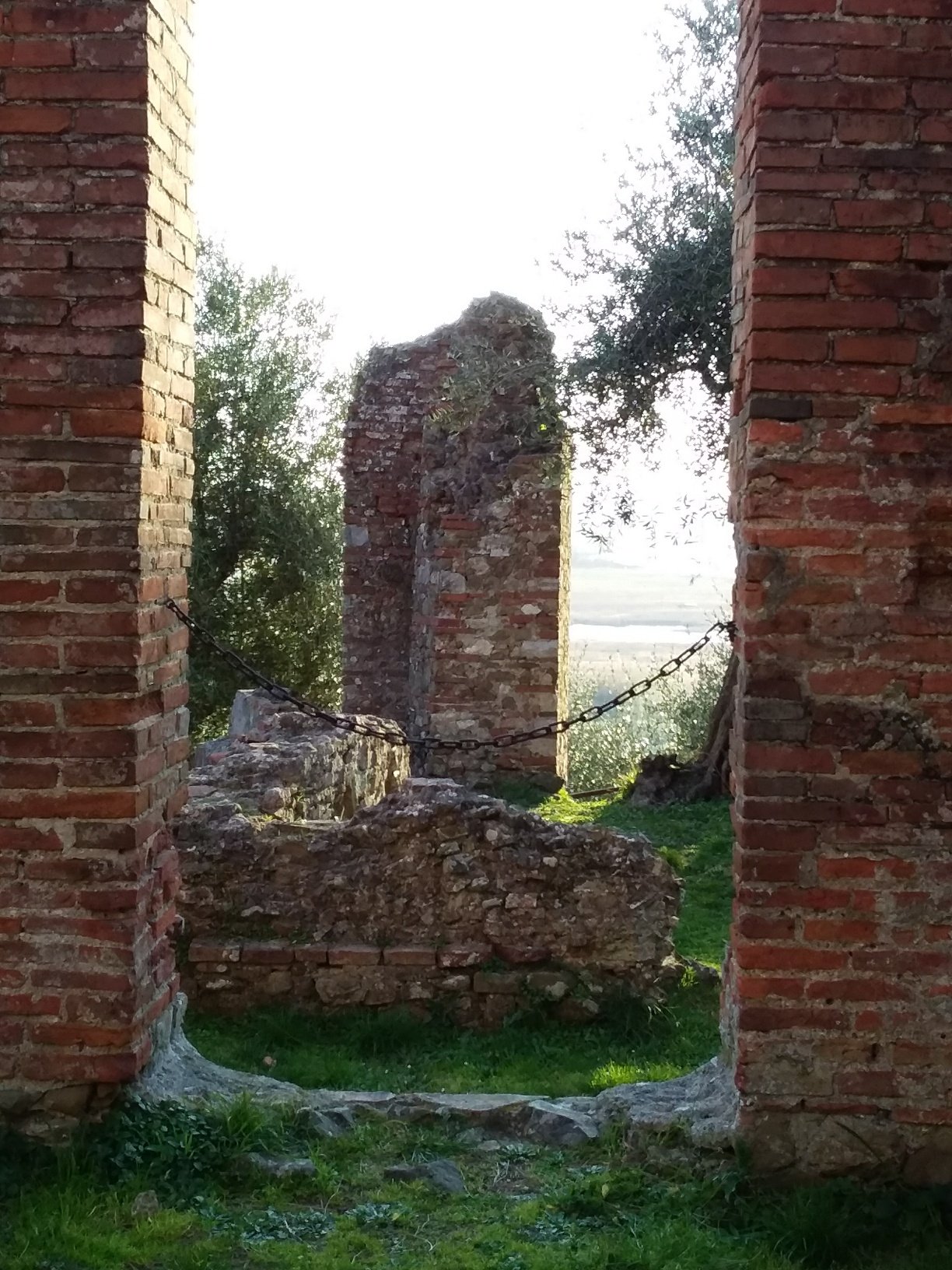
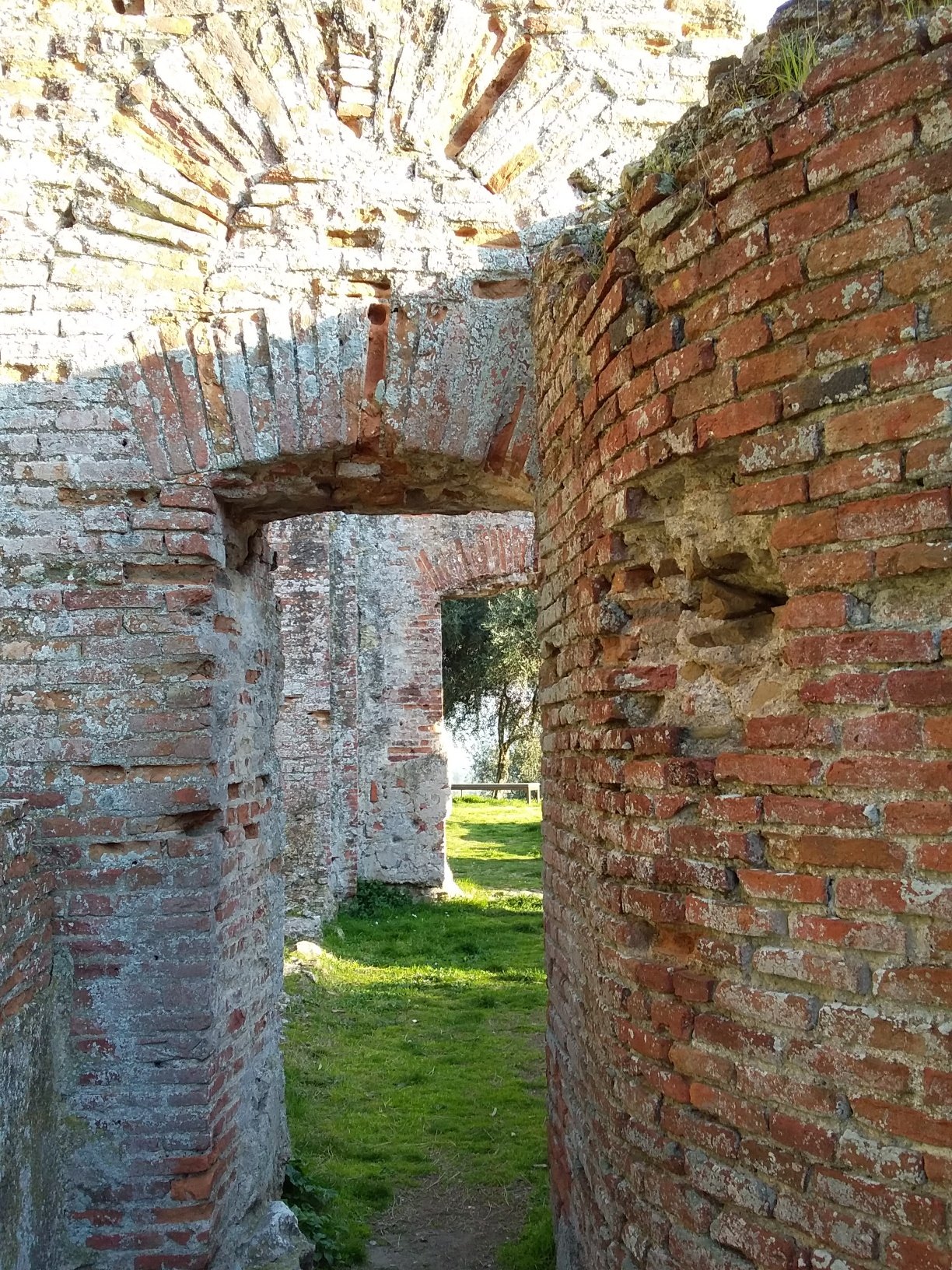
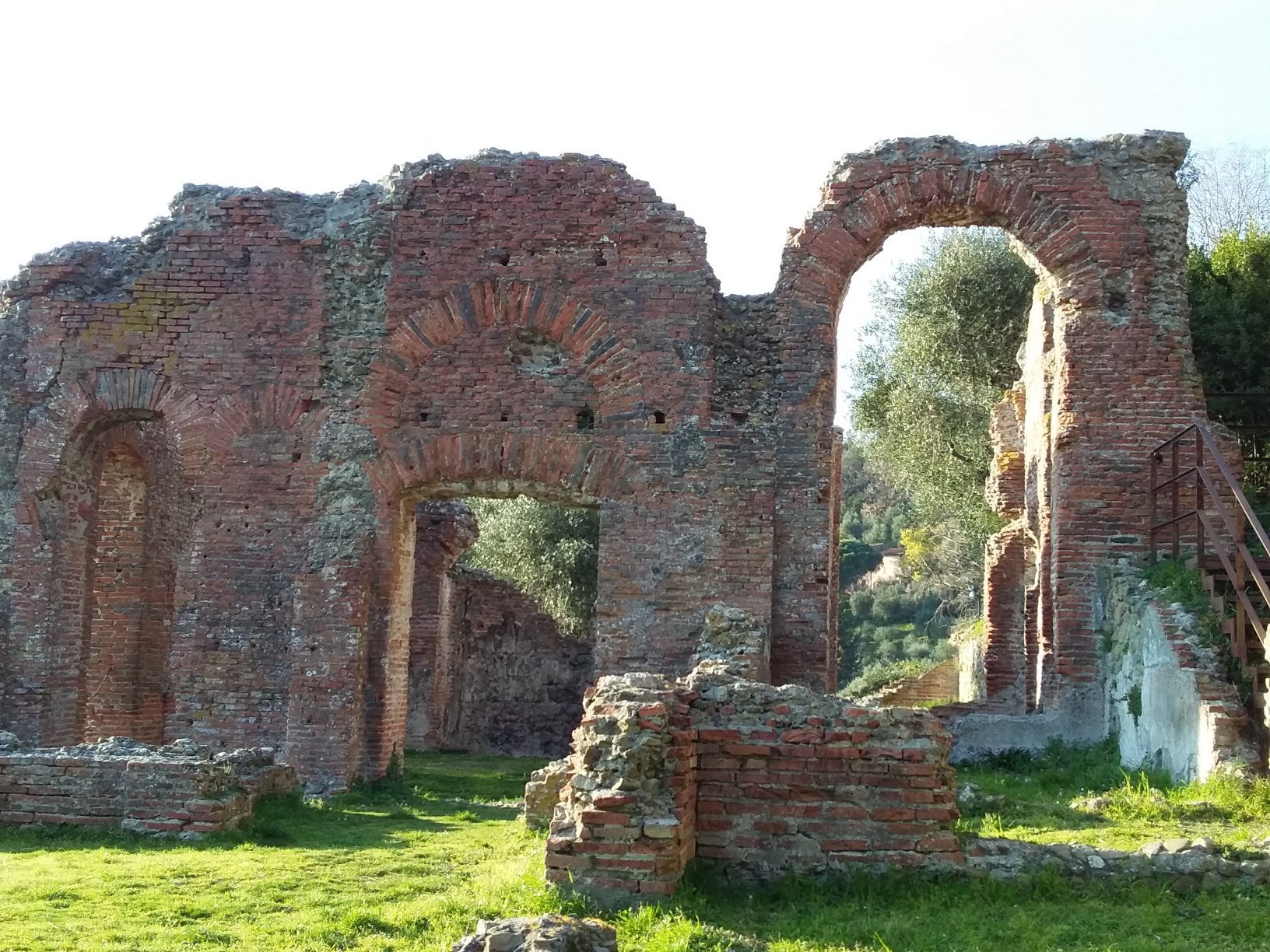
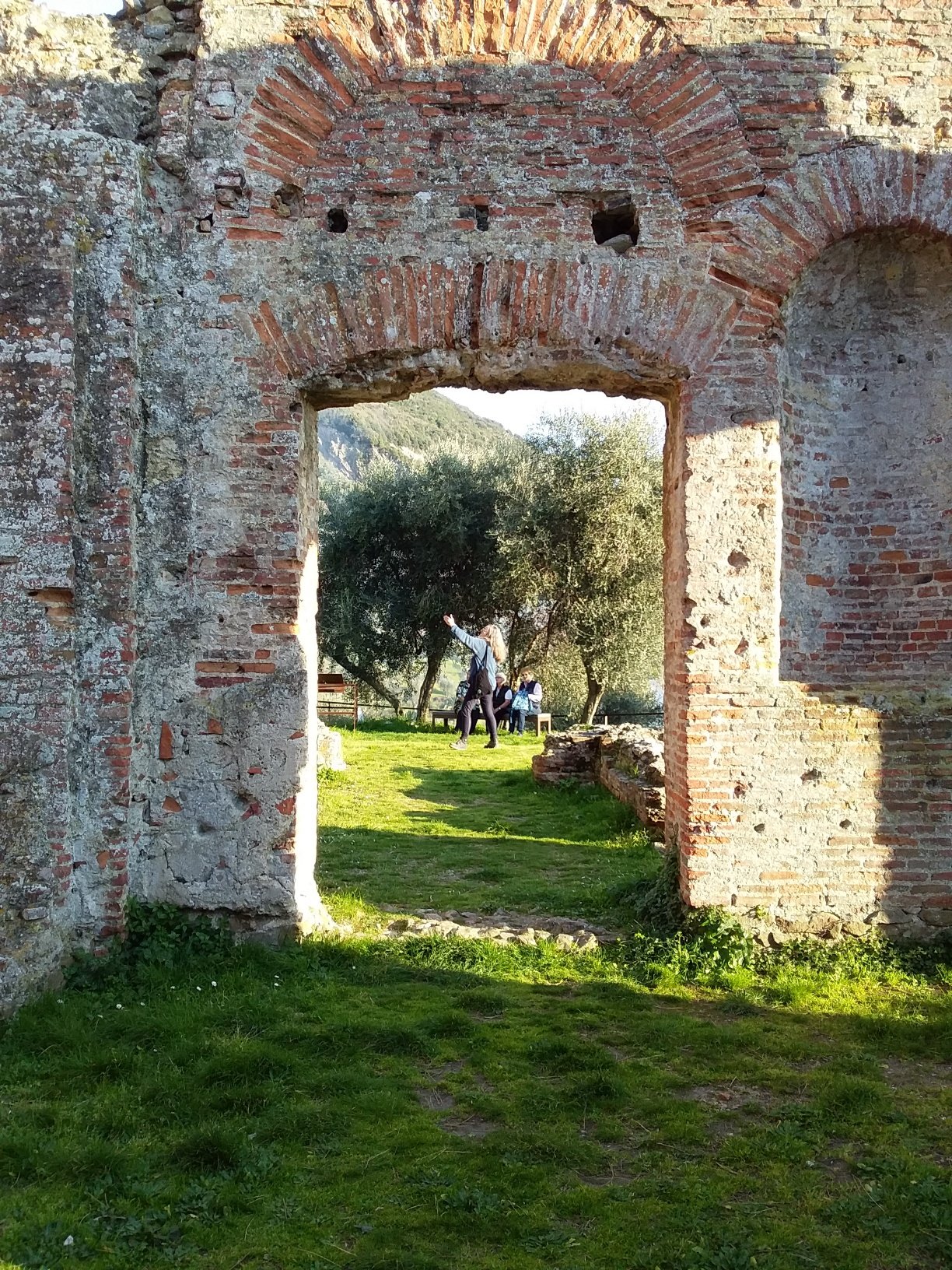
Walking around the ruins of a Roman Villa near Lake Massaciuccoli, not far from Lucca

Traces of Ancient Rome
August 03, 2026 by Joanne Bartram in #italytravel, #lucca, european travel, Friuli-Venezia Giulia, History, Italy, Italy travel, Lucca, Roman Architecture, Trieste, Tuscany, Umbria, Verona

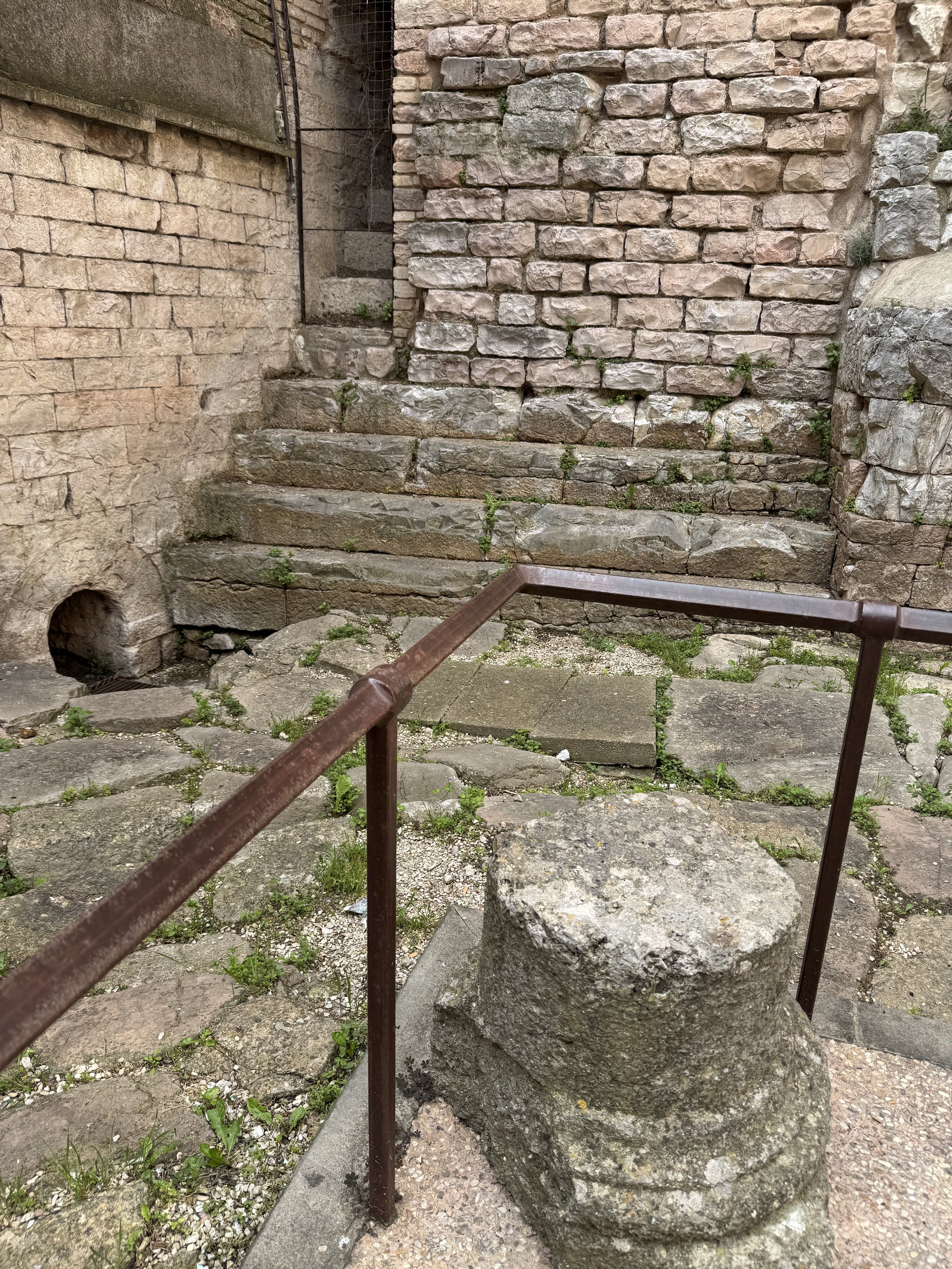
A little bit of Ancient Rome in Spello

Modern day Italy is built over and around the remains of ancient Rome. There are countless examples, many of which are buried well below ground. They become visible only when a construction project unearths them. Often digging, whether for a big construction project (like a new metro line in Roma) or a simple home renovation, exposes stunning mosaic floors, the outlines of ancient homes, or the base of a Roman column. Many a construction project has been delayed when ruins are discovered and the archeologists arrive.

Some of the buried traces of Roman life have been carefully excavated and are opened to visitors as museums. 

In a bit of urban drama, some Roman structures sit proudly right in the middle of a city, absorbed into every day Italian life.  Rome’s Forum and Colosseum are no doubt the most well-known examples, but there are many others.  And some remnants of the Roman era aren’t ruins at all, but intact buildings still in use today. 
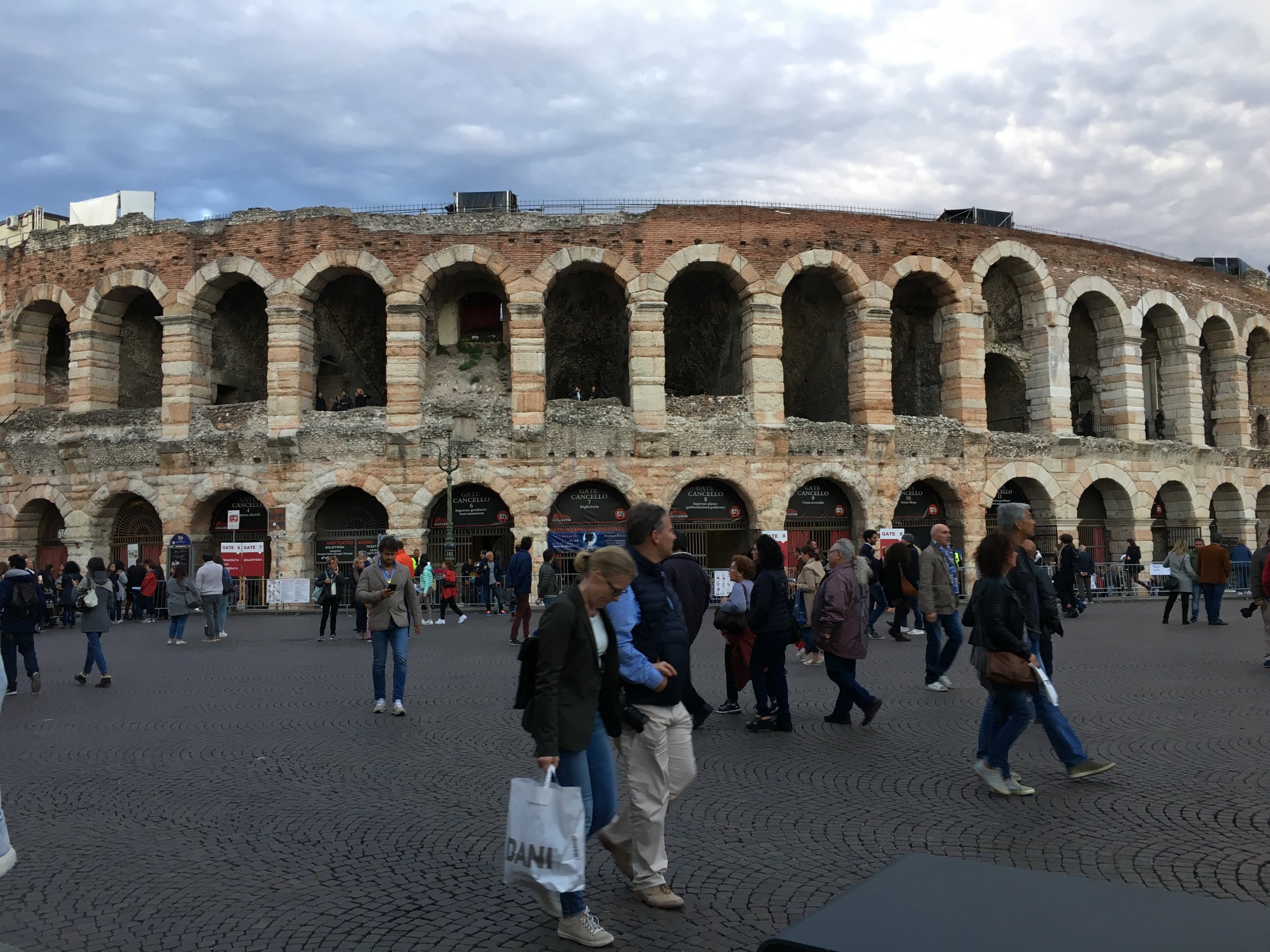
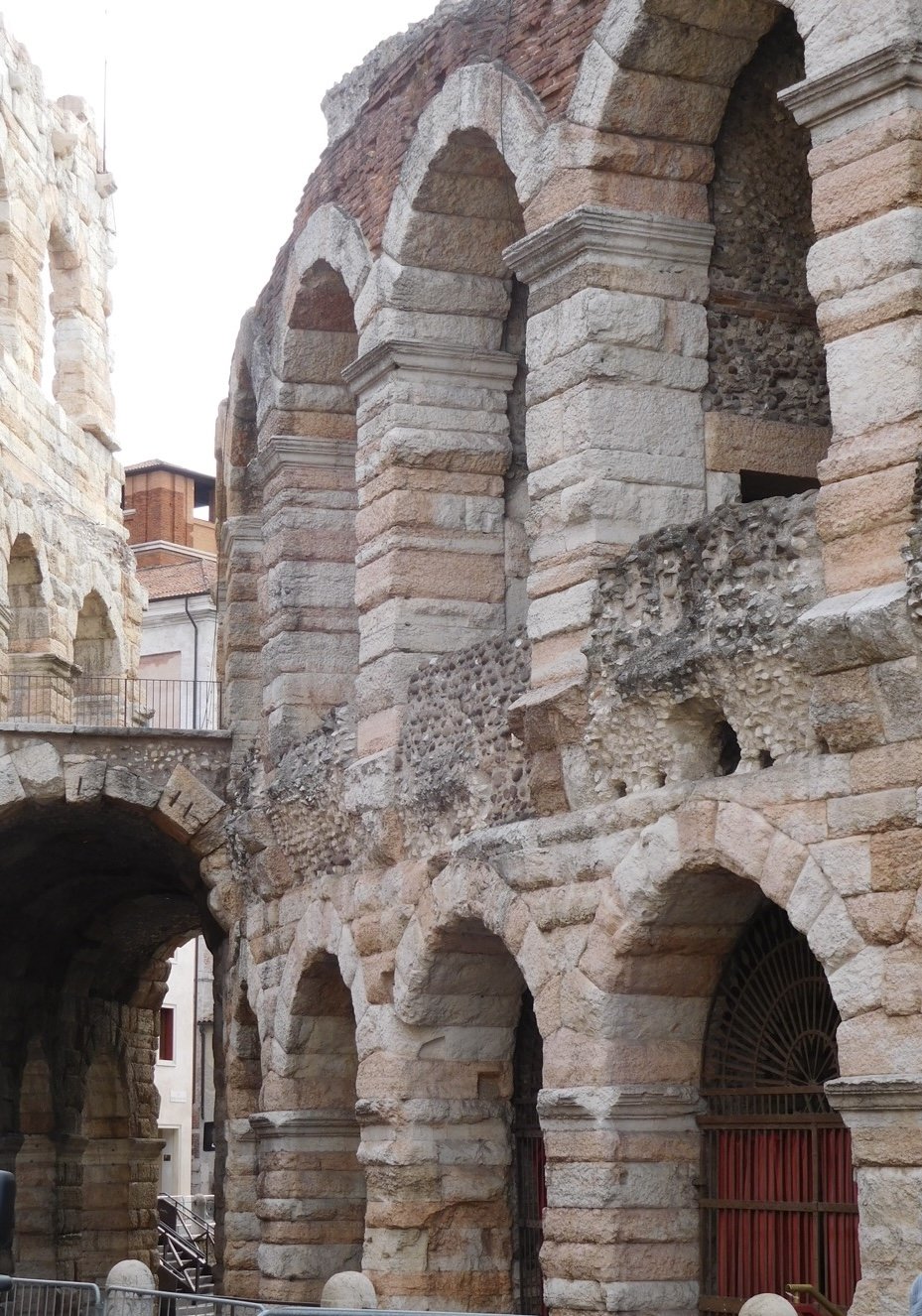
This 1st century amphitheater sits right in the middle of Verona, just off Piazza Bra

In Lucca, the Roman bits are mostly hidden.  But look closely and they reveal themselves. Within the church of Santa Maria della Rosa is a segment of the Roman era city walls which form one wall of the church.  More Roman history lies under the Church of San Giovanni (including Roman baths) and under Via Cesare Battisti in the Domus Romana (Roman House).  Traces of Rome in Lucca persist in the shape of Piazza Anfiteatro and in Piazza Santa Maria Forisportam which marks the border of the old Roman city. Piazza San Michele, today the best people watching spot in town, was once the site of the ancient Roman Forum. 
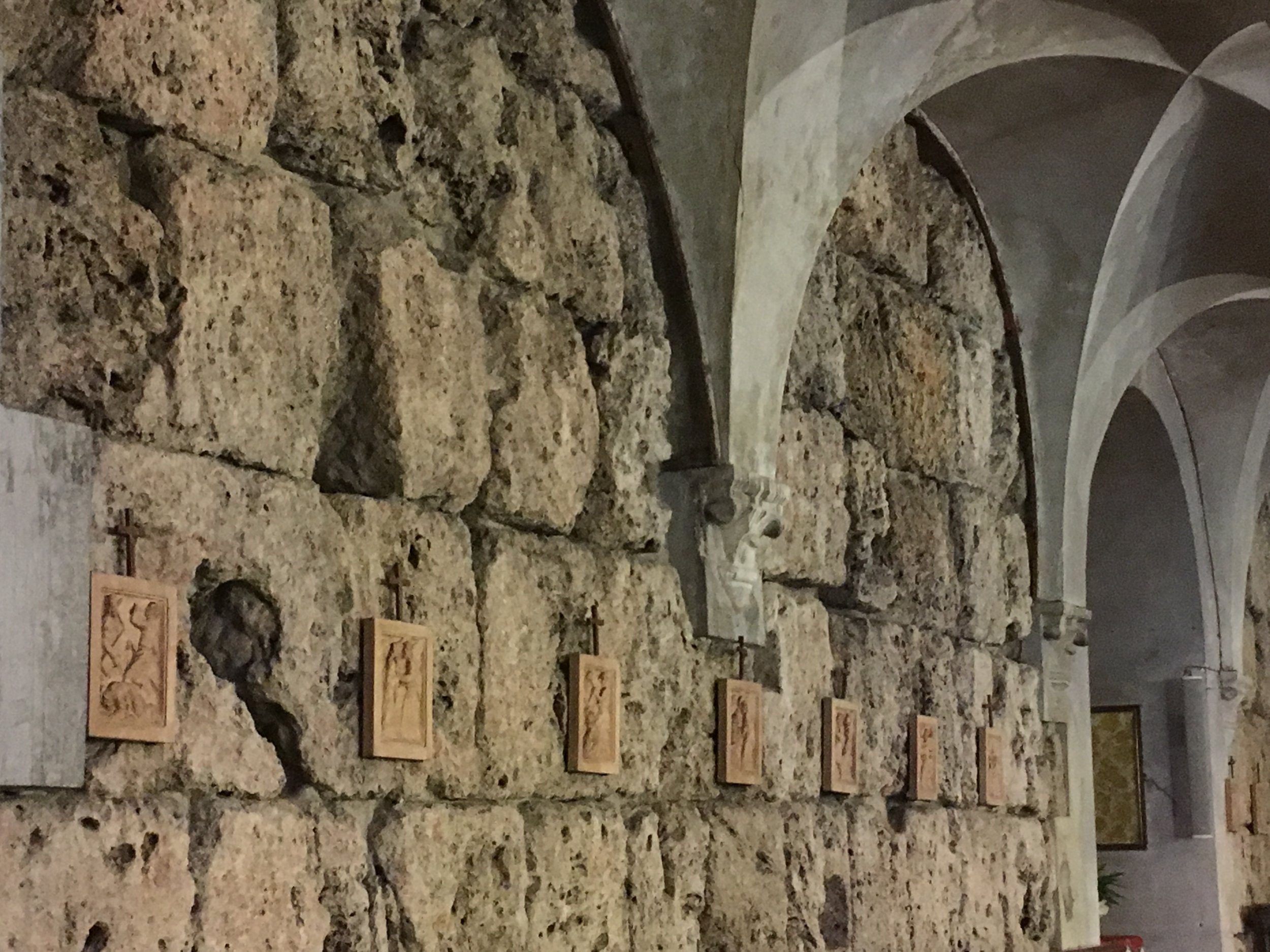
The Church of Santa Maria della Rosa is the best place to see the remains of the Roman era wall that once enclosed the city

Not far from Lucca, the ruins of a Roman villa sits a short distance from the shores of Lake Massaciuccoli.  Amazingly, it is possible to wander through the completely open site!
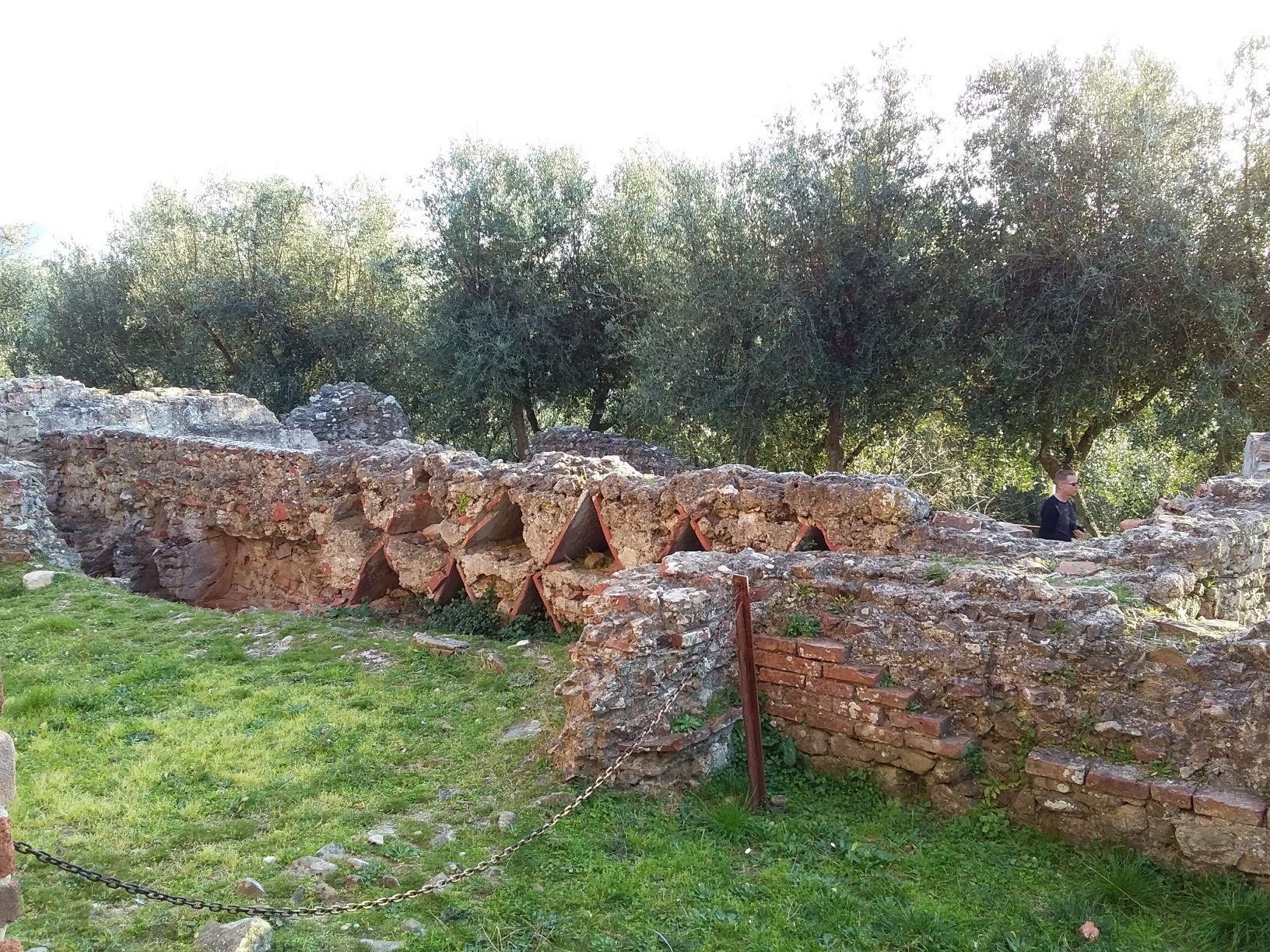
IMG_2620.JPG
IMG_2612.JPG
IMG_2617.JPG
IMG_2622.JPG

In the Friuli-Venezia Giulia region, in and around the city of Trieste, the ghosts of ancient Rome seem to be everywhere.  Most dramatic are the remnants of a Roman theater that sit right in the middle of Trieste.  A large section of the seating is intact making it easy to picture the events that took place there.
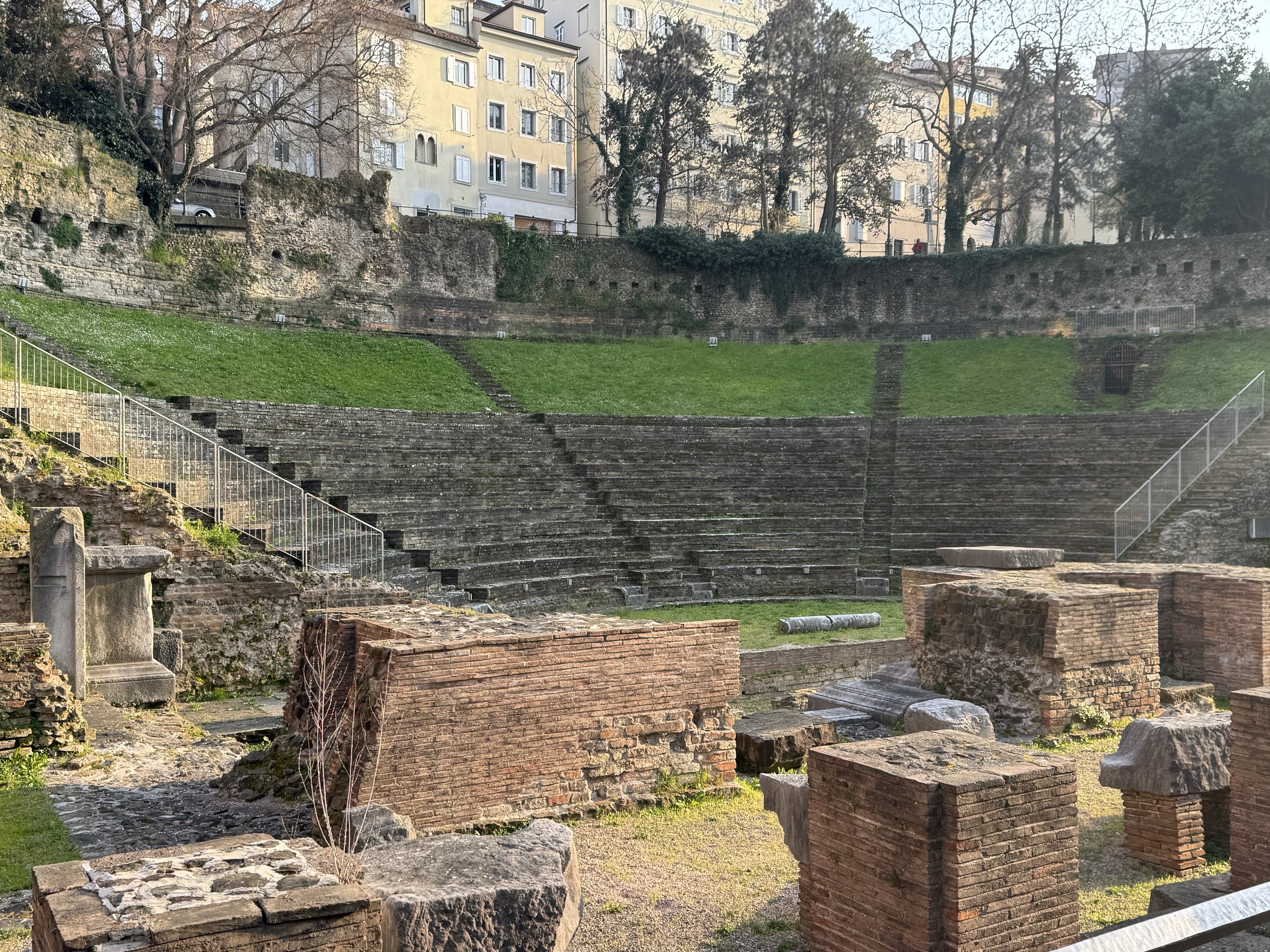
An ancient Roman theater in Trieste, right in the heart of the city

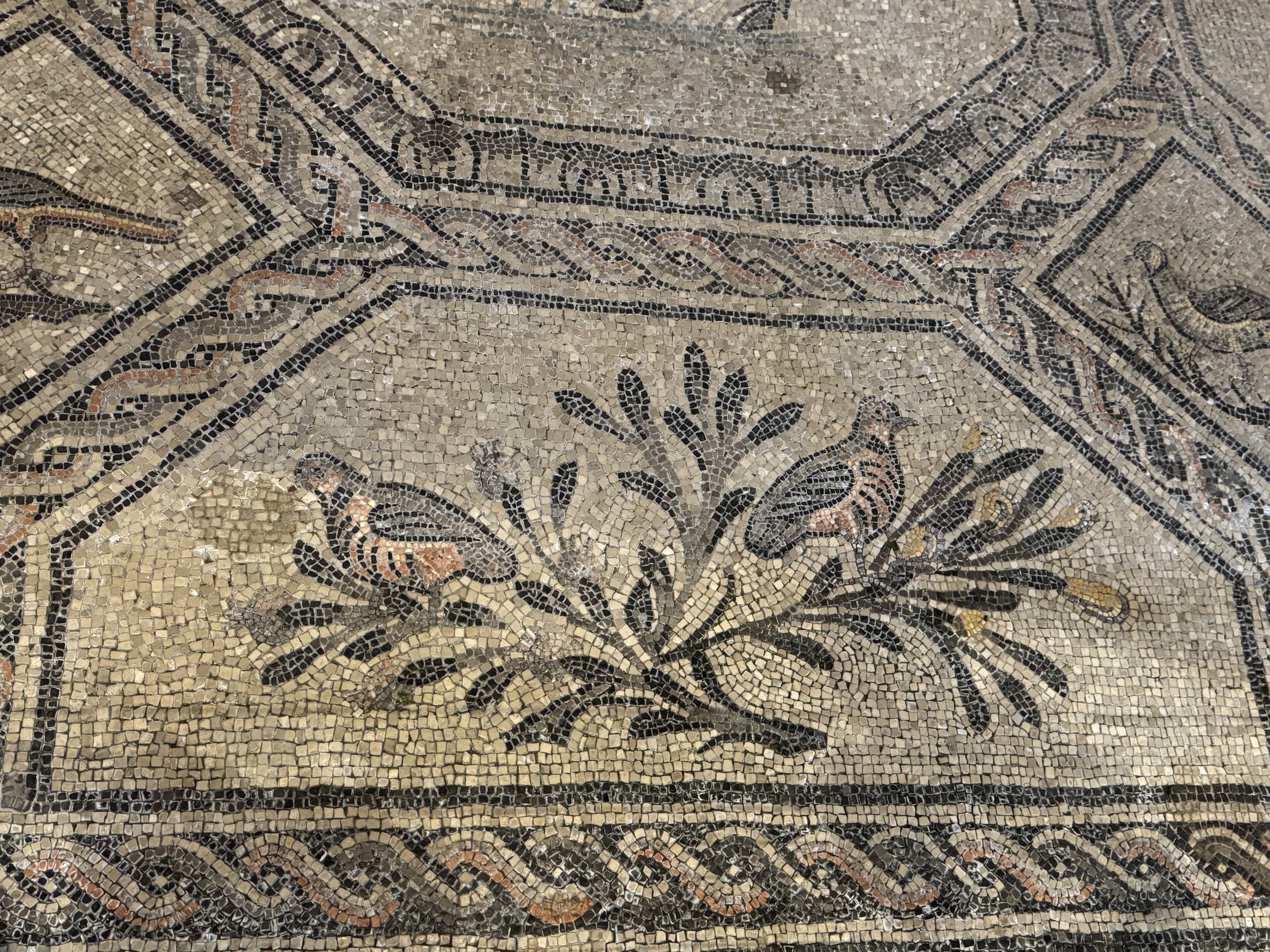
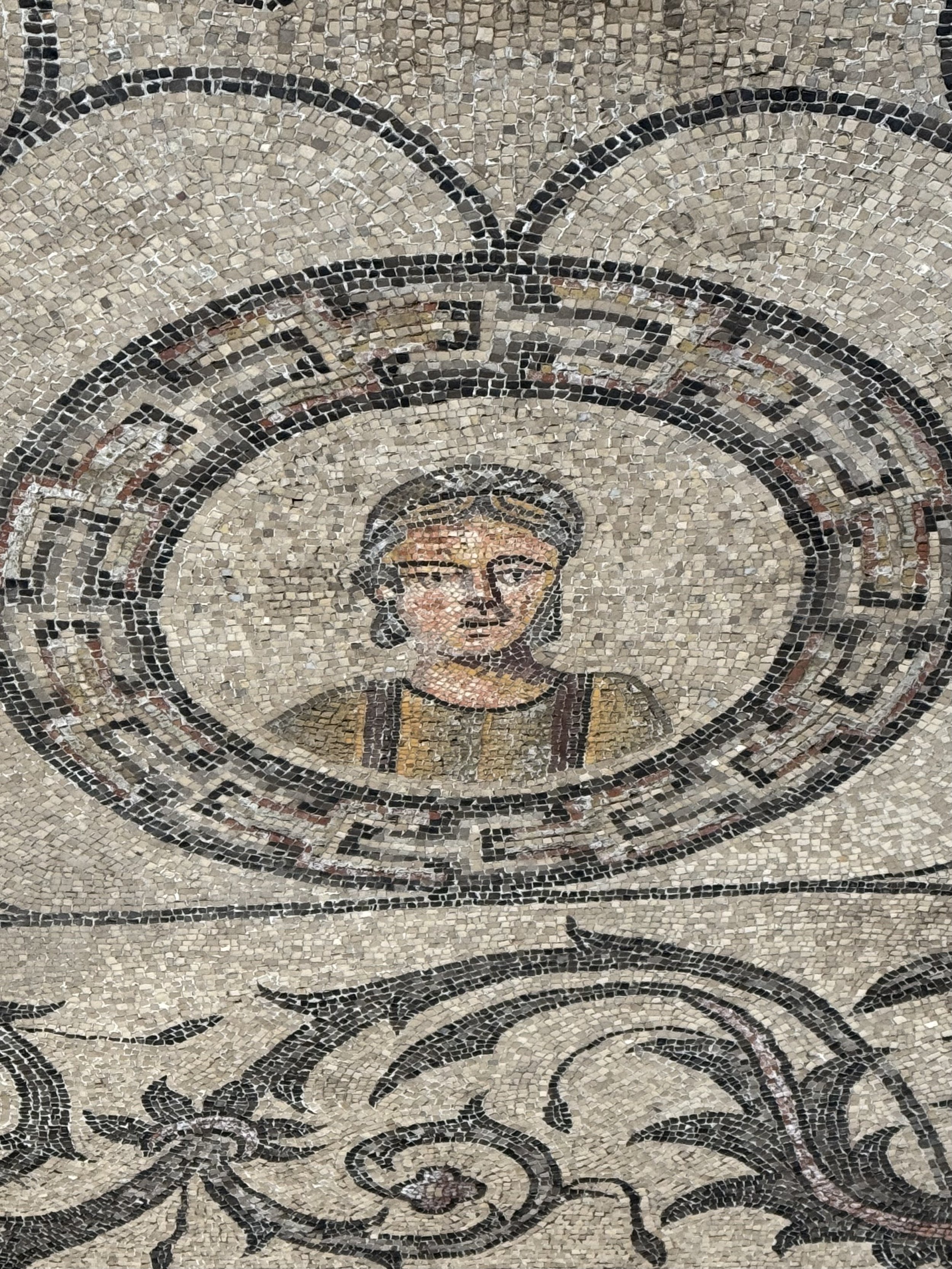
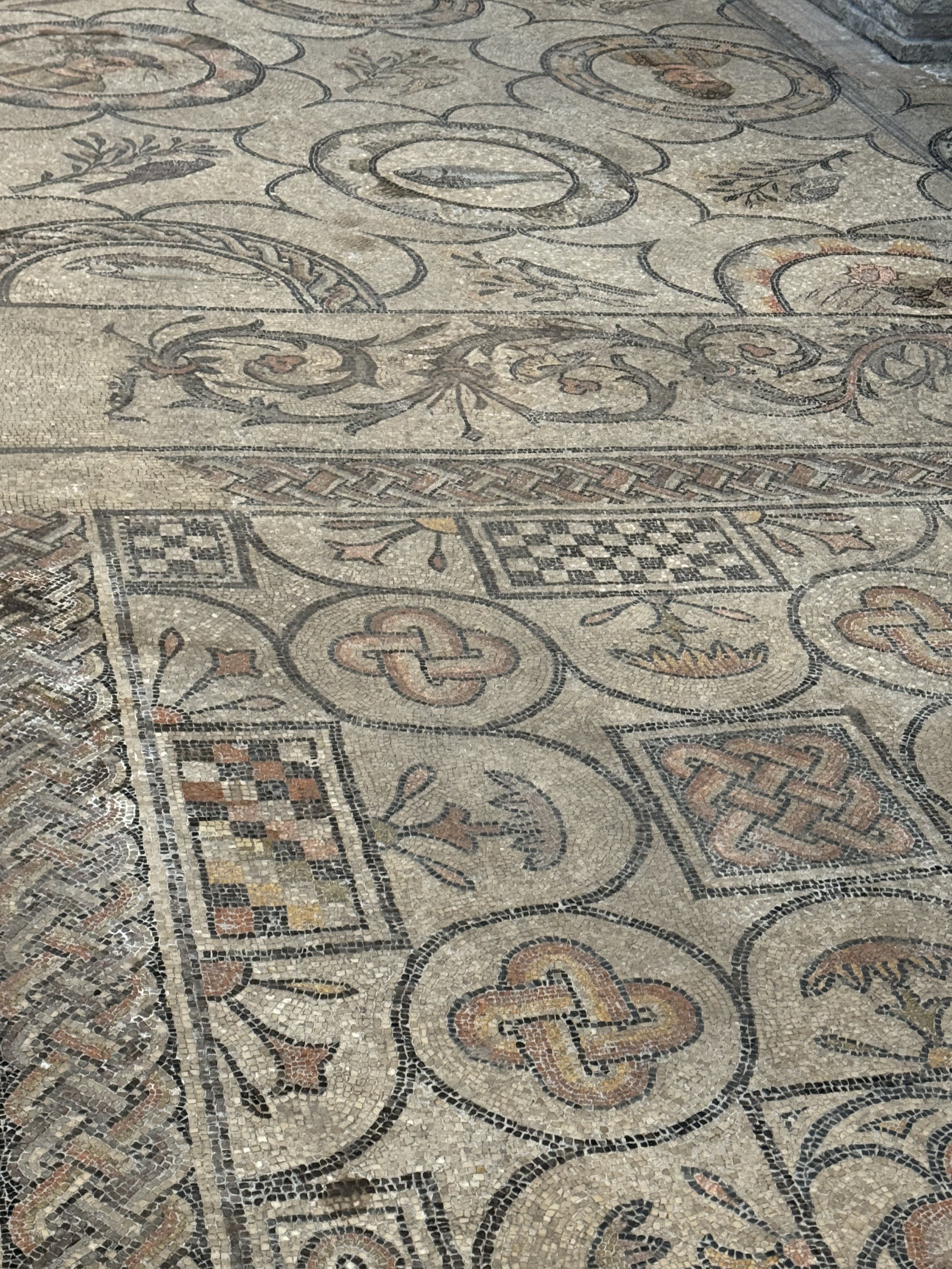
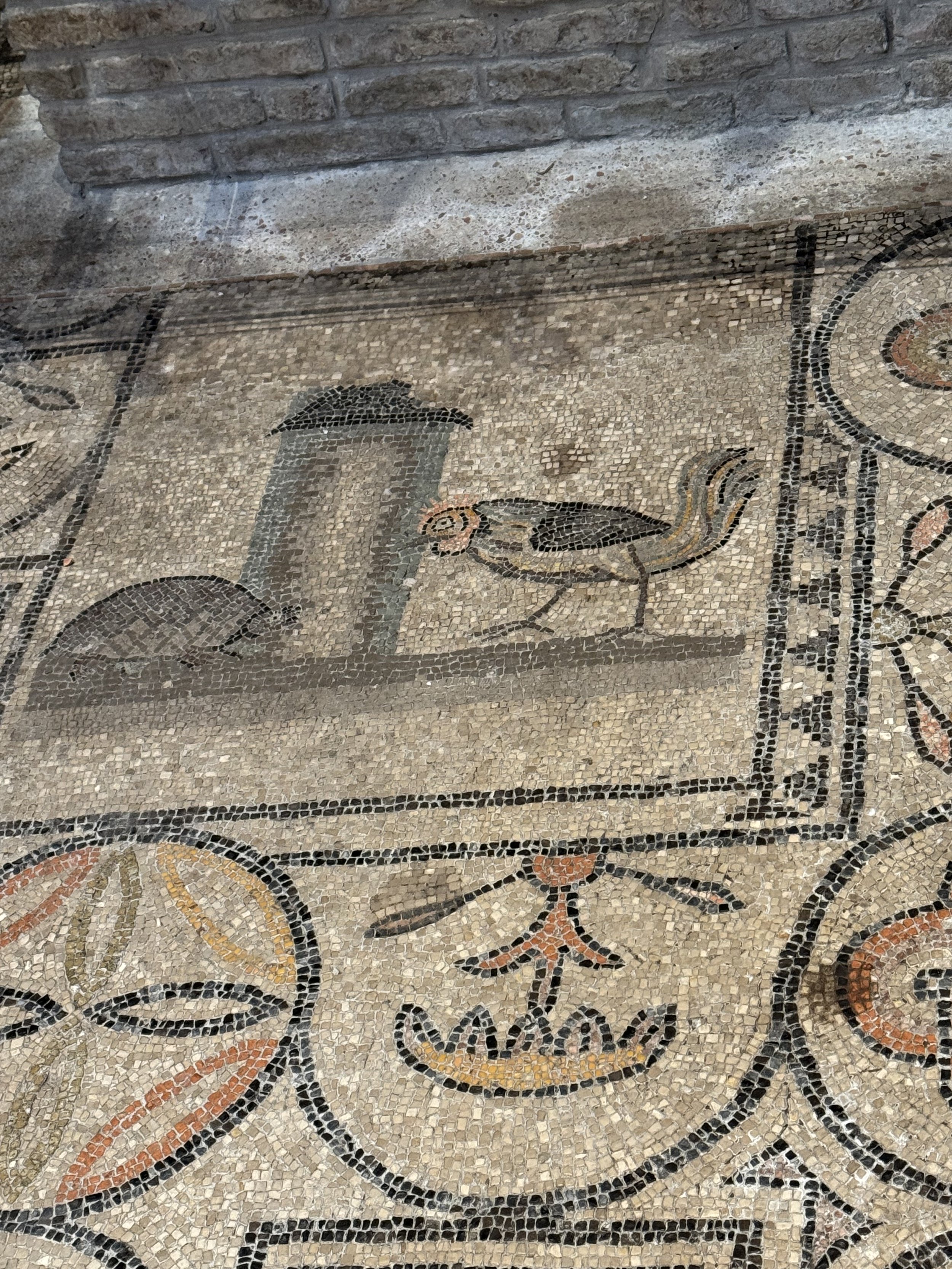
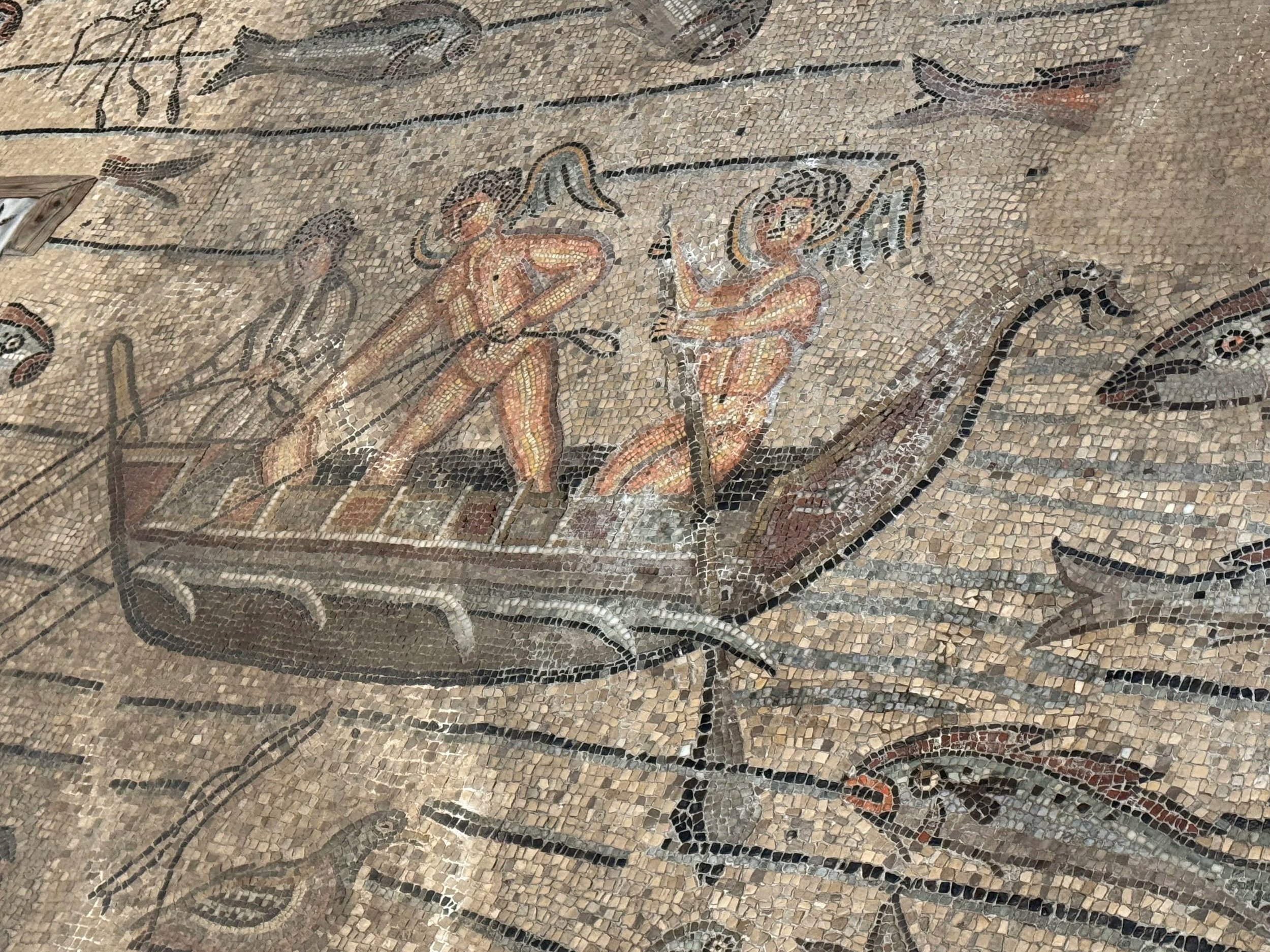
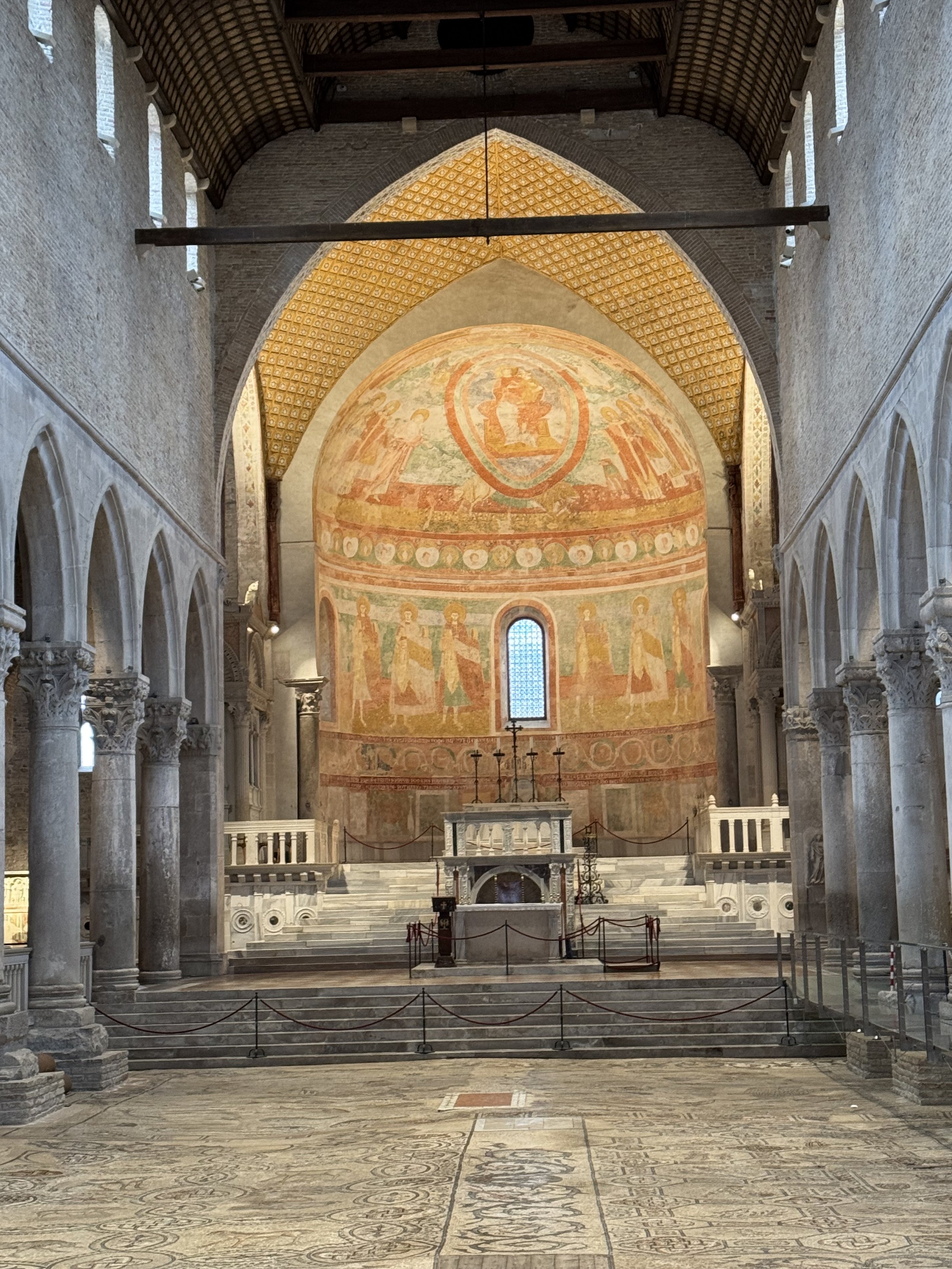
Not far from Trieste, the town of Aquileia is a UNESCO World Heritage Site.  Once a Roman military post, the town has a large archeological area and a host of historical finds.  The Basilica of Santa Maria Assunta was built over layers of much earlier structures.  Its Medieval floor was removed to reveal Roman era mosaics underneath.  These can be seen up close from a clear walkway that sits just above the mosaic floor.  The detailed mosaics, rich in color and imagery, make up the largest Roman mosaic floor in this region.   
IMG_9514.jpeg
IMG_9525.jpeg
IMG_9526.jpeg
IMG_9515.jpeg
IMG_9521.jpeg
IMG_9533.jpg

Verona

In Verona, a Roman arena sits just off Piazza Bra.  Not just a historic relic, today the arena hosts opera performances and other special events.  Climb the stone steps to where Romans once sat and feel the shadows of the past.

In Spello a Roman Gate to the city still stands.  The Porta Consolare, with its three arches, was the main entrance to Roman Spello. 

The three arches allowed carts and people to pass through. The attached tower was a Medieval addition. Like so many Italian cities, Spello clearly shows its evolution over various eras.
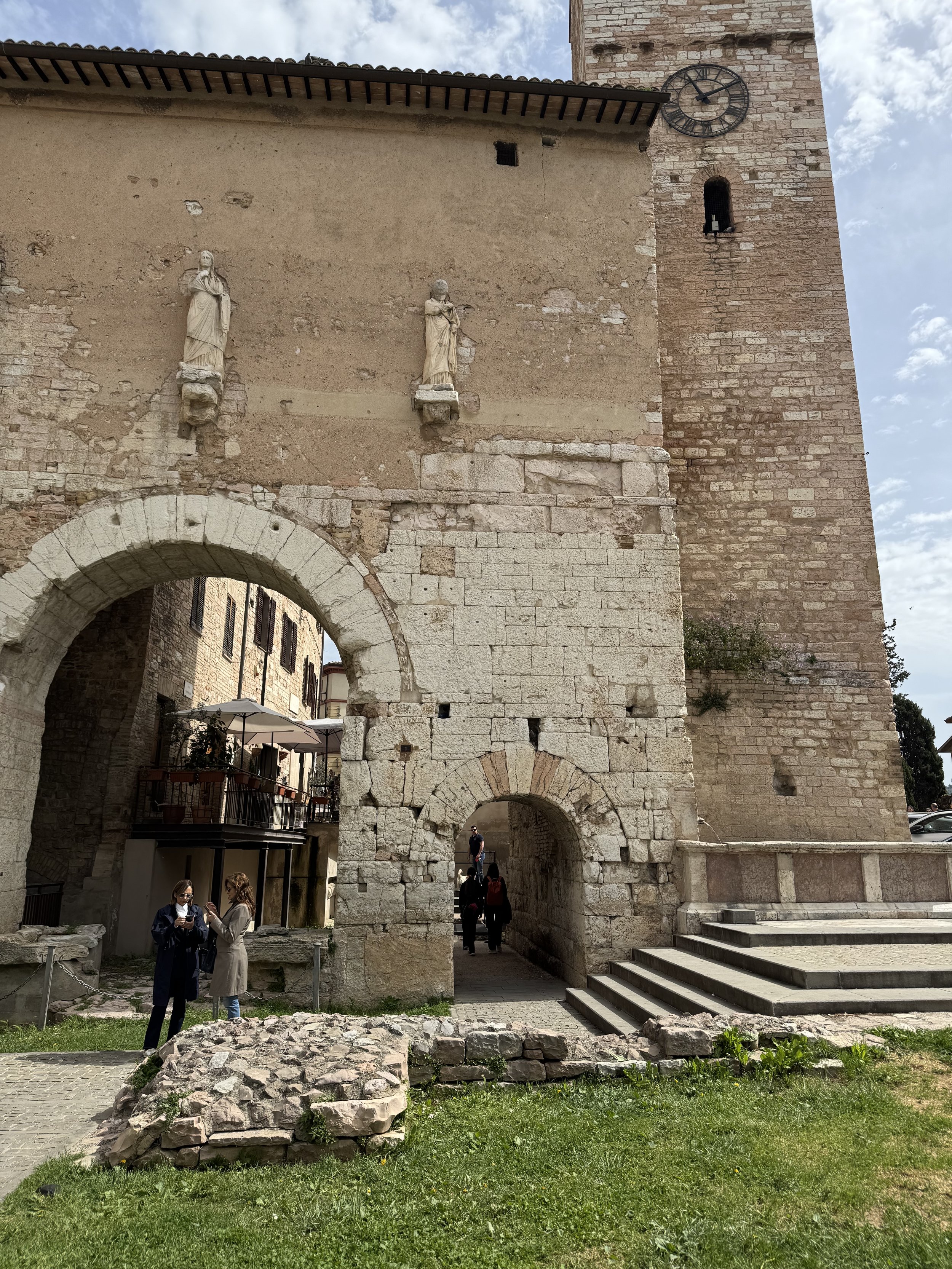
Porta Consolare, Spello

Next stop, Torino (Turin) where another Roman gate awaits.  This one, the Porta Palatina, has a segment with 3 arches at ground level topped with a tall two row high series of “windows” and flanked by two towers.  Statues of Julius and Augustus Caesar, reproductions of the original bronzes, stand just inside the gates. Ruts left by carts can still be seen approaching the gates.
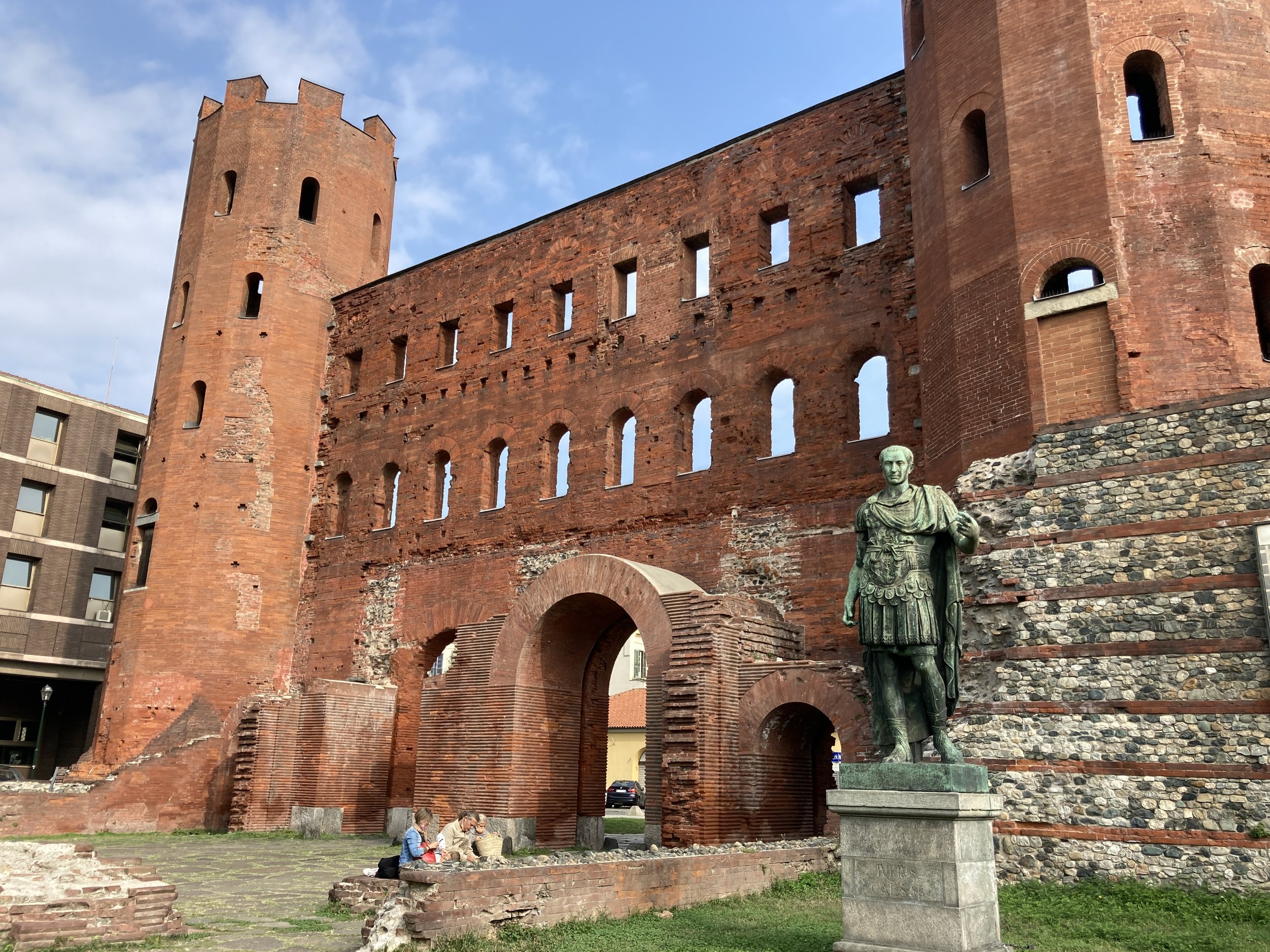
Porta Palatina, Torino

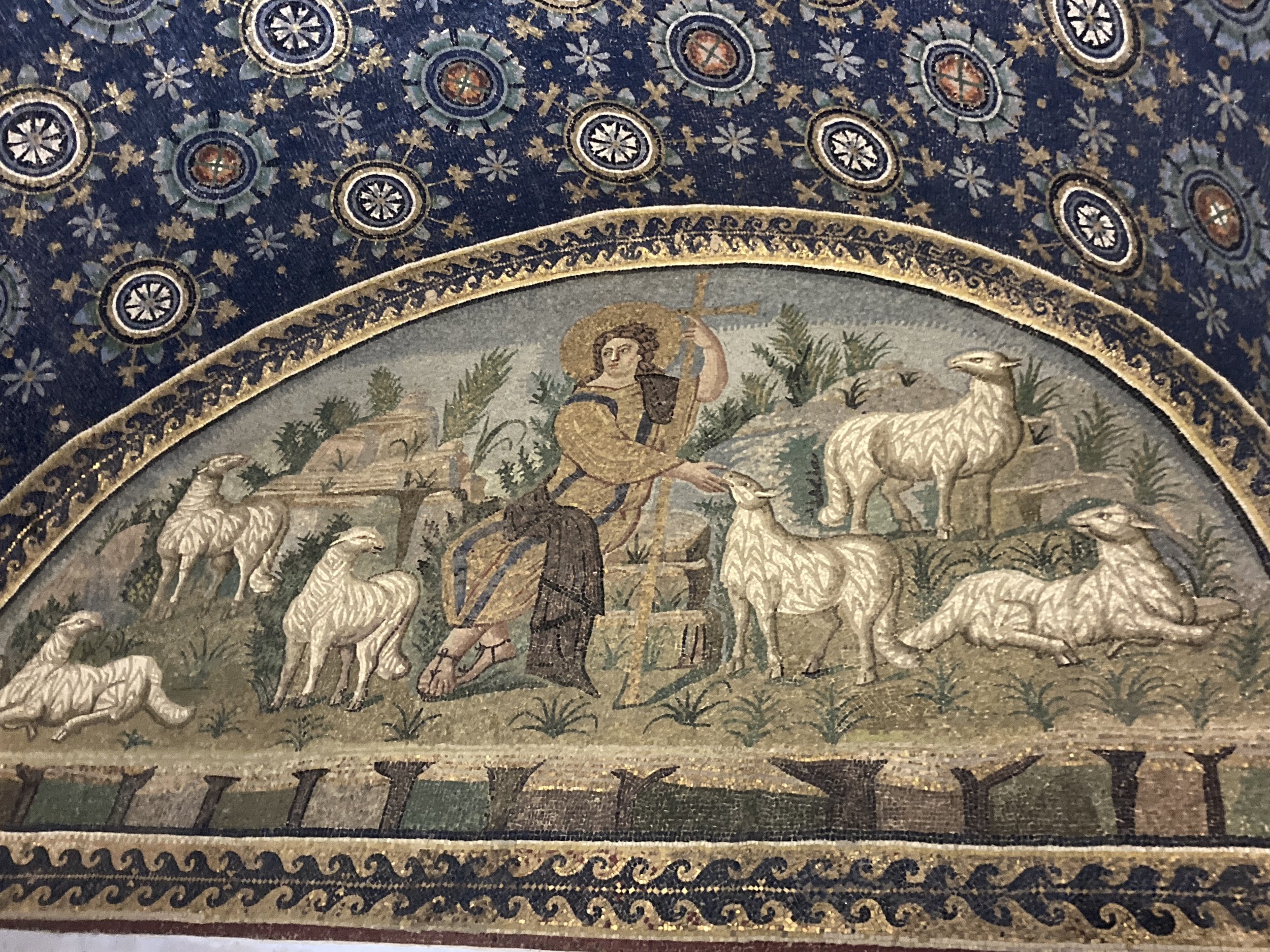
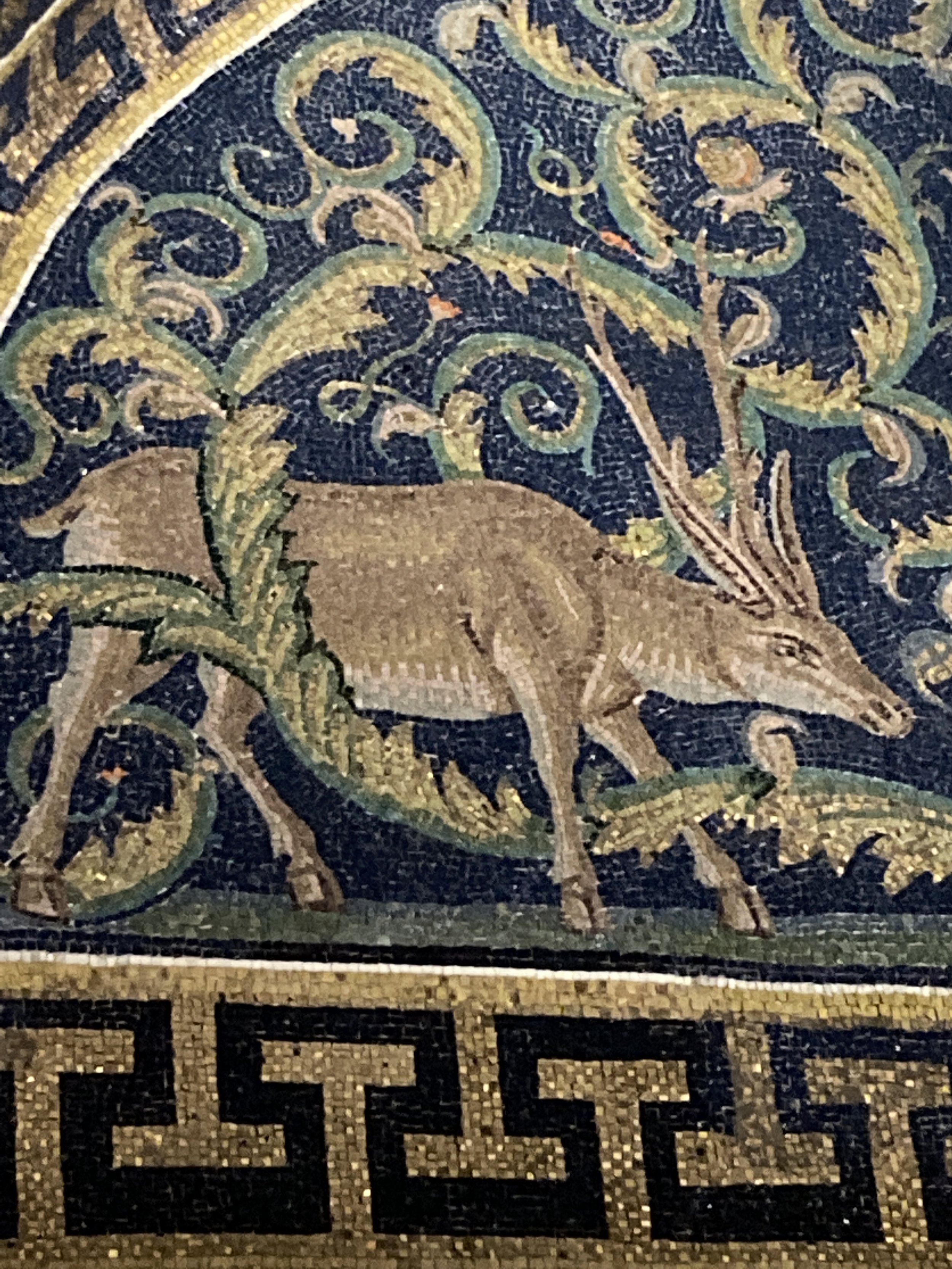
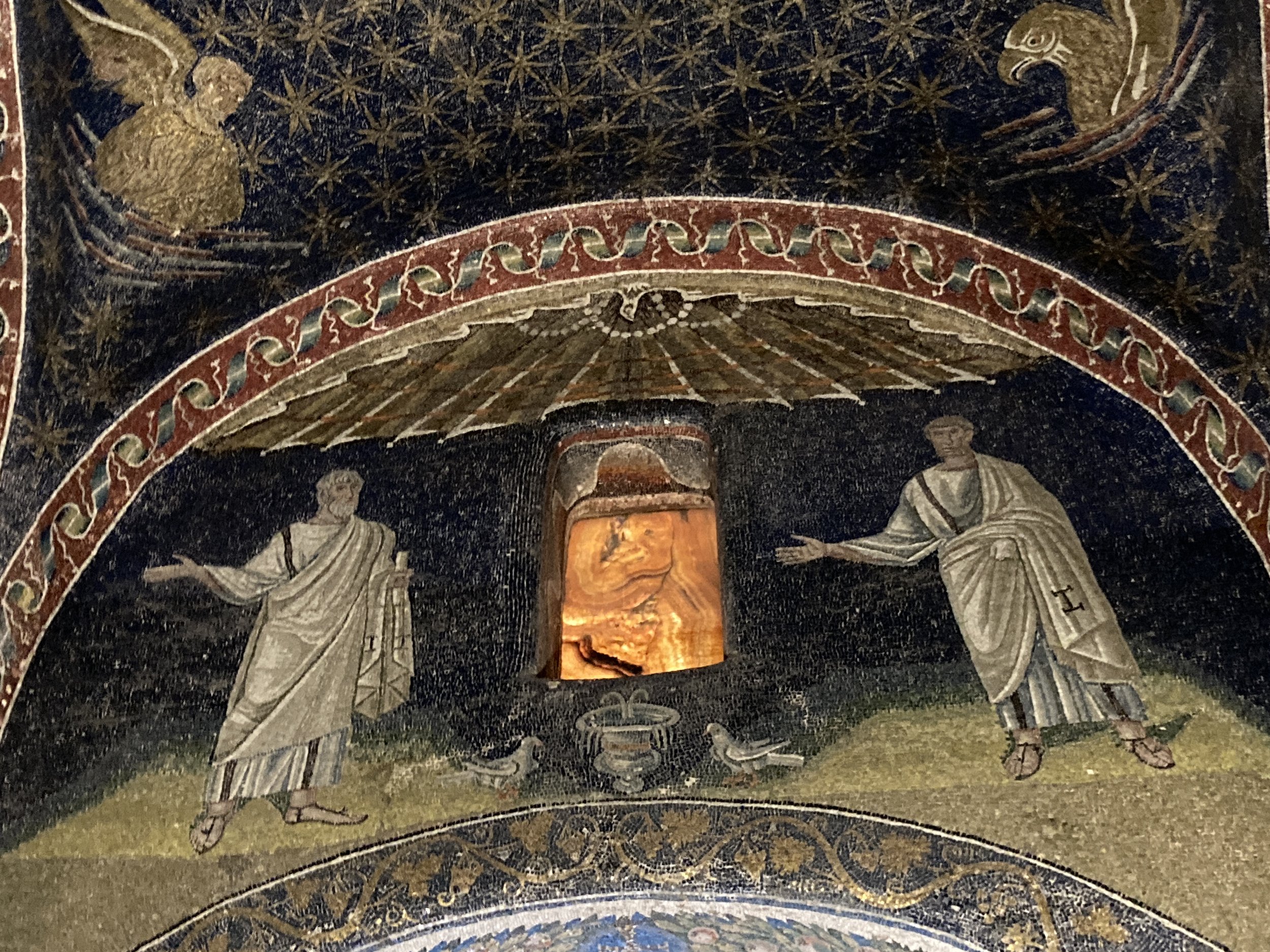
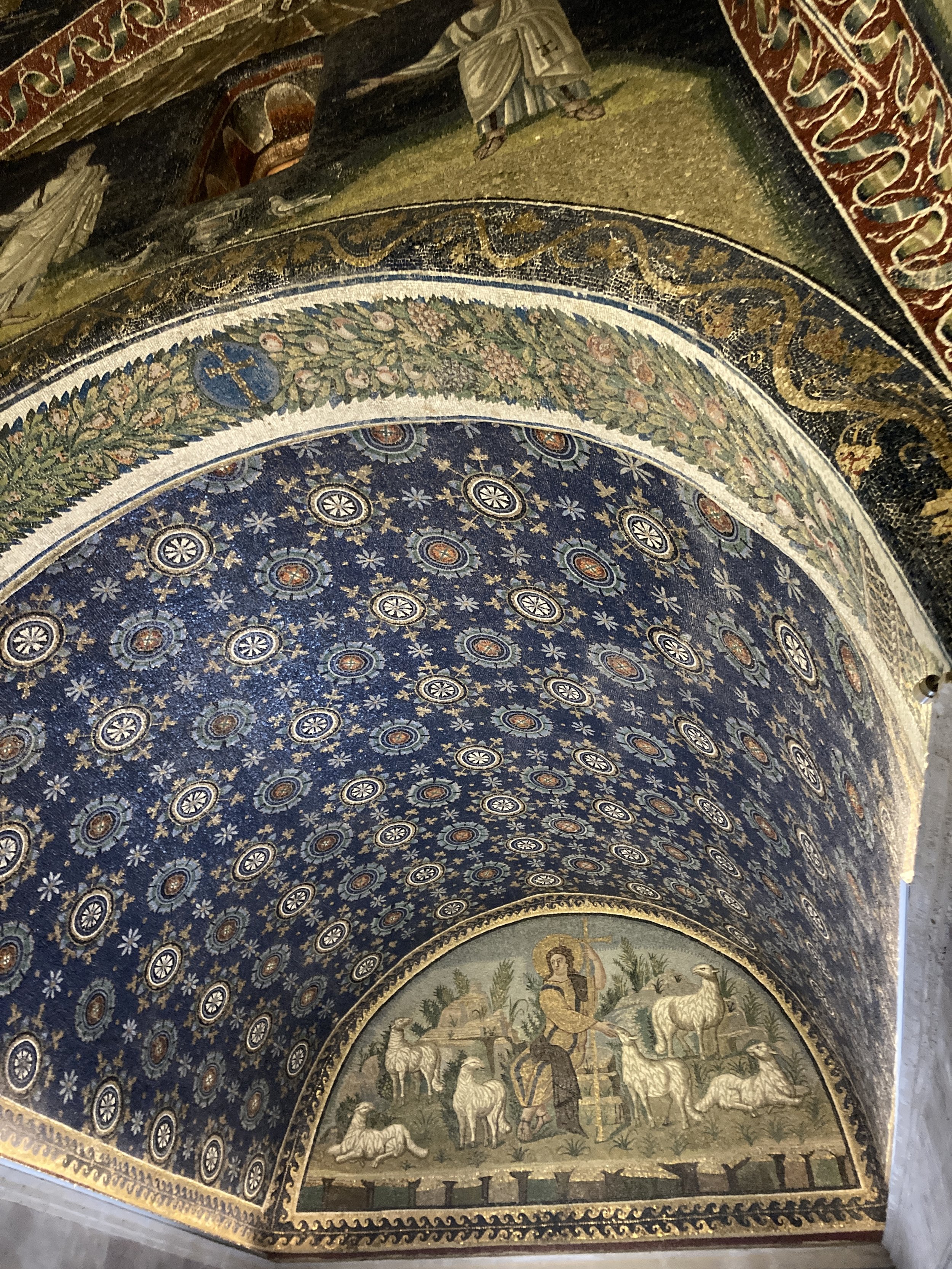
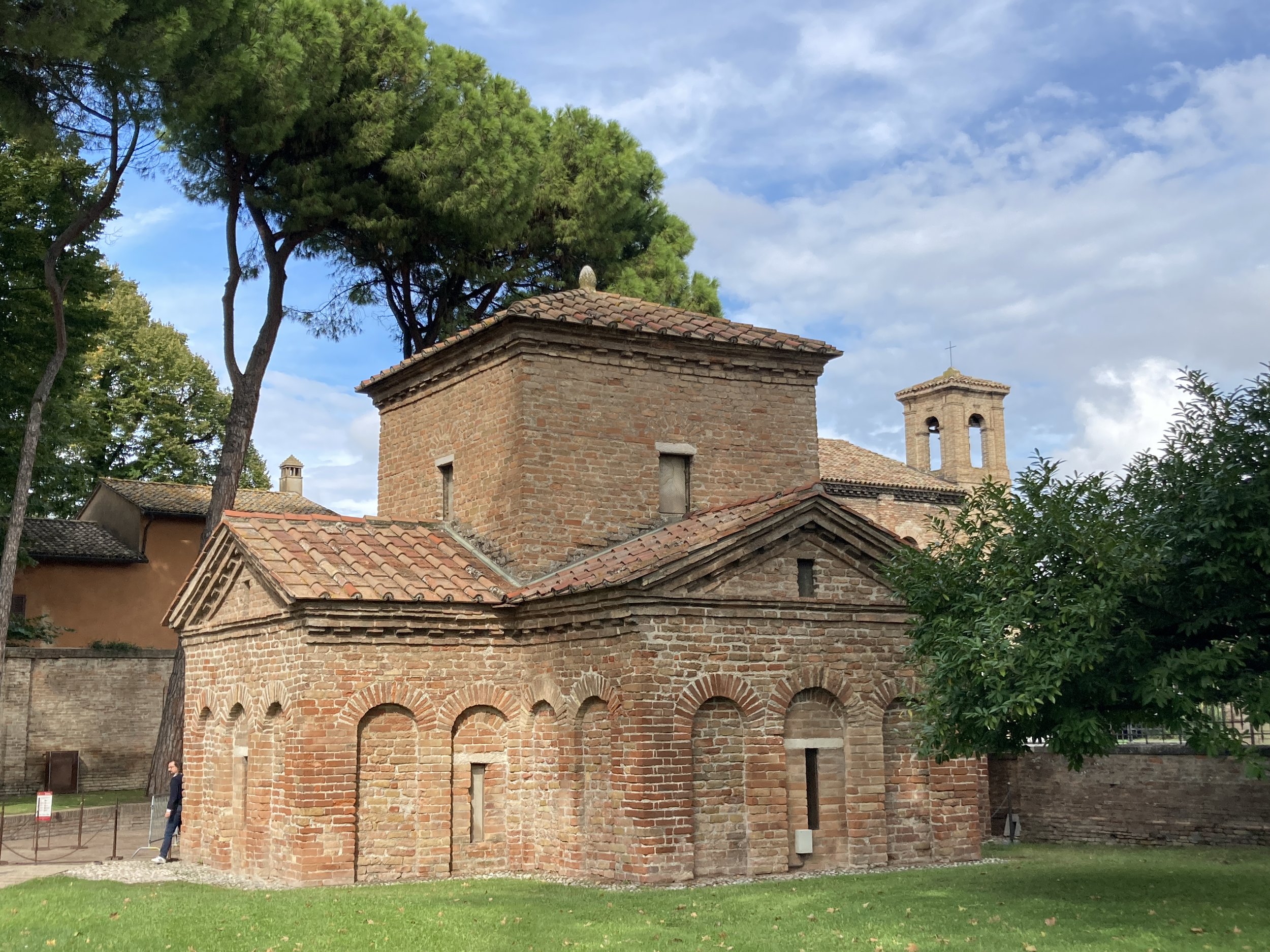
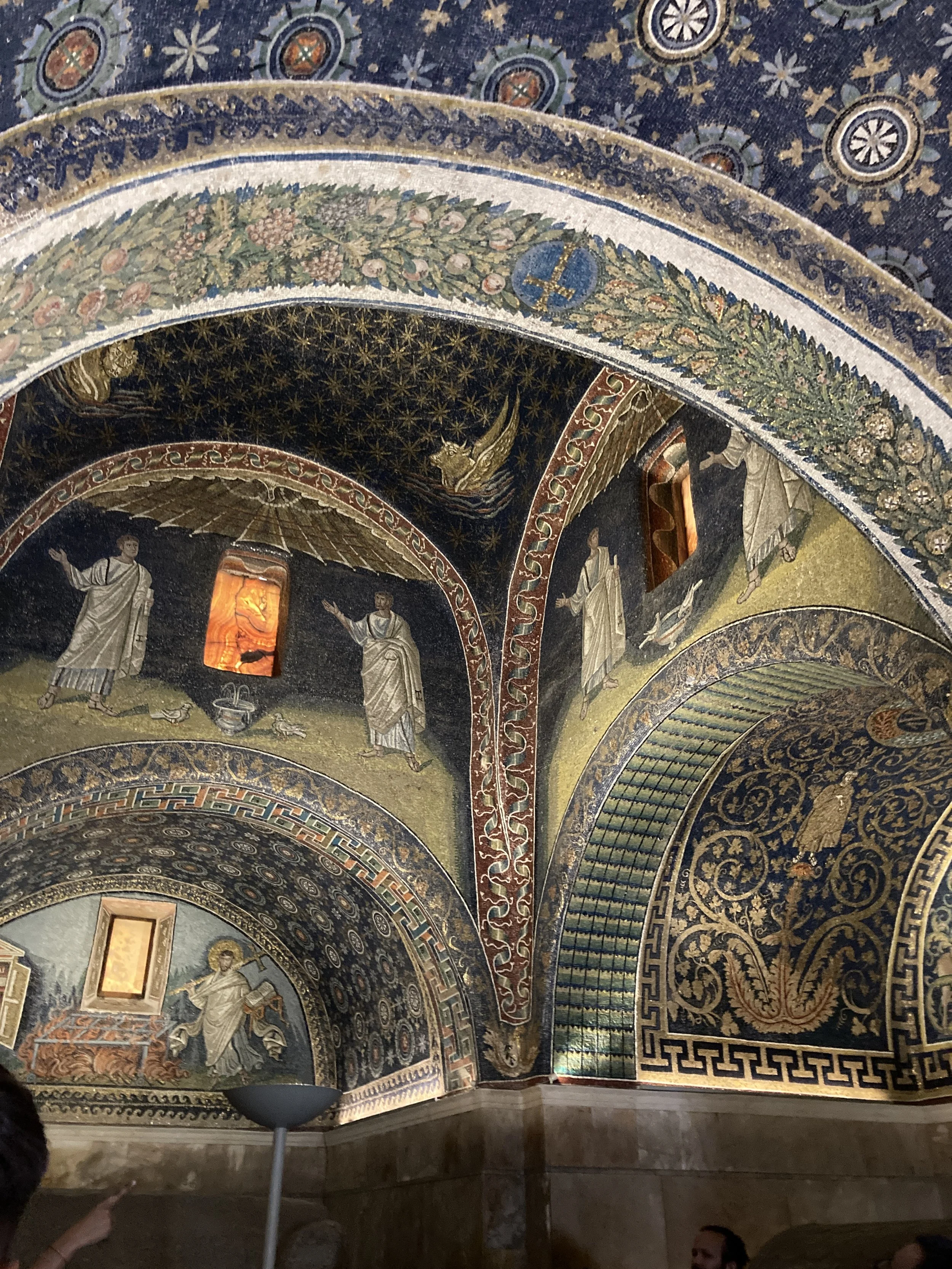
One of the most fascinating examples of the late Roman / early Christian period in northern Italy is in the city of Ravenna. The Mausoleum of Galla Palicidia (another UNESCO World Heritage site) is deceptively plain on the exterior but breathtakingly beautiful inside. The building never fulfilled its original purpose - as the final resting place of Galla Palicidia, the powerful last Empress of the Roman Empire - but instead most likely functioned as a chapel. Small in size, but huge in impact, it is filled with ornate mosaics from floor to ceiling, in alcoves, around arches, on lunettes, and up to a blue and star filled ceiling. The interior is hushed and softly lit by light filtered through small alabaster windows. The mosaics reflect Christian religious themes through detailed and colorful mosaic figures, which include humans, animals, and plants. It is one of those places that require reverence.
IMG_8888.JPG
IMG_8892.JPG
IMG_8893.JPG
IMG_8900.JPG
IMG_8899.JPG
IMG_8911.JPG

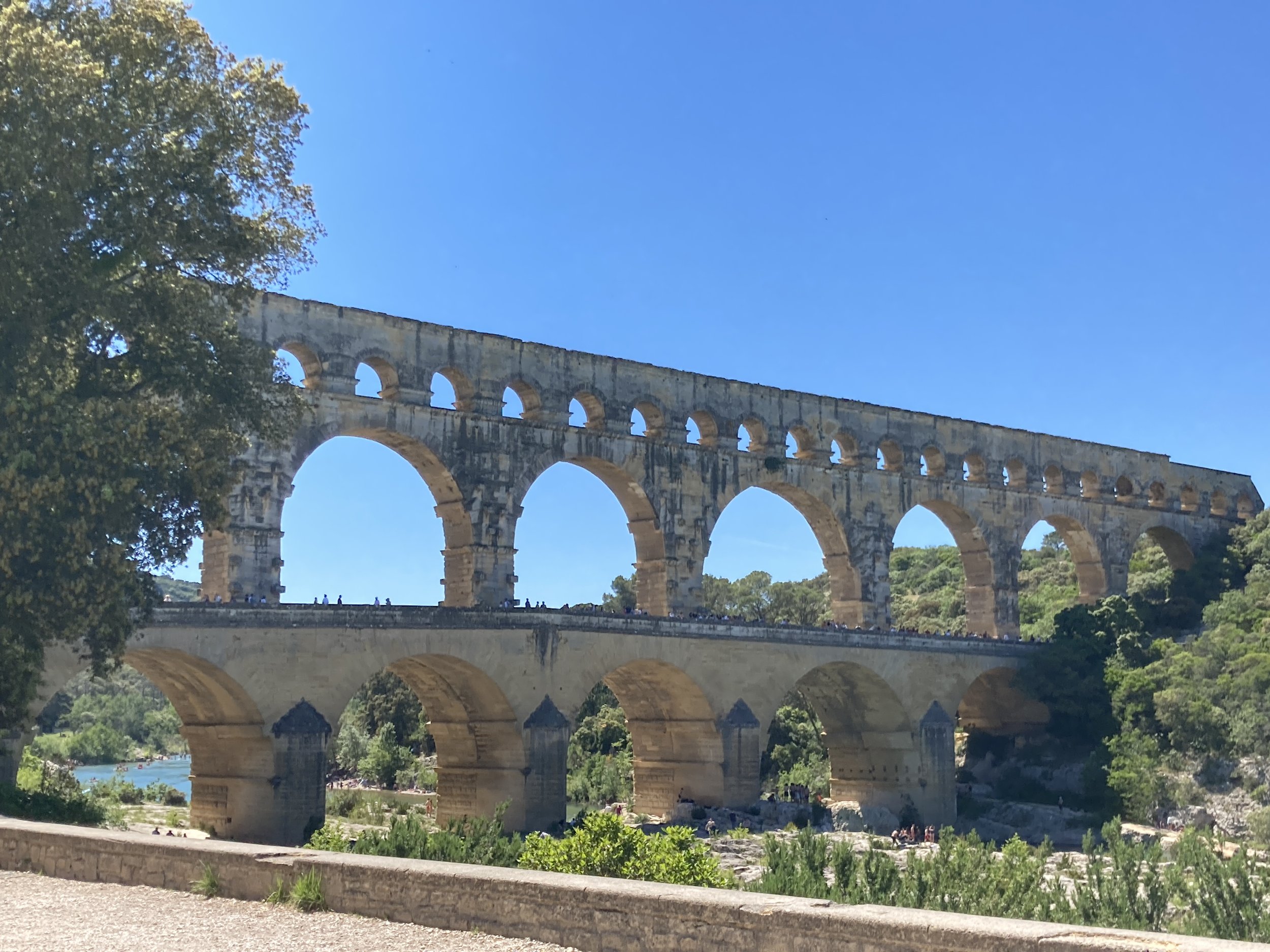
One of the best Roman era aqueducts is the Post du Gard in France

These are just a sampling of Roman historical sites in Northern Italy.  Of course Roman artifacts can be found in modern day Rome, throughout Italy, and in nearby countries. Some outstanding examples are in England and France - which means I need to plan more travel!

I’ve skipped the most well-known relics of the ancient Romans in favor of some of the perhaps less famous in northern Italy. A whole lifetime would be needed to explore them all!

August 03, 2026 /Joanne Bartram
Roman artifacts, Roman sites Italy, History of Italy, Roman villas and ruins
#italytravel, #lucca, european travel, Friuli-Venezia Giulia, History, Italy, Italy travel, Lucca, Roman Architecture, Trieste, Tuscany, Umbria, Verona

Raffaella demonstrating the chittara, used to cut handmade strangozzi pasta

Cooking with Raffaella

June 29, 2026 by Joanne Bartram in #italytravel, Cooking, cooking Classes Italy, food, Hill Towns Italy, Italian recipes, Italy travel, Umbria

If you’ve ever dreamed of living on an Italian fattoria (farm) and cooking in a farm kitchen, then Raffaella’s kitchen is just what you’ve dreamed of.

Located in the Umbrian countryside near Perugia, Raffaella Bucefalo and her husband Roberto run Agriturismo La volpe e l’uva, which has several simple yet charming farmhouse style cottages surrounded by shaded pergolas, beautiful lawns, pots of flowers, and an inviting swimming pool.  Of course there are also olive trees and vines as the farm produces its own wine and olive oil.

IMG_0494.jpeg
IMG_0488.jpeg
IMG_0485.jpeg
IMG_0467.jpeg
IMG_0451.jpeg
IMG_0452.jpeg

The agriturismo is also the location of the cooking school Let’s Cook in Umbria, where Raffaella teaches traditional Umbrian dishes.  The cooking school is what is what drew me to La volpe e l’uva in June.

I spent 3 days cooking with Raffaella and 6 other students in her charming farmhouse. The classes are hands-on, with no more than 8 people in a group, which makes for lots of individual instruction and plenty of opportunities to measure, mix, knead, and shape pasta. As well as make sauces, meats, and cakes in an authentic Umbrian home. 

Our group consisted of my long-time friends Susan and Jim, plus four fun ladies from the US (Gay, Cathy, Vicky, and Kristi) who quickly felt like new friends, and me.  There was a lot of laughter around the farmhouse worktable as we practiced new skills, crafted new dishes, and discovered new must-have kitchen tools. Each day our efforts were rewarded with a 4-course meal in Raffaella’s beautiful dining room or outside in the garden.

IMG_0701.jpeg
IMG_0714.jpeg
IMG_0706.jpeg
IMG_1123.jpeg

The best thing about Let’s Cook in Umbria is Raffaella herself.  She is a wonderful teacher - energetic, fun, with a great sense of humor. She provided encouragement, and occasional cries of “oh no, disastro”, as we learned to make various types of pasta, doing it all by hand.  Even our disasters were fun and by the end of the week “oh no, disastro” became our rallying cry.

Each day we made an appetizer - fabulous little melanzane (eggplant) parmigiana stacks, flat breads stuffed with either prosciutto or arugula and cheese, and a thin focaccia baked with cheese inside.  I would be hard pressed to pick a favorite. All are recipes that I will make at home

. 

IMG_0657.jpeg
IMG_0654.jpeg
IMG_0638.jpeg
IMG_0864.jpeg
IMG_1106.jpeg
IMG_1126.jpeg

We made a different type of pasta each day.  The first was strangozzi, a typical Umbrian pasta made with semolina flour, salt, water and a touch of olive oil.  As we kneaded it, Raffaella introduced us to the kneading song.  Exactly 2 ½ minutes long, we had to knead “with energy” for the length of the song.  There just may have been some spontaneous dancing too. After kneading and resting the dough, we used a chitarra to cut the pasta.  Chitarra in Italian means guitar and a chitarra has metal wires like the strings of a guitar.  The pasta dough is placed on the strings, rolled to cut the pasta, and then when you strum the strings, out falls the pasta. I think I earned my official Italian Nonna badge using the chitarra. To go with the strangozzi we made a sausage ragu – delicious!

IMG_0679.jpeg
IMG_0685.jpeg
IMG_0692.jpeg
IMG_0705.jpeg

Day two we made tagliatelle, an egg-based pasta which we rolled and cut by hand.  Raffaella taught a method of rolling the dough to the required thinness that was new to us all (no cheating with a pasta machine!) and one I want to try again at home.  A simple zucchini and speck sauce was perfect with the tagliatelle.

IMG_0841.jpeg
IMG_0854.jpeg
IMG_0829.jpeg
IMG_0868.jpeg

Our third pasta dish was gnocchi made with potatoes and flour. Gnocchi can be tricky to make but, with Raffaella’s guidance, ours were soft and delicate. The fresh tomato sauce made it a perfect light dish for a summer meal.

IMG_1114.jpeg
IMG_1116.jpeg
IMG_1117.jpeg
IMG_1127.jpeg

I think we could have made a whole meal out of each of the pastas, but a second course was also on the menu.  Day one we made a delicious chicken with peppers.  Day two, Umbrian special occasion polpette (meatballs).  The ingredients sounded a bit strange to me – they included orange zest and finely chopped raisins, not things I’ve ever seen in polpette recipes before. But the taste was wonderful with just a touch of sweetness from the raisins and a subtle hint of citrus.  They were served in a simple tomato sauce.

IMG_0622.jpeg
IMG_0625.jpeg
IMG_0710.jpeg
IMG_0812.jpeg
IMG_0813.jpeg
IMG_0871.jpeg

The last meat dish was a pan roasted pork tenderloin with grapes, shallots, juniper berries, fresh bay leaves, and white wine. The scent of it cooking was hunger-inducing and the grapes cooked down with the herbs and wine to make a lovely sauce. This would make a perfect special occasion meal.

IMG_1081.jpeg
IMG_1101.jpeg

I arrived the day before the cooking class began, and a piece of cake baked that morning by the previous guests was in my cottage for breakfast. I appreciated their efforts to make this peach cake.

Lastly, a dolce (sweet).  Each day we made a different cake, having a piece for dessert and saving some for breakfast the next morning. 

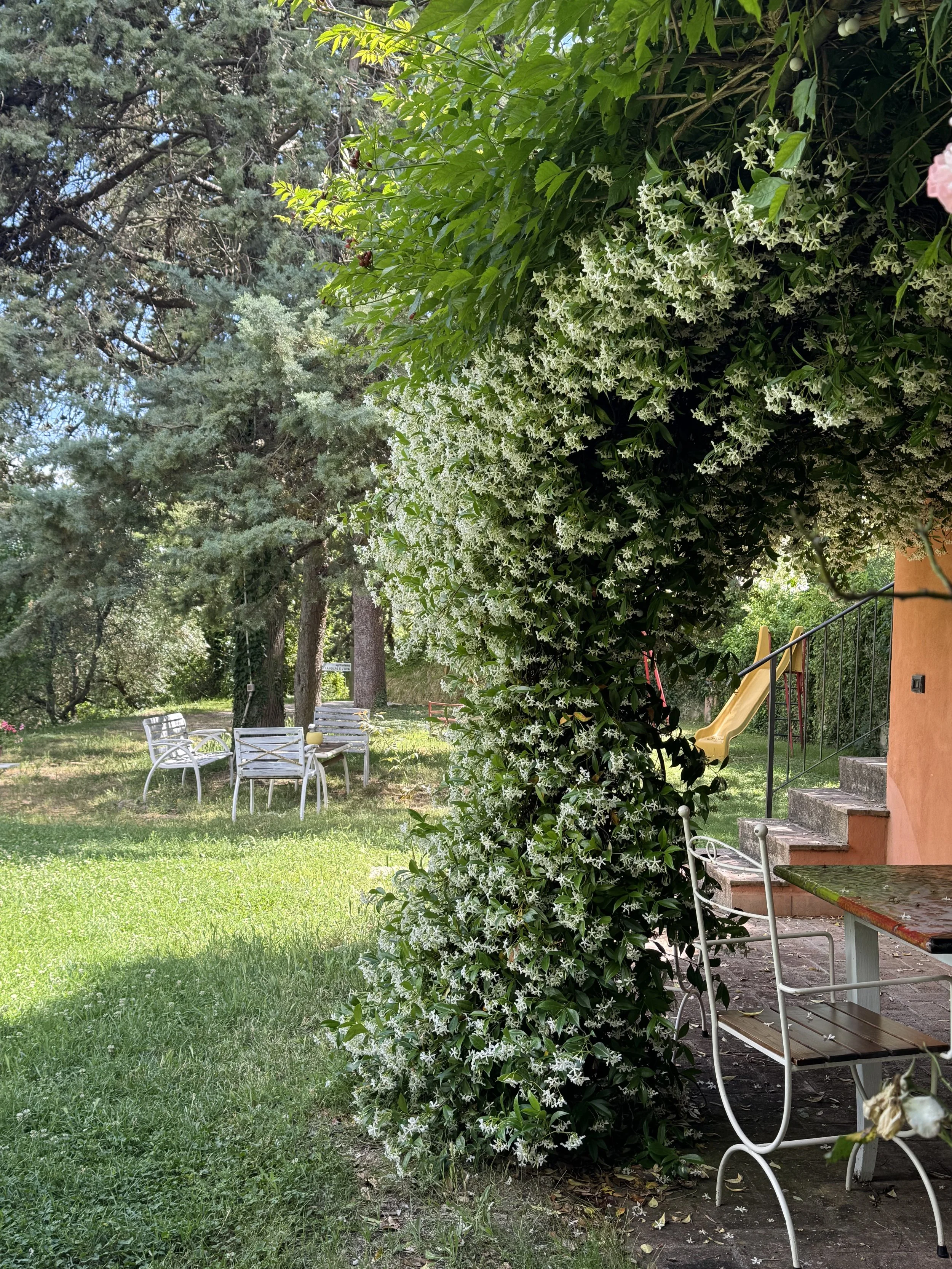
It’s hard to beat a cup of coffee, a slice of not-too-sweet cake, a seat under a shady portal, bird song, the smell of jasmine in bloom, and a view of an Umbrian hillside as a way to start the day.

Day one, and my personal favorite, was a carrot cake with lemon glaze.  Ground nuts gave the cake a wonderful texture. The lemon glaze kept it light and more tangy than sweet. 

Next up was a chocolate cake with pears.  Tender and not too sweet, it was delicious topped with a little cream.

IMG_0649.jpeg
IMG_0713.jpeg
IMG_0873.jpeg
IMG_0875.jpeg

Lastly, a crostata with ricotta and strawberries.  Ok – maybe this was my favorite.  Can I have more than one favorite? 

IMG_1080.jpeg
IMG_1134.jpeg
IMG_1136.jpeg

After each lunch we had a short rest and then headed off for some fun.  One afternoon we went to Col Santo winery for a tasting, another to Frantoio Decimi for an olive oil tasting and to a ceramics producer in Deruta where we had a demonstration and a chance to try shaping the clay.  

IMG_0745.jpeg
IMG_0744.jpeg
IMG_0738.jpeg
IMG_0718.jpeg
IMG_0909.jpeg
IMG_0914.jpeg

Raffaella is a joy - I miss her already!
As if the cooking and dining together were not enough, our course was one of Let’s Cook in Umbria’s seasonal courses.  In this case the seasonal special event was the Infiorata in Spello.  It took place on the last day of our time with Raffaella and so on that day we went to Spello early in the morning (transportation and a guide included in our cooking program) and cooked in the afternoon for an evening meal. The Infiorata is a truly spectacular event (see post from June 15th). It was a lovely way to end our time in Umbria.

I can’t say enough wonderful things about Let’s Cook in Umbria.  Raffaella is a joy.  I learned new skills and new dishes, ones that I can make at home.  And really, is there anything more satisfying than making perfect pasta by hand?

The shared meals were wonderful.  And leftover cake for breakfast? What a treat.  The small group was a delight.  The extra curricula excursions were fun.  The setting in the Umbrian countryside was beautiful.  It was a delightful and memorable experience.

To find more information or to schedule a class, visit the website for Let’s Cook in Umbria.   www.cookinumbria.it

Raffaella also has a cookbook: Sprinkle with Flour. It is available on Amazon. I can hardly wait for my copy to arrive.

A big thanks to Gay, Cathy, Vicky, Kristi, Jim, and Susan for graciously allowing me to use photos from our work in the kitchen! I would travel with this group anywhere, anytime. They helped make this a fantastic few days of cooking together.

IMG_0807.jpeg
IMG_0804.jpeg
IMG_0803.jpeg
IMG_0603.jpeg
IMG_0606.jpeg
IMG_0609.jpeg
June 29, 2026 /Joanne Bartram
Umbria, Cooking Class Umbria, Perugia, Let’s Cook in Umbria
#italytravel, Cooking, cooking Classes Italy, food, Hill Towns Italy, Italian recipes, Italy travel, Umbria

The garden of Palazzo Pfanner, Lucca

The Colorful Month of June

June 22, 2026 by Joanne Bartram in #italiangardens, #italiansummer, #italytravel, #lucca, Italian gardens, Italy travel, Living in Italy, Lucca, Tuscany, Umbria

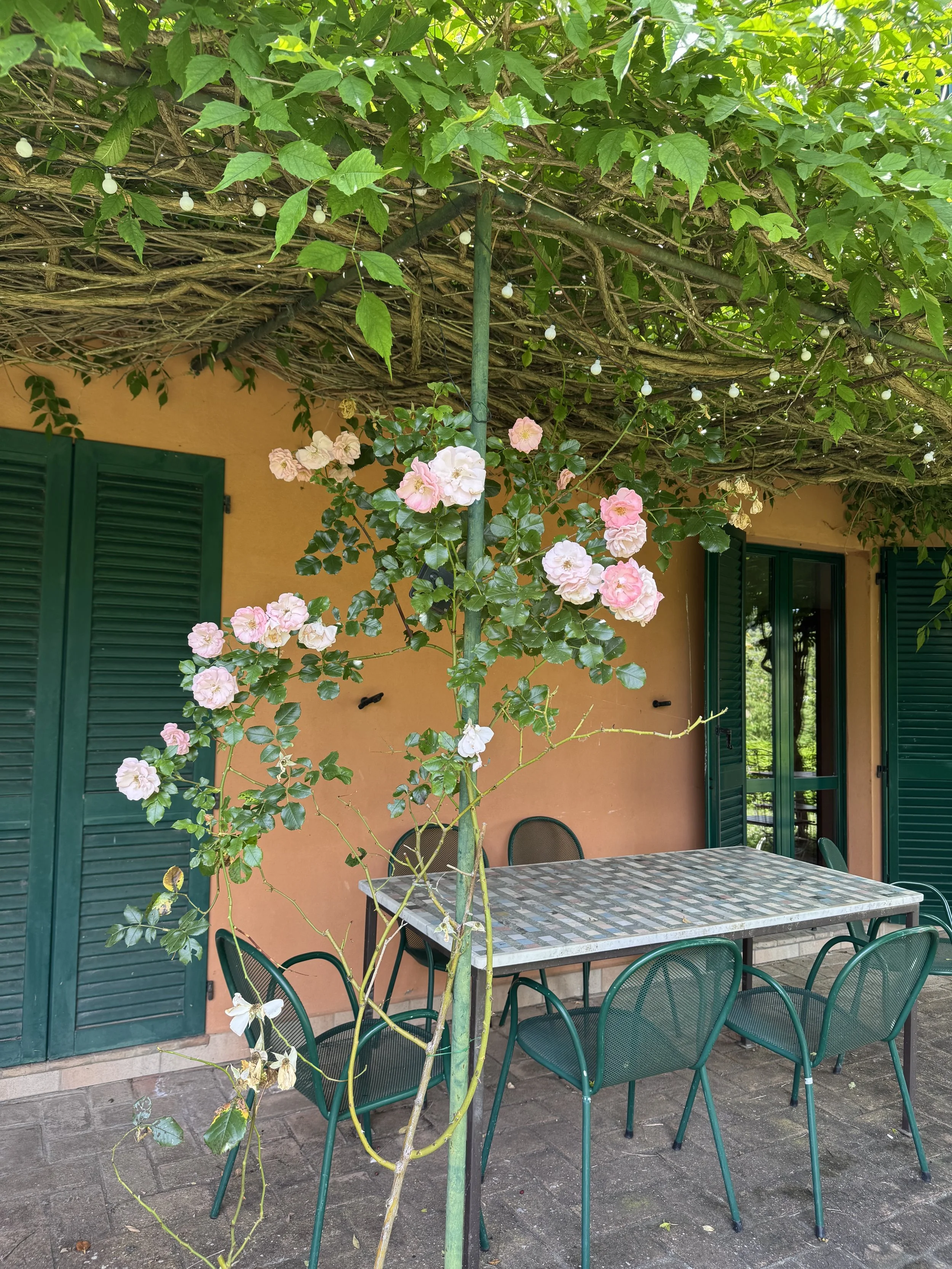
Agriturismo La Volpe e l’Uva, near Perugia. I sure enjoyed my morning coffee on this patio.

I’ve spent time the past couple of weeks in both Tuscany and Umbria, enjoying the late spring / early summer that is one of the loveliest of seasons in Italy.  Temperatures are quite warm (but not yet uncomfortably hot) during the day, with cool mornings and evenings.  A perfect beginning to “aperitivo season” when the evenings are ideal for enjoying a get together with friends sitting outside on a lively piazza.  Bright orange Aperol Spritzes are now dotting tables everywhere, adding a definite burst of summer color.

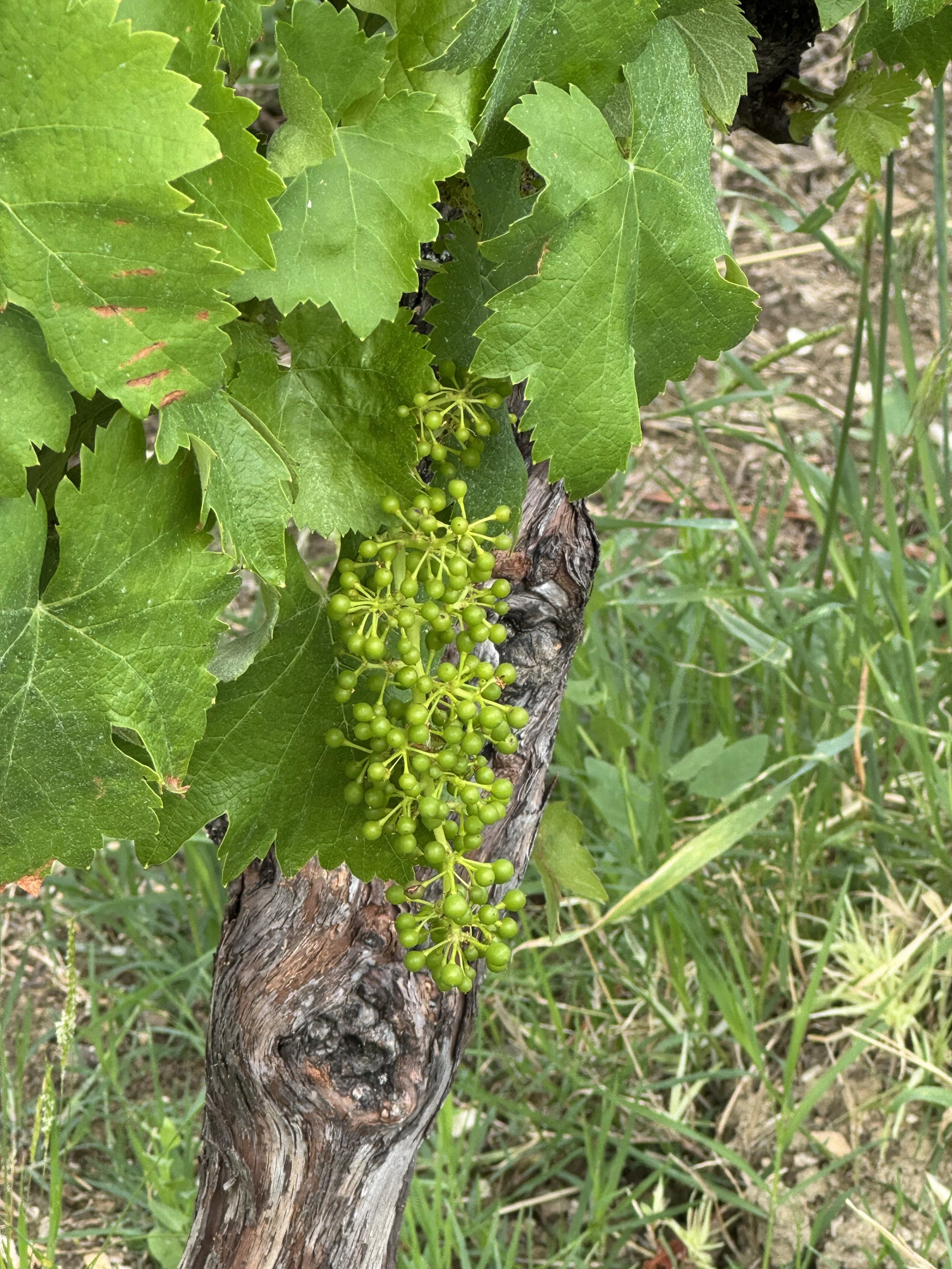
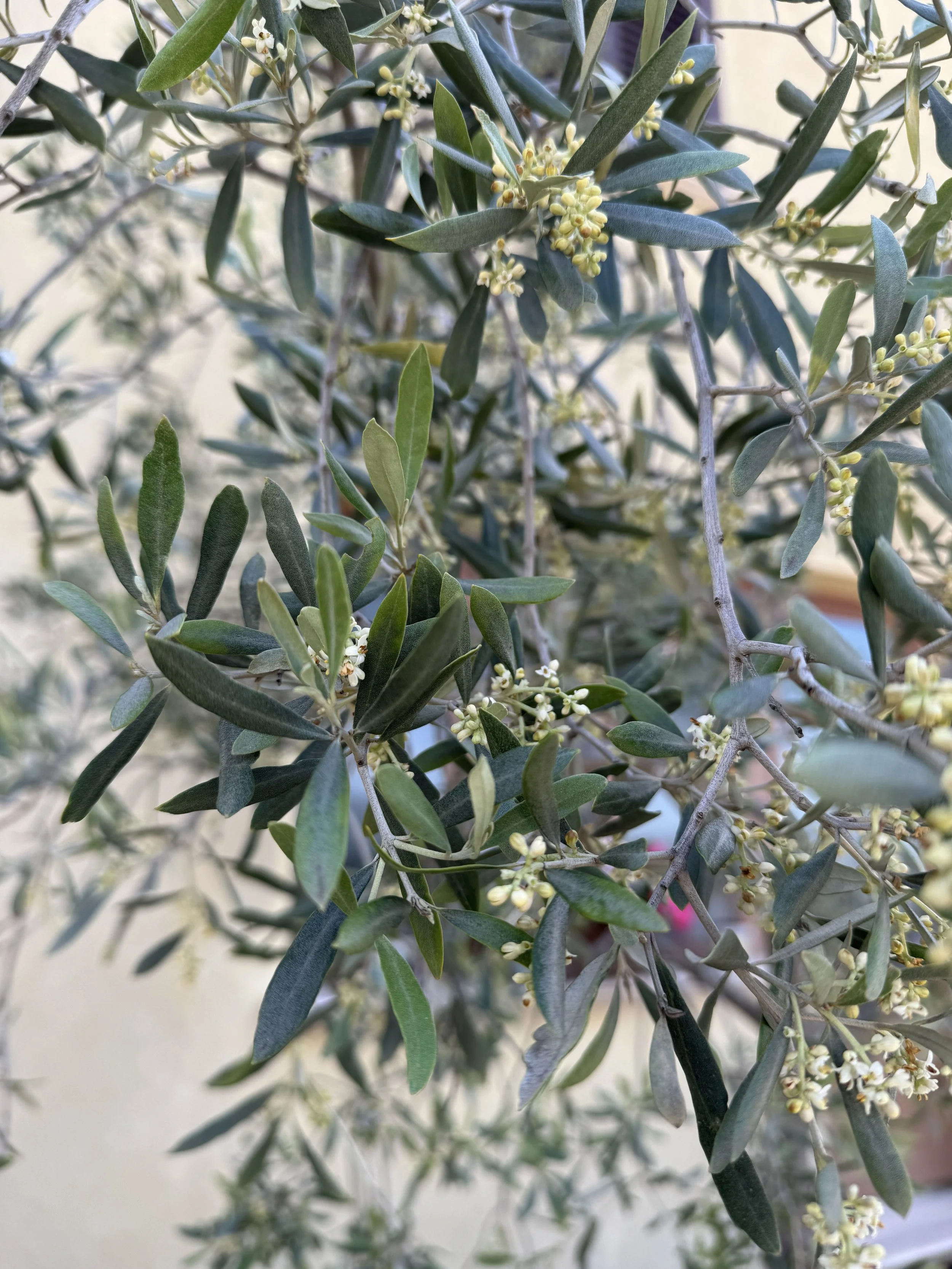
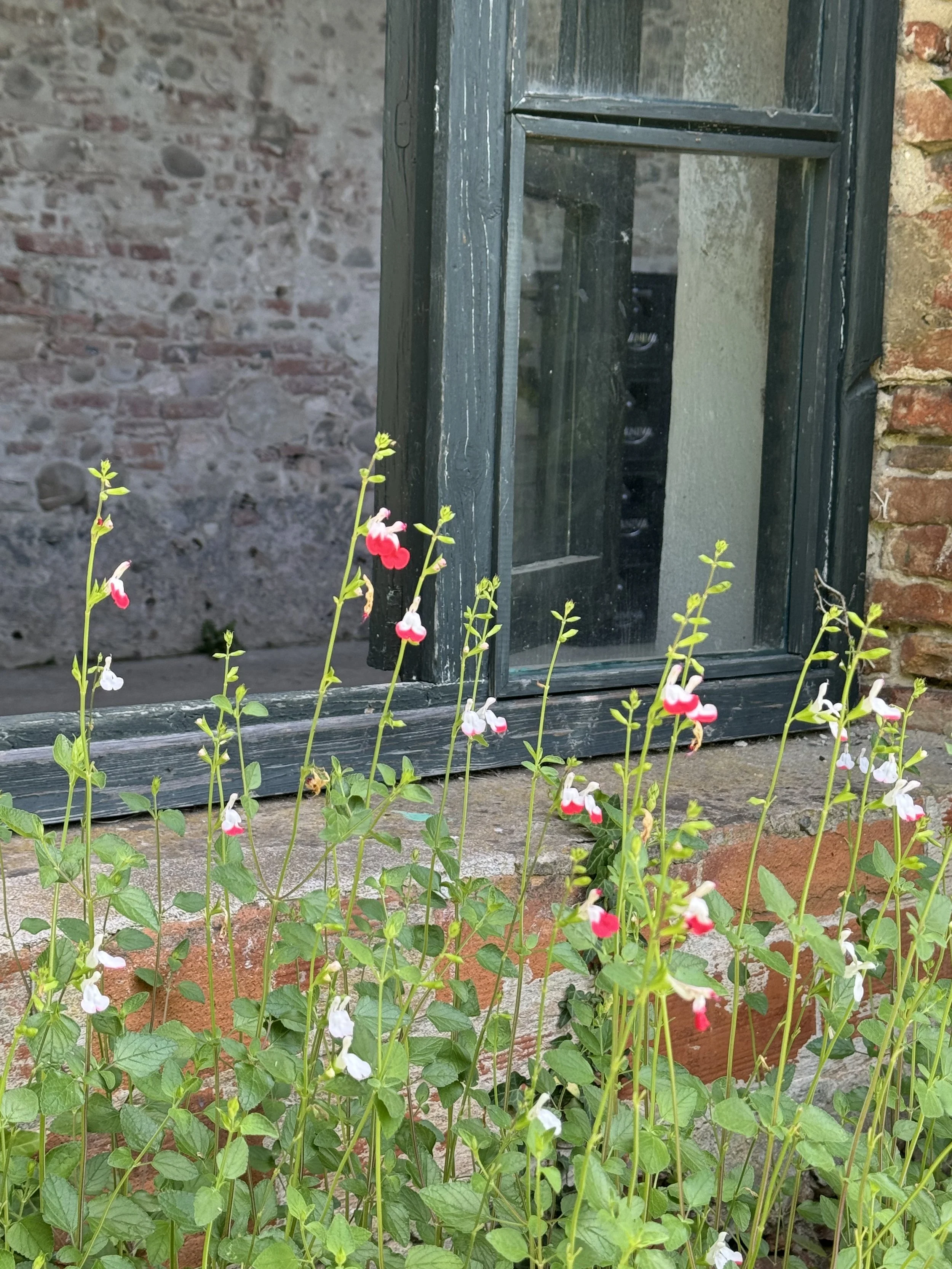
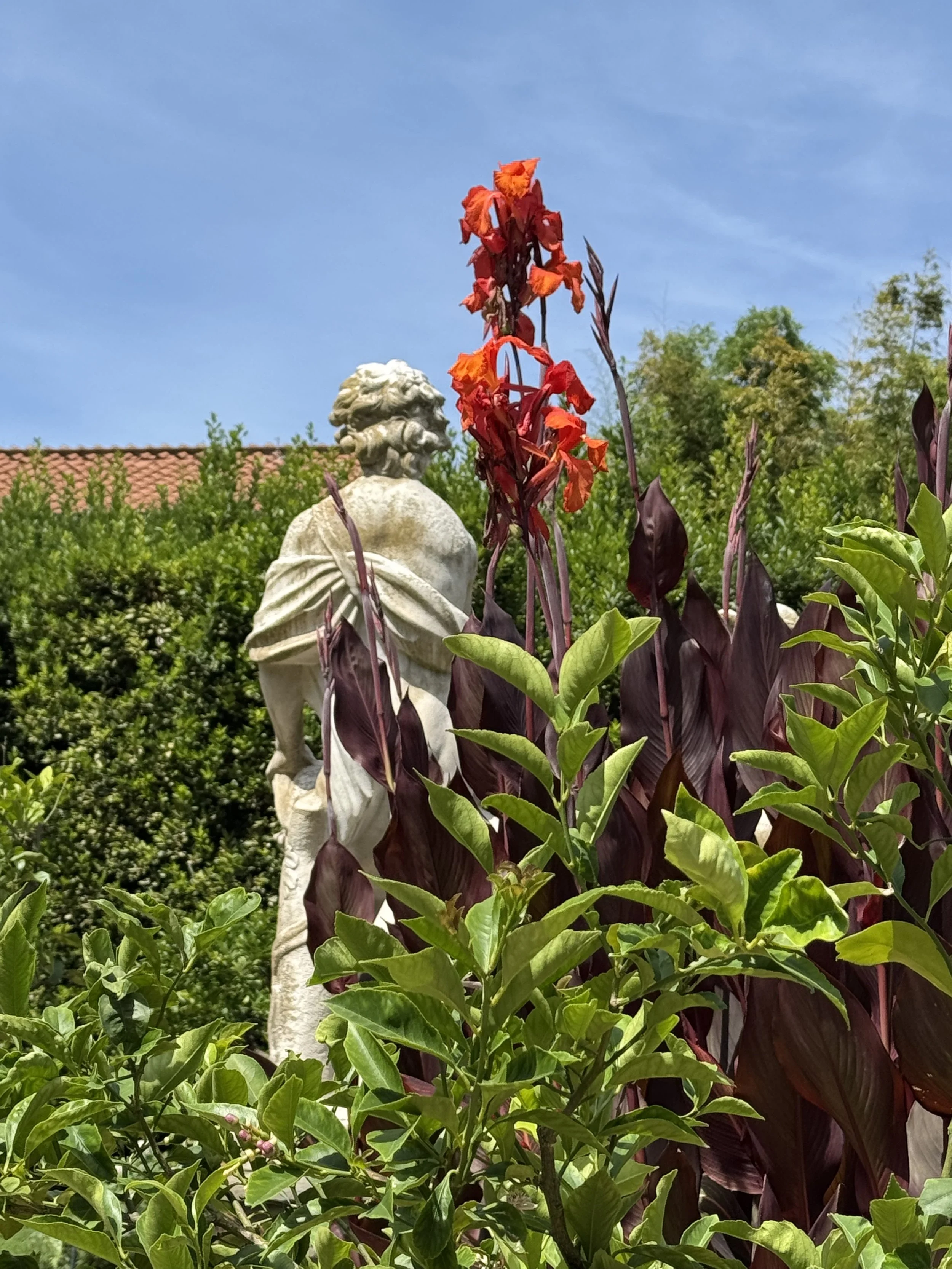
One of the best things about June in Italy is the range of colors painted by nature as the trees and vines get their leaves and the flowers bloom.  Look closely and you can find small clusters of grapes forming, the earliest hints of olives, and tiny figs that hold the promise of August sweetness.  The scent of Jasmine in bloom is the best sort of perfume.

IMG_0742.jpeg
IMG_0453.jpeg
IMG_0895.jpeg

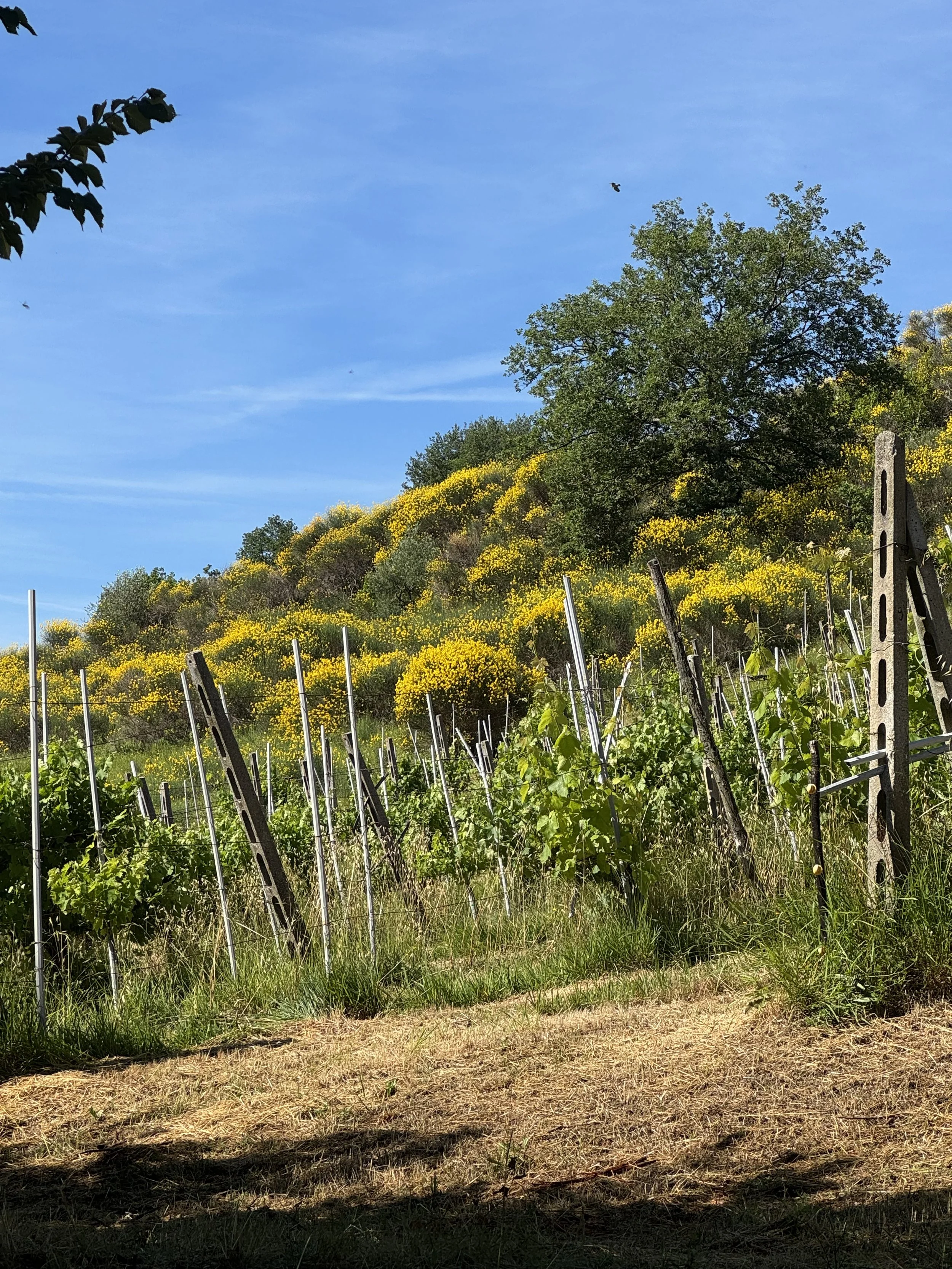
 The countryside is stunning as the bright yellow blooms of Ginestra (in English we would call it Scottish or Spanish Broom) mingle with the greens of the vines and olive trees.

The beautiful countryside near Perugia in Umbria filled with Ginestra in bloom

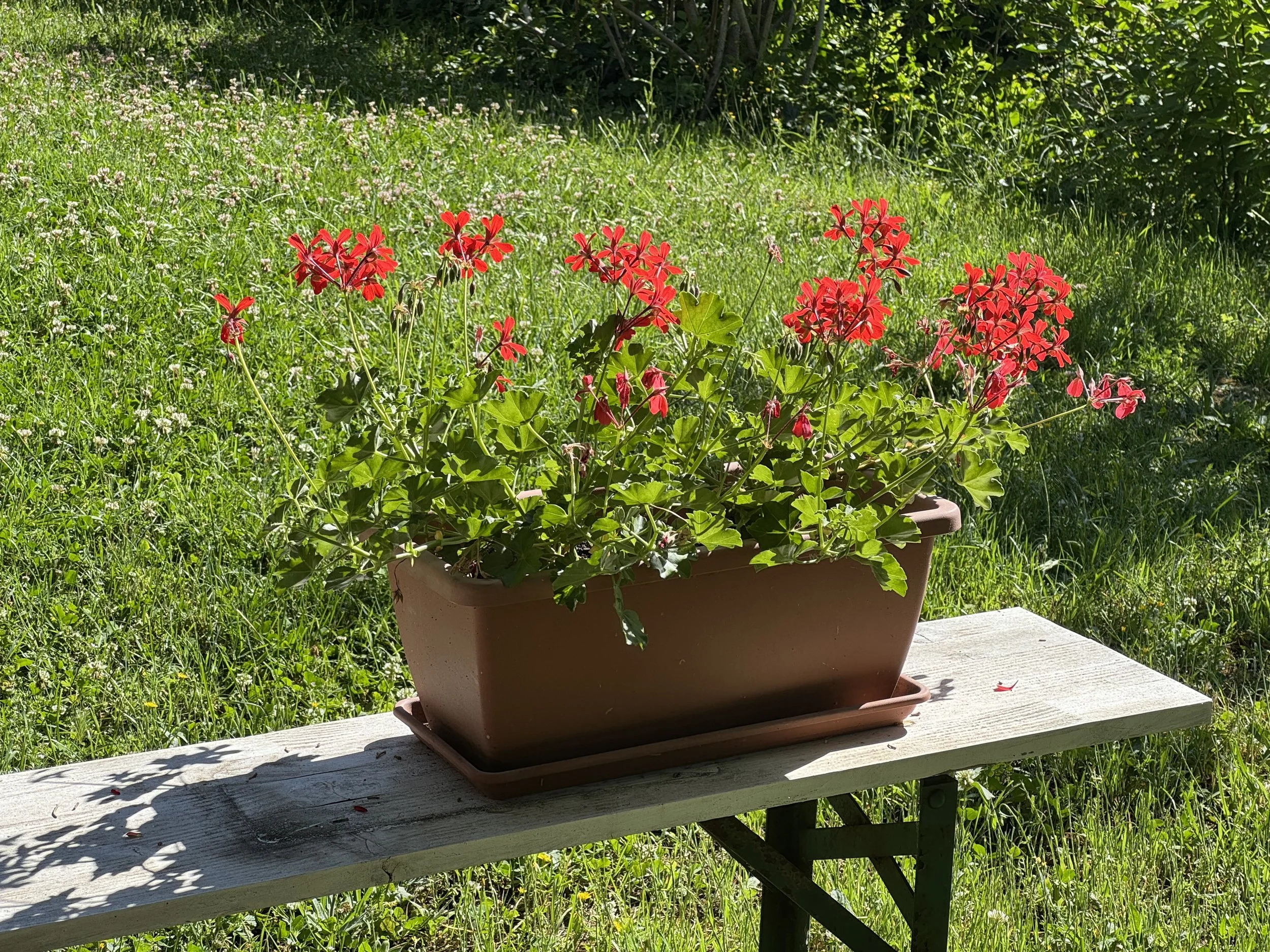
 In towns, flowers fill window boxes and pots.  They spill over walls, sneak into crevices, and take over abandoned doorways.

Lucca in June

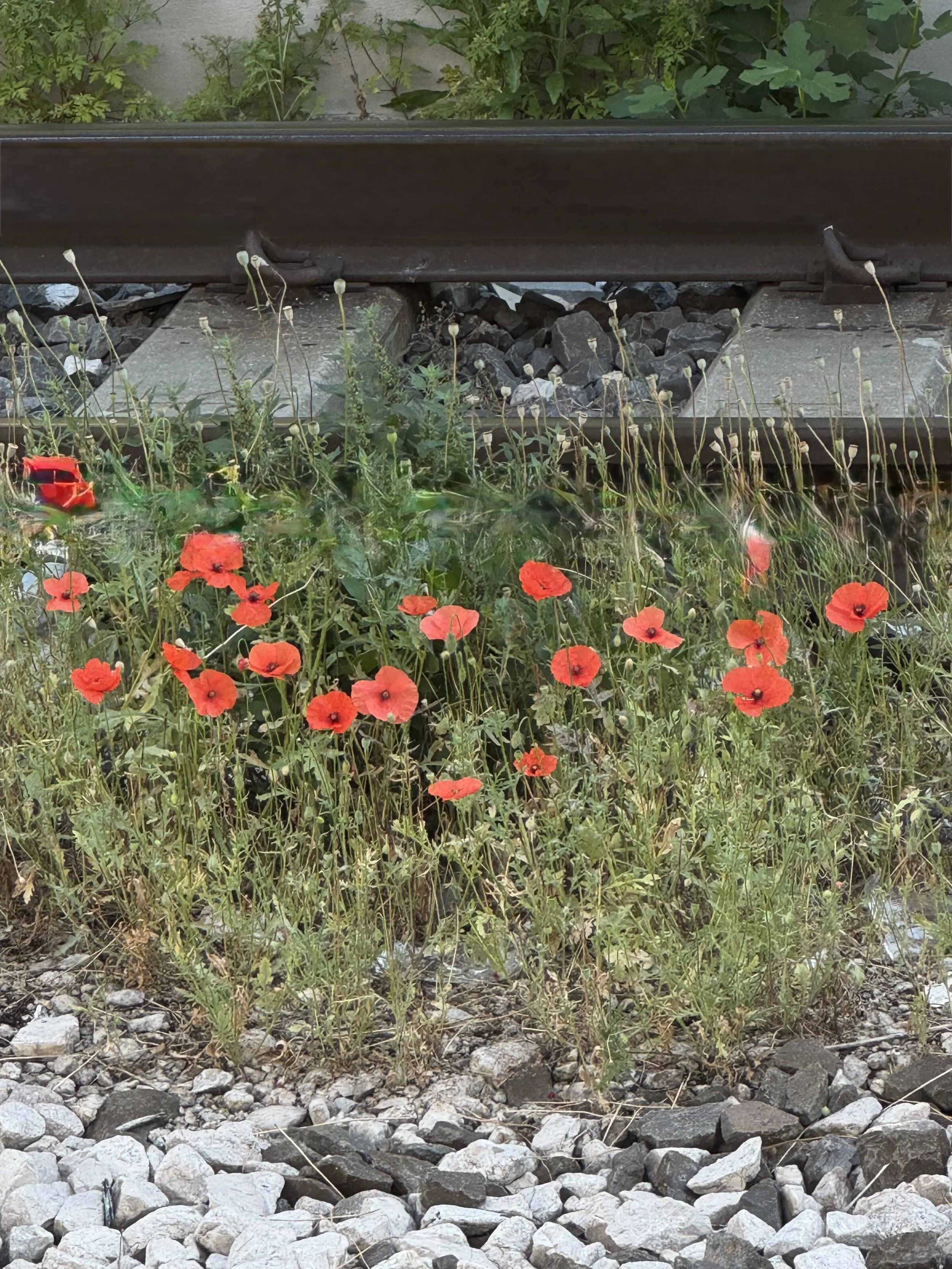
 Even the railroad tracks are dressed up by the last of the spring poppies.

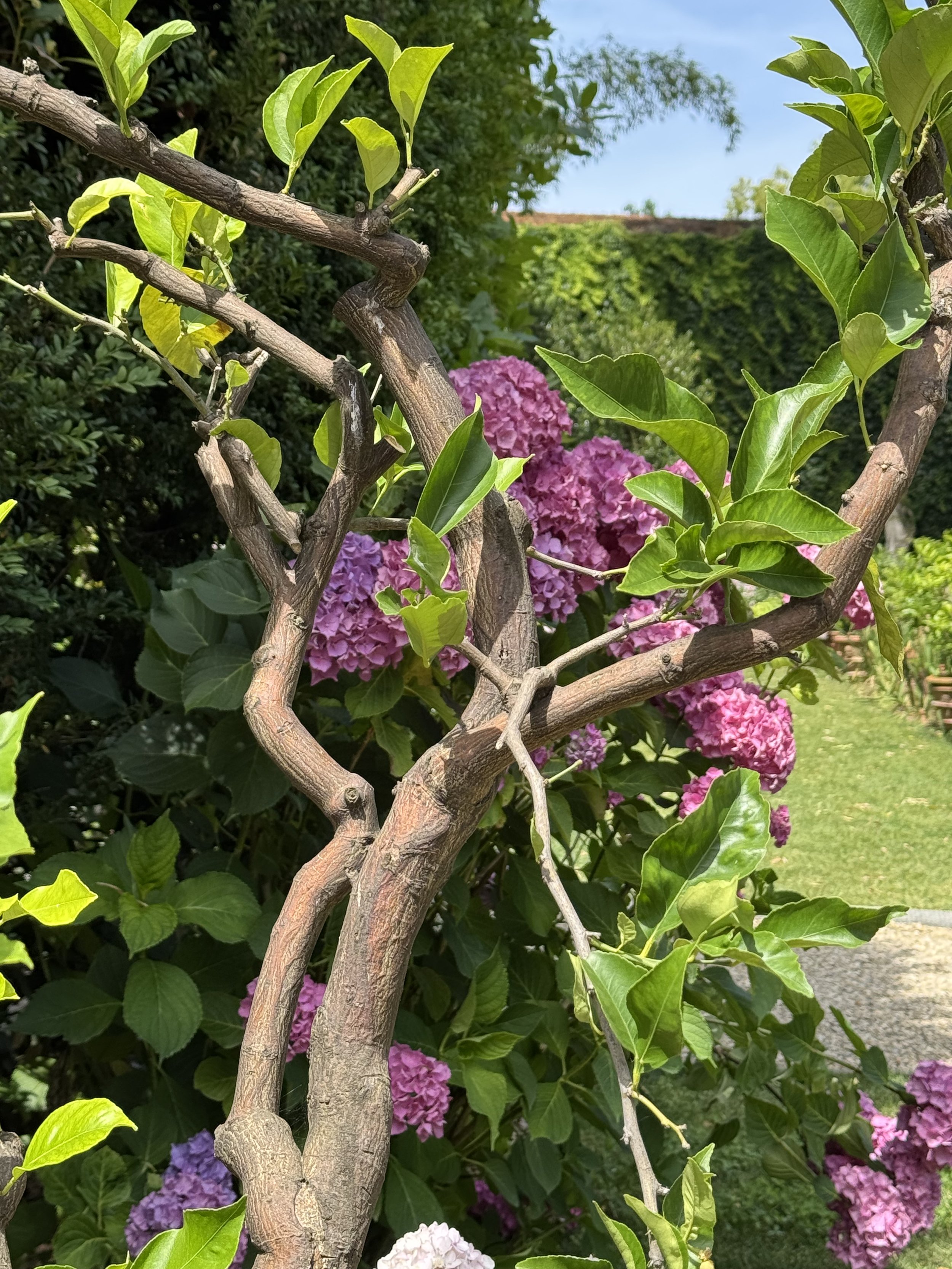
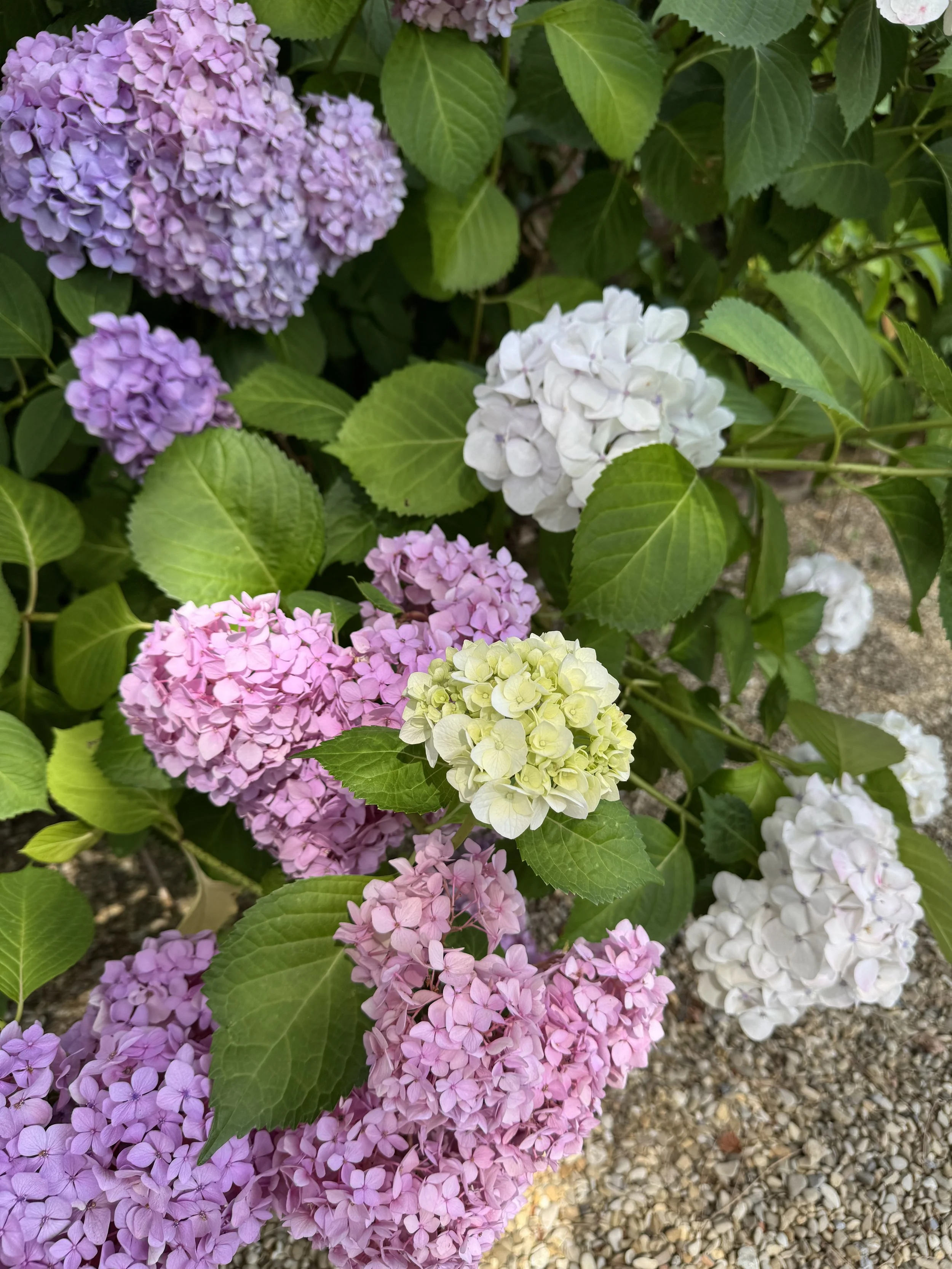
 In Lucca, the garden of Palazzo Pfanner is the place to go for the best variety of colors and flower varieties.  Especially stunning are the rows of hortensia (hydrangea) in white, pink, blue, and purple.

IMG_1161.jpeg
IMG_1176.jpeg
IMG_1170.jpeg
IMG_1181.jpeg

 I enjoyed seeing June burst into color in Italy.  Next up for me will be the desert blooms of New Mexico; I’ll enjoy those until I return to Lucca in a few weeks.

June 22, 2026 /Joanne Bartram
June in Itay, Umbria, Tuscany, Italy gardens
#italiangardens, #italiansummer, #italytravel, #lucca, Italian gardens, Italy travel, Living in Italy, Lucca, Tuscany, Umbria

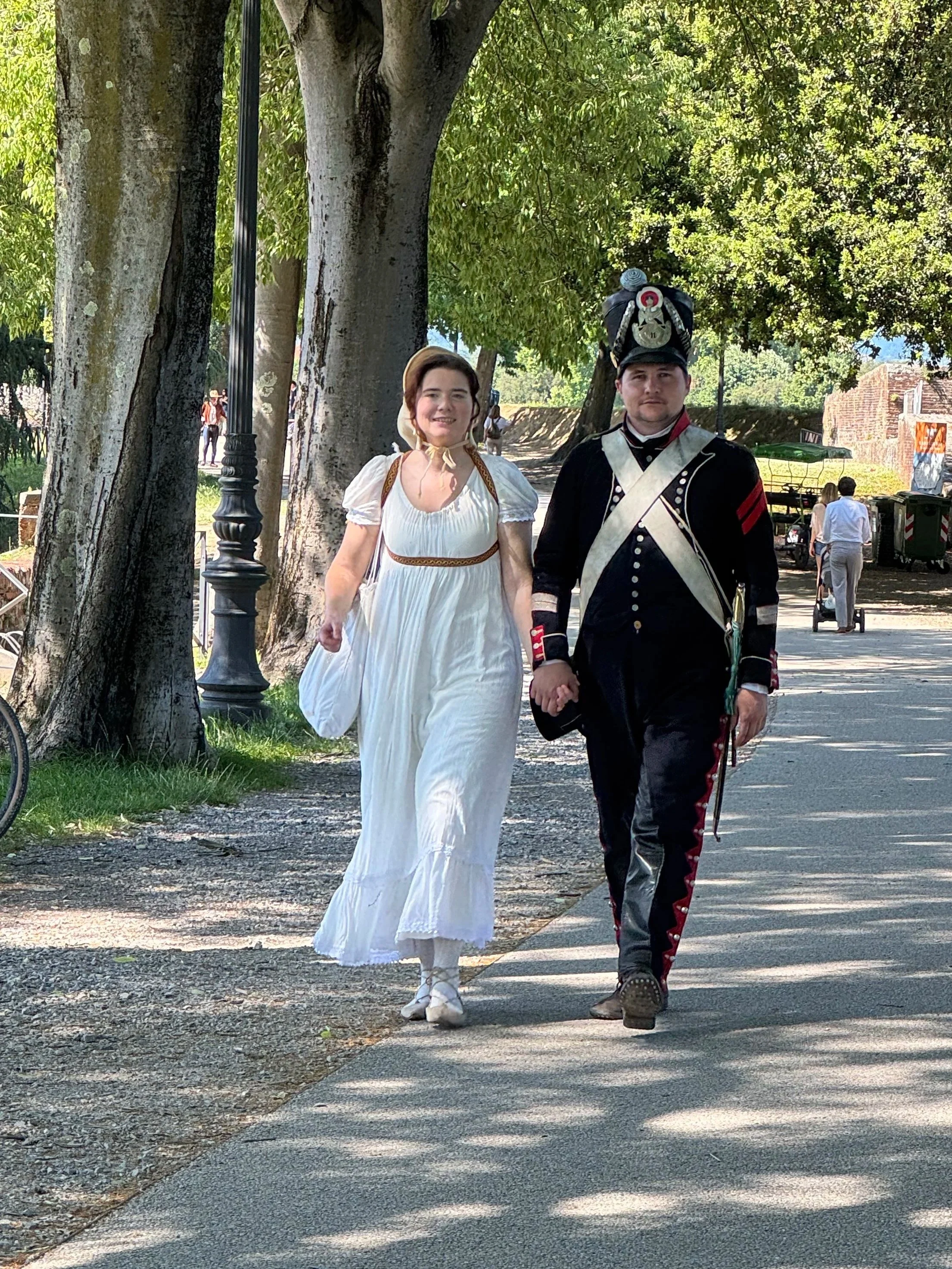
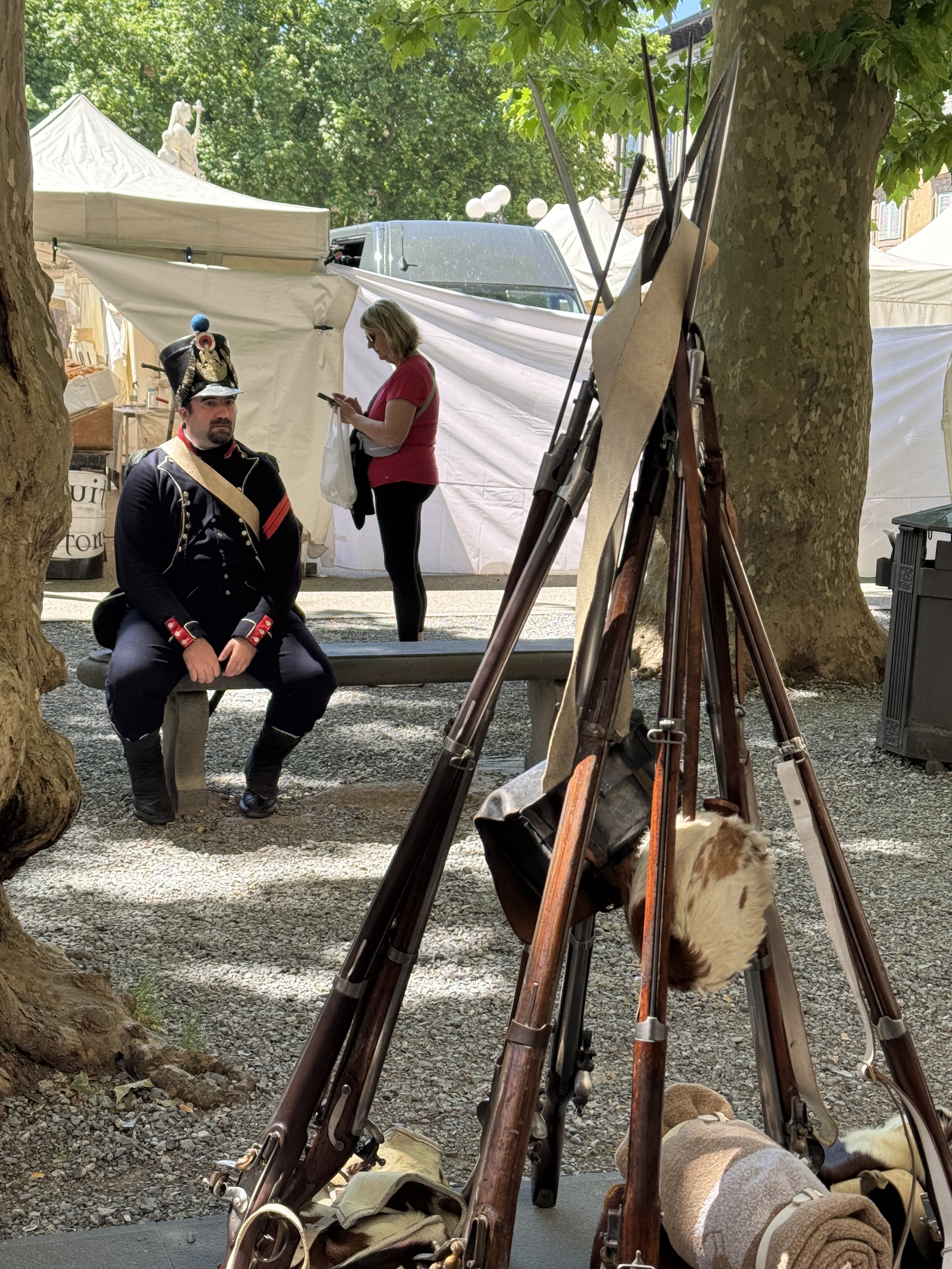
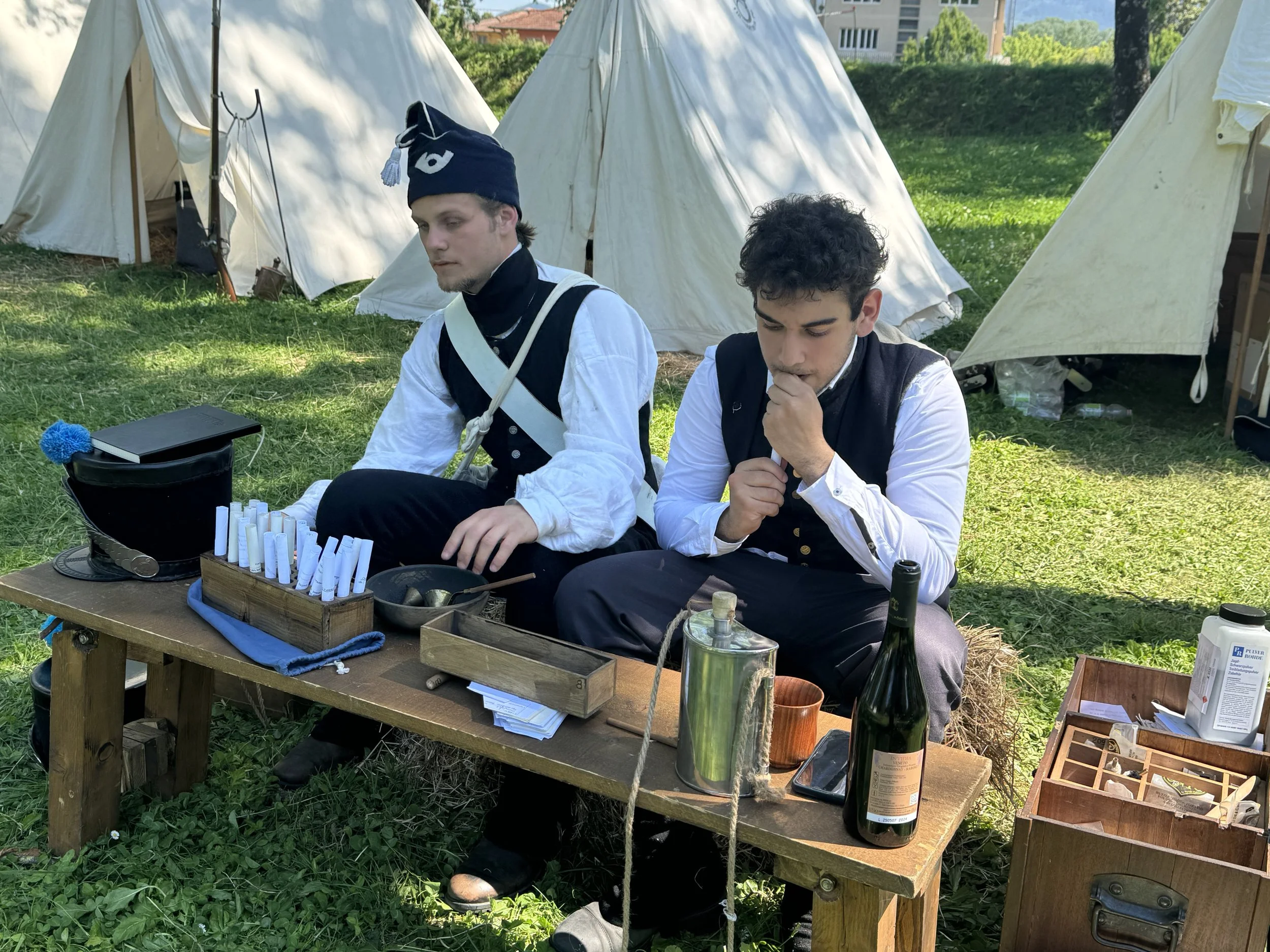
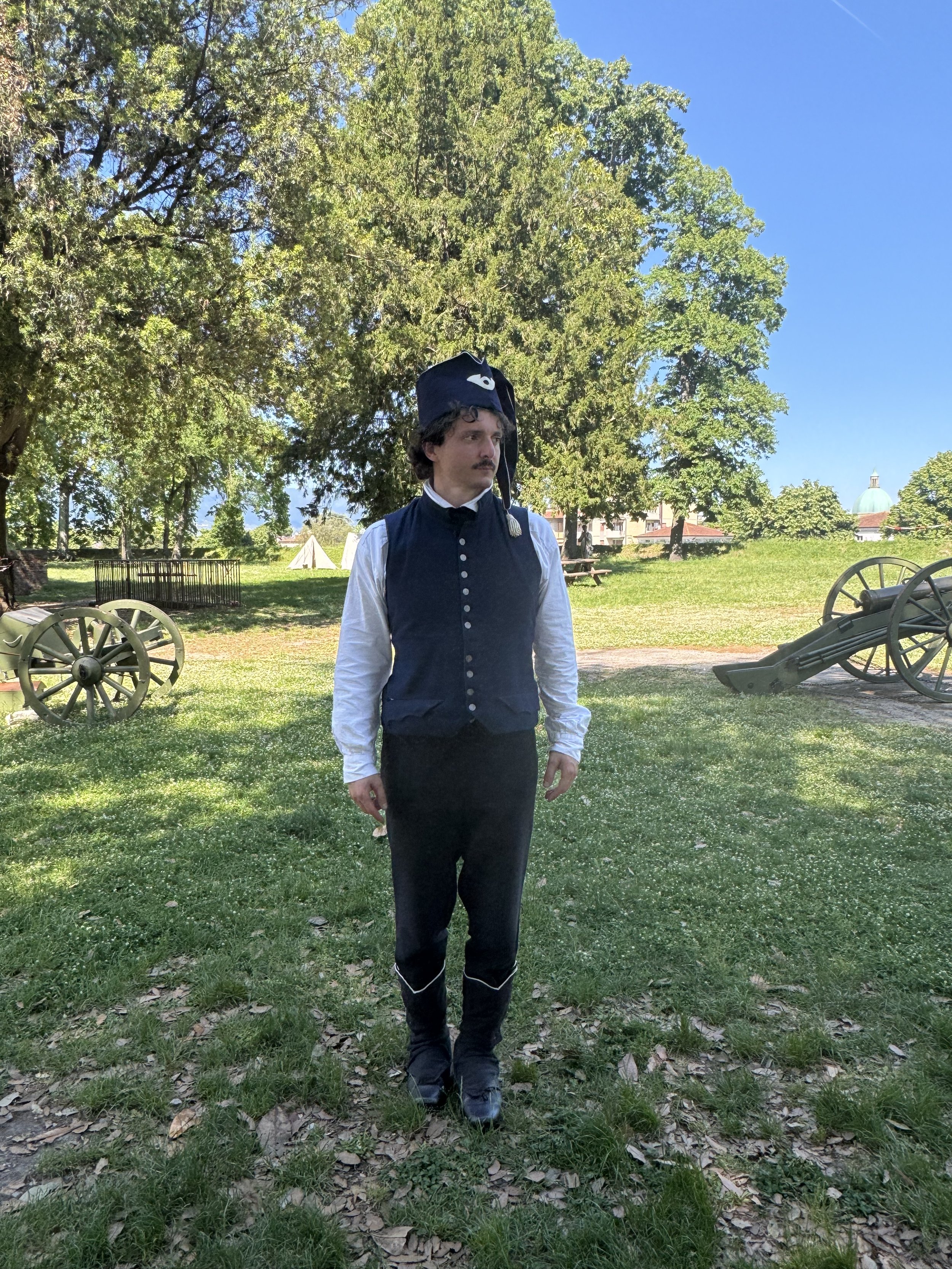
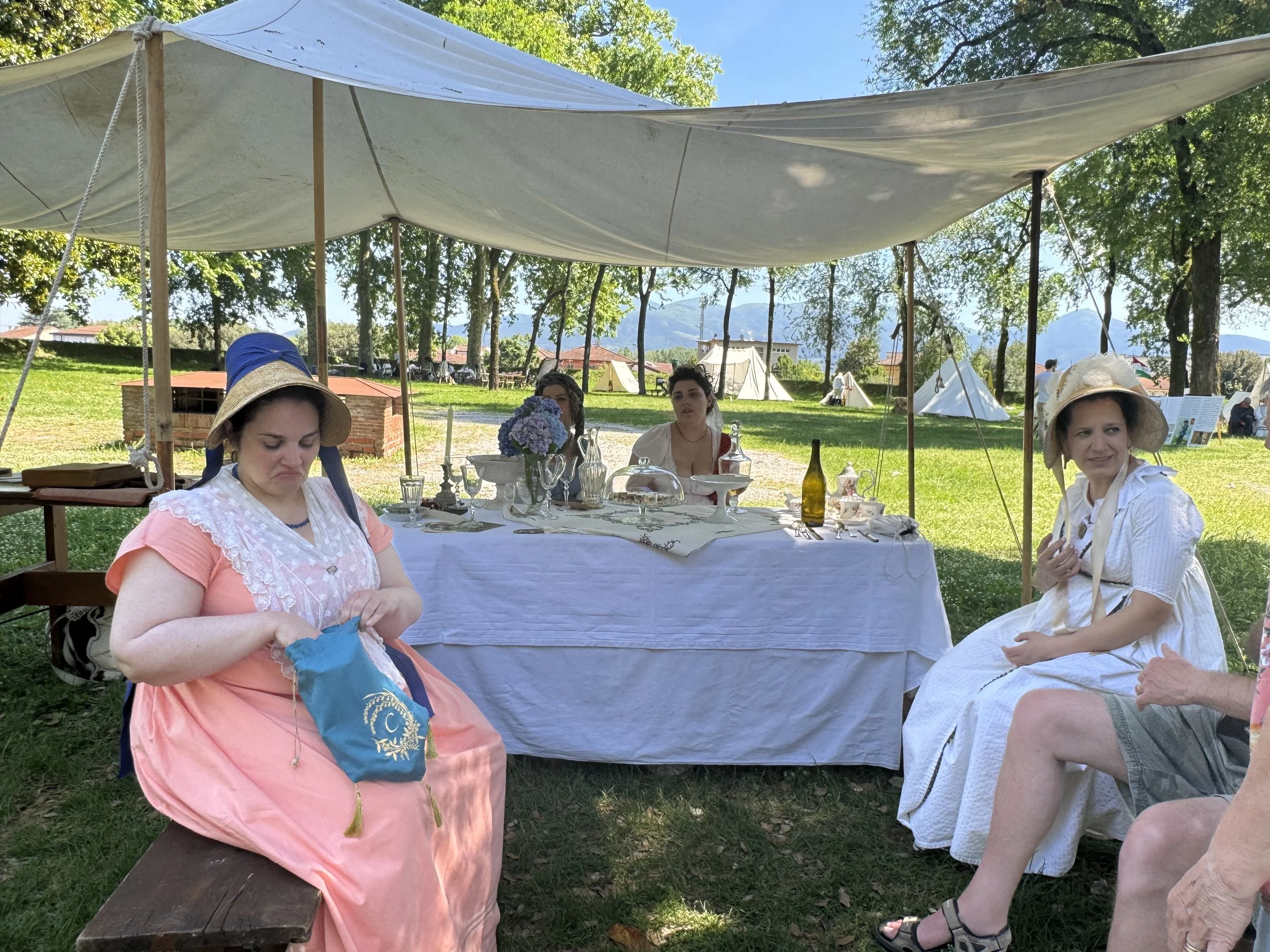
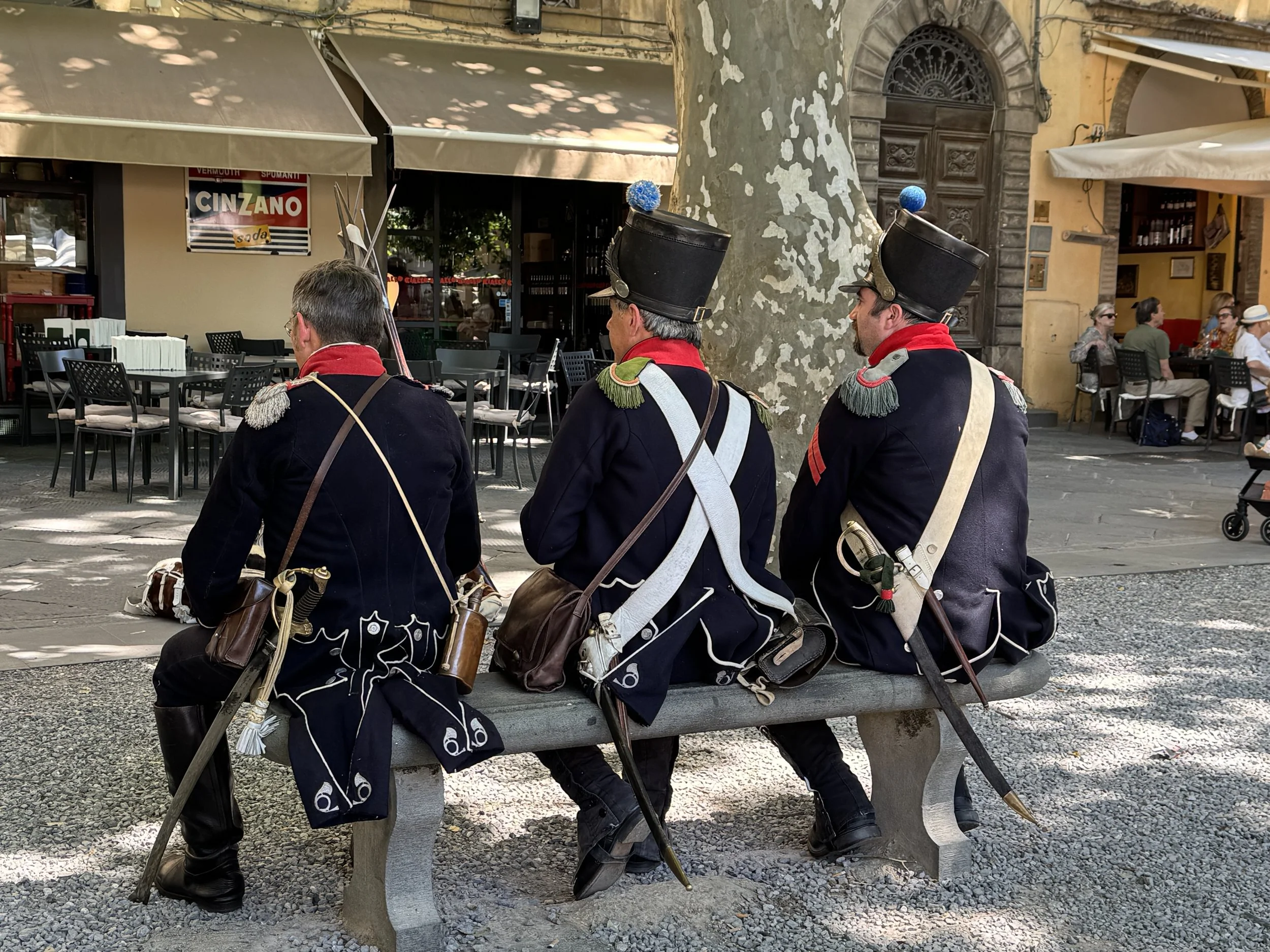
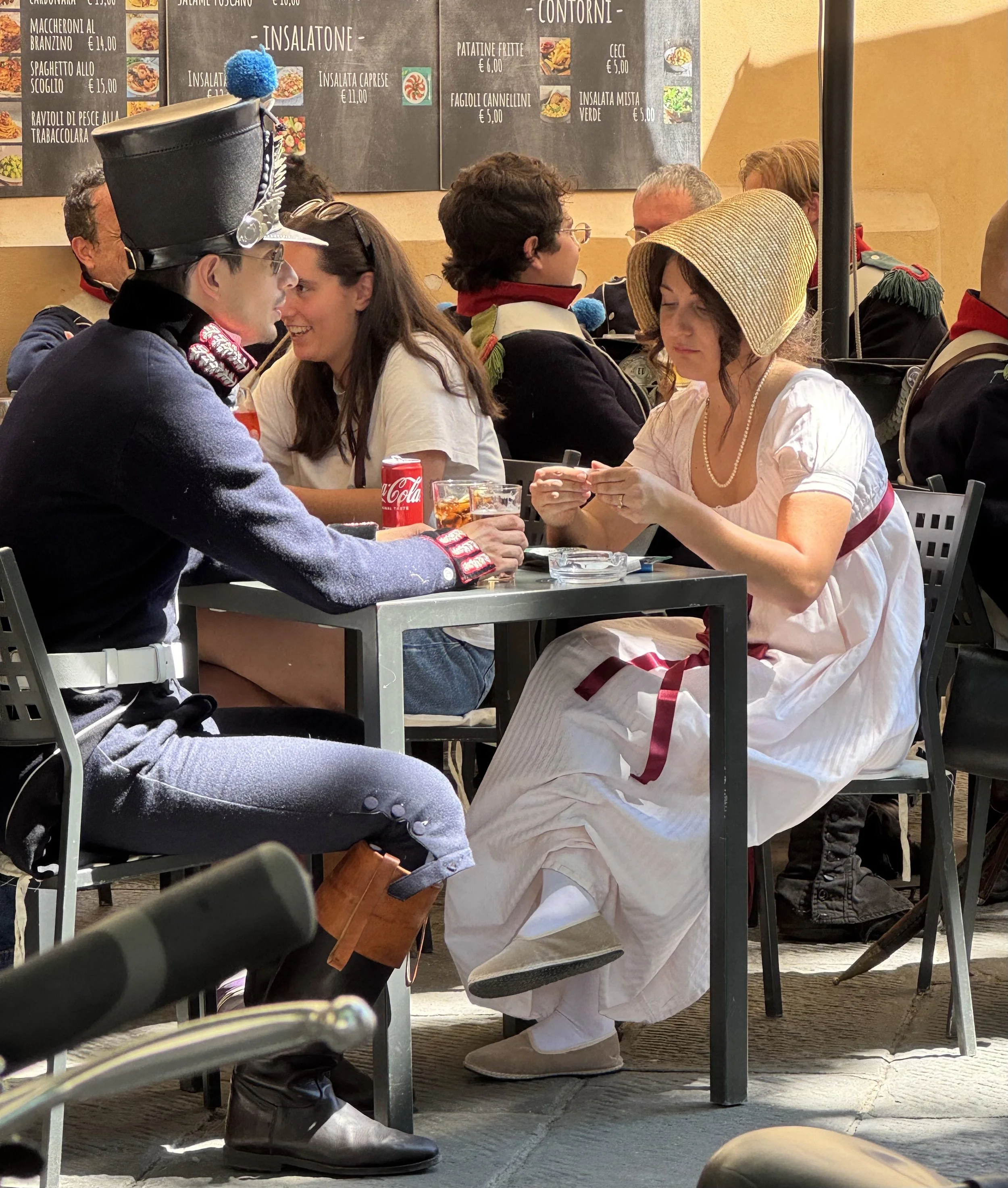
During the time when Napoleon was in charge, we might have seen a soldier like this with his companion

Walking Through Lucca’s History

June 08, 2026 by Joanne Bartram in #italytravel, #lucca, #medievalitaly, Festivals Italy, History, Italian culture, Italy travel, Lucca, Tuscany

In Italian, the verb rievocare means to recall, commemorate, or evoke.   Lucca is, for the most part, a Medieval city.  That history can be recalled easily in the current street plan, Medieval towers, and the many churches from that era that can be found throughout town.  To “rievocare” that Medieval history is easy. 

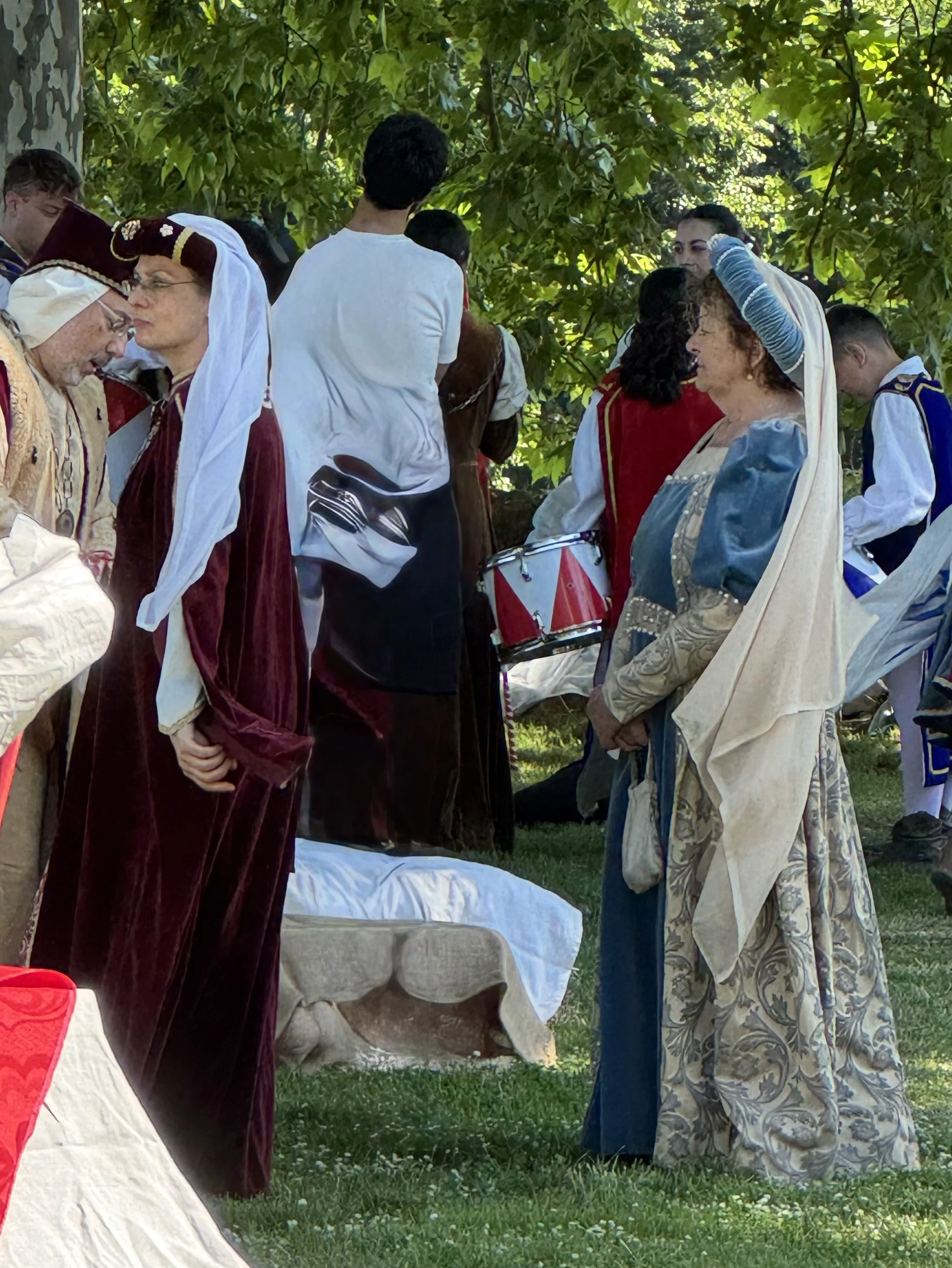
There are of course vestiges of earlier eras, the outline of a Roman amphitheater, remnants of the Roman wall, and some remarkable Roman ruins lying under churches and houses.  The later Renaissance history can also be spotted, most clearly in the walls that surround the historic city center.   But when it comes to celebrating historical events, it is usually the Medieval period that is recreated through costumes, processions, music, and competitions.

How would one even go about planning an event that would recall the broader scope of Lucca’s history?  From before the Roman era and through the period at the end of World War II?   Well, fortunately, someone decided to do just that, and in late May a festival took place – Rievocando Lucca, A Festival of History.

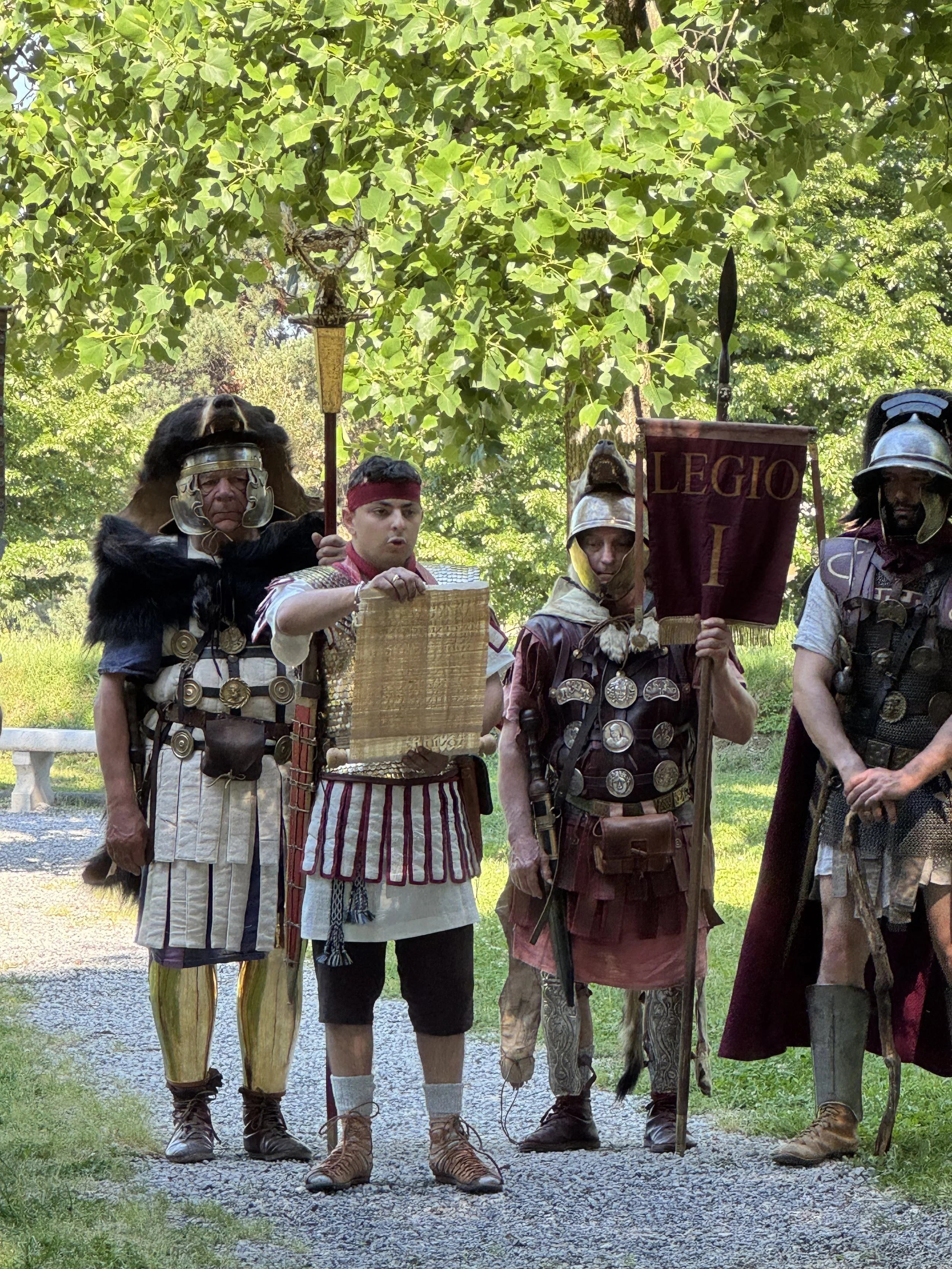
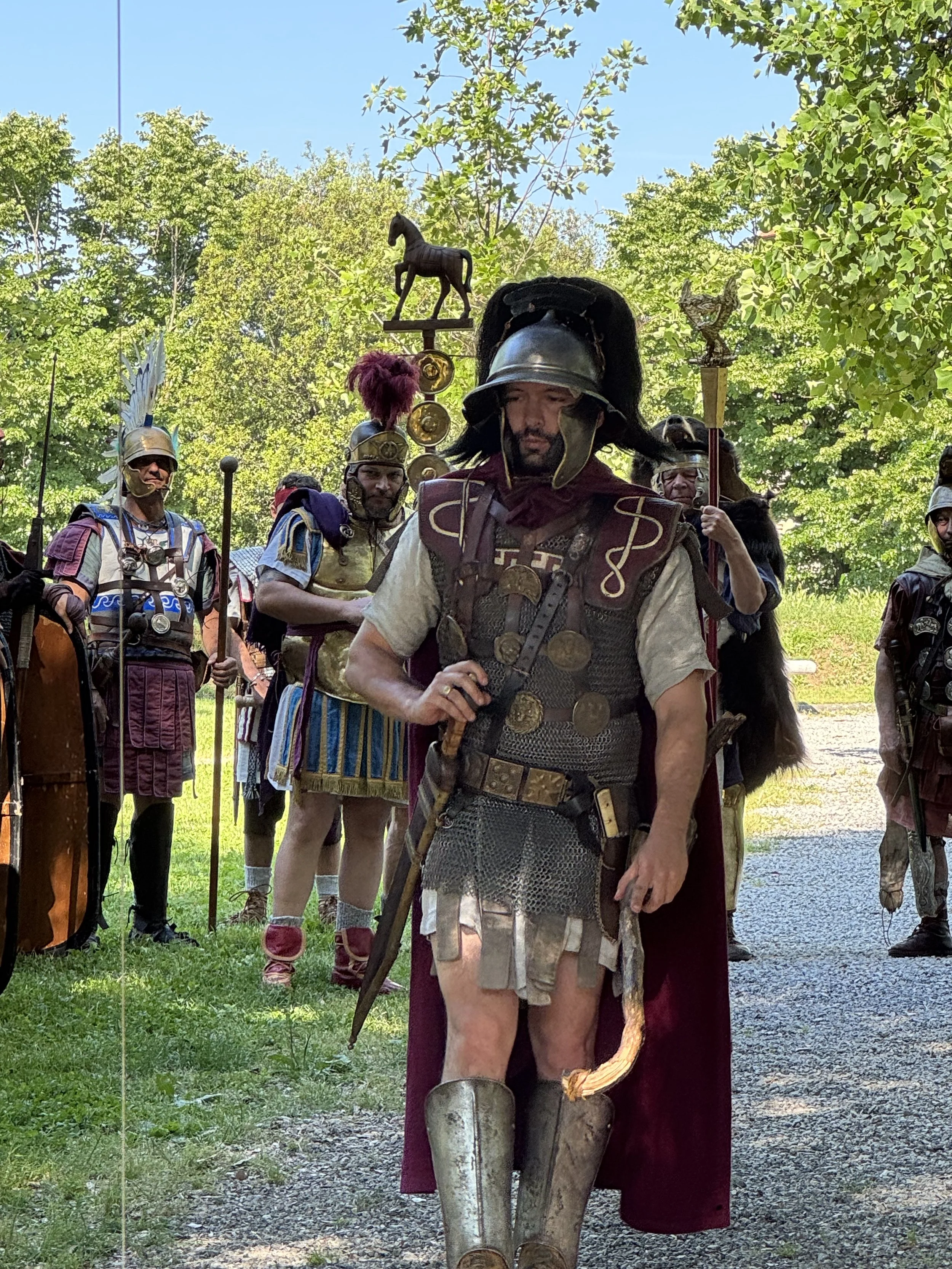
A call to arms for Roman soldiers

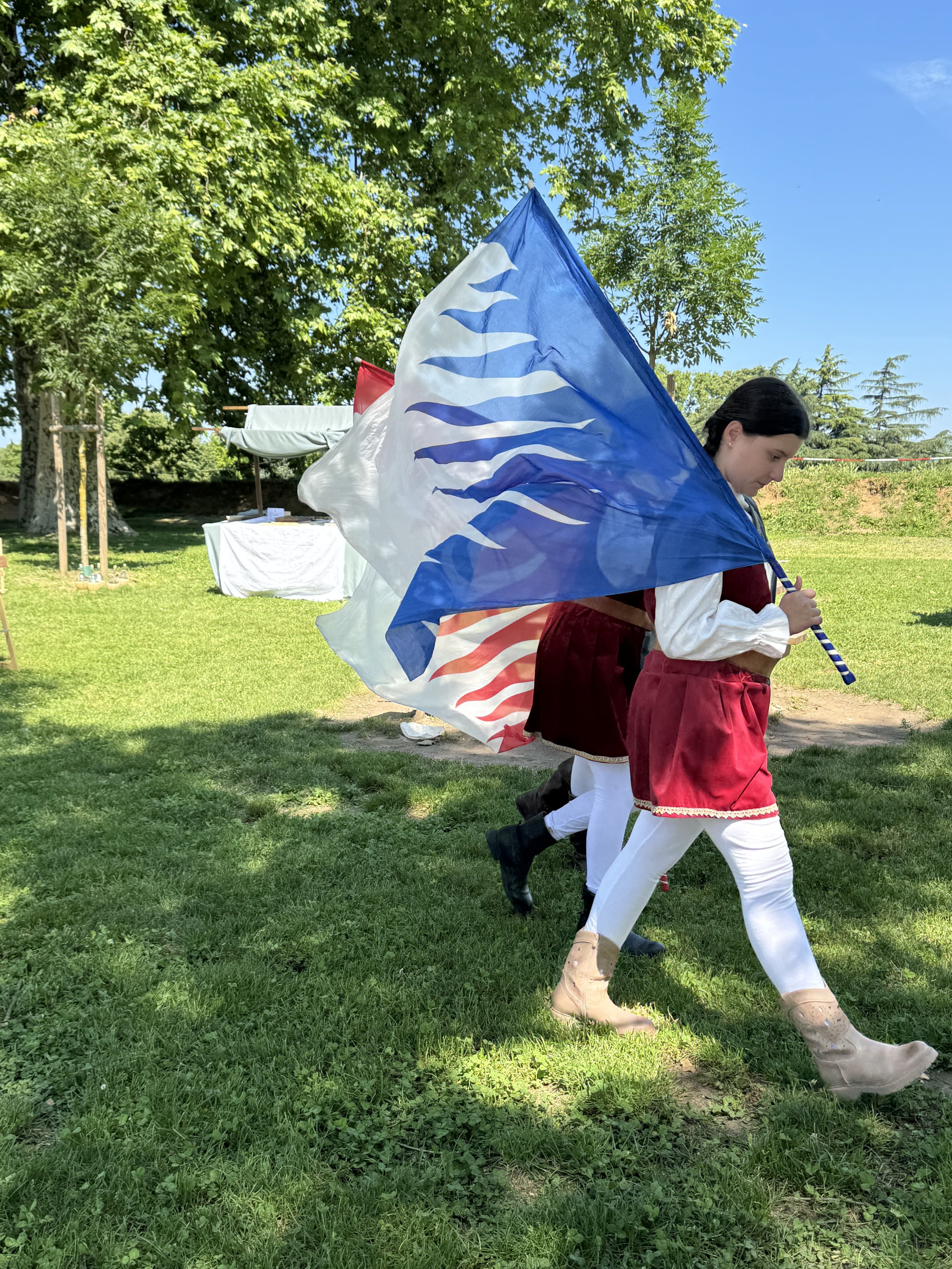
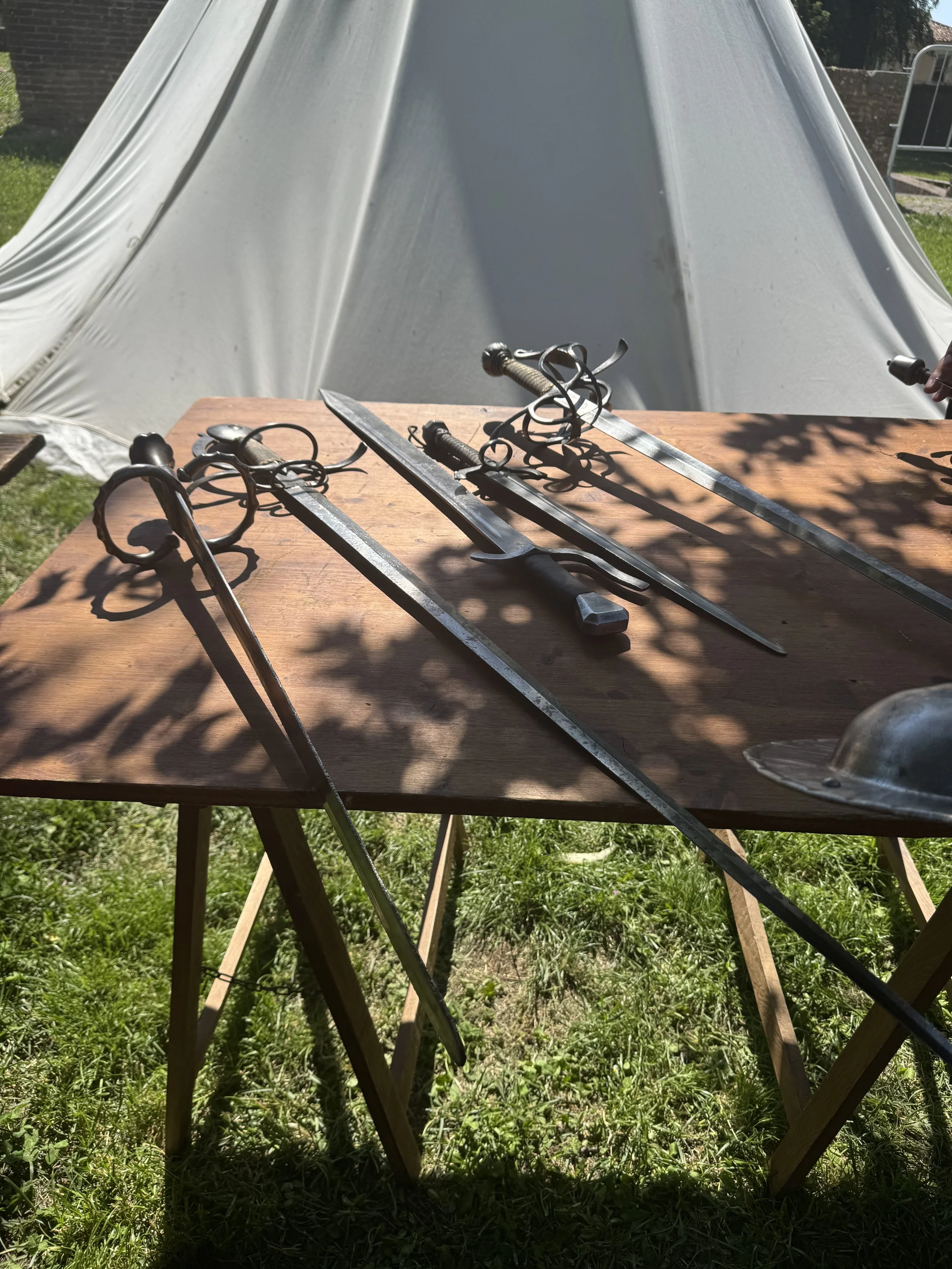
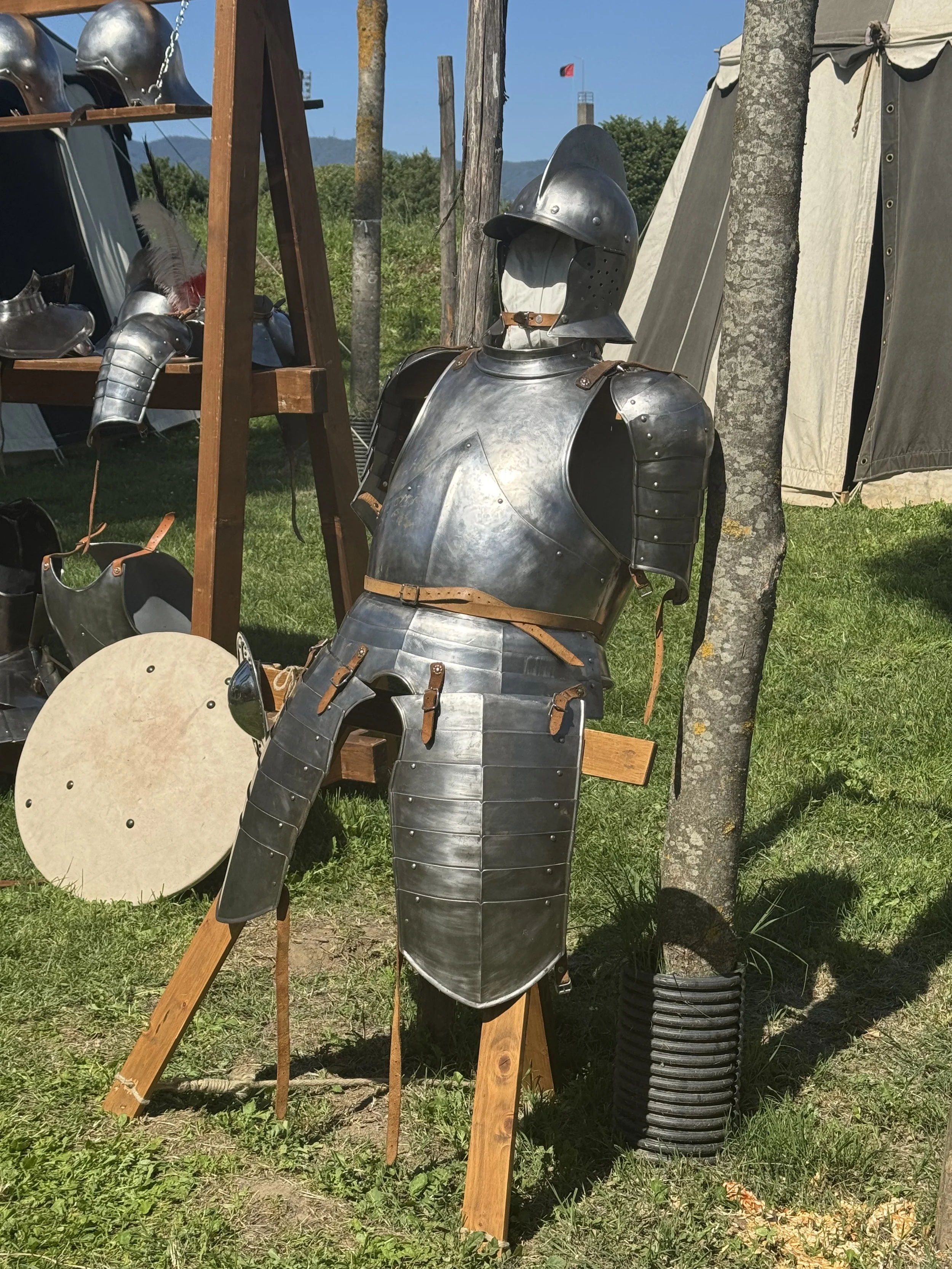
 The event took place on the city walls, a perfect way to present, in chronological order, a series of vignettes tracing Lucca’s history from pre-Roman/Etruscan times through the city’s liberation at the end of WWII.  Each stop along the walls featured costumed actors, period specific crafts and weapons, and representations of daily life during the time period.  The actors were a wealth of information, explaining the displays, answering questions, and demonstrating the use of tools and weapons.

IMG_0427.jpeg
IMG_0423.jpeg
IMG_0247.jpeg
IMG_0288.jpeg

 Some highlights:

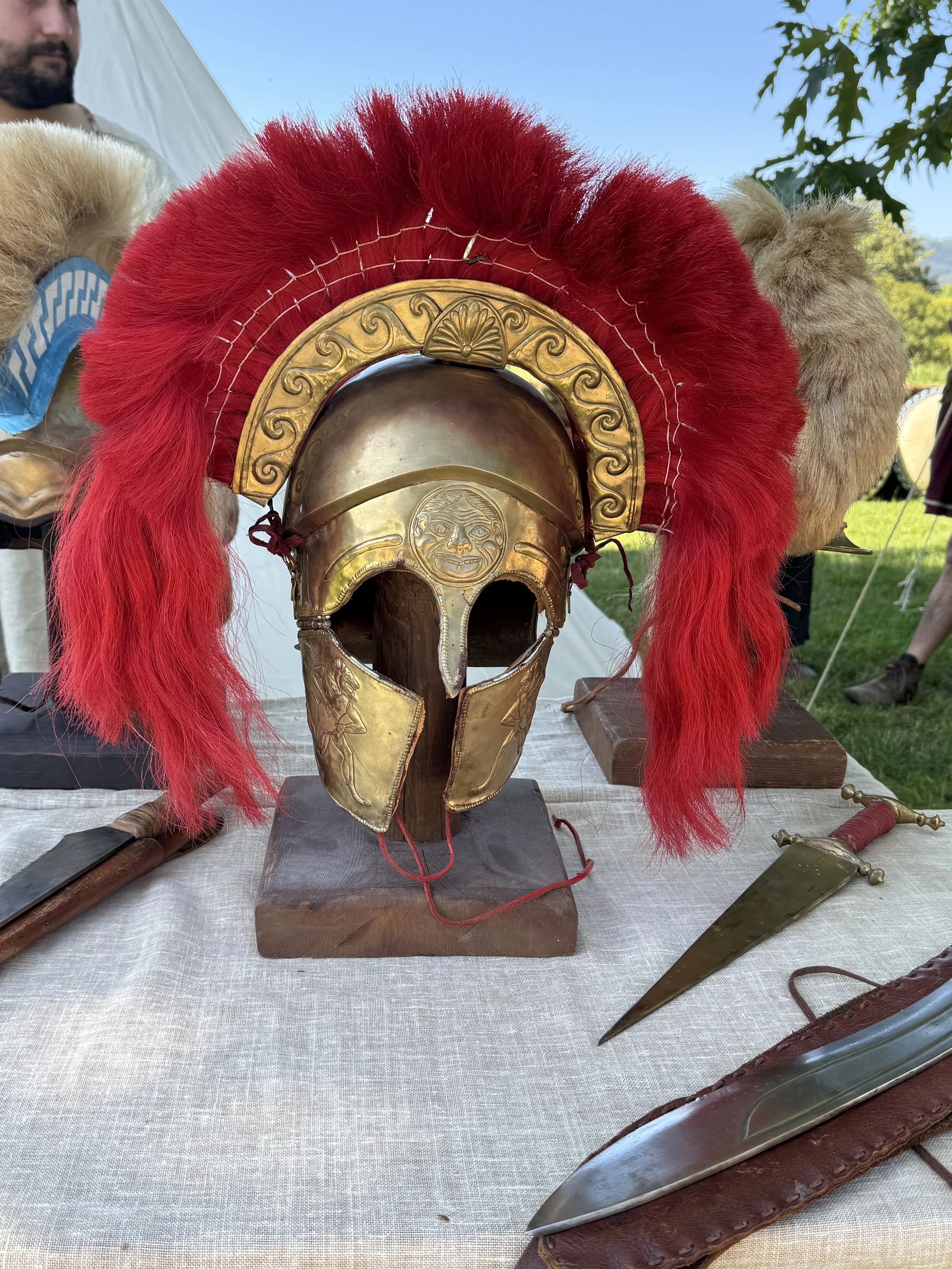
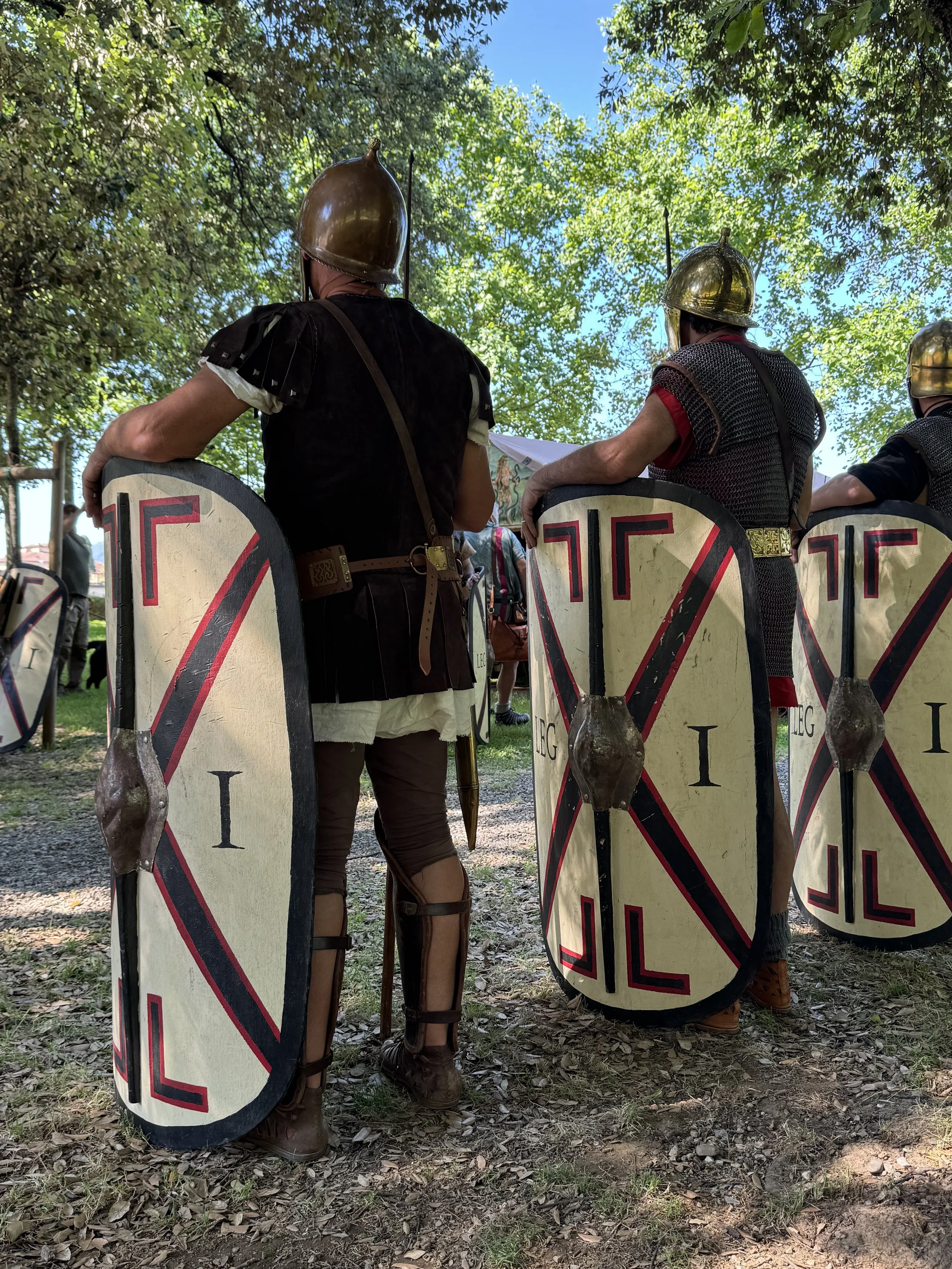
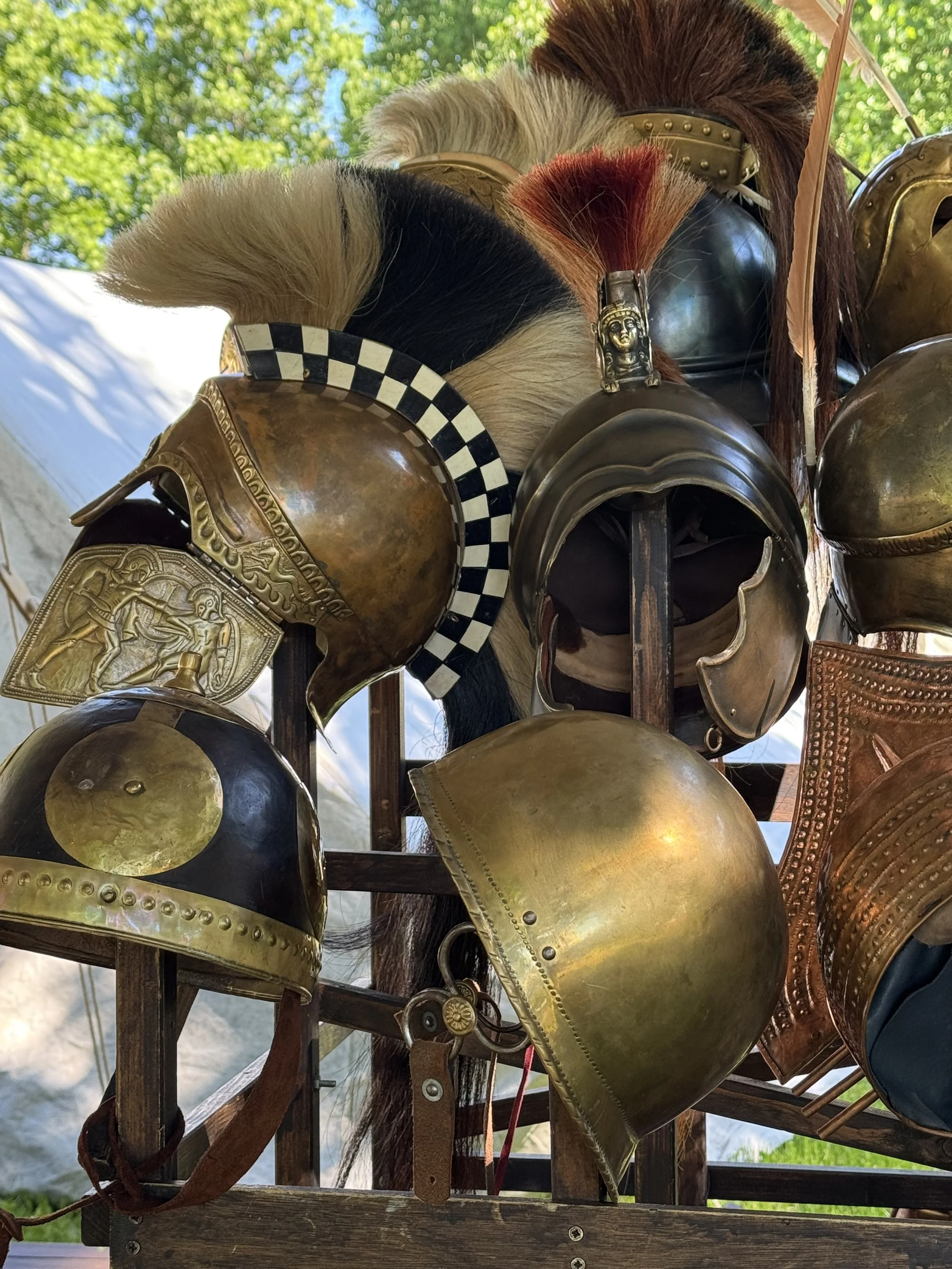
The Roman Legionaires made camp along one section of the wall and they were fierce!  Dressed for battle, armed, and bearing shields, they made an impressive sight during the commander’s morning call to arms.  Marching through town one evening, they caused quite a stir with their chants and battle cries. 

IMG_0319.jpeg
IMG_0317.jpeg
IMG_0306.jpeg

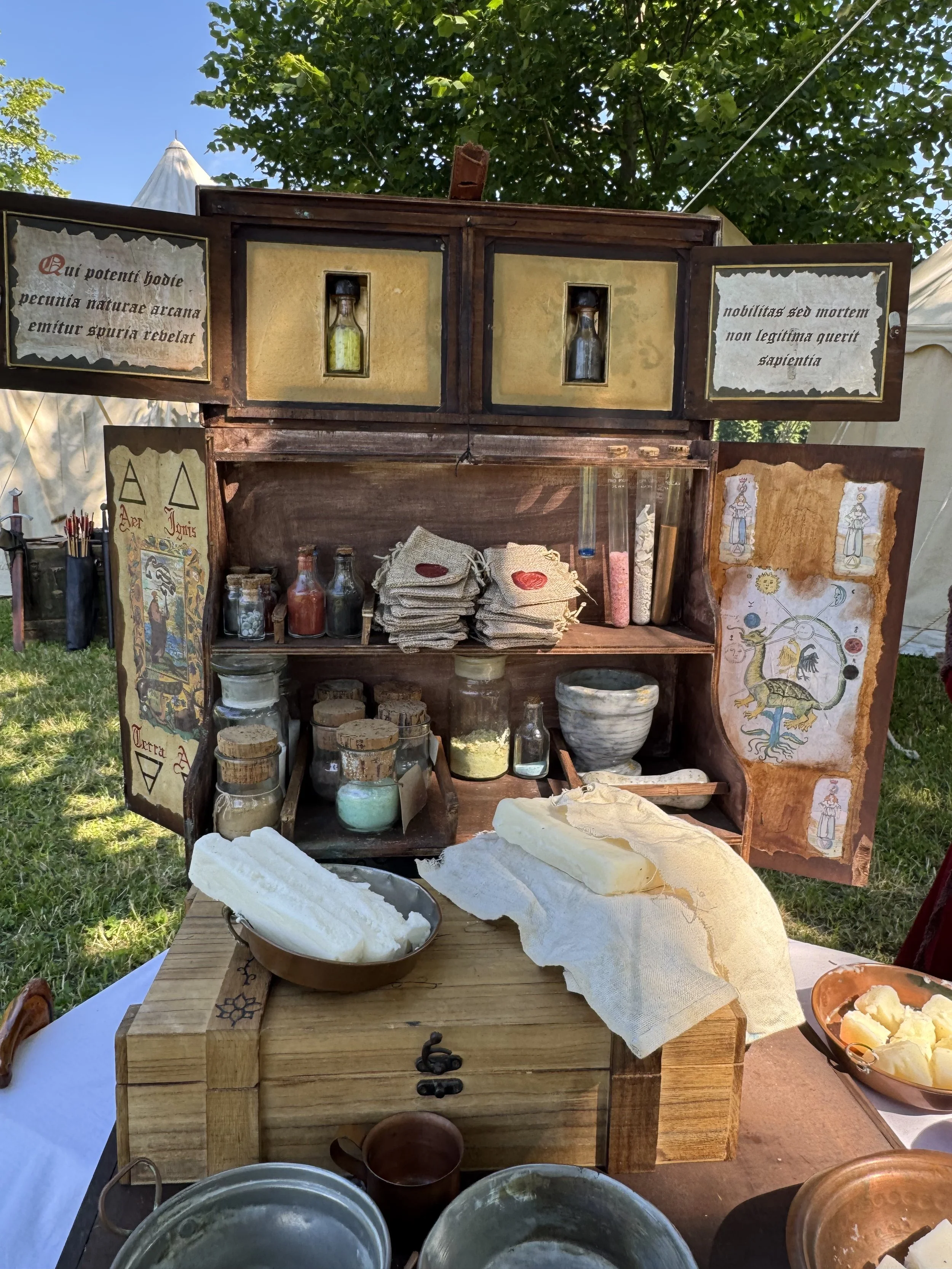
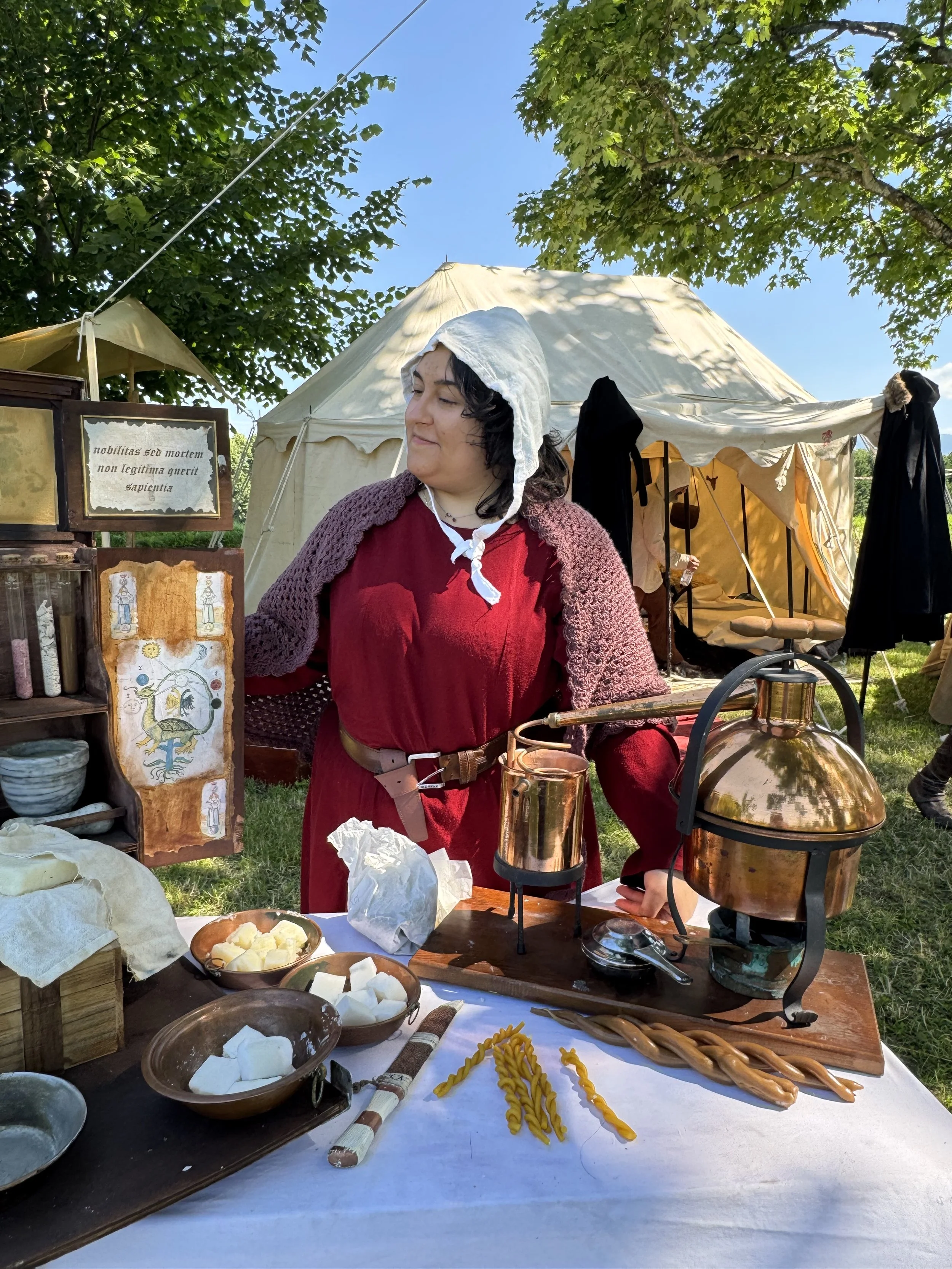
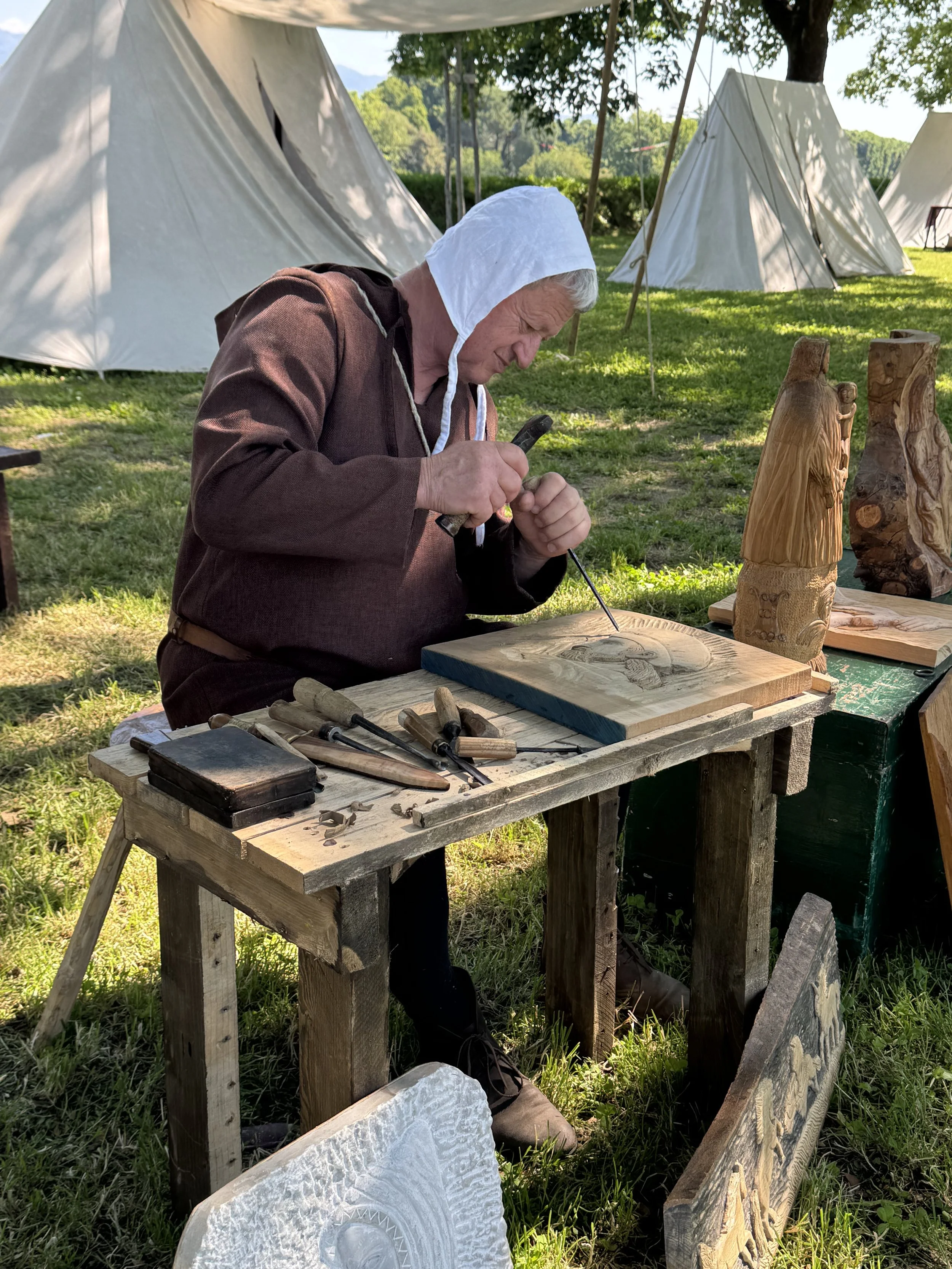
 In the Medieval village, a candlemaker described the process and coloring agents used in making her candles. Nearby, a woodcarver demonstrated his skills.   The Medieval costumes were beautiful too.

IMG_0330.jpeg
IMG_0332.jpeg
IMG_0333.jpeg

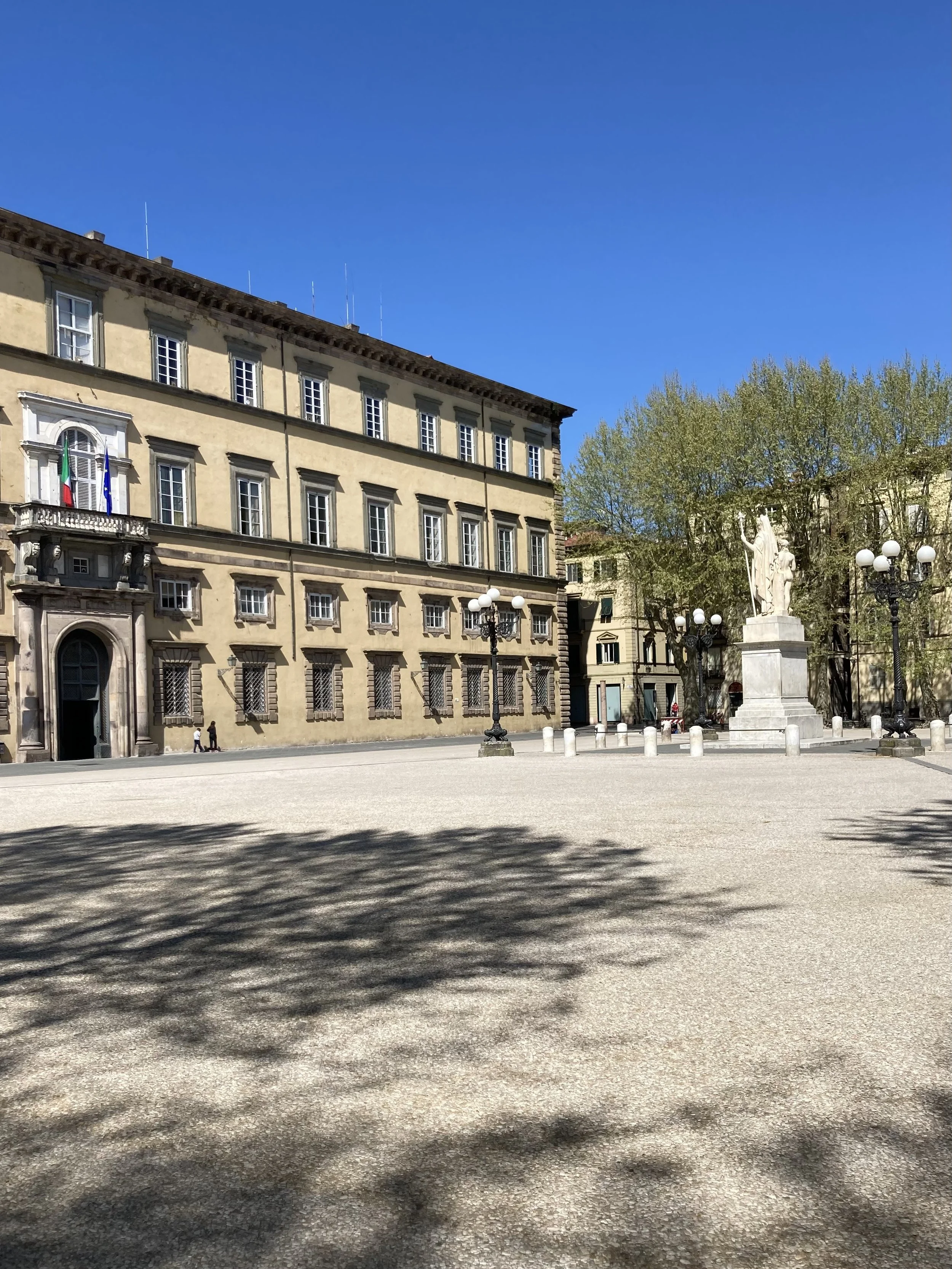
Piazza Napoleone and the Ducal Palace, both created by Elisa Bonaparte.

 Napoleon also left a mark on Lucca’s history – gifting the city to his sister Elisa who ruled as the Princess of Lucca and Piombino in the early years of the 1800’s.  Her influence can still be seen in Lucca -  the largest piazza is the Piazza Napoleone and it sits in front of the Palazzo Ducale, the palace Elisa Bonaparte built.

 For the Rievocando festival, a Napoleonic camp was filled with French soldiers in their colorful uniforms.   Alongside were a group of French ladies taking tea, as they might have done once upon a time in the Palazzo Ducale.

IMG_0404.jpeg
IMG_0395.jpeg
IMG_0393.jpeg

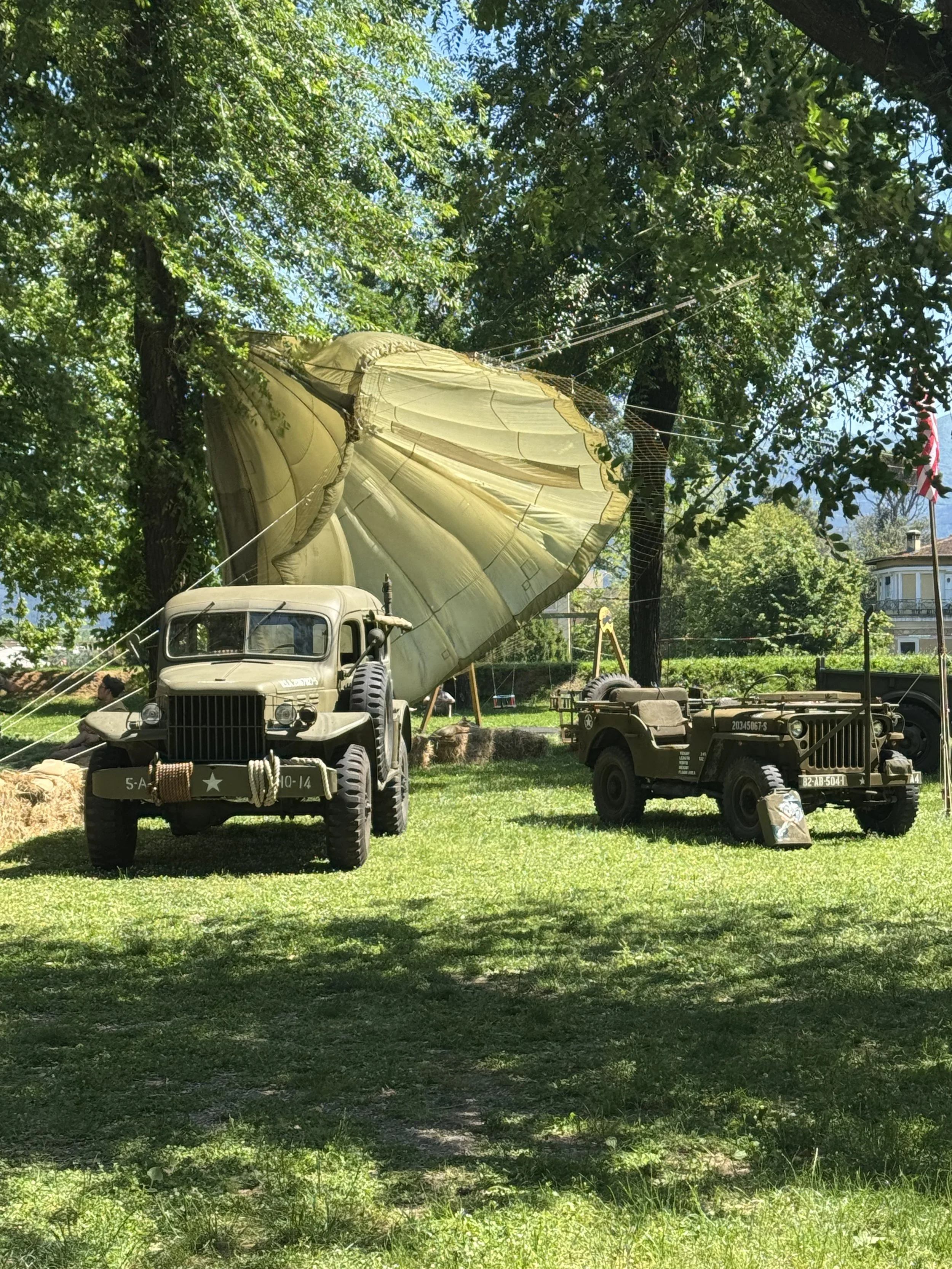
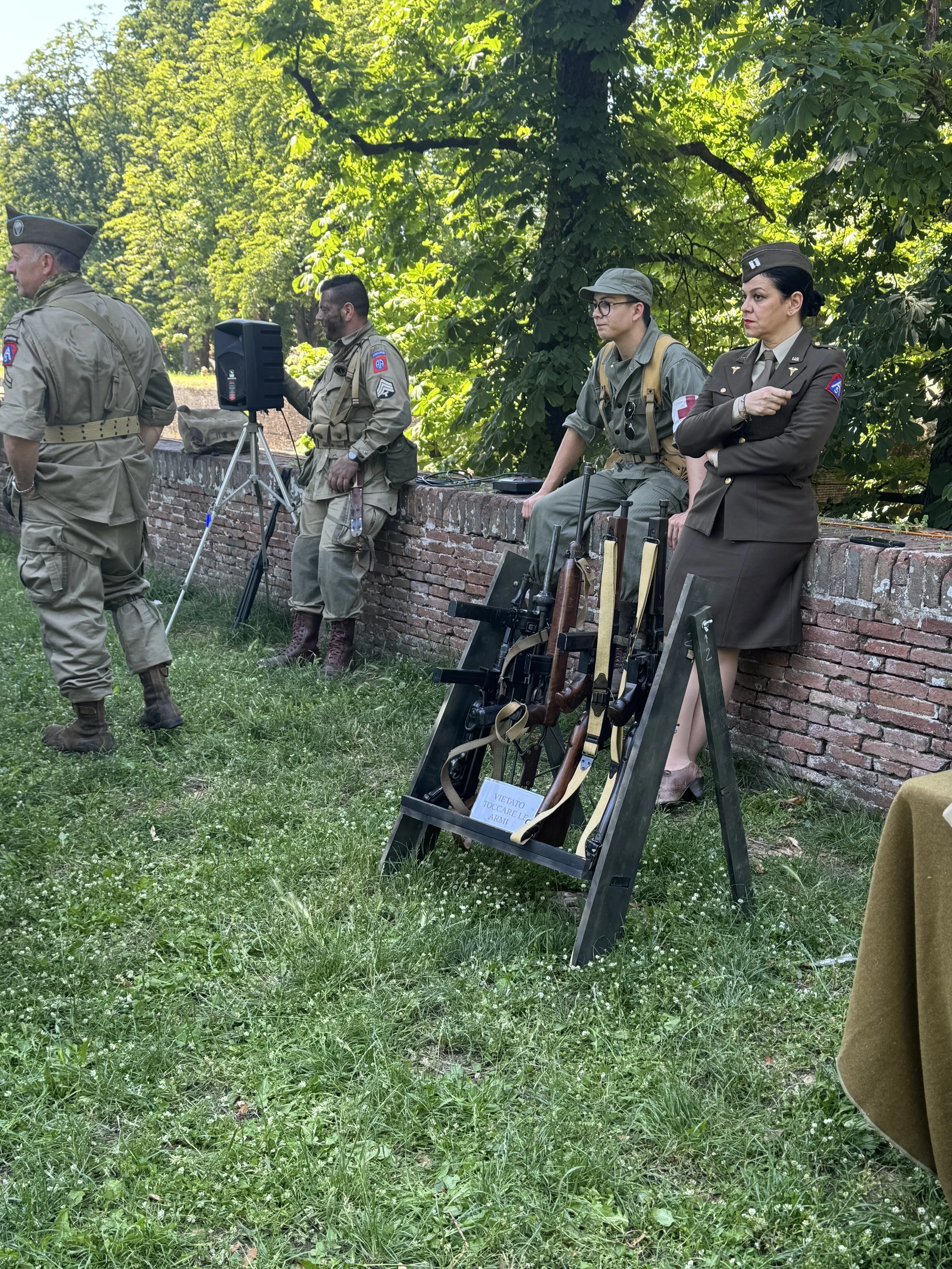
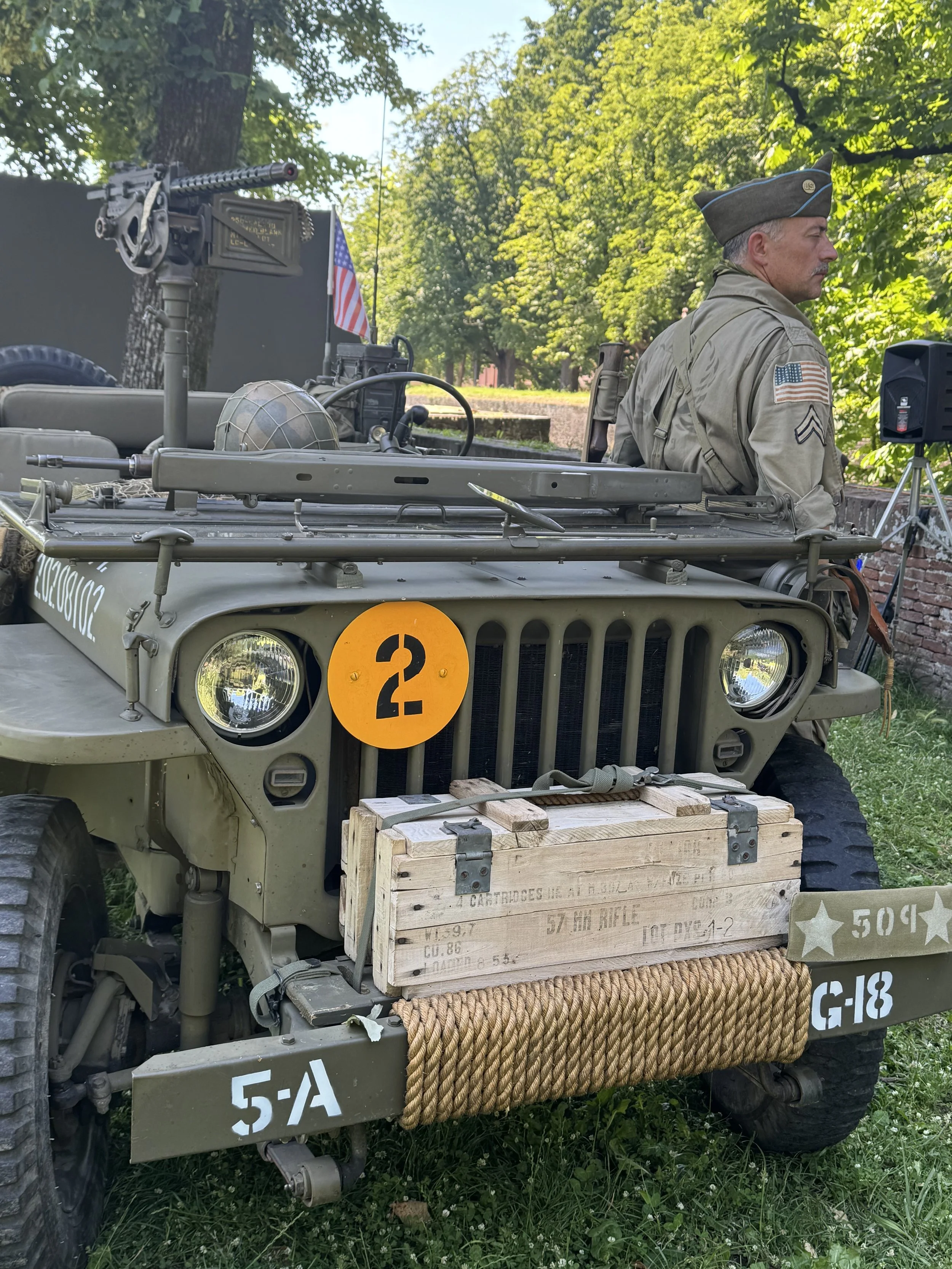
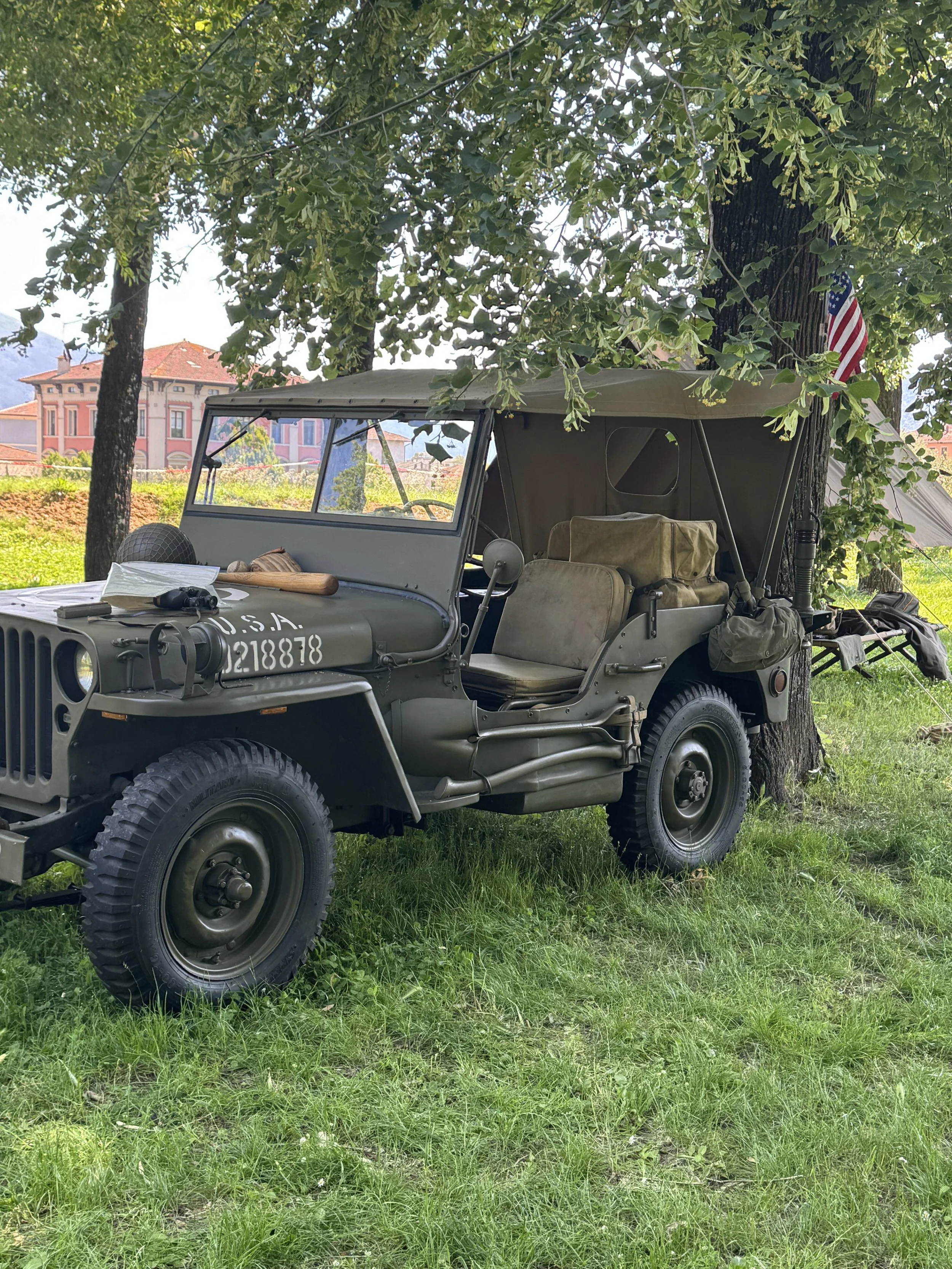
 The final vignette was of WWII, during a time when American and Brazilian troops played an important role in and around Lucca.  It was American Buffalo soldiers who entered Lucca in September 1944, ending the occupation by Nazi forces.   

IMG_0367.jpeg
IMG_0370.jpeg
IMG_0371.jpeg
IMG_0374.jpeg

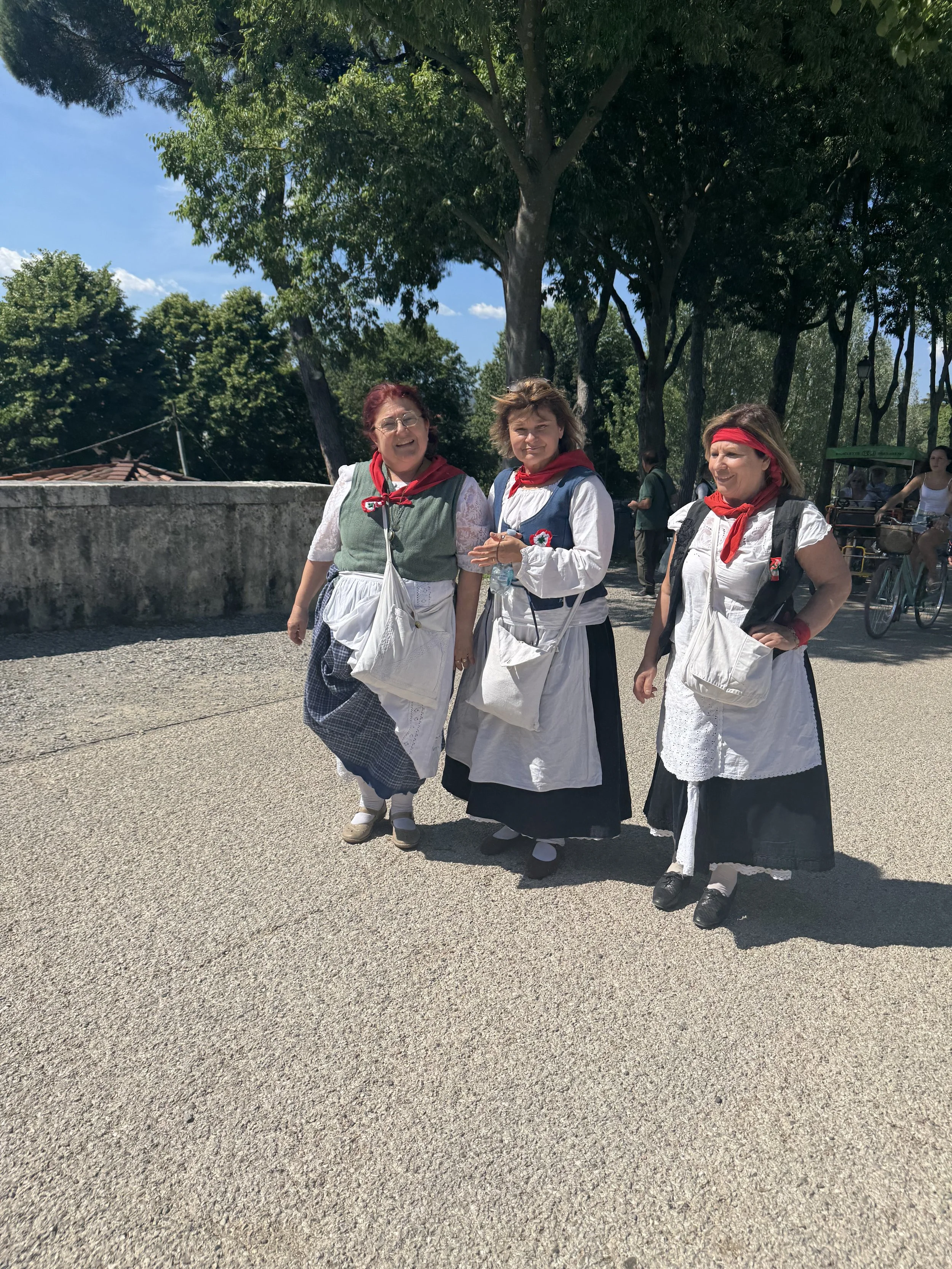
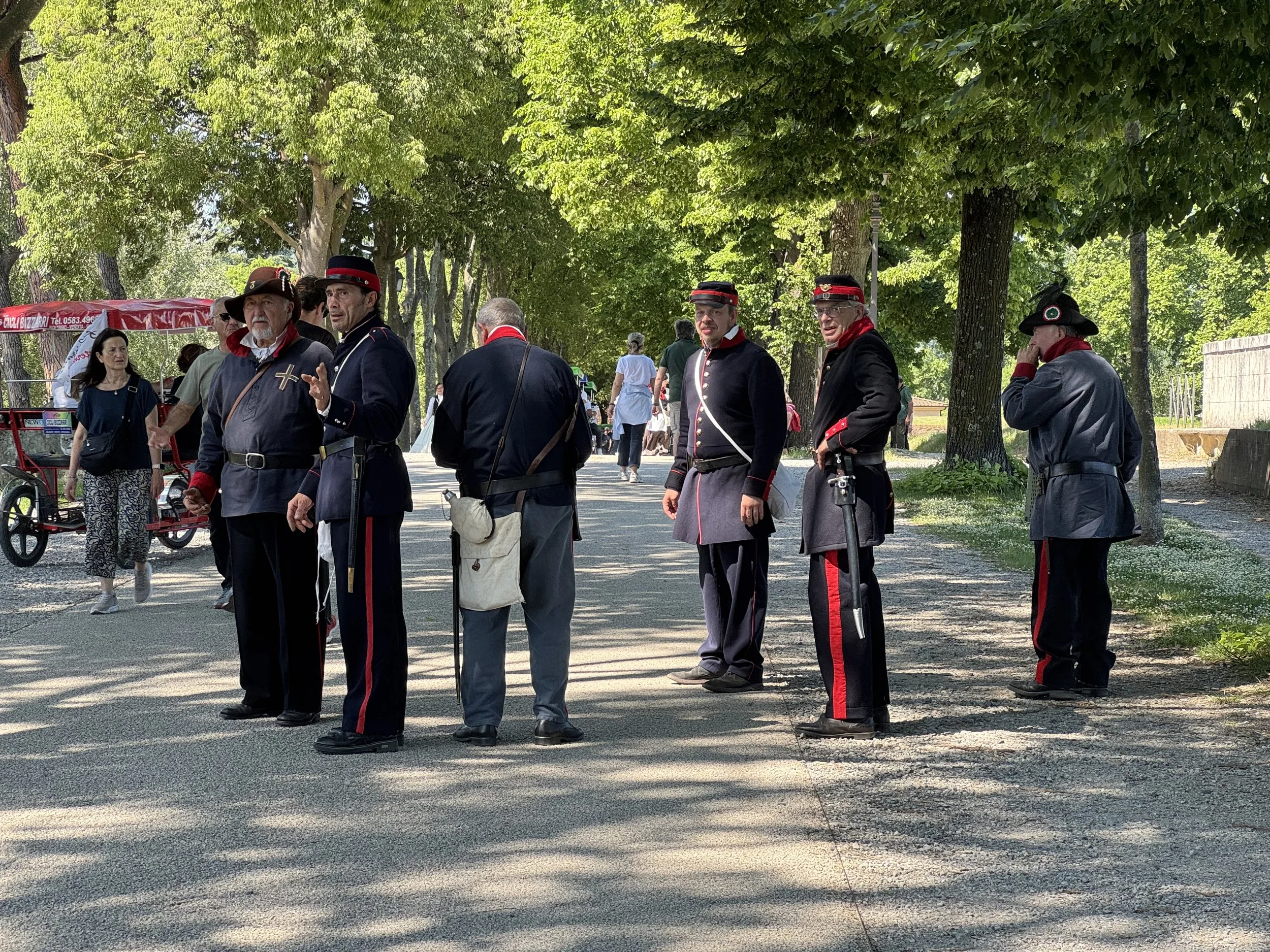
 Also fun was walking around town and seeing the many costumed participants having lunch or strolling the walls.  The weekend event provided little glimpses of Lucca as it once was. 

IMG_0414.jpeg
IMG_0413.jpeg
IMG_0250.jpeg
IMG_0252.jpeg
June 08, 2026 /Joanne Bartram
Lucca History, Rievocando Lucca, Napoleon in Lucca, Romans in Lucca
#italytravel, #lucca, #medievalitaly, Festivals Italy, History, Italian culture, Italy travel, Lucca, Tuscany

Summer has arrived and with it some special events - this weekend market was full of hand crafted ceramics

Suddenly Summer

June 01, 2026 by Joanne Bartram in #italiansummer, #italytravel, #lucca, Italy, Italy travel, Lucca, Living in Italy

Just an interesting display down a shady street, outside of an antique shop

The Italian expression all’improvviso means “suddenly”.  To say improvvisamente estate means suddenly summer, and that perfectly describes the change in weather over the last week.  It seems we went from cool and often rainy days requiring jackets and scarves, to sun and heat, dresses and sandals almost overnight. 

Over the years I’ve learned to cope with the Italian summer heat and humidity (coming from the desert of New Mexico, the humidity is still a struggle for me). The key to schedule errands and walks in the mornings, social gatherings in the evenings, and middays at home with fans and the “pinguino” (portable AC unit) running. Truth be told, the pinguino isn’t very effective in cooling my apartment due to the really high ceilings, but if I sit right in front of it, it helps. 

So does the Italian habit of closing the shutters and curtains in the mornings, especially on the east facing windows, to keep the house cooler.  I’ll sacrifice light for coolness every time.

The cafes around Piazza Napoleone are shady and the piazza is full of activity.

It also helps to walk on the most shaded streets, dashing quickly through the open and sunny piazzas where the difference is temperature is considerable. Restaurants with shaded patios, cafes with tasty iced coffee, and places with good indoor AC are invaluable on hot summer days. 

None of this is to complain though.  The sky is bright blue, the trees are green, flowers bloom throughout town, outdoor musicians provide the soundtrack, and special events and festivals (like the ceramics market this past weekend) are a weekly occurrence.

IMG_8599.jpeg
IMG_8595.jpeg
IMG_8594.jpeg

Piazza Napoleone offers both shade and liquid refreshment

Tuscany is wonderful at this time of year.  Not to mention that an Aperol Spritz, sipped on a shady piazza, has a remarkable ability to cool me down and make me sigh with contentment.

I am enjoyed morning walks, whether up on the walls or through town. I continue to be delighted by interesting details spotted while having a coffee or when turning down a small street, by small details that I may not have noticed before, by gardens that I haven’t visited since last summer, and by the general day-to-day scenes of life in Lucca. 

May June be delightful wherever we find ourselves!

This tucked away garden is a favorite, and very quiet, spot in Lucca. It’s a great place to listen to birds singing.

June 01, 2026 /Joanne Bartram
summer Lucca, summer tuscany
#italiansummer, #italytravel, #lucca, Italy, Italy travel, Lucca, Living in Italy
  • Newer
  • Older

Powered by Squarespace